Student Disciplinary Forms at School, Maintaining discipline in schools is essential for creating a safe, respectful, and productive learning environment. Schools are not only places where students learn academic subjects, but also institutions where they develop character, responsibility, and social behavior. To manage behavior fairly and consistently, schools use student disciplinary forms. These forms provide a written record of incidents, actions taken, and follow-up measures. They help teachers, administrators, students, and parents understand what happened and what steps are needed to improve behavior.
In this detailed article, we will explain the meaning, purpose, types, procedures, benefits, challenges, and best practices related to student disciplinary forms in schools. Each section is written in simple language while providing enough detail for teachers, school heads, and education students.
What Are Student Disciplinary Forms?
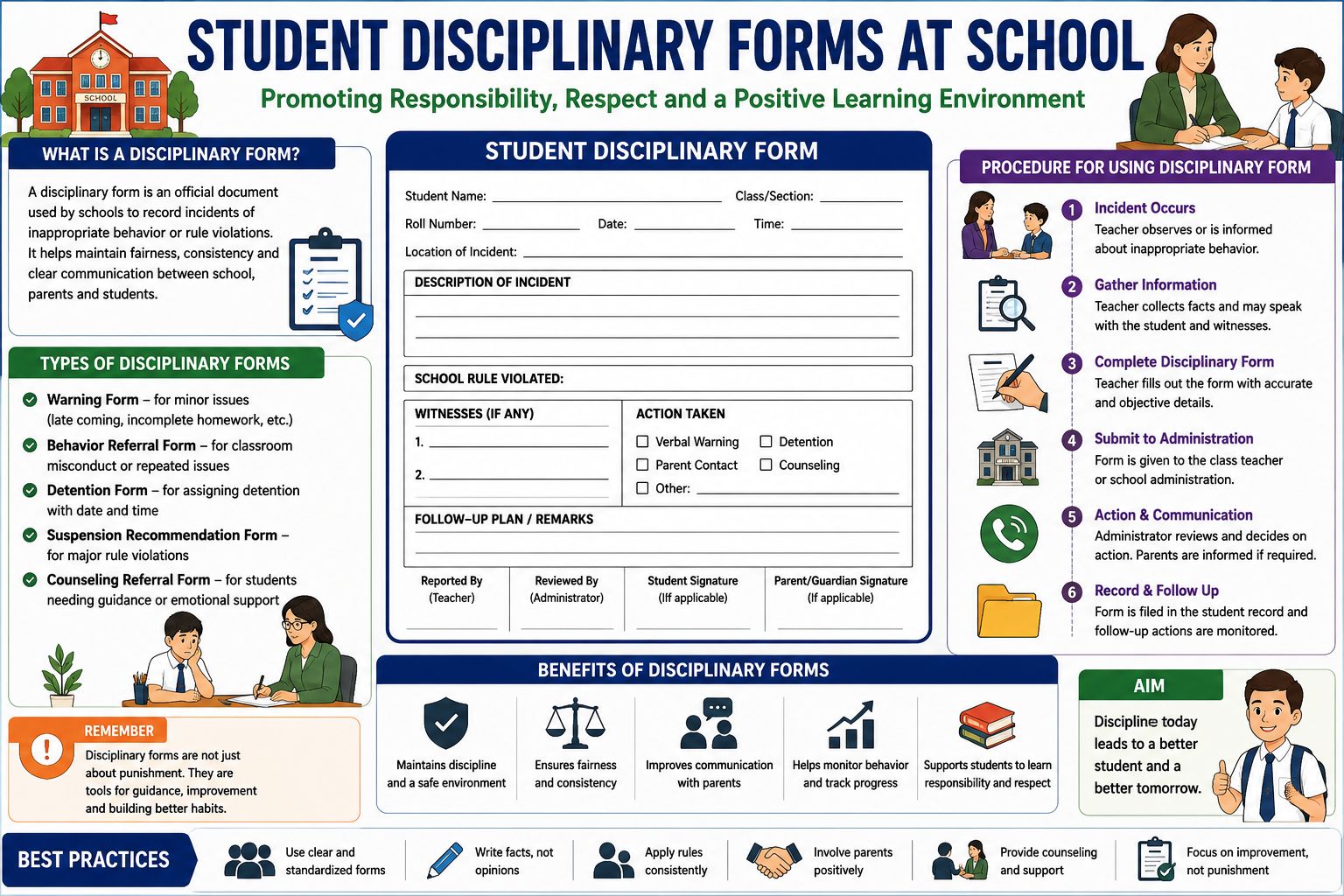
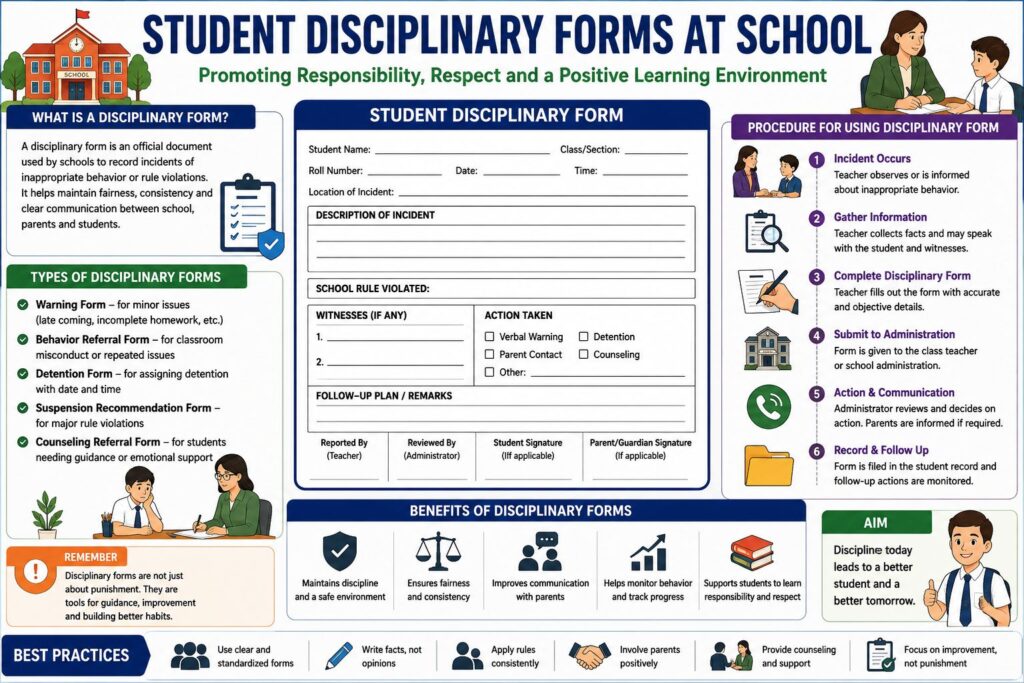
Student disciplinary forms are official documents used by schools to record incidents of inappropriate behavior, rule violations, or disciplinary concerns involving students. These forms may be completed by teachers, class in-charges, counselors, or school administrators. They usually include the student’s name, class, date, description of the incident, witnesses, action taken, and signatures of relevant staff members.
The main purpose of these forms is not merely to punish students. Instead, they serve as a structured communication and documentation tool. By recording incidents in writing, schools can track behavior patterns, ensure fairness, and involve parents when necessary. A disciplinary form creates an official record that can be reviewed later if similar issues occur again. It also protects teachers and students by ensuring that disciplinary actions are based on documented facts rather than assumptions or emotions.
Why Are Disciplinary Forms Important in Schools?
Disciplinary forms play an important role in school management and student development. Schools deal with many students every day, and behavioral issues can arise for different reasons. Without proper documentation, it becomes difficult to remember incidents accurately or apply rules consistently. A written form helps maintain transparency and accountability.
These forms also support communication between school and home. When parents receive a copy or are informed through the form, they understand the nature of the problem and can cooperate with the school. Furthermore, disciplinary records help counselors identify students who may need emotional, social, or academic support. In serious cases, documented forms provide evidence that the school followed proper procedures before taking stronger disciplinary action. Therefore, disciplinary forms contribute to both school order and student guidance.
Main Objectives of Student Disciplinary Forms
Every school should use disciplinary forms with clear educational objectives. The first objective is to maintain discipline and safety within the school. Students need to understand that rules exist to protect everyone and support learning. The second objective is behavior correction. A disciplinary form should encourage students to reflect on their actions and improve future behavior.
Another objective is documentation. Accurate records help schools monitor repeated incidents and make informed decisions. Disciplinary forms also promote fairness because similar behaviors can be handled using the same procedures. Finally, these forms encourage parental involvement. When parents are informed early, they can work together with teachers to support positive behavior. Thus, disciplinary forms are educational tools designed to guide students rather than simply punish them.
Common Types of Disciplinary Forms
Schools may use different disciplinary forms depending on the seriousness of the behavior. A warning form is often used for minor issues such as incomplete homework, talking during class, or repeated lateness. A behavior referral form is used when a teacher refers a student to the administration for more serious concerns.
Some schools use detention forms that specify the date, time, and reason for detention. Suspension recommendation forms may be used for major violations such as fighting, bullying, vandalism, or repeated misconduct. There are also counseling referral forms for students who need behavioral or emotional support rather than punishment. By using different forms, schools can respond appropriately to different levels of misconduct while keeping accurate records.
Information Included in a Disciplinary Form
A good disciplinary form should contain clear and complete information. The form usually begins with the student’s personal details, including name, class, roll number, and section. It should also record the date, time, and location of the incident. A detailed description of what happened is essential. The description should be factual and objective, avoiding emotional or insulting language.
Many forms include the names of witnesses if other students or staff members observed the incident. The form should also mention the school rule violated, the action taken, and any follow-up plan such as counseling, parent meeting, or behavior monitoring. Finally, signatures of the teacher, administrator, and sometimes the student and parent are included to confirm that the matter has been communicated properly.
Procedure for Using a Disciplinary Form
Schools should follow a clear procedure when using disciplinary forms. The process usually starts when a teacher observes or receives a report of inappropriate behavior. The teacher should first gather accurate information and, if possible, speak calmly with the student. For minor issues, a verbal reminder may be enough. If the behavior is repeated or more serious, the teacher completes the disciplinary form.
After the form is completed, it is submitted to the class teacher, discipline committee, or school administration according to school policy. The administrator reviews the incident and decides on appropriate action. Parents may be informed if required. The completed form is then filed in the student’s disciplinary record. Following a consistent procedure helps ensure fairness and reduces misunderstandings among students, parents, and staff.
Role of Teachers in the Disciplinary Process
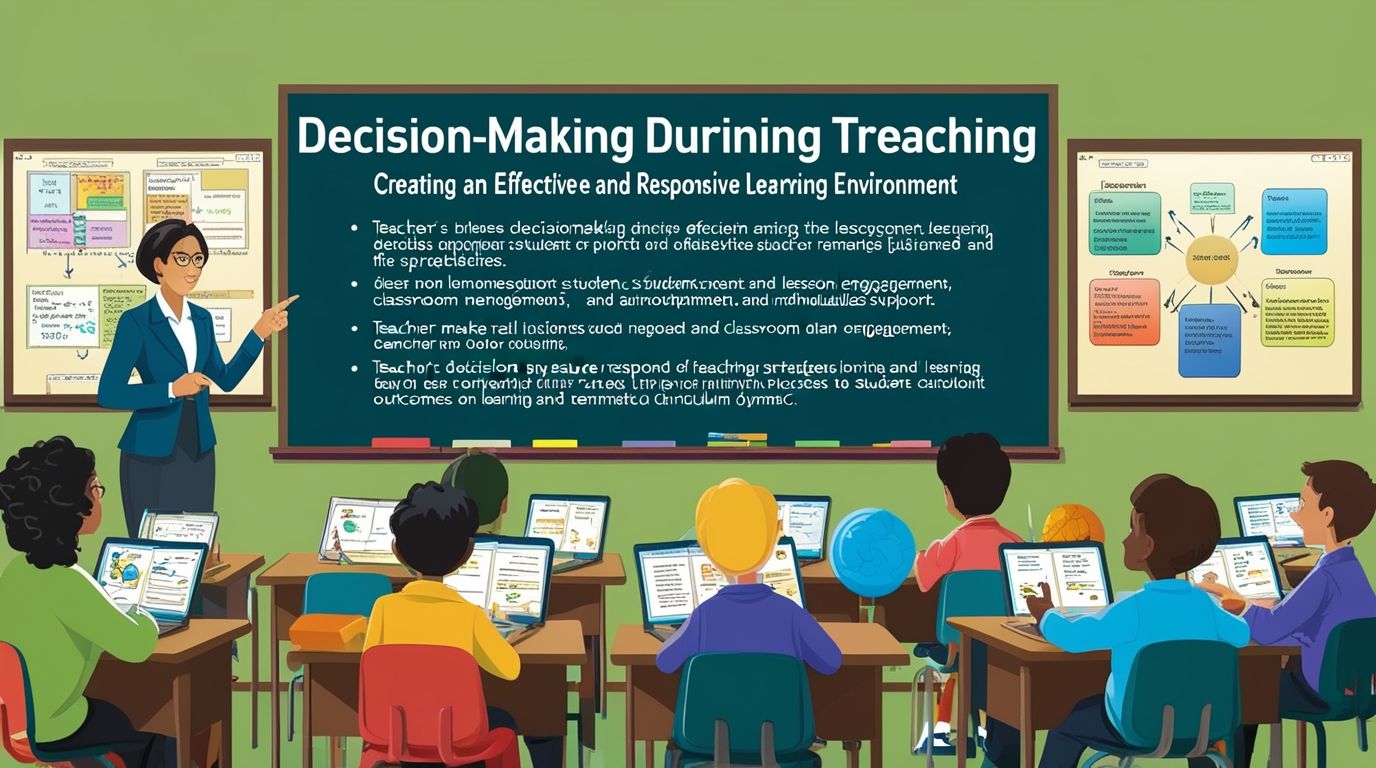
Teachers are usually the first people to notice behavioral problems in the classroom. Their role is very important because they must respond professionally and fairly. A teacher should remain calm, listen to the student, and avoid humiliating the child in front of classmates. When filling out a disciplinary form, the teacher should write clear, factual, and objective information without exaggeration.
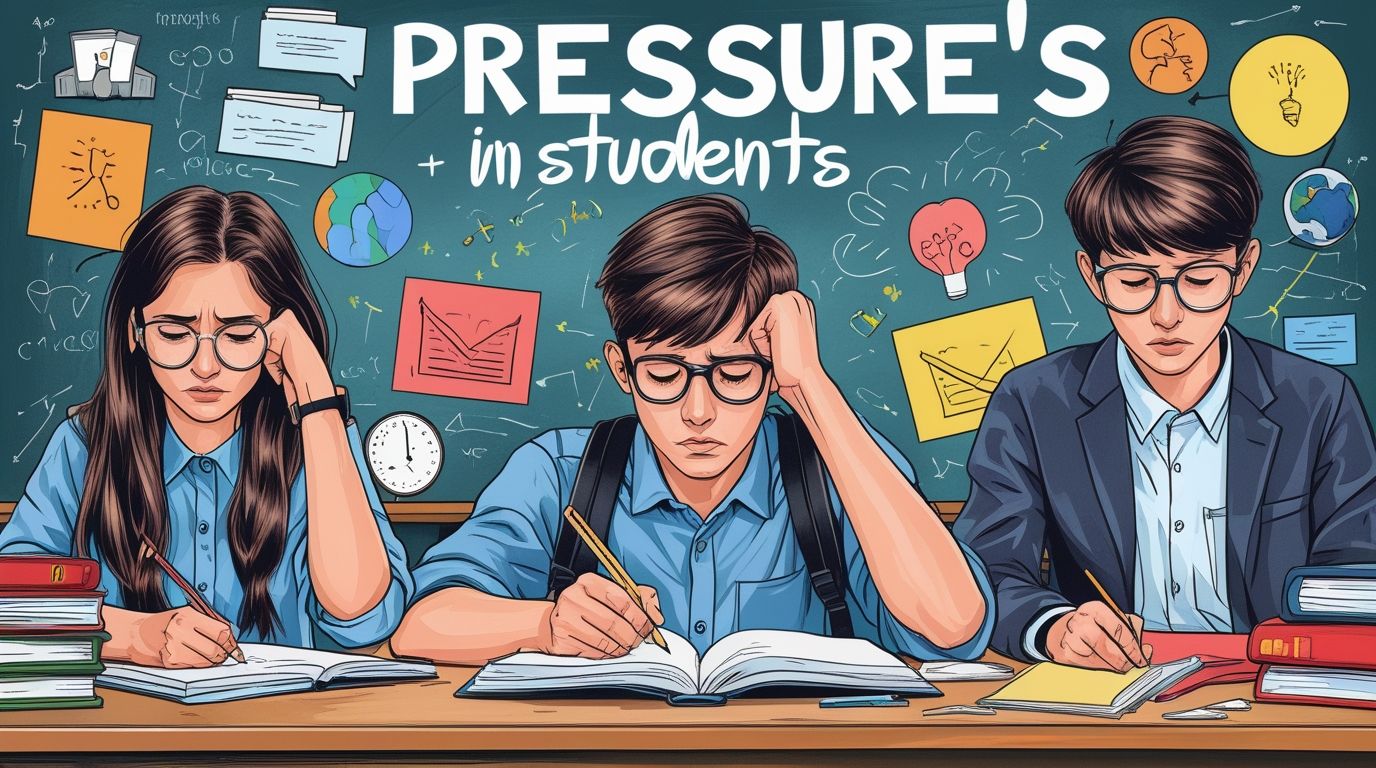
Teachers should also consider the student’s age, background, and circumstances. Sometimes behavior problems are connected to stress, learning difficulties, or family issues. Therefore, discipline should be balanced with understanding and support. After the form is submitted, teachers should continue monitoring the student and encourage positive behavior. Effective teachers use disciplinary forms as part of a broader classroom management strategy that combines rules, encouragement, and guidance.
Role of School Administration
School administrators, such as principals and vice principals, have the responsibility of ensuring that disciplinary procedures are applied consistently across the school. They review disciplinary forms, investigate serious incidents, and decide on appropriate consequences according to school policy. Administrators must protect the rights of all students while maintaining safety and order.
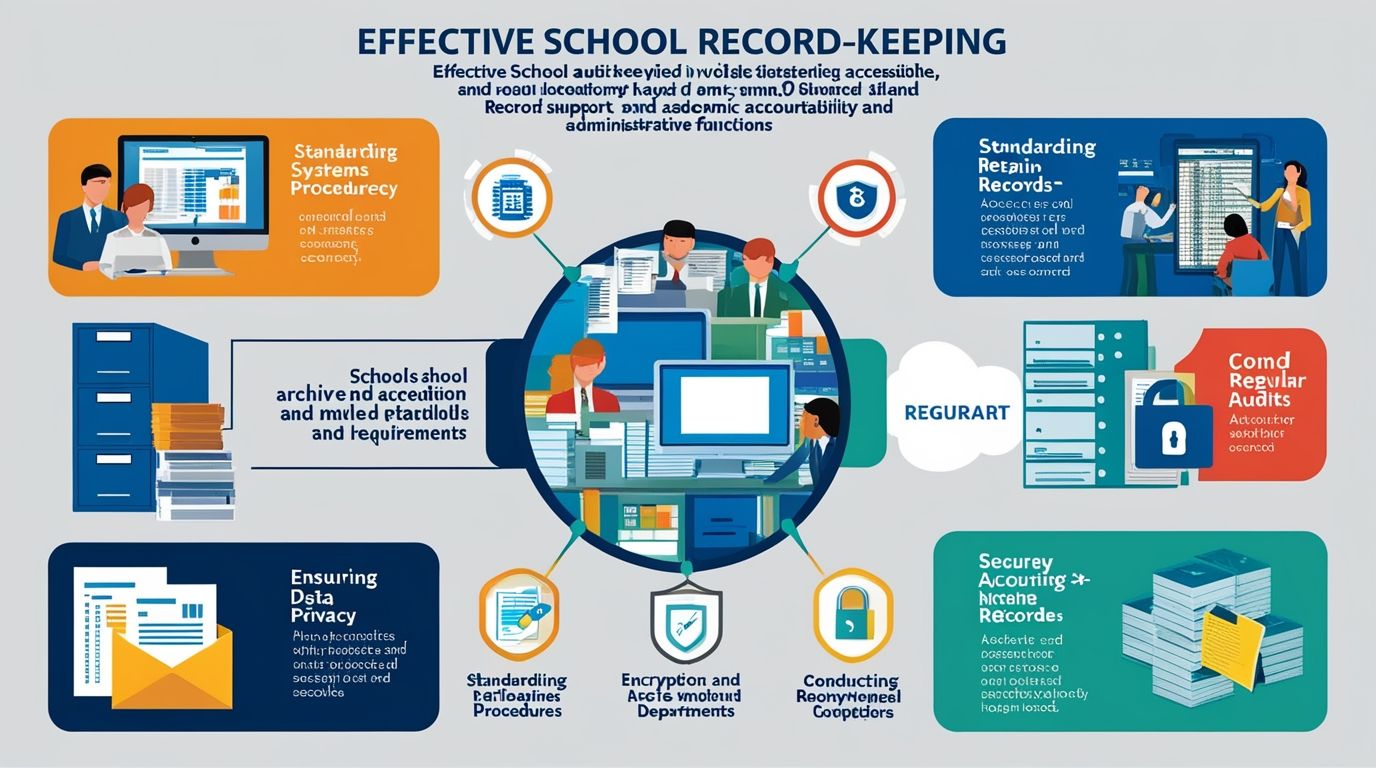
Another important responsibility is record management. Disciplinary forms should be stored securely and kept confidential. Administrators should also analyze disciplinary records to identify patterns, such as repeated bullying, frequent lateness, or classroom management concerns. This information can help the school develop preventive programs. Good administrators focus not only on punishment but also on restorative practices, counseling, and behavior improvement plans that help students learn from mistakes.
Role of Parents and Guardians
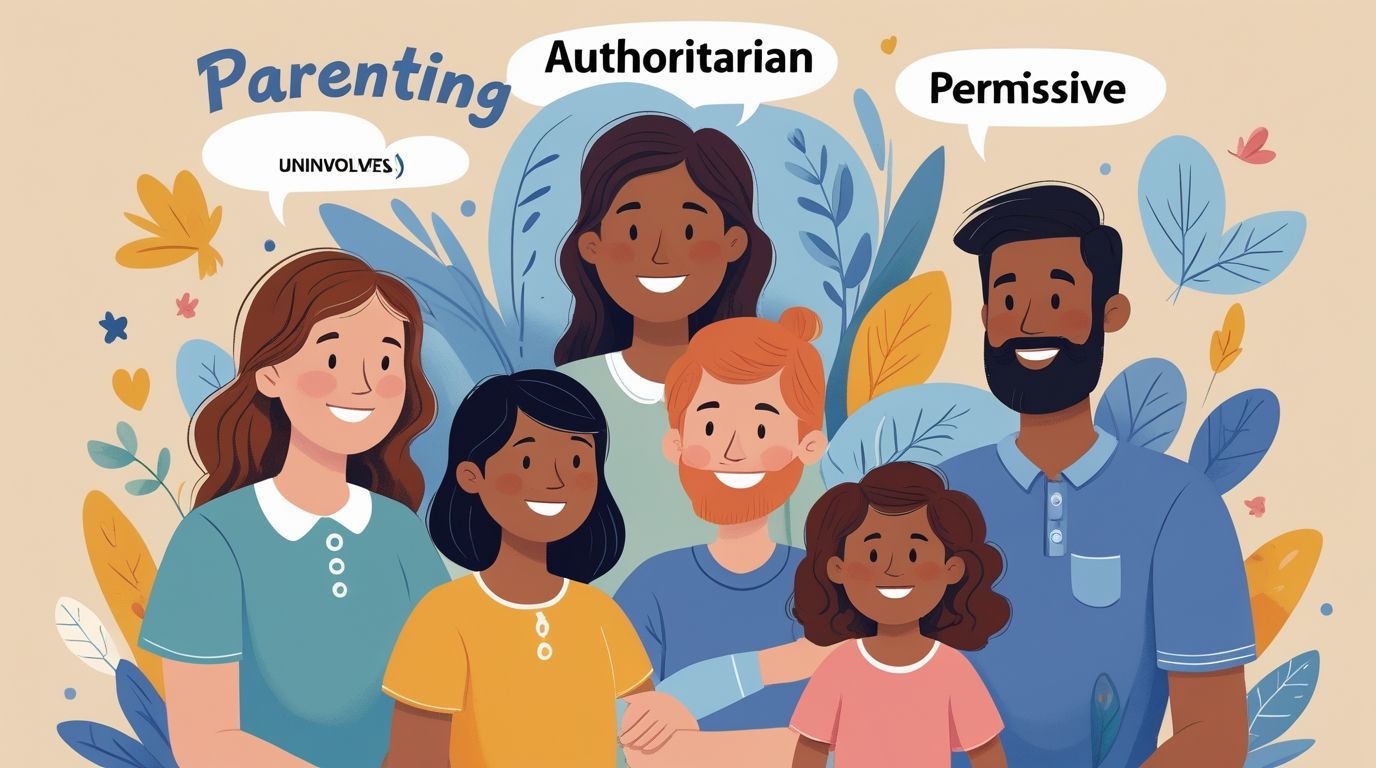
Parents are important partners in student discipline. When a disciplinary form is sent home, parents should read it carefully, discuss the incident calmly with the child, and cooperate with the school. Blaming teachers immediately or ignoring the issue can make behavior problems worse. Instead, parents should help the child understand why the behavior was inappropriate and how to make better choices.
Regular communication between school and home creates consistency. If a student receives repeated disciplinary forms, parents and teachers should work together to identify causes and develop a behavior improvement plan. Positive reinforcement at home can support progress made at school. When parents participate respectfully in the disciplinary process, students receive a clear message that both home and school expect responsible behavior.
Benefits of Proper Disciplinary Documentation
Well-maintained disciplinary forms provide many benefits for schools. First, they create accurate records that help staff remember incidents correctly. Second, they promote fairness and consistency because decisions are based on documented evidence rather than personal opinions. Third, they improve communication with parents by providing clear information about the incident and the action taken.
Disciplinary records also help identify students who may need additional support, counseling, or behavioral intervention. In cases of repeated misconduct, previous records help administrators understand the student’s history and choose appropriate responses. Furthermore, proper documentation can protect the school legally by showing that disciplinary actions followed established procedures. Overall, good record keeping supports effective school management and student development.
Challenges in Using Disciplinary Forms
Although disciplinary forms are useful, schools may face several challenges when using them. One common problem is inconsistent reporting. Some teachers document every incident while others report only serious cases. This can create unfairness. Another challenge is subjective language. If forms contain emotional or biased comments, students and parents may feel they were treated unfairly.
Schools may also struggle with excessive paperwork, especially in large institutions with many students. Confidentiality is another concern because disciplinary records should not be shared openly. Sometimes students begin to see disciplinary forms only as punishment rather than opportunities for improvement. To overcome these challenges, schools need clear policies, staff training, and a focus on educational rather than purely punitive discipline.
Best Practices for Effective Disciplinary Forms
Schools can improve the effectiveness of disciplinary forms by following several best practices. Forms should be simple, clear, and standardized so all staff use the same format. Teachers should receive training on objective writing and fair discipline procedures. Schools should also ensure that consequences are proportionate to the behavior and consistent with school policy.
Another good practice is to include a section for student reflection, allowing the student to explain what happened and what can be done differently next time. Follow-up meetings with parents, counselors, or teachers can help prevent repeated incidents. Schools should regularly review disciplinary data to identify trends and improve prevention strategies. When used thoughtfully, disciplinary forms become tools for learning, responsibility, and positive behavior change.
Conclusion
Student disciplinary forms are an essential part of school administration and classroom management. They provide a structured way to document incidents, communicate with parents, and apply school rules fairly. More importantly, they support the educational goal of helping students develop responsibility, self-control, and respect for others.
Effective disciplinary forms are not simply records of punishment. They are tools for guidance, reflection, and improvement. When teachers, administrators, parents, and students work together, disciplinary procedures can become opportunities for growth rather than sources of conflict. By using clear forms, consistent procedures, and supportive follow-up, schools can maintain discipline while also promoting a positive and caring learning environment for every student.
Frequently Asked Questions (FAQs)
1. What is a student disciplinary form?
A student disciplinary form is an official school document used to record incidents of inappropriate behavior or violations of school rules. It includes details of the incident, actions taken, and follow-up measures to ensure fairness and maintain accurate records.
2. Why do schools use disciplinary forms?
Schools use disciplinary forms to document student misconduct, maintain discipline, ensure consistent enforcement of school policies, communicate with parents, and monitor students’ behavioral progress over time. These forms also help create a safe and respectful learning environment.
3. What information is included in a student disciplinary form?
A standard disciplinary form usually includes the student’s name, class, roll number, date and time of the incident, location, description of the behavior, school rule violated, witnesses (if any), disciplinary action taken, follow-up plan, and signatures of the teacher, administrator, student, and parent where required.
4. Does receiving a disciplinary form mean a student will be suspended?
No. Receiving a disciplinary form does not automatically result in suspension. Many forms are issued for minor offenses as warnings or for documentation purposes. Suspension is generally considered only for serious or repeated violations according to the school’s disciplinary policy.
5. How can parents help after receiving a disciplinary form?
Parents should carefully review the form, discuss the incident calmly with their child, encourage honest communication, reinforce the importance of following school rules, and cooperate with teachers or school administrators to help improve the student’s behavior.
6. How do disciplinary forms benefit teachers and school administrators?
Disciplinary forms provide written documentation of behavioral incidents, promote consistency in decision-making, support communication with parents, identify recurring behavioral patterns, and protect schools by ensuring that disciplinary actions are based on documented evidence rather than personal opinions.
7. How can schools make disciplinary forms more effective?
Schools can improve the effectiveness of disciplinary forms by using clear and standardized formats, training teachers in objective reporting, ensuring fair and consistent disciplinary procedures, involving parents when necessary, providing counseling for students, and focusing on behavior improvement rather than punishment alone.