
Introduction
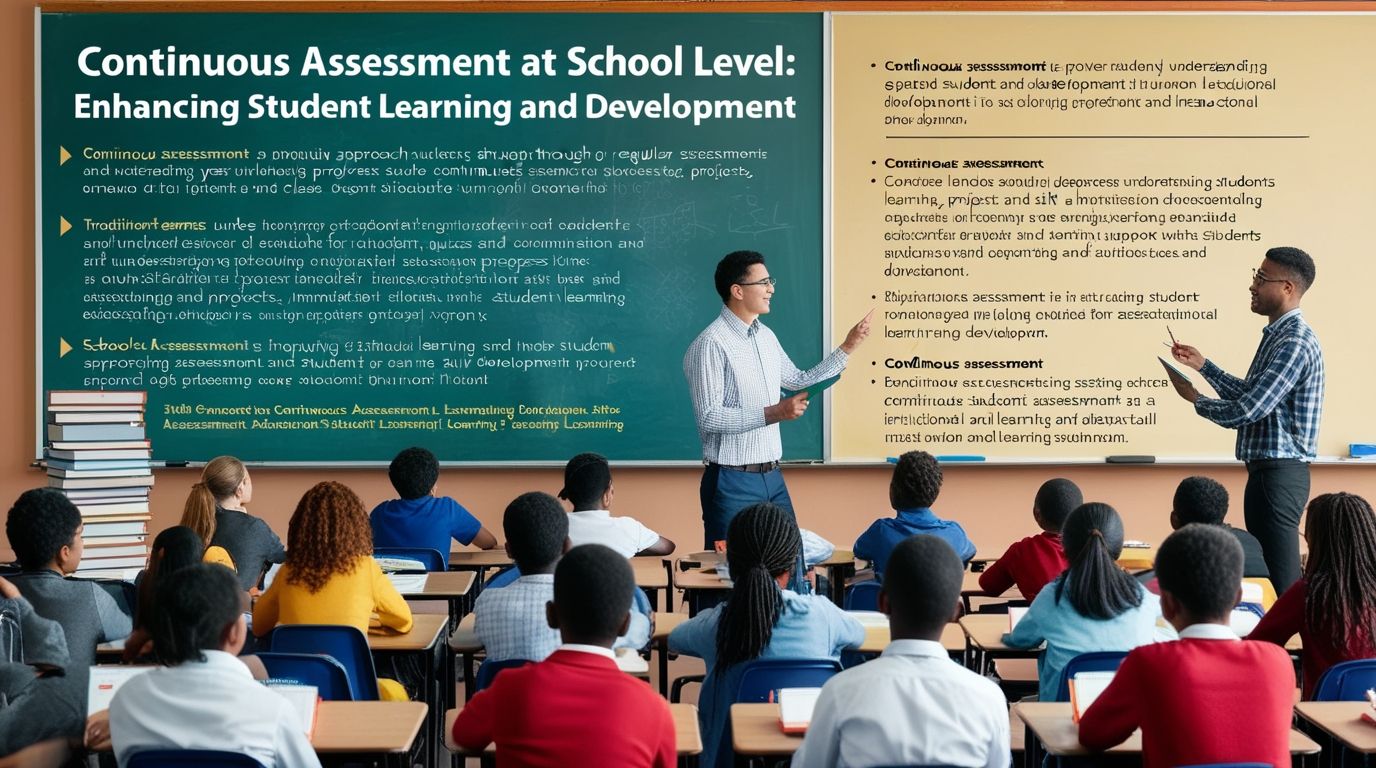
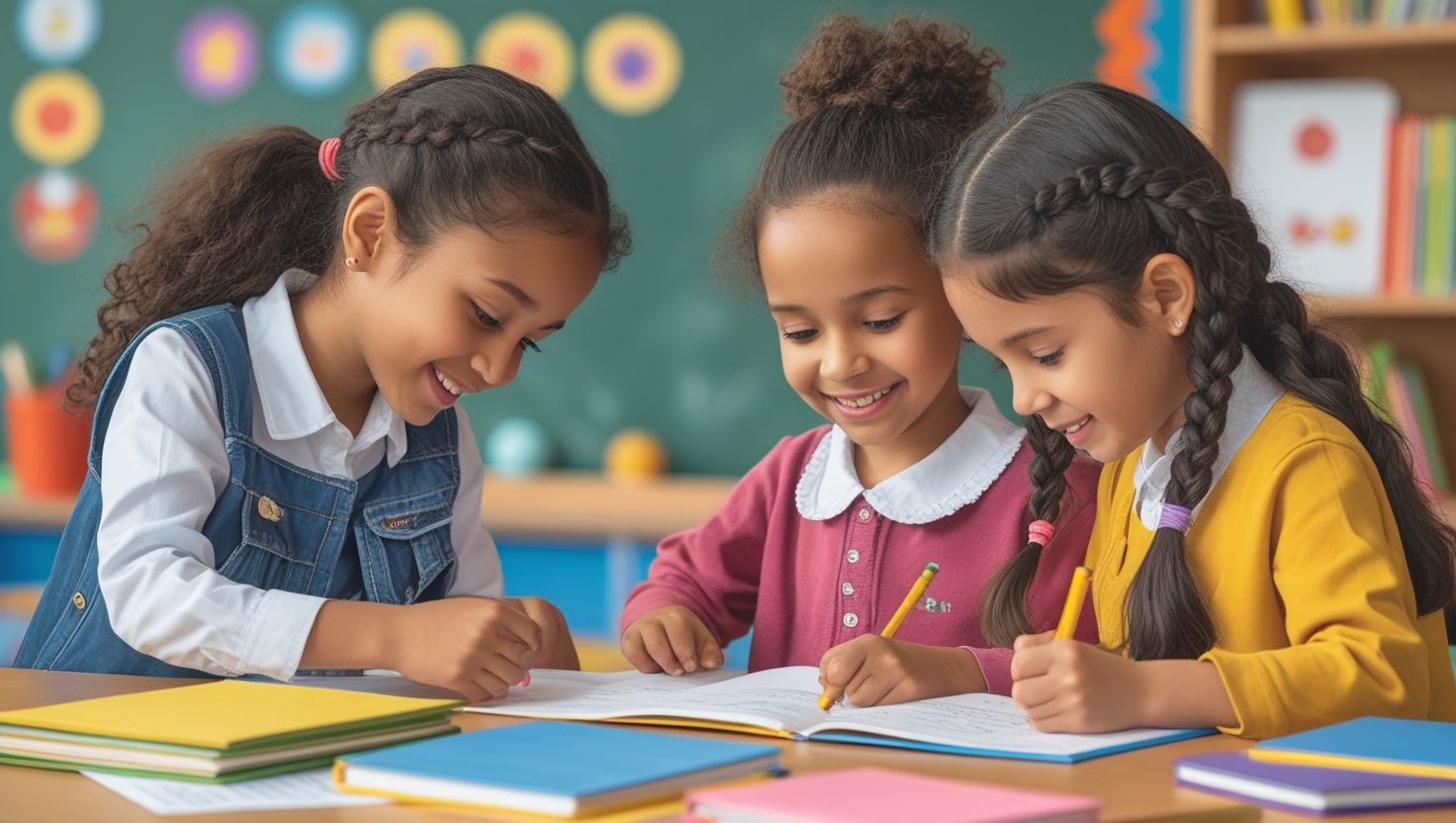
Monitor Students’ Progress at School, Every teacher has stood in front of a classroom wondering, “Is this actually working?” That question sits at the heart of why we monitor student progress at school. Monitoring isn’t about catching mistakes; it’s about building a compass that shows where a learner stands right now and where they need to go next. When teachers track growth consistently, they catch gaps early, celebrate small wins, and adjust instruction before a struggling student falls too far behind. Effective progress monitoring blends observation, assessment data, and honest conversation into one ongoing picture of a child’s academic journey. It turns teaching from guesswork into a responsive, evidence-based practice. Schools that prioritize consistent tracking tend to see stronger outcomes, higher engagement, and better communication between teachers, students, and families. In the sections ahead, we’ll explore practical strategies any educator can use to keep every student moving forward with confidence.
Mapping the Destination: Setting Clear Learning Goals
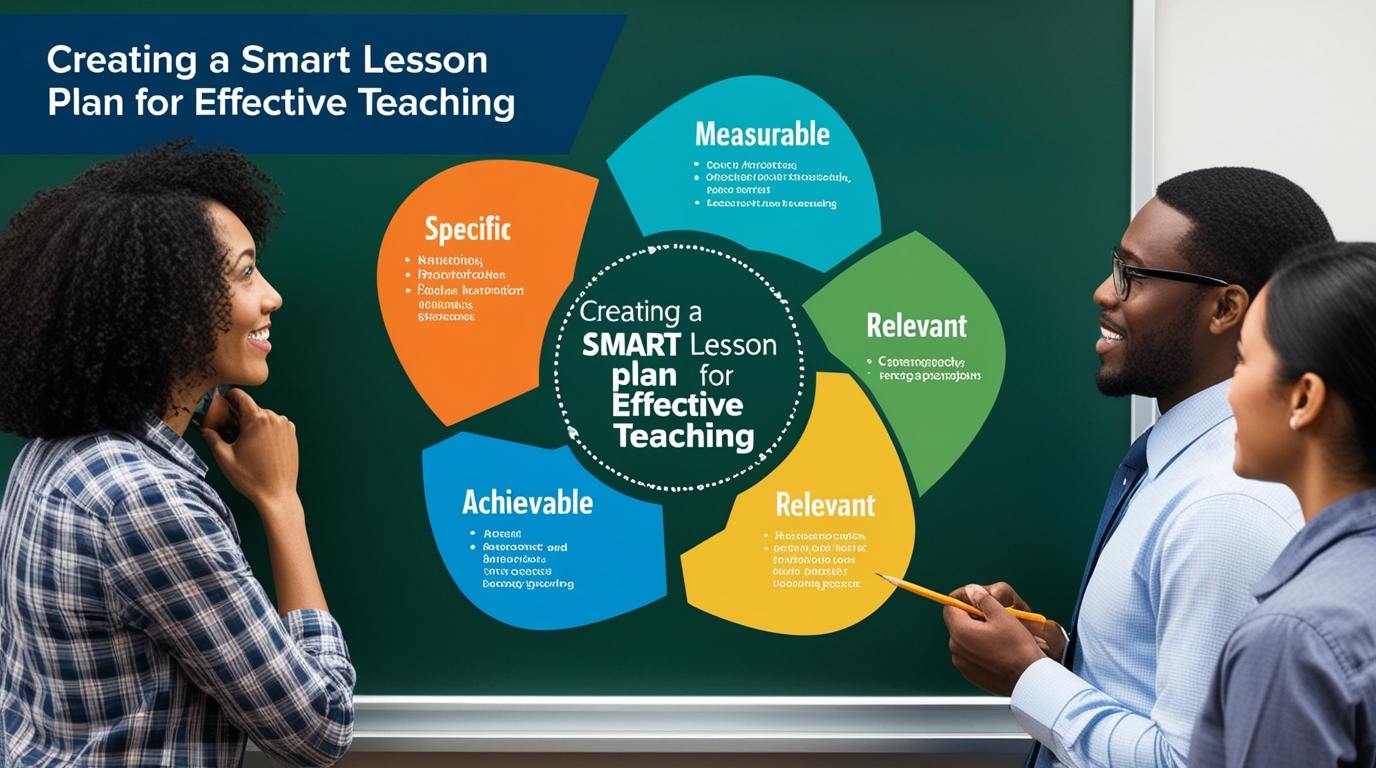
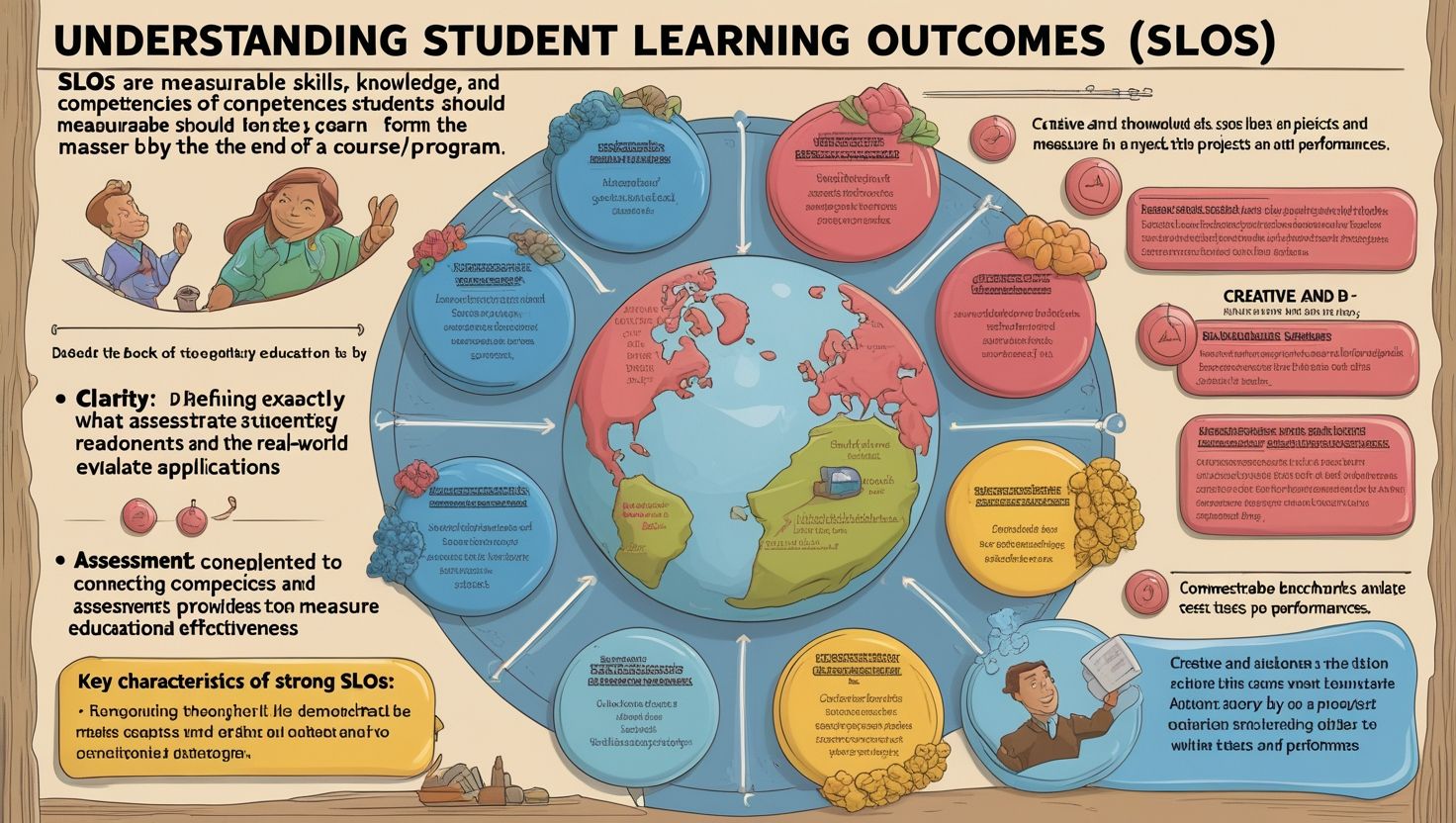
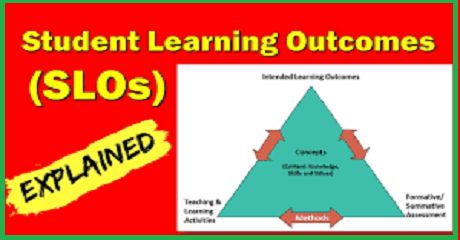
You cannot measure progress toward a destination nobody defined. That’s why clear learning goals are the foundation of any monitoring system. Goals should be specific, measurable, and shared openly with students so they understand exactly what success looks like. Instead of a vague aim like “improve in math,” a strong goal might read, “solve two-step word problems involving fractions with 80% accuracy by month’s end.” When students know the target, they become active participants in their own growth rather than passive recipients of grades. Teachers benefit too, because well-defined learning objectives make it far easier to design assessments, plan lessons, and spot when someone is drifting off course. Involving students in setting personal goals also builds ownership and motivation. Revisit these goals regularly, adjusting them as students grow, so the destination stays realistic, relevant, and worth working toward throughout the entire school year.
Small Snapshots, Big Insights: Formative Assessment
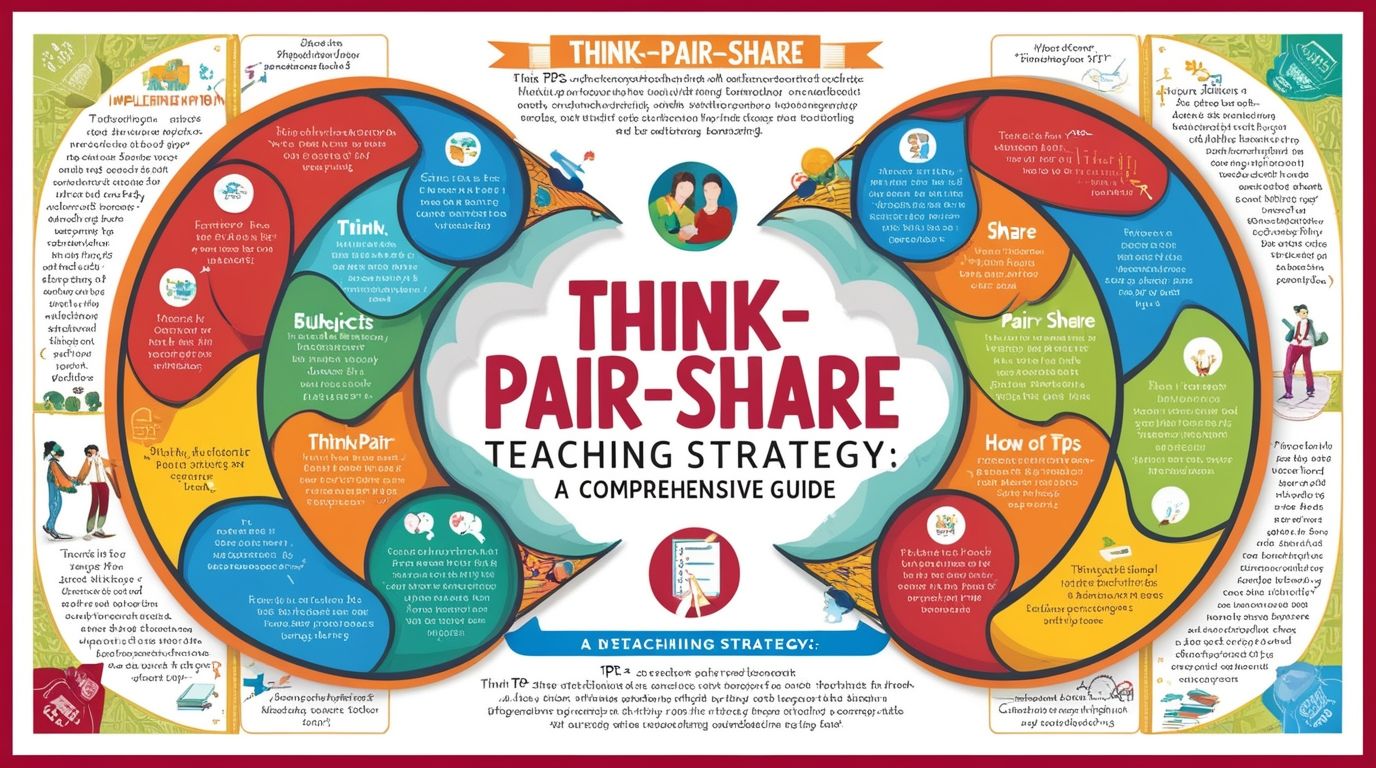
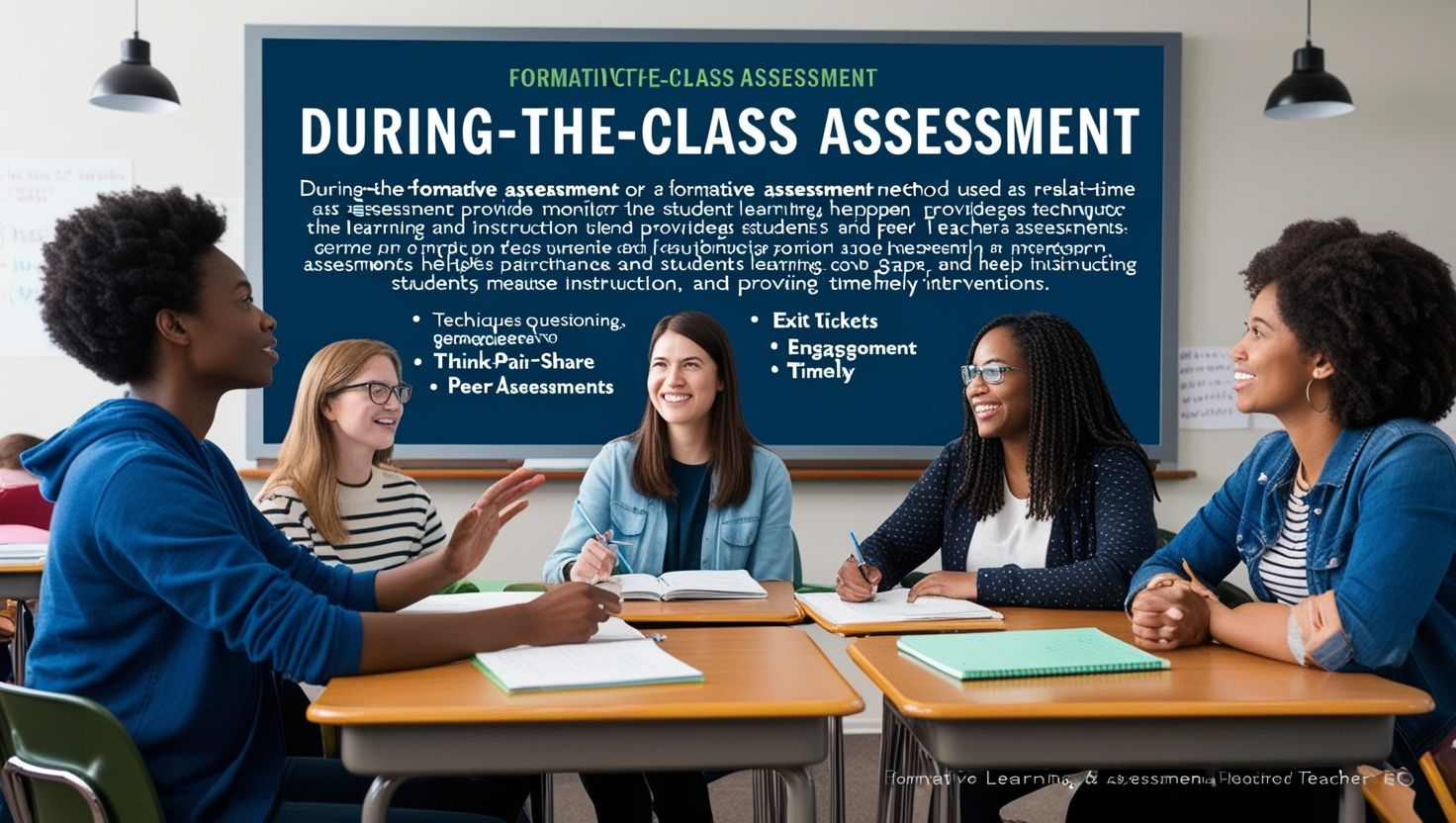
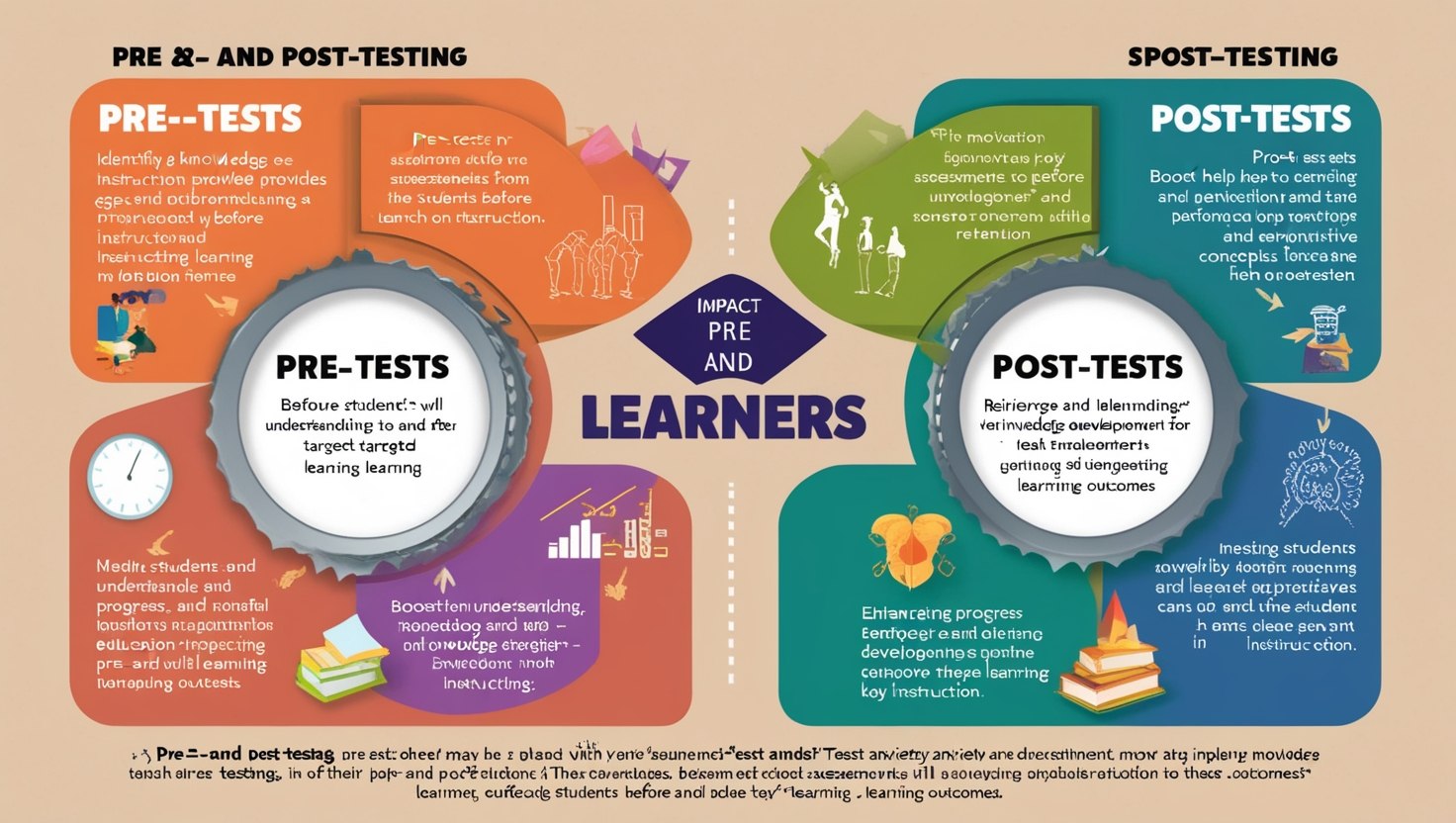
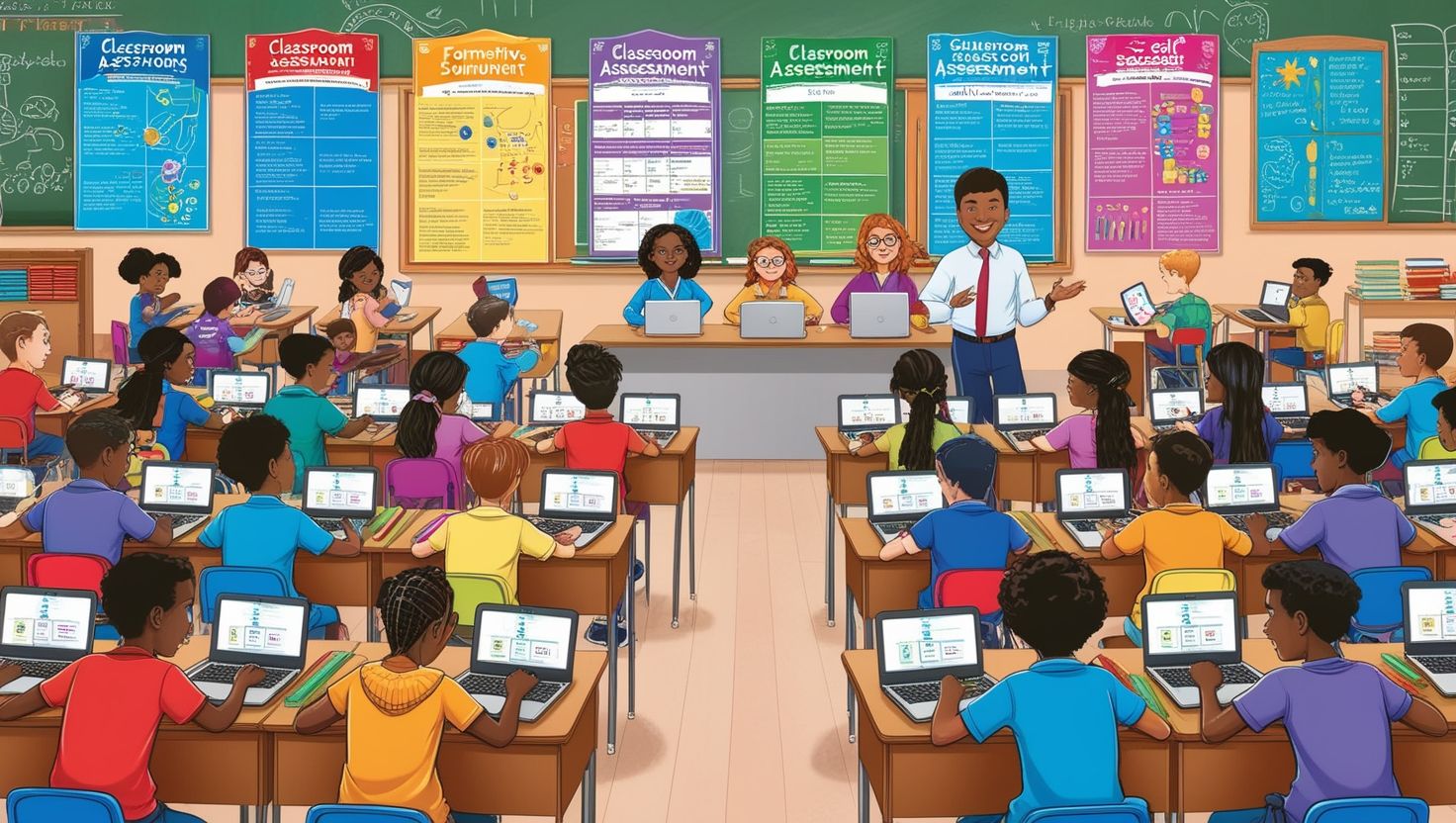
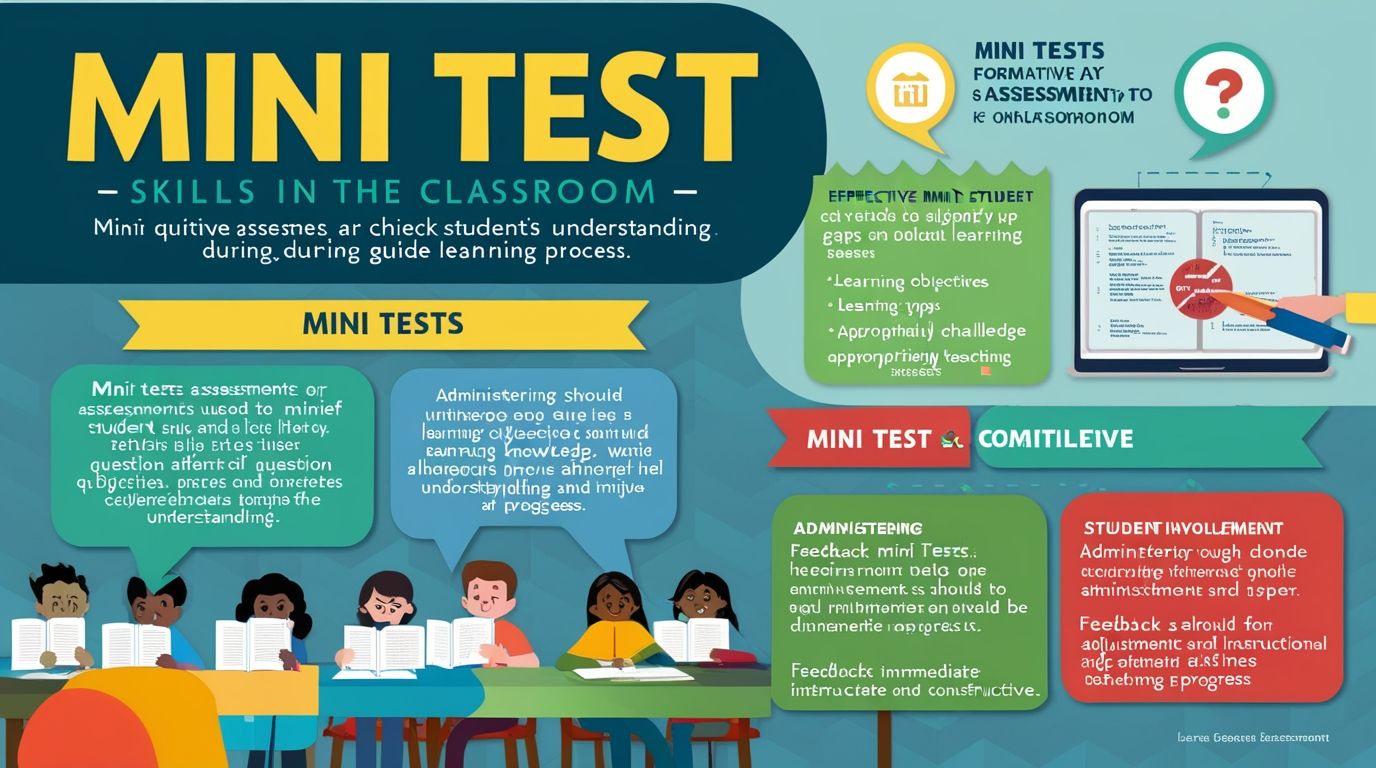
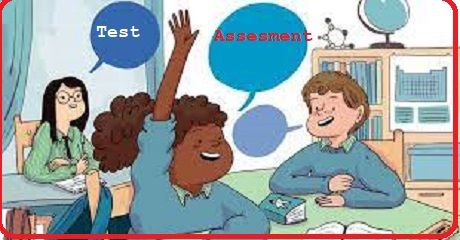
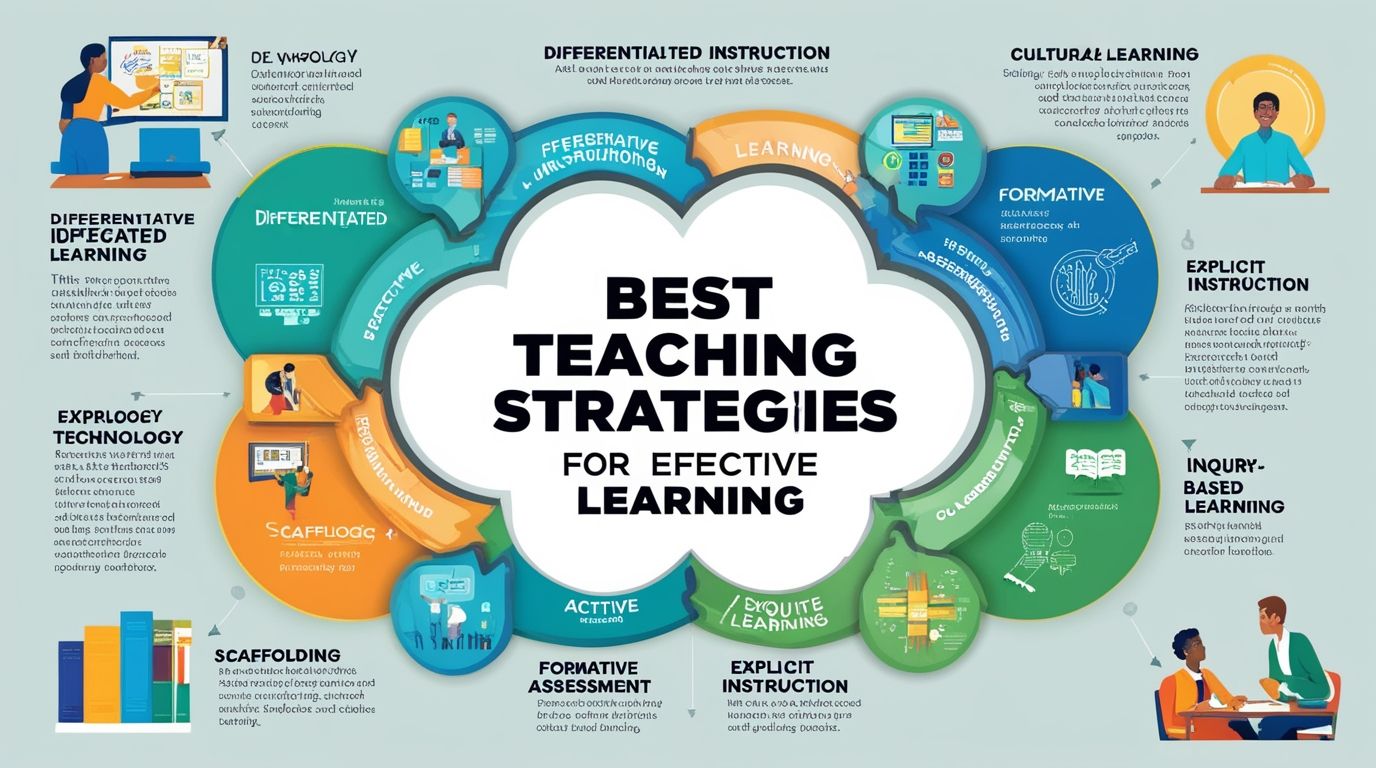
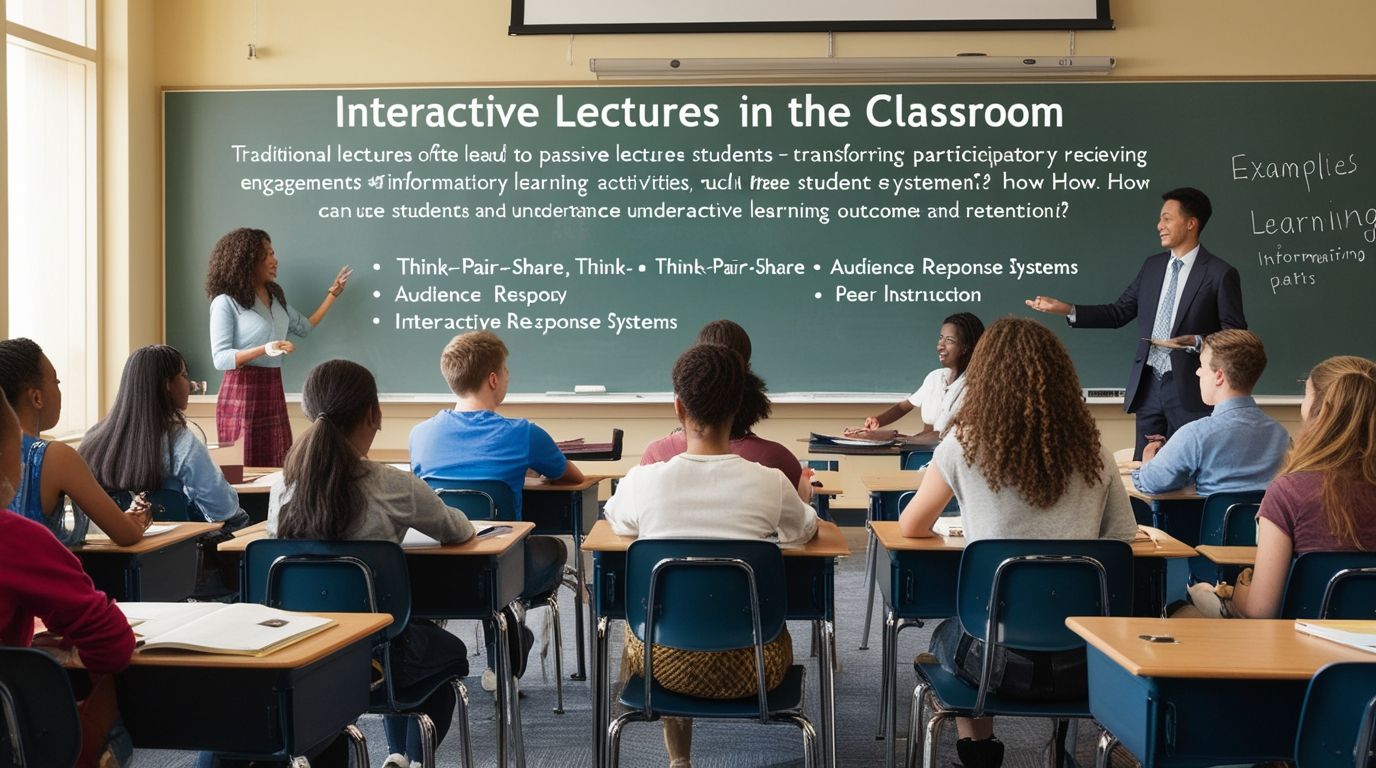
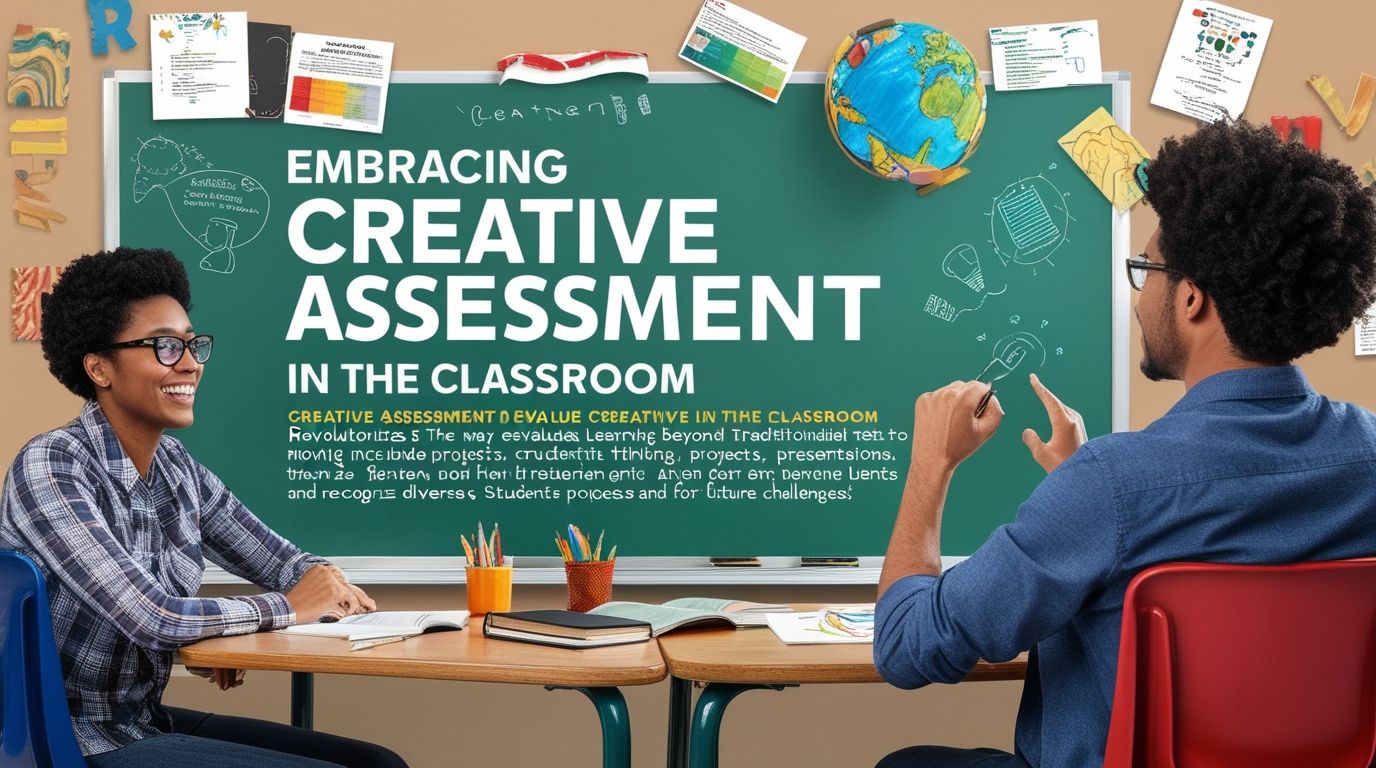
Formative assessment is the quiet engine behind effective progress monitoring. Unlike big end-of-term exams, formative checks happen constantly and informally — a quick exit ticket, a thumbs-up poll, a one-minute quiz, or a question posed mid-lesson. These small snapshots reveal understanding in real time, long before a unit test confirms whether learning actually stuck. The beauty of low-stakes checks is that they let teachers pivot immediately: reteach a confusing concept, regroup students, or slow the pace before misunderstanding compounds. Formative assessment also reduces anxiety, since students aren’t graded harshly for still-developing skills. Techniques like think-pair-share, whiteboard responses, and short reflective journals all count. Over weeks, these tiny data points accumulate into a rich, textured view of each learner’s trajectory. Teachers who build formative checks into daily routines rarely get blindsided by test results, because they’ve been watching the story unfold chapter by chapter all along.
Letting Numbers Tell the Story: Data-Driven Decisions
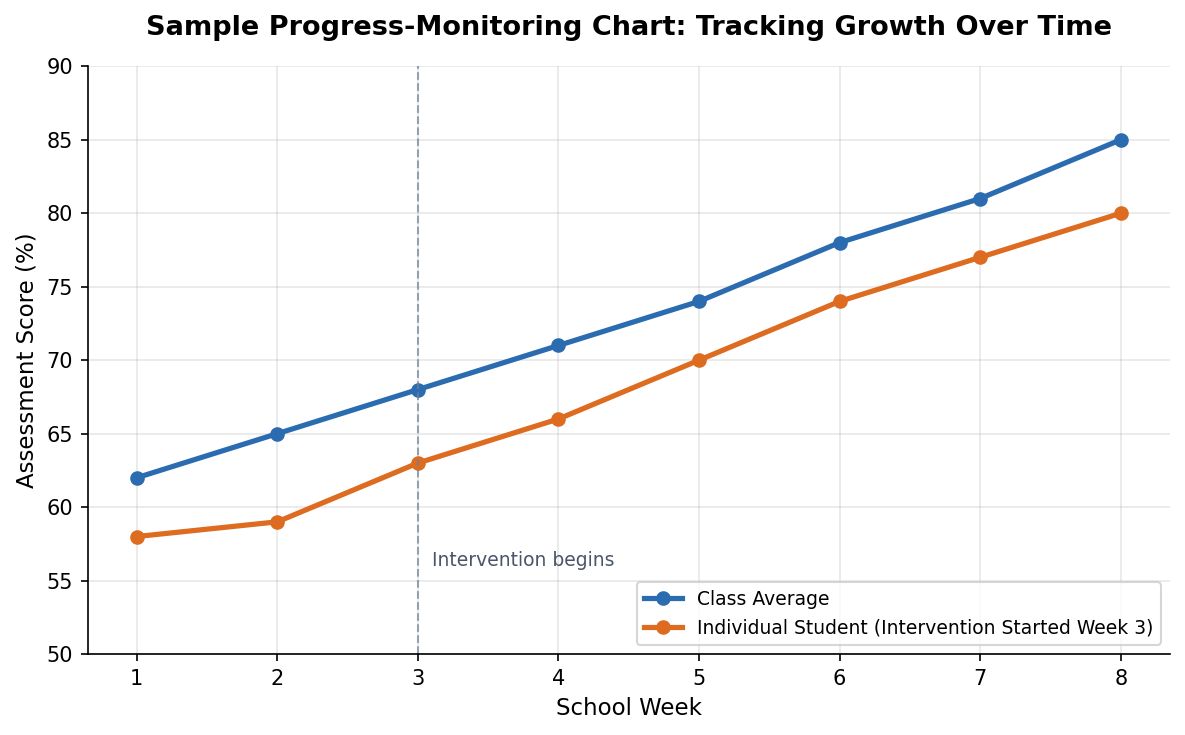
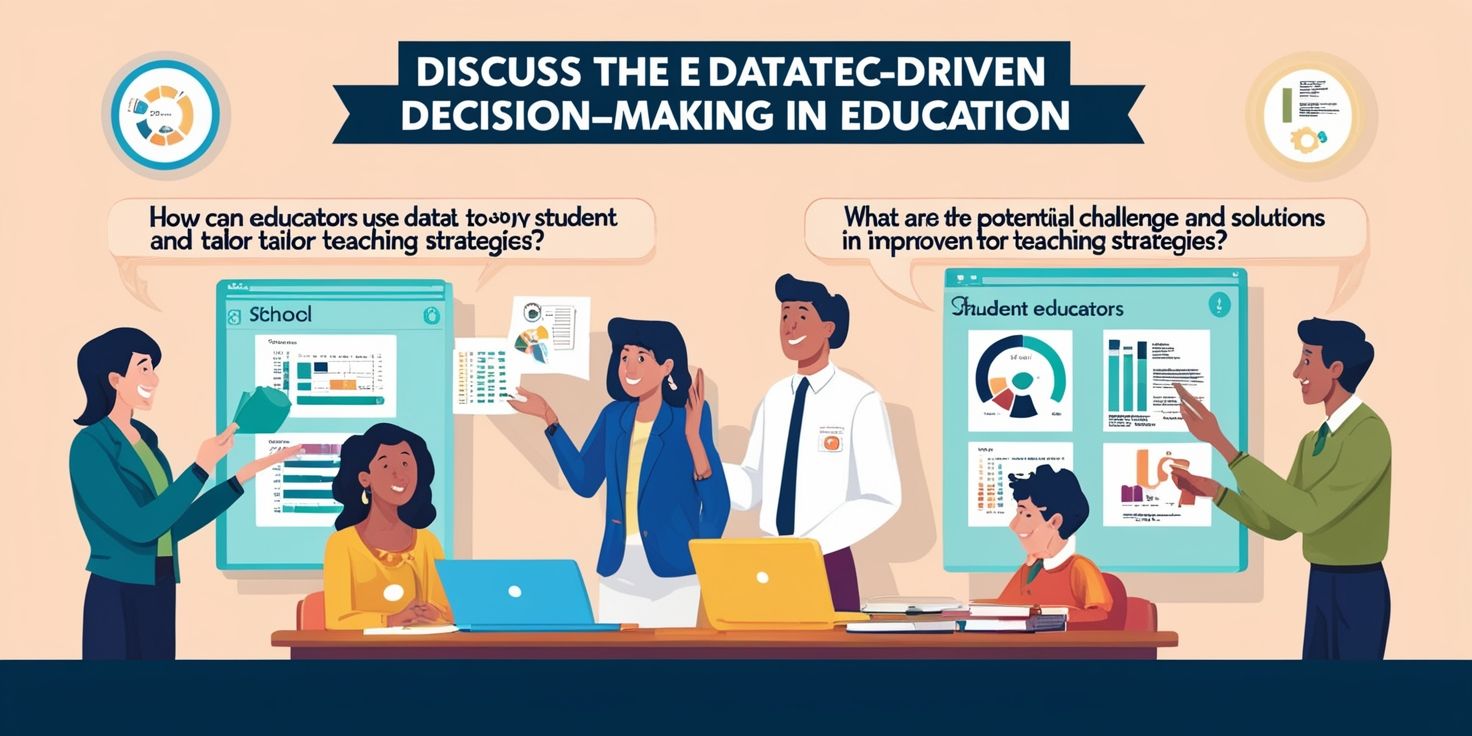
Numbers alone don’t teach anyone anything — but interpreted well, they tell a powerful story. Data-driven decision making means using quiz scores, attendance records, homework completion rates, and assessment trends to guide instructional choices rather than relying purely on instinct. A simple spreadsheet or classroom dashboard can reveal patterns invisible in day-to-day teaching: perhaps an entire class struggles with a specific skill, or one student’s scores dip every Monday. Reviewing this data regularly, ideally weekly, allows teachers to intervene early rather than reactively. Schools increasingly use learning management systems that automatically chart growth over time, making trends easy to visualize for teachers, students, and parents alike. The goal isn’t to drown in spreadsheets but to extract a few meaningful insights that inform next steps. When data is paired with professional judgment and knowledge of the individual child, it becomes a genuinely powerful tool for improving outcomes.
The Power of One-on-One: Conferencing and Check-Ins
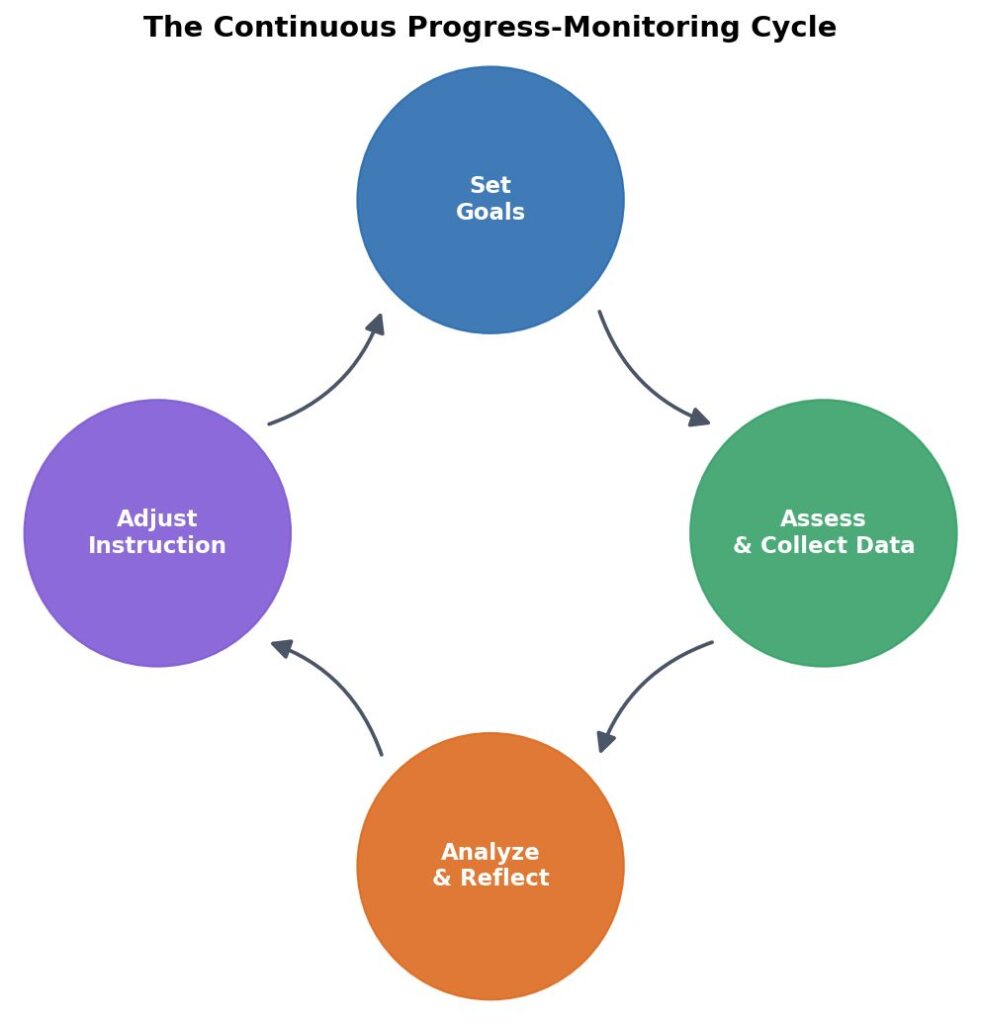
Numbers rarely capture the full picture, which is why student conferencing remains irreplaceable. A five-minute one-on-one conversation can uncover motivation issues, confidence gaps, or outside stressors that no quiz score would reveal. Regular check-ins give students a safe space to voice confusion they might hide during whole-class instruction, and they give teachers a chance to offer targeted, personal encouragement. Effective conferences follow a simple rhythm: review recent work together, ask open-ended questions like “What felt hardest this week?”, and co-create one small, achievable next step. This collaborative tone builds trust and signals that monitoring is about support, not surveillance. Even in large classes, rotating through a handful of conferences each week ensures every student gets face time over a month. Documenting brief notes after each conversation helps teachers spot patterns across sessions, turning scattered conversations into a coherent, evolving understanding of each learner’s needs.
A Living Scrapbook: Student Portfolios
A student portfolio works like a living scrapbook of growth, collecting writing samples, project work, tests, and reflections over an entire term or year. Unlike a single grade, a portfolio shows the arc of improvement — the messy first draft next to the polished final piece — making progress tangible for students, parents, and teachers alike. Digital portfolios, built with tools like Seesaw or Google Sites, make this process manageable, letting students upload work and reflect on their own development in their own words.
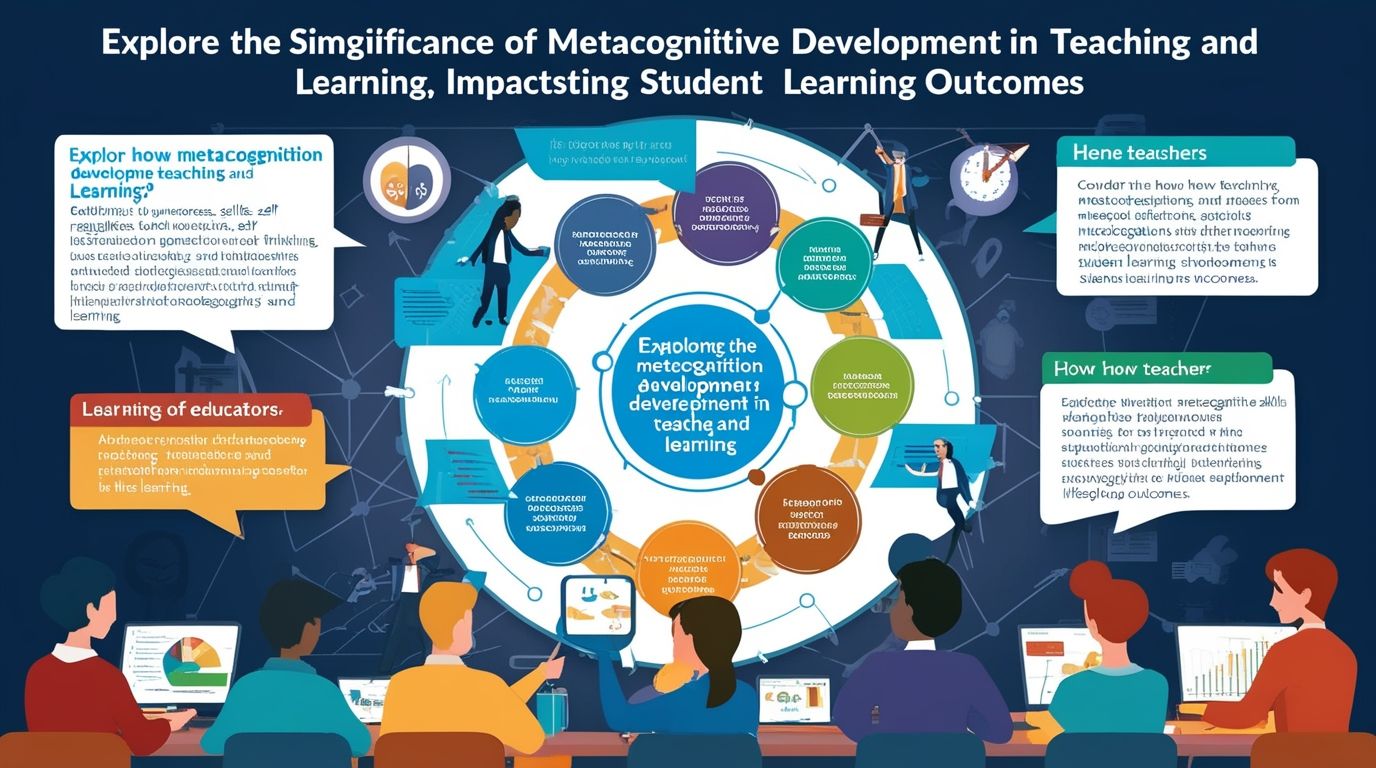
This self-reflection component is crucial: asking “What does this piece show about your growth?” pushes students toward genuine metacognition rather than passive collection. Portfolios also shine during parent conferences, offering concrete evidence far more persuasive than a report card number. Teachers can review portfolios periodically to spot skills that need reinforcement. Over time, this evolving collection becomes one of the most authentic, motivating progress tracking tools available in any classroom.
Progress at Your Fingertips: Digital Tracking Tools
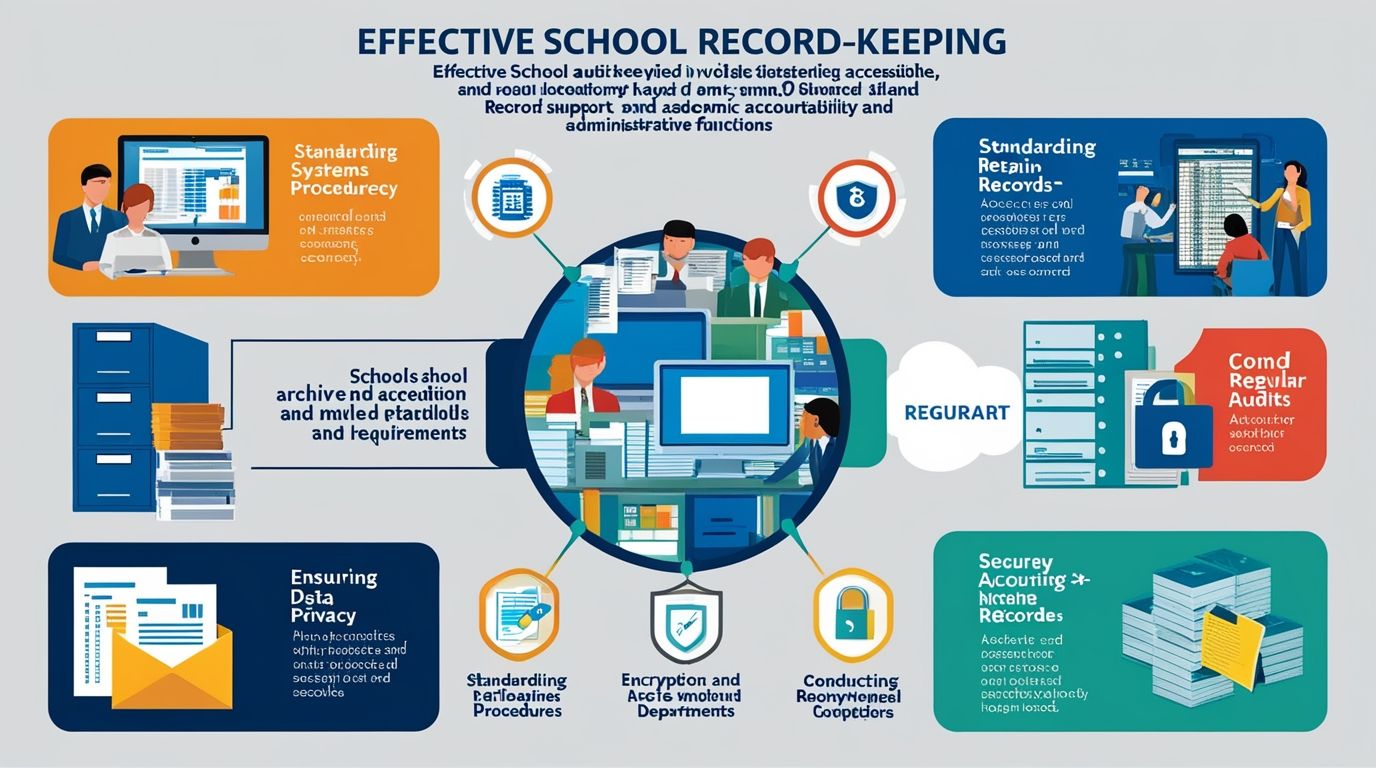
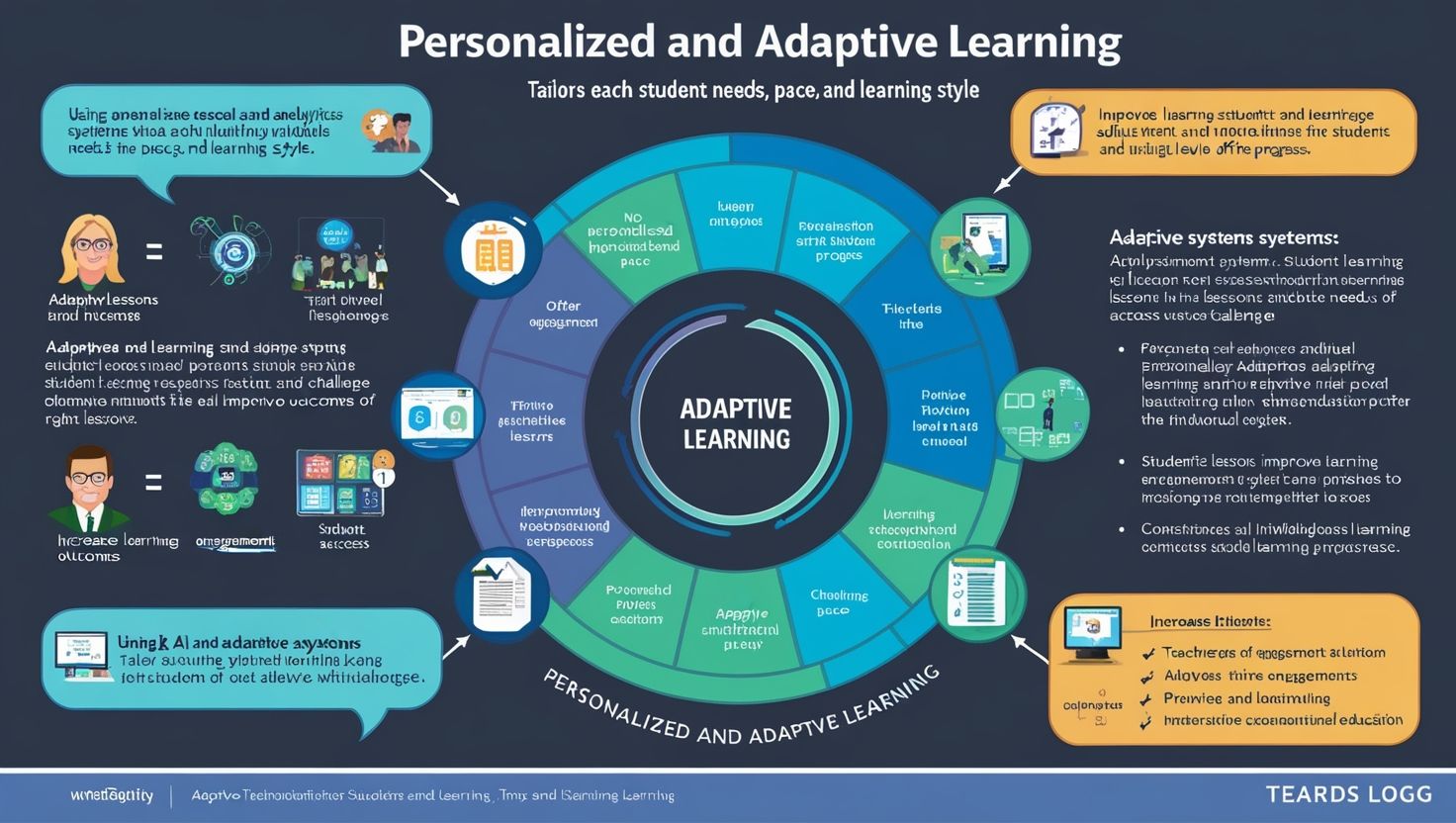
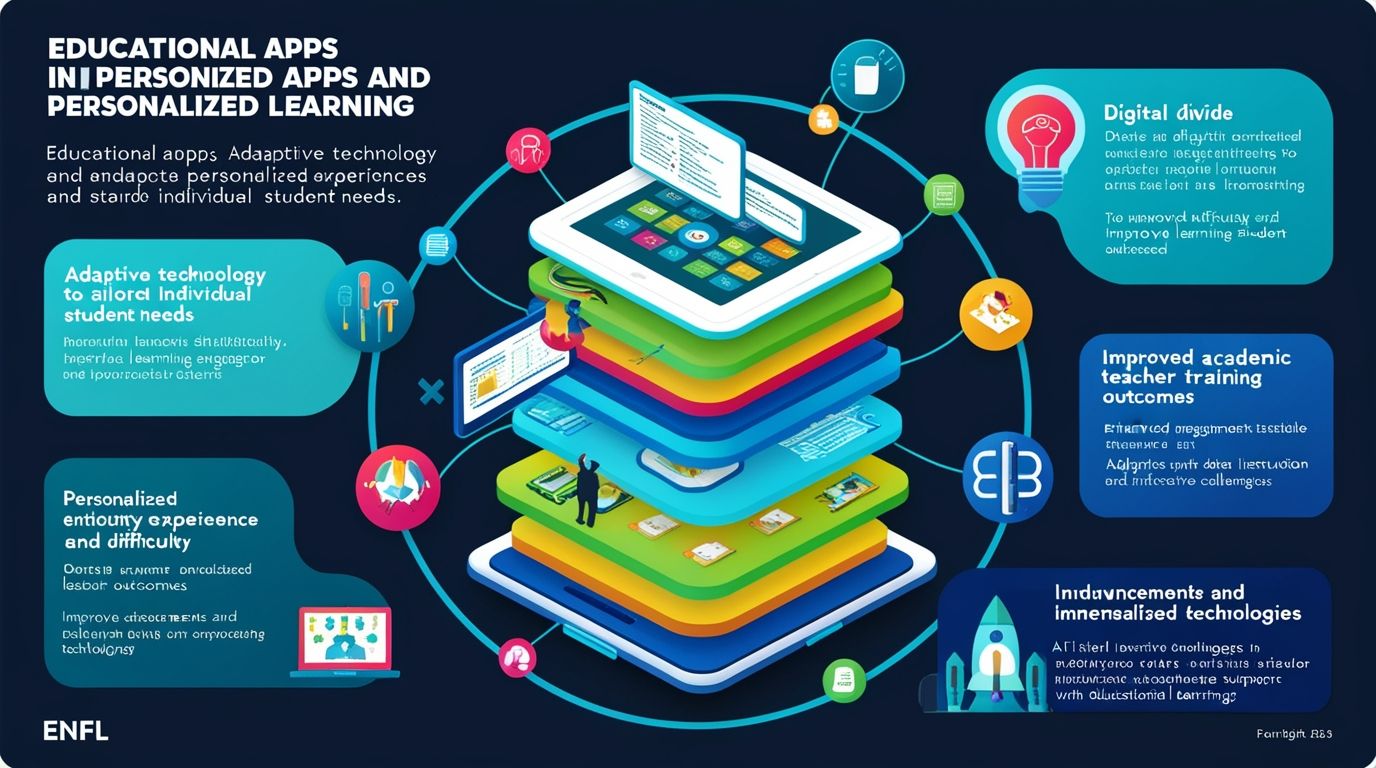
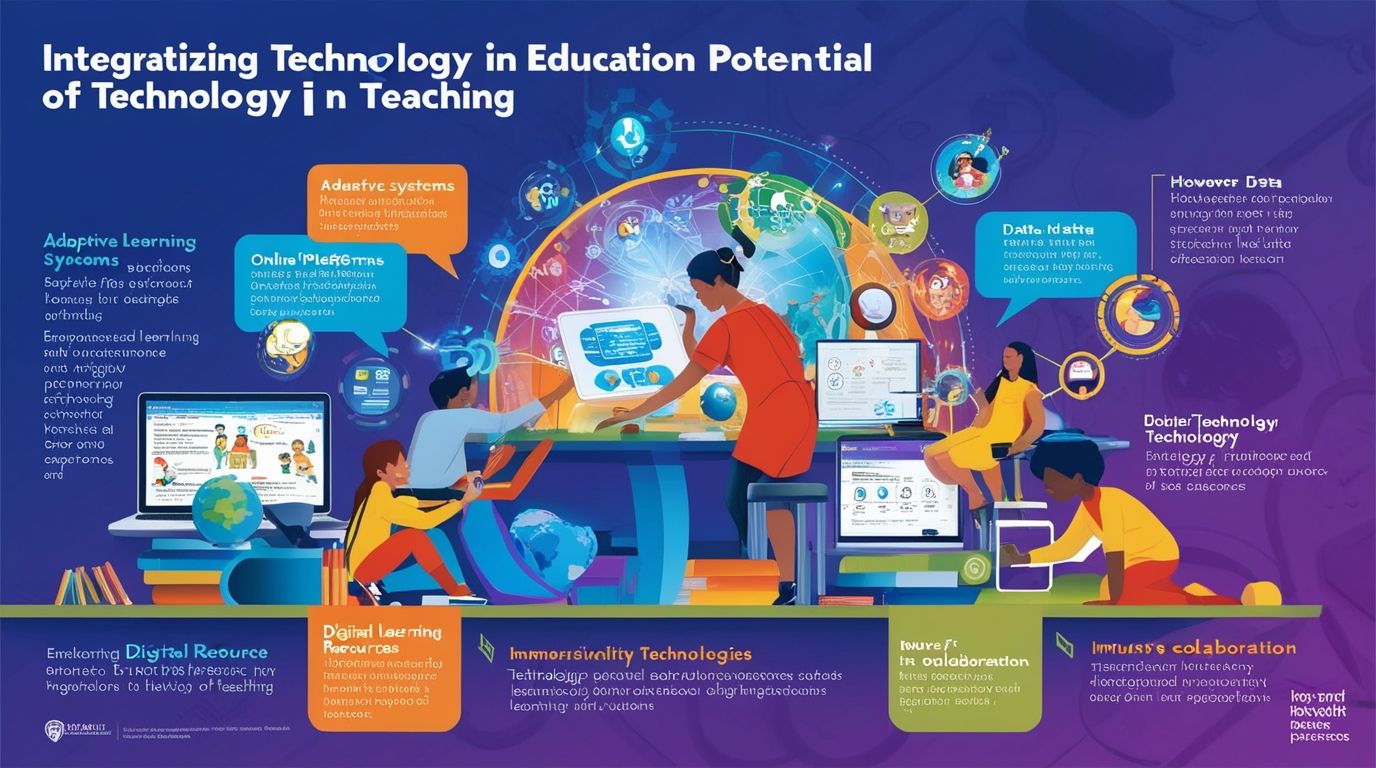
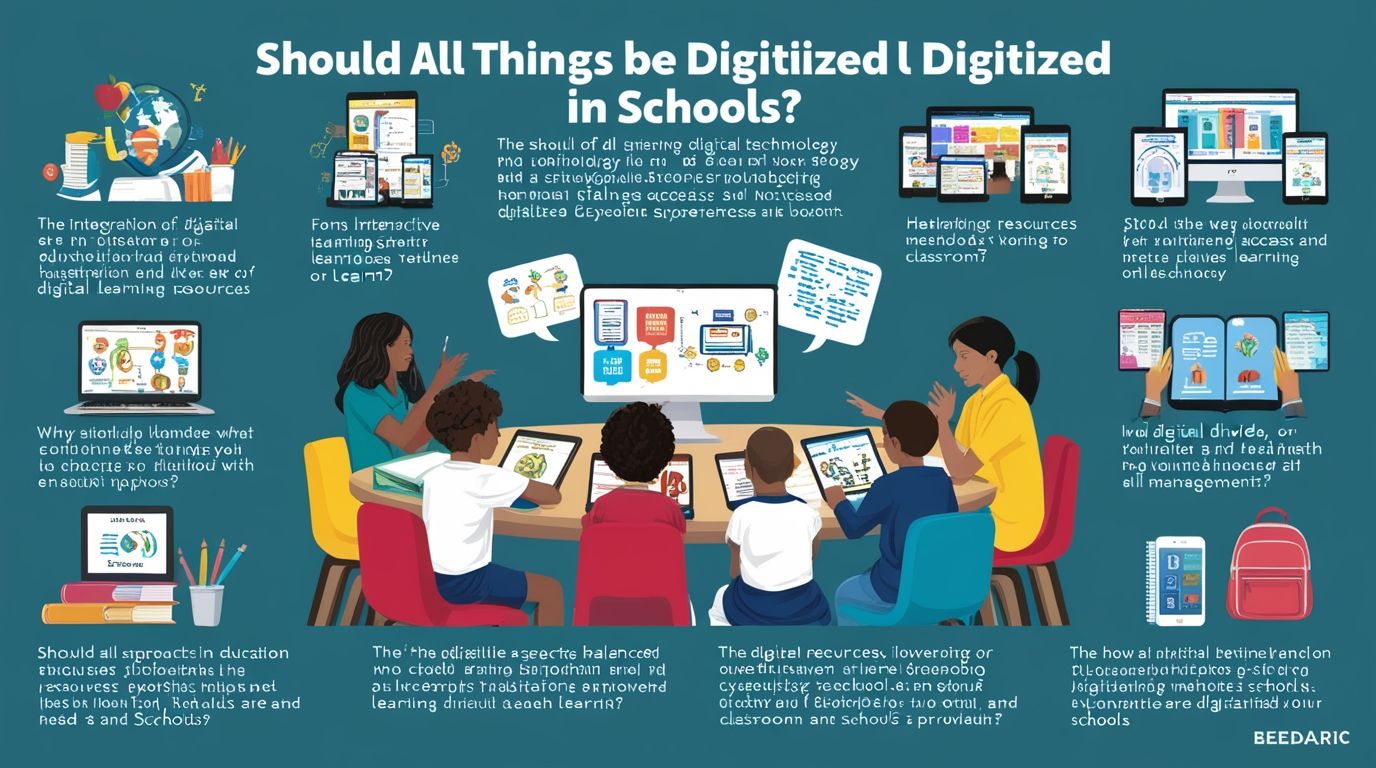
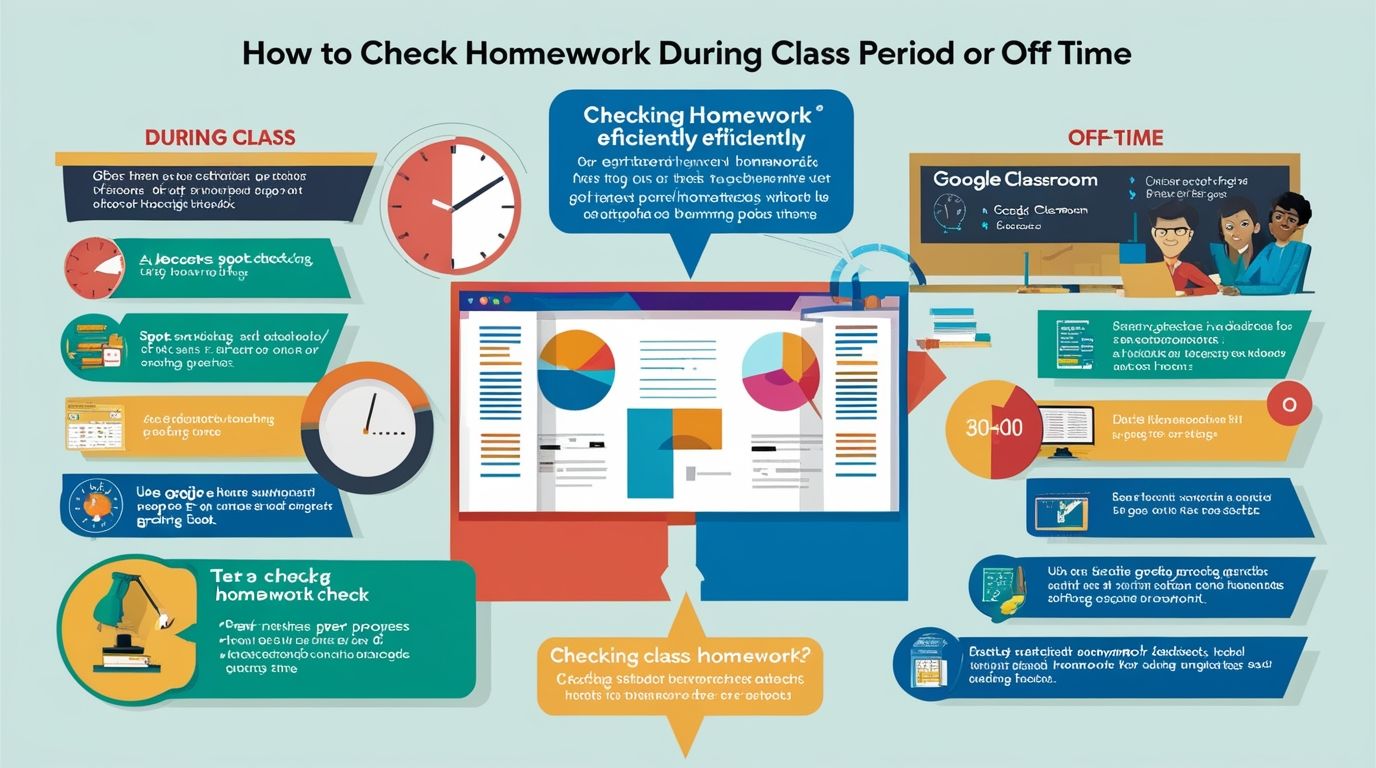
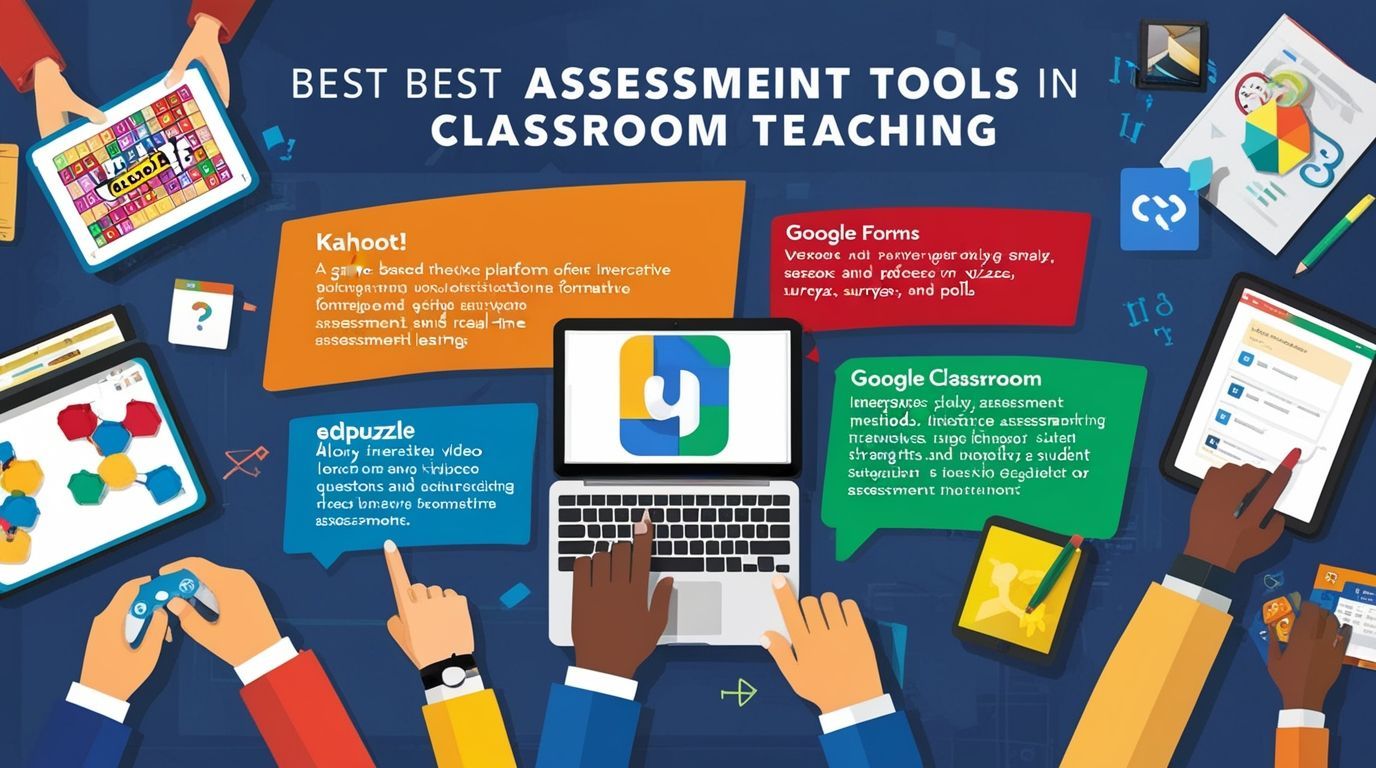
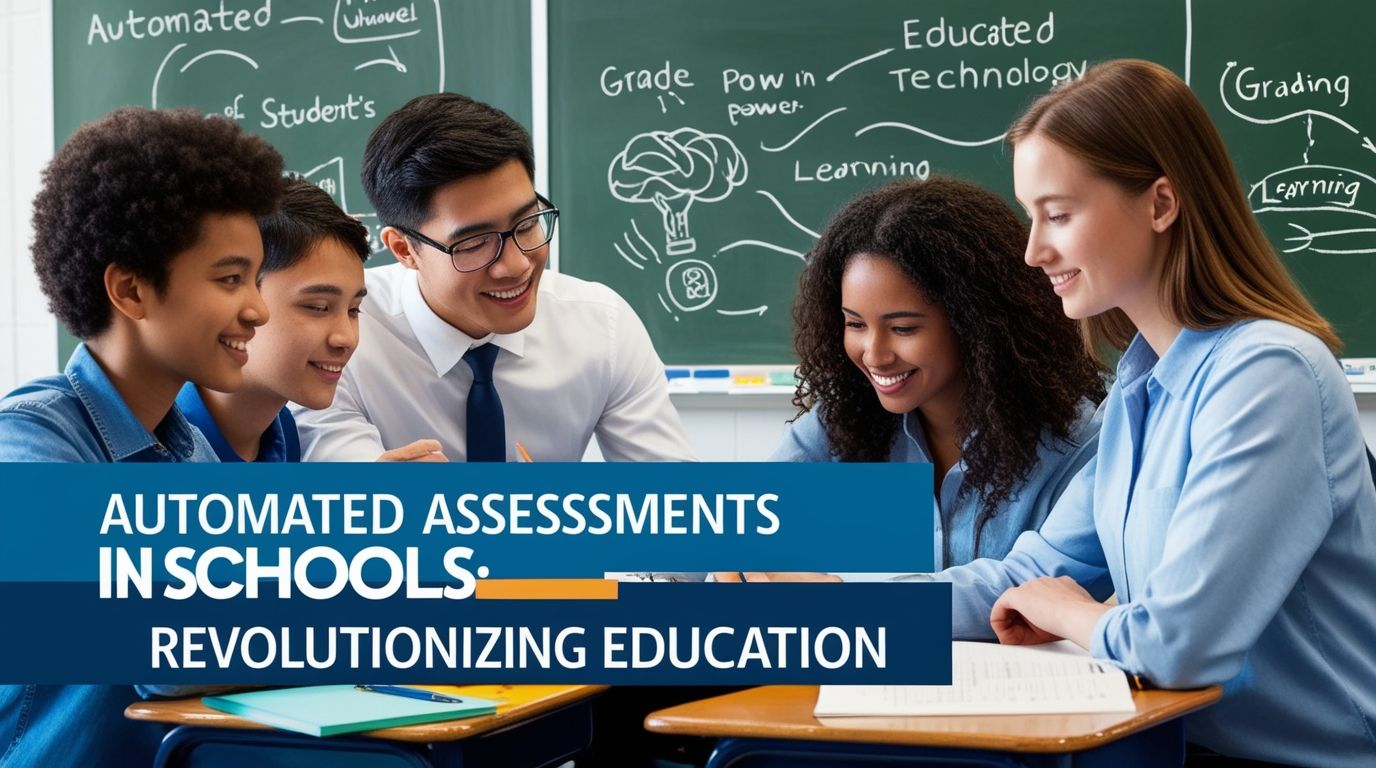
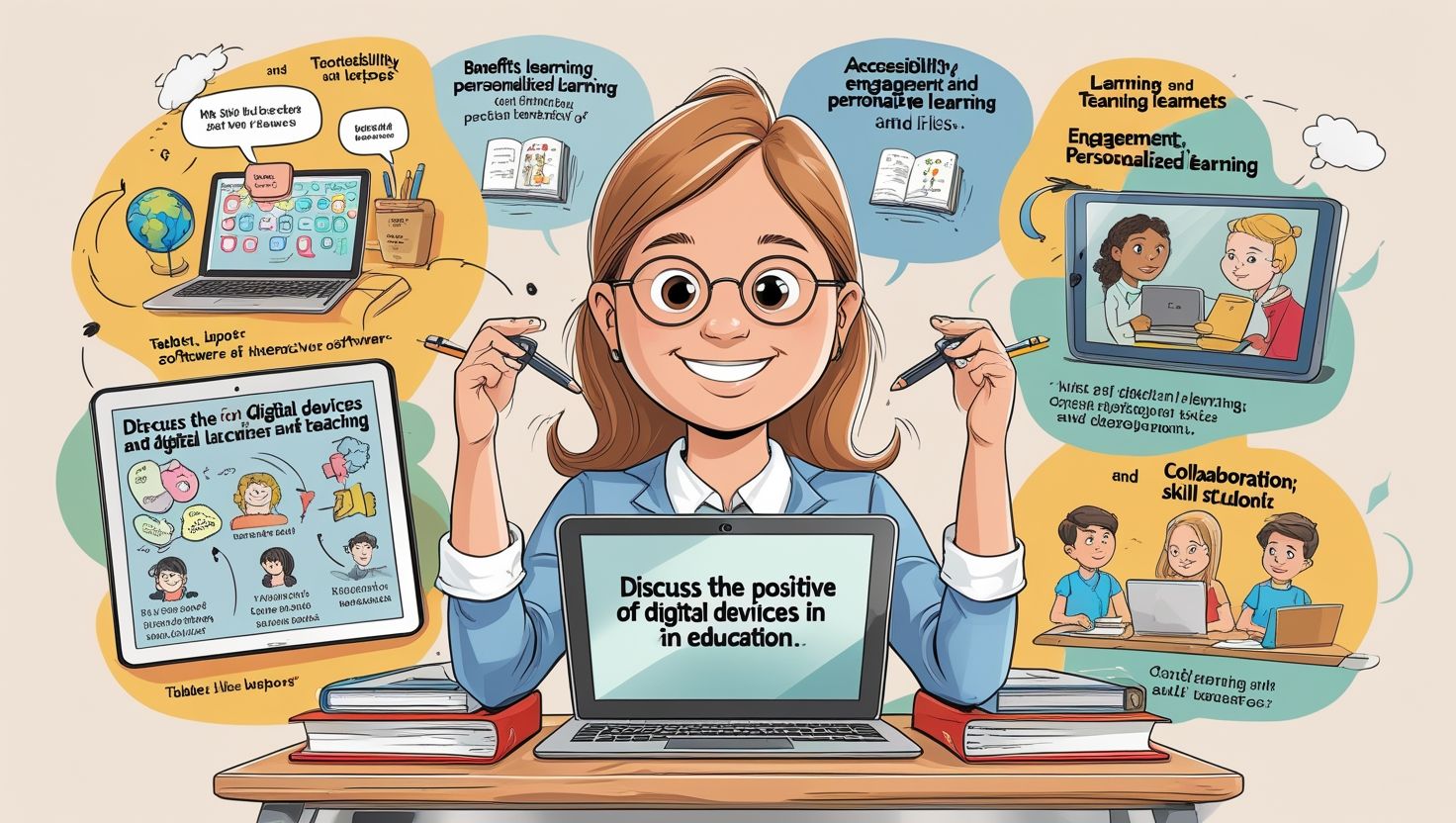
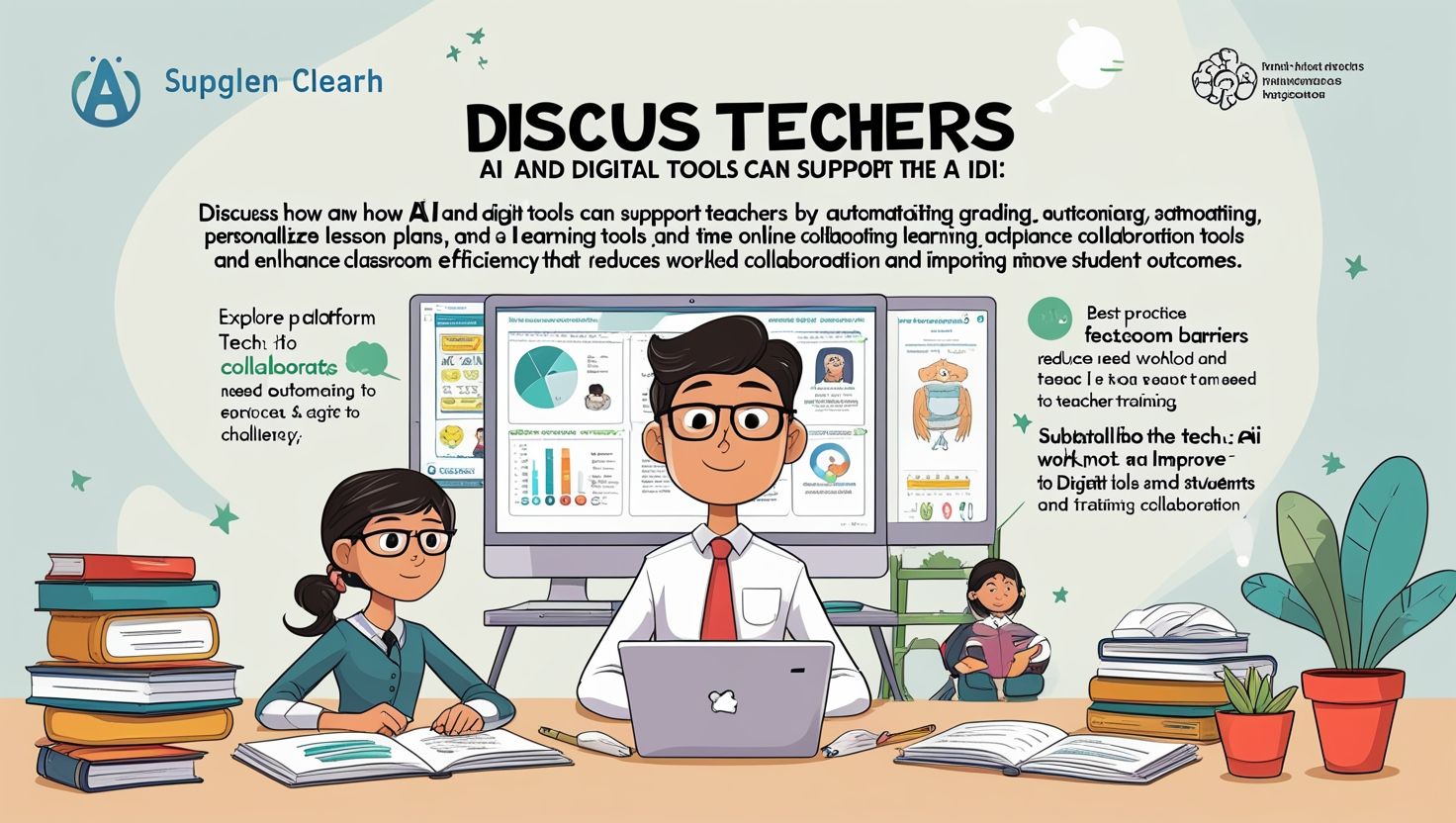
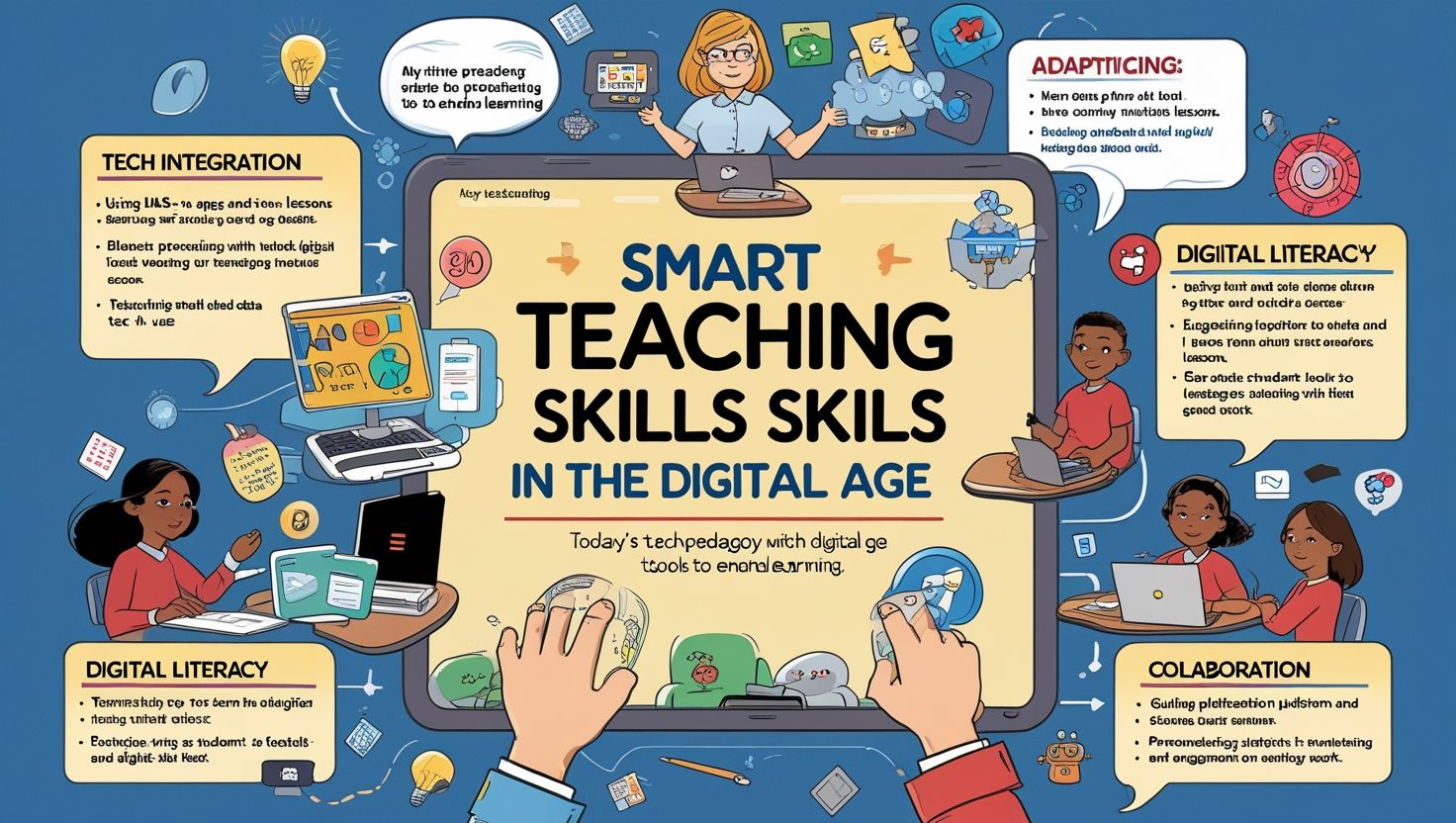
Technology has transformed how educators handle progress tracking. Platforms like Google Classroom, PowerSchool, and ClassDojo let teachers log grades, attendance, and behavior notes in one centralized place, instantly visible to students and parents. Many tools now generate automatic growth charts, flagging students whose performance dips below expected trends so intervention can happen quickly. Adaptive learning software goes further, adjusting question difficulty in real time and reporting exactly which skills a student has mastered versus which still need practice. These digital dashboards save teachers hours of manual record-keeping, freeing time for actual instruction and relationship-building. That said, technology should support human judgment, not replace it — a dashboard alert still requires a teacher to investigate context. Schools should also consider accessibility and privacy when choosing platforms, ensuring every family can access the data comfortably. Used thoughtfully, digital tracking tools make monitoring more consistent, transparent, and far less time-consuming for busy classrooms.
Closing the Loop: Parent-Teacher Communication
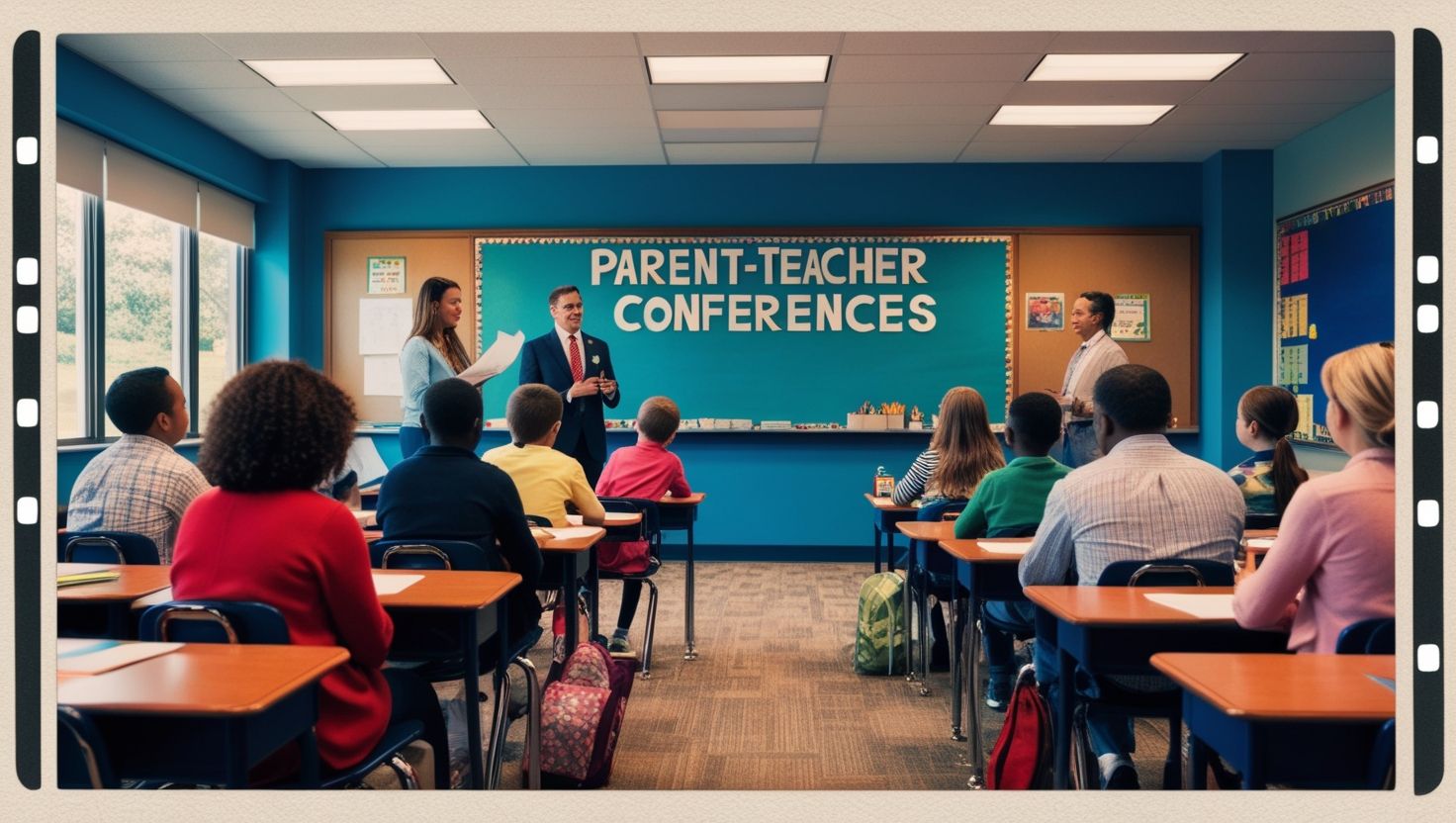
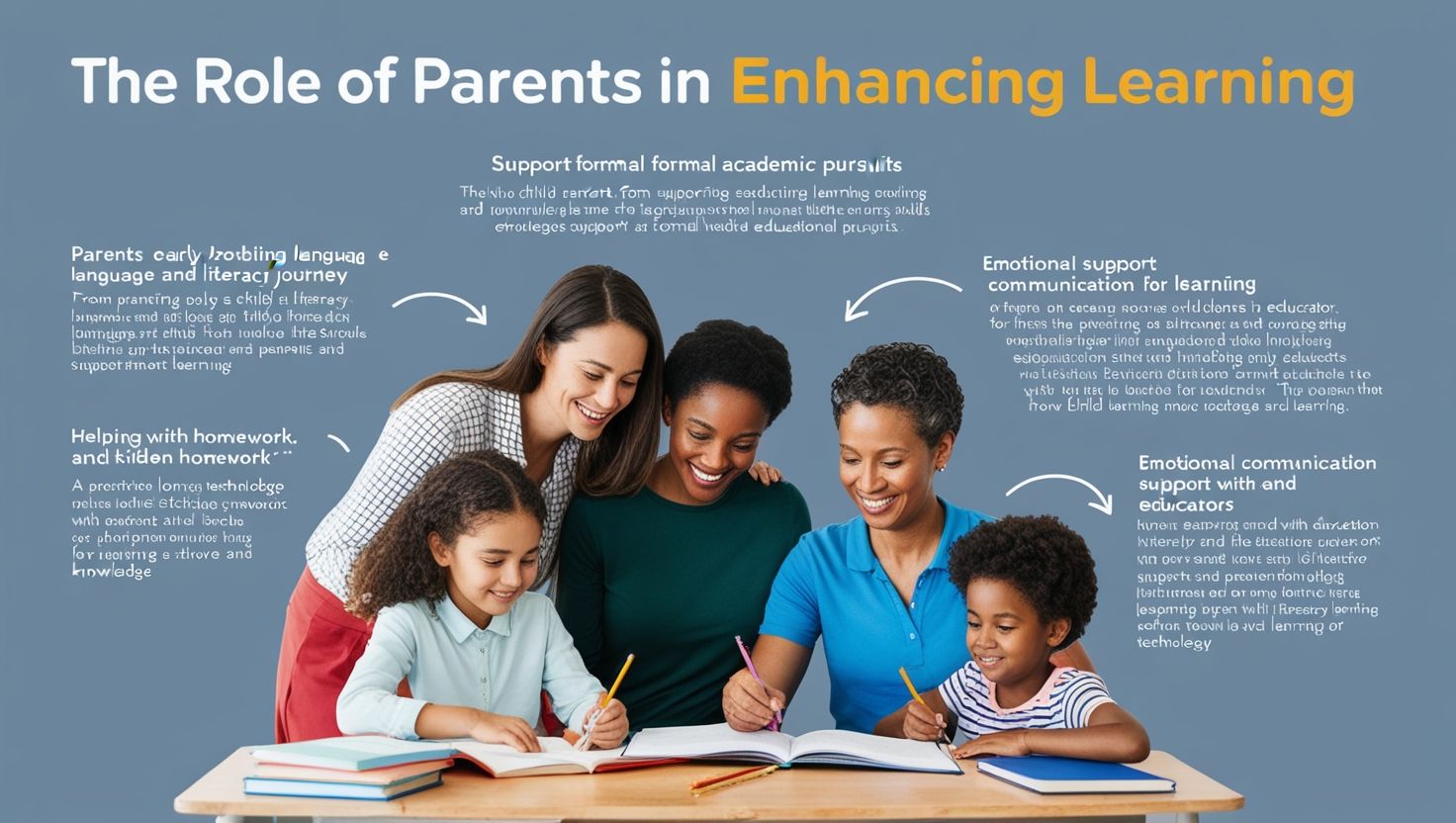
Monitoring only works when the loop closes with families. Parent-teacher communication turns classroom data into a shared mission rather than a one-way report. Regular updates — whether through apps, newsletters, emails, or scheduled conferences — keep parents informed before small concerns become large ones. The most effective communication is specific and balanced: instead of a generic “doing fine,” share a concrete example, like recent improvement in reading fluency alongside an ongoing challenge with multiplication facts. This specificity helps parents support learning meaningfully at home.
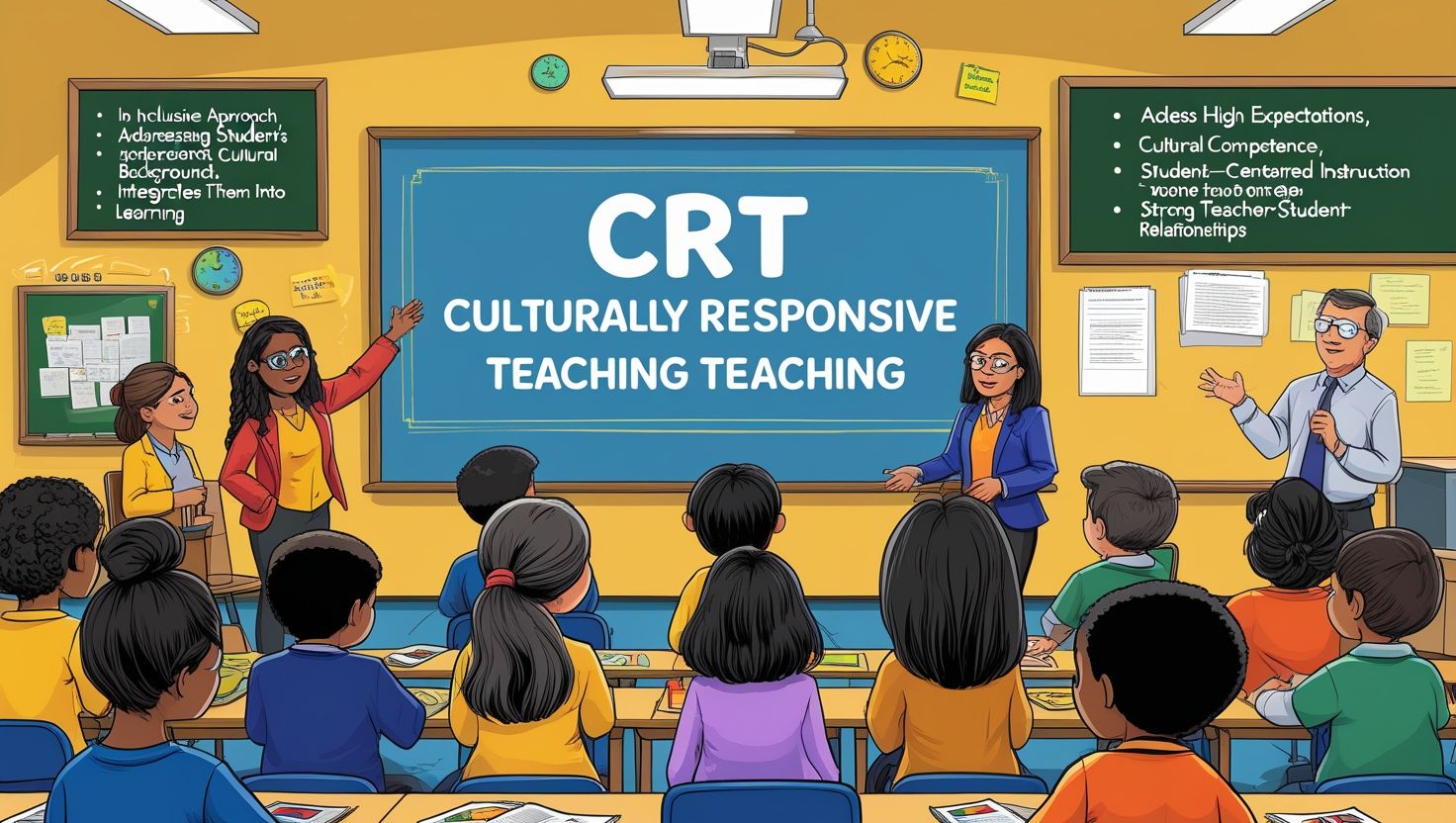
Many schools now use parent portals that display grades and attendance in real time, though these should always be supplemented by personal conversation, since numbers alone can feel cold or confusing. Culturally responsive communication matters too — translating materials and offering flexible meeting times ensures every family, regardless of language or schedule, stays genuinely included. When teachers and parents monitor together, students feel a consistent, unified support system surrounding their growth.
Turning the Mirror Around: Peer and Self-Assessment
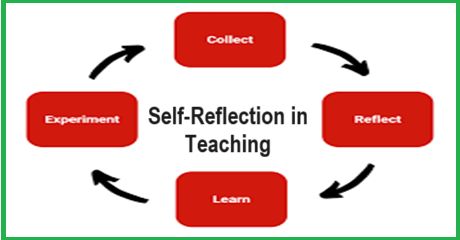
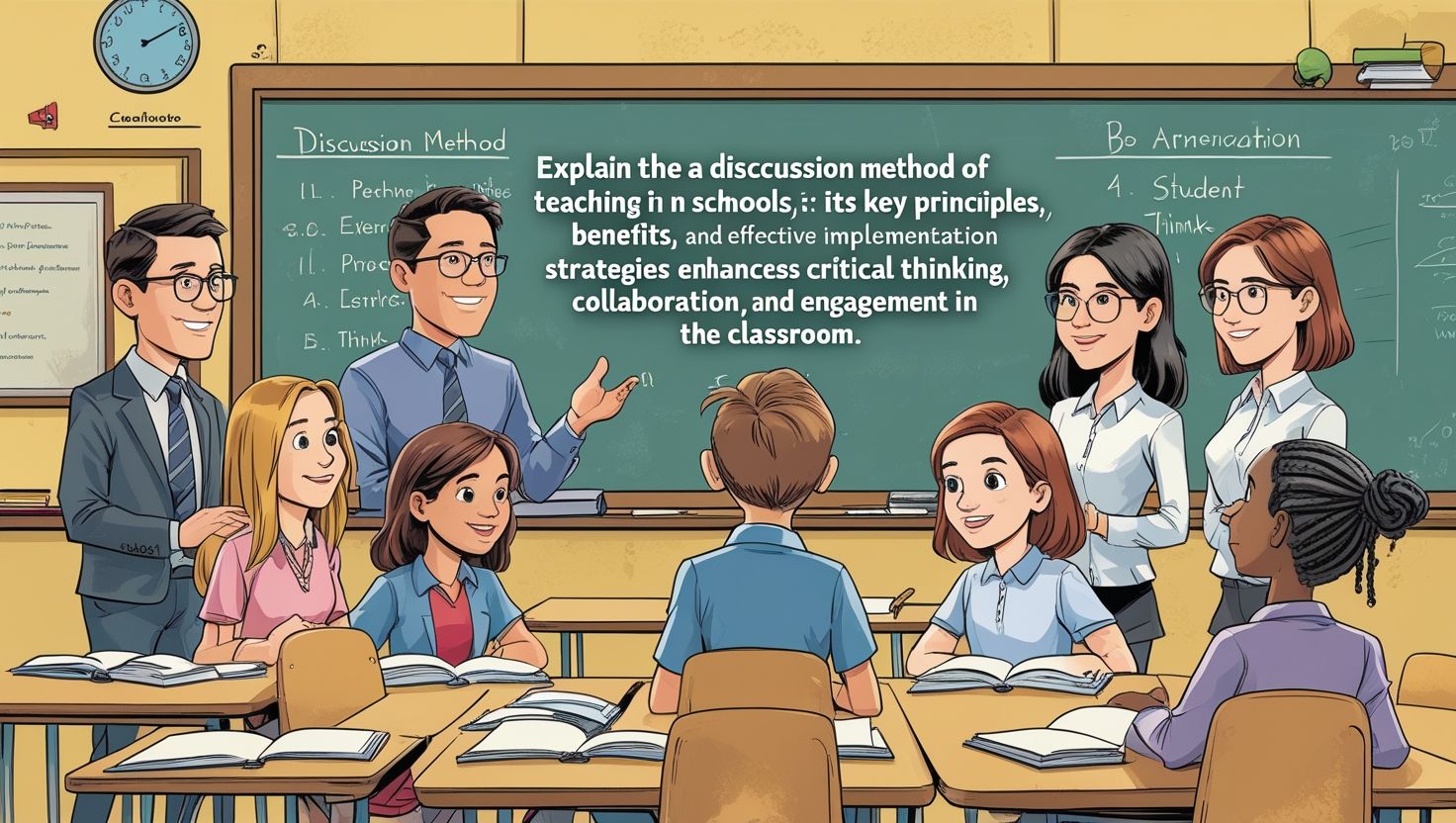
Progress monitoring shouldn’t rest on teachers’ shoulders alone. Self-assessment teaches students to turn the mirror on their own work, using rubrics or reflection prompts to judge their own strengths and gaps honestly. This builds metacognitive skills that outlast any single assignment, helping students become independent learners capable of self-correction long after they leave a classroom. Peer assessment, meanwhile, exposes students to varied approaches and standards, sharpening their critical eye while reducing the grading burden on teachers. Structured peer review — using clear checklists rather than vague opinions — keeps feedback constructive and specific rather than hurtful or superficial. Both practices require explicit modeling; students need to be taught what quality feedback actually sounds like before they can give it well. Over time, classrooms that embed peer and self-assessment routinely see increased student ownership, since learners stop waiting passively for a grade and start actively evaluating their own trajectory toward mastery.
One Size Fits None: Differentiated Instruction
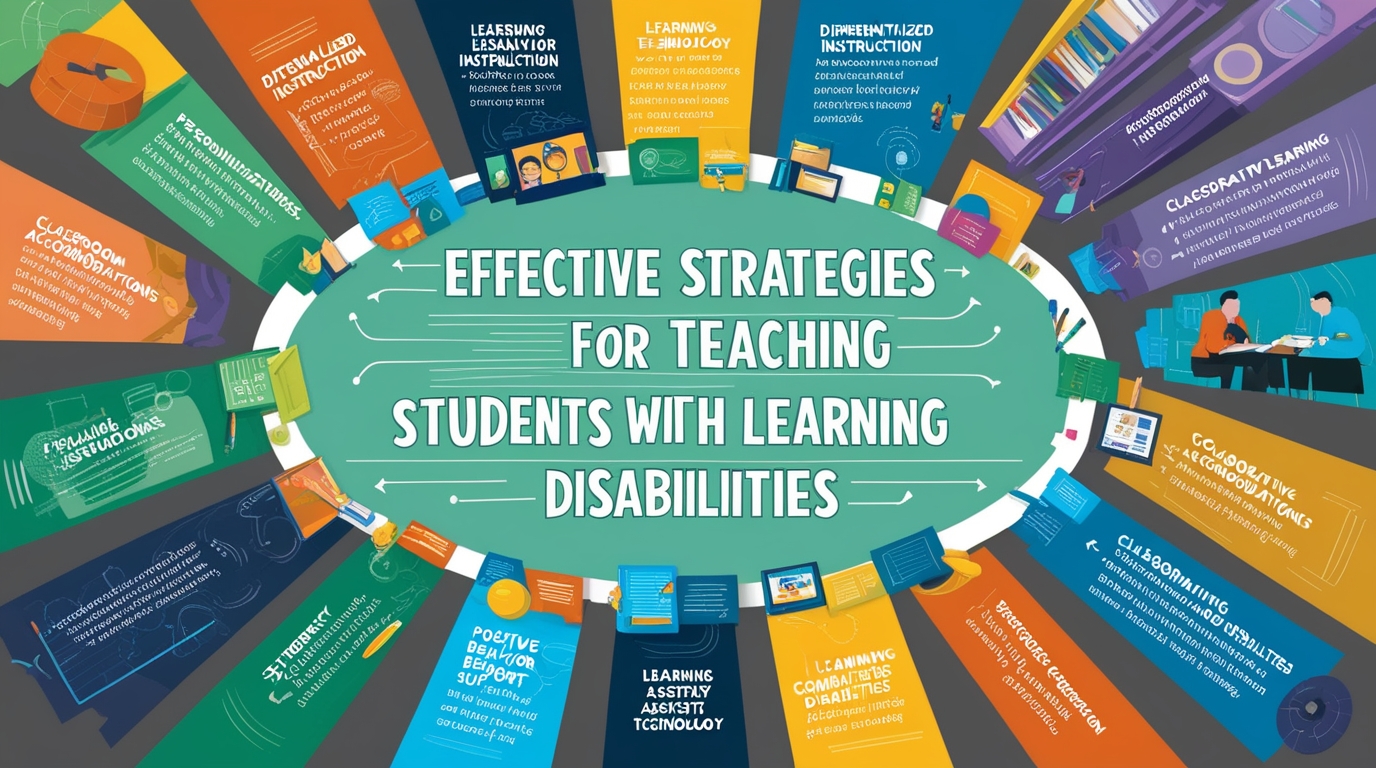
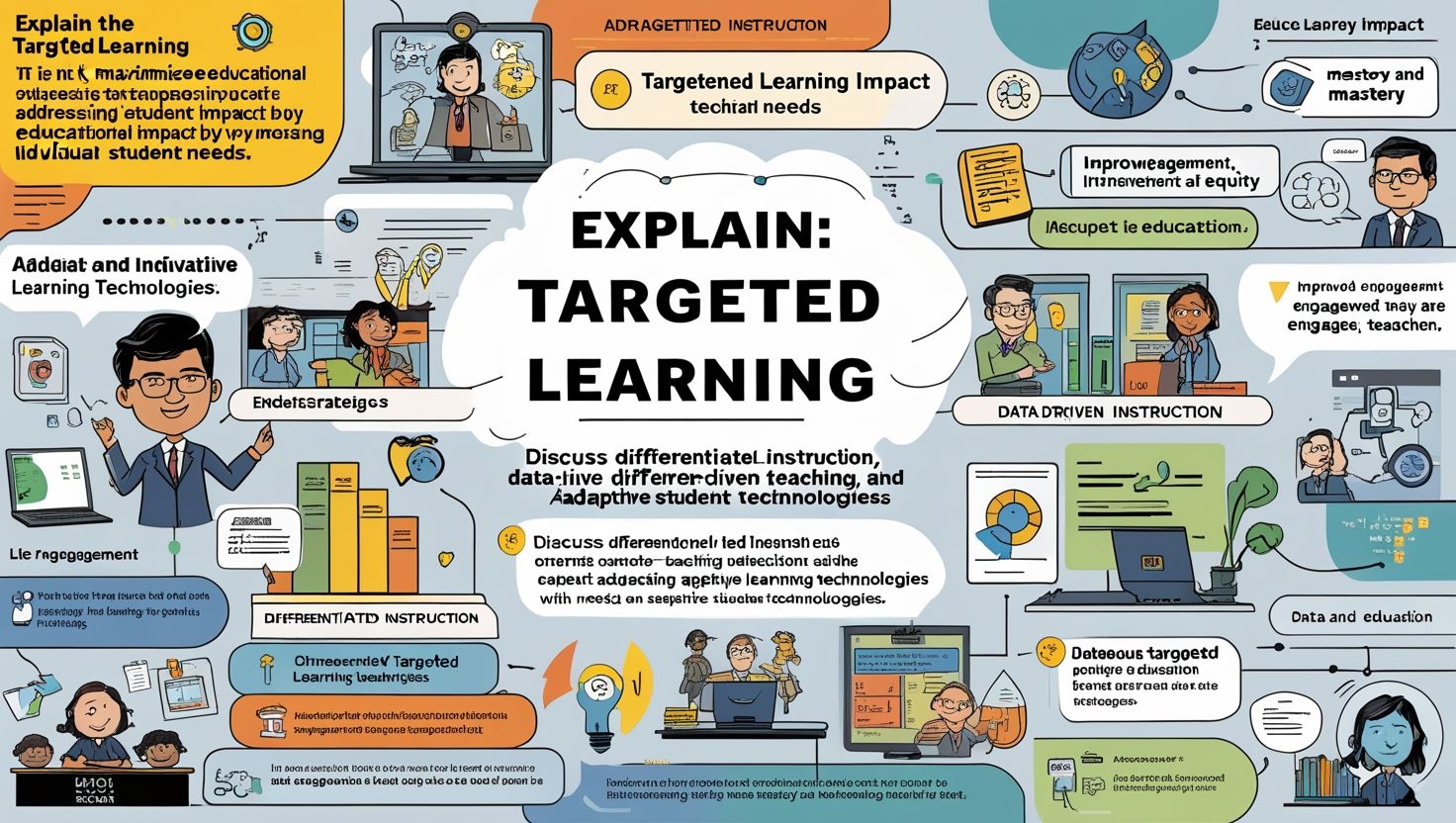
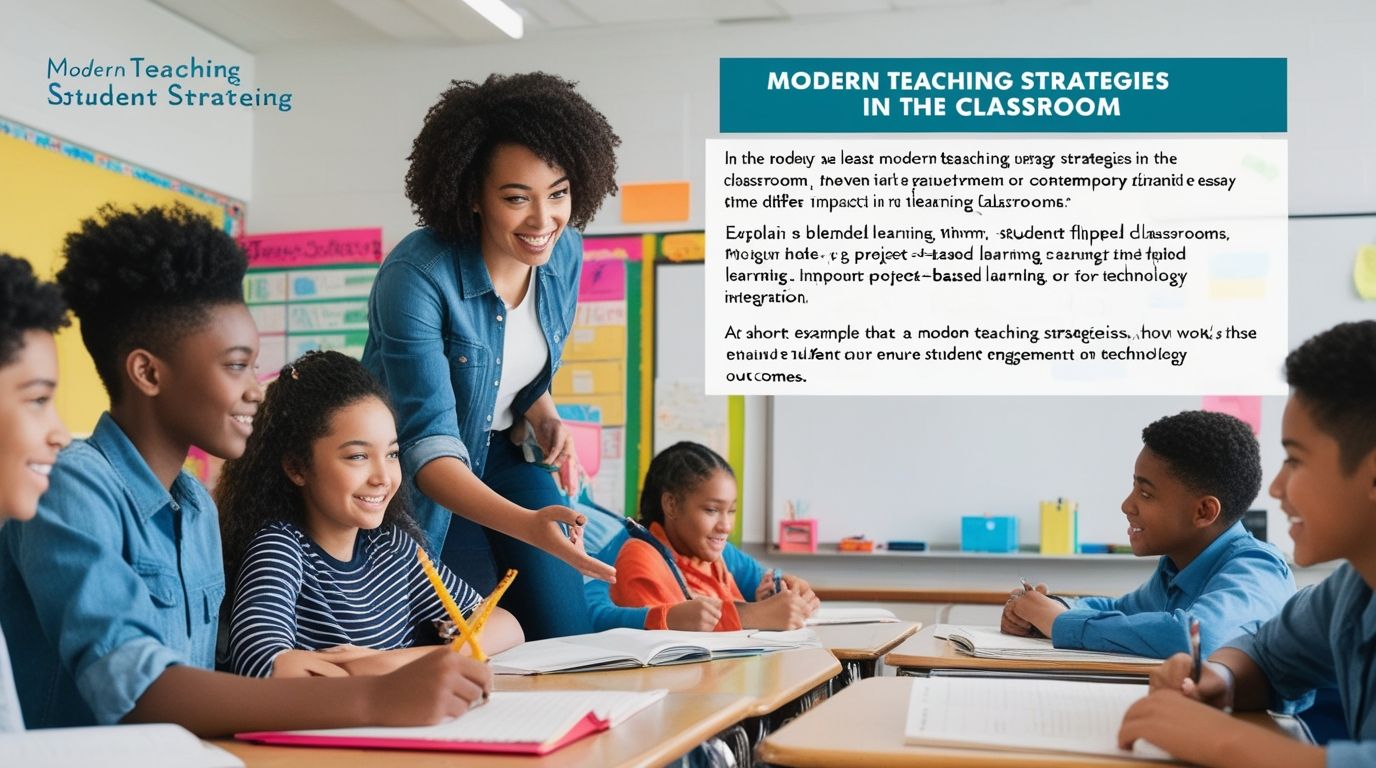
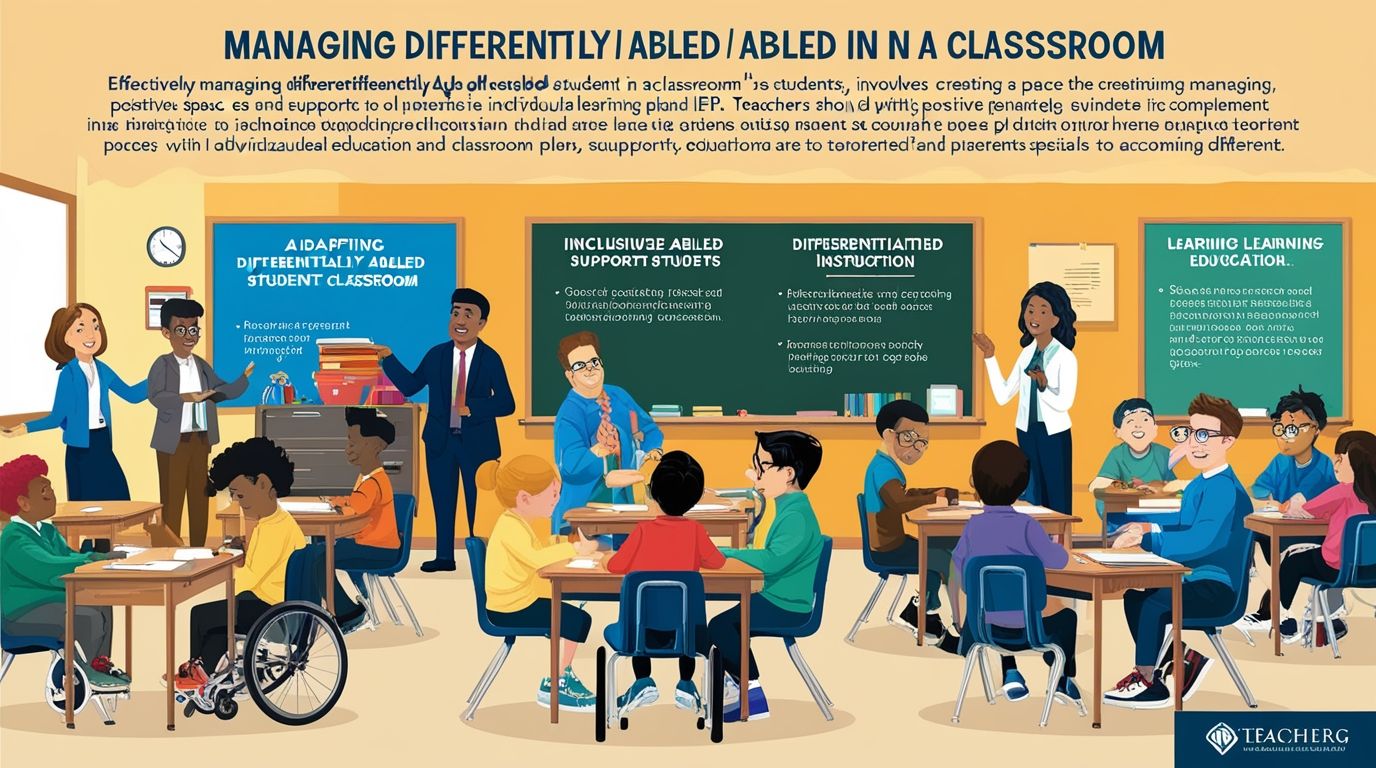
Monitoring data is only valuable if it changes what happens next in the classroom, which is where differentiated instruction comes in. Once progress data reveals that students are at different points along the learning path, grouping and pacing should shift accordingly. Some students may need small-group reteaching, others independent enrichment, and others one-on-one scaffolding. Flexible grouping — changing regularly based on current data rather than fixed by initial test scores — prevents students from feeling permanently labeled as “behind” or “ahead.” Tiered assignments, choice boards, and varied questioning techniques allow every student to engage with the same core concept at an appropriate level of challenge. This responsiveness is what separates true progress monitoring from simple record-keeping: data collection means little unless it directly informs tomorrow’s lesson plan. Teachers who close this loop consistently find their classrooms far more effective at meeting the genuinely diverse needs sitting in front of them every day.
Beyond the Grade Book: Social-Emotional Monitoring
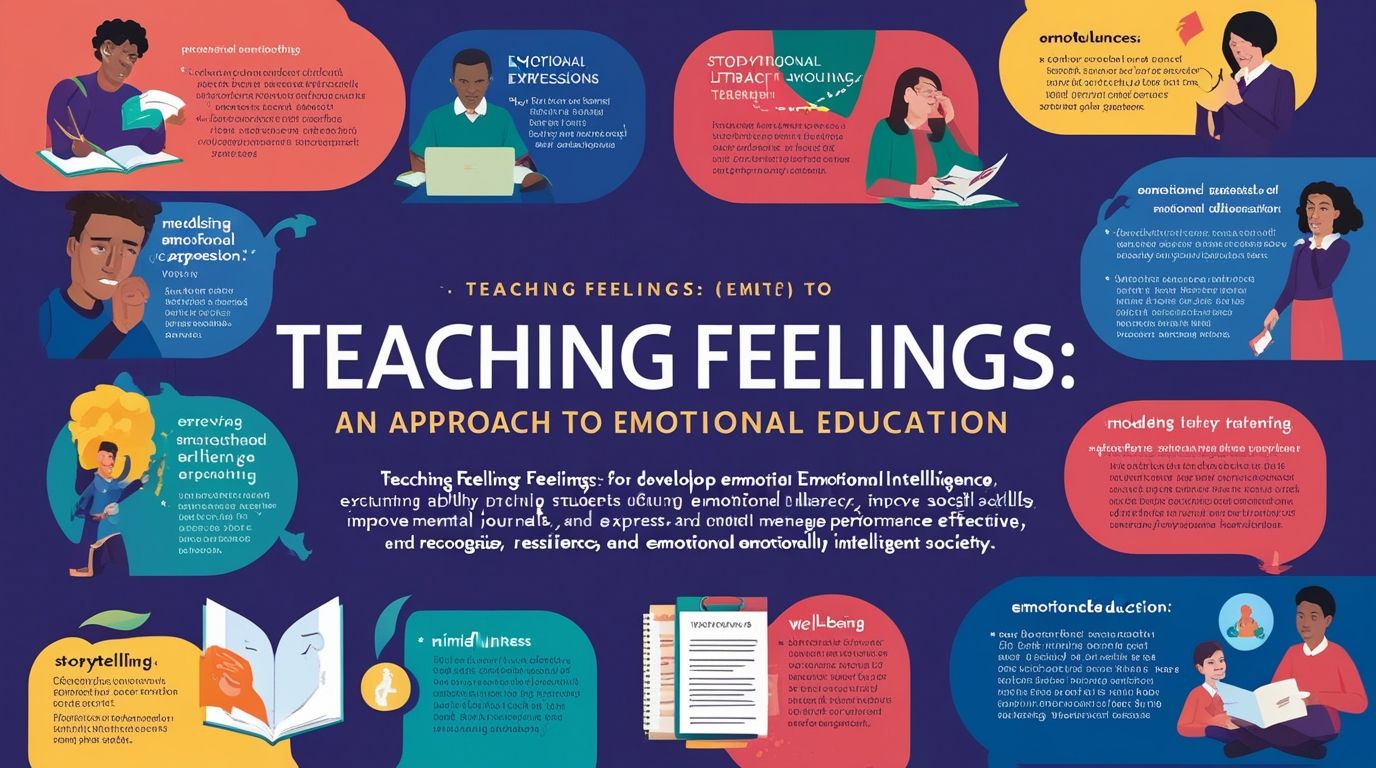
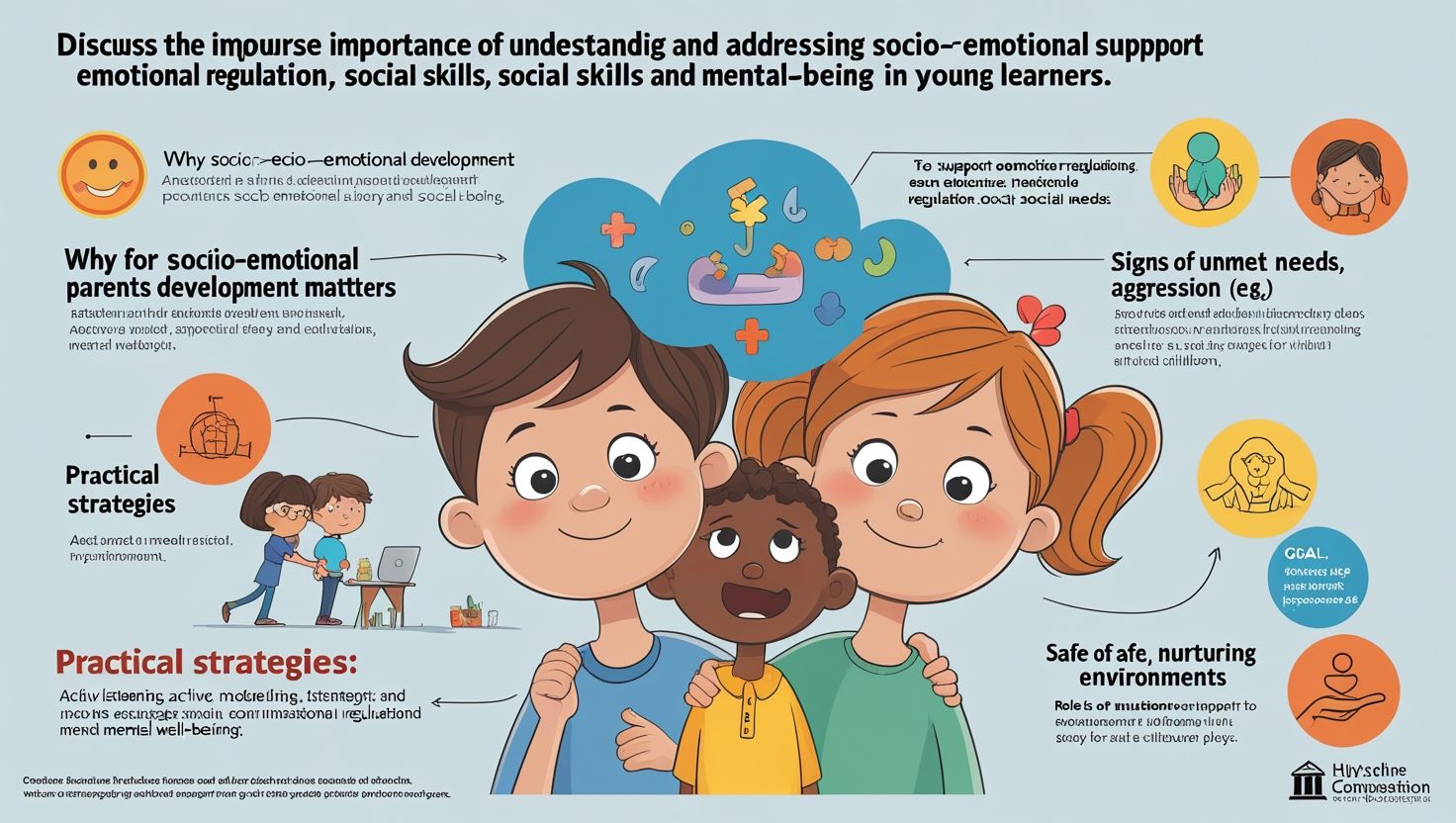
Academic scores tell only part of the story, which is why social-emotional monitoring deserves equal attention. A sudden drop in participation, withdrawal from peers, or increased irritability often signals struggles that no quiz can capture — anxiety, home stress, or difficulty with friendships. Simple tools like mood check-ins, brief surveys, or classroom observation checklists help teachers notice these shifts early. Building strong relationships is itself a monitoring strategy, since students are far more likely to disclose struggles to a teacher they trust. Schools implementing structured SEL frameworks often use daily or weekly emotional check-ins alongside academic data, creating a fuller picture of the whole child.
Training staff to recognize early warning signs, and knowing when to involve school counselors, ensures concerns don’t go unaddressed. Academic and emotional wellbeing are deeply intertwined; a student struggling emotionally rarely thrives academically. Monitoring both together creates a more compassionate, effective, and genuinely complete picture of student progress.
The Snapshot vs the Film: Standardized Tests and Continuous Monitoring
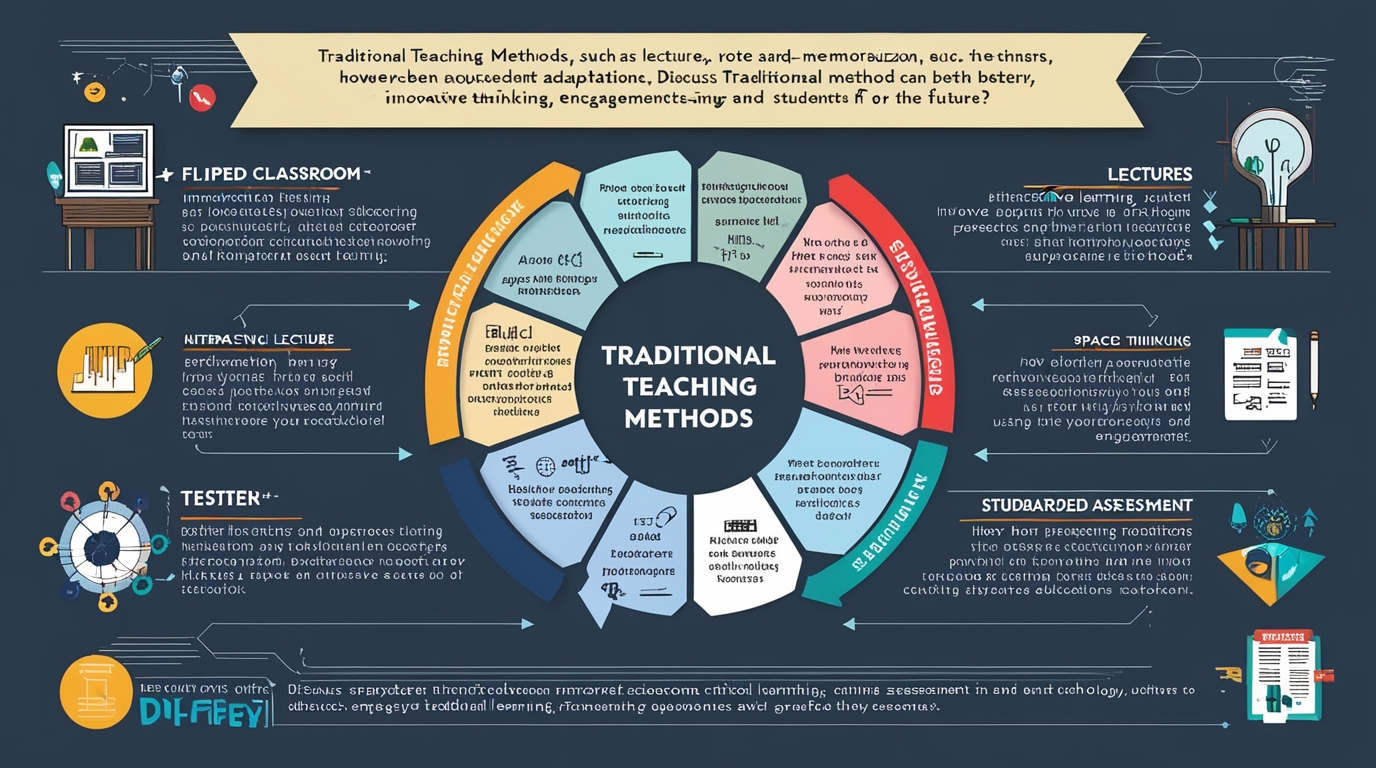
Standardized testing offers a useful snapshot, comparing student performance against broader benchmarks, but it captures only a single moment, much like a photograph frozen in time. Continuous monitoring, by contrast, functions more like a film — showing growth, setbacks, and patterns across weeks and months rather than one isolated score. Relying solely on annual tests risks missing crucial information about how a student actually learns day to day, while relying solely on informal checks risks losing objective, comparable benchmarks.
The strongest approach combines both: standardized data validates broader trends and identifies systemic gaps, while ongoing classroom monitoring captures the nuanced, individual journey. Teachers should avoid over-interpreting a single test score as definitive, especially for students facing test anxiety or language barriers. Communicating this balance to parents and administrators helps set realistic expectations. Ultimately, the film matters more than the snapshot, but both pieces of evidence, used together, offer the clearest possible picture of genuine learning.
When the Road Gets Bumpy: Common Challenges
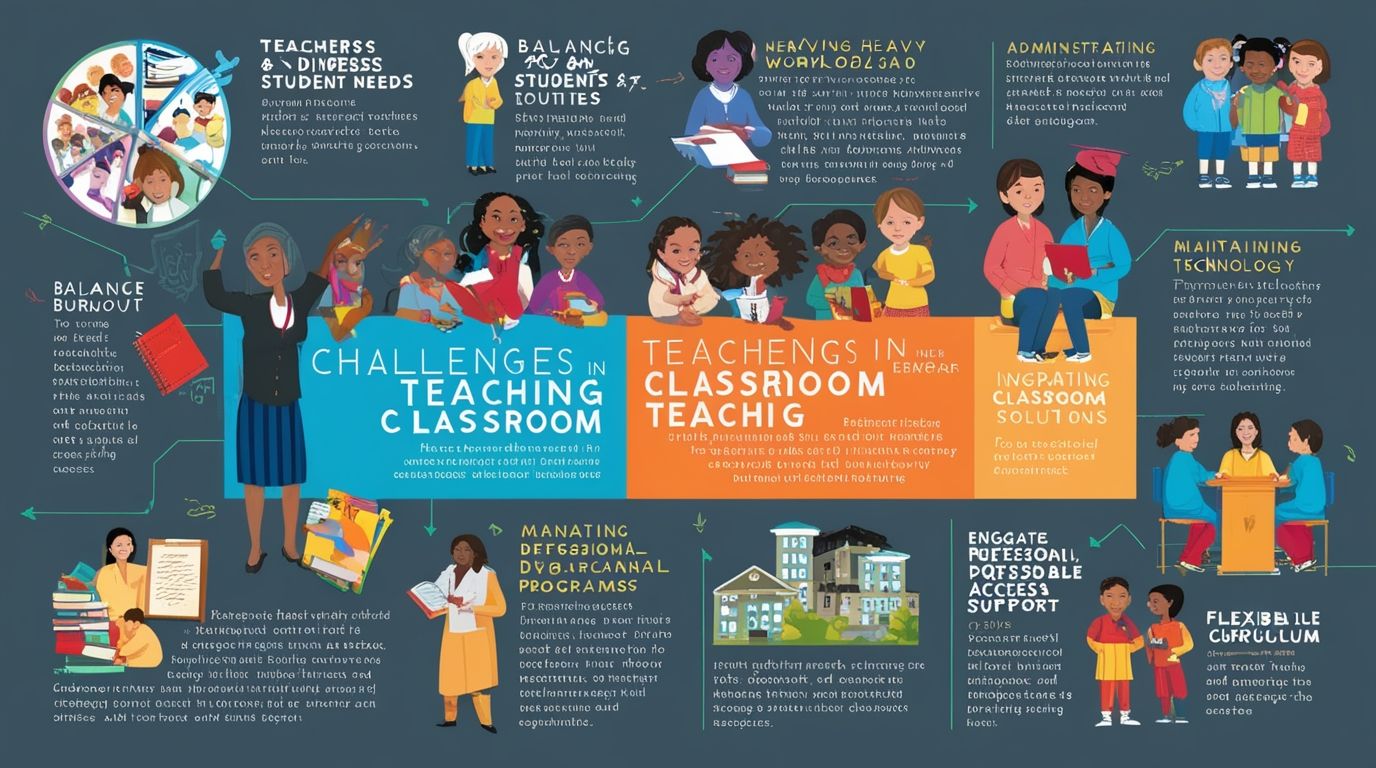
Even strong monitoring systems hit obstacles. Time constraints top the list — teachers juggling large classes often struggle to conference individually or review data as thoroughly as they’d like. Data overload is another common trap; collecting numbers without a clear plan for using them creates busywork rather than insight. Inconsistent tools across grade levels or subjects can also fragment the picture, making it hard to see a student’s full trajectory. Student and parent resistance sometimes surfaces too, particularly if monitoring feels punitive rather than supportive.
Addressing these challenges starts with simplification: choose a few key indicators rather than tracking everything, build monitoring into existing routines rather than treating it as extra work, and communicate its supportive purpose clearly and often. School-wide consistency in tools and expectations also eases the burden considerably. Acknowledging these bumps honestly, rather than pretending monitoring is effortless, helps schools build realistic, sustainable systems that survive beyond a single enthusiastic semester.
Cultivating a Culture of Growth
Ultimately, the goal of tracking student progress isn’t compliance or paperwork — it’s cultivating a genuine culture of growth where mistakes are treated as information rather than failure. When monitoring is done well, students internalize the idea that ability isn’t fixed; it develops through effort, feedback, and reflection. This mindset shift benefits far more than test scores, shaping how students approach challenges long after they leave any particular classroom. Schools that succeed treat monitoring as a shared, transparent, ongoing conversation between teachers, students, and families rather than a one-way judgment handed down from above. Combining formative checks, data review, conferencing, portfolios, technology, and social-emotional awareness creates a rich, humane picture of each learner’s journey. No single tool captures everything, but together, they build the compass every classroom needs. With consistent, thoughtful progress monitoring, teachers don’t just measure learning — they actively shape it, guiding every student steadily toward genuine, lasting growth.






















































































































































































No more login issues! I used to struggle with other sites but this one is rock solid. Just head over to j77gamelogin and you’ll be in the game in seconds.