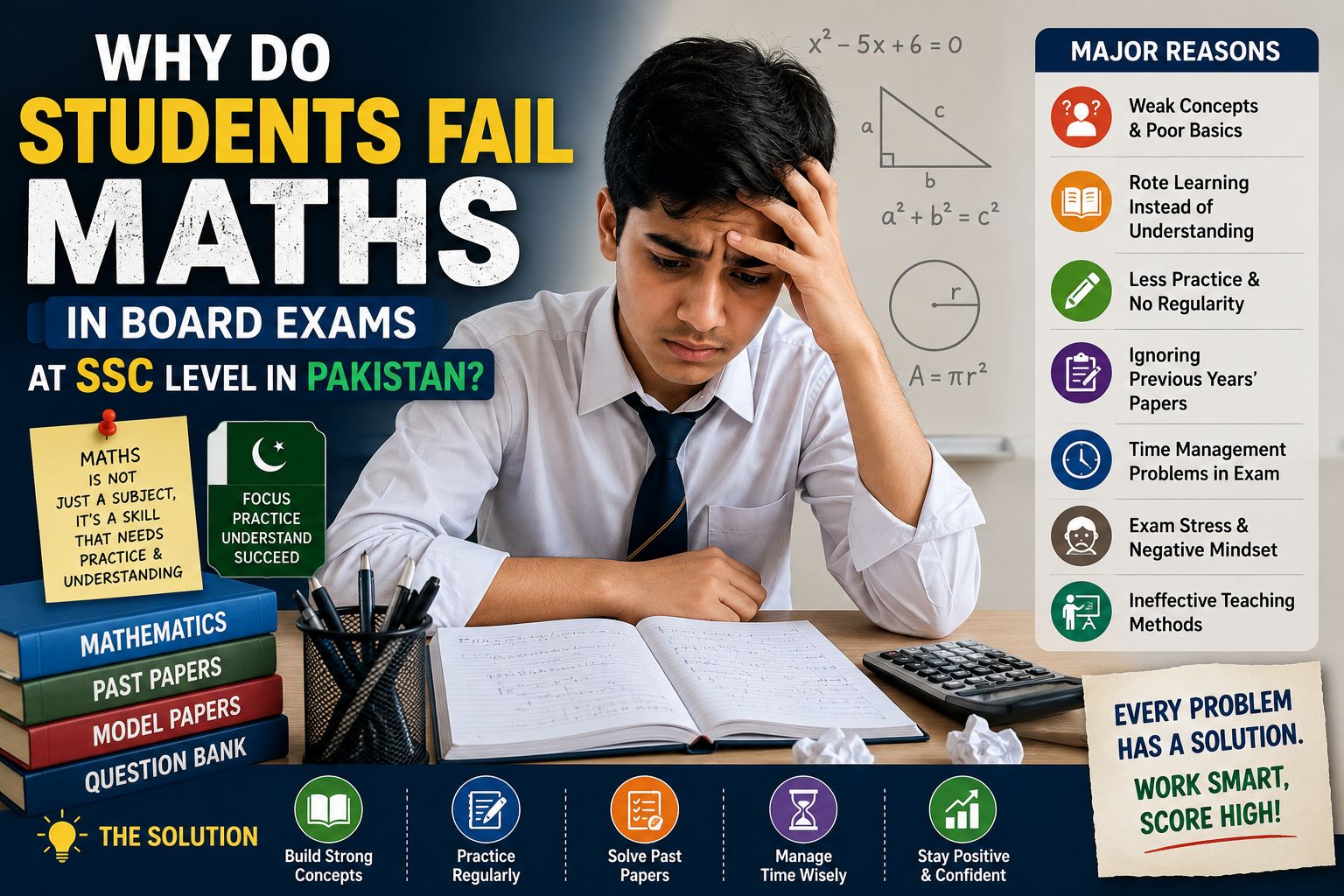
Why Do Students Fail Maths in Board Exams at SSC Level in Pakistan?, Every year, board results across Pakistan reveal the same troubling pattern: Maths failure in SSC board exams remains one of the highest among all subjects. Thousands of Class 9 and Class 10 students struggle to clear this single subject, even when they perform reasonably well in others. Consequently, parents, teachers, and education boards keep asking the same question — why does mathematics continue to be the biggest hurdle in the SSC examination system in Pakistan?
This article explores the real reasons behind poor Maths results in board exams, and it also looks at practical solutions that students, teachers, and policymakers can adopt to reverse this trend.
Understanding the Scale of the Problem
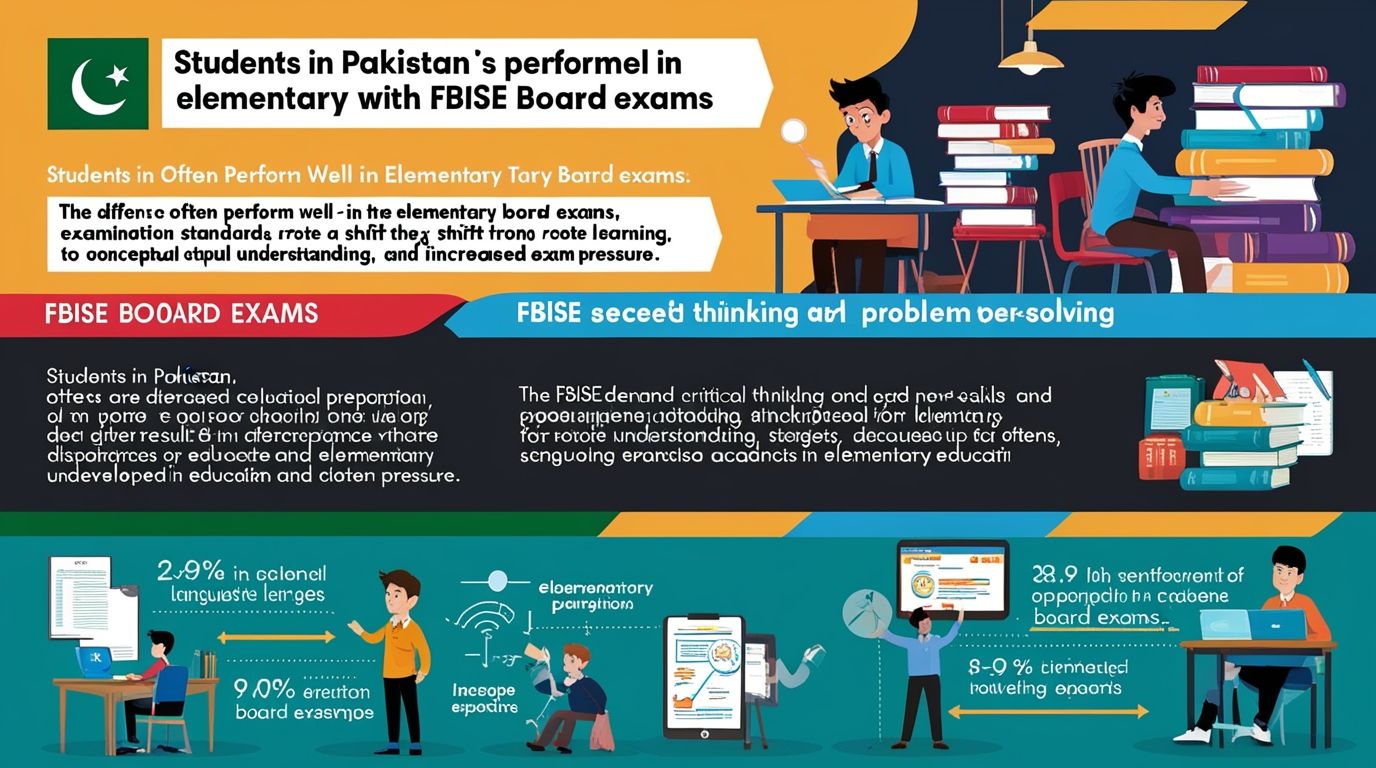
Firstly, it is important to understand just how widespread this issue is. According to data regularly published by various Boards of Intermediate and Secondary Education (BISE) across Punjab, Sindh, KPK, and Balochistan, Mathematics consistently records one of the lowest pass percentages among core subjects at the SSC level. In many districts, especially in rural areas, failure rates in Maths exceed those in Physics, Chemistry, or even English.
Moreover, this is not a new phenomenon. For decades, mathematics has carried the reputation of being the “toughest subject” in the Pakistani curriculum. As a result, an entire culture of fear has developed around the subject, discouraging students even before they open their textbooks.
Weak Conceptual Foundation from Earlier Classes
One of the most significant reasons behind Maths failure at SSC level lies not in Class 9 or 10 itself, but in the years before. Since mathematics is a cumulative subject, every new topic builds upon previous concepts. Therefore, if a student fails to grasp fractions, algebra basics, or geometry in primary and middle school, they inevitably struggle later when tackling more advanced SSC-level topics like trigonometry, quadratic equations, and coordinate geometry.
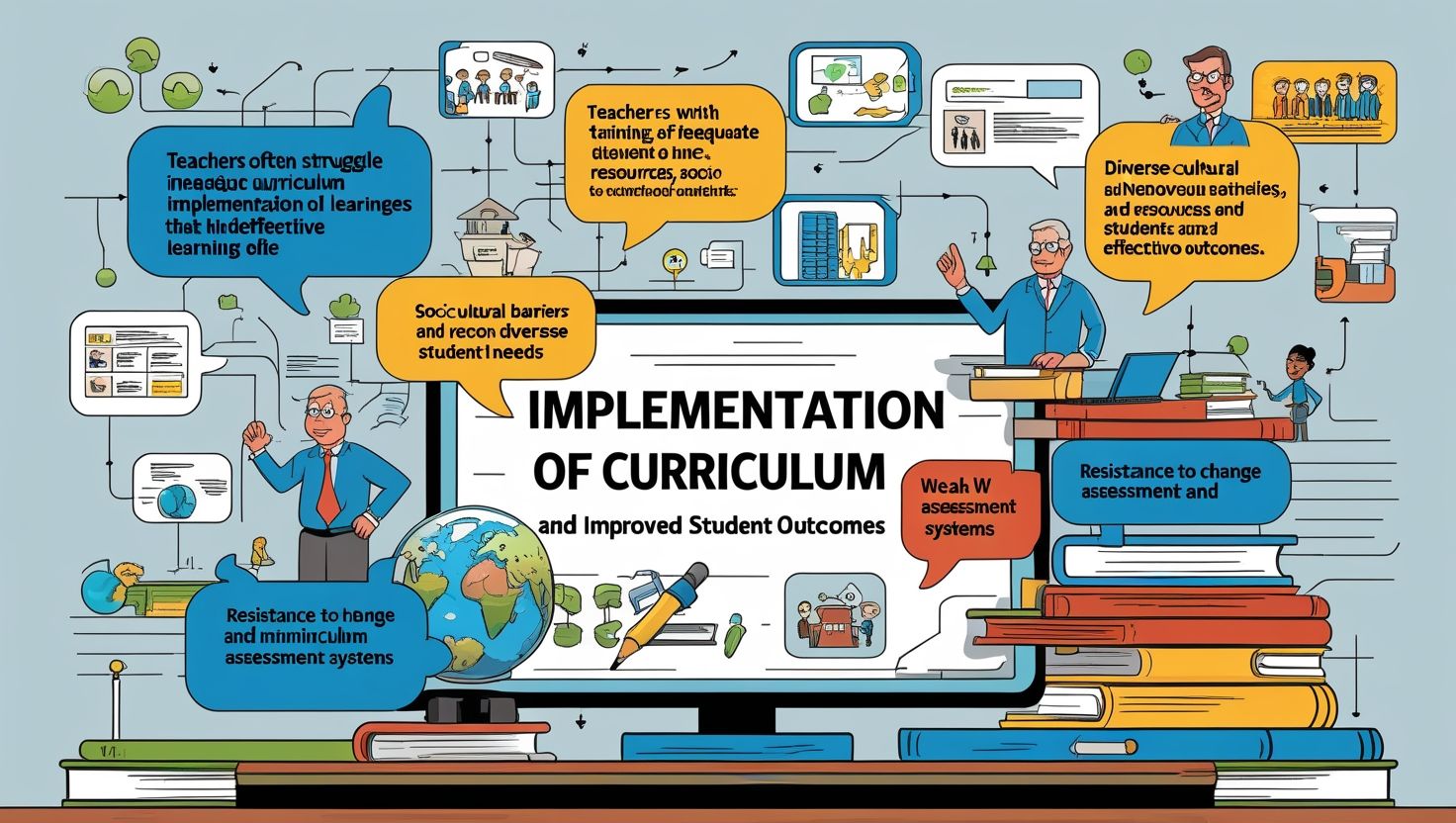
In addition, many government and low-resource private schools lack qualified maths teachers at the primary level. Consequently, foundational gaps rarely addressed early. By the time students reach Class 9, these gaps have widened so much that catching up becomes extremely difficult within a single academic year.
Rote Learning Instead of Conceptual Understanding
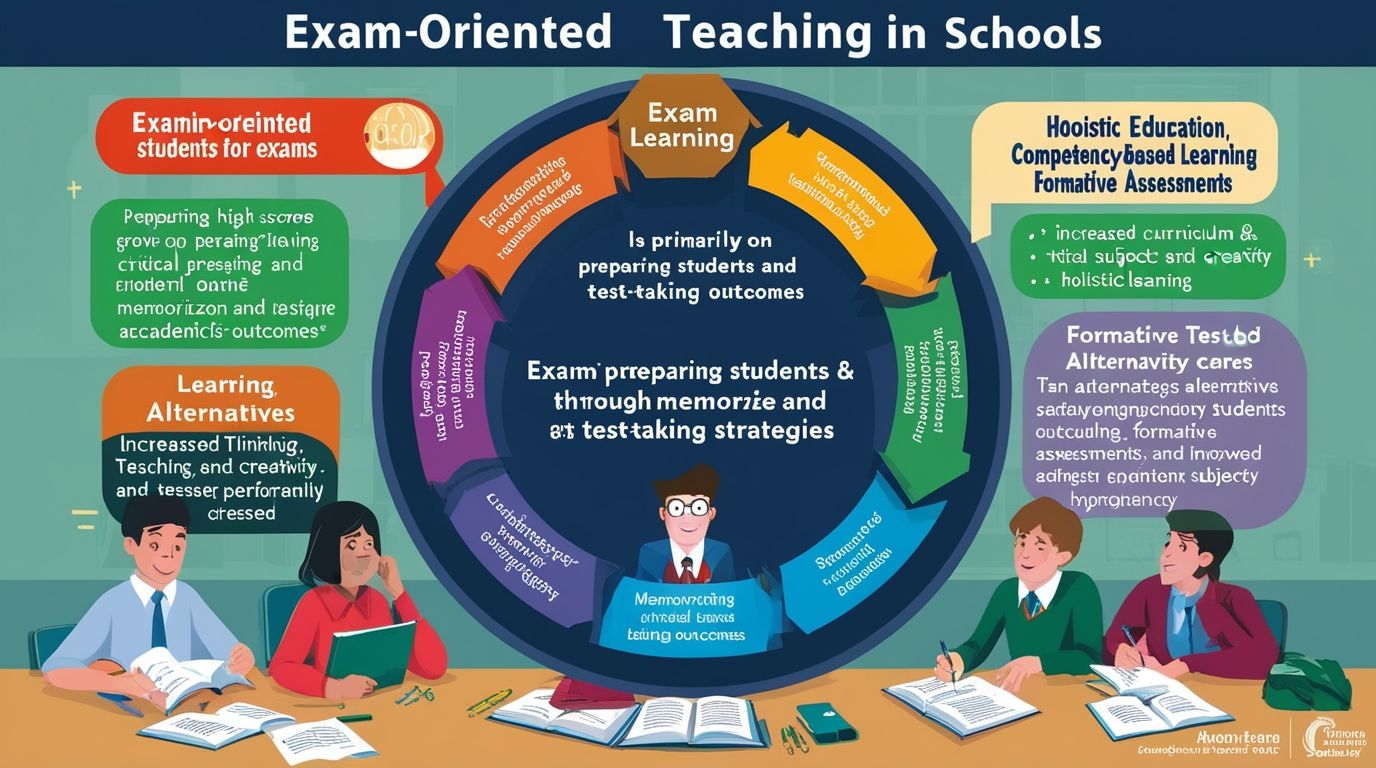
Another major contributor is Pakistan’s widespread reliance on rote memorization rather than conceptual teaching. Instead of understanding why a formula works, students are often taught to memorize steps and reproduce them mechanically during exams. While this approach may work for subjects involving definitions or short answers, it fails badly in mathematics, where questions frequently test understanding through slightly altered problems.
Subsequently, when board exam papers introduce even a minor variation from textbook examples, many students freeze completely. They simply cannot apply memorized steps to a new problem structure. This mismatch between rote-based classroom teaching and application-based exam papers widely regarded as one of the leading causes of poor Maths performance in SSC board exams.
Shortage of Qualified Maths Teachers
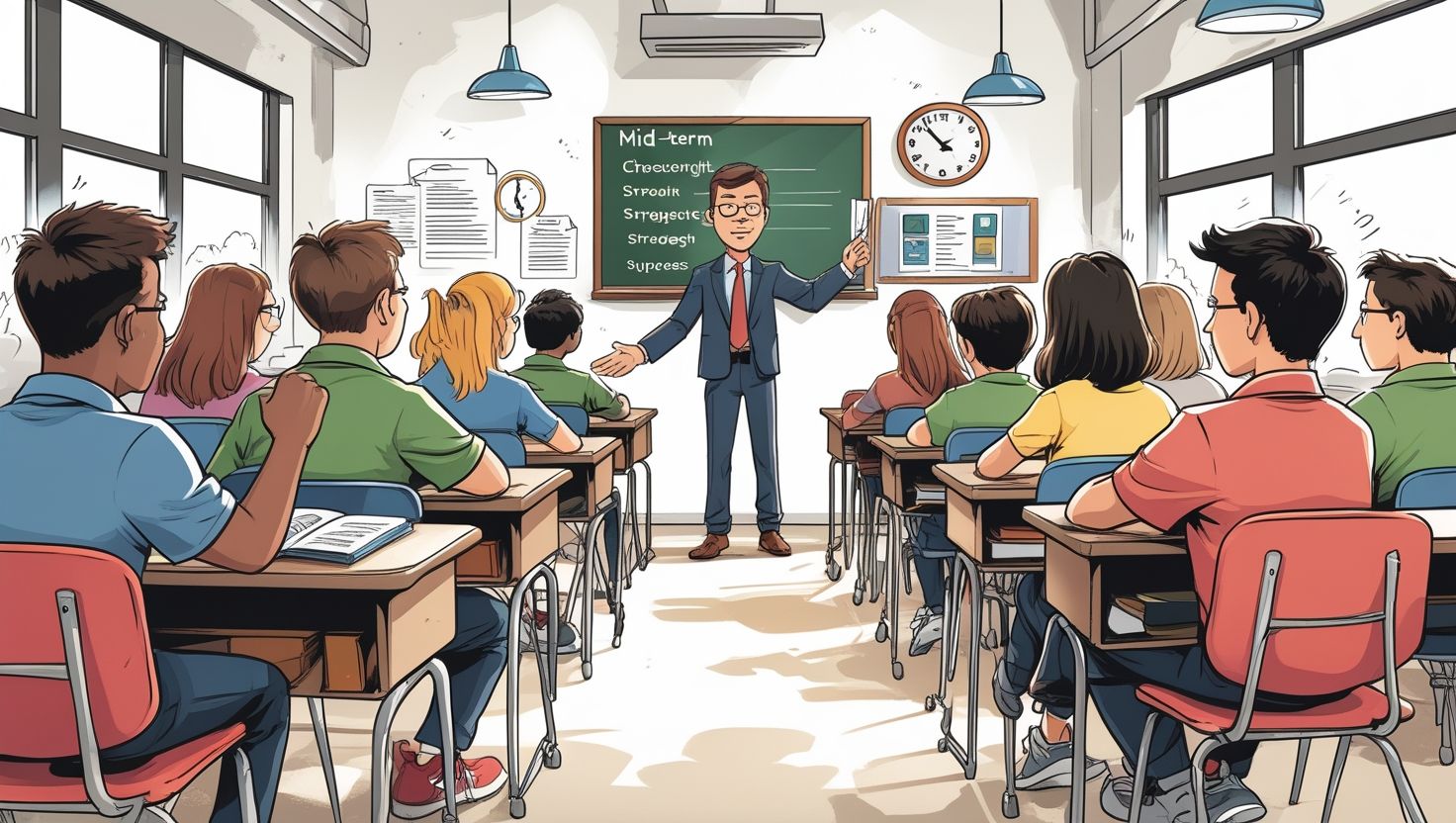
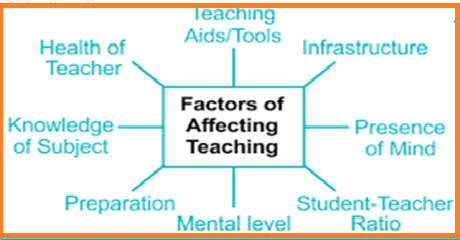
Furthermore, teacher quality plays a critical role in this ongoing crisis. In numerous government schools, particularly in rural and semi-urban areas, mathematics is often taught by teachers who lack proper subject specialization. As a result, students receive limited exposure to effective problem-solving techniques, real-world applications, and exam-oriented strategies.
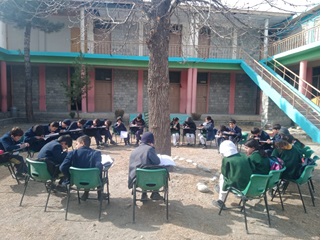
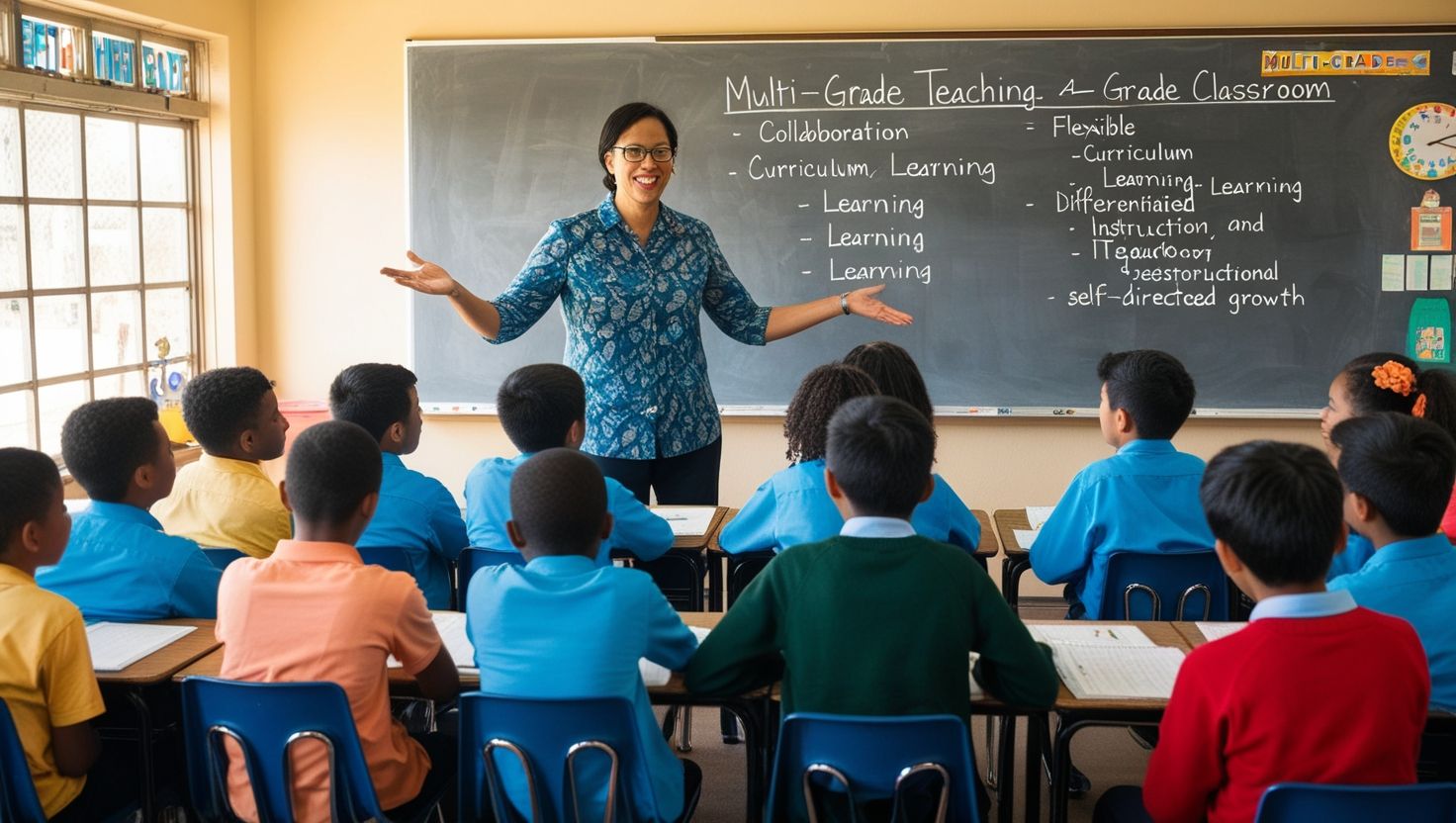
Additionally, large class sizes make individual attention nearly impossible. In classrooms with 50 or more students, teachers simply cannot identify and support those who are falling behind. Over time, these struggling students lose confidence entirely, and by SSC level, many have already mentally given up on the subject.
Exam Pattern and Paper Difficulty
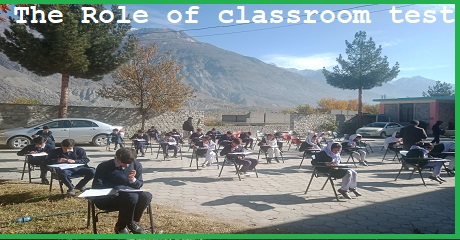
Another important factor relates directly to how SSC Maths papers are designed. Board exam papers in Pakistan often include lengthy, multi-step problems within strict time limits. Meanwhile, students are rarely trained to manage time effectively during practice sessions. Therefore, even students who understand the concepts may fail to complete the paper on time, resulting in incomplete answers and lower marks.
In addition, past papers and guess papers have created an unhealthy dependency. Many students prepare only for “expected” questions rather than developing a genuine understanding of the entire syllabus. Subsequently, when the board introduces even slightly unexpected questions, overall performance drops sharply.
Lack of Interest and Maths Anxiety
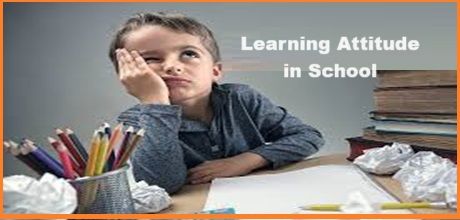
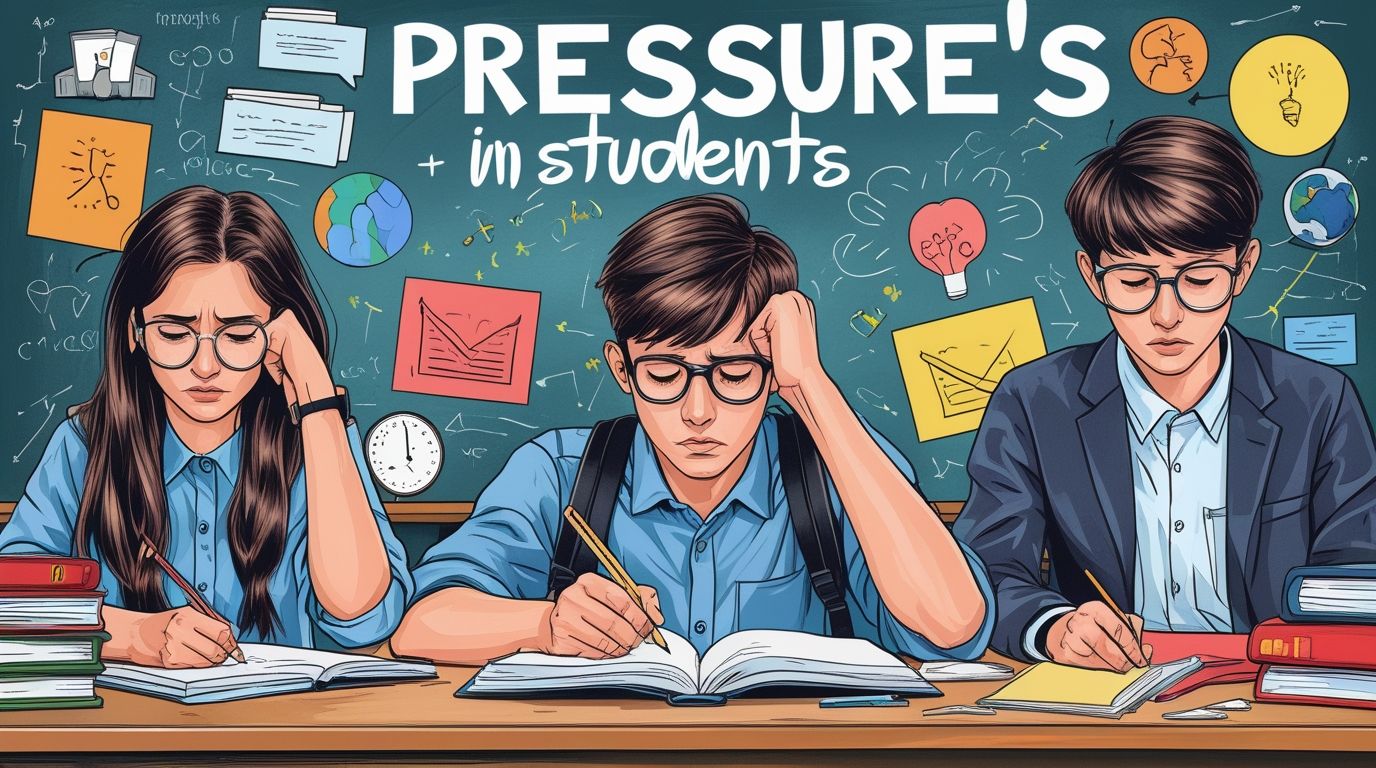
Psychological factors also deserve attention here. Maths anxiety — a well-documented phenomenon worldwide — is particularly severe among Pakistani students. Because of years of negative experiences, harsh classroom criticism, or public humiliation for wrong answers, many students associate mathematics with fear rather than curiosity.
As a result, this anxiety directly impacts exam performance. Even well-prepared students sometimes blank out during the actual exam due to stress. Meanwhile, this fear is often reinforced at home, where parents themselves may express negative attitudes toward the subject, unintentionally passing on the same anxiety to their children.
Socioeconomic and Regional Disparities
It is also worth noting that Maths failure rates in SSC exams vary significantly by region and socioeconomic background. Students in urban centers, particularly those with access to private tuition and quality resources, generally perform better. On the other hand, students in remote and under-resourced areas face compounding disadvantages: fewer qualified teachers, limited access to practice material, and, in many cases, unstable school infrastructure.
Consequently, this creates a widening gap between privileged and underprivileged students, further reinforcing the perception that mathematics a subject reserved for the “naturally gifted” rather than a skill anyone can develop through proper guidance and practice.
Language Barrier in Understanding Maths
Interestingly, language also plays a hidden yet powerful role. While mathematics is often assumed to be a universal, language-independent subject, textbook explanations, word problems, and instructions are typically presented in English or Urdu — languages that are not always fully understood, especially in regional and rural schools.
Therefore, students sometimes struggle not because they cannot solve the actual mathematical problem, but because they misinterpret what the question is asking. This barrier becomes especially problematic in word-based application questions, which are common in SSC-level papers.
The Role of Outdated Teaching Methods
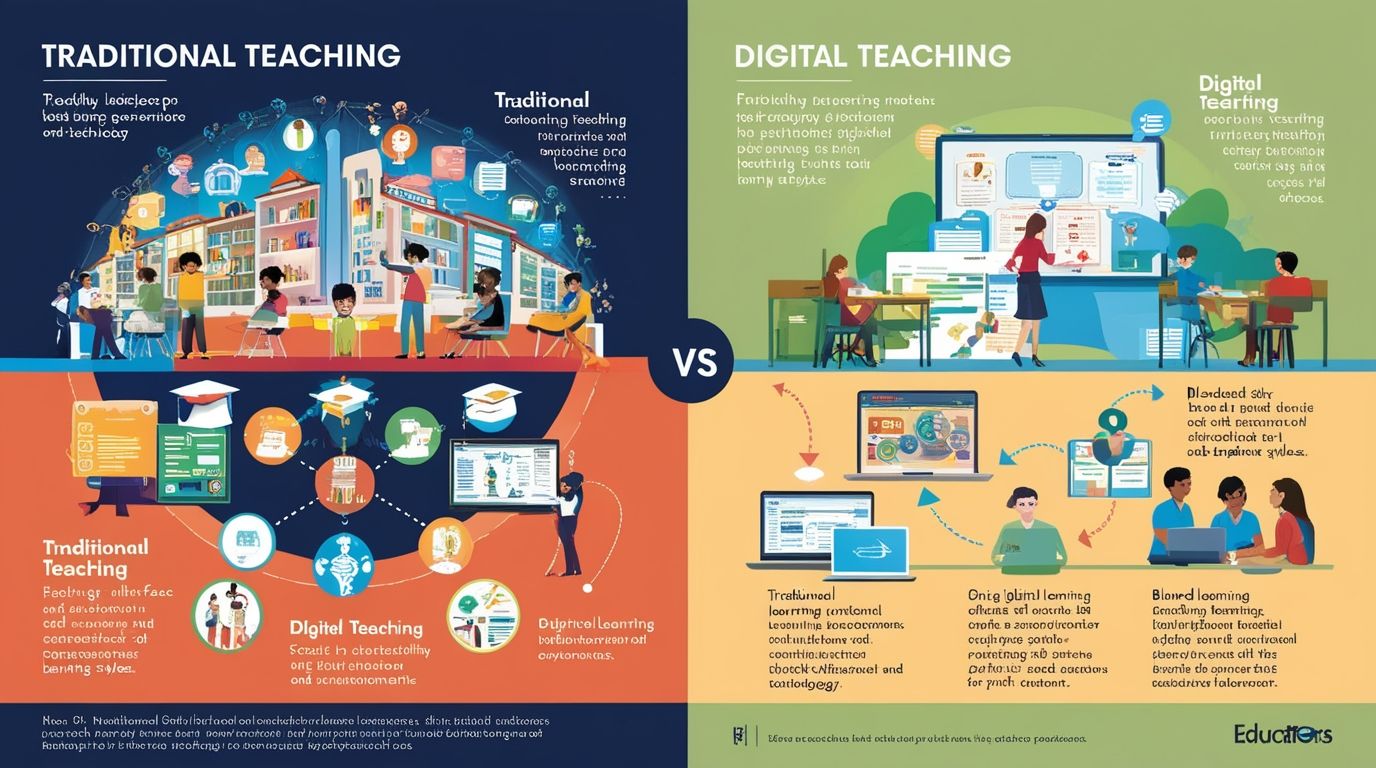
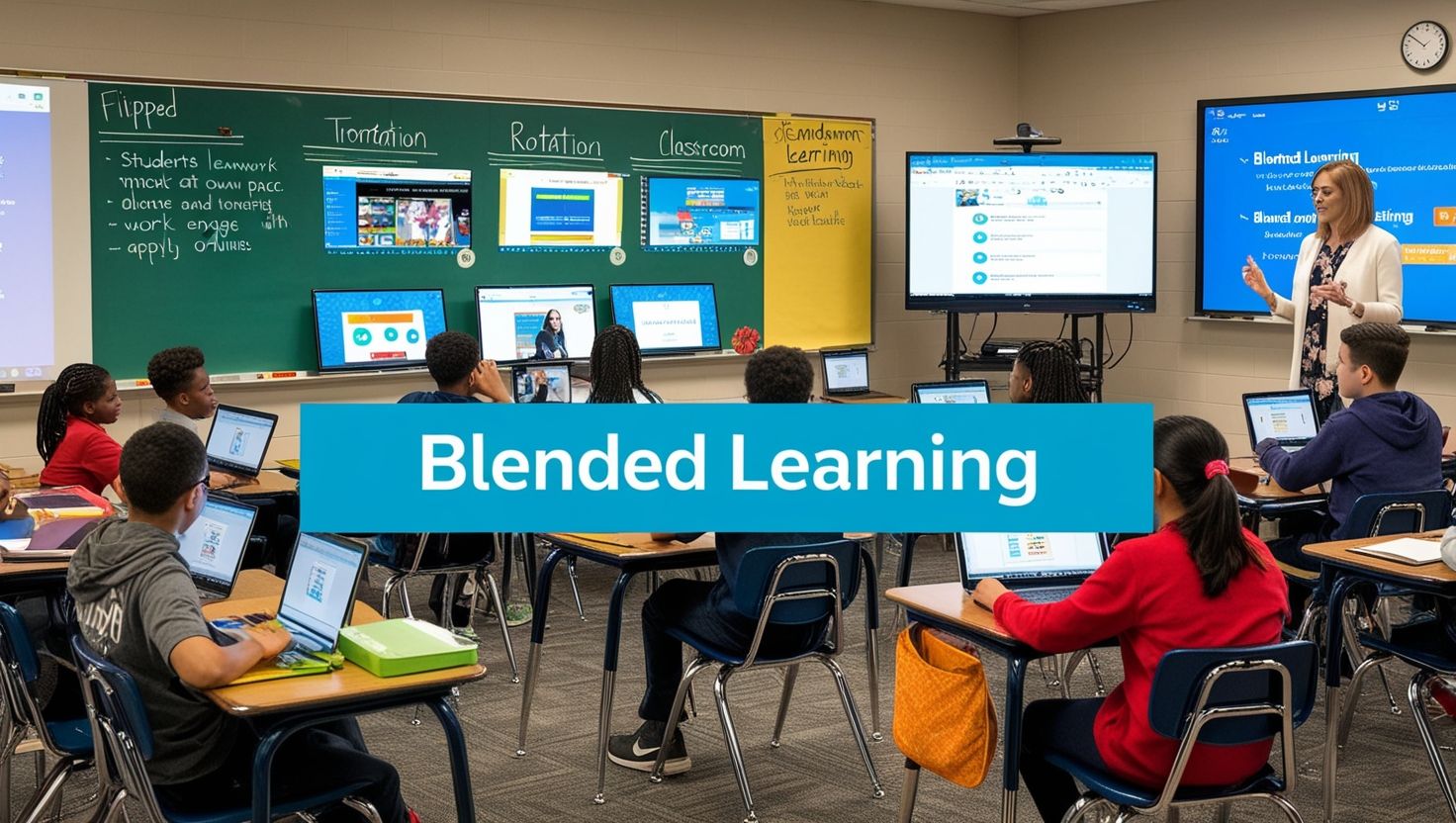
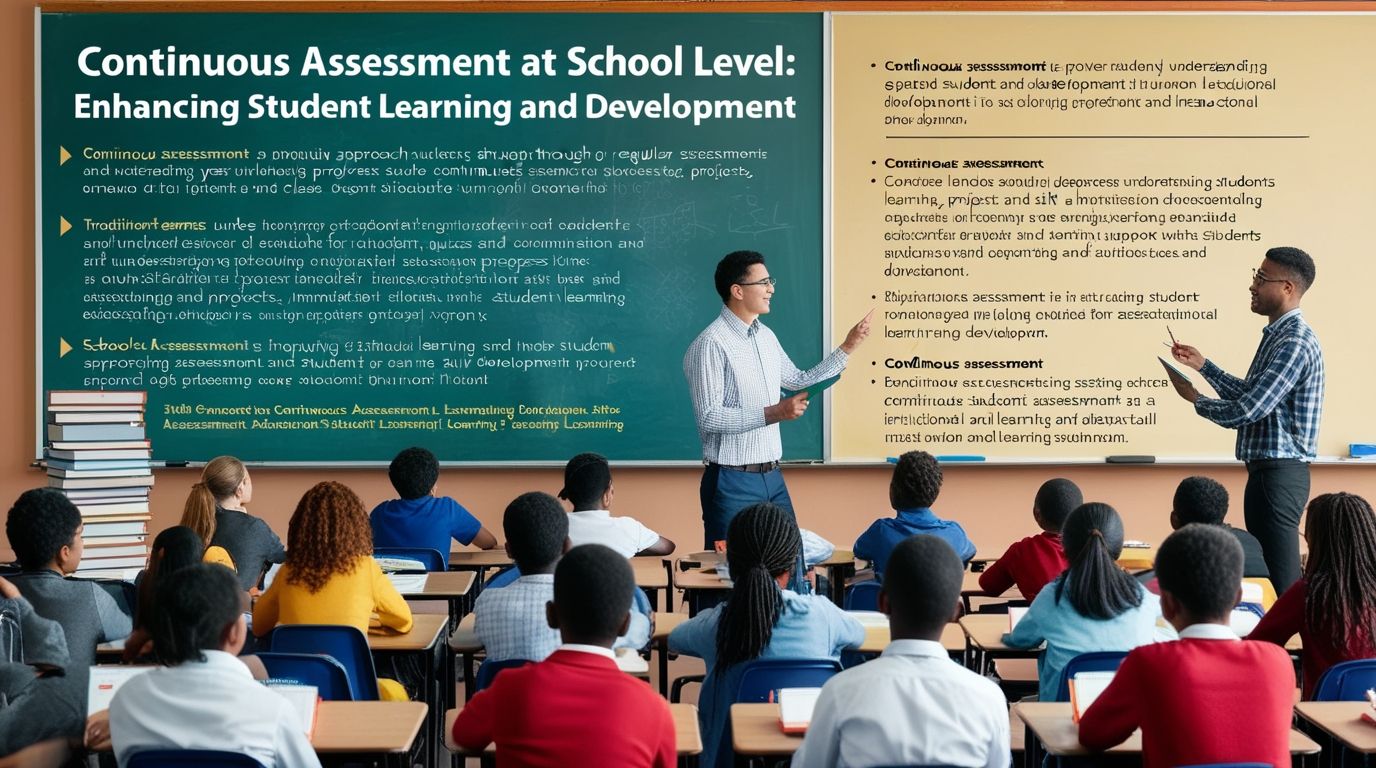
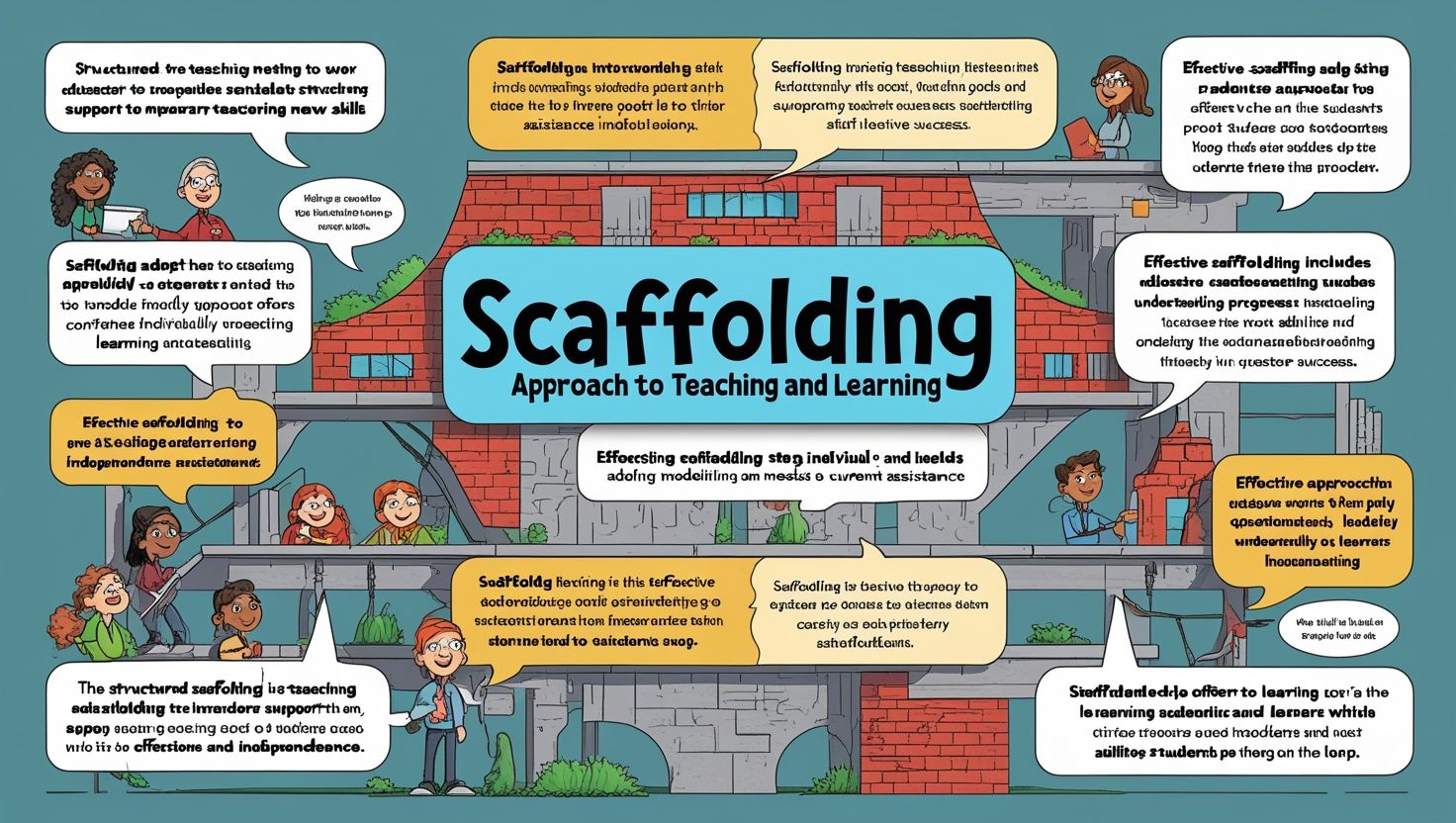
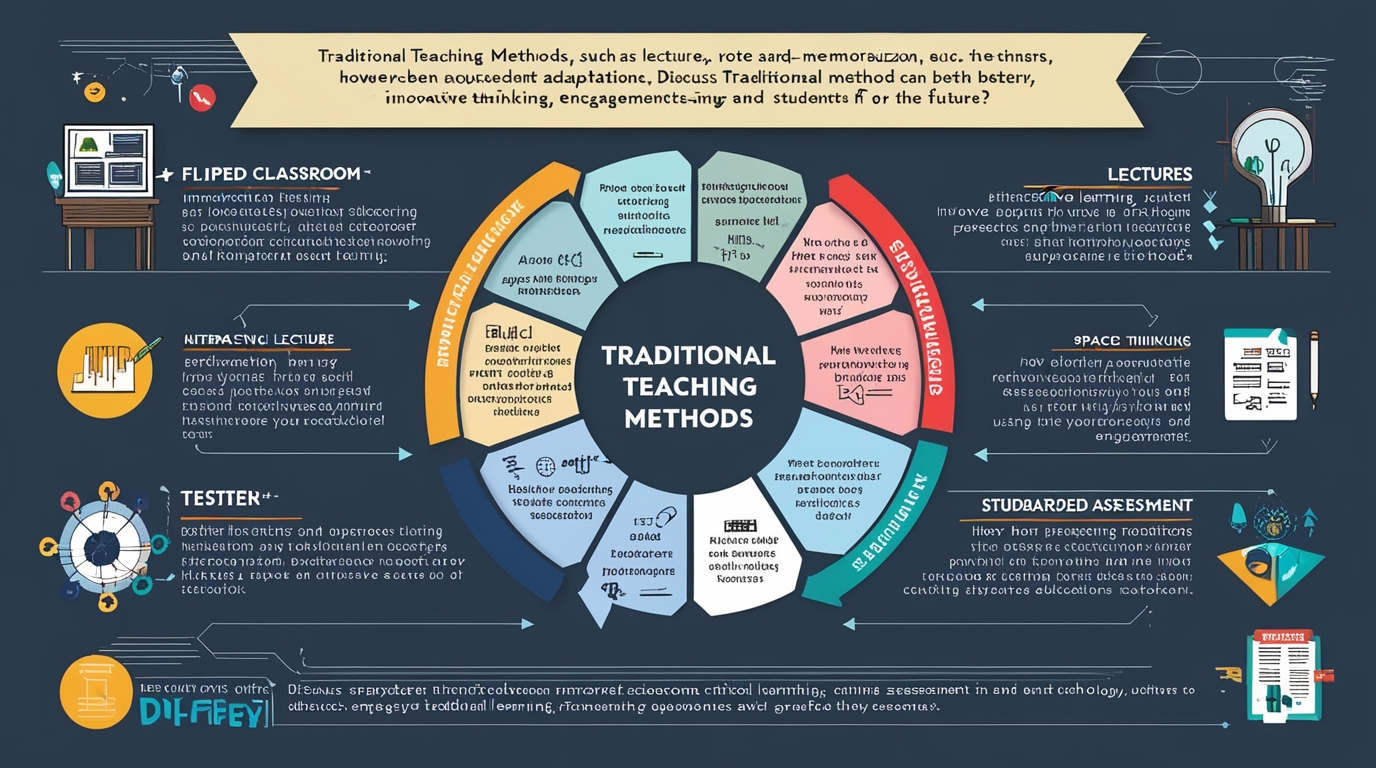
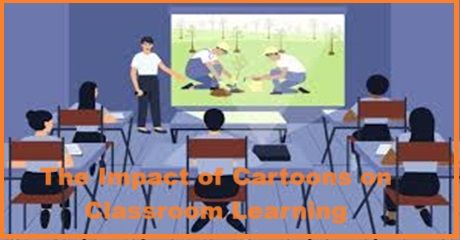
Additionally, traditional chalk-and-talk teaching methods remain dominant across much of Pakistan’s education system. Interactive tools, visual aids, and real-life applications of mathematical concepts rarely used in ordinary classrooms. Since mathematics is inherently a subject that benefits from visualization and practical demonstration, this outdated approach further reduces student engagement.
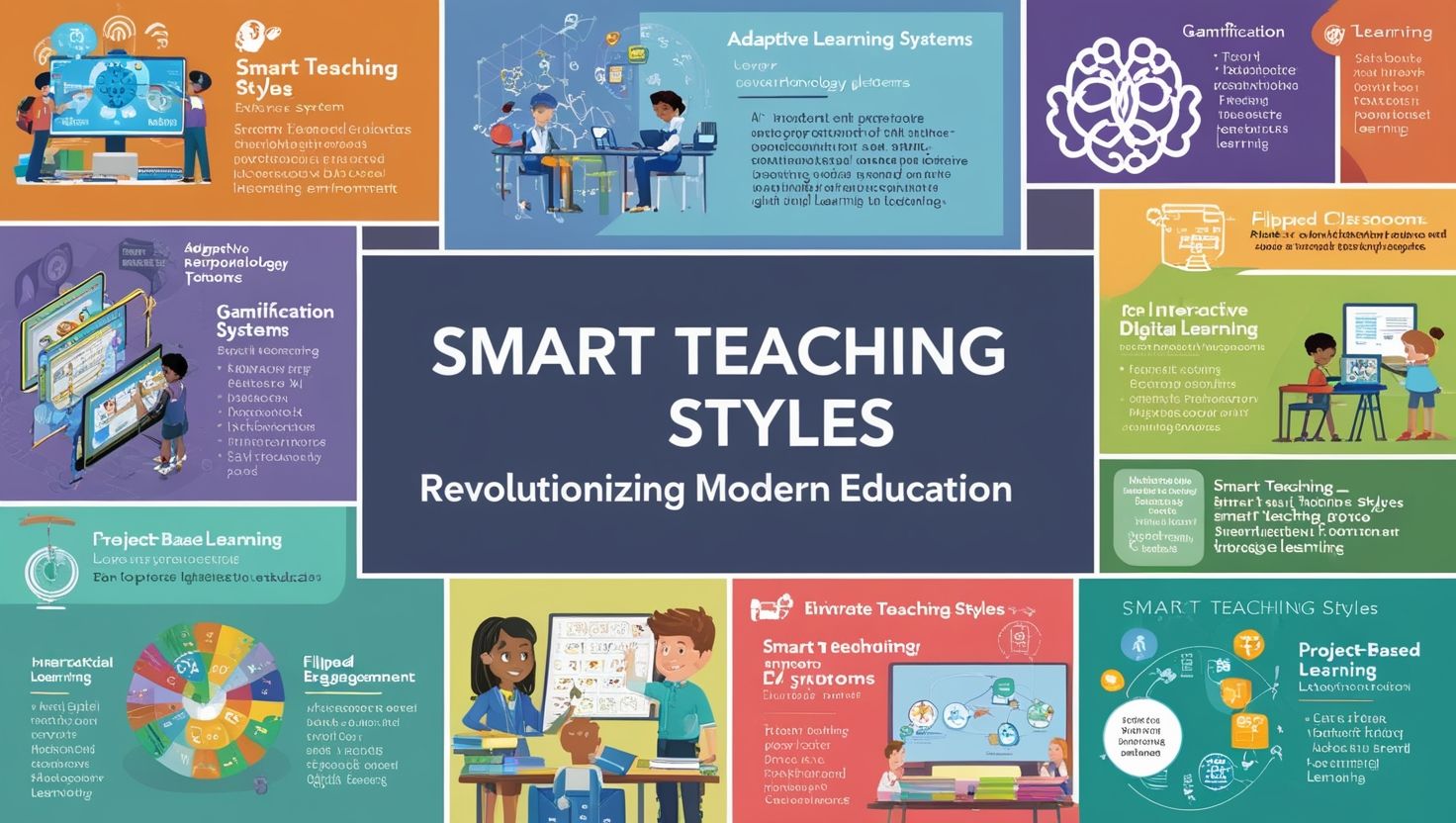
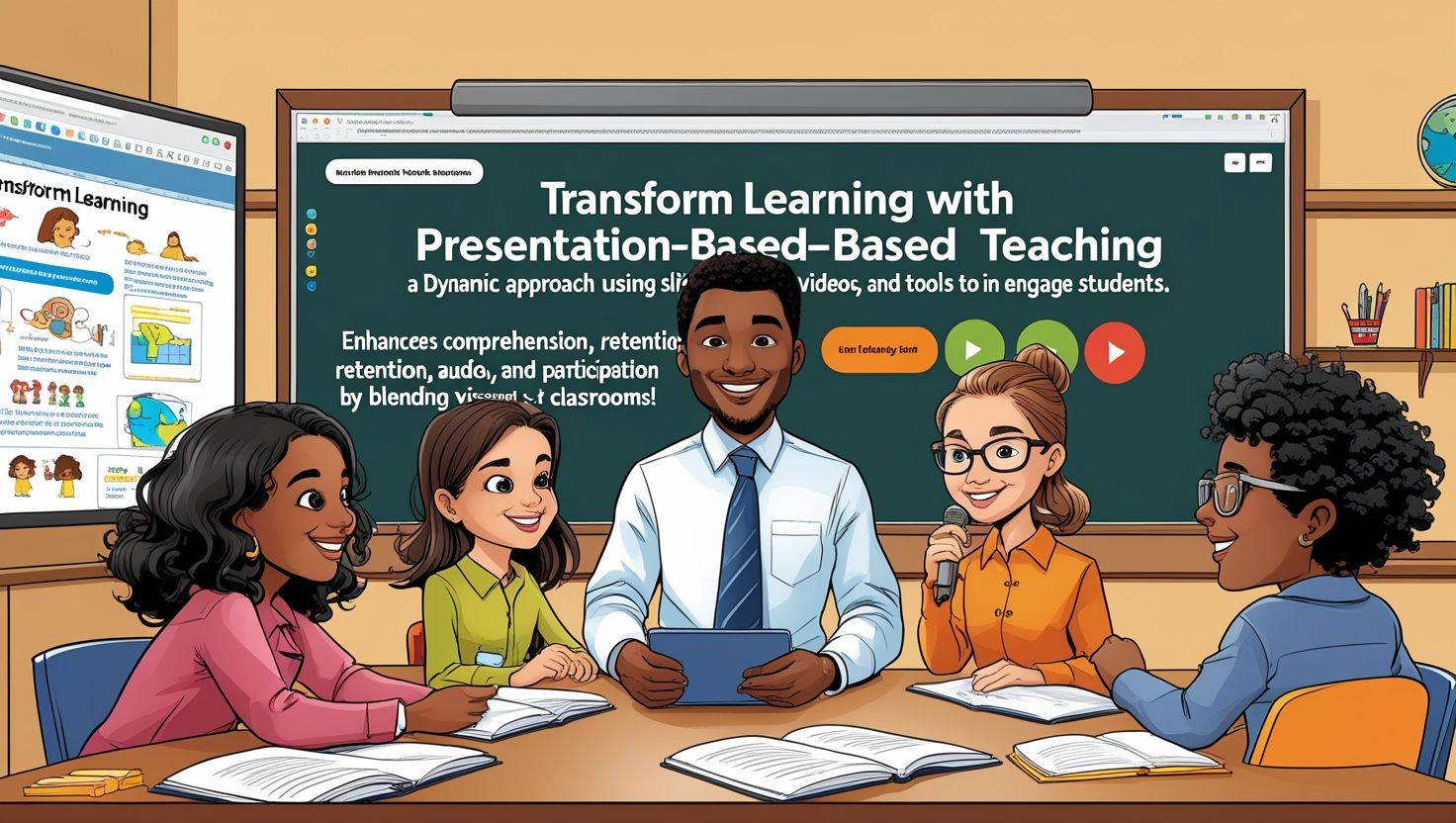
In contrast, schools that have introduced smart boards, mathematical software, or activity-based learning often report noticeably better outcomes. However, such resources remain limited to a small percentage of institutions, mostly in urban private-sector schools.
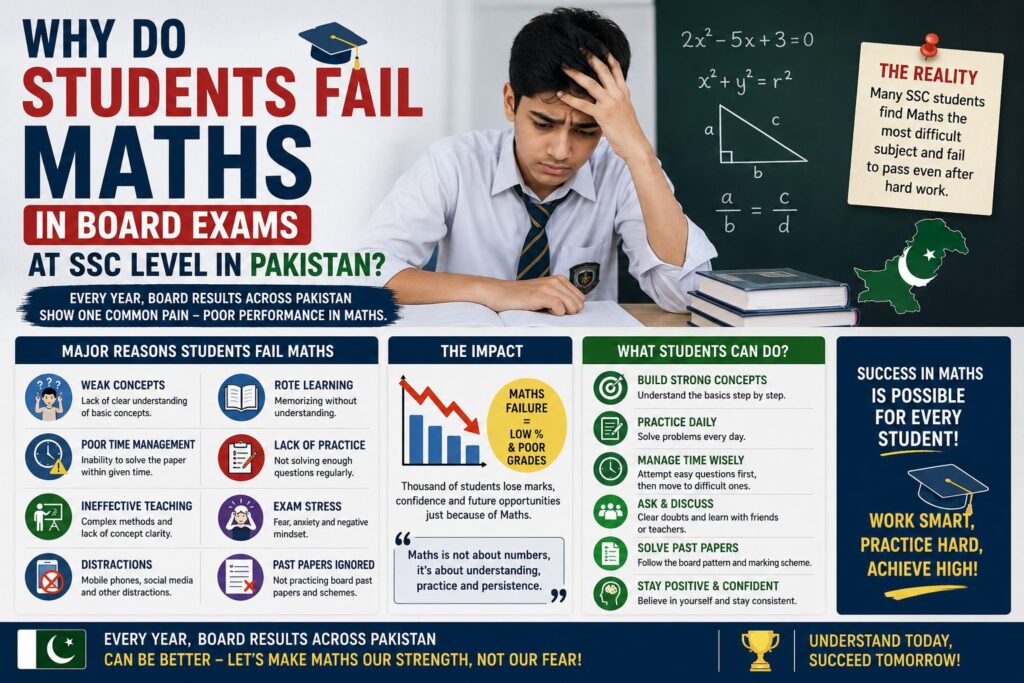
Practical Solutions to Improve Maths Results
Fortunately, this situation is not irreversible. Several practical steps can meaningfully improve Maths results in SSC board exams across Pakistan.
1. Strengthening foundational teaching: Firstly, greater investment must be made in primary and middle-school mathematics instruction, ensuring that conceptual gaps addressed before students reach the SSC level.
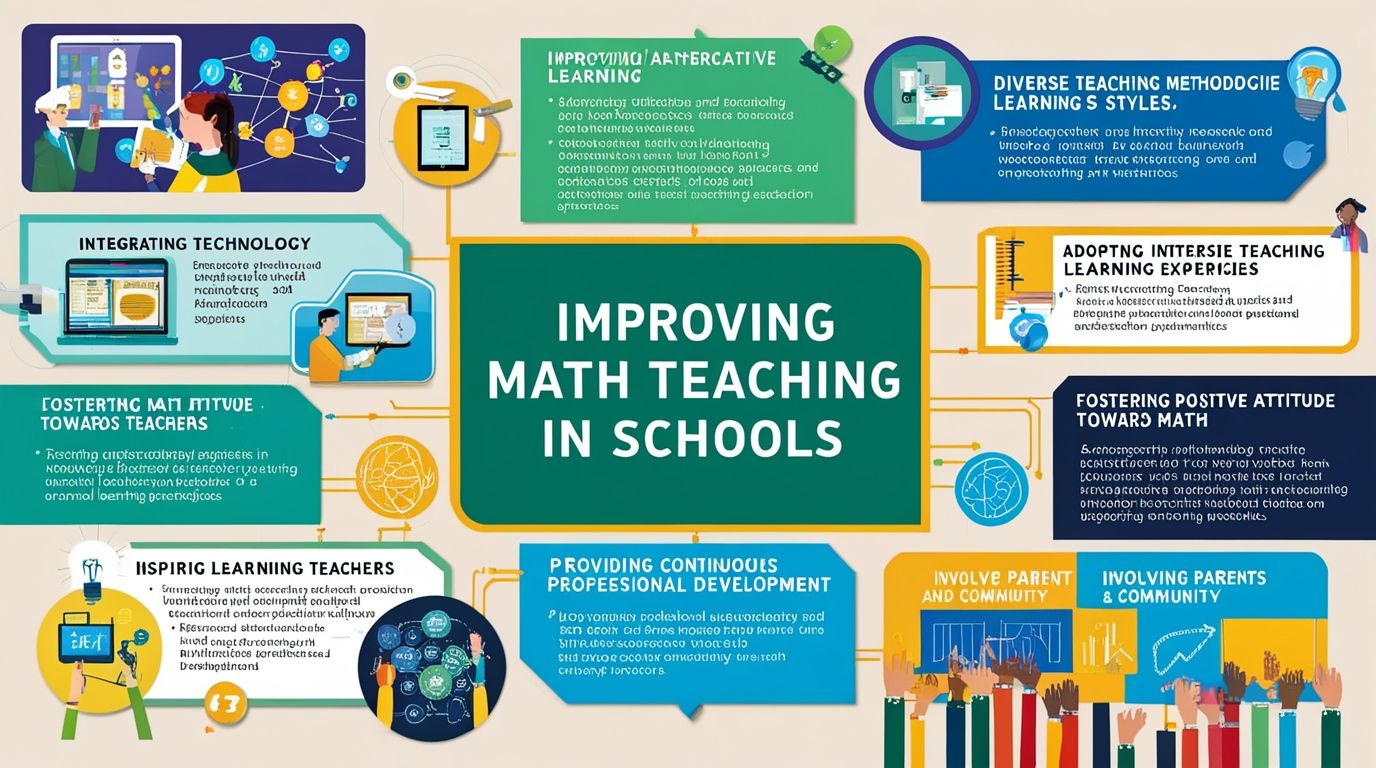
2. Teacher training programs: Furthermore, ongoing professional development for maths teachers, especially in rural areas, is essential. Well-trained teachers can better explain concepts and identify struggling students early.
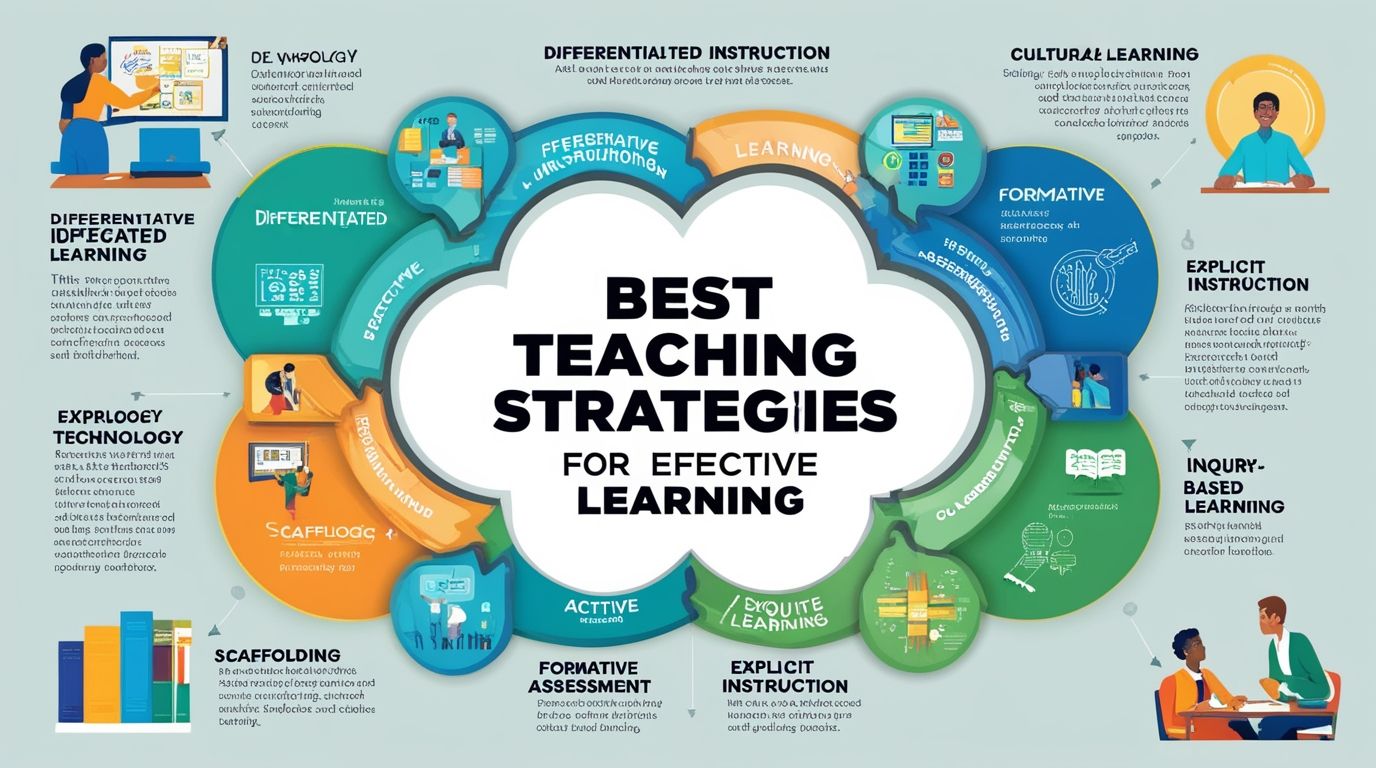
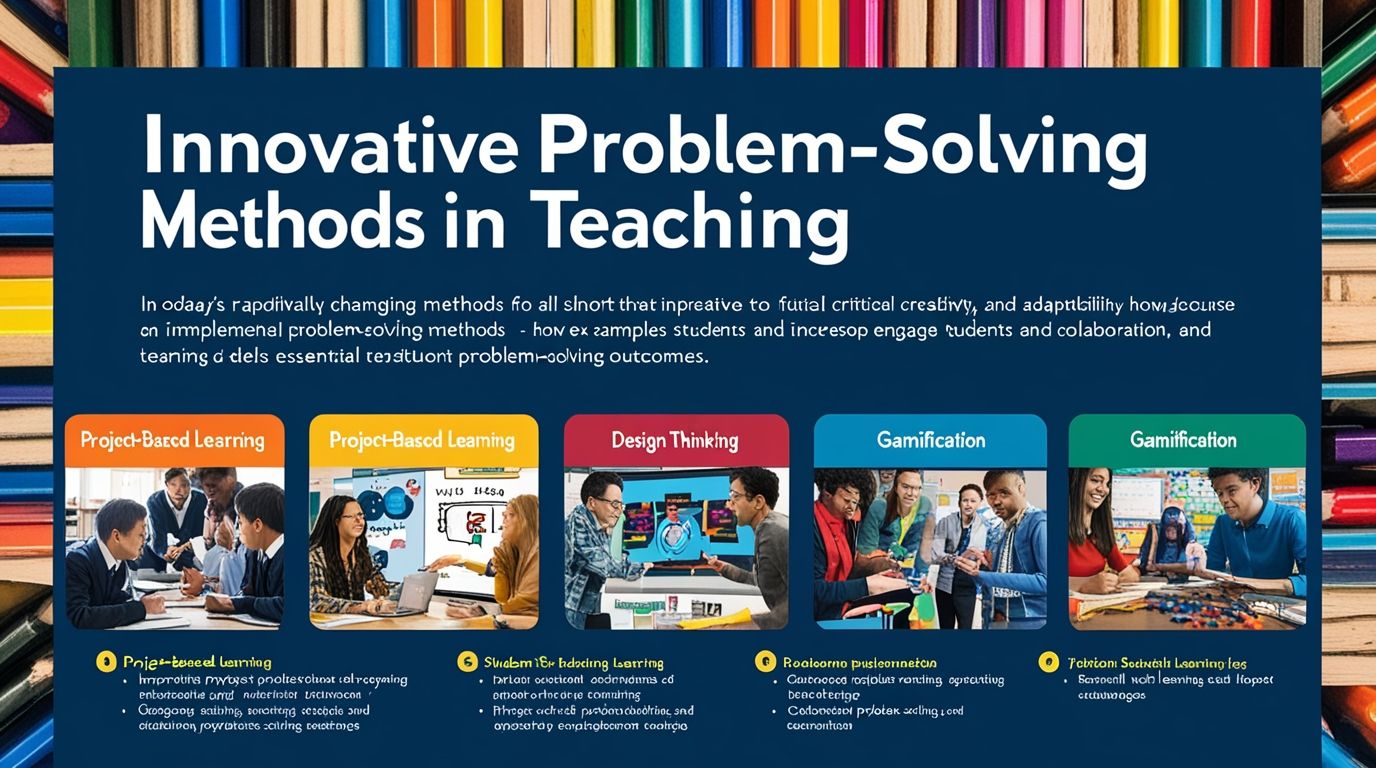
3. Encouraging conceptual learning over memorization: Additionally, curriculum designers and educators should shift emphasis toward understanding rather than mechanical repetition, using real-life examples wherever possible.
4. Reducing maths anxiety: Meanwhile, schools and parents alike should adopt more encouraging, judgment-free approaches to mistakes, since a positive learning environment significantly boosts confidence.
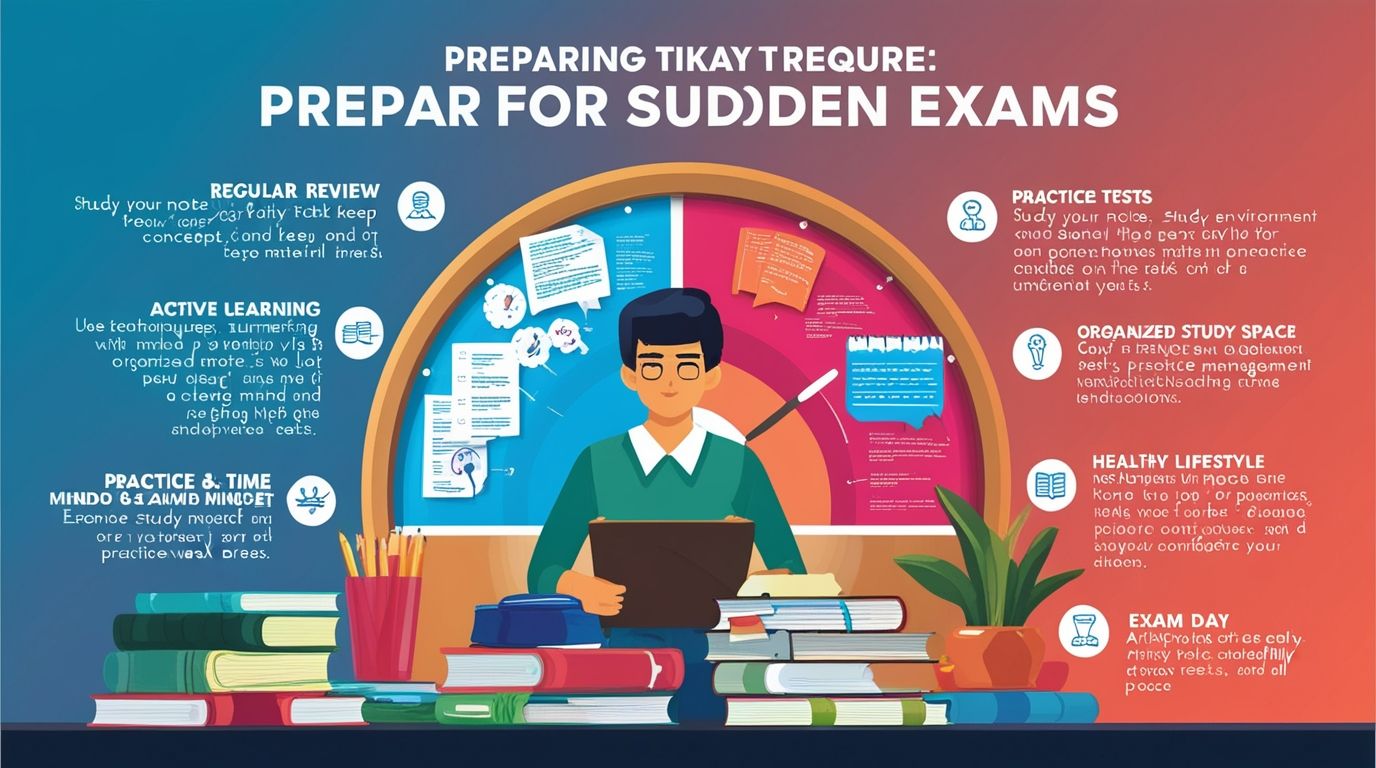
5. Time-management training: Similarly, students should practice full-length, timed papers regularly rather than relying solely on isolated topic-wise preparation.
6. Bridging the language gap: Also, teachers should clarify difficult terminology in the students’ native language wherever needed, particularly for word problems.
7. Modernizing classroom tools: Finally, wider adoption of visual and digital teaching aids, even in low-resource settings, can make abstract mathematical concepts far more accessible.
Conclusion
In summary, Maths failure at the SSC level in Pakistan not caused by a single factor but by a combination of weak foundational learning, outdated teaching methods, teacher shortages, exam-related pressure, and deep-rooted psychological anxiety. Nevertheless, with focused reforms — ranging from early intervention to modernized classroom techniques — this trend can gradually be reversed.
Ultimately, mathematics does not have to remain the most feared subject in Pakistan’s education system. With the right support, consistent practice, and a shift toward conceptual understanding, students can transform their relationship with the subject and significantly improve their performance in board examinations.