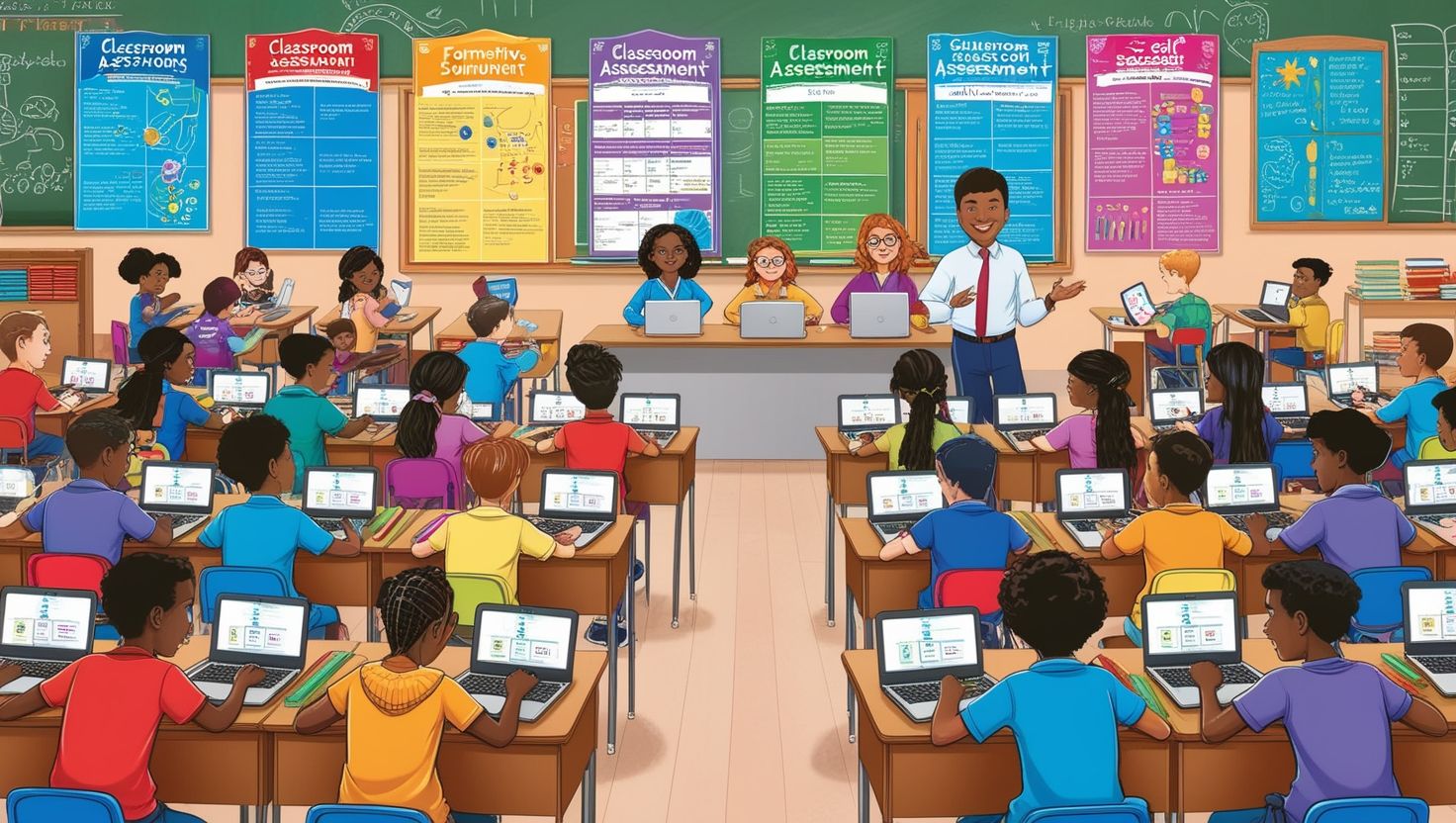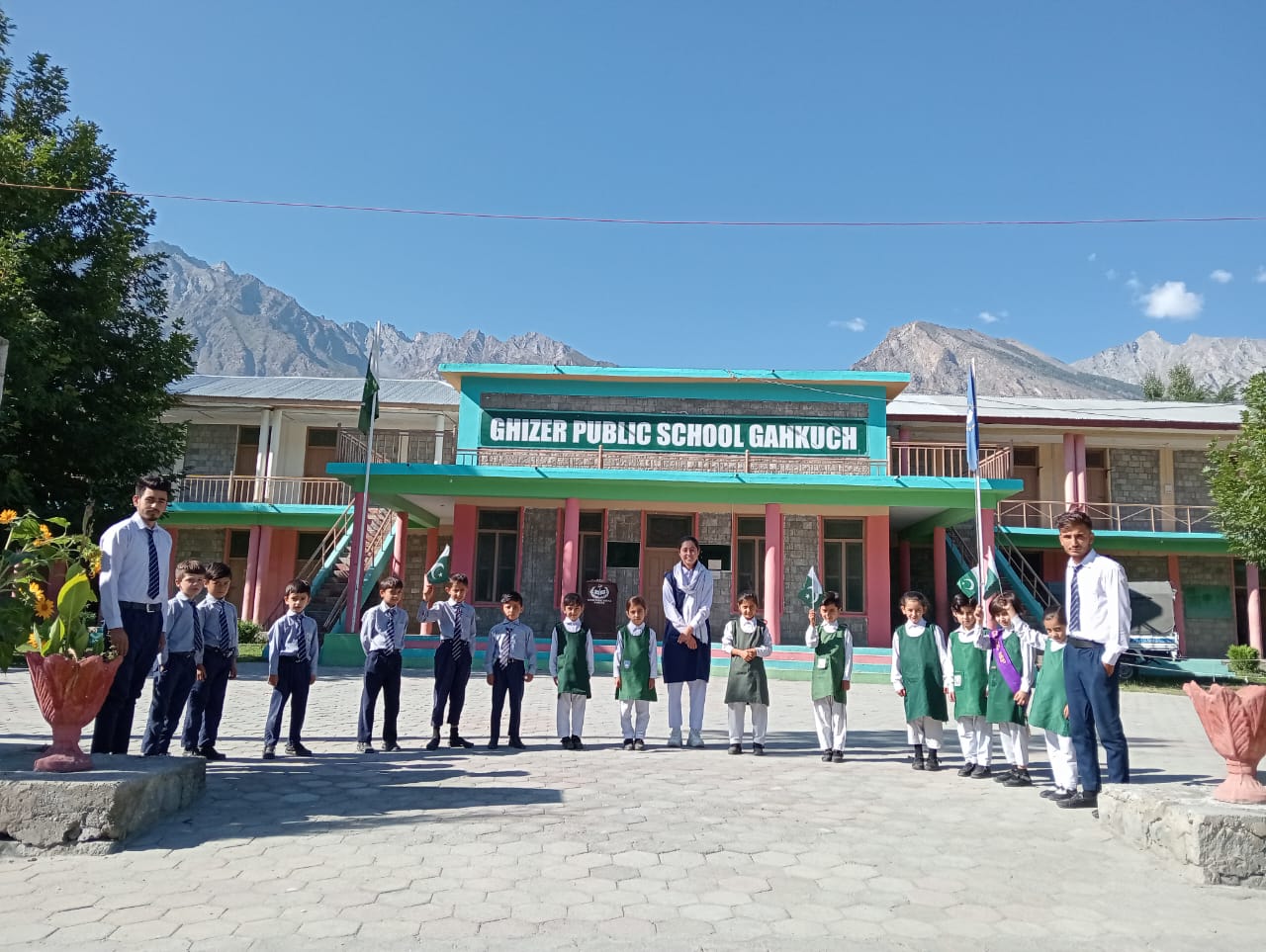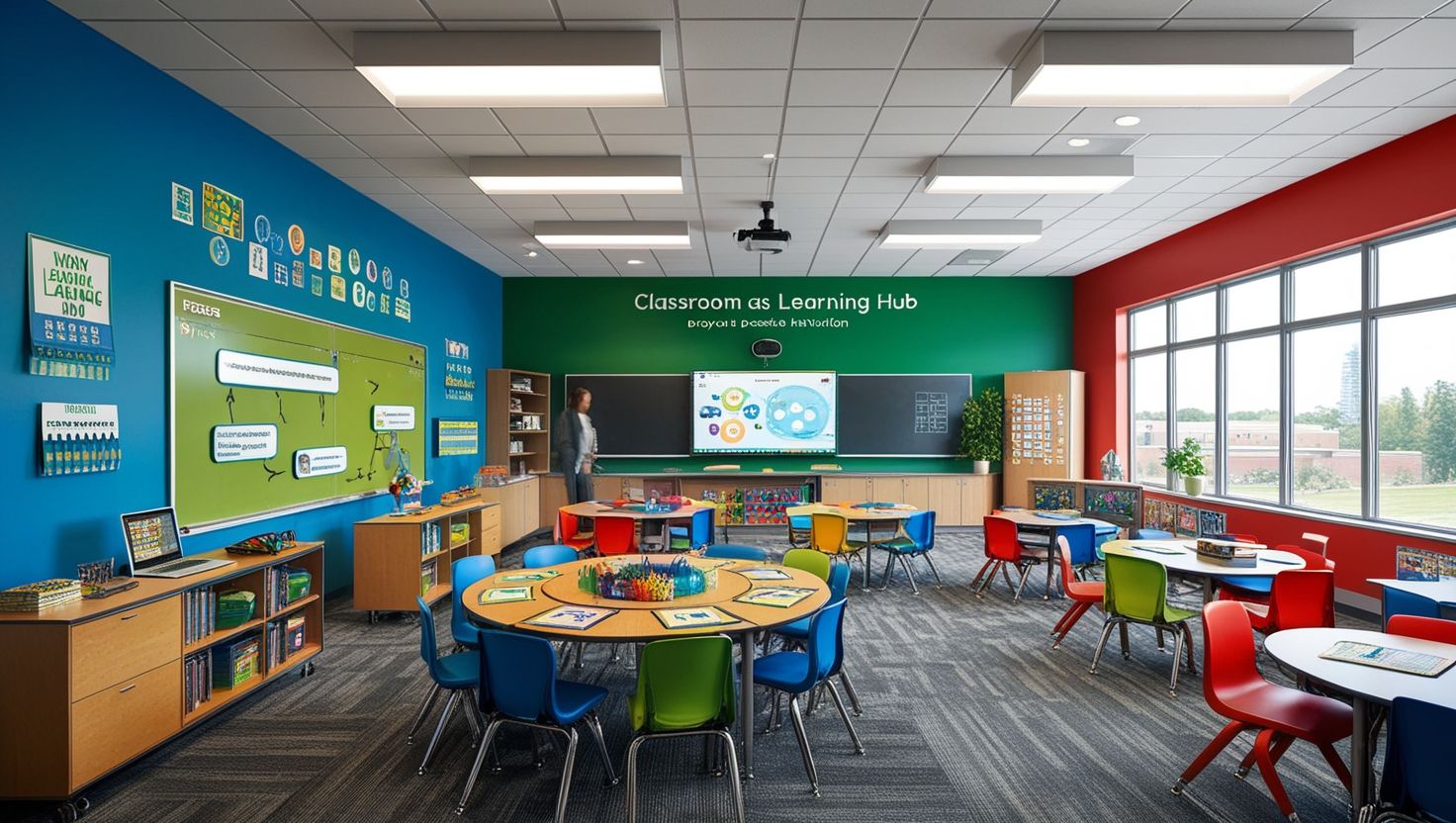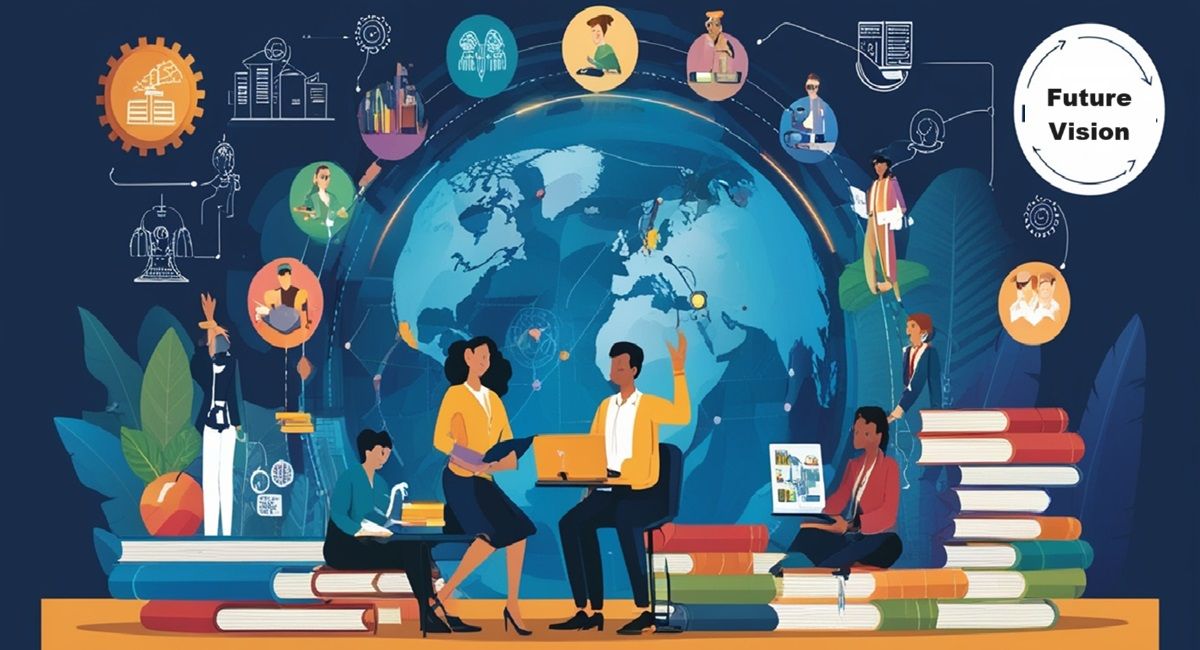
Latest School Models: The Future of Education, Education is changing faster than ever. Traditional classrooms with rows of desks and one-size-fits-all lesson plans are giving way to flexible, tech-enabled, student-centered learning environments. Parents, educators, and policymakers around the world are searching for the latest school models that can better prepare children for a rapidly evolving job market and society.
In this article, we’ll explore the most innovative and effective school models shaping education today, why they matter, and how they compare to traditional schooling. Whether you’re a parent choosing a school, an educator looking for inspiration, or a policymaker researching reform options, this guide will help you understand the landscape of modern education.
Why School Models Are Changing
For over a century, most schools followed an industrial-era model: fixed class sizes, standardized curricula, and a heavy focus on rote memorization. But several forces are pushing education toward new models:
- Rapid technological change – Careers today didn’t exist a decade ago, and adaptability matters more than memorized facts.
- Diverse learning needs – Not every child learns the same way, and rigid systems often leave students behind.
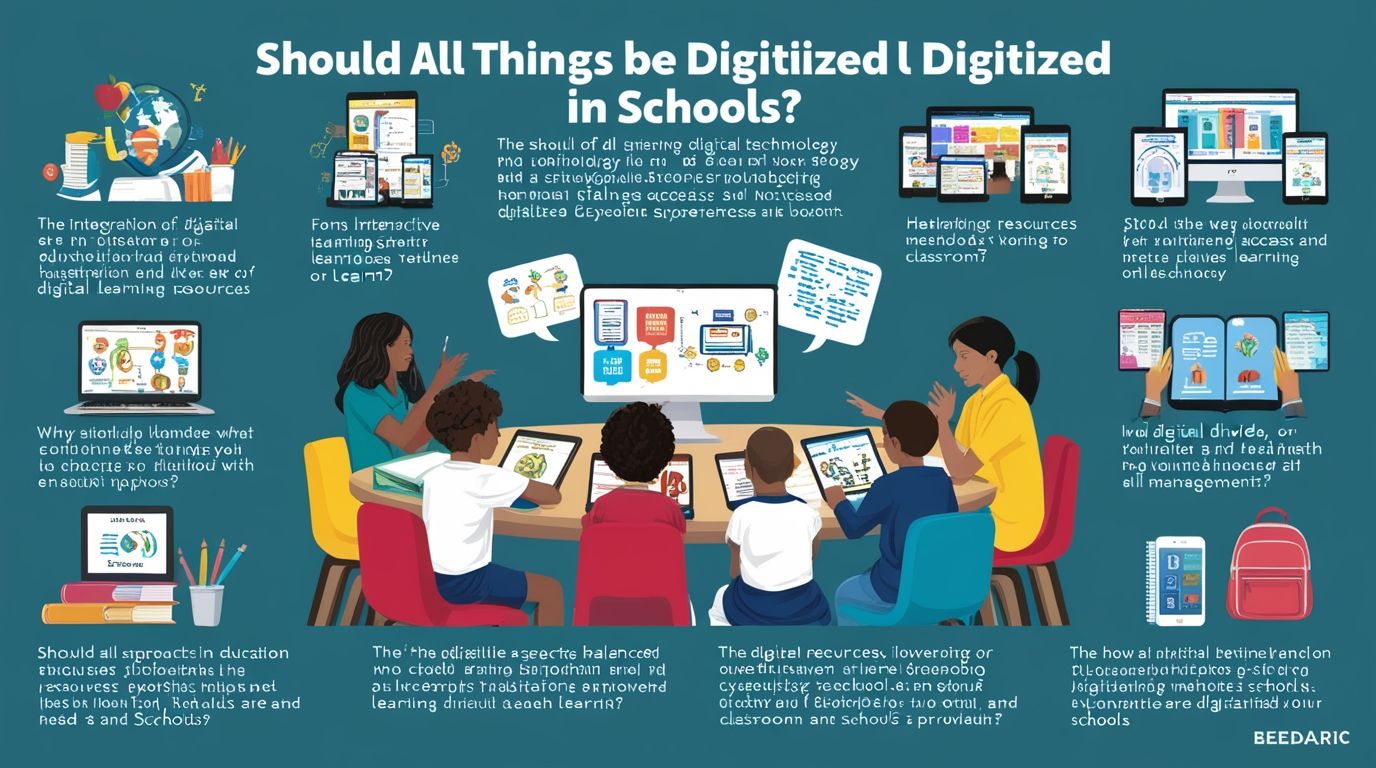
- Access to technology – Laptops, tablets, and AI tools make personalized learning possible at scale.
- Post-pandemic shifts – Remote and hybrid learning proved that education doesn’t have to happen in one physical space.
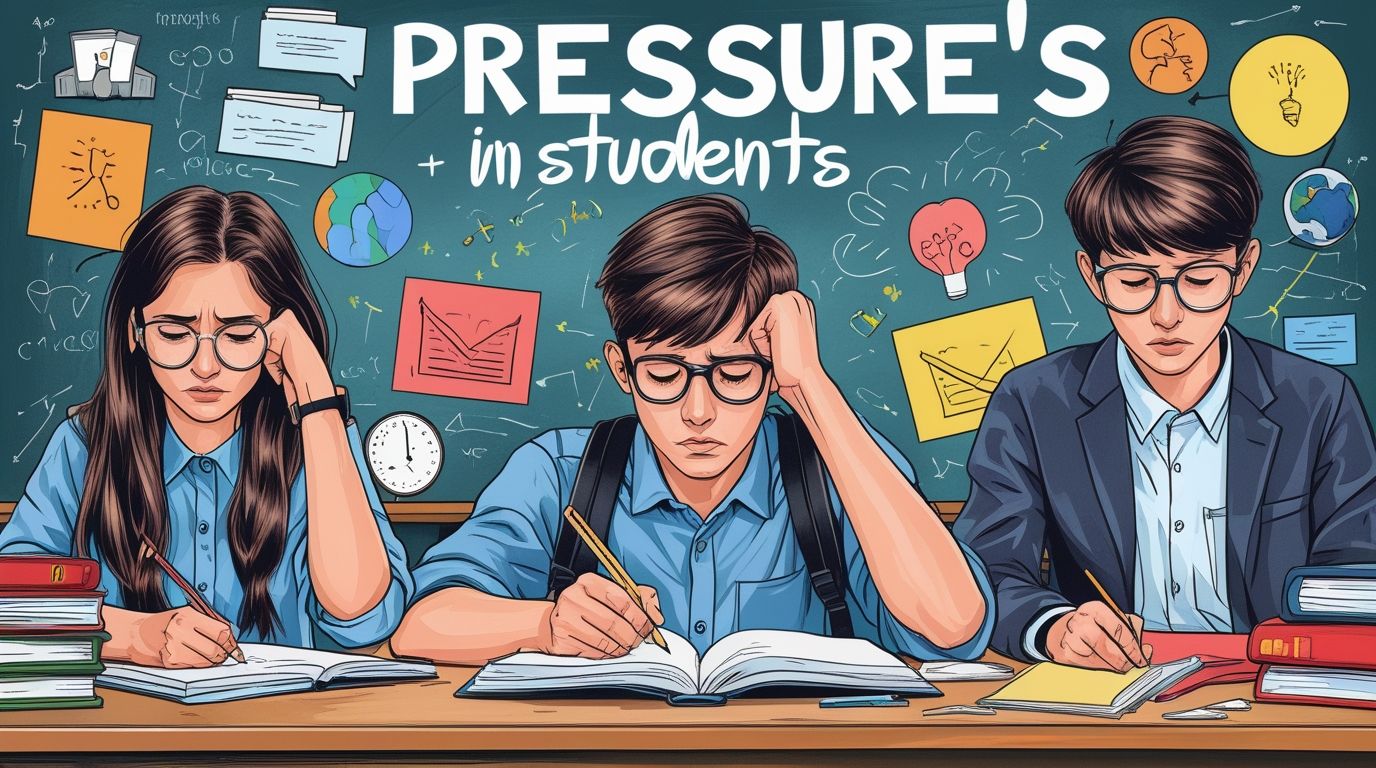
- Mental health awareness – Schools are rethinking stress-heavy structures in favor of wellbeing-focused approaches.
These factors have given rise to several new and evolving school models that are gaining popularity worldwide.
Top Latest School Models Transforming Education
1. Hybrid and Blended Learning Schools
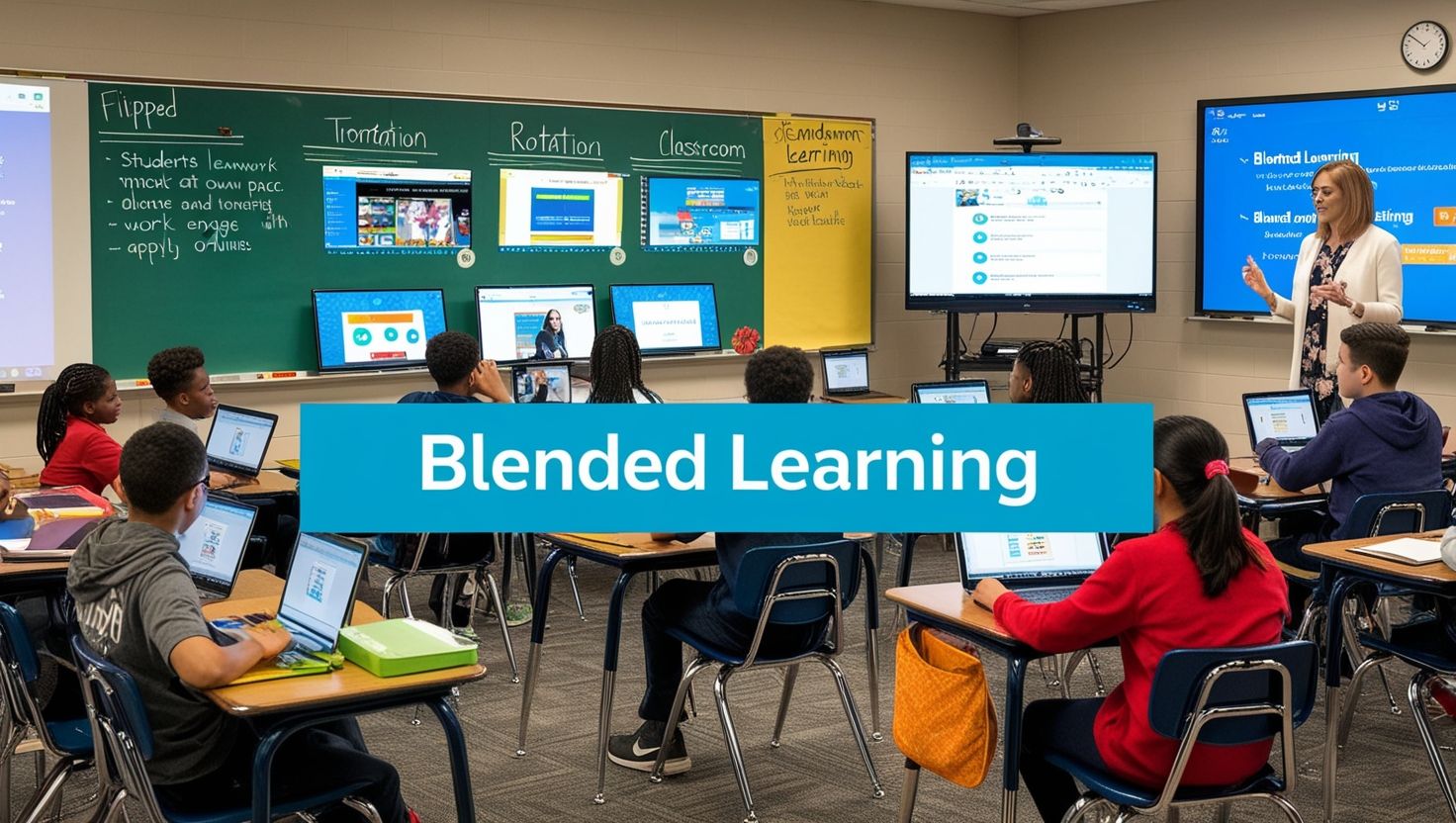
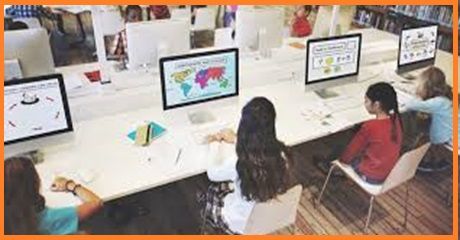
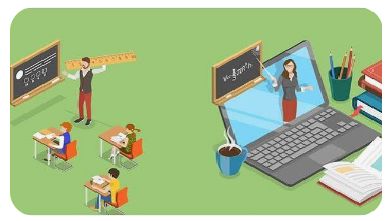
Hybrid learning combines in-person instruction with online coursework. Students might attend physical classes a few days a week and complete the rest of their coursework digitally, often at their own pace.
- Flexibility for students with different schedules or needs
- Access to a wider range of courses, including ones not offered locally
- Development of digital literacy and self-management skills
Best for: Students who thrive with independence, families needing flexible schedules, and schools looking to expand course offerings without hiring additional staff.
2. Competency-Based Education (CBE) Schools
Instead of moving students through grade levels based on age, competency-based schools let students advance once they’ve mastered a skill or subject, regardless of how long it takes.
Key features:
- Personalized pacing for each student
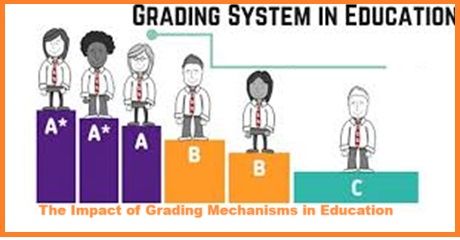
- Clear mastery benchmarks instead of letter grades
- Reduced pressure from arbitrary timelines
This model is especially popular in states and countries pushing for more individualized, outcome-focused education systems.
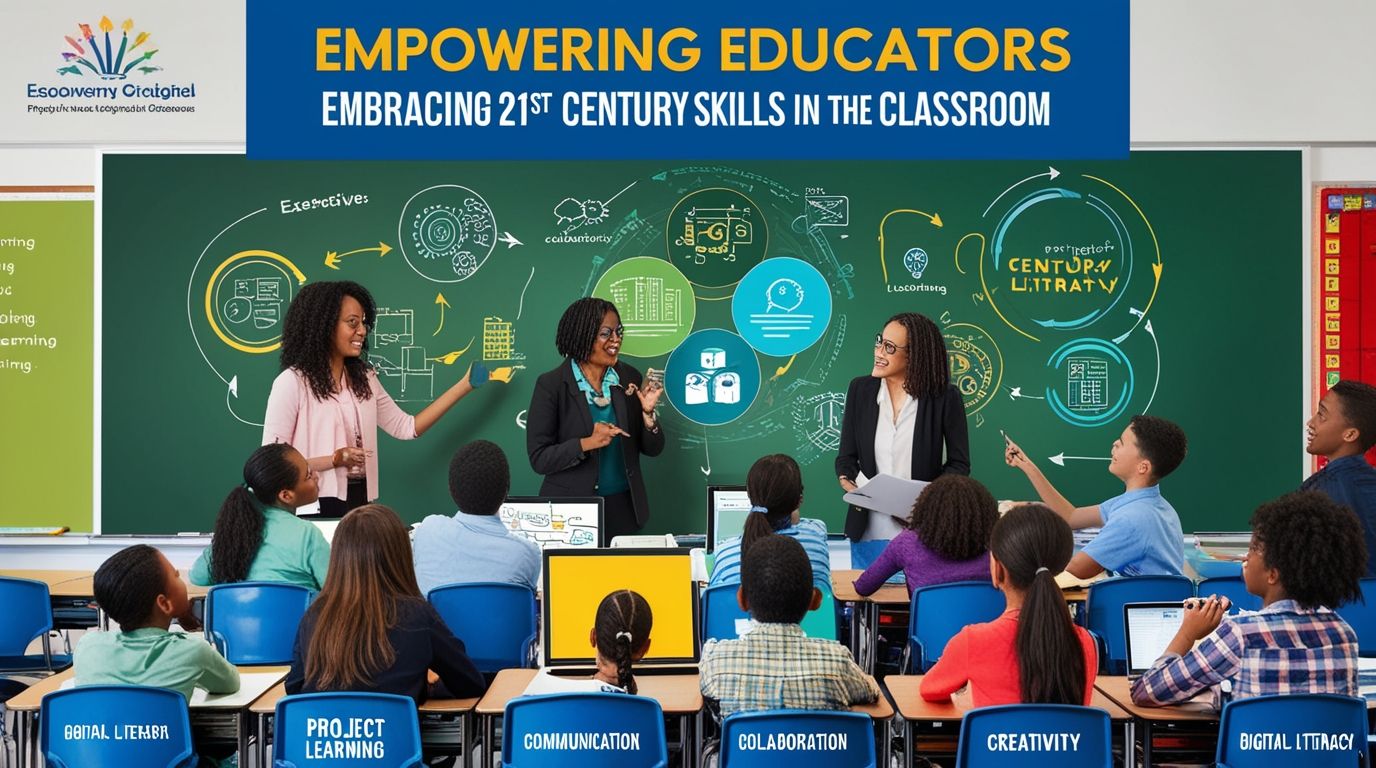
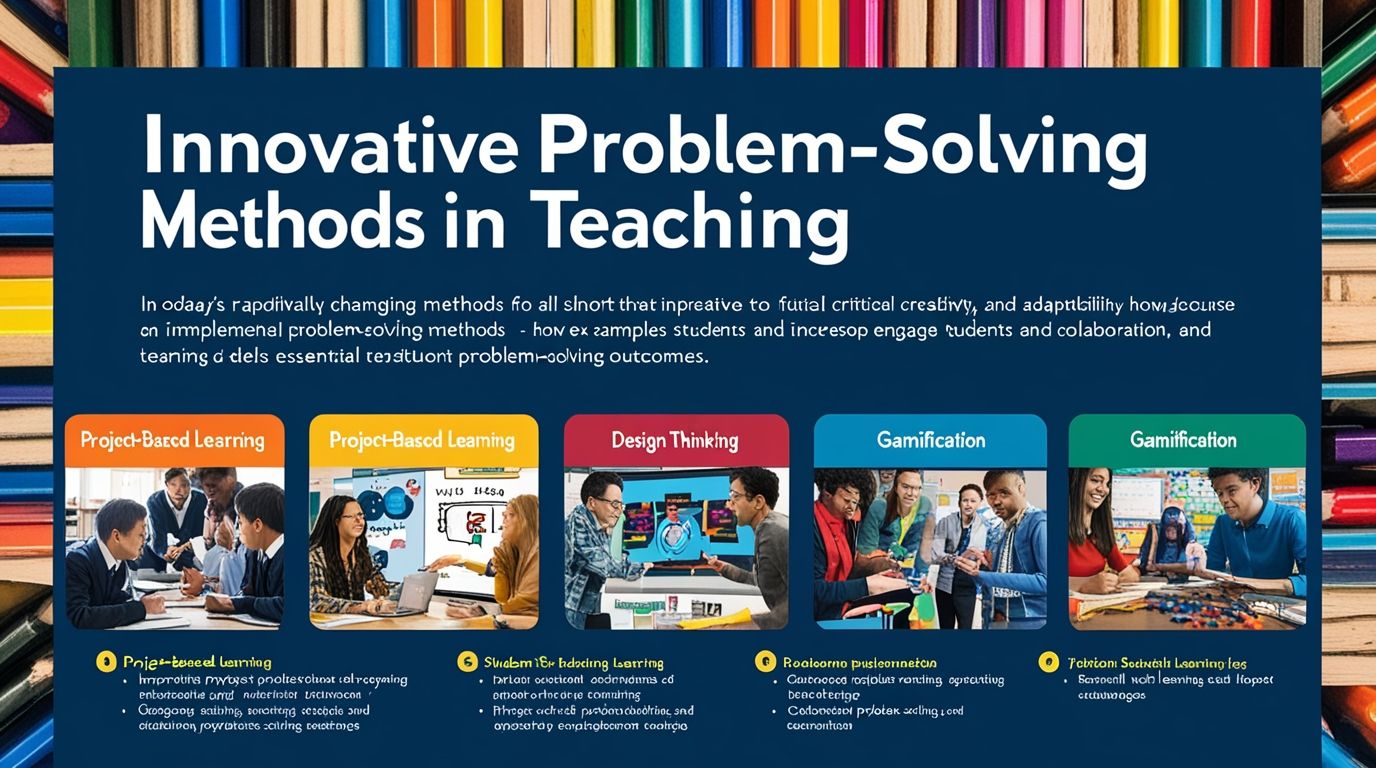
3. Project-Based Learning (PBL) Schools
Project-based learning schools organize the curriculum around real-world projects rather than isolated subjects. Students might spend weeks working on a single project that integrates math, science, writing, and critical thinking.
Why it’s gaining traction:
- Builds problem-solving and collaboration skills
- Makes learning more engaging and relevant
- Prepares students for real workplace dynamics
Schools like High Tech High have become well-known examples of this model in action.
4. Microschools
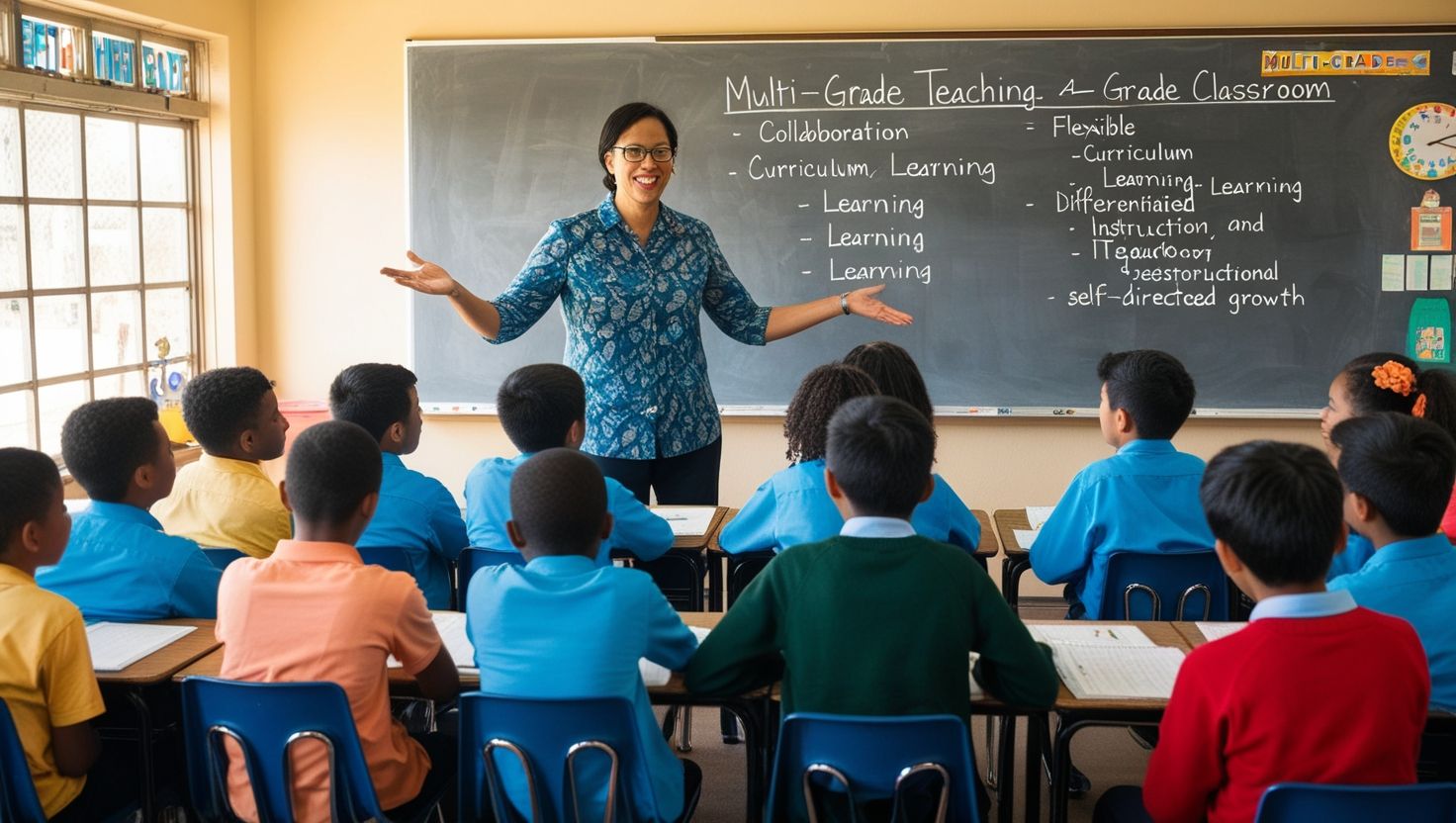
Microschools are small, often multi-age learning communities with as few as 5 to 15 students. They emphasize personalized attention, community, and flexibility, and have grown significantly since 2020.
Advantages:
- Very low student-to-teacher ratios
- Highly customized learning plans
- Strong sense of community and mentorship
Microschools are often run out of community spaces, homes, or small storefronts, making them more affordable to start than traditional schools.
5. STEM and STEAM-Focused Schools
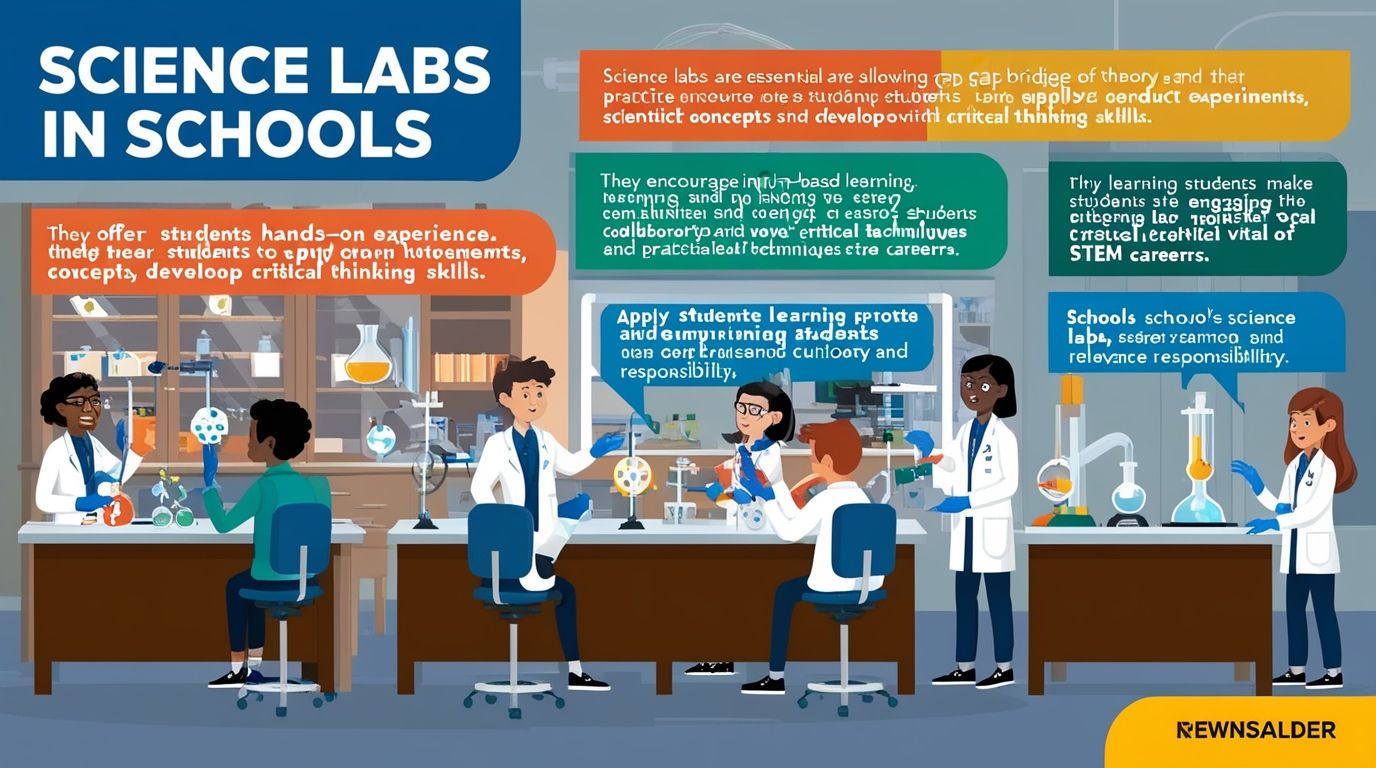
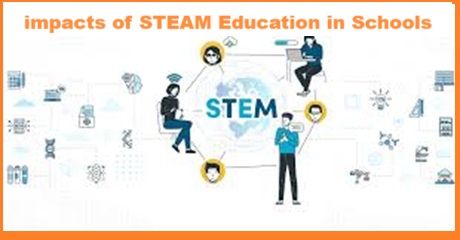
STEM (Science, Technology, Engineering, Math) and STEAM (adding Arts) schools integrate these subjects across the curriculum rather than teaching them in isolation.
What makes them different:
- Hands-on labs, robotics, and coding built into daily learning
- Cross-disciplinary projects connecting science with design and creativity
- Strong industry partnerships for internships and mentorships
These schools are especially popular as demand grows for graduates with technical and creative problem-solving skills.
6. Montessori and Self-Directed Learning Models
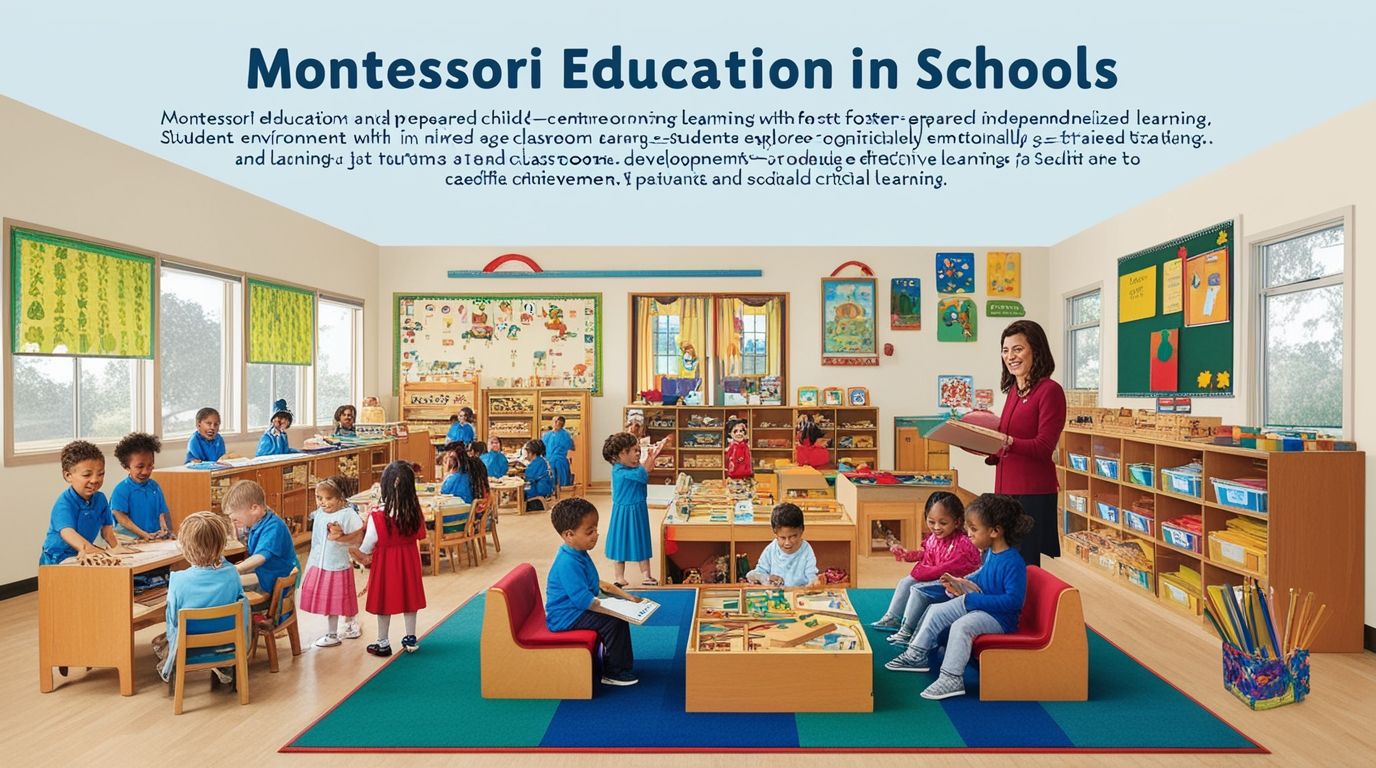
Though Montessori education has been around for over a century, it’s experiencing a modern resurgence, especially in the form of hybrid Montessori-inspired microschools and homeschool co-ops.
Core principles:
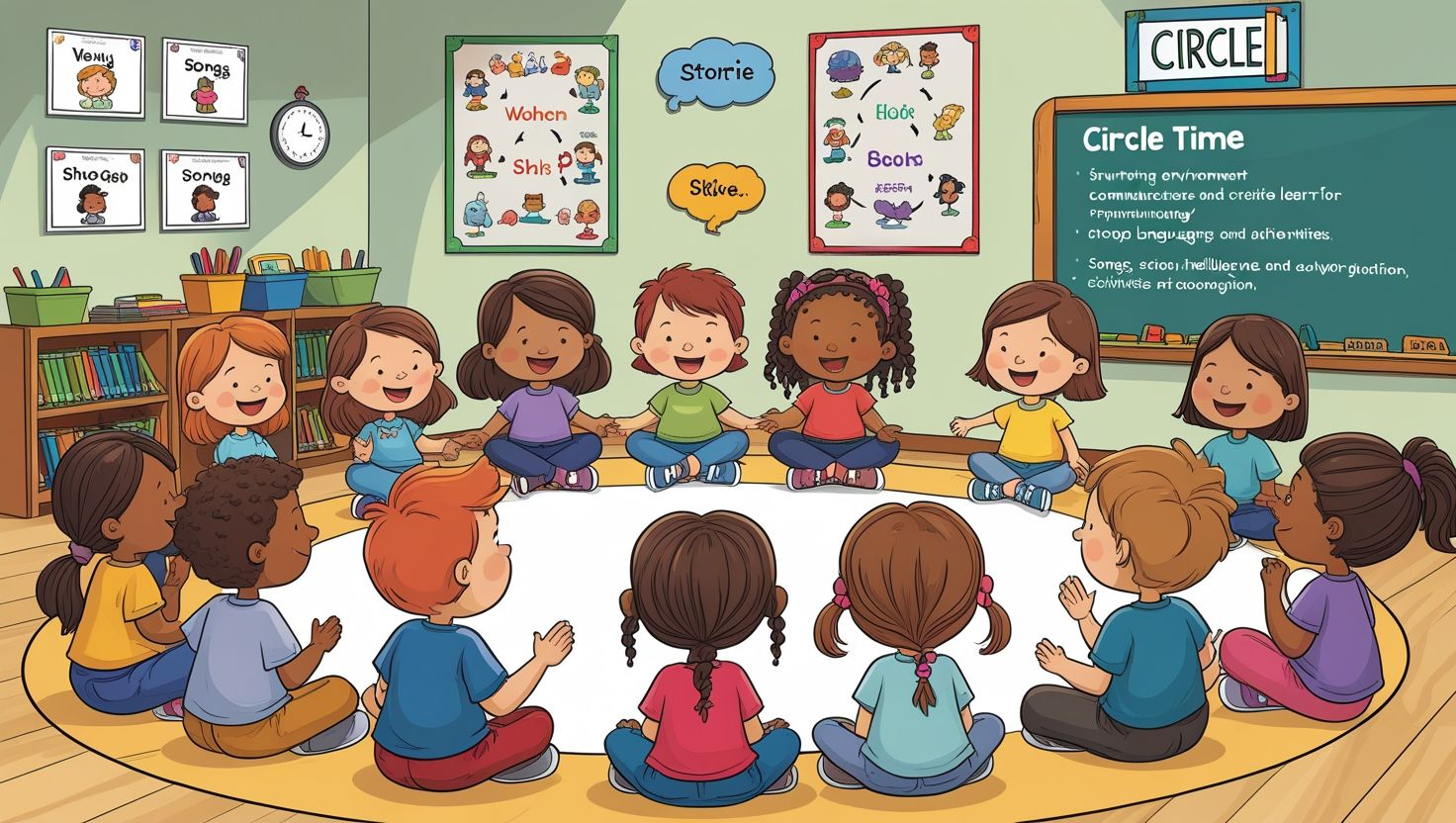
- Child-led exploration within a structured environment
- Mixed-age classrooms that encourage peer mentorship
- Emphasis on independence, practical life skills, and intrinsic motivation
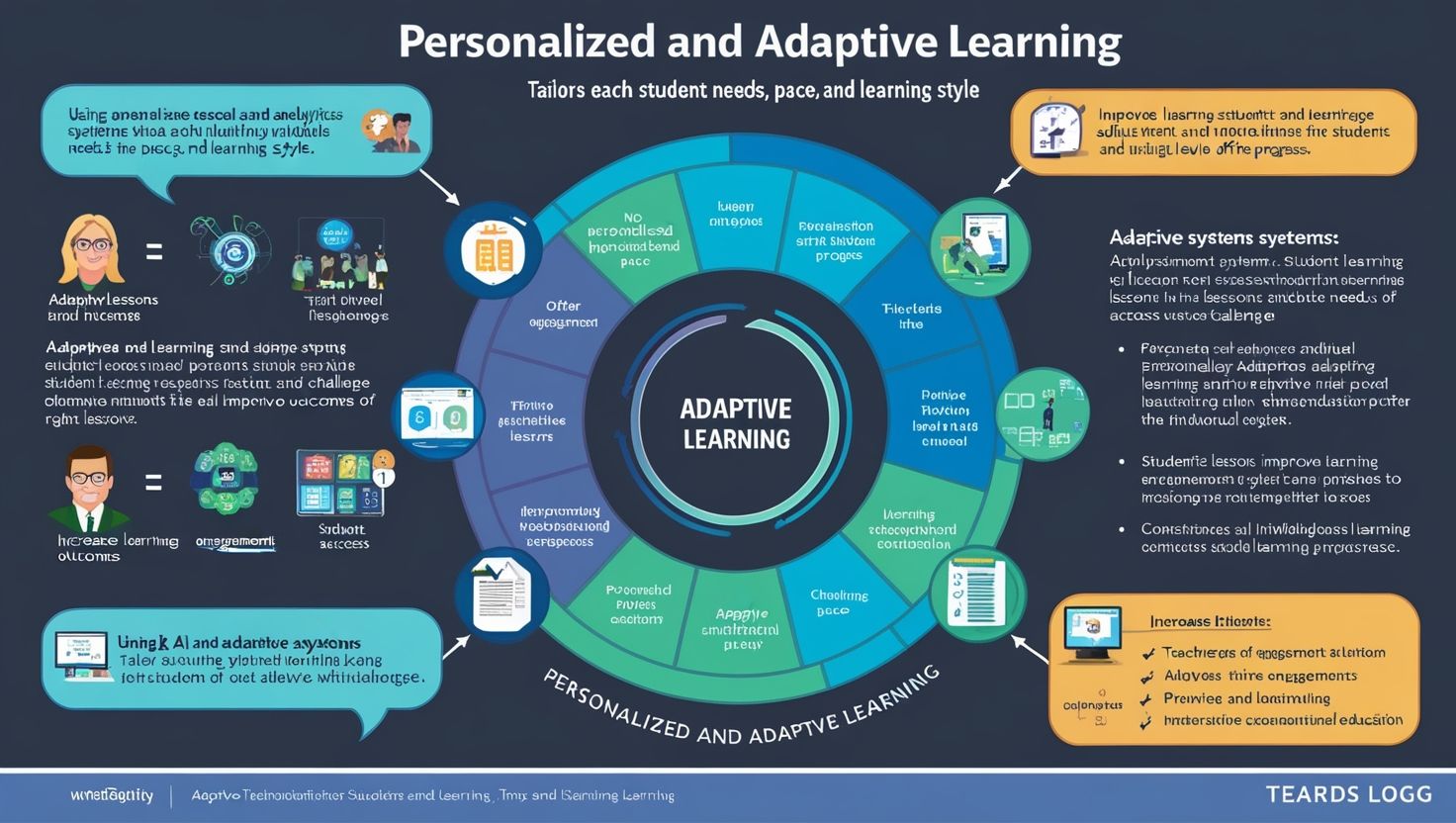
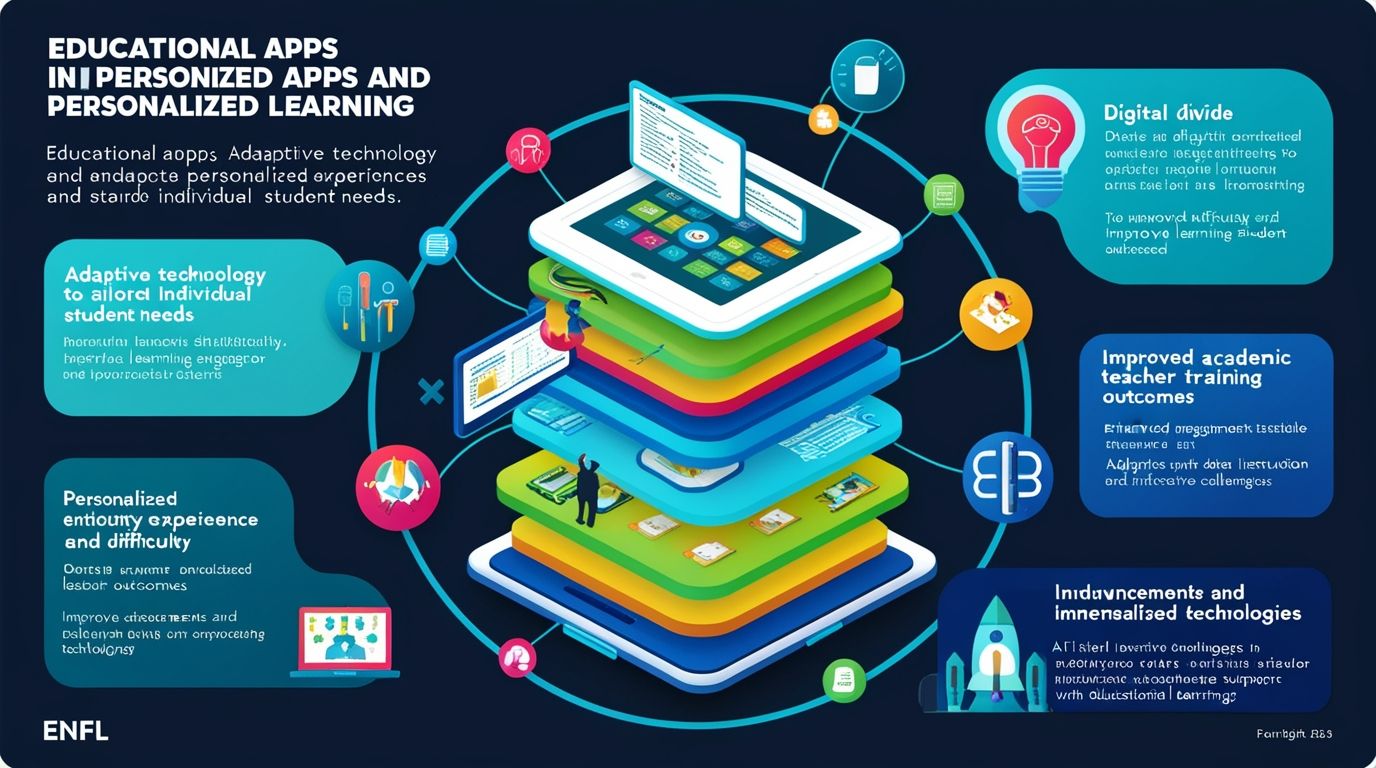
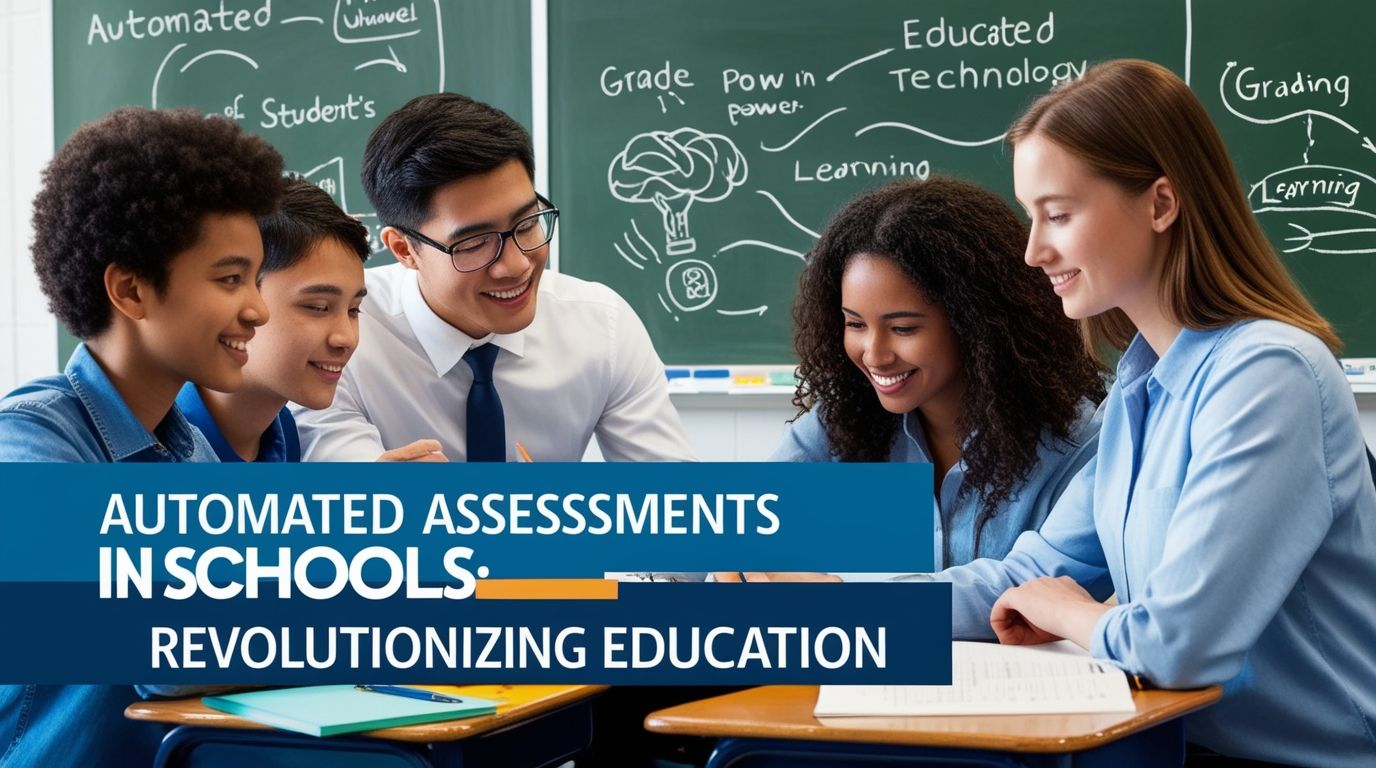
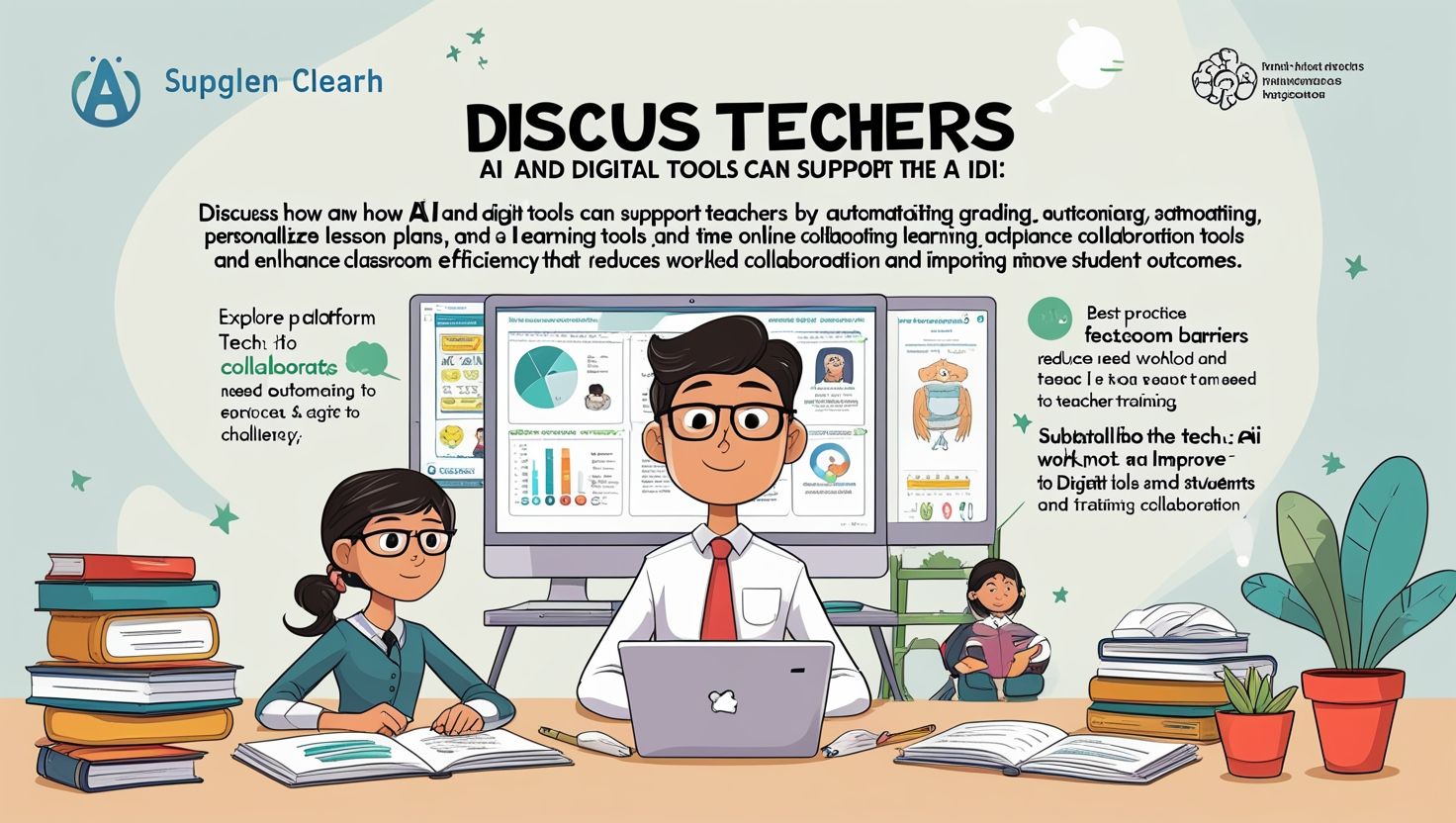
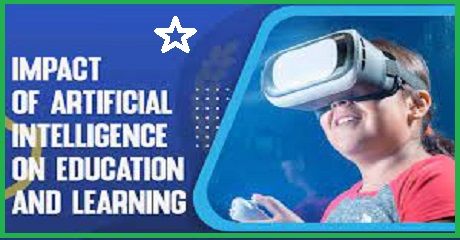
7. AI-Enhanced Personalized Learning Schools
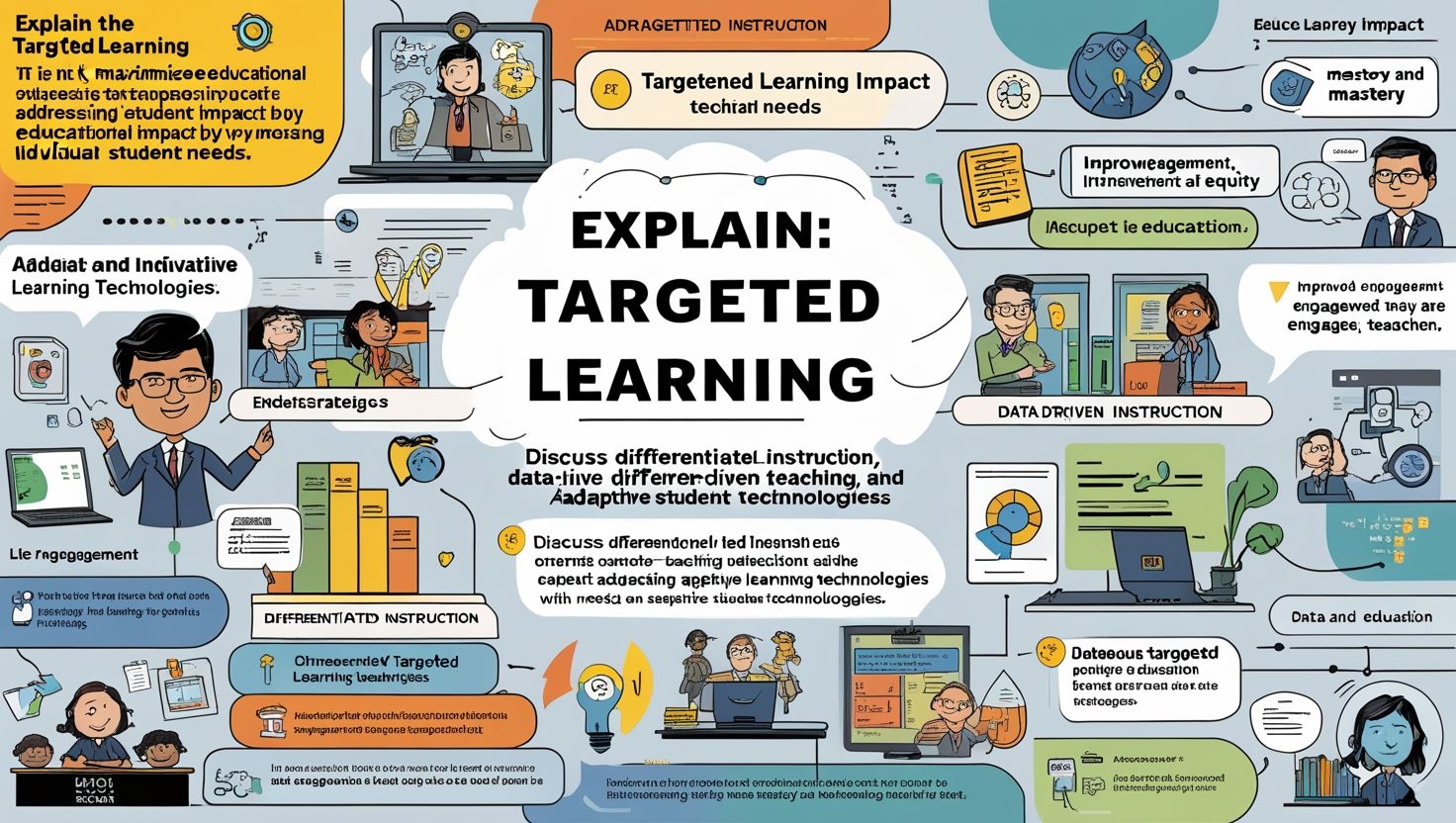
One of the most talked-about developments is the integration of artificial intelligence into daily instruction. AI-powered platforms can:
- Adapt lesson difficulty in real time based on student performance
- Provide instant feedback on assignments
- Free up teachers to focus on mentorship and deeper discussion rather than repetitive grading
Schools piloting AI-enhanced models report that students can move through material at a pace that matches their actual understanding, rather than a fixed classroom schedule.
8. Outdoor and Nature-Based Schools
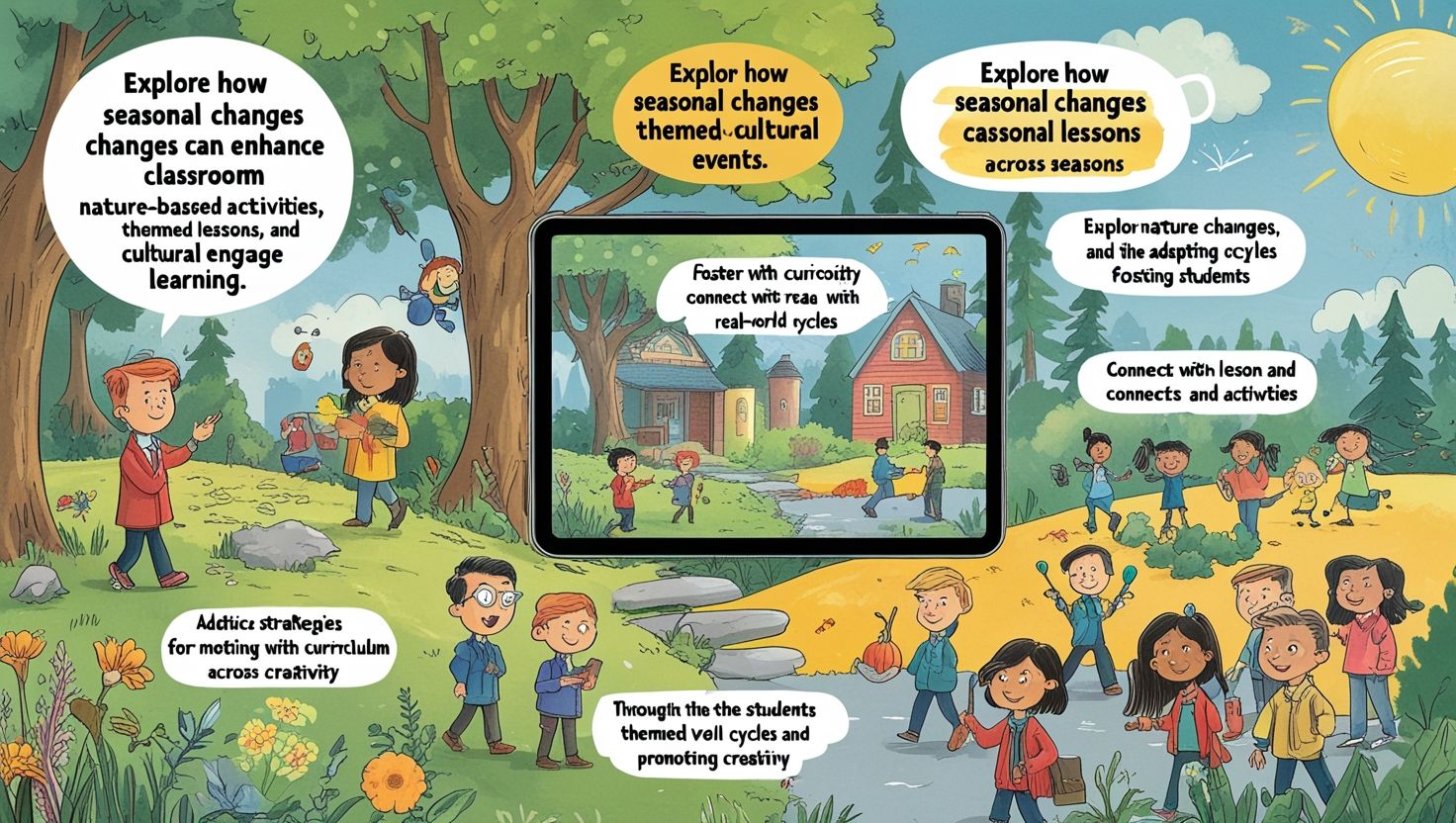
Nature-based or “forest schools” take a significant portion of learning outdoors, using the natural environment as a teaching tool.
Reported benefits:
- Improved physical health and reduced screen time
- Better focus and reduced anxiety
- Hands-on science learning through direct observation
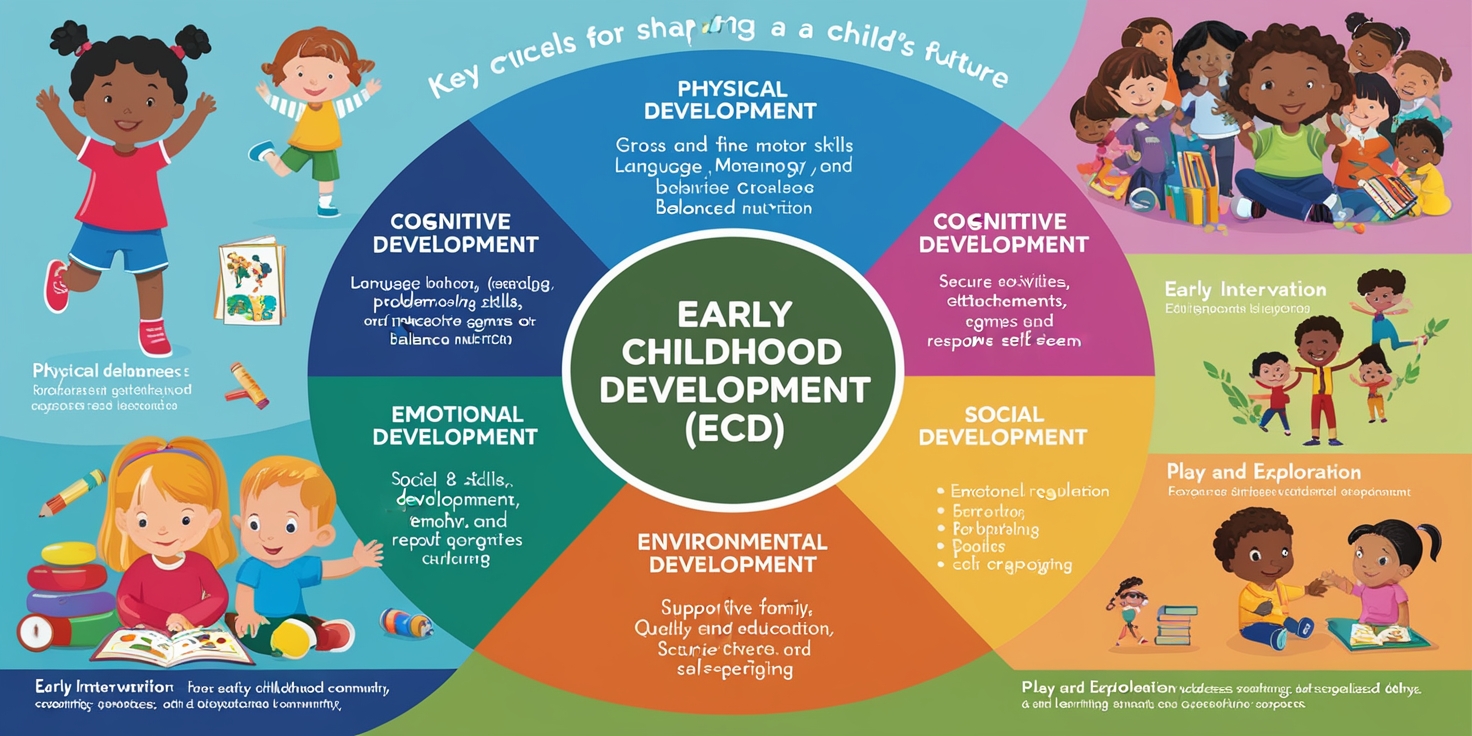
This model has grown especially popular in early childhood and elementary education.
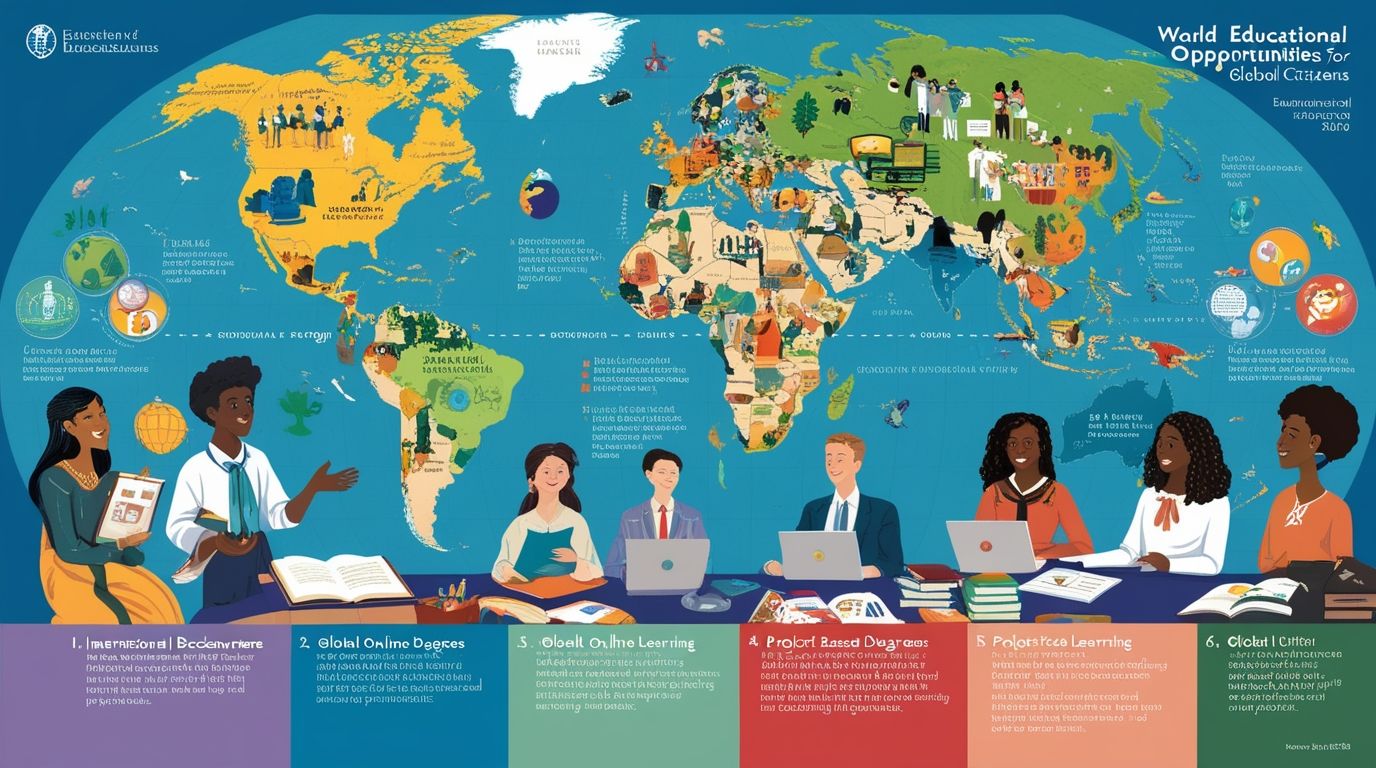
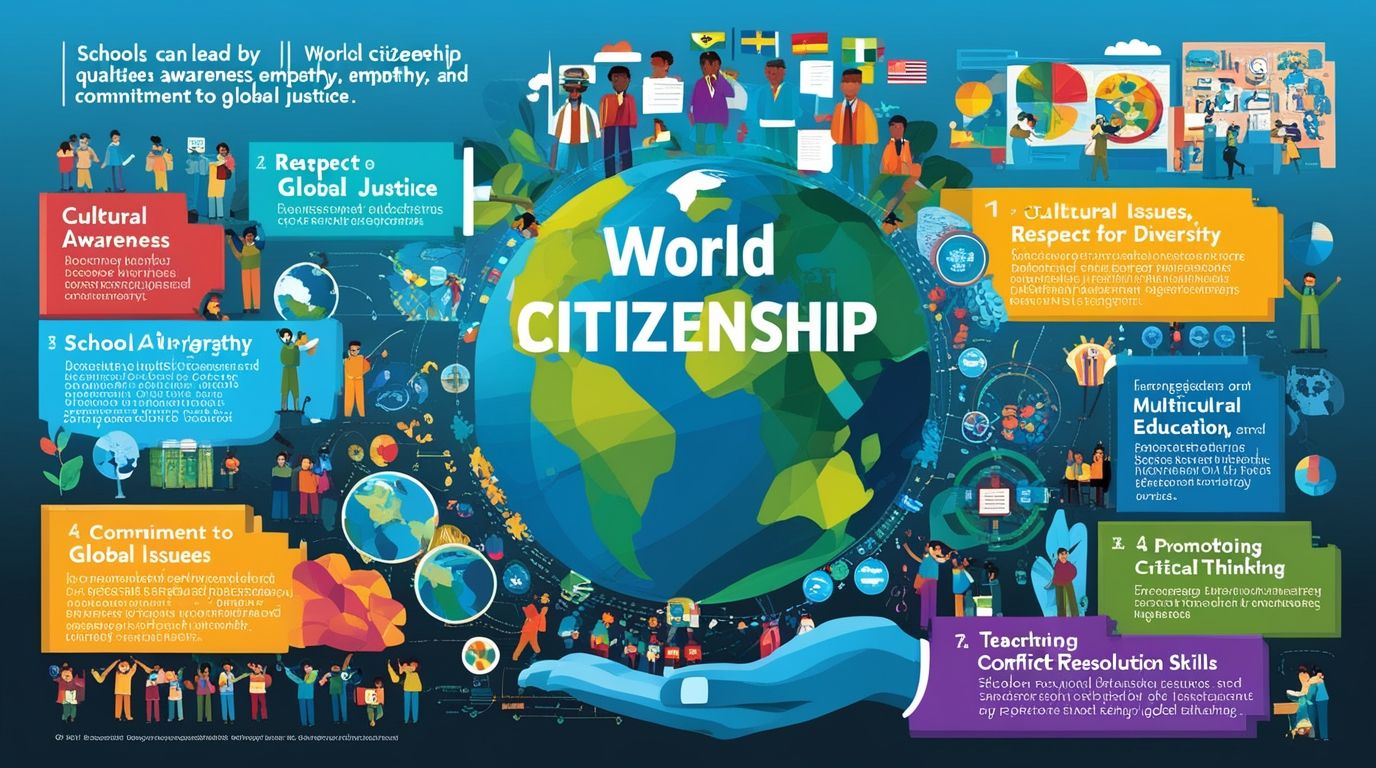
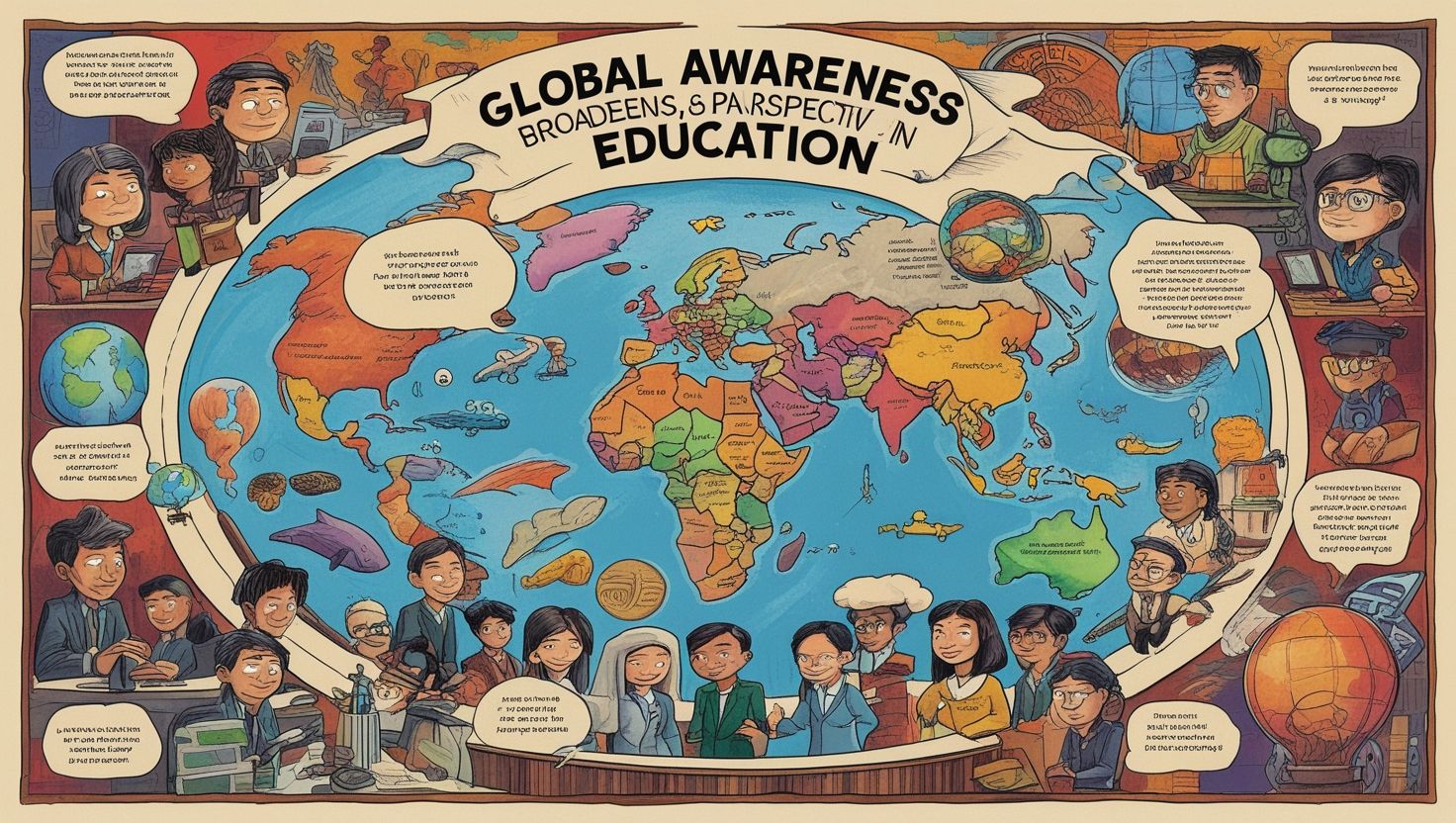
9. Global and International Baccalaureate (IB) Schools
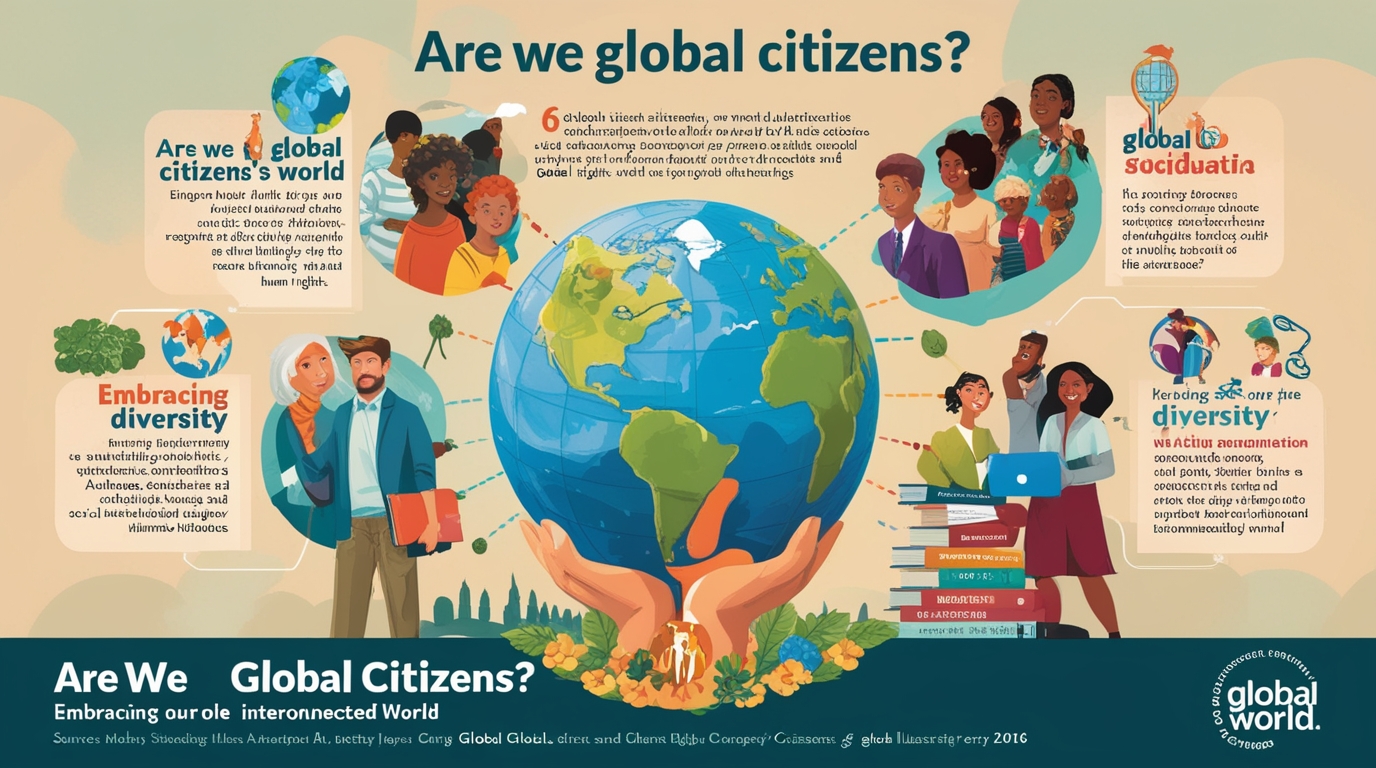
The IB framework focuses on developing globally-minded, critically thinking students through an internationally recognized curriculum. It’s structured around inquiry-based learning and often includes a strong emphasis on languages, community service, and interdisciplinary study.
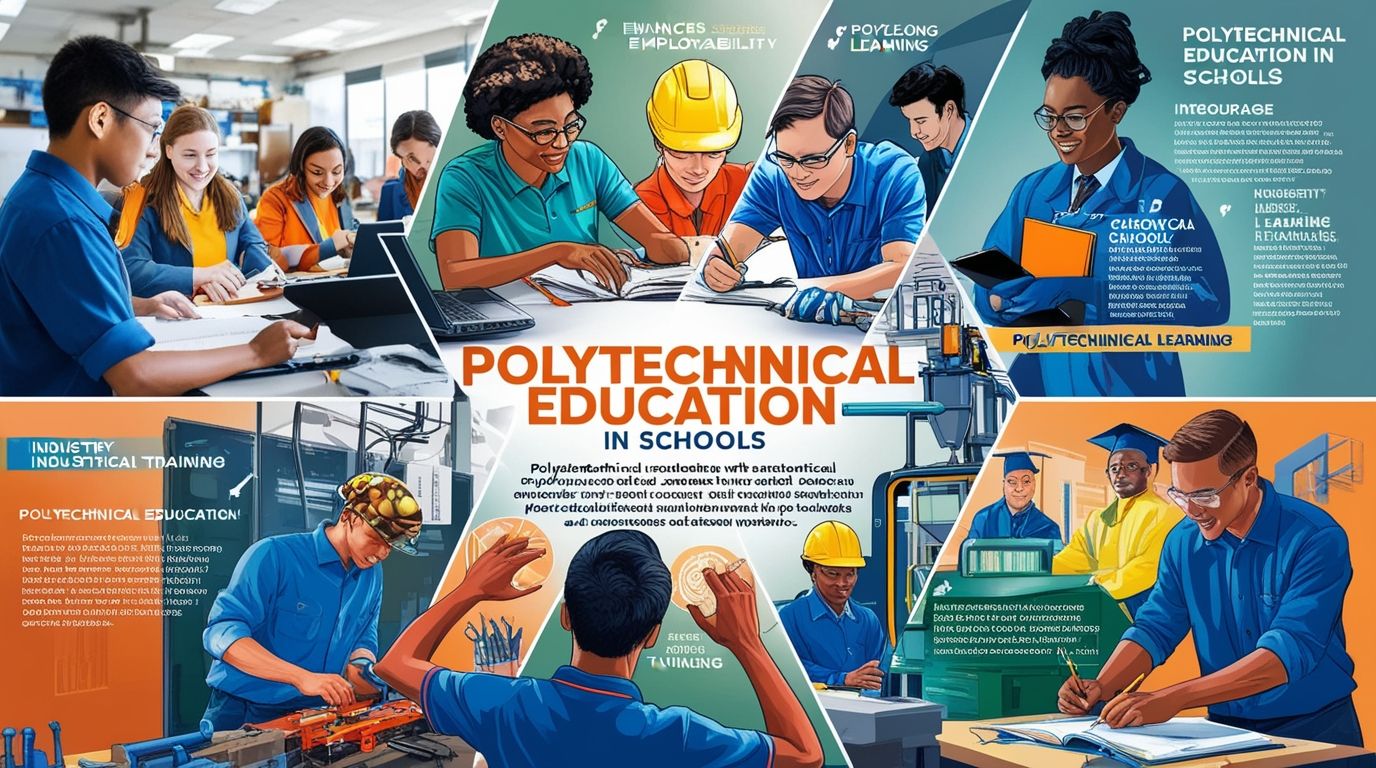
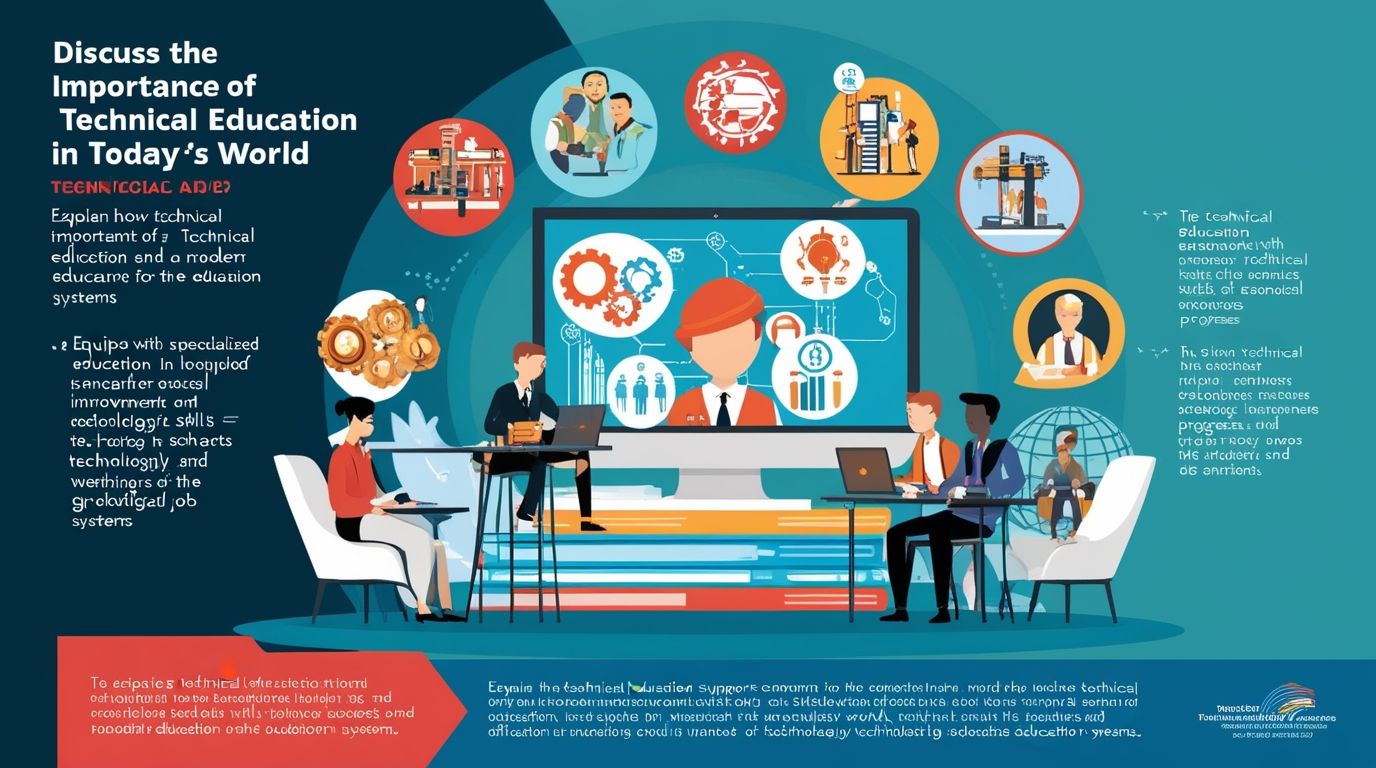
10. Career and Technical Education (CTE) Academies
These schools blend traditional academics with industry-specific training in fields like healthcare, IT, skilled trades, and business. Students often graduate with certifications or credentials that give them a head start in the workforce or in relevant college programs.
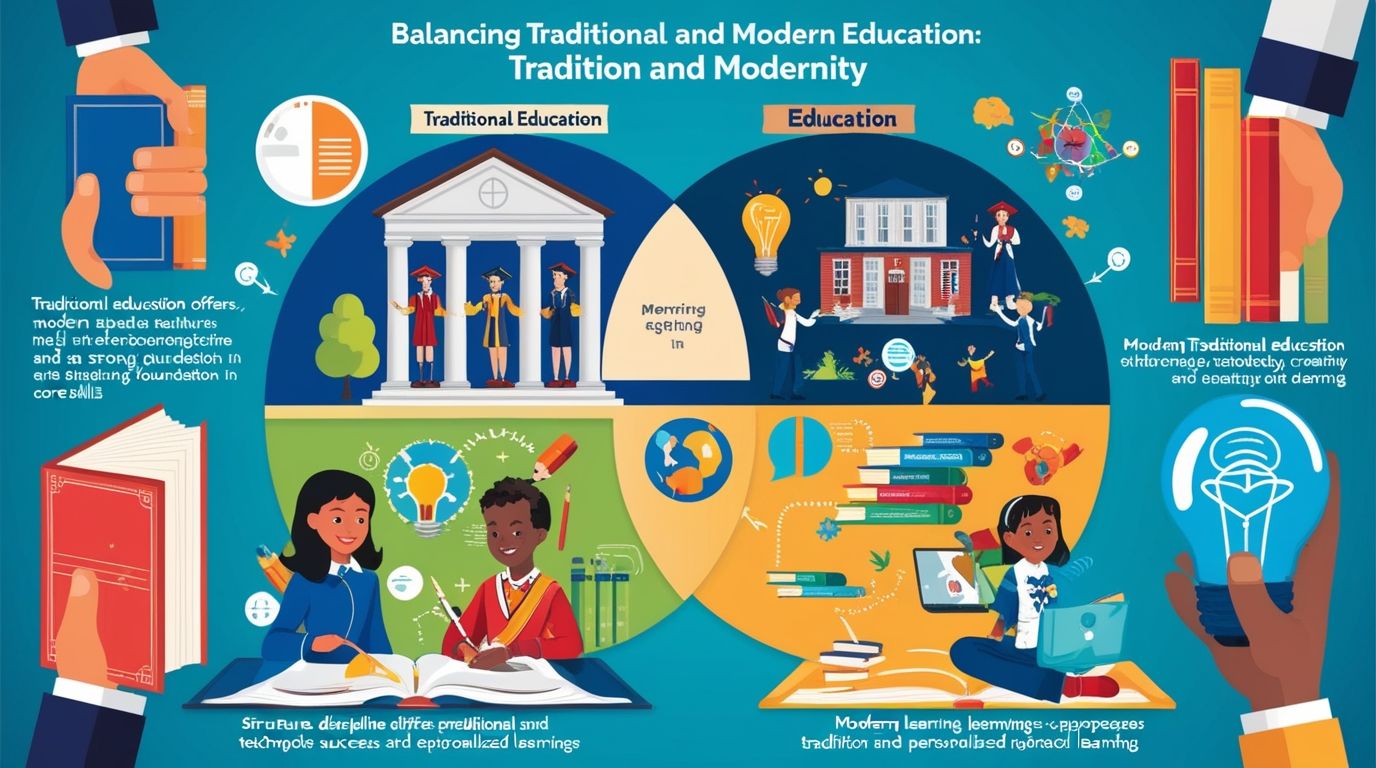
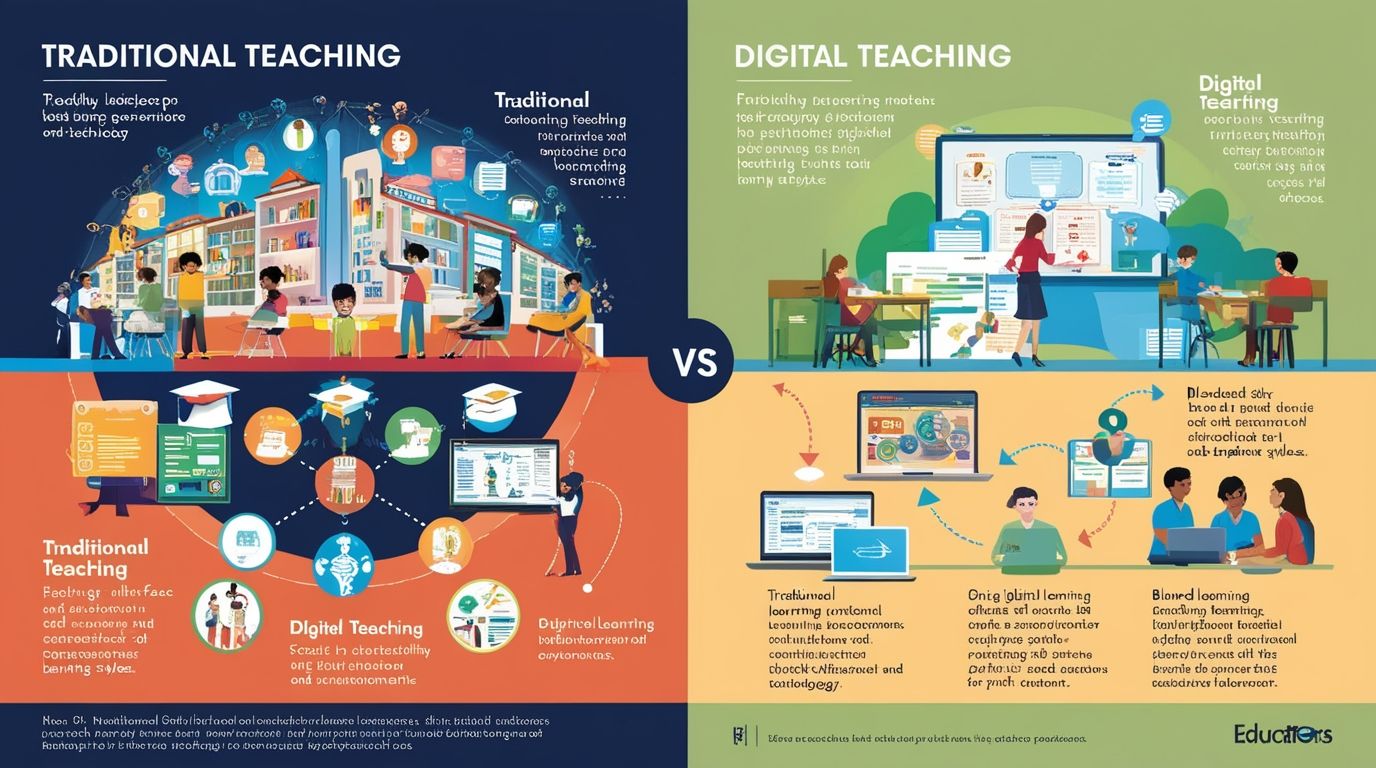
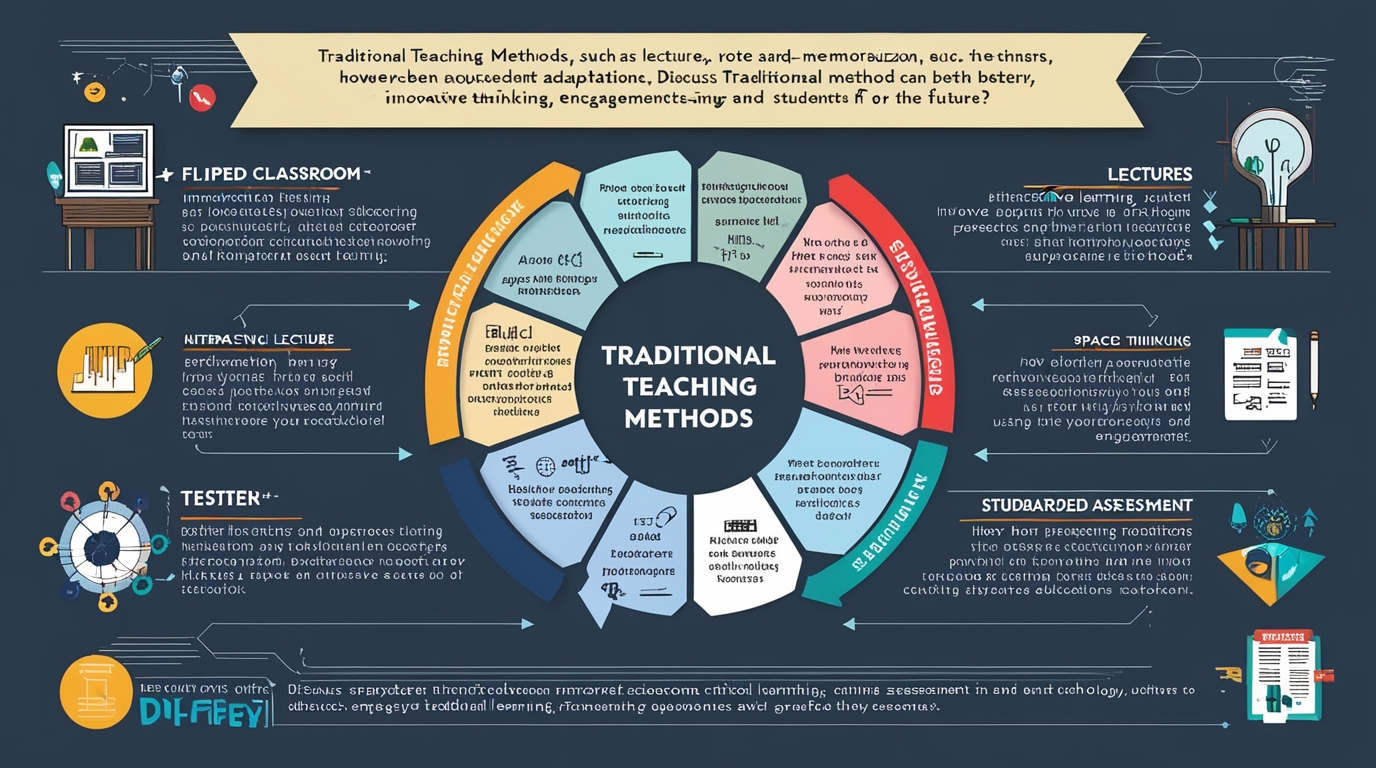
Comparing Traditional vs. Modern School Models
| Feature | Traditional Model | Modern School Models |
|---|---|---|
| Pacing | Fixed by grade level | Often self-paced or mastery-based |
| Curriculum | Standardized | Personalized or project-based |
| Class size | Large, uniform | Often smaller, flexible groupings |
| Technology use | Supplementary | Core to instruction (in many models) |
| Assessment | Grades and standardized tests | Portfolios, mastery checks, projects |
| Learning environment | Classroom-only | Classroom, online, outdoor, or hybrid |
How to Choose the Right School Model
If you’re a parent or educator trying to decide which model fits best, consider the following:
- Learning style – Does the child thrive with structure, or do they need flexibility and independence?
- Social needs – Some models emphasize collaboration and peer interaction more than others.
- Academic goals – Consider whether the model supports the student’s long-term academic or career path.
- Access and cost – Not all models are equally available or affordable in every region.
- Support for special needs – Some models offer more individualized support, which may be critical for certain learners.
The Future of School Models
Looking ahead, experts anticipate continued blending of these models rather than any single approach dominating. A school might combine project-based learning with AI-personalized instruction and outdoor education blocks, creating a hybrid system tailored to its community’s needs.
Emerging trends to watch include:
- AI tutors integrated directly into daily coursework
- Skills-based transcripts replacing or supplementing traditional GPAs
- Modular, stackable credentials that let students build a personalized academic path
- Increased micro-credentialing for both students and teachers
- Greater emphasis on social-emotional learning (SEL) alongside academics
Conclusion
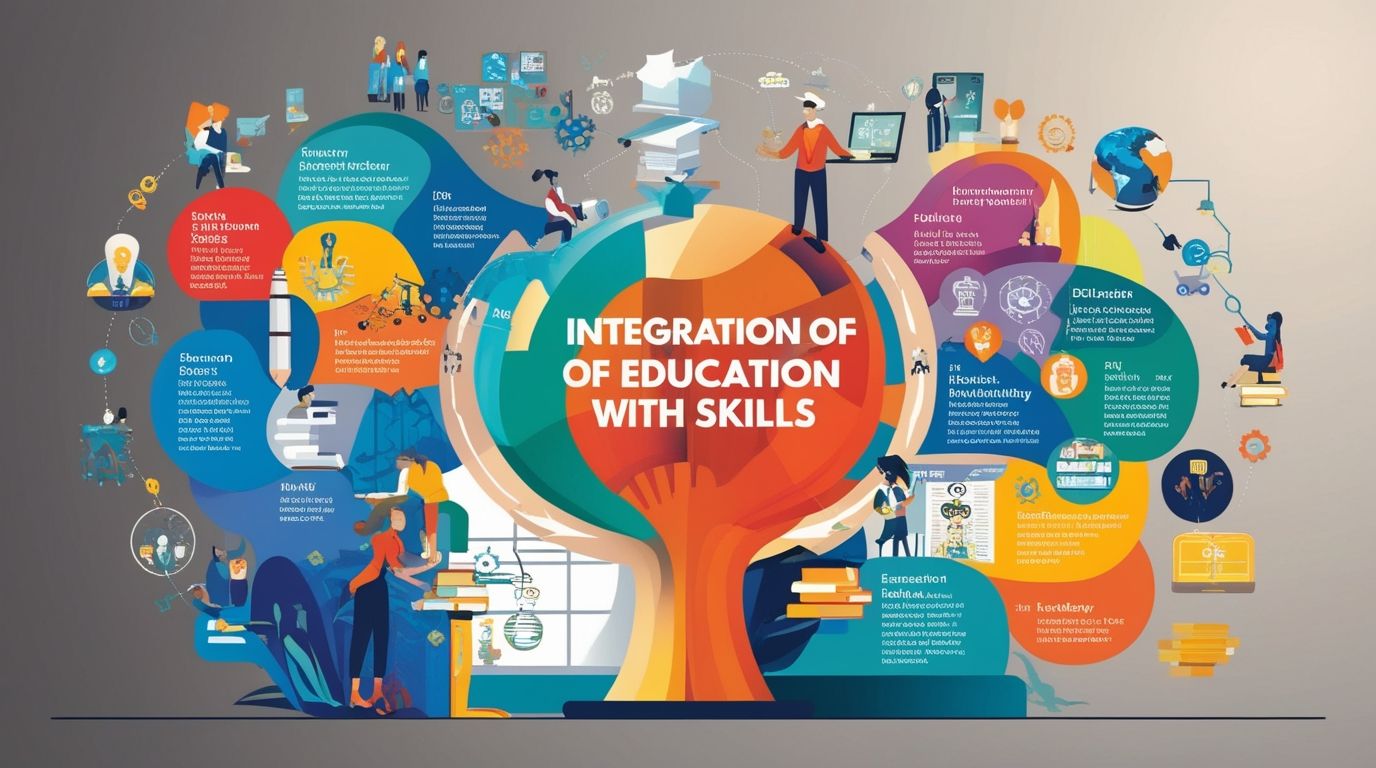
The latest school models reflect a broader shift toward personalized, flexible, and skills-focused education. From microschools and project-based learning to AI-enhanced classrooms and outdoor education, today’s options give families and educators more choices than ever before. As technology and research continue to evolve, expect these models to keep adapting — blending the best of tradition with innovation to prepare students for a fast-changing world.
Frequently Asked Questions (FAQs)
1. What is the most popular new school model right now? Hybrid learning and microschools are among the fastest-growing models, largely due to increased demand for flexibility and personalized attention that emerged after the pandemic.
2. Are modern school models better than traditional schools? It depends on the student. Modern models often offer more personalization and flexibility, but traditional schools can provide more structure and established systems of support. The “best” model depends on a child’s learning style, needs, and goals.
3. Is competency-based education recognized by colleges? Yes, most colleges and universities accept transcripts from competency-based schools, especially as more institutions recognize mastery-based learning as a valid and rigorous alternative to traditional grading.
4. How do AI-enhanced schools work in practice? AI tools are typically used to personalize practice problems, provide instant feedback, and track student progress, while teachers focus on mentorship, discussion, and addressing individual challenges rather than repetitive tasks.
5. Are microschools accredited? It varies. Some microschools are accredited or affiliated with larger educational networks, while others operate independently or as part of homeschool co-ops. It’s important to check accreditation status if it matters for your child’s future academic plans.