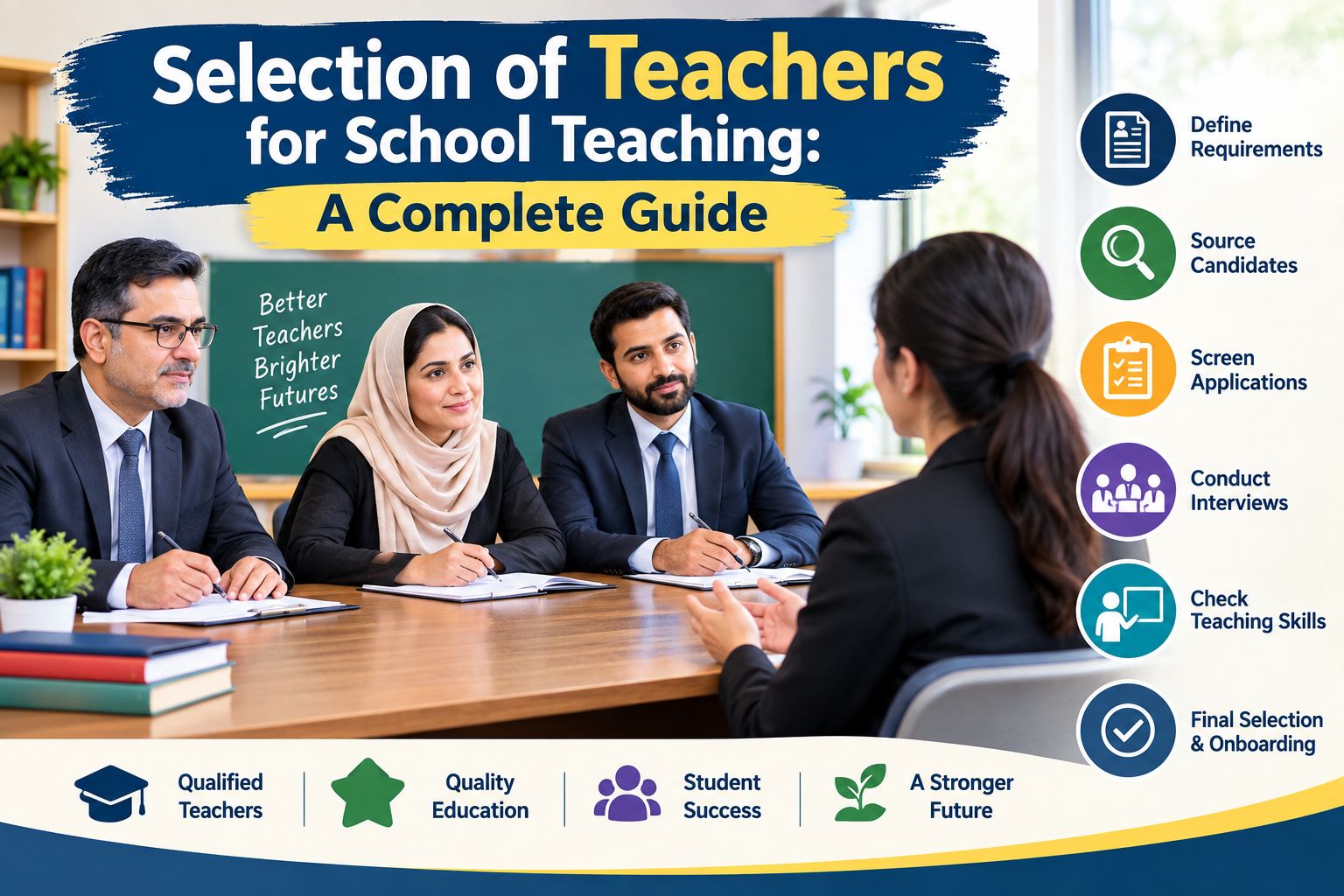
Selection of Teachers for School Teaching: A Complete Guide, Schools succeed or struggle based on one factor above all others: the quality of their teachers. The selection of teachers shapes classrooms, molds young minds, and determines whether students thrive or merely survive their education. Administrators who master teacher selection build institutions that parents trust and students remember fondly. This guide breaks down every stage of the teacher hiring process, from defining job requirements to onboarding new staff, so schools can build teams that deliver real results.
Why Teacher Selection Matters So Much
A single weak hire can disrupt an entire grade level for a full academic year. Students lose momentum, parents lose confidence, and administrators spend months managing complaints instead of improving programs. Conversely, a single excellent hire can transform a struggling department, inspire colleagues, and lift test scores across an entire cohort.
Research consistently links teacher quality to student achievement more strongly than any other school-based factor, including class size or facility quality. Schools that invest time and resources into rigorous teacher recruitment see measurable returns: higher retention rates, stronger parent satisfaction, and better academic outcomes. This makes the selection process one of the highest-leverage activities any school administrator undertakes.
Step 1: Define Clear Job Requirements
Effective teacher selection starts long before any candidate applies. Schools must define exactly what they need. This means going beyond a generic job title and specifying:
- Subject expertise and grade-level experience
- Required certifications and licenses
- Preferred teaching philosophy or pedagogical approach
- Soft skills like classroom management and communication
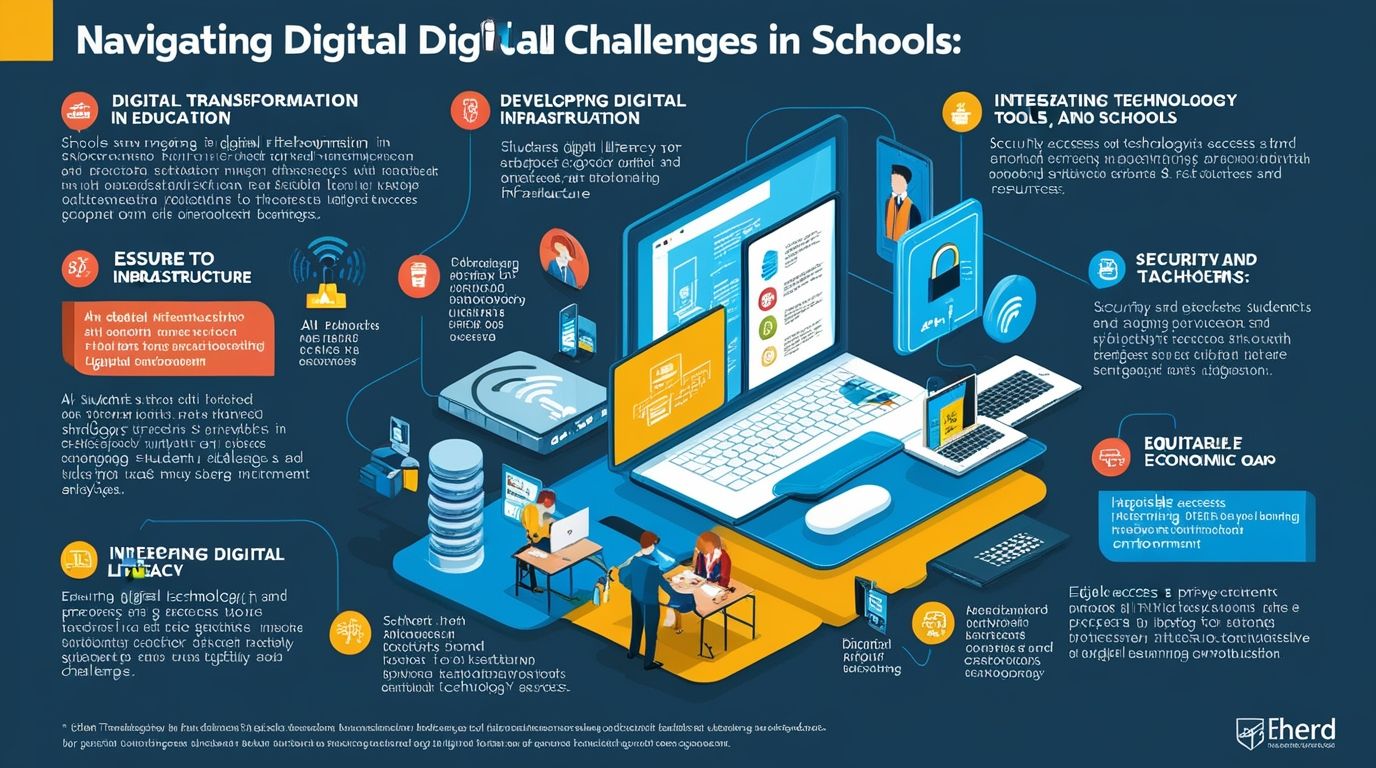
- Technology proficiency for modern digital classrooms
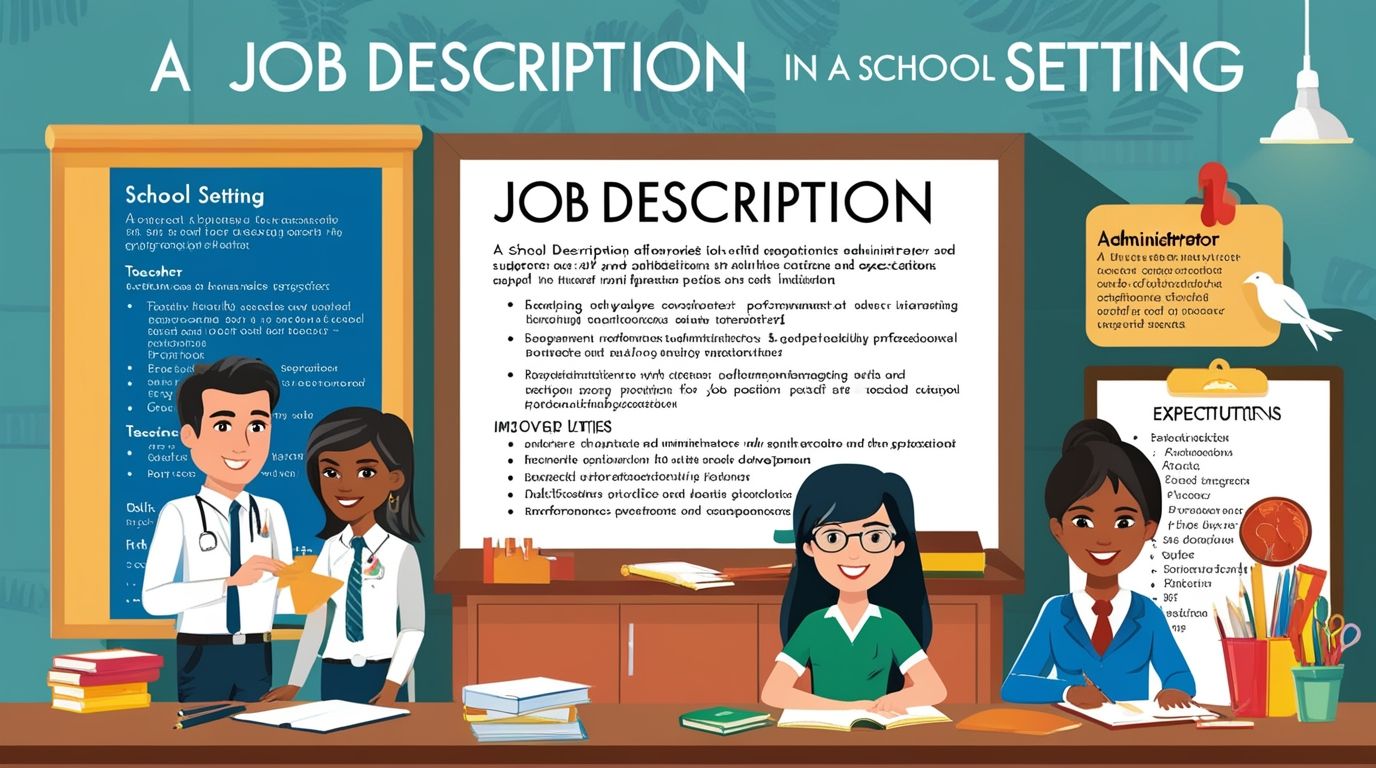
A vague job posting attracts vague candidates. Schools that write detailed, specific job descriptions filter out mismatched applicants early and save enormous time during later interview stages. Include information about school culture, student demographics, and curriculum style so candidates can self-select based on genuine fit rather than just salary or location.
Step 2: Source Candidates Strategically
Once schools know exactly what they want, they need to find qualified candidates. Smart teacher recruitment relies on multiple channels rather than a single job board:
University partnerships connect schools directly with education program graduates who bring fresh training and enthusiasm. Many top education colleges maintain career centers that actively match graduates with hiring schools.
Professional networks such as teacher associations, subject-specific organizations, and alumni groups often surface passive candidates who aren’t actively job hunting but would consider the right opportunity.
Employee referrals frequently produce the strongest hires because current staff understand the school culture and typically only refer people they genuinely believe will succeed.
Online job platforms dedicated to education, rather than general job boards, attract candidates who specifically want teaching careers and understand the profession’s demands.
Schools that diversify their sourcing strategy build larger, higher-quality candidate pools, which directly improves the odds of finding the right fit.
Step 3: Screen Applications Thoroughly
The initial screening stage filters the applicant pool down to serious contenders. Reviewers should check:
- Certification and licensing status for the relevant subject and grade level
- Educational background and relevant coursework
- Prior teaching experience and length of tenure at previous schools
- Written communication quality in cover letters and application materials
- Consistency between the resume and any supporting documentation
Frequent job changes within short periods deserve a closer look, though context matters since some moves reflect career growth rather than poor performance. Schools should also verify that certifications remain current and applicable to the specific role being filled.

Step 4: Conduct Structured Interviews
Interviews reveal what resumes cannot: how a candidate thinks, communicates, and handles pressure. The best teacher hiring process uses structured interviews with consistent questions across all candidates, which allows for fair comparison and reduces unconscious bias.
Strong interview questions probe real teaching scenarios rather than abstract philosophy alone. Consider questions like:
- “Describe a time a lesson failed and explain how you adjusted.”
- “How do you handle a disruptive student during a lesson?”
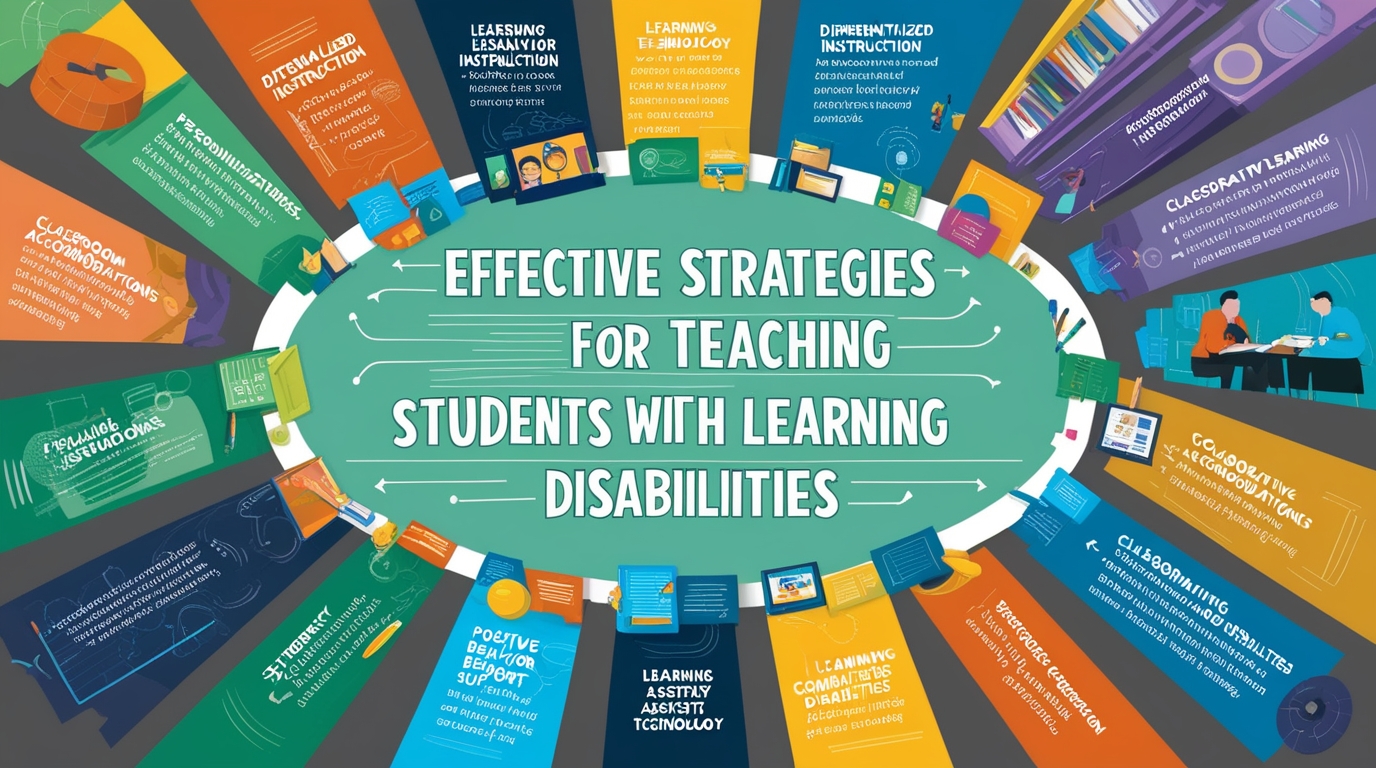
- “What strategies do you use to support struggling learners?”
- “How do you communicate with parents about academic concerns?”
Panel interviews involving multiple stakeholders — department heads, fellow teachers, and administrators — capture diverse perspectives and reduce the risk of one interviewer’s bias skewing the decision. Schools should also give candidates space to ask their own questions, since thoughtful questions often signal genuine engagement and preparation.
Step 5: Require a Demonstration Lesson
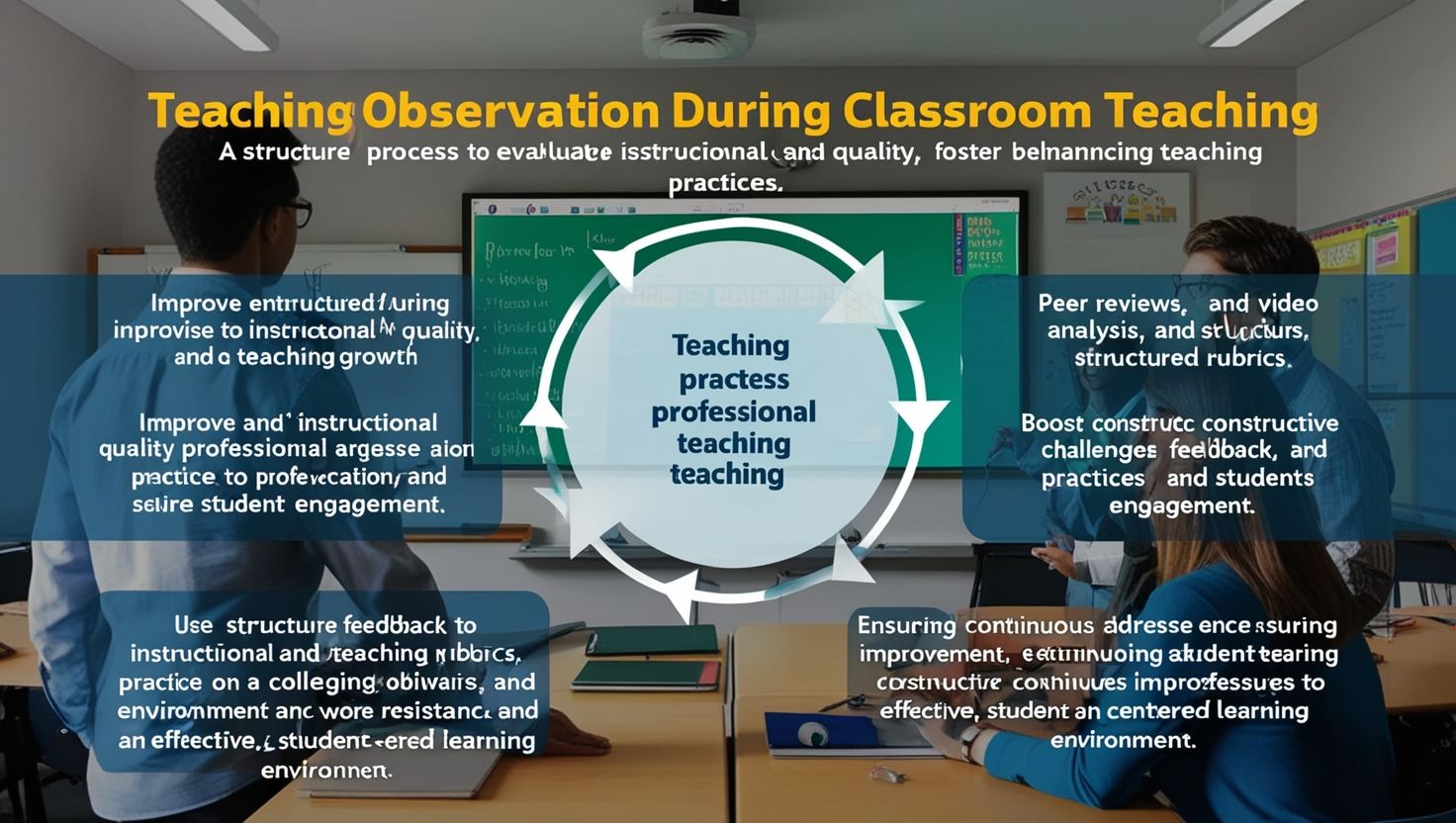
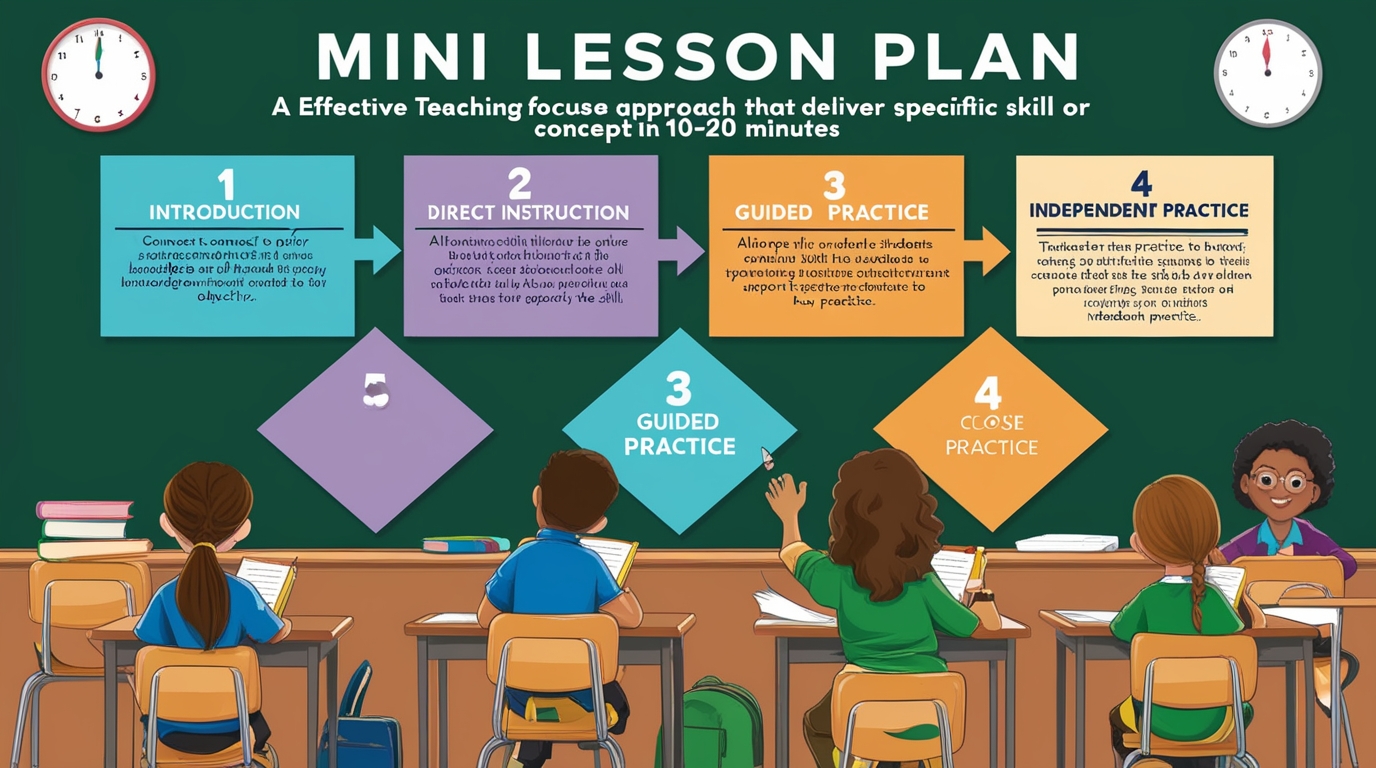
Nothing predicts classroom performance better than watching a candidate actually teach. A demo lesson lets hiring committees observe:
- Classroom presence and confidence
- Ability to explain concepts clearly
- Engagement techniques and student interaction
- Time management and lesson pacing
- Response to unexpected questions or disruptions
Schools should give candidates a specific topic and grade level in advance so the demonstration reflects genuine preparation skills rather than improvisation alone. Observers should use a standardized rubric to score performance objectively rather than relying on gut feelings, which reduces bias and creates a defensible hiring record.
Step 6: Check References Rigorously
Reference checks often get rushed, but they carry significant weight. Administrators should speak directly with former principals or department heads rather than accepting only written letters, which candidates typically curate carefully. Good reference questions include:
- “Would you rehire this teacher if given the chance?”
- “How did this teacher handle classroom challenges?”
- “What feedback did you give this teacher, and how did they respond?”
- “How did parents and students respond to this teacher?”
Hesitation or vague answers from references often reveal more than the words themselves. Schools should always call at least two references and, when possible, speak to someone who directly supervised the candidate’s classroom work.
Step 7: Verify Background and Safety Requirements
Student safety makes background verification non-negotiable in teacher selection. Schools must confirm:
- Criminal background checks, including child safety clearances
- Employment history verification
- Education and certification authenticity
- Any disciplinary history from previous teaching roles
Skipping this step, even under time pressure, exposes schools to serious legal and safety risks. Thorough background checks protect students and shield institutions from liability.
Step 8: Assess Cultural Fit
Technical skill alone doesn’t guarantee success. Cultural fit determines whether a talented teacher thrives at a specific school or struggles despite strong credentials. Schools should evaluate:
- Alignment with the school’s mission and values
- Compatibility with existing team dynamics
- Willingness to collaborate with colleagues
- Openness to feedback and professional growth
A teacher who excelled at a strict, traditional school might struggle at a progressive, project-based institution, and vice versa. Matching philosophy and environment matters as much as matching subject expertise.
Step 9: Make a Data-Informed Final Decision
By the final stage, hiring committees should compare candidates using consistent, documented criteria rather than instinct alone. A simple scoring matrix covering interview performance, demo lesson quality, reference feedback, and credential strength helps remove emotional bias from the decision. Schools should also involve multiple decision-makers so consensus, not one person’s preference, drives the final choice.
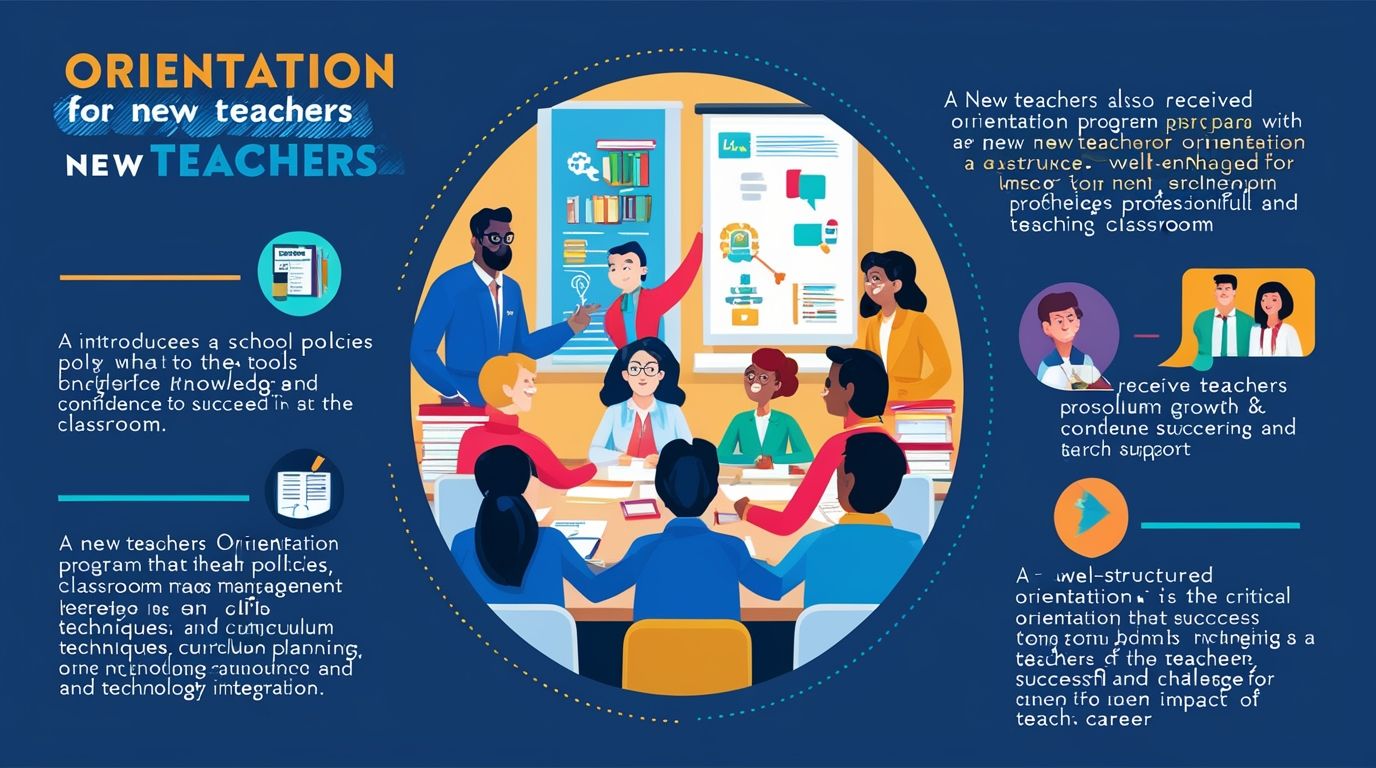
Step 10: Onboard New Teachers Properly
Selection doesn’t end with a signed contract. Strong onboarding determines whether a promising hire becomes a long-term asset or an early departure. Effective onboarding includes:
- Mentorship pairing with an experienced teacher
- Clear access to curriculum materials and lesson plan templates
- Introduction to school policies, procedures, and technology systems
- Regular check-ins during the first semester
Schools that invest in onboarding see markedly better first-year retention, which protects the substantial time and money already spent on recruitment.
Common Mistakes Schools Make During Teacher Selection
Even well-intentioned hiring committees fall into predictable traps:
Rushing the timeline. Filling a vacancy quickly feels urgent, but a rushed hire frequently costs more time later through poor performance management or turnover.
Overweighting credentials. Degrees and certifications matter, but they don’t guarantee classroom effectiveness. Demo lessons and references often predict success better than paper qualifications alone.
Skipping structured evaluation. Informal, conversational interviews without consistent criteria invite bias and make comparing candidates nearly impossible.
Ignoring cultural fit. A technically skilled teacher who clashes with the school’s values or team dynamics rarely stays long, regardless of talent.
Neglecting reference checks. Busy administrators sometimes skip calls or accept only written references, missing crucial red flags that a direct conversation would reveal.
Building a Sustainable Teacher Selection Framework
The most successful schools treat teacher selection as an ongoing system rather than a one-time event triggered by a vacancy. This means maintaining a pipeline of potential candidates through continuous relationship-building with universities and professional networks, refining interview questions based on what actually predicts success, and reviewing hiring outcomes annually to identify patterns.
Schools should track metrics like first-year retention rate, principal satisfaction scores, and student performance data tied back to specific hiring cohorts. This data reveals which sourcing channels, interview techniques, and evaluation criteria actually correlate with long-term success, allowing continuous refinement of the hiring process itself.
Conclusion
The selection of teachers for school teaching stands as one of the most consequential responsibilities any educational administrator carries. Every step, from writing a clear job description to conducting a thoughtful demo lesson evaluation, contributes to building a faculty capable of genuinely changing students’ lives. Schools that treat this process with the seriousness it deserves — investing real time, structured evaluation, and consistent follow-through — build stronger academic communities and retain talented educators for years rather than months. The effort invested upfront in careful teacher recruitment pays dividends across every classroom, every semester, and every graduating class that follows.
Frequently Asked Questions
1. What qualifications should schools prioritize when selecting teachers?
Schools should prioritize valid certification for the specific subject and grade level, relevant classroom experience, and demonstrated communication skills. Credentials matter, but classroom performance during a demo lesson often predicts success more reliably than paper qualifications alone.
2. How long should the teacher selection process take?
A thorough process typically takes three to six weeks, covering application screening, interviews, demo lessons, and reference checks. Schools that compress this timeline significantly often sacrifice quality and increase the risk of a poor hire.
3. Why is a demo lesson important in teacher hiring?
A demo lesson shows how a candidate actually performs in front of students, revealing classroom management skills, engagement techniques, and adaptability that a resume or interview cannot capture. It remains one of the strongest predictors of on-the-job success.
4. How can schools reduce bias during teacher selection?
Schools reduce bias by using structured interviews with consistent questions, standardized scoring rubrics for demo lessons, and multiple decision-makers rather than a single interviewer. Documenting evaluation criteria in advance also keeps the process fair and defensible.