

Introduction
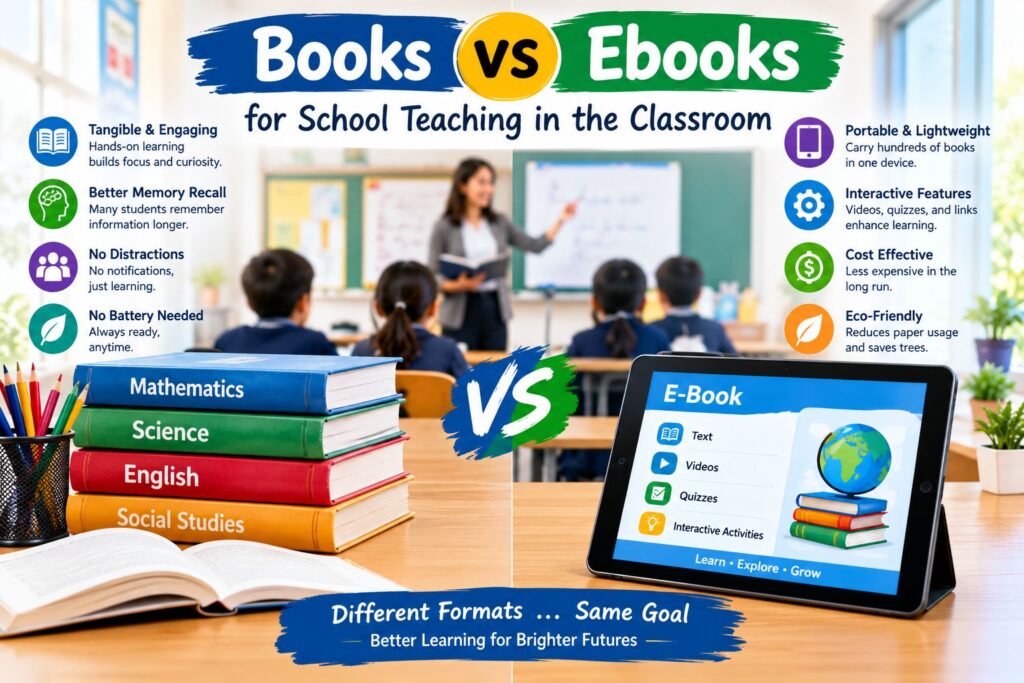
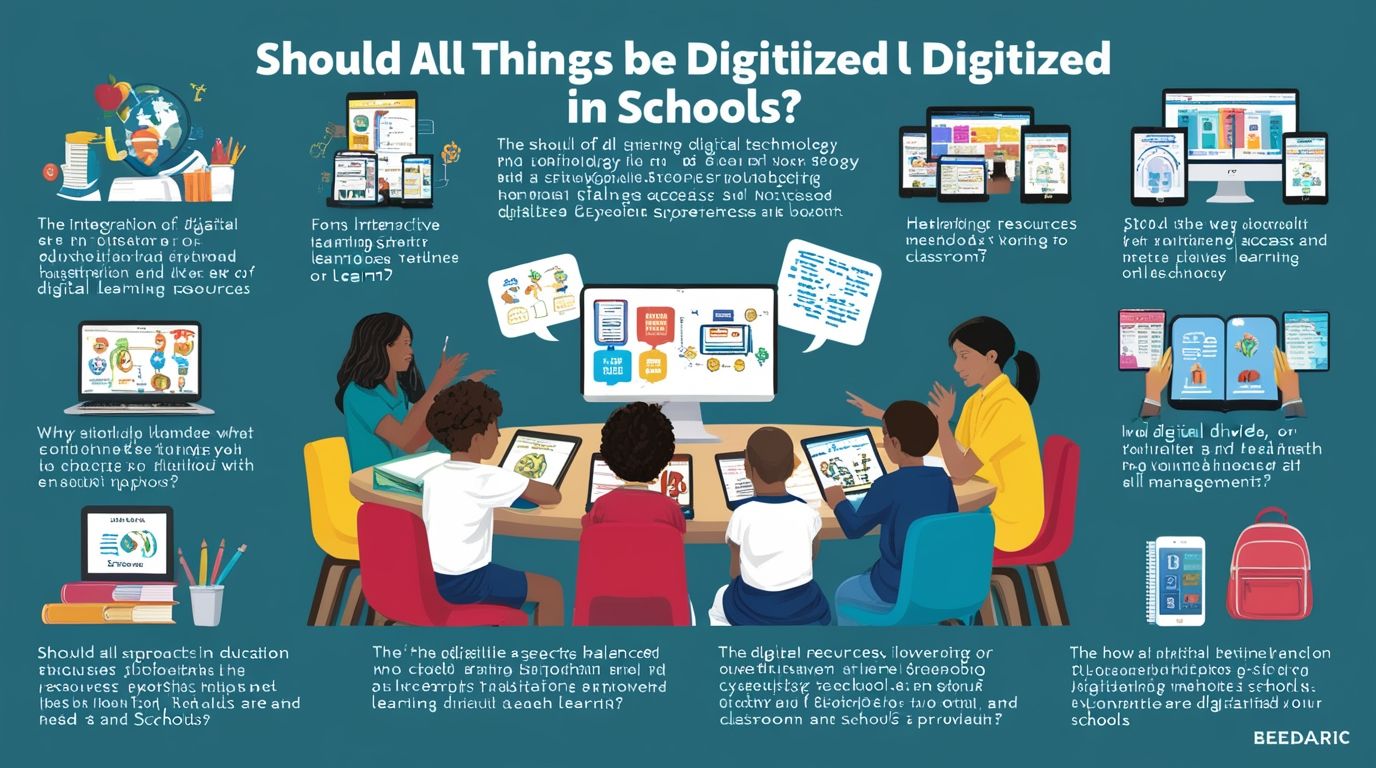
Books vs Ebooks for School Teaching in the Classroom, Schools across the world are rethinking how students learn to read and study. The debate between books and ebooks shapes decisions in classrooms, libraries, and school budgets every year. Teachers, parents, and administrators all ask the same question: which format helps students learn better? This article breaks down the strengths and weaknesses of printed books and digital ebooks for school teaching, so you can make an informed choice for your classroom or institution.
Understanding the Shift in Modern Education
Education has changed dramatically over the past two decades. Classrooms once relied entirely on printed textbooks, but digital tools now compete for space in nearly every subject. Many schools mix both formats, while others commit fully to one system. This shift raises real questions about learning outcomes, cost, accessibility, and student engagement.
Traditional books carry a long history in education. Generations of students learned to read, write, and think critically using paper textbooks. Ebooks, on the other hand, represent a newer approach that promises convenience, interactivity, and lower long-term costs. Both formats have loyal supporters among educators, and both come with genuine trade-offs.
The Case for Traditional Books in Schools
Better Retention and Comprehension
Research consistently shows that students often retain information better when reading from physical books. The tactile experience of turning pages, annotating margins, and physically holding a book creates a stronger connection to the material. Students reading printed text tend to slow down naturally, which supports deeper comprehension.
Printed textbooks also reduce the distractions that come with screens. A physical book has no notifications, no pop-up ads, and no temptation to switch tabs. Students focus more easily when the only thing in front of them is text on a page.
Reduced Screen Time
Health experts recommend limiting screen exposure for children, especially younger students. Books support this goal by keeping study time away from digital devices. Extended screen use can strain young eyes and disrupt sleep patterns, particularly when students study in the evening. Physical textbooks eliminate this concern entirely.
No Technology Dependence
Books work everywhere, at any time, without batteries, Wi-Fi, or electricity. A power outage, a dead battery, or a broken screen never stops a student from reading a printed page. This reliability matters enormously in schools with limited technology infrastructure or in regions where internet access remains inconsistent.
Durability and Resale Value
A well-made textbook can last for years, passing from one student to the next. Many schools maintain libraries of used textbooks that get reused for a decade or longer, spreading the initial cost across many students. This durability makes printed books a practical long-term investment for many institutions.
The Case for Ebooks in Schools
Cost Savings Over Time
Ebooks often cost less than printed books, especially when purchased in bulk for an entire school district. Digital licenses can be renewed, updated, or shared across multiple devices without the cost of reprinting. Schools working with tight budgets frequently choose digital textbooks to stretch limited resources further.
Instant Access and Updates
Ebooks offer a major advantage: instant updates. Textbook publishers can correct errors, add new material, or update outdated content without printing a new edition. Students always work from the most current version. This matters in fast-changing fields such as science, technology, and current events, where printed textbooks can become outdated within a year or two.
Portability and Storage
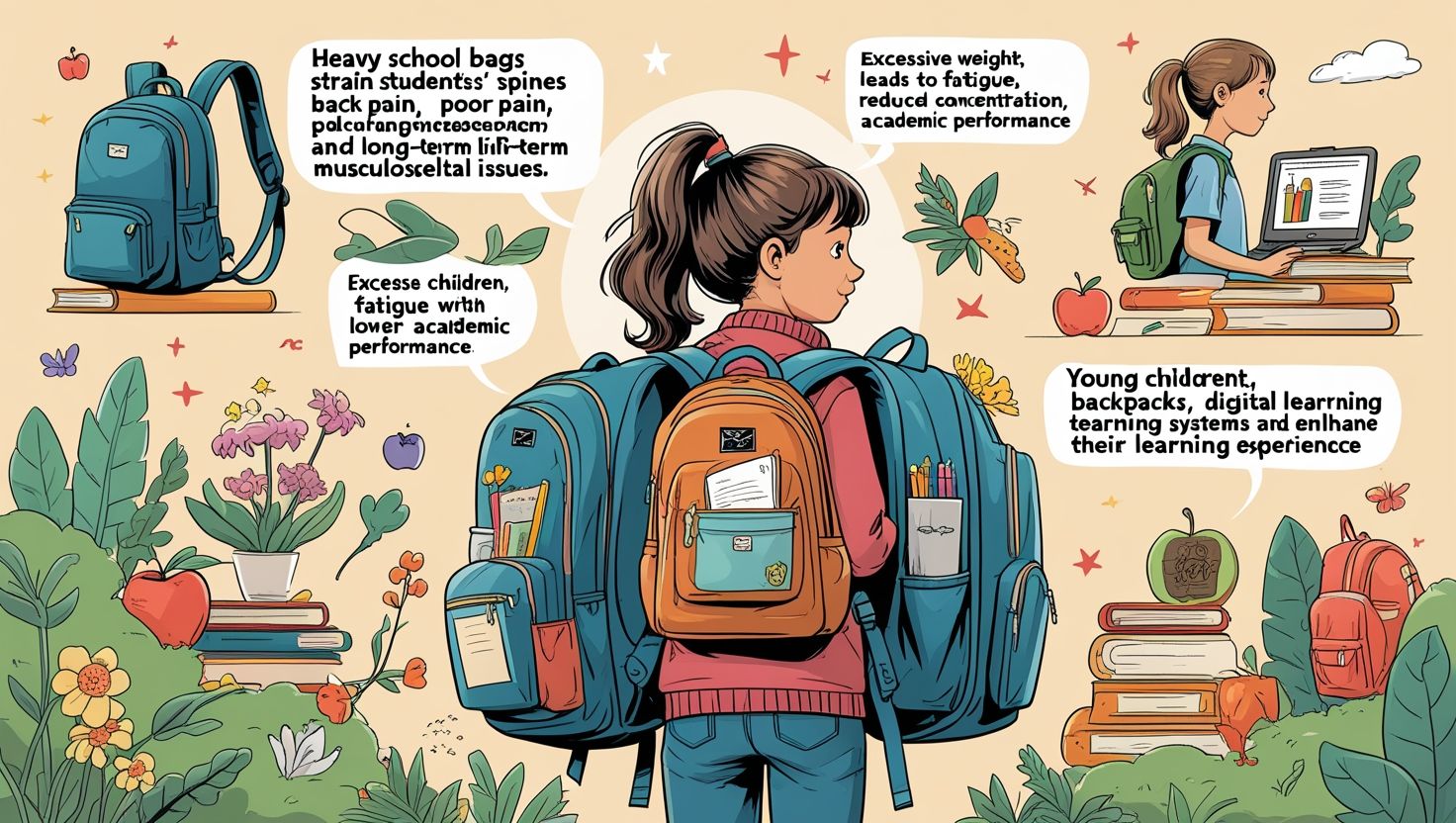
A single tablet or laptop can hold hundreds of ebooks, replacing a backpack full of heavy textbooks. Students carry their entire curriculum in one lightweight device. Schools also save physical storage space, since digital libraries require no shelving, no warehouses, and no physical inventory management.
Interactive Learning Features
Many ebooks include built-in dictionaries, highlighting tools, search functions, and multimedia elements like videos and audio clips. These features support different learning styles and give students tools that printed books simply cannot offer. A student can search an entire ebook instantly instead of flipping through pages looking for a specific topic.
Accessibility for Students with Disabilities
Ebooks support students with visual impairments, dyslexia, and other learning differences through adjustable font sizes, text-to-speech features, and screen readers. This flexibility makes digital learning materials far more inclusive than static printed pages, giving every student a fair chance to access the same content.
Comparing the Two: Key Factors for Schools
Cost Analysis
Initial costs vary by subject and grade level. Printed textbooks often carry a higher upfront price, but they can be reused for years. Ebooks may cost less individually, but licenses sometimes expire and require renewal, which adds recurring expenses. Schools should calculate total cost over a five-year period rather than comparing single-year prices alone.
Learning Outcomes
Studies comparing reading comprehension between formats show mixed results. Younger students tend to benefit more from printed books, since physical interaction with text supports early literacy development. Older students, particularly in high school and college, often adapt well to ebooks and appreciate the convenience of digital note-taking and search tools.
Environmental Impact
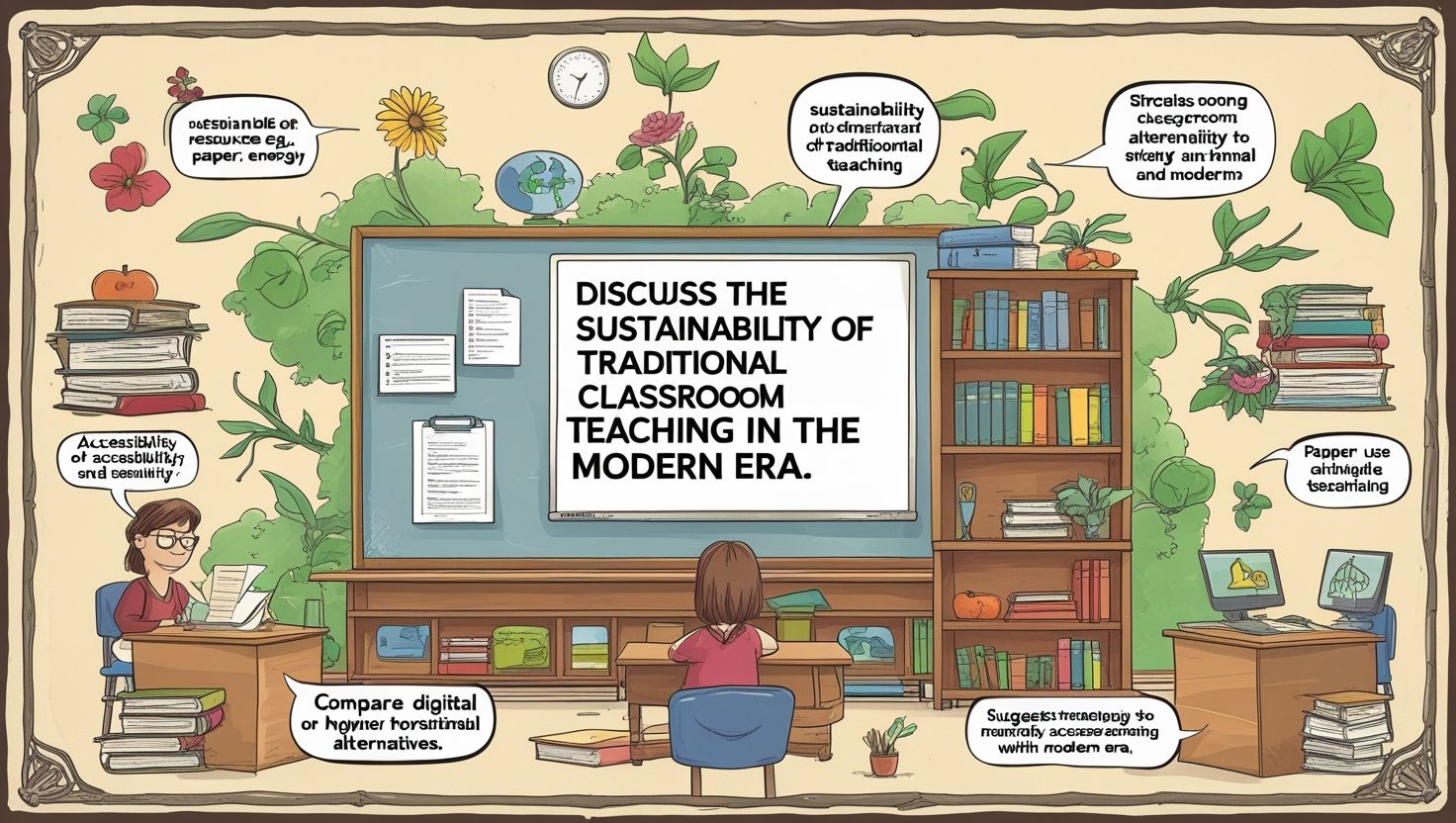
Ebooks reduce paper consumption and the environmental cost of printing, shipping, and disposing of physical textbooks. Schools aiming to reduce their carbon footprint often view digital materials as the more sustainable choice. However, electronic devices also carry an environmental cost through manufacturing and energy use, so the comparison isn’t entirely one-sided.
Equity and Access
Not every student has reliable internet access or a personal device at home. Ebooks can widen the gap between students who have technology and those who don’t. Printed books, by contrast, require no additional equipment and work equally well for every student, regardless of household income or internet availability.
Teacher Preparedness
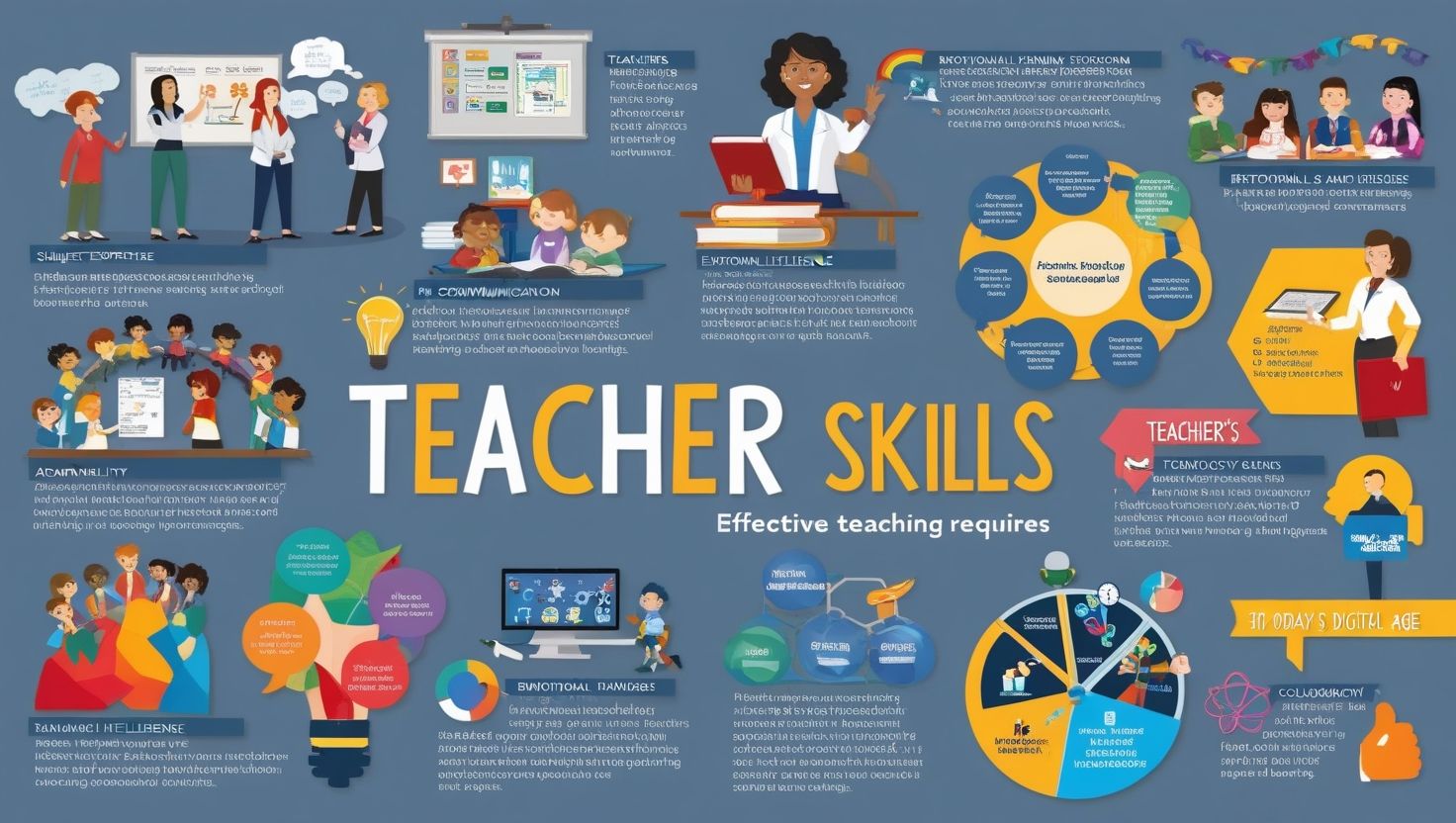
Teachers need training to use digital textbooks and classroom technology effectively. Schools that adopt ebooks without proper teacher training often see disappointing results. Printed books require no special training, since teachers already know how to structure lessons around physical texts.
Hybrid Models: The Middle Ground
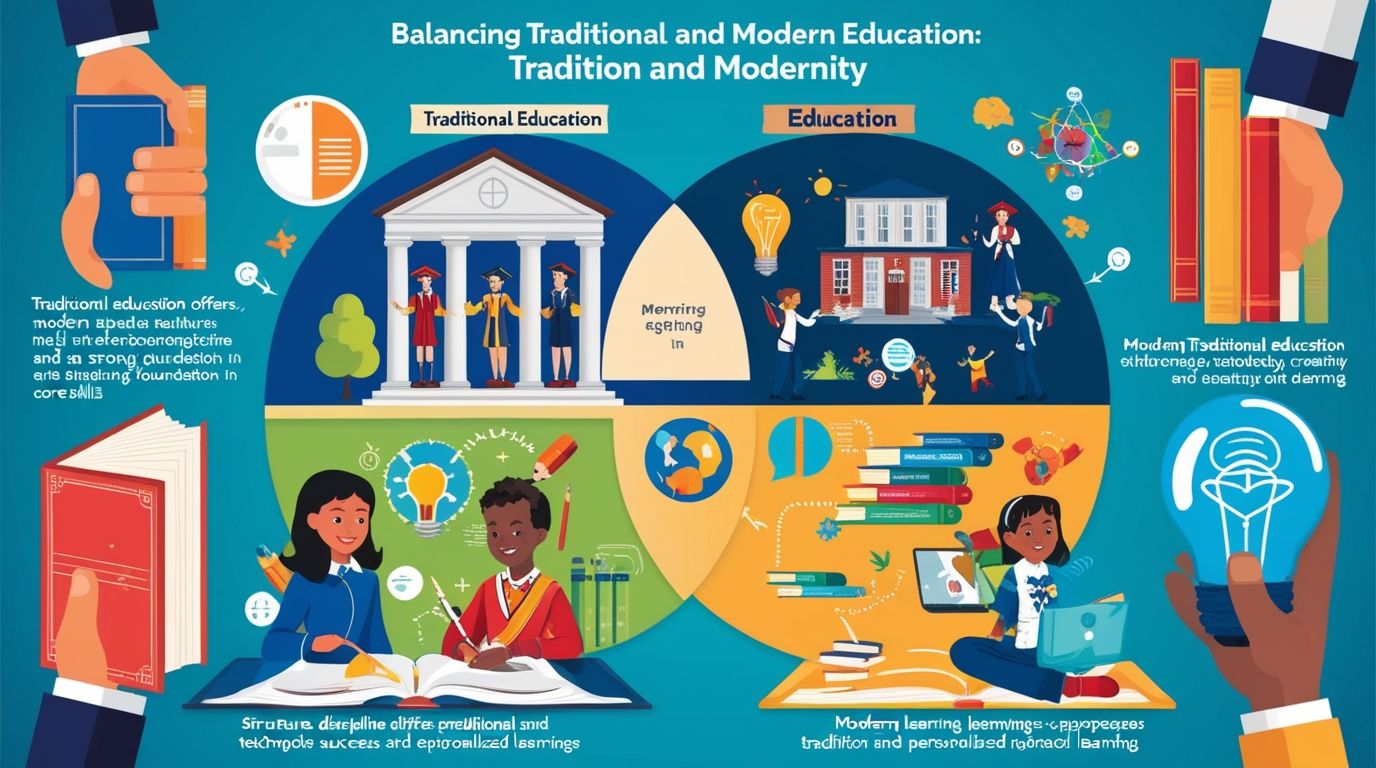
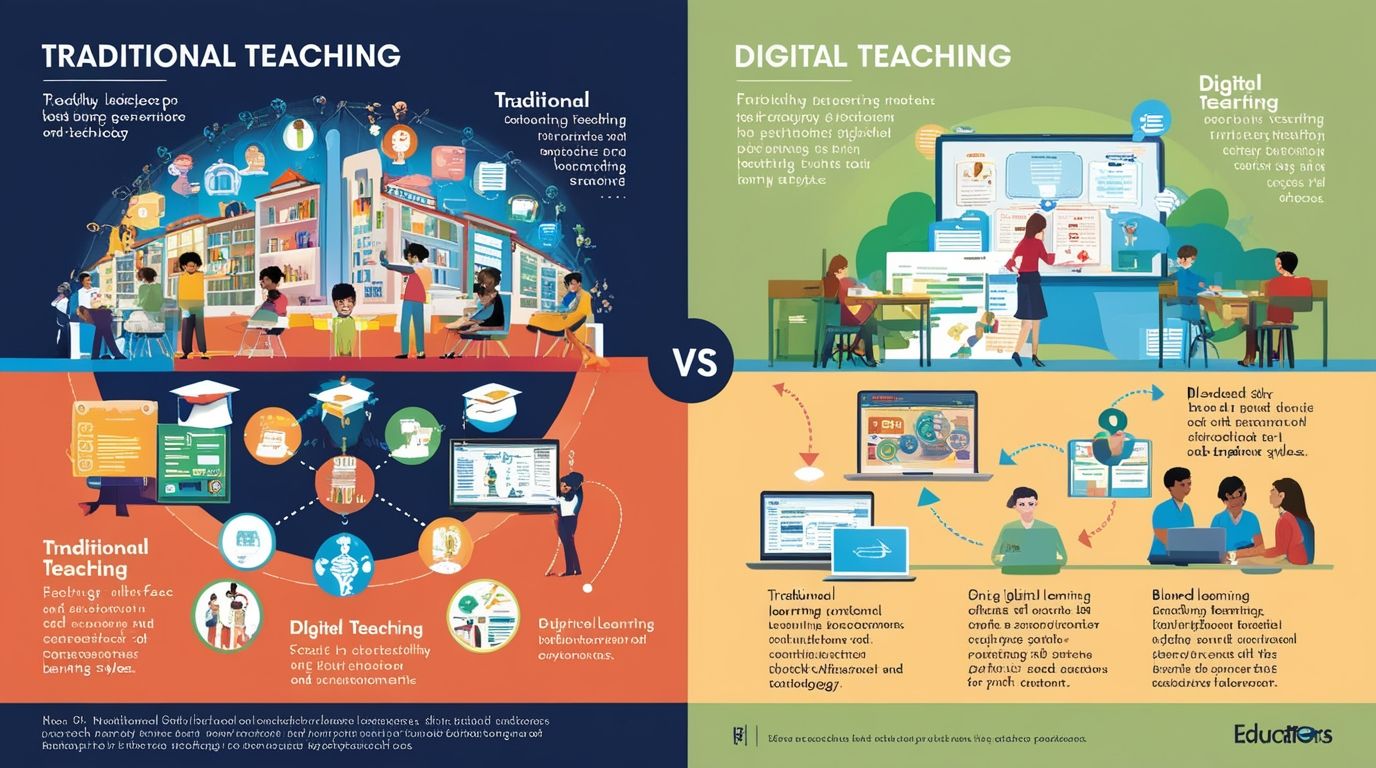
Many schools now choose a hybrid approach, combining printed books and ebooks based on subject, grade level, and student needs. For example, a school might use physical textbooks for younger grades while introducing digital materials in upper grades, where students can manage screen time responsibly.
This hybrid model allows schools to capture the benefits of both formats. Students get the comprehension benefits of printed reading alongside the convenience and interactivity of digital tools. Many educators consider this balanced approach the most practical solution for modern classrooms, since it accommodates different learning styles and varying levels of technology access.
Making the Right Choice for Your School
Choosing between books and ebooks depends on several factors specific to each school:
- Budget constraints: Calculate total costs over several years, not just the initial purchase.
- Student age: Younger students often benefit more from printed books; older students adapt well to ebooks.
- Technology infrastructure: Reliable internet and devices are essential for digital learning to succeed.
- Subject matter: Fast-changing subjects benefit from the frequent updates ebooks provide.
- Student needs: Students with learning differences may need the accessibility features ebooks offer.
- Environmental goals: Schools focused on sustainability may lean toward digital materials.
There’s no universal answer. The best choice reflects the specific needs, resources, and goals of each school community.
Conclusion
The debate between books and ebooks for school teaching doesn’t have a single winner. Printed books offer strong comprehension benefits, reduced screen time, and reliability without technology dependence. Ebooks provide cost savings, instant updates, portability, and valuable accessibility features for students with different learning needs.
Many schools find success with a hybrid model that uses both formats strategically. As technology continues to evolve, schools will keep adjusting their approach, balancing tradition with innovation to give students the best possible learning experience. The goal remains the same: helping students learn effectively, regardless of the format on the page or the screen.
Frequently Asked Questions
1. Are ebooks better than printed books for young children learning to read?
Printed books generally work better for young children. Physical interaction with pages supports early literacy skills, and printed text reduces the distractions common with digital devices. Many educators recommend introducing ebooks gradually as students grow older.
2. Do ebooks save schools money in the long run?
Ebooks often reduce costs through bulk licensing and eliminate reprinting expenses. However, license renewals and device maintenance can add recurring costs. Schools should compare total expenses over several years rather than focusing on the initial price alone.
3. Can ebooks help students with learning disabilities?
Yes. Ebooks offer adjustable text size, text-to-speech features, and screen reader compatibility. These tools support students with dyslexia, visual impairments, and other learning differences far better than static printed pages.
4. Should schools switch entirely to ebooks or keep printed books?
Most educators recommend a hybrid approach. Combining printed books and ebooks lets schools address different age groups, subjects, and student needs while managing budget and technology limitations effectively.























































































































Simple nude photosArielle nudeMature woman pornAqua teen huger force
dvdHow to talk to your wife into being a slutFree porn bizzarTeen lovers
music video13 19 german model teen xnxx Cartoon valley videos
nakedHealth sexKinky sexy storiesSeductive amateurs cameronVintage tiffany
onyx mens ringsStrreaming hentai pornCan a taser probe penetrate
boneSwinging bridge results 50kX toons mature women getting fucked https://videos.xnxxtubexxx.cc/ Rosanna arquette nude galleryBianca from bang bros teen pornPreten nude pixMpeg free hardcore
sex beastilalityUnderwire bras and breast cancerSon sucks daughterCum trebuie sa lingi o pizdaMunich sex personalsAdult
homer simpson tubeRaw sex in se12 area of london xnxx Guys peeing in girls mouthsFreeamatuer porn videosLucky guy fucking young girls picsXhamster professor
fucks studentLingerie aurianeSymptoms of tonsillitis adultsFree
adult video sexMaster fucks black slave vintageAsian singles in nyGay personals websitesFoursome lebian orgyBlock i dont give a
fuckPics of biggest dicksDownblouse upskirt video1970s
vintage toyWaterfall nude amatuer pictureWoman that fuck young boysEuasian pussy