Introduction
Every school wants students who learn well, behave well, and grow into healthy adults. A strong physical education teacher helps a school reach all three goals. This professional does far more than roll out a ball and blow a whistle. A PE teacher builds movement skills, teaches healthy habits, and shapes character through activity.
Children today spend long hours sitting in classrooms, in front of screens, and in transit. Health organizations warn that many young people move far less than their bodies need. Schools reach nearly every child, so they hold a unique position to change that pattern. The physical education teacher leads this effort.
This article explains what a physical education teacher does, why every school needs one, and how the role supports academic success, mental health, and lifelong physical fitness.
What Is a Physical Education Teacher?
A physical education teacher is a trained educator who plans and delivers structured lessons in movement, sport, fitness, and health. Most hold a degree in physical education, kinesiology, or sports science, and many earn a teaching license as well. They work in primary, middle, and secondary schools, and each level demands different skills.
In primary schools, the PE teacher focuses on basic motor skills such as running, jumping, throwing, and balancing. In secondary schools, the focus shifts to team sports, fitness planning, and health knowledge. At every level, the teacher treats physical education as a real academic subject with clear goals, lesson plans, and assessment.
Why Every School Needs a Physical Education Teacher
Children Need More Movement
The World Health Organization recommends that children and adolescents accumulate an average of 60 minutes of moderate to vigorous physical activity each day. Many students fall short of this target. A qualified physical education teacher gives them a reliable, safe, and enjoyable way to move during the school day.
Parents cannot always provide that opportunity. Some families lack safe play spaces, and others lack time or money for sports clubs. School-based physical education reaches every child, regardless of background. This makes the PE teacher a key figure in equal access to health.
Classroom Teachers Cannot Fill the Gap
A general classroom teacher can lead a game or a short exercise break. Yet physical education needs specialized knowledge. A PE teacher understands child development, injury prevention, skill progression, and safe equipment use. Without that training, activity often turns into unstructured play that leaves weaker or shyer students behind.
A specialist designs lessons so that every student succeeds. A child who struggles with coordination gets support, and a gifted young athlete gets a challenge. This kind of inclusive teaching requires professional preparation.
Physical Education Supports Academic Learning
Research links regular physical activity to better attention, memory, and classroom behavior. Students who move during the day often return to their desks calmer and ready to focus. A physical education teacher therefore contributes to test scores and learning outcomes, even though the subject sits outside traditional academics.
Schools that cut physical education in schools to save time for other subjects often find that the trade does not pay off. Healthy, active students learn better.
Schools Must Address Rising Health Concerns
Childhood obesity, poor posture, low stamina, and stress have grown into common concerns worldwide. A physical education teacher tackles these issues through daily practice. Students learn how exercise strengthens the heart, builds bones, and supports a healthy weight. They also learn how sleep, nutrition, and hydration fit into the picture.
These lessons carry into adulthood. A student who enjoys movement at age ten has a much better chance of staying active at age forty.
Core Roles and Responsibilities of a PE Teacher
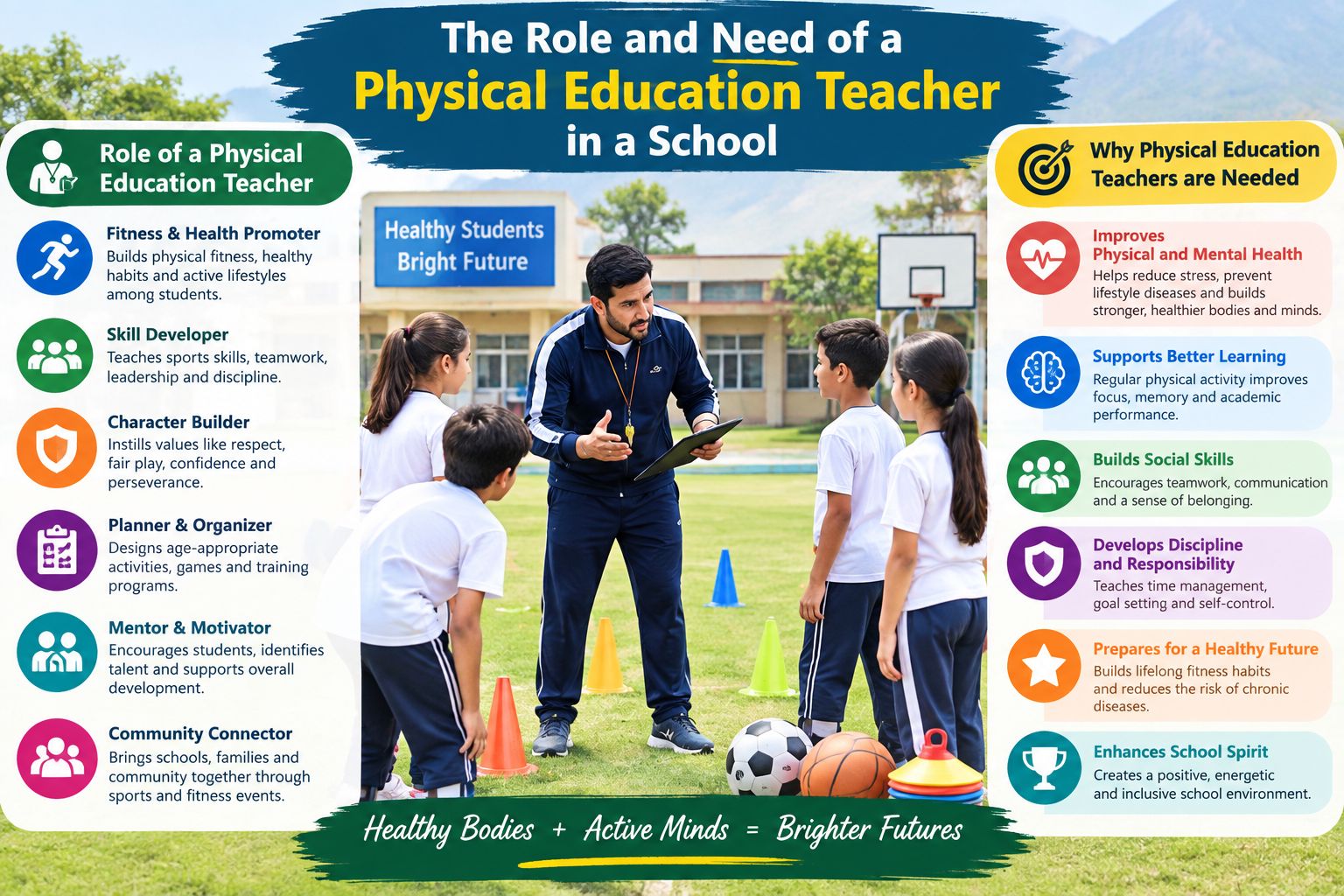
The daily work of a physical education teacher covers many areas. Each one adds value to the school community.
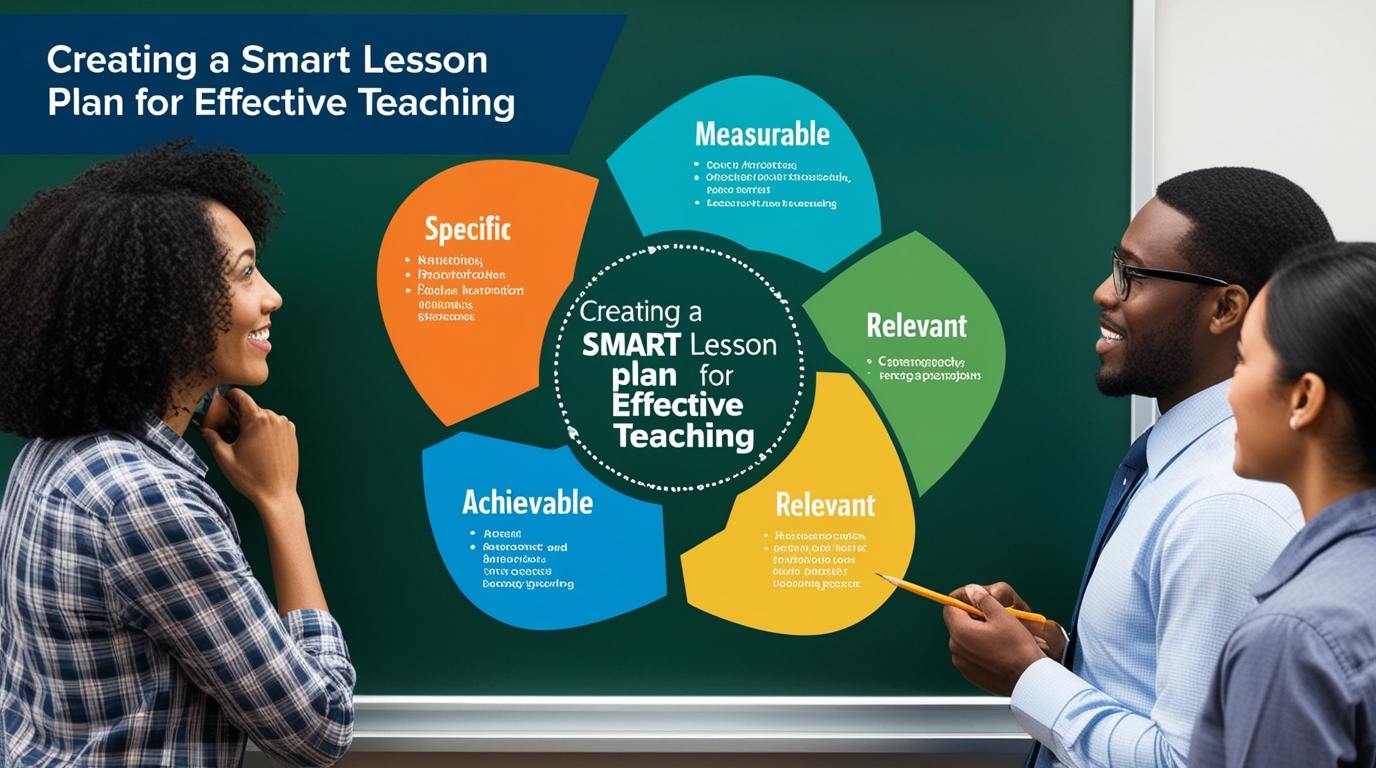
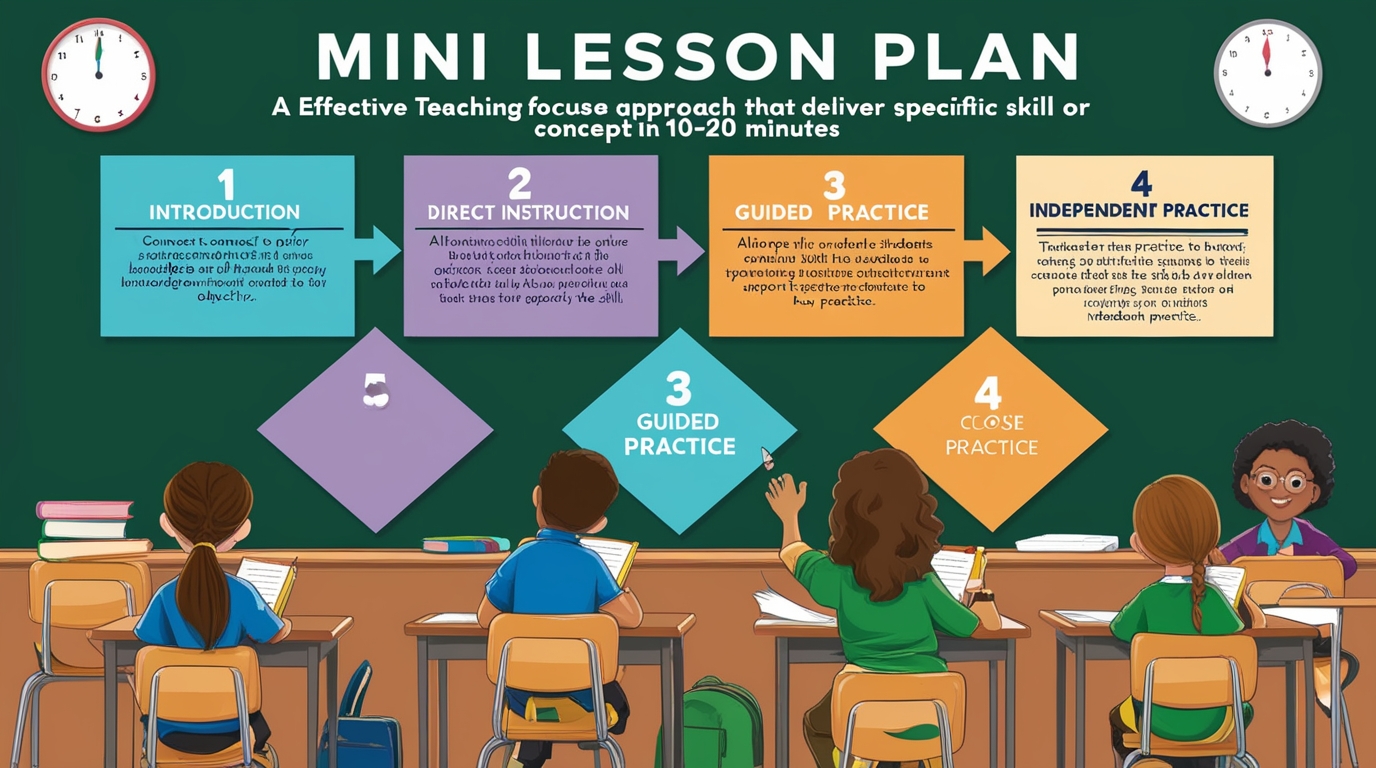
1. Planning and Teaching Quality Lessons
The PE teacher writes yearly, term, and weekly plans that follow national or state standards. SHAPE America, for example, sets clear standards that guide what students should know and do in physical education. A good plan balances skill practice, fitness activities, games, and health education.
The teacher adjusts each lesson to the age, ability, and interests of the class. A lesson for eight-year-olds looks very different from one for sixteen-year-olds.
2. Developing Motor Skills and Physical Fitness
Motor skills form the foundation of all physical activity. The physical education teacher breaks skills into small steps, demonstrates them, and gives students time to practice. Students learn to throw, catch, kick, swim, dance, and move with control.
The teacher also builds physical fitness through activities that target strength, endurance, flexibility, and speed. Fitness tests and personal goal setting help students track their own progress rather than compare themselves with classmates.
3. Teaching Health and Wellness Knowledge
A modern PE teacher teaches students why movement matters. Lessons cover nutrition basics, injury prevention, sleep, screen time, and stress management. Students learn to read their own heart rate, set fitness goals, and choose activities they enjoy.
This knowledge turns exercise from a school task into a personal habit.
4. Ensuring Safety
Safety sits at the top of every physical education teacher’s list. The teacher inspects equipment and playing areas, sets clear rules, and teaches correct technique. The teacher also watches for signs of overexertion, heat stress, and injury, and knows basic first aid and emergency procedures.
Many schools rely on the PE teacher to help students with medical conditions, such as asthma or diabetes, take part safely.
5. Building Character and Social Skills
Team games and group challenges give students real chances to practice teamwork, fair play, and respect. A skilled teacher guides students through wins and losses, conflict, and leadership. Students learn to encourage teammates, follow rules, and accept referee decisions calmly.
These social and emotional skills matter as much as any sports skill. Employers, colleges, and communities all value them.
6. Supporting Inclusion and Equal Participation
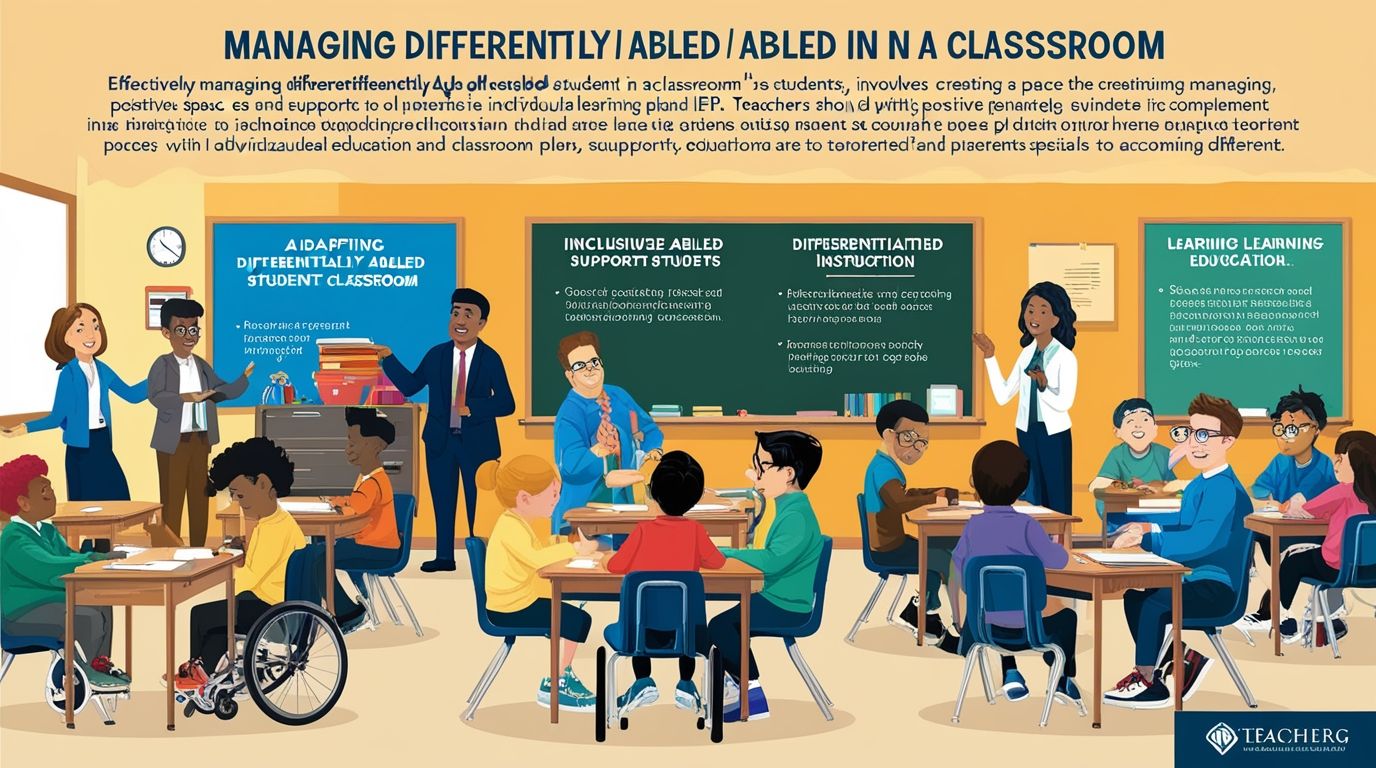
Every class includes students with different abilities, body types, cultural backgrounds, and confidence levels. The physical education teacher adapts activities so that everyone takes part. This might mean modifying equipment, changing rules, or offering multiple levels of challenge.
Students with disabilities deserve the same benefits from physical education as their peers. A trained teacher makes that possible.
7. Organizing School Sports and Events
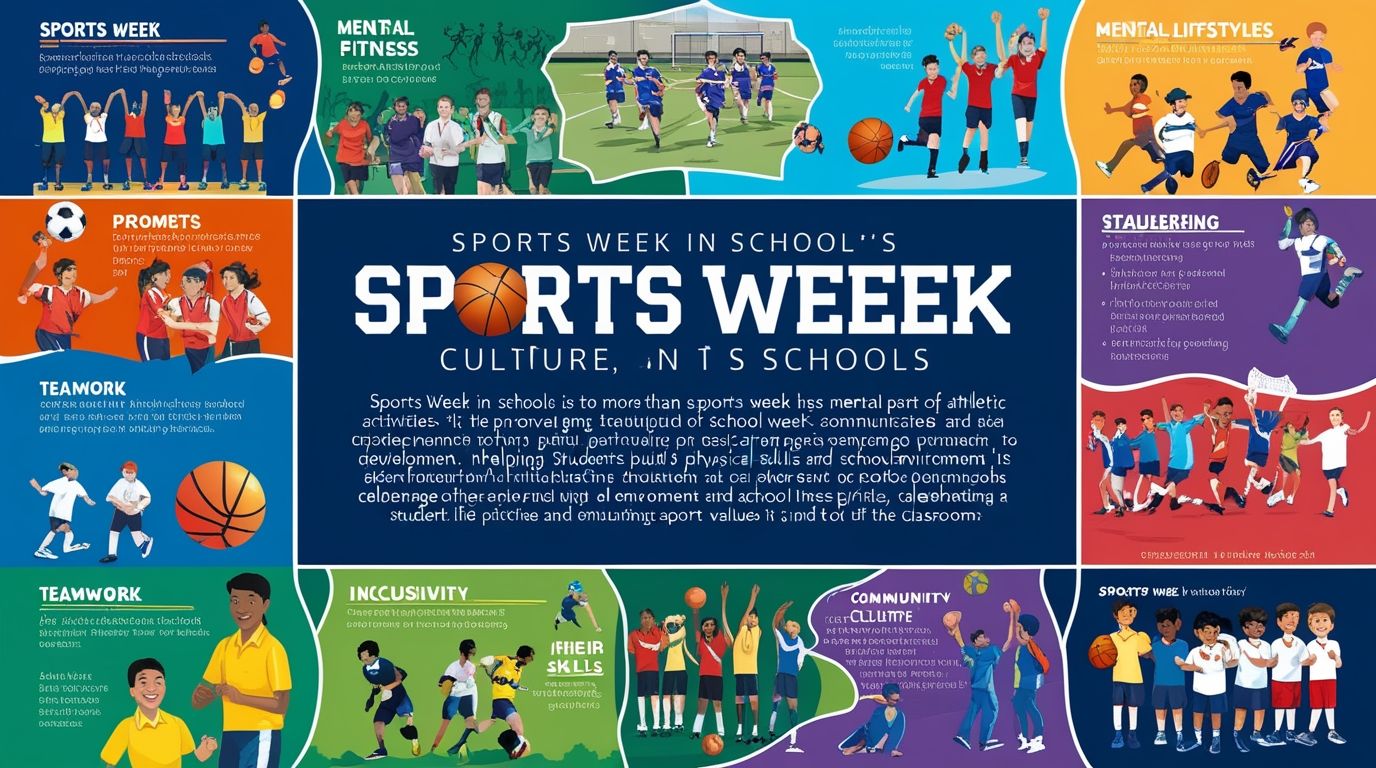
Beyond regular lessons, the PE teacher often runs sports days, inter-house competitions, athletic teams, and after-school clubs. These events build school spirit and give talented students a path to develop their abilities. They also connect the school with families and the wider community.
8. Assessing and Reporting Progress
Like any other teacher, the physical education teacher assesses learning. Assessment goes beyond who runs fastest. The teacher looks at skill improvement, effort, understanding of health concepts, and teamwork. Clear feedback helps students grow and keeps parents informed.
9. Promoting Mental Health
Exercise lifts mood, reduces anxiety, and improves sleep. A caring PE teacher creates a positive, low-pressure environment where students feel safe to try, fail, and try again. Many students who struggle in the classroom find success and confidence on the field or in the gym.
The physical education teacher also spots students who seem withdrawn, anxious, or unhappy, and alerts counselors when needed.
Skills and Qualities of an Effective PE Teacher
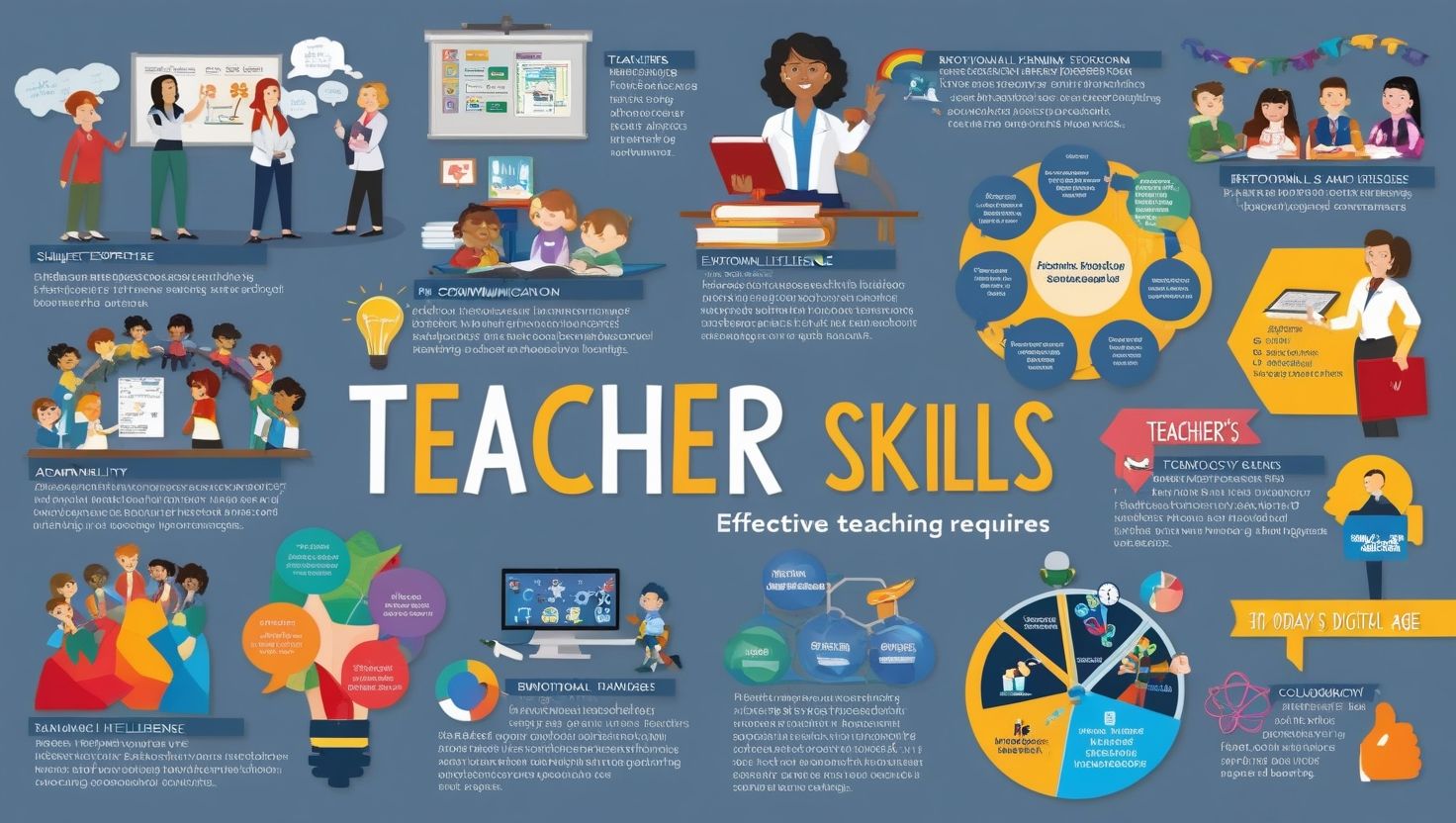
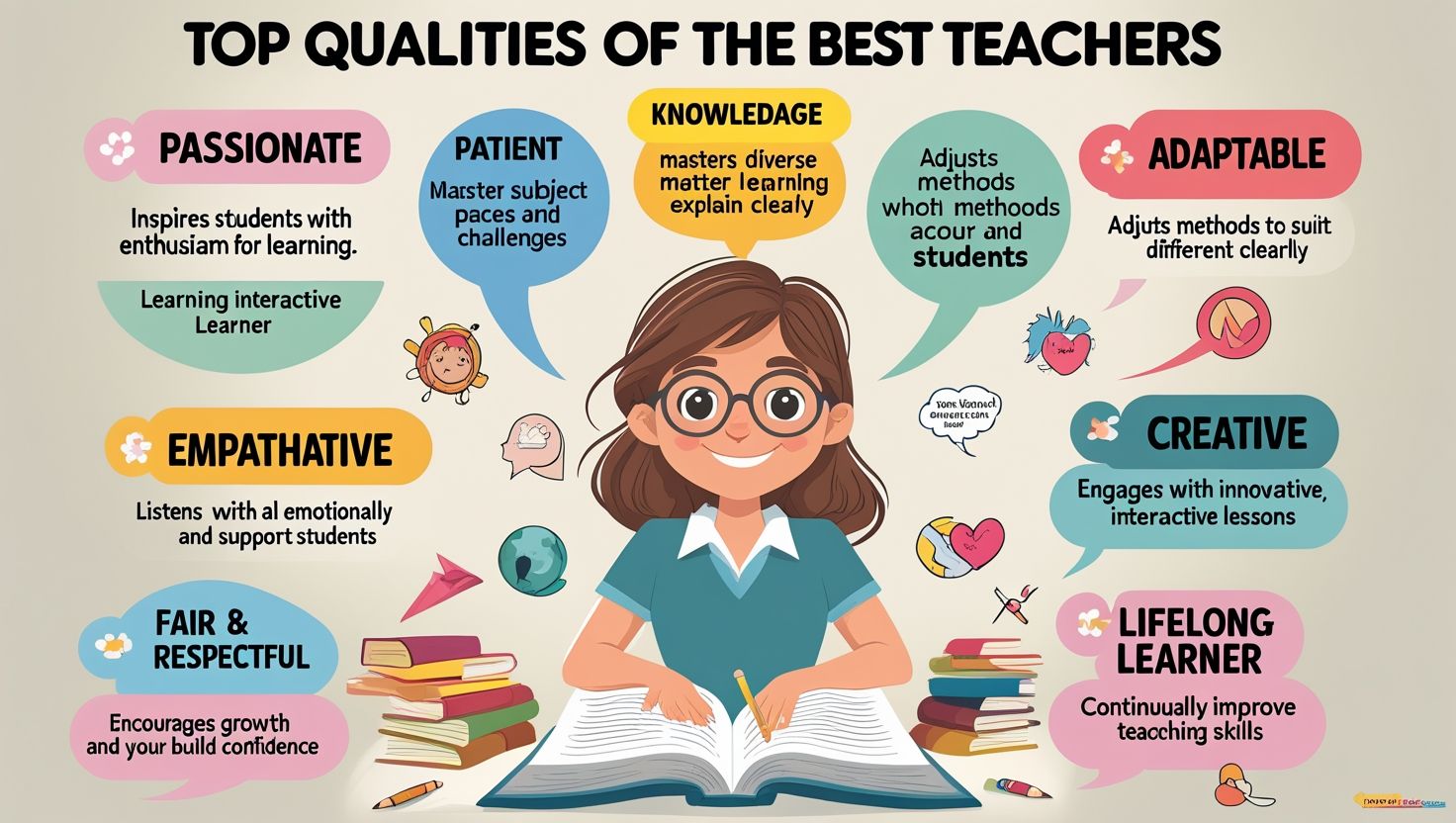
Great PE teachers share a set of skills that go beyond athletic ability.
- Strong communication: They explain skills clearly and give kind, useful feedback.
- Patience and empathy: They understand that students learn at different speeds.
- Leadership: They manage large, active groups with confidence.
- Creativity: They design fresh games and activities that keep students interested.
- Knowledge of health science: They understand anatomy, exercise physiology, and nutrition.
- Adaptability: They adjust plans for weather, space, and student needs.
- Enthusiasm: They model an active lifestyle and inspire students to follow.
Schools should look for these qualities when hiring, and they should support ongoing professional development so teachers stay current with new research and methods.
Benefits of Having a Qualified Physical Education Teacher
A well-trained physical education teacher brings benefits at several levels.
For students: Better student health, stronger motor skills, higher confidence, improved focus, and healthier lifelong habits.
For teachers and classrooms: Calmer, more attentive students, fewer behavior problems, and a stronger sense of community.
For schools: A positive reputation, higher student engagement, and more success in sports and events.
For communities: Healthier young people who grow into healthier adults, which lowers long-term healthcare demands.
The return on investment is clear. A single PE teacher can shape the health habits of hundreds of students each year.
Challenges Facing Physical Education Teachers
The role brings real challenges. Many schools cut physical education time to make room for tested subjects. Large class sizes make individual attention difficult. Limited budgets restrict equipment, and some schools lack safe indoor or outdoor space.
Some students also feel embarrassed or anxious about exercise, especially if they have faced teasing in the past. A thoughtful physical education teacher works hard to remove that fear by focusing on personal improvement rather than competition alone.
Technology adds both a challenge and an opportunity. Screens pull students away from active play, yet fitness trackers, video analysis, and exercise apps give teachers new tools to motivate learners.
How Schools Can Support Their PE Teachers
School leaders play a major part in the success of physical education in schools. They can take practical steps:
- Protect regular physical education time in the weekly timetable.
- Hire licensed, qualified specialists rather than relying on untrained staff.
- Provide safe facilities and up-to-date equipment.
- Keep class sizes manageable.
- Fund training and professional growth.
- Treat physical education as a core subject, equal in value to others.
- Involve parents through newsletters, events, and family fitness days.
When leaders show respect for the subject, students follow their example.
Conclusion
The need for a physical education teacher in every school is clear. This professional protects student health, builds physical fitness, strengthens mental well-being, and teaches values such as teamwork and respect. The PE teacher also helps students discover activities they enjoy, and those activities can last a lifetime.
Schools that invest in strong physical education invest in the whole child: body, mind, and character. As inactivity and stress continue to rise among young people, the role of the physical education teacher grows more important each year. Every school that wants healthy, confident, and successful students should give this role the priority it deserves.
Frequently Asked Questions (FAQs)
1. What does a physical education teacher do in a school?
A physical education teacher plans and teaches lessons on movement, sport, fitness, and health. The teacher builds motor skills, ensures safety, assesses progress, runs school sports events, and encourages students to adopt active, healthy lifestyles. Many PE teachers also support inclusion and mental well-being.
2. Why is physical education important for students?
Physical education improves heart health, strength, coordination, and mood. It also supports concentration and classroom performance, and it teaches teamwork and discipline. Students who learn to enjoy movement early are more likely to stay active as adults.
3. What qualifications does a PE teacher need?
Most PE teachers hold a bachelor’s degree in physical education, kinesiology, or a related field, plus a teaching license or certification, depending on the country or region. First aid and CPR training are usually required. Strong communication and leadership skills matter as well.
4. How much physical activity should students get each day?
The World Health Organization advises children and adolescents to average at least 60 minutes of moderate to vigorous physical activity daily. Physical education classes, recess, sports, and active play at home all contribute toward that goal.
References
- World Health Organization. (2020). WHO Guidelines on Physical Activity and Sedentary Behaviour. Geneva: World Health Organization. https://www.who.int/publications/i/item/9789240015128
- SHAPE America – Society of Health and Physical Educators. (2013). National Standards & Grade-Level Outcomes for K-12 Physical Education. Champaign, IL: Human Kinetics. https://www.shapeamerica.org/standards/pe/