
Introduction
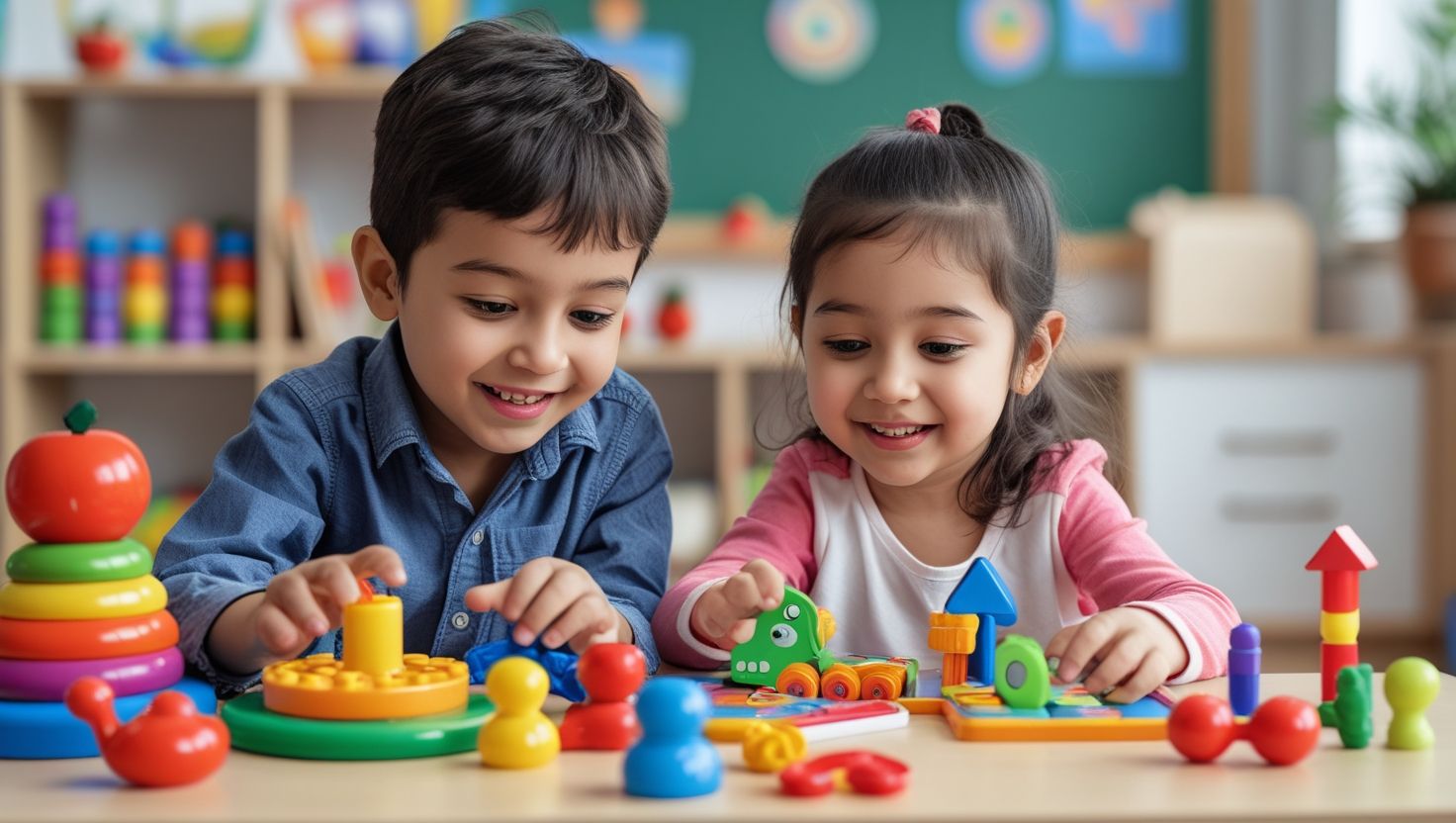
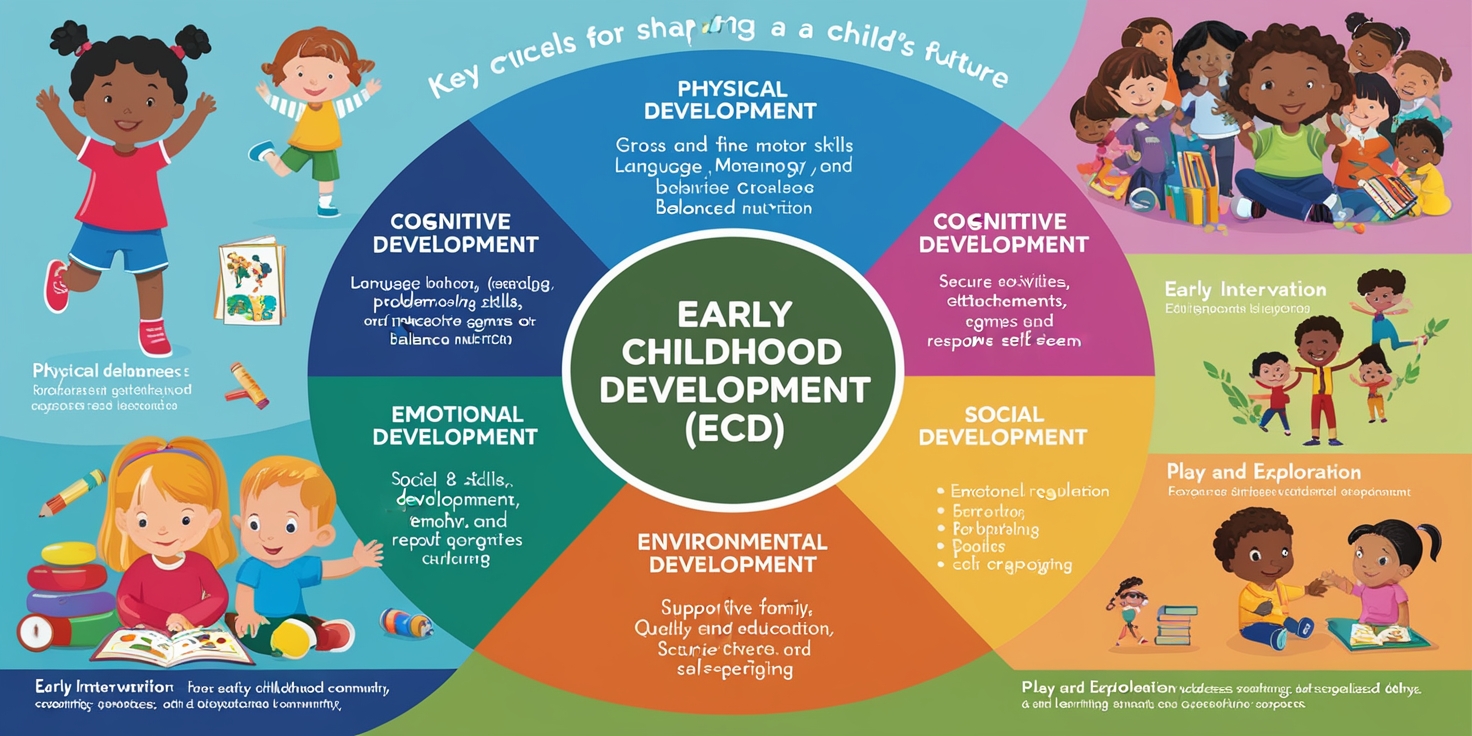
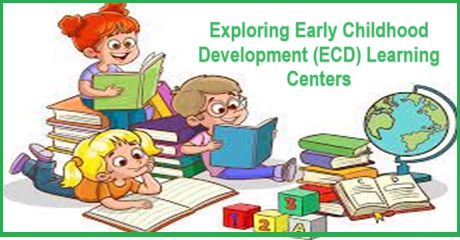
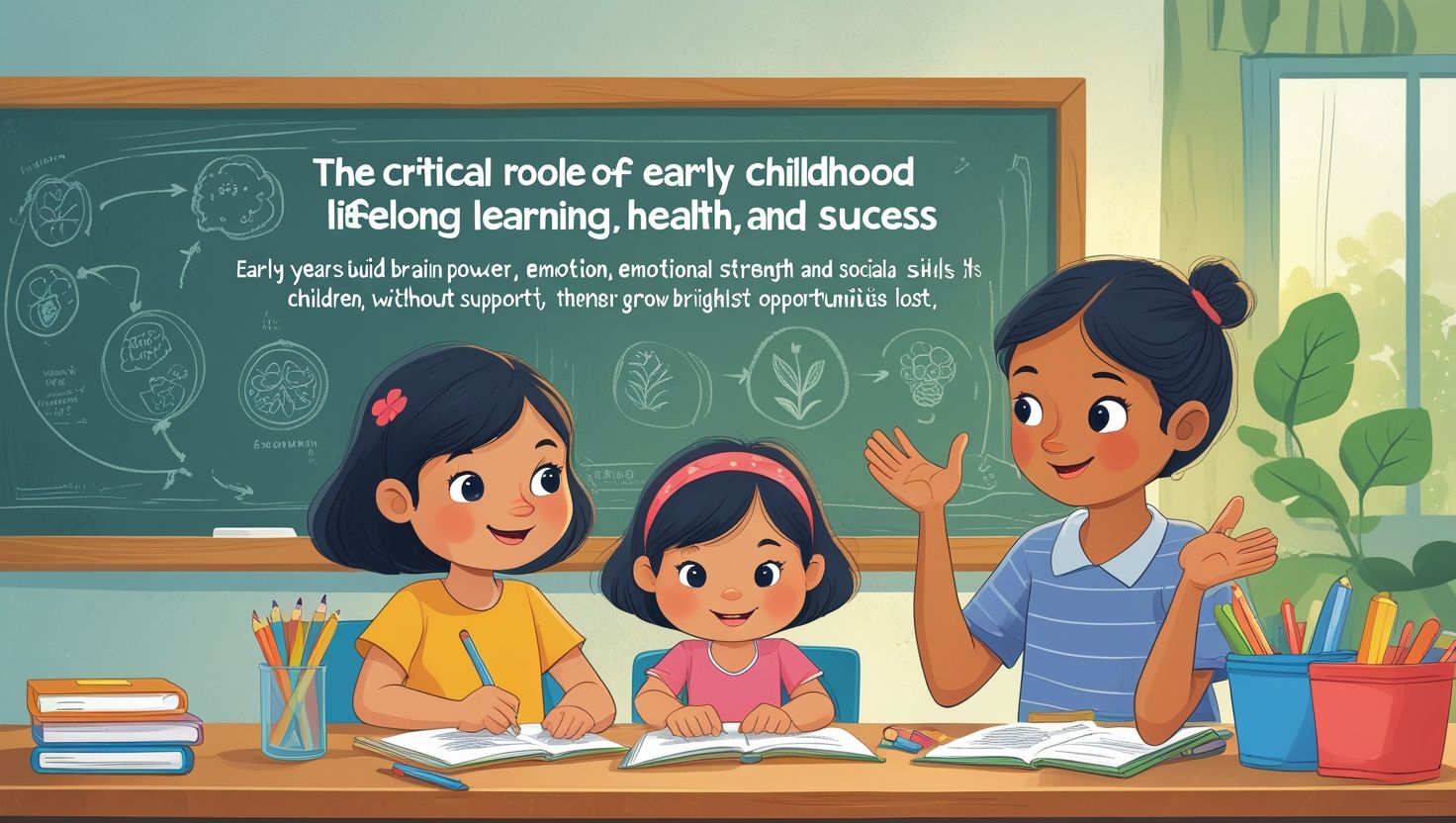
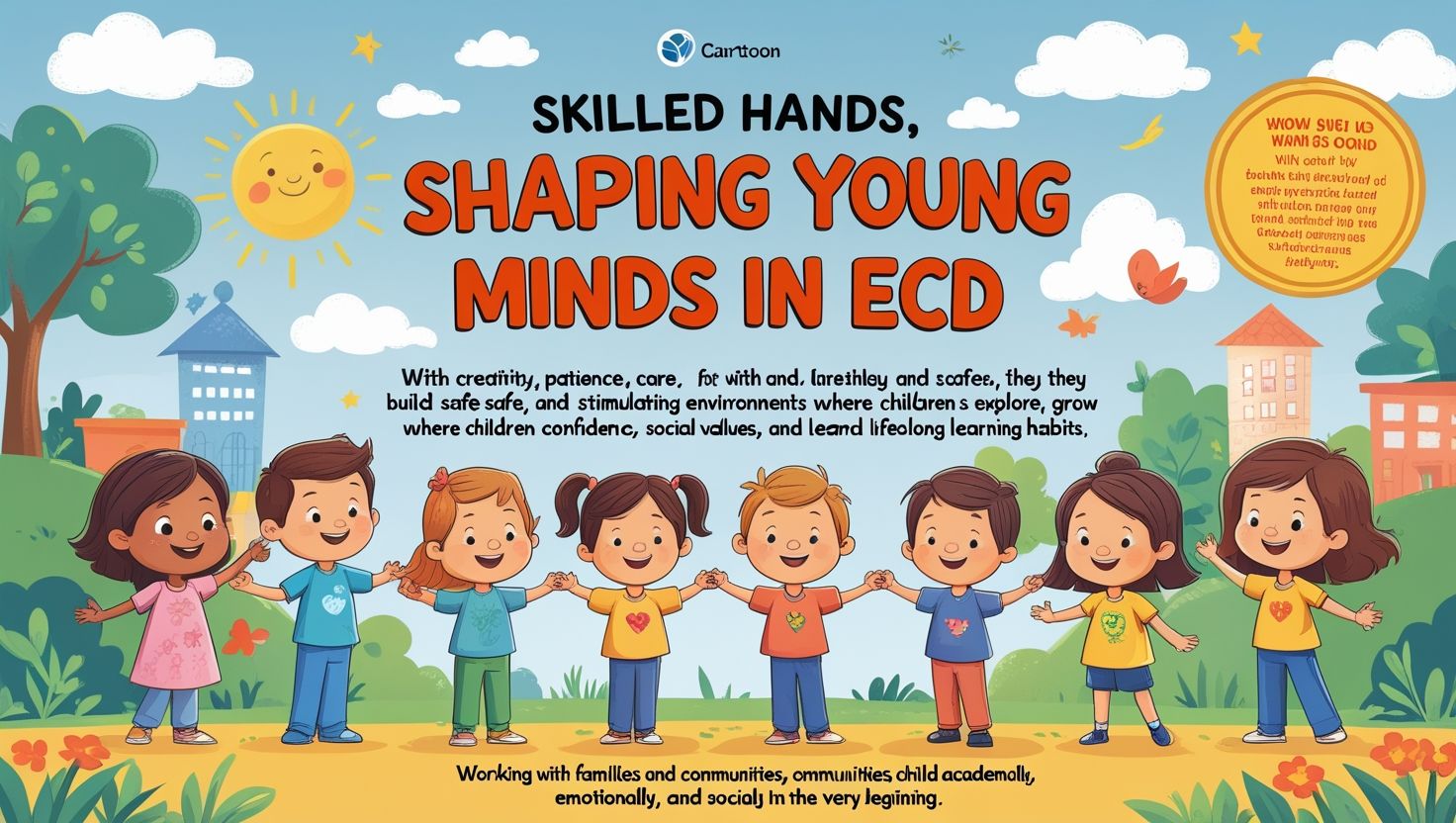
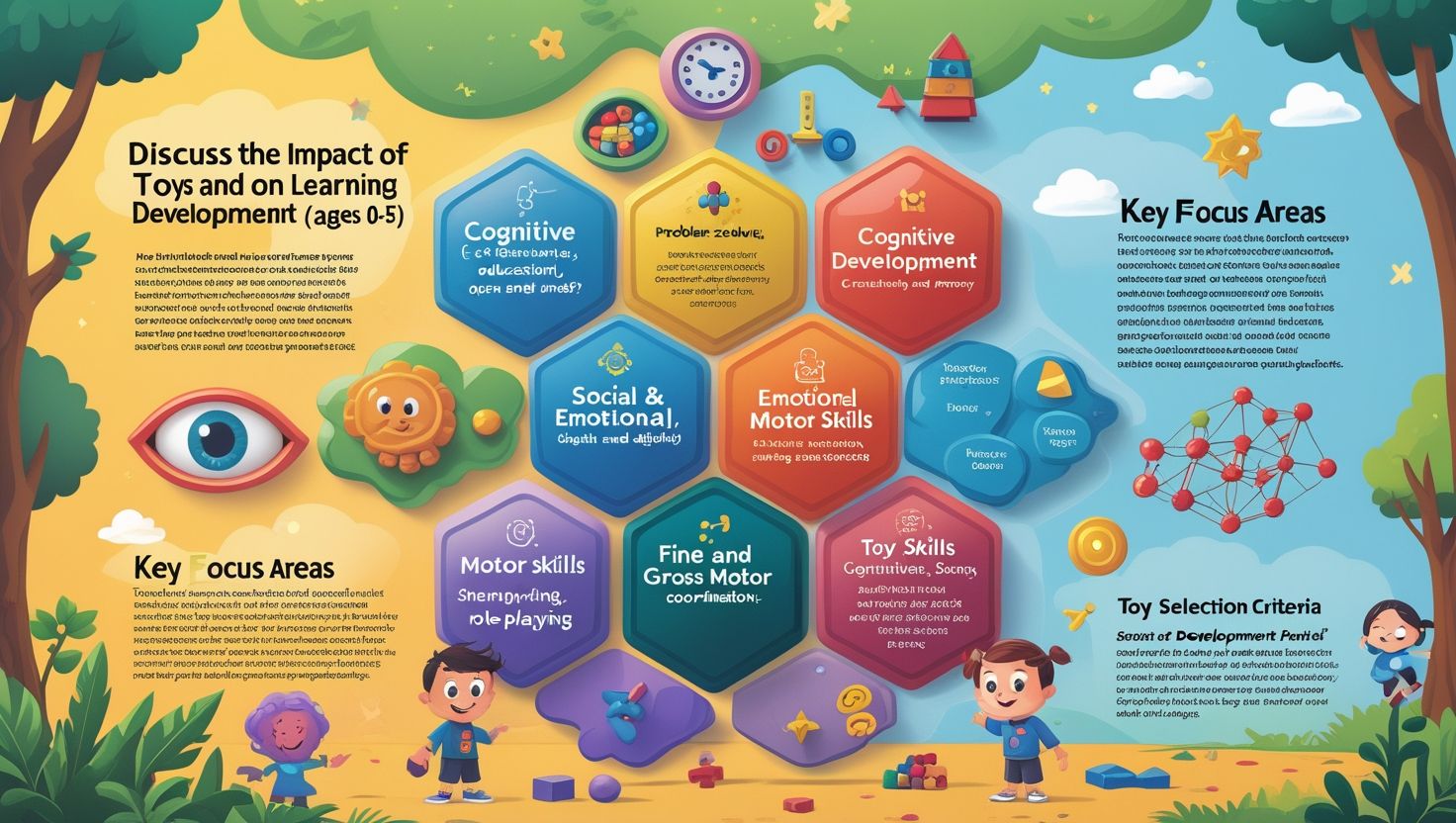
Toys for Kids in Early Childhood Development (ECD), Early Childhood Development (ECD) is a critical stage where children build their foundation for lifelong learning. At this stage, toys are not just playthings but essential learning tools. They stimulate curiosity, promote social interaction, and enhance creativity. Through structured play, children begin to understand the world around them. Moreover, toys in ECD help shape skills like problem-solving, communication, and motor development. Parents and teachers often notice that play with toys nurtures both emotional and cognitive growth. Since children at this stage learn rapidly, the right toys can make learning more effective.
Furthermore, educational toys encourage children to explore while keeping learning enjoyable. This makes them a bridge between fun and education. Therefore, investing in quality toys for kids during ECD is vital for balanced growth. Toys provide experiences that words alone cannot, making them essential in early childhood education.
The Importance of Toys in Early Learning
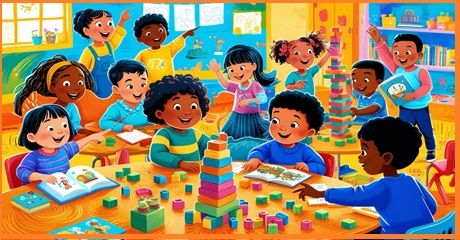
Toys play a central role in children’s early learning experiences. They act as tools that encourage imagination, creativity, and exploration. For instance, puzzles and building blocks allow children to experiment with shapes and patterns. As a result, they begin to develop logical thinking skills. Similarly, pretend play with dolls or kitchen sets fosters social and emotional understanding. Through such play, children practice empathy, cooperation, and sharing. Toys also help improve fine and gross motor skills, as children manipulate objects in different ways.
Importantly, toys provide opportunities for problem-solving in a safe environment. Additionally, they allow children to repeat activities, which reinforces memory and learning. Beyond home use, toys in early education centers support group learning and communication. Consequently, they prepare children for later academic challenges. Without doubt, the importance of toys in ECD cannot be overlooked, as they bridge learning with enjoyment.
Toys and Cognitive Development
Cognitive development in children involves learning, reasoning, and problem-solving. Toys support this process by presenting challenges and stimulating thought. For example, shape sorters and matching games require children to analyze and make decisions. These activities strengthen memory and concentration. Moreover, toys such as puzzles encourage logical thinking and patience. Children also learn sequencing when playing with blocks or storytelling toys. Significantly, toys provide opportunities for trial and error, which enhances persistence. When children succeed after several attempts, their confidence grows. Interactive toys that ask questions or give feedback further boost cognitive skills.
Similarly, simple board games introduce strategy and planning. Since learning at this stage must remain playful, toys ensure that children enjoy while developing important mental abilities. Therefore, toys are more than entertainment; they are vital learning tools. They help children connect experiences, form concepts, and gradually build strong intellectual abilities.
Toys and Language Development
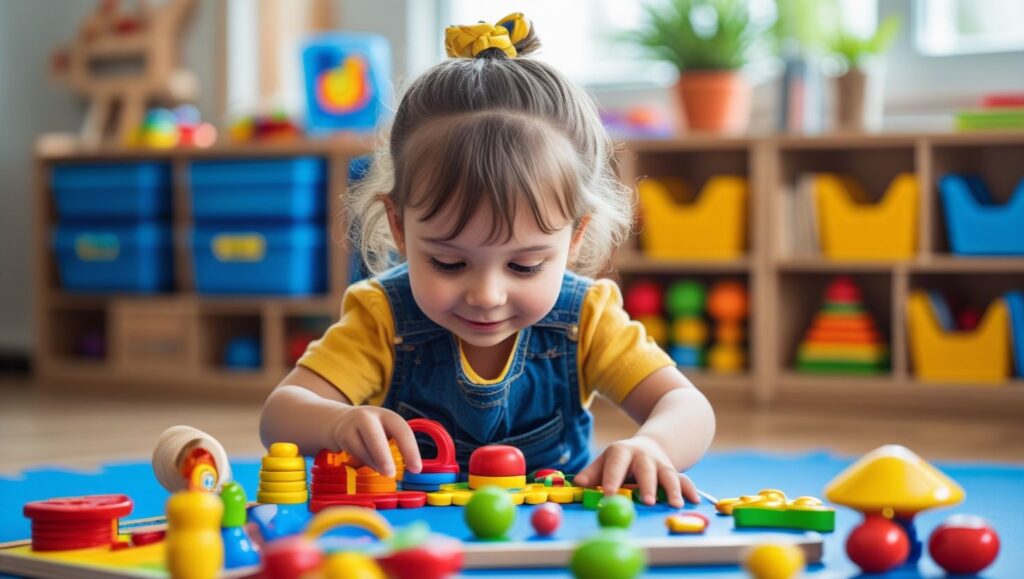
Language development is a key aspect of ECD, and toys play an important role in this process. Storytelling toys, puppets, and talking dolls encourage children to express themselves. By repeating words or phrases, children expand vocabulary naturally. In addition, toys like alphabet blocks or sound-making devices reinforce phonetic awareness. Singing toys, rhymes, and music-based activities also help improve listening and speaking skills. Furthermore, when children play together, they practice communication and negotiation.
This builds both verbal and nonverbal communication skills. Parents and teachers can use toys to start conversations, which enhances word recognition and sentence formation. Interactive reading toys also make language learning more engaging. Consequently, children gain confidence in using language for daily expression. Moreover, they develop listening comprehension as they follow instructions. Through toys, language becomes not only a subject to learn but also a tool for fun. Thus, toys strongly support early language development.
Toys and Emotional Development
Emotional development involves recognizing feelings, managing them, and understanding others. Toys provide safe spaces for children to practice these skills. For example, playing with dolls or stuffed animals allows children to express emotions like care or anger. They often project their feelings onto toys, which helps them cope. Role-play toys like doctor kits or action figures encourage empathy and perspective-taking. Furthermore, when children succeed in completing a puzzle, they experience pride and satisfaction. Similarly, failure teaches resilience and patience.
Toys also help reduce anxiety, as play becomes a comforting outlet. In group play, children learn to control impulses and adjust to others’ needs. Importantly, toys help children practice expressing emotions without fear of judgment. Over time, this nurtures emotional intelligence, which is essential for healthy relationships. Therefore, toys are vital in guiding children’s emotional growth, ensuring balance between fun and meaningful self-expression.
Toys and Social Development
Social development in ECD involves learning to interact, share, and build relationships. Toys naturally promote these skills. For instance, group games and board games encourage cooperation and teamwork. When children share toys, they practice patience and fairness. Furthermore, role-playing activities with toys like puppets or play kitchens allow children to explore different social roles. They also learn problem-solving when conflicts arise during play. Importantly, toys teach children about rules and fairness, as games require everyone to follow directions.
Collaborative toys, such as building sets, enhance communication and group decision-making. Moreover, playdates with toys create opportunities for building friendships. Through these interactions, children practice empathy and respect for others. Therefore, toys act as social bridges, helping children connect with peers in positive ways. Without these experiences, social growth may be limited. Consequently, toys remain vital in shaping essential social skills during early childhood.
Toys and Physical Development
Physical development is strengthened through toys that encourage movement and coordination. Outdoor toys like balls, tricycles, and skipping ropes improve gross motor skills. At the same time, smaller toys such as stacking blocks and drawing kits enhance fine motor abilities. For example, when children build with blocks, they refine hand-eye coordination. Similarly, stringing beads or assembling puzzles strengthens finger dexterity. Toys that promote physical activity also contribute to overall health.
Moreover, active play boosts energy levels and reduces sedentary habits. Importantly, physical toys help children learn spatial awareness and balance. Parents and educators can integrate toys into exercise routines to make movement enjoyable. Additionally, physical play with toys often builds confidence as children master new skills. As a result, they are motivated to explore more challenging activities. Therefore, toys serve as vital tools in physical growth, ensuring healthy development of strength, flexibility, and coordination.
Educational Toys and Academic Preparation
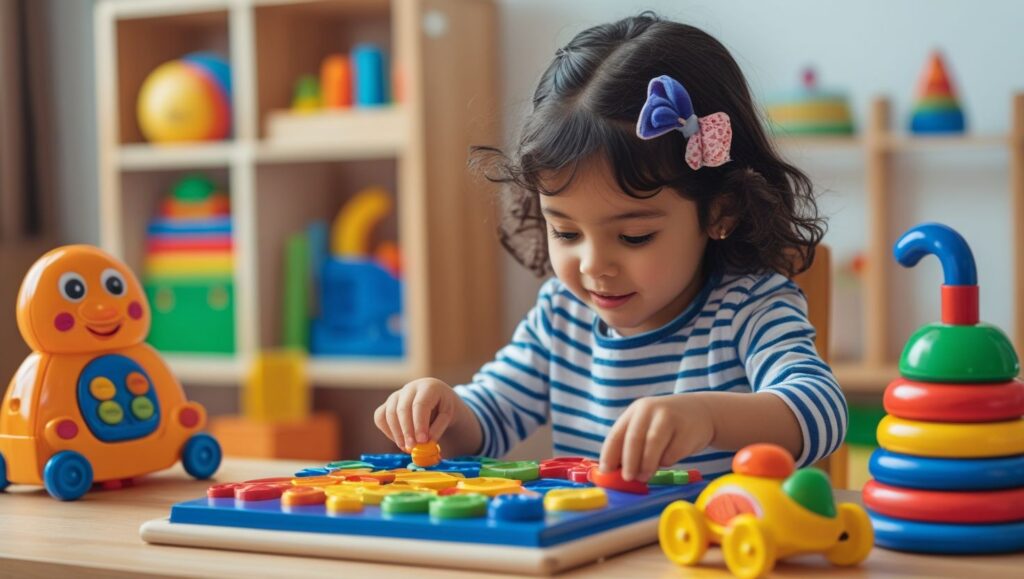
Educational toys act as a bridge between play and academics. They prepare children for formal schooling in enjoyable ways. For example, alphabet puzzles, number blocks, and counting games introduce basic literacy and numeracy skills. Science kits and nature exploration toys spark curiosity and introduce problem-solving. Importantly, educational toys teach children how to follow instructions and focus on tasks. They also promote independent learning, as children experiment and discover solutions.
Furthermore, technology-based learning toys expose children to digital literacy early on. Interactive tablets for kids offer age-appropriate games that enhance memory and reasoning. Teachers can integrate educational toys into classroom activities, making lessons more engaging. Moreover, parents can use these toys at home to support school readiness. With consistent use, children enter school with stronger foundational skills. Therefore, educational toys are essential for preparing children academically while keeping the learning process fun and interactive.
The Role of Parents and Teachers in Toy Use
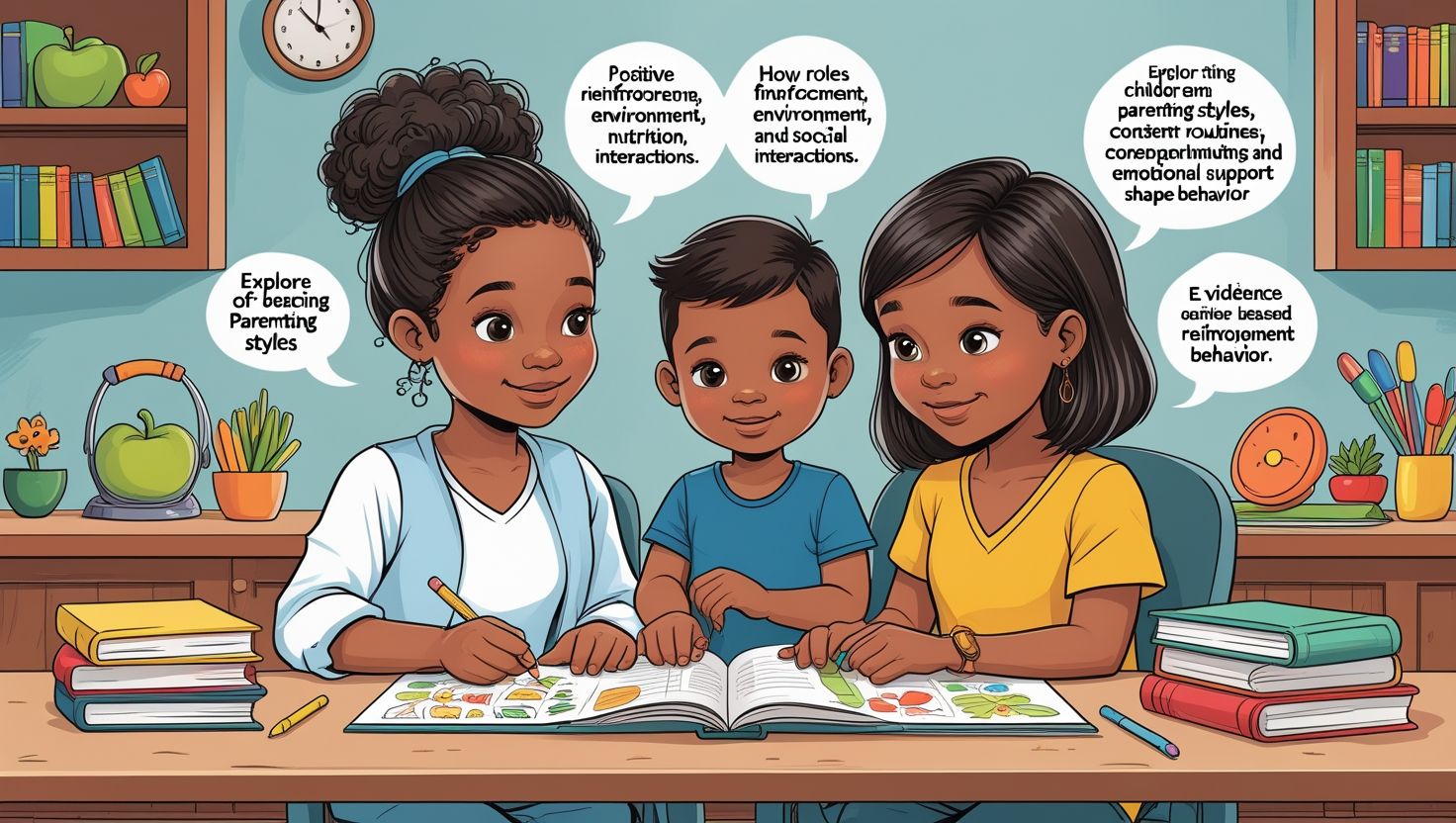
Parents and teachers play a significant role in guiding toy use during ECD. Simply providing toys is not enough. Adults must choose age-appropriate, safe, and educational toys. They should also observe how children interact with toys and offer support when needed. For instance, teachers can use toys to introduce lessons, while parents can use them for bonding. Furthermore, adults can ask guiding questions during play, which encourages deeper thinking. When children play together, teachers and parents should encourage sharing and fairness.
Importantly, setting limits on screen-based toys ensures balance with physical play. Adults should also rotate toys to maintain interest and reduce boredom. Additionally, they must ensure safety by avoiding toys with harmful materials or sharp edges. By actively participating, adults transform toy use into meaningful learning experiences. Therefore, parents and teachers are central in maximizing the developmental benefits of toys during early childhood.
Conclusion
Toys in Early Childhood Development are not merely tools for entertainment. They are essential for nurturing cognitive, emotional, social, physical, and language skills. When children play, they are learning how to solve problems, communicate, and cooperate. Moreover, toys create joyful learning experiences that stay with them throughout life. Parents and teachers must carefully select and guide the use of toys, ensuring safety and educational value. Importantly, toys help prepare children for future academic challenges while also fostering creativity and imagination.
Since early childhood is a critical period of growth, the right toys can leave lasting impacts. Toys not only support individual skills but also bring children closer to others, teaching empathy and cooperation. Therefore, investing in meaningful toys is an investment in a child’s future. With proper guidance, toys can truly shape strong, confident, and capable learners in their early years.
References
- Ginsburg, K. R. (2007). The importance of play in promoting healthy child development. Pediatrics, 119(1), 182–191.
- Vygotsky, L. (1978). Mind in society: The development of higher psychological processes. Harvard University Press.
- Piaget, J. (1962). Play, dreams, and imitation in childhood. W. W. Norton & Company.
- Singer, D. G., Golinkoff, R. M., & Hirsh-Pasek, K. (2006). Play = Learning: How play motivates and enhances children’s cognitive and social-emotional growth. Oxford University Press.
- Weisberg, D. S., Hirsh-Pasek, K., & Golinkoff, R. M. (2013). Guided play: Where curricular goals meet a playful pedagogy. Mind, Brain, and Education, 7(2), 104–112.














































































































































































I appreciate your work, thanks for all the great blog posts.
Hey! I just wanted to ask if you ever have any trouble with hackers?
My last blog (wordpress) was hacked and I ended up losing several weeks of hard work due to no backup.
Do you have any methods to protect against hackers?
I have noticed that charges for internet degree professionals tend to be a great value. For instance a full 4-year college Degree in Communication in the University of Phoenix Online consists of Sixty credits from $515/credit or $30,900. Also American Intercontinental University Online comes with a Bachelors of Business Administration with a complete school element of 180 units and a worth of $30,560. Online learning has made having your diploma been so cool because you could earn your current degree from the comfort of your abode and when you finish working. Thanks for all your other tips I’ve learned through your web-site.
Some genuinely choice content on this site, bookmarked .
وی ایزوله یاماموتو، یکی از خالصترین فرمهای پروتئین آب پنیر در جهان است.
Currently it appears like Movable Type is the best blogging platform available right now. (from what I’ve read) Is that what you’re using on your blog?
Hello there, You have performed a great job. I’ll definitely digg it and in my opinion suggest to my friends. I’m sure they will be benefited from this site.
وی ایزوله مای پروتئین، با خلوص فوقالعاده بالا، یکی از بهترین انتخابها برای ورزشکاران است.
Hey there, You have performed an excellent job. I will certainly digg it and individually suggest to my friends. I am confident they’ll be benefited from this web site.
Hey there, You have performed an incredible job. I’ll definitely digg it and in my view recommend to my friends. I’m sure they’ll be benefited from this website.
UpvoteRocket is an automated vote delivery service for game server toplist websites. Buy votes for 25+ supported ranking sites including XtremeTop100, GTop100, TopG, MMtop200 and more. Real mobile proxy IPs, pay per vote, instant campaign setup.
I am really impressed together with your writing skills and also with the format in your weblog. Is that this a paid topic or did you customize it your self? Either way stay up the nice high quality writing, it is uncommon to see a great weblog like this one today..
References:
Druckgluck login futuriti casino gratis bonus ohne einzahlung
References:
Heidelberg Casino Erfahrungen casino royale spielautomat
References:
Stratosphere las vegas booking Slot Madness Casino promo codes
Right now it appears like BlogEngine is the top blogging platform out there right now. (from what I’ve read) Is that what you’re using on your blog?
References:
Kostenlose casino spiele bonus Kostenloser Casino Chip 100 Euro
کراتین اسکال لبز، یعنی کیفیت و خلوص! اسکال لبز یک برند لهستانیه که در تولید مکملهای ورزشی با کیفیت بالا شناخته شده.
Currently it sounds like Expression Engine is the top blogging platform out there right now. (from what I’ve read) Is that what you are using on your blog?
References:
Online Roblox Casino pestana casino park hotel bewertung
Simply want to say your article is as surprising. The clearness in your post is simply cool and i could assume you’re an expert on this subject. Well with your permission let me to grab your feed to keep updated with forthcoming post. Thanks a million and please continue the gratifying work.
Just wish to say your article is as surprising. The clearness in your post is simply spectacular and i can assume you are an expert on this subject. Fine with your permission let me to grab your RSS feed to keep up to date with forthcoming post. Thanks a million and please carry on the gratifying work.
امگا 3 رول وان، مستقیماً روی توانایی شما برای یادگیری، تمرکز، و حتی مدیریت استرس تأثیر میذاره.
Thanks for your personal marvelous posting! I actually enjoyed reading it, you happen to be a great author.I will make certain to bookmark your blog and will come back in the foreseeable future. I want to encourage one to continue your great job, have a nice evening!
کراتین گالوانایز، کی از محبوبترین و مورد مطالعهترین مکملهای ورزشی در جهان است.
This blog post is excellent, probably because of how well the subject was developed. I like some of the comments too though I could prefer we all stay on the subject in order add value to the subject!
Today, I went to the beachfront with my kids. I found a sea shell and gave it to my 4 year old daughter and said “You can hear the ocean if you put this to your ear.” She put the shell to her ear and screamed. There was a hermit crab inside and it pinched her ear. She never wants to go back! LoL I know this is entirely off topic but I had to tell someone!
you may have an ideal blog here! would you prefer to make some invite posts on my blog?
I am very happy to look your post. Thanks a lot and i am taking a look ahead to touch you.
WONDERFUL Post.thanks for share..extra wait .. ?
What an eye-opening and well-researched article! The author’s attention to detail and ability to present intricate ideas in a digestible manner is truly praiseworthy. I’m thoroughly captivated by the depth of knowledge showcased in this piece. Thank you, author, for offering your knowledge with us. This article has been a true revelation!
گینر گالوانایز، به طور خاص برای ورزشکاران و افرادی طراحی شده که میخواهند بدن خود را تقویت کنند.
Appreciating the persistence you put into your blog and detailed information you present. It’s good to come across a blog every once in a while that isn’t the same outdated rehashed information. Great read! I’ve bookmarked your site and I’m adding your RSS feeds to my Google account.
Good day! This post couldn’t be written any better! Reading this post reminds me of my previous room mate! He always kept talking about this. I will forward this article to him. Fairly certain he will have a good read. Many thanks for sharing!
References:
Amazon Pay Casino Jackpot Casino