Introduction
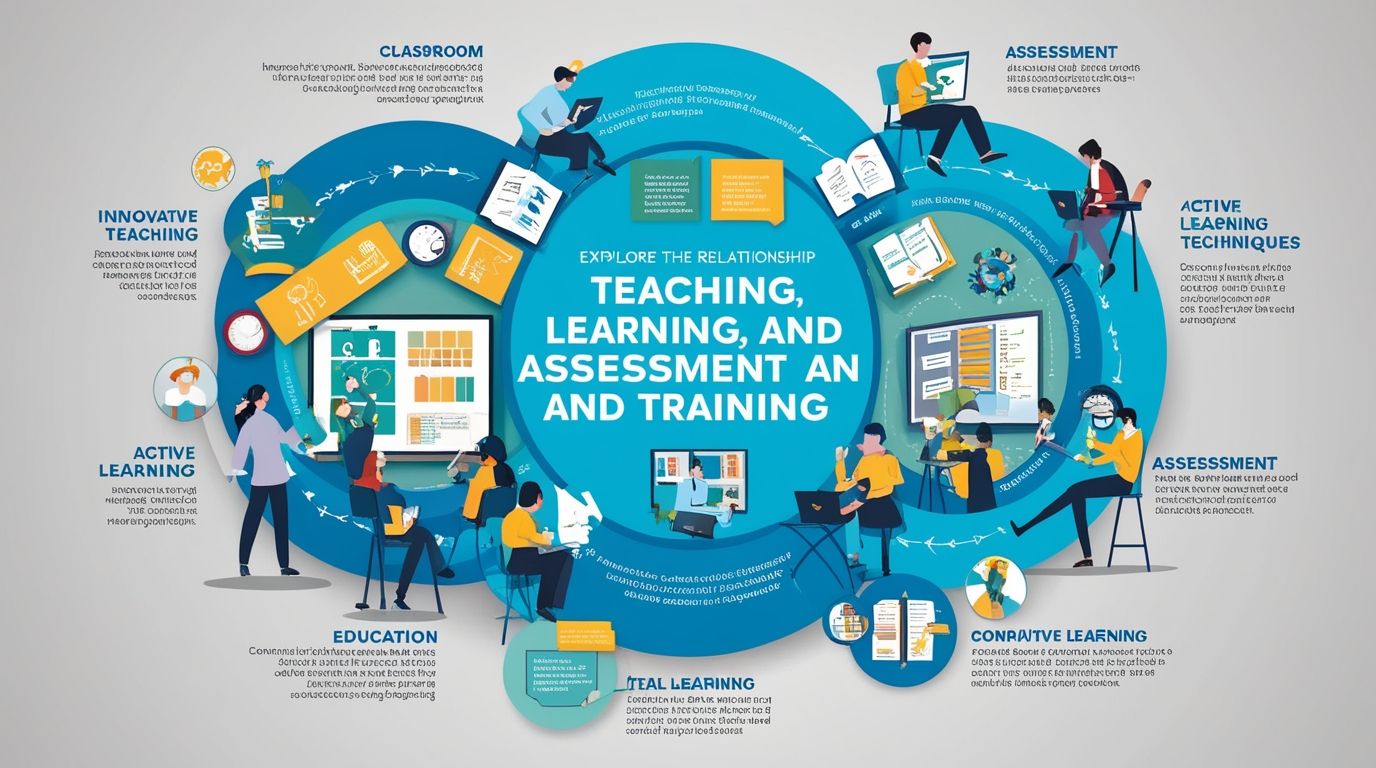
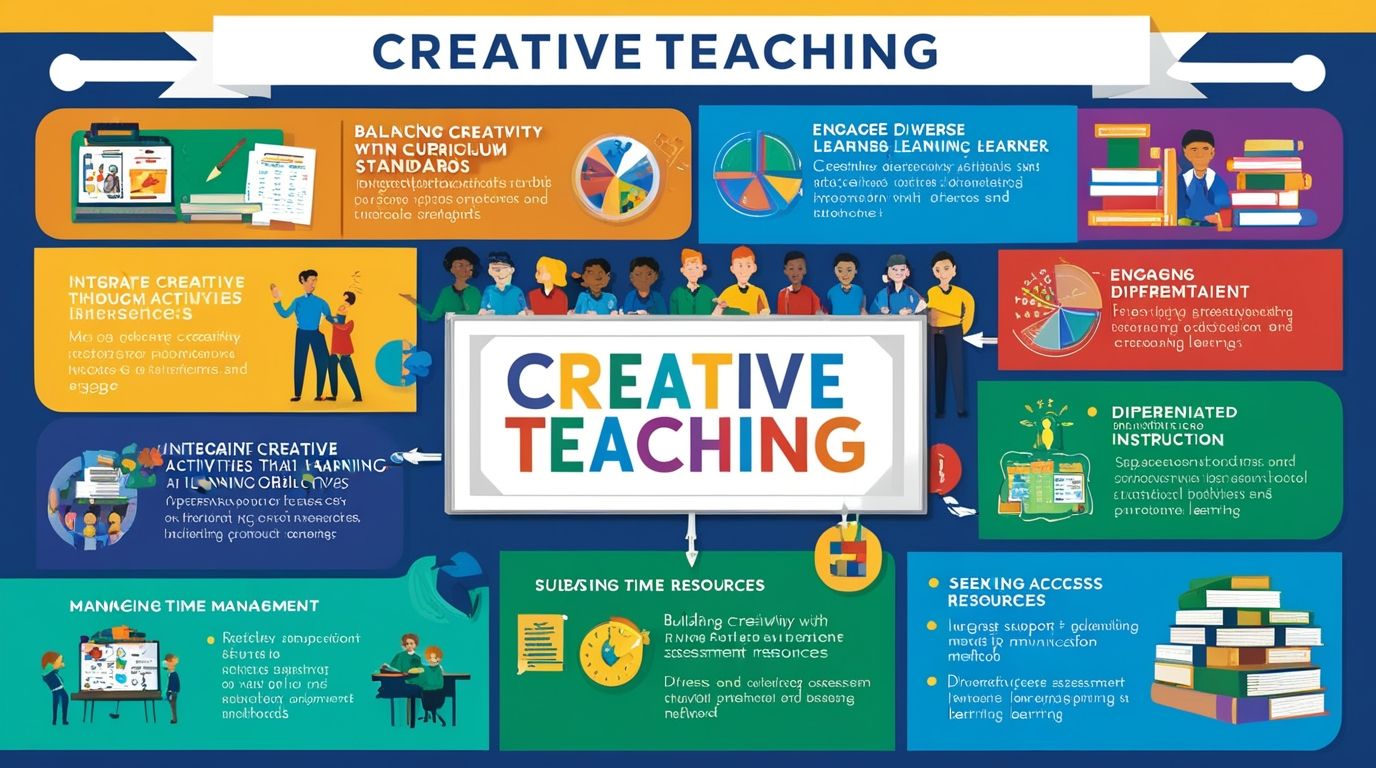
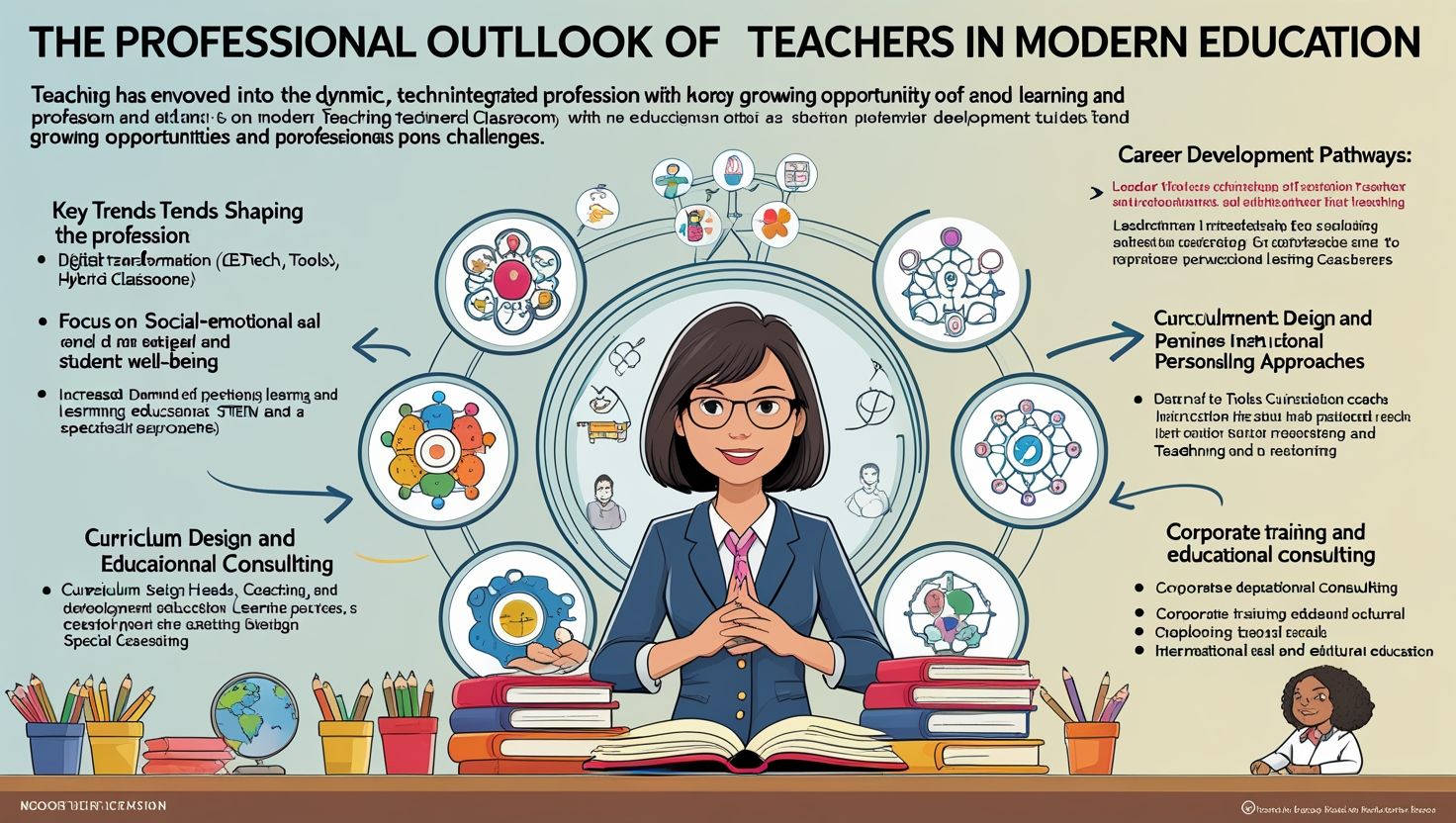
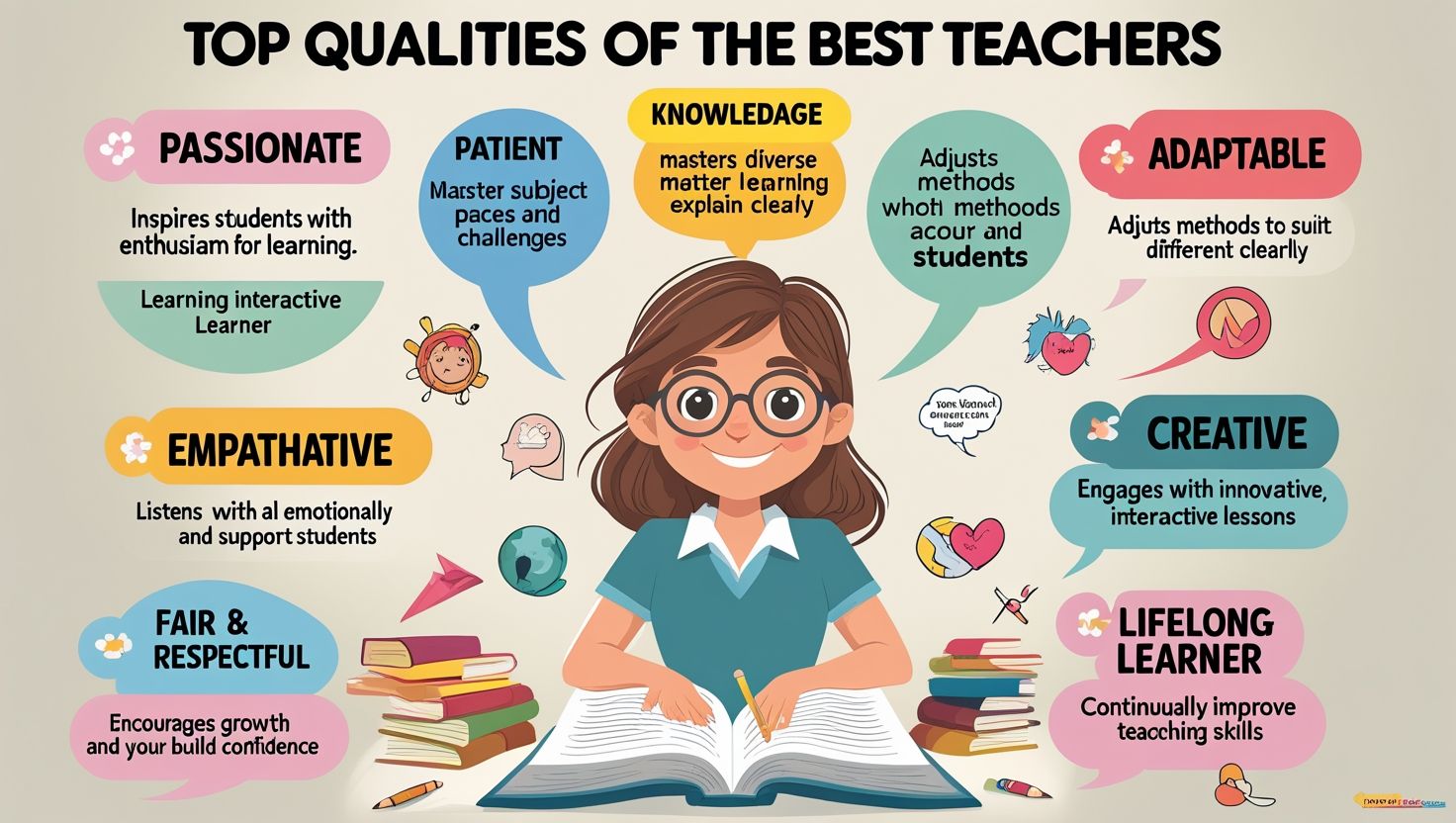
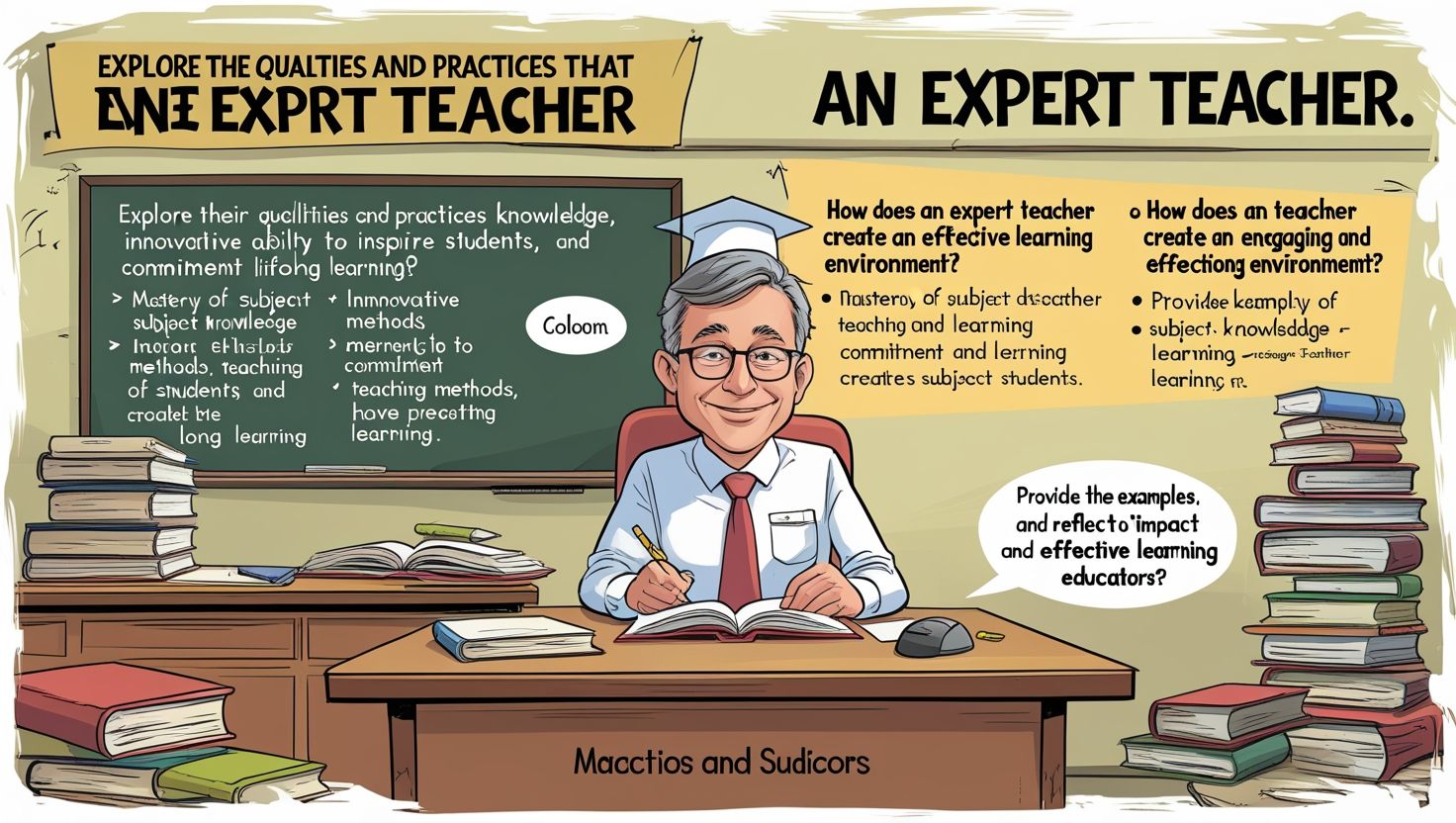
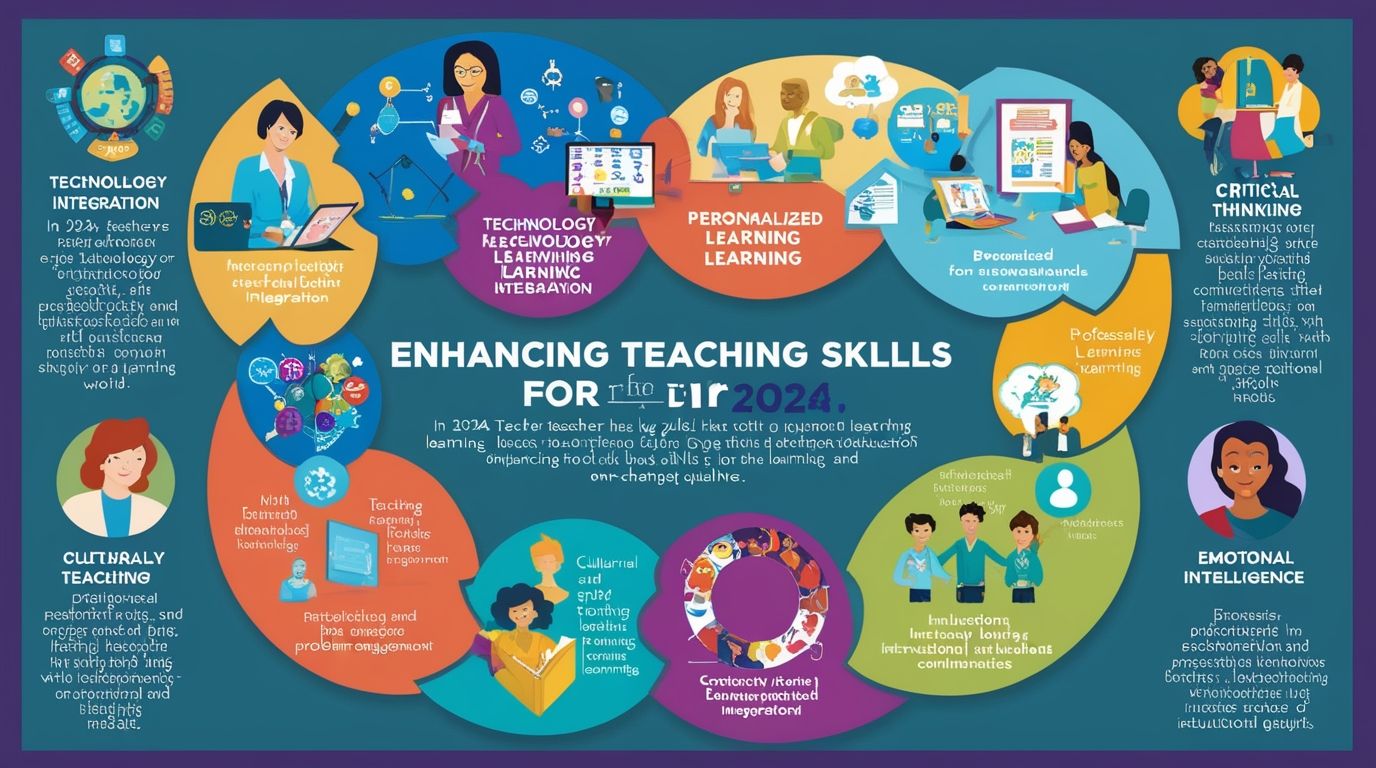
Teachers’ Proficiencies in the Classroom, Teaching is a complex, dynamic, and deeply impactful profession that extends far beyond the transmission of knowledge. In modern educational systems, teachers are expected to demonstrate a broad range of proficiencies that support not only academic achievement but also the holistic development of learners. These proficiencies encompass pedagogical expertise, subject mastery, emotional intelligence, technological adaptability, and ethical commitment.
The concept of teacher proficiency is rooted in the idea that effective teaching requires a blend of knowledge, skills, attitudes, and reflective practices. In contemporary classrooms—characterized by diversity, rapid technological change, and evolving societal expectations—teachers must continuously refine their competencies to remain effective and relevant.
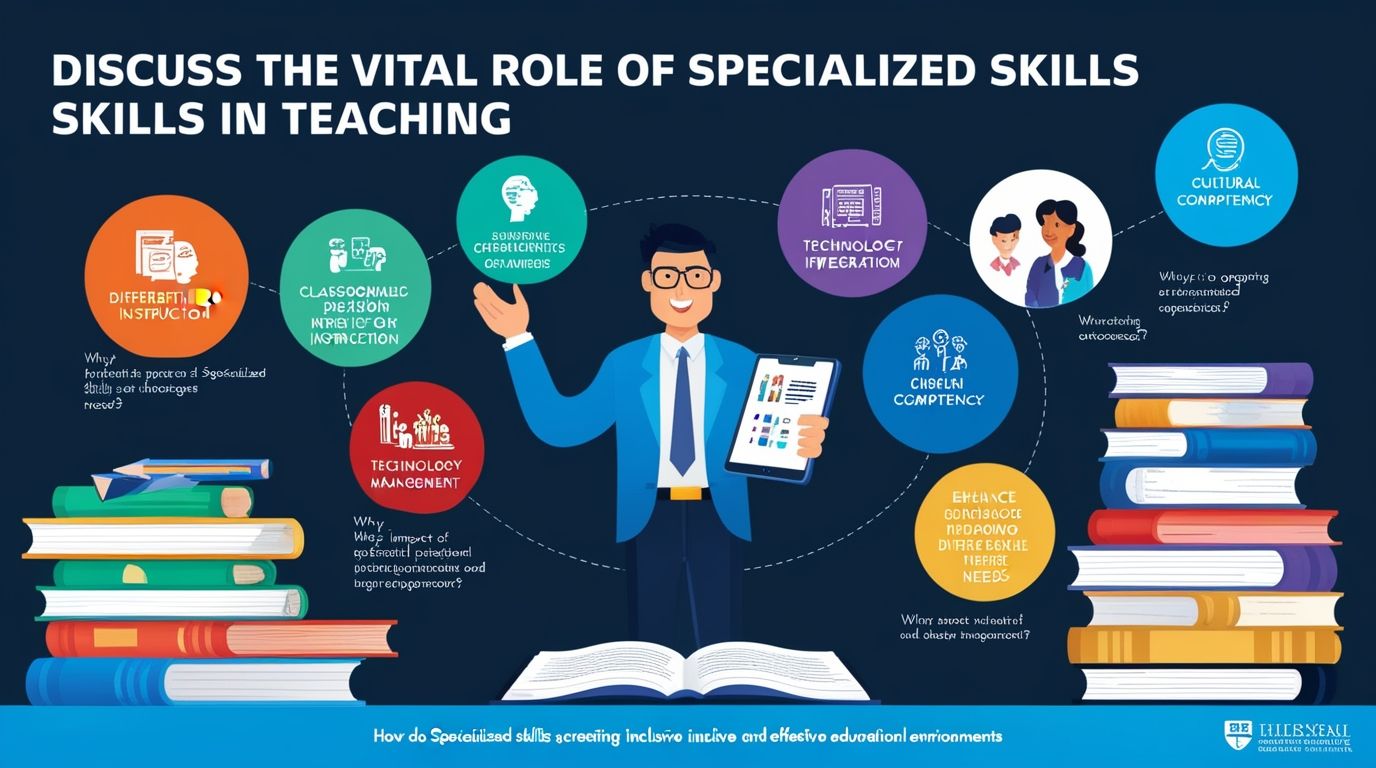
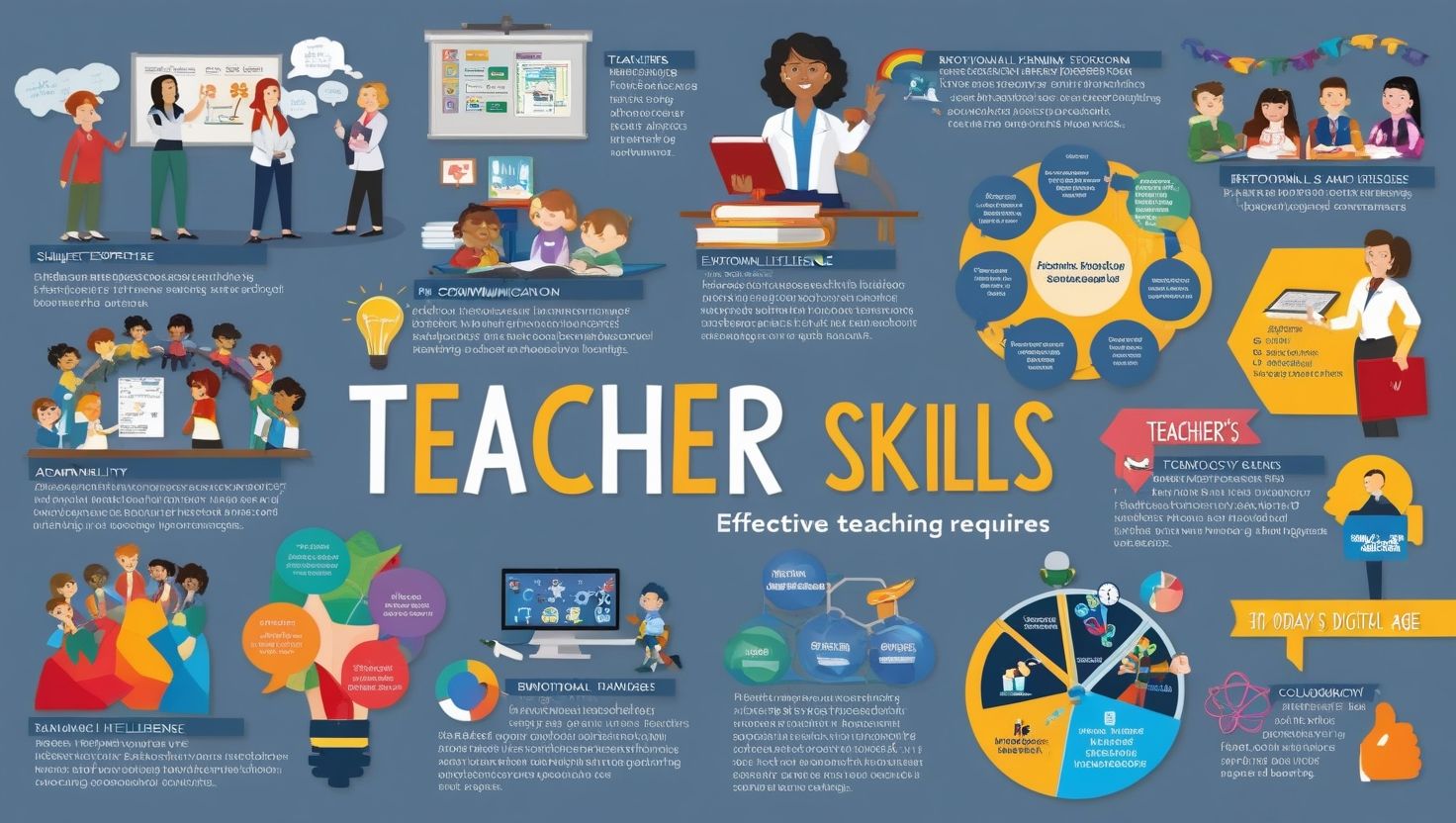
This article explores the essential proficiencies teachers must possess in the classroom, organized into key domains: pedagogical proficiency, subject matter expertise, classroom management, communication skills, assessment literacy, technological competence, emotional intelligence, inclusivity, reflective practice, and professional ethics.
1. Pedagogical Proficiency
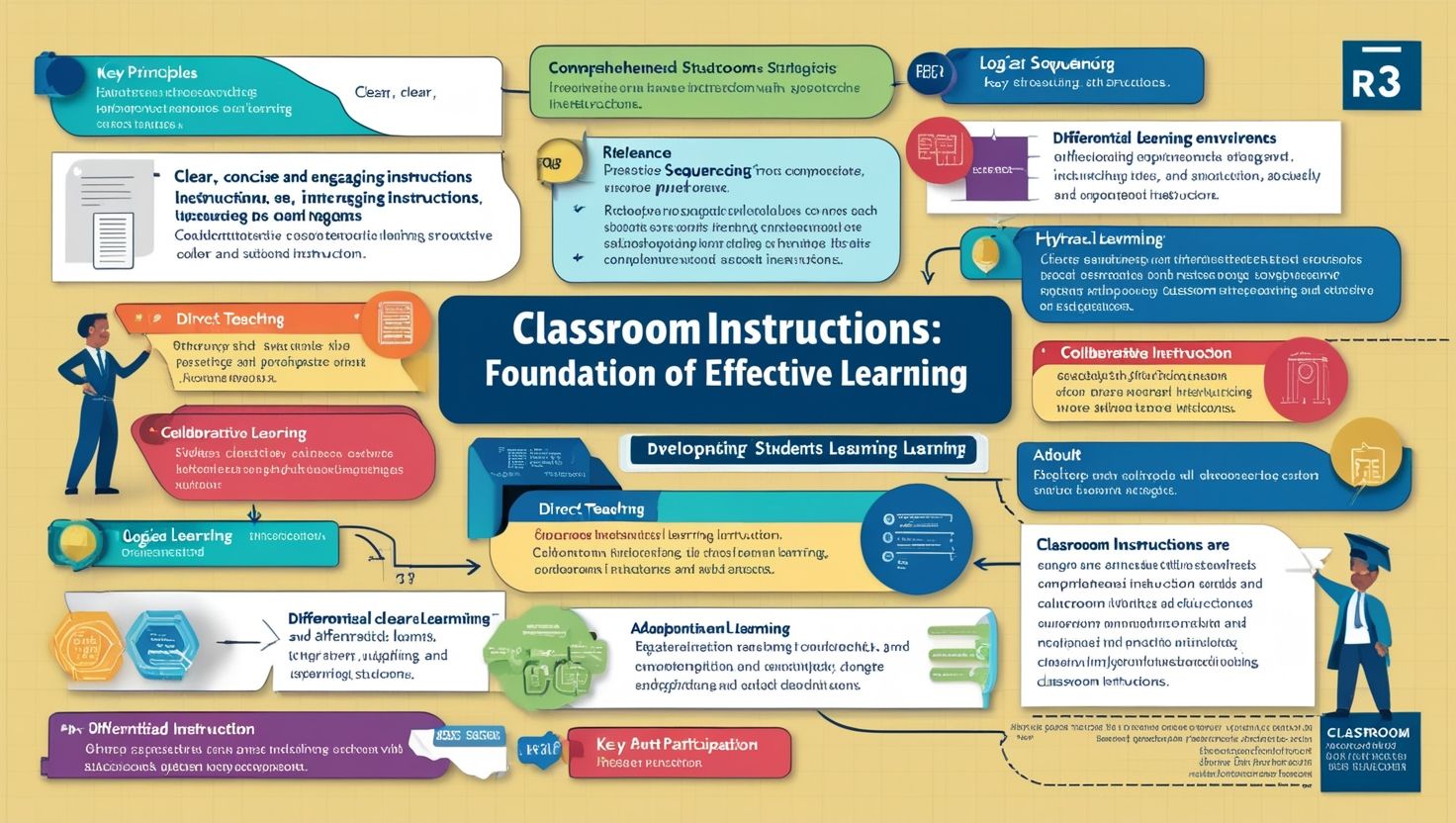
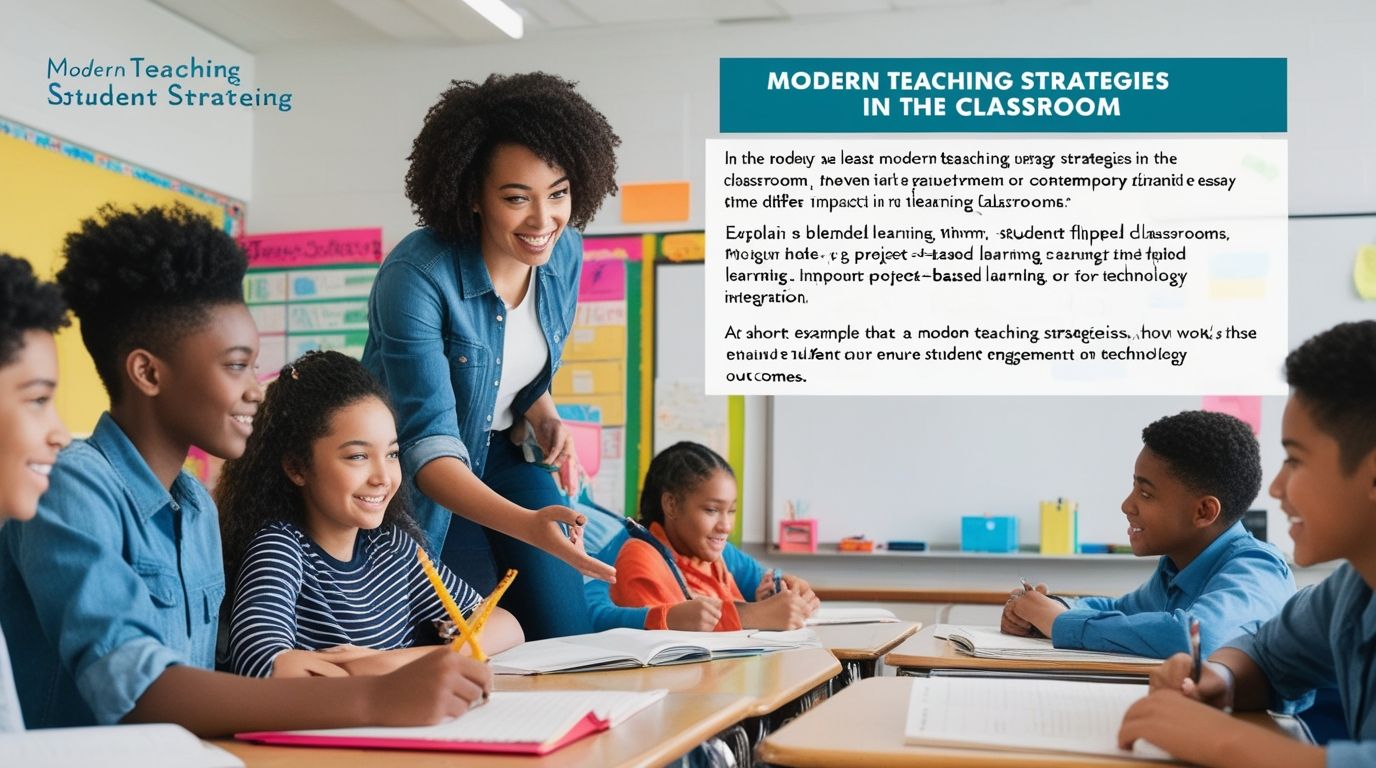
Pedagogical proficiency refers to a teacher’s ability to design, implement, and evaluate effective teaching strategies. It is the cornerstone of classroom success.
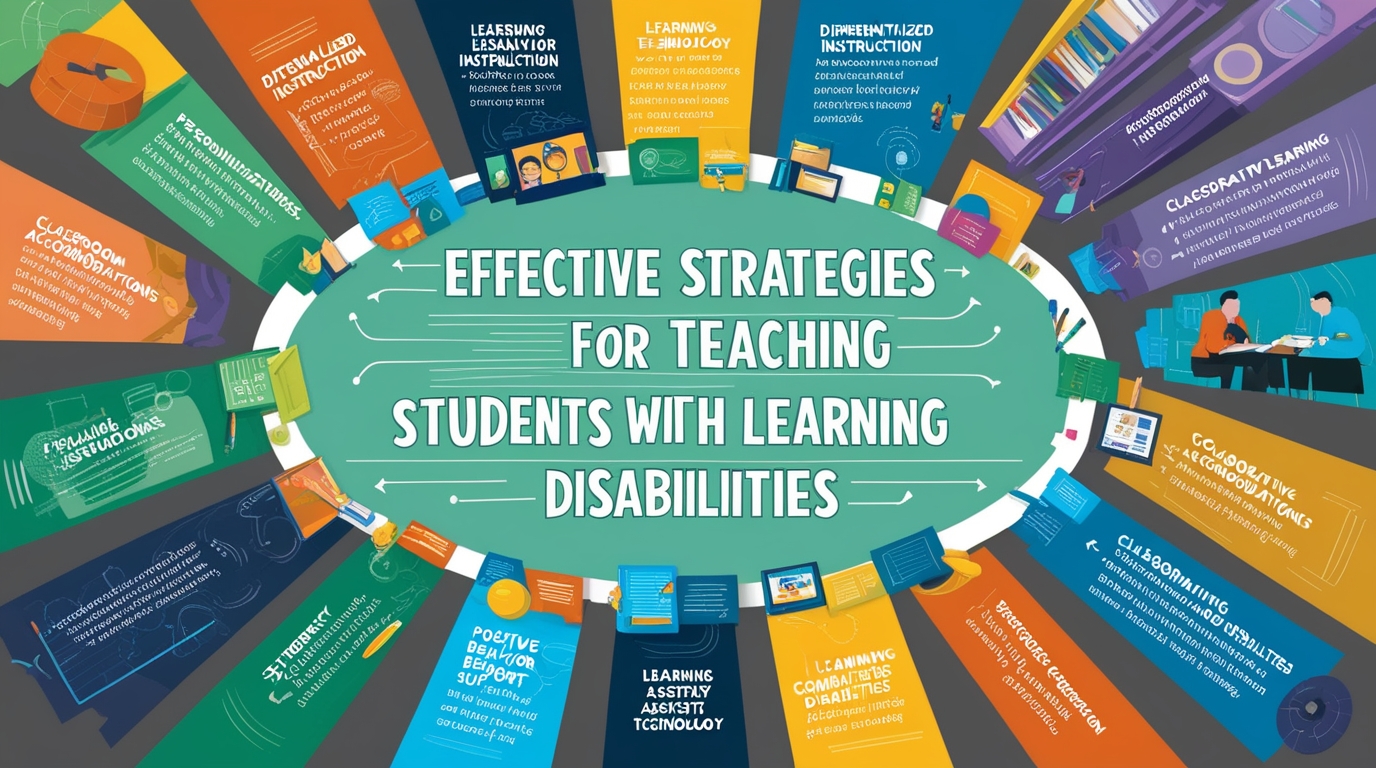
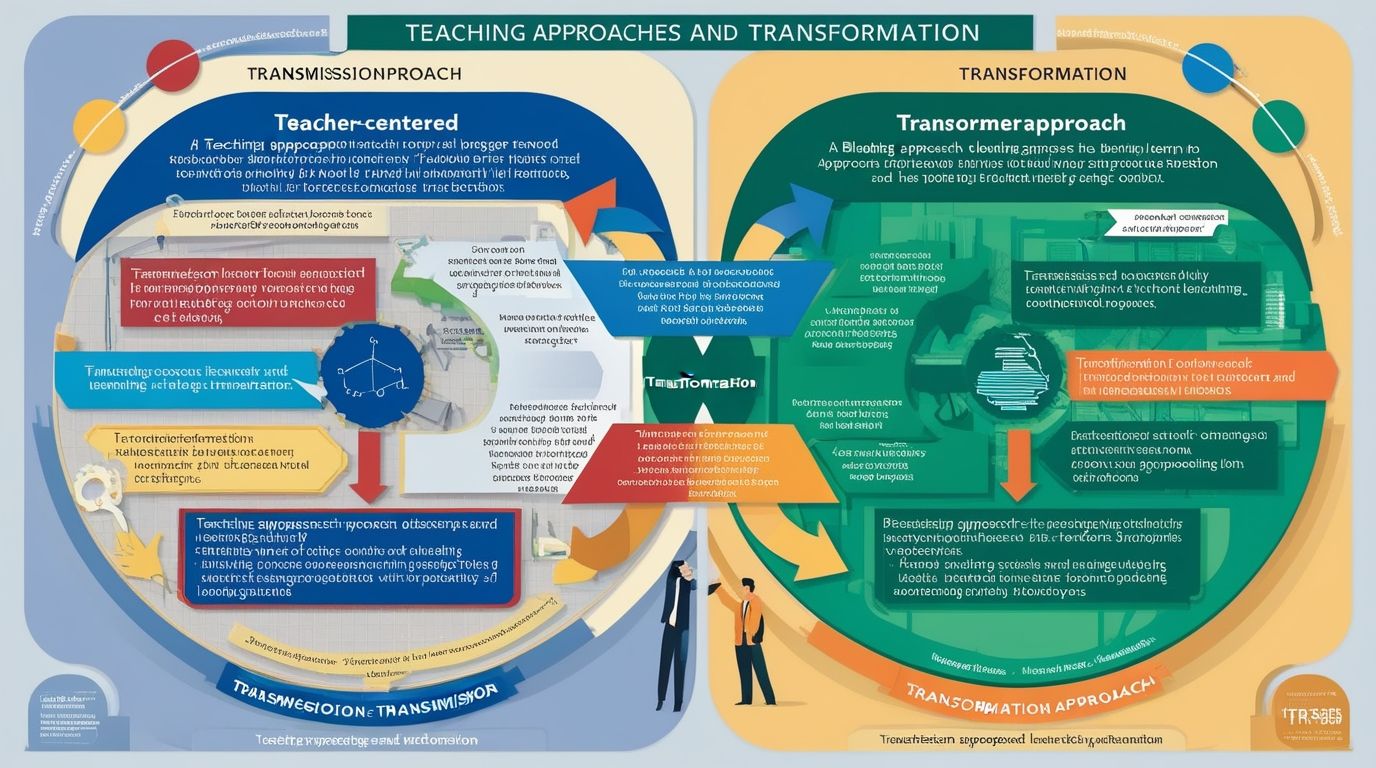
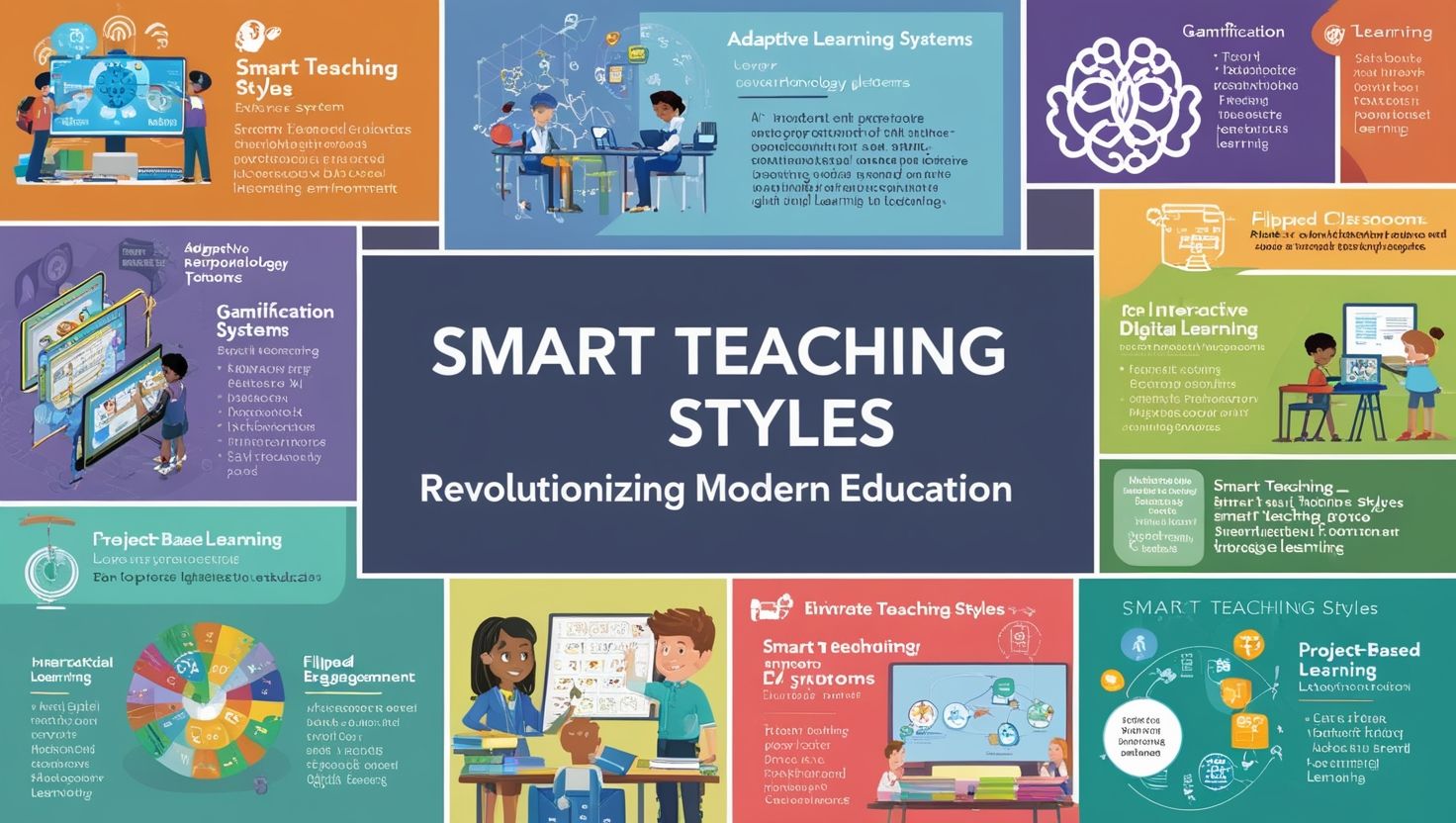
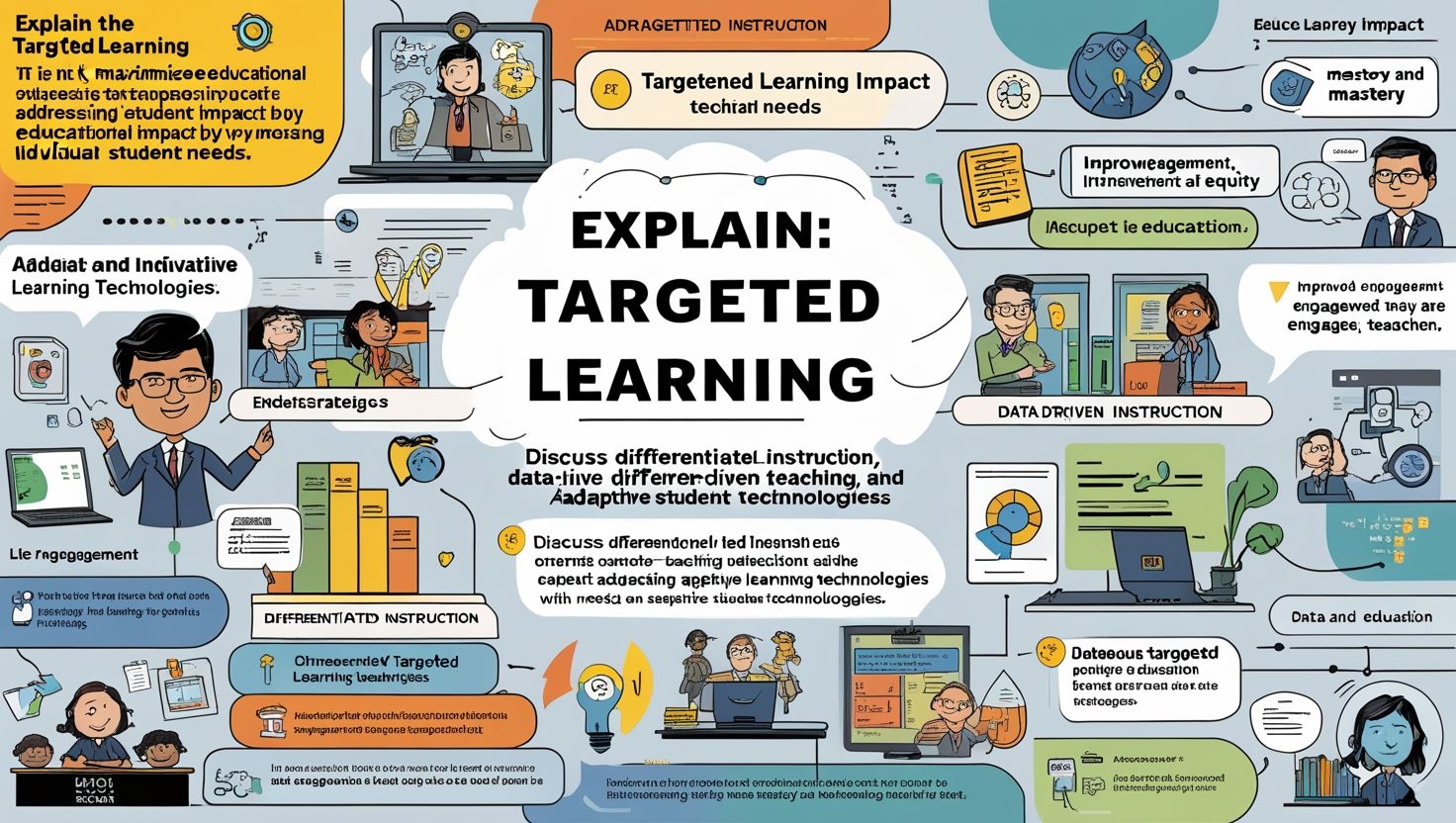
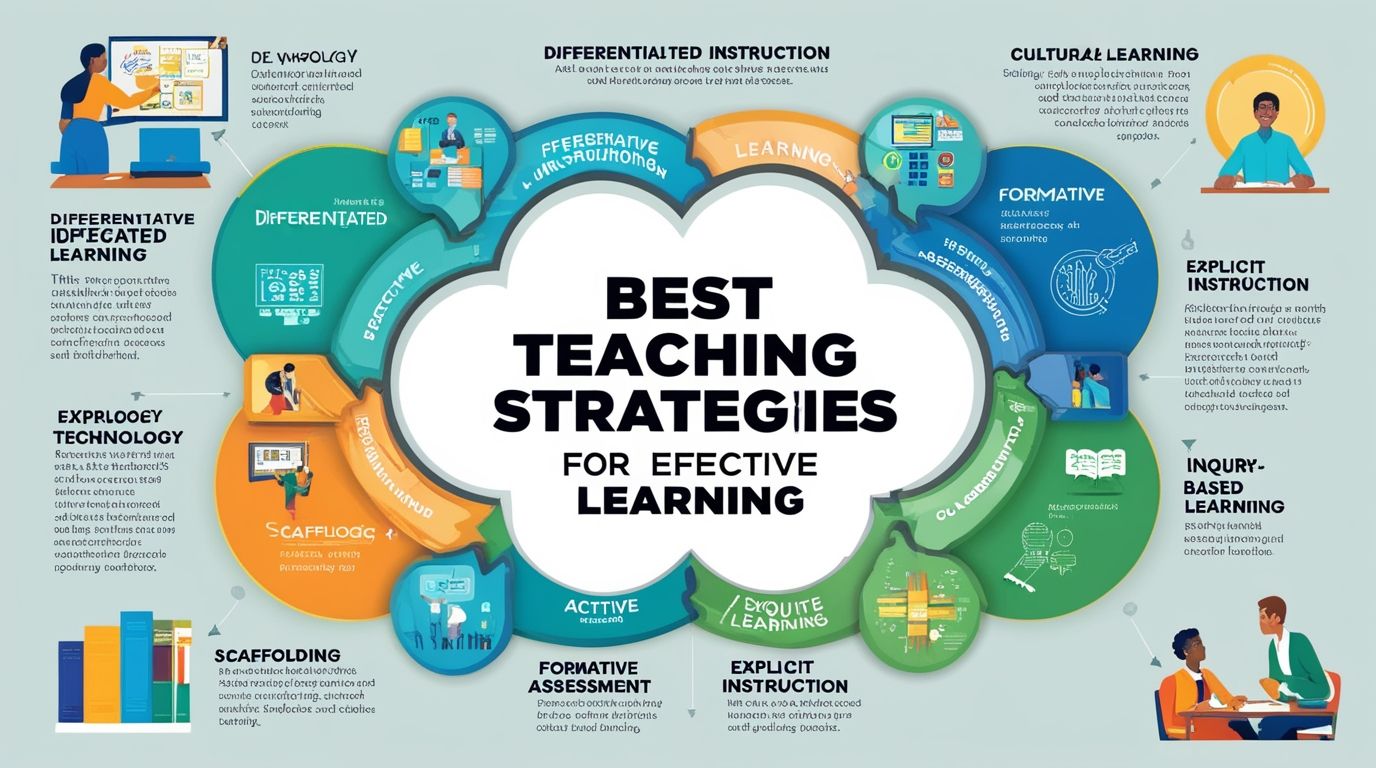
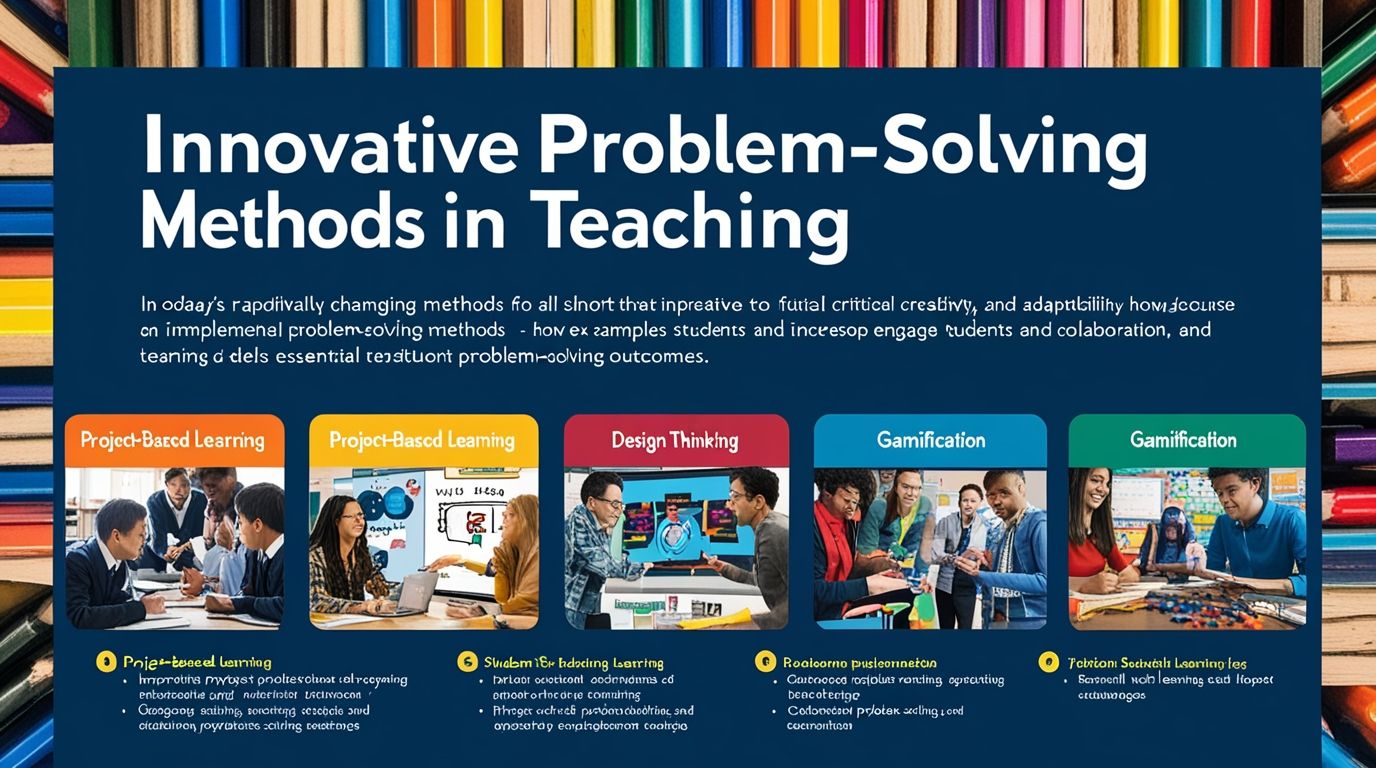
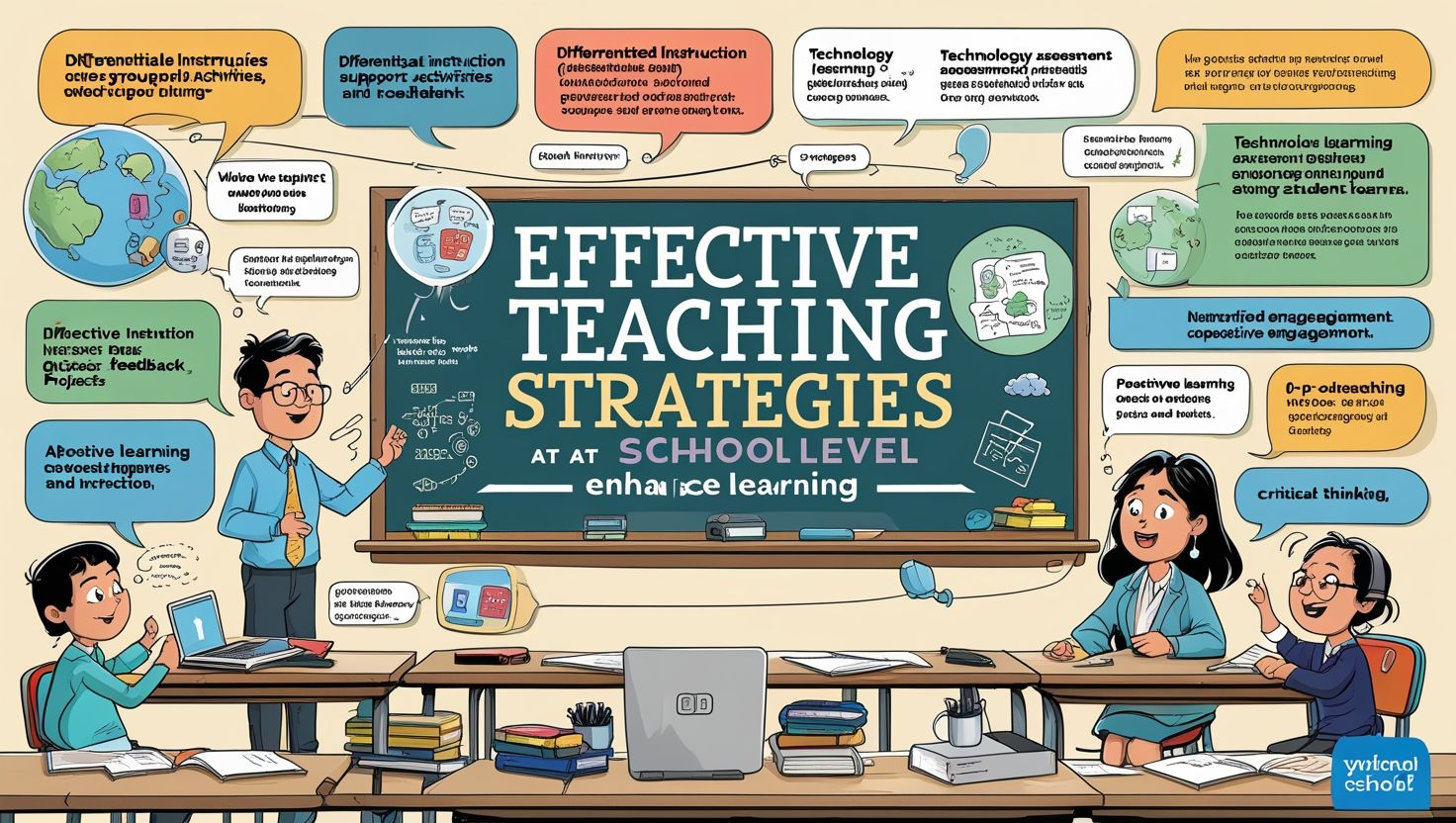
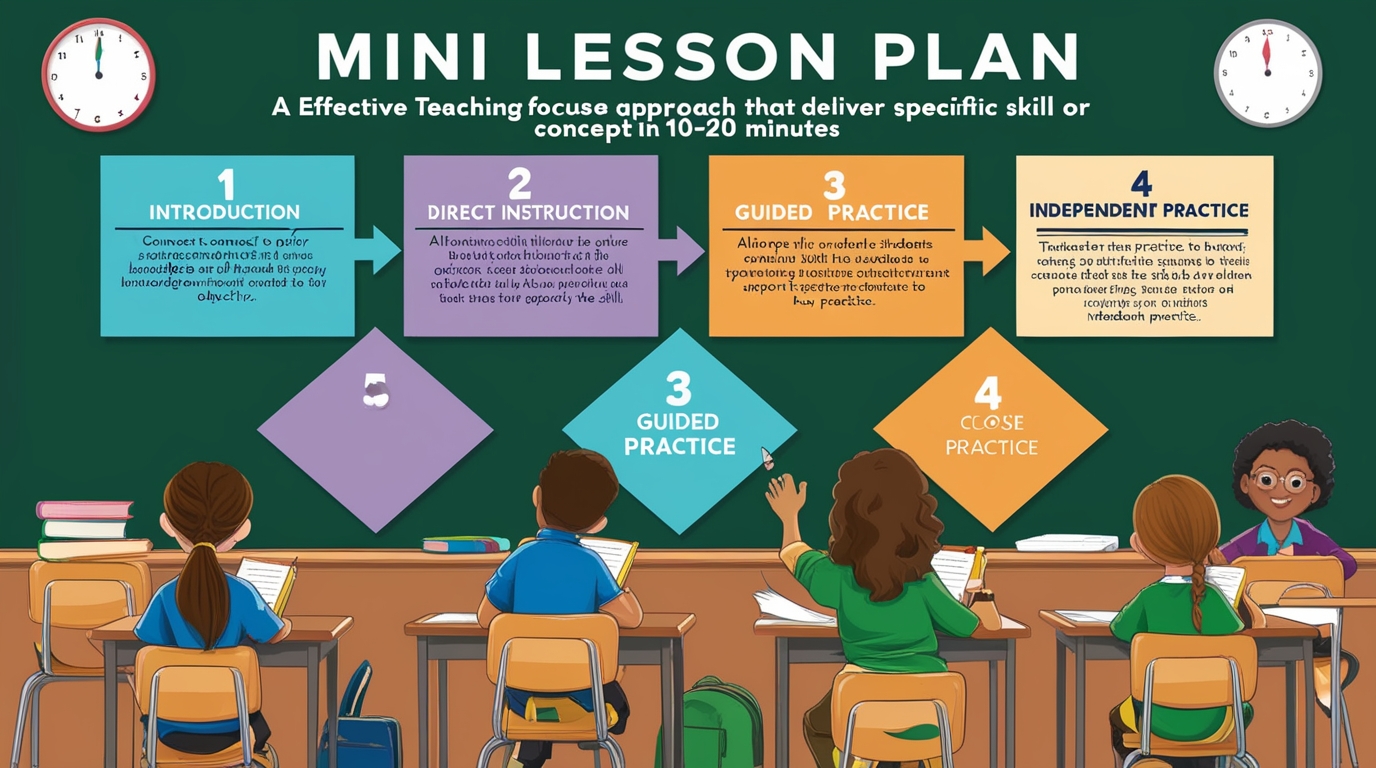
An effective teacher understands various instructional methods such as direct instruction, inquiry-based learning, cooperative learning, and differentiated instruction. The ability to select and adapt these methods based on students’ needs is critical. For example, while direct instruction may be effective for introducing new concepts, inquiry-based approaches foster critical thinking and problem-solving.
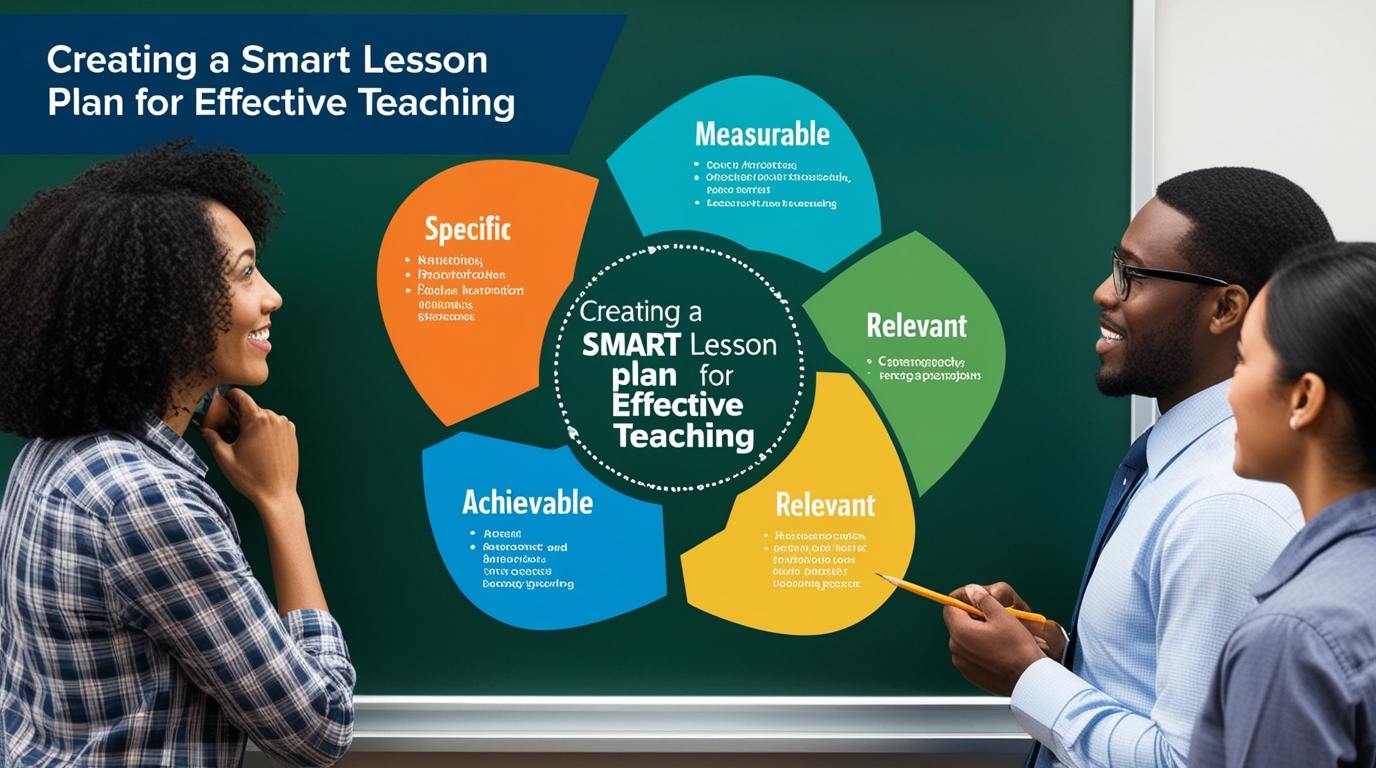
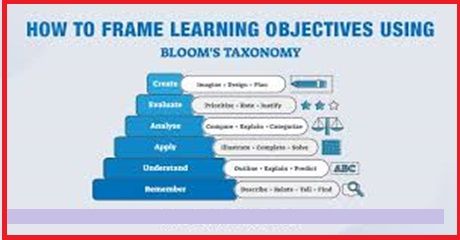
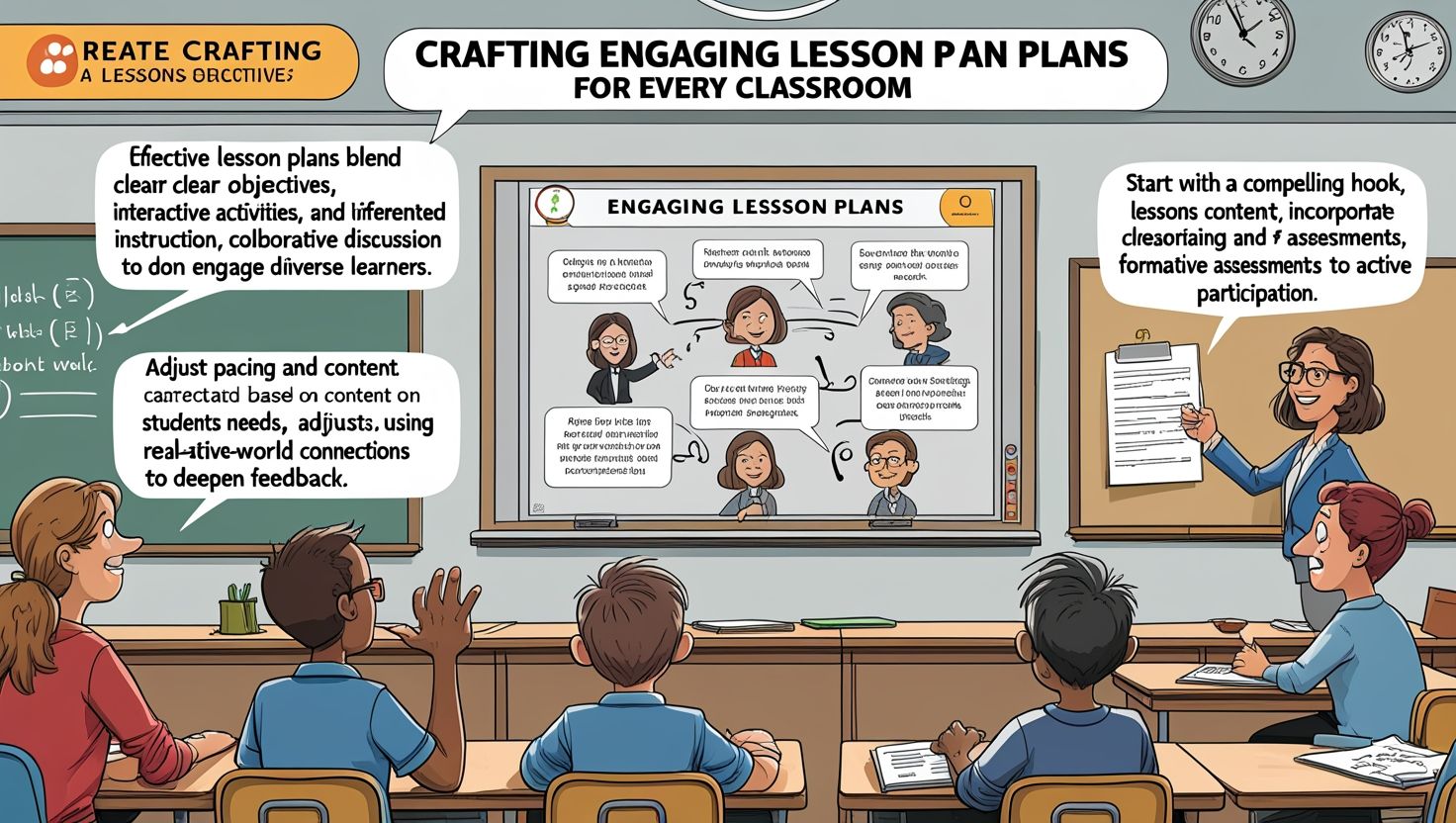
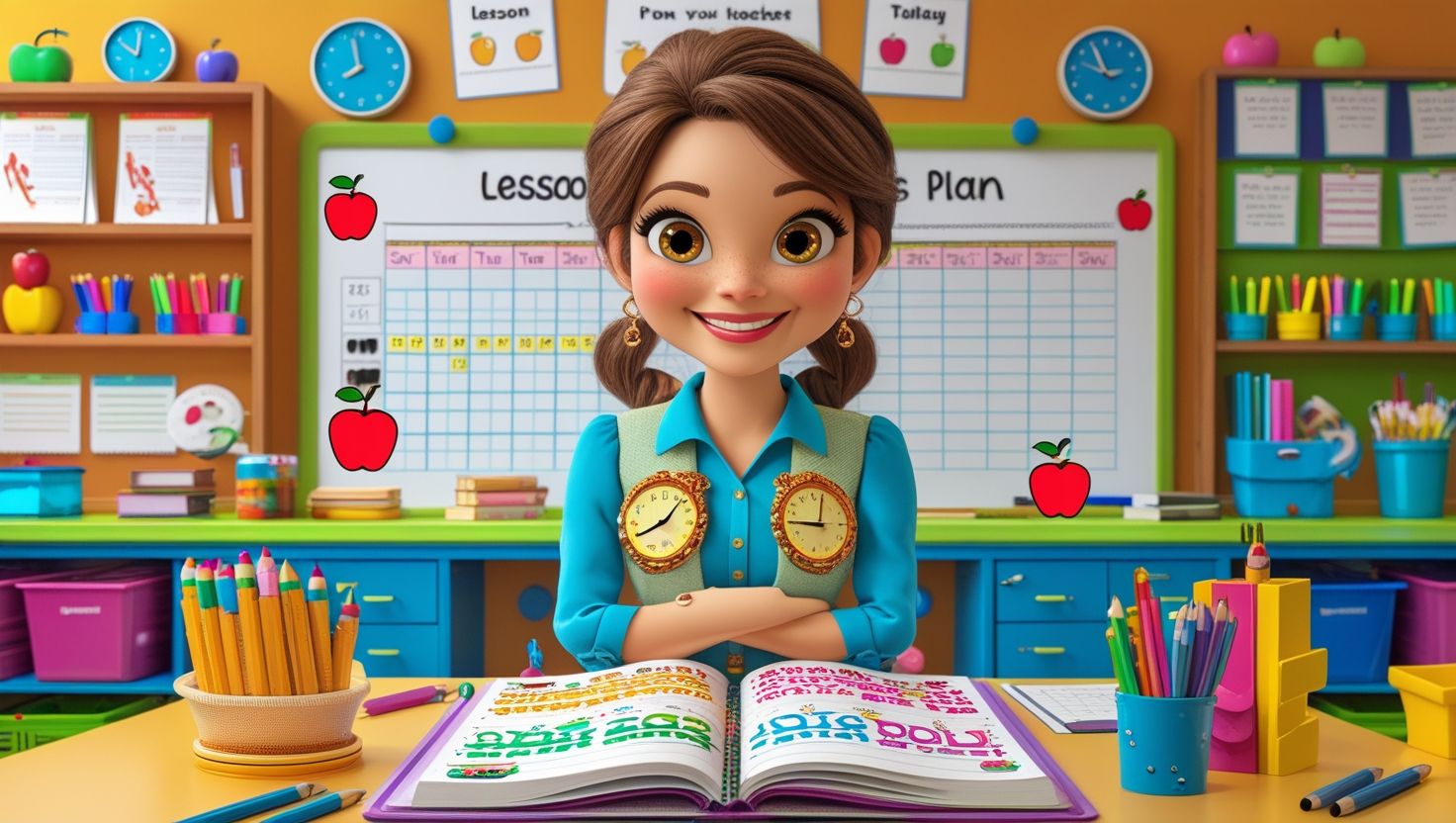
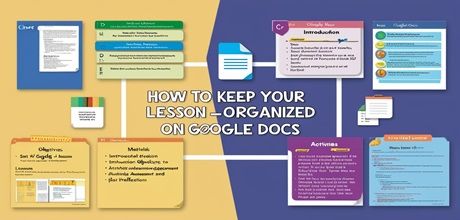
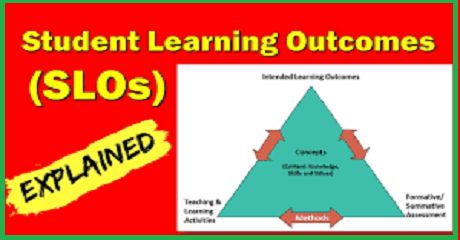
Moreover, proficient teachers are skilled in lesson planning. They set clear learning objectives, align activities with curriculum standards, and incorporate formative assessments to monitor progress. They also anticipate potential misconceptions and plan strategies to address them.
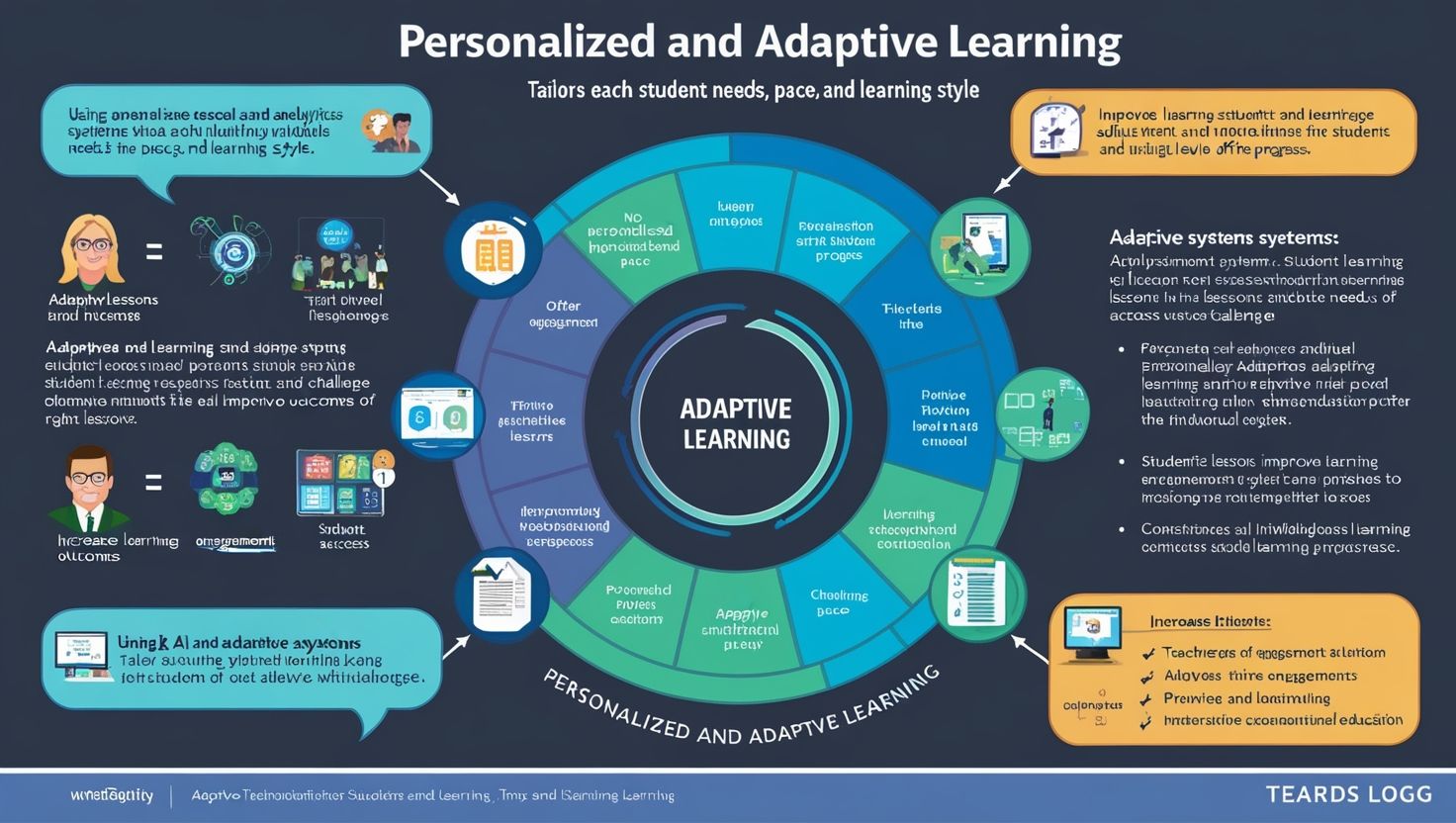
Another vital aspect is adaptability. Classrooms are unpredictable environments, and teachers must be flexible enough to adjust their teaching in real time. This includes modifying explanations, pacing, or activities based on student responses.
2. Subject Matter Expertise
A teacher’s depth of knowledge in their subject area significantly influences the quality of instruction. Subject matter expertise goes beyond basic understanding; it involves a comprehensive grasp of concepts, structures, and applications within a discipline.
Teachers with strong subject knowledge can:
- Explain concepts clearly and accurately
- Connect ideas across topics
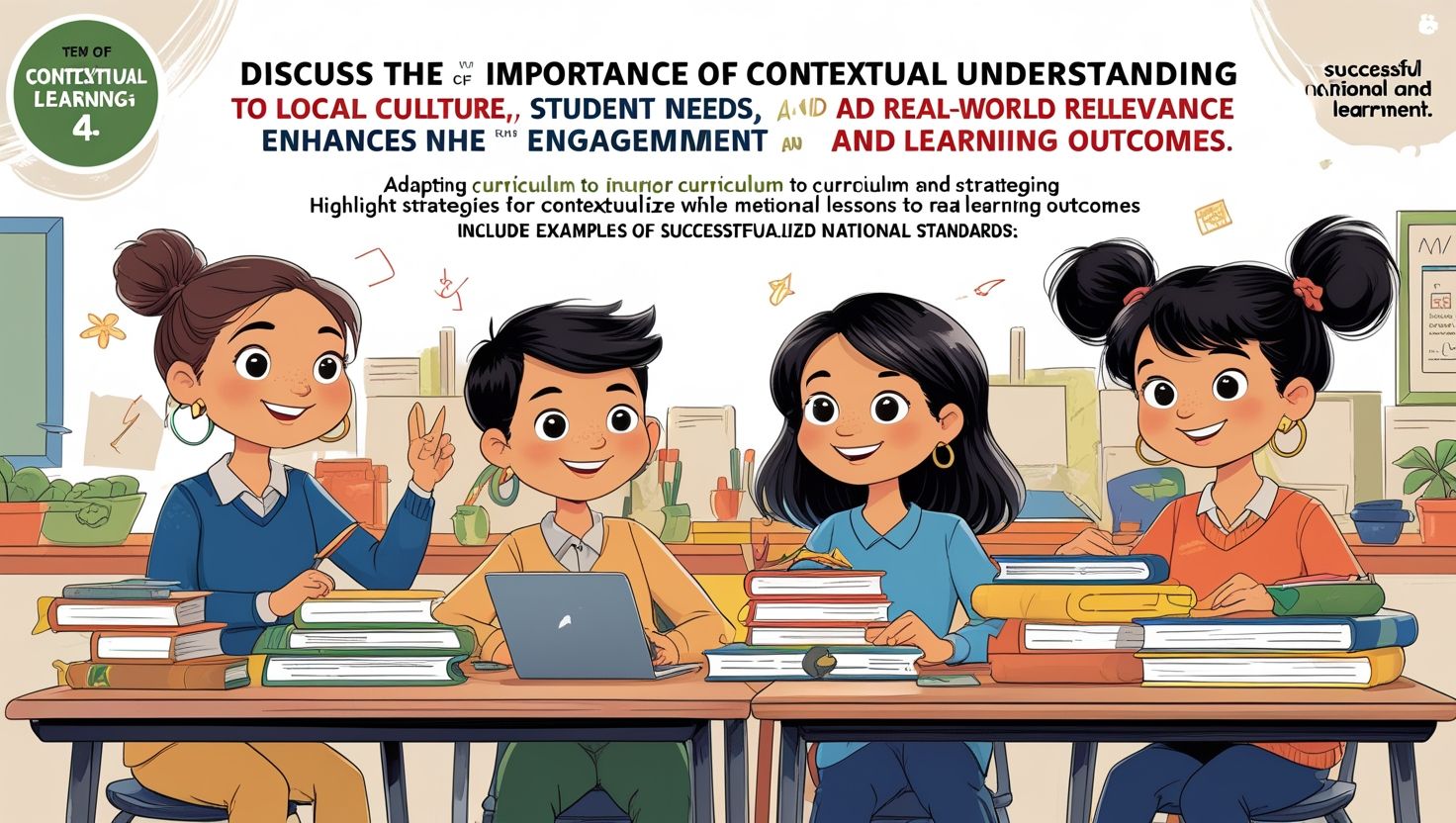
- Relate content to real-world contexts
- Address students’ questions confidently
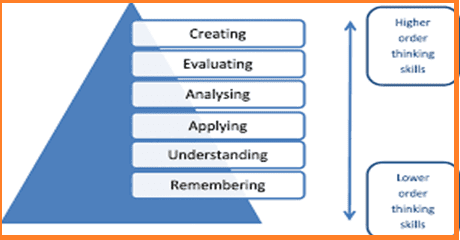
Furthermore, they are better equipped to foster higher-order thinking by encouraging analysis, synthesis, and evaluation. For instance, a science teacher with deep expertise can guide students in designing experiments rather than merely following instructions.
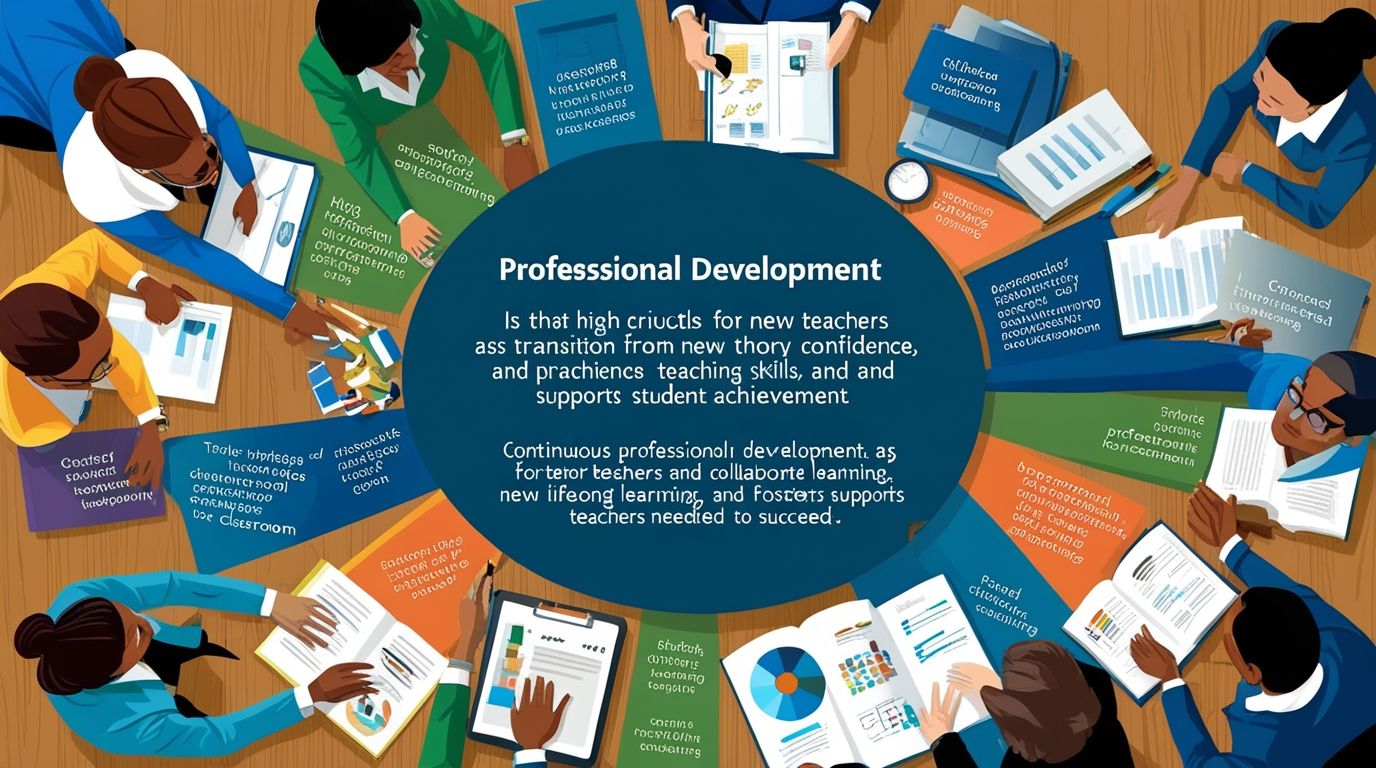
Continuous professional development is essential in maintaining subject proficiency, especially in fields that evolve rapidly, such as science and technology.
3. Classroom Management Skills
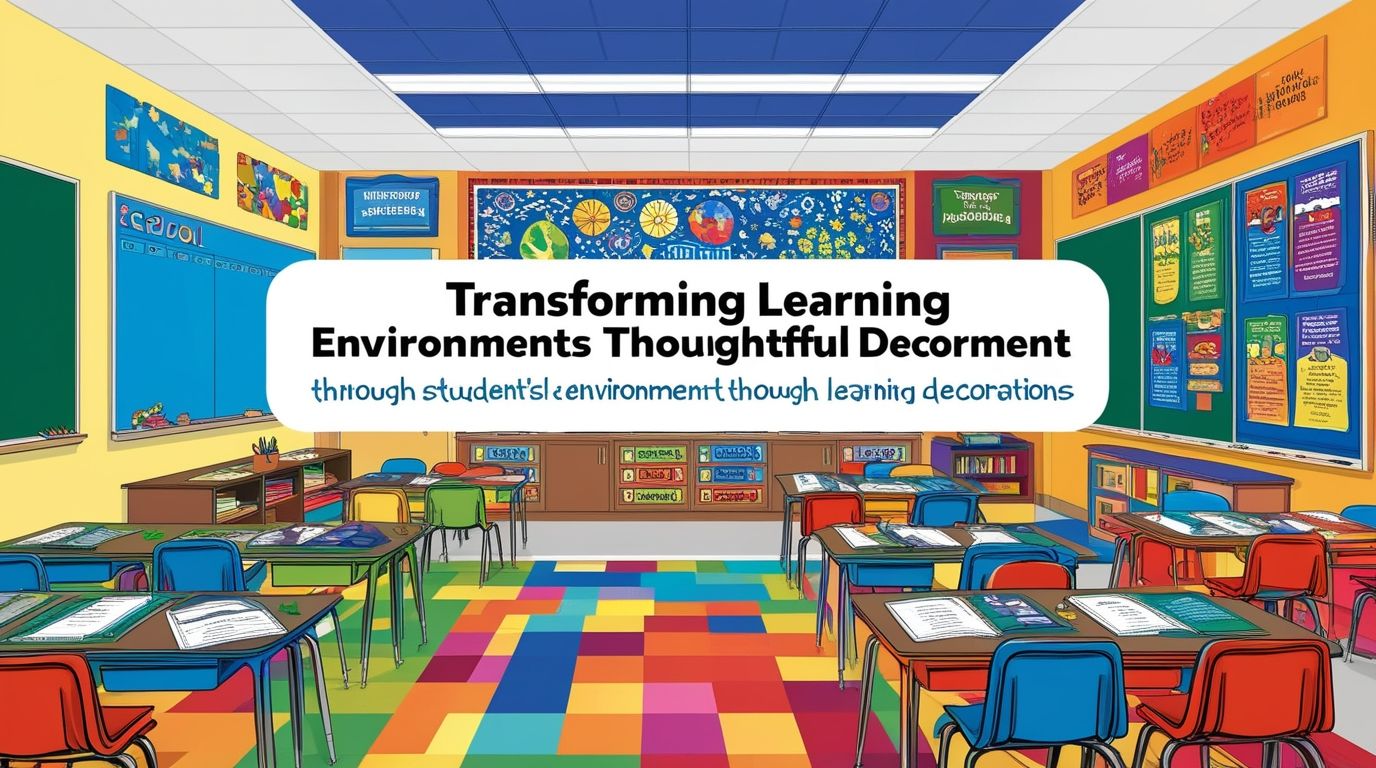
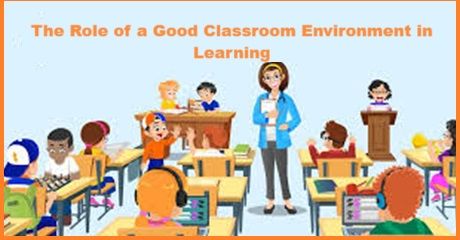
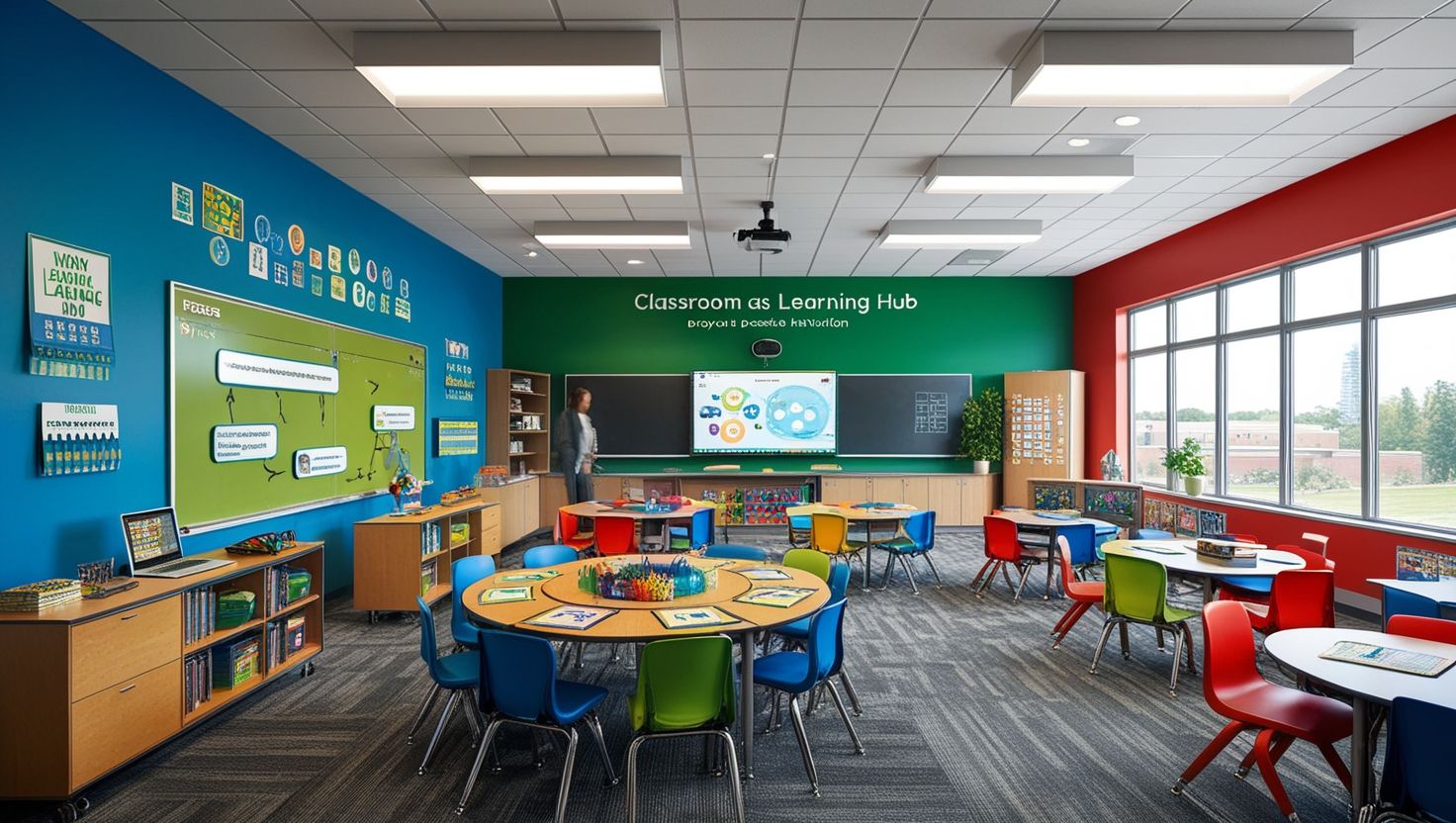
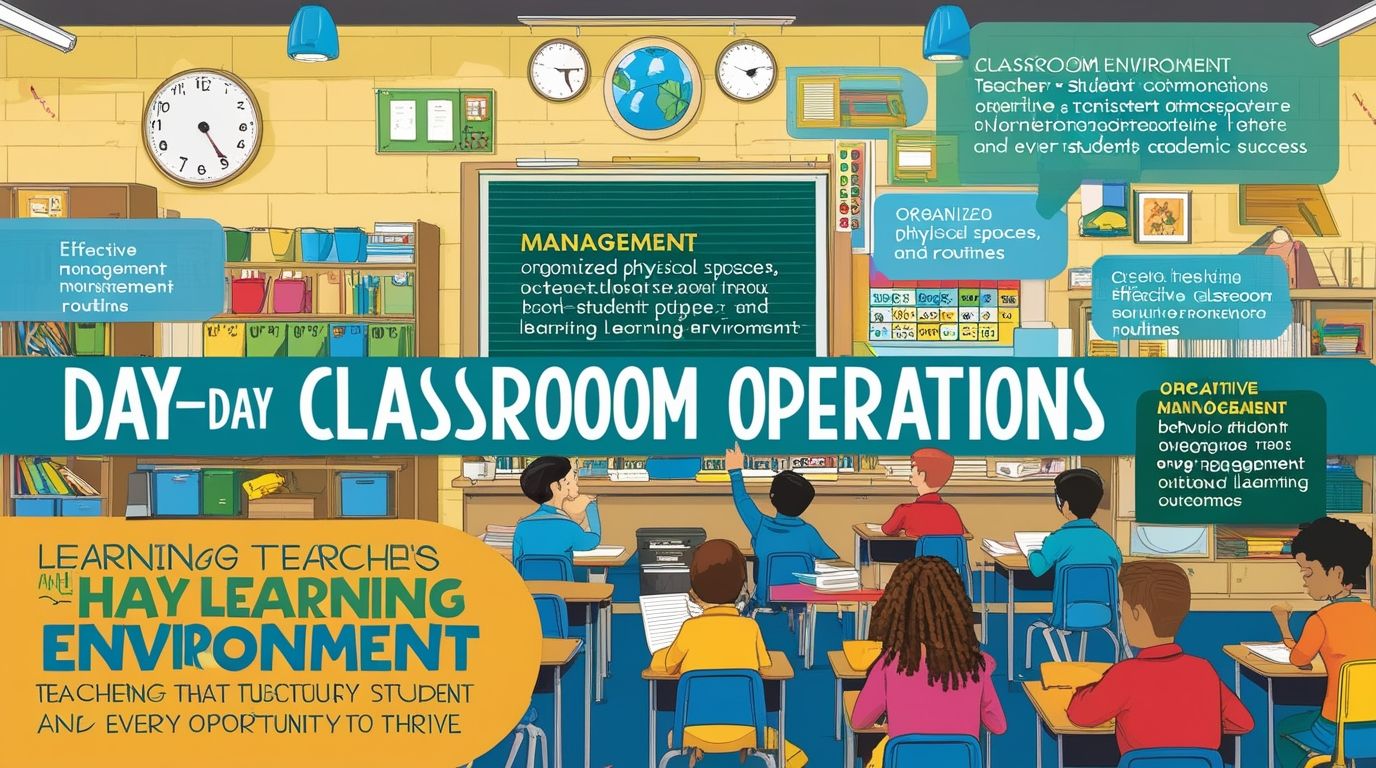
Effective classroom management is fundamental to creating a productive learning environment. It involves establishing routines, maintaining discipline, and fostering a positive classroom culture.
Proficient teachers:
- Set clear expectations and rules
- Use proactive strategies to prevent disruptions
- Apply consistent and fair discipline
- Build respectful relationships with students
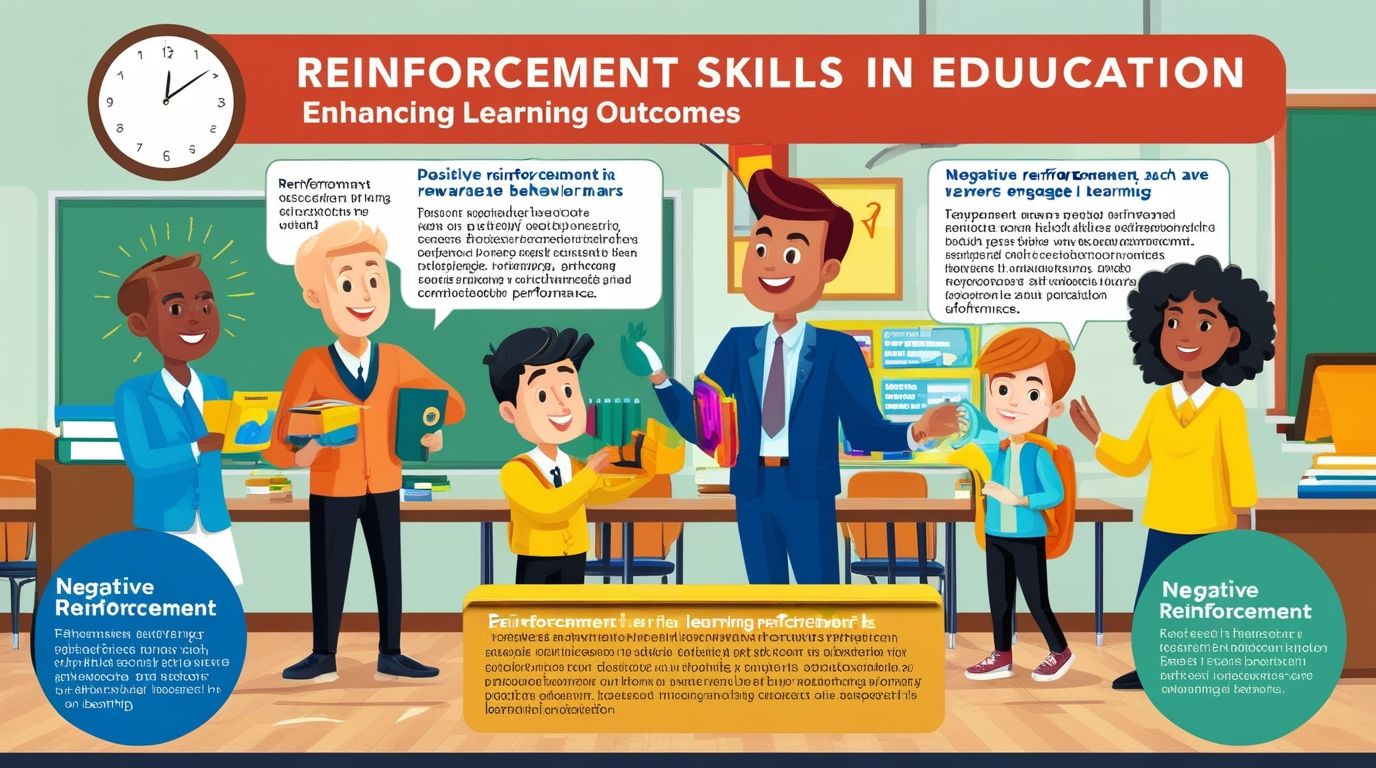
Classroom management is not merely about control; it is about creating an environment where students feel safe, respected, and motivated to learn. Positive reinforcement, rather than punitive measures, is often more effective in encouraging desirable behavior.
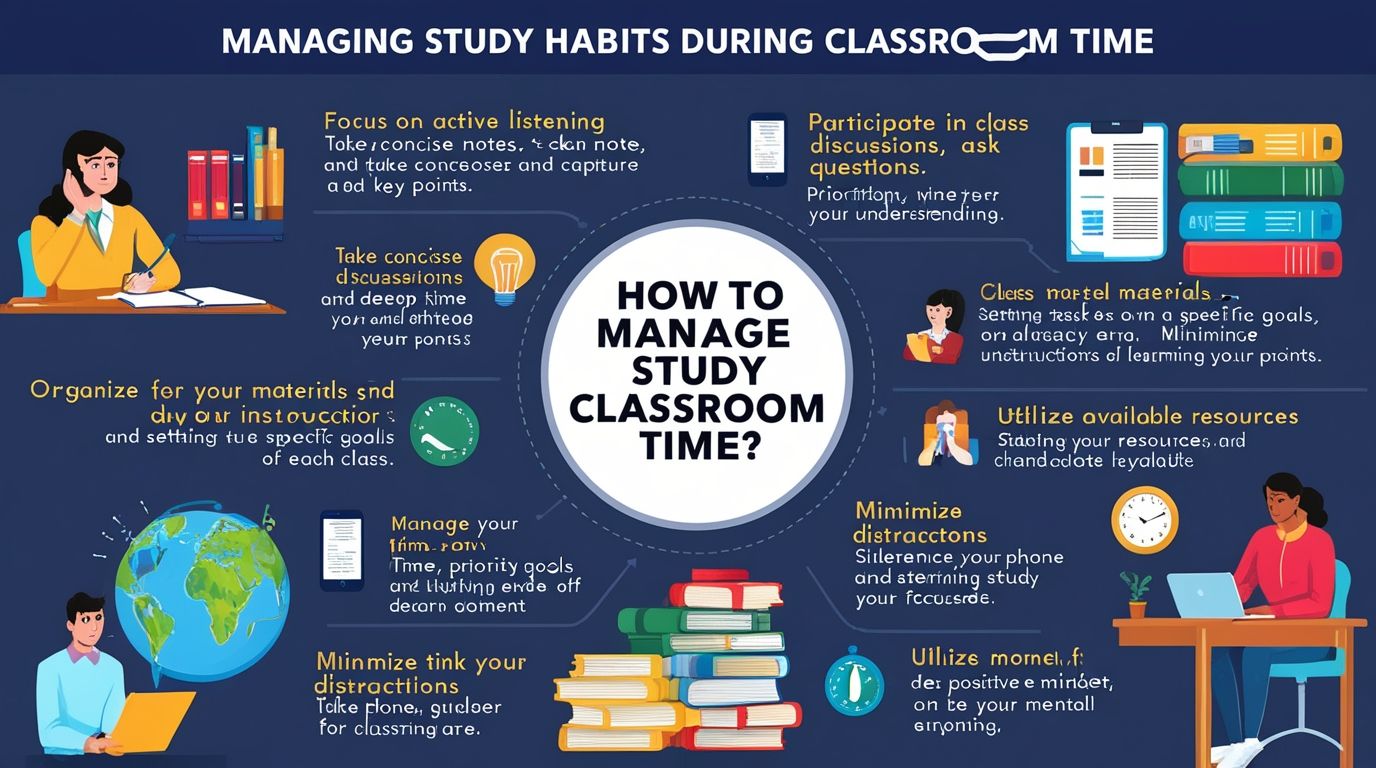
Additionally, teachers must manage time efficiently, ensuring that instructional time is maximized and transitions between activities are smooth.
4. Communication Skills
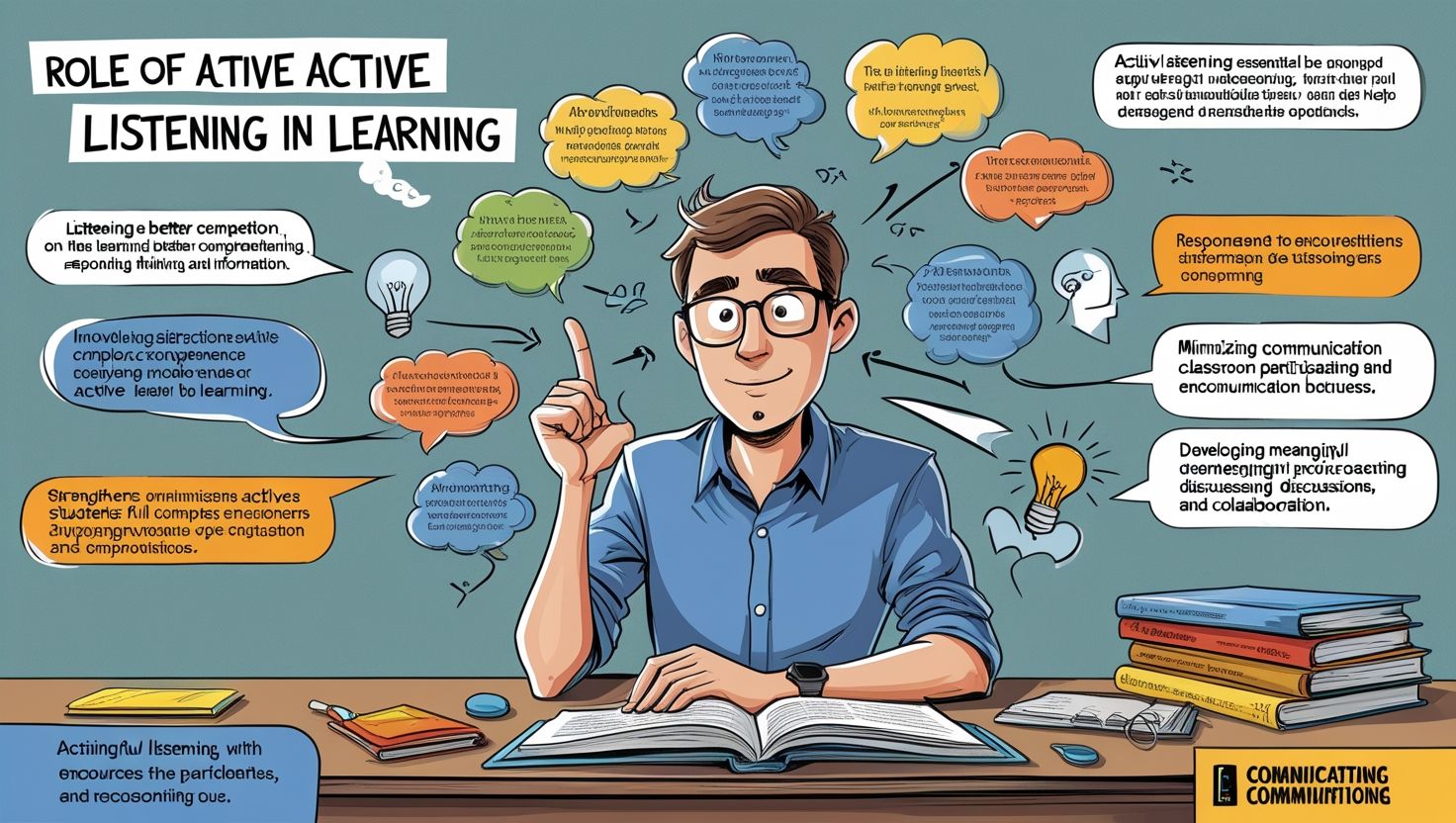
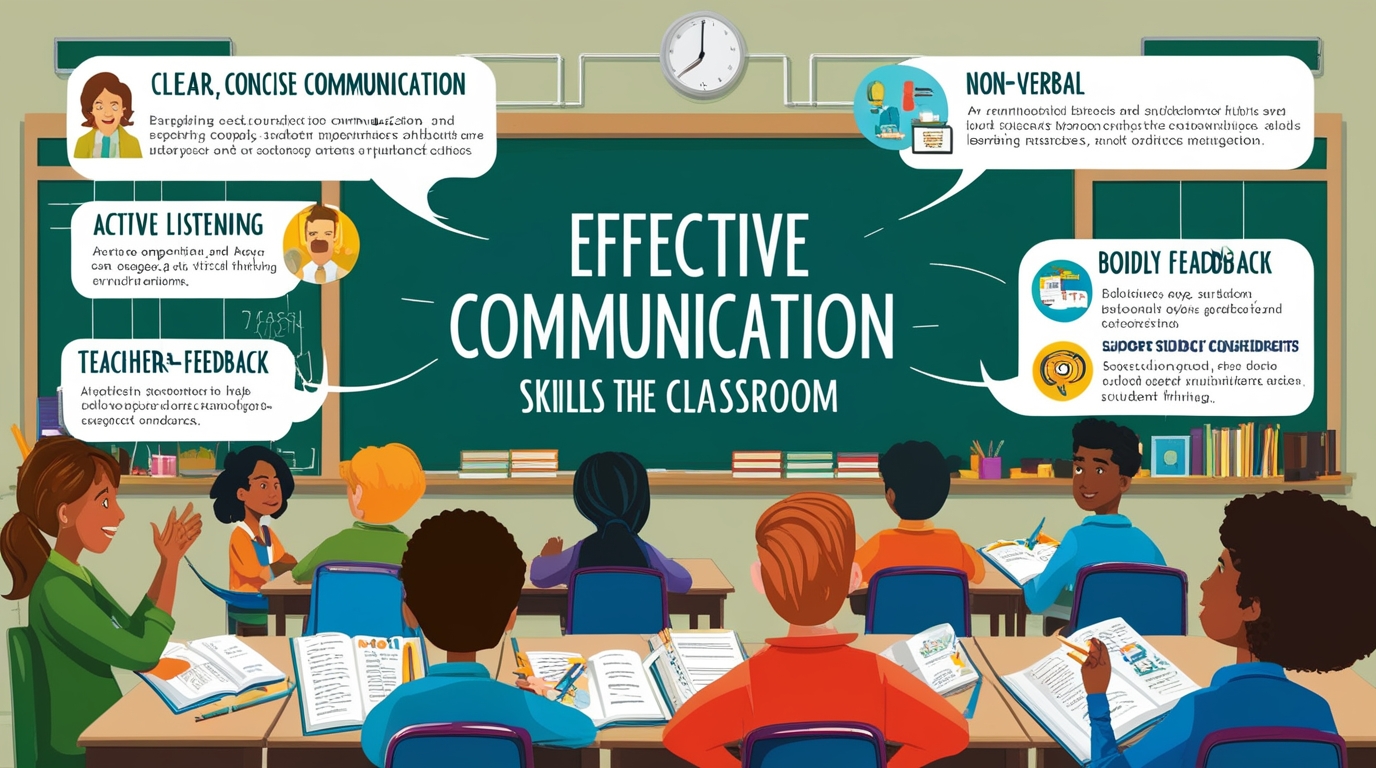
Communication lies at the heart of teaching. Teachers must convey information clearly, listen actively, and engage students in meaningful dialogue.
Effective communication includes:
- Clear verbal explanations
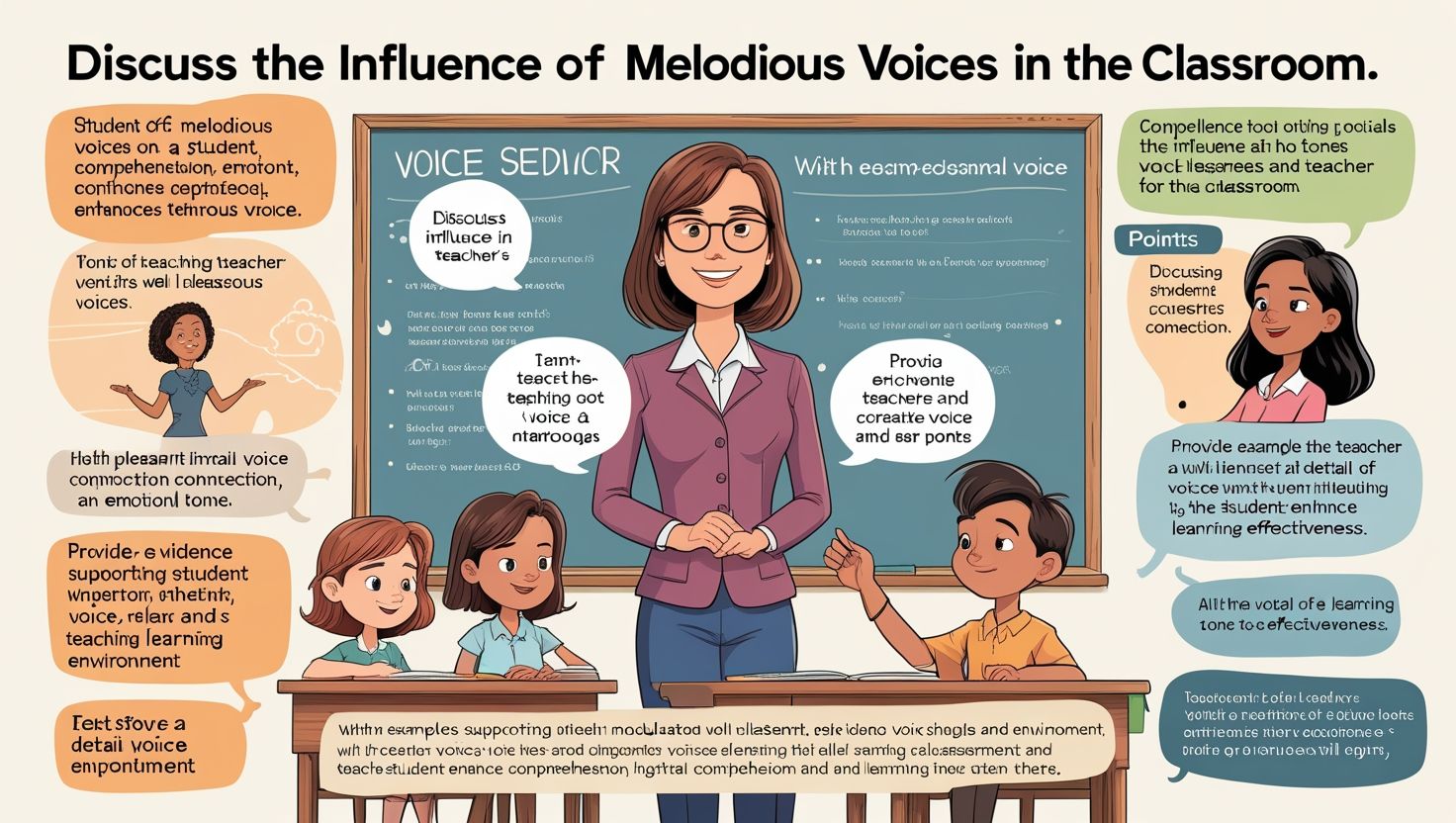
- Appropriate use of tone and body language
- Active listening to students’ ideas and concerns
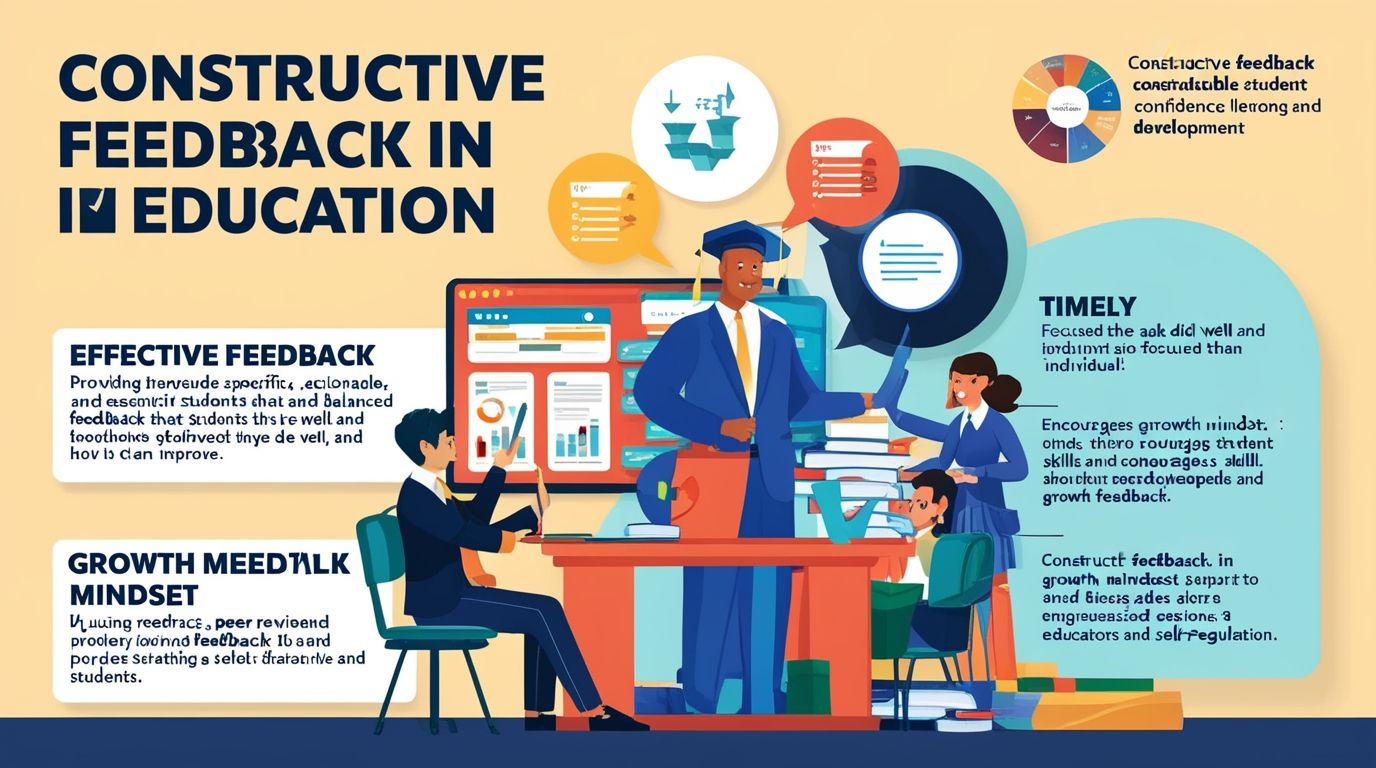
- Constructive feedback
Teachers also need to communicate effectively with parents, colleagues, and administrators. This includes sharing student progress, discussing challenges, and collaborating on solutions.
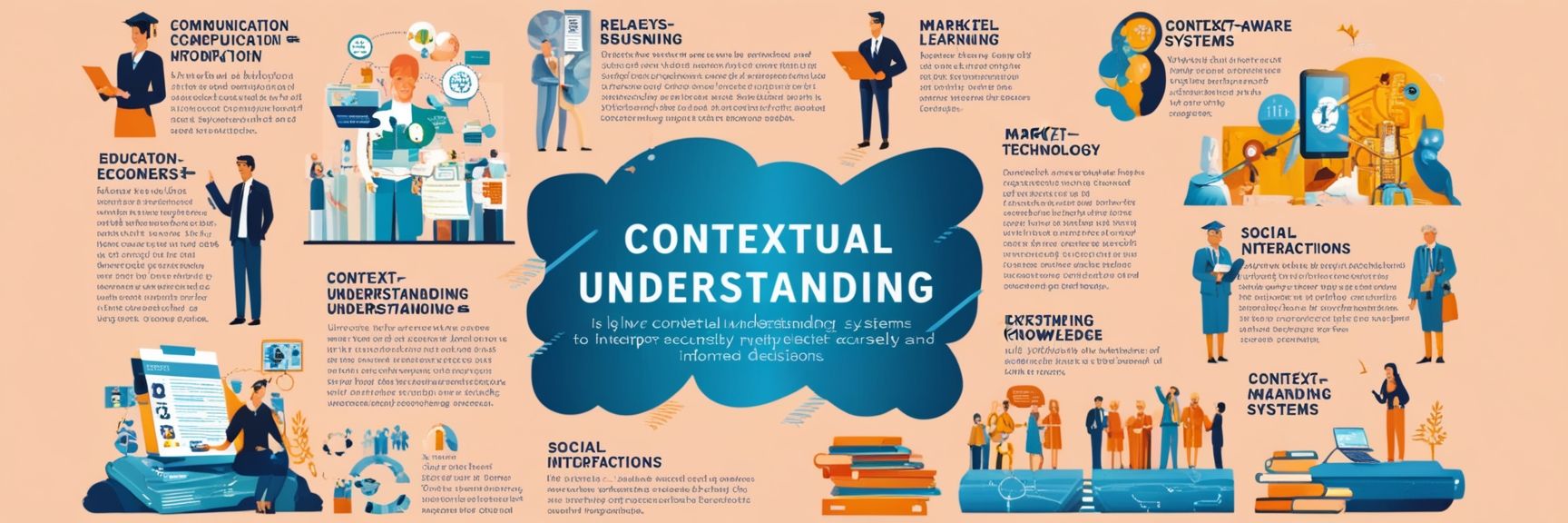
In multilingual or diverse classrooms, communication proficiency also involves cultural sensitivity and the ability to simplify language without diluting meaning.
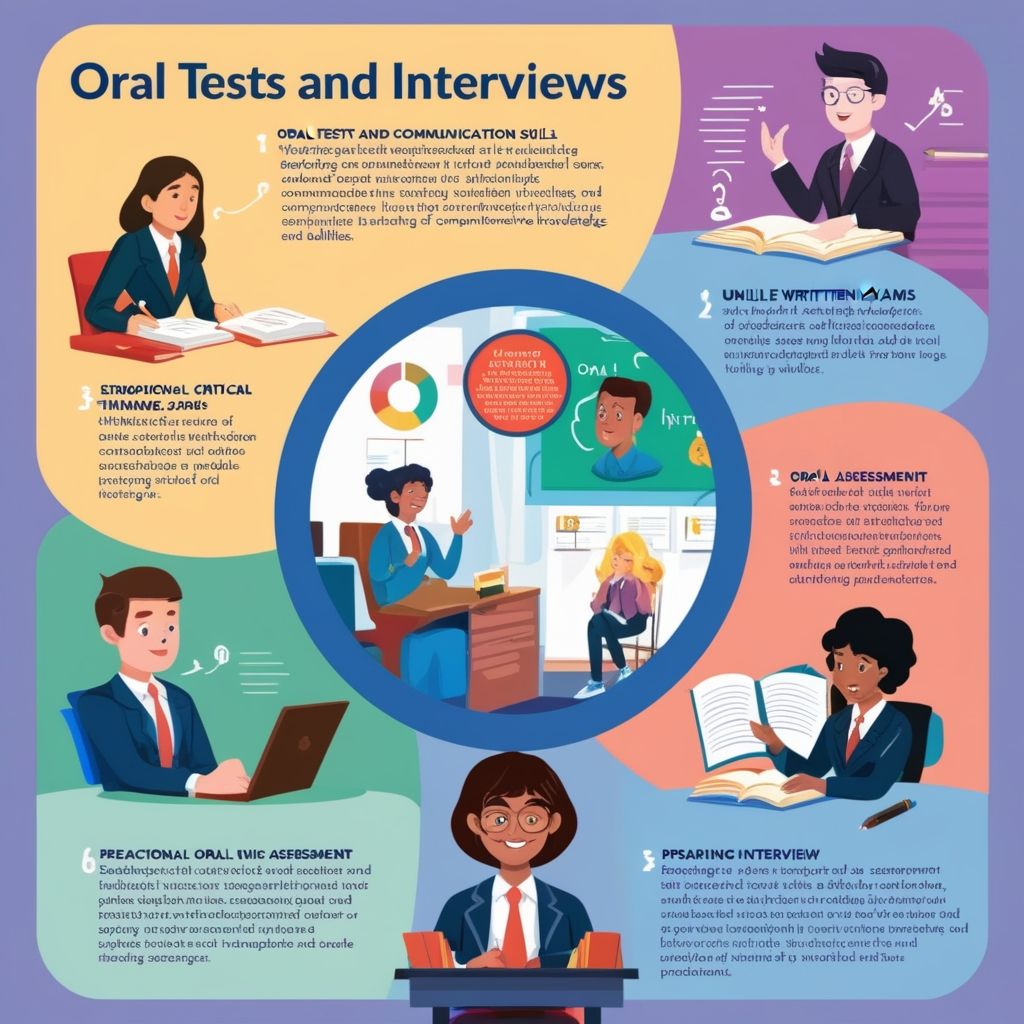
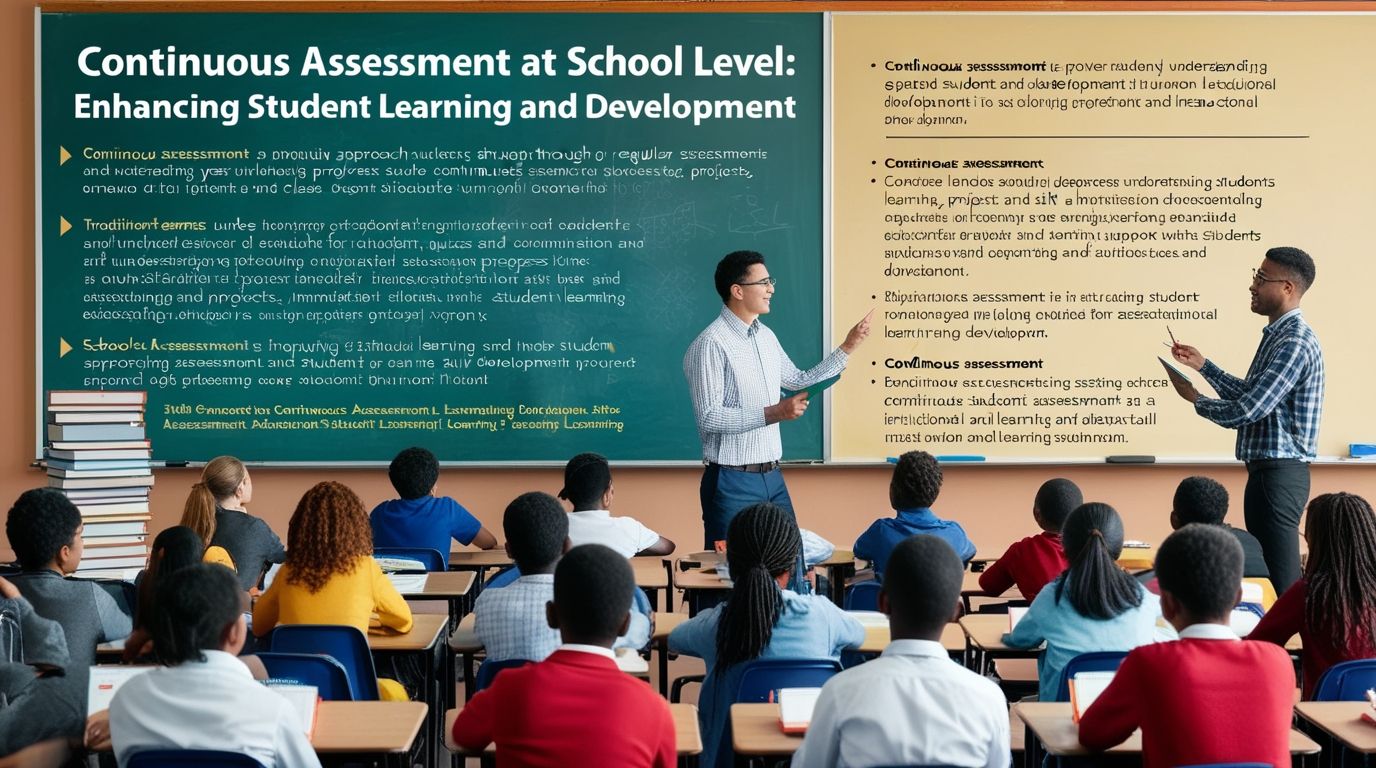
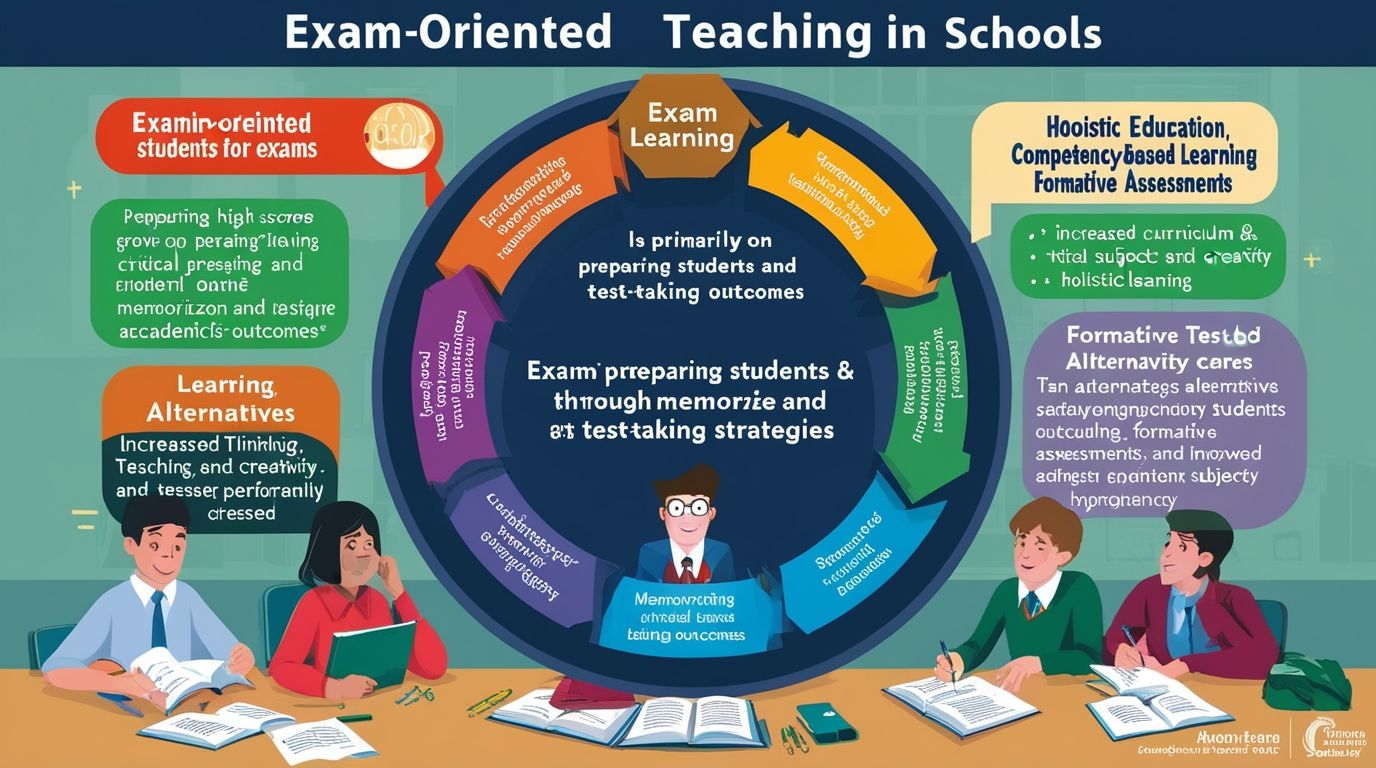
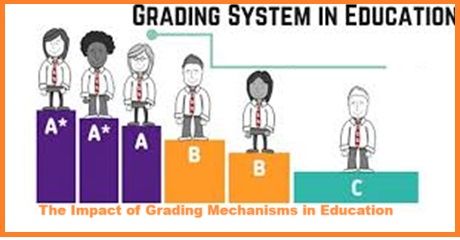
5. Assessment Literacy
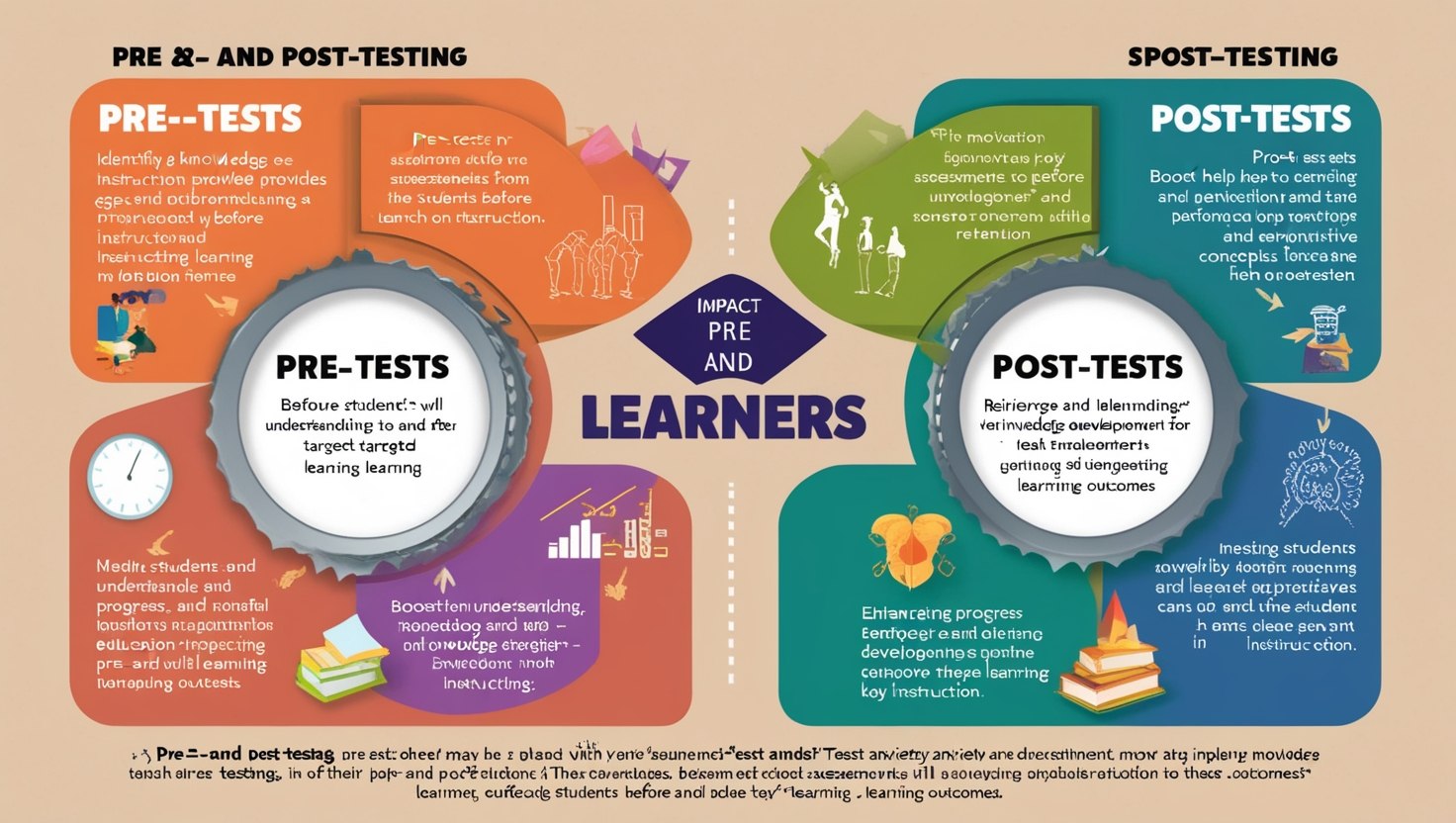
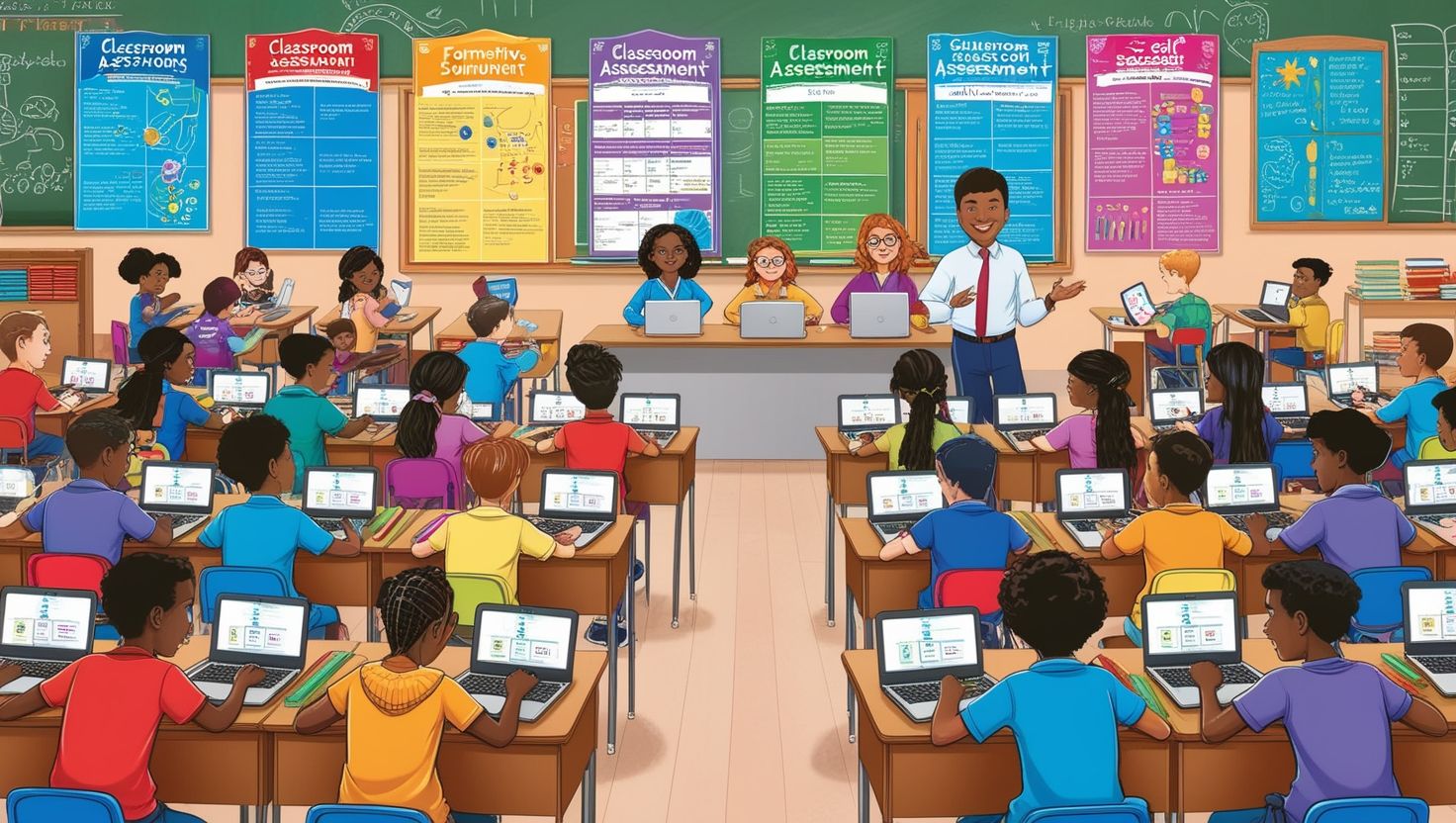
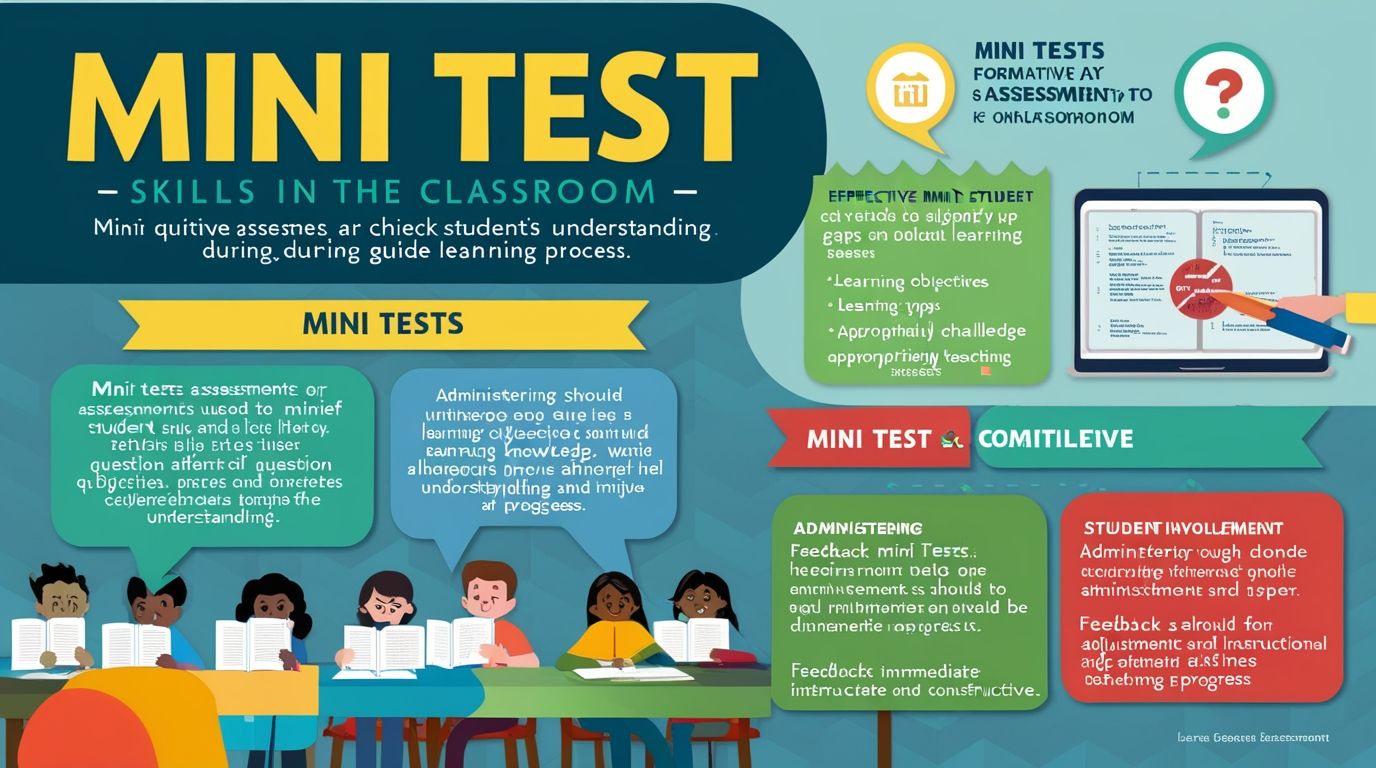
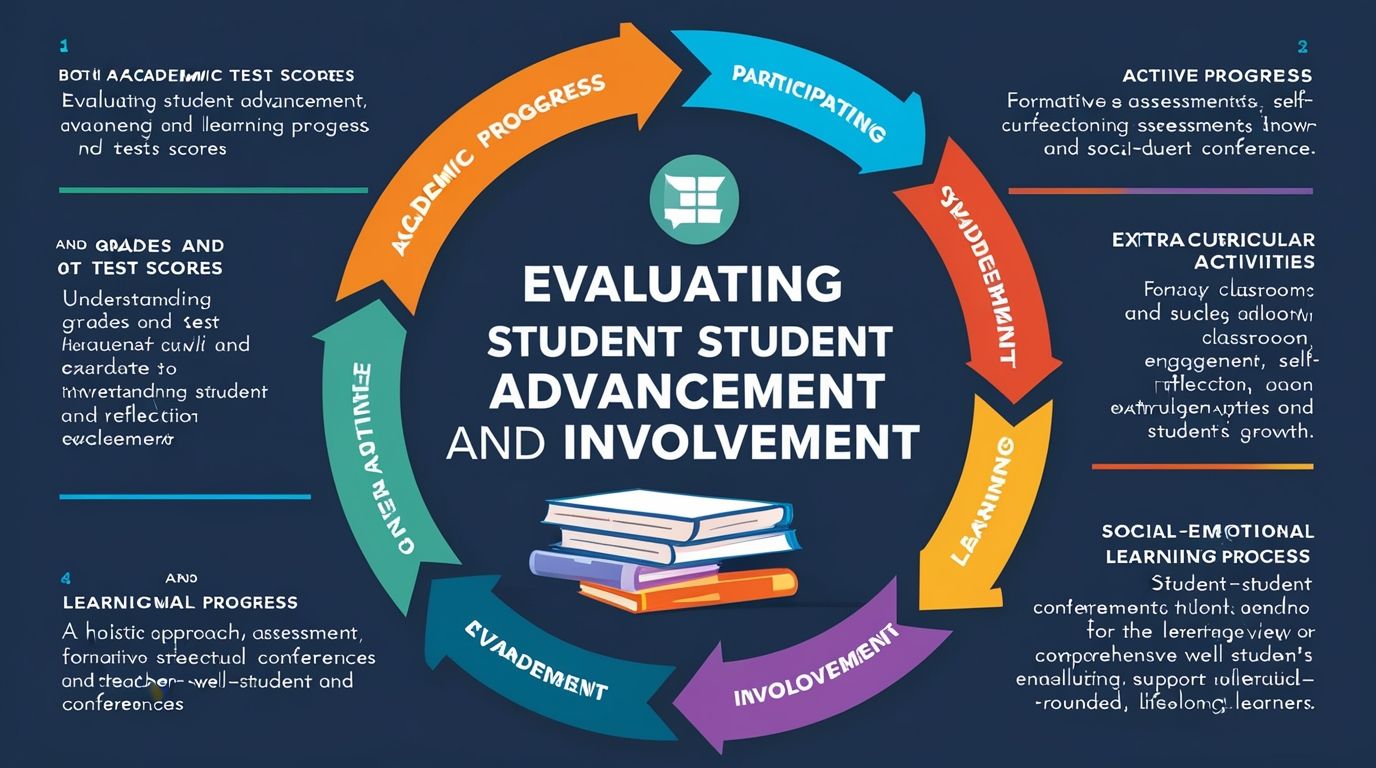
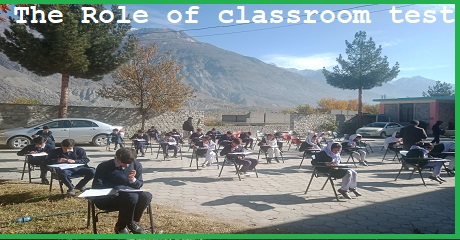
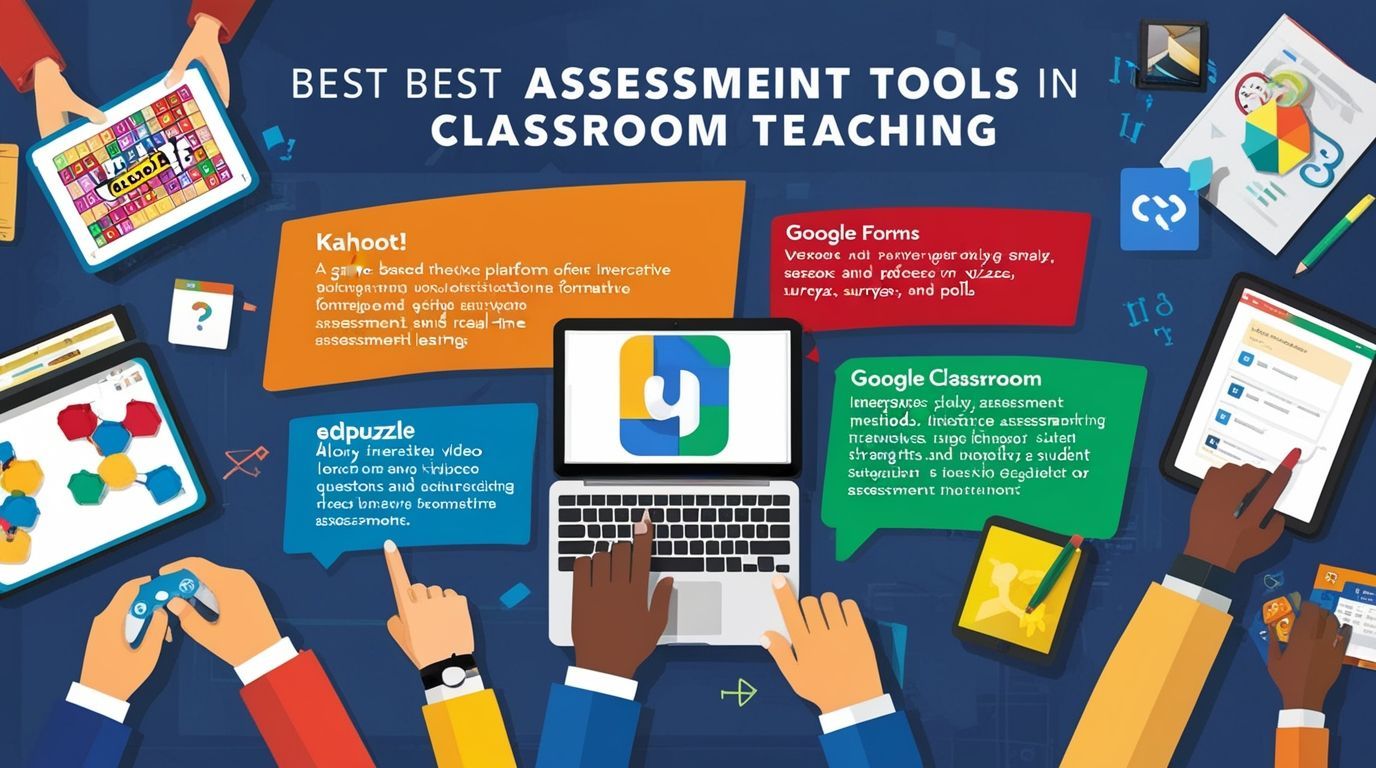
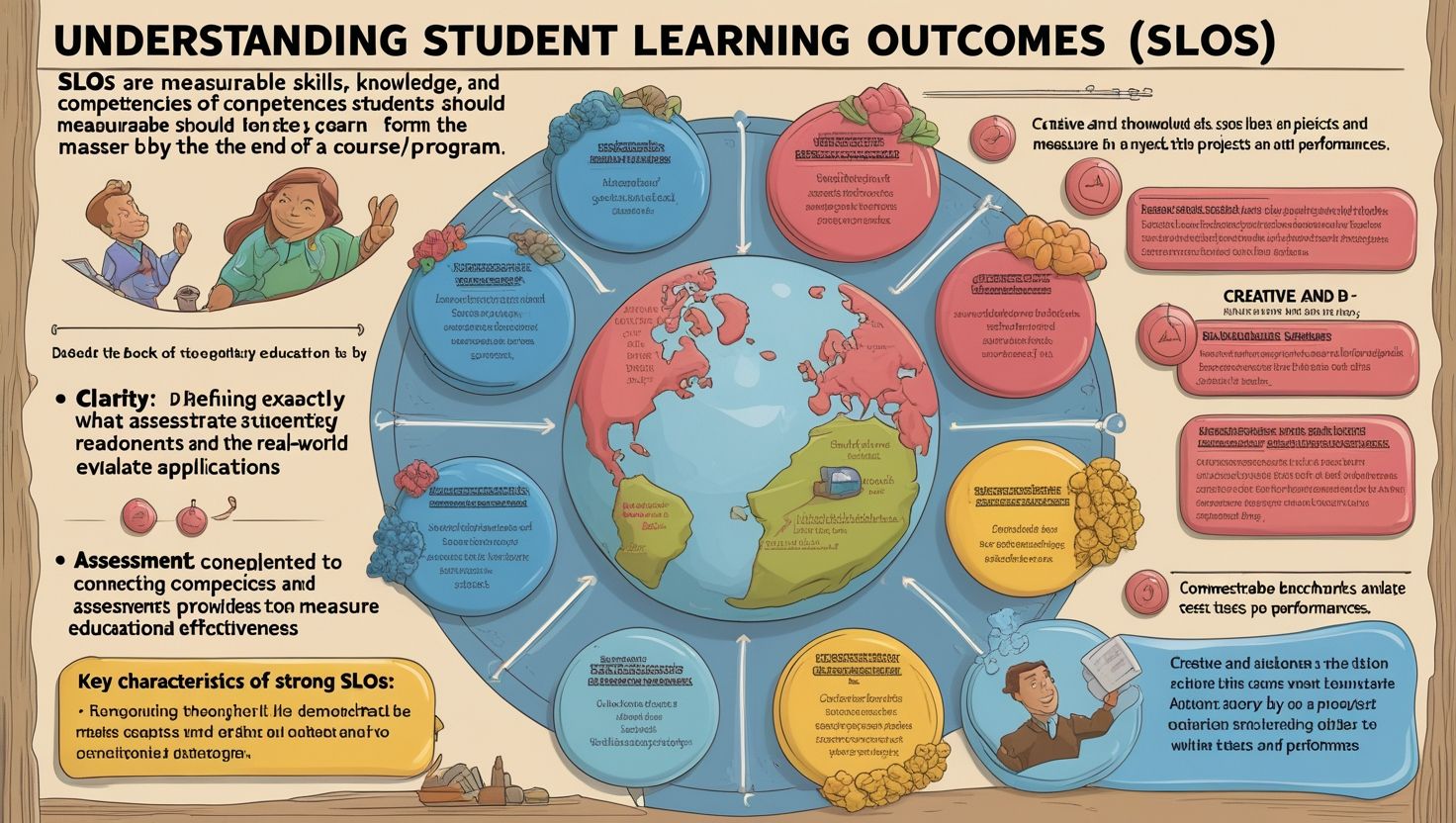
Assessment is a critical component of teaching and learning. Teachers must be proficient in designing, implementing, and interpreting various forms of assessment.
There are three main types of assessment:
- Diagnostic assessment: Identifies prior knowledge
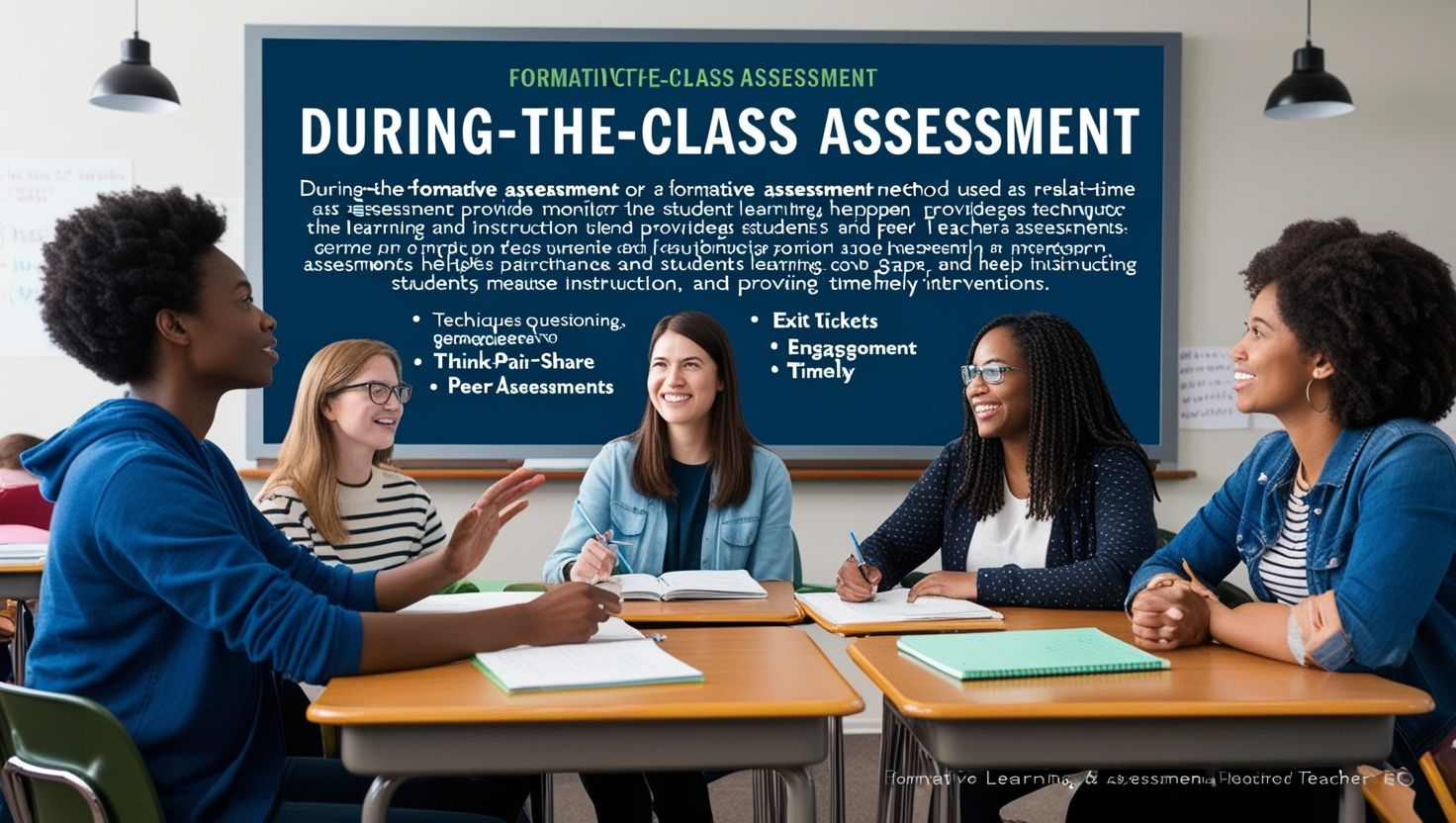
- Formative assessment: Monitors ongoing learning
- Summative assessment: Evaluates final outcomes
Proficient teachers use assessment data to inform instruction. For example, if formative assessments reveal that students are struggling with a concept, the teacher may revisit it using a different approach.
Assessment literacy also involves fairness and transparency. Teachers must ensure that assessments are aligned with learning objectives and free from bias.
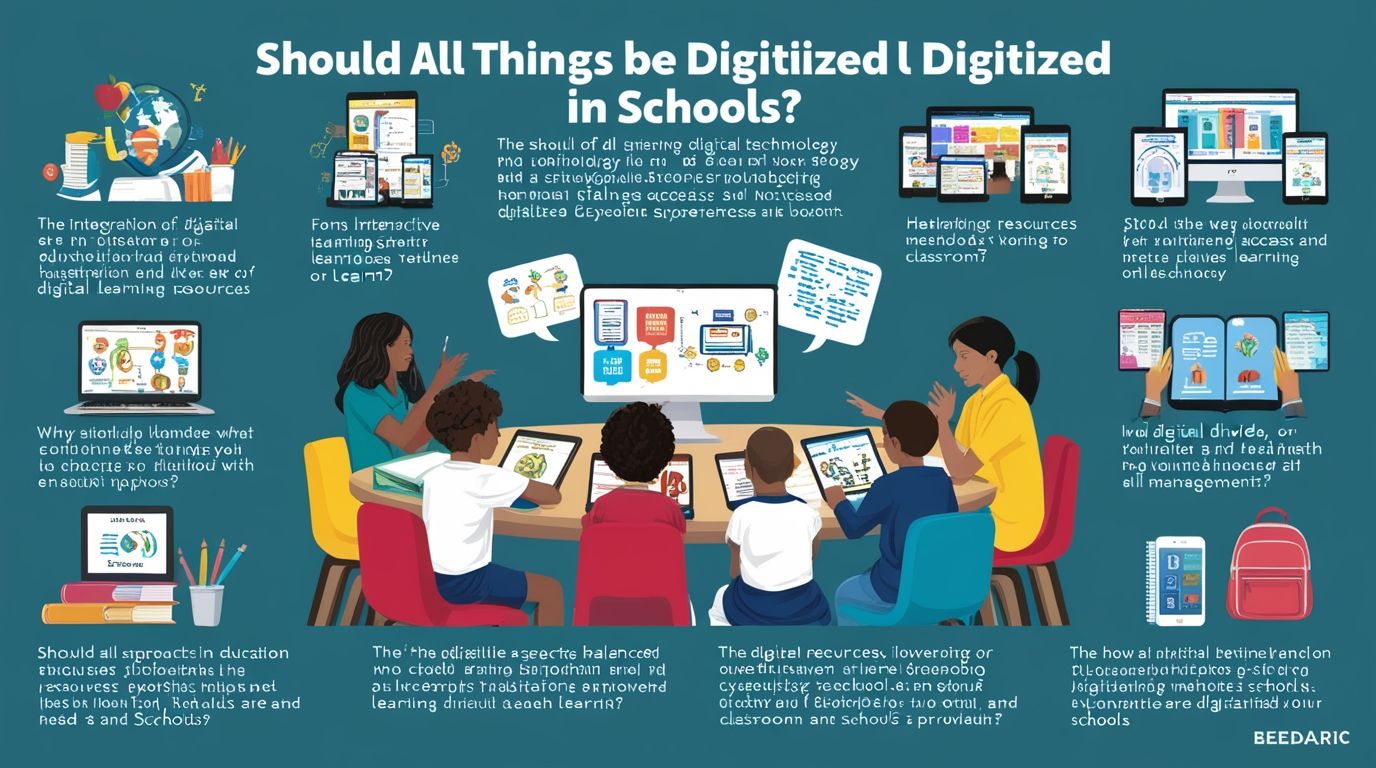
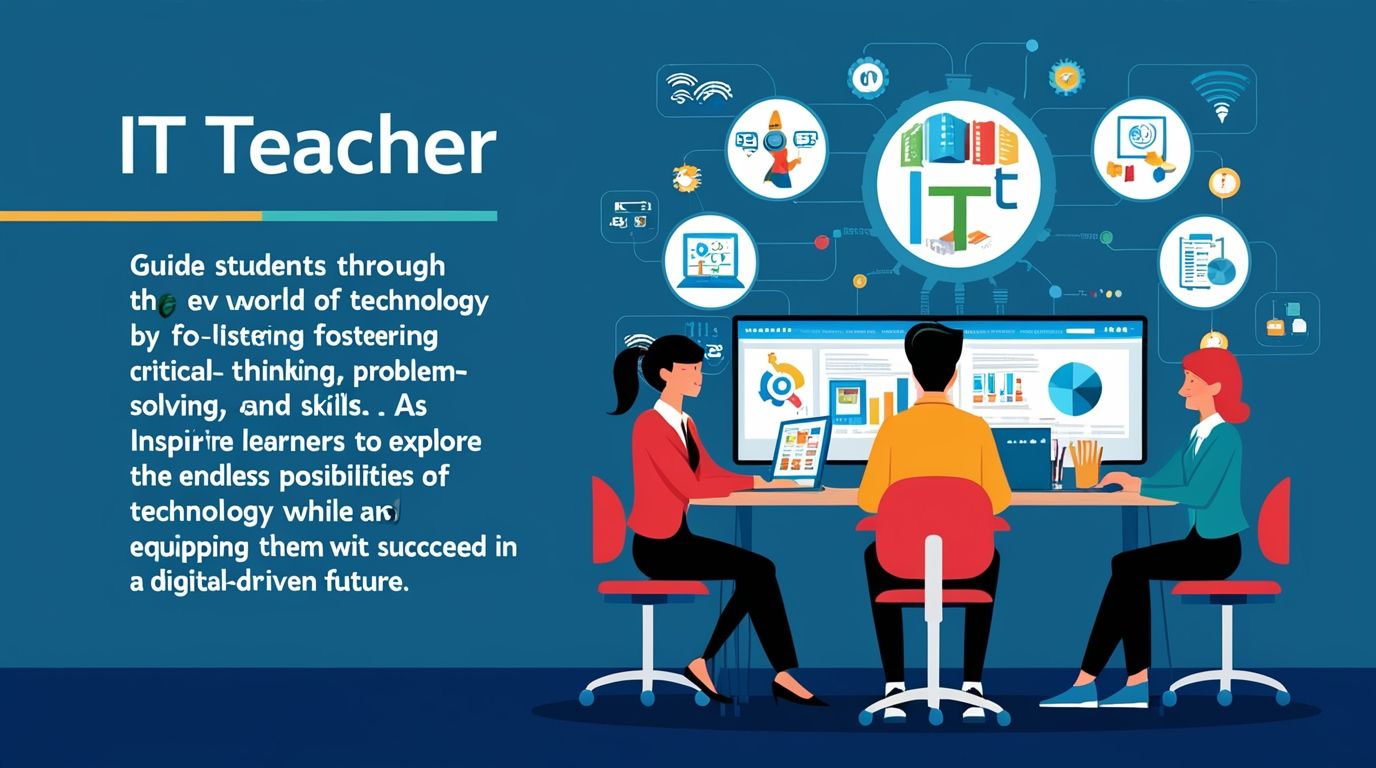
6. Technological Competence
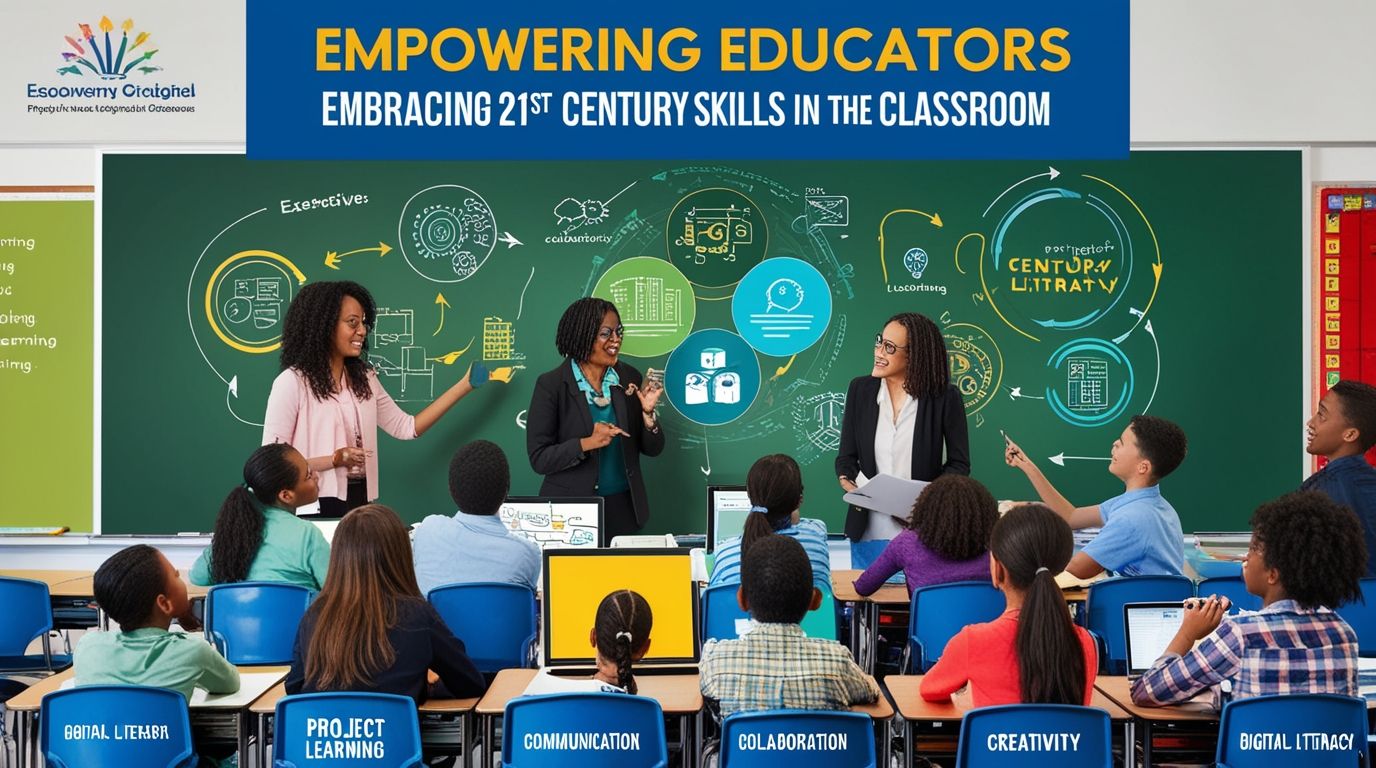
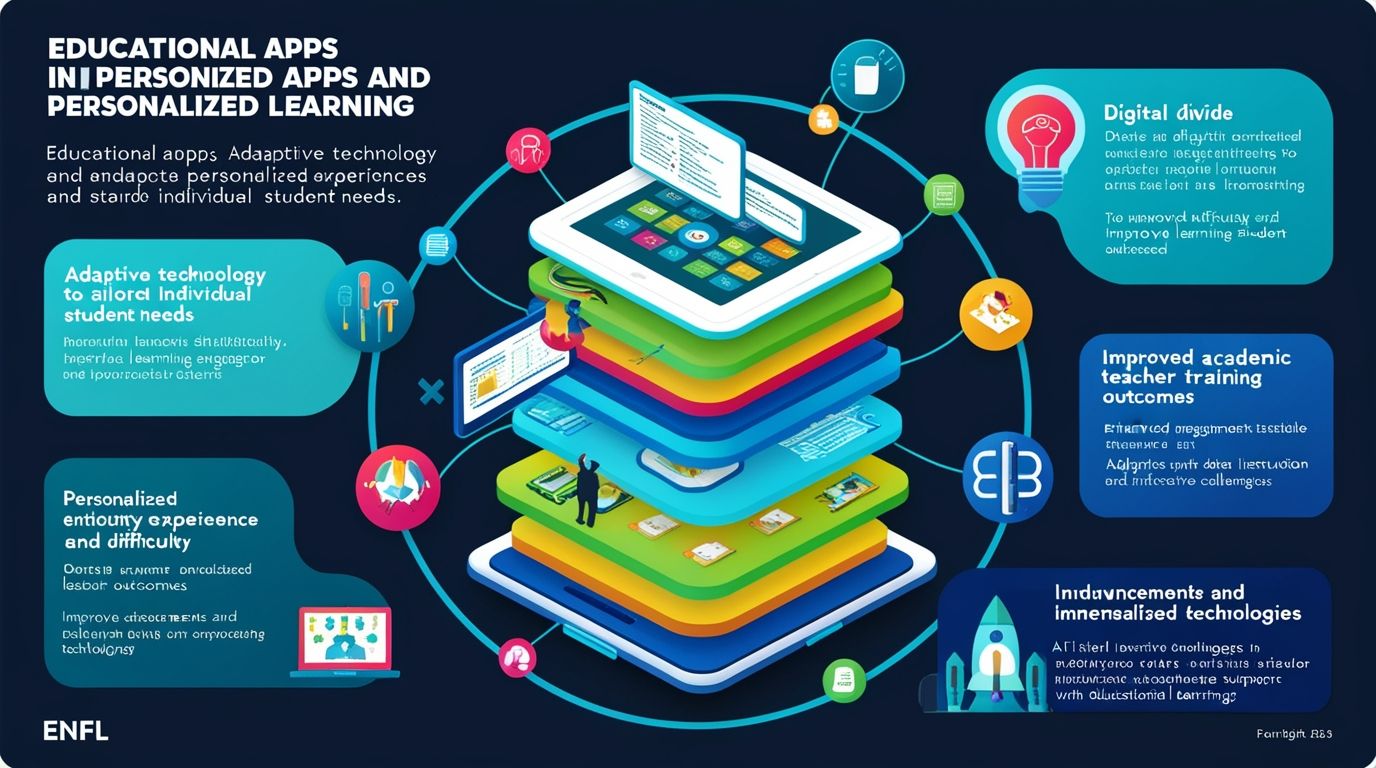
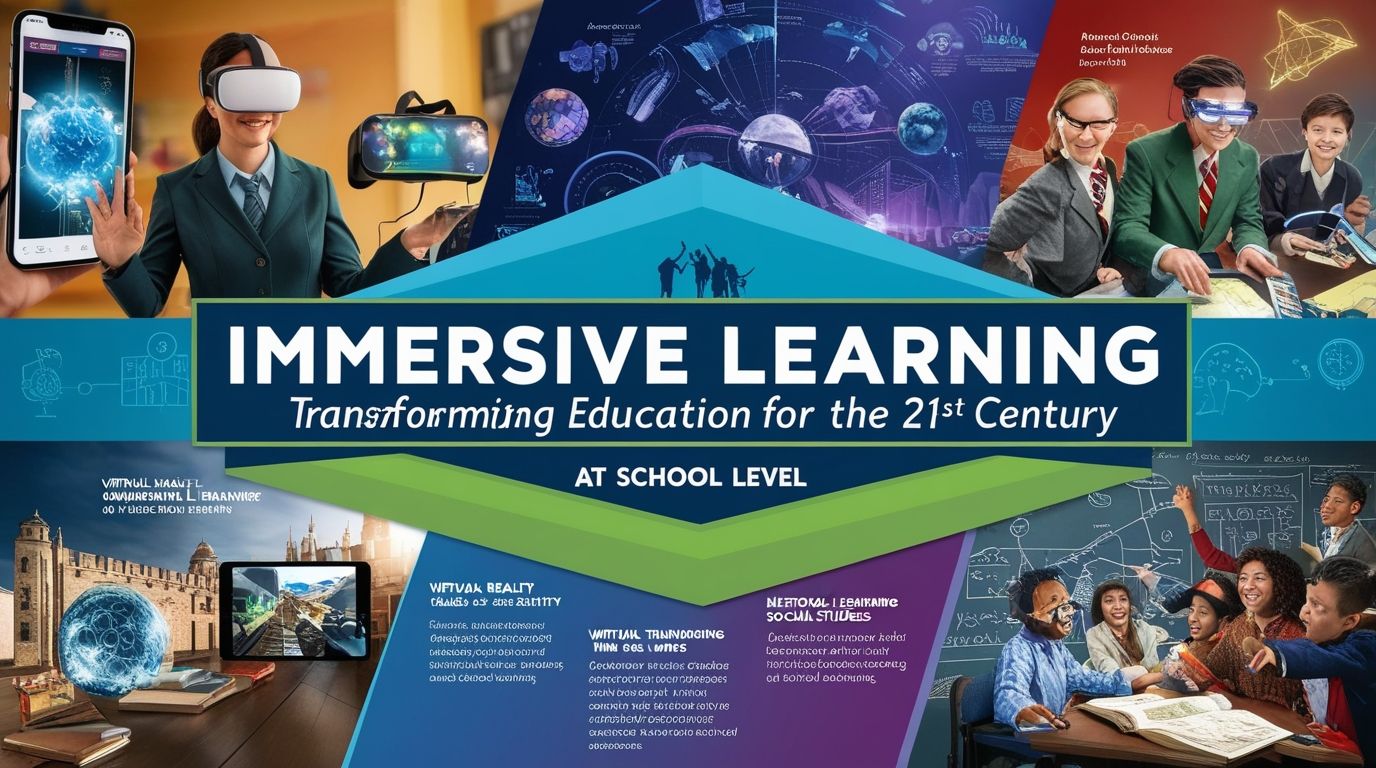
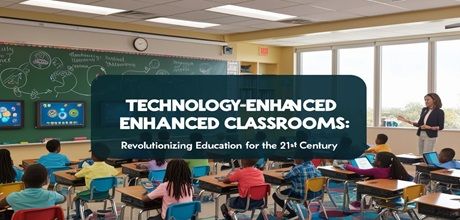
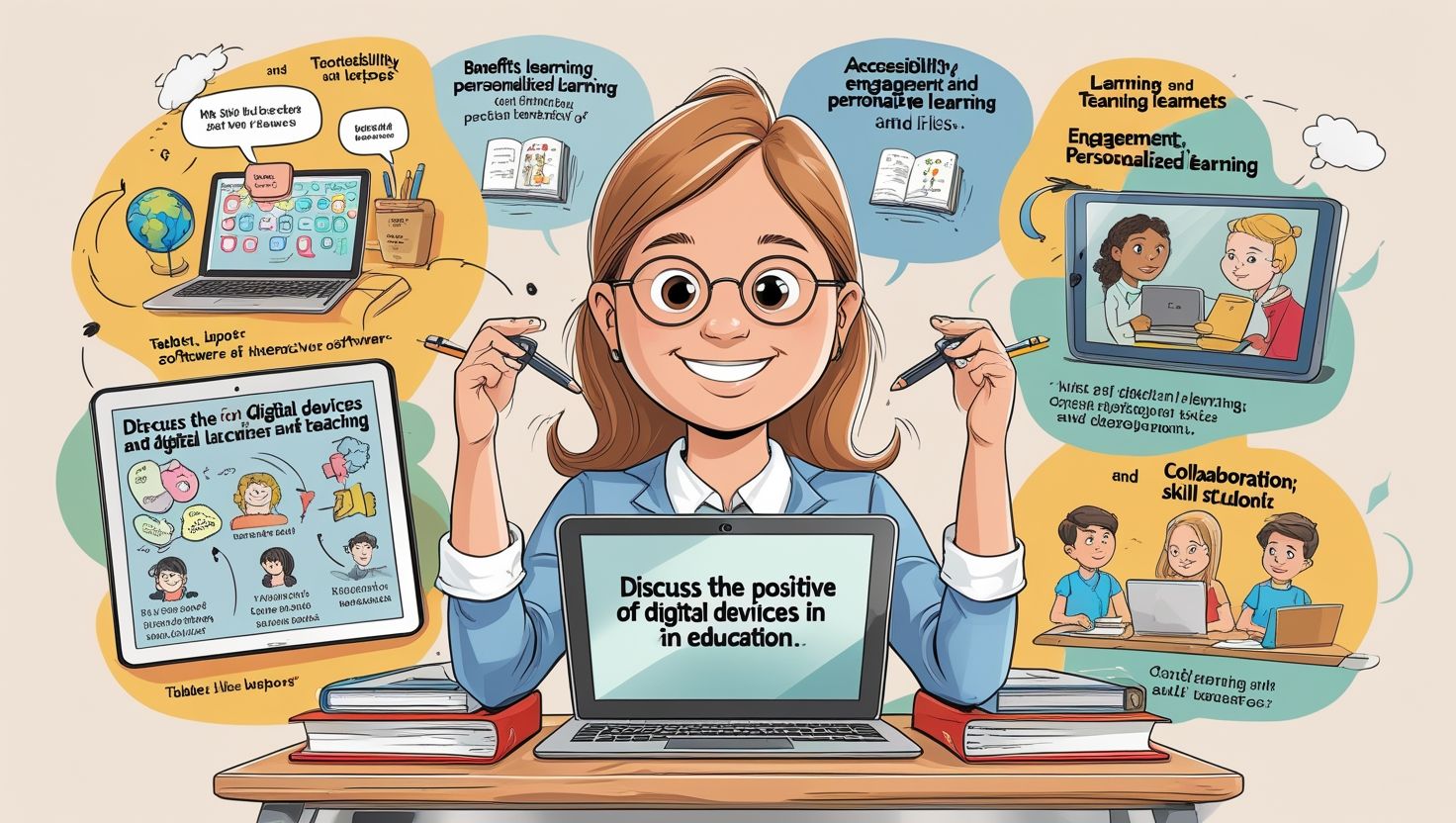
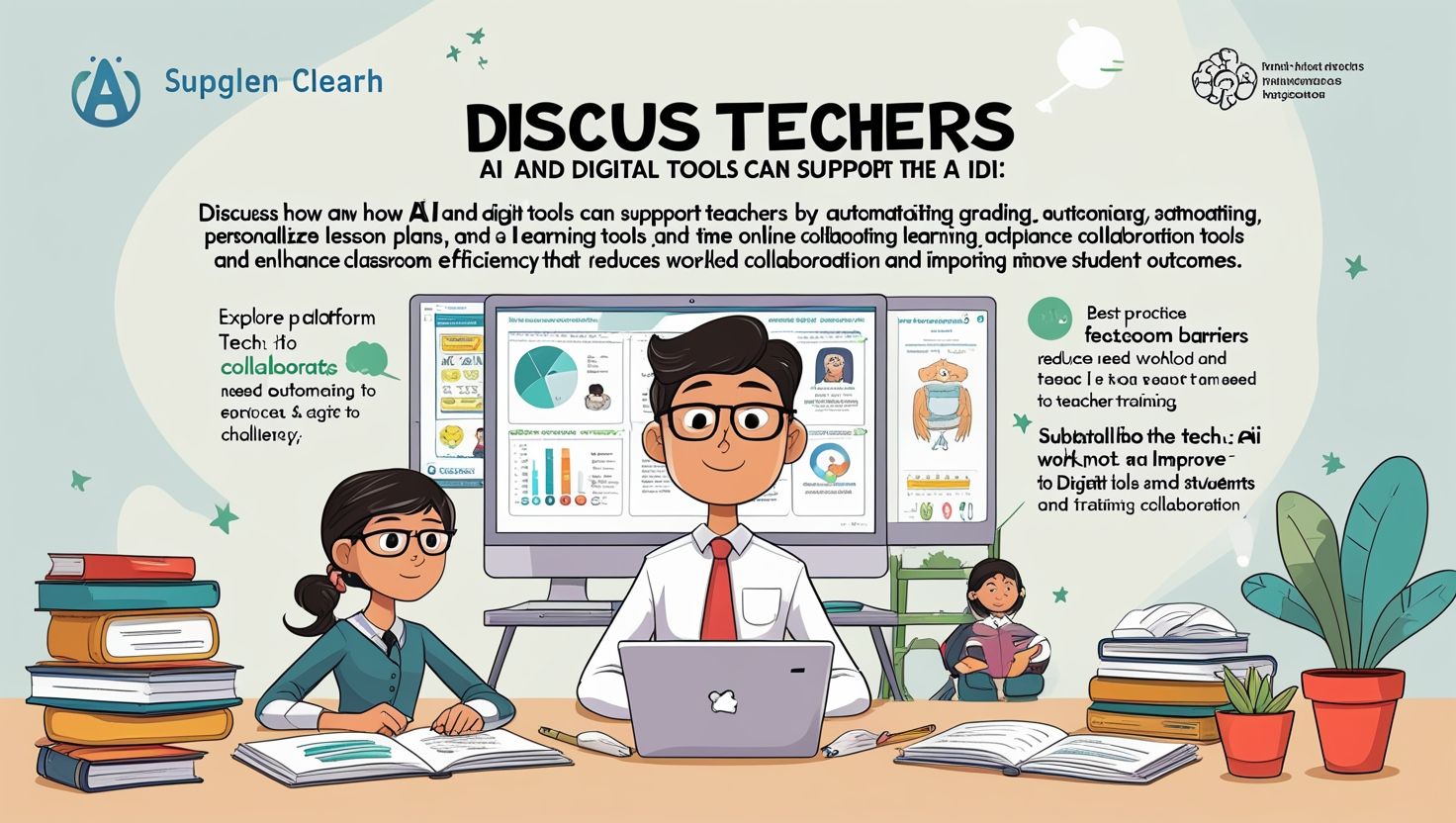
In the digital age, technological proficiency is no longer optional. Teachers must be able to integrate technology effectively into their teaching.
This includes:
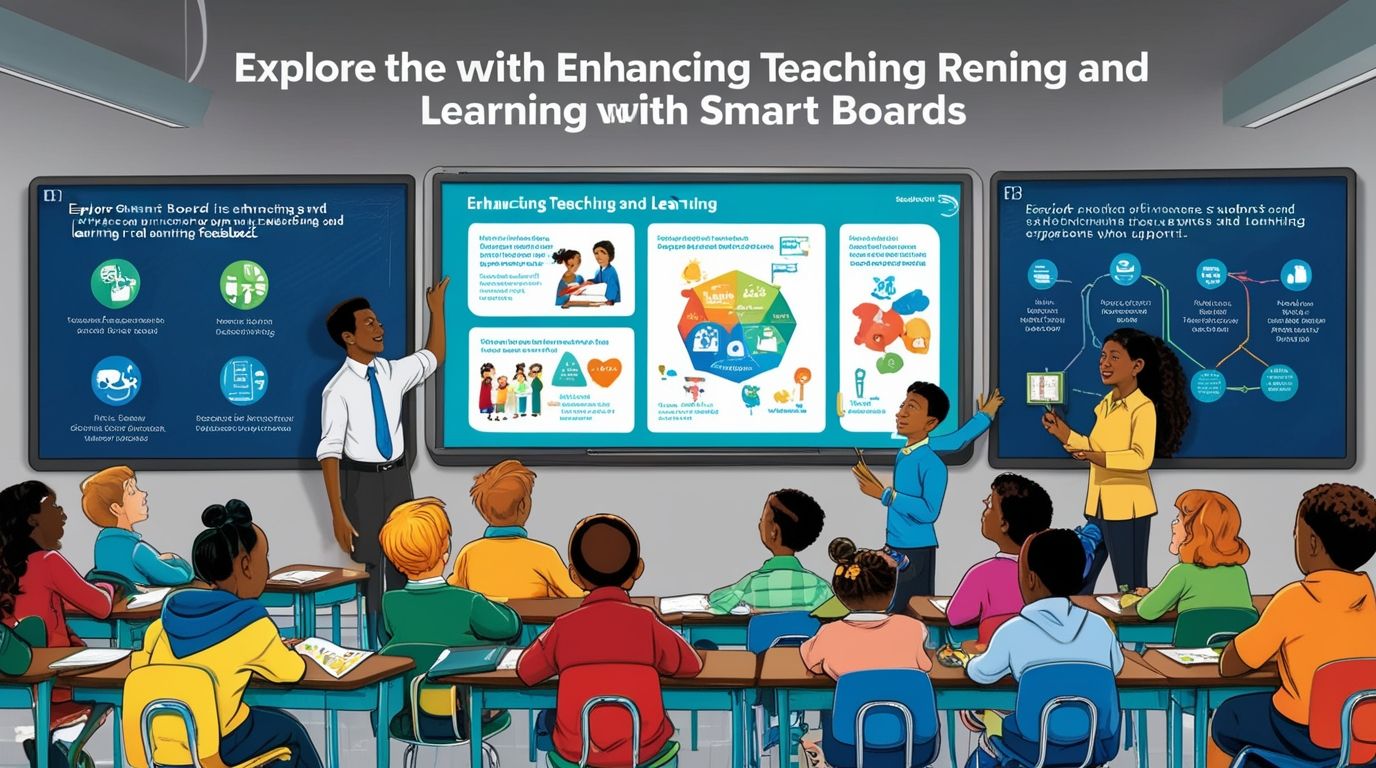
- Using digital tools for instruction (e.g., presentations, simulations)
- Managing online learning platforms
- Encouraging digital literacy among students
- Utilizing data management systems
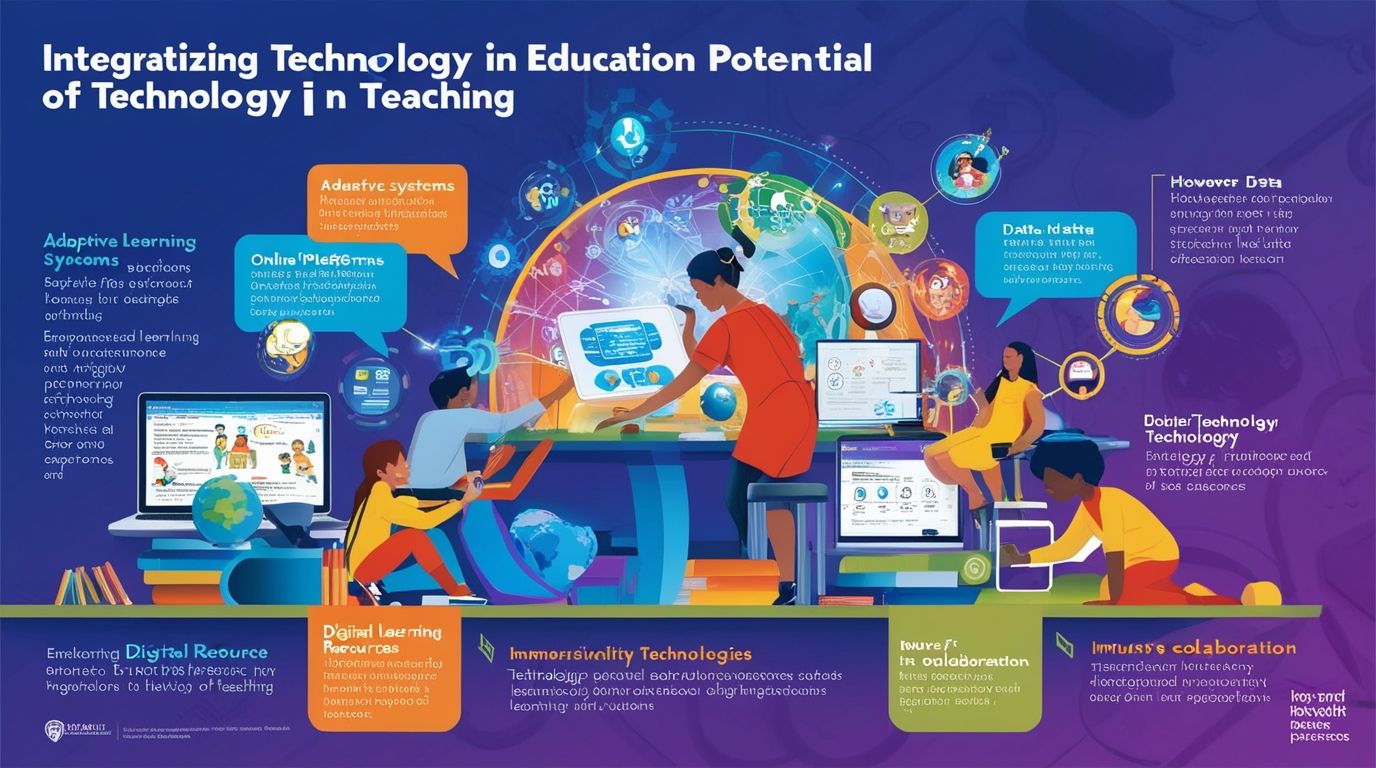
Technology enhances engagement and provides access to diverse resources. However, its effectiveness depends on how it is used. Proficient teachers align technology with pedagogical goals rather than using it for its own sake.
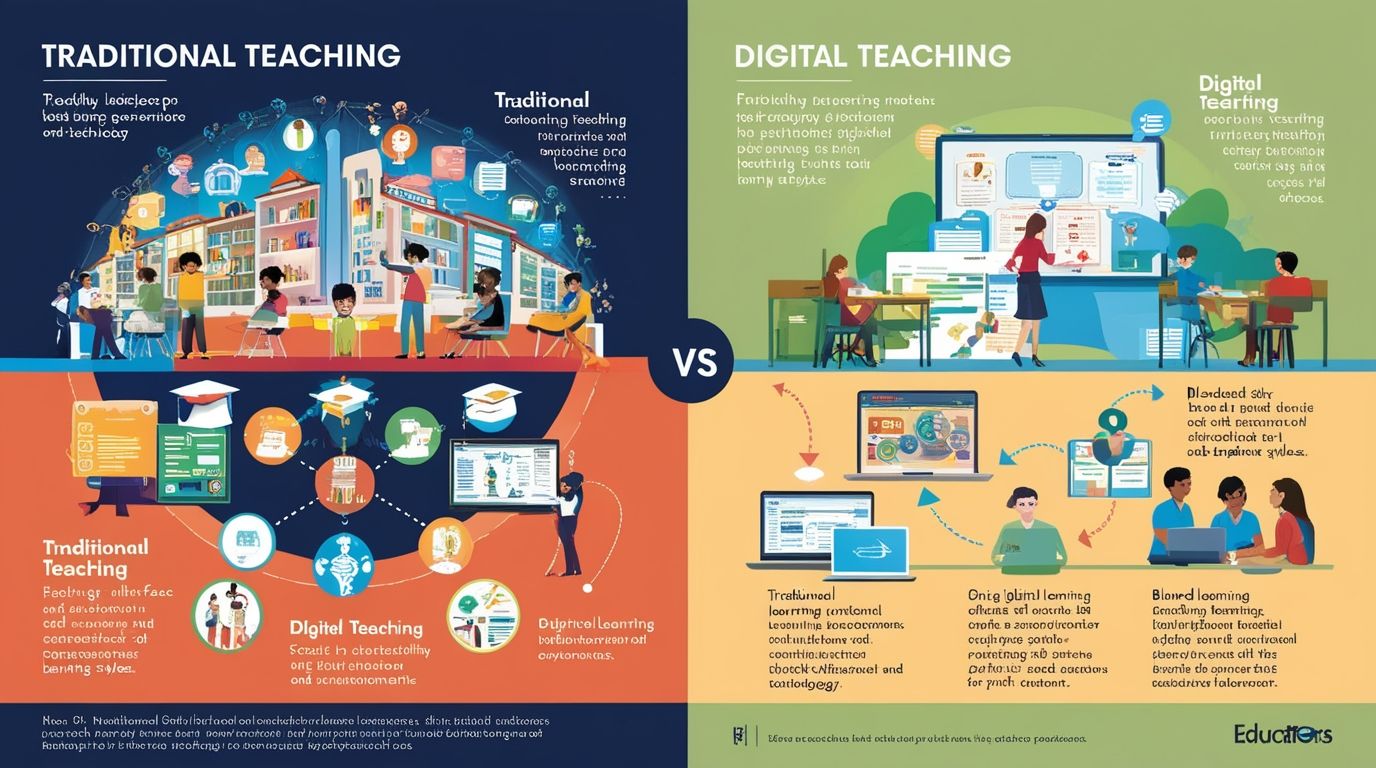
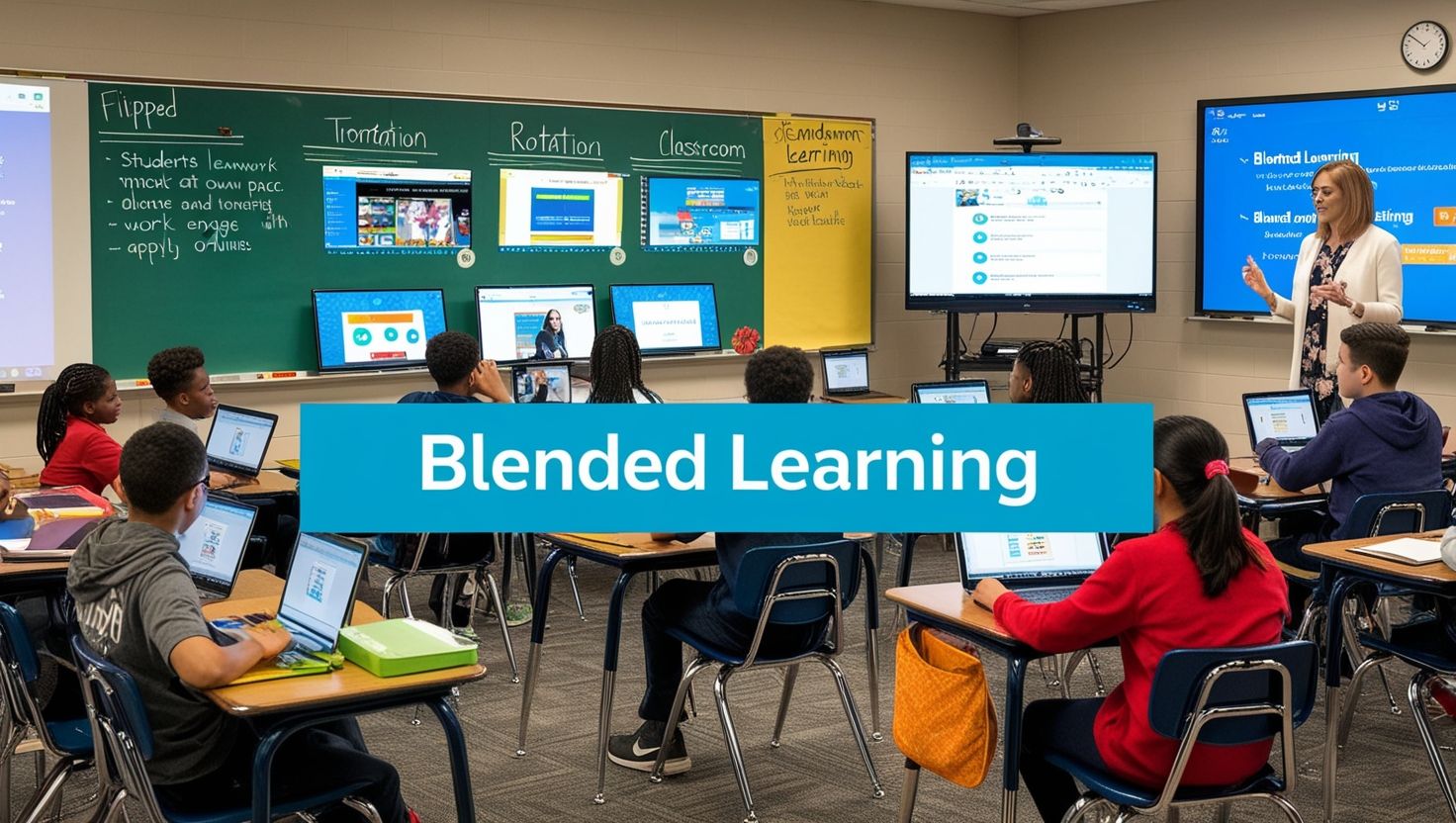
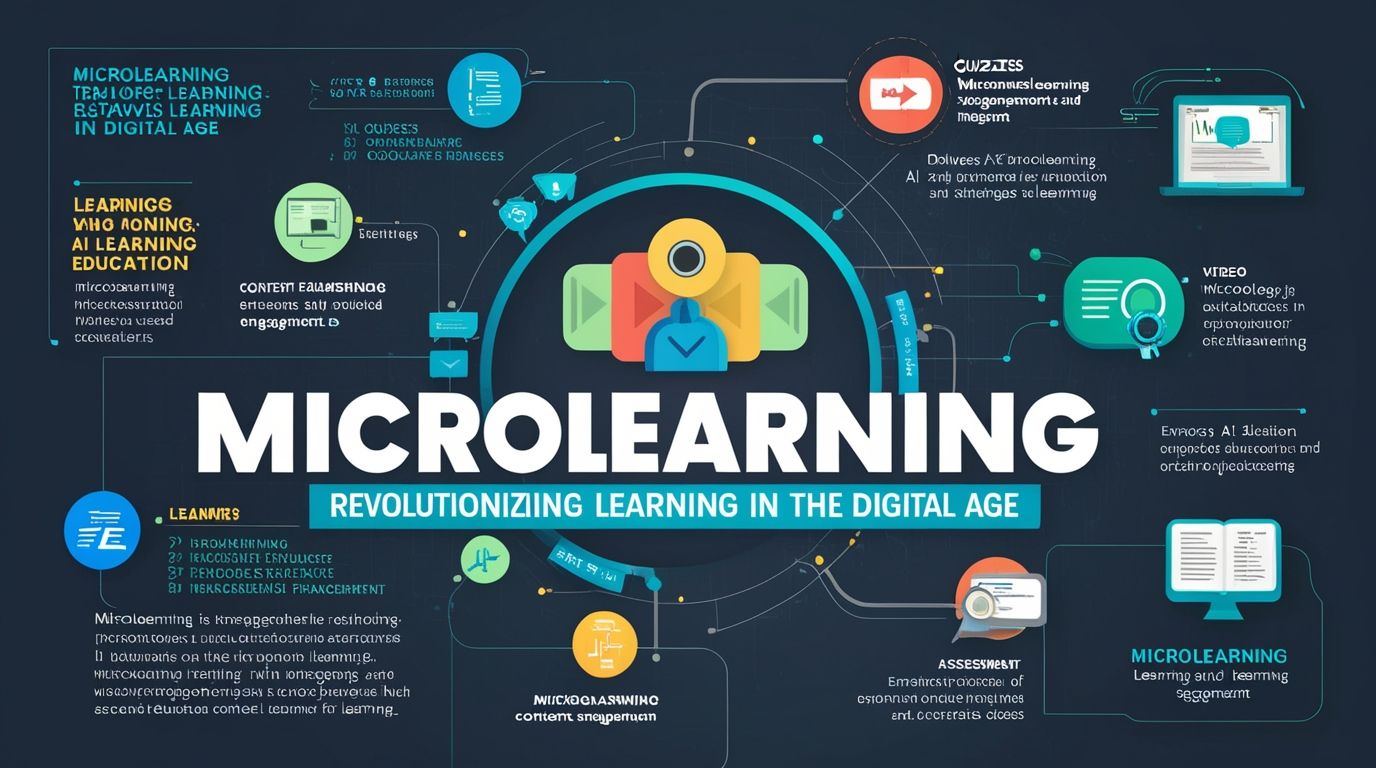
Additionally, teachers must stay updated with emerging technologies and adapt to new modes of teaching, such as blended and online learning.
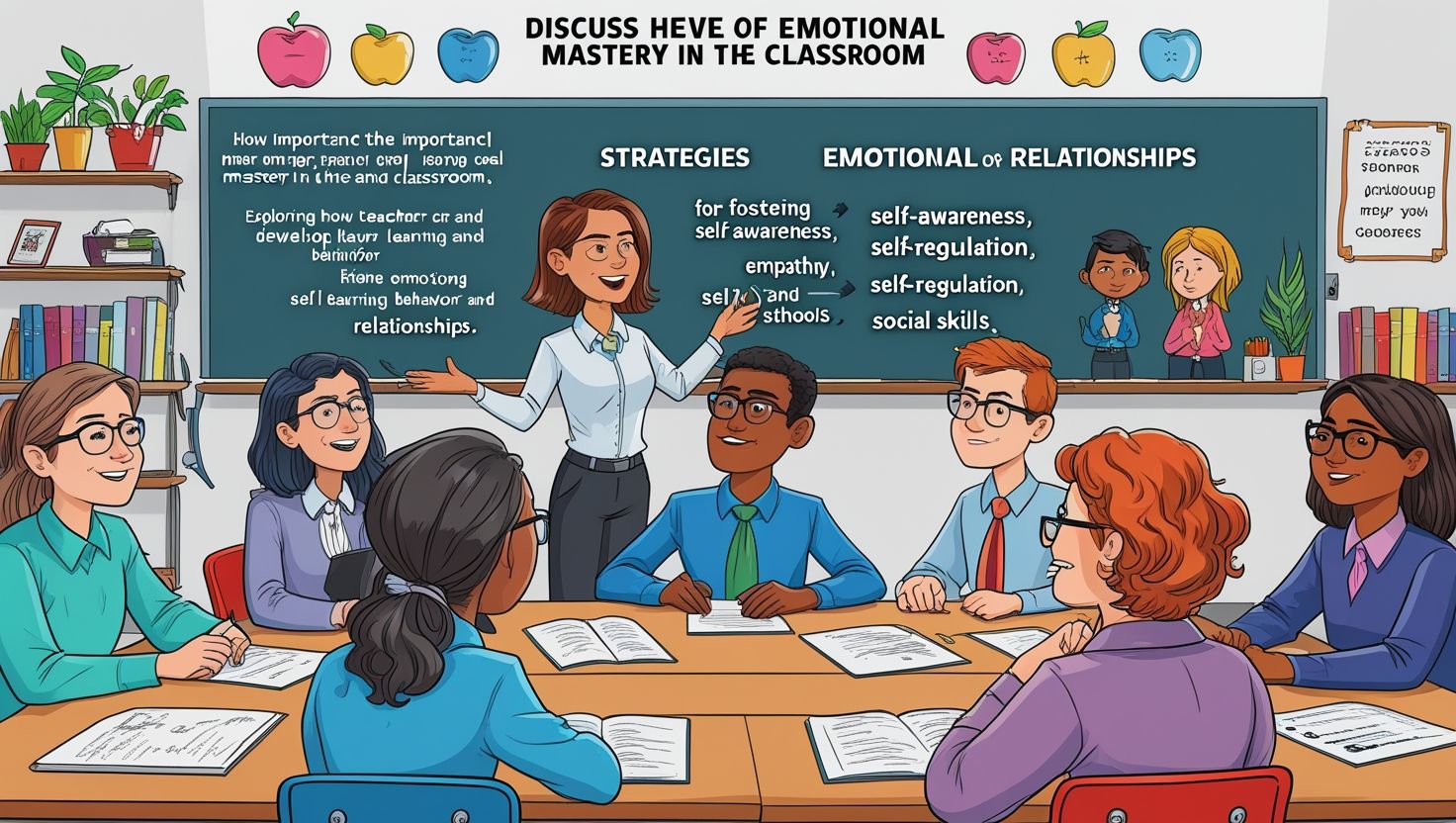
7. Emotional Intelligence
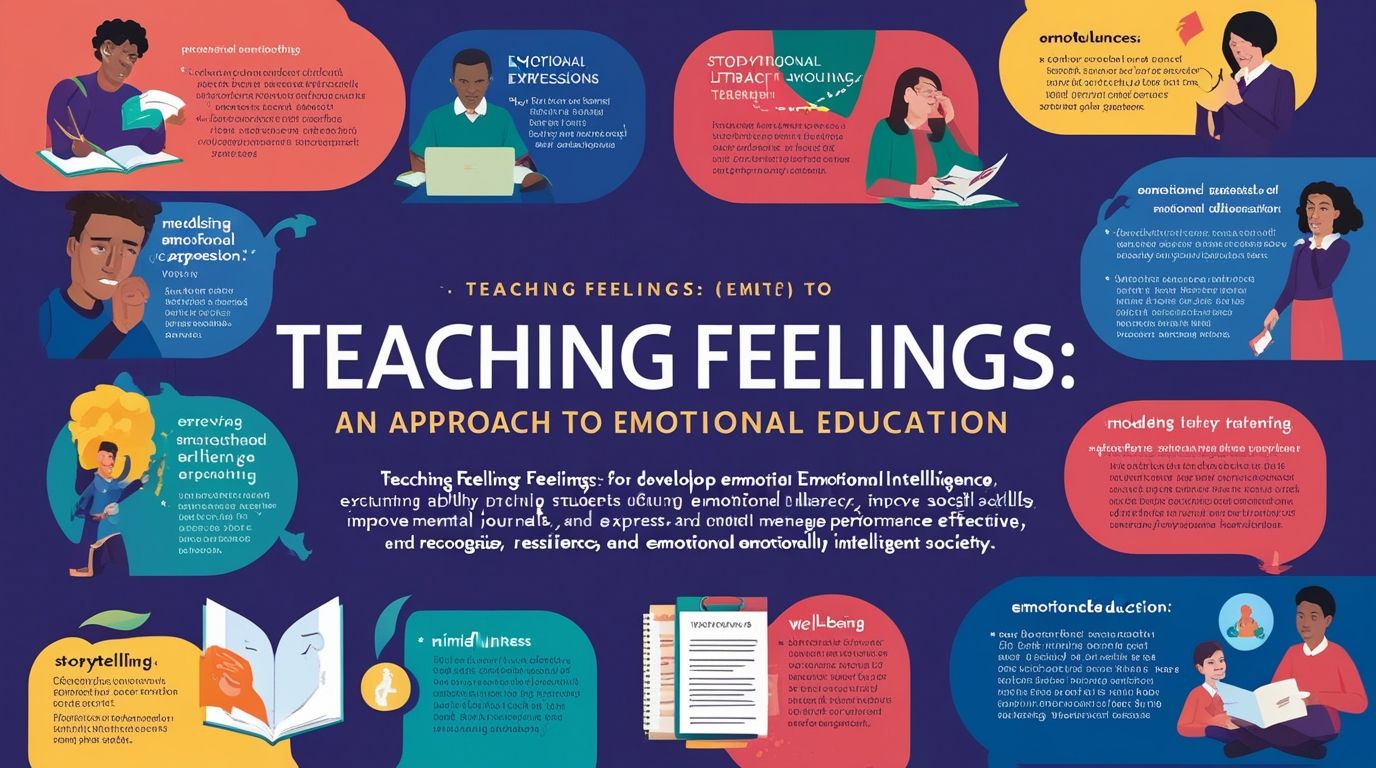
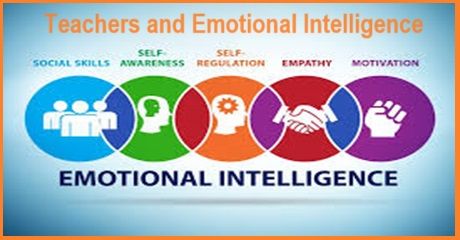
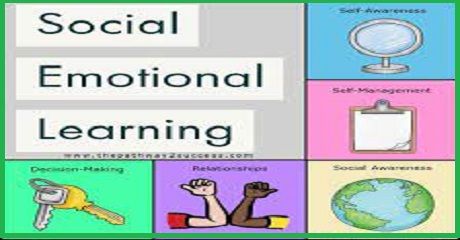
Emotional intelligence (EI) is the ability to recognize, understand, and manage one’s own emotions and those of others. It is a crucial proficiency for teachers.
Teachers with high EI:
- Build strong relationships with students
- Handle classroom conflicts effectively
- Demonstrate empathy and understanding
- Maintain a positive and supportive environment
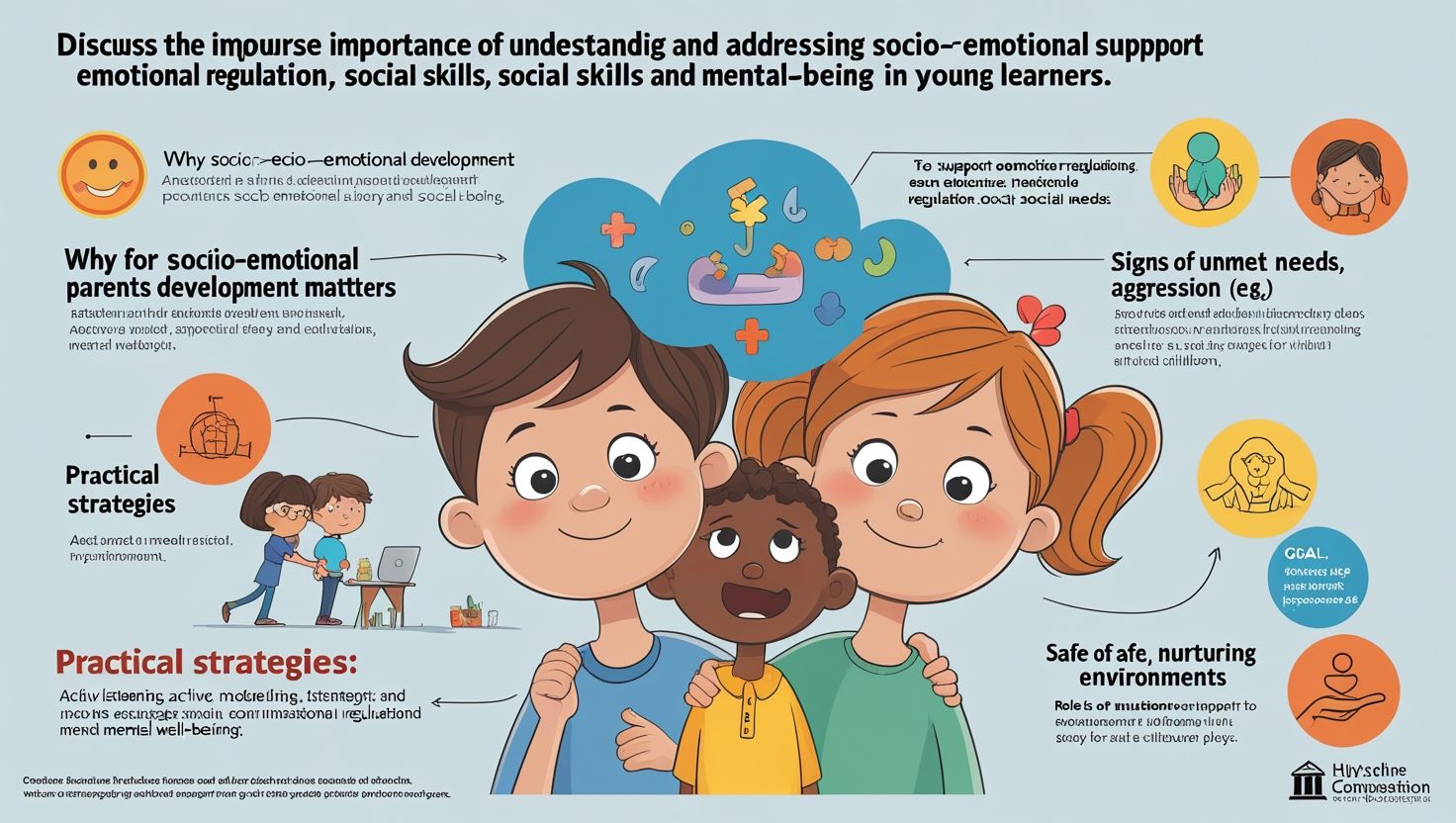
Students are more likely to engage and succeed when they feel emotionally supported. Teachers who are aware of students’ emotional needs can respond appropriately and create a nurturing learning atmosphere.
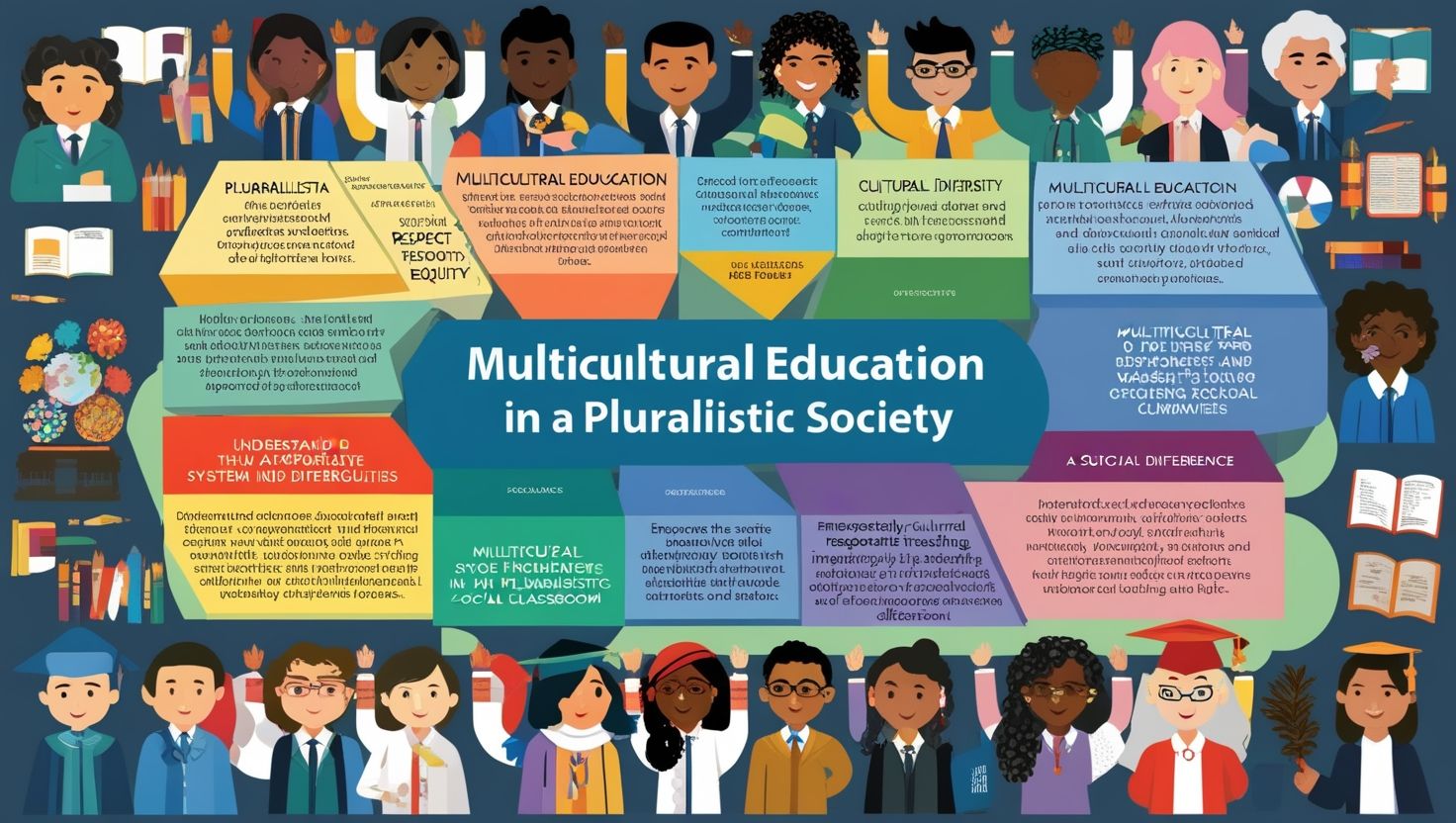
8. Inclusivity and Diversity Awareness
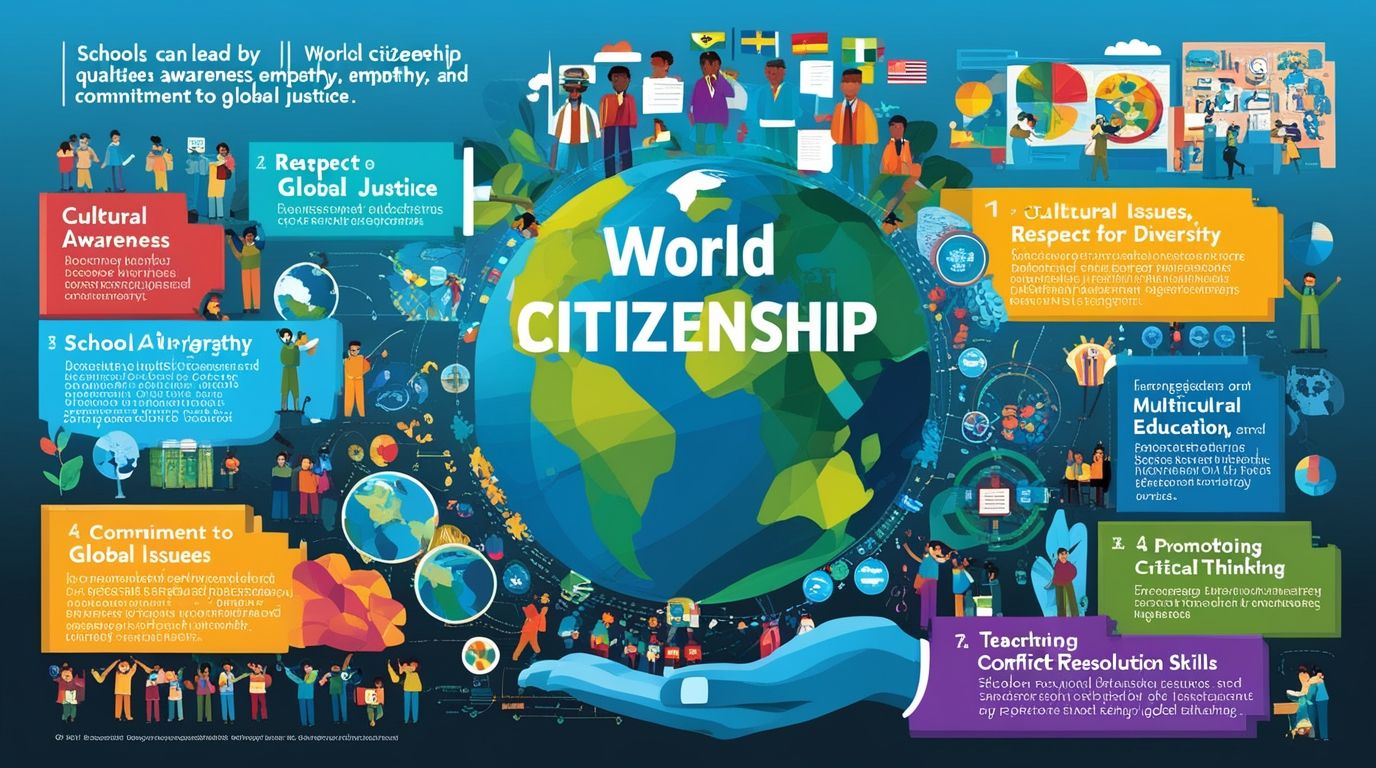
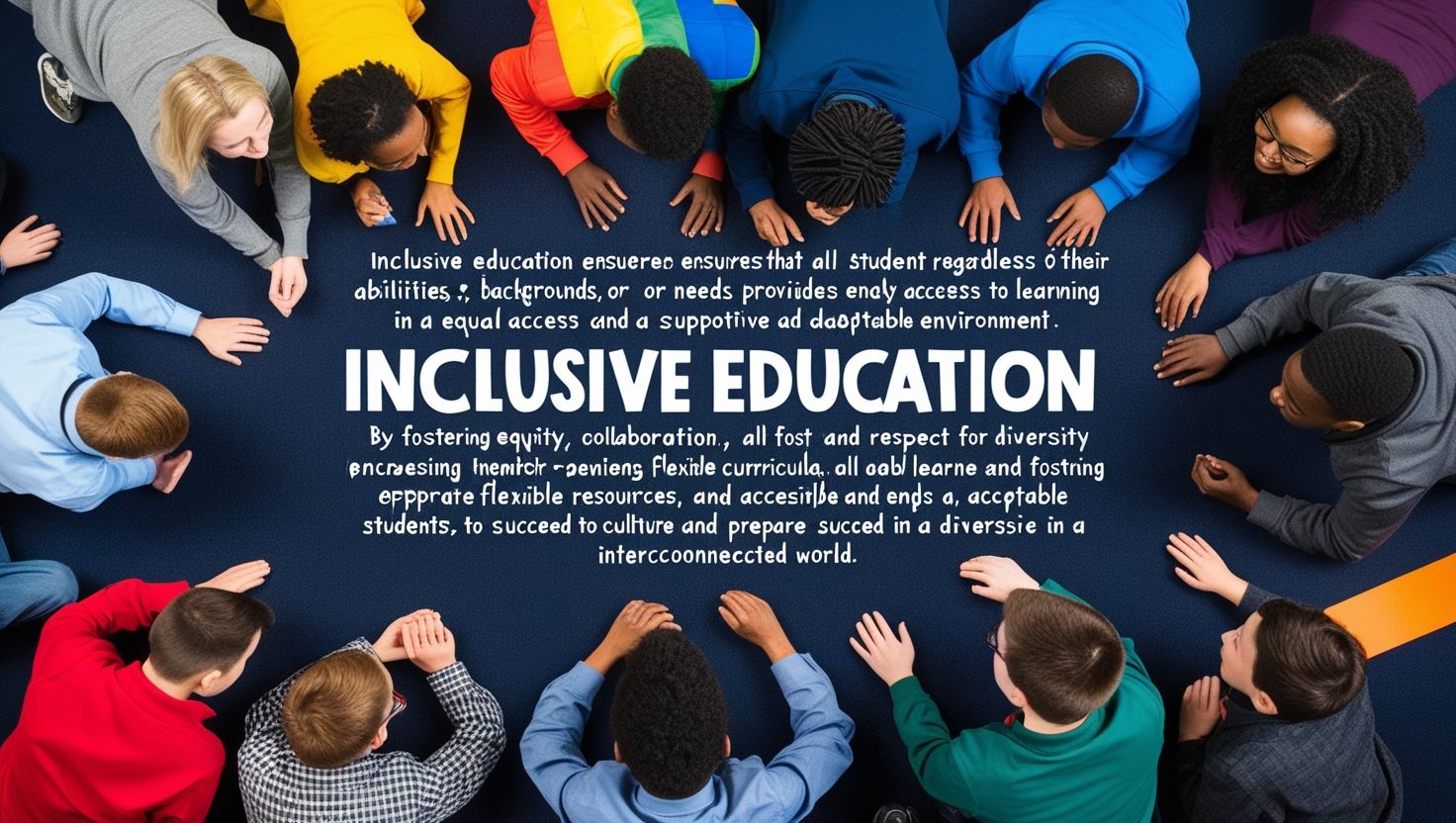
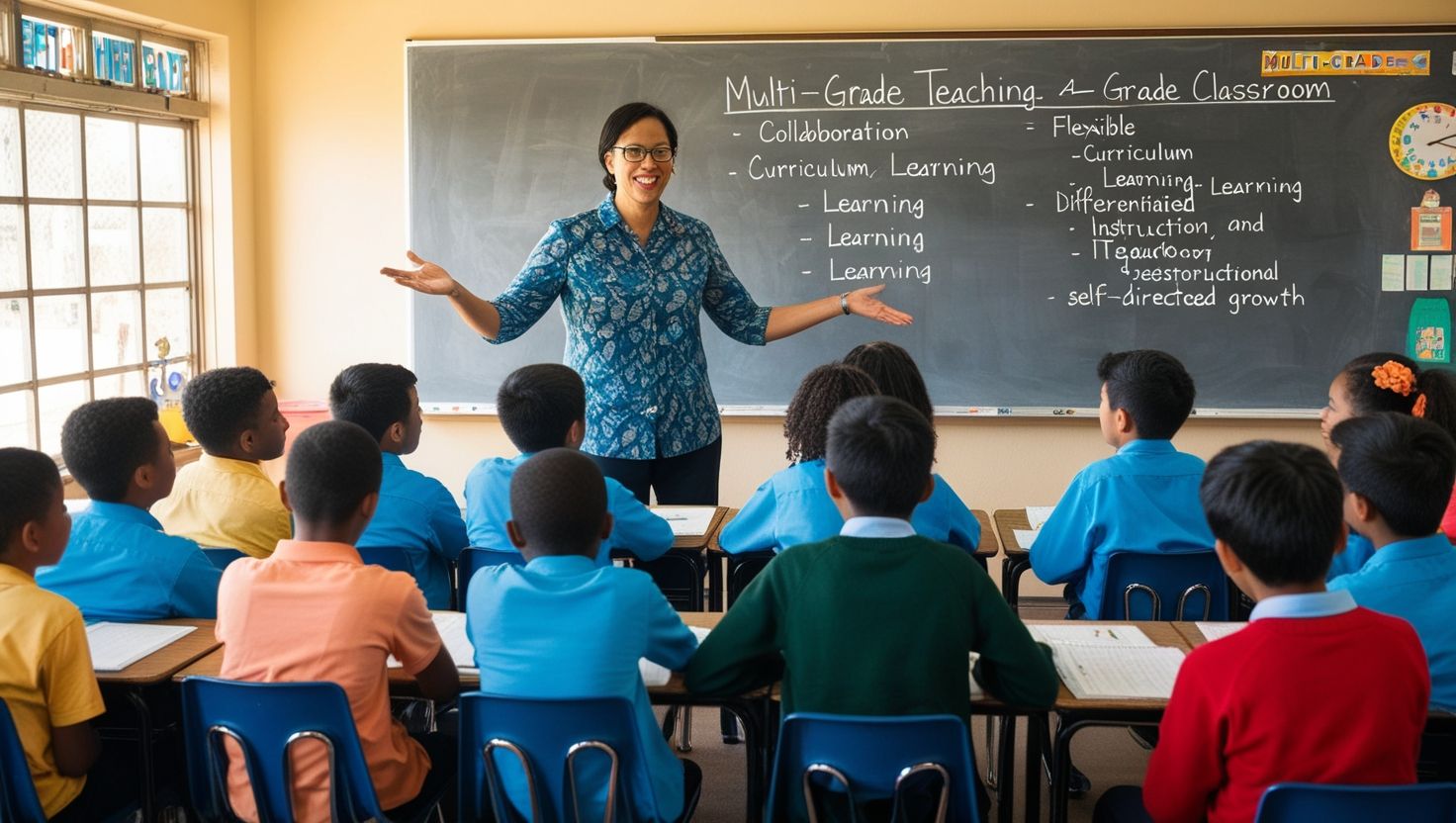
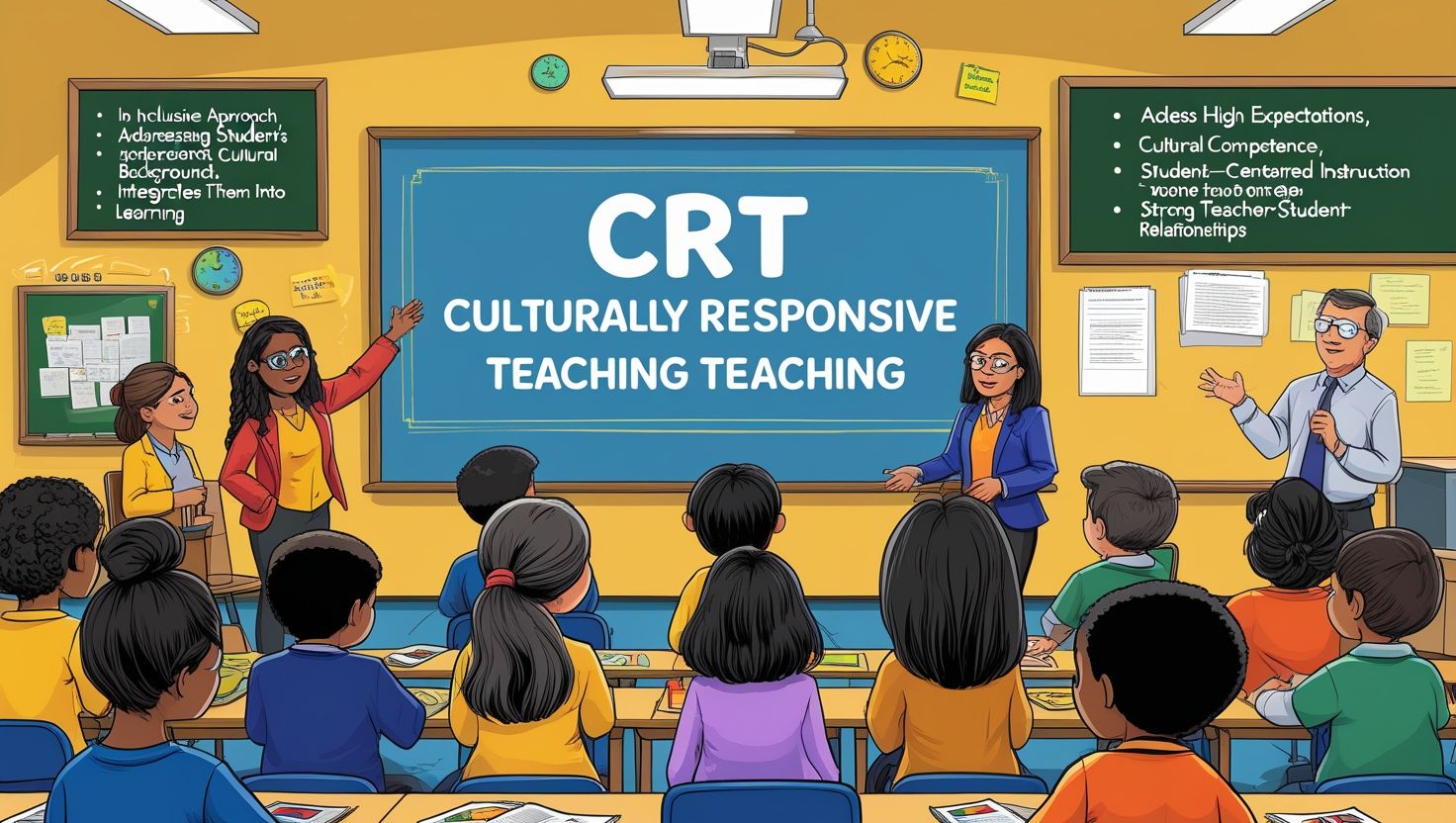
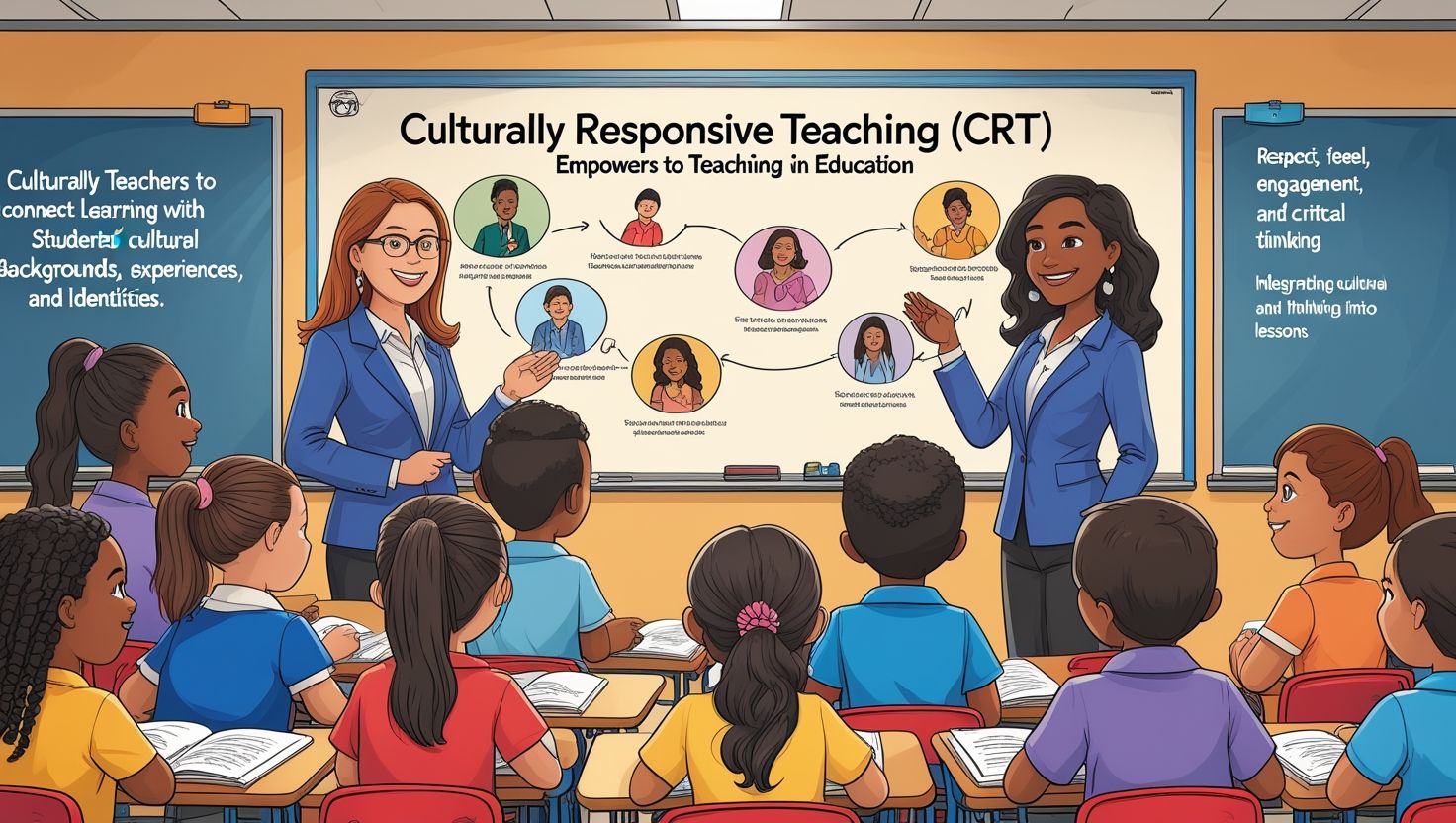
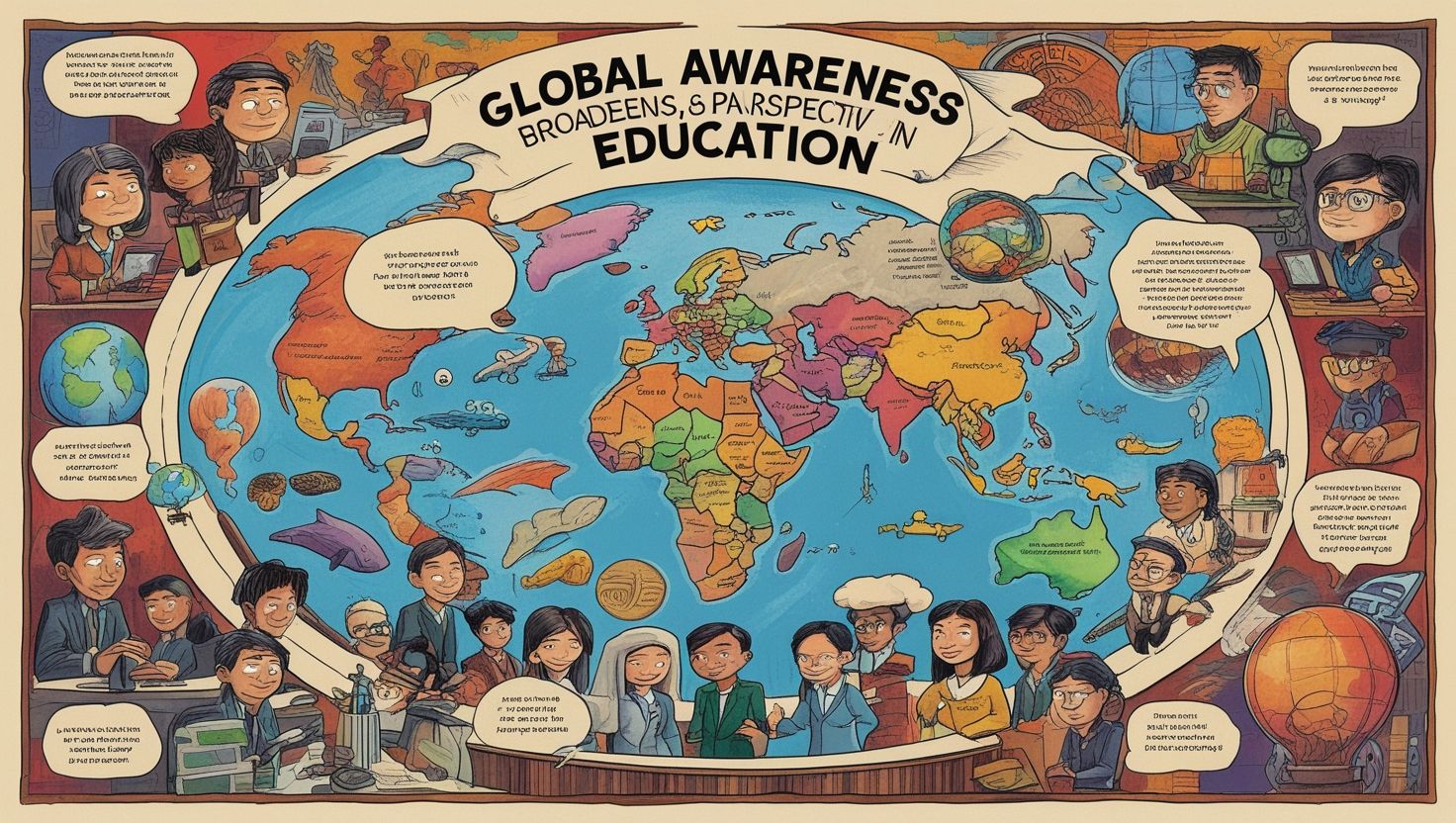
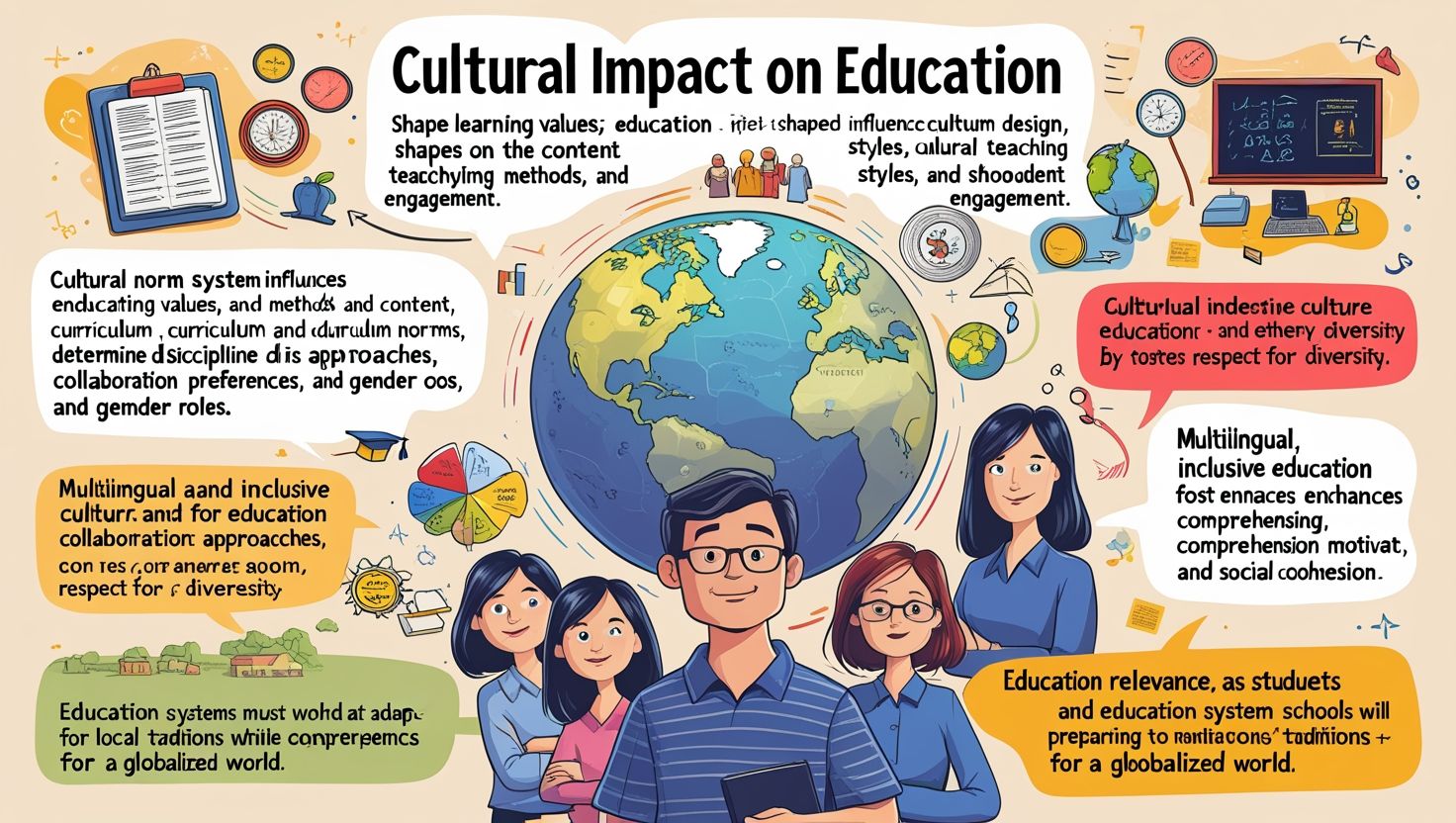
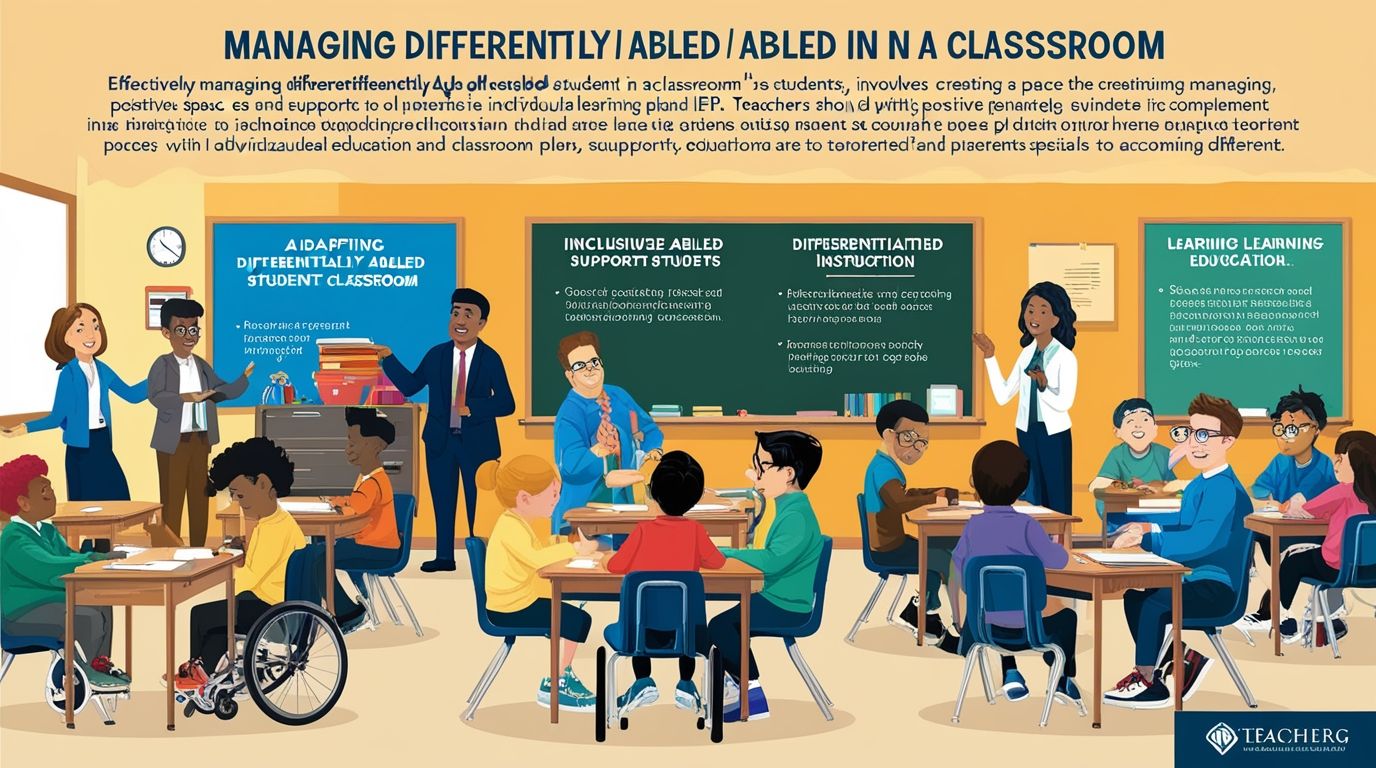
Modern classrooms are diverse, encompassing differences in culture, language, ability, and socioeconomic background. Teachers must be proficient in inclusive practices.
Inclusive teaching involves:
- Differentiating instruction to meet varied needs
- احترام (respecting) cultural differences
- Supporting students with deffernt needs
- Promoting equity and fairness
Teachers should avoid one-size-fits-all approaches and instead tailor their teaching to accommodate individual differences. This ensures that all students have equal opportunities to succeed.
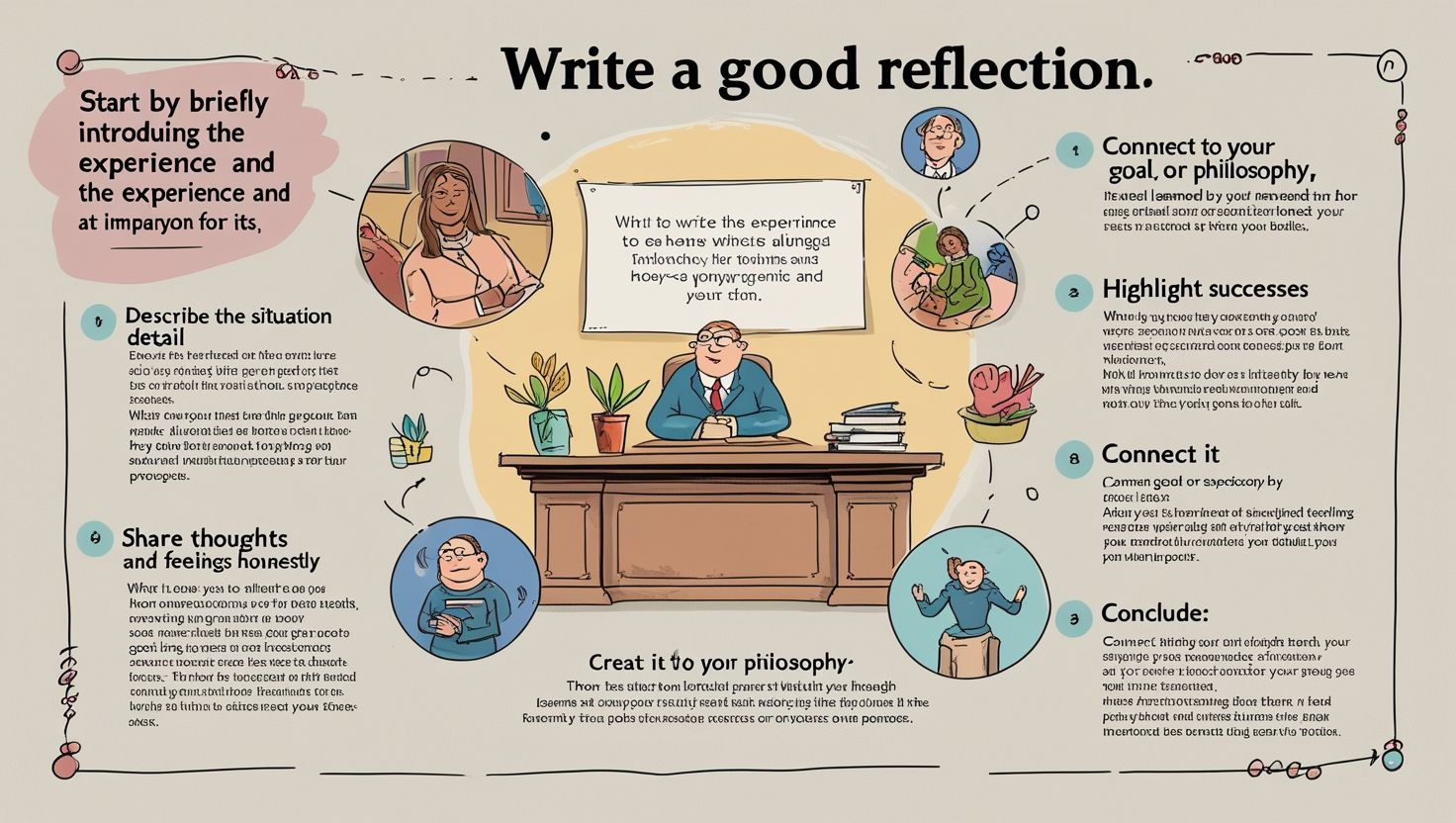
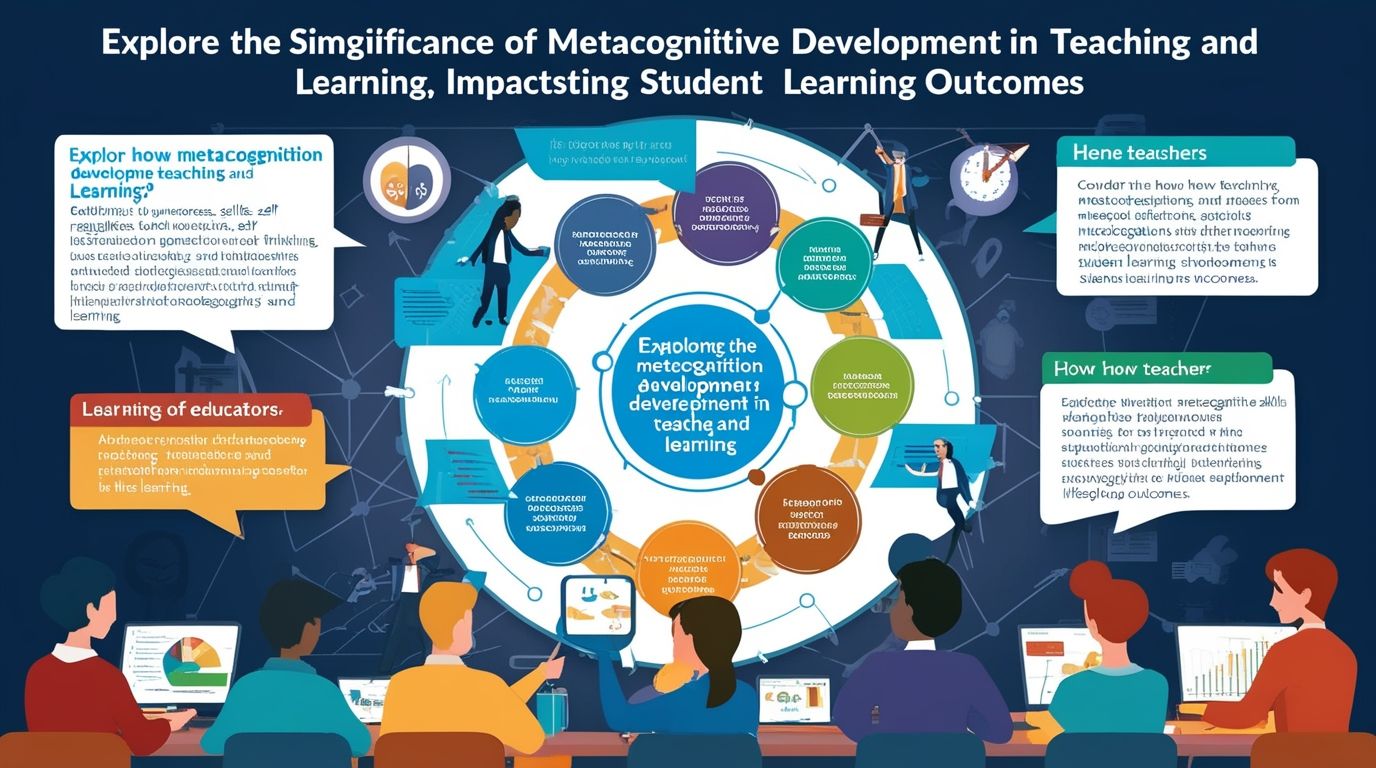
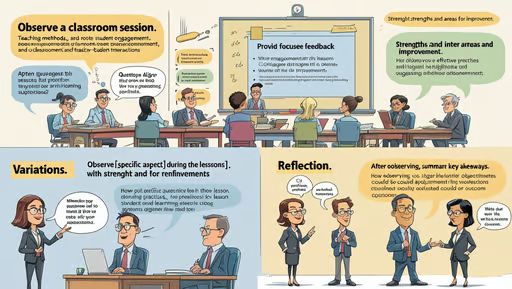
9. Reflective Practice
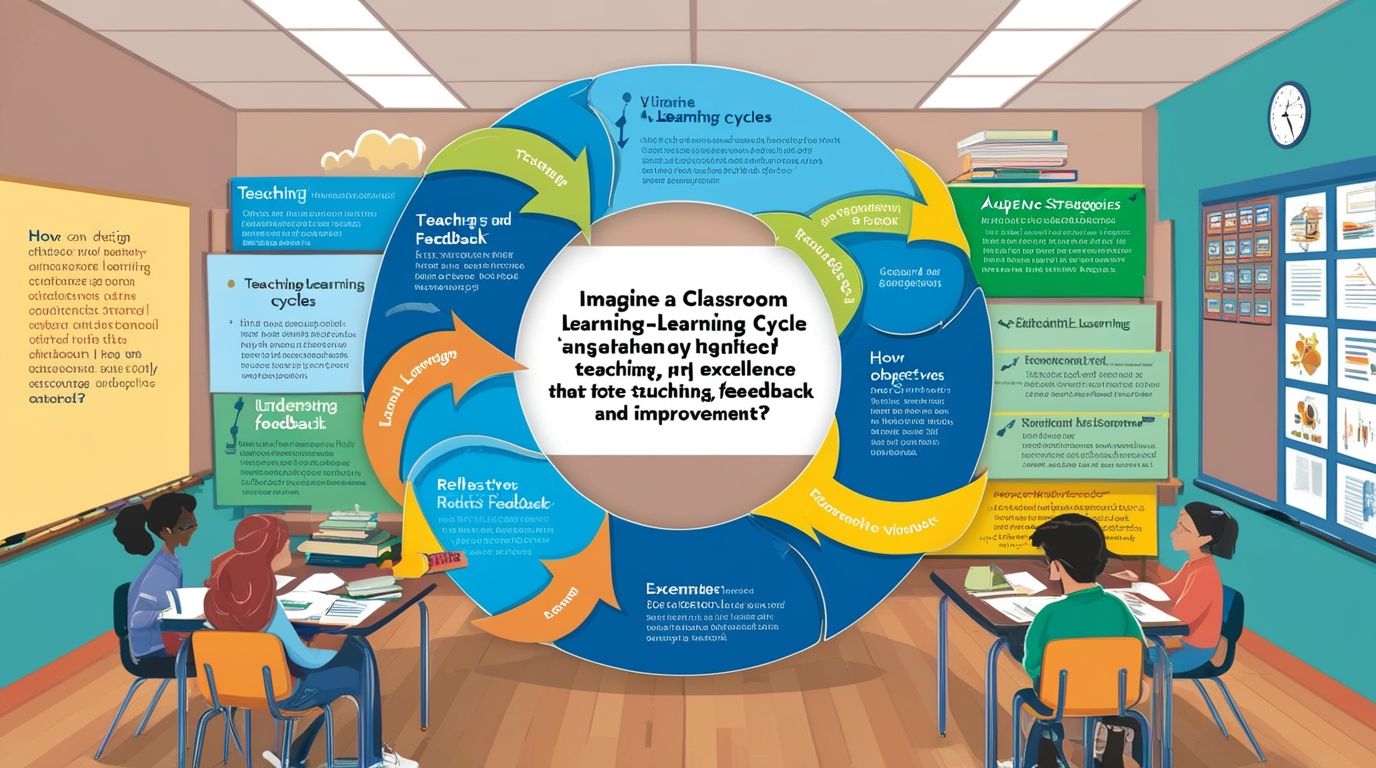
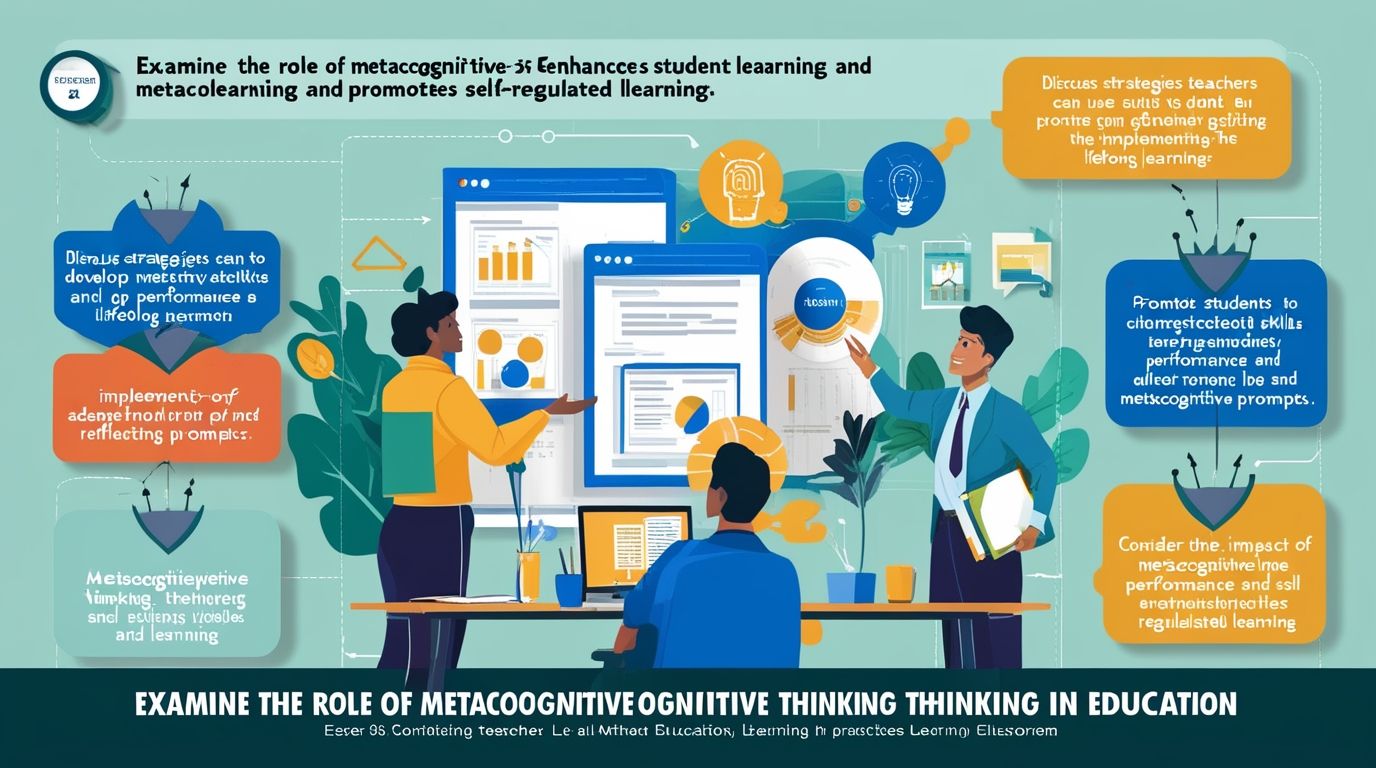
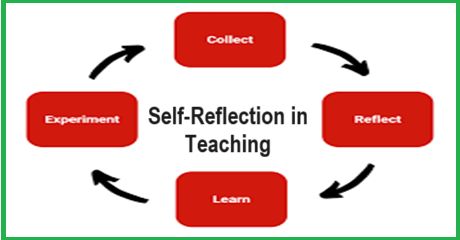
Reflective practice is the process of critically analyzing one’s teaching to improve effectiveness. It is a hallmark of professional growth.
Proficient teachers regularly reflect on:
- What worked well in a lesson
- What challenges arose
- How students responded
- What improvements can be made
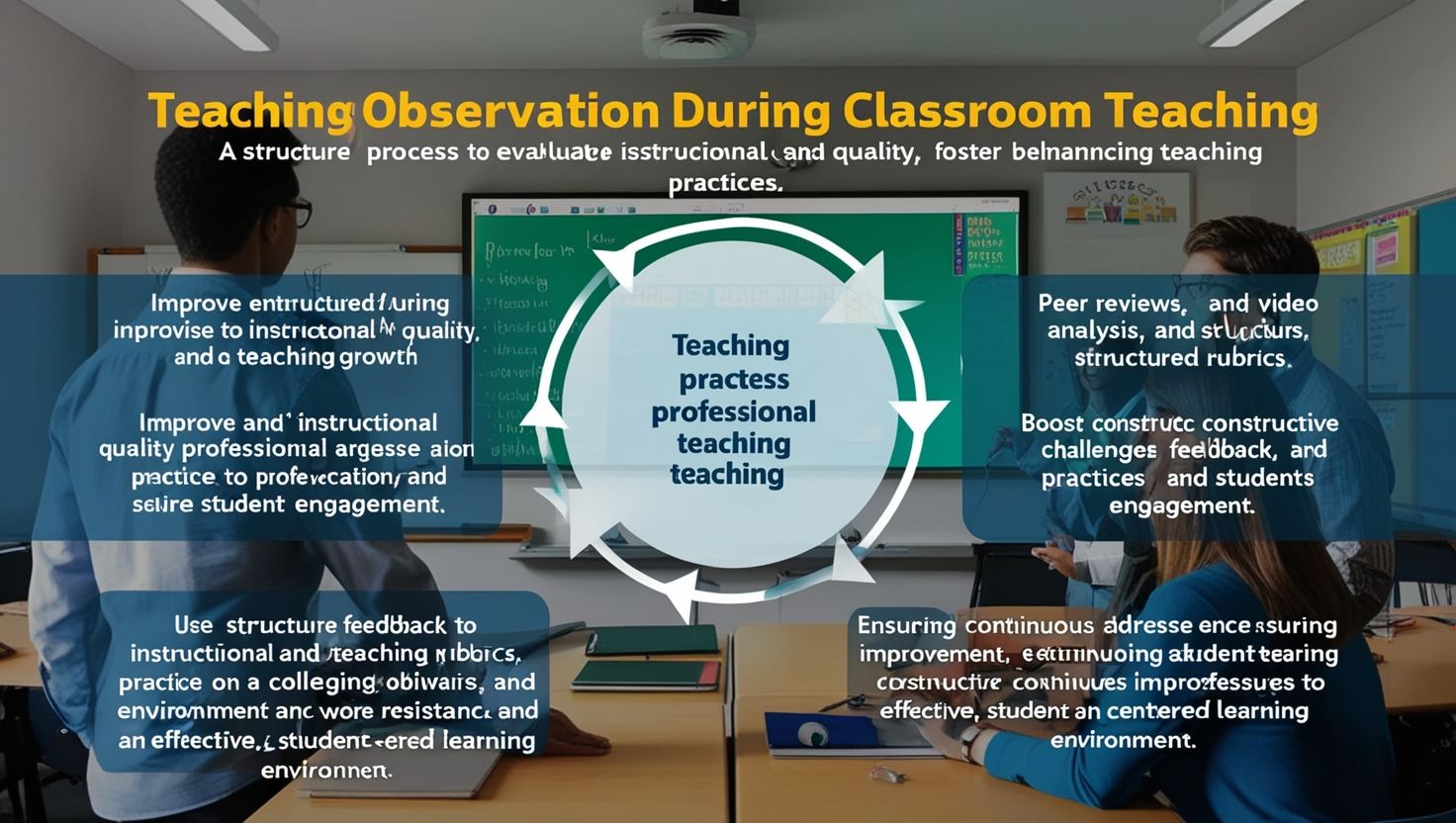
Reflection can be done individually or collaboratively with colleagues. Tools such as teaching journals, peer observations, and student feedback are valuable in this process.
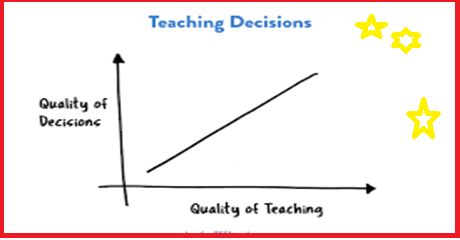
Continuous reflection leads to informed decision-making and ongoing improvement.
10. Professional Ethics and Attitude
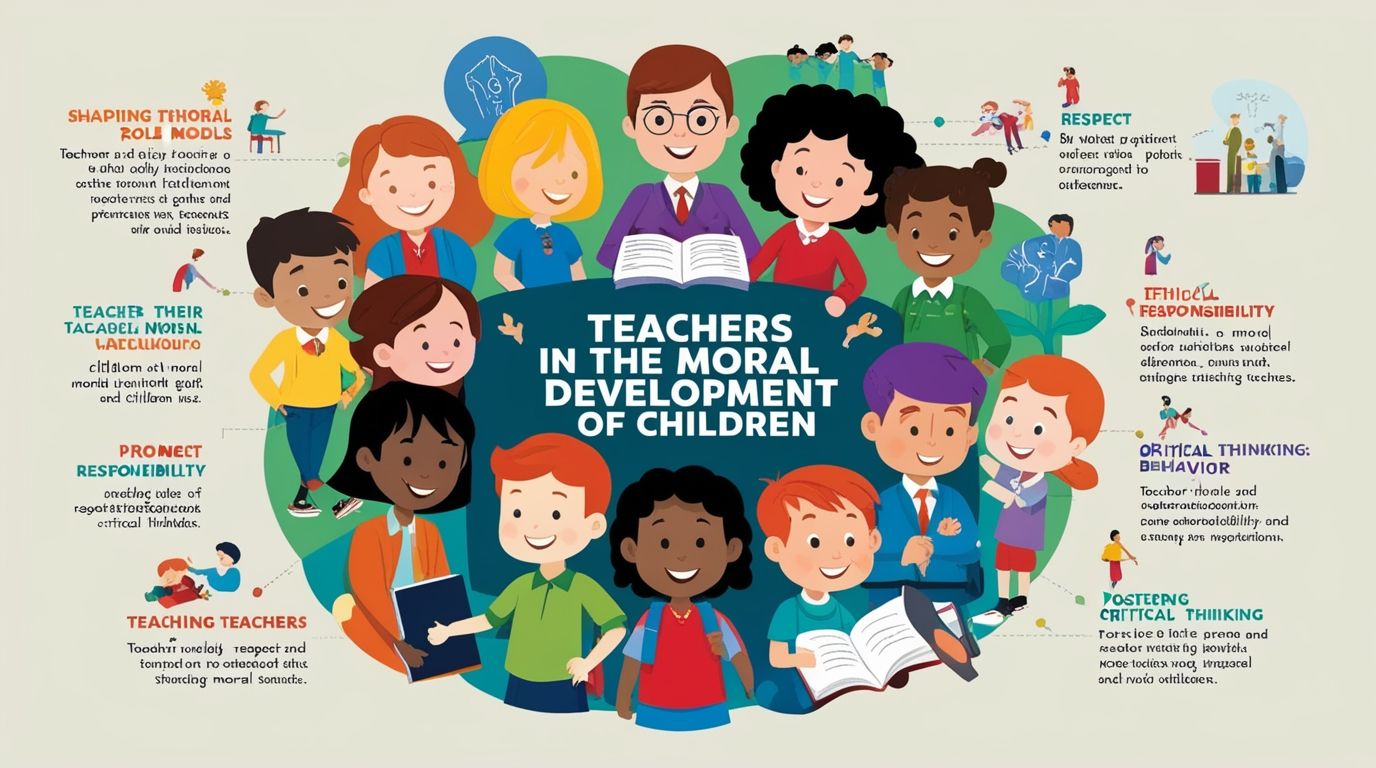
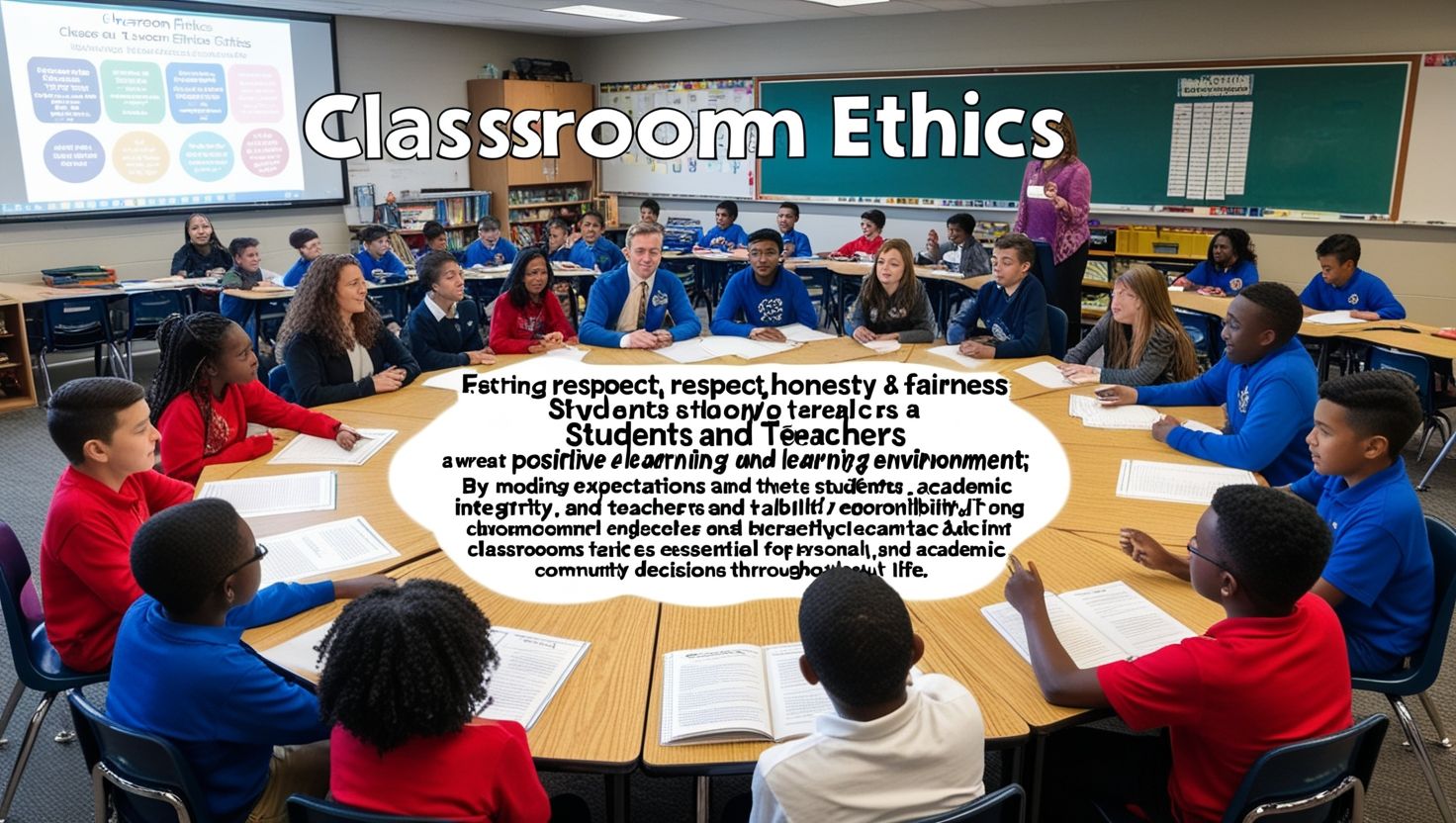
Teachers are role models and must uphold high ethical standards. Professional ethics include integrity, fairness, respect, and responsibility.
Key aspects include:
- Treating all students equitably
- Maintaining confidentiality
- Demonstrating professionalism in conduct
- Committing to lifelong learning
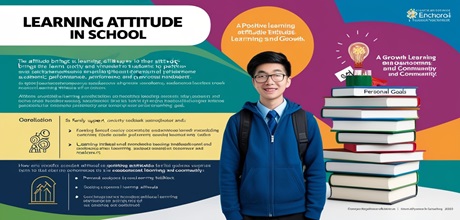
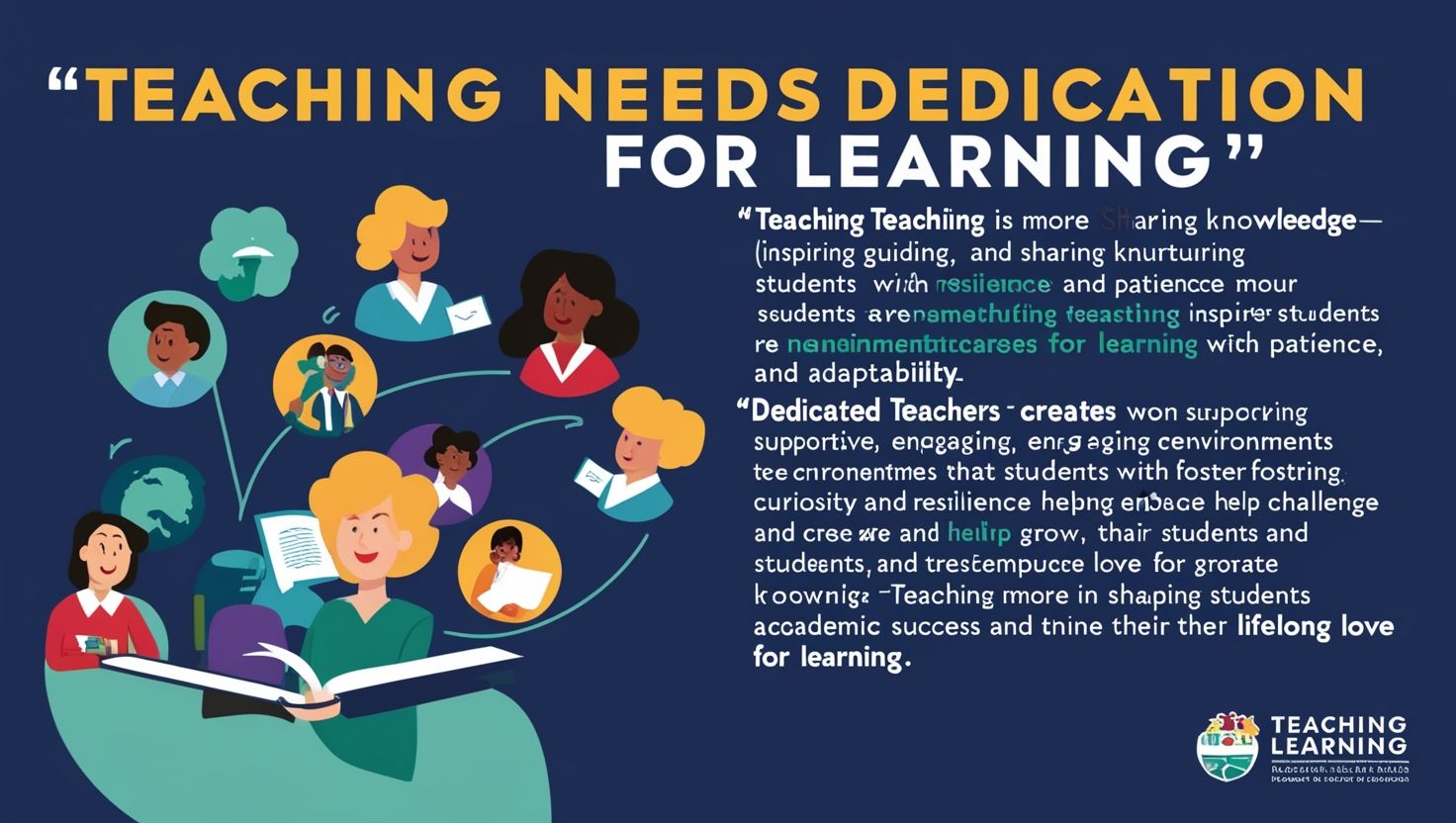
A positive attitude also plays a significant role. Enthusiasm, patience, and dedication inspire students and contribute to a productive learning environment.
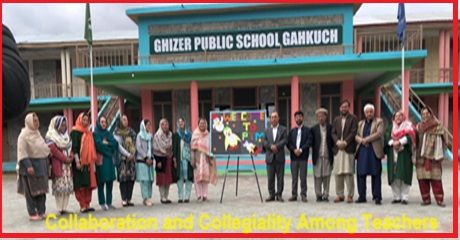
11. Collaboration and Teamwork
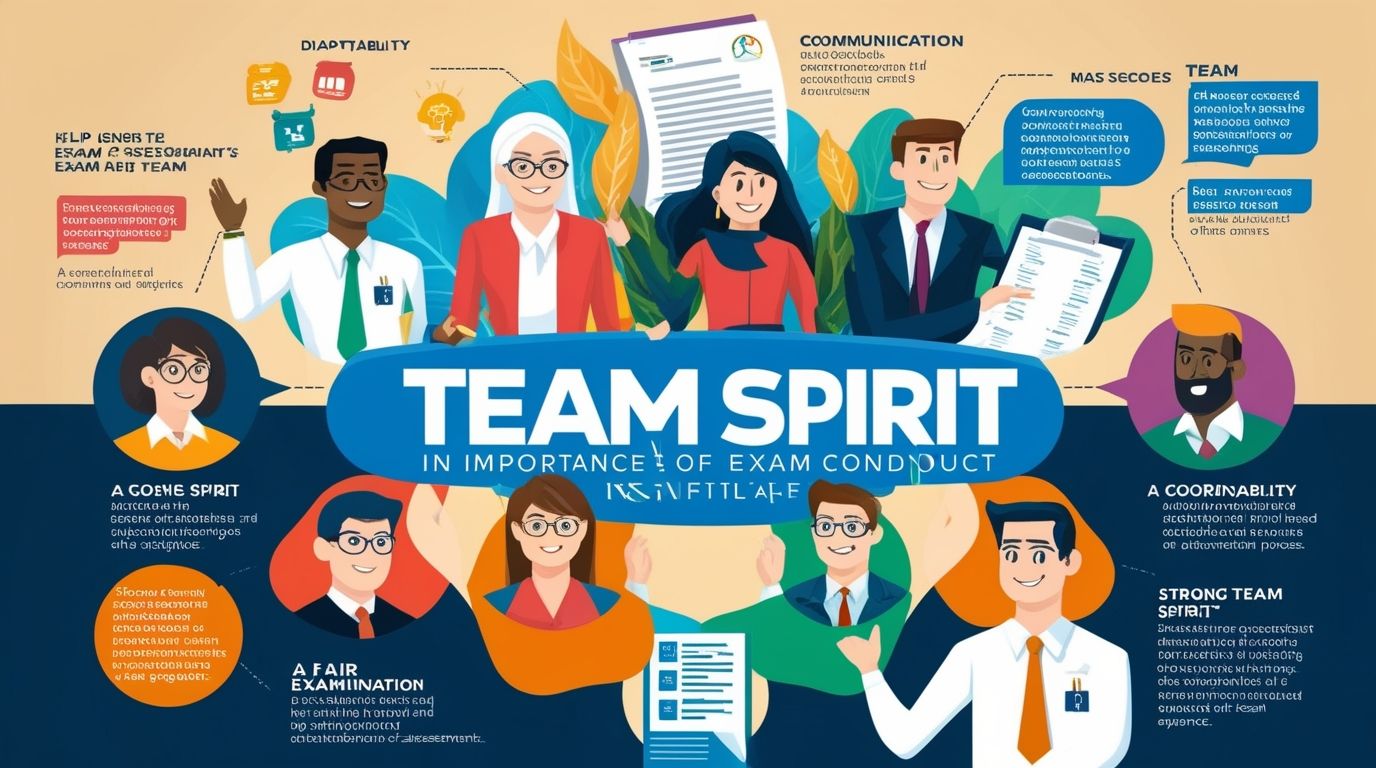
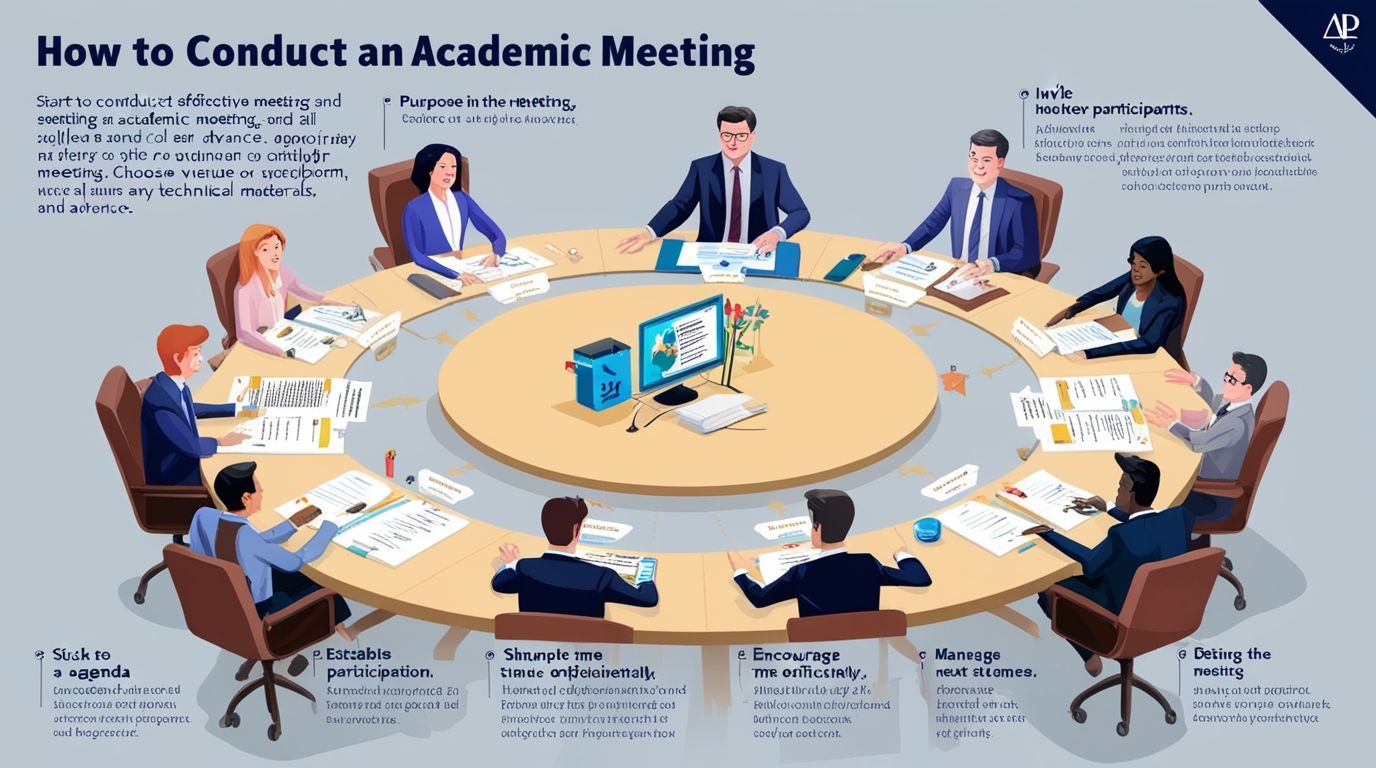
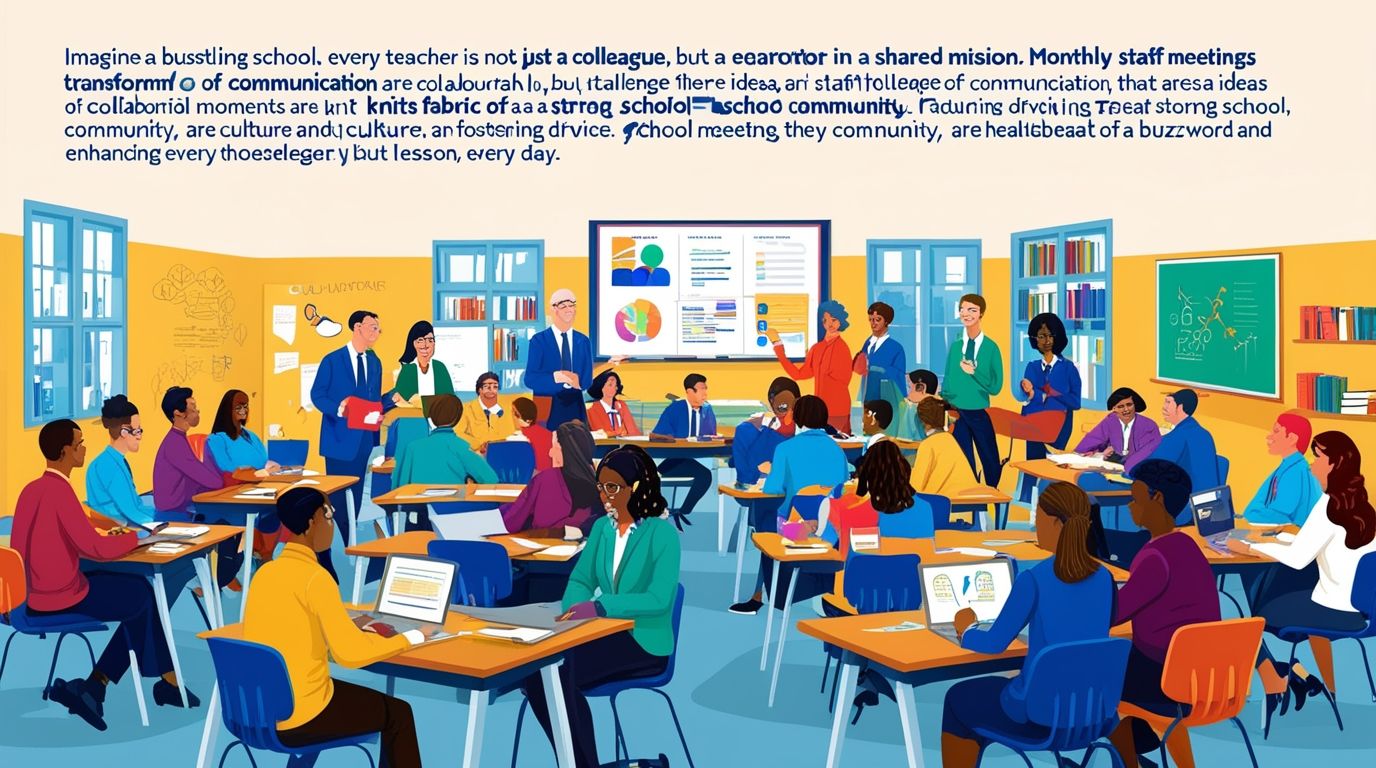
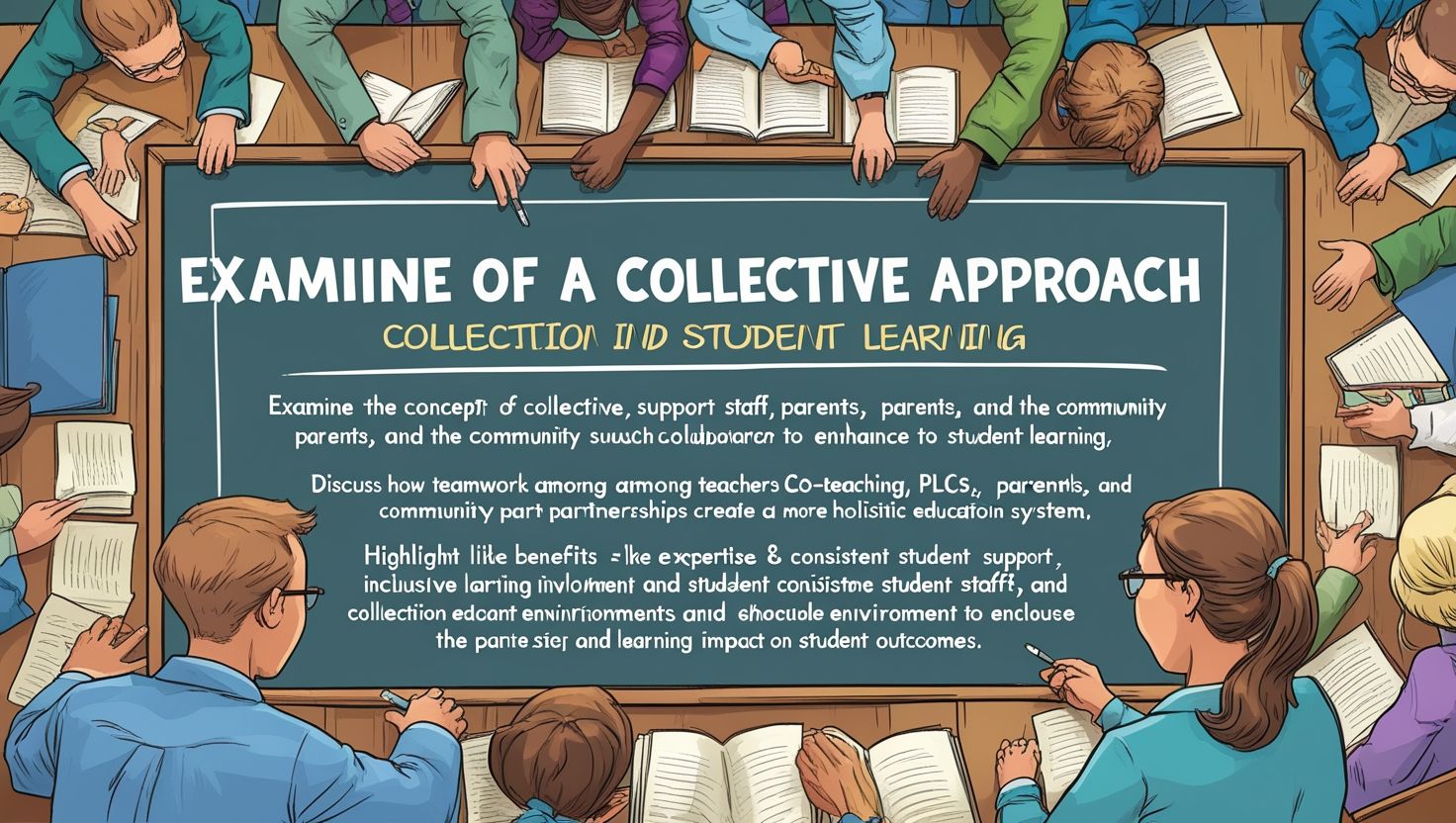
Teaching is not an isolated profession. Collaboration with colleagues enhances instructional quality and professional development.
Proficient teachers:
- Participate in professional learning communities
- Share resources and strategies
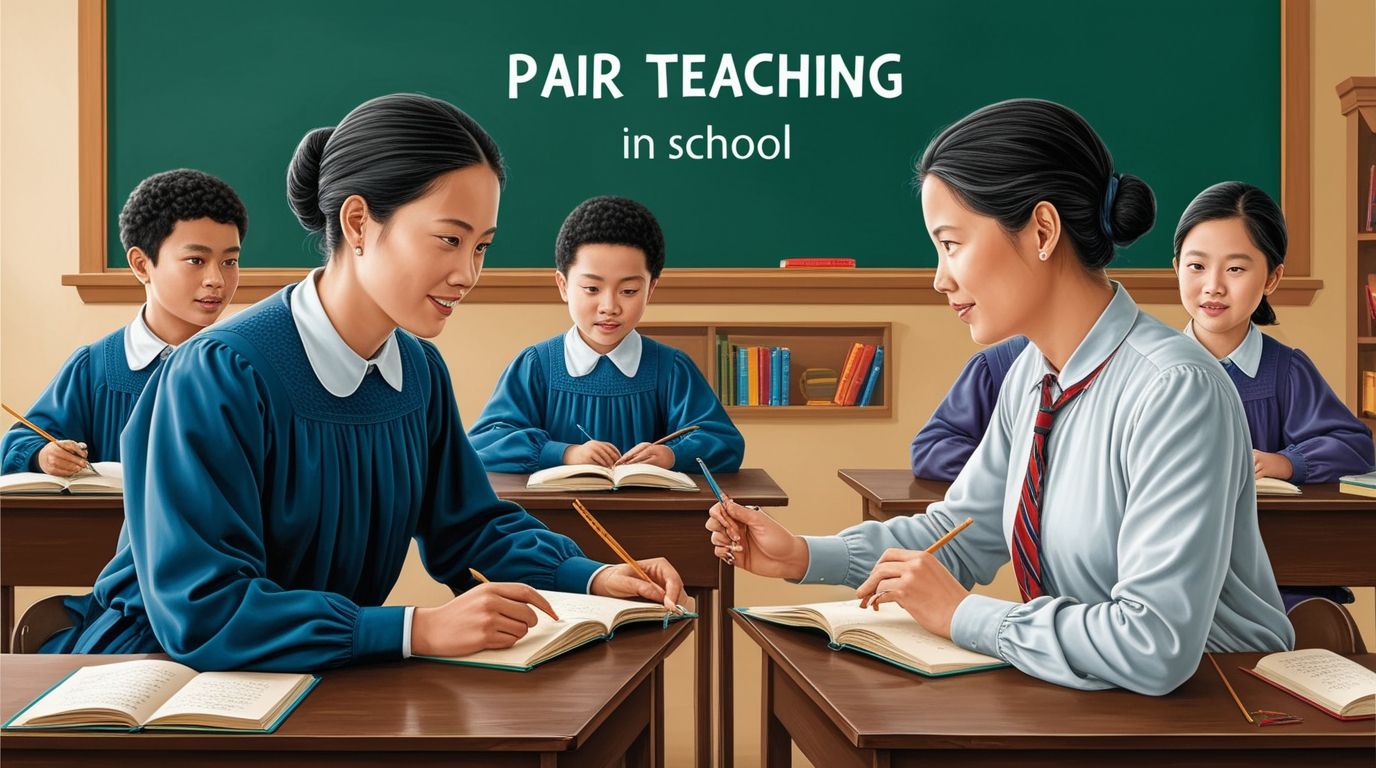
- Engage in team teaching
- Contribute to school improvement initiatives
Collaboration fosters innovation and helps address challenges more effectively.
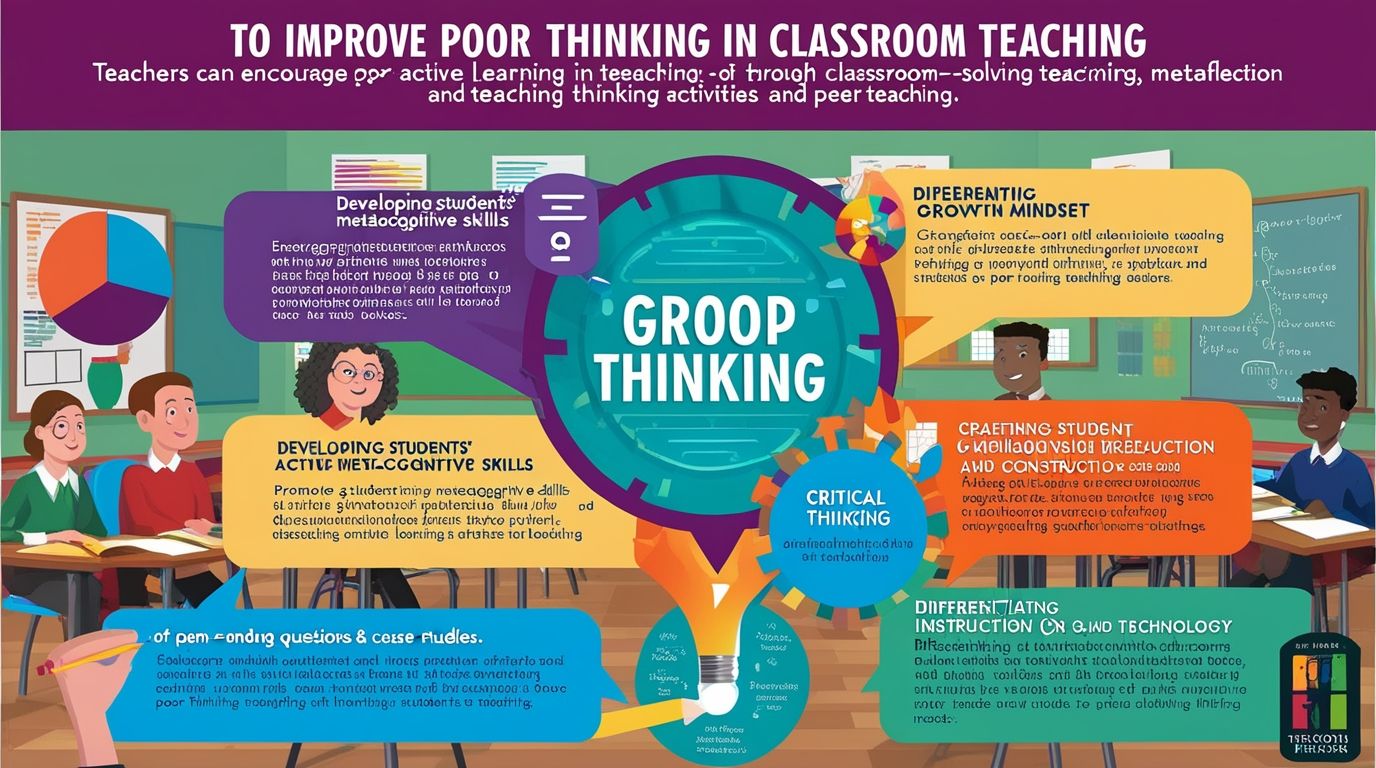
12. Critical Thinking and Problem-Solving
Teachers must be skilled problem-solvers, capable of addressing various classroom challenges.
This includes:
- Identifying learning gaps
- Adapting strategies for struggling students
- Managing unexpected situations
- Making informed decisions بسرعة (quickly)
Critical thinking enables teachers to evaluate situations objectively and choose the best course of action.
Conclusion
Teachers’ proficiencies in the classroom are multifaceted and continuously evolving. Effective teaching requires a balanced integration of pedagogical knowledge, subject expertise, emotional intelligence, technological skills, and ethical commitment.
In today’s rapidly changing world, teachers must embrace lifelong learning and remain adaptable to new challenges and opportunities. By developing and refining these proficiencies, teachers can create meaningful learning experiences, empower students, and contribute to the advancement of society.
Ultimately, the quality of education depends significantly on the proficiency of teachers. Investing in teacher development is, therefore, an investment in the future of humanity.
Final Reflection
A proficient teacher is not defined solely by what they know, but by how effectively they apply that knowledge to inspire, guide, and transform learners. The journey toward proficiency is ongoing, requiring dedication, reflection, and a genuine commitment to the art and science of teaching.