Introduction
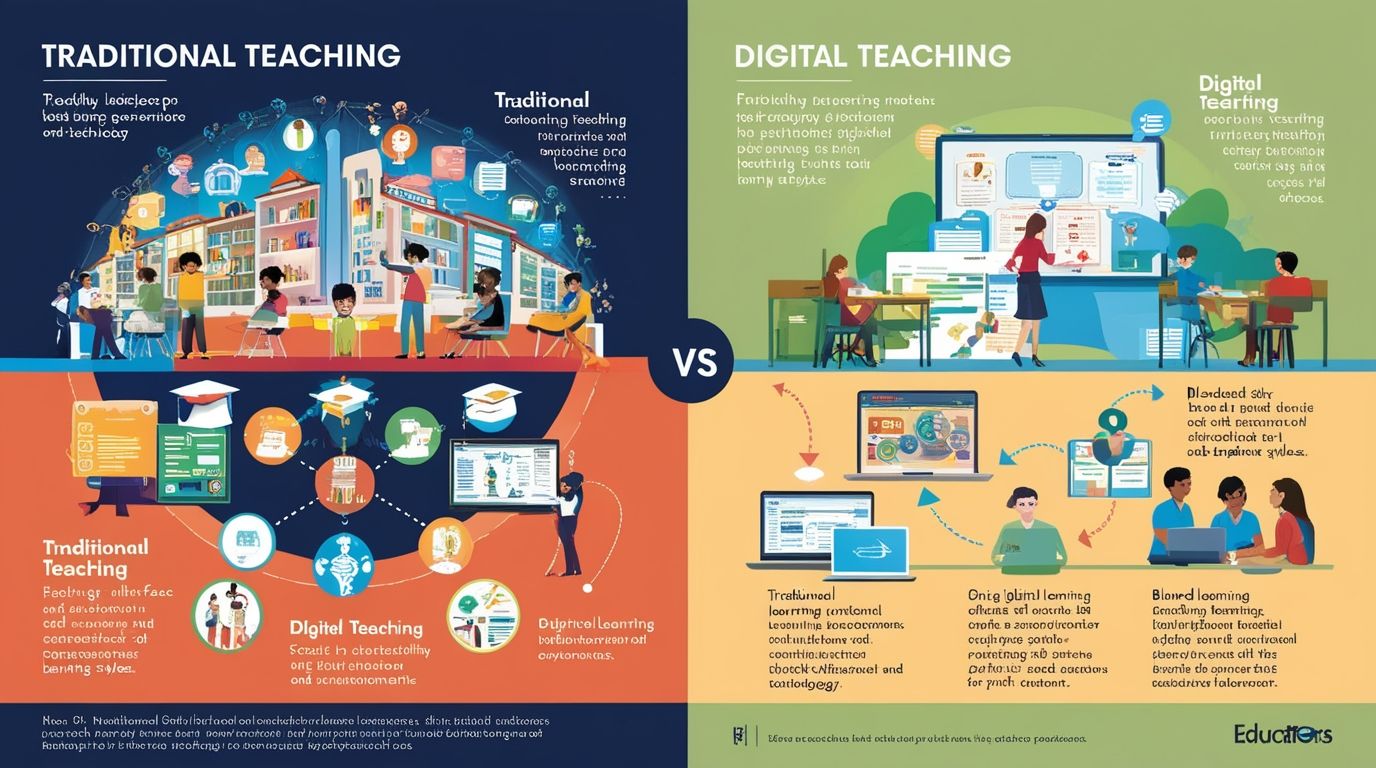
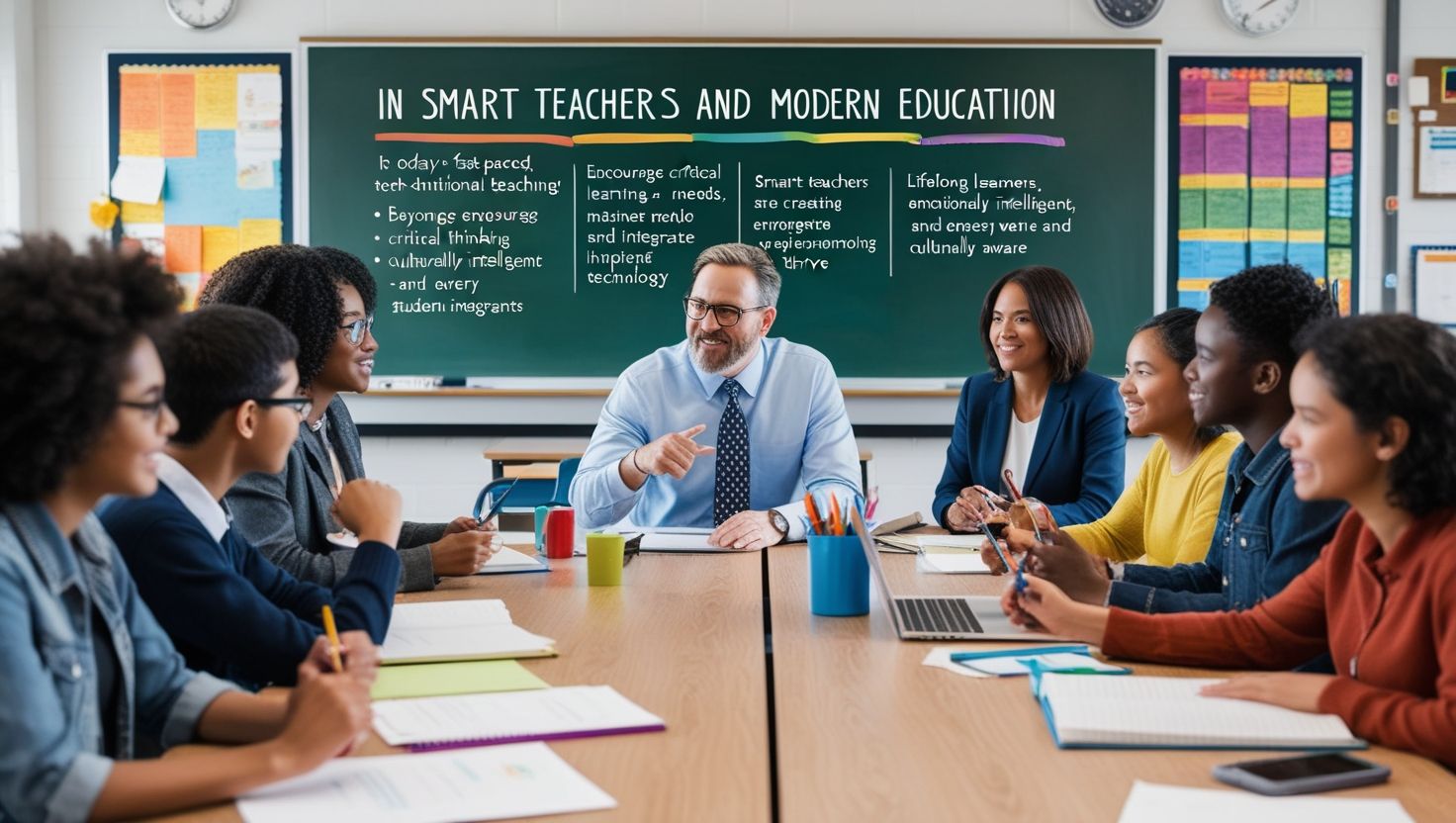
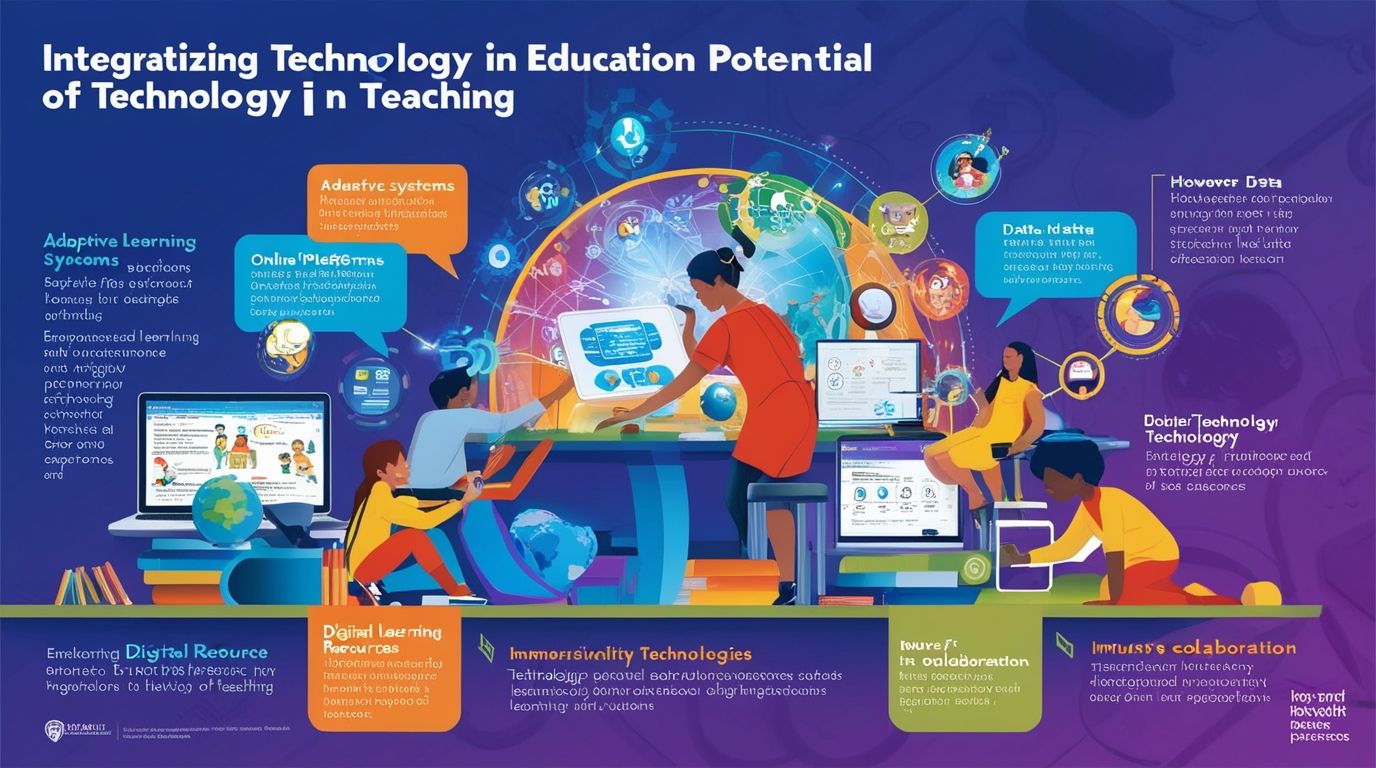
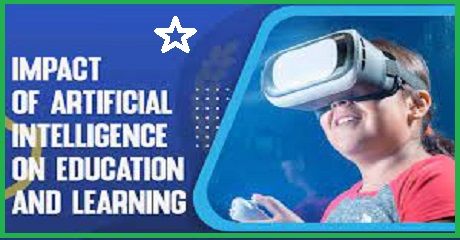
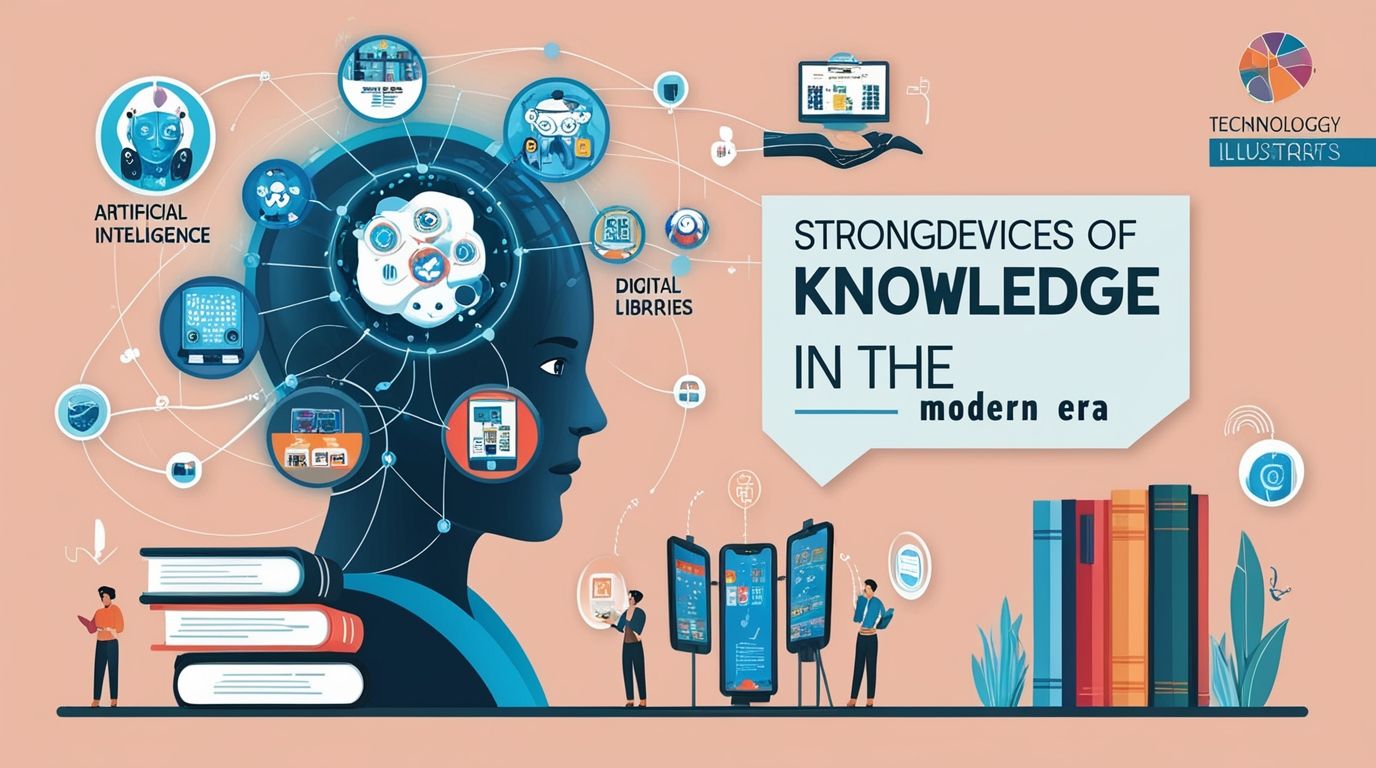
Reimagining Classrooms: The Rise of Intelligent Learning Systems The integration of Artificial Intelligence into education is reshaping classrooms in profound ways. Today, teachers are no longer confined to traditional methods, because AI-powered tools provide adaptive and responsive learning environments. Moreover, these systems analyze student behavior, enabling personalized pathways for every learner. Consequently, students receive targeted feedback that improves engagement and comprehension. In addition, educators benefit from automated grading and data insights, saving valuable time. However, this transformation requires careful planning and ethical consideration. For instance, data privacy and algorithmic bias must be addressed to ensure fairness. Meanwhile, institutions are gradually adopting AI-driven platforms to enhance teaching efficiency. As a result, education becomes more inclusive and accessible. Therefore, the role of teachers evolves from information delivery to mentorship. Ultimately, the rise of intelligent systems signifies a shift toward a more dynamic, data-informed, and student-centered educational ecosystem.
Personalized Learning Journeys: AI as a Student-Centered Guide
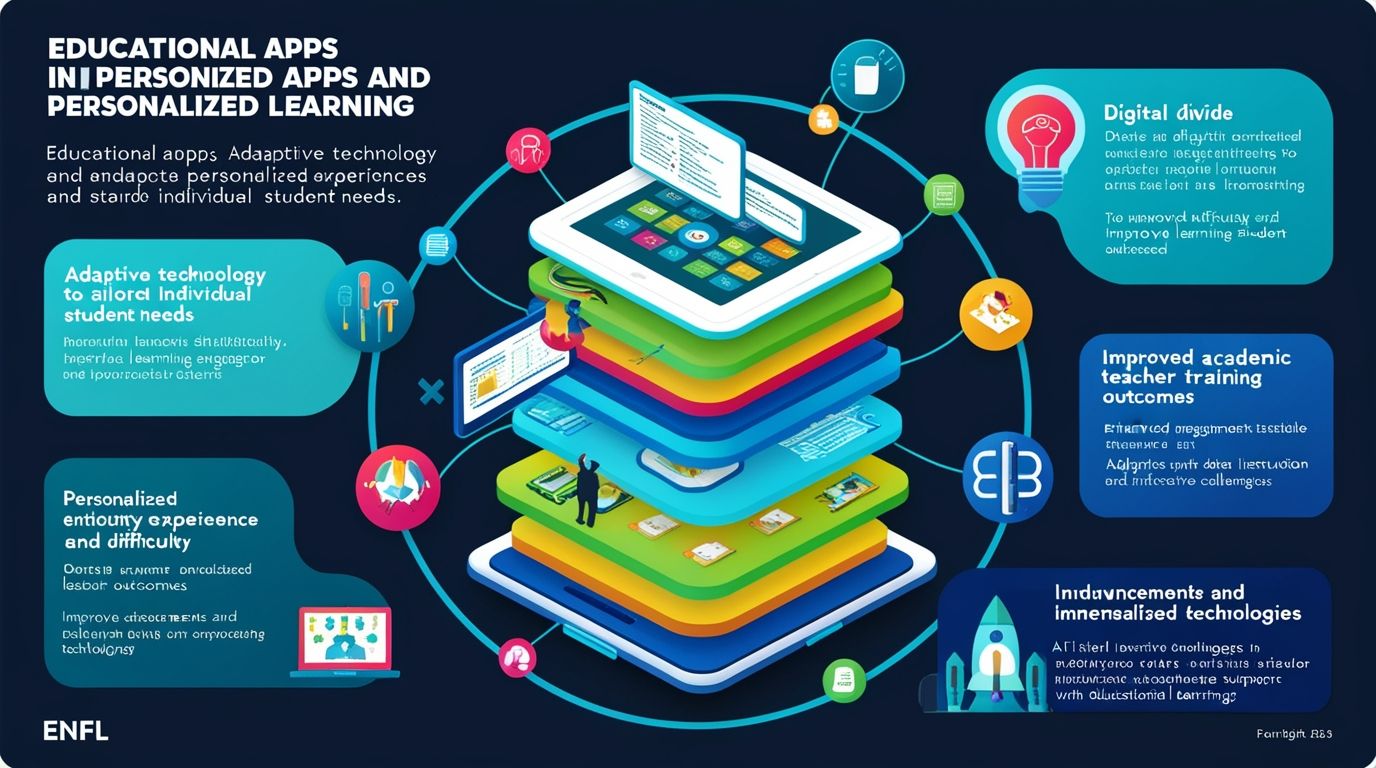
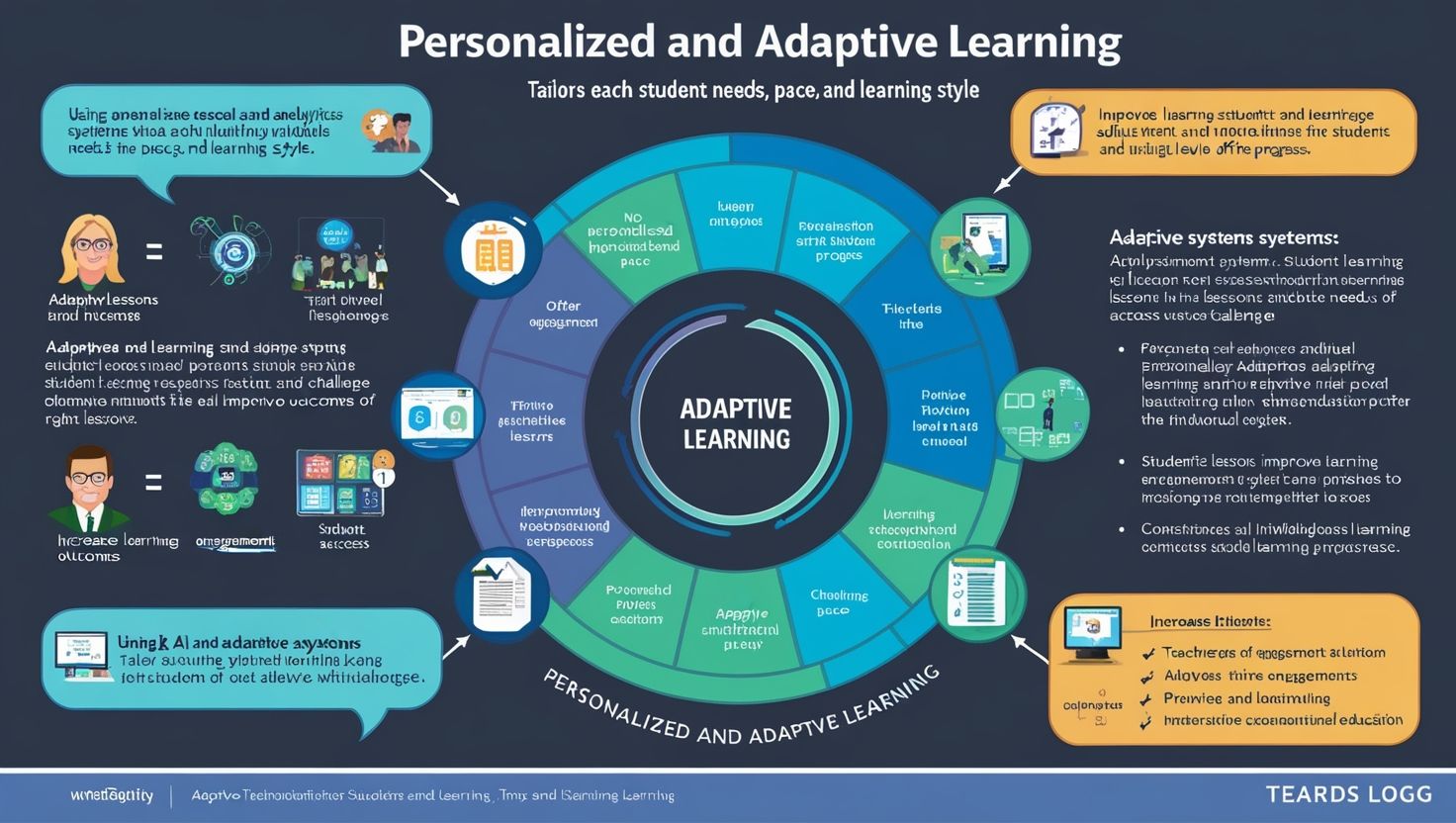
Personalization stands at the core of AI in education, fundamentally changing how students learn. Traditionally, classrooms followed a one-size-fits-all approach, but now AI systems tailor instruction to individual needs. For example, adaptive learning platforms adjust difficulty levels based on performance. Consequently, students progress at their own pace, which improves confidence and retention. Furthermore, machine learning algorithms track patterns and suggest customized resources. In addition, teachers can identify struggling learners early and provide timely support. However, effective implementation requires proper training for educators. Meanwhile, students develop autonomy as they interact with intelligent systems. As a result, learning becomes more engaging and meaningful. Therefore, personalized education fosters deeper understanding and critical thinking. Ultimately, AI acts as a guide, ensuring that each learner receives the right content at the right time, thereby maximizing educational outcomes and promoting lifelong learning habits.
Empowering Educators: AI Tools Enhancing Teaching Efficiency
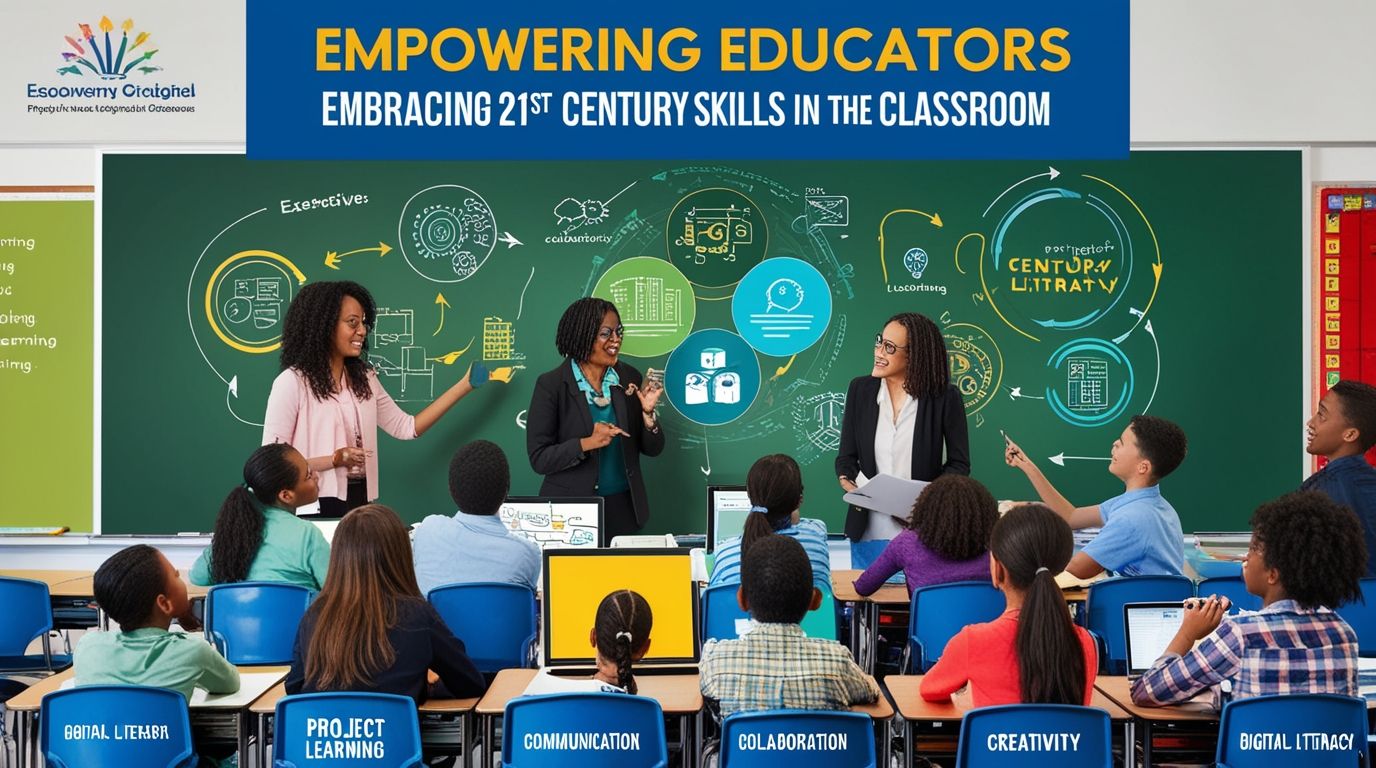
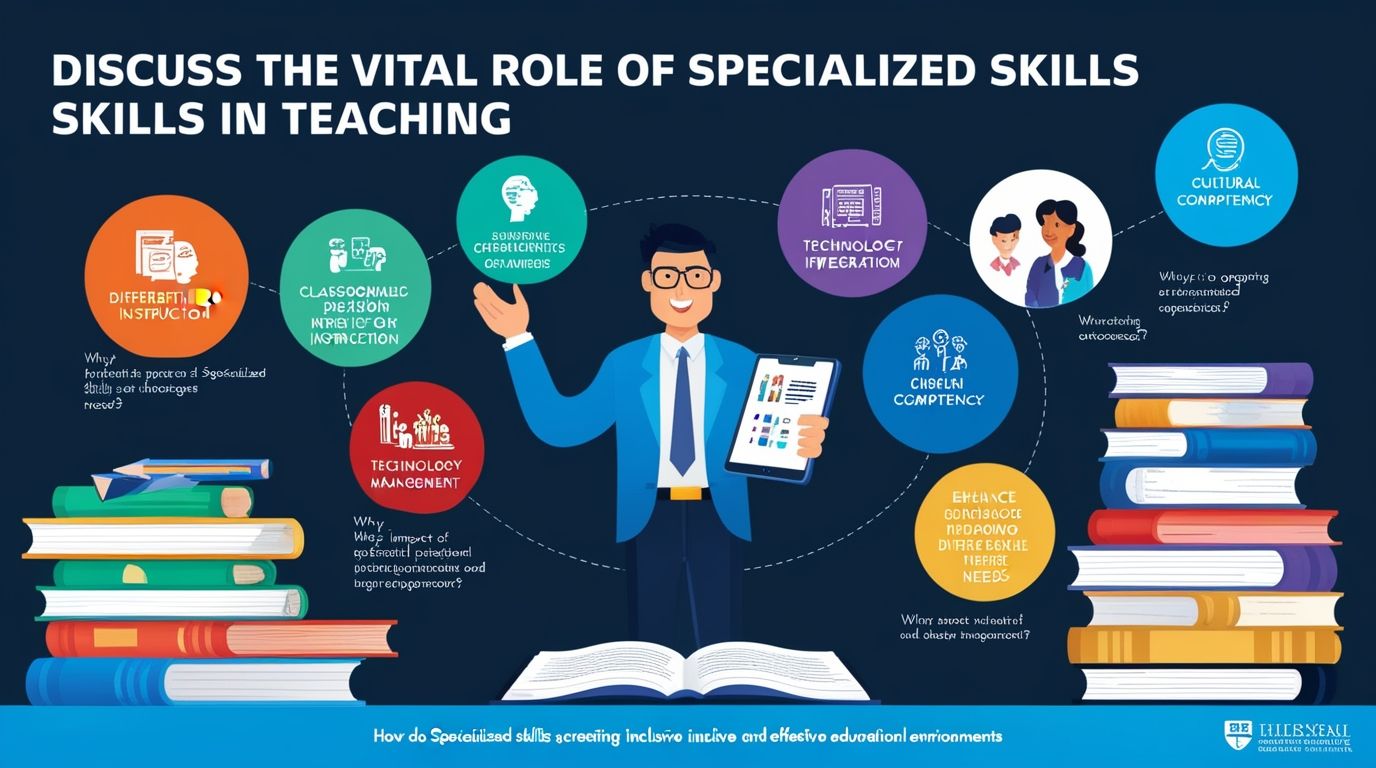
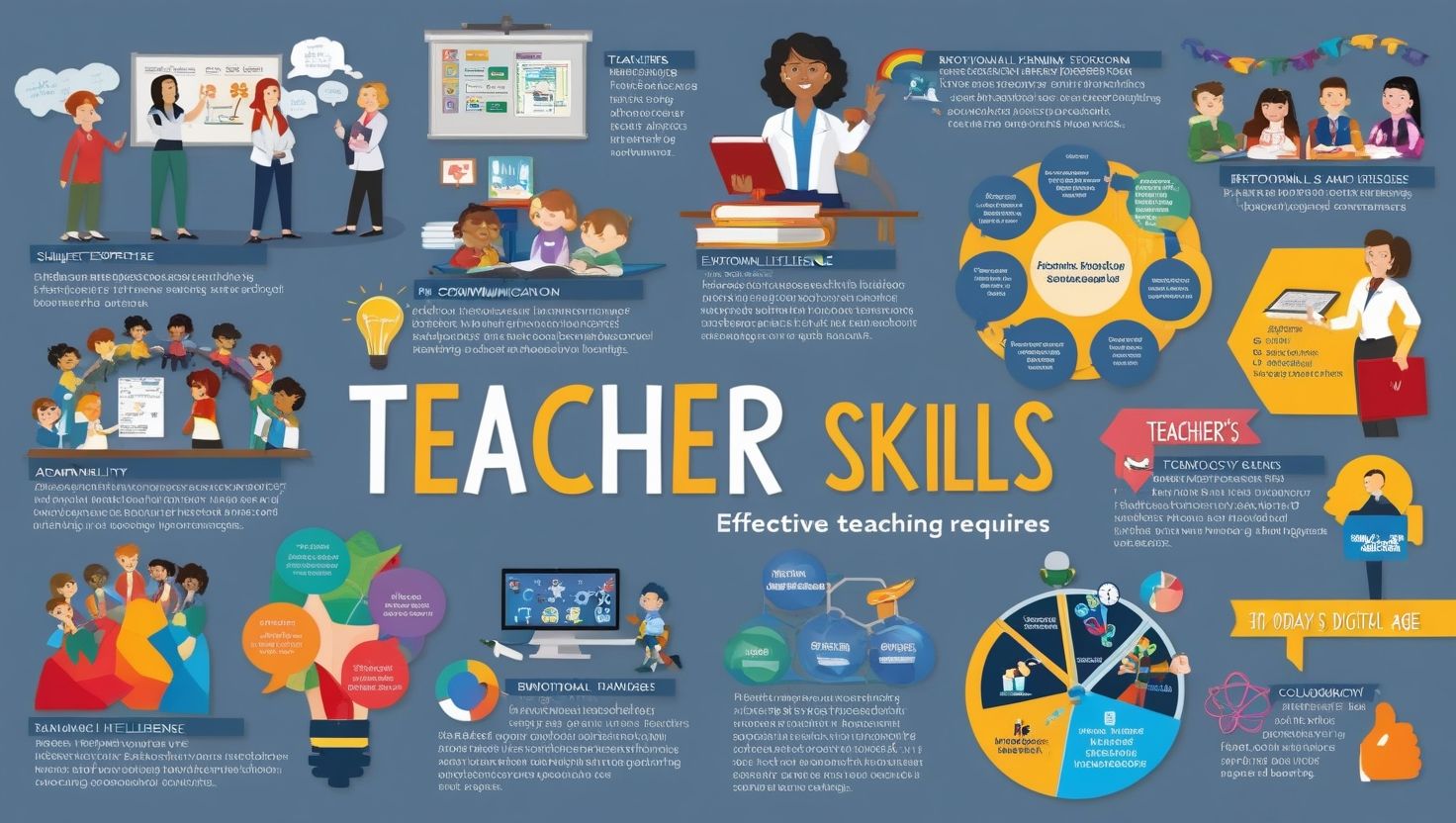
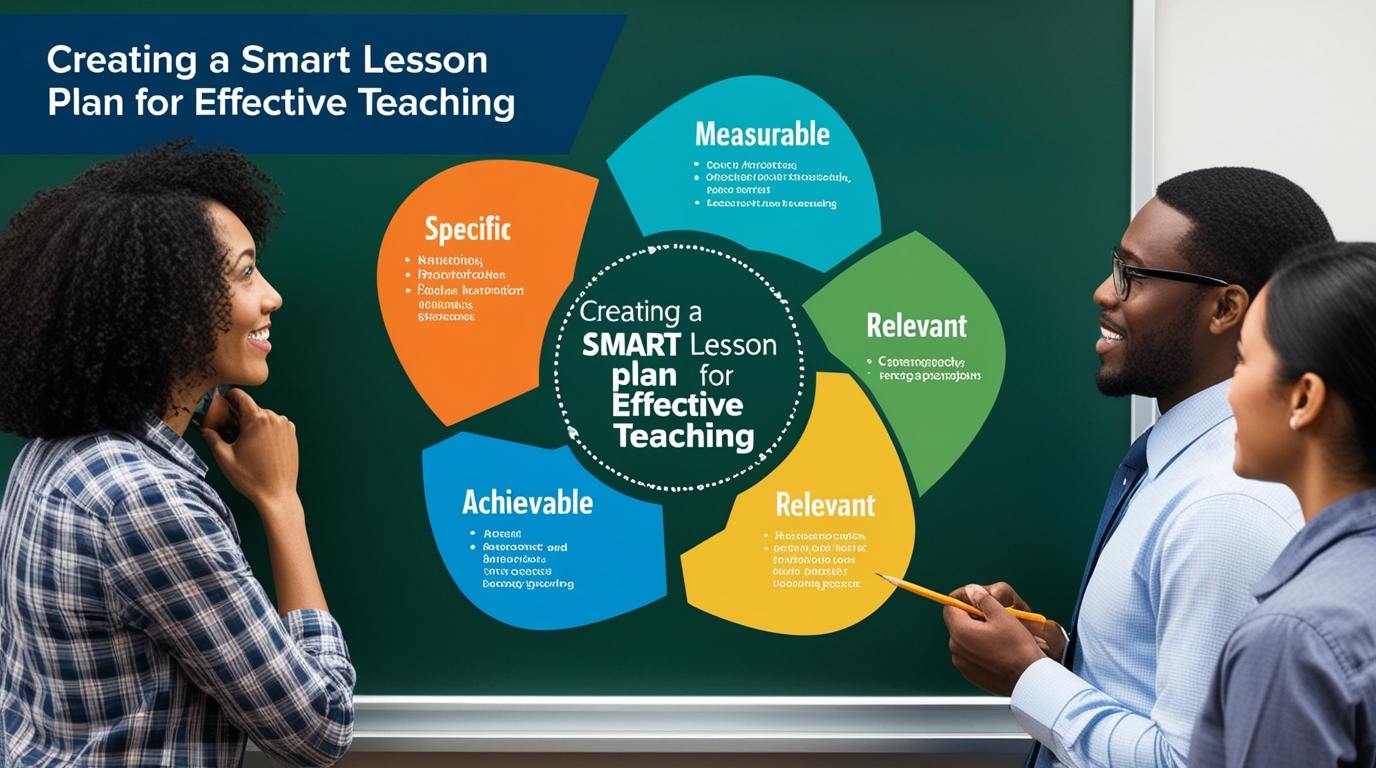
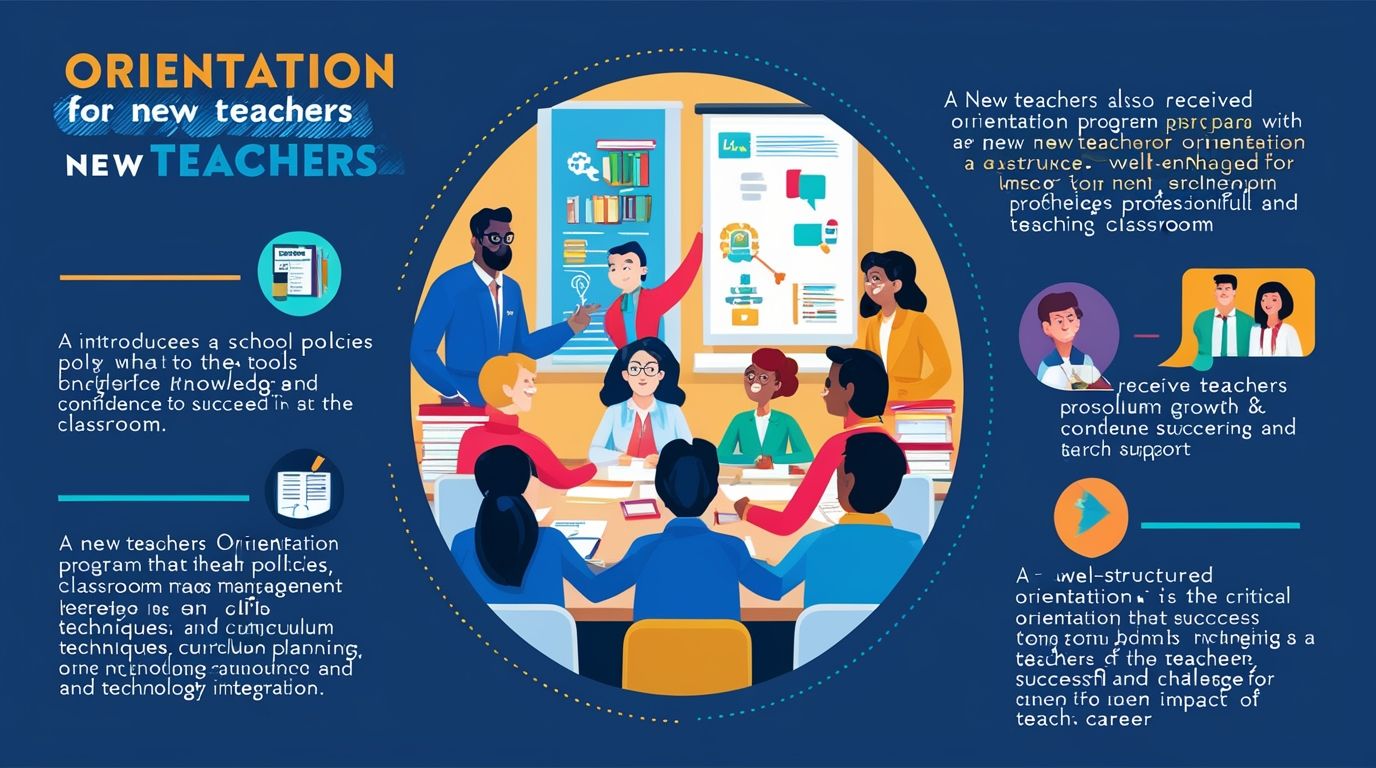
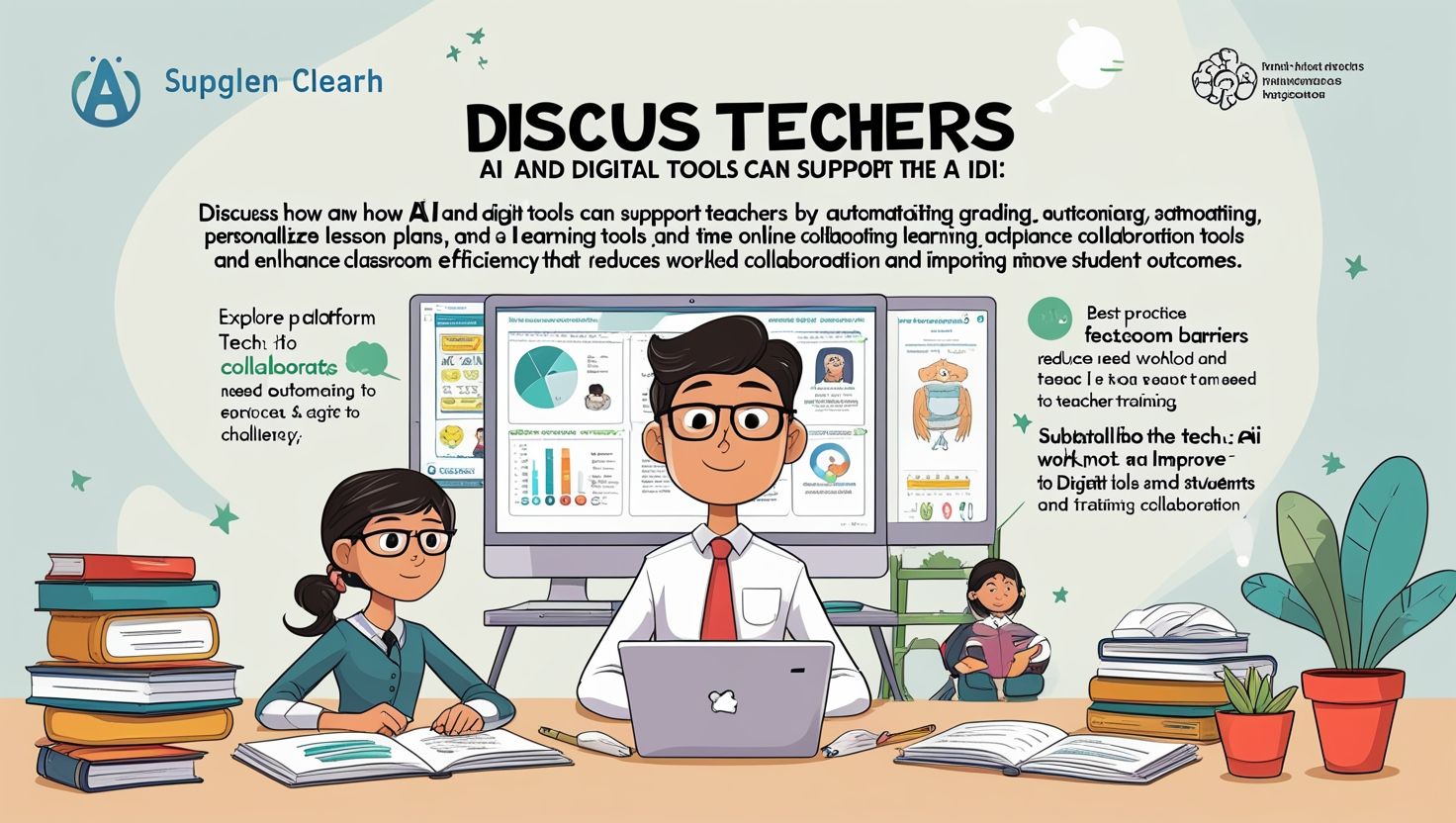
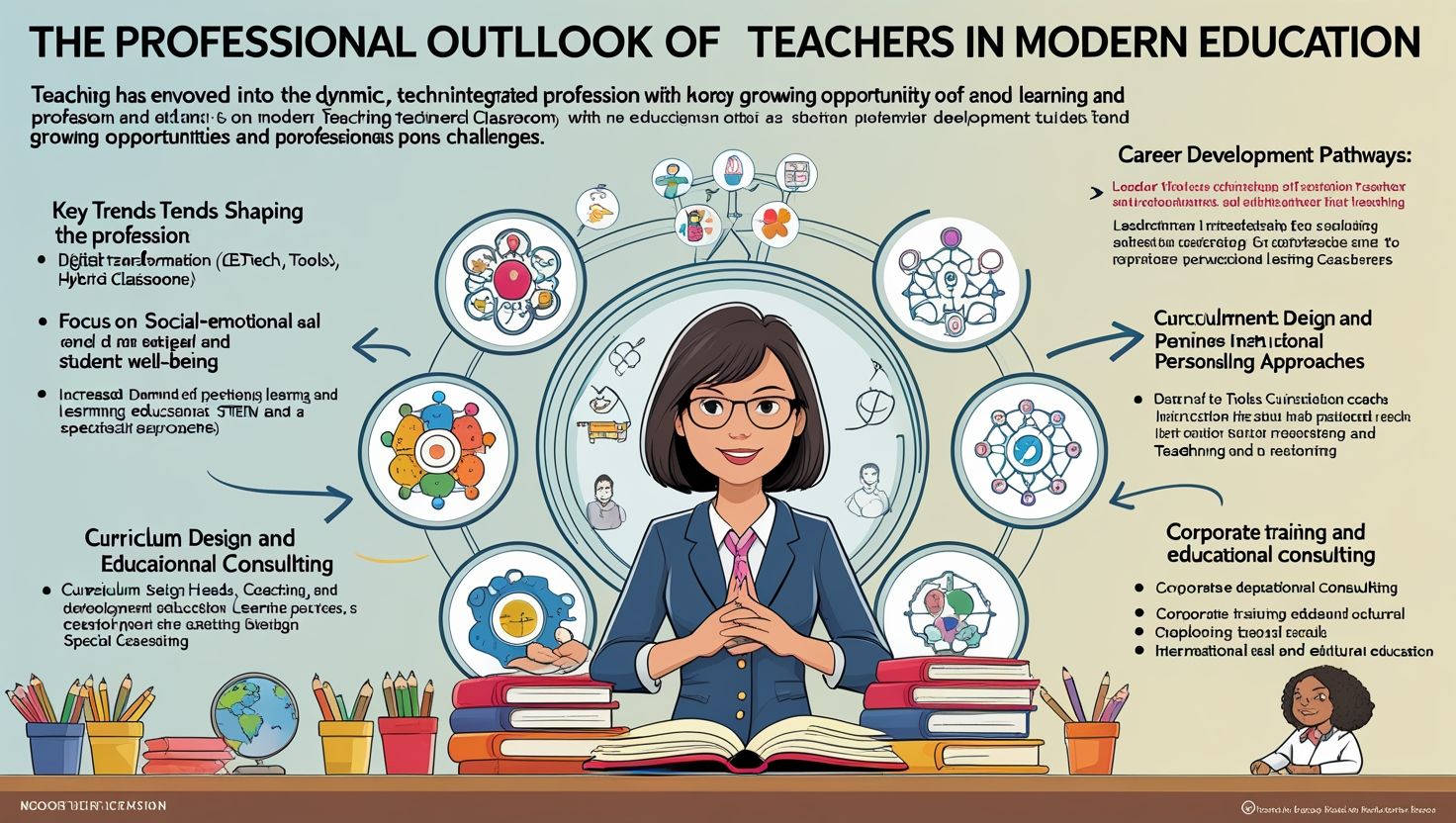
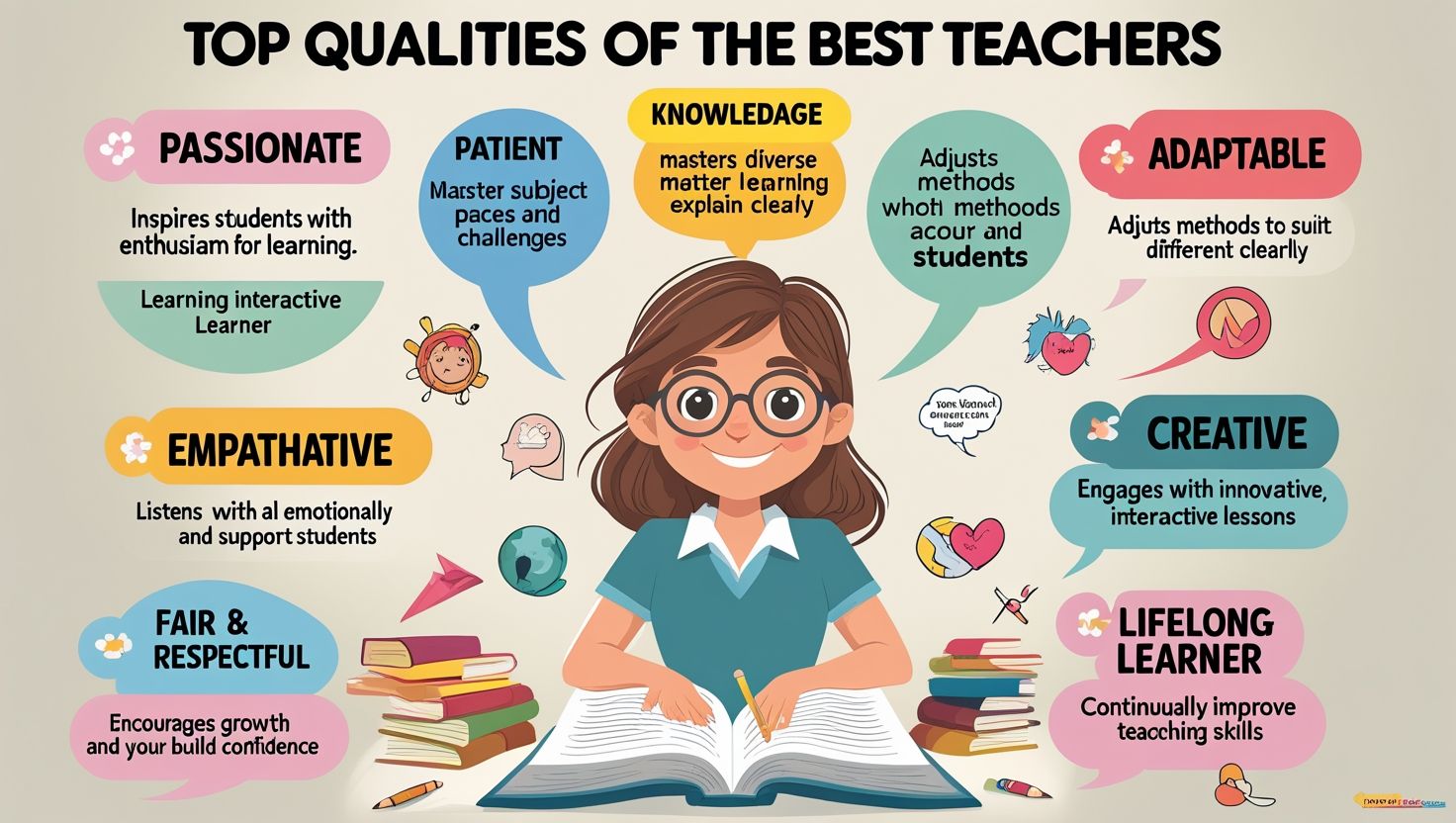
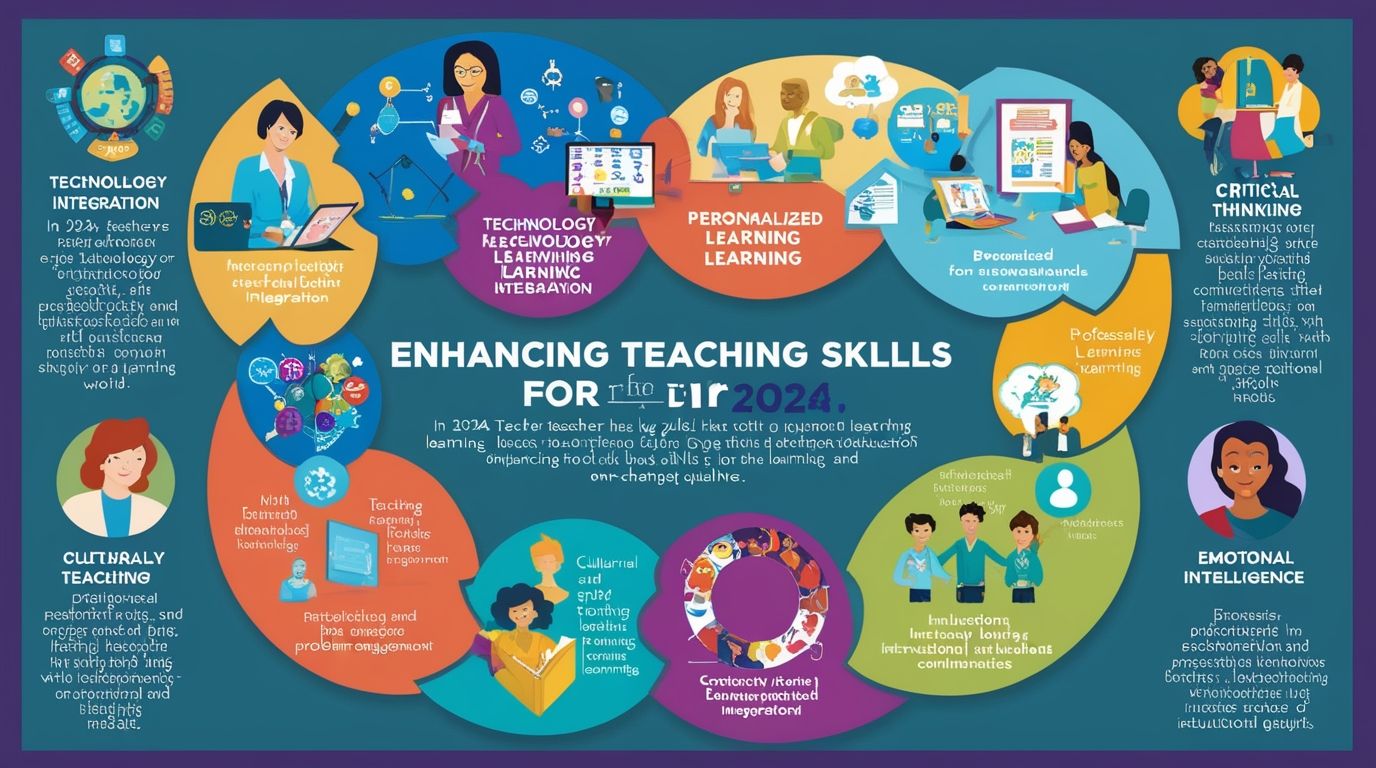
Teachers are at the heart of education, and AI teacher tools significantly enhance their effectiveness. By automating repetitive tasks such as grading and attendance, AI frees up time for meaningful instruction. Moreover, intelligent systems provide insights into student performance, enabling data-driven decisions. Consequently, educators can focus on mentoring and creativity. In addition, AI-powered lesson planning tools suggest relevant content and strategies. However, teachers must develop digital literacy to fully utilize these tools. Meanwhile, professional development programs are evolving to include AI competencies. As a result, educators become more adaptable and innovative. Therefore, AI does not replace teachers but amplifies their capabilities. Furthermore, collaboration between teachers and AI systems leads to improved outcomes. Ultimately, empowering educators through AI fosters a more efficient and responsive educational environment, where teaching becomes both impactful and sustainable in a rapidly changing world.
Smart Assessment Systems: Redefining Evaluation Practices
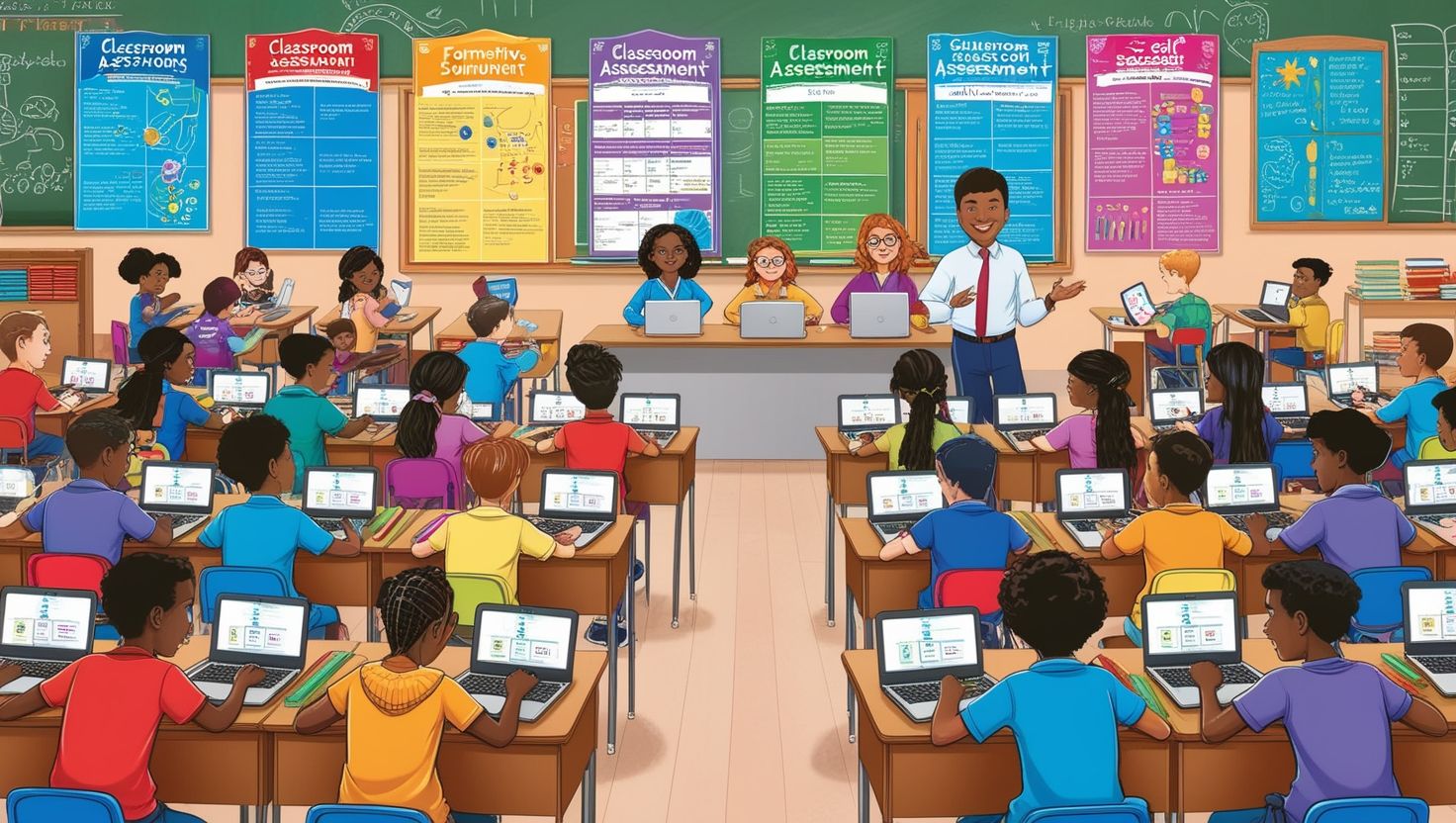
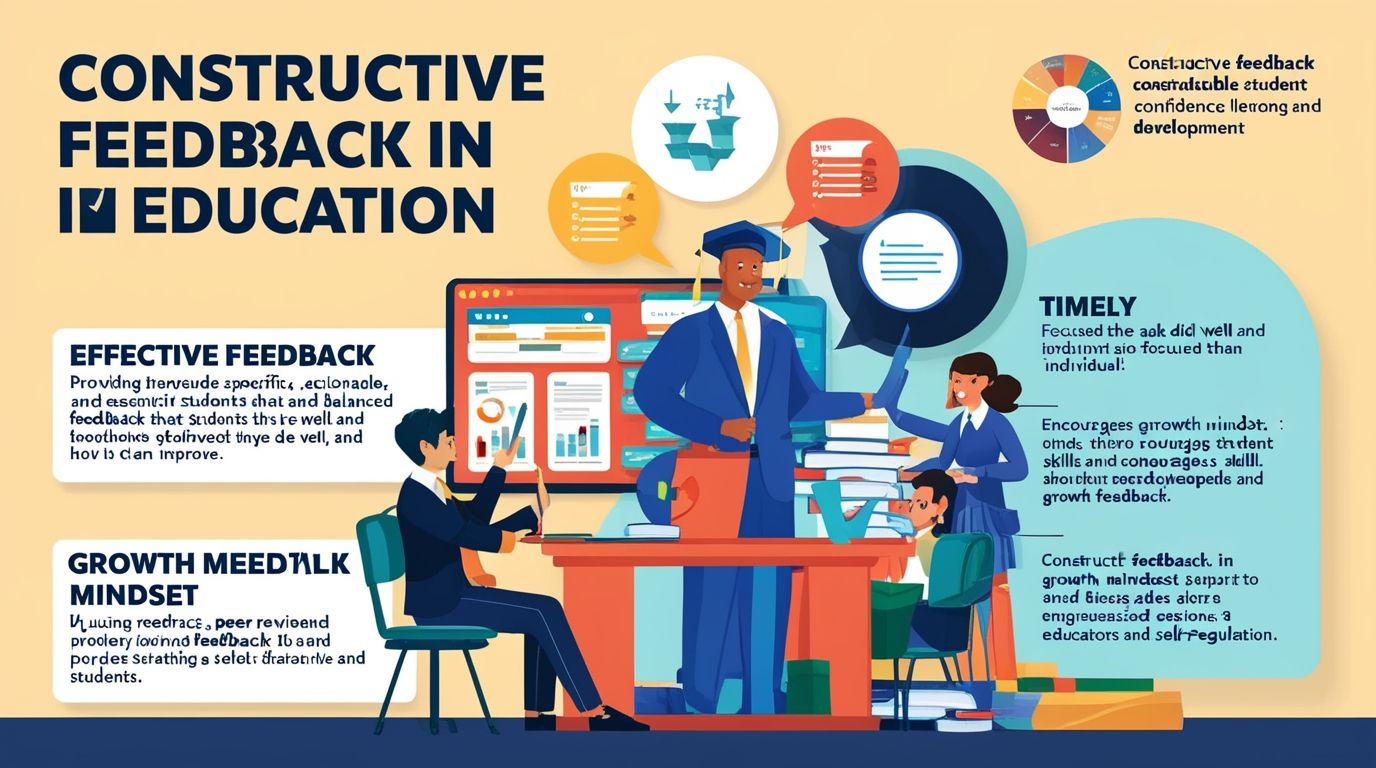
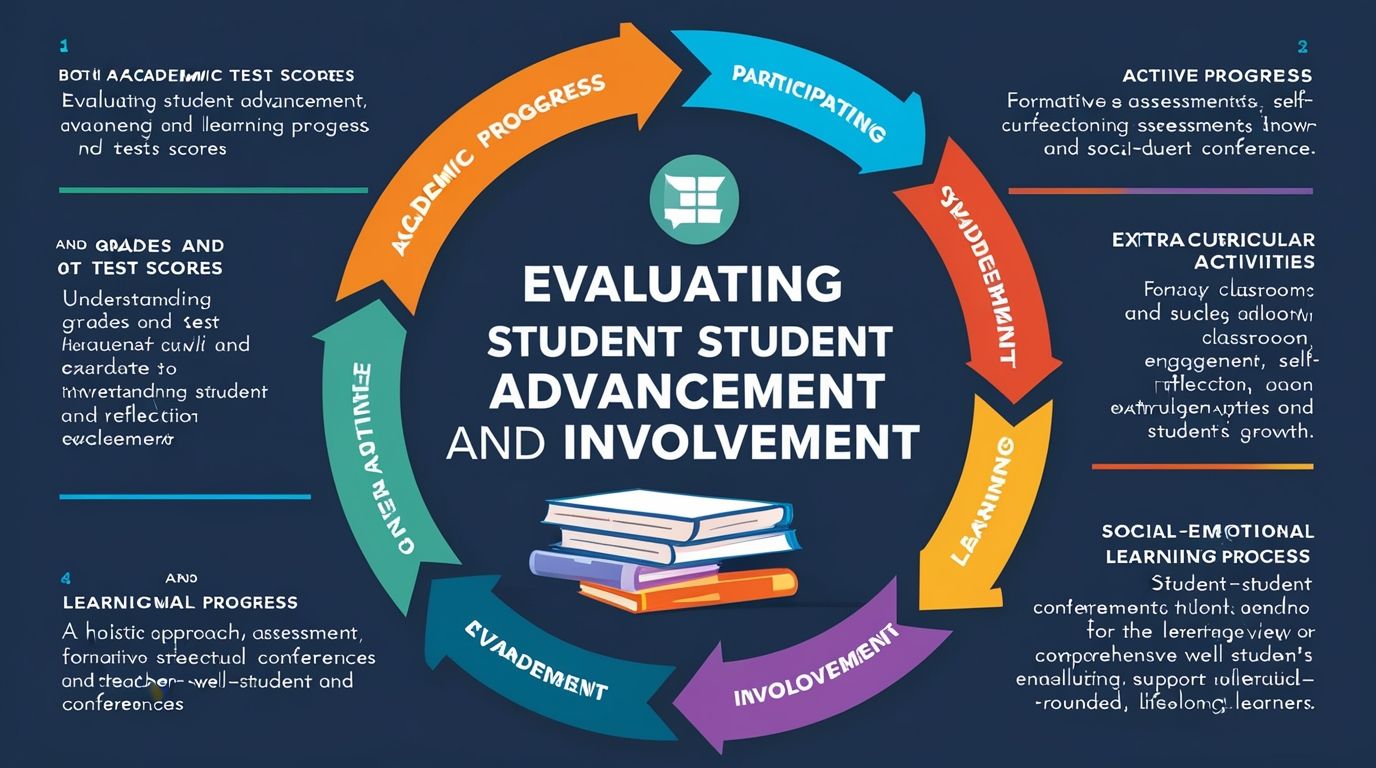
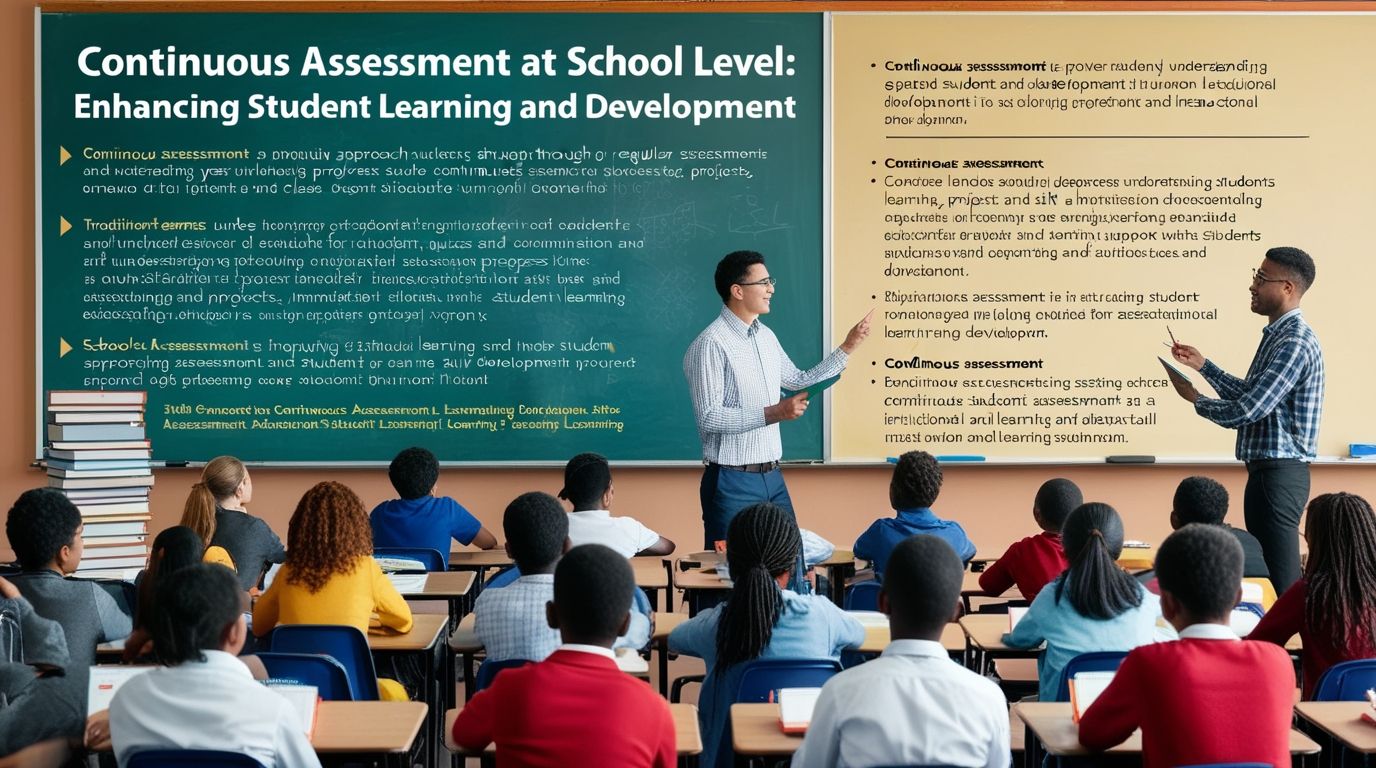
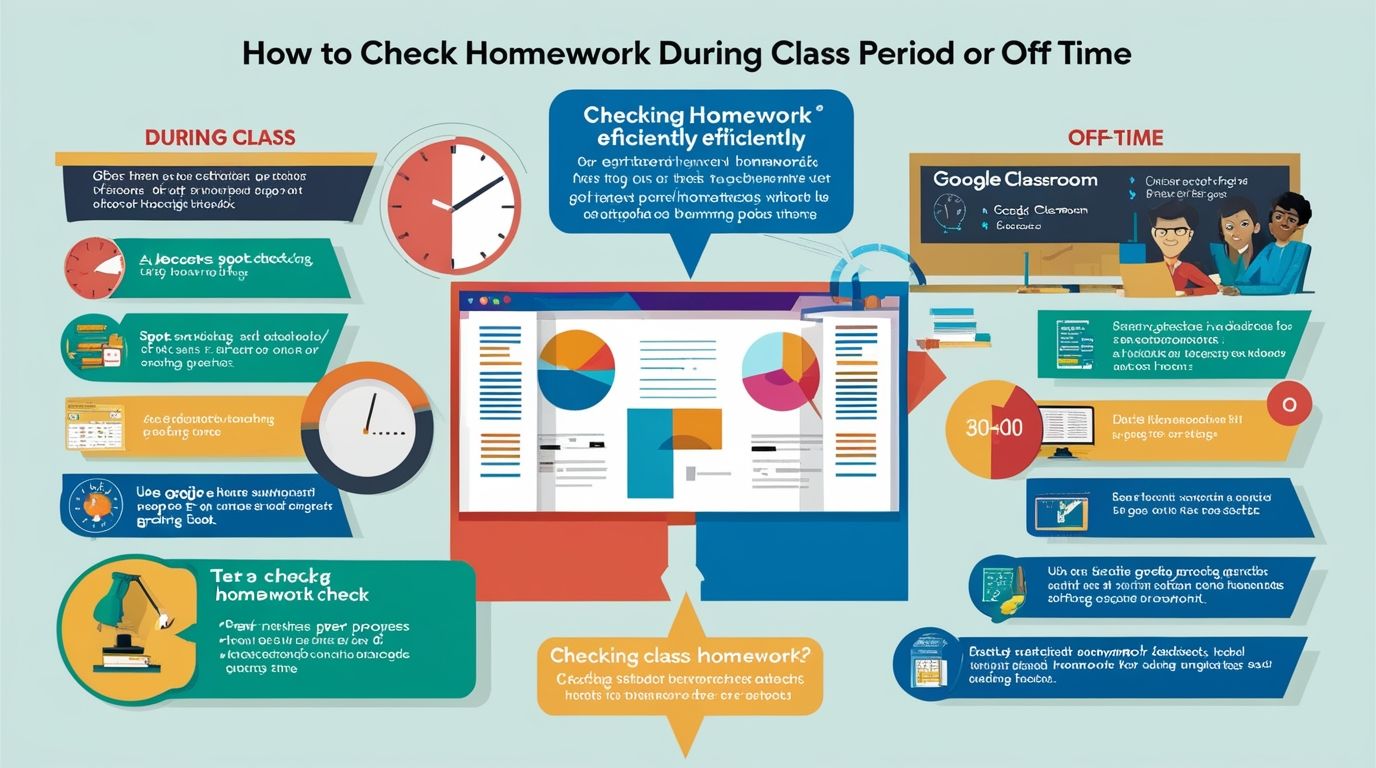
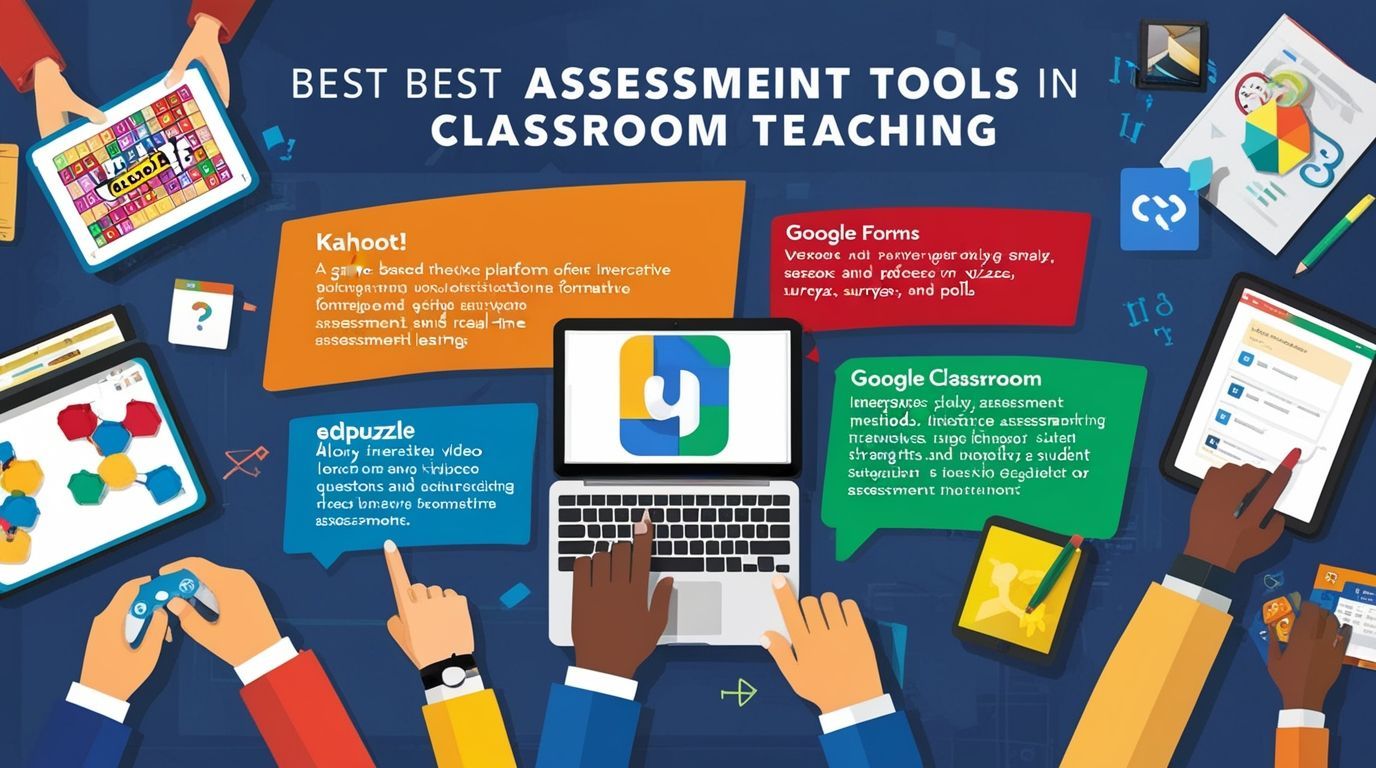
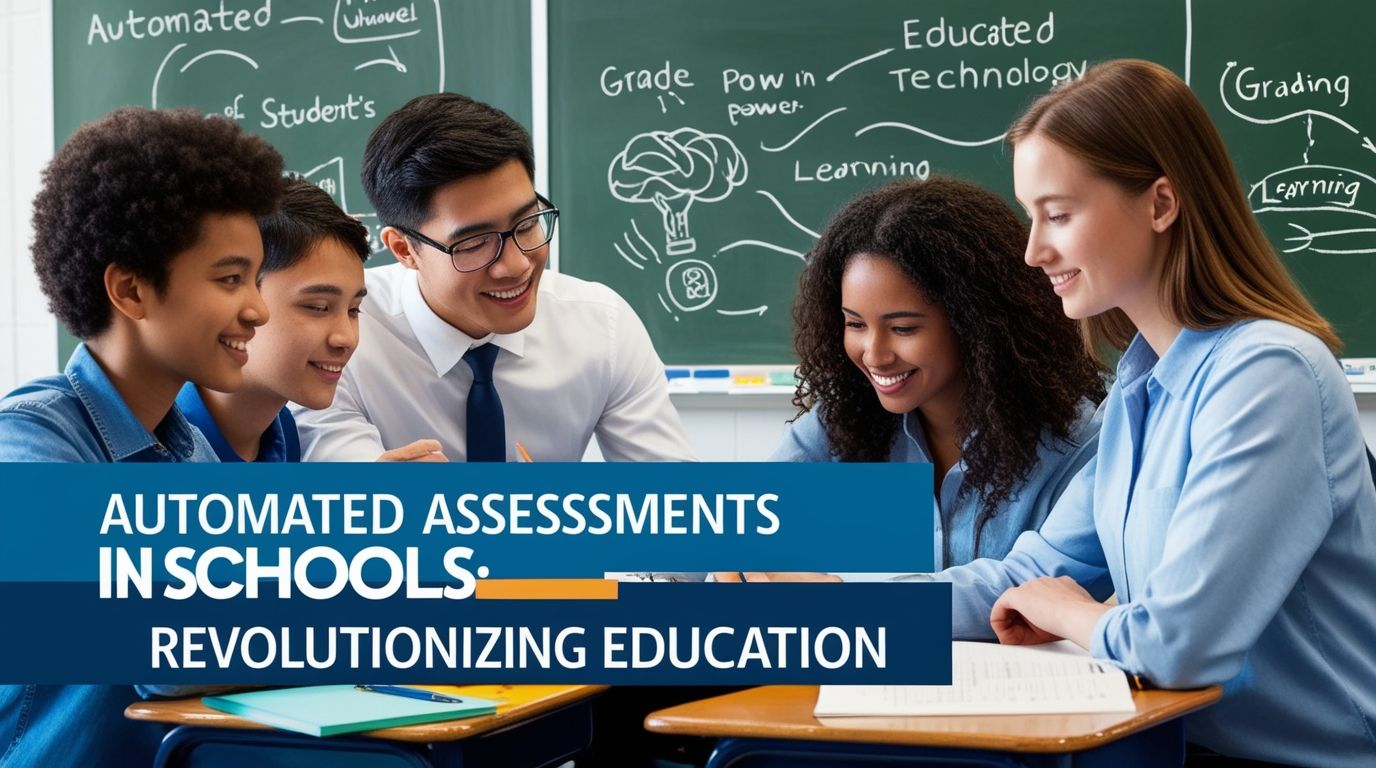
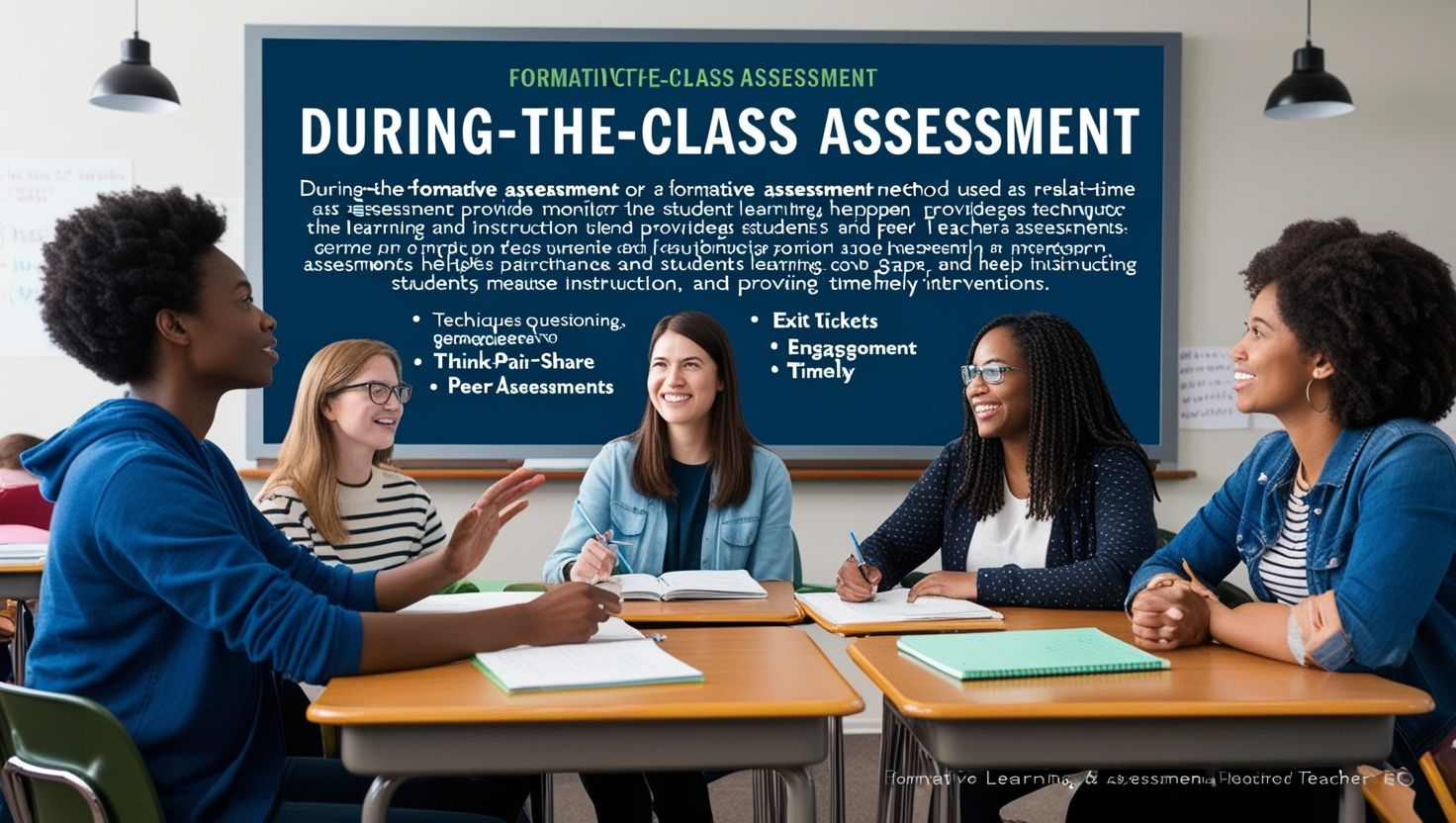
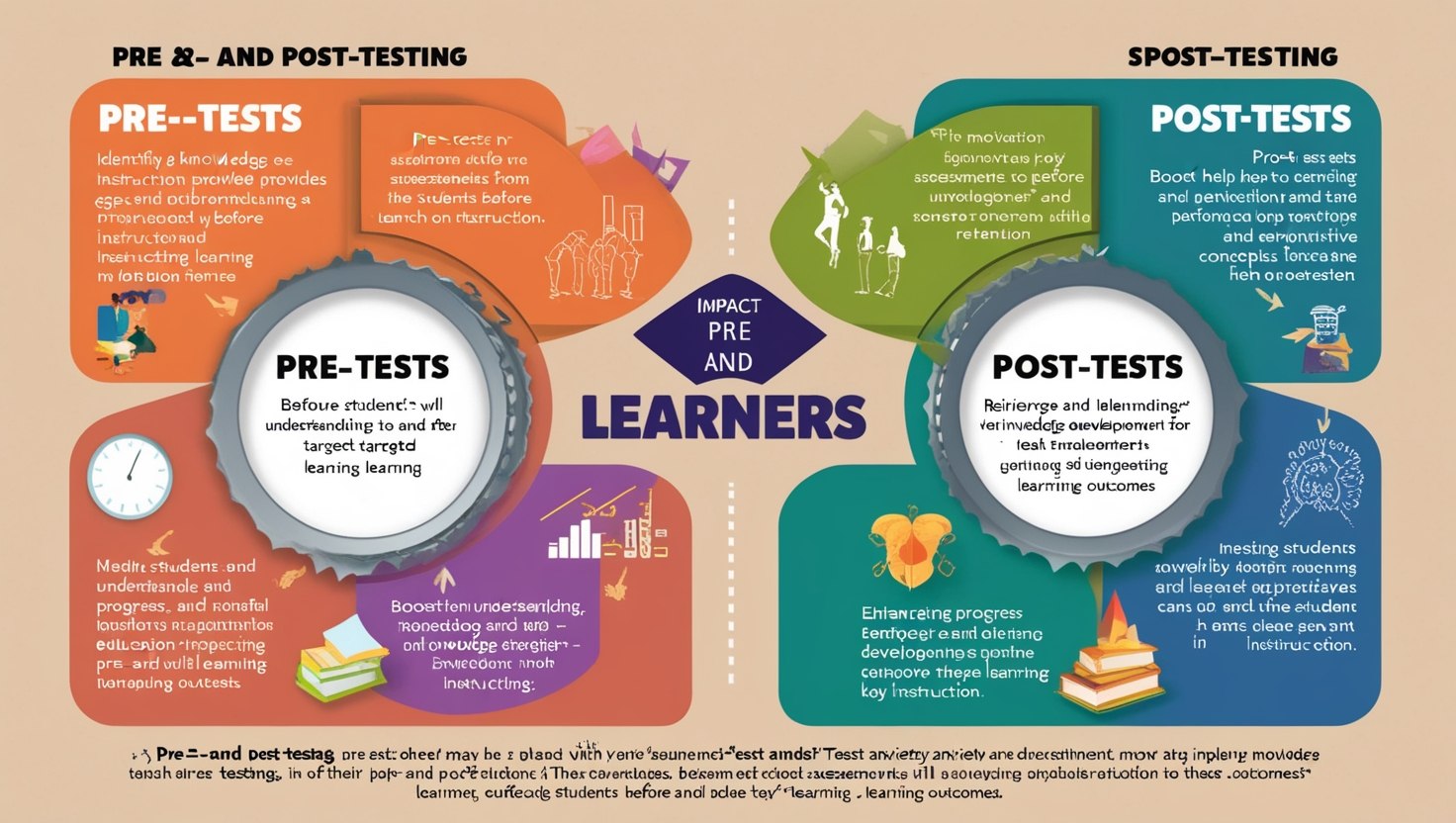
Assessment is a critical component of education, and AI-driven evaluation systems are transforming this process. Traditionally, assessments were time-consuming and often subjective. However, AI introduces automated grading with high accuracy and consistency. Moreover, these systems provide instant feedback, which enhances learning. Consequently, students can identify their weaknesses and improve quickly. In addition, AI analyzes performance trends to offer predictive insights. However, reliance on automation must be balanced with human judgment. Meanwhile, educators can design more meaningful assessments using AI support. As a result, evaluation becomes continuous rather than episodic. Therefore, learning is reinforced through timely feedback. Furthermore, AI enables diverse assessment formats, including simulations and interactive tasks. Ultimately, smart assessment systems promote fairness, efficiency, and deeper understanding, ensuring that evaluation aligns with modern educational goals and prepares students for real-world challenges.
Intelligent Content Creation: Revolutionizing Educational Resources
The creation of educational content has evolved significantly with AI-powered content generation tools. These systems assist teachers in designing interactive lessons, quizzes, and multimedia materials. Moreover, AI can curate resources from vast databases, ensuring relevance and accuracy. Consequently, educators save time while maintaining high-quality instruction. In addition, students benefit from engaging and diverse learning materials. However, content generated by AI must be reviewed for accuracy and bias. Meanwhile, collaboration between educators and AI enhances creativity. As a result, teaching becomes more dynamic and innovative. Therefore, intelligent content creation supports varied learning styles. Furthermore, AI enables real-time updates to educational materials. Ultimately, this transformation ensures that learning resources remain current, accessible, and effective, fostering a richer educational experience for both teachers and students in an increasingly digital world.
Bridging Learning Gaps: AI for Inclusive Education
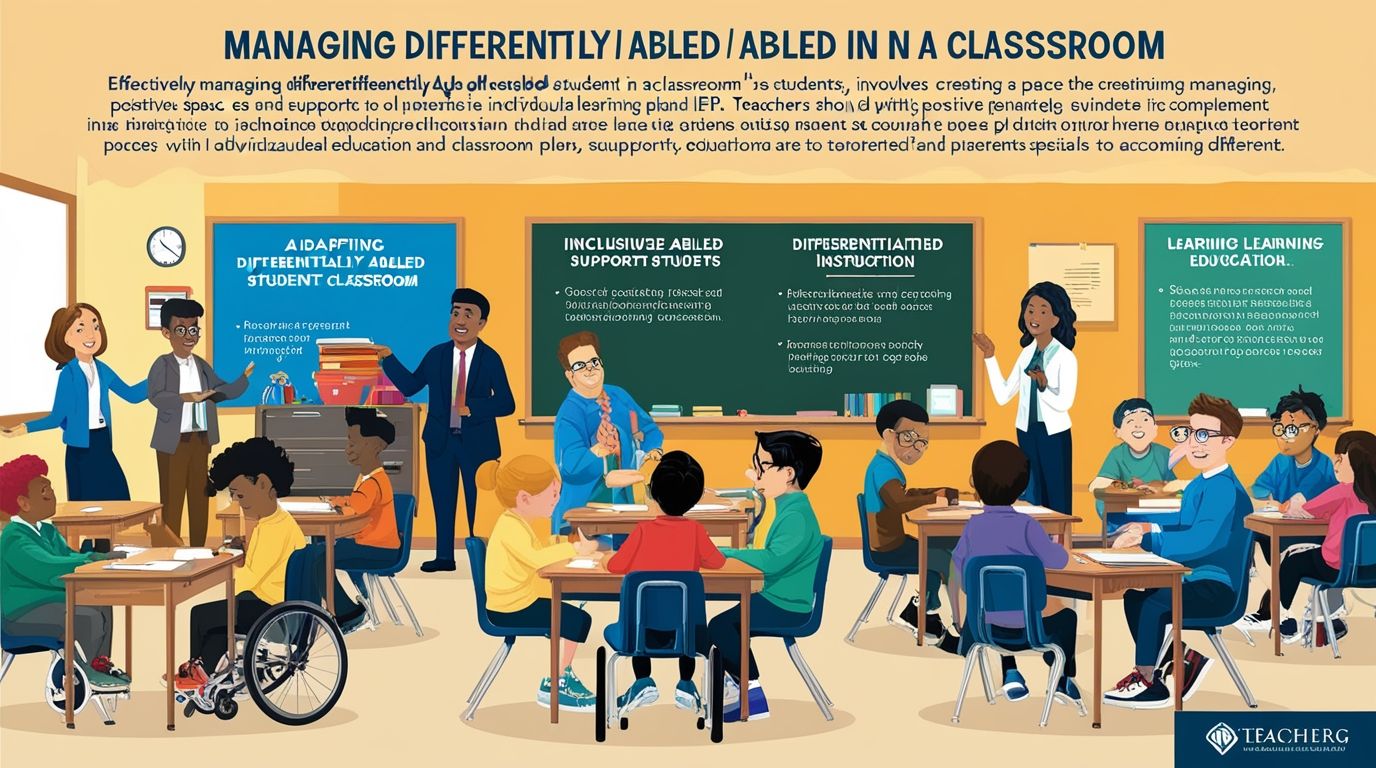
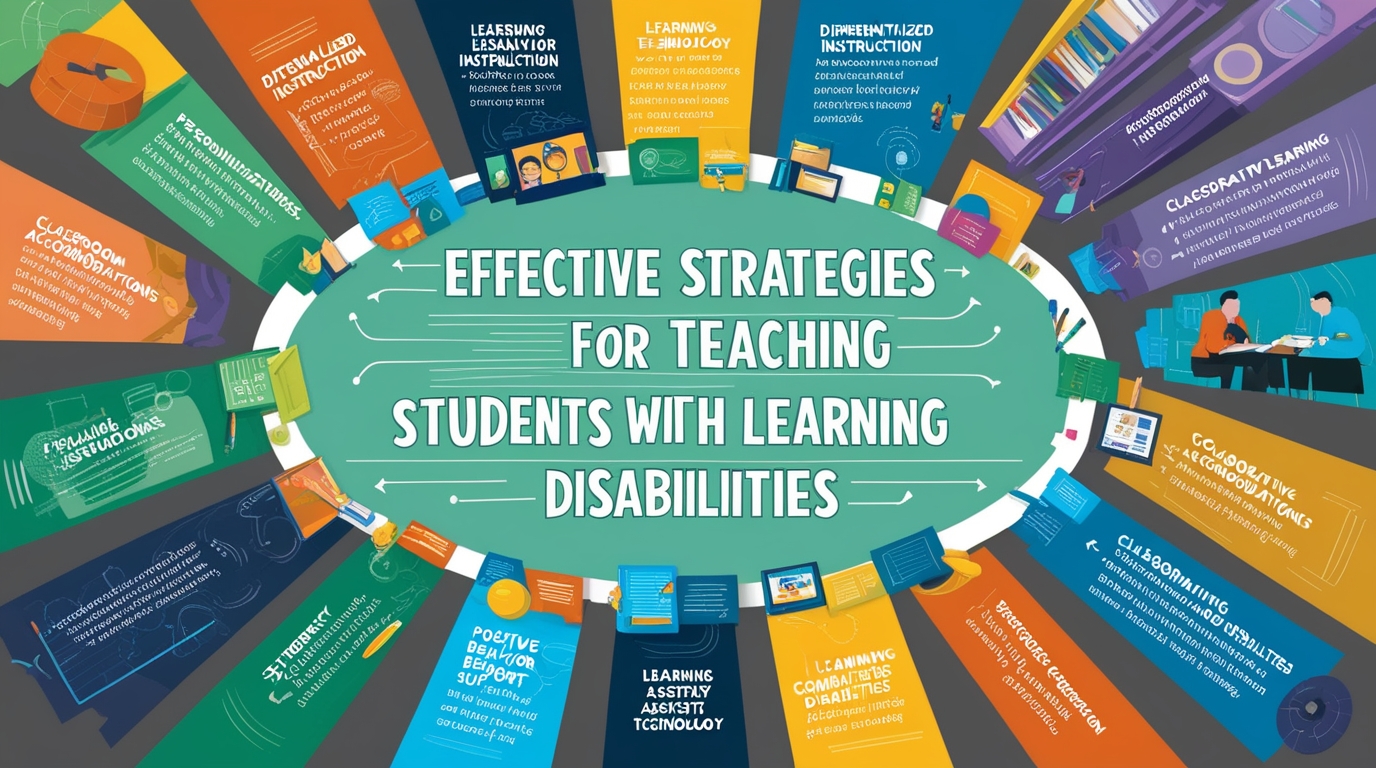
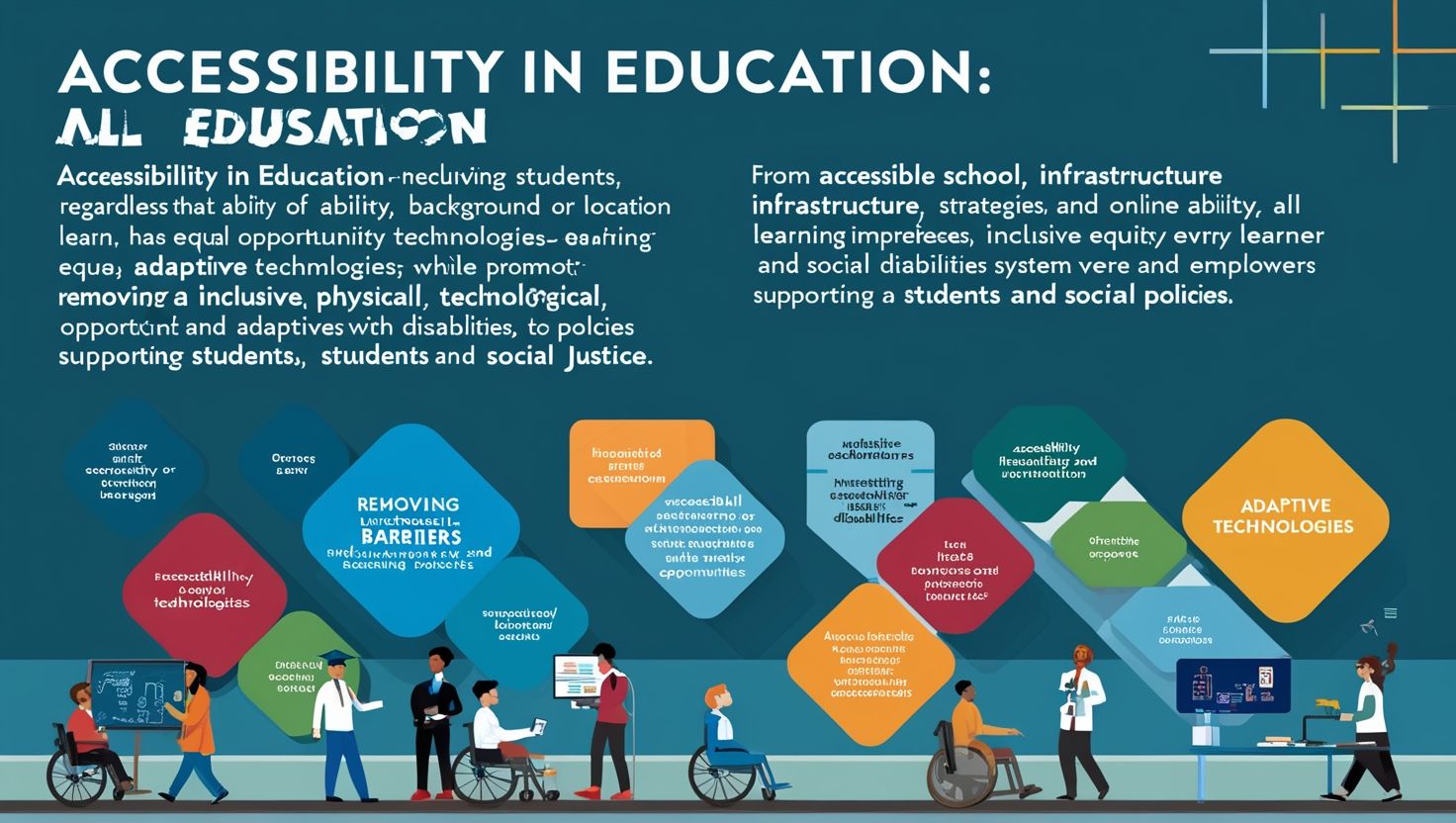
Inclusivity is a major goal in education, and AI technologies play a vital role in achieving it. For instance, AI-powered tools support students with disabilities through speech recognition and text-to-speech features. Moreover, language translation systems help overcome communication barriers. Consequently, learners from diverse backgrounds can access quality education. In addition, adaptive platforms cater to different learning speeds and styles. However, equitable access to technology remains a challenge. Meanwhile, policymakers must ensure infrastructure development. As a result, AI contributes to reducing educational disparities. Therefore, inclusivity becomes more achievable with technological support. Furthermore, AI fosters a sense of belonging among learners. Ultimately, bridging learning gaps through AI ensures that education is accessible to all, promoting fairness and empowering individuals to reach their full potential regardless of their circumstances.
Data-Driven Decision Making: Transforming Educational Leadership
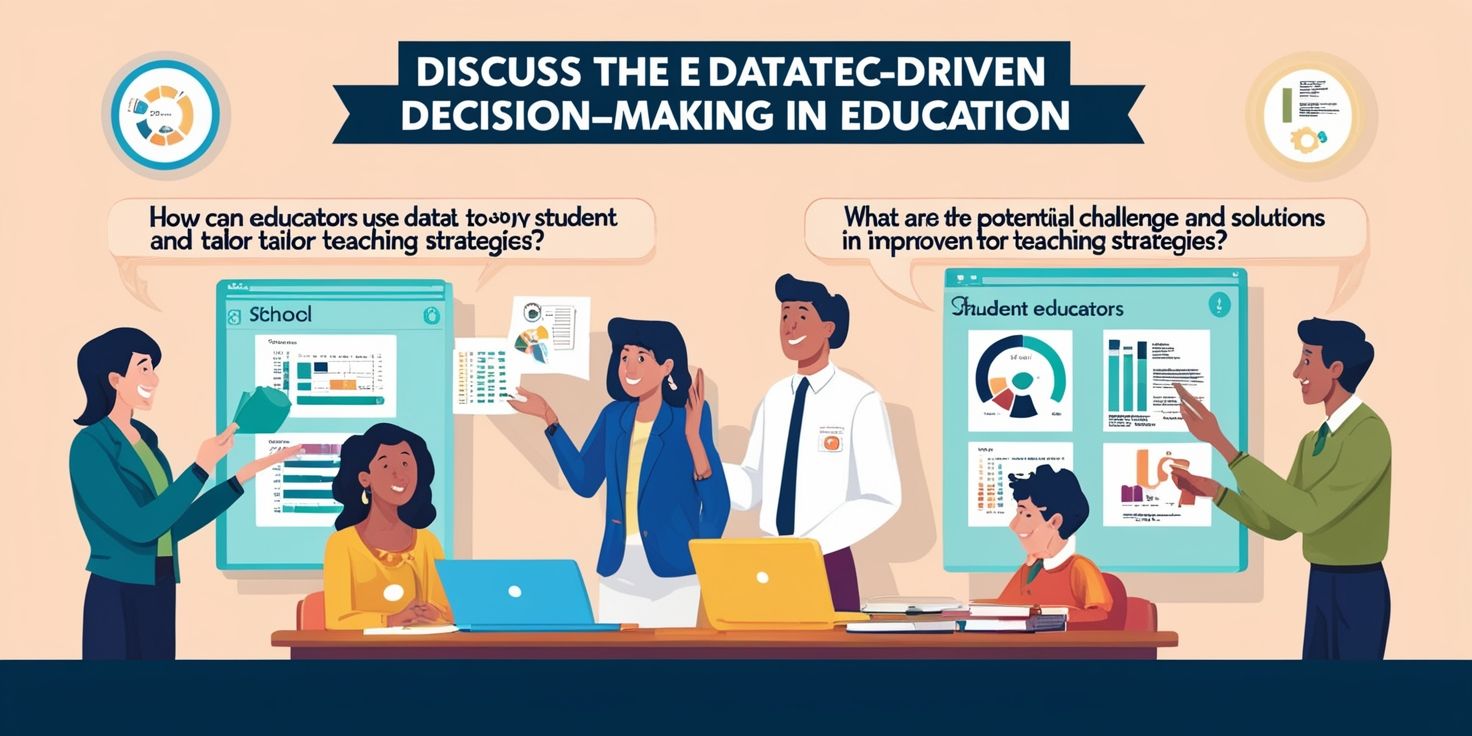
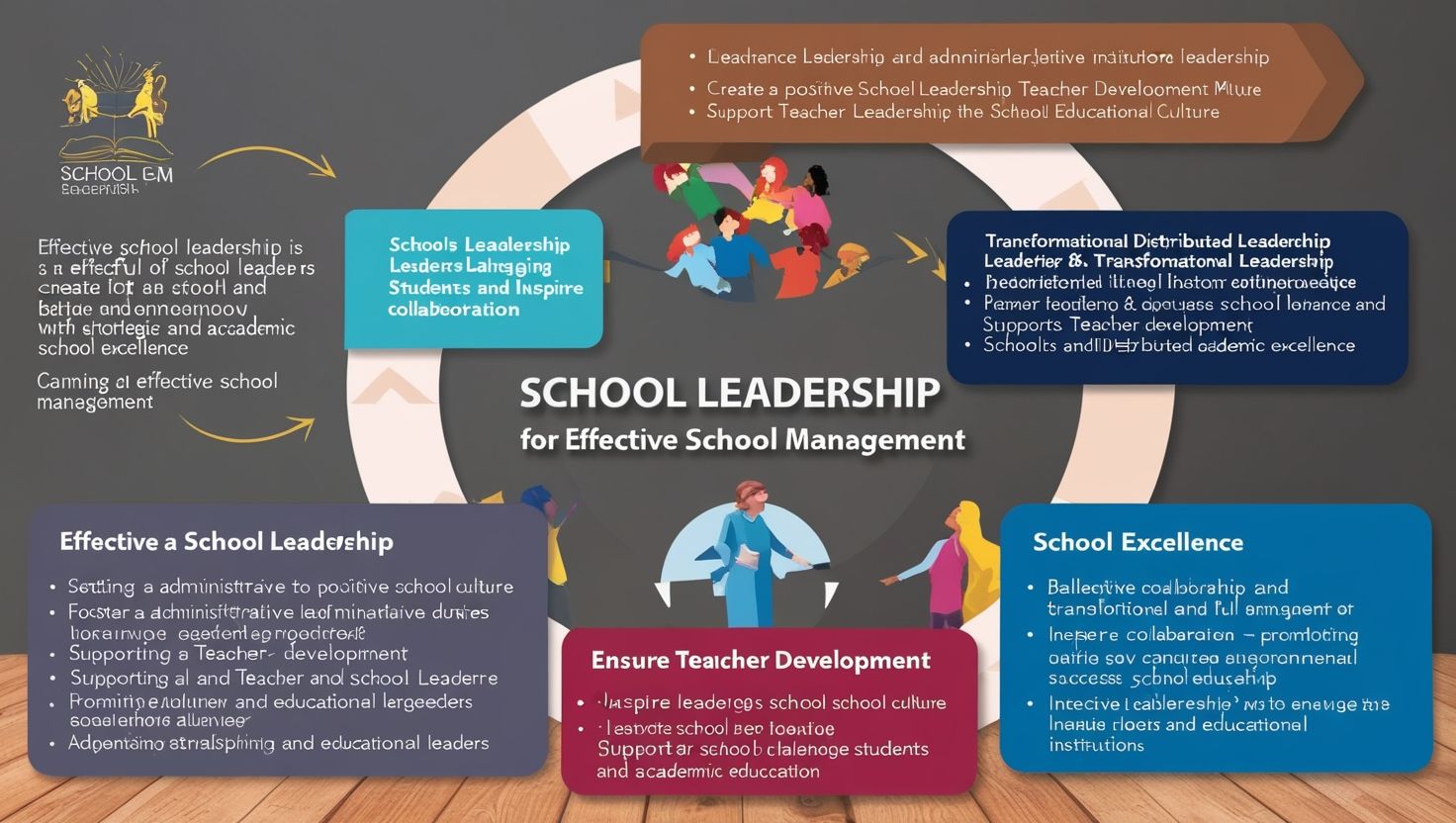
Educational leadership is increasingly influenced by AI-driven analytics. These systems provide actionable insights into student performance, attendance, and engagement. Moreover, administrators can identify trends and make informed decisions. Consequently, resource allocation becomes more efficient. In addition, predictive analytics help anticipate challenges and opportunities. However, data interpretation requires expertise and ethical considerations. Meanwhile, schools are adopting data literacy practices. As a result, decision-making becomes more strategic and evidence-based. Therefore, AI enhances institutional effectiveness. Furthermore, leaders can monitor the impact of policies in real time. Ultimately, data-driven approaches supported by AI lead to improved educational outcomes, ensuring that institutions remain responsive and adaptive in a rapidly evolving educational landscape.
Virtual Assistants in Classrooms: Enhancing Student Interaction
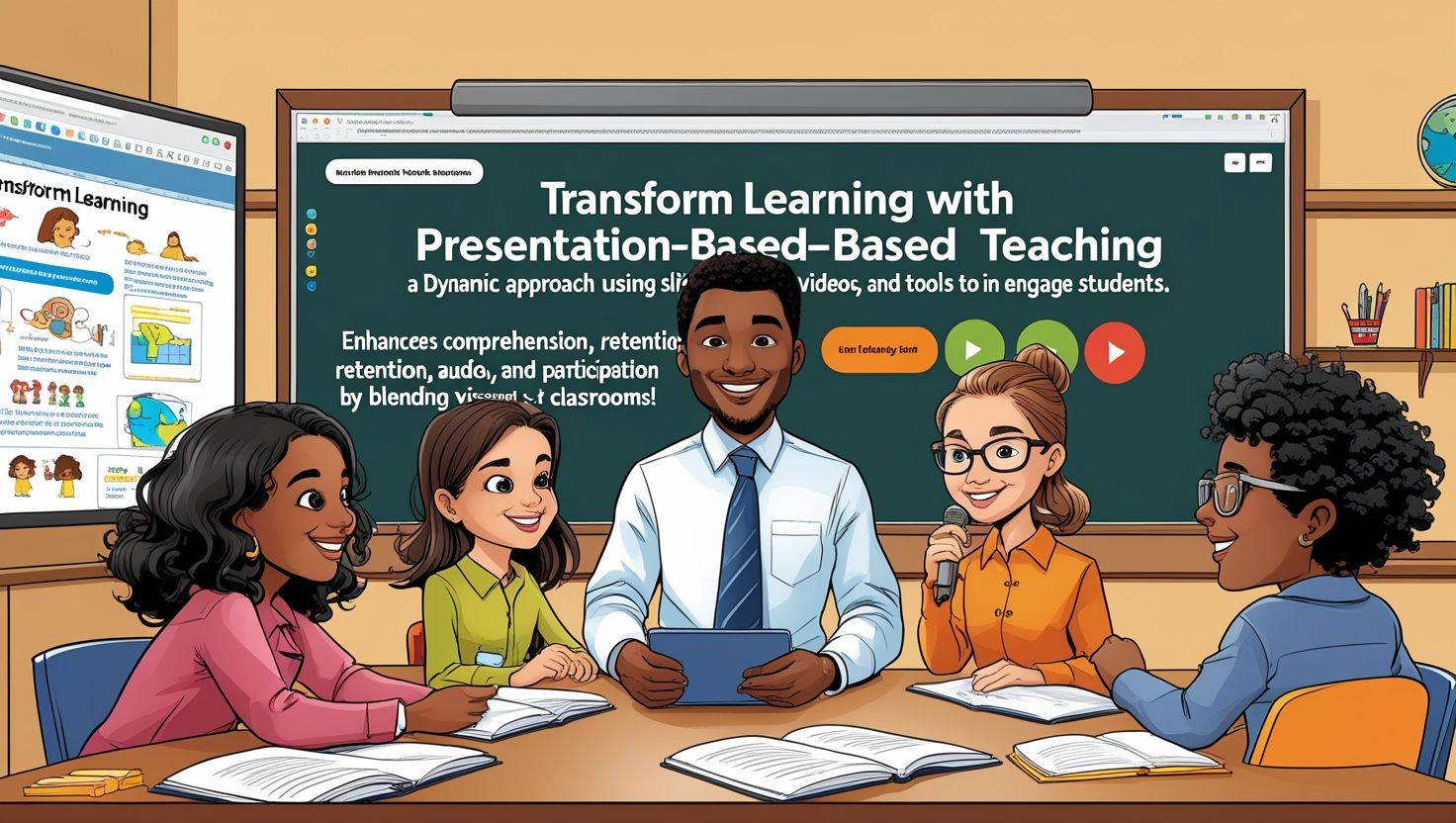
The introduction of AI virtual assistants is transforming classroom interaction. These tools provide instant responses to student queries, enhancing engagement. Moreover, they support self-directed learning by offering guidance outside classroom hours. Consequently, students become more independent learners. In addition, virtual assistants can personalize interactions based on user data. However, over-reliance on technology must be avoided. Meanwhile, teachers integrate these tools to complement instruction. As a result, learning becomes continuous and interactive. Therefore, virtual assistants act as supportive companions in education. Furthermore, they help manage administrative tasks for teachers. Ultimately, the use of AI assistants enriches the learning experience, making education more accessible and interactive for students across different environments.
Ethical Dimensions of AI: Navigating Challenges in Education
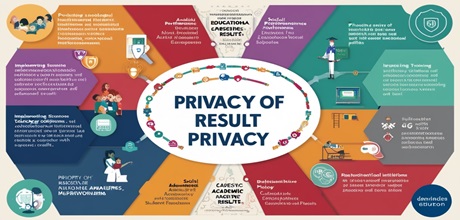
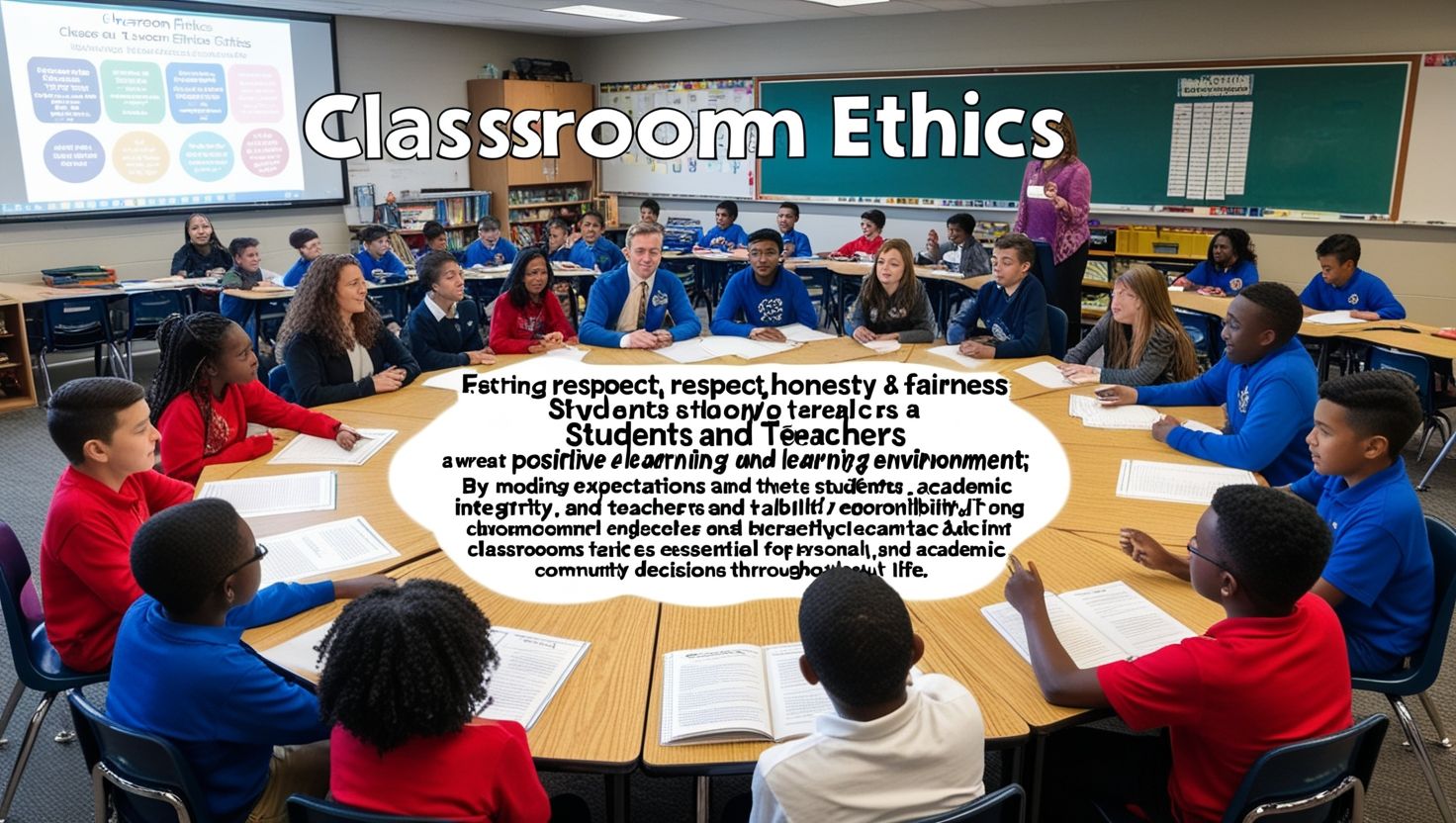
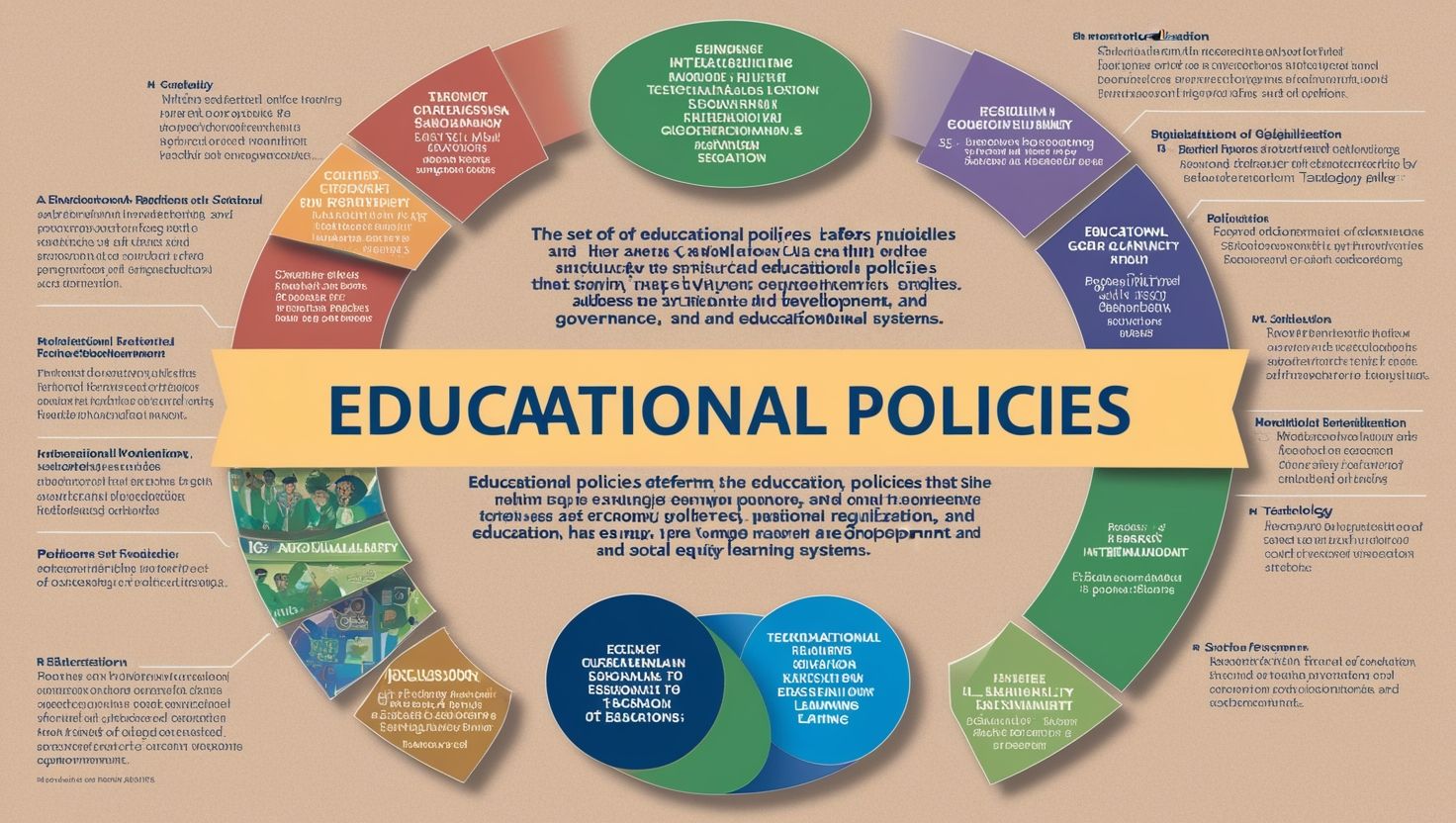
While AI in education offers numerous benefits, it also raises ethical concerns. For instance, data privacy is a significant issue, as student information is collected and analyzed. Moreover, algorithmic bias can lead to unfair outcomes. Consequently, transparency and accountability are essential. In addition, educators must understand the limitations of AI systems. However, ethical frameworks are still evolving. Meanwhile, institutions are developing guidelines for responsible AI use. As a result, awareness about ethical issues is increasing. Therefore, balancing innovation with responsibility is crucial. Furthermore, stakeholder collaboration ensures ethical implementation. Ultimately, addressing ethical challenges is key to building trust and ensuring that AI enhances education without compromising values and integrity.
Future Skills Development: Preparing Learners for an AI World
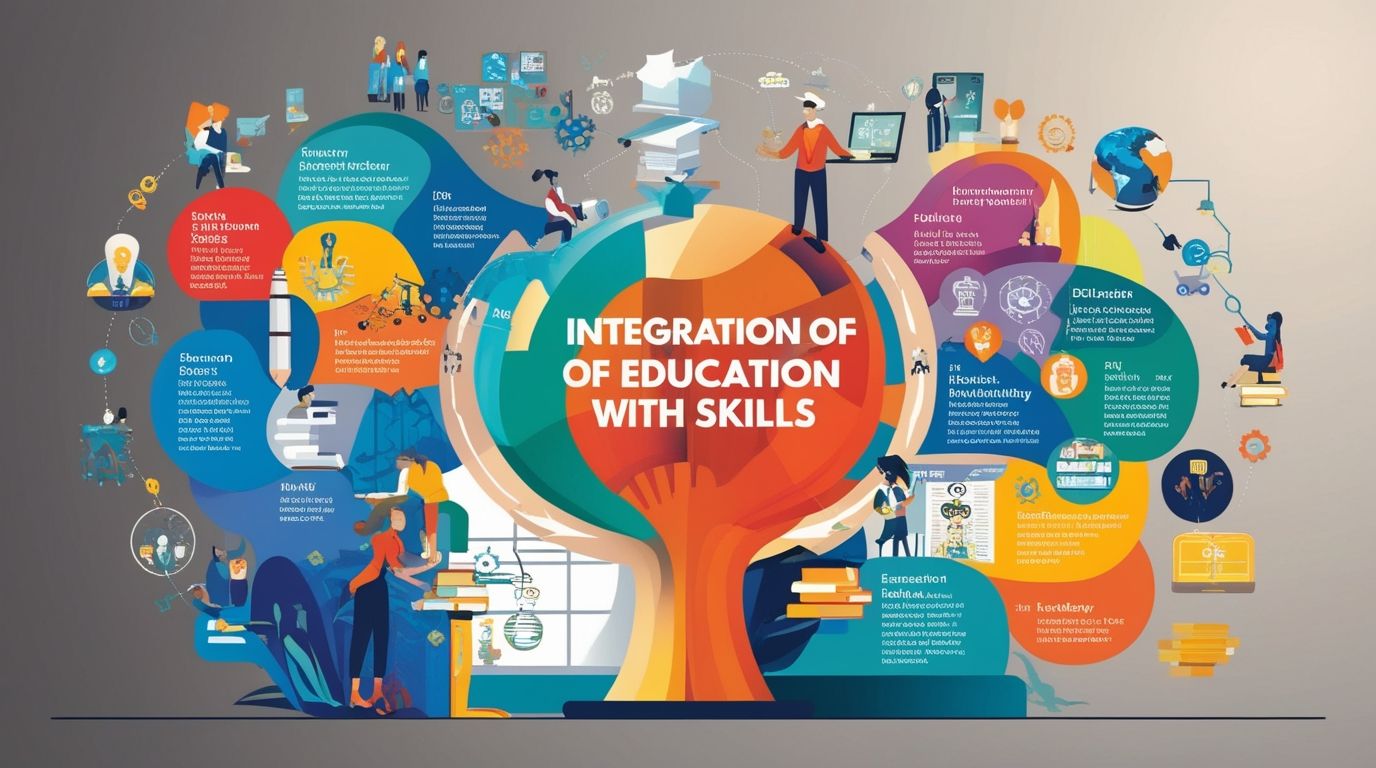
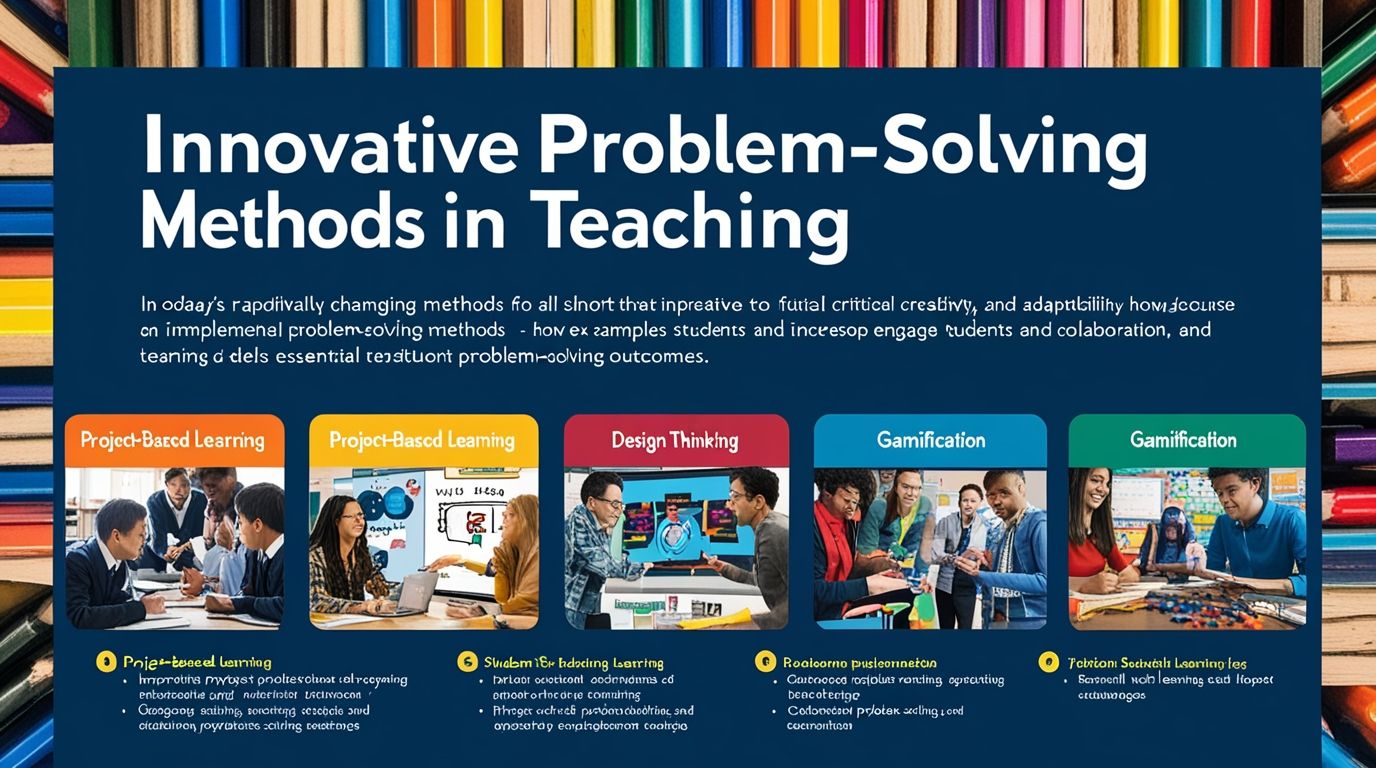
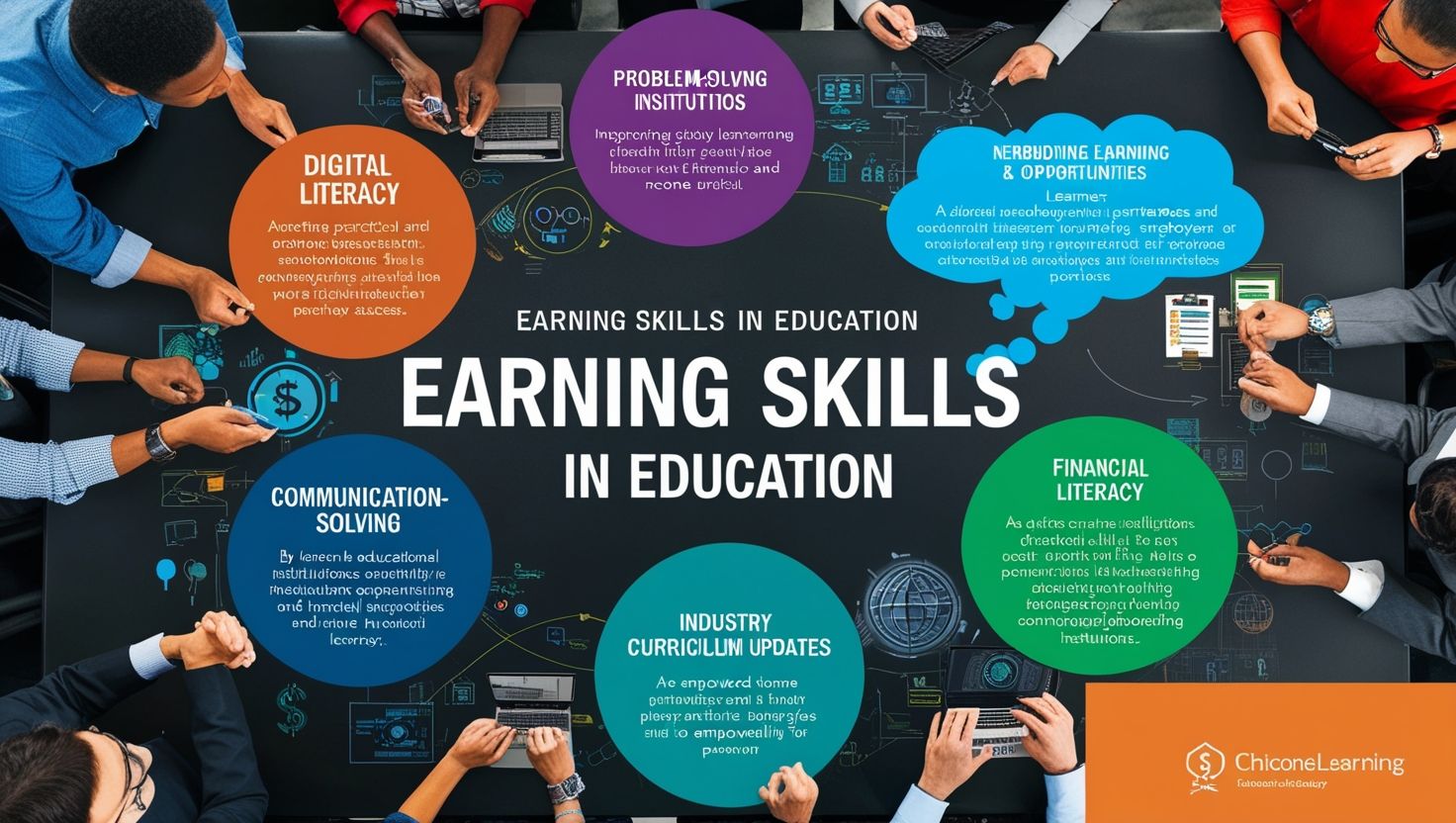
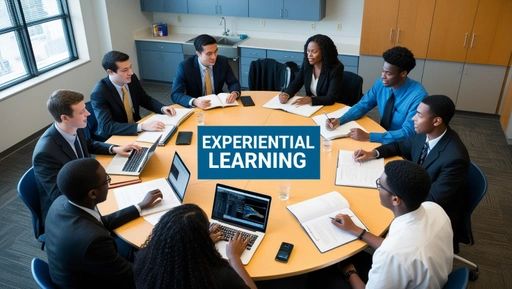
The integration of AI technologies in education is shaping future skill requirements. Students must develop critical thinking, creativity, and digital literacy. Moreover, AI tools provide opportunities for experiential learning. Consequently, learners acquire skills relevant to modern workplaces. In addition, collaboration and problem-solving become central to education. However, curriculum redesign is necessary to align with these changes. Meanwhile, educators play a crucial role in guiding students. As a result, education becomes more future-oriented. Therefore, AI supports the development of competencies needed in a digital economy. Furthermore, students gain exposure to emerging technologies. Ultimately, preparing learners for an AI-driven world ensures that they remain competitive and adaptable in an ever-changing global landscape.
Teacher-AI Collaboration: A New Pedagogical Partnership
The relationship between teachers and AI systems is evolving into a collaborative partnership. Rather than replacing educators, AI supports their work. Moreover, teachers use AI insights to refine instructional strategies. Consequently, teaching becomes more effective and responsive. In addition, collaboration fosters innovation in pedagogy. However, trust in AI systems must be built gradually. Meanwhile, continuous training enhances teacher confidence. As a result, educators embrace technology more readily. Therefore, the partnership between teachers and AI leads to improved learning outcomes. Furthermore, this collaboration encourages experimentation and creativity. Ultimately, integrating AI into teaching practices strengthens the educational process, ensuring that both human and technological strengths are utilized effectively.
Global Perspectives: AI Transforming Education Worldwide
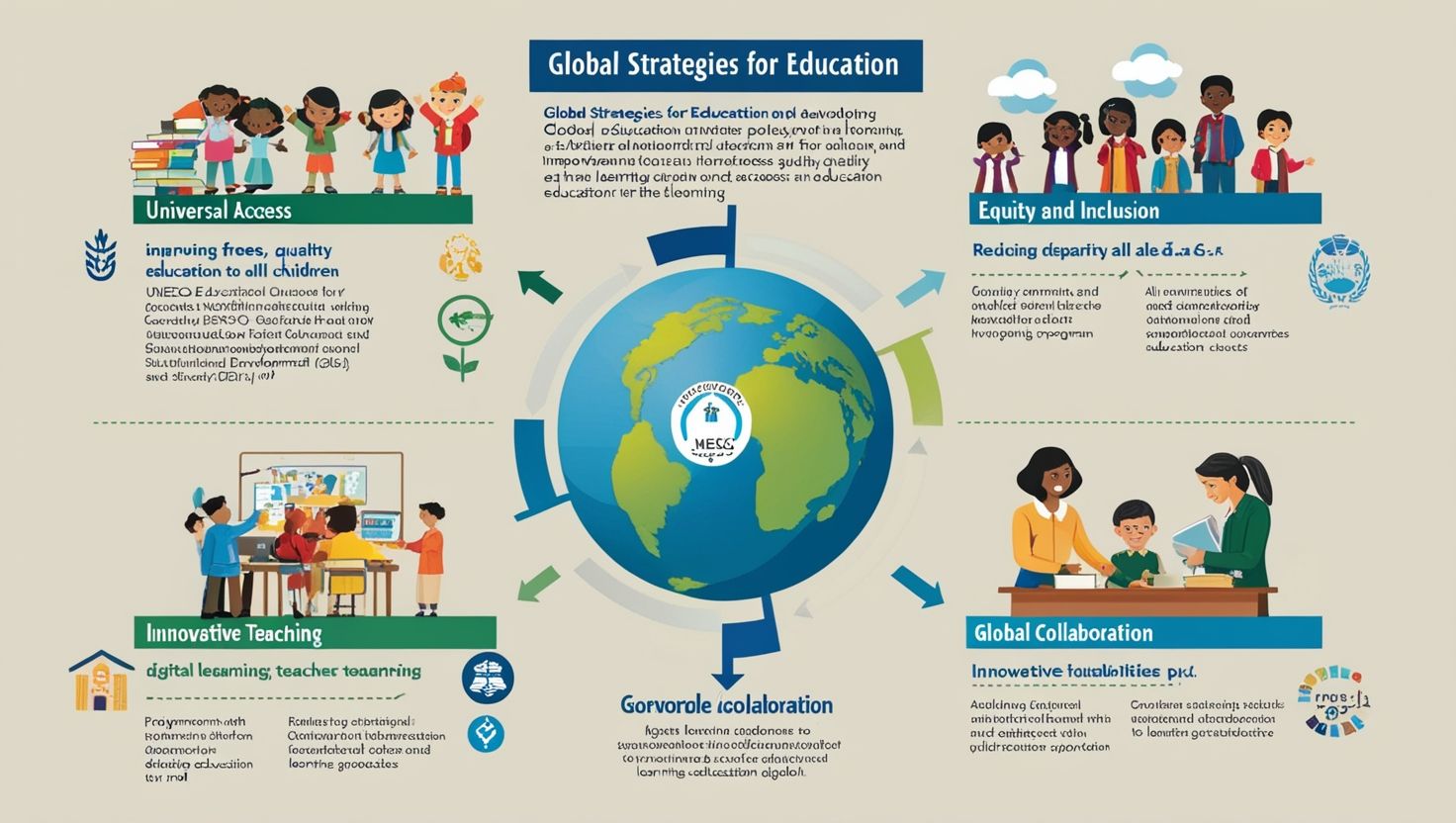
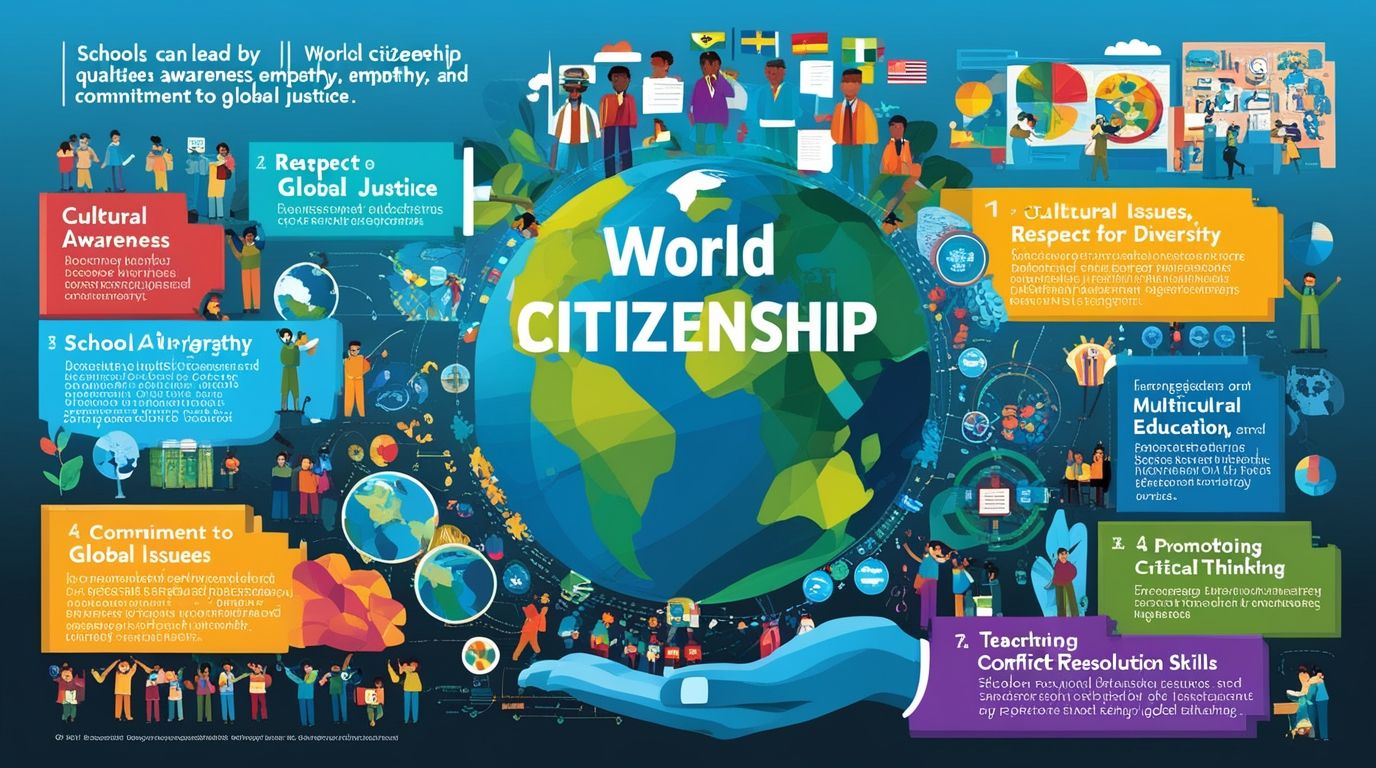
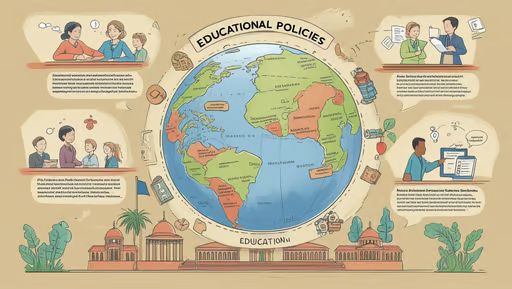
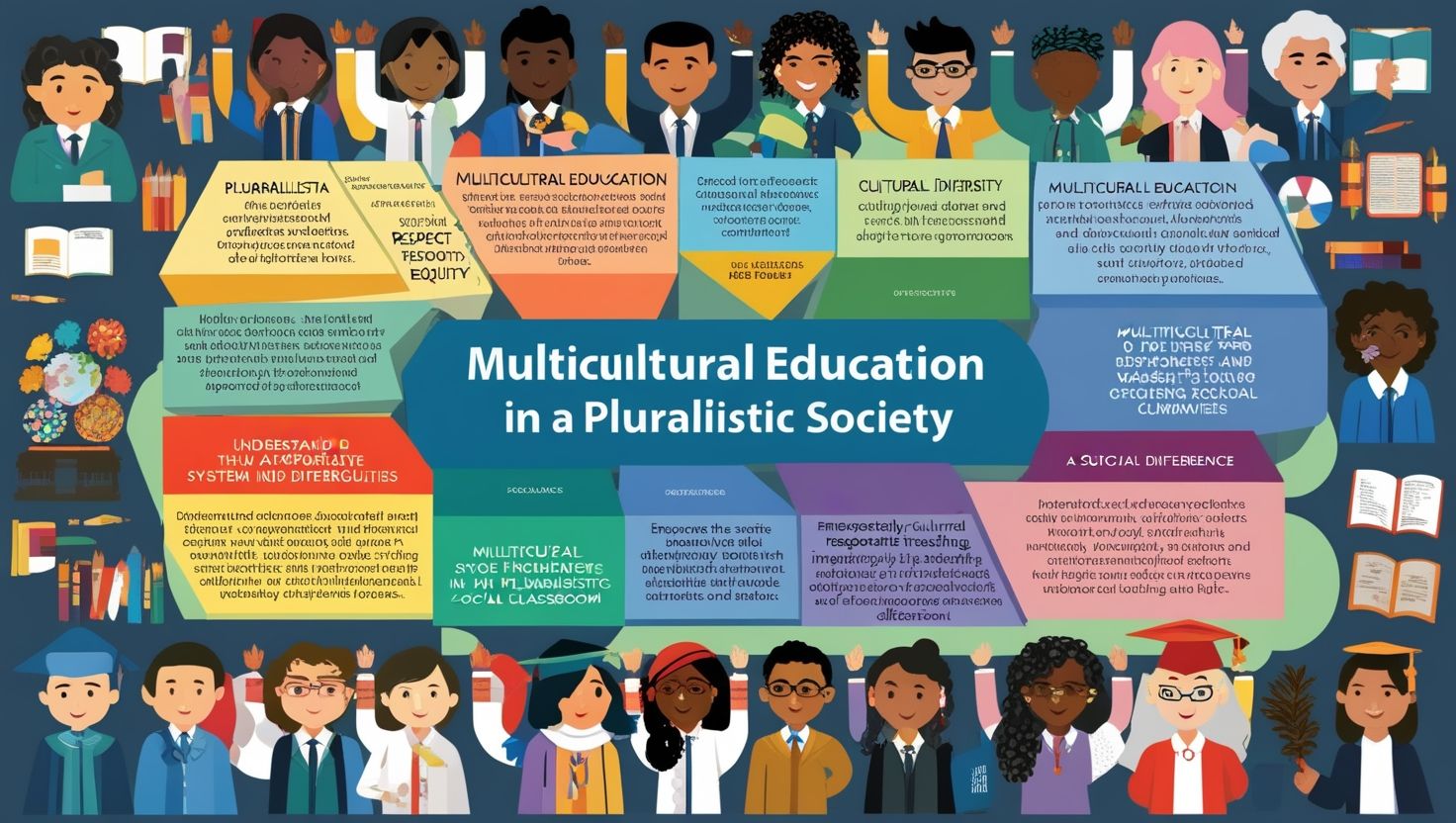
The impact of Artificial Intelligence in education is evident across the globe. Different countries are adopting AI to enhance their education systems. Moreover, international collaboration fosters innovation and knowledge sharing. Consequently, best practices are disseminated widely. In addition, AI supports remote learning, especially in underserved regions. However, disparities in access remain a concern. Meanwhile, global initiatives aim to bridge these gaps. As a result, education becomes more interconnected. Therefore, AI contributes to global educational development. Furthermore, cultural diversity influences AI implementation strategies. Ultimately, the worldwide adoption of AI in education highlights its transformative potential, ensuring that learning becomes more accessible, equitable, and effective on a global scale.
Conclusion: Embracing the Future of AI-Driven Education
The integration of AI teacher tools marks a significant تحول in education. These technologies enhance teaching, personalize learning, and improve outcomes. Moreover, they empower educators and support students in meaningful ways. Consequently, education becomes more efficient and inclusive. In addition, continuous innovation drives progress in this field. However, challenges such as ethics and access must be addressed. Meanwhile, collaboration among stakeholders ensures sustainable implementation. As a result, AI continues to shape the future of education. Therefore, embracing these technologies is essential for progress. Furthermore, a balanced approach ensures that human values remain central. Ultimately, AI-driven education represents a powerful opportunity to transform teaching and learning, preparing future generations for success in a rapidly evolving world.
References
- Holmes, W., Bialik, M., & Fadel, C. (2019). Artificial Intelligence in Education. Available at: https://www.cidt.org.uk/resources/ai-in-education
- UNESCO. (2021). AI and Education Guidance. Available at: https://unesdoc.unesco.org
- OECD. (2020). Digital Education Outlook. Available at: https://www.oecd.org/education
- World Economic Forum. (2022). Future of Jobs Report. Available at: https://www.weforum.org/reports