Introduction
Result-Oriented School vs Performance-Oriented School: Which One Is Right for Your Child?, Choosing the right school is one of the biggest decisions a parent makes, and one debate keeps coming up in parenting forums, school counseling sessions, and education blogs: result-oriented schools vs performance-oriented schools. On the surface, the two sound almost identical — after all, don’t good results come from good performance? But in the world of education philosophy, these two approaches represent very different mindsets about what school is actually for.
In this article, we’ll break down what each model means, how they differ in classroom practice, the pros and cons of each, and how to decide which environment will help your child truly thrive — not just on paper, but in life.
What Is a Result-Oriented School?
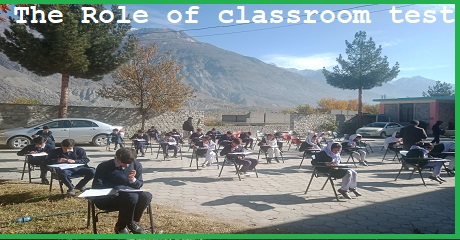
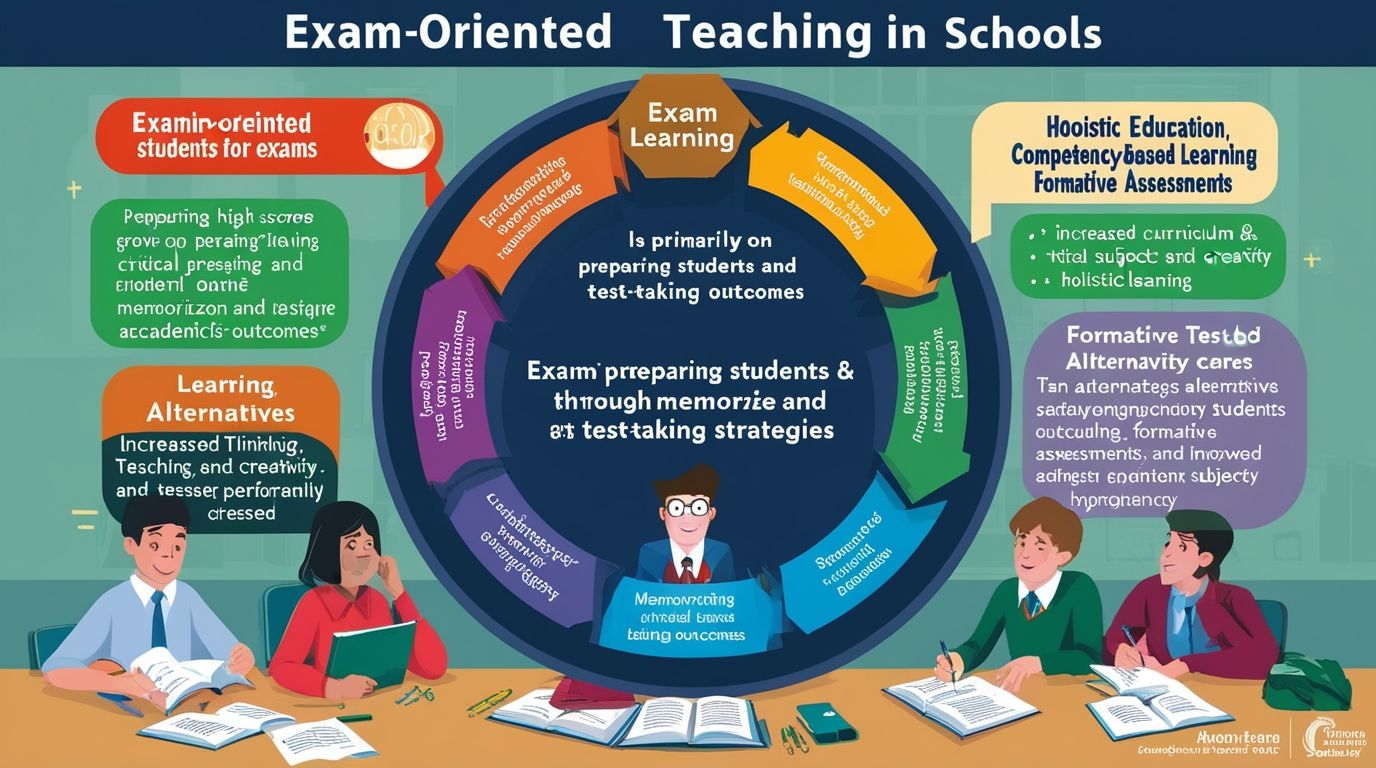
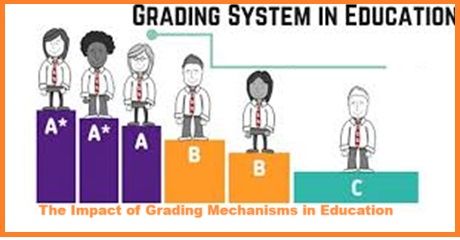
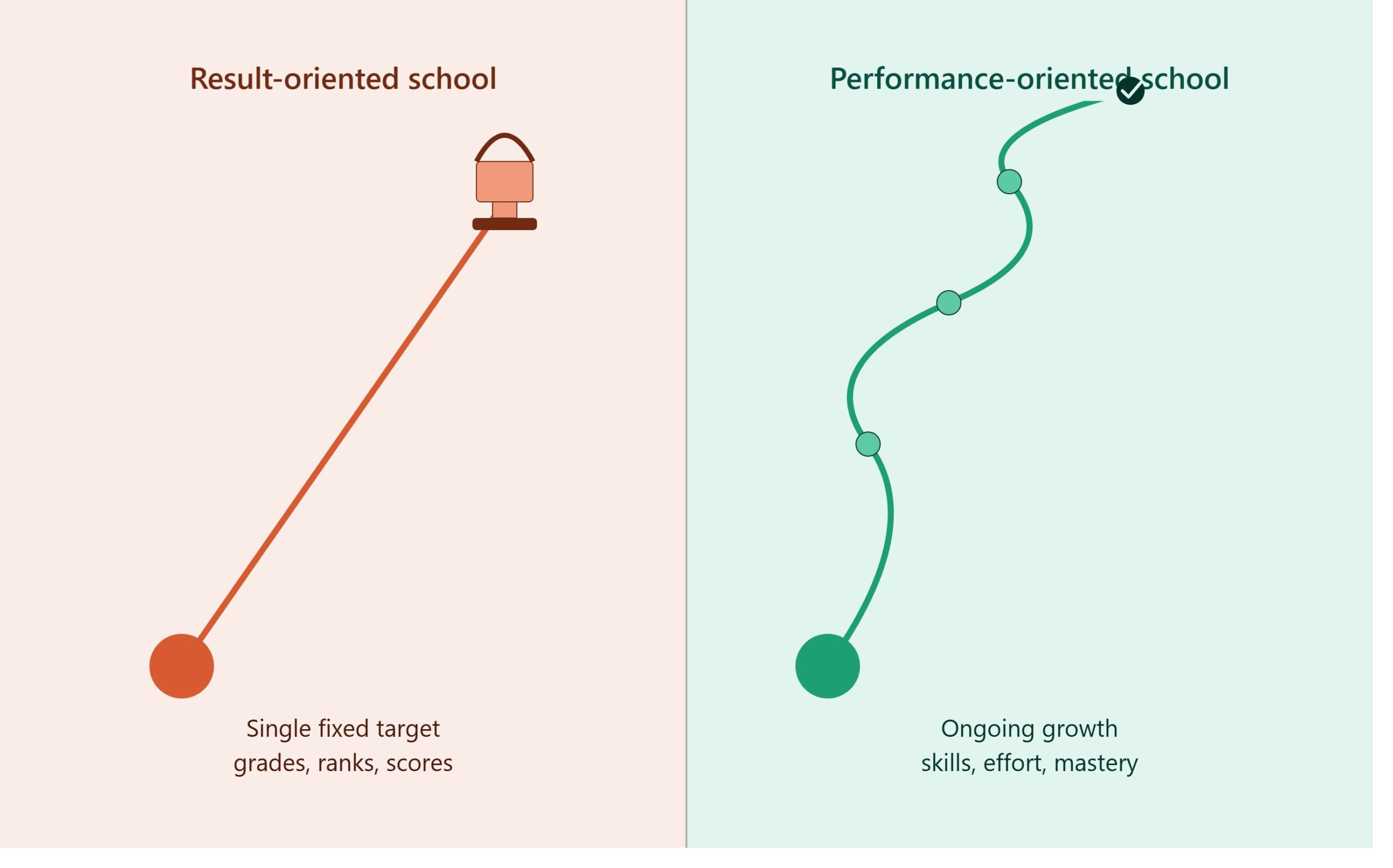
A result-oriented school is built around one central goal: measurable academic outcomes. Think exam scores, board results, college admission rates, and class rankings. Everything in the curriculum, teaching style, and even extracurricular scheduling tends to funnel toward one outcome — the final grade or test score.
Core Characteristics of Result-Oriented Schools
- Exam-centric curriculum: Lessons are often structured around what will be tested, not necessarily what builds deep understanding.
- Frequent testing and ranking: Weekly quizzes, monthly tests, and rank lists are common, creating a constant feedback loop tied to numbers.
- Emphasis on toppers: Schools often showcase their highest scorers in marketing materials, reinforcing a culture that rewards the top percentile.
- Standardized teaching methods: Since the goal is consistent output across a large student body, teaching methods are often uniform and repeatable rather than individualized.
- Success measured in percentages: A student’s worth in this system is frequently reduced to a percentage, grade point average, or rank.
Why Parents Choose Result-Oriented Schools
Many parents lean toward result-oriented institutions because the outcomes are easy to see and compare. In competitive academic markets — especially where college admissions or scholarship opportunities hinge on board exam scores — a strong track record of results can feel like the safest bet. These schools also tend to have well-oiled systems: structured revision schedules, mock tests, and proven strategies for cracking specific exams.
What Is a Performance-Oriented School?
A performance-oriented school shifts the focus from the outcome to the process. Instead of asking “What score did the student get?” it asks “How did the student engage with the material, grow their skills, and apply their learning?” Performance here refers to a student’s demonstrated ability, effort, and progress — not just a final number.
Core Characteristics of Performance-Oriented Schools
- Skill and competency focus: Emphasis is placed on critical thinking, problem-solving, communication, and creativity rather than rote memorization.
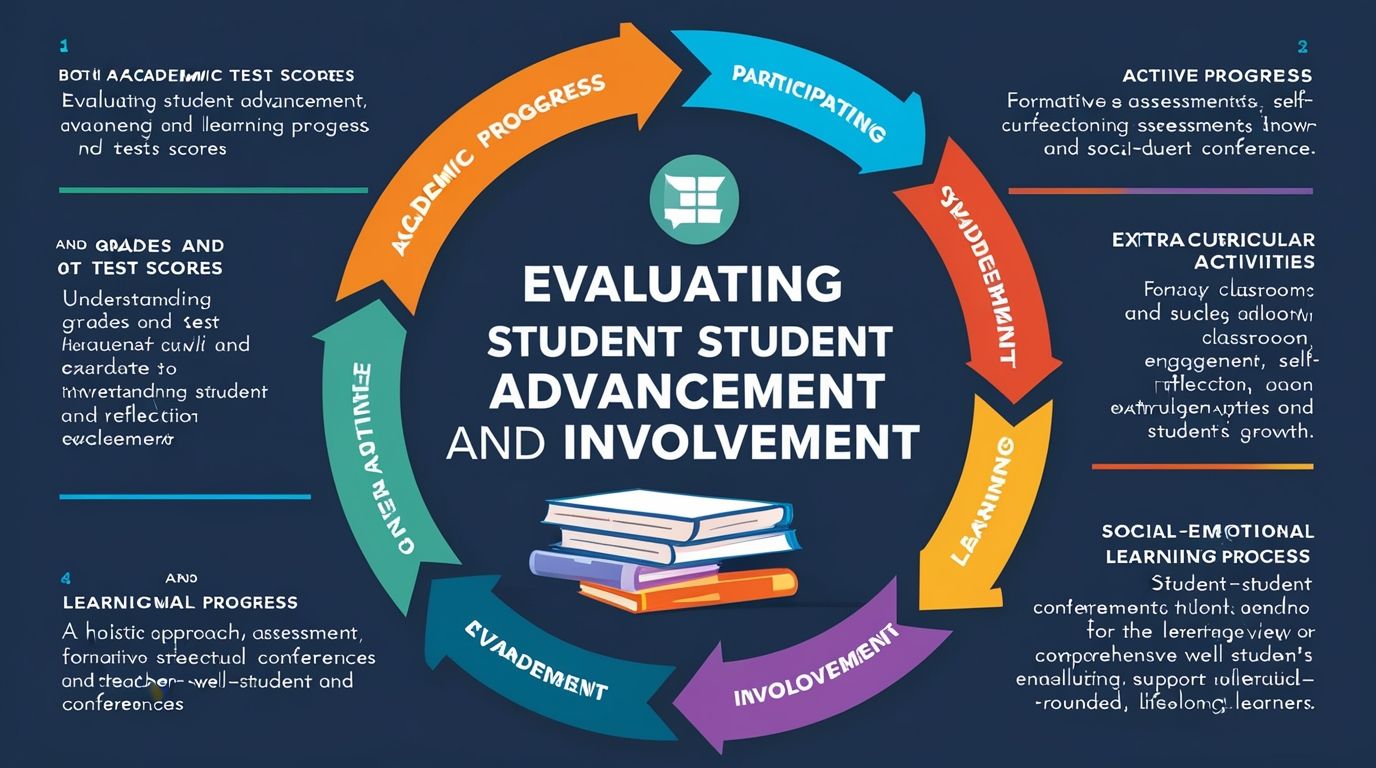
- Continuous, holistic assessment: Instead of one high-stakes exam, students are evaluated through projects, presentations, portfolios, and classroom participation.
- Individual growth tracking: A student’s progress is often measured against their own past performance, not just against classmates.
- Real-world application: Learning is tied to practical, real-life scenarios — case studies, experiments, group projects — rather than textbook memorization alone.
- Balanced development: Sports, arts, emotional intelligence, and soft skills are treated as equally important to academic subjects.
Why Parents Choose Performance-Oriented Schools
Parents who prioritize long-term development over short-term scores often gravitate toward this model. In a world where employers increasingly value adaptability, communication, and problem-solving over exam scores alone, performance-oriented education can feel like better preparation for real careers — not just for the next test.
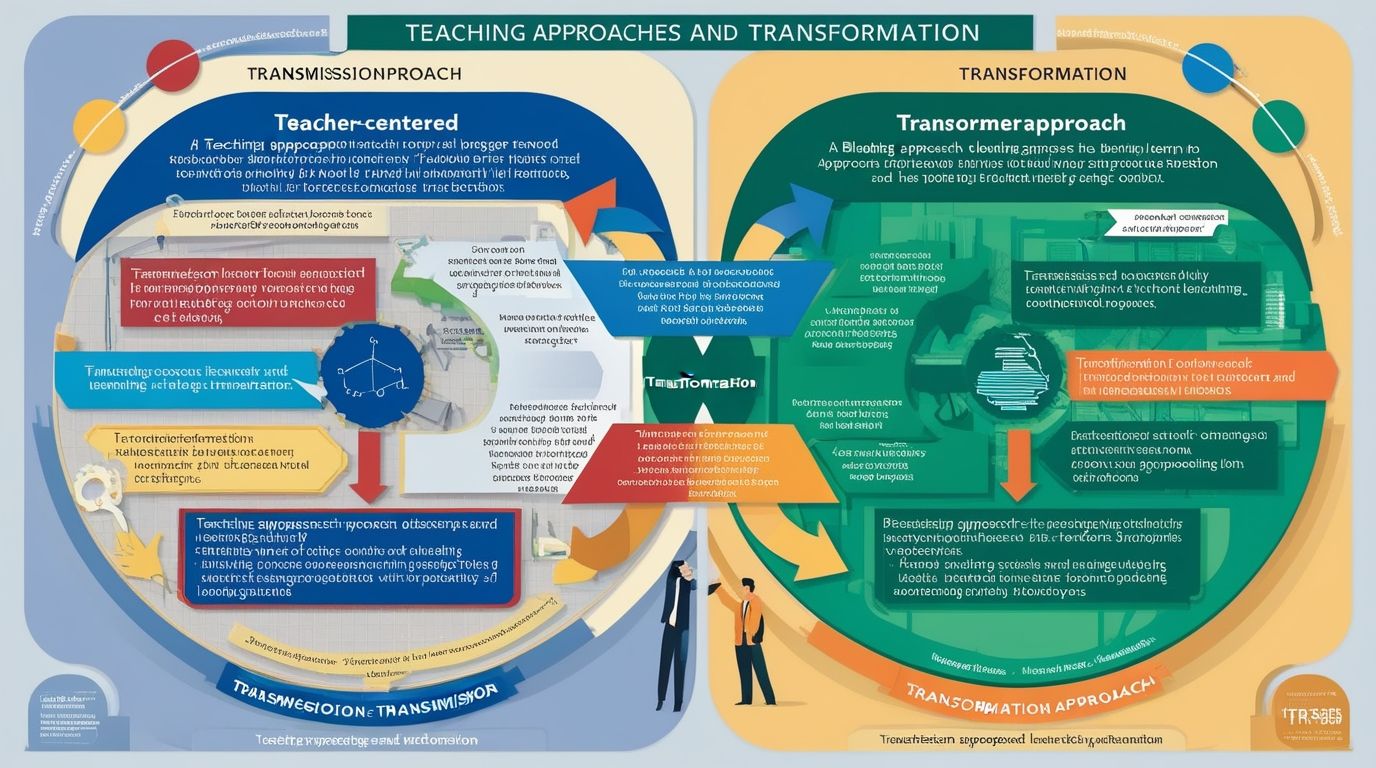
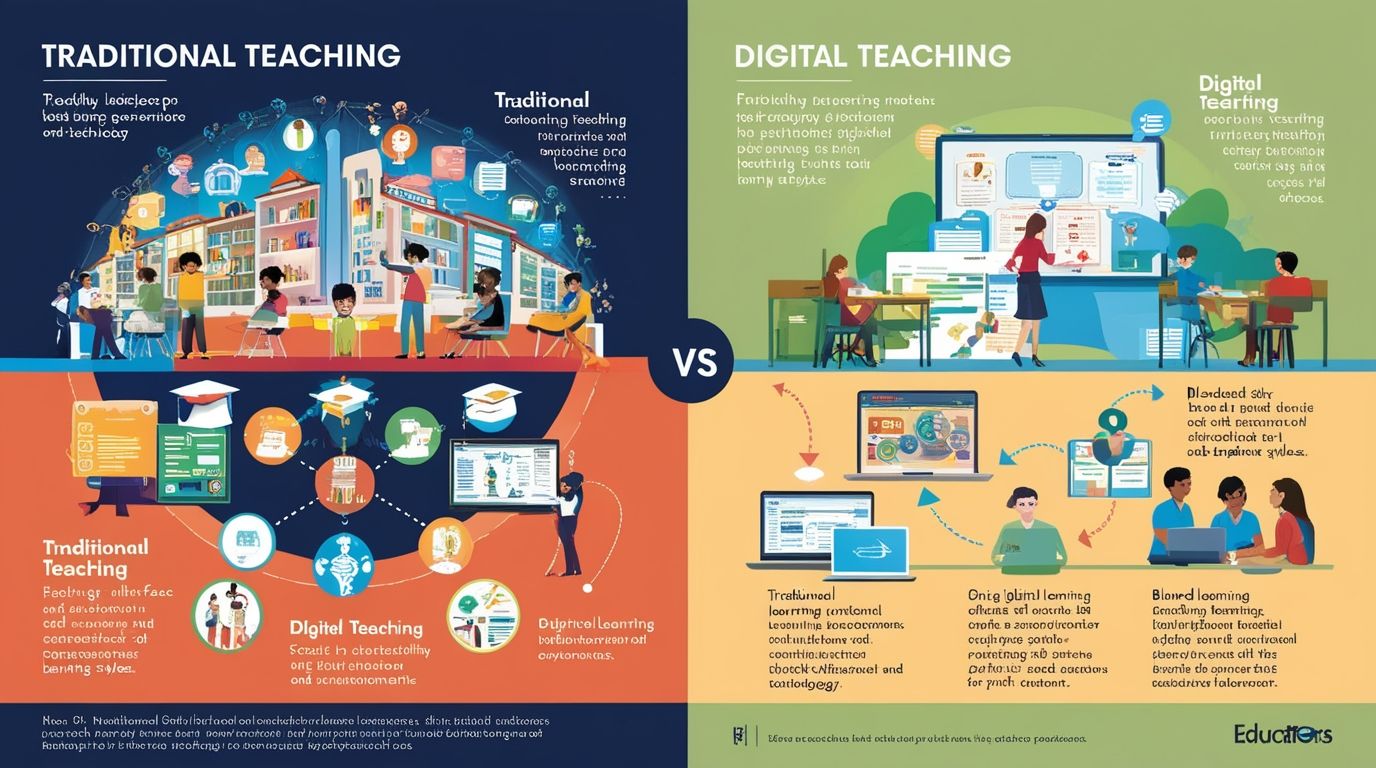
Result-Oriented vs Performance-Oriented School: Key Differences
| Aspect | Result-Oriented School | Performance-Oriented School |
|---|---|---|
| Primary Focus | Final scores and rankings | Skills, growth, and understanding |
| Assessment Style | Frequent high-stakes exams | Continuous, project-based evaluation |
| Success Metric | Percentage/grade | Demonstrated competency and improvement |
| Learning Style | Often memorization-heavy | Application and inquiry-based |
| Student Comparison | Peer-to-peer ranking | Self-progress tracking |
| Pressure Level | Can be high due to constant testing | Generally lower, growth-focused |
| Preparation For | Competitive exams, board results | Real-world problem solving, careers |
This side-by-side comparison highlights that neither model is inherently “better” — they simply optimize for different things. A result-oriented school optimizes for measurable, comparable academic output. A performance-oriented school optimizes for durable skills and individual growth, even if that’s harder to quantify on a report card.
Advantages and Disadvantages of Result-Oriented Schools
Advantages
- Clear, measurable benchmarks — Parents and students always know exactly where they stand.
- Strong exam preparation — Ideal for students targeting highly competitive entrance exams.
- Structured discipline — The rigorous schedule can instill strong study habits and time management.
- Proven track record — Many result-oriented schools have decades of data showing strong college placement rates.
Disadvantages
- High stress and burnout risk — Constant testing and ranking can take a toll on mental health.
- Narrow skill development — Creativity, curiosity, and soft skills may take a back seat to test prep.
- Fear of failure — Students may become risk-averse, avoiding challenges where they might not excel immediately.
- One-size-fits-all teaching — Individual learning styles and paces are often overlooked in favor of standardized instruction.
Advantages and Disadvantages of Performance-Oriented Schools
Advantages
- Lower academic pressure — Reduces anxiety associated with high-stakes testing.
- Encourages genuine curiosity — Students are more likely to explore subjects because they’re interested, not just to score well.
- Builds real-world skills — Communication, teamwork, and critical thinking are actively nurtured.
- Personalized growth — Progress is tracked individually, which can boost confidence for students who don’t test well.
Disadvantages
- Harder to benchmark — Without standardized scores, it can be difficult to compare students or schools objectively.
- May underprepare for competitive exams — Students might struggle when suddenly facing high-stakes, exam-heavy environments later on.
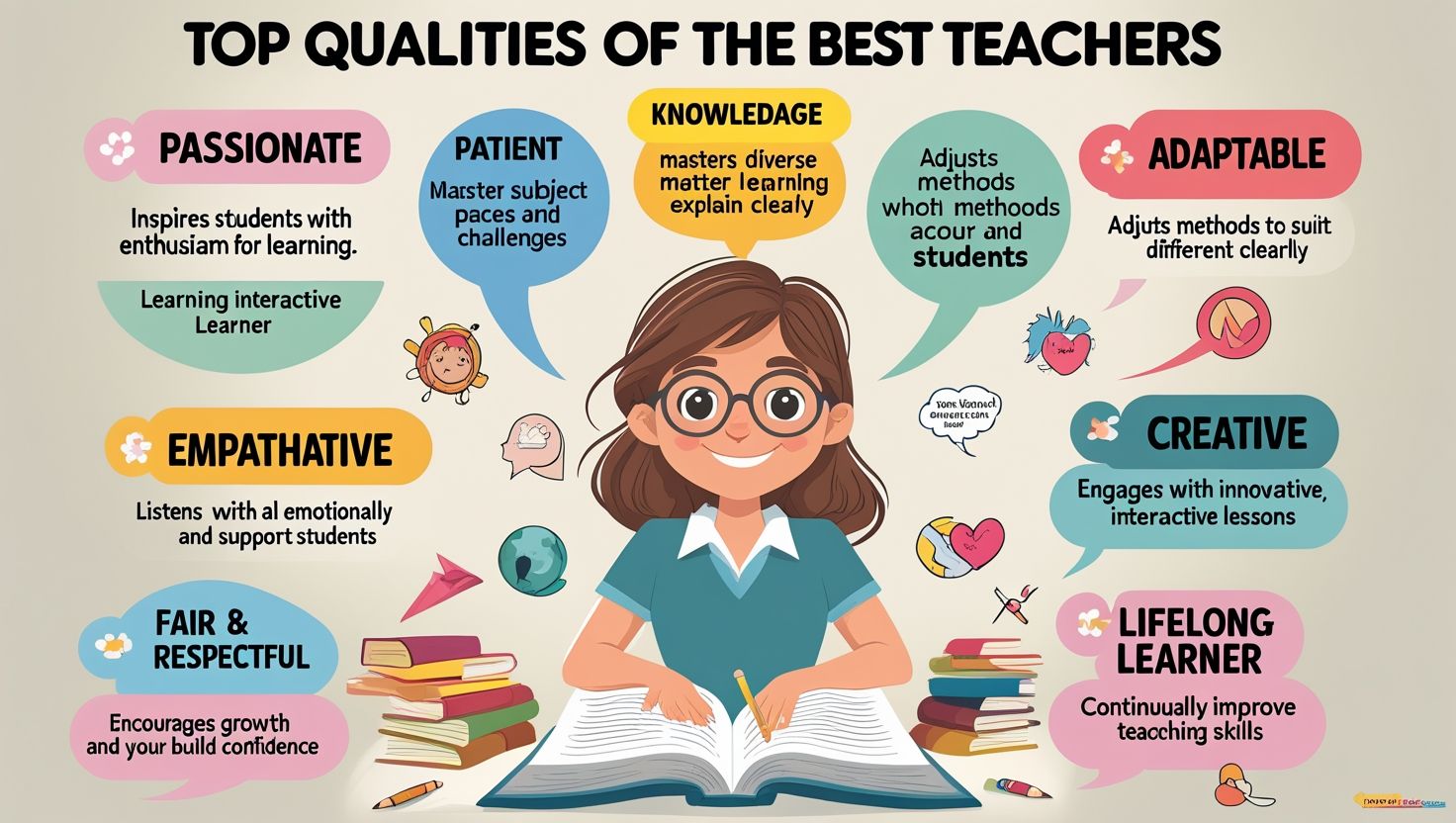
- Requires skilled educators — This model demands teachers capable of individualized, project-based instruction, which isn’t always consistently available.
- Slower visible results — Growth in soft skills and critical thinking doesn’t show up on a report card the way a test score does.
How to Decide Which School Type Is Right for Your Child
There’s no universal right answer — the best choice depends on your child’s personality, goals, and the educational path ahead of them.
Consider a Result-Oriented School If:
- Your child is preparing for highly competitive entrance exams (medical, engineering, etc.)
- They thrive under structured, goal-driven environments
- You value clear, comparable academic benchmarks
- Your child handles testing pressure reasonably well
Consider a Performance-Oriented School If:
- Your child learns best through hands-on, exploratory methods
- They show signs of anxiety or burnout under high-stakes testing
- You prioritize long-term skill-building over short-term scores
- Your child’s interests lean toward creative, collaborative, or interdisciplinary work
A Hybrid Approach Is Often the Best Path
In reality, many top-performing schools today are blending both philosophies. They maintain strong academic rigor and measurable outcomes while also incorporating project-based learning, mentorship, and holistic development. When evaluating schools, ask about:
- Their approach to assessment (is it purely exam-based, or mixed?)
- How they support students who struggle with test anxiety
- What extracurricular and life-skills programs are offered
- How they track and communicate individual student growth, not just class averages
The Long-Term Impact on Students
Educational psychologists have long studied how these two mindsets — often referred to as “outcome goals” versus “mastery goals” — shape a student’s relationship with learning. Students in heavily result-driven environments can develop a strong work ethic, but they may also link their self-worth too closely to grades, which can affect confidence and resilience when they inevitably face setbacks.
Students in performance- or mastery-driven environments, on the other hand, tend to develop a growth mindset — the belief that abilities can be developed through effort. This often translates into greater resilience, adaptability, and a lifelong love of learning. However, without some structure and accountability, mastery-focused environments can sometimes underprepare students for the rigid, competitive realities of standardized testing and college admissions.
The ideal outcome for most families is a school that instills strong academic discipline and nurtures curiosity, resilience, and real-world skills — proving that the “vs” in this debate doesn’t always have to mean choosing one at the expense of the other.
Conclusion
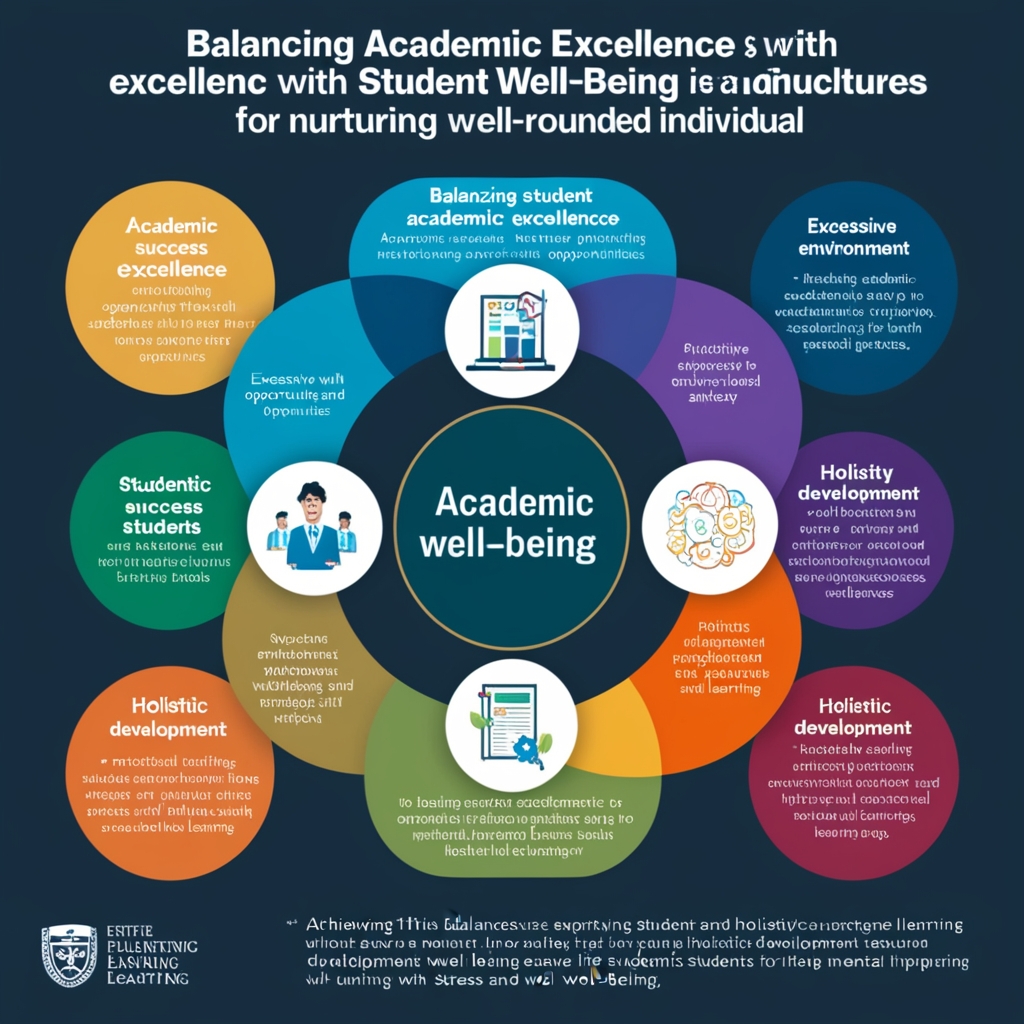
The debate between result-oriented and performance-oriented schools ultimately comes down to what you value most for your child’s education: measurable academic achievement or holistic, skill-based growth. Result-oriented schools offer structure, clear benchmarks, and strong exam preparation, while performance-oriented schools nurture creativity, critical thinking, and long-term resilience.
Rather than viewing this as a strict either/or decision, the smartest approach is to evaluate each school individually — looking at how they assess students, support mental well-being, and balance academics with real-world skill-building. The right environment is the one that helps your child not just score well, but grow into a confident, capable, lifelong learner.
Frequently Asked Questions (FAQs)
1. What is the main difference between a result-oriented school and a performance-oriented school? A result-oriented school focuses primarily on final academic outcomes like exam scores and rankings, while a performance-oriented school focuses on the learning process, skill development, and individual growth over time.
2. Which type of school is better for competitive exam preparation? Result-oriented schools are typically better suited for competitive exam preparation because of their structured, exam-focused curriculum and frequent practice testing. However, students from performance-oriented schools can also succeed with additional targeted exam coaching.
3. Do performance-oriented schools produce lower academic results? Not necessarily. Performance-oriented schools often produce strong academic results too, but they measure and build toward those results differently — through continuous assessment and skill mastery rather than high-stakes testing alone.
4. Can a school be both result-oriented and performance-oriented? Yes. Many modern schools use a hybrid model that combines rigorous academic benchmarks with project-based learning, mentorship, and holistic development, aiming to prepare students for both exams and real-world challenges.
5. How do I know which school type is right for my child? Consider your child’s learning style, stress tolerance, and long-term goals. Children who thrive under structure and are targeting specific competitive exams may do well in result-oriented schools, while children who need lower-pressure, exploratory learning environments often flourish in performance-oriented settings.