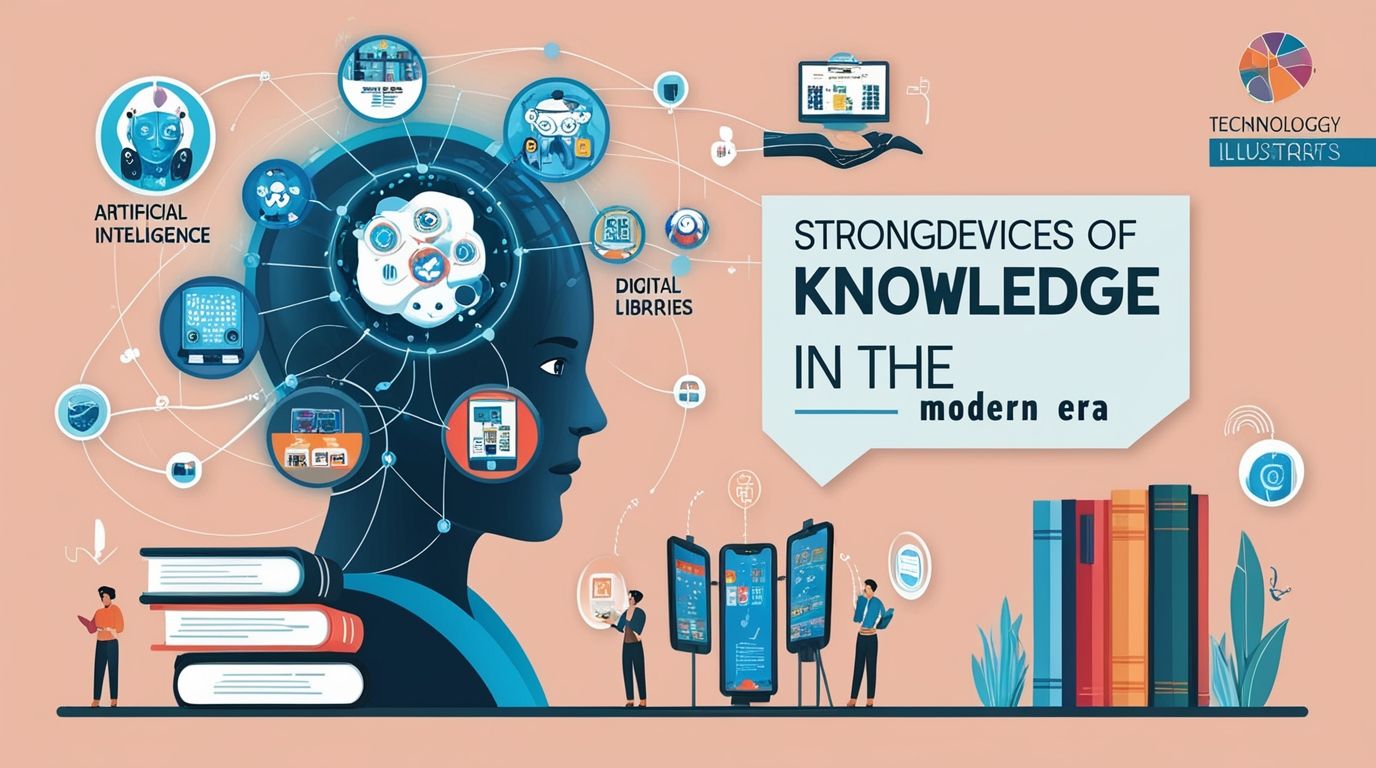
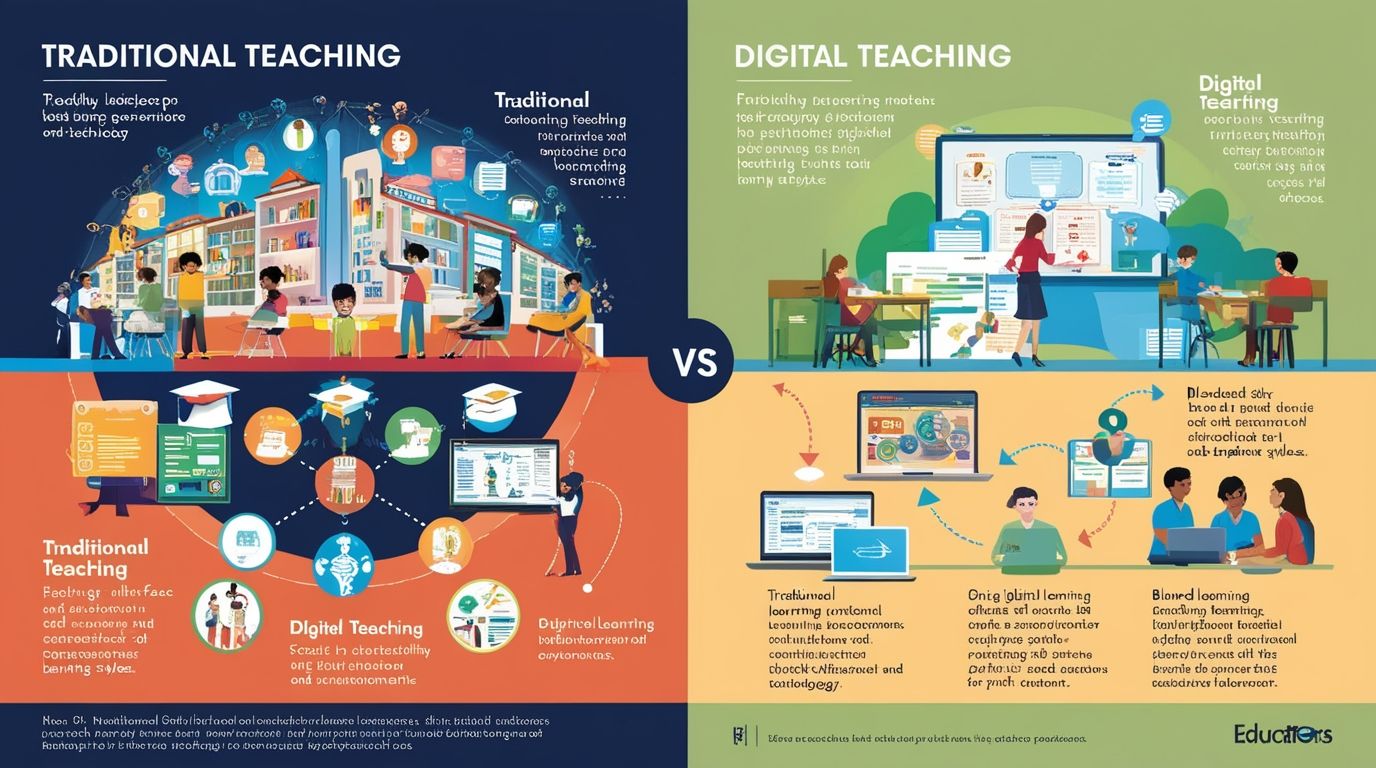
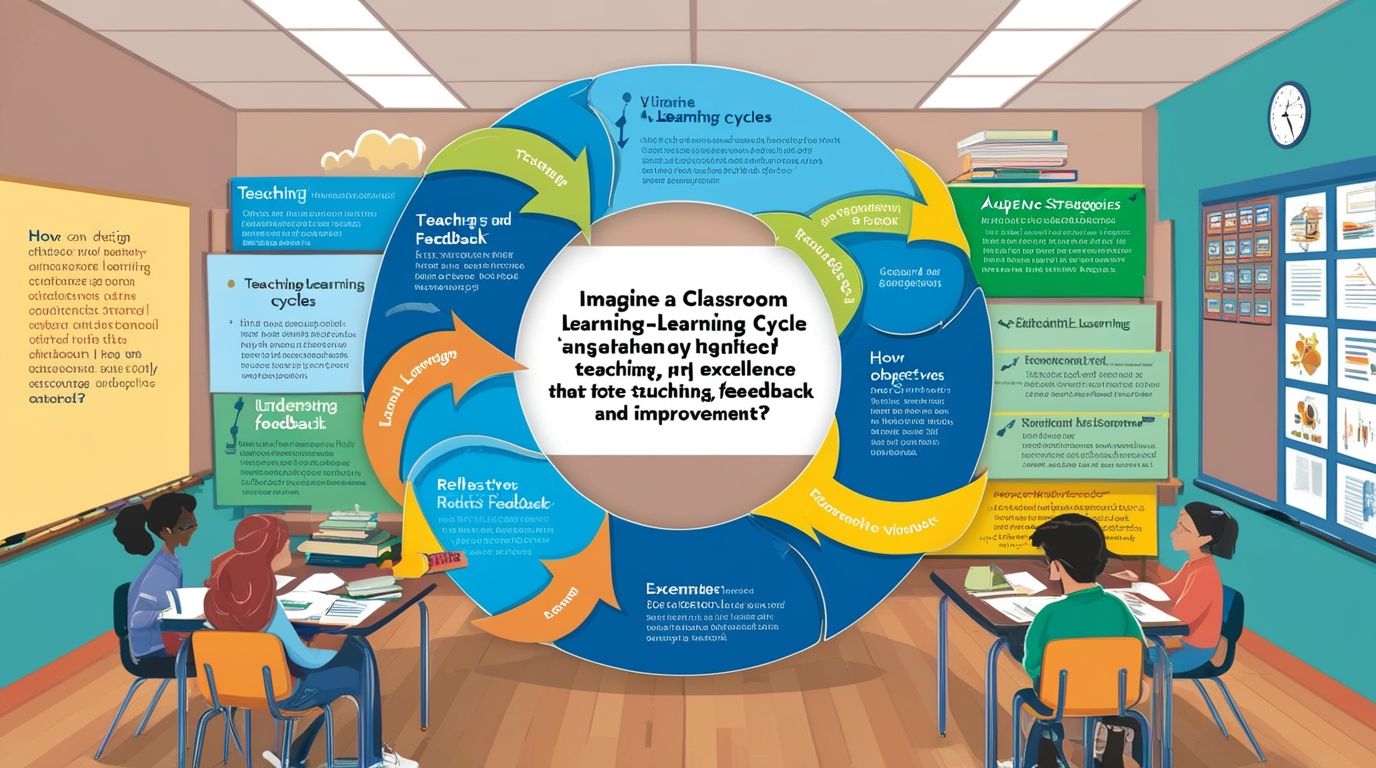
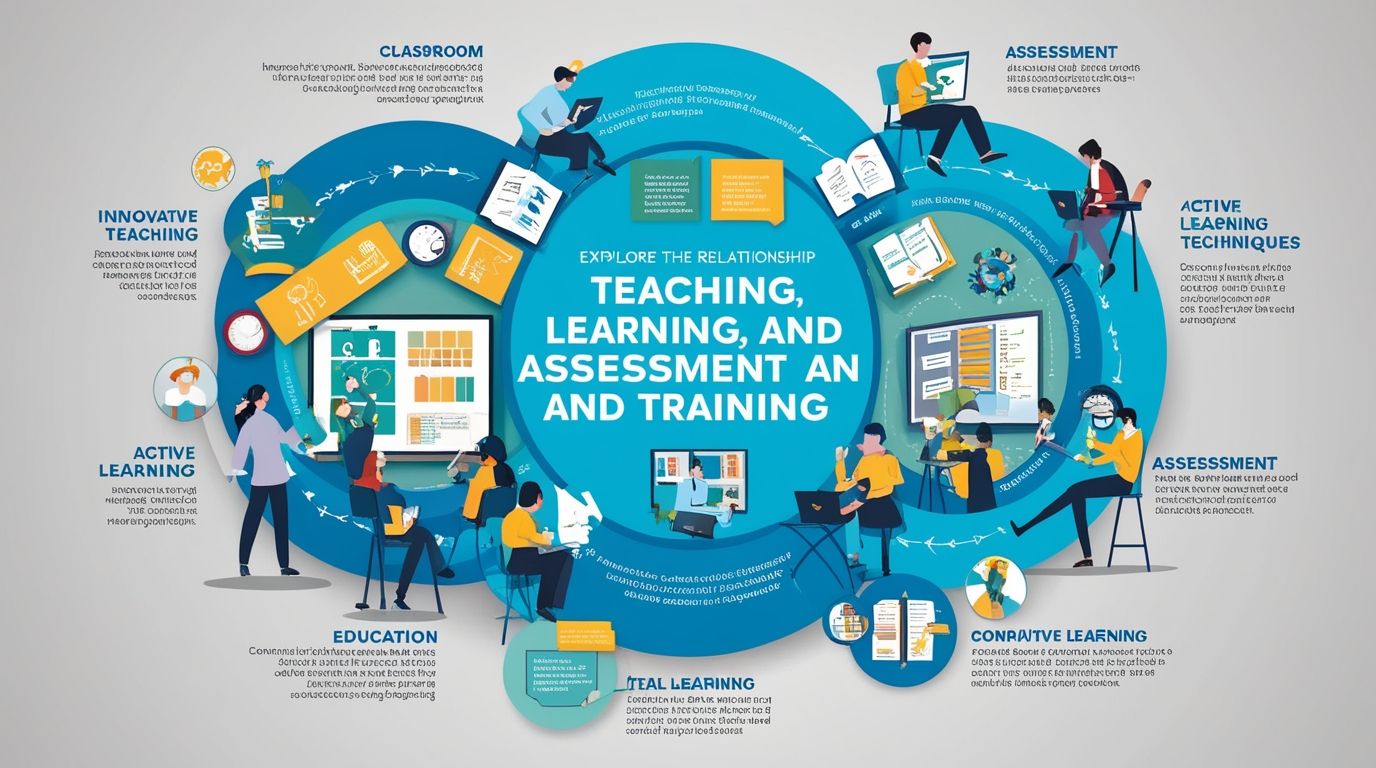
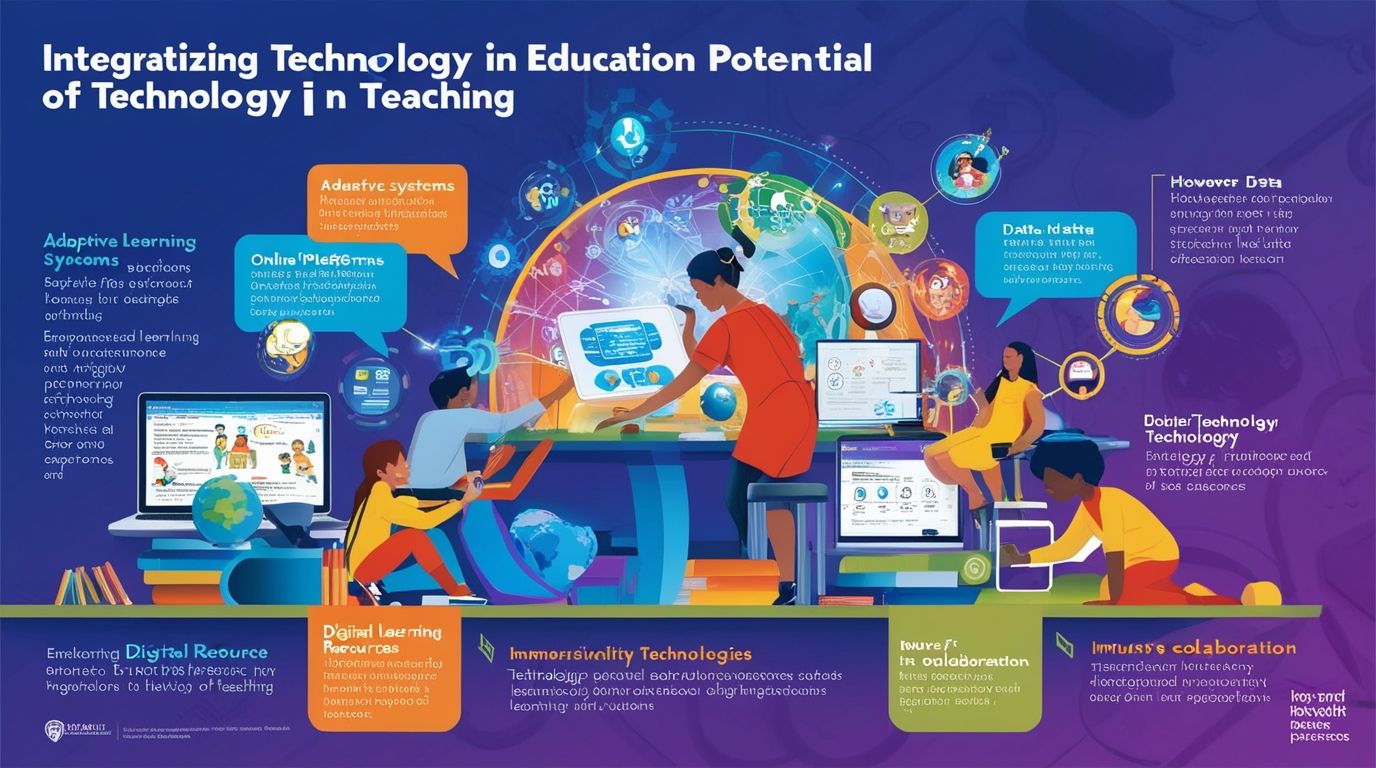
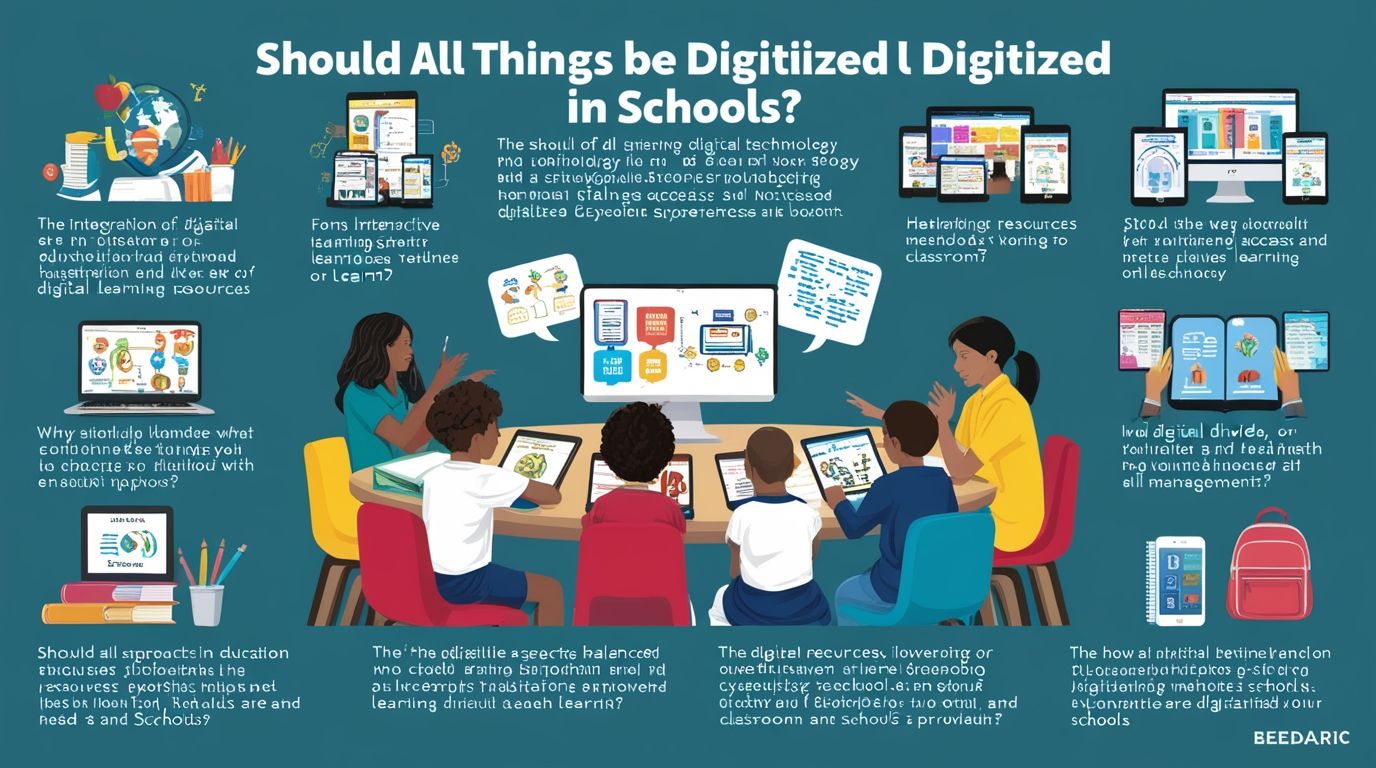
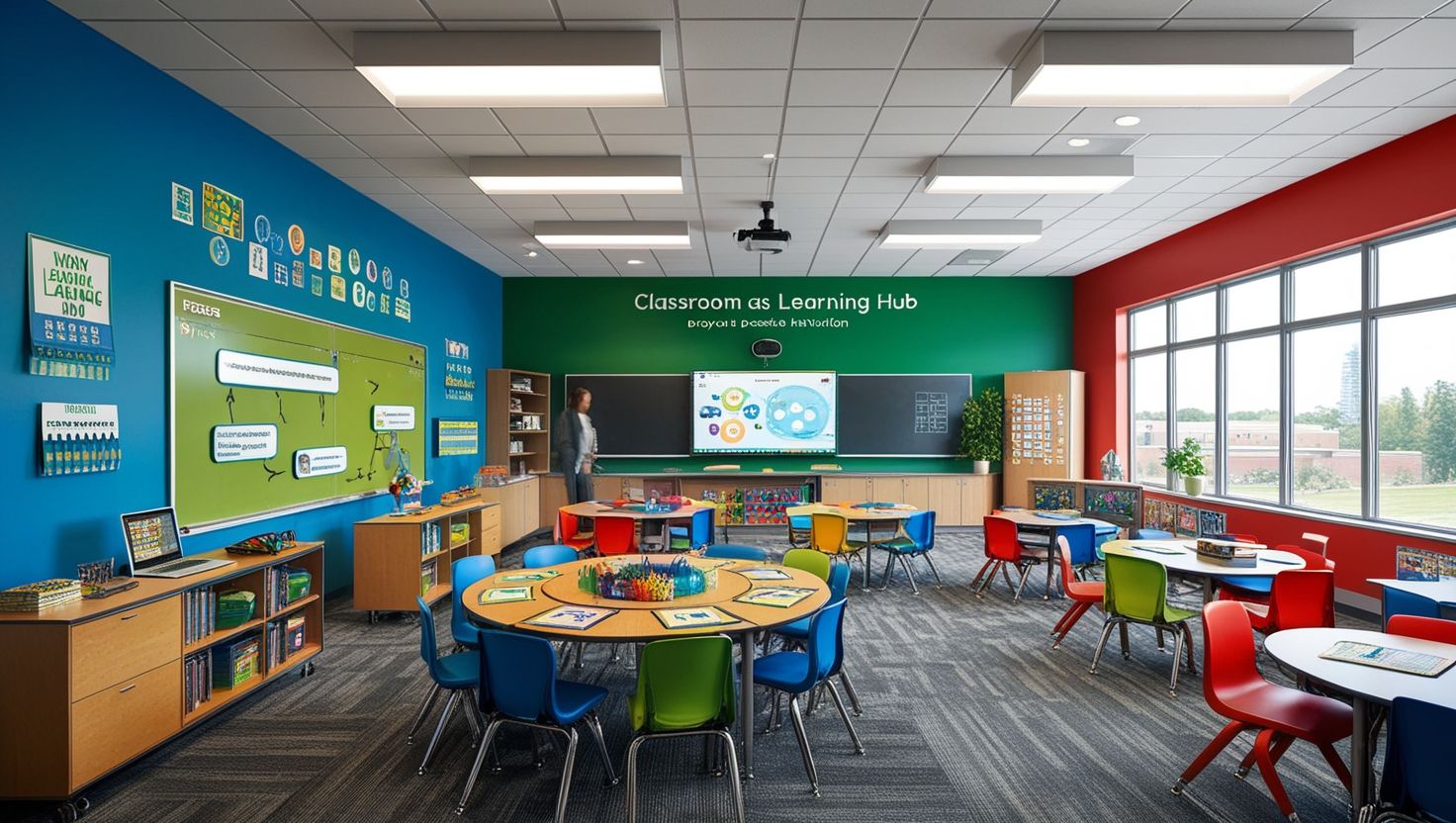
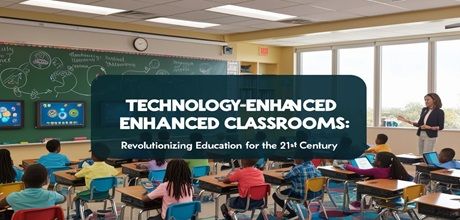
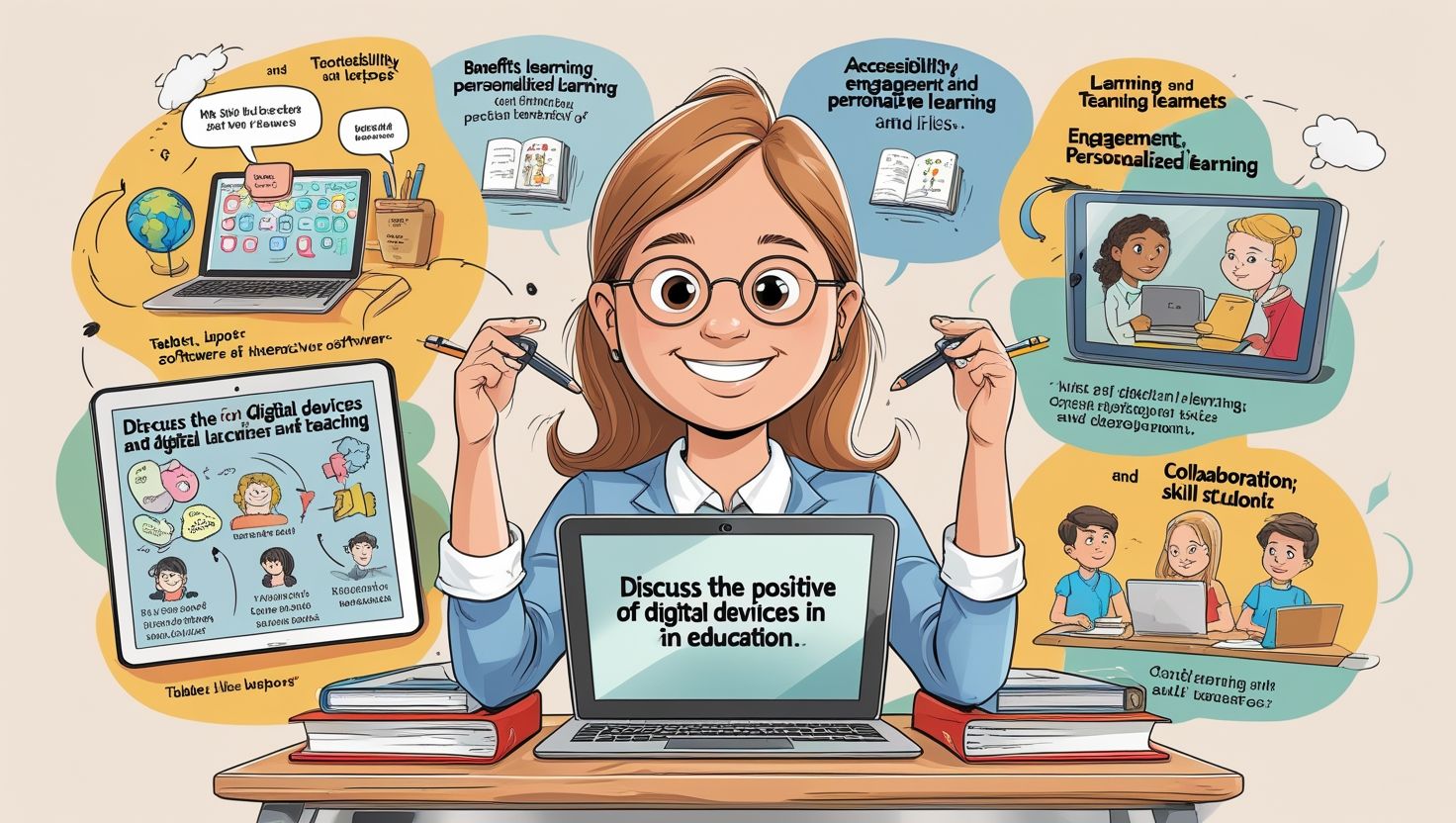
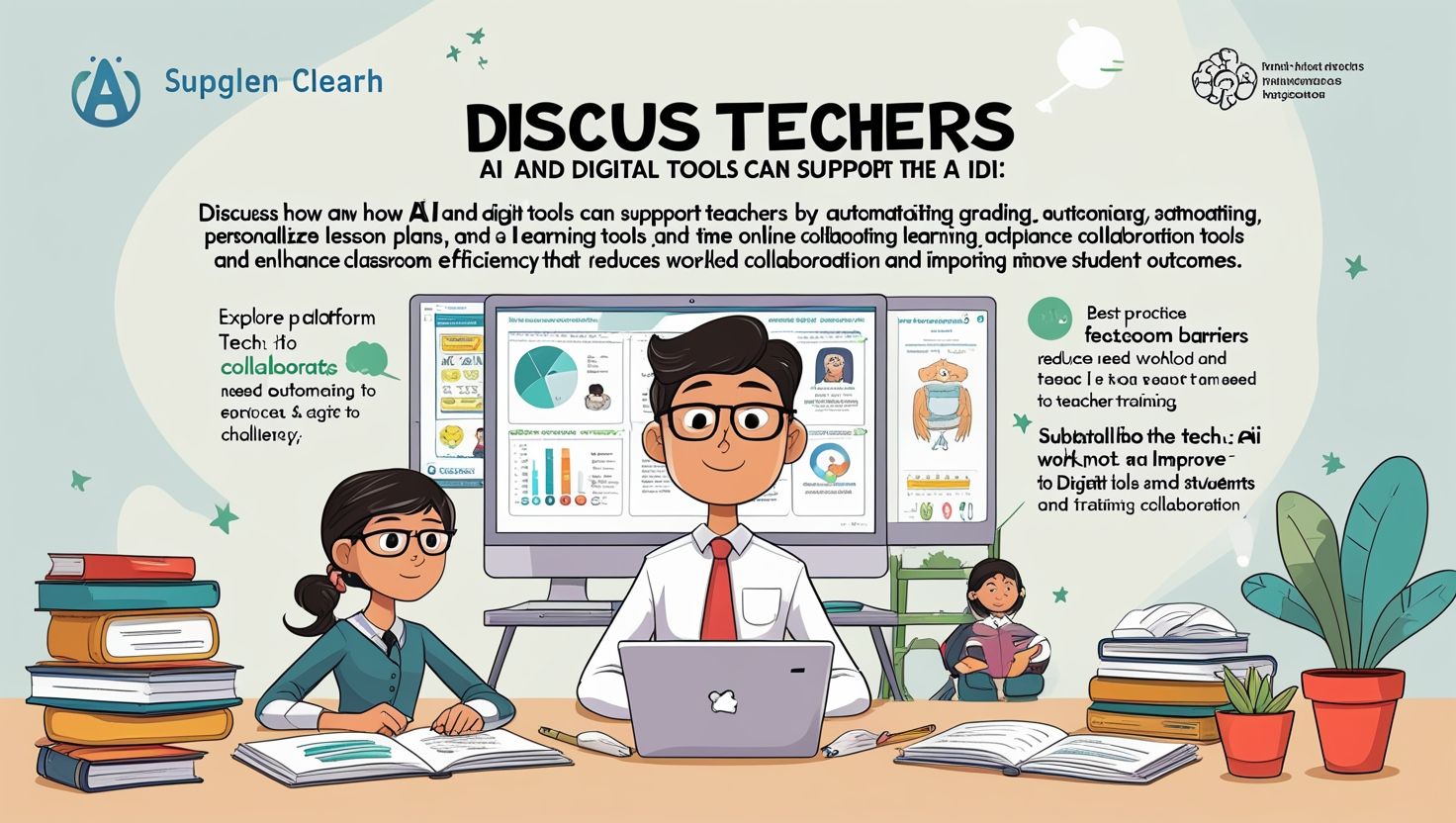
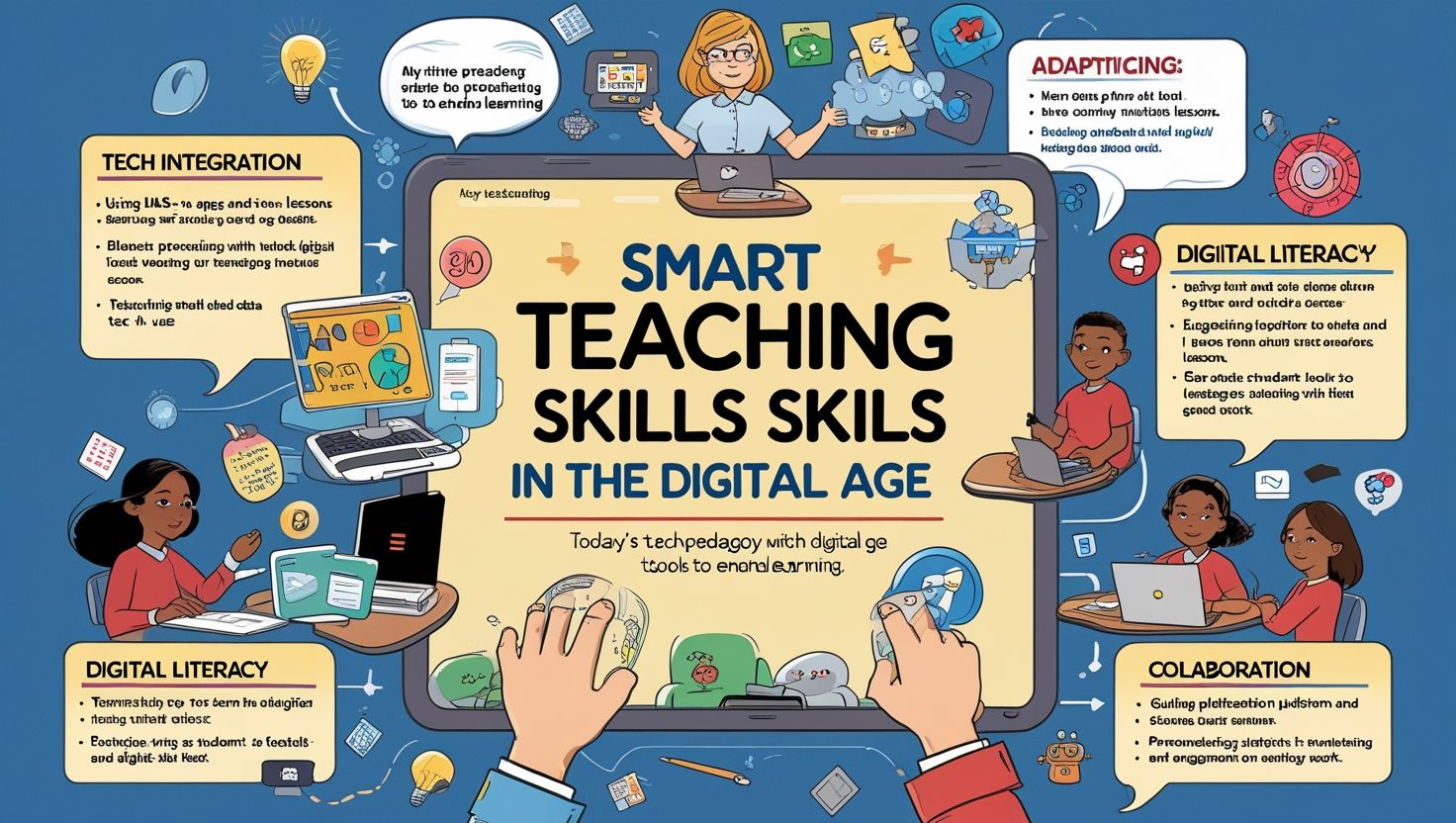
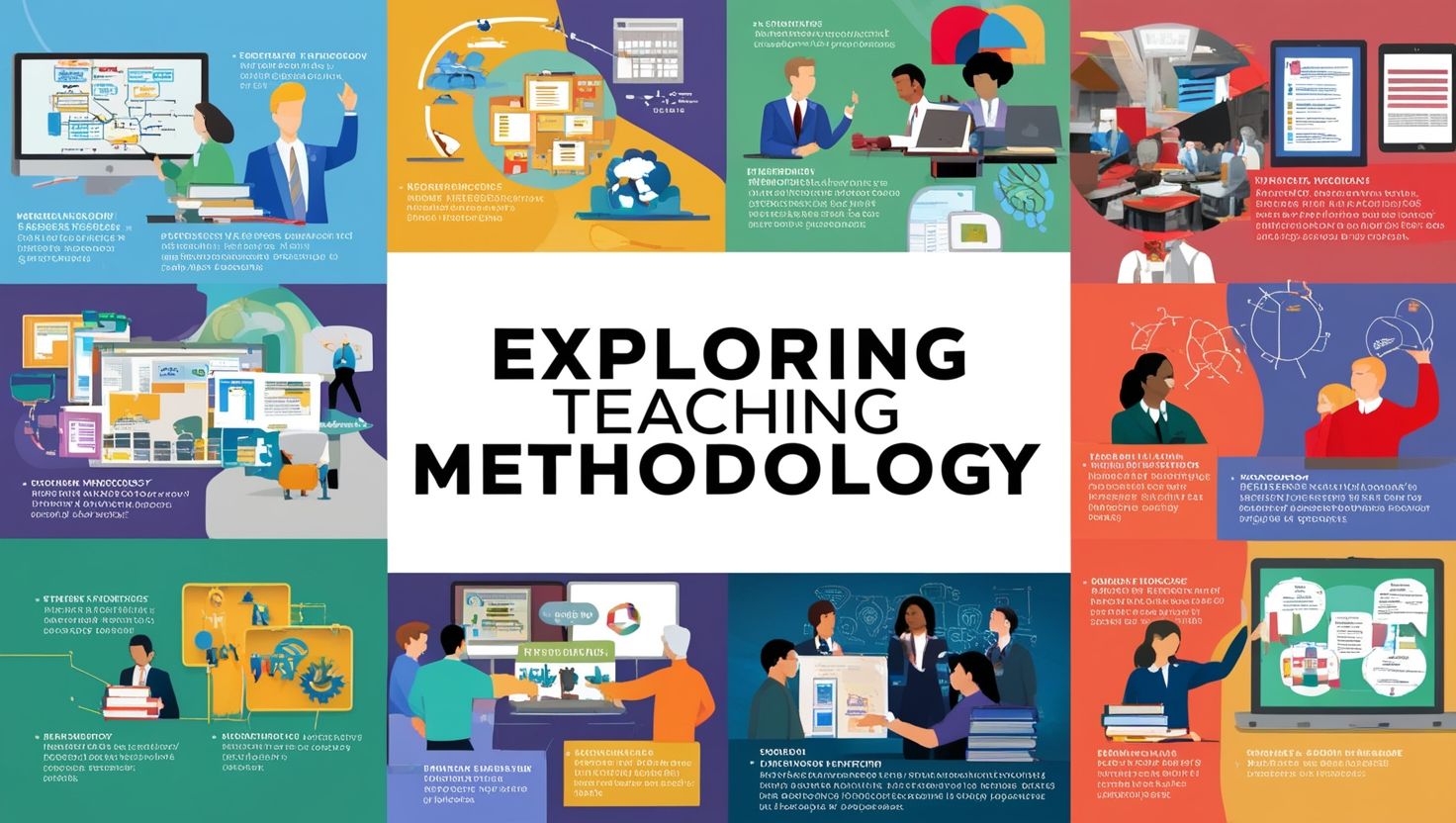
Digital Horizons: The Evolution of Technology in Modern Education, The rapid advancement of technology in education has fundamentally reshaped how knowledge is delivered and consumed. Traditionally, classrooms relied heavily on textbooks and face-to-face instruction; however, digital tools have introduced new dimensions of learning. Moreover, interactive platforms, multimedia content, and online resources now enhance student engagement. Consequently, learners are exposed to diverse perspectives and updated information. In addition, teachers can integrate innovative strategies into their pedagogy. However, the transition to technology-driven education requires infrastructure and training. Meanwhile, institutions are investing in digital ecosystems to support learning. As a result, education becomes more flexible and accessible. Therefore, the evolution of technology continues to redefine teaching practices. Furthermore, it promotes lifelong learning habits. Ultimately, digital transformation is not just a trend but a necessity for preparing students to thrive in an increasingly interconnected and technologically advanced world.
Virtual Classrooms: Redefining the Boundaries of Learning Spaces
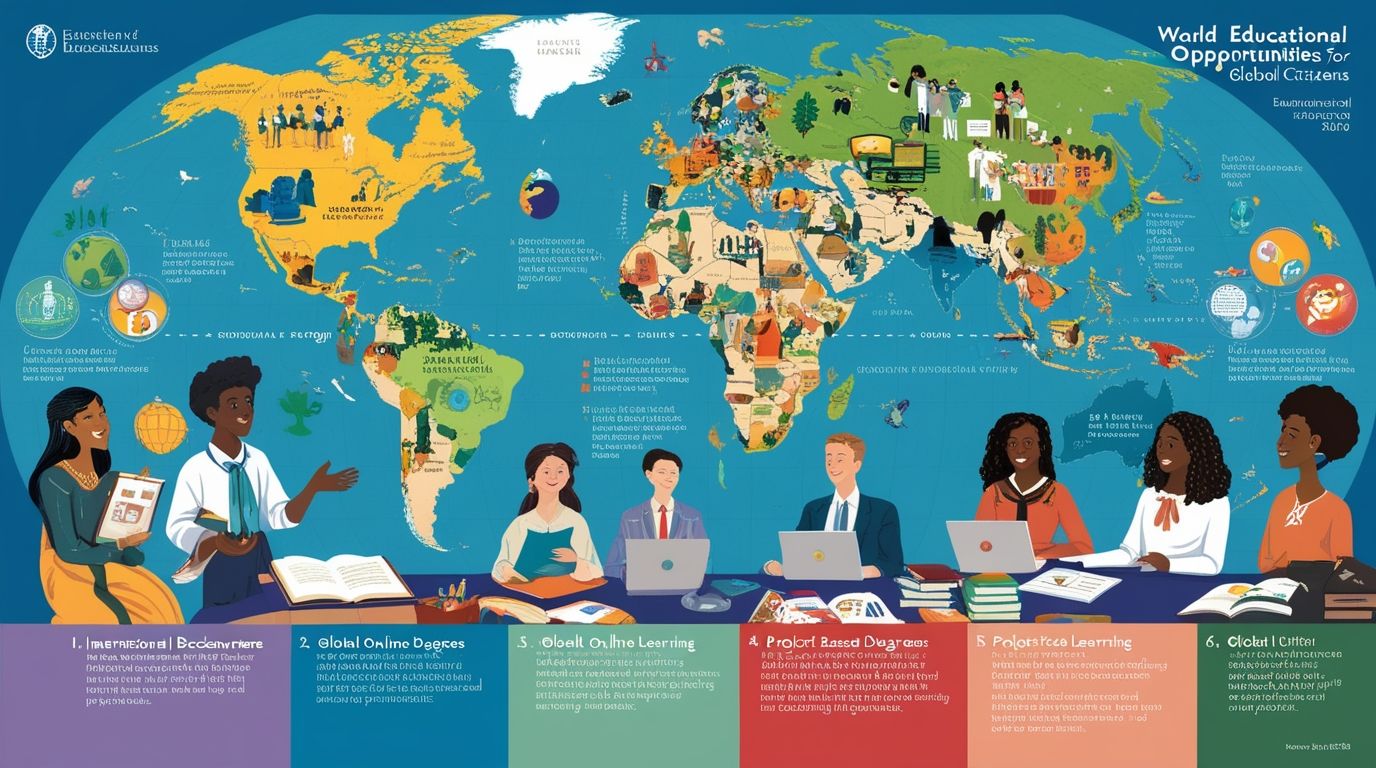
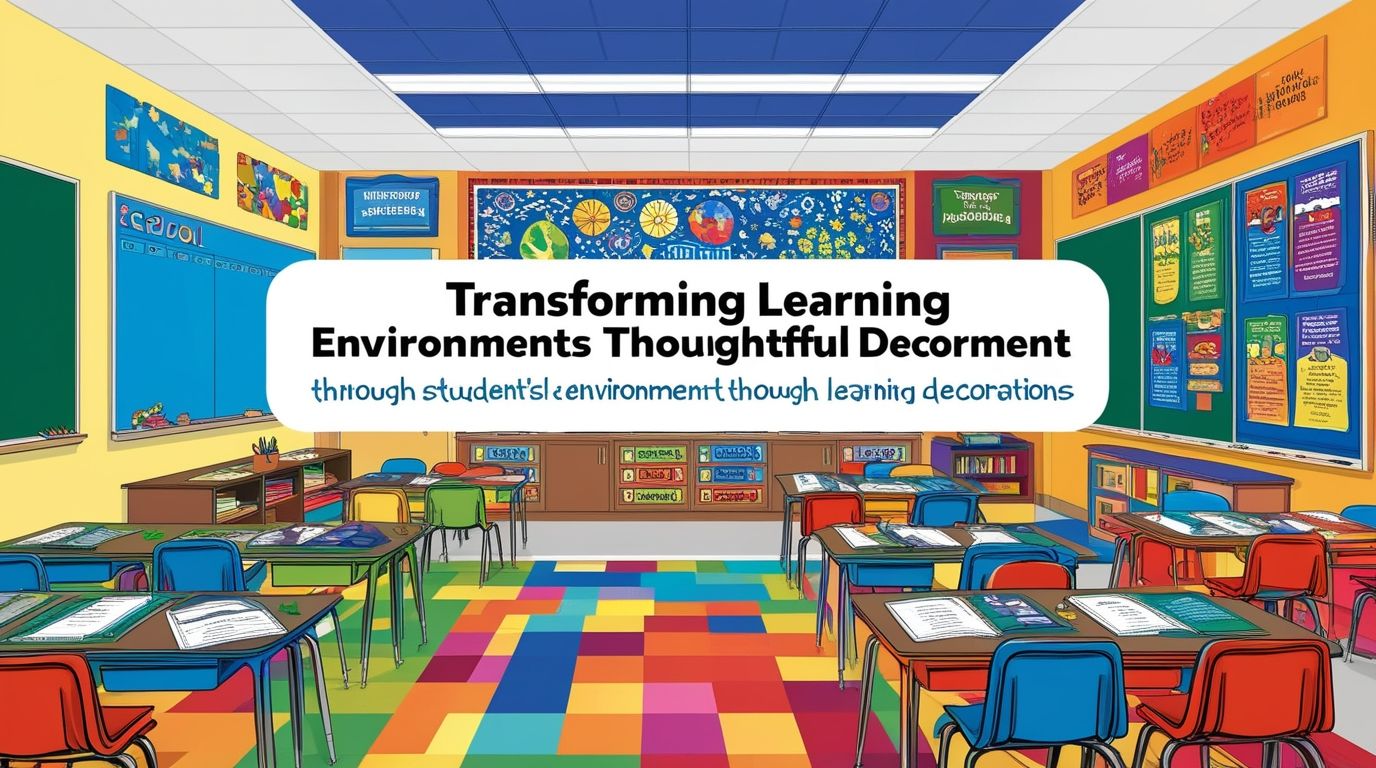
The emergence of virtual learning environments has expanded the boundaries of traditional classrooms. Students are no longer confined to physical spaces, because online platforms allow learning from anywhere. Moreover, tools such as video conferencing and collaborative applications foster real-time interaction. Consequently, learners can participate actively despite geographical barriers. In addition, virtual classrooms support flexible schedules, accommodating diverse needs. However, maintaining student engagement in online settings remains a challenge. Meanwhile, educators are adopting creative strategies to enhance participation. As a result, teaching methods are becoming more dynamic. Therefore, virtual classrooms are transforming the educational landscape. Furthermore, they encourage global collaboration among students. Ultimately, redefining learning spaces through technology ensures that education becomes more inclusive, accessible, and adaptable to the needs of modern learners.
Interactive Learning Tools: Enhancing Engagement Through Innovation
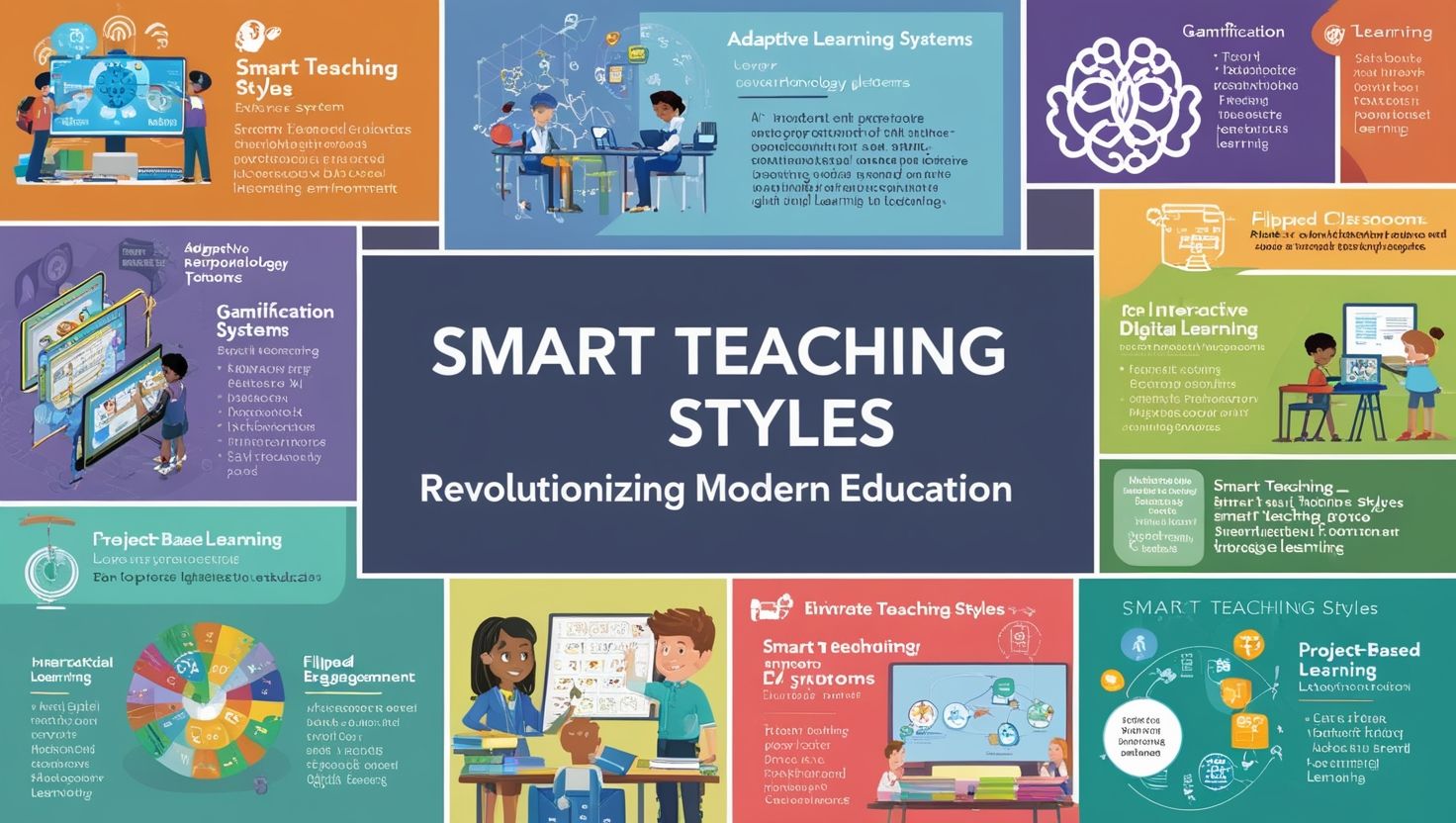
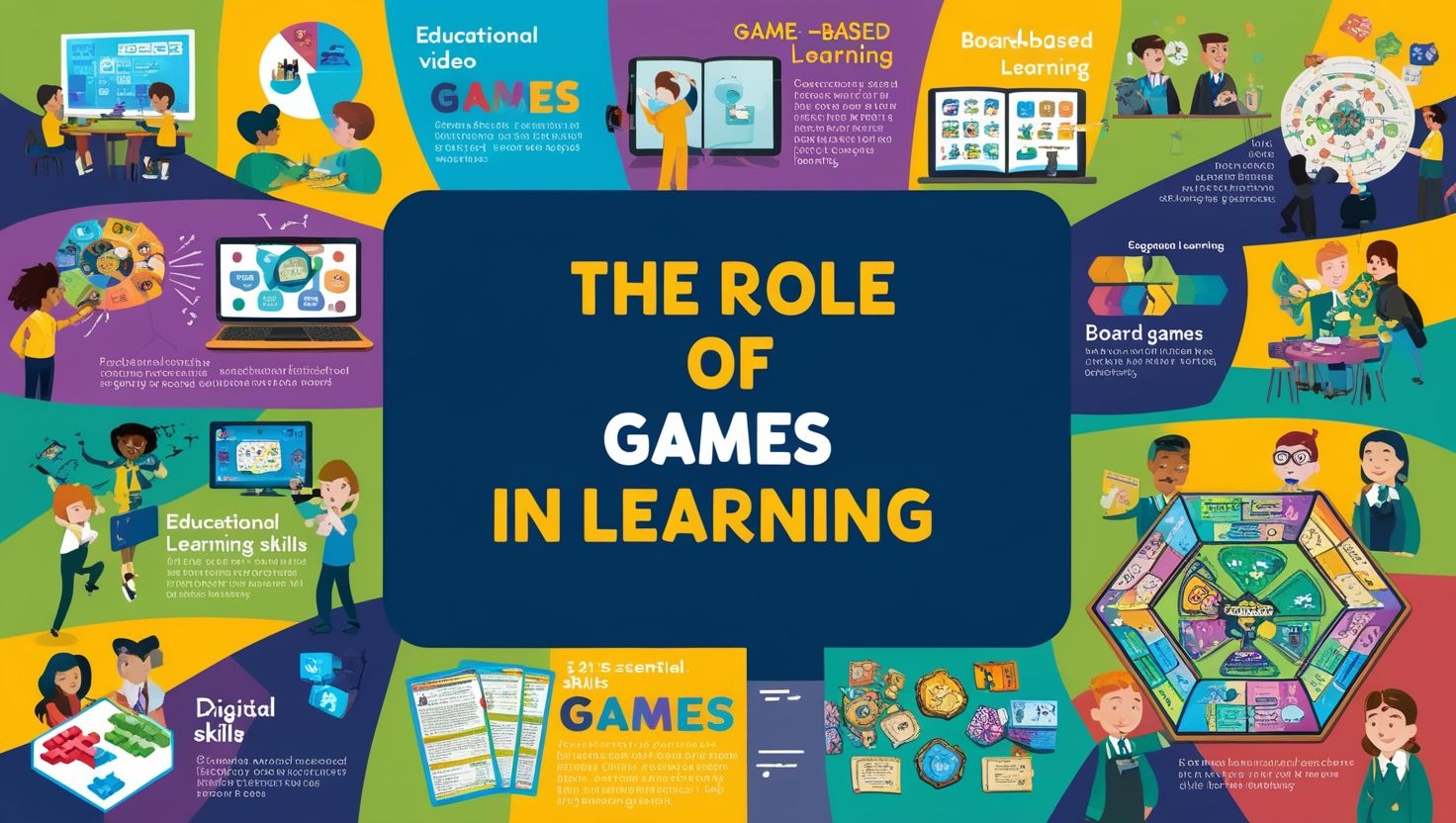
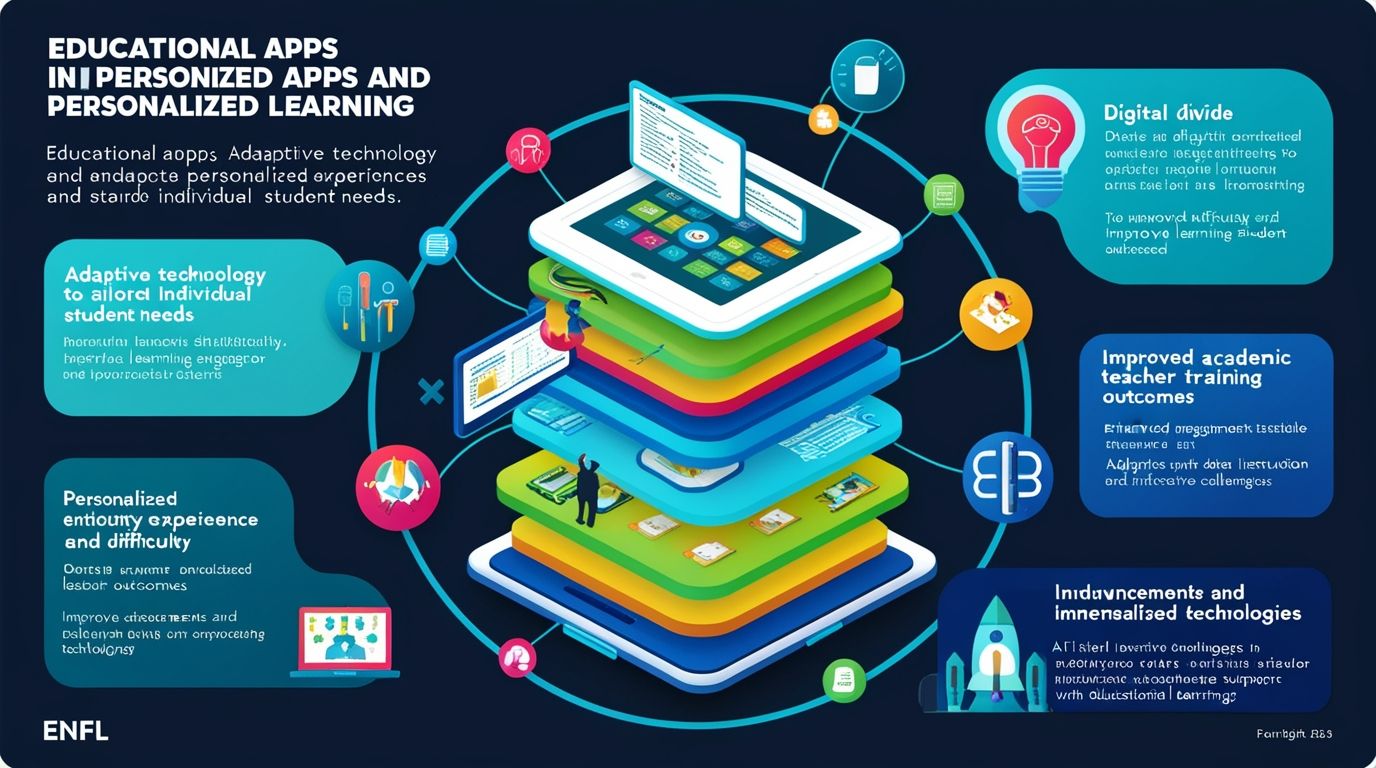
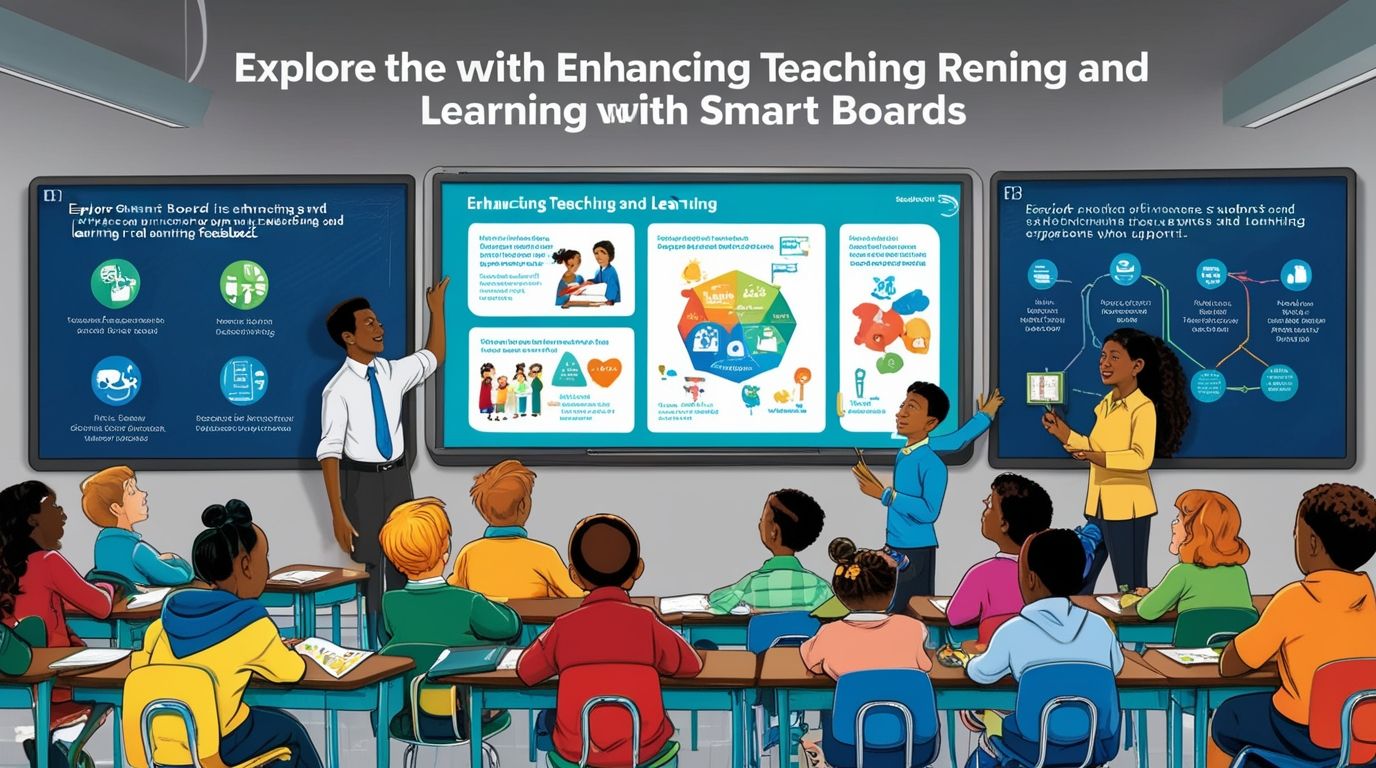
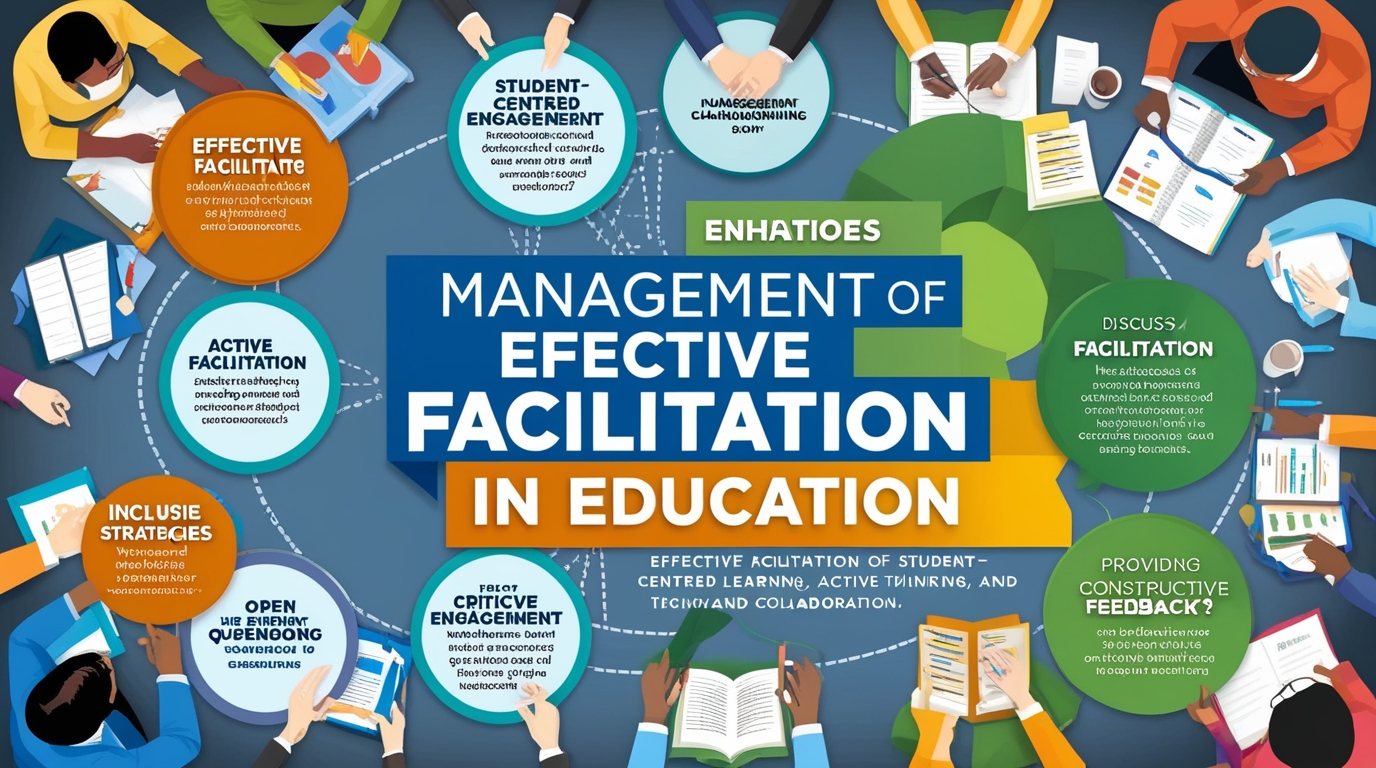
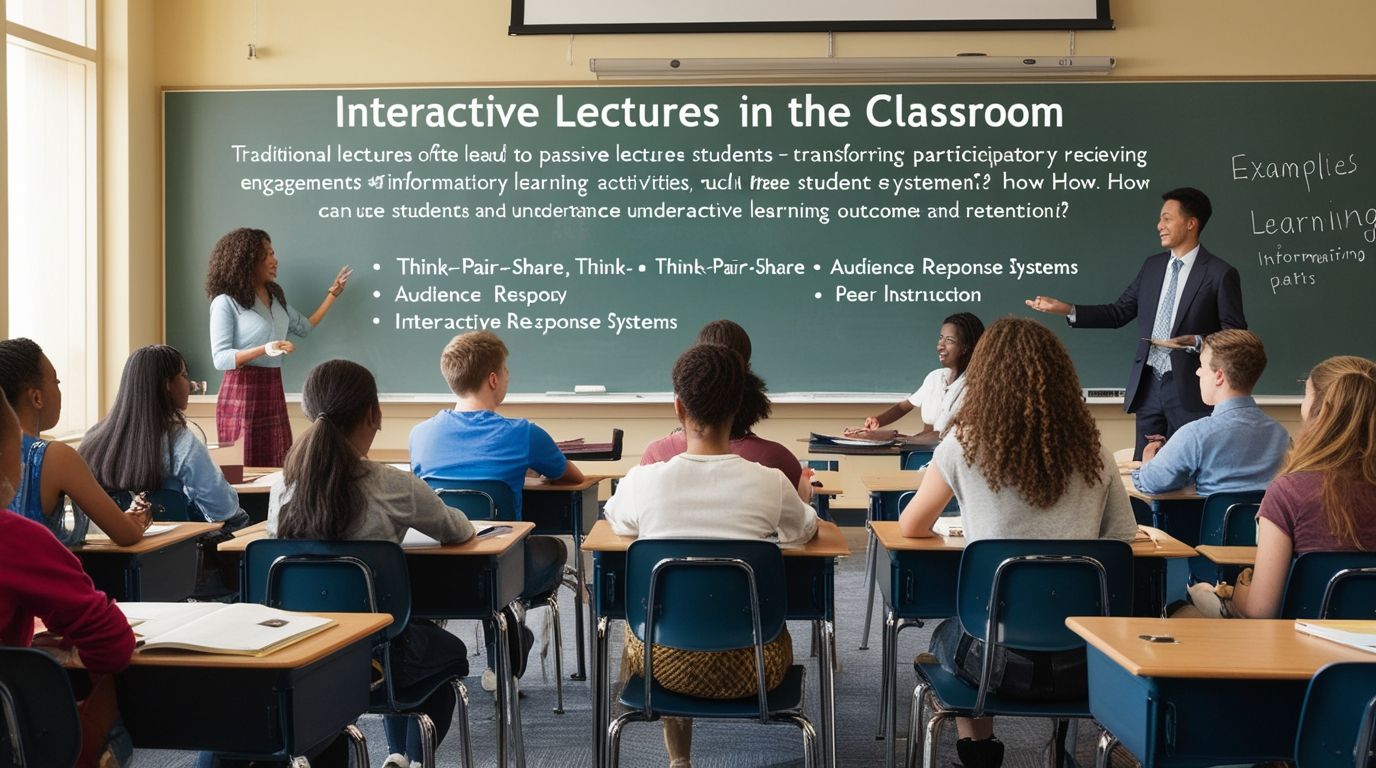
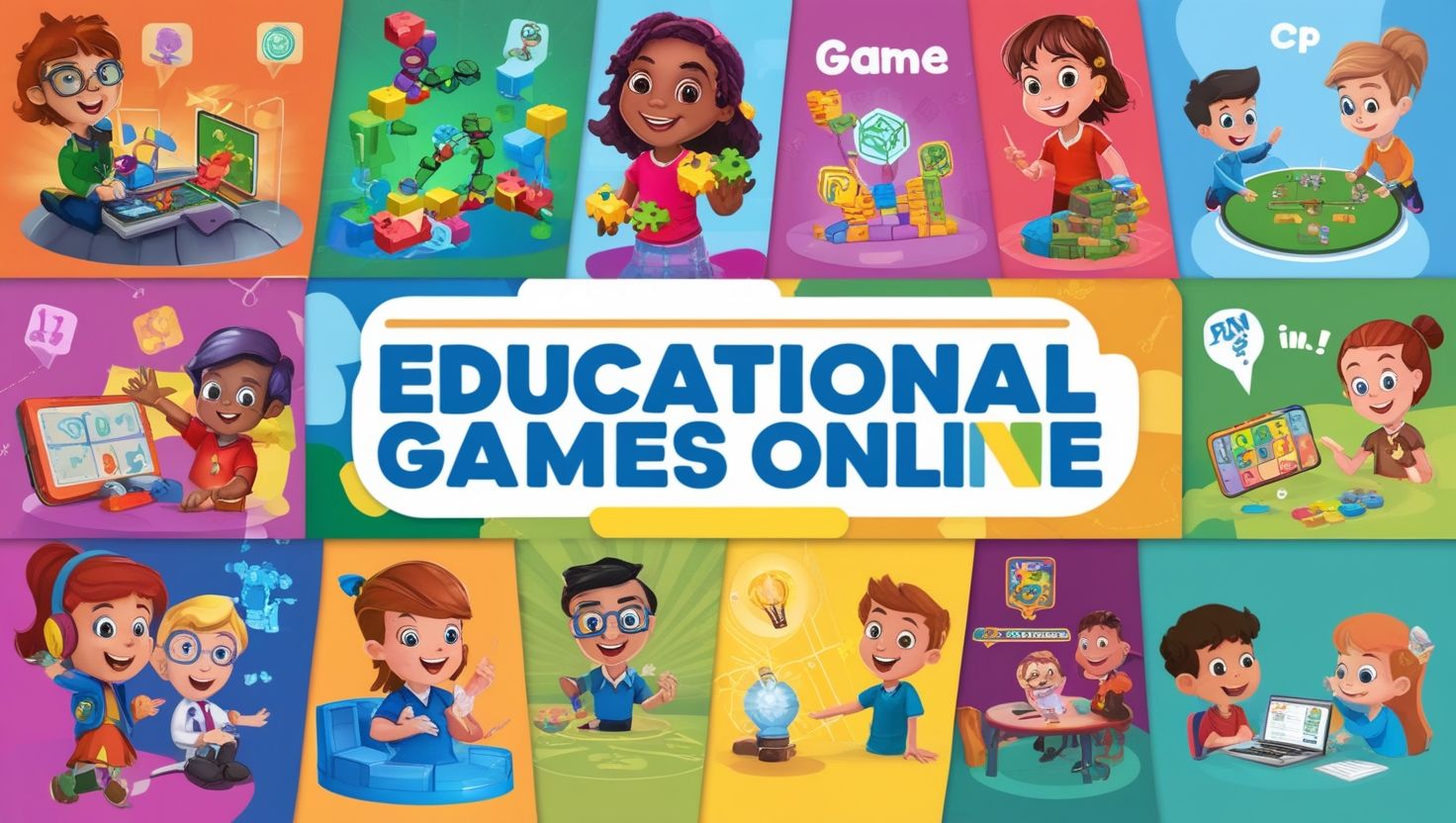
The integration of interactive technology tools has significantly improved student engagement. Digital simulations, quizzes, and gamified platforms make learning more enjoyable and effective. Moreover, these tools provide immediate feedback, helping students understand concepts quickly. Consequently, learners remain motivated and focused. In addition, teachers can track progress through analytics dashboards. However, selecting appropriate tools requires careful consideration. Meanwhile, institutions are exploring innovative solutions to enhance learning experiences. As a result, classrooms become more interactive and student-centered. Therefore, technology-driven engagement strategies are essential for modern education. Furthermore, these tools cater to different learning styles. Ultimately, interactive technologies bridge the gap between theoretical knowledge and practical understanding, ensuring that students actively participate in their educational journey.
Flexible Learning Models: Adapting Education to Diverse Needs
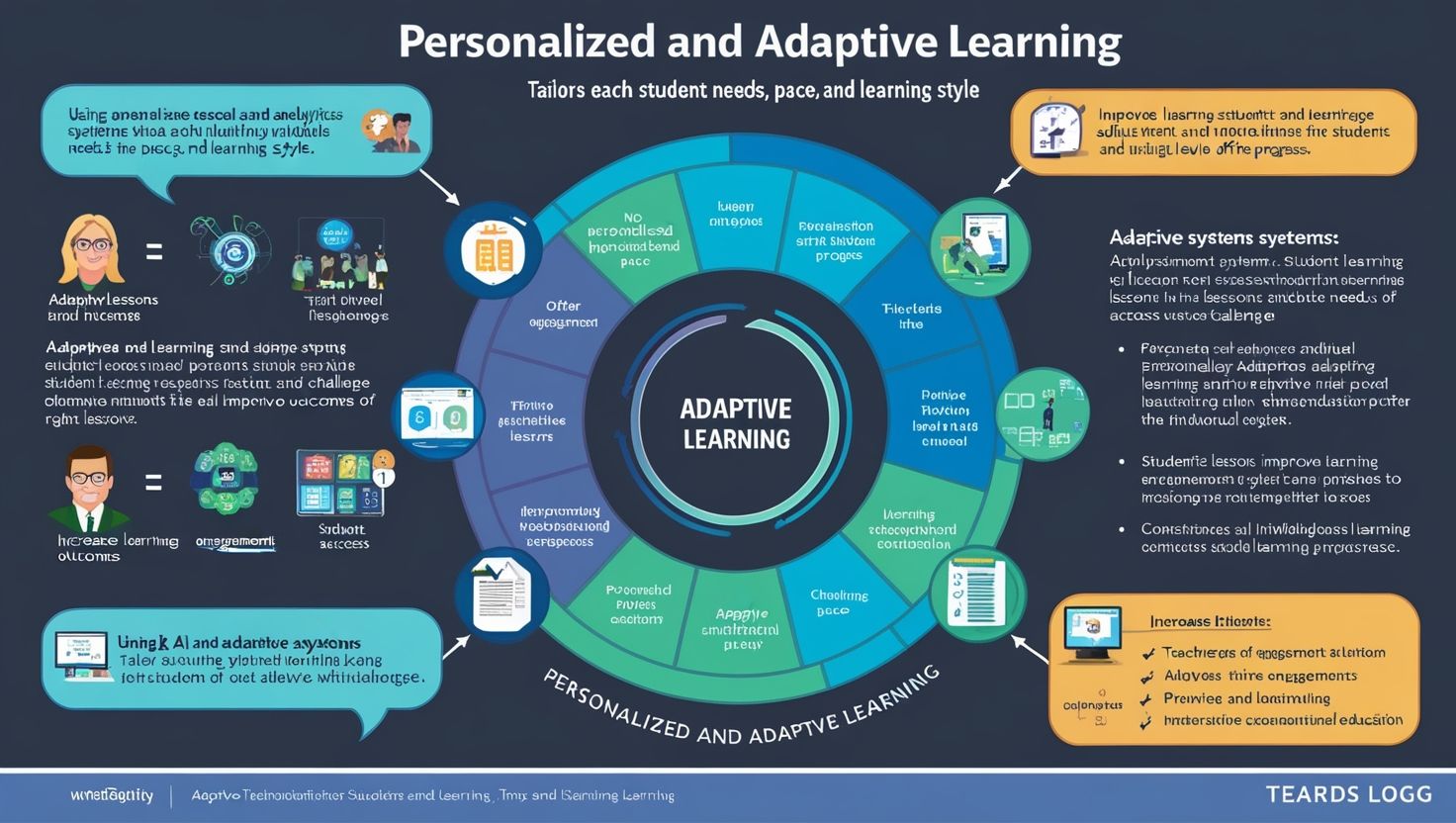
Flexibility is a key advantage of virtual learning systems, allowing education to adapt to individual circumstances. Students can access materials at their own pace, which promotes self-directed learning. Moreover, asynchronous and synchronous modes provide multiple learning options. Consequently, learners can balance education with other responsibilities. In addition, recorded lectures enable revision and deeper understanding. However, self-discipline is crucial for success in flexible environments. Meanwhile, educators design structured yet adaptable curricula. As a result, learning becomes more personalized. Therefore, flexible models support diverse student needs. Furthermore, they encourage autonomy and responsibility. Ultimately, adapting education through technology ensures that learning remains relevant and accessible in a fast-changing world.
Collaborative Platforms: Building Communities in Virtual Spaces
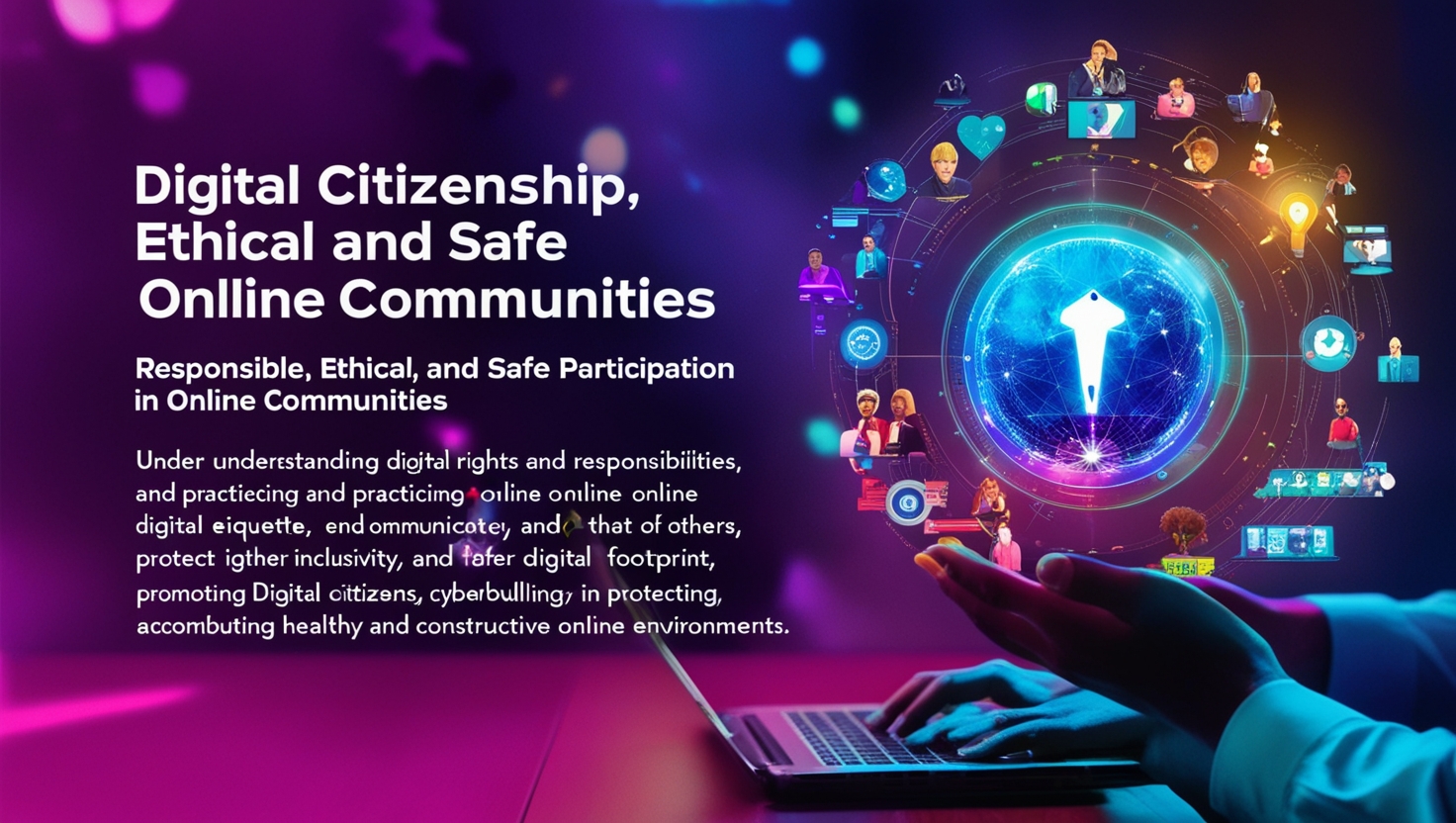
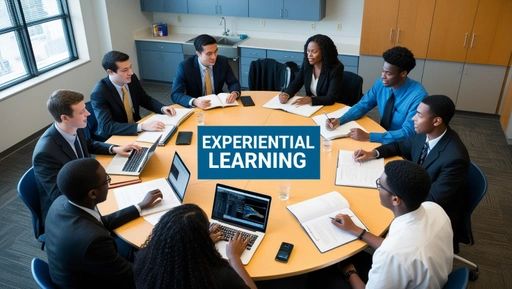
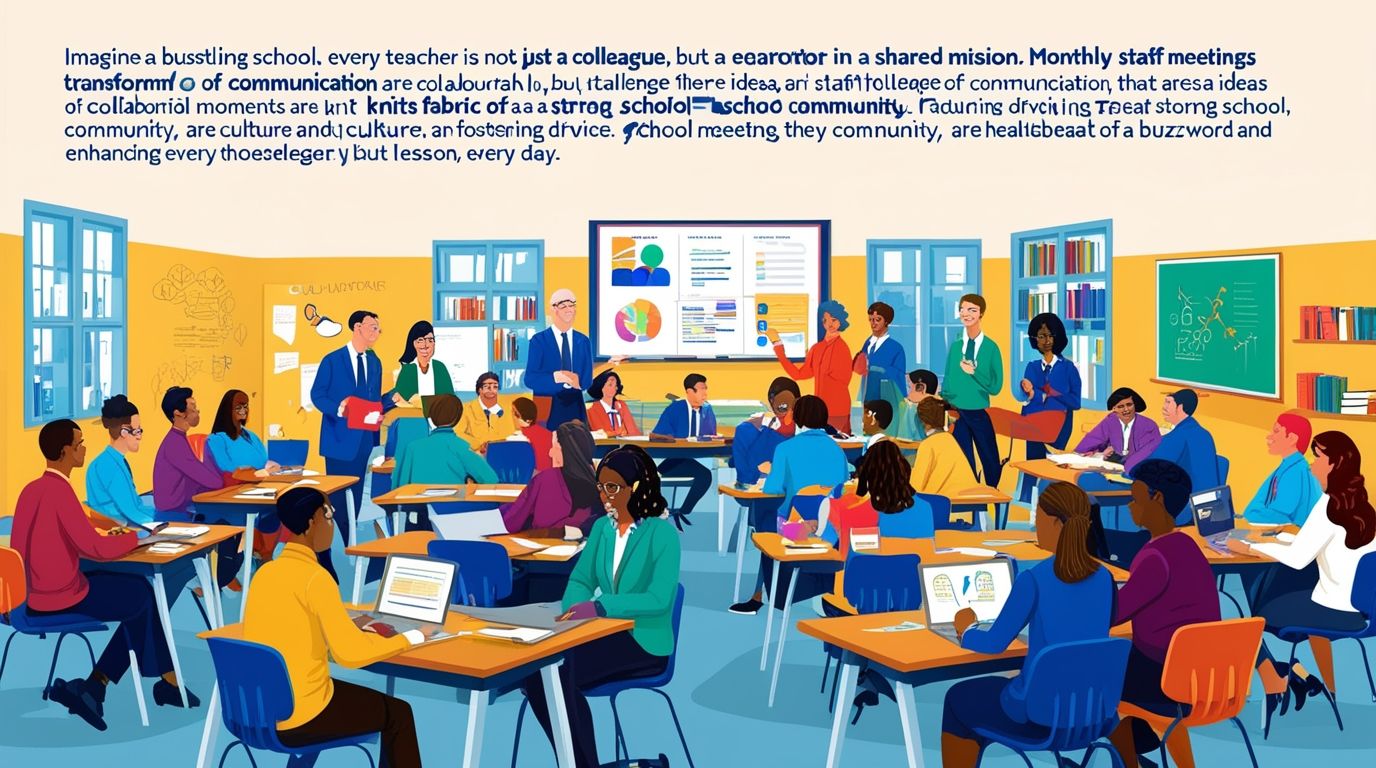
Collaboration remains essential in education, and digital collaboration platforms facilitate meaningful interaction among students. Tools such as shared documents and discussion forums promote teamwork. Moreover, these platforms enable real-time communication and idea exchange. Consequently, students develop critical thinking and communication skills. In addition, teachers can guide group activities effectively. However, managing online collaboration requires clear guidelines. Meanwhile, institutions are fostering digital citizenship among learners. As a result, virtual communities become more productive. Therefore, collaboration through technology enhances the learning experience. Furthermore, it prepares students for modern workplaces. Ultimately, building communities in virtual spaces ensures that education remains interactive, cooperative, and socially engaging despite physical distances.
Assessment in Virtual Learning: Innovative Evaluation Techniques
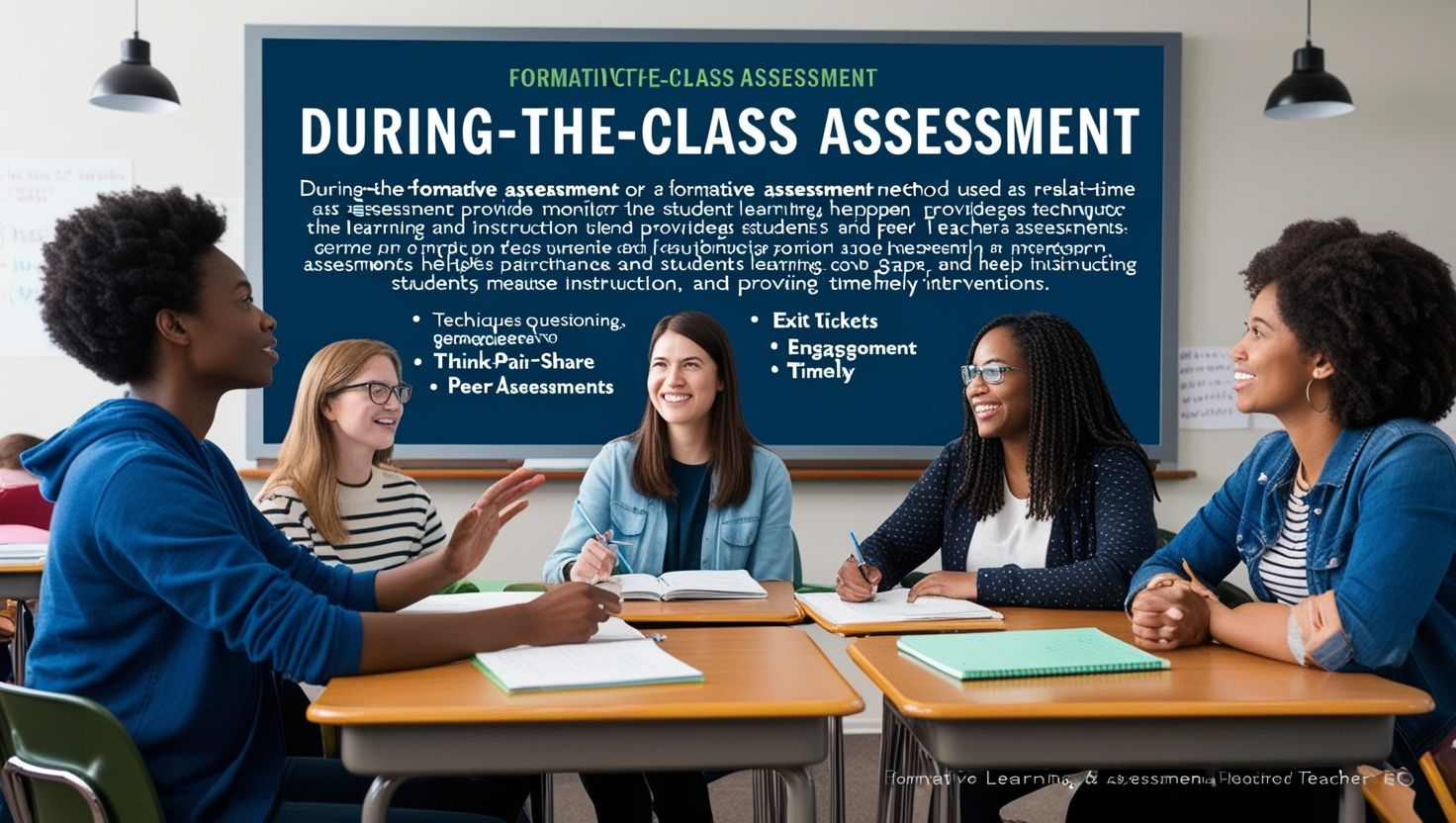
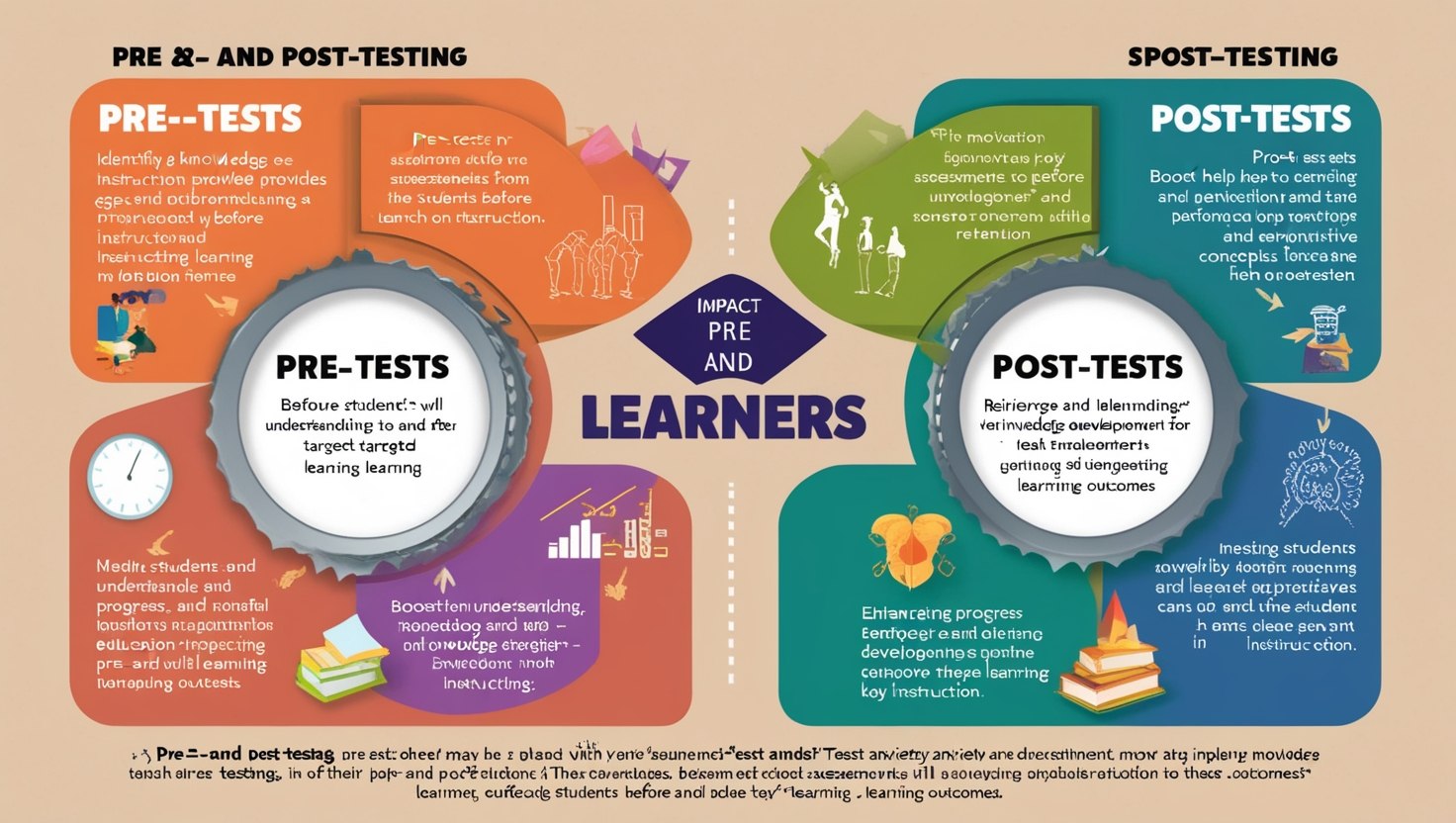
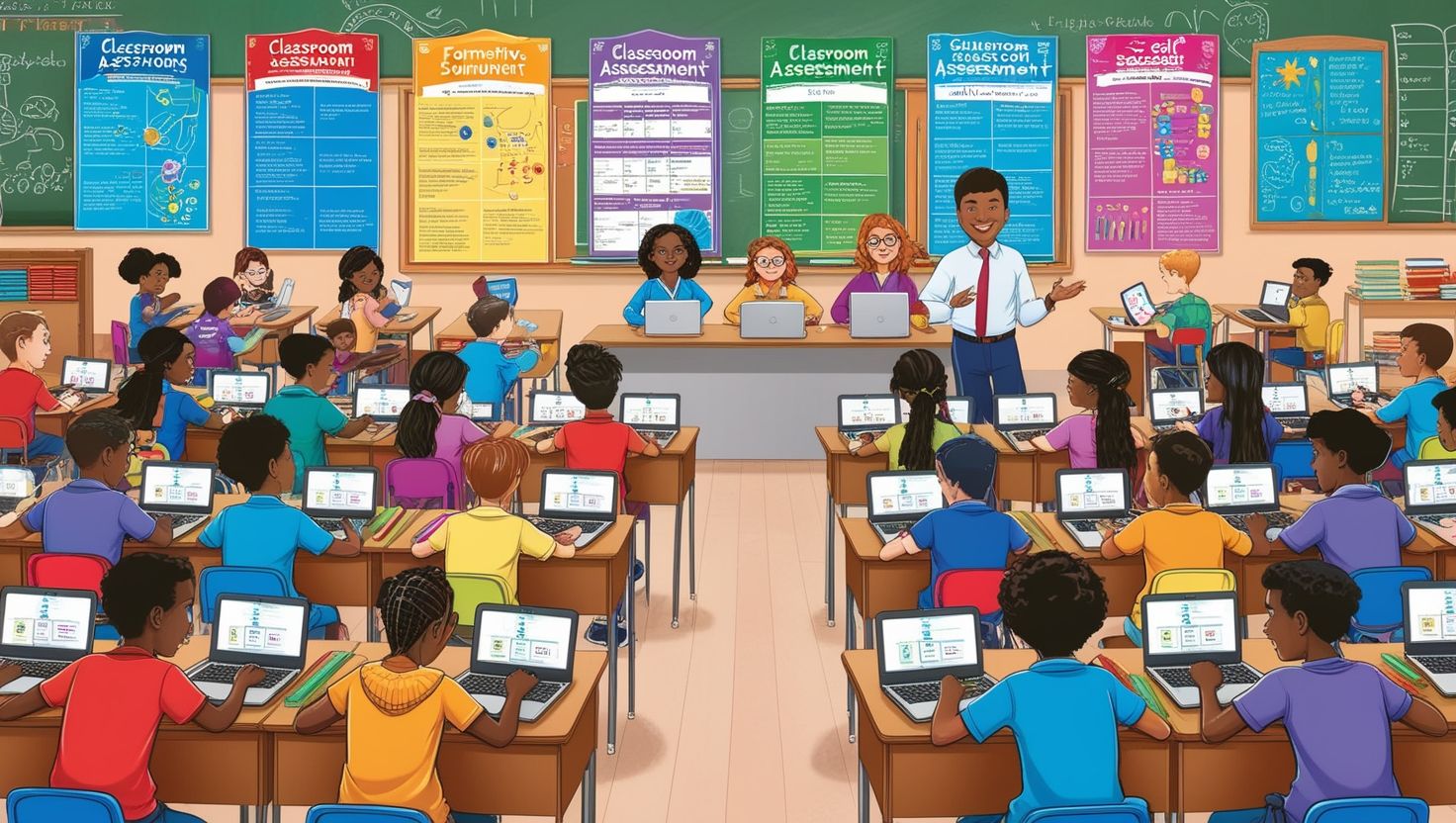
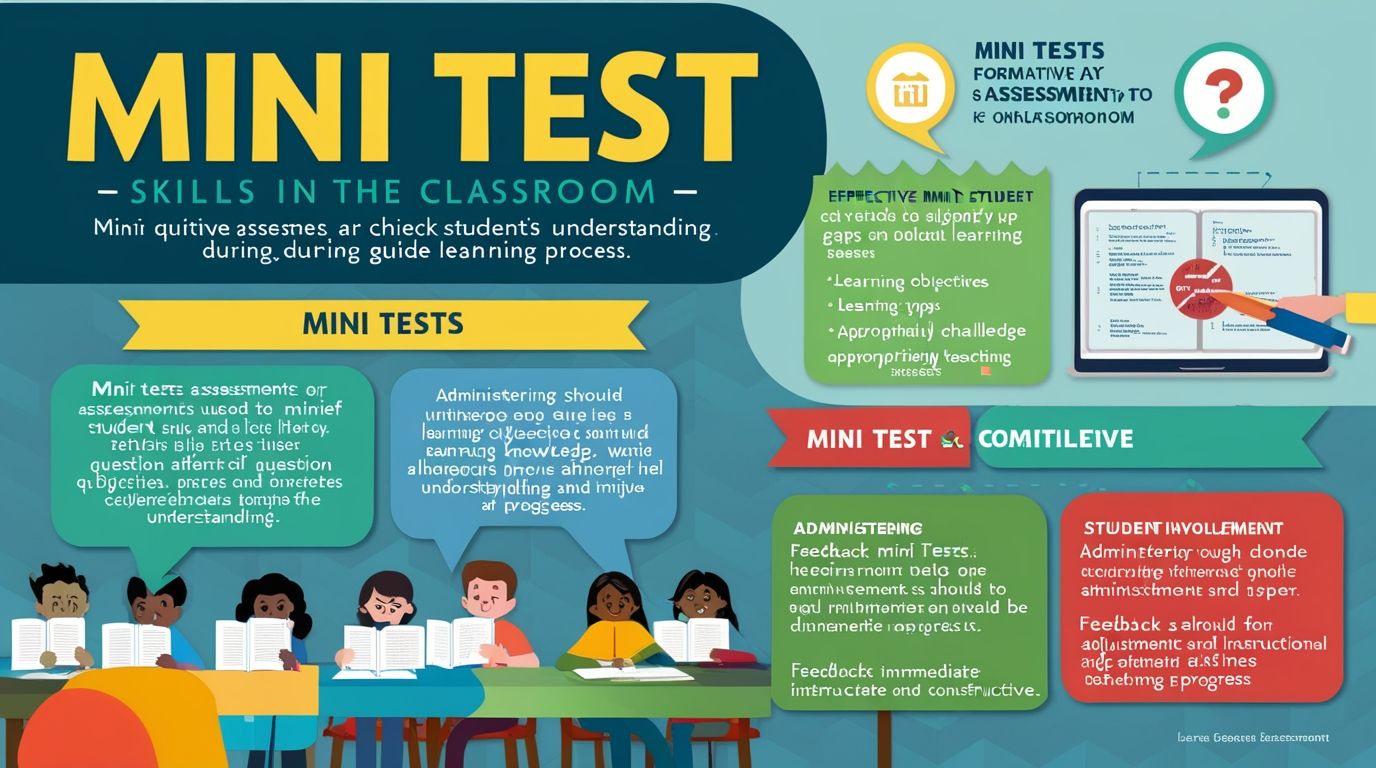
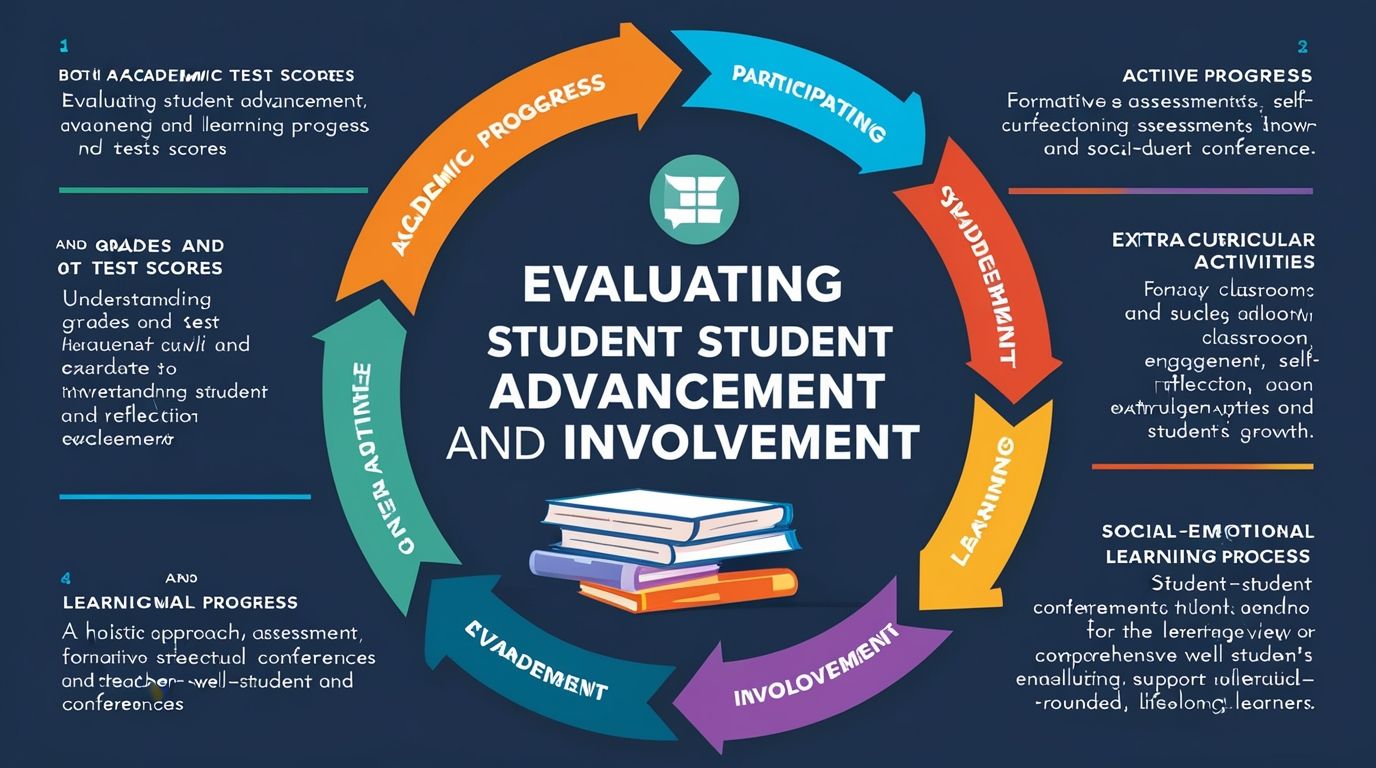
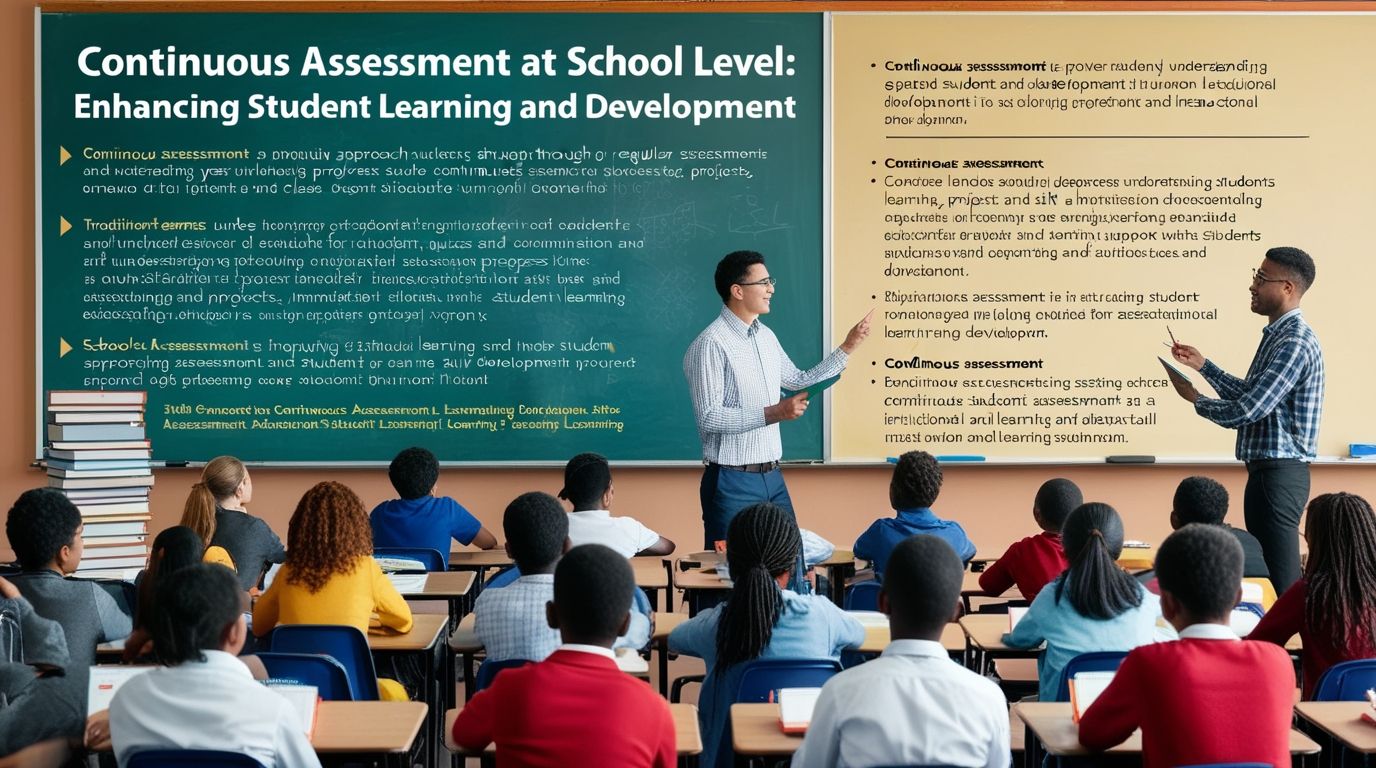
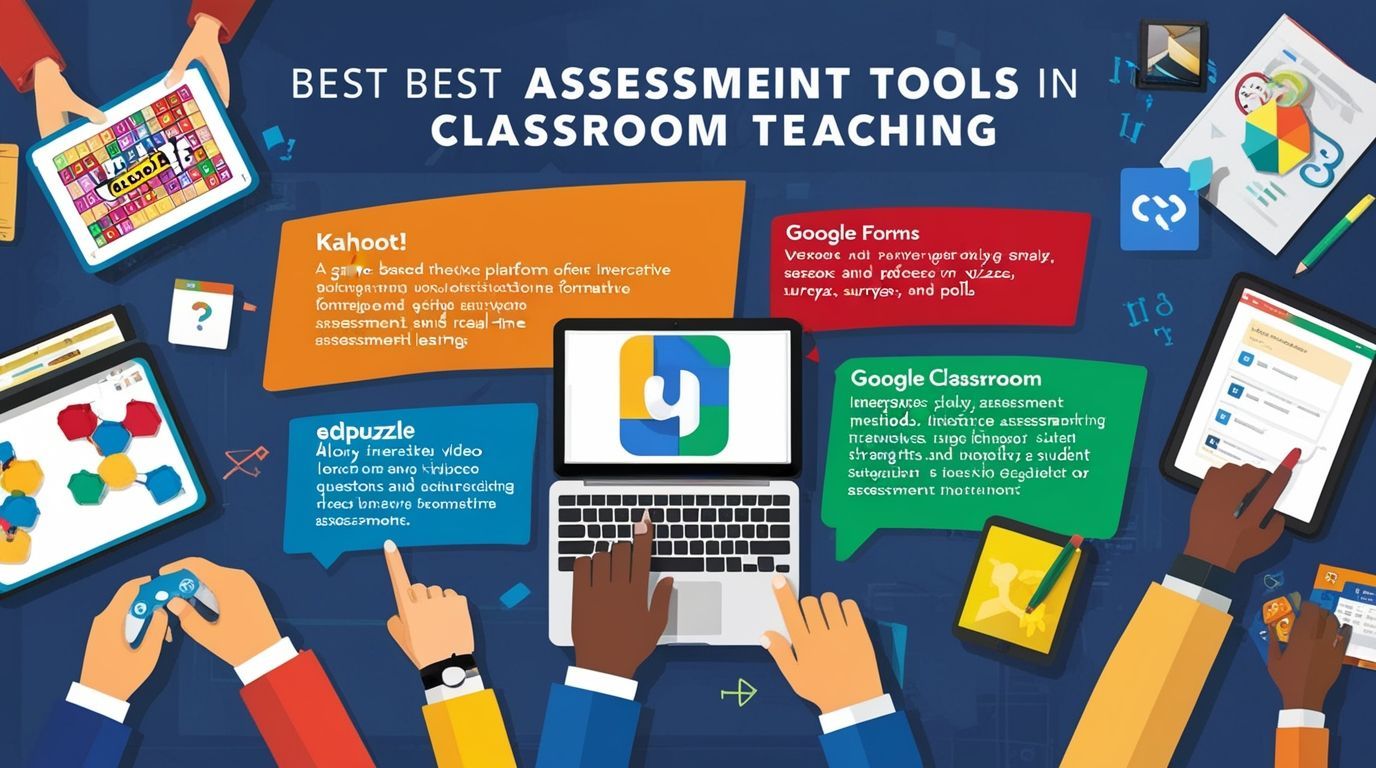
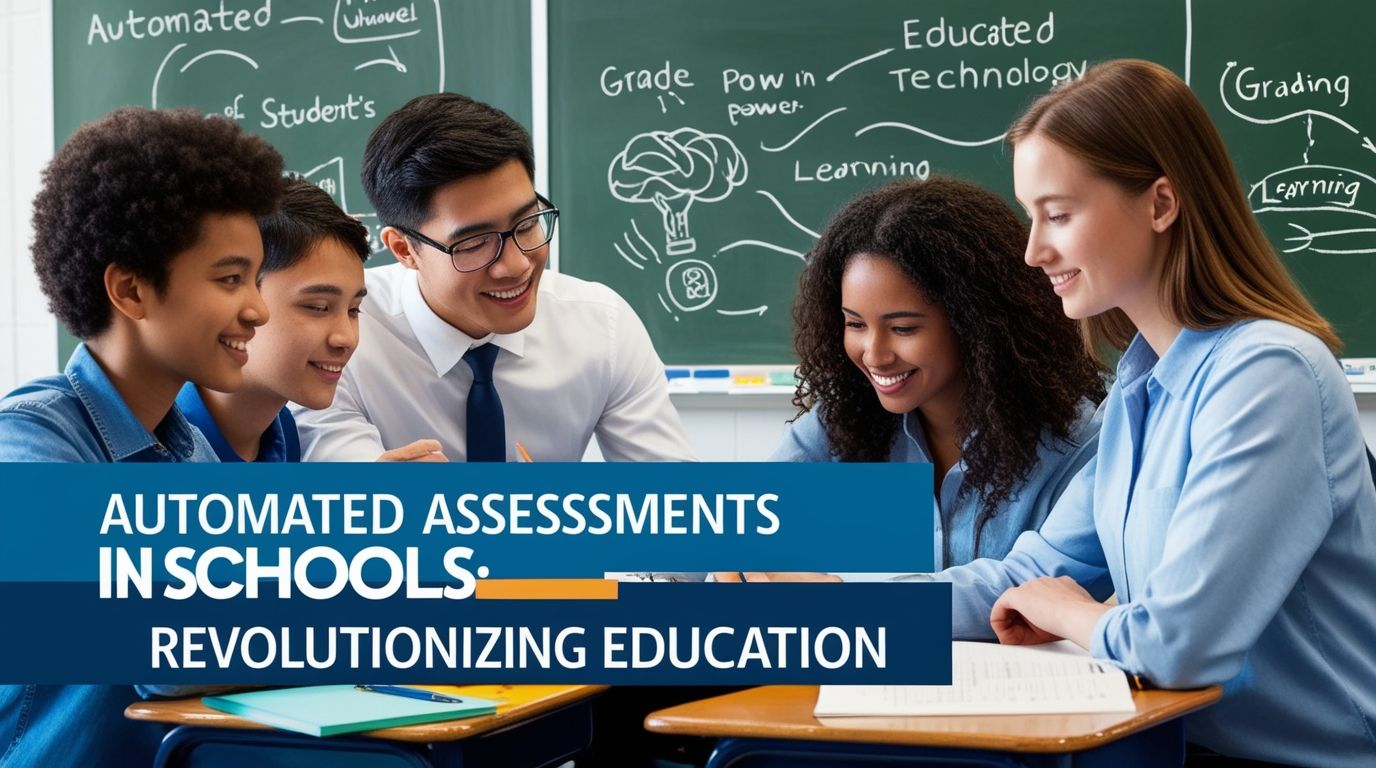
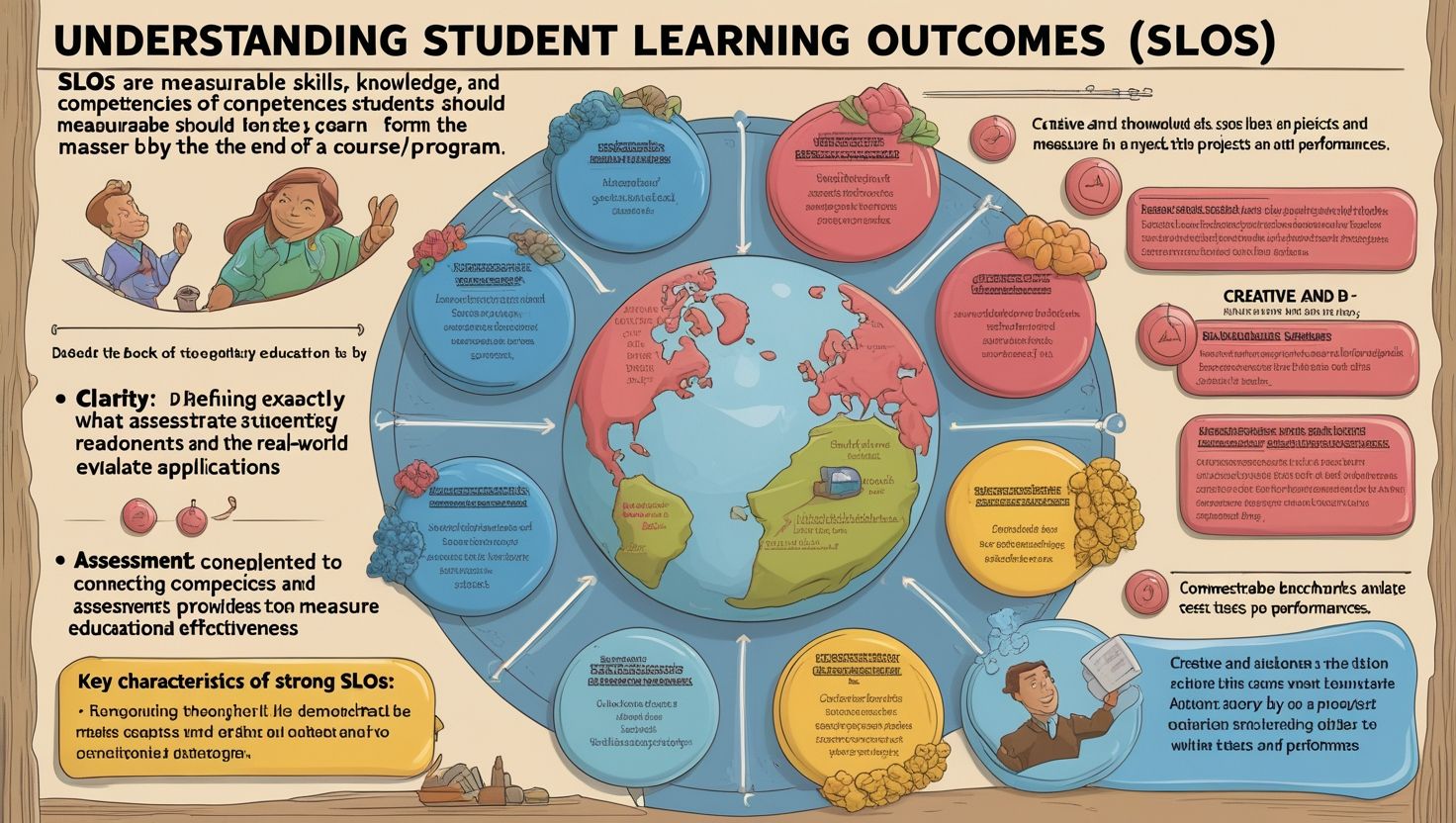
Assessment methods have evolved with the rise of technology-based education. Online quizzes, digital assignments, and automated grading systems streamline evaluation processes. Moreover, these methods provide instant feedback, improving learning outcomes. Consequently, students can identify and address weaknesses promptly. In addition, educators can analyze performance data effectively. However, ensuring academic integrity in online assessments is a challenge. Meanwhile, institutions are implementing secure evaluation systems. As a result, assessment becomes more efficient and transparent. Therefore, innovative techniques are redefining evaluation practices. Furthermore, technology supports continuous assessment models. Ultimately, virtual learning assessments align with modern educational goals, ensuring fairness and effectiveness in measuring student performance.
Teacher Transformation: Adapting Roles in a Digital Era
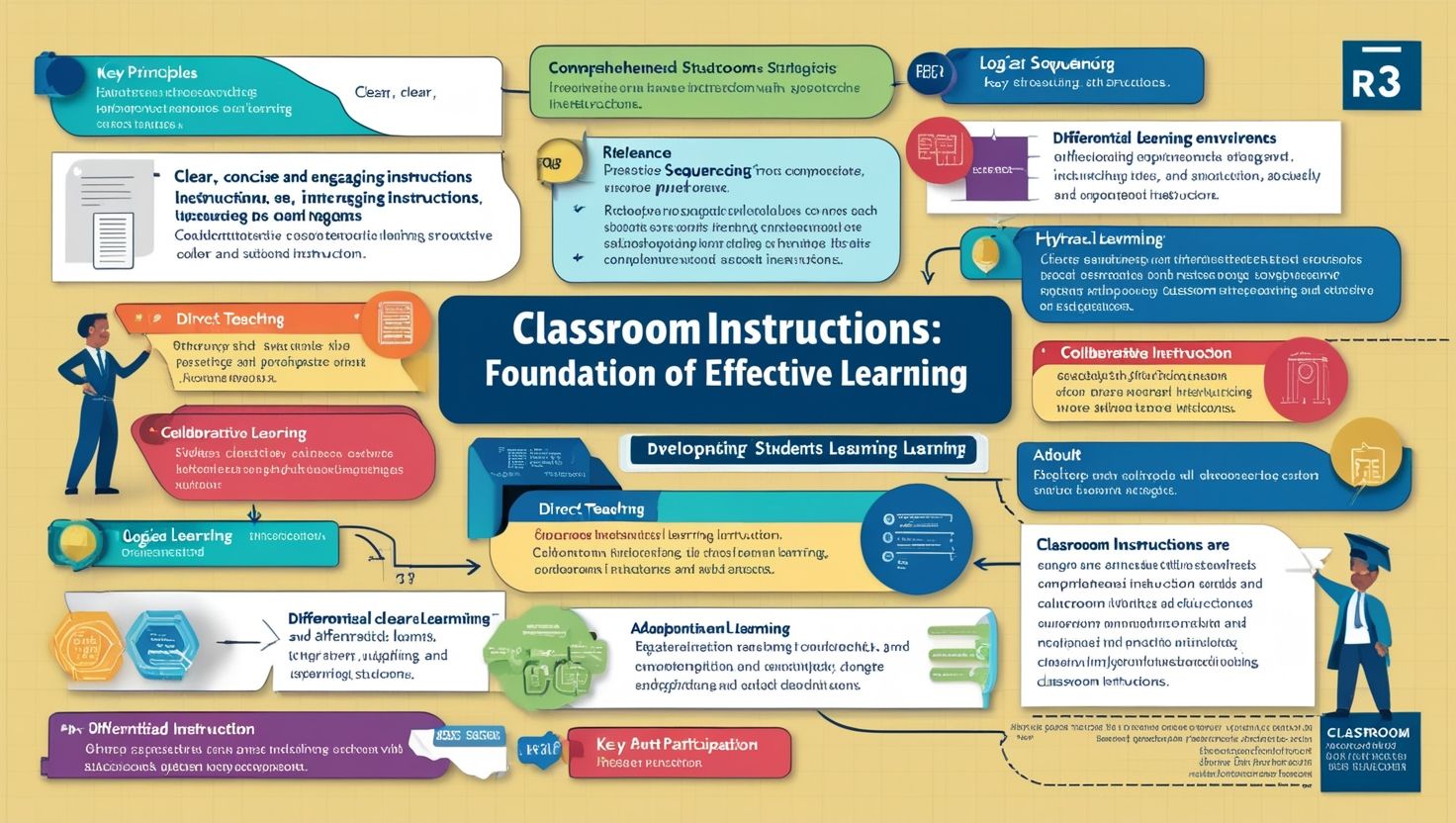
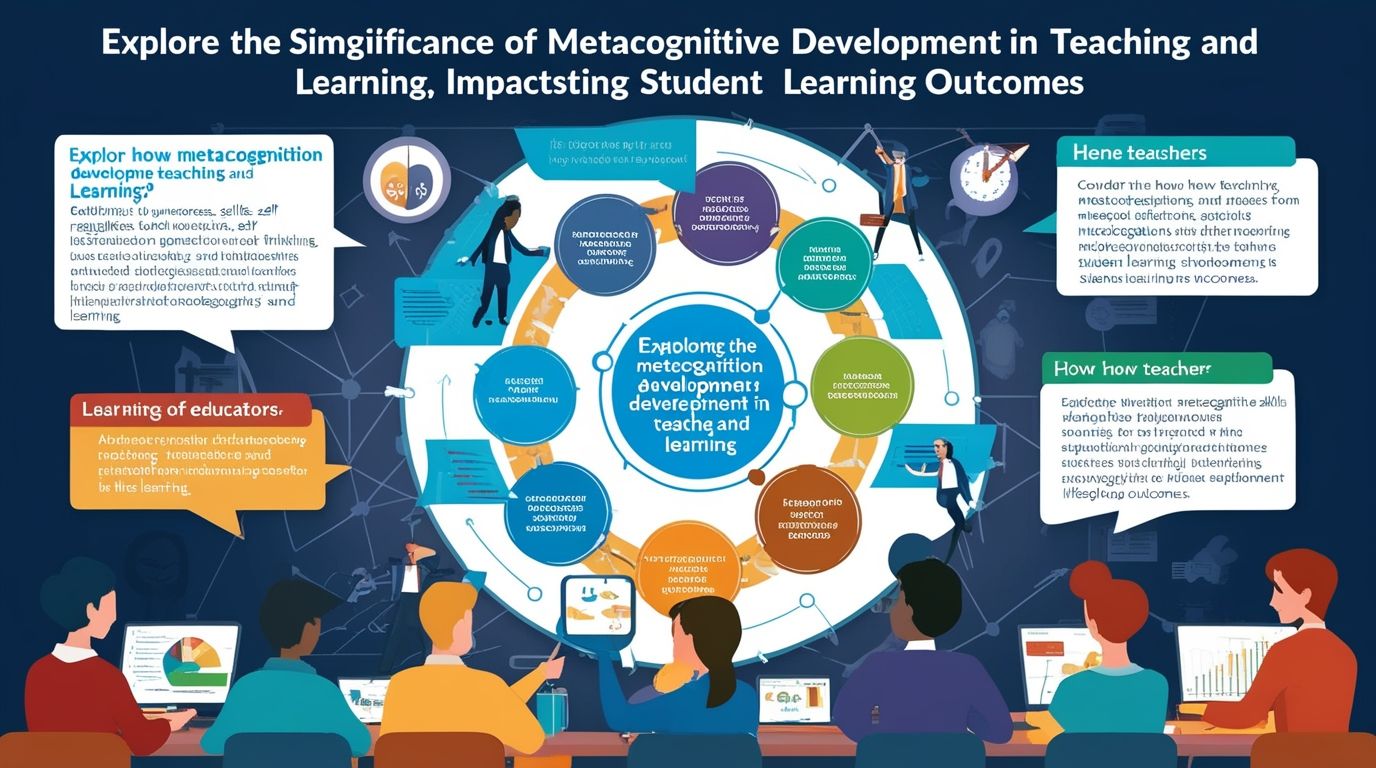
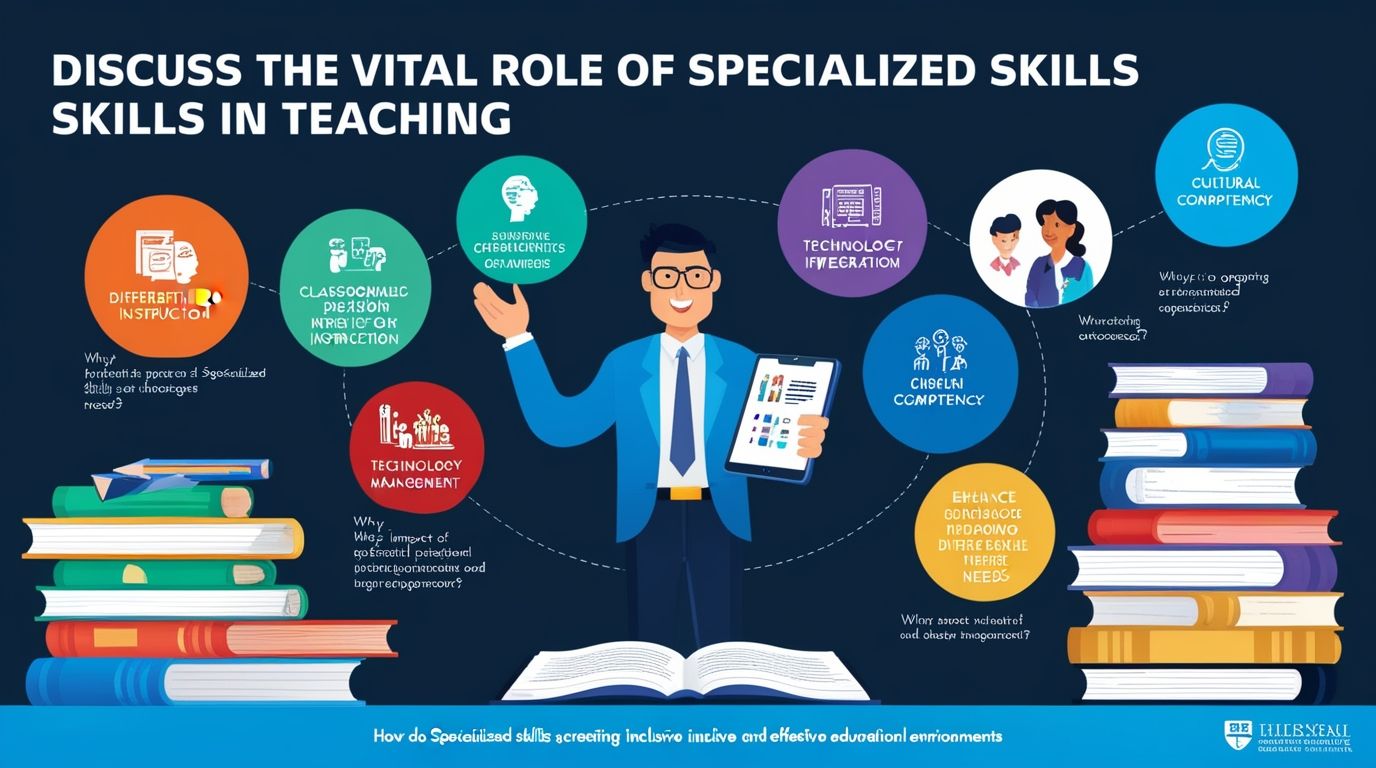
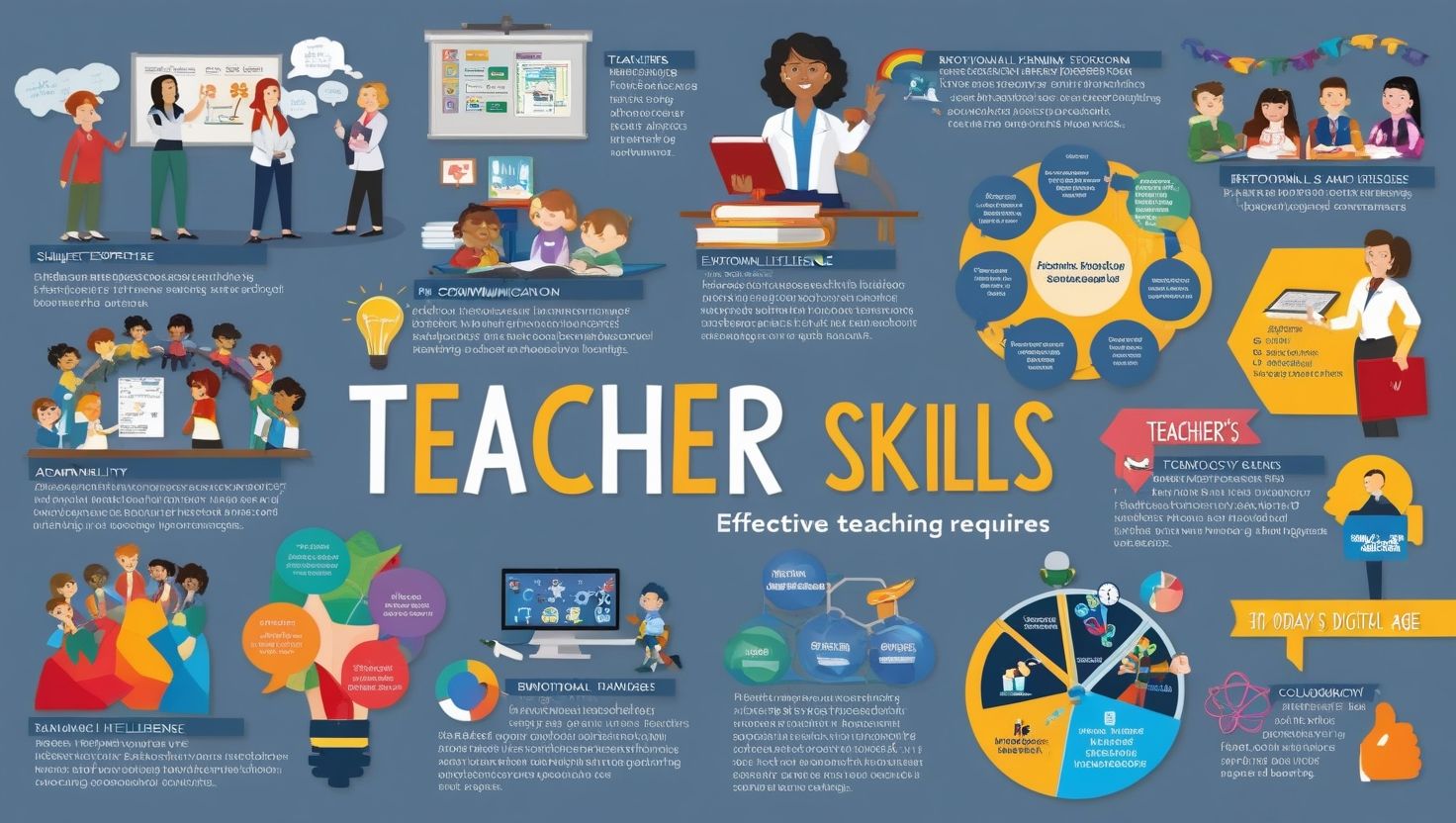
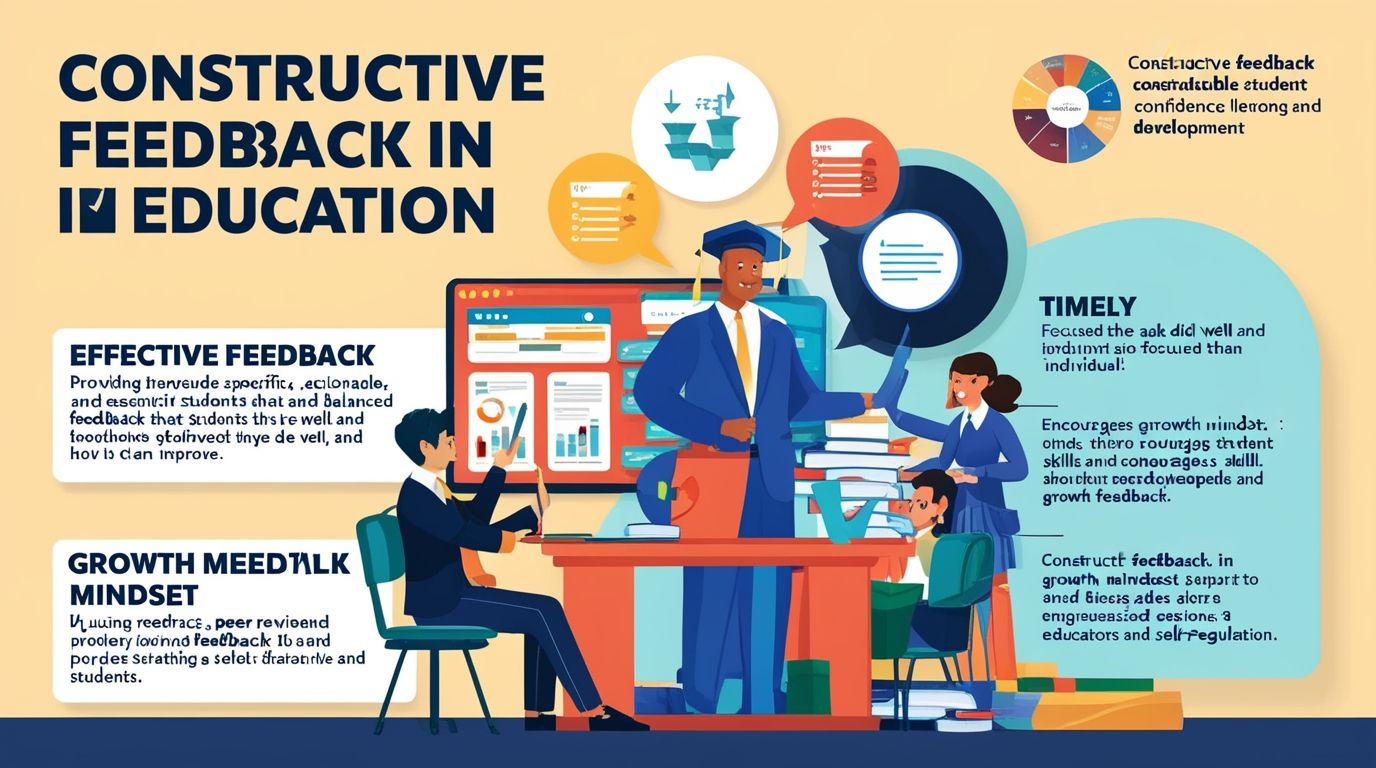
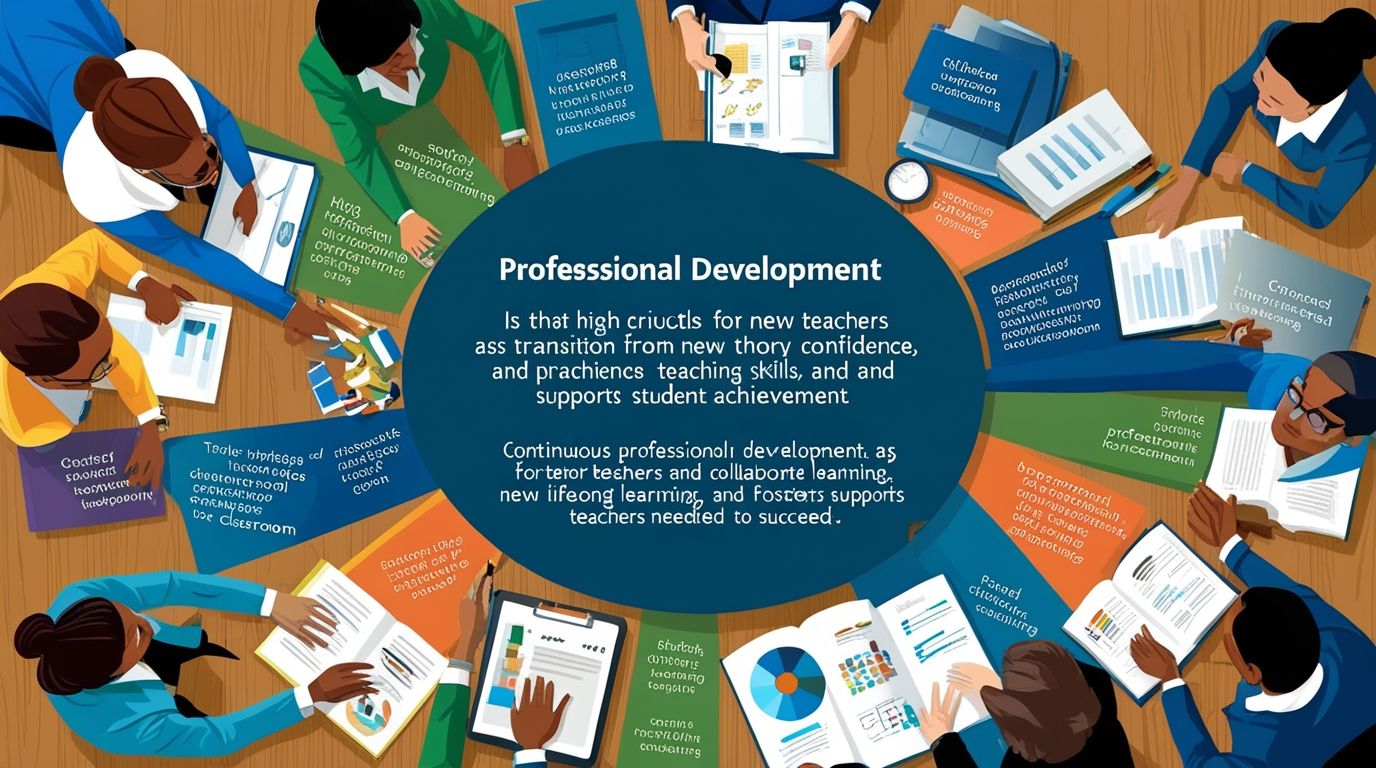
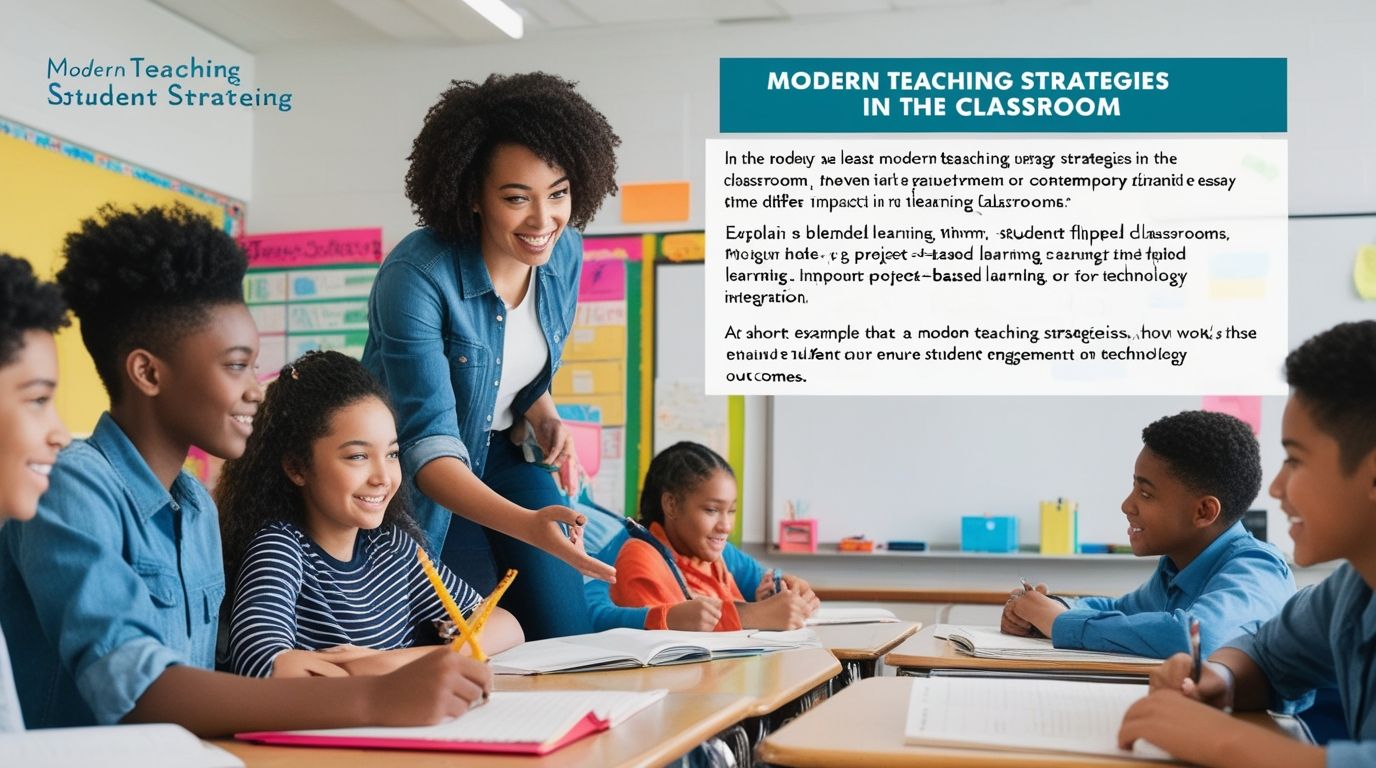
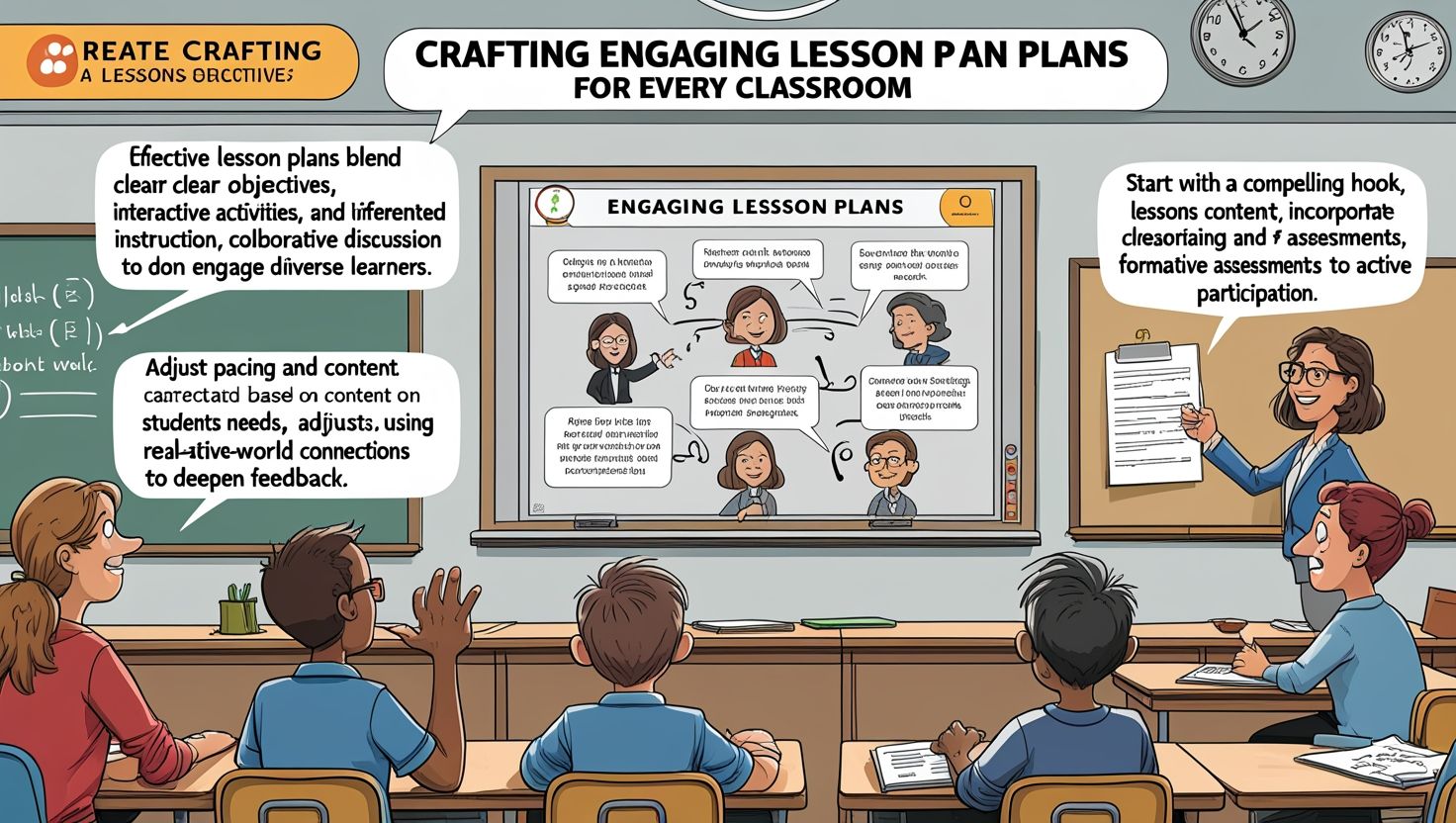
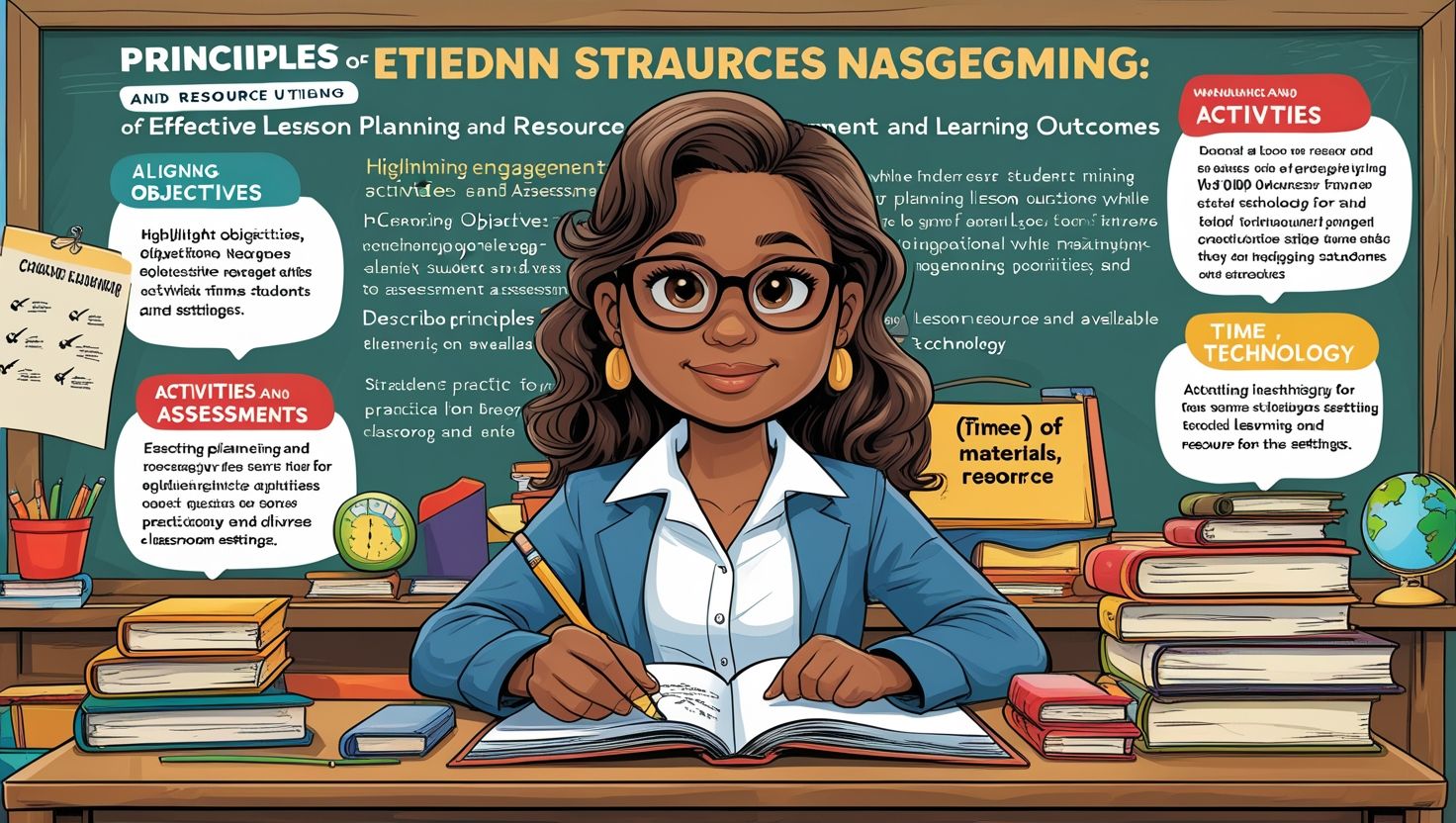
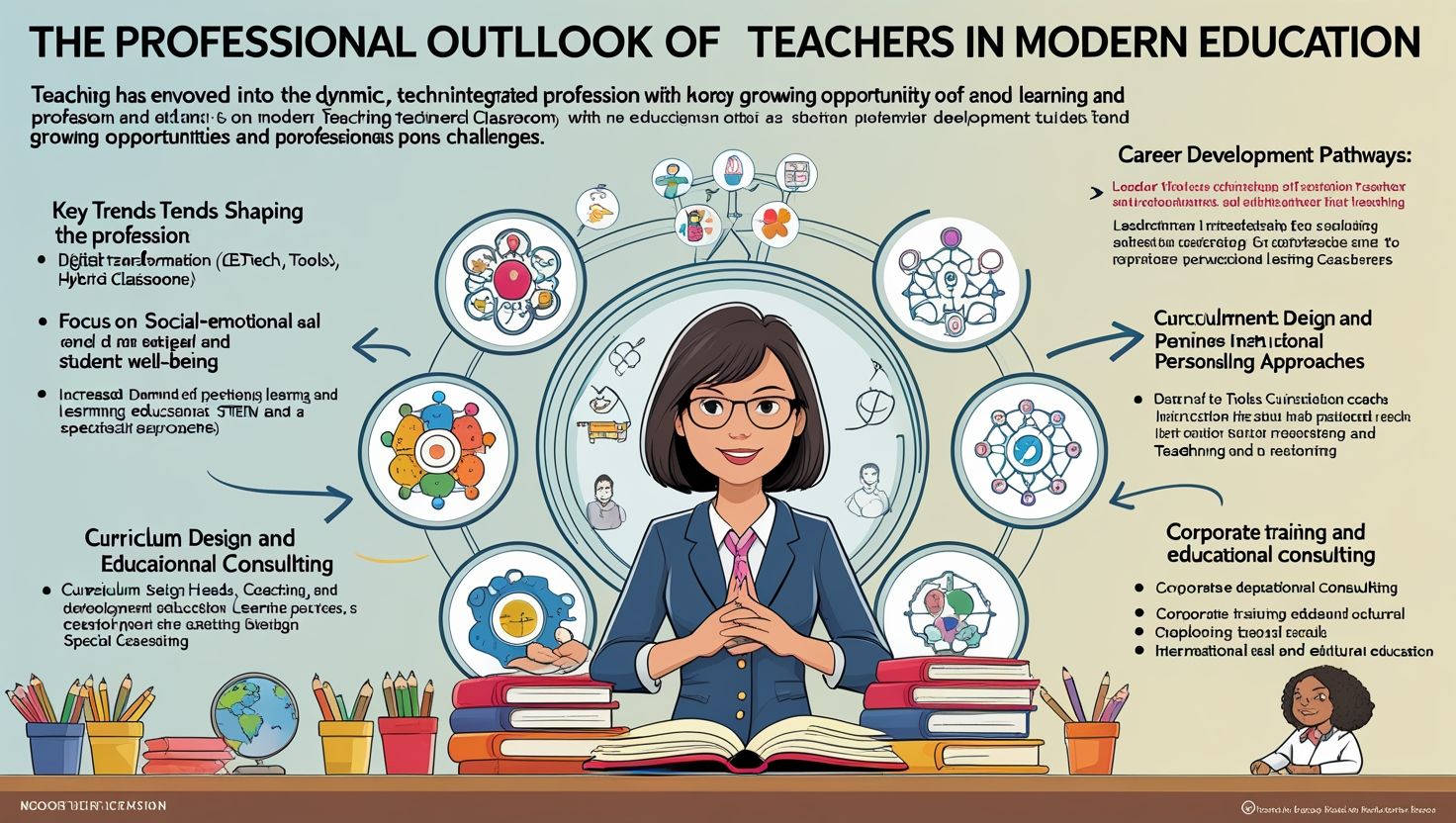
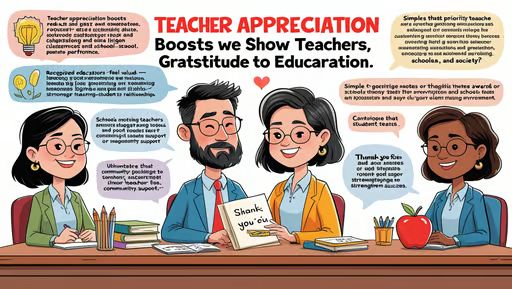
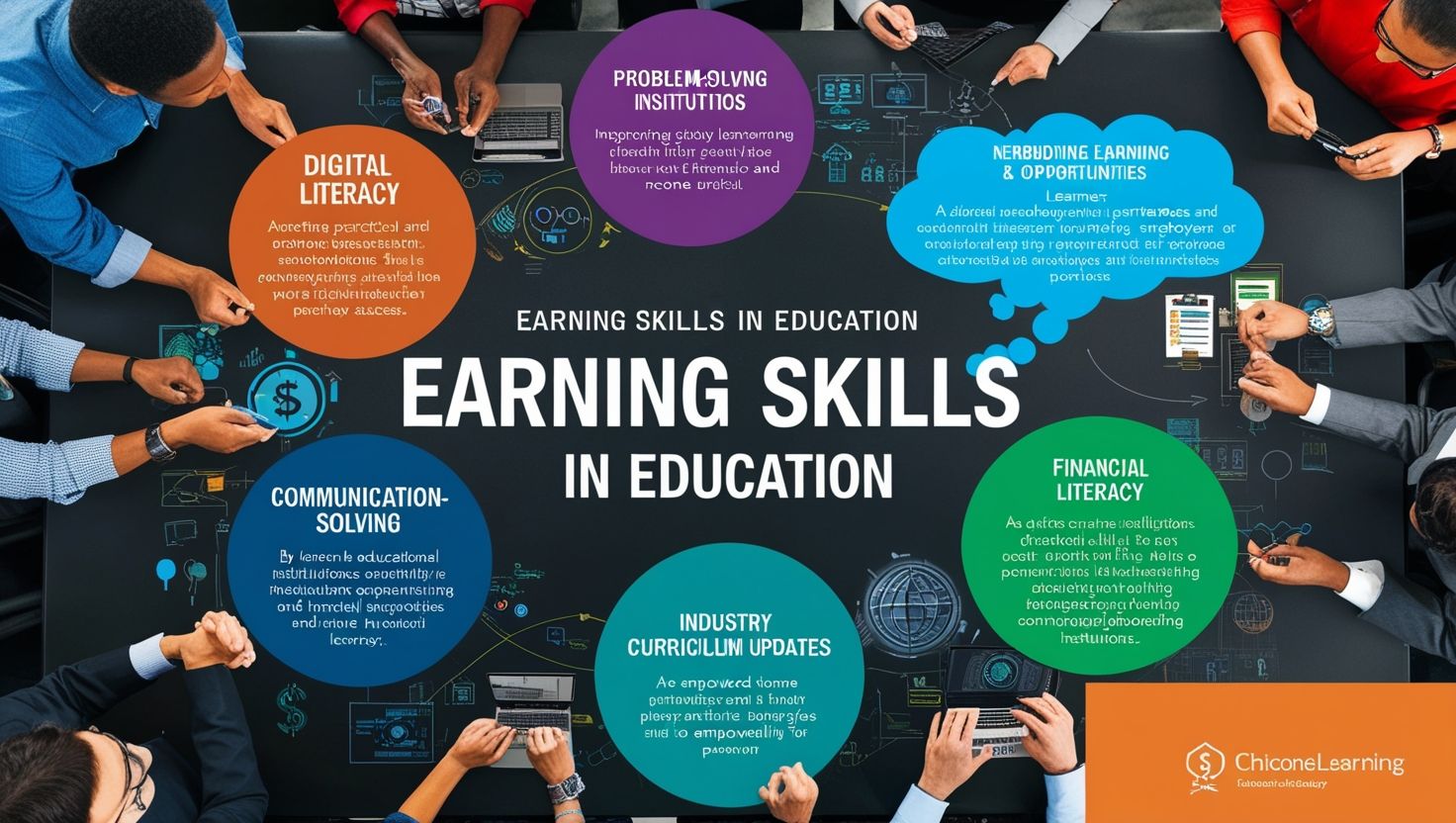
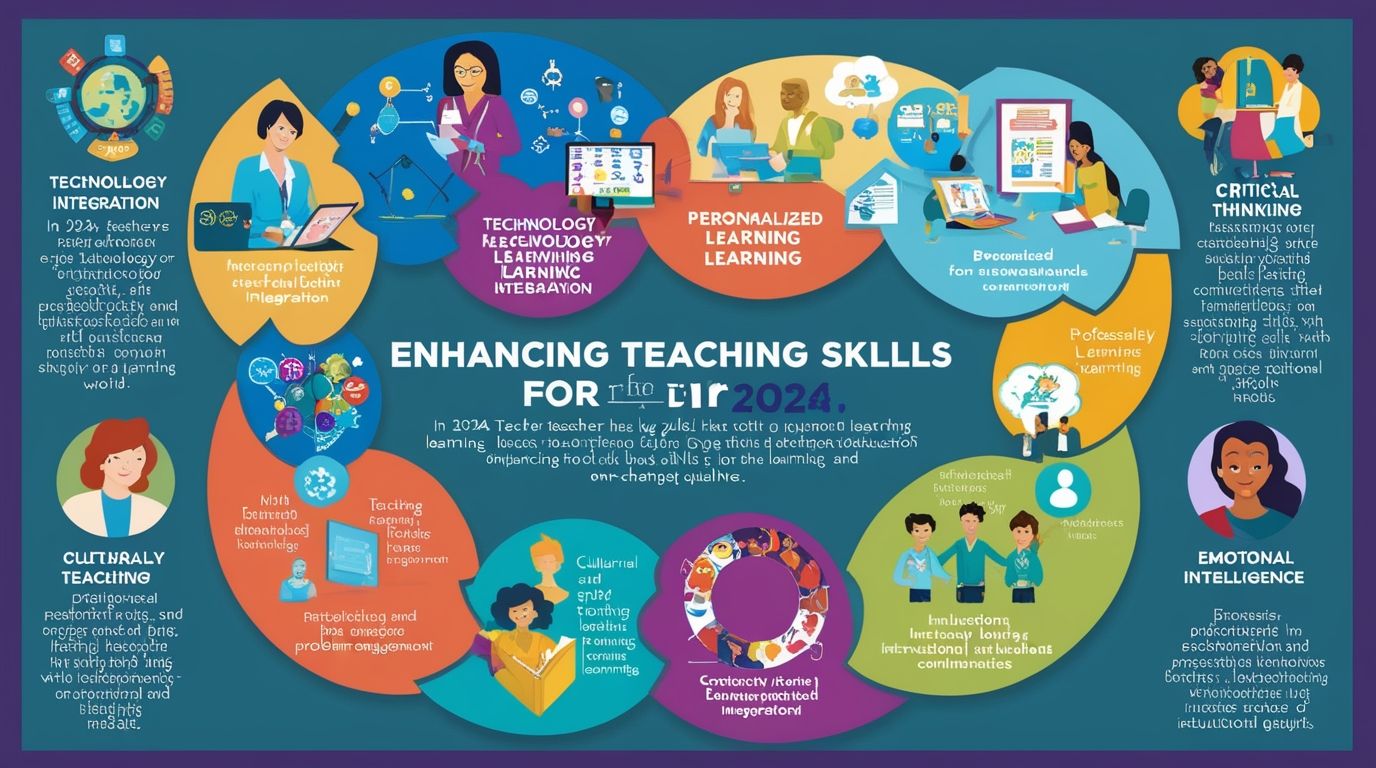
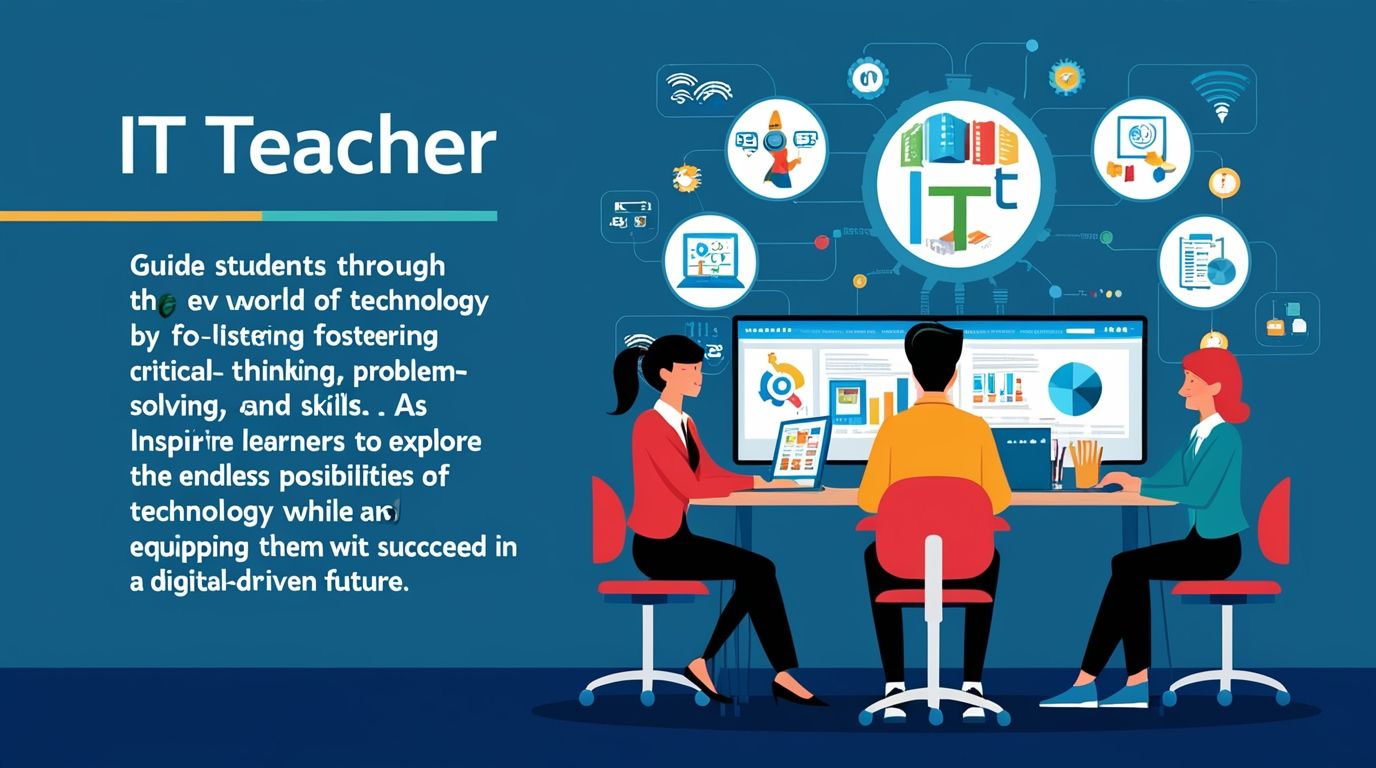
The role of educators is evolving with the integration of educational technology. Teachers are transitioning from knowledge providers to facilitators of learning. Moreover, they guide students in navigating digital resources effectively. Consequently, teaching becomes more interactive and student-centered. In addition, educators develop new skills to manage virtual classrooms. However, professional development is essential for successful adaptation. Meanwhile, institutions are offering training programs for teachers. As a result, educators become more confident in using technology. Therefore, teacher transformation is a key aspect of digital education. Furthermore, it enhances instructional quality. Ultimately, adapting to technological changes ensures that teachers remain relevant and effective in modern learning environments.
Challenges of Virtual Learning: Addressing Barriers and Limitations
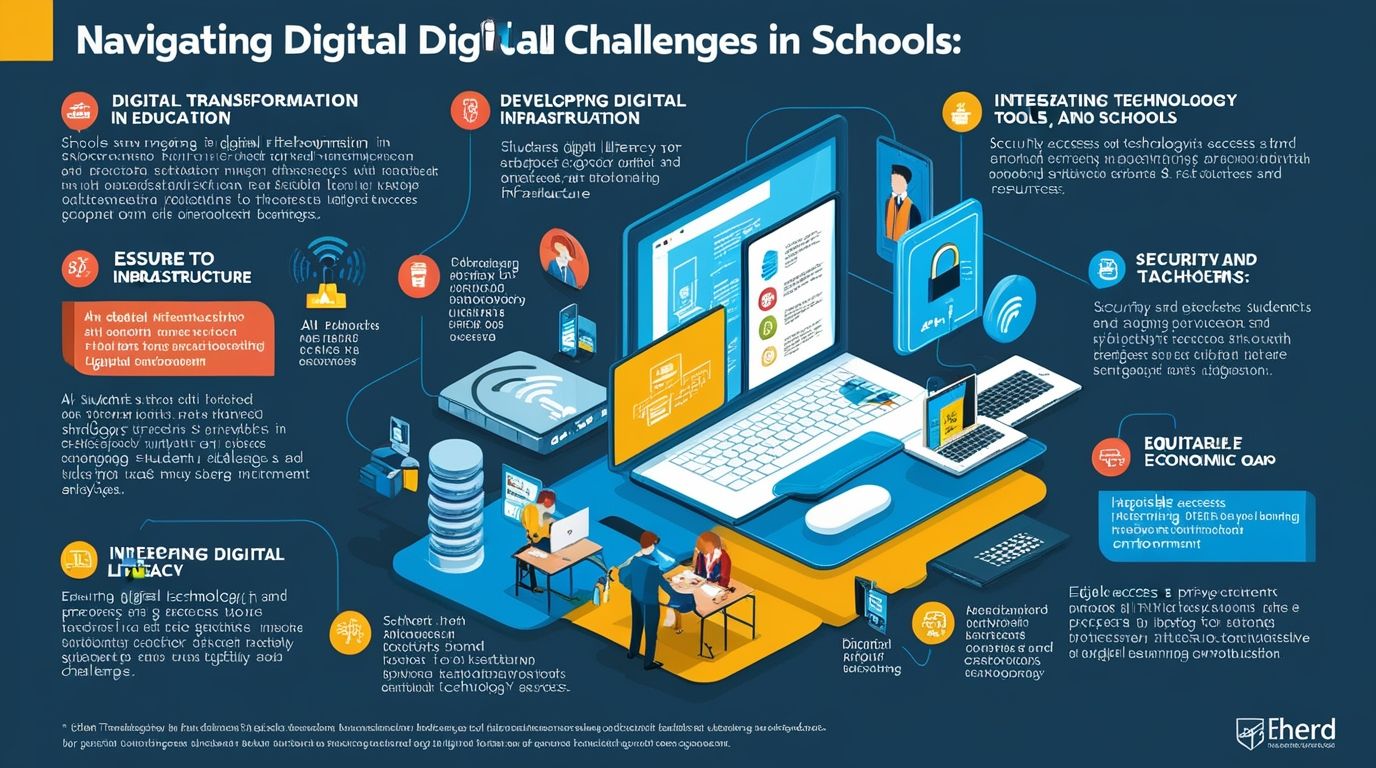
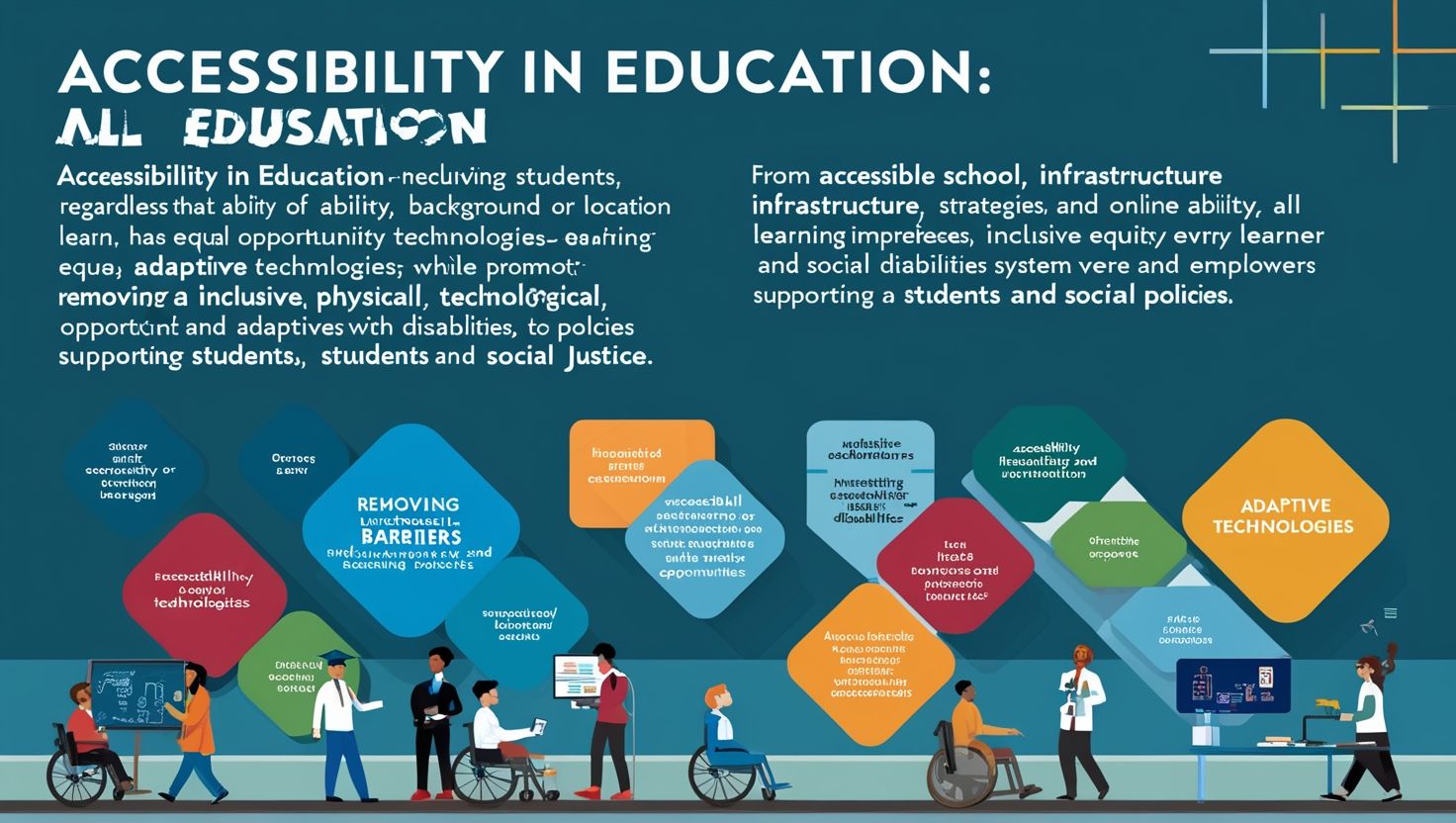
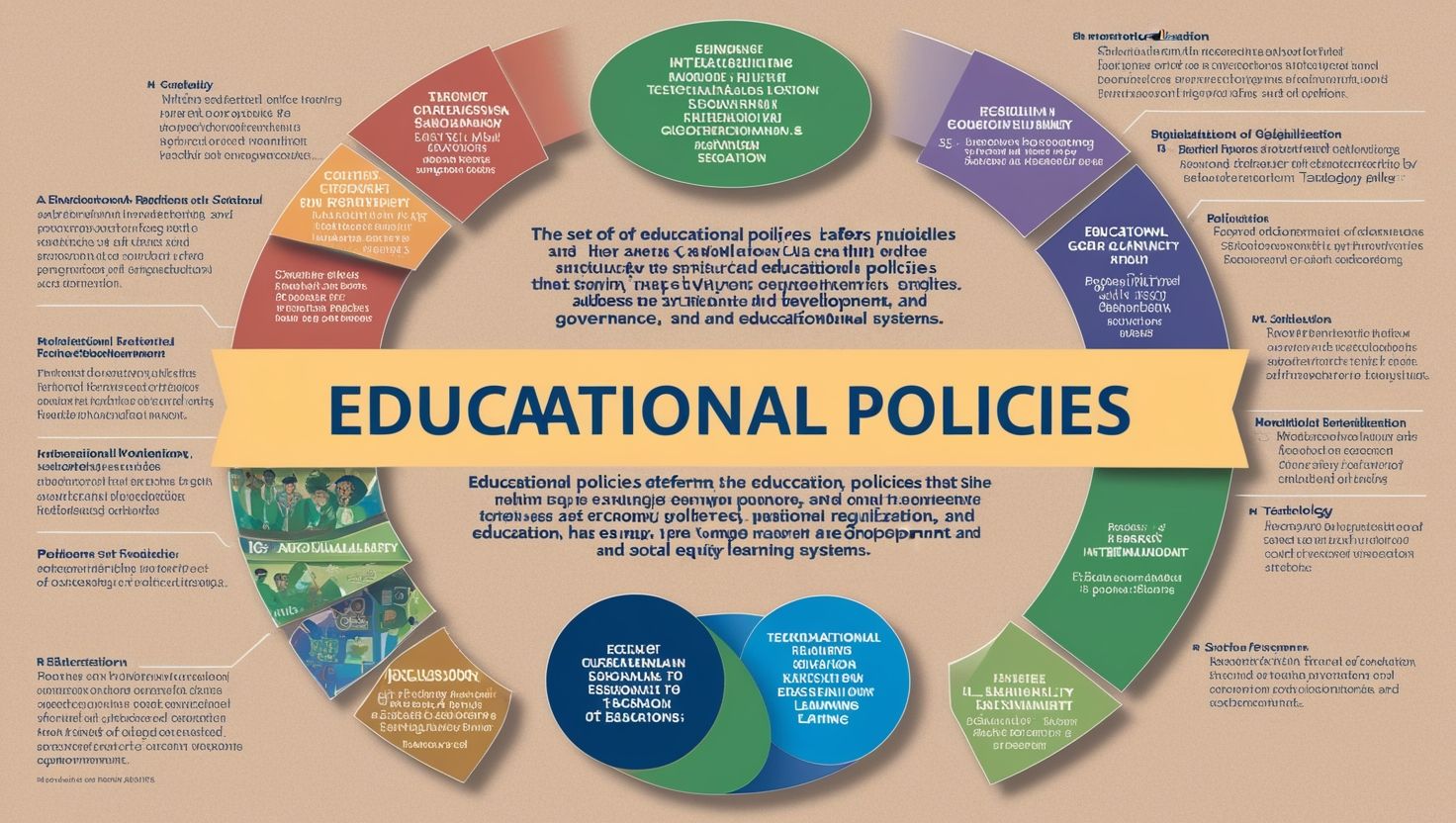
Despite its advantages, virtual learning presents several challenges that must be addressed. Limited access to devices and internet connectivity creates disparities. Moreover, students may experience isolation and reduced motivation. Consequently, learning outcomes can be affected. In addition, technical issues can disrupt the learning process. However, solutions such as blended learning models are emerging. Meanwhile, policymakers are working to improve digital infrastructure. As a result, efforts are being made to overcome barriers. Therefore, addressing challenges is crucial for effective implementation. Furthermore, support systems enhance student engagement. Ultimately, recognizing and resolving limitations ensures that virtual learning remains a viable and sustainable educational approach.
Future Trends: Emerging Technologies in Virtual Education
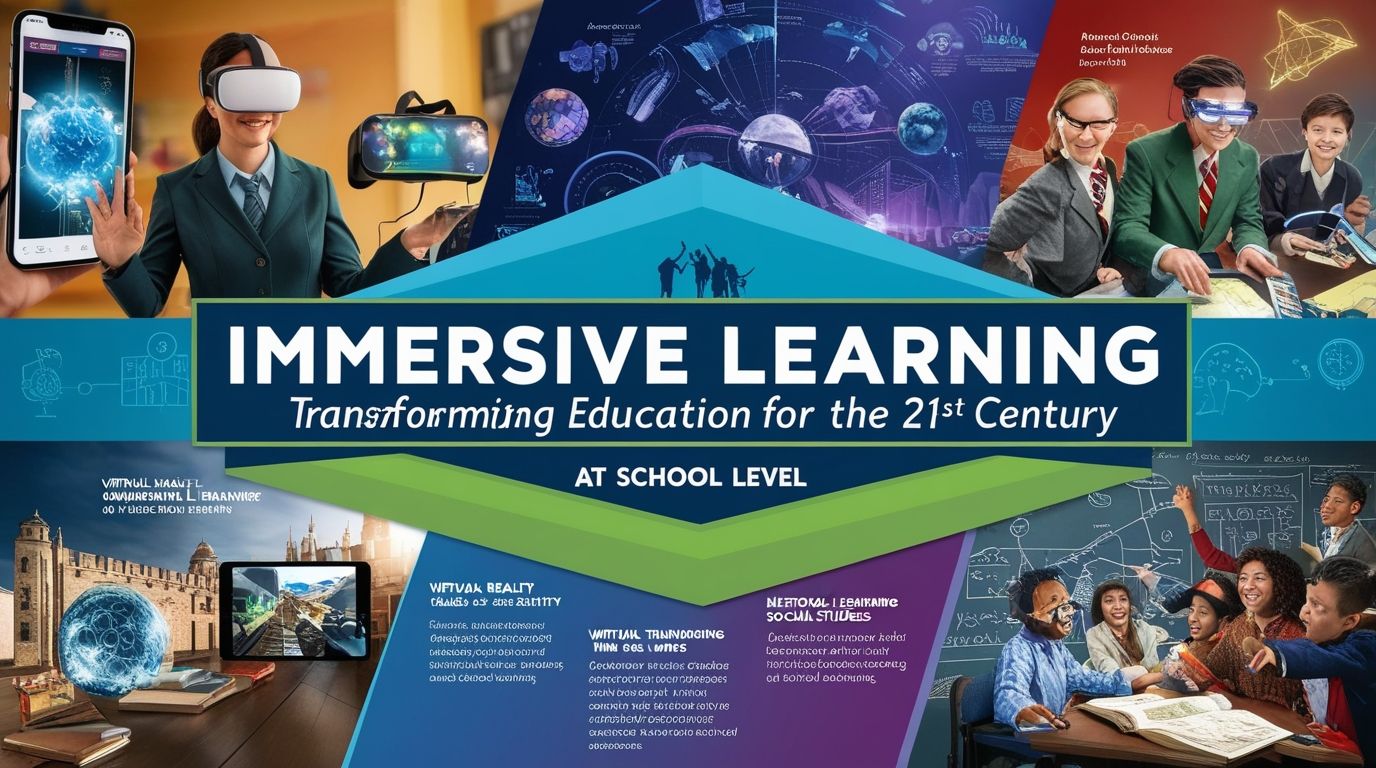
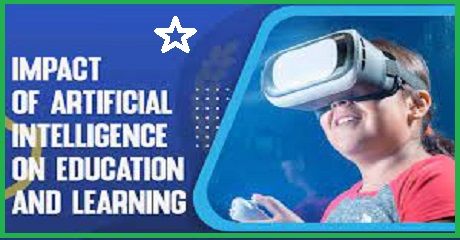
The future of technology and virtual learning is shaped by emerging innovations. Artificial intelligence, augmented reality, and virtual reality are transforming educational experiences. Moreover, these technologies create immersive learning environments. Consequently, students can explore complex concepts interactively. In addition, data analytics enhances personalized learning. However, integrating advanced technologies requires investment and planning. Meanwhile, research continues to explore new possibilities. As a result, education evolves continuously. Therefore, staying updated with trends is essential for institutions. Furthermore, innovation drives progress in learning methodologies. Ultimately, embracing emerging technologies ensures that education remains dynamic, engaging, and aligned with the demands of the digital age.
Conclusion: Embracing Digital Transformation in Education
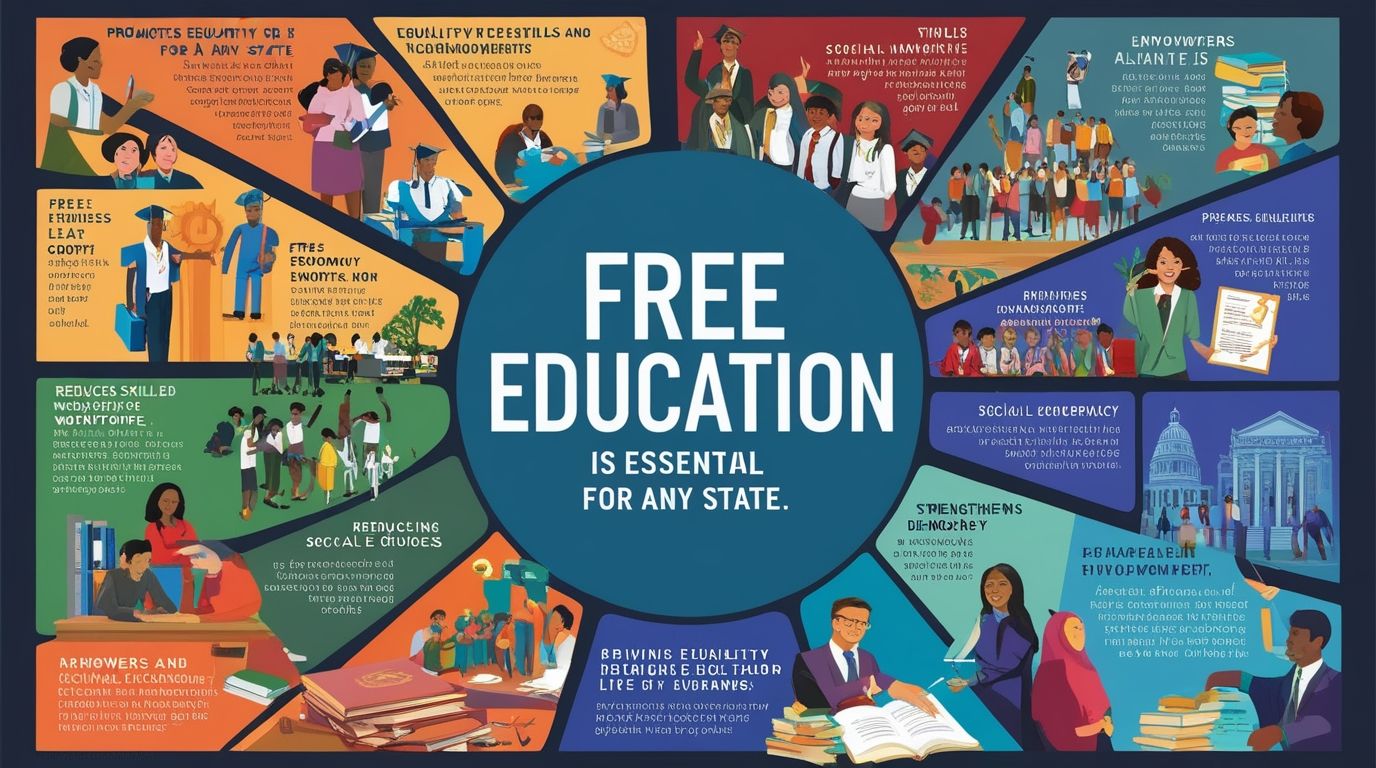
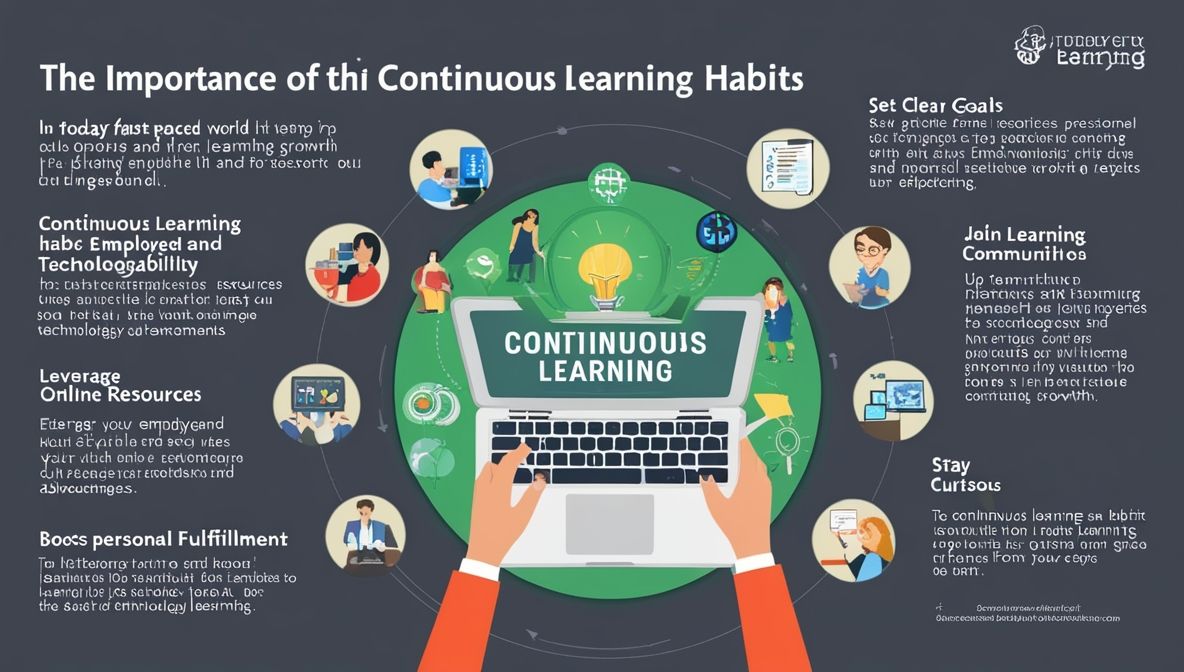
The integration of technology in virtual learning has revolutionized education. It enhances accessibility, flexibility, and engagement. Moreover, it empowers both students and teachers. Consequently, learning becomes more effective and inclusive. In addition, continuous innovation supports educational growth. However, challenges must be addressed to ensure equity. Meanwhile, collaboration among stakeholders is essential. As a result, technology continues to shape the future of education. Therefore, embracing digital transformation is necessary. Furthermore, a balanced approach ensures sustainable progress. Ultimately, virtual learning represents a powerful opportunity to redefine education, preparing learners for success in a rapidly evolving and technology-driven world.
References
- Anderson, T. (2008). The Theory and Practice of Online Learning. Available at: https://www.aupress.ca
- UNESCO. (2020). Distance Learning Solutions. Available at: https://en.unesco.org/covid19/educationresponse
- OECD. (2021). Education at a Glance. Available at: https://www.oecd.org/education
- World Bank. (2020). Remote Learning and COVID-19. Available at: https://www.worldbank.org