Introduction
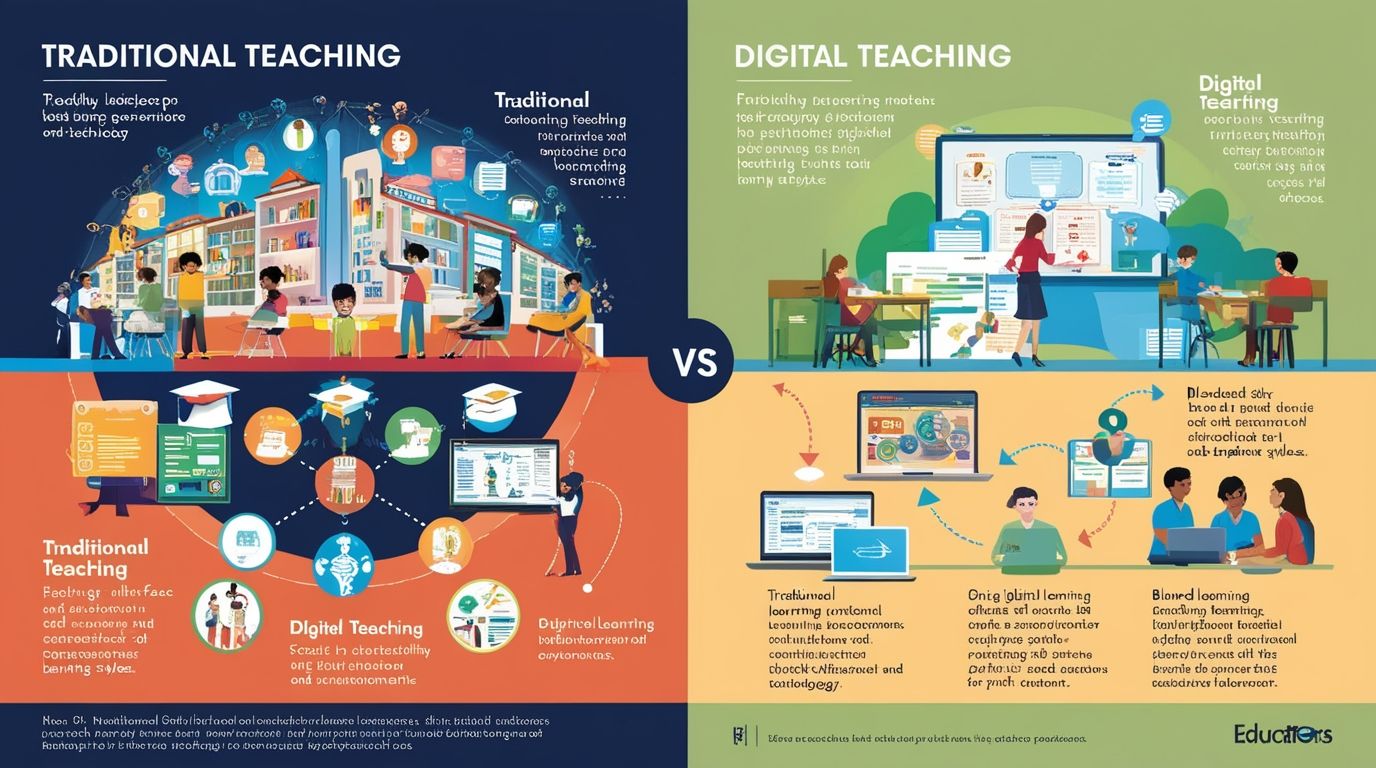
Personalized & Adaptive Learning: Transforming Education, Education has always been a cornerstone of societal progress, shaping individuals and communities alike. Yet, traditional education systems have often relied on standardized approaches, where the same curriculum, pace, and instructional methods are applied to all learners regardless of their unique needs, abilities, and interests. In an era driven by rapid technological advancement and evolving knowledge demands, this “one-size-fits-all” model is increasingly inadequate. Personalized and adaptive learning have emerged as transformative approaches that aim to address this limitation by tailoring educational experiences to individual learners. These approaches not only enhance learning outcomes but also foster engagement, motivation, and lifelong learning skills.
Understanding Personalized Learning
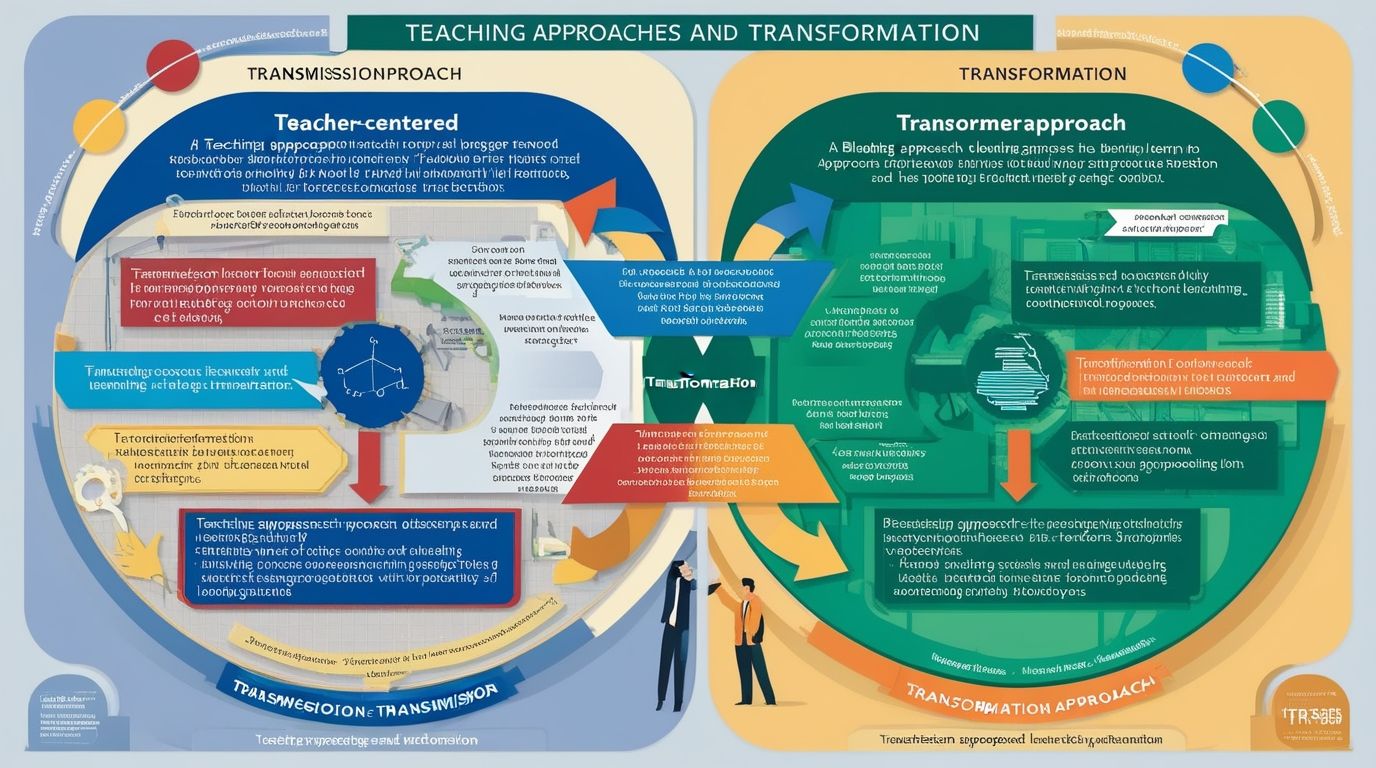
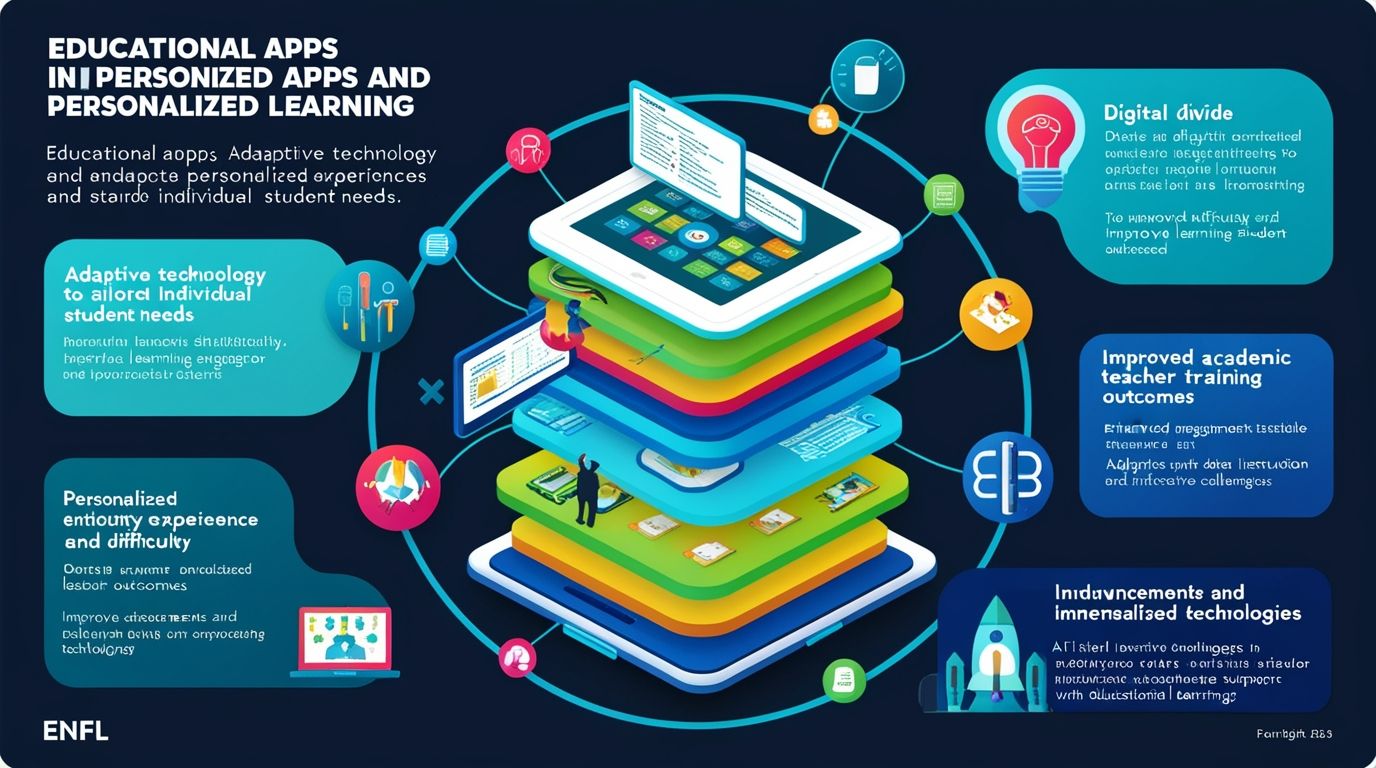
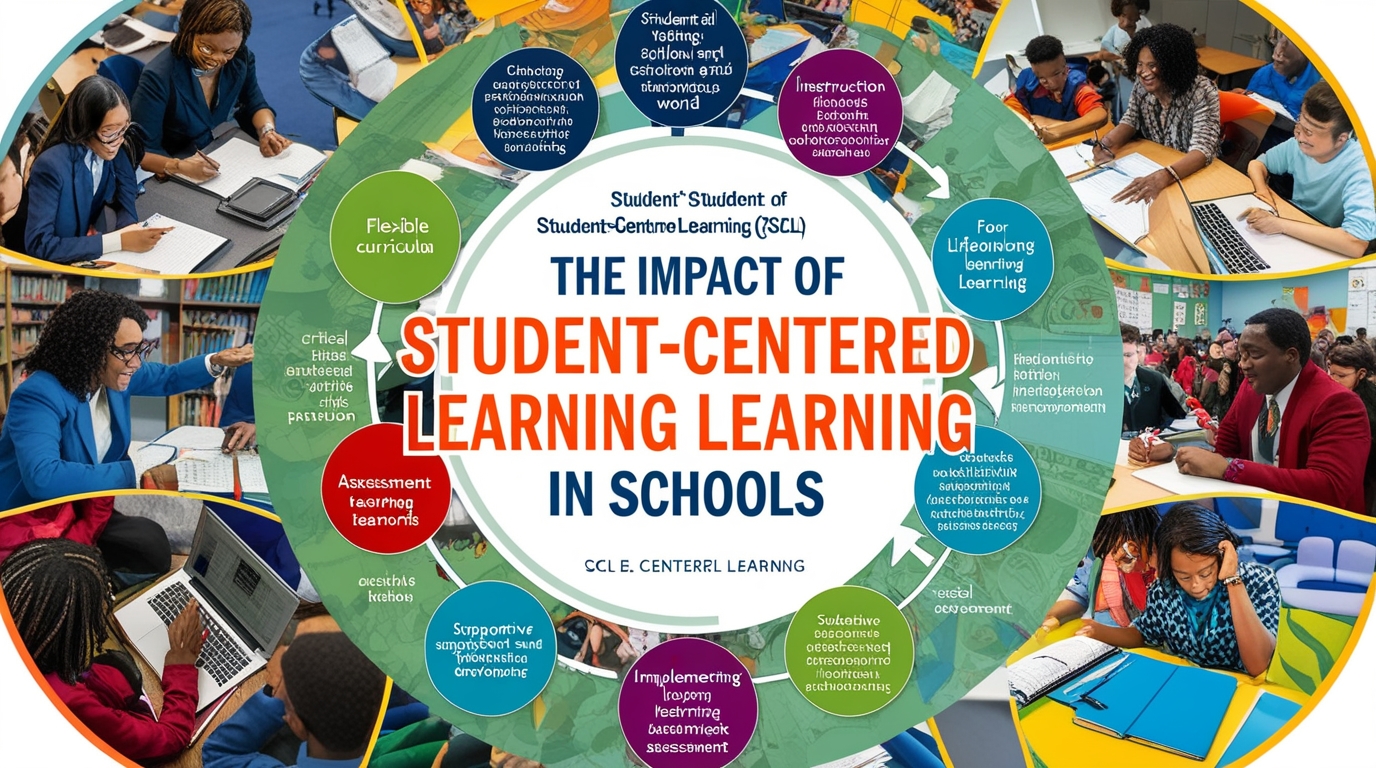
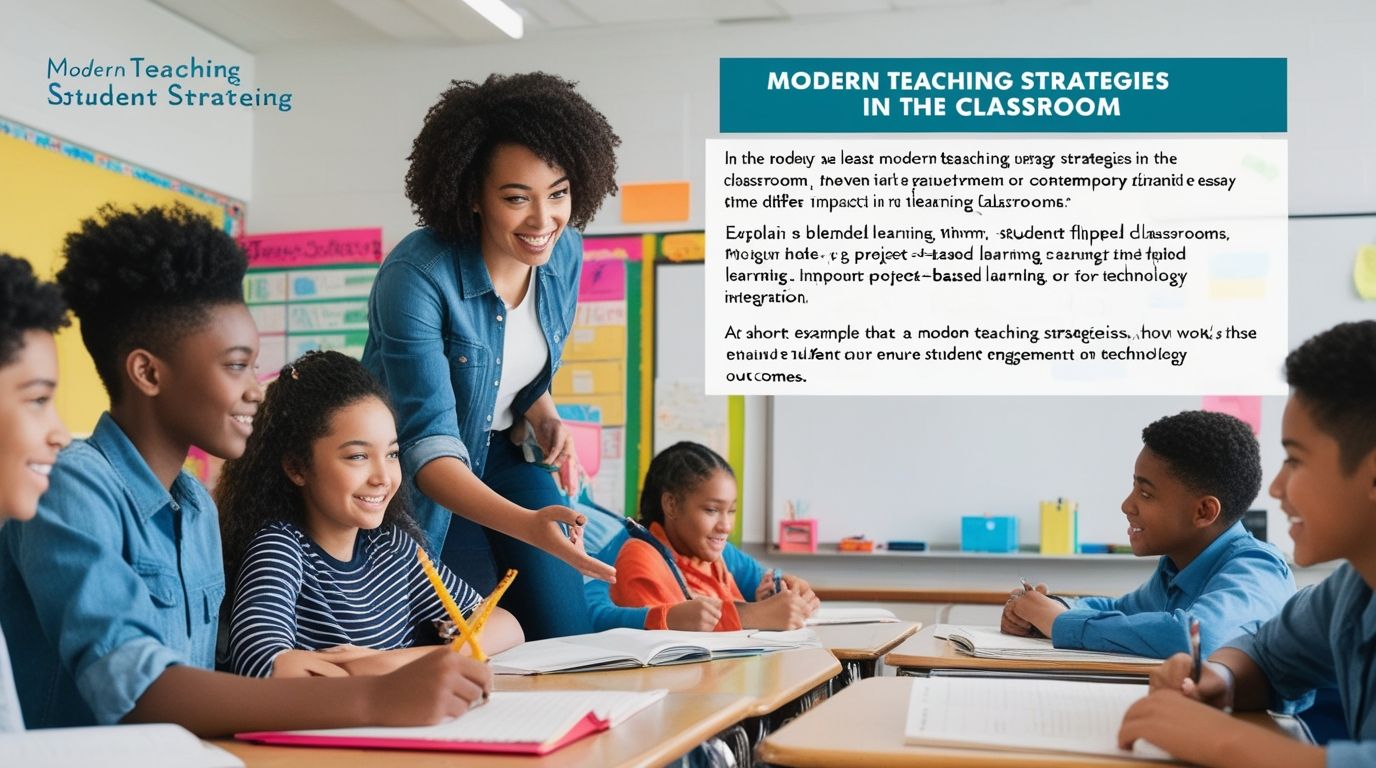
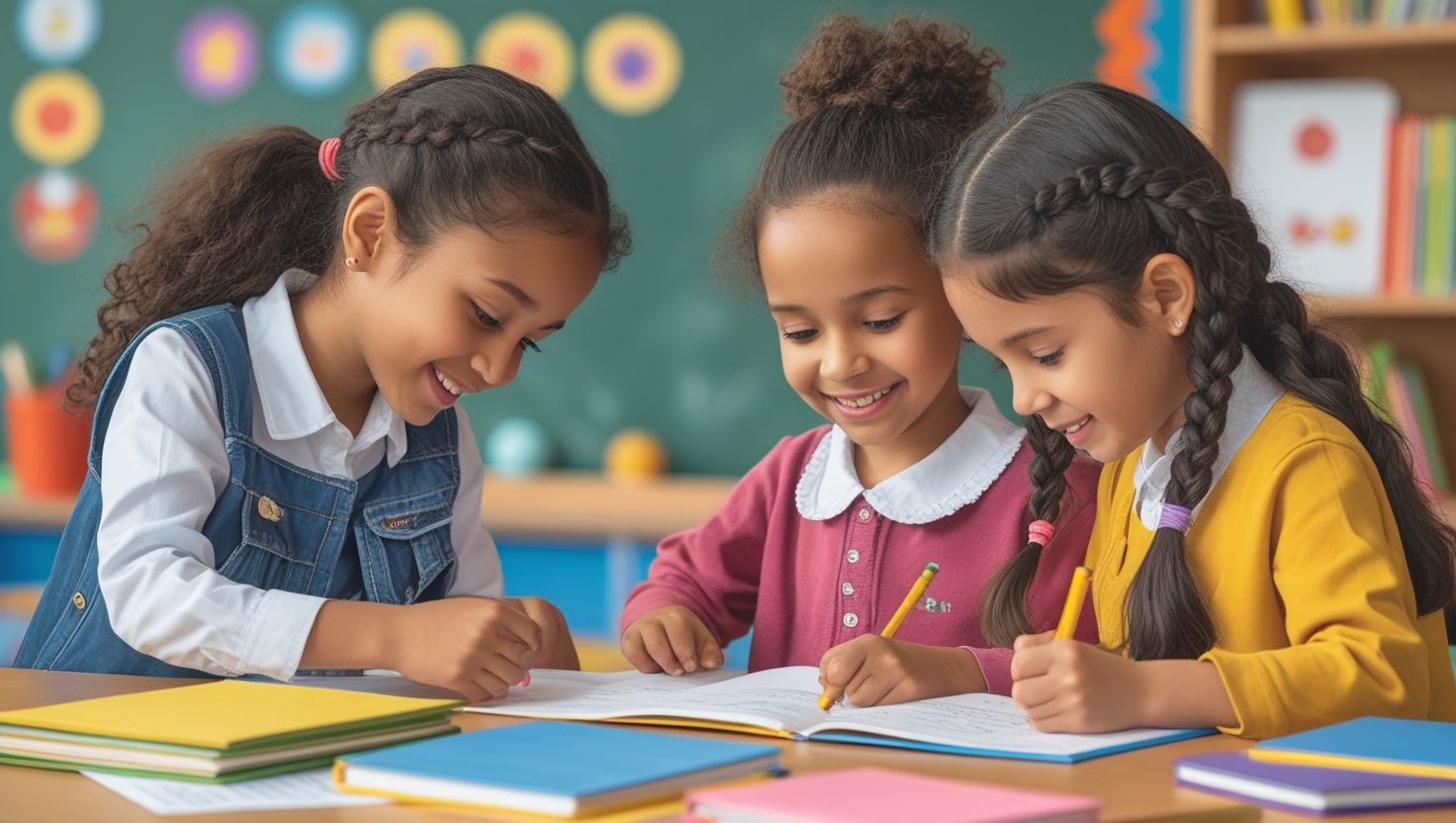
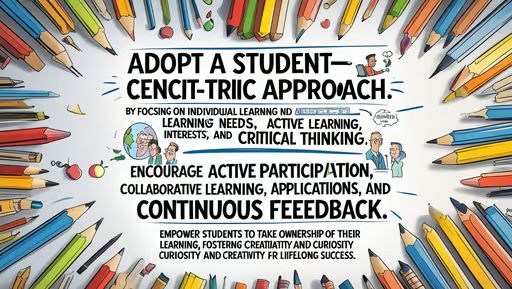
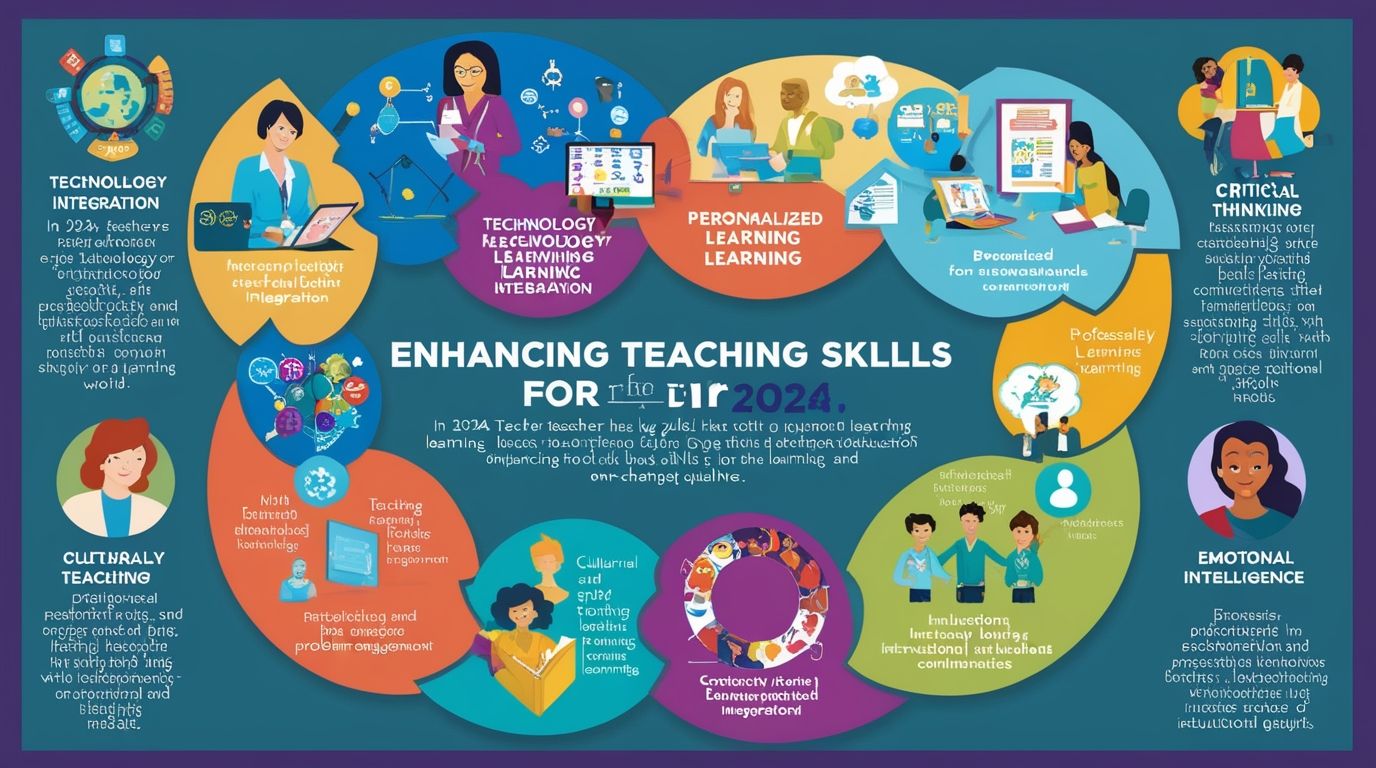
Personalized learning refers to an educational approach that seeks to customize learning experiences based on individual learner characteristics, including prior knowledge, learning preferences, interests, and goals. It shifts the focus from teacher-centered instruction to learner-centered environments where students have a voice and choice in their learning pathways. In personalized learning, students may progress at their own pace, explore topics that interest them, and engage in activities that align with their learning styles.
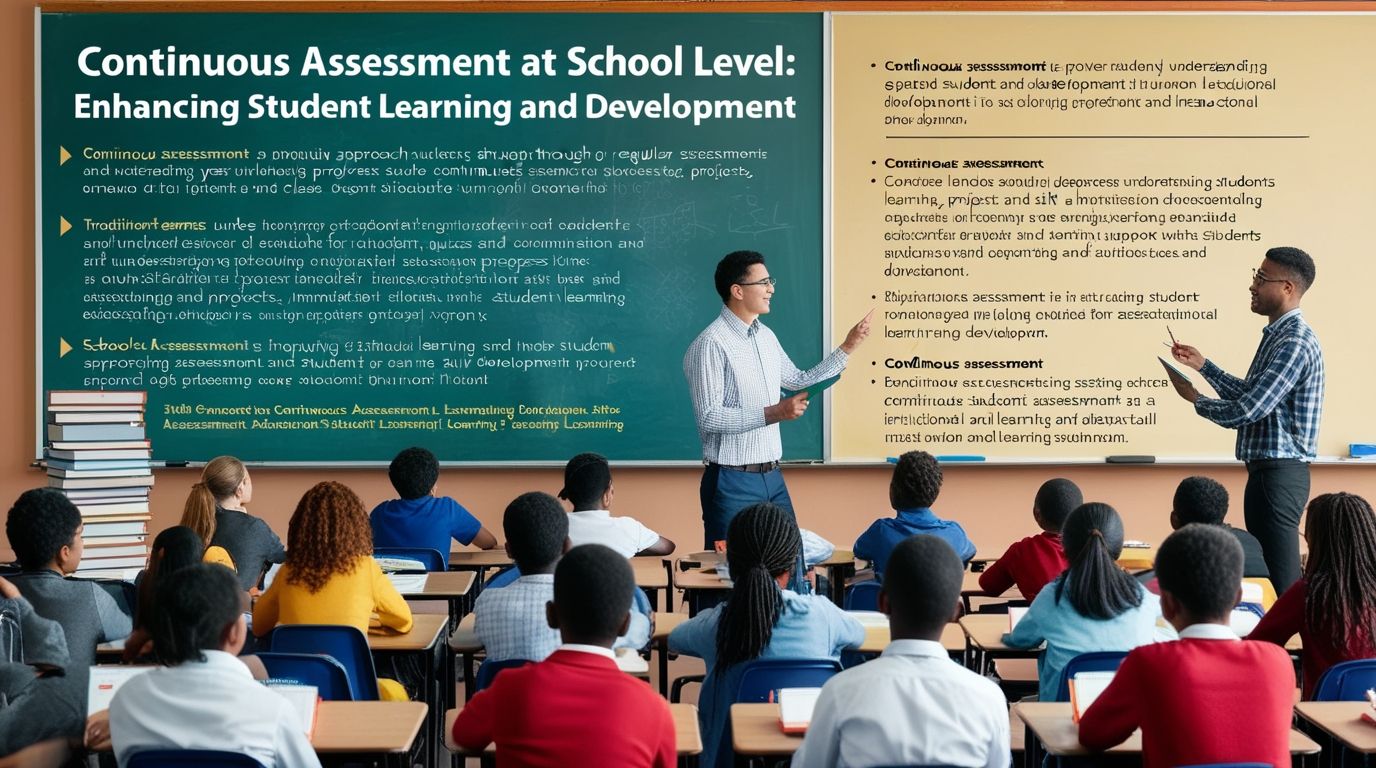
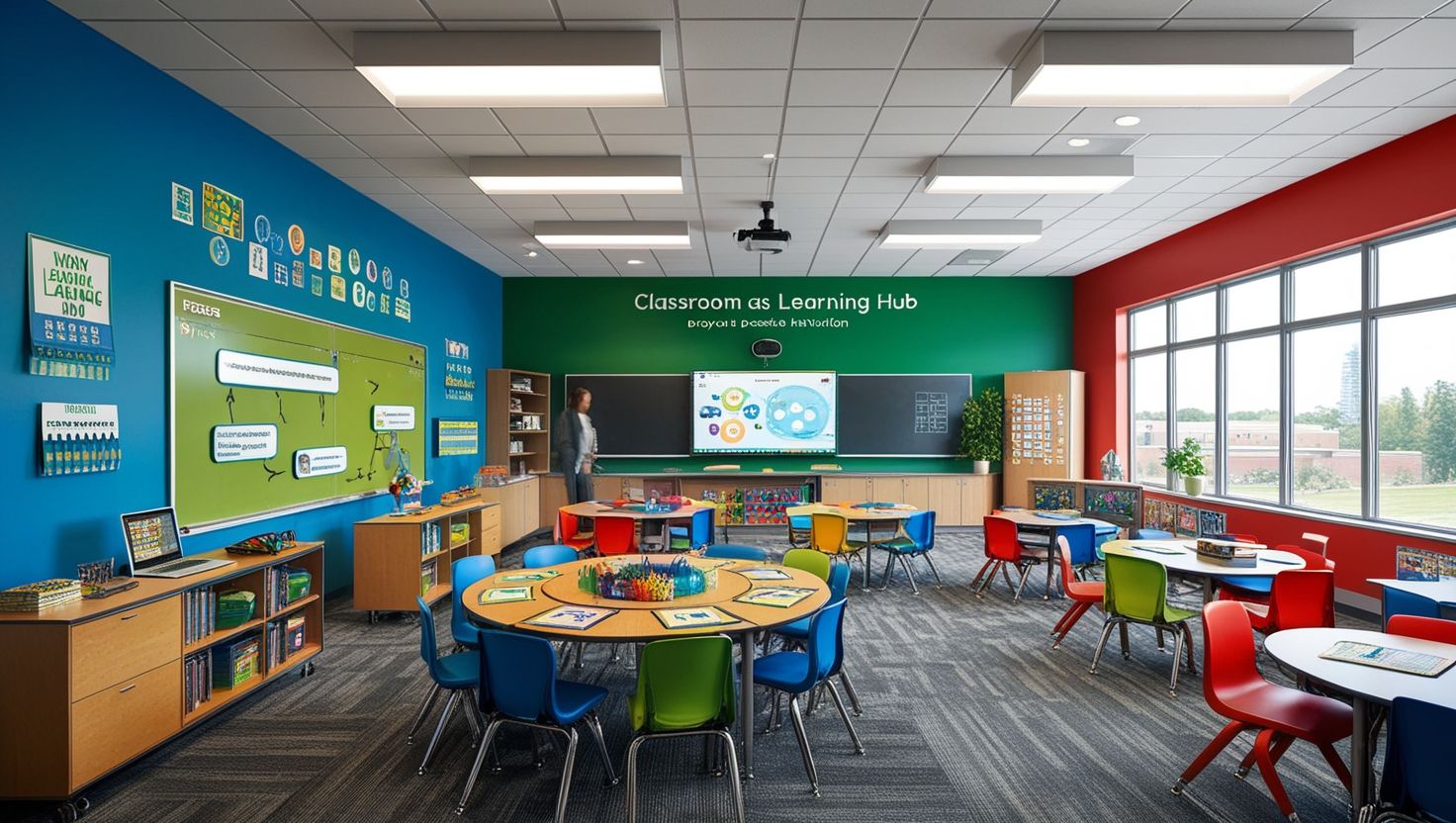
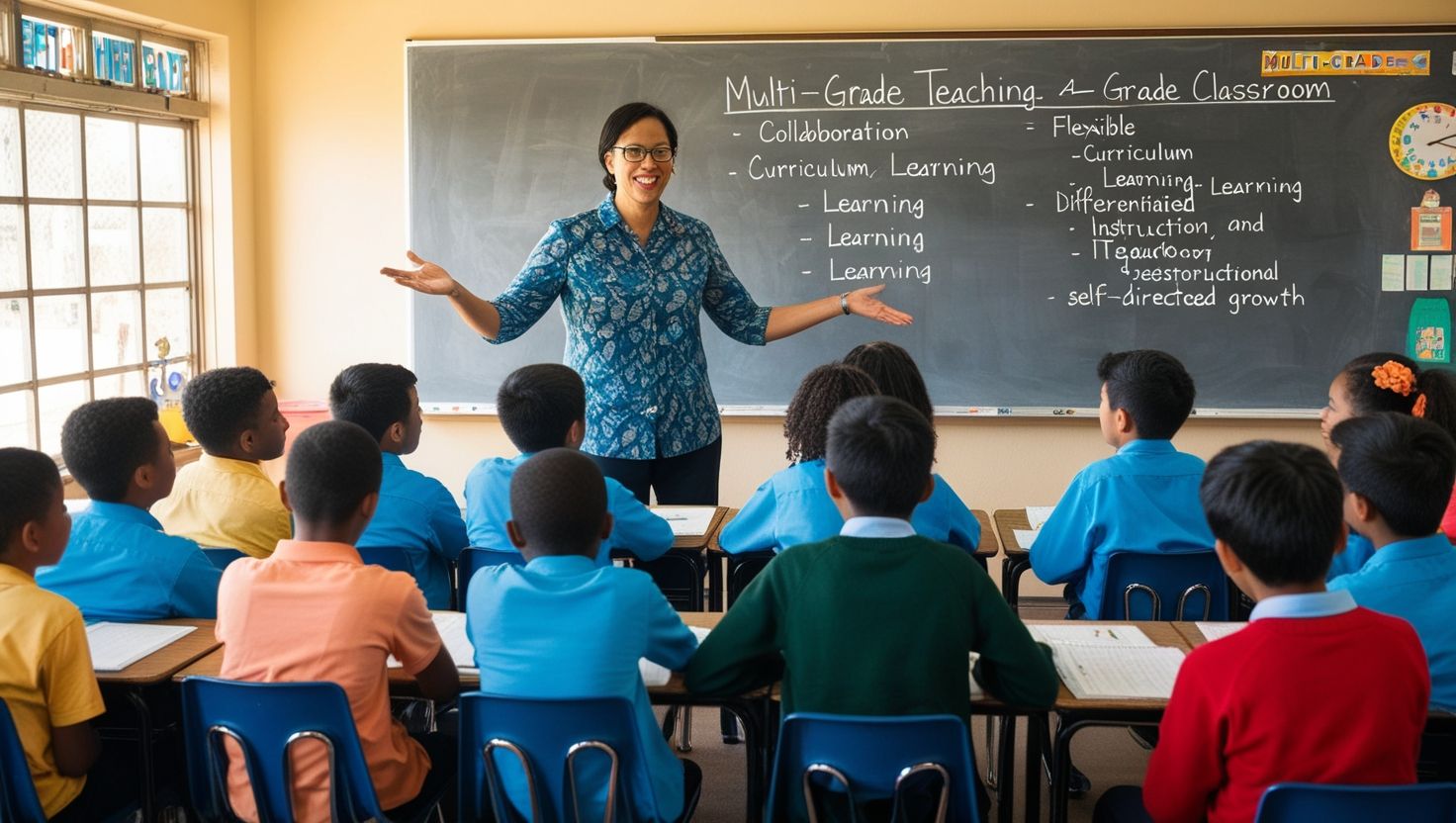
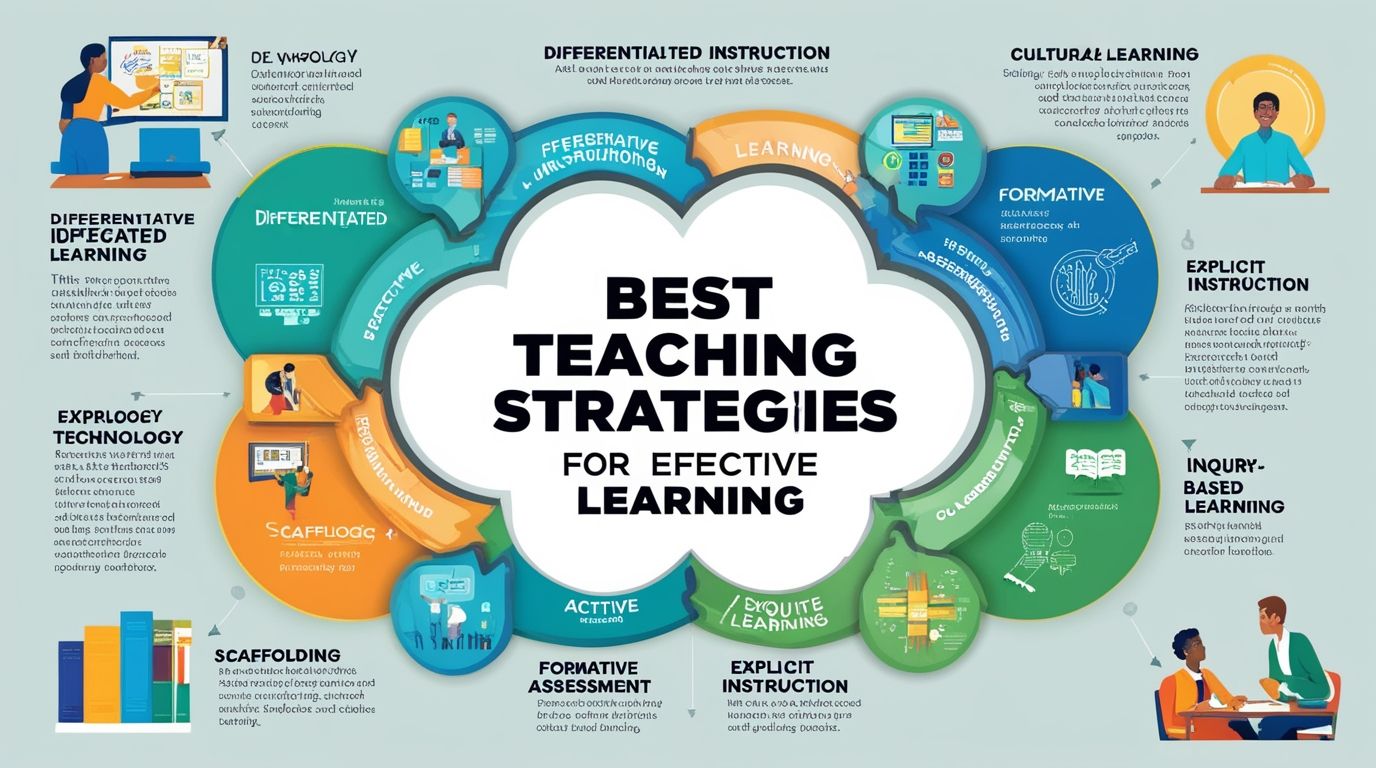
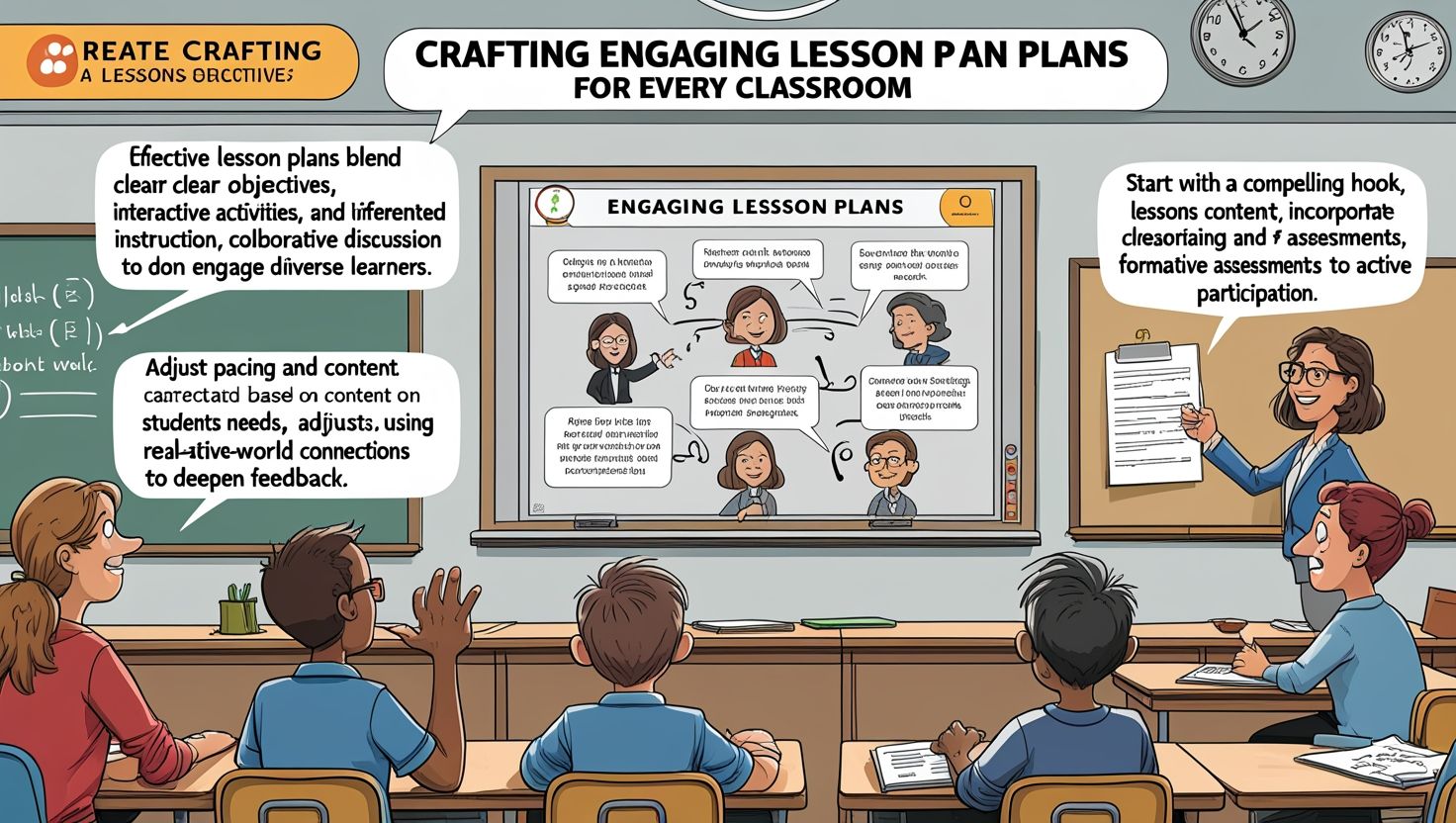
A key feature of personalized learning is flexibility. Teachers design learning environments that allow students to access content in various formats, such as videos, readings, simulations, and hands-on activities. Assessment is also reimagined, moving away from uniform testing toward diverse methods that capture a learner’s growth and understanding more comprehensively. This approach acknowledges that each student learns differently and that education should accommodate these differences rather than ignore them.
Defining Adaptive Learning
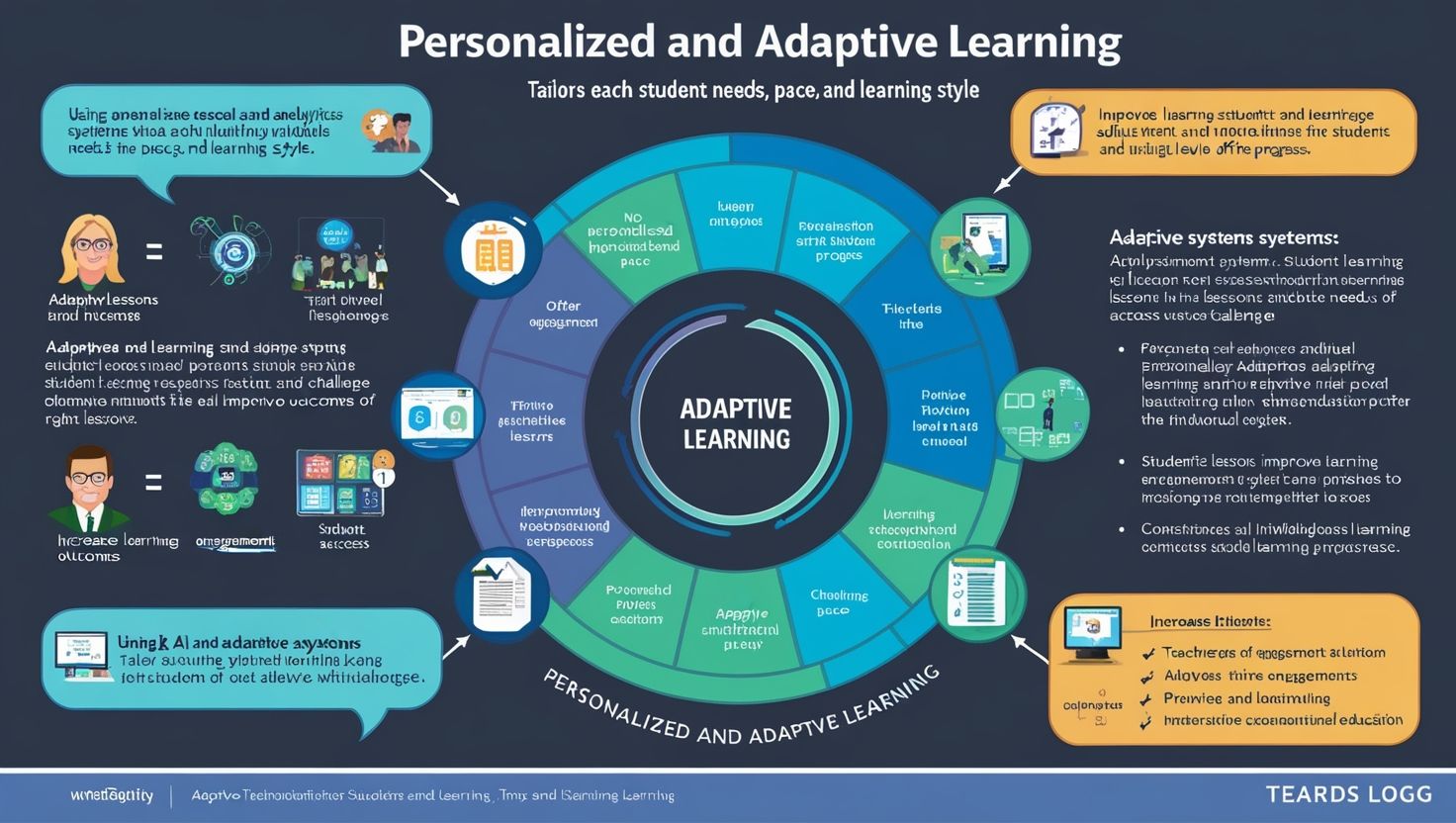
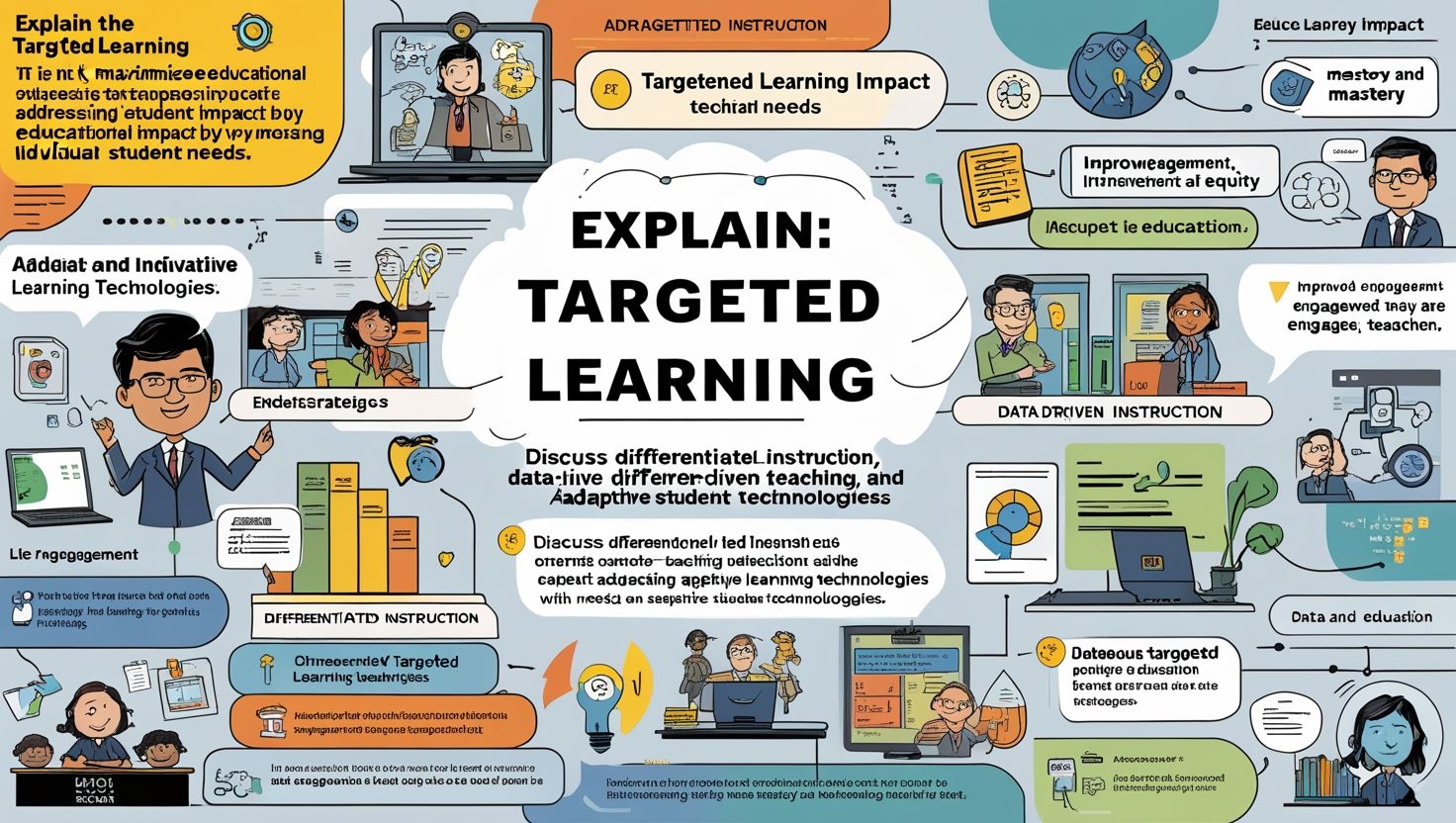
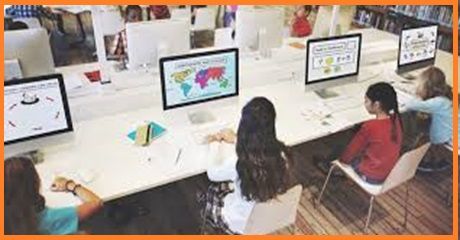
Adaptive learning, while closely related to personalized learning, relies more heavily on technology to adjust learning experiences in real time. It uses algorithms, data analytics, and artificial intelligence to monitor student performance and dynamically modify content, difficulty levels, and instructional strategies. Adaptive learning systems can identify gaps in knowledge, provide targeted feedback, and recommend specific resources or activities to address individual needs.
For example, an adaptive learning platform might analyze a student’s responses to questions and determine that they struggle with a particular concept. The system can then present additional explanations, practice exercises, or alternative instructional methods to reinforce understanding. As the student improves, the system gradually increases the complexity of tasks, ensuring continuous progression without overwhelming the learner.
While personalized learning can exist without advanced technology, adaptive learning is inherently technology-driven. Together, they create a powerful synergy that enhances educational effectiveness and efficiency.
Theoretical Foundations
The concepts of personalized and adaptive learning are grounded in several educational theories. Constructivism emphasizes that learners actively construct knowledge through experiences and interactions. Personalized learning aligns with this theory by allowing students to engage with content in meaningful ways that reflect their prior knowledge and interests.
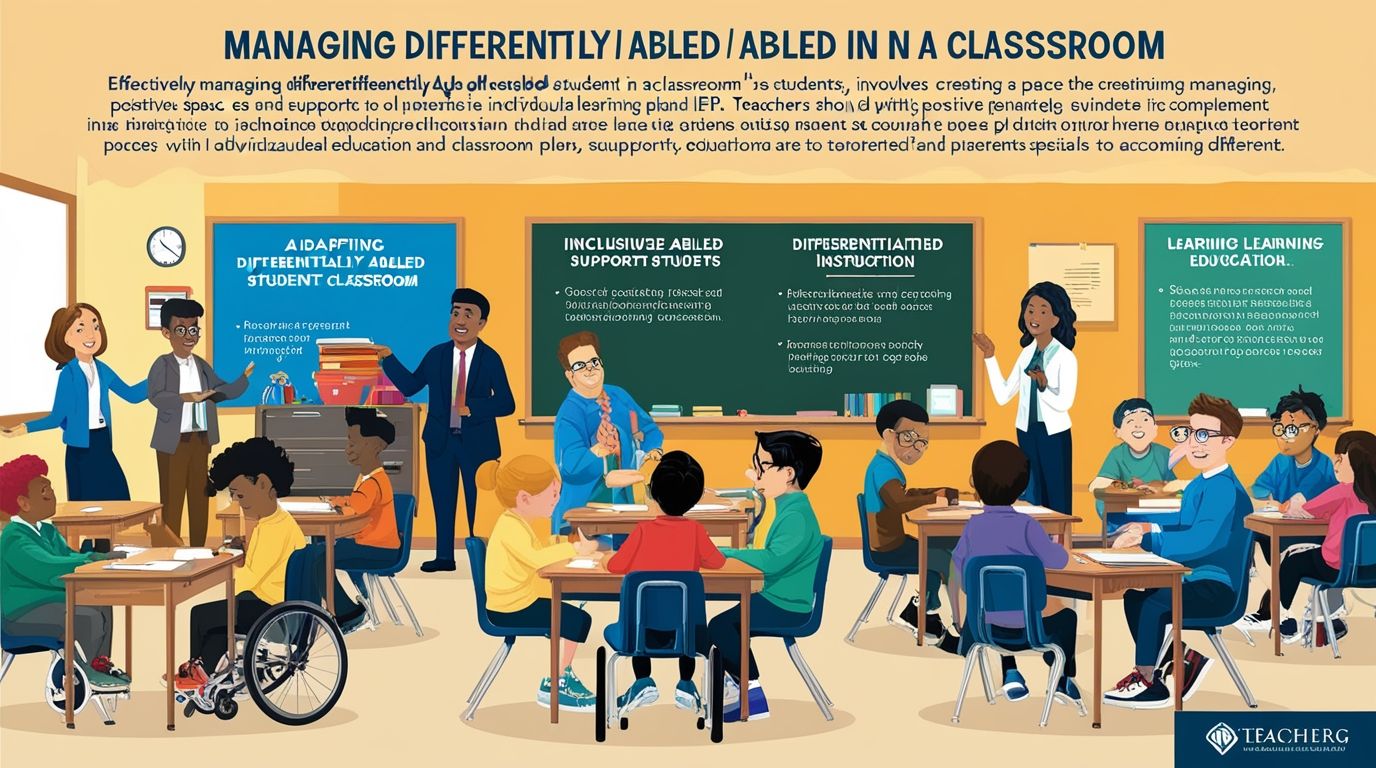
Another relevant theory is differentiated instruction, which advocates for modifying teaching methods and materials to accommodate diverse learners. Personalized learning expands on this idea by giving learners greater autonomy and control over their educational journey. Additionally, mastery learning supports the notion that students should achieve a high level of understanding before moving on to new concepts, a principle often embedded in adaptive learning systems.
Cognitive load theory also plays a role, particularly in adaptive learning, as it ensures that instructional materials are presented in a way that does not overwhelm learners. By adjusting the difficulty and pacing of content, adaptive systems help maintain an optimal balance between challenge and comprehension.
Benefits of Personalized and Adaptive Learning
One of the most significant advantages of personalized and adaptive learning is improved student engagement. When learners have control over their learning and can explore topics that interest them, they are more likely to remain motivated and invested in their education. This increased engagement often leads to better academic performance and deeper understanding.
Another key benefit is the ability to address individual learning gaps. Traditional classrooms often struggle to provide sufficient support for students who fall behind, while advanced learners may not adequately challenged. Personalized and adaptive learning systems can identify these disparities and provide targeted interventions, ensuring that all students receive the support they need.
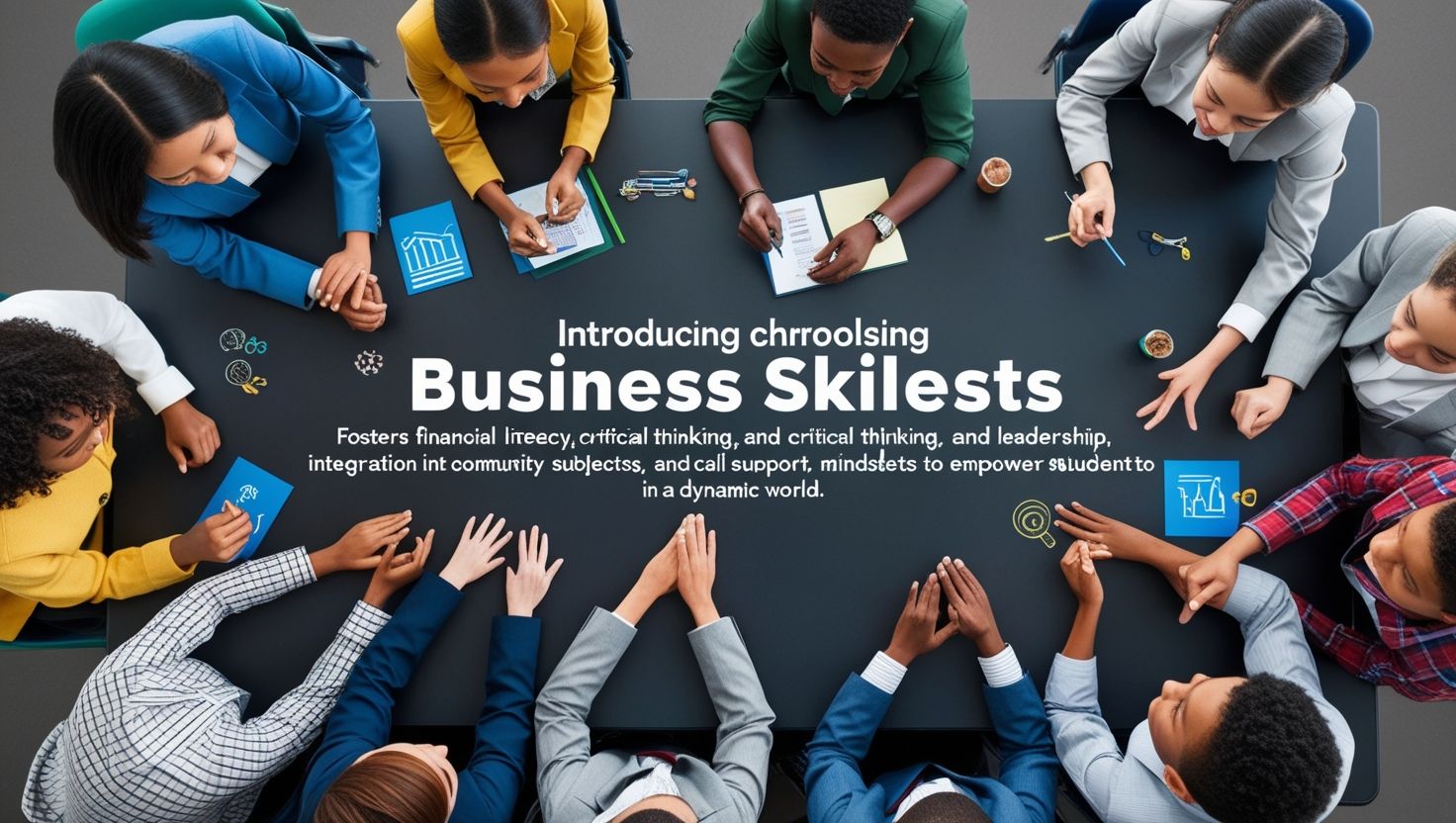
These approaches also promote self-directed learning and critical thinking. By encouraging students to take ownership of their learning, they develop skills such as goal setting, time management, and problem-solving. These competencies are essential for success in the modern world, where individuals must continuously adapt to new information and challenges.
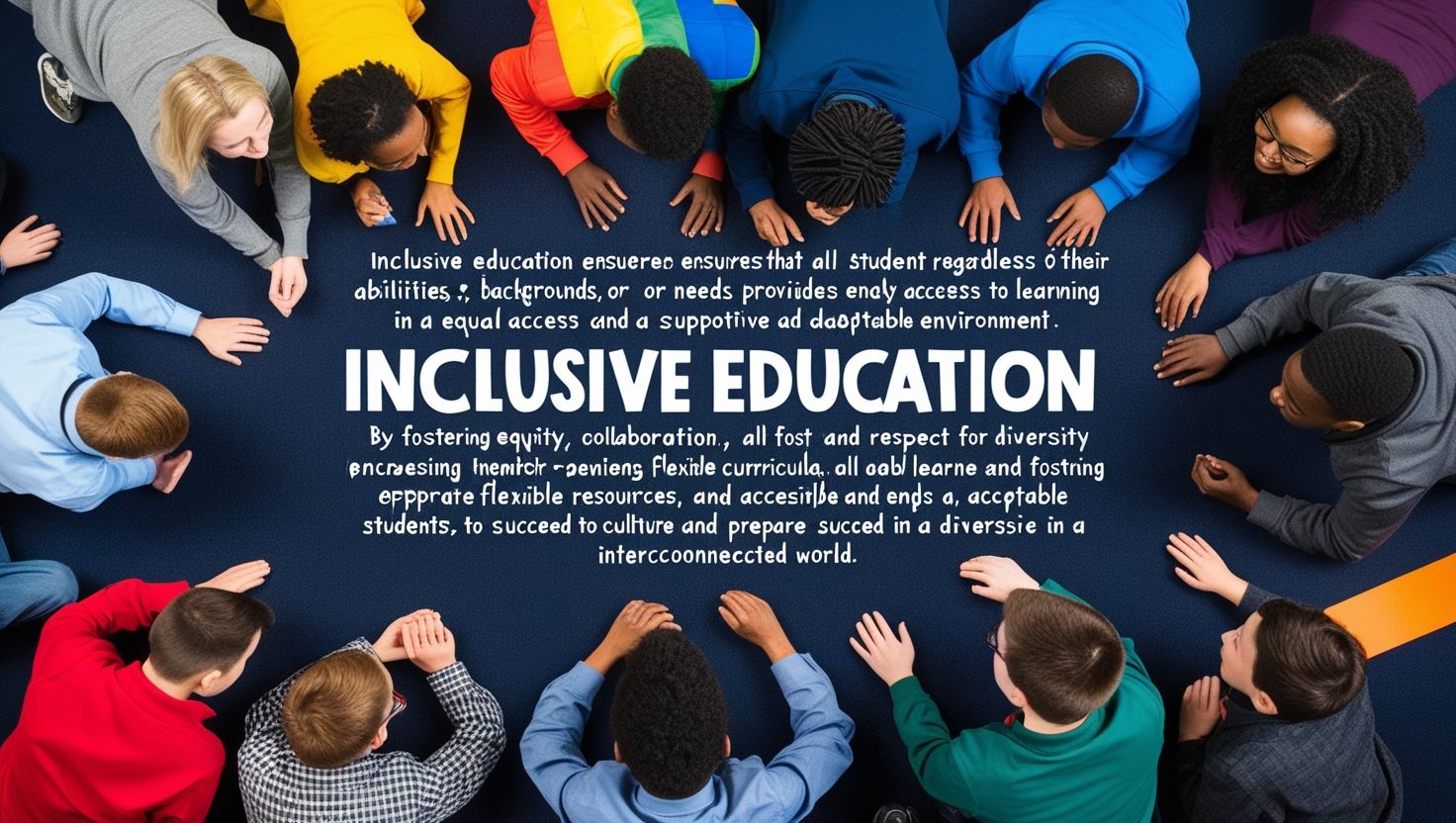
Furthermore, personalized and adaptive learning can enhance equity in education. By tailoring instruction to meet diverse needs, these approaches can help bridge achievement gaps and provide opportunities for all learners to succeed, regardless of their background or abilities.
Role of Technology
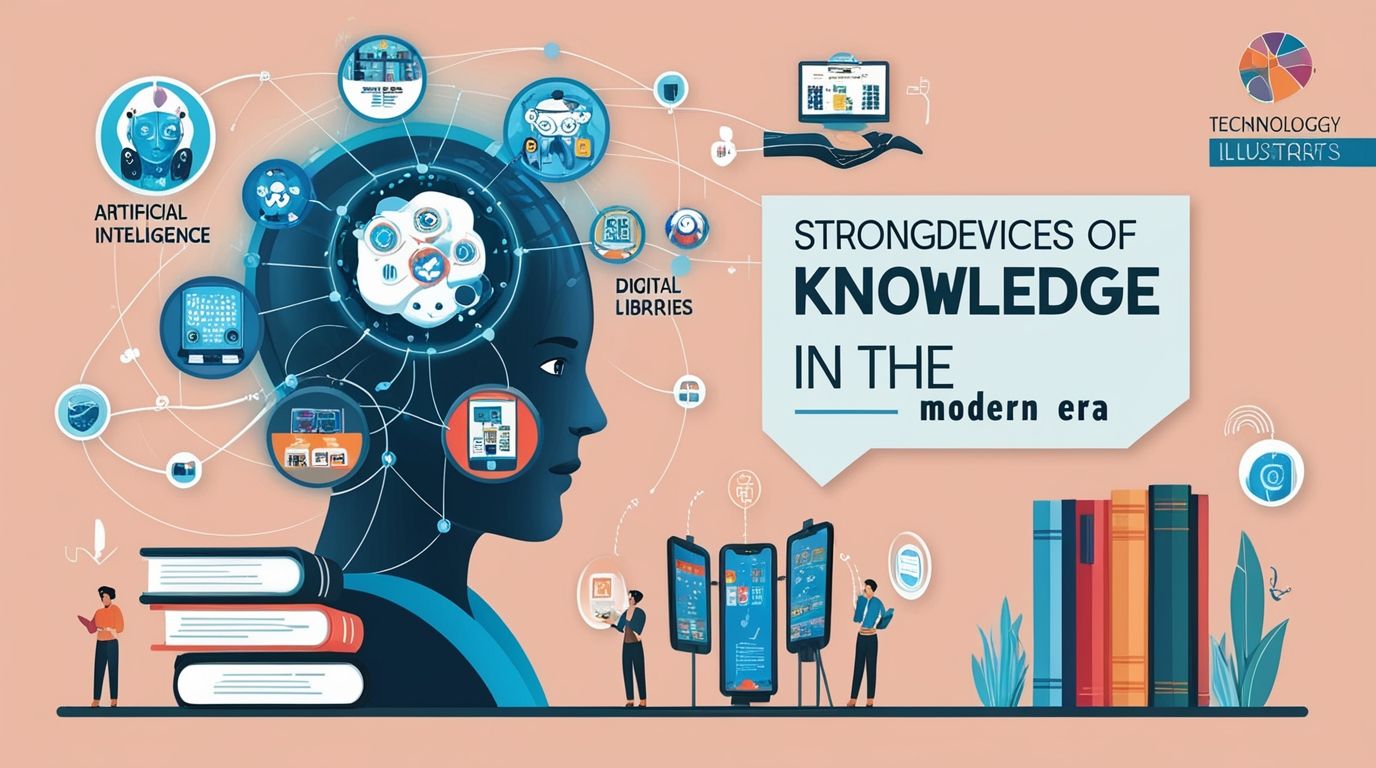
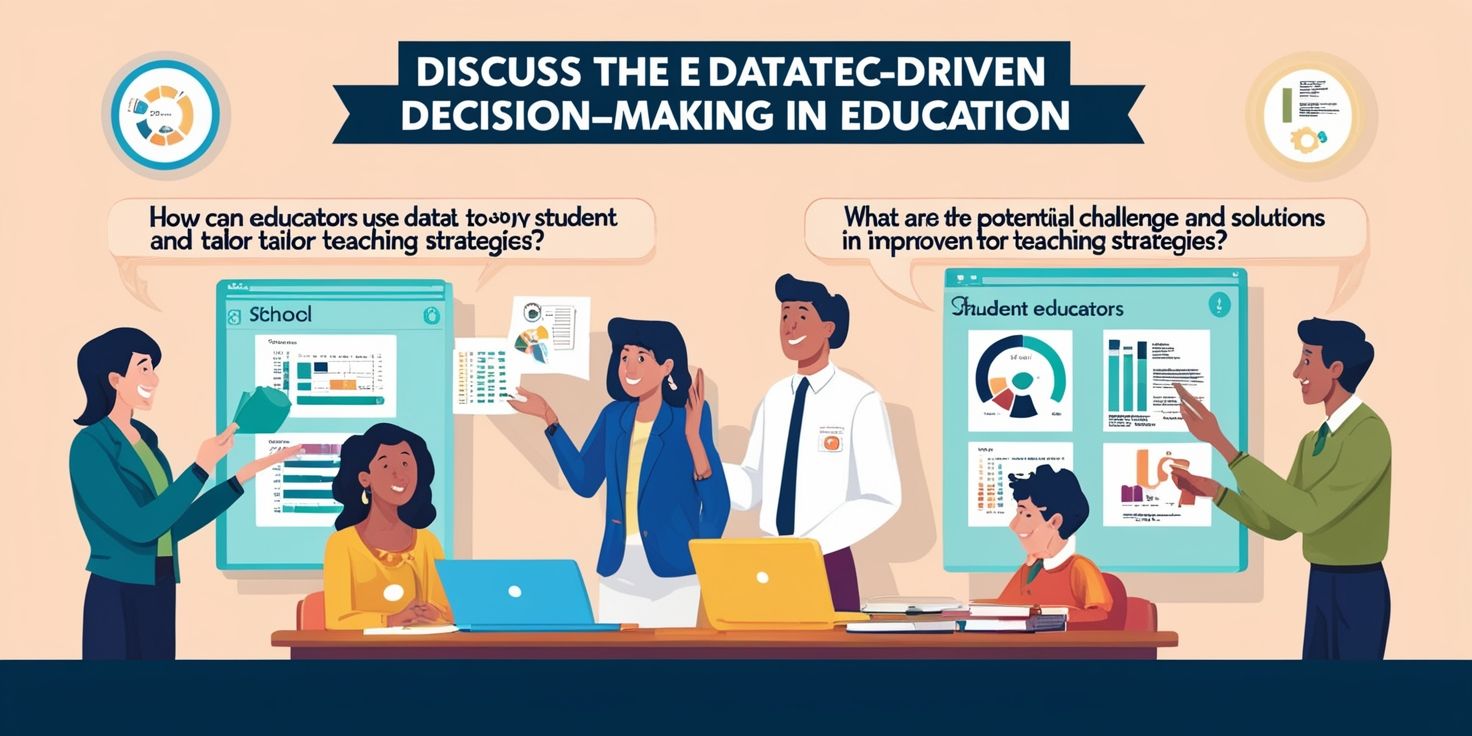
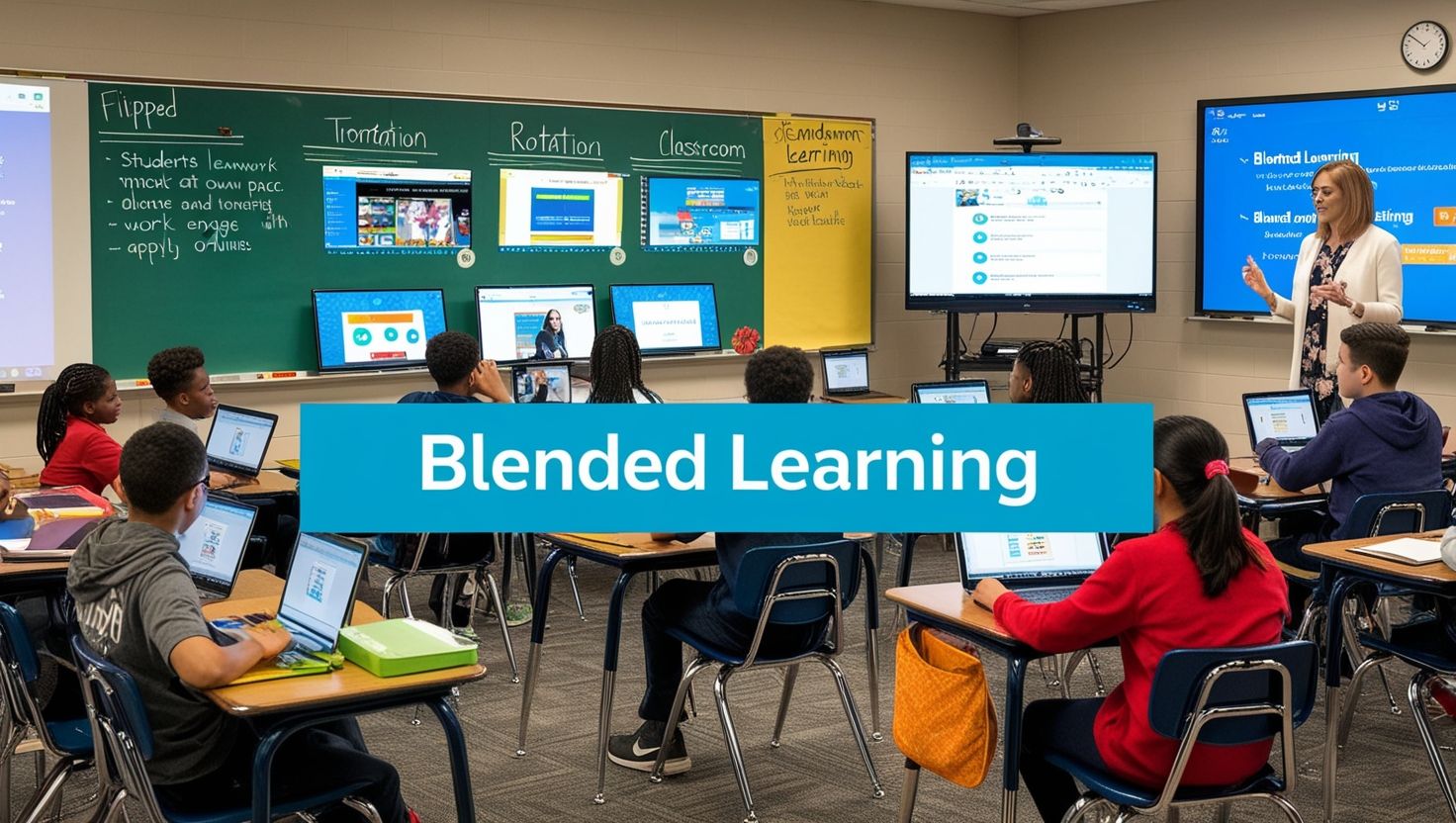
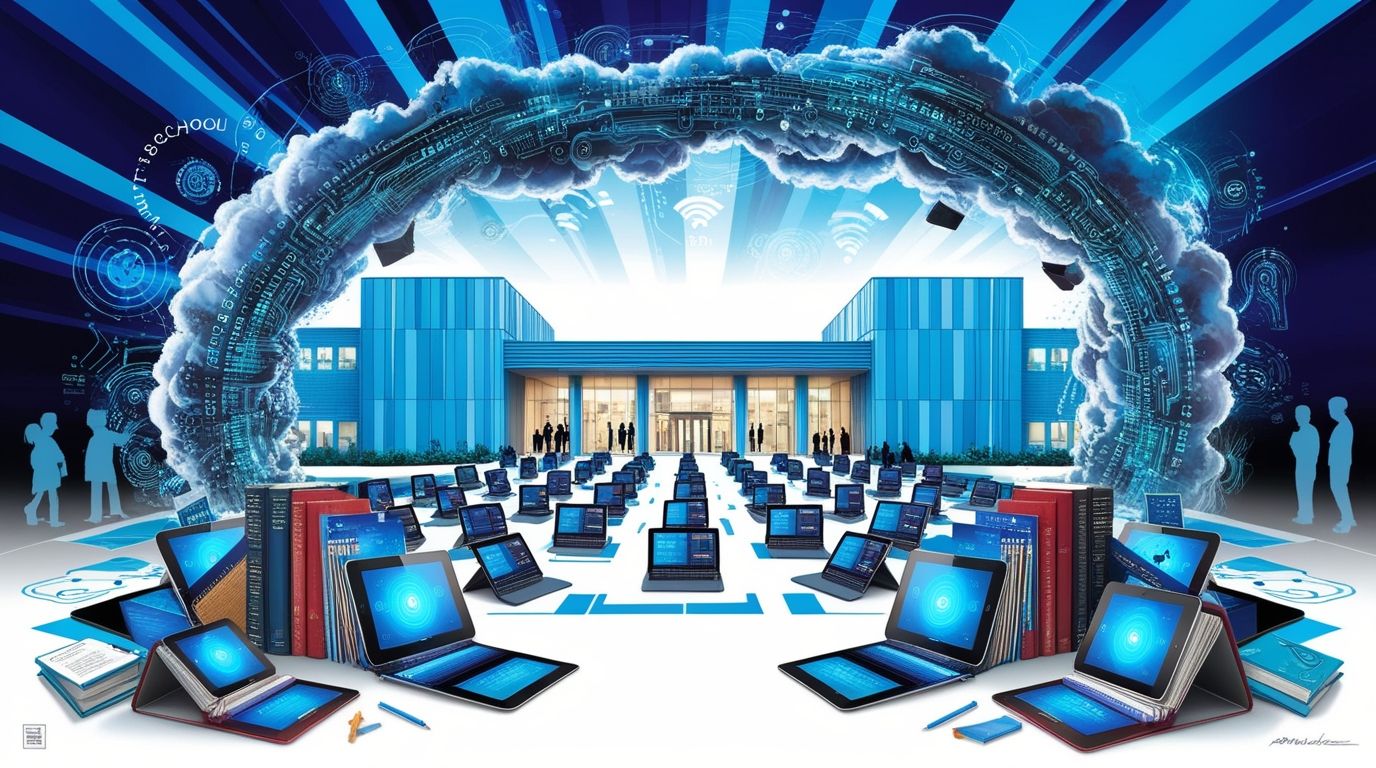
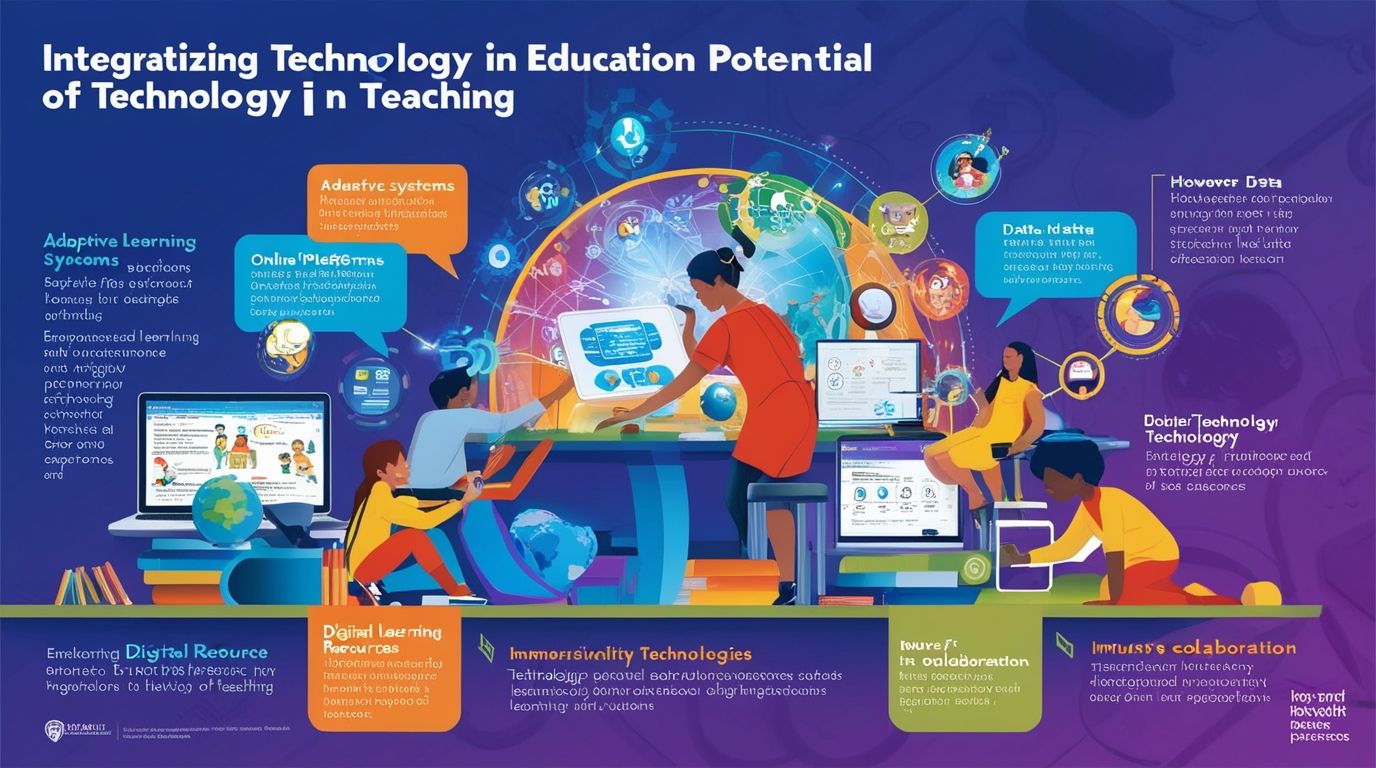
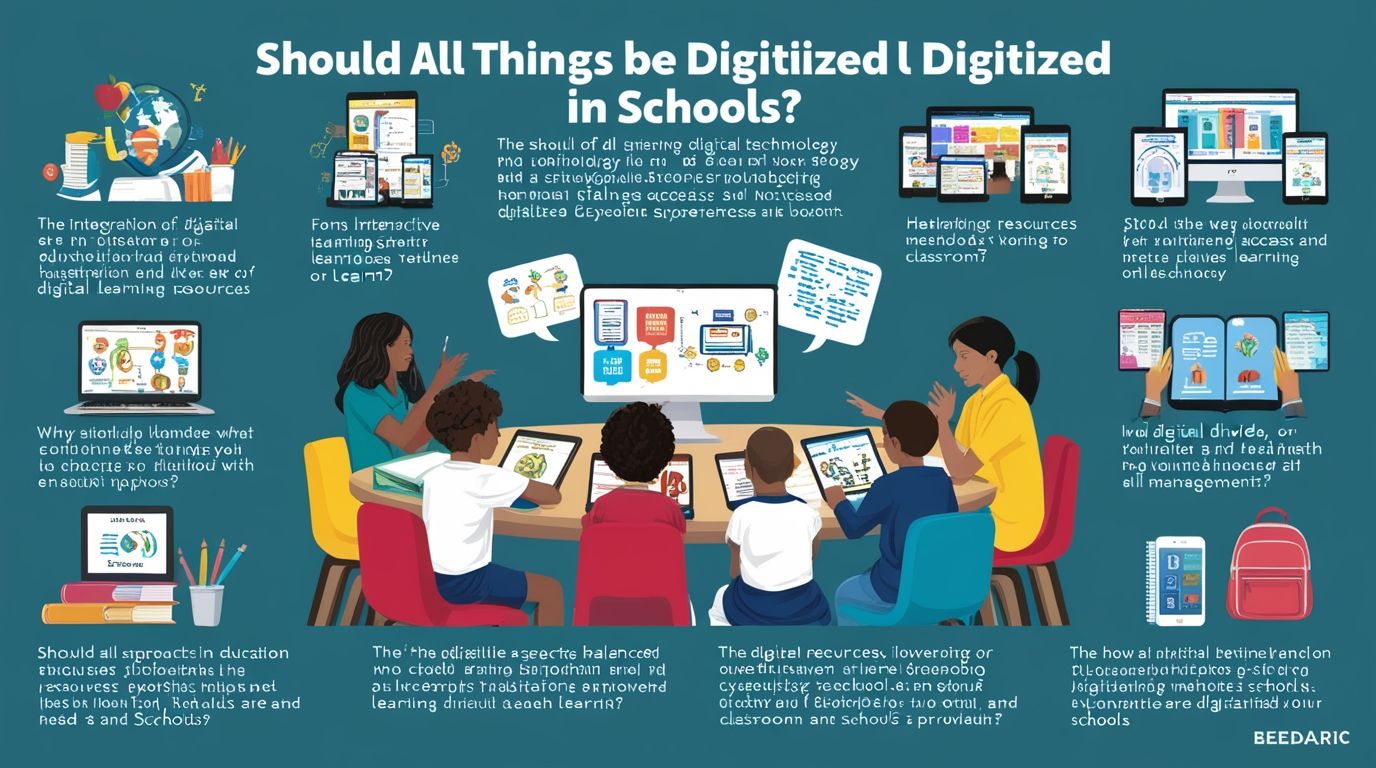
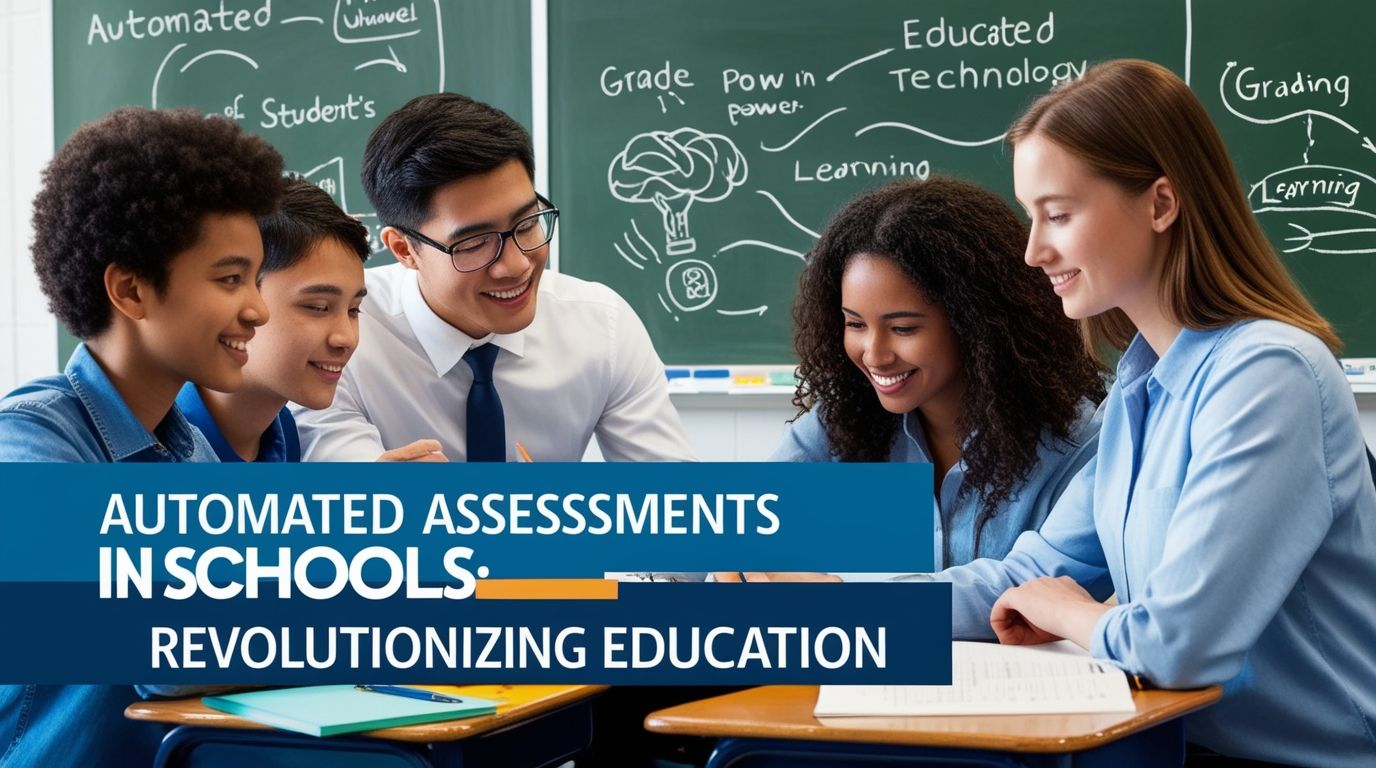
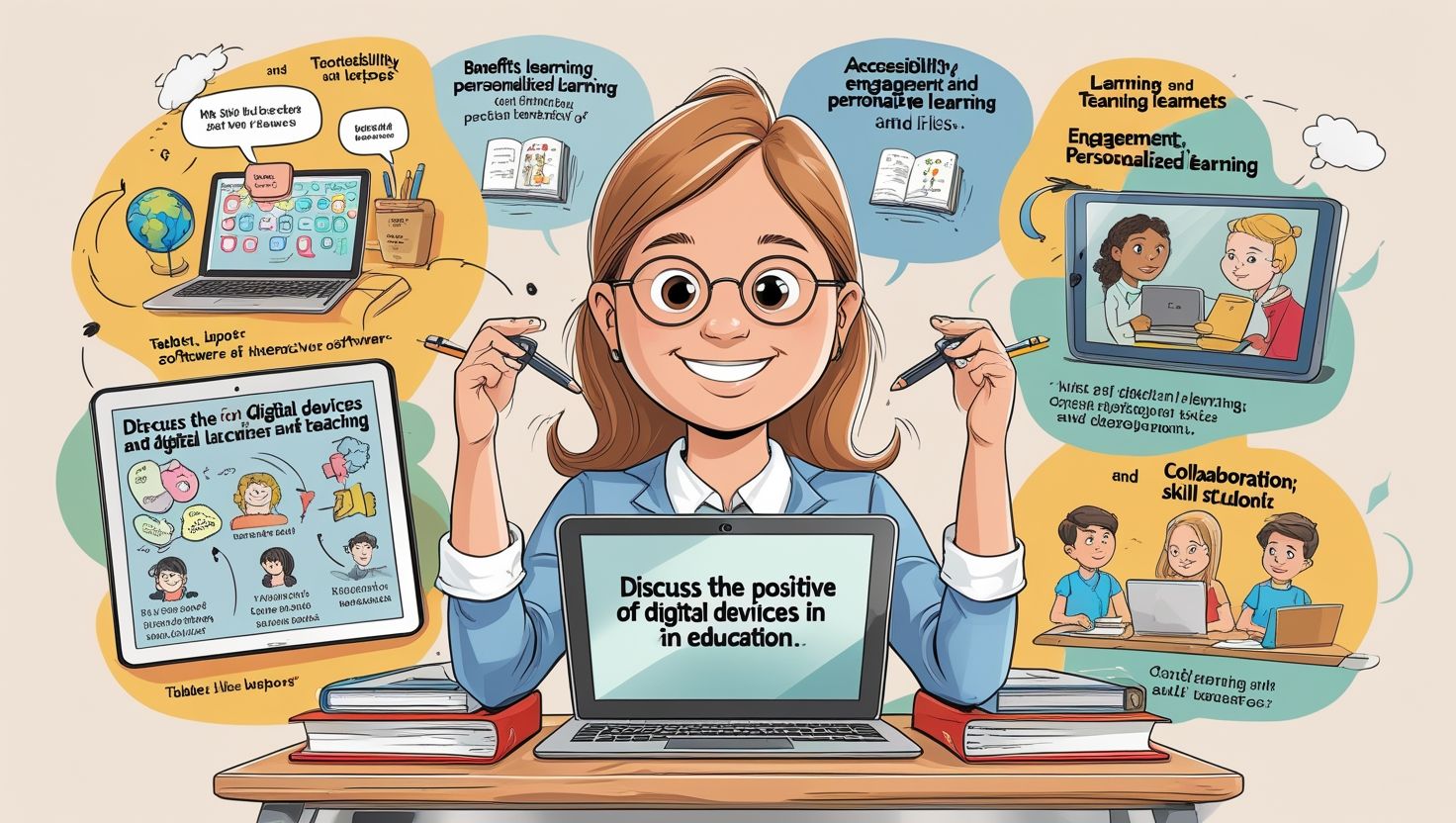
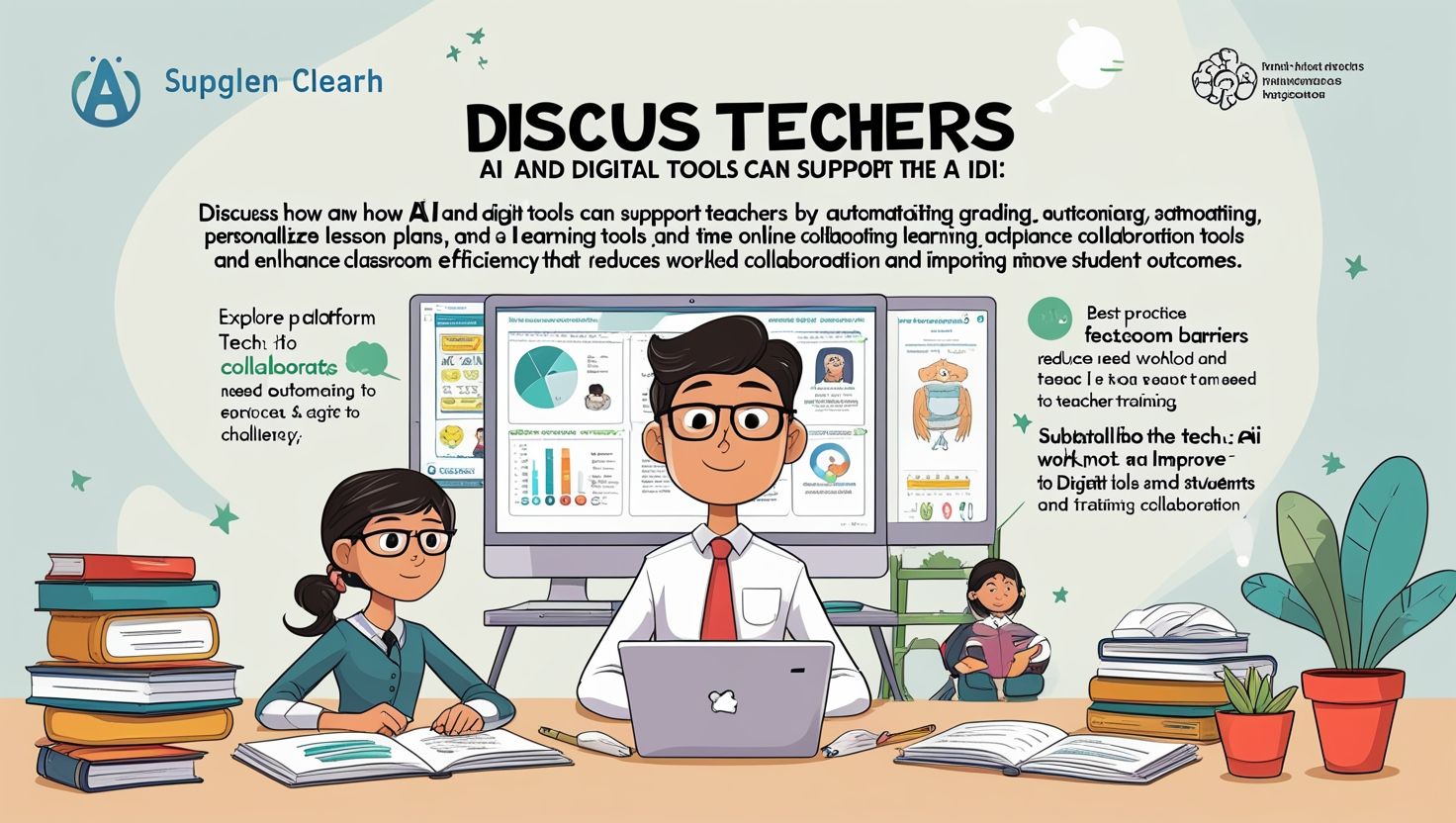
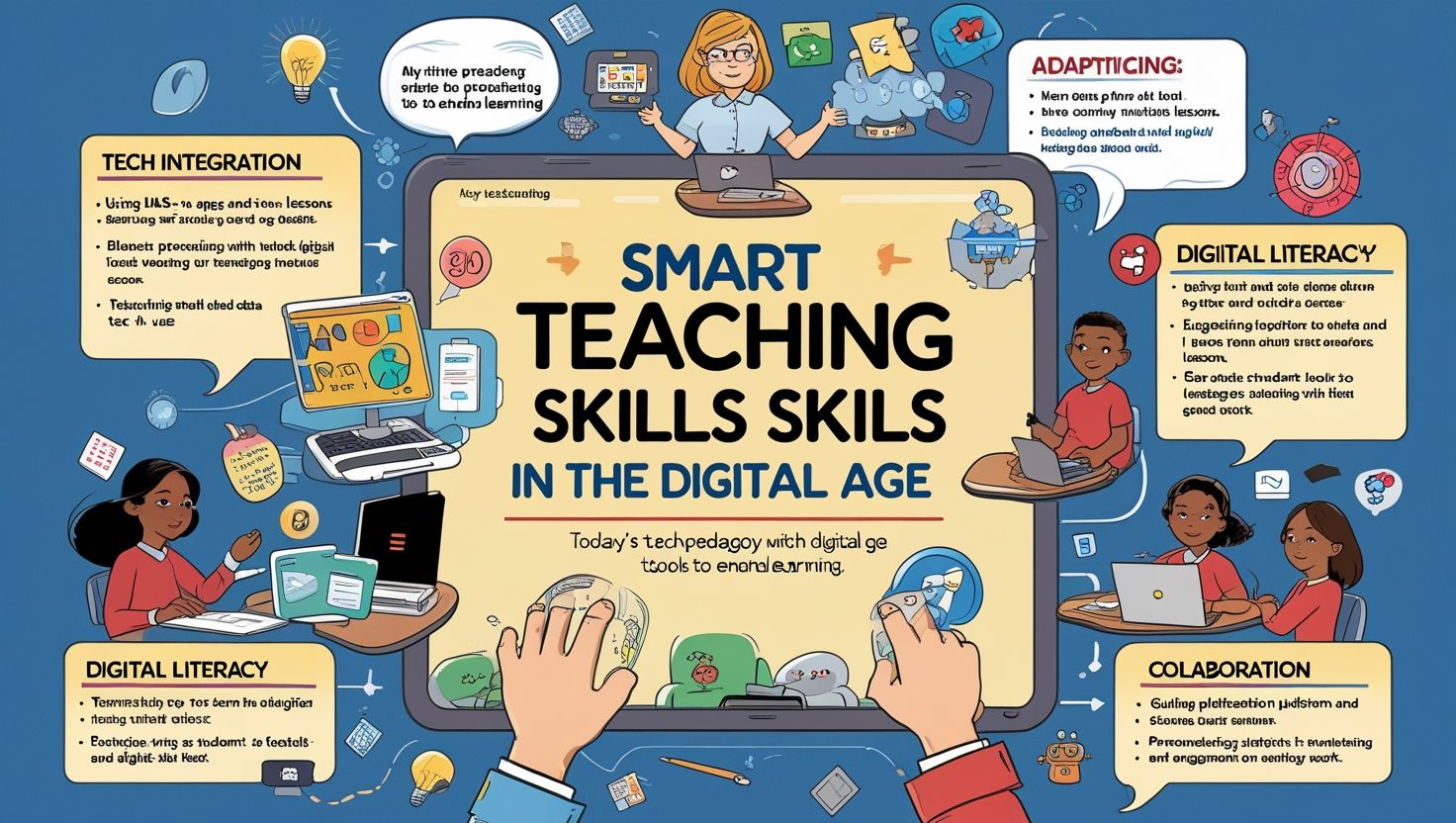
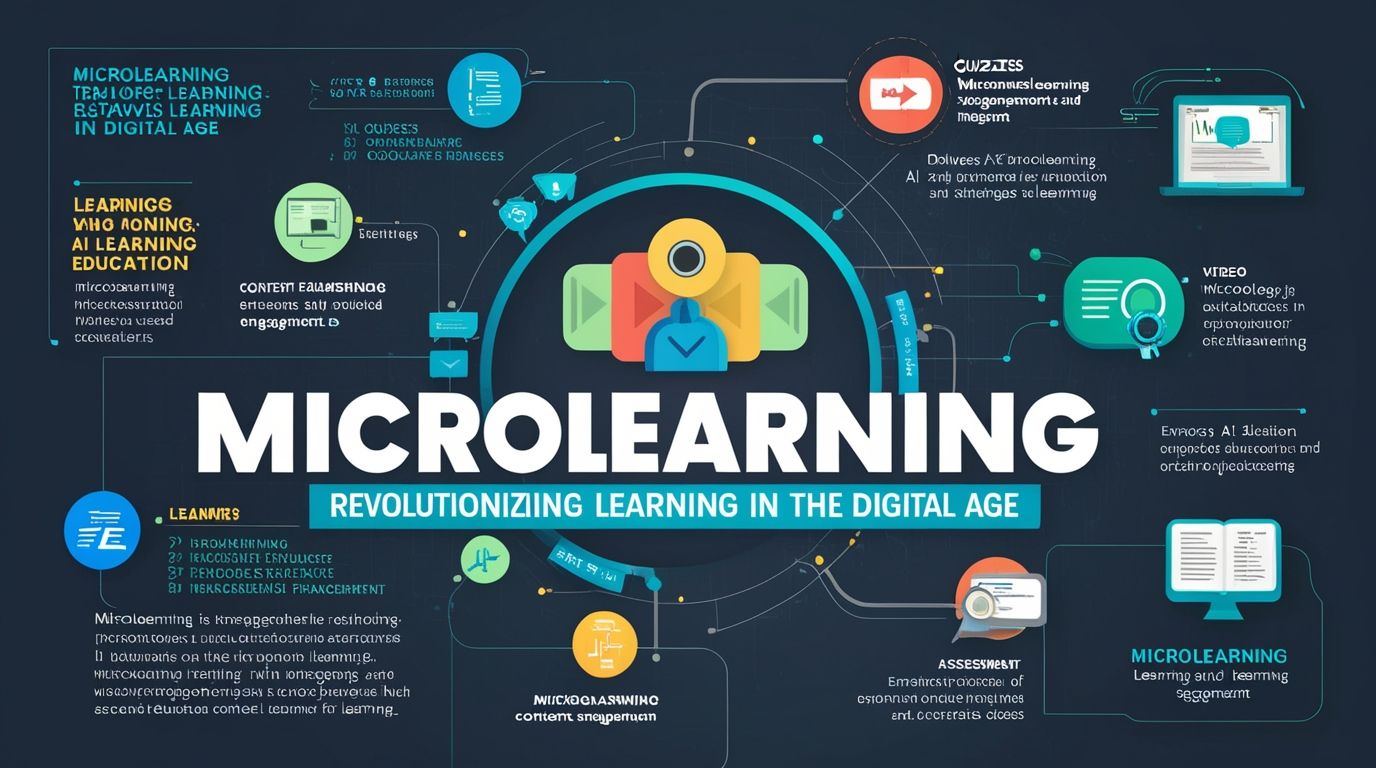
Technology is a critical enabler of personalized and adaptive learning. Learning management systems, educational software, and artificial intelligence tools provide the infrastructure needed to deliver customized learning experiences. Data analytics plays a central role, as it allows educators and systems to track student progress, identify patterns, and make informed decisions.
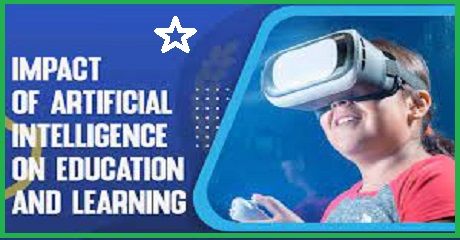
Artificial intelligence, in particular, has revolutionized adaptive learning by enabling real-time adjustments and predictive analysis. AI-driven platforms can anticipate learner needs, recommend resources, and even provide automated feedback. This reduces the burden on teachers while enhancing the precision and effectiveness of instruction.
However, it is important to note that technology is a tool, not a replacement for educators. Teachers remain essential in guiding, mentoring, and supporting students. The most effective implementations of personalized and adaptive learning combine technological capabilities with human expertise.
Challenges and Limitations
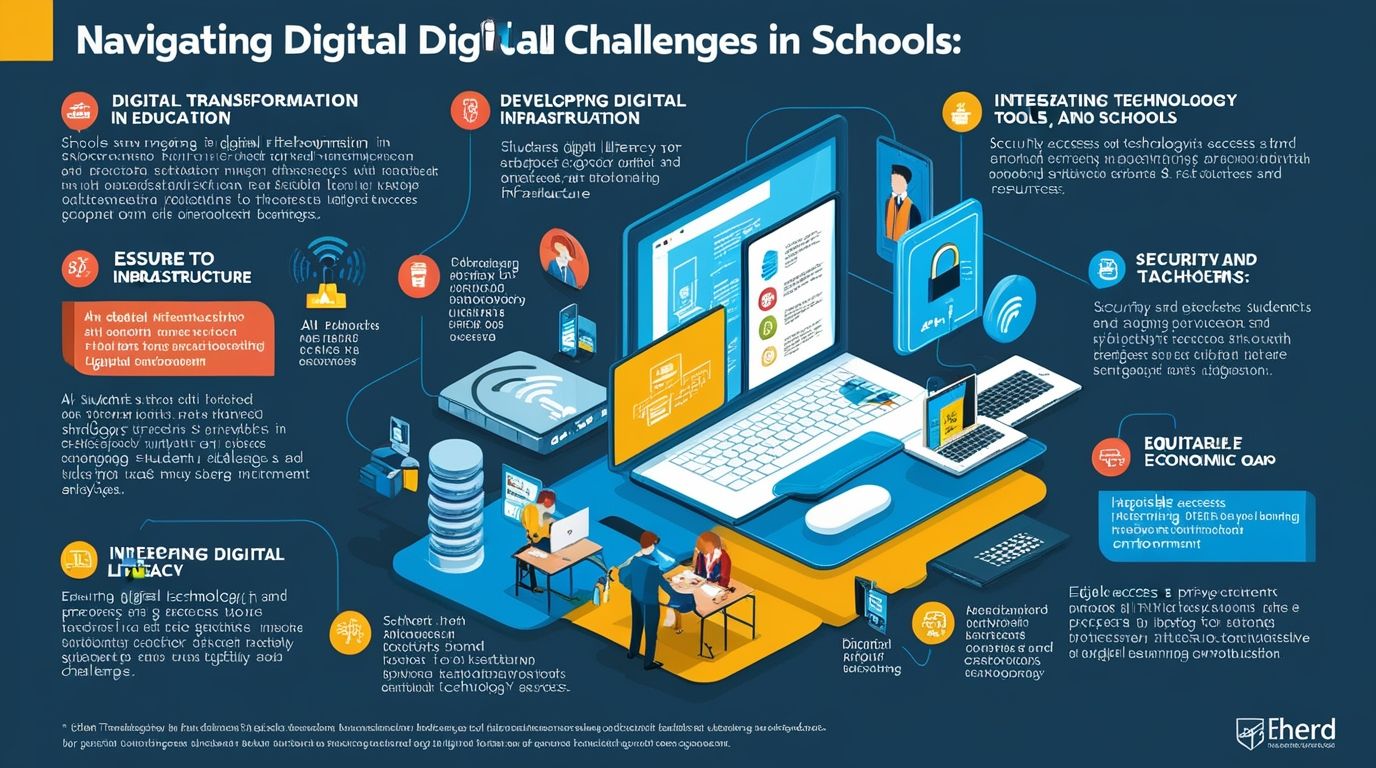
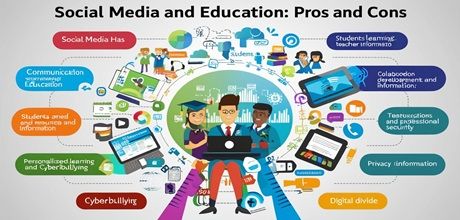
Despite their potential, personalized and adaptive learning approaches face several challenges. One major concern is the digital divide, which refers to unequal access to technology and internet connectivity. In many regions, limited resources can hinder the implementation of technology-driven learning solutions, potentially exacerbating existing inequalities.
Another challenge is data privacy and security. Adaptive learning systems rely on collecting and analyzing large amounts of student data, raising concerns about how this information stored, used, and protected. Ensuring ethical data practices is essential to maintaining trust and safeguarding student rights.
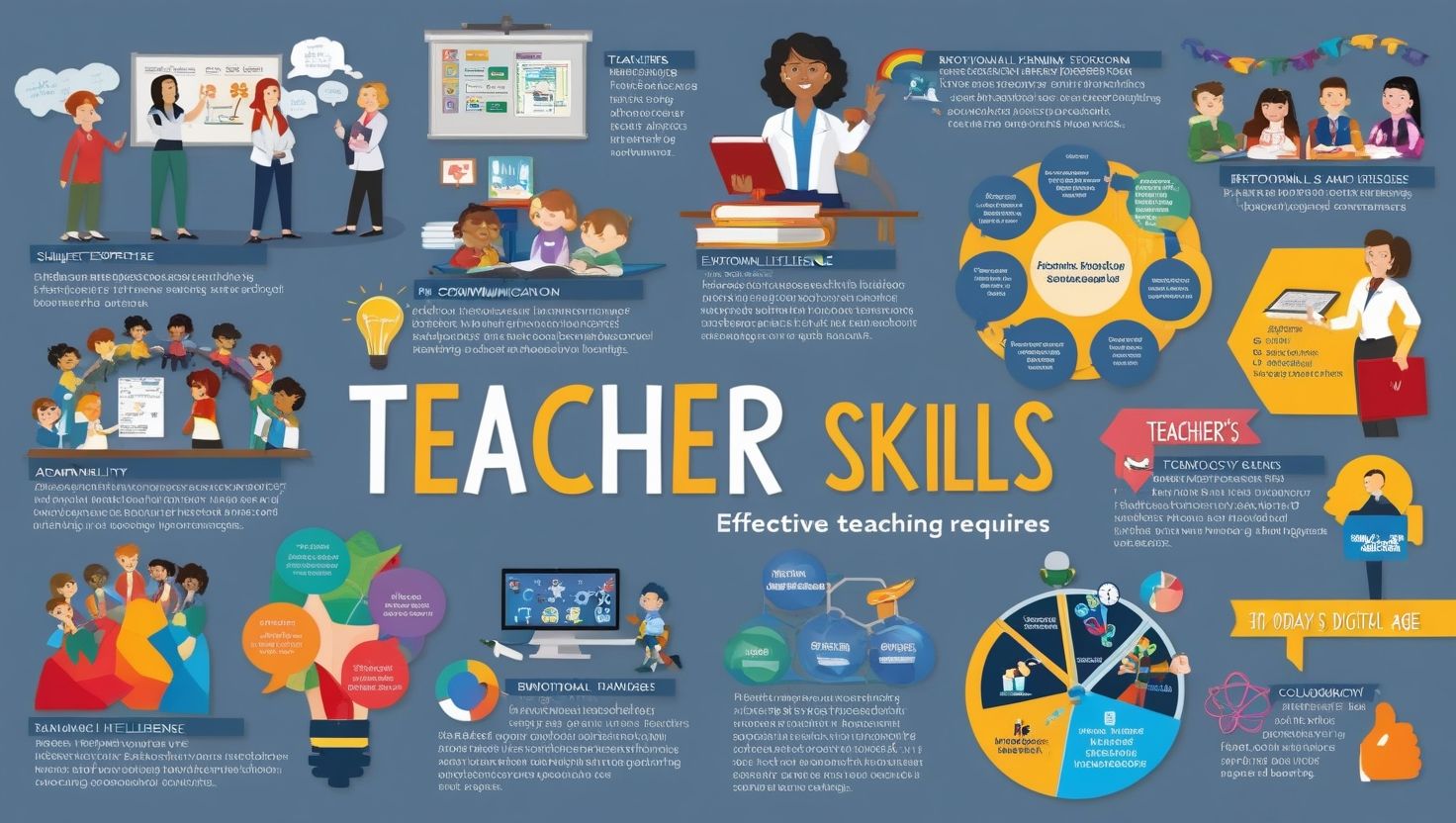
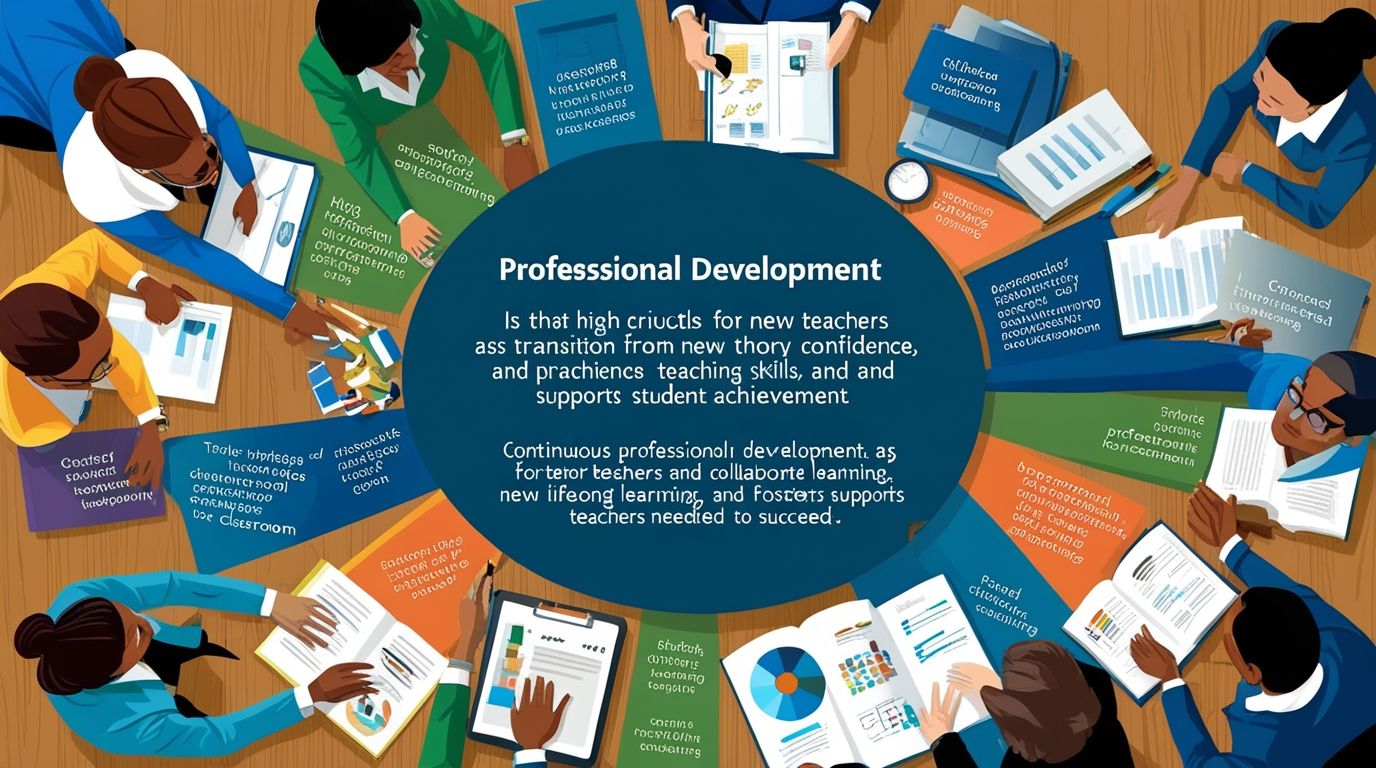
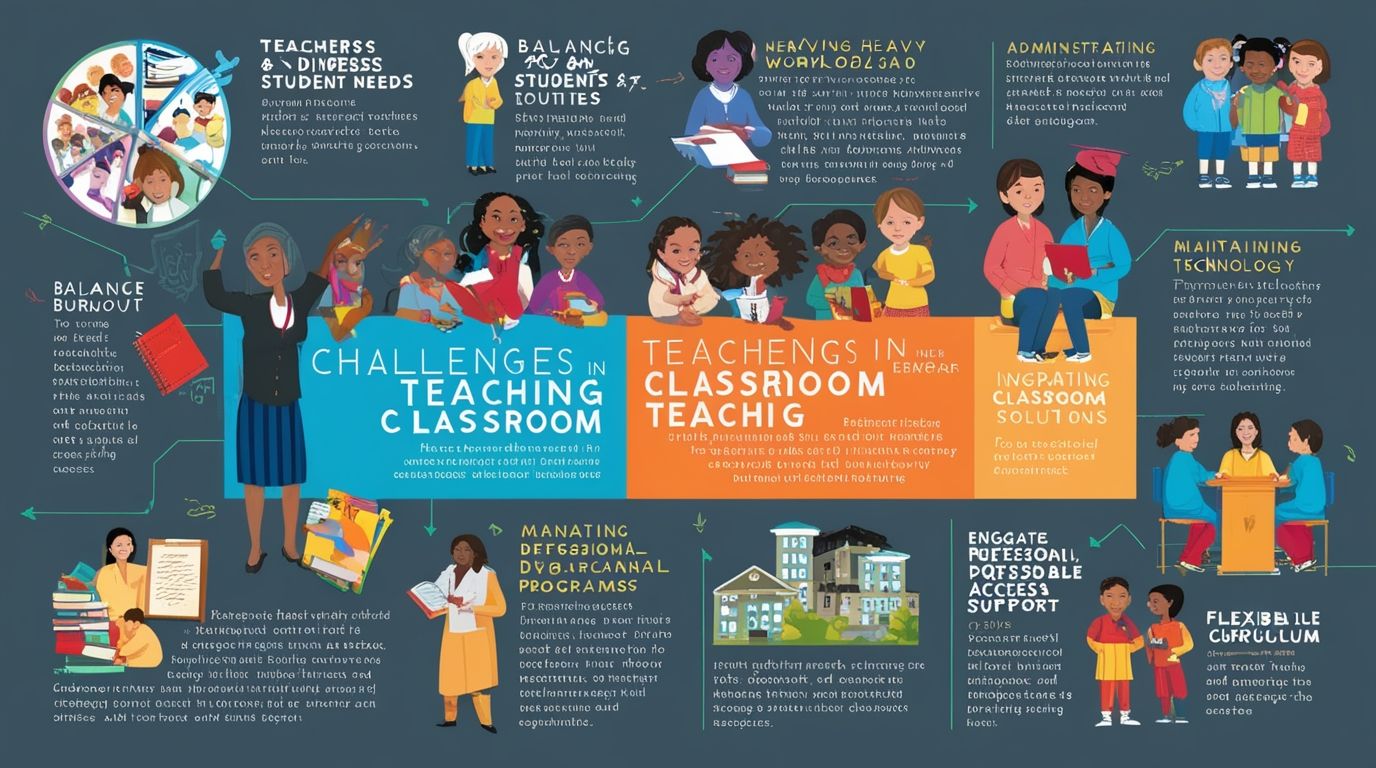
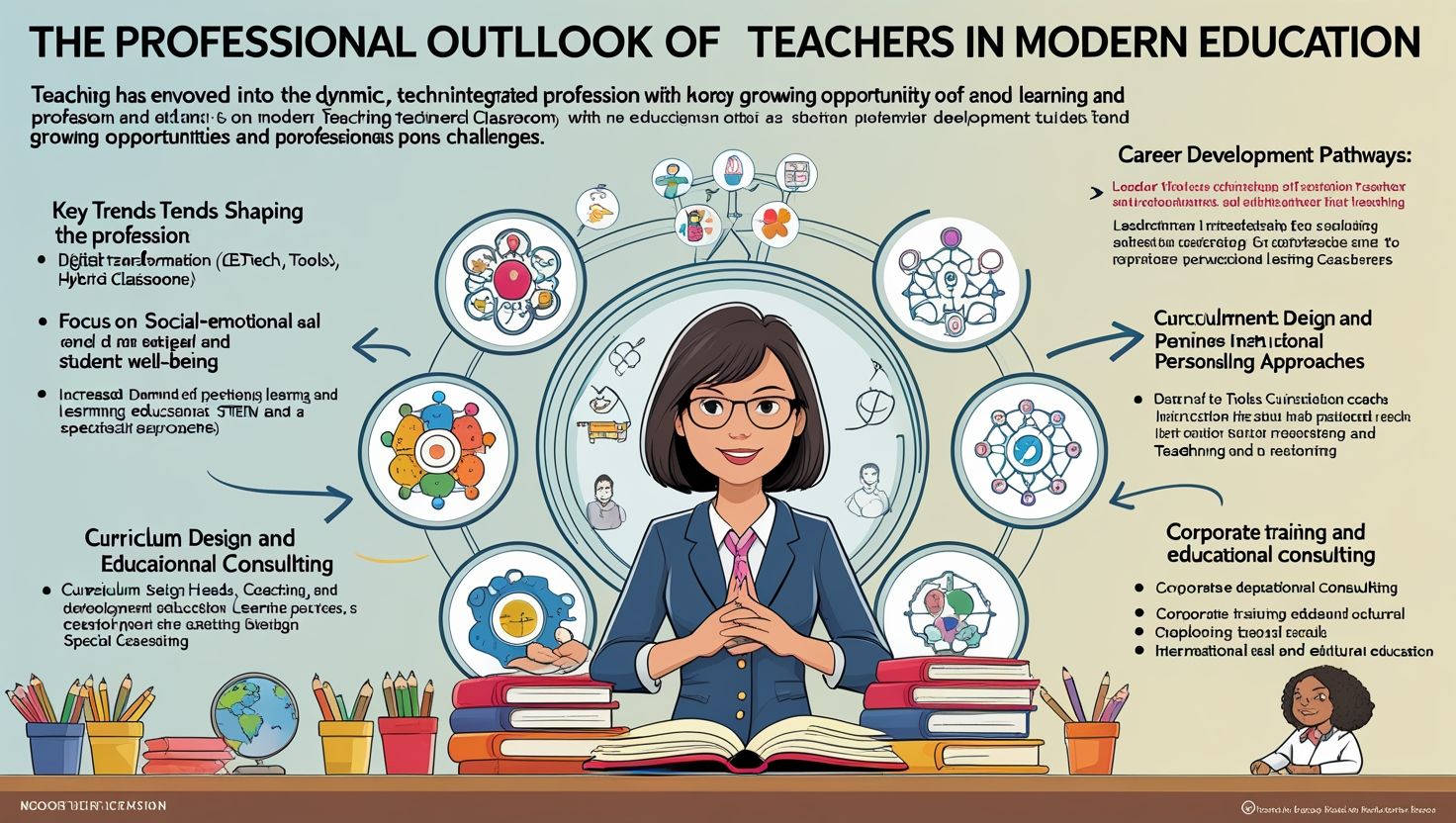
Teacher readiness is also a critical factor. Implementing personalized and adaptive learning requires educators to adopt new roles, develop technological skills, and redesign instructional practices. Professional development and ongoing support are necessary to help teachers navigate this transition effectively.
Additionally, there is a risk of over-reliance on technology. While adaptive systems can provide valuable insights and support, they may not fully capture the complexity of human learning. Emotional, social, and cultural factors play a significant role in education and must be addressed through human interaction and holistic approaches.
Implementation Strategies
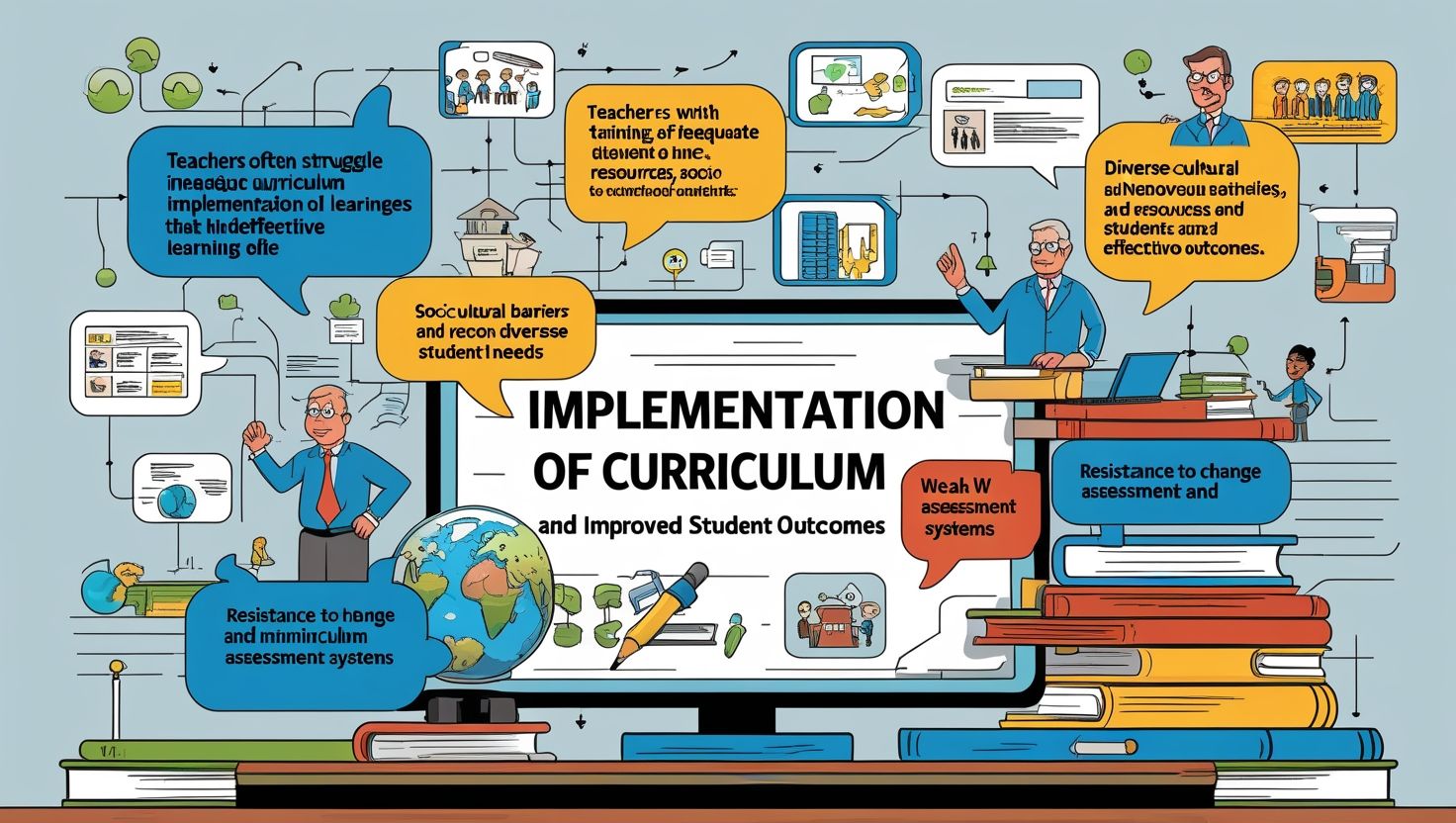
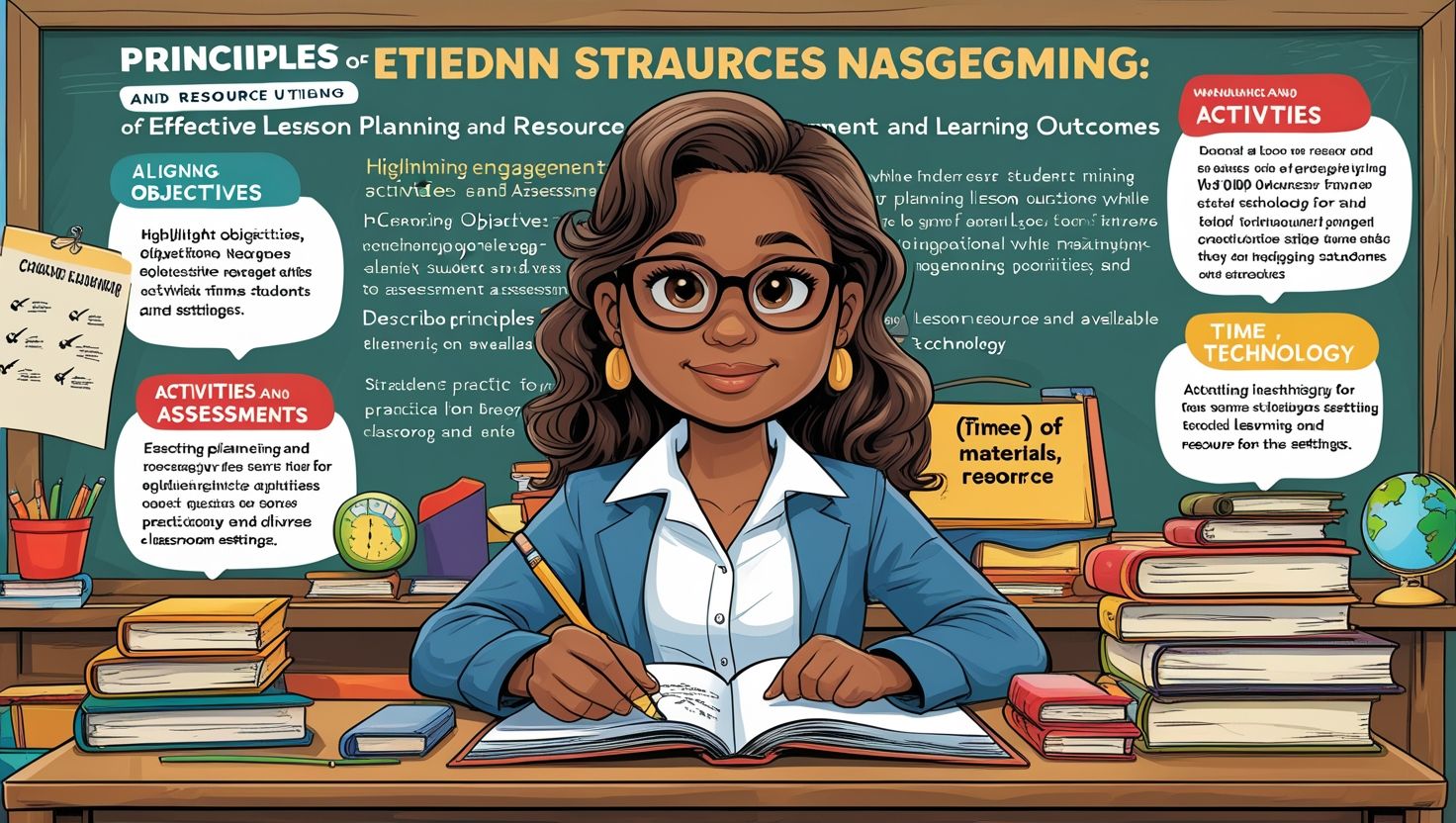
Successful implementation of personalized and adaptive learning requires careful planning and collaboration. Schools and institutions should begin by establishing clear goals and aligning them with curriculum standards. It is important to select appropriate technologies that meet the needs of both students and educators.
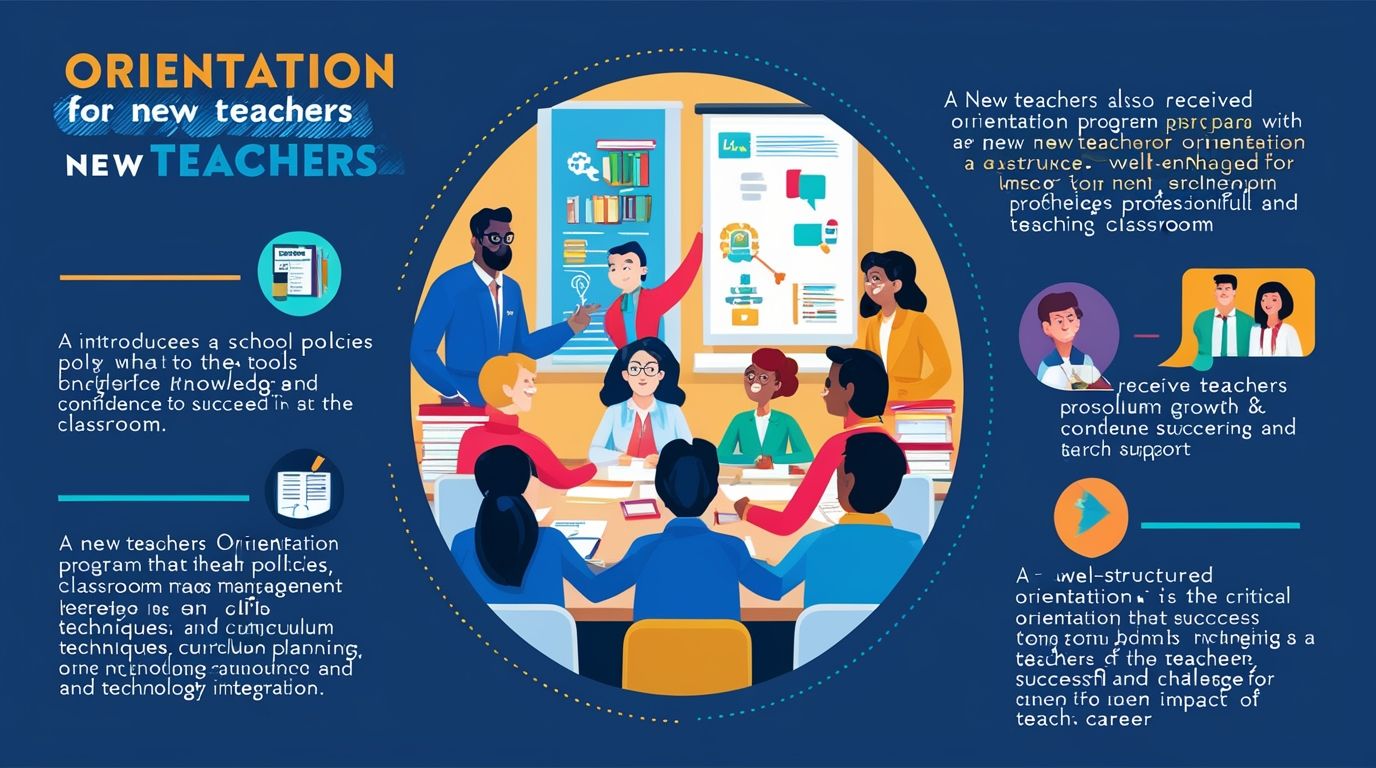
Professional development is a key component, as teachers need to be equipped with the knowledge and skills to effectively integrate these approaches into their classrooms. Training programs should focus on both pedagogical strategies and technological tools.
Another important strategy is fostering a culture of collaboration and innovation. Educators, administrators, and stakeholders should work together to share best practices, evaluate outcomes, and continuously improve implementation efforts. Student feedback should also be incorporated, as learners central to the success of personalize and adaptive learning.
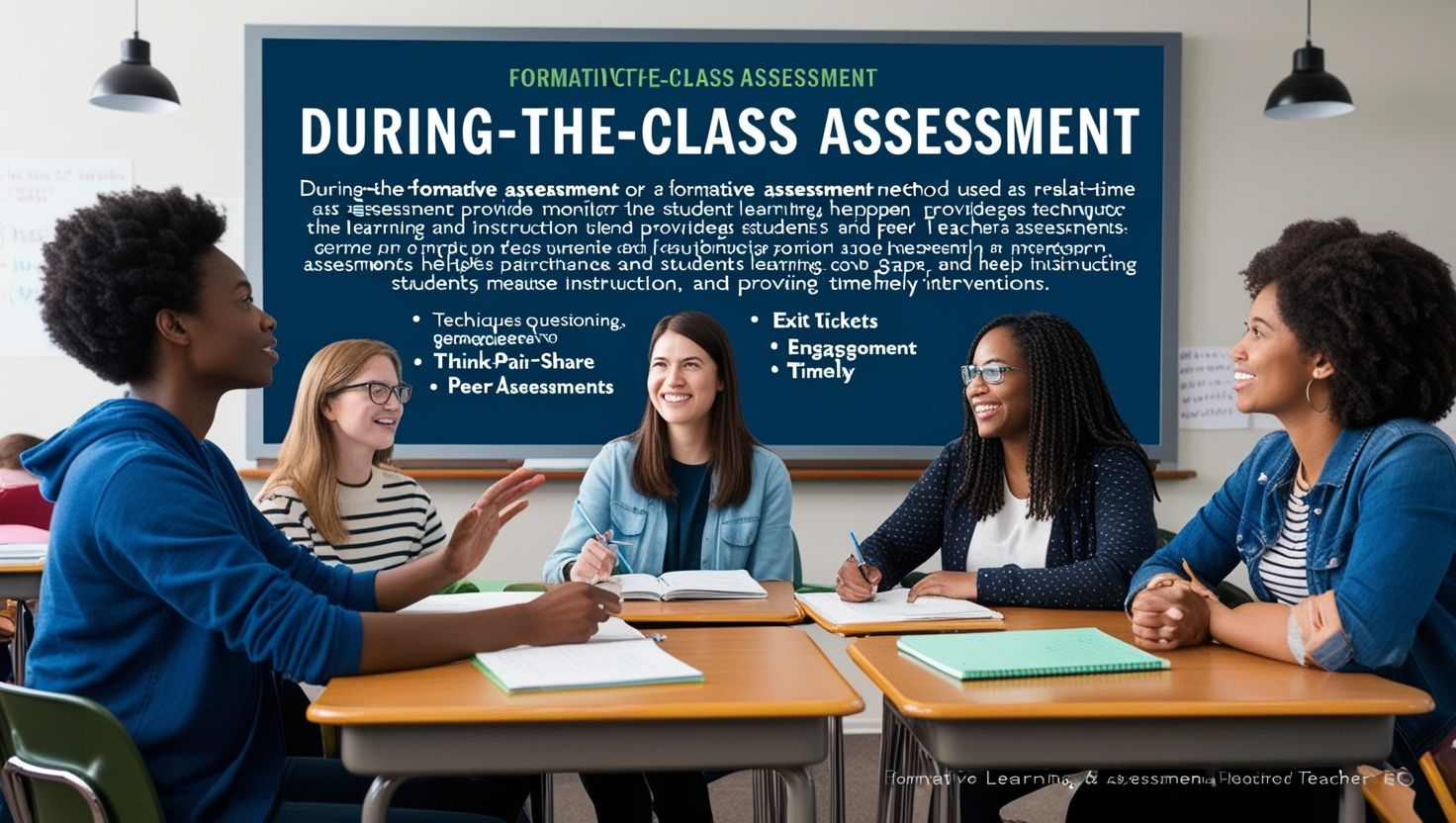
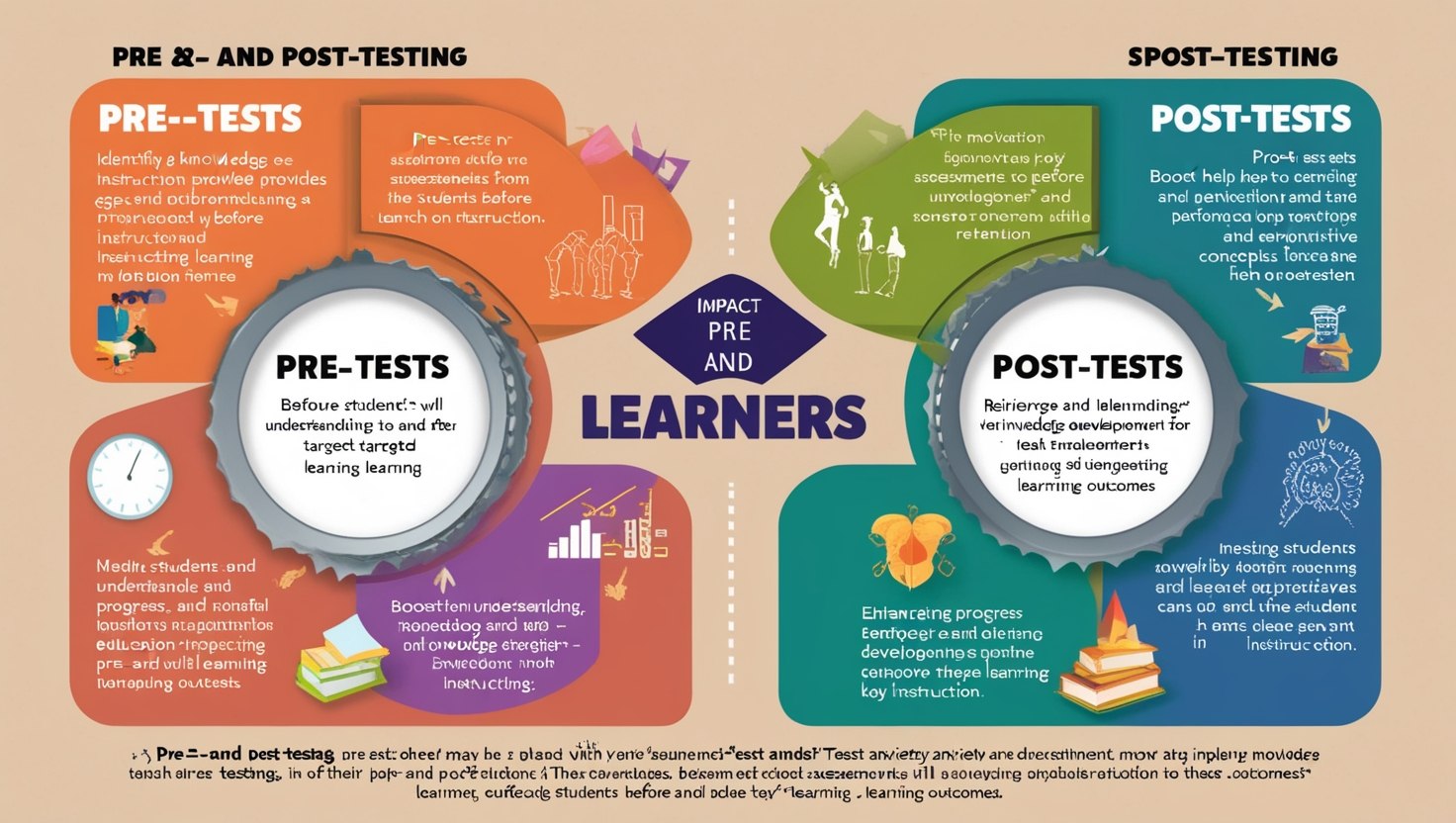
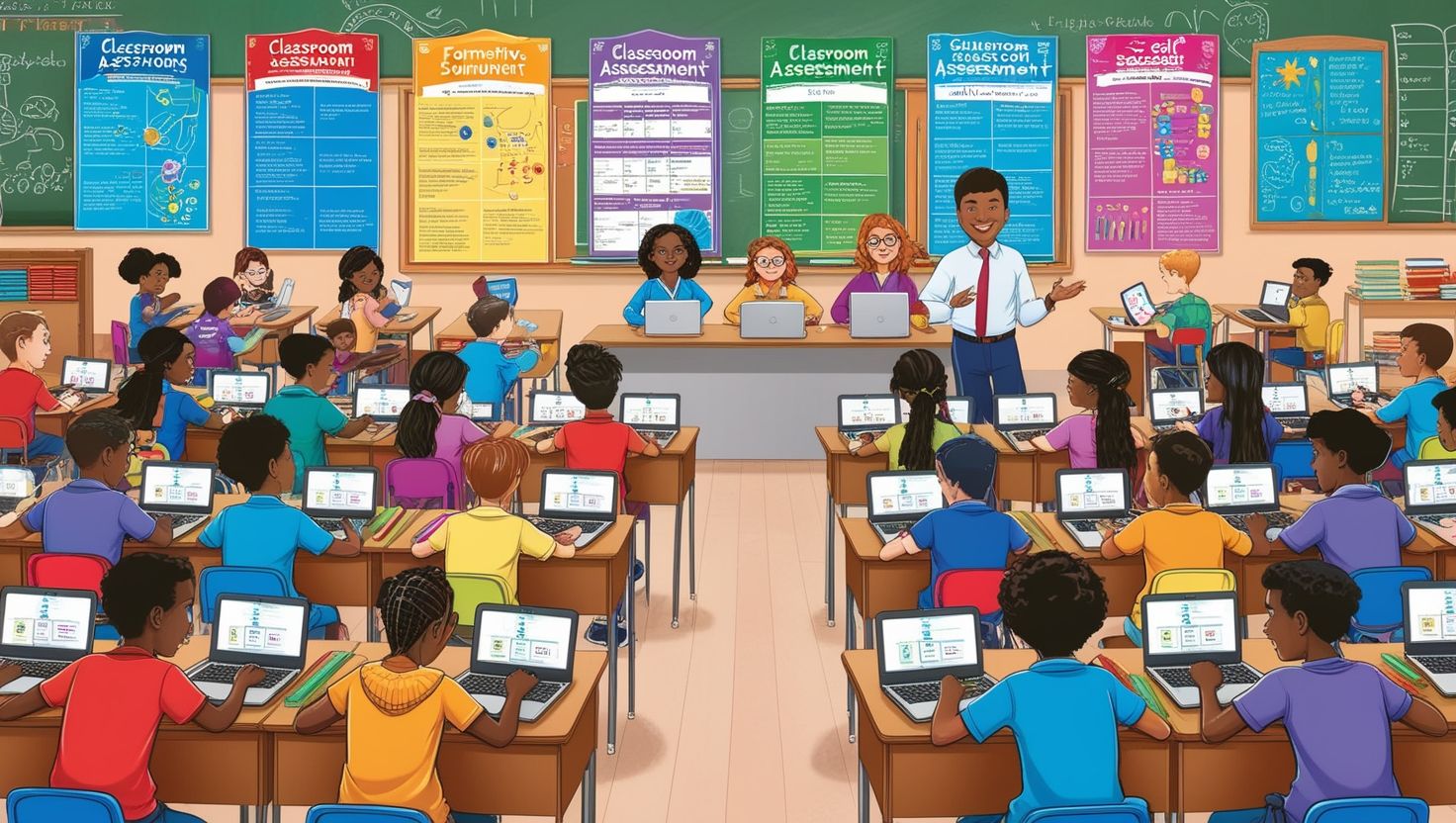
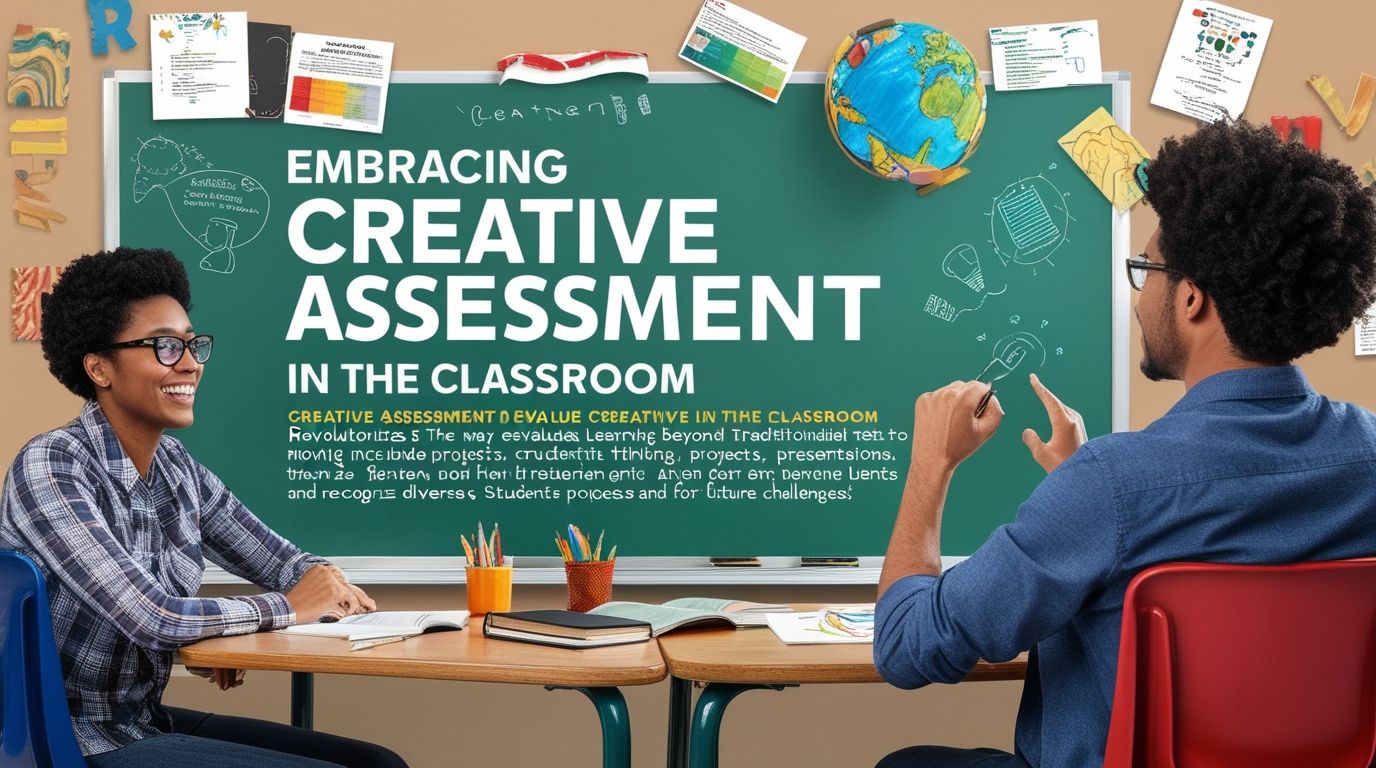
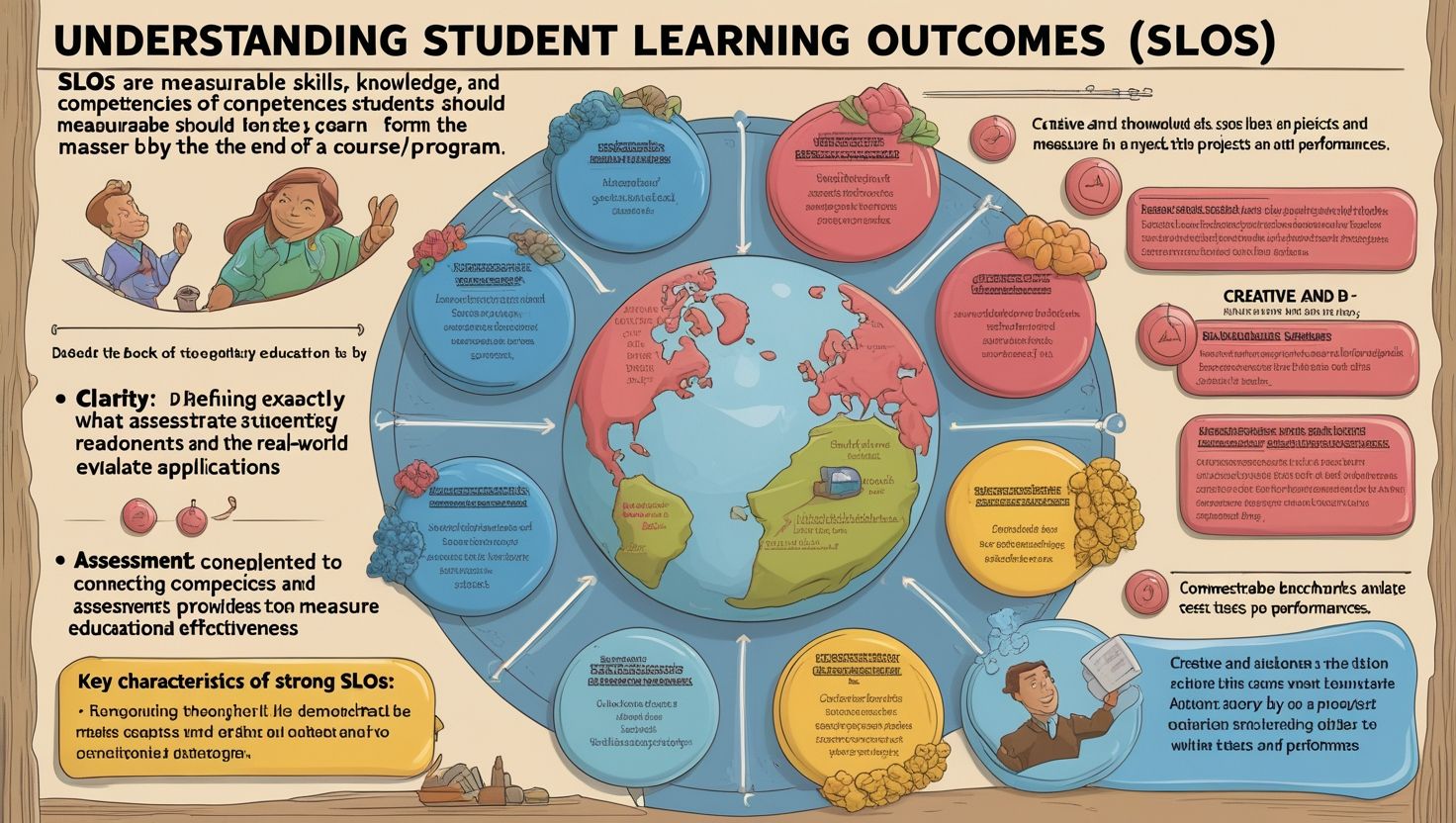
Assessment practices must also reexamined. Traditional testing methods may not fully capture the benefits of personalized learning. Instead, a combination of formative and summative assessments, along with performance-based evaluations, can provide a more comprehensive understanding of student progress.
Future Prospects
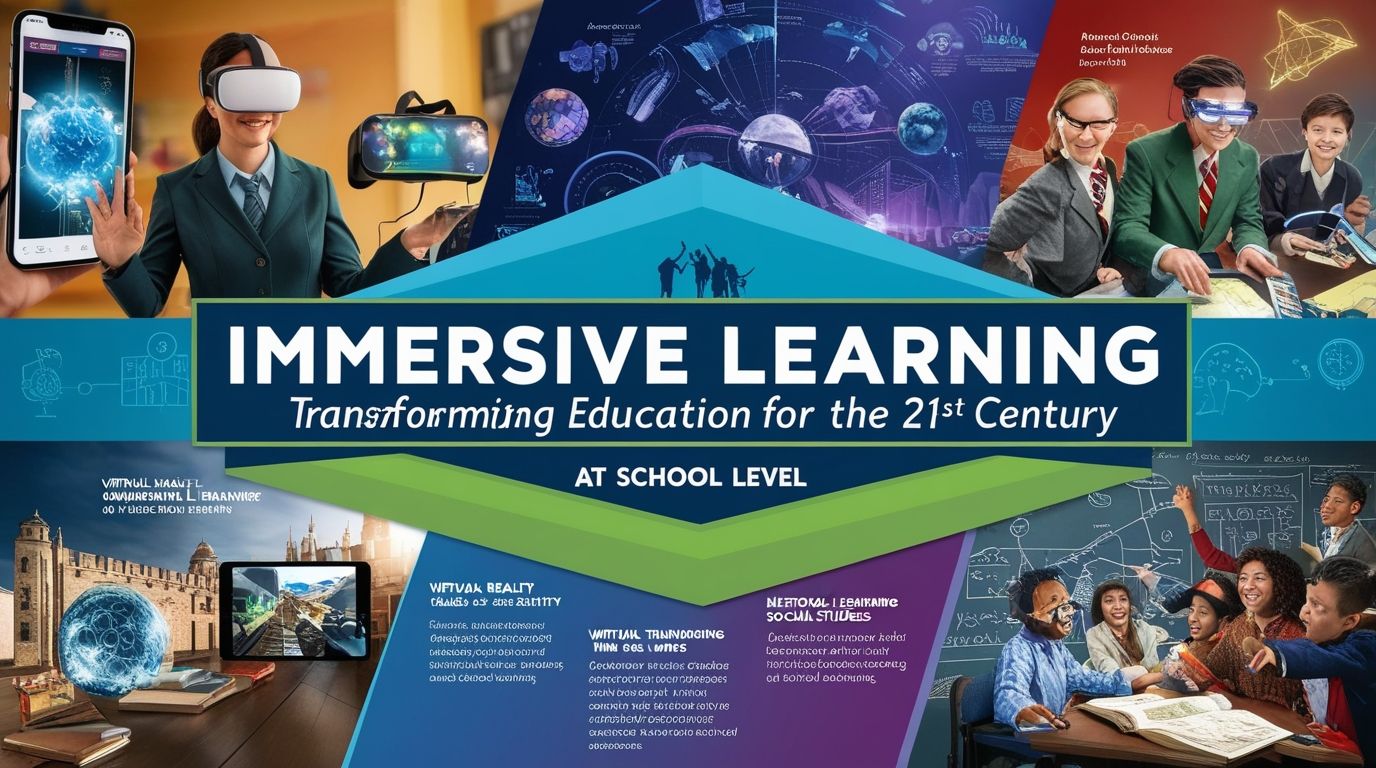
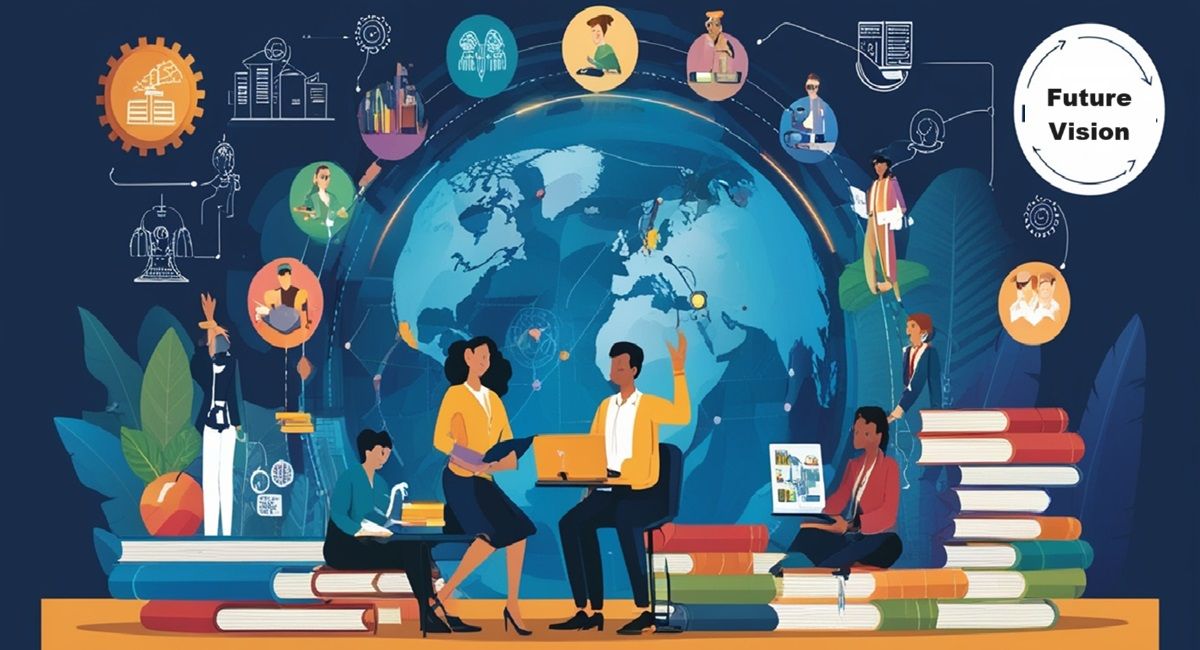
The future of personalized and adaptive learning is promising, with ongoing advancements in technology and pedagogy. Emerging technologies such as virtual reality, augmented reality, and advanced AI have the potential to further enhance learning experiences by creating immersive and interactive environments.
As education systems continue to evolve, there is a growing recognition of the importance of learner-centered approaches. Personalized and adaptive learning are likely to play a central role in shaping the future of education, making it more responsive, inclusive, and effective.
Moreover, these approaches align with the broader goals of preparing students for the demands of the 21st century. By fostering critical thinking, creativity, and adaptability, personalized and adaptive learning equip learners with the skills needed to thrive in a rapidly changing world.
Conclusion
Personalized and adaptive learning represent a paradigm shift in education, moving away from standardized models toward more flexible, learner-centered approaches. By recognizing and addressing individual differences, these methods enhance engagement, improve outcomes, and promote lifelong learning.
While challenges remain, the potential benefits far outweigh the limitations. With thoughtful implementation, strong leadership, and a commitment to equity, personalized and adaptive learning can transform education systems and empower learners to reach their full potential.
In a world where knowledge is constantly expanding and evolving, education must keep pace. Personalized and adaptive learning offer a pathway to a more dynamic, inclusive, and effective educational future—one where every learner supported, challenged, and inspired to succeed.