
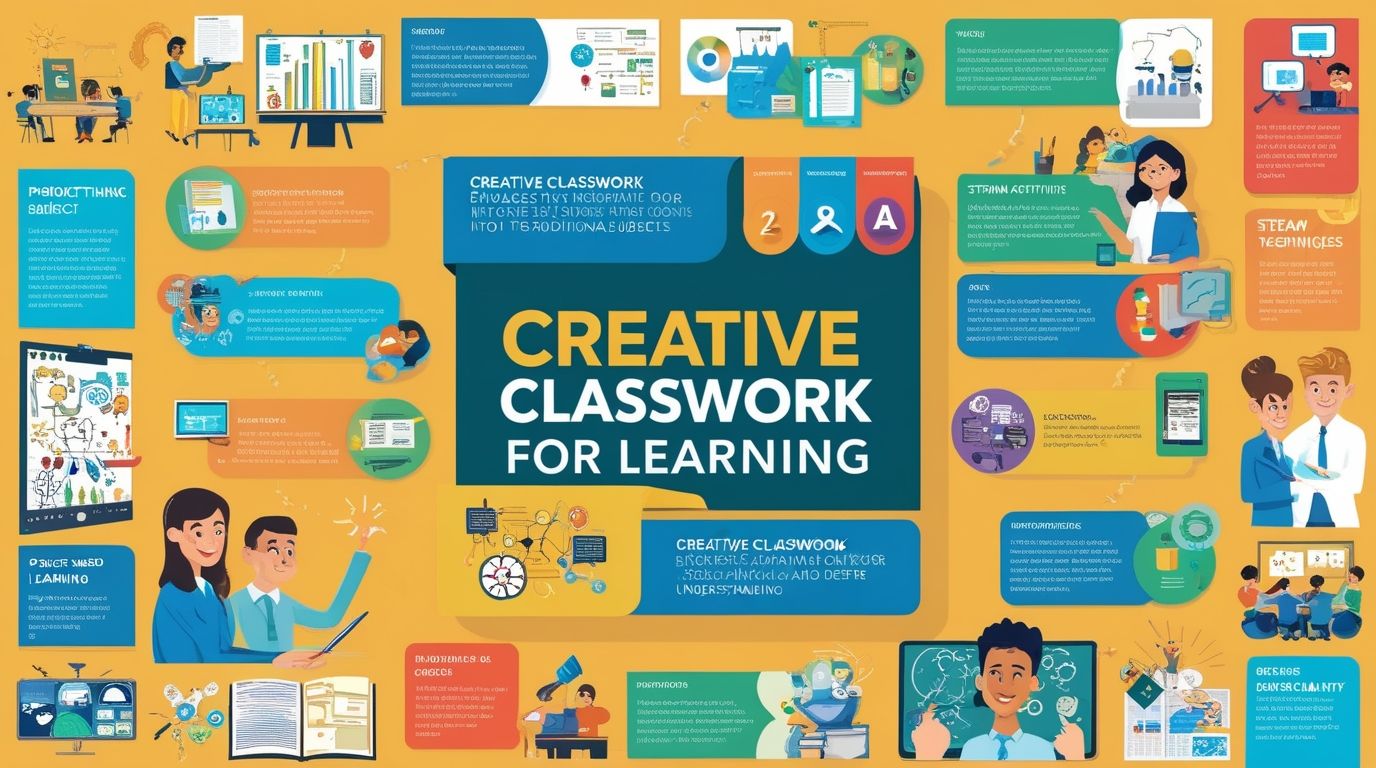
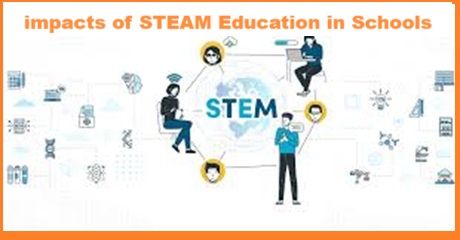
Innovations and Understanding STEM Education, The concept of STEM education integrates science, technology, engineering, and mathematics into a cohesive learning paradigm. Traditionally, these subjects were taught separately; however, modern approaches emphasize interdisciplinary connections. Moreover, STEM fosters critical thinking and problem-solving skills. Consequently, students learn to apply theoretical knowledge in practical contexts. In addition, this approach prepares learners for real-world challenges. However, successful implementation requires curriculum alignment and teacher training. Meanwhile, institutions are adopting innovative strategies to promote integration. As a result, students gain a holistic understanding of complex concepts. Therefore, STEM education is essential for future readiness. Furthermore, it encourages inquiry-based learning. Ultimately, understanding the core principles of STEM enables educators to design meaningful learning experiences that inspire curiosity, creativity, and analytical thinking among students in an increasingly technology-driven and innovation-focused global society.
Science Exploration: Building Curiosity Through Inquiry-Based Learning
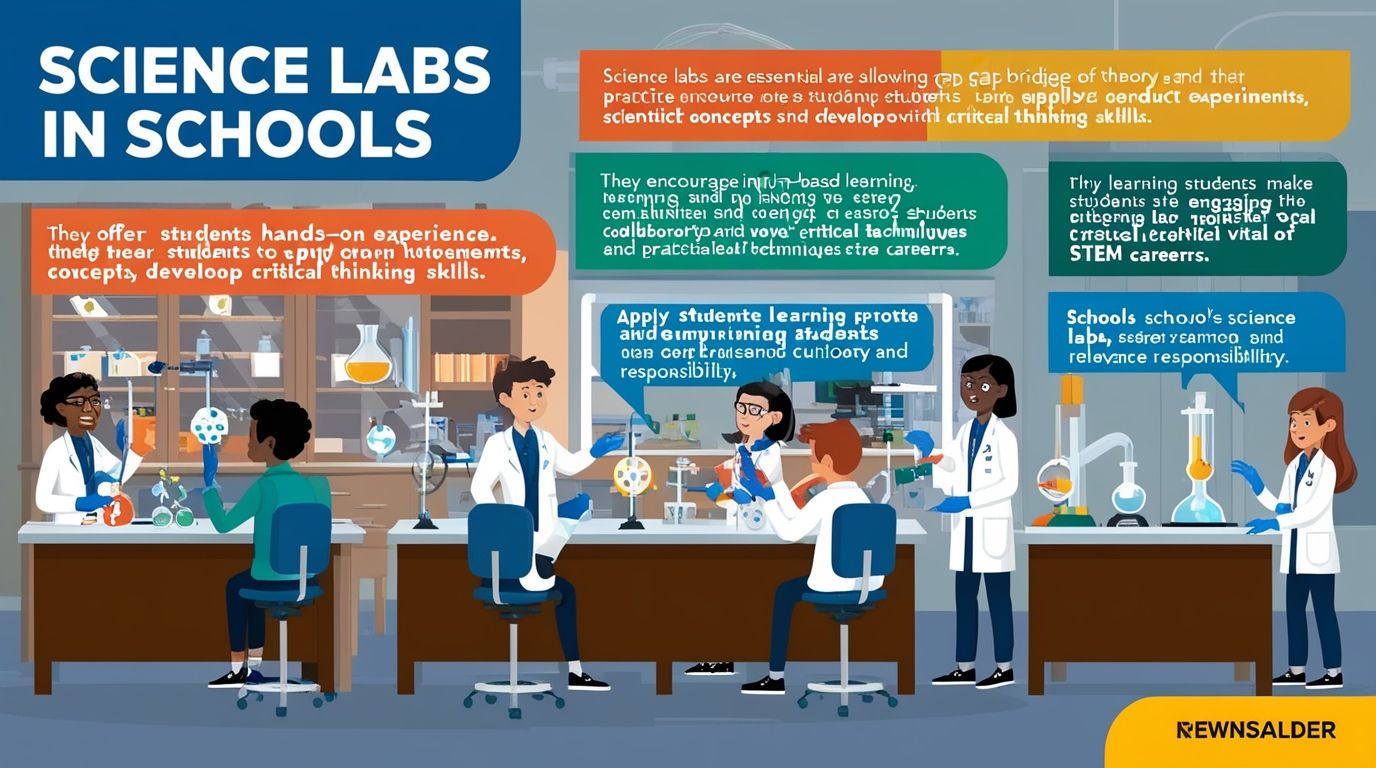
Science forms a fundamental pillar of STEM learning, encouraging exploration and discovery. Students engage in experiments and observations to understand natural phenomena. Moreover, inquiry-based learning promotes questioning and investigation. Consequently, learners develop scientific literacy and analytical skills. In addition, science education fosters curiosity about the world. However, effective teaching requires hands-on activities and resources. Meanwhile, educators are incorporating digital tools to enhance experiments. As a result, students experience interactive learning environments. Therefore, science becomes more engaging and meaningful. Furthermore, it builds a foundation for advanced studies. Ultimately, science education within STEM nurtures a mindset of inquiry, enabling learners to explore, analyze, and understand complex systems while developing skills essential for innovation and problem-solving in diverse fields of study.
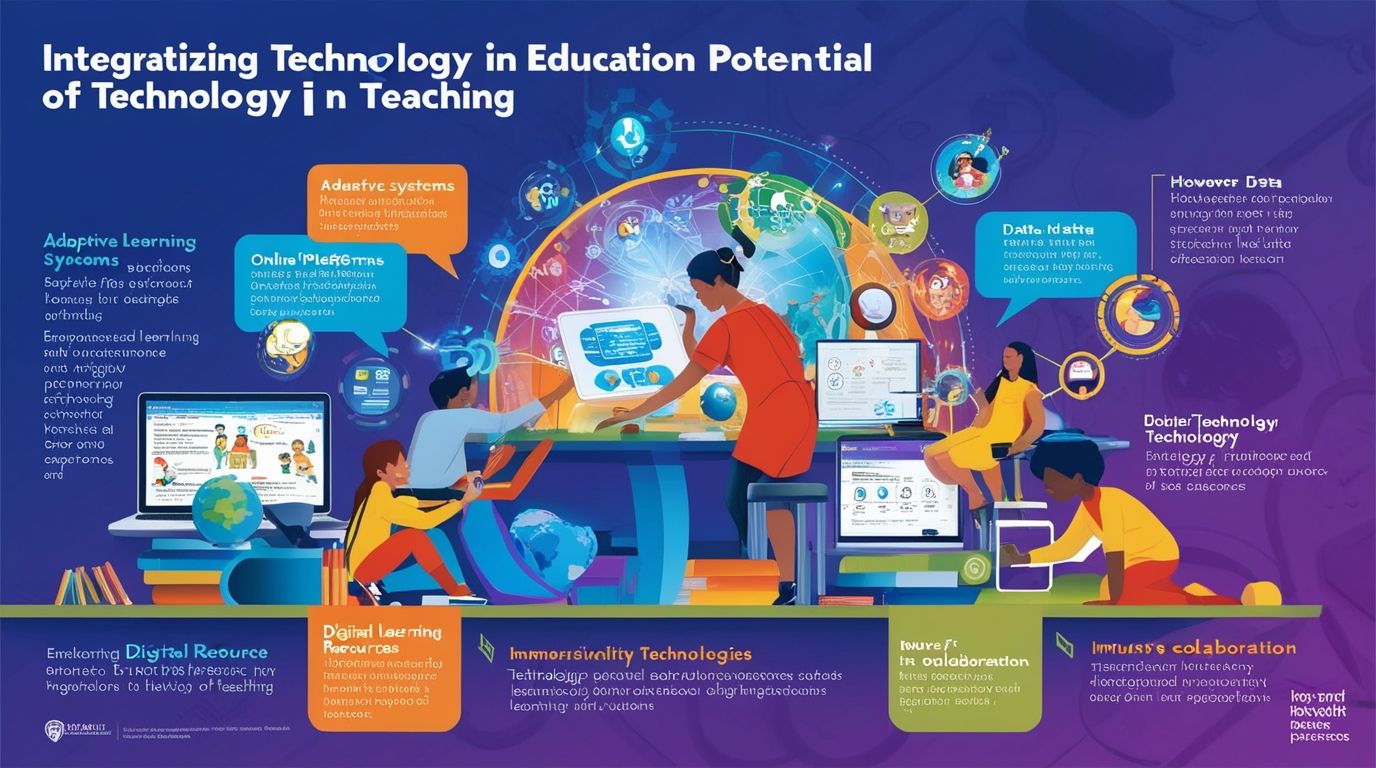
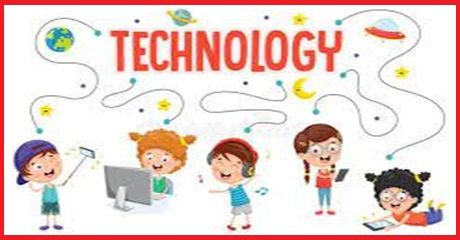
Technology Integration: Enhancing Learning Through Digital Tools
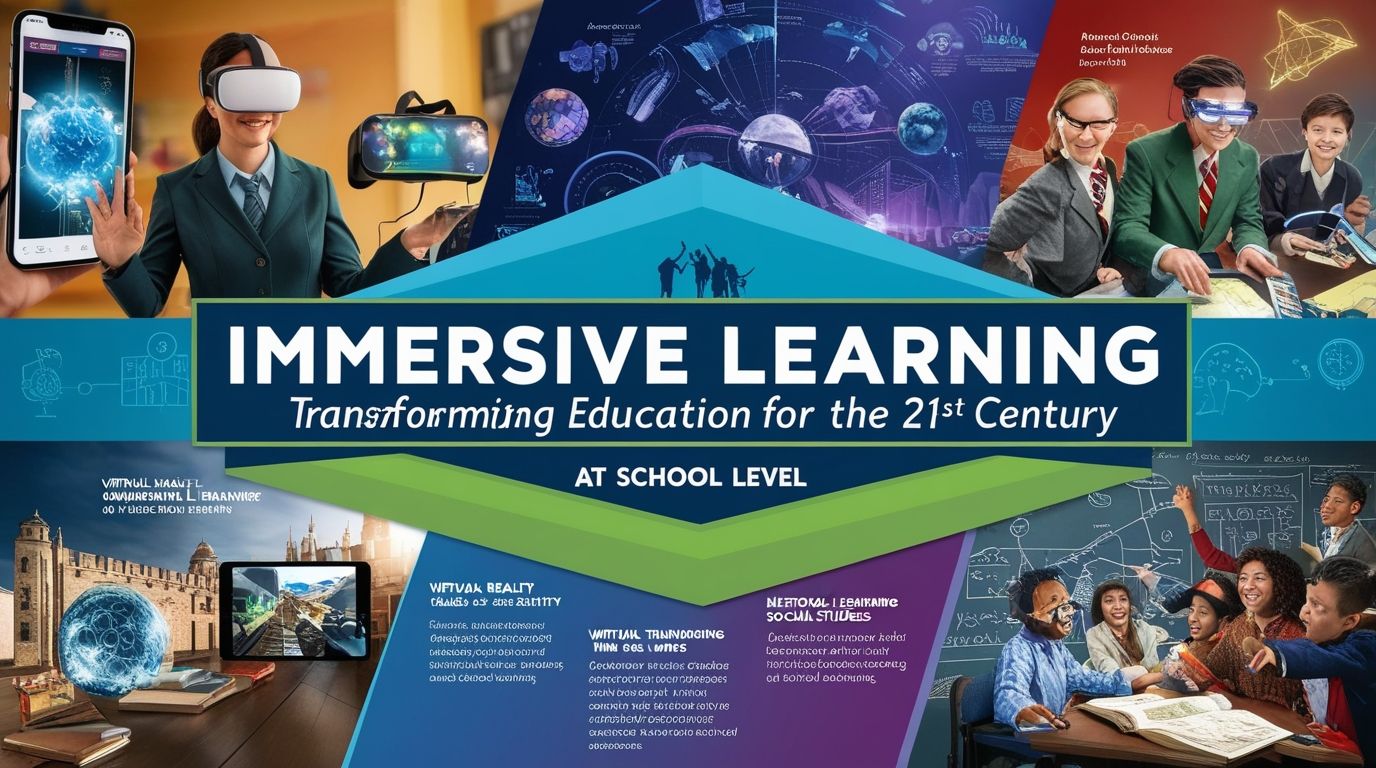
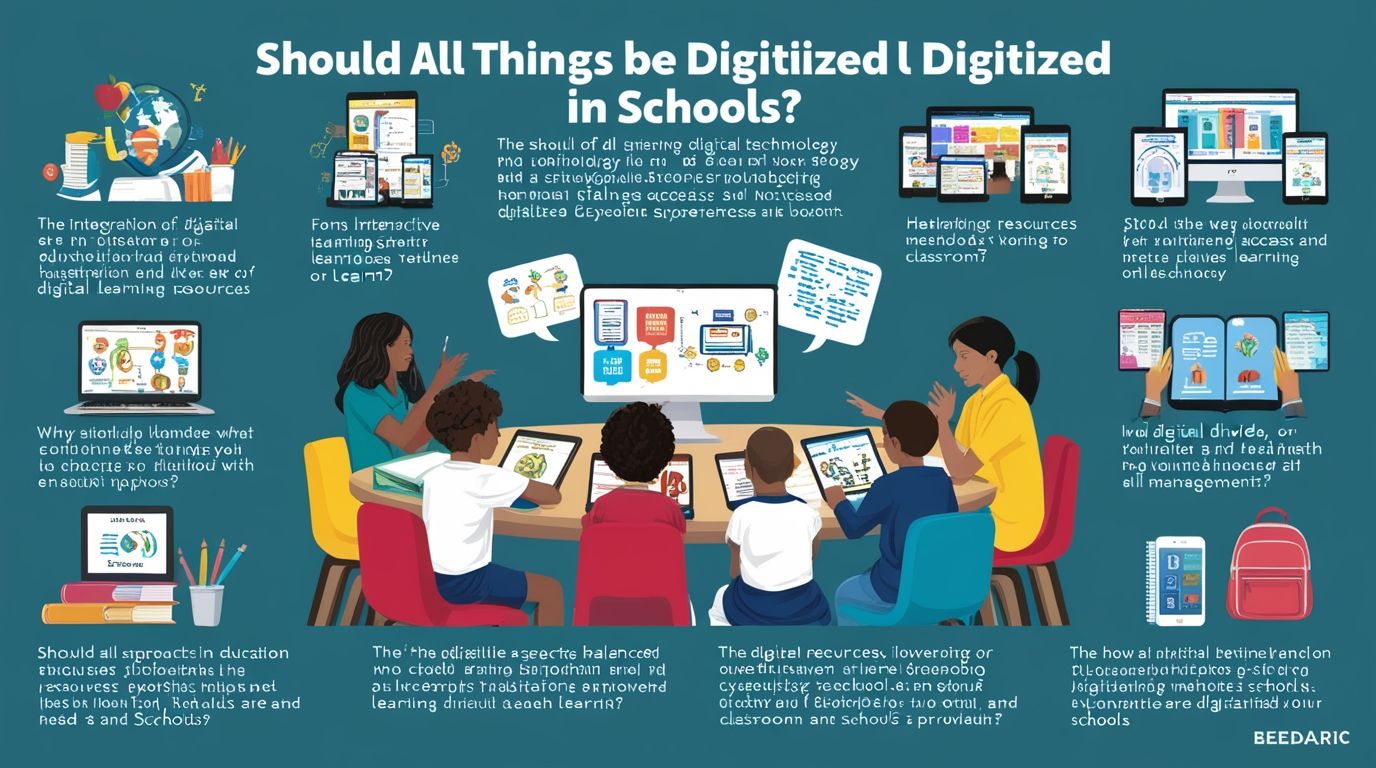
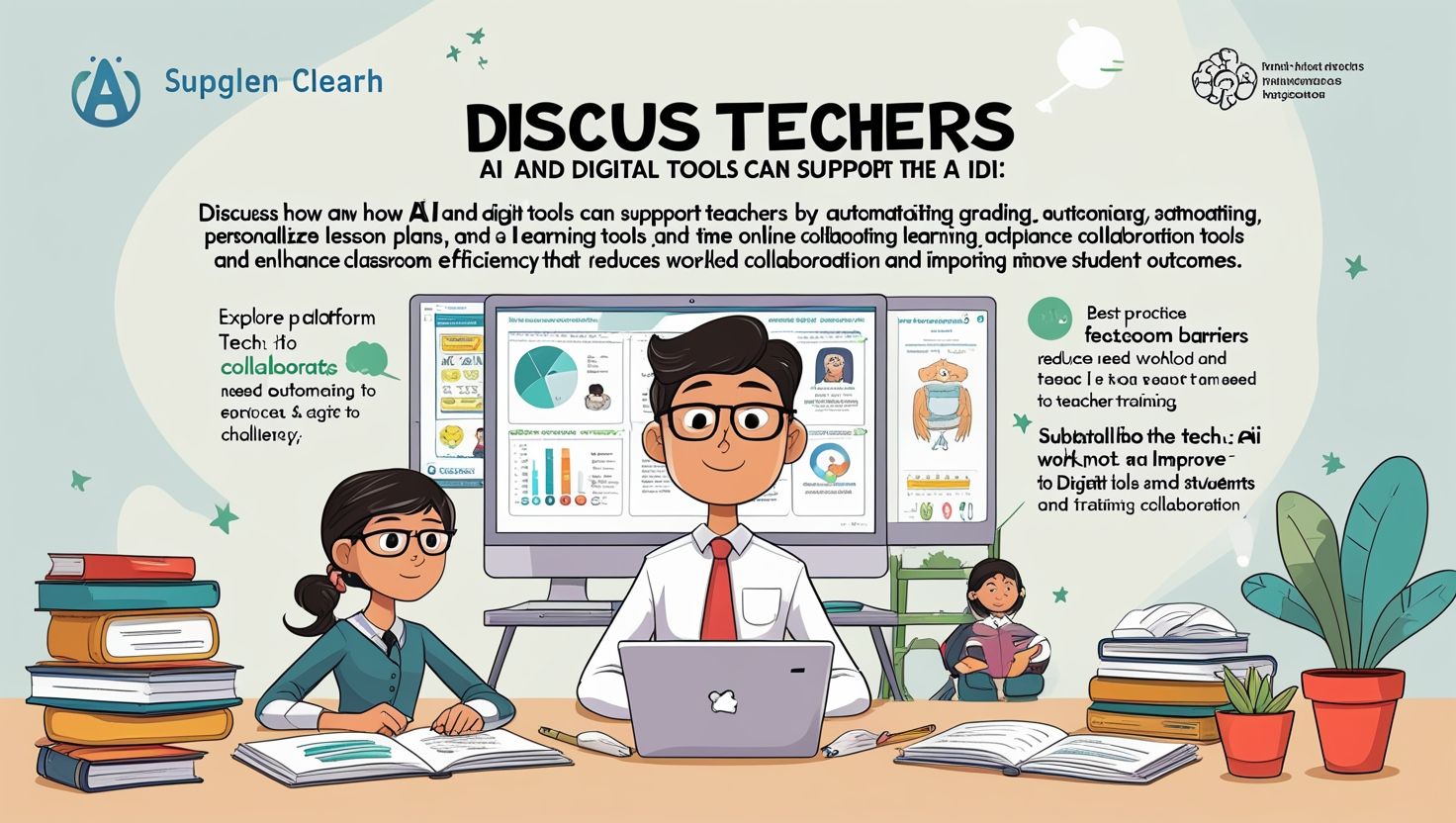
Technology plays a transformative role in STEM education, enabling innovative teaching and learning practices. Digital tools such as simulations and coding platforms enhance understanding. Moreover, technology supports personalized learning experiences. Consequently, students gain digital literacy skills. In addition, it prepares learners for modern workplaces. However, access to technology remains a challenge in some regions. Meanwhile, institutions are investing in digital infrastructure. As a result, classrooms become more interactive and connected. Therefore, technology integration is vital for effective STEM education. Furthermore, it supports collaboration and creativity. Ultimately, leveraging technology in STEM empowers students to explore new possibilities, develop technical skills, and engage in meaningful learning experiences that align with the demands of a rapidly evolving digital world.
Engineering Design Thinking: Solving Problems Creatively
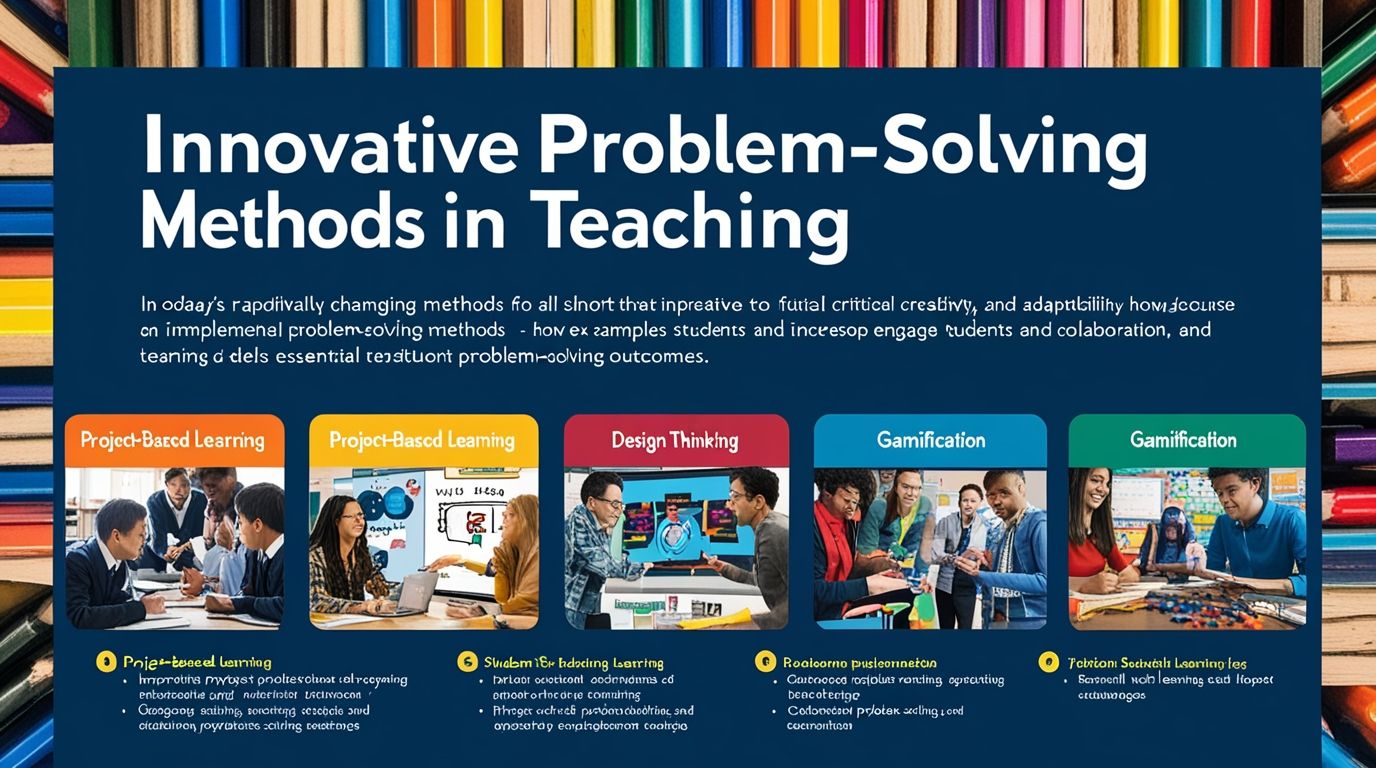
Engineering introduces students to design thinking, a structured approach to problem-solving. Learners identify problems, brainstorm solutions, and create prototypes. Moreover, this process encourages creativity and innovation. Consequently, students develop practical skills. In addition, engineering activities foster teamwork and collaboration. However, implementing design-based learning requires resources and guidance. Meanwhile, educators are adopting project-based approaches. As a result, students engage in hands-on learning. Therefore, engineering education enhances critical thinking. Furthermore, it bridges theory and practice. Ultimately, integrating engineering into STEM enables learners to approach challenges systematically, develop innovative solutions, and gain valuable experience in applying knowledge to real-world scenarios.
Mathematics Mastery: Strengthening Analytical and Logical Thinking
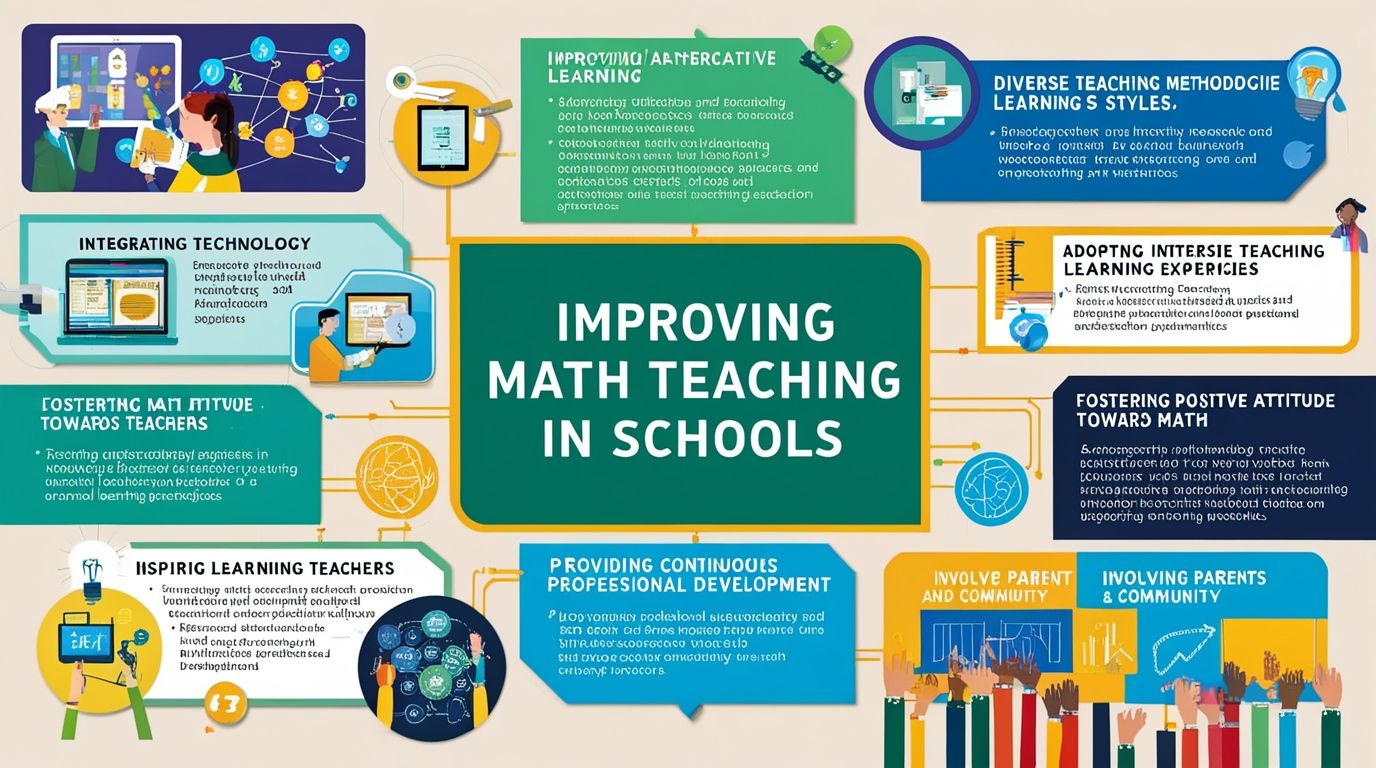
Mathematics is a core component of STEM disciplines, providing tools for analysis and reasoning. Students learn concepts such as algebra, geometry, and statistics. Moreover, mathematics supports problem-solving across subjects. Consequently, learners develop logical thinking skills. In addition, it enhances precision and accuracy. However, many students find mathematics challenging. Meanwhile, educators are using interactive methods to simplify concepts. As a result, learning becomes more engaging. Therefore, mathematics is essential for STEM success. Furthermore, it underpins scientific and technological advancements. Ultimately, mastering mathematics equips students with the ability to analyze data, interpret results, and make informed decisions in both academic and real-world contexts.
Interdisciplinary Connections: Integrating STEM Subjects Effectively
A defining feature of STEM education is the integration of multiple disciplines. Rather than teaching subjects in isolation, educators connect concepts across fields. Moreover, interdisciplinary learning reflects real-world applications. Consequently, students gain a deeper understanding of complex problems. In addition, it promotes collaboration and innovation. However, designing integrated curricula can be challenging. Meanwhile, educators are developing cross-disciplinary projects. As a result, learning becomes more meaningful. Therefore, integration is key to effective STEM education. Furthermore, it enhances critical thinking. Ultimately, connecting STEM subjects enables students to approach problems holistically, fostering a comprehensive understanding and preparing them for diverse challenges in modern society.
Hands-On Learning: Experiential Approaches in STEM Classrooms
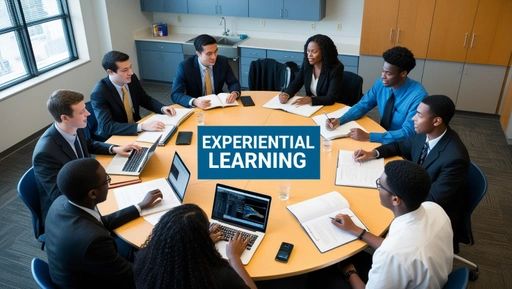
Experiential learning is central to STEM teaching, emphasizing hands-on activities and experimentation. Students engage in labs, projects, and simulations. Moreover, active participation enhances understanding. Consequently, learners retain knowledge more effectively. In addition, hands-on learning fosters curiosity and creativity. However, it requires adequate resources and planning. Meanwhile, educators are incorporating innovative teaching methods. As a result, classrooms become more dynamic. Therefore, experiential approaches are essential in STEM education. Furthermore, they bridge theory and practice. Ultimately, hands-on learning empowers students to explore concepts deeply, develop practical skills, and build confidence in applying knowledge to real-world situations.
Critical Thinking Development: Cultivating Problem-Solving Skills
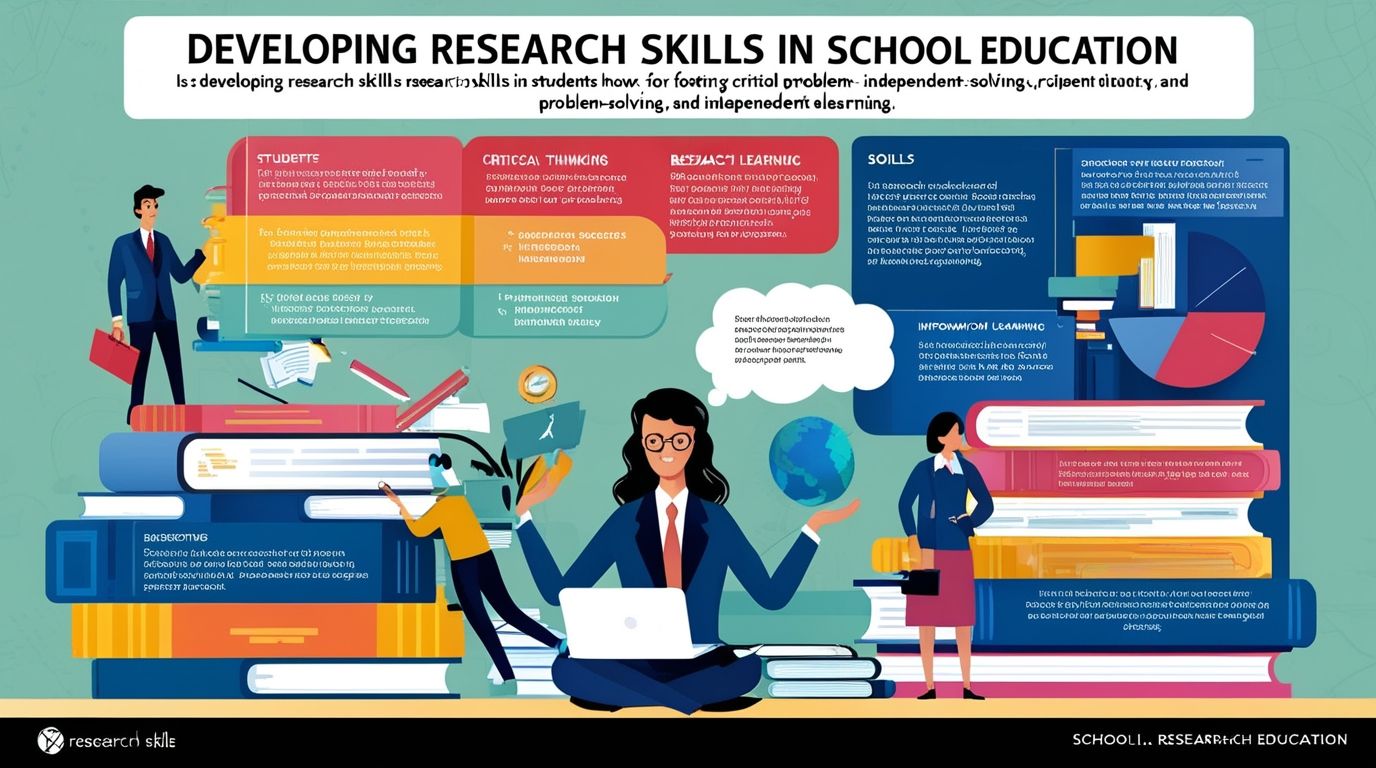
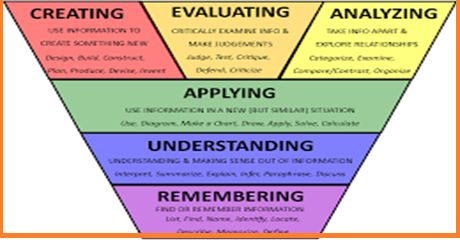
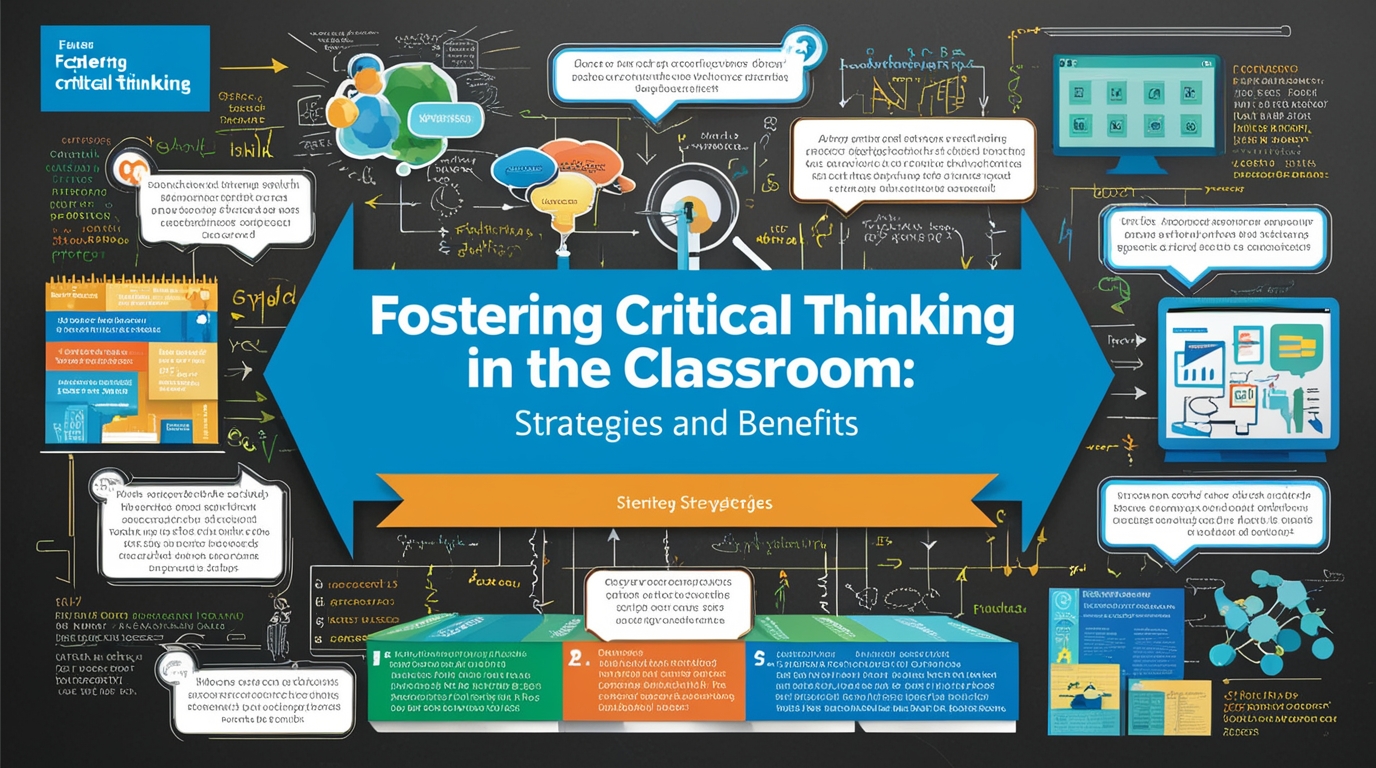
Developing critical thinking skills is a primary goal of STEM education. Students analyze information, evaluate evidence, and make decisions. Moreover, problem-solving activities encourage logical reasoning. Consequently, learners become independent thinkers. In addition, critical thinking supports academic success. However, fostering these skills requires effective teaching strategies. Meanwhile, educators are integrating real-world problems into lessons. As a result, students engage more actively. Therefore, critical thinking is essential for STEM learning. Furthermore, it prepares students for future challenges. Ultimately, cultivating these skills enables learners to approach complex issues with confidence, creativity, and analytical precision.
STEM and Innovation: Encouraging Creativity and Entrepreneurship
Innovation is a key outcome of STEM education, driving creativity and entrepreneurship. Students are encouraged to think outside the box and develop new ideas. Moreover, STEM projects often involve designing and testing solutions. Consequently, learners gain practical experience. In addition, innovation fosters economic growth. However, supporting creativity requires a flexible learning environment. Meanwhile, institutions are promoting innovation through competitions and projects. As a result, students develop entrepreneurial skills. Therefore, STEM education plays a vital role in innovation. Furthermore, it encourages risk-taking and experimentation. Ultimately, fostering creativity through STEM prepares students to become innovators and leaders in a rapidly changing global economy.
Equity in STEM: Ensuring Access and Inclusion for All Learners
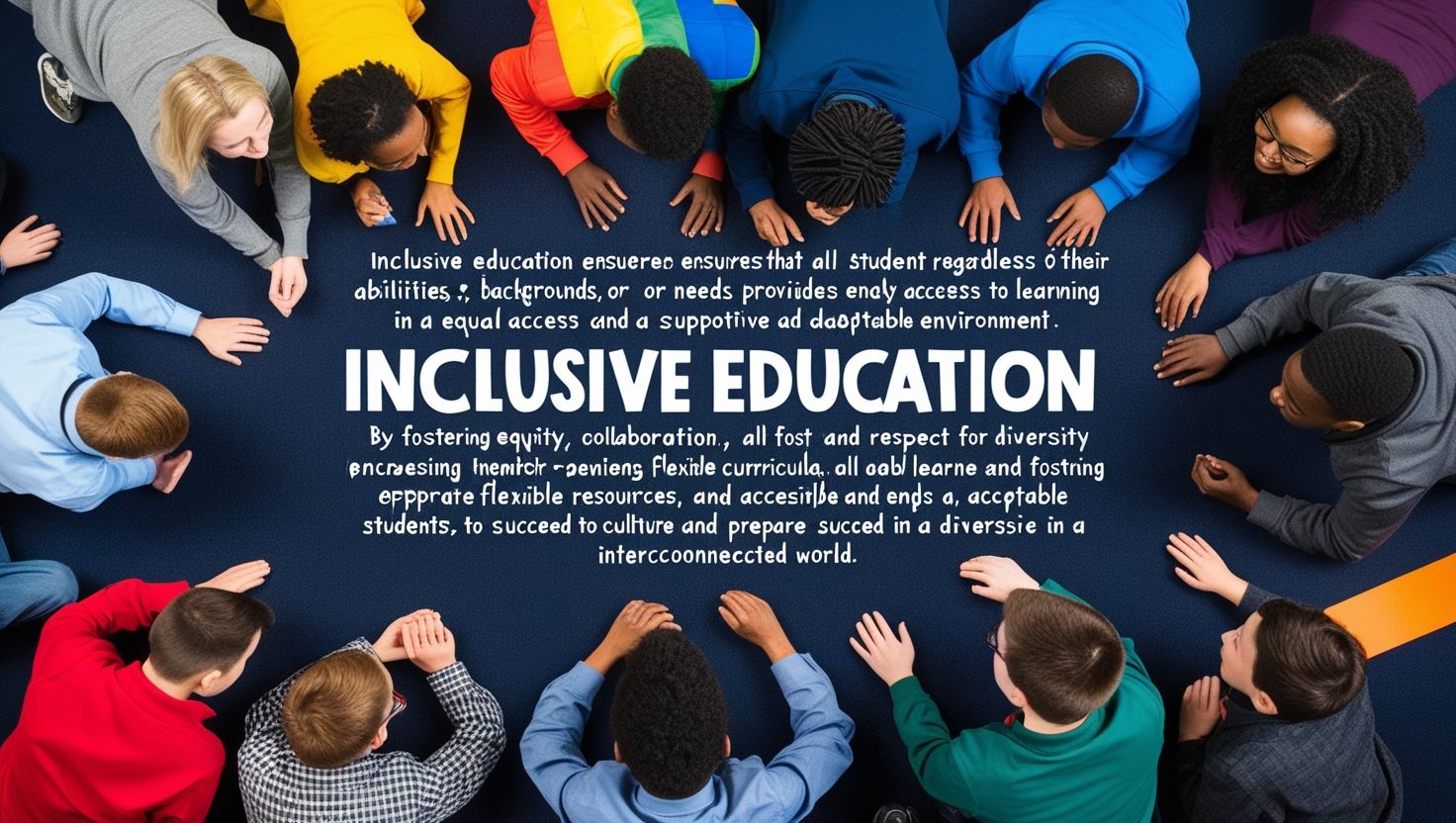
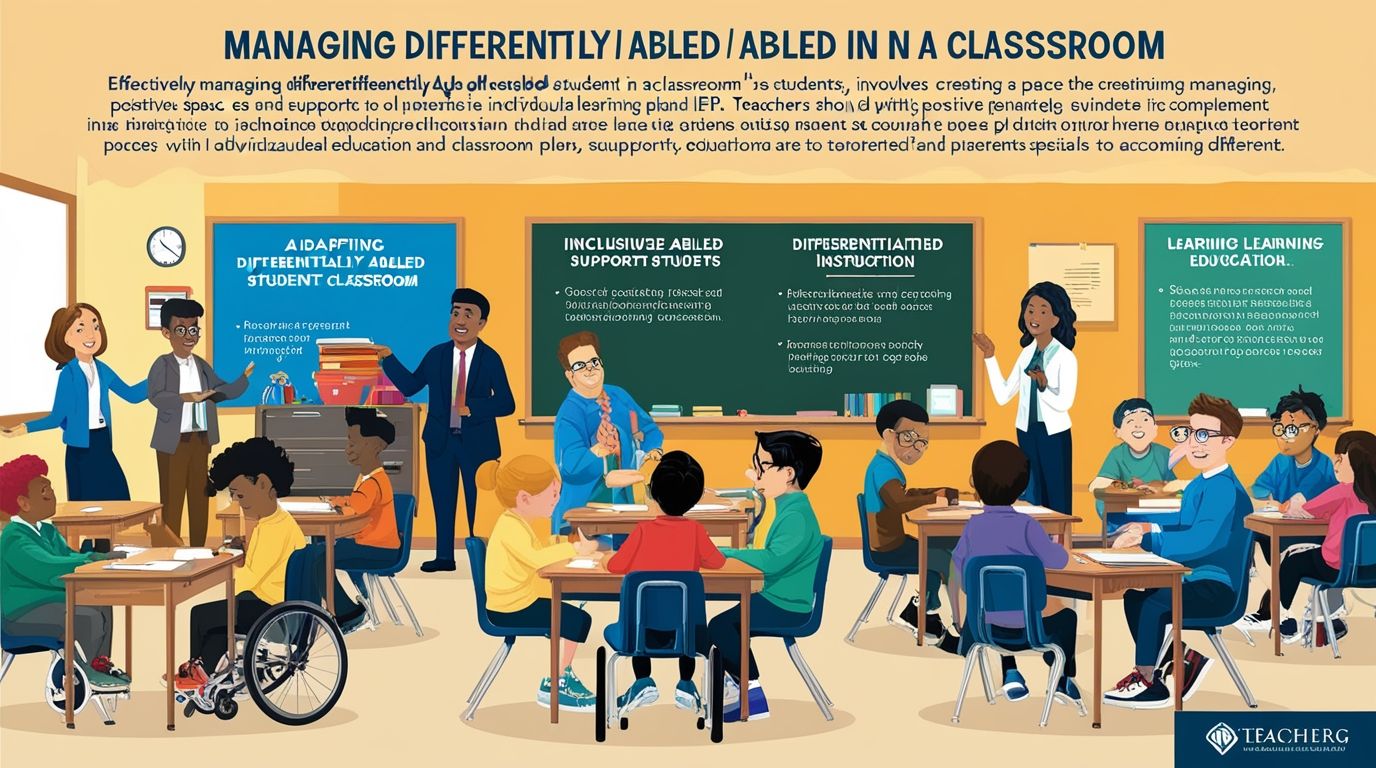
Ensuring equity is crucial in STEM education, as access to resources varies widely. Efforts are being made to include underrepresented groups. Moreover, inclusive practices promote diversity in STEM fields. Consequently, more students can pursue opportunities. In addition, equity enhances social justice. However, challenges such as funding and infrastructure persist. Meanwhile, initiatives are addressing these issues. As a result, access to STEM education is improving. Therefore, inclusion is essential for progress. Furthermore, diverse perspectives enrich innovation. Ultimately, promoting equity ensures that all learners have the opportunity to succeed in STEM and contribute to societal development.
Future Pathways: Preparing Students for STEM Careers
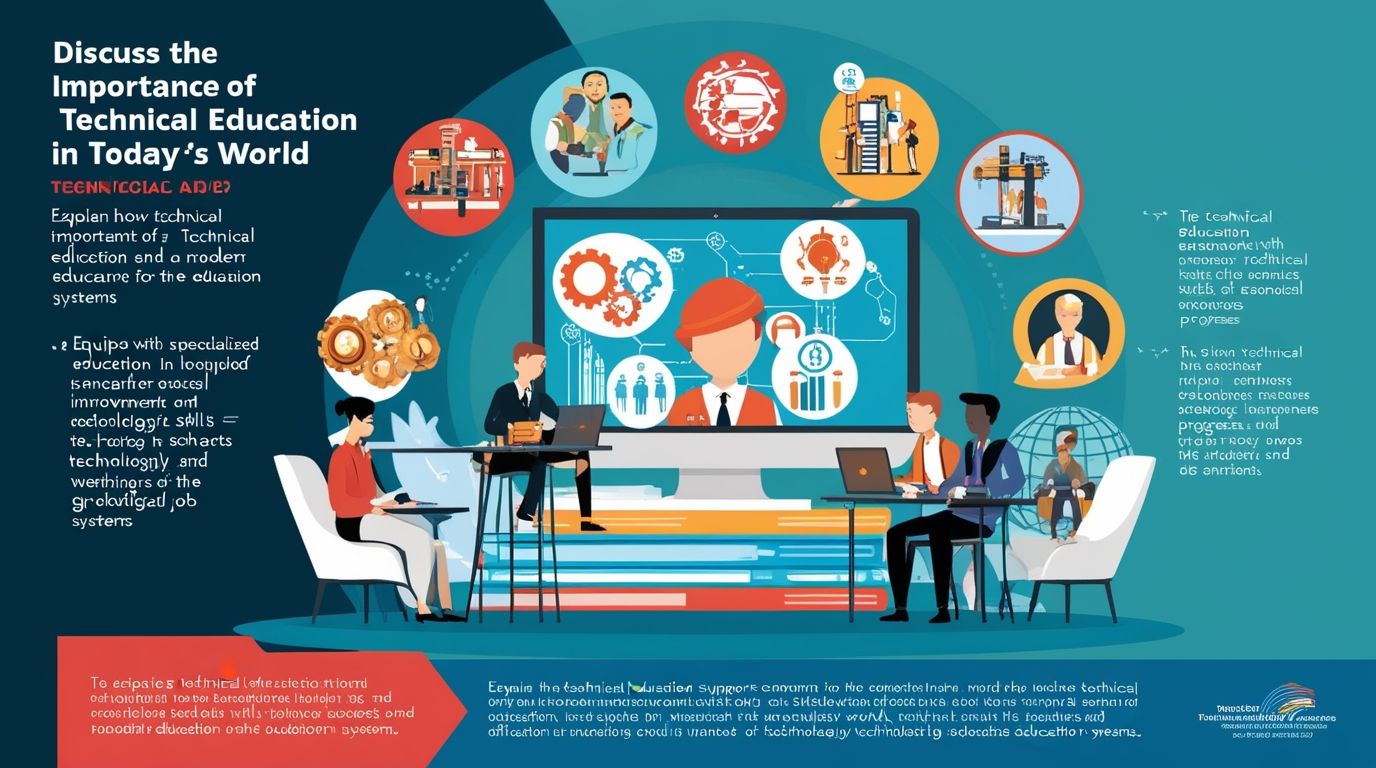
STEM education plays a critical role in preparing students for future careers. Fields such as engineering, data science, and technology are growing rapidly. Moreover, STEM skills are in high demand globally. Consequently, students with these skills have better opportunities. In addition, career-oriented learning enhances motivation. However, guidance and mentorship are necessary. Meanwhile, institutions are offering career programs. As a result, students gain clarity about their future paths. Therefore, STEM education supports career readiness. Furthermore, it aligns education with industry needs. Ultimately, preparing students for STEM careers ensures that they are equipped with the knowledge and skills required to succeed in a competitive and evolving job market.
Conclusion: Strengthening Education Through STEM Integration
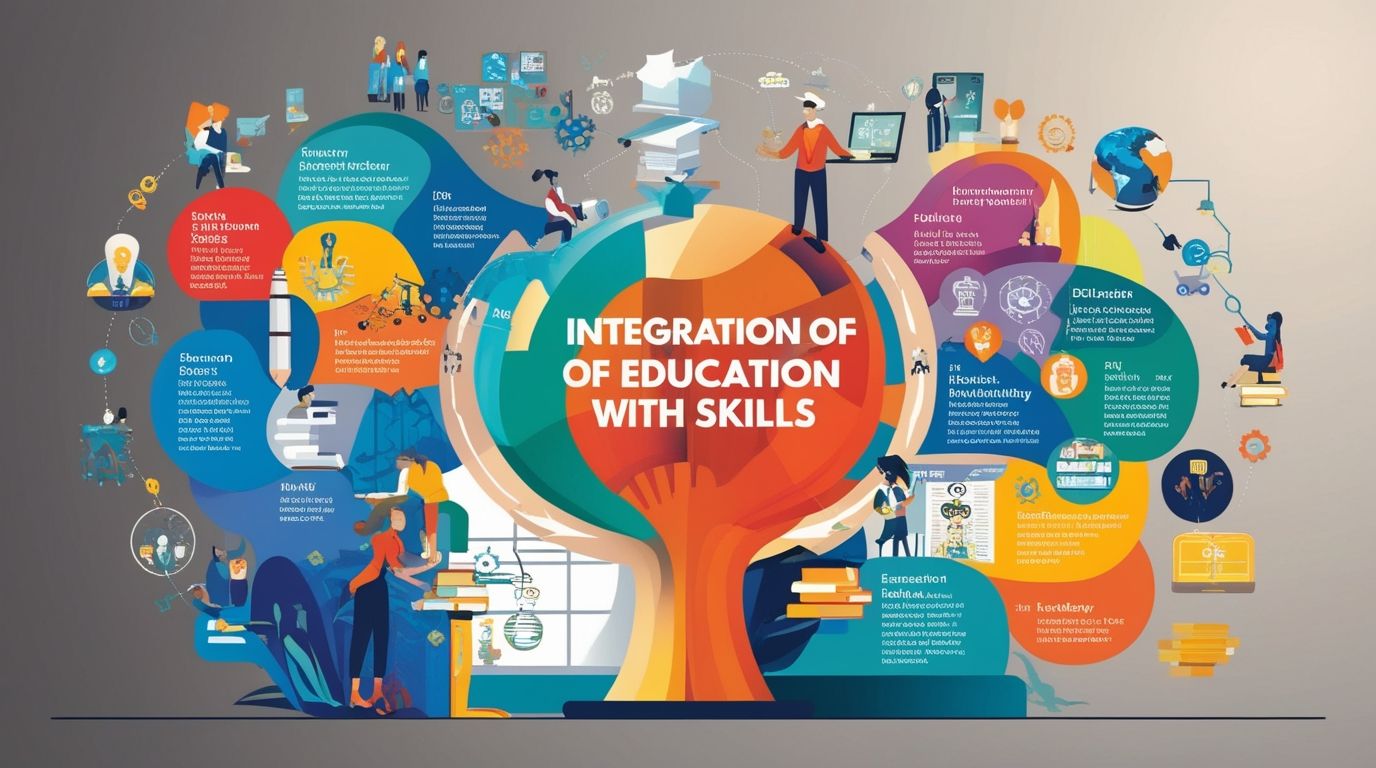
The integration of STEM subjects is transforming education by promoting innovation, critical thinking, and practical learning. Moreover, it prepares students for the challenges of the modern world. Consequently, education becomes more relevant and impactful. In addition, STEM fosters collaboration and creativity. However, effective implementation requires continuous effort. Meanwhile, educators and policymakers are working together. As a result, STEM education continues to evolve. Therefore, embracing STEM is essential for progress. Furthermore, it supports sustainable development. Ultimately, strengthening education through STEM integration ensures that learners are prepared to contribute meaningfully to society and drive future advancements in science and technology.
References
- National Research Council. (2011). Successful K-12 STEM Education. Available at: https://www.nap.edu
- UNESCO. (2017). Education for Sustainable Development Goals. Available at: https://unesdoc.unesco.org
- OECD. (2019). STEM Skills for Innovation. Available at: https://www.oecd.org
- World Economic Forum. (2023). Future of Jobs Report. Available at: https://www.weforum.org/reports











































































































































































































































References:
Blackjack online spielen Merkur Spiele kostenlos
References:
Jackpot capital casino online casino ohne einzahlung
peoccd