Abstract
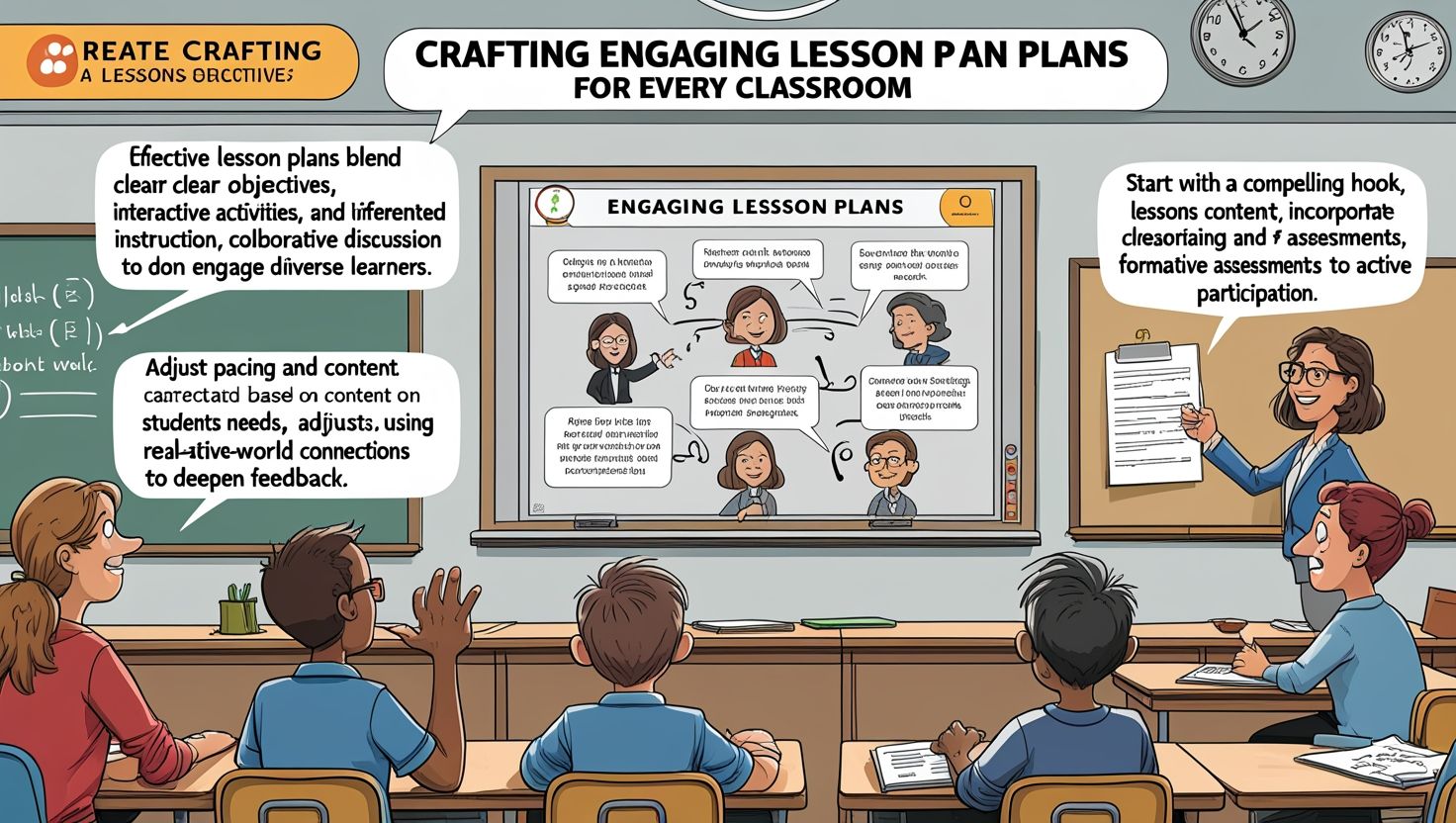
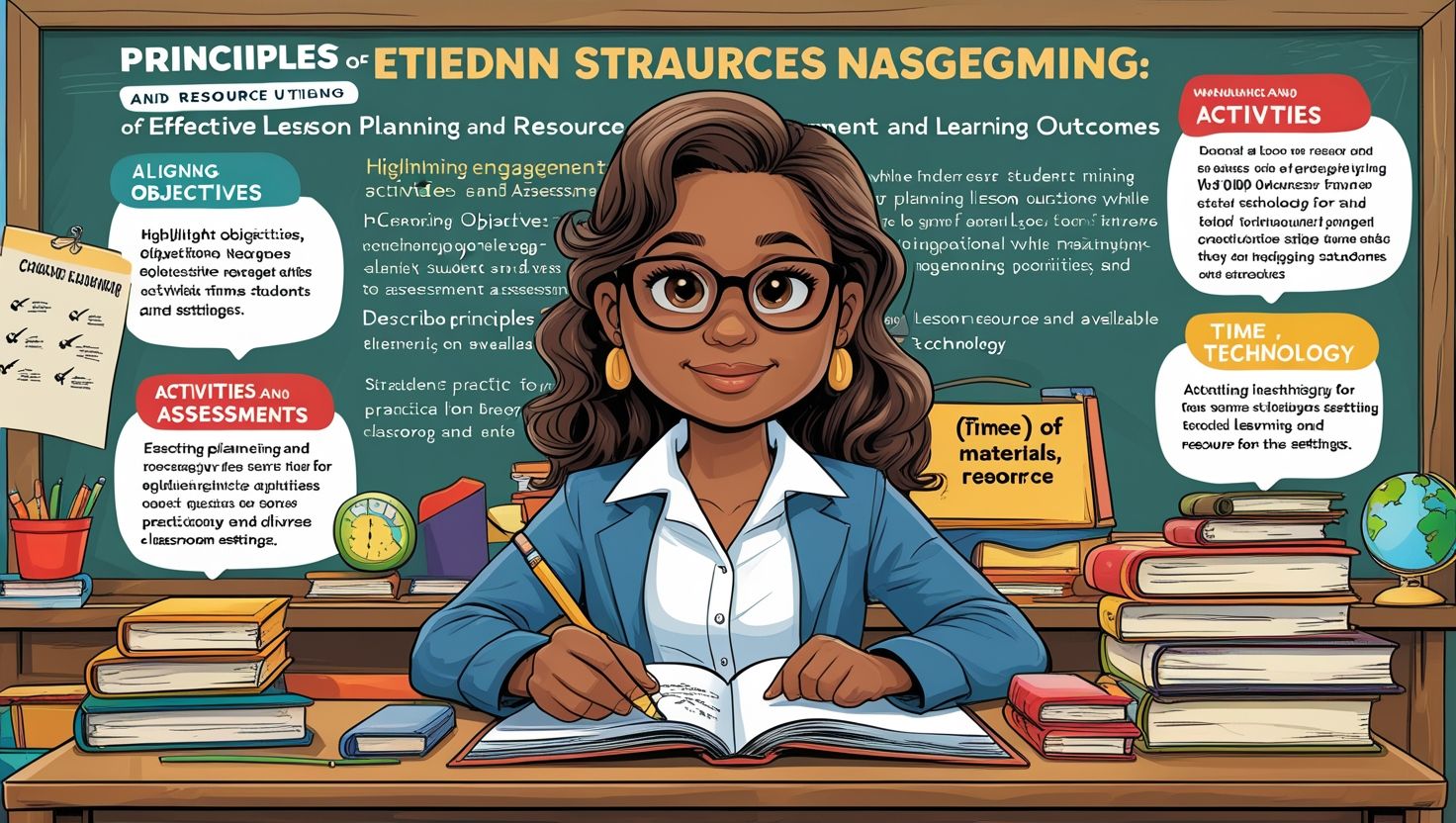
Lesson Planning and Its Impact on Learning Goals Achievement, Lesson planning is a fundamental component of effective teaching and learning processes. It serves as a structured framework through which teachers organize instructional content, pedagogical strategies, and assessment methods to achieve predetermined learning goals. This article examines the relationship between lesson planning and the attainment of learning objectives, highlighting how systematic planning enhances instructional clarity, student engagement, and measurable outcomes. Drawing on contemporary educational research, the discussion emphasizes that well-designed lesson plans align objectives, activities, and assessments, thereby fostering meaningful learning experiences. The study concludes that effective lesson planning is indispensable for achieving learning goals, improving instructional quality, and supporting diverse learners.
1. Introduction
Education is a purposeful activity aimed at achieving specific learning goals. Central to this process is the concept of lesson planning, which acts as a blueprint guiding instructional delivery. A lesson plan outlines the objectives, content, teaching methods, resources, and evaluation strategies required for a successful teaching session.
Research indicates that teaching is not a spontaneous act but a structured interaction designed to achieve predefined educational outcomes . In this context, lesson planning becomes a critical tool that connects instructional activities with intended learning goals. Without proper planning, teaching may lack direction, coherence, and effectiveness.
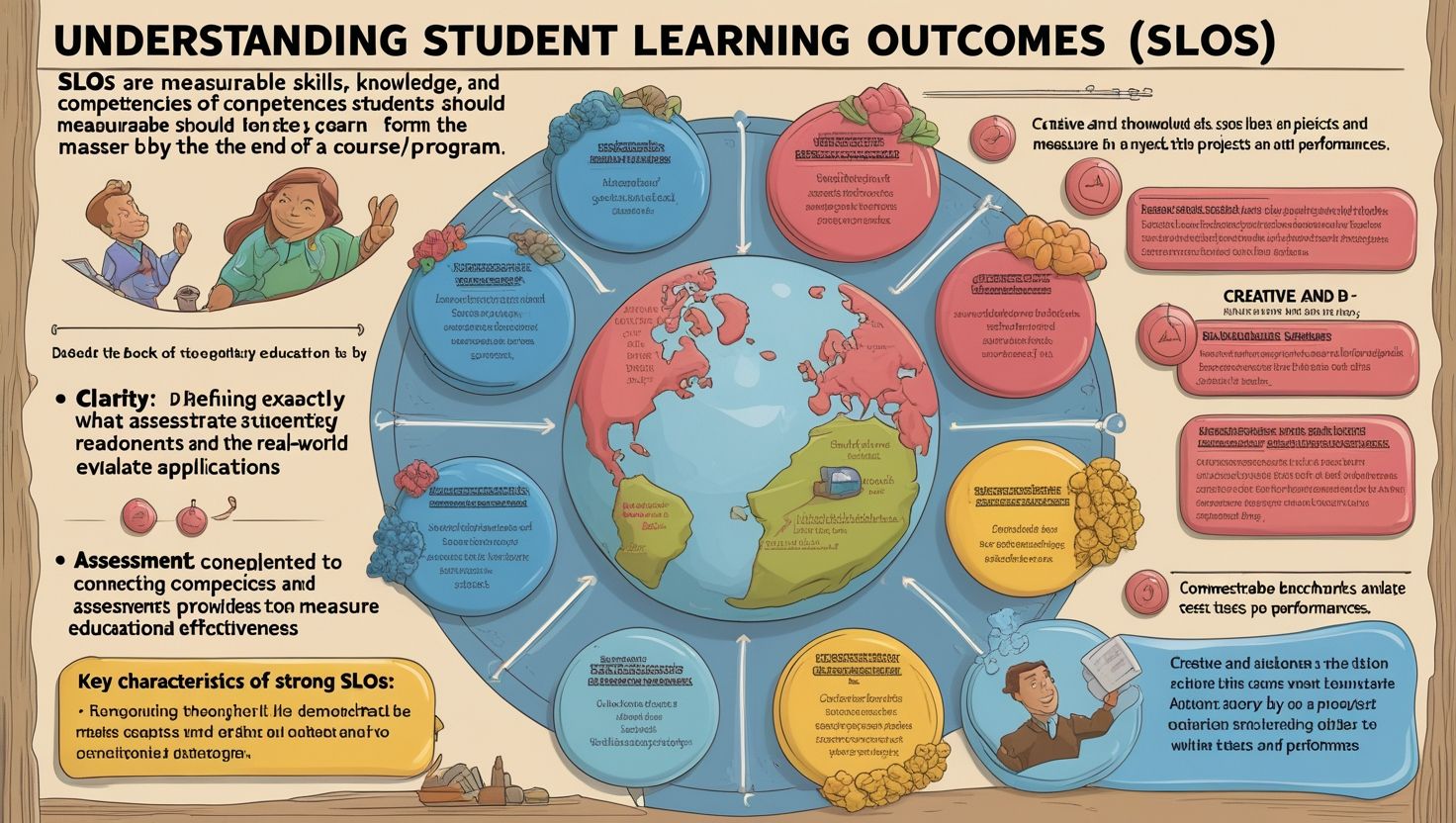
Learning goals, often expressed as learning objectives, define what students should know, understand, or be able to do after instruction. These objectives provide focus and direction to both teachers and learners, ensuring that classroom activities are purposeful and outcome-oriented .
This article explores how lesson planning influences the achievement of learning goals, emphasizing its role in enhancing teaching effectiveness and student learning outcomes.
2. Concept of Lesson Planning
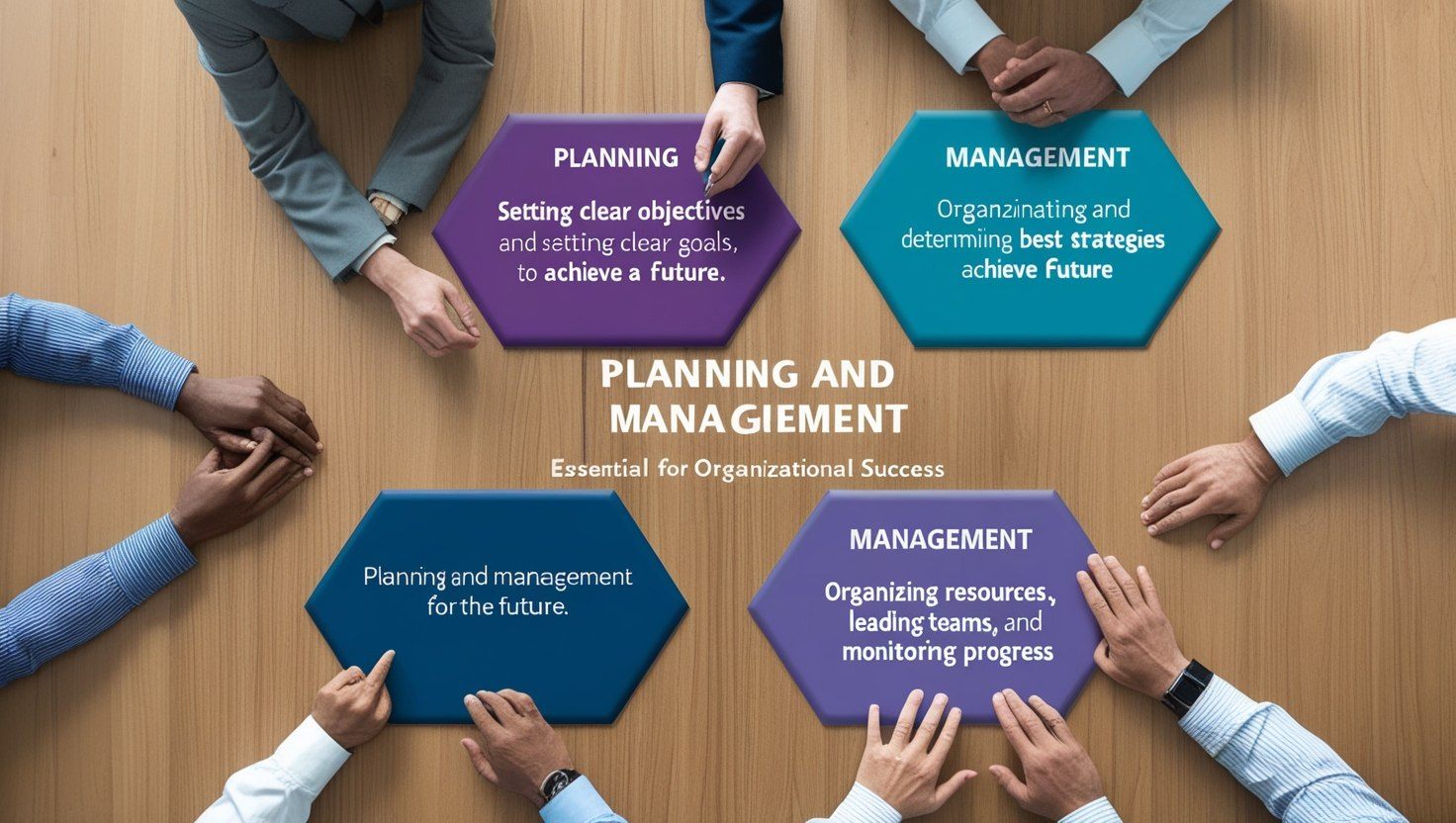
Lesson planning refers to the systematic organization of instructional activities to facilitate learning. It is often described as a teacher’s roadmap, detailing what will be taught, how it will be taught, and how learning will be assessed .
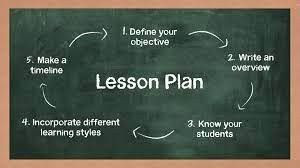
A typical lesson plan includes:
- Learning objectives
- Instructional content
- Teaching methods and activities
- Teaching materials and resources
- Assessment strategies
- Differentiation approaches
These components work together to ensure that instruction is coherent and aligned with desired learning outcomes. A well-structured lesson plan provides clarity, reduces uncertainty, and enhances teaching efficiency.
3. Understanding Learning Goals
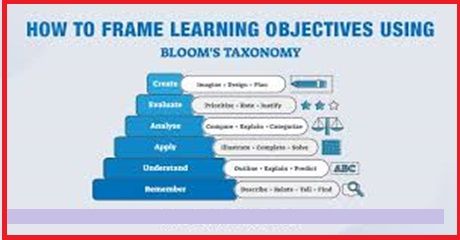
Learning goals are explicit statements describing the intended outcomes of instruction. They define the knowledge, skills, and attitudes students are expected to acquire.
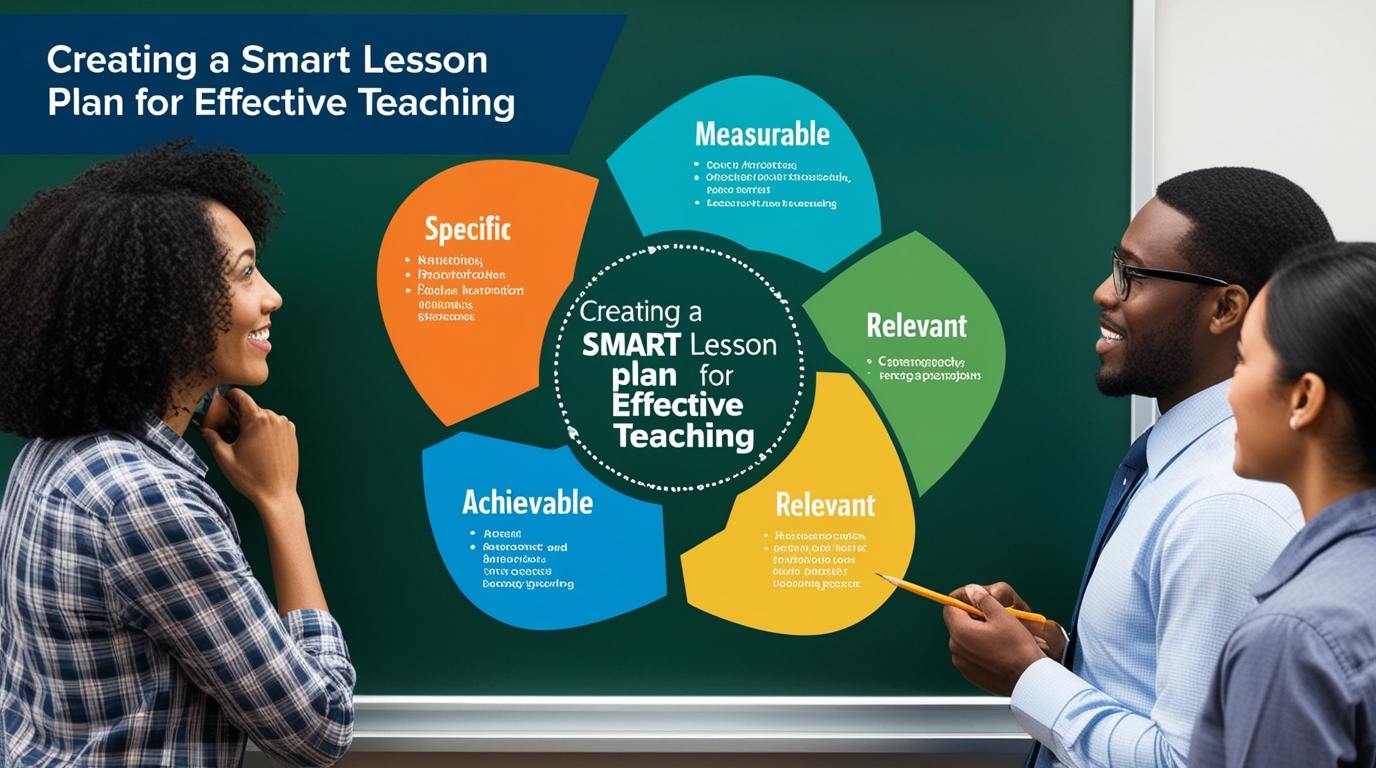
Educational theorists emphasize that learning objectives should be:
- Specific
- Measurable
- Achievable
- Relevant
- Time-bound
Learning objectives serve as a foundation for instructional design. They guide teachers in selecting appropriate content, methods, and assessments. Importantly, they also help students understand the purpose of their learning, thereby increasing motivation and engagement .
4. Relationship Between Lesson Planning and Learning Goals
The connection between lesson planning and learning goals is intrinsic and inseparable. Lesson planning operationalizes learning goals by translating them into actionable teaching strategies.
4.1 Alignment of Objectives, Content, and Assessment
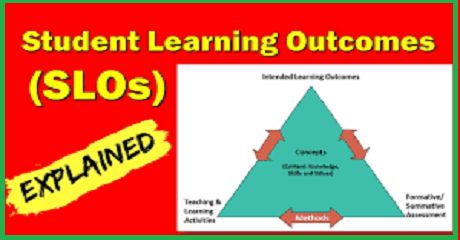
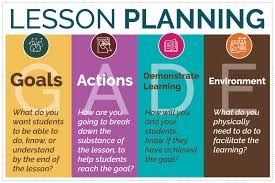
One of the most critical aspects of lesson planning is alignment. Effective lesson plans ensure that:
- Objectives define what students should learn
- Activities facilitate learning of those objectives
- Assessments measure achievement of objectives
This alignment ensures coherence in instruction and prevents mismatches between teaching and evaluation. Studies highlight that a logical connection between objectives, teaching methods, and assessment is essential for effective learning .
4.2 Structured Learning Environment
Lesson planning creates a structured environment where learning progresses systematically. It helps teachers:
- Sequence content logically
- Manage time effectively
- Maintain focus on objectives
A structured lesson reduces confusion and enhances comprehension, enabling students to build knowledge progressively.
4.3 Enhancing Teaching Effectiveness
Planning improves teaching effectiveness by:
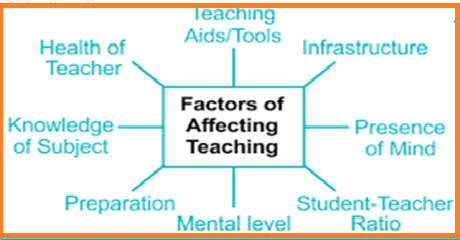
- Preparing teachers for classroom challenges
- Clarifying instructional strategies
- Increasing confidence
Teachers who plan lessons are better equipped to deliver content effectively and adapt to student needs.
5. Impact of Lesson Planning on Learning Goals
Lesson planning significantly influences the achievement of learning goals in several ways:
5.1 Clarity of Instruction
A well-prepared lesson plan ensures that learning objectives are clearly defined and communicated. This clarity helps students understand expectations and focus their efforts accordingly.
Clear objectives act as a guide for both teaching and learning, ensuring that classroom activities remain goal-oriented.
5.2 Improved Student Engagement
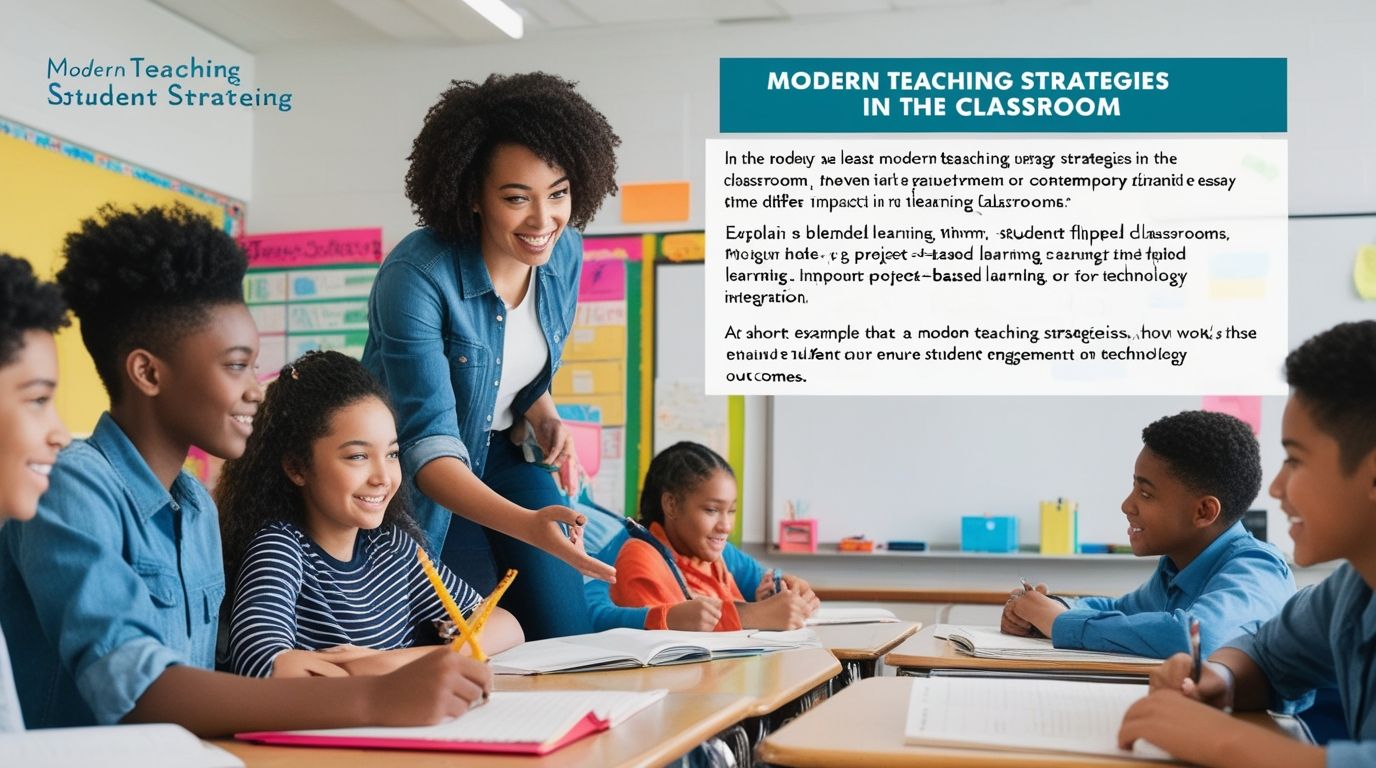
Lesson plans incorporate diverse teaching strategies such as:
- Interactive activities
- Group discussions
- Problem-solving tasks
These methods enhance student engagement, which is crucial for achieving learning goals. Engaged students are more likely to participate actively and retain knowledge.
5.3 Effective Use of Time
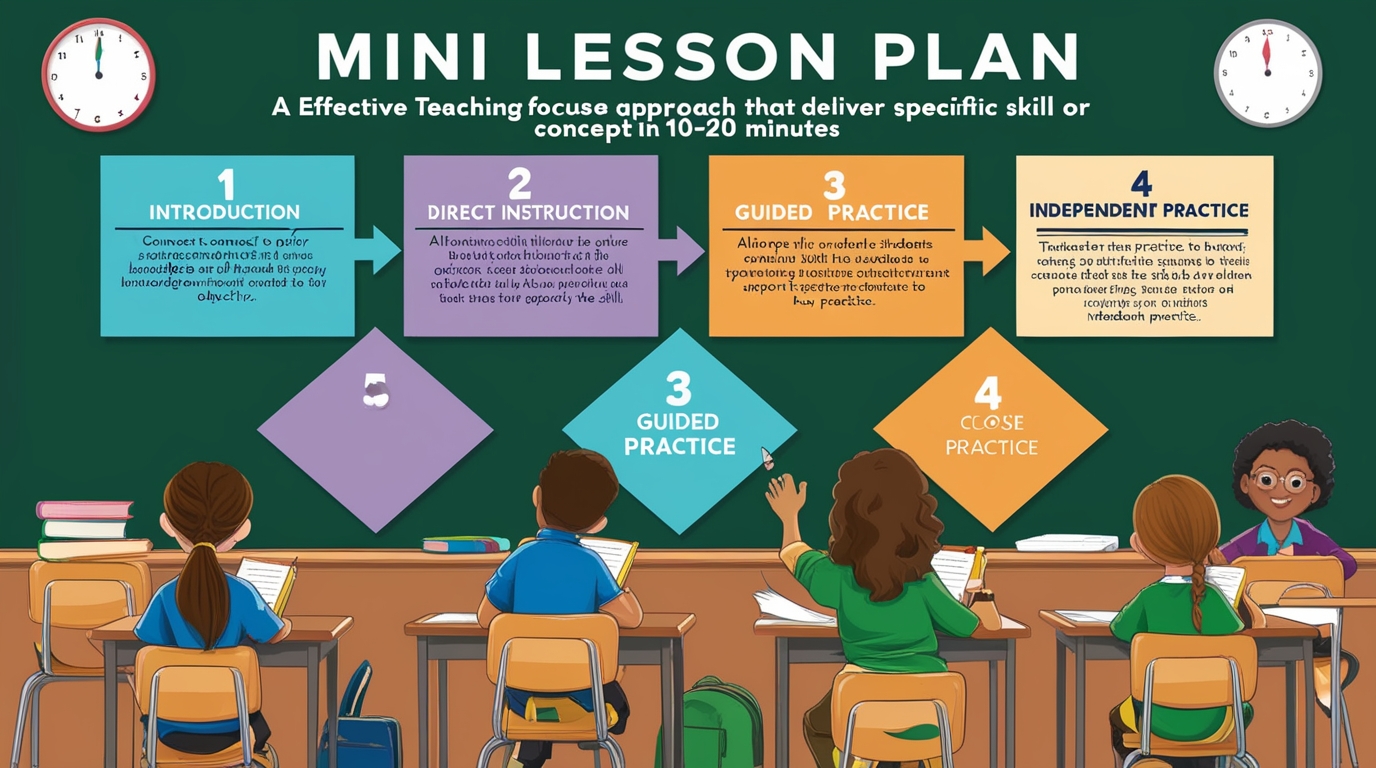
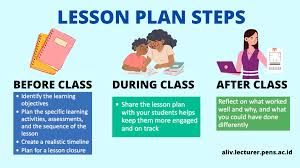
Time management is a critical factor in achieving learning goals. Lesson planning allows teachers to allocate time appropriately for:
- Introduction
- Instruction
- Practice
- Assessment
Efficient use of time ensures that all planned objectives are addressed within the lesson duration.
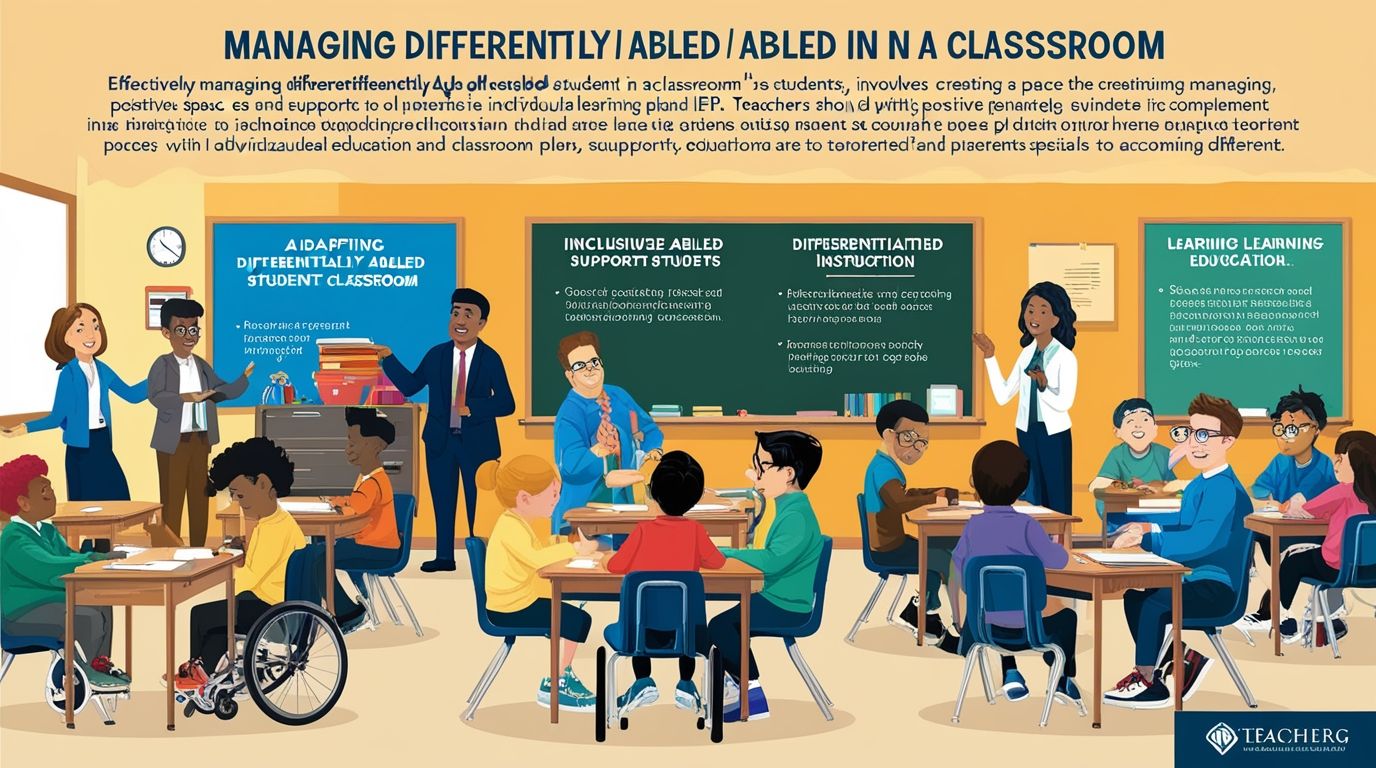
5.4 Differentiated Instruction
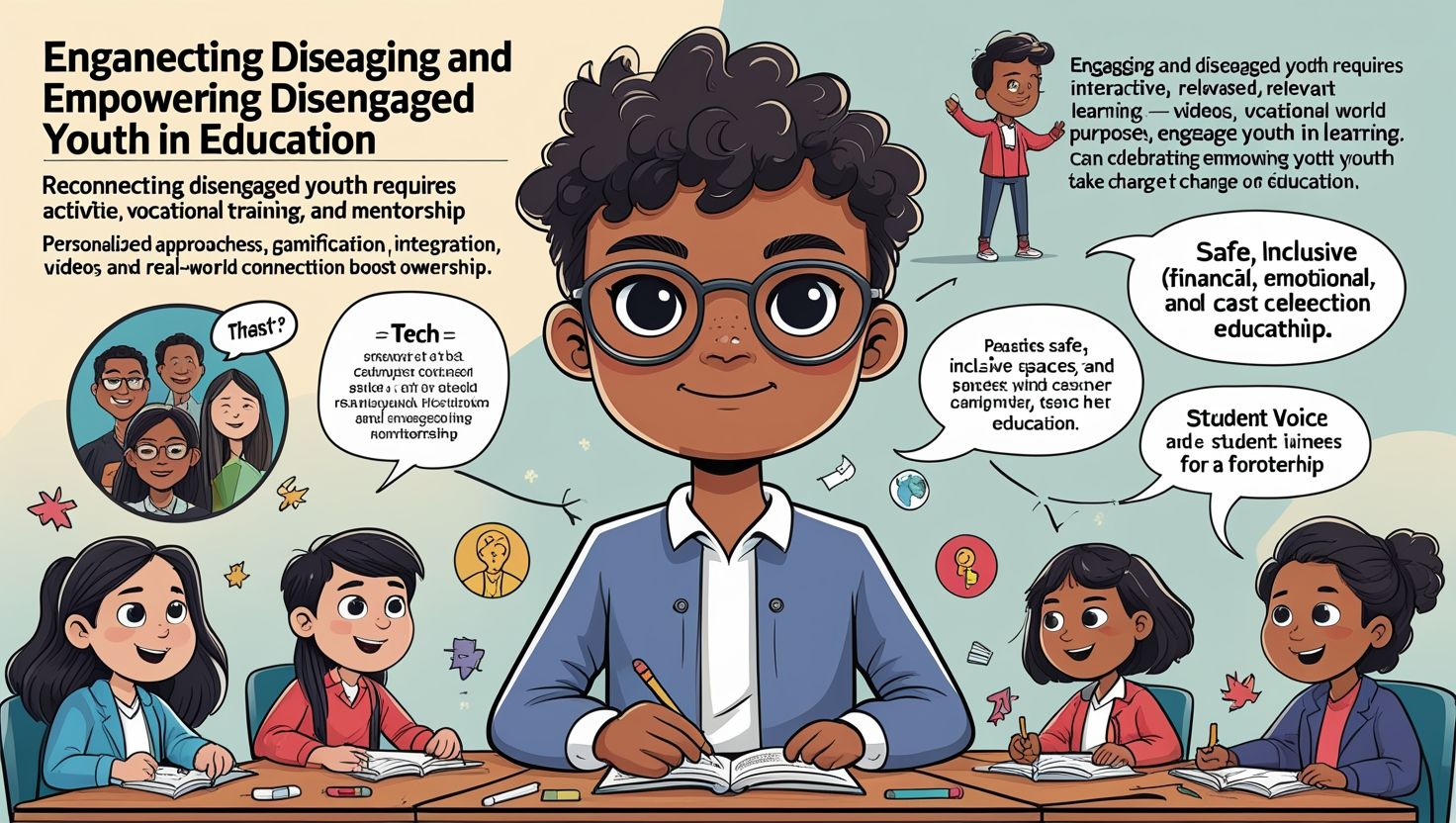
Students have diverse learning needs, abilities, and backgrounds. Lesson planning enables teachers to incorporate differentiation strategies, ensuring that all students can achieve learning goals.
Differentiation may include:
- Adjusting content difficulty
- Using varied instructional methods
- Providing additional support
Planning for diversity enhances inclusivity and improves overall learning outcomes.
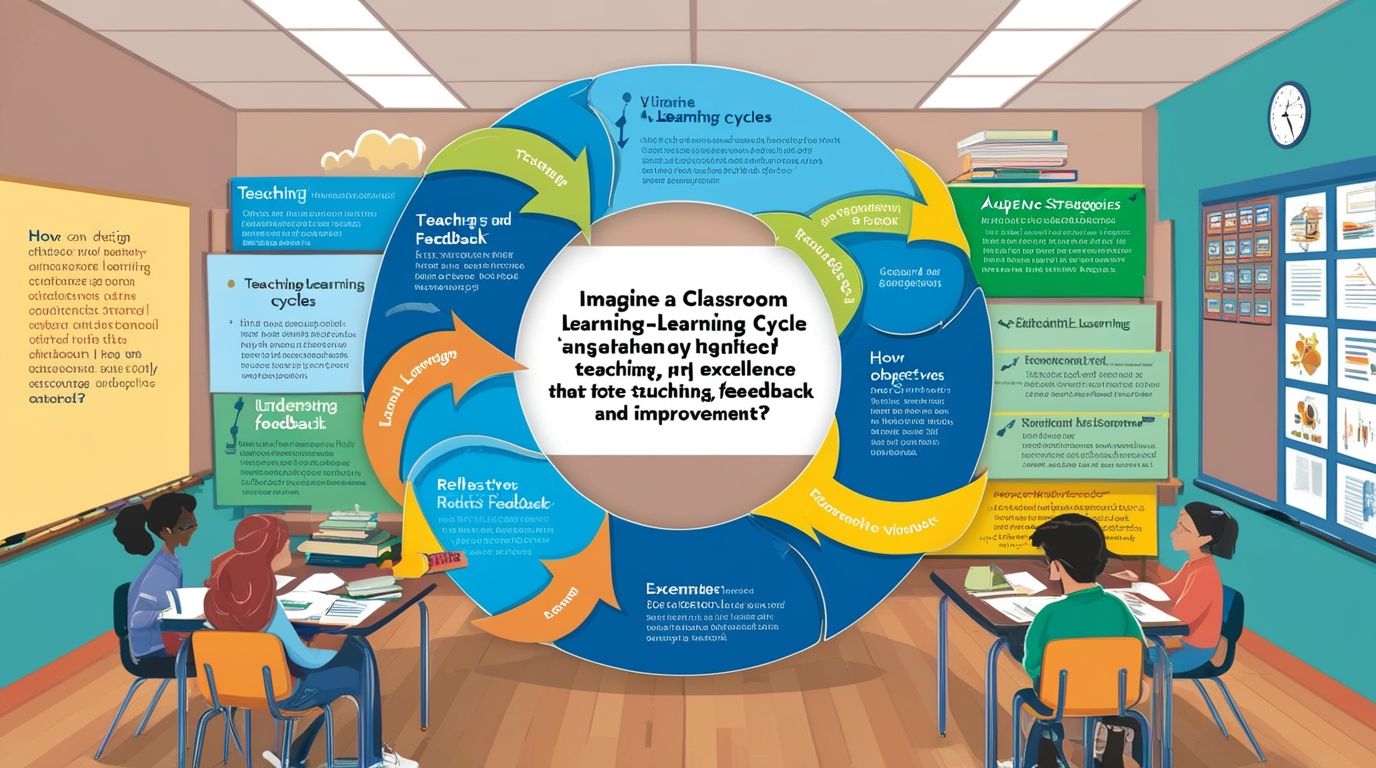
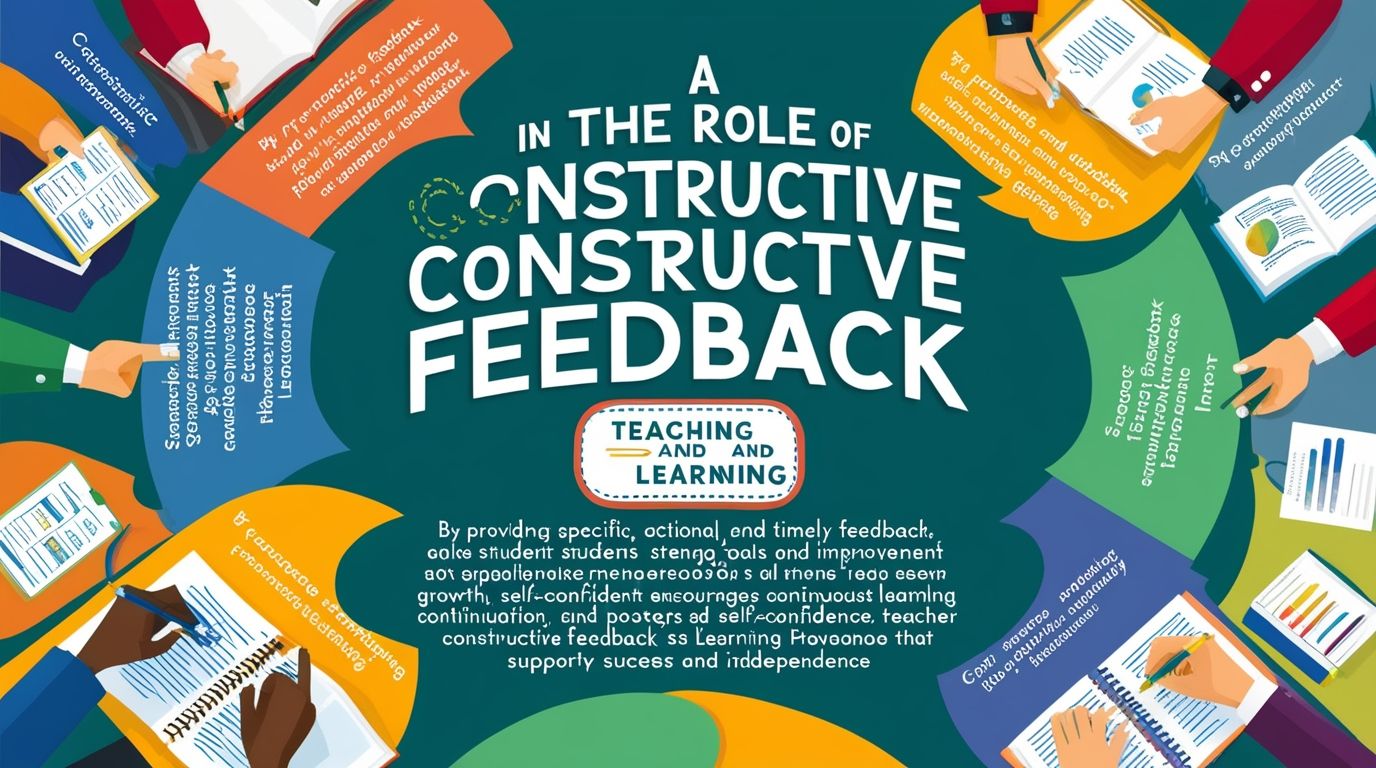
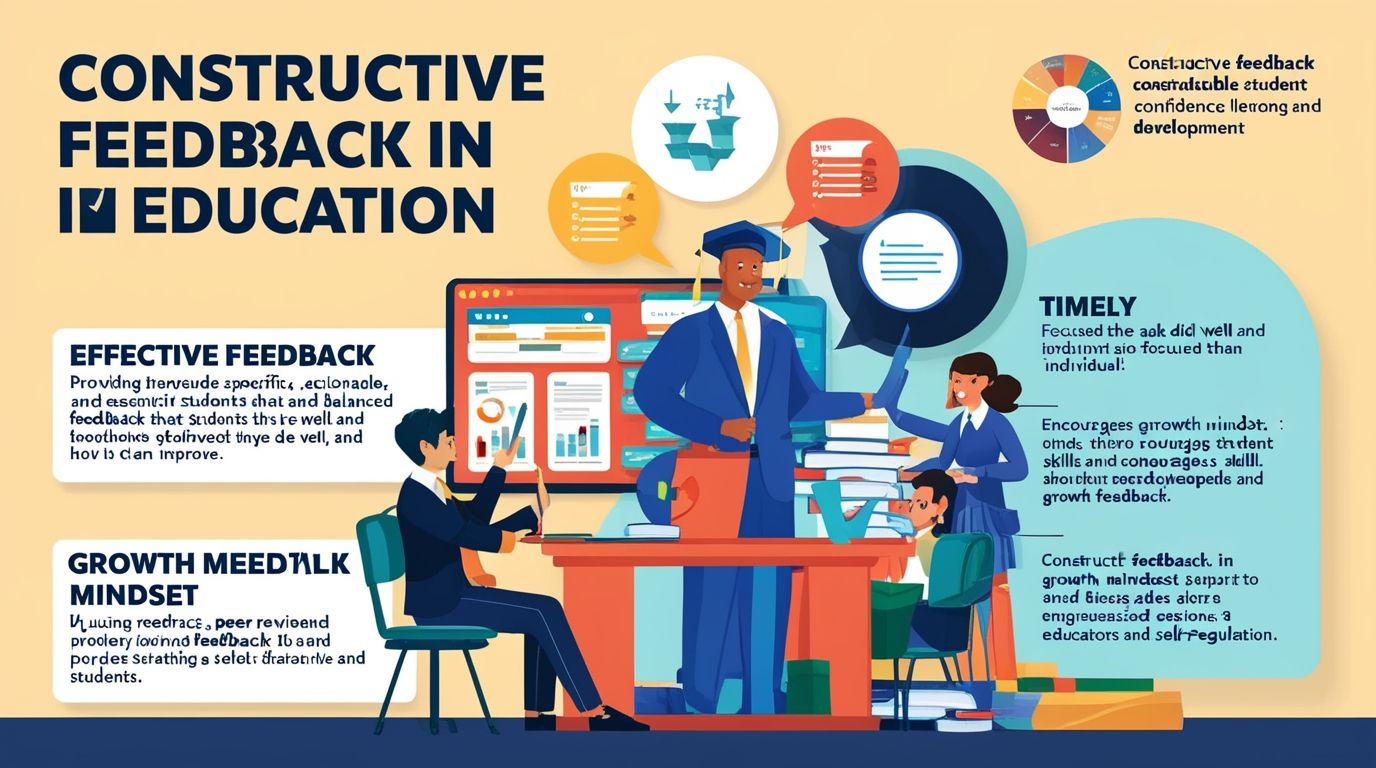
5.5 Continuous Assessment and Feedback
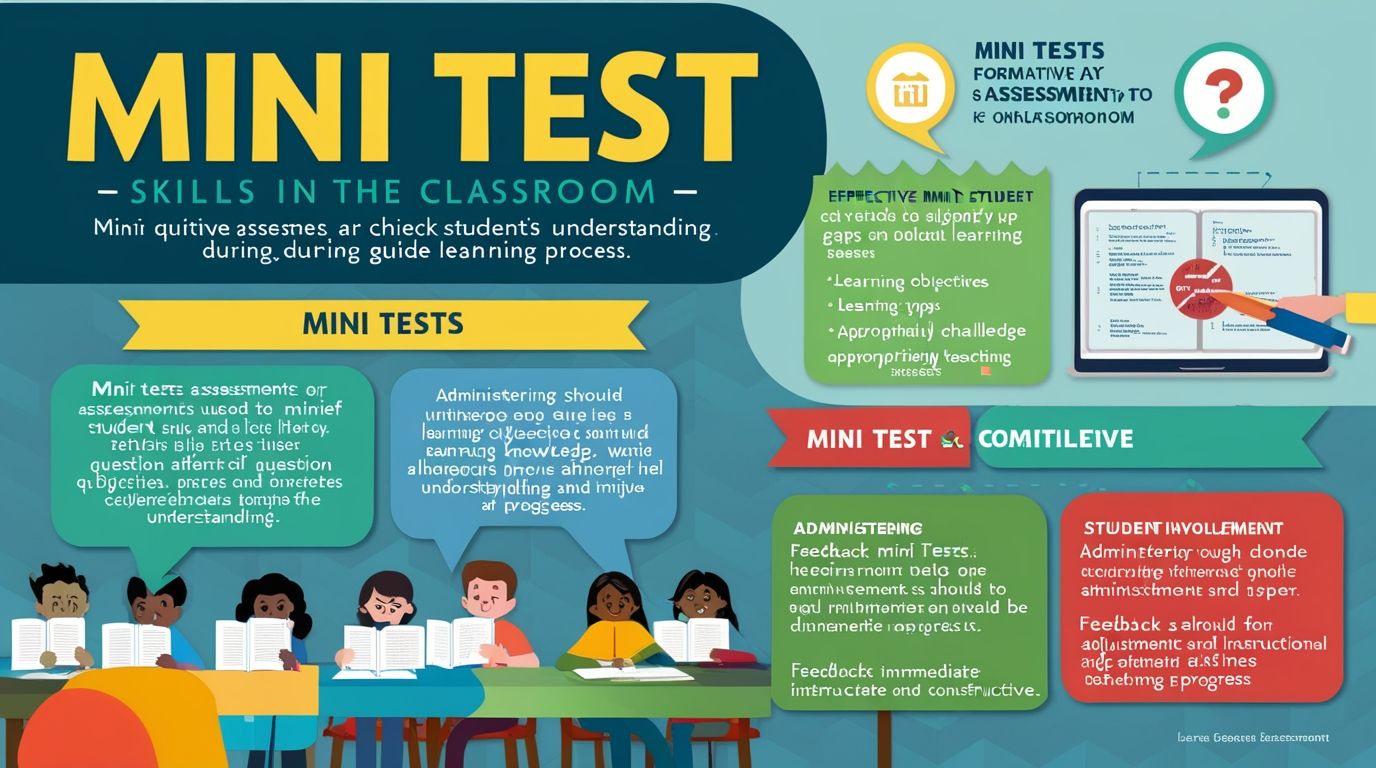
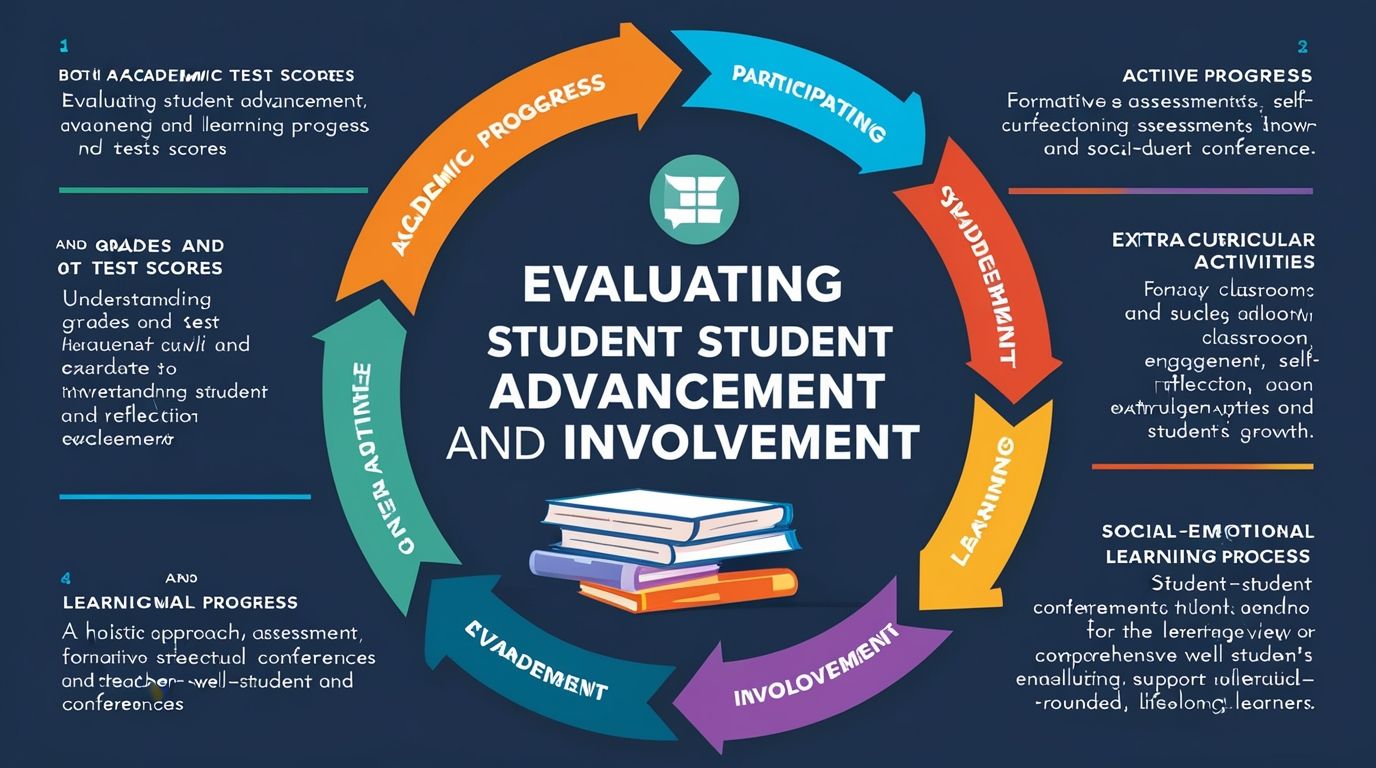
Assessment is a key component of lesson planning. It includes both formative and summative assessments that measure student progress.
Formative assessments provide ongoing feedback, allowing teachers to adjust instruction and address learning gaps in real time .
This continuous feedback loop ensures that learning goals are progressively achieved.
5.6 Promoting Active Learning
Lesson plans that incorporate active learning strategies encourage students to:
- Think critically
- Solve problems
- Apply knowledge
Active learning enhances understanding and retention, leading to better achievement of learning goals.
6. Role of Lesson Planning in Teacher Development
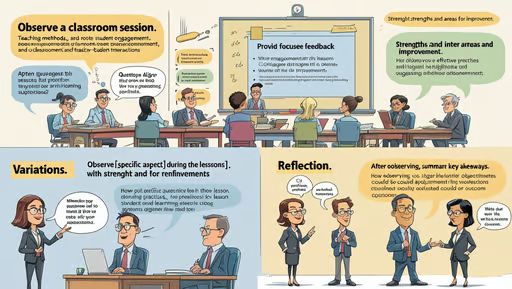
Lesson planning is not only beneficial for students but also for teachers. It contributes to professional development by:
- Enhancing pedagogical skills
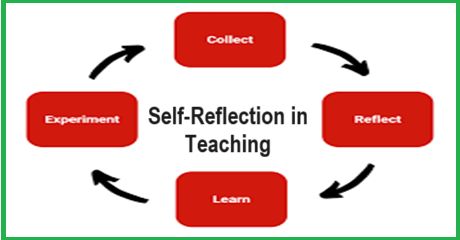
- Encouraging reflective practice
- Improving instructional design
Research shows that lesson planning influences teachers’ professional skills and teaching effectiveness .
Through planning, teachers become more aware of instructional goals and strategies, leading to continuous improvement.
7. Challenges in Lesson Planning
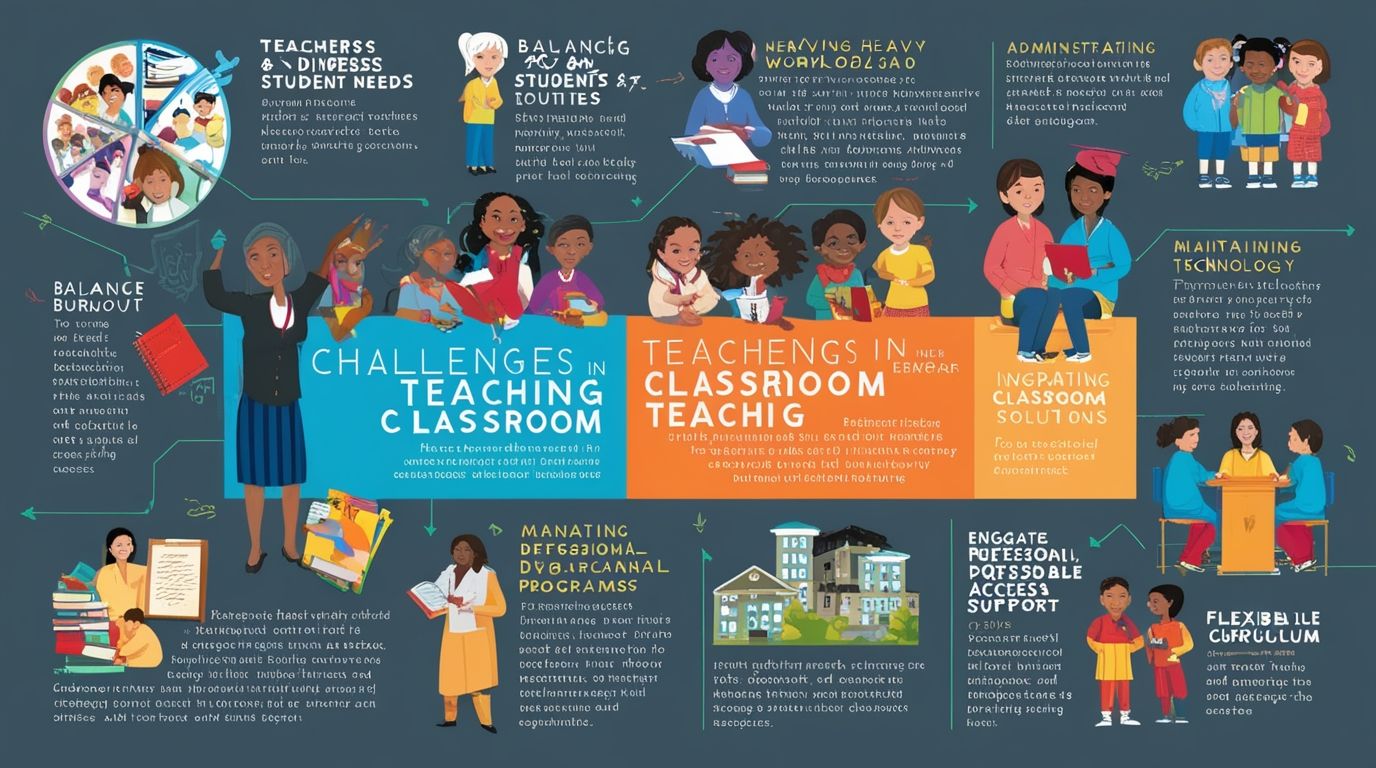
Despite its importance, lesson planning presents several challenges:
7.1 Time Constraints
Teachers often have limited time to prepare detailed lesson plans.
7.2 Diverse Student Needs
Addressing the needs of all learners can be complex.
7.3 Resource Limitations
Lack of teaching materials may hinder effective planning.
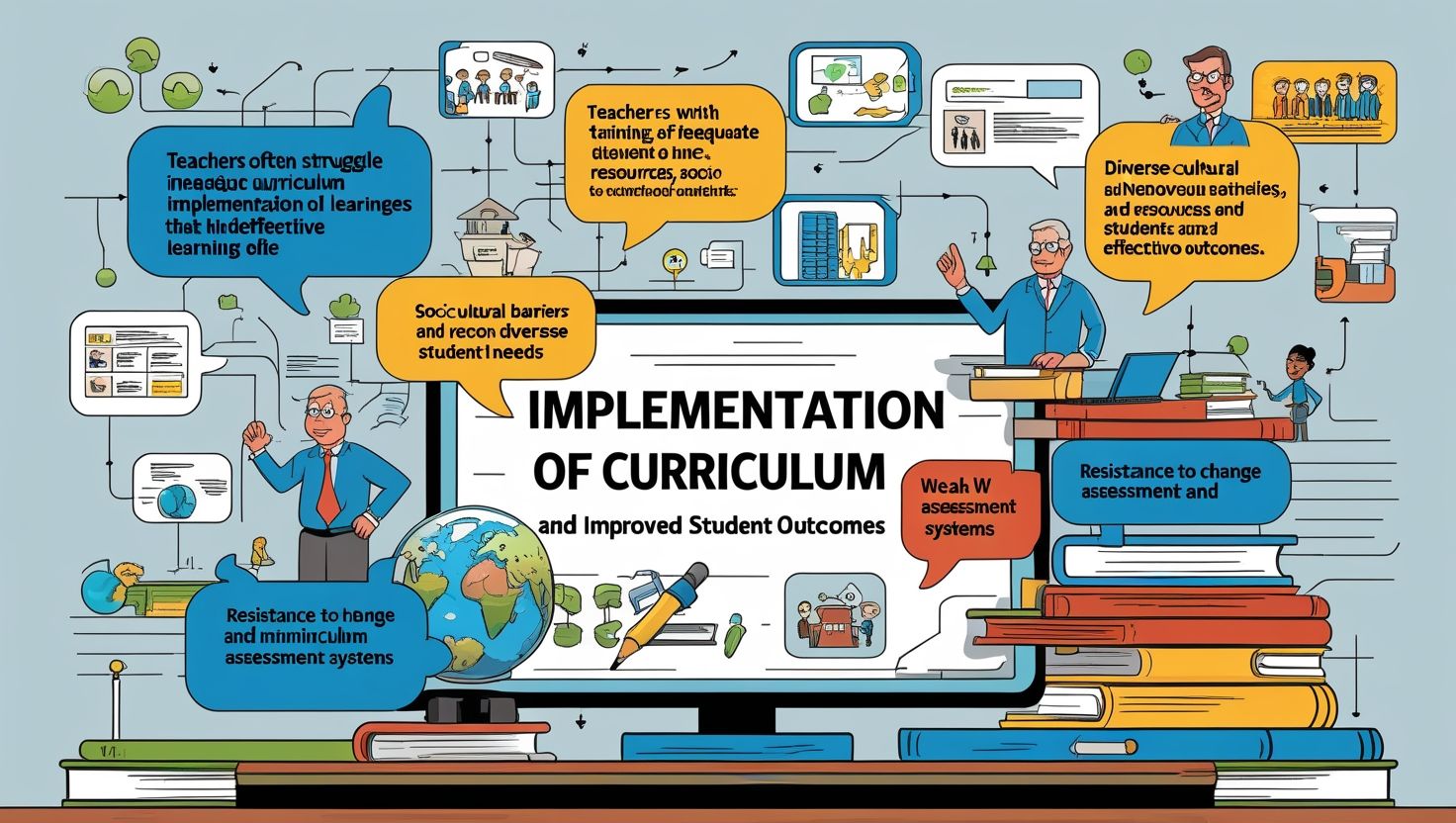
7.4 Rigid Curriculum Requirements
Strict curricula may limit flexibility in lesson design.
8. Strategies for Effective Lesson Planning
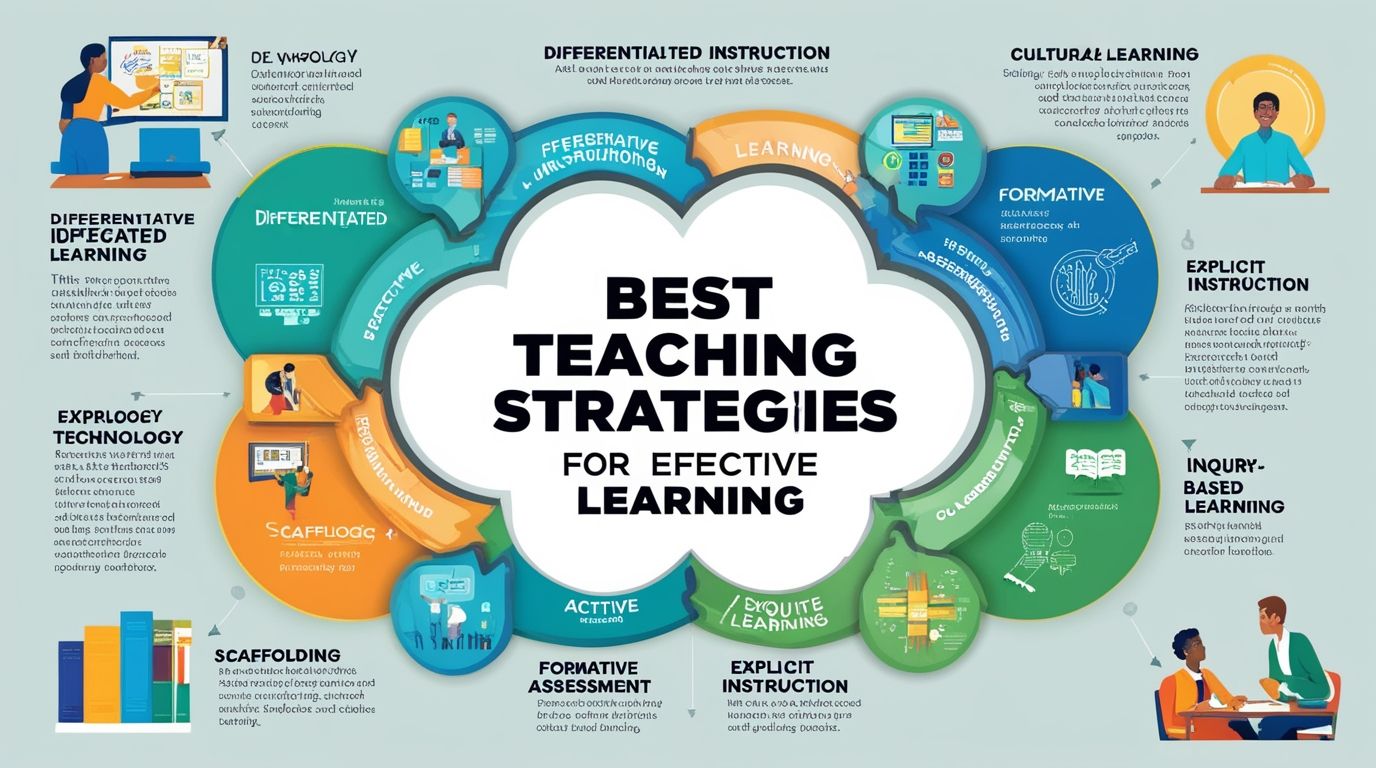
To maximize the impact of lesson planning on learning goals, teachers should adopt the following strategies:
8.1 Clear Definition of Objectives
Learning goals should be precise and measurable.
8.2 Alignment of Components
Ensure consistency between objectives, activities, and assessments.
8.3 Incorporation of Active Learning
Use student-centered teaching methods.
8.4 Use of Assessment Data
Adjust instruction based on student performance.
8.5 Flexibility
Adapt lesson plans according to classroom dynamics.
9. Implications for Educational Practice
The findings of this discussion have significant implications:
- Educational institutions should emphasize lesson planning in teacher training programs
- Teachers should view lesson planning as a dynamic and reflective process
- Policymakers should support teachers with resources and time for effective planning
Integrating lesson planning into educational practice enhances both teaching quality and student learning outcomes.
10. Conclusion
Lesson planning plays a vital role in achieving learning goals. It provides a structured framework that aligns objectives, instructional strategies, and assessment methods. Through careful planning, teachers can create meaningful learning experiences that promote student engagement, understanding, and achievement.
The impact of lesson planning extends beyond the classroom, contributing to teacher development and educational effectiveness. While challenges exist, adopting strategic approaches to lesson planning can significantly enhance its effectiveness.
In conclusion, lesson planning is not merely a preparatory activity but a fundamental element of successful teaching and learning. Its role in achieving learning goals underscores its importance in modern education systems.
References (Indicative)
- Farhang, Q., Hashemi, S. S. A., & Ghorianfar, S. M. (2023). Lesson Plan and Its Importance in Teaching Process
- ClickView Education (2025). Importance of Lesson Planning
- EBSCO Research (Lesson Planning Overview)
- Sehweil, M. et al. (2022). Importance of Lesson Plan Elements
- Manzoor, A. A. et al. (2024). Role of Lesson Planning in Teacher Development