Introduction
The Impact of a U.S.–Iran War on World Education, The prospect or reality of a war between the United States and Iran represents more than a geopolitical confrontation; it is a multidimensional crisis with profound implications for global systems, including education. Education, as a cornerstone of human development and social stability, is highly sensitive to conflict. When war disrupts economies, displaces populations, and damages infrastructure, education systems are among the first to suffer and the last to recover.
Recent developments in the 2026 U.S.–Iran conflict illustrate how modern warfare—characterized by technological sophistication, economic interdependence, and global connectivity—extends its consequences far beyond the battlefield. The closure of critical trade routes, rising energy prices, and international instability have already begun to ripple through education systems worldwide.
This article examines the short-term, medium-term, and long-term impacts of a U.S.–Iran war on global education, focusing on infrastructure destruction, economic strain, displacement, technological transformation, curriculum shifts, and future educational paradigms.
1. Immediate Destruction of Educational Infrastructure
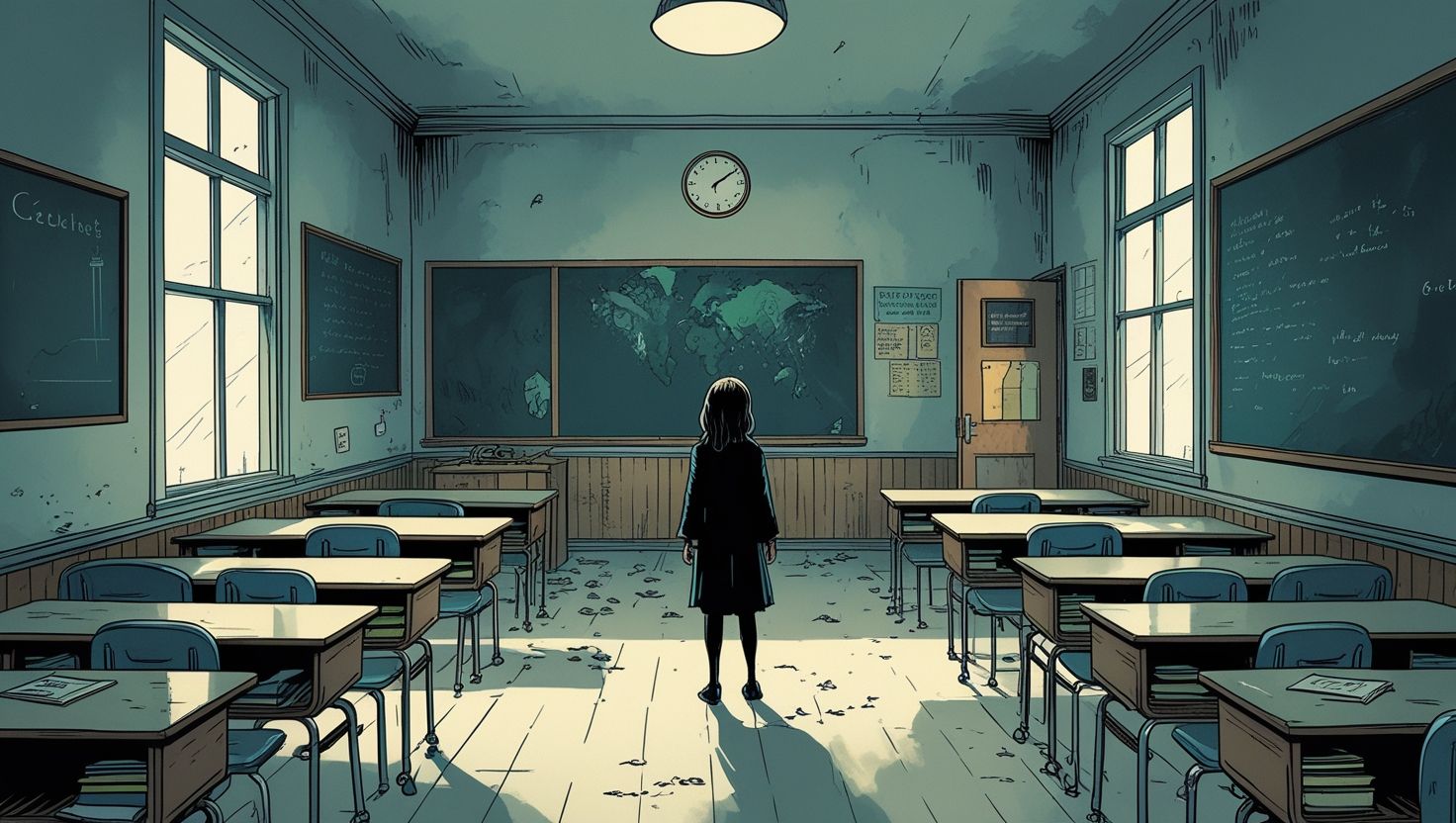
One of the most visible and devastating impacts of war is the destruction of educational institutions. Schools, universities, libraries, and research centers often become collateral damage—or, in some cases, direct targets.
Reports from the ongoing conflict indicate that dozens of universities, libraries, and schools in Iran have been damaged or destroyed, severely disrupting access to education. Additionally, international organizations have raised alarm over attacks on schools, emphasizing that such acts violate international humanitarian law and endanger students and educators.
The destruction of infrastructure has several cascading effects:
- Immediate interruption of schooling
- Loss of educational materials and research data
- Collapse of local academic ecosystems
- Reduced capacity for higher education and innovation
In regions directly affected by conflict, entire generations risk losing access to formal education. This phenomenon has been observed historically in war-torn regions, where the destruction of schools leads to long-term declines in literacy and skill development.
2. Psychological and Social Impact on Learners
War does not only destroy buildings—it profoundly affects human psychology. Students exposed to violence, displacement, and uncertainty often experience trauma that impairs learning capacity.
Research on conflict zones shows that war creates:
- Chronic stress and anxiety
- Reduced cognitive performance
- Increased dropout rates
- Loss of motivation for long-term educational goals
Children in conflict areas may associate schools with danger rather than safety, especially when educational institutions are targeted. Teachers, too, face psychological strain, reducing their effectiveness and further degrading educational quality.
Globally, the psychological impact extends beyond war zones. Media coverage and geopolitical tension create anxiety among students worldwide, particularly those with cultural or familial ties to affected regions.
3. Economic Shock and Education Funding
A U.S.–Iran war significantly disrupts the global economy, particularly through energy markets. The Strait of Hormuz, a critical النفط shipping route, plays a central role in global energy supply. Its disruption leads to rising oil prices, inflation, and economic instability.
Education systems are highly dependent on public funding. When governments face economic crises, education budgets are often reduced in favor of defense and emergency spending.
Key economic impacts include:
- Reduced government funding for schools and universities
- Cuts to research grants and innovation programs
- Increased tuition fees and reduced accessibility
- Financial strain on families, leading to higher dropout rates
Even countries not directly involved in the conflict experience these effects. For example, rising fuel prices increase transportation and operational costs for schools globally, indirectly affecting educational access and quality.
4. Displacement and the Refugee Education Crisis
War inevitably leads to displacement. The U.S.–Iran conflict has already contributed to population movements and humanitarian challenges.
Displaced populations face significant barriers to education:
- Lack of access to schools in refugee camps
- Language barriers in host countries
- Interrupted academic progression
- Limited availability of qualified teachers
Host countries often struggle to integrate refugee students into their education systems, leading to overcrowded classrooms and strained resources.
Historically, conflicts such as the Iran–Iraq War have shown that children exposed to war experience long-term reductions in educational attainment, affecting their future employment and socioeconomic status.
This creates a “lost generation” effect, where millions of children are deprived of education, perpetuating cycles of poverty and instability.
5. Disruption of Higher Education and Research
Universities and research institutions are particularly vulnerable during war. The U.S.–Iran conflict has led to:
- Closure of international campuses
- Suspension of academic exchanges
- Restrictions on visas for international students
- Interruptions in collaborative research projects
Scientific research, which thrives on international collaboration, suffers significantly. Sanctions, travel restrictions, and geopolitical tensions limit knowledge exchange and innovation.
Historically, political disruptions in Iran have already demonstrated how instability can lead to long-term declines in scientific output and global research standing, creating lasting knowledge gaps.
In a globalized academic environment, the disruption of one region affects the entire world’s knowledge production.
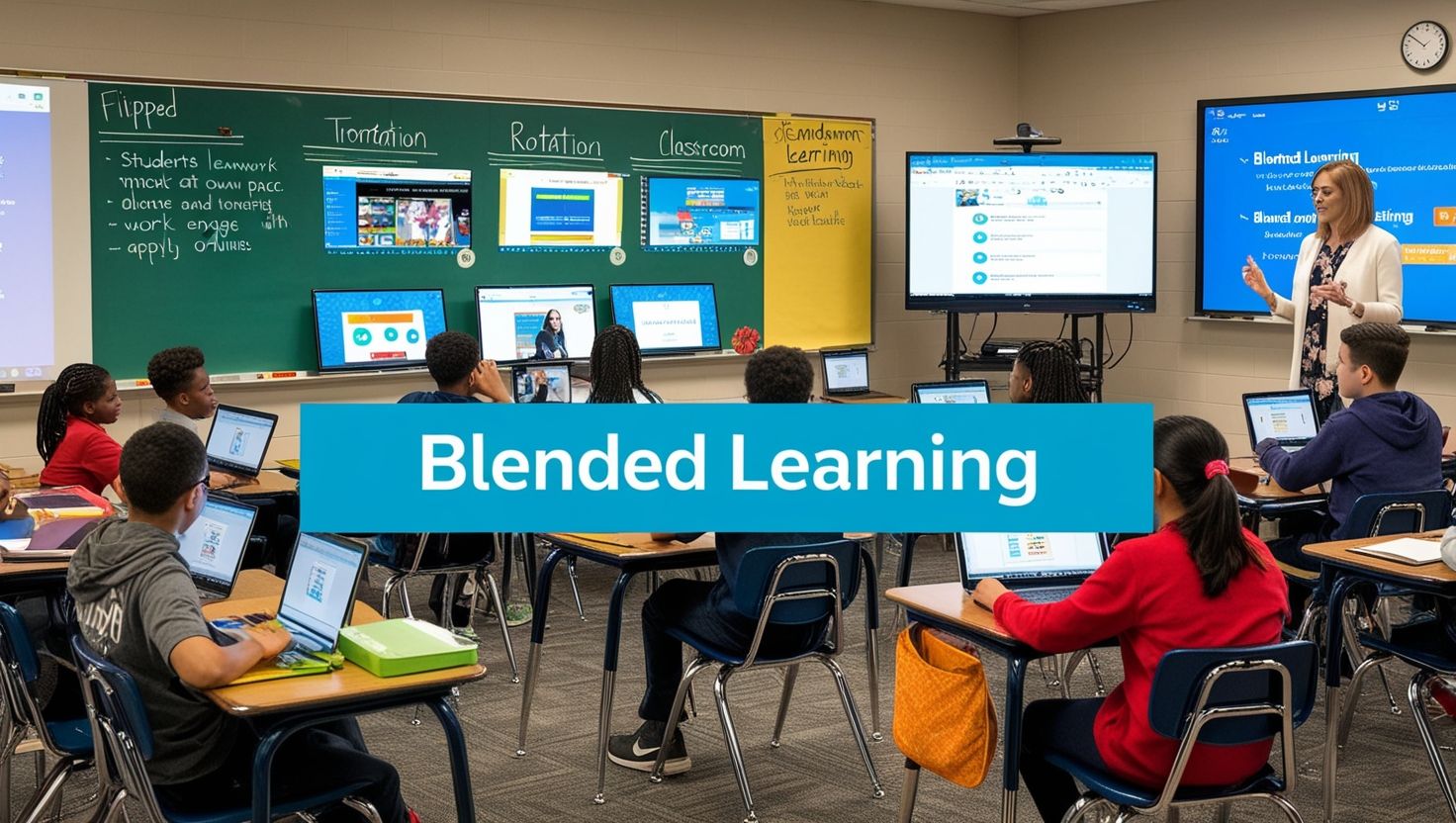
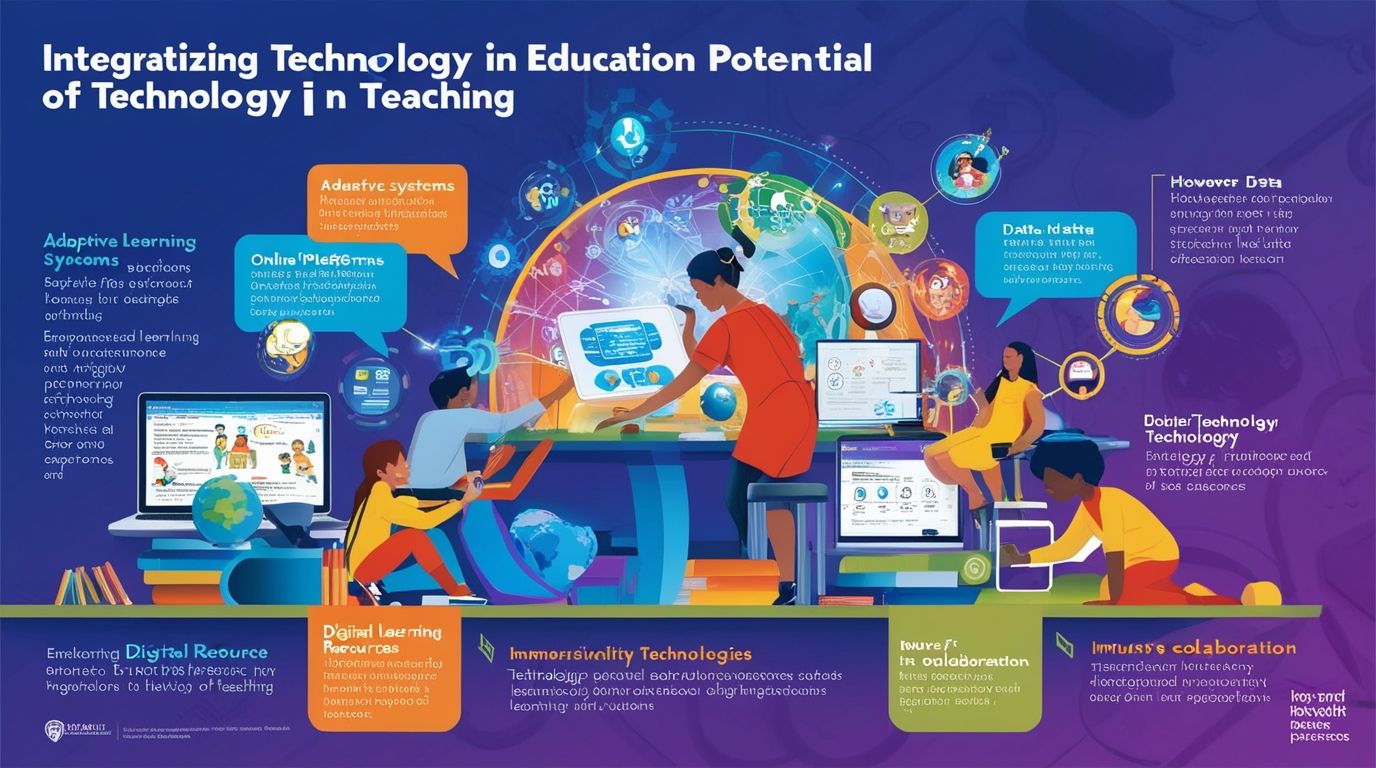
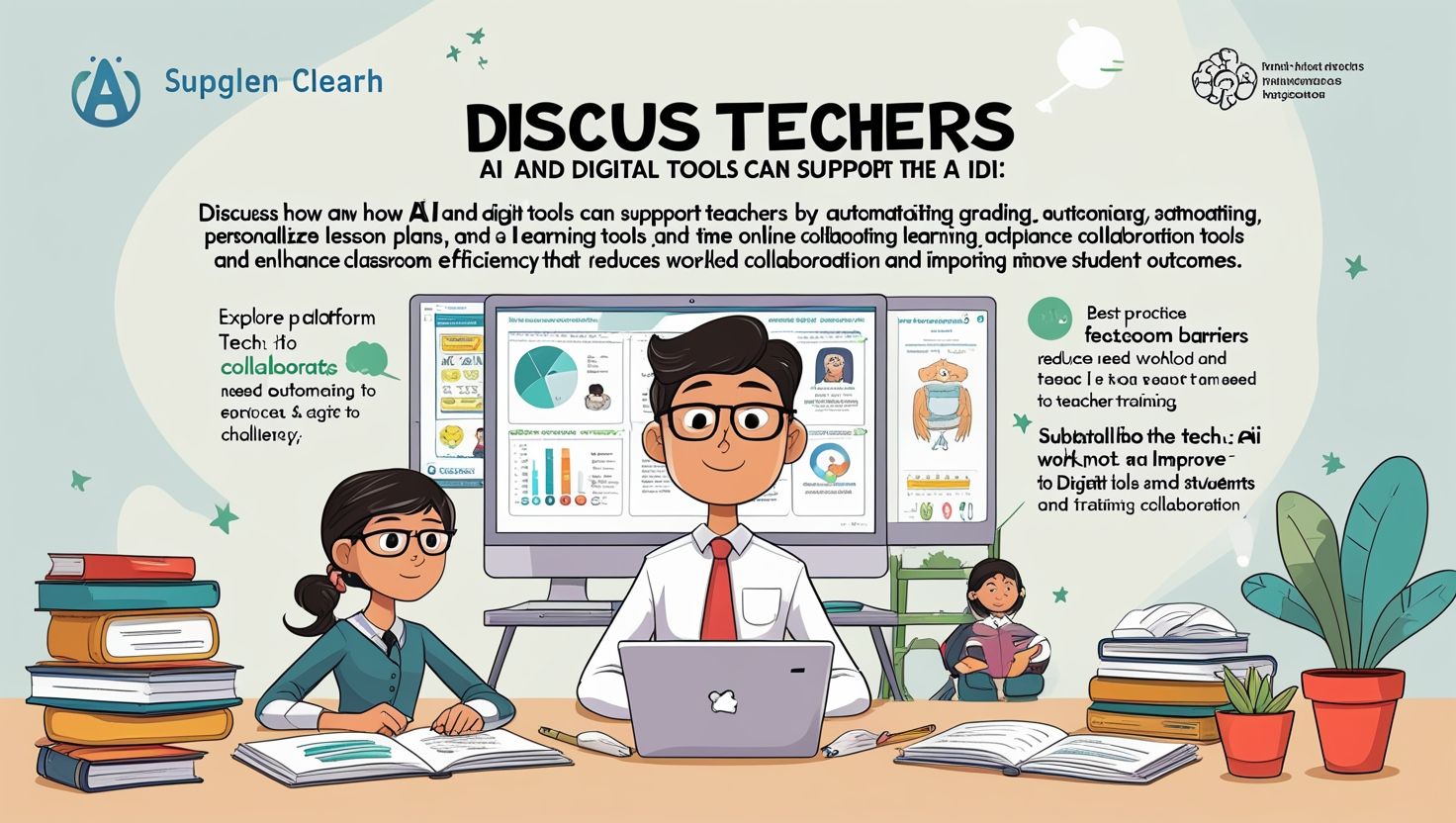
6. Shift Toward Digital and Remote Learning
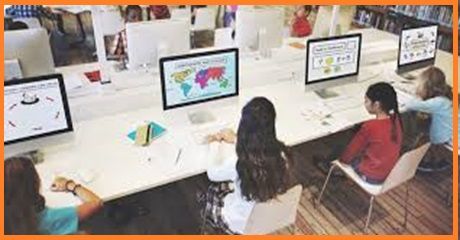
One of the adaptive responses to war is the shift toward digital education. When physical schools are unsafe or inaccessible, online learning becomes a critical alternative.
The U.S.–Iran conflict has accelerated trends such as:
- Expansion of online tutoring and virtual classrooms
- Increased reliance on digital learning platforms
- Growth in remote international education programs
While digital learning offers continuity, it also exposes inequalities:
- Limited internet access in conflict zones
- Lack of digital devices among disadvantaged populations
- Reduced effectiveness of online education for younger learners
Thus, while technology mitigates some effects of war, it also deepens the digital divide between developed and developing regions.
7. Transformation of Curriculum and Educational Priorities
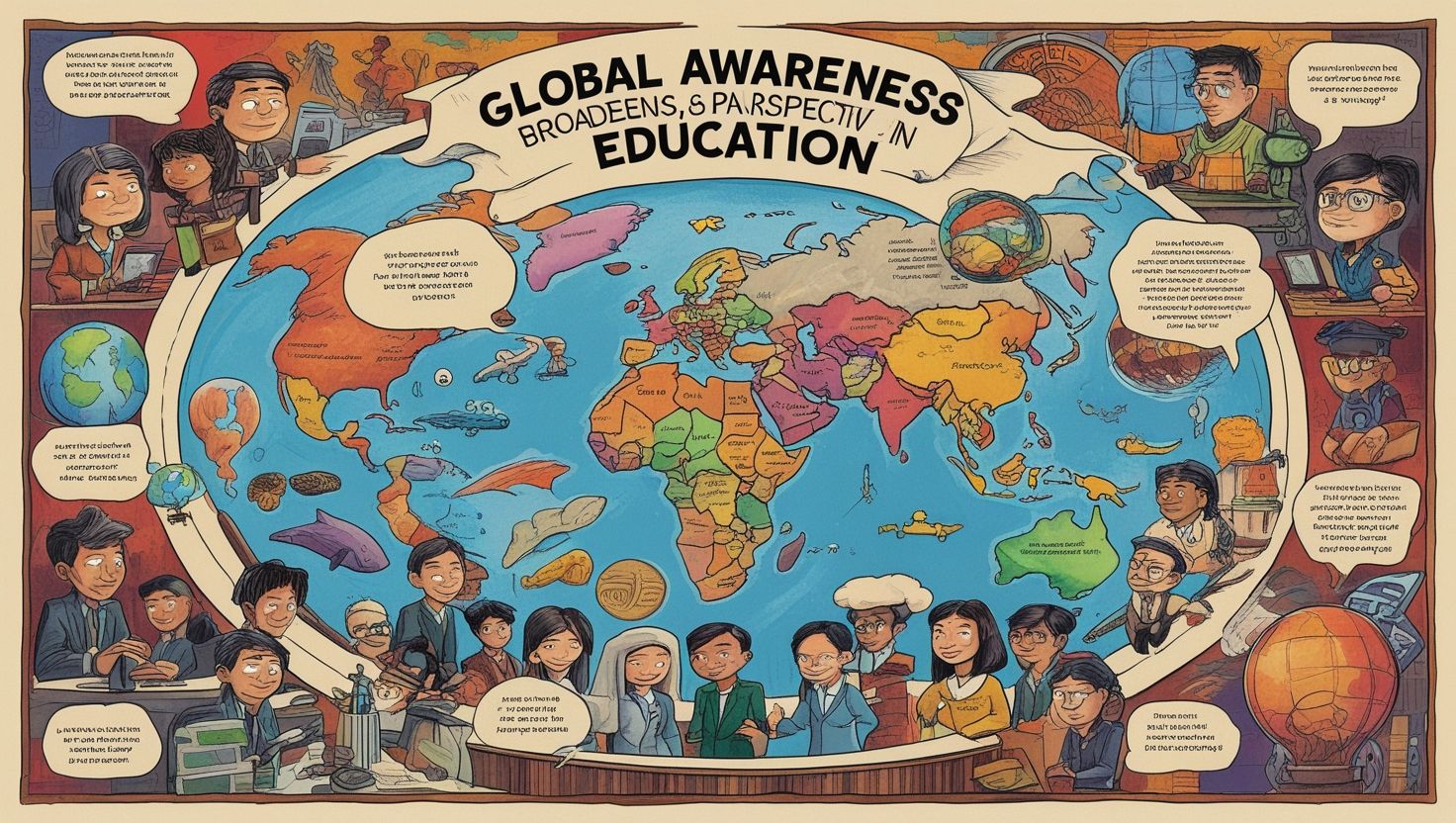
War influences not only how education is delivered but also what is taught. The U.S.–Iran conflict highlights gaps in global awareness and historical understanding among students.
Educational systems may respond by:
- Increasing emphasis on global history and geopolitics
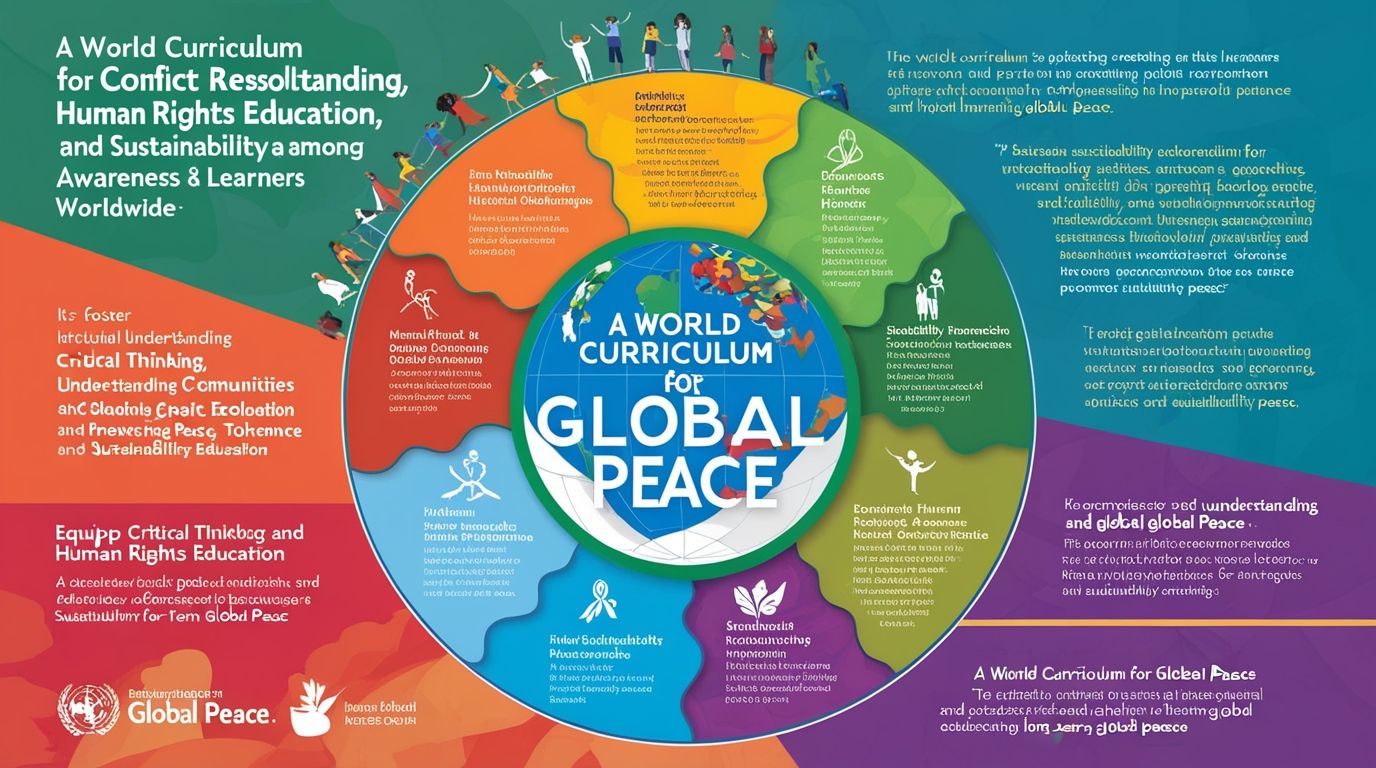
- Expanding peace education and conflict resolution studies
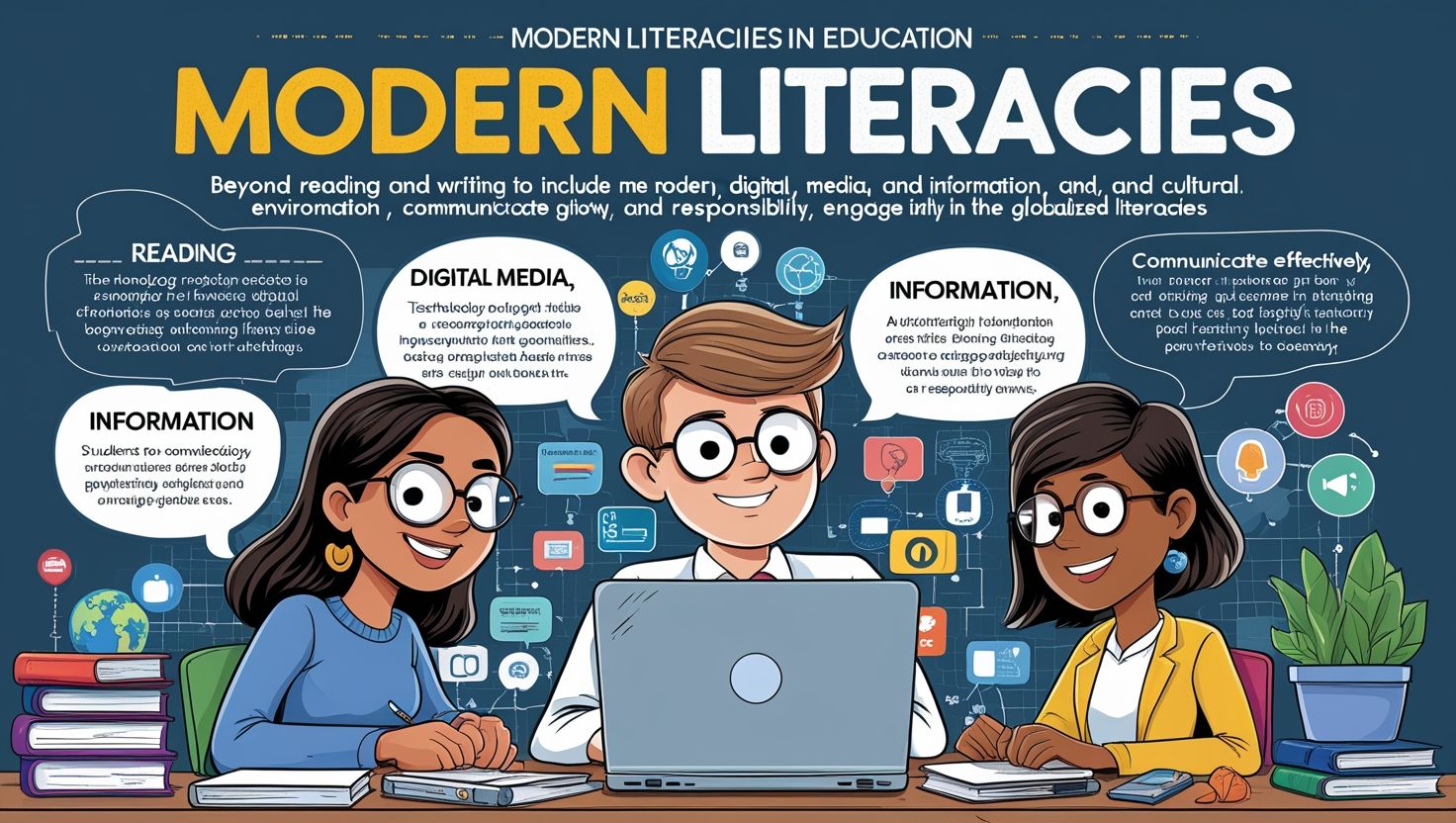
- Promoting critical thinking and media literacy
Some analysts argue that such conflicts serve as “teachable moments,” exposing deficiencies in existing curricula and prompting reforms.
Additionally, geopolitical tensions often influence language learning trends. For instance, demand for strategically important languages—such as Persian, Arabic, or regional languages—tends to increase during conflicts.
8. Cultural and Intellectual Loss
War leads to the destruction of cultural heritage, libraries, and intellectual resources. In Iran, numerous cultural and educational sites have been damaged, representing not just physical loss but the erosion of historical identity and knowledge systems.
The loss of libraries and research centers has long-term consequences:
- Irreplaceable manuscripts and historical records are destroyed
- Academic continuity is disrupted
- Cultural memory is weakened
Such losses affect not only the affected nation but also global scholarship, as knowledge preserved in these institutions contributes to humanity’s collective intellectual heritage.
9. Global Inequality in Education
A U.S.–Iran war exacerbates global educational inequalities. Wealthier nations may adapt through technology and financial resources, while poorer regions struggle to maintain basic educational services.
This divergence manifests in:
- Unequal access to digital learning tools
- Disparities in educational quality
- Increased global knowledge gaps
As conflict-driven economic instability spreads, developing countries face compounded challenges, including debt, inflation, and reduced international aid—all of which impact education systems.
10. Long-Term Implications for Global Education
The long-term effects of a U.S.–Iran war on education extend far beyond the immediate crisis. These include:
a. Generational Learning Loss
Children who miss years of schooling may never fully recover academically, affecting workforce productivity and economic growth.
b. Institutional Weakening
Prolonged conflict weakens educational institutions, making recovery slow and uneven.
c. Shift in Global Knowledge Production
Countries less affected by conflict may dominate research and innovation, reshaping global academic leadership.
d. Increased Militarization of Education
In some contexts, education systems may become more nationalistic or militarized, influencing curricula and student perspectives.
Conclusion
The impact of a U.S.–Iran war on world education is profound, multifaceted, and enduring. From the destruction of schools and displacement of students to economic disruption and shifts in global knowledge systems, the consequences extend far beyond the immediate conflict zone.
Education, as both a victim and a tool of recovery, plays a critical role in shaping post-war societies. While war undermines educational systems, it also highlights their importance in fostering resilience, critical thinking, and global cooperation.
For educators, policymakers, and institutions worldwide, the challenge lies in mitigating these impacts through:
- Investment in resilient and flexible education systems
- Expansion of digital learning infrastructure
- Support for displaced learners
- Promotion of peace education and global awareness
Ultimately, the future of global education depends on the ability to protect and prioritize learning even in times of conflict. The lessons drawn from a U.S.–Iran war underscore a fundamental truth: sustainable peace and quality education are deeply interconnected, and one cannot thrive without the other.