Introduction to Self-Directed Learning
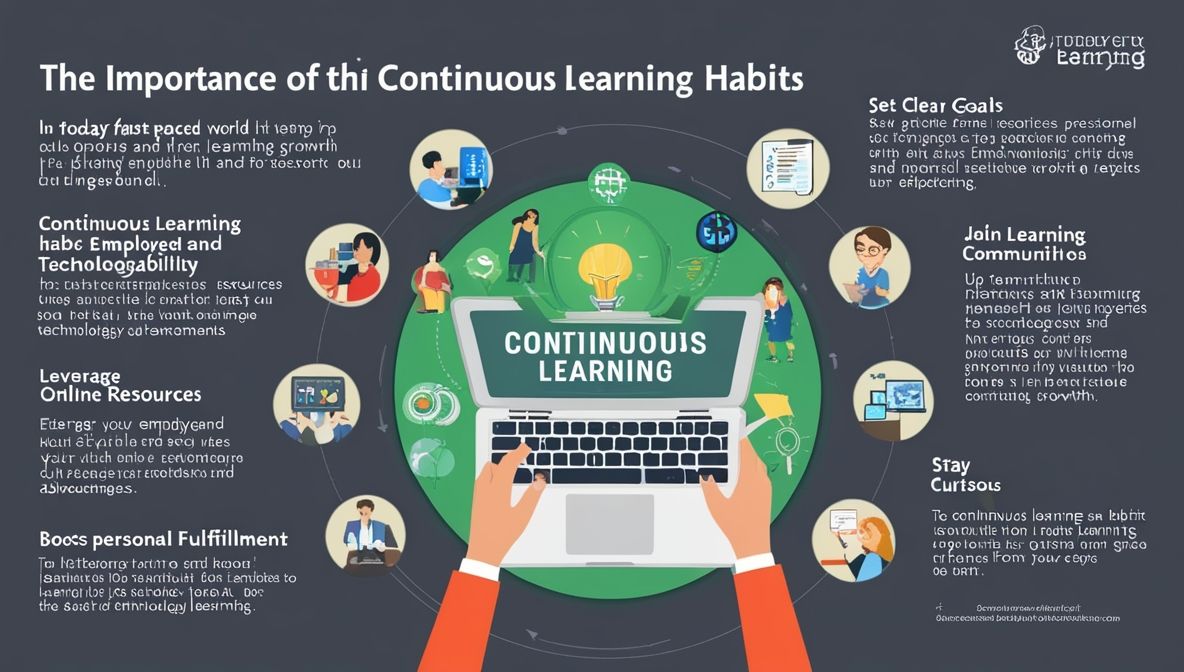
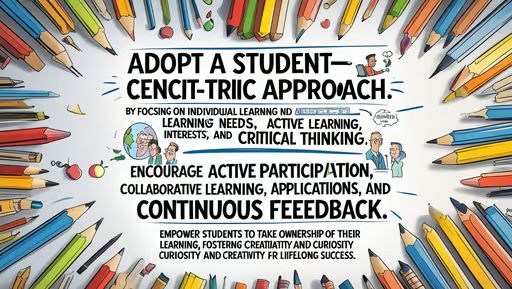
Self-directed learning in classrooms has emerged as one of the most influential approaches in modern education, reshaping how students engage with knowledge, skills, and personal growth. At its core, self-directed learning refers to a process in which learners take initiative, with or without external support, to diagnose their learning needs, set goals, identify resources, choose and implement strategies, and evaluate outcomes. In classroom contexts, this approach transforms students from passive recipients of information into active participants in their own educational journeys.
Relevance in the 21st Century
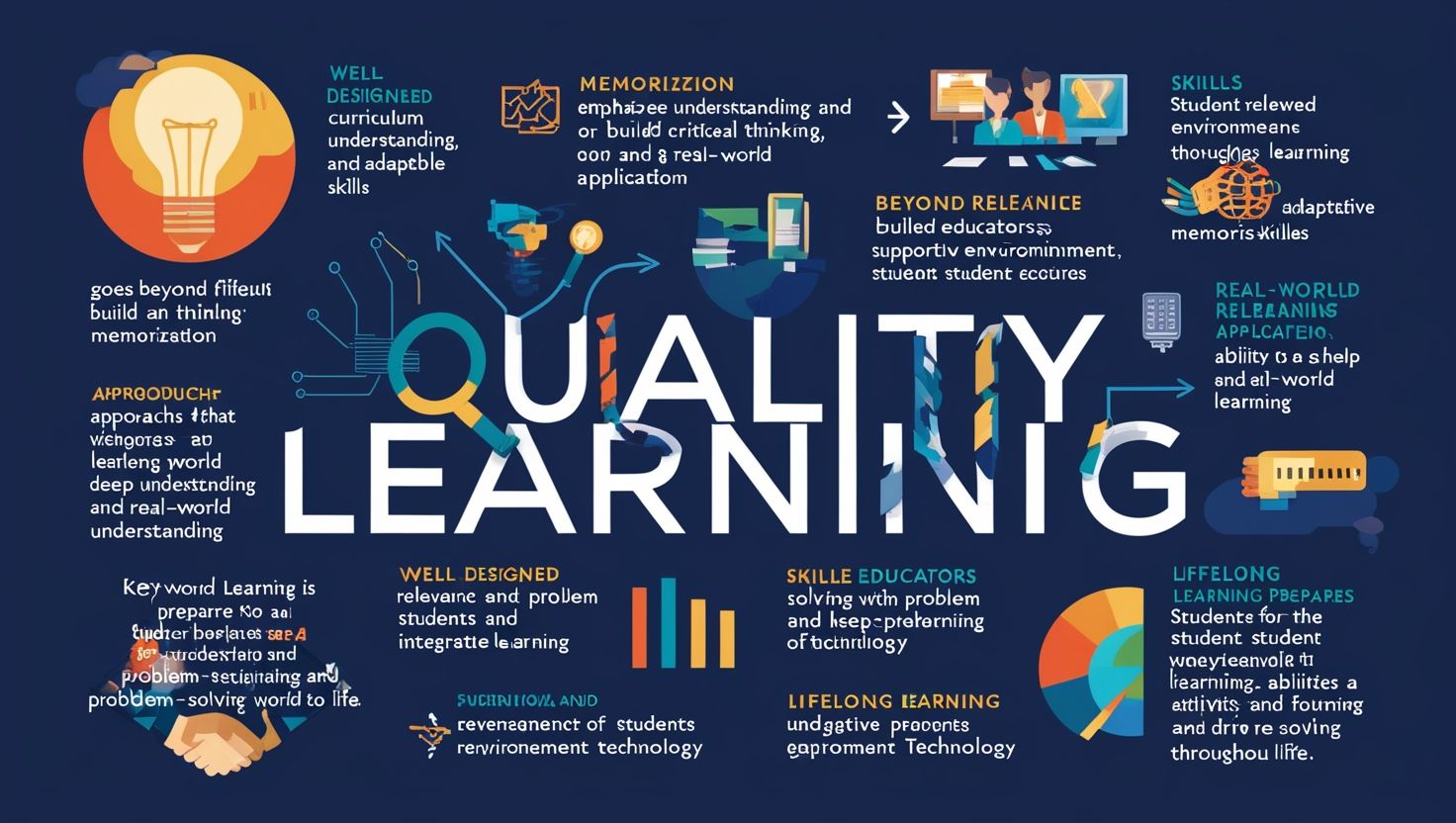
The significance of self-directed learning lies in its alignment with the demands of the 21st century. Today’s world requires individuals who can think critically, adapt to change, solve complex problems, and continue learning throughout their lives. Traditional teacher-centered models, while still valuable in certain contexts, often limit opportunities for students to develop independence and ownership of learning. By contrast, self-directed learning empowers students to cultivate autonomy, responsibility, and intrinsic motivation—qualities essential for lifelong success.
Changing Role of the Teacher
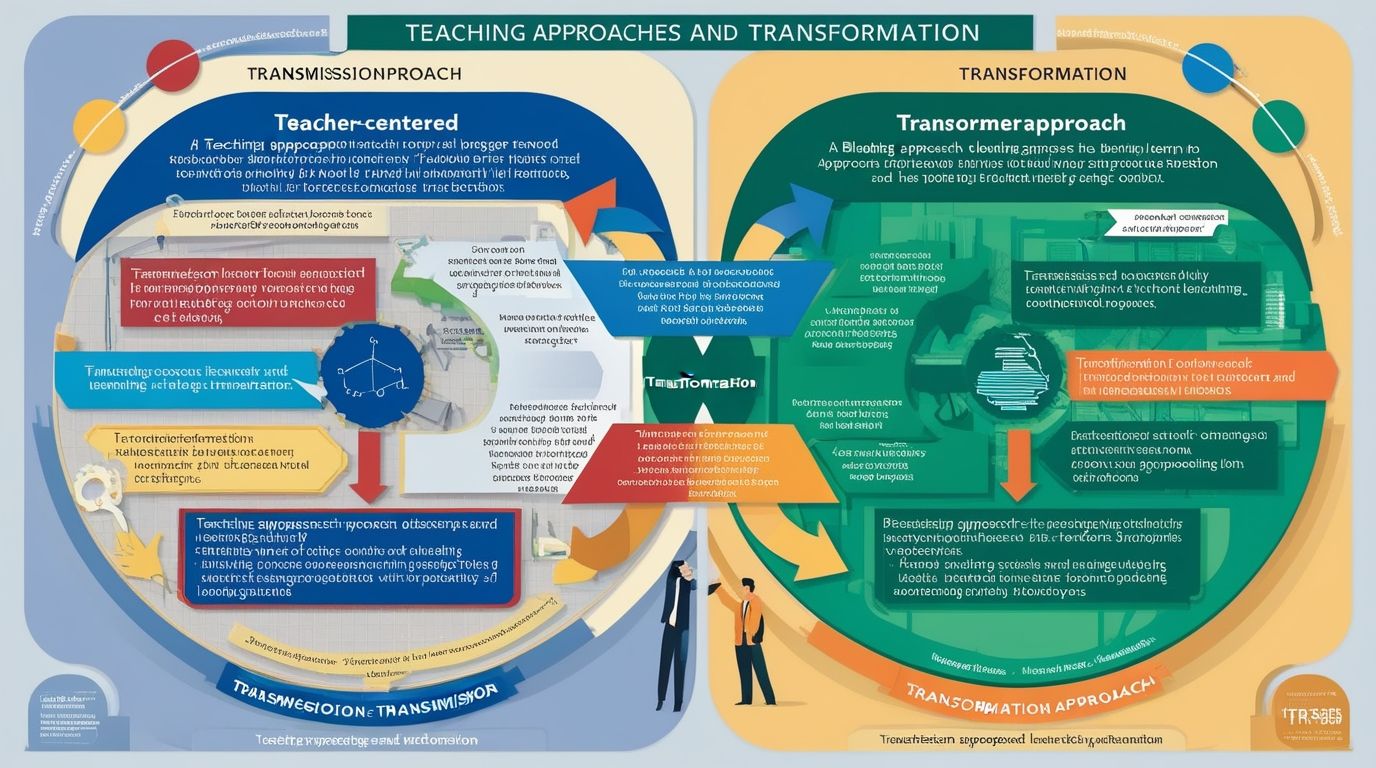
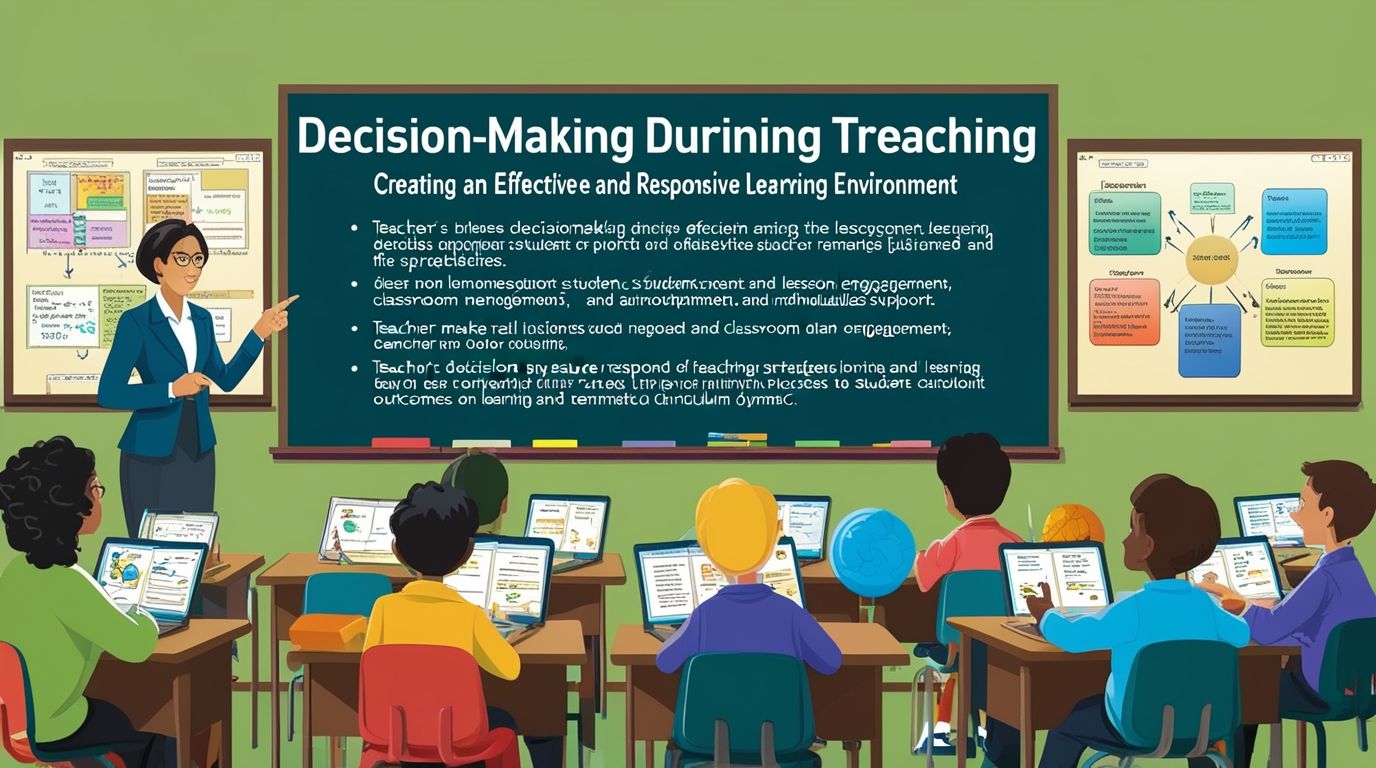
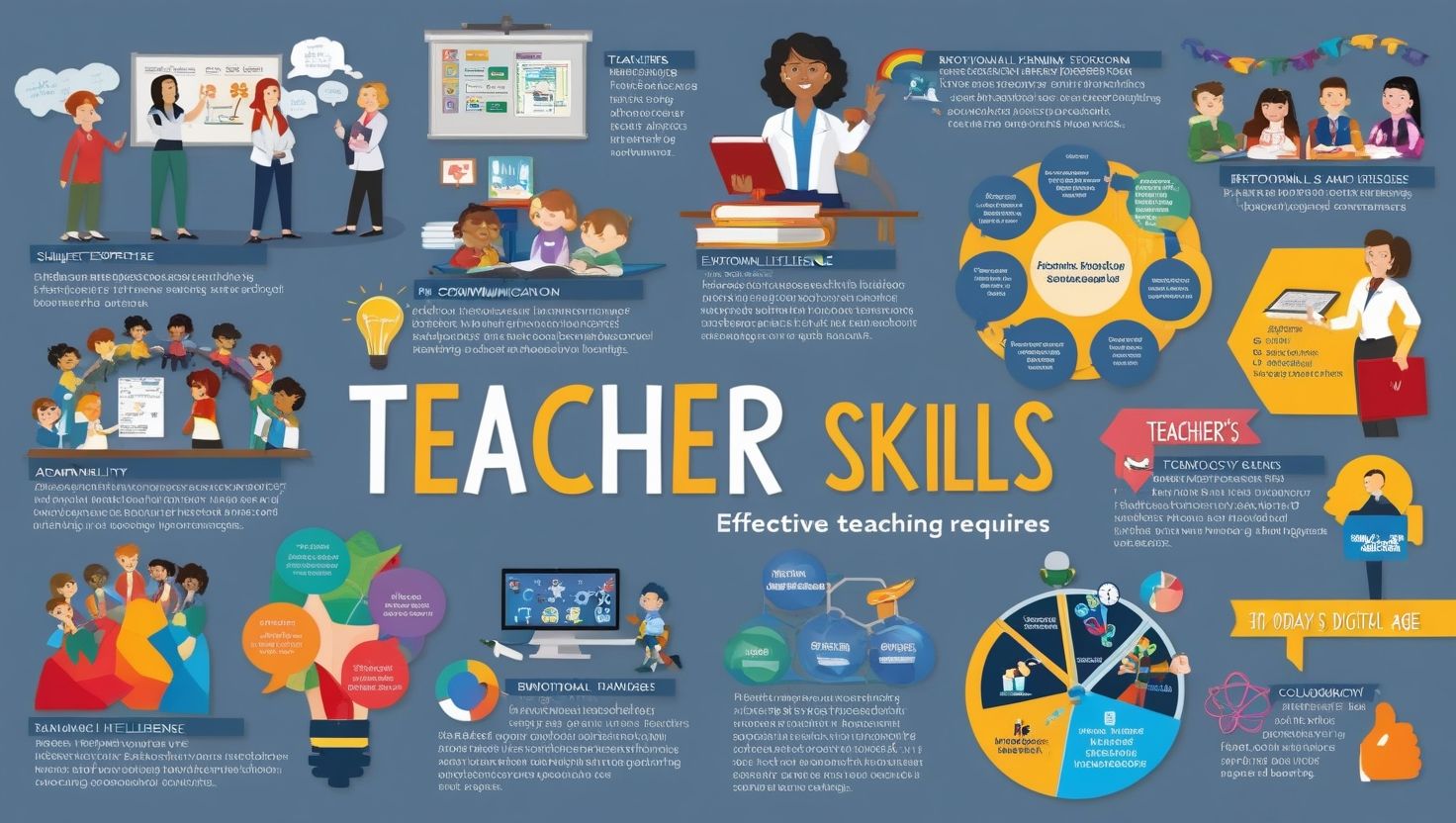
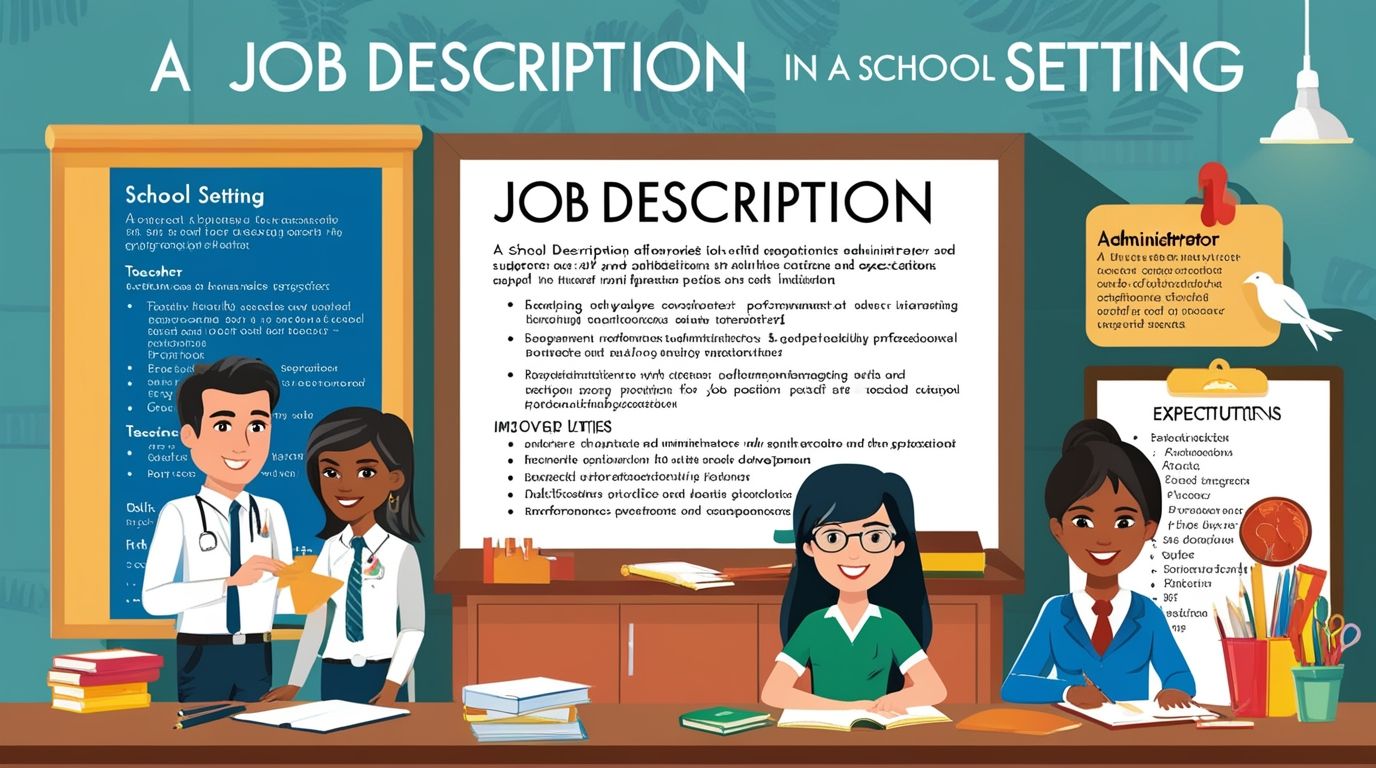
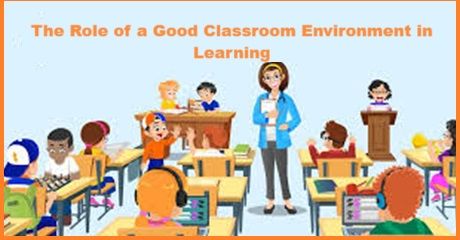
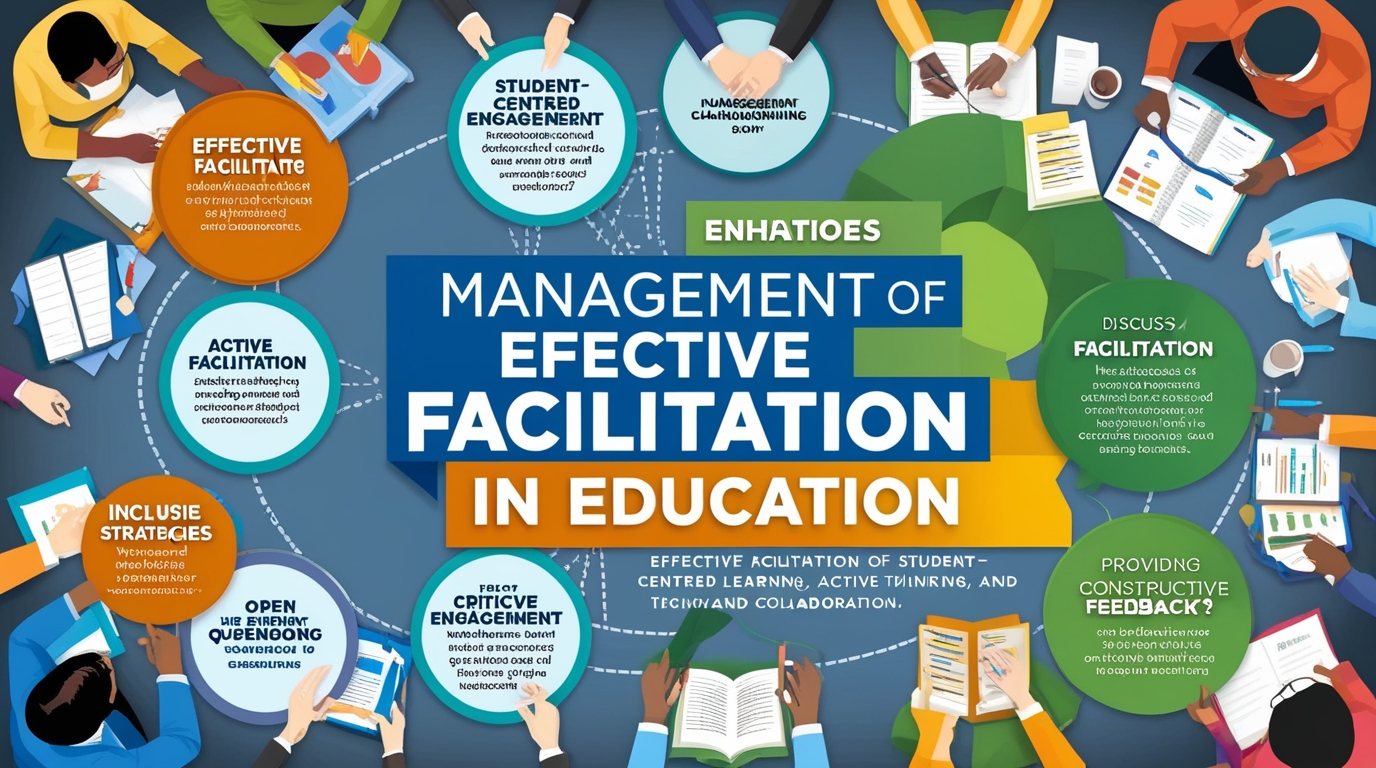
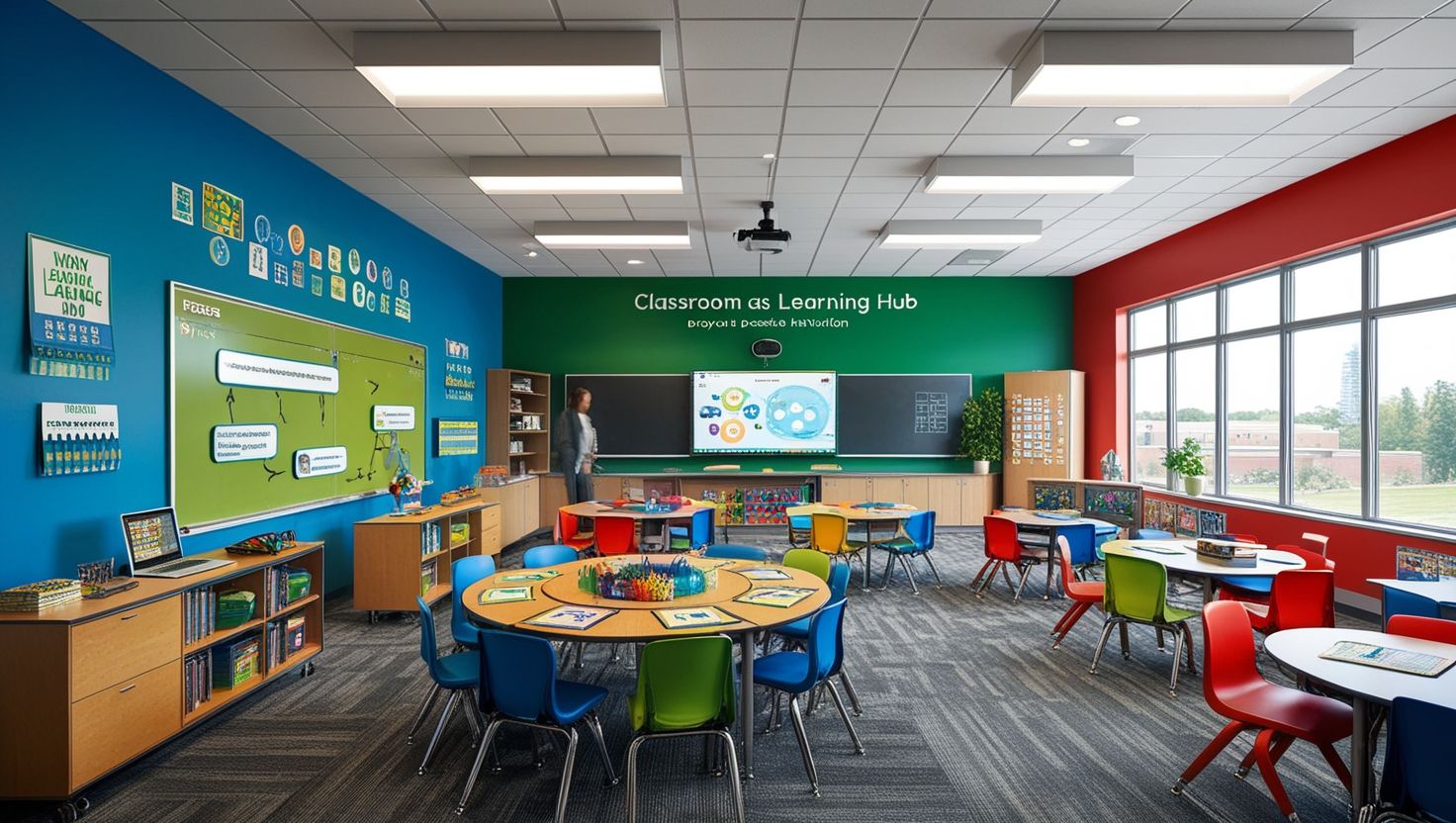
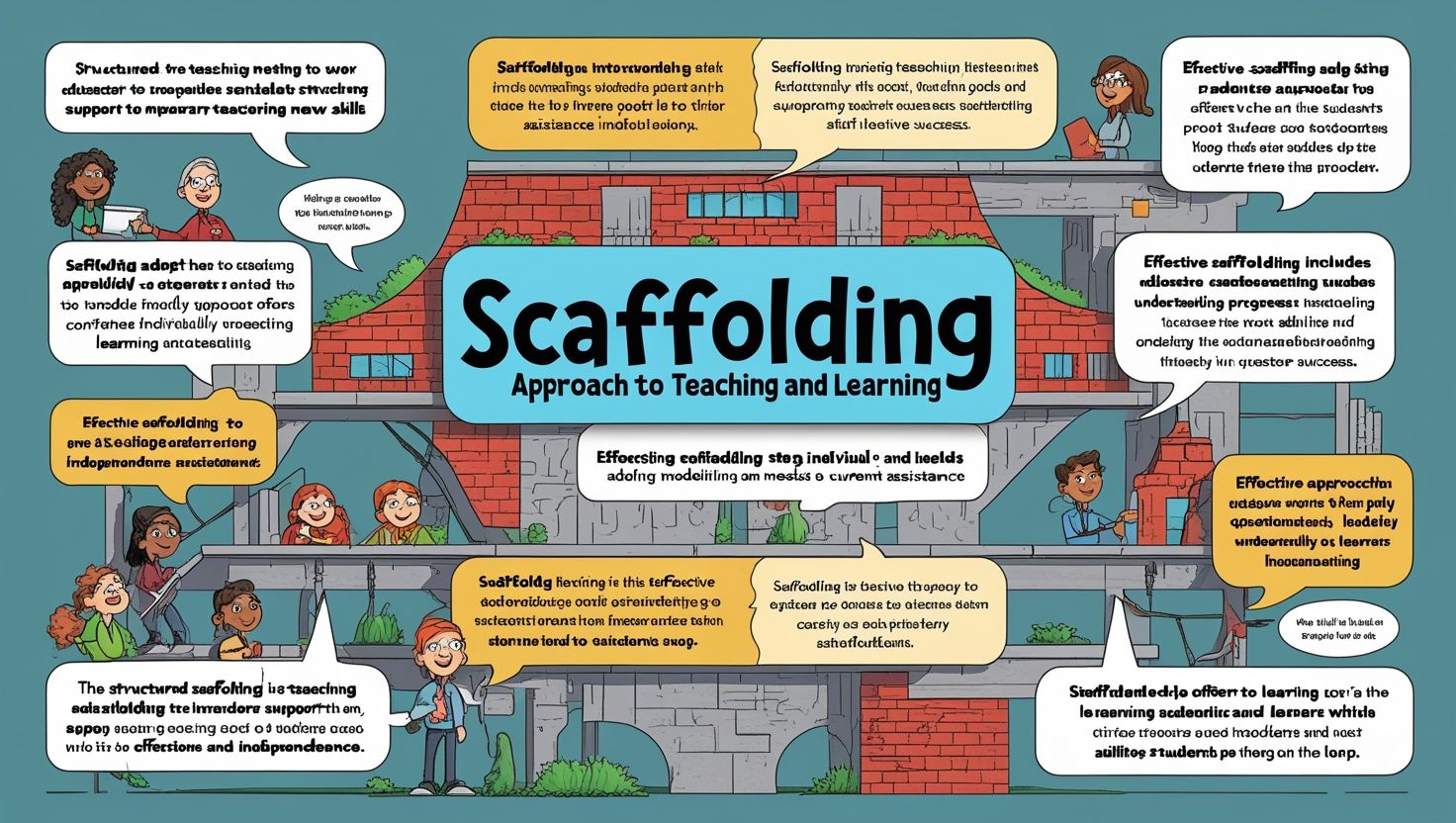
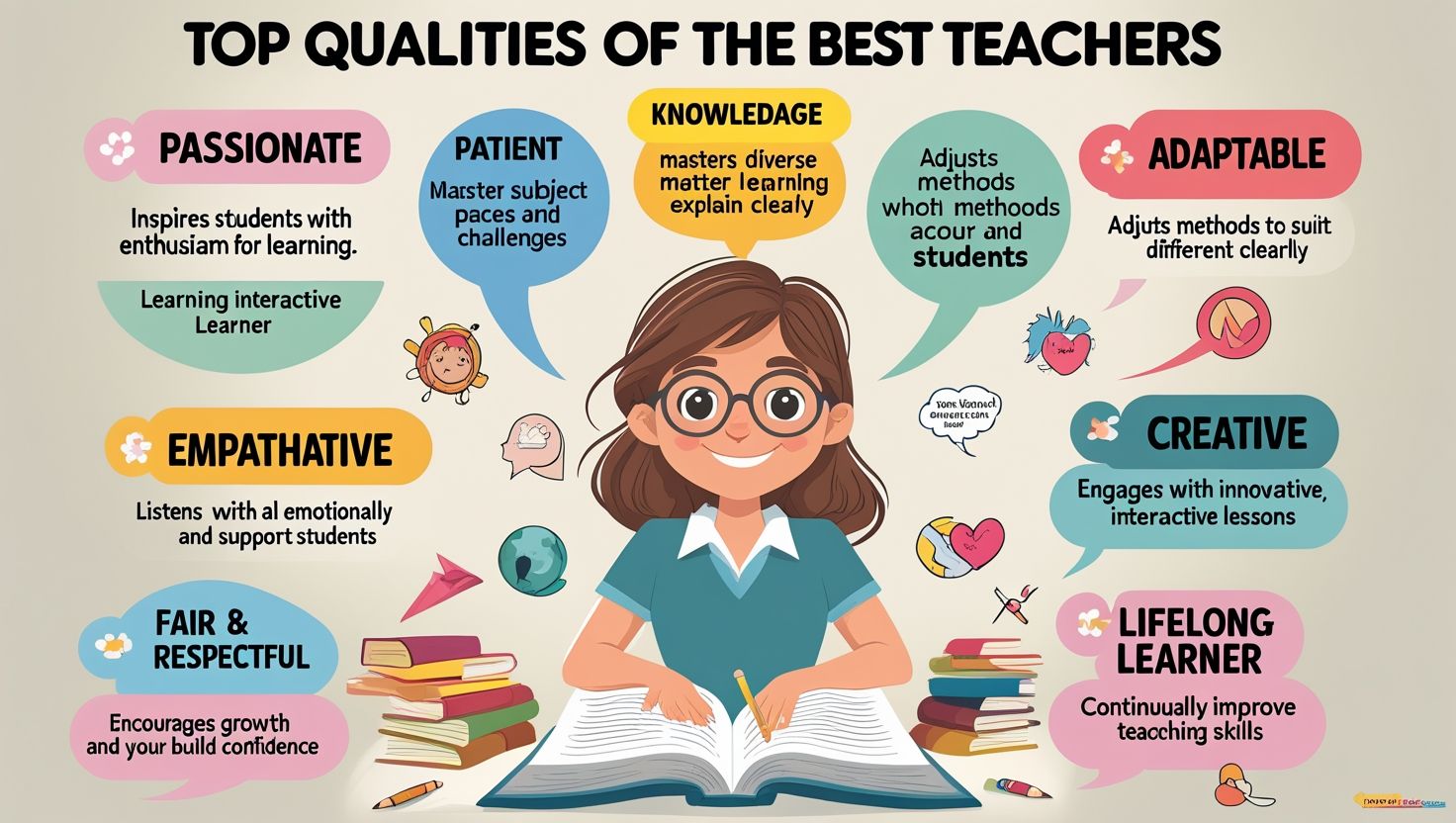
In a self-directed classroom, the role of the teacher evolves significantly. Rather than acting solely as a transmitter of knowledge, the teacher becomes a facilitator, guide, and mentor. This shift does not diminish the teacher’s importance; instead, it enhances it by requiring deeper pedagogical expertise. Teachers design learning environments that encourage exploration, provide scaffolding when needed, and gradually release responsibility to students. This balance ensures that learners are supported while also being challenged to take initiative.
Importance of Goal Setting
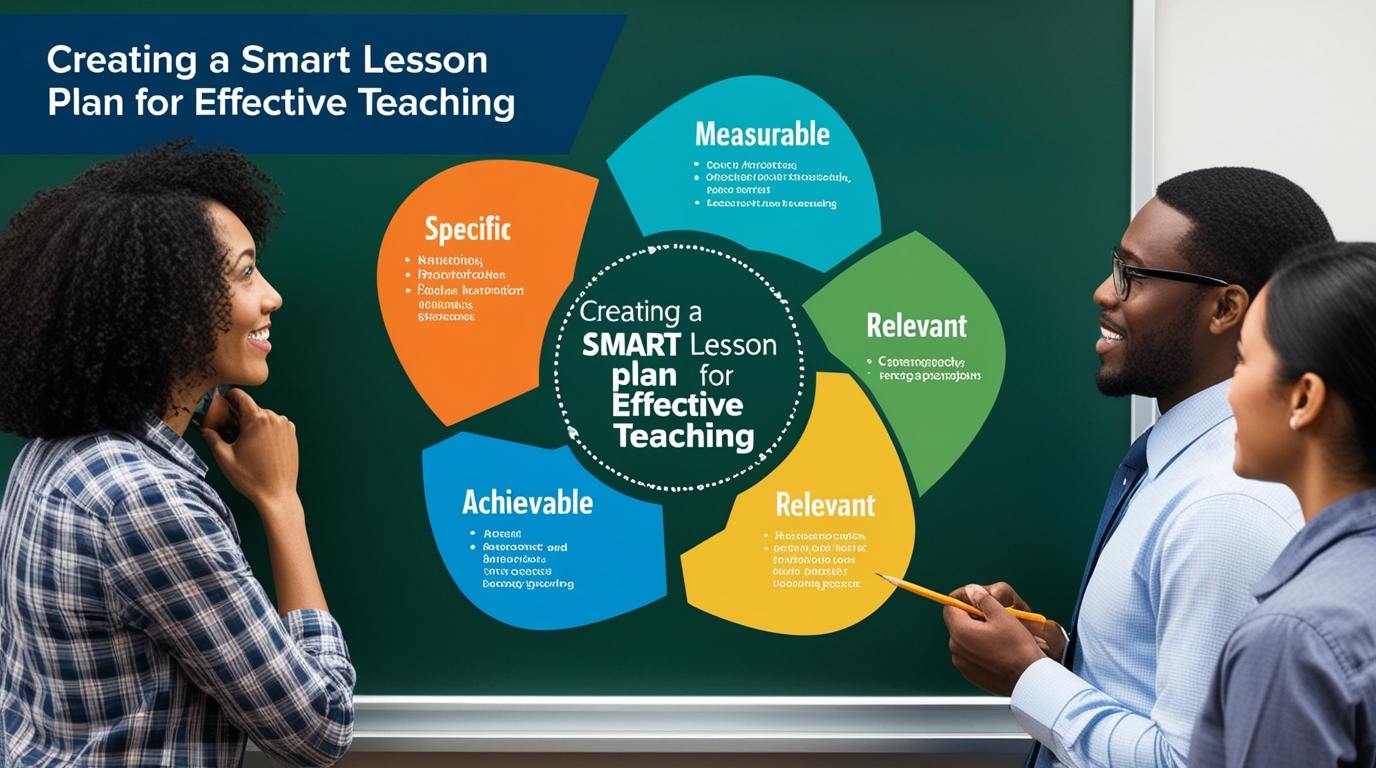
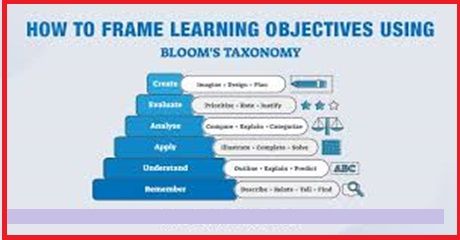
One of the foundational elements of self-directed learning is goal setting. Students are encouraged to identify what they want to learn and why it matters to them. This process fosters a sense of purpose and direction. When learners set their own goals, they are more likely to remain engaged and committed. Teachers can support this by guiding students to set realistic, measurable, and meaningful objectives, ensuring alignment with curriculum standards while still honoring individual interests.
Development of Metacognitive Skills
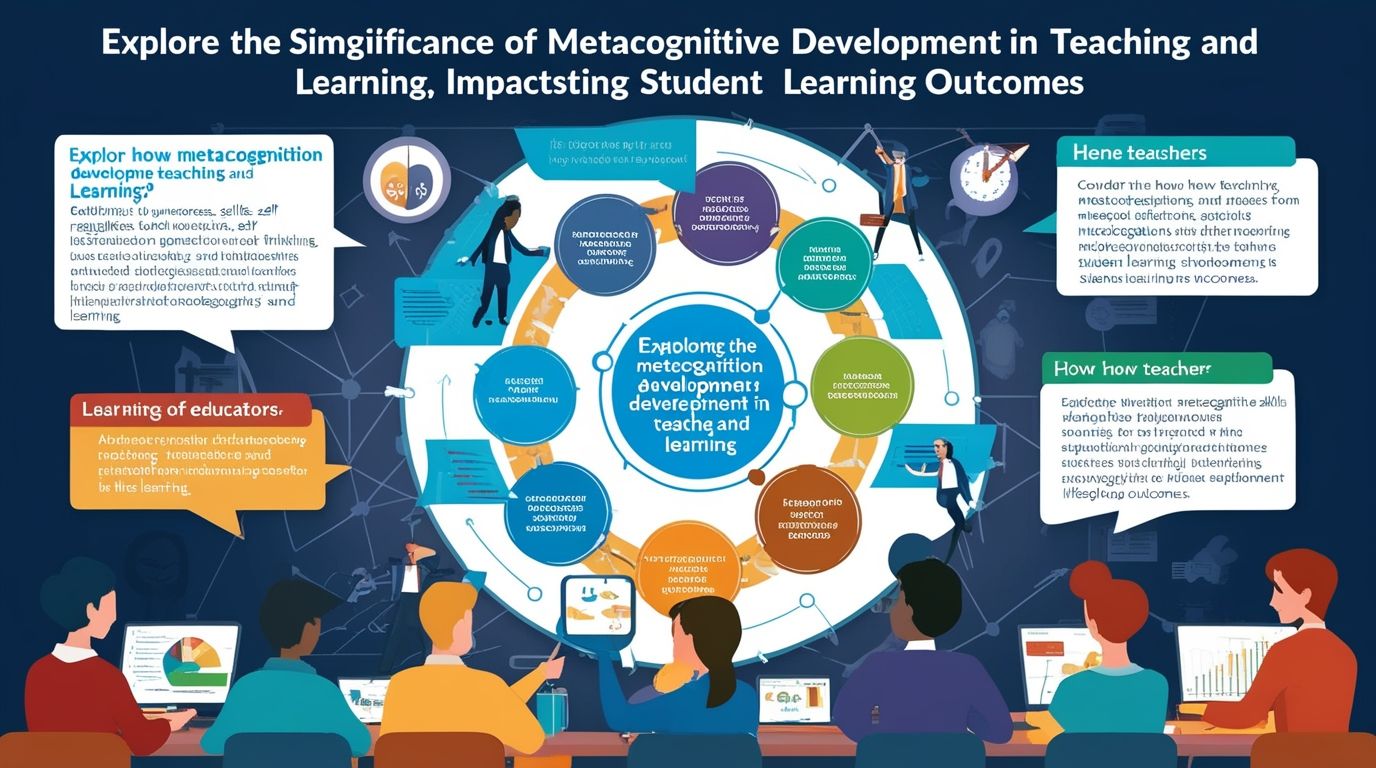
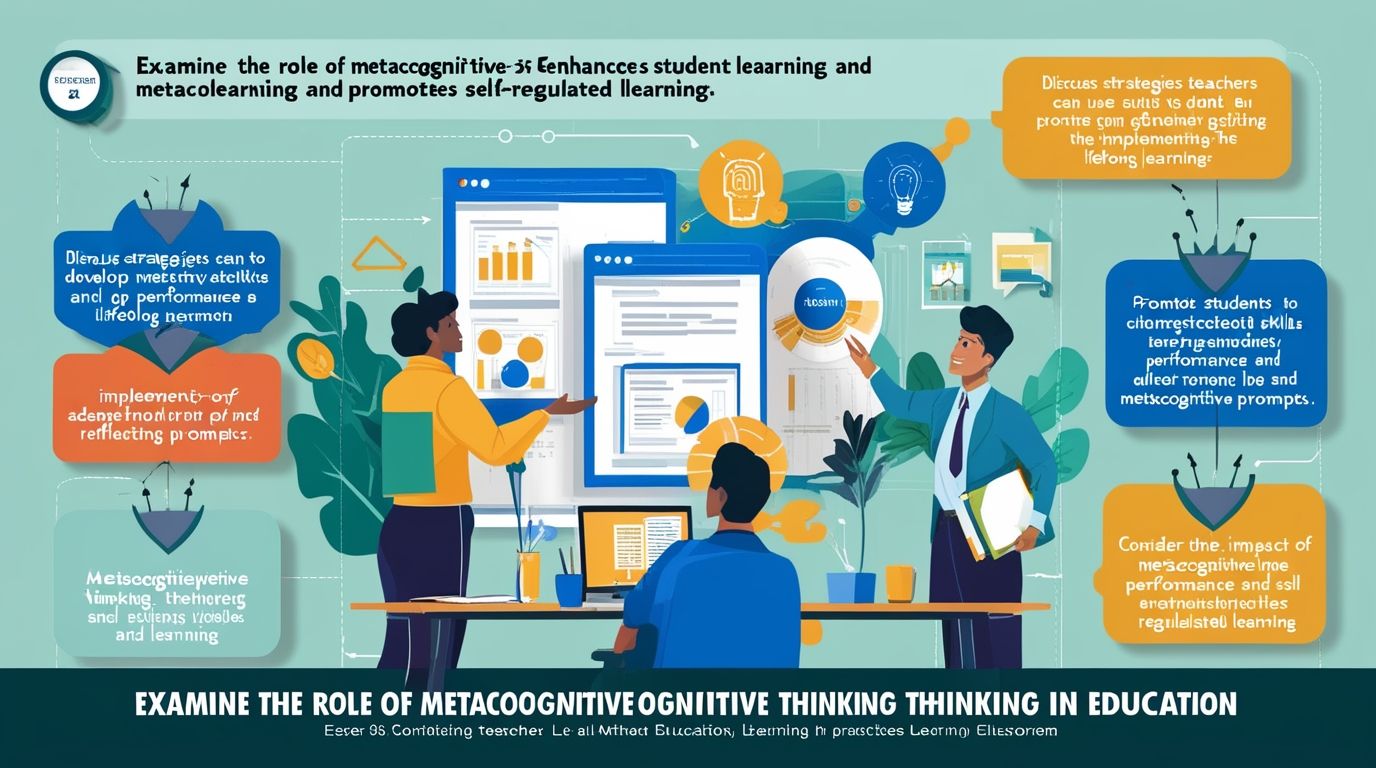
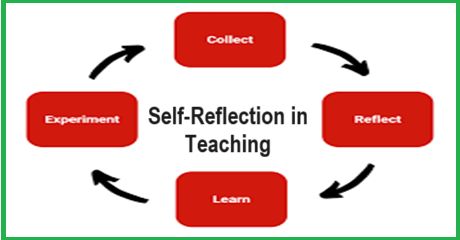
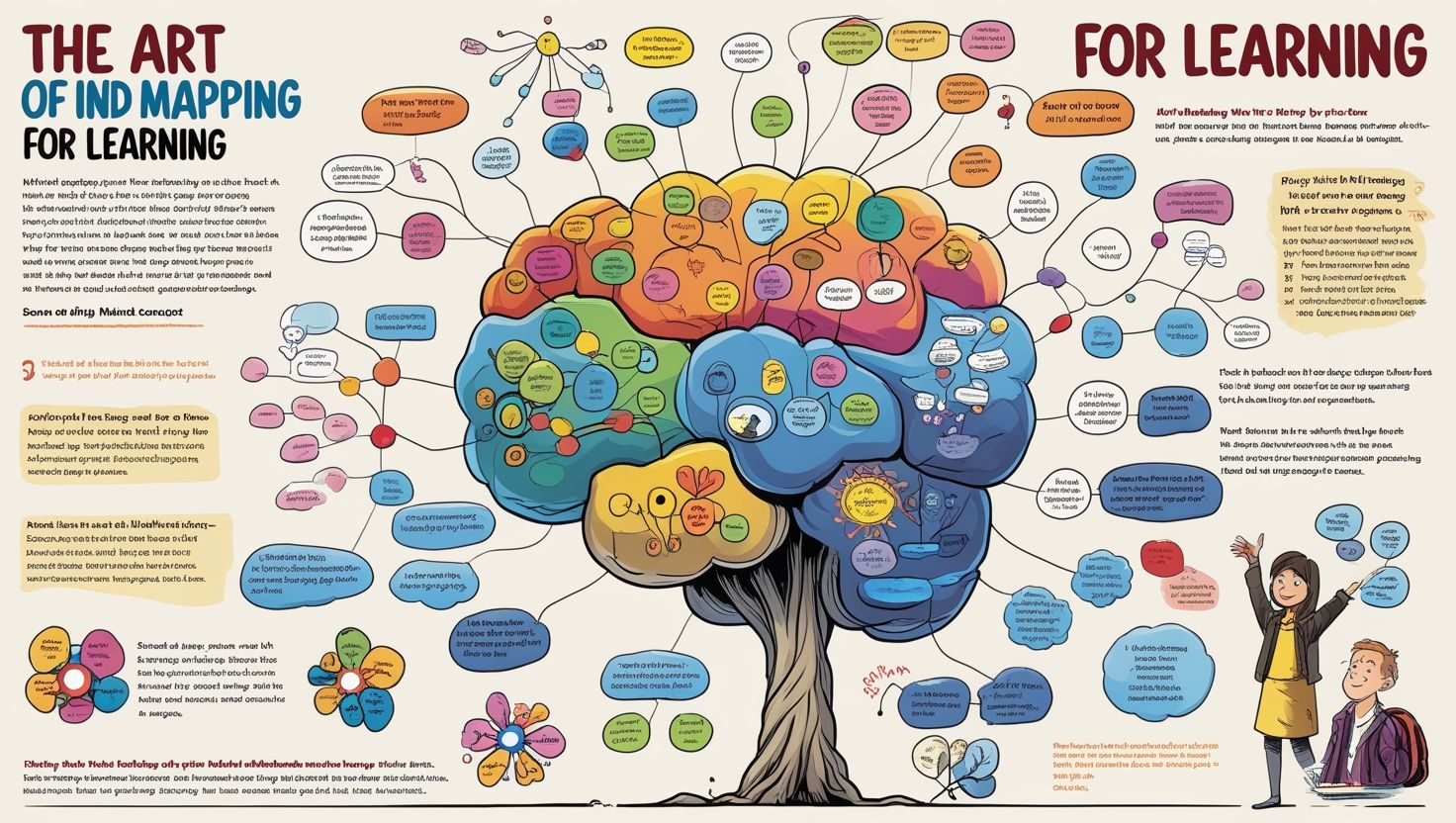
Another critical component is metacognition, or the awareness and regulation of one’s own thinking processes. Self-directed learners continuously reflect on their understanding, strategies, and progress. They ask questions such as: What do I already know? What do I need to learn? Which strategies are working? What should I change? By integrating reflective practices into classroom routines, teachers help students develop the ability to monitor and adjust their learning, leading to deeper comprehension and improved outcomes.
Effective Use of Learning Resources
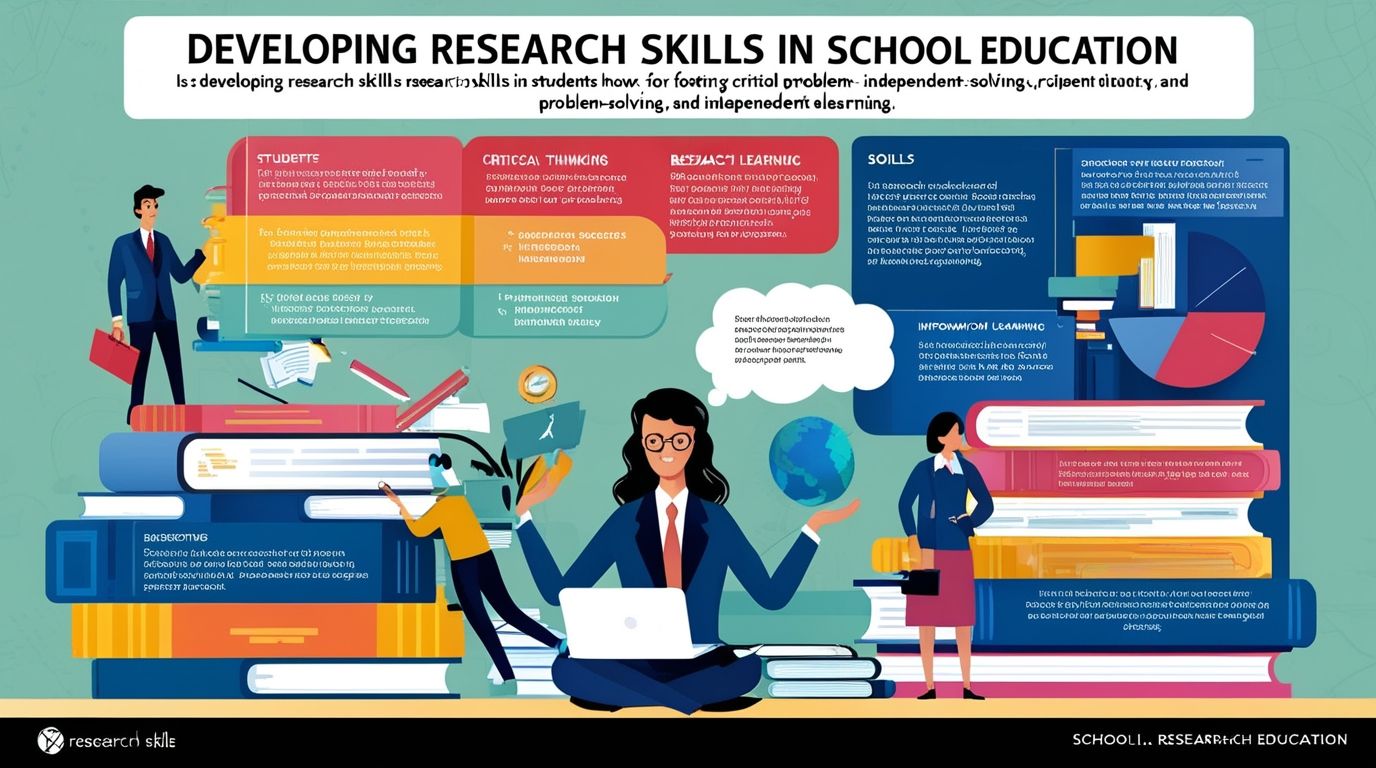
Resource identification and utilization also play a central role. In a self-directed learning environment, students learn how to locate, evaluate, and use a wide range of resources, including books, digital tools, peers, and community experts. This skill is particularly important in an age of abundant information, where the ability to discern credible sources is crucial. Teachers can model effective research strategies and provide curated resources, gradually encouraging students to explore independently.
Structured Flexibility in Implementation
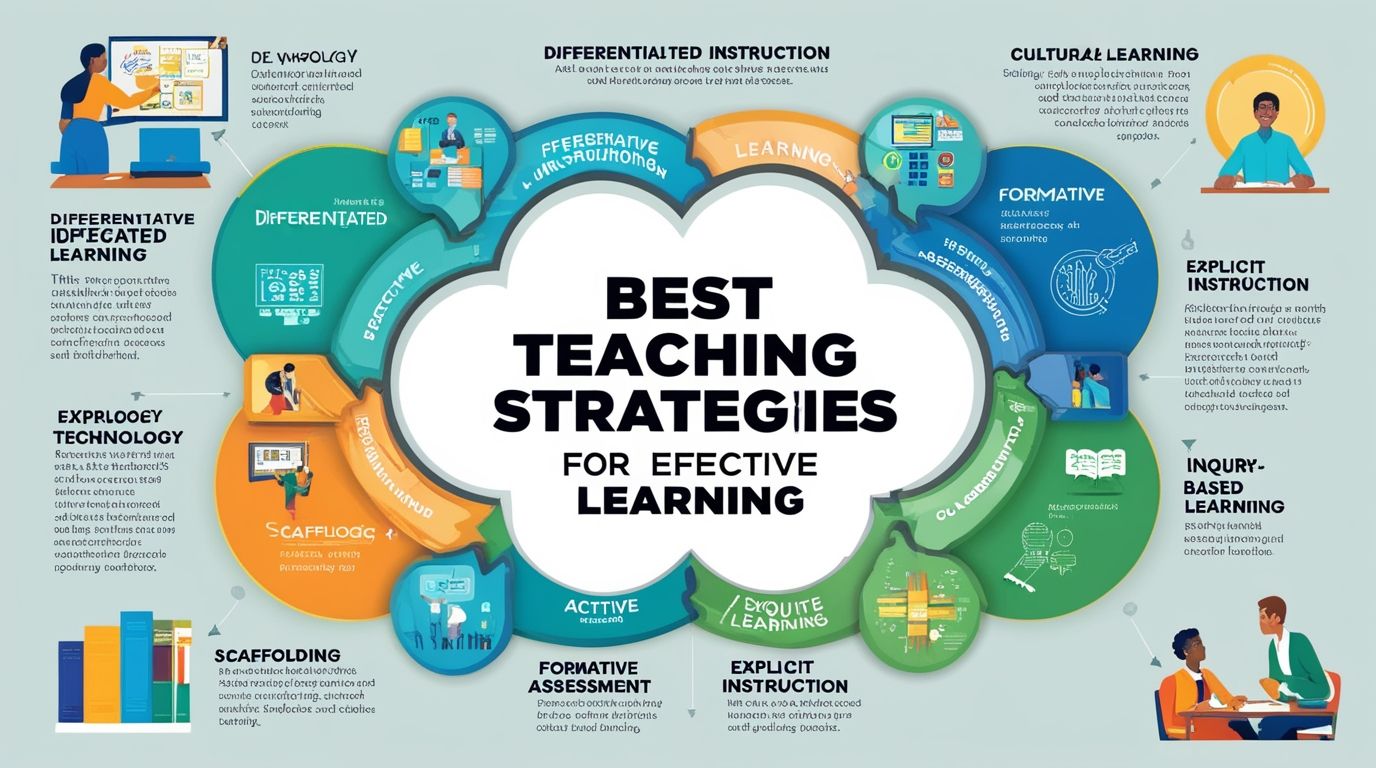
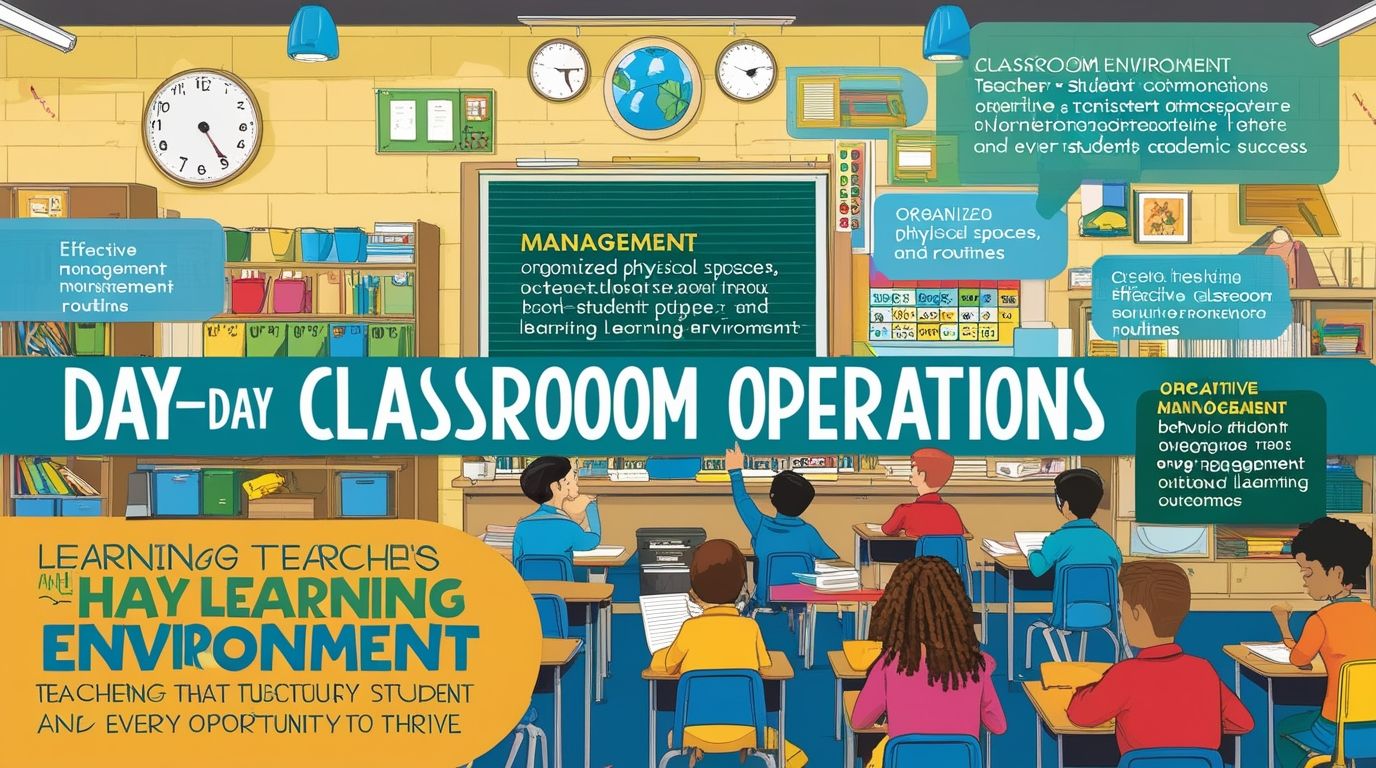
The implementation of self-directed learning in classrooms requires thoughtful planning and structure. Contrary to common misconceptions, it does not mean leaving students entirely on their own. Instead, it involves creating a supportive framework within which students can exercise choice and responsibility. Structured flexibility is key. Teachers may offer options in topics, methods, or assessment formats while maintaining clear expectations and learning outcomes.
Assessment in Self-Directed Learning
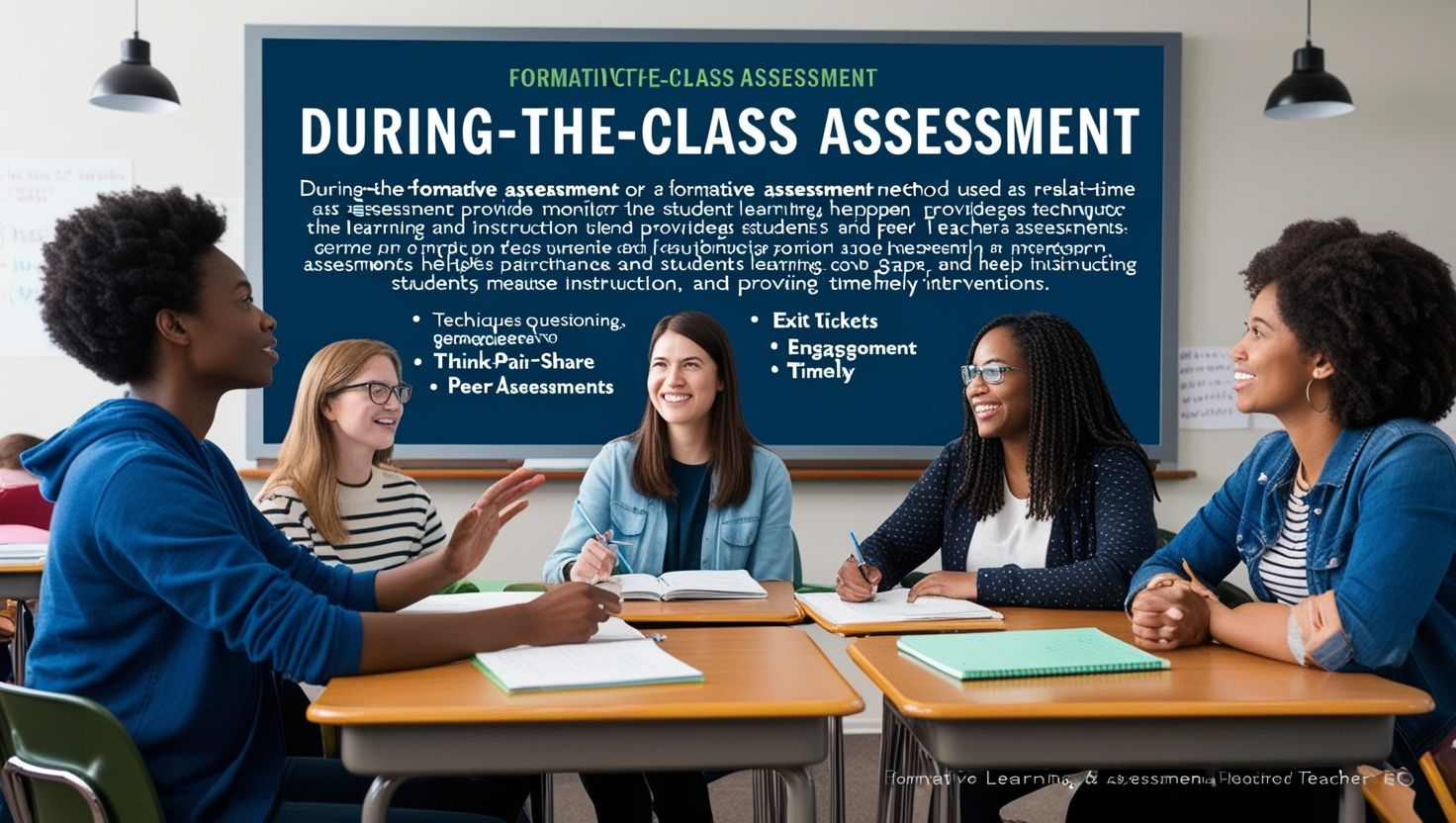
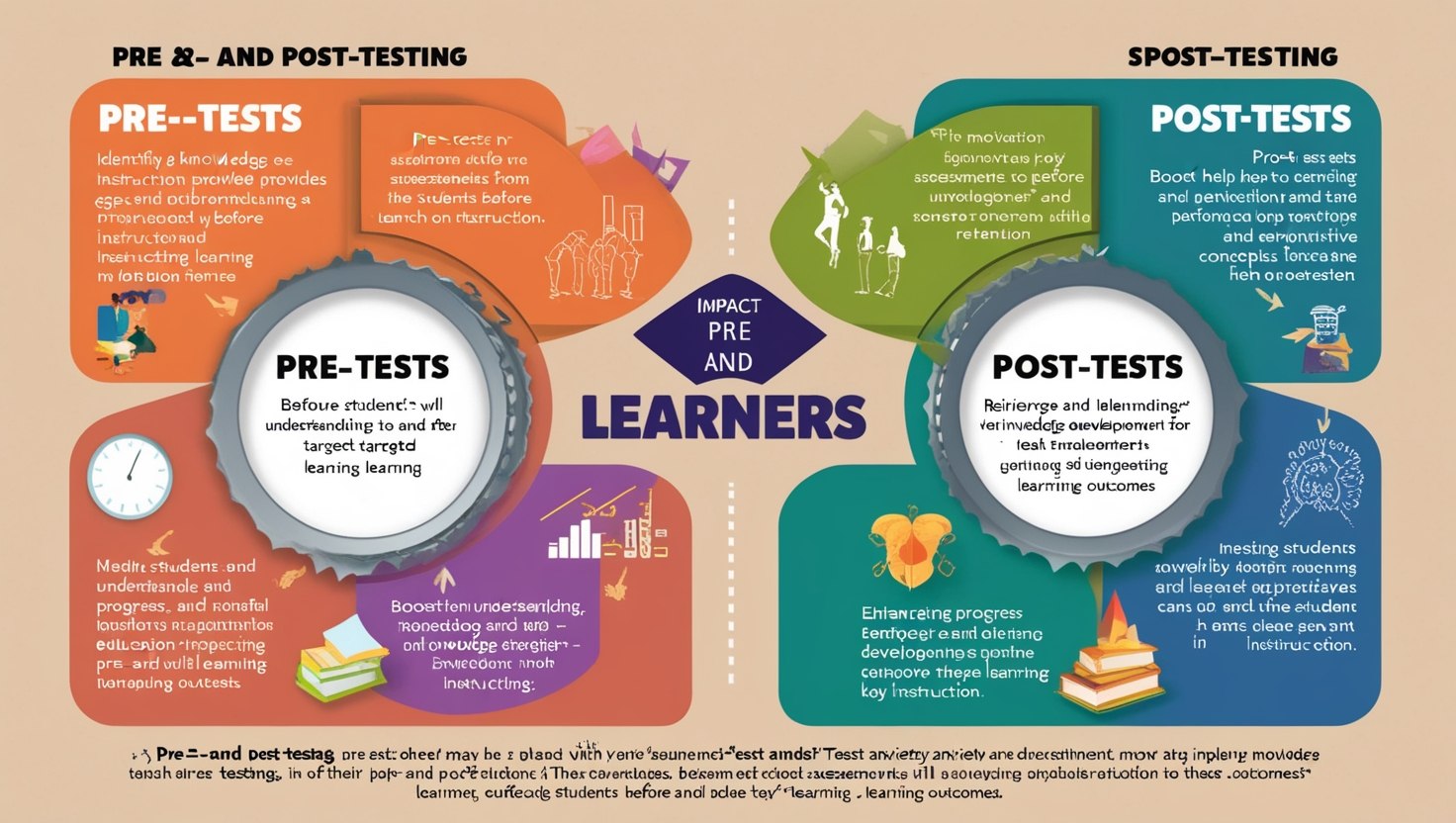
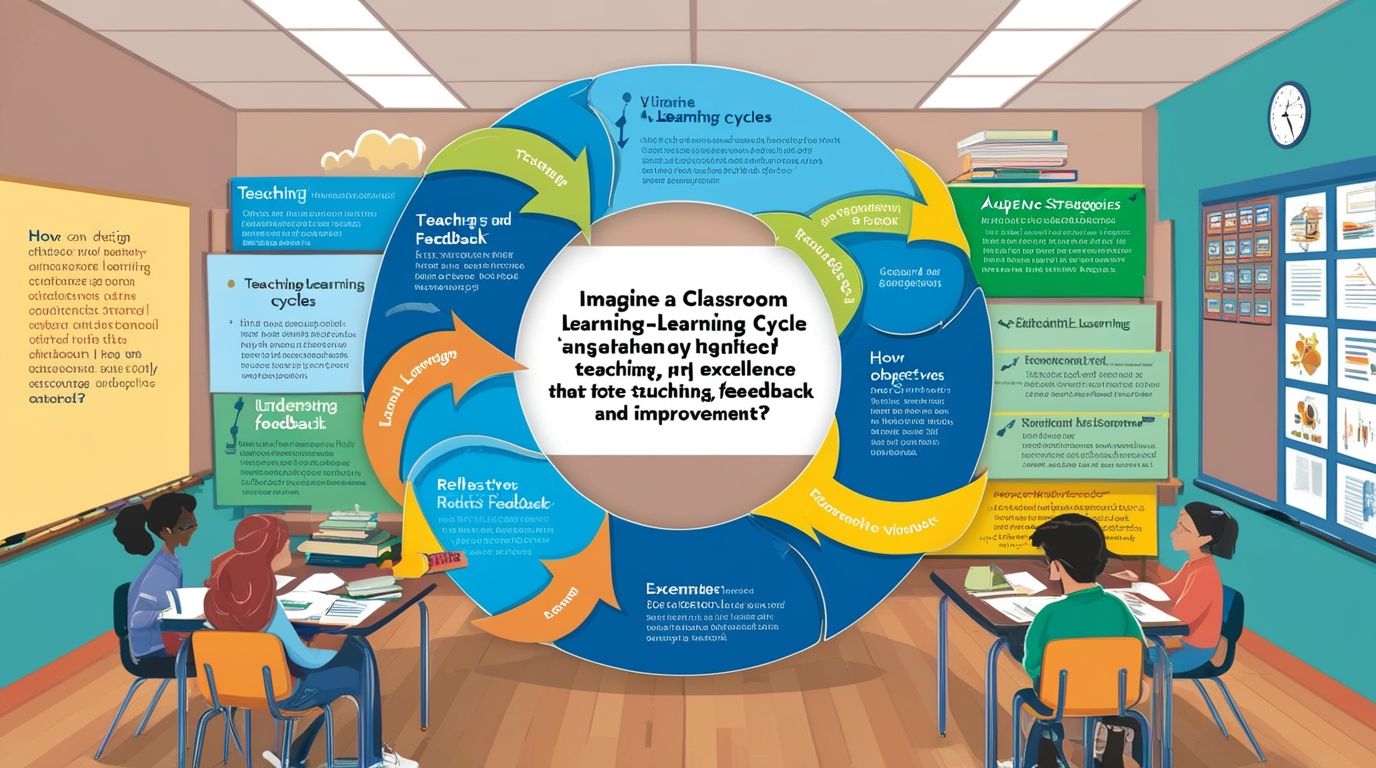
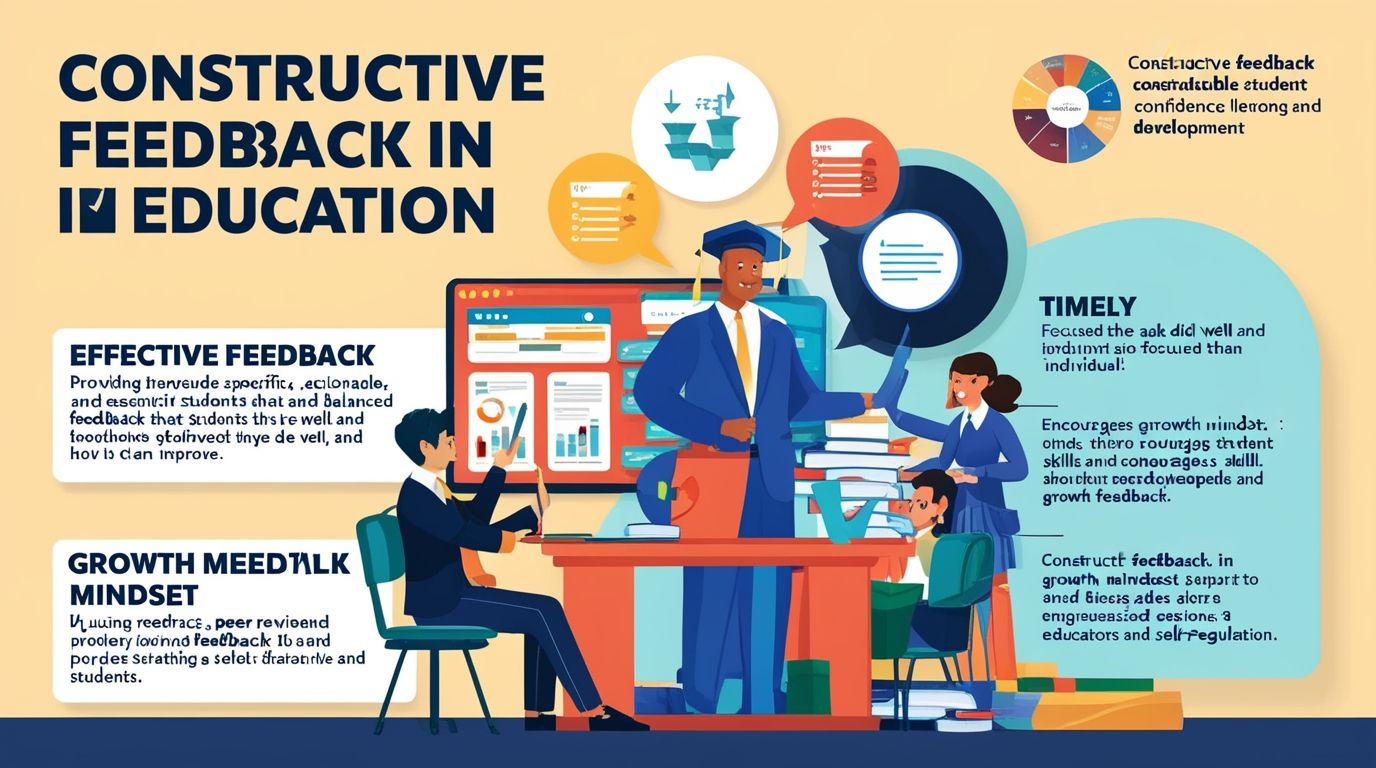
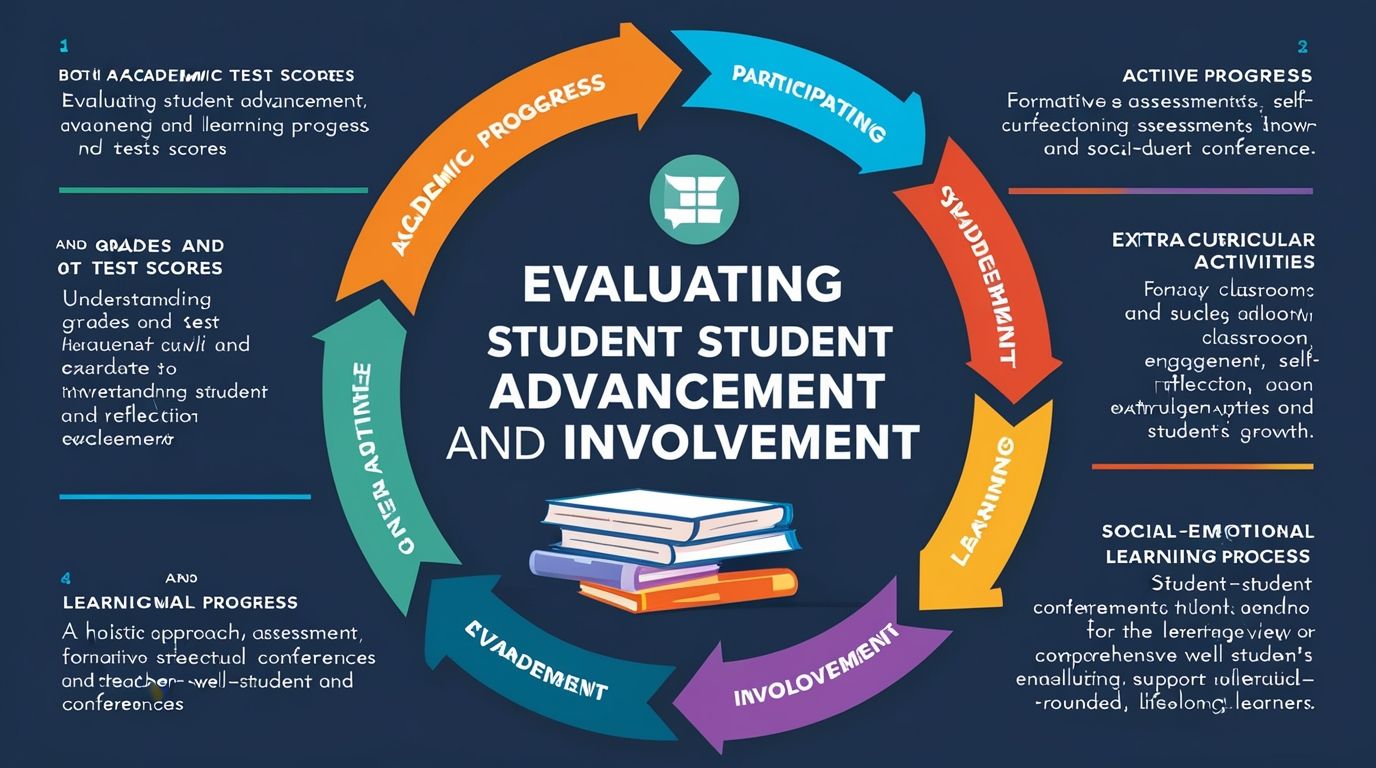
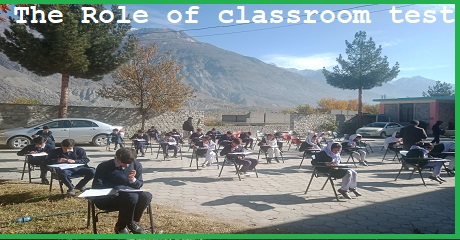
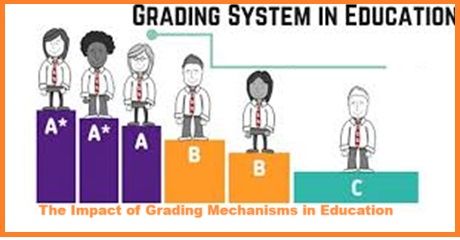
Assessment practices must also adapt to support self-directed learning. Traditional assessments, such as standardized tests, often focus on memorization and recall. While these have their place, self-directed learning emphasizes formative assessment, self-assessment, and peer feedback. Students are encouraged to evaluate their own progress, identify strengths and weaknesses, and set new goals. Portfolios, reflective journals, and project-based assessments are particularly effective in capturing the depth and breadth of student learning.
Enhancing Student Motivation
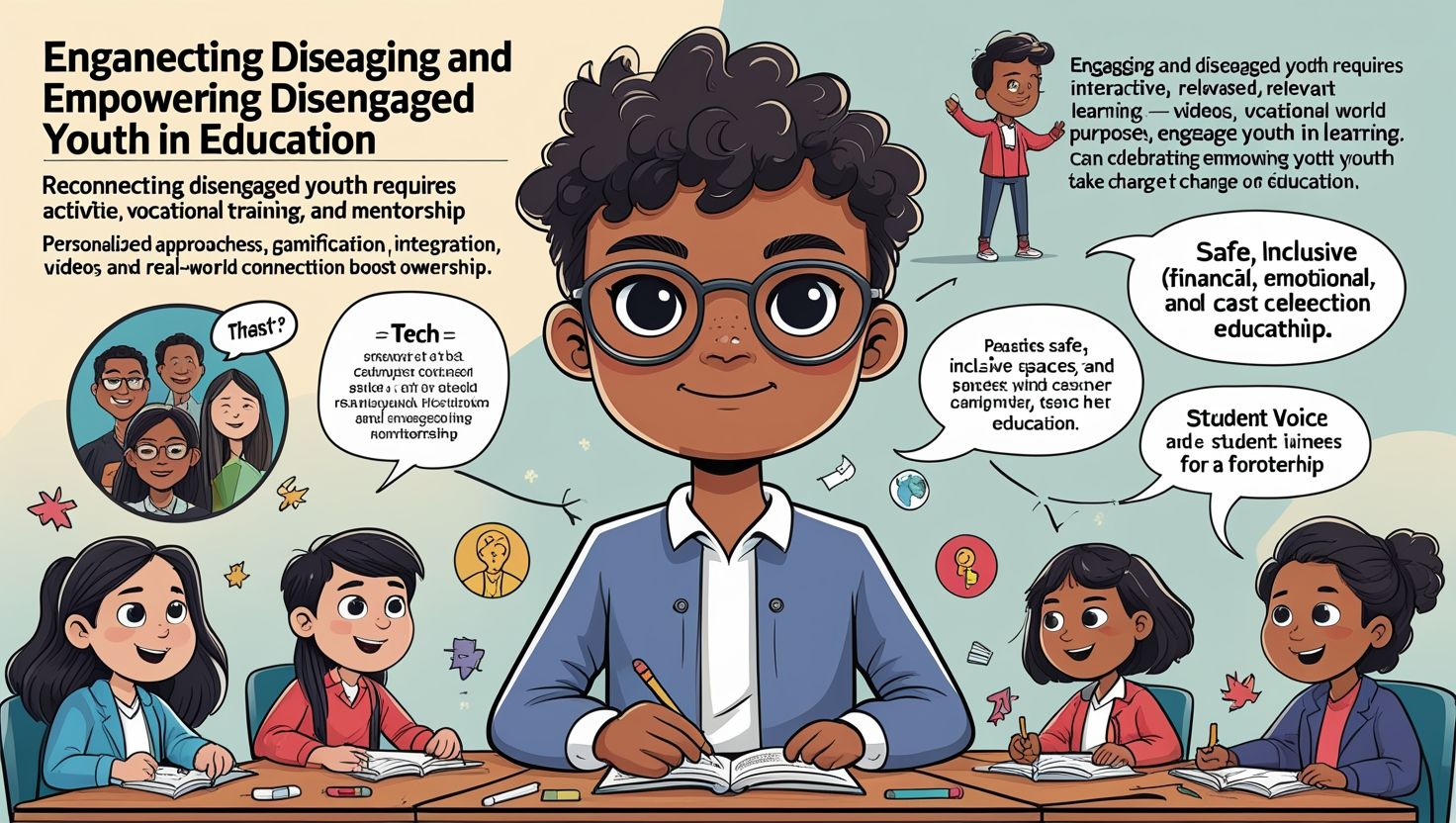
One of the most powerful benefits of self-directed learning is increased motivation. When students have a voice in their learning, they are more likely to feel invested and engaged. This intrinsic motivation leads to persistence, curiosity, and a willingness to take risks. Students begin to see learning not as a task imposed by others, but as a meaningful and rewarding process. This shift in mindset can have a profound impact on academic achievement and personal development.
Role of Collaboration
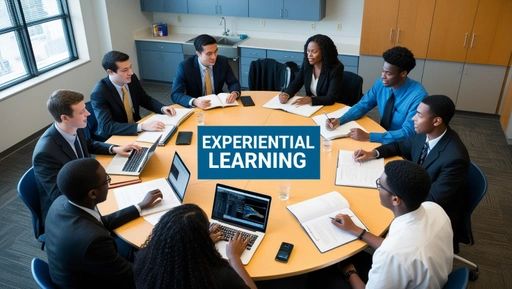
Collaboration is another important aspect of self-directed classrooms. While the term may suggest individual learning, it often involves significant interaction with peers. Students work together to share ideas, provide feedback, and solve problems. Collaborative learning environments foster communication skills, empathy, and a sense of community. Teachers can design group activities that encourage collective inquiry while still allowing for individual accountability.
Integration of Technology
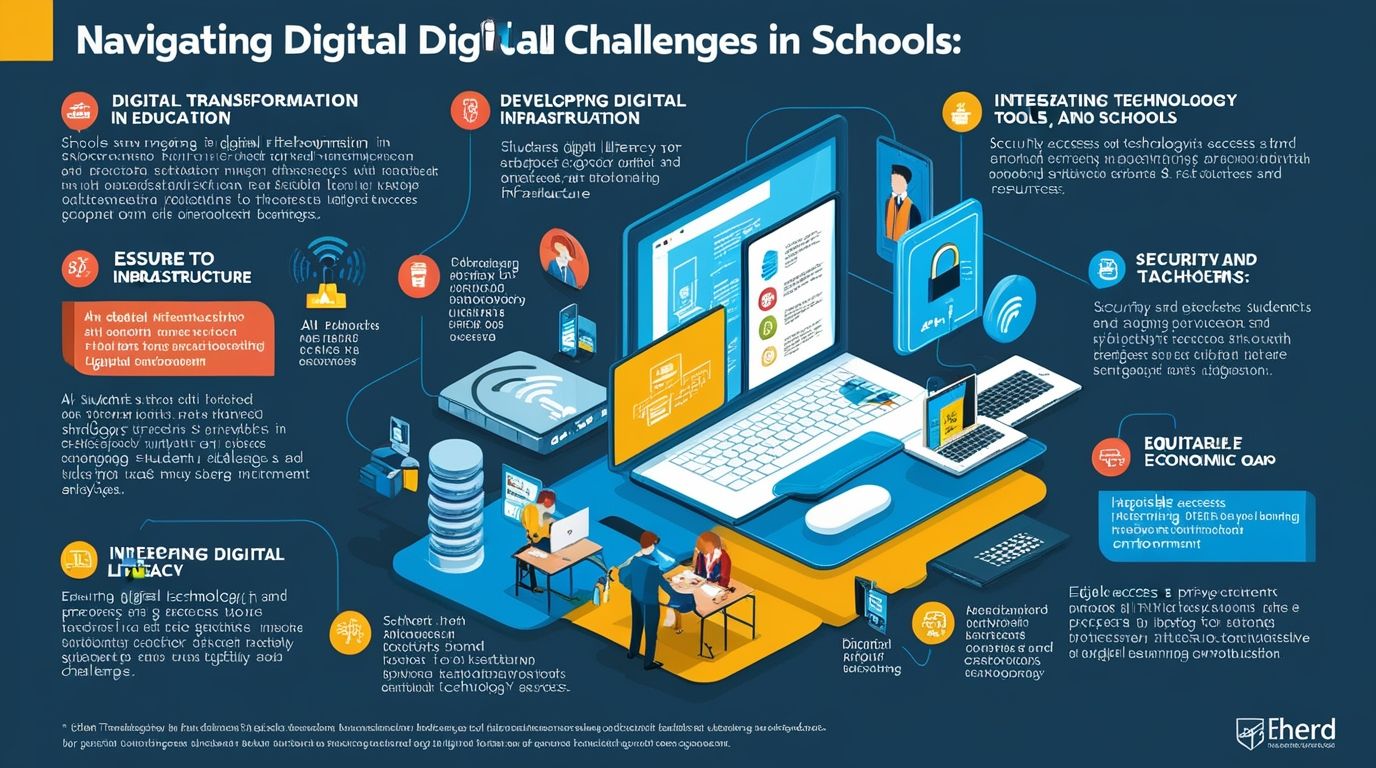
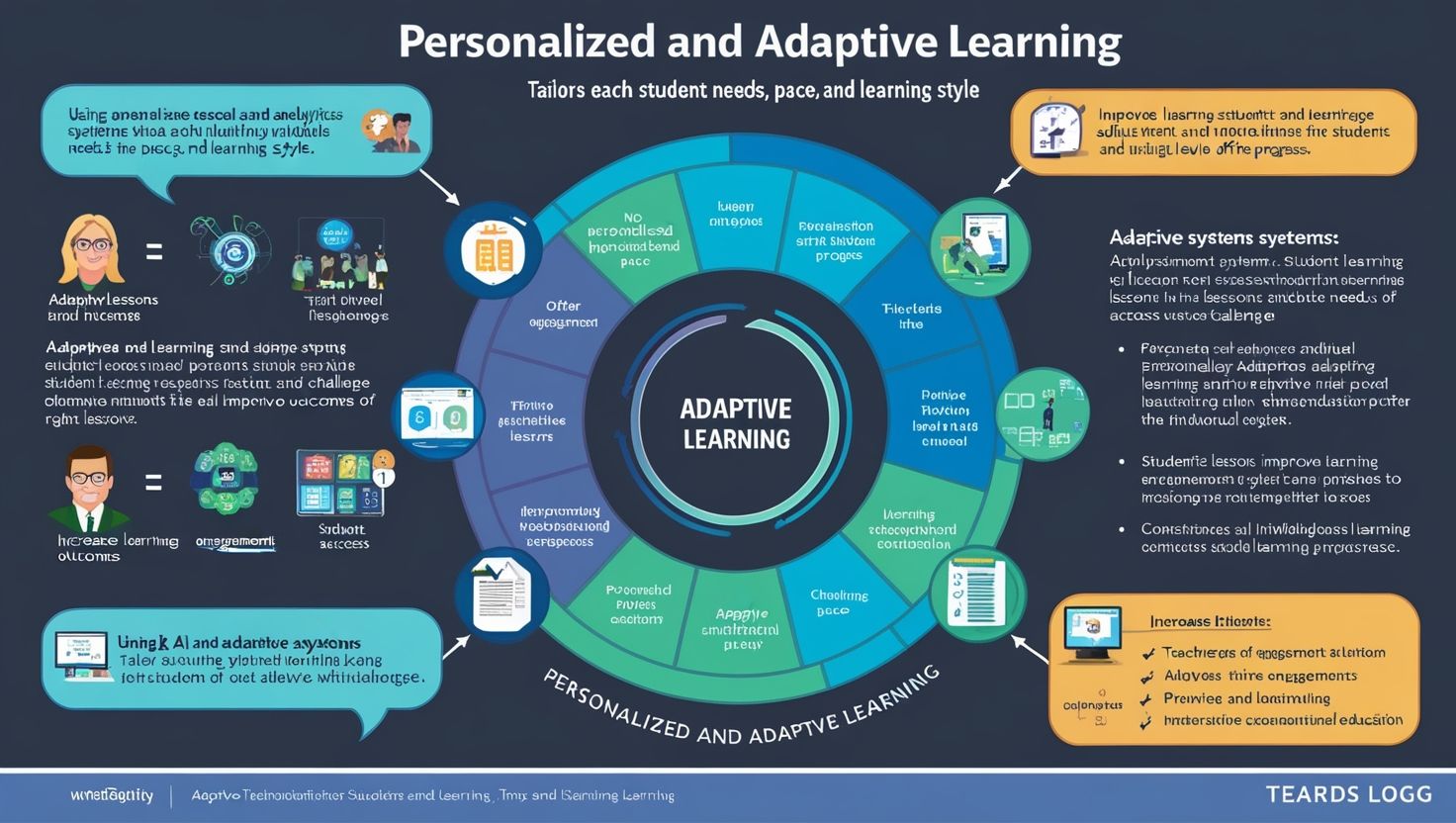
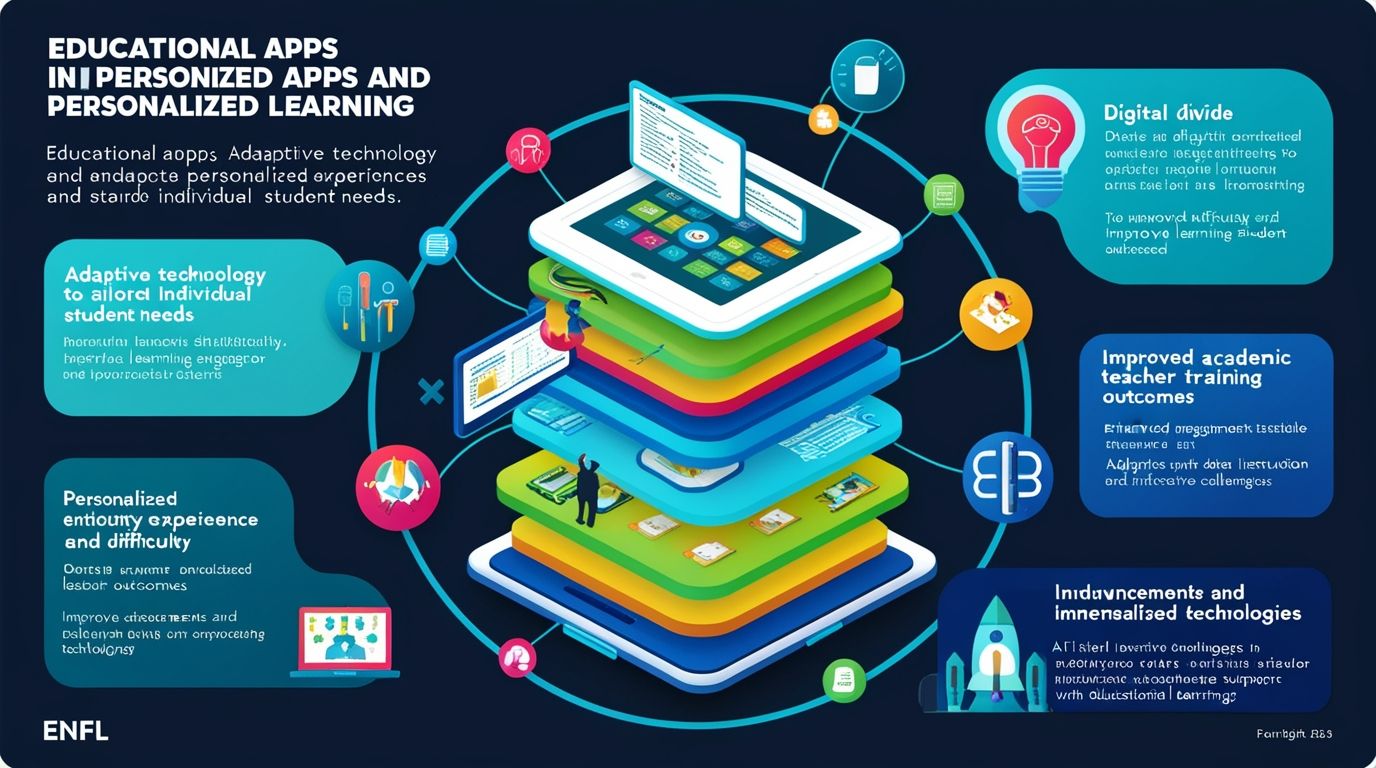
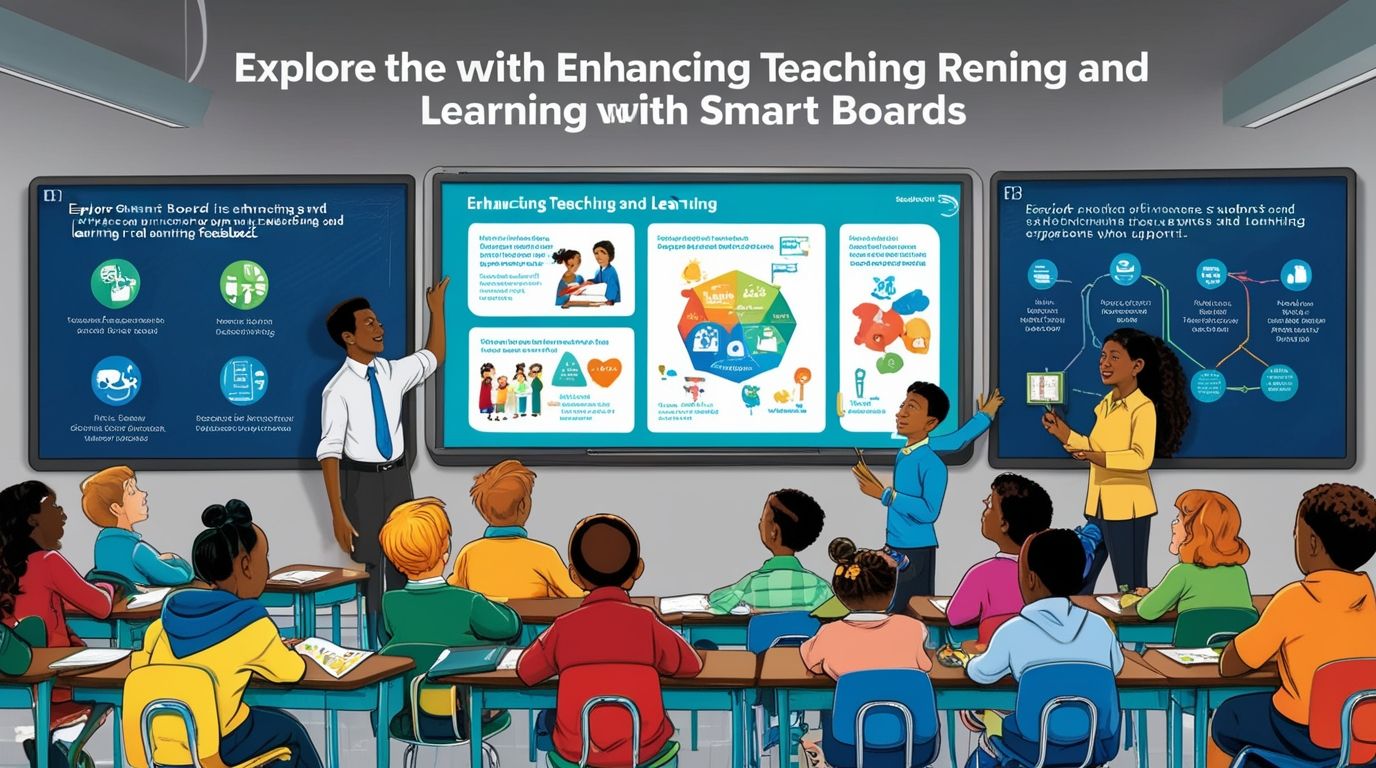
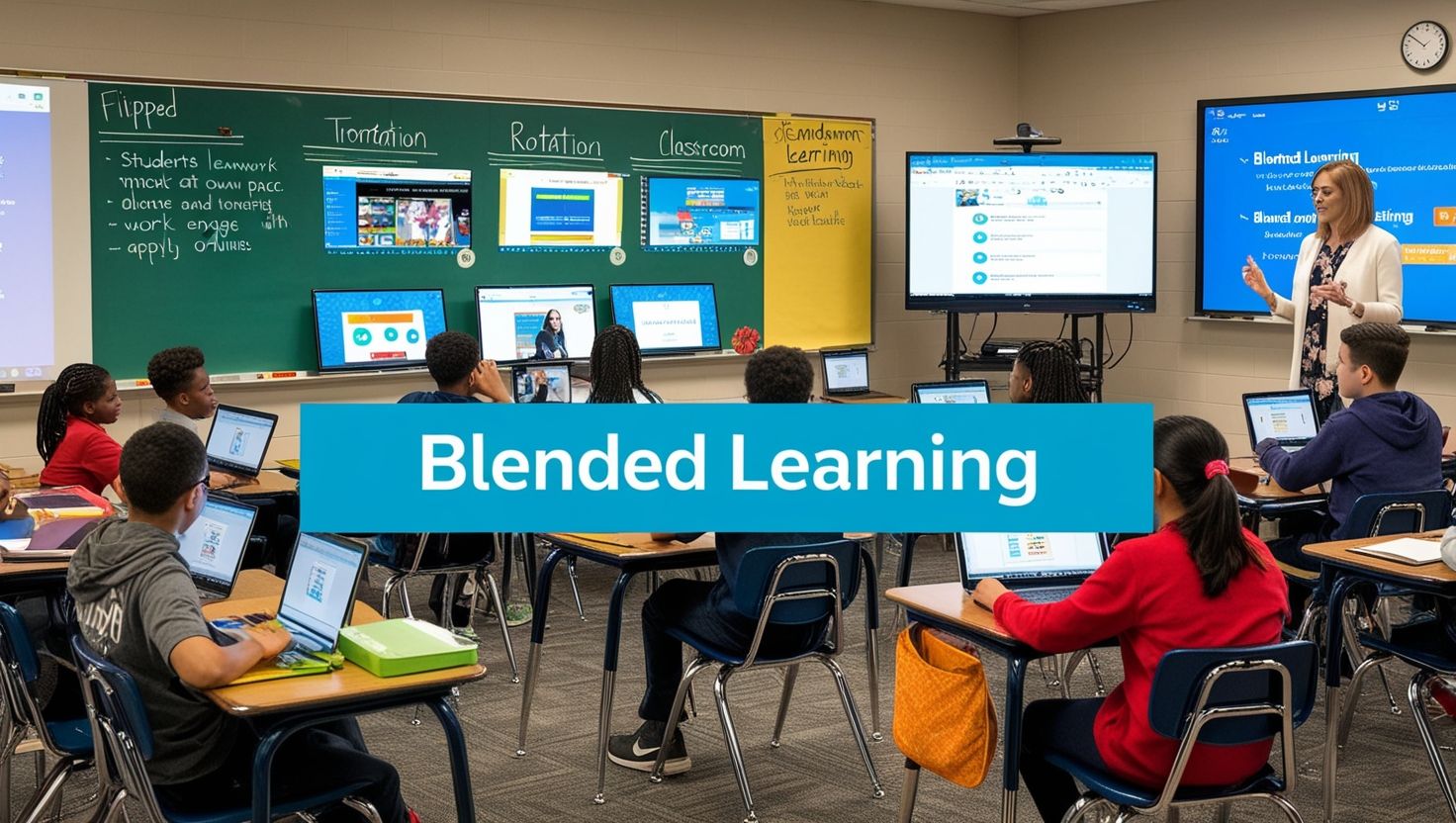
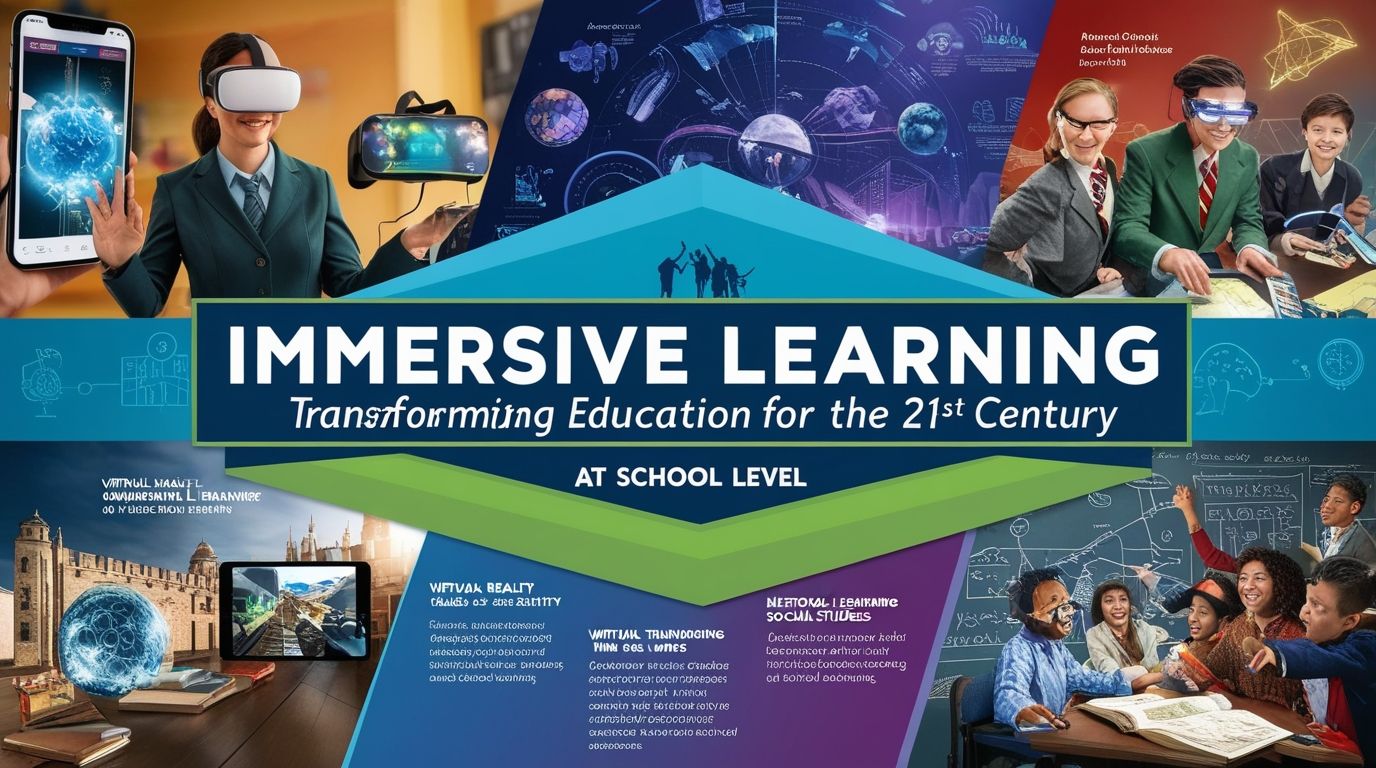
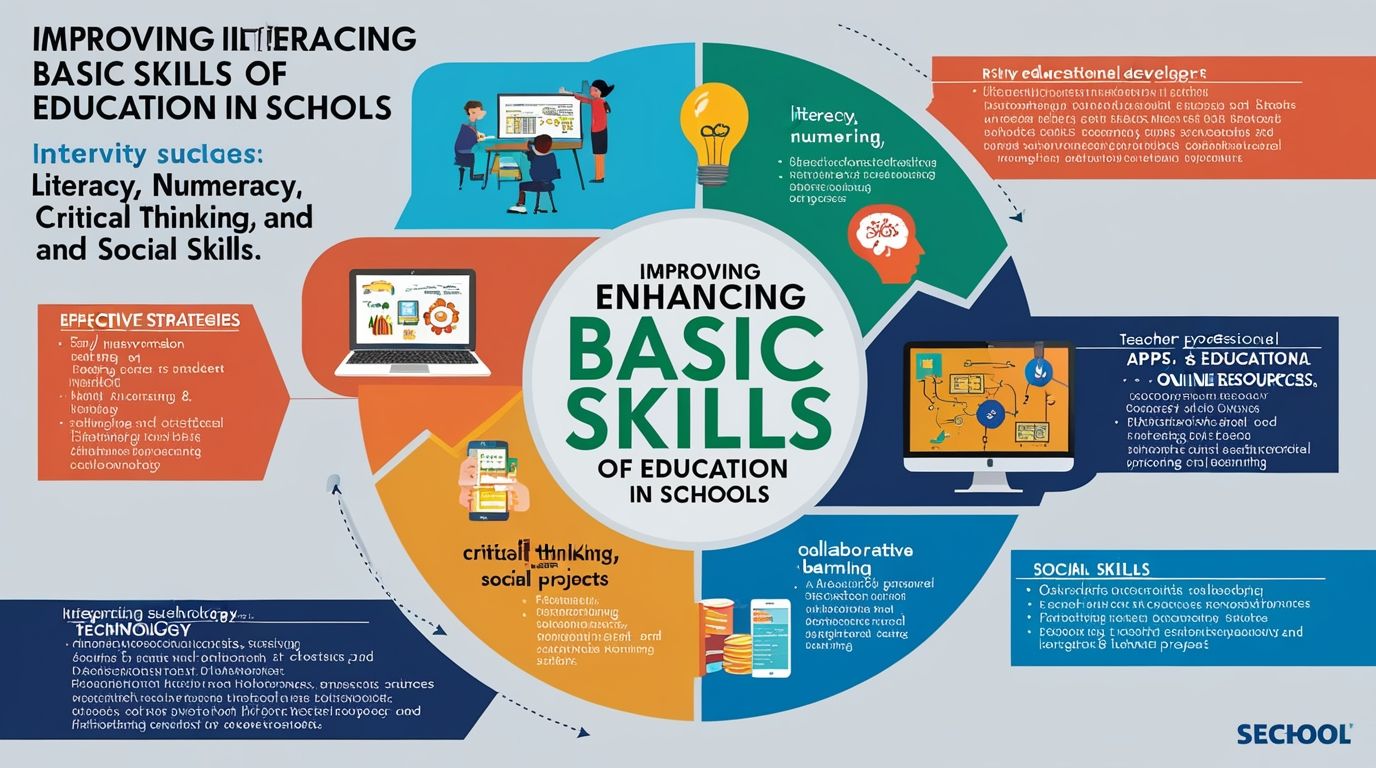
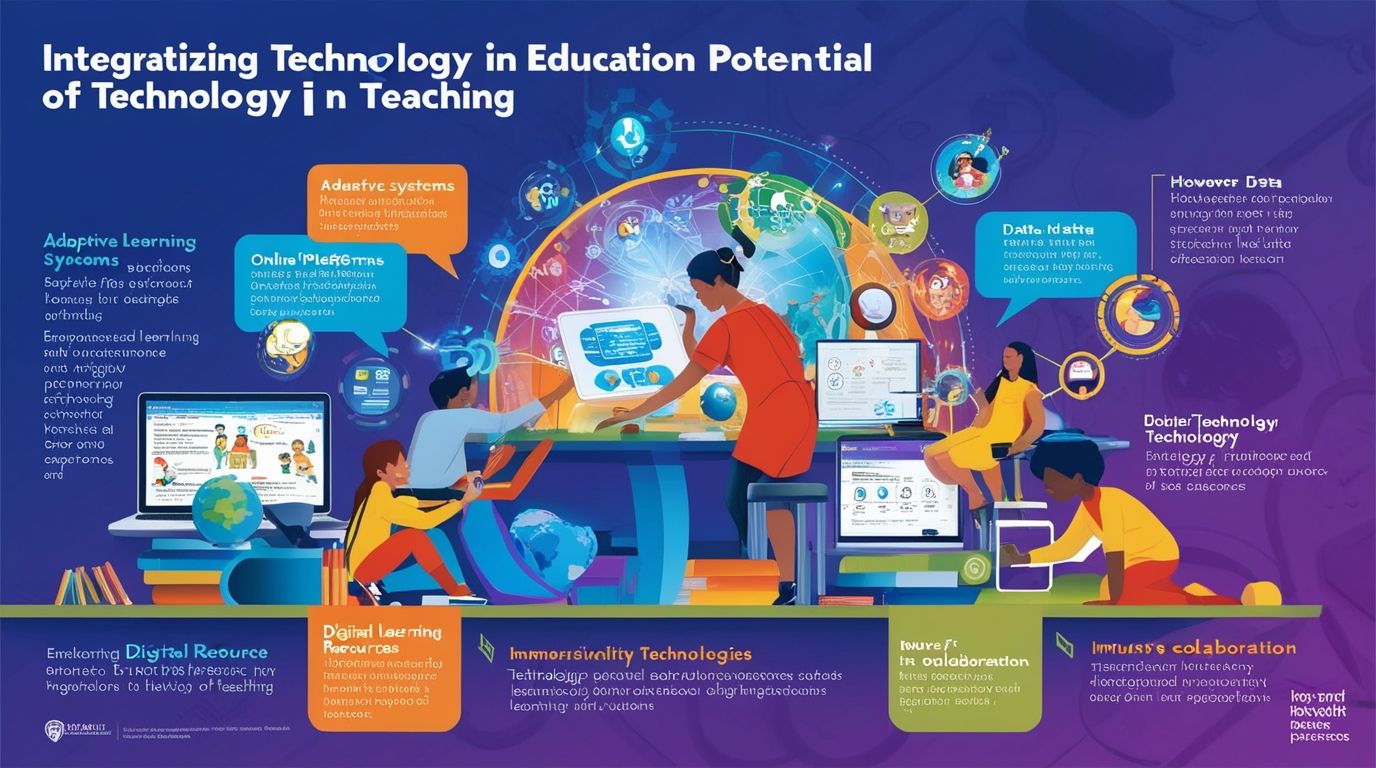
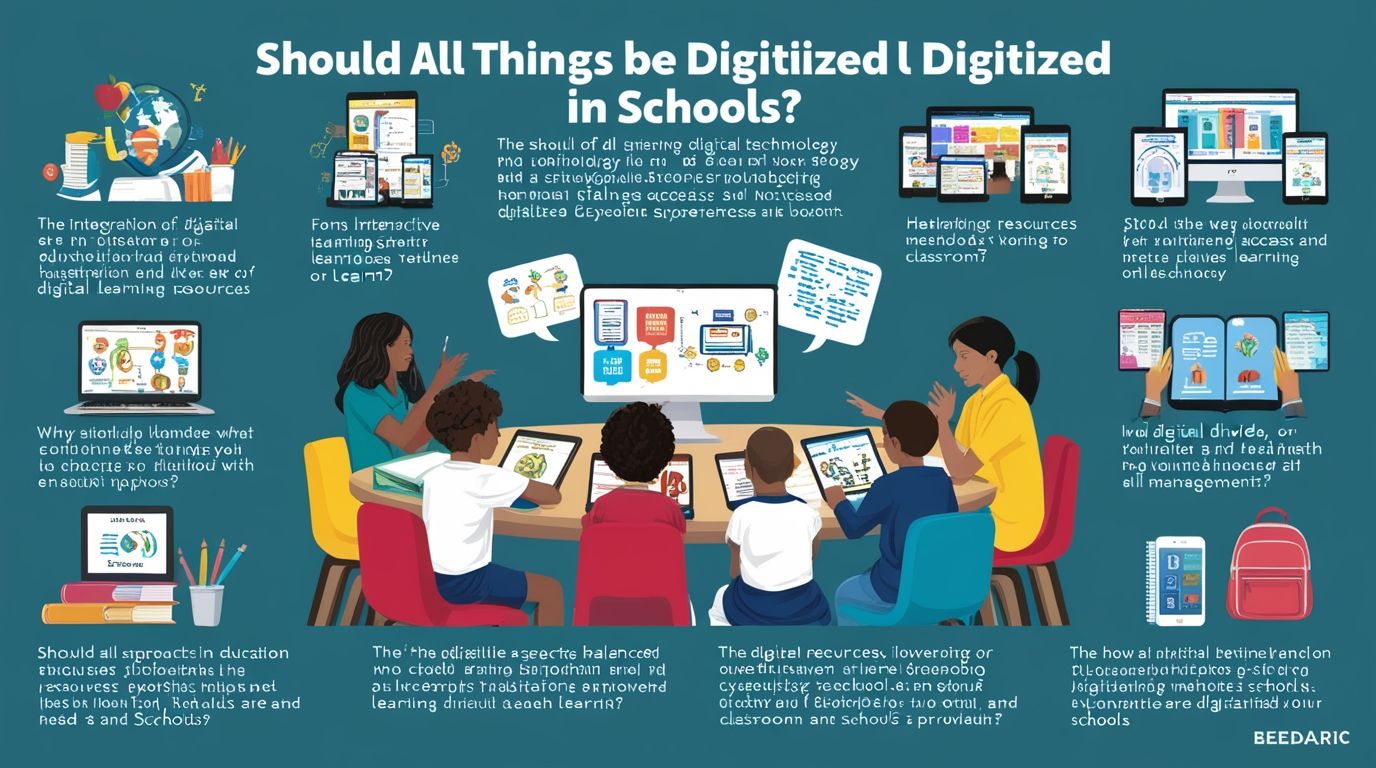
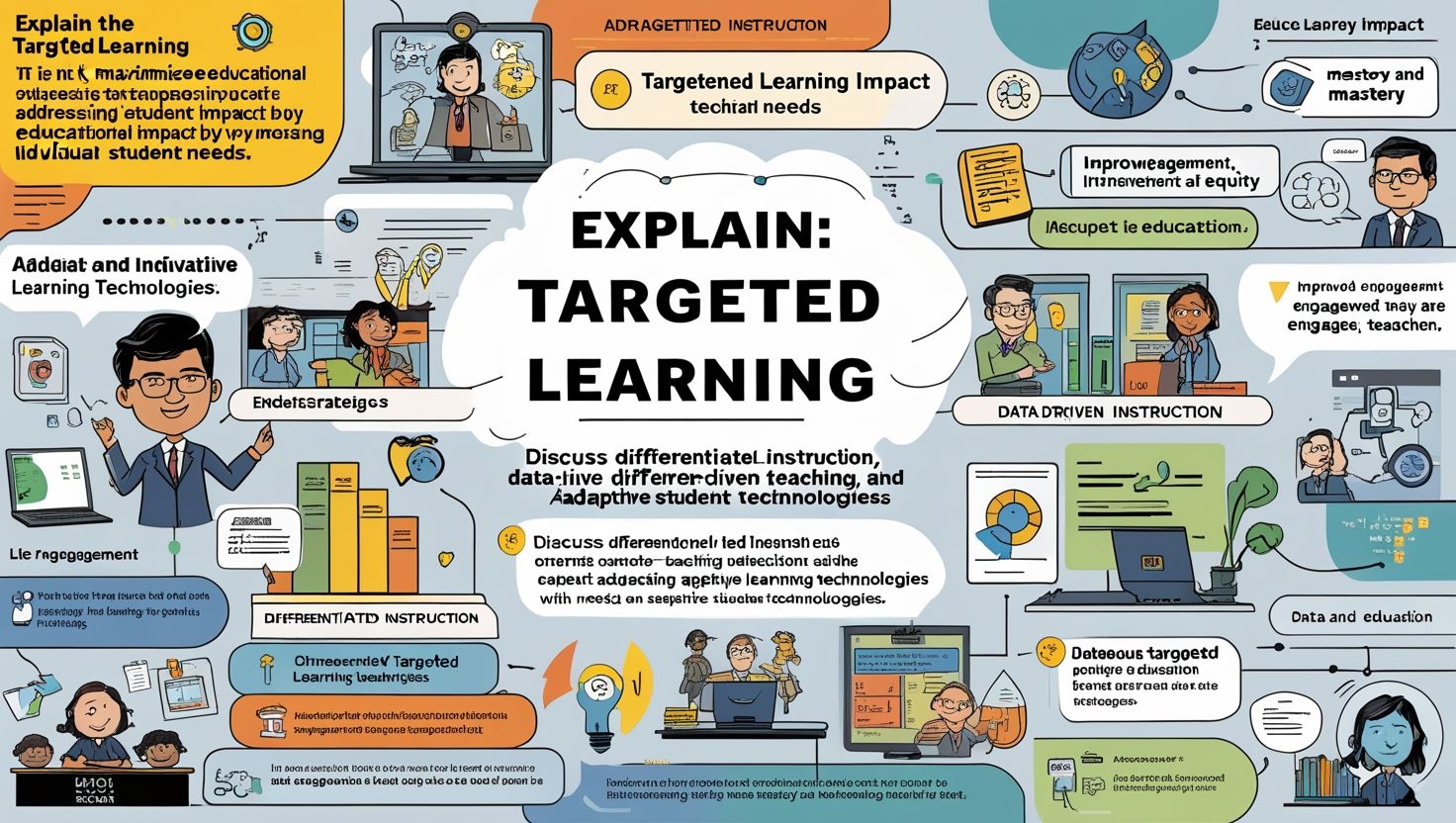
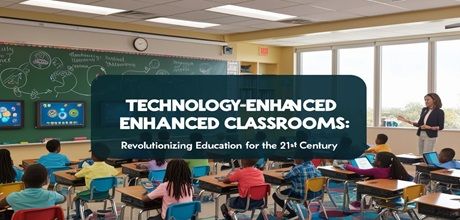
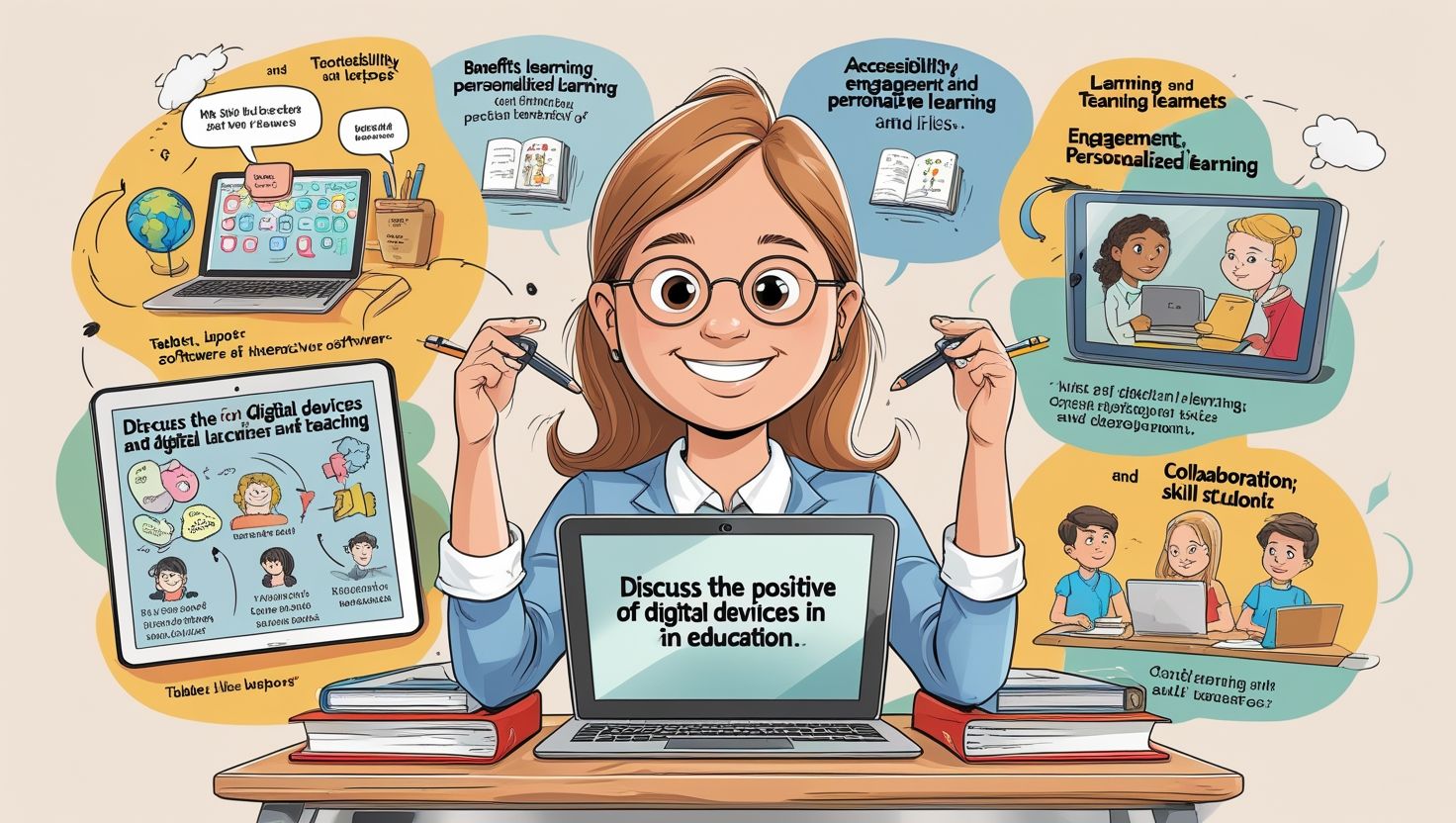
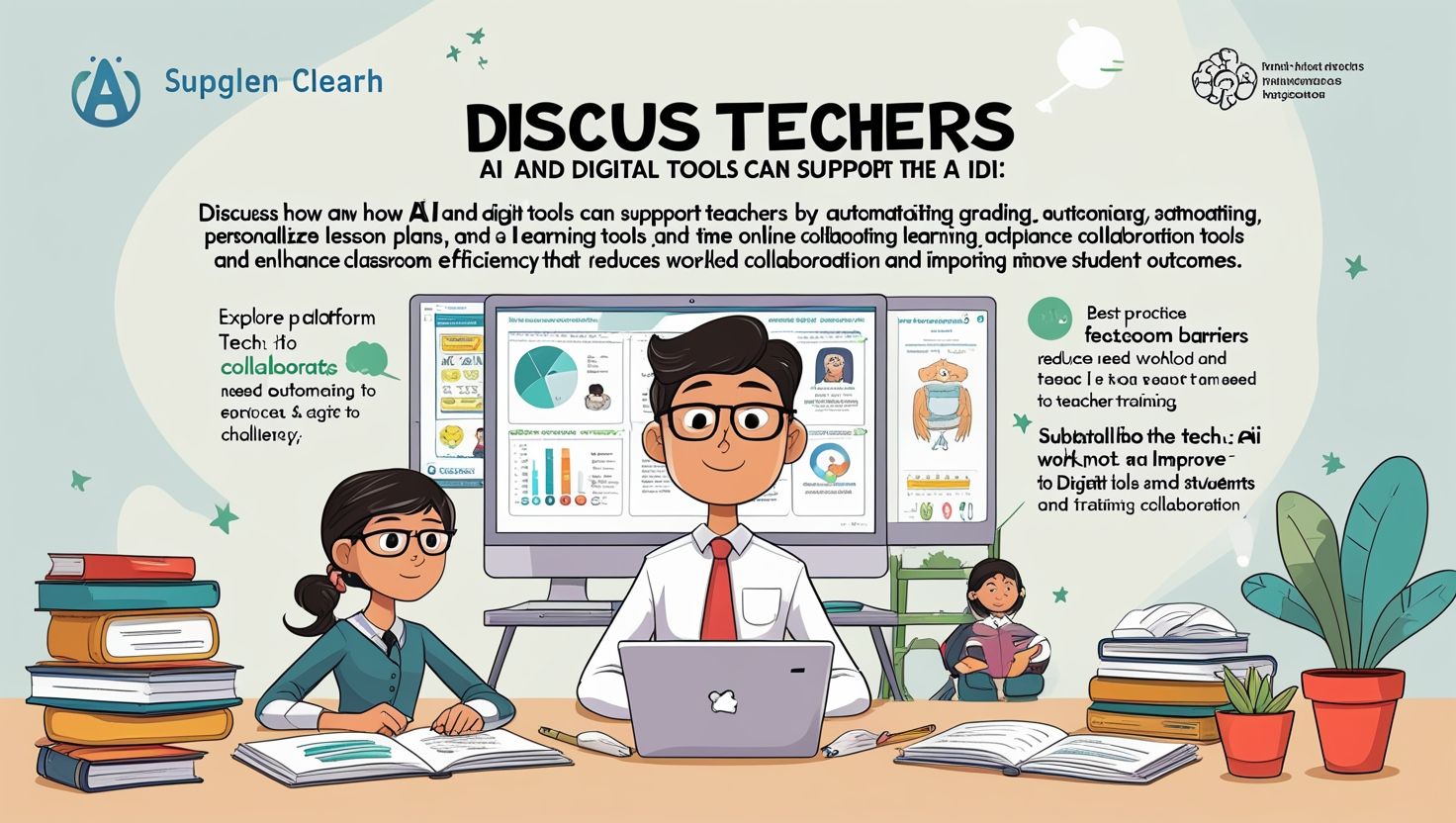
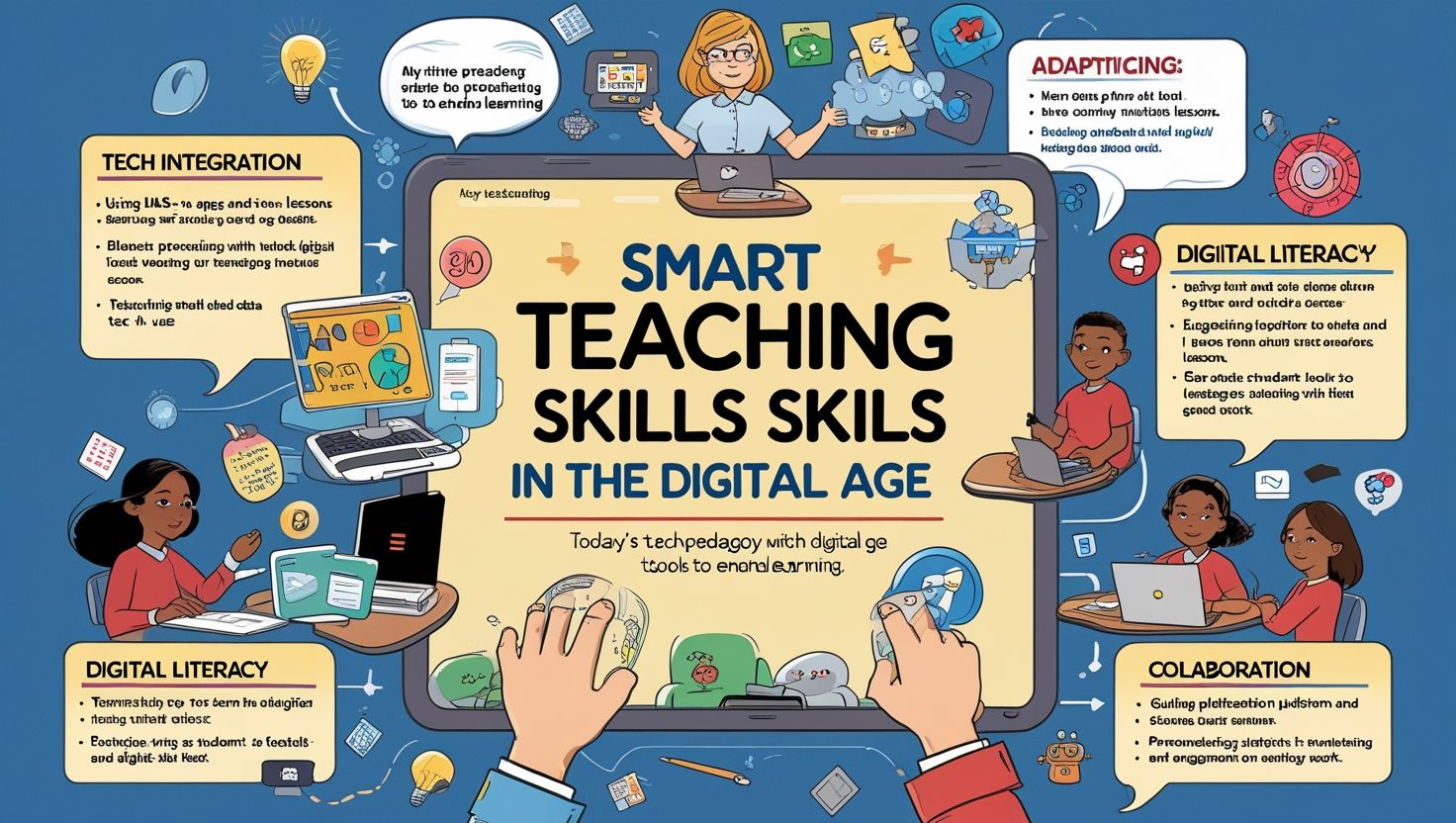
Technology has further enhanced the potential of self-directed learning. Digital tools provide access to vast amounts of information and enable personalized learning experiences. Online platforms, educational applications, and virtual environments allow students to learn at their own pace and explore topics of interest in greater depth. However, the integration of technology must be purposeful and guided to ensure that it supports learning objectives rather than becoming a distraction.
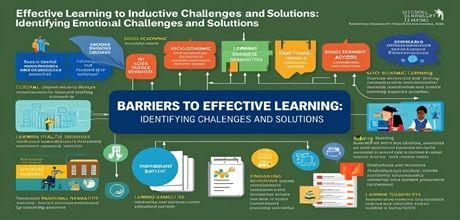
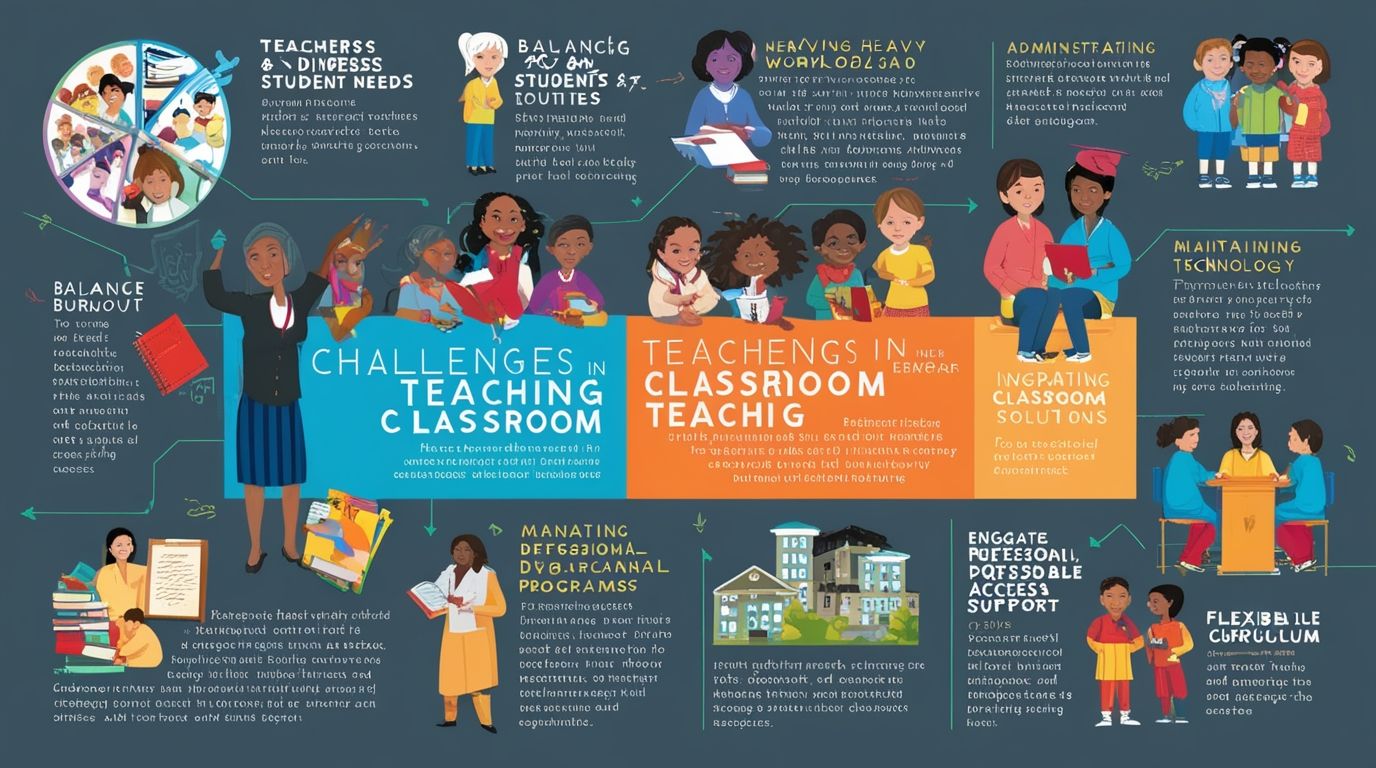
Challenges in Implementation
Despite its many advantages, implementing self-directed learning is not without challenges. One common concern is that students may lack the skills or maturity to manage their own learning effectively. This highlights the importance of gradual implementation and scaffolding. Teachers must explicitly teach skills such as time management, goal setting, and self-reflection. Over time, as students gain confidence and competence, they can assume greater responsibility.
Alignment with Curriculum Standards
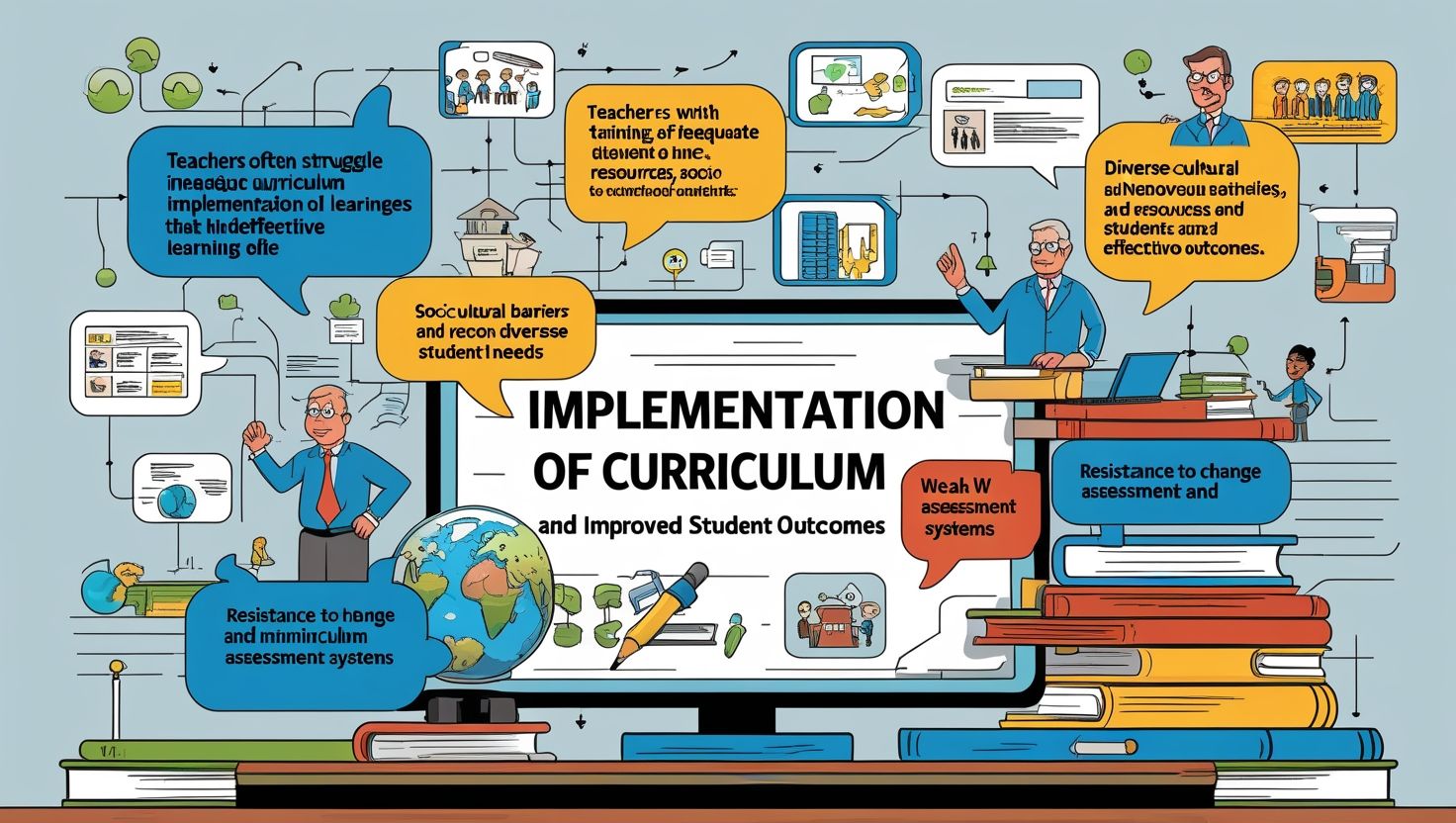
Another challenge is the potential mismatch between self-directed learning and standardized curricula or assessment systems. Educational institutions often have rigid requirements that can limit flexibility. To address this, educators must find ways to integrate self-directed practices within existing frameworks. This may involve aligning student-driven projects with curriculum standards or using alternative assessment methods that still meet institutional requirements.
Ensuring Equity and Inclusion
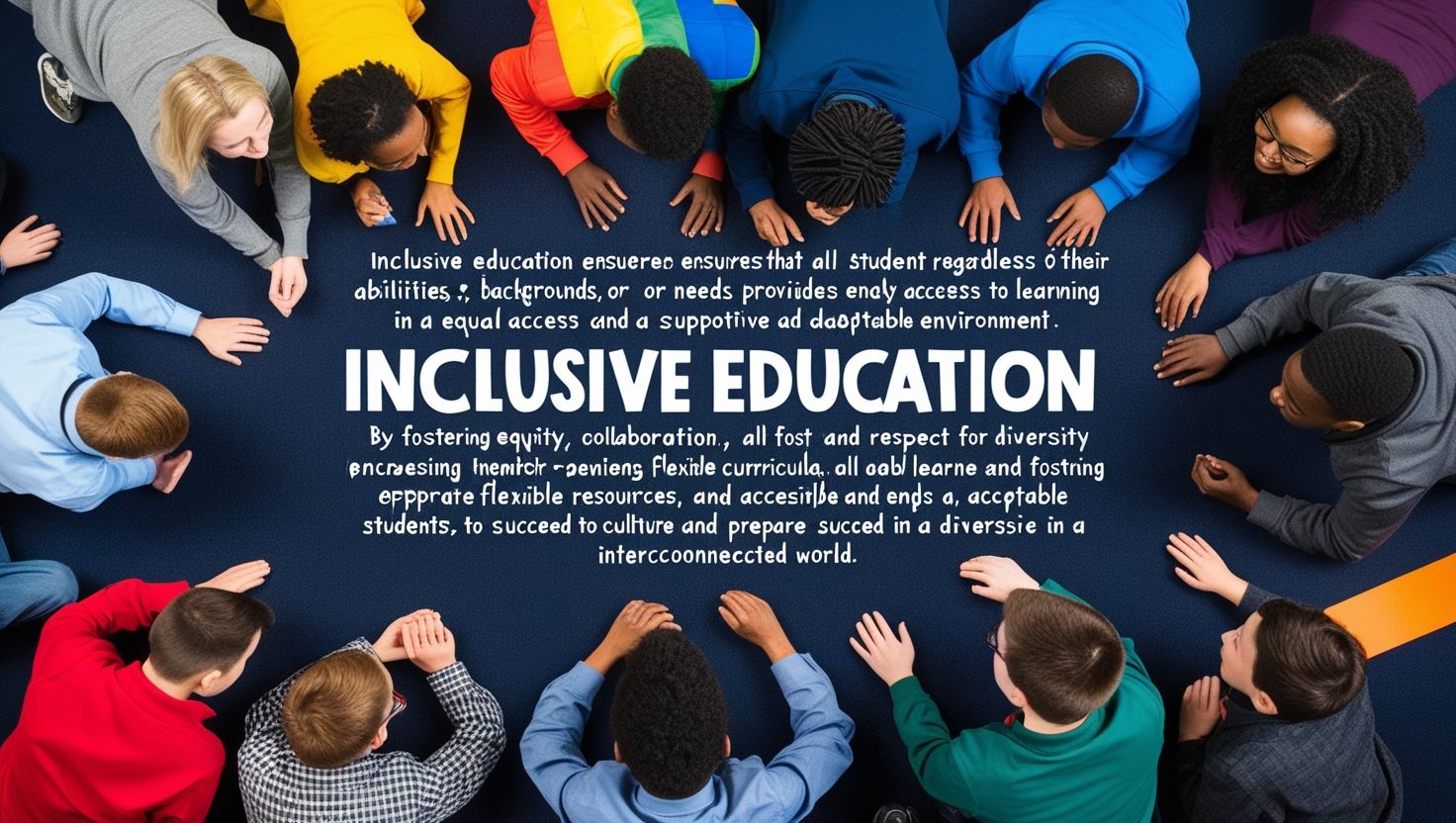
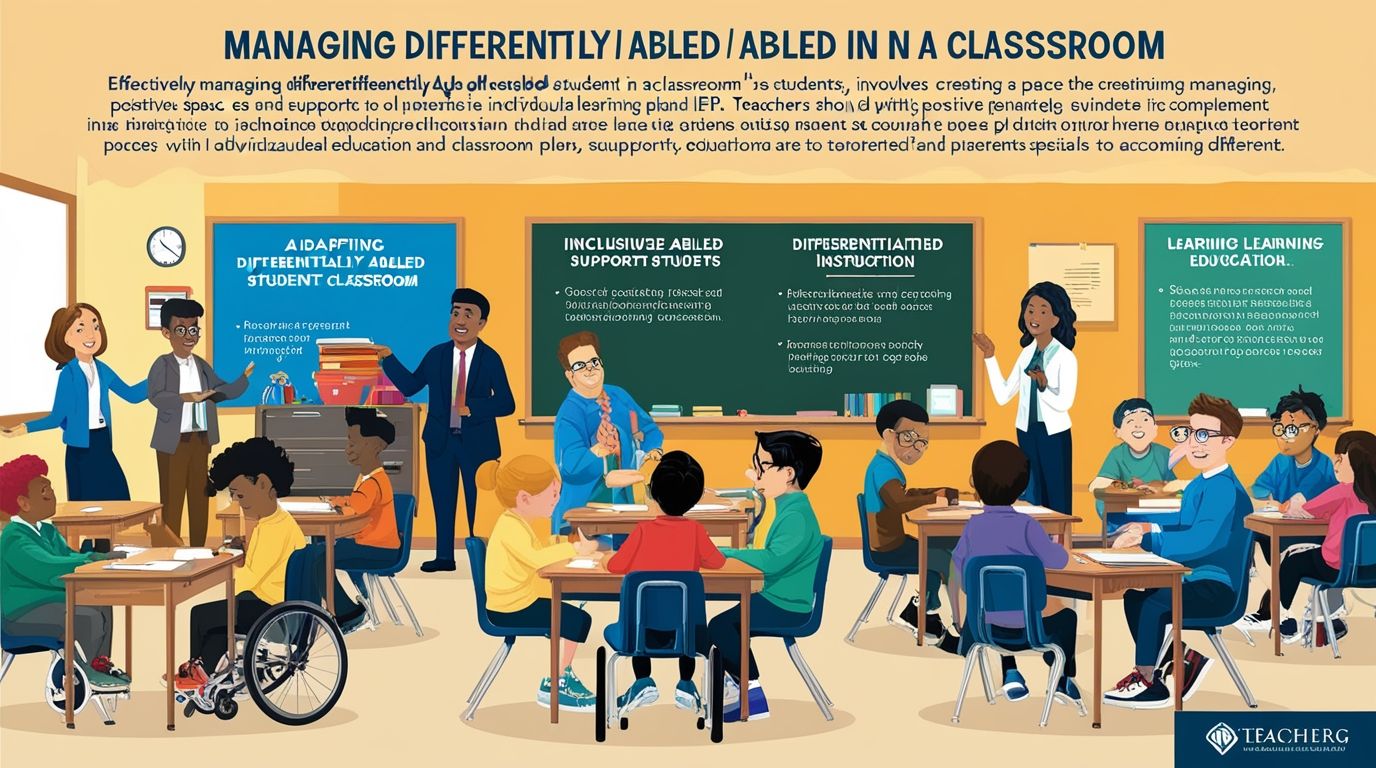
Equity is also a critical consideration. Not all students have equal access to resources or support outside the classroom. Self-directed learning must be designed in a way that ensures all learners can participate and succeed. Teachers should provide equitable access to materials, offer differentiated support, and create inclusive environments where every student feels valued and capable.
Professional Development for Educators
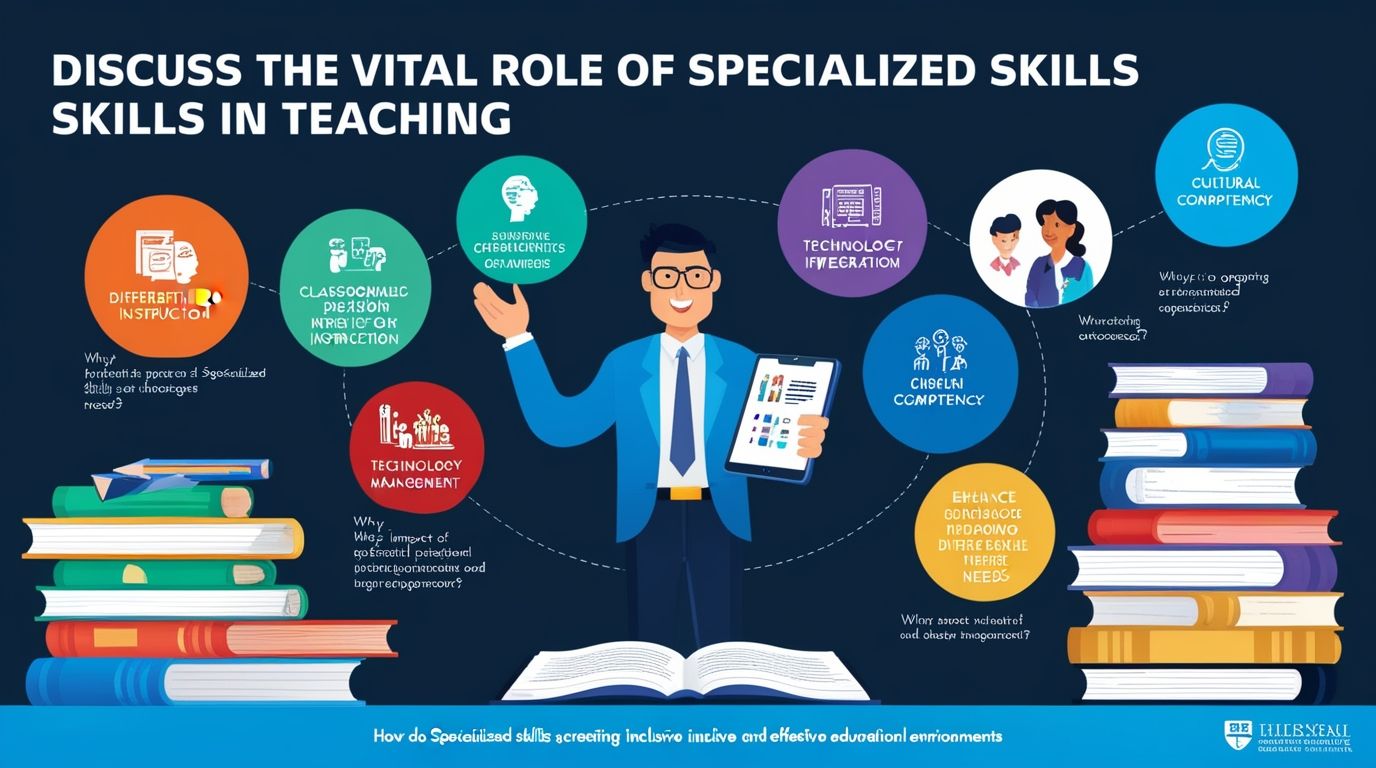
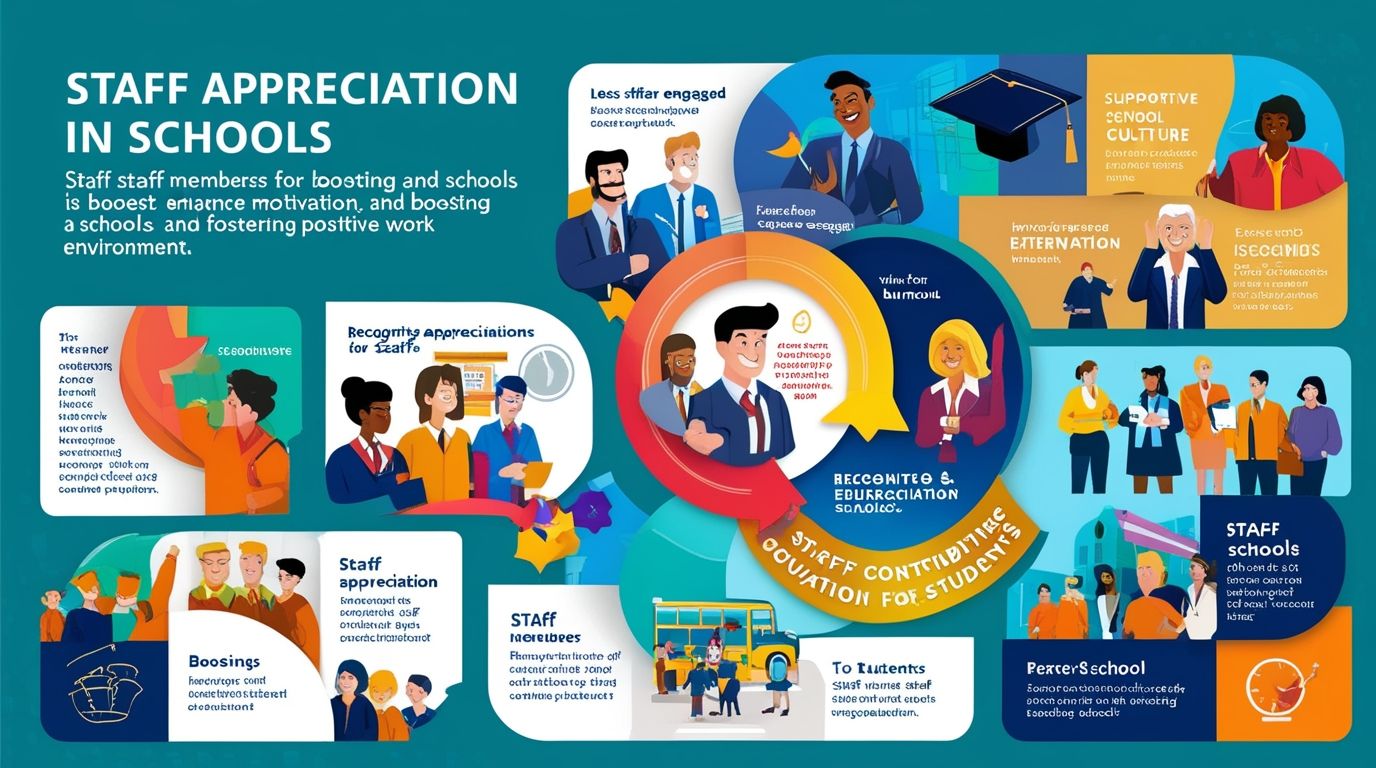
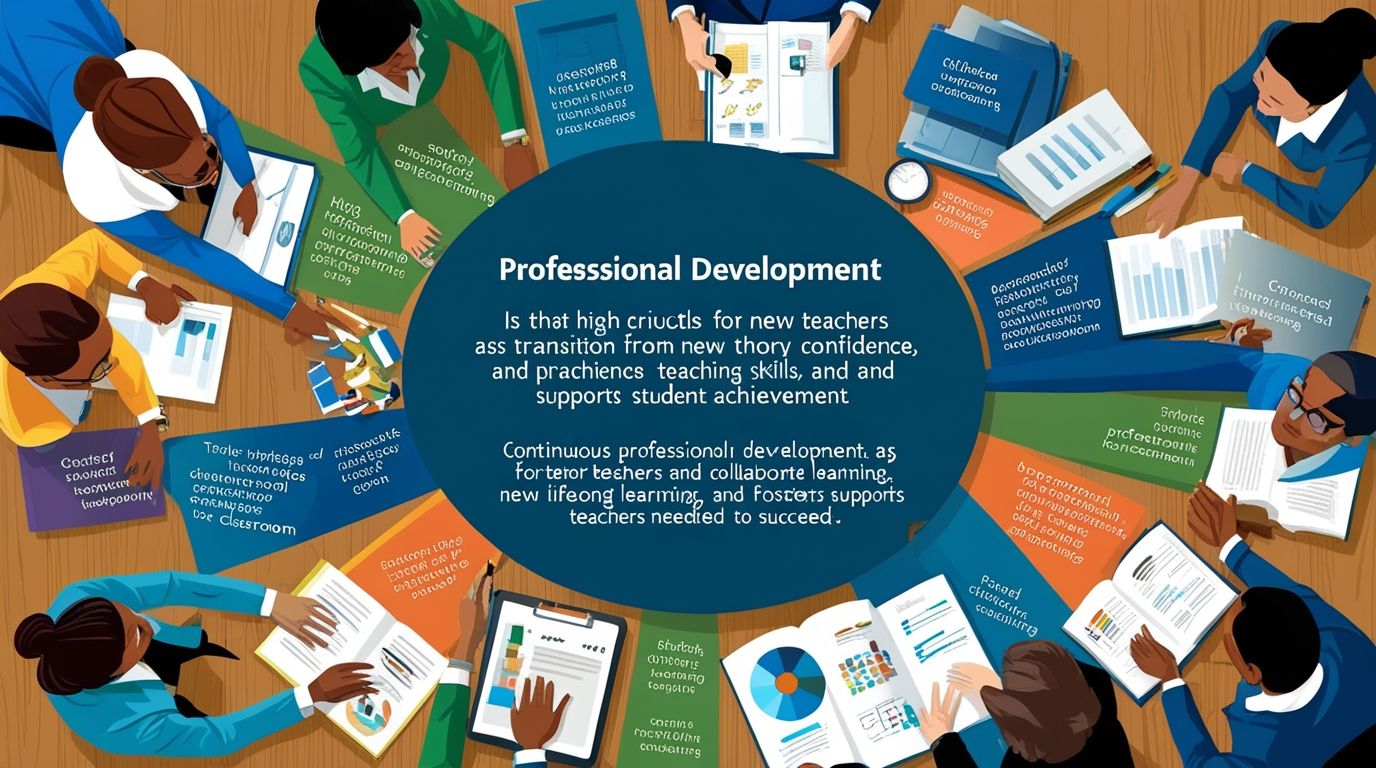
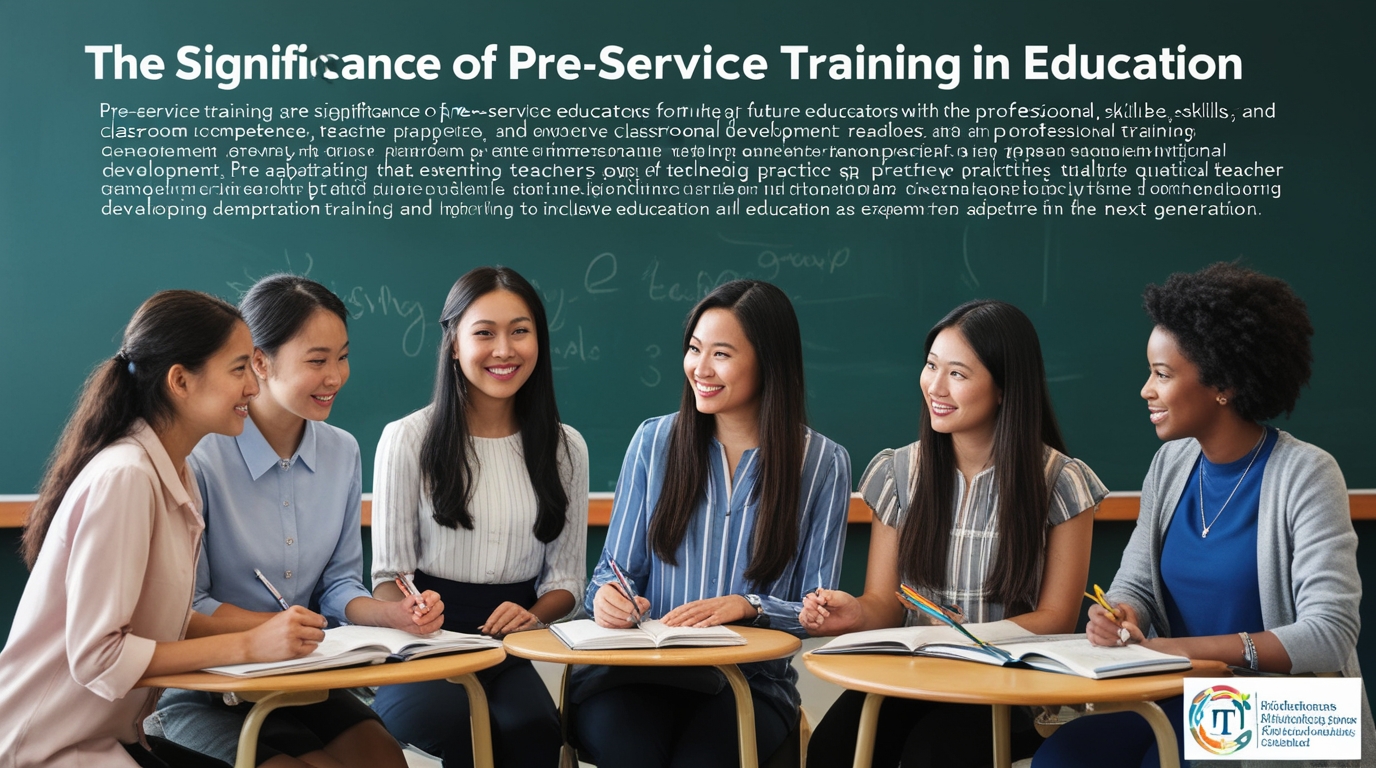
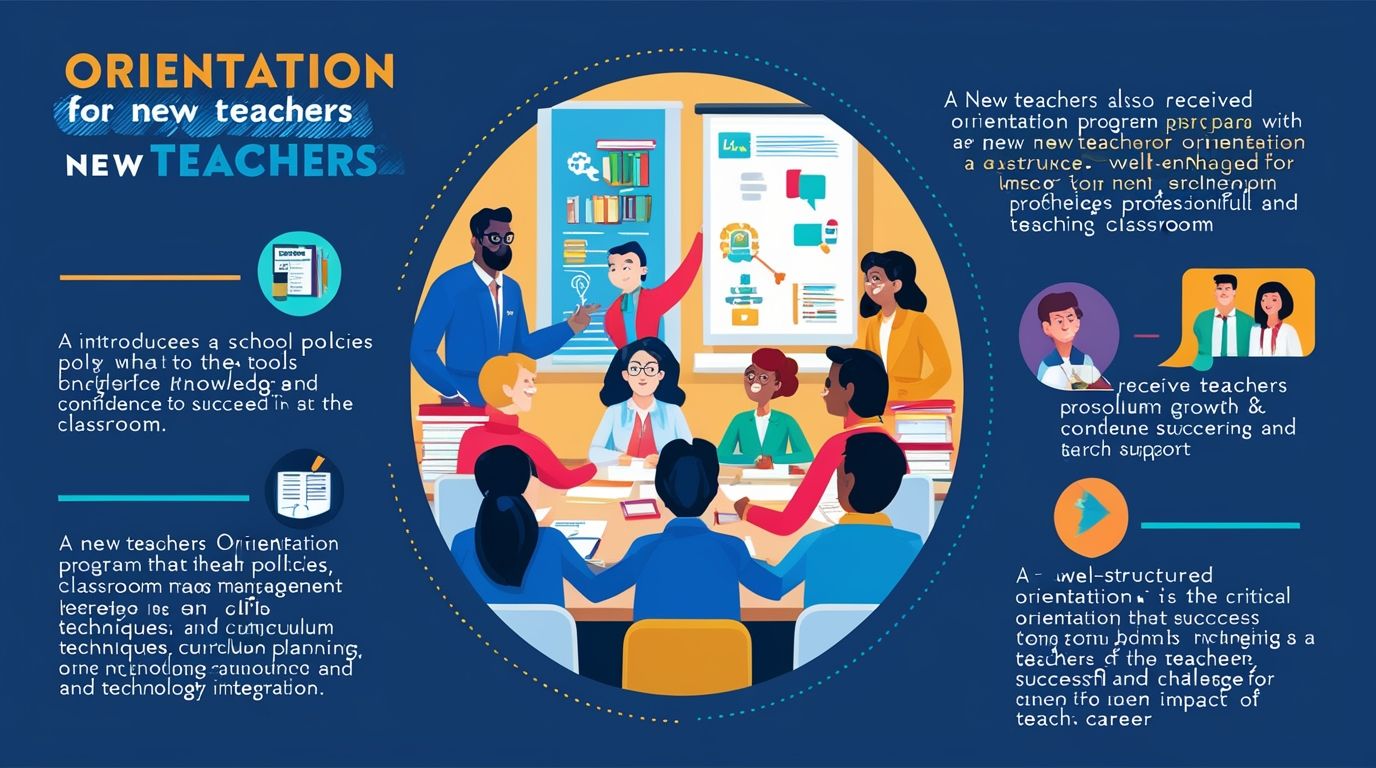
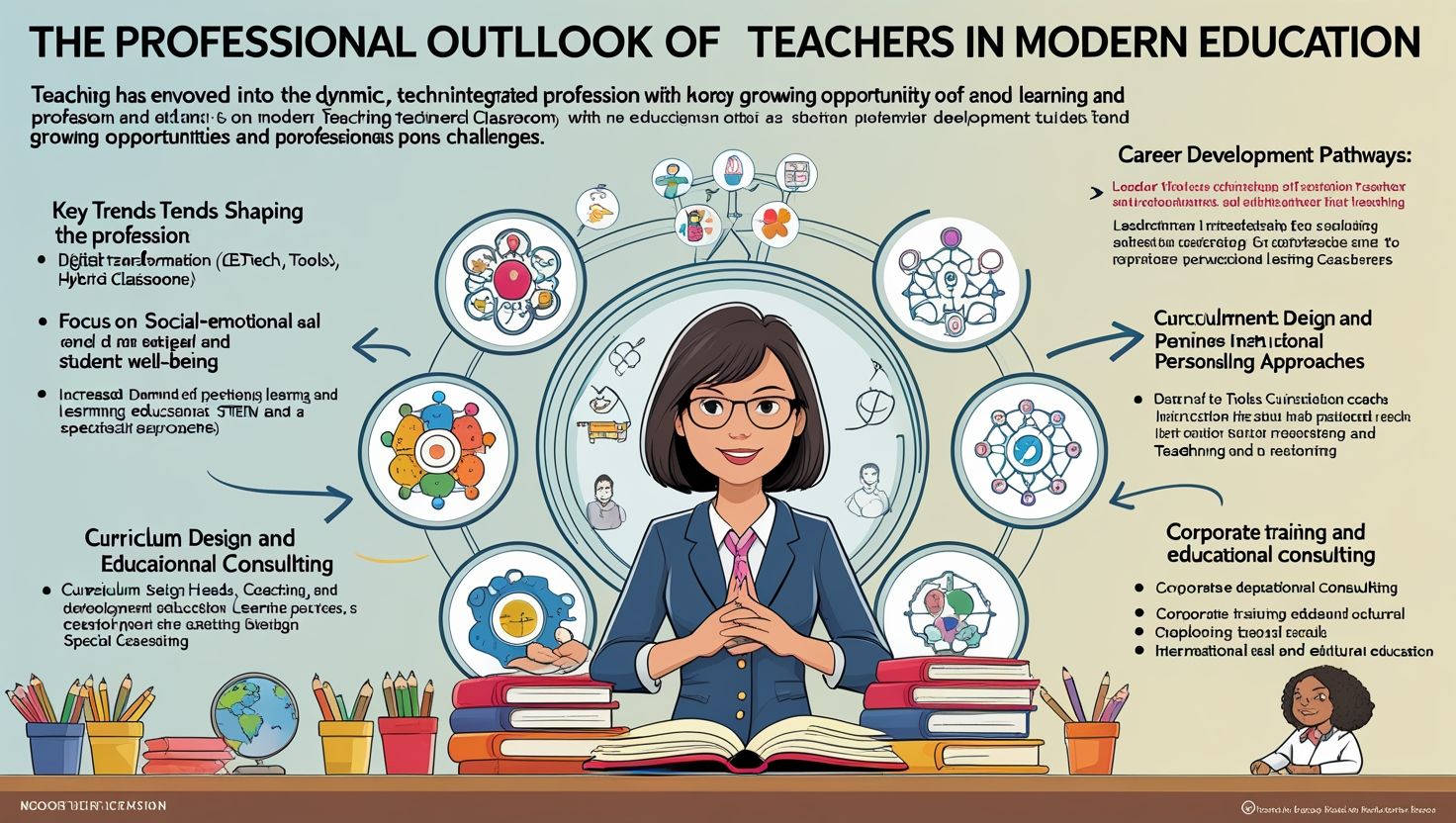
Professional development for teachers is essential in fostering effective self-directed classrooms. Educators need training in facilitation techniques, assessment strategies, and the use of technology. They also benefit from opportunities to collaborate with colleagues, share best practices, and reflect on their experiences. A supportive school culture that encourages innovation and continuous improvement can significantly enhance the success of self-directed learning initiatives.
Involvement of Parents and Community
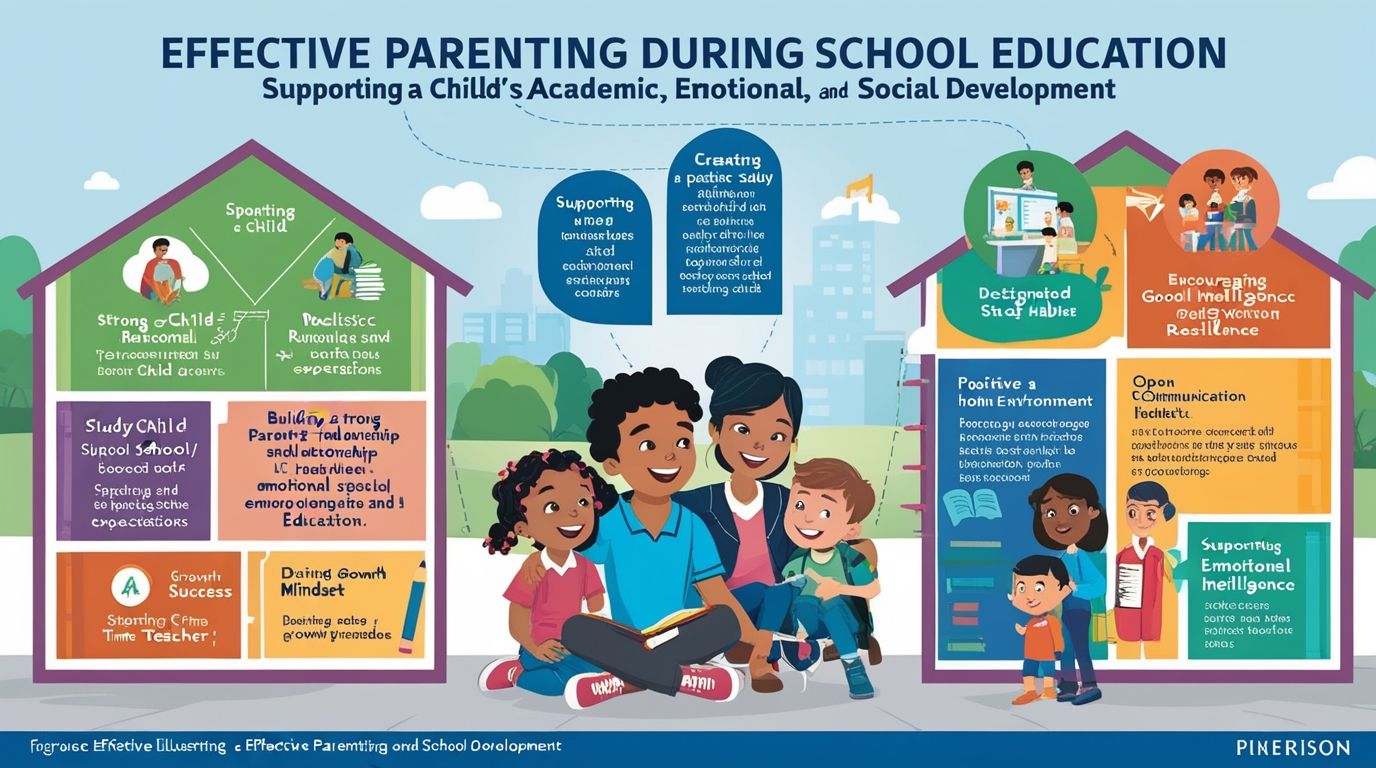
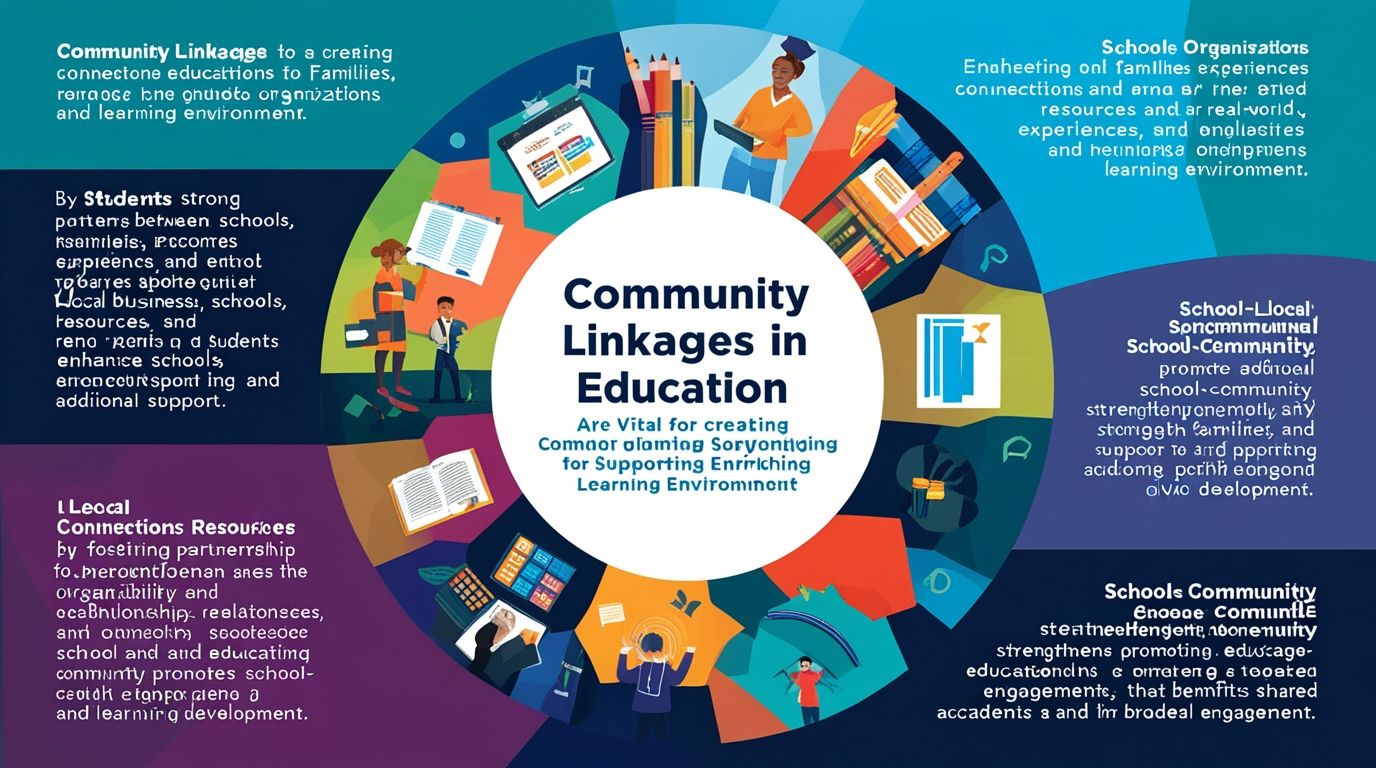
Parents and the wider community also play a role in supporting self-directed learning. When families understand and value this approach, they can reinforce it at home by encouraging curiosity, independence, and responsibility. Schools can engage parents through workshops, communication, and involvement in learning activities, creating a partnership that benefits students.
Cultural Considerations in Practice
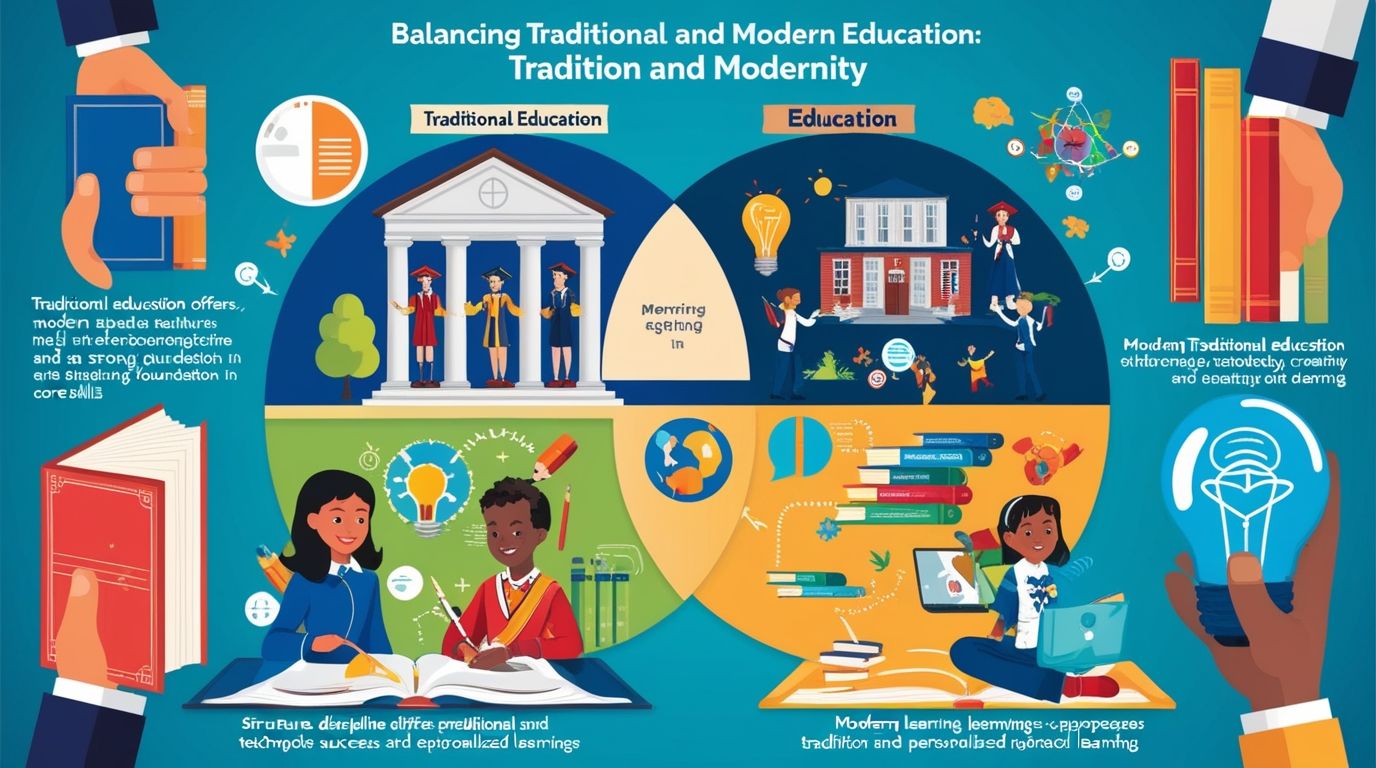
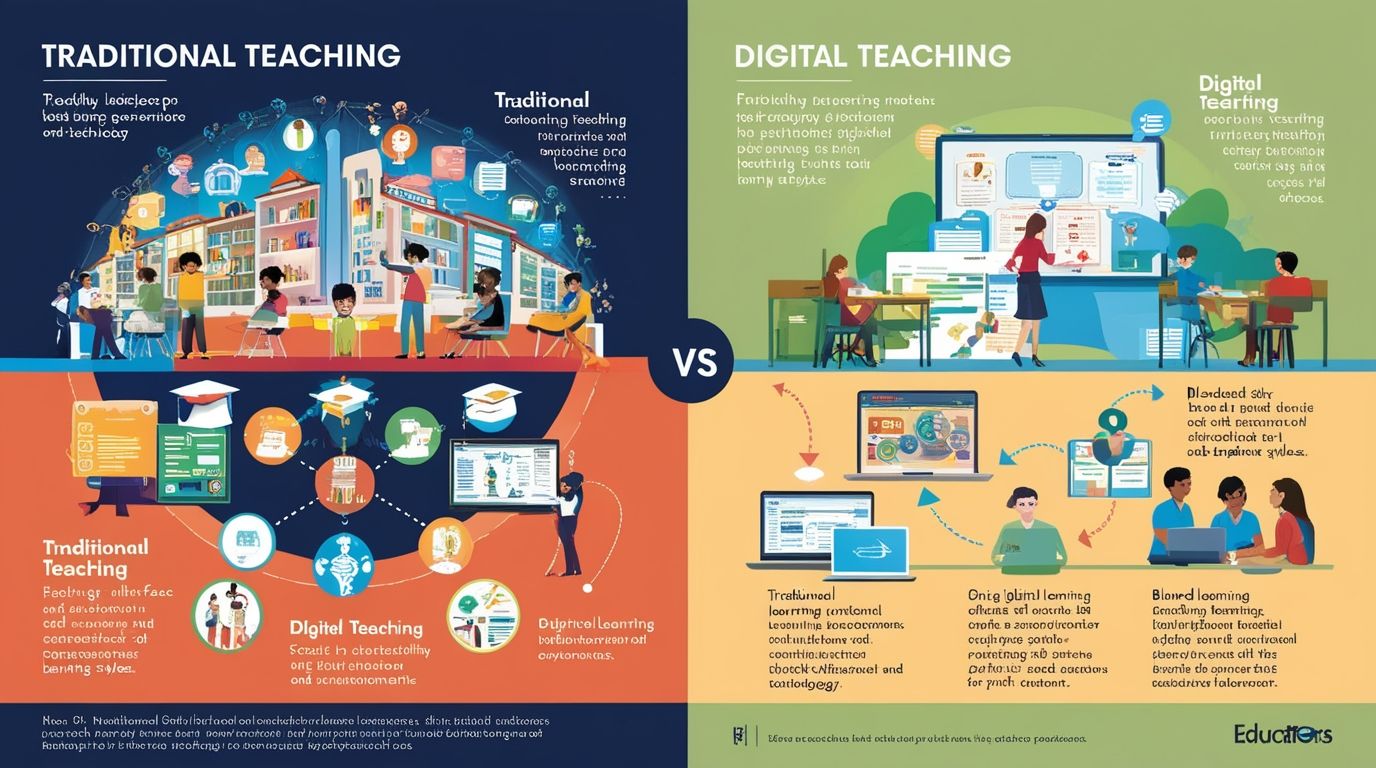
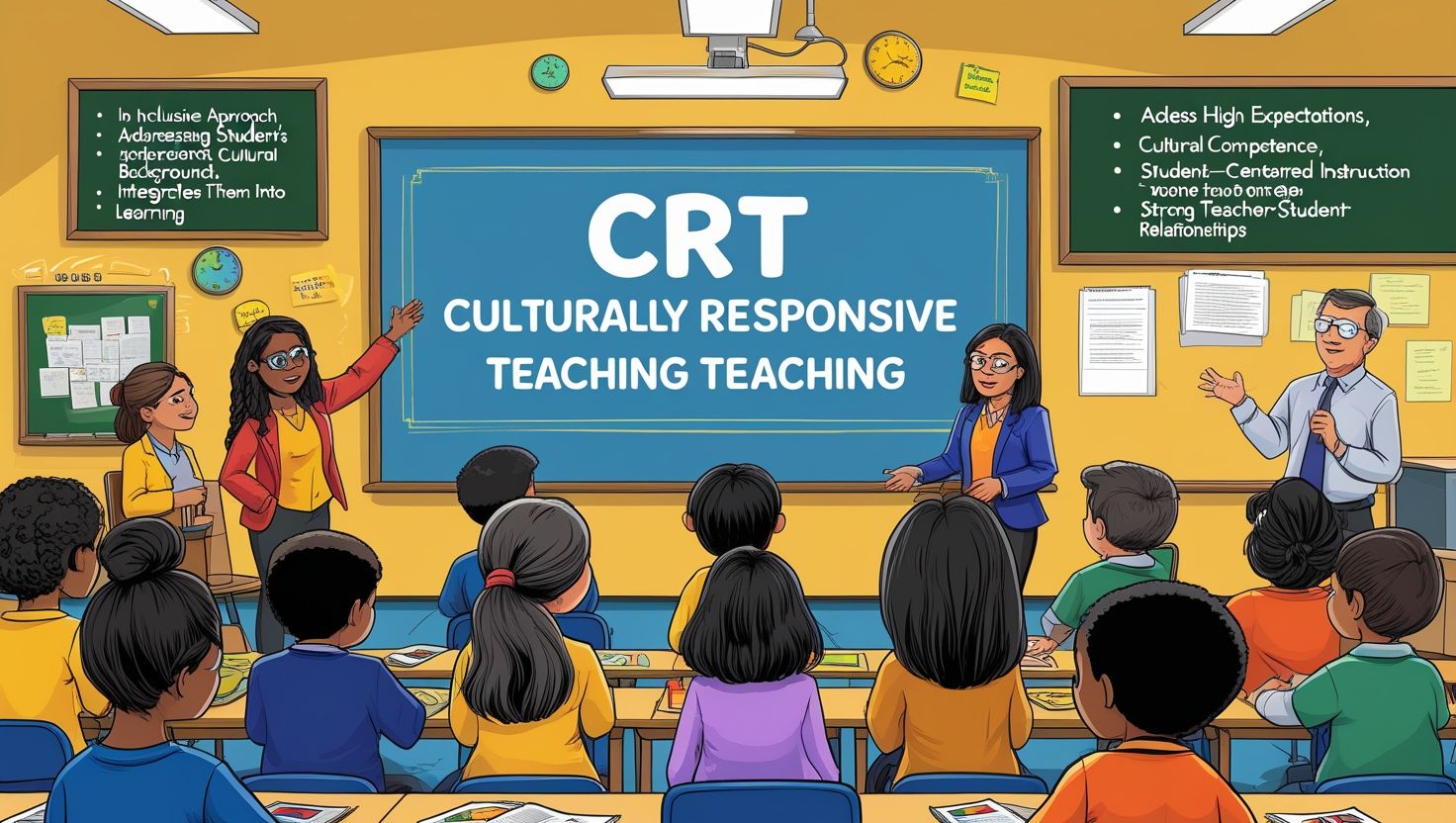
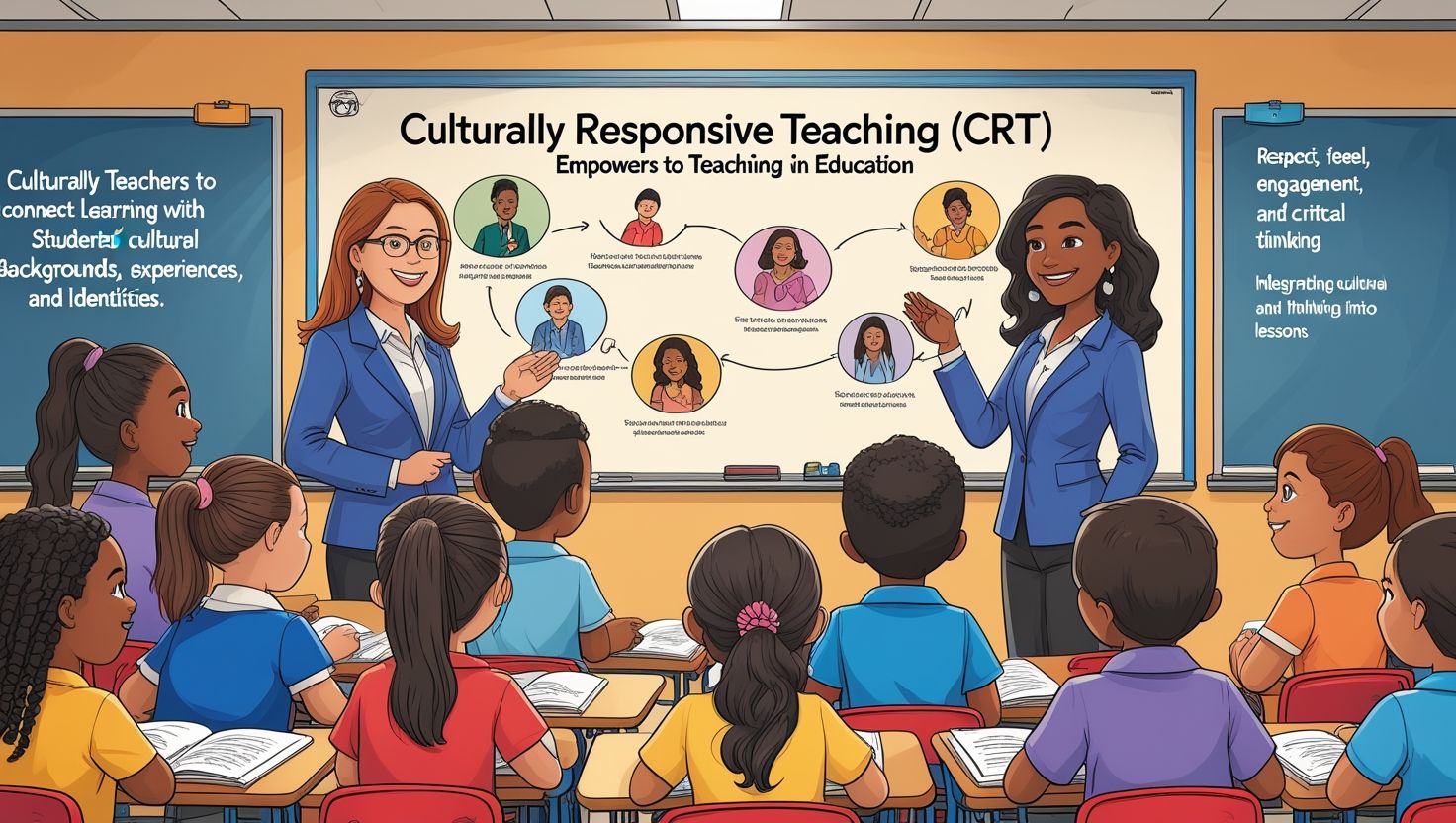
Cultural context must be considered when implementing self-directed learning. In some educational systems, teacher-centered approaches are deeply ingrained, and shifting to a more student-centered model may require gradual change. Respecting cultural values while introducing new practices is essential. Educators can blend traditional methods with self-directed strategies, creating a balanced approach that resonates with students and communities.
Impact on Student Outcomes
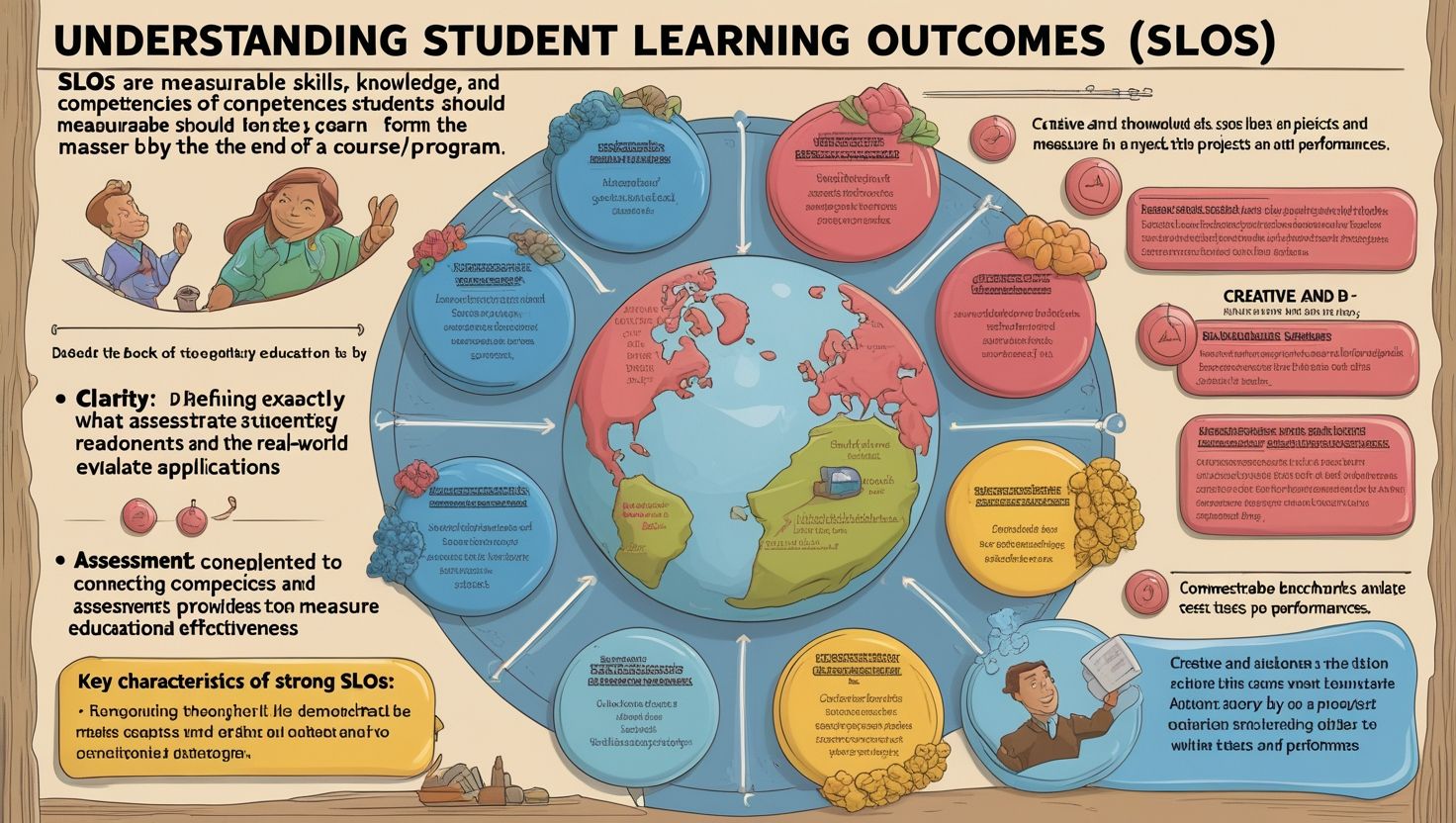
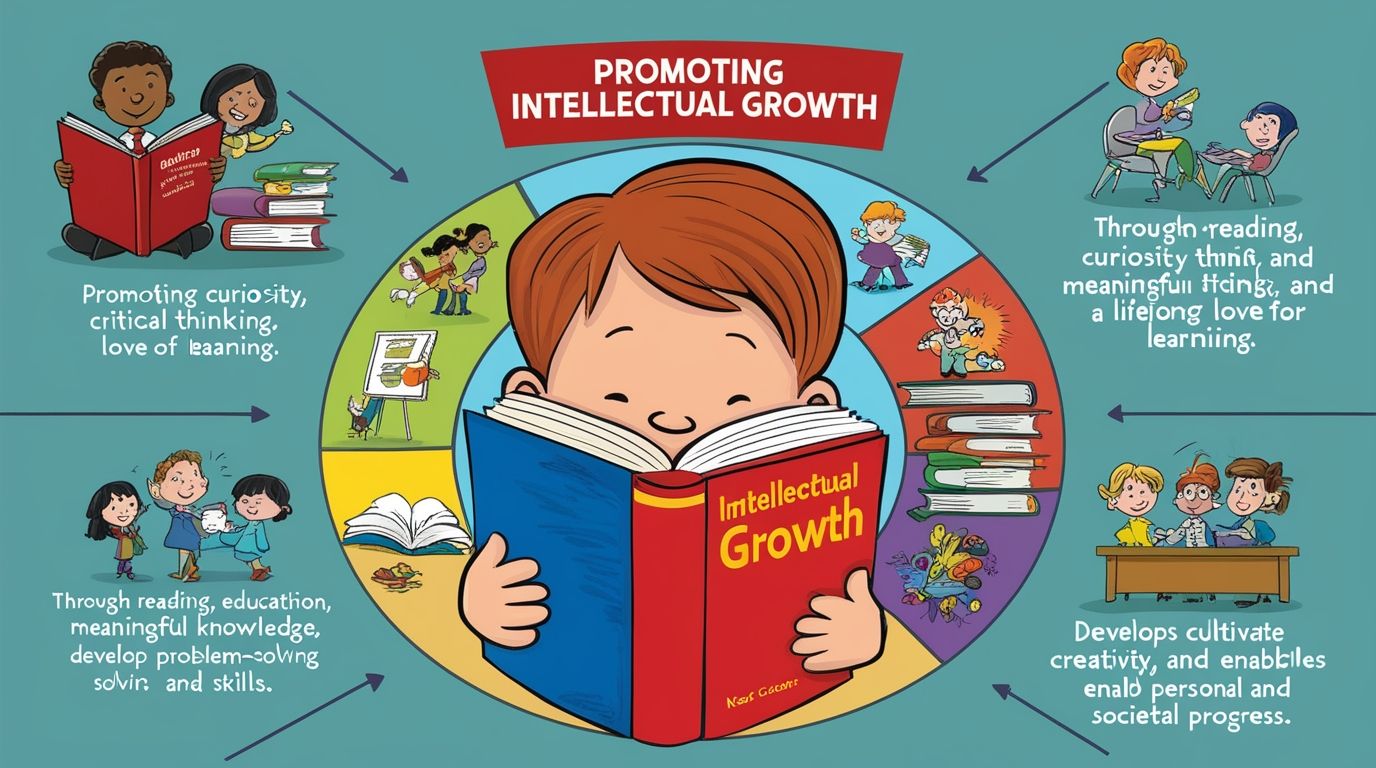
Research has consistently shown that self-directed learning leads to improved academic performance, greater learner satisfaction, and enhanced critical thinking skills. Students who engage in self-directed learning are better prepared for higher education and the workforce, where independence and adaptability are highly valued. They develop a sense of ownership over their learning, which translates into greater confidence and resilience.
Practical Classroom Strategies
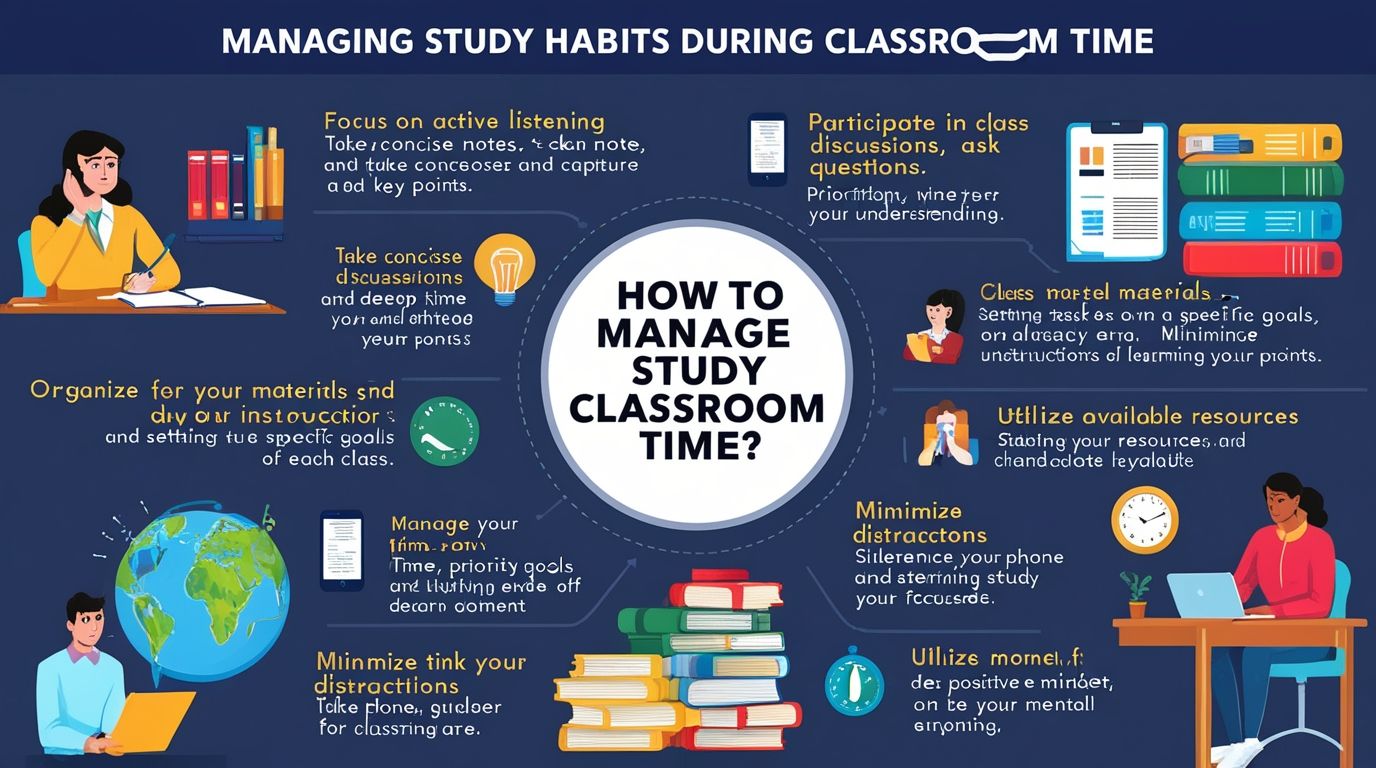
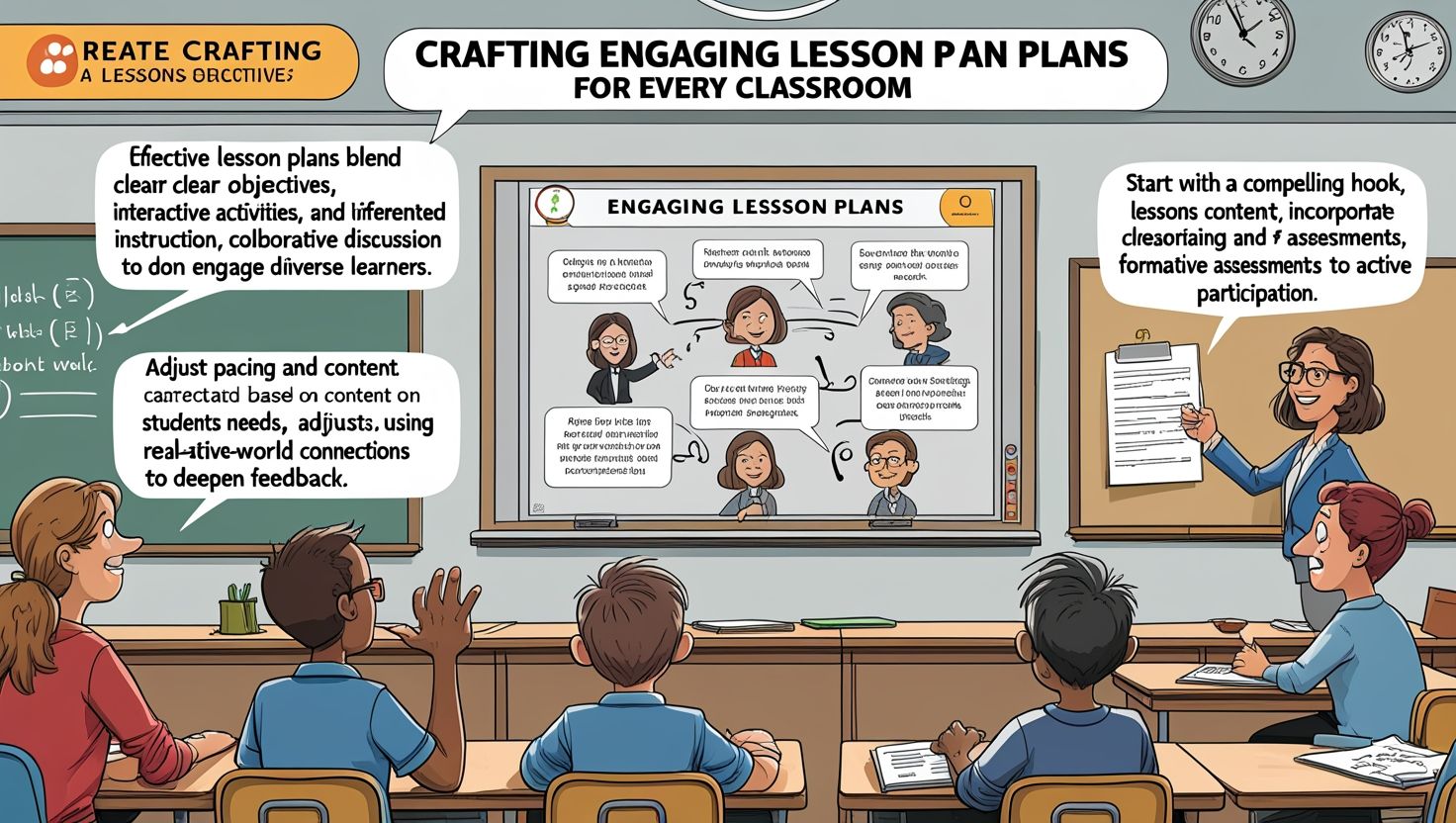
In practical terms, teachers can begin incorporating self-directed learning through small, manageable steps. For example, they might allow students to choose topics for projects, set personal learning goals, or reflect on their progress at the end of each lesson. Over time, these practices can be expanded to include more complex and comprehensive self-directed activities.
Project-Based Learning Approach
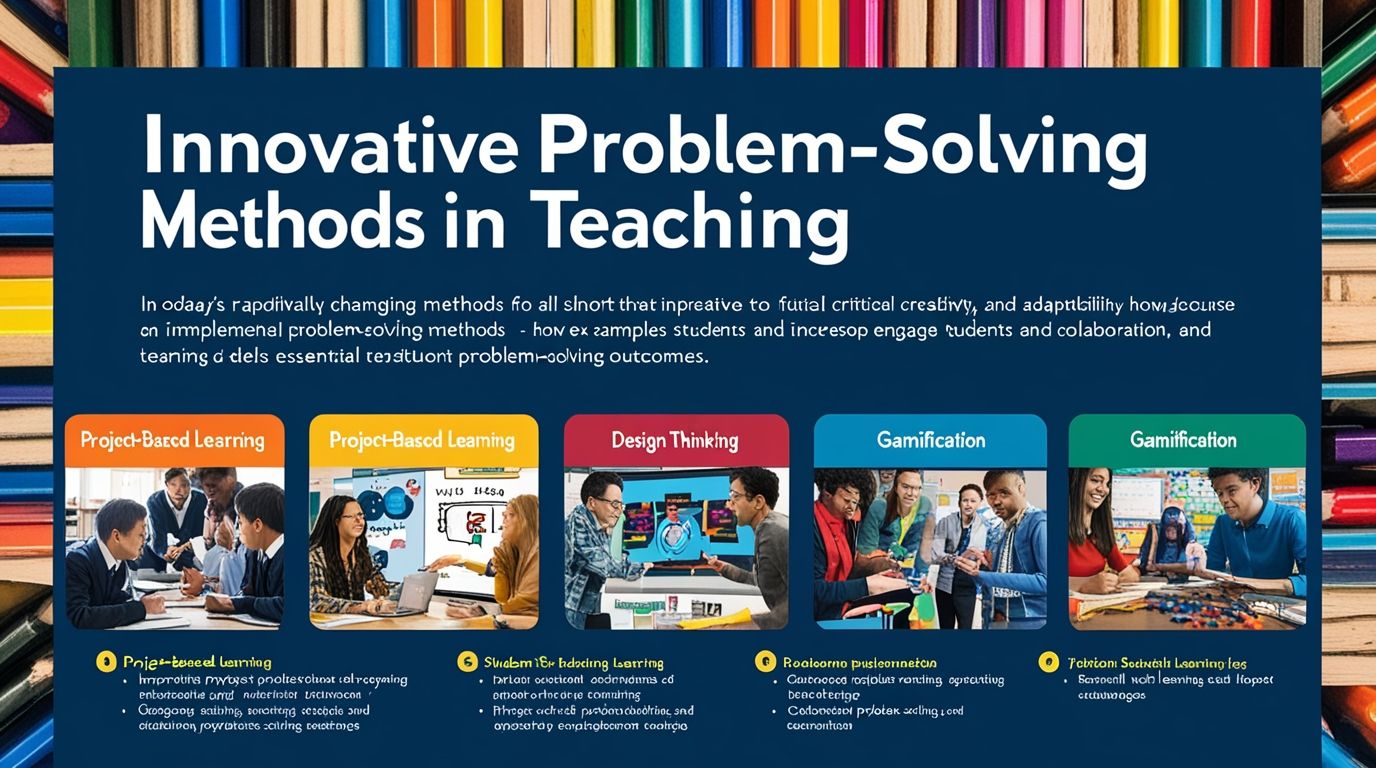
Project-based learning is particularly well-suited to a self-directed approach. In such projects, students investigate real-world problems, conduct research, and present their findings. This method integrates multiple subjects and skills, providing a holistic learning experience. Teachers guide the process, ensuring that students remain focused and meet learning objectives while still allowing for creativity and independence.
Use of Learning Contracts
Another effective strategy is the use of learning contracts. These agreements between teacher and student outline goals, resources, timelines, and assessment criteria. Learning contracts provide structure while giving students a sense of control over their learning. They also promote accountability, as students are responsible for meeting the terms they have agreed upon.
Role of Reflection
Reflection remains a cornerstone of self-directed learning. Regular opportunities for students to think about what they have learned, how they learned it, and what they can improve are essential. Reflection can take many forms, including written journals, discussions, or digital portfolios. This practice not only reinforces learning but also helps students develop self-awareness and critical thinking skills.
Conclusion
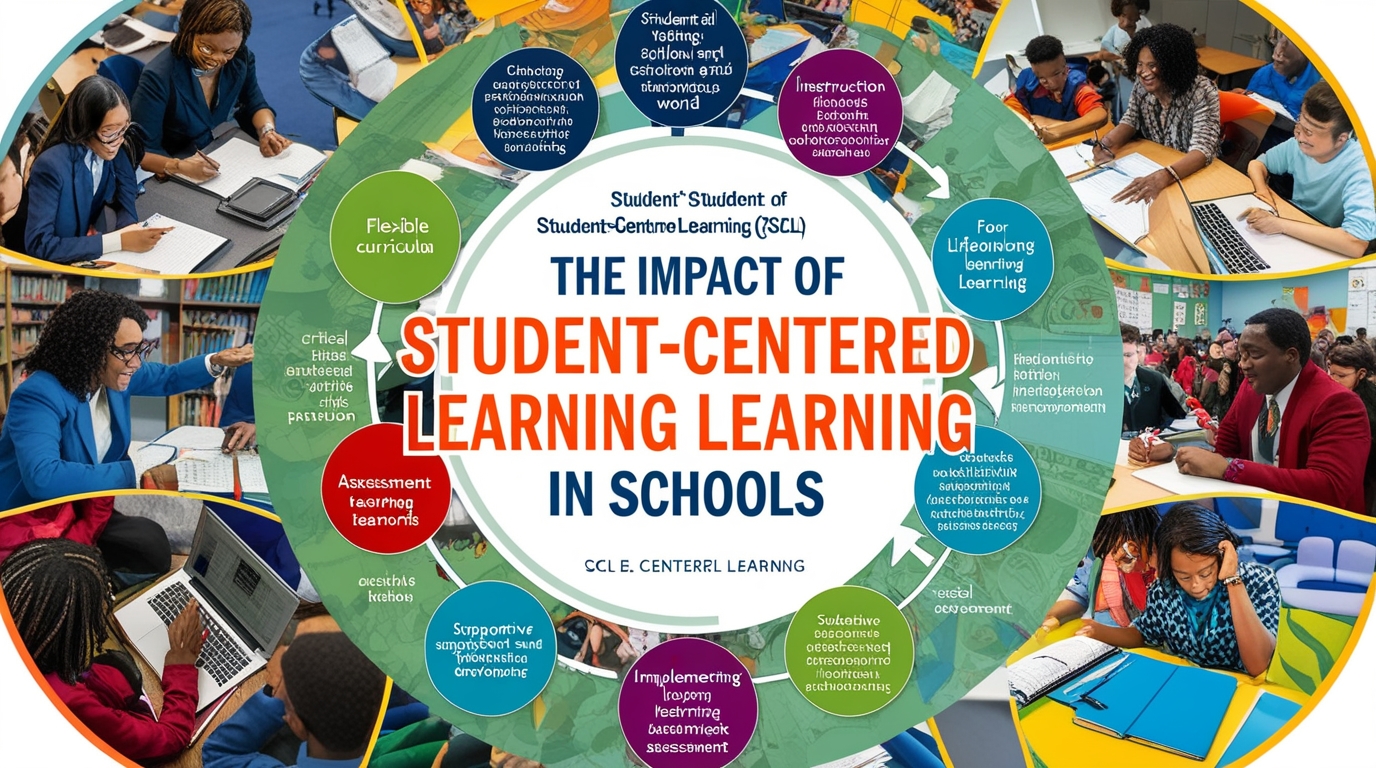
Ultimately, self-directed learning represents a shift in educational philosophy. It recognizes that learning is not a one-size-fits-all process and that students have unique interests, strengths, and needs. By placing learners at the center of the educational experience, it creates a more dynamic, engaging, and effective learning environment. As education continues to evolve, the importance of self-directed learning will only grow, preparing students not only to succeed academically but also to thrive as independent, lifelong learners.