
How to Deal with Difficult People in a School Environment, Schools are dynamic, human-centered institutions where diverse personalities, expectations, and pressures converge. Teachers, administrators, students, and parents all bring unique perspectives, values, and emotional responses into the educational ecosystem. In such an environment, encountering difficult individuals is not an exception—it is inevitable. The real challenge lies not in avoiding these interactions, but in managing them constructively to preserve a positive learning climate.
Dealing with difficult people in a school requires emotional intelligence, professional judgment, communication skills, and a systems-oriented mindset. Whether it is a confrontational parent, an uncooperative colleague, a disruptive student, or a resistant staff member, the approach must be thoughtful, ethical, and solution-focused. This article explores practical strategies and conceptual frameworks for handling difficult individuals effectively while maintaining professional integrity and institutional harmony.
Understanding “Difficult” Behavior
Before attempting to manage difficult people, it is essential to understand what makes behavior “difficult.” Typically, such behavior includes:
- Persistent negativity or resistance
- Aggression or hostility
- Lack of cooperation
- Emotional volatility
- Disrespect or disregard for policies
- Passive-aggressive tendencies
However, labeling individuals as “difficult” can sometimes oversimplify the situation. Often, these behaviors are symptoms of deeper issues such as stress, insecurity, unmet expectations, lack of communication, or external pressures. For instance, a parent who appears confrontational may actually be anxious about their child’s academic future. A teacher resisting new policies may feel overwhelmed or undervalued.
Adopting a diagnostic mindset—rather than a judgmental one—allows school leaders and educators to respond with empathy and effectiveness.
The Role of Emotional Intelligence
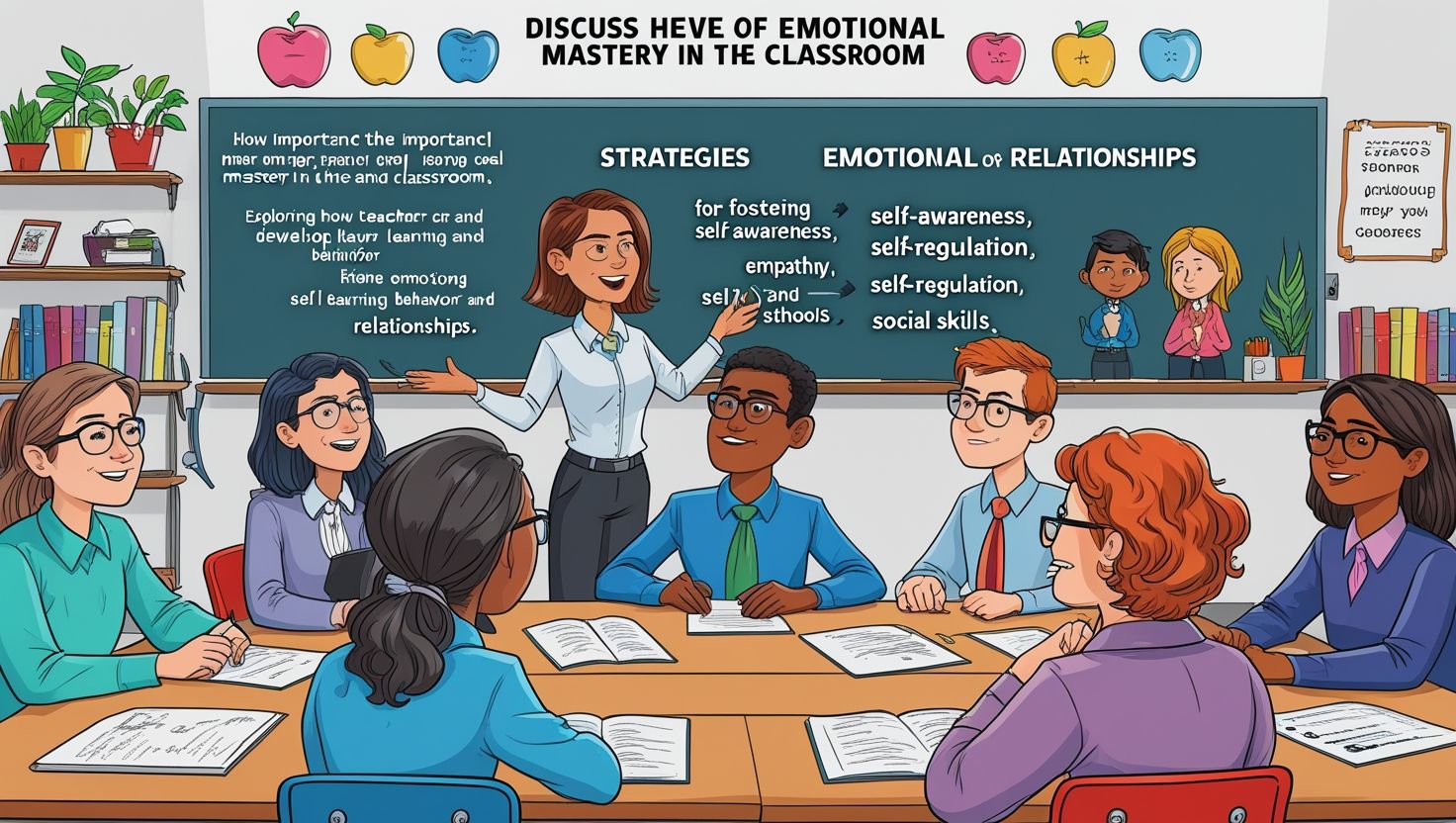
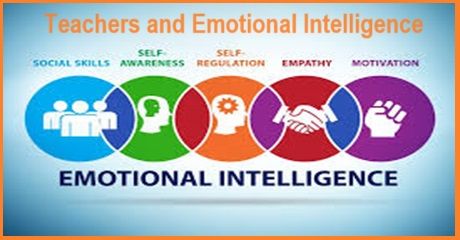
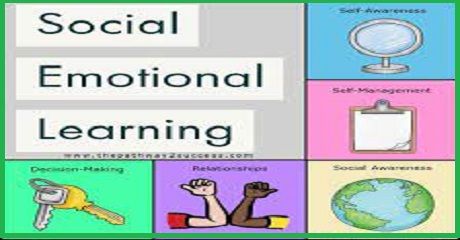
Emotional intelligence (EI) is a cornerstone in dealing with challenging individuals. It involves:
- Self-awareness: Recognizing your own emotional triggers
- Self-regulation: Controlling impulsive reactions
- Empathy: Understanding others’ feelings and perspectives
- Social skills: Managing relationships constructively
In a school setting, emotionally intelligent responses prevent escalation. For example, when faced with an angry parent, responding calmly instead of defensively can de-escalate tension and open the door for dialogue.
Practicing EI requires conscious effort. Techniques such as pausing before responding, active listening, and reframing negative comments can significantly improve interactions.
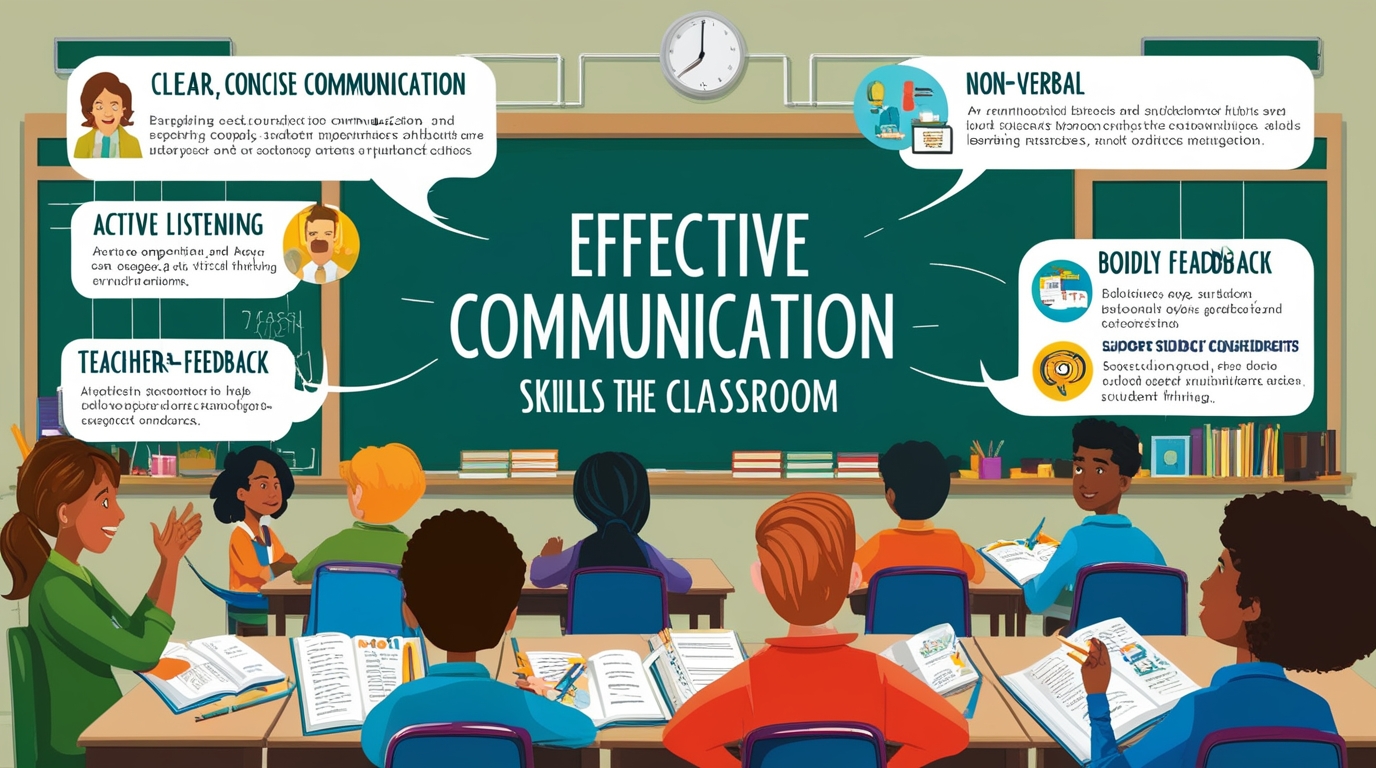
Effective Communication Strategies
Communication is the most powerful tool for managing difficult people. However, it must be intentional and structured.
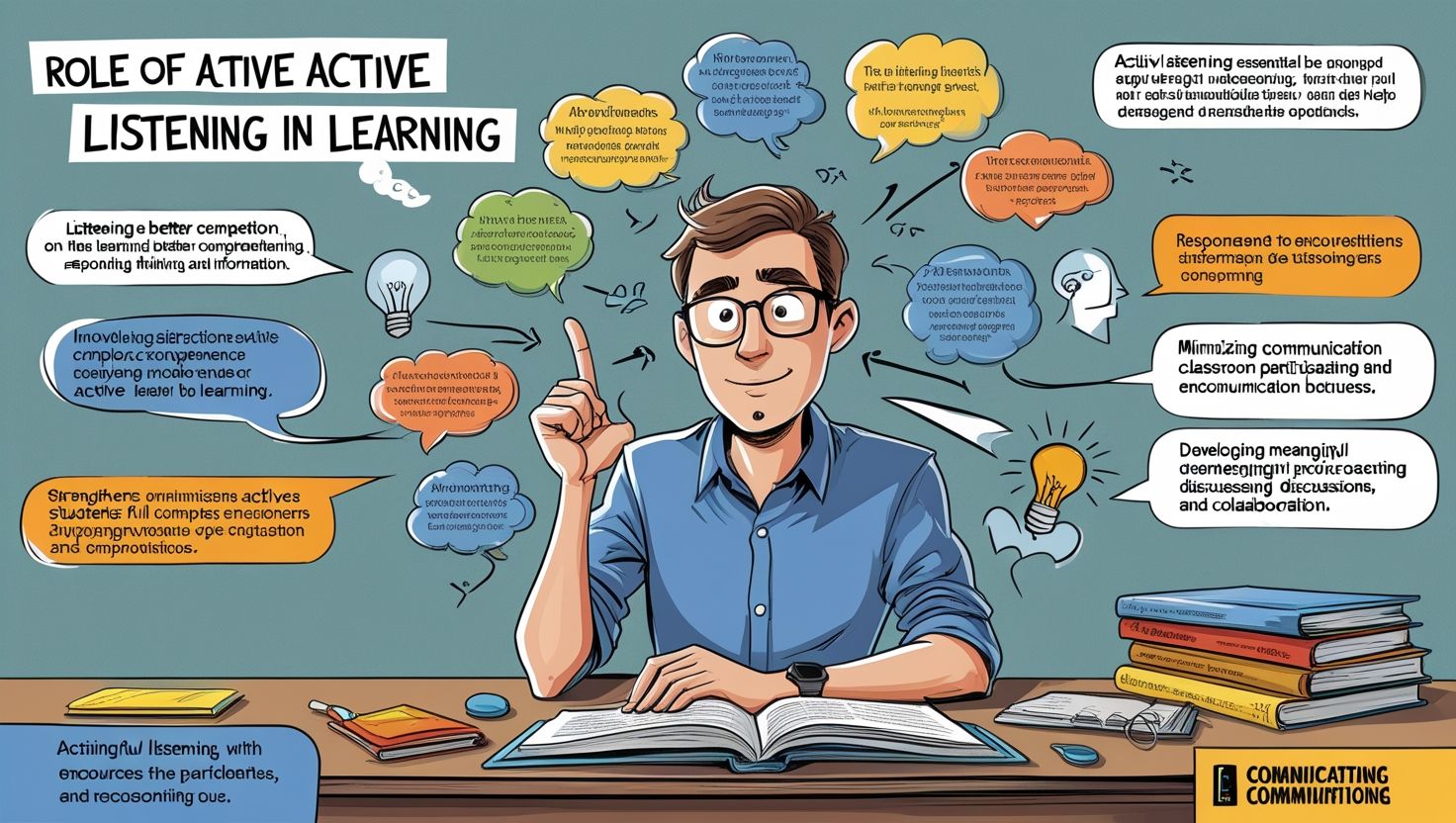
1. Active Listening
Listening is more than hearing words; it involves understanding the underlying message. Maintain eye contact, nod appropriately, and avoid interrupting. Reflect back what the person has said to ensure clarity.
Example:
“I understand that you’re concerned about your child’s progress and feel that more support is needed.”
This validation often diffuses defensiveness.
2. Use Assertive Communication
Assertiveness is the balance between passivity and aggression. It involves expressing your thoughts clearly while respecting others.
Instead of saying:
“You are wrong.”
Say:
“I see it differently, and here is why…”
3. Focus on Facts, Not Emotions
When discussions become heated, anchor the conversation in objective facts such as policies, student data, or documented observations. This reduces personal conflict.
4. Set Clear Boundaries
In a school environment, boundaries are essential. If someone becomes disrespectful, it is appropriate to calmly state expectations:
“I am willing to discuss this with you, but we need to maintain a respectful tone.”
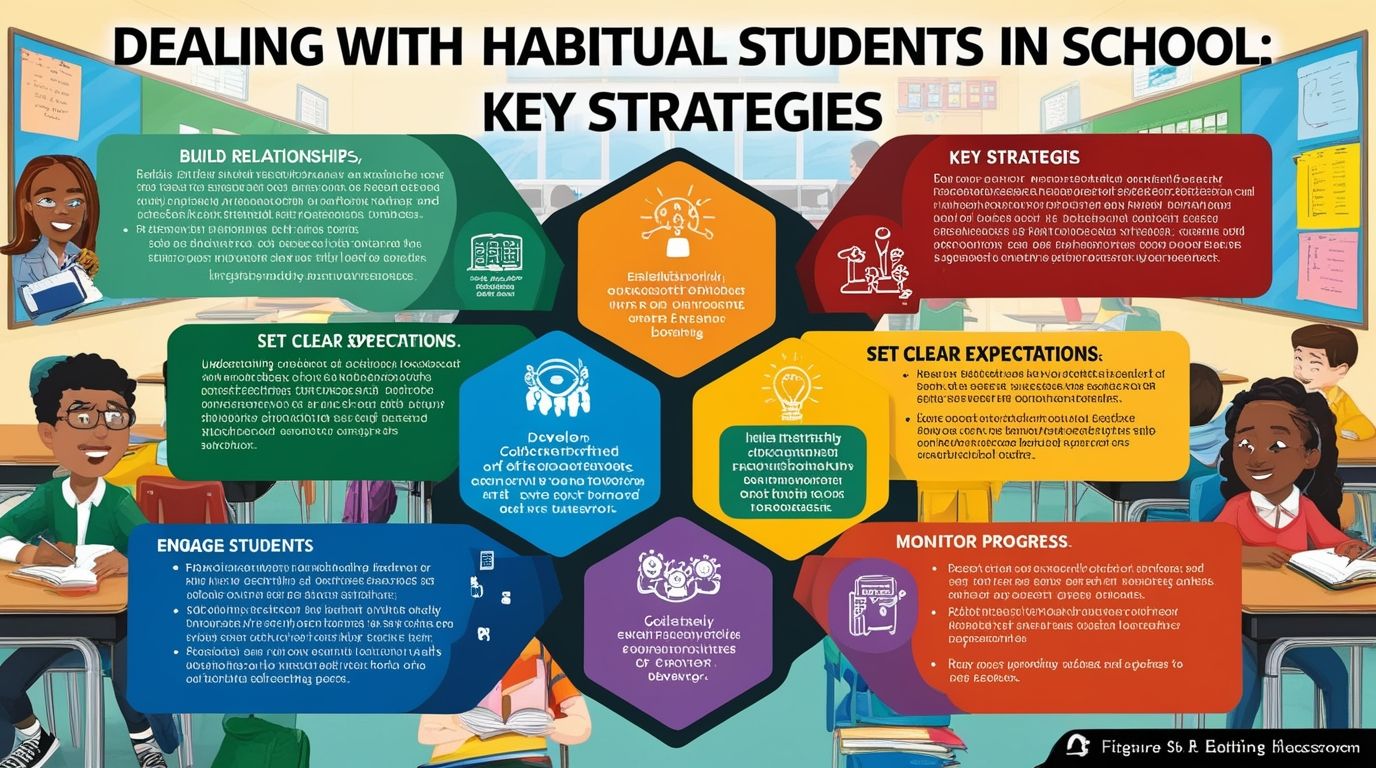
Dealing with Difficult Students
Students may exhibit challenging behavior due to developmental, emotional, or environmental factors. Effective strategies include:
1. Build Relationships
Students respond better when they feel respected and understood. Investing time in building trust reduces resistance.
2. Identify Root Causes
Behavioral issues often stem from unmet needs—academic struggles, social conflicts, or family issues. Understanding these factors allows for targeted interventions.
3. Consistent Discipline
Apply rules consistently and fairly. Inconsistency can lead to confusion and increased misbehavior.
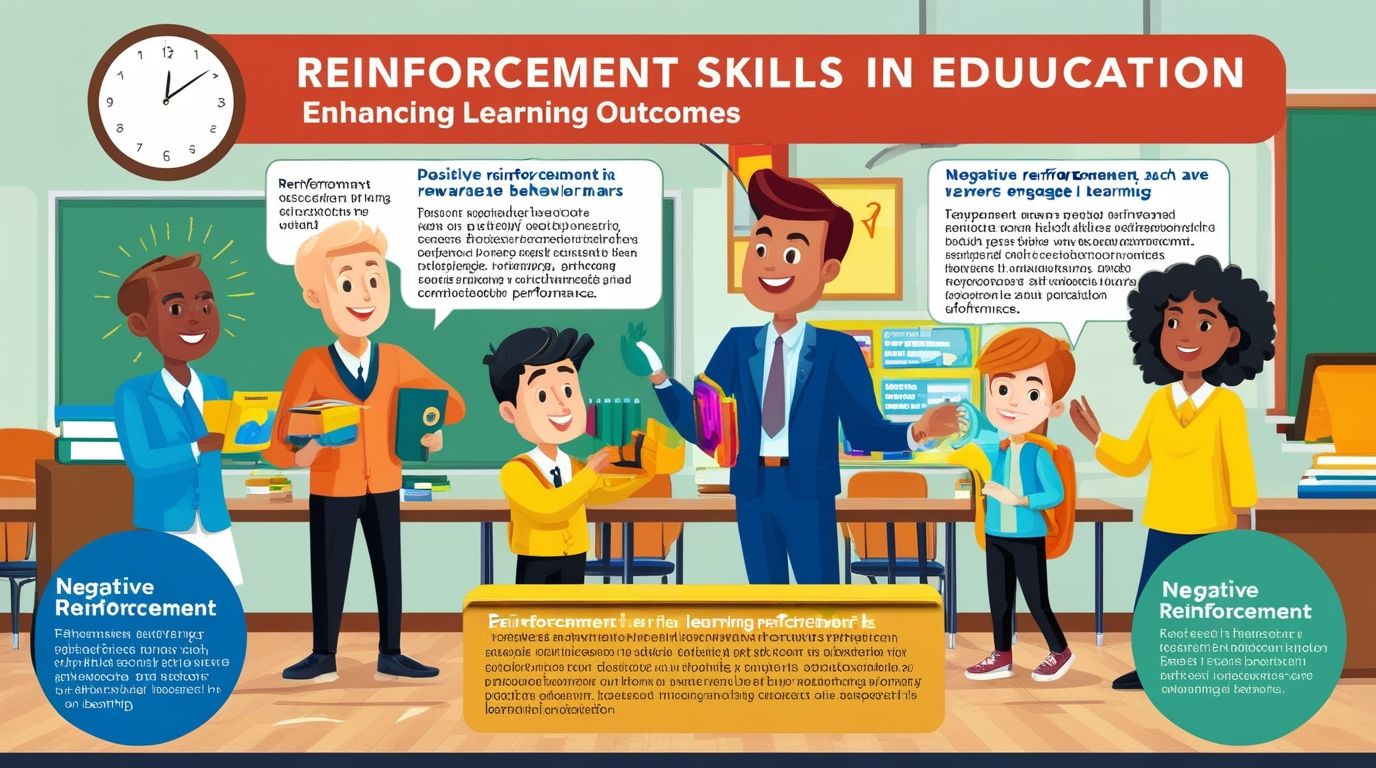
4. Positive Reinforcement
Recognize and reward appropriate behavior. This encourages repetition of positive actions.
5. Restorative Practices
Instead of punitive measures alone, encourage students to reflect on their actions and repair harm. This builds accountability and social skills.
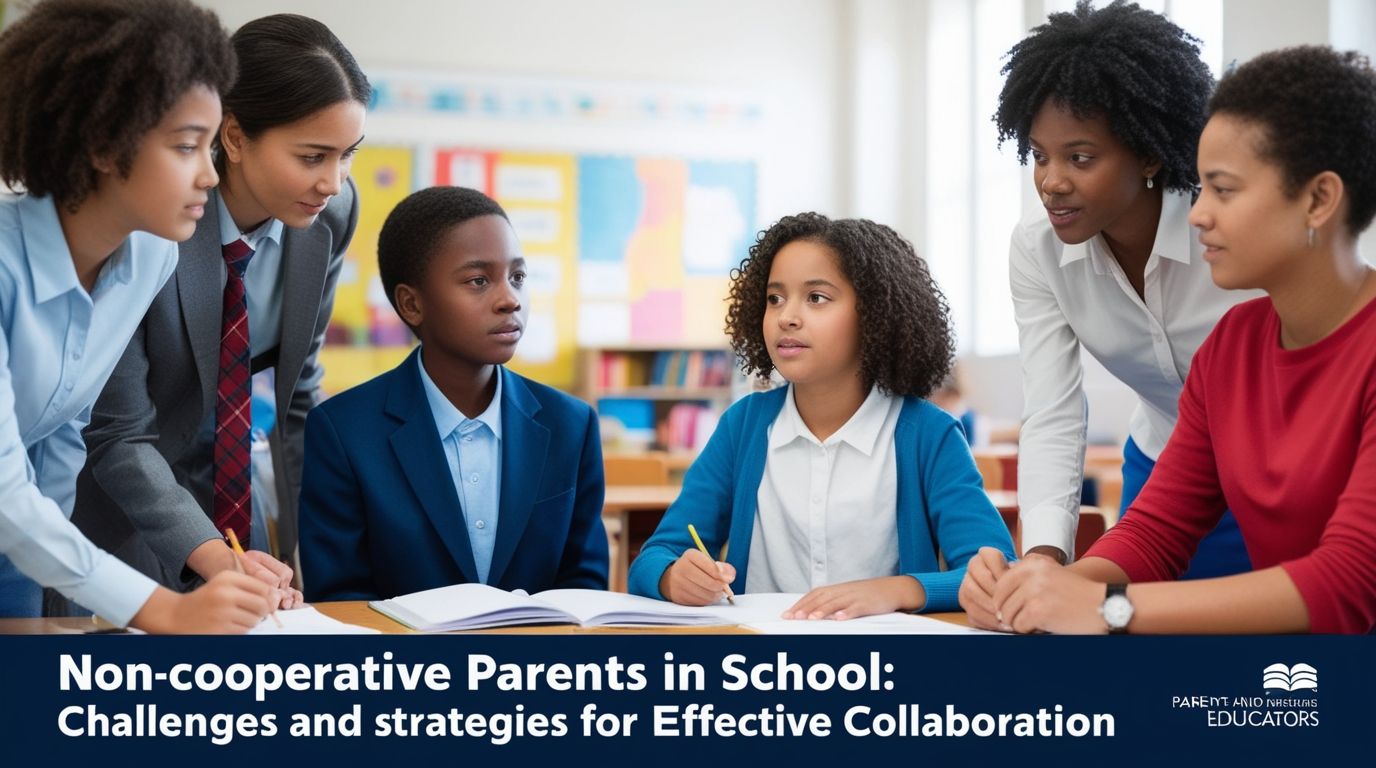
Managing Difficult Parents
Parents are key stakeholders in education, but interactions can sometimes become tense.
1. Stay Professional
Regardless of the parent’s tone, maintain professionalism. Avoid taking comments personally.
2. Prepare for Meetings
Gather relevant data—grades, attendance, behavioral records—before discussions. Preparation builds credibility.
3. Acknowledge Concerns
Even if you disagree, acknowledge the parent’s perspective. This demonstrates respect and openness.
4. Offer Solutions
Shift the conversation from problems to solutions. Collaborate on actionable steps to support the student.
5. Follow Up
After meetings, provide a summary of agreed actions. This ensures accountability and clarity.
Handling Difficult Colleagues
Conflict among staff can disrupt the school environment and impact student outcomes.
1. Address Issues Early
Avoid letting resentment build. Address concerns promptly and respectfully.
2. Focus on Shared Goals
Reframe disagreements around common objectives, such as student success or institutional improvement.
3. Avoid Gossip
Engaging in gossip exacerbates conflict and damages trust. Maintain professionalism.
4. Seek Mediation if Needed
If conflicts persist, involve a neutral third party such as a senior administrator.
5. Model Professional Behavior
Leaders, especially principals, must model the behavior they expect. Consistency in conduct sets the tone for the entire staff.
Leadership Strategies for School Administrators
School leaders play a critical role in shaping how difficult situations are handled.
1. Develop Clear Policies
Transparent policies on behavior, communication, and conflict resolution provide a framework for managing issues.
2. Provide Training
Offer professional development on conflict management, communication skills, and emotional intelligence.
3. Foster a Positive School Culture
A culture of respect, collaboration, and openness reduces the frequency and intensity of conflicts.
4. Encourage Feedback
Create channels for staff, students, and parents to express concerns constructively.
5. Lead by Example
Demonstrating calmness, fairness, and empathy in challenging situations builds trust and credibility.
Conflict Resolution Models
Structured approaches to conflict resolution can be highly effective.
1. The Collaborative Approach
Both parties work together to find a mutually beneficial solution. This is ideal in educational settings where relationships are ongoing.
2. The Problem-Solving Model
- Identify the issue
- Analyze underlying causes
- Generate possible solutions
- Agree on a plan
- Evaluate outcomes
3. The Win-Win Strategy
Aim for outcomes where all parties feel heard and valued, even if compromises are necessary.
Psychological Considerations
Understanding basic psychological principles can enhance your approach.
1. Attribution Theory
People often attribute others’ behavior to personality rather than circumstances. Avoid this bias by considering situational factors.
2. Defense Mechanisms
Difficult behavior may be a defense mechanism against stress or insecurity.
3. Cognitive Biases
Misunderstandings often arise from assumptions. Clarify rather than assume.
Stress Management for Educators
Dealing with difficult people can be emotionally draining. Educators must manage their own well-being.
1. Practice Self-Care
Regular rest, exercise, and relaxation techniques help maintain resilience.
2. Seek Support
Discuss challenges with trusted colleagues or mentors.
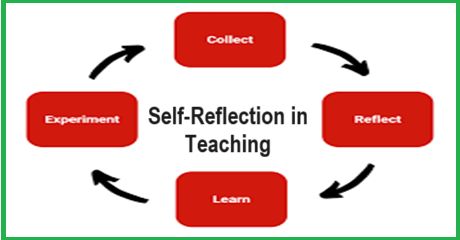
3. Reflect Professionally
After difficult interactions, reflect on what worked and what could improve.
4. Maintain Perspective
Not every conflict requires immediate resolution. Prioritize issues based on impact.
Preventive Measures
Prevention is more effective than reaction.
1. Establish Clear Expectations
Clearly communicate rules, roles, and responsibilities to all stakeholders.
2. Build Relationships Early
Positive relationships reduce the likelihood of conflict.
3. Promote Open Communication
Encourage dialogue and transparency.
4. Monitor School Climate
Regularly assess the emotional and social environment of the school.
Ethical Considerations
Handling difficult individuals must align with ethical standards.
- Maintain confidentiality
- Ensure fairness and equity
- Avoid bias or favoritism
- Respect dignity and rights of all individuals
Ethical conduct builds trust and reinforces the moral foundation of the school.
Case-Based Reflection
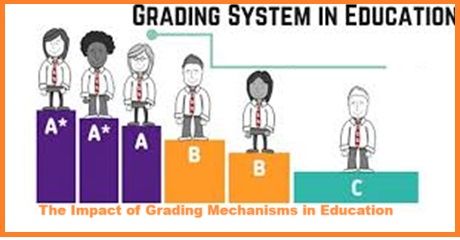
Consider a scenario where a parent aggressively challenges a teacher’s grading system. A reactive response may escalate the situation. Instead:
- Listen to the parent’s concerns
- Present grading criteria and evidence
- Acknowledge the parent’s perspective
- Offer a constructive plan (e.g., additional support for the student)
This structured approach transforms confrontation into collaboration.
The Importance of Patience and Persistence
Dealing with difficult people is not a one-time effort. It requires patience, consistency, and a long-term perspective. Behavioral change takes time, and not all situations will have immediate resolution.
Educators and leaders must remain committed to constructive engagement, even when progress seems slow.
Conclusion
Managing difficult people in a school environment is a complex but essential skill. It requires a blend of emotional intelligence, effective communication, strategic thinking, and ethical leadership. By understanding the root causes of challenging behavior and applying structured approaches, educators can transform conflict into opportunities for growth.
Ultimately, schools are not just centers of academic learning—they are communities where individuals develop social, emotional, and interpersonal skills. Handling difficult interactions with professionalism and empathy sets a powerful example for students and contributes to a culture of respect and collaboration.
In the long run, the ability to deal effectively with difficult people is not just a managerial skill; it is a leadership competency that shapes the quality and character of the entire educational institution.















































































































All the best
Enjoy every single day