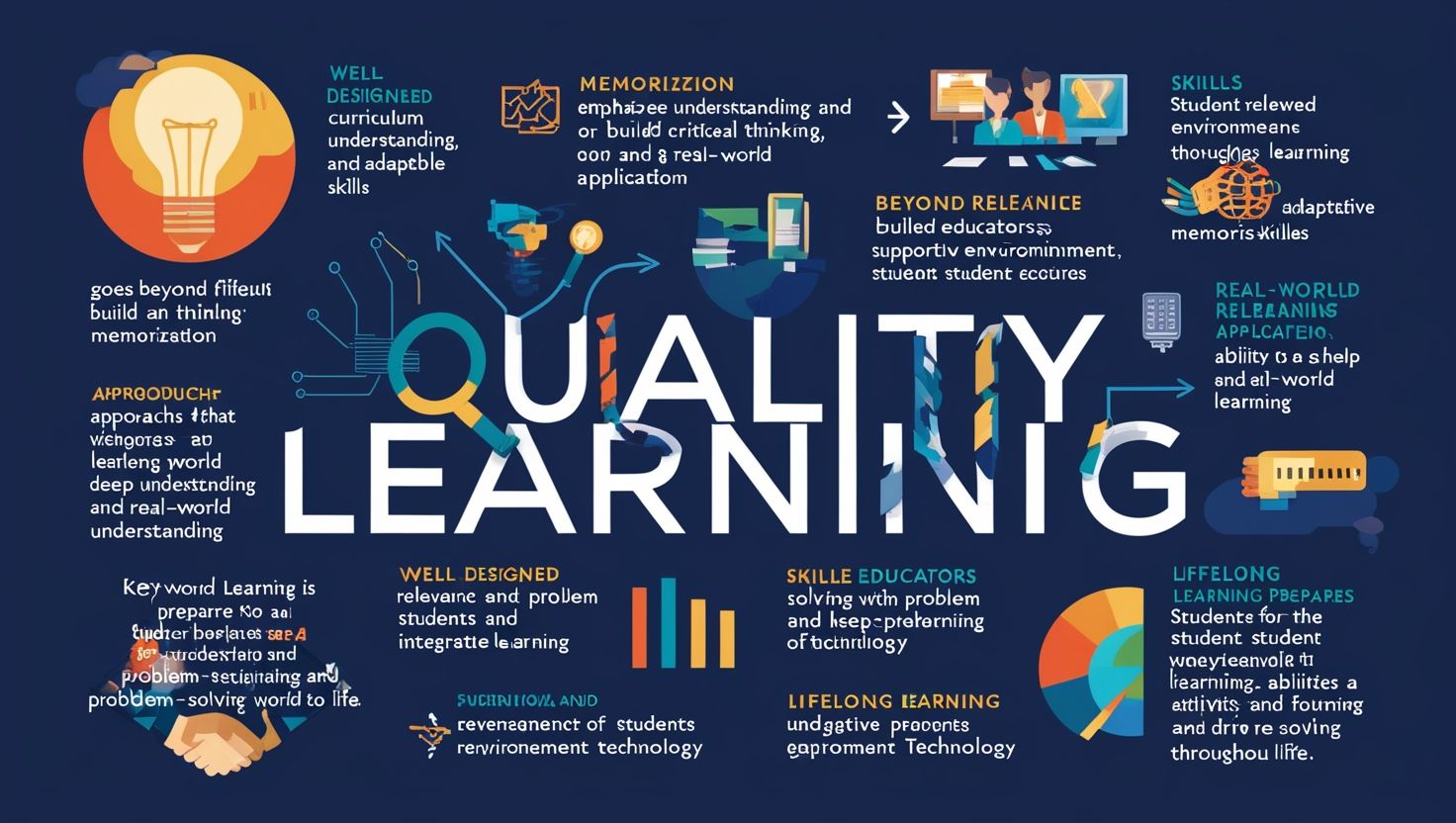
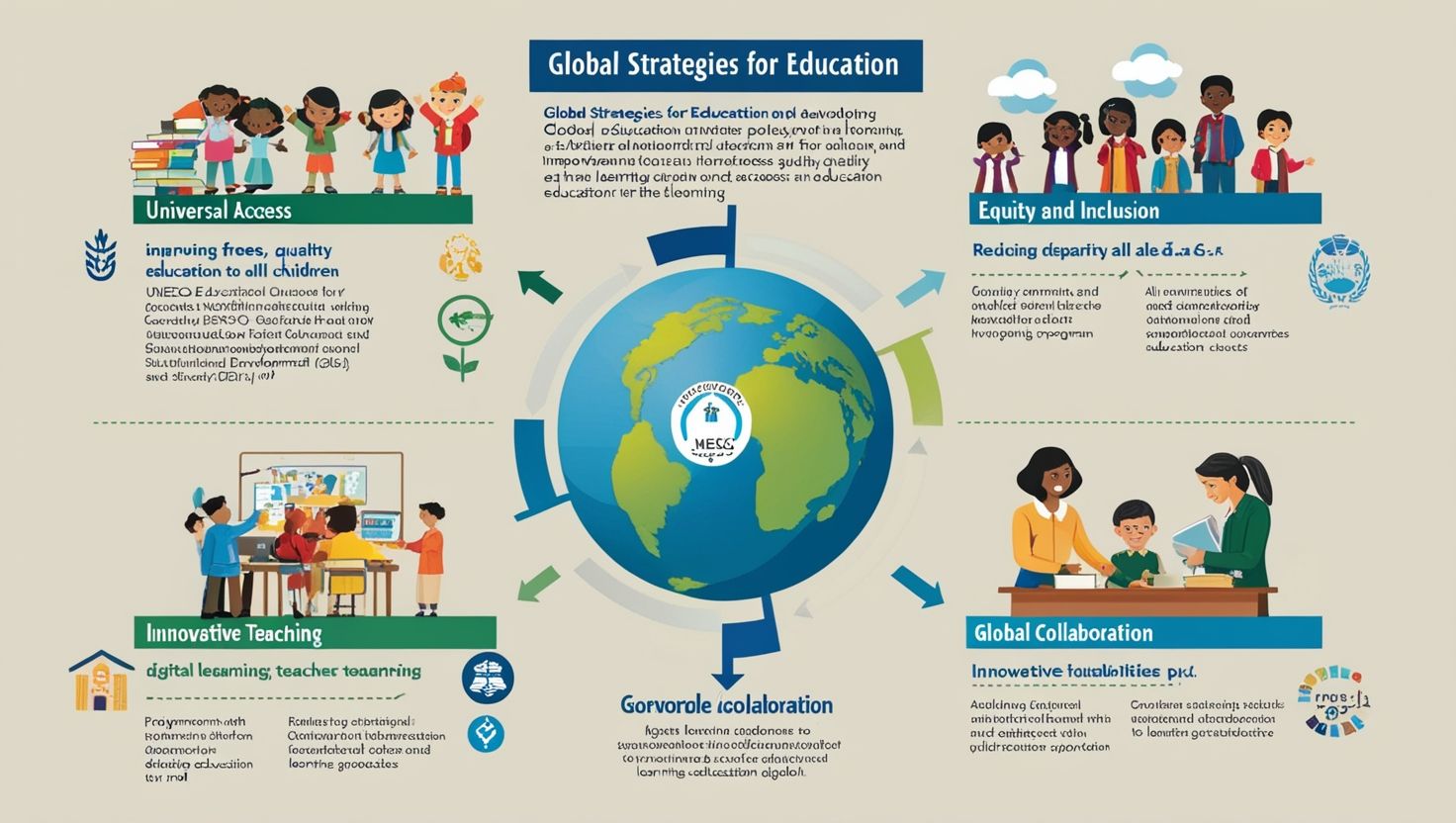
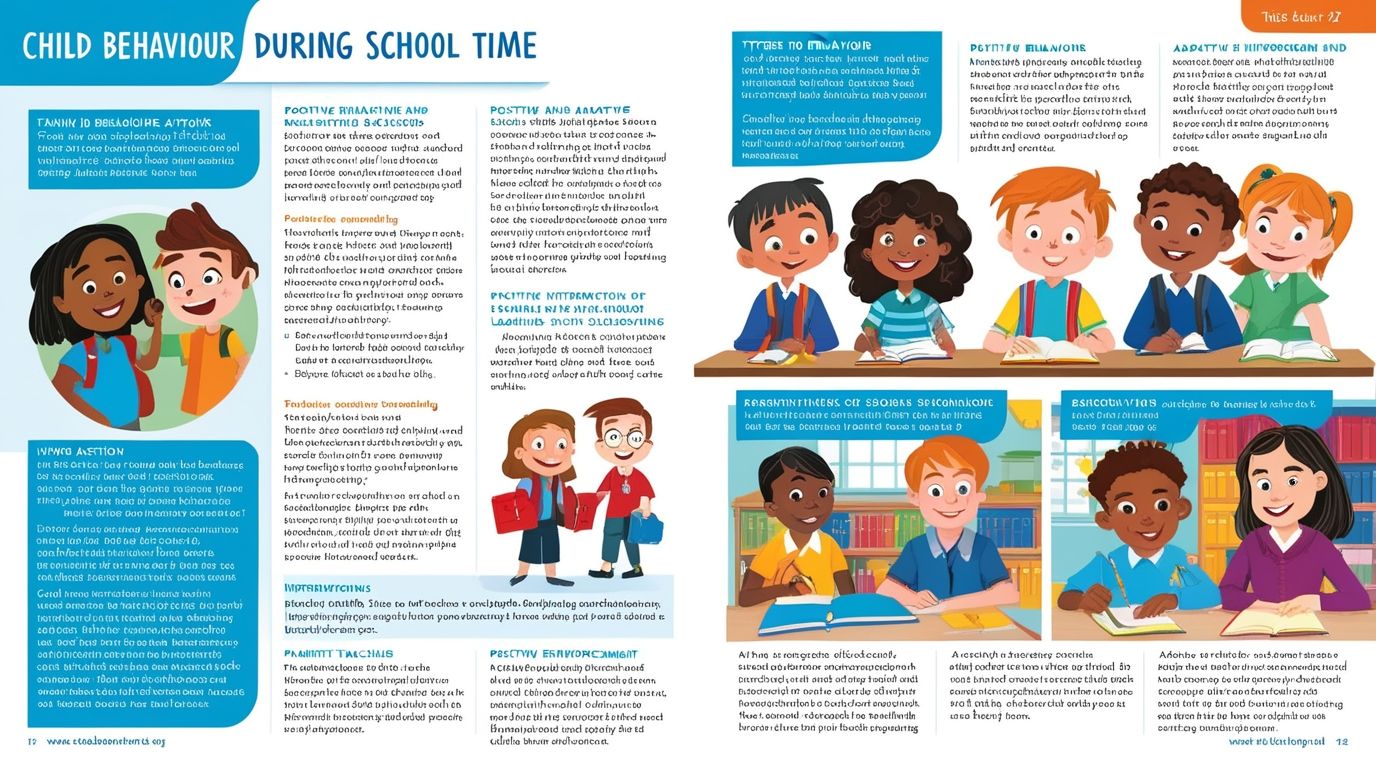
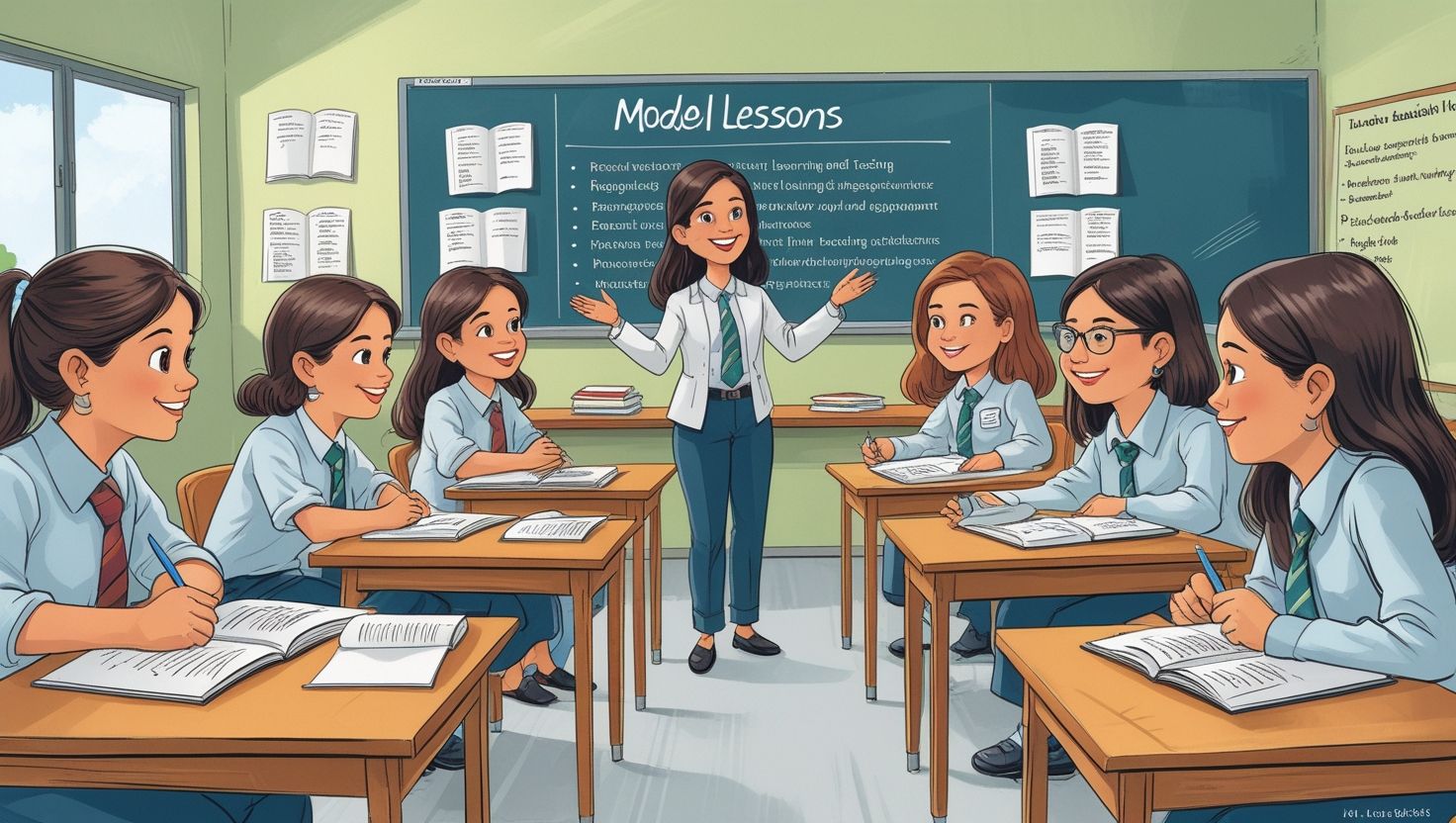
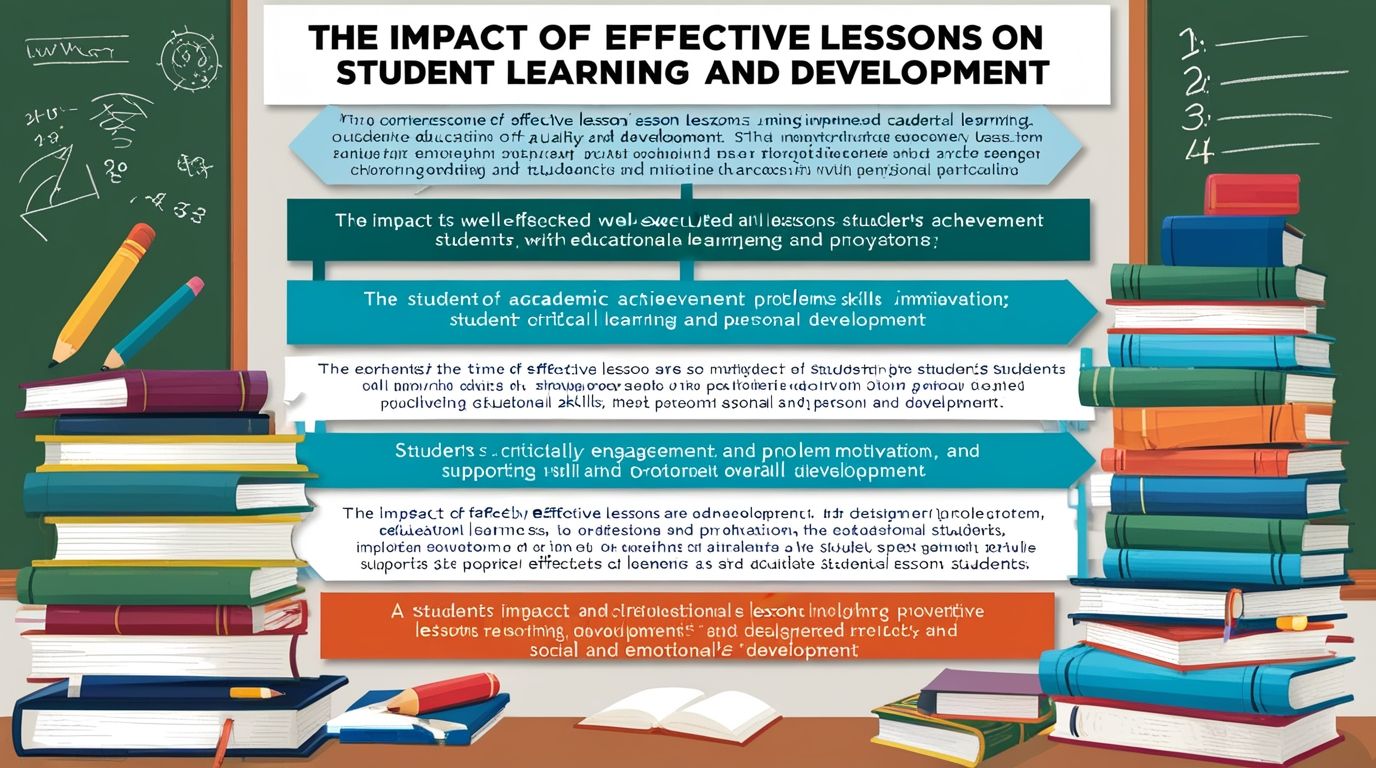
Academic Guidance for Teachers in Classrooms, Education is a dynamic and multifaceted process that extends far beyond the mere transmission of knowledge. In contemporary classrooms, teachers are not only content experts but also facilitators, mentors, and guides who shape the intellectual and personal development of learners. Academic guidance for teachers plays a critical role in ensuring that classroom practices are effective, inclusive, and aligned with the diverse needs of students. It encompasses strategies, pedagogical frameworks, assessment practices, and professional competencies that empower teachers to create meaningful learning experiences. In an era characterized by rapid technological advancement and evolving educational demands, structured academic guidance is essential for improving teaching quality and fostering student success.
Understanding Academic Guidance in the Classroom Context
Academic guidance refers to the systematic support and direction provided to teachers to enhance their instructional practices and decision-making processes. It involves equipping educators with the knowledge, skills, and strategies needed to plan, deliver, and assess learning effectively. Unlike general teaching advice, academic guidance grounded in pedagogical theory, evidence-based practices, and curriculum standards.
In the classroom context, academic guidance helps teachers address key questions: What should be taught? How should it be taught? How can learning be assessed? And how can diverse learners be supported? It promotes intentional teaching, where every instructional decision is purposeful and aligned with learning objectives. This structured approach ensures that teaching is not left to intuition alone but guided by research and reflective practice.
Moreover, academic guidance emphasizes continuous improvement. Teaching is not a static profession; it requires ongoing adaptation to new knowledge, student needs, and societal changes. By engaging with academic guidance, teachers can refine their practices and remain responsive to the evolving educational landscape.
The Role of Teachers as Academic Guides
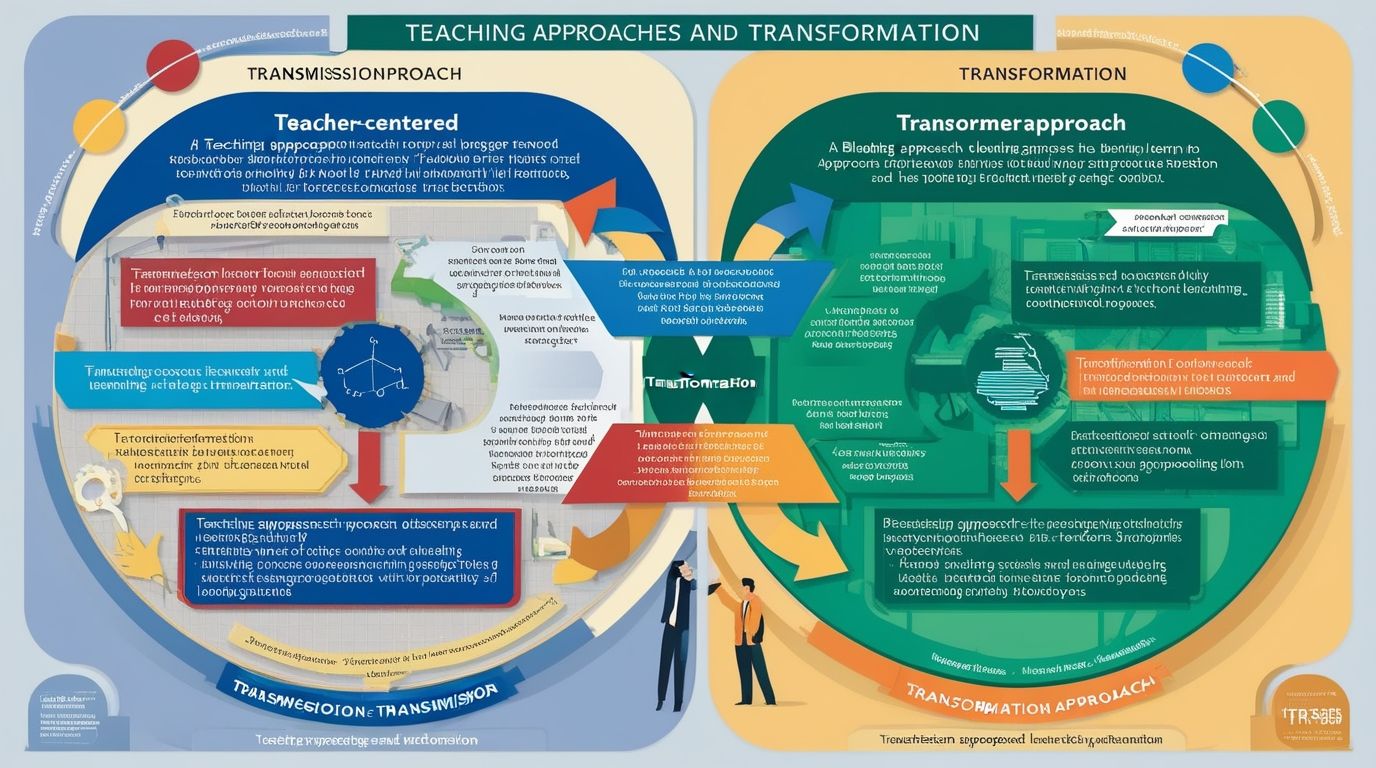
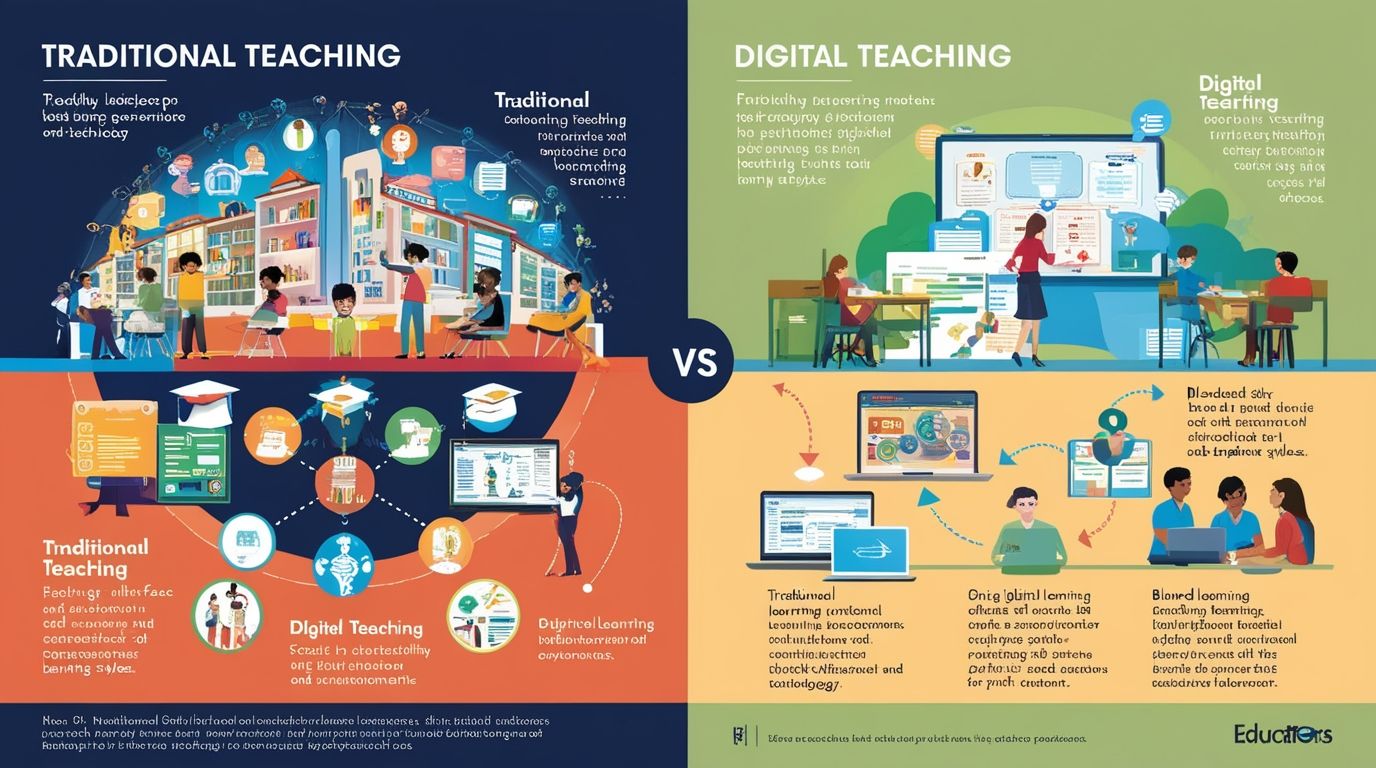
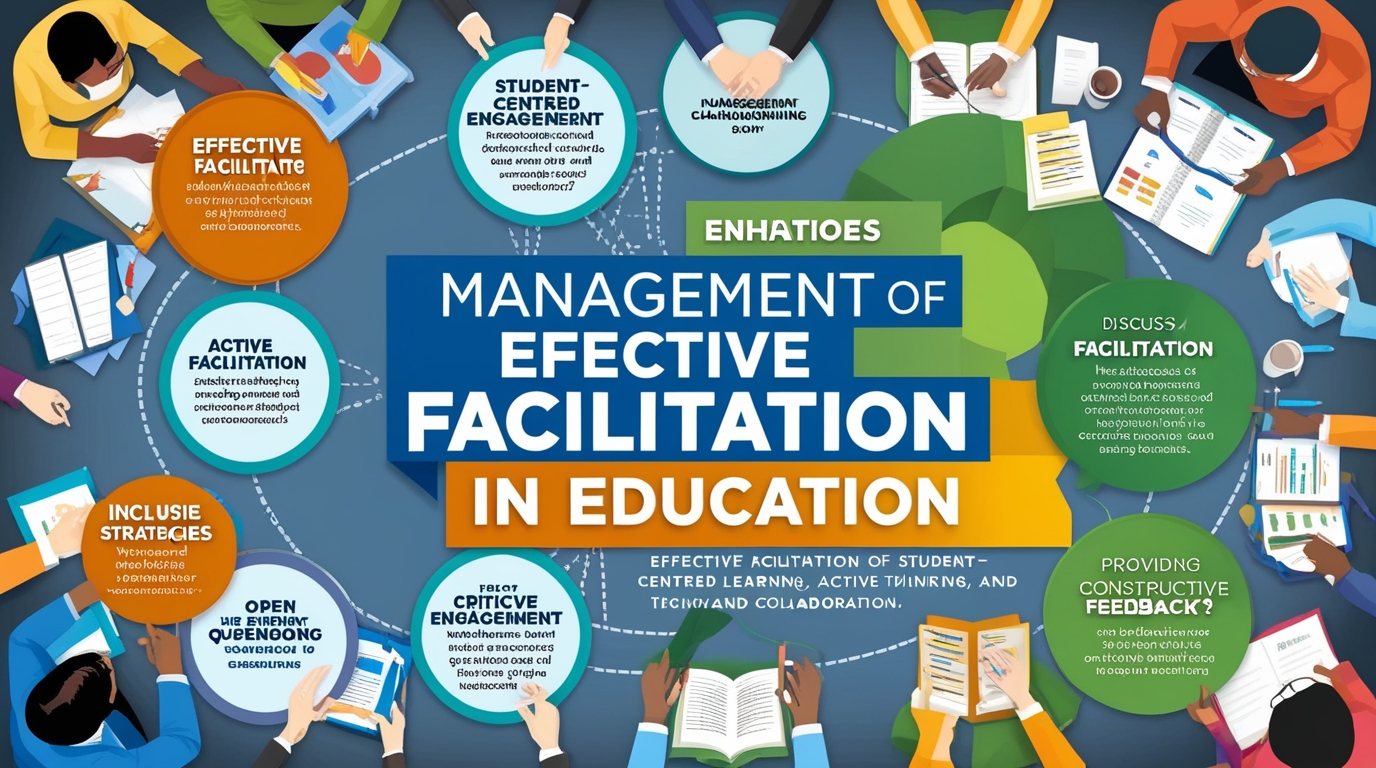
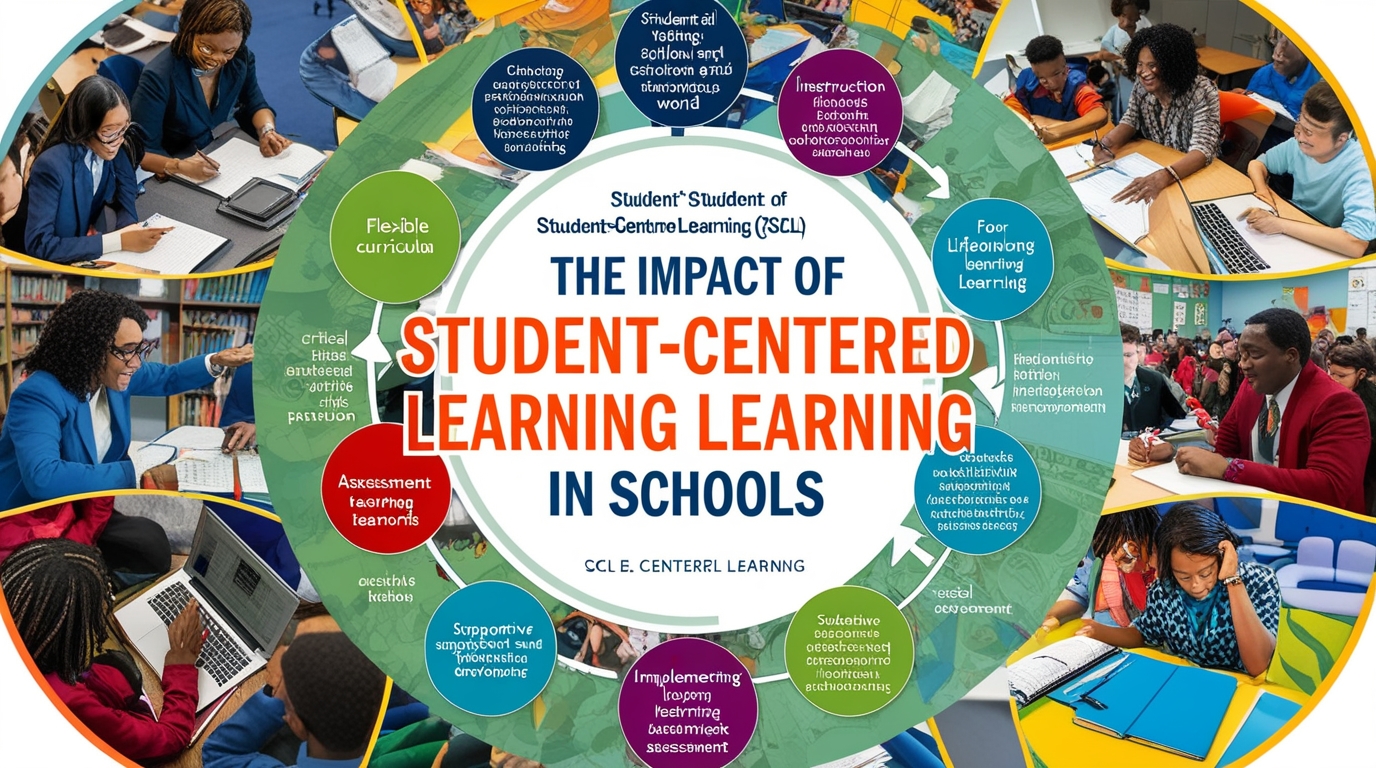
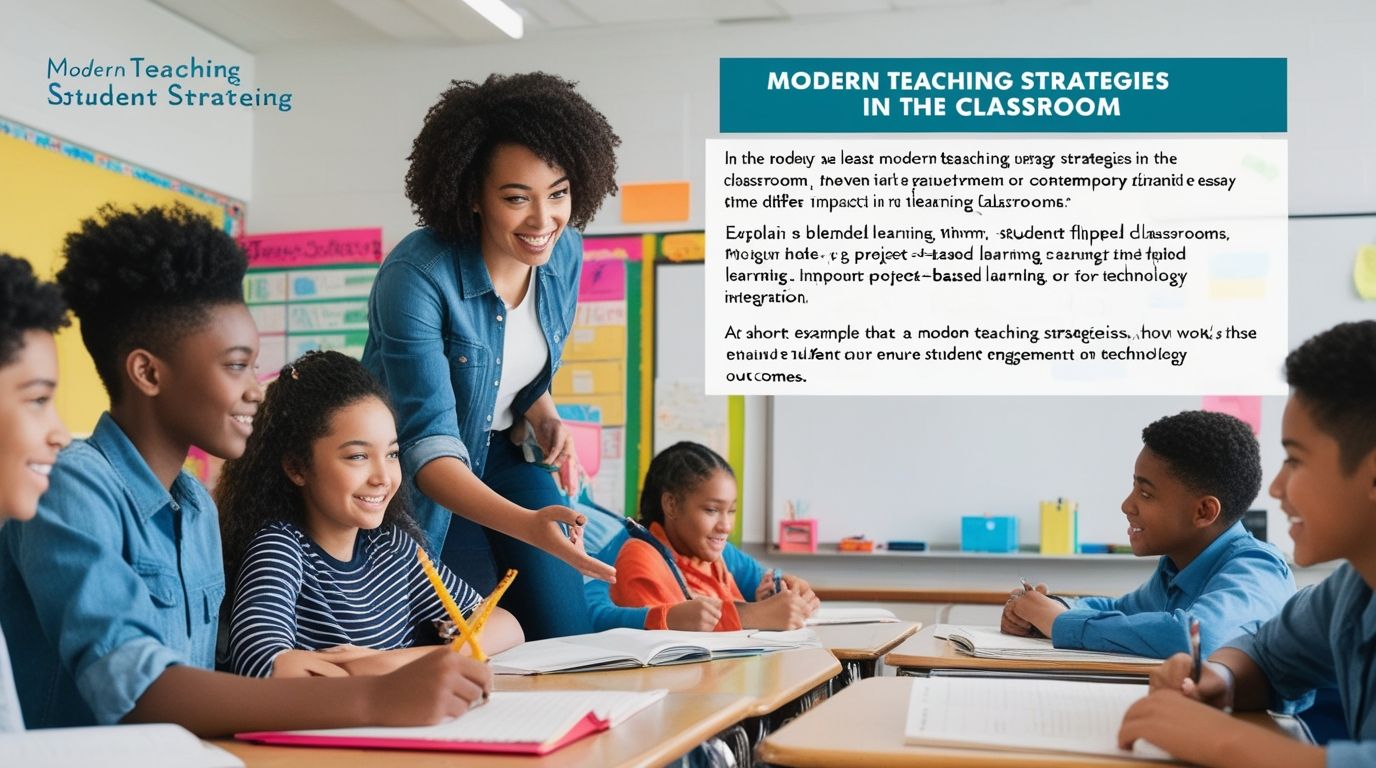
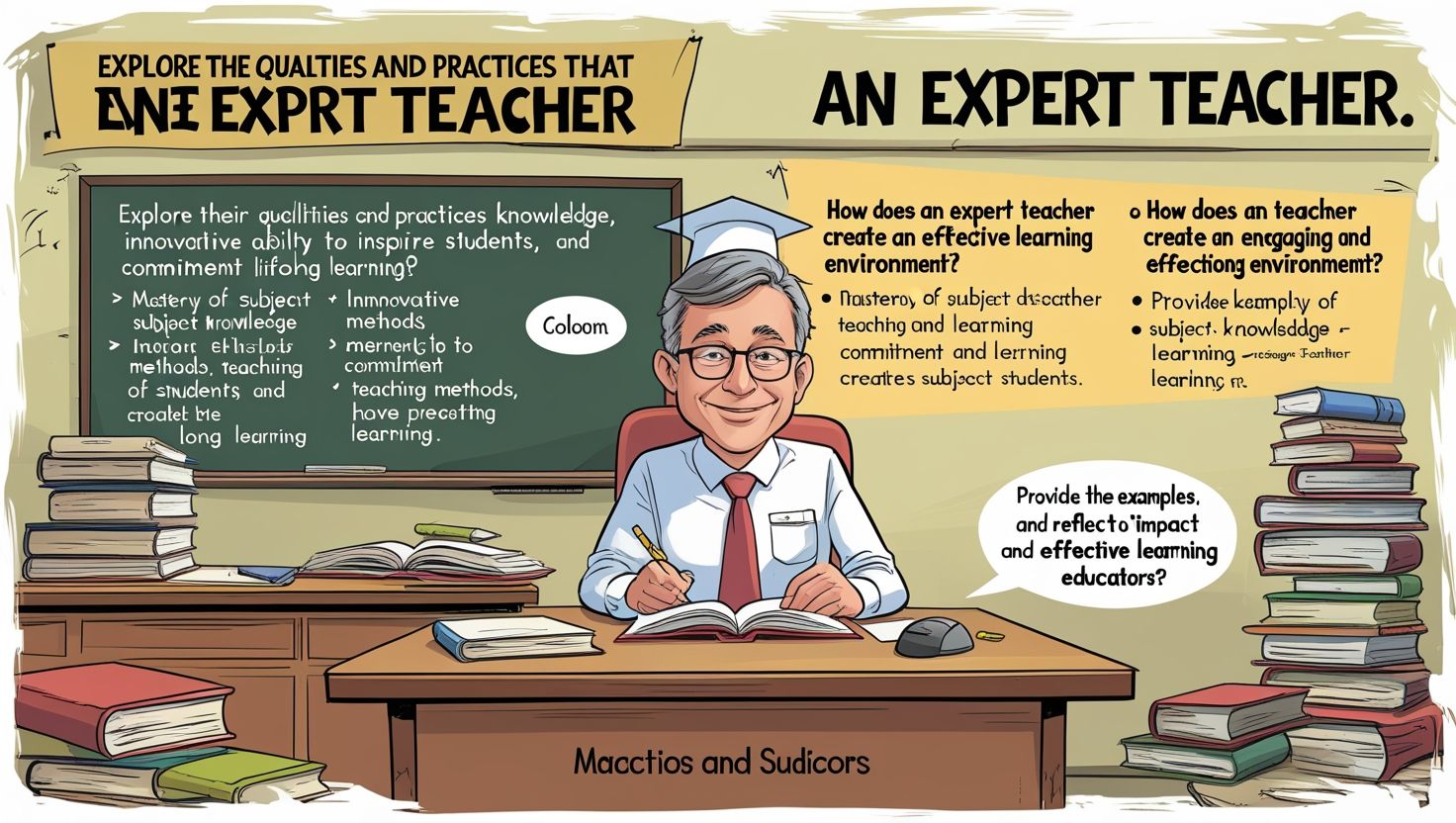
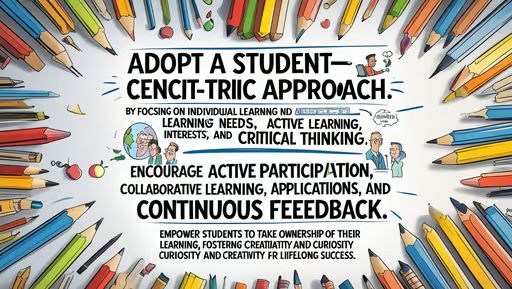
Teachers occupy a central position in the learning process, acting as mediators between knowledge and learners. As academic guides, they facilitate understanding, encourage inquiry, and support students in constructing their own knowledge. This role requires a shift from traditional teacher-centered approaches to more learner-centered methodologies.
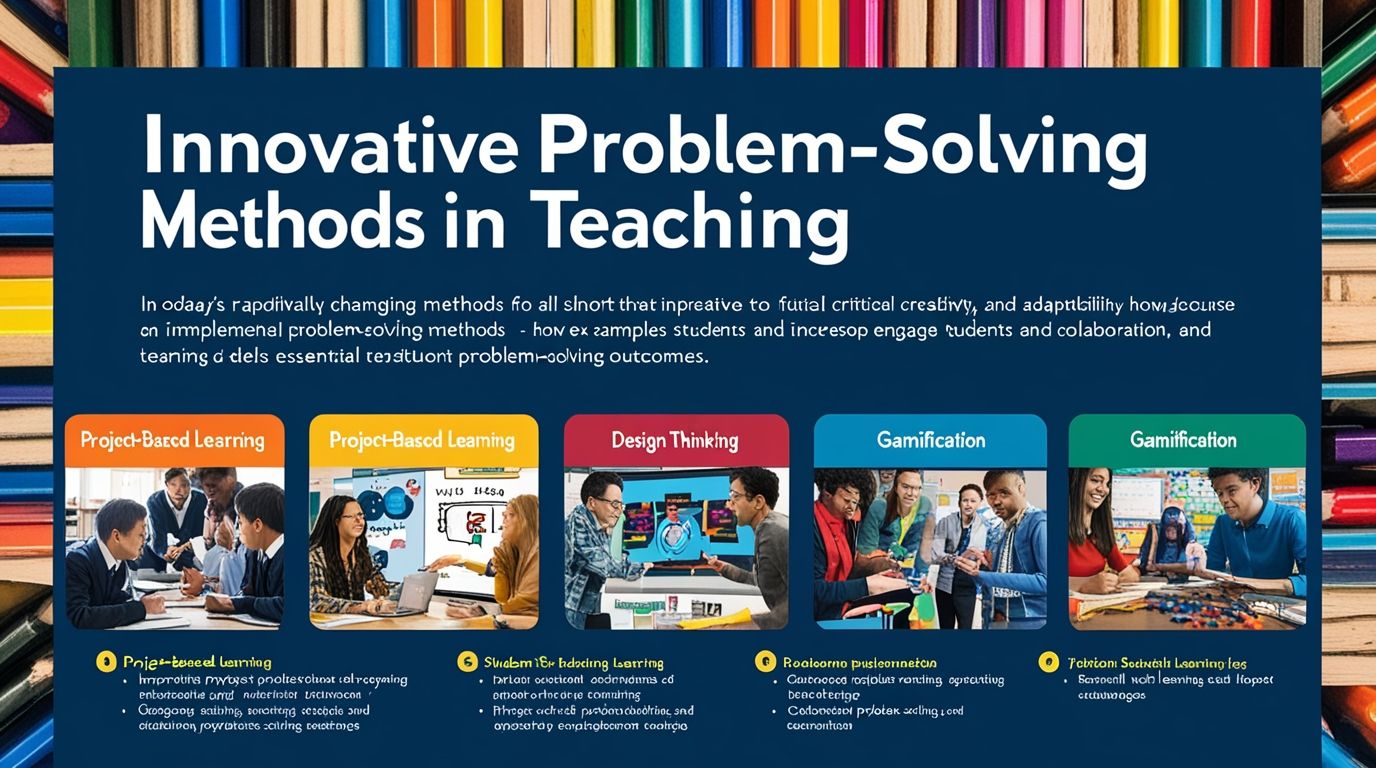
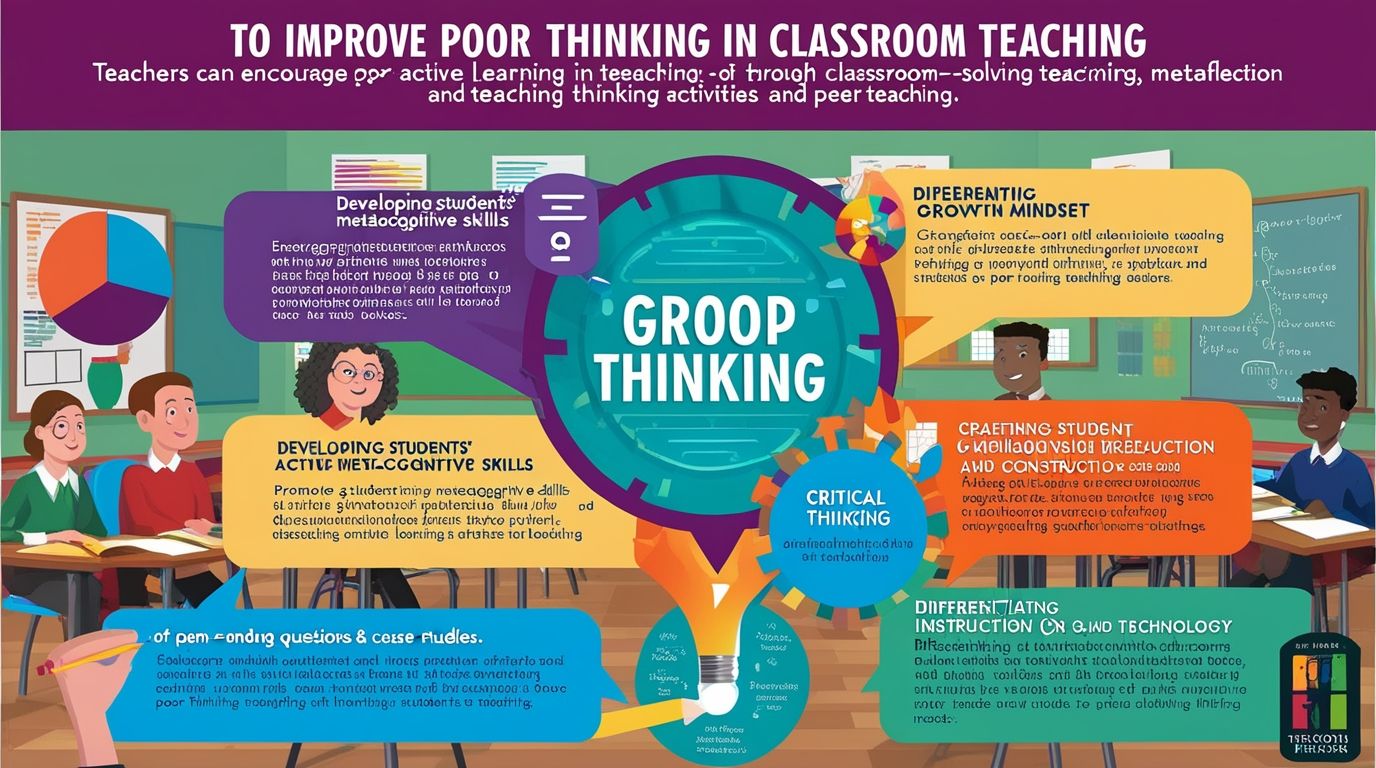
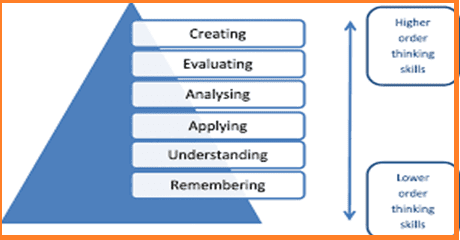
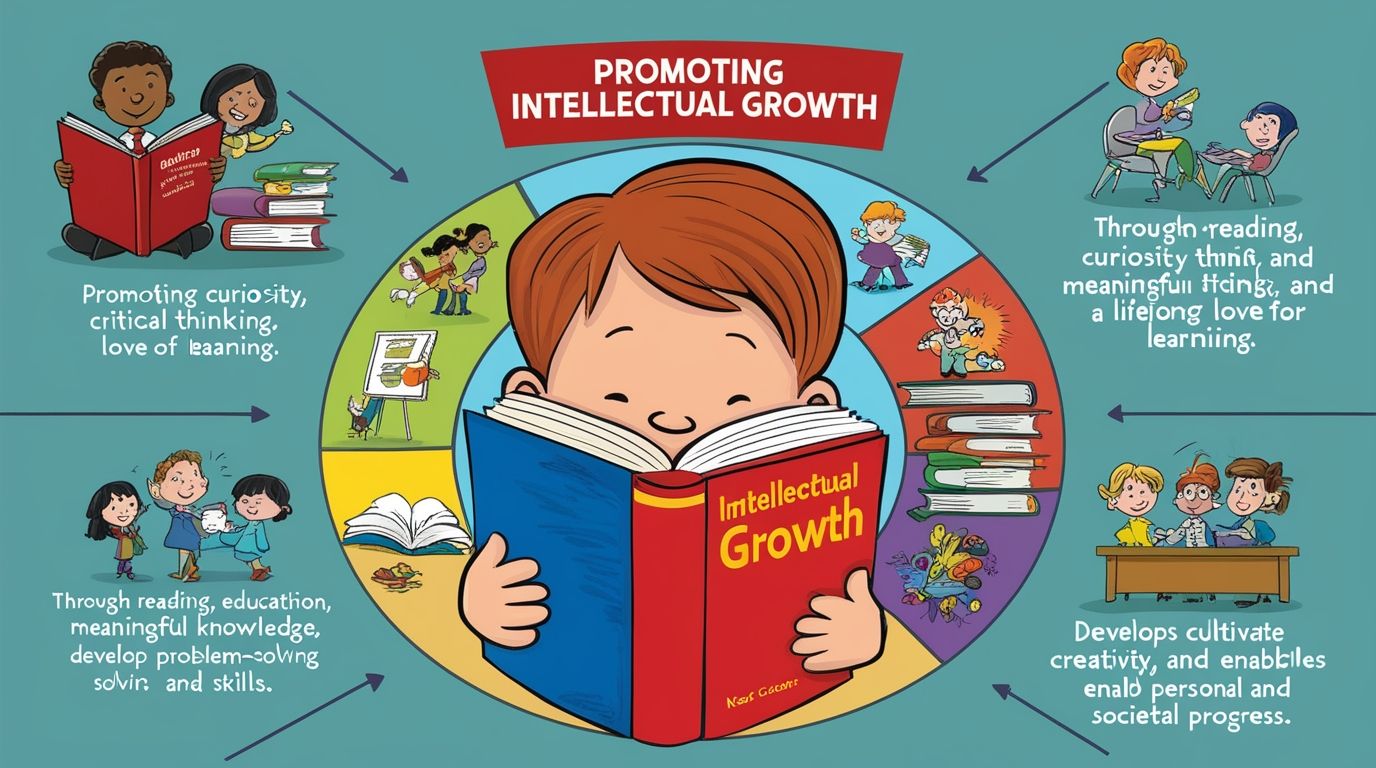
Effective academic guidance enables teachers to create environments where students are active participants in their learning. Instead of simply delivering content, teachers design experiences that promote critical thinking, collaboration, and problem-solving. They guide students in setting learning goals, monitoring progress, and reflecting on their achievements.
Additionally, teachers as academic guides must be attentive to individual differences. Students come with varying backgrounds, abilities, and learning styles. Academic guidance helps teachers differentiate instruction, ensuring that all learners have access to meaningful educational opportunities. This inclusive approach not only improves academic outcomes but also fosters a sense of belonging and confidence among students.
Pedagogical Foundations of Academic Guidance
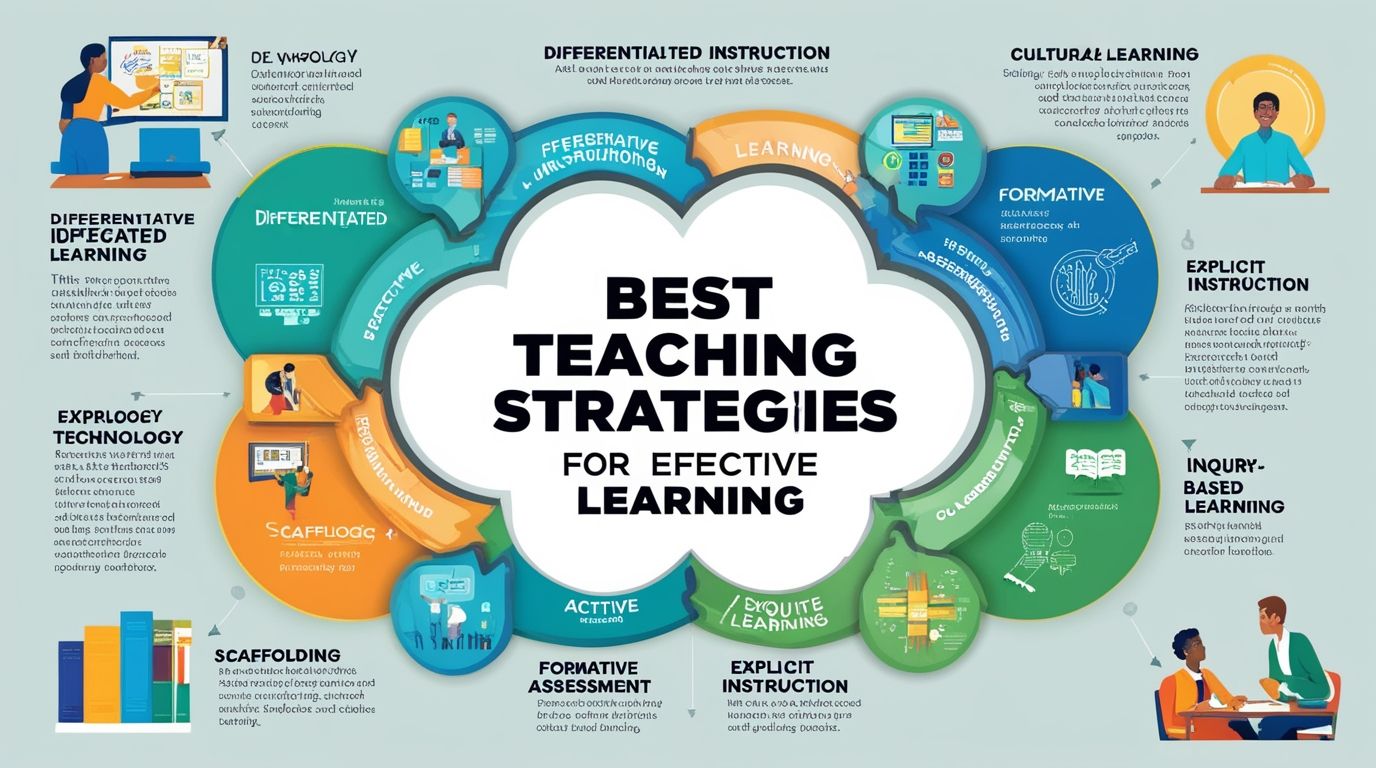
Academic guidance is rooted in well-established educational theories that inform effective teaching practices. Constructivist approaches highlight the importance of active learning, where students build knowledge through experiences and interactions. Teachers guided by this perspective design activities that encourage exploration, discussion, and application.
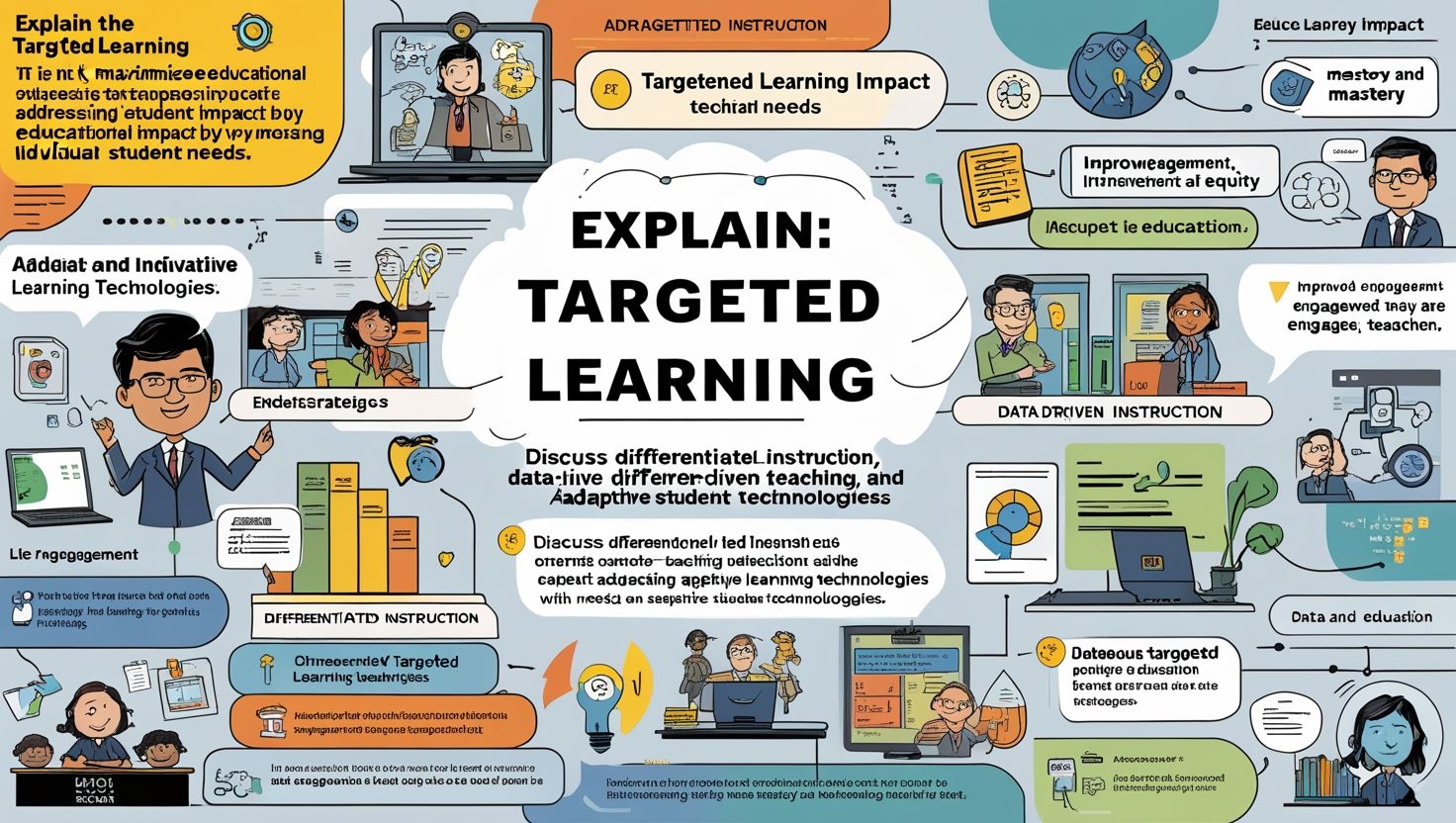
Another important foundation is differentiated instruction, which emphasizes adapting teaching methods to meet the diverse needs of learners. Academic guidance supports teachers in modifying content, processes, and assessments to accommodate different levels of readiness and interest.
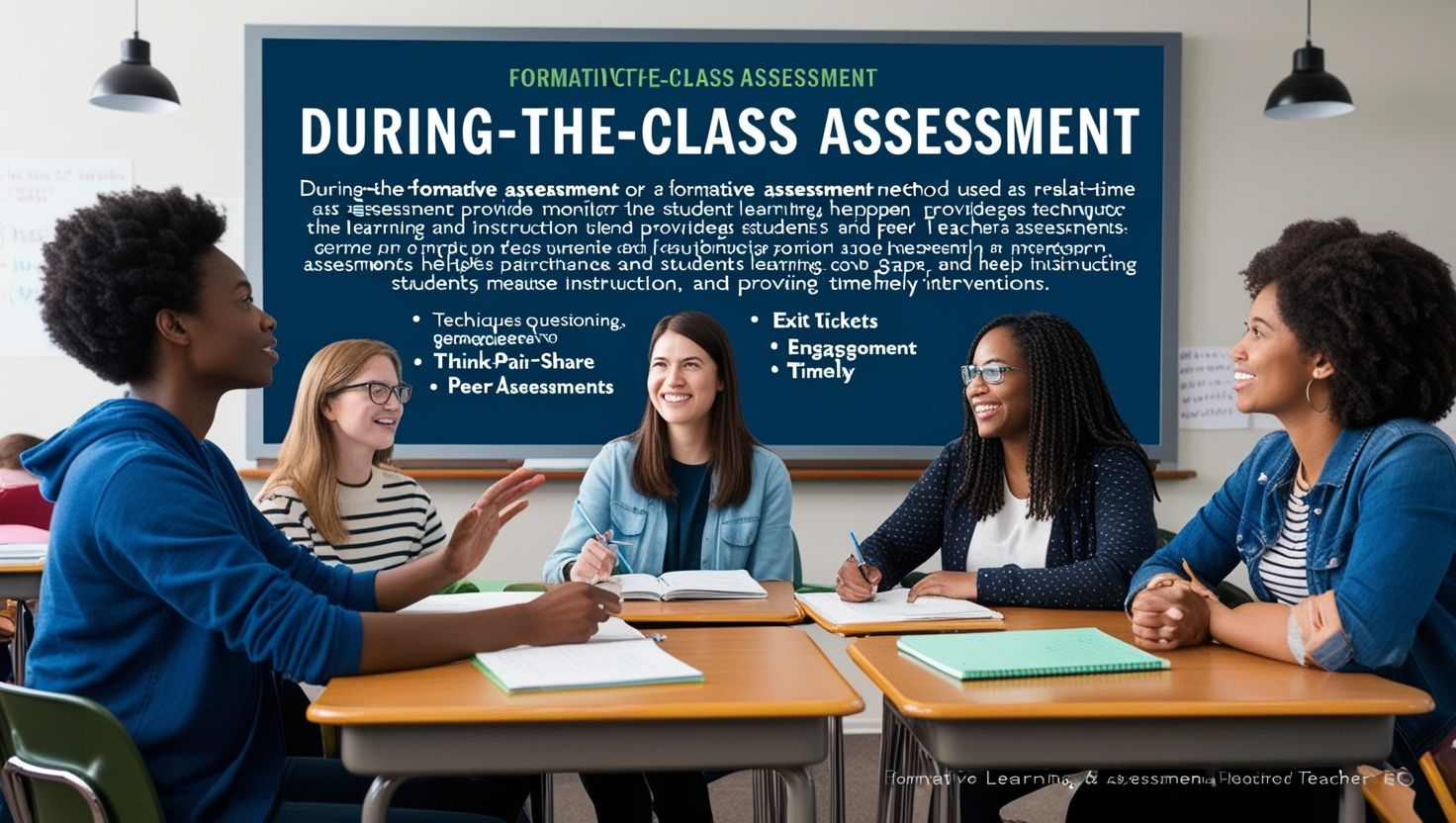
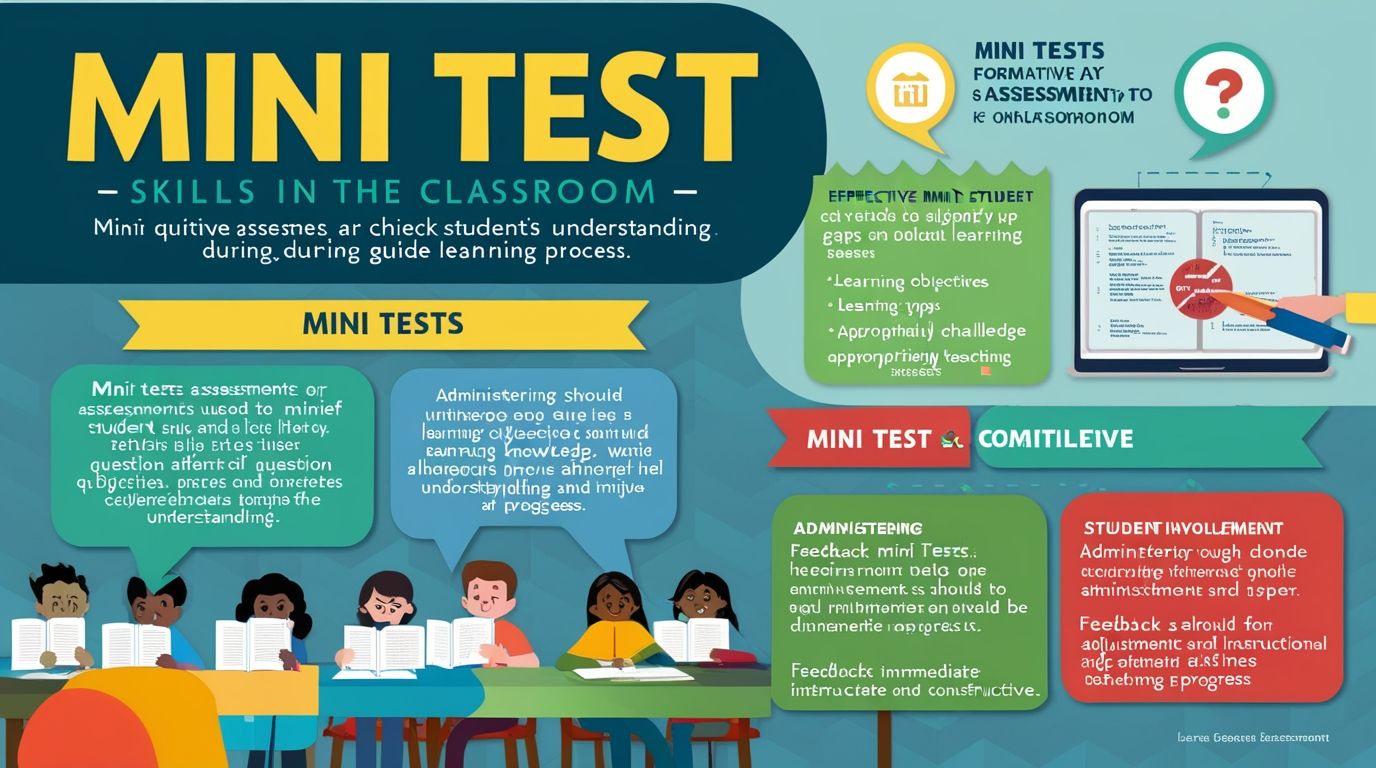
Formative assessment theory also plays a significant role. It focuses on continuous assessment and feedback to improve learning during the instructional process. Teachers use formative assessments to identify learning gaps and adjust their teaching strategies accordingly.
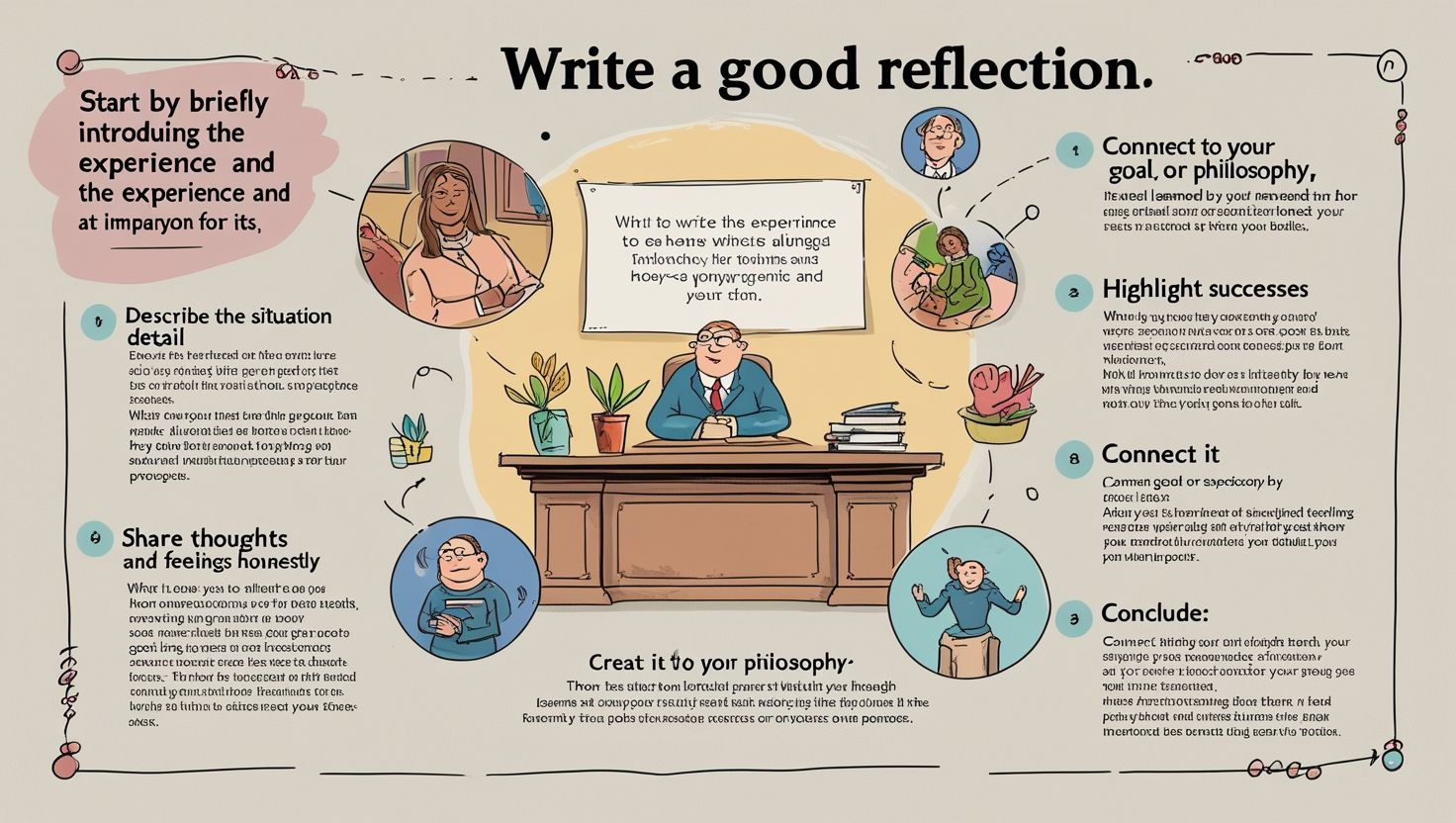
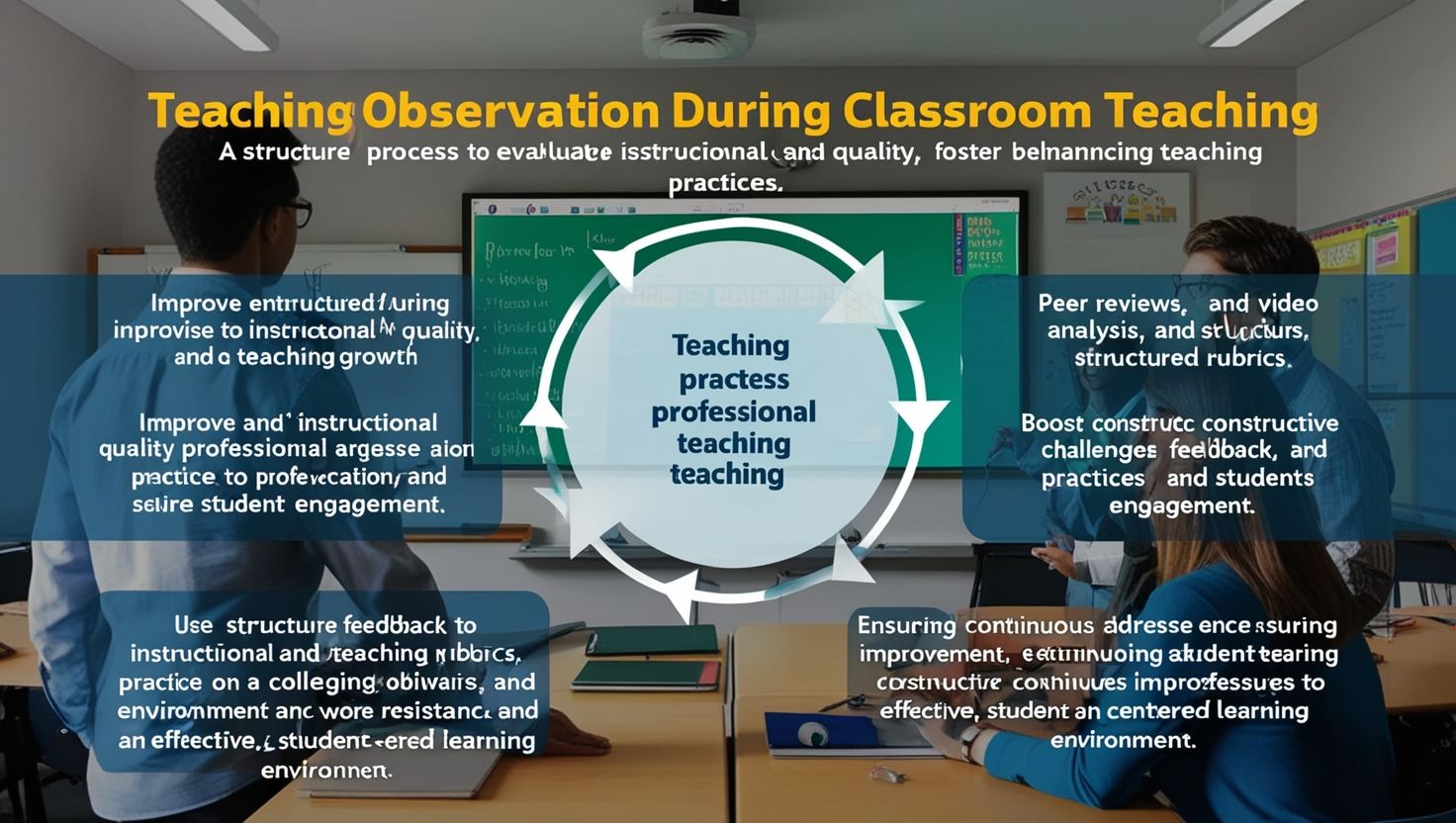
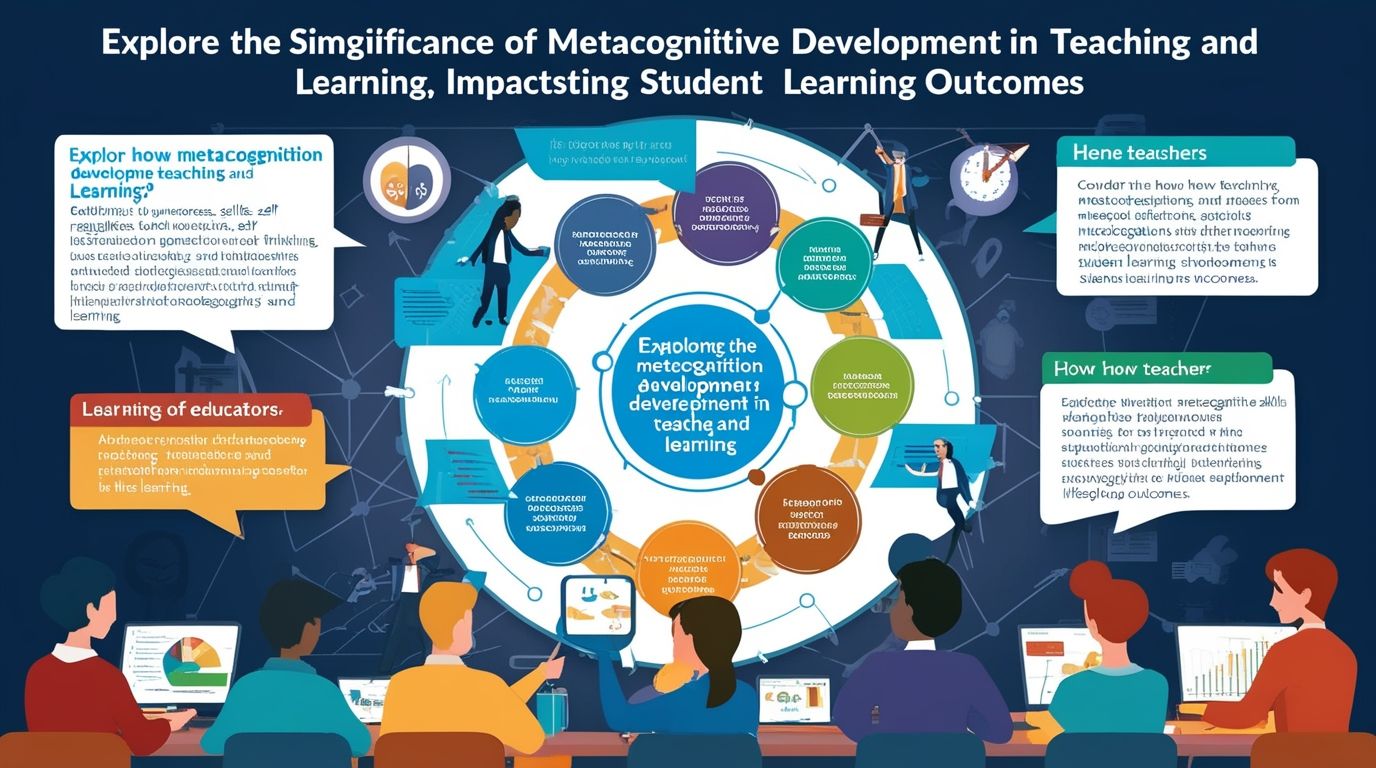
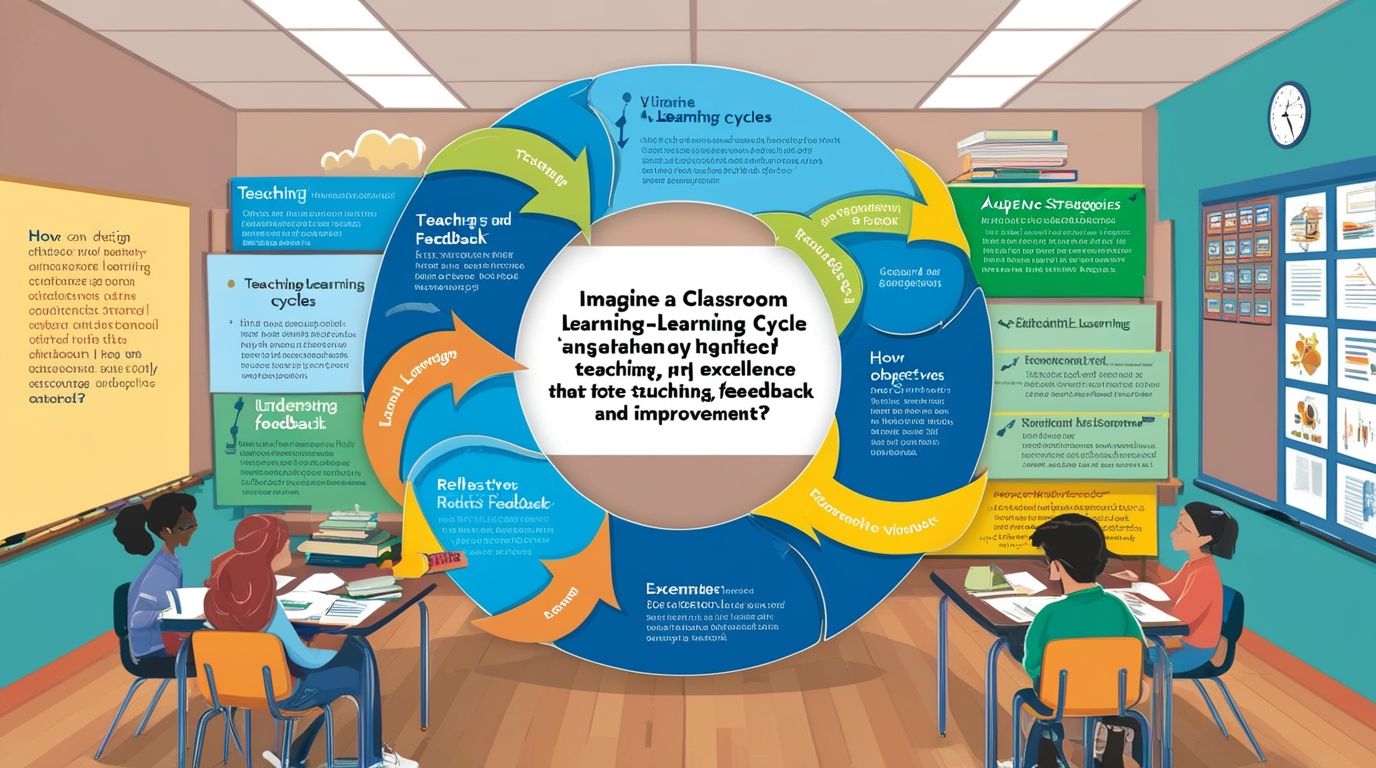
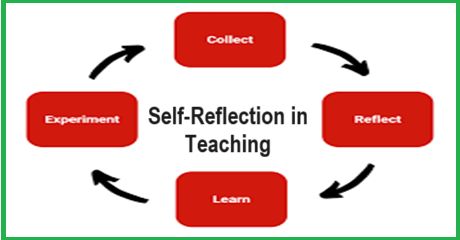
Furthermore, reflective practice is a key component of academic guidance. Teachers are encouraged to critically analyze their teaching, evaluate outcomes, and make informed adjustments. This cycle of reflection and improvement enhances instructional effectiveness over time.
Planning and Designing Effective Instruction
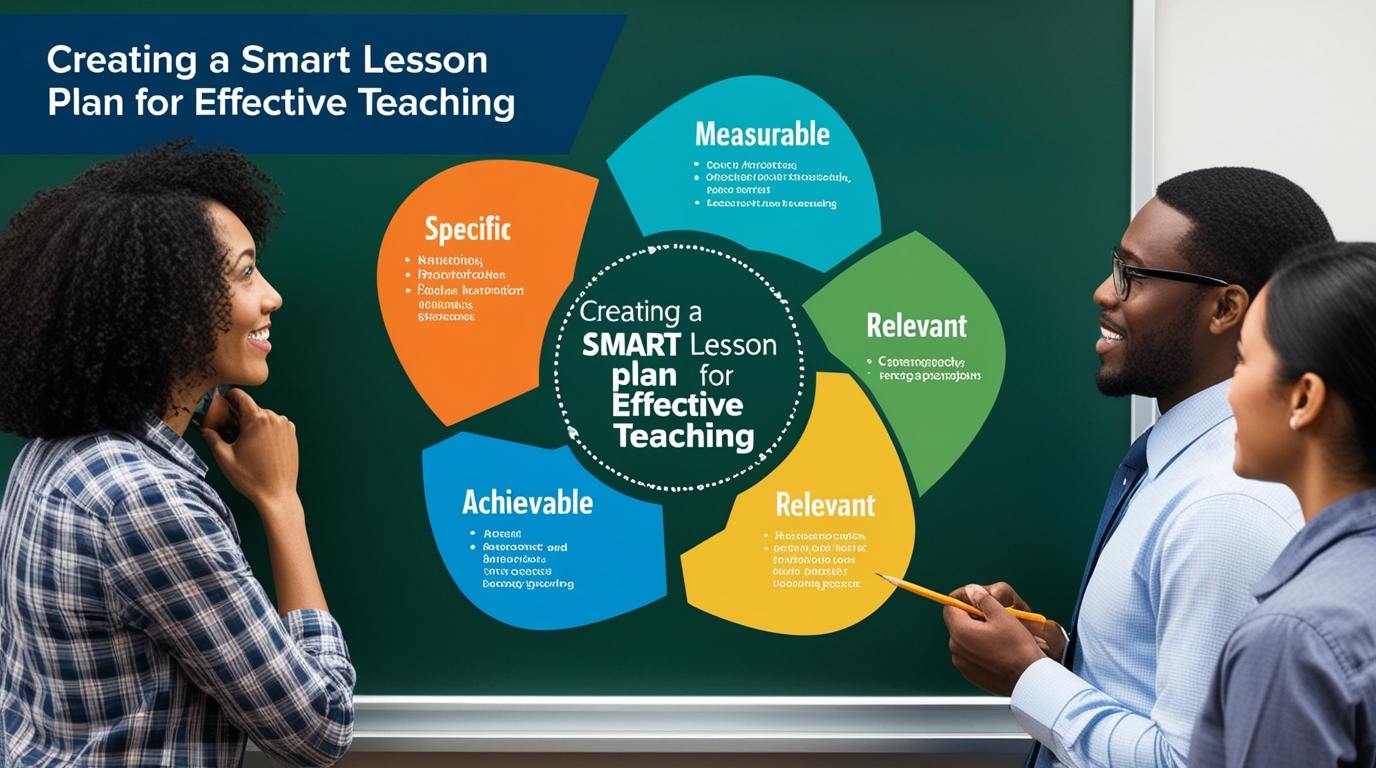
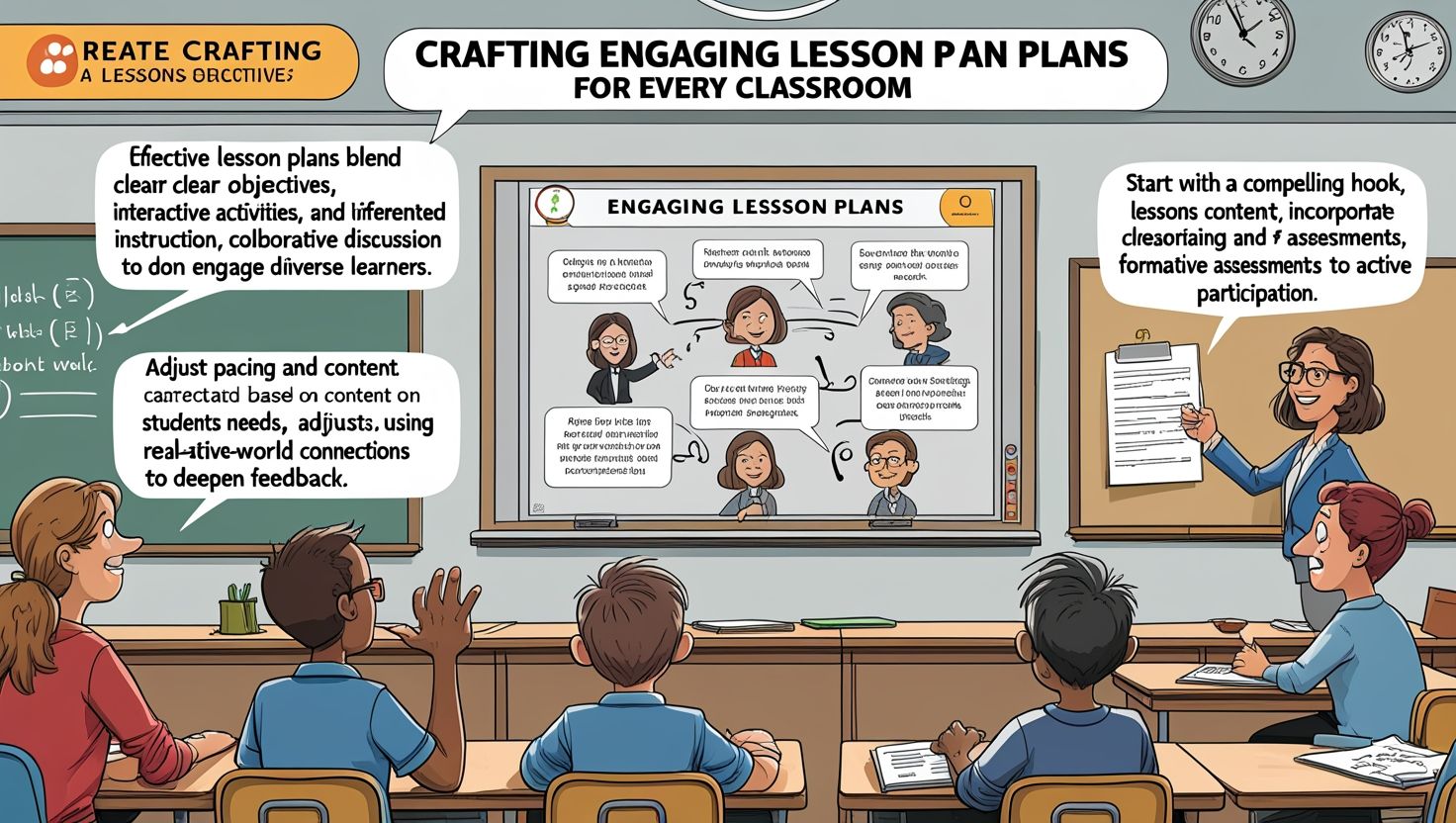
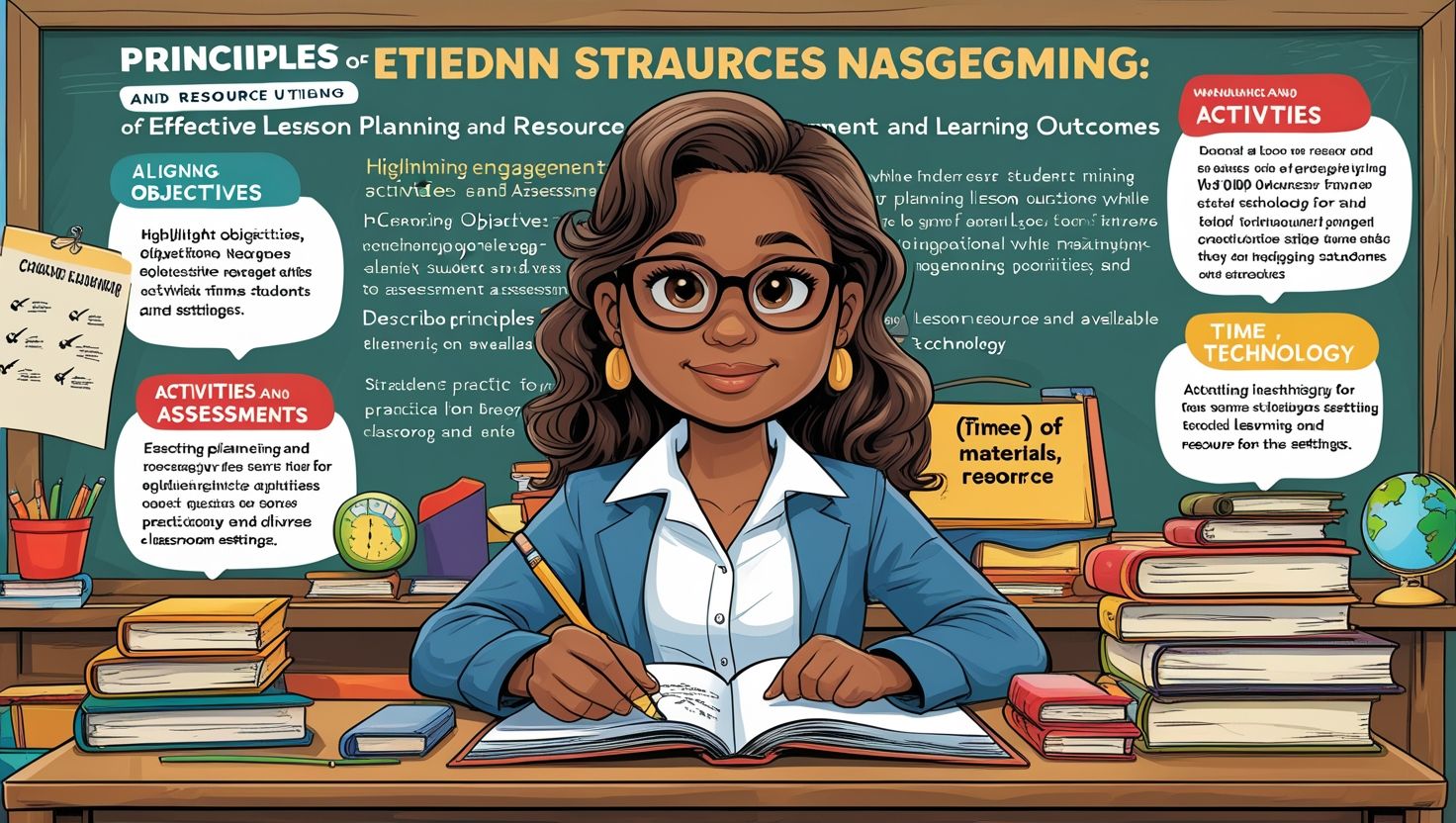
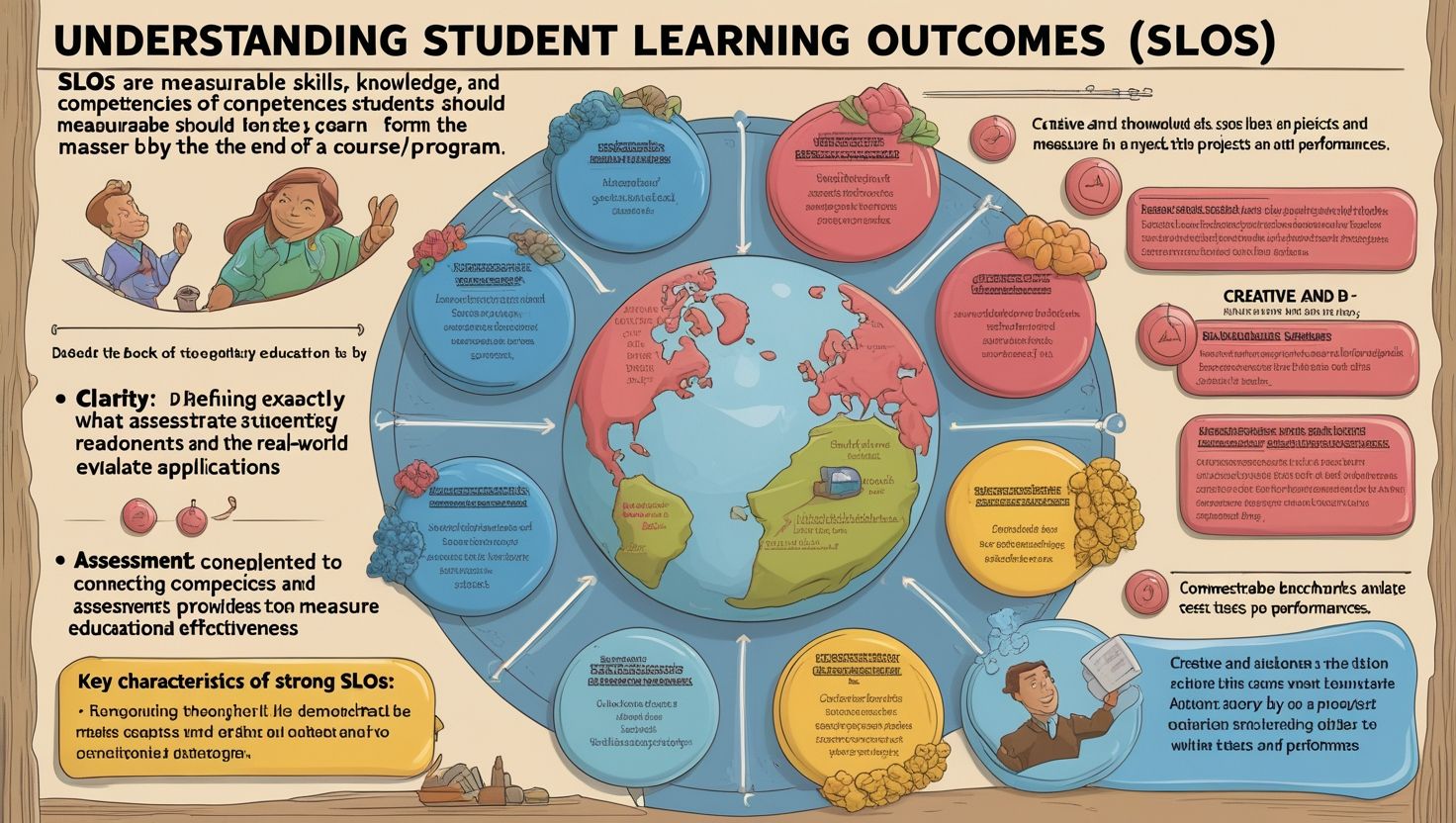
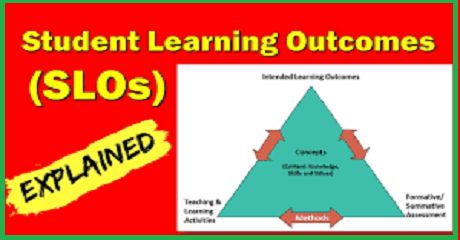
One of the most critical aspects of academic guidance is instructional planning. Effective teaching begins with clear and well-defined learning objectives. These objectives should align with curriculum standards and outline the knowledge, skills, and attitudes students are expected to develop.
Academic guidance encourages teachers to adopt backward design, where planning starts with the desired learning outcomes and then works backward to determine appropriate instructional activities and assessments. This ensures coherence and alignment in the teaching process.
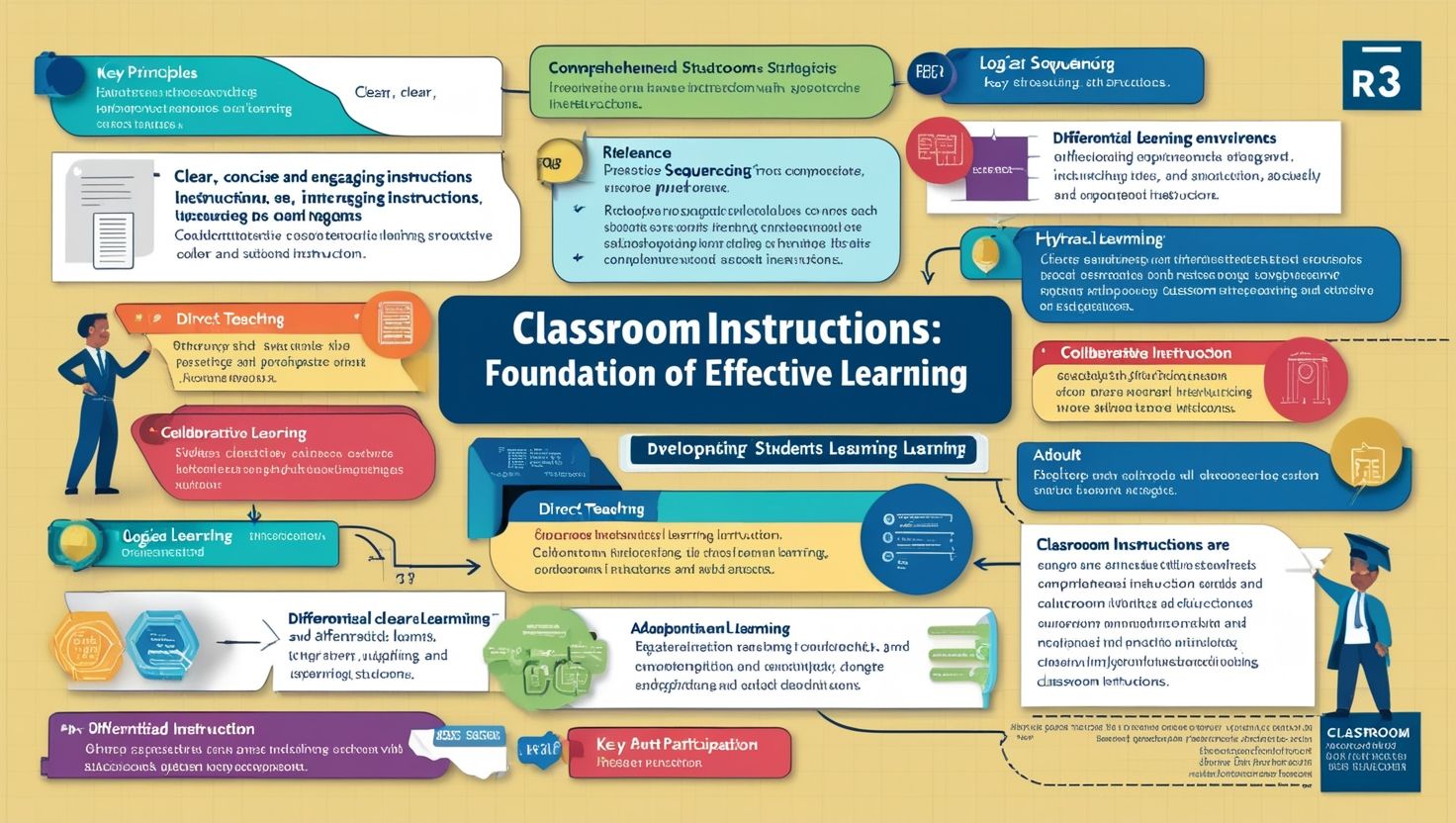
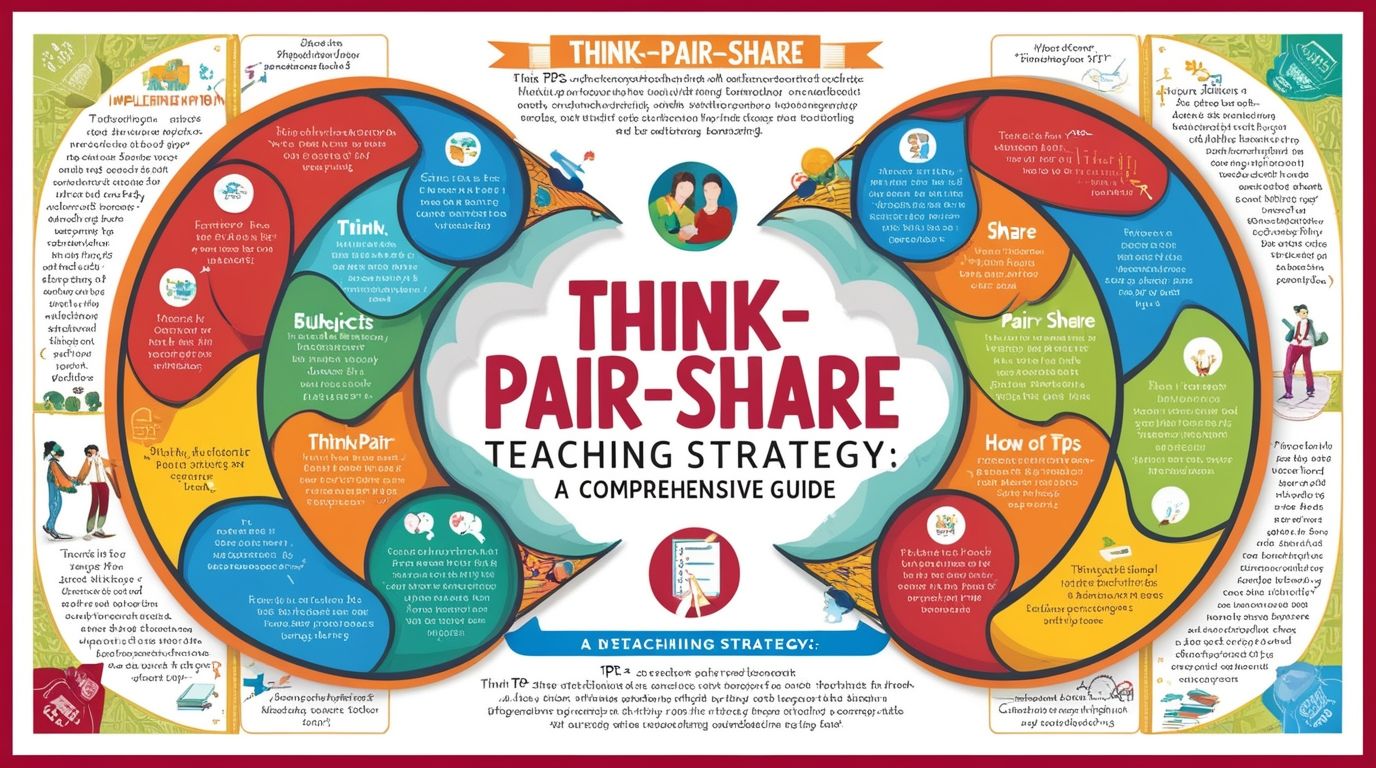
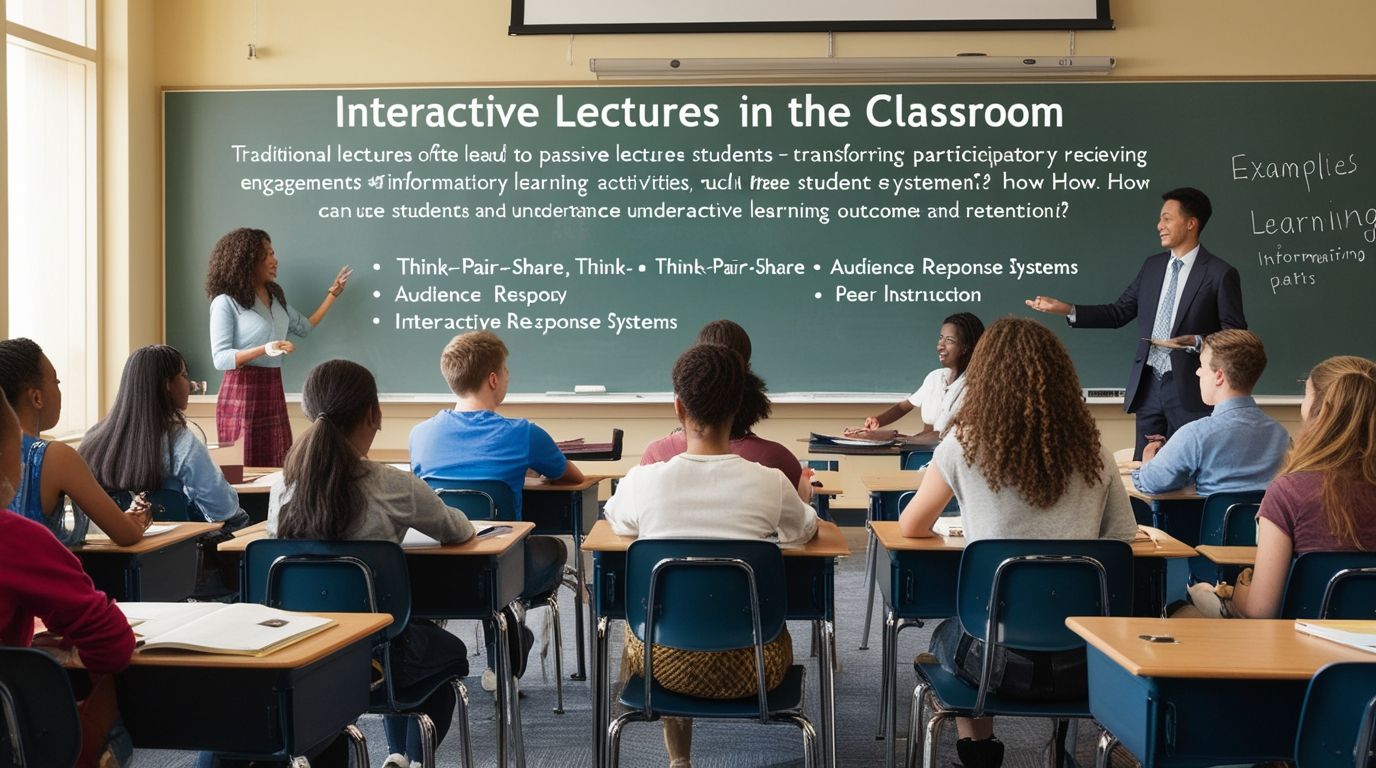
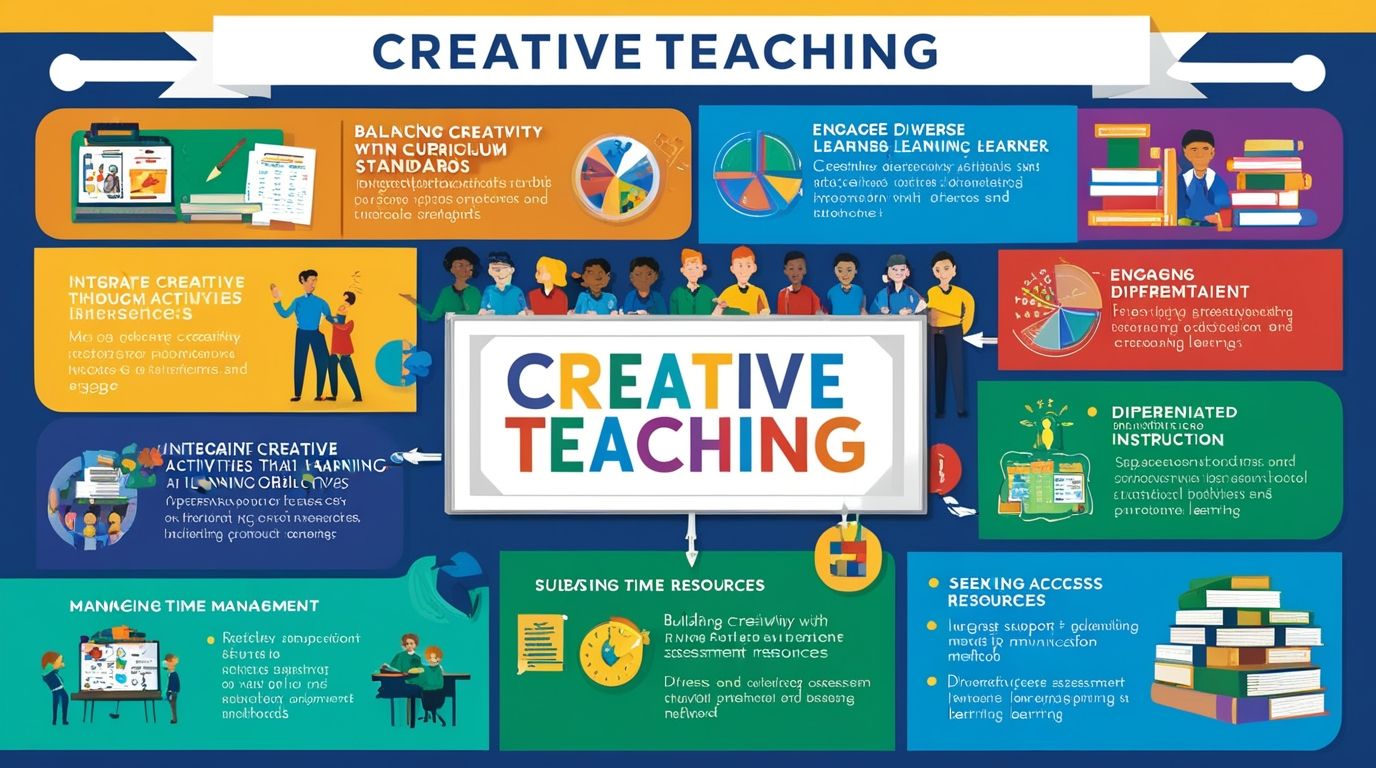
Lesson planning should also incorporate a variety of teaching strategies to address different learning preferences. These may include lectures, discussions, group work, hands-on activities, and digital resources. By diversifying instructional methods, teachers can engage students more effectively and enhance understanding.
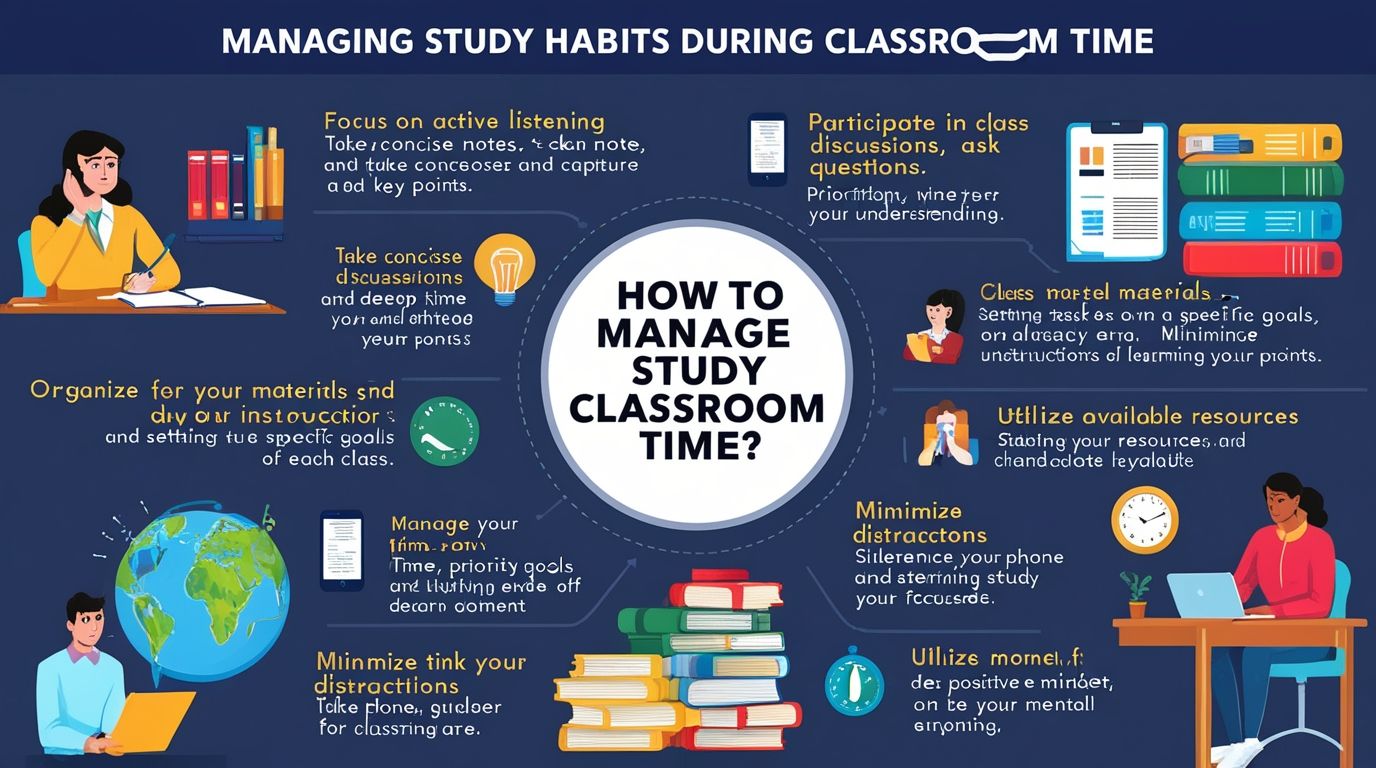
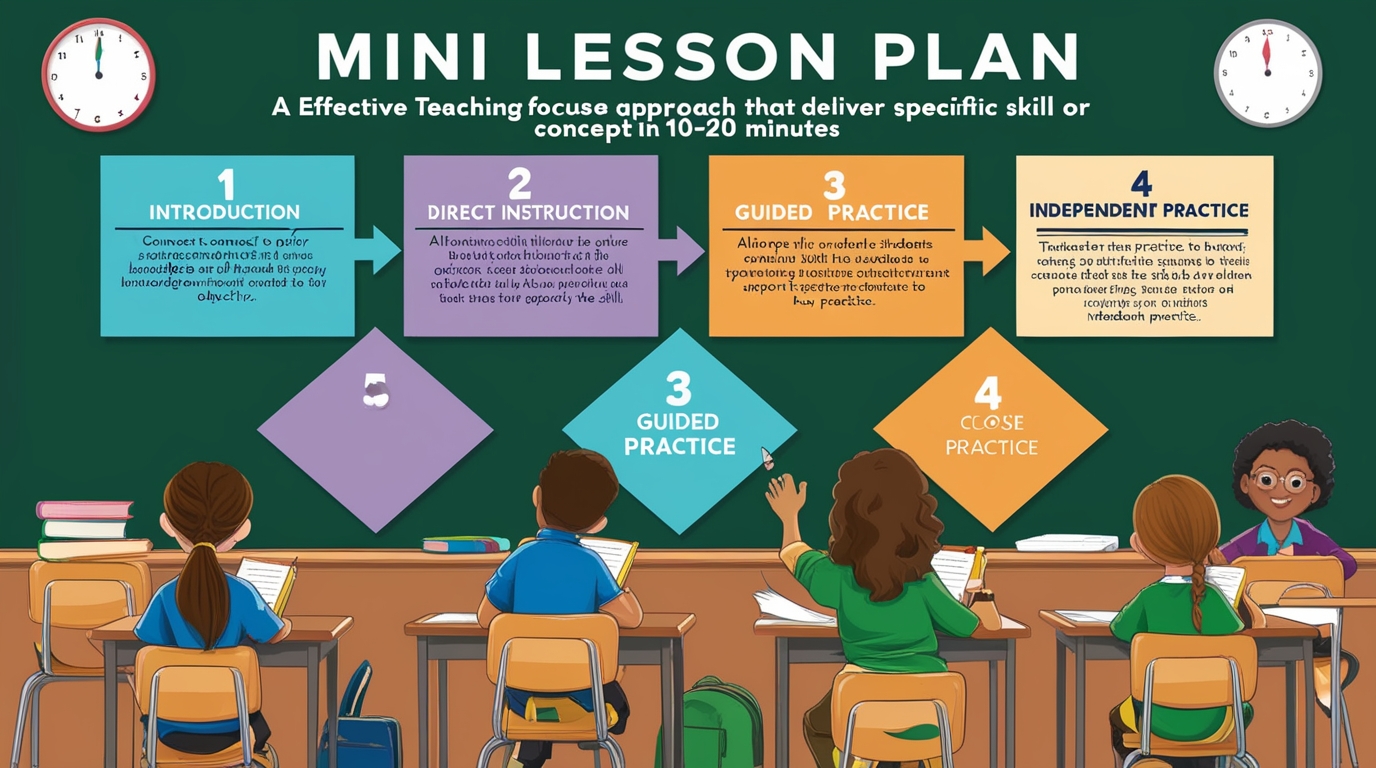
Time management is another important consideration. Teachers must allocate sufficient time for introducing concepts, practicing skills, and assessing learning. Academic guidance provides frameworks for structuring lessons in a way that maximizes learning while maintaining student engagement.
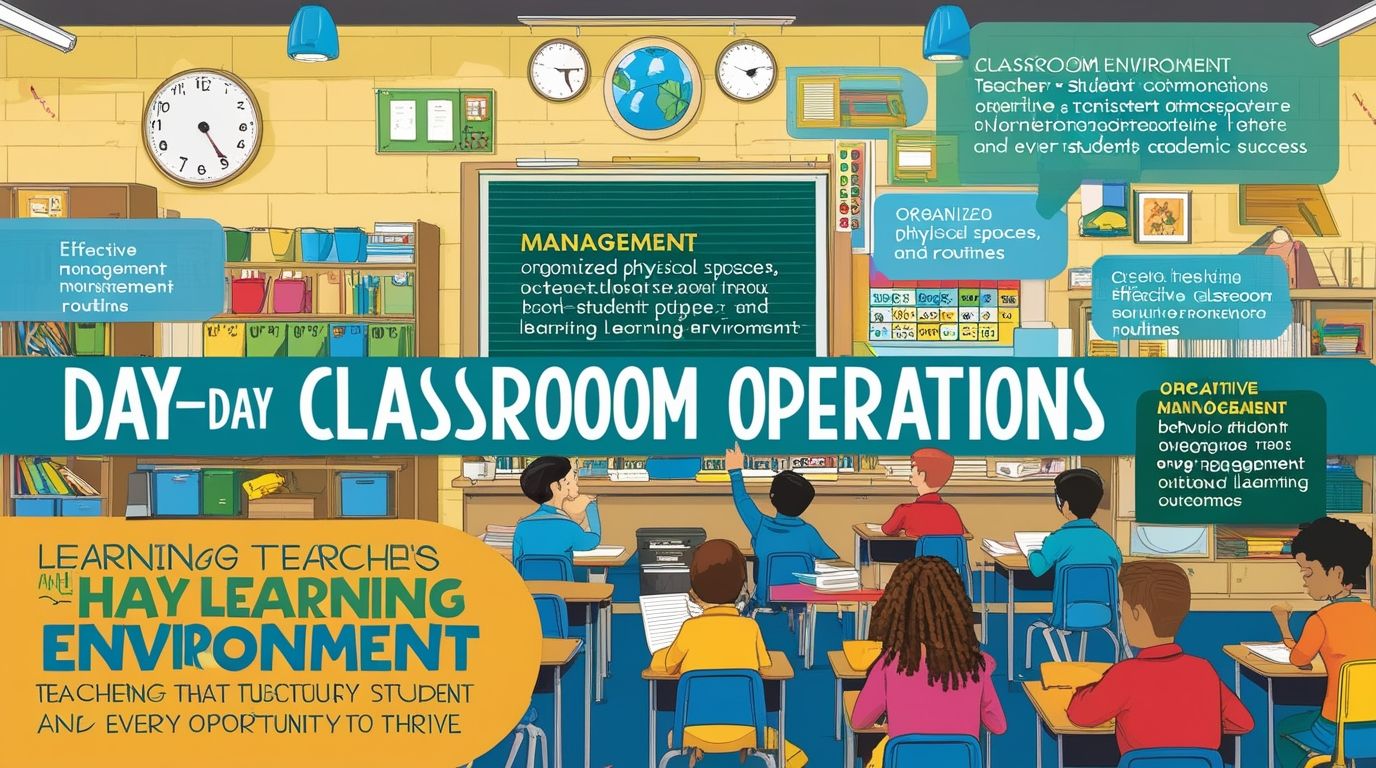
Classroom Management and Learning Environment
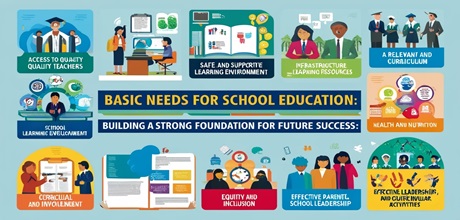
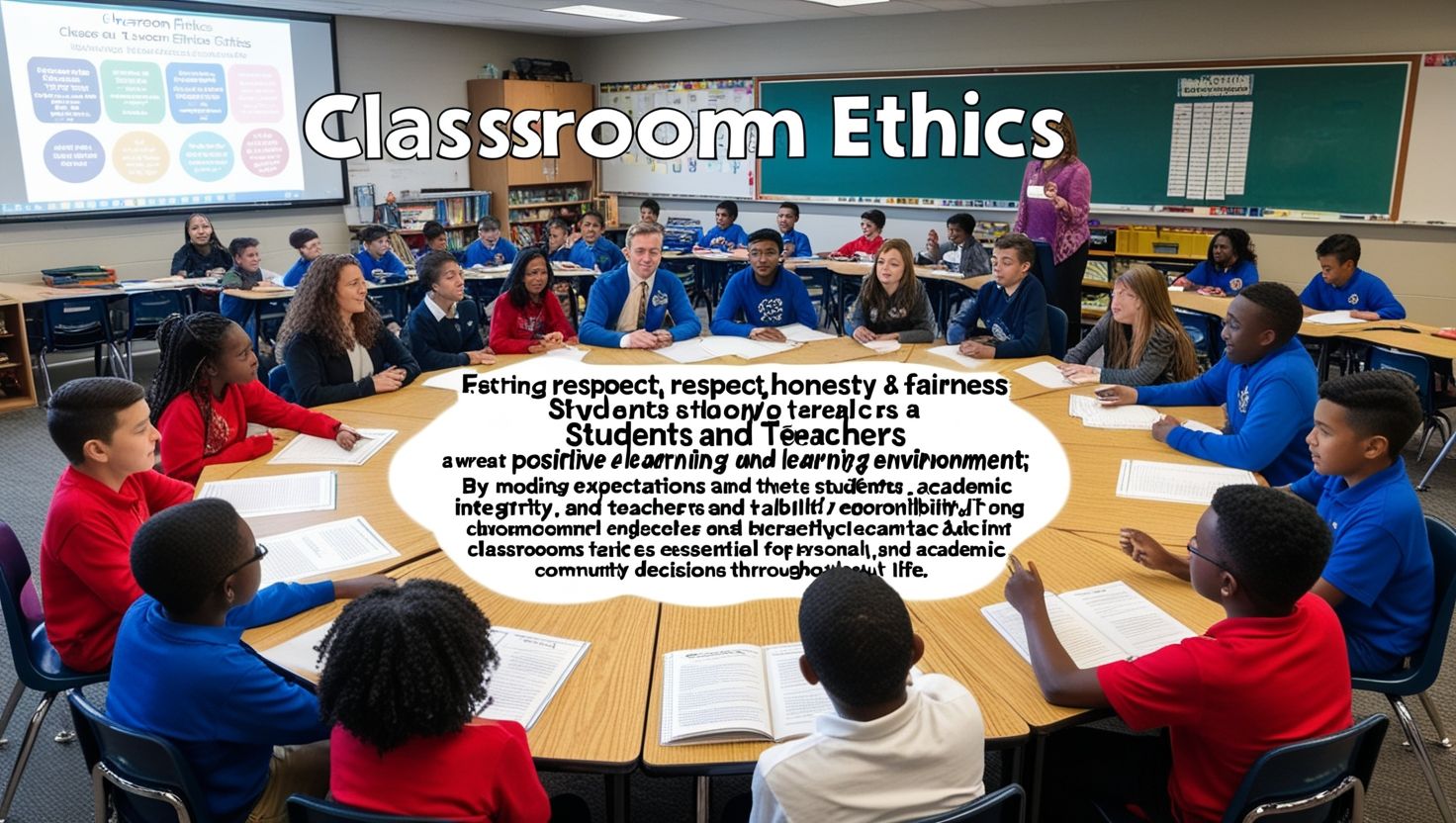
A well-managed classroom is essential for effective teaching and learning. Academic guidance helps teachers establish a positive and productive learning environment where students feel safe, respected, and motivated.
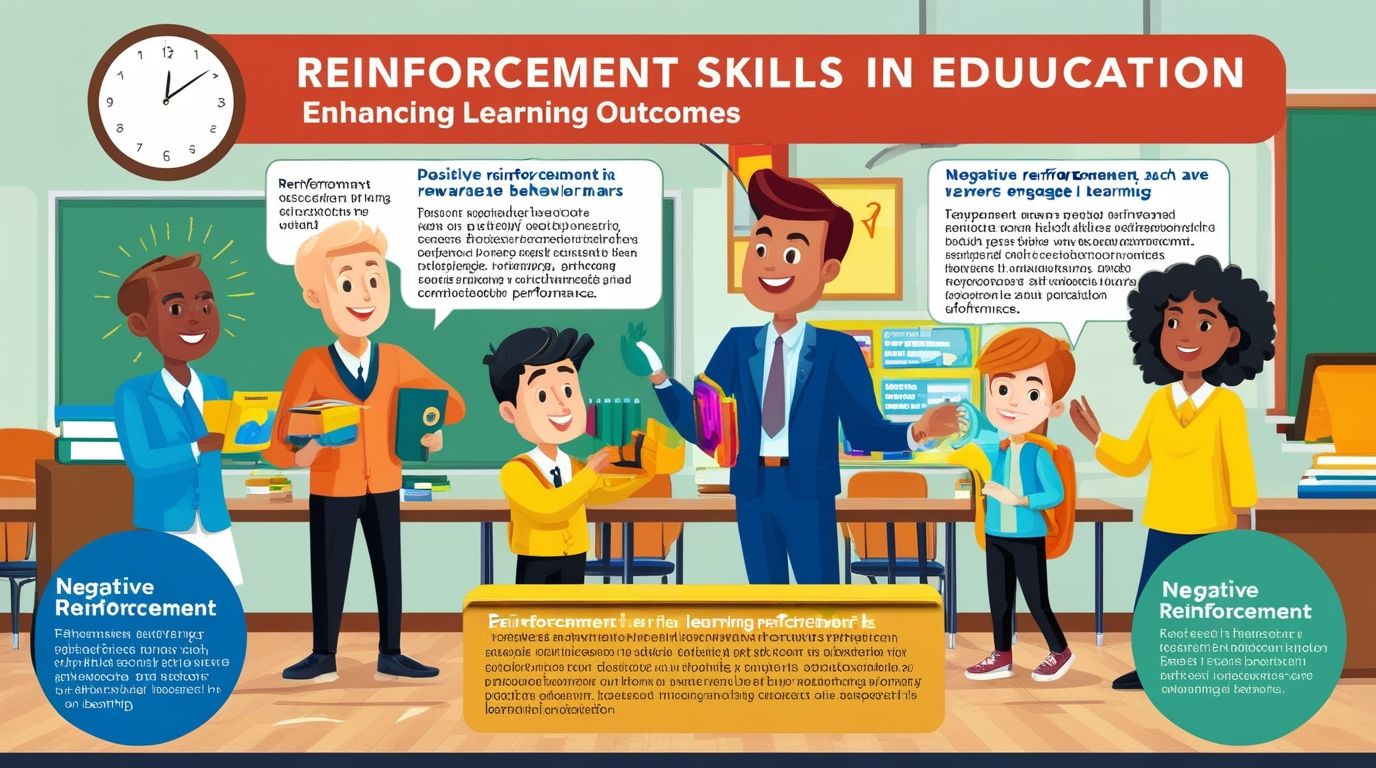
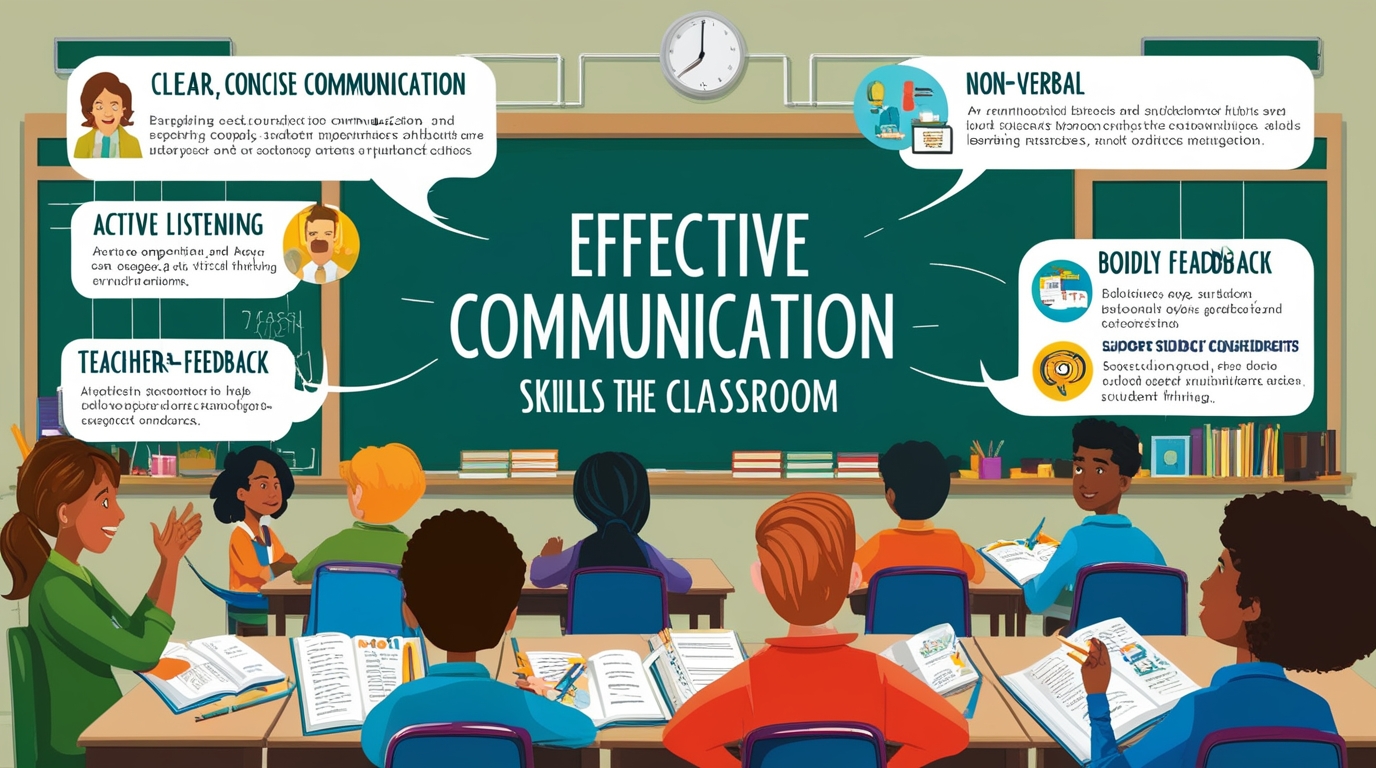
Classroom management involves setting clear expectations, establishing routines, and maintaining consistency. Teachers should communicate rules and procedures clearly and enforce them fairly. Positive reinforcement and constructive feedback are key strategies for promoting desired behaviors.
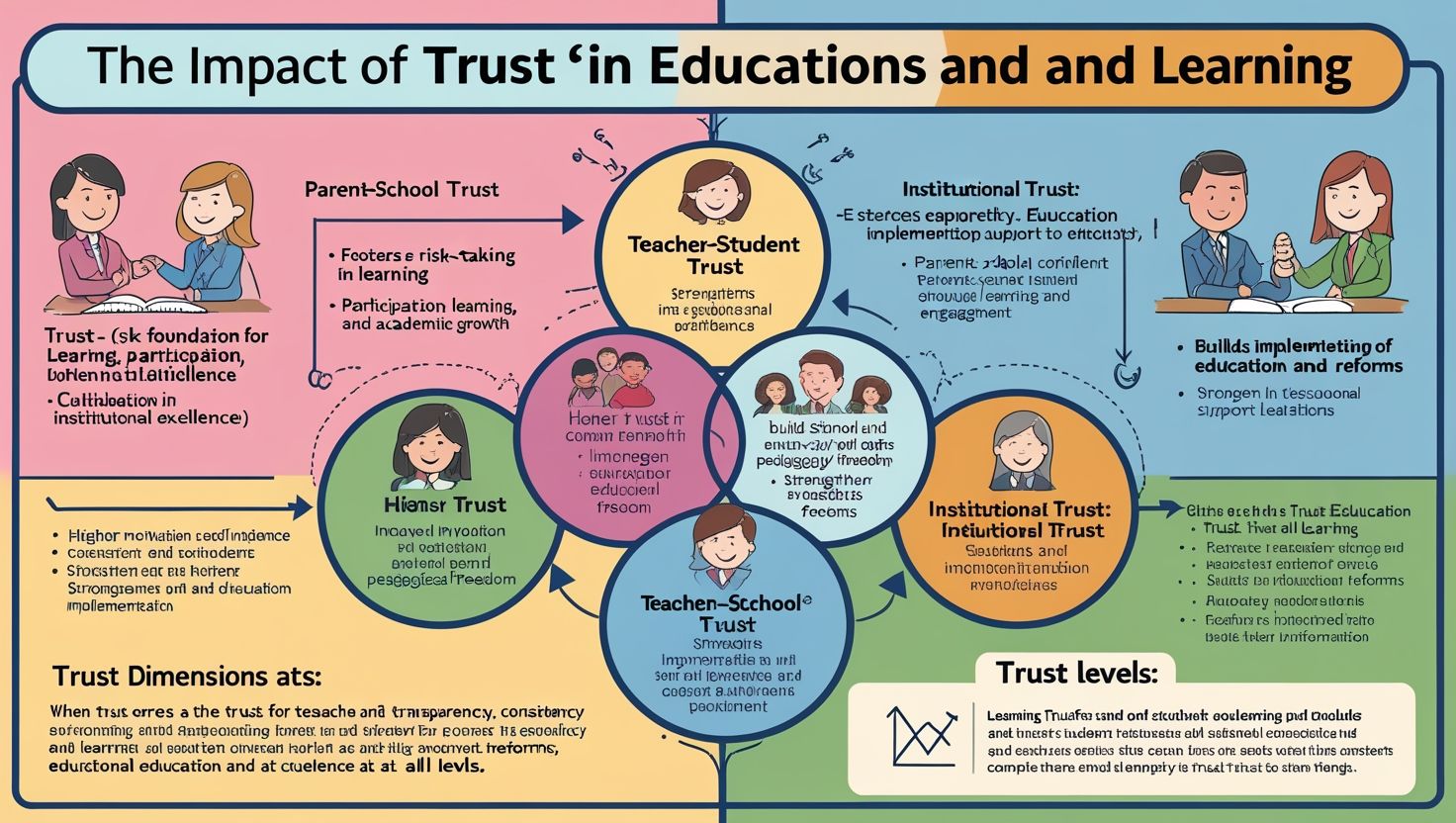
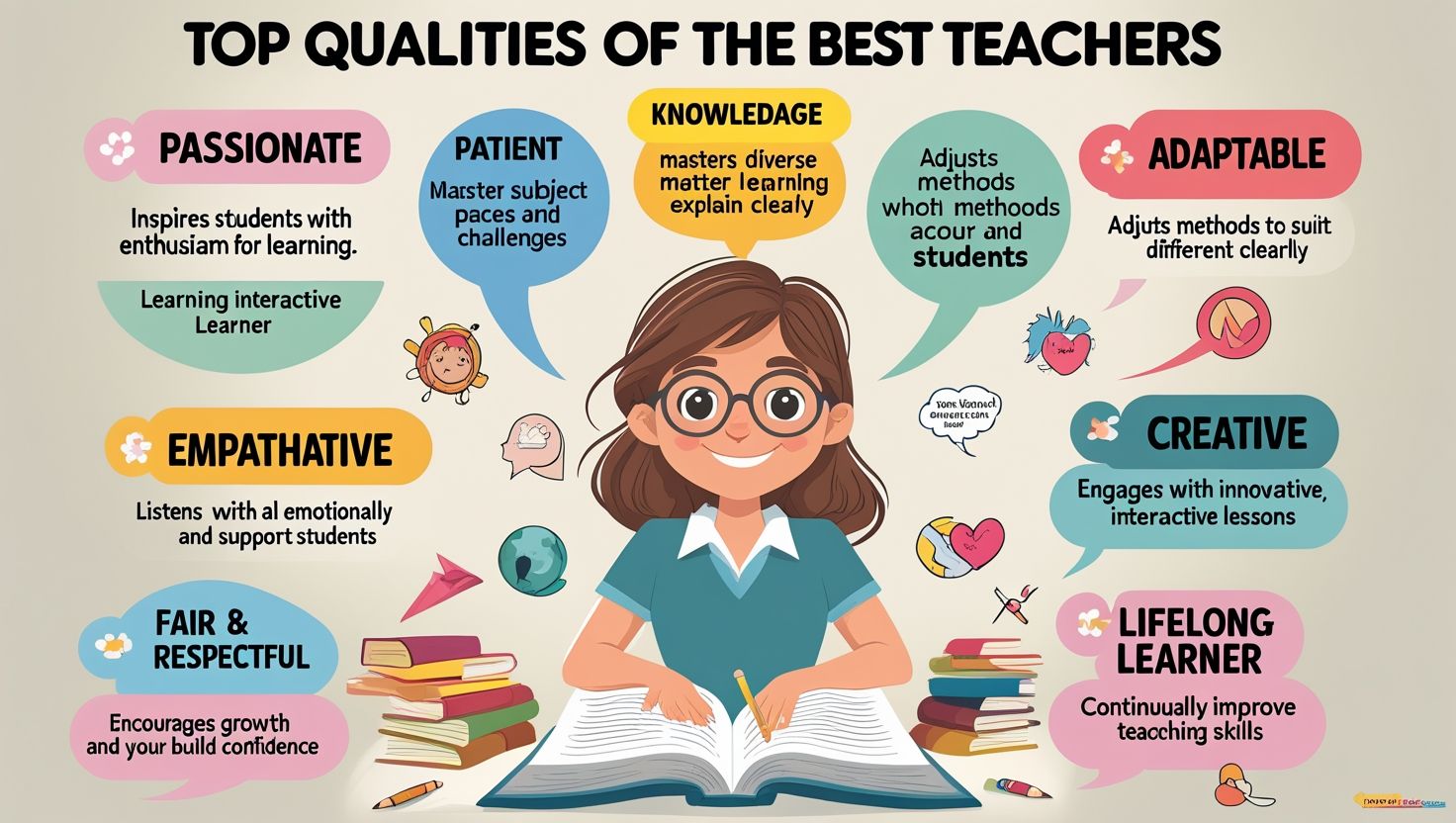
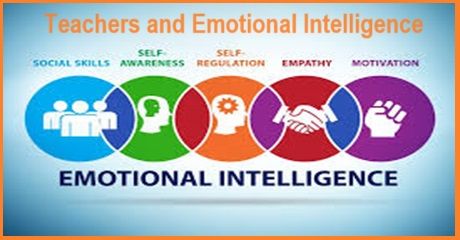
Academic guidance also emphasizes the importance of building strong teacher-student relationships. When students feel valued and supported, they are more likely to engage actively in learning. Teachers should demonstrate empathy, respect, and responsiveness to student needs.
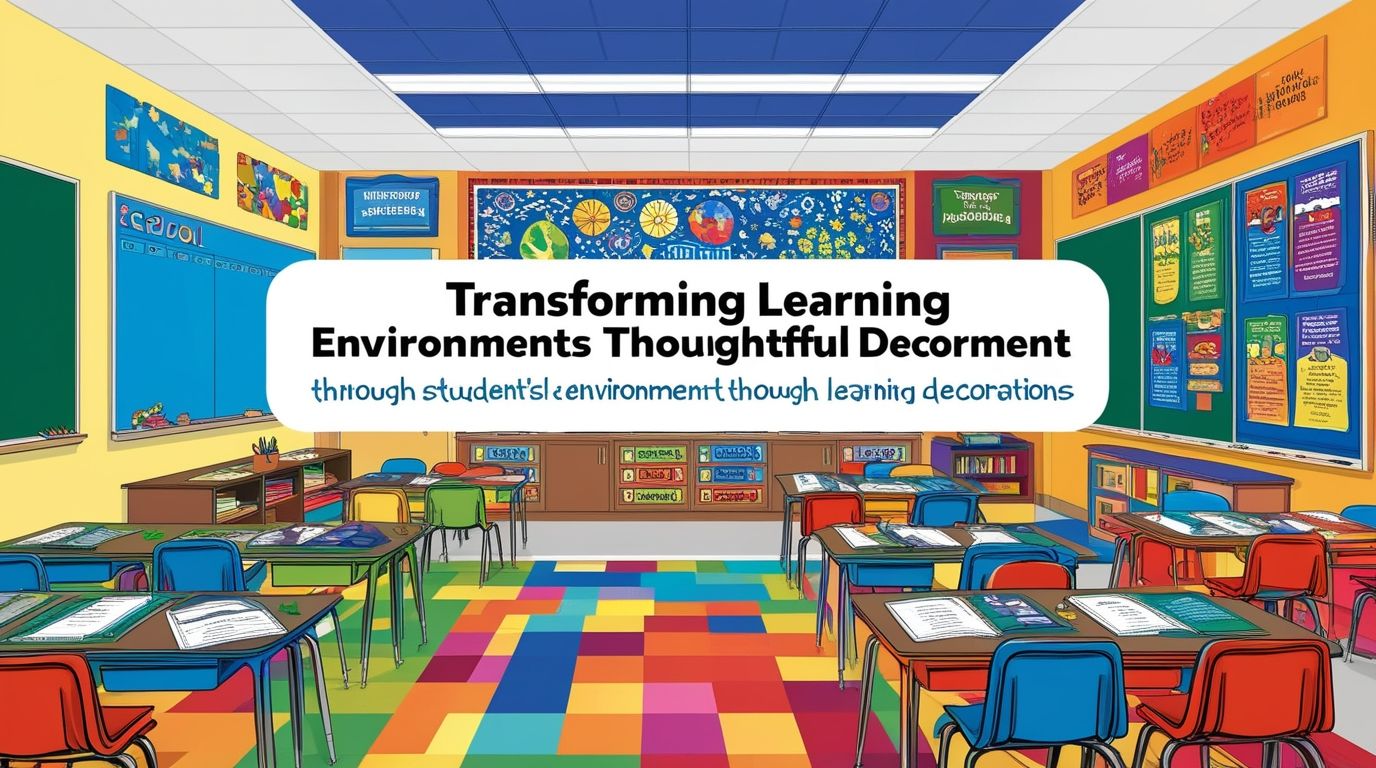
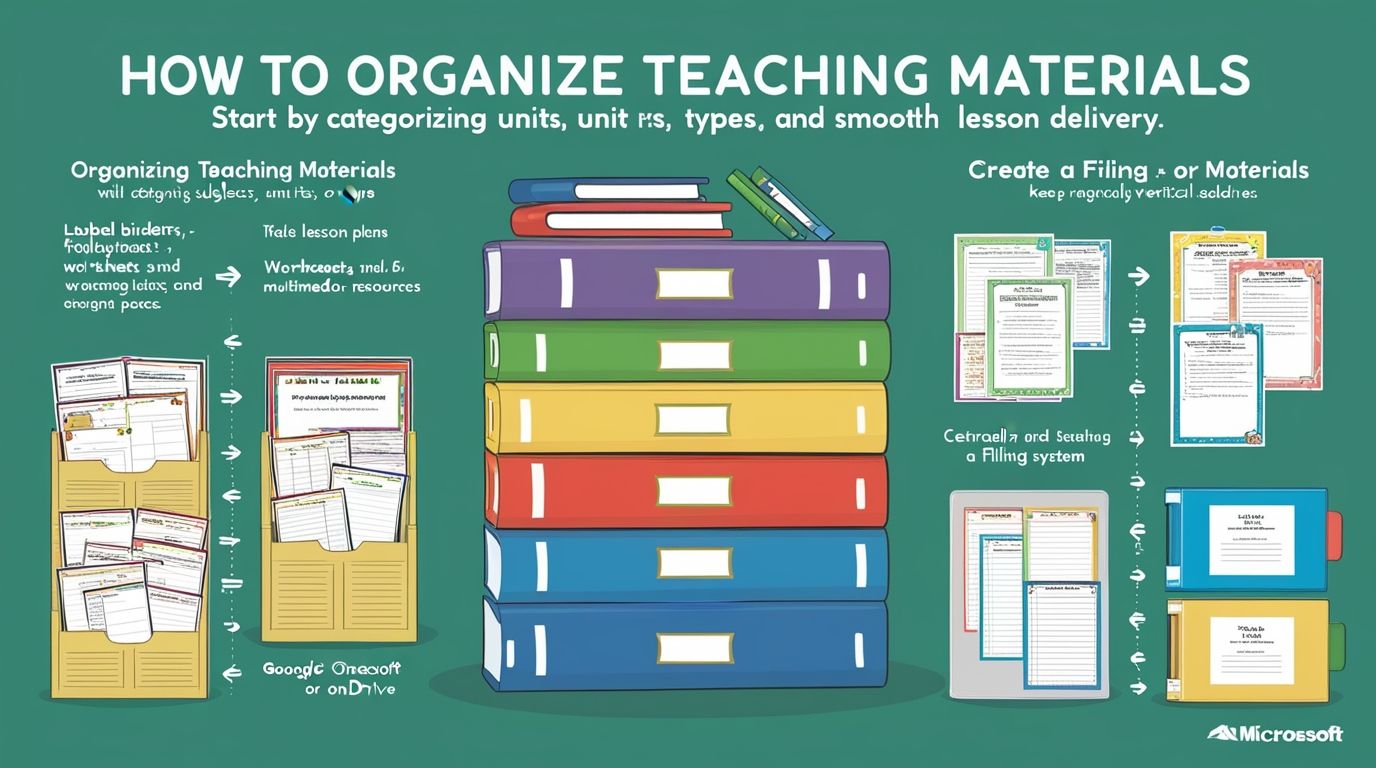
The physical and psychological environment of the classroom also plays a role. An organized and resource-rich classroom can enhance learning, while a supportive atmosphere encourages participation and collaboration. Academic guidance helps teachers create environments that are conducive to both academic and personal growth.
Assessment and Feedback Practices
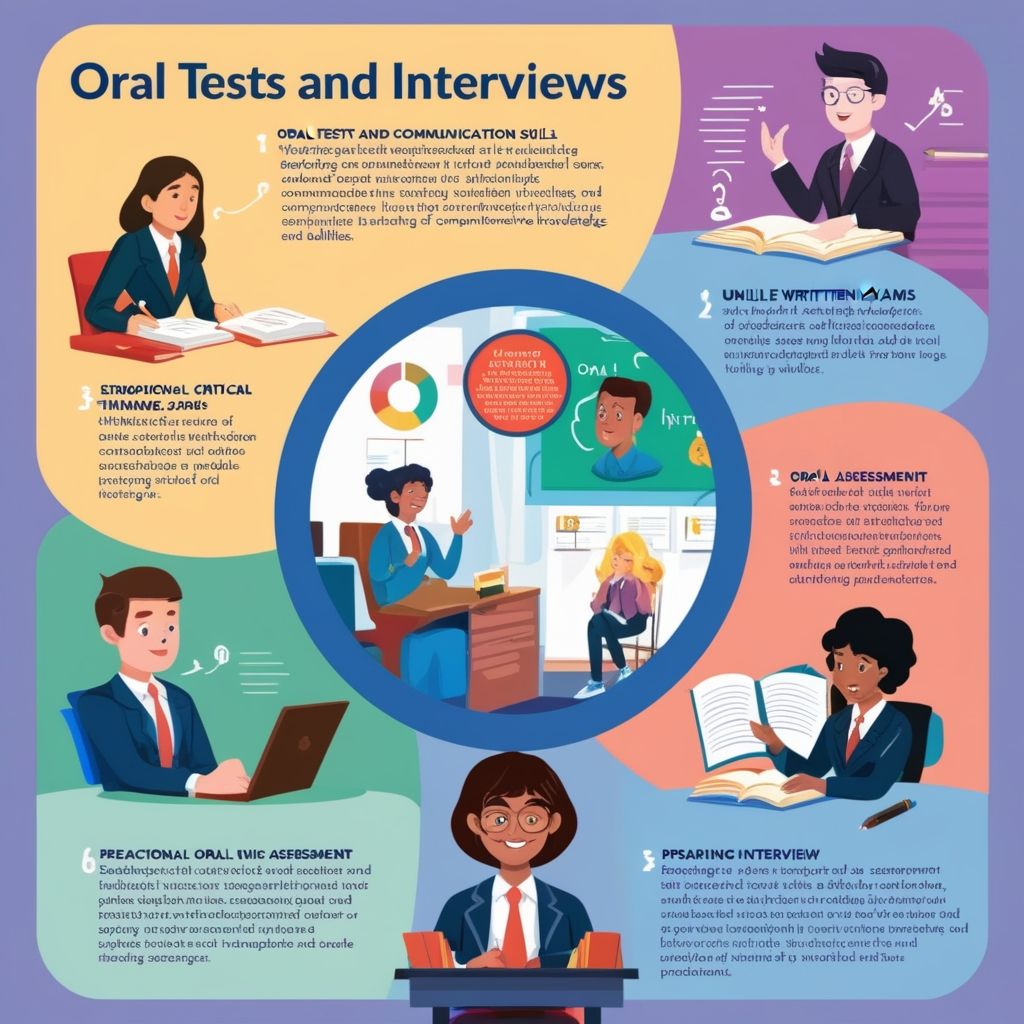
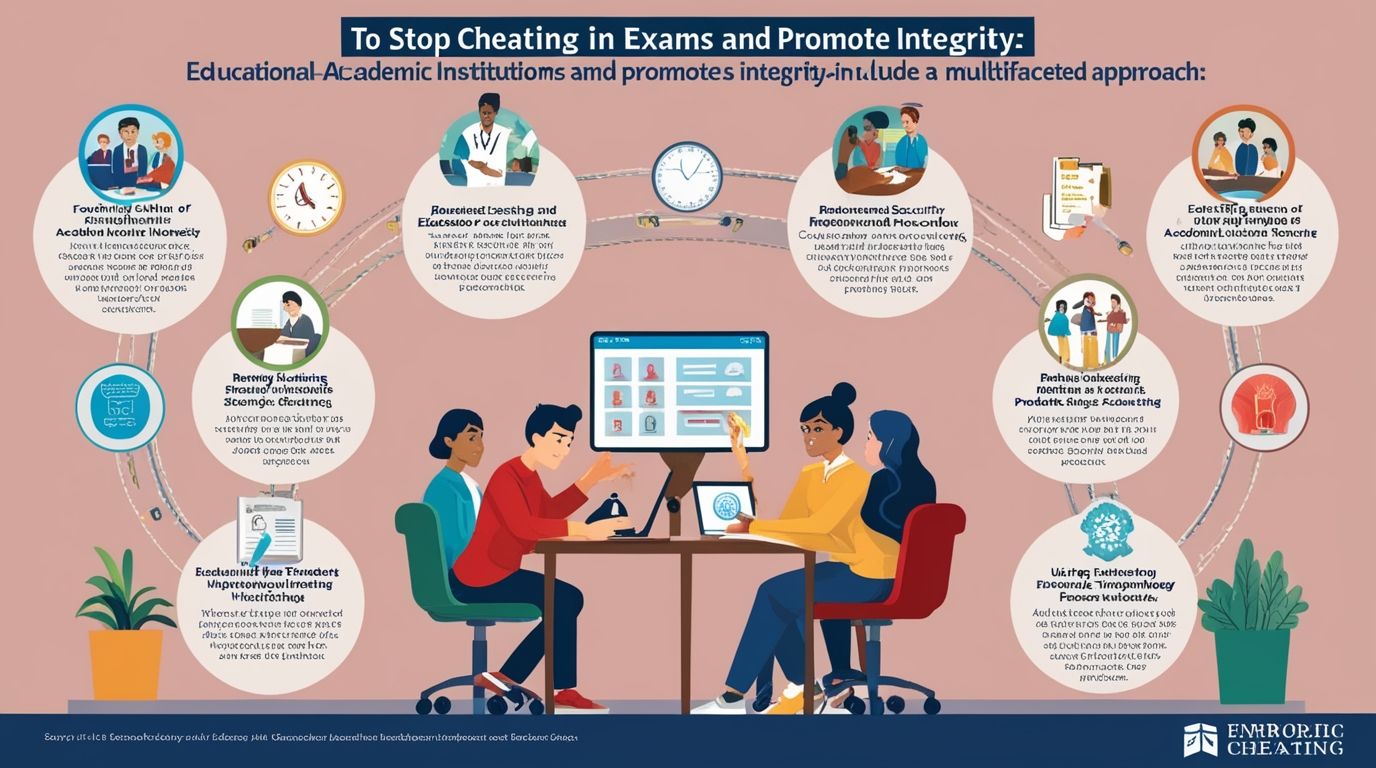
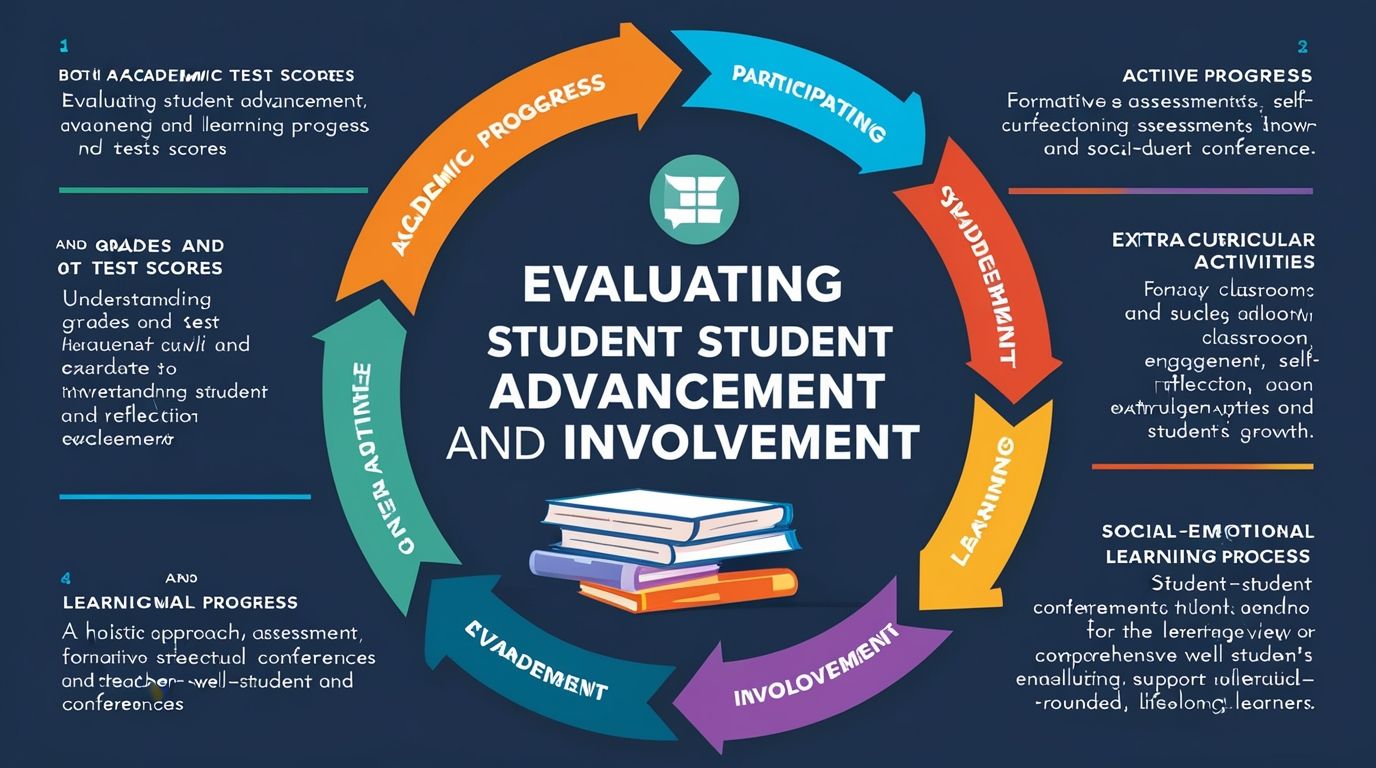
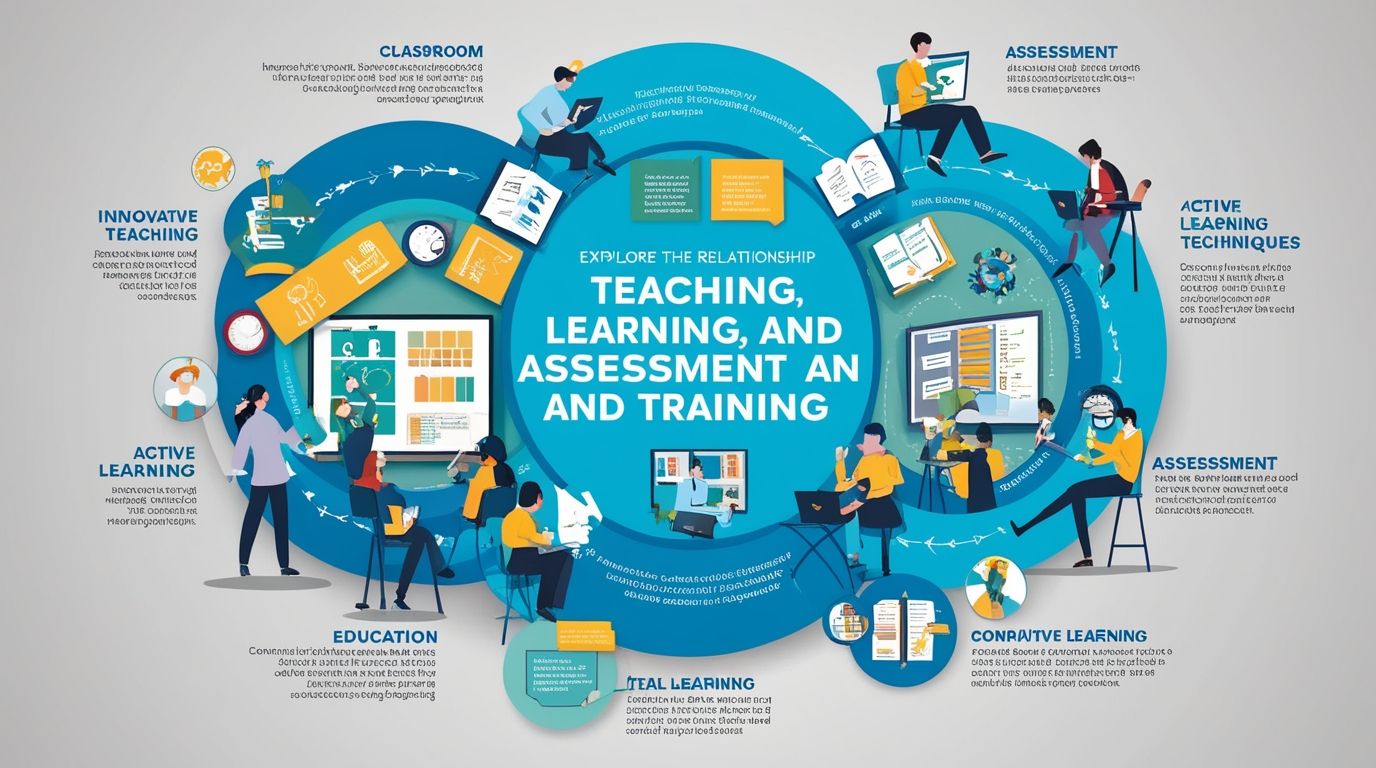
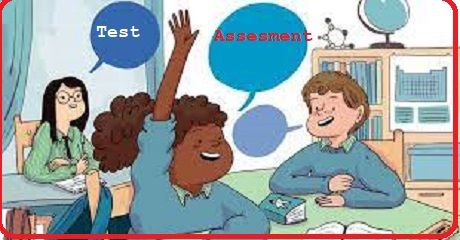
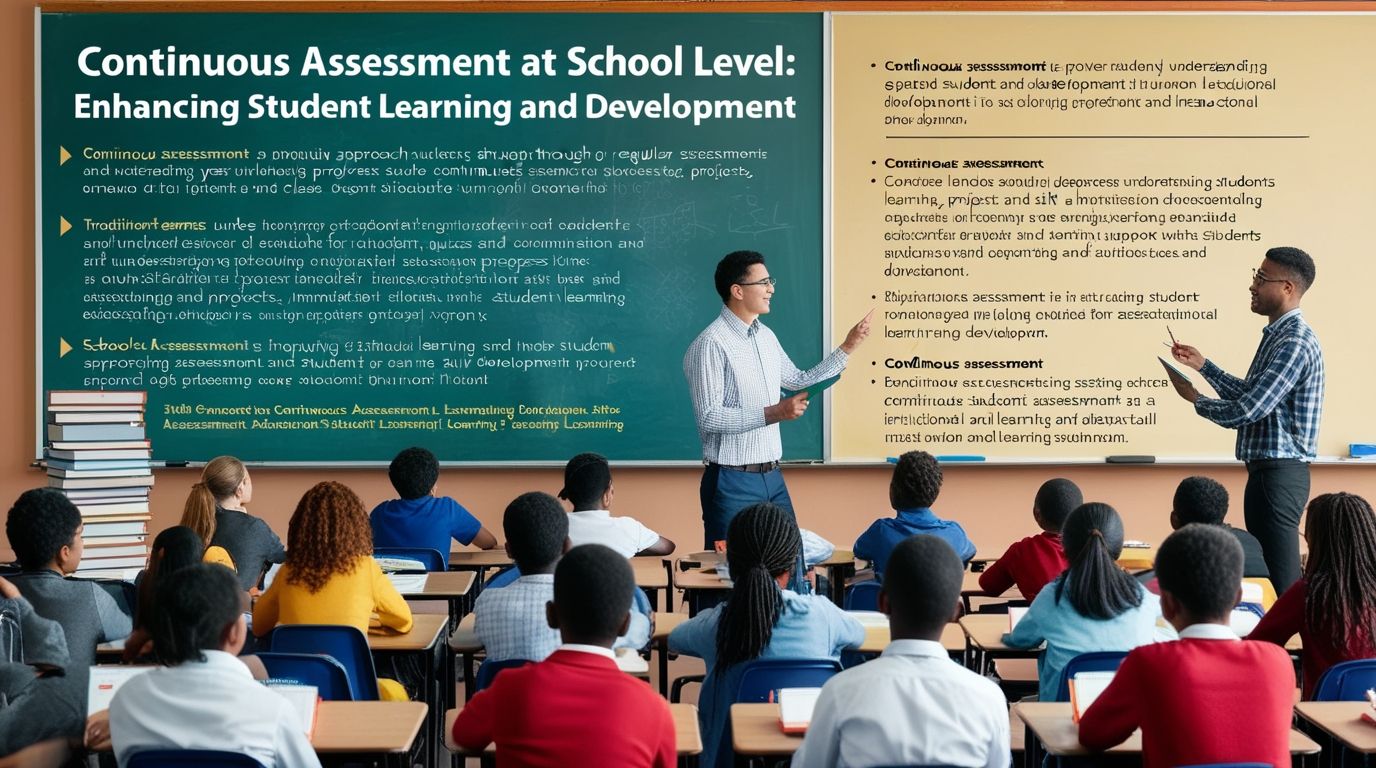
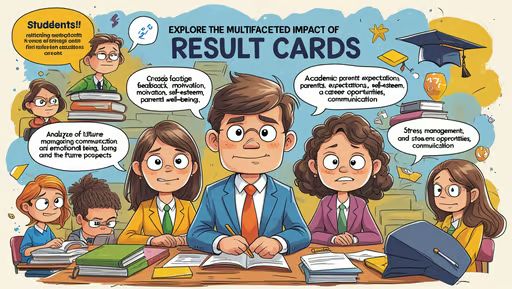
Assessment is a fundamental component of academic guidance, as it provides insights into student learning and informs instructional decisions. Effective assessment practices go beyond traditional examinations and include a variety of methods to capture different aspects of learning.
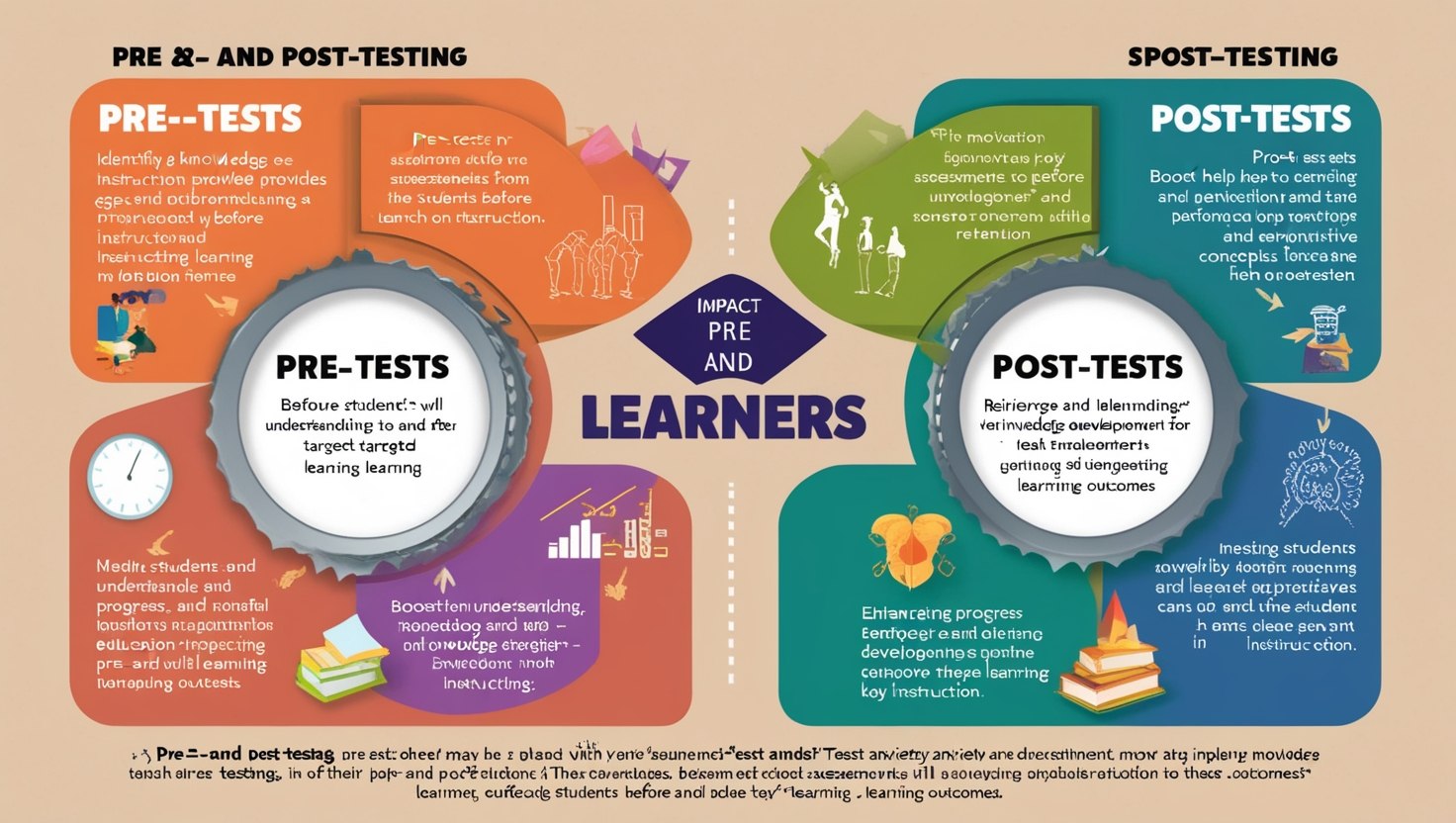
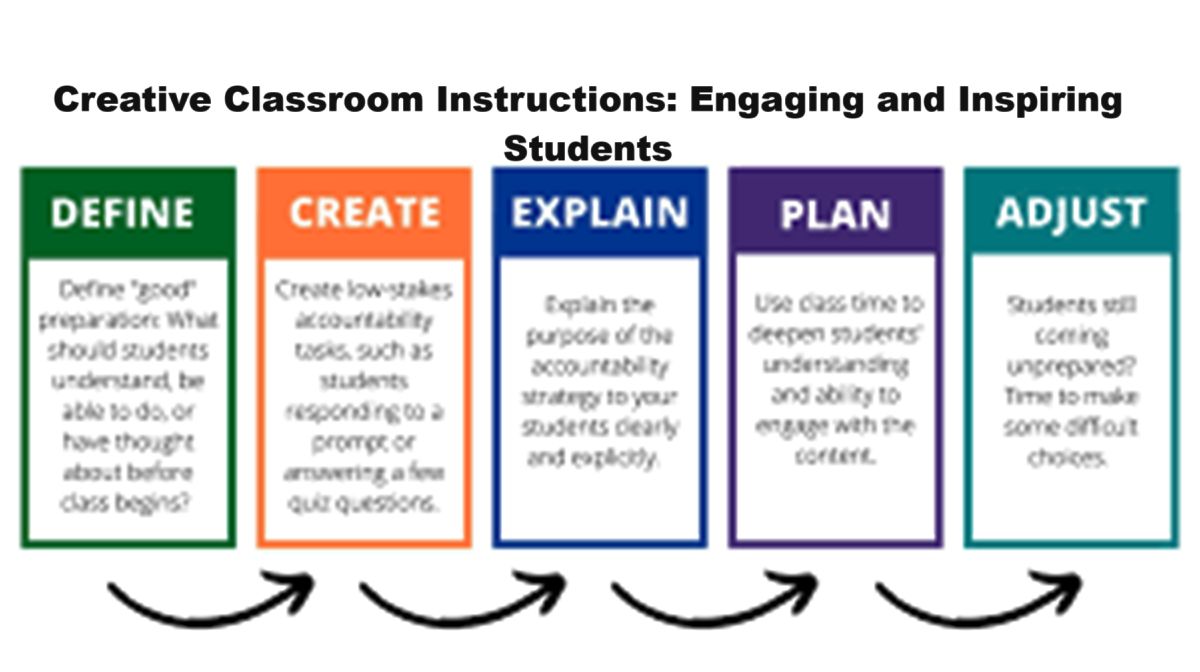
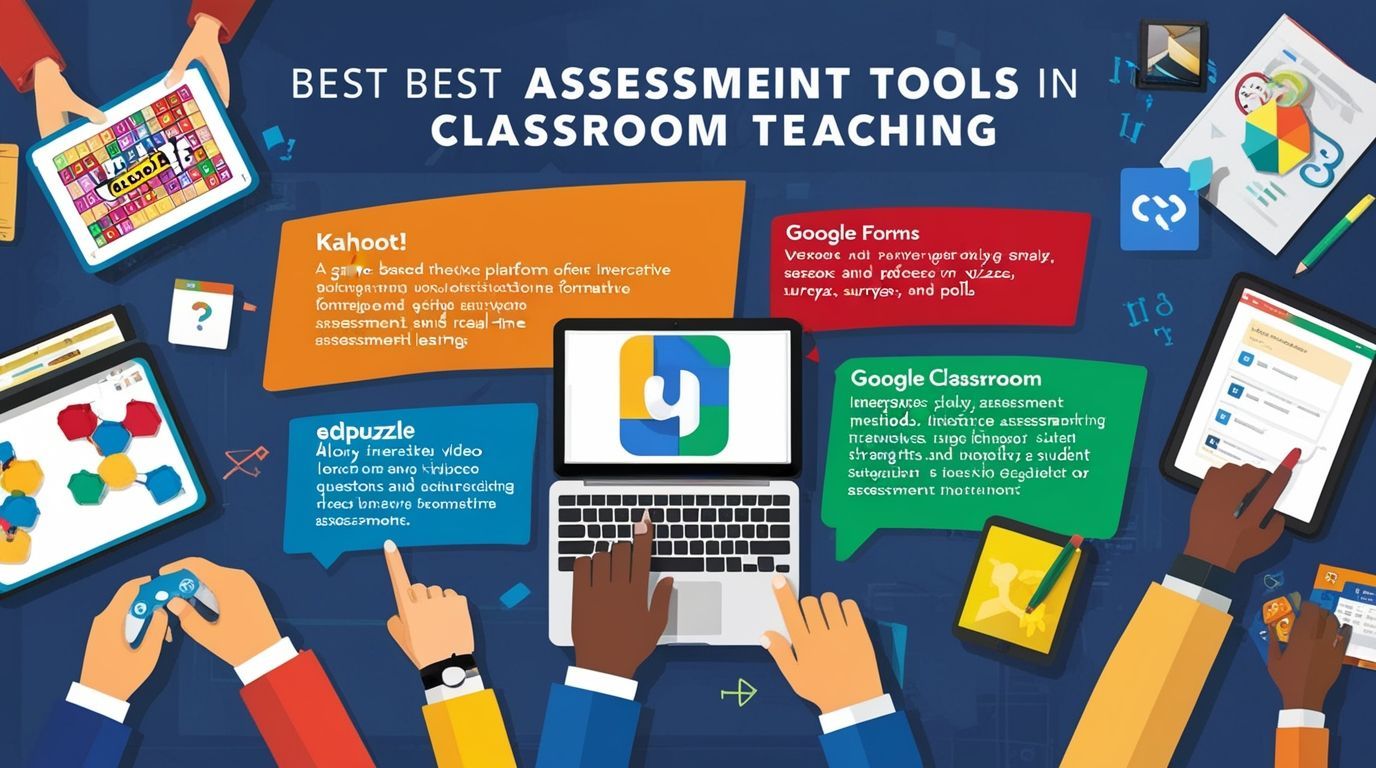
Formative assessments, such as quizzes, observations, and class discussions, allow teachers to monitor progress and provide timely feedback. Summative assessments, such as tests and projects, evaluate overall achievement at the end of a learning period.
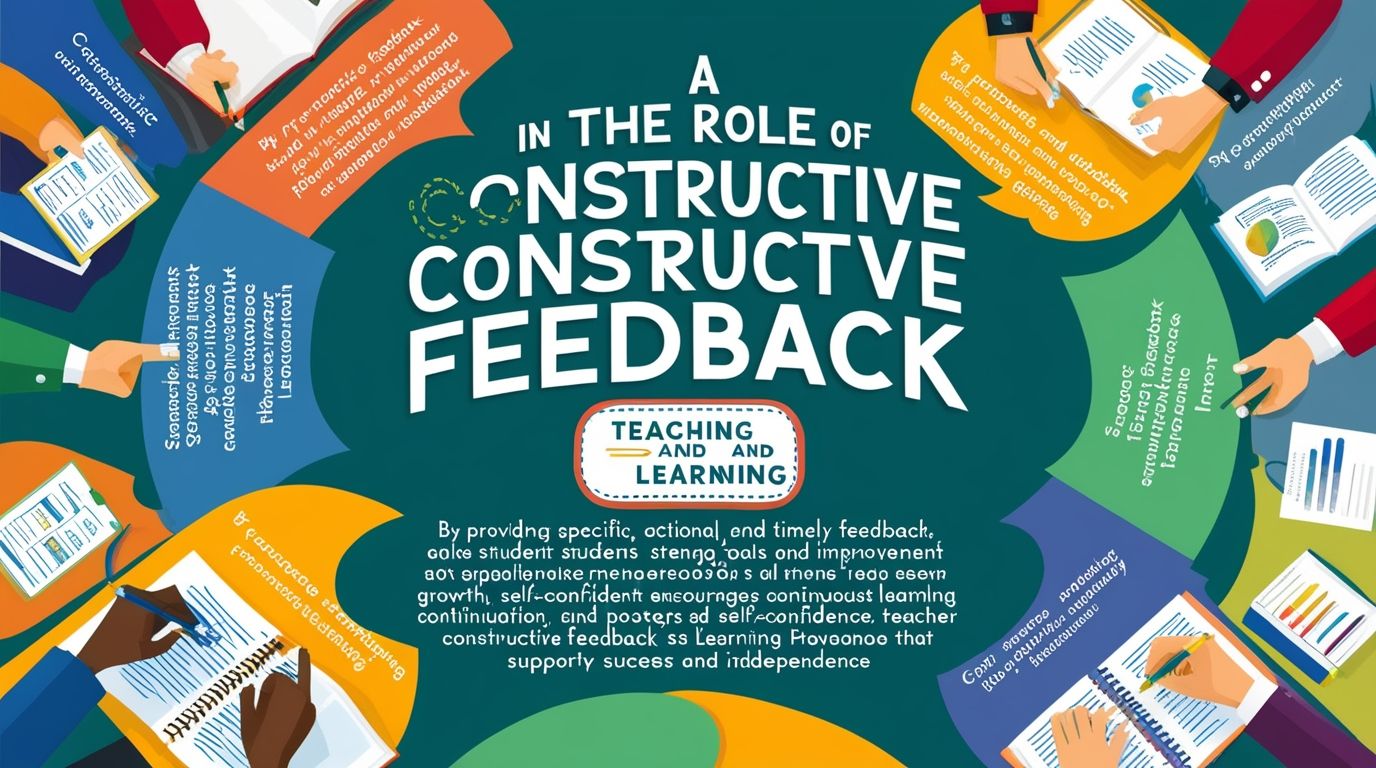
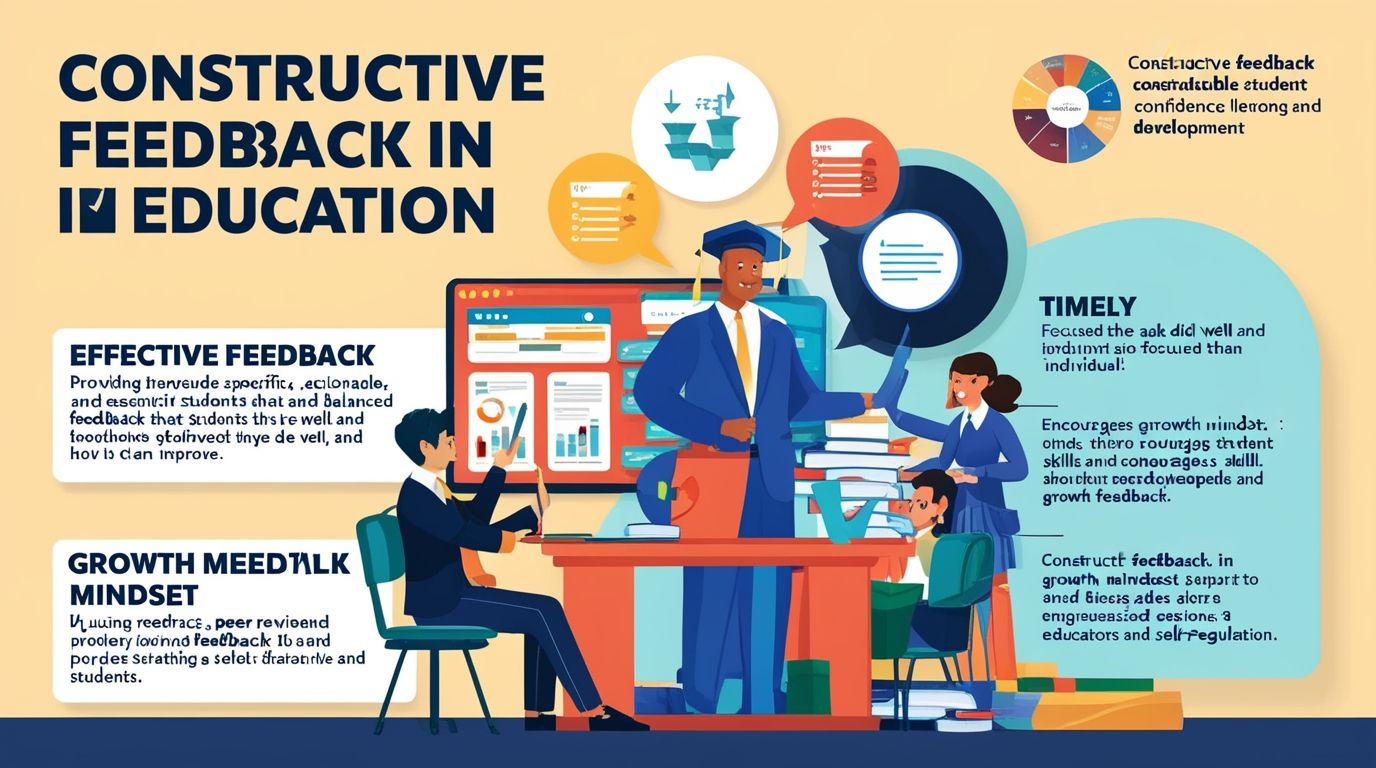
Academic guidance emphasizes the importance of feedback in the learning process. Feedback should be specific, constructive, and focused on improvement. It should help students understand their strengths and areas for development, guiding them toward better performance.
Self-assessment and peer assessment are also valuable tools. They encourage students to take responsibility for their learning and develop critical evaluation skills. By involving students in the assessment process, teachers can foster a deeper understanding of learning objectives and criteria.
Integrating Technology in Academic Guidance
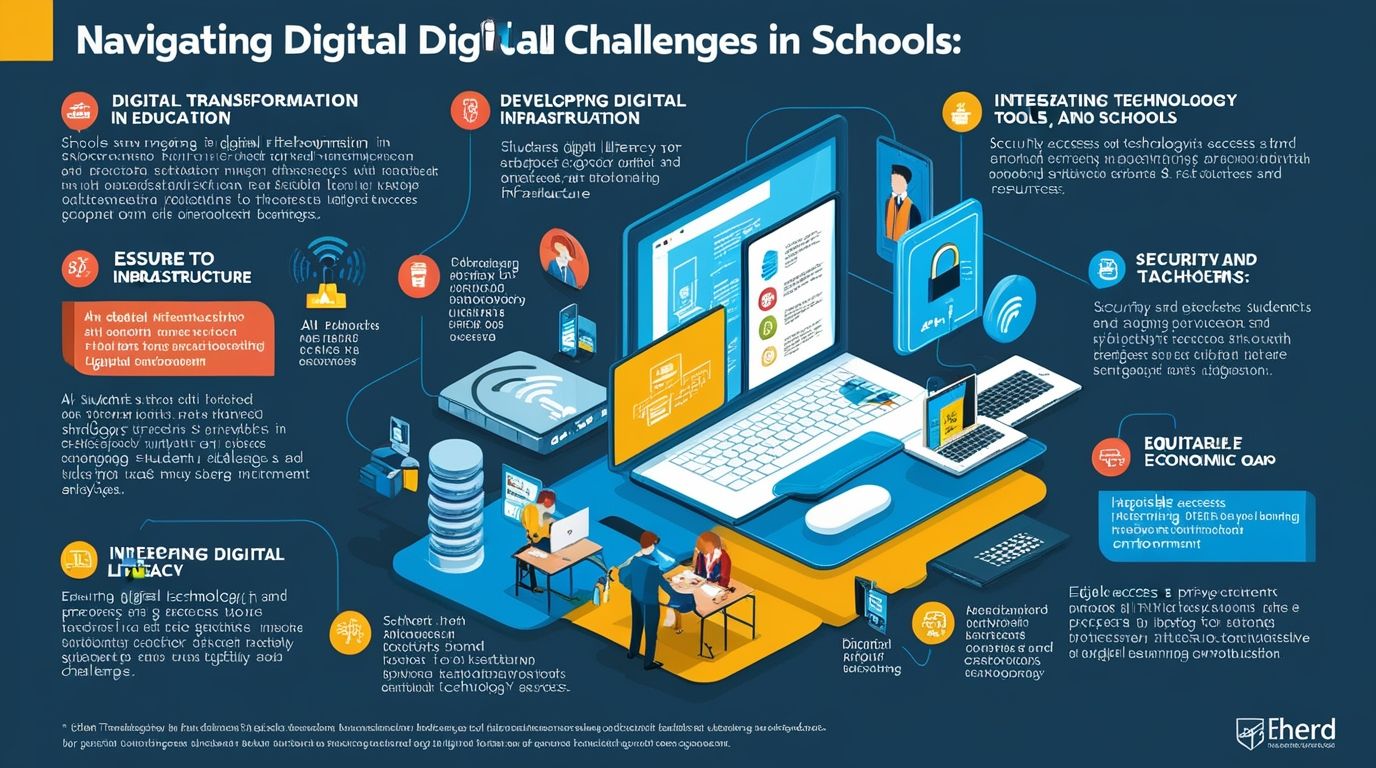
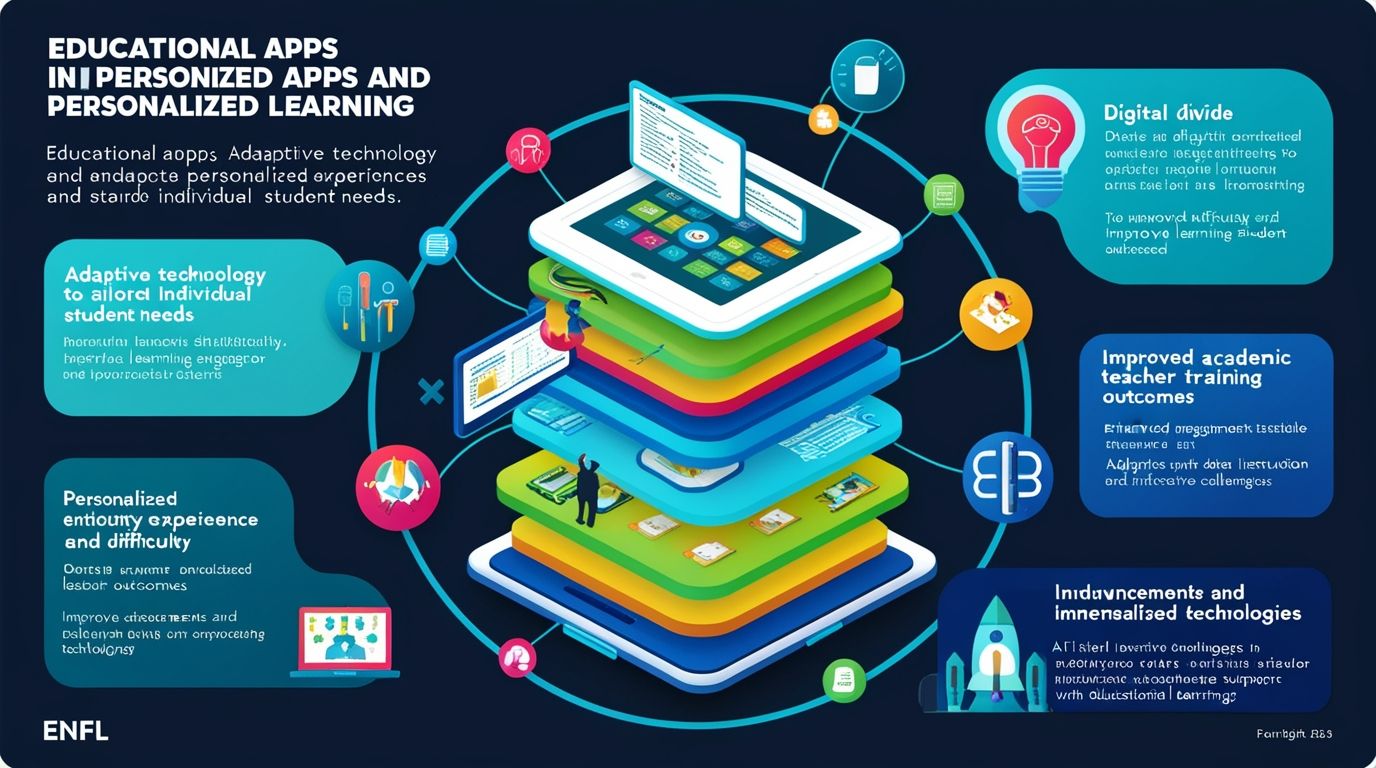
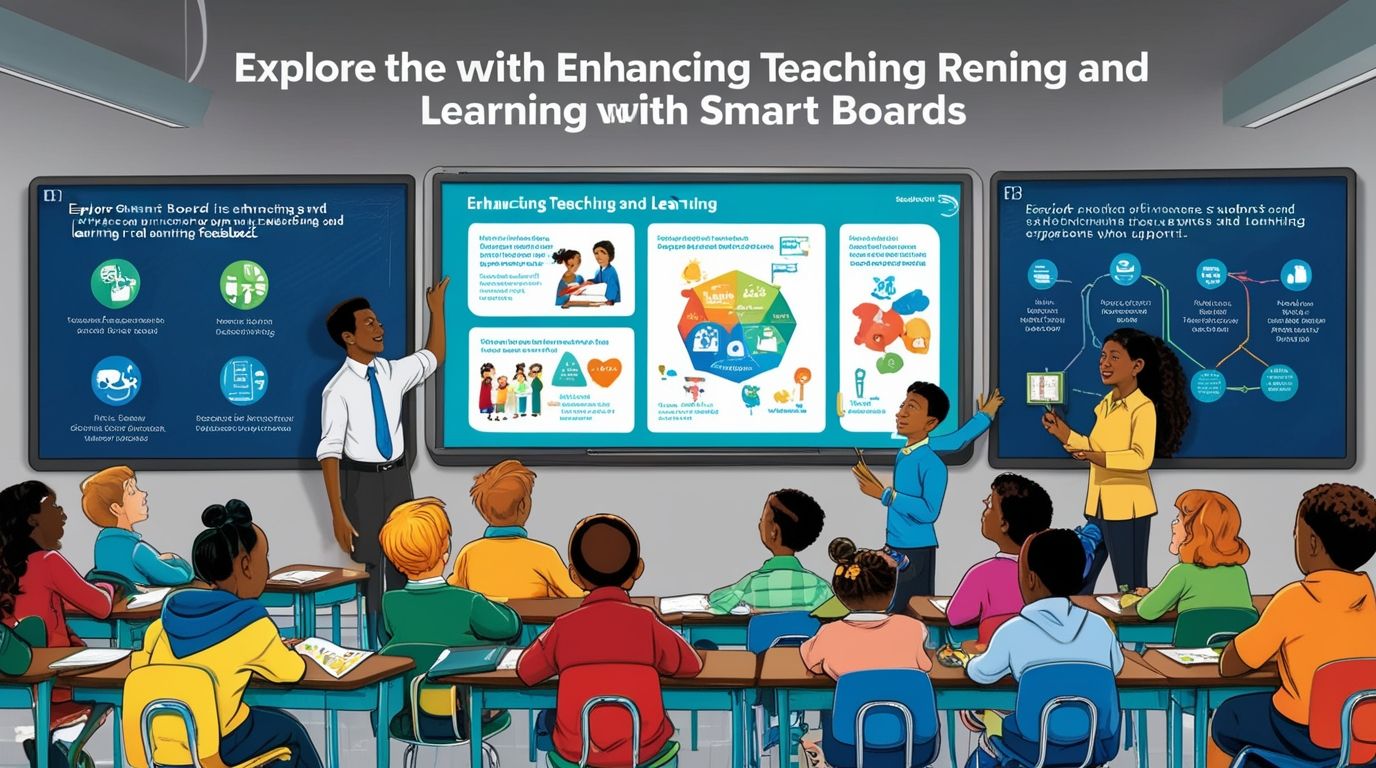
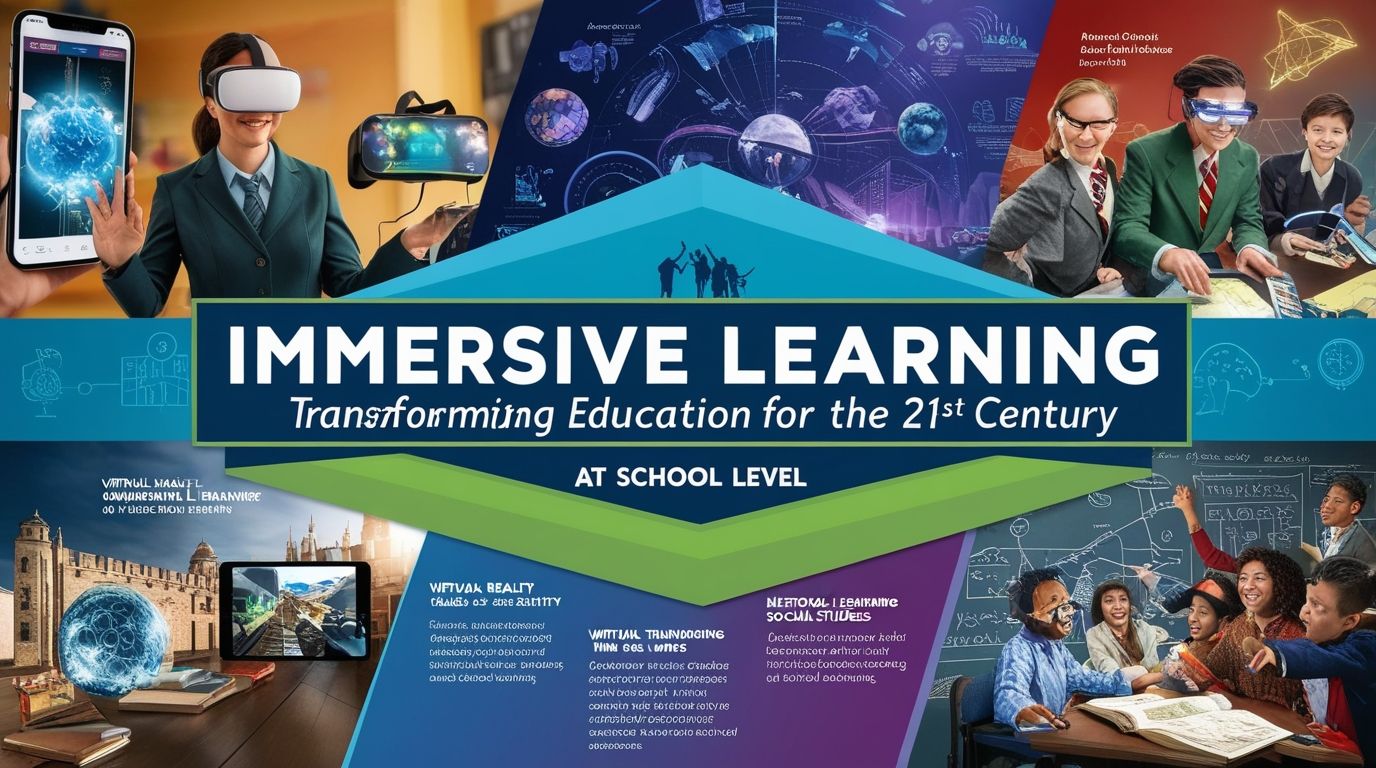
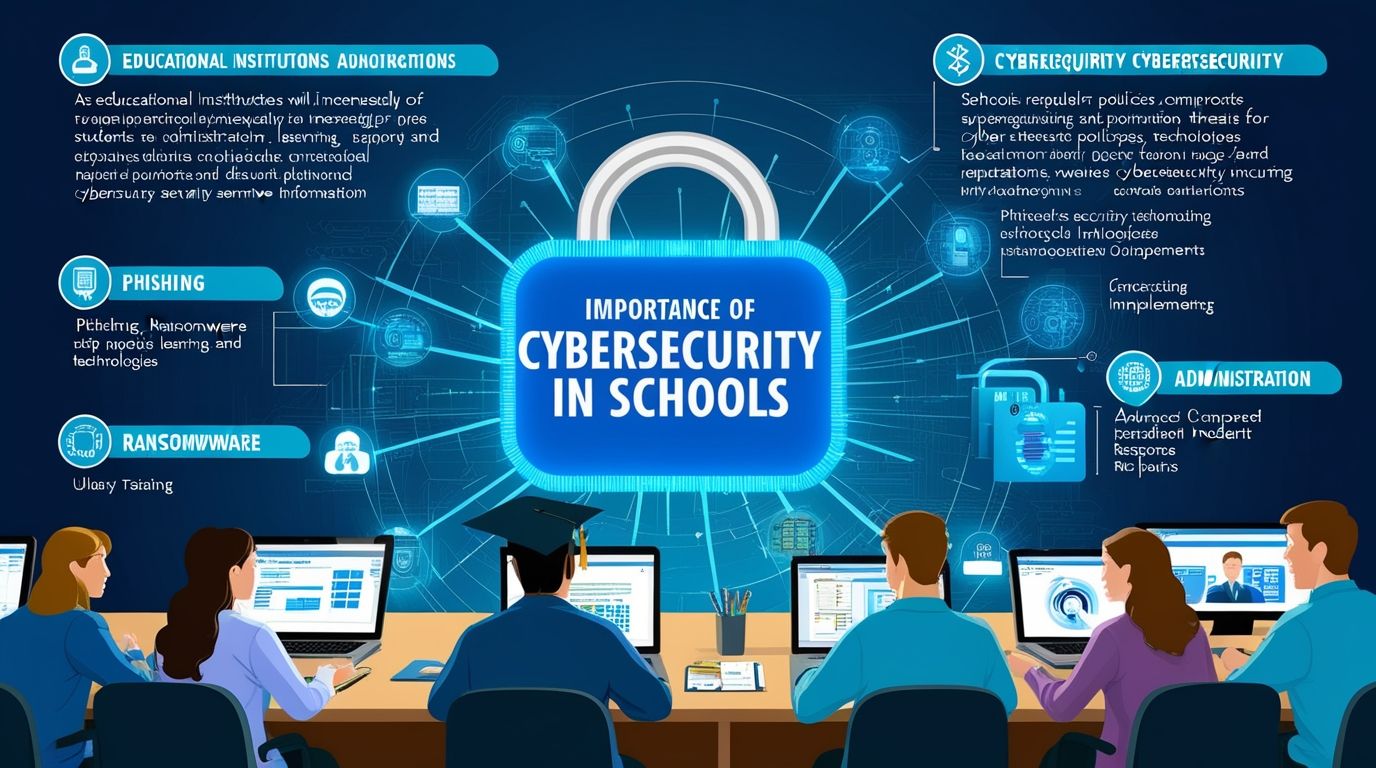
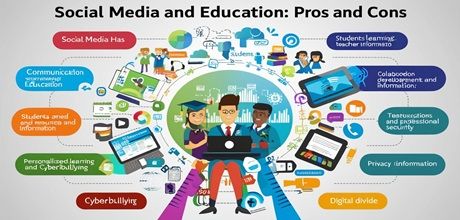
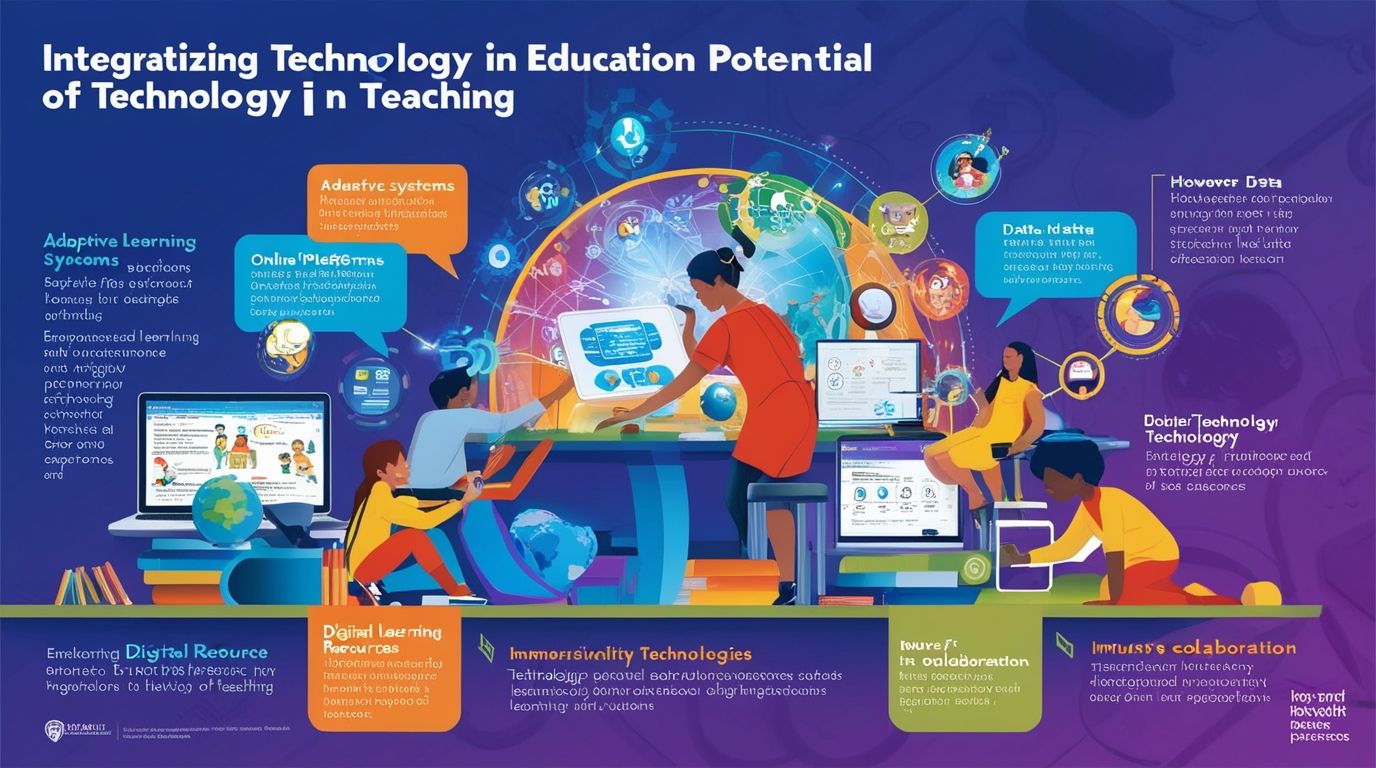
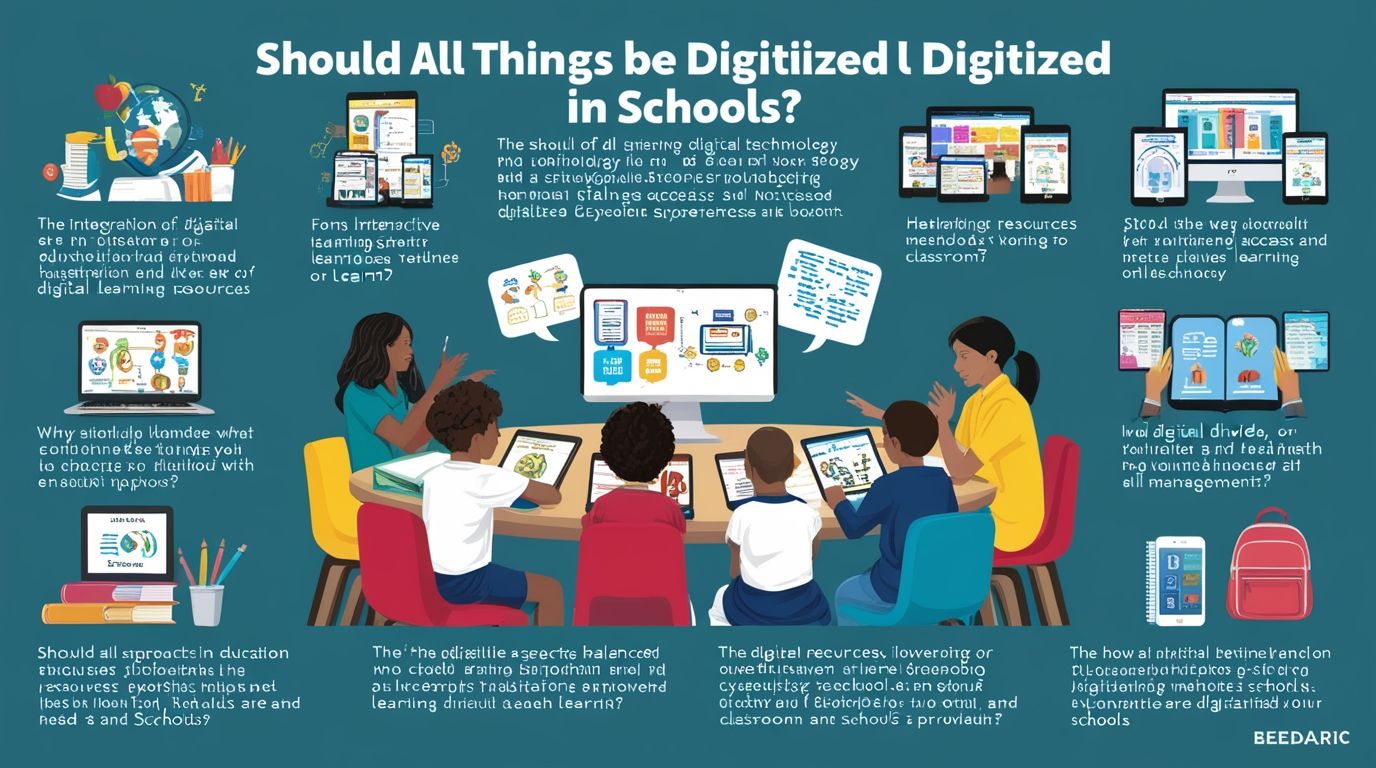
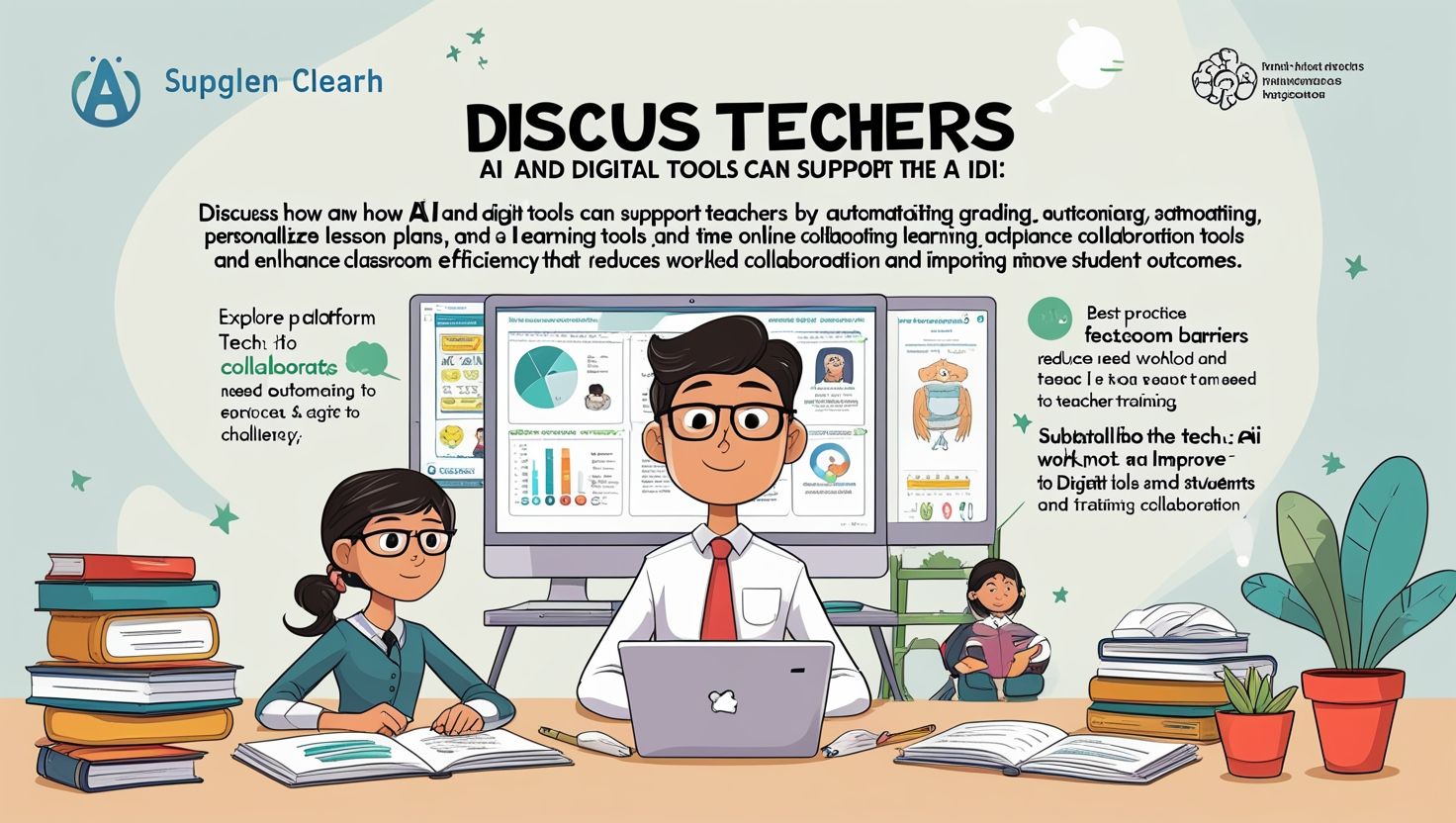
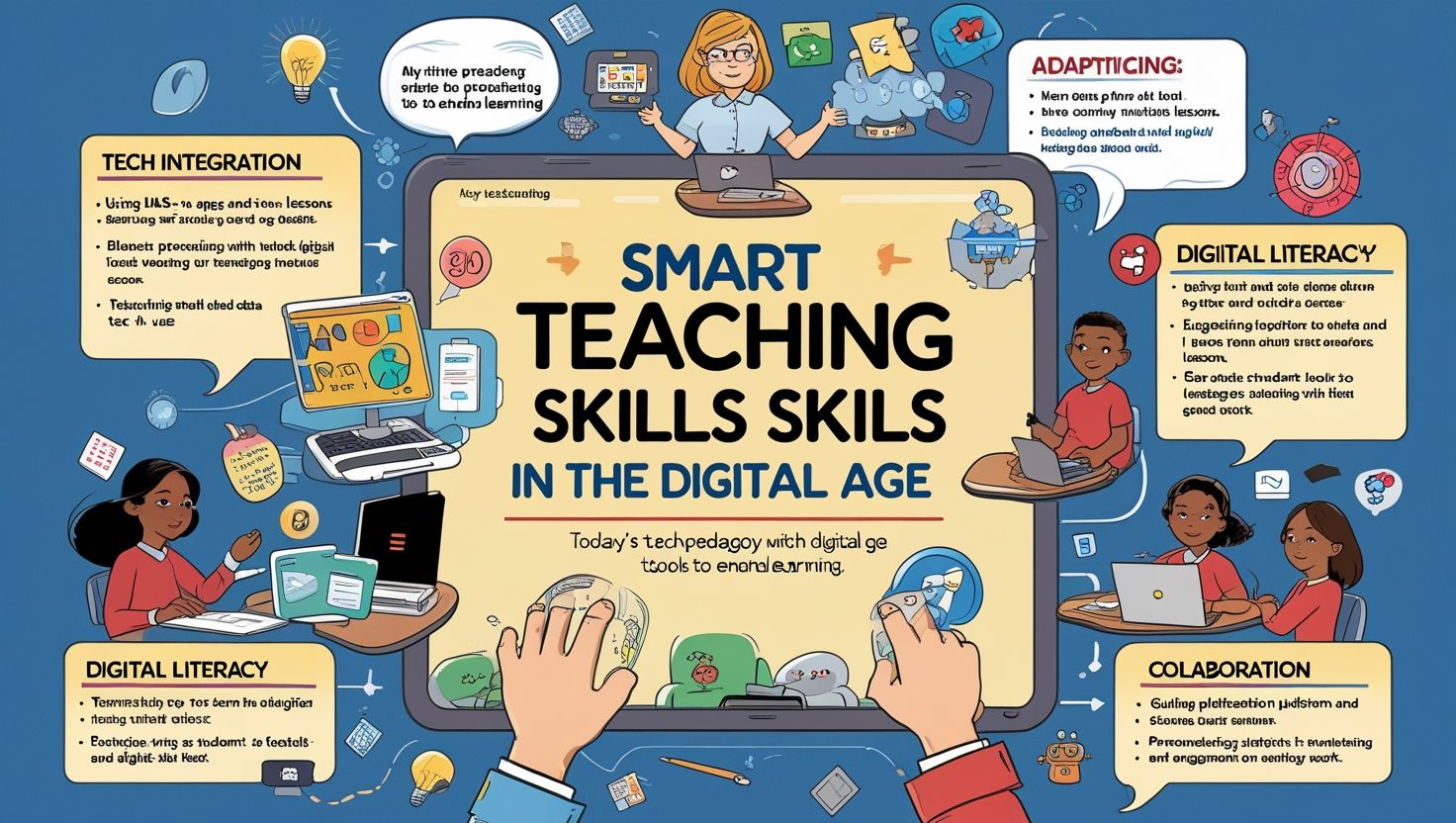
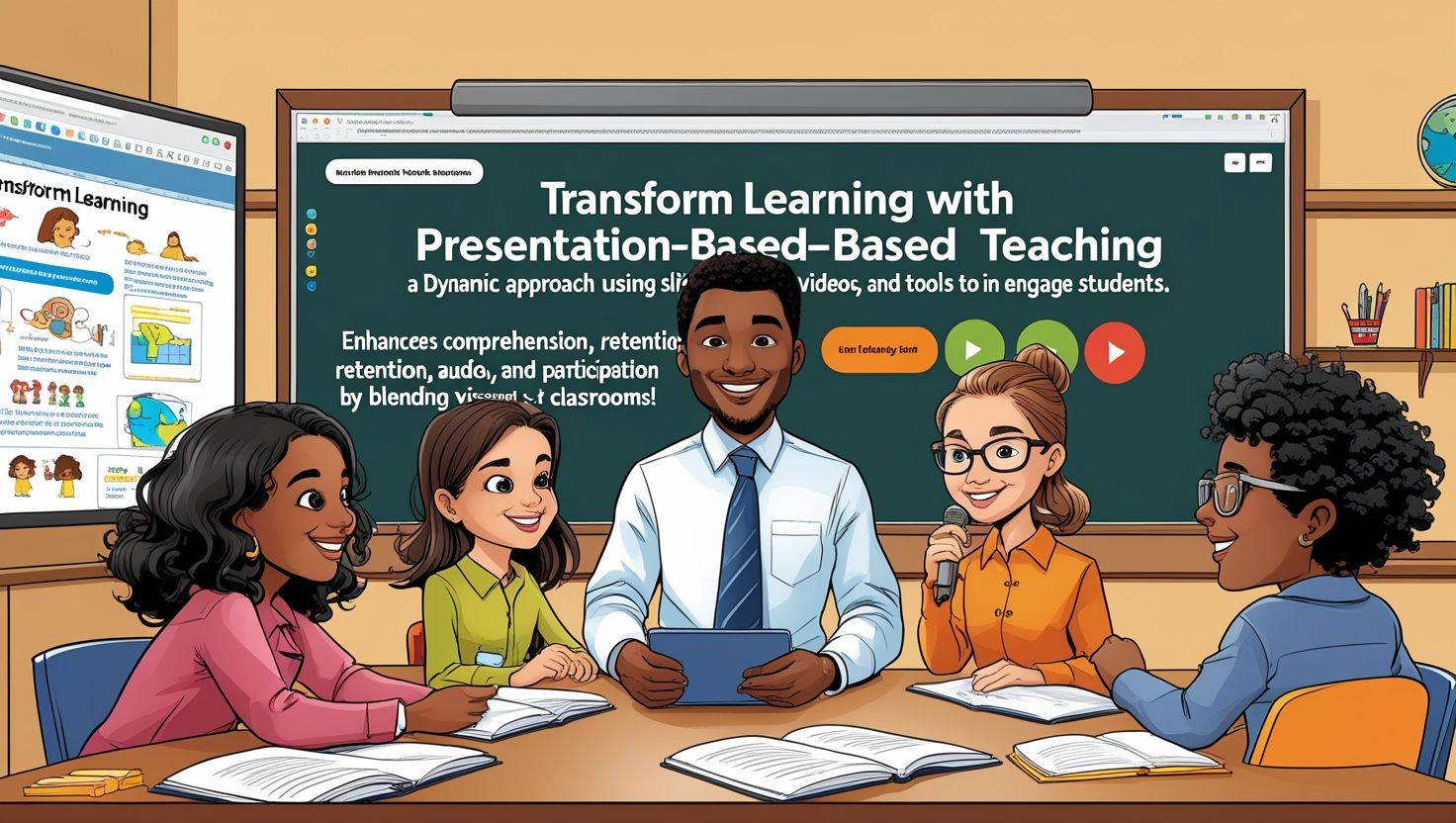
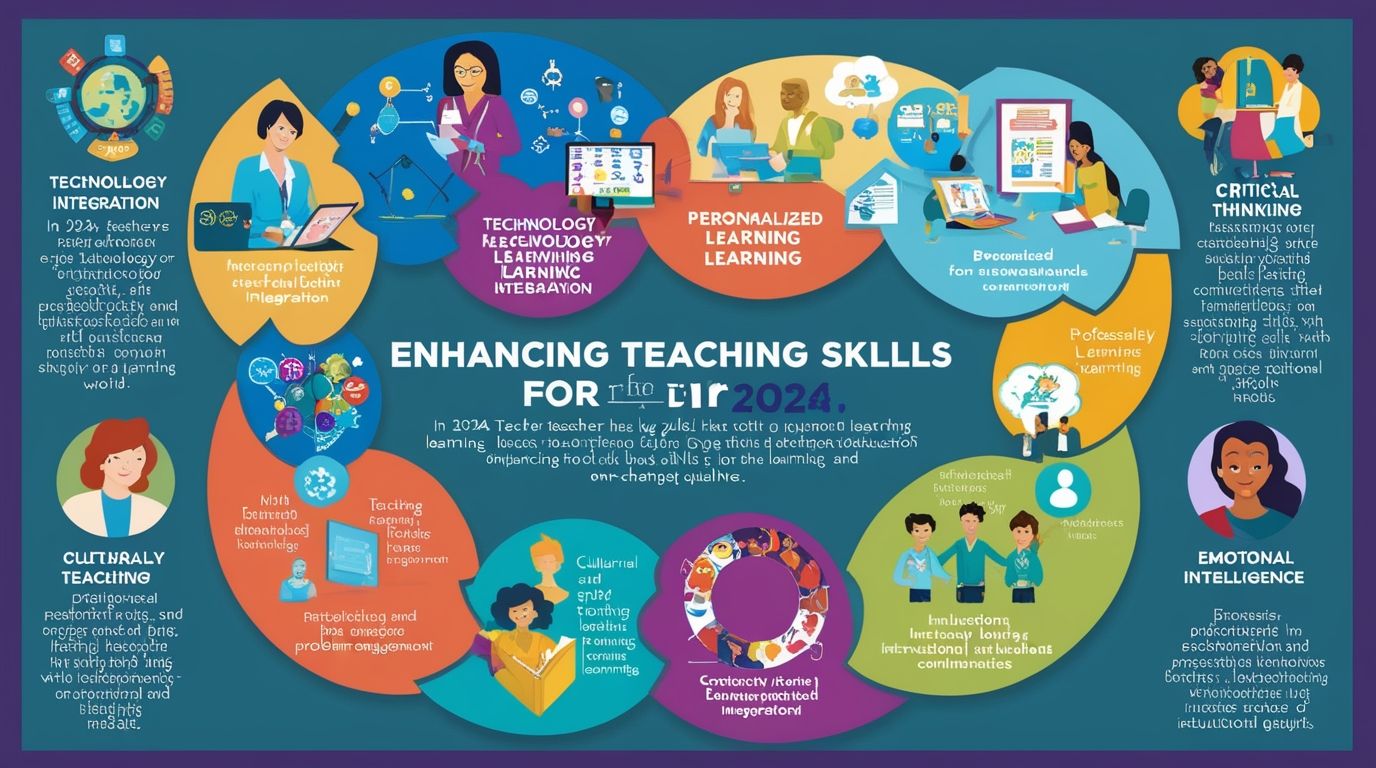
Technology has become an integral part of modern education, offering new opportunities for enhancing teaching and learning. Academic guidance supports teachers in effectively integrating digital tools into their classrooms.
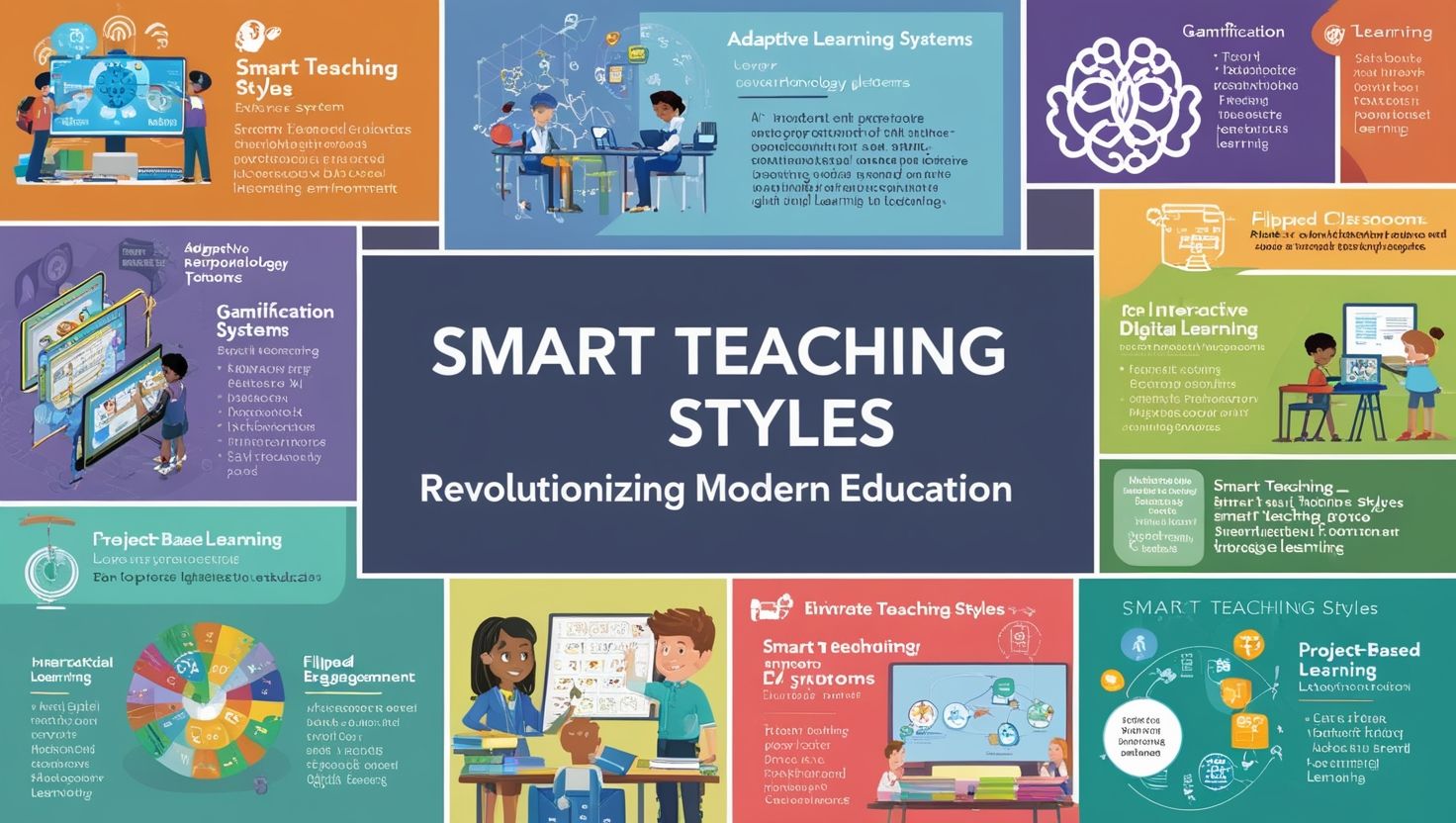
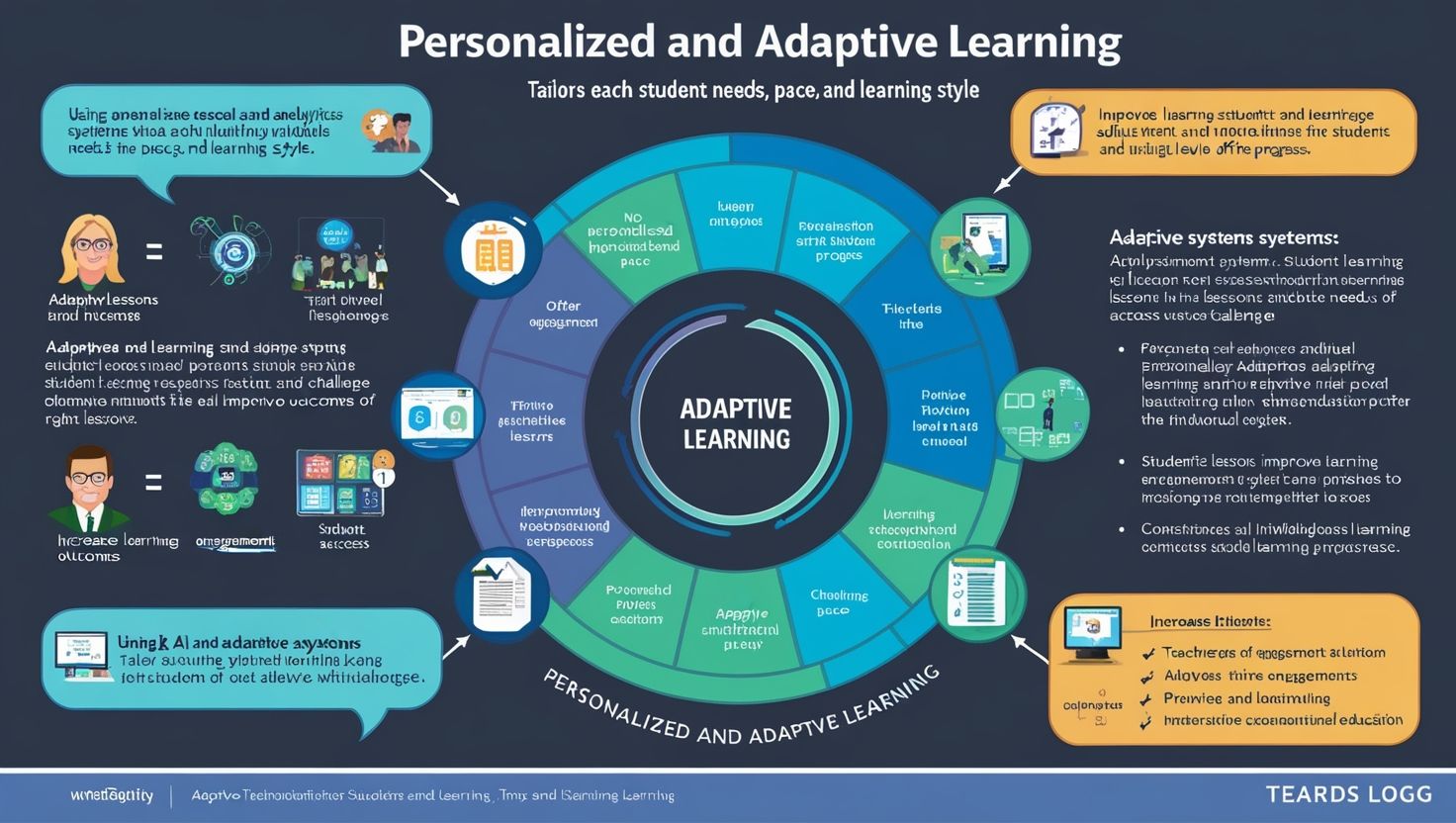
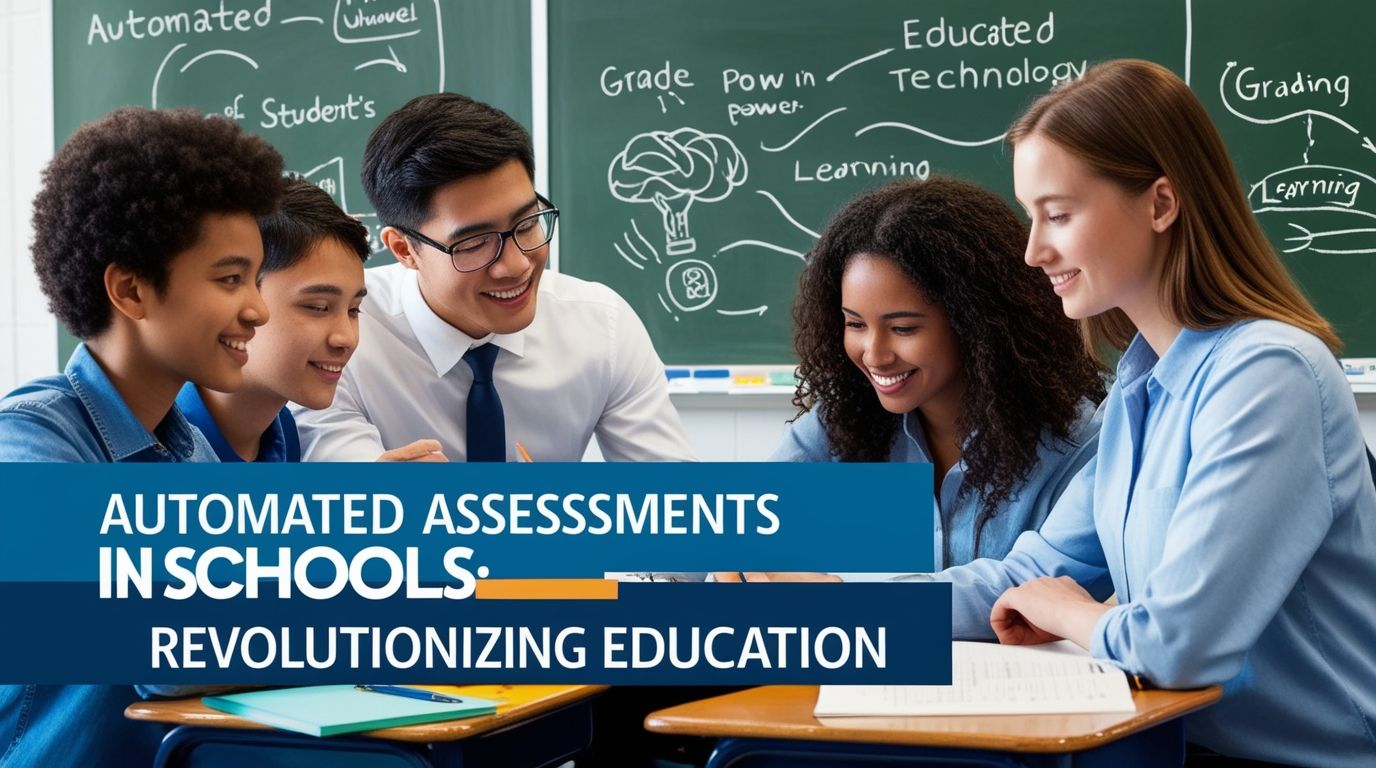
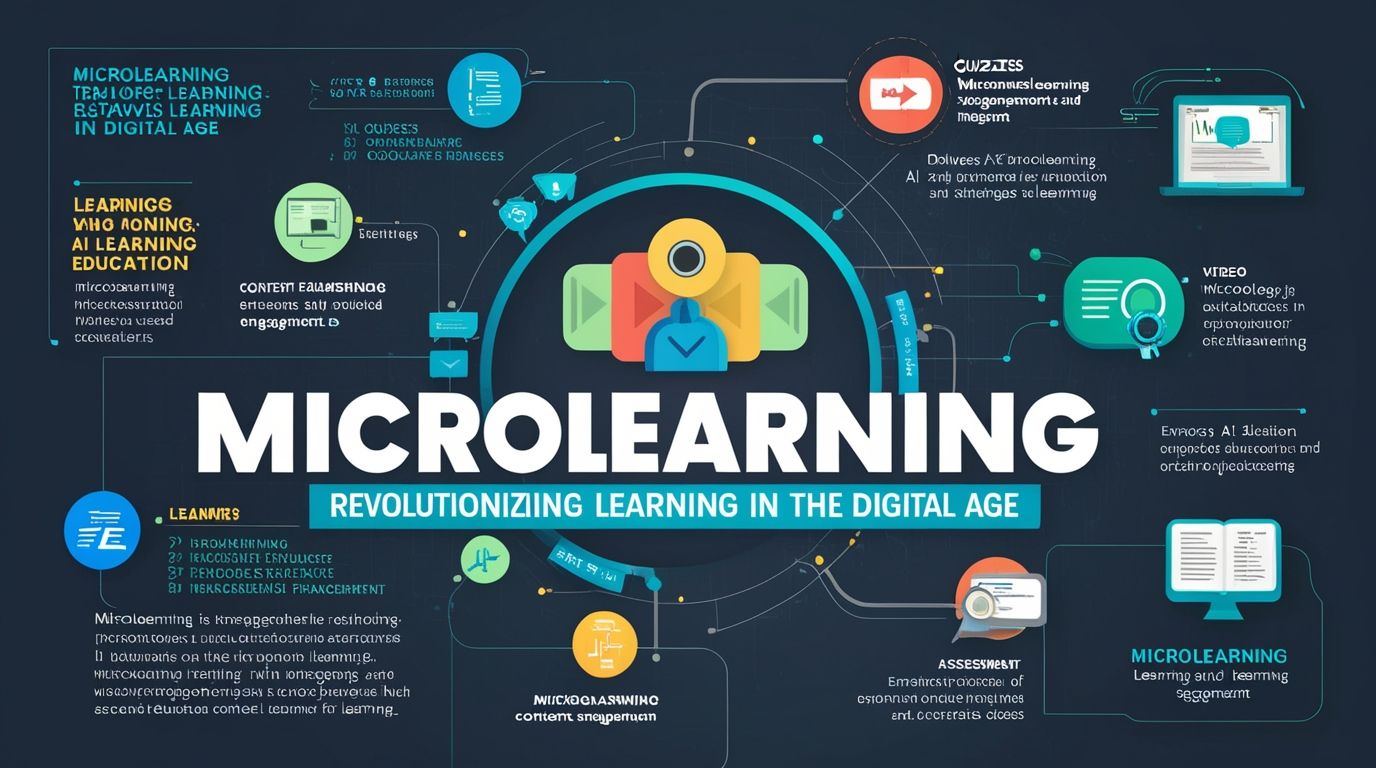
Educational technologies, such as learning management systems, interactive software, and online resources, can facilitate personalized learning and provide access to a wide range of content. Teachers can use these tools to deliver lessons, assign tasks, and track student progress.
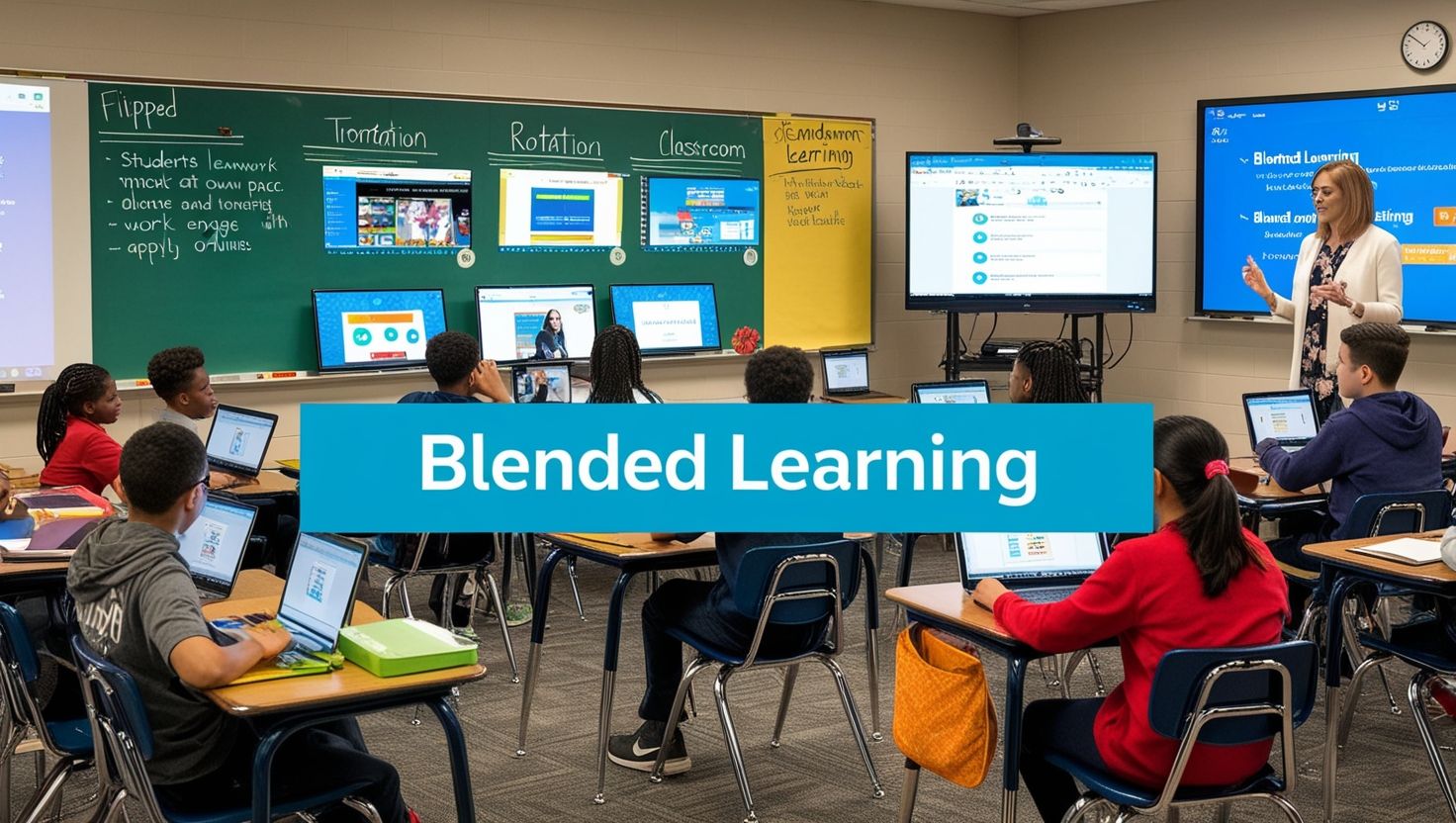
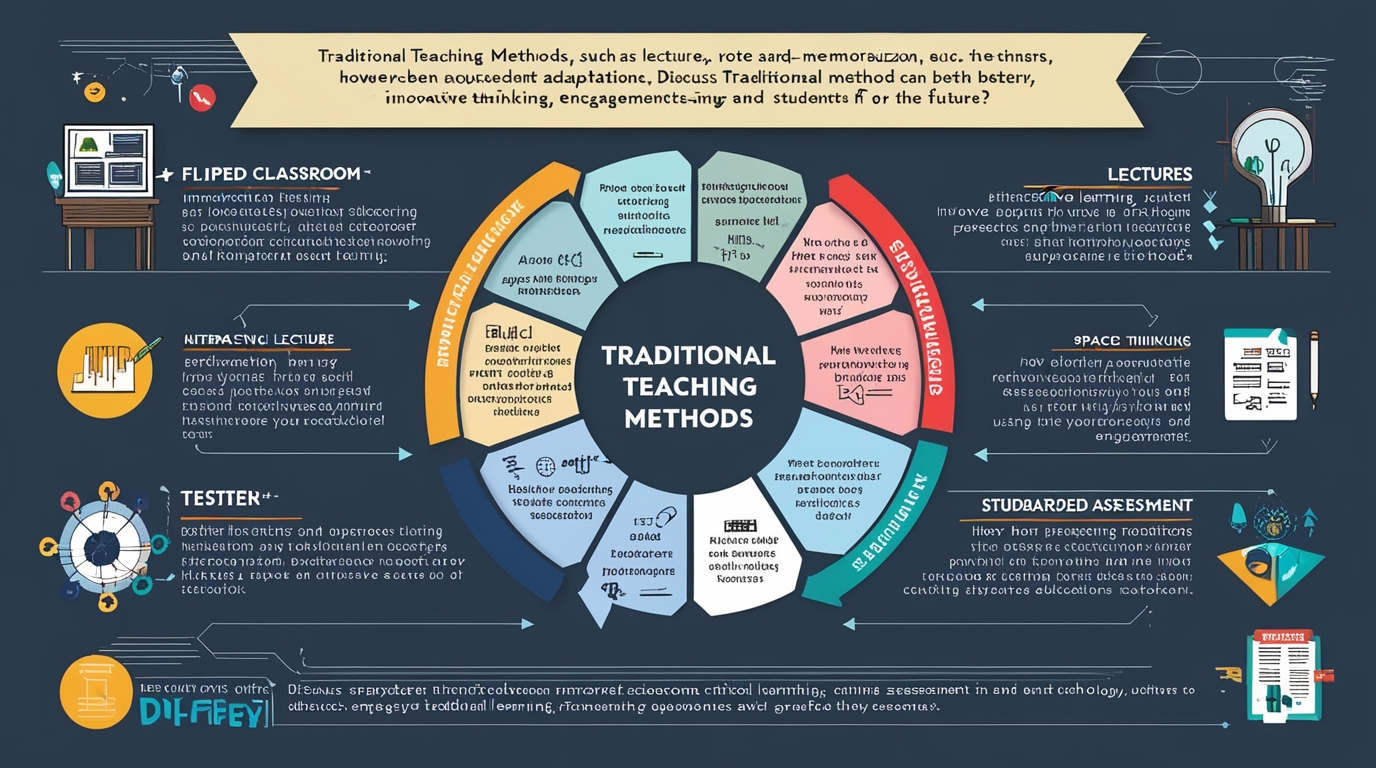
Digital tools also enable innovative teaching methods, such as flipped classrooms and blended learning. These approaches allow students to engage with content at their own pace and use classroom time for interactive activities and discussions.
However, effective integration of technology requires careful planning and consideration. Teachers must ensure that technology enhances learning rather than distracts from it. Academic guidance provides strategies for selecting appropriate tools and aligning them with instructional goals.
Addressing Diverse Learners
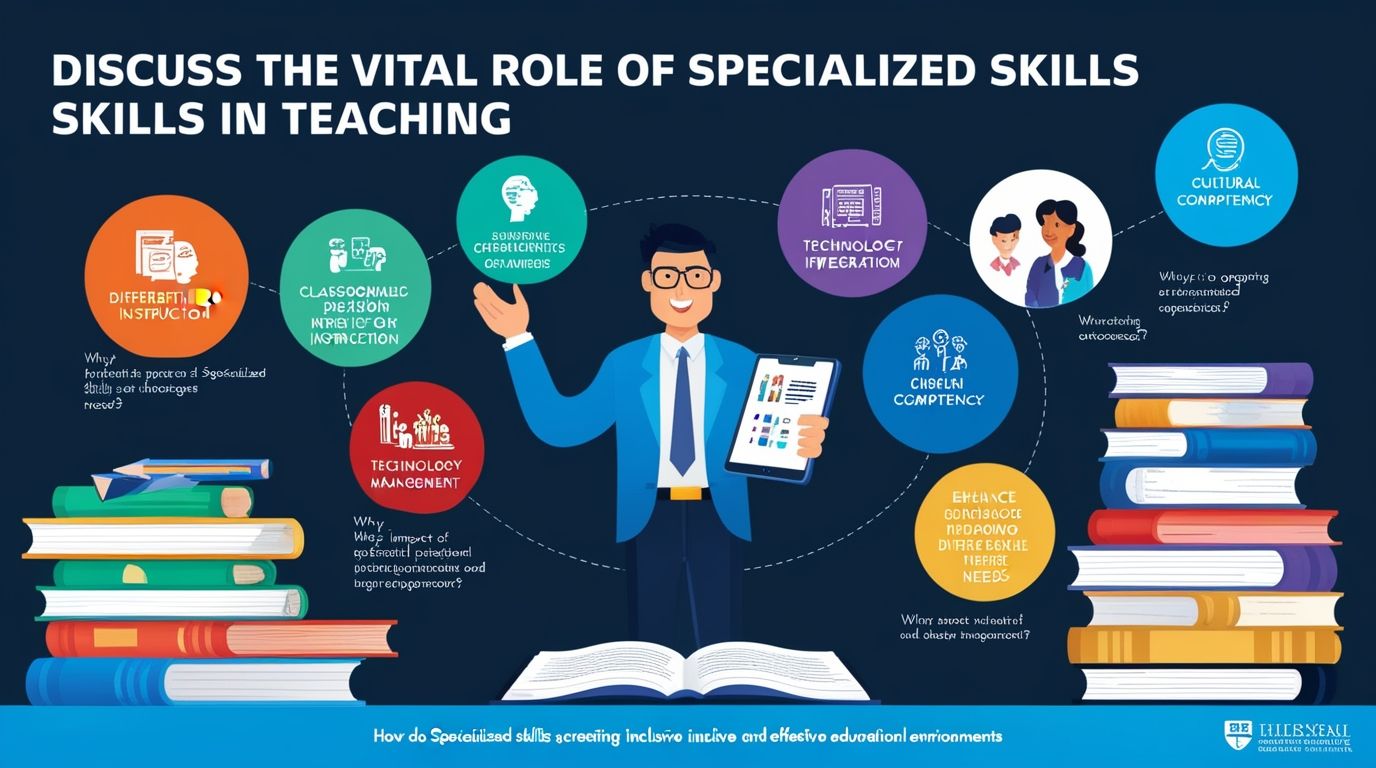
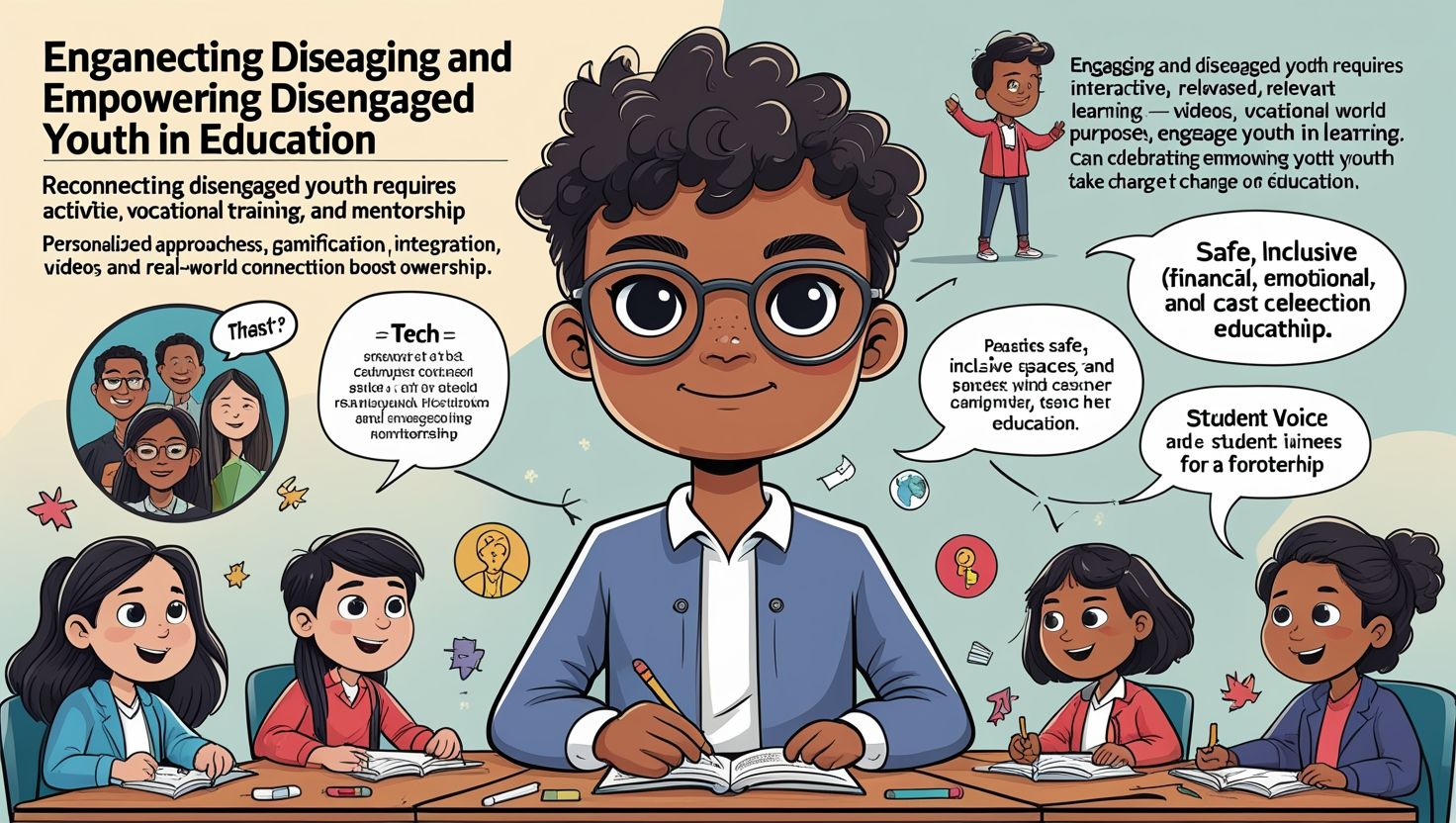
Diversity is a defining characteristic of modern classrooms, encompassing differences in ability, language, culture, and socio-economic background. Academic guidance equips teachers with strategies to address this diversity effectively.
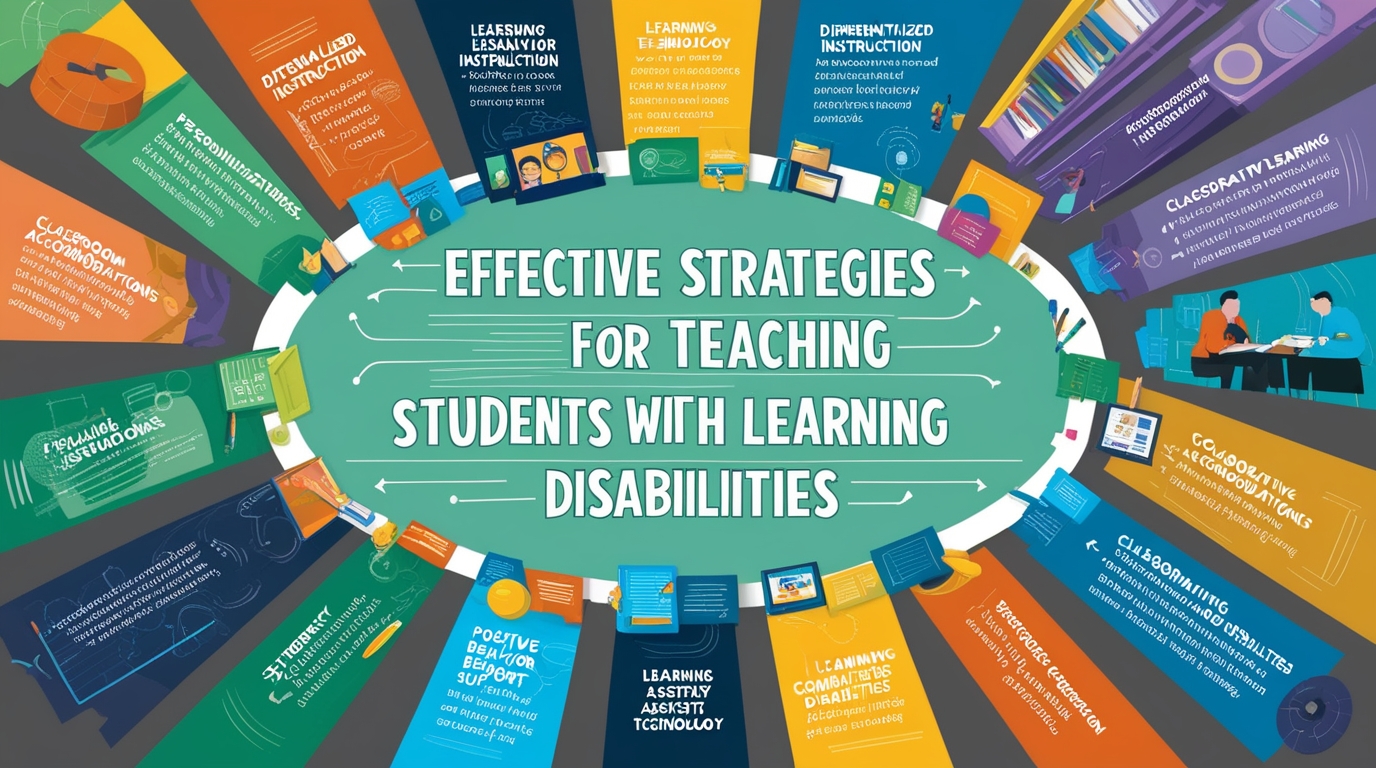
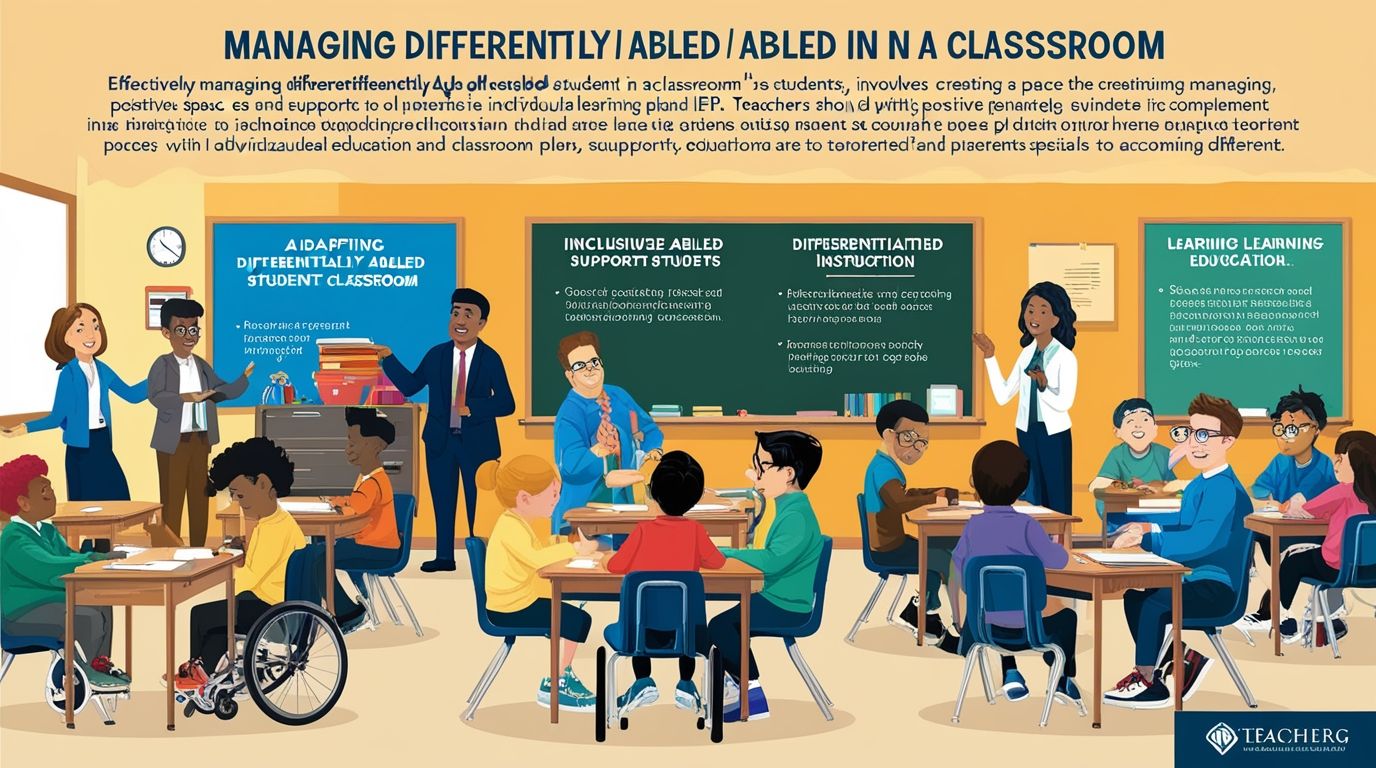
Differentiated instruction is a key approach, allowing teachers to tailor their teaching to meet individual needs. This may involve varying the complexity of tasks, providing additional support, or offering enrichment opportunities for advanced learners.
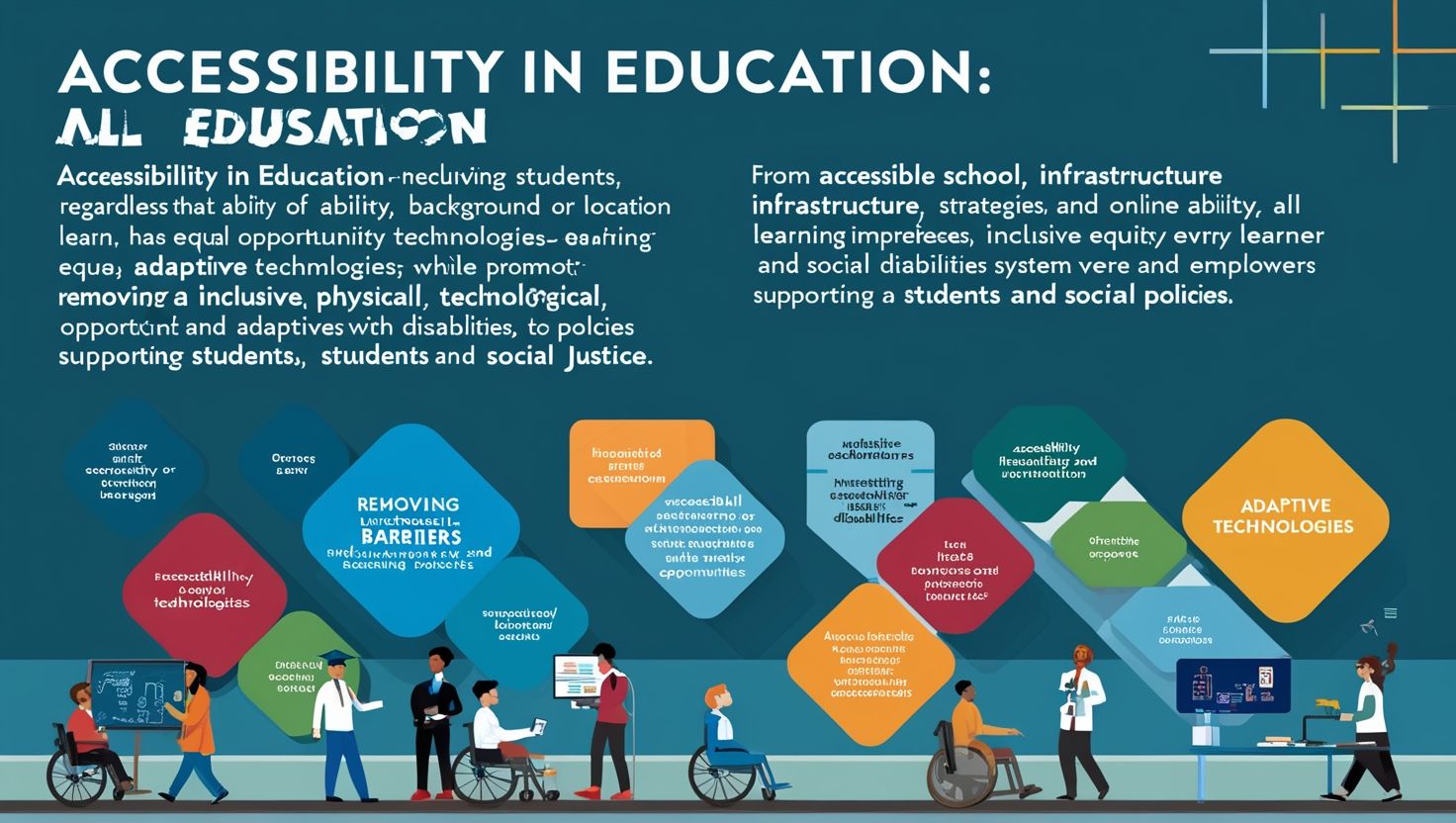
Inclusive education is another important aspect. Teachers must ensure that all students, including those with needs, have access to quality education. Academic guidance provides frameworks for adapting instruction and creating inclusive learning environments.
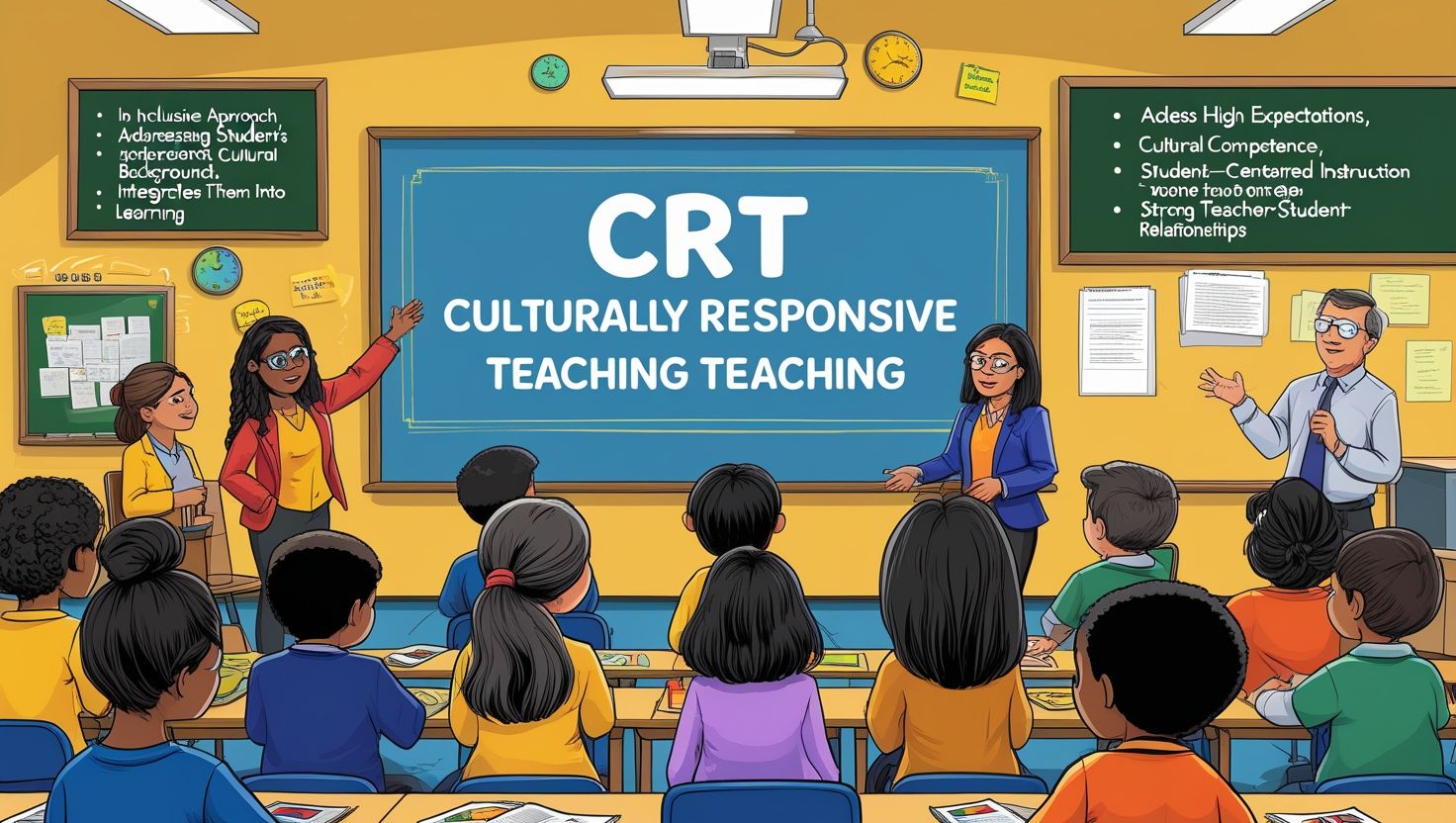
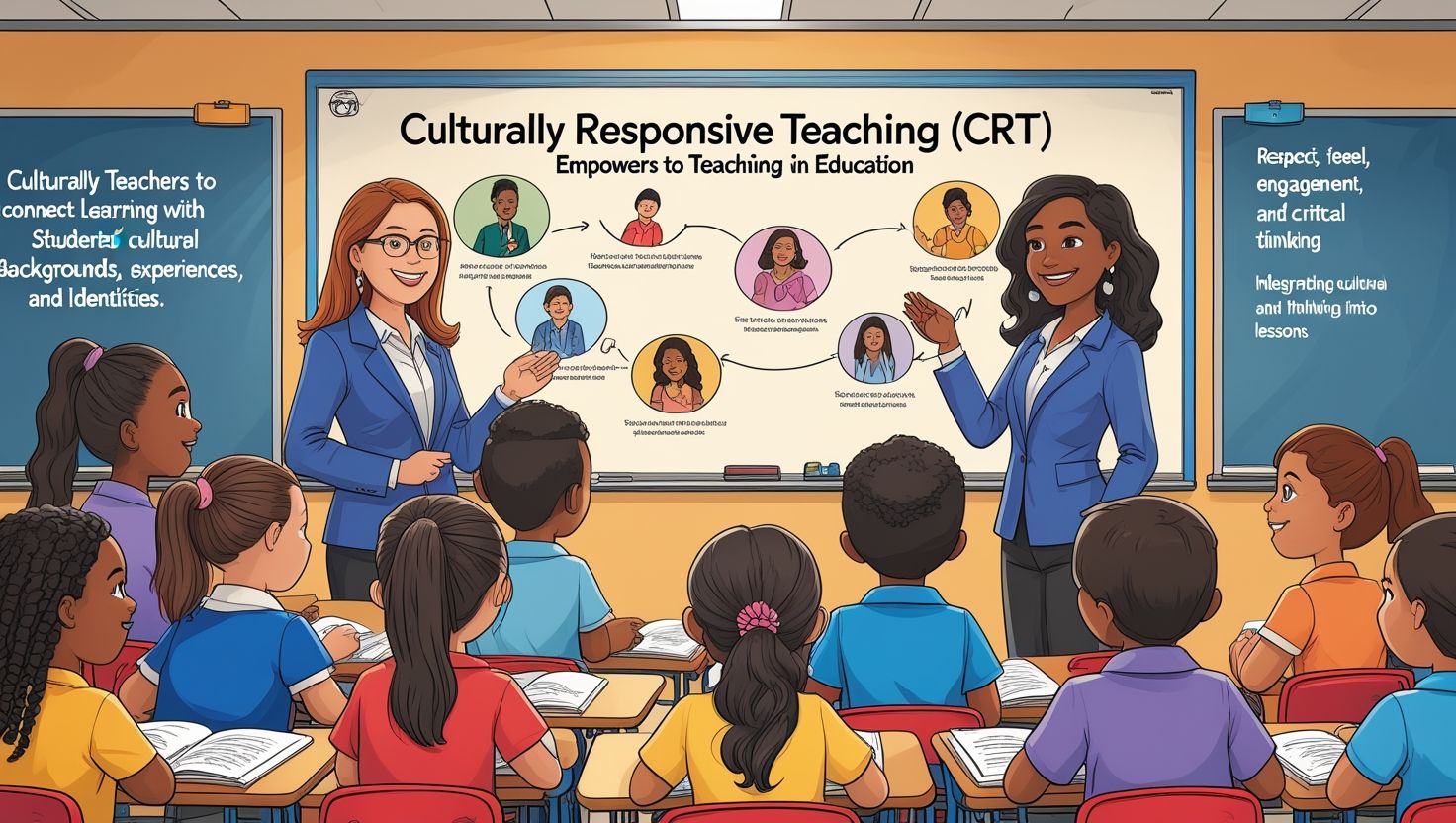
Cultural responsiveness is also essential. Teachers should recognize and value the cultural backgrounds of their students, incorporating diverse perspectives into the curriculum. This not only enhances learning but also promotes mutual respect and understanding.
Professional Development and Continuous Learning
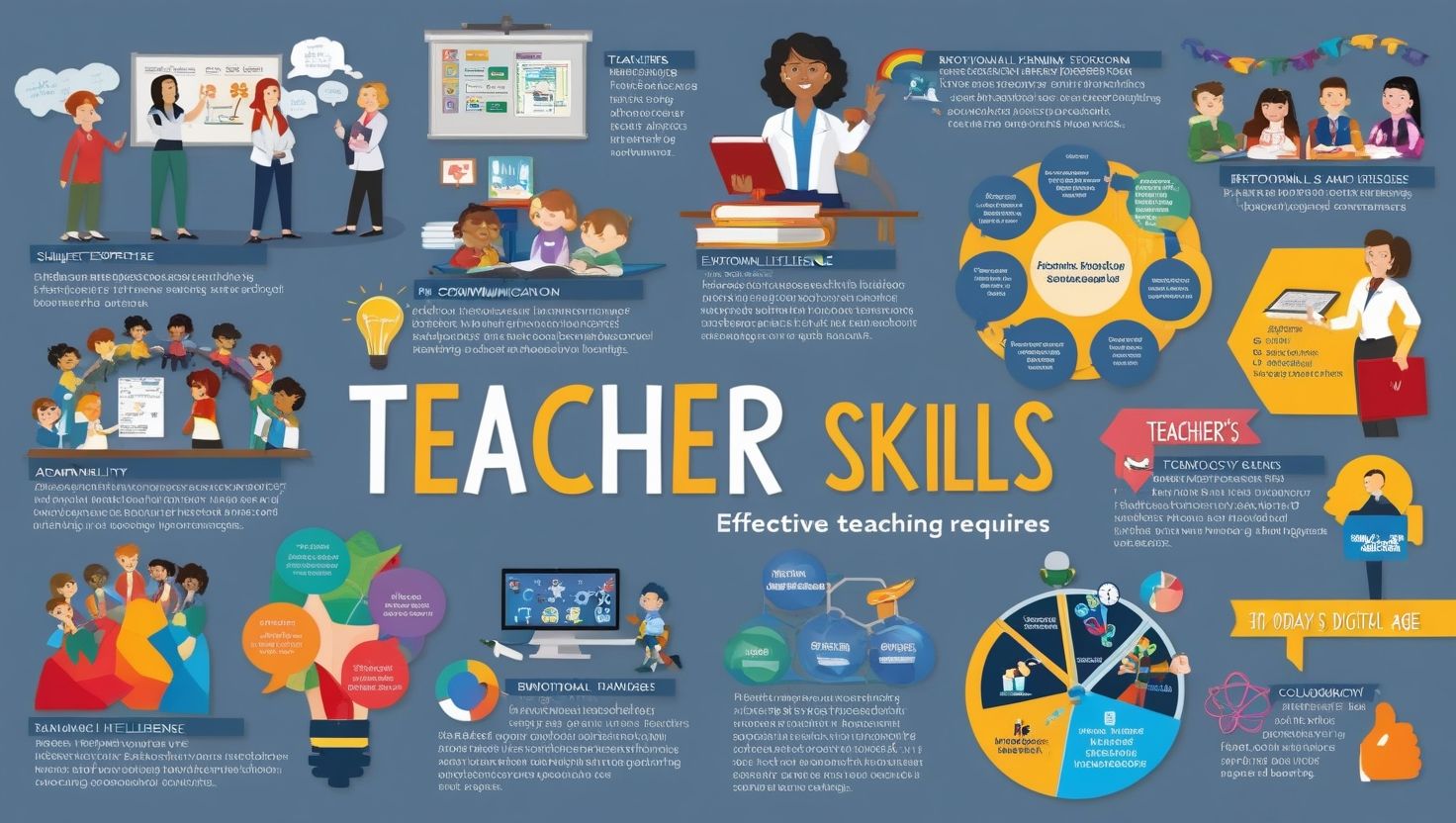
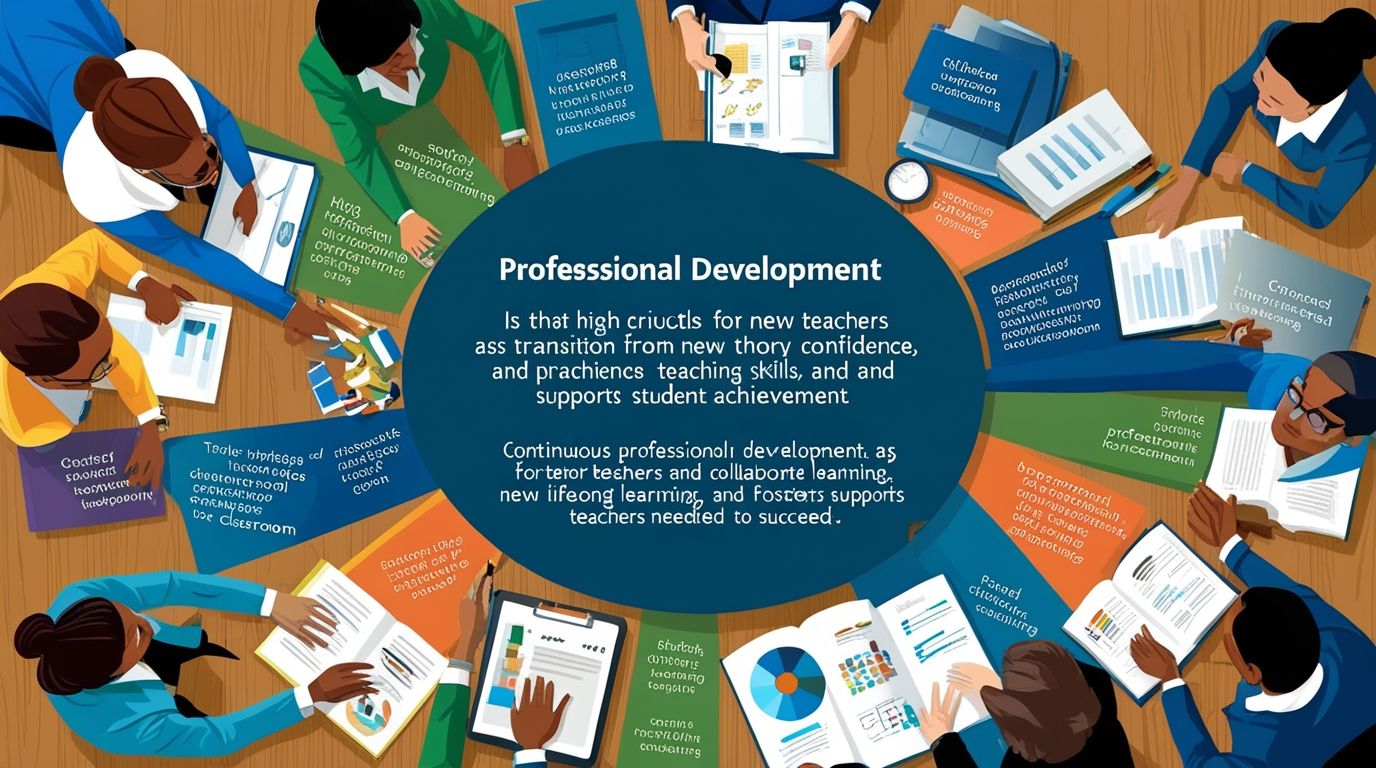
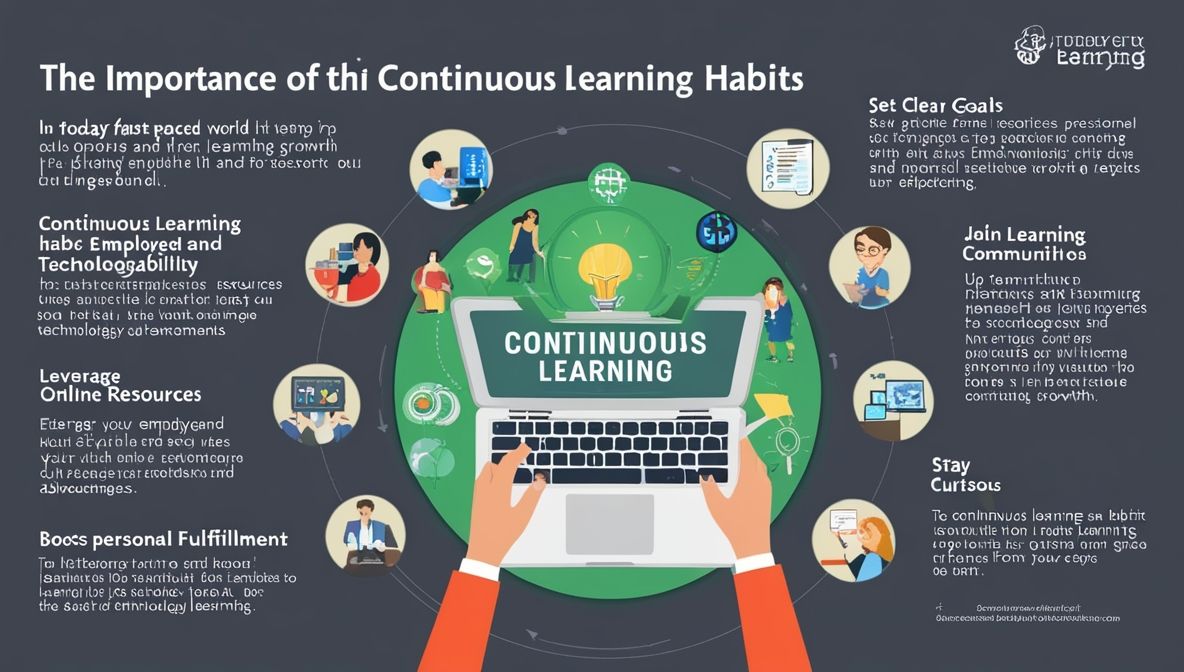
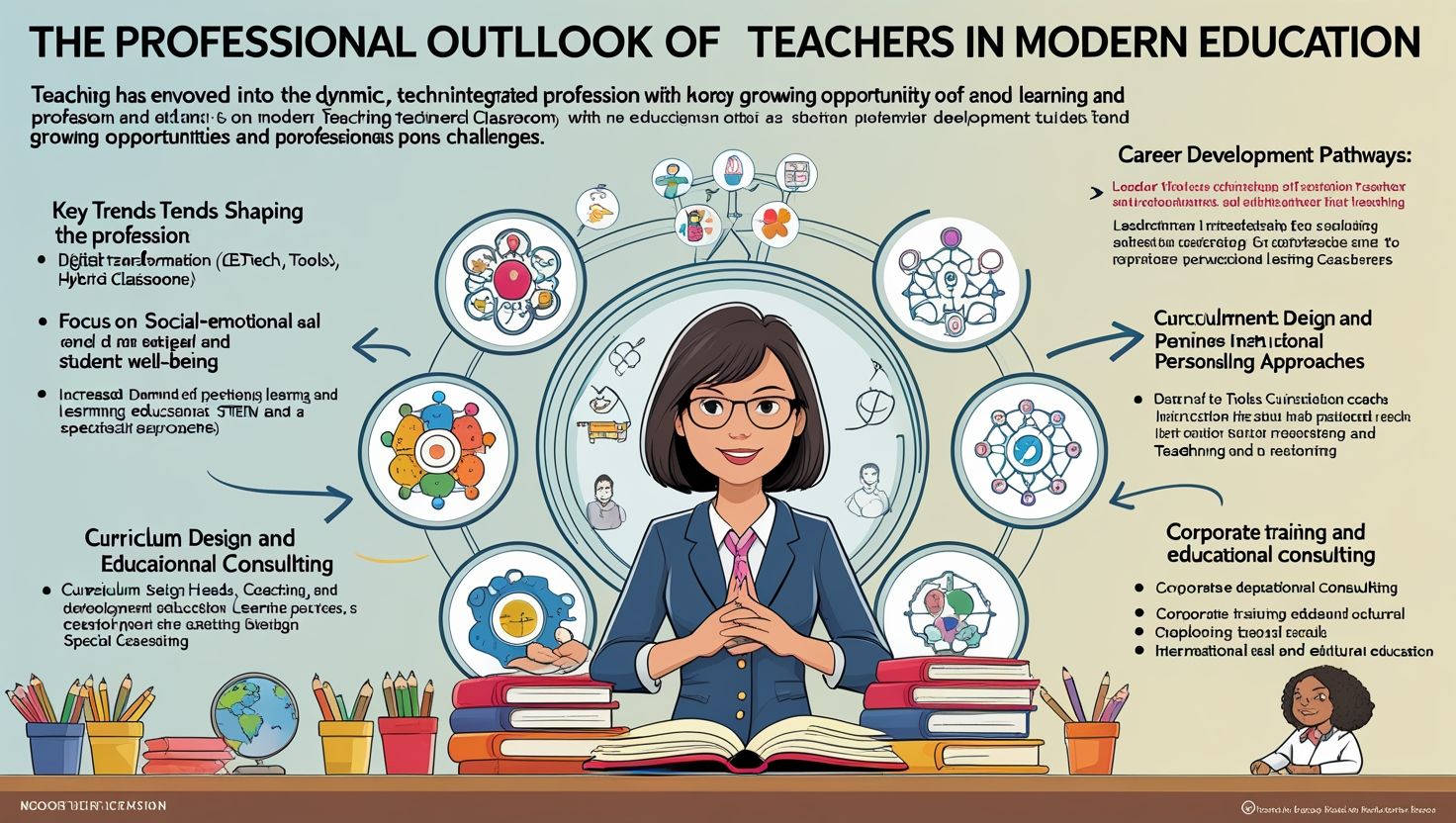
Academic guidance is not limited to classroom practices; it also encompasses the professional growth of teachers. Continuous learning is essential for maintaining and improving teaching effectiveness.
Professional development programs provide opportunities for teachers to acquire new knowledge, develop skills, and stay updated with educational trends. These programs may include workshops, seminars, online courses, and collaborative learning communities.
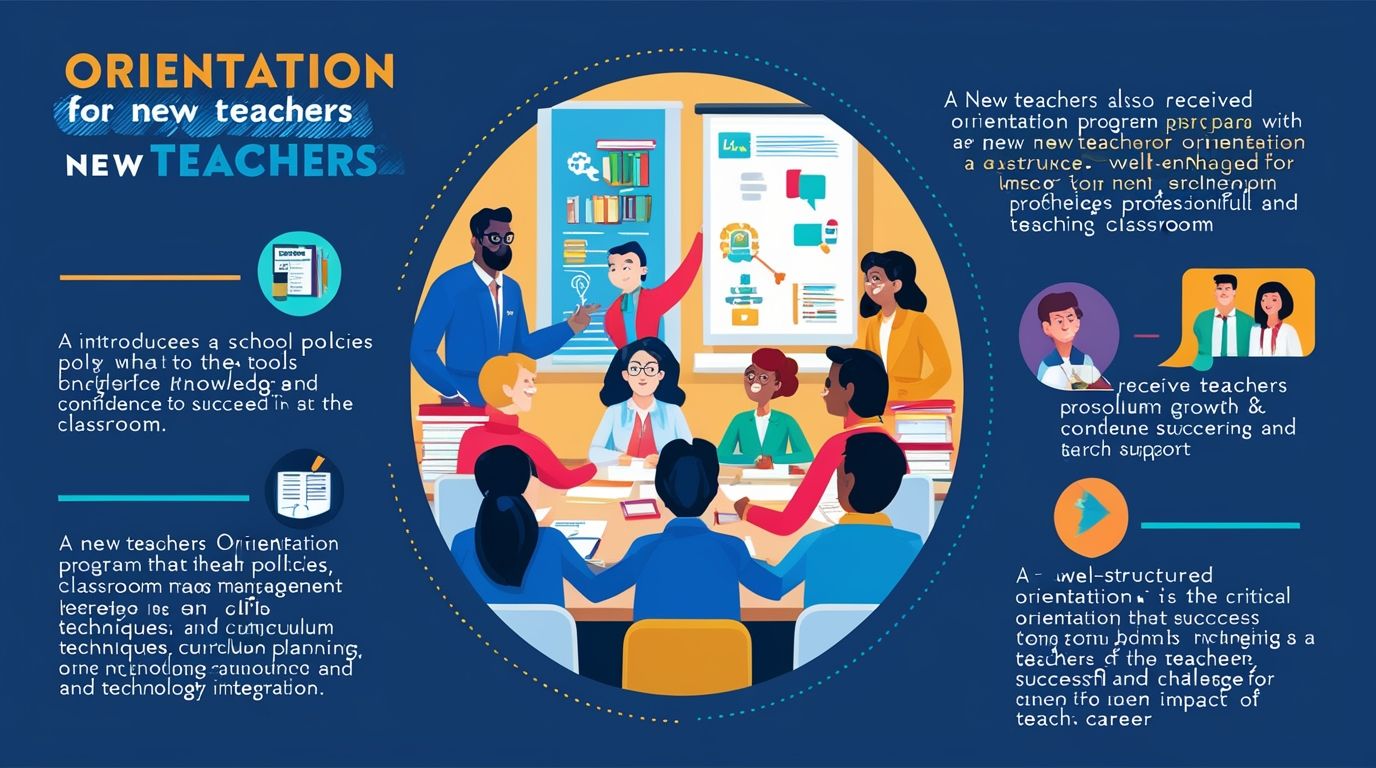
Mentoring and peer collaboration are also valuable forms of academic guidance. Experienced teachers can support novice educators, sharing insights and best practices. Collaborative planning and reflection enable teachers to learn from each other and improve collectively.
Reflective practice remains a cornerstone of professional development. Teachers should नियमितly evaluate their teaching, seek feedback, and set goals for improvement. This ongoing process ensures that teaching remains dynamic and responsive.
Challenges in Implementing Academic Guidance
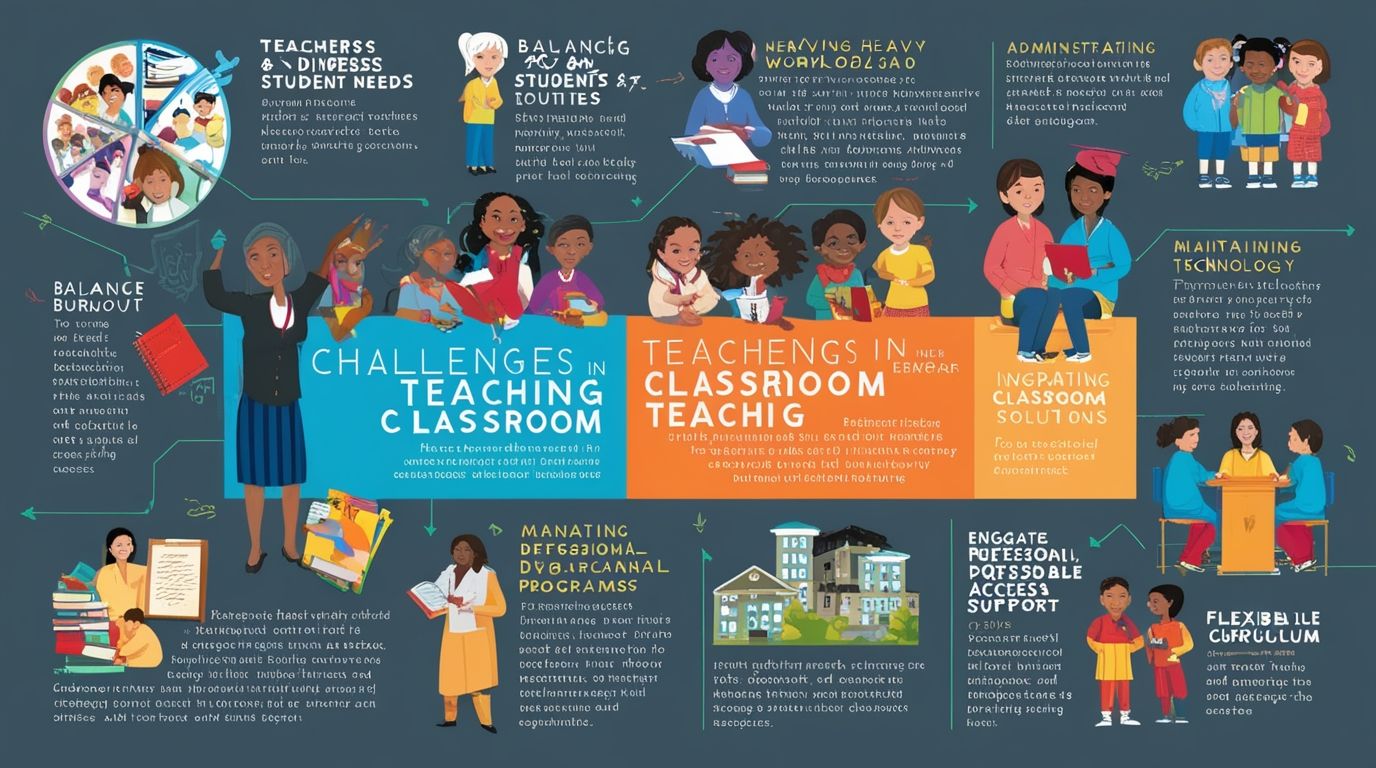
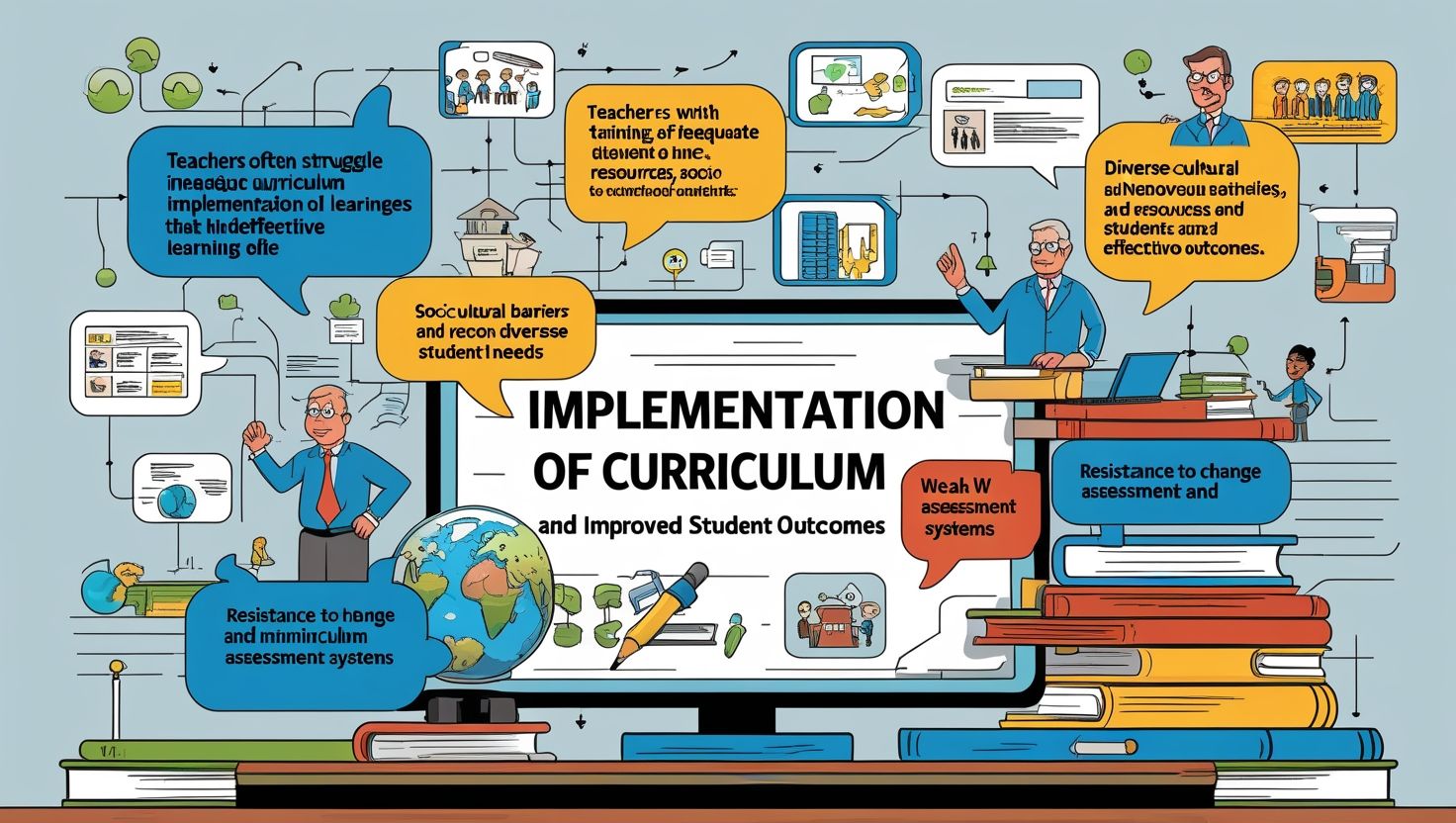
Despite its importance, implementing academic guidance in classrooms can be challenging. One major issue is the lack of resources, including time, training, and materials. Teachers often face heavy workloads, leaving limited time for planning and reflection.
Another challenge is resistance to change. Some educators may be hesitant to adopt new methods or technologies, especially if they are accustomed to traditional practices. Overcoming this resistance requires supportive leadership and a culture of innovation.
Variability in student needs also presents difficulties. Addressing diverse learners requires significant effort and expertise, which may not always be readily available. Academic guidance must therefore be flexible and adaptable to different contexts.
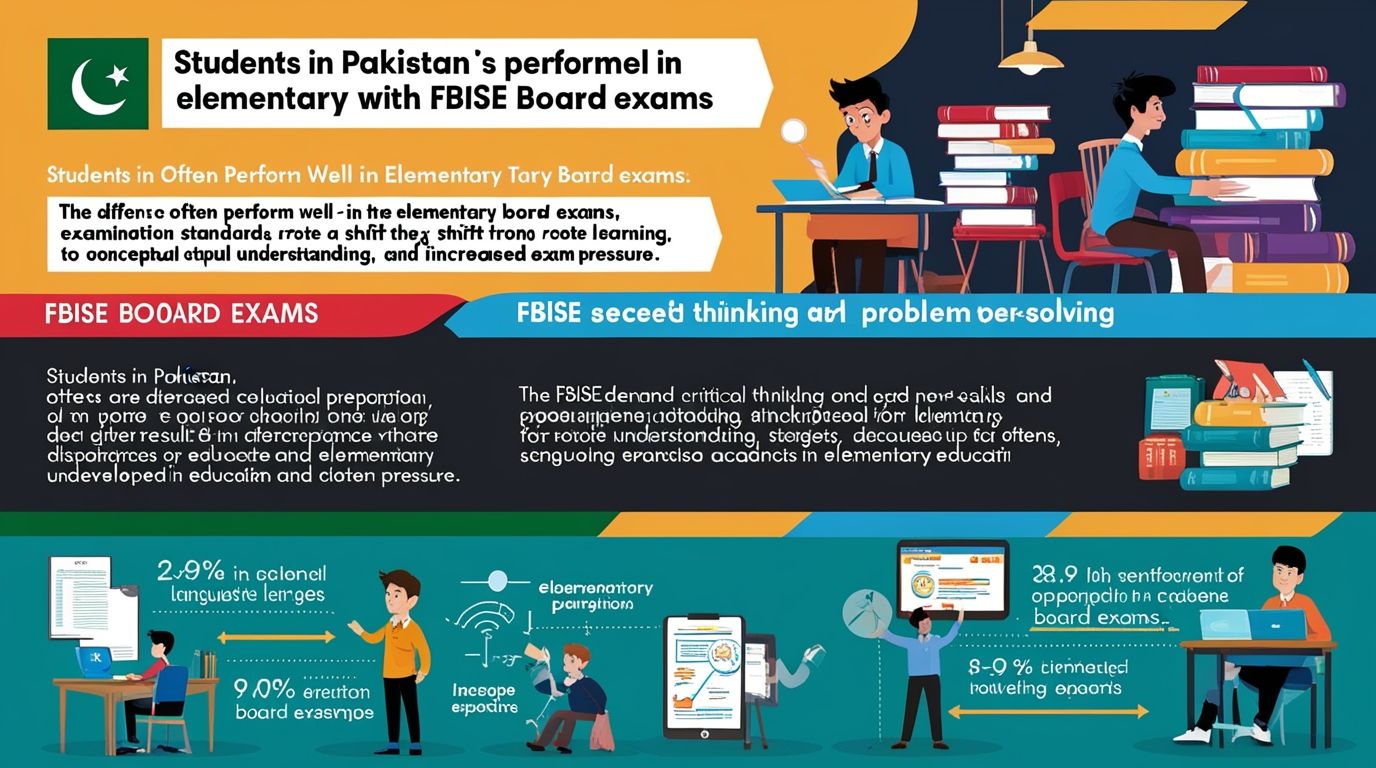
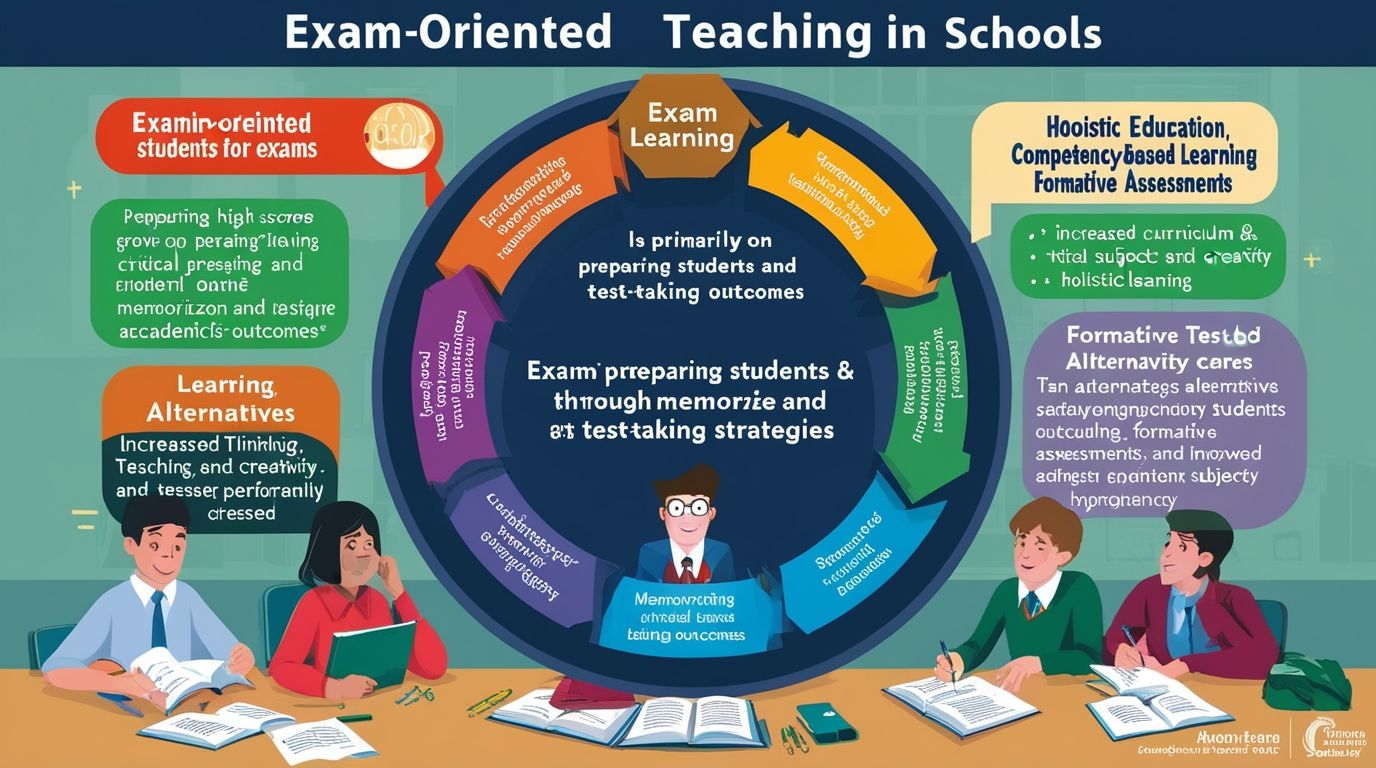
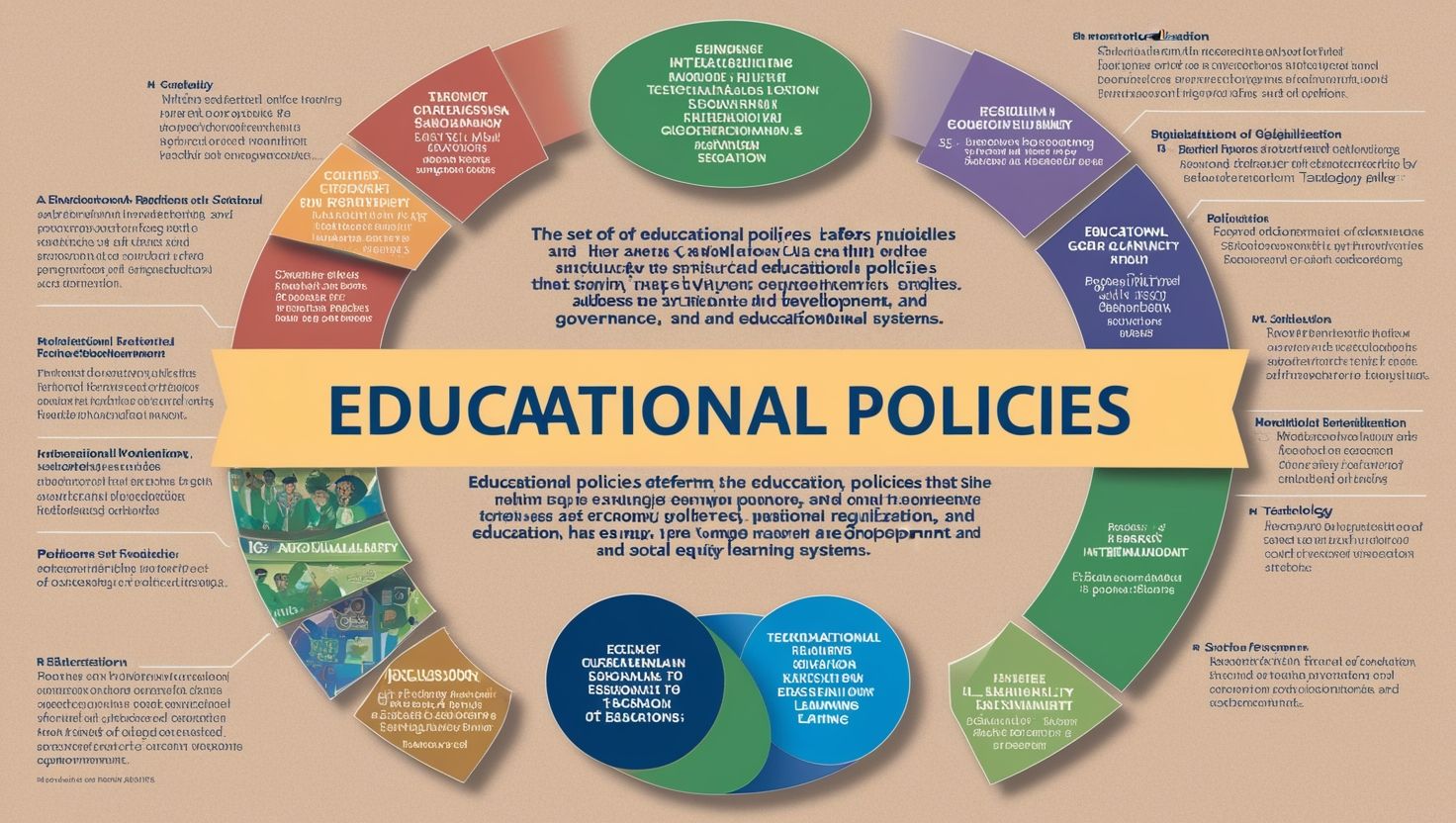
Additionally, systemic factors, such as rigid curricula and standardized testing, can limit the implementation of innovative practices. Aligning academic guidance with policy frameworks is essential for achieving meaningful change.
Strategies for Effective Implementation
To overcome these challenges, a strategic approach to implementing academic guidance is necessary. Schools and educational institutions should establish clear goals and provide adequate resources to support teachers.
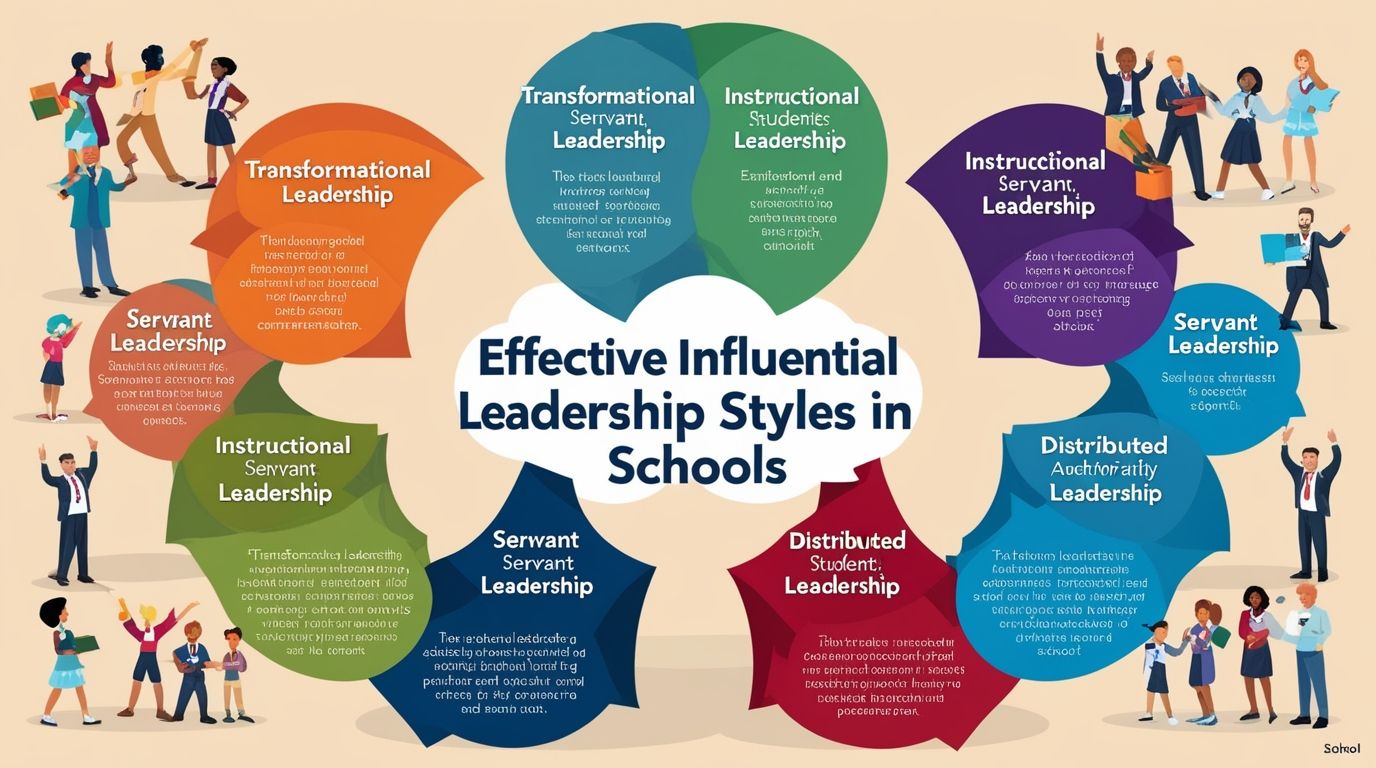
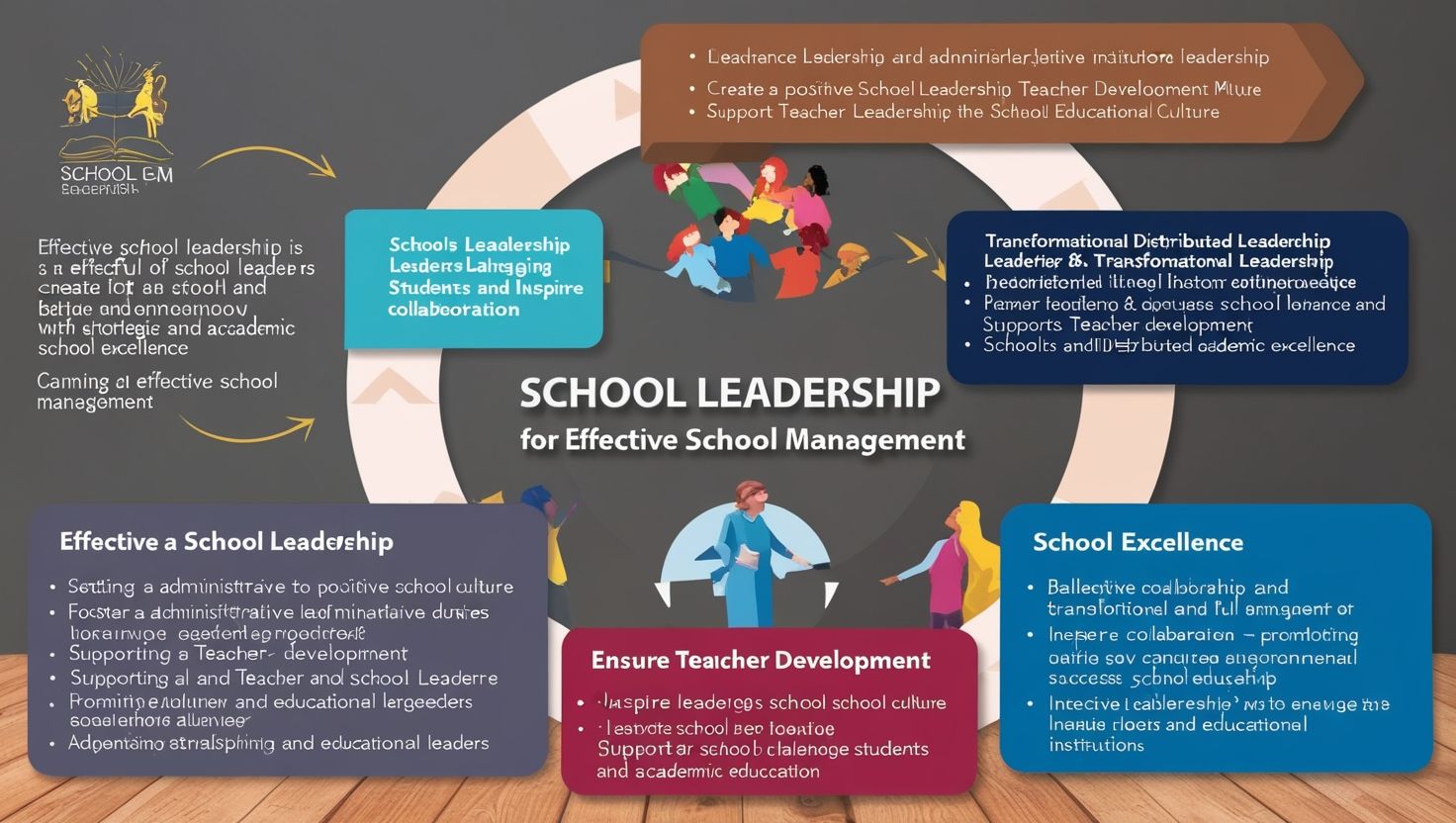
Leadership plays a crucial role in this process. School leaders should promote a culture of continuous improvement, encourage collaboration, and provide opportunities for professional development. Supportive leadership can significantly enhance the effectiveness of academic guidance.
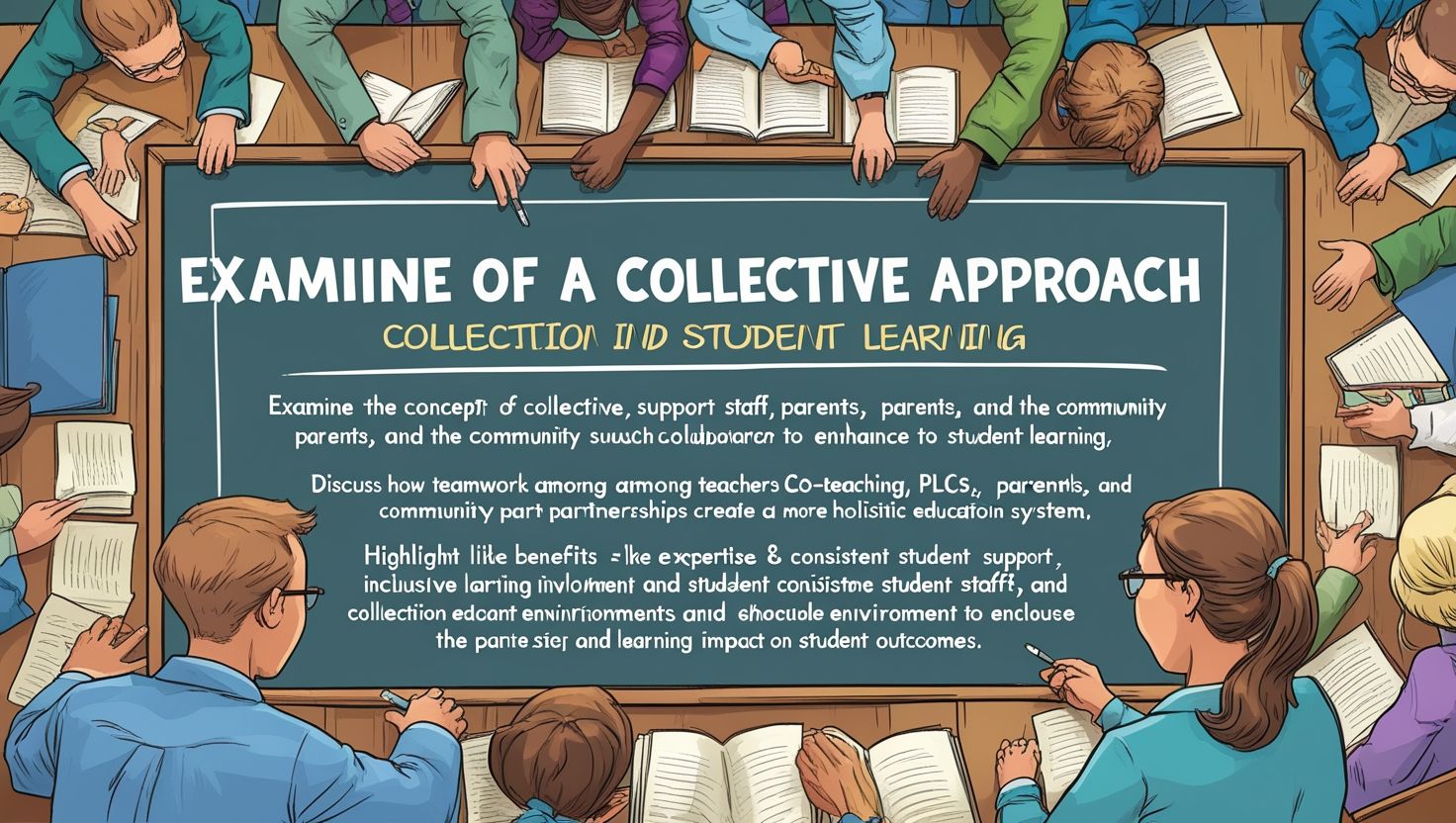
Collaboration among teachers is another key strategy. Professional learning communities enable educators to share experiences, discuss challenges, and develop solutions collectively. This collaborative approach fosters innovation and improves teaching practices.
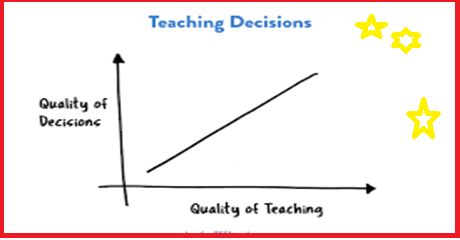
Monitoring and evaluation are also important. Schools should regularly assess the impact of academic guidance on teaching and learning outcomes. Data-driven decision-making can help identify areas for improvement and ensure continuous progress.
Future Directions in Academic Guidance
The future of academic guidance is closely linked to advancements in education and technology. Emerging trends, such as artificial intelligence and data analytics, have the potential to provide more personalized and precise support for teachers.
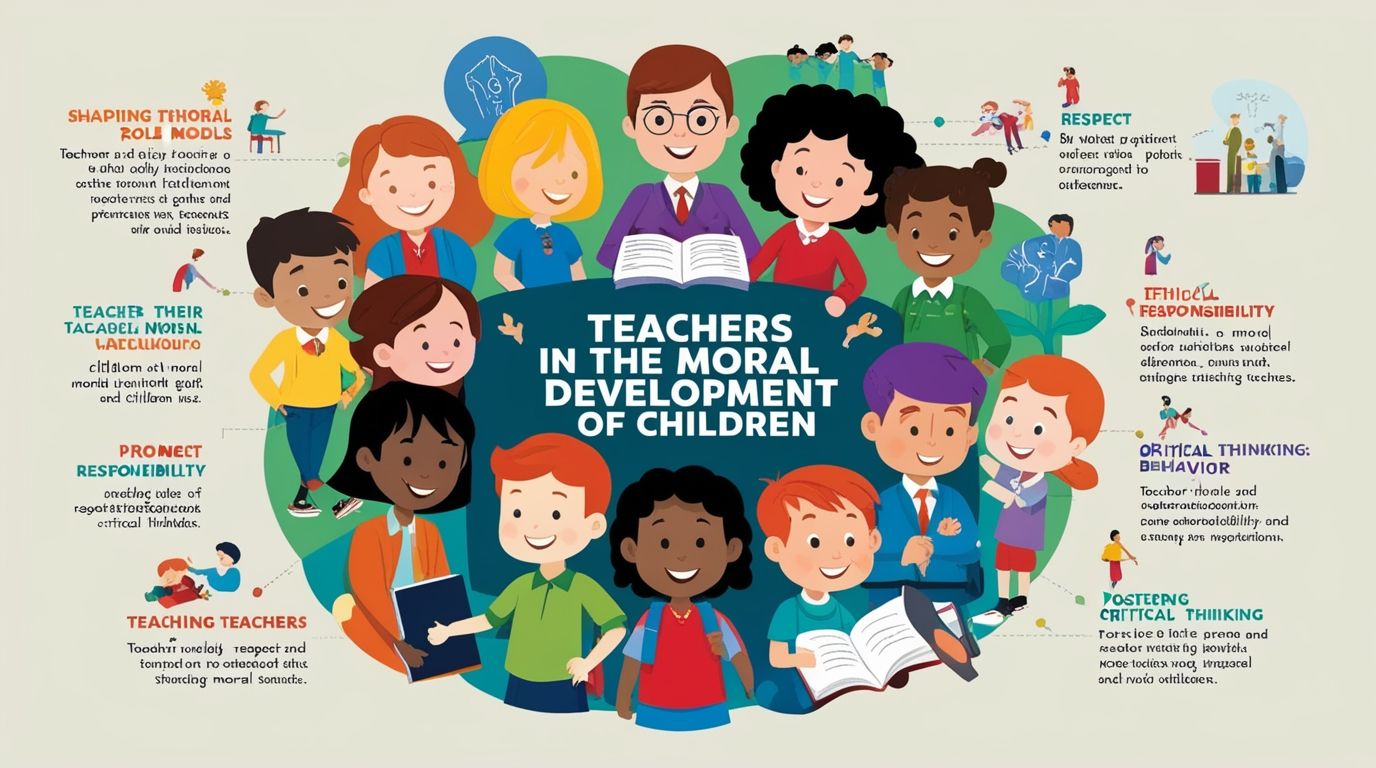
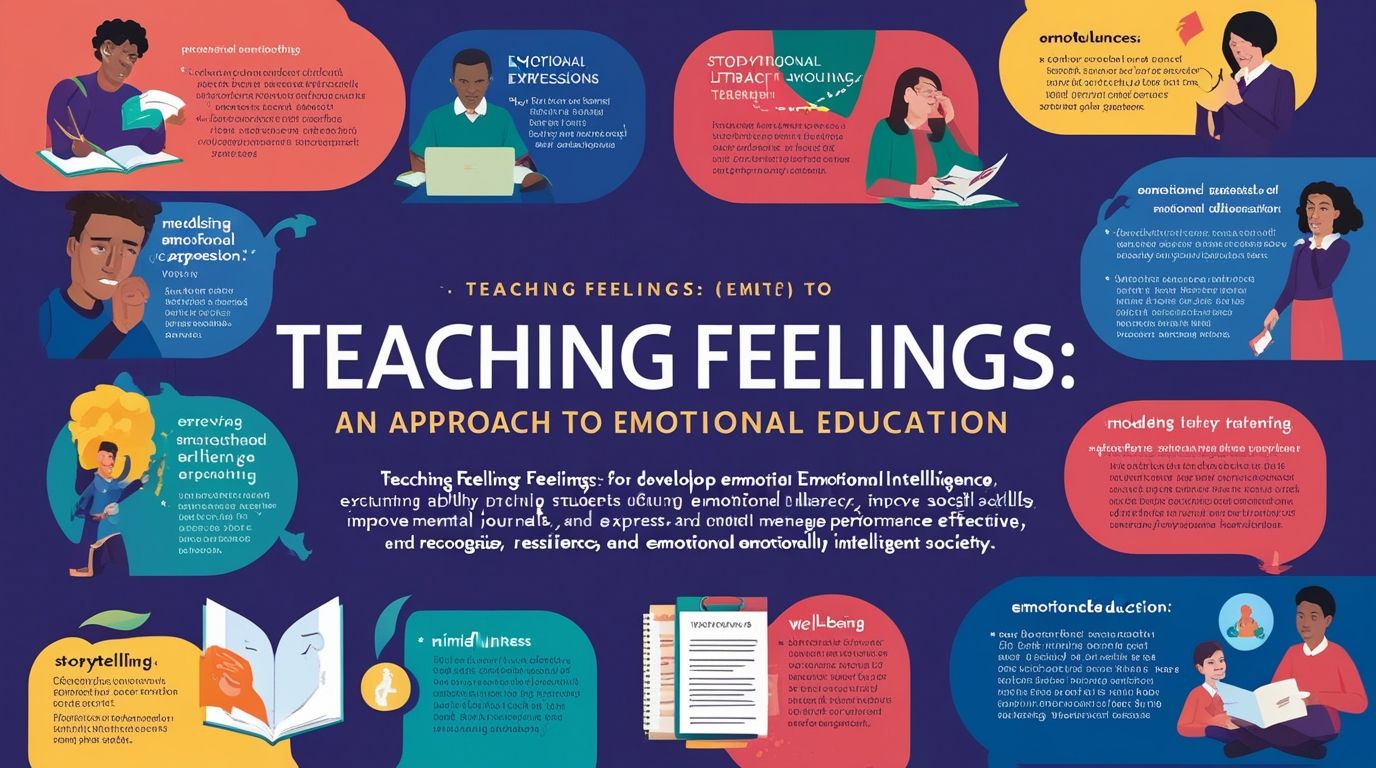
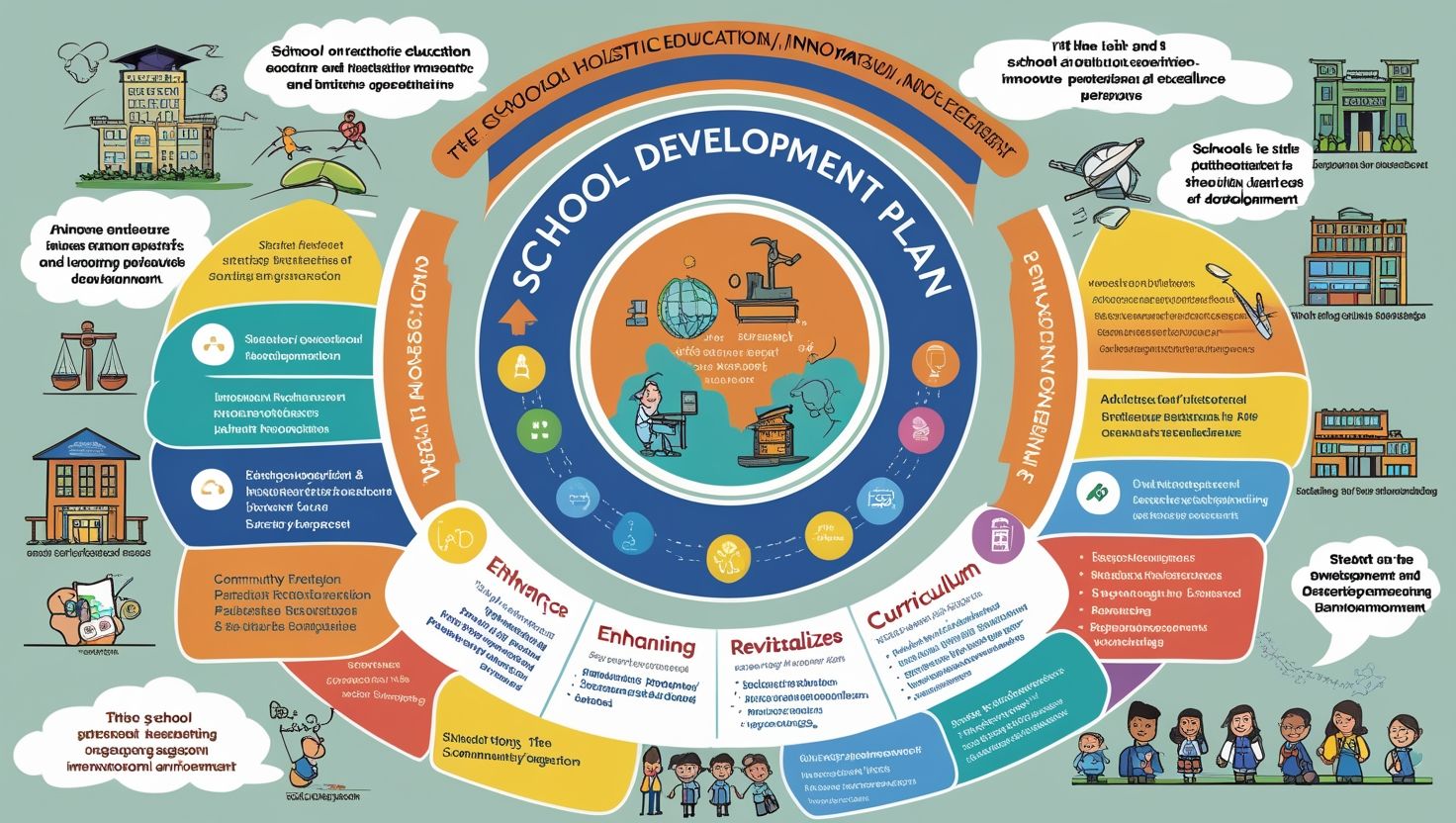
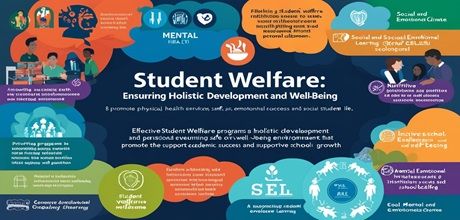
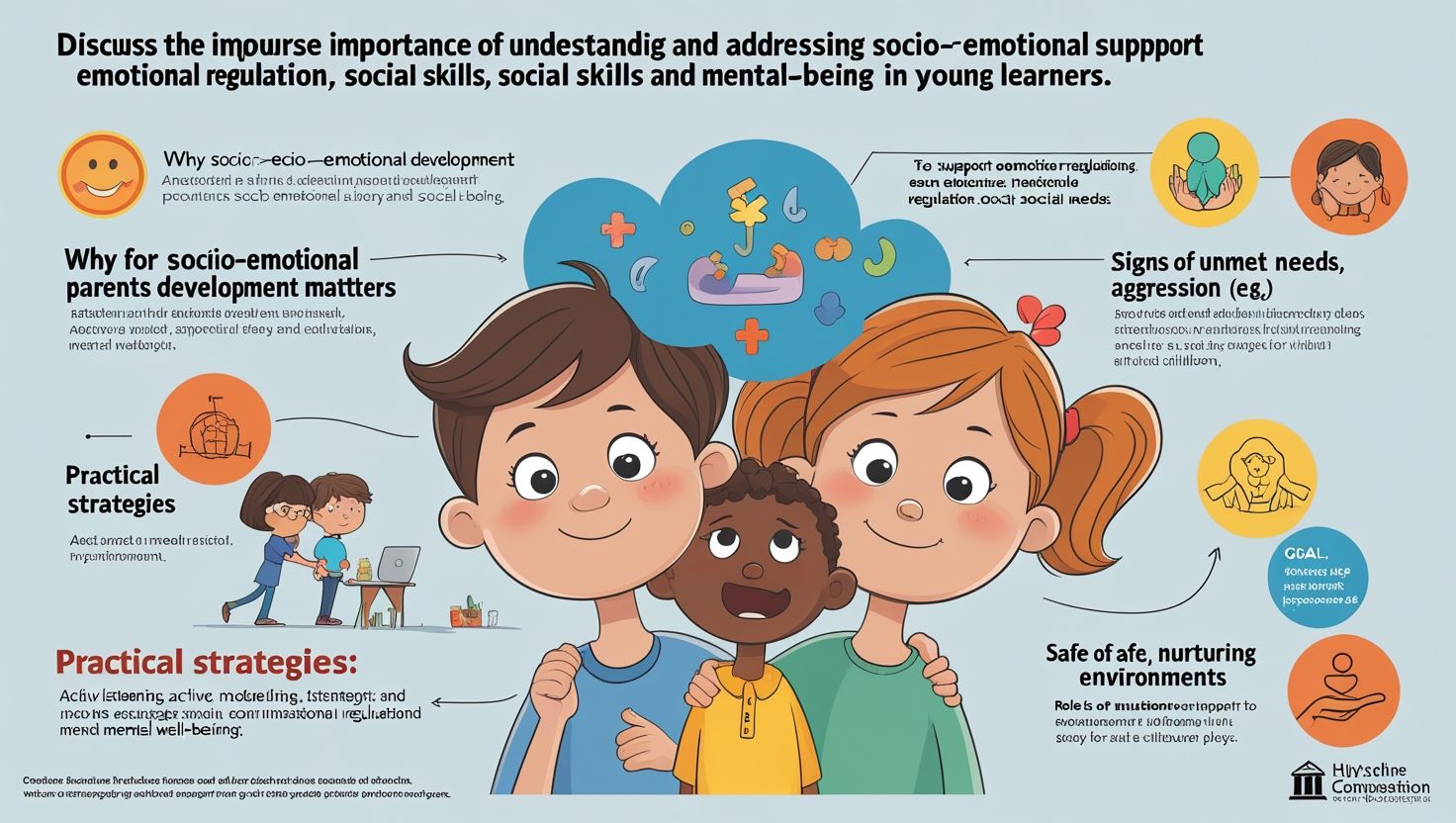
There is also a growing emphasis on holistic education, which considers not only academic achievement but also social, emotional, and ethical development. Academic guidance will need to incorporate these dimensions, supporting teachers in addressing the whole child.
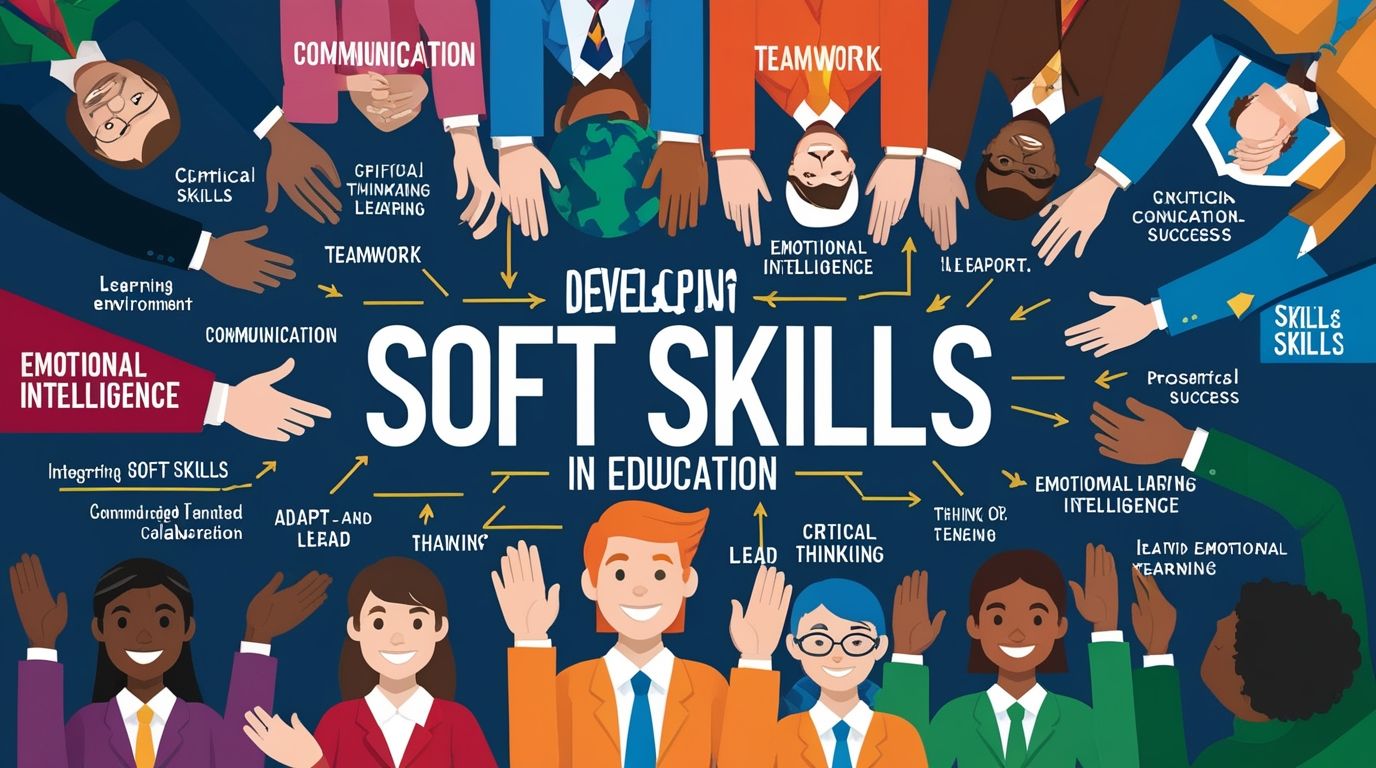
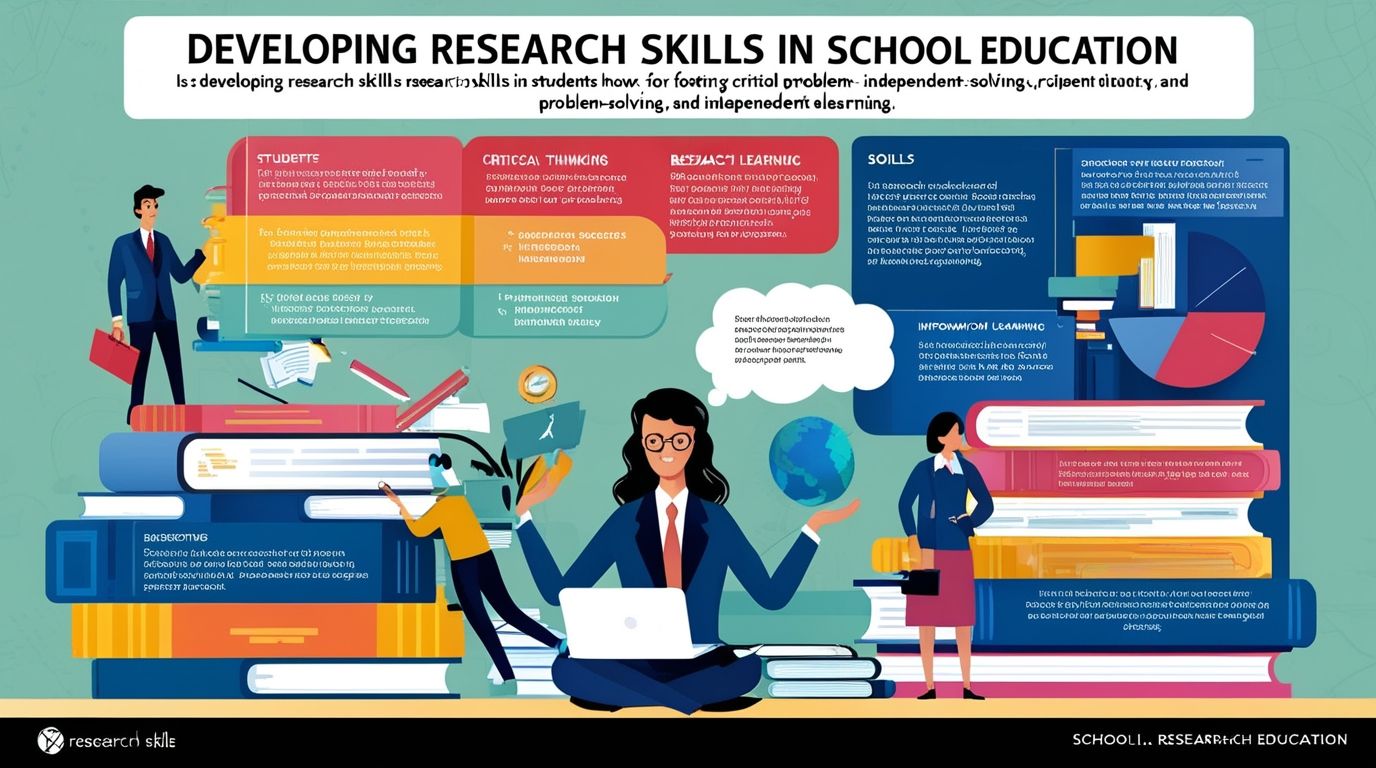
Globalization and interconnectedness are further shaping education. Teachers must prepare students for a rapidly changing world, emphasizing skills such as critical thinking, creativity, and collaboration. Academic guidance will play a key role in equipping teachers to meet these demands.
Conclusion
Academic guidance for teachers in classrooms is a vital component of effective education. It provides the structure, support, and direction needed to enhance teaching practices and improve student outcomes. By focusing on planning, pedagogy, assessment, and professional development, academic guidance empowers teachers to create meaningful and inclusive learning experiences.
While challenges exist, they can be addressed through strategic planning, collaboration, and strong leadership. As education continues to evolve, academic guidance will remain essential in ensuring that teachers are equipped to meet the diverse needs of learners.
Ultimately, the goal of academic guidance is to enable teachers to inspire, support, and guide students toward success. By embracing this approach, educators can contribute to the development of knowledgeable, skilled, and responsible individuals who are prepared to navigate the complexities of the modern world.