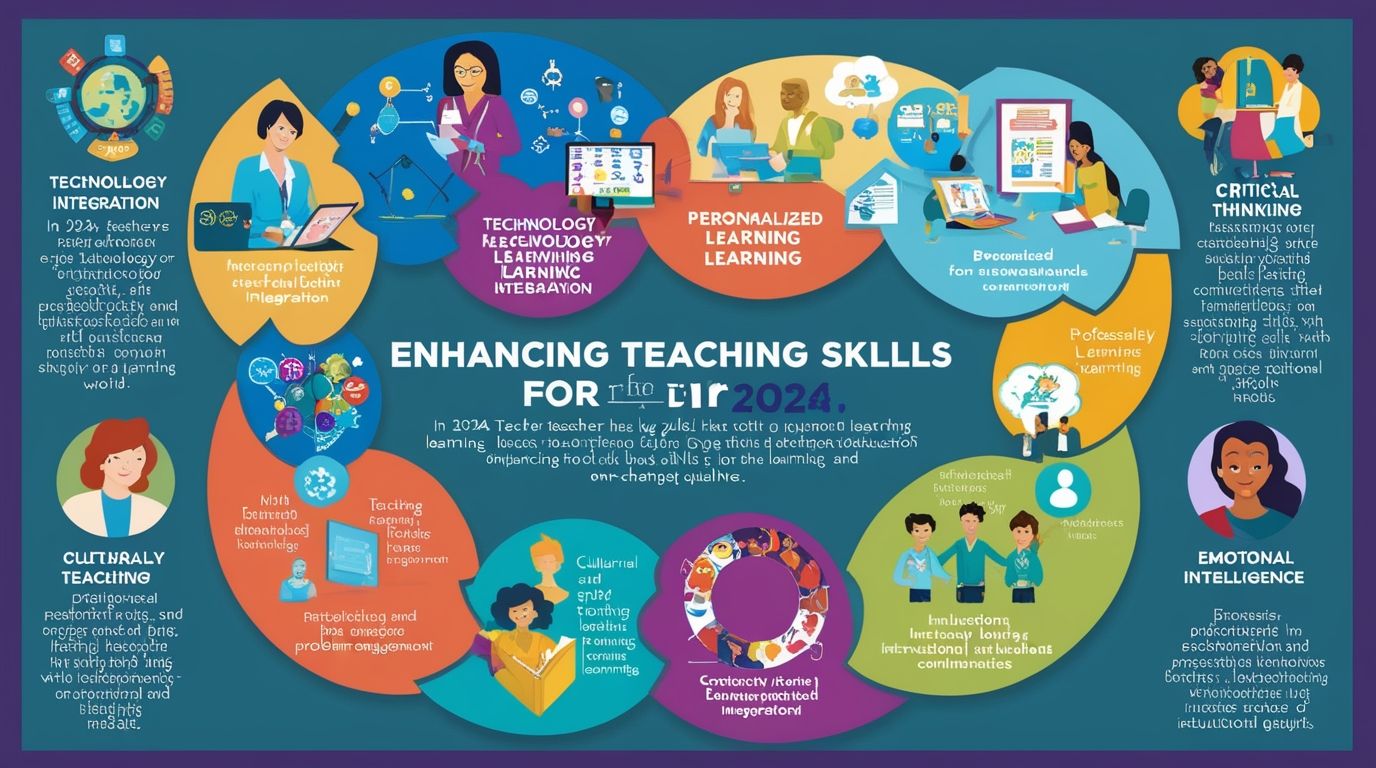
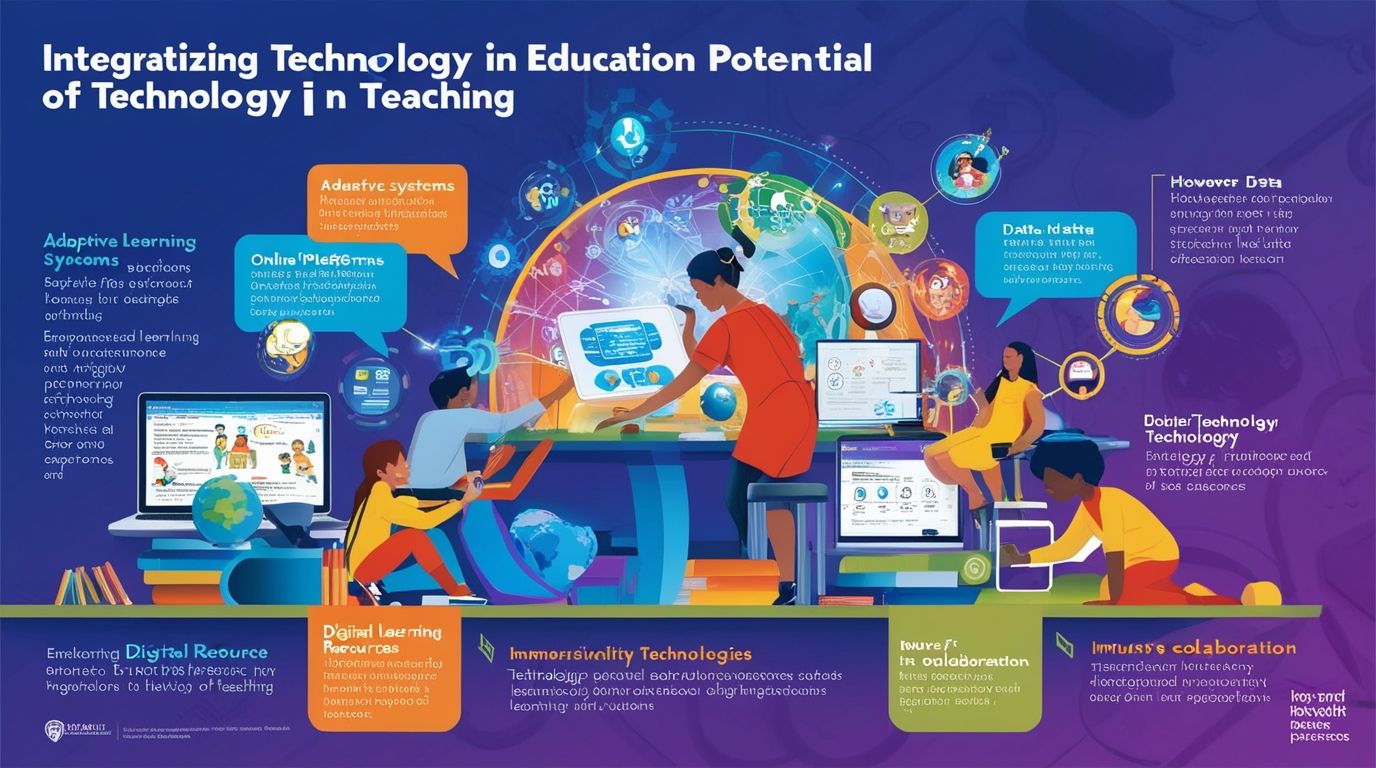
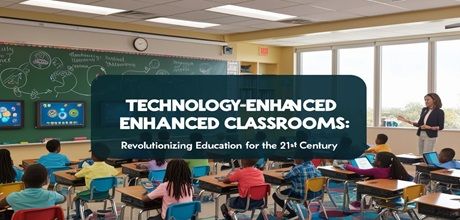
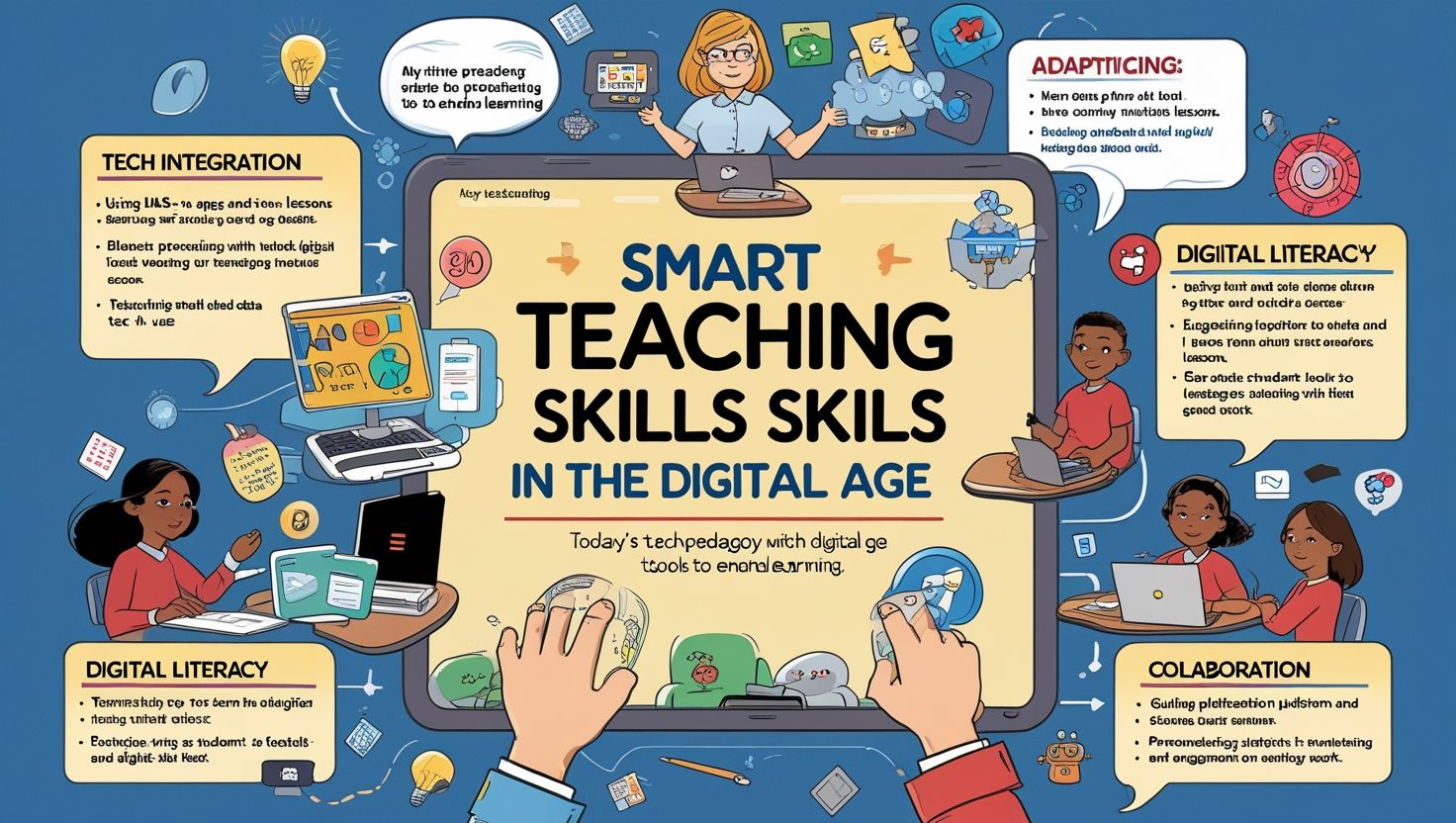
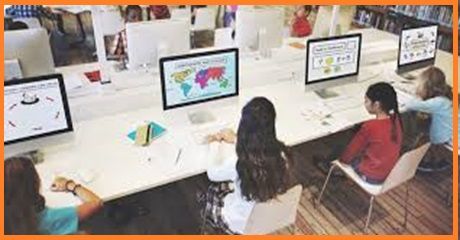
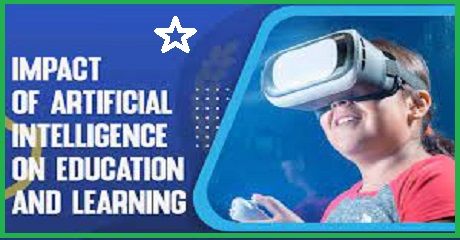
The Rise of Intelligent ClassroomsKeyword: AI tools, Artificial intelligence has rapidly transformed modern education, with AI tools becoming central to classroom innovation. Teachers are no longer limited to traditional instructional methods; instead, they can leverage intelligent systems that adapt to student needs in real time. These technologies analyze learning patterns, identify knowledge gaps, and recommend targeted interventions. The result is a more personalized and efficient learning environment where students receive support tailored to their pace and style. Additionally, AI tools reduce administrative burdens, allowing educators to focus more on teaching and mentorship. As schools worldwide adopt these solutions, classrooms are evolving into dynamic ecosystems that integrate data, creativity, and technology. This transformation is not merely technological but pedagogical, reshaping how knowledge is delivered and assessed in meaningful ways.
Personalized Learning Through Adaptive Systems
Keyword: adaptive learning
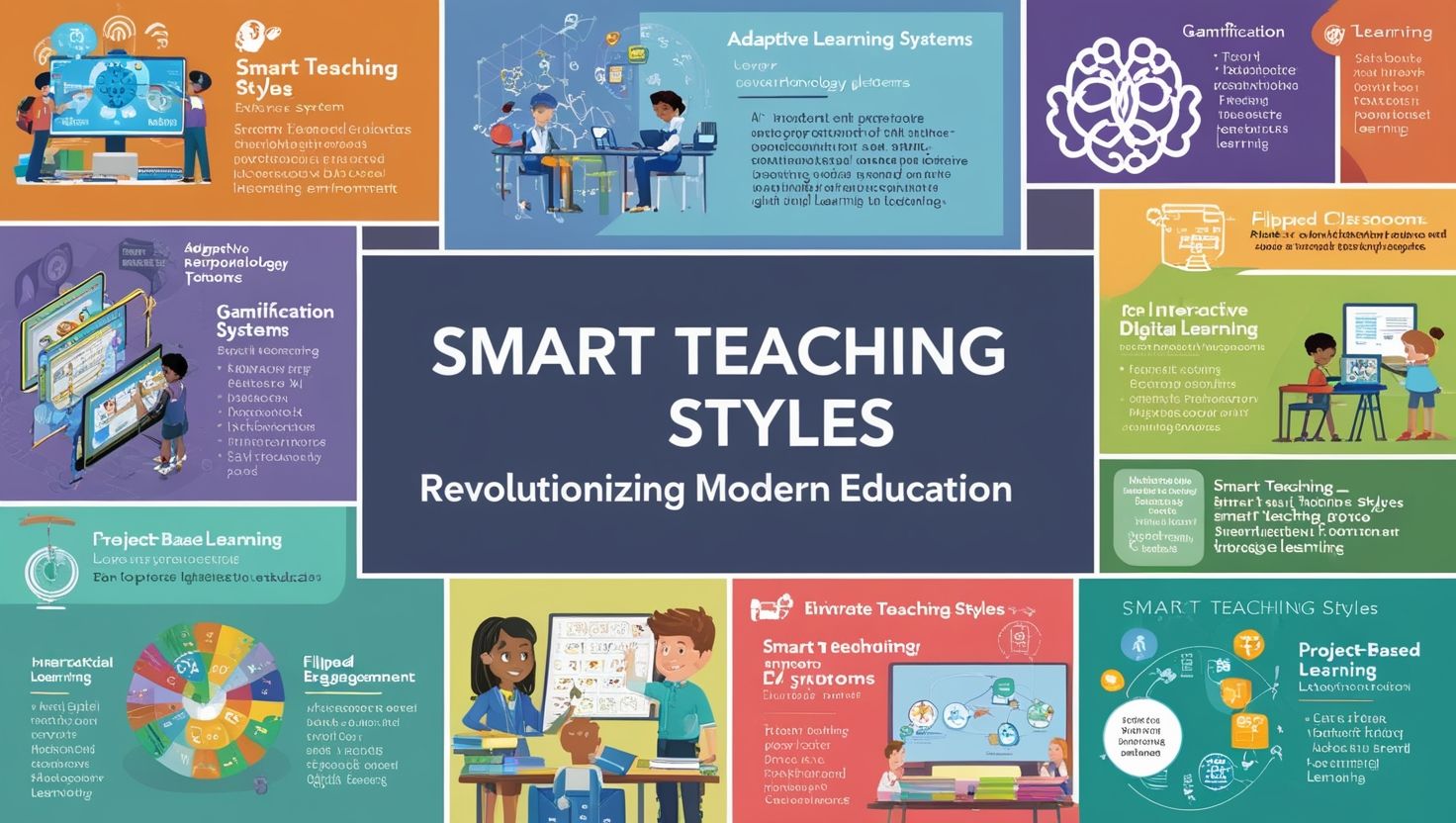
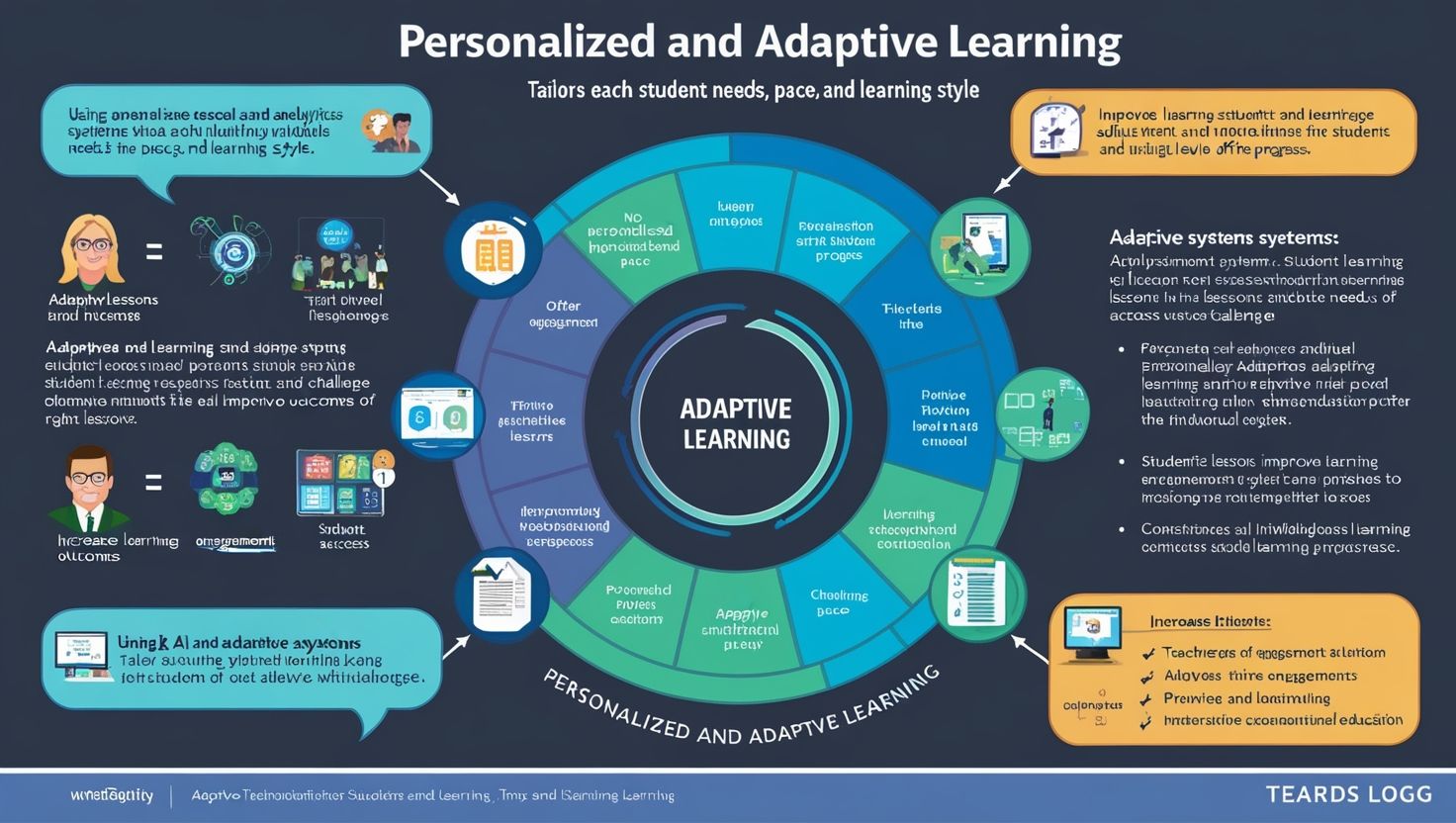
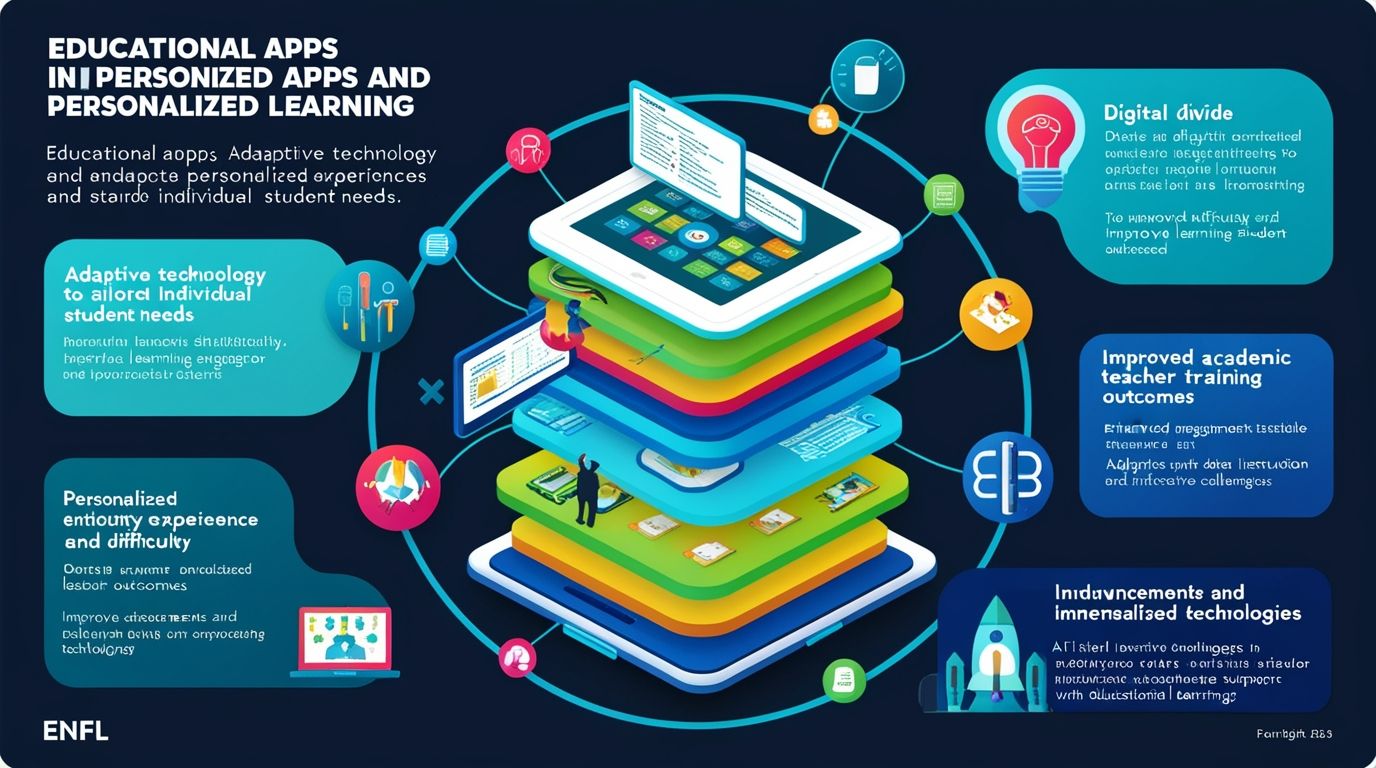
One of the most impactful advancements in AI modeling is adaptive learning, which customizes educational content based on individual student performance. These systems continuously assess progress and adjust difficulty levels, ensuring that learners neither feel overwhelmed nor under-challenged. Adaptive learning platforms rely on sophisticated algorithms that interpret student responses and behaviors, creating a responsive feedback loop. This approach supports differentiated instruction, making it particularly valuable in diverse classrooms. Teachers benefit from detailed analytics that highlight strengths and weaknesses, enabling more informed decision-making. Furthermore, students gain confidence as they experience consistent progress tailored to their abilities. By integrating adaptive learning technologies, educational institutions can bridge achievement gaps and promote equitable learning opportunities across different socioeconomic and academic backgrounds.
AI-Powered Assessment and Feedback
Keyword: automated assessment
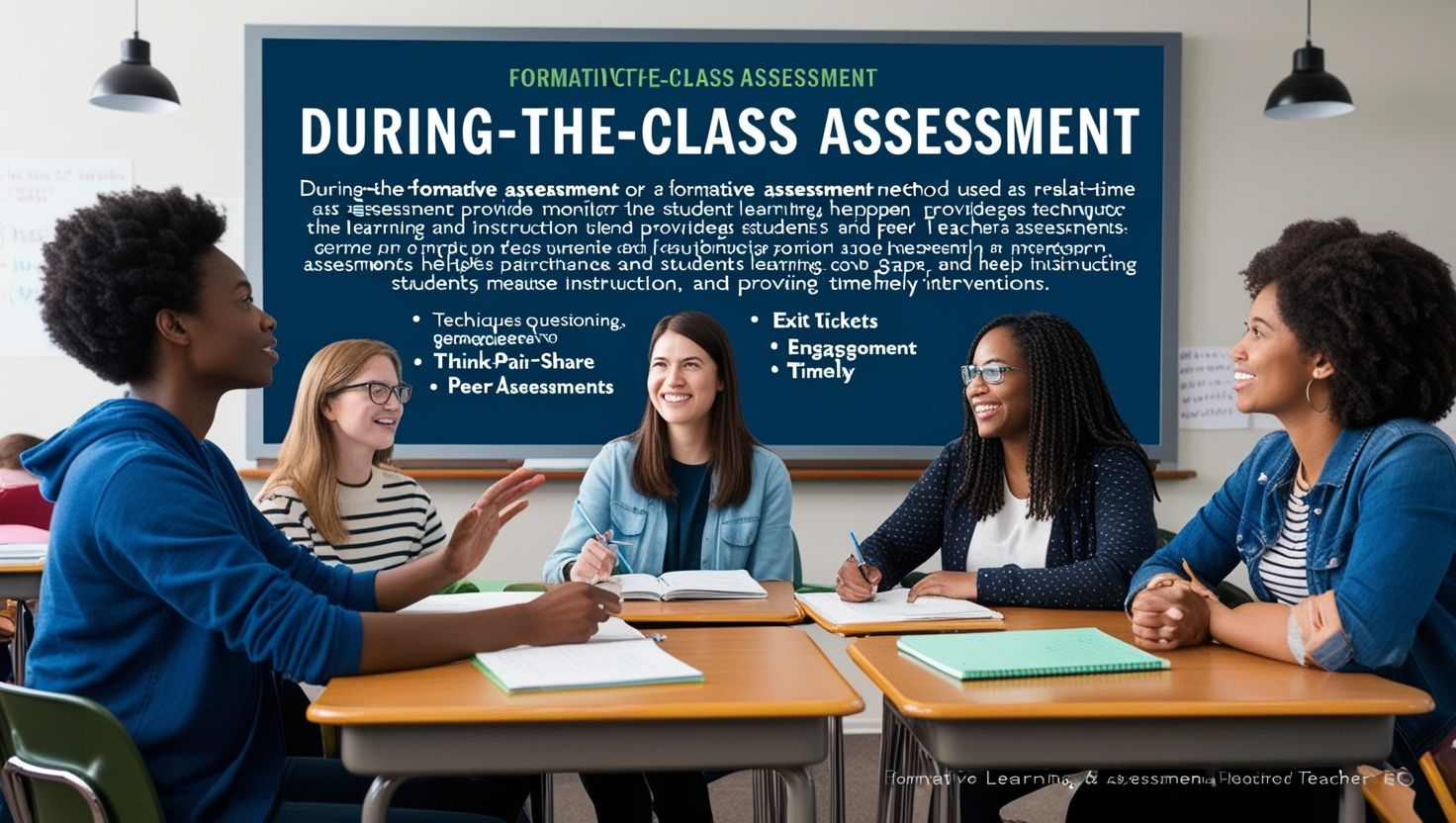
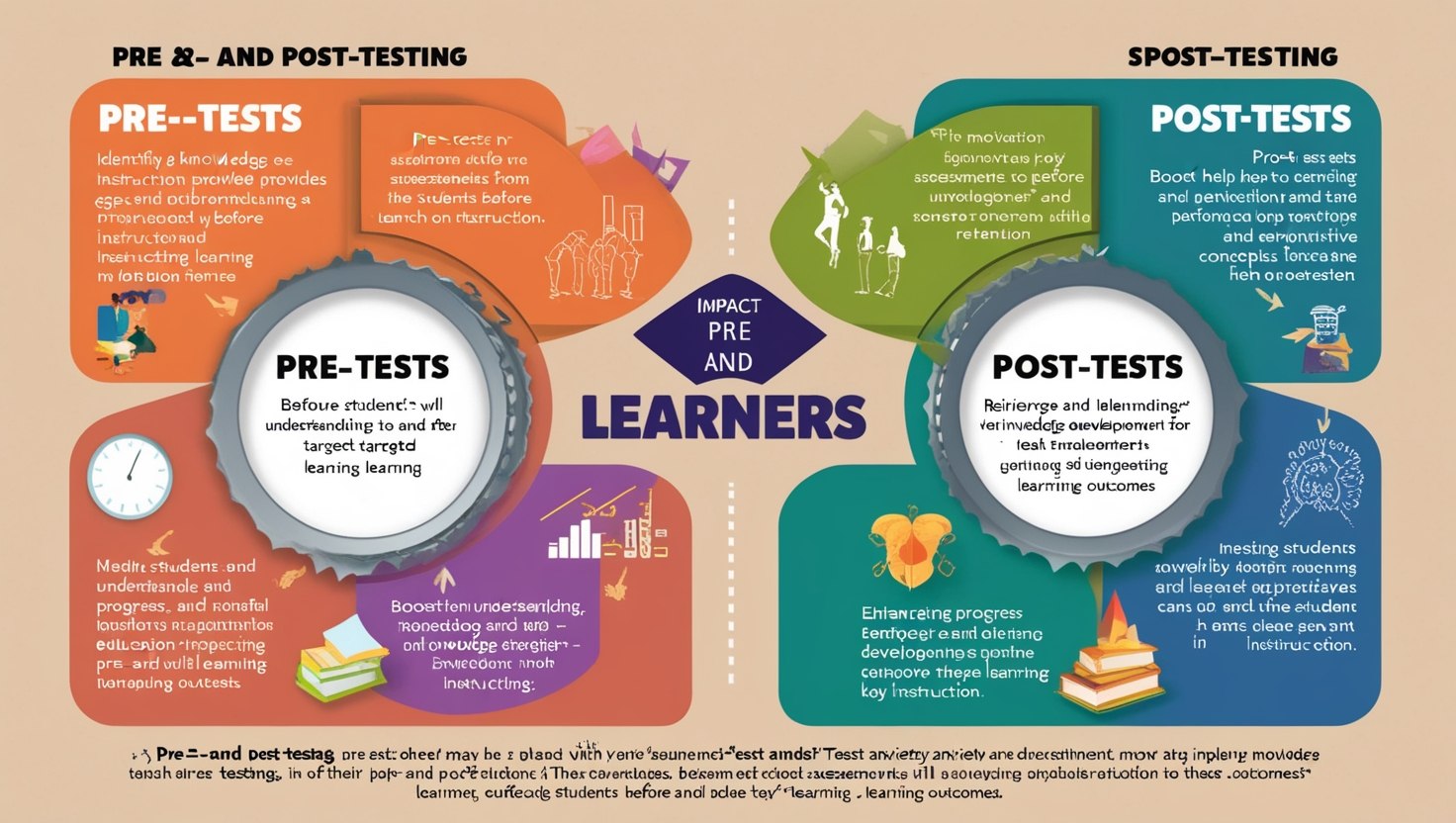
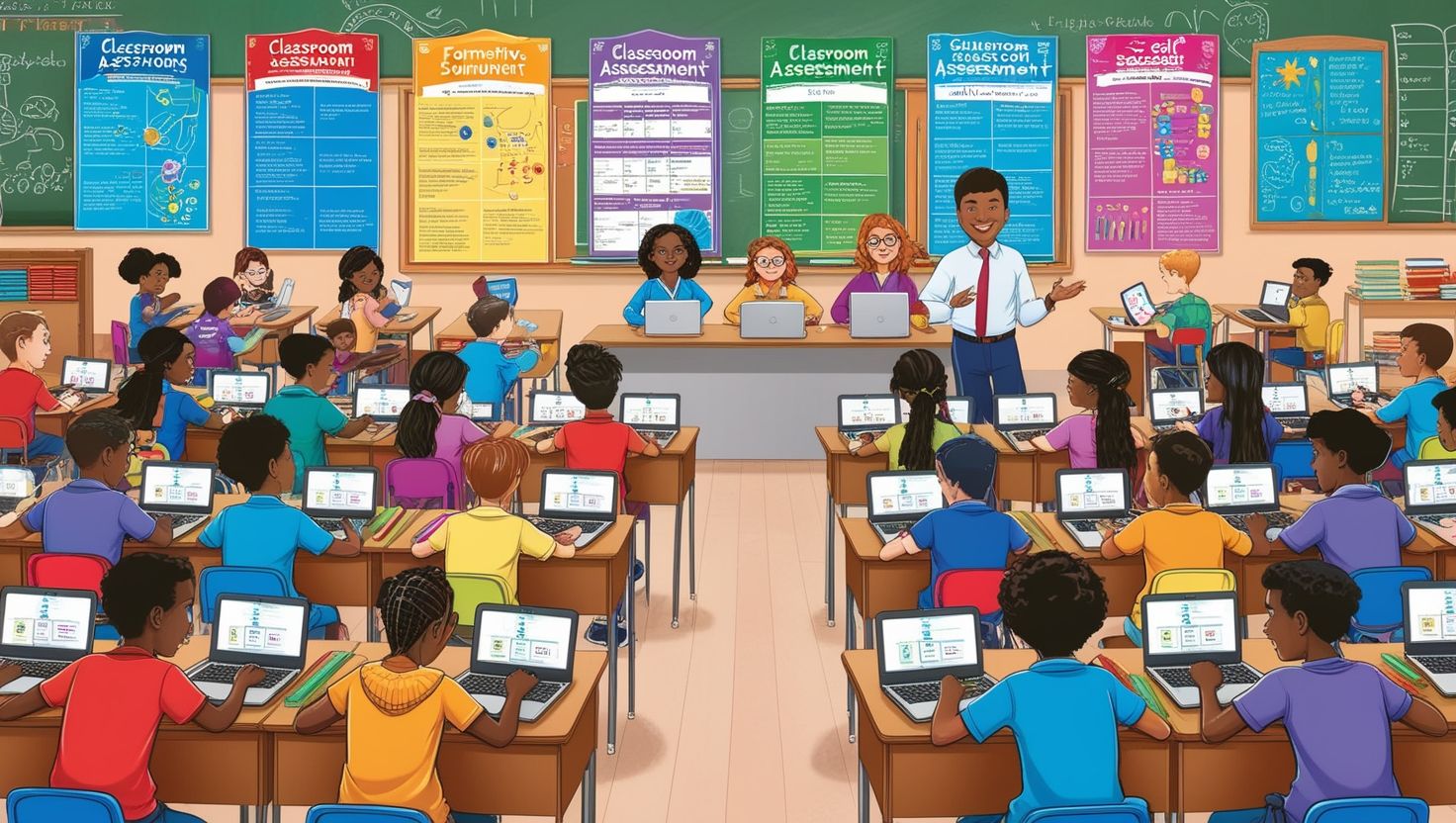
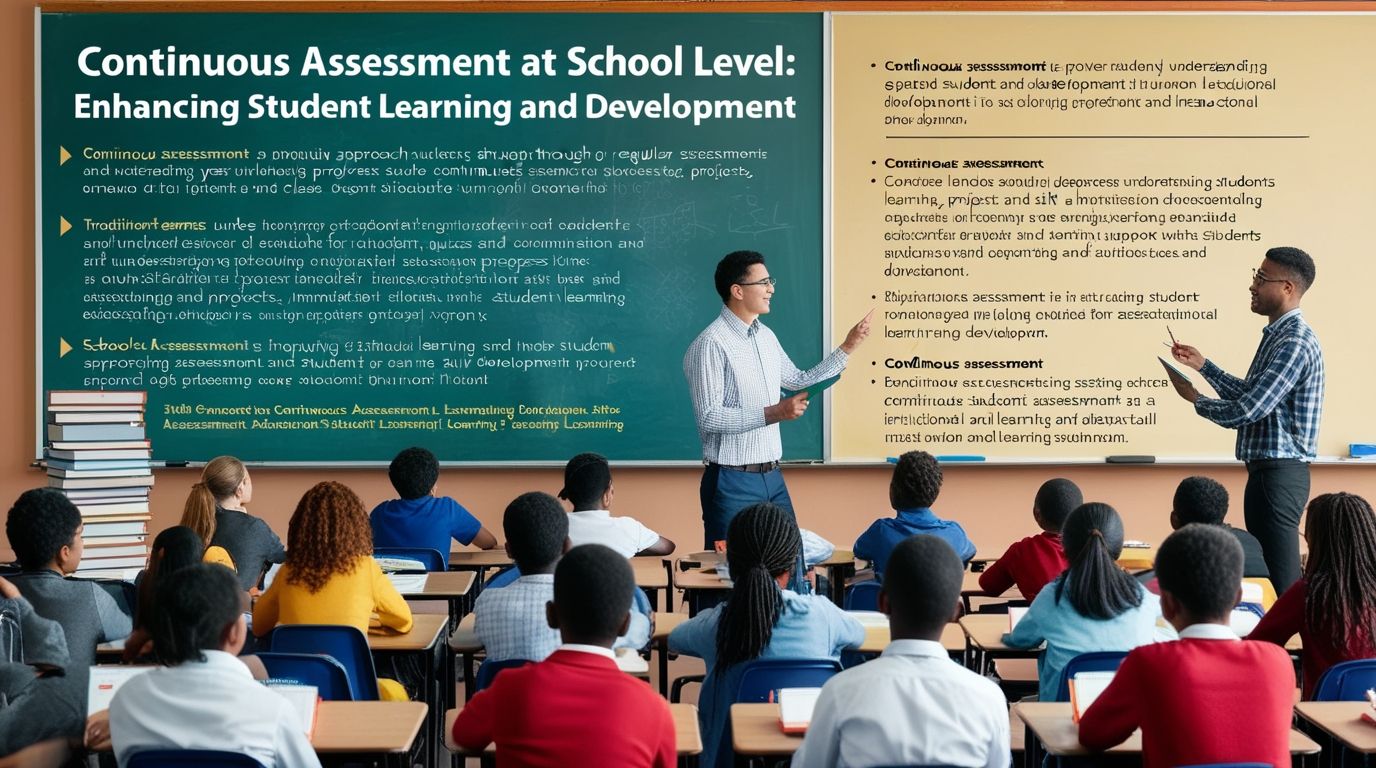
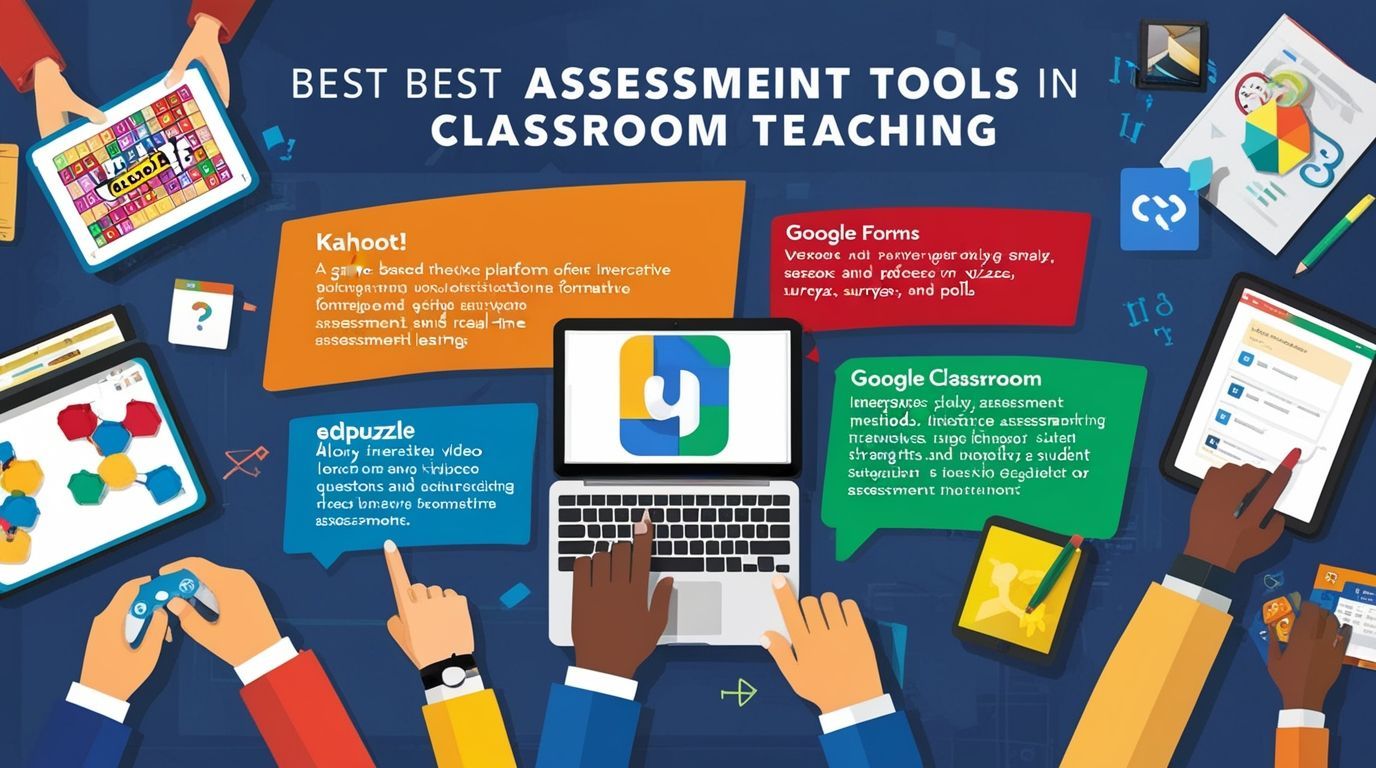
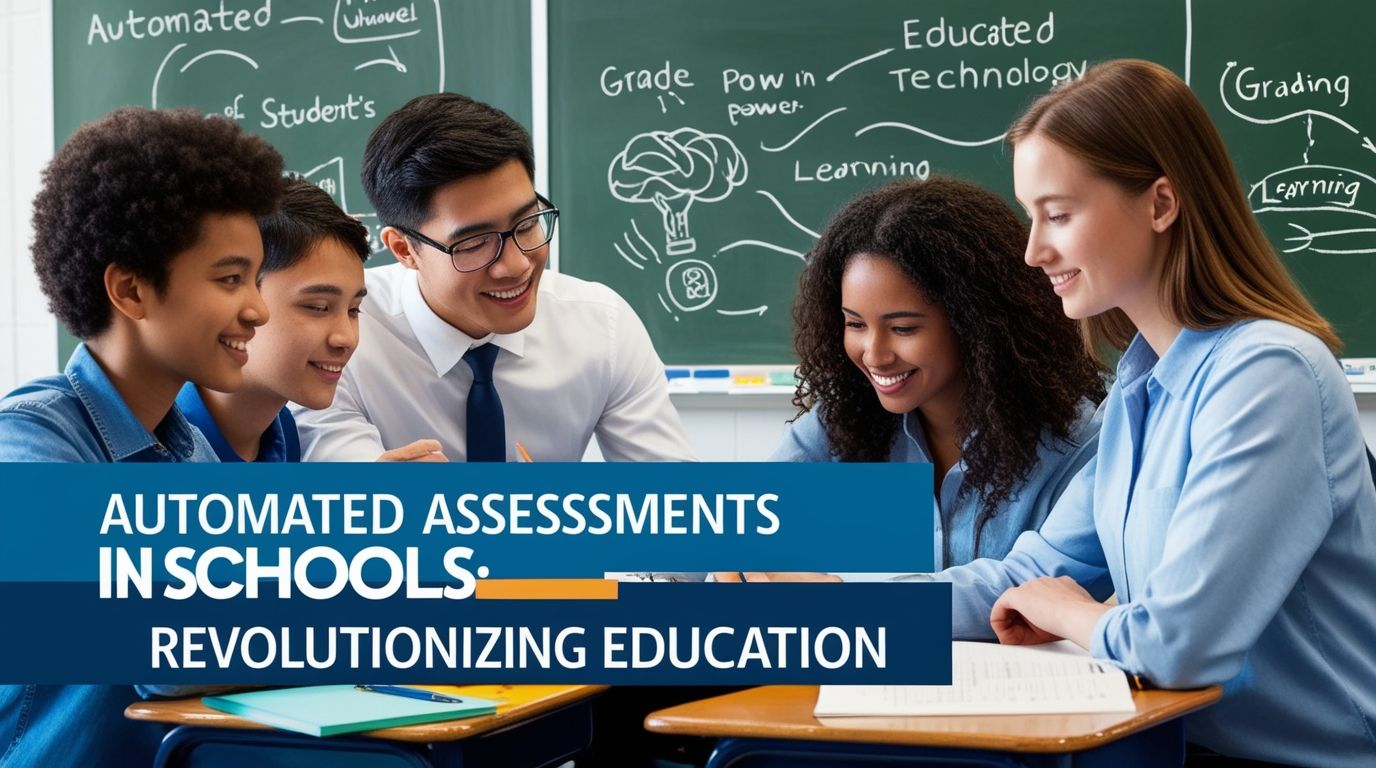
Automated assessment systems are redefining how educators evaluate student performance. These AI-driven tools can grade assignments, quizzes, and even essays with remarkable accuracy and speed. Automated assessment not only saves time but also ensures consistency in grading, reducing human bias. Advanced models analyze linguistic patterns, argument structure, and conceptual understanding, providing detailed feedback that goes beyond simple scores. This allows students to improve continuously based on actionable insights. Teachers can use these tools to identify trends across classrooms, enabling targeted interventions where needed. Moreover, real-time feedback enhances student engagement, as learners can immediately understand their mistakes and correct them. As these systems evolve, they are becoming integral to formative and summative assessment strategies in modern education.
Generative AI in Content Creation
Keyword: generative AI
Generative AI has opened new possibilities for creating educational content, from lesson plans to interactive simulations. These tools can produce customized materials aligned with curriculum standards, saving educators significant preparation time. Generative AI models can also generate practice questions, summaries, and explanations tailored to different learning levels. This flexibility allows teachers to design more engaging and inclusive lessons. Additionally, students can use these tools to explore concepts creatively, enhancing critical thinking and problem-solving skills. However, effective implementation requires careful guidance to ensure academic integrity and accuracy. When used responsibly, generative AI becomes a powerful partner in education, enabling both teachers and students to explore knowledge in innovative and meaningful ways.
Natural Language Processing in Classrooms
Keyword: NLP
Natural Language Processing (NLP) is a key component of modern AI modeling tools in education. NLP enables machines to understand and respond to human language, making interactions with educational software more intuitive. In classrooms, NLP powers chatbots, virtual tutors, and language learning applications that provide real-time assistance. These tools can answer student questions, explain complex concepts, and even facilitate discussions. NLP also supports multilingual education by offering translation and language support features. This is particularly beneficial in diverse classrooms where students have varying linguistic backgrounds. By enhancing communication and accessibility, NLP-based tools contribute to a more inclusive and interactive learning environment, allowing students to engage more deeply with content.
AI Tutors and Virtual Assistants
Keyword: AI tutors
AI tutors are revolutionizing student support by providing personalized assistance outside traditional classroom hours. These intelligent systems simulate one-on-one tutoring experiences, guiding students through lessons and answering queries instantly. AI tutors use data-driven insights to adapt their teaching strategies, ensuring effective learning outcomes. Virtual assistants can also help with scheduling, reminders, and resource recommendations, making them valuable for both students and educators. The availability of AI tutors ensures continuous learning, especially for students who need additional support. Furthermore, these systems promote self-directed learning, encouraging students to take responsibility for their educational journey. As AI tutors become more sophisticated, they are expected to play an increasingly central role in education.
Data-Driven Decision Making in Education
Keyword: learning analytics
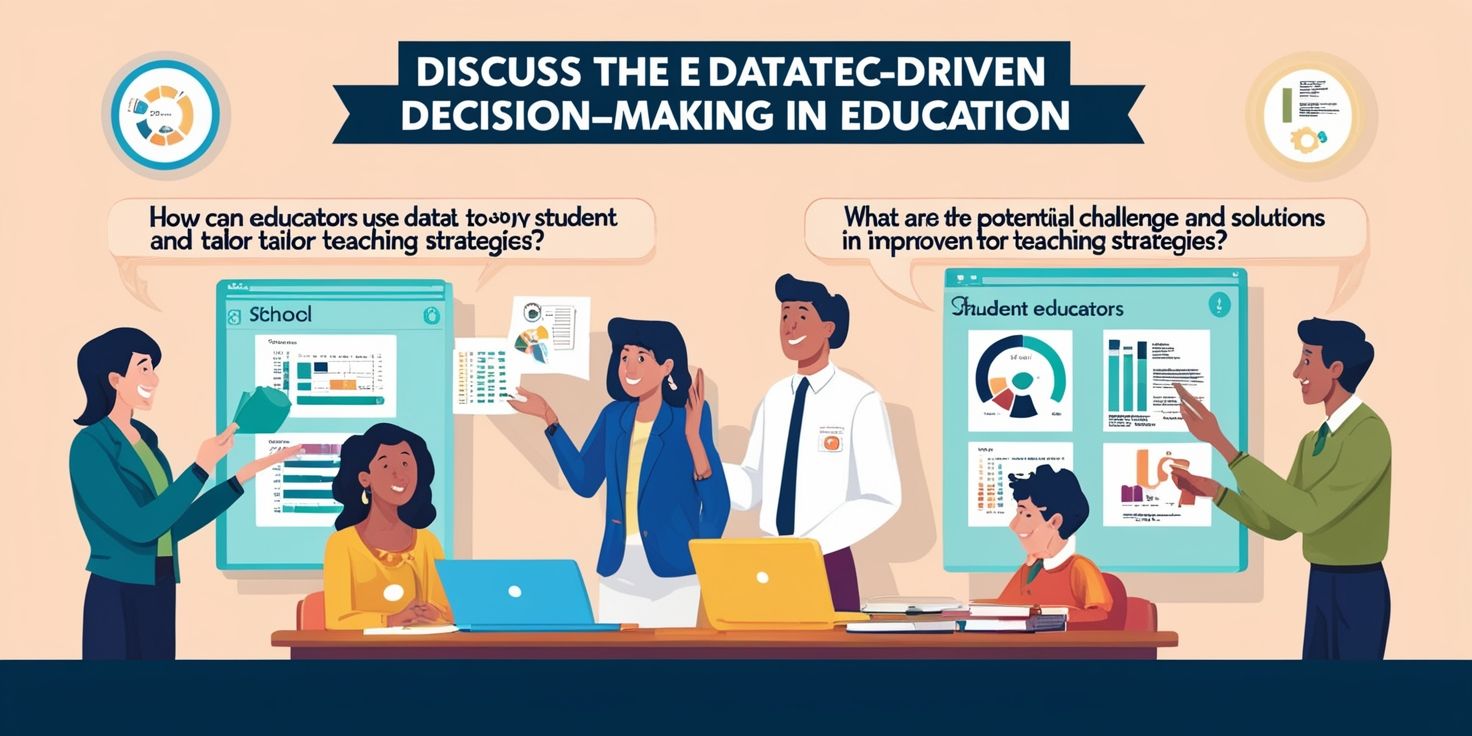
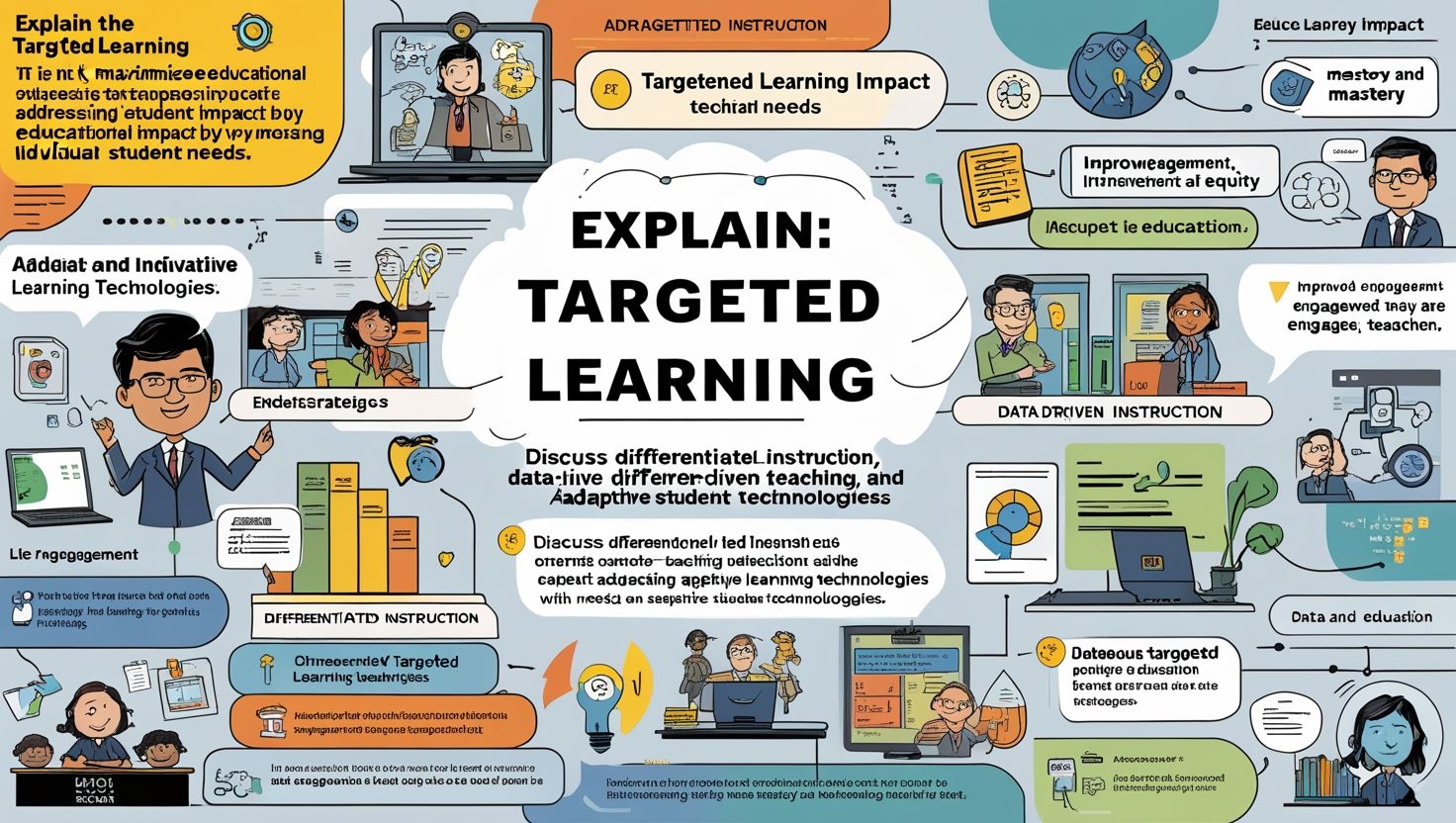
Learning analytics is a powerful application of AI modeling that enables data-driven decision-making in classrooms. By analyzing student data, educators can gain insights into performance trends, engagement levels, and learning behaviors. This information helps in designing targeted interventions and improving instructional strategies. Learning analytics tools can identify at-risk students early, allowing timely support to prevent academic decline. Additionally, these systems provide dashboards and visualizations that make complex data easy to interpret. Schools can use this information to enhance curriculum design and resource allocation. By leveraging learning analytics, educators can create more effective and responsive learning environments that cater to the needs of all students.
AI in Collaborative Learning Environments
Keyword: collaborative AI
Collaborative AI tools are enhancing group learning experiences by facilitating communication and teamwork. These systems support collaborative projects by organizing tasks, tracking contributions, and providing feedback. Collaborative AI can also suggest resources and strategies to improve group performance. In classrooms, these tools encourage active participation and peer-to-peer learning, fostering critical thinking and problem-solving skills. Teachers can monitor group dynamics and intervene when necessary to ensure balanced participation. By integrating collaborative AI, educators can create more interactive and engaging learning environments that prepare students for real-world teamwork scenarios. This approach aligns with modern educational goals that emphasize collaboration and innovation.
Ethical Considerations and Responsible AI Use
Keyword: AI ethics
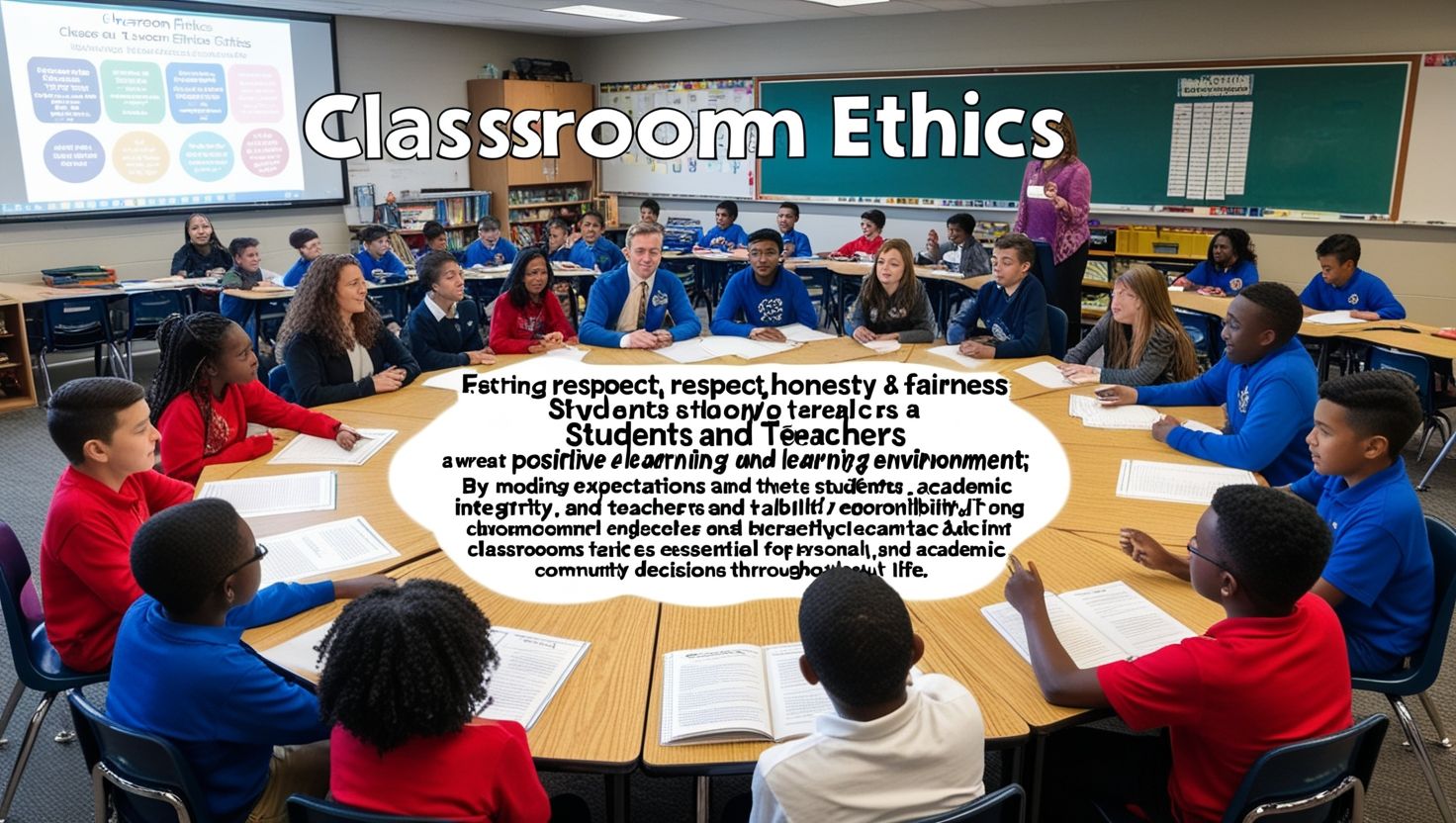
The integration of AI in classrooms raises important ethical considerations that must be addressed. Issues such as data privacy, algorithmic bias, and transparency are critical in ensuring responsible AI use. Educators and institutions must establish guidelines to protect student information and ensure fairness in AI-driven decisions. AI ethics also involves teaching students about the implications of using these technologies, fostering digital literacy and critical awareness. By promoting ethical practices, schools can build trust and ensure that AI tools are used for the benefit of all learners. Responsible implementation is essential to maximize the positive impact of AI while minimizing potential risks.
Teacher Empowerment Through AI Tools
Keyword: teacher support
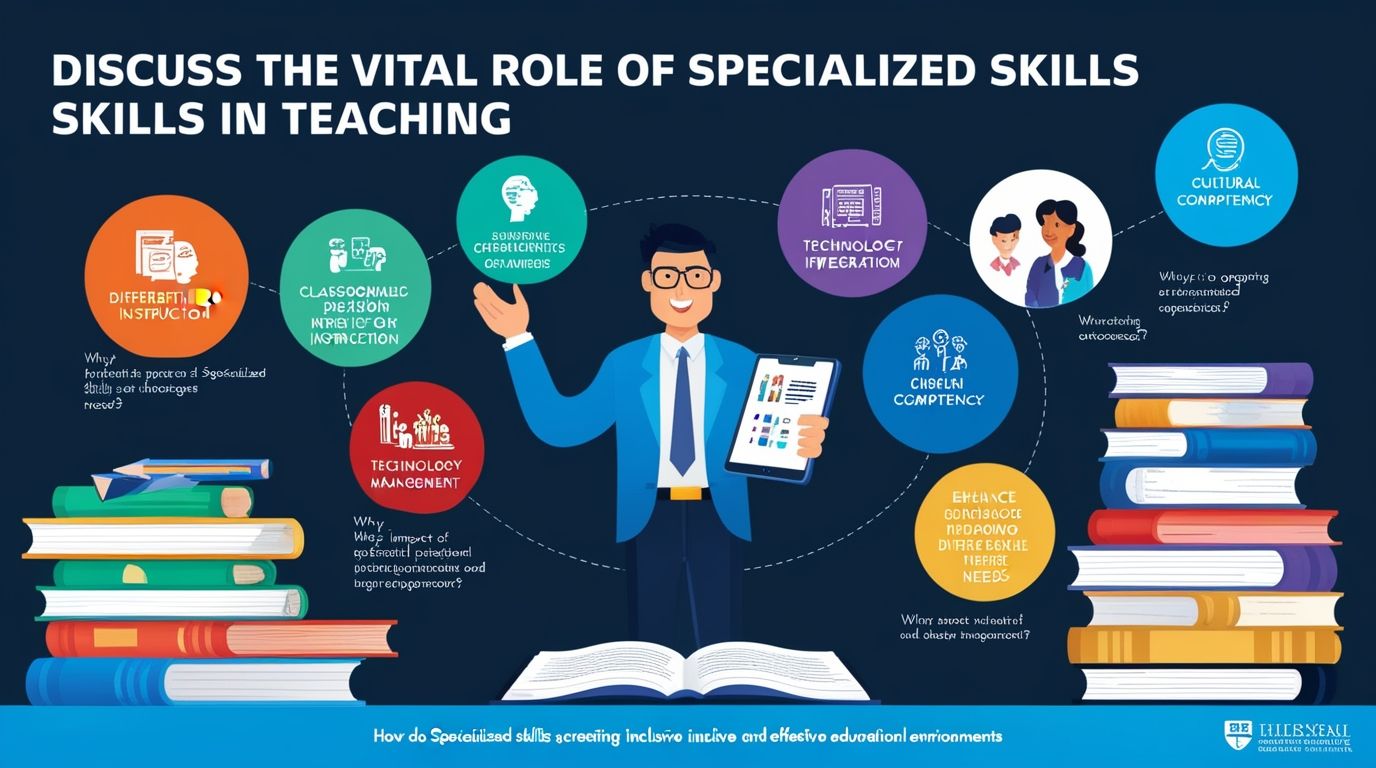
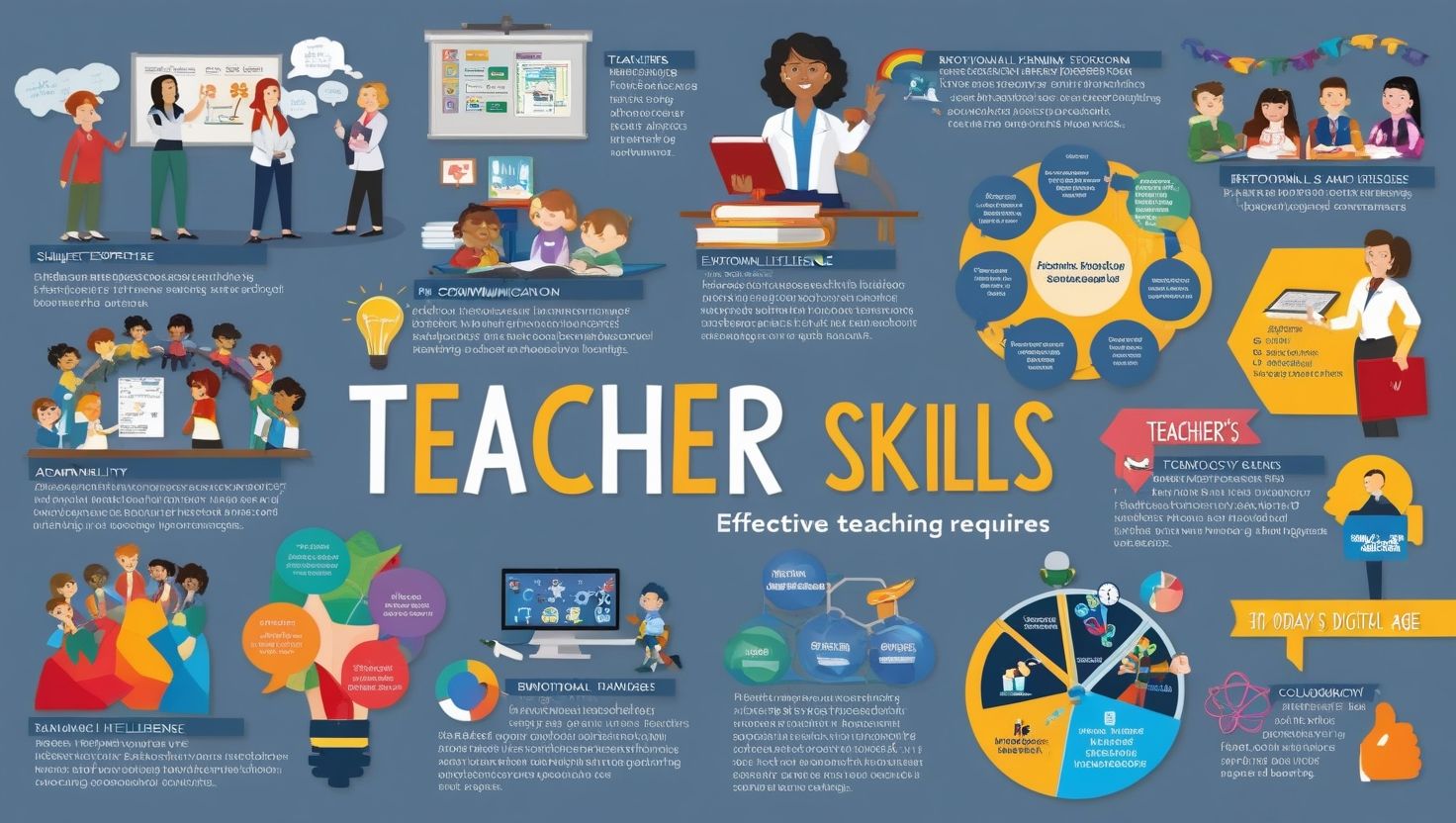
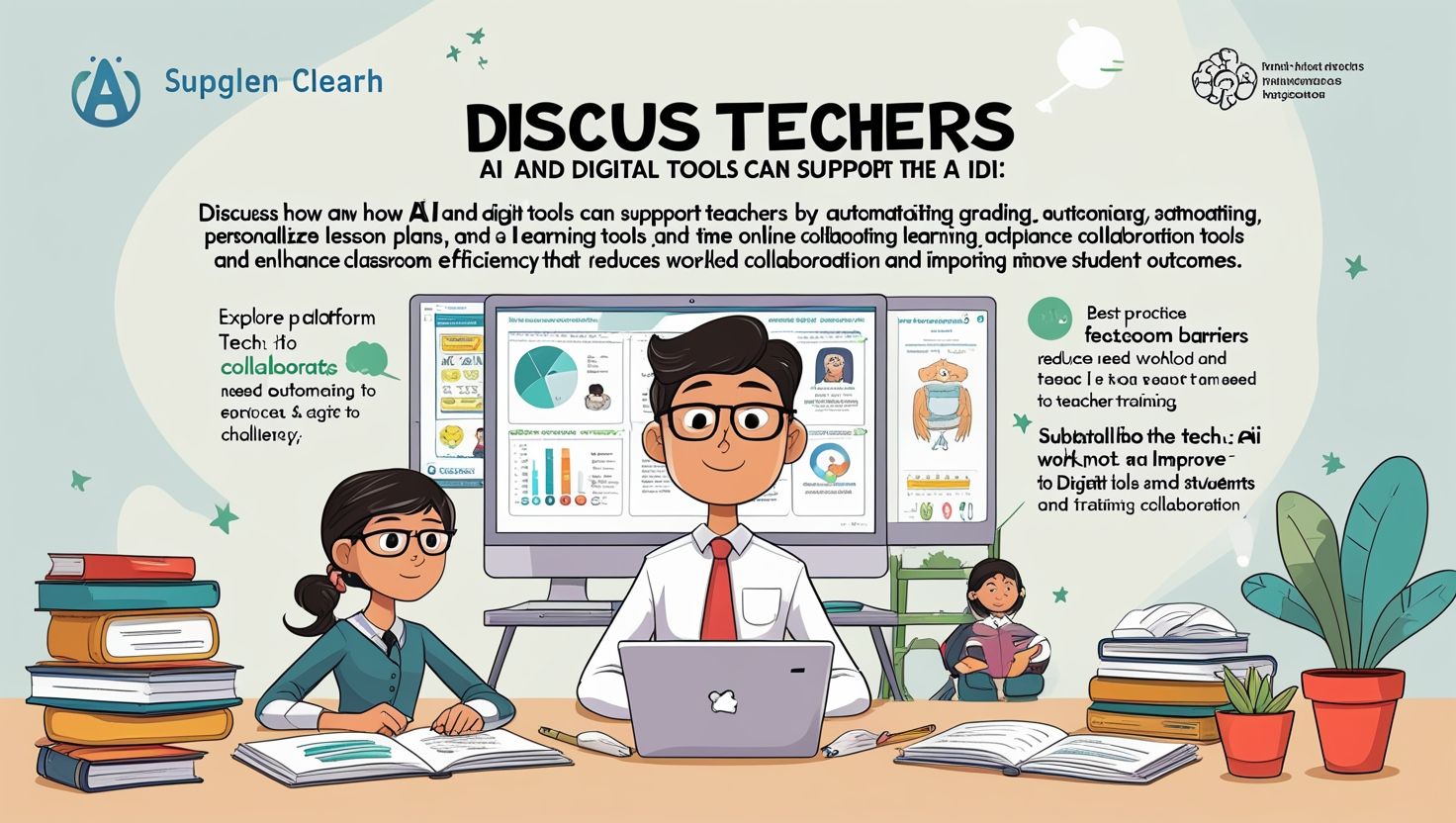
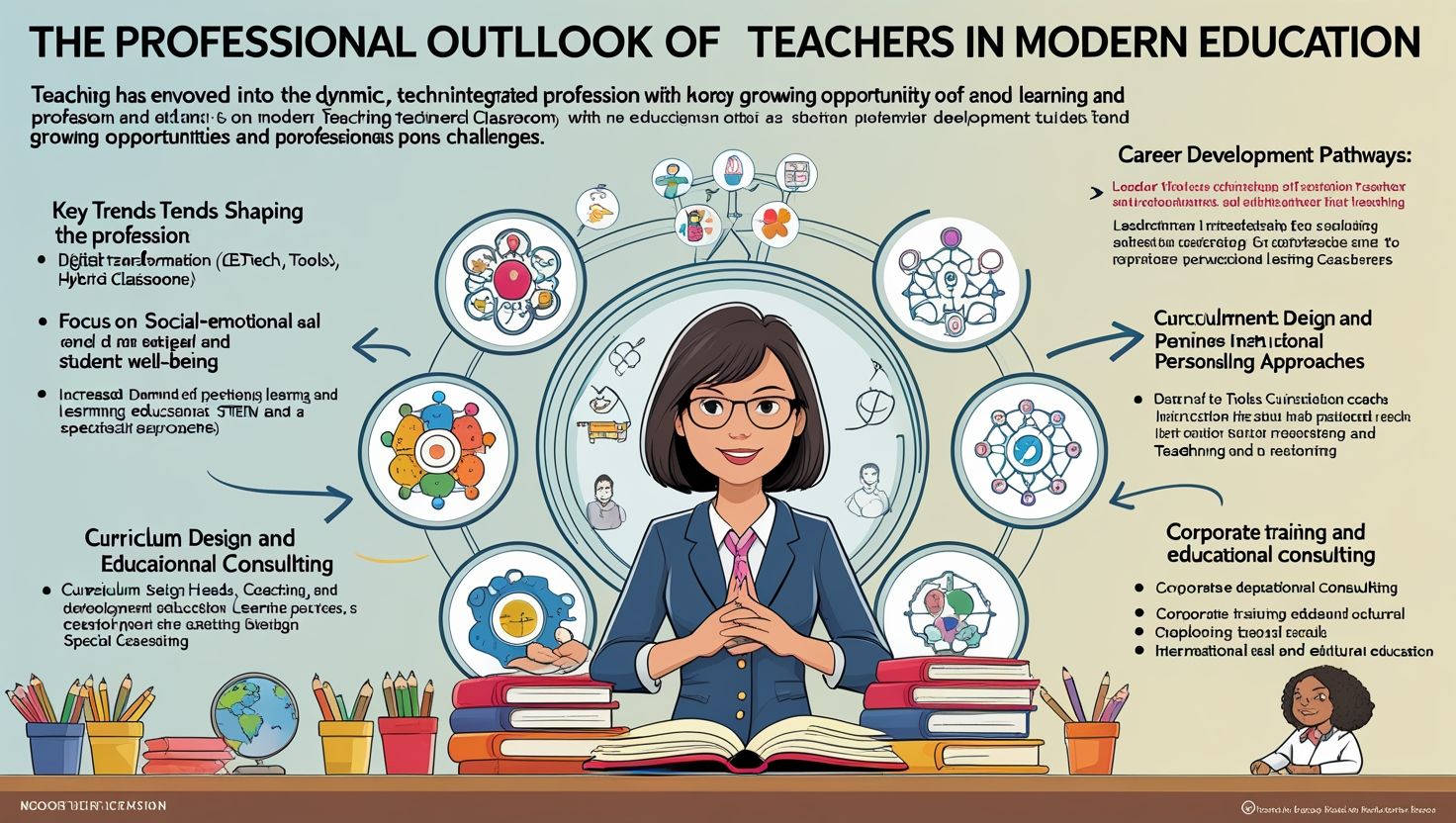
AI tools are not replacing teachers but empowering them to perform their roles more effectively. These technologies provide teacher support by automating routine tasks, offering insights into student performance, and suggesting instructional strategies. Educators can use AI to design more engaging lessons and focus on personalized interactions with students. Professional development programs are also incorporating AI training, enabling teachers to integrate these tools confidently. By enhancing efficiency and effectiveness, AI tools allow teachers to dedicate more time to mentorship and creativity. This shift is redefining the teaching profession, emphasizing the importance of human expertise complemented by technological innovation.
AI-Enhanced STEM Education
Keyword: STEM AI
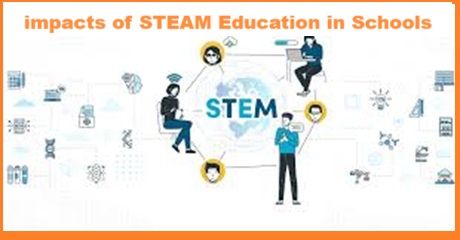
AI modeling tools are particularly impactful in STEM education, where they support complex problem-solving and experimentation. STEM AI applications include simulations, virtual labs, and predictive models that allow students to explore scientific concepts in depth. These tools make abstract ideas more tangible, enhancing understanding and retention. Students can experiment in safe, controlled environments, gaining practical experience without physical constraints. Teachers can use AI to demonstrate real-world applications of STEM concepts, making learning more relevant and engaging. By integrating AI into STEM education, schools can prepare students for future careers in technology and innovation.
Gamification and AI Integration
Keyword: AI gamification
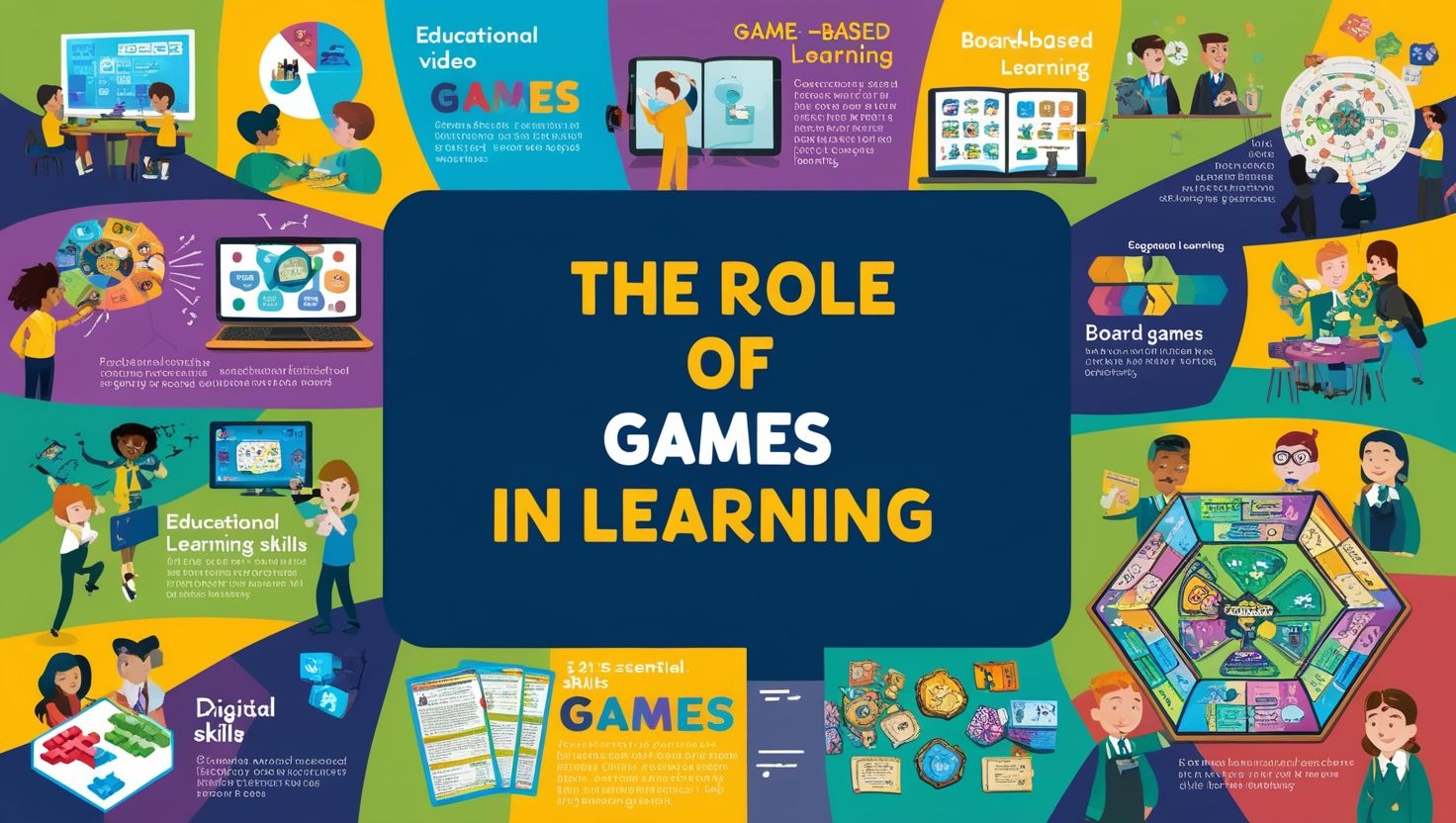
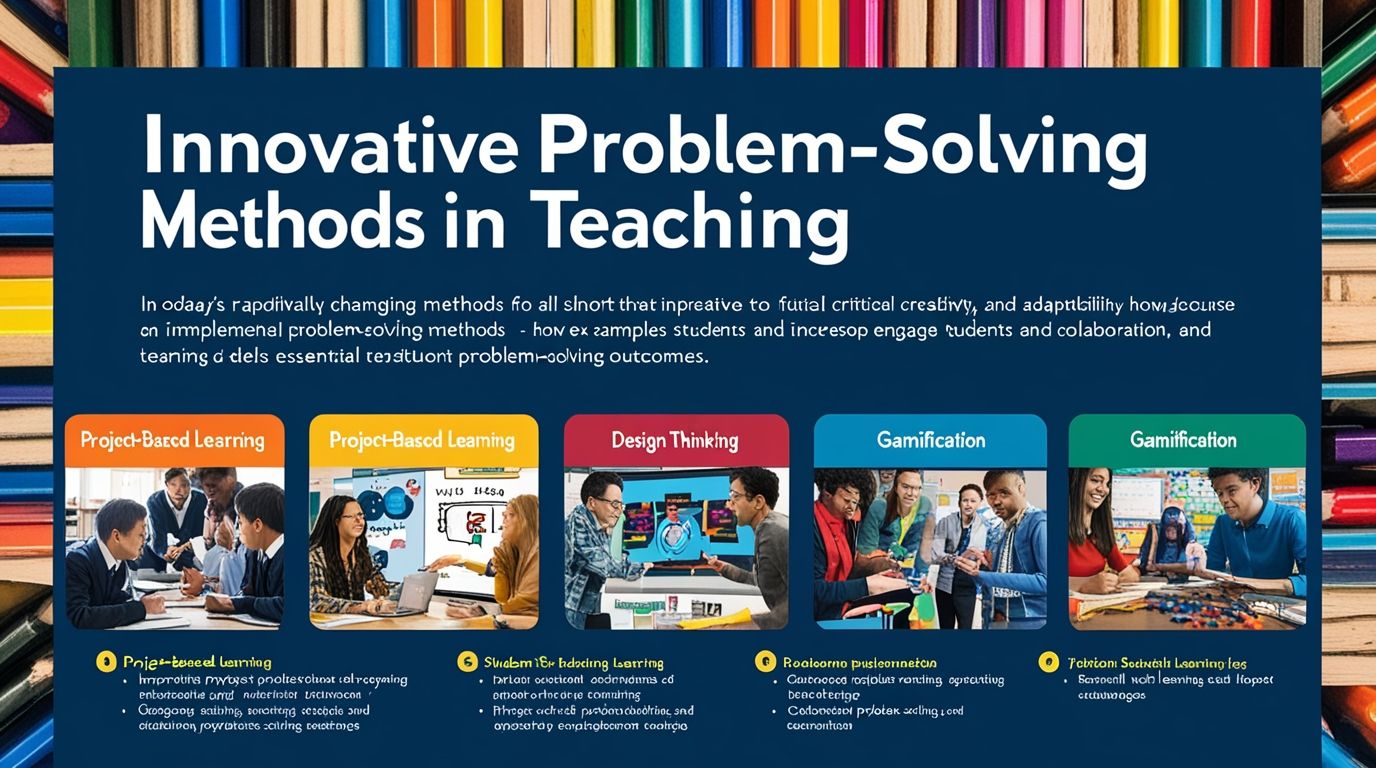
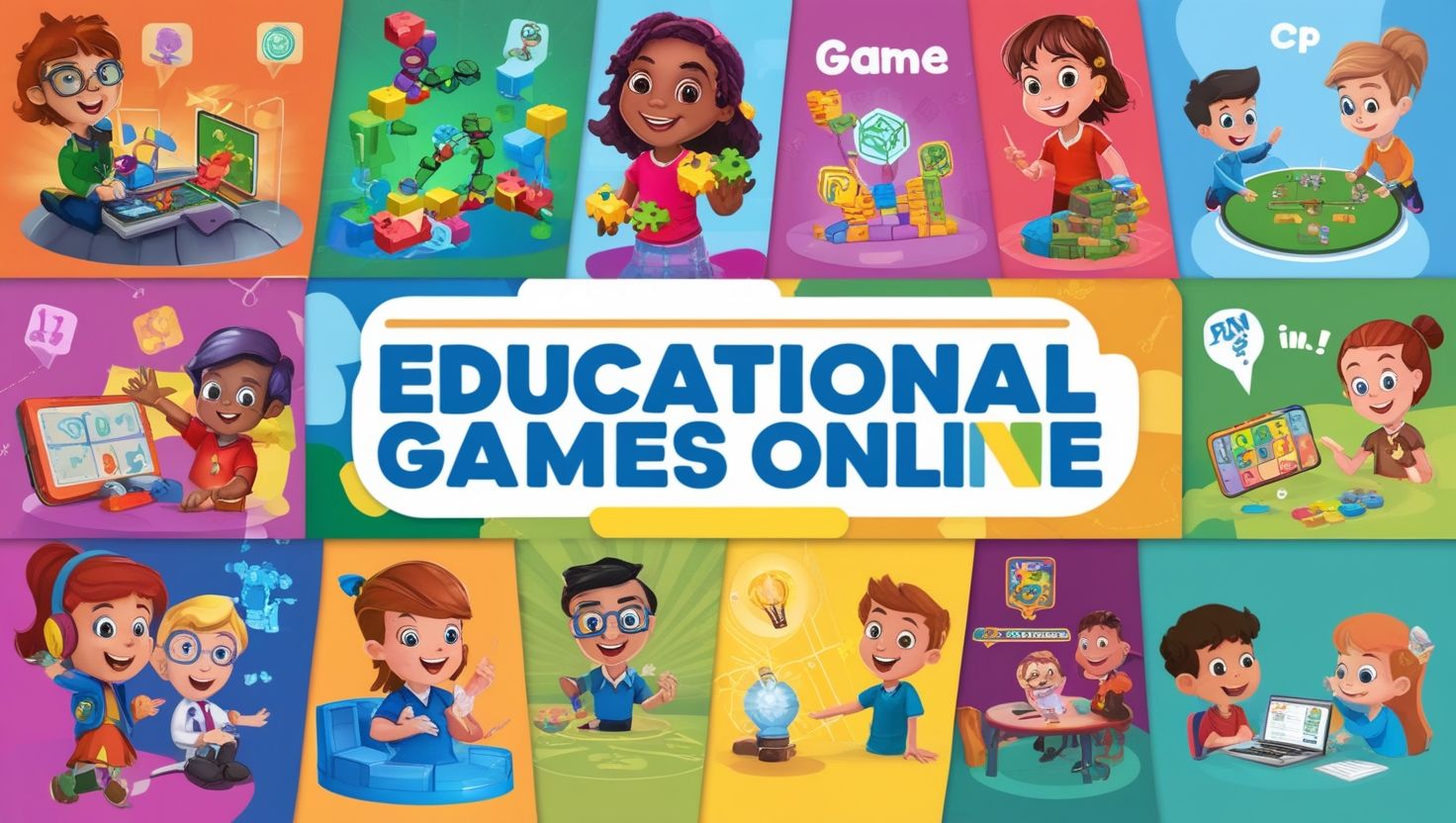
AI gamification combines game-based learning with intelligent algorithms to create engaging educational experiences. These tools use rewards, challenges, and interactive elements to motivate students and enhance participation. AI gamification systems adapt to individual performance, ensuring that challenges remain appropriate and stimulating. This approach not only improves learning outcomes but also fosters a positive attitude toward education. Teachers can use gamified platforms to reinforce concepts and track progress in an enjoyable way. By making learning more interactive and fun, AI gamification helps sustain student interest and encourages continuous engagement.
Future Trends in AI Classroom Tools
Keyword: future AI
The future of AI in education promises even more advanced and integrated solutions. Emerging trends include immersive technologies such as virtual reality and augmented reality combined with AI modeling. These innovations will create highly interactive and experiential learning environments. Future AI systems are expected to become more intuitive, capable of understanding emotional and cognitive states to provide holistic support. Additionally, advancements in machine learning will enable more accurate predictions and personalized recommendations. As these technologies evolve, they will further transform classrooms into intelligent ecosystems that support lifelong learning and adaptability in a rapidly changing world.
Conclusion: Transforming Education with AI
Keyword: AI education
AI education is reshaping the landscape of teaching and learning, offering unprecedented opportunities for innovation and improvement. From personalized learning to automated assessment and collaborative tools, AI modeling is enhancing every aspect of the classroom experience. While challenges remain, particularly in ethics and implementation, the benefits of AI integration are significant. Educators, policymakers, and technologists must work together to ensure that these tools are used responsibly and effectively. By embracing AI education, schools can prepare students for the demands of the future while fostering critical thinking, creativity, and resilience. The journey toward intelligent classrooms is ongoing, but its potential to transform education is undeniable.