Introduction
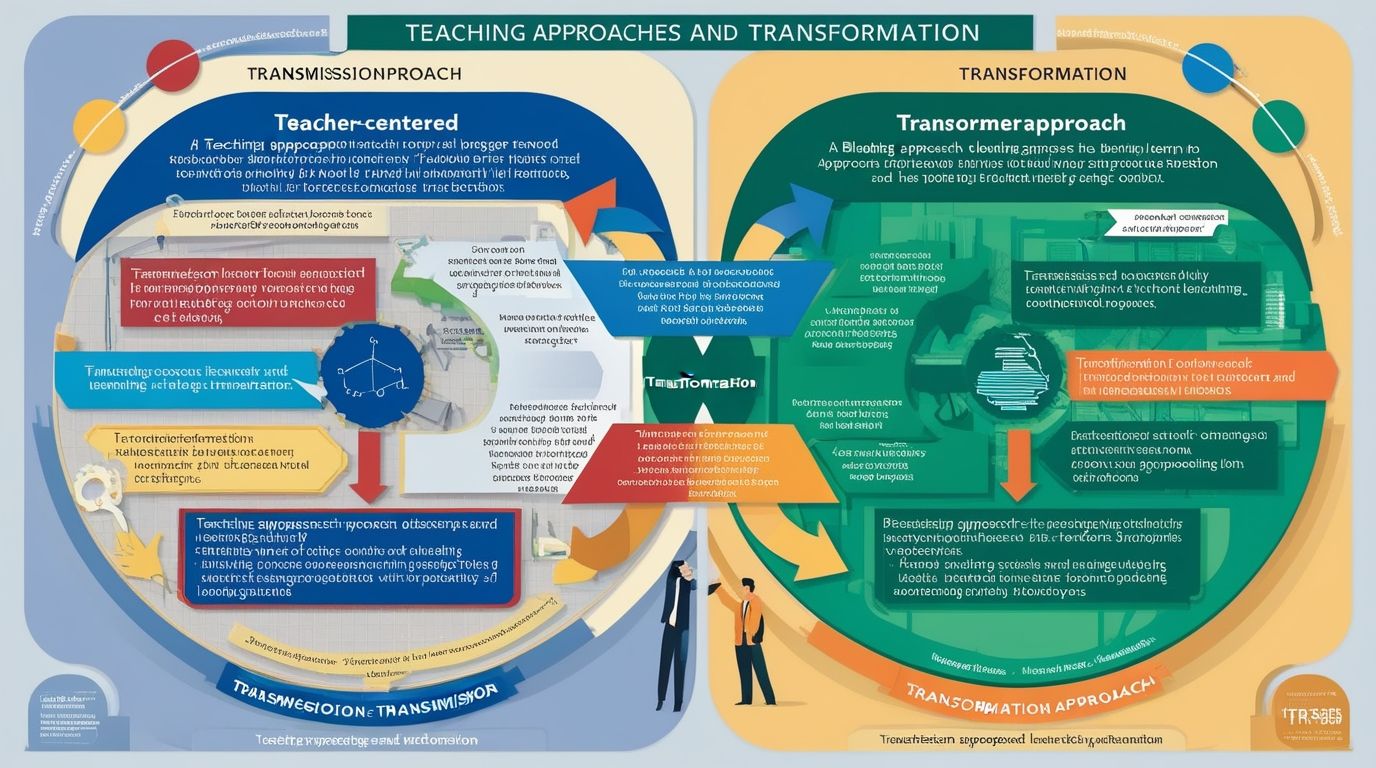
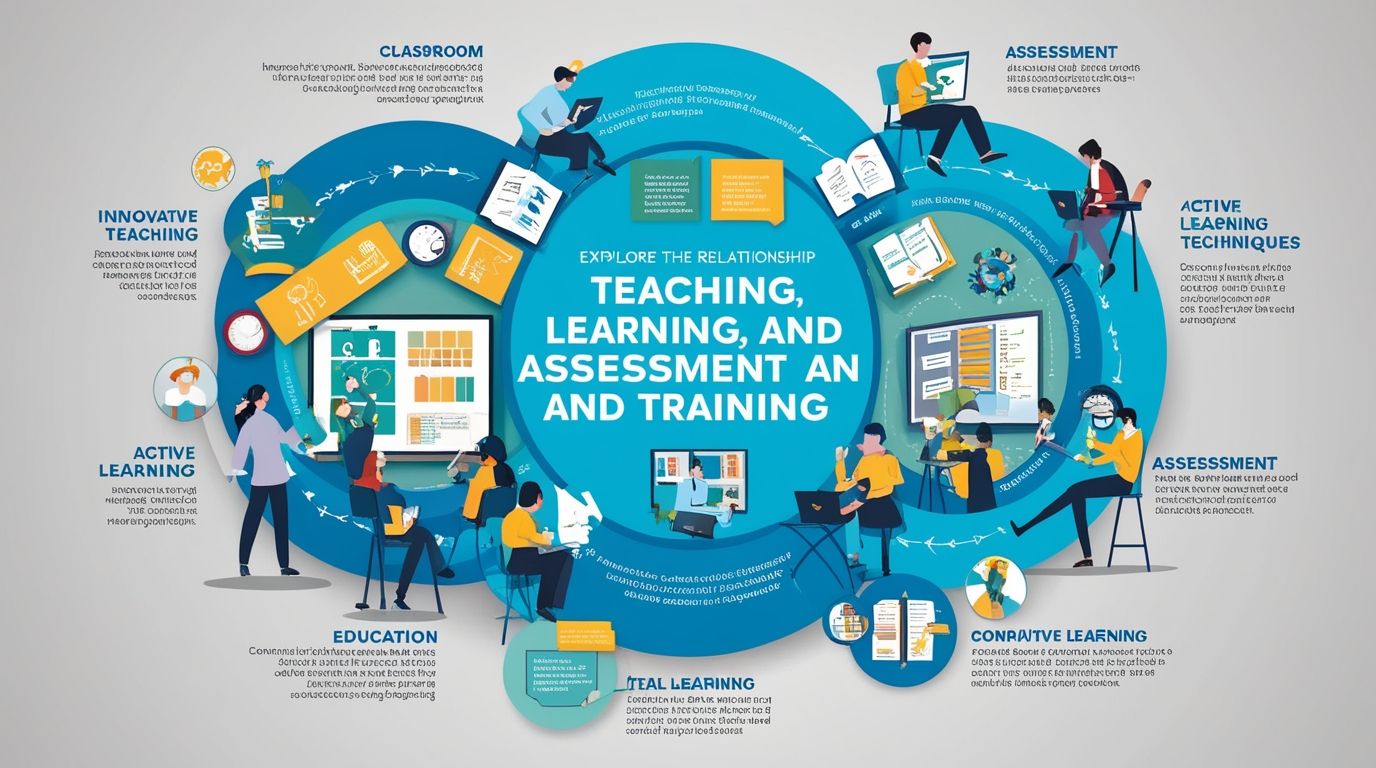
Facilitation of AVDS in Lesson Plan, Modern education is moving beyond traditional teacher-centered instruction toward approaches that actively engage learners in meaningful, practical, and reflective experiences. In this transformation, the integration of AVDS in lesson planning has become increasingly important. AVDS refers to Activities, Values, Discussion, and Skills. It is a comprehensive educational framework that helps teachers design lessons that are interactive, learner-centered, morally enriching, and skill-oriented. The facilitation of AVDS in lesson plans ensures that students not only acquire academic knowledge but also develop critical thinking, collaboration, ethical understanding, creativity, and lifelong learning skills.
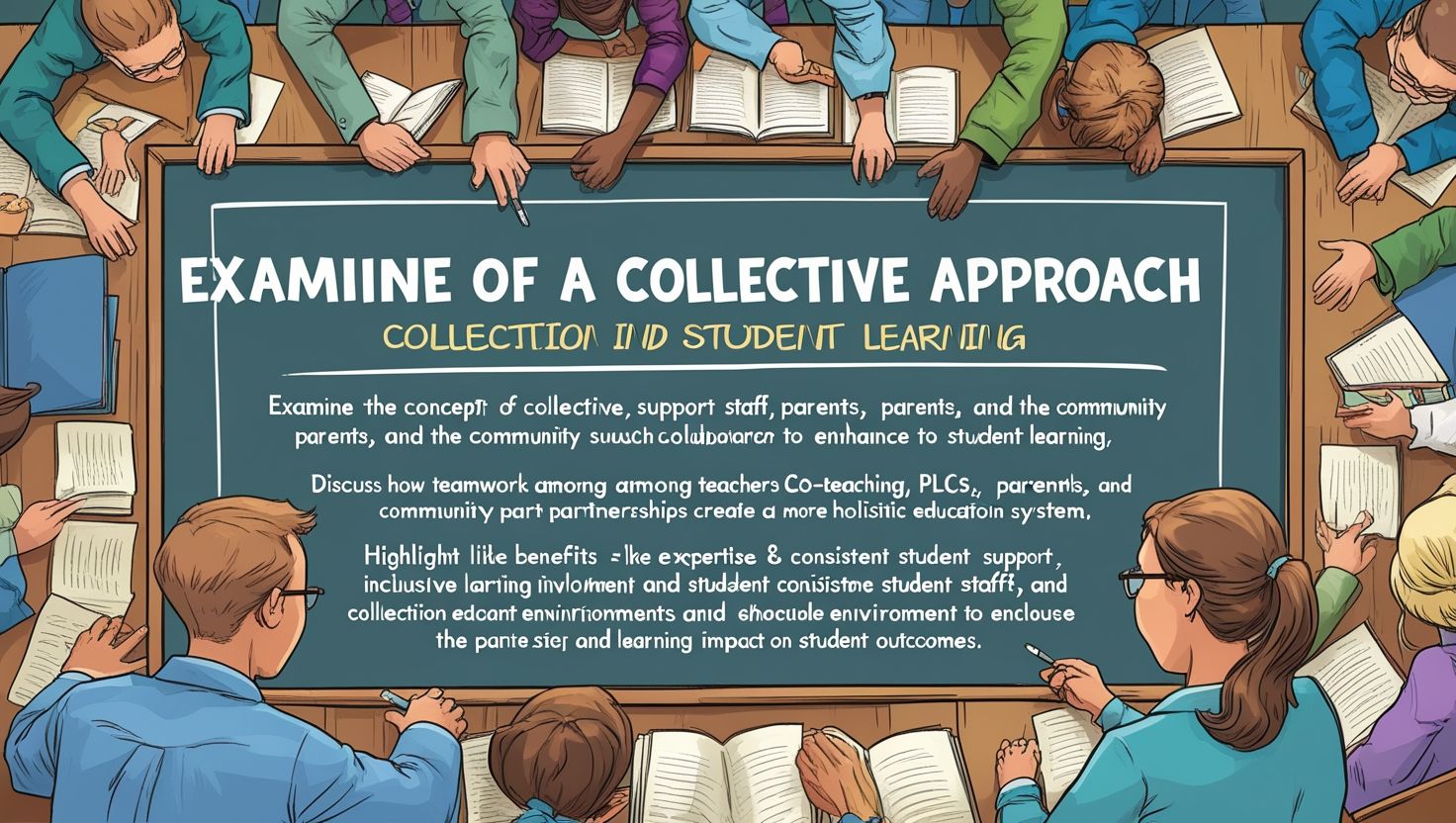
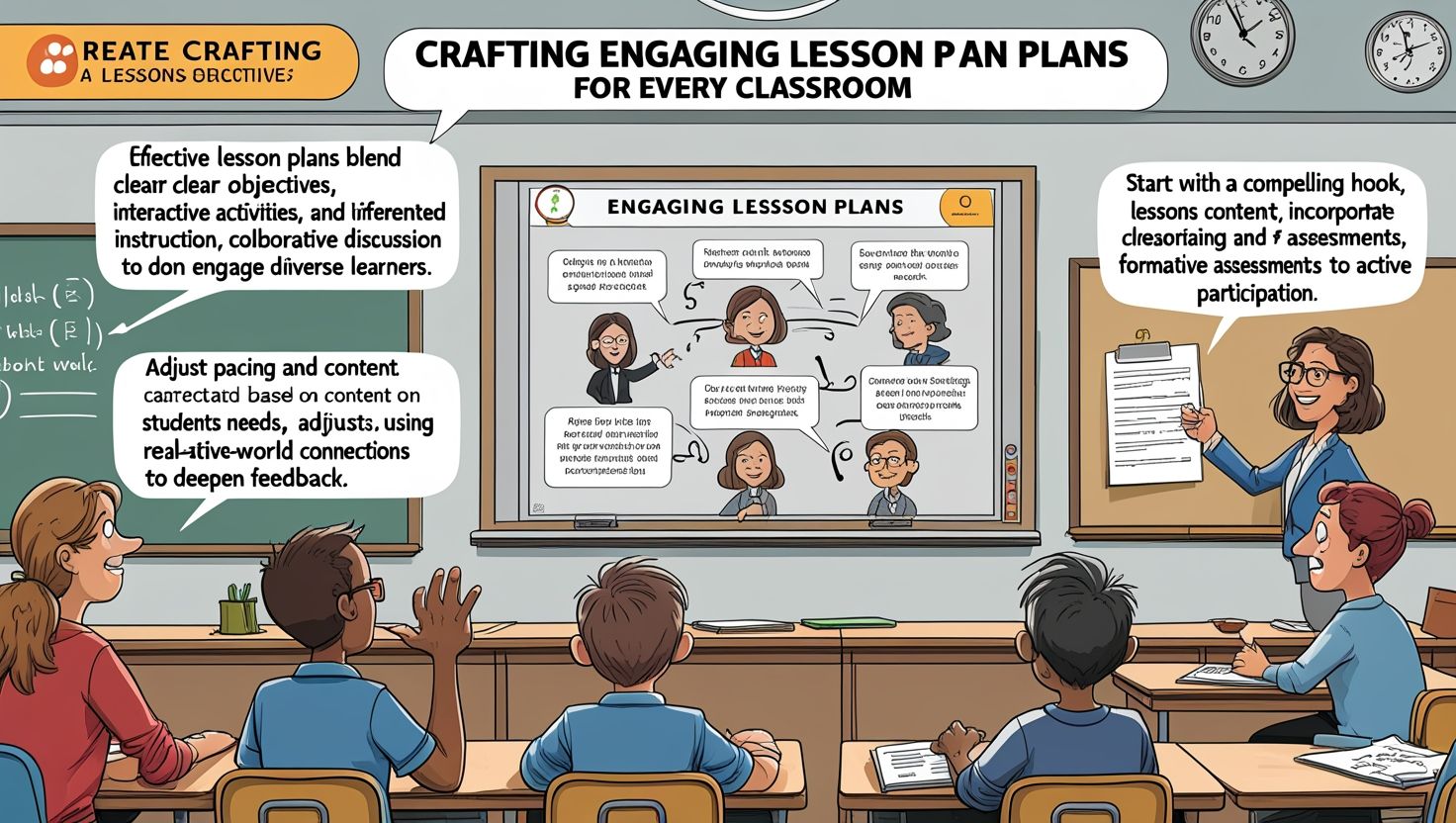
A lesson plan that incorporates AVDS provides a balanced structure for effective teaching and learning. It allows teachers to connect curriculum objectives with real-life experiences and classroom participation. Activities encourage engagement and practical involvement, values build character and social responsibility, discussions promote communication and analytical thinking, and skills prepare learners for personal and professional success. In contemporary classrooms, where diverse learning needs and rapidly changing societal demands exist, AVDS-based lesson planning supports holistic education.
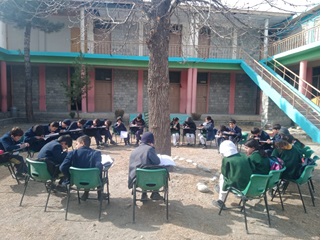
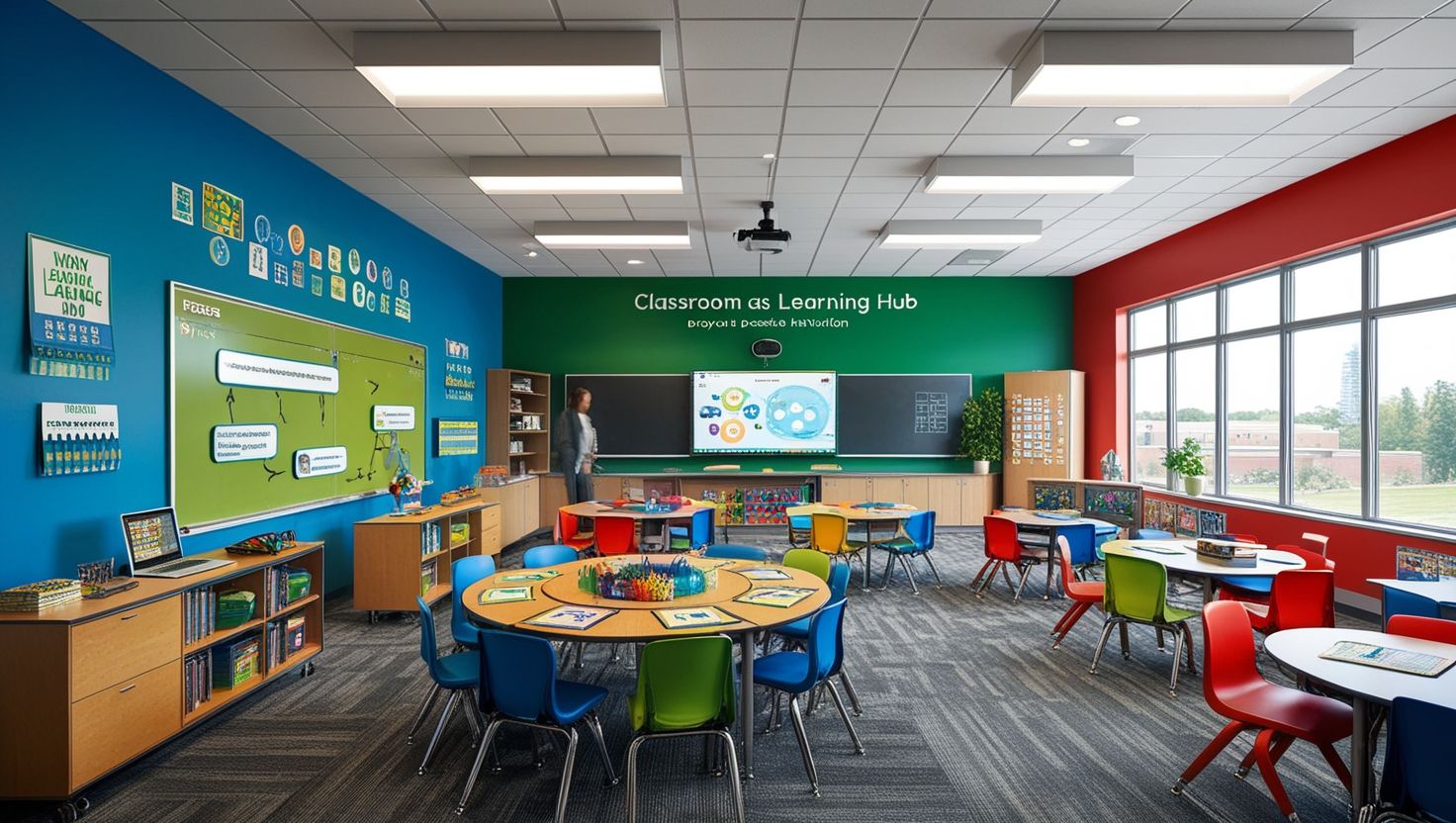
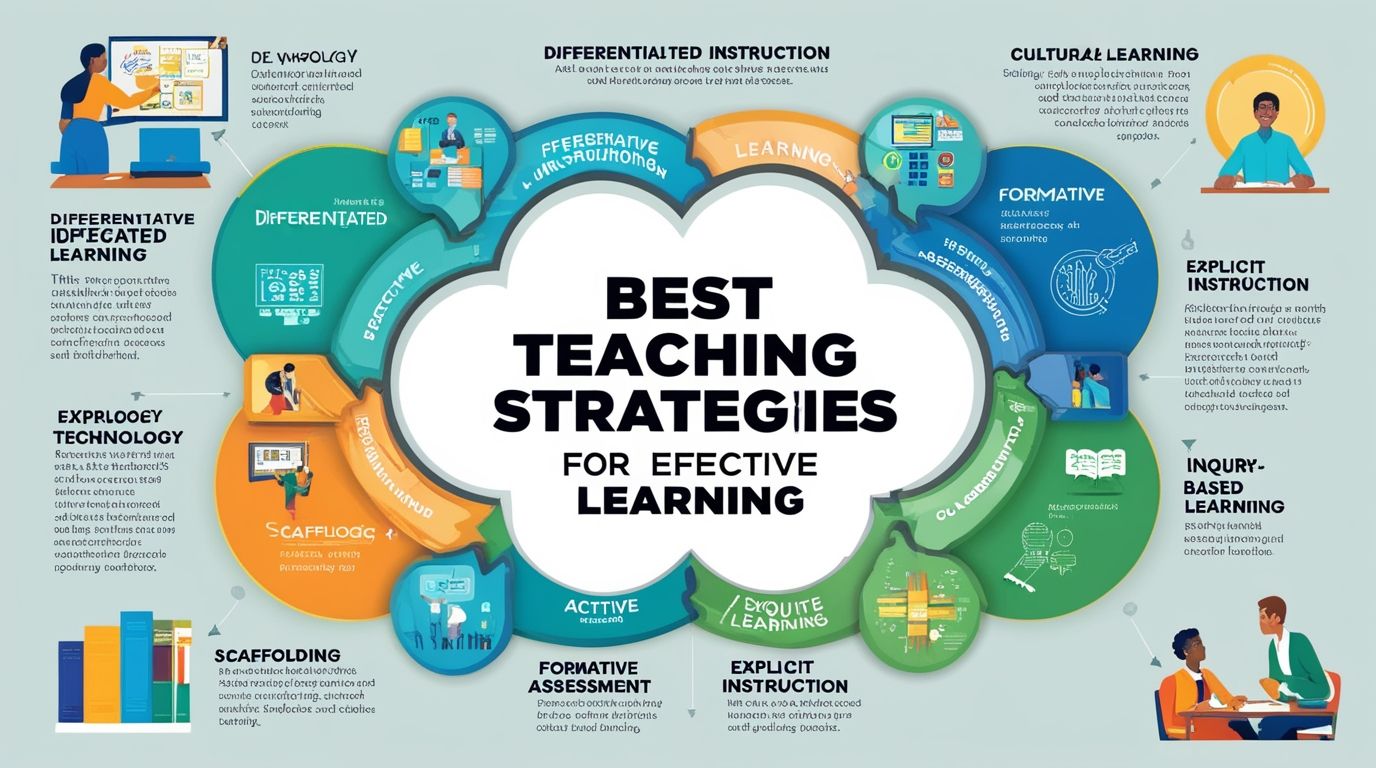
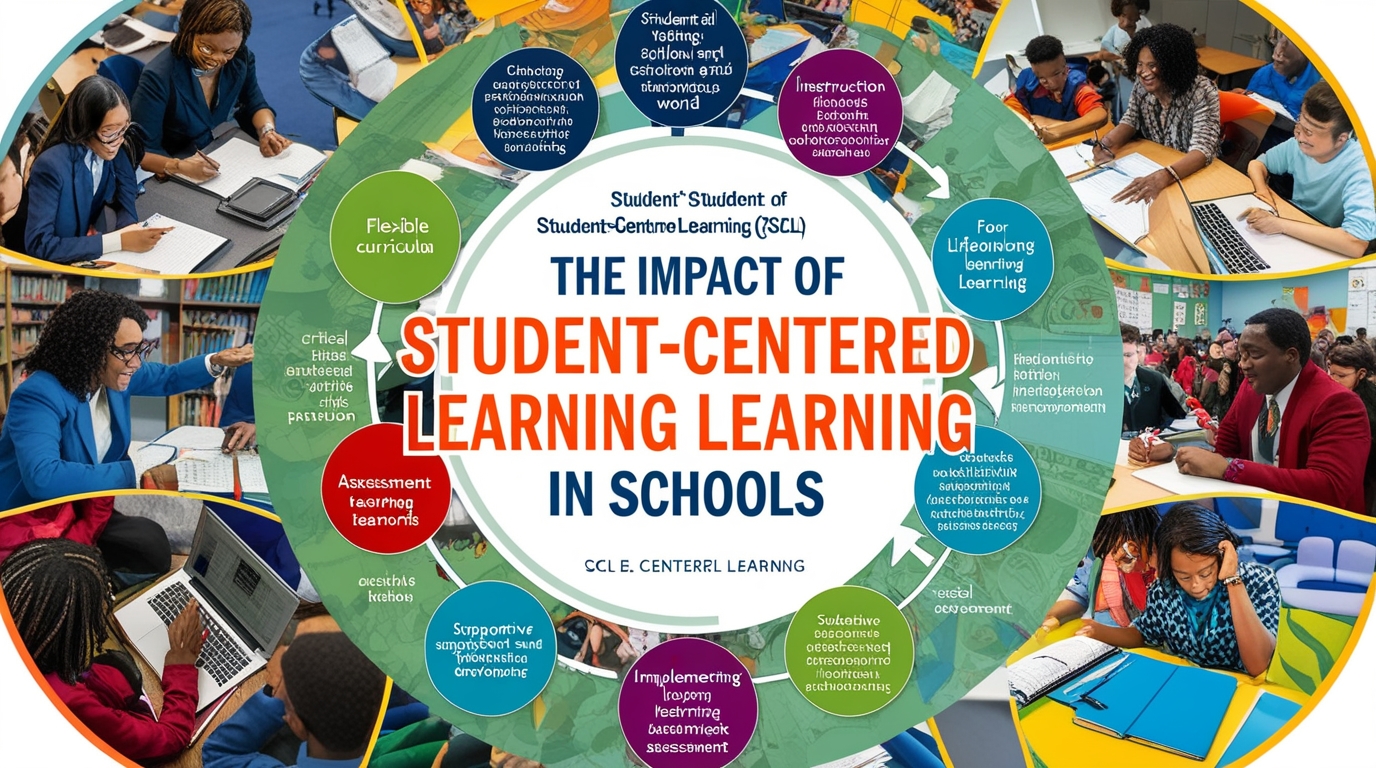
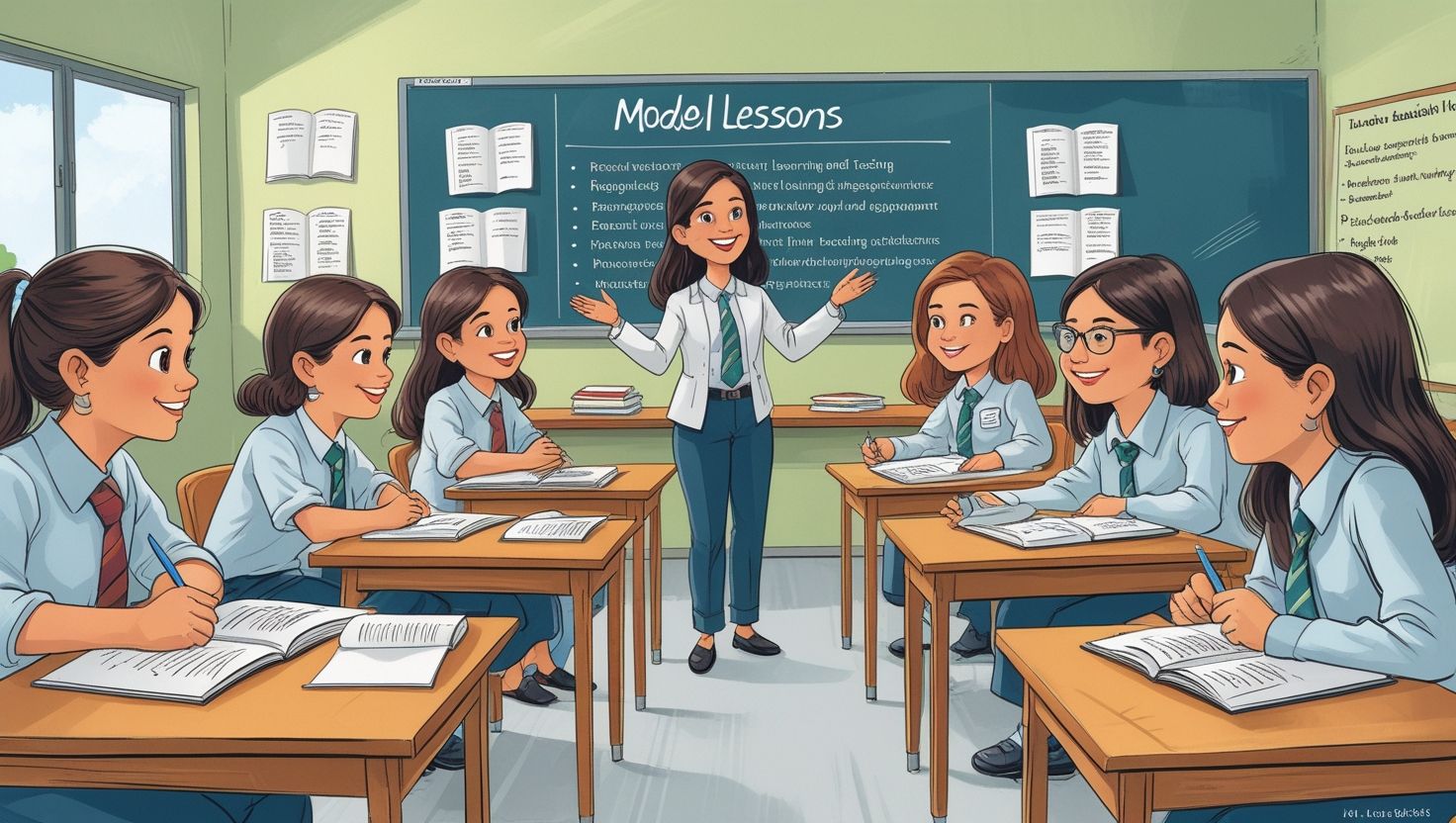
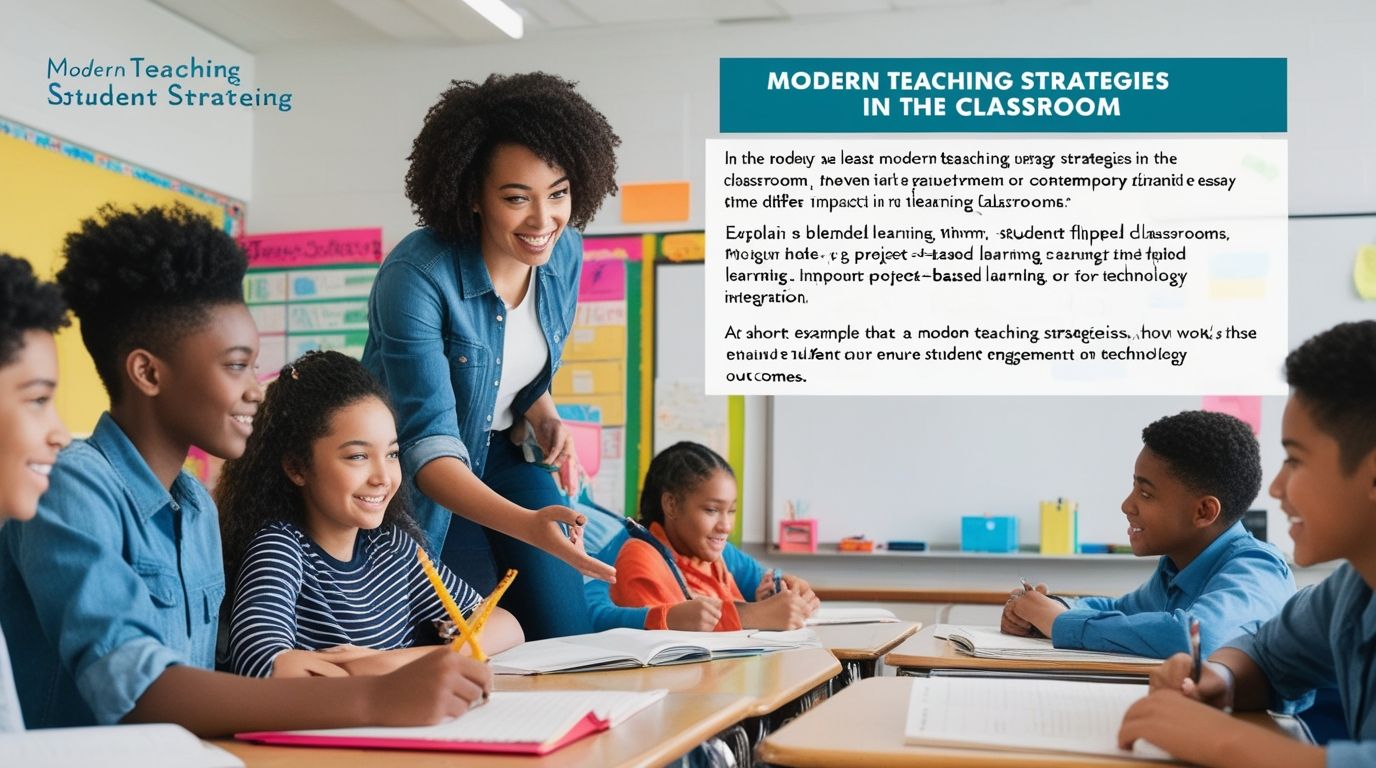
The facilitation of AVDS is especially valuable in schools aiming to create active learning environments. It encourages students to become participants rather than passive listeners. It also enables teachers to shift from merely delivering content to guiding learners through exploration, inquiry, and collaboration. As education systems across the world emphasize competency-based learning, AVDS provides a practical and structured method for achieving educational excellence.
Understanding AVDS in Education
AVDS is an educational approach that integrates four essential components into classroom teaching:
1. Activities
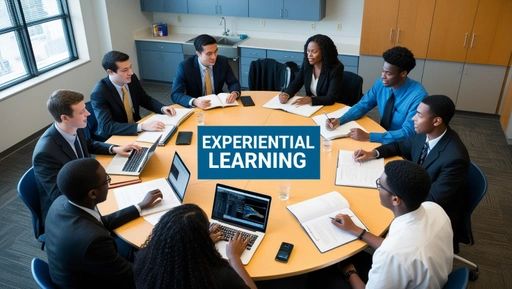
Activities are structured learning tasks that involve students directly in the learning process. They may include group work, experiments, role plays, projects, games, brainstorming sessions, simulations, presentations, or hands-on practices. Activities help students learn by doing, which improves understanding and retention.
In lesson planning, activities are carefully aligned with learning objectives. Effective activities encourage participation, creativity, collaboration, and problem-solving. They also accommodate different learning styles, allowing visual, auditory, and kinesthetic learners to benefit equally.
2. Values
Values refer to moral, ethical, social, and cultural principles that shape students’ character and behavior. Education is not only about academic achievement; it is also about preparing responsible and respectful citizens. Through AVDS, lesson plans intentionally integrate values such as honesty, cooperation, empathy, discipline, tolerance, patriotism, environmental awareness, and respect for diversity.
Value-based education creates a positive classroom climate and helps learners apply ethical principles in everyday life. Teachers play a significant role in modeling and reinforcing these values during teaching.
3. Discussion
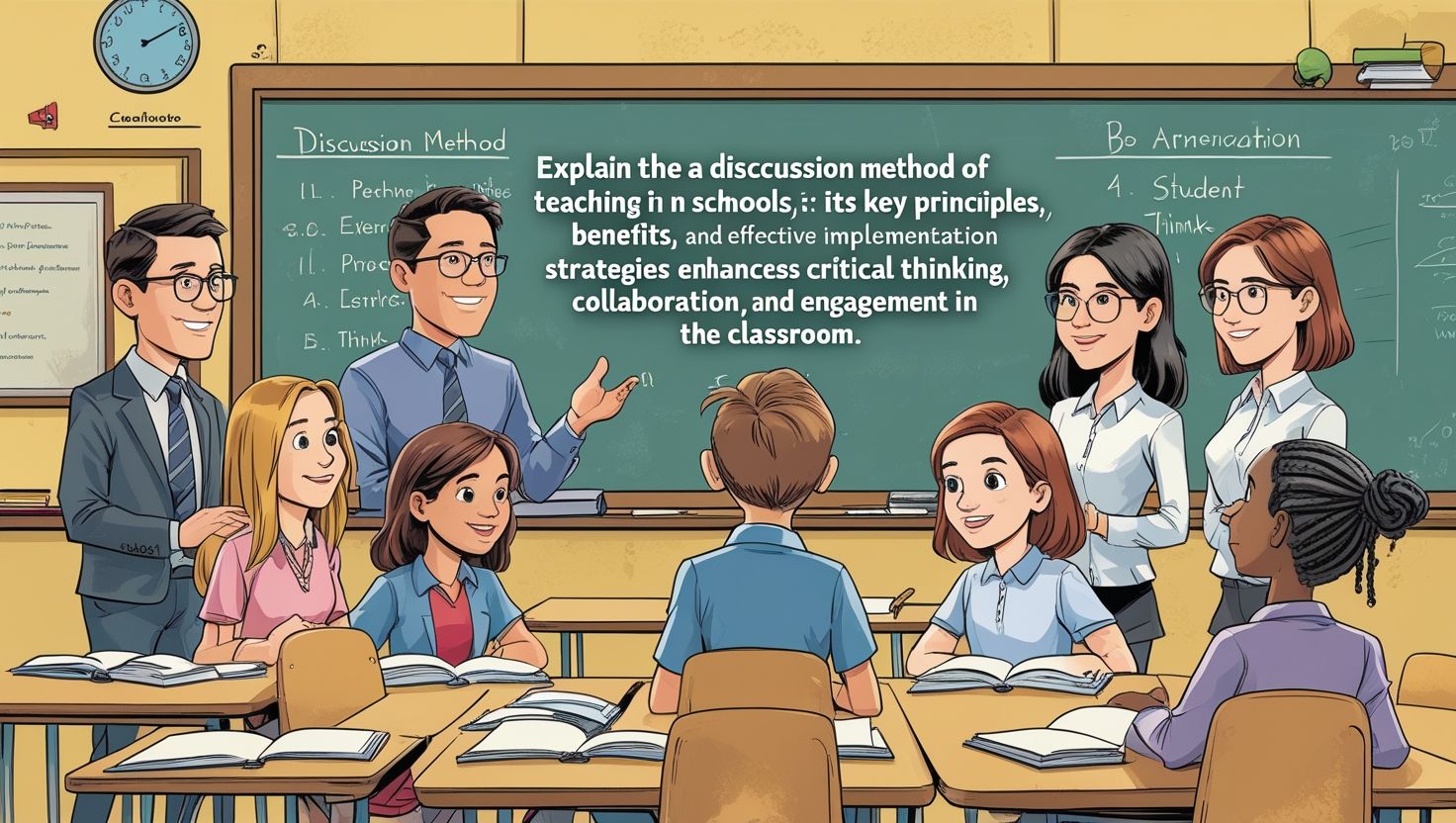
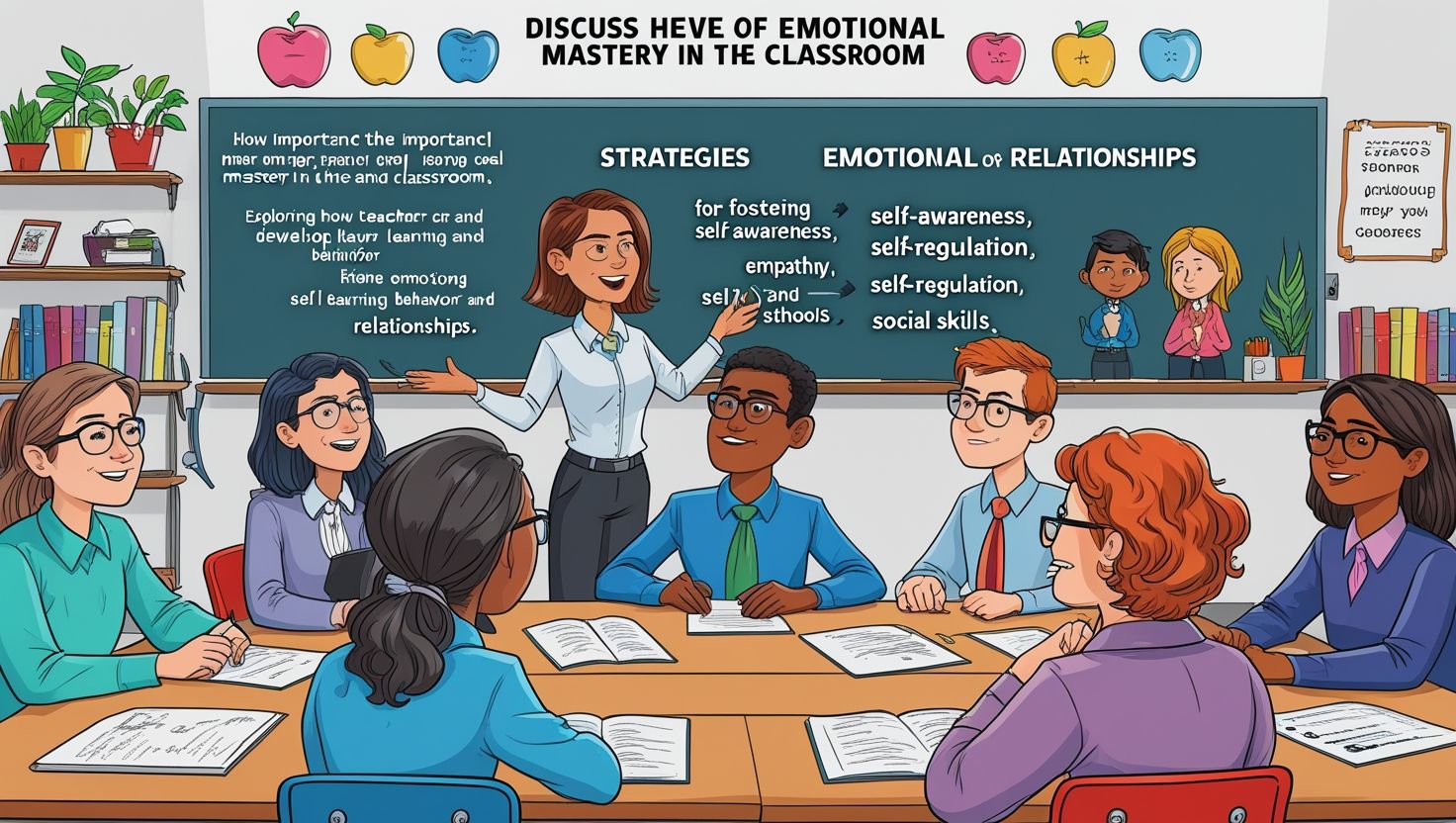
Discussion is a teaching strategy that promotes interaction, questioning, reflection, and critical thinking. It allows students to express ideas, share opinions, analyze concepts, and learn from others. Classroom discussions encourage democratic participation and improve communication skills.
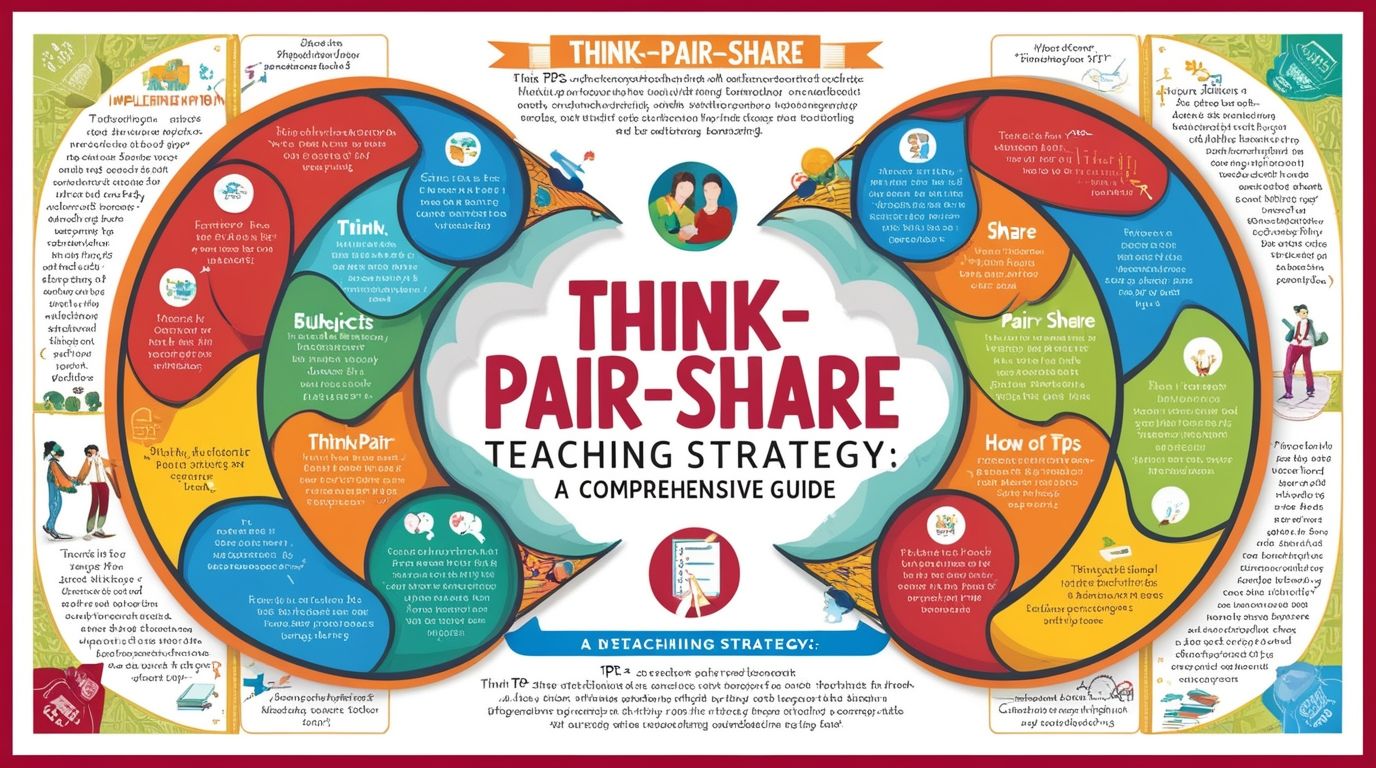
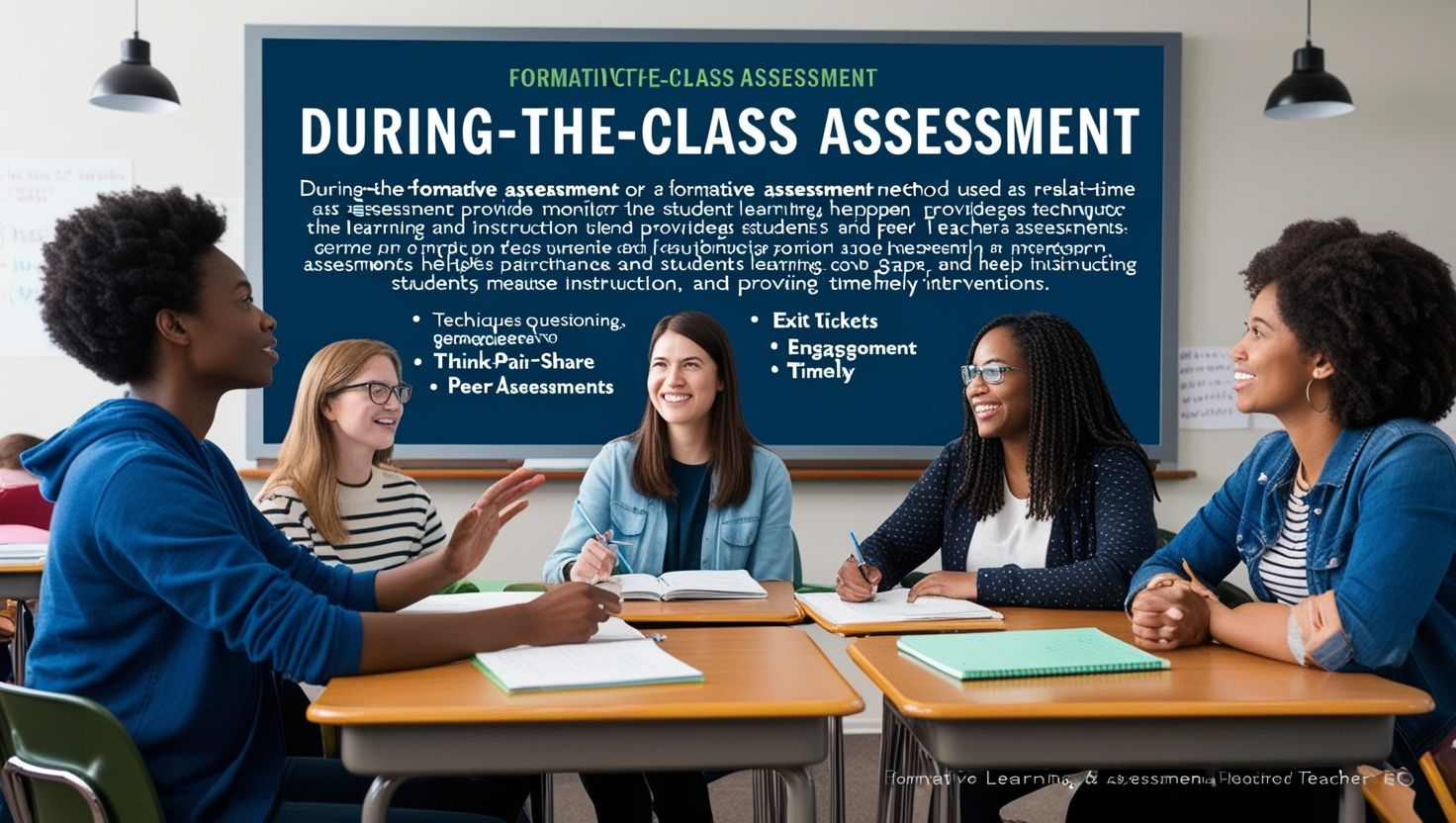
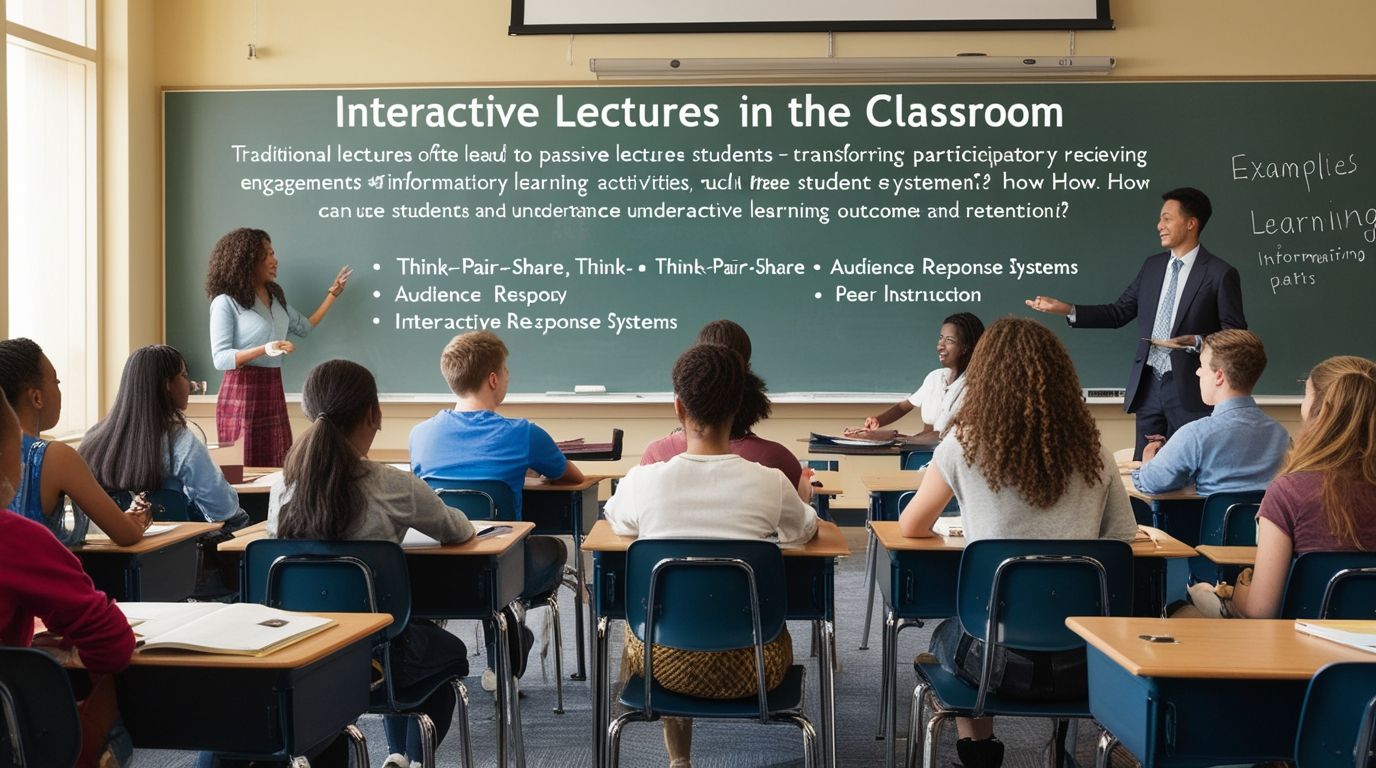
Through discussions, teachers can assess learners’ understanding, address misconceptions, and stimulate deeper thinking. Discussions may be conducted through question-answer sessions, debates, think-pair-share activities, panel discussions, or reflective conversations.
4. Skills
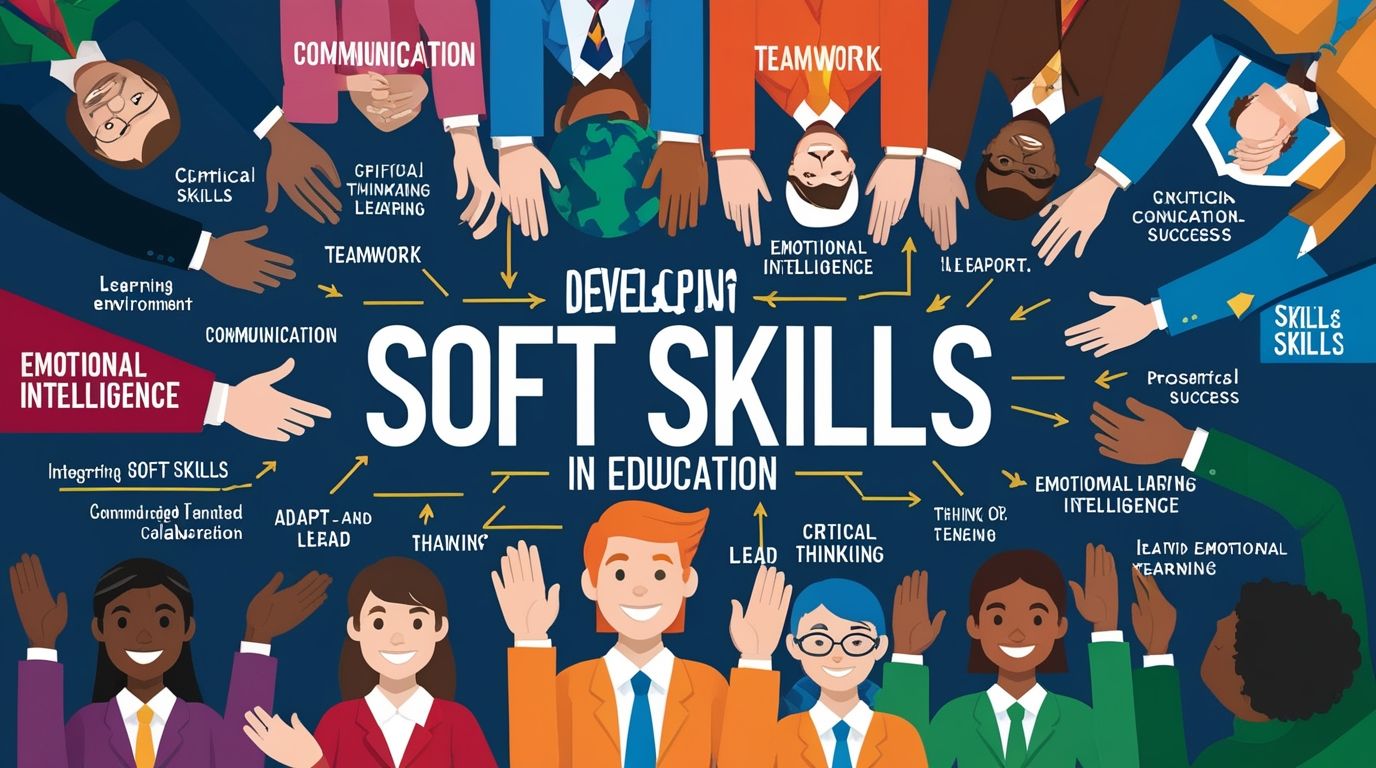
Skills are practical abilities that learners develop through educational experiences. These include cognitive skills, communication skills, social skills, leadership skills, technological skills, and problem-solving abilities. Modern education emphasizes the development of 21st-century skills that prepare students for future challenges.
Skill development in lesson planning ensures that education becomes practical and applicable. Students learn not only theoretical concepts but also how to use knowledge effectively in real-world situations.
Importance of Facilitating AVDS in Lesson Plans
The facilitation of AVDS in lesson planning offers numerous educational benefits. It transforms classrooms into dynamic learning environments and supports comprehensive student development.
Promotes Active Learning
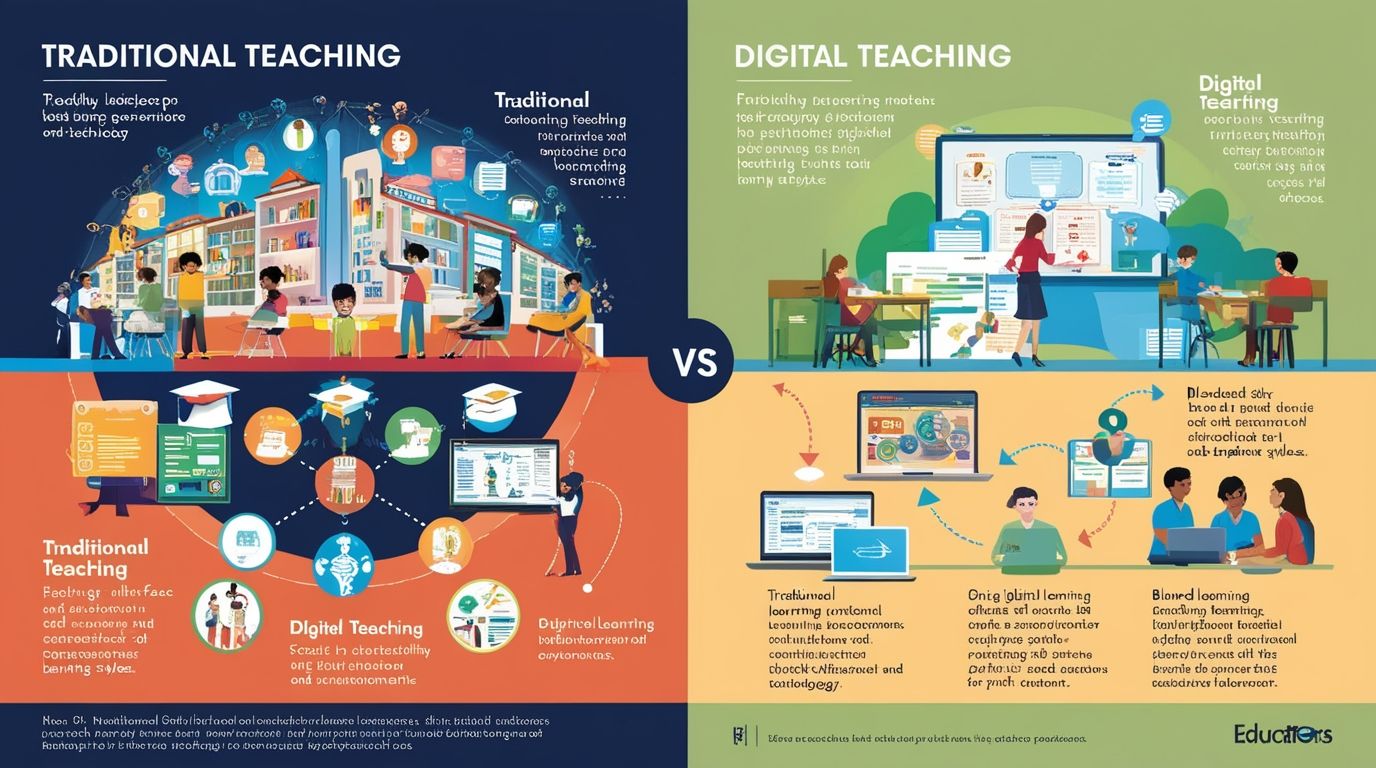
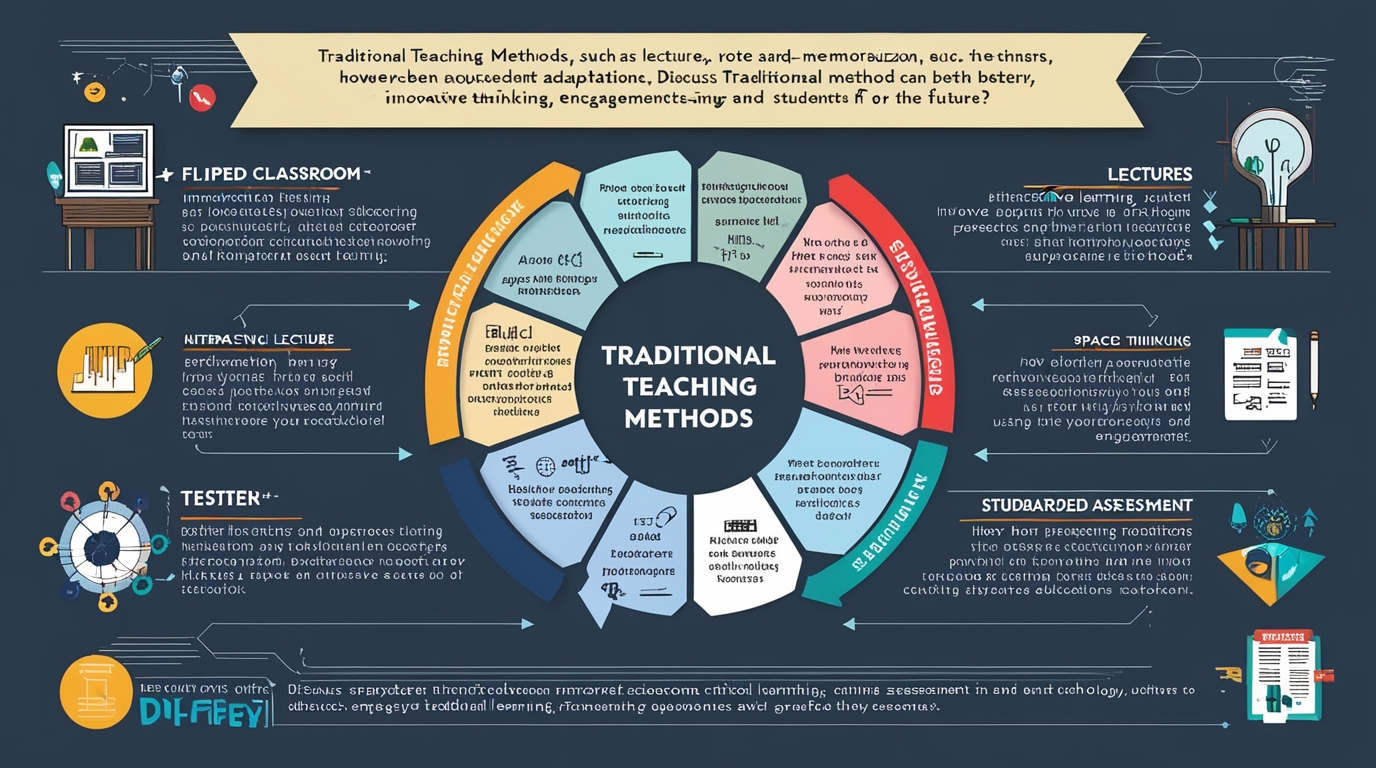
Traditional teaching methods often rely heavily on lectures and memorization. AVDS shifts the focus toward active participation. Students become engaged in activities, discussions, and collaborative learning tasks. This active involvement improves motivation and enhances learning outcomes.
Encourages Holistic Development
AVDS addresses cognitive, emotional, social, and moral aspects of learning. Students not only gain knowledge but also develop positive attitudes, ethical values, and practical competencies.
Improves Critical Thinking
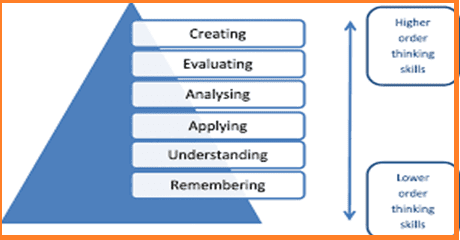
Discussions and problem-solving activities encourage students to analyze information, evaluate ideas, and make informed decisions. This strengthens higher-order thinking skills.
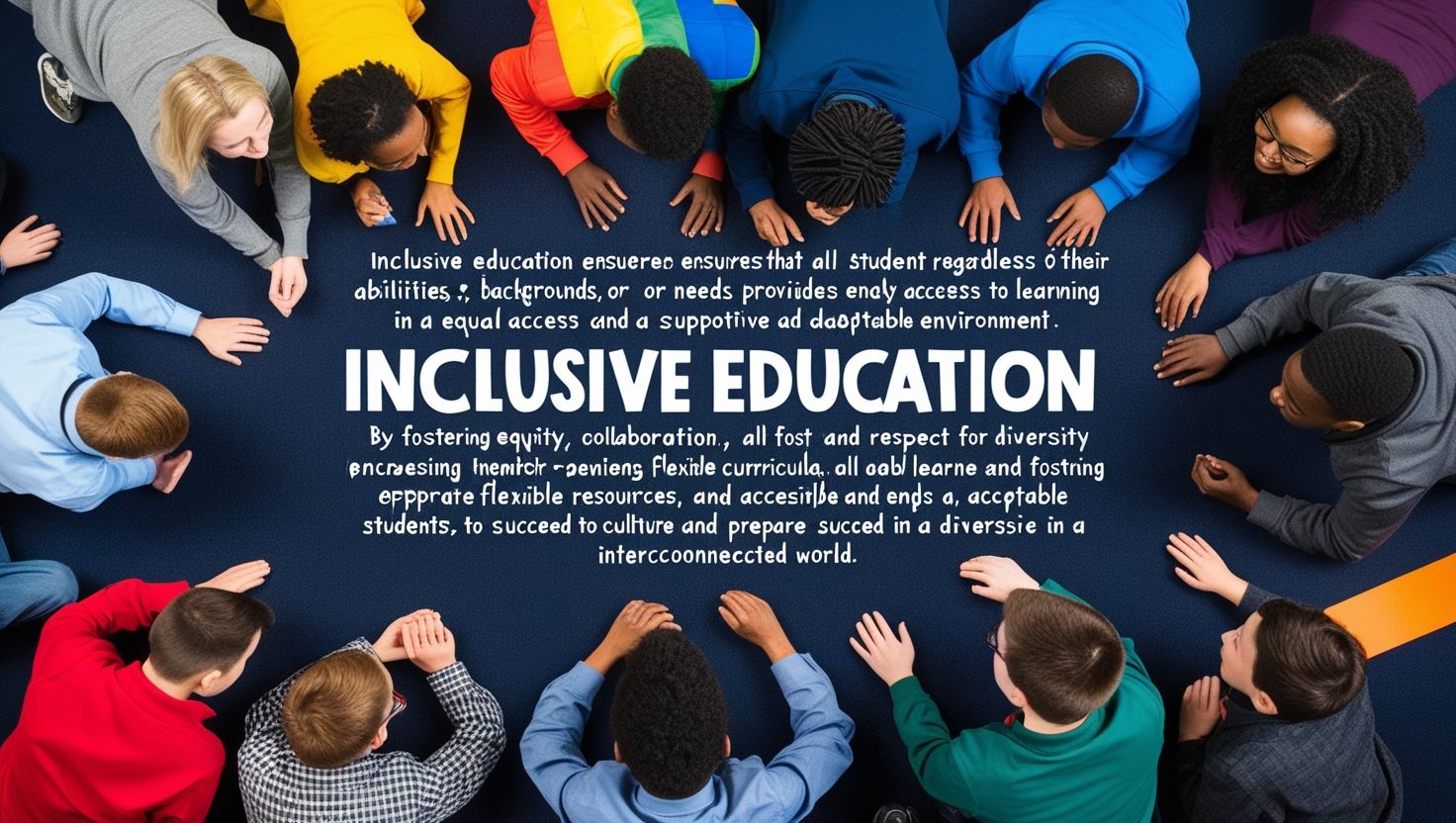
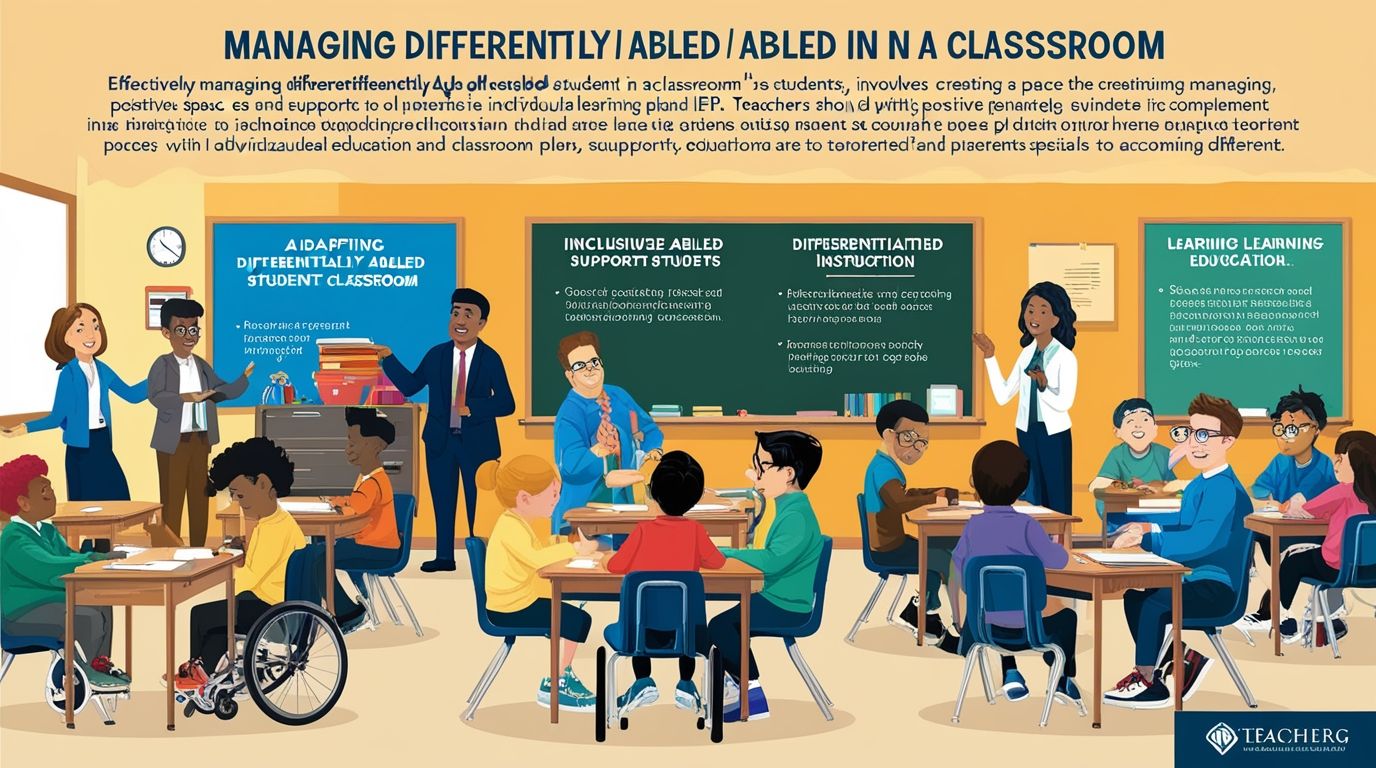
Supports Inclusive Education
AVDS-based lesson plans provide opportunities for all learners to participate according to their abilities and interests. Activities can be differentiated to meet diverse learning needs.
Strengthens Teacher-Student Interaction
The use of discussions and collaborative activities creates positive relationships between teachers and students. Teachers become facilitators and mentors rather than only instructors.
Enhances Retention and Understanding
Students remember concepts more effectively when they learn through participation, practical experiences, and reflection. Activities and discussions make learning meaningful and memorable.
Prepares Students for Real Life
Skill-based learning equips students with competencies required in daily life and future careers. Communication, teamwork, leadership, and problem-solving skills are highly valuable in modern society.
Principles of AVDS-Based Lesson Planning
For effective facilitation of AVDS, teachers should follow certain principles while designing lesson plans.
Alignment with Learning Objectives
All AVDS components must align with the lesson objectives. Activities, discussions, values, and skills should directly contribute to the intended learning outcomes.
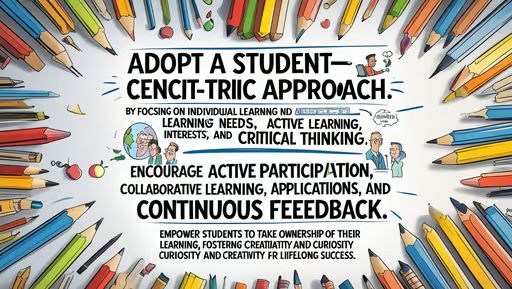
Learner-Centered Approach
The lesson should focus on students’ participation and experiences. Teachers should provide opportunities for learners to explore, ask questions, and interact.
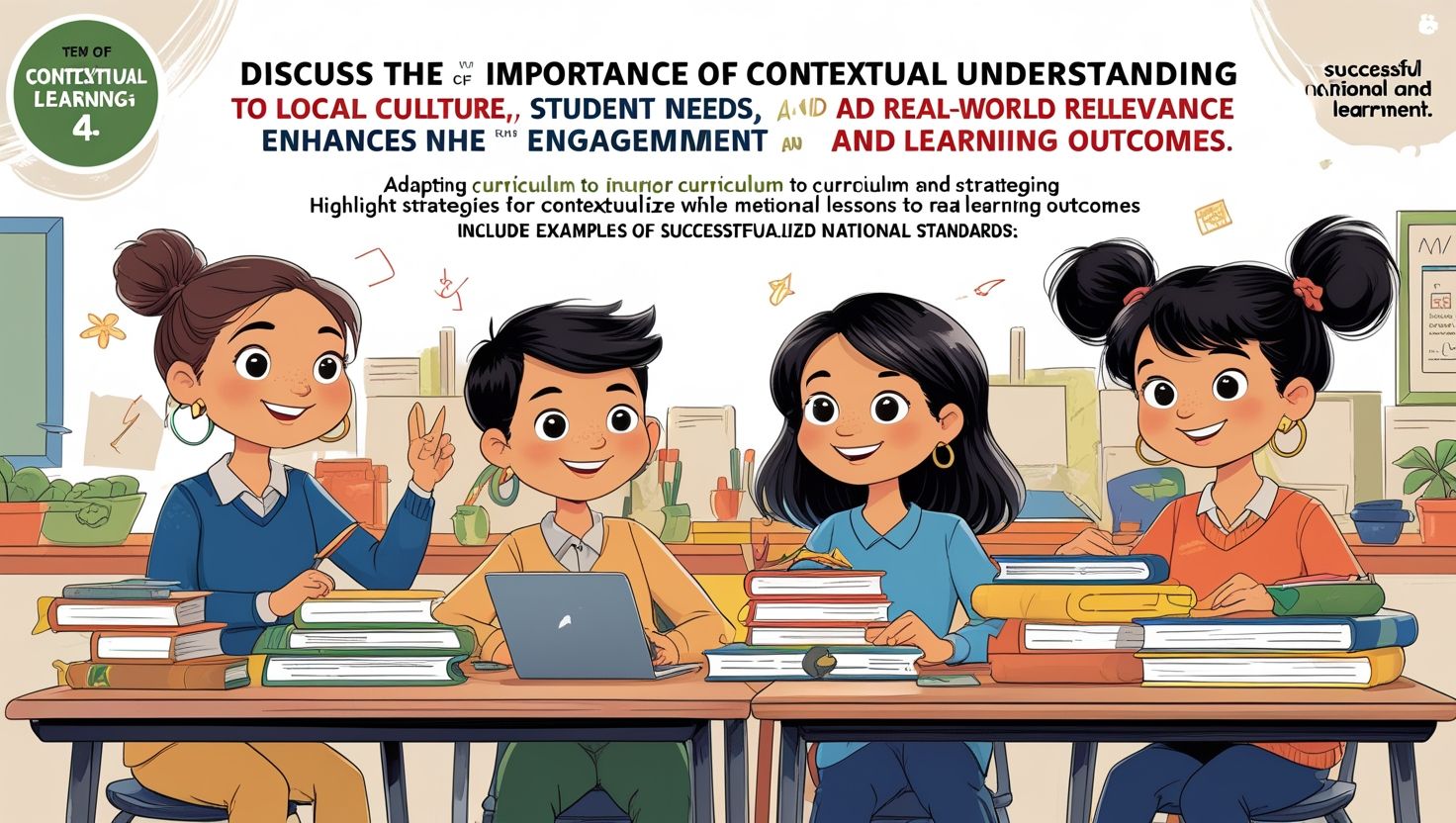
Relevance and Contextualization
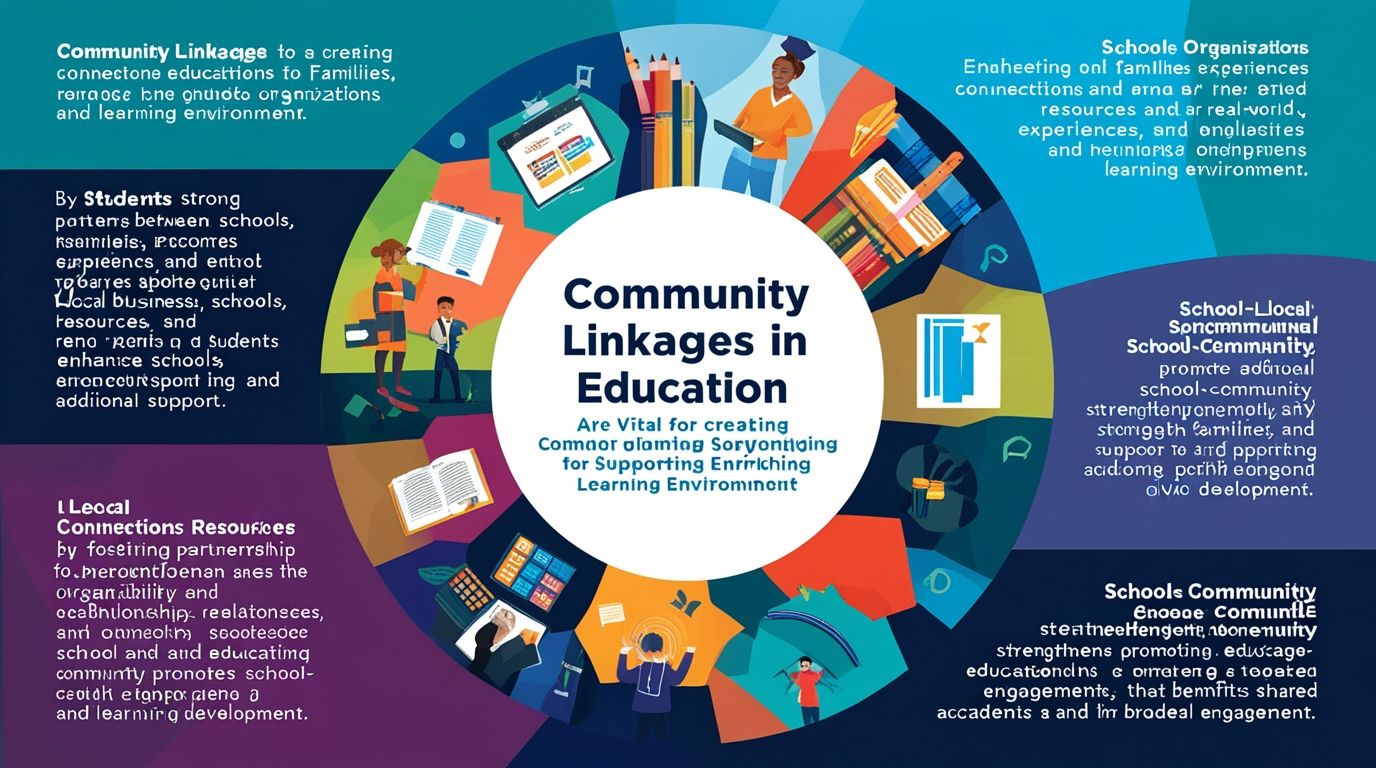
Activities and discussions should connect with learners’ real-life situations, cultural backgrounds, and community experiences.
Inclusiveness
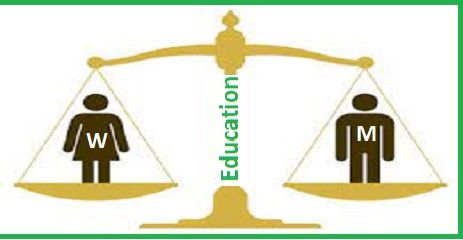
Teachers should ensure equal participation for all students regardless of gender, ability, language, or socioeconomic background.
Flexibility
AVDS-based lesson planning should remain adaptable according to classroom situations, learner responses, and available resources.
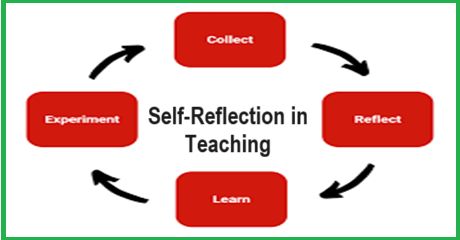
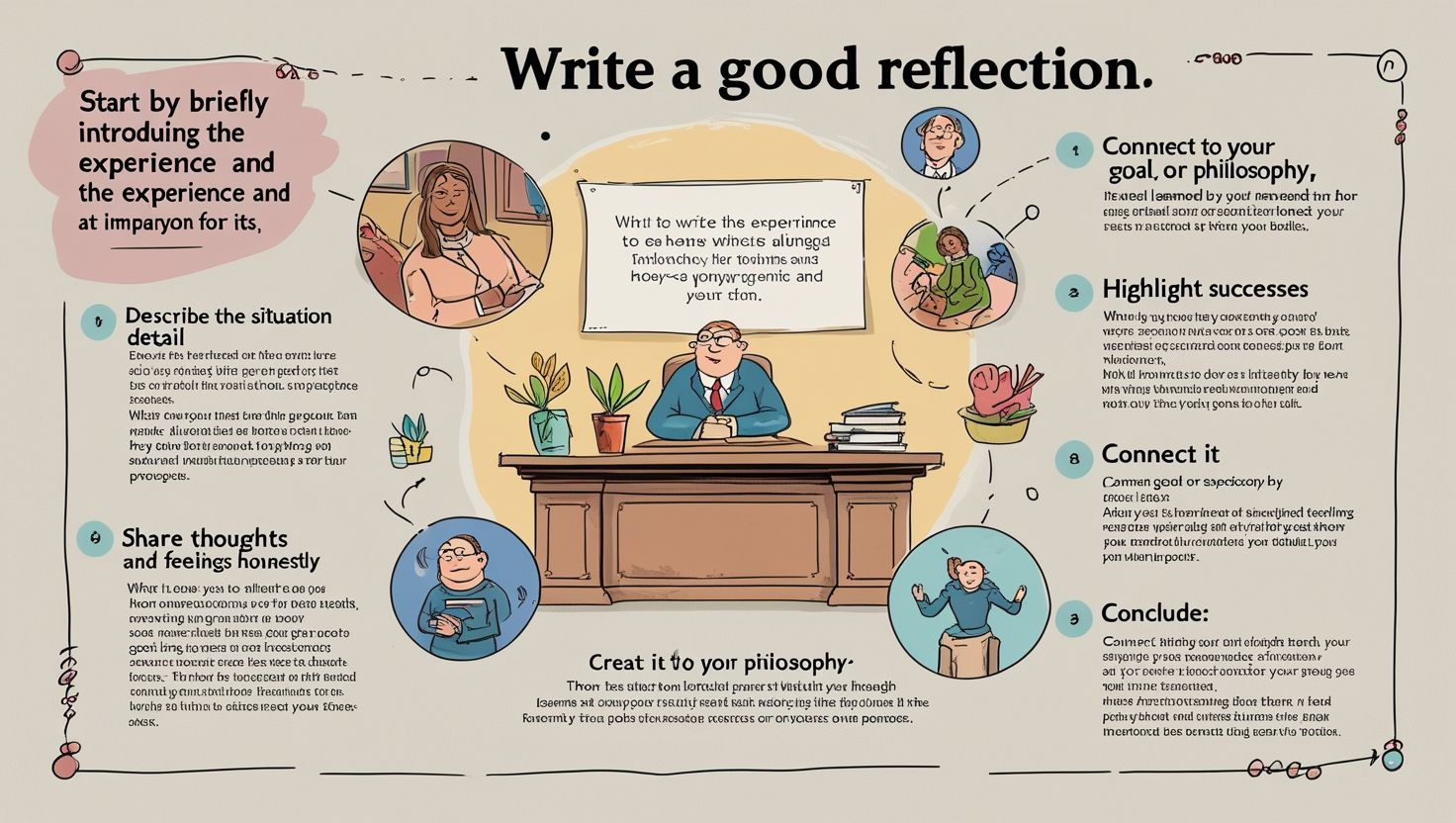
Reflection and Feedback
Students should be encouraged to reflect on their learning experiences, values, and skills development. Constructive feedback enhances improvement.
Steps for Facilitating AVDS in Lesson Plans
Step 1: Identify Learning Objectives
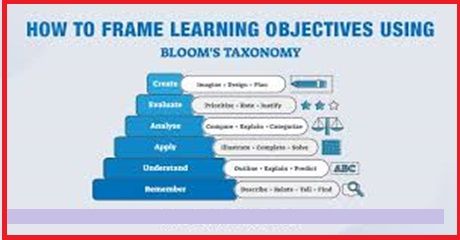
The first step is to determine what students should know, understand, and be able to do after the lesson. Objectives should include knowledge, values, attitudes, and skills.
For example, in a science lesson on environmental conservation, objectives may include:
- Understanding causes of pollution
- Developing responsibility toward the environment
- Improving teamwork and communication skills
- Participating in discussions about environmental protection
Step 2: Select Appropriate Activities
Teachers should choose activities that engage learners actively and support lesson objectives. Activities should be age-appropriate, meaningful, and interactive.
Examples include:
- Experiments in science
- Role plays in social studies
- Storytelling in language classes
- Group projects in mathematics
- Demonstrations in vocational subjects
Step 3: Integrate Values
Teachers should identify values connected with the lesson topic and create opportunities to highlight them naturally.
For example:
- A history lesson may promote patriotism and respect for cultural heritage.
- A literature lesson may encourage empathy and honesty.
- A science lesson may emphasize environmental responsibility.
Values should not be forced but integrated meaningfully through examples, stories, teacher behavior, and classroom interaction.
Step 4: Plan Discussions
Teachers should prepare questions that stimulate thinking and encourage participation. Open-ended questions are especially effective.
Examples:
- Why is teamwork important?
- How can we reduce pollution in our community?
- What lessons can we learn from historical events?
Discussion strategies such as think-pair-share, brainstorming, and debates can improve student engagement.
Step 5: Focus on Skill Development
Teachers should identify specific skills students will practice during the lesson.
Examples include:
- Communication skills through presentations
- Analytical skills through problem-solving
- Leadership skills through group activities
- Digital literacy through technology use
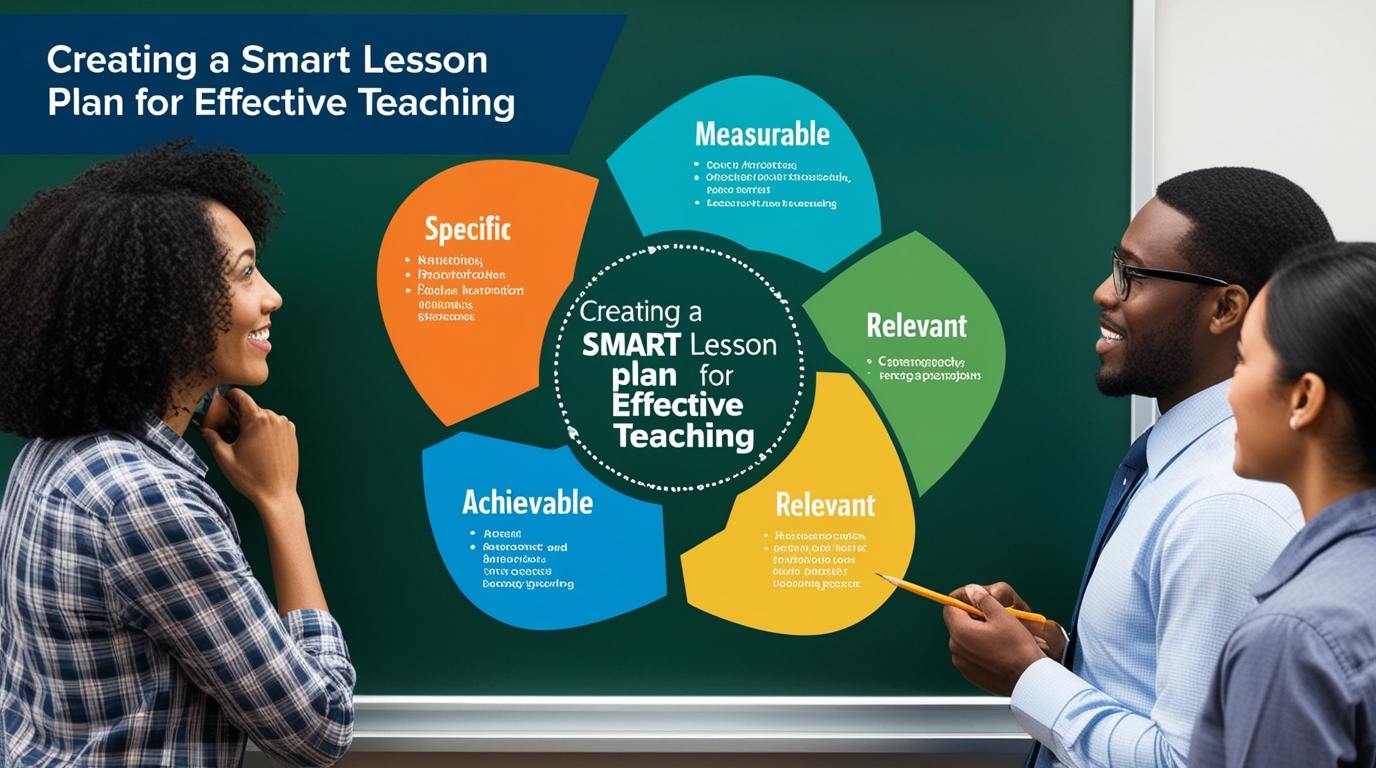
Skill development should be observable and measurable.
Step 6: Assessment and Reflection
Assessment should evaluate not only content knowledge but also participation, collaboration, values, and skills.
Teachers may use:
- Observation checklists
- Peer assessment
- Reflection journals
- Oral presentations
- Project evaluation
Reflection activities help students understand their progress and learning experiences.
Role of the Teacher in Facilitating AVDS
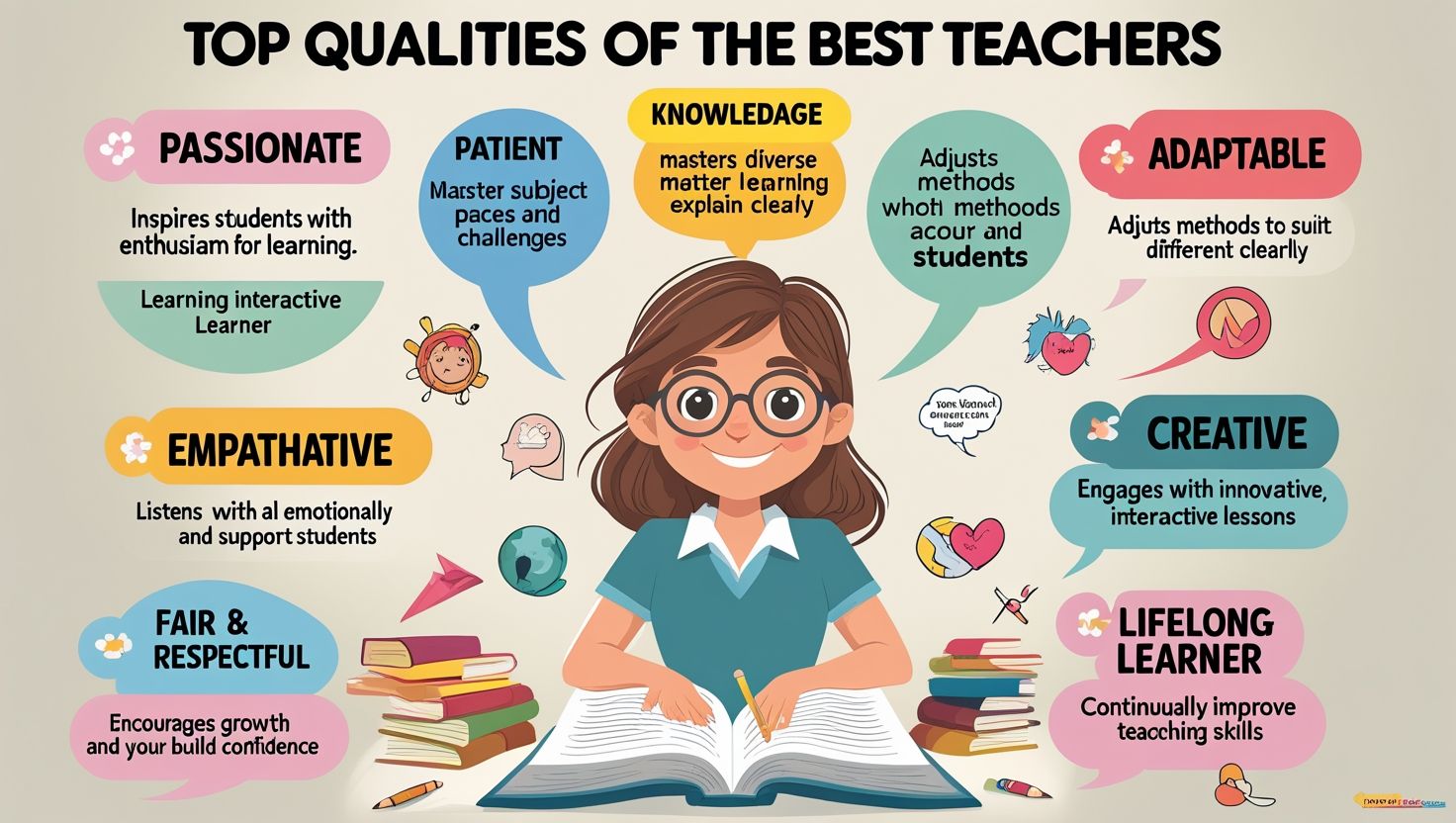
The success of AVDS in lesson planning depends greatly on the teacher’s role. Teachers act as facilitators, guides, motivators, and role models.
Facilitator of Learning
Teachers organize meaningful learning experiences and create opportunities for participation. Instead of dominating the lesson, they encourage students to explore ideas independently.
Motivator
Teachers inspire learners by making lessons engaging, relevant, and supportive. Positive reinforcement increases confidence and participation.
Role Model
Students often learn values through observation. Teachers should demonstrate respect, honesty, fairness, and professionalism in classroom interactions.
Classroom Manager
Effective facilitation requires proper classroom management. Teachers should maintain discipline while encouraging freedom of expression and collaboration.
Evaluator
Teachers assess students’ academic progress, participation, attitudes, and skill development. Continuous assessment provides valuable feedback.
Examples of AVDS Integration in Different Subjects
Science Lesson
Topic: Water Pollution
- Activity: Conduct a simple water filtration experiment.
- Value: Environmental responsibility.
- Discussion: Discuss causes and prevention of water pollution.
- Skill: Observation and analytical skills.
Language Lesson
Topic: Story Writing
- Activity: Group storytelling activity.
- Value: Cooperation and creativity.
- Discussion: Share interpretations of the story.
- Skill: Communication and writing skills.
Mathematics Lesson
Topic: Measurement
- Activity: Measure classroom objects.
- Value: Accuracy and honesty.
- Discussion: Discuss practical uses of measurement.
- Skill: Calculation and problem-solving skills.
Social Studies Lesson
Topic: National Heroes
- Activity: Role play on historical personalities.
- Value: Patriotism and respect.
- Discussion: Discuss contributions of national heroes.
- Skill: Public speaking and teamwork.
Challenges in Facilitating AVDS
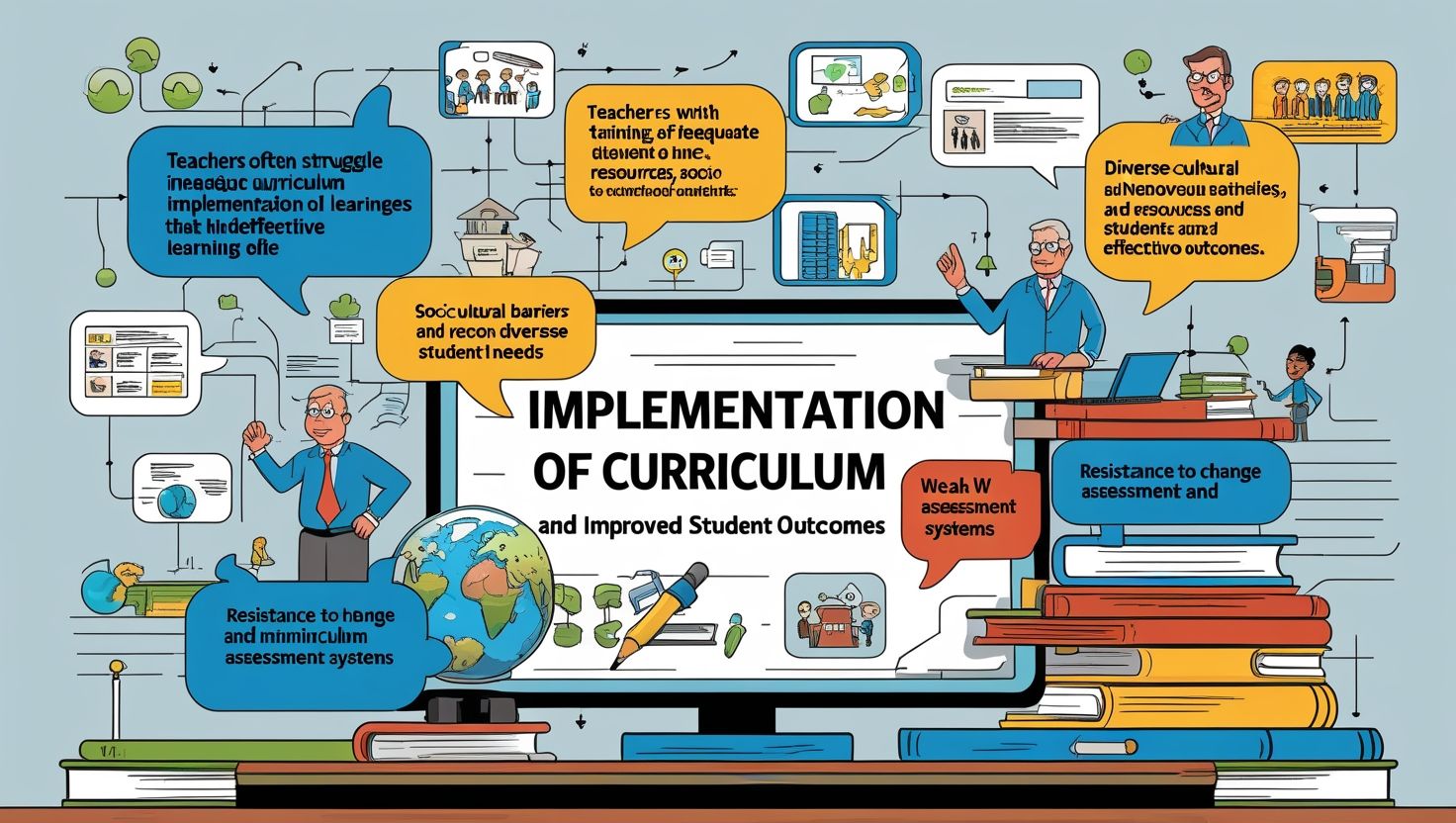
Despite its benefits, teachers may face several challenges while implementing AVDS in lesson plans.
Lack of Resources
Some schools may have limited teaching materials, technology, or classroom space for interactive activities.
Time Constraints
Integrating activities, discussions, and skill development may require more time than traditional lecture methods.
Large Class Sizes
Managing discussions and group activities can be difficult in overcrowded classrooms.
Insufficient Teacher Training
Some teachers may not have adequate professional development in learner-centered teaching strategies.
Assessment Difficulties
Evaluating values and skills can be more complex than assessing factual knowledge.
Strategies to Overcome Challenges
Professional Development
Teachers should receive regular training on interactive teaching methods, classroom management, and AVDS integration.
Use of Low-Cost Materials
Creative use of locally available resources can support activities even in resource-limited settings.
Collaborative Learning
Group work and peer support help manage large classes effectively.
Effective Time Management
Teachers should prioritize essential activities and organize lessons carefully.
Supportive School Leadership
School administrators should encourage innovation, provide resources, and create supportive learning environments.
Impact of AVDS on Students
The facilitation of AVDS positively influences students in multiple ways.
Academic Improvement
Interactive and meaningful learning experiences improve understanding and academic performance.
Confidence Building
Participation in discussions and activities increases self-confidence and communication abilities.
Moral Development
Students develop ethical awareness, social responsibility, and respect for others.
Collaboration and Teamwork
Group activities strengthen interpersonal relationships and teamwork skills.
Lifelong Learning
AVDS encourages curiosity, reflection, and independent learning habits.
AVDS and 21st-Century Education
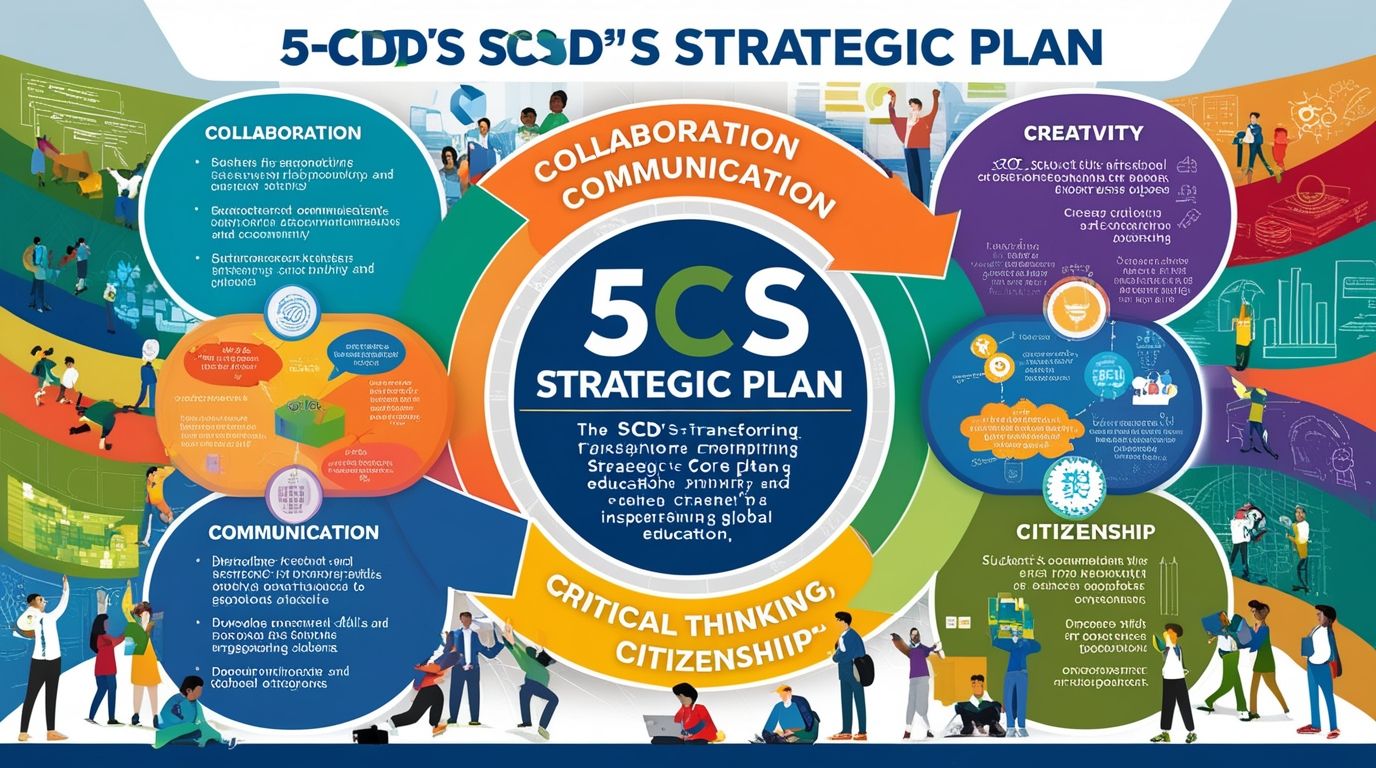
In the 21st century, education systems emphasize creativity, innovation, collaboration, and critical thinking. AVDS strongly supports these educational goals.
The integration of activities develops creativity and problem-solving abilities. Discussions encourage critical thinking and communication. Values education promotes responsible citizenship and ethical behavior. Skill development prepares learners for future careers and social challenges.
AVDS also aligns with competency-based education, which focuses on what learners can do with knowledge rather than memorizing information. It supports sustainable development goals related to quality education, inclusion, and lifelong learning.
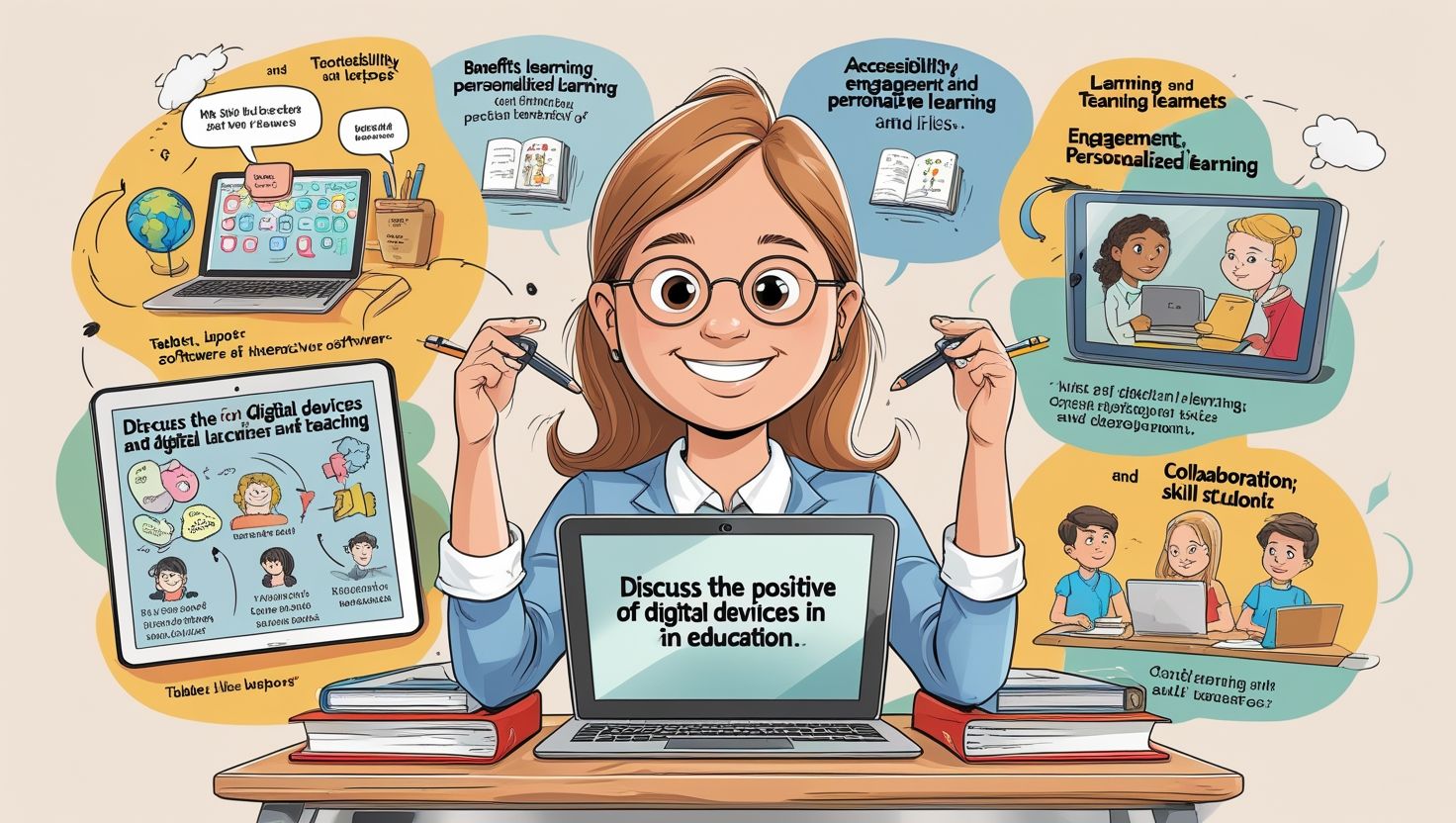
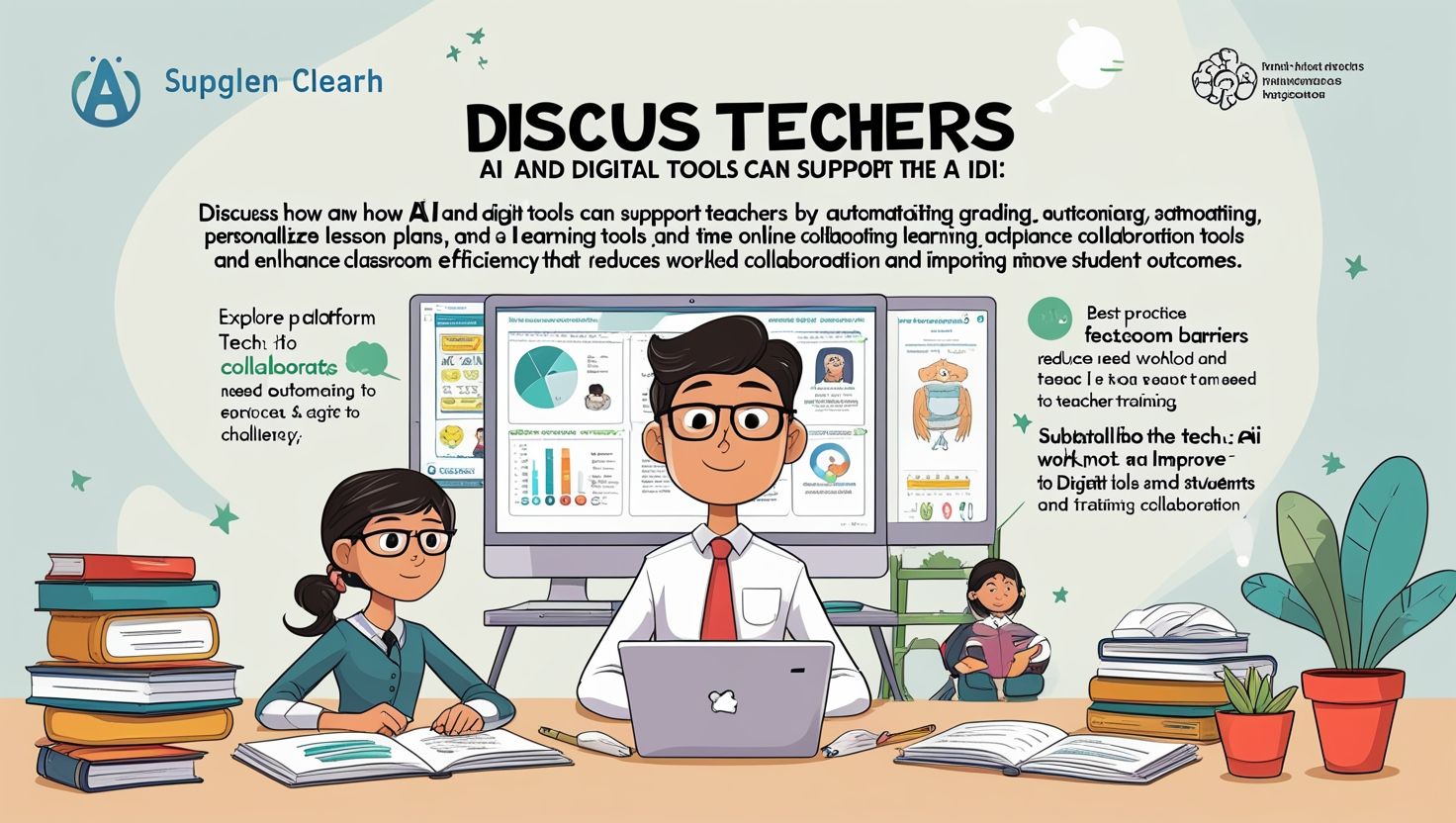
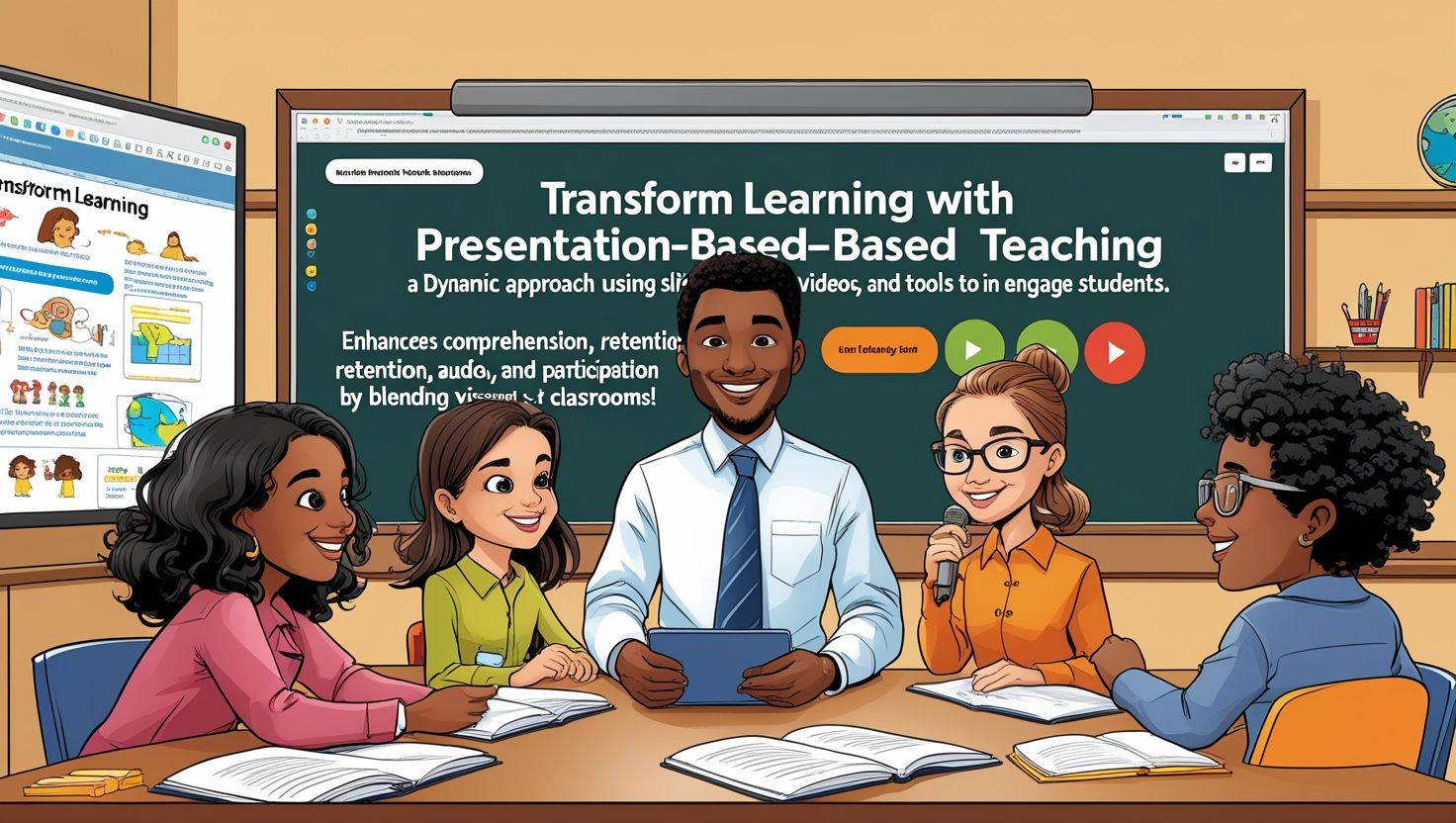
Technology further enhances AVDS facilitation. Digital tools, multimedia presentations, online discussions, educational games, and virtual collaboration platforms provide additional opportunities for interactive learning.
Conclusion
The facilitation of AVDS in lesson planning is an effective and transformative approach to modern education. By integrating Activities, Values, Discussion, and Skills, teachers create learning experiences that are engaging, meaningful, and holistic. AVDS-based lesson plans encourage active participation, moral development, critical thinking, collaboration, and practical skill acquisition.
In today’s rapidly changing world, students require more than textbook knowledge. They need communication skills, ethical understanding, creativity, adaptability, and problem-solving abilities. AVDS addresses these educational needs by connecting academic learning with real-life experiences and human values.
Teachers play a central role in facilitating AVDS successfully. Through thoughtful planning, learner-centered teaching strategies, and continuous reflection, they can transform classrooms into vibrant spaces of exploration and growth. Although challenges such as limited resources and time constraints may exist, proper training, creativity, and institutional support can help overcome these difficulties.
Ultimately, the integration of AVDS in lesson plans contributes to quality education and the development of responsible, skilled, and compassionate individuals. It prepares learners not only for examinations but also for meaningful participation in society and lifelong success. As educational systems continue to evolve, AVDS remains a valuable framework for achieving balanced and effective teaching and learning.