
Introduction
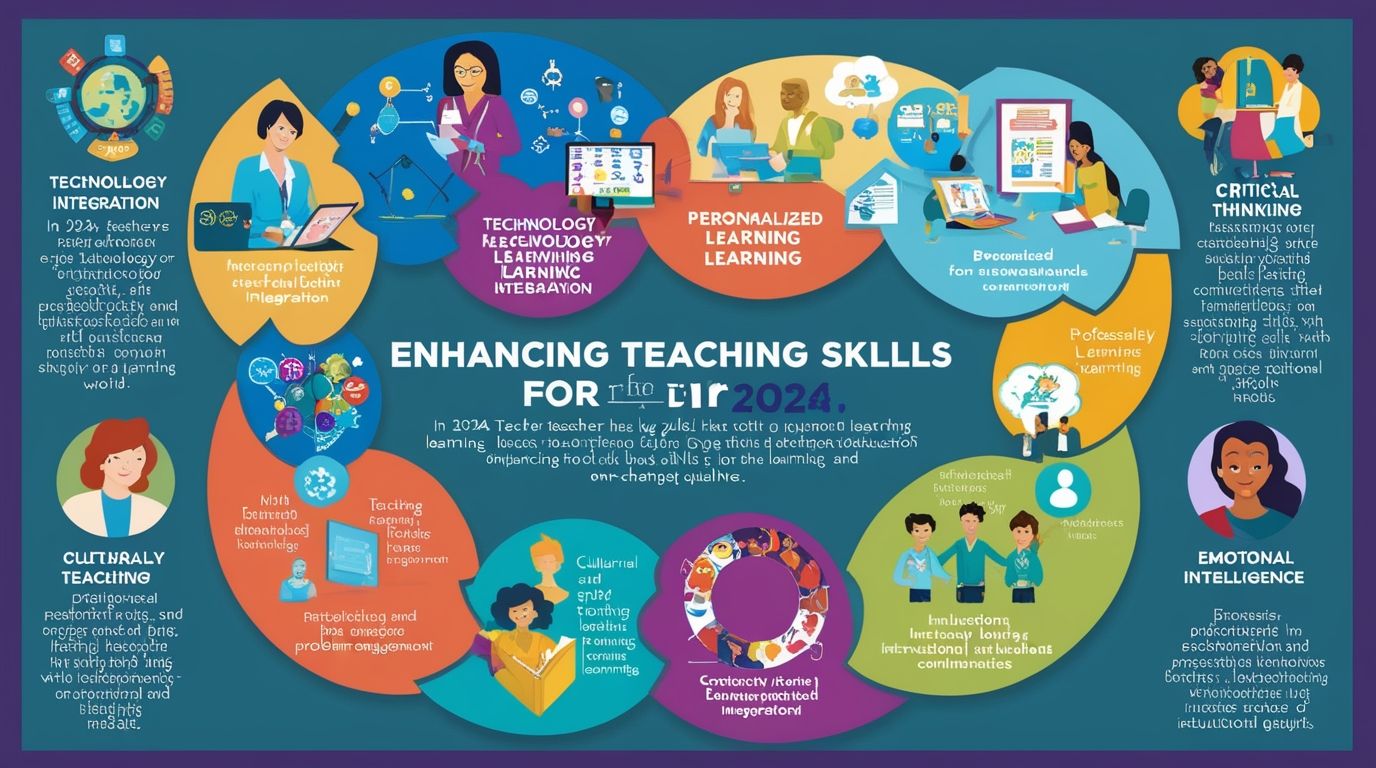
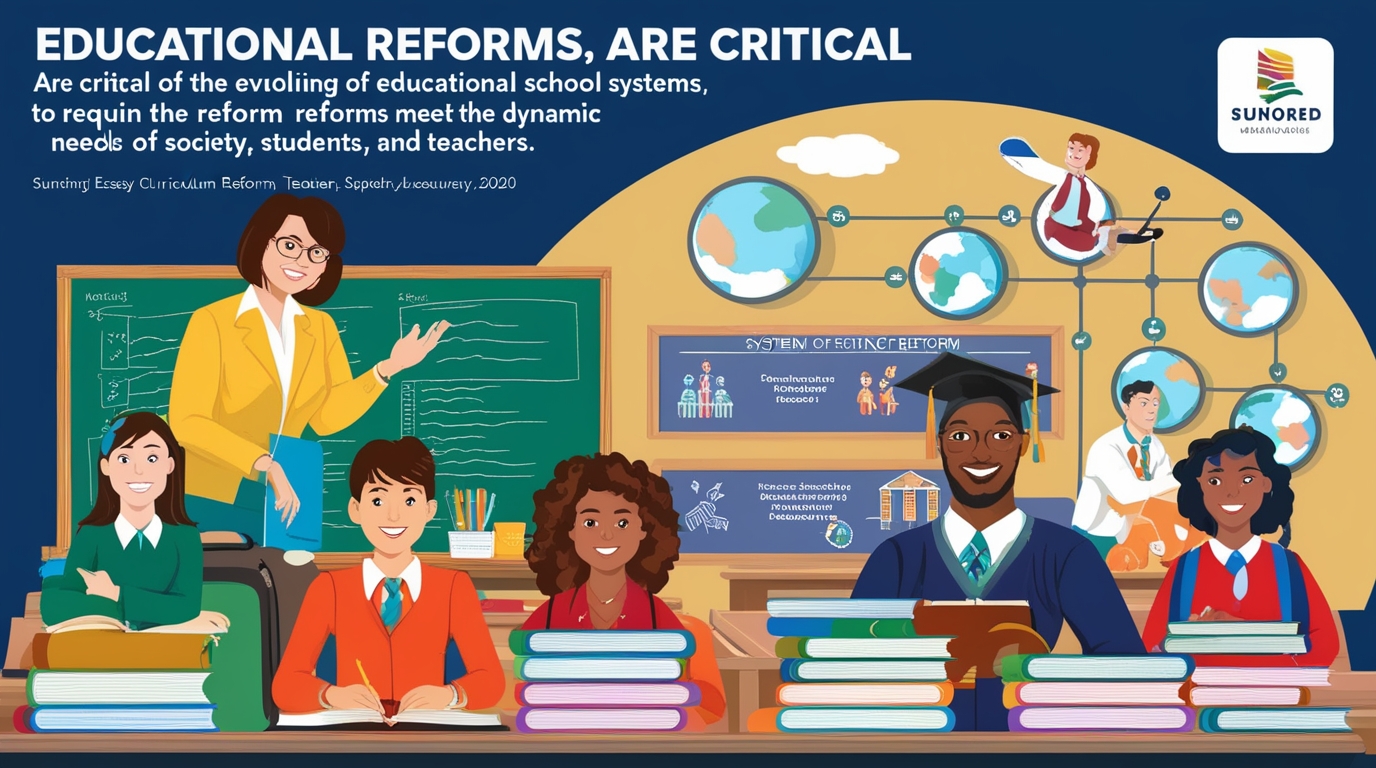
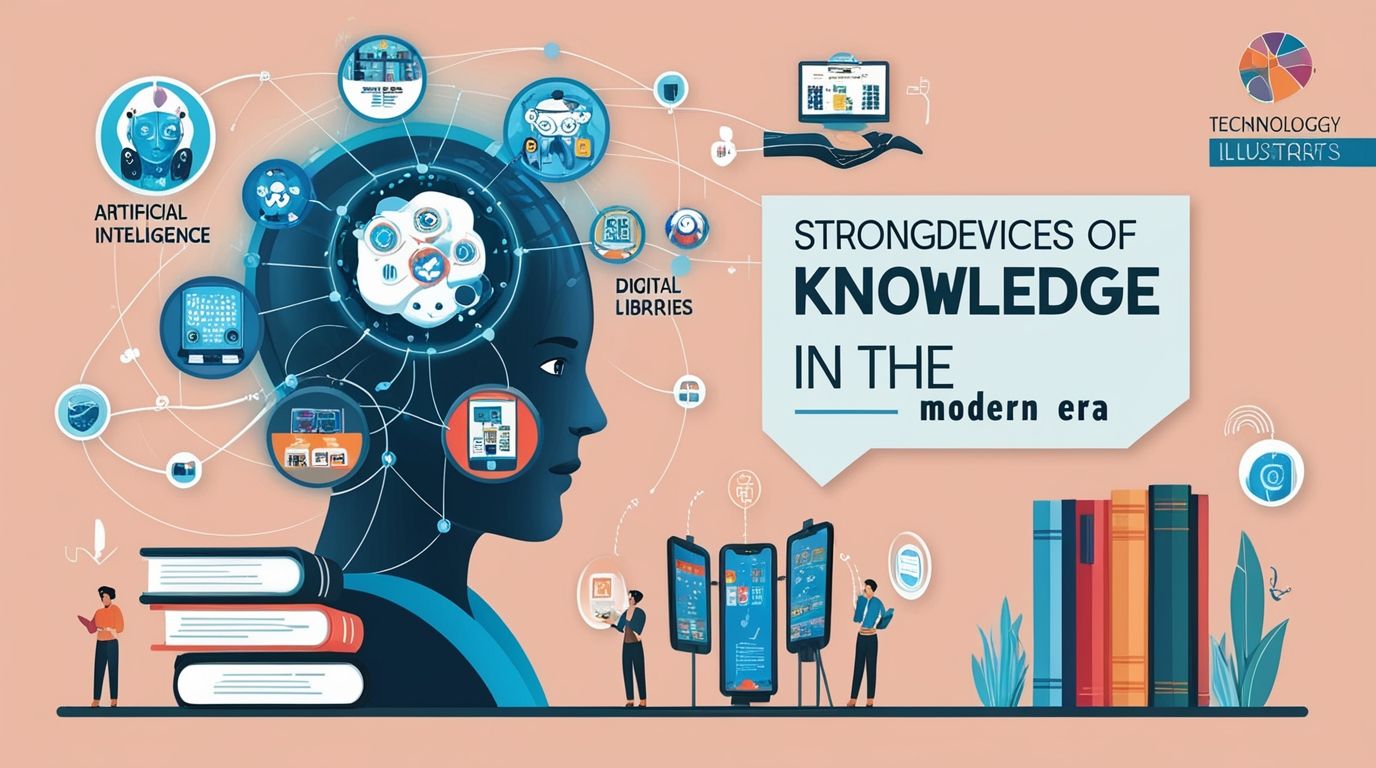
Latest Classroom Researches on Learning, The 21st-century classroom is undergoing rapid transformation due to technological innovation, evolving pedagogical theories, and a deeper understanding of how students learn. Recent classroom research has shifted from teacher-centered instruction to learner-centered environments, emphasizing engagement, personalization, collaboration, and critical thinking. Advances in artificial intelligence (AI), learning analytics, and active learning strategies are reshaping both teaching practices and student learning outcomes.
This article reviews the latest classroom-based research findings (2023–2025) on learning, focusing on emerging trends such as AI integration, active learning, data-driven instruction, social classroom climate, and innovative pedagogies. It highlights how these developments influence student achievement, engagement, and cognitive development.
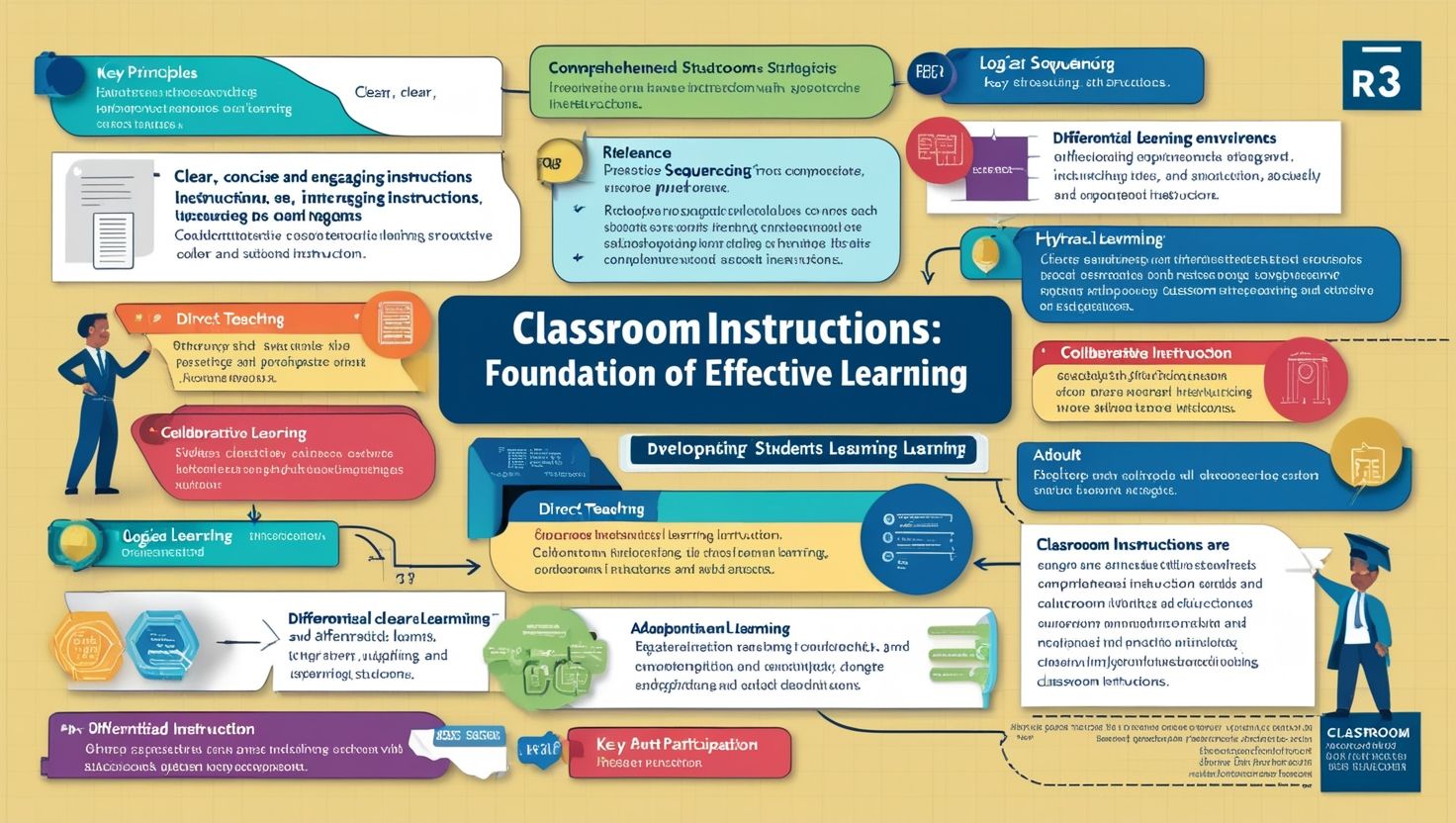
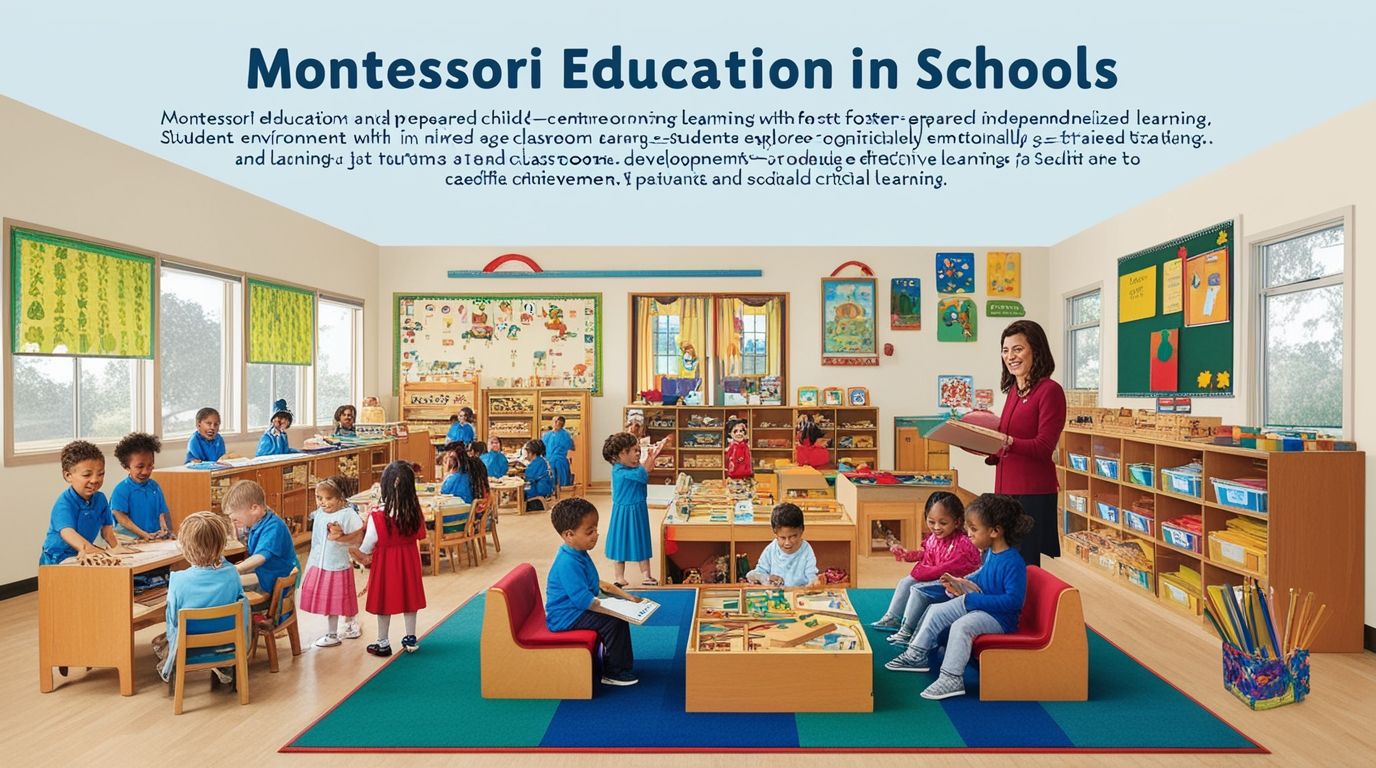
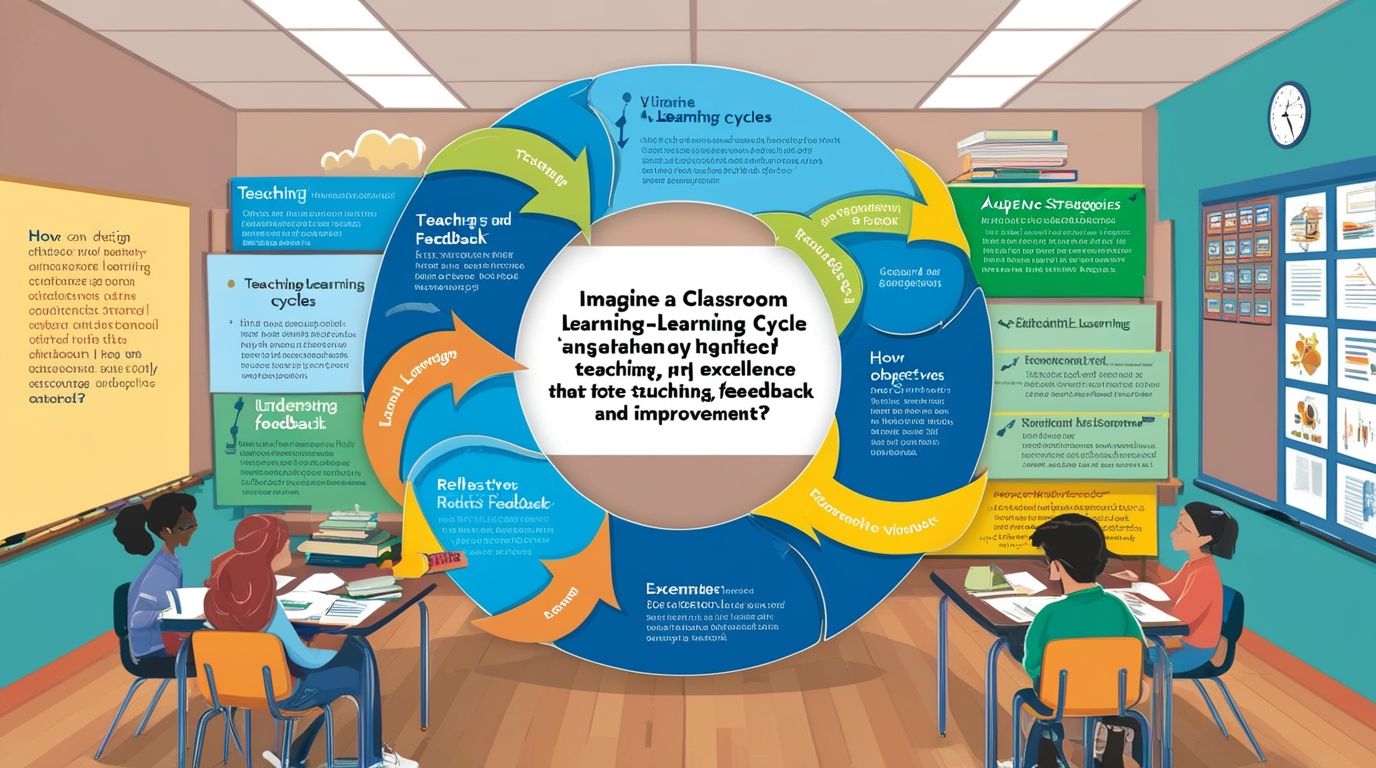
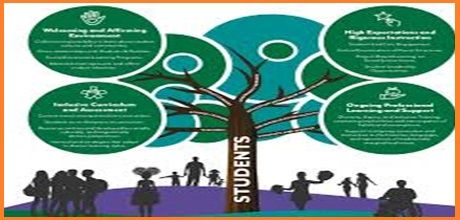
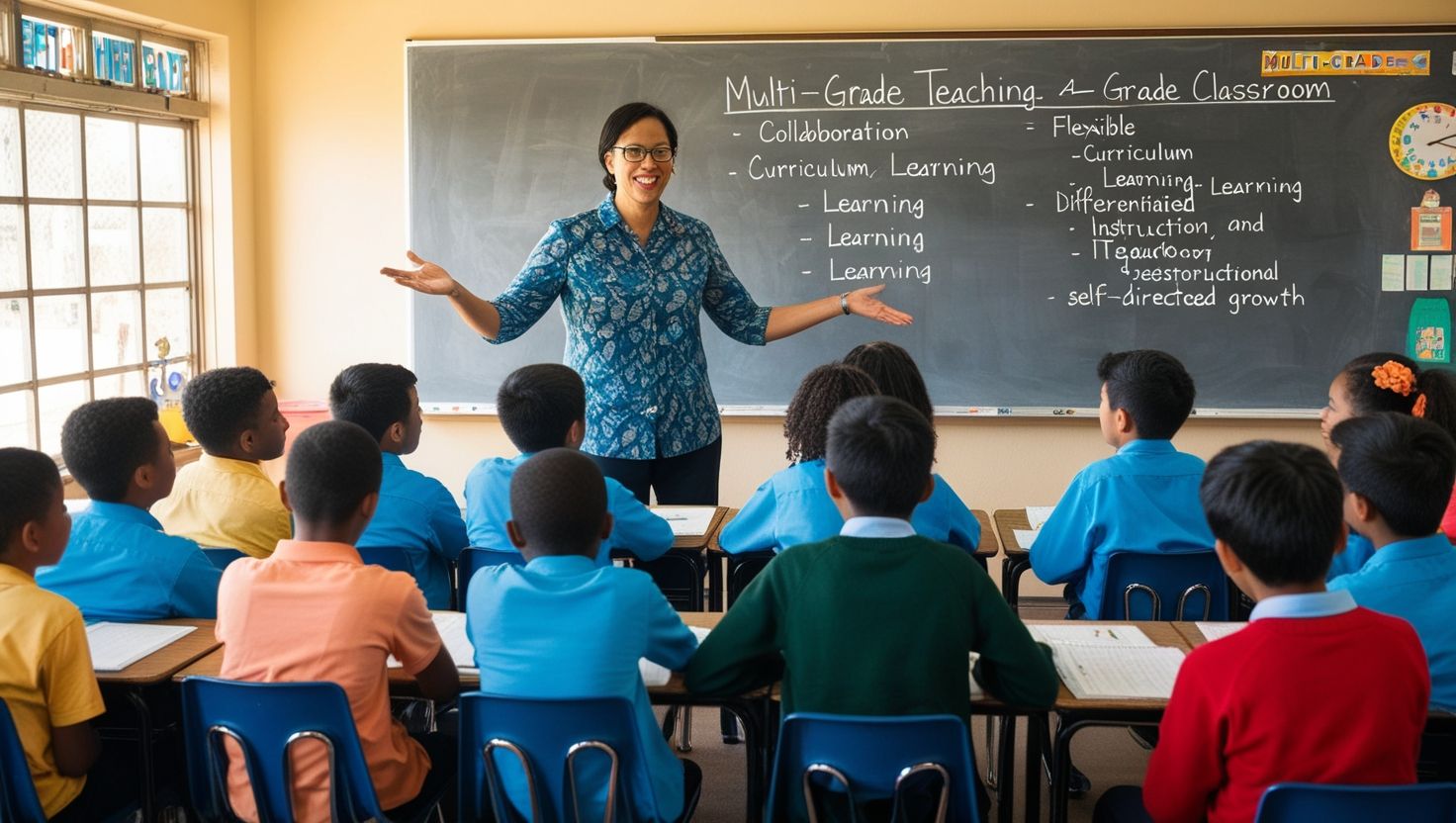
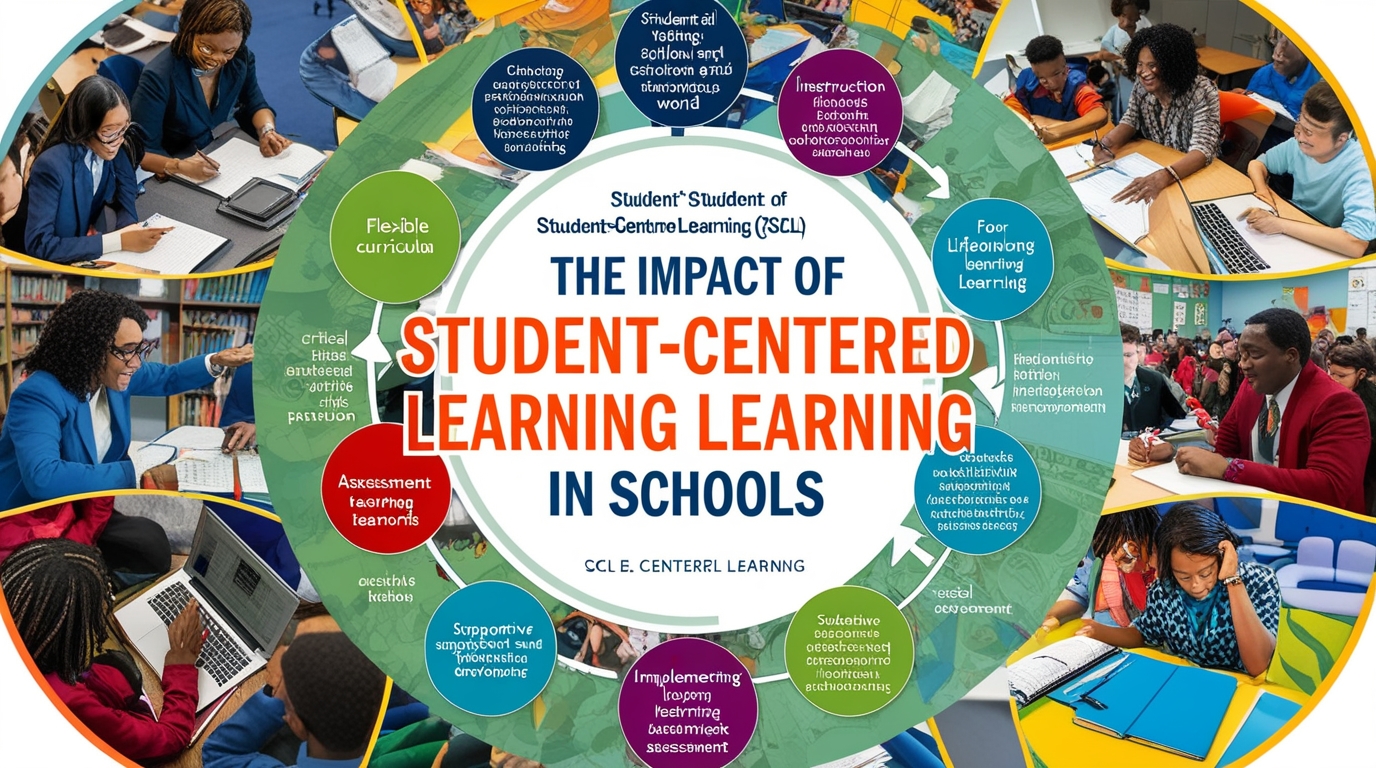
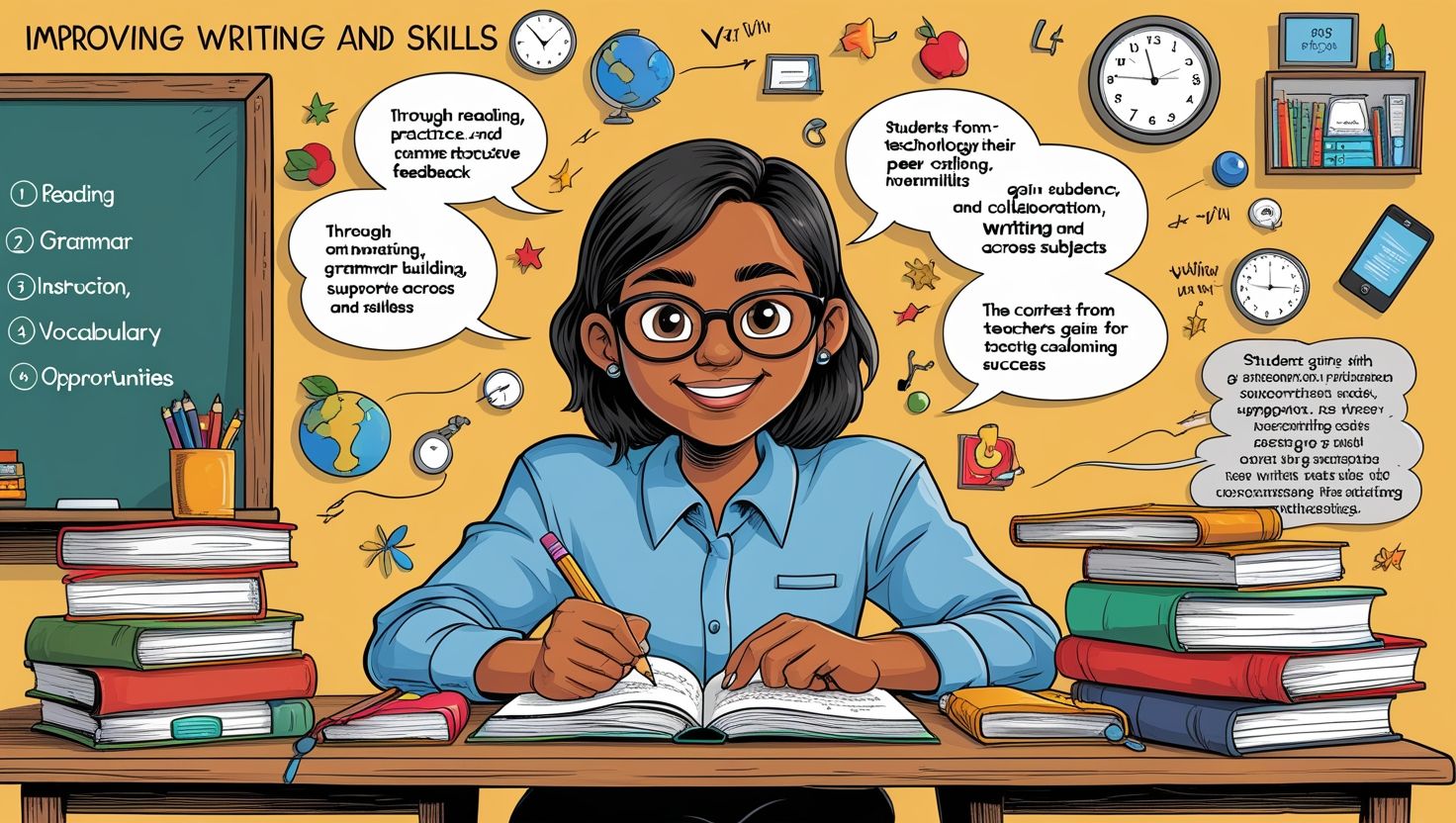
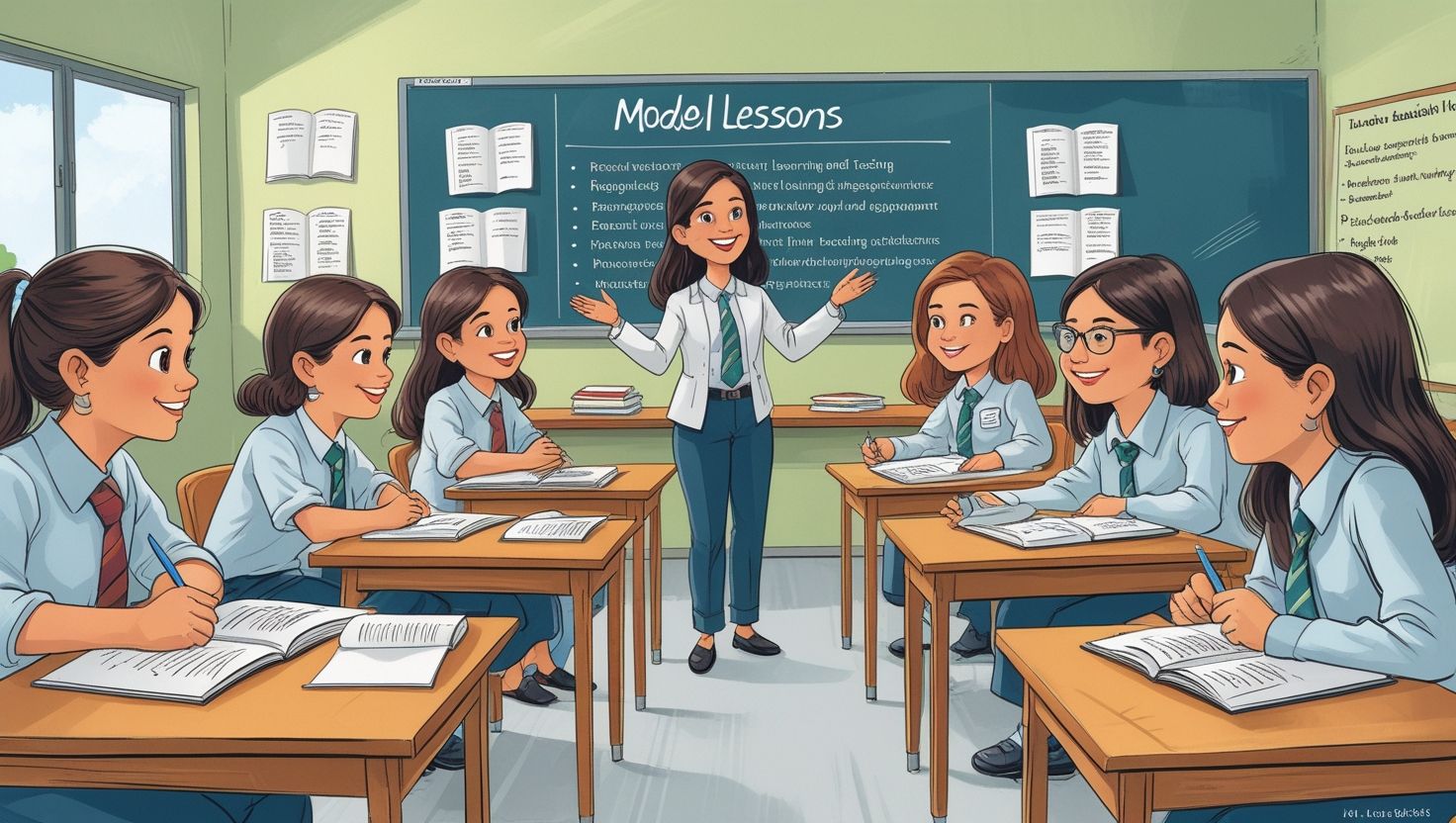
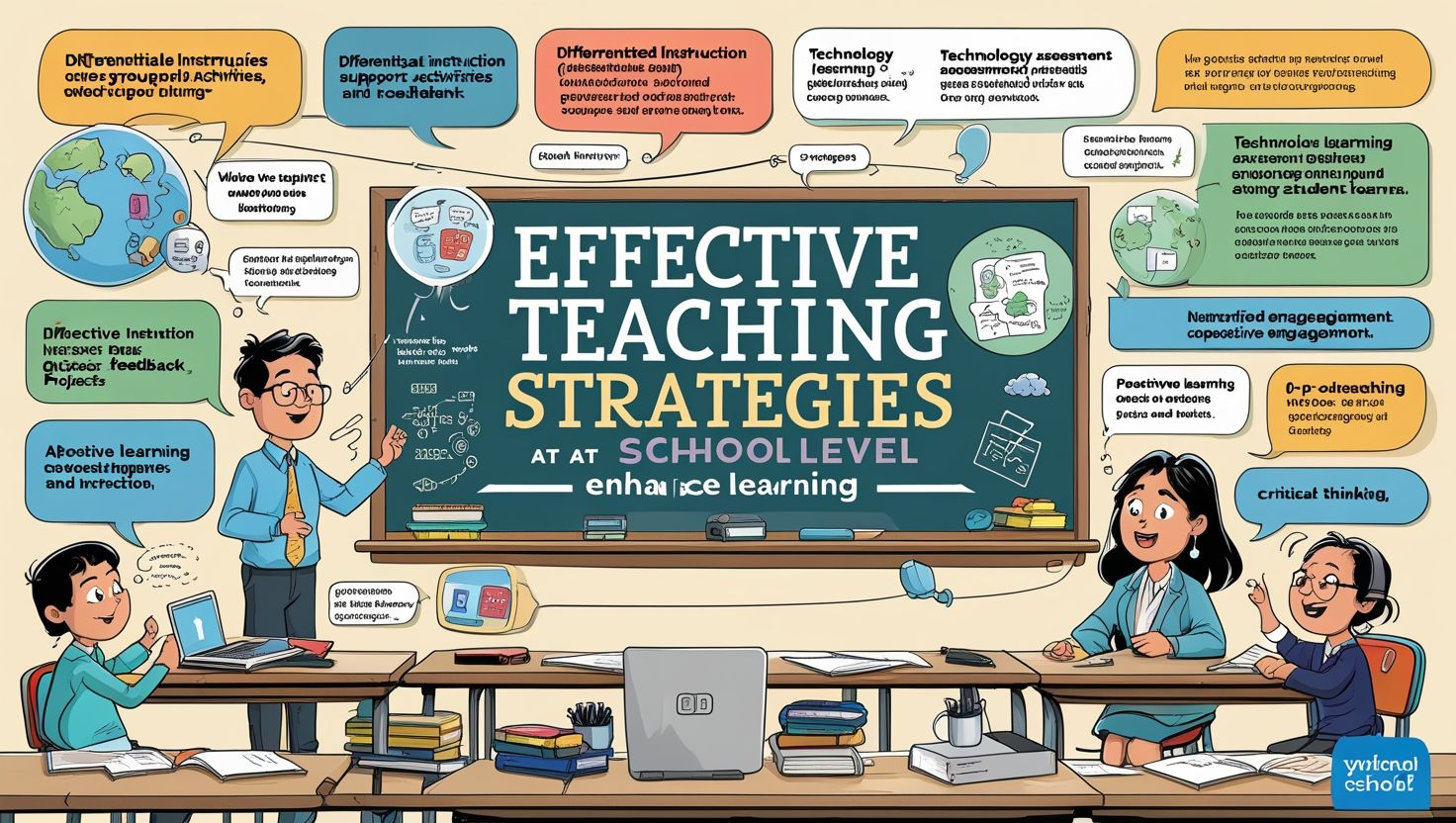
1. Shift Toward Student-Centered Learning
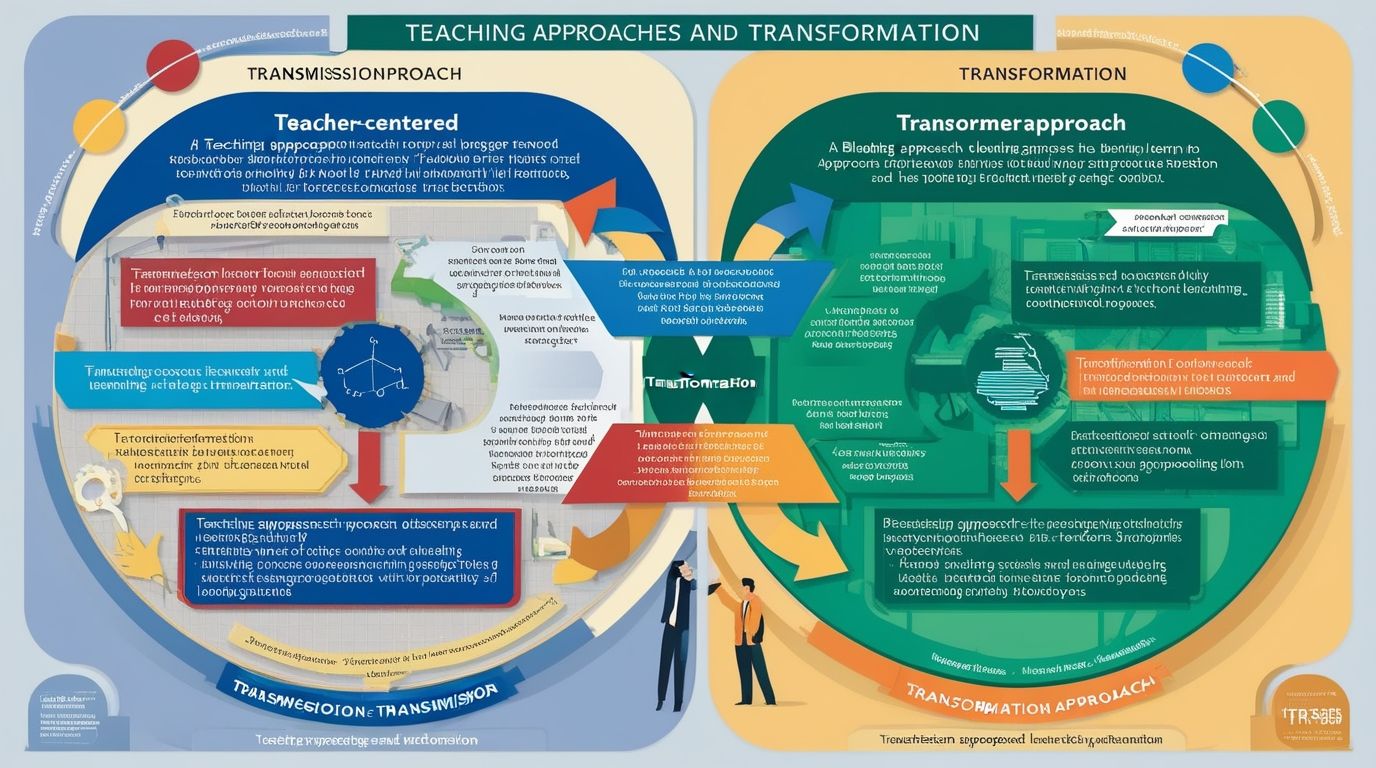
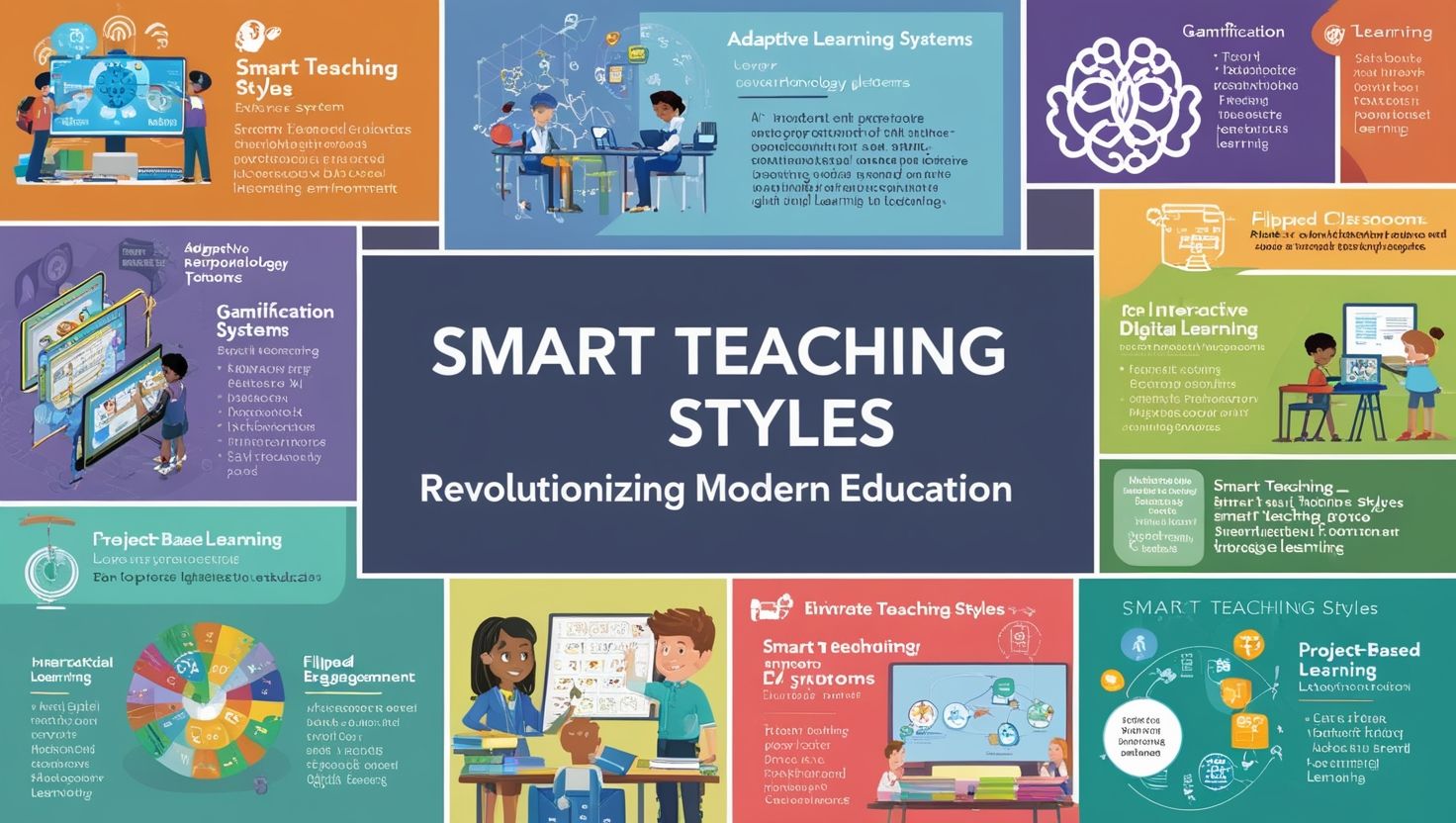
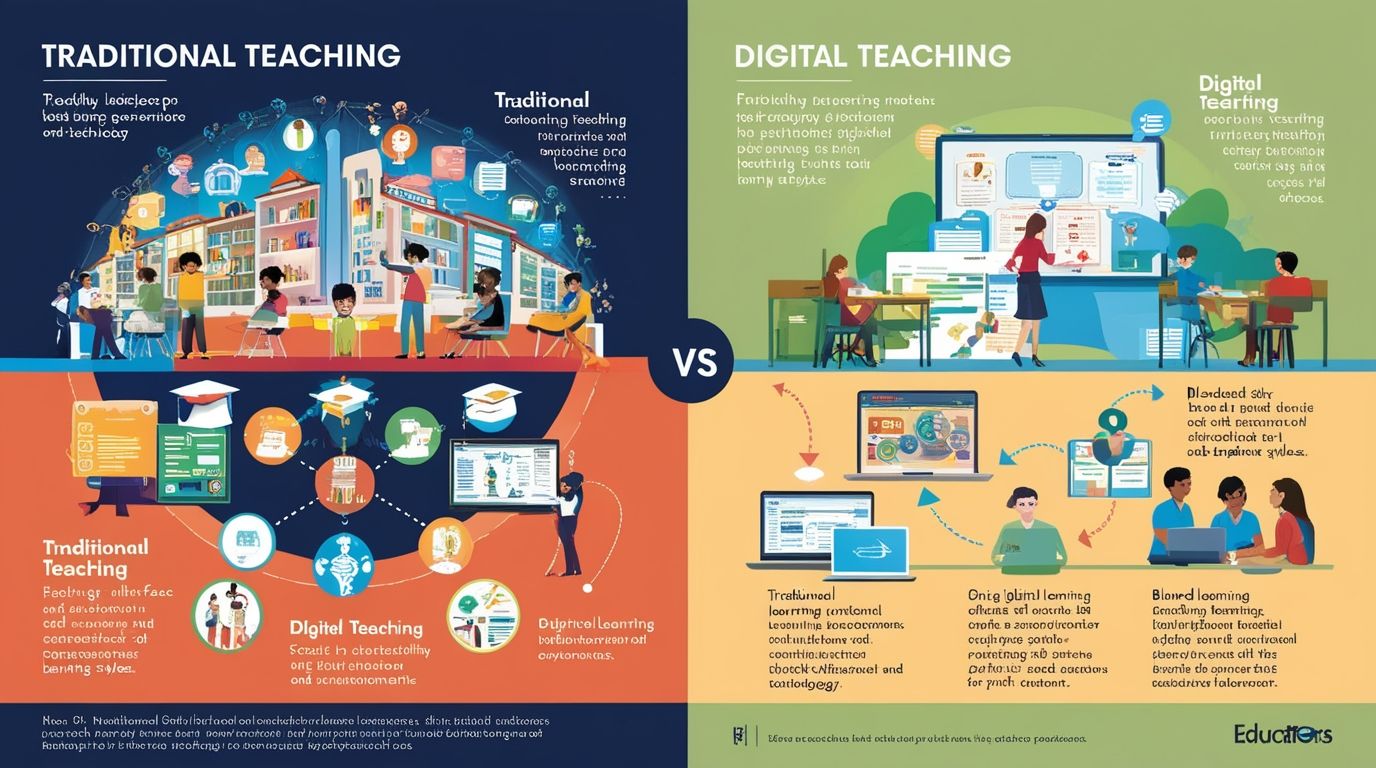
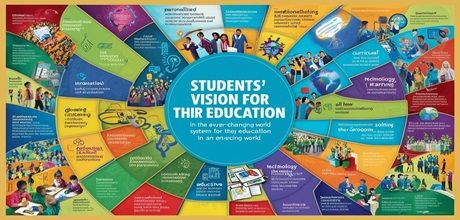
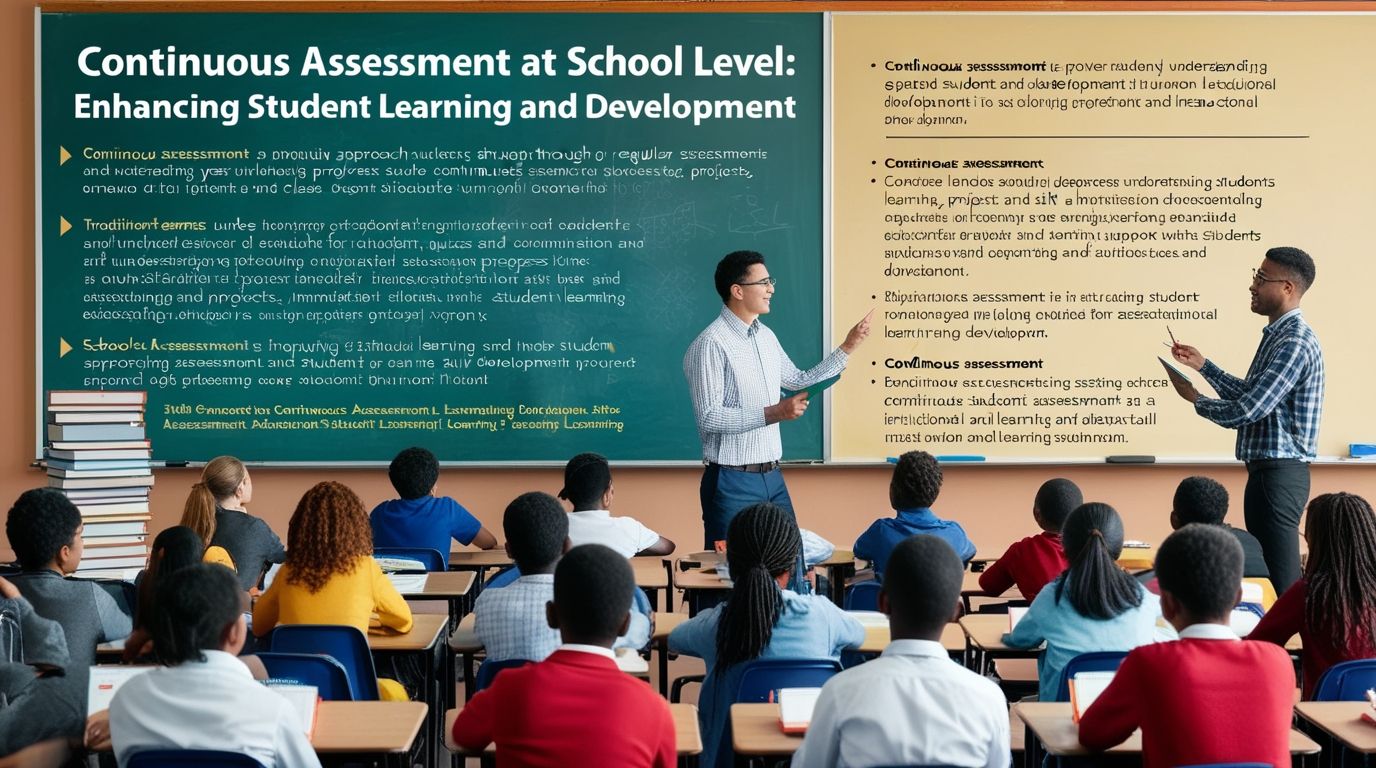
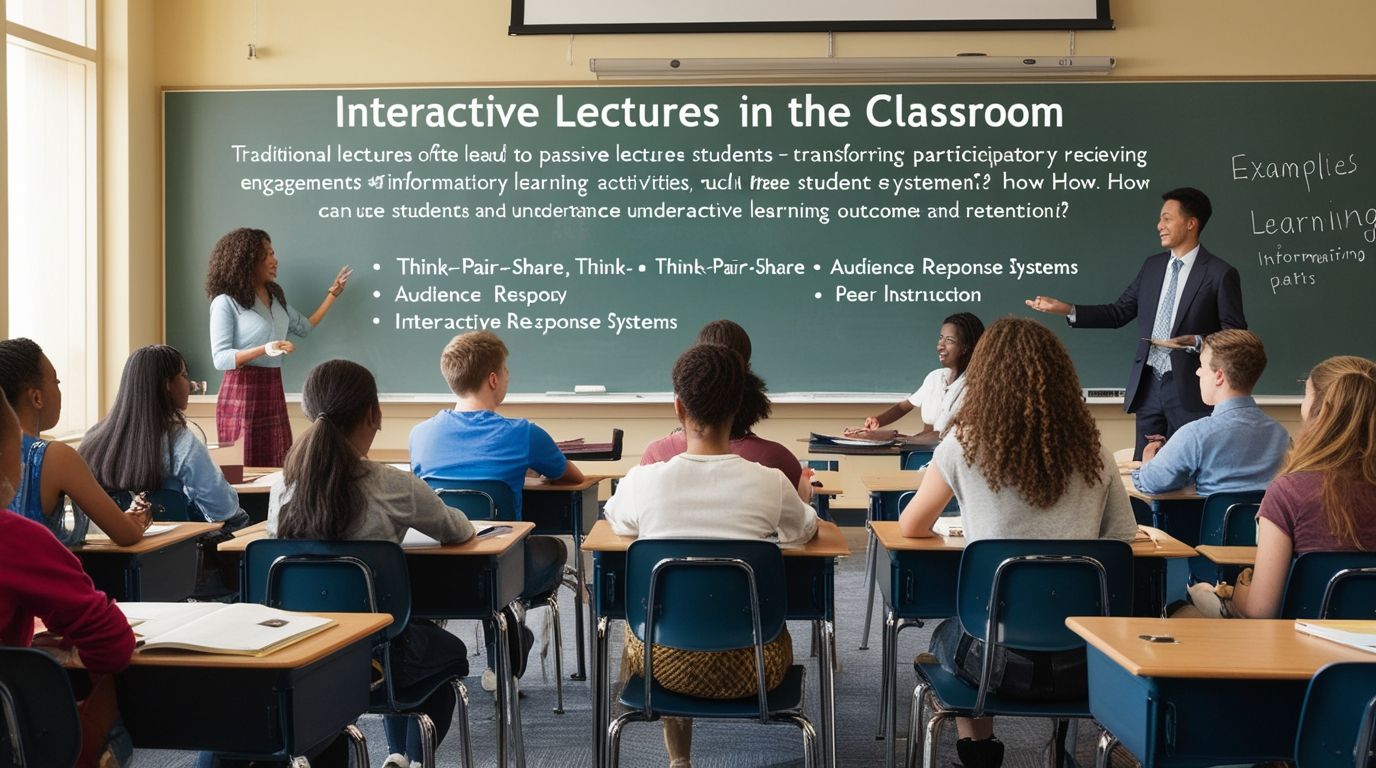
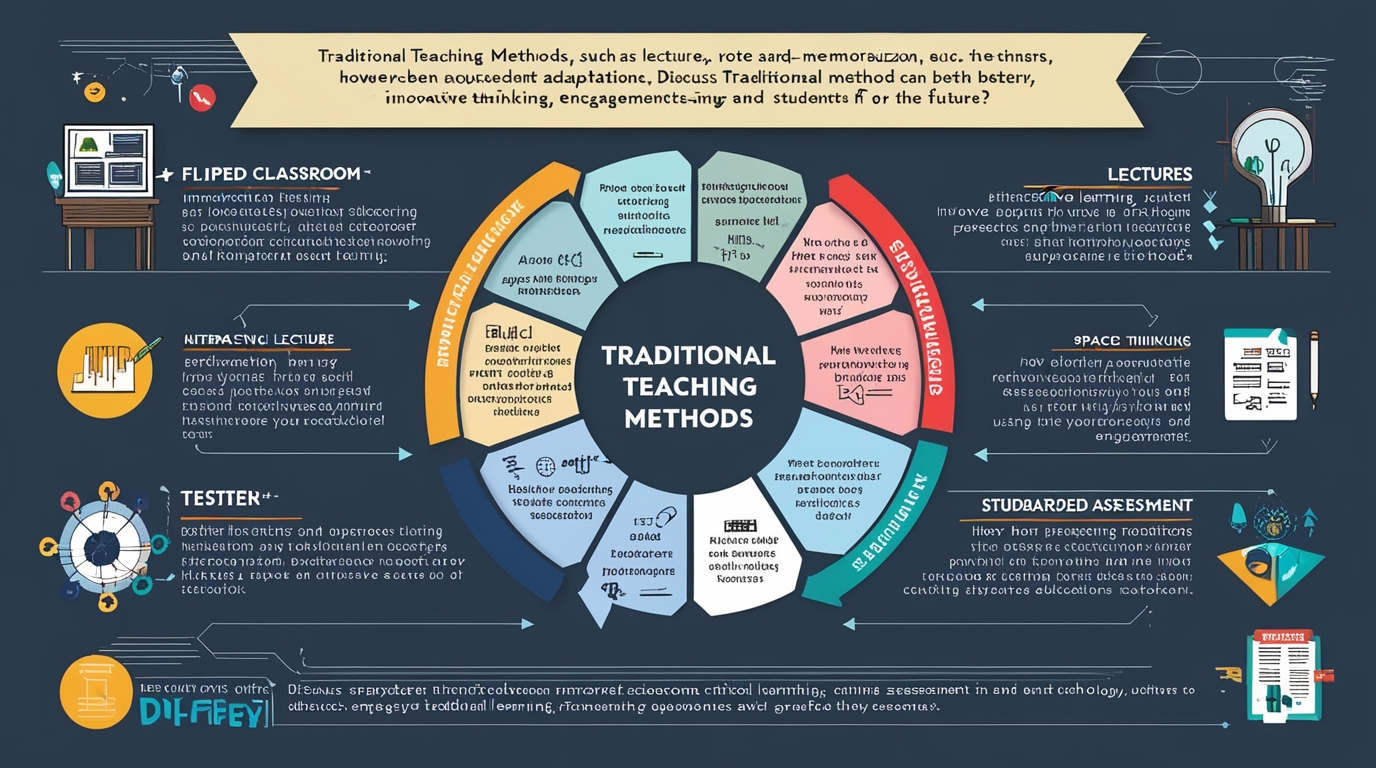
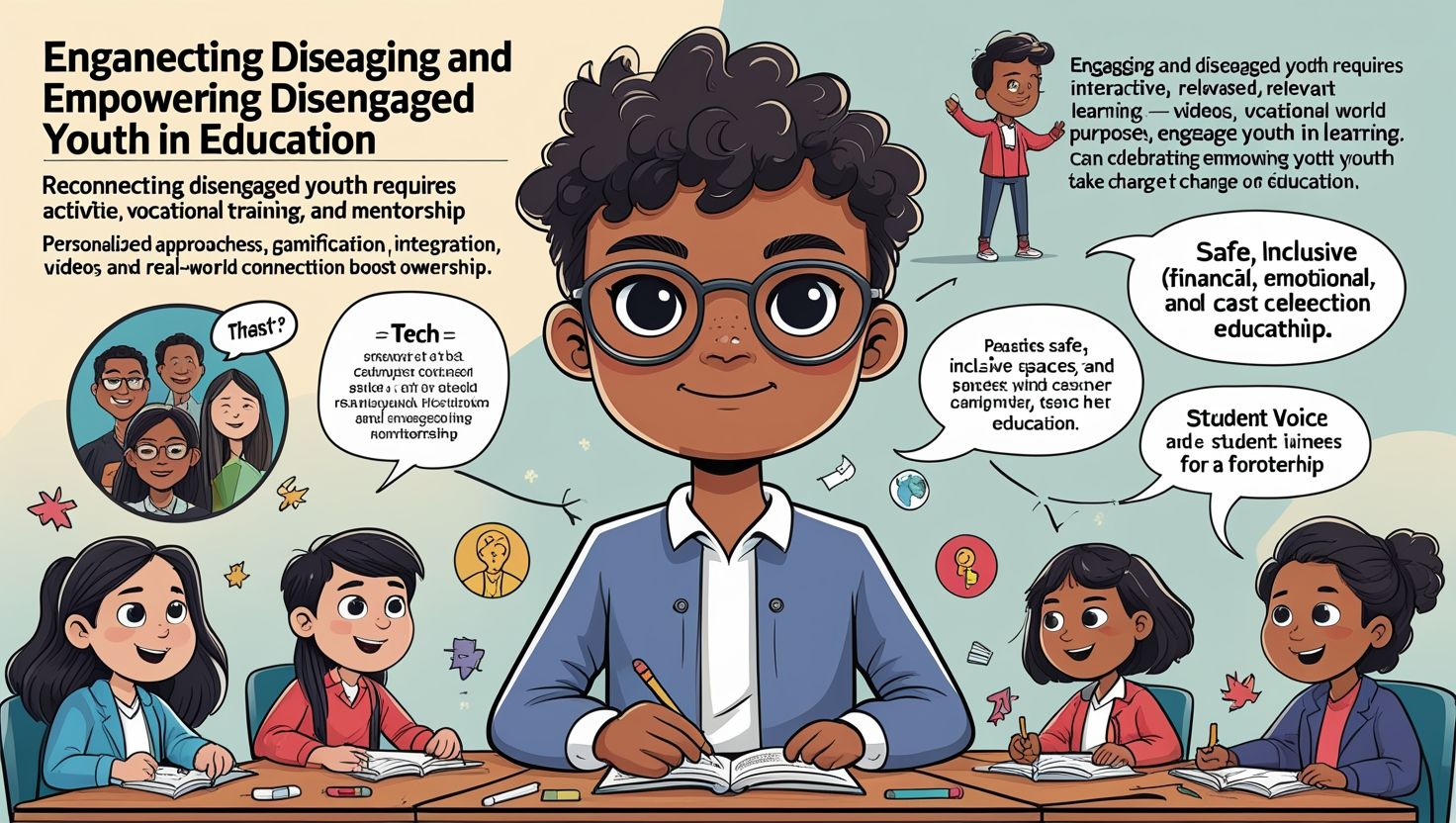
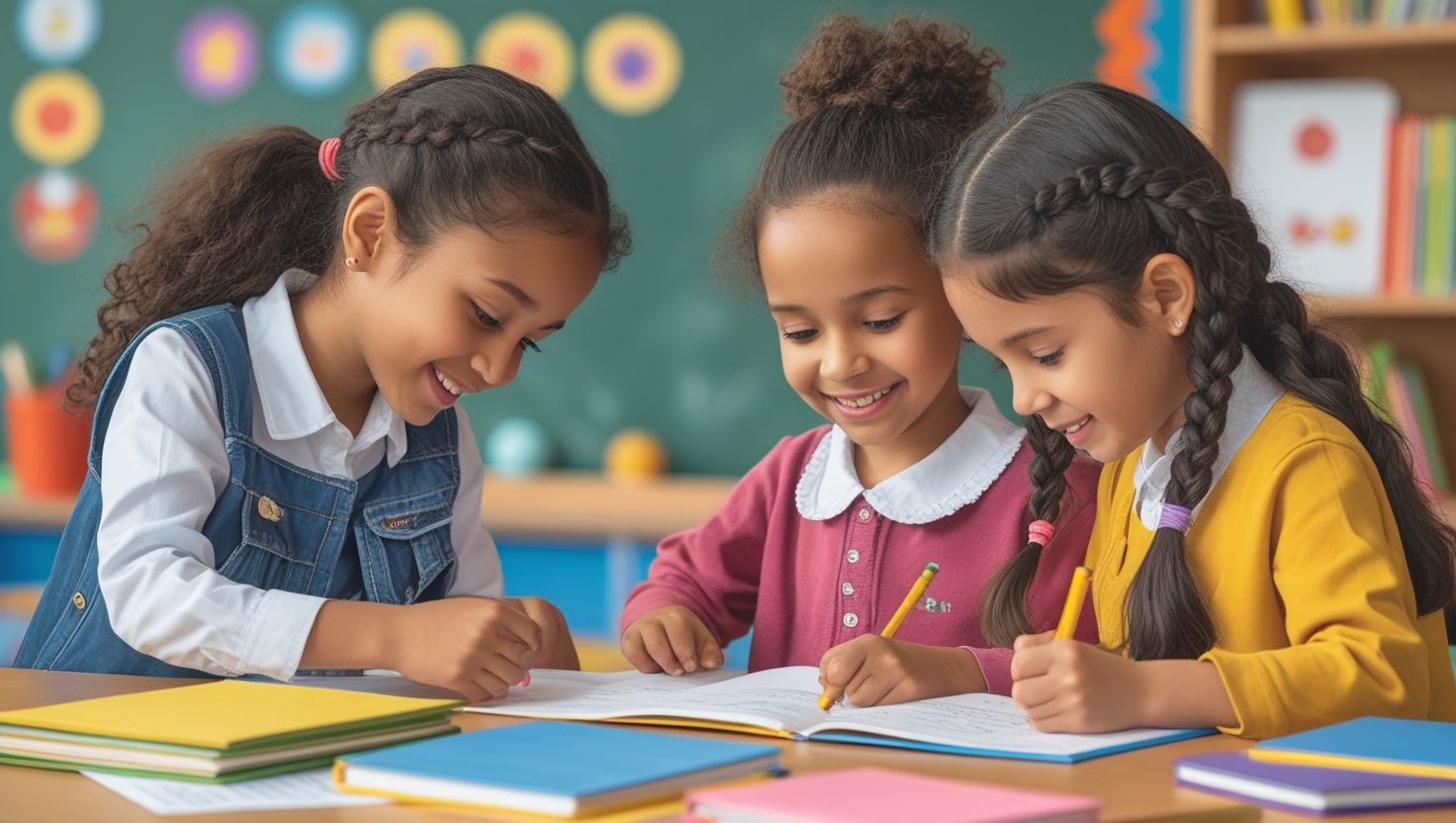
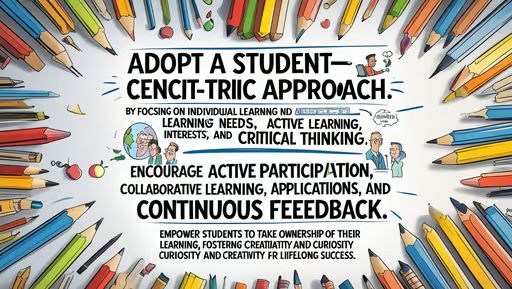
One of the most significant findings in recent classroom research is the shift toward student-centered learning environments. Traditional lecture-based instruction is increasingly being replaced by models that emphasize student agency, participation, and collaboration.
Research shows that modern learning environments prioritize interaction, inquiry, and knowledge construction rather than passive reception. Studies on innovative learning environments indicate that student-centered approaches enhance both engagement and conceptual understanding, although they require strong theoretical alignment and instructional design .
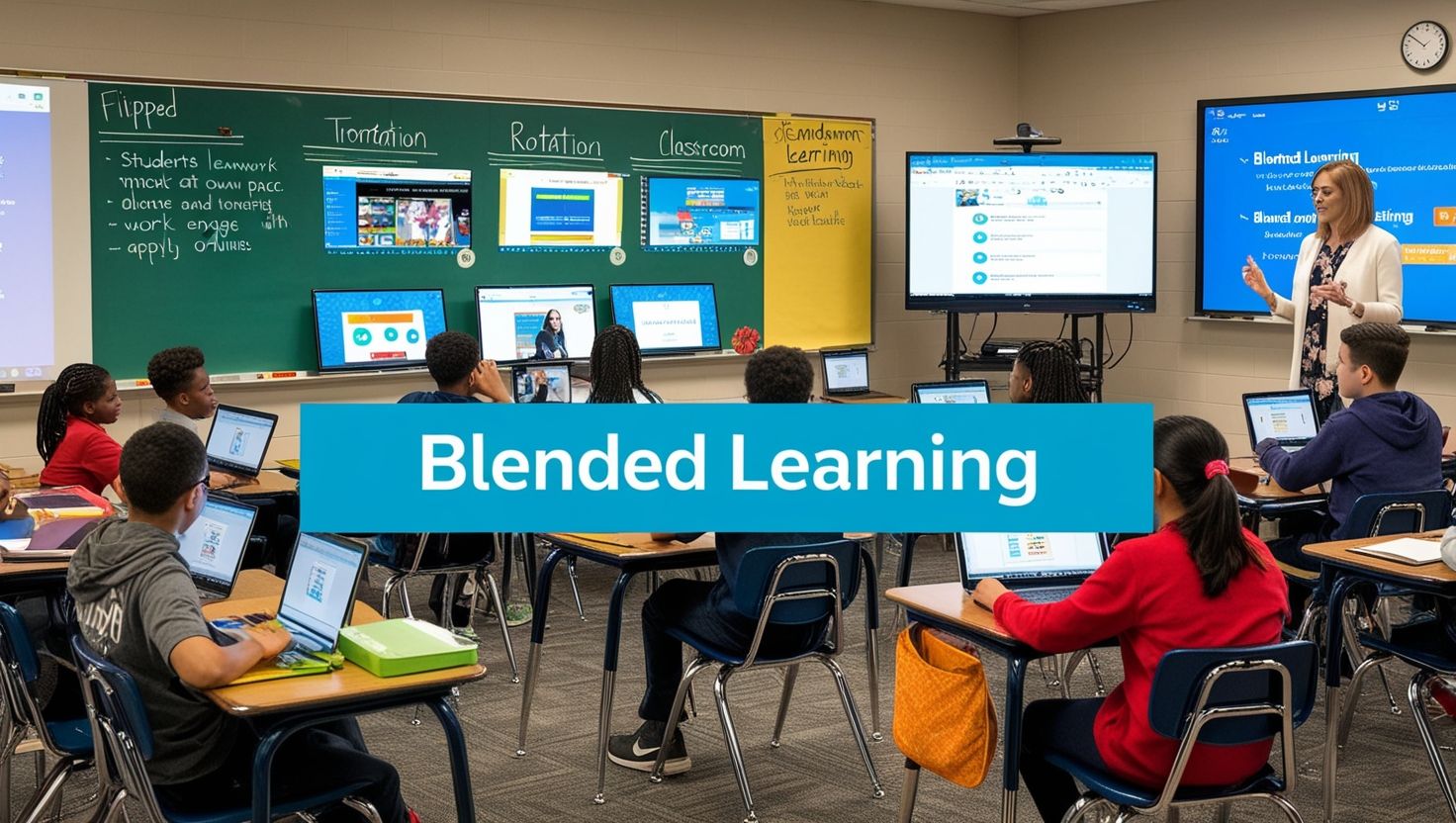
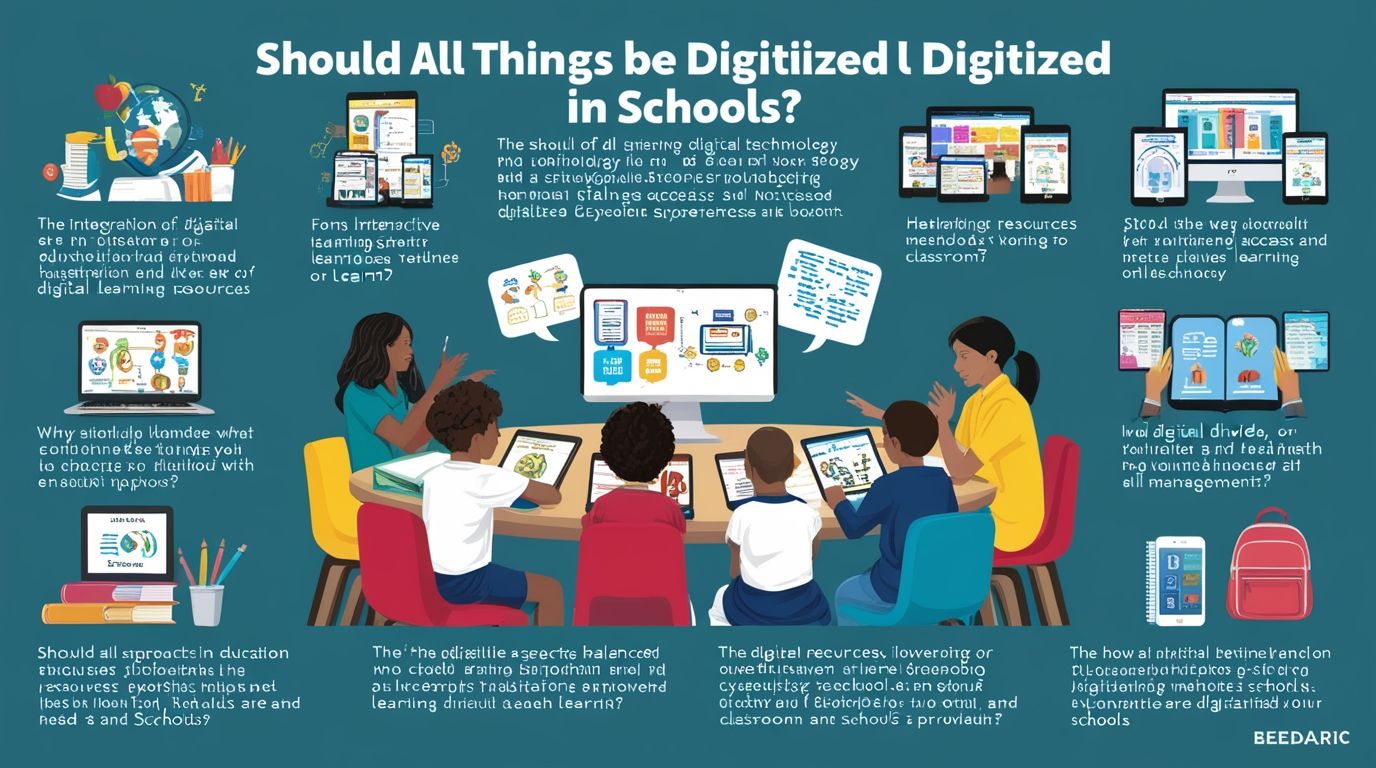
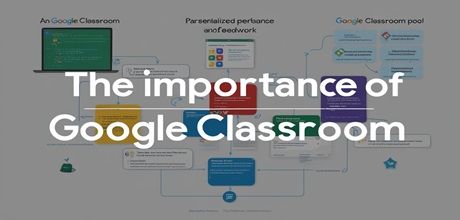
Furthermore, post-pandemic studies highlight that digital tools have accelerated this transition by enabling flexible and interactive learning environments. These include blended learning, flipped classrooms, and collaborative platforms, which support autonomy and personalized learning paths .
2. Active Learning and Classroom Engagement
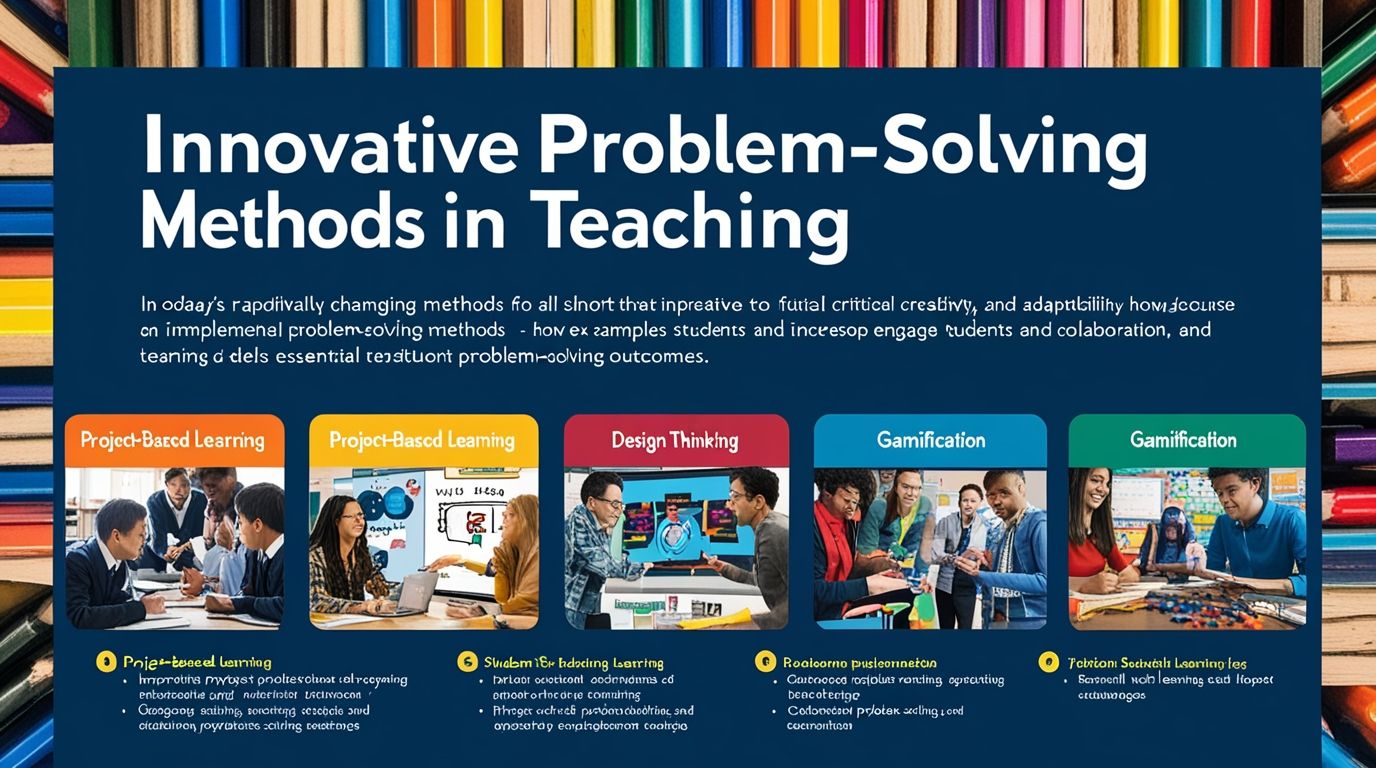
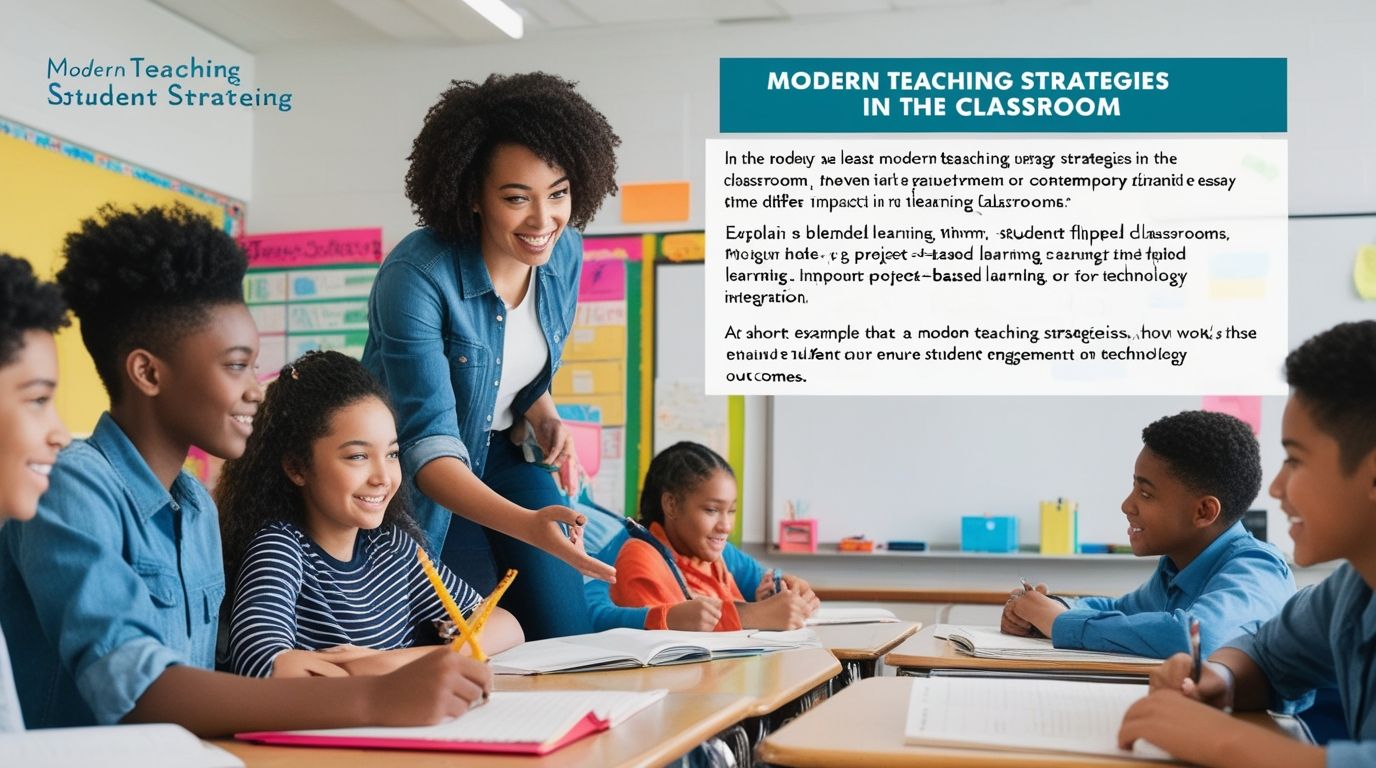
Active learning remains one of the most researched and validated instructional approaches in recent years. It includes strategies such as problem-based learning, cooperative learning, simulations, role-playing, and flipped classrooms.
A systematic review (2022–2024) found that active learning approaches significantly improve:
- Student motivation
- Knowledge retention
- Skill development
- Classroom participation
The flipped classroom model, where students study content before class and engage in activities during class time, has gained particular attention. Research indicates that it promotes deeper understanding and allows students to construct knowledge actively rather than passively receiving it .
These findings reinforce constructivist theories of learning, suggesting that students learn more effectively when they are actively involved in the learning process.
3. Role of Artificial Intelligence in Classroom Learning
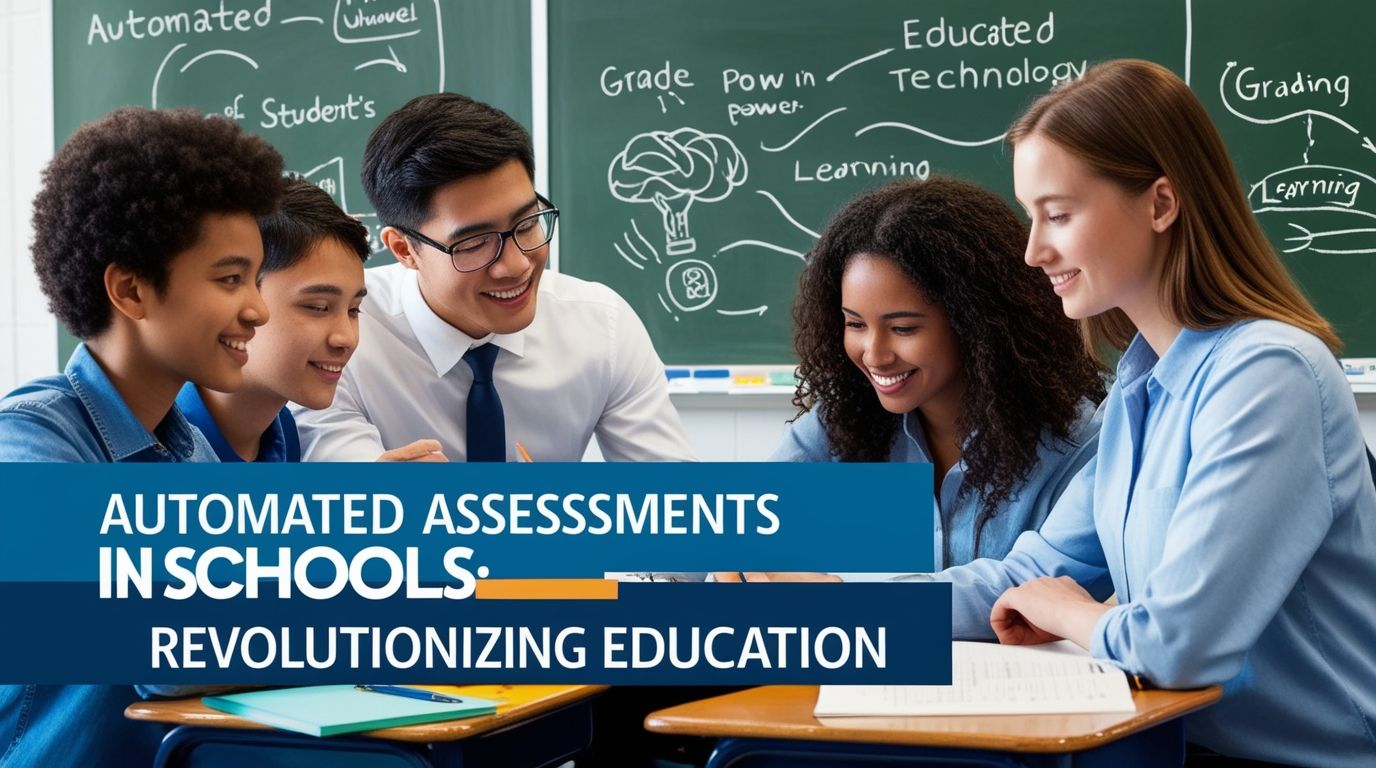
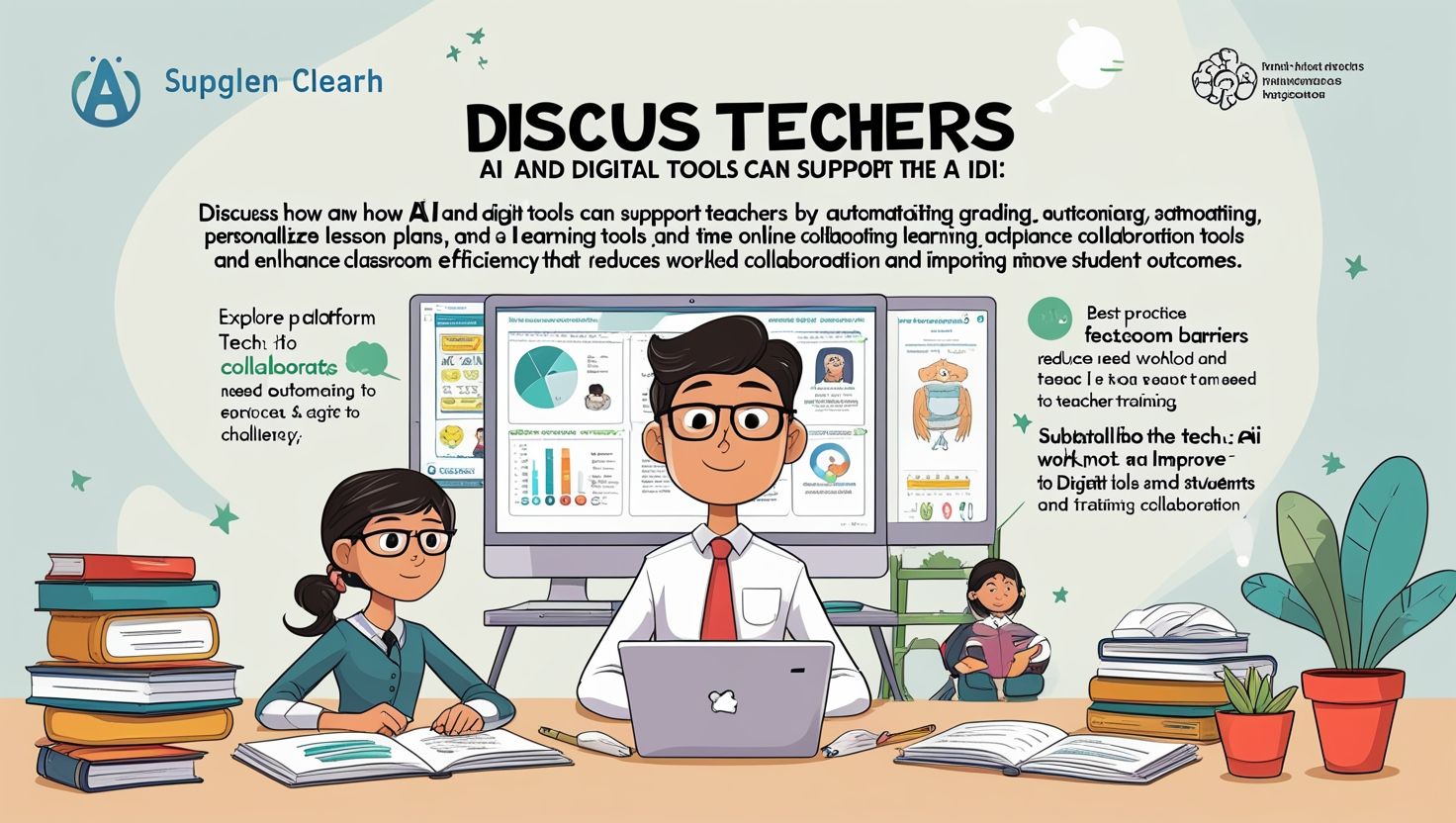
Artificial intelligence has emerged as a transformative force in education. Tools such as AI tutors, chatbots, and automated feedback systems are increasingly used in classrooms.
Recent research on AI in education highlights several benefits:
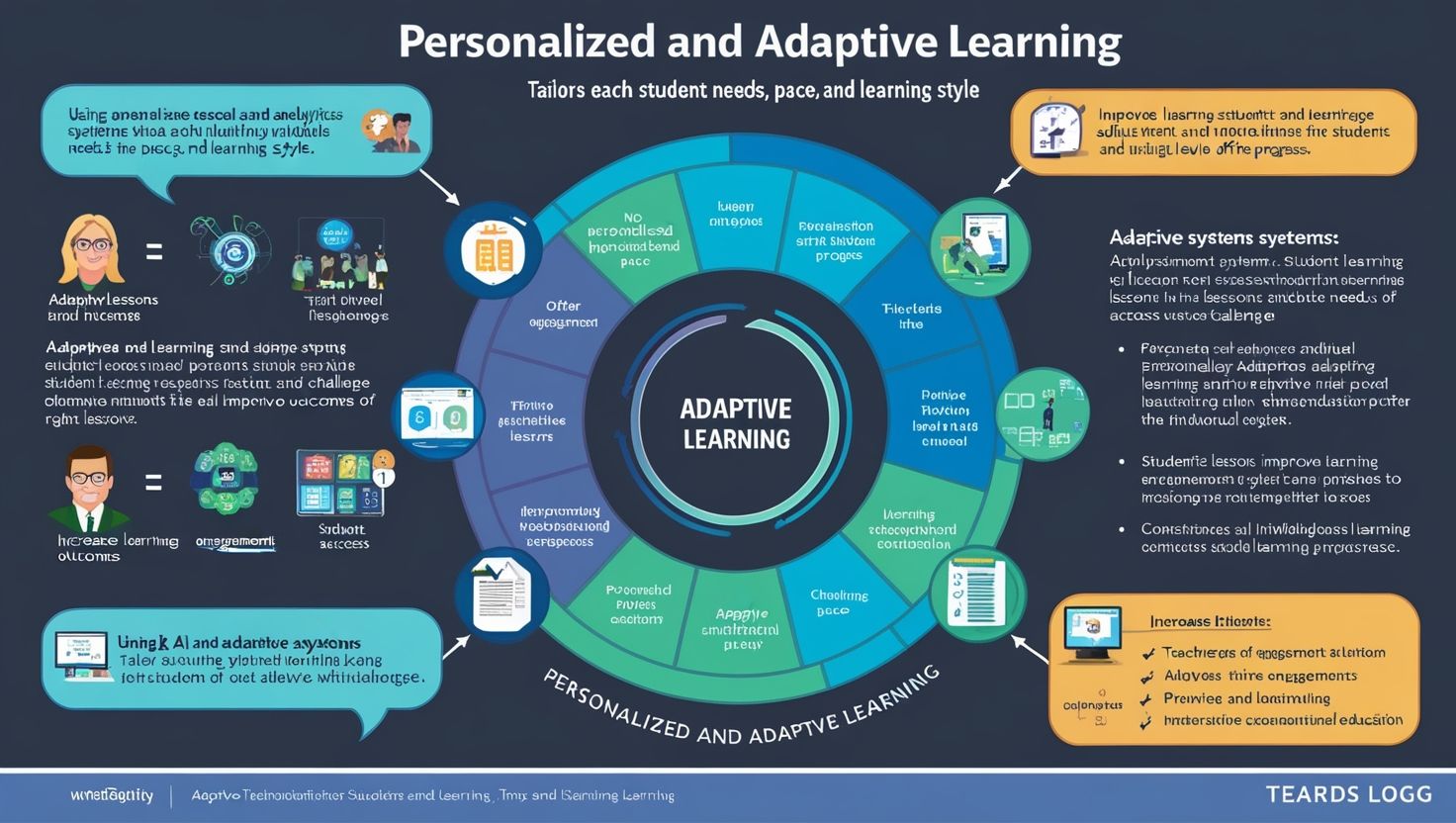
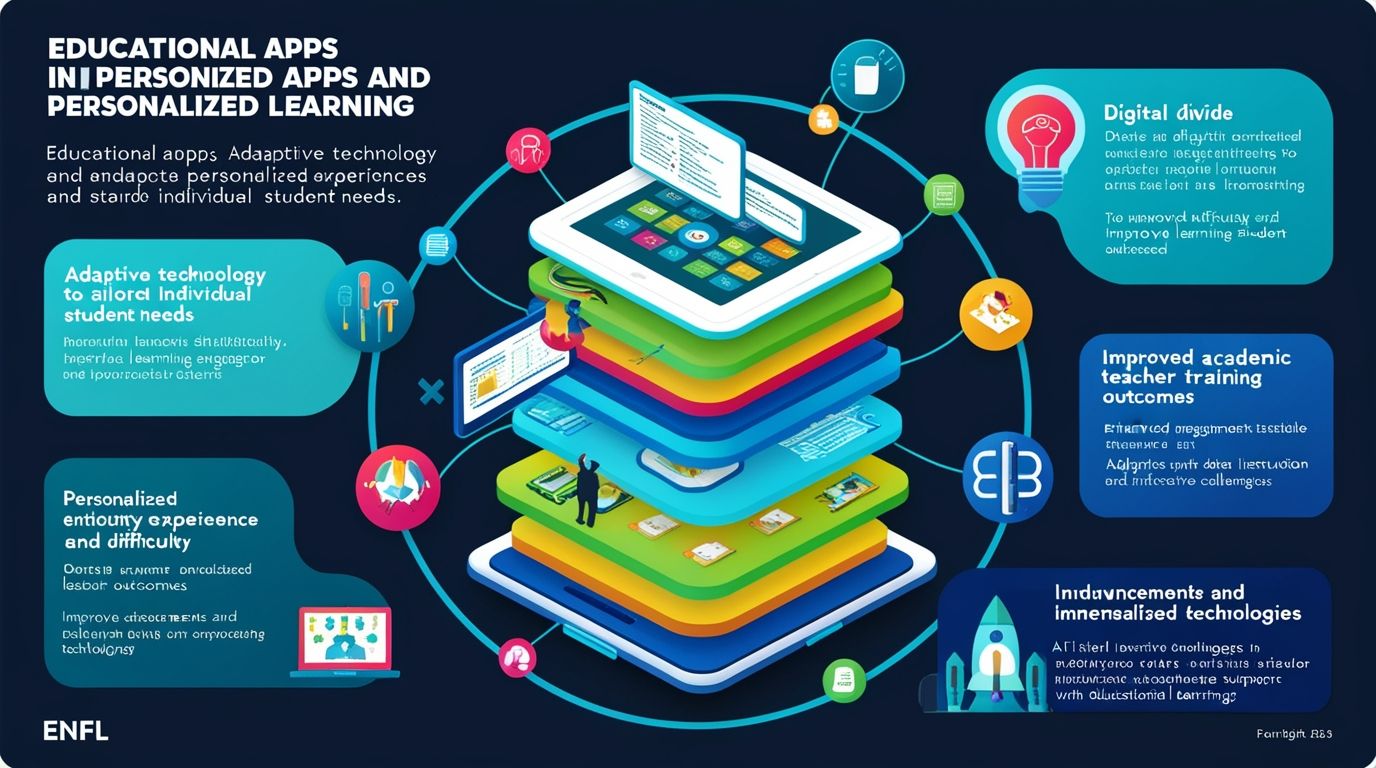
- Enhanced personalized learning experiences
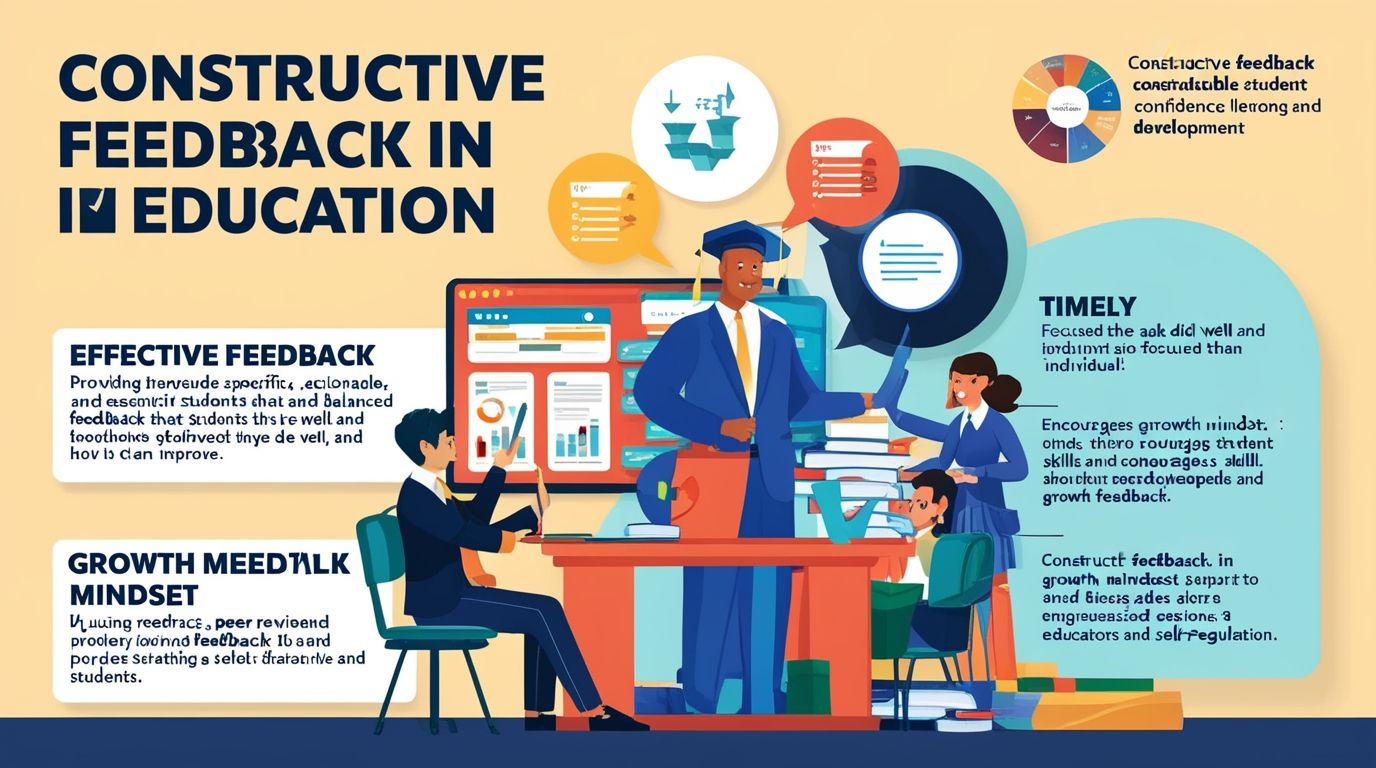
- Immediate feedback for students
- Support for teachers in content creation and assessment
A systematic review of AI tools like ChatGPT found that they improve student engagement and teacher productivity, but also raise concerns about over-reliance and academic integrity .
Additionally, AI-based classroom discourse analysis shows that AI can influence not only cognitive outcomes but also student emotions and behavior, making it a powerful tool for understanding learning processes .
However, researchers emphasize the need for structured guidelines and ethical frameworks to ensure effective and responsible use of AI in classrooms.
4. Learning Analytics and Data-Driven Instruction
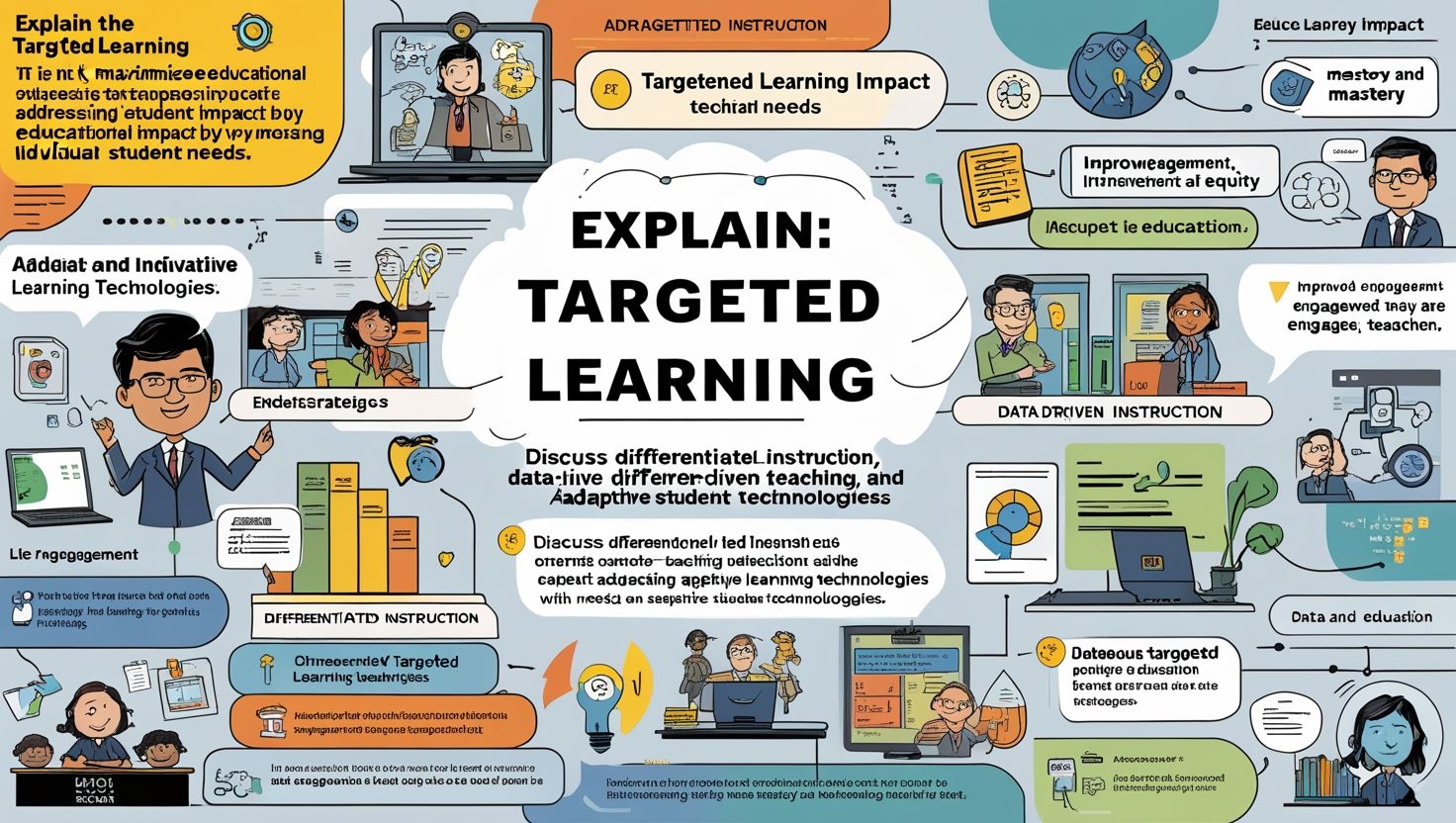
Learning analytics (LA) is another major advancement in classroom research. It involves collecting and analyzing student data to improve learning outcomes.
Recent studies show that learning analytics:
- Enable personalized feedback
- Identify learning gaps early
- Support adaptive teaching strategies
- Improve student performance and equity
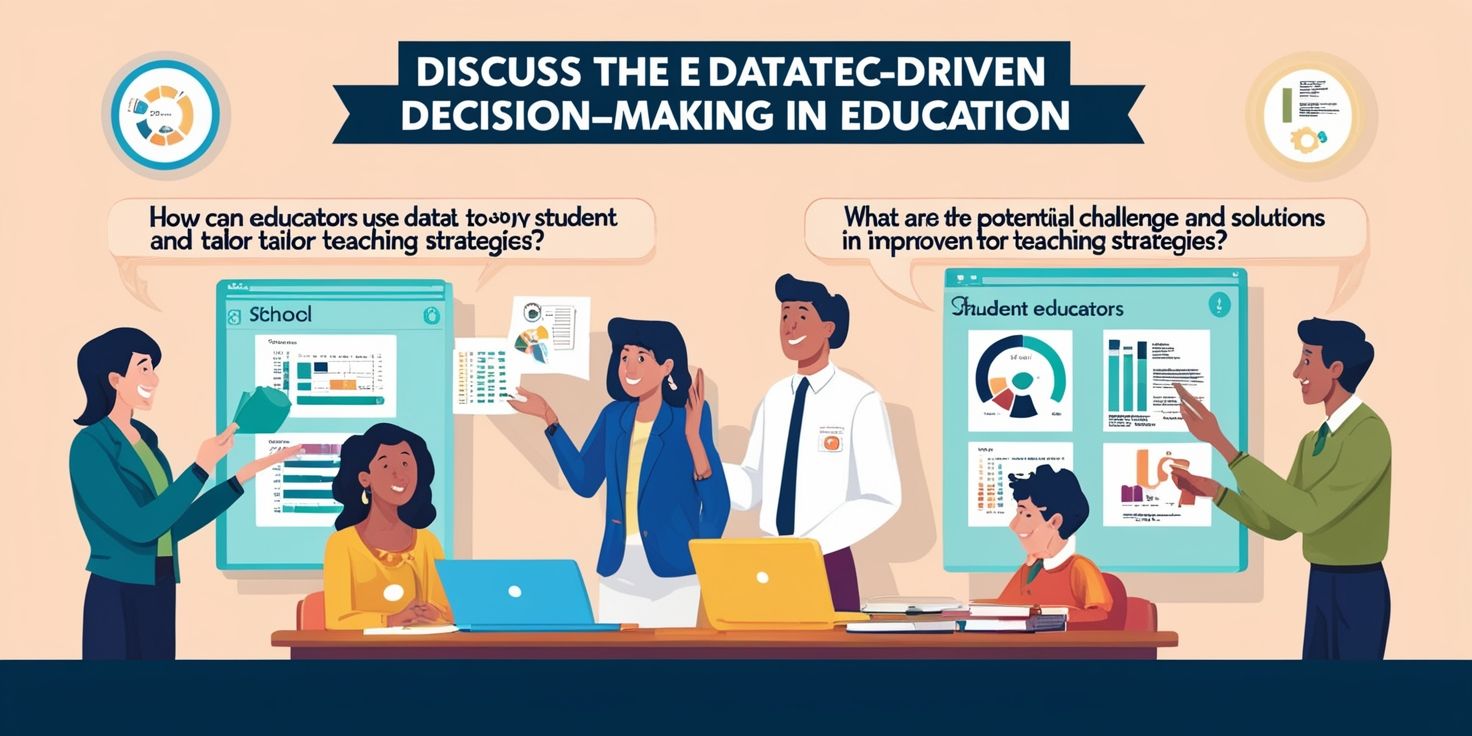
By using real-time data, teachers can tailor instruction to individual student needs, moving away from one-size-fits-all approaches. This aligns with the broader trend of data-driven decision-making in education.
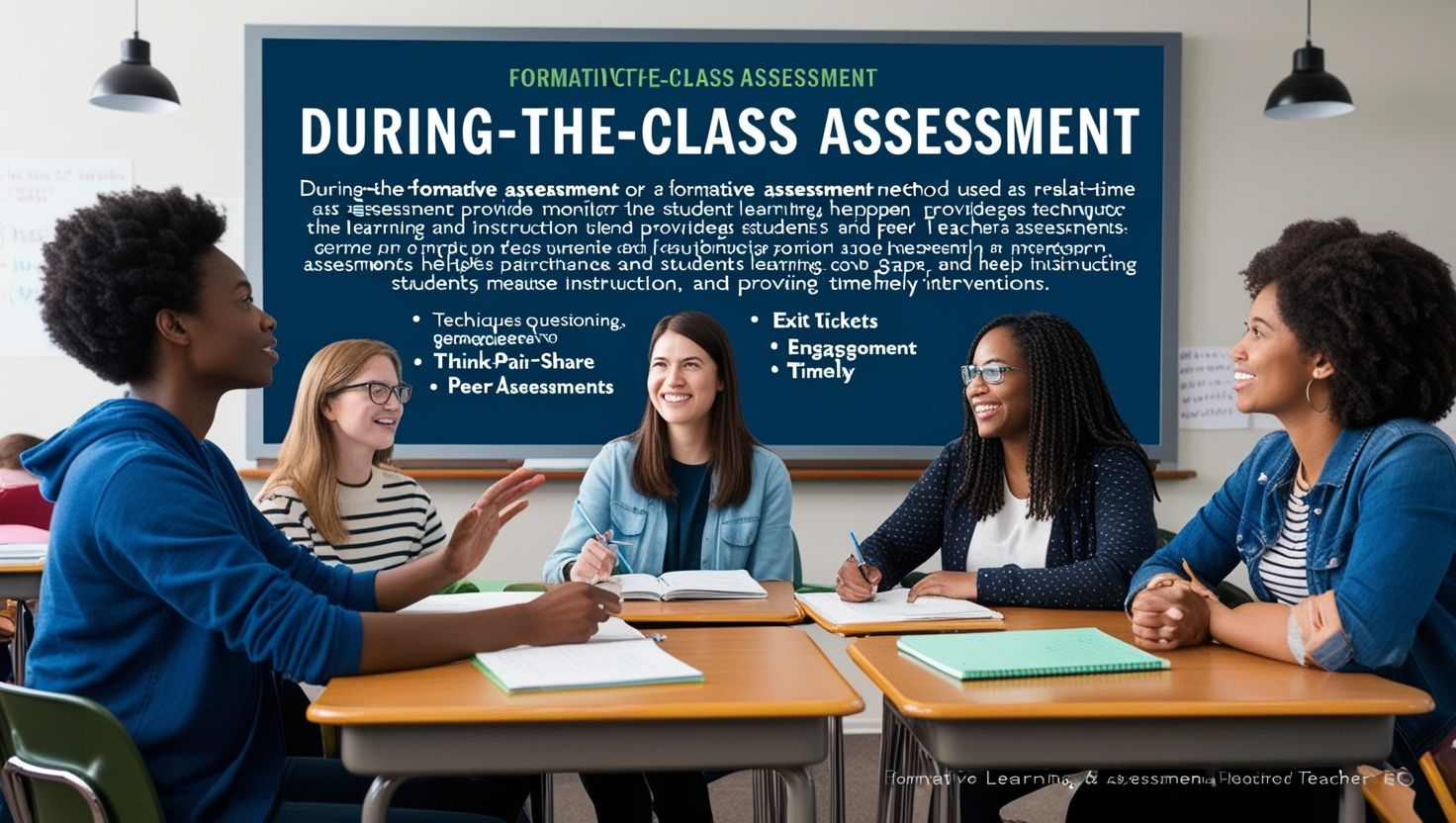
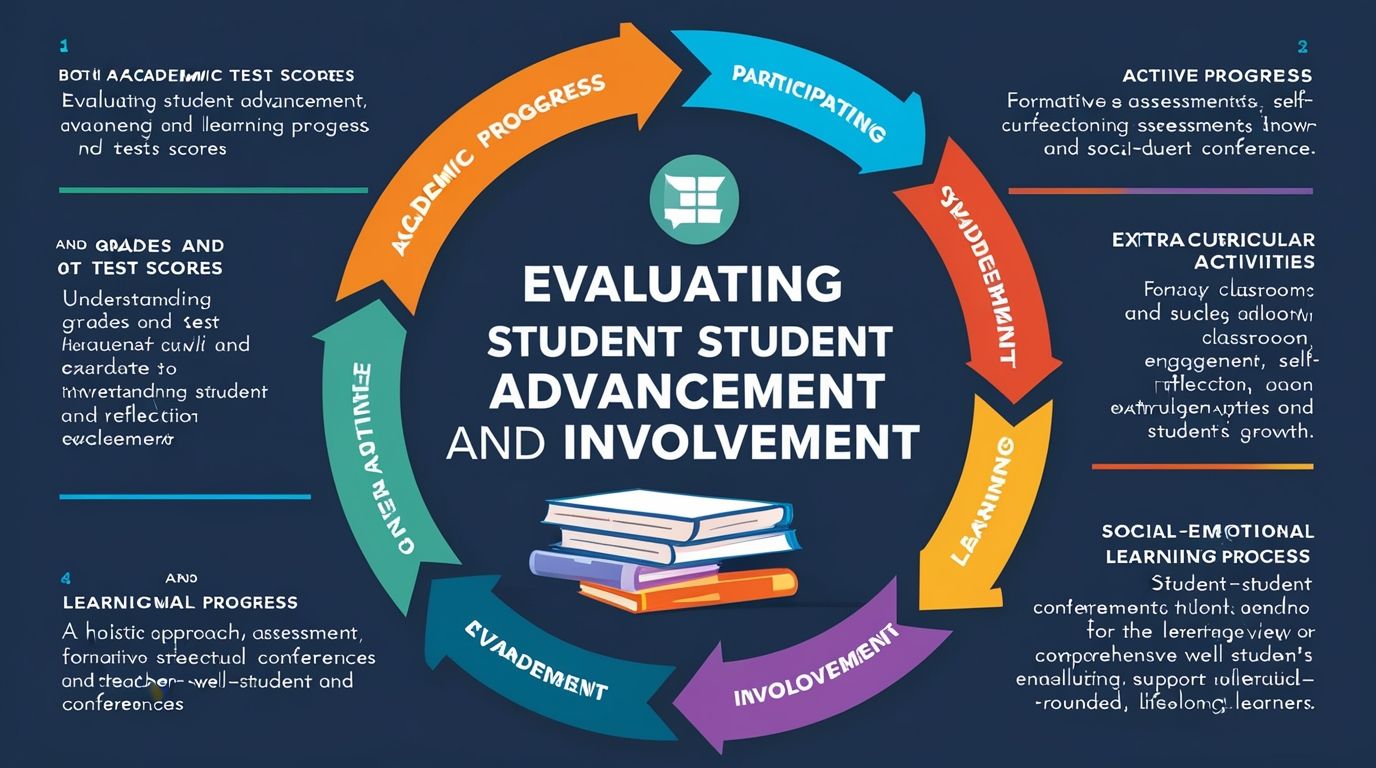
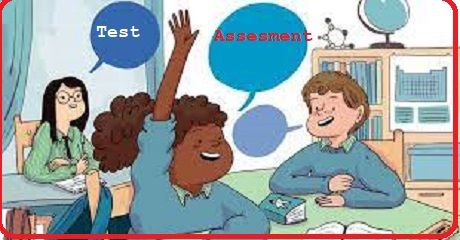
Moreover, learning analytics contributes to formative assessment practices, allowing continuous monitoring of student progress rather than relying solely on summative exams.
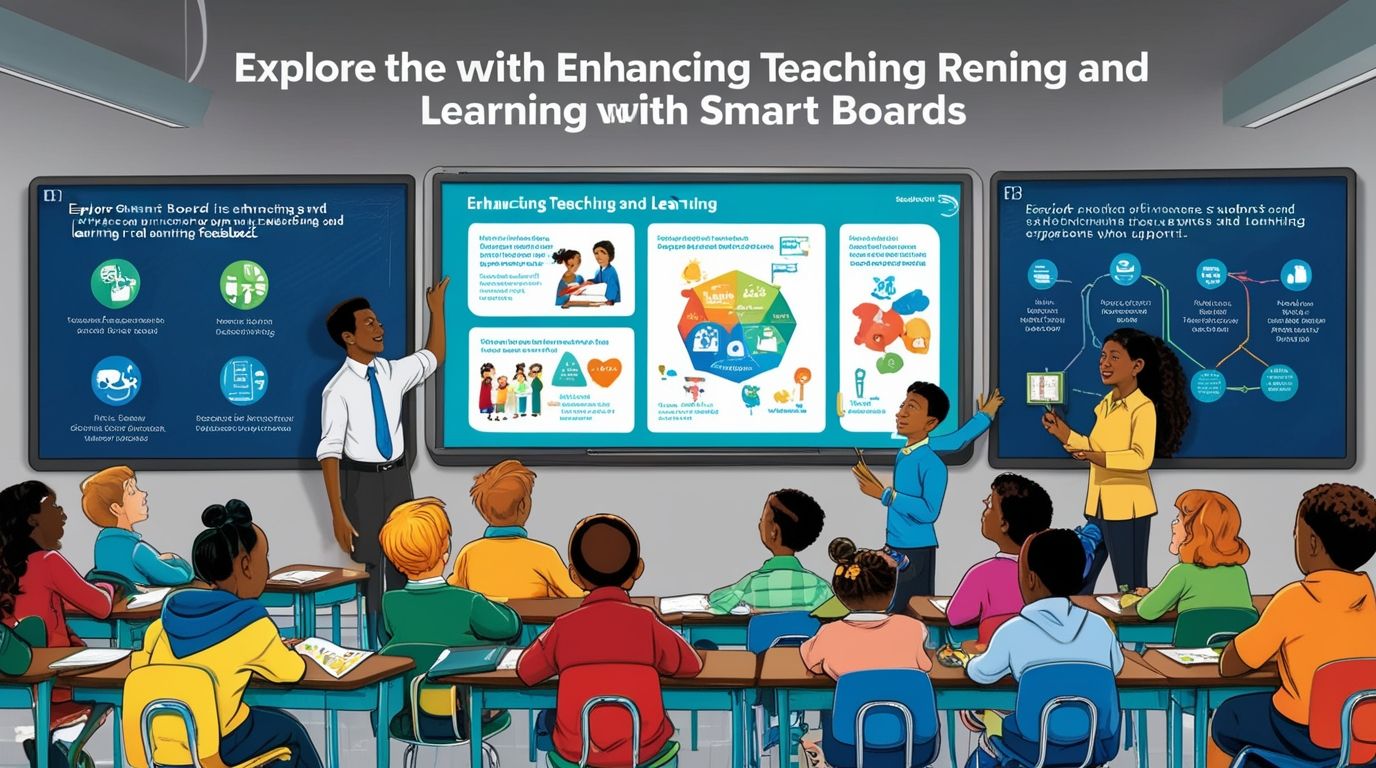
5. Smart Learning Environments and Human–Machine Interaction
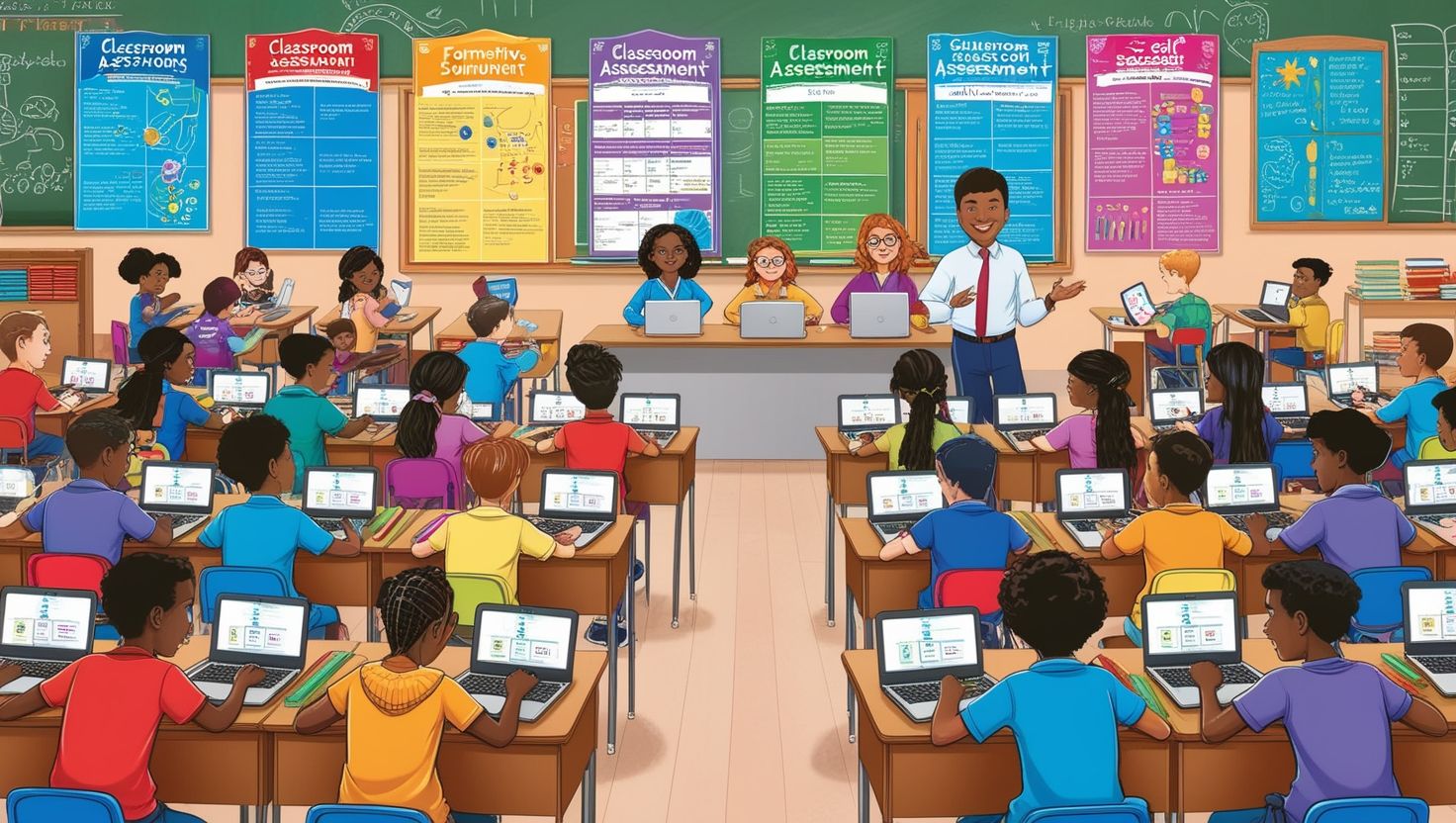
Smart learning environments integrate AI, sensors, and digital platforms to create interactive and adaptive classrooms. A meta-analysis on human–machine feedback systems found that such environments can enhance:
- Learning performance
- Cognitive skills
- Emotional engagement
However, results vary depending on how effectively technology is integrated into pedagogy .
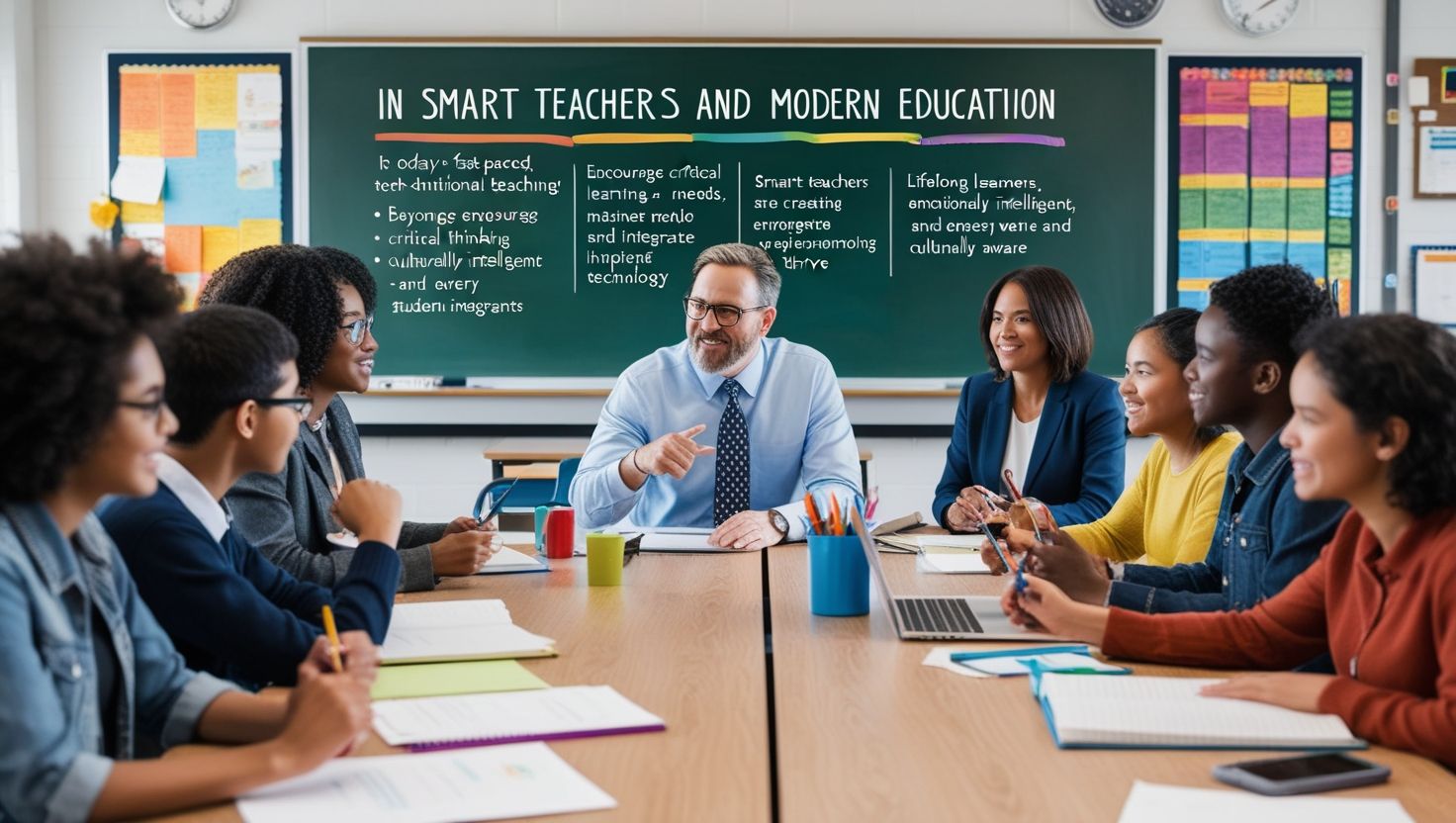
The key insight from this research is that technology alone does not improve learning; it must be combined with sound instructional strategies. Teachers play a crucial role in mediating interactions between students and technology.
6. Classroom Climate and Social Learning
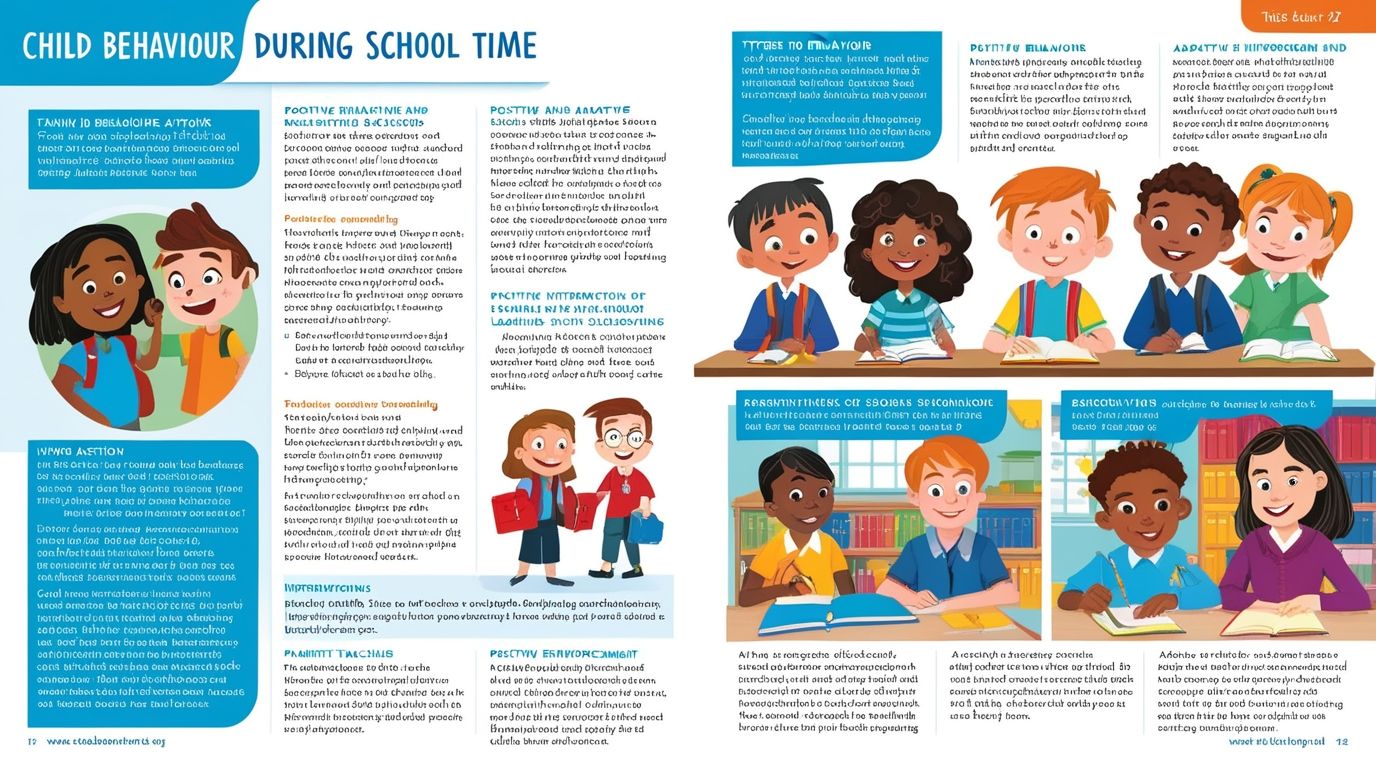
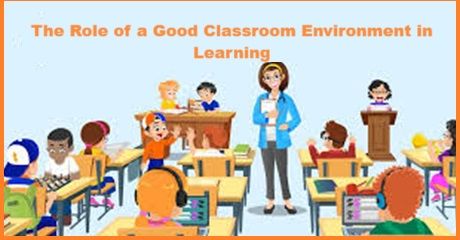
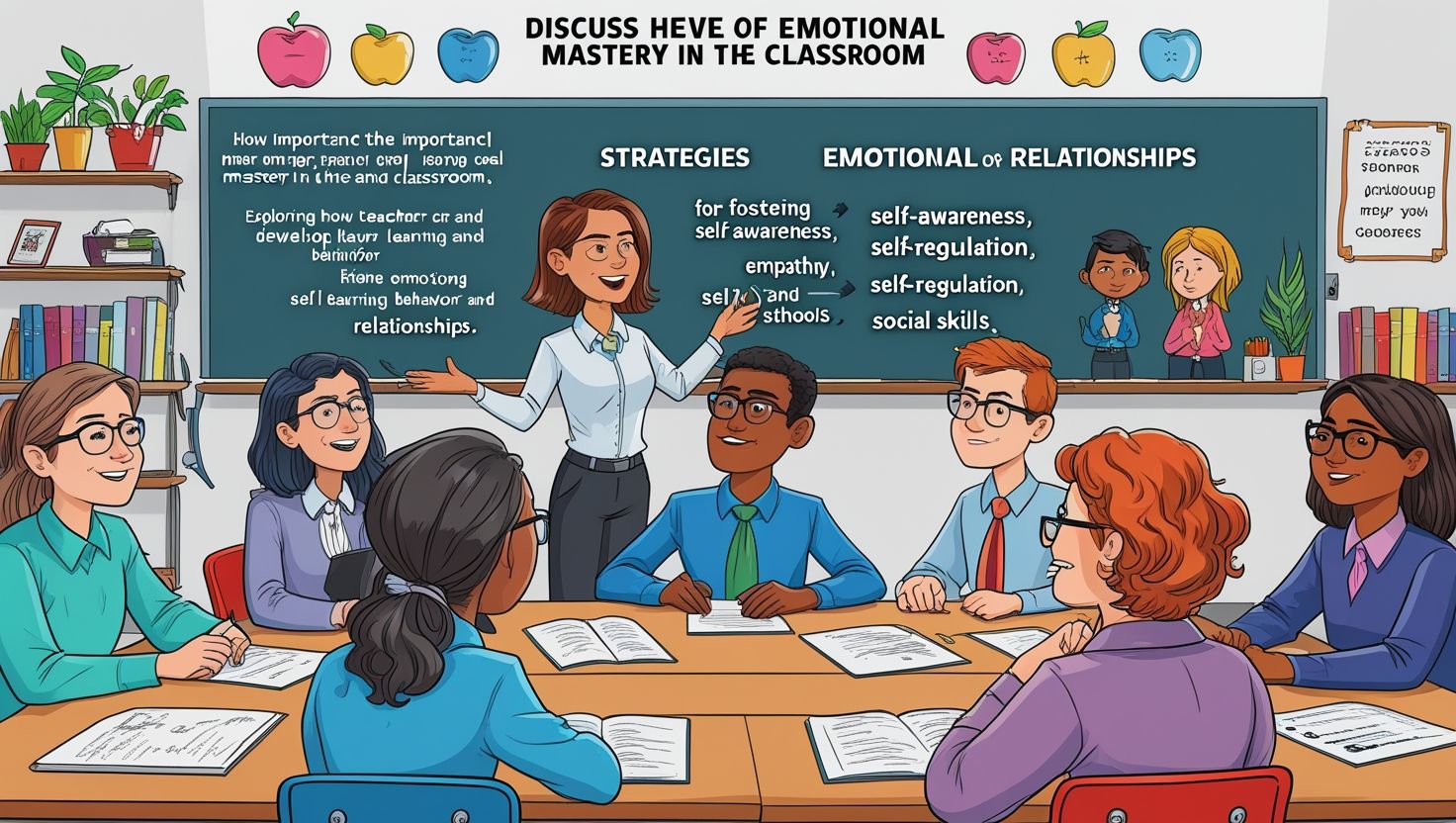
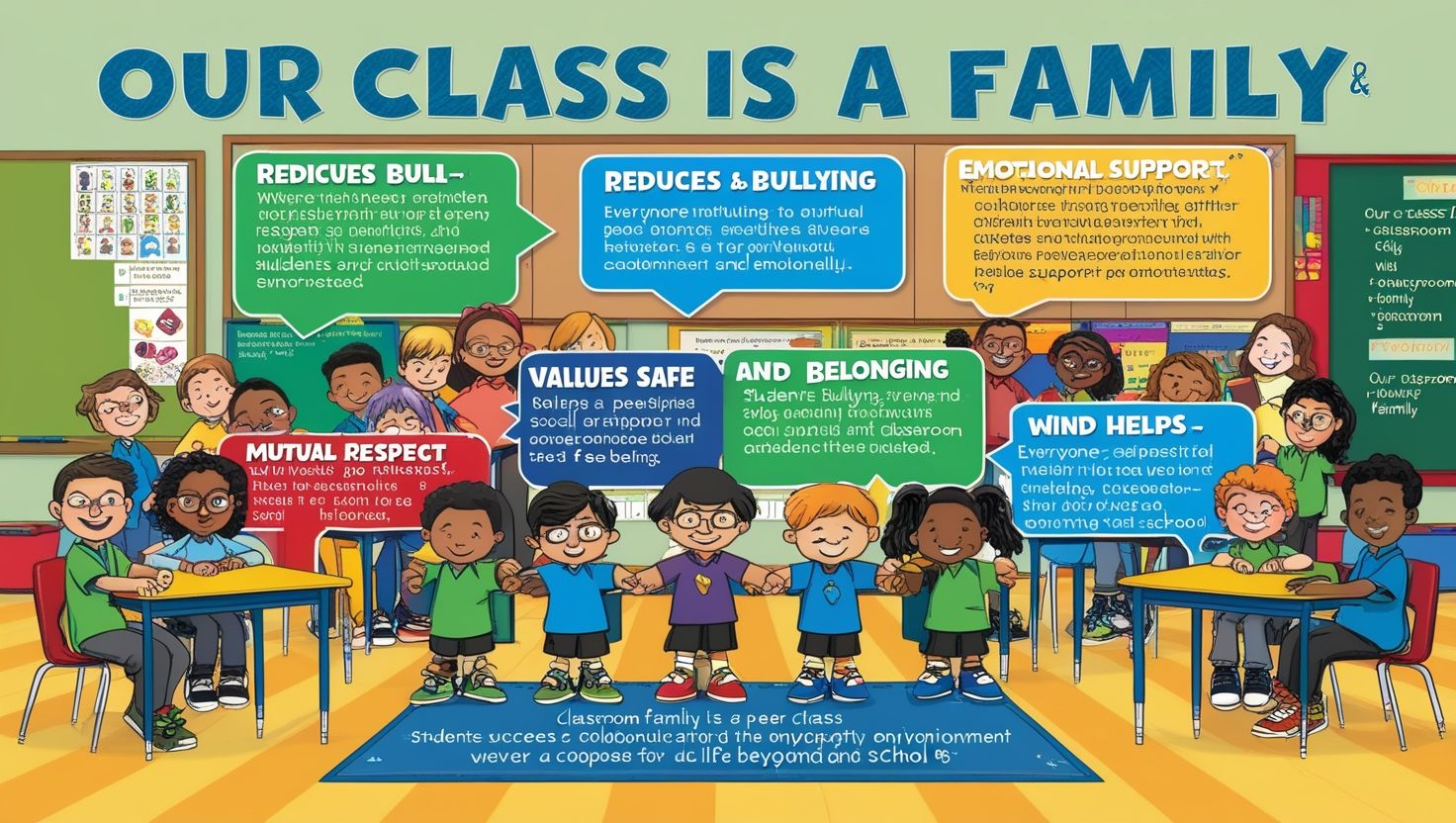
Recent research emphasizes the importance of social classroom climate in learning outcomes. Classroom climate refers to relationships, communication, and emotional support within the learning environment.
Studies show that positive classroom climates:
- Increase student engagement
- Improve academic performance
- Enhance emotional well-being
In technology-enhanced learning environments, maintaining a supportive social climate becomes even more critical, as digital interactions can sometimes reduce human connection .
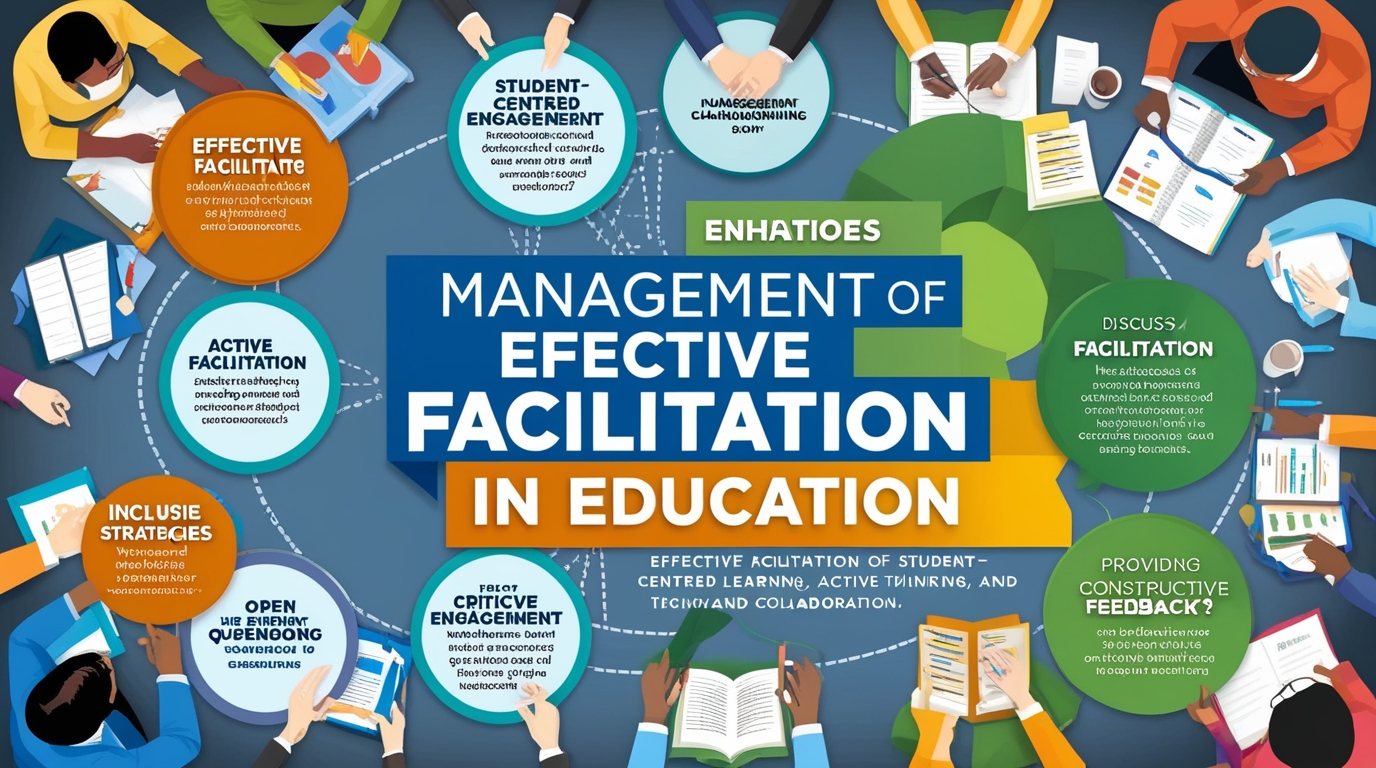
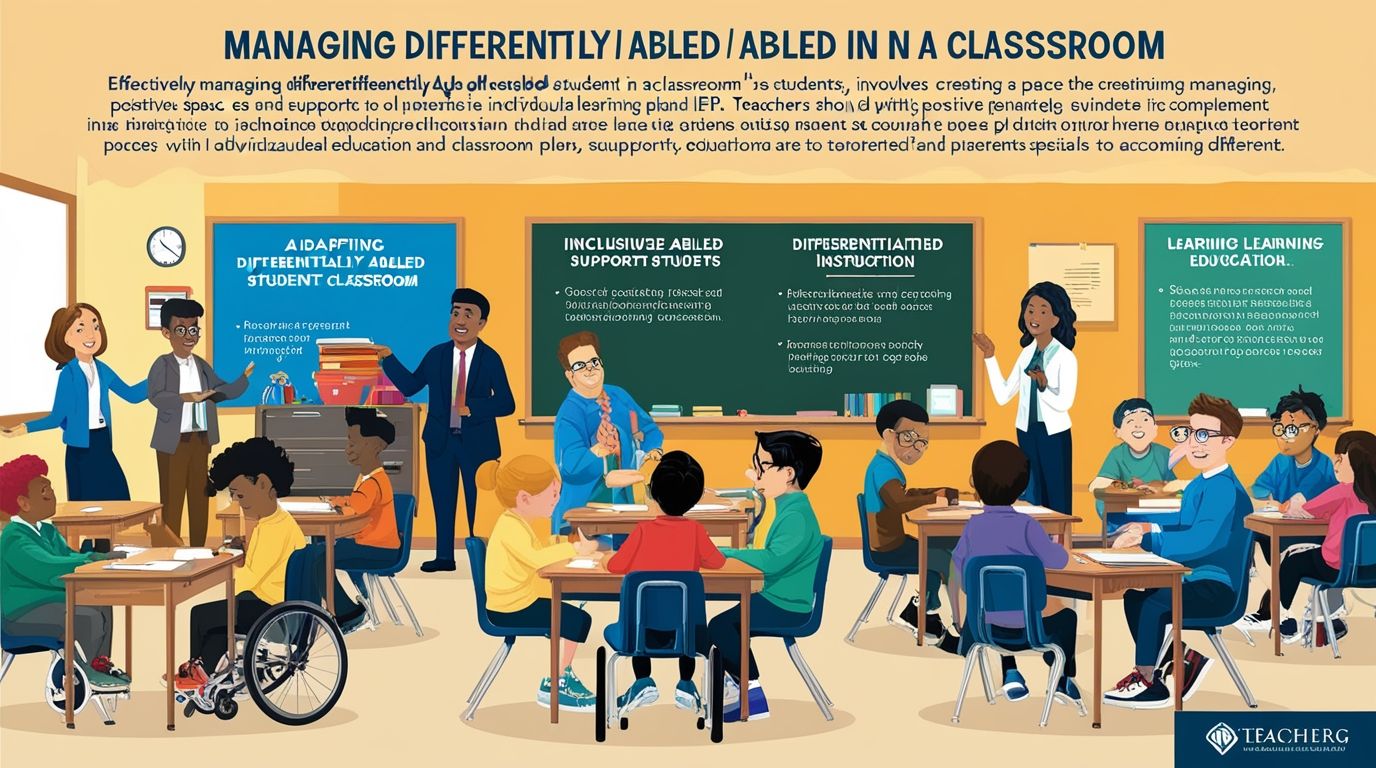
Collaborative learning strategies, peer interaction, and inclusive teaching practices are essential for fostering a positive classroom environment.
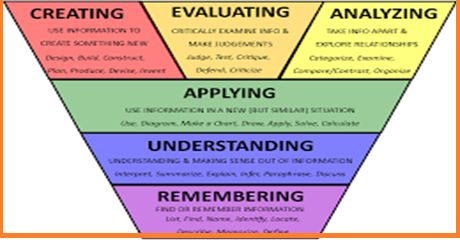
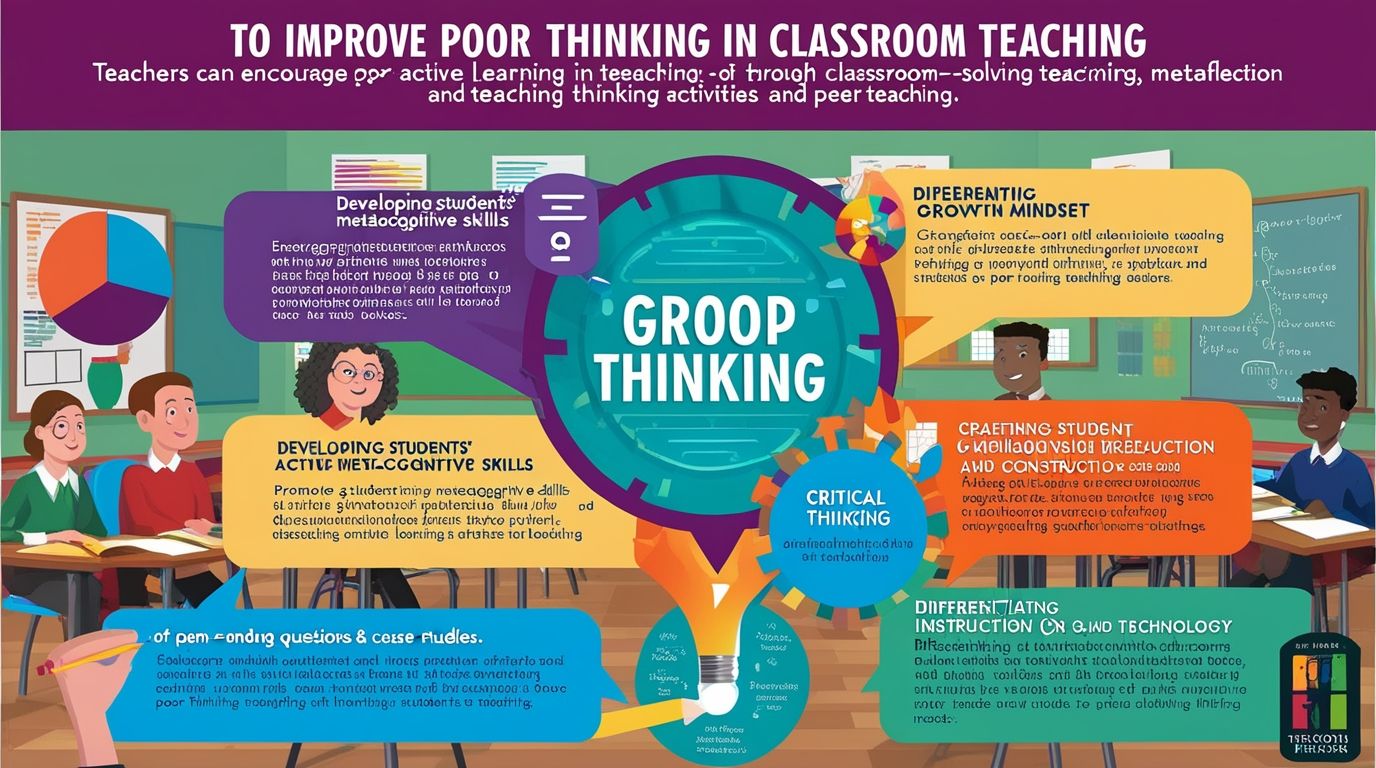
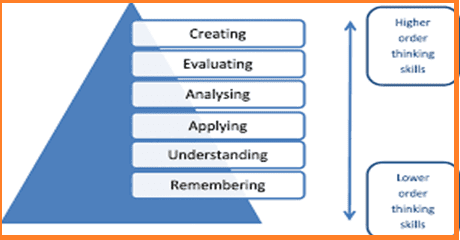
7. Development of Critical Thinking and Higher-Order Skills
Modern classroom research increasingly focuses on developing critical thinking, creativity, and problem-solving skills.
A 2024 study found that innovative pedagogical approaches significantly enhance:
- Student critical thinking
- Learning outcomes
- Analytical abilities
The study also highlights the role of inclusive leadership in supporting these outcomes, suggesting that teacher behavior and classroom management are key factors .
This aligns with global educational goals that emphasize preparing students for complex, real-world challenges rather than rote memorization.
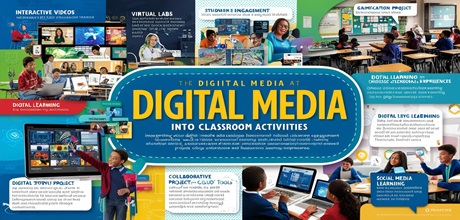
8. Technology-Enhanced Learning (TEL)
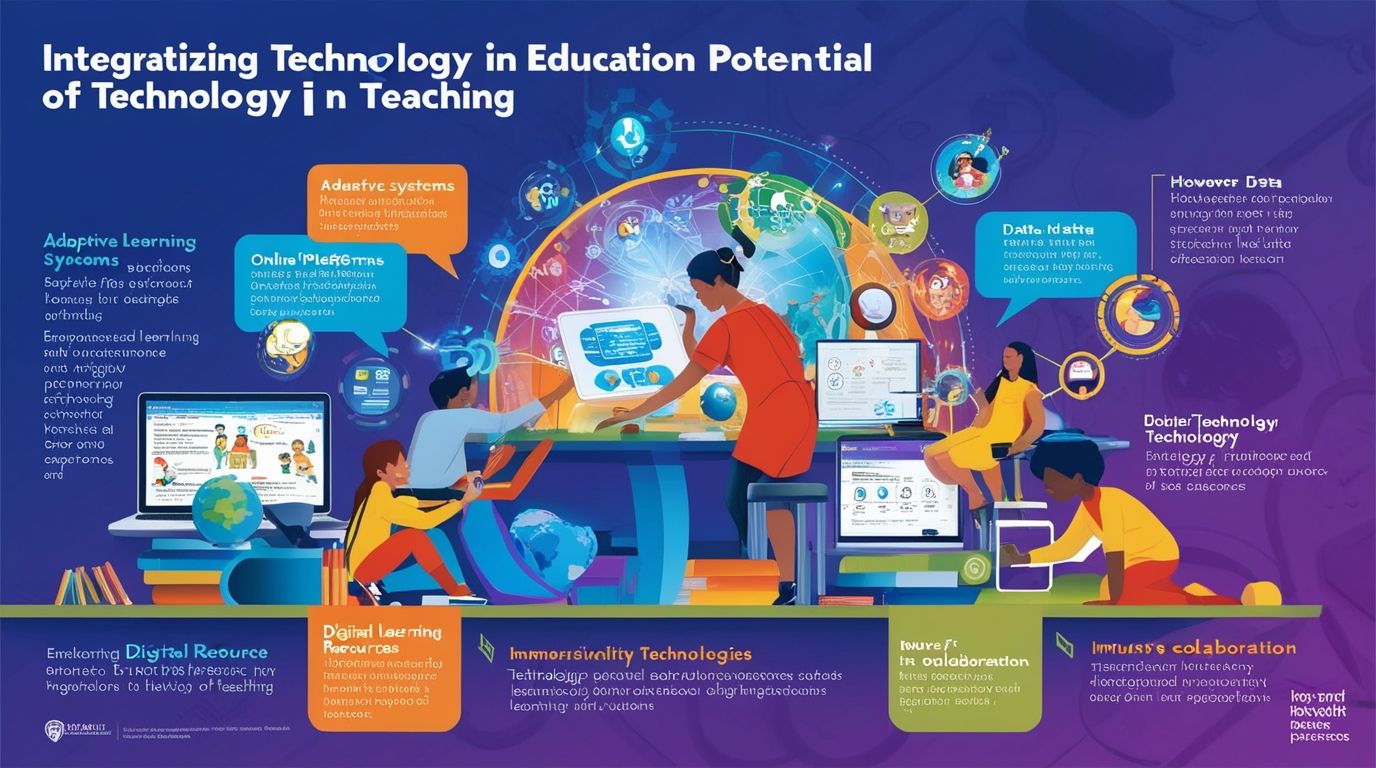
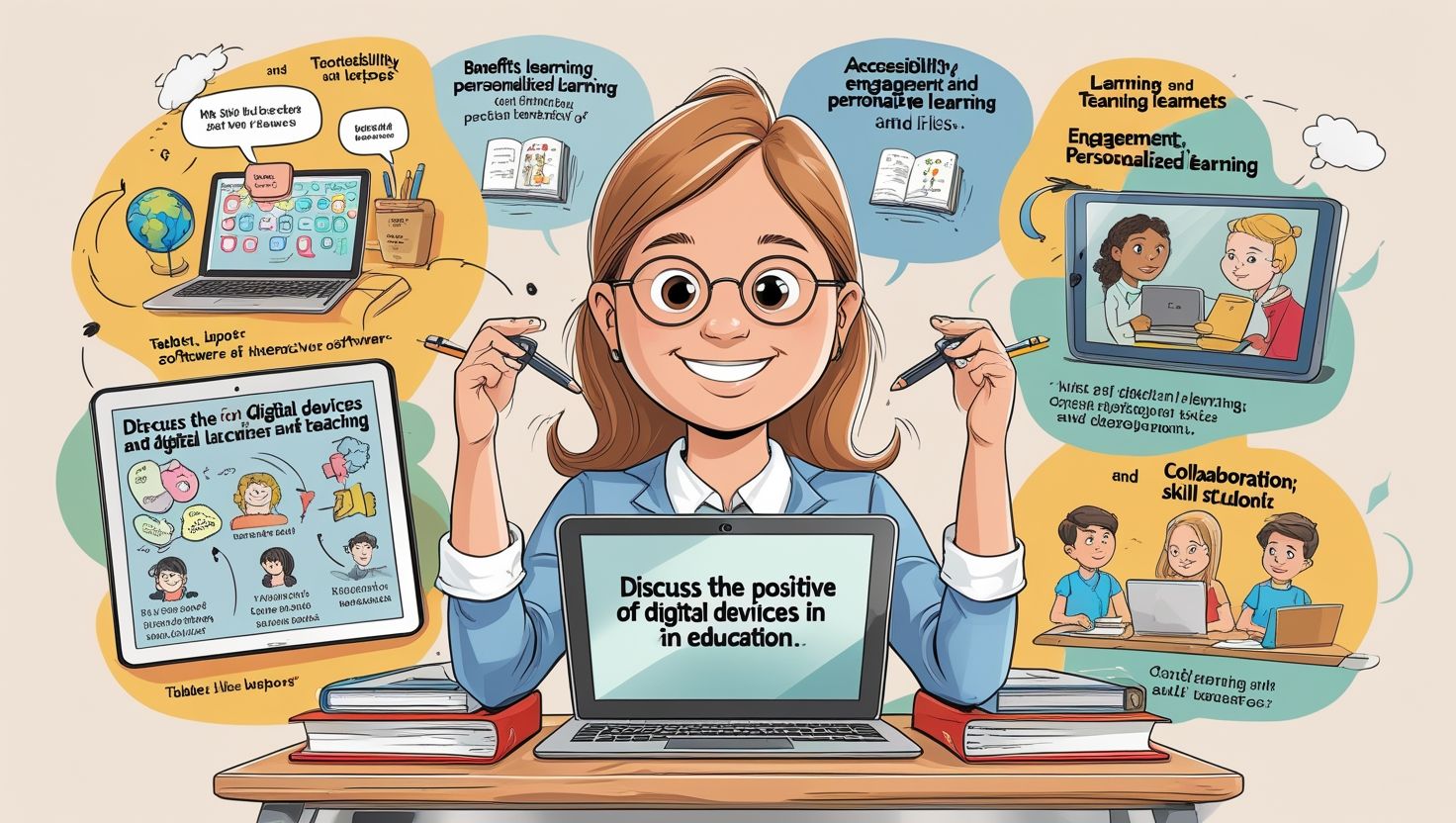
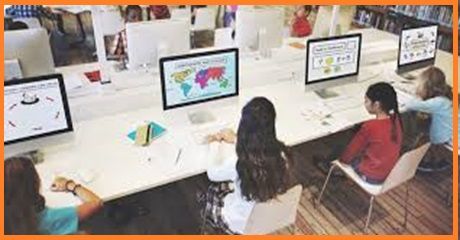
Technology-enhanced learning (TEL) integrates digital tools into classroom instruction to improve learning experiences.
Recent meta-analyses indicate that TEL is most effective when:
- It supports active learning activities
- Students are cognitively engaged
- Technology aligns with learning objectives
The ICAP framework (Interactive, Constructive, Active, Passive) suggests that deeper learning occurs when students engage in interactive and constructive activities rather than passive consumption .
This highlights the importance of designing meaningful learning activities rather than simply introducing technology into the classroom.
9. Challenges in Modern Classroom Learning Research
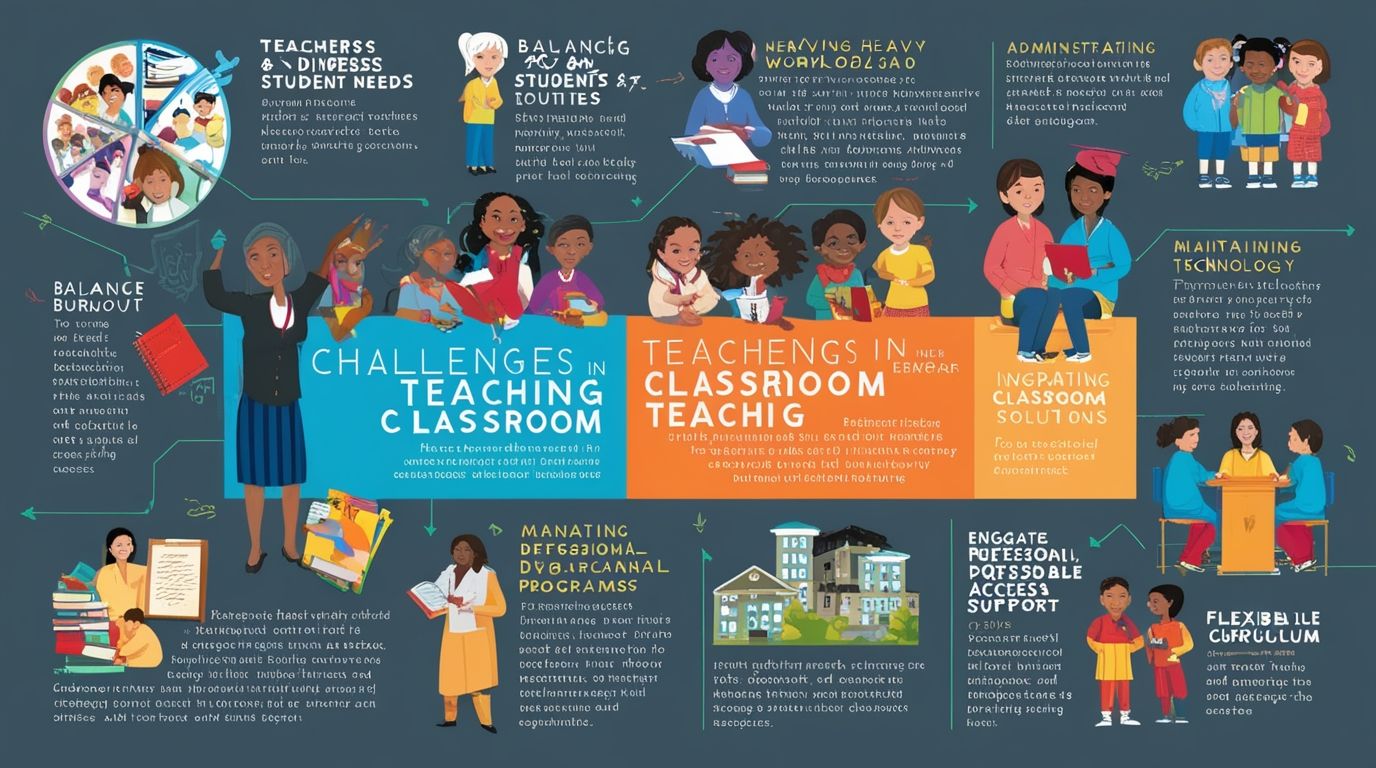
Despite significant progress, several challenges remain:
1. Over-Reliance on Technology
Students may become dependent on AI tools, reducing independent thinking.
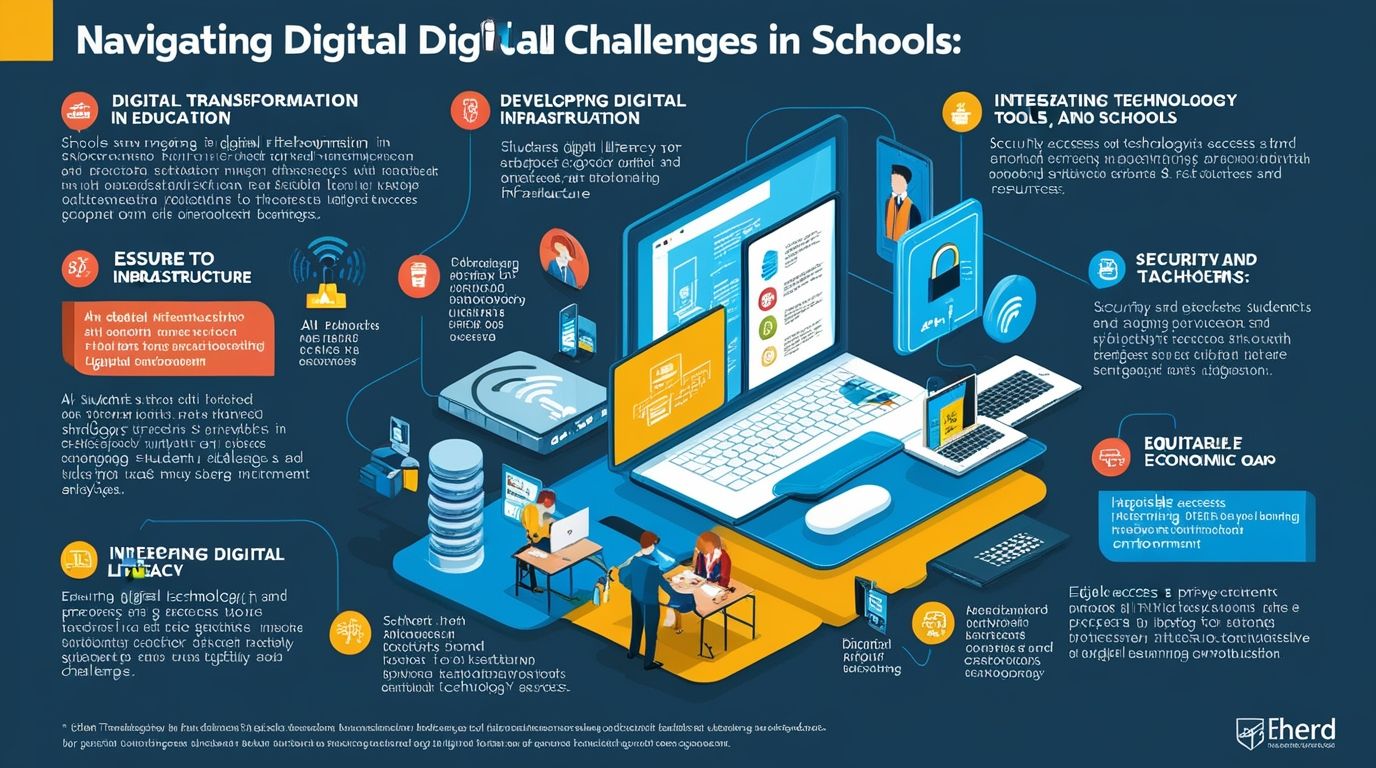
2. Digital Divide
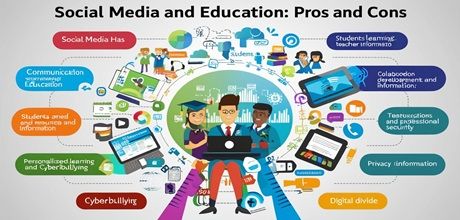
Unequal access to technology can widen educational inequalities.
3. Teacher Training
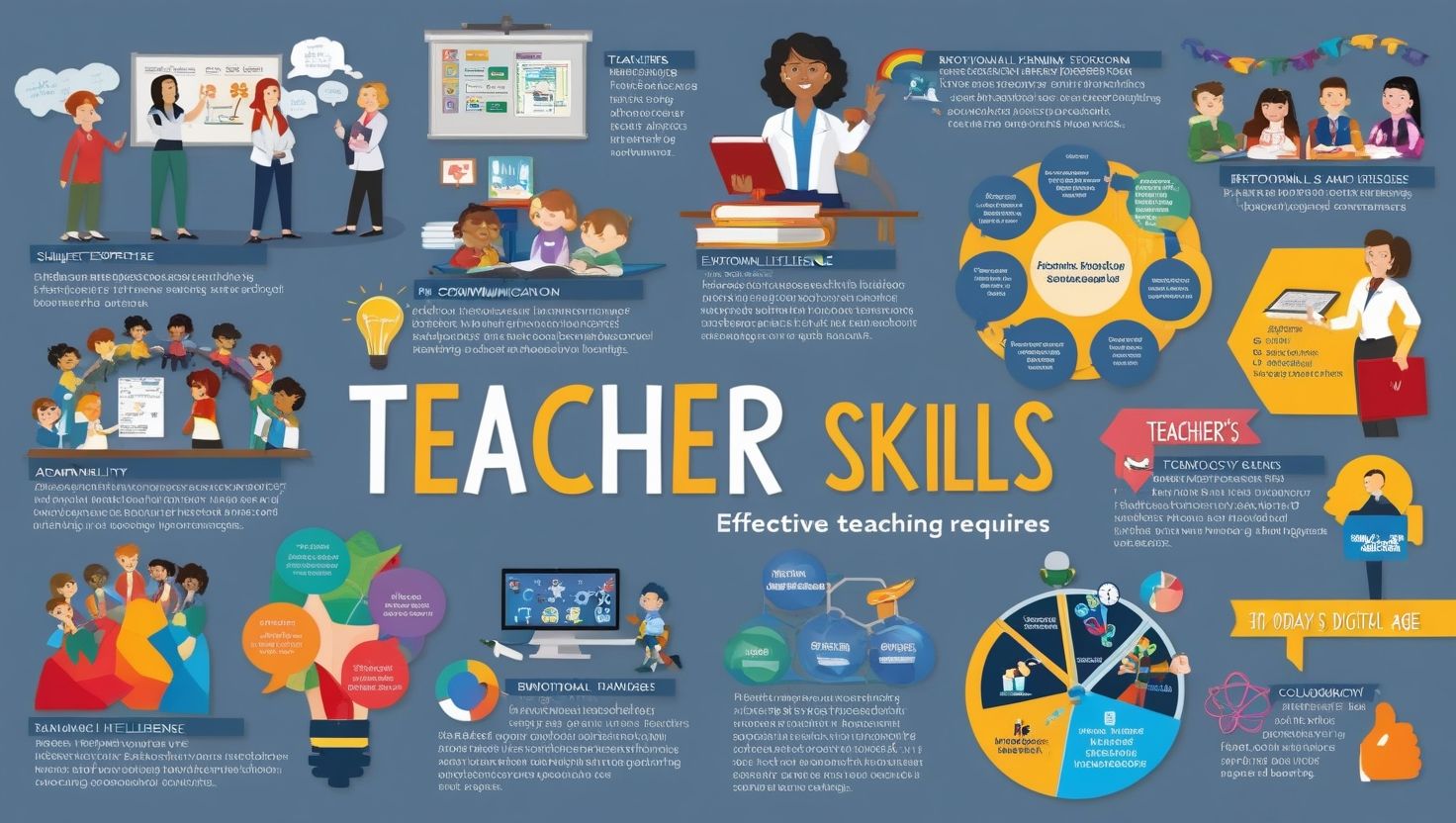
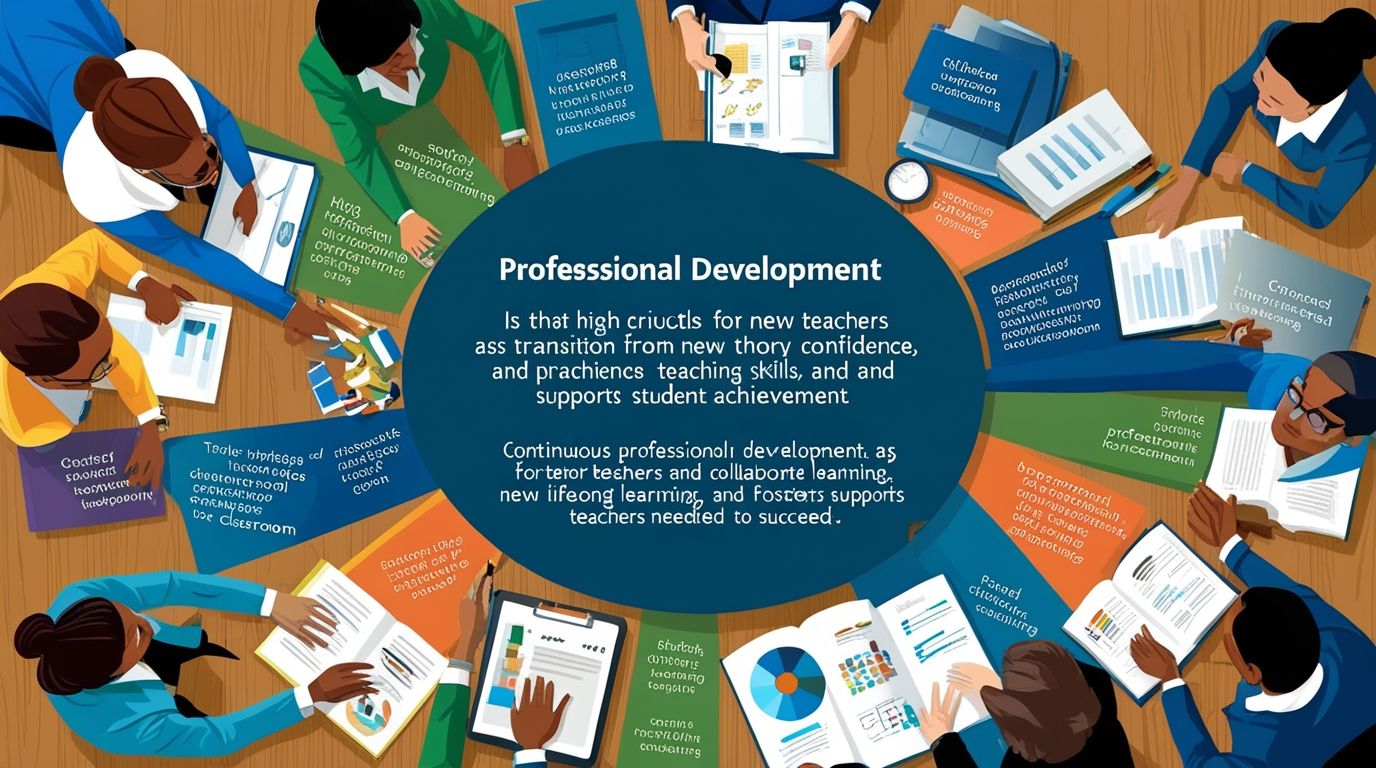
Teachers require continuous professional development to effectively integrate new technologies.
4. Ethical Concerns
Issues such as data privacy, plagiarism, and AI misuse need careful regulation.
5. Lack of Theoretical Integration
Some studies lack strong theoretical foundations, limiting their applicability .
10. Future Directions in Classroom Learning Research
Future research is expected to focus on:
- Hybrid human-AI teaching models
- Personalized adaptive learning systems
- Neuroeducation and cognitive science integration
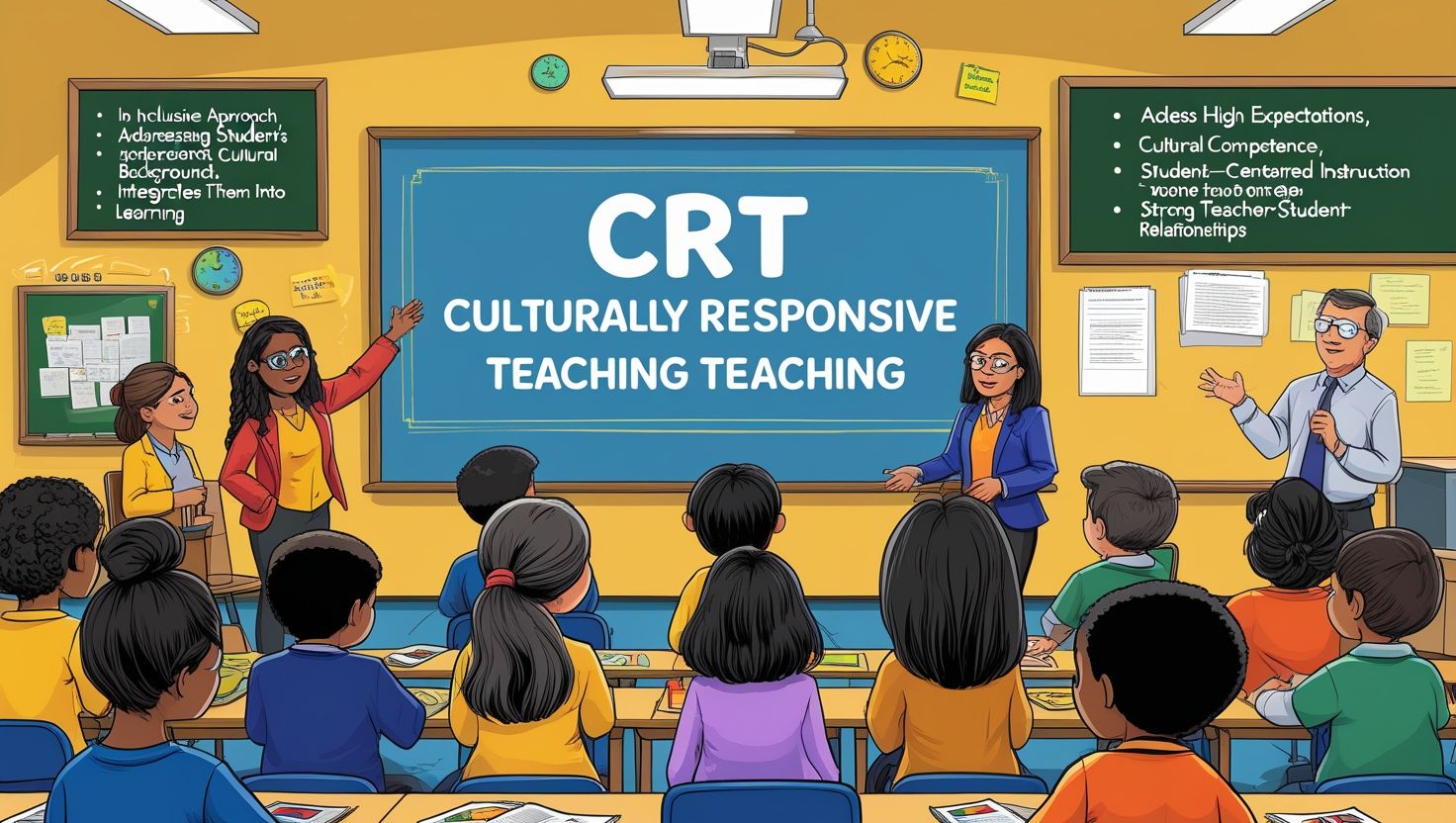
- Global and culturally responsive pedagogy
- Sustainable and inclusive education systems
The integration of interdisciplinary approaches will be crucial for advancing classroom learning research.
Conclusion
Recent classroom research demonstrates a clear shift toward interactive, technology-enhanced, and student-centered learning environments. Active learning, AI integration, learning analytics, and positive classroom climates are key factors influencing modern educational practices.
While technology offers powerful tools for improving learning, its success depends on effective pedagogical integration and teacher expertise. The future of classroom learning lies in balancing innovation with human-centered teaching approaches that foster critical thinking, creativity, and lifelong learning.
References
- Albadarin, Y., et al. (2024). A systematic literature review of empirical research on ChatGPT in education. Discover Education.
- Goagoses, N., et al. (2024). Social classroom climate in technology-enhanced learning environments. Education and Information Technologies.
- Sharif, H., & Atif, A. (2024). Learning analytics and feedback mechanisms in education. Education Sciences.
- Otto, S., et al. (2024). Digital practices supporting student-centered learning. Education and Information Technologies.
- Liao, M., et al. (2024). Human-machine feedback in smart learning environments. Frontiers in Psychology.
- Bhuttah, T. M., et al. (2024). Innovative pedagogical approaches and critical thinking. Scientific Reports.
- Sari, S. F., et al. (2024). Active learning approaches in classroom learning. PPSDP International Journal of Education.














































































































































This is an excellent, an eye-opener for sure!
I enjoyed reading what you had to say. This information is magnificent. This information is magnificent. Your article has proven useful to me.
Good job on this article!