Introduction
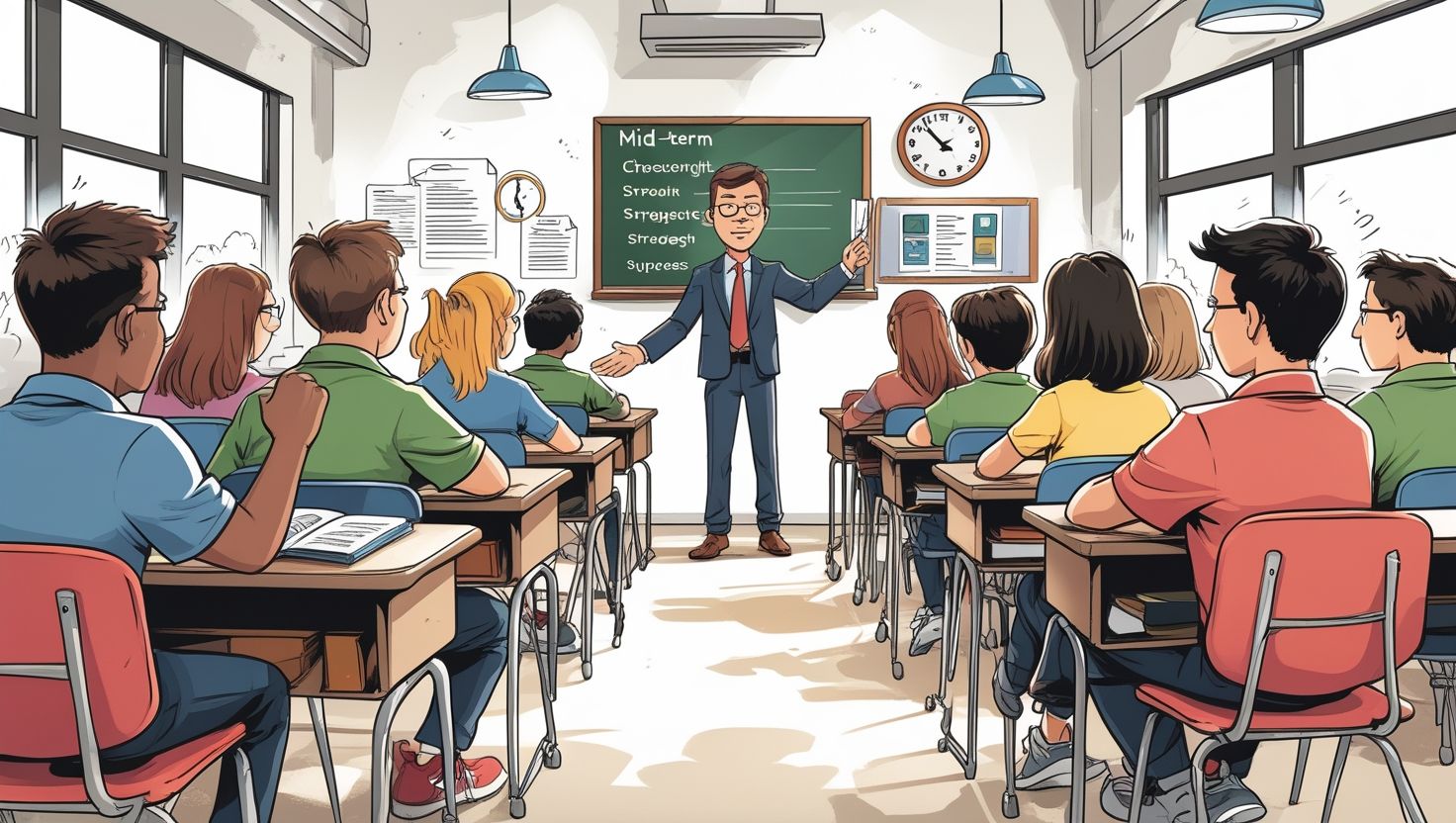
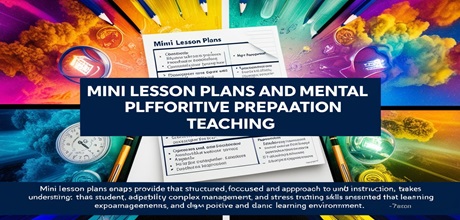
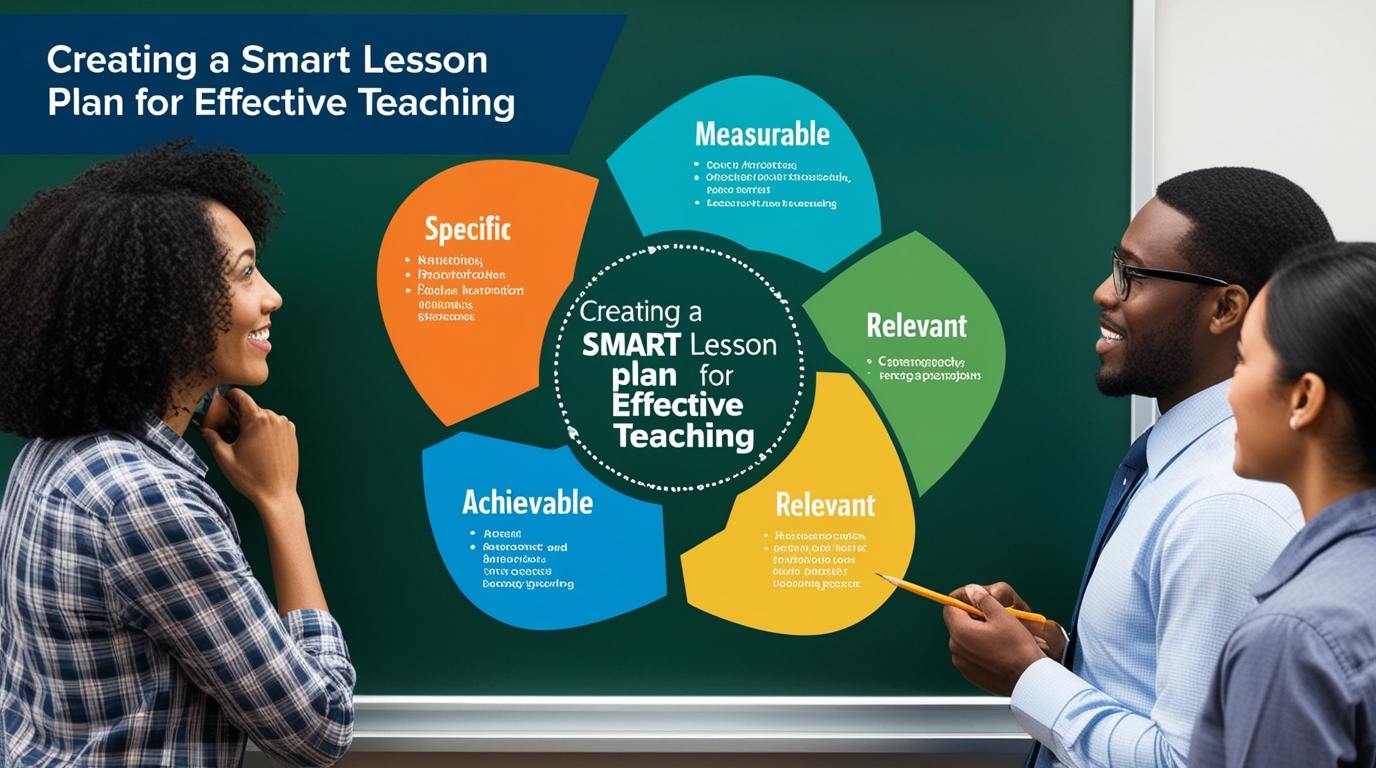
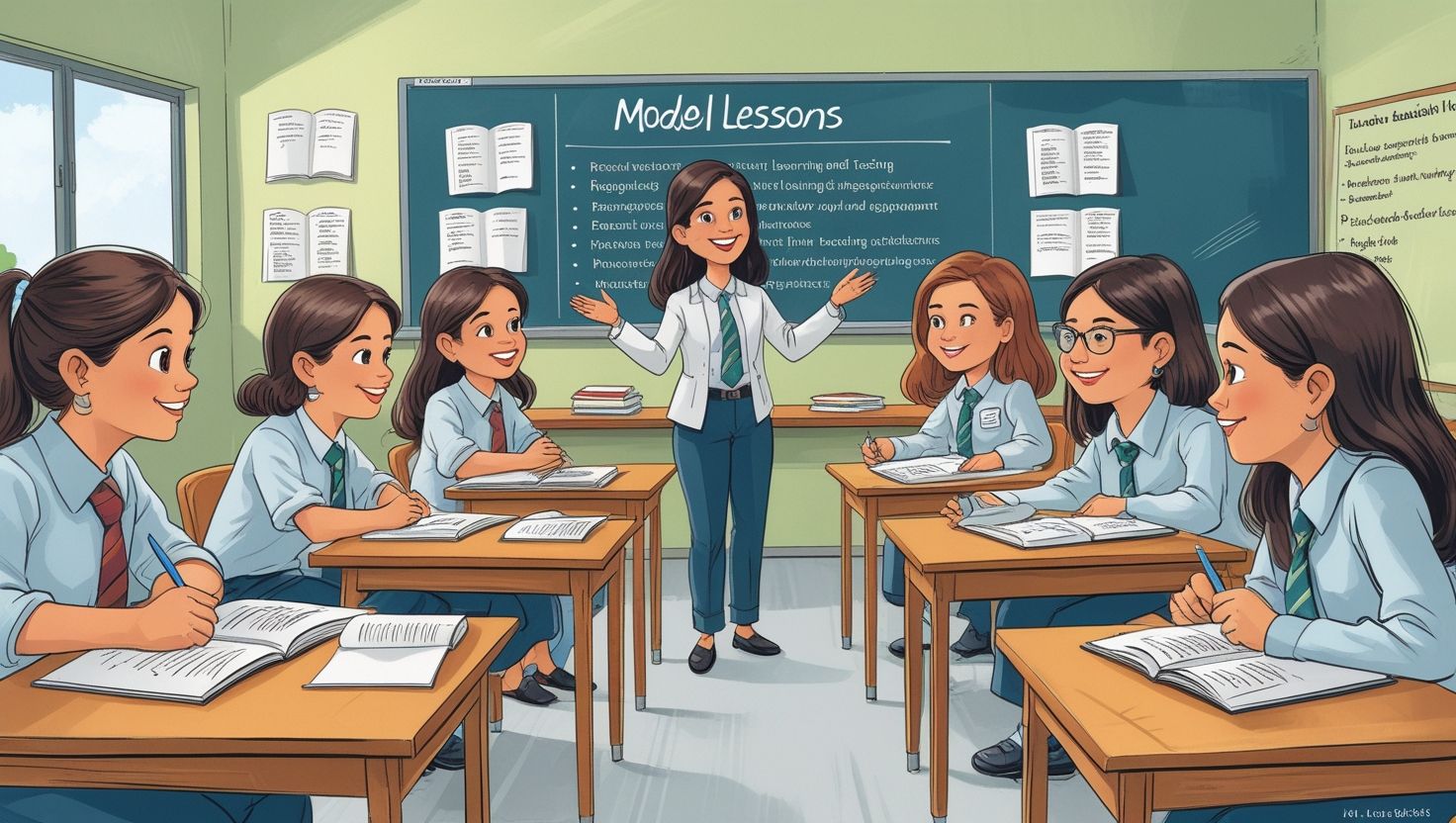
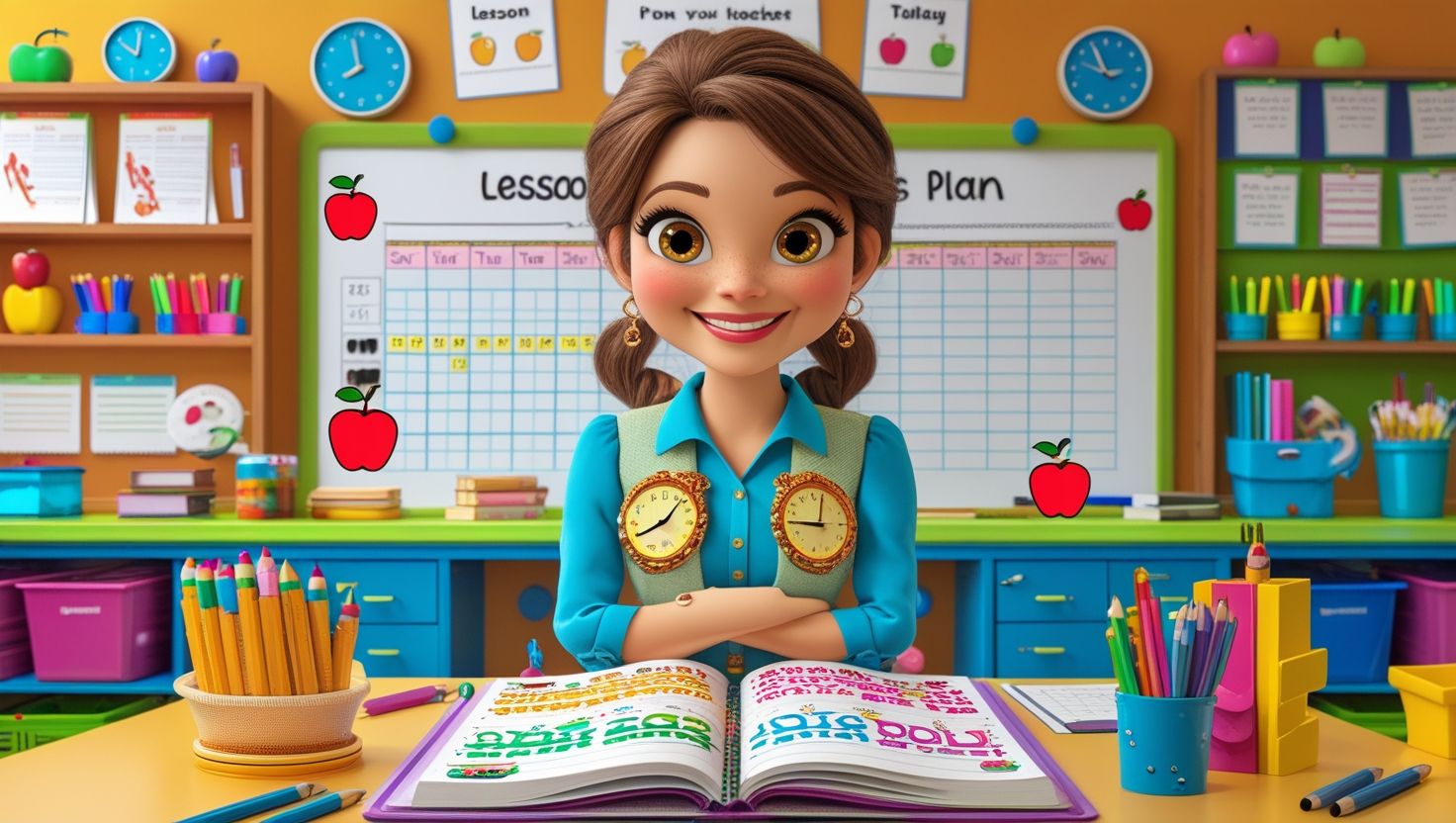
Research on Lesson Plans, Lesson planning is one of the most essential components of effective teaching and learning. A lesson plan serves as a roadmap that guides teachers in delivering instructional content systematically and purposefully. Research on lesson planning has expanded significantly over the last few decades because educators, policymakers, and researchers increasingly recognize that structured planning improves teaching quality, classroom management, student engagement, and academic achievement. Modern educational research views lesson planning not merely as administrative paperwork but as a reflective and intellectual process that connects curriculum goals, instructional methods, learner needs, assessment strategies, and classroom realities.
Meaning and Definition of Lesson Planning
Educational scholars define lesson planning as the process through which teachers determine learning objectives, select teaching strategies, organize activities, prepare resources, and establish assessment methods before instruction begins. Research demonstrates that effective lesson planning enables teachers to anticipate student difficulties, differentiate instruction, and create meaningful learning experiences. Studies further indicate that well-prepared lesson plans enhance teacher confidence and reduce classroom uncertainty. (journals.sagepub.com)
Historical Development of Lesson Planning
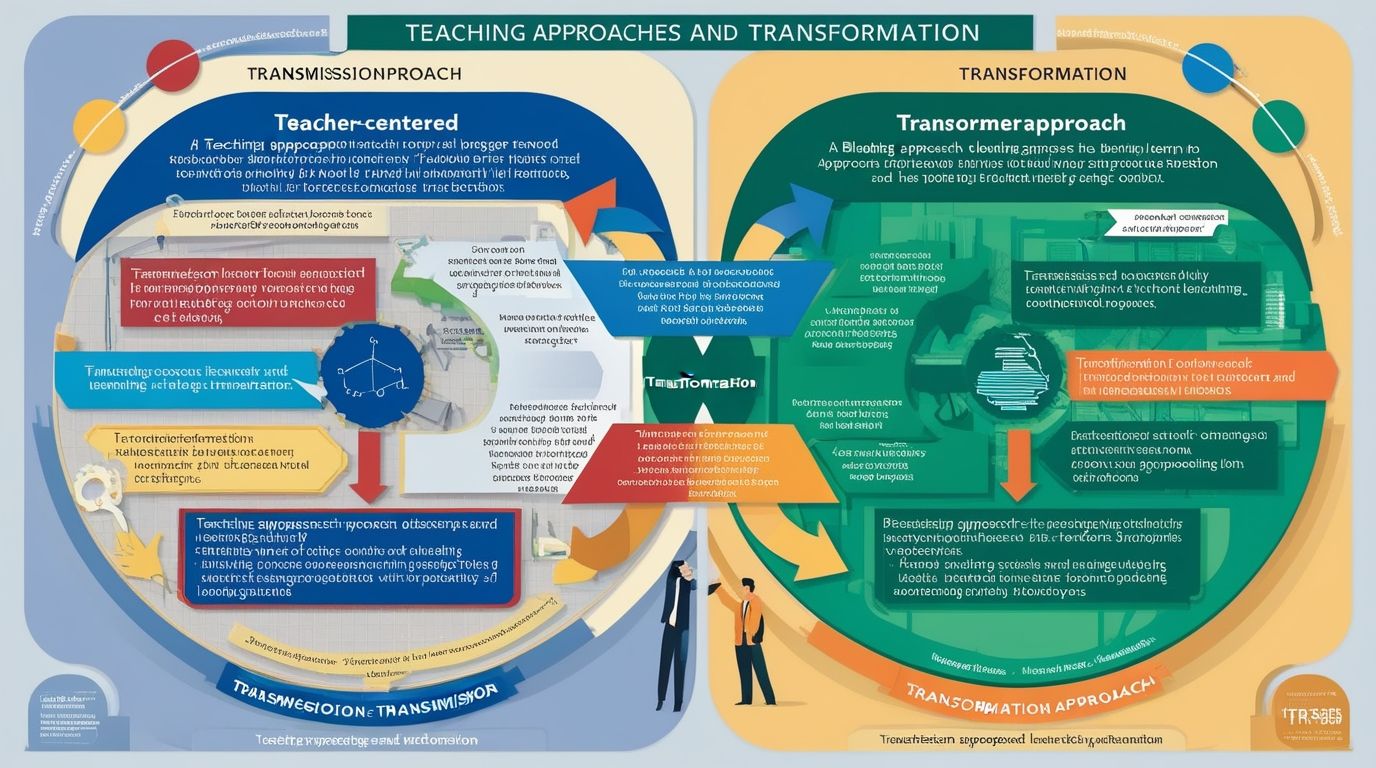
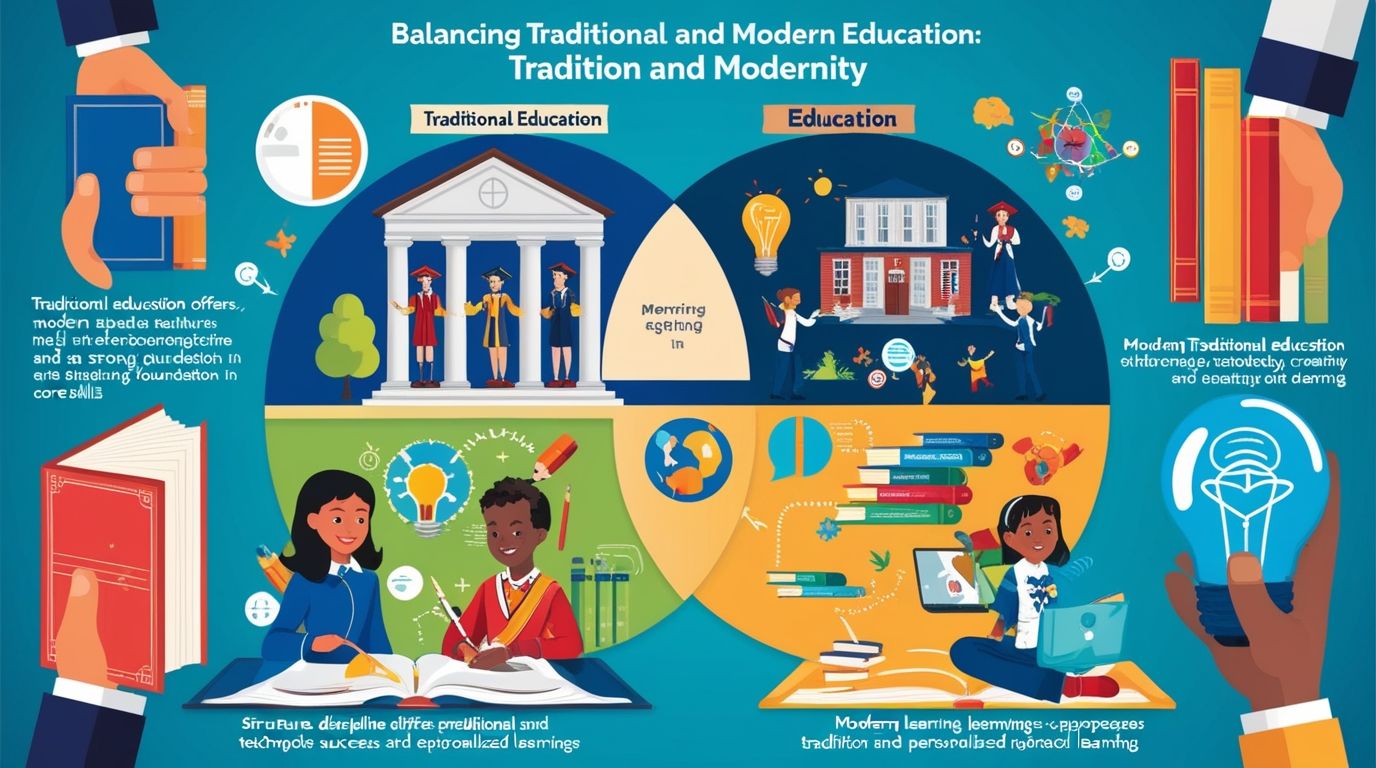
Historically, lesson planning evolved from traditional teacher-centered models toward more learner-centered and competency-based approaches. Early lesson planning models were highly structured and emphasized content delivery. The Herbartian model, for example, focused on preparation, presentation, comparison, generalization, and application. Later educational theories, especially constructivism, shifted attention toward active learning, inquiry-based instruction, collaboration, and reflective thinking. Contemporary research emphasizes flexible planning that accommodates student diversity, creativity, technology integration, and critical thinking skills.
Components of an Effective Lesson Plan
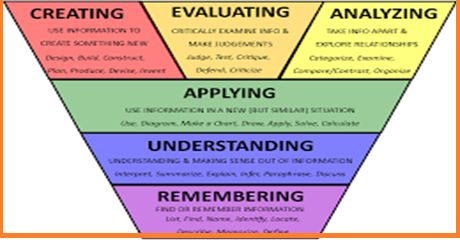
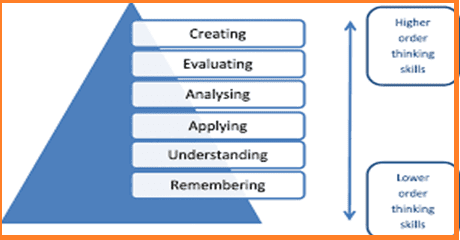
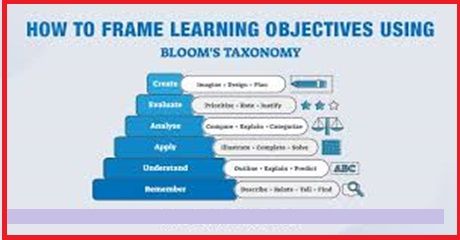
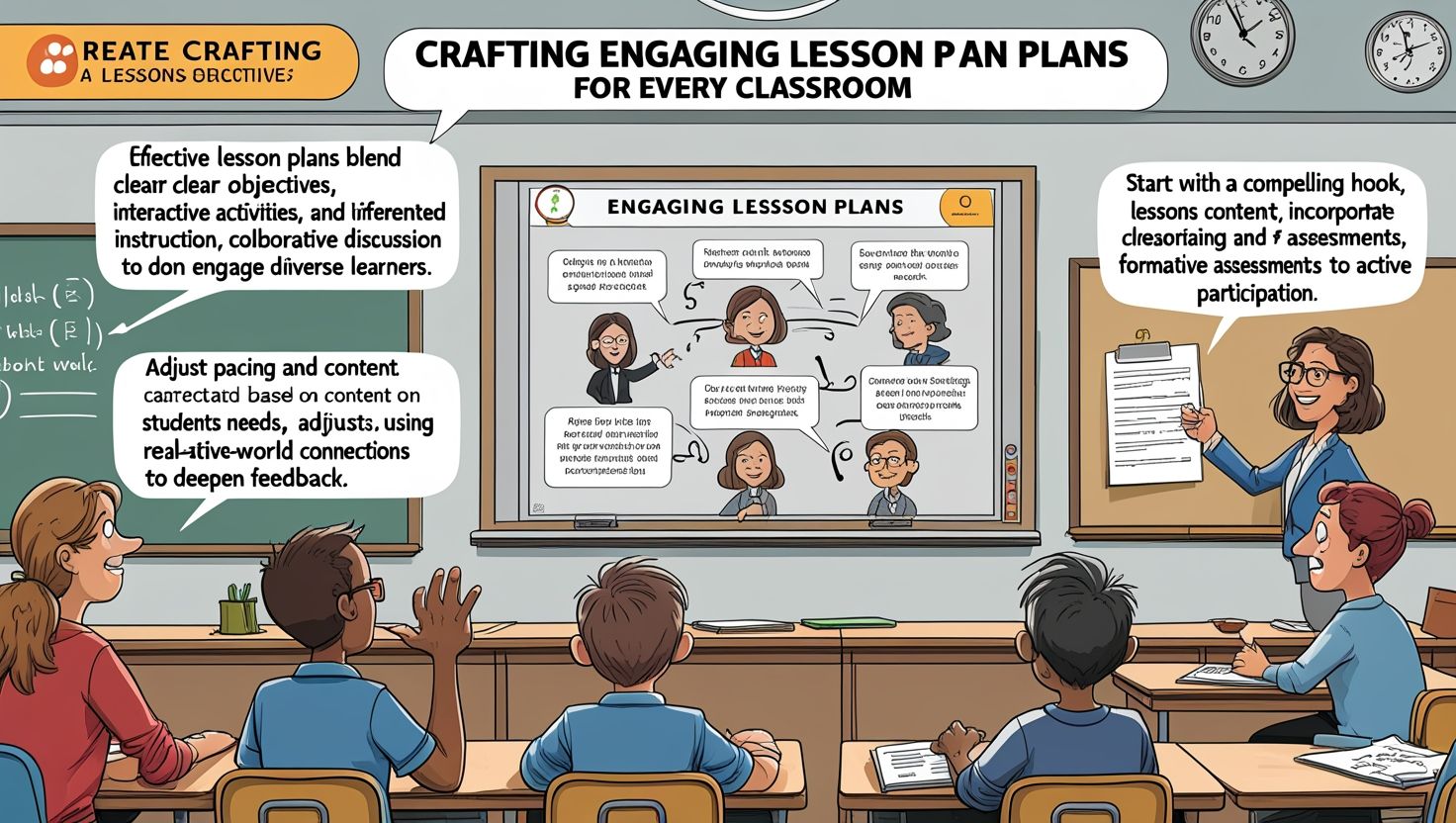
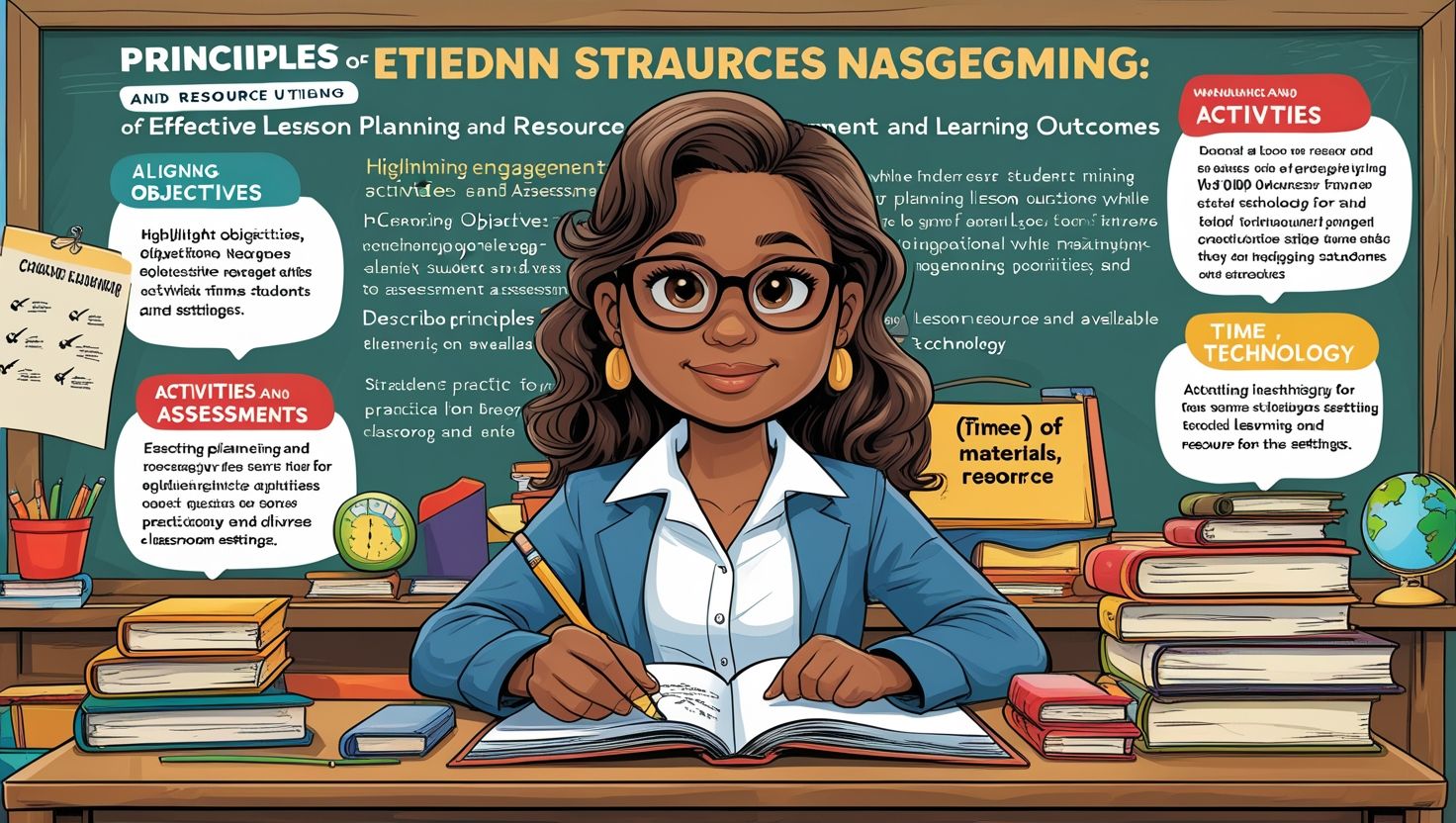
Research literature identifies several core components of effective lesson plans. These include learning objectives, prior knowledge assessment, teaching strategies, instructional materials, classroom activities, timing, assessment procedures, and reflection. Among these elements, learning objectives are considered fundamental because they define what students should know, understand, and be able to do after instruction. Modern lesson planning often incorporates Bloom’s Taxonomy to classify learning objectives across cognitive levels such as remembering, understanding, applying, analyzing, evaluating, and creating.
Instructional Frameworks in Lesson Planning
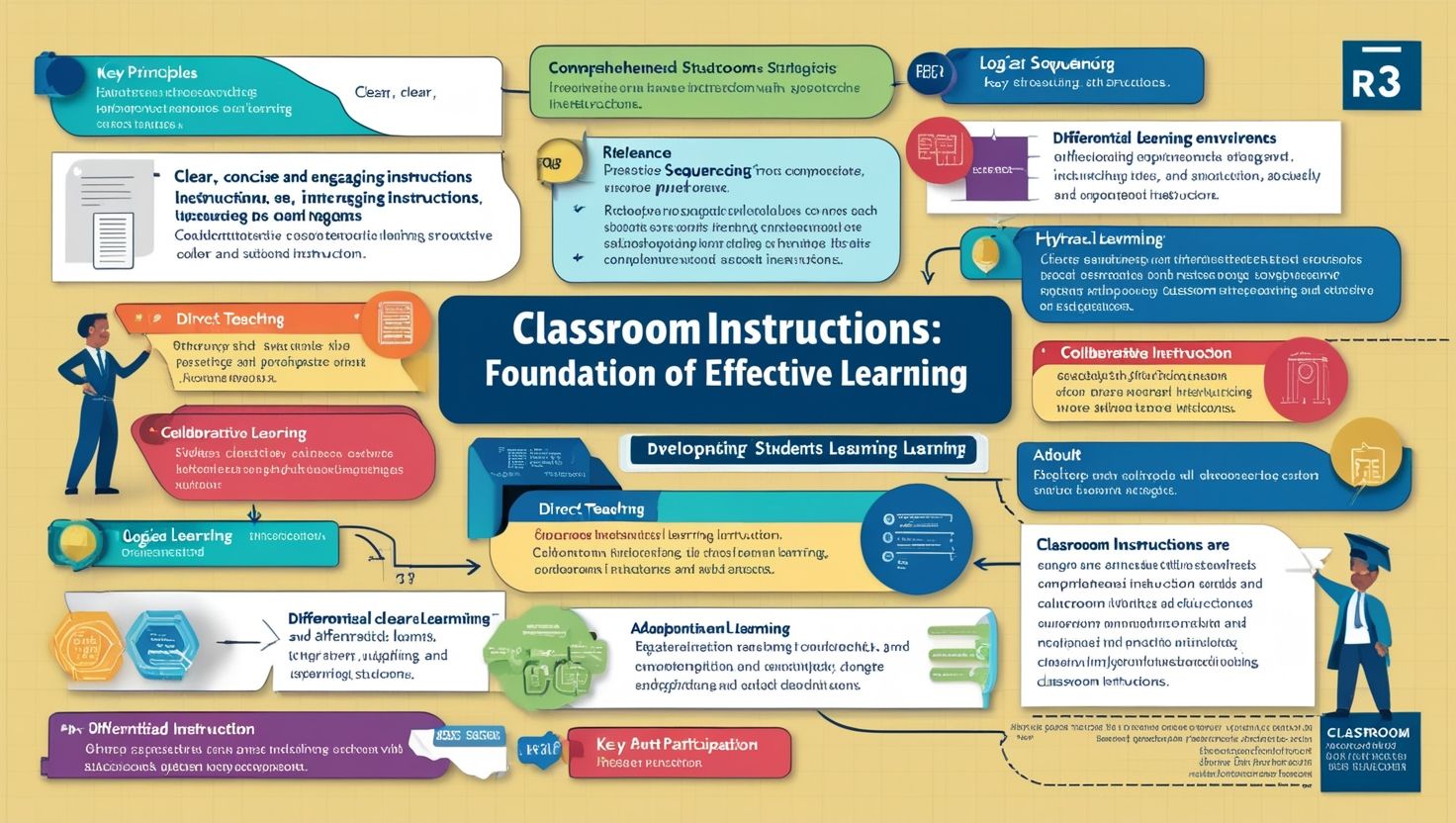
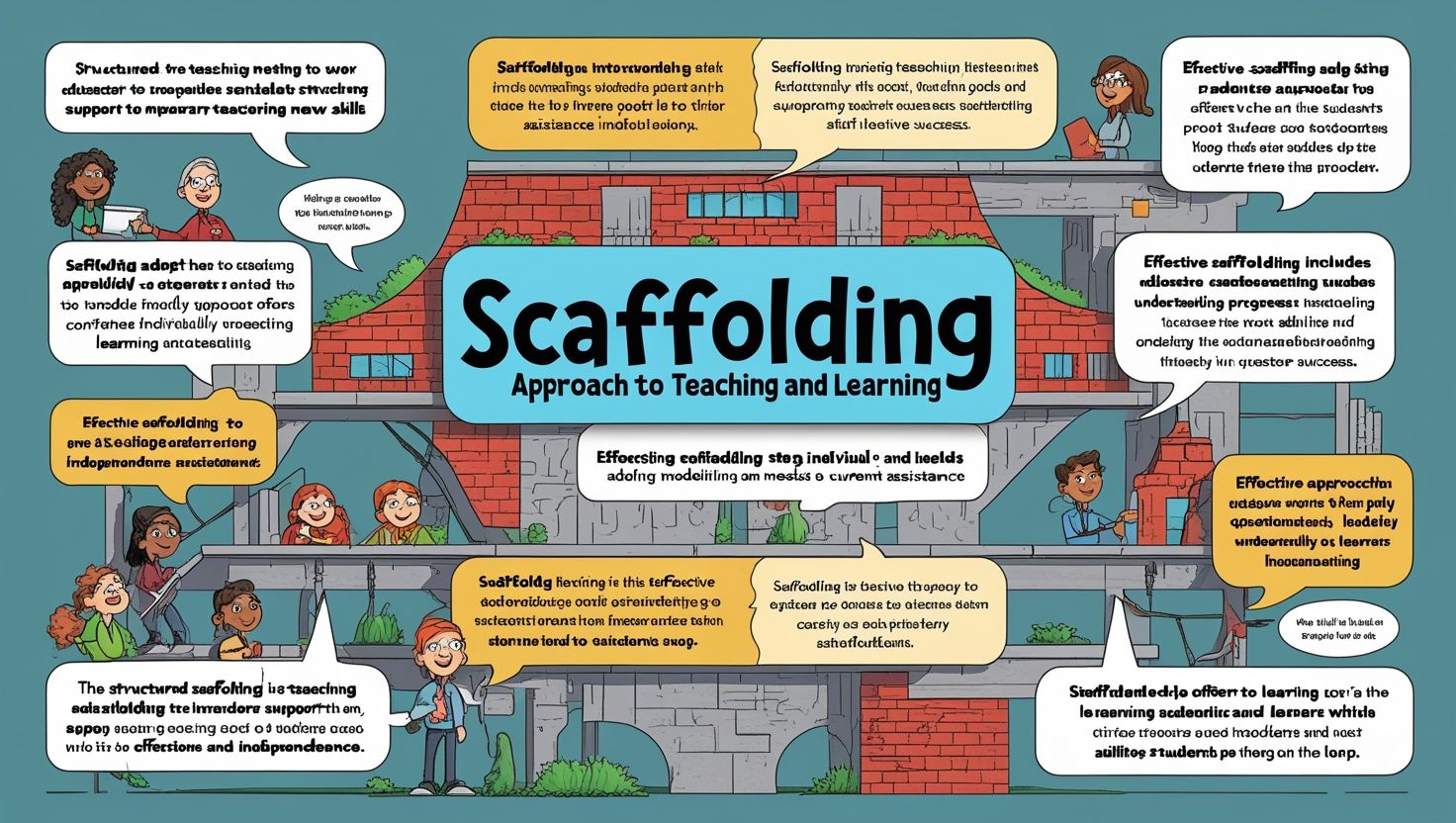
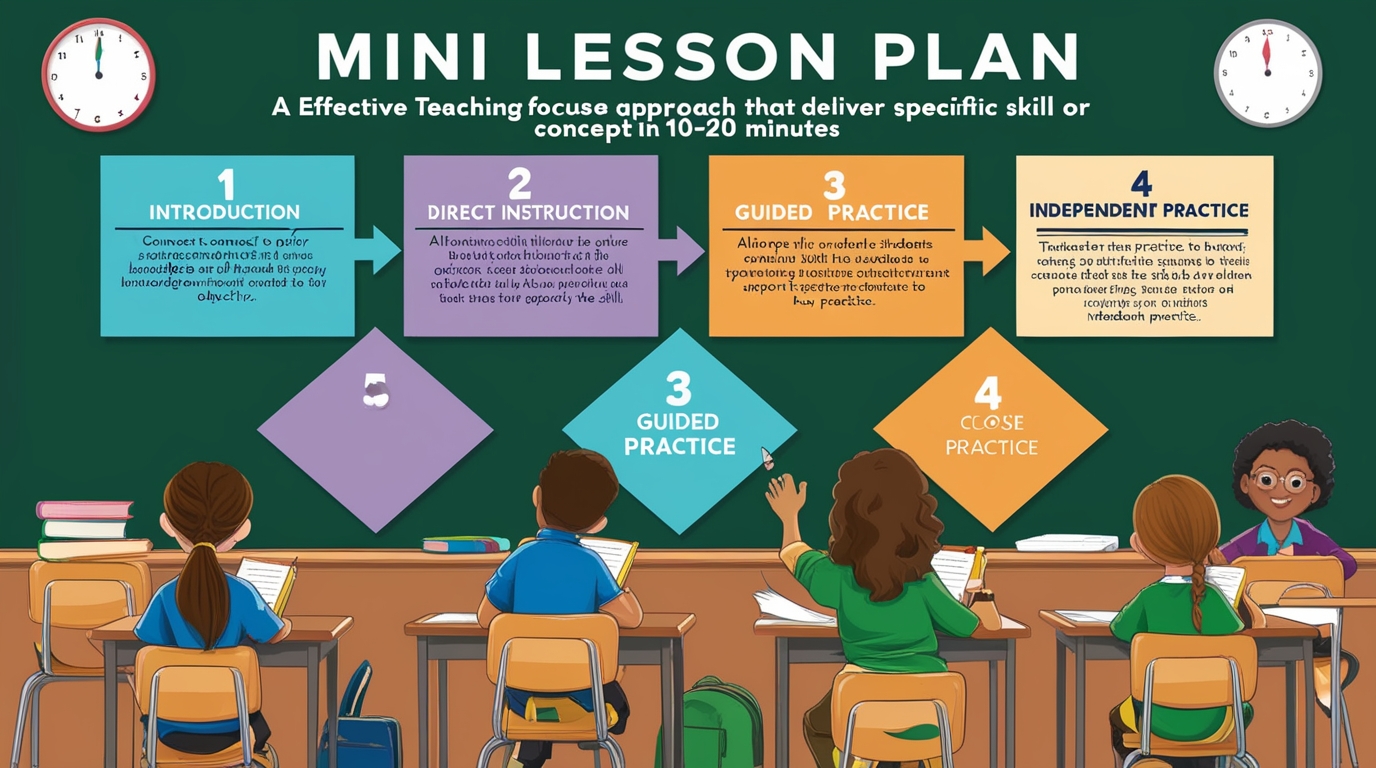
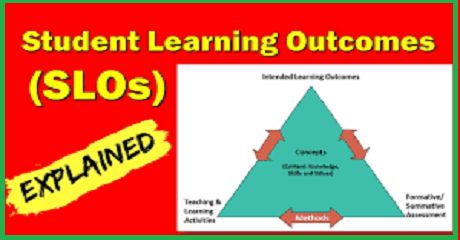
A commonly used instructional framework in lesson planning research is the gradual release model. This model follows the sequence of teacher modeling, guided practice, collaborative learning, and independent practice. Researchers argue that this structure supports student autonomy while maintaining instructional guidance. Another influential framework is Understanding by Design (UbD), developed by Wiggins and McTighe, which promotes backward planning. In this approach, teachers first identify desired learning outcomes, then determine acceptable evidence of learning, and finally design instructional activities.
Relationship Between Lesson Planning and Teaching Effectiveness
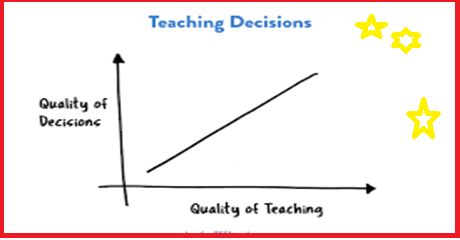
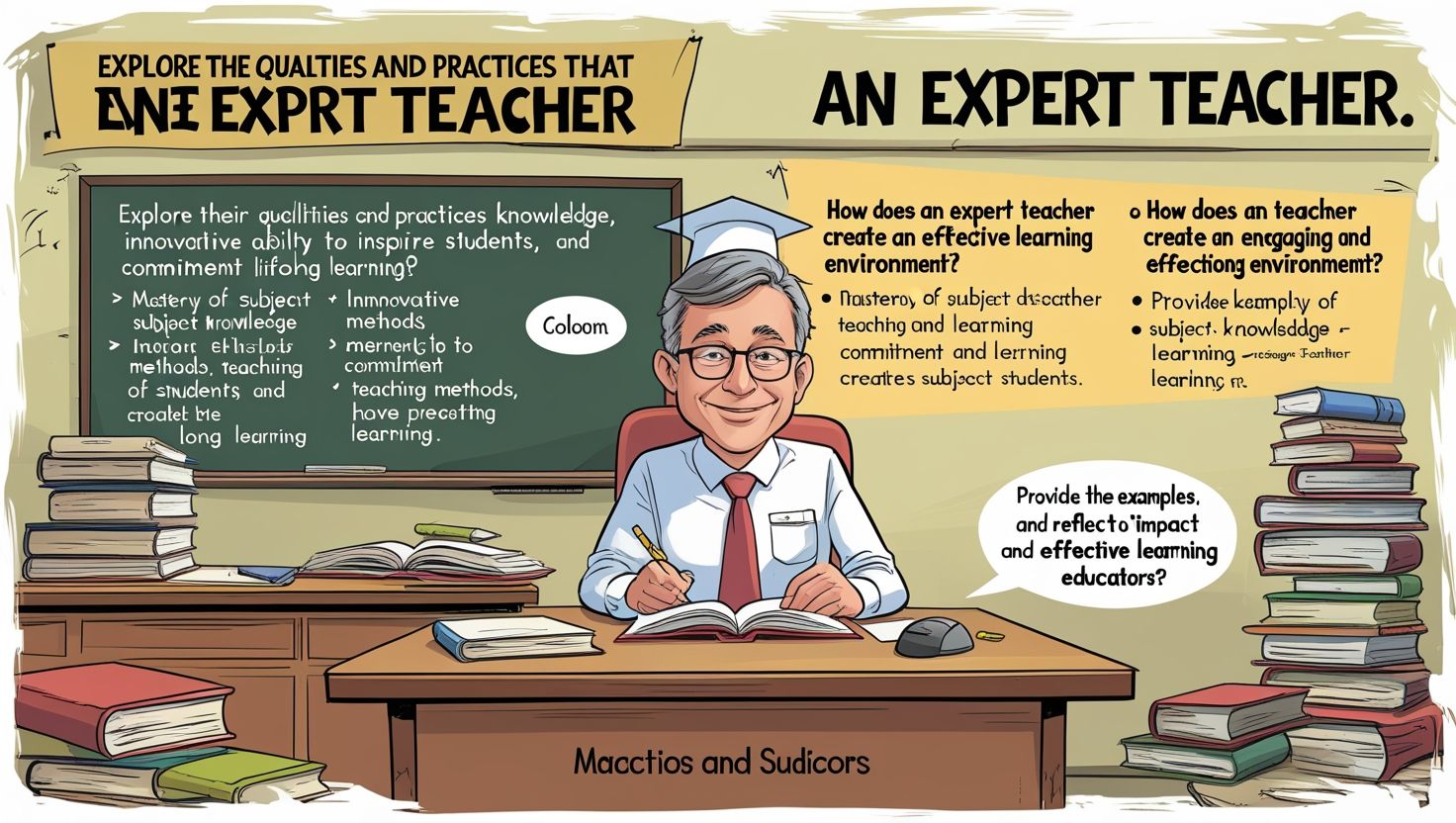
Research findings consistently show a strong relationship between lesson planning and instructional effectiveness. Studies on teacher competence indicate that experienced teachers develop more coherent, adaptive, and student-centered lesson plans compared to novice teachers. Expert teachers are better able to anticipate classroom challenges, align instruction with curriculum standards, and integrate formative assessment strategies. Novice teachers, on the other hand, often struggle with time allocation, sequencing activities, and adapting instruction to diverse learners. (researchgate.net)
Lesson Planning in Teacher Education
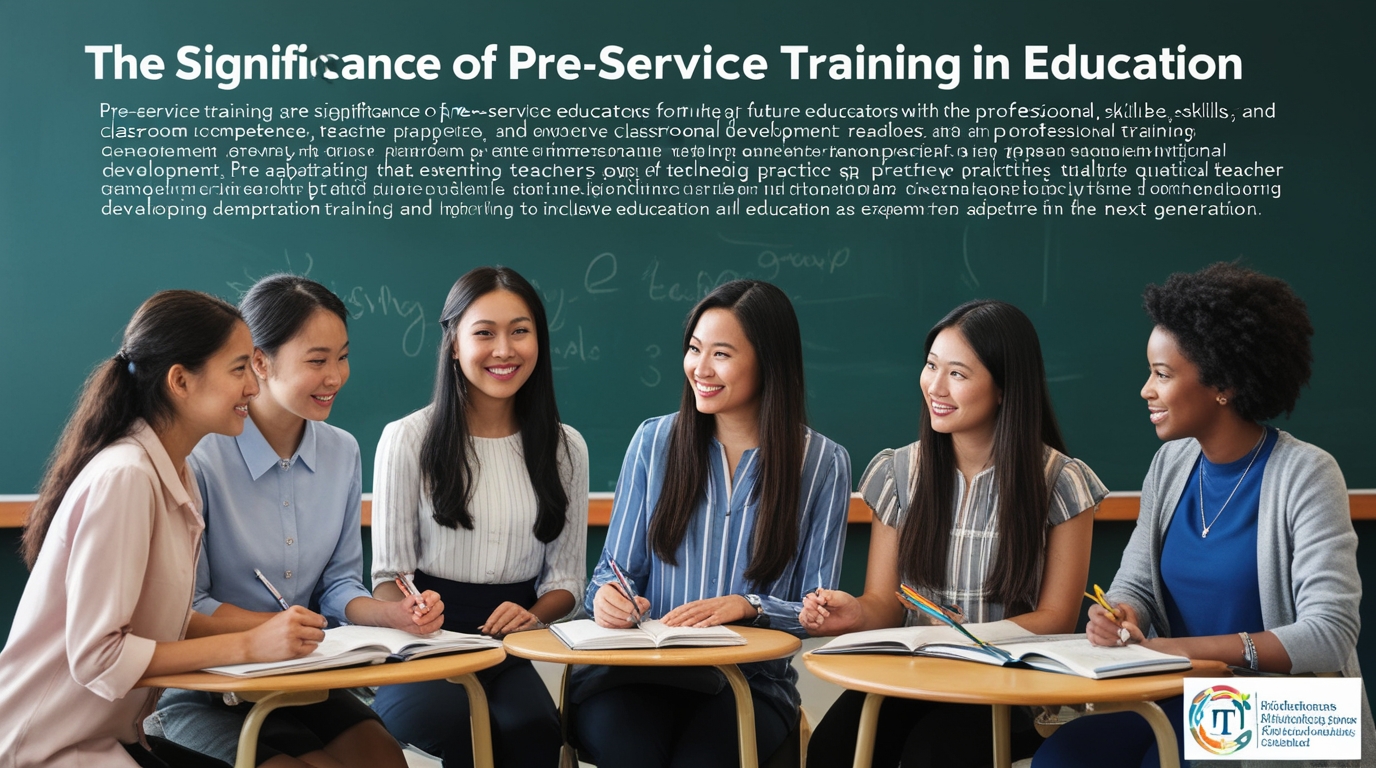
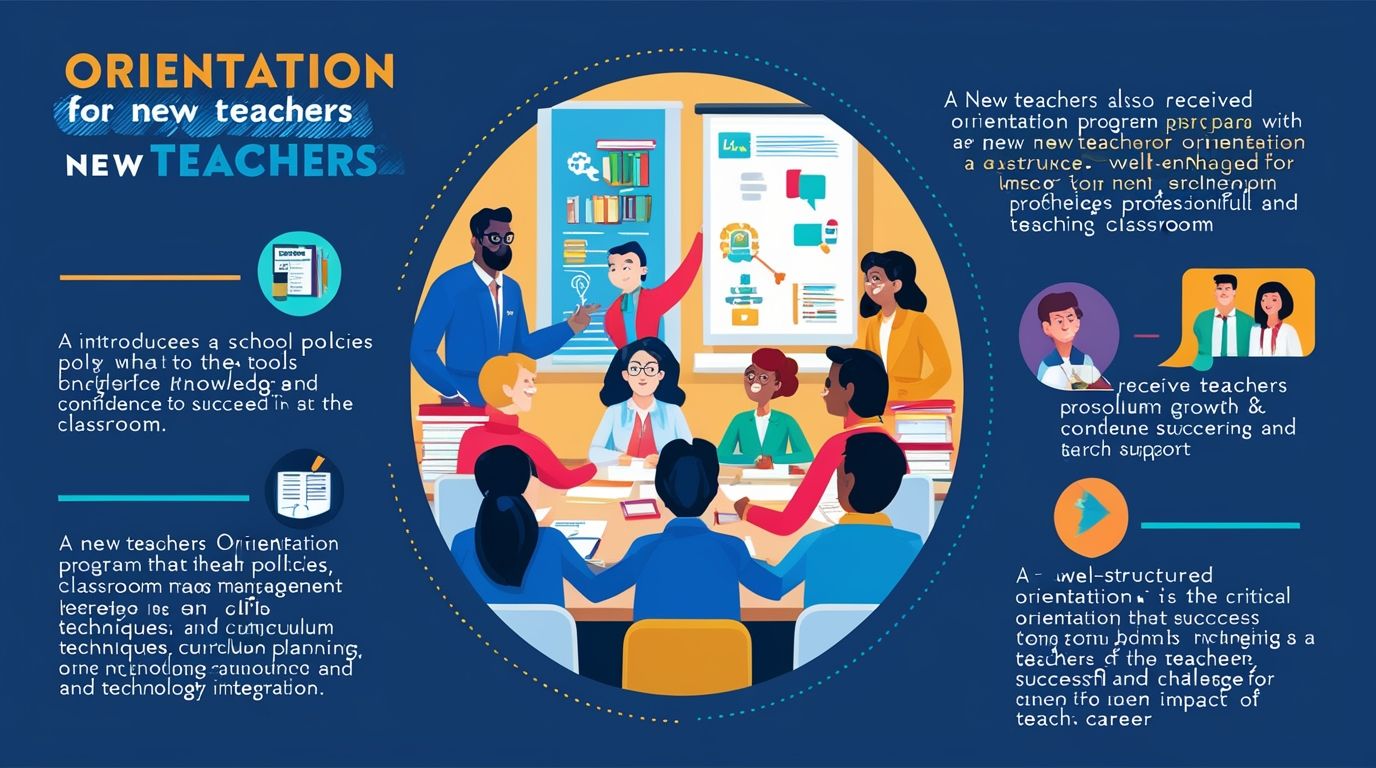
Research in teacher education emphasizes the importance of lesson planning in developing professional teaching competence. Teacher preparation programs worldwide require pre-service teachers to design and implement lesson plans during teaching practice and microteaching sessions. Studies reveal that lesson planning helps prospective teachers develop pedagogical reasoning, reflective thinking, classroom organization skills, and subject mastery. Qualitative research conducted with prospective teachers found that lesson planning enhances professional growth, improves confidence, and contributes to effective classroom teaching. (qjss.com.pk)
Teacher Cognition and Decision-Making
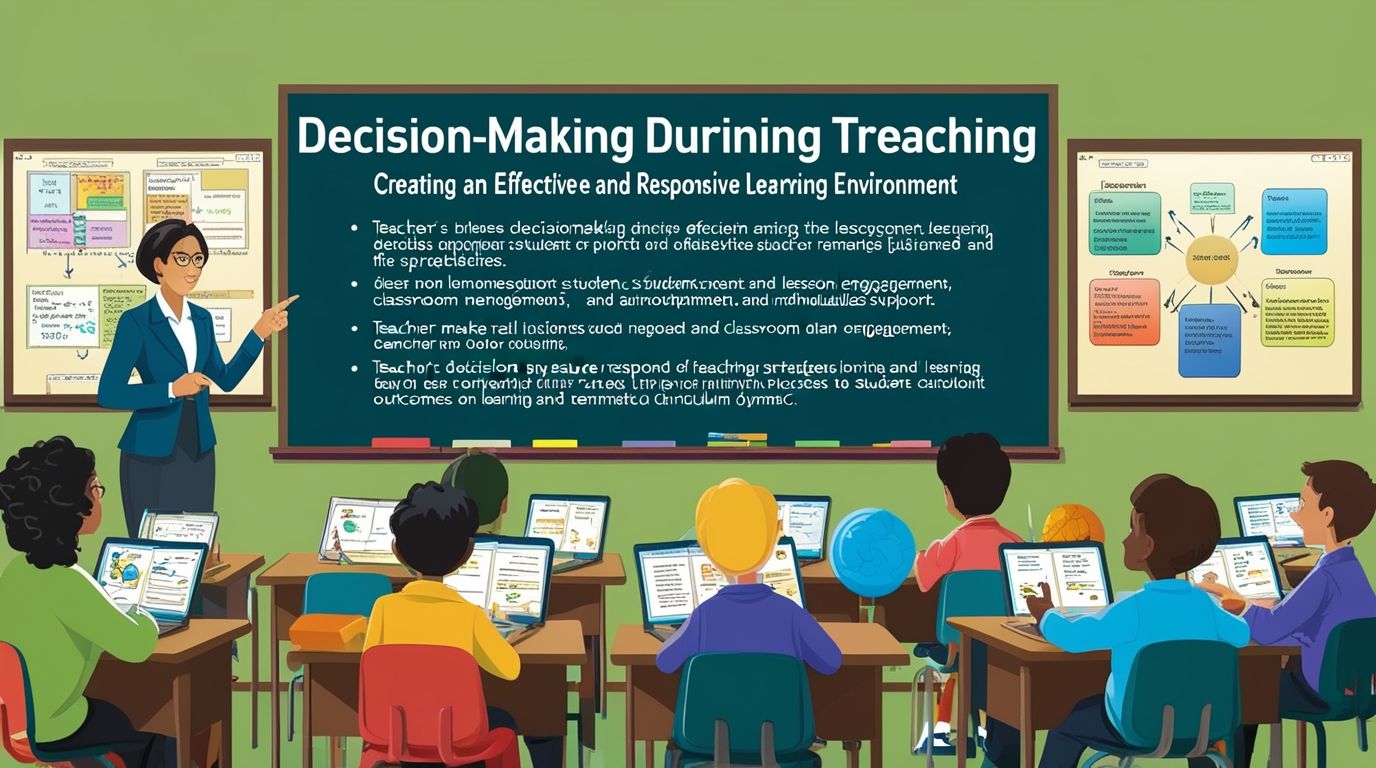
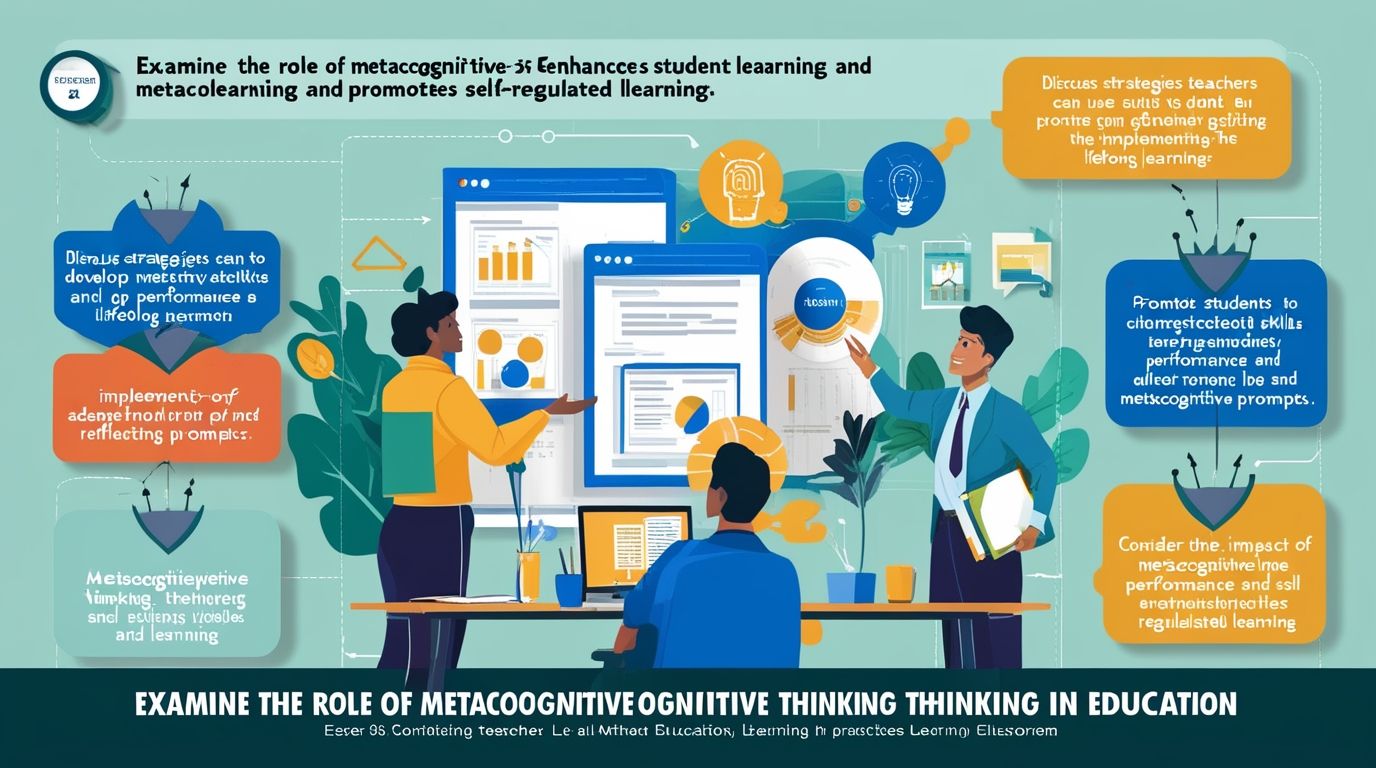
One important area of lesson planning research concerns teacher cognition and decision-making. Researchers have found that planning involves complex mental processes in which teachers consider learner characteristics, curriculum requirements, assessment expectations, classroom environment, and available resources. Effective lesson planning requires teachers to balance flexibility with structure. Studies suggest that teachers continuously revise lesson plans during and after instruction based on student responses and classroom interactions.
Impact of Lesson Planning on Student Achievement
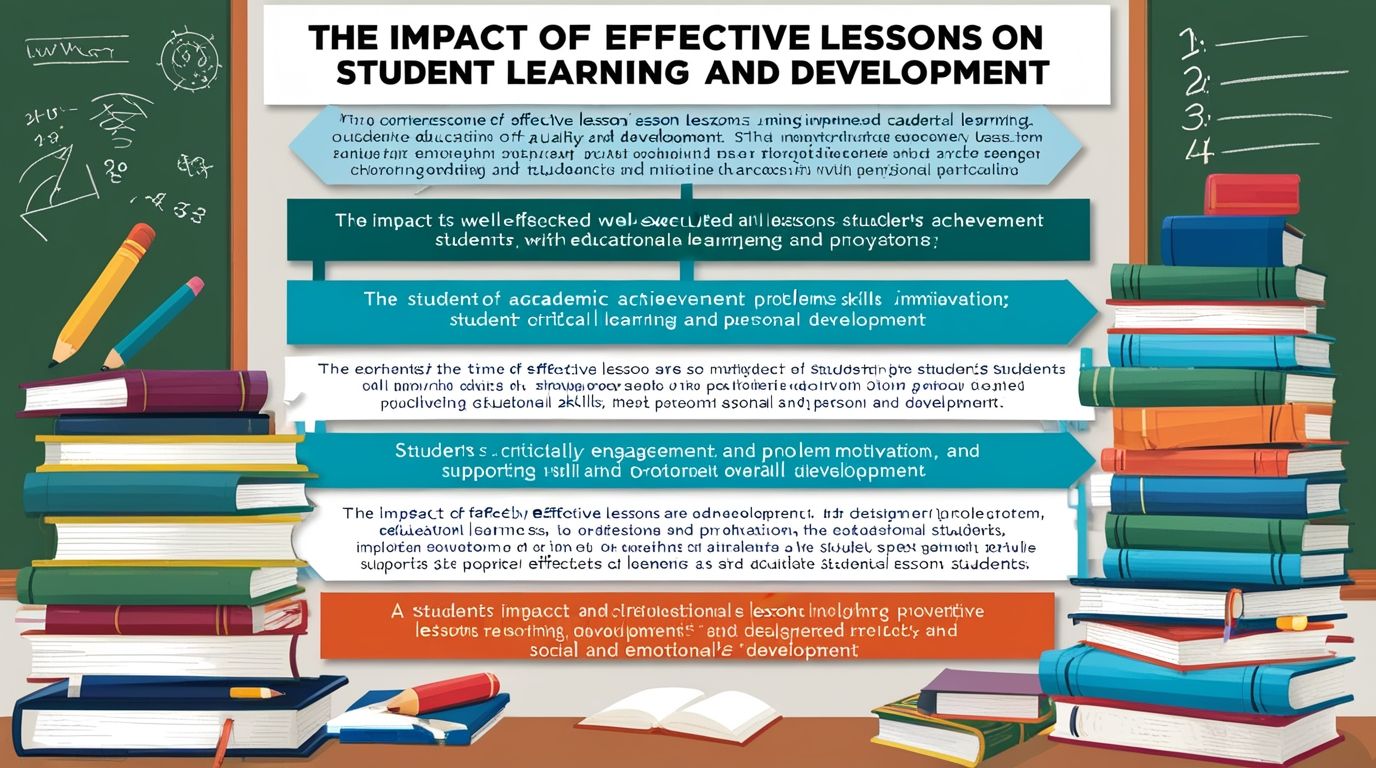
Research also highlights the relationship between lesson planning and student achievement. Well-organized lesson plans contribute to improved learning outcomes because they ensure instructional clarity, coherence, and alignment between objectives, teaching methods, and assessments. Studies indicate that classrooms with carefully planned instruction demonstrate higher student participation, better classroom discipline, and stronger academic performance. Furthermore, lesson planning helps teachers maximize instructional time and reduce unnecessary classroom disruptions.
Differentiated Instruction and Inclusive Lesson Planning
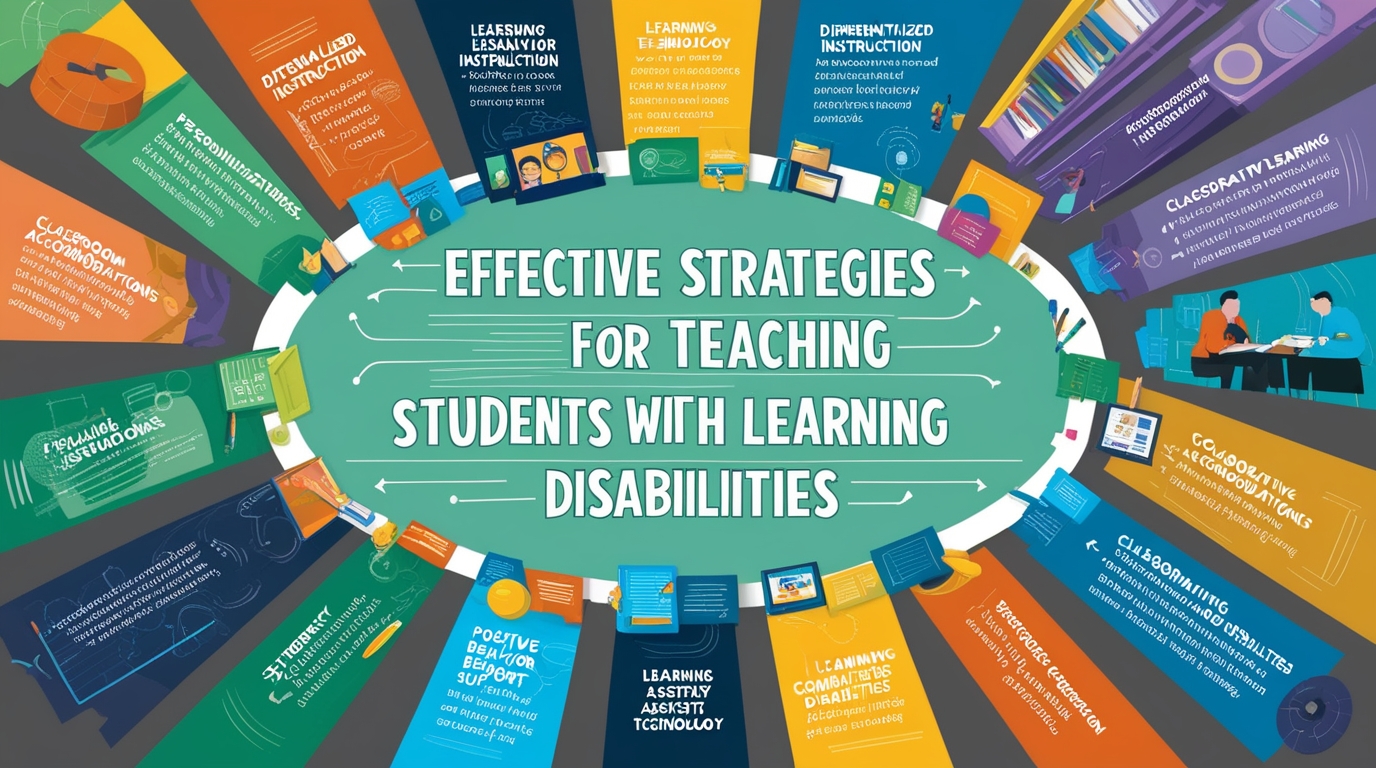
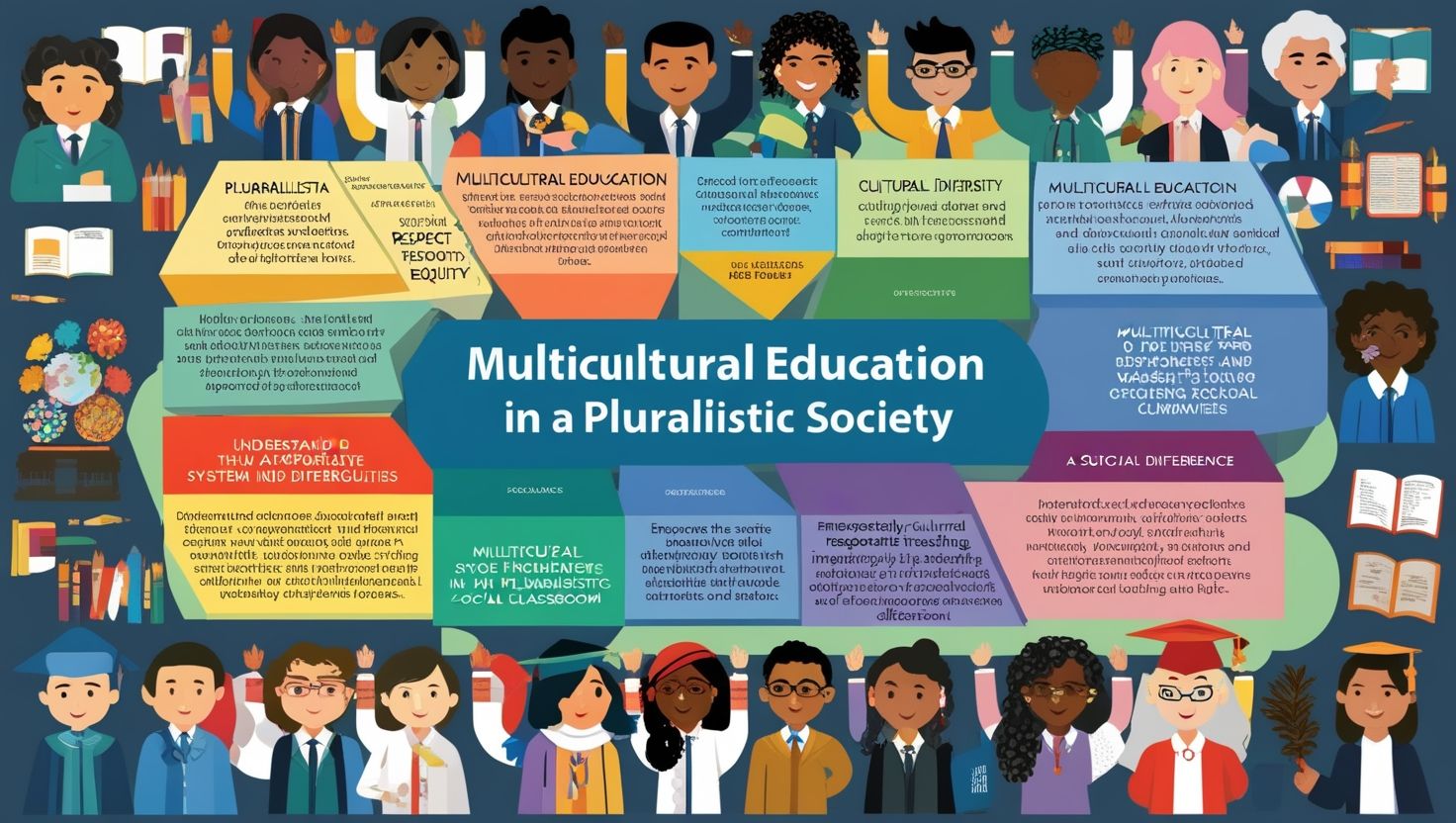
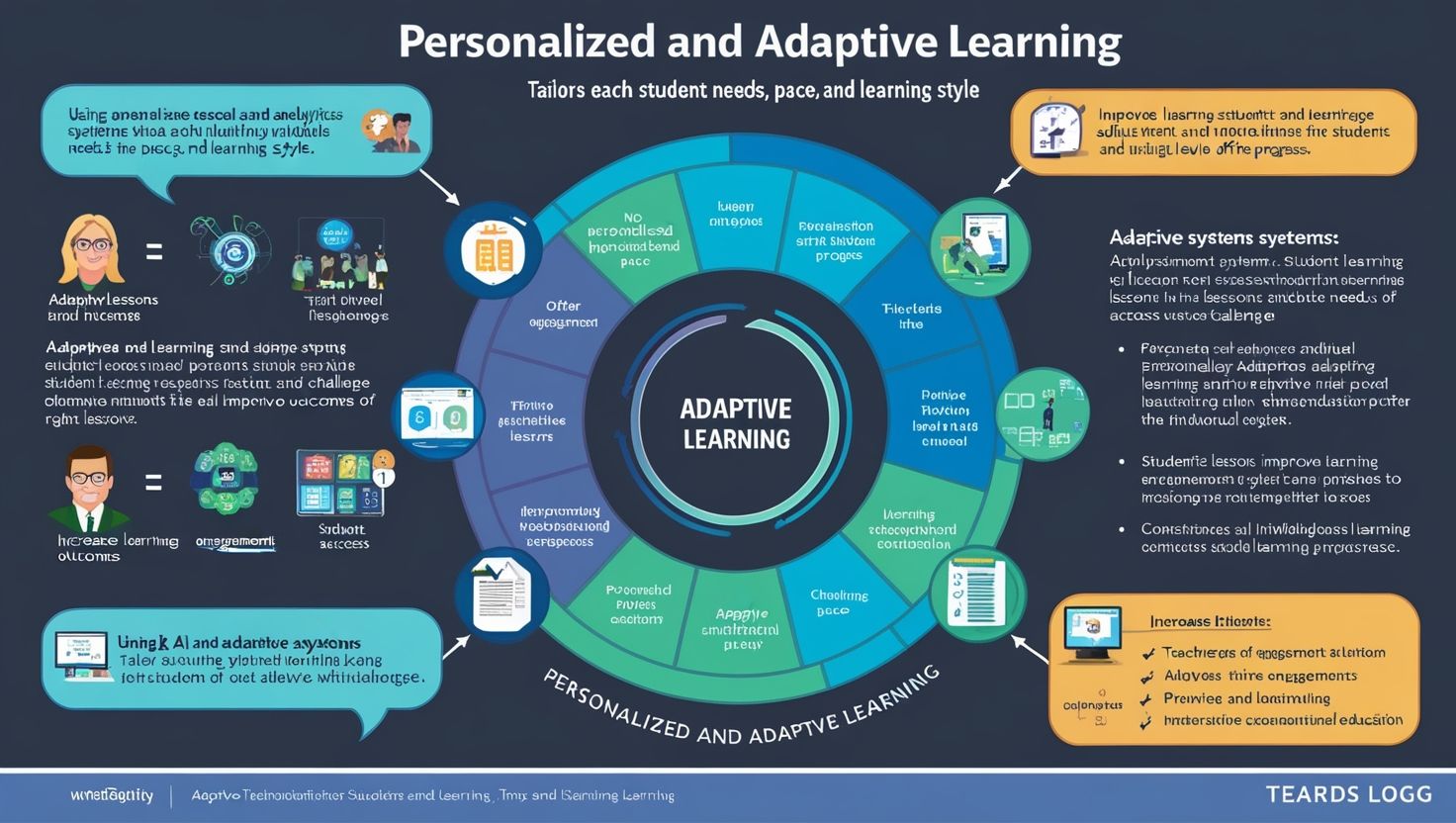
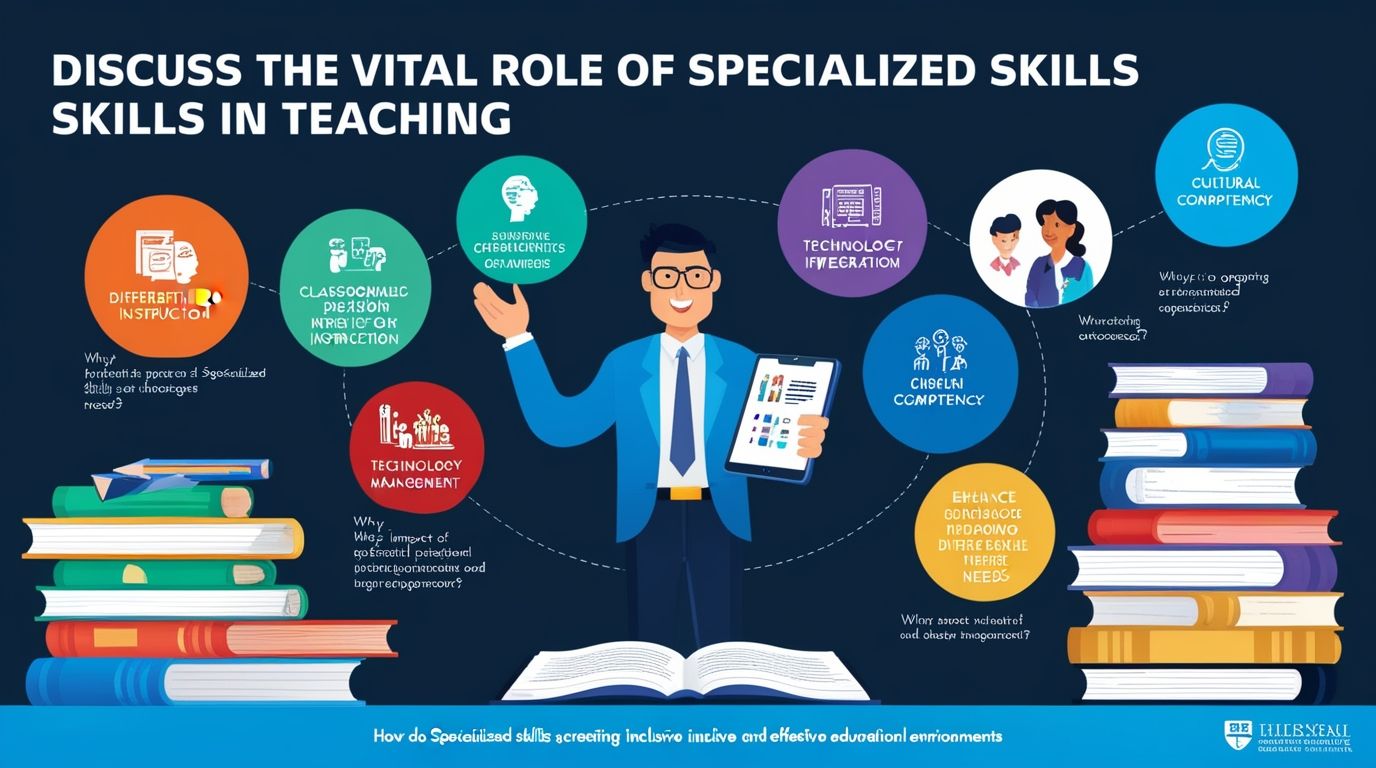
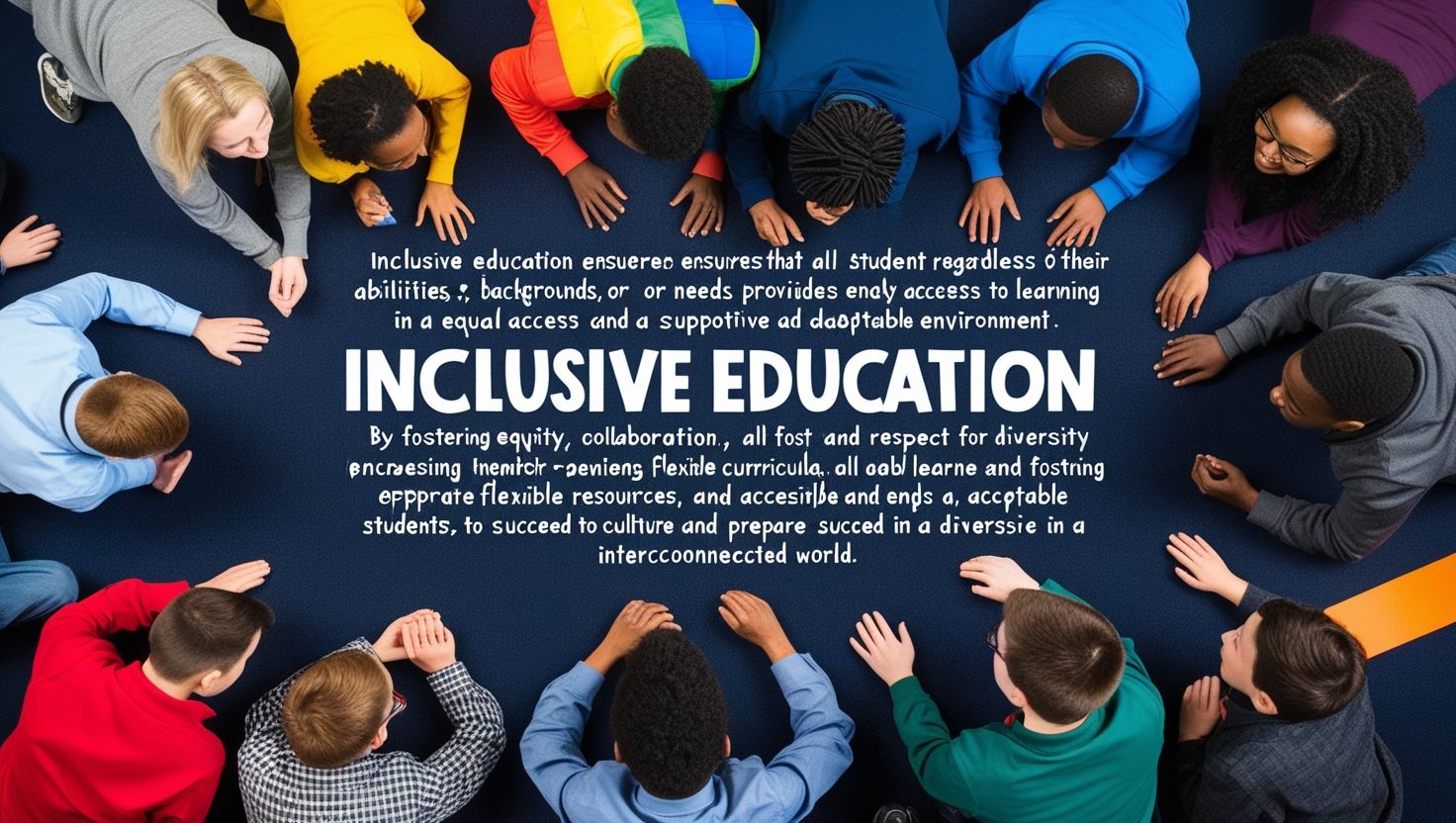
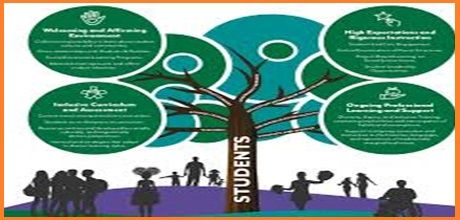
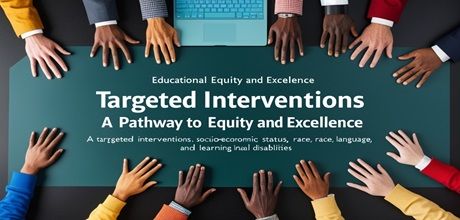
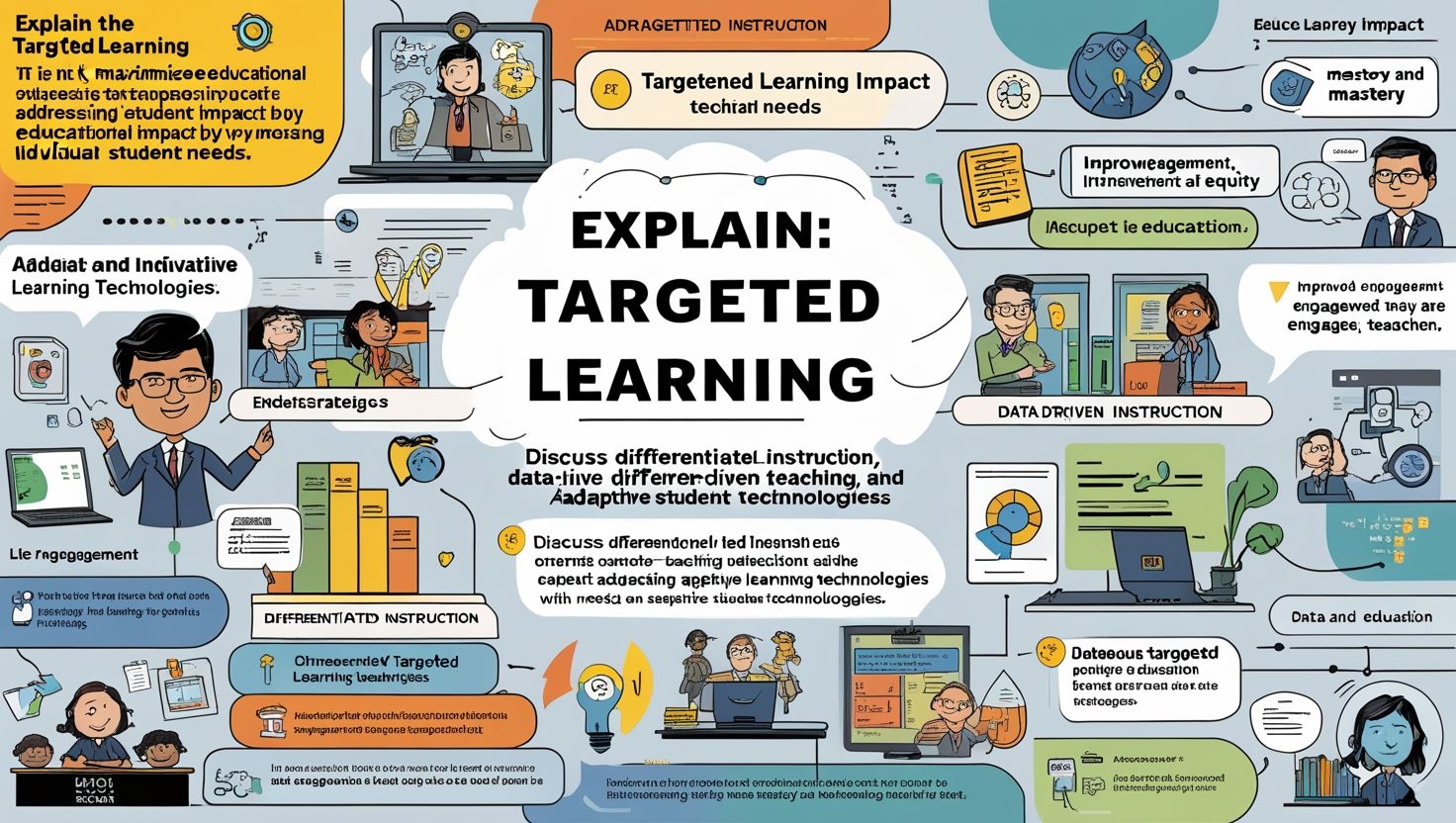
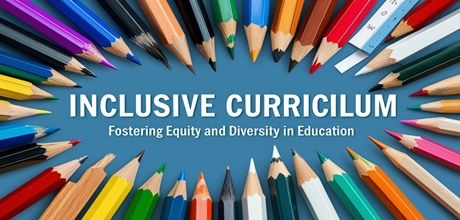
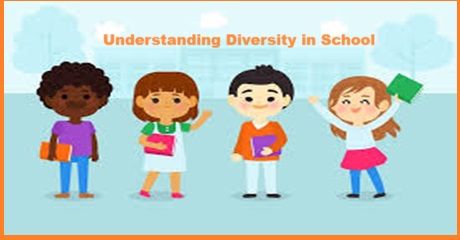
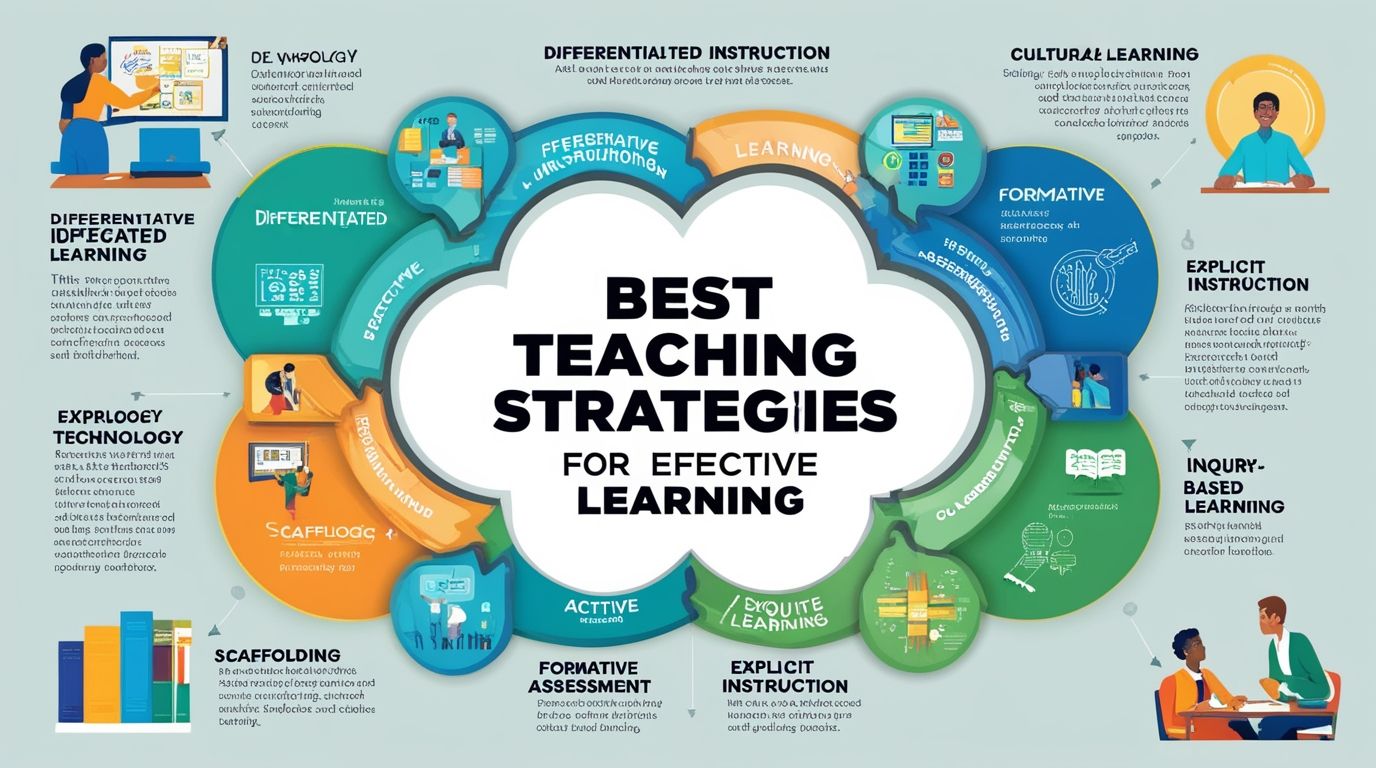
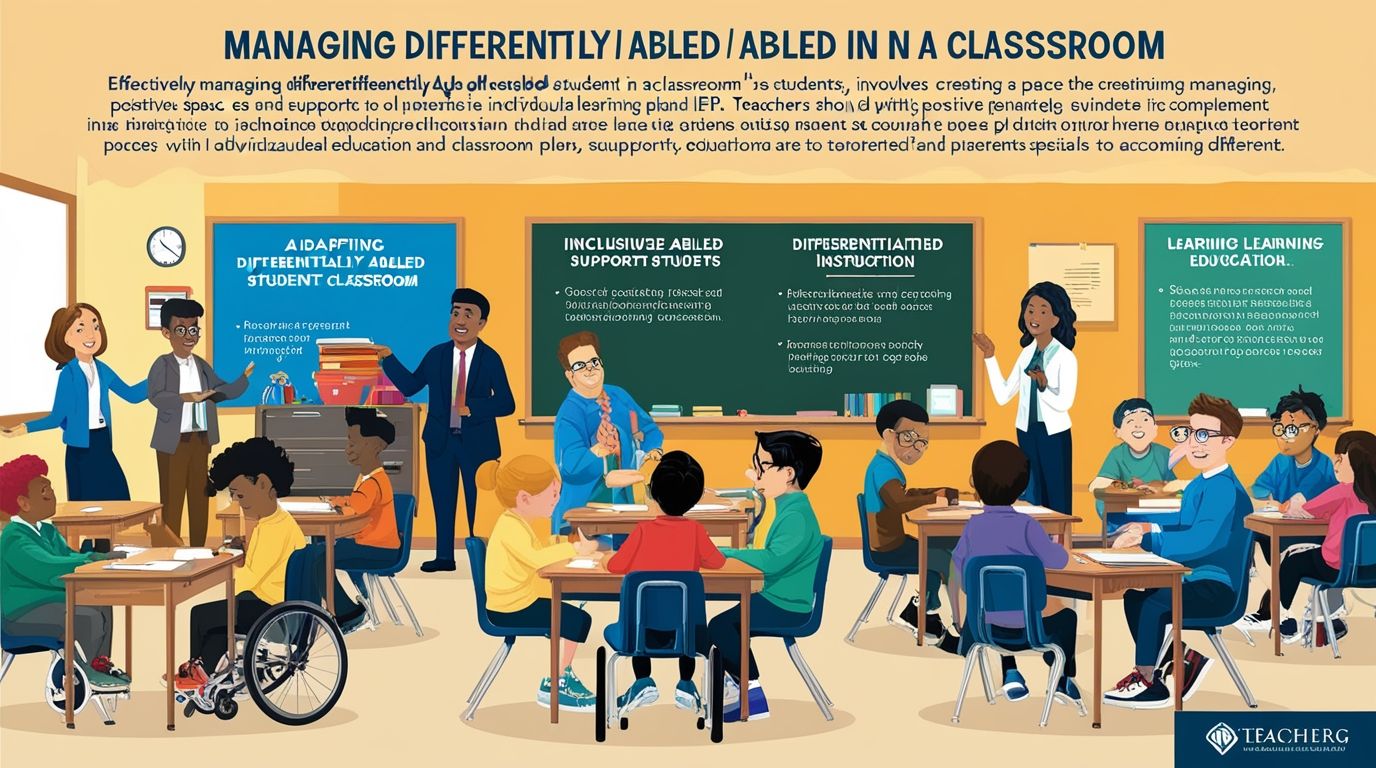
Another significant area of research examines differentiated lesson planning. Modern classrooms contain learners with varying abilities, backgrounds, learning styles, and interests. Researchers advocate differentiated instruction, where teachers adapt content, teaching methods, learning activities, and assessments according to individual learner needs. Effective lesson planning therefore includes accommodations for slow learners, gifted students, and students with special educational needs. Universal Design for Learning (UDL) has become increasingly influential in lesson planning research because it promotes inclusive and accessible instruction for all learners.
Technology Integration in Lesson Planning
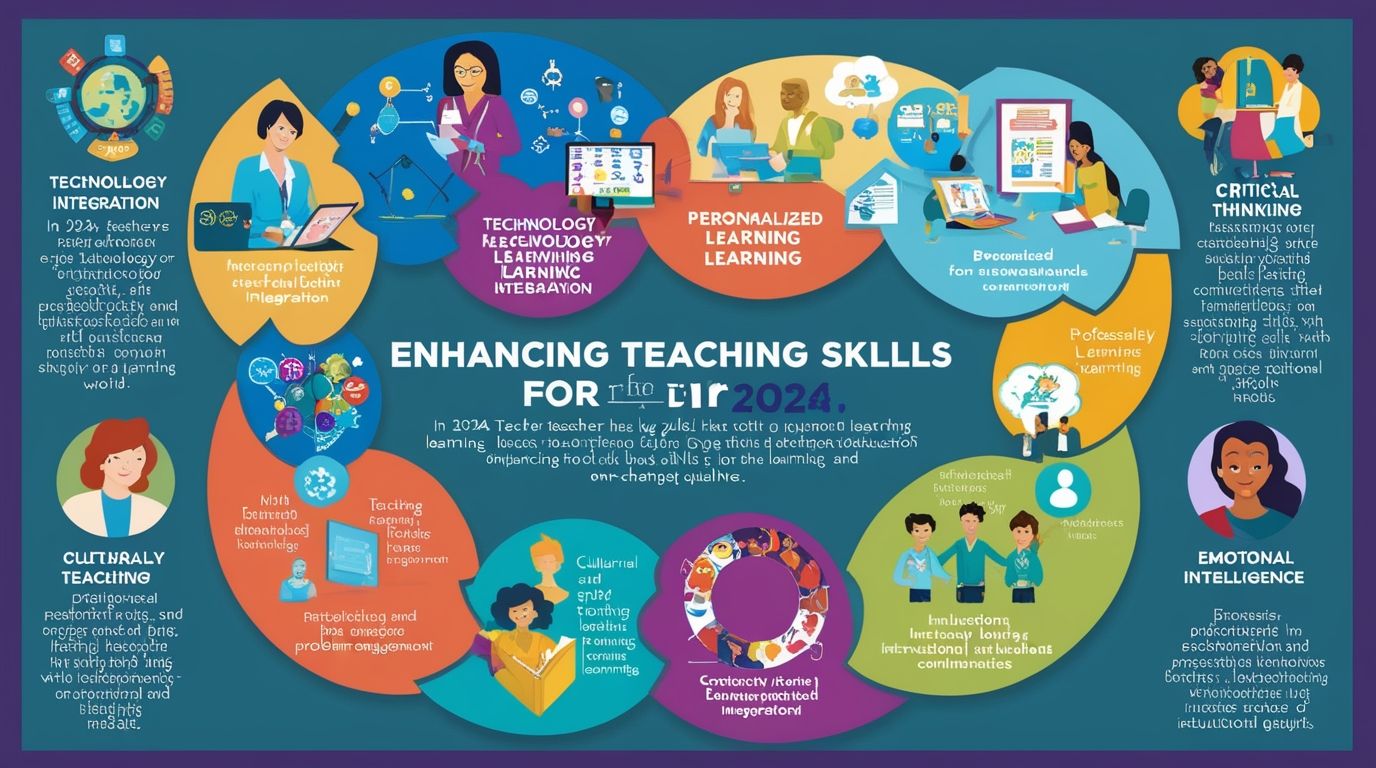
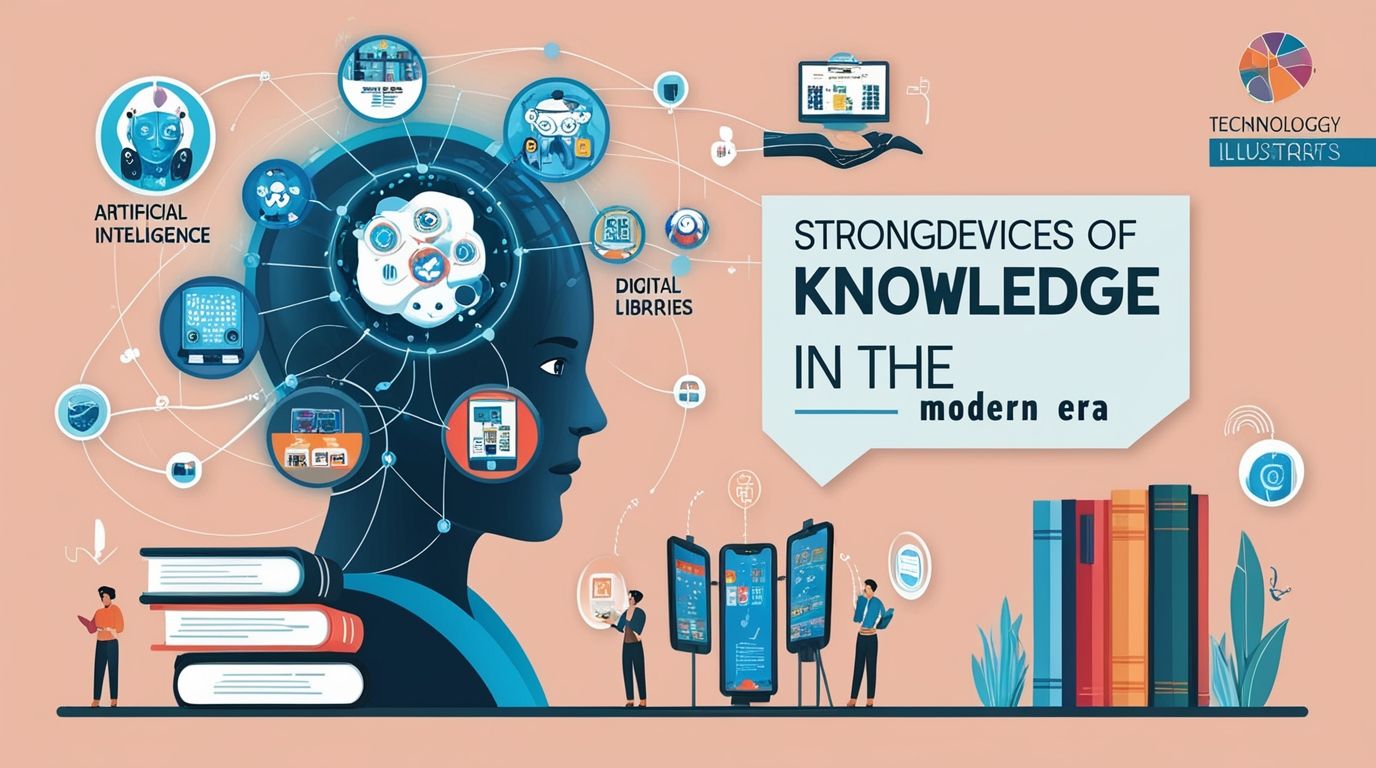
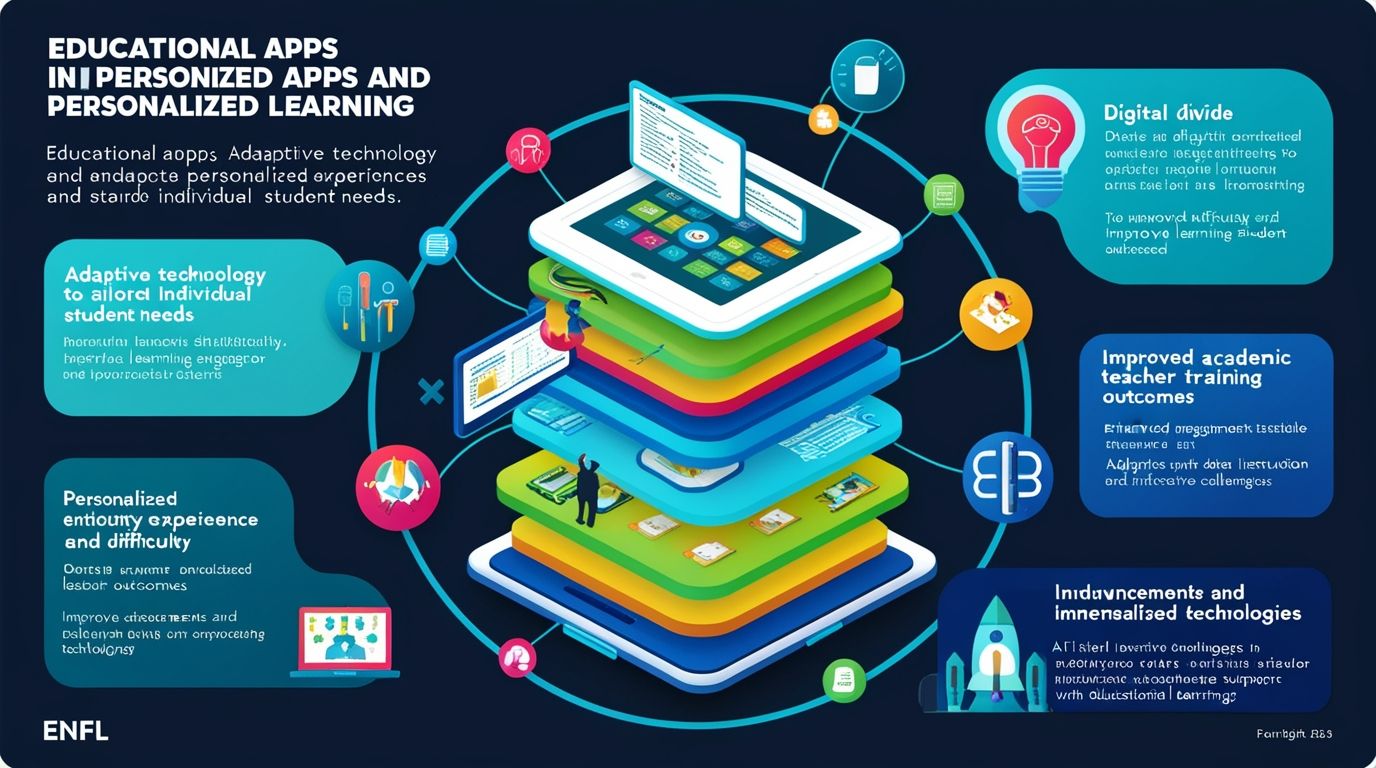
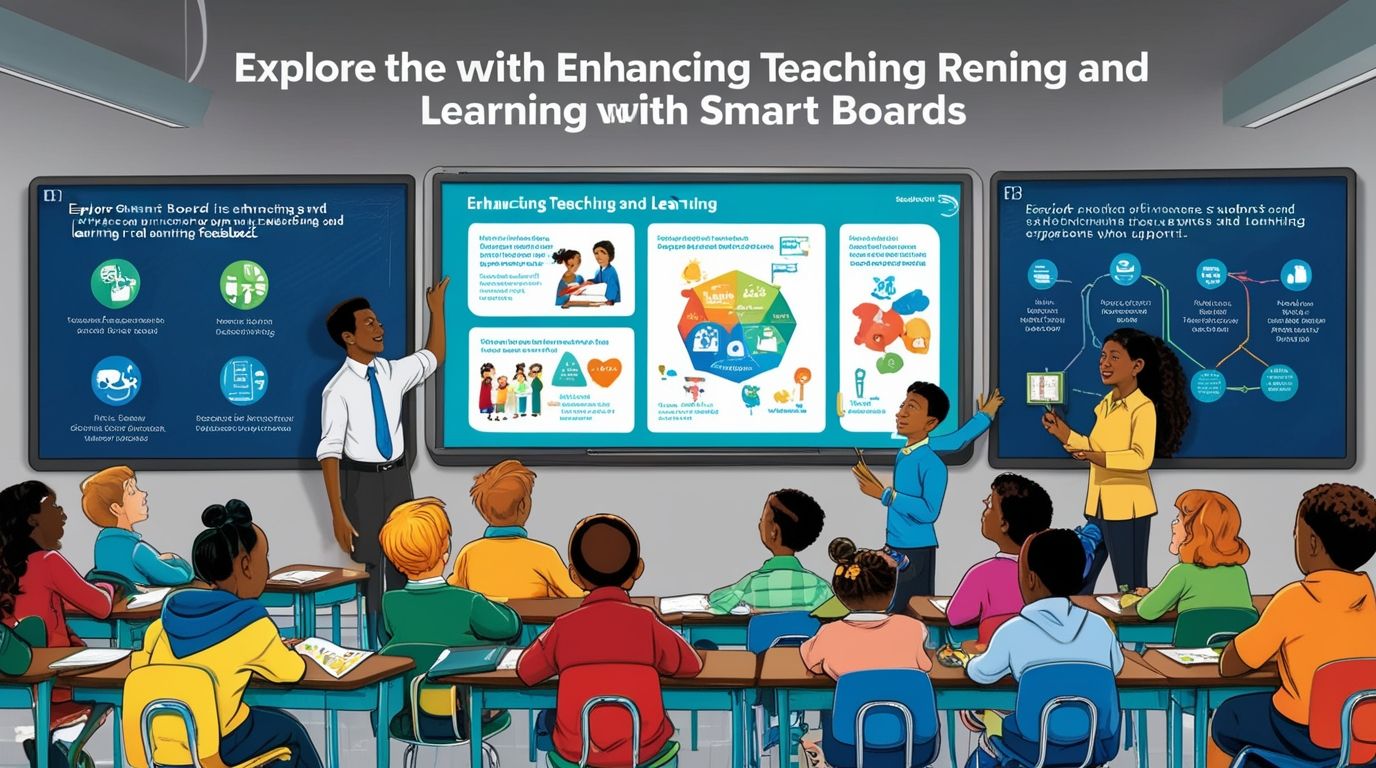
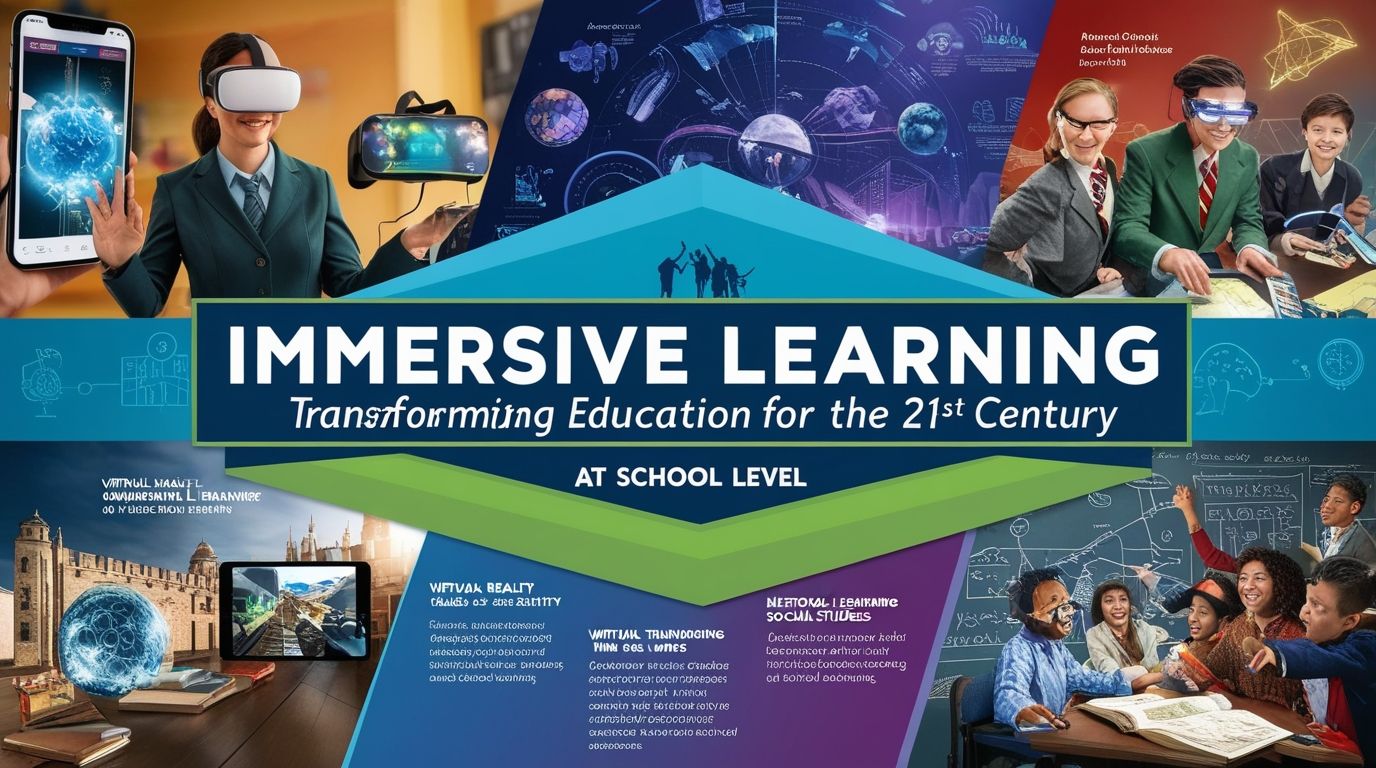
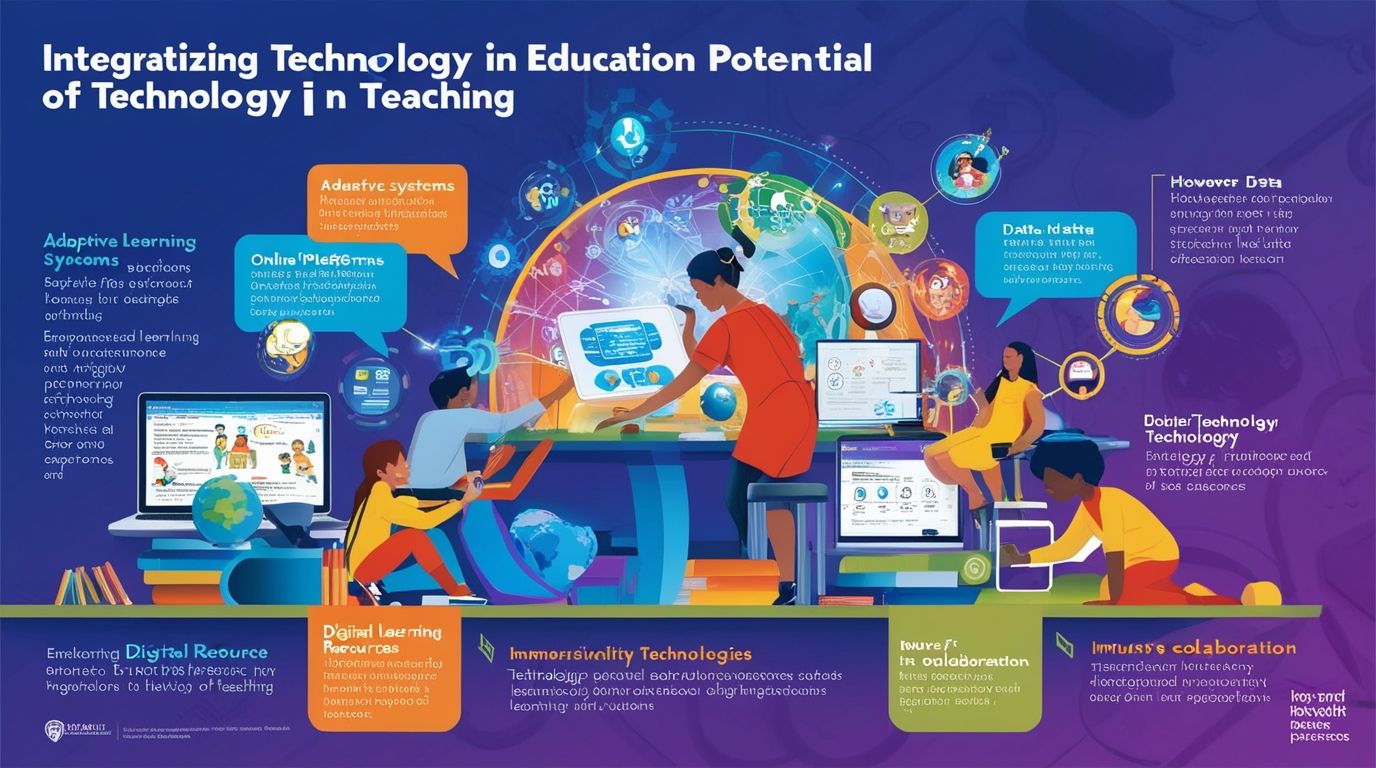
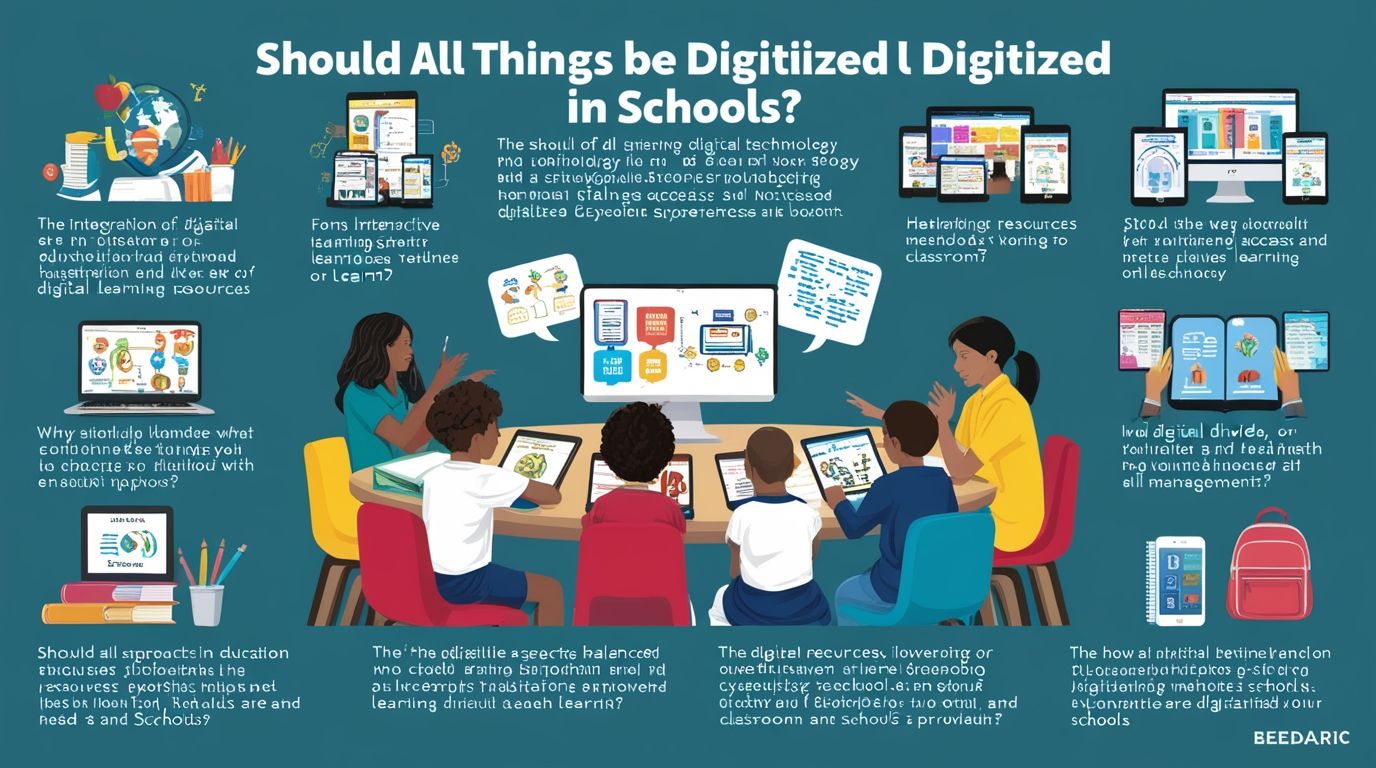
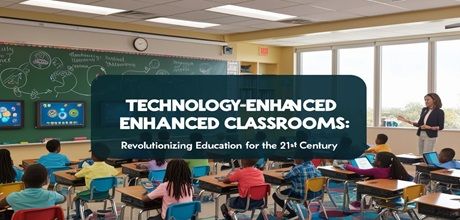
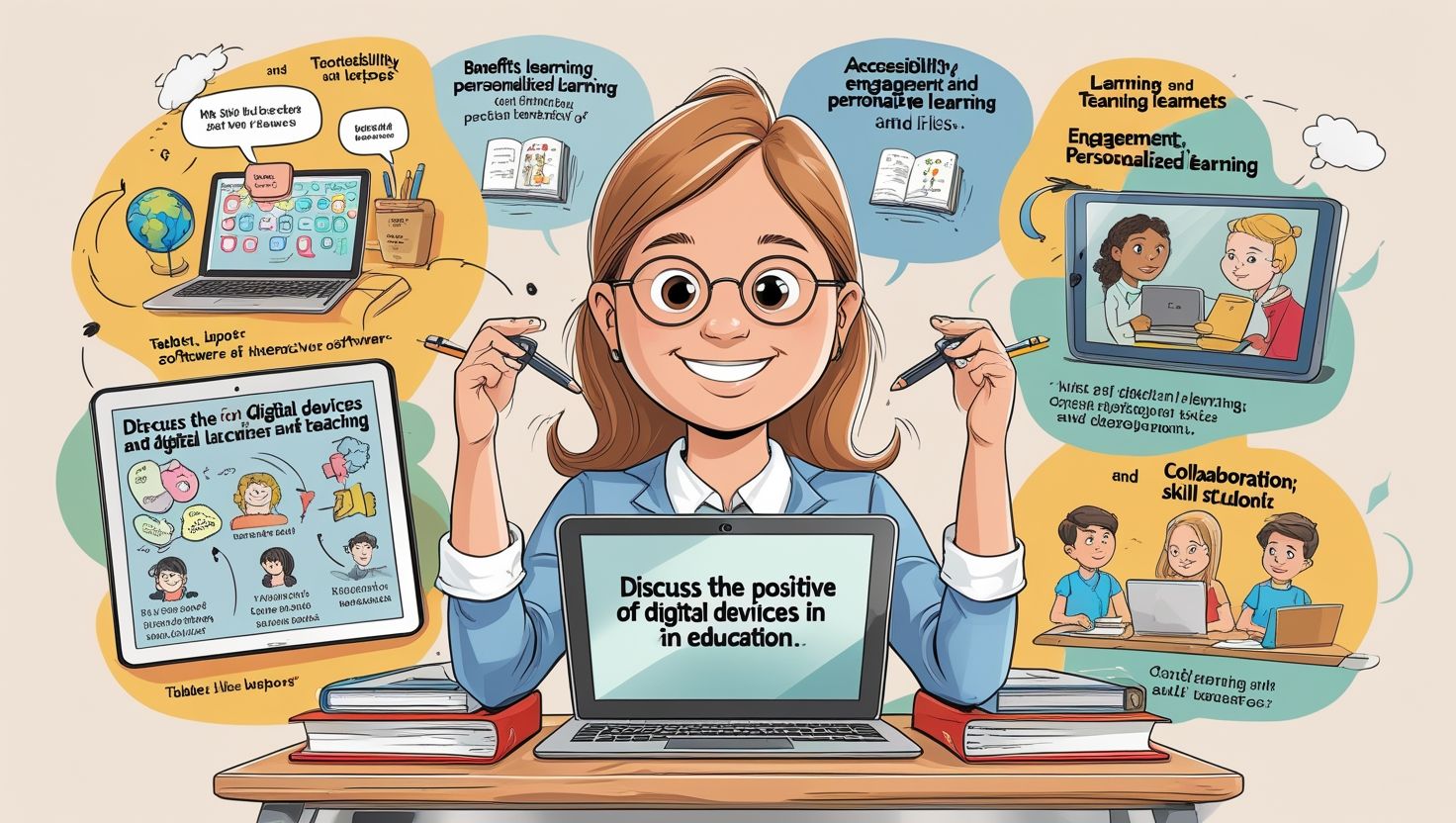
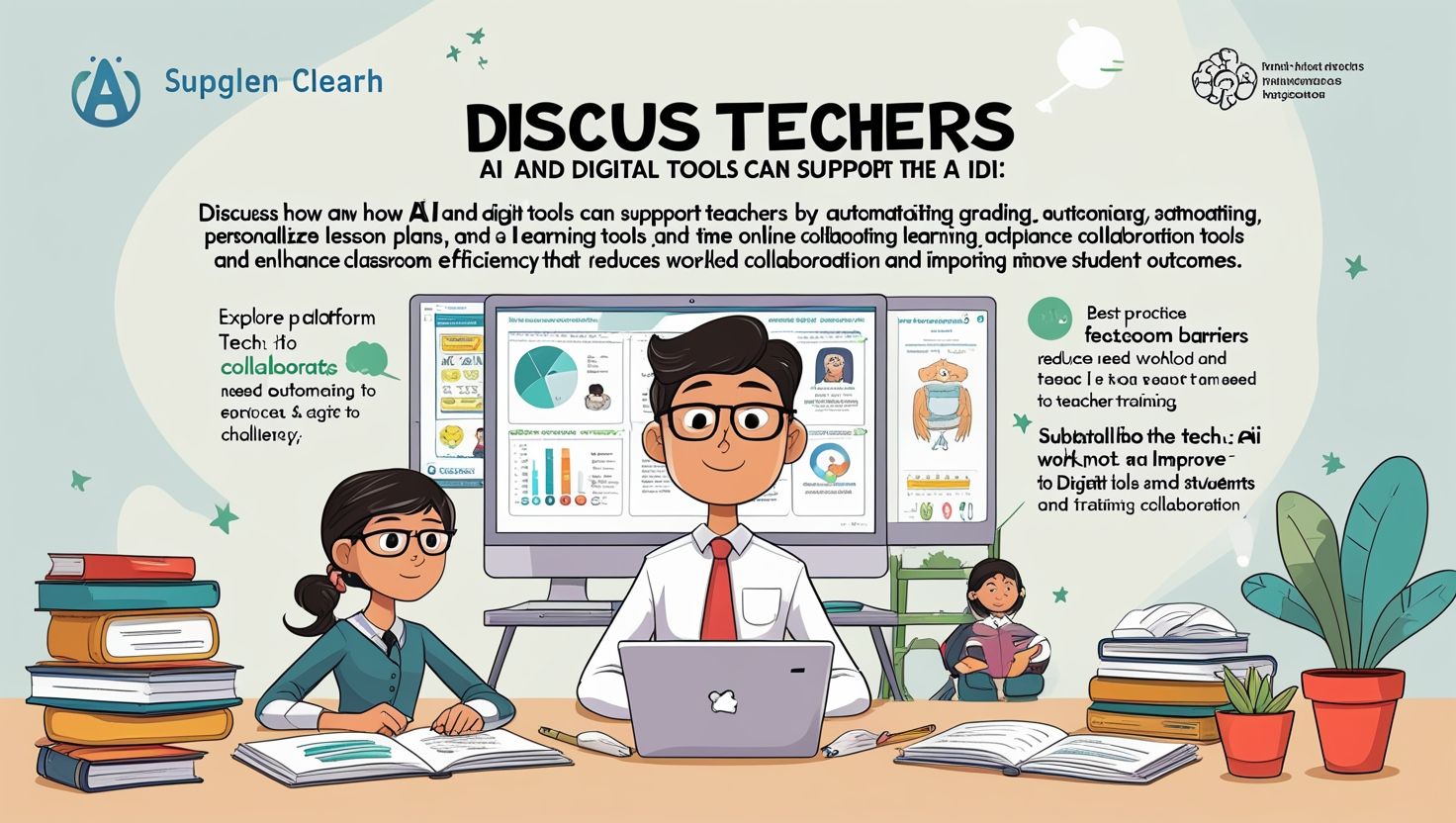
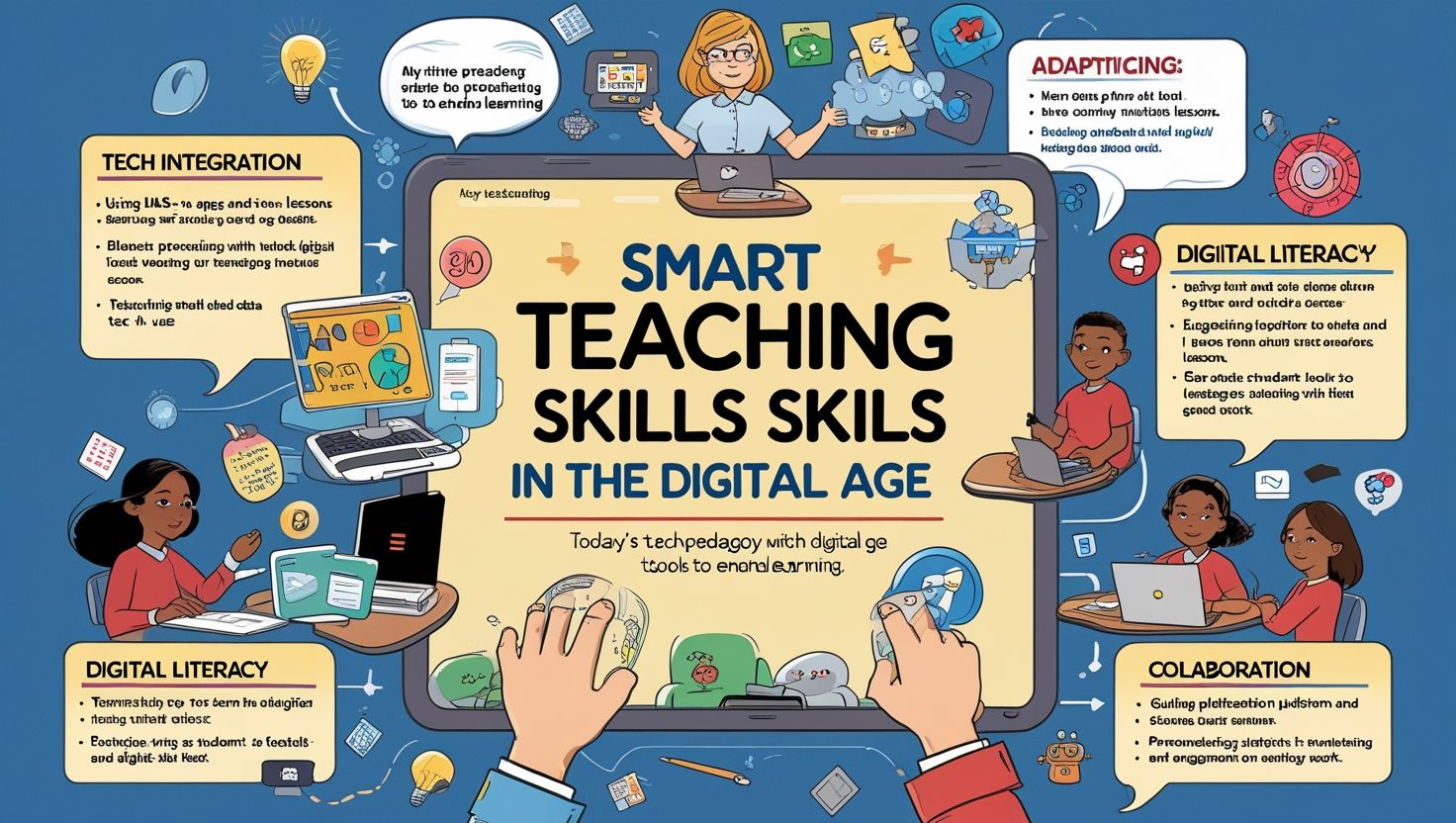
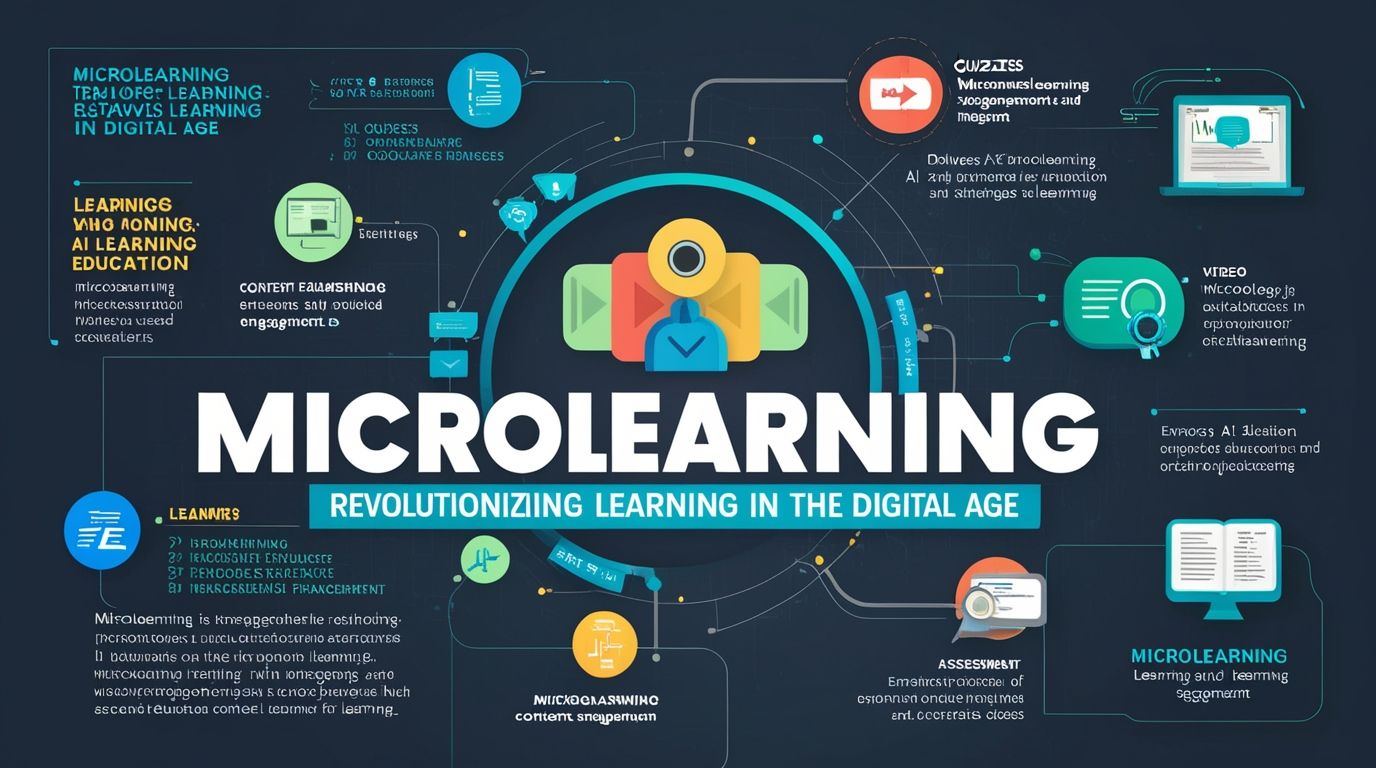
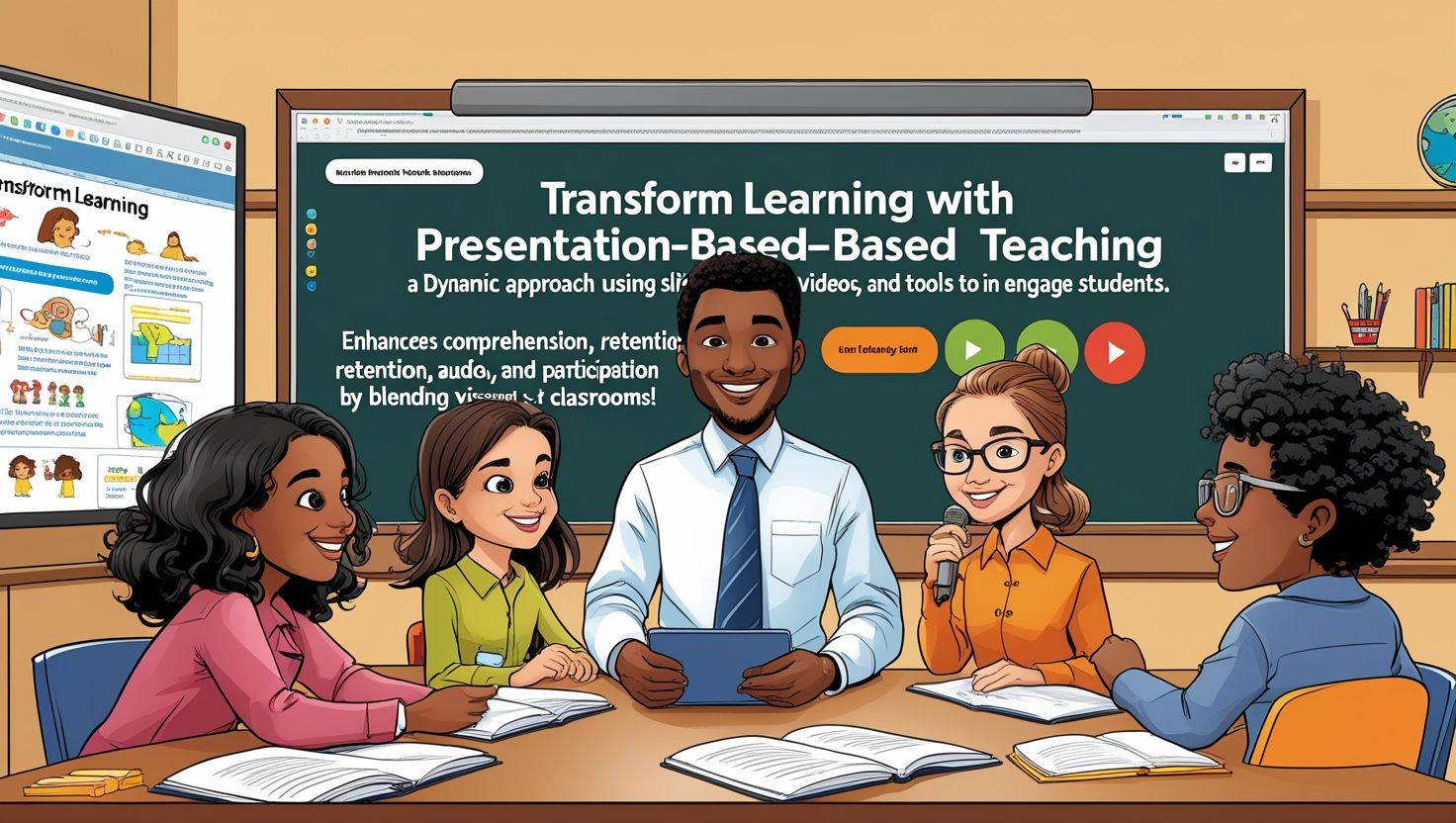
Technology integration has transformed lesson planning practices in contemporary education. Digital tools, multimedia resources, learning management systems, and artificial intelligence applications now play important roles in instructional planning. Research demonstrates that technology-supported lesson plans increase student engagement, collaboration, and creativity when used effectively. Educational technology enables teachers to incorporate videos, simulations, interactive quizzes, virtual laboratories, and online discussions into lessons.
Artificial Intelligence and Lesson Planning
Recent research has particularly explored the role of artificial intelligence and generative AI in lesson planning. Studies involving pre-service teachers show that AI tools such as ChatGPT can assist in generating lesson ideas, designing activities, and supporting differentiated instruction. Researchers found that AI-supported lesson planning saves time and helps teachers create more structured learning experiences. However, concerns remain regarding accuracy, overdependence on AI, and the need for teacher judgment in evaluating AI-generated content. (arxiv.org)
The integration of AI into lesson planning reflects broader educational transformations associated with digital pedagogy. Researchers suggest that AI tools should complement rather than replace teacher expertise. Human teachers remain essential for contextual understanding, emotional support, ethical decision-making, and classroom relationships. Studies comparing human-created and AI-generated lesson plans found that educators still prefer human-designed plans for their creativity, contextualization, and responsiveness to student needs, although AI-generated plans are appreciated for structure and efficiency. (arxiv.org)
Reflective Practice in Lesson Planning
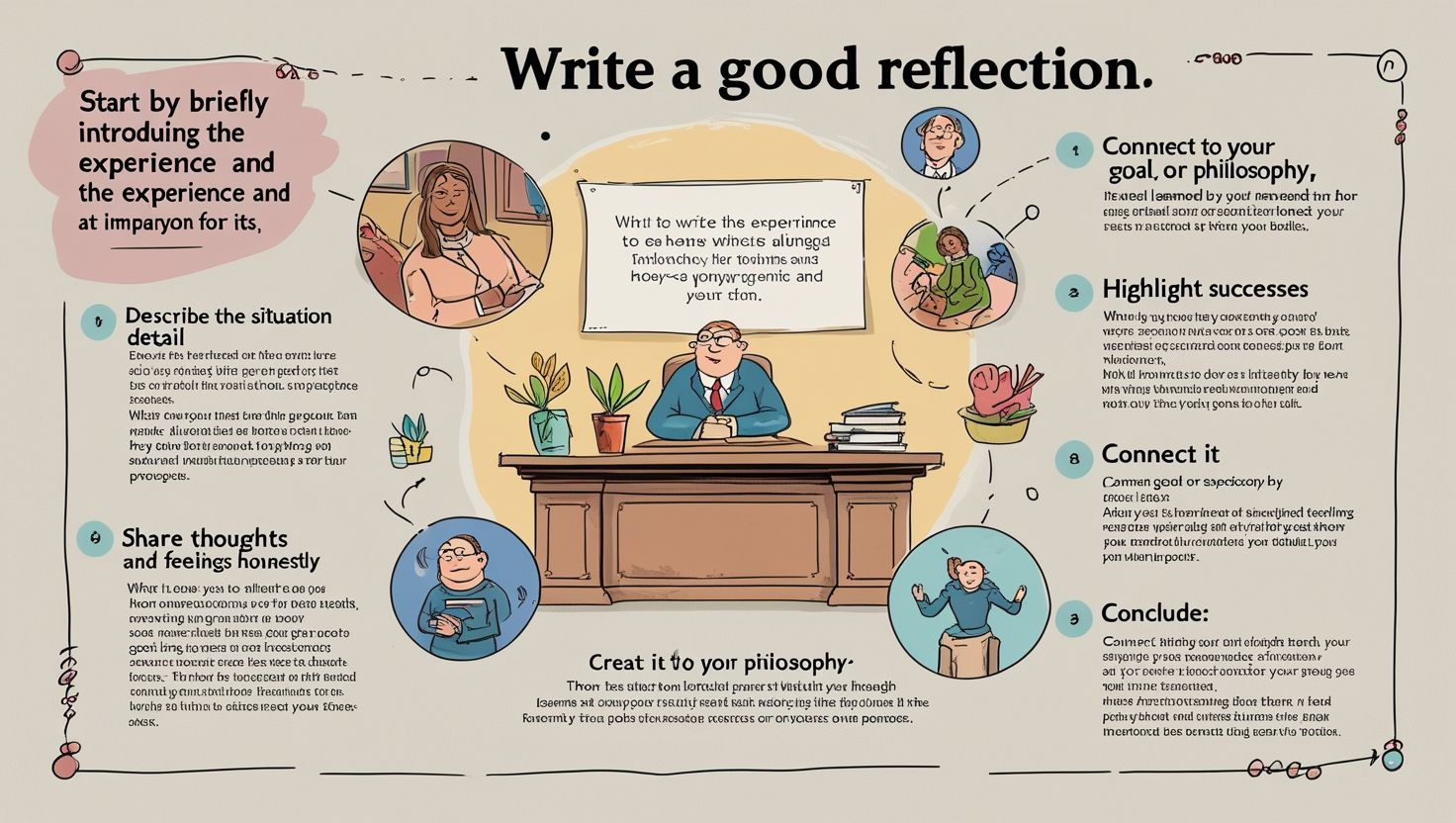
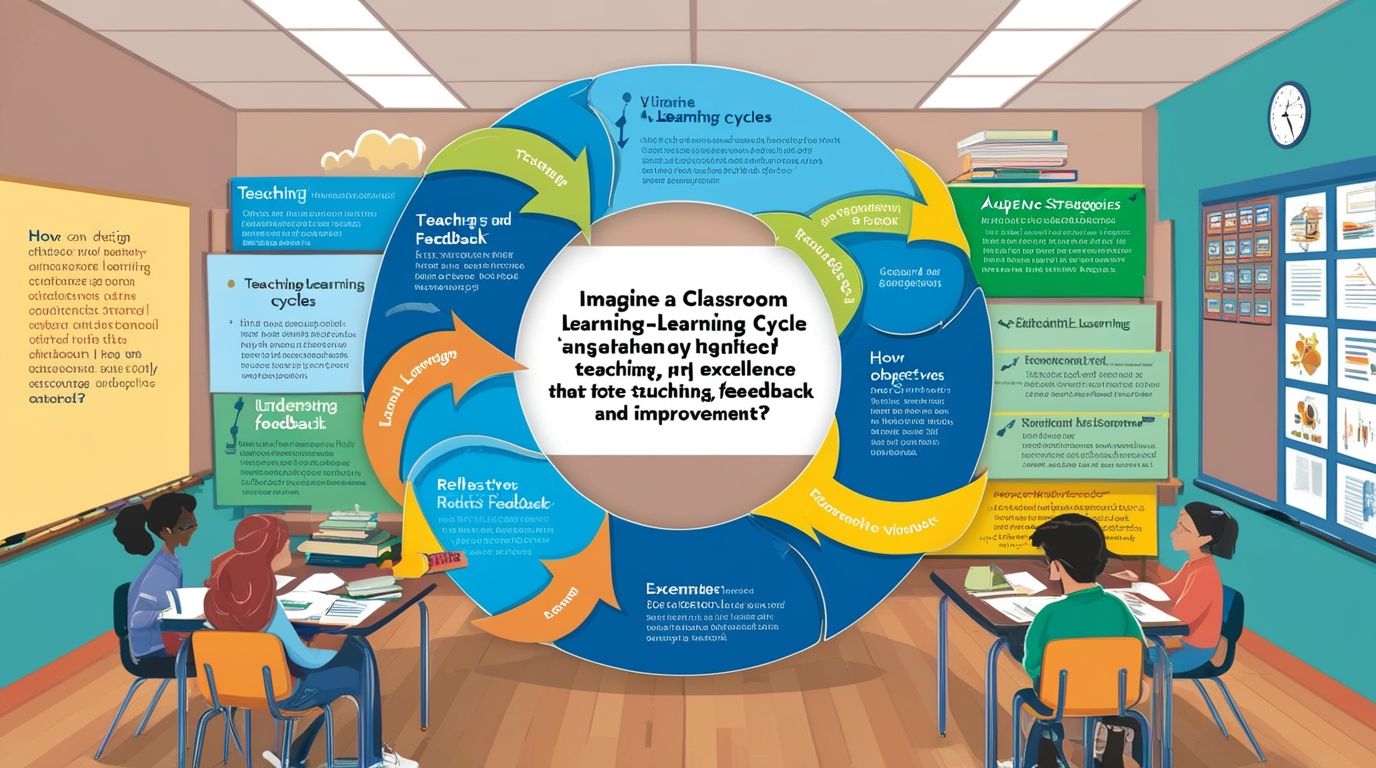
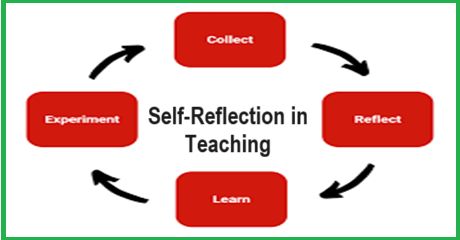
Research on lesson planning also emphasizes reflective practice. Reflection enables teachers to evaluate the effectiveness of their lessons and identify areas for improvement. Donald Schön’s theory of reflective practice influenced modern approaches to teacher development by encouraging educators to engage in reflection before, during, and after instruction. Reflective lesson planning supports continuous professional growth and adaptive teaching.
Collaborative Lesson Planning
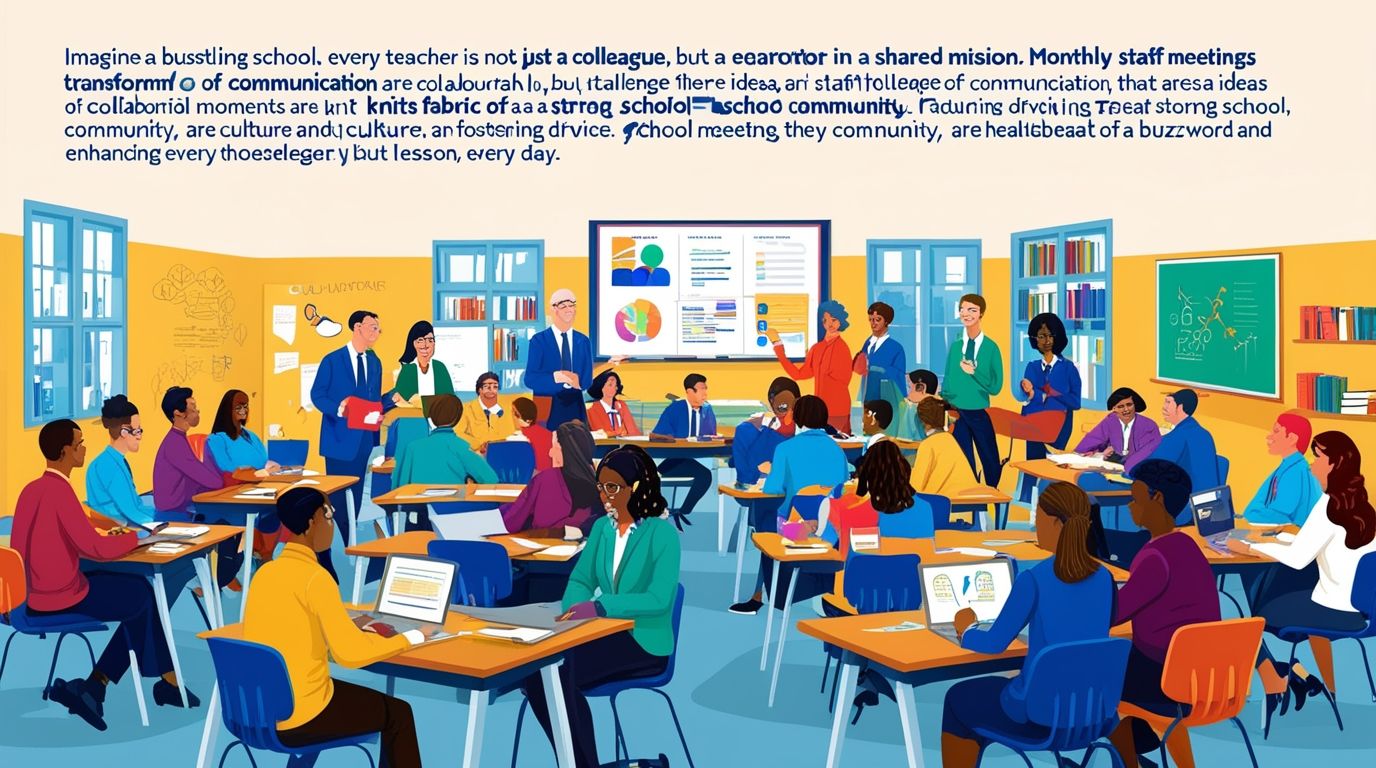
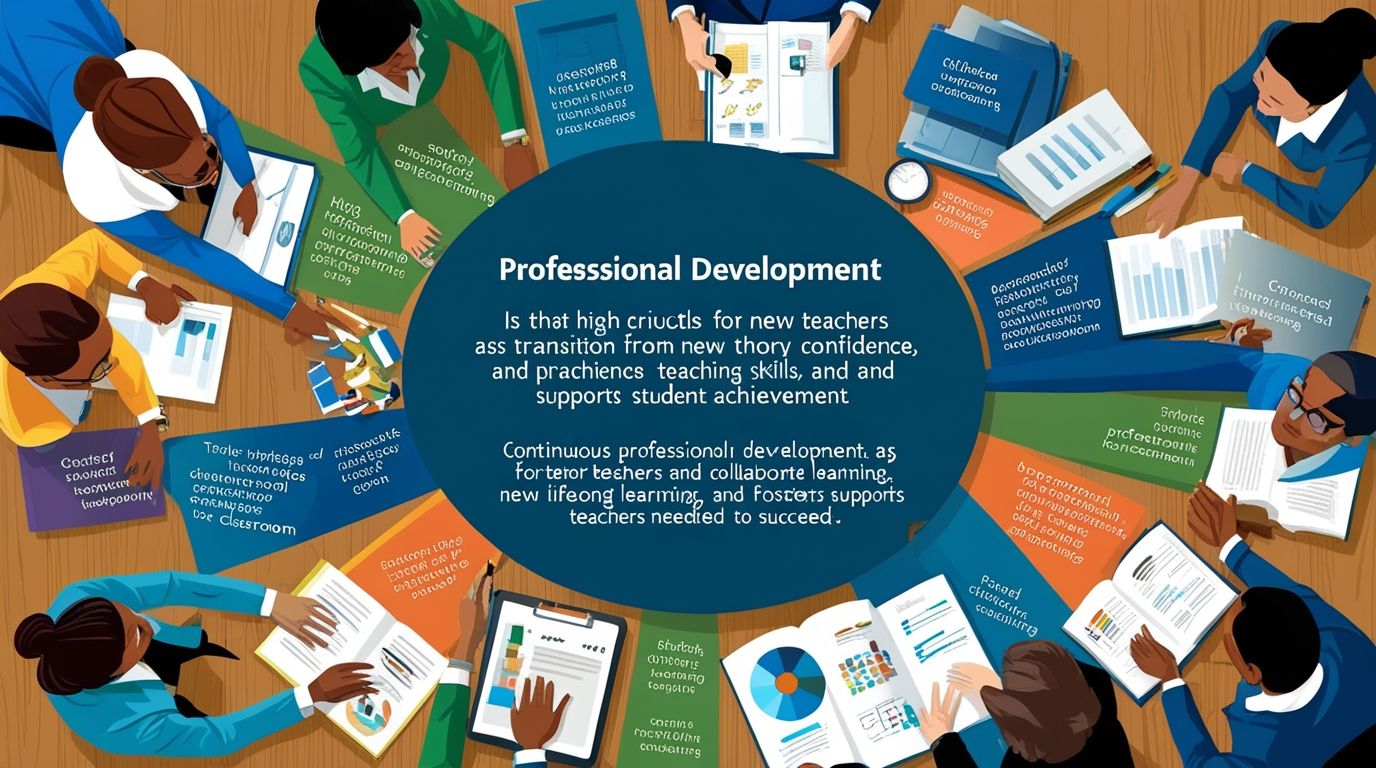
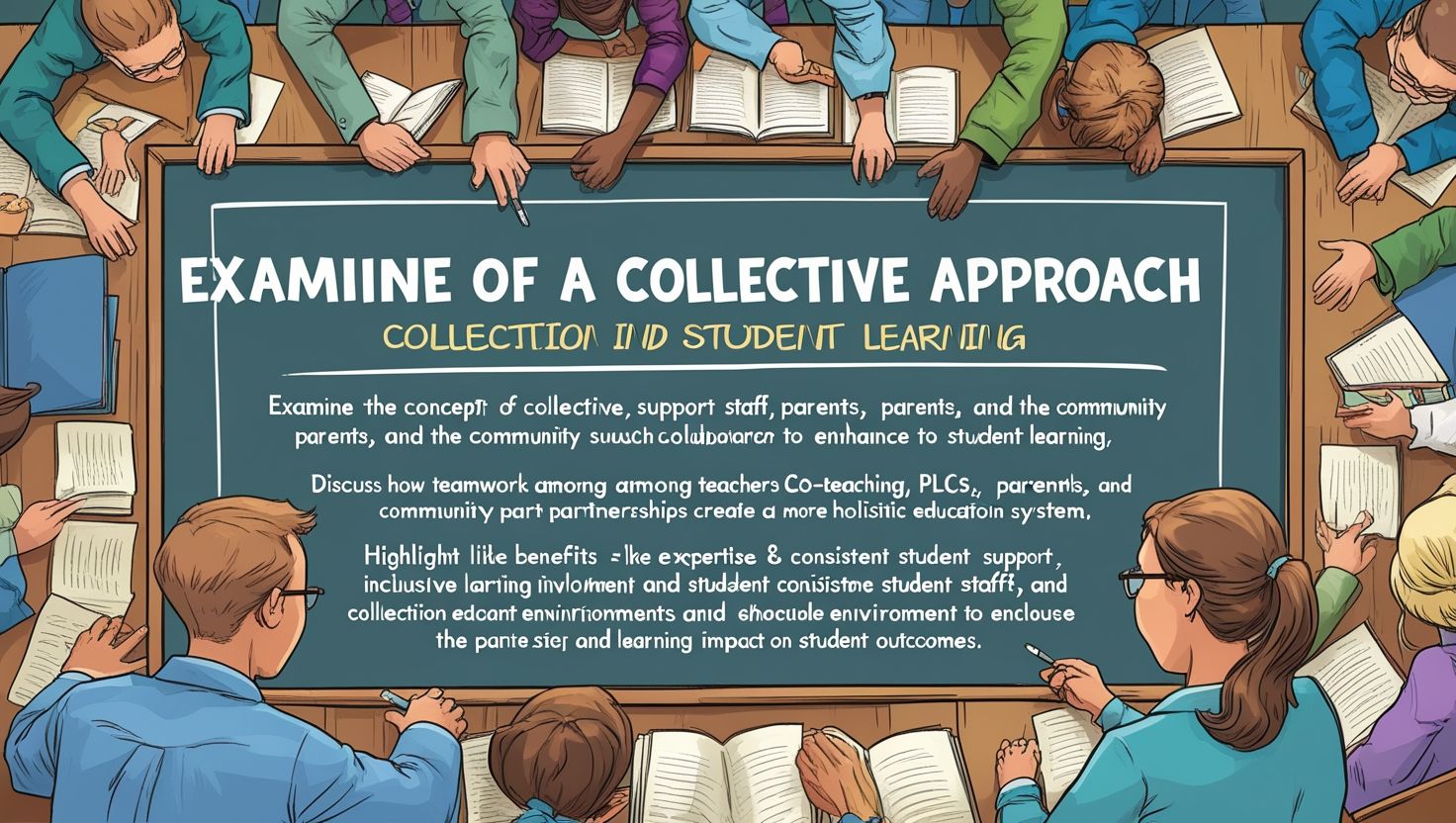
Researchers examine collaborative lesson planning as a professional development strategy. Collaborative planning occurs when teachers work together to design lessons, share instructional resources, analyze student learning, and solve teaching challenges. Professional Learning Communities (PLCs) and lesson study models, particularly popular in Japan, have demonstrated positive effects on teacher learning and instructional quality. Through collaborative planning, teachers exchange ideas, reflect collectively, and improve instructional practices.
Lesson Study Approach
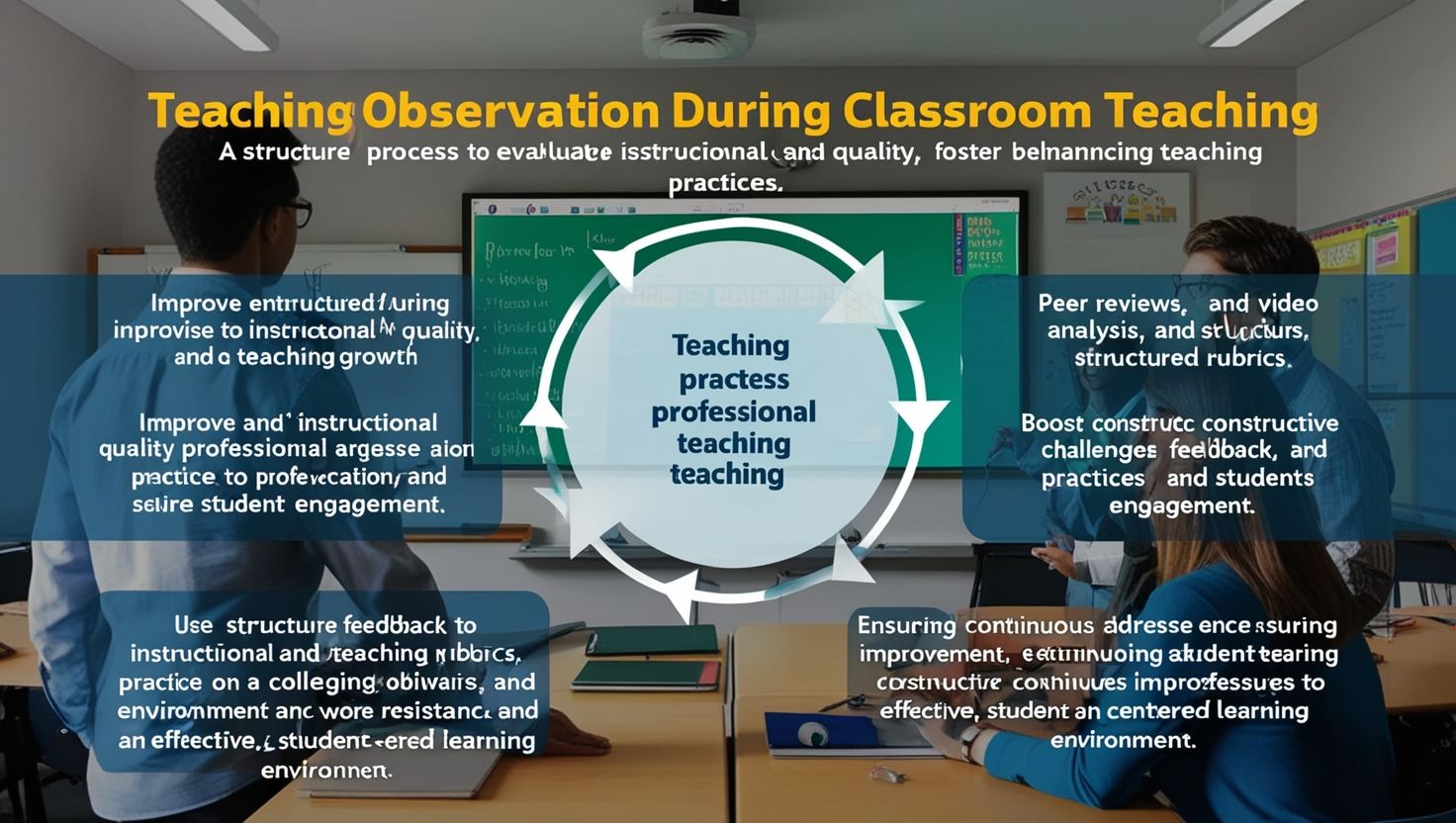
Lesson study research has gained global attention because it links lesson planning directly to classroom observation and reflection. In lesson study, teachers collaboratively design a lesson, observe its implementation, analyze student learning, and revise the lesson accordingly. Researchers report that lesson study enhances pedagogical knowledge, instructional innovation, and reflective practice. It also strengthens professional collaboration among teachers.
Subject-Specific Lesson Planning Research
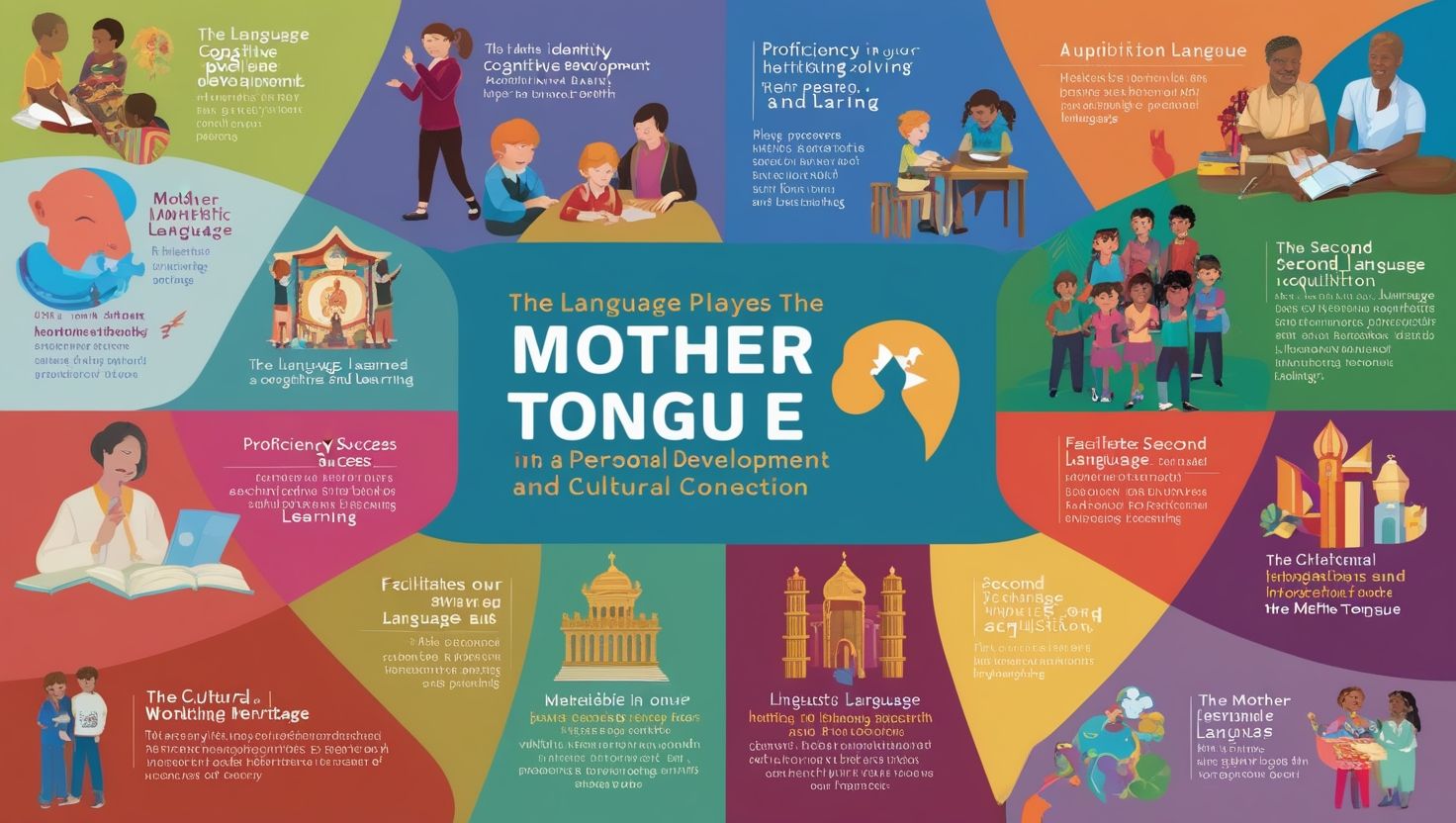
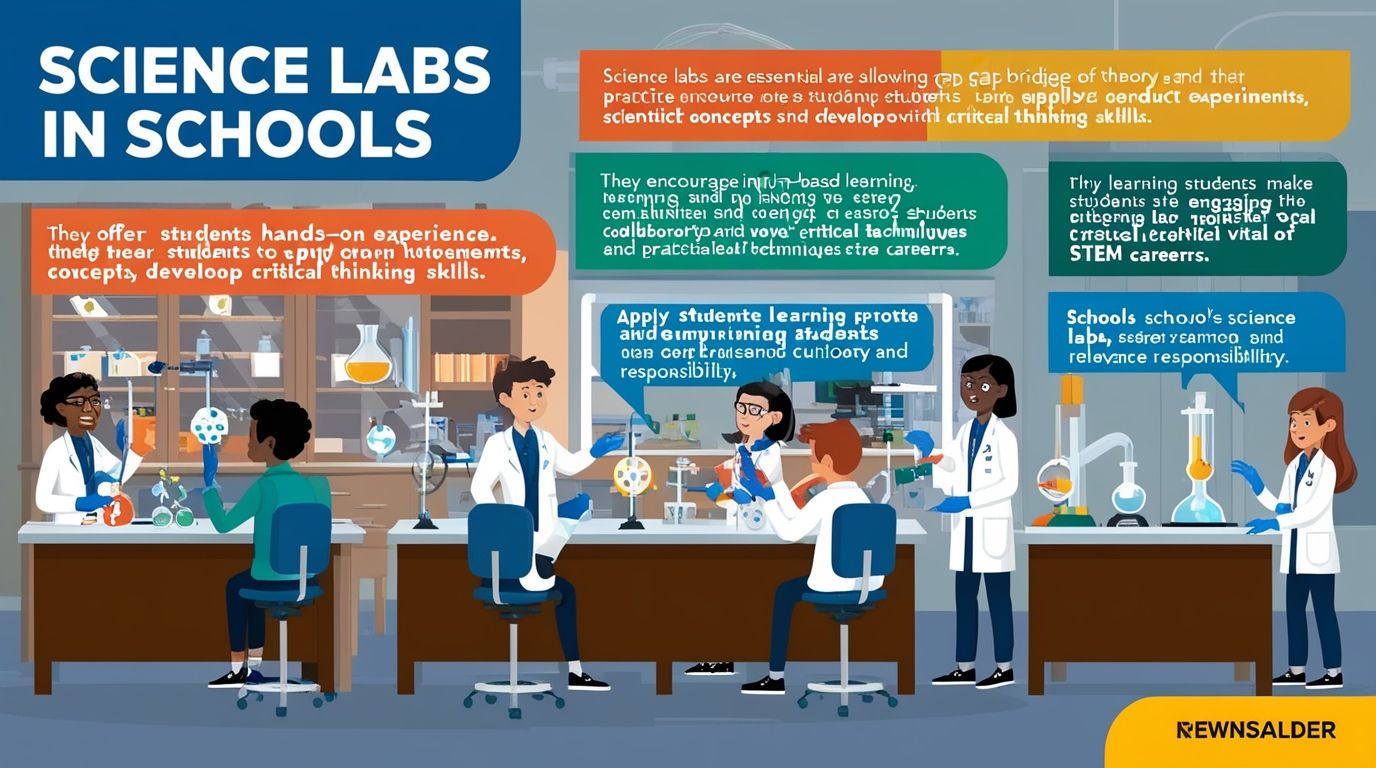
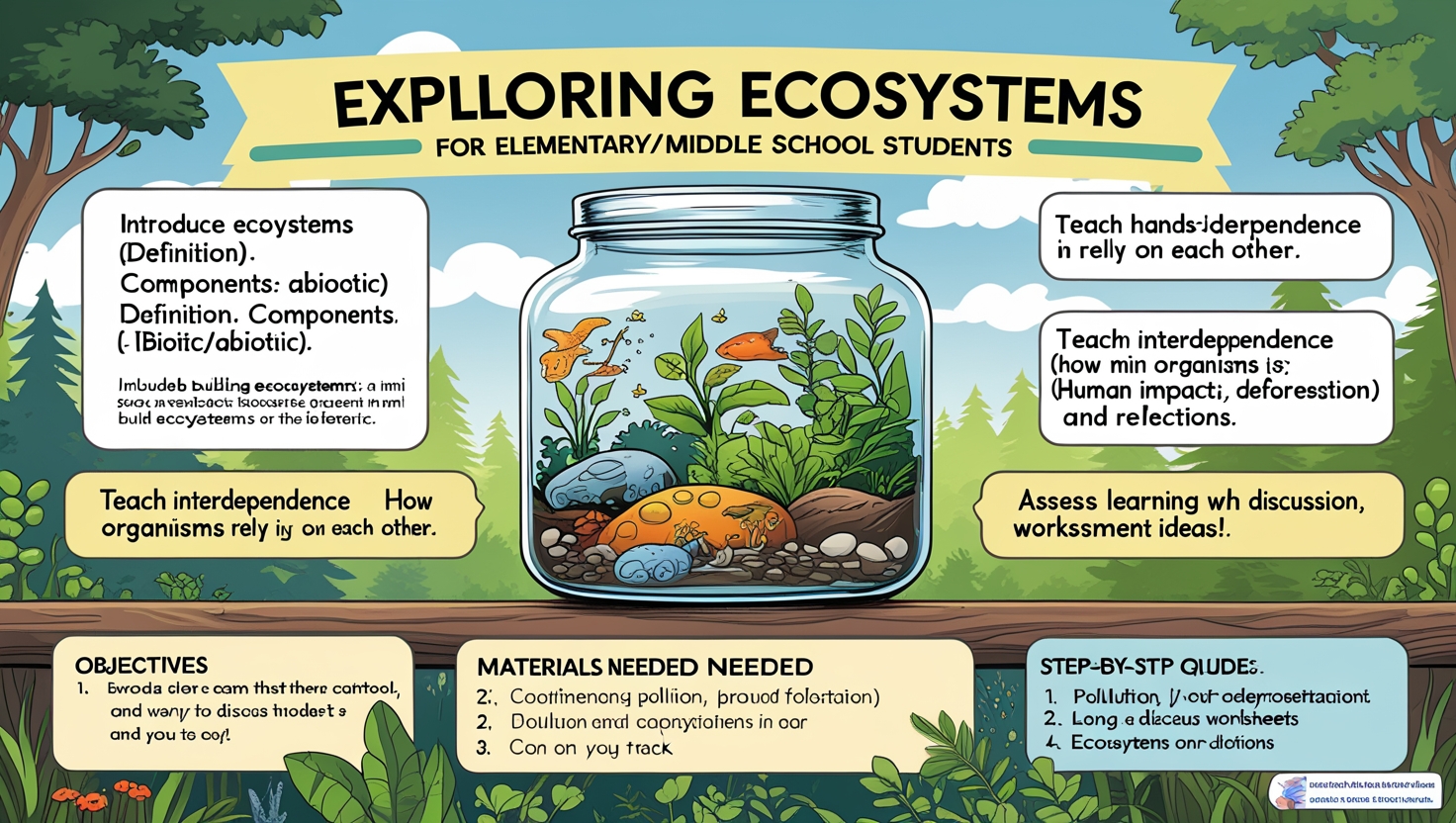
Research has further explored subject-specific lesson planning. Mathematics lesson planning research, for example, focuses on conceptual understanding, problem-solving, mathematical reasoning, and cognitive demand. Studies indicate that mathematics teachers often struggle to balance procedural fluency with conceptual learning. Science lesson planning research emphasizes inquiry-based instruction, experimentation, and scientific thinking. Language lesson planning highlights communication, interaction, and language acquisition strategies.
Challenges in Lesson Planning
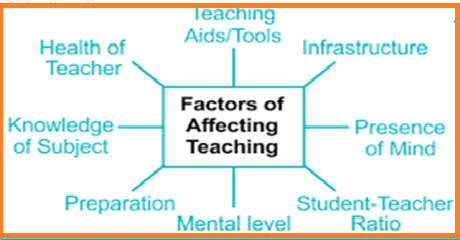
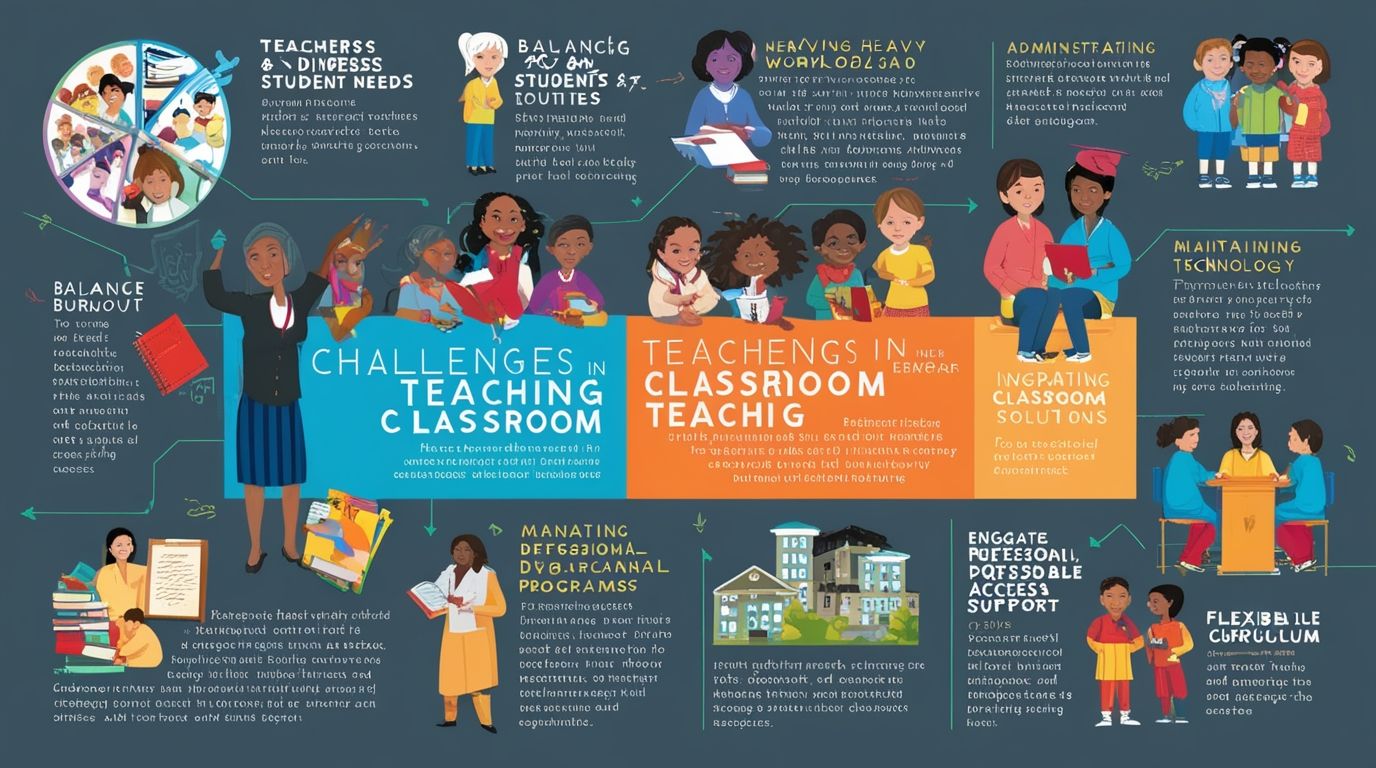
Studies on lesson planning difficulties reveal several common challenges faced by teachers. These include insufficient preparation time, heavy workloads, lack of instructional resources, curriculum pressure, large class sizes, and limited professional support. Teacher trainees frequently report difficulties in selecting appropriate teaching methods, managing time effectively, and designing authentic assessments. Research from teacher education institutions shows that many trainee teachers demonstrate only moderate competence in lesson planning and classroom management, suggesting a need for stronger practical training. (timesofindia.indiatimes.com)
Theory and Classroom Reality
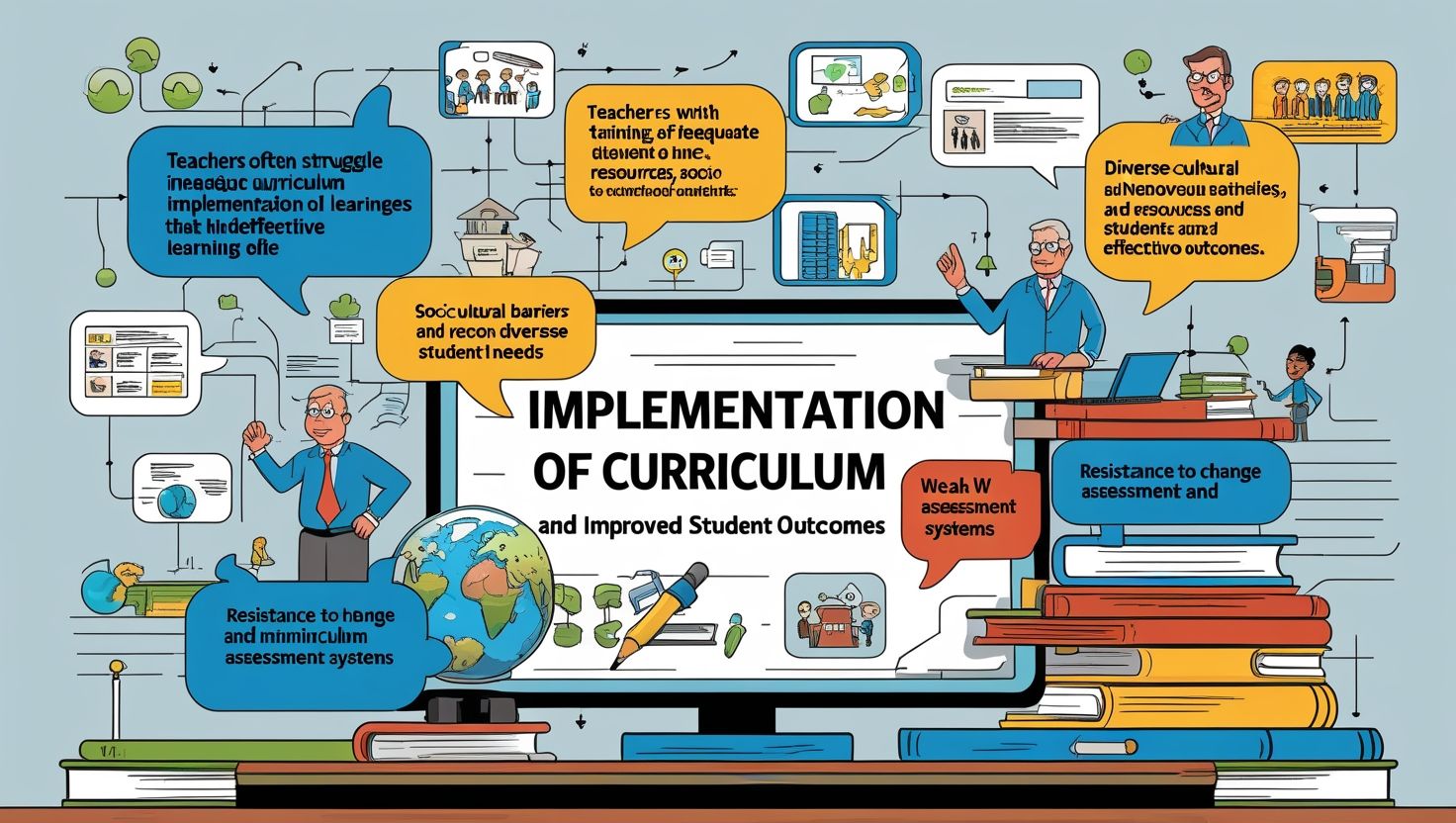
Another challenge identified in research is the mismatch between theoretical lesson planning models and actual classroom realities. Teachers often encounter unpredictable classroom situations that require flexibility and improvisation. Consequently, some researchers criticize rigid lesson plan formats that prioritize compliance over meaningful instructional thinking. Contemporary scholars advocate dynamic lesson planning approaches that allow teachers to adapt instruction based on student engagement and classroom interactions.
Cultural and Contextual Influences
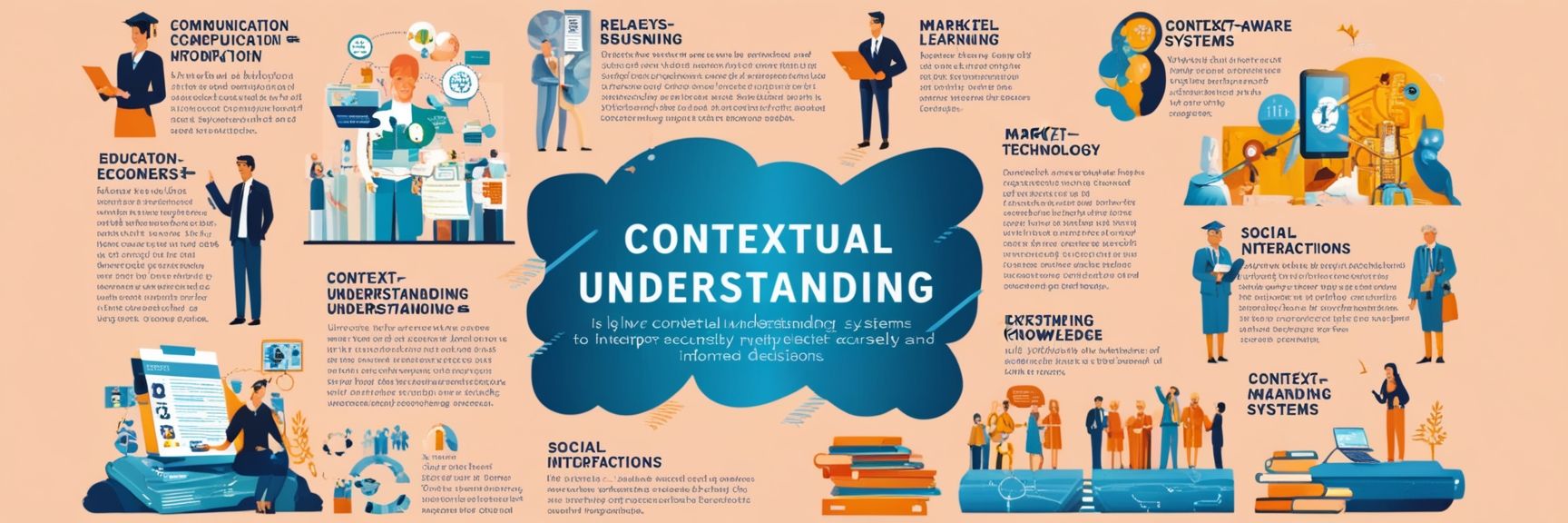
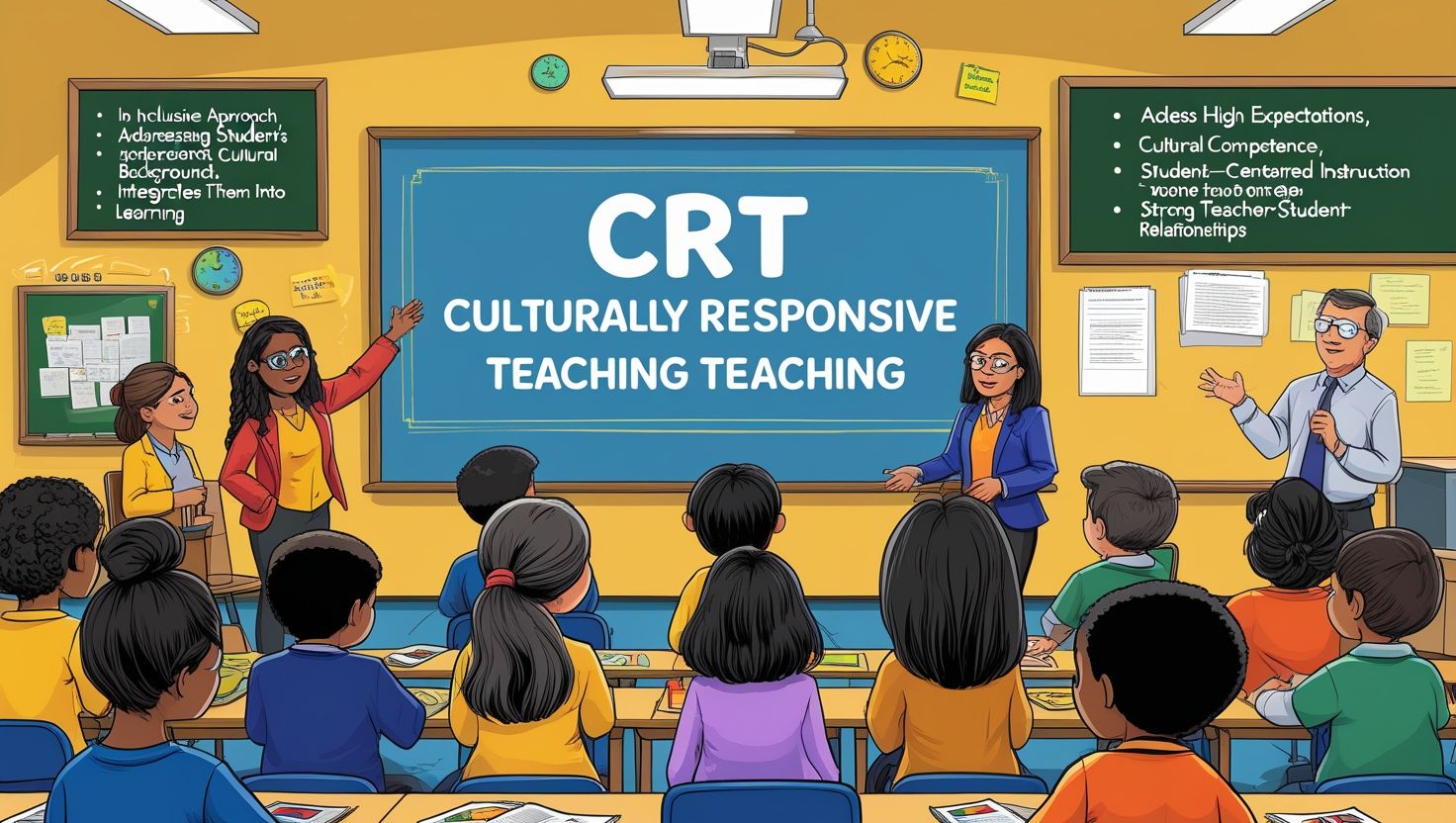
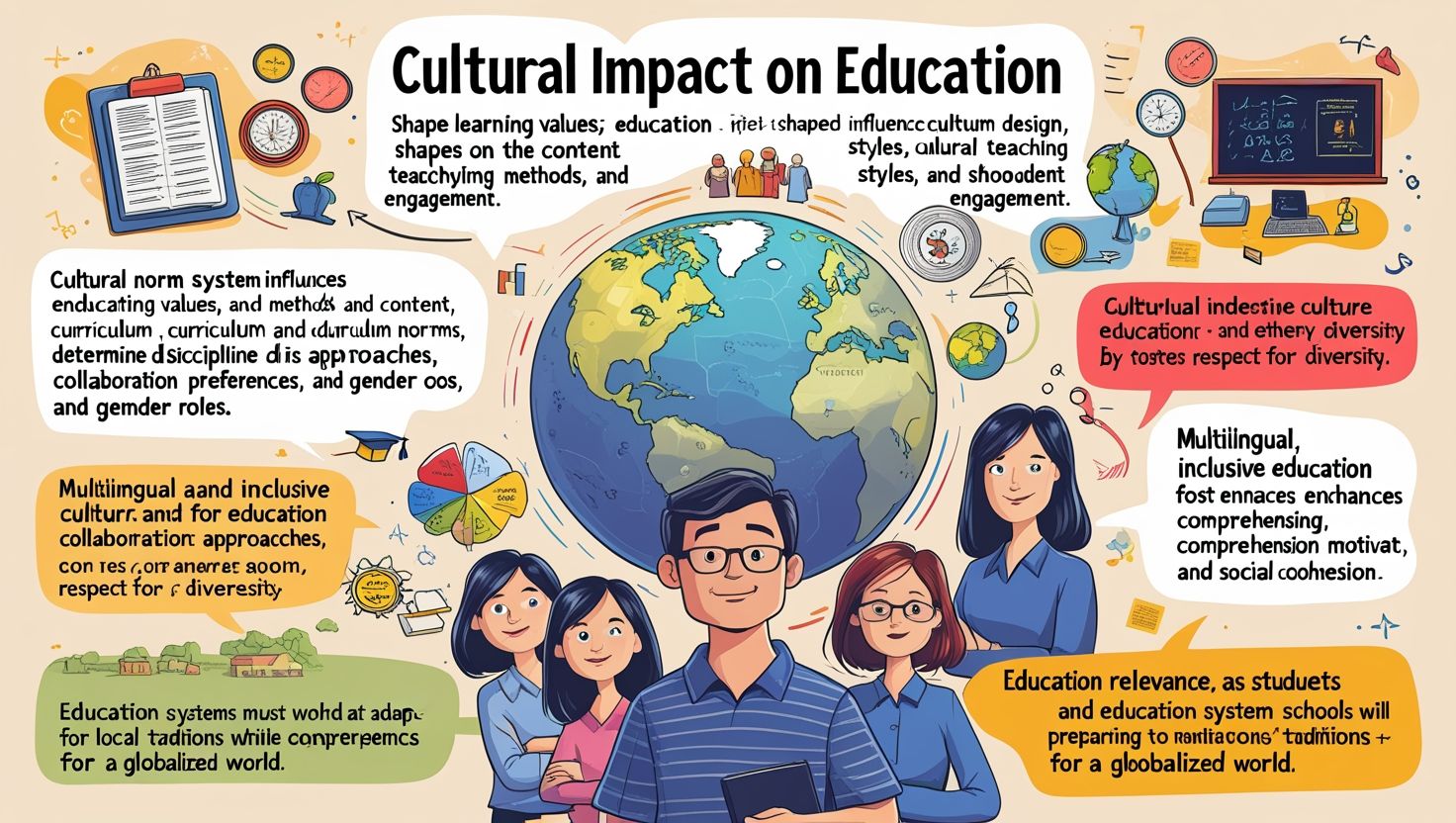
Research also highlights cultural and contextual influences on lesson planning. Educational systems across countries differ in curriculum standards, teaching traditions, classroom expectations, and assessment practices. In some countries, lesson planning is highly standardized and closely monitored, while in others teachers enjoy greater autonomy. Comparative studies reveal that effective lesson planning practices must align with local educational contexts and learner needs.
Lesson Planning During the COVID-19 Pandemic
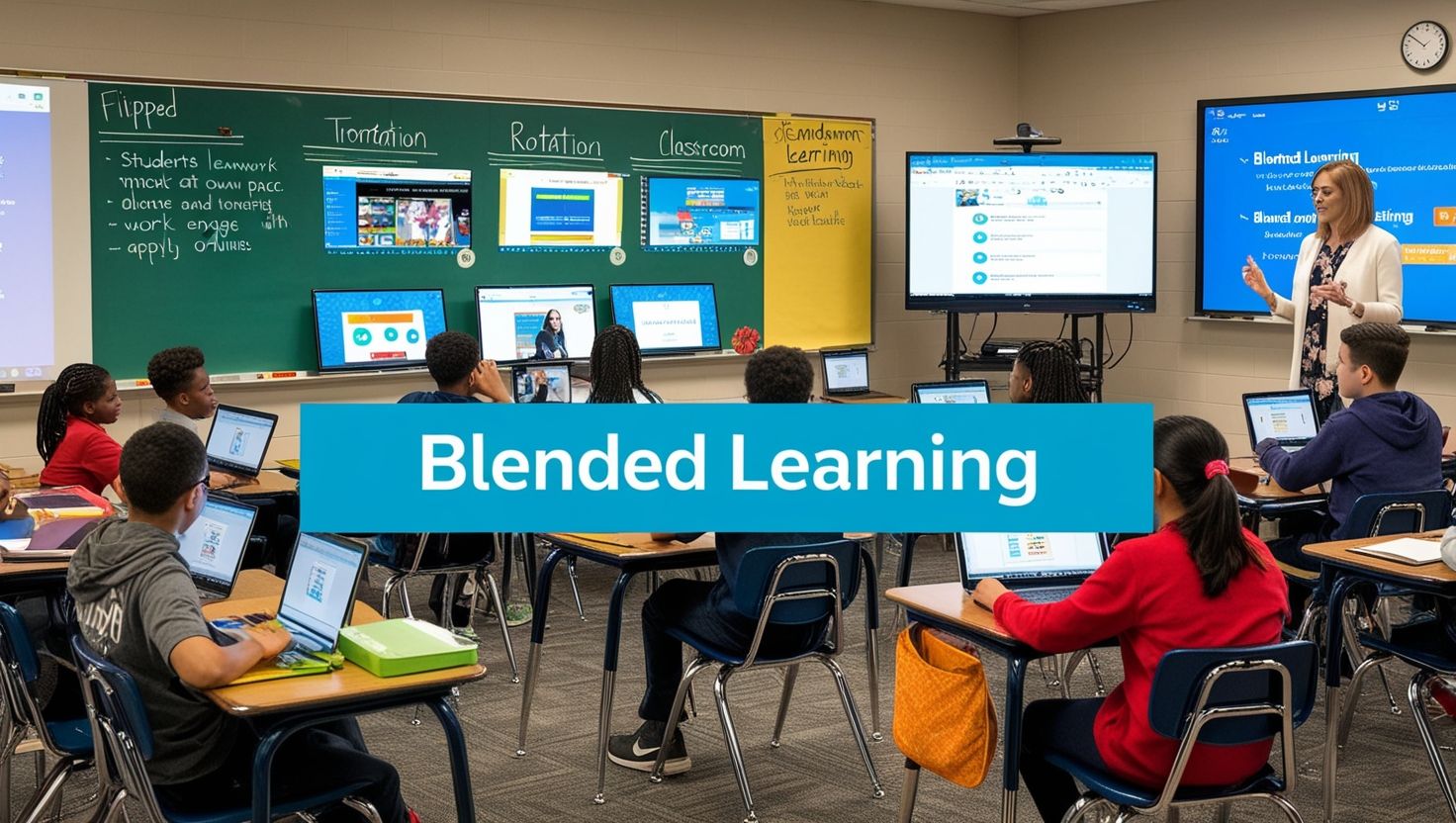
The COVID-19 pandemic significantly influenced lesson planning research by accelerating the transition toward online and blended learning. Teachers worldwide had to redesign lessons for virtual instruction using digital platforms and remote teaching tools. Research conducted during and after the pandemic indicates that online lesson planning requires additional competencies such as digital communication, multimedia design, virtual assessment, and online student engagement strategies. Teachers who effectively integrated technology into lesson planning demonstrated greater instructional resilience during school closures.
Competency-Based and Twenty-First Century Lesson Planning
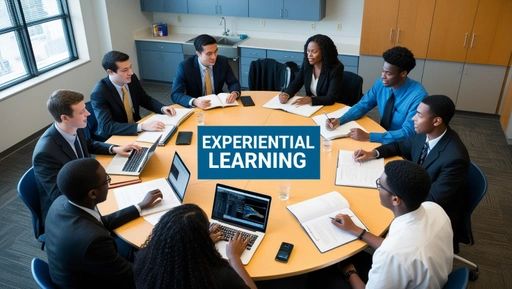
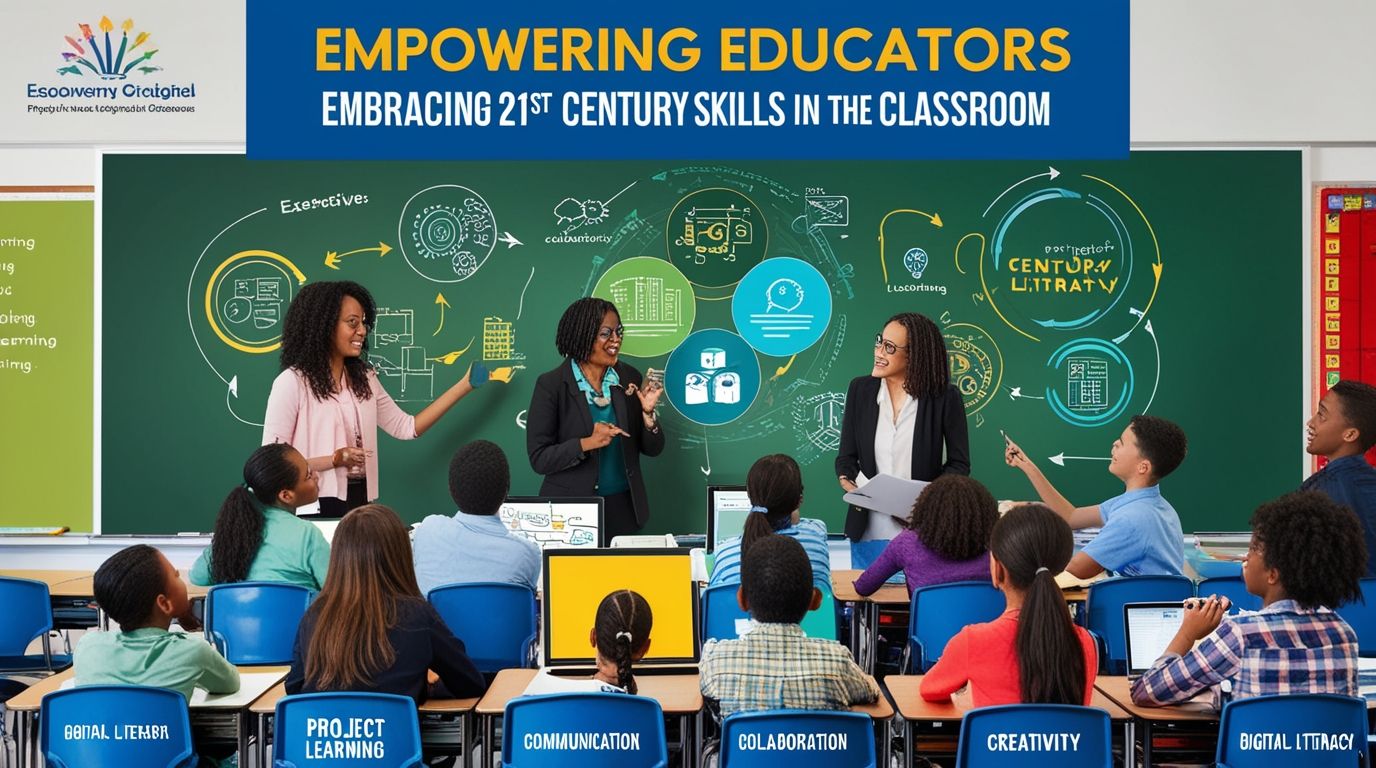
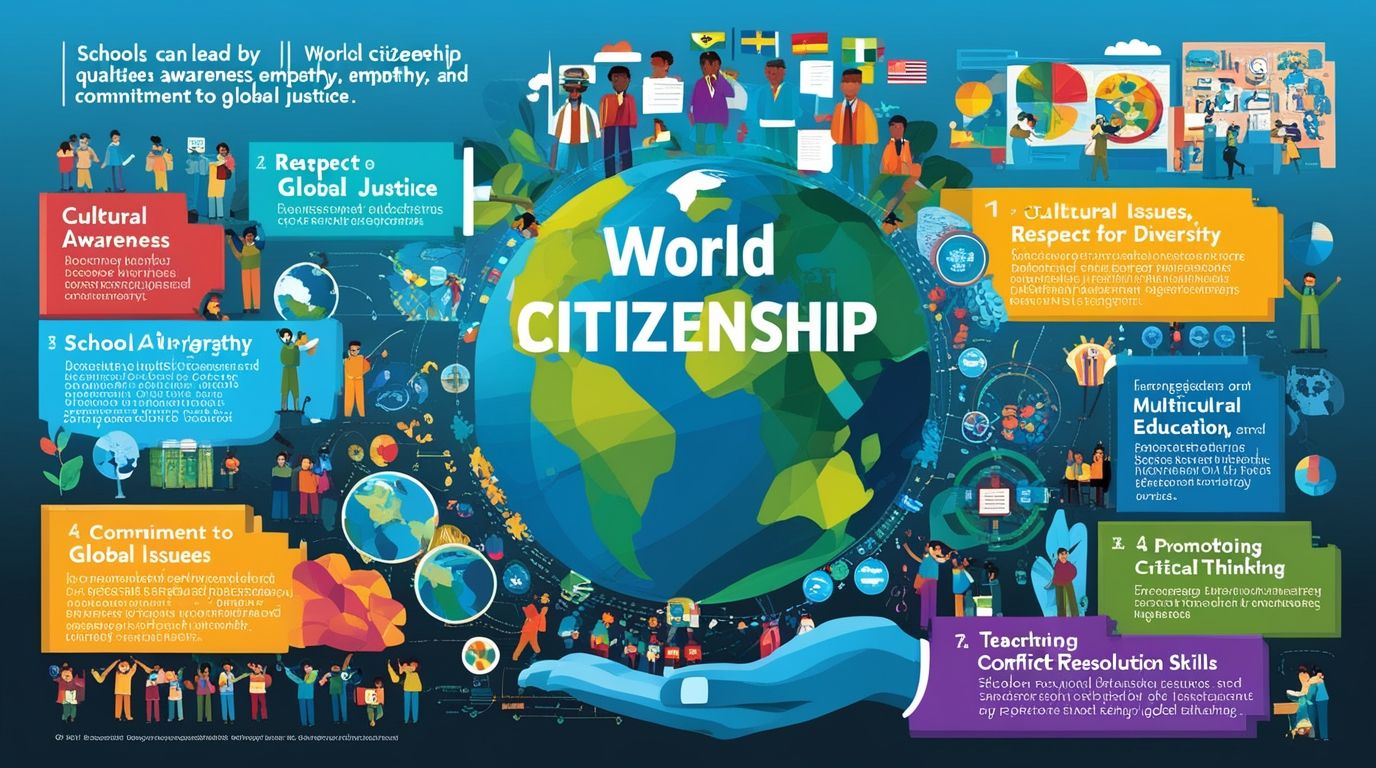
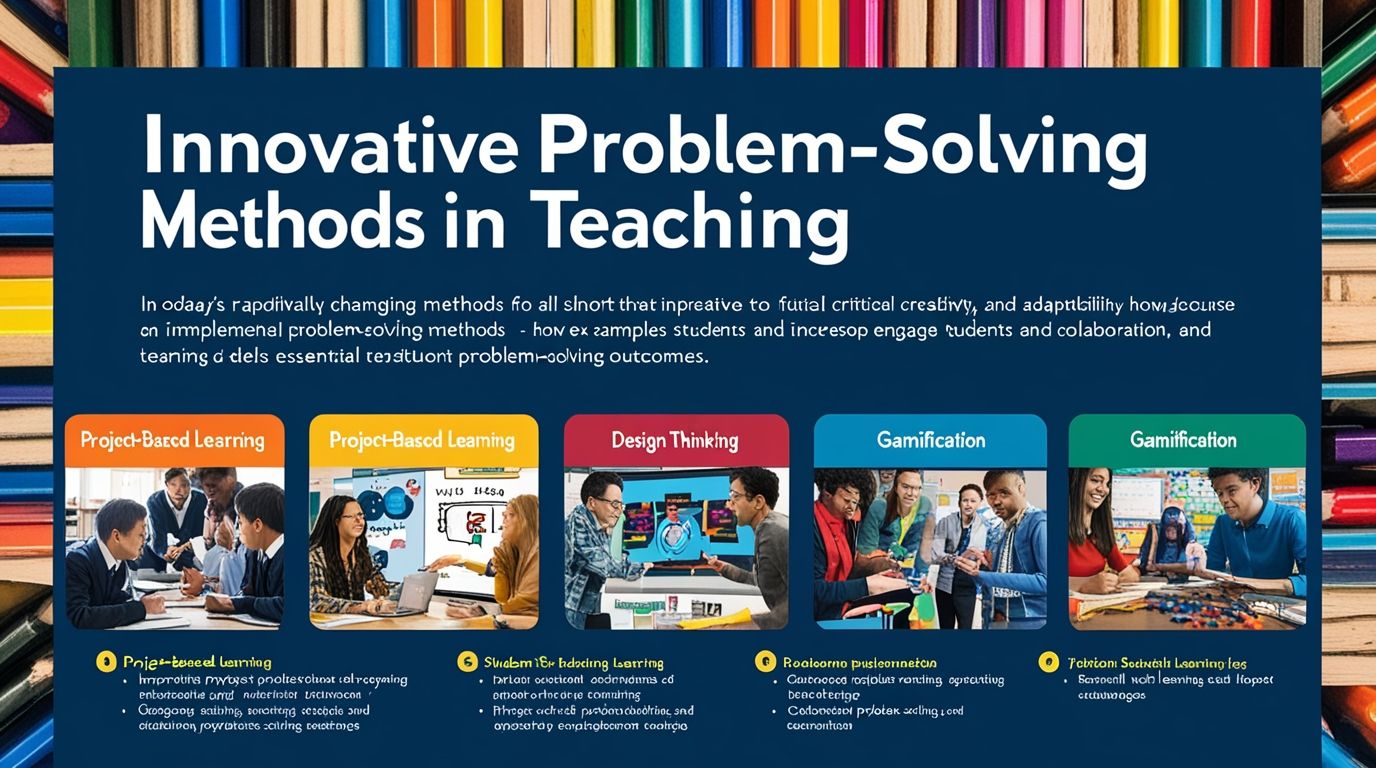
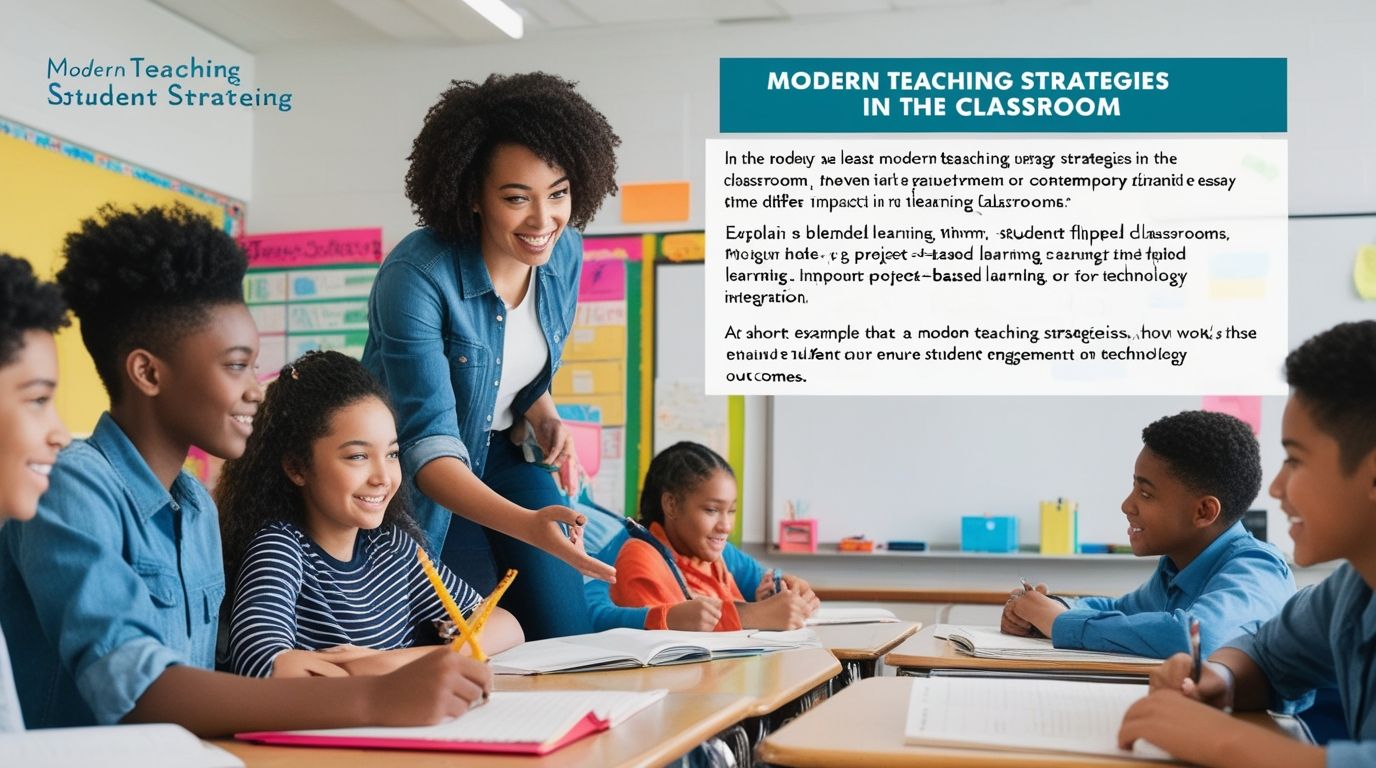
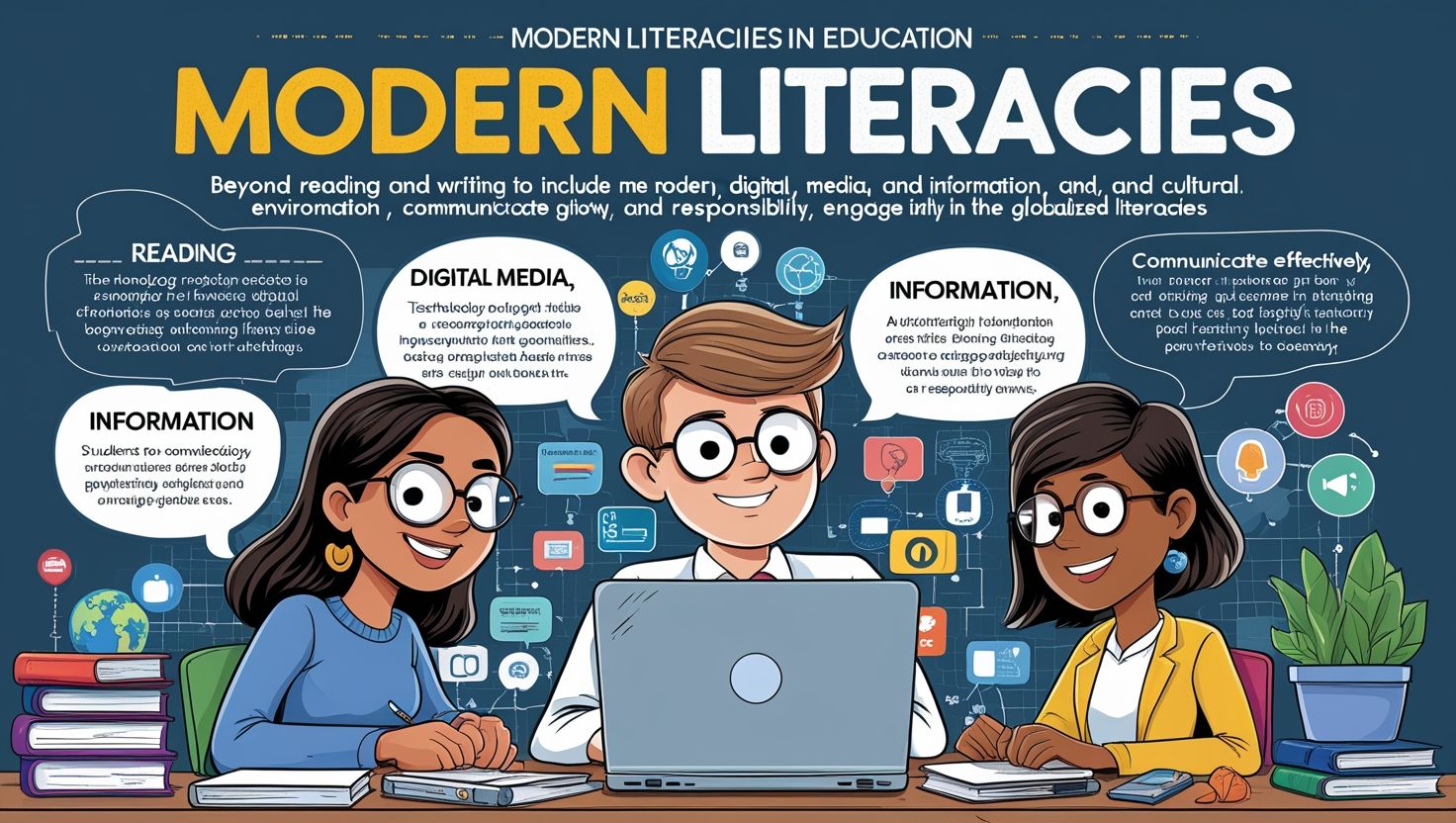
Educational researchers increasingly emphasize competency-based lesson planning aligned with twenty-first century skills. Modern lesson plans aim not only to transmit knowledge but also to develop communication, collaboration, creativity, critical thinking, and problem-solving abilities. Project-based learning, inquiry-based learning, experiential learning, and interdisciplinary instruction are commonly integrated into contemporary lesson planning frameworks.
Assessment in Lesson Planning
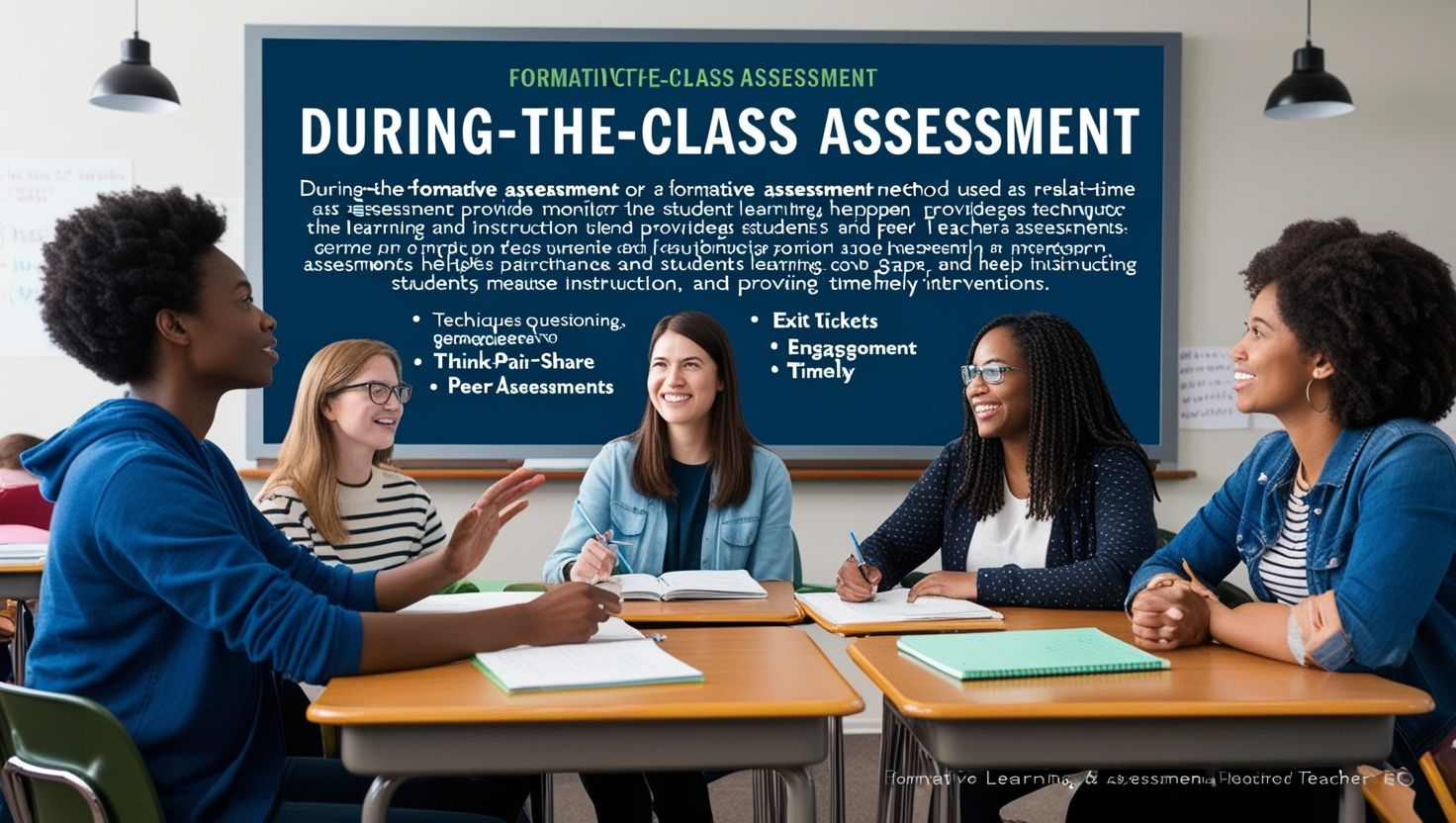
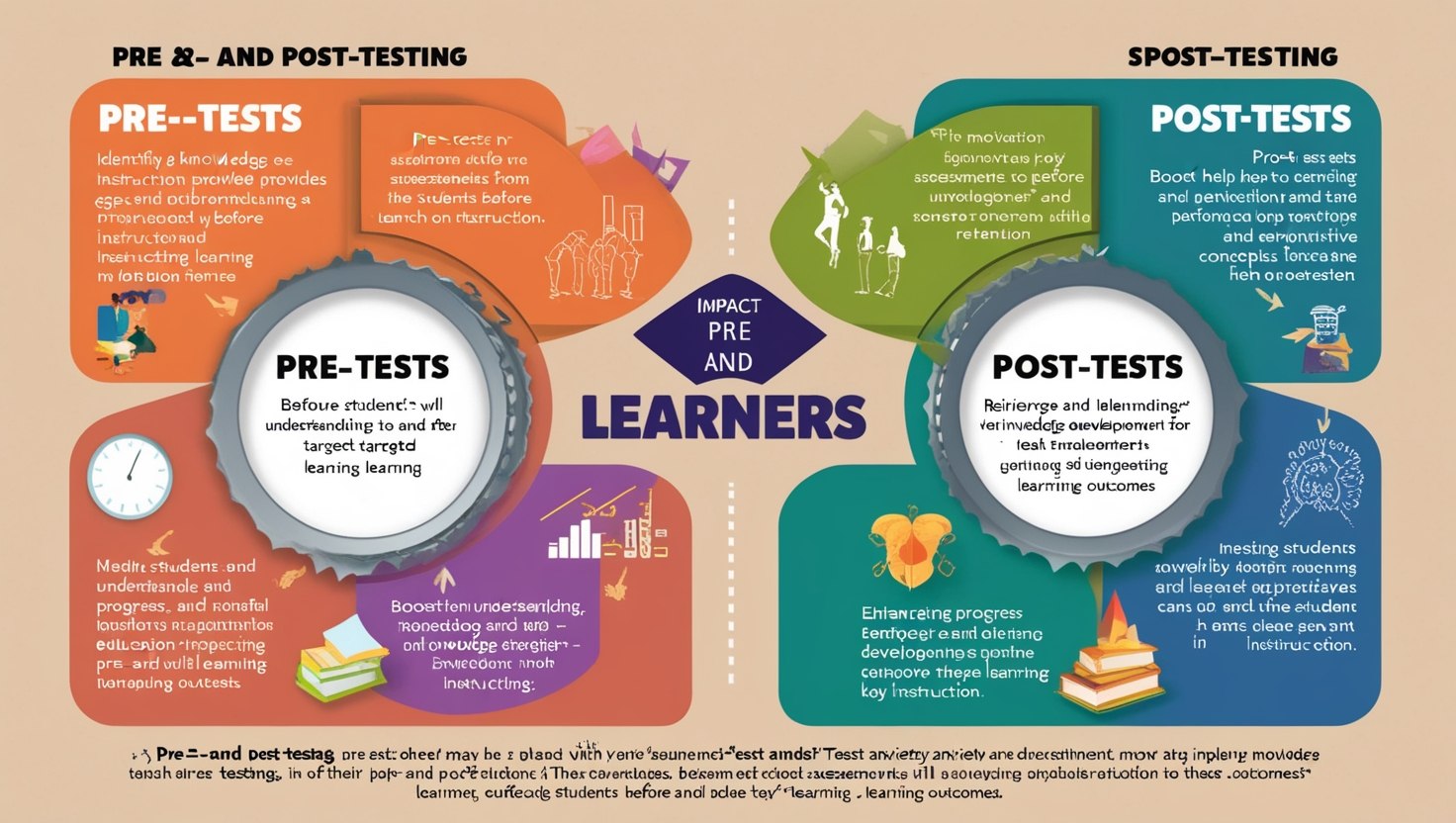
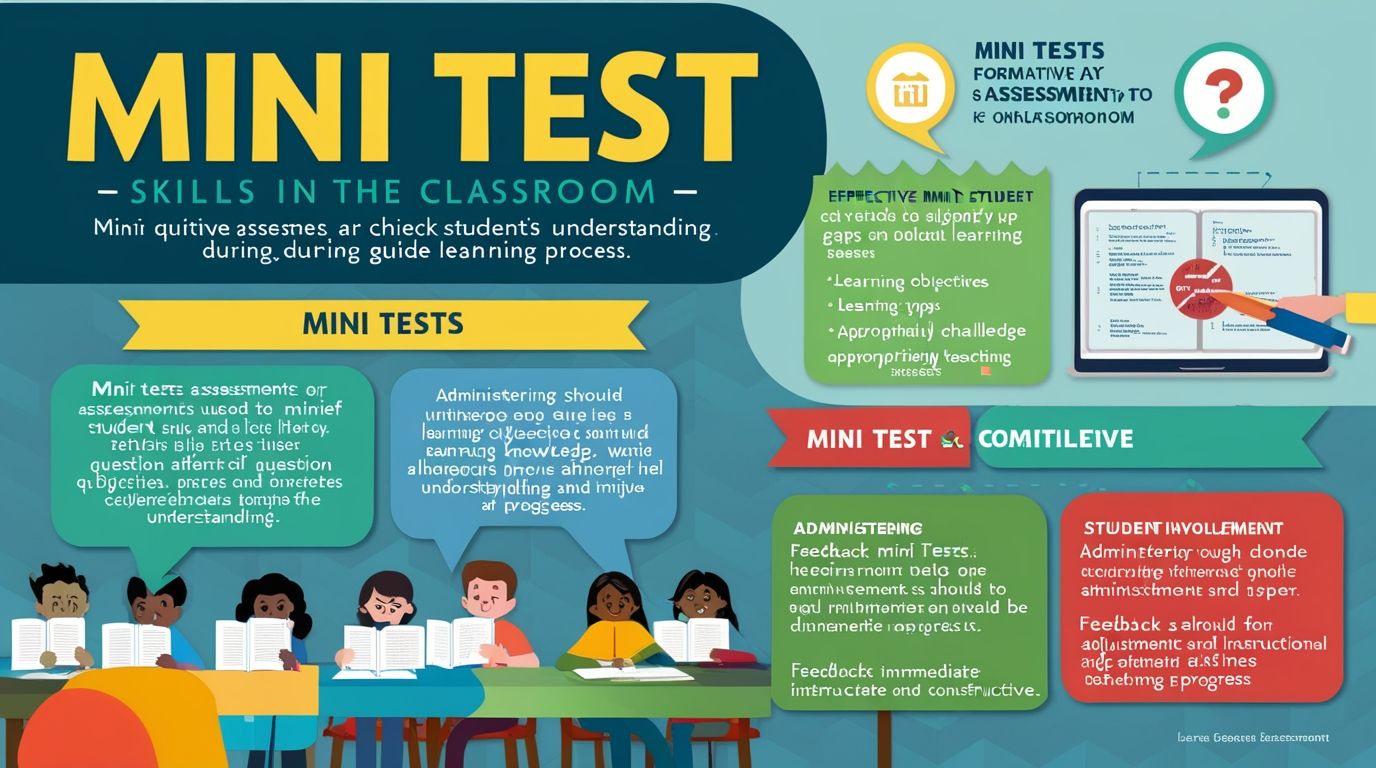
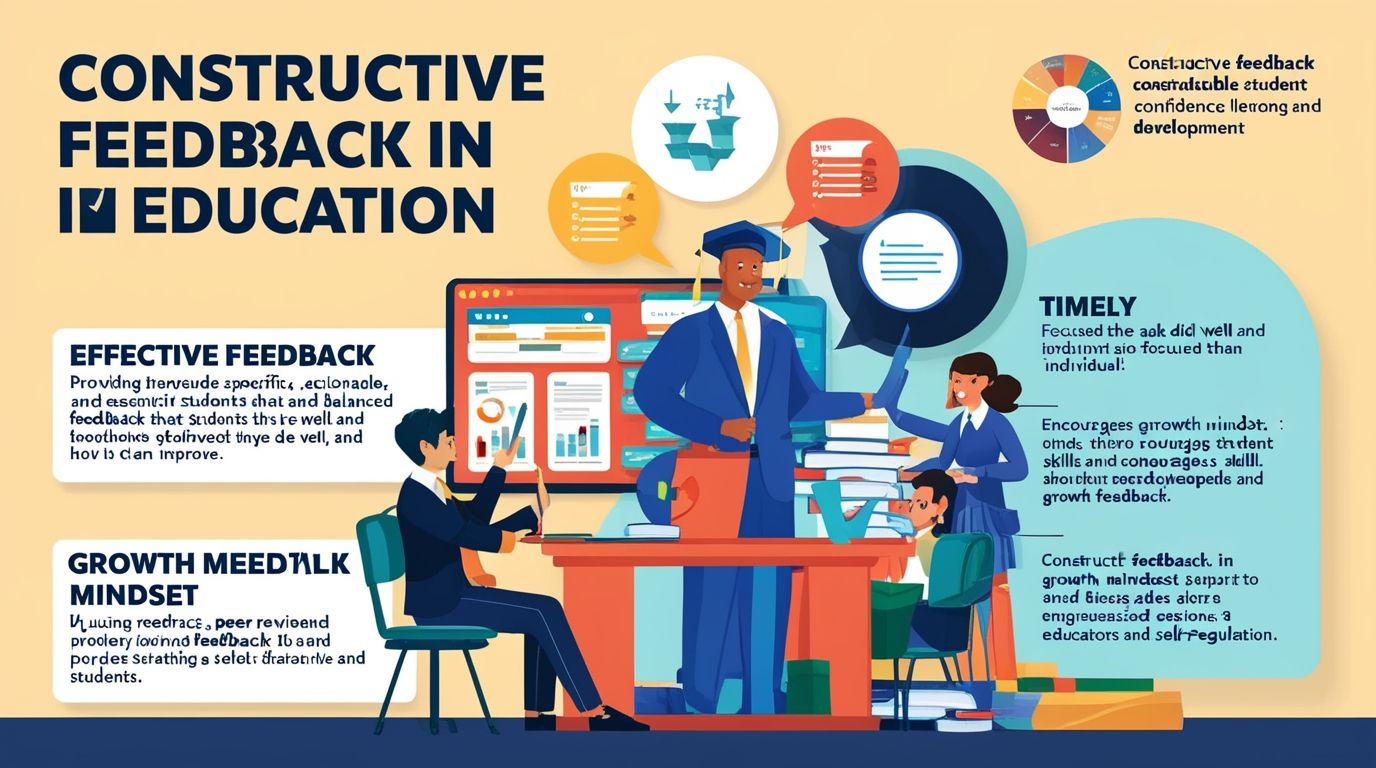
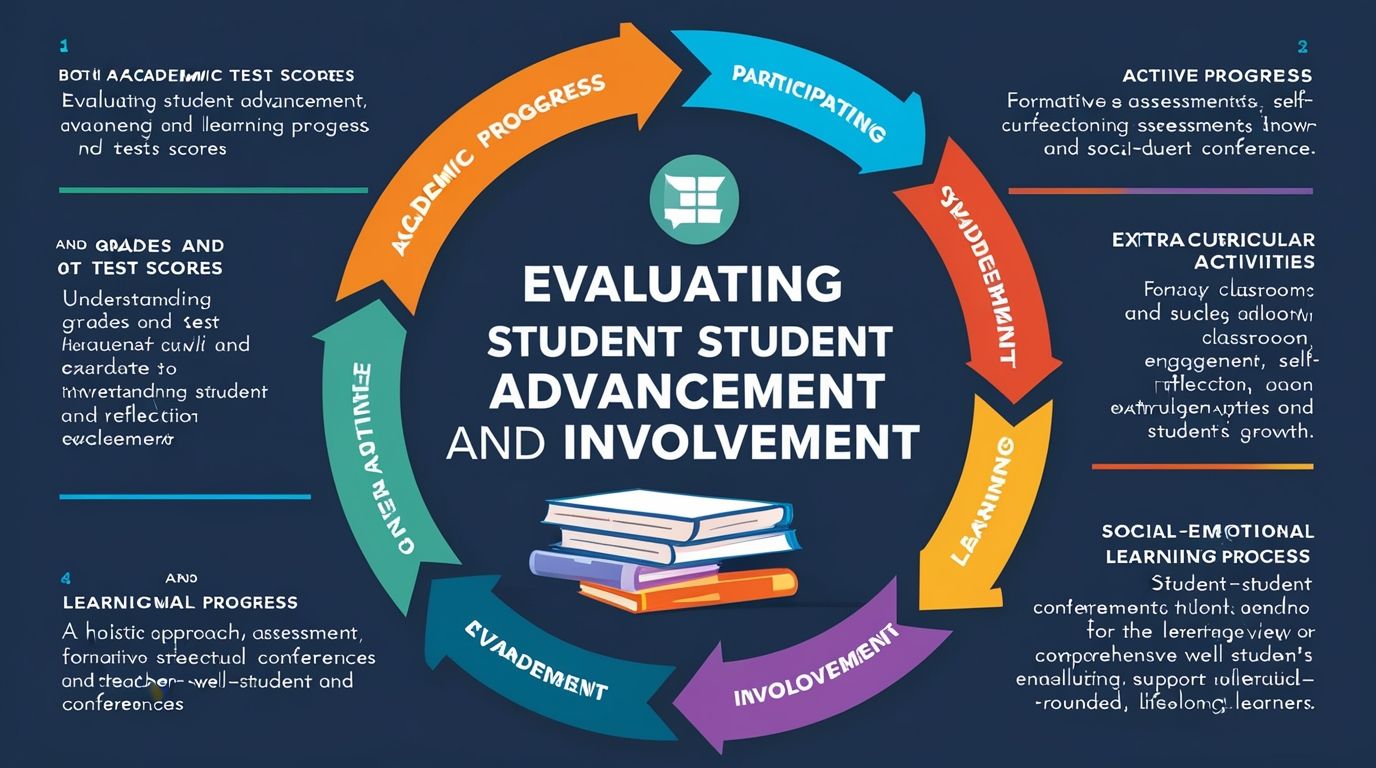
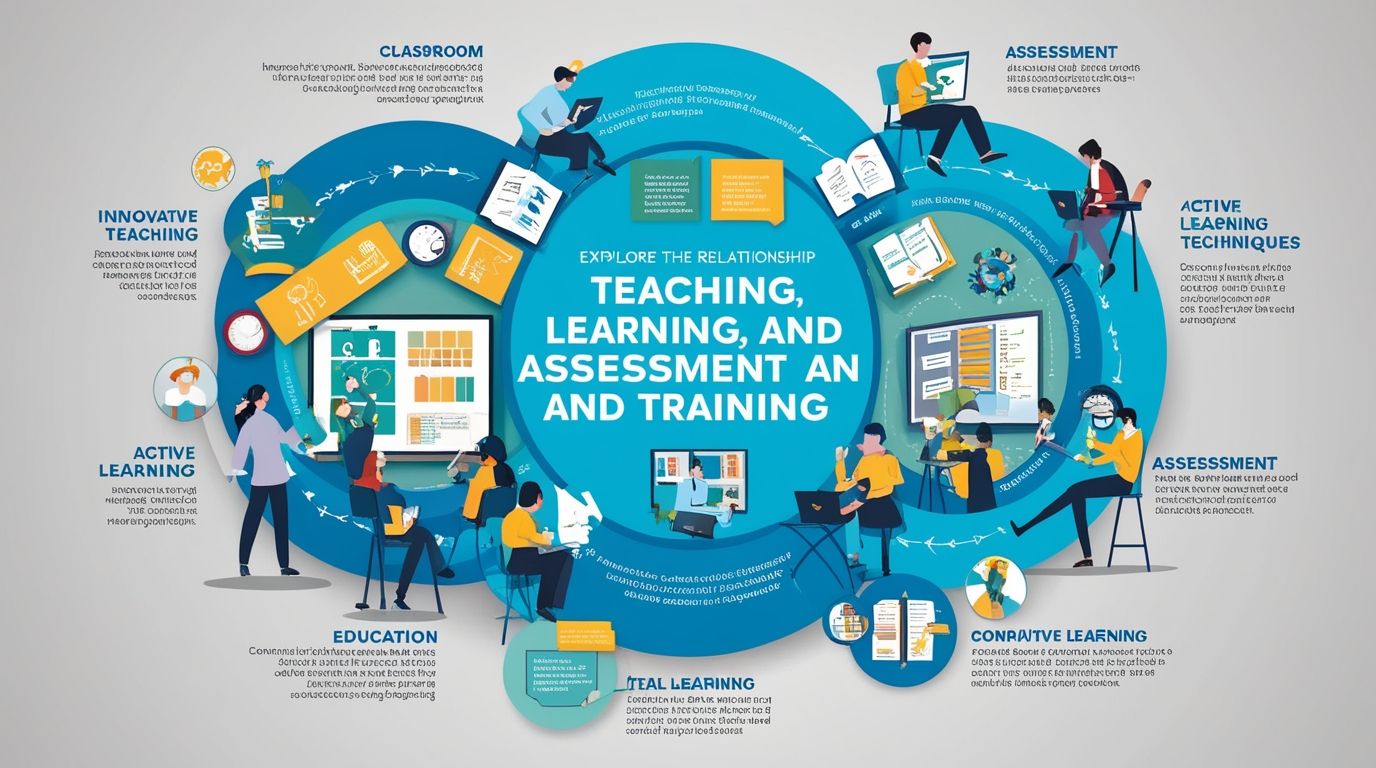
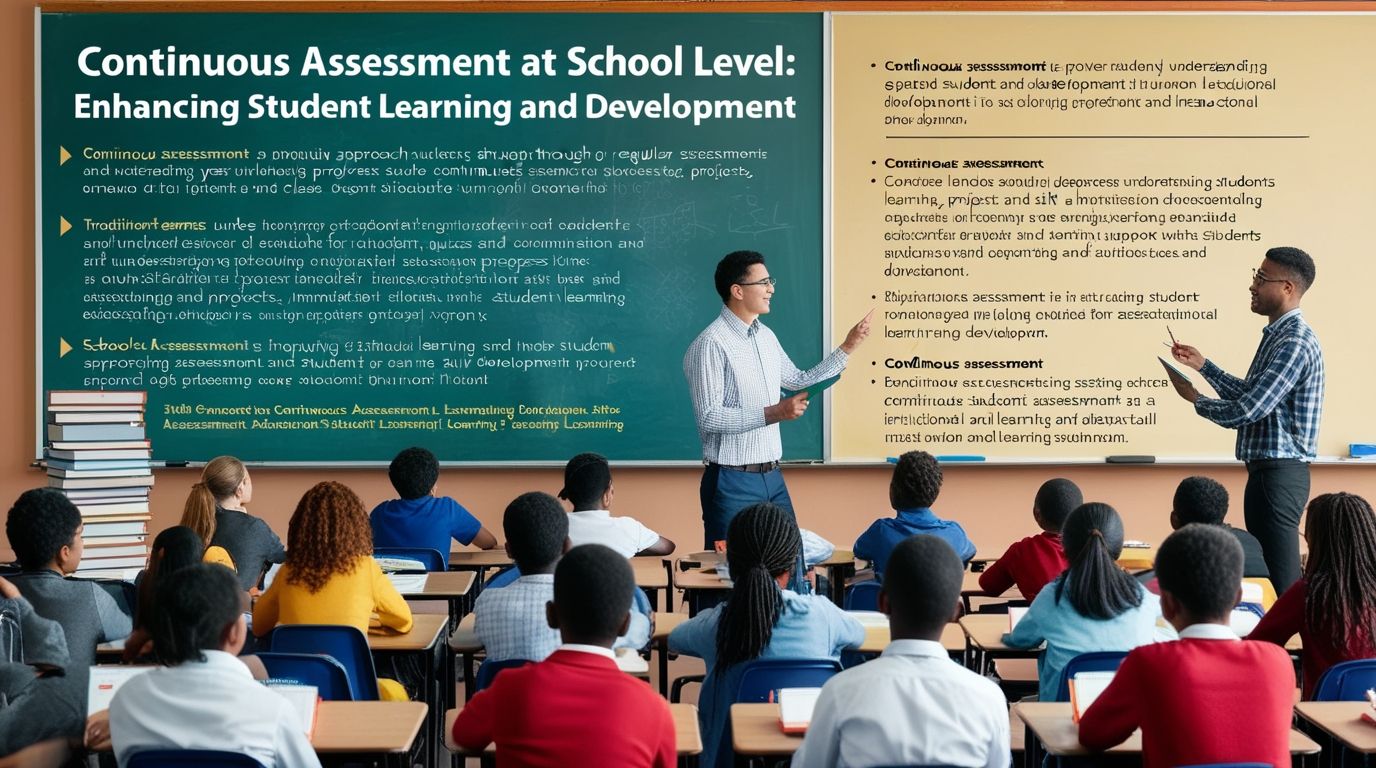
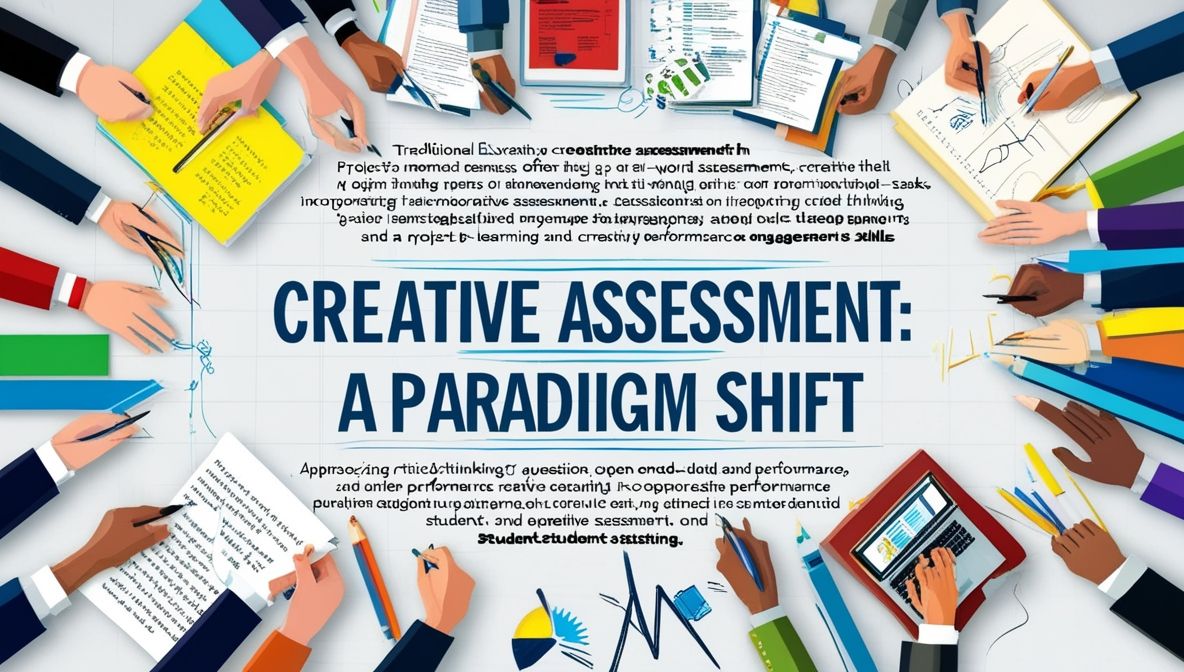
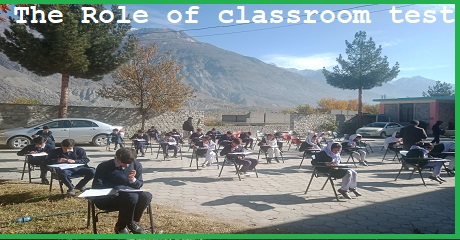
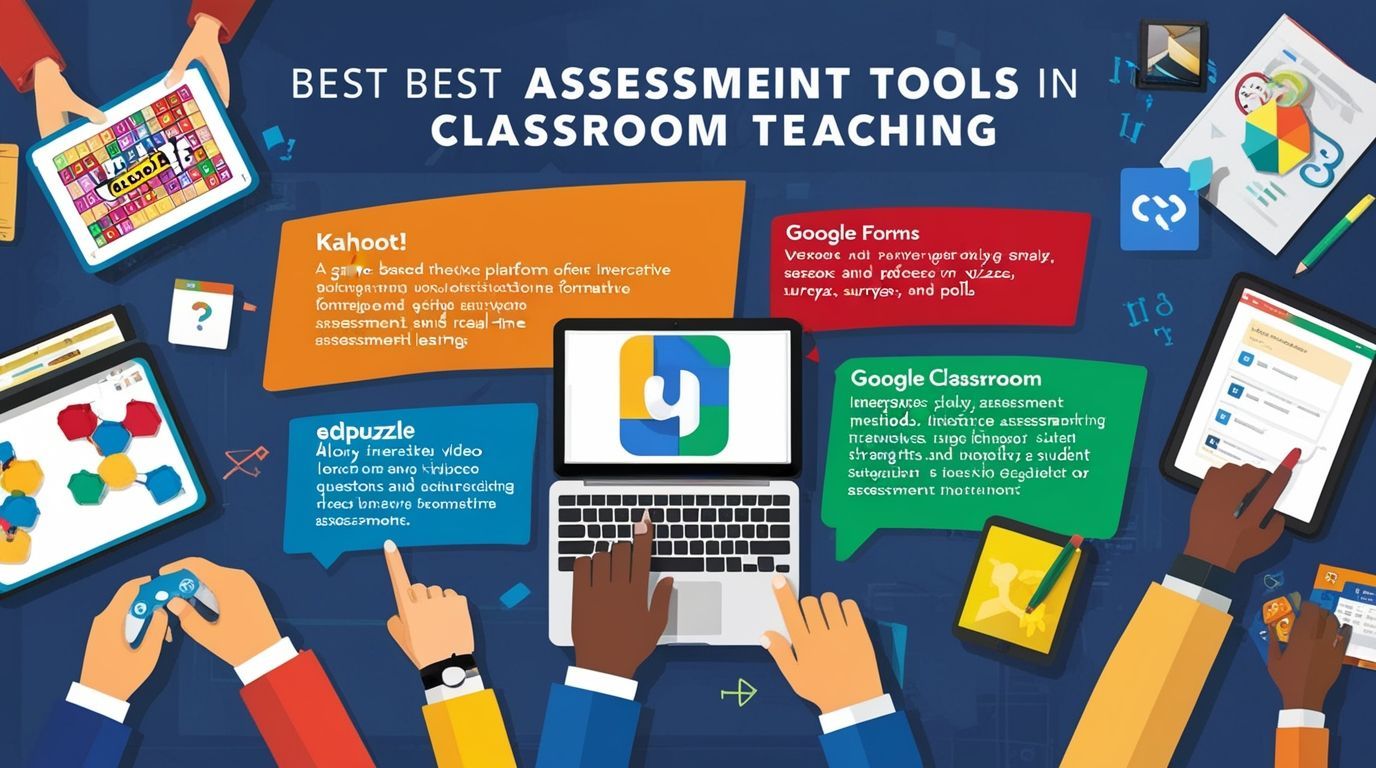
Research additionally demonstrates the importance of assessment in lesson planning. Effective teachers align assessments with learning objectives and instructional activities. Formative assessment strategies such as questioning, observation, peer feedback, exit tickets, and quizzes help teachers monitor student understanding during lessons. Summative assessments evaluate learning outcomes at the end of instruction. Researchers stress that assessment should be integrated into lesson planning rather than treated as a separate activity.
Digital and Graphical Planning Systems
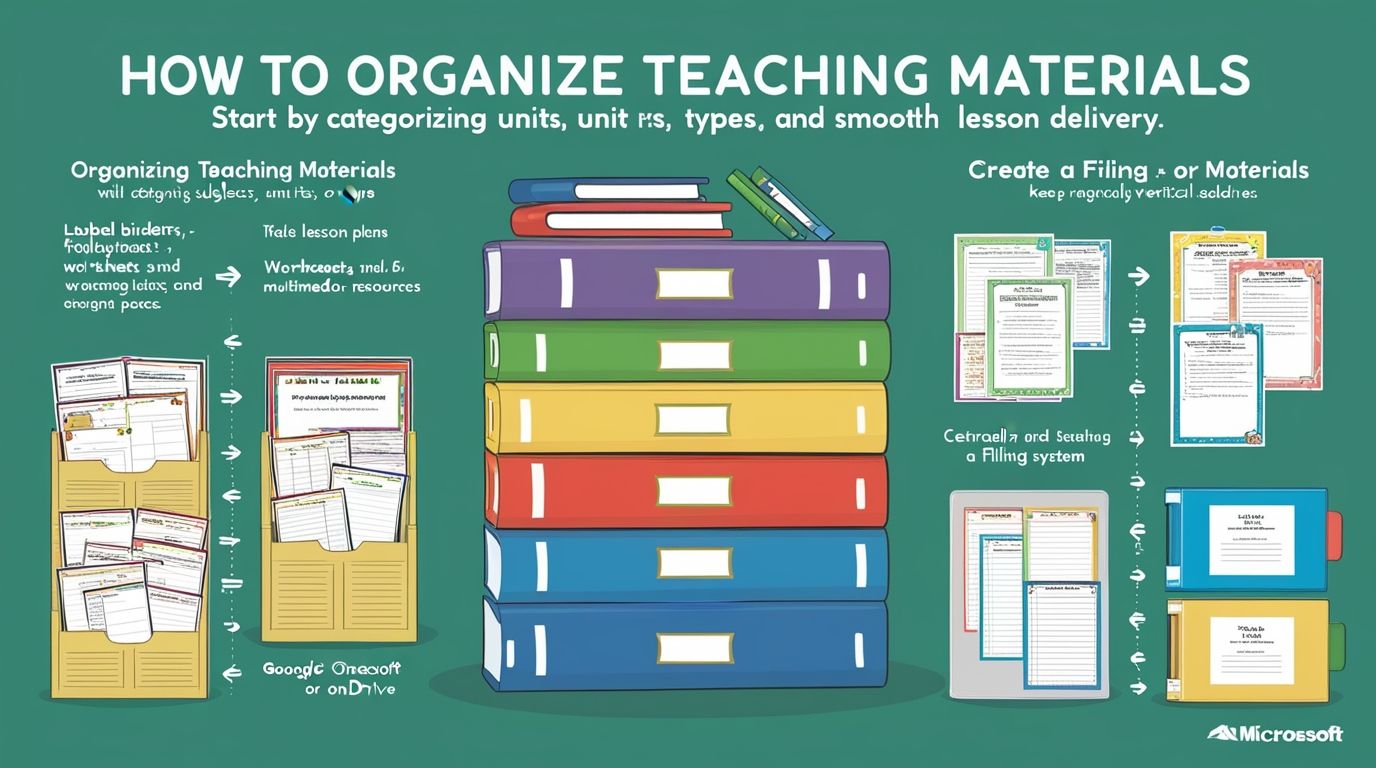
Another emerging trend in lesson planning research involves graphical and digital planning systems. Modern software tools help teachers organize lessons, integrate multimedia resources, collaborate with colleagues, and analyze instructional sequences. Research on graphical lesson planning systems suggests that visual representations of instructional design improve teacher understanding and support reflective practice. (mdpi.com)
Psychological Benefits of Lesson Planning
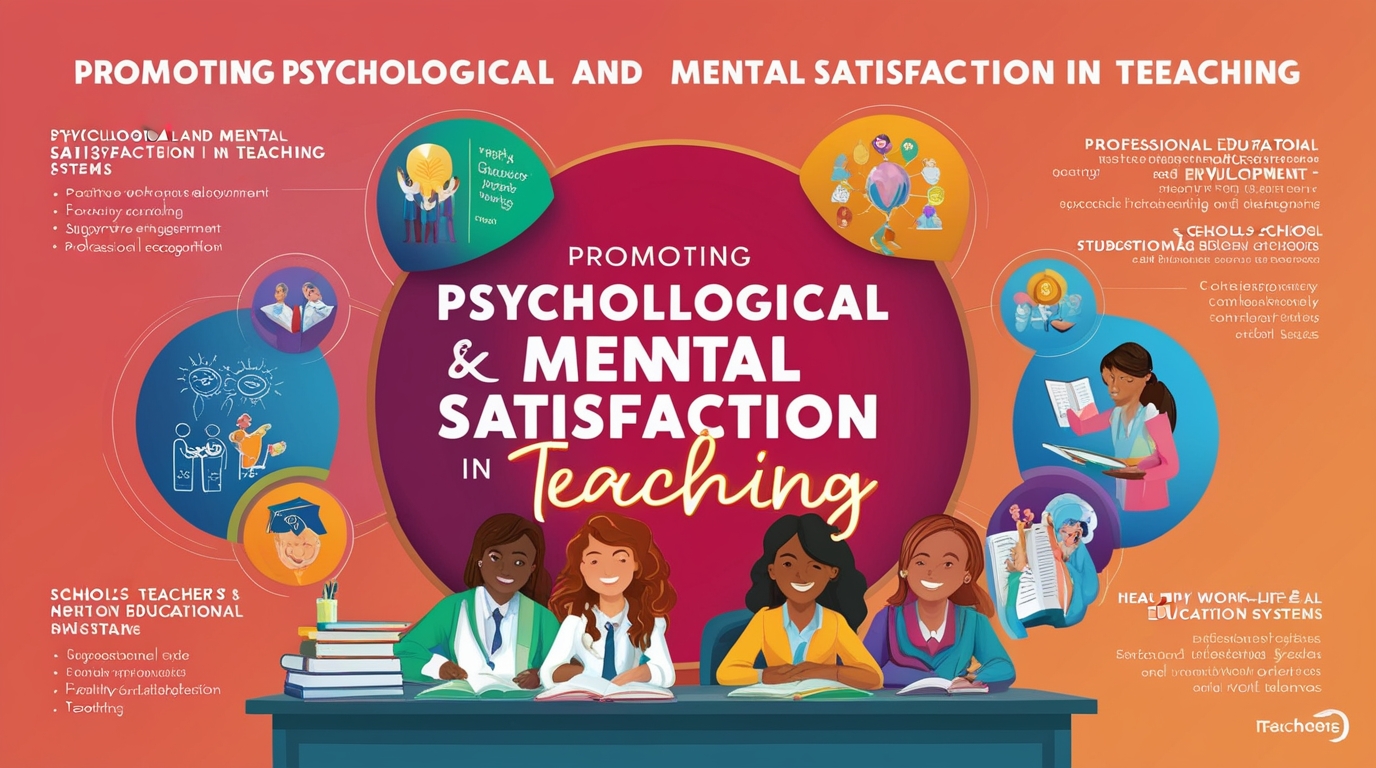
Researchers also investigate the psychological and motivational dimensions of lesson planning. Effective planning contributes to teacher self-efficacy, professional satisfaction, and reduced stress. Teachers who feel adequately prepared are generally more confident and capable of managing classroom challenges. Conversely, inadequate planning often leads to anxiety, instructional confusion, and reduced student engagement.
Theoretical Perspectives on Lesson Planning
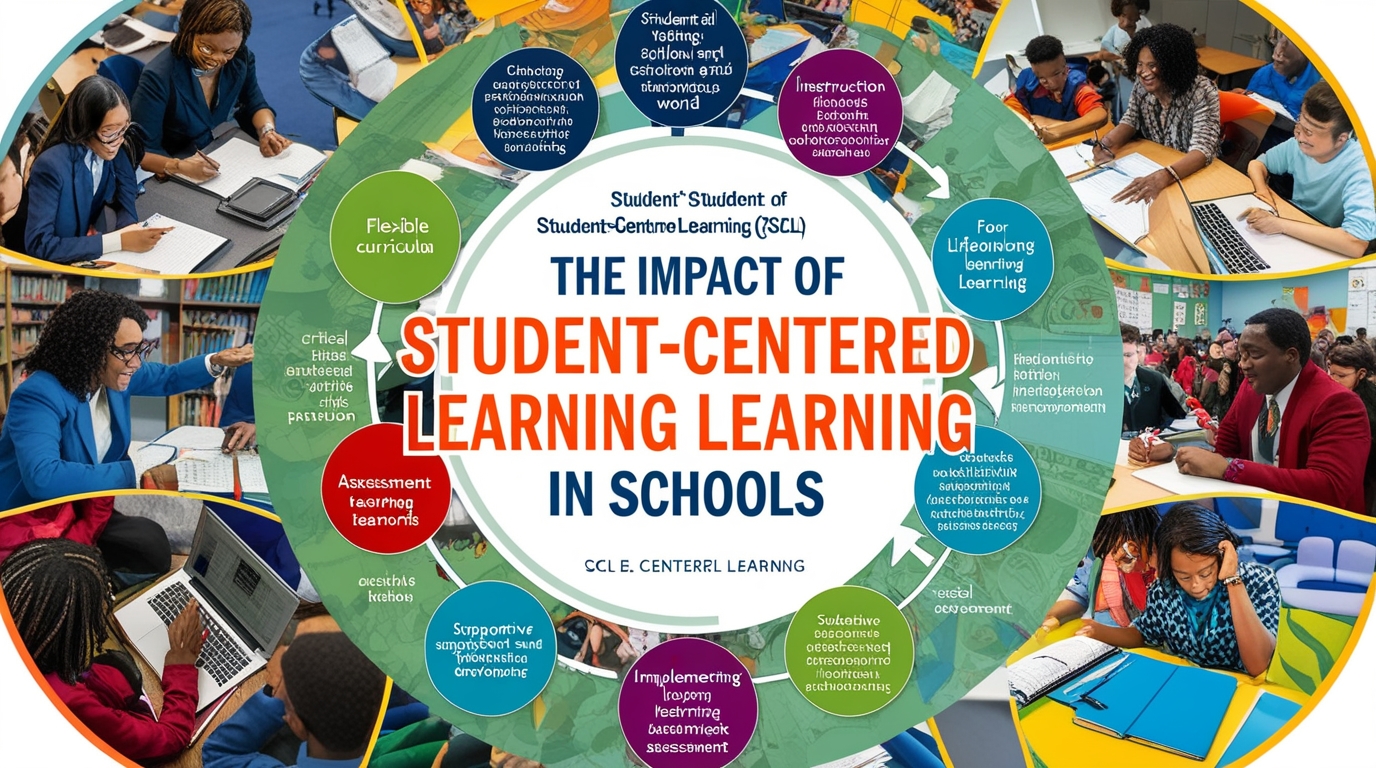
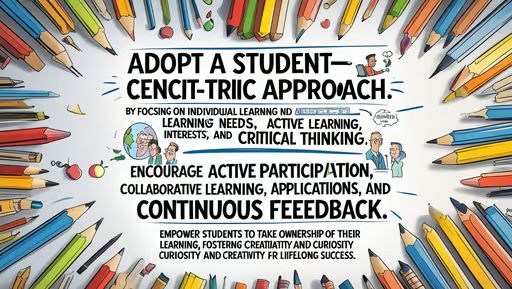
Theoretical perspectives on lesson planning continue to evolve. Constructivist theories encourage student-centered planning where learners actively construct knowledge through exploration and interaction. Sociocultural theories emphasize collaborative learning and social interaction. Cognitive theories focus on mental processes involved in learning and instructional sequencing. These theoretical foundations influence how teachers design learning experiences and structure classroom activities.
Future Directions in Lesson Planning Research
Despite extensive research, lesson planning remains an evolving field requiring further investigation. Researchers call for more empirical studies on how teachers learn planning skills, how lesson planning affects long-term student outcomes, and how technology and AI can best support instructional design. There is also a growing need for research in developing countries where educational resources, teacher preparation systems, and classroom conditions differ significantly from developed contexts.
Conclusion
In conclusion, research on lesson plans demonstrates that lesson planning is a critical element of effective teaching and professional practice. It supports instructional organization, student engagement, classroom management, assessment alignment, and reflective teaching. Modern lesson planning has moved beyond rigid formats toward flexible, learner-centered, technology-supported, and competency-based approaches. Research further confirms that effective lesson planning enhances both teacher performance and student achievement. As education continues to evolve in response to technological advancement, globalization, and changing learner needs, lesson planning research will remain central to improving teaching quality and educational outcomes worldwide. (journals.sagepub.com)