Introduction
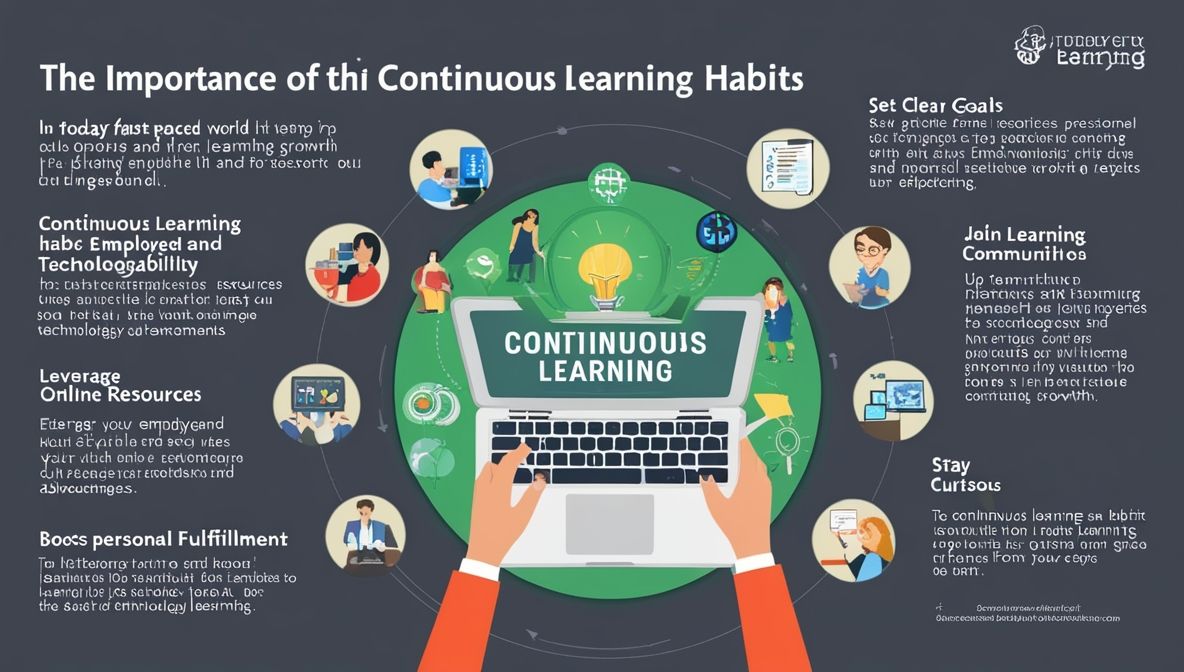
“CPLIC” in Education, Continuous Professional Learning Improvement Catalyst in Education, is widely recognized as an essential catalyst for educational improvement because it strengthens teacher expertise, develops instructional confidence, and promotes sustainable institutional growth. Modern educational environments are constantly evolving due to technological advancements, curriculum reforms, and changing student expectations. Teachers who consistently engage in professional learning become more capable of responding effectively to these developments while maintaining high educational standards.
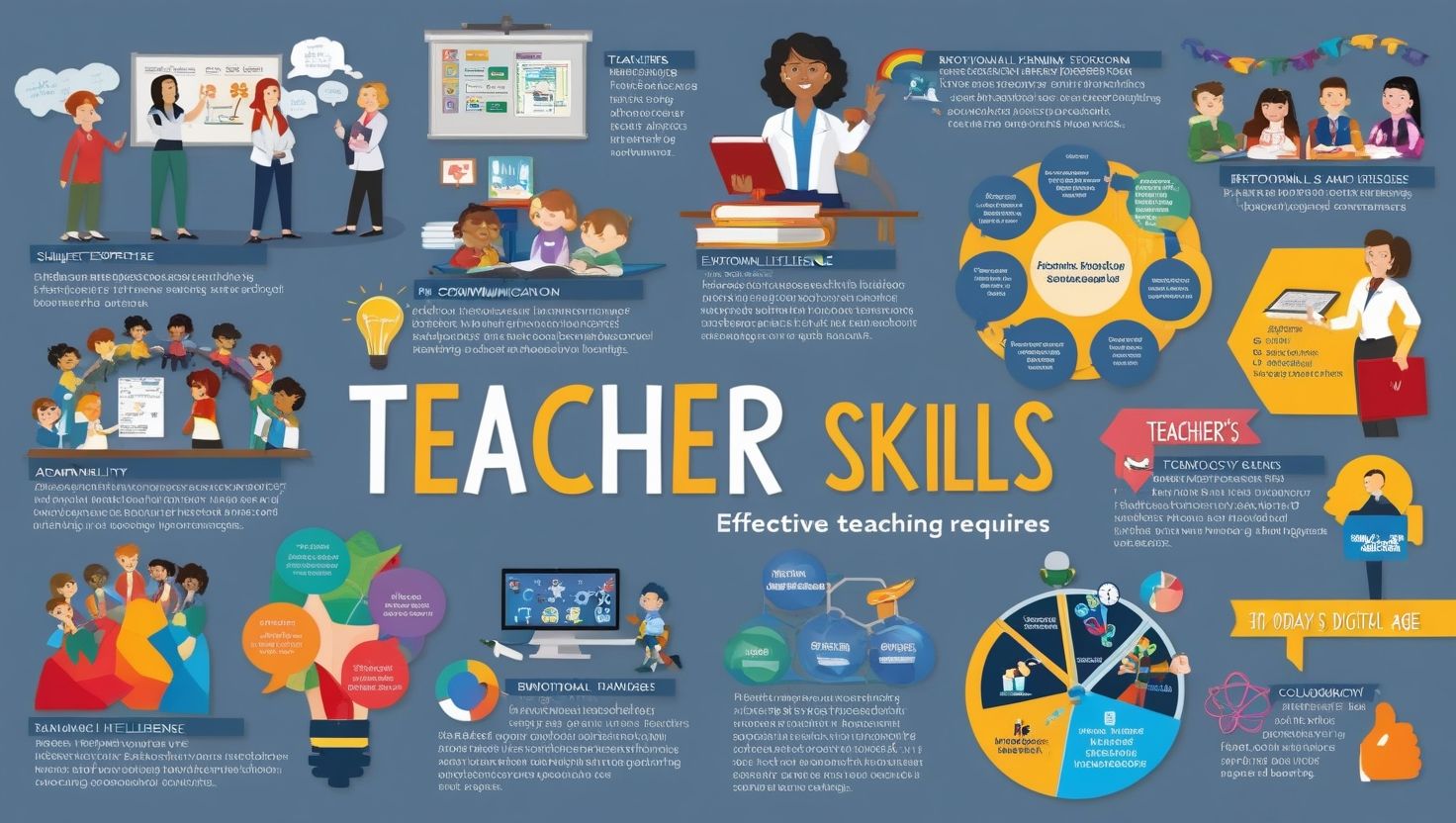
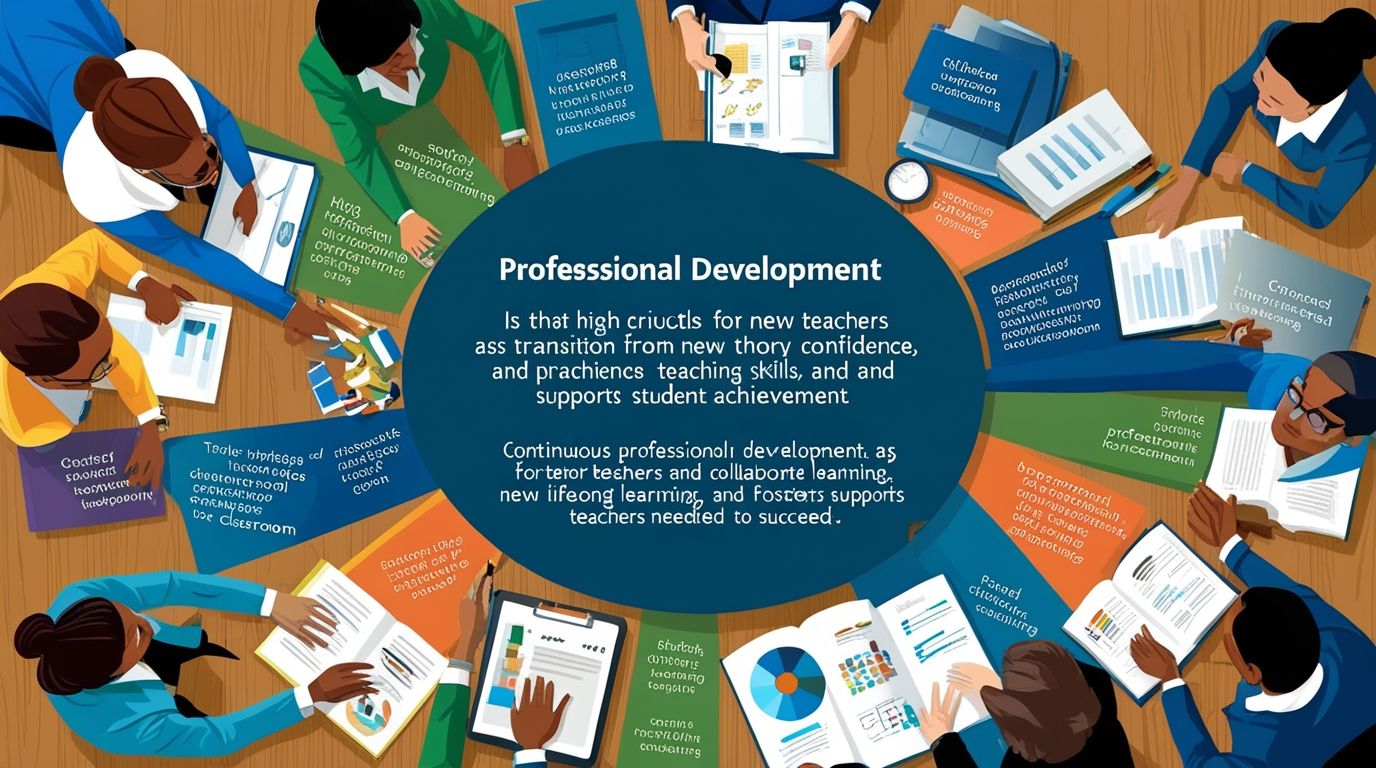
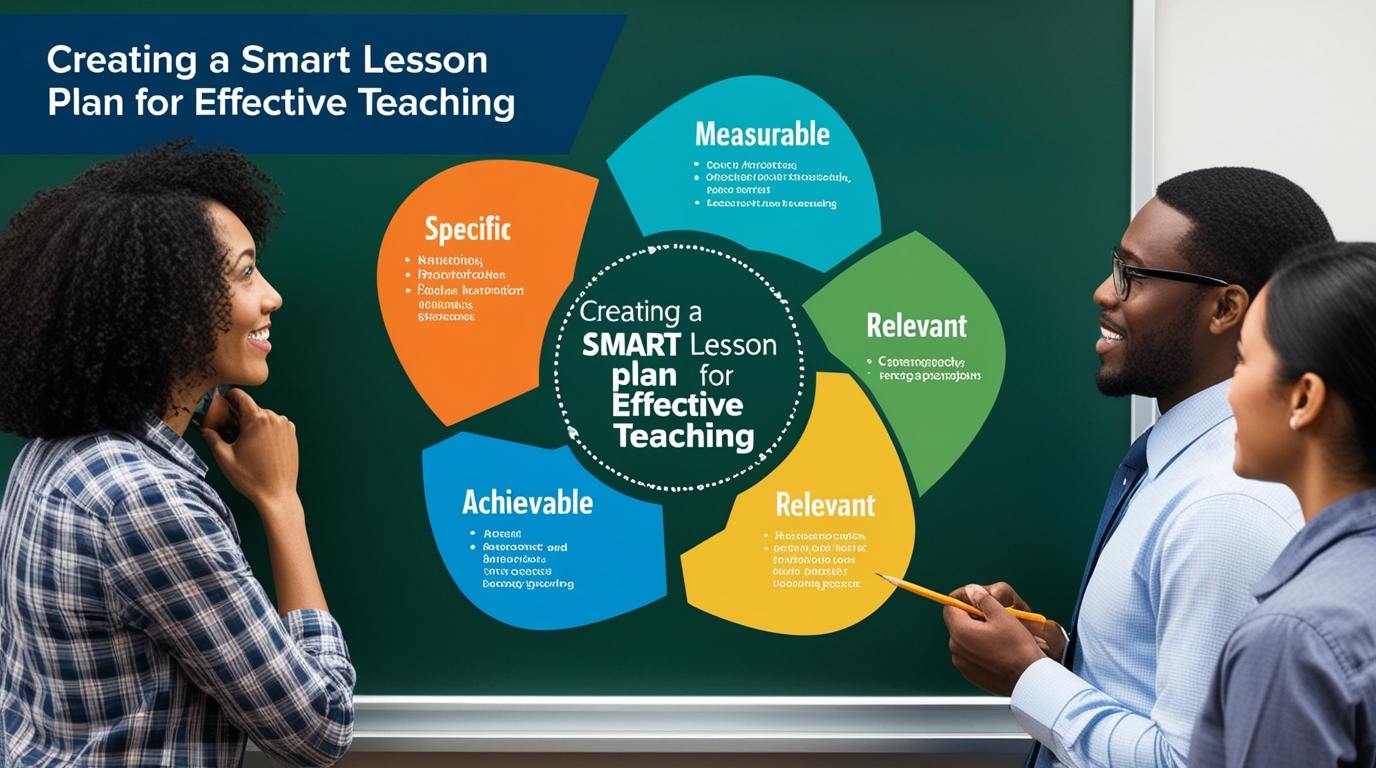
Professional learning activities such as workshops, collaborative discussions, mentoring programs, and classroom research encourage educators to reflect critically on their teaching practices and identify practical strategies for improvement. Schools that establish a strong culture of learning among staff members often experience greater collaboration, stronger student achievement, and healthier organizational relationships. Furthermore, continuous learning encourages educators to remain innovative, adaptive, and motivated throughout their careers. This commitment to professional growth ultimately improves educational quality and supports long term academic success for diverse learners.
Reflective Teaching and Professional Growth
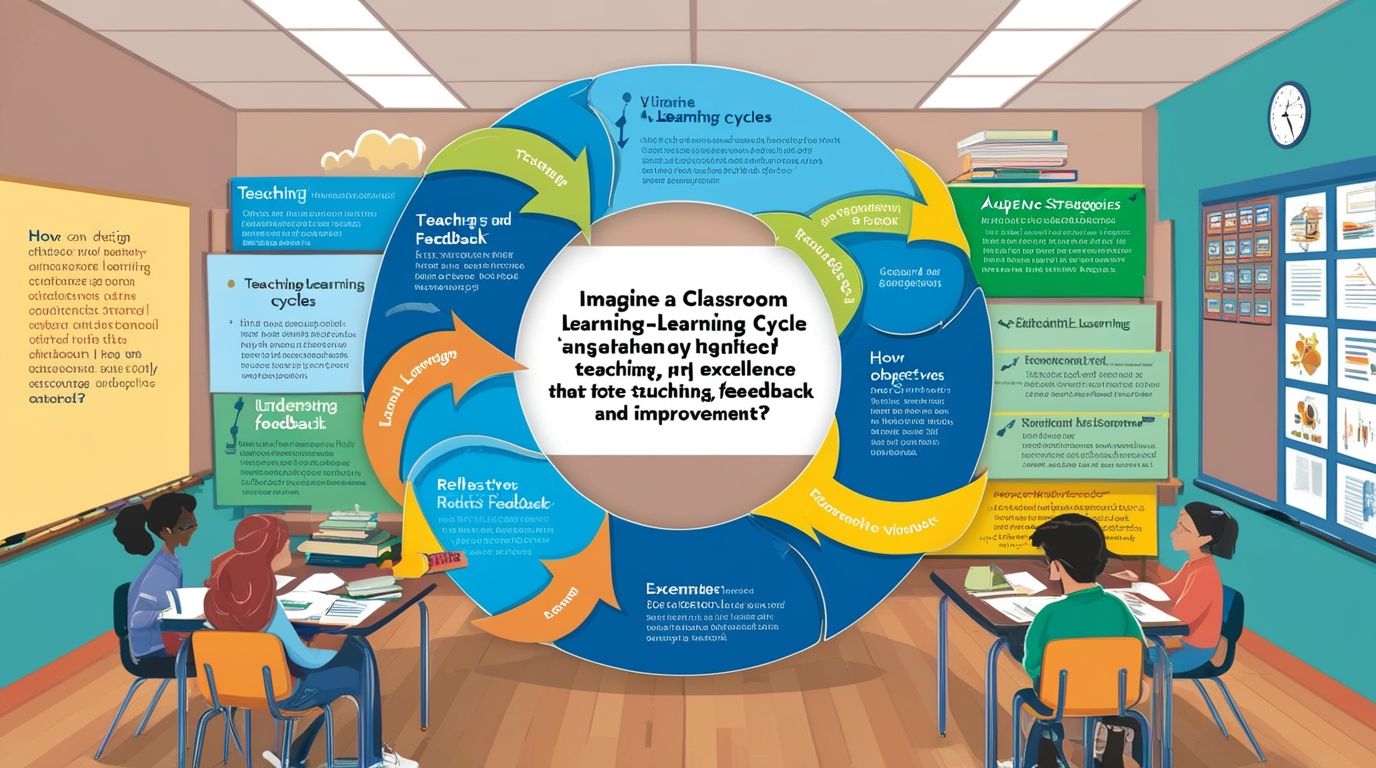
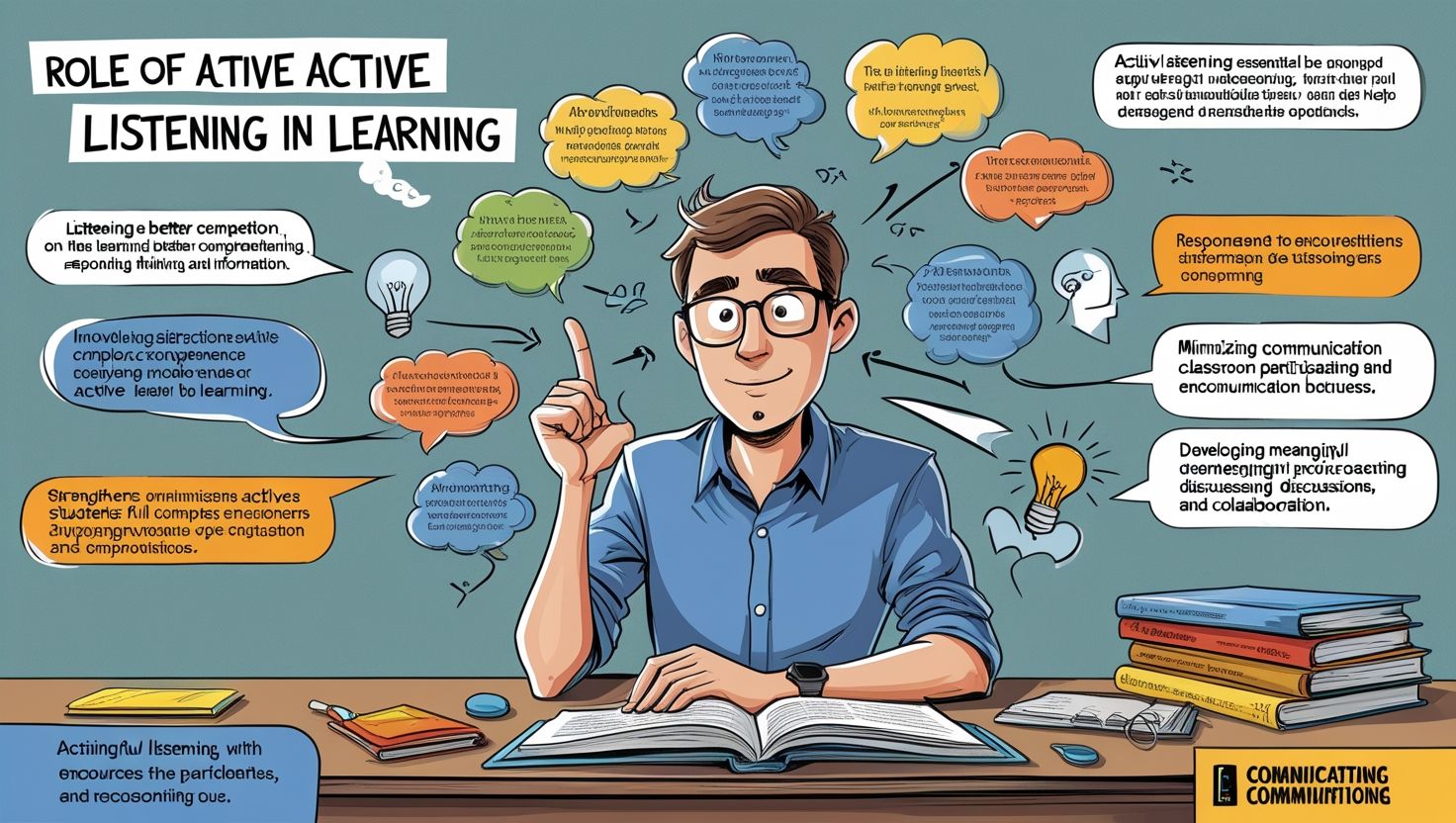
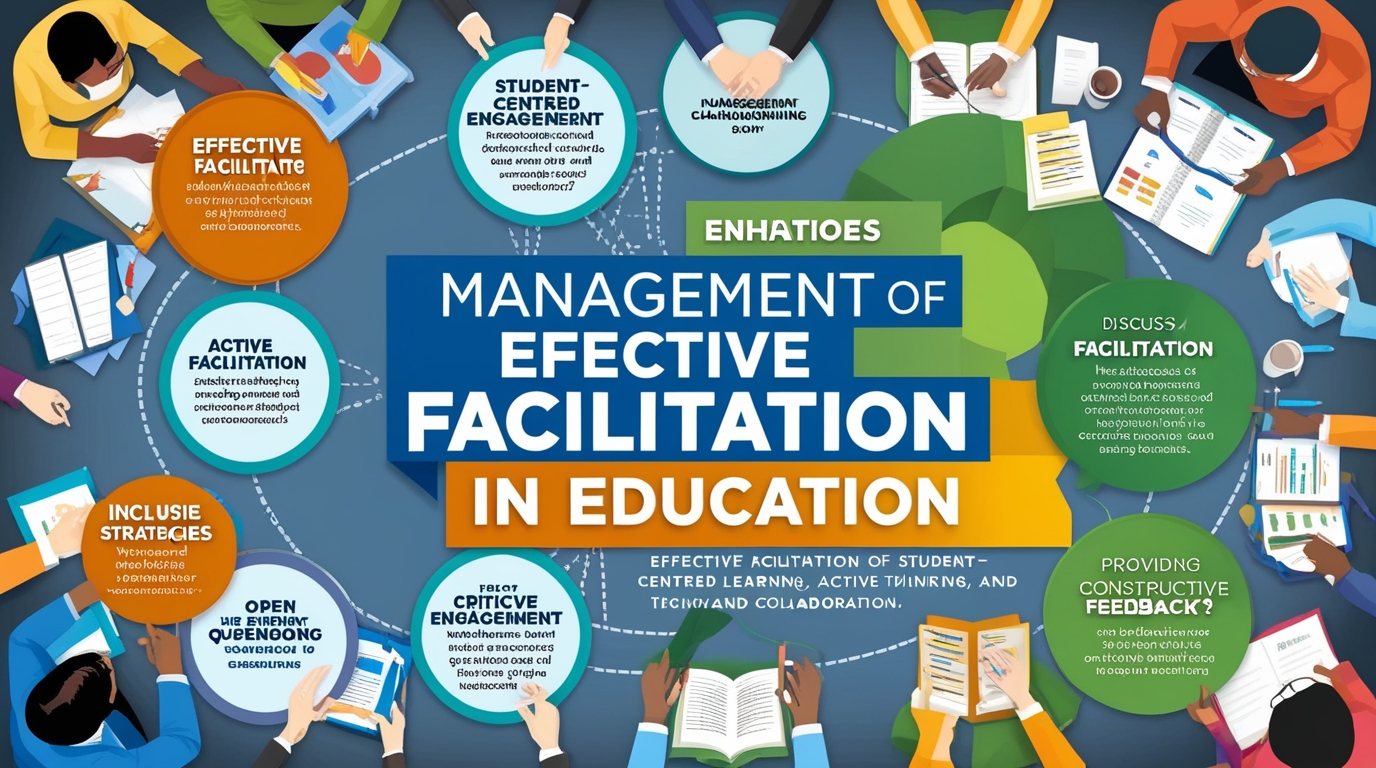
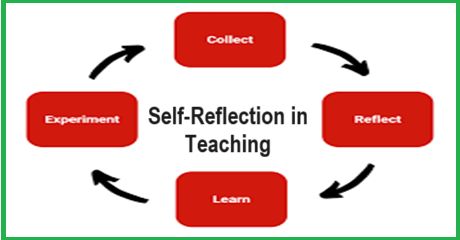
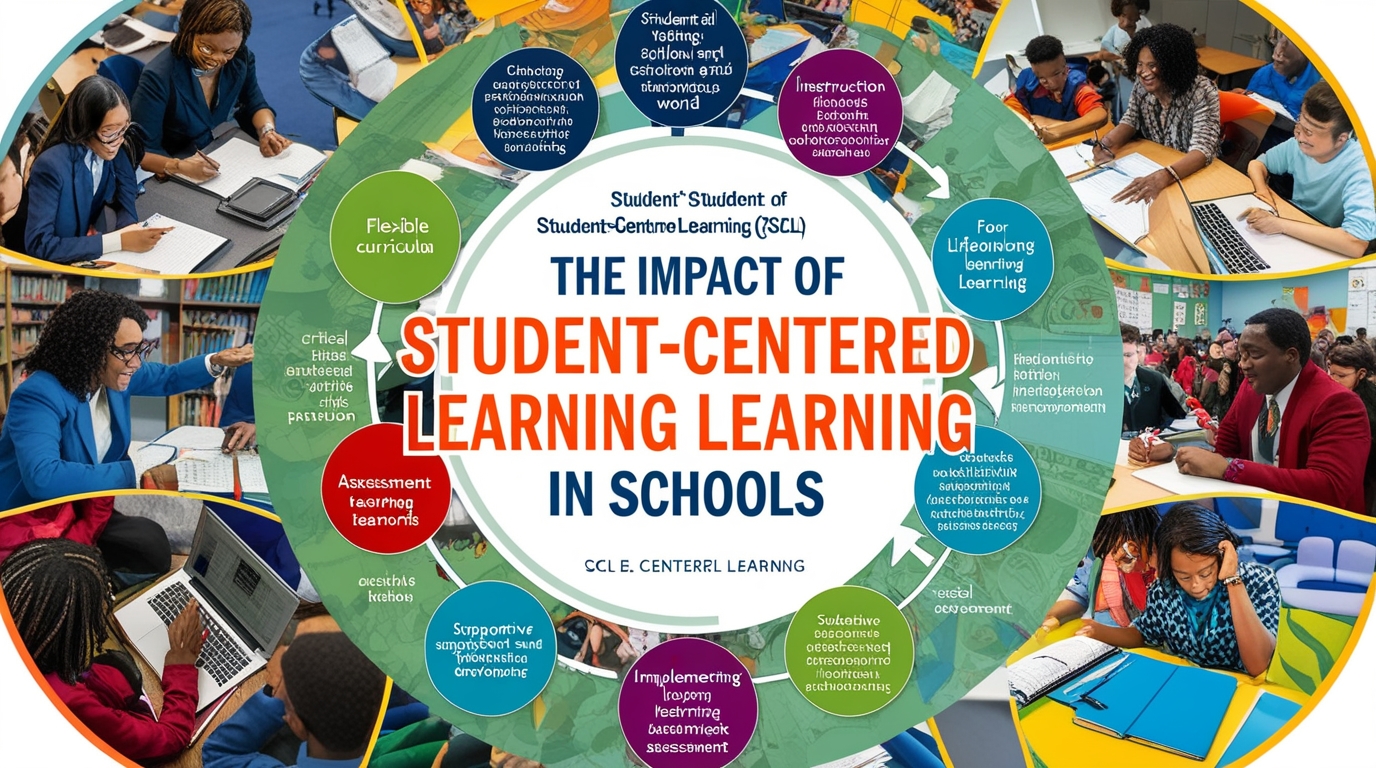
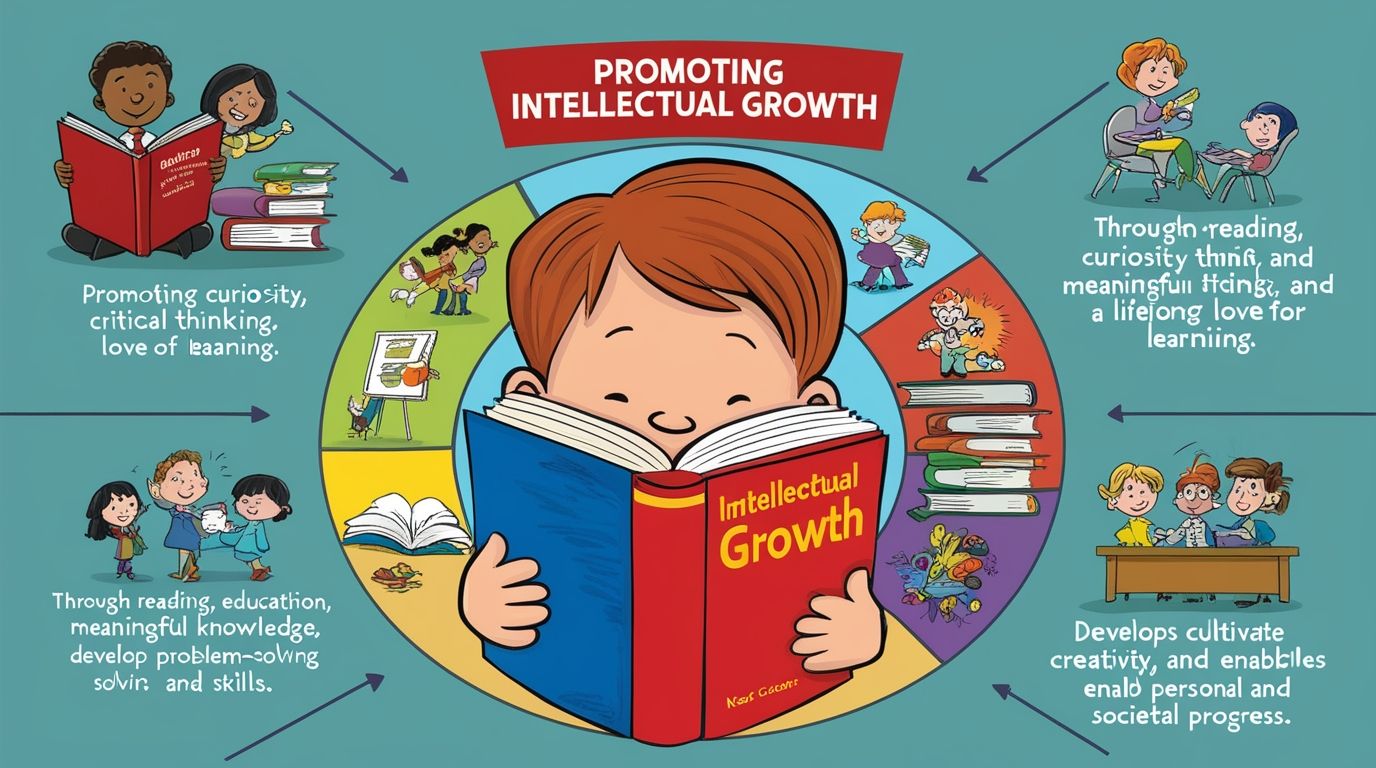
Continuous professional learning also encourages educators to adopt reflective teaching practices that contribute significantly to student centered education. Reflection enables teachers to analyze classroom experiences, identify strengths, and recognize areas requiring improvement. Through reflective learning, teachers become more aware of student needs, learning preferences, and behavioral patterns, allowing them to design instructional strategies that promote active engagement and academic achievement. Educational institutions that encourage reflective practice often create environments where experimentation, innovation, and collaboration are valued. Teachers can exchange experiences, discuss challenges, and develop effective solutions collectively, strengthening professional relationships within schools. Reflection additionally promotes accountability because educators regularly assess the effectiveness of their instructional methods and learning outcomes. Continuous professional learning therefore becomes more than an institutional requirement because it transforms into a professional mindset focused on improvement, adaptation, and excellence. Such reflective cultures strengthen educational systems and encourage lifelong professional commitment among educators.
Technology Integration and Professional Development
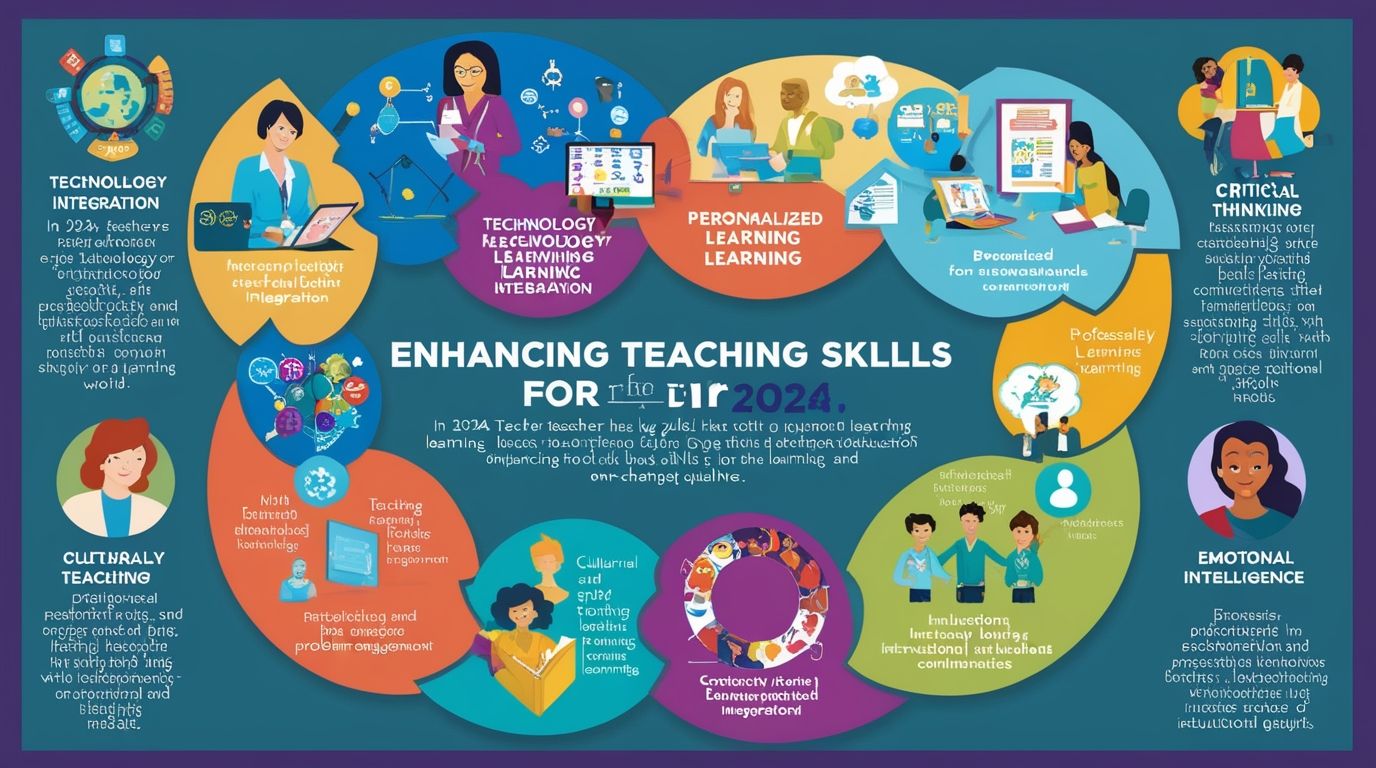
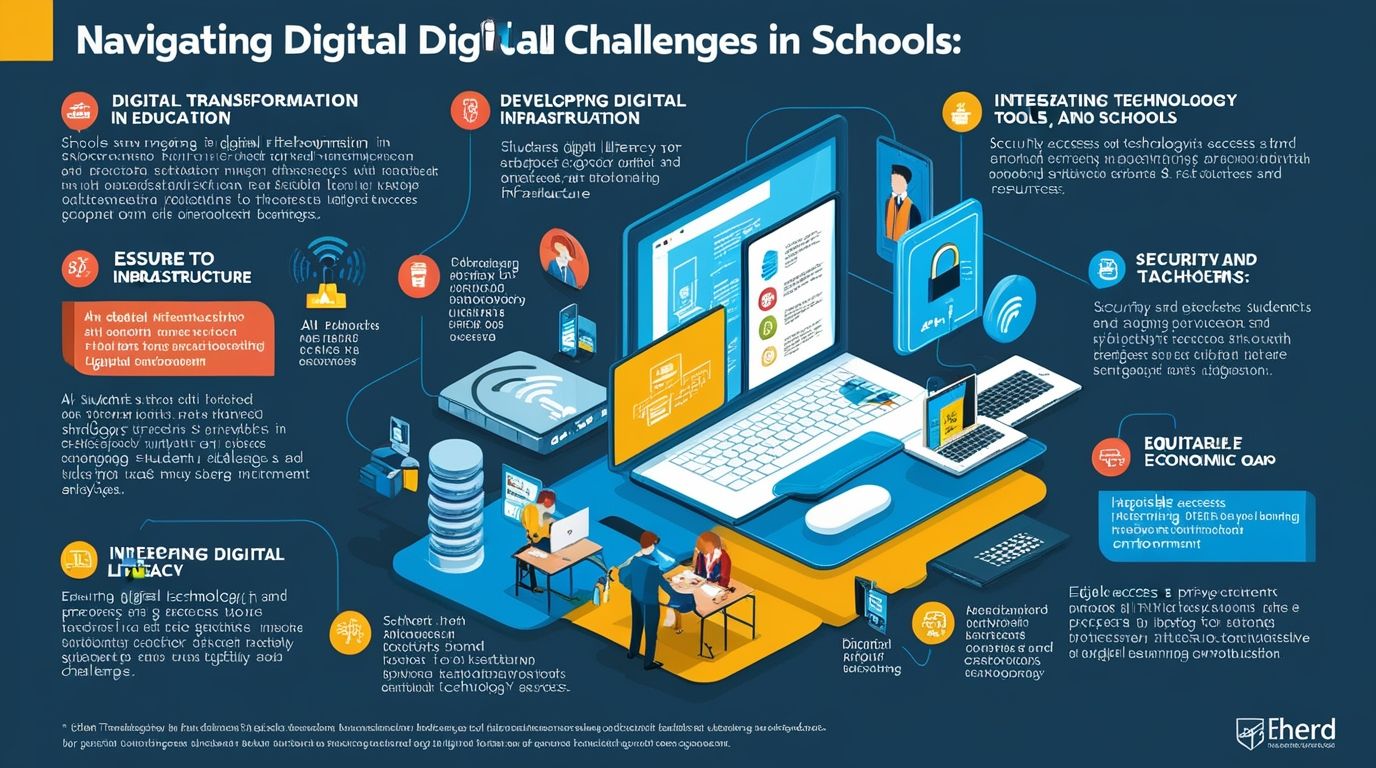
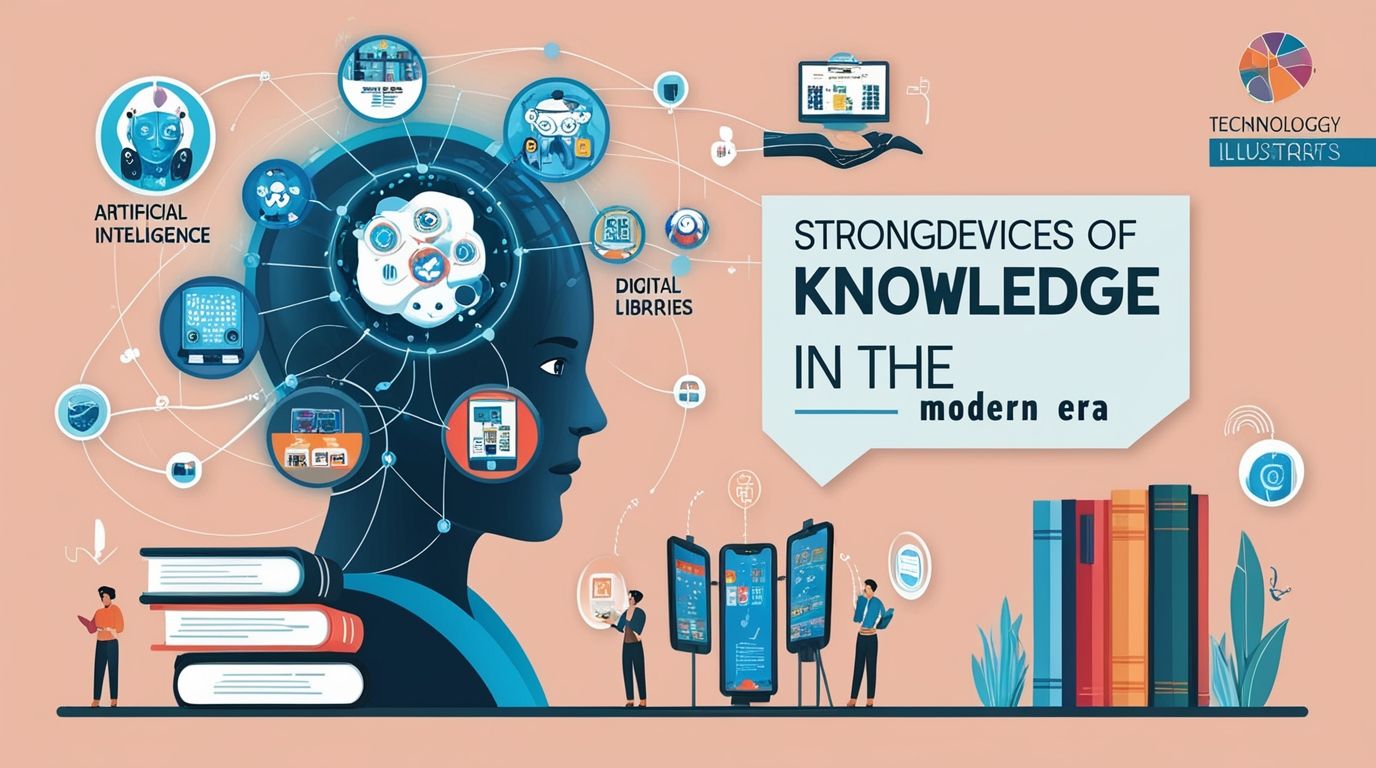
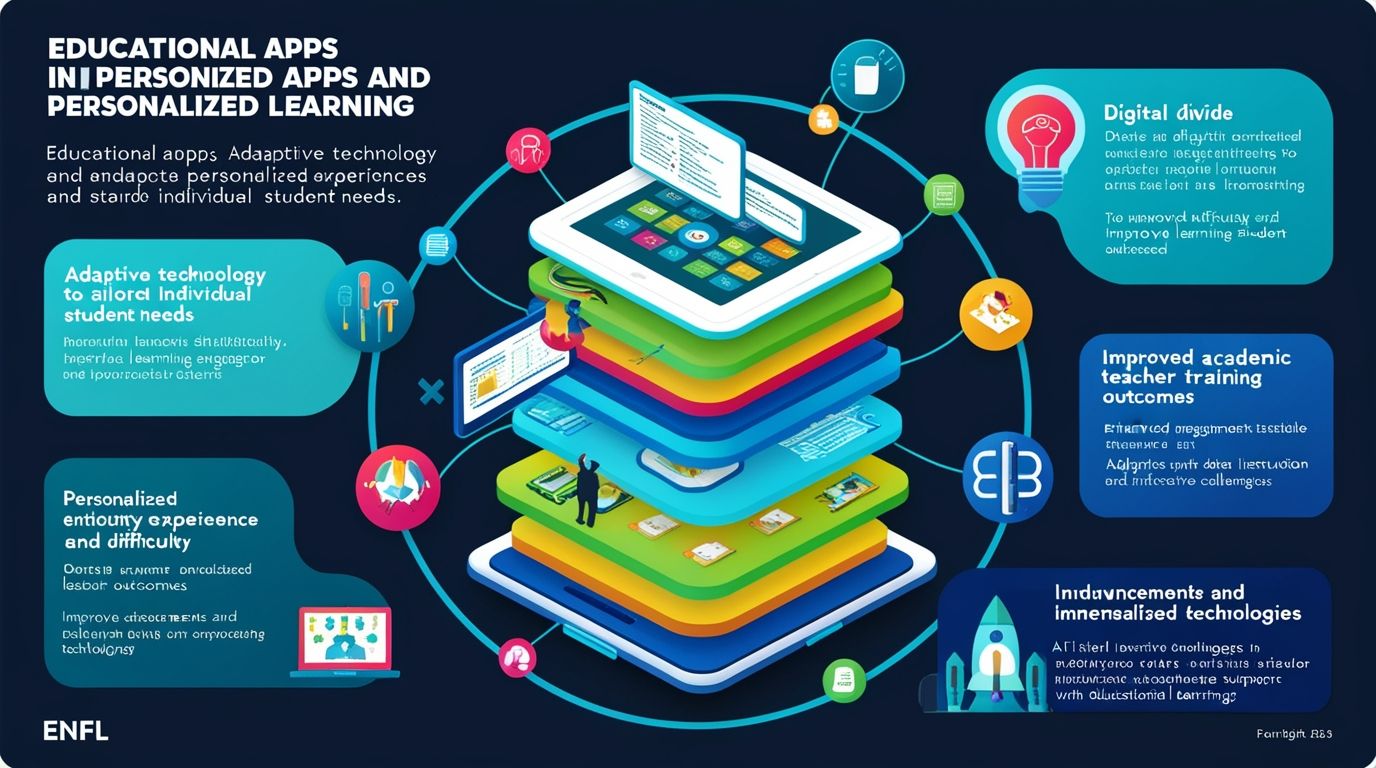
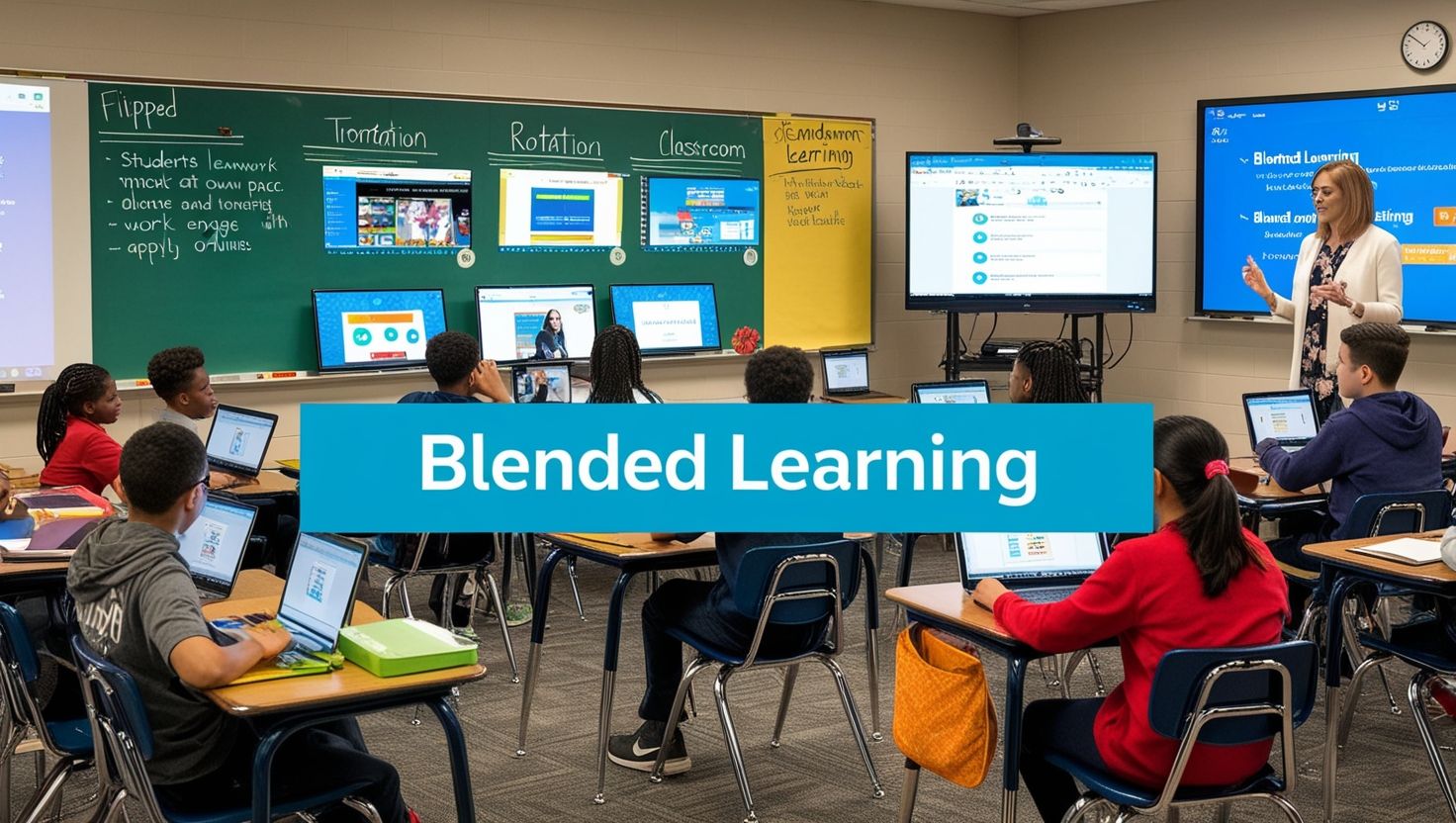
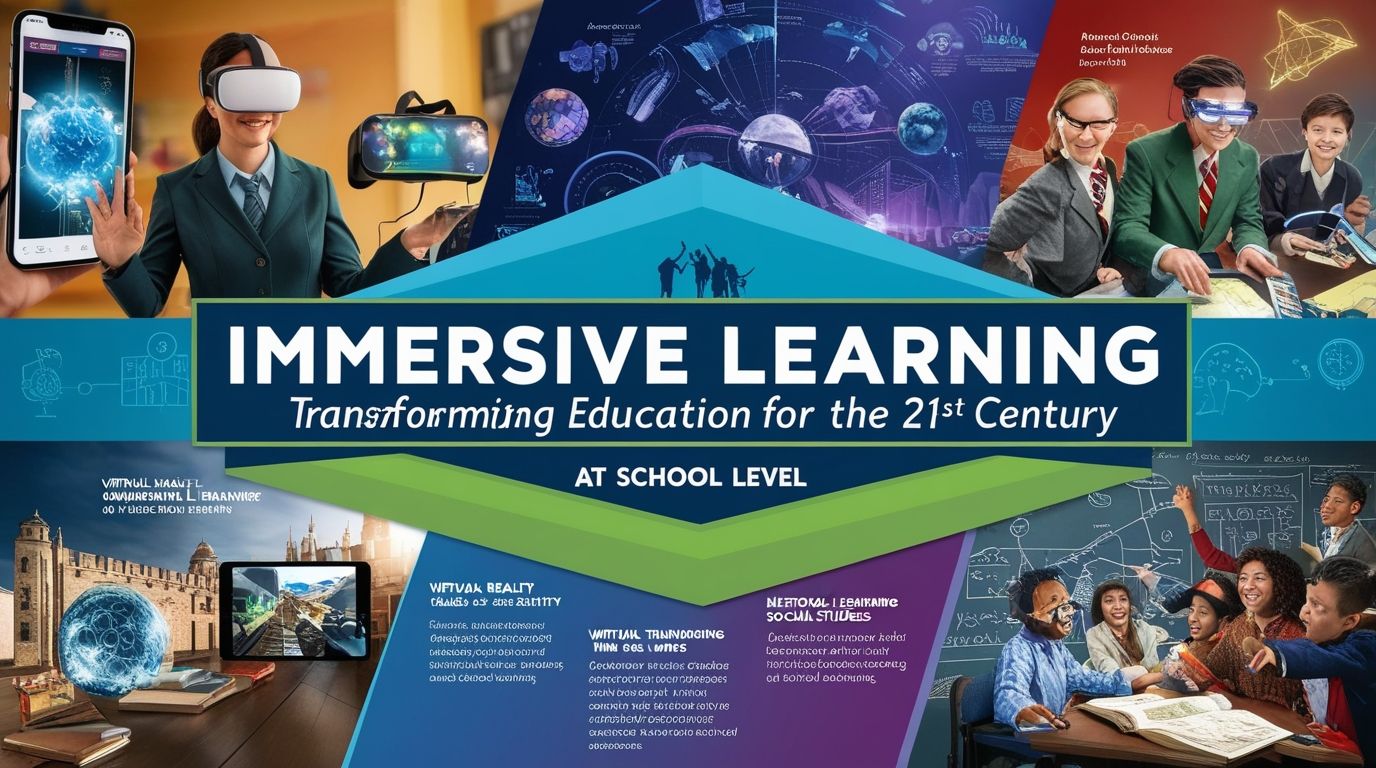
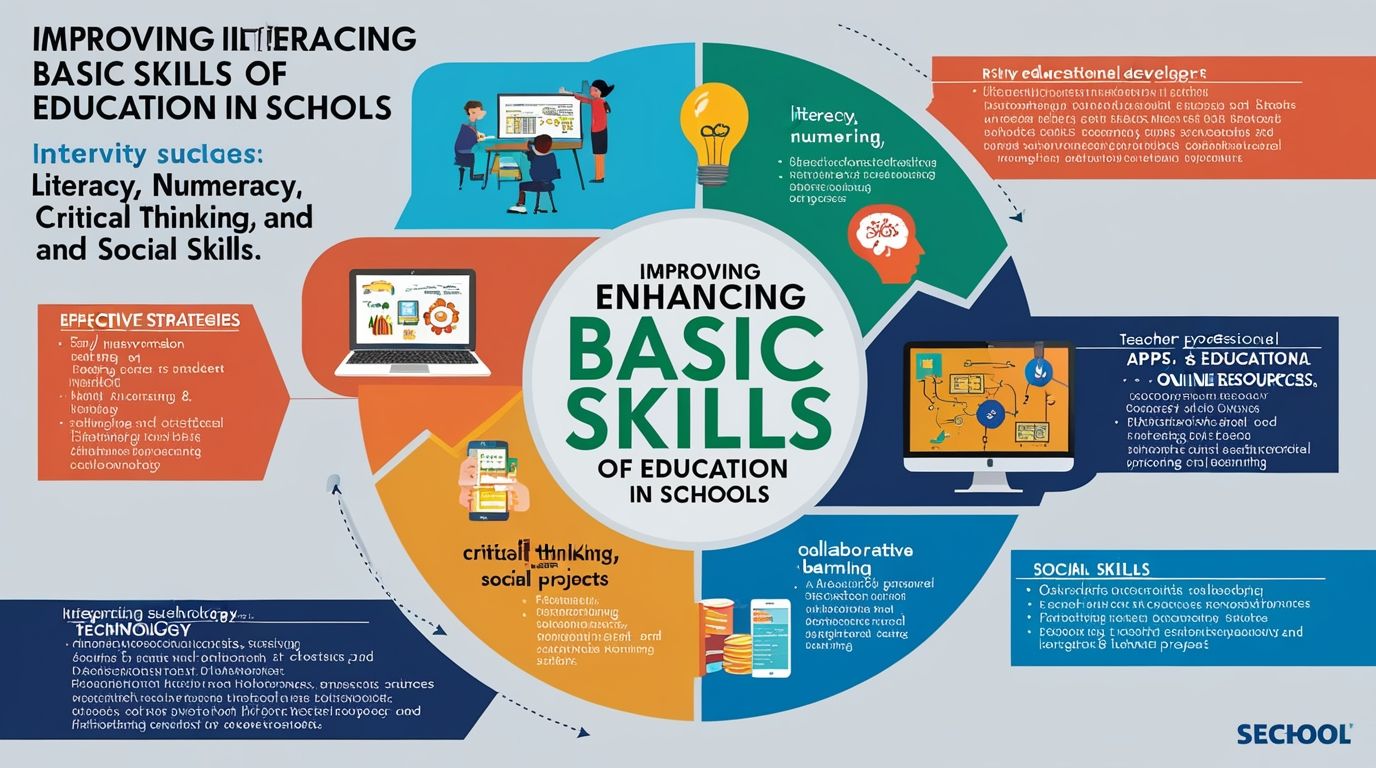
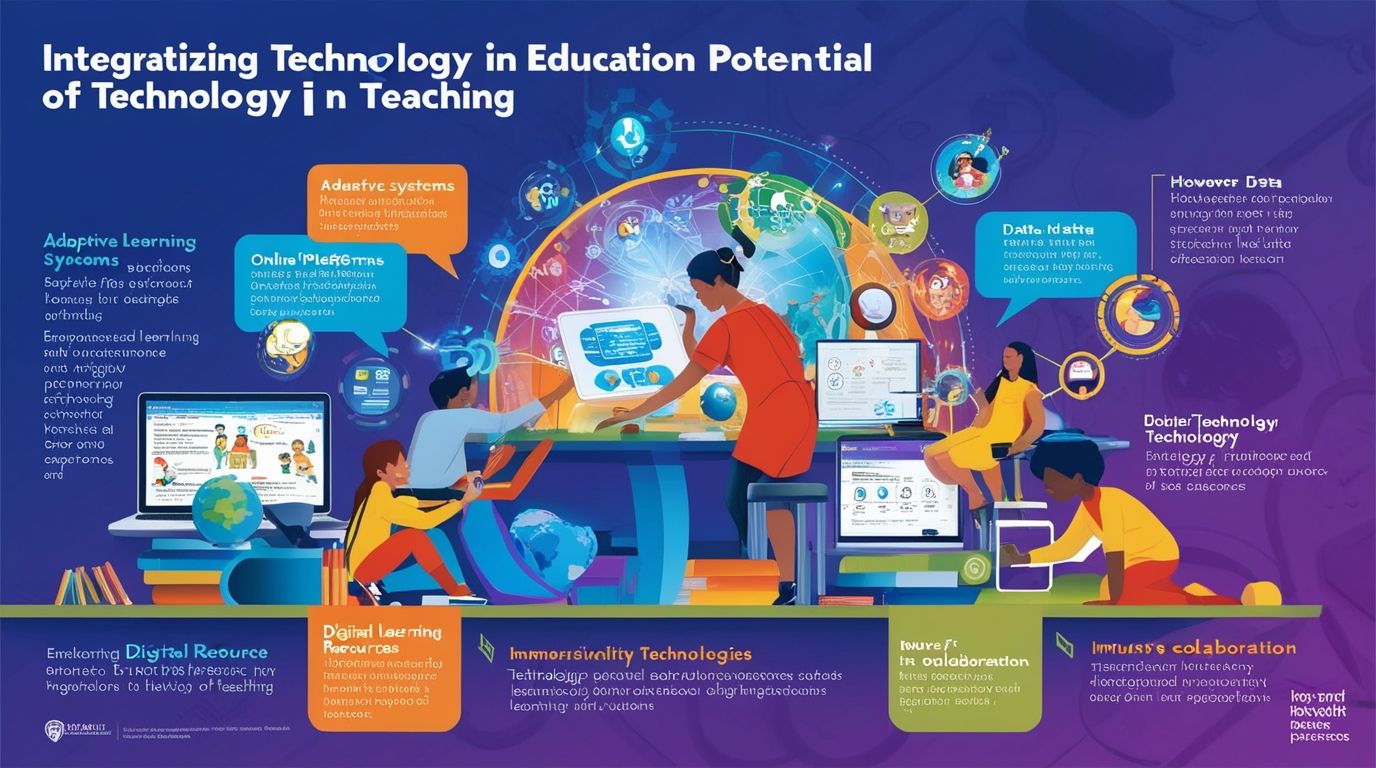
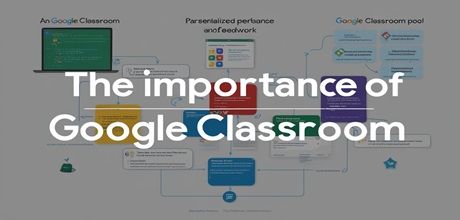
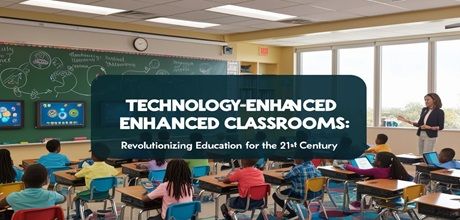
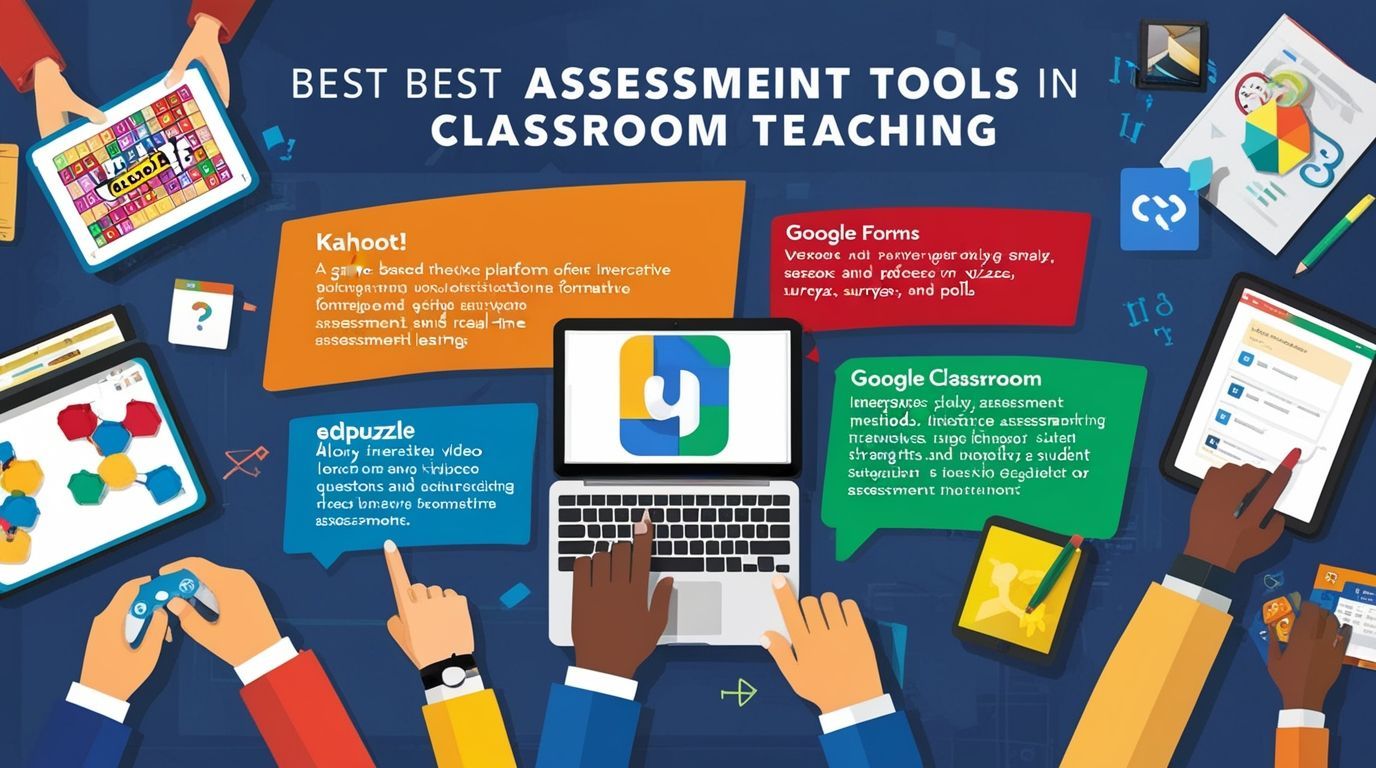
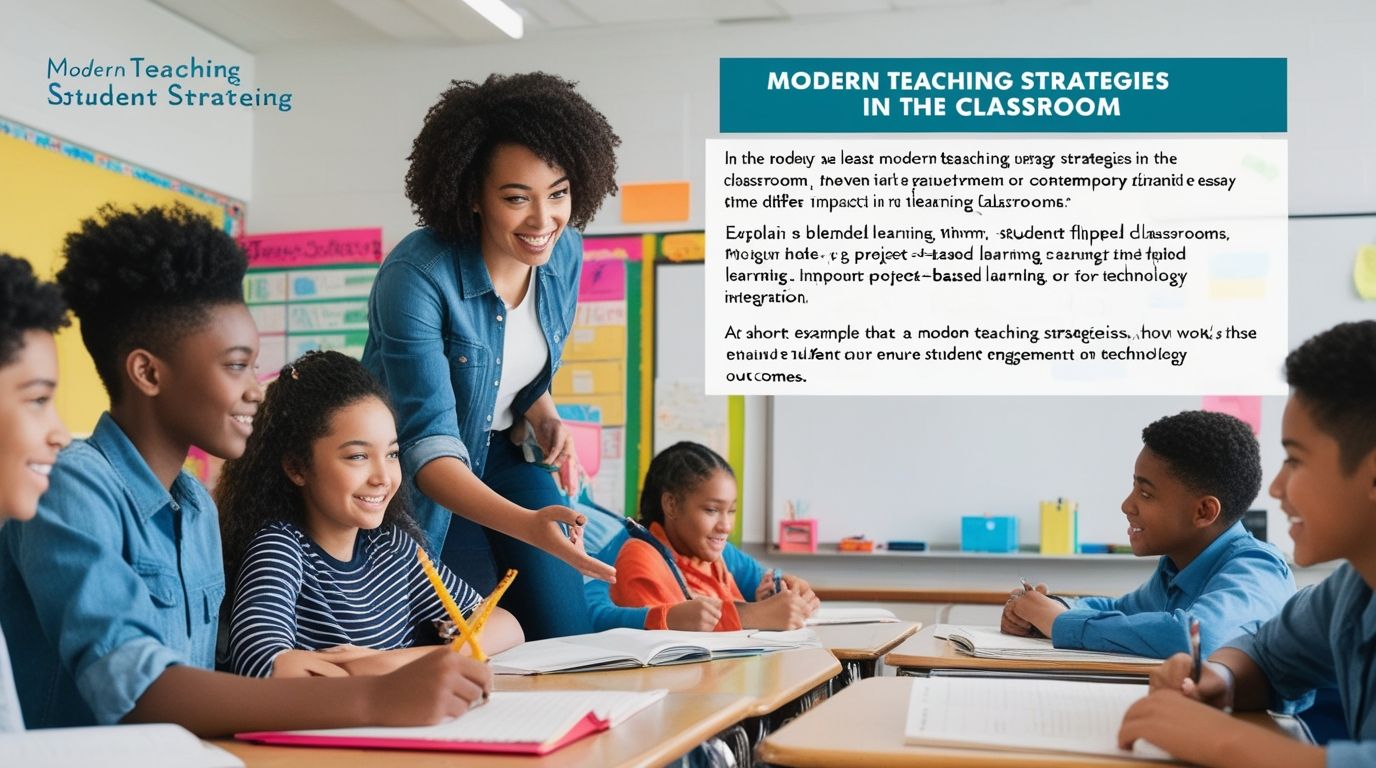
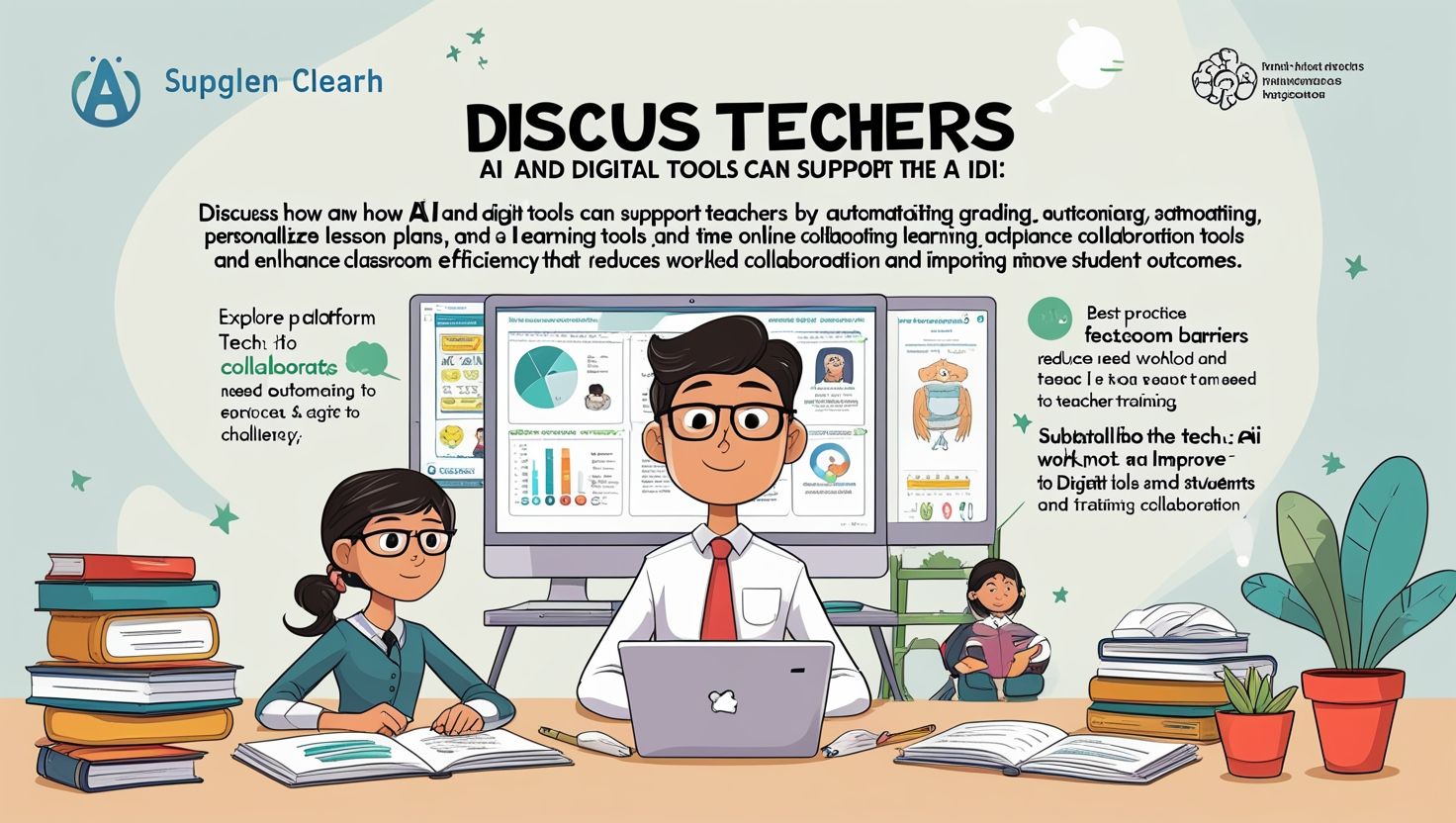
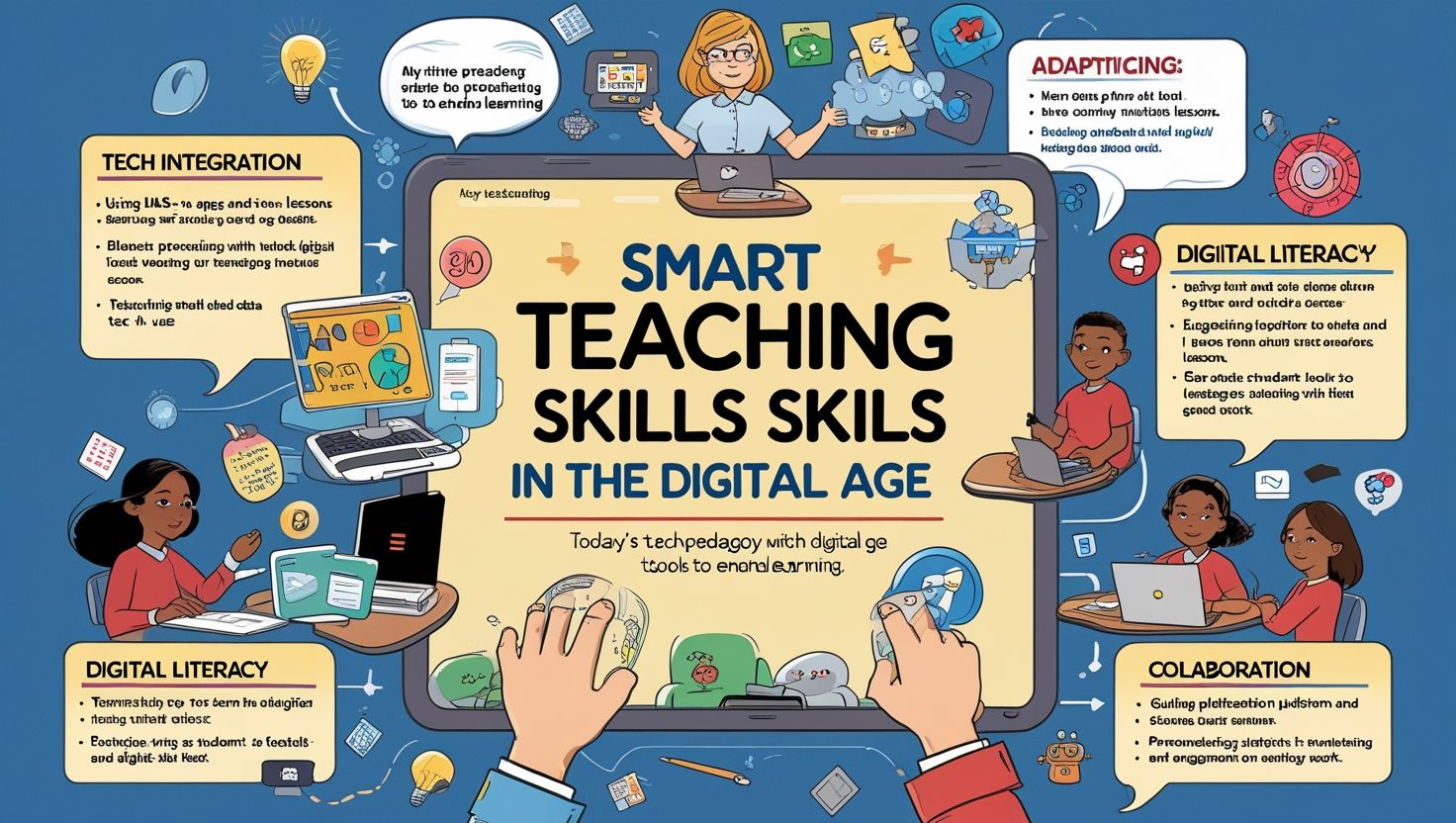
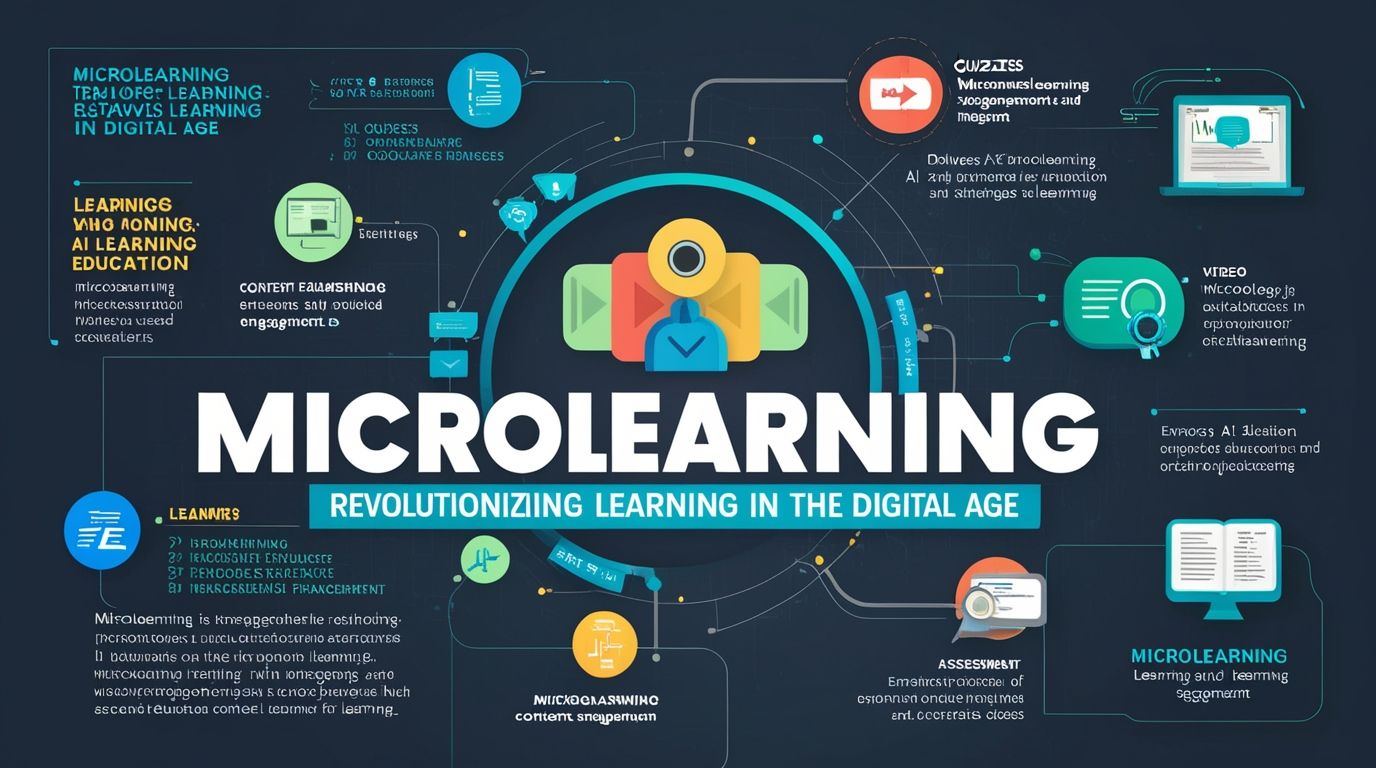
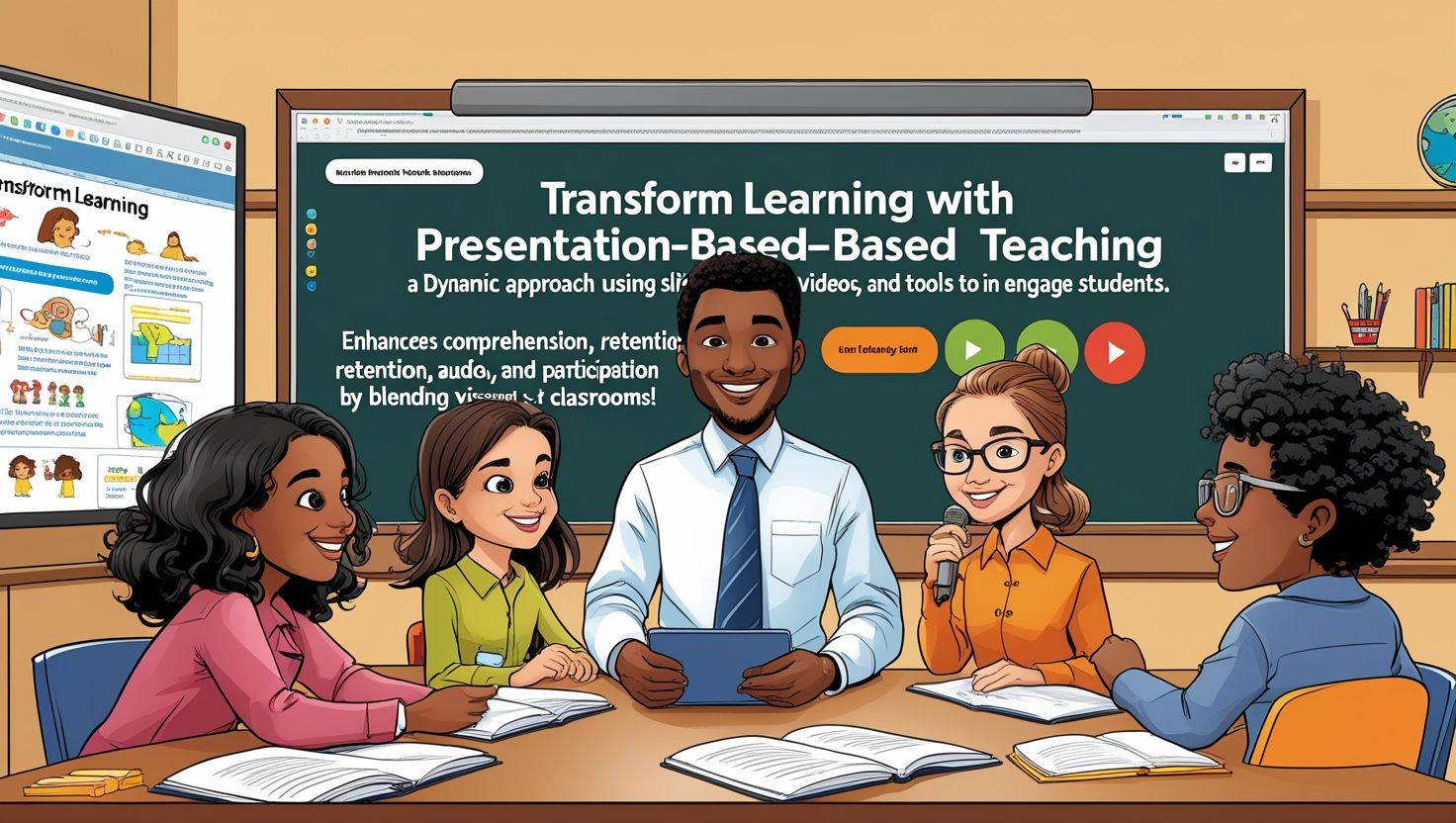
The integration of technology into education has further increased the importance of continuous professional learning for teachers and educational leaders. Digital tools, online platforms, artificial intelligence applications, and interactive learning resources have transformed classroom instruction and communication methods. Educators who participate in continuous professional development become better prepared to integrate technology effectively into their teaching practices while maintaining meaningful student engagement. Training programs focused on educational technology help teachers improve digital literacy, classroom management, assessment practices, and communication strategies. These learning opportunities additionally support teachers in addressing challenges associated with remote learning, blended instruction, and virtual collaboration. Schools that prioritize technology focused professional learning usually experience improved instructional delivery, increased student participation, and stronger academic performance. Continuous learning also ensures that educators remain informed about emerging innovations and ethical considerations associated with educational technology. As educational systems continue evolving digitally, ongoing professional development remains essential for effective and inclusive teaching.
Leadership Development Through Continuous Learning
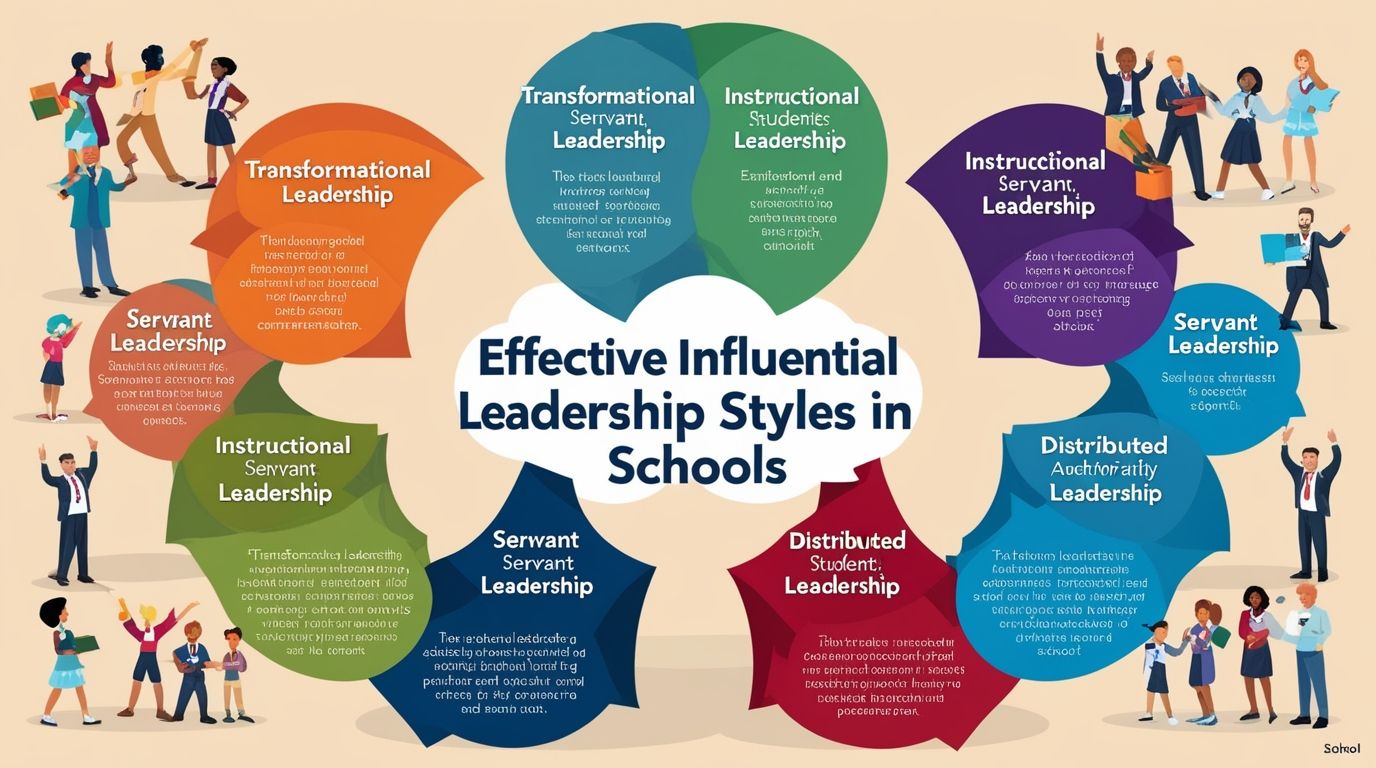
Continuous professional learning additionally strengthens leadership capacity within educational institutions by preparing teachers and administrators for greater professional responsibilities. Educational leadership requires strong communication skills, strategic thinking, emotional intelligence, and the ability to guide institutional improvement effectively. Professional learning opportunities help educators develop these competencies through collaborative projects, leadership workshops, mentoring relationships, and action research initiatives. Teachers who engage consistently in professional learning often become instructional leaders capable of supporting colleagues, mentoring new staff members, and contributing positively to school improvement programs. Effective leadership development also improves decision making processes because educators learn to analyze data, evaluate outcomes, and implement evidence based strategies. Educational institutions with strong leadership cultures usually demonstrate higher levels of teacher motivation, organizational stability, and student achievement. Continuous professional learning therefore serves as a foundation for developing future educational leaders who can guide schools successfully through social, technological, and academic changes.
Inclusive Education and Equity in Learning
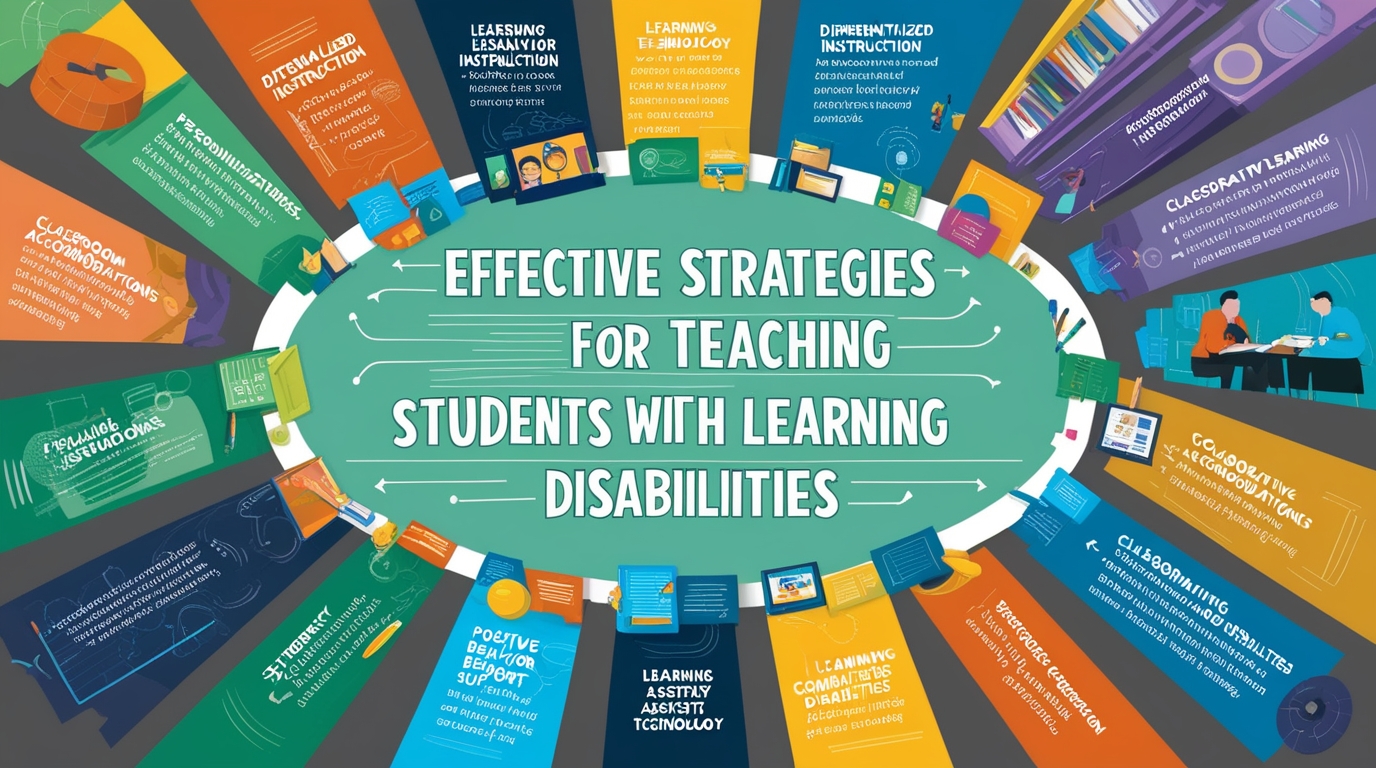
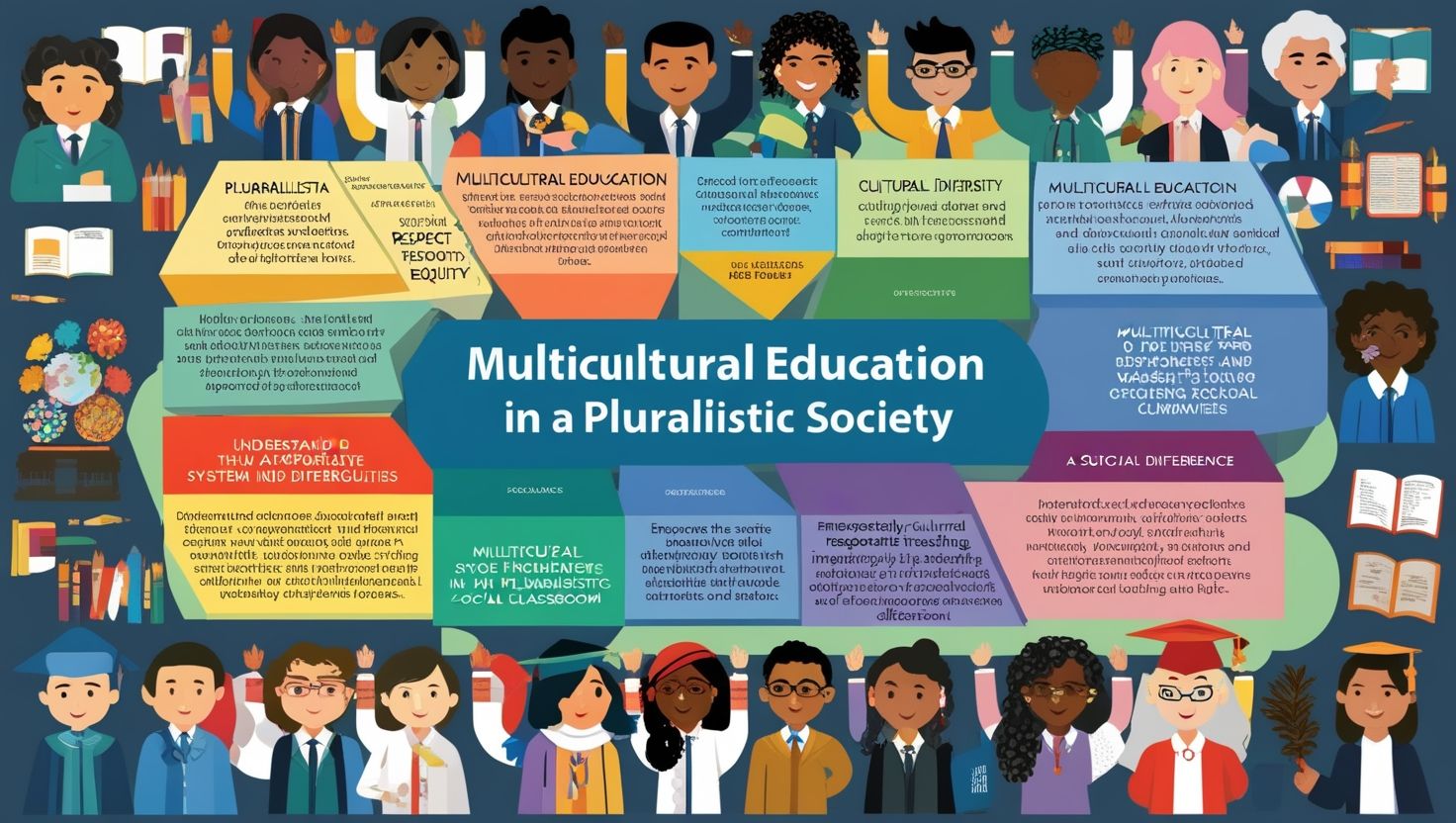
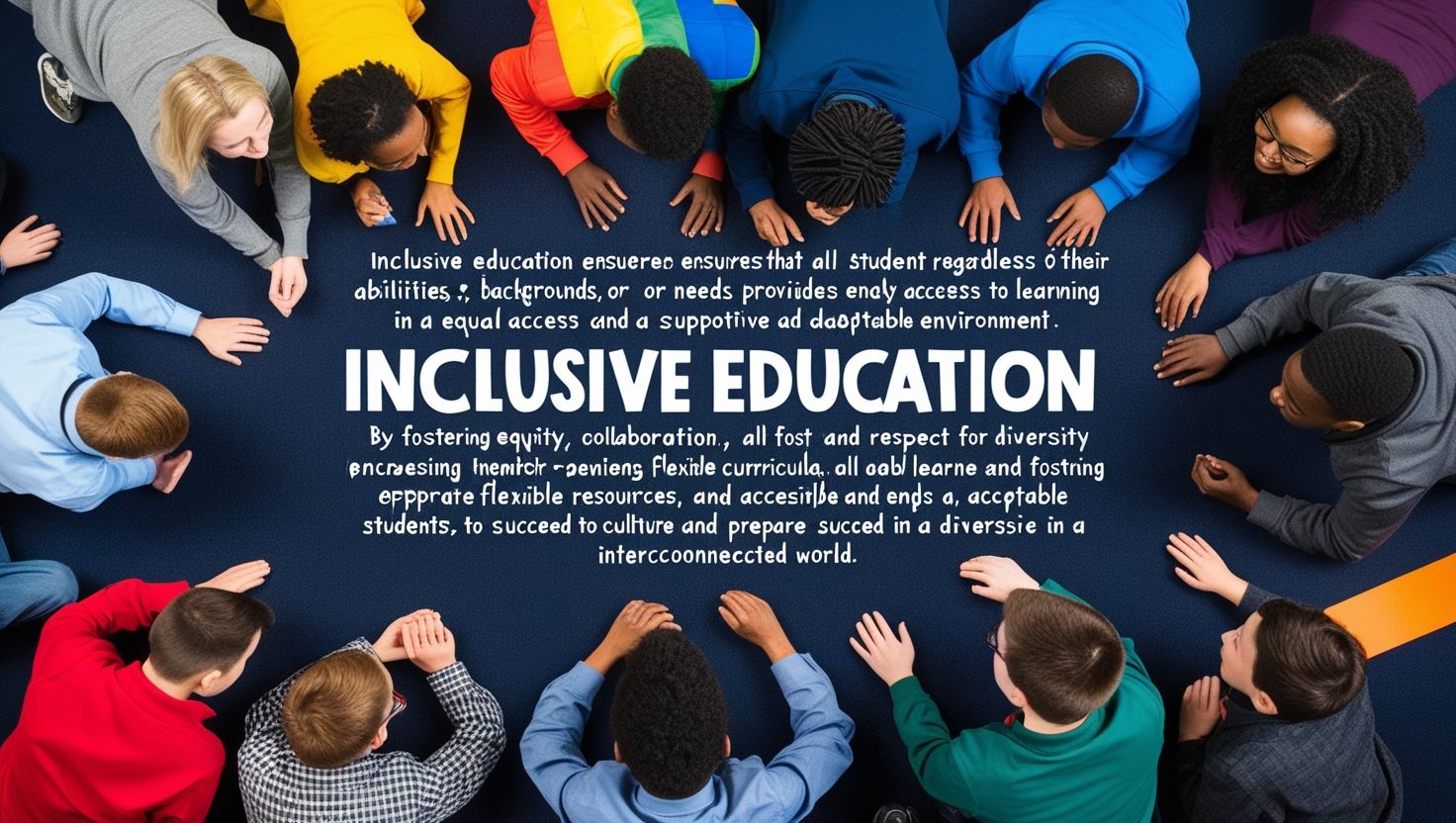
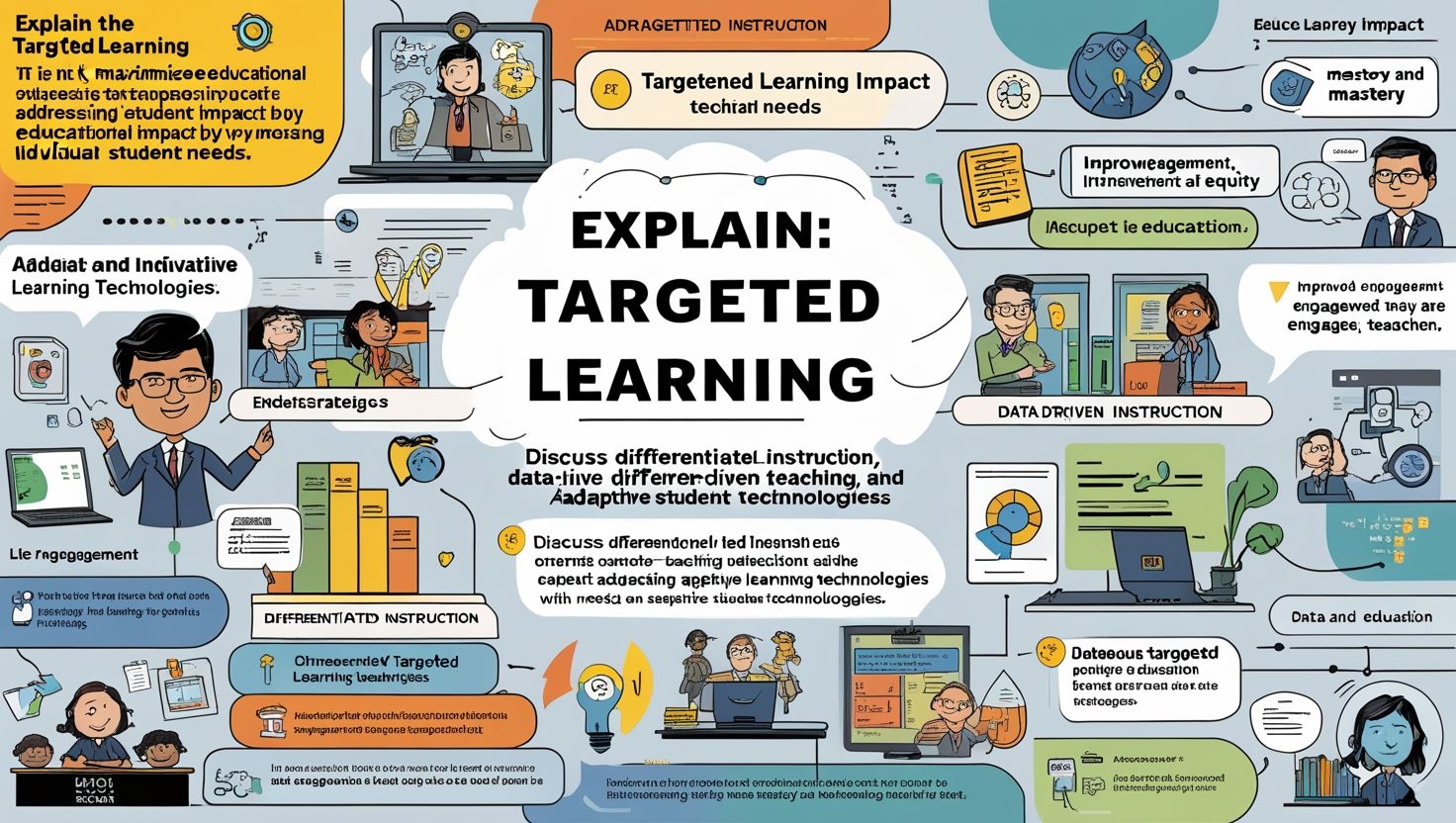
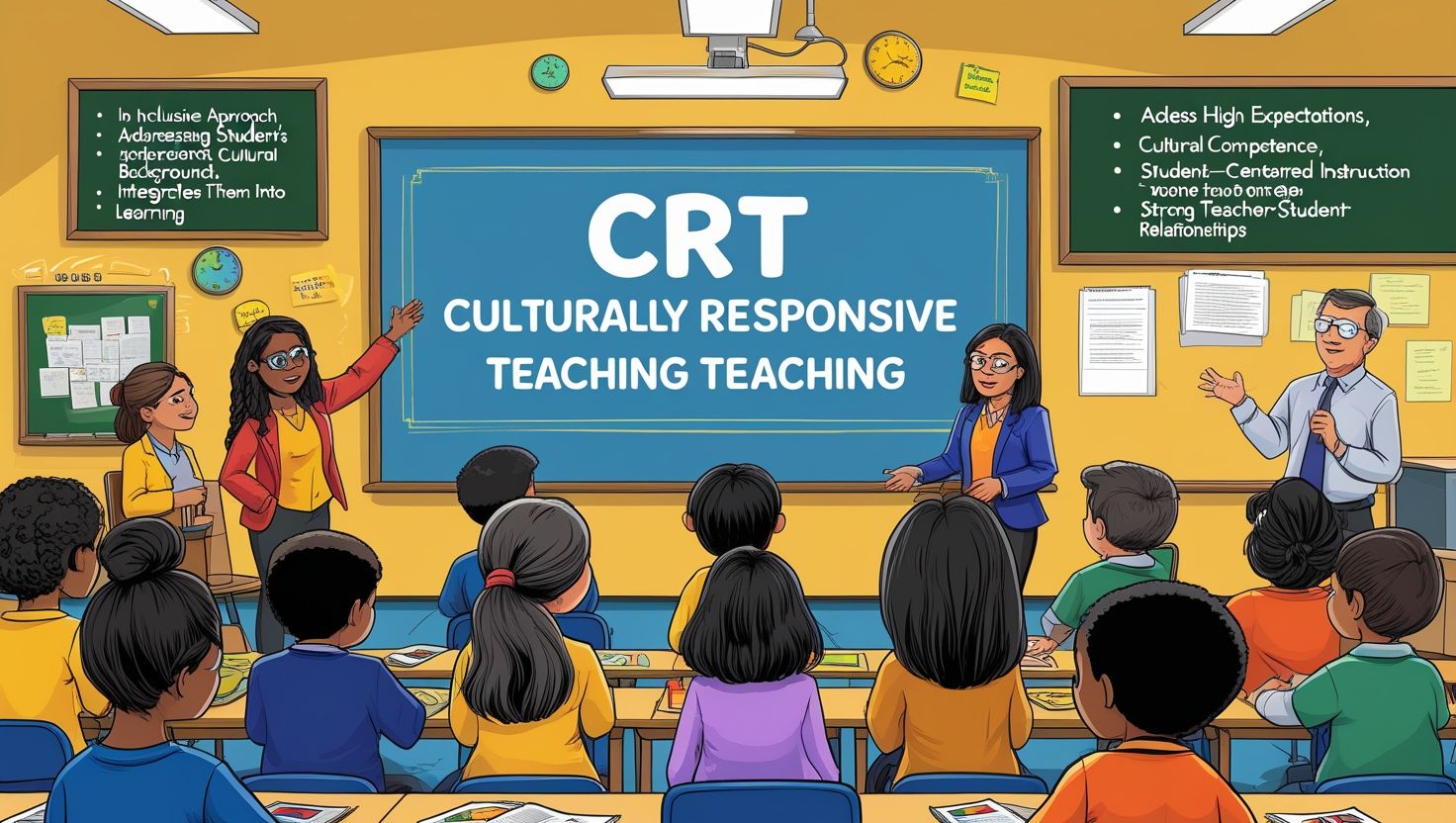
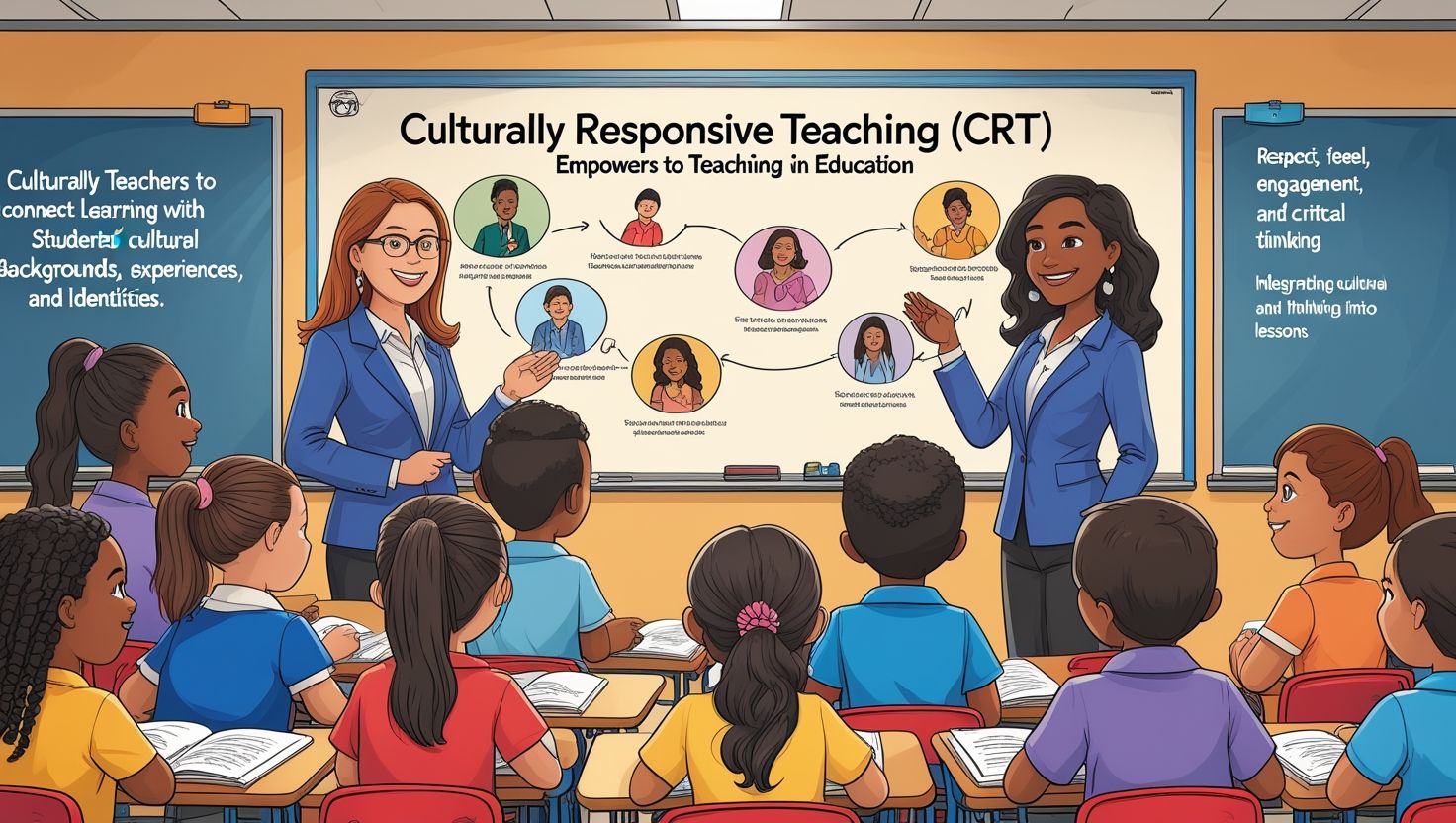
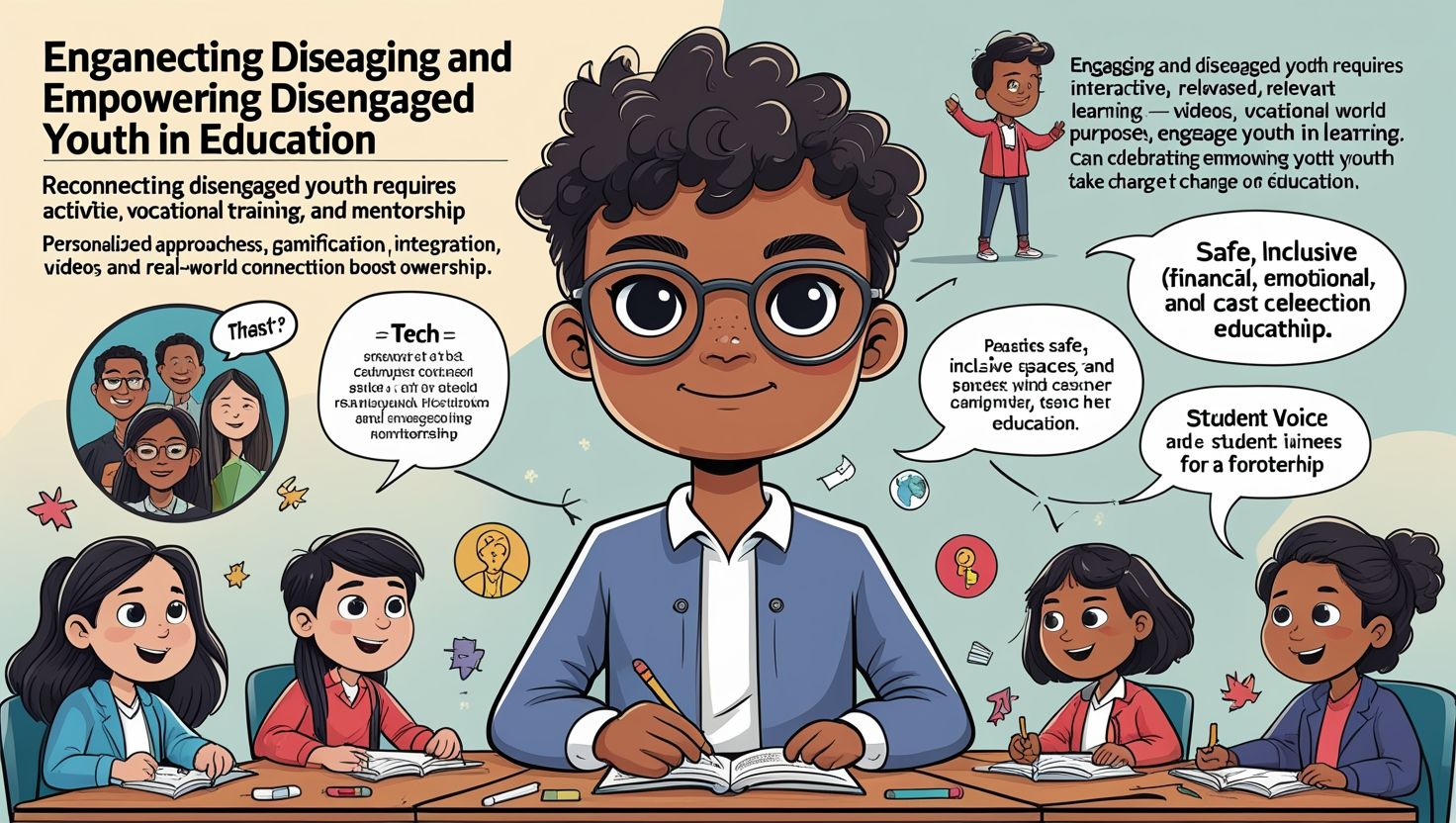
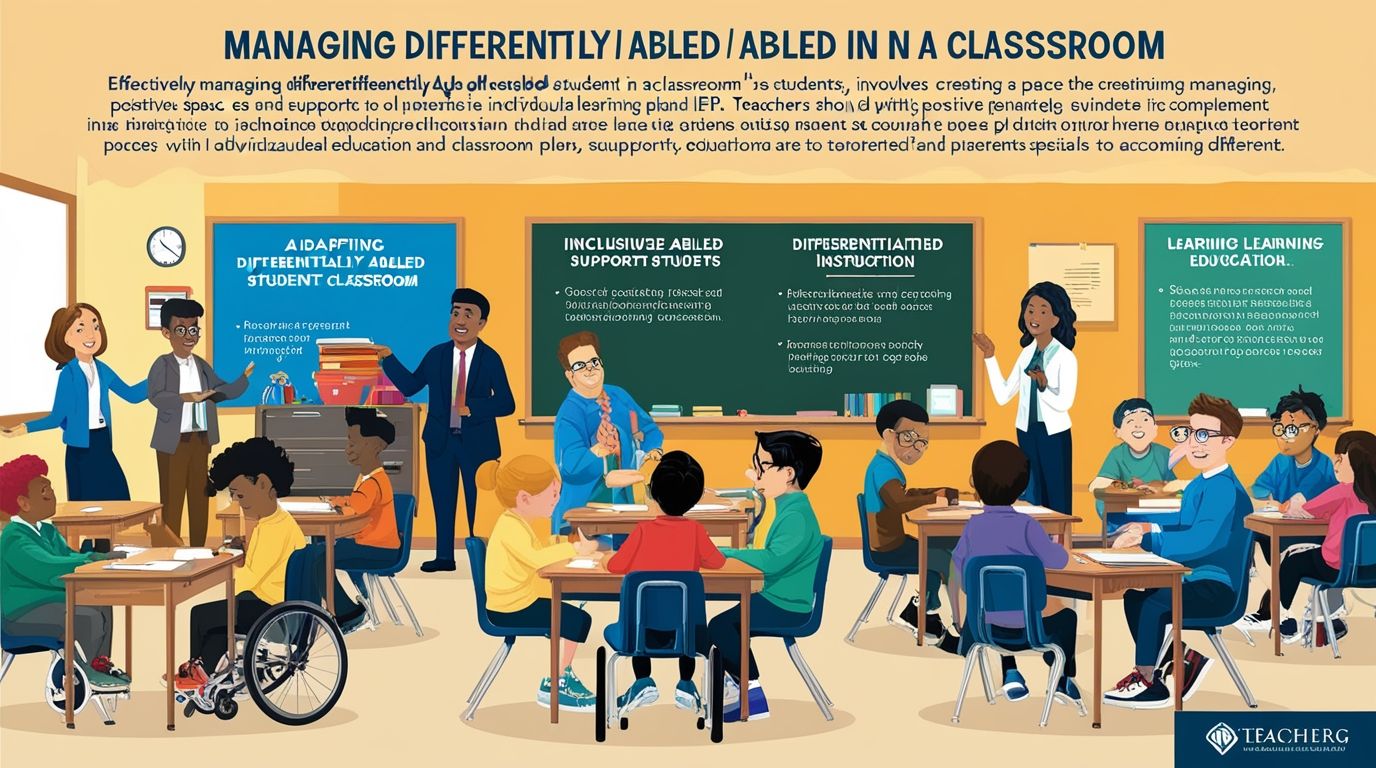
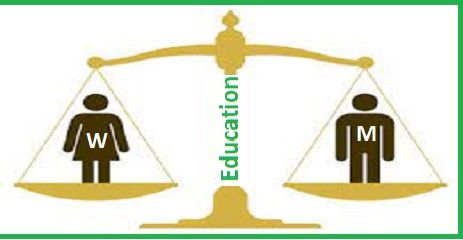
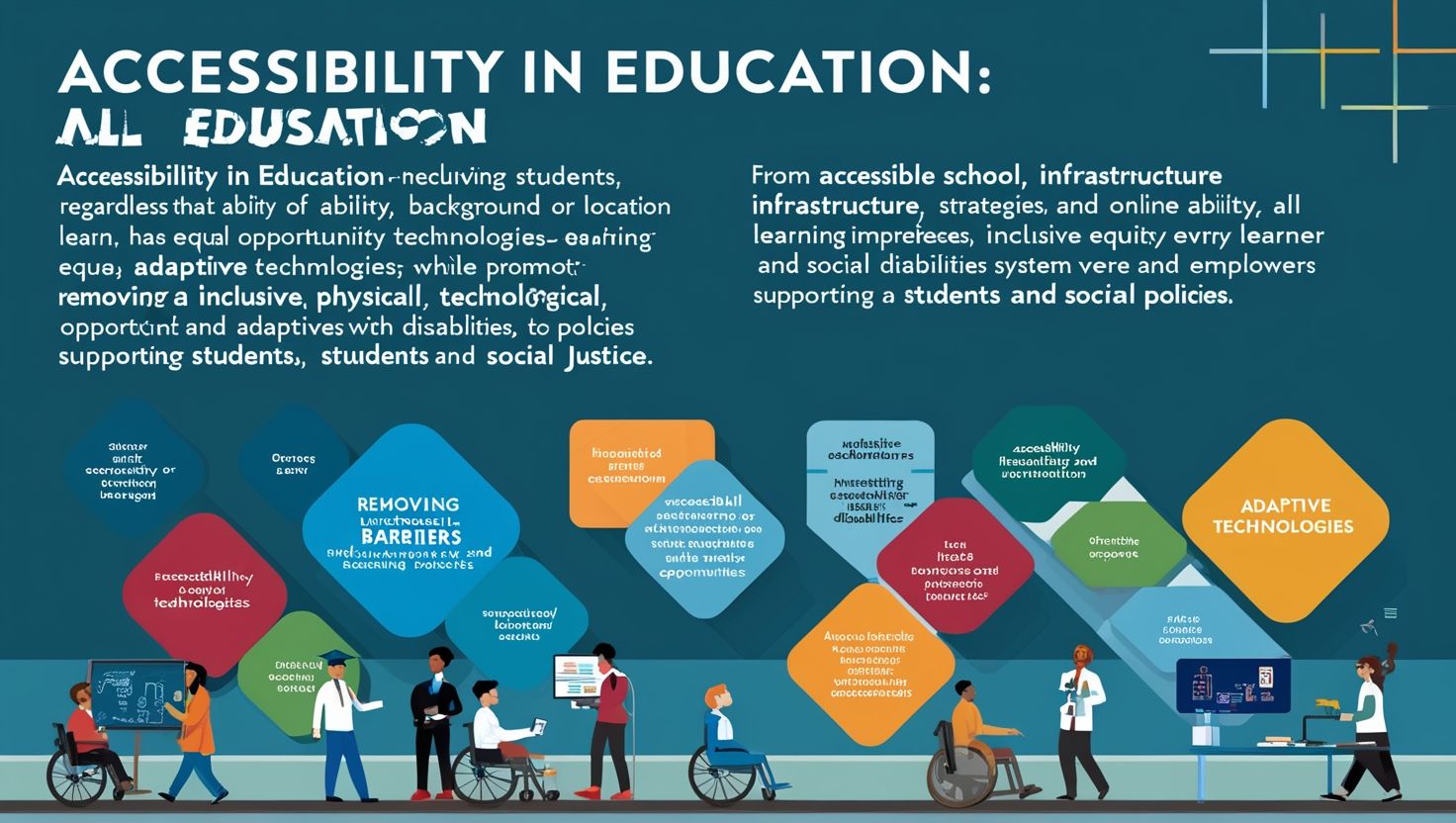
Another important benefit of continuous professional learning is its contribution to inclusive education and equitable learning opportunities for all students. Modern classrooms consist of learners from diverse cultural, linguistic, social, and academic backgrounds, requiring teachers to adopt flexible and inclusive instructional practices. Professional learning programs focused on diversity, inclusion, and differentiated instruction help educators understand how to support students with varying abilities and learning needs effectively. Teachers gain practical strategies for classroom management, culturally responsive teaching, and individualized assessment methods that encourage participation and academic growth among all learners. Continuous learning also helps educators recognize unconscious biases and develop more equitable educational practices that respect student diversity. Schools that invest in inclusive professional development often create safer and more supportive learning environments where students feel valued and respected. Consequently, continuous professional learning becomes an essential mechanism for promoting educational equity, social justice, and positive learning experiences.
Collaboration and Professional Learning Communities
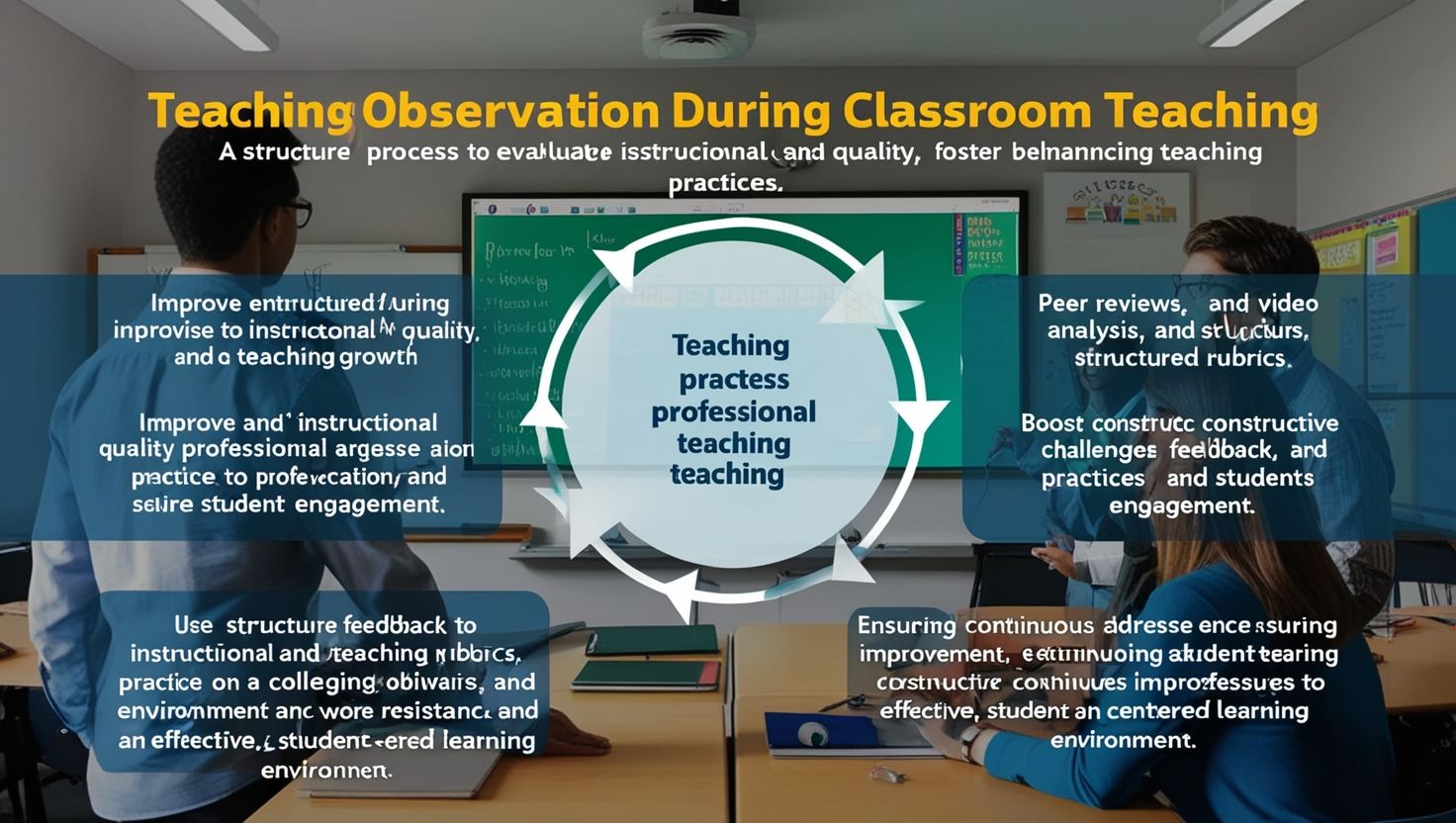
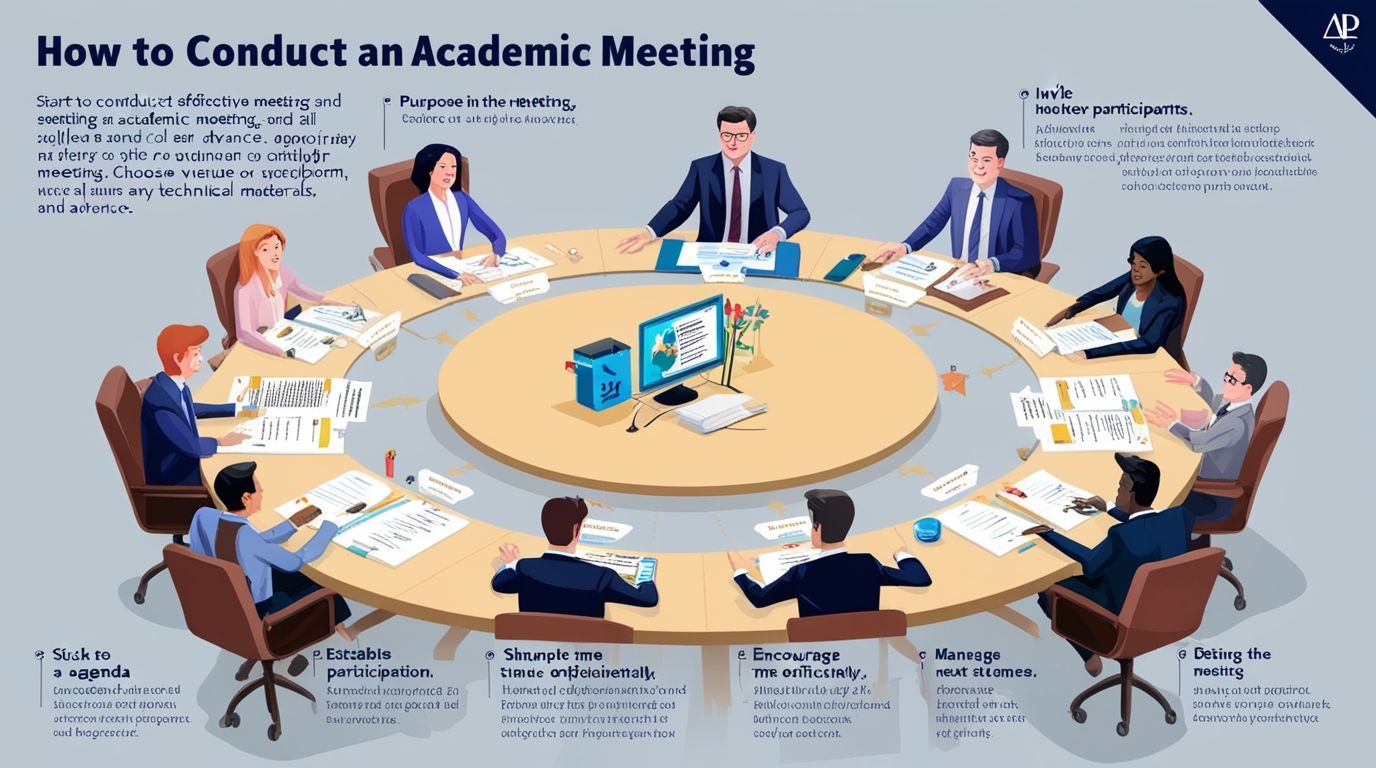
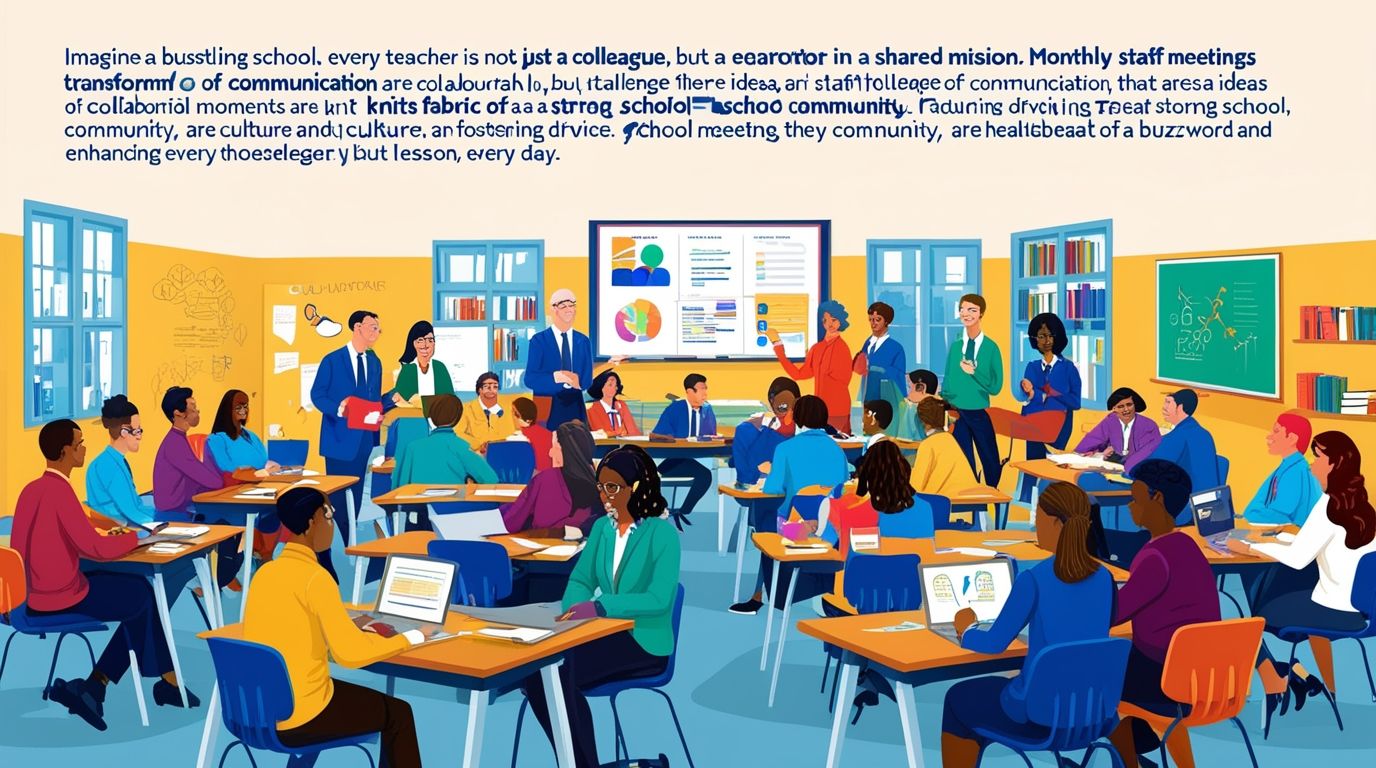
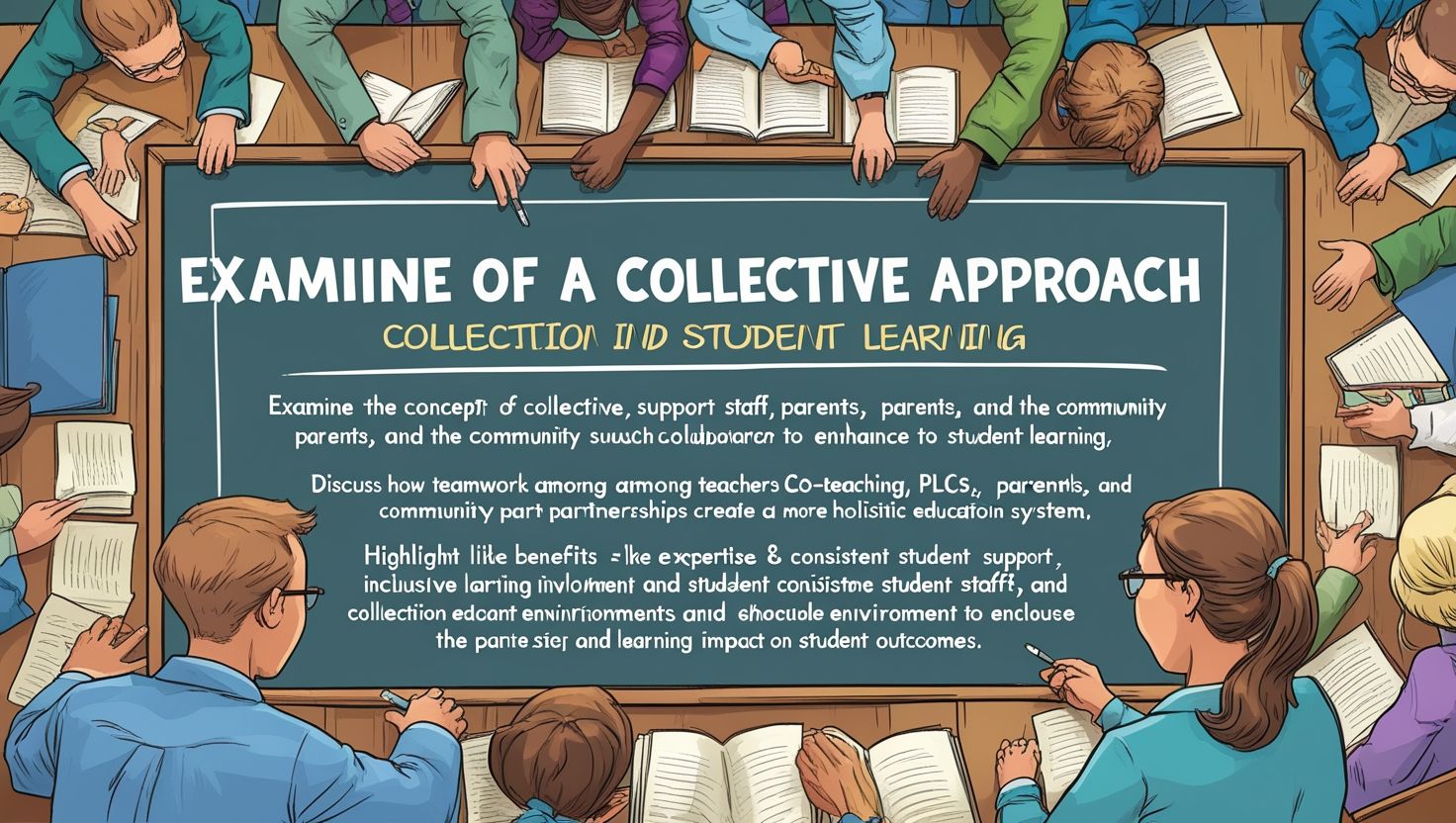
Collaboration represents another significant dimension of continuous professional learning because it encourages educators to share knowledge, experiences, and effective teaching strategies. Collaborative learning environments allow teachers to engage in professional dialogue, peer observations, and collective problem solving activities that strengthen instructional quality. Through collaboration, educators develop stronger communication skills, build professional trust, and create supportive networks that contribute positively to school culture. Teachers who participate in collaborative learning communities are often more confident in experimenting with innovative instructional approaches because they receive constructive feedback and encouragement from colleagues. Professional collaboration additionally promotes consistency in curriculum implementation, assessment practices, and classroom management strategies across educational institutions. Schools with strong collaborative cultures frequently experience improved teacher morale, stronger institutional relationships, and higher student achievement outcomes. Continuous professional learning therefore becomes a shared professional journey where educators support one another in achieving common educational goals and institutional improvement.
Teacher Motivation and Career Advancement
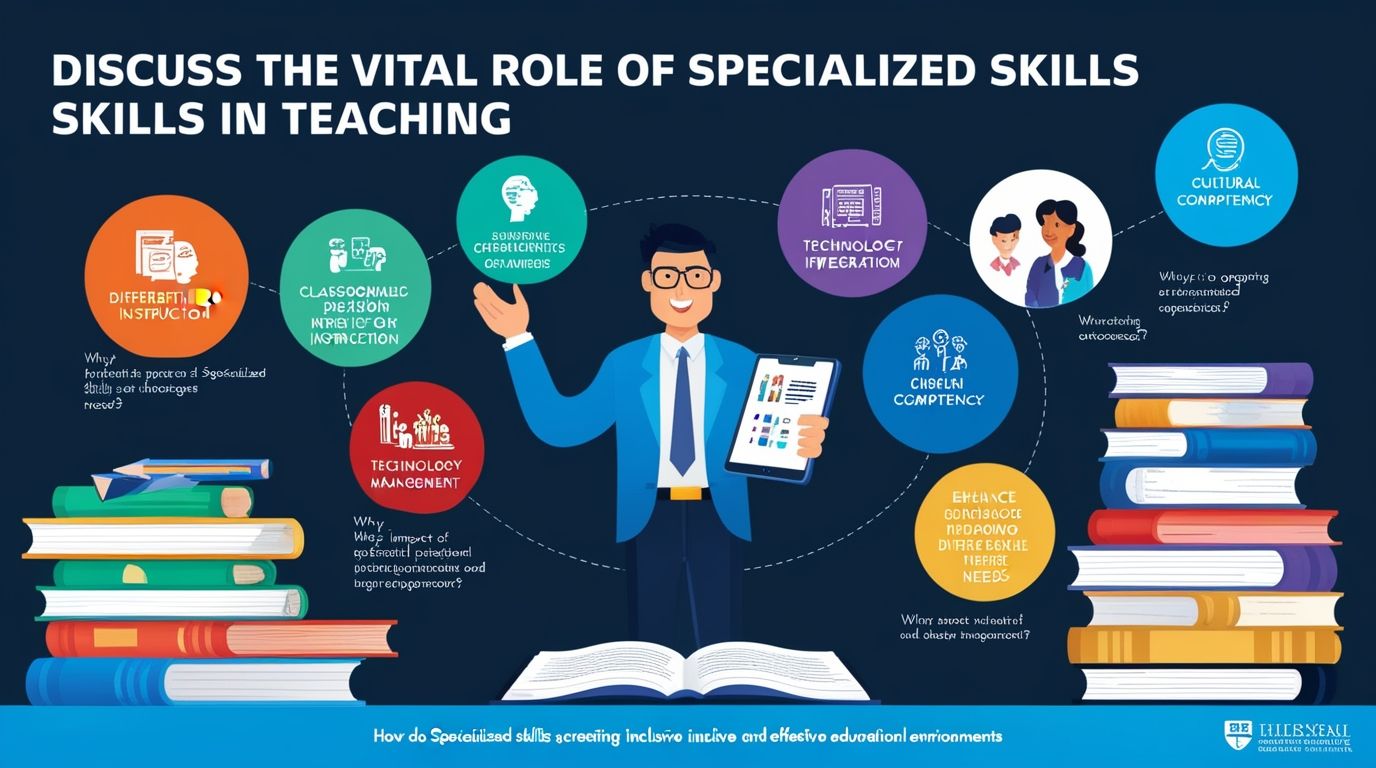
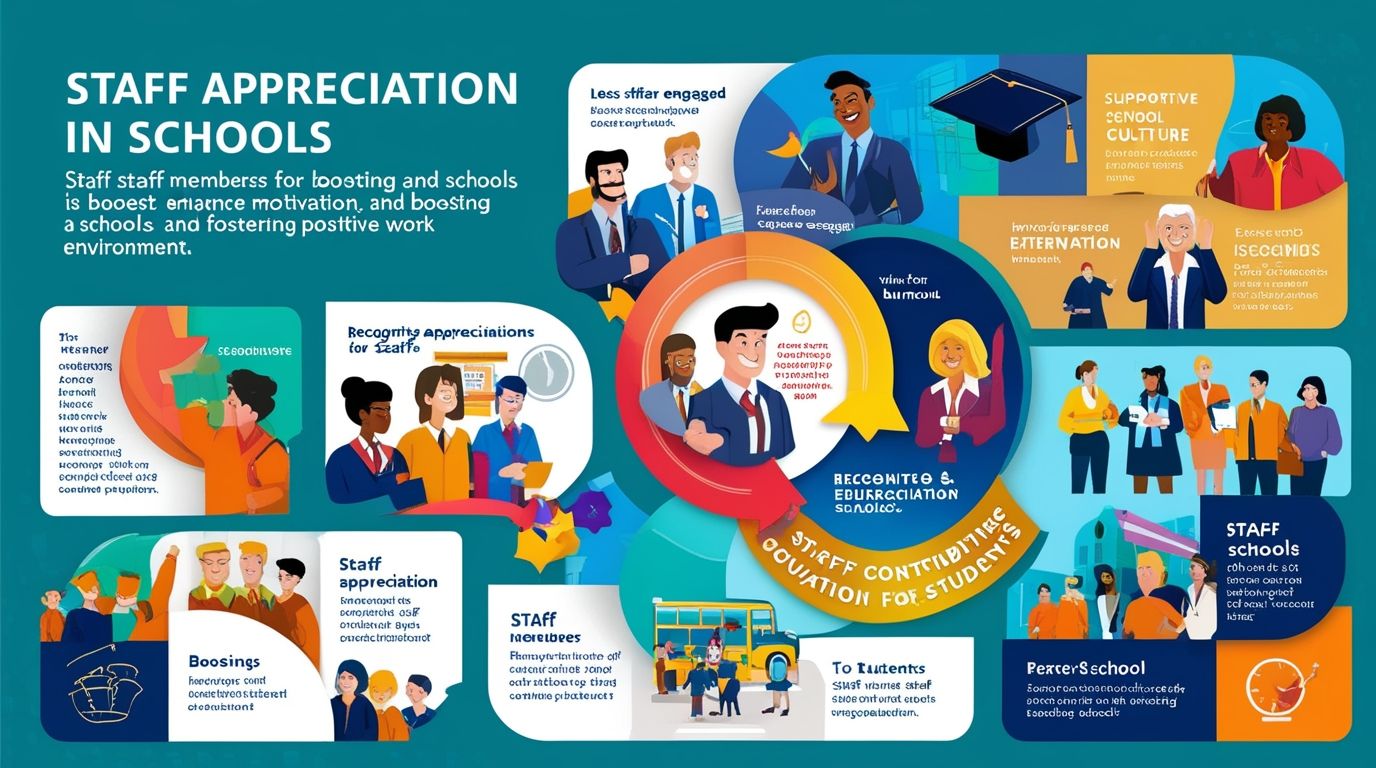
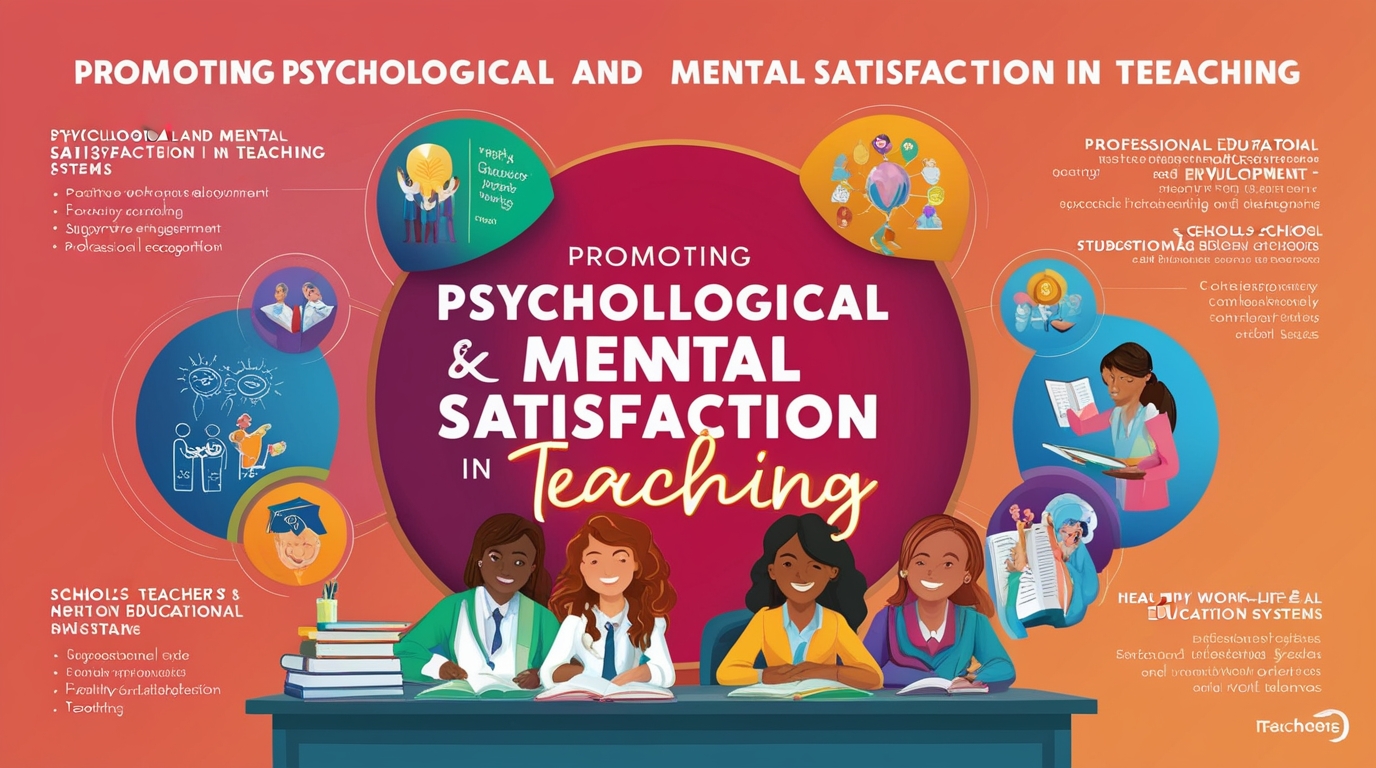
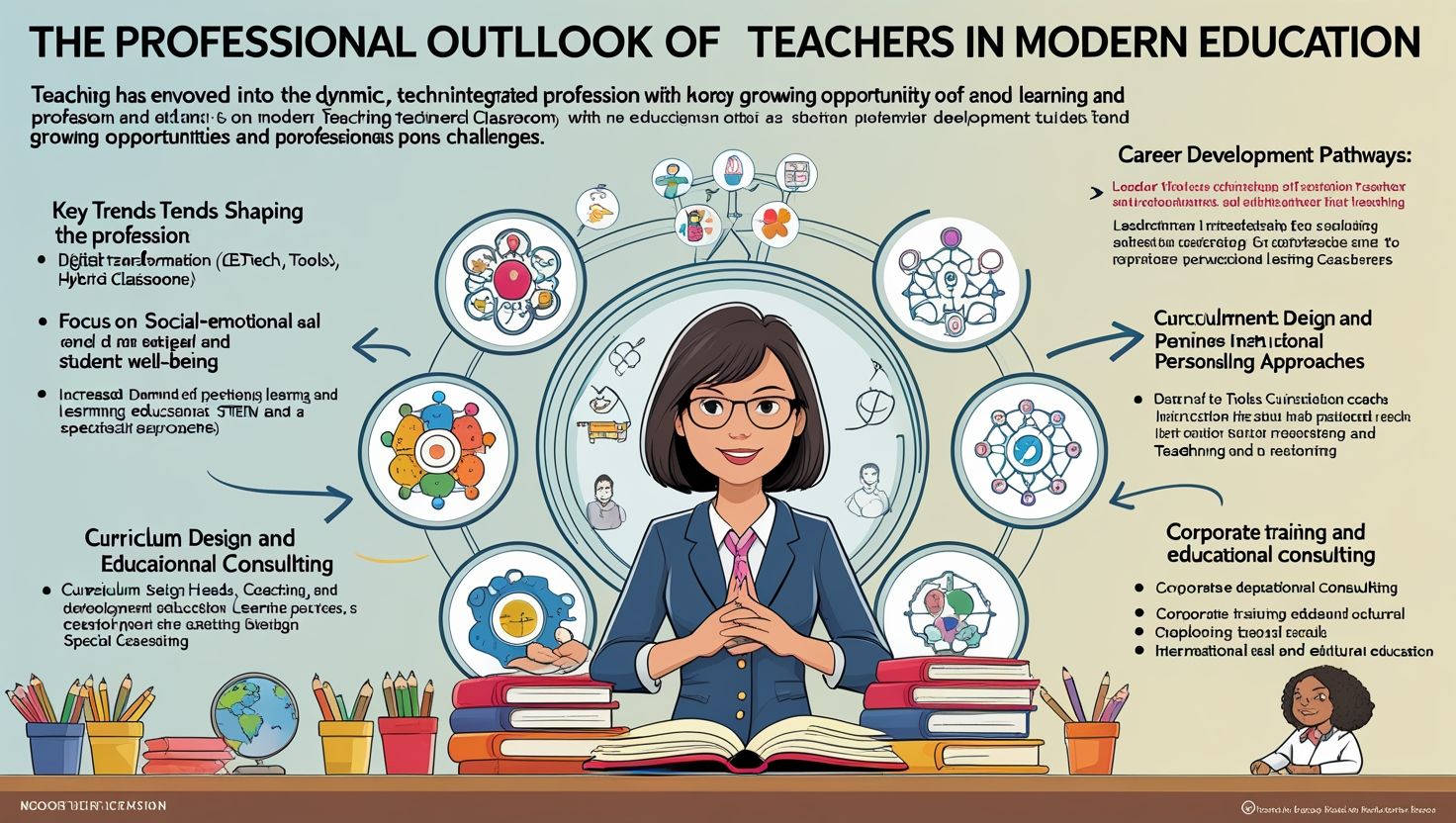
Continuous professional learning also contributes significantly to teacher motivation, professional satisfaction, and career advancement opportunities within educational systems. Educators who participate regularly in meaningful learning experiences often develop stronger confidence in their professional abilities and greater enthusiasm for teaching responsibilities. Professional growth opportunities encourage teachers to pursue innovation, improve classroom performance, and remain committed to educational excellence despite workplace challenges. Continuous learning additionally provides educators with opportunities to acquire specialized skills, academic qualifications, and leadership competencies that support career progression. Educational institutions that invest consistently in teacher development frequently experience lower staff turnover rates because educators feel valued, respected, and professionally supported. Professional learning can also reduce feelings of isolation and burnout by promoting collaboration, mentorship, and emotional support among colleagues. Consequently, continuous professional learning not only strengthens instructional quality but also improves teacher wellbeing, institutional stability, and long term professional commitment within educational environments.
Research and Evidence Based Educational Practice
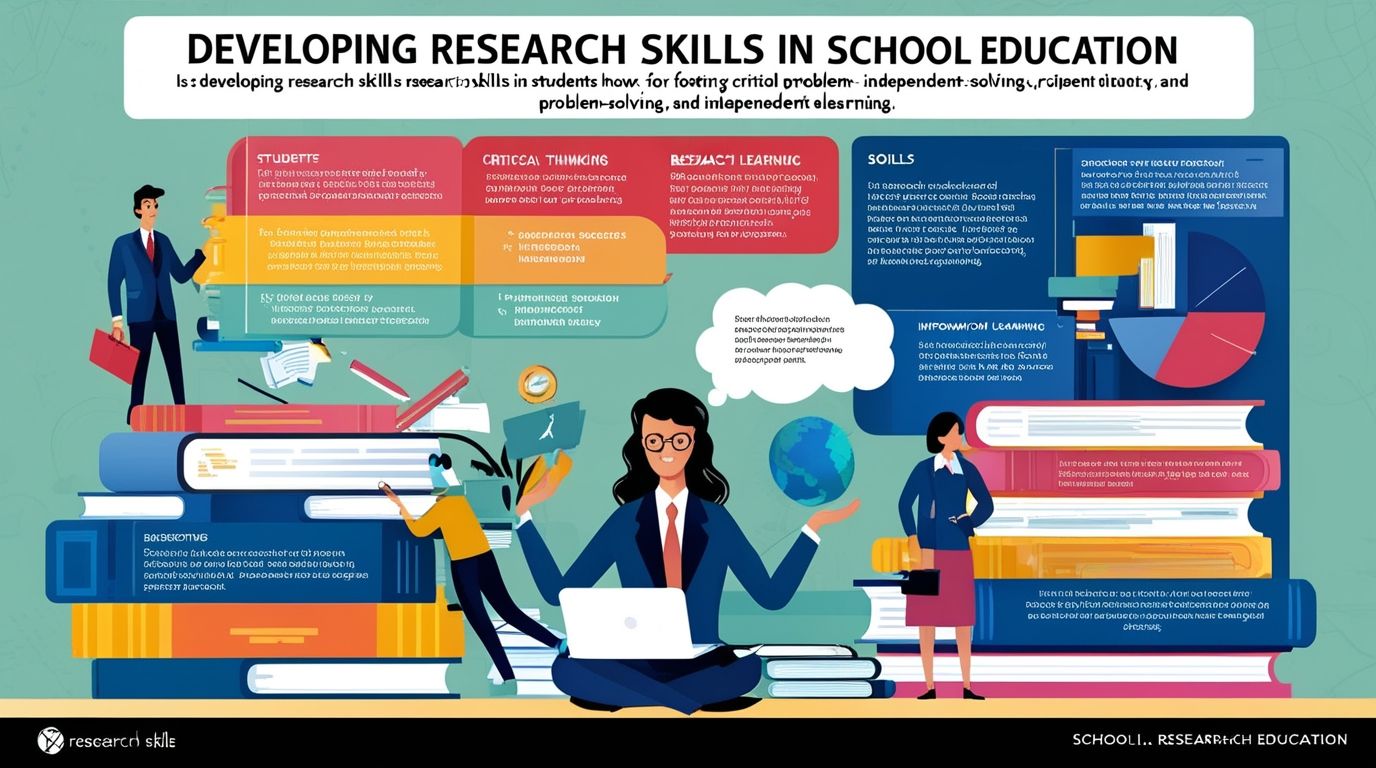
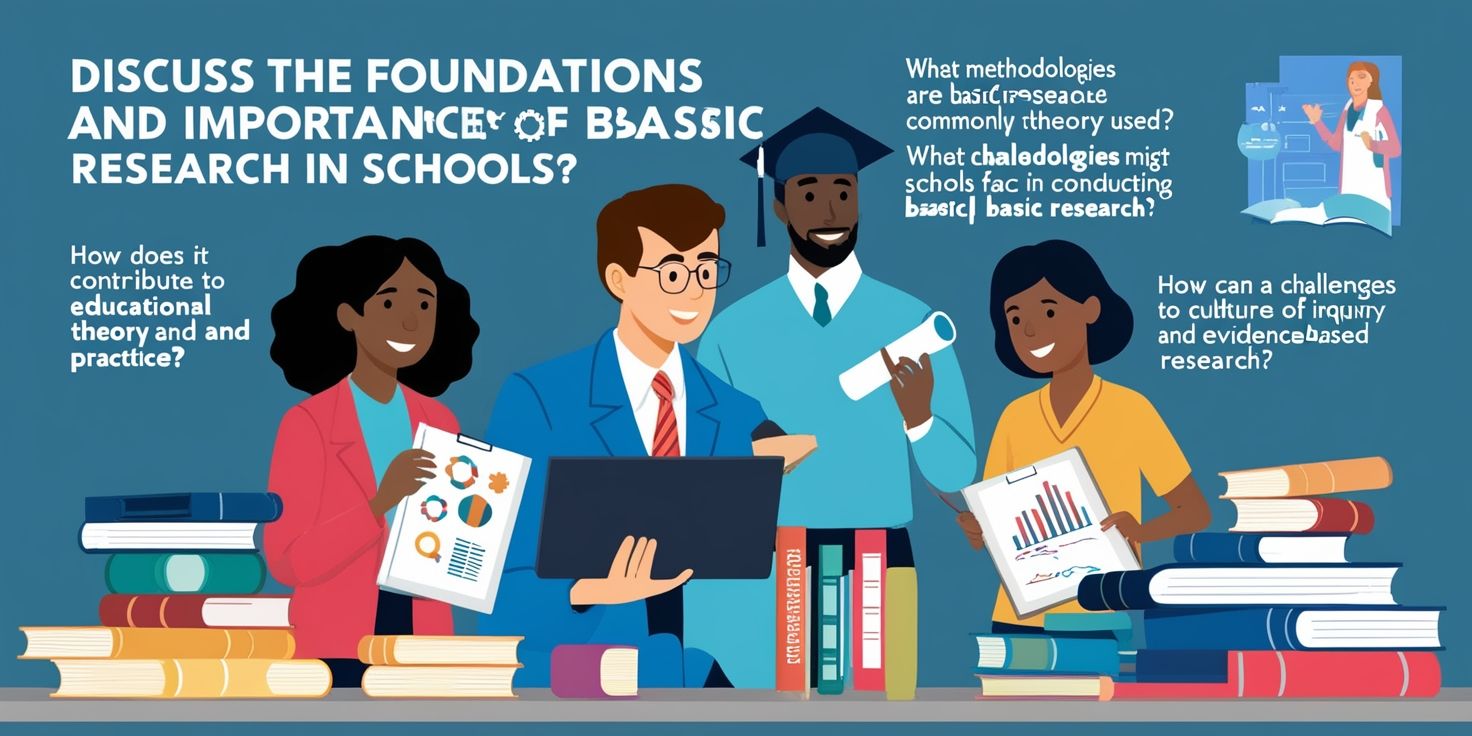
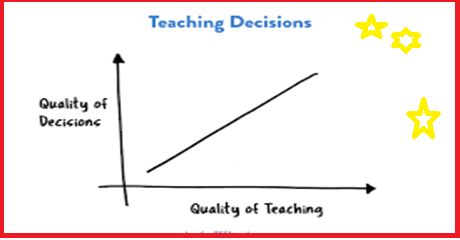
Research and evidence based practice are closely connected to continuous professional learning because they encourage educators to make informed instructional decisions. Teachers who engage in professional development programs often become more capable of analyzing educational research, interpreting assessment data, and implementing strategies supported by evidence. This analytical approach improves classroom instruction because decisions are based on measurable outcomes rather than assumptions or outdated practices. Action research projects, professional inquiry groups, and reflective discussions allow educators to investigate classroom challenges systematically and identify practical solutions that improve learning experiences. Schools that promote evidence based professional learning usually demonstrate stronger academic performance, improved teaching consistency, and greater institutional accountability. Continuous professional learning additionally encourages educators to remain curious, intellectually engaged, and open to innovation throughout their careers. By connecting research with classroom practice, educational institutions create environments where improvement becomes an ongoing and collaborative process focused on meaningful student achievement.
Strengthening School and Community Relationships
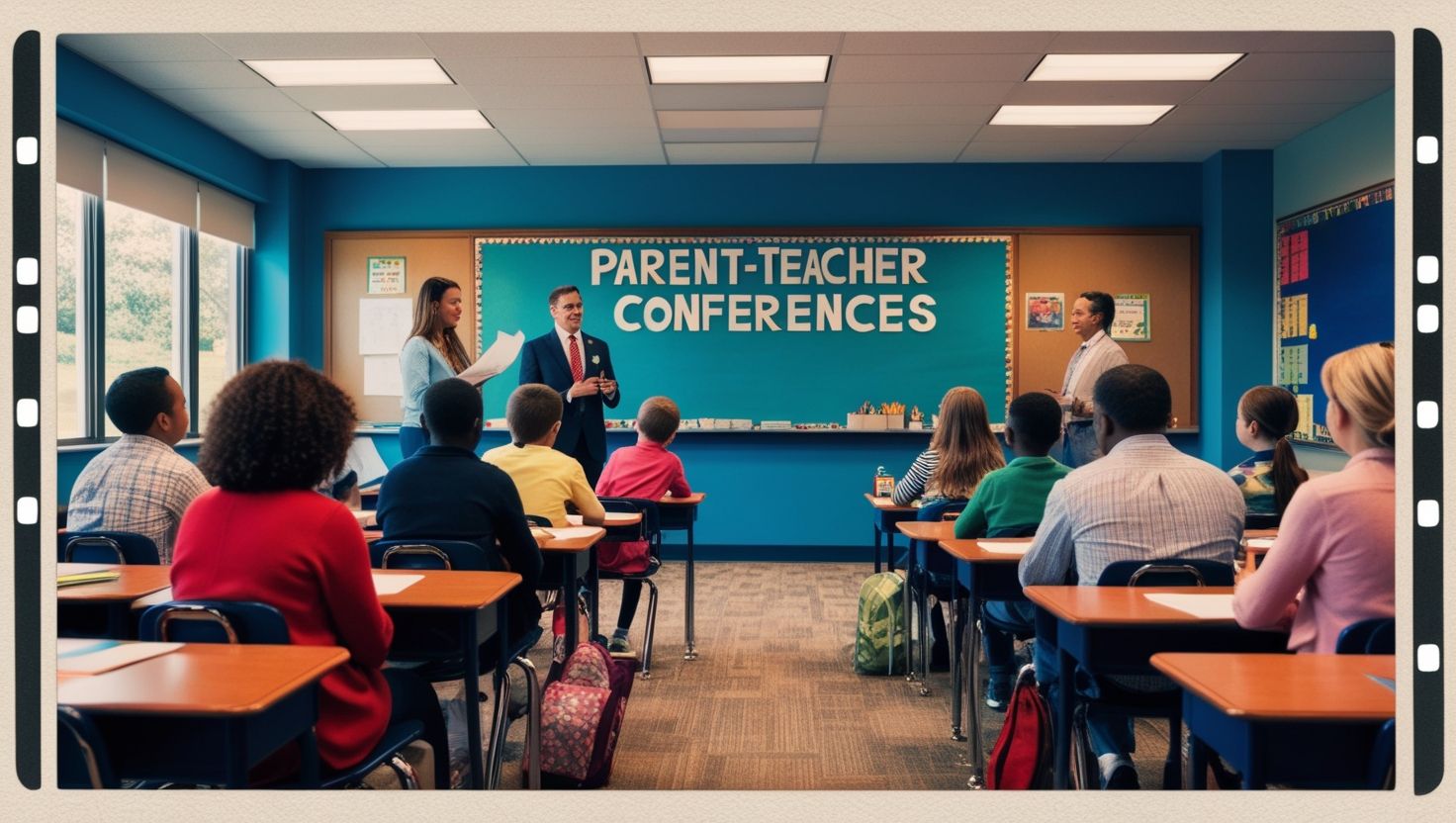
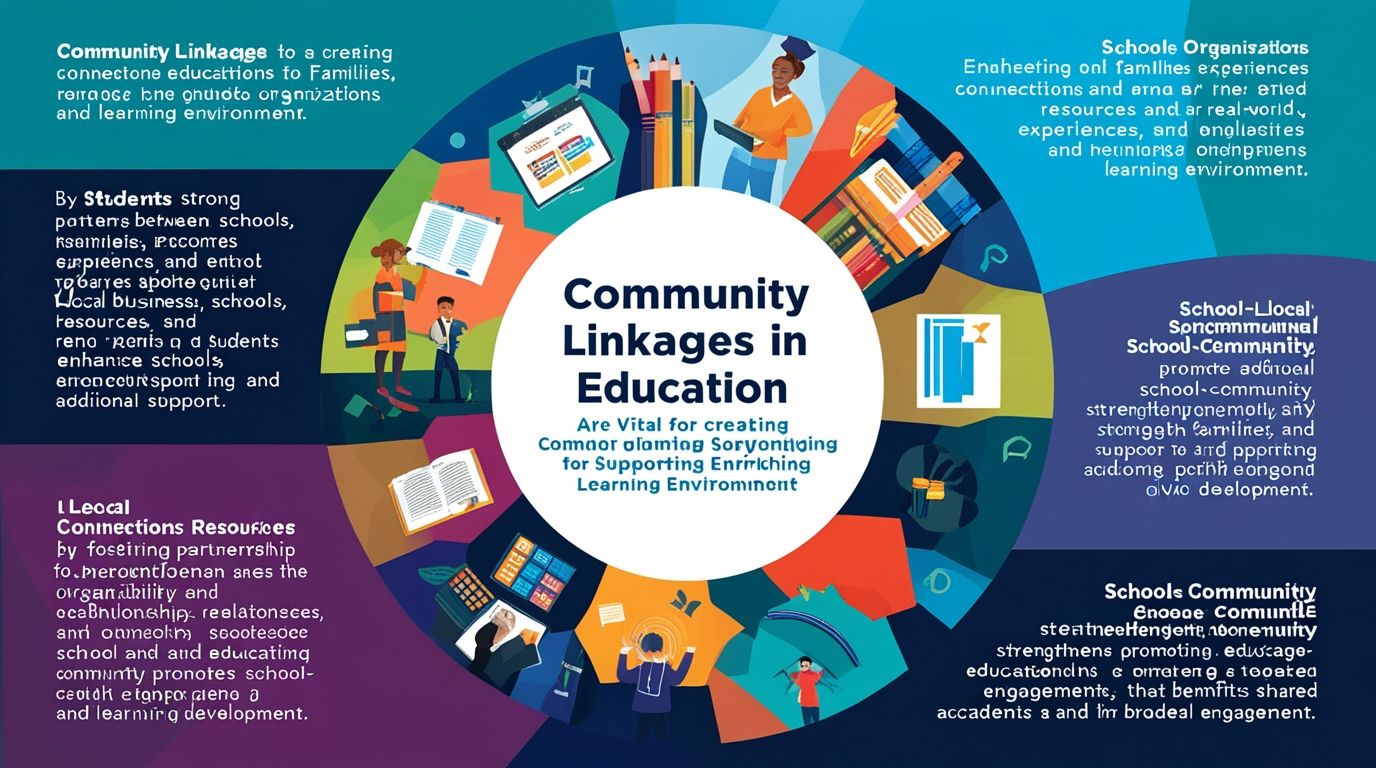
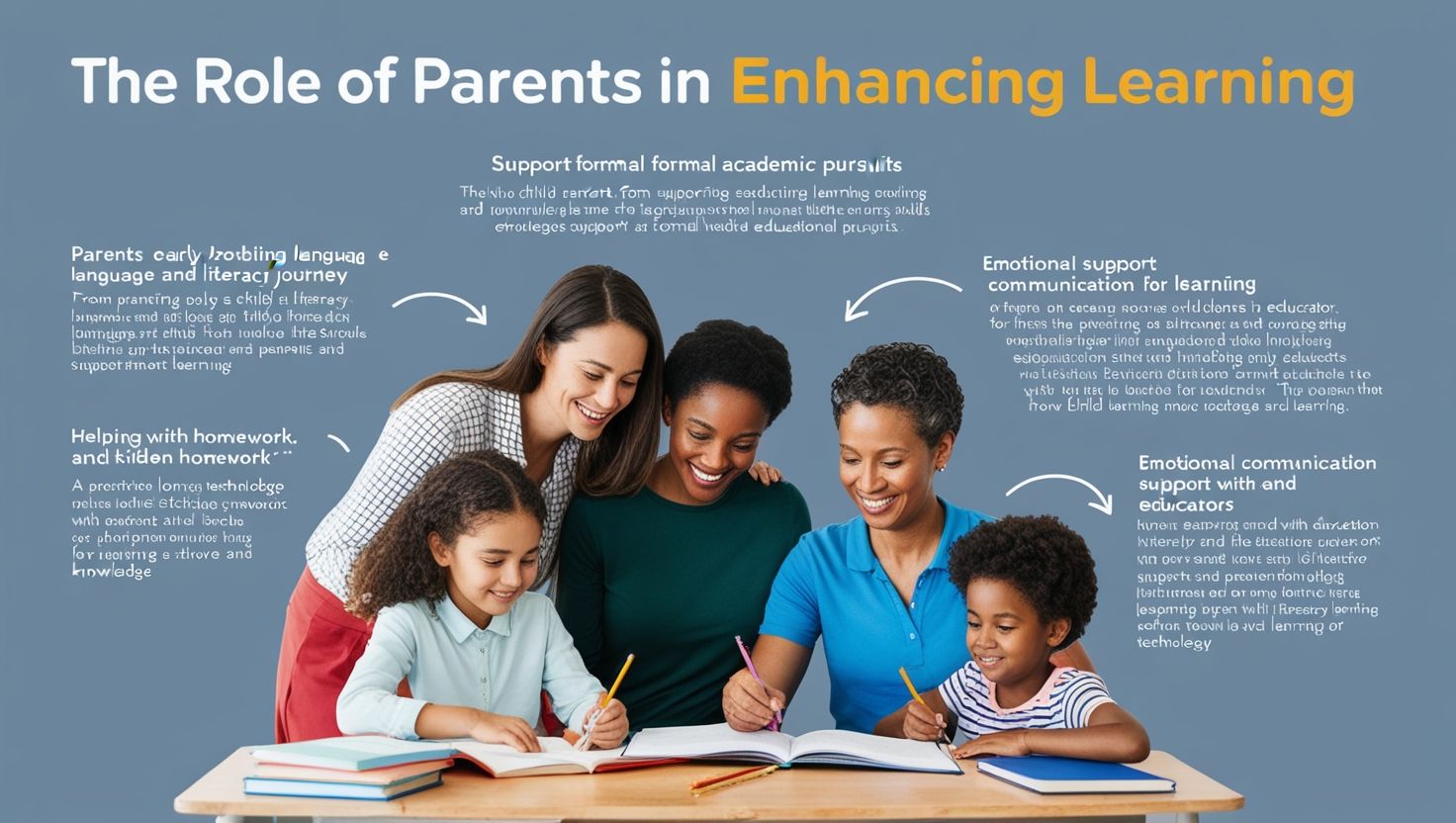
Continuous professional learning further strengthens communication between schools, families, and communities by encouraging educators to develop stronger interpersonal and partnership skills. Effective education depends greatly on positive relationships among teachers, parents, administrators, and community stakeholders who collectively support student development. Professional learning opportunities focused on communication, conflict resolution, and community engagement help educators interact more effectively with diverse groups. Teachers become more capable of discussing student progress, addressing concerns, and building trust with families from different social and cultural backgrounds. Schools that promote strong partnerships with communities often create supportive learning environments where students receive consistent academic and emotional encouragement. Continuous learning additionally encourages educators to understand broader social issues affecting education, including poverty, mental health, and cultural diversity. Consequently, professional development contributes not only to classroom improvement but also to stronger educational partnerships that support student success and institutional growth.
Educational Reform and Institutional Change
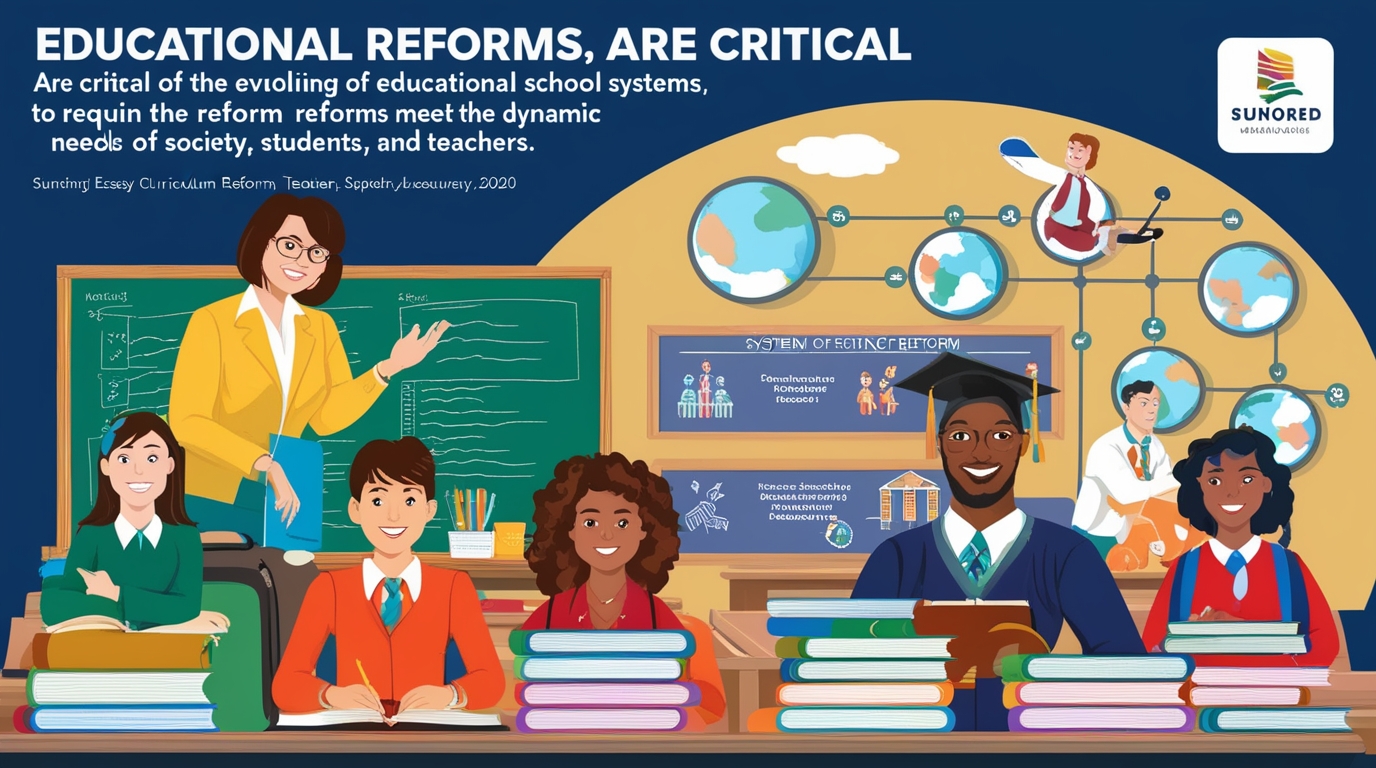
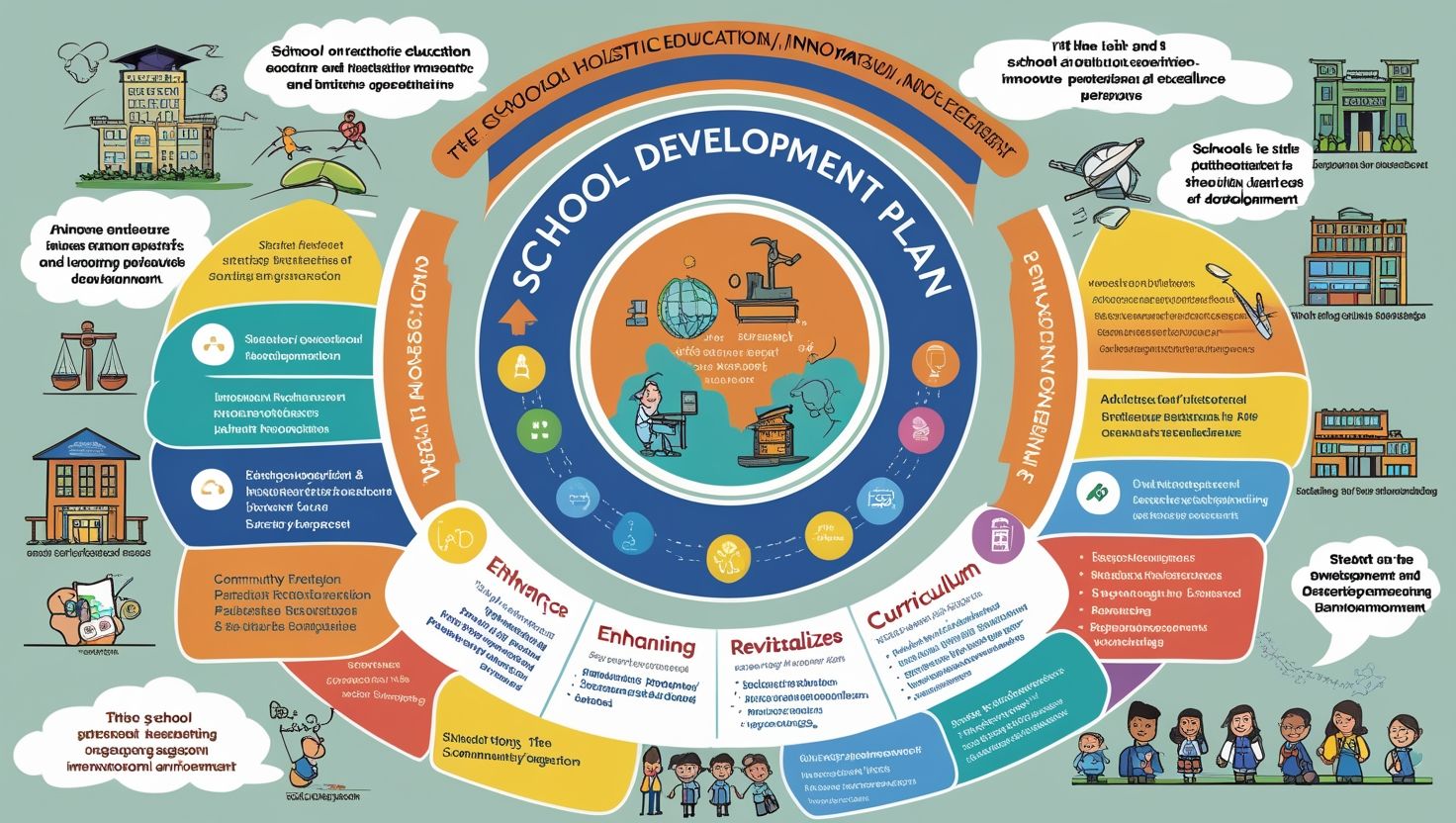
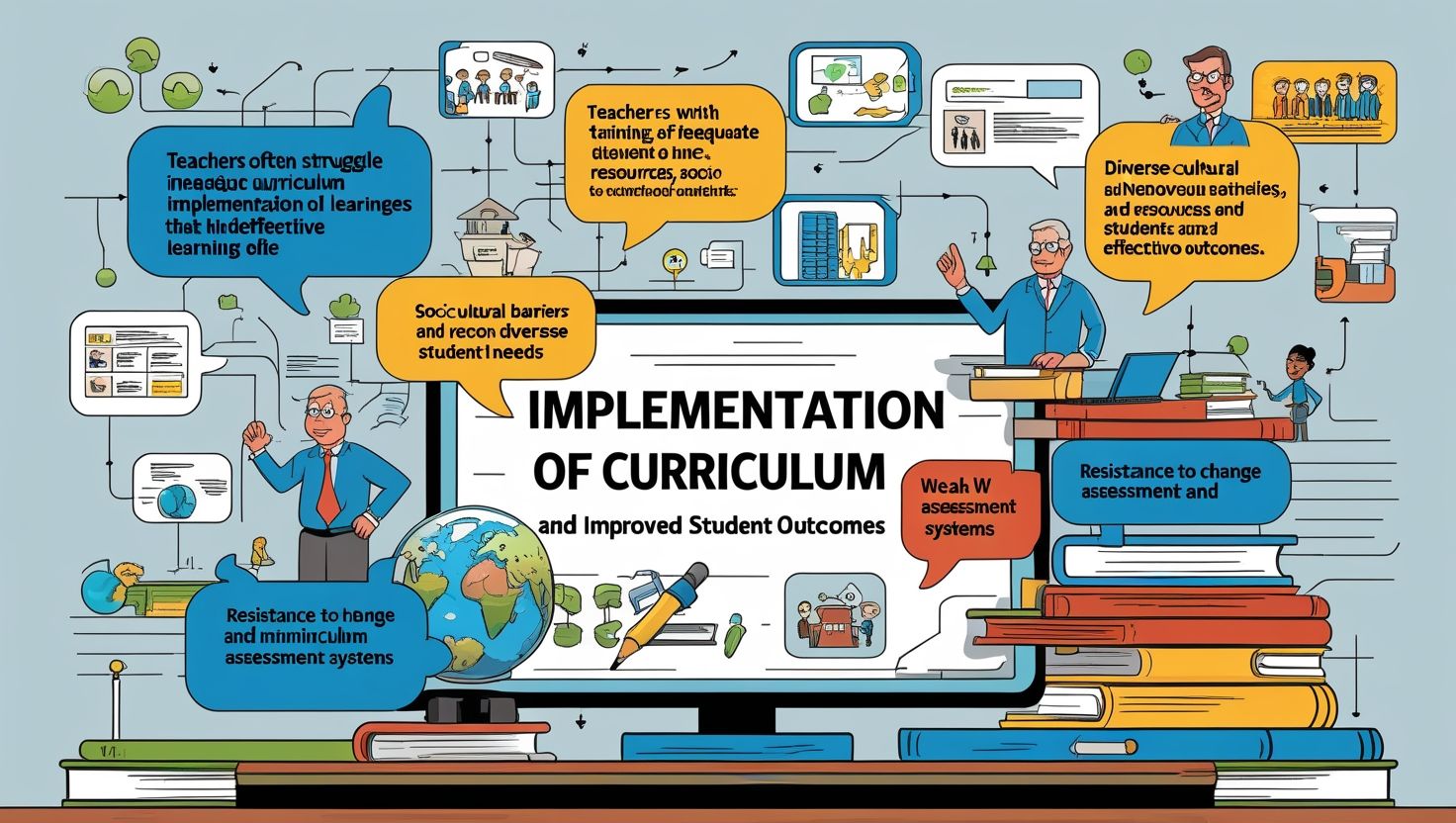
Educational change and reform initiatives are more successful when supported by continuous professional learning programs that prepare educators for new expectations and responsibilities. Curriculum revisions, policy changes, assessment reforms, and technological innovations often require teachers to adapt quickly to unfamiliar practices and instructional approaches. Professional learning opportunities provide educators with the knowledge, confidence, and practical skills necessary for implementing reforms effectively. Schools that fail to support continuous learning frequently encounter resistance, confusion, and inconsistent implementation of educational changes. In contrast, institutions that prioritize professional development create cultures where adaptation and innovation are encouraged positively. Teachers who understand the purpose and benefits of reforms are more likely to implement changes successfully and contribute actively to institutional improvement efforts. Continuous professional learning therefore becomes a critical strategy for managing educational transformation while ensuring stability, collaboration, and consistent progress toward academic and organizational goals.
Impact on Student Achievement and Learning Outcomes
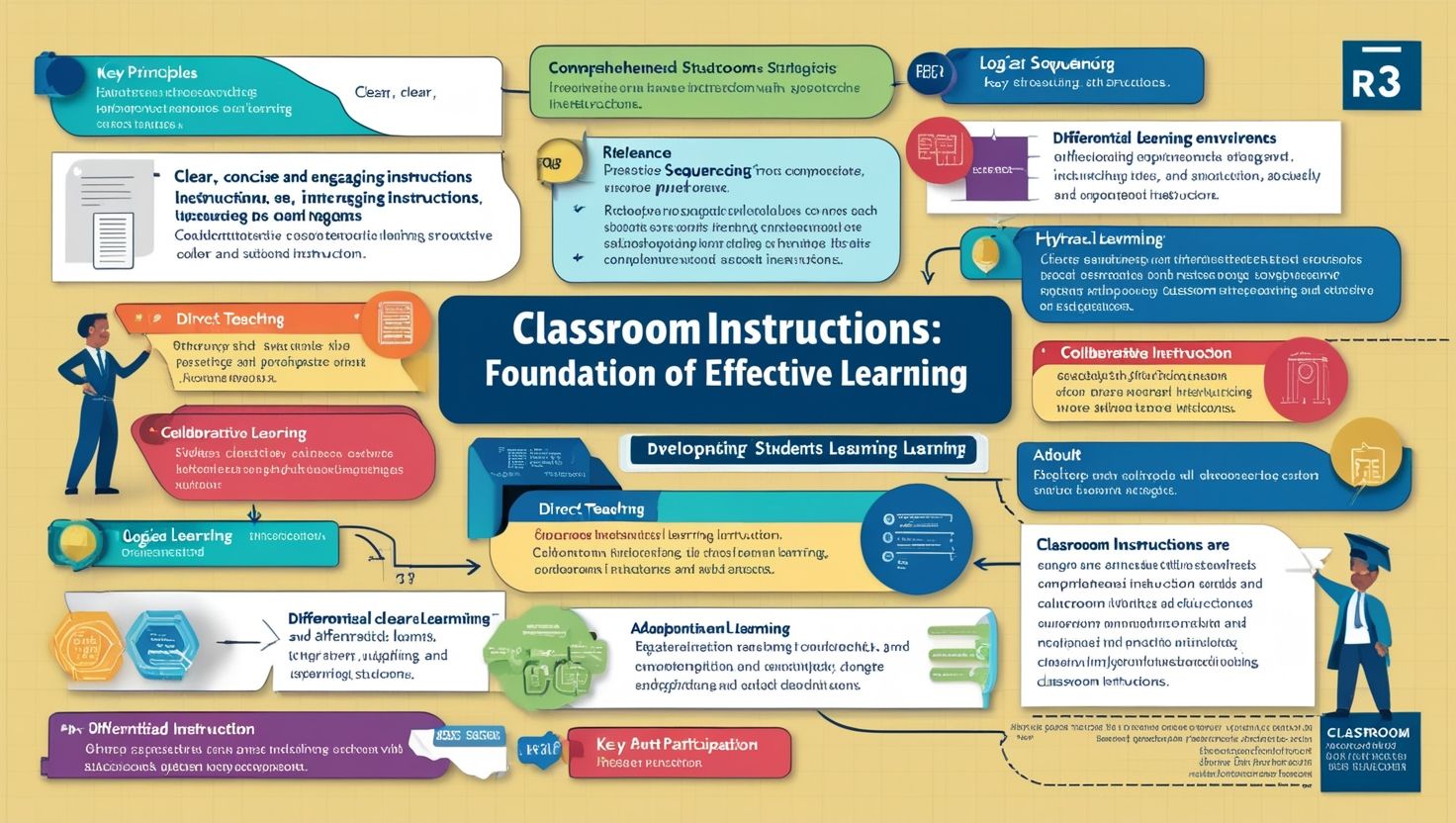
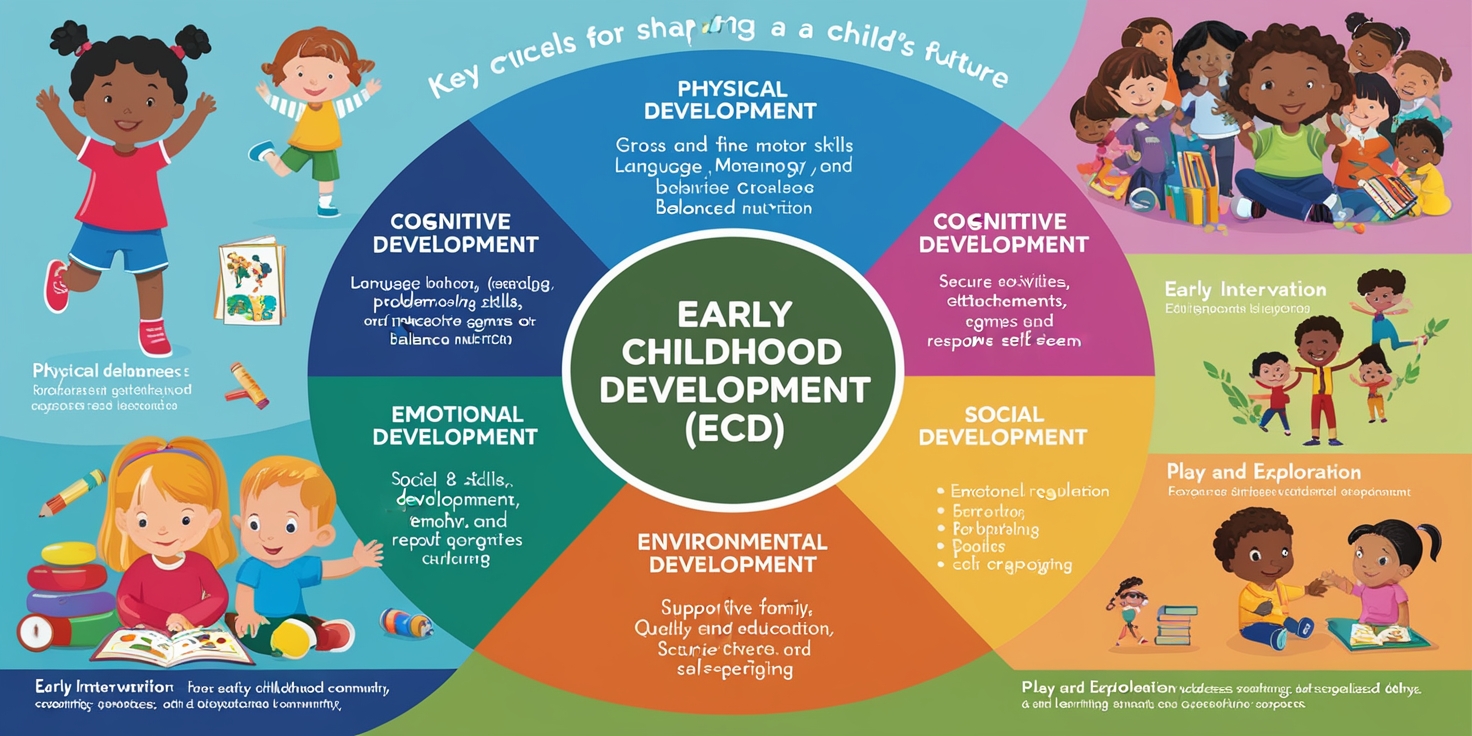
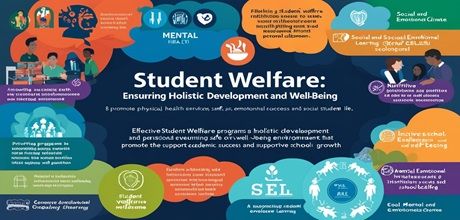
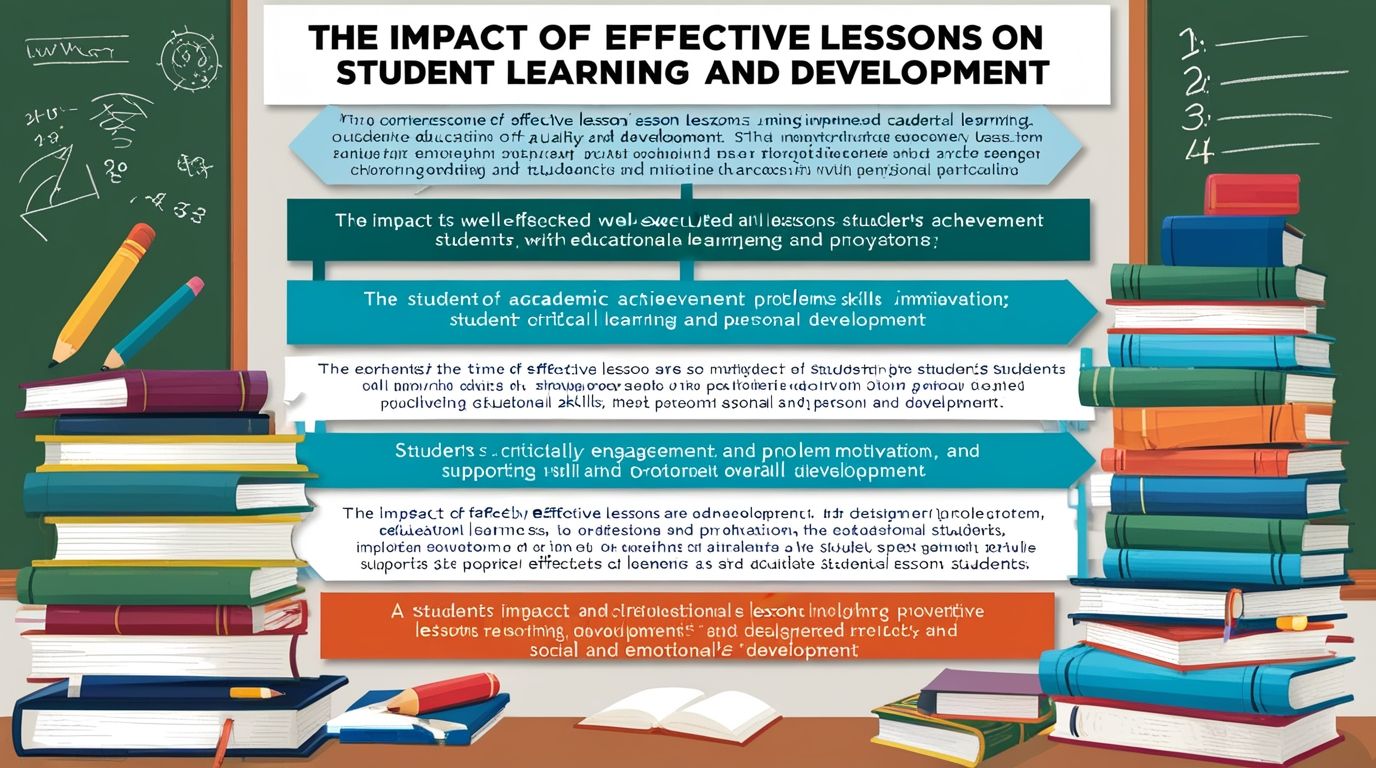
Student achievement remains one of the most significant outcomes associated with continuous professional learning because improved teaching practices directly influence learning experiences and academic performance. Teachers who engage regularly in professional development acquire stronger instructional strategies, classroom management skills, and assessment techniques that support effective learning environments. Students benefit from engaging lessons, differentiated instruction, and supportive classroom relationships that encourage participation and intellectual growth. Professional learning also helps teachers identify learning difficulties earlier and implement appropriate interventions that improve student outcomes. Schools with strong professional learning cultures often demonstrate higher academic achievement, improved attendance rates, and stronger student motivation because educators are better equipped to address diverse learning needs. Continuous professional learning additionally supports social and emotional learning practices that contribute positively to student wellbeing and behavior. Therefore, investing in teacher development ultimately strengthens educational quality and creates meaningful learning opportunities for all students.
Role of Educational Leadership in Professional Learning
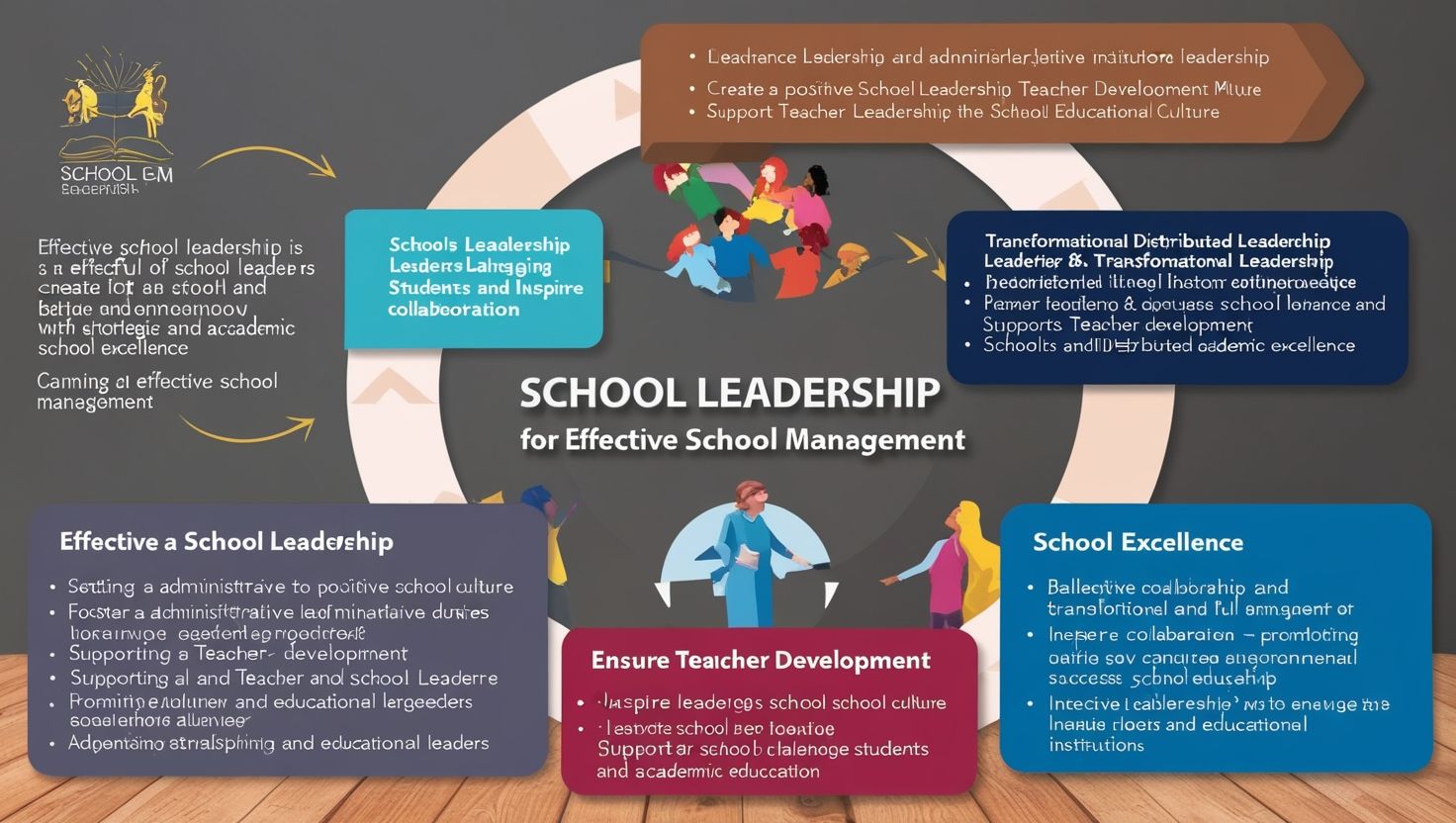
The role of educational leadership in promoting continuous professional learning cannot be underestimated because administrators strongly influence institutional culture and professional expectations. School leaders who prioritize professional growth create environments where learning, collaboration, and innovation are encouraged consistently among staff members. Effective leaders allocate resources, organize training opportunities, and provide encouragement that motivates educators to participate actively in professional development initiatives. Leadership support also ensures that learning programs remain relevant, practical, and aligned with institutional goals and student needs. Administrators who model continuous learning themselves inspire teachers to adopt similar attitudes toward professional improvement and lifelong education. Schools with supportive leadership often experience stronger professional relationships, improved morale, and greater organizational commitment among educators. Continuous professional learning therefore requires visionary leadership capable of creating sustainable systems that encourage teacher growth, institutional improvement, and long term educational success for students and communities.
Globalization and Modern Educational Demands
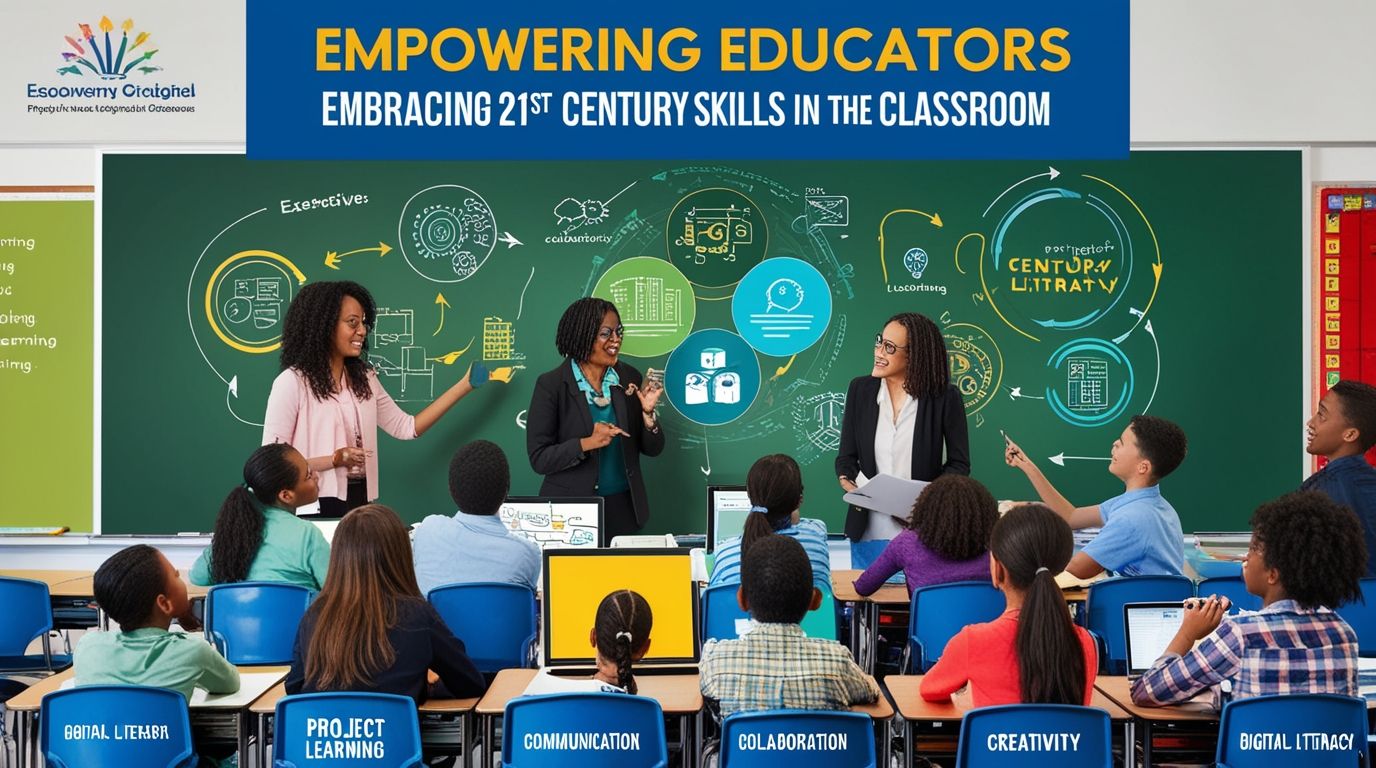
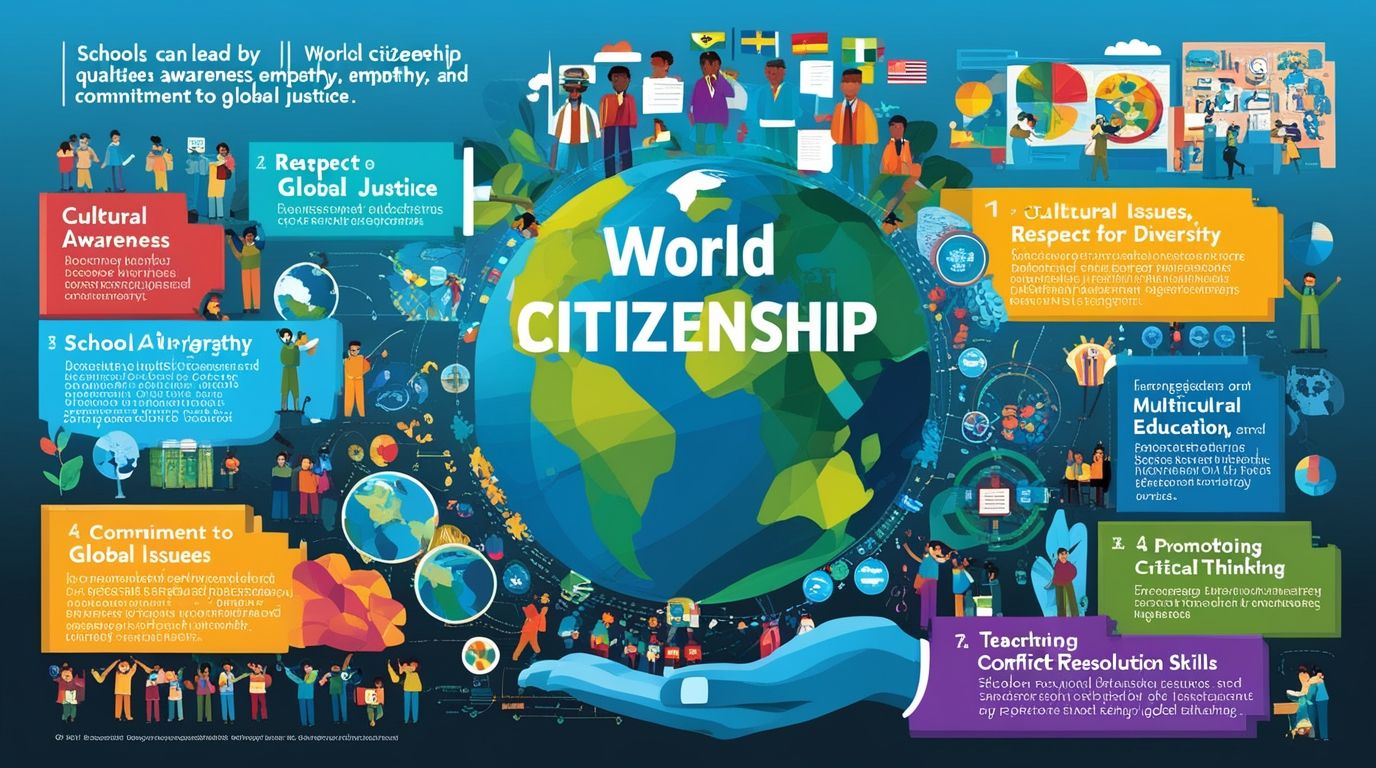
Globalization has further increased the significance of continuous professional learning because educators must prepare students for increasingly interconnected and competitive societies. Modern learners require critical thinking abilities, communication skills, digital literacy, creativity, and intercultural understanding to succeed within global environments. Teachers who engage in ongoing professional development become more capable of integrating these competencies into classroom instruction and curriculum planning. International educational trends, research findings, and technological innovations continually reshape educational expectations, making professional learning essential for maintaining instructional relevance. Continuous learning opportunities additionally expose educators to diverse teaching methods, cultural perspectives, and collaborative networks that broaden professional understanding. Schools that encourage global awareness among teachers often create more dynamic and inclusive learning environments for students. Consequently, continuous professional learning strengthens educational institutions by preparing educators to address international challenges while supporting academic excellence, cultural understanding, and responsible global citizenship among learners.
Conclusion
In conclusion, continuous professional learning serves as a powerful catalyst for educational improvement because it strengthens teacher expertise, supports leadership development, encourages collaboration, and improves student achievement. Educational institutions that prioritize ongoing learning create cultures where innovation, reflection, accountability, and professional excellence are valued consistently. Teachers who engage actively in professional development become more confident, adaptable, and capable of addressing diverse student needs within changing educational environments. Continuous learning additionally promotes inclusive education, evidence based practice, technological integration, and stronger partnerships among schools, families, and communities. Effective educational leadership further enhances professional learning by providing resources, encouragement, and strategic direction that support institutional growth. As societies continue evolving socially, technologically, and academically, the importance of continuous professional learning will continue increasing across educational systems worldwide. Investing in educator development ultimately strengthens schools, empowers teachers, and creates meaningful opportunities for lifelong student success and human progress.