Introduction
Dual Codes of Learning, Dual coding theory is an influential educational concept that explains how learners process and retain information through the combined use of verbal and visual systems. Developed by Canadian psychologist Allan Paivio during the 1970s, the theory emphasizes that human cognition operates through two interconnected channels that support learning and memory. One system processes language, words, and verbal explanations, while the other system manages images, diagrams, and visual representations.
According to the theory, learning becomes more meaningful and memorable when information is presented using both verbal and visual forms simultaneously. Educational psychologists consider dual coding a powerful instructional strategy because it strengthens comprehension, improves retention, and supports long term memory development among learners of different ages and abilities. In modern educational environments, teachers increasingly integrate text, graphics, videos, and illustrations into lessons to enhance student understanding. Dual coding therefore provides an important framework for designing effective instructional practices that promote deeper learning, critical thinking, and meaningful engagement within diverse educational contexts.
Historical Development of Dual Coding Theory
The historical development of dual coding theory reflects significant advancements in cognitive psychology and educational research. Allan Paivio introduced the theory after observing that individuals remember concrete images more effectively than abstract verbal information. His research demonstrated that words and images are processed differently within the human brain but can work together to improve understanding and memory retention. Early studies in cognitive science focused mainly on verbal learning and linguistic processing, but Paivio expanded these perspectives by highlighting the role of imagery in cognition.
During subsequent decades, researchers explored how visual and verbal representations interact within memory systems and influence learning outcomes. Educational theorists later connected dual coding principles to classroom instruction, multimedia learning, and curriculum development. The theory gained increasing recognition as technology transformed educational practices and introduced more visual forms of communication into learning environments. Today, dual coding remains an essential component of instructional design, educational psychology, and neuroscience research because it offers practical strategies for improving learning experiences across academic disciplines.
Understanding the Verbal and Visual Systems
Dual coding theory proposes that human cognition includes two separate but interconnected processing systems known as the verbal and visual channels. The verbal system processes spoken language, written text, explanations, and symbolic communication that relies primarily on linguistic understanding. In contrast, the visual system processes images, diagrams, symbols, maps, charts, and other forms of nonverbal representation. These systems function independently but can also interact closely during learning activities.
When learners receive information through both channels simultaneously, they create stronger mental associations that improve comprehension and recall. For example, students studying biological processes may better understand concepts when teachers combine verbal explanations with labeled diagrams or animations. Similarly, mathematical instruction becomes more effective when equations are accompanied by graphs or visual demonstrations. Educational researchers suggest that combining verbal and visual information reduces cognitive overload because learners distribute processing across multiple channels rather than relying on a single system. This balanced approach supports deeper understanding, strengthens memory connections, and improves the ability to retrieve information during assessments and practical applications.
Cognitive Foundations of Dual Coding
The cognitive foundations of dual coding theory are closely connected to human memory systems, information processing, and neural activity within the brain. Cognitive psychologists explain that information entering the brain through multiple channels creates more retrieval pathways that improve long term memory retention. When learners hear information while simultaneously observing relevant visuals, they form interconnected cognitive representations that reinforce understanding. This process strengthens encoding because verbal and visual information complement one another and provide multiple opportunities for recall.
Neuroscientific research additionally indicates that different brain regions become activated when individuals process verbal and visual stimuli together. Educational experts therefore consider dual coding an effective strategy for promoting active learning and reducing memory limitations. Cognitive load theory also supports dual coding principles because combining visuals with concise explanations helps learners manage complex information more efficiently. Teachers who understand these cognitive mechanisms can design instructional materials that align with how the brain naturally processes information. Consequently, dual coding contributes significantly to effective teaching practices, memory development, and meaningful educational experiences.
Importance of Dual Coding in Education
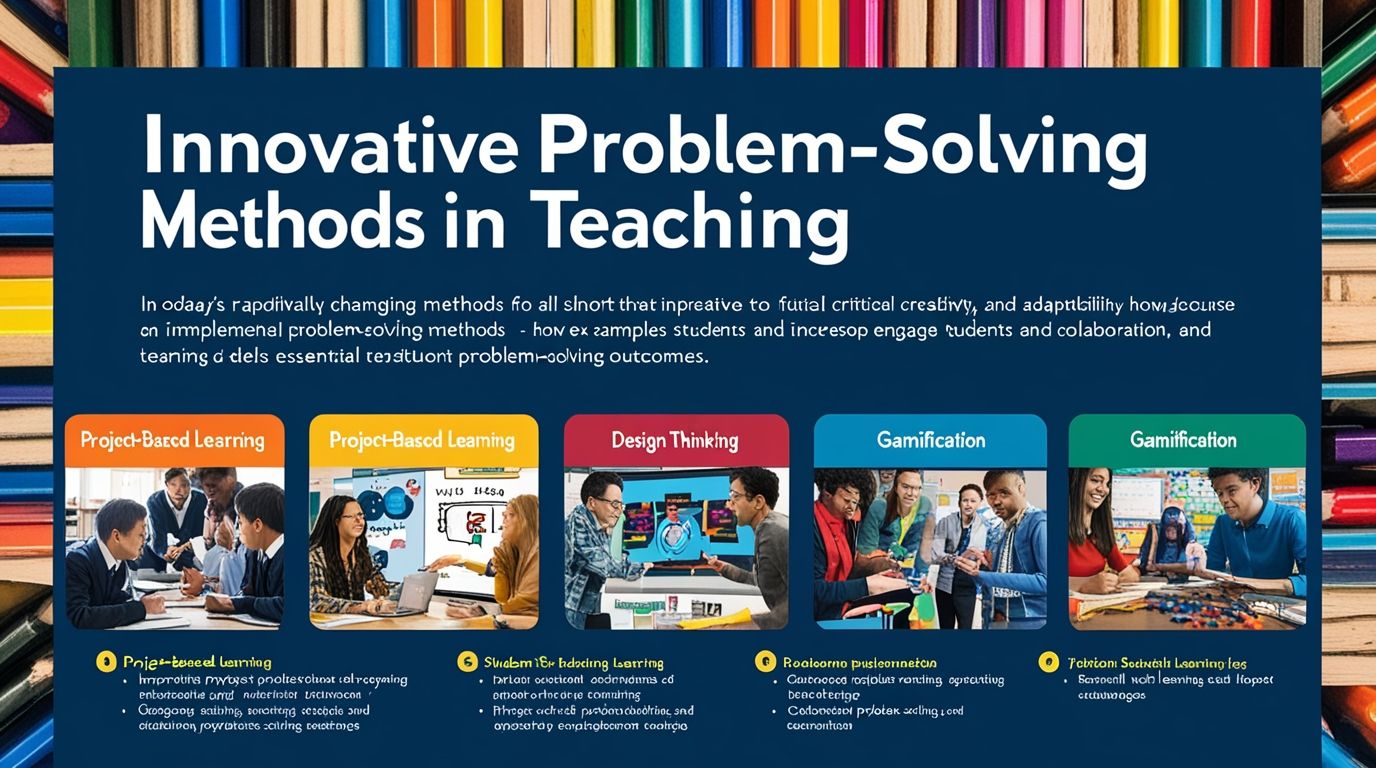
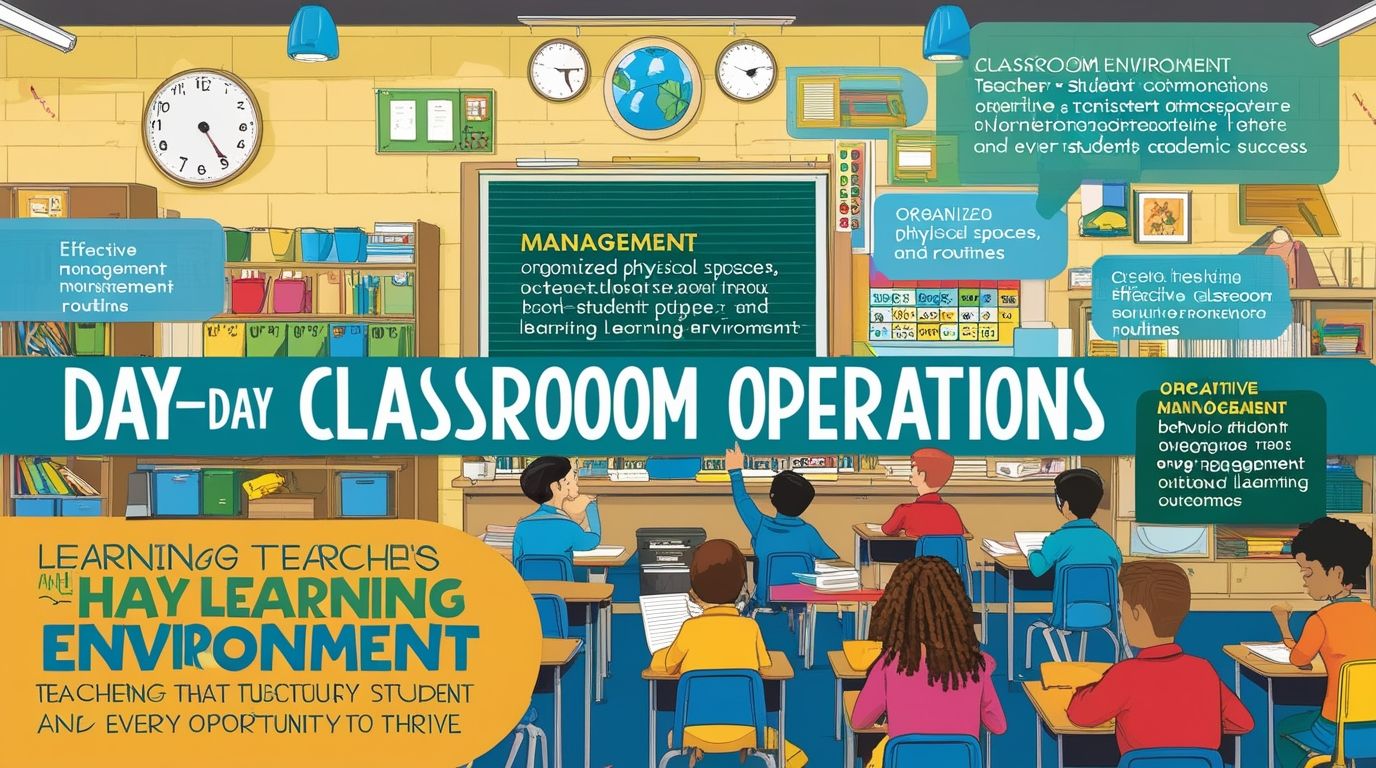
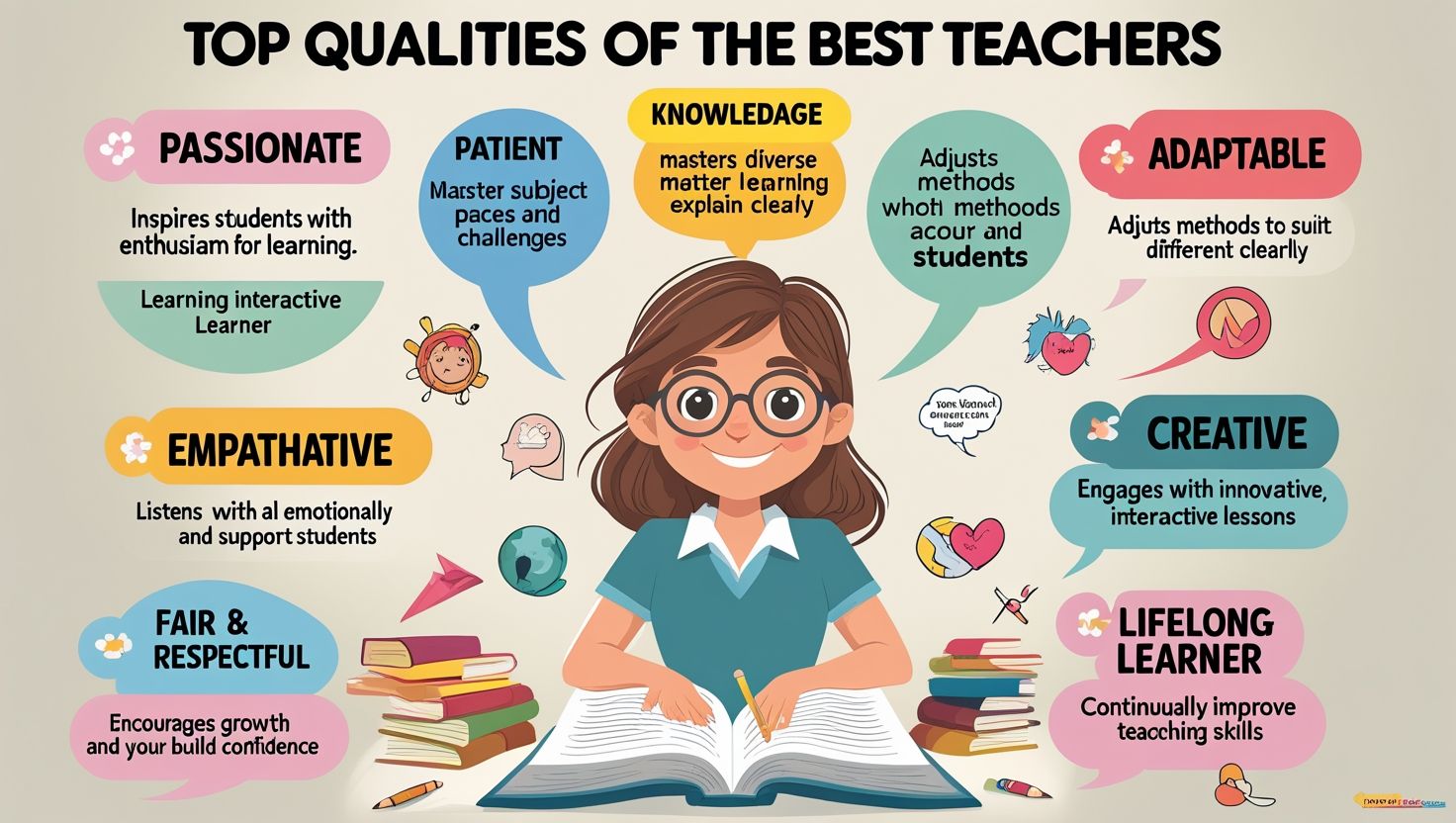
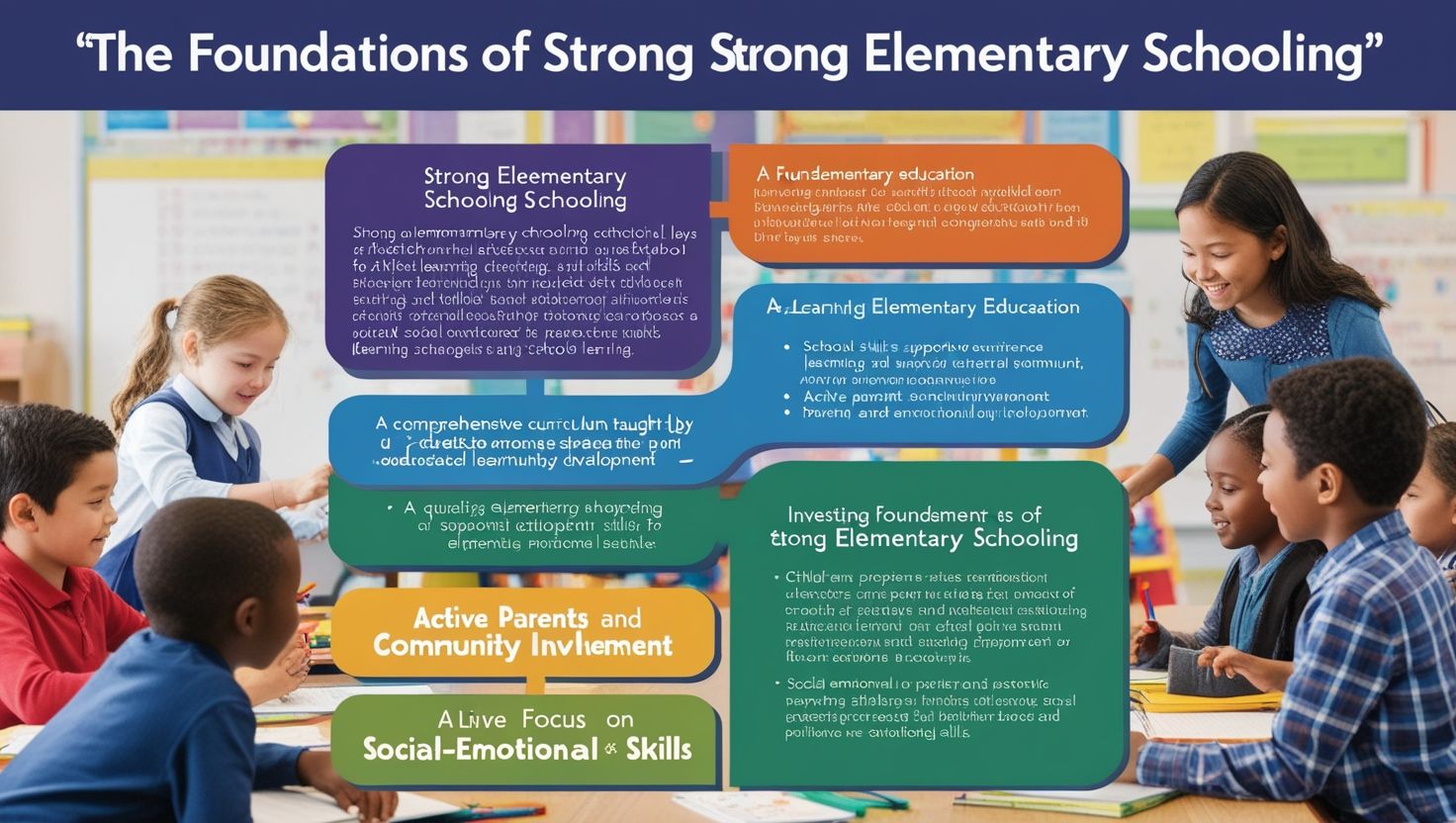
Dual coding plays a highly significant role in education because it enhances comprehension, engagement, and knowledge retention among students. Modern classrooms contain learners with diverse abilities, learning preferences, and academic backgrounds, making effective instructional strategies increasingly important for educational success. Teachers who apply dual coding principles often create lessons that combine verbal explanations with visual supports such as diagrams, charts, infographics, videos, and graphic organizers.
These instructional methods help students process information more effectively while improving attention and motivation during classroom activities. Research findings consistently demonstrate that students remember information better when they encounter it through multiple forms of representation. Dual coding also supports learners who struggle with traditional text based instruction because visuals provide additional context and clarity. Educational institutions increasingly encourage multimedia learning environments that integrate technology, interactive presentations, and visual resources into curriculum delivery. Consequently, dual coding contributes not only to academic achievement but also to inclusive education by supporting diverse learning needs and encouraging meaningful participation among all students.
Application of Dual Coding in Classroom Teaching
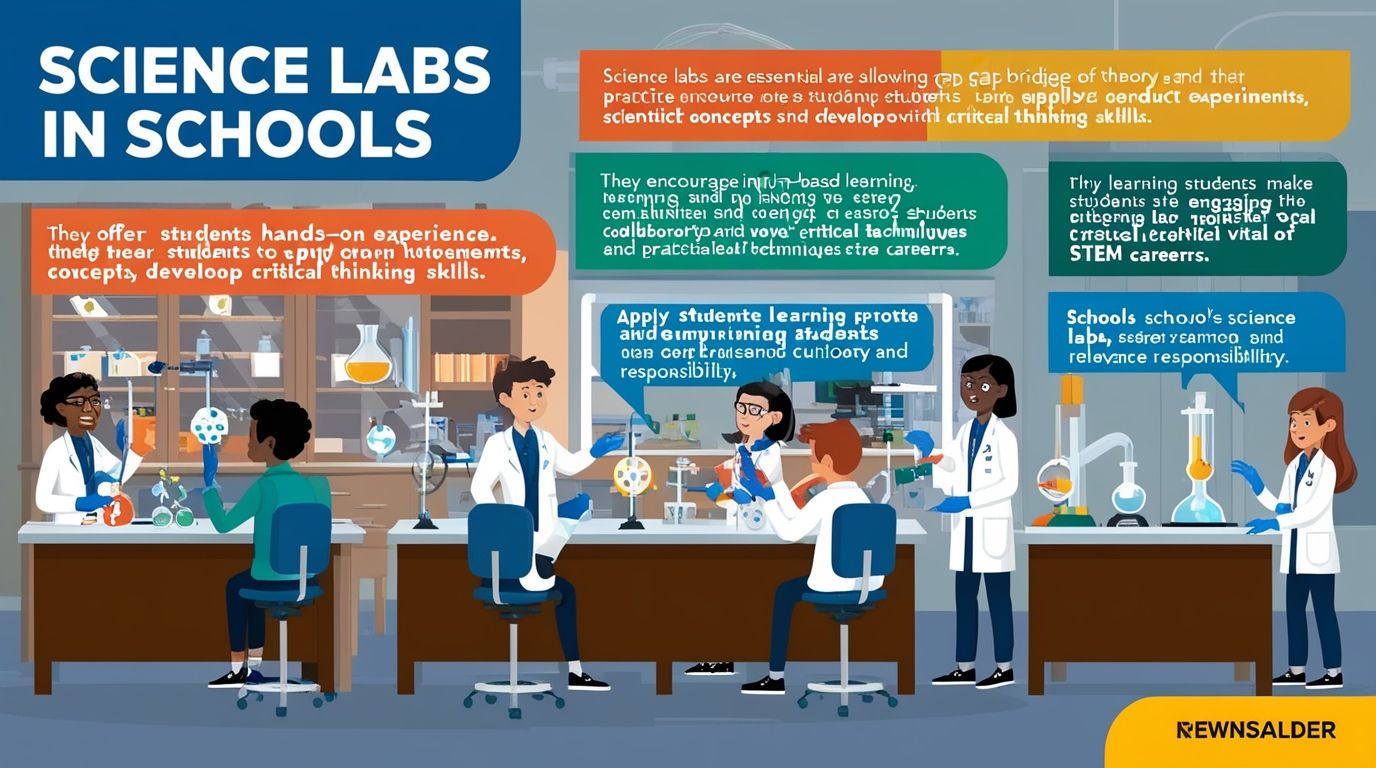
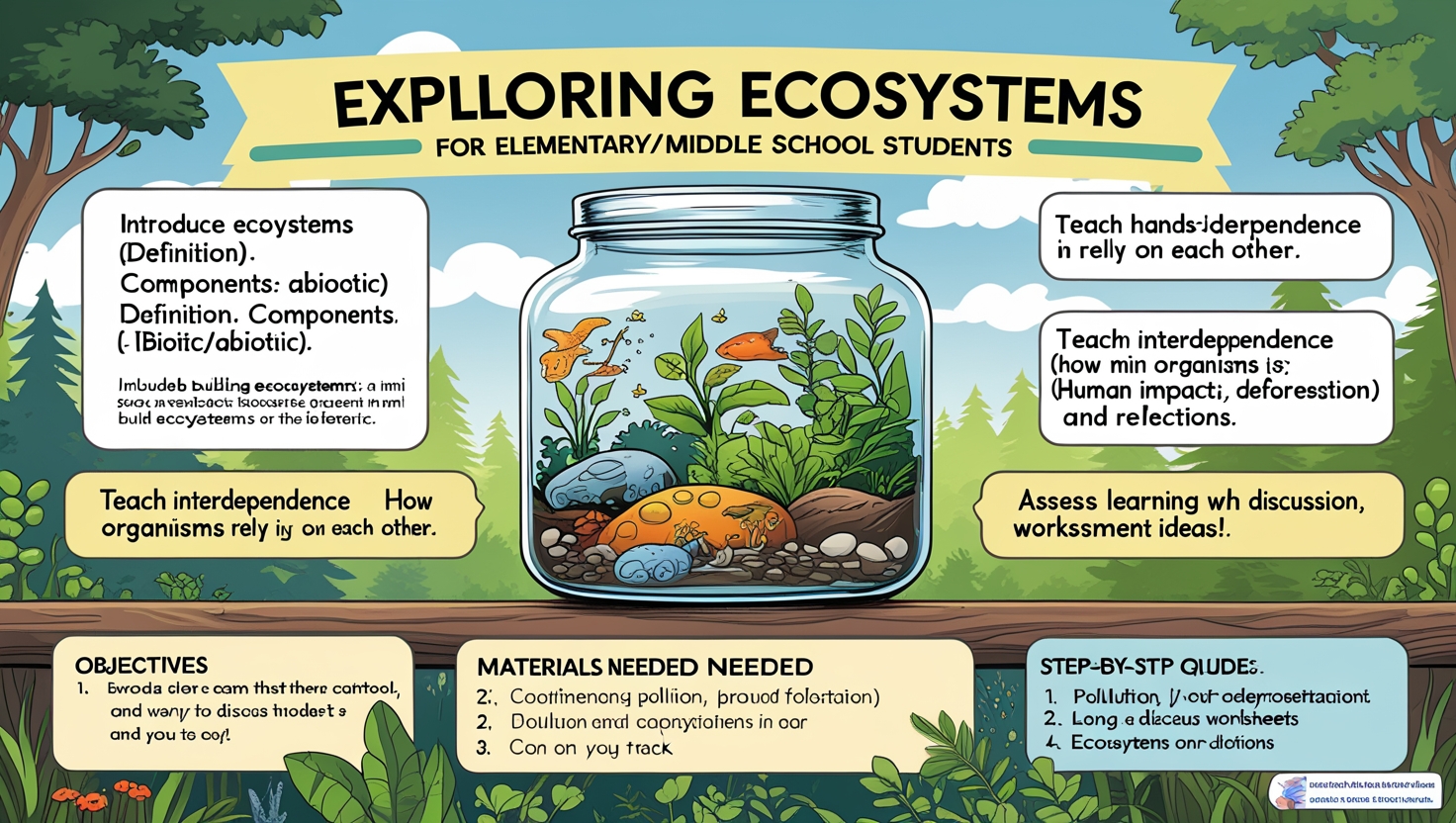
Teachers can apply dual coding strategies in numerous classroom situations to improve instructional effectiveness and student learning outcomes. One common application involves combining verbal lectures with visual presentations that include images, diagrams, and key concepts. Science teachers may use animations to explain complex biological processes, while history teachers can integrate timelines and historical maps to strengthen understanding of chronological events. Mathematics educators often combine equations with visual representations such as graphs and geometric models to improve conceptual understanding.
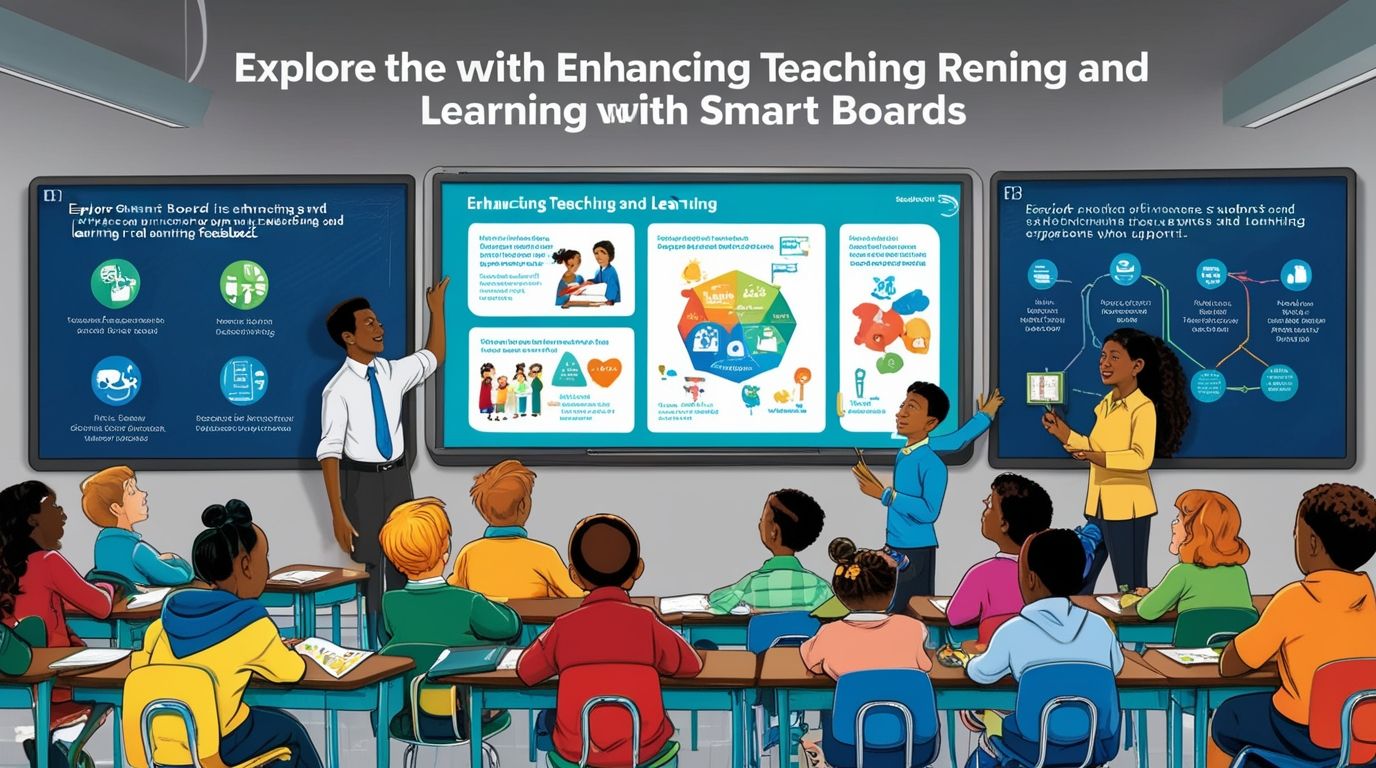
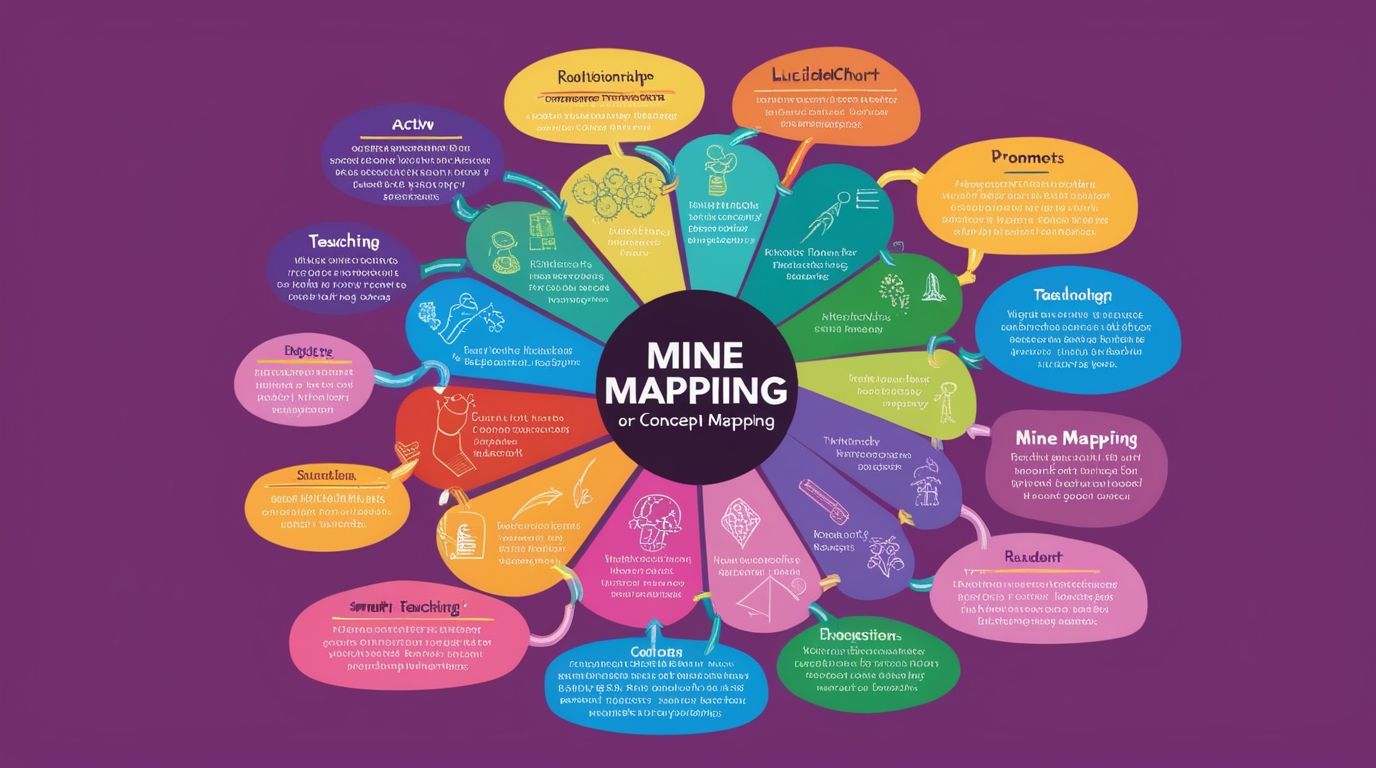
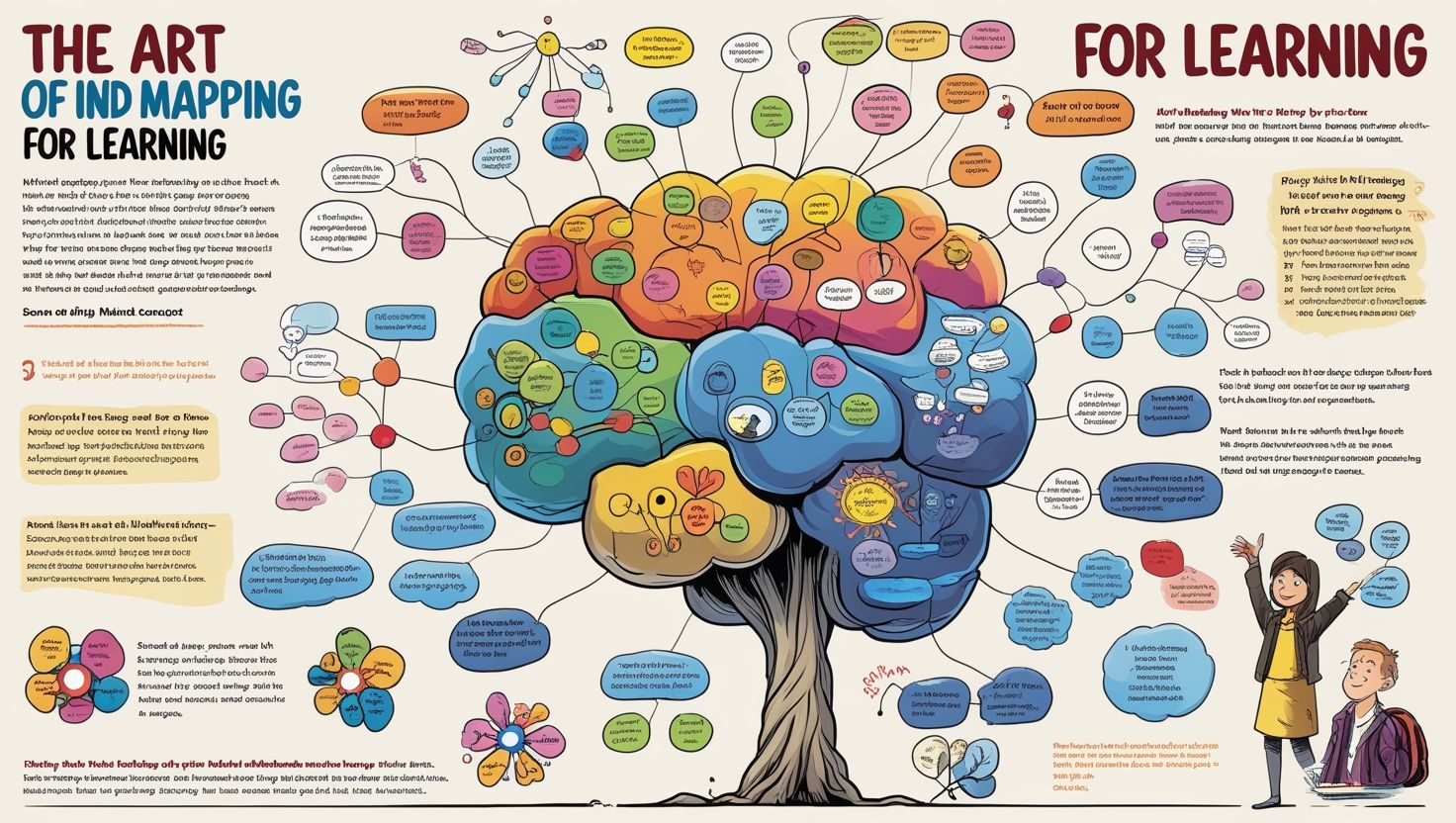
Language teachers similarly employ pictures, symbols, and visual storytelling techniques to support vocabulary acquisition and reading comprehension. Graphic organizers including mind maps, flowcharts, and concept maps also represent valuable dual coding tools because they organize information visually while reinforcing verbal explanations. Teachers who design visually supported lessons often observe increased student participation, improved concentration, and stronger academic performance. Furthermore, digital technologies such as interactive whiteboards, educational videos, and multimedia applications have expanded opportunities for integrating dual coding principles into contemporary classroom instruction and collaborative learning environments.
Dual Coding and Memory Retention
Memory retention represents one of the most important benefits associated with dual coding theory because learners are more likely to remember information presented through both verbal and visual channels. Educational psychologists explain that memory improves when learners create multiple mental representations of the same concept. For instance, students studying environmental science may remember climate change concepts more effectively when they read explanations while simultaneously viewing charts, graphs, or documentary images.
These multiple representations strengthen neural connections and create additional retrieval cues that support long term recall. Research additionally suggests that visual information is often processed more rapidly and retained longer than isolated verbal explanations. However, combining visuals with language creates even stronger memory structures because learners connect abstract concepts with meaningful representations. Teachers frequently use diagrams, labeled illustrations, and multimedia presentations to improve student understanding and recall during examinations. Dual coding therefore provides a practical strategy for strengthening memory retention, reducing forgetting, and supporting the transfer of knowledge into real world situations and future learning experiences.
Relationship Between Dual Coding and Multimedia Learning
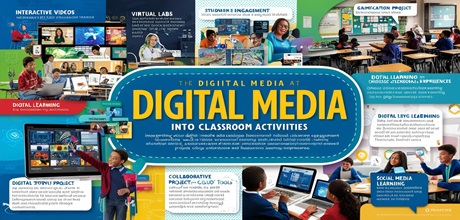
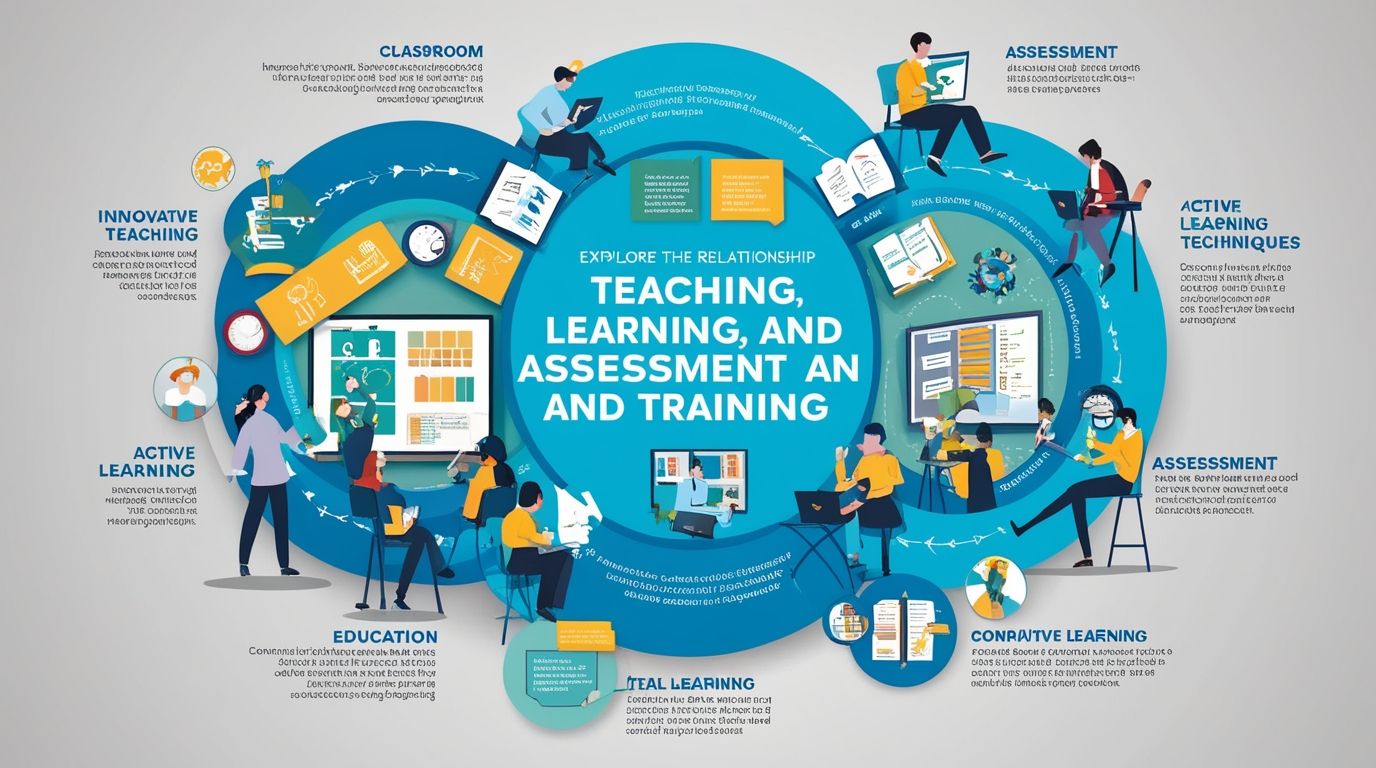
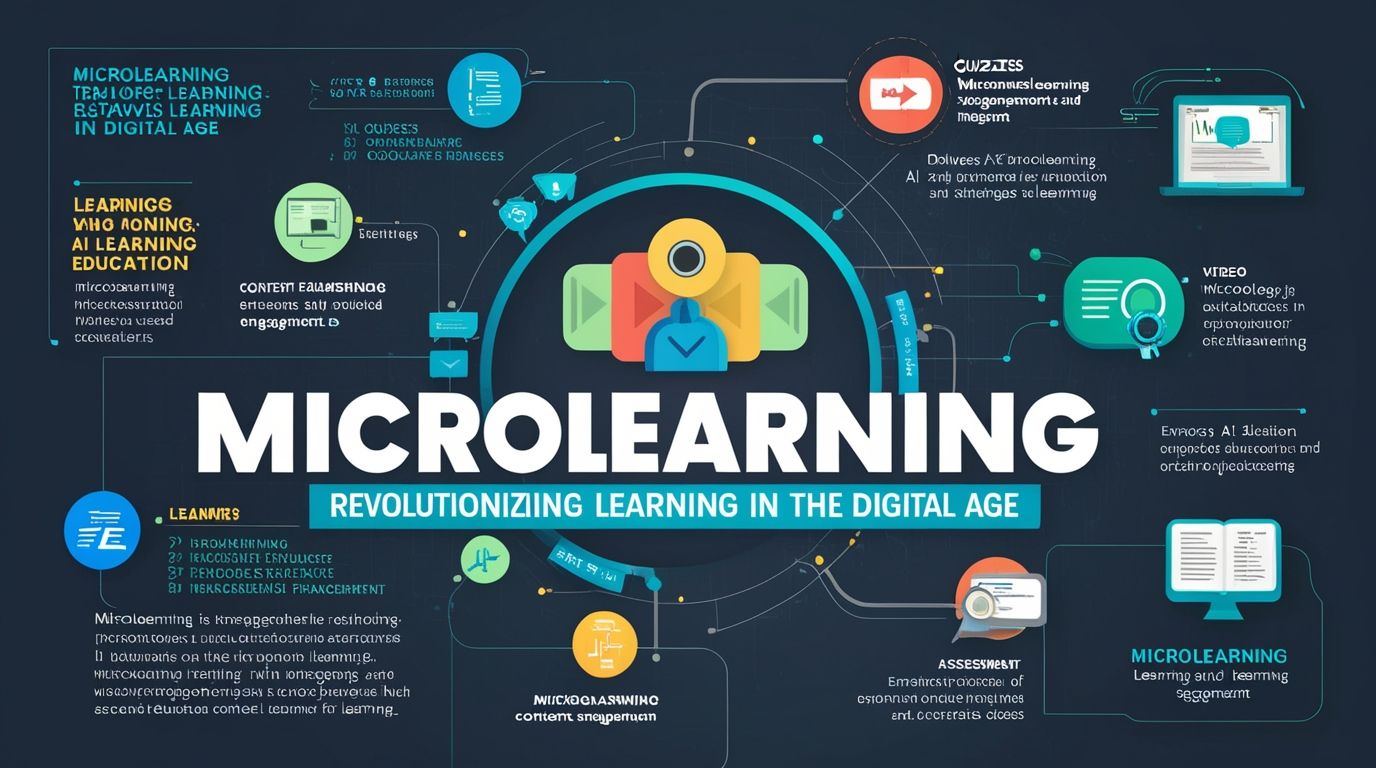
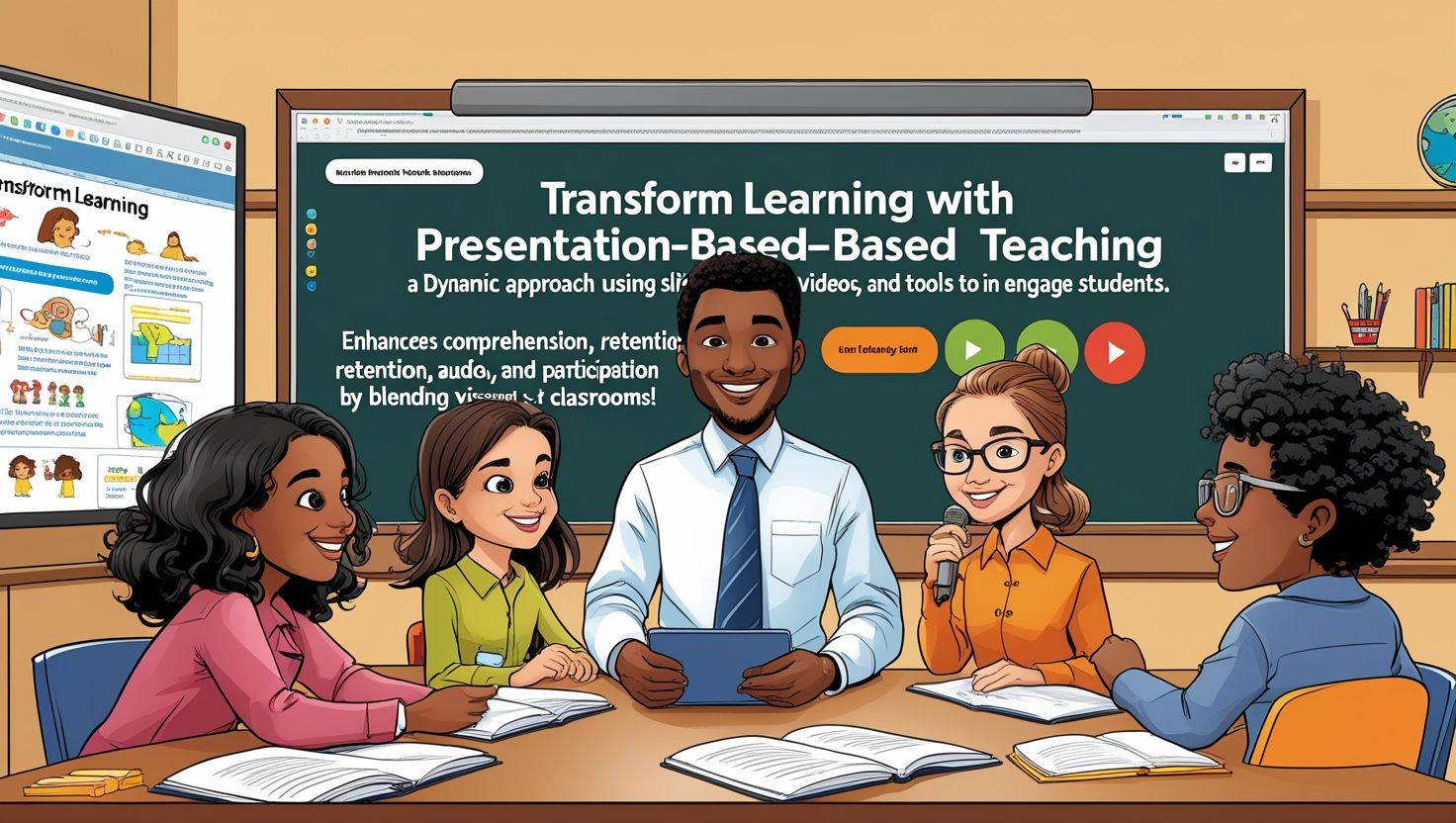
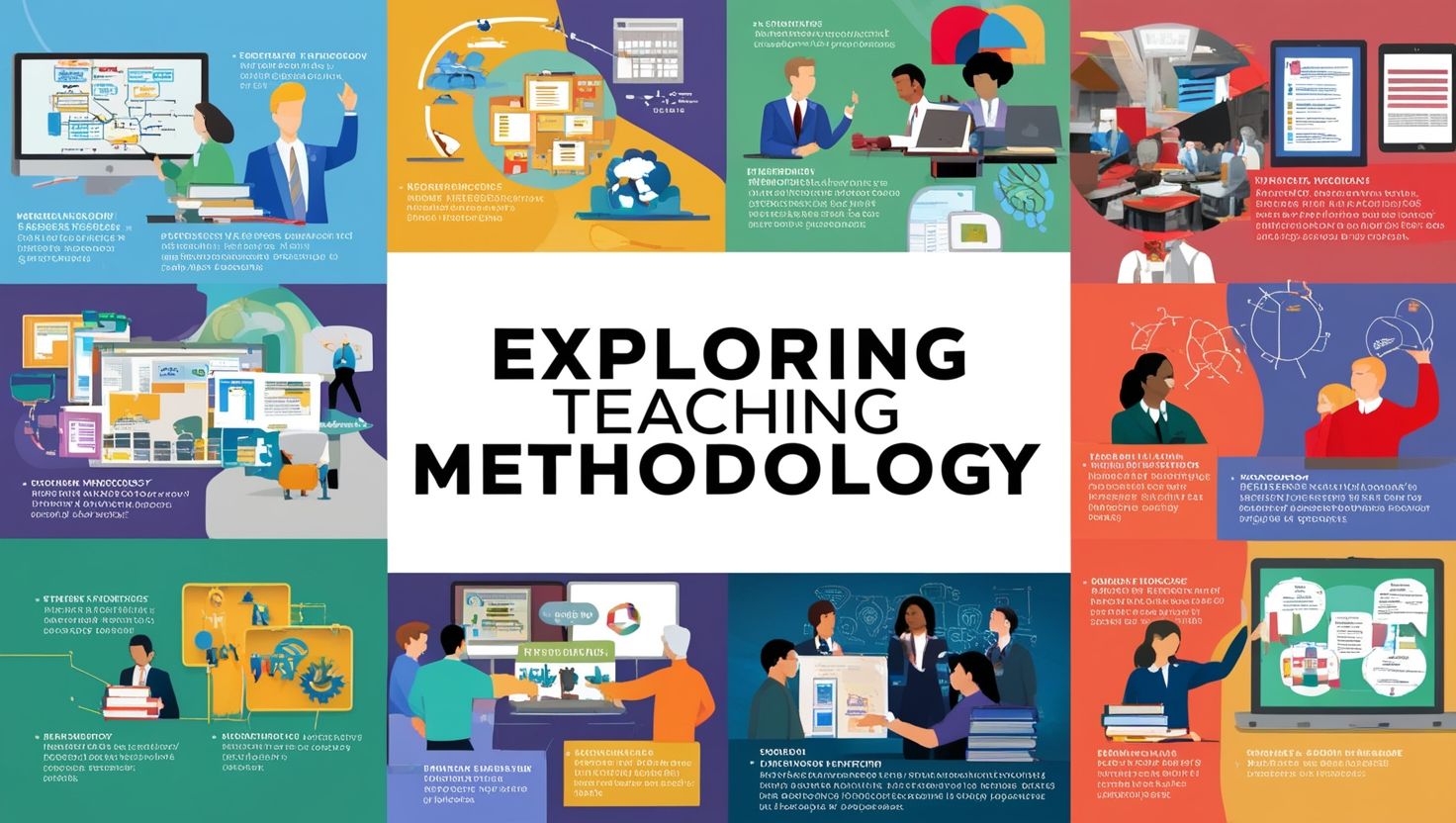
Dual coding theory shares a close relationship with multimedia learning because both approaches emphasize the importance of integrating visual and verbal information within instructional design. Educational researcher Richard Mayer expanded these principles through multimedia learning theory, which explains how learners process information presented through text, audio, animation, and graphics. Multimedia instruction becomes most effective when learners receive concise explanations alongside relevant visuals that complement rather than distract from learning objectives. Educational technologies such as educational software, virtual simulations, interactive videos, and online presentations rely heavily on dual coding principles to enhance comprehension and engagement. Teachers who use multimedia resources strategically can simplify difficult concepts and support learners with different educational needs.
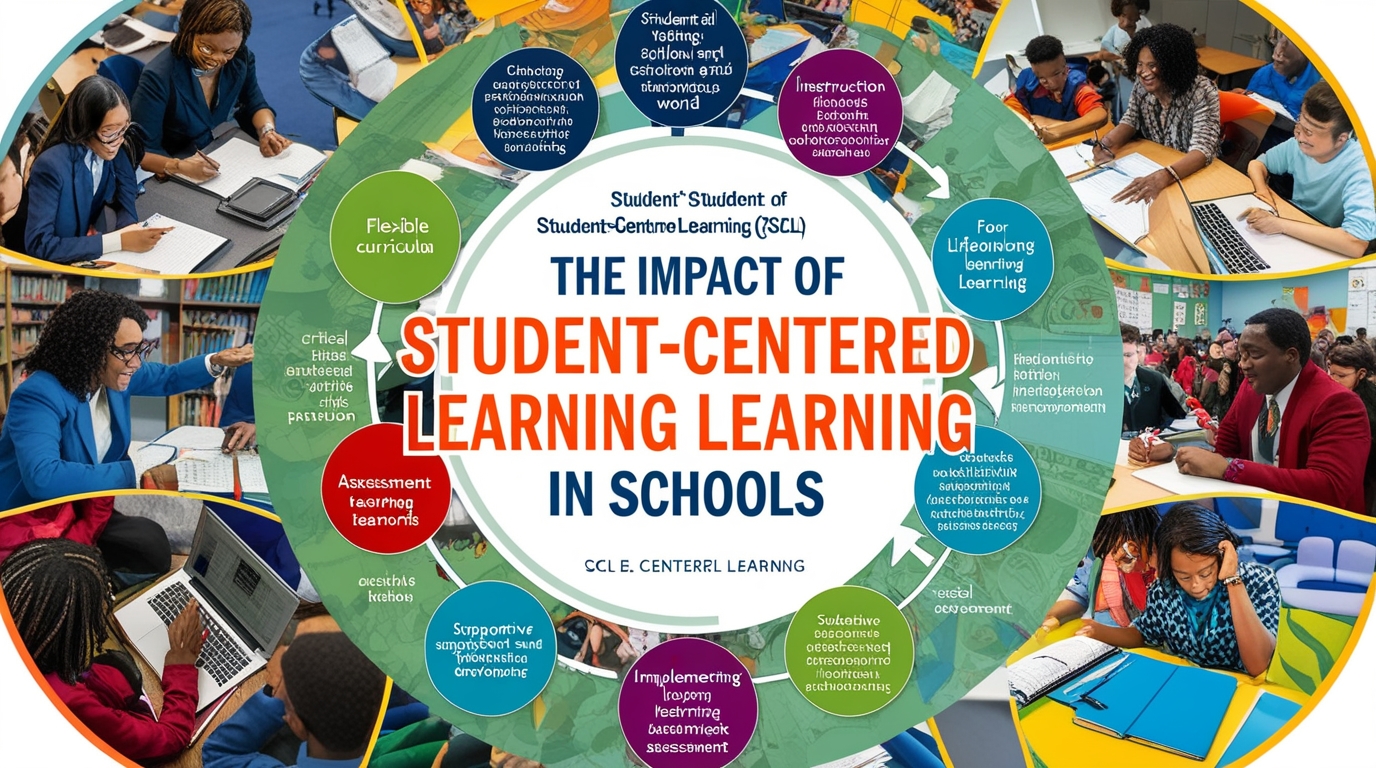
However, researchers also caution against excessive or unrelated visuals because cognitive overload may reduce learning effectiveness. Effective multimedia learning therefore requires careful instructional planning that balances visual and verbal content appropriately. The integration of dual coding and multimedia learning has transformed modern education by encouraging more interactive, engaging, and student centered approaches to teaching and learning.
Benefits of Dual Coding for Diverse Learners
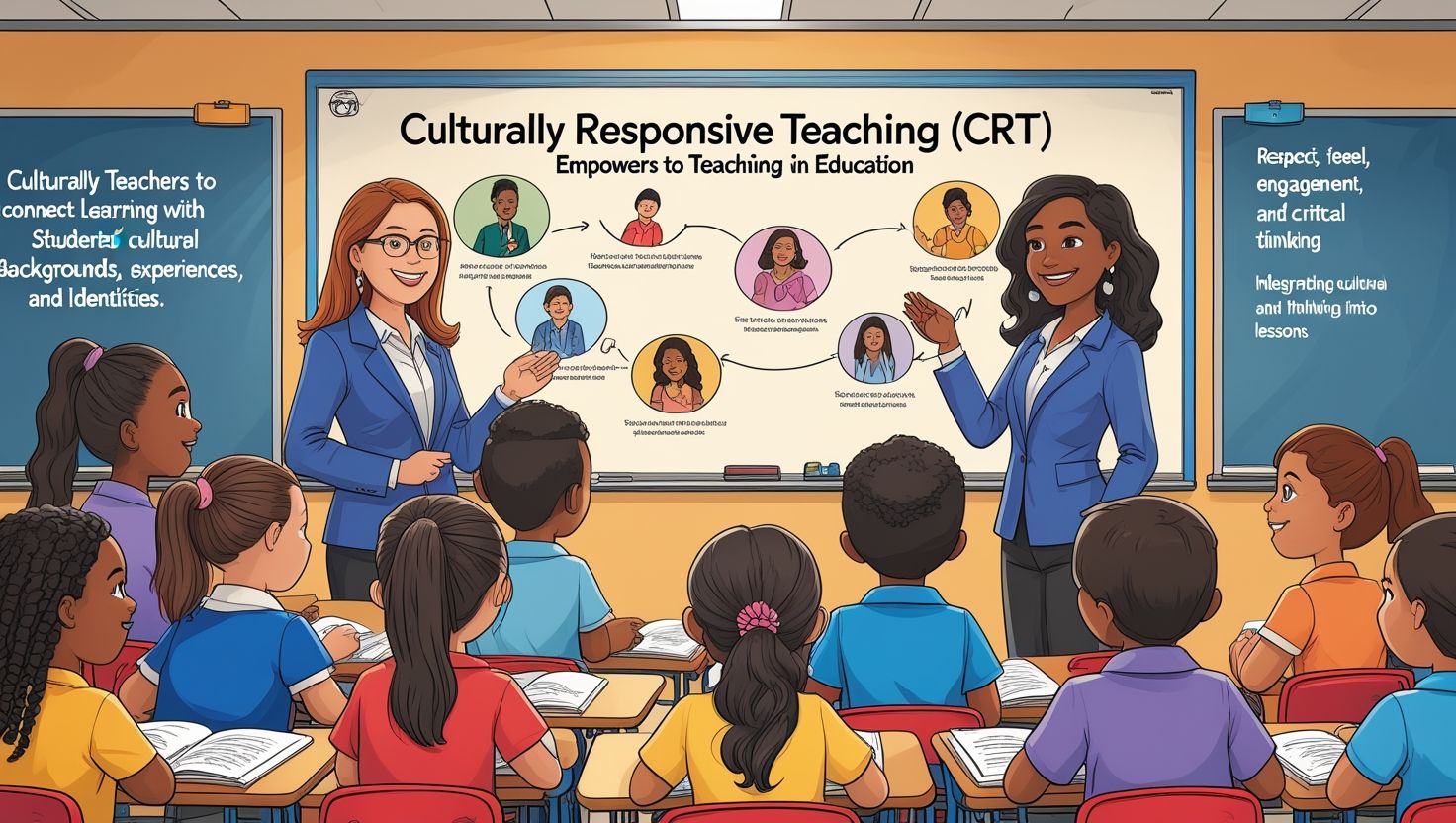
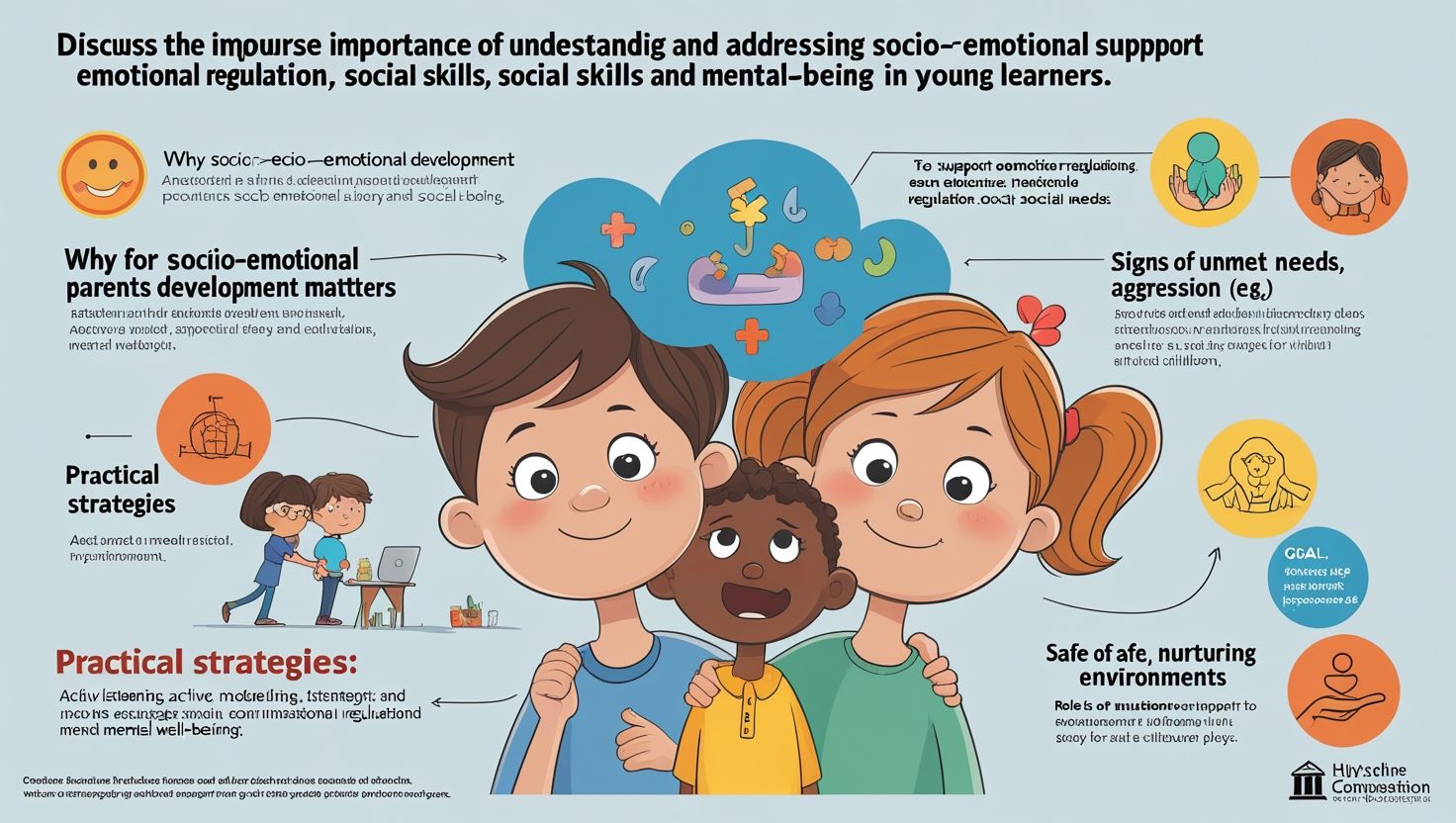
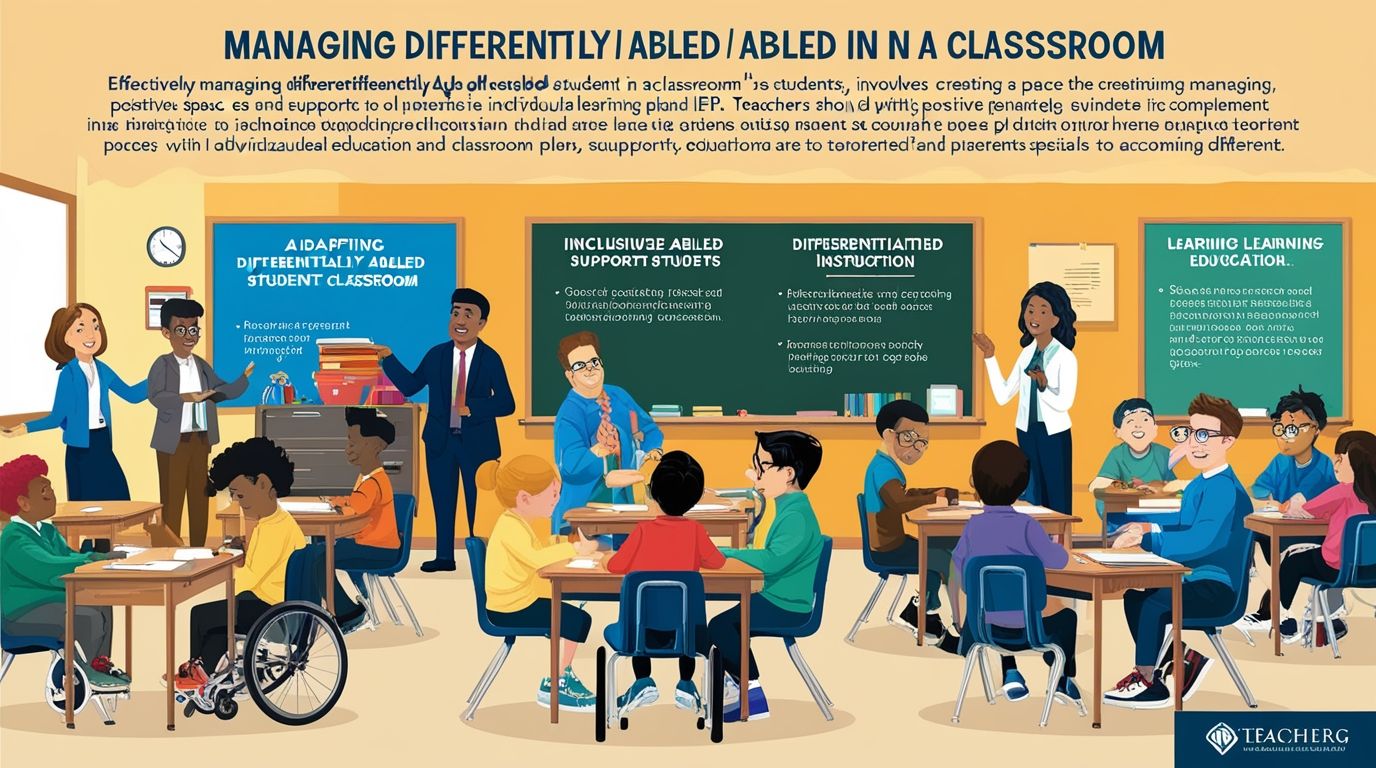
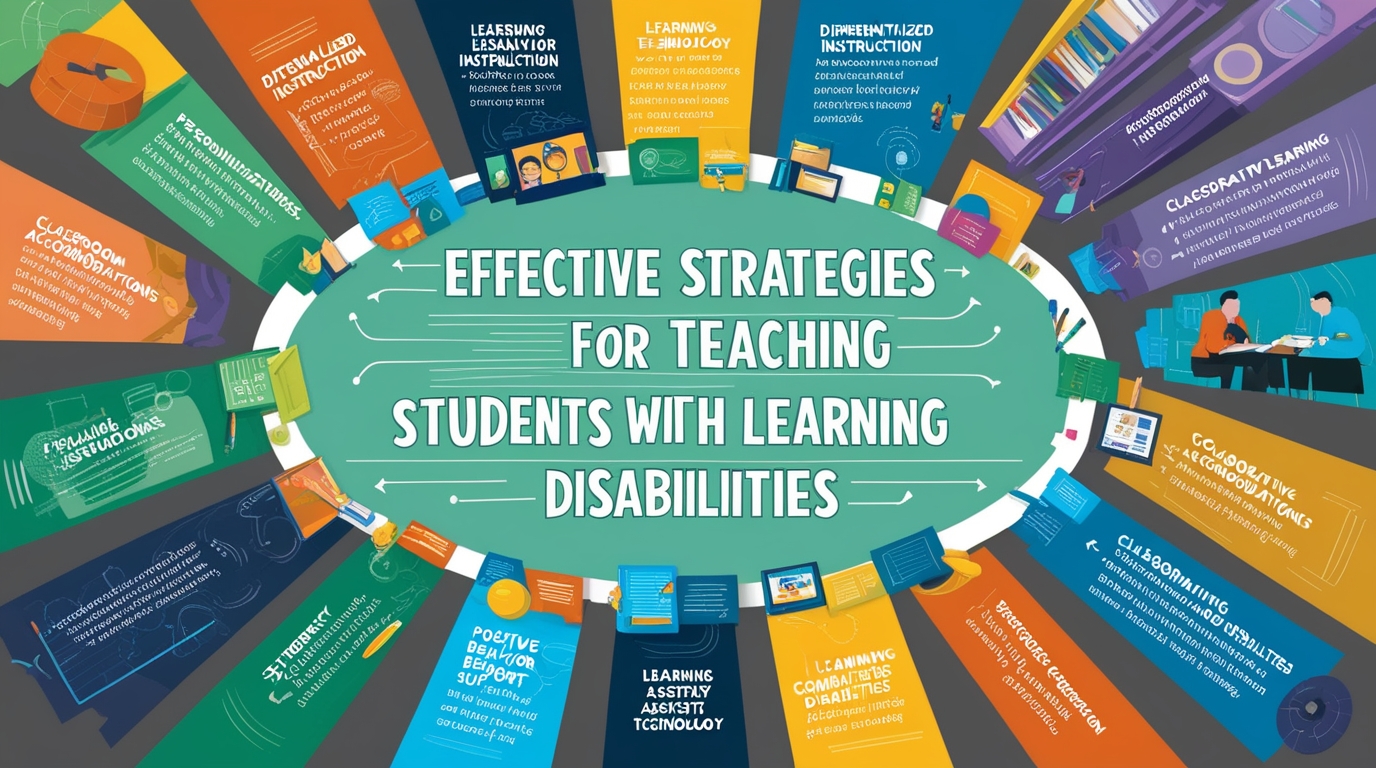
Dual coding offers important advantages for diverse learners because it accommodates different learning preferences, abilities, and educational backgrounds within classroom environments. Some students learn more effectively through visual representations, while others respond better to verbal explanations and linguistic instruction. By combining both forms of representation, teachers create more inclusive learning experiences that support a wider range of students. Learners with language difficulties, reading challenges, or limited academic vocabulary often benefit significantly from visual supports that provide additional context and clarification. Similarly, students with attention difficulties may remain more engaged when lessons include images, colors, diagrams, and multimedia resources.
‘Dual coding additionally supports second language learners because visuals strengthen vocabulary understanding and reduce communication barriers during instruction. Inclusive educational practices increasingly emphasize differentiated teaching strategies that address learner diversity, and dual coding aligns closely with these objectives. Consequently, educational institutions that implement dual coding approaches frequently observe improved participation, stronger comprehension, and greater confidence among students from varied academic and cultural backgrounds.
Challenges and Limitations of Dual Coding
Despite its many educational advantages, dual coding theory also presents certain challenges and limitations that educators must consider carefully during instructional planning. One major limitation involves the possibility of cognitive overload when excessive visual or verbal information is presented simultaneously. Students may become distracted or confused if instructional materials contain unnecessary graphics, complex diagrams, or lengthy explanations that compete for attention. Teachers therefore need to design learning resources thoughtfully to ensure that visuals directly support educational objectives.
Another challenge relates to differences in learner preferences and prior knowledge because not all students interpret visuals in the same way. Some learners may require additional guidance to understand diagrams, symbols, or graphical representations effectively. Technological limitations can also affect the implementation of dual coding strategies in schools with limited digital resources or inadequate teacher training. Furthermore, poorly designed multimedia presentations may reduce learning effectiveness instead of enhancing understanding. Educators must therefore balance creativity with instructional clarity when applying dual coding principles within classroom teaching and curriculum development.
Technology and Dual Coding in Modern Education
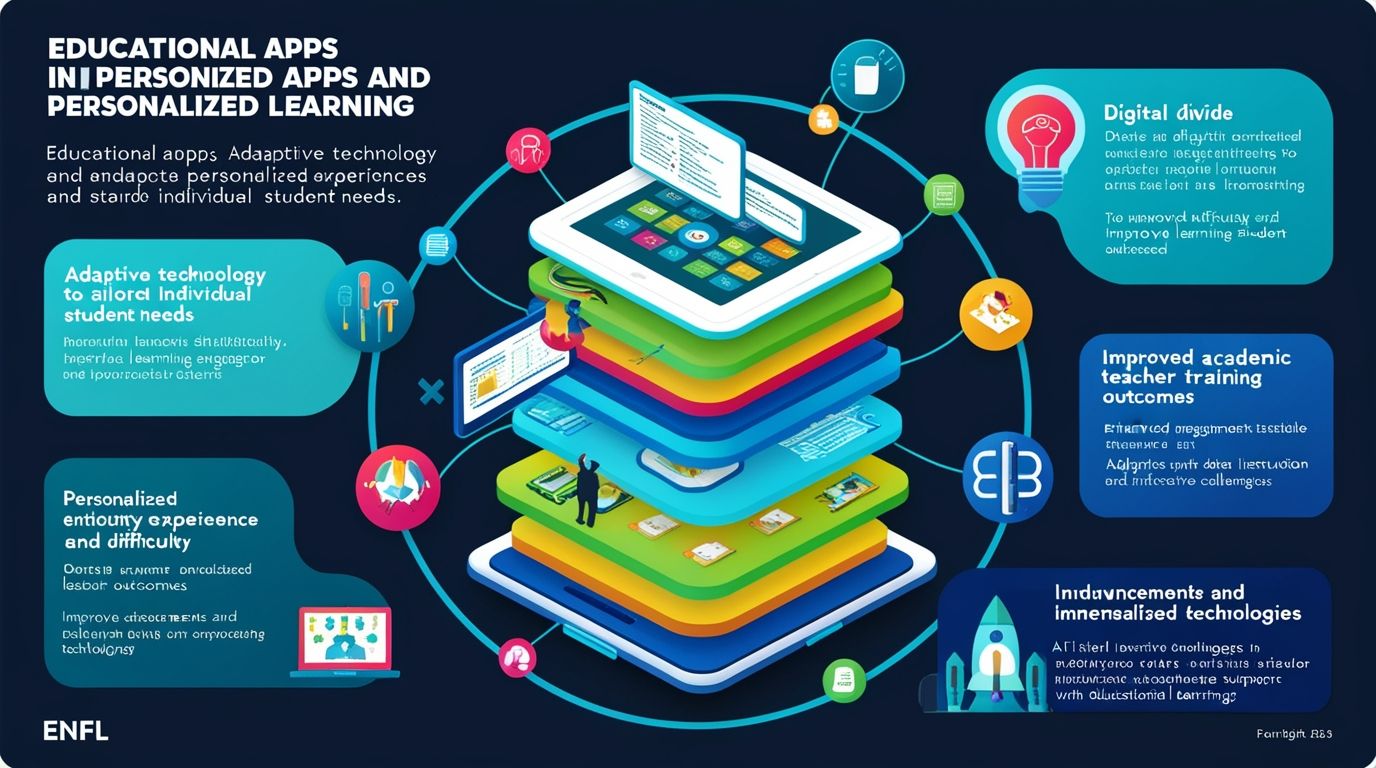
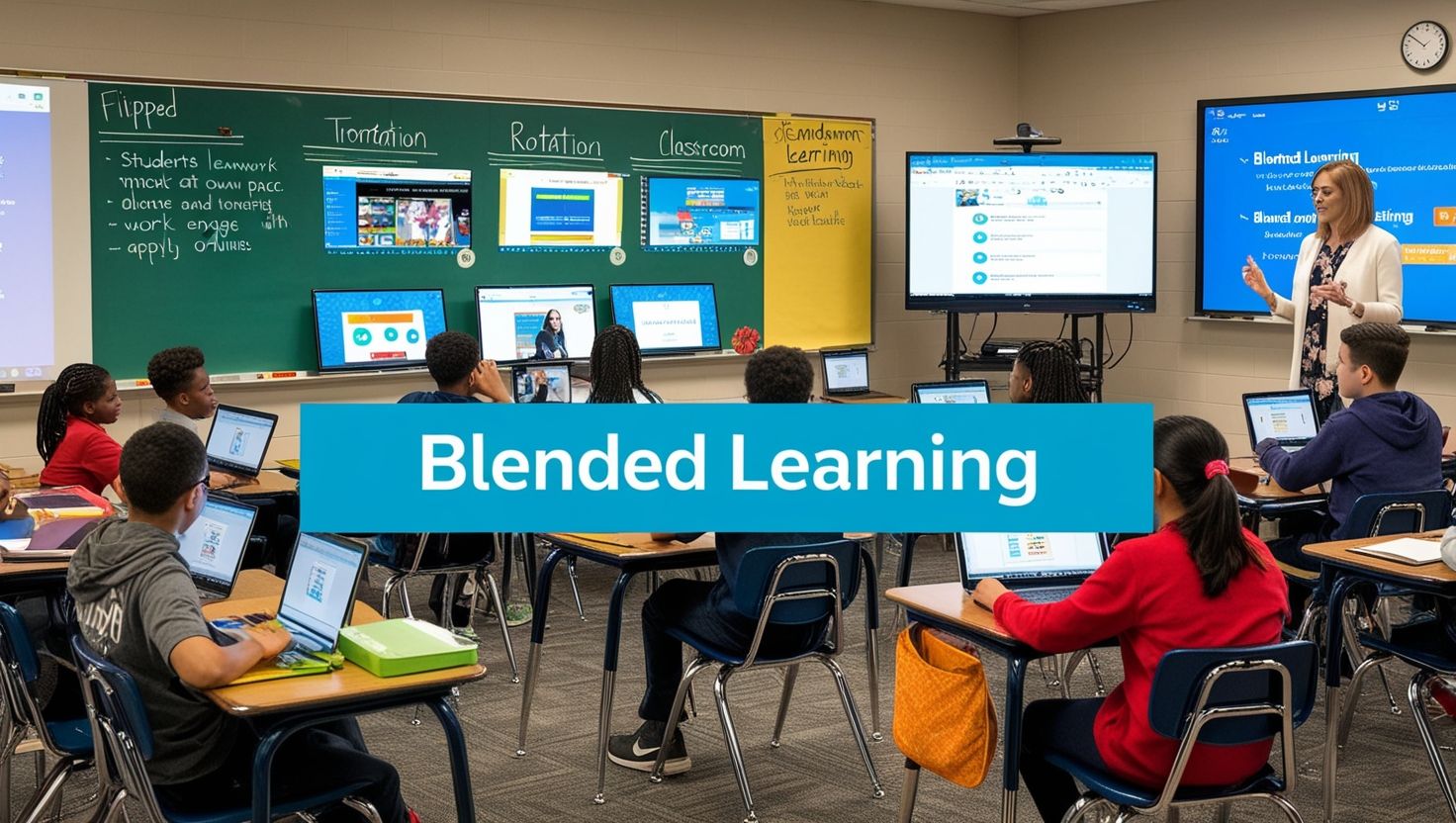
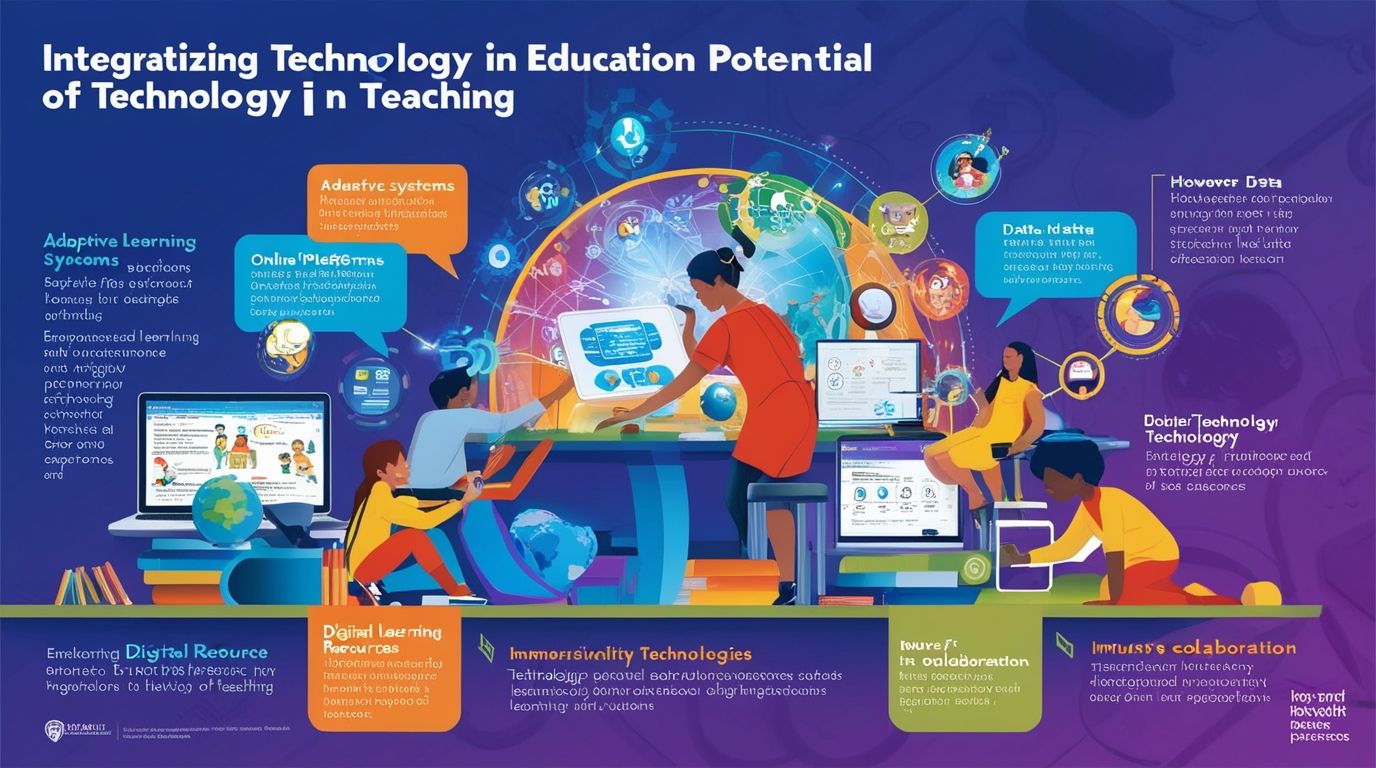
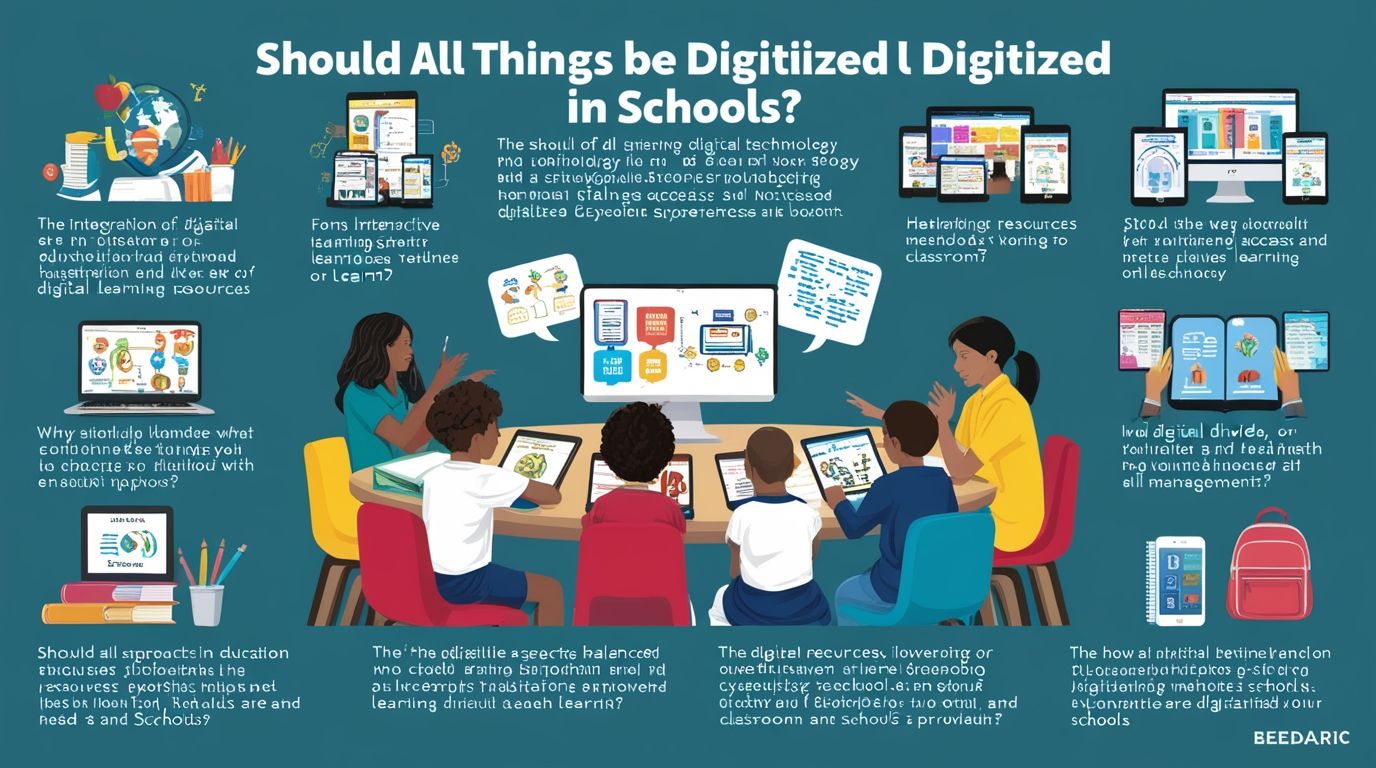
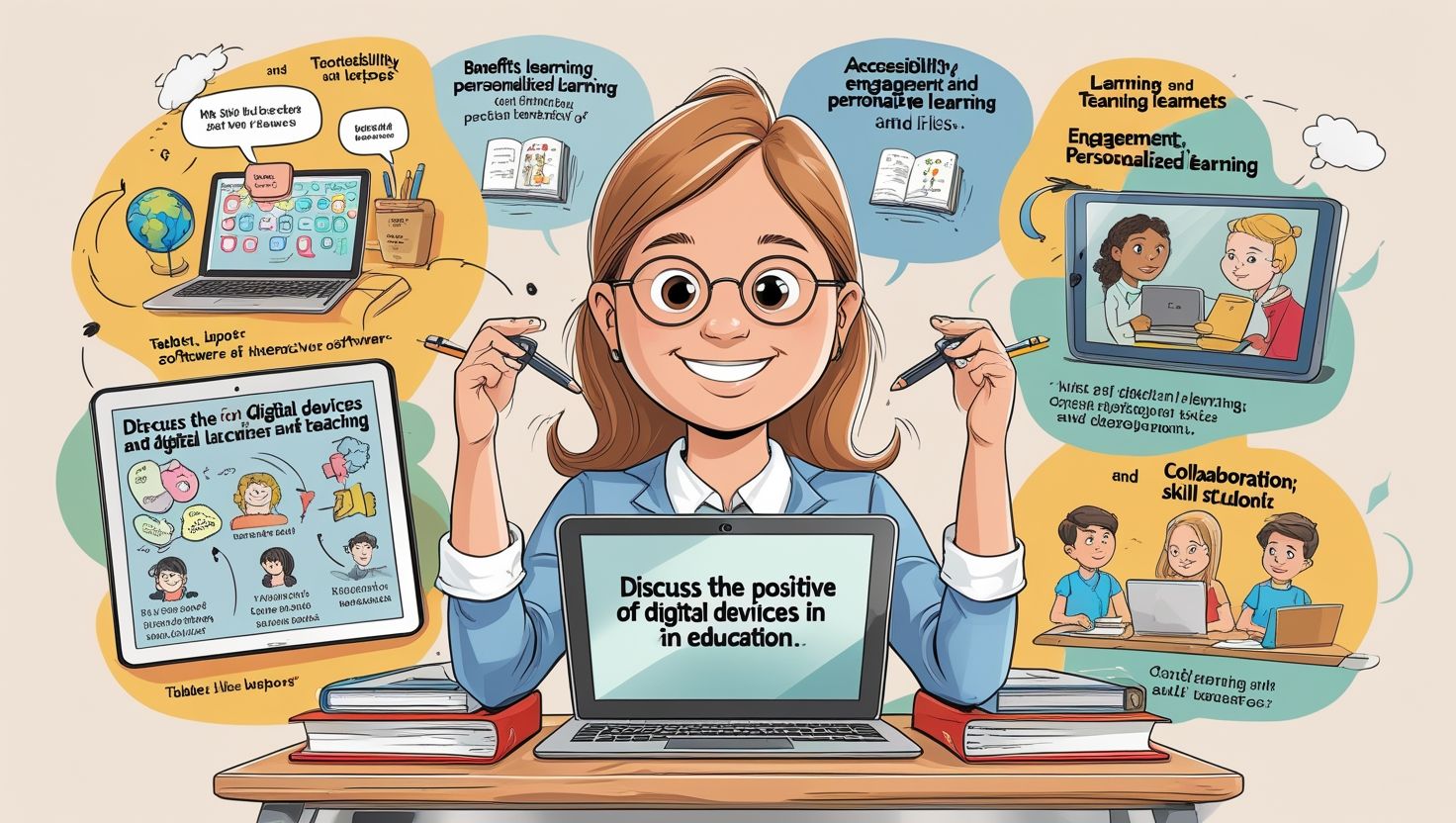
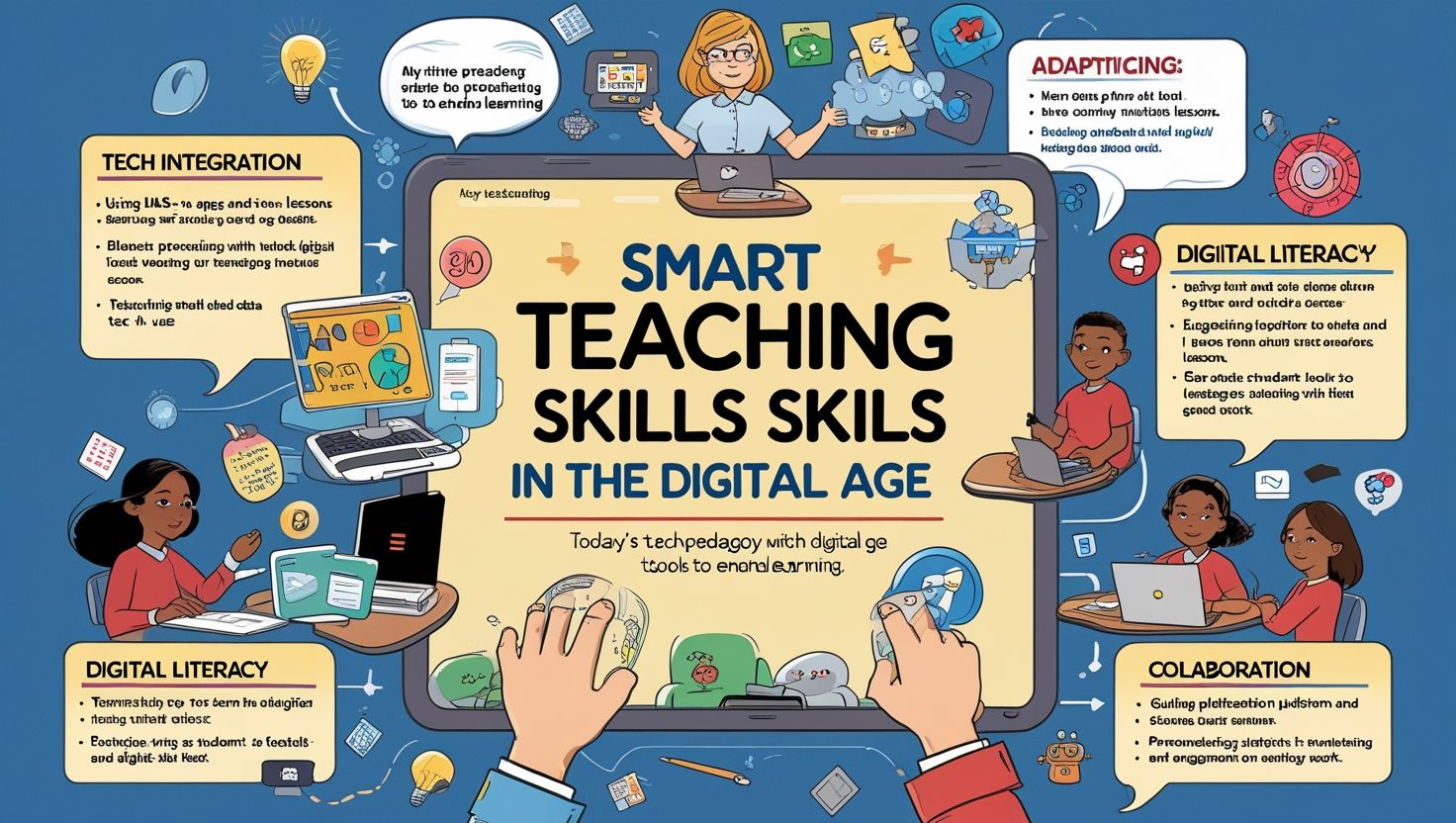
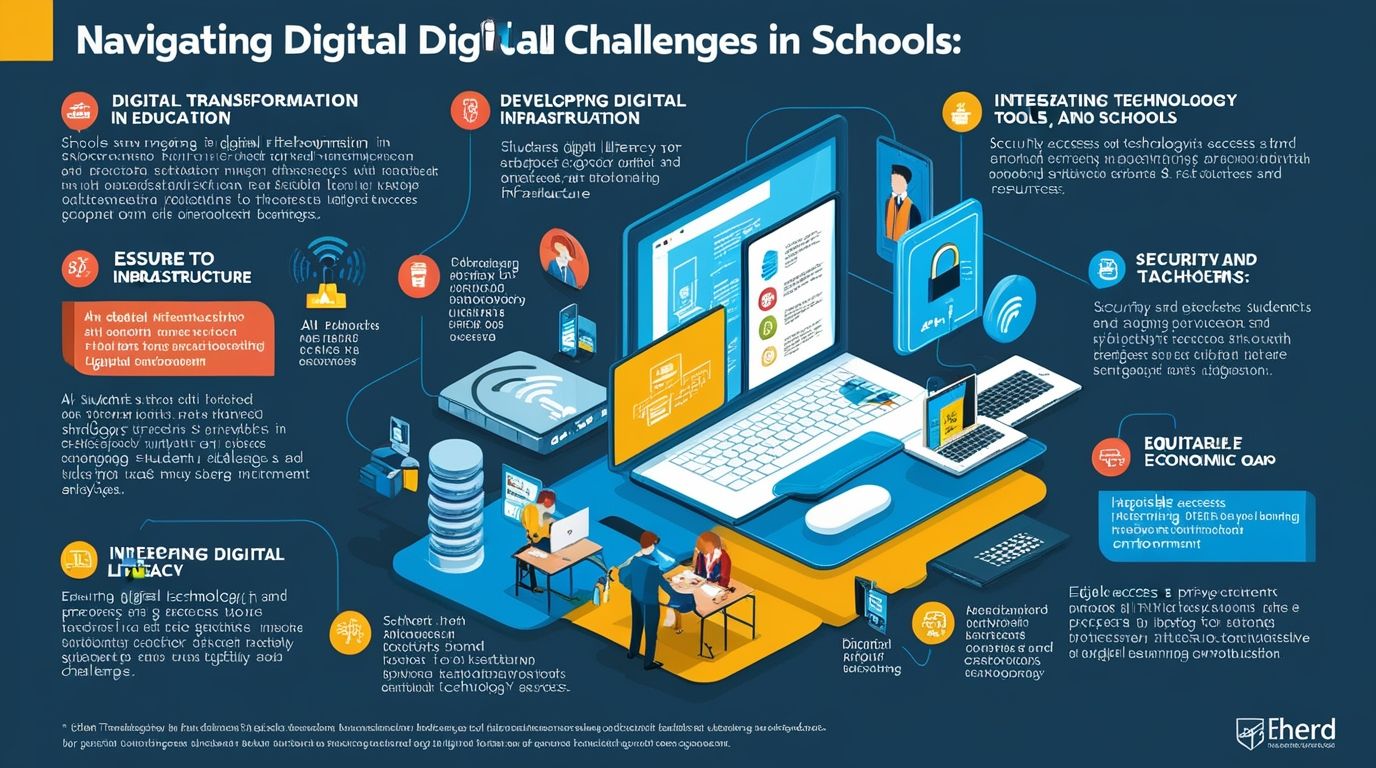
Technological advancements have significantly expanded the application of dual coding theory within modern educational systems around the world. Digital learning platforms, educational applications, online courses, and interactive multimedia tools provide teachers with numerous opportunities to integrate verbal and visual learning experiences effectively. Interactive whiteboards allow educators to combine spoken explanations with animations, videos, diagrams, and real time demonstrations that strengthen student engagement. Educational software also enables learners to interact with visual simulations that simplify abstract scientific, mathematical, and technological concepts.
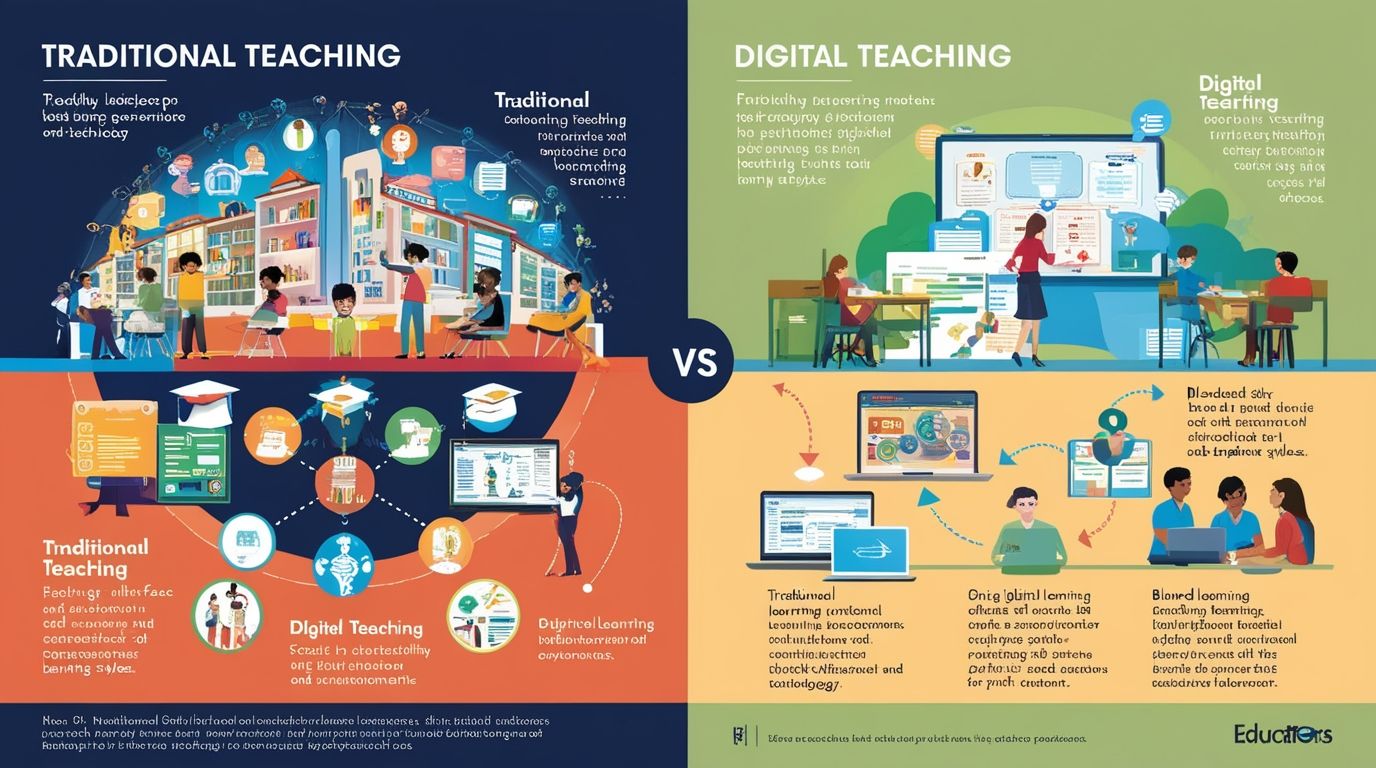
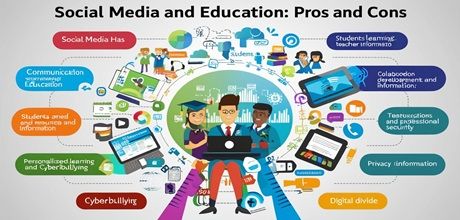
During remote and blended learning environments, teachers increasingly rely on multimedia presentations, recorded lectures, and digital graphics to maintain instructional quality and student participation. Social media platforms and online communication tools similarly use dual coding principles by combining text, images, and audiovisual content to support information sharing. However, educational institutions must ensure that technology integration remains purposeful and aligned with learning objectives rather than becoming a source of distraction. Effective technological integration therefore strengthens dual coding practices while promoting innovative, accessible, and engaging educational experiences.
Role of Teachers in Applying Dual Coding
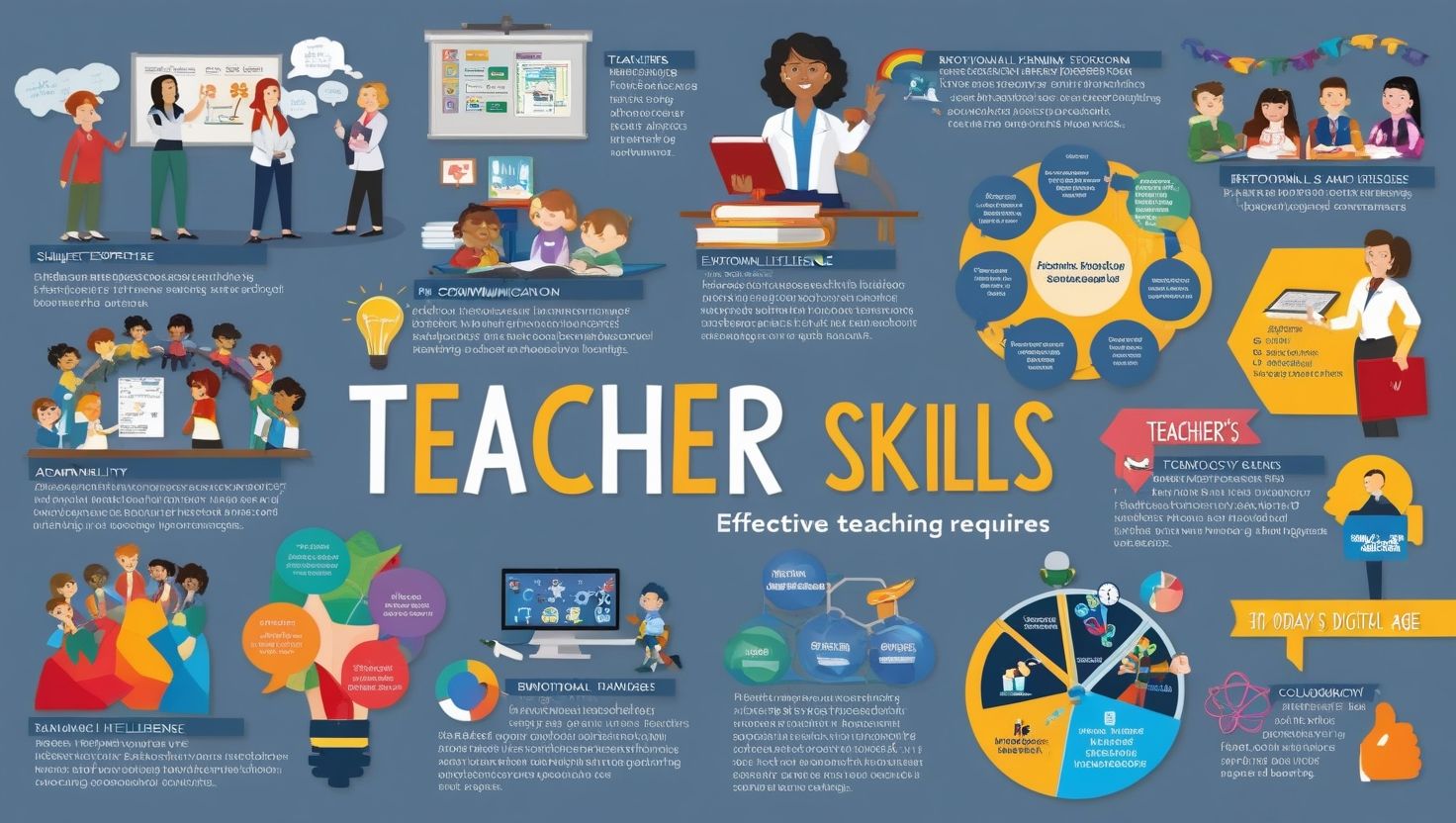
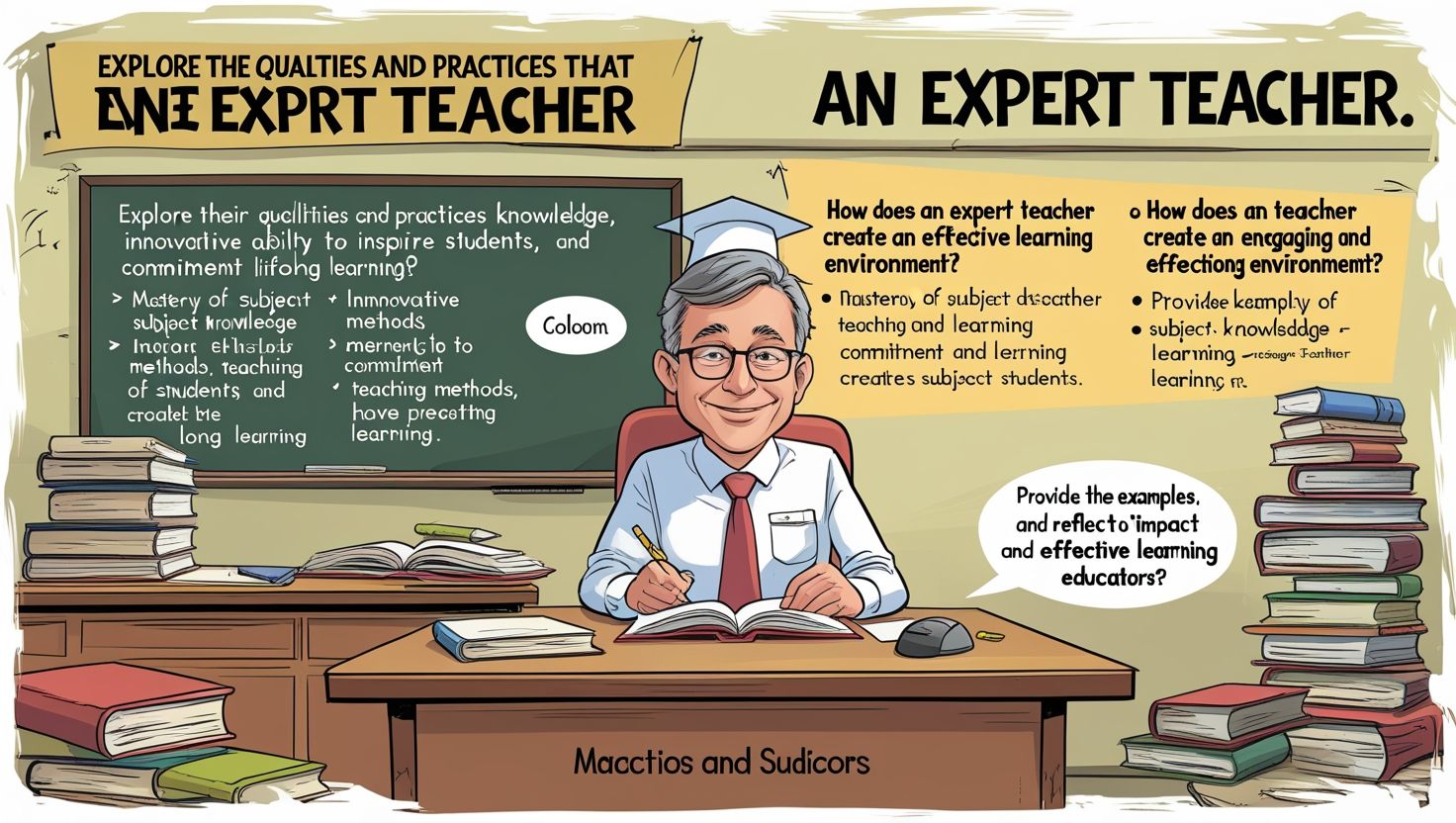
Teachers play a central role in applying dual coding principles successfully because instructional effectiveness depends greatly on thoughtful lesson design and classroom implementation. Educators must understand how verbal and visual information interact within human cognition to create meaningful learning experiences for students. Effective teachers select visuals carefully to ensure that they clarify rather than complicate instructional content. For example, science educators may use labeled diagrams to explain complex systems, while literature teachers can employ story maps and character illustrations to strengthen reading comprehension.
Teachers additionally guide students in interpreting visual information accurately and connecting it to verbal explanations during classroom discussions. Professional development programs increasingly encourage educators to develop multimedia teaching skills and instructional design competencies that support dual coding practices. Assessment strategies also benefit from dual coding because teachers can evaluate understanding through written responses, visual projects, presentations, and concept maps. Consequently, teachers who apply dual coding thoughtfully contribute significantly to improved comprehension, student engagement, and long term academic achievement.
Dual Coding and Critical Thinking Skills
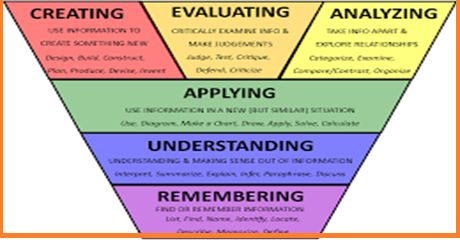
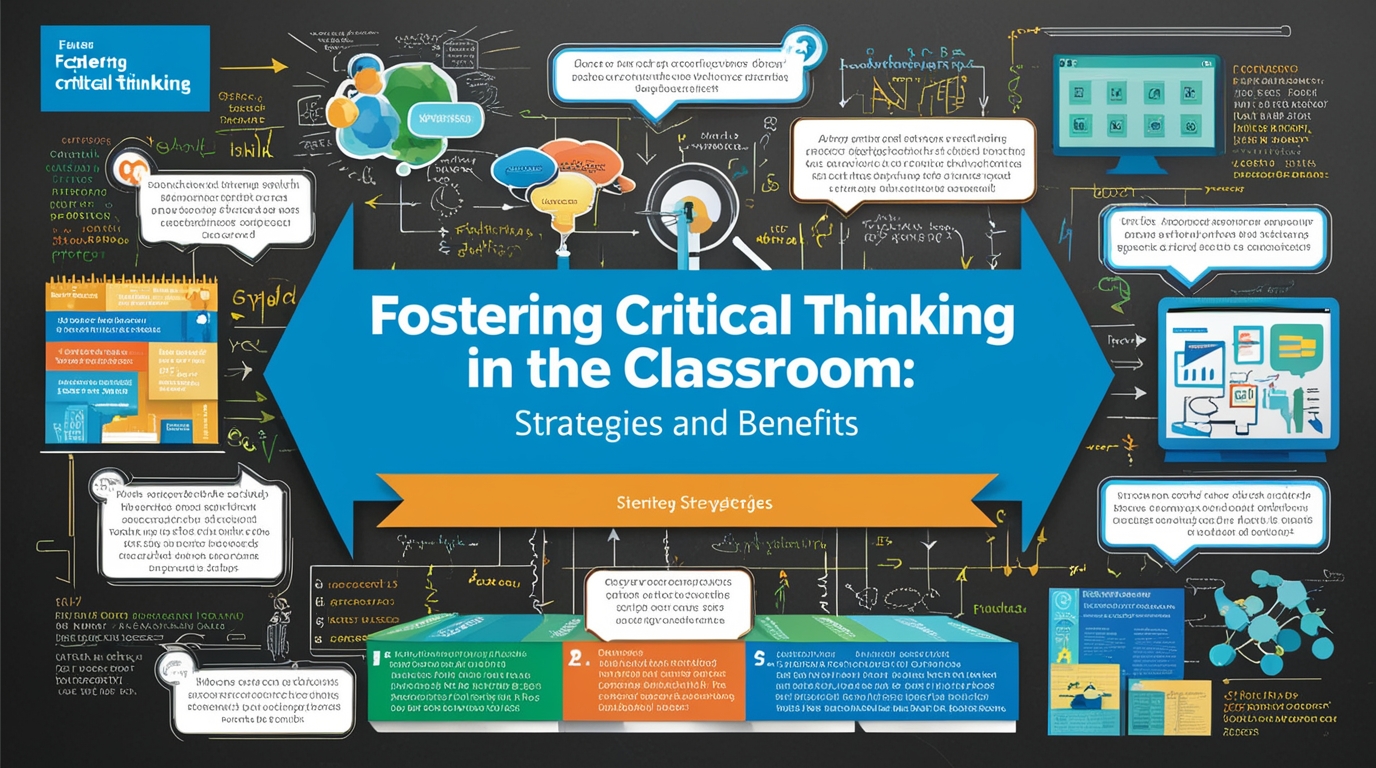
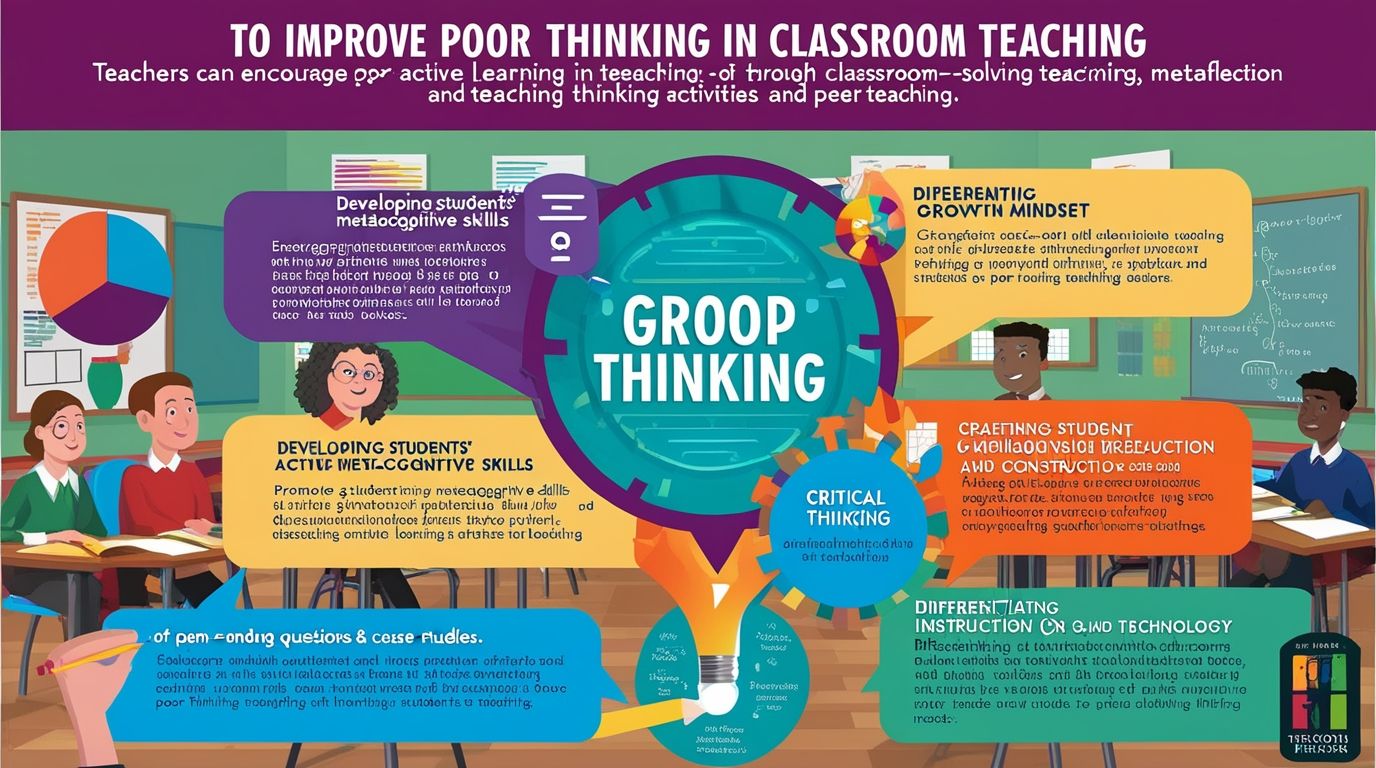
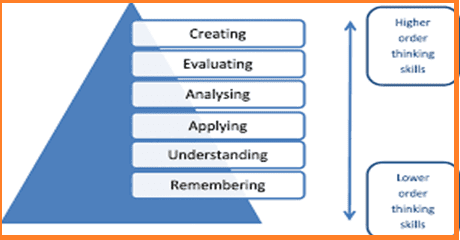
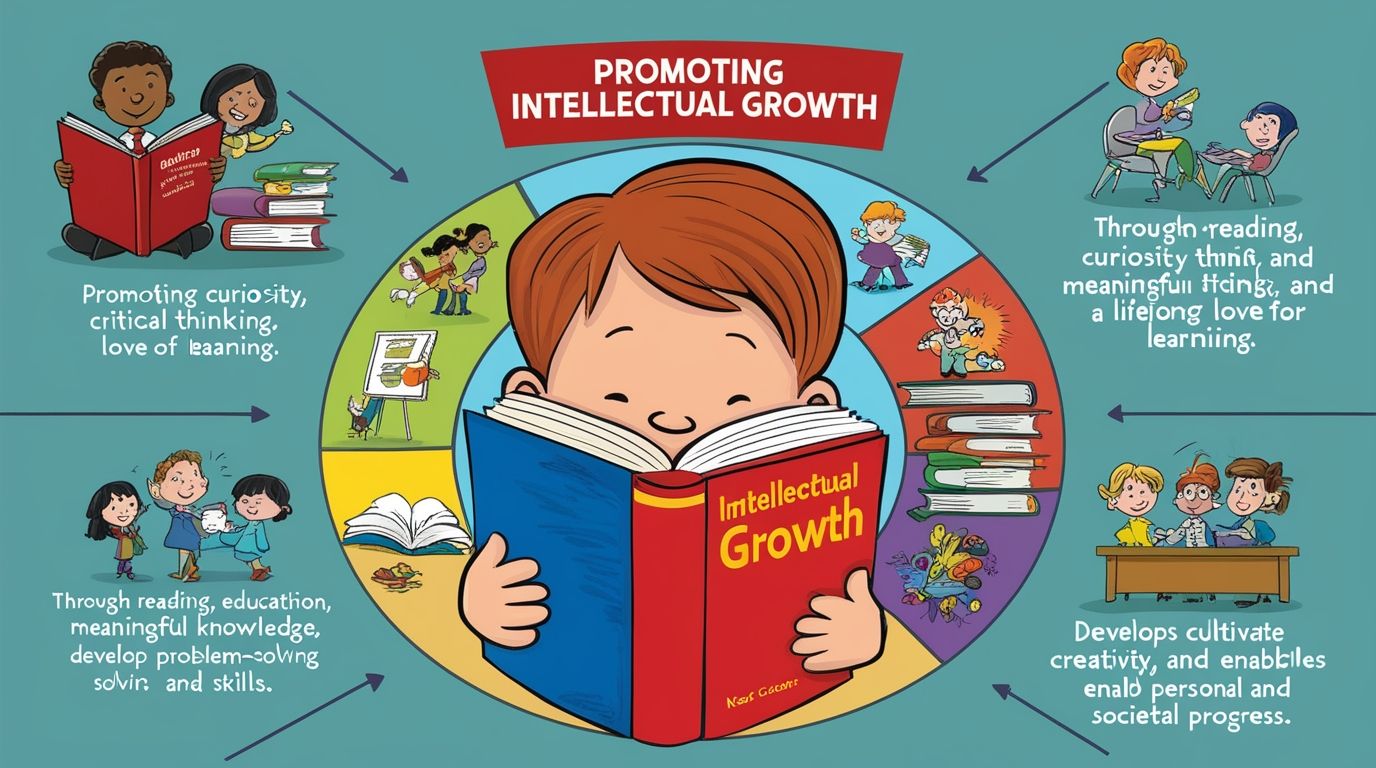
Dual coding not only improves memory and comprehension but also contributes significantly to the development of critical thinking and analytical skills among learners. Visual representations often help students identify patterns, relationships, and connections that may remain unclear through verbal explanations alone. For example, charts and graphs allow learners to analyze data systematically, while concept maps support the organization of ideas and logical reasoning. Students who interpret visual information alongside written or spoken explanations engage more actively in higher order thinking processes such as analysis, evaluation, and synthesis.
Teachers can further encourage critical thinking by asking learners to create their own diagrams, infographics, and visual summaries that represent understanding of academic concepts. These activities promote creativity, problem solving, and independent learning skills that are essential for academic success and future professional responsibilities. Educational systems increasingly emphasize critical thinking competencies because modern societies require individuals capable of interpreting complex information and making informed decisions. Dual coding therefore strengthens intellectual development while supporting deeper and more meaningful learning experiences.
Future Perspectives of Dual Coding in Education
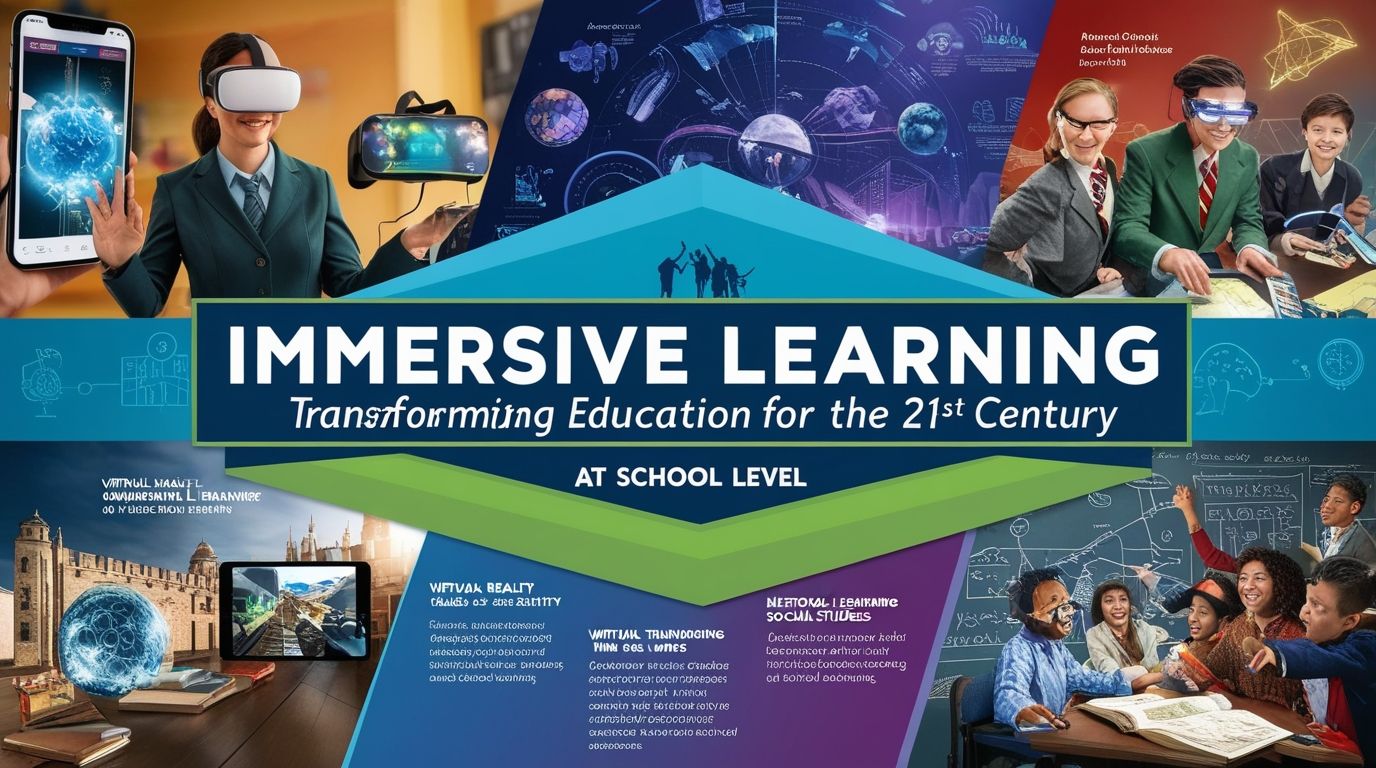
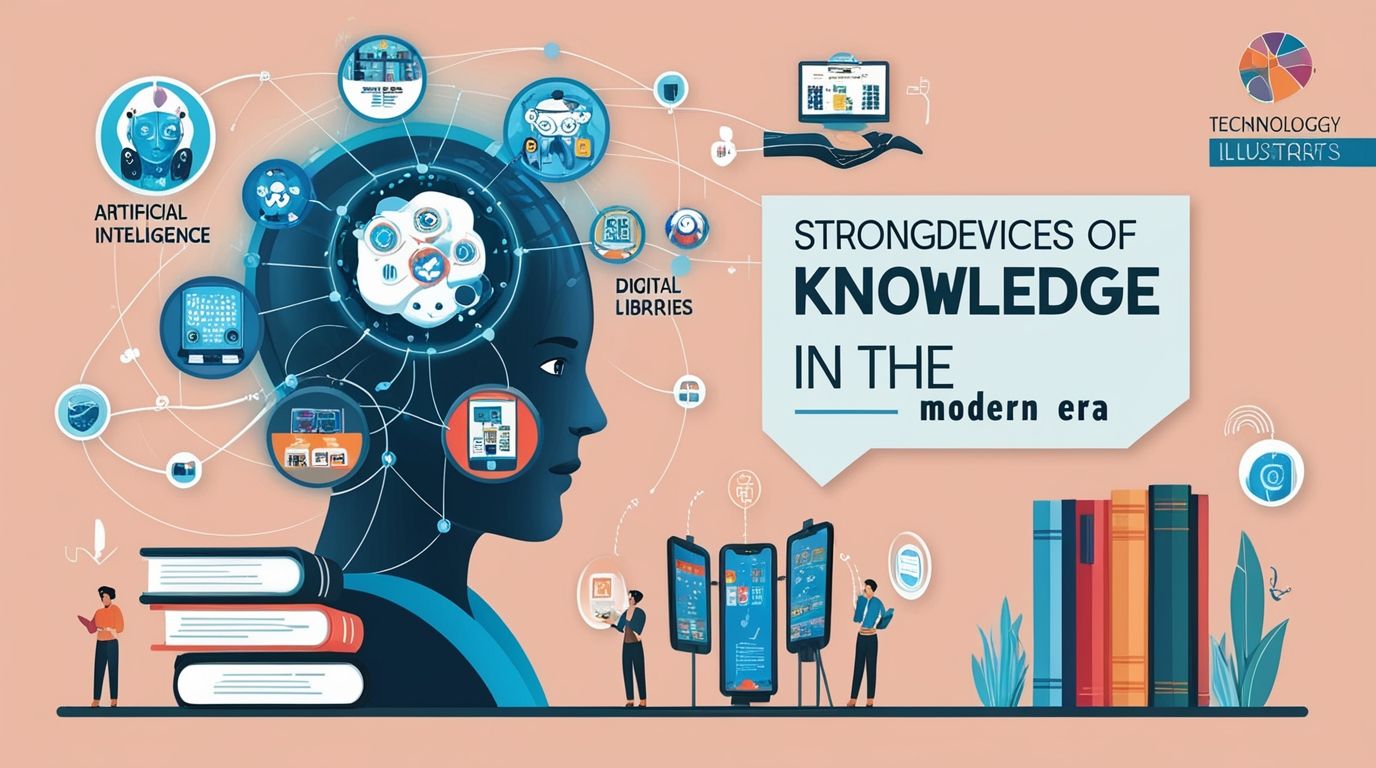
The future of dual coding in education appears highly promising because technological innovation, cognitive research, and instructional design continue evolving rapidly within modern educational systems. Artificial intelligence, virtual reality, augmented reality, and adaptive learning technologies are expected to create more interactive and personalized learning experiences that align closely with dual coding principles. Future classrooms may increasingly use immersive simulations, interactive visualizations, and multimedia environments to strengthen student engagement and conceptual understanding. Educational researchers are also likely to continue exploring how verbal and visual processing interact within the brain and influence learning outcomes across different age groups and cultural contexts.
Teacher training programs may place greater emphasis on multimedia instructional design and evidence based learning strategies that support dual coding applications. Additionally, online education and global digital communication will continue expanding opportunities for integrating visual and verbal learning resources within curriculum delivery. Consequently, dual coding theory is expected to remain an essential framework for educational innovation, instructional improvement, and effective teaching practices in future learning environments.
Conclusion
In conclusion, dual coding theory represents a highly valuable educational framework that explains how verbal and visual systems work together to improve learning, comprehension, and memory retention. Developed through cognitive psychology research, the theory highlights the importance of combining language based instruction with meaningful visual representations to strengthen educational outcomes. Teachers who apply dual coding principles effectively create engaging and inclusive learning environments that support students with diverse abilities and academic needs. The theory additionally contributes to multimedia learning, critical thinking development, technological integration, and evidence based instructional design.
Although challenges such as cognitive overload and instructional complexity require careful consideration, the benefits of dual coding remain highly significant within modern education. Educational institutions worldwide increasingly integrate visual resources, digital technologies, and multimedia strategies into classroom teaching because these approaches align with how learners naturally process information. Ultimately, dual coding theory continues shaping contemporary educational practices by promoting deeper understanding, long term retention, meaningful engagement, and improved academic achievement across diverse learning contexts.