Introduction
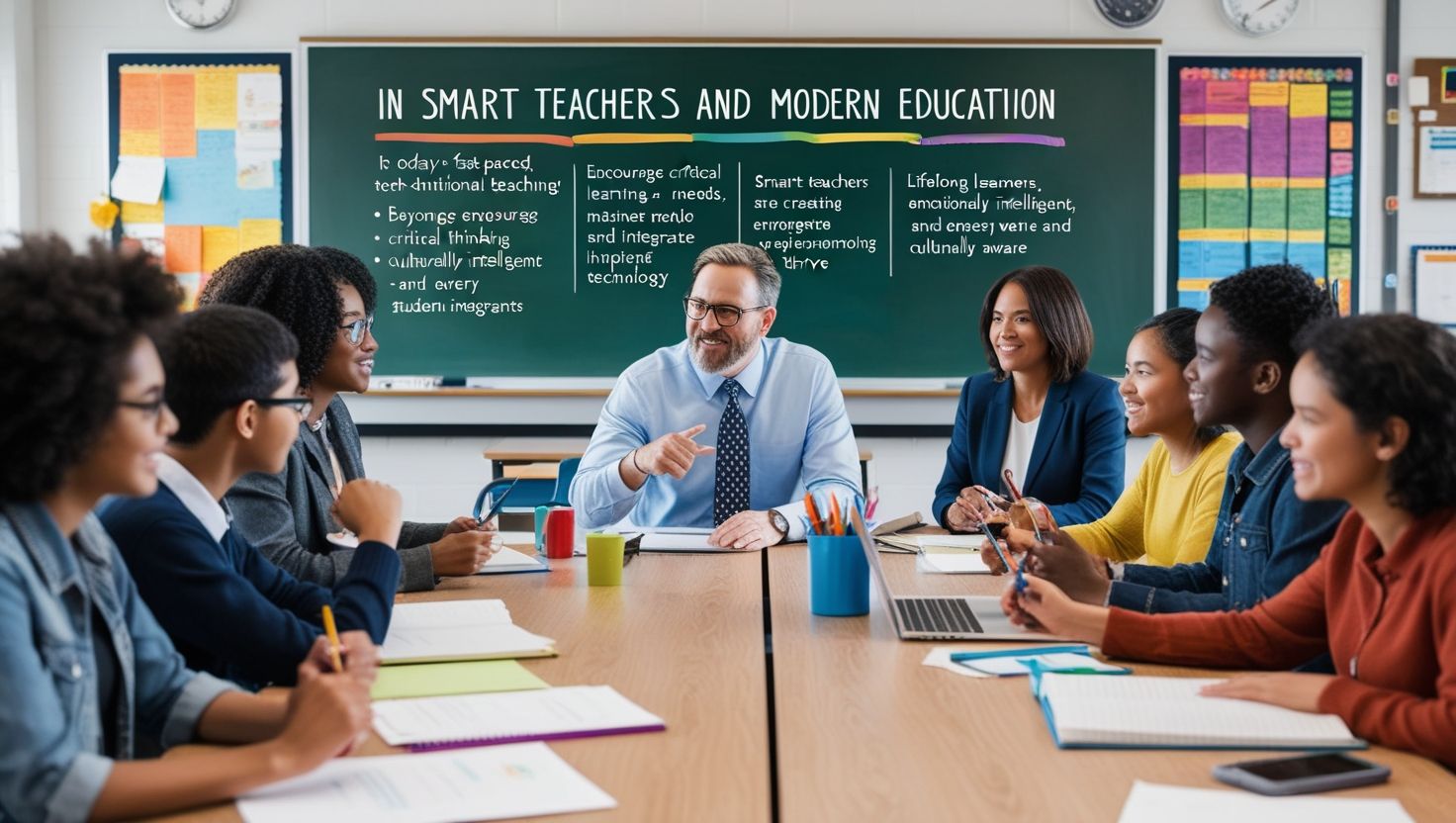
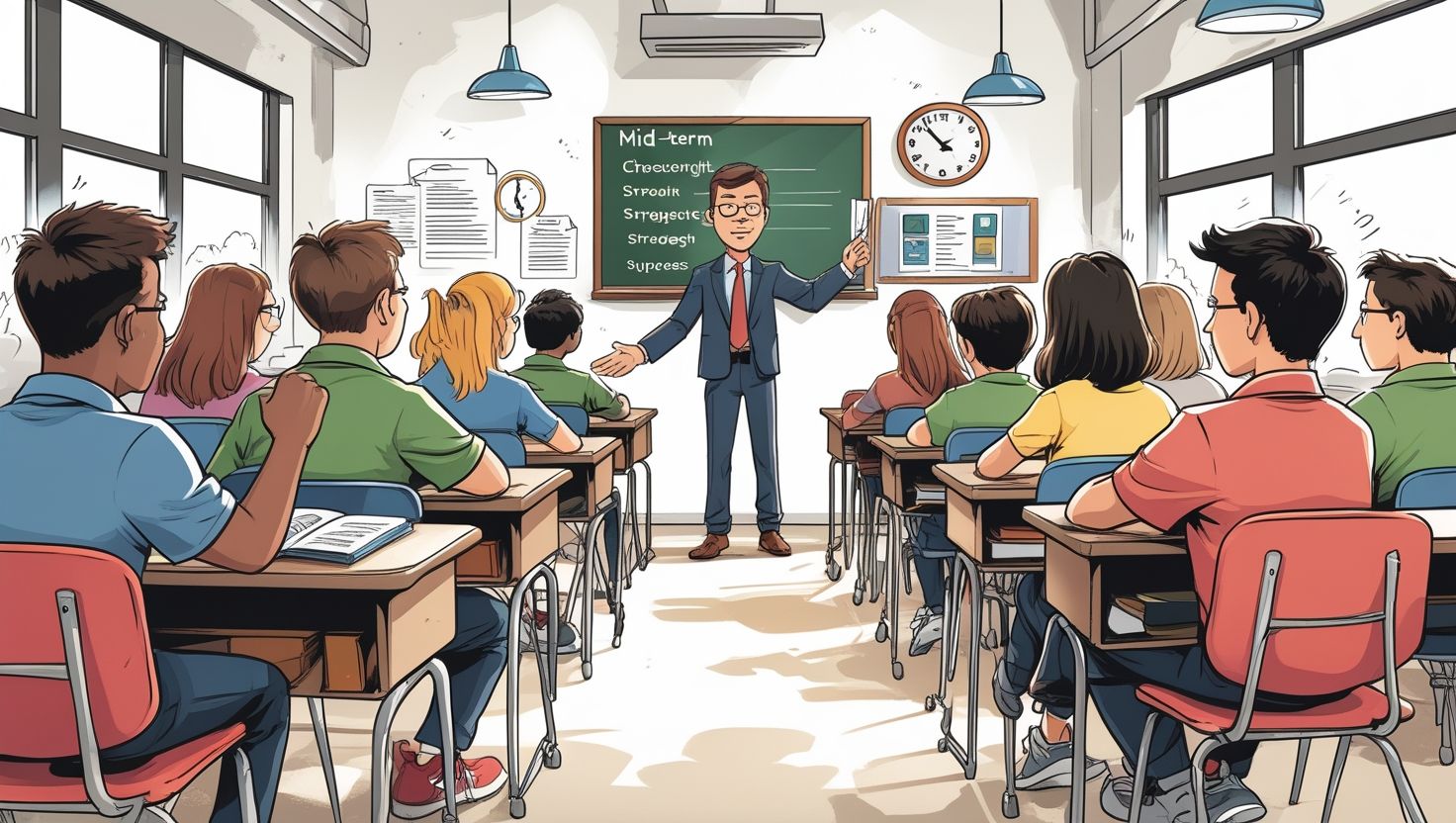
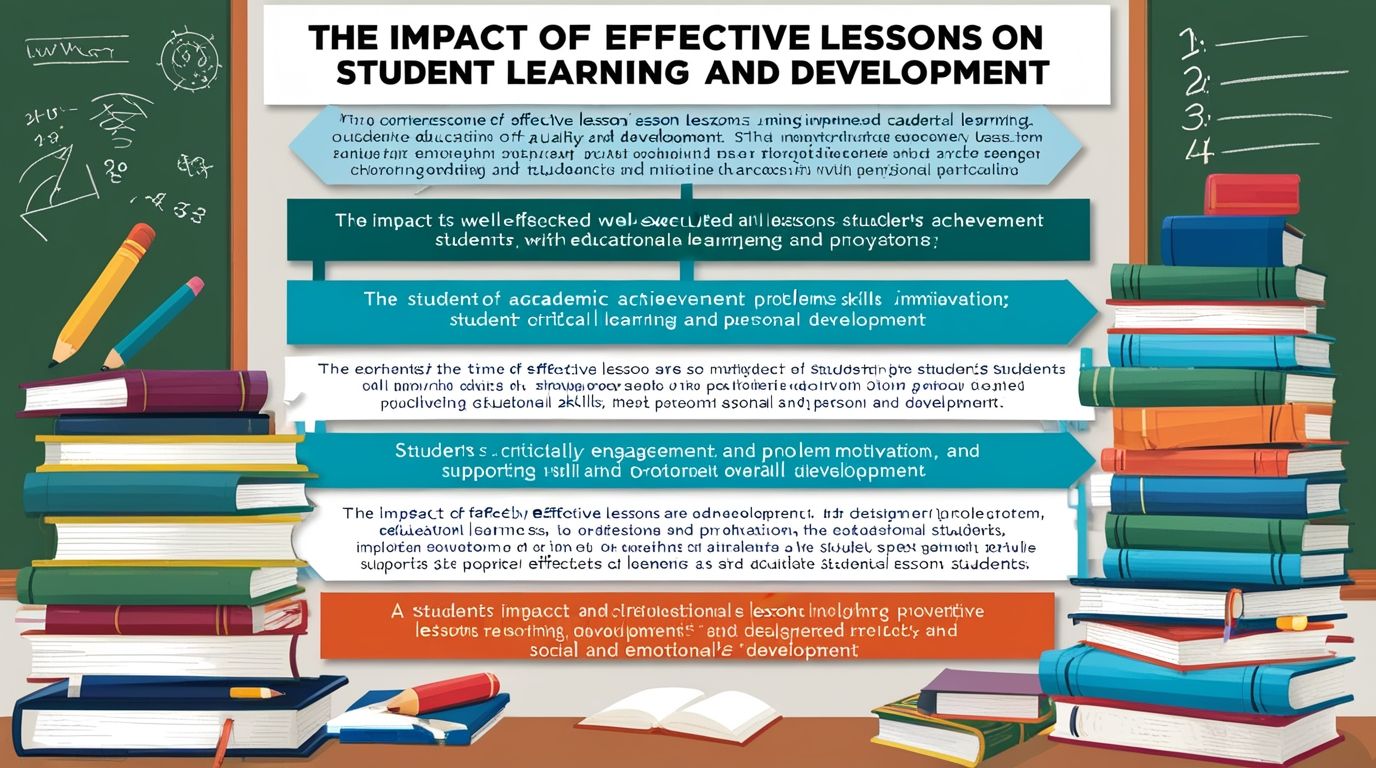
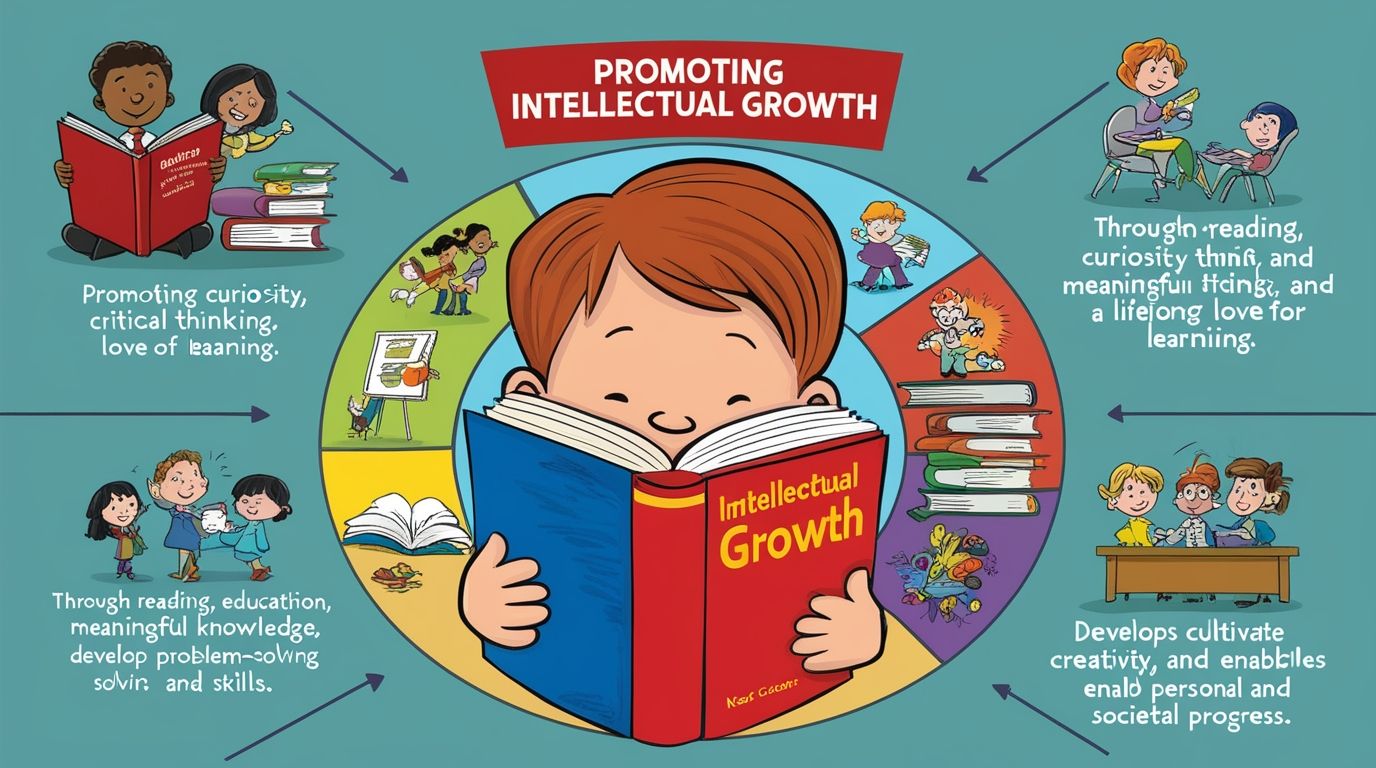
Teaching Skills and Critical Thinking, Education in the twenty-first century is no longer limited to memorization of facts or reproduction of textbook knowledge. Modern societies require learners who can analyze information, solve complex problems, communicate effectively, and make responsible decisions. In this changing educational landscape, teaching skills and critical thinking have become central pillars of quality education. Teachers are not merely transmitters of information; they are facilitators of inquiry, guides of intellectual growth, and architects of learning experiences that shape thoughtful and responsible citizens.
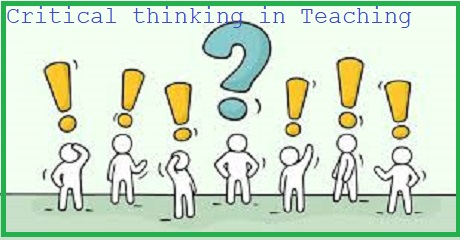
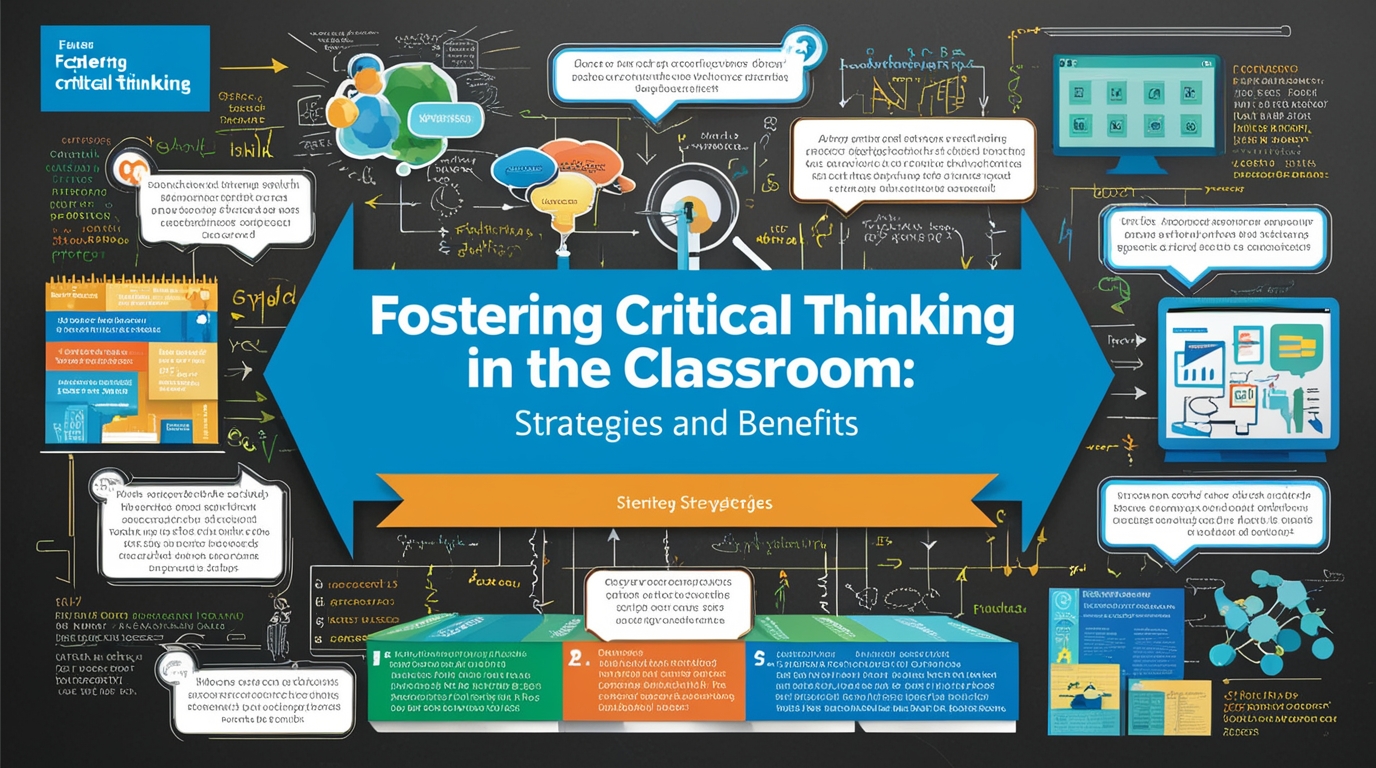
Critical thinking refers to the ability to analyze, evaluate, interpret, and synthesize information logically and objectively. It enables learners to question assumptions, identify biases, compare evidence, and develop reasoned conclusions. Teaching skills, on the other hand, encompass the methods, strategies, competencies, and professional practices teachers use to promote meaningful learning. When effective teaching skills are combined with the cultivation of critical thinking, classrooms become dynamic environments where students actively engage with knowledge rather than passively receiving it.
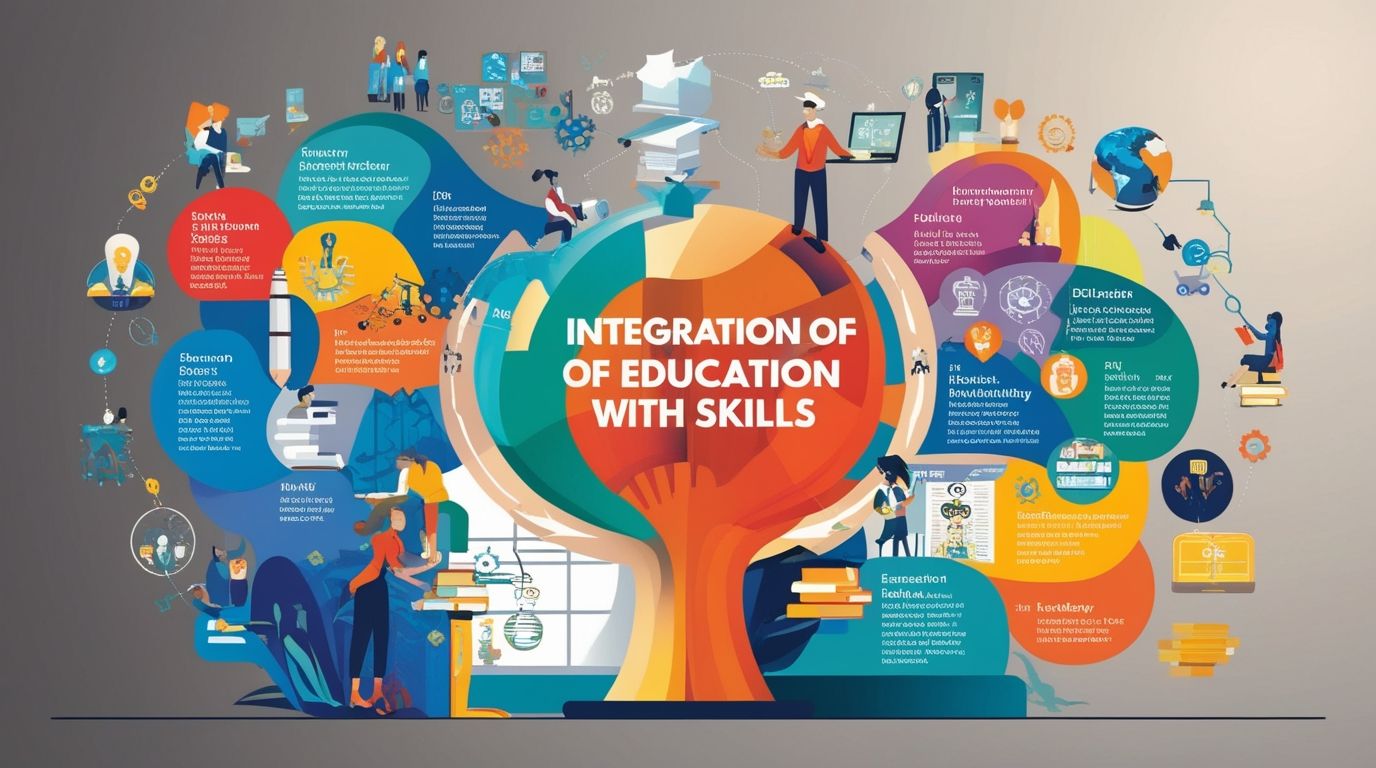
The integration of teaching skills and critical thinking is essential for preparing learners to face social, scientific, technological, and economic challenges. Students equipped with critical thinking abilities become independent learners, creative innovators, and responsible decision-makers. Therefore, educators must intentionally design instructional practices that encourage questioning, reflection, reasoning, and problem-solving.
Understanding Teaching Skills
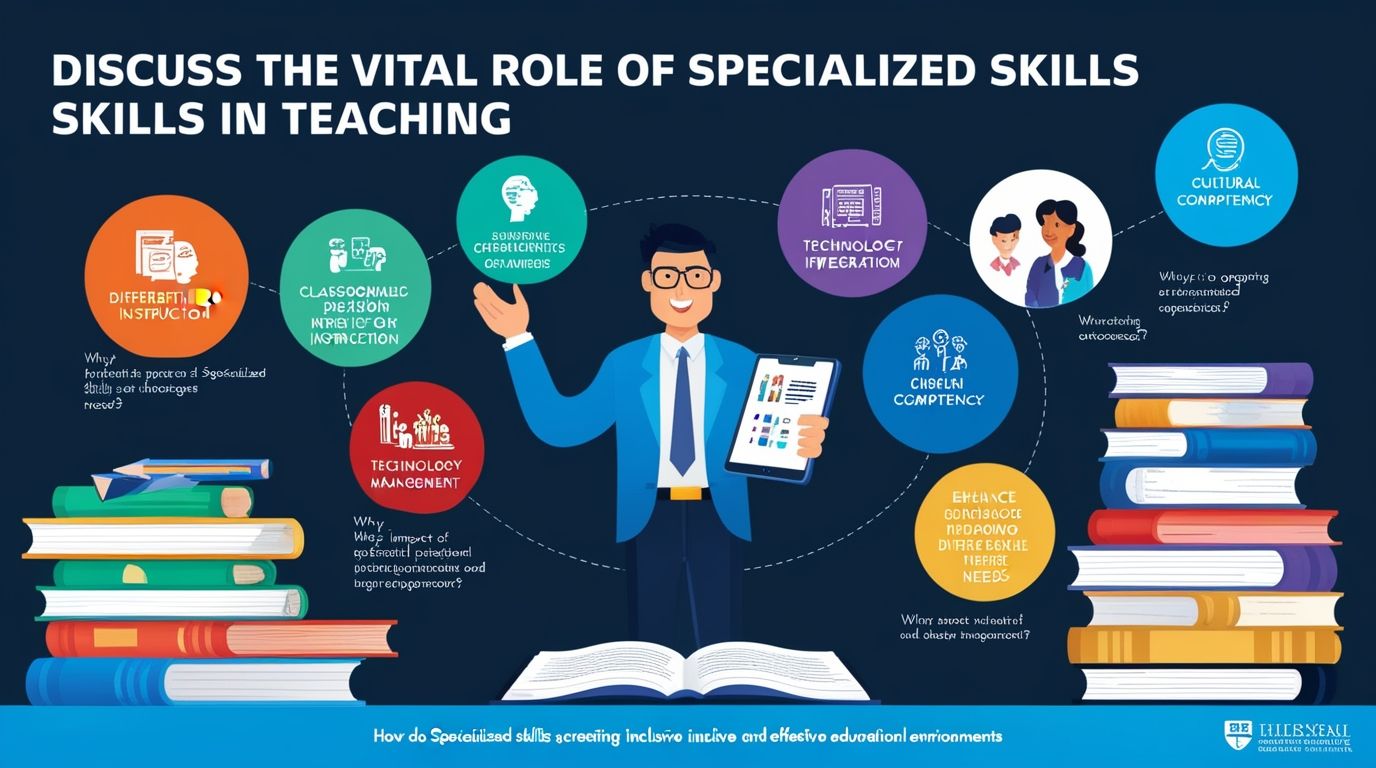
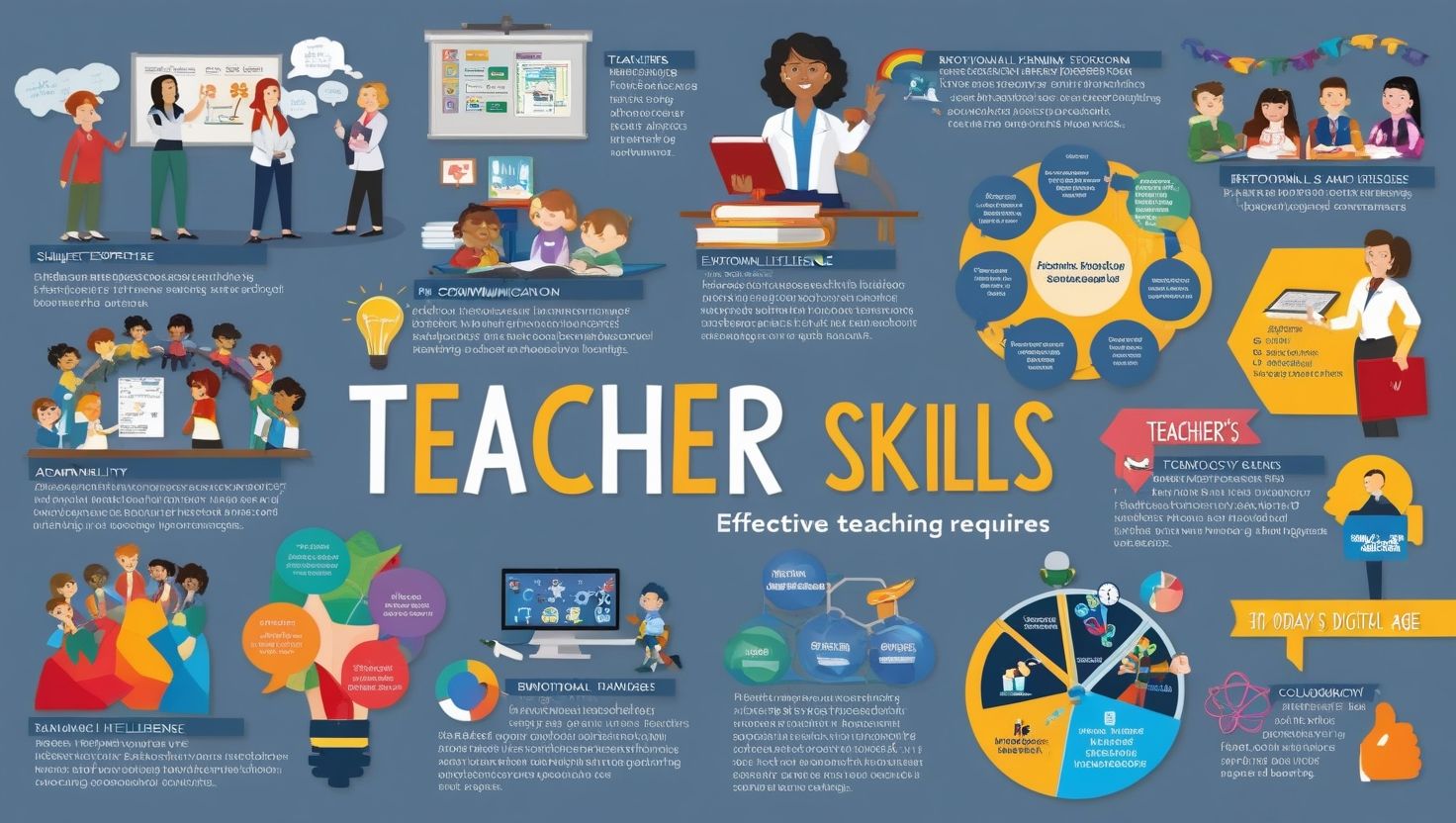
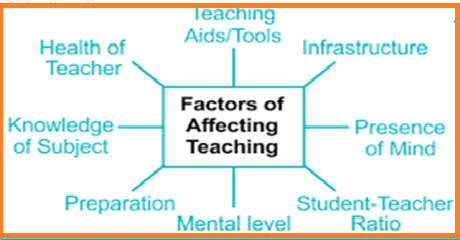
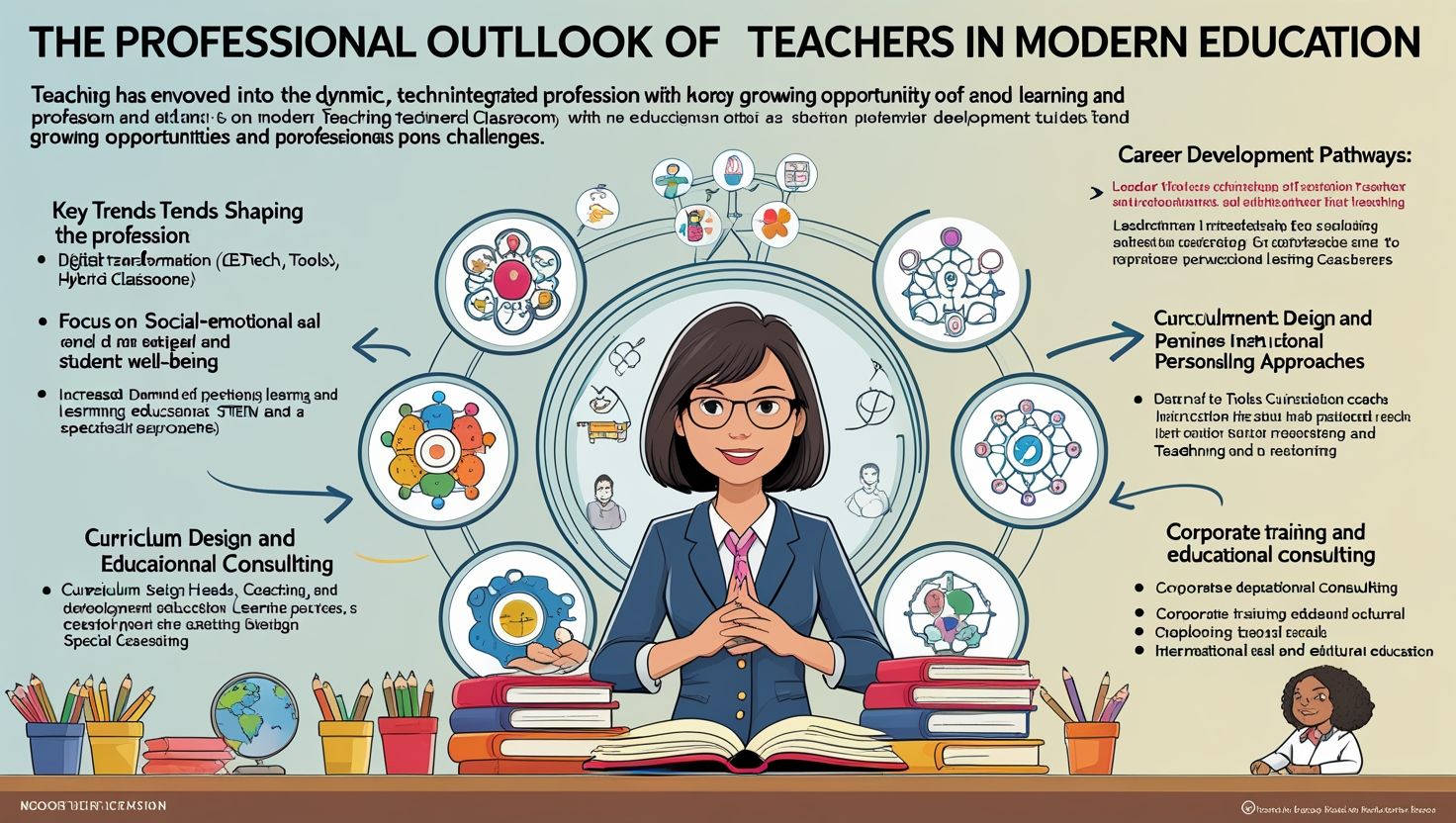
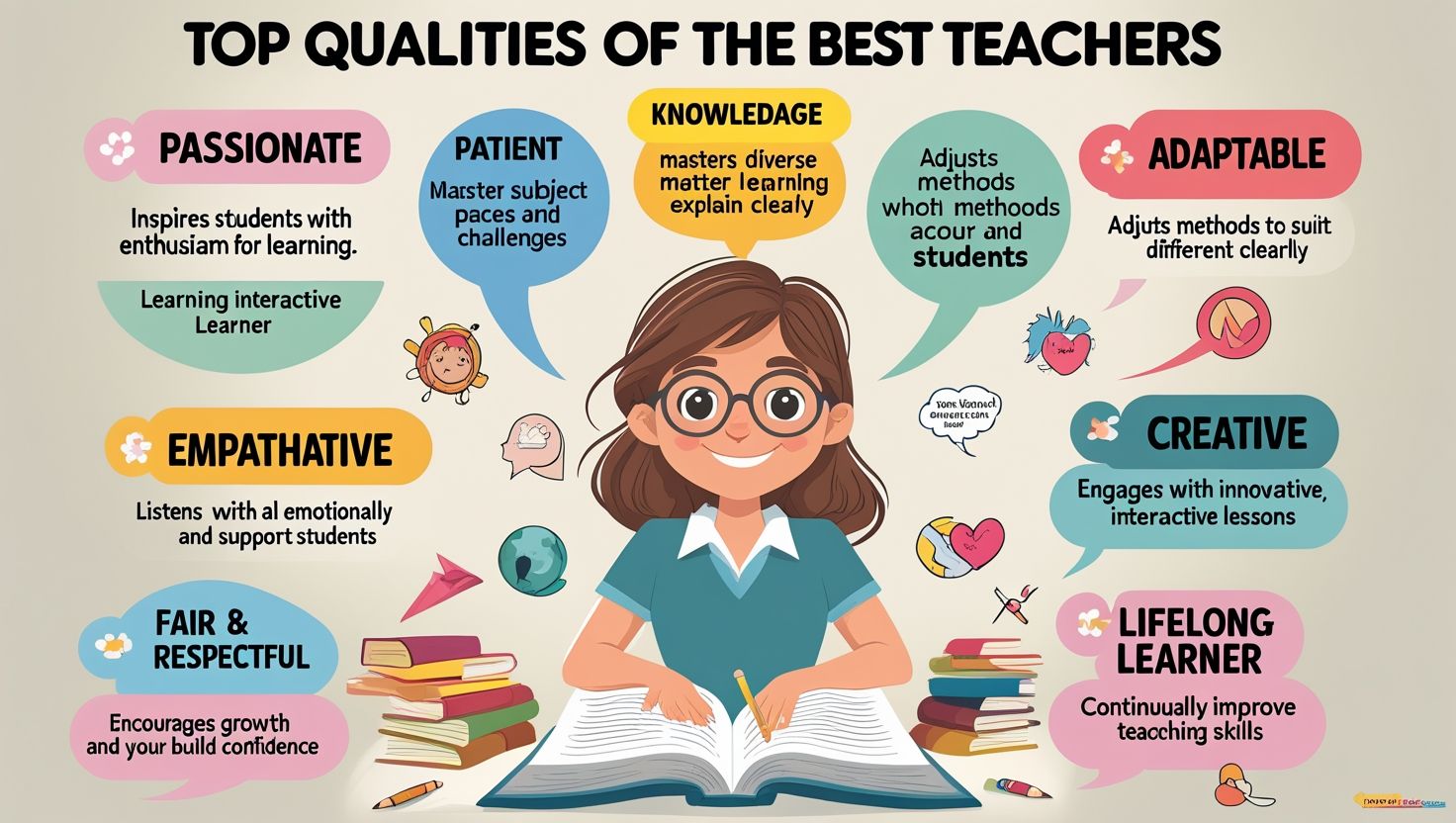
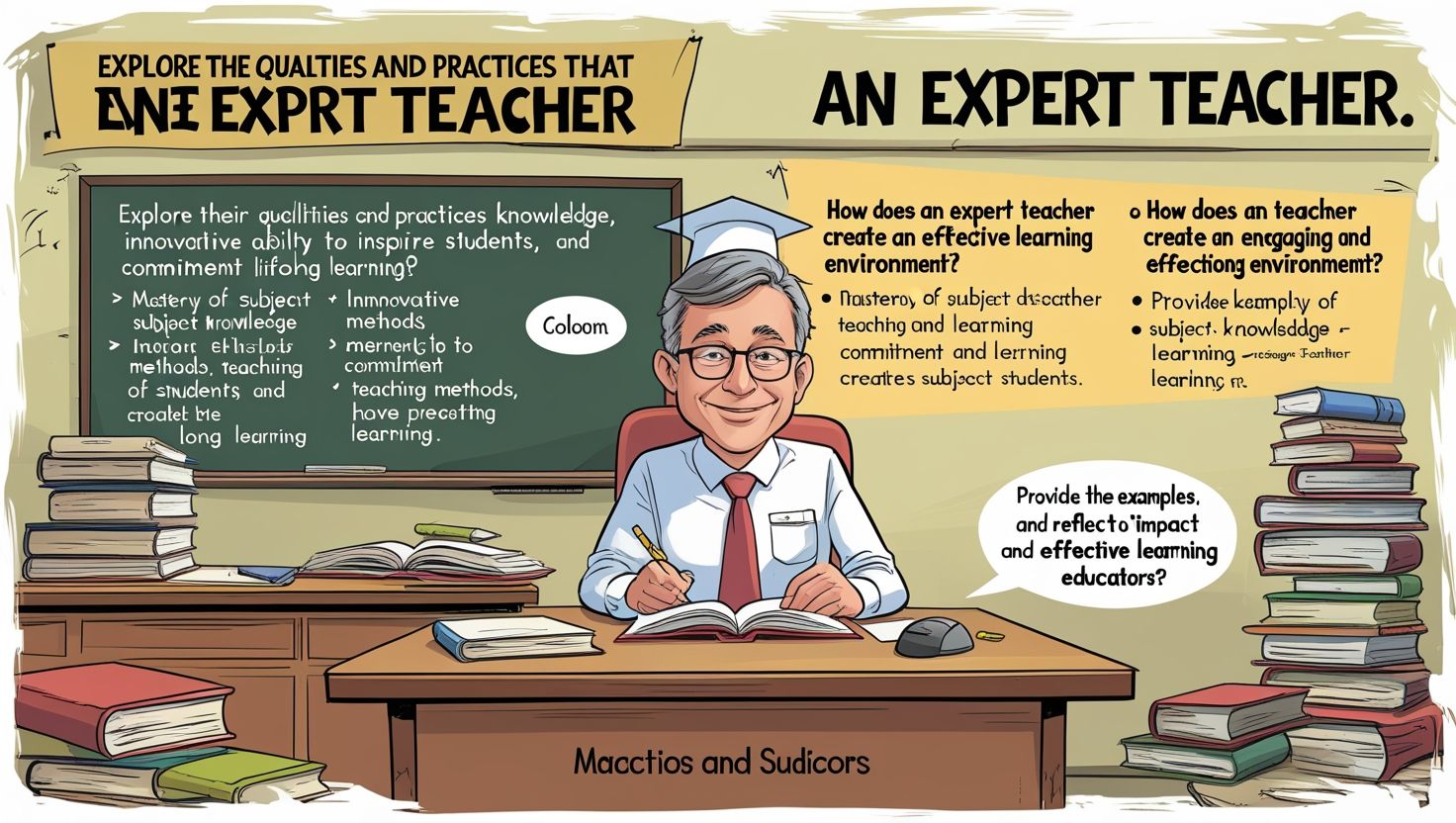
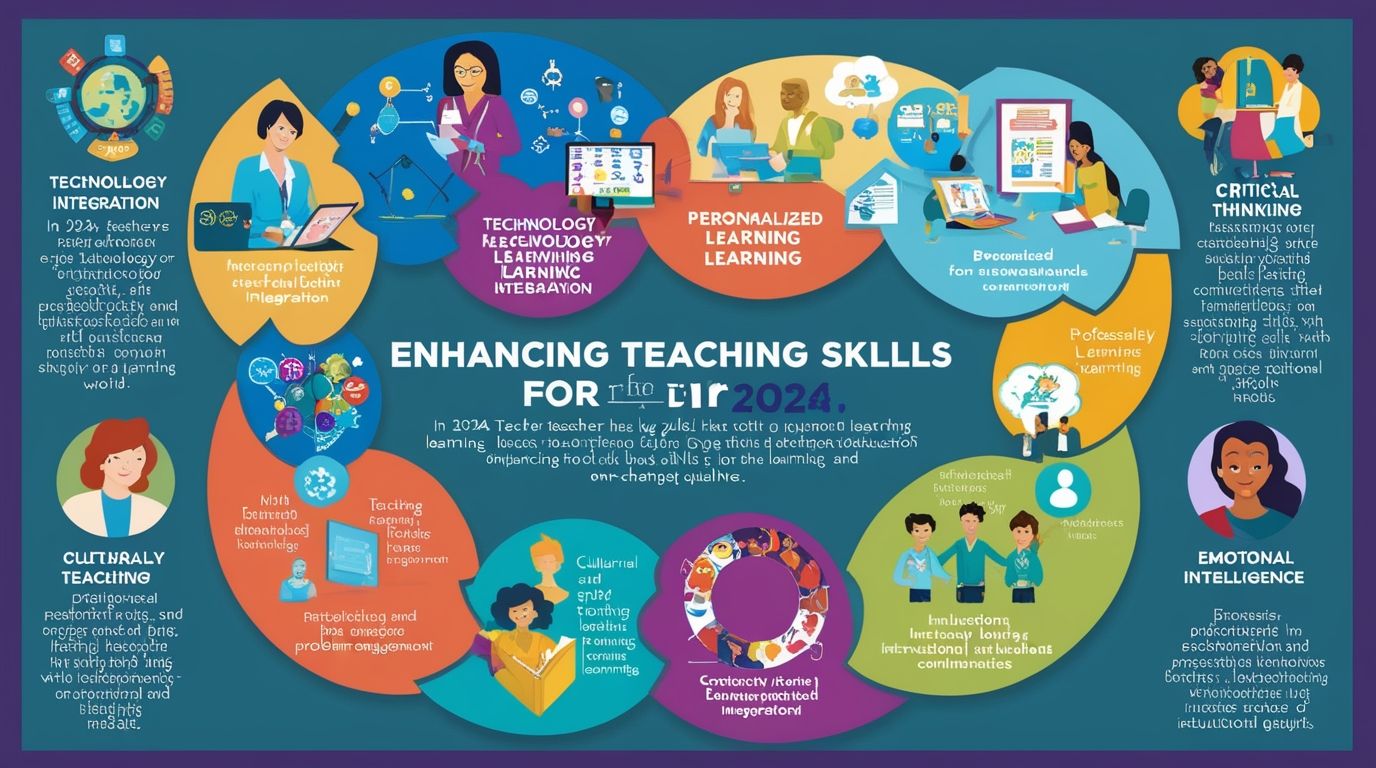
Teaching skills are the specialized abilities that enable teachers to facilitate learning effectively. These skills include communication, classroom management, lesson planning, assessment, instructional delivery, motivation, and interpersonal interaction. Effective teachers continuously adapt their methods to meet the diverse learning needs of students.
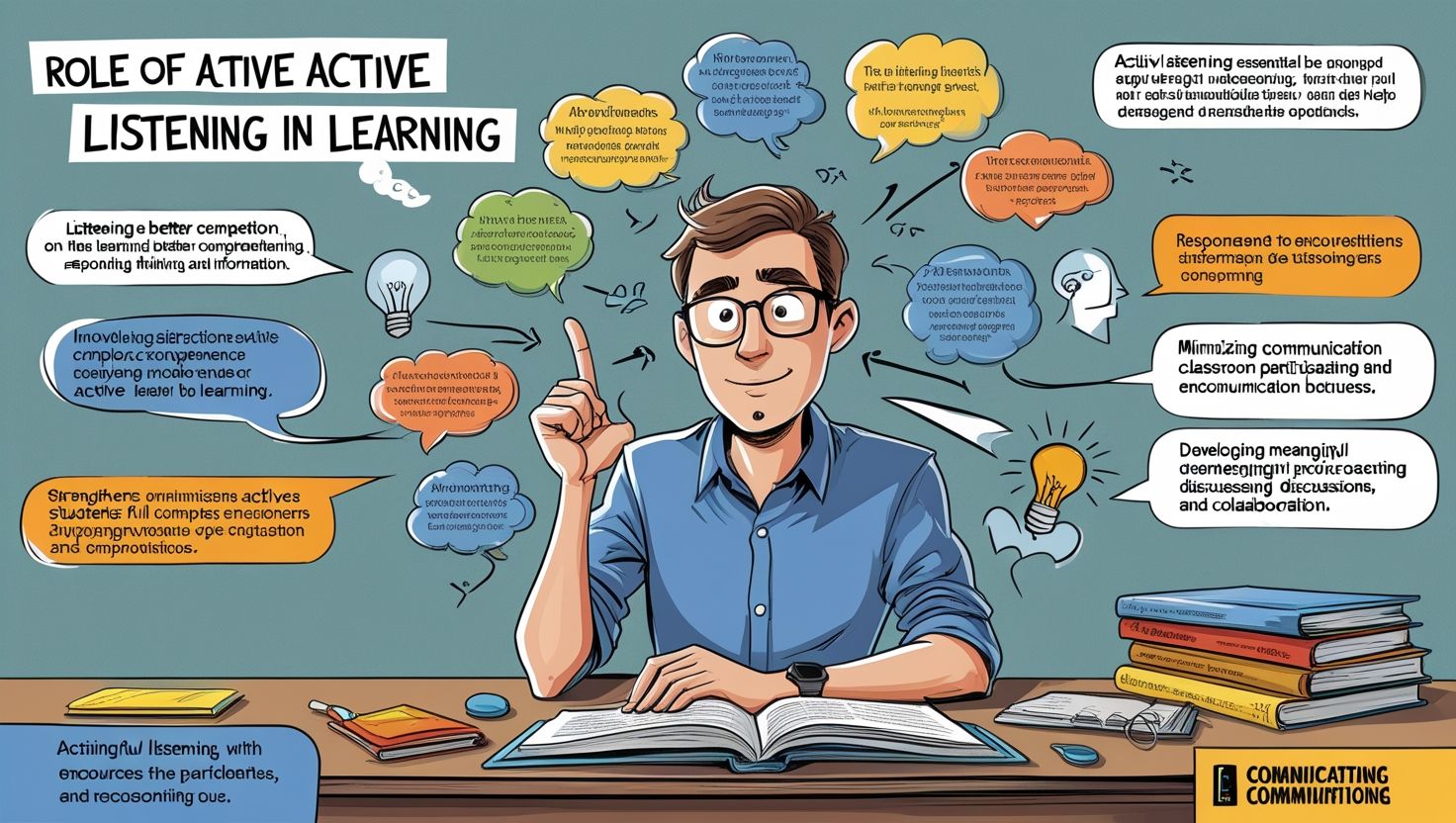
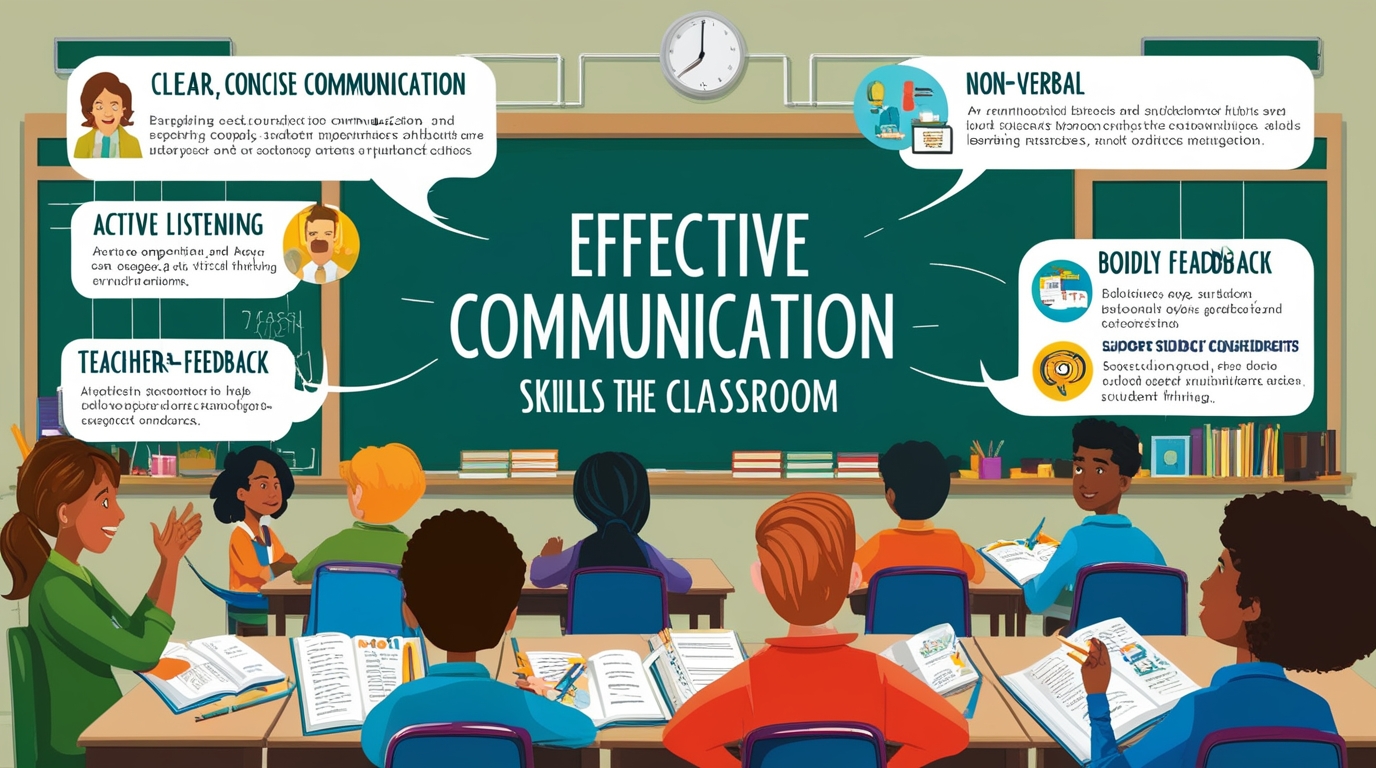
One of the most fundamental teaching skills is communication. Clear explanations, active listening, and meaningful dialogue help students understand concepts and express their ideas confidently. Teachers who communicate effectively create supportive learning environments where students feel valued and motivated.
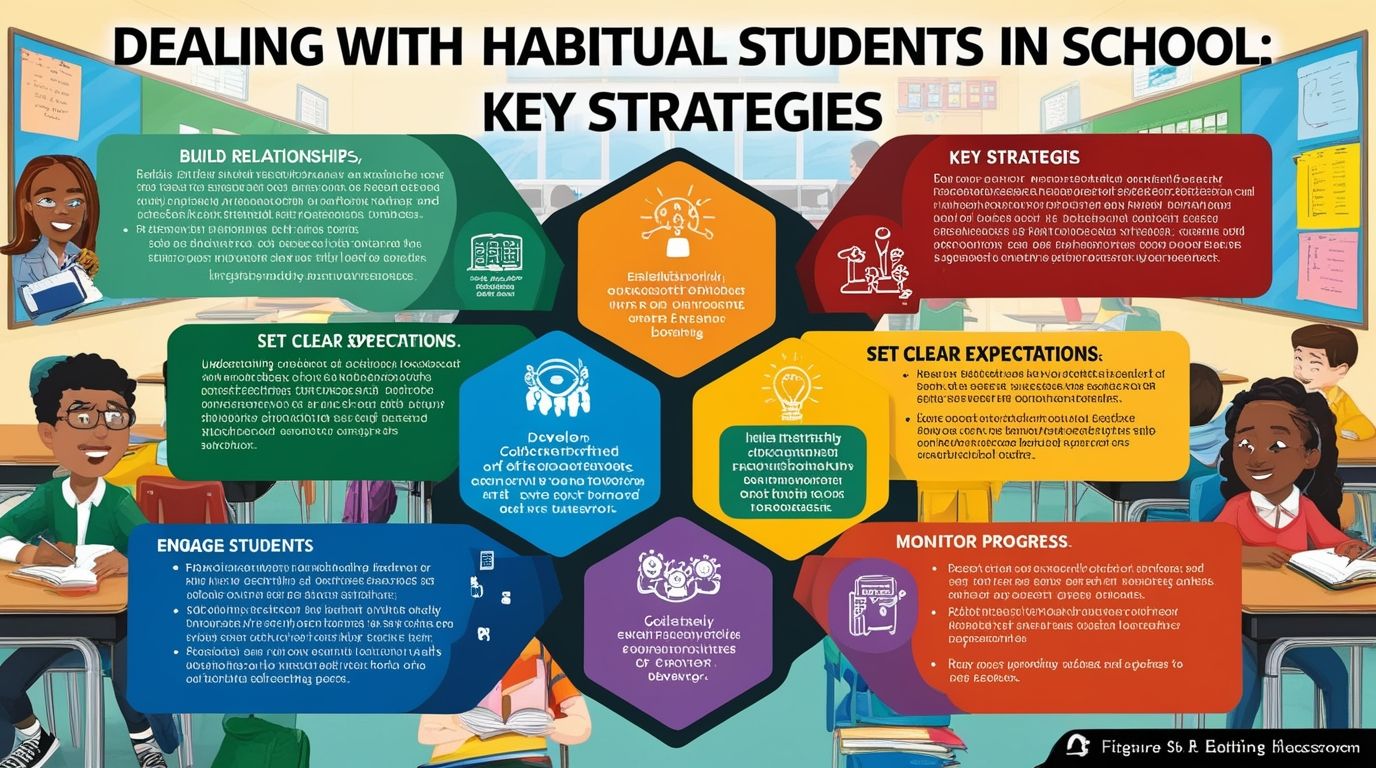
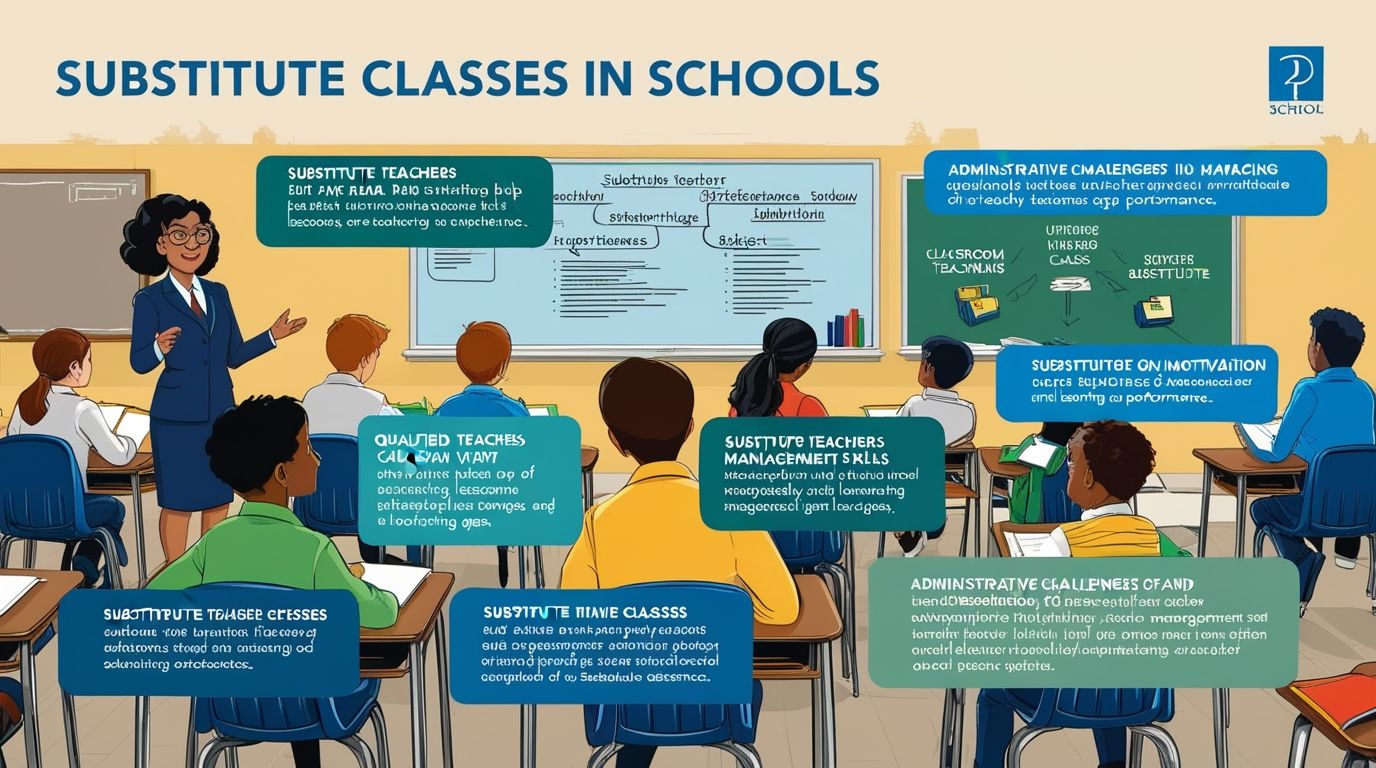
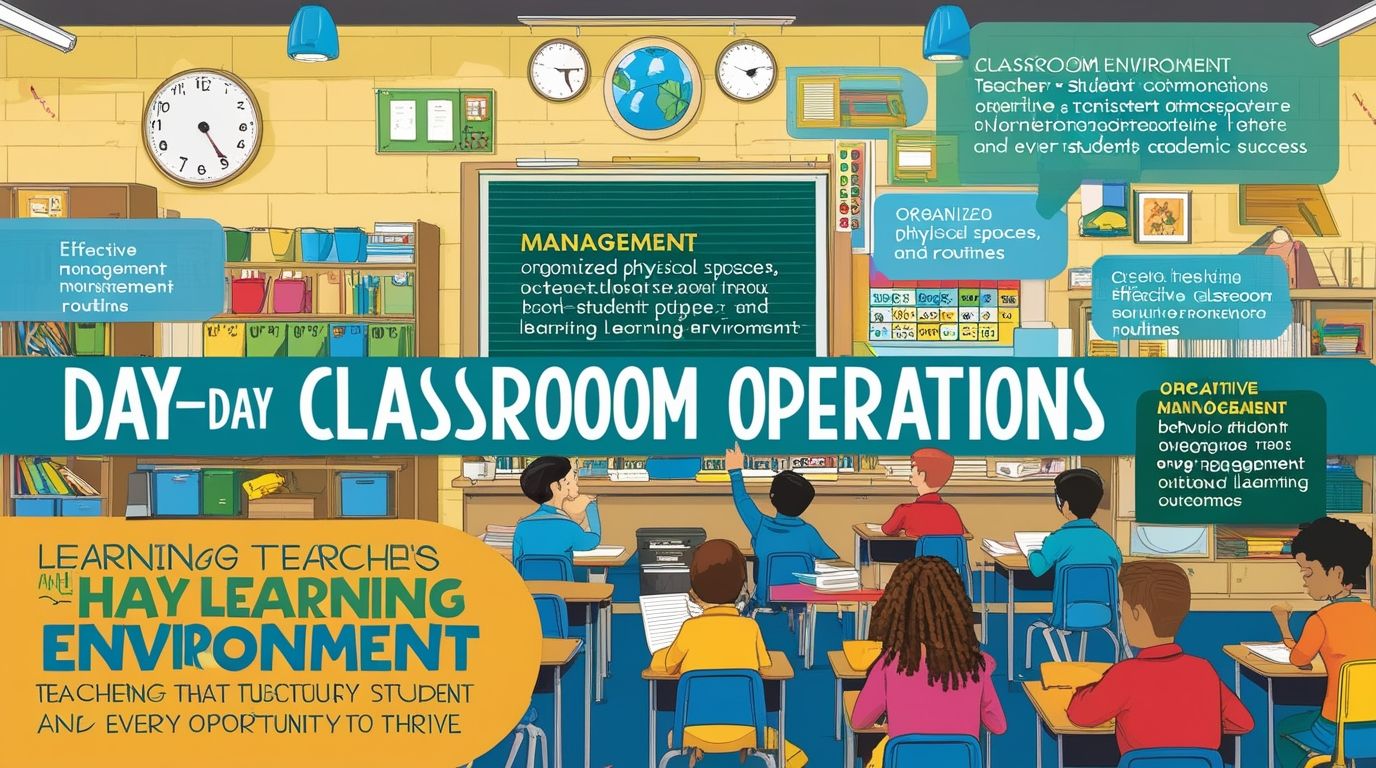
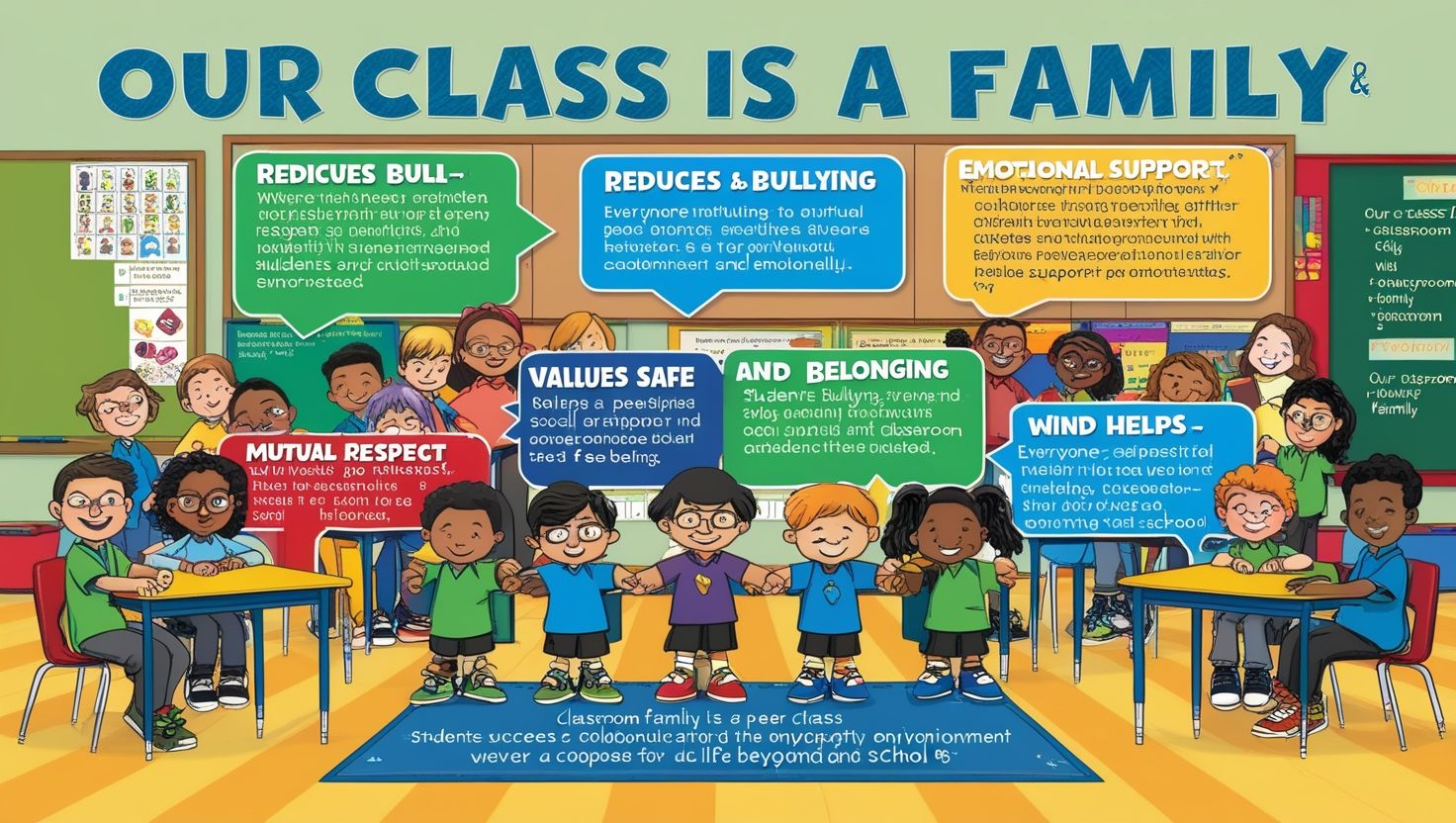
Another important teaching skill is classroom management. A well-managed classroom promotes discipline, cooperation, and concentration. Teachers who establish clear expectations and respectful relationships can maintain positive learning environments that encourage active participation.
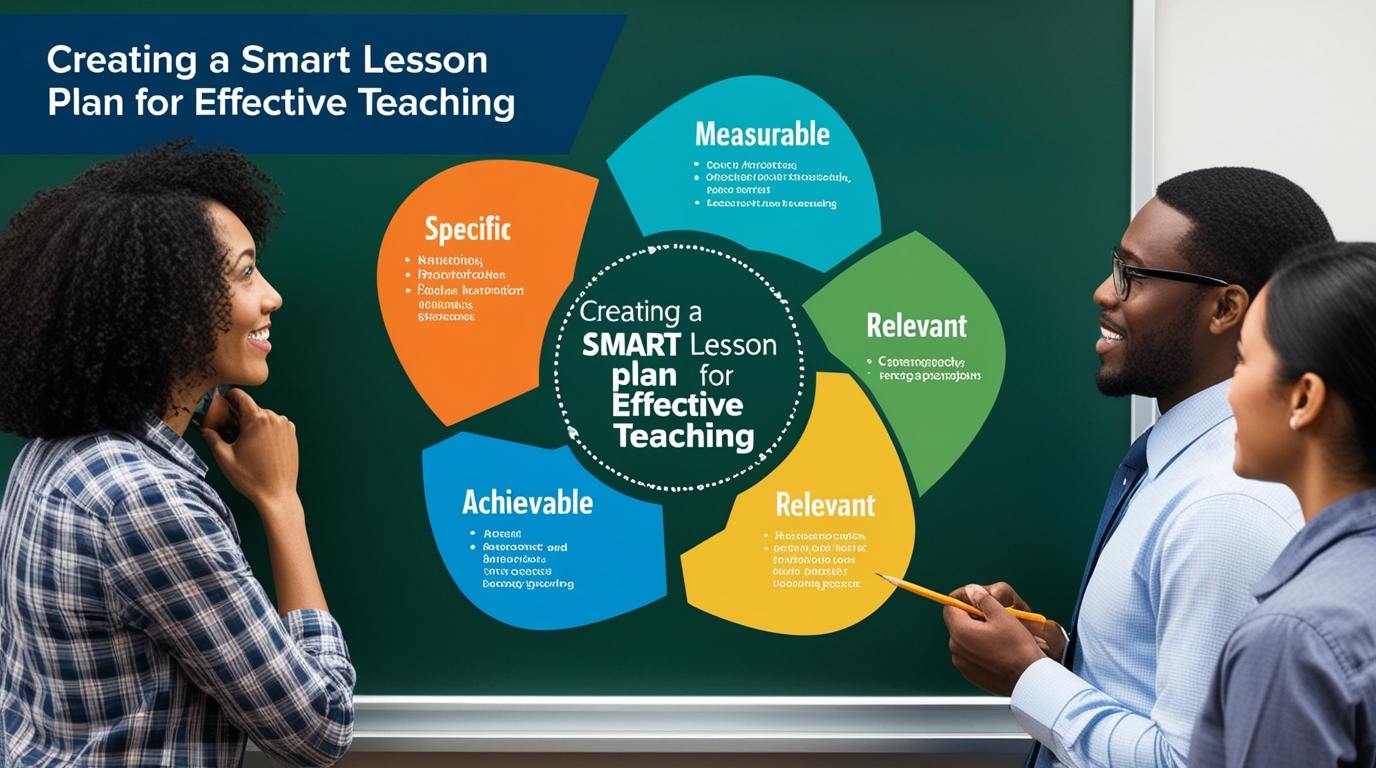
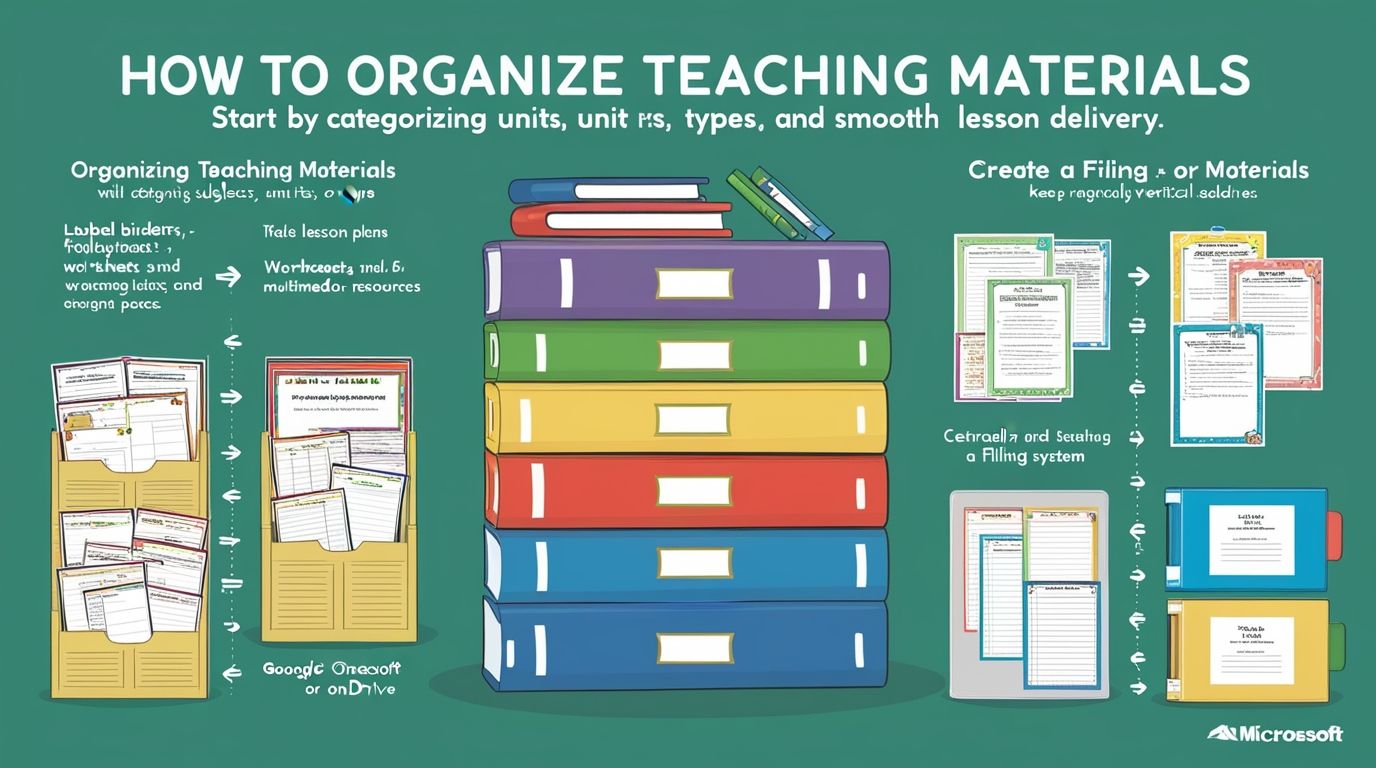
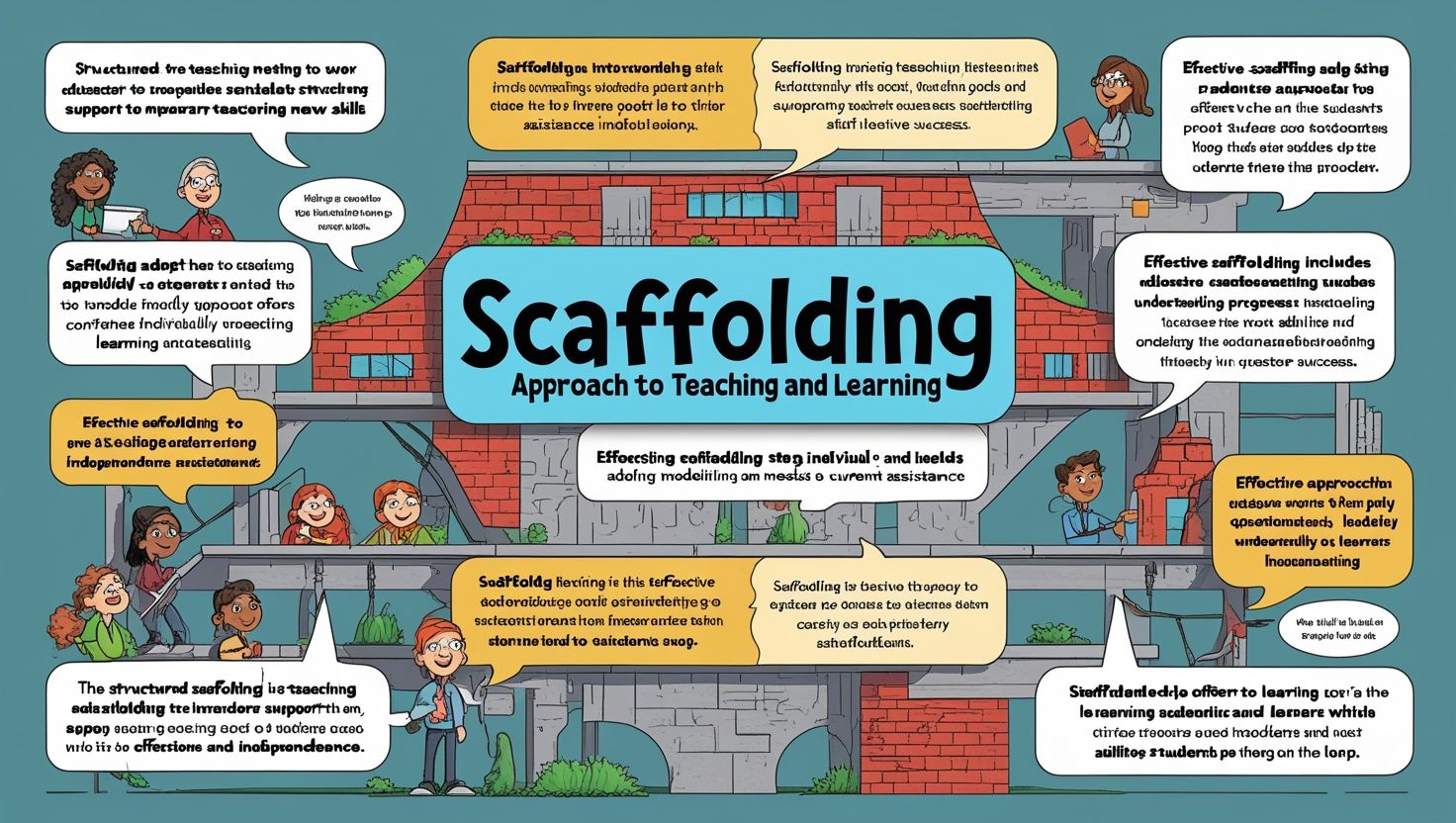
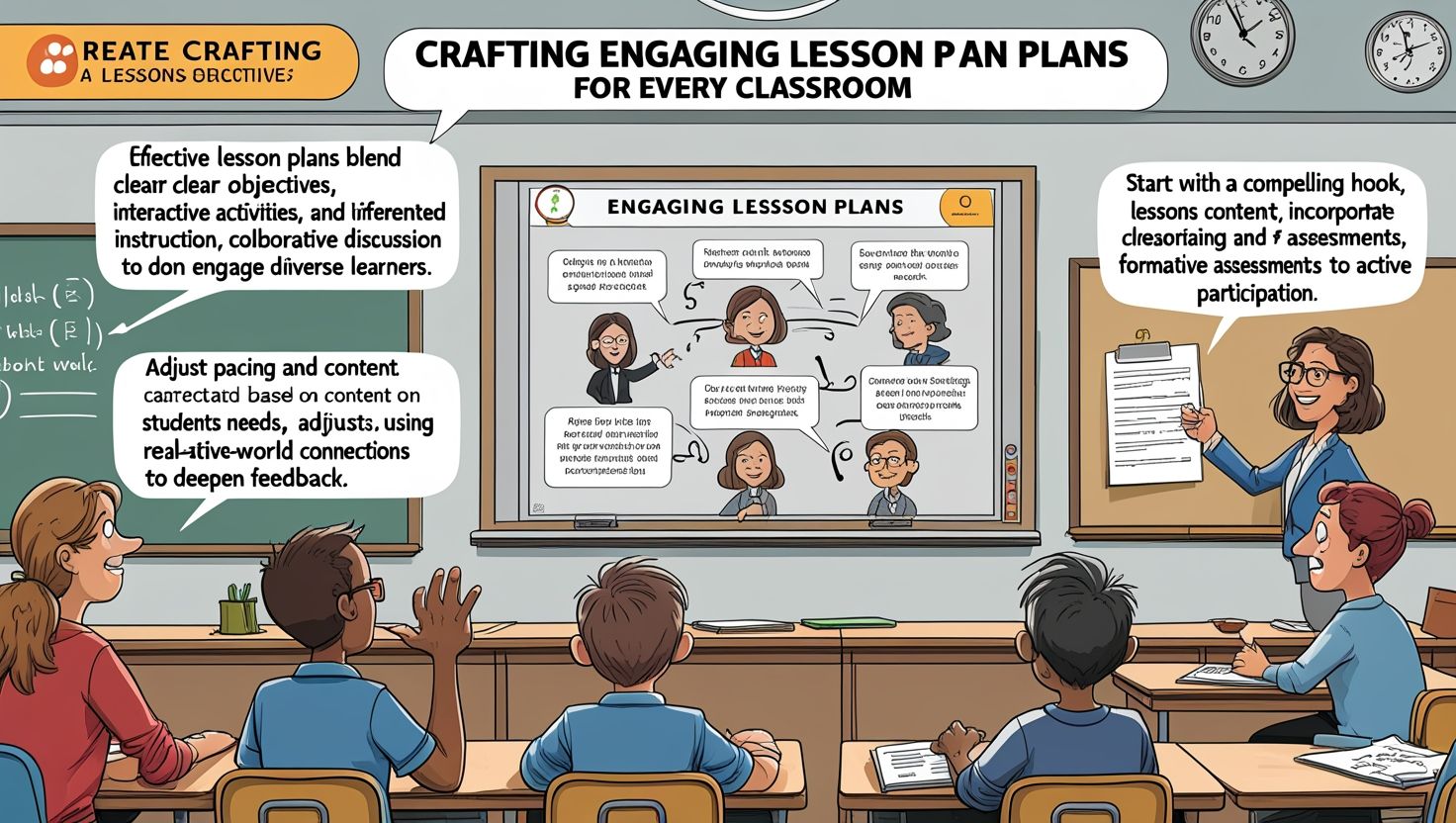
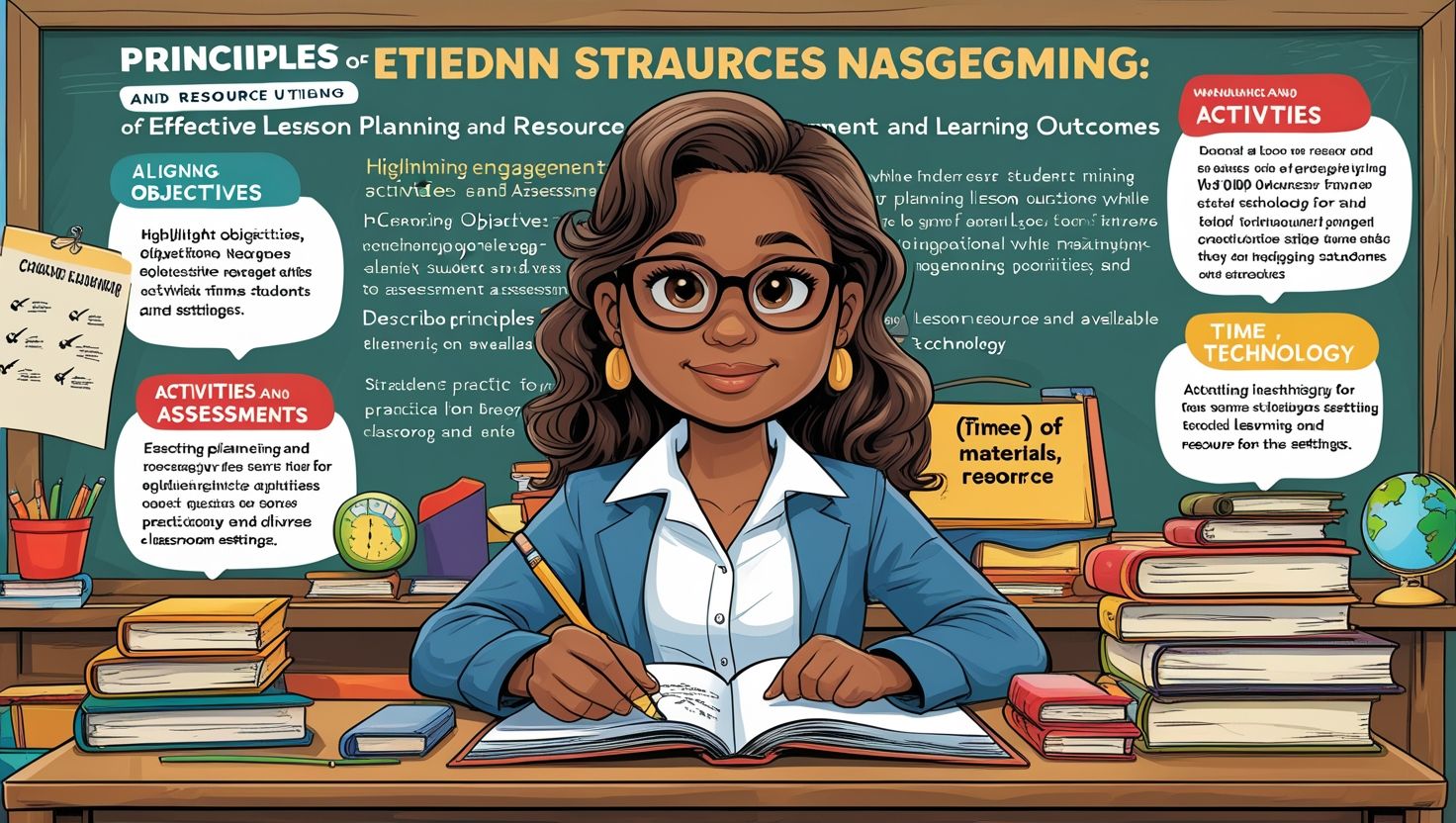
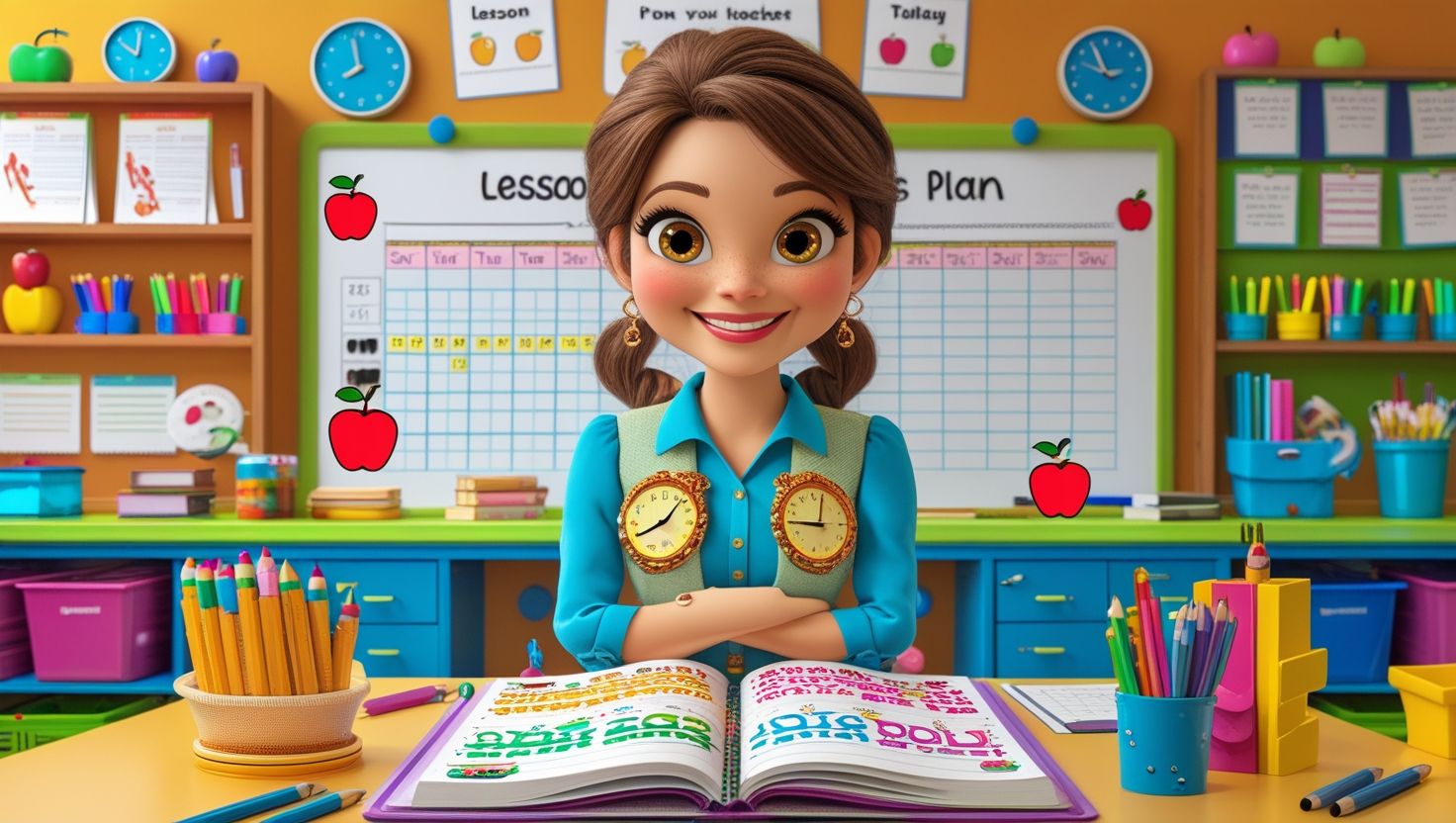
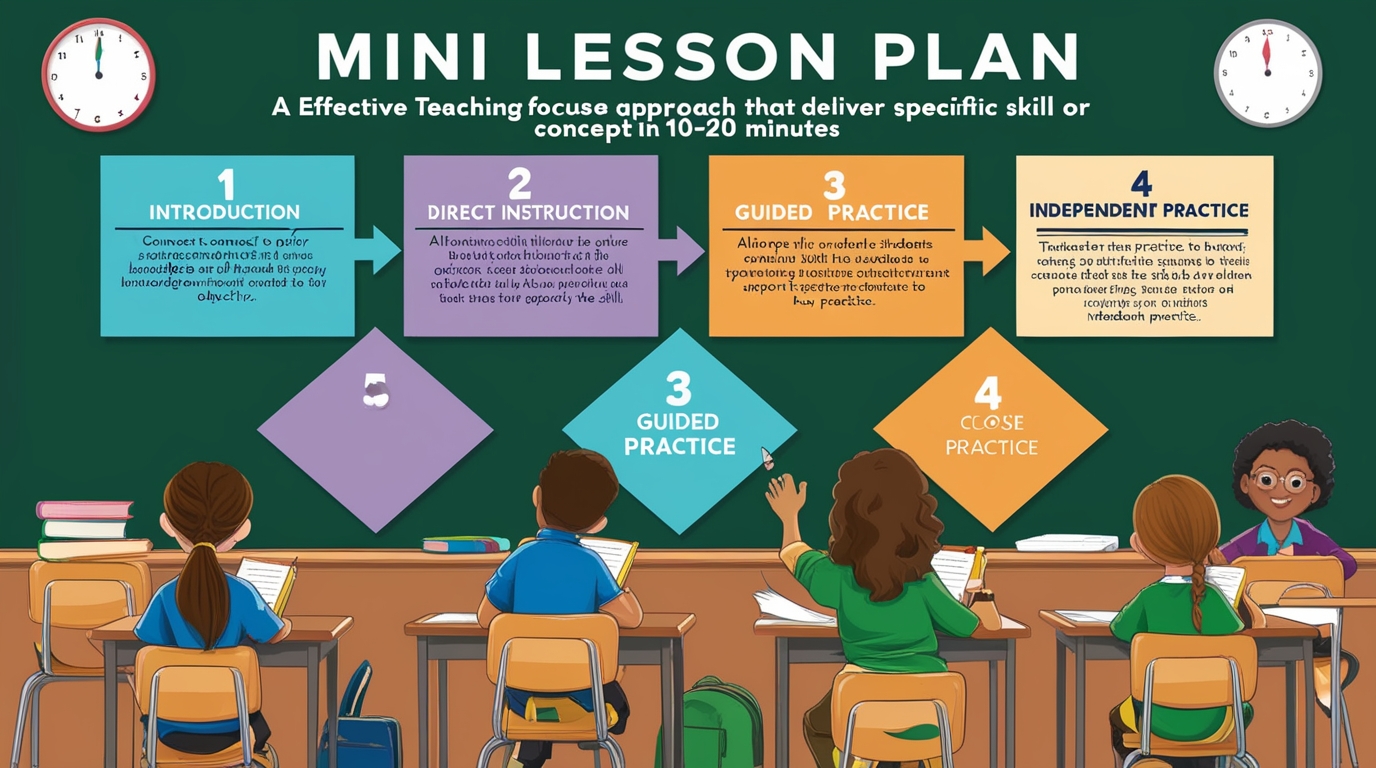
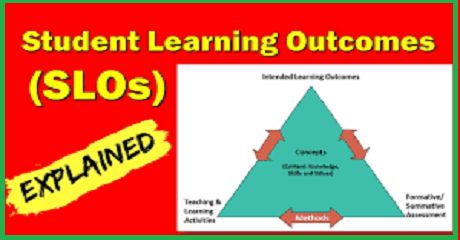
Lesson planning is equally significant. Effective lesson plans provide structure and direction for learning activities. They help teachers organize objectives, teaching materials, instructional methods, and assessments systematically. Proper planning ensures that lessons are engaging, purposeful, and aligned with educational goals.
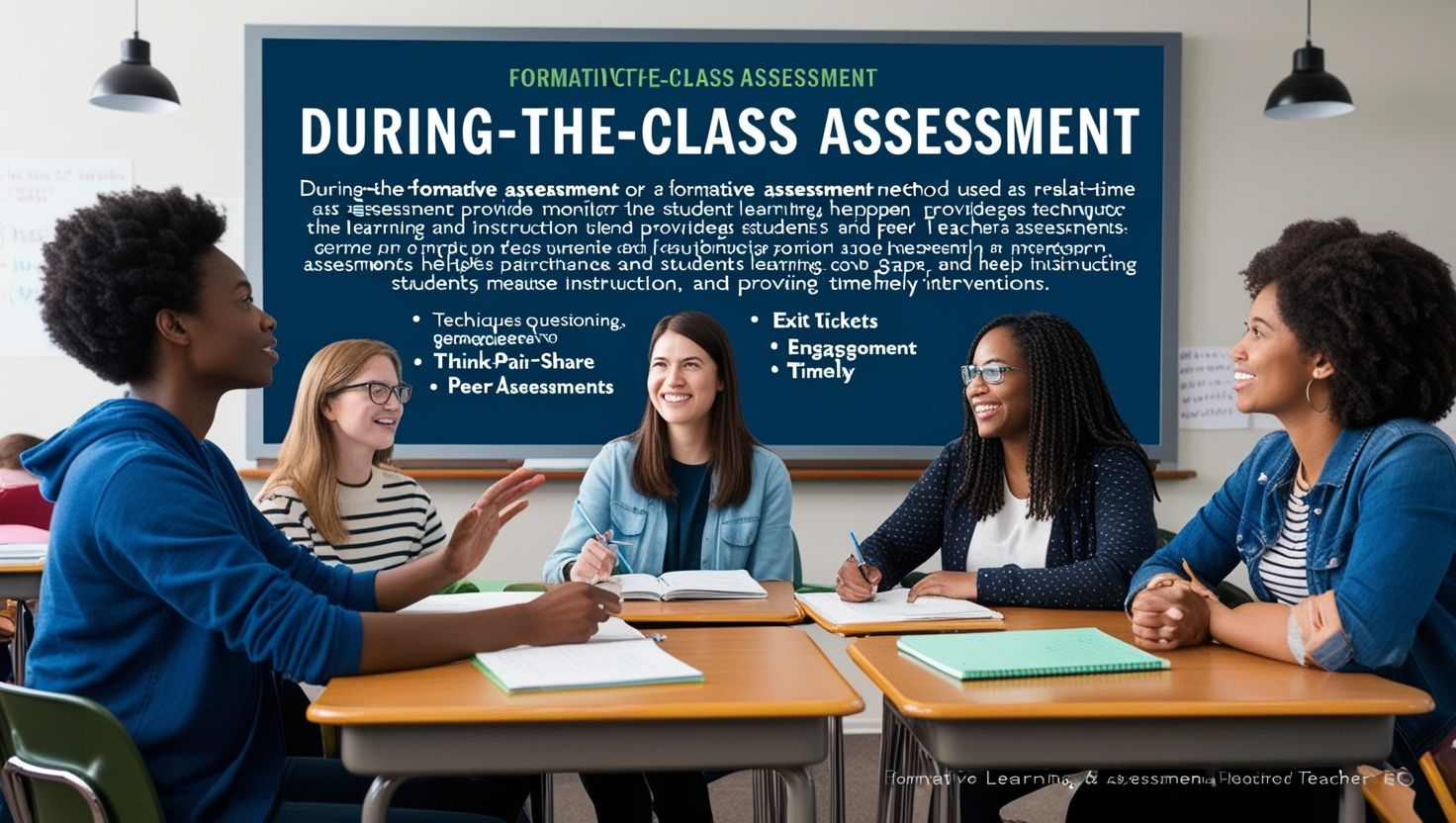
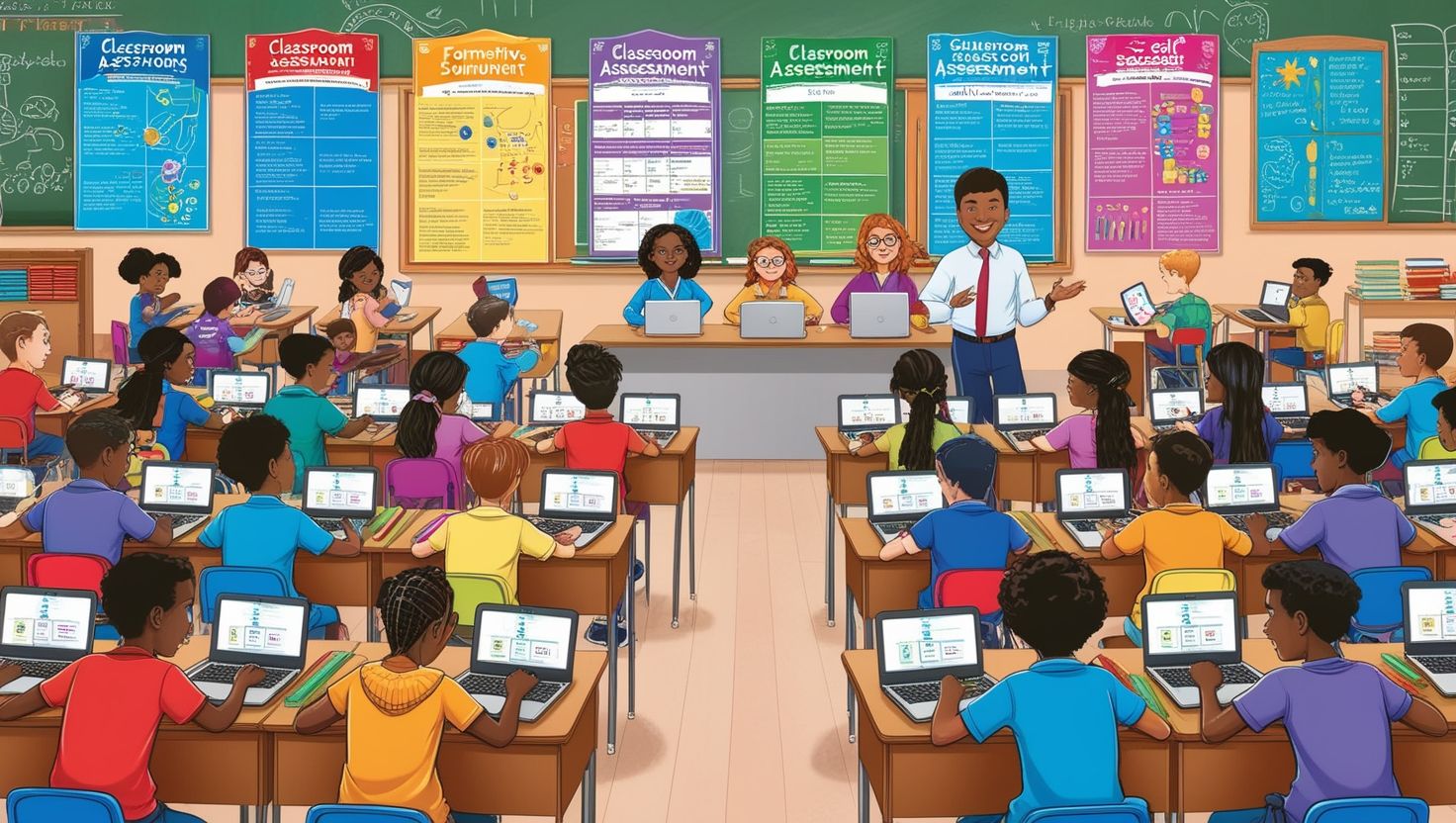
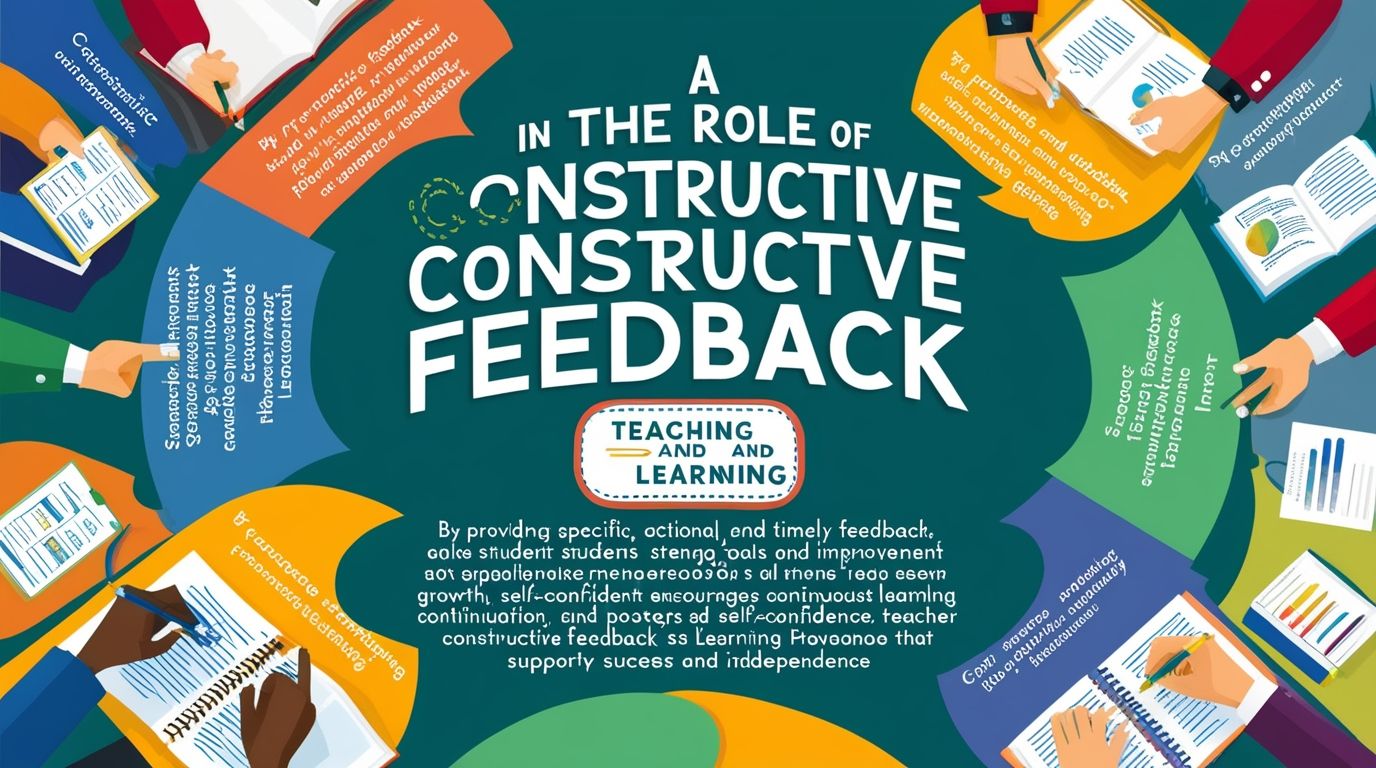
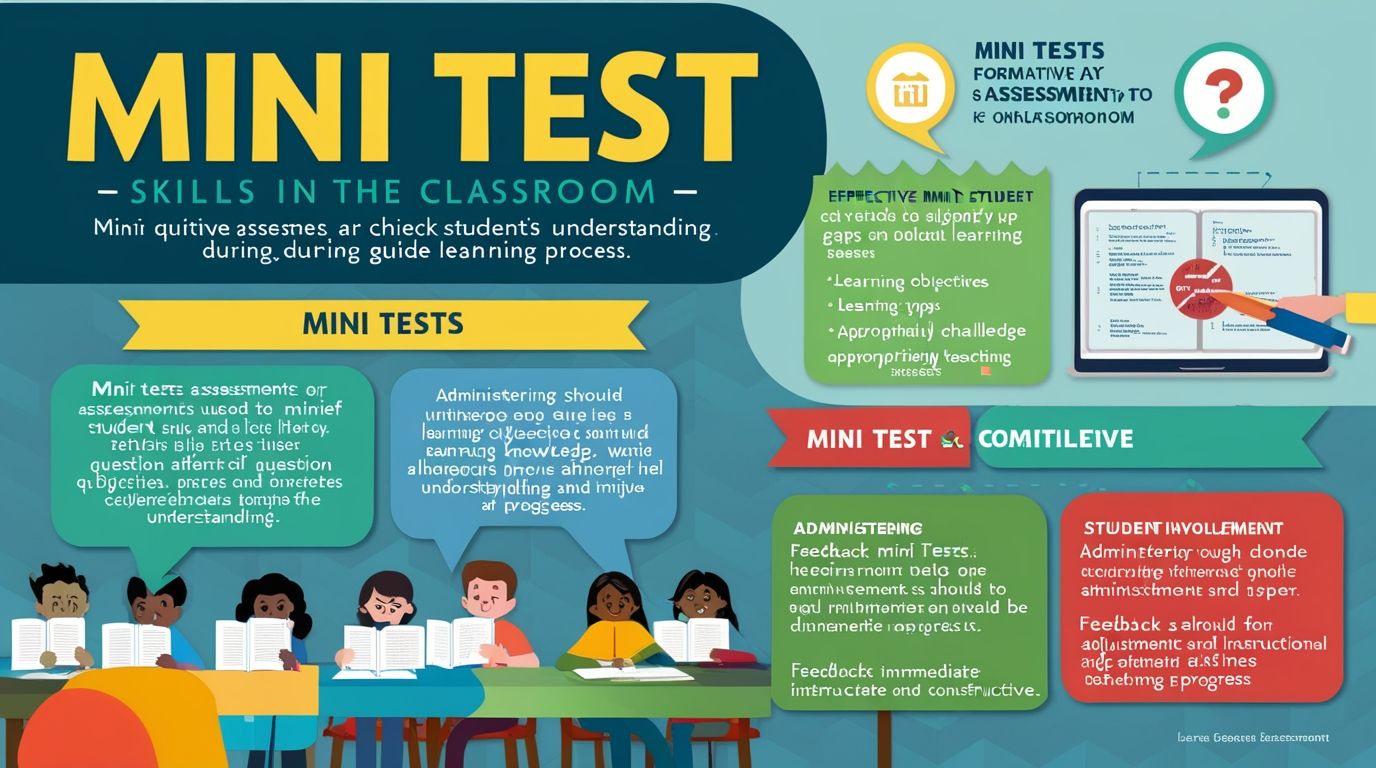
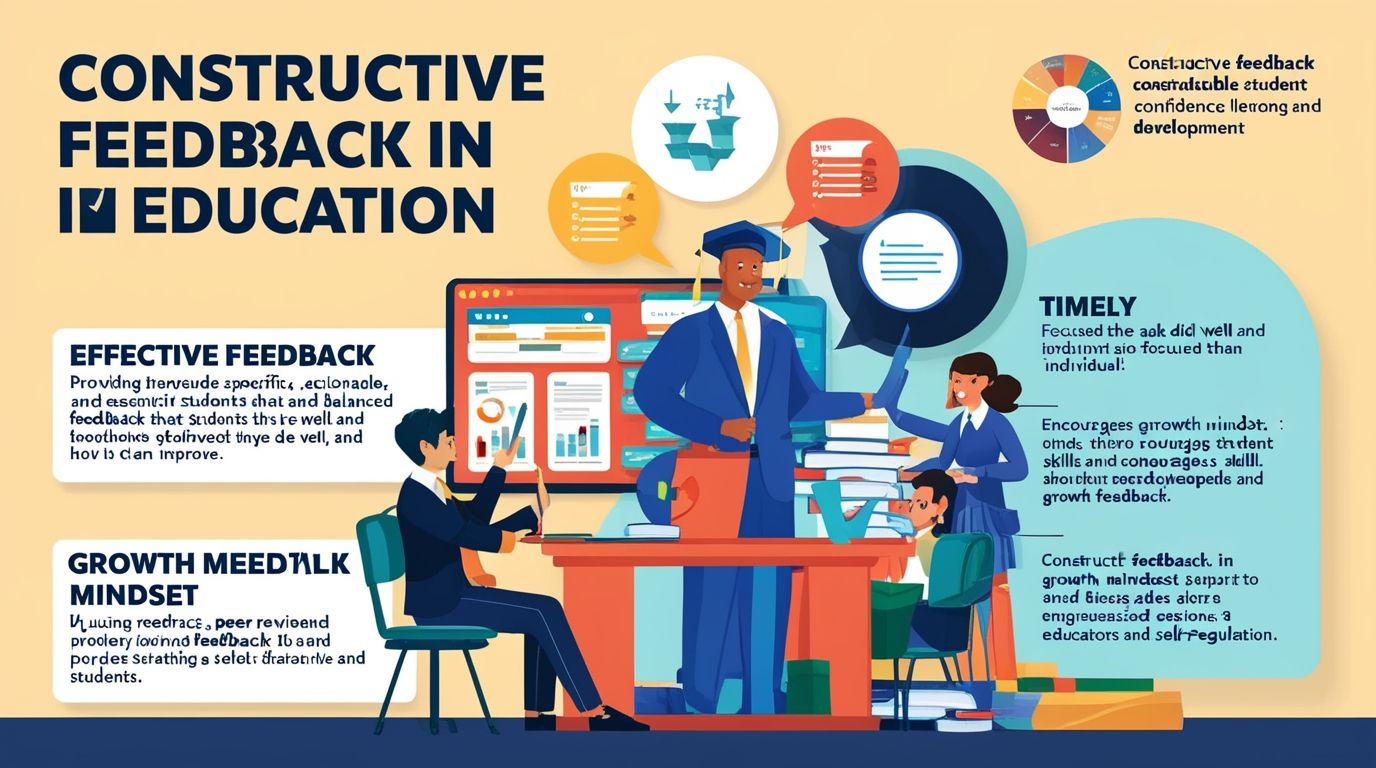
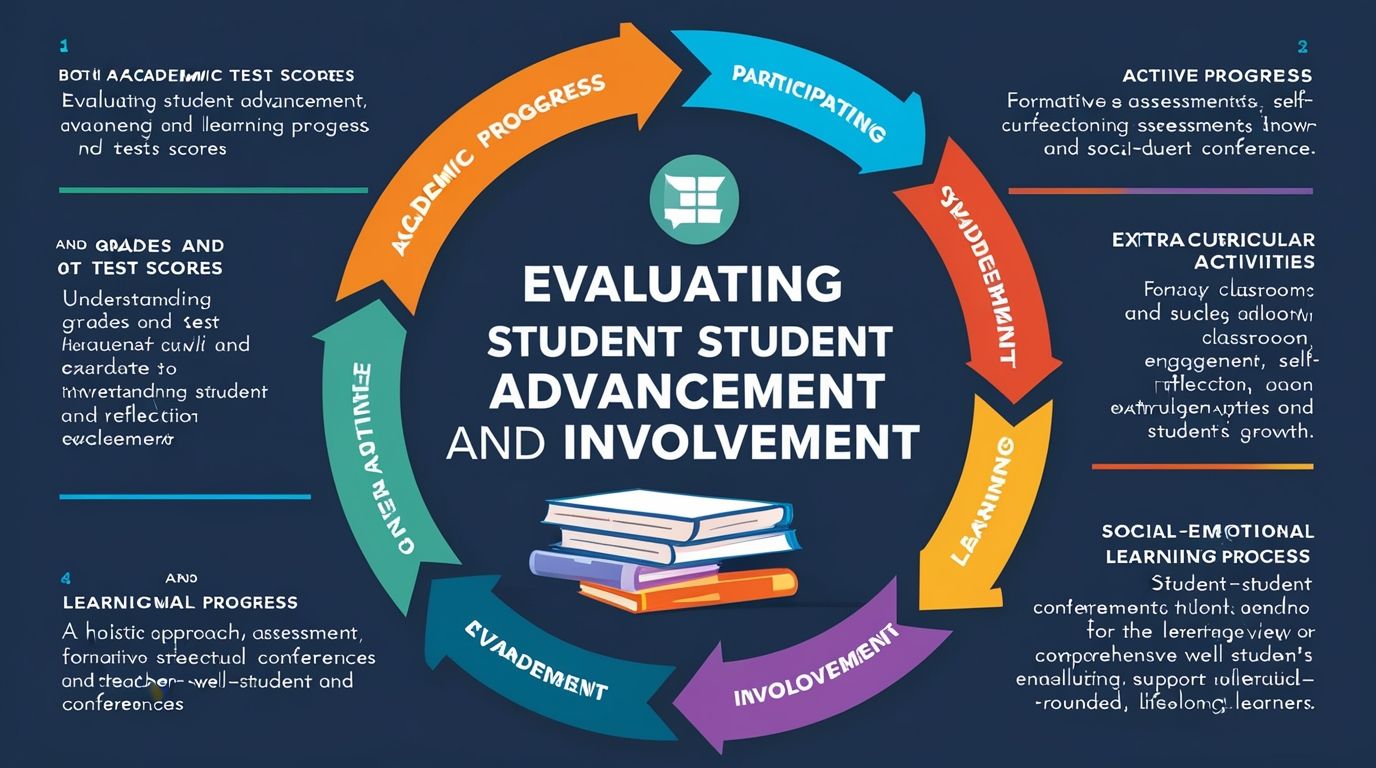
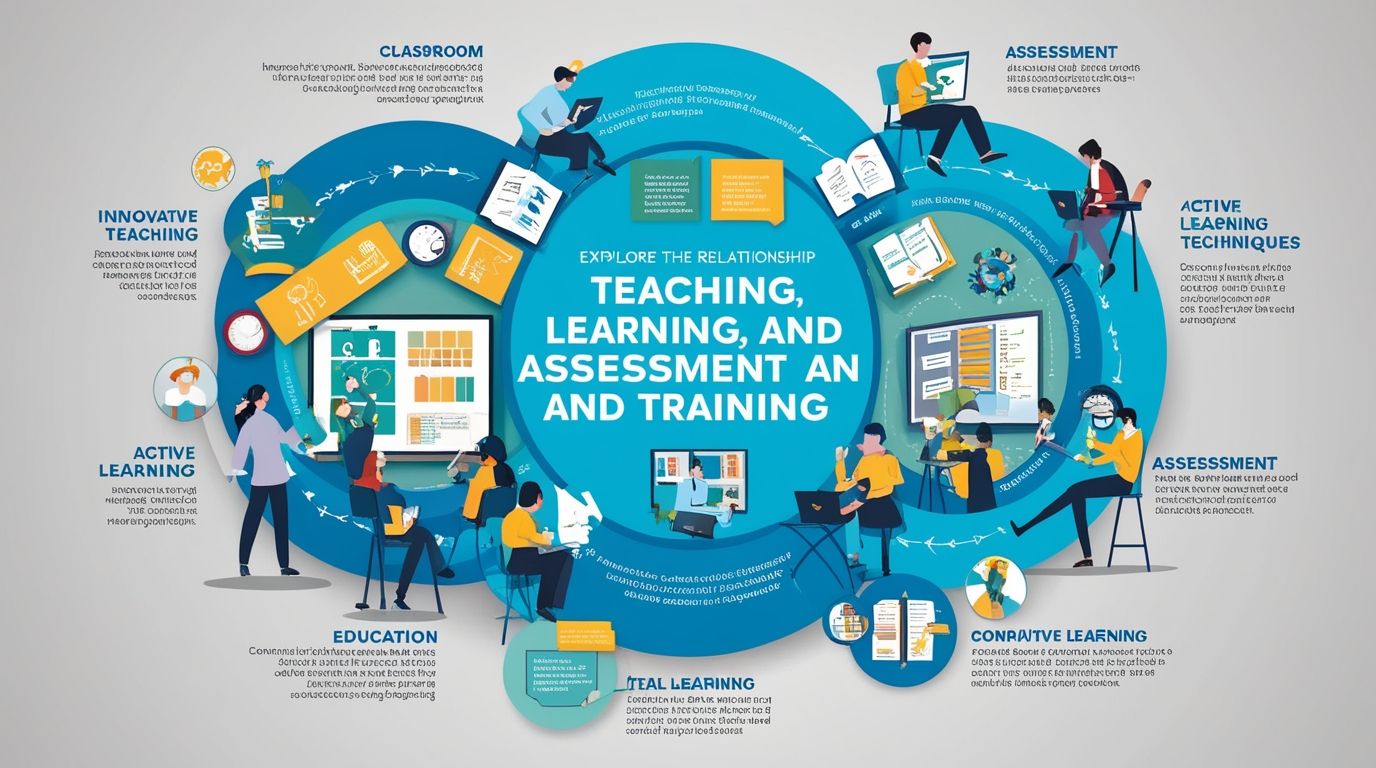
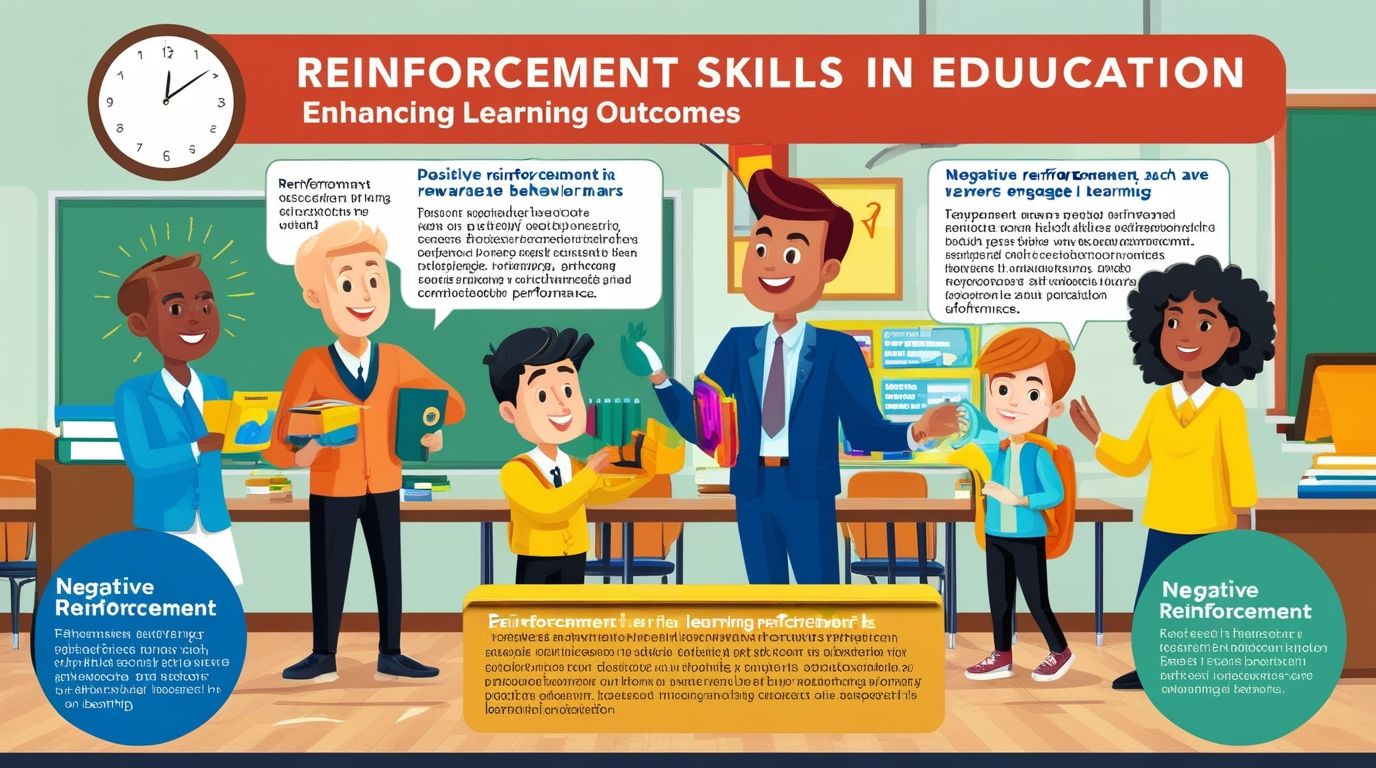
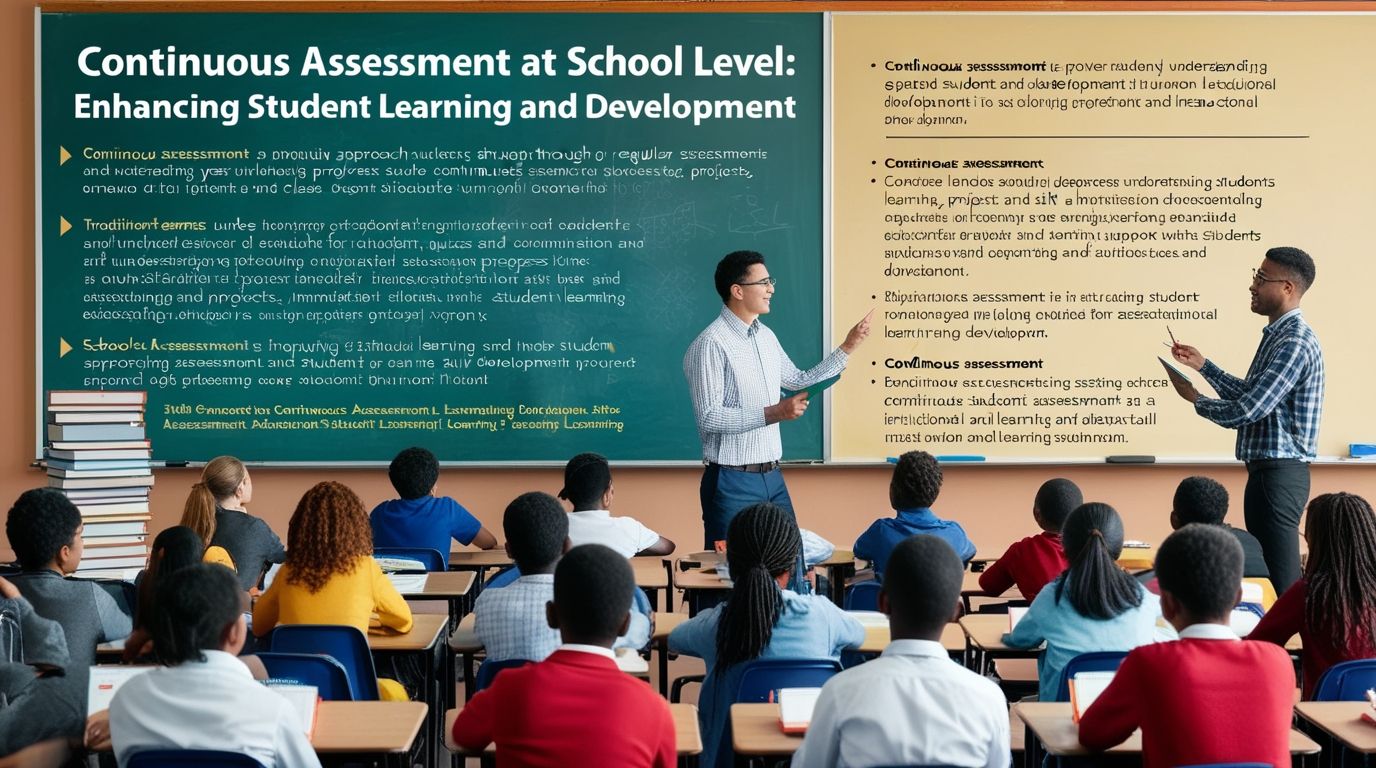
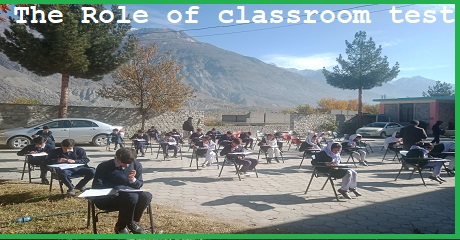
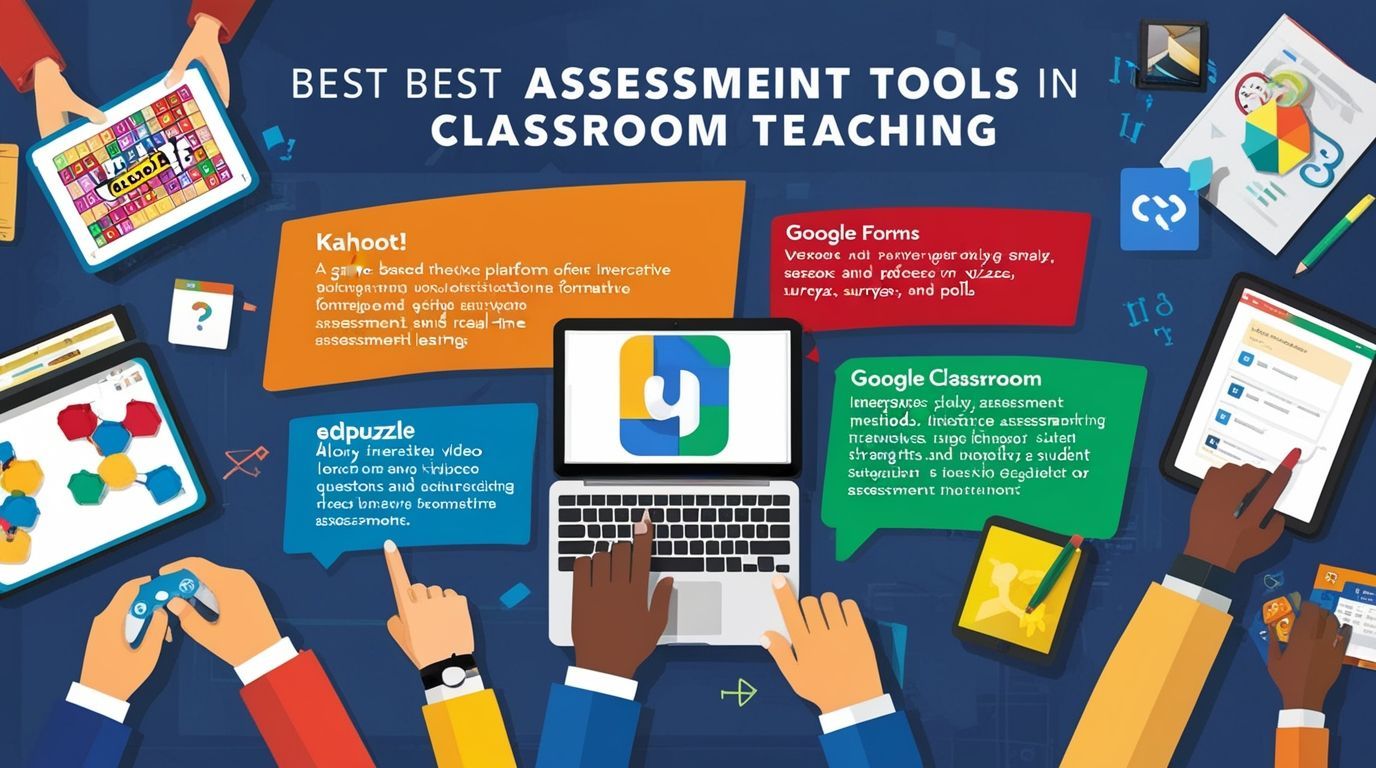
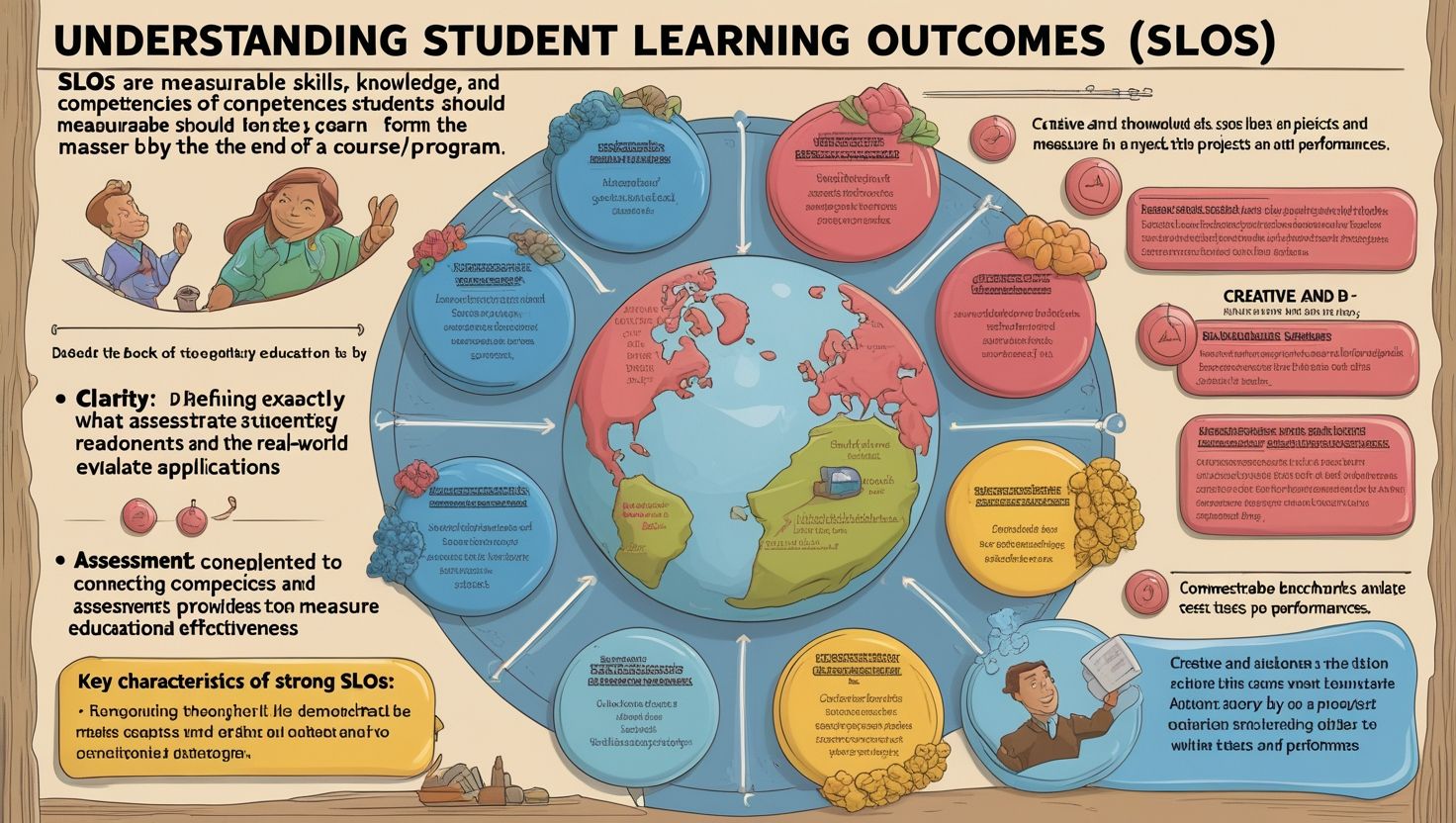
Assessment skills are also critical. Teachers must evaluate student understanding through formative and summative assessments. Effective assessment not only measures achievement but also identifies learning gaps and guides instructional improvement. Constructive feedback helps students reflect on their progress and improve their performance.
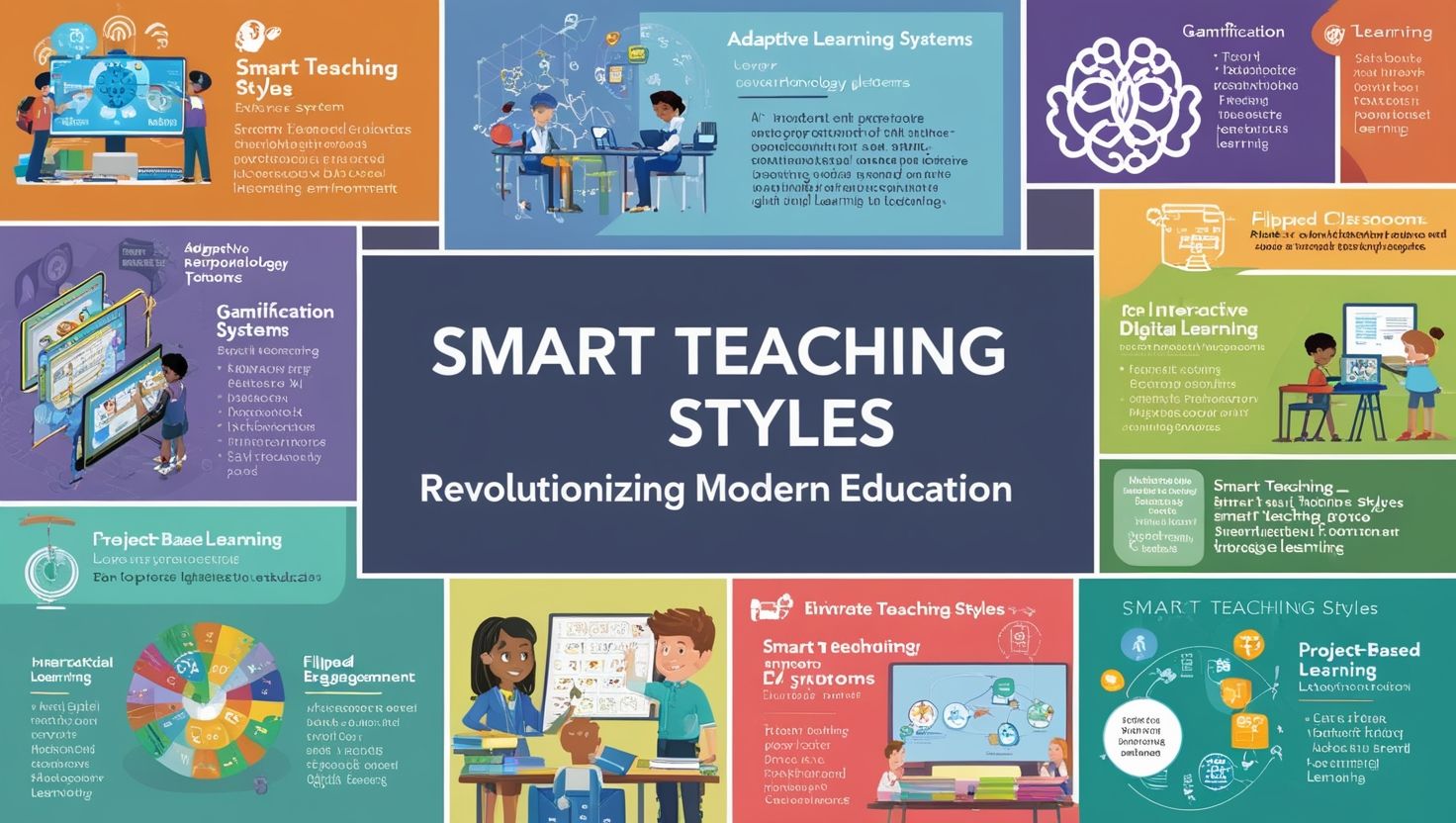
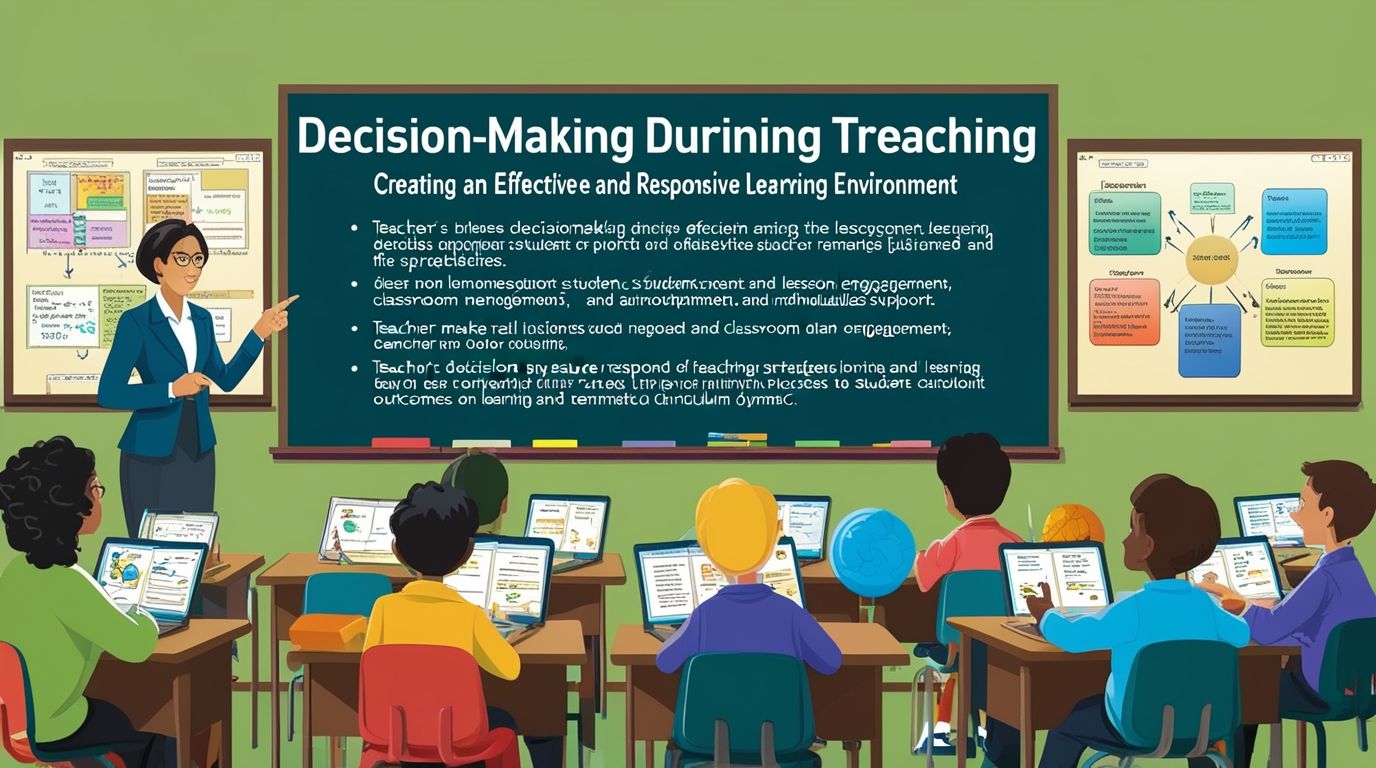
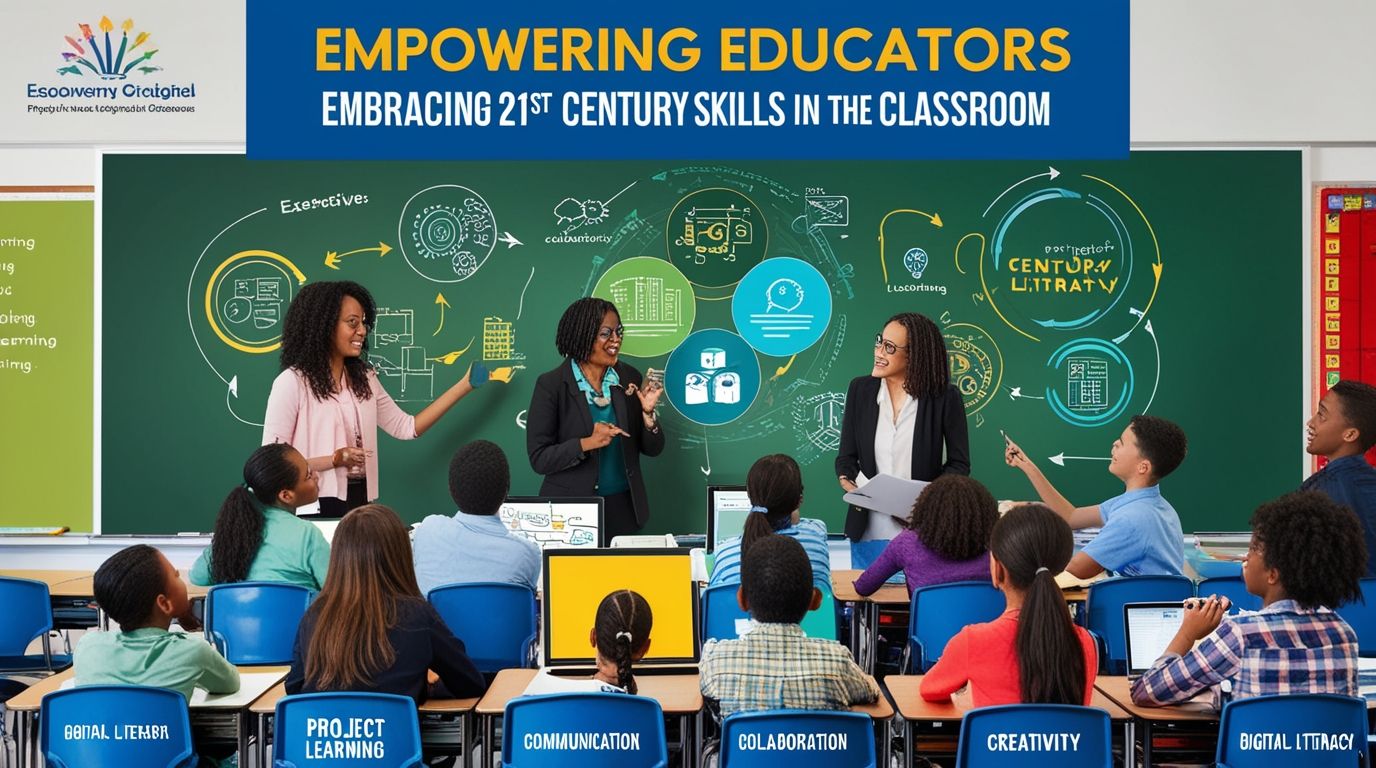
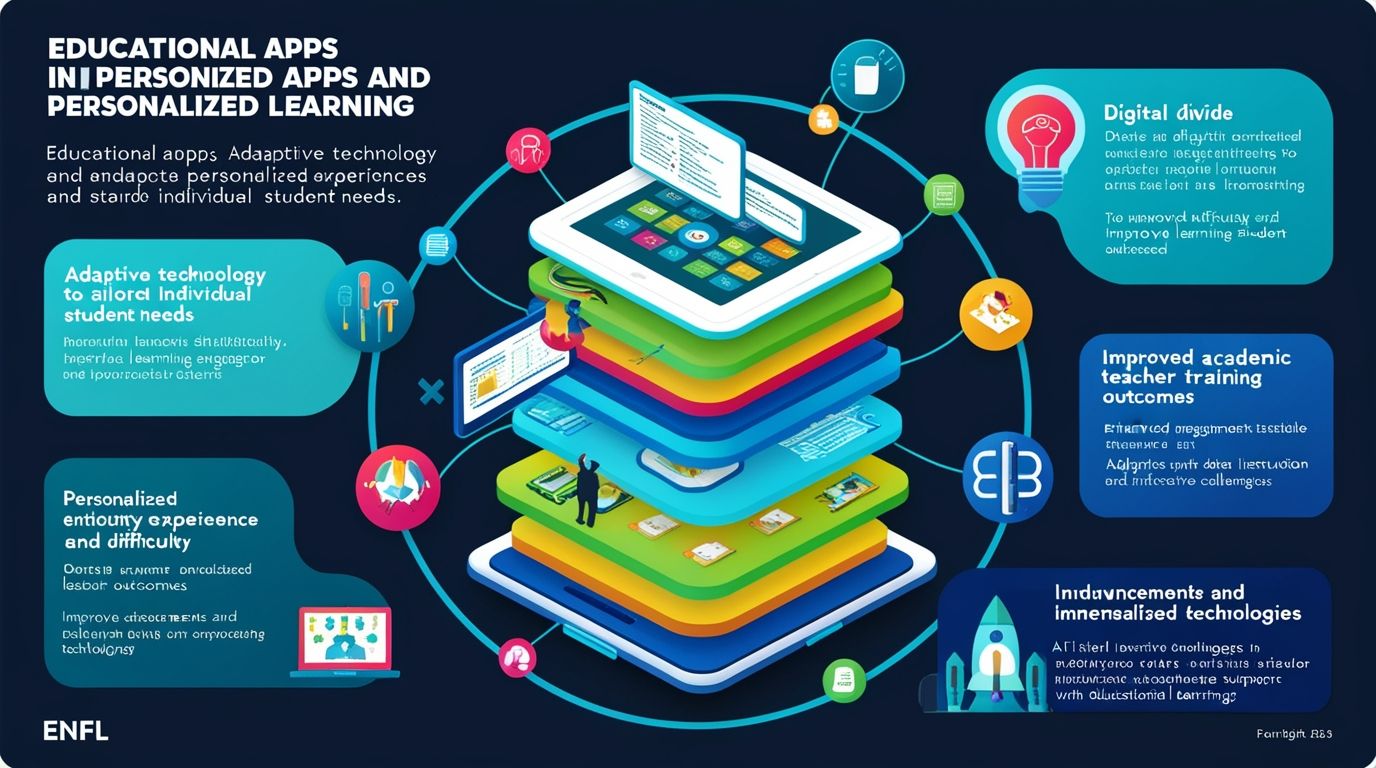
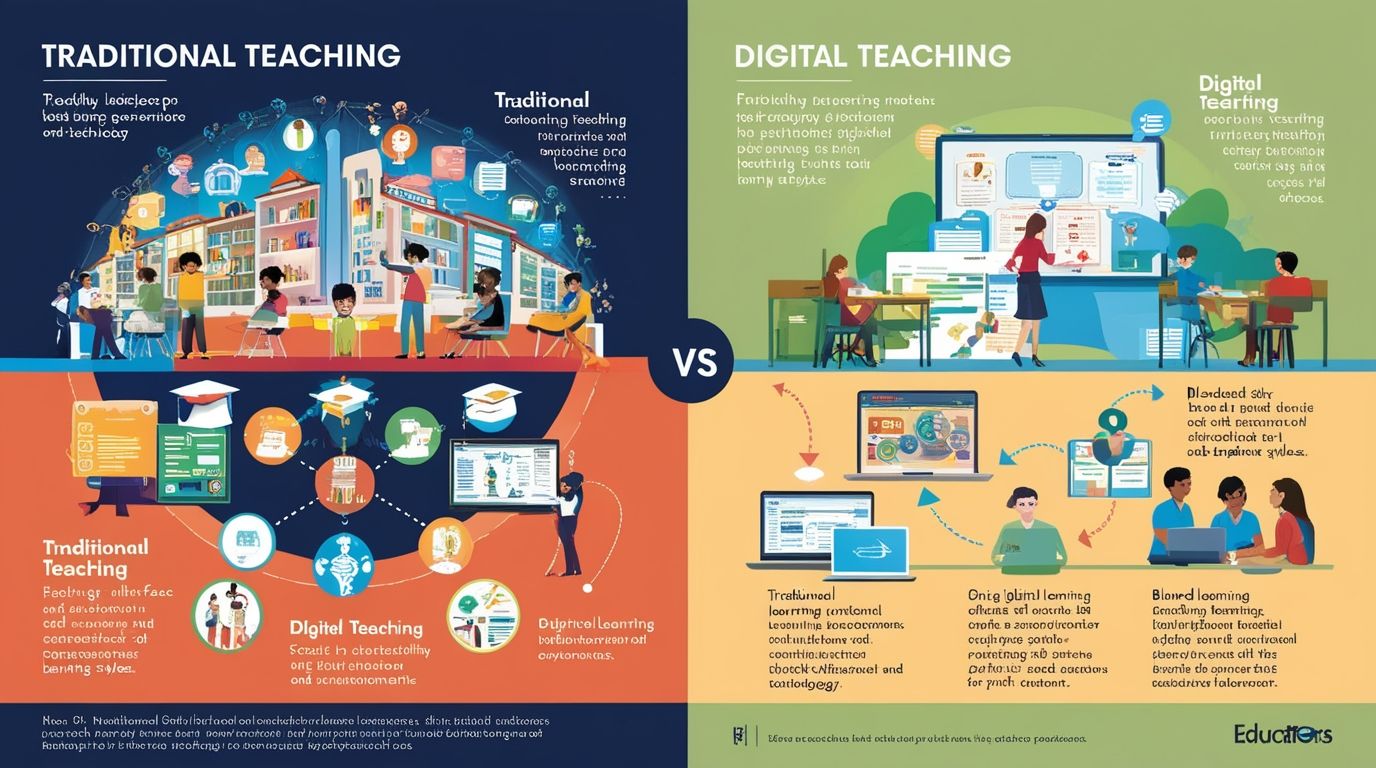
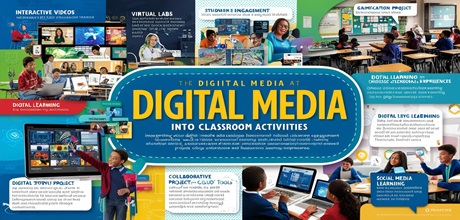
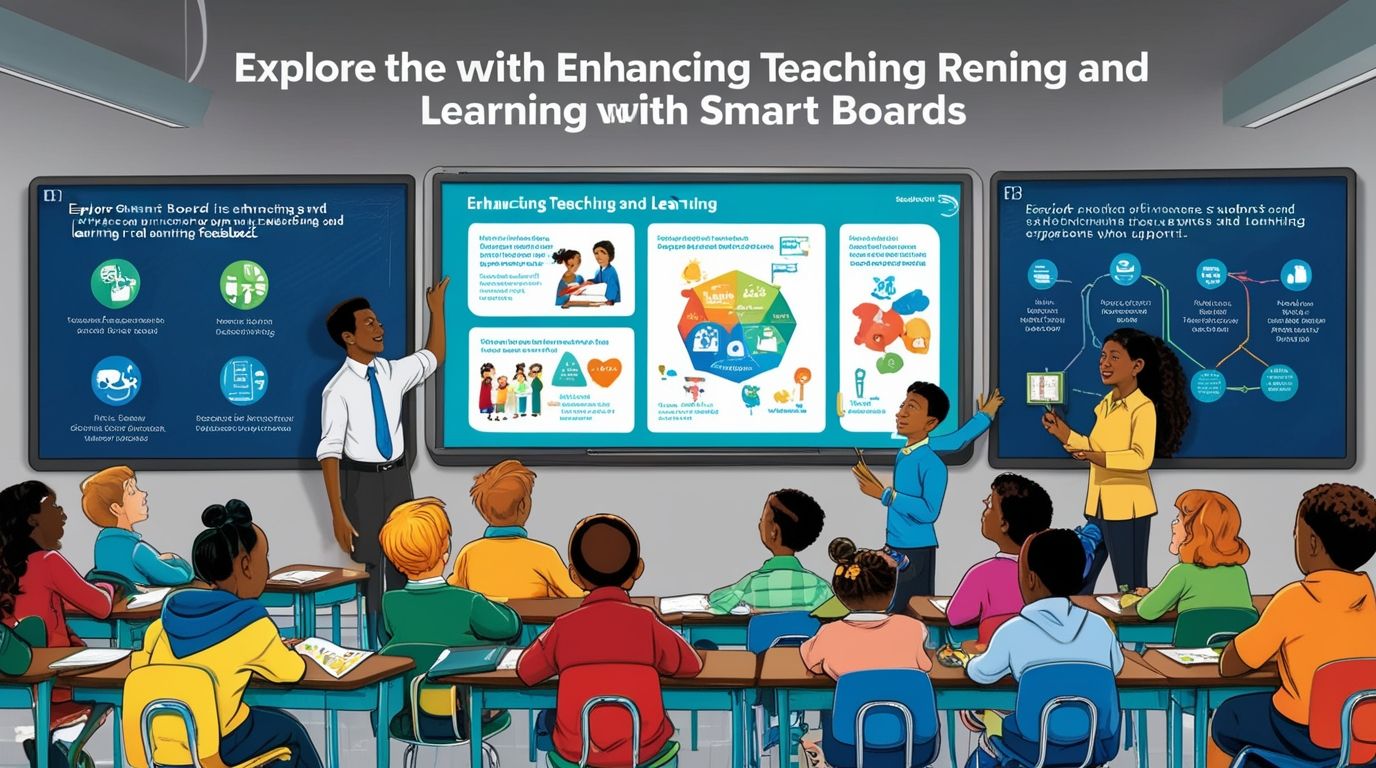
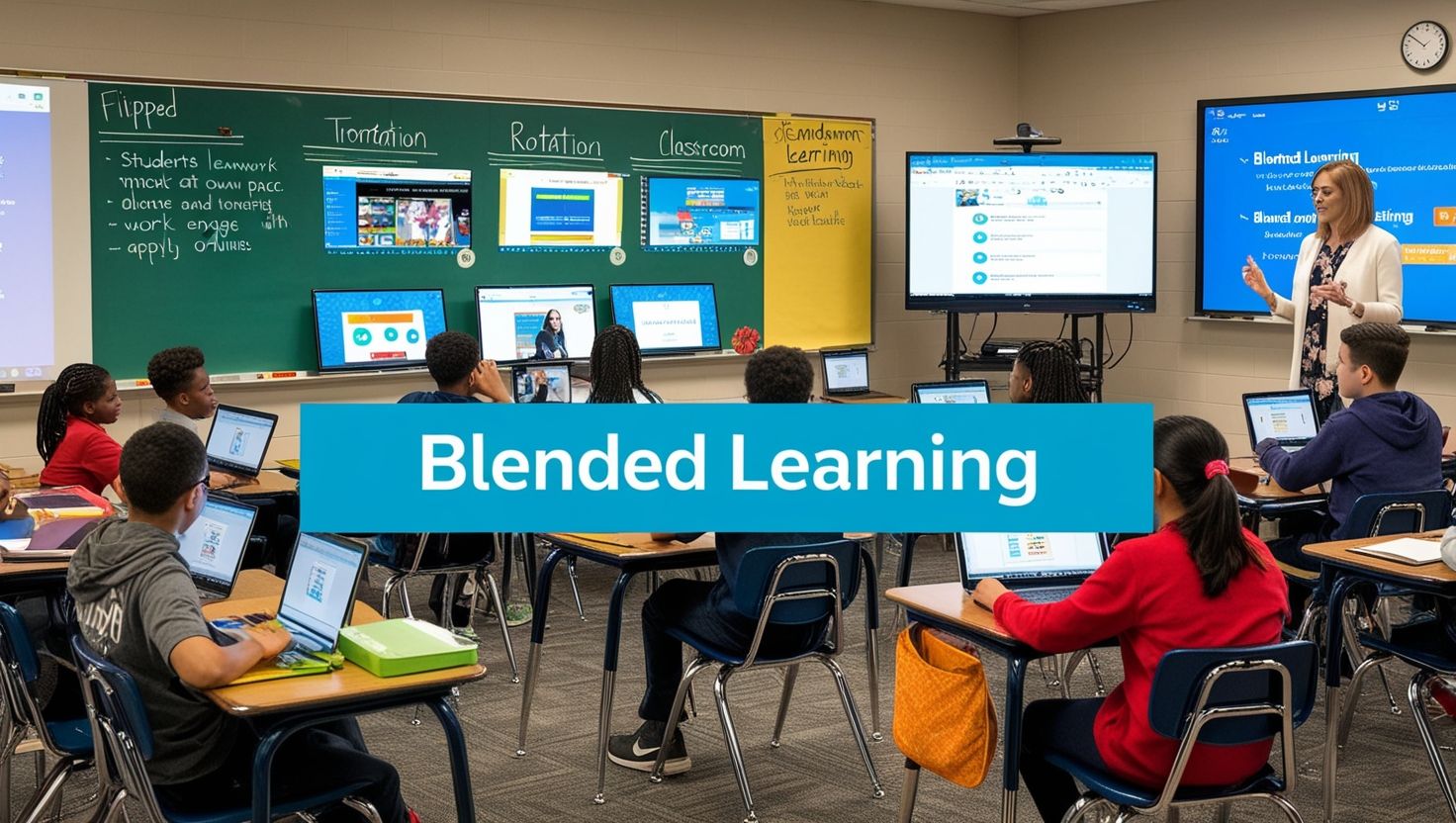
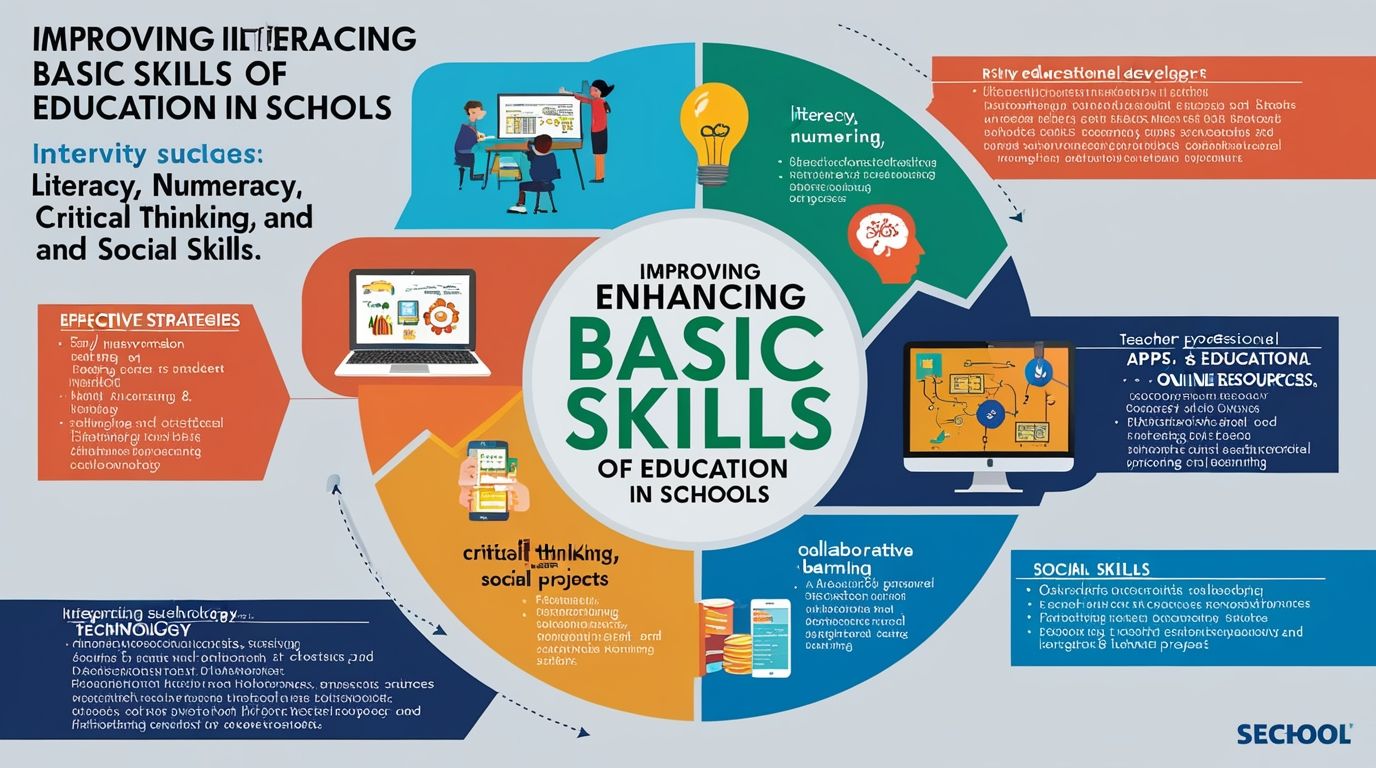
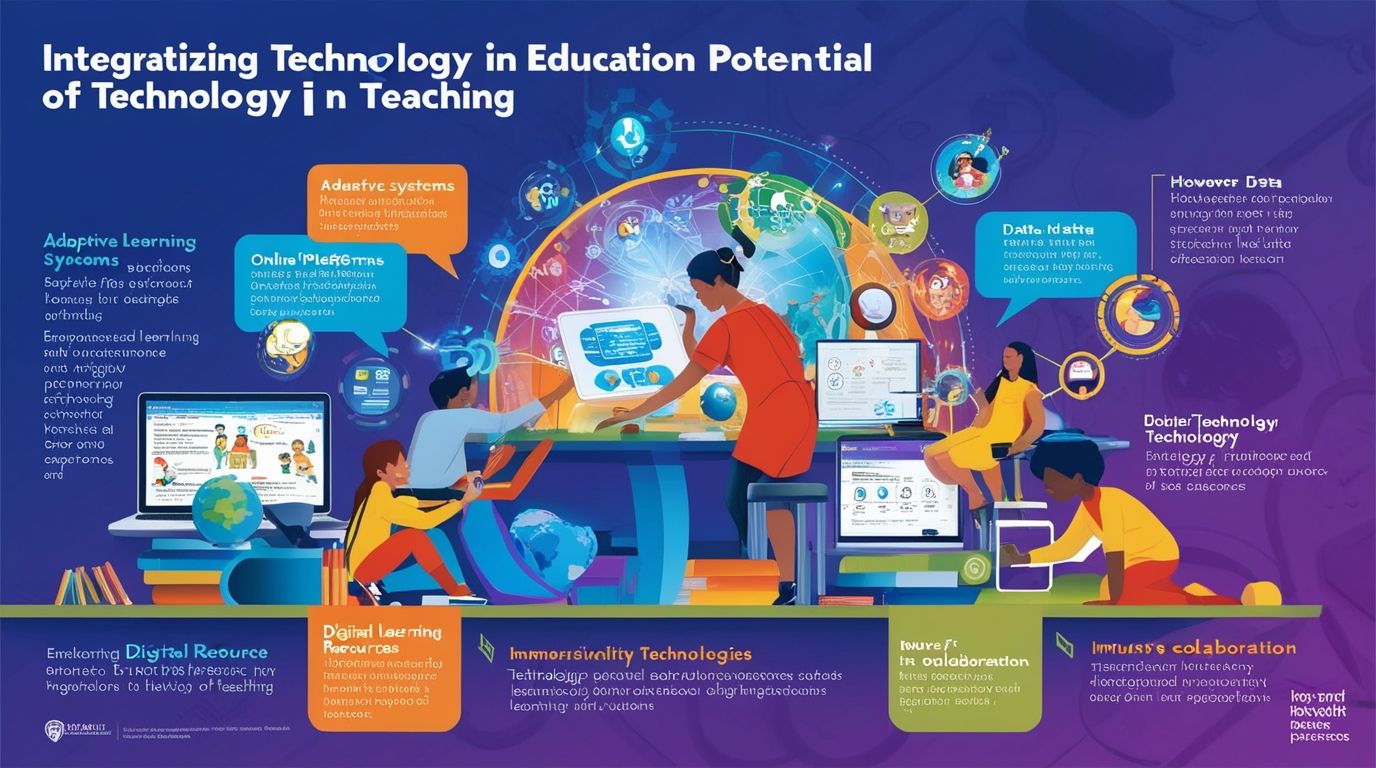
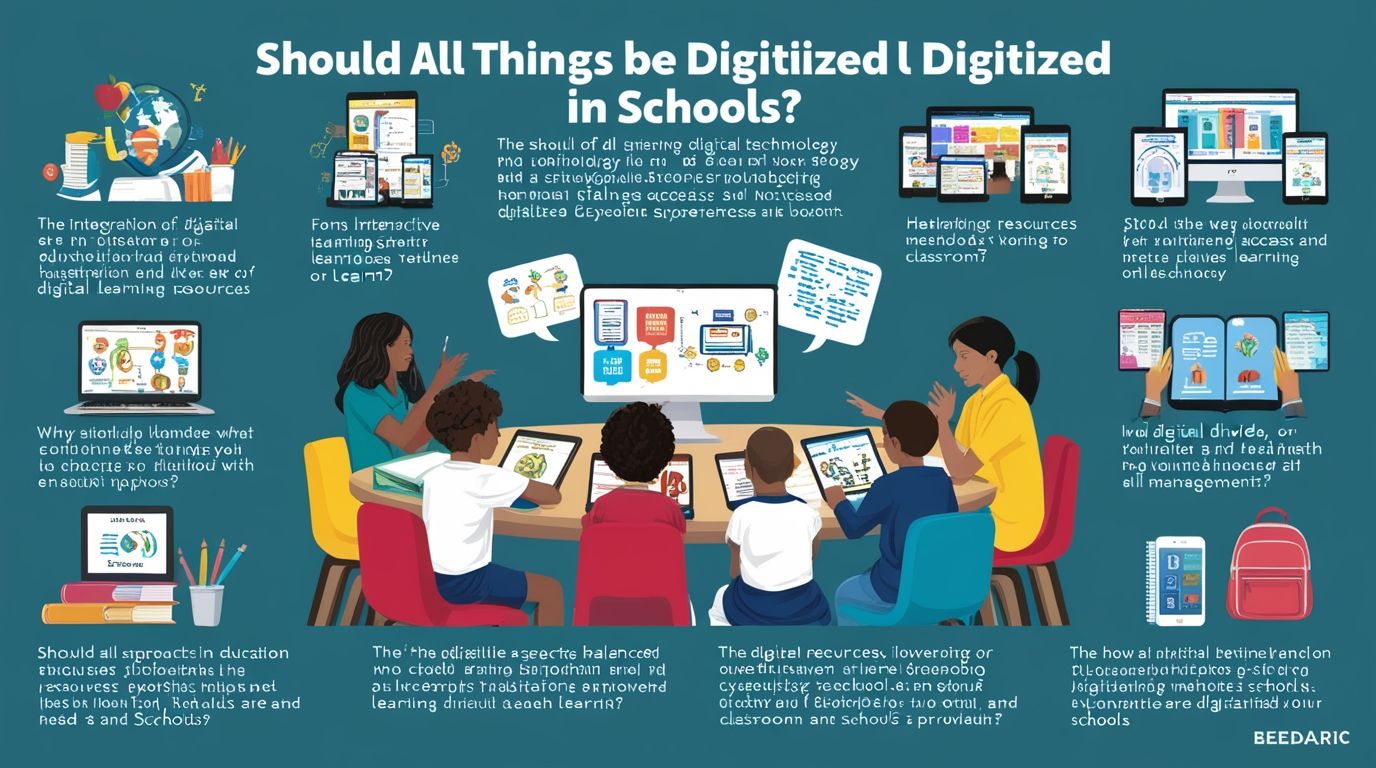
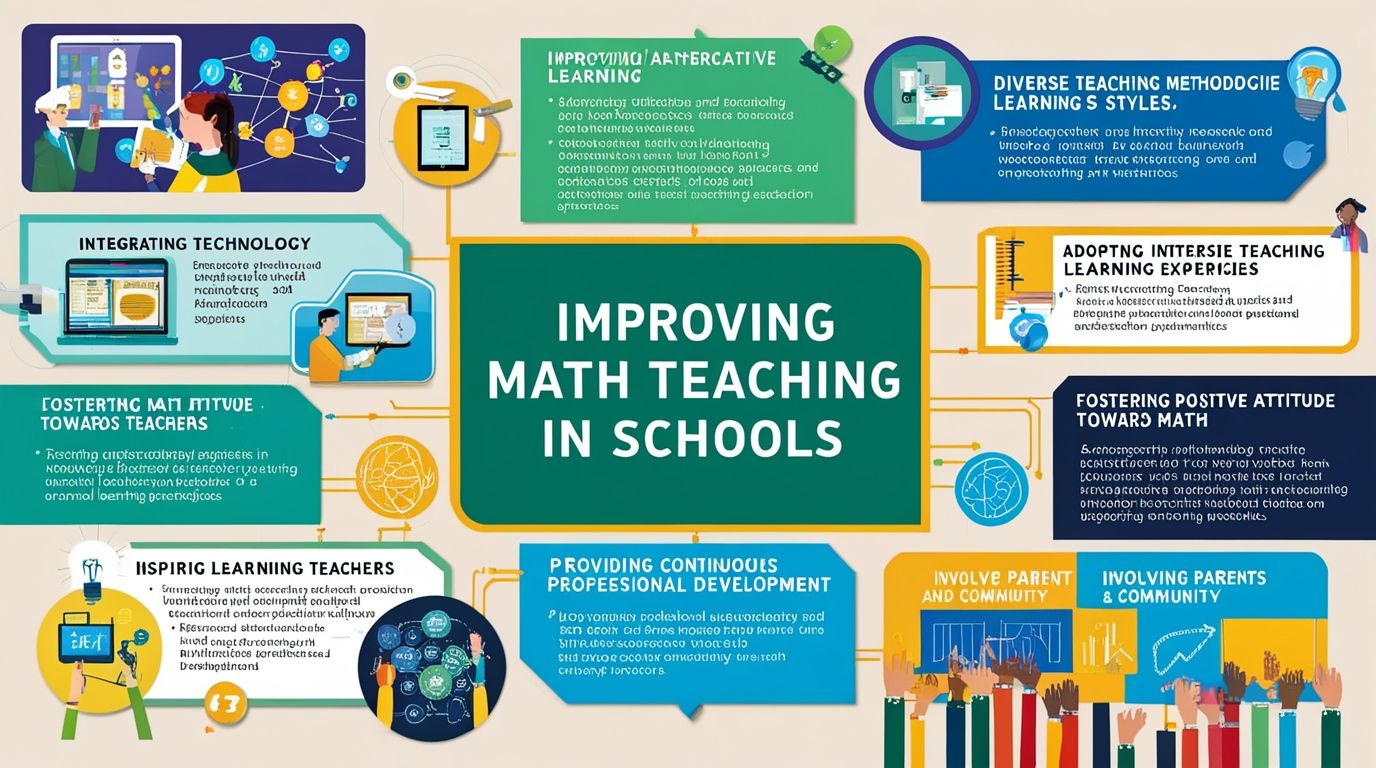
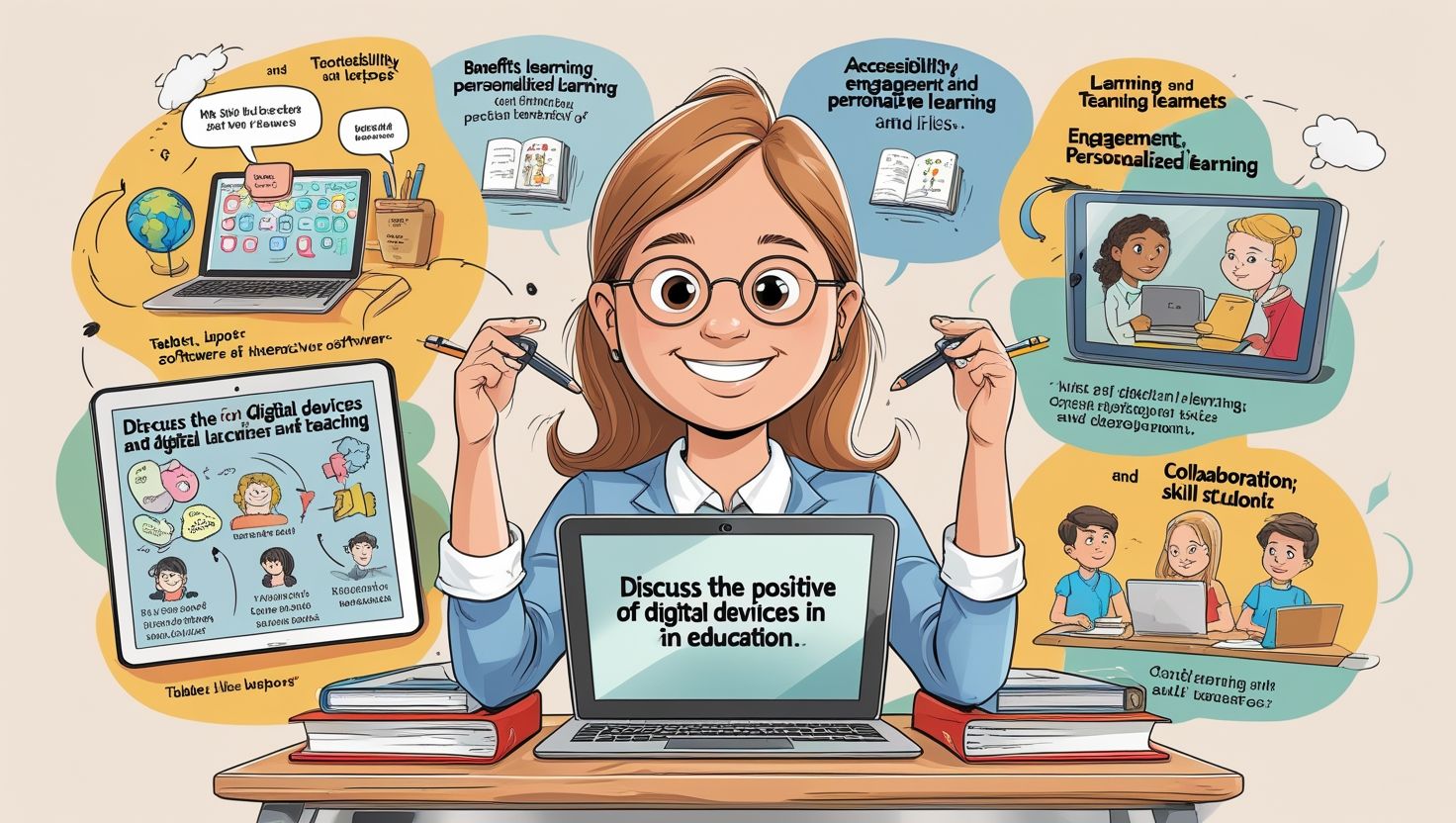
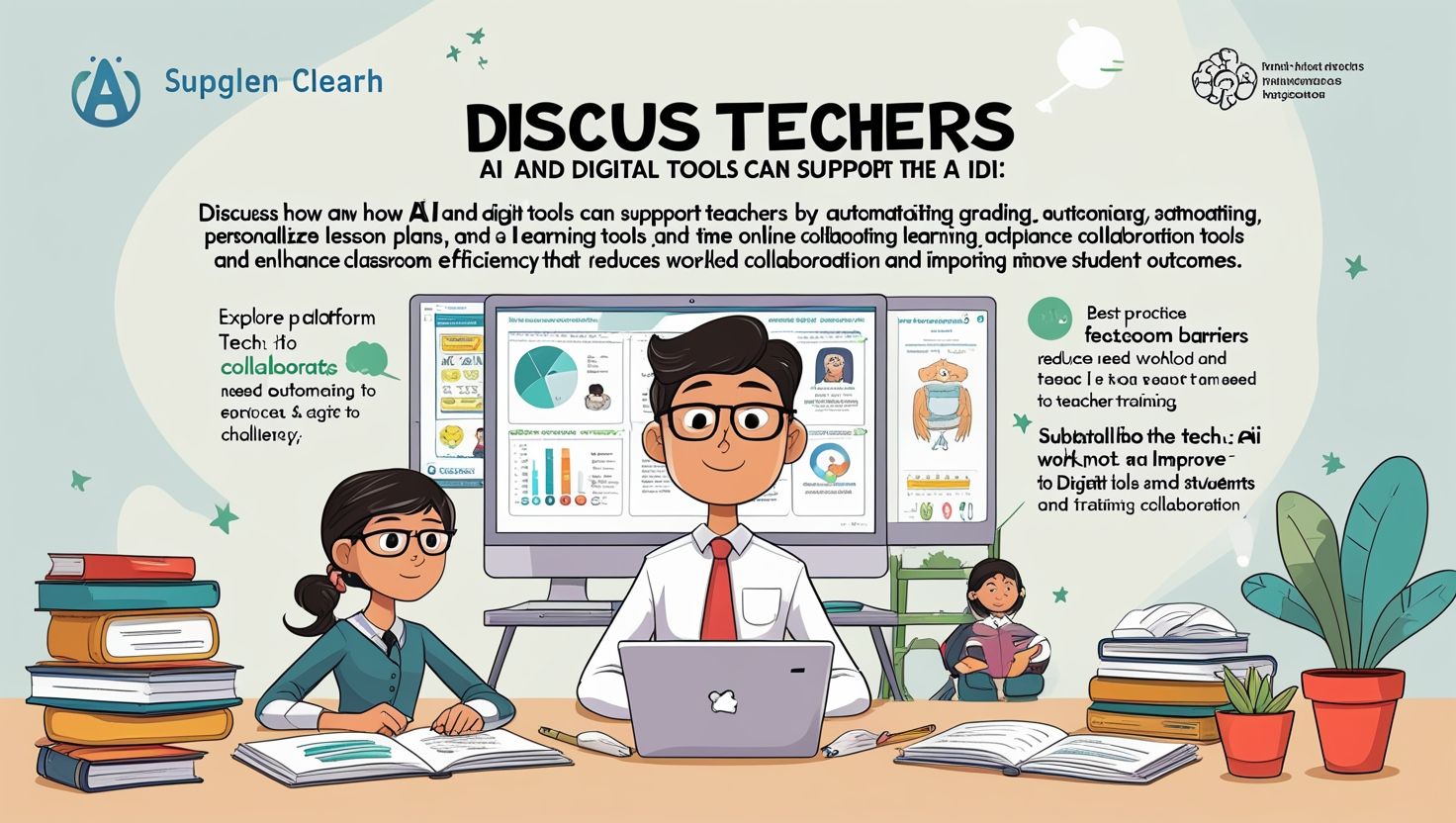
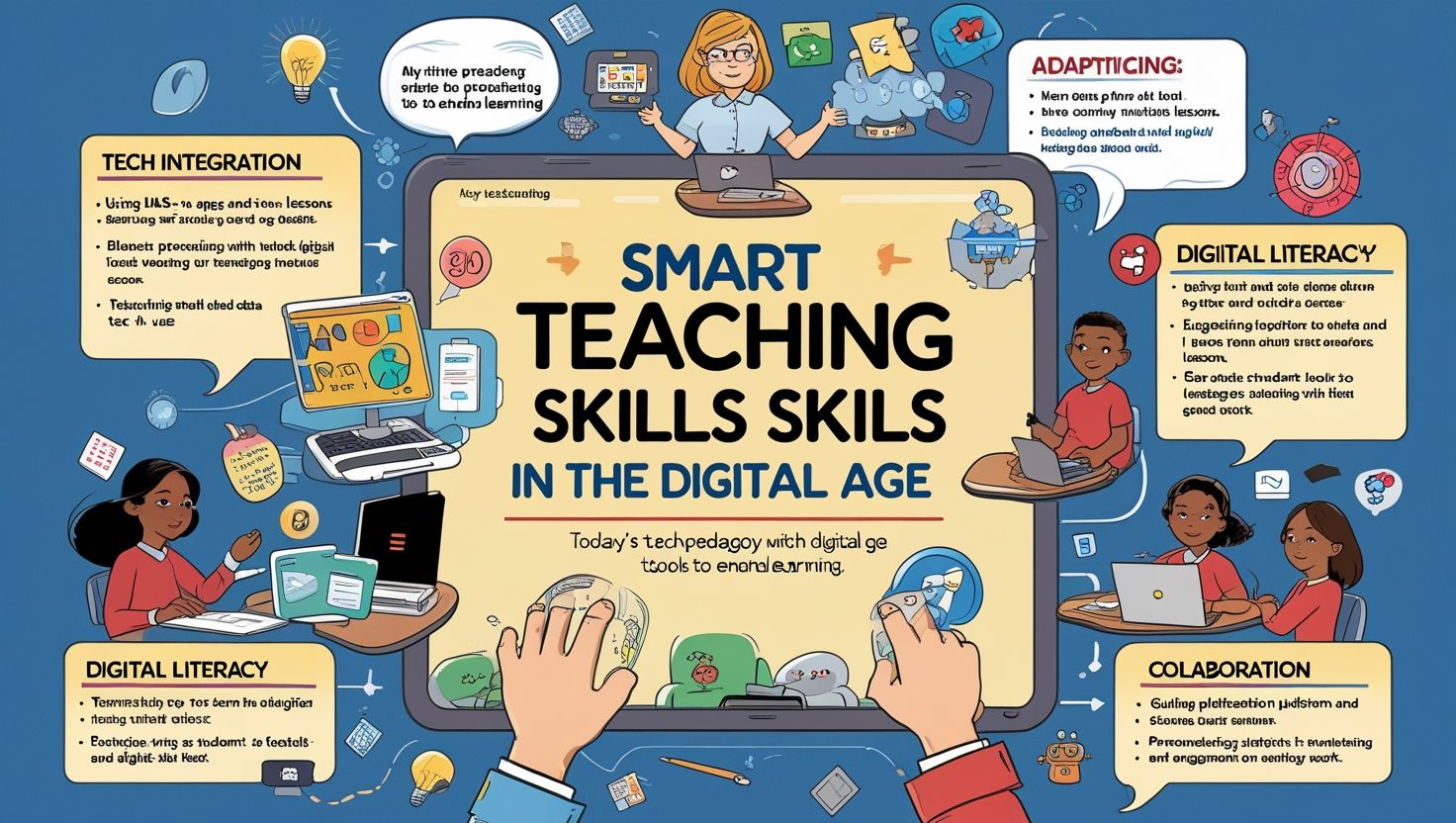
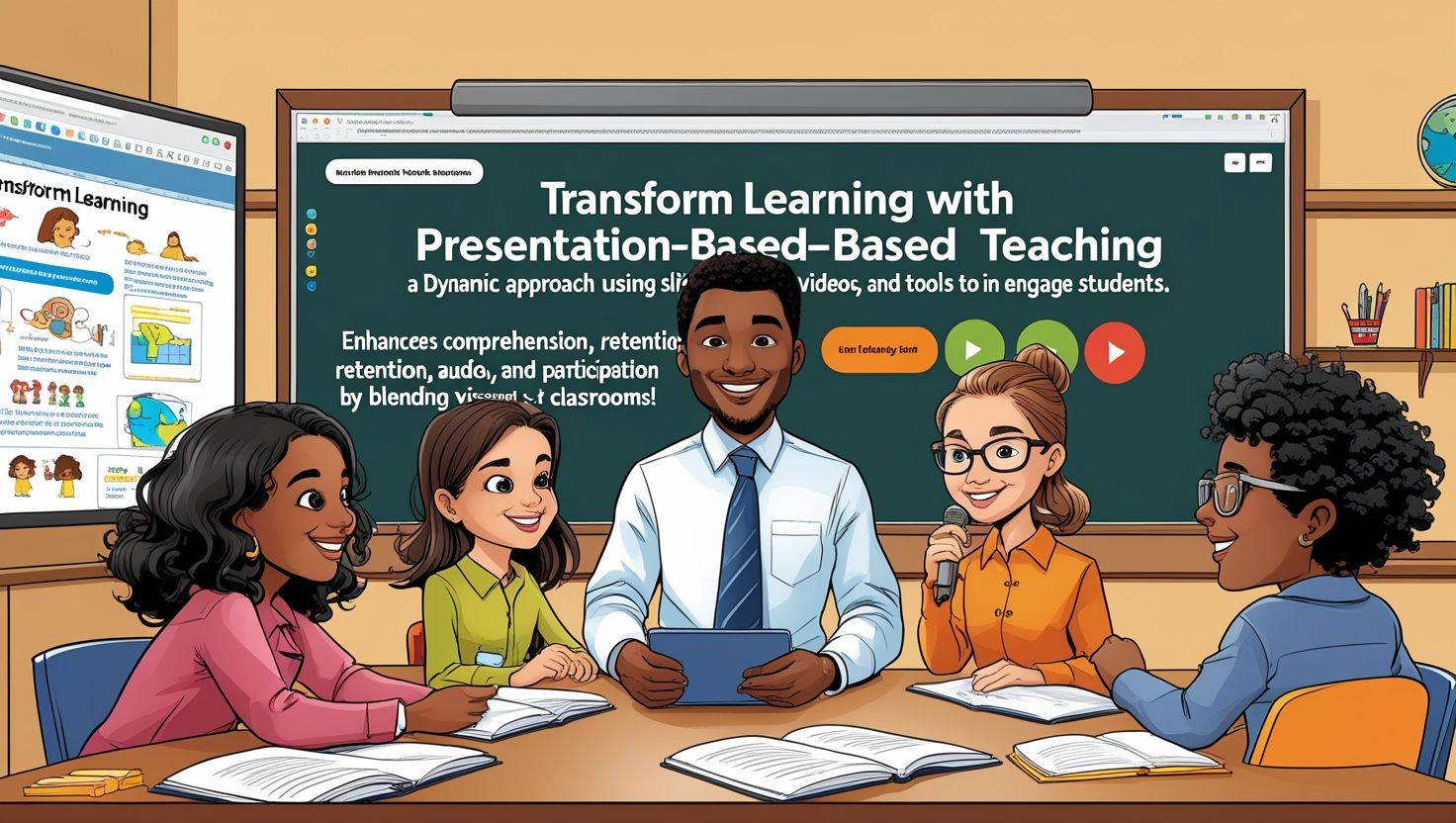
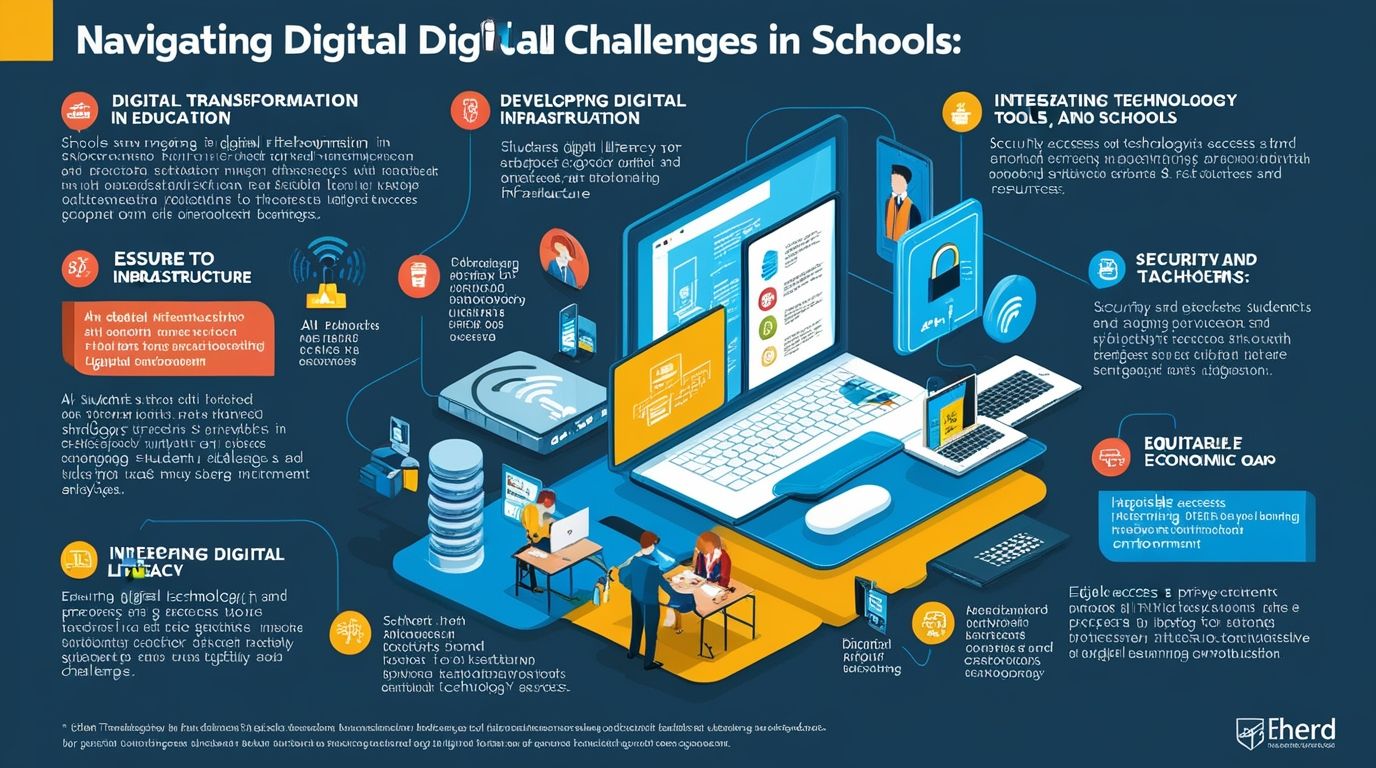
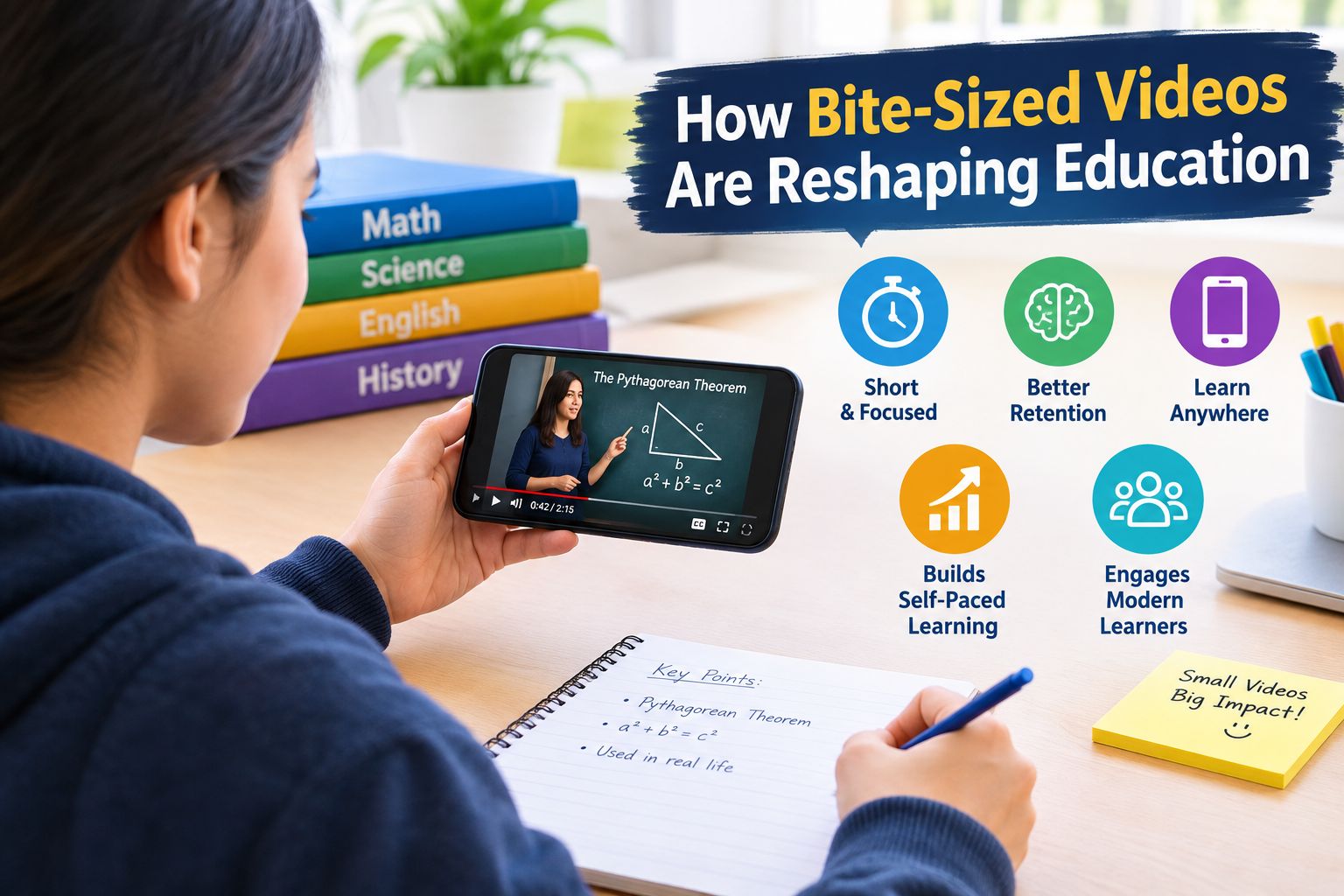
In addition, modern teaching requires technological competence. Digital tools, multimedia resources, and online platforms have transformed educational practices. Teachers must develop the skills necessary to integrate technology meaningfully into instruction, enhancing creativity, collaboration, and access to information.
Concept of Critical Thinking
Critical thinking is a disciplined process of intellectual inquiry. It involves analyzing information carefully, evaluating evidence objectively, and making logical judgments. Critical thinkers do not accept information blindly; instead, they question assumptions, seek clarity, and examine multiple perspectives before reaching conclusions.
Critical thinking includes several core components:
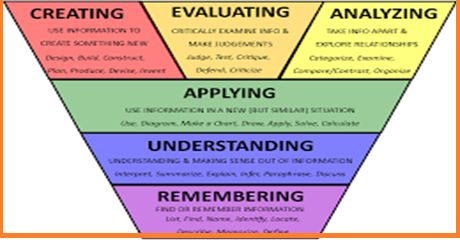
- Analysis – breaking complex information into smaller parts to understand relationships and patterns.
- Evaluation – assessing the credibility, relevance, and reliability of information or arguments.
- Inference – drawing logical conclusions from evidence and observations.
- Interpretation – understanding meanings, concepts, and implications.
- Reflection – reconsidering one’s own beliefs, assumptions, and decisions.
- Problem-solving – identifying solutions through logical reasoning and creativity.
In education, critical thinking empowers students to become active participants in learning. Instead of memorizing isolated facts, students learn to connect ideas, investigate issues, and apply knowledge to real-life situations. This ability is increasingly important in a world flooded with information, misinformation, and rapidly changing technologies.
Relationship Between Teaching Skills and Critical Thinking
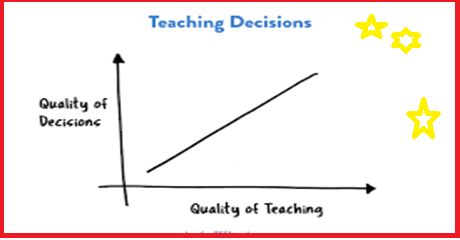
Teaching skills and critical thinking are deeply interconnected. Effective teaching practices create opportunities for learners to think critically, while critical thinking enhances the quality of teaching and learning outcomes.
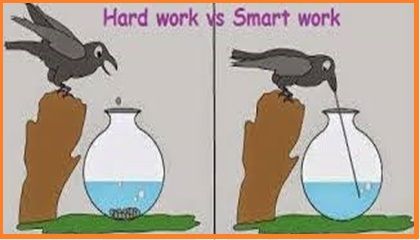
Teachers who encourage inquiry-based learning help students ask meaningful questions and explore answers independently. Rather than providing ready-made solutions, they guide learners to investigate problems, analyze evidence, and justify conclusions. This approach promotes intellectual curiosity and deeper understanding.
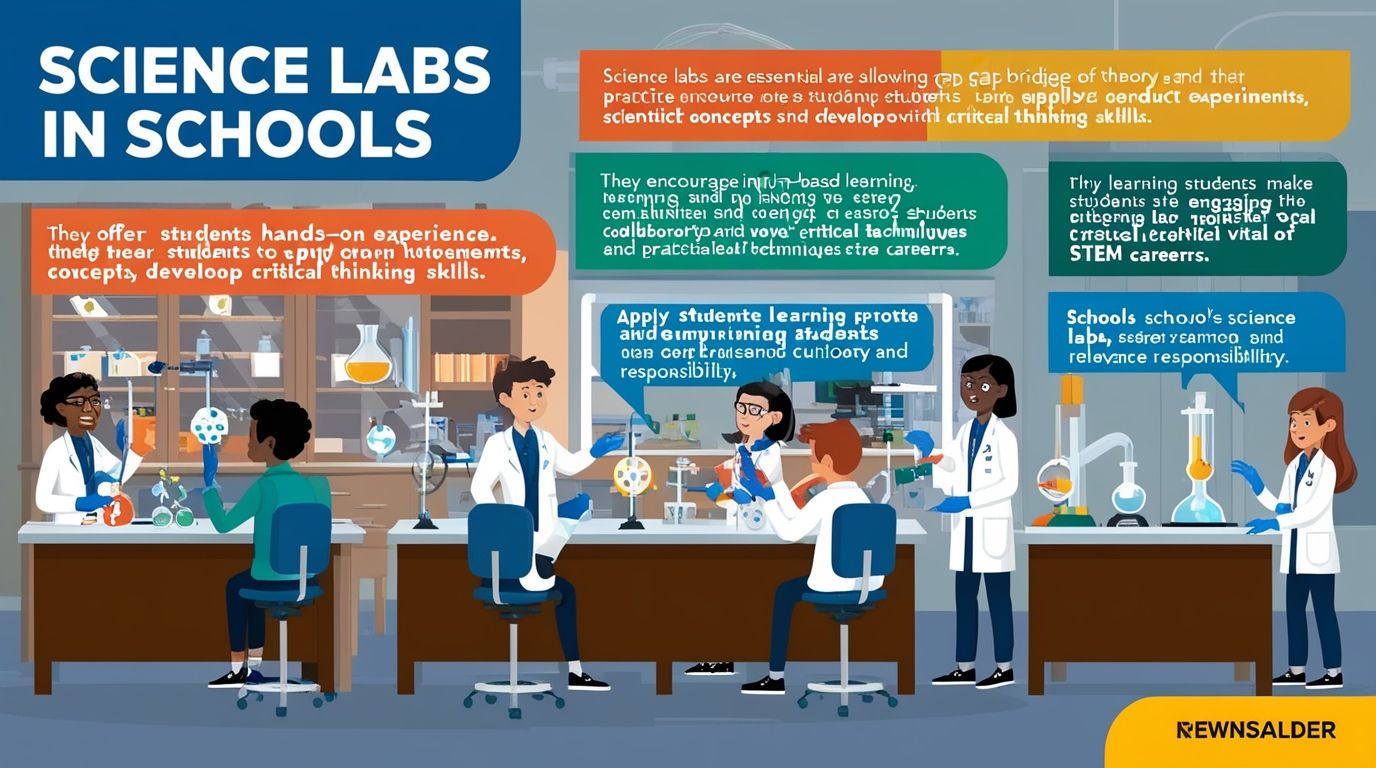
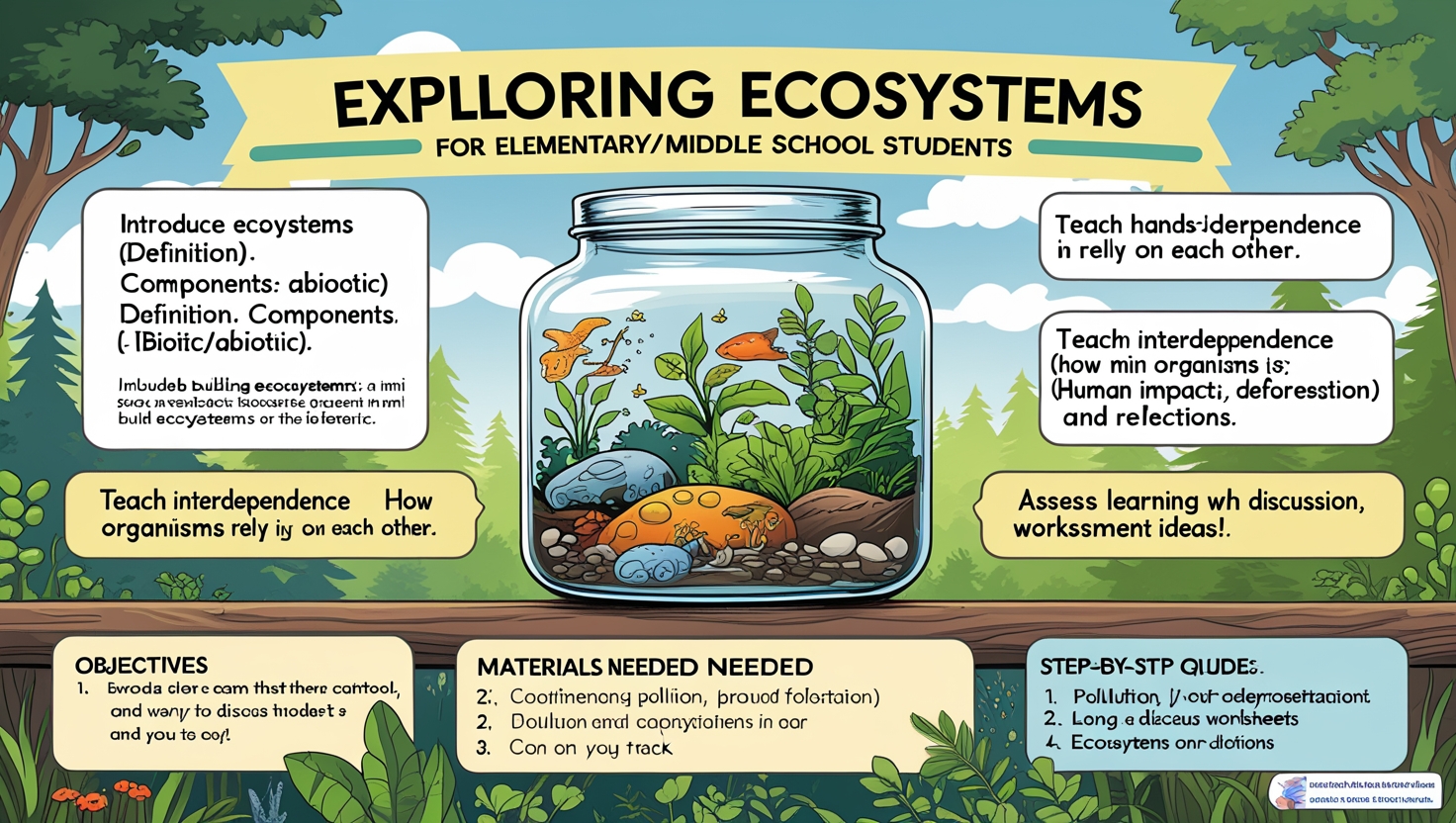
For example, instead of asking students to memorize historical events, a teacher may ask them to analyze the causes and consequences of those events. Similarly, science teachers can encourage students to conduct experiments, interpret data, and evaluate scientific claims. In language classrooms, students may critically examine literary themes, author perspectives, and cultural contexts.
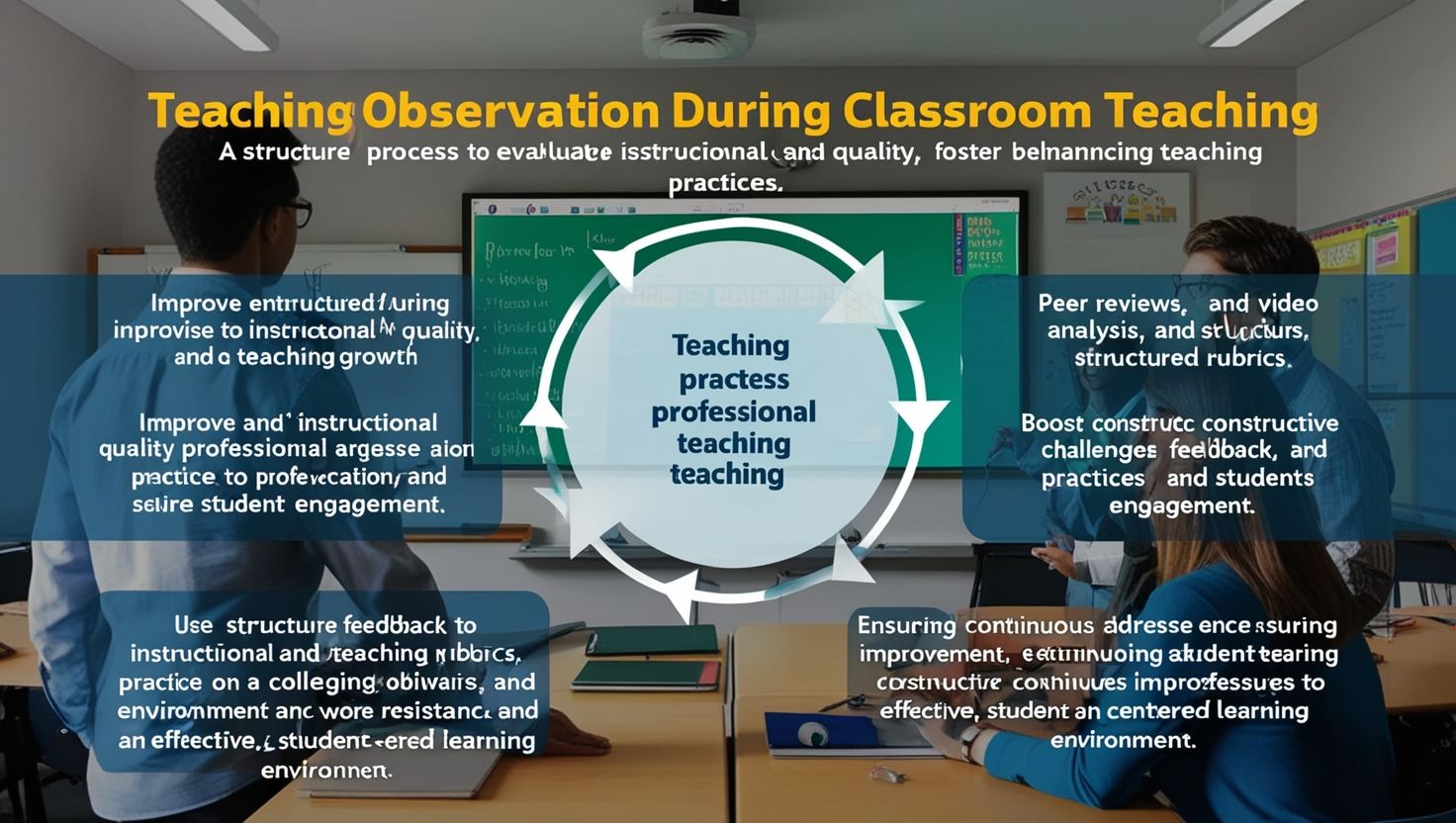
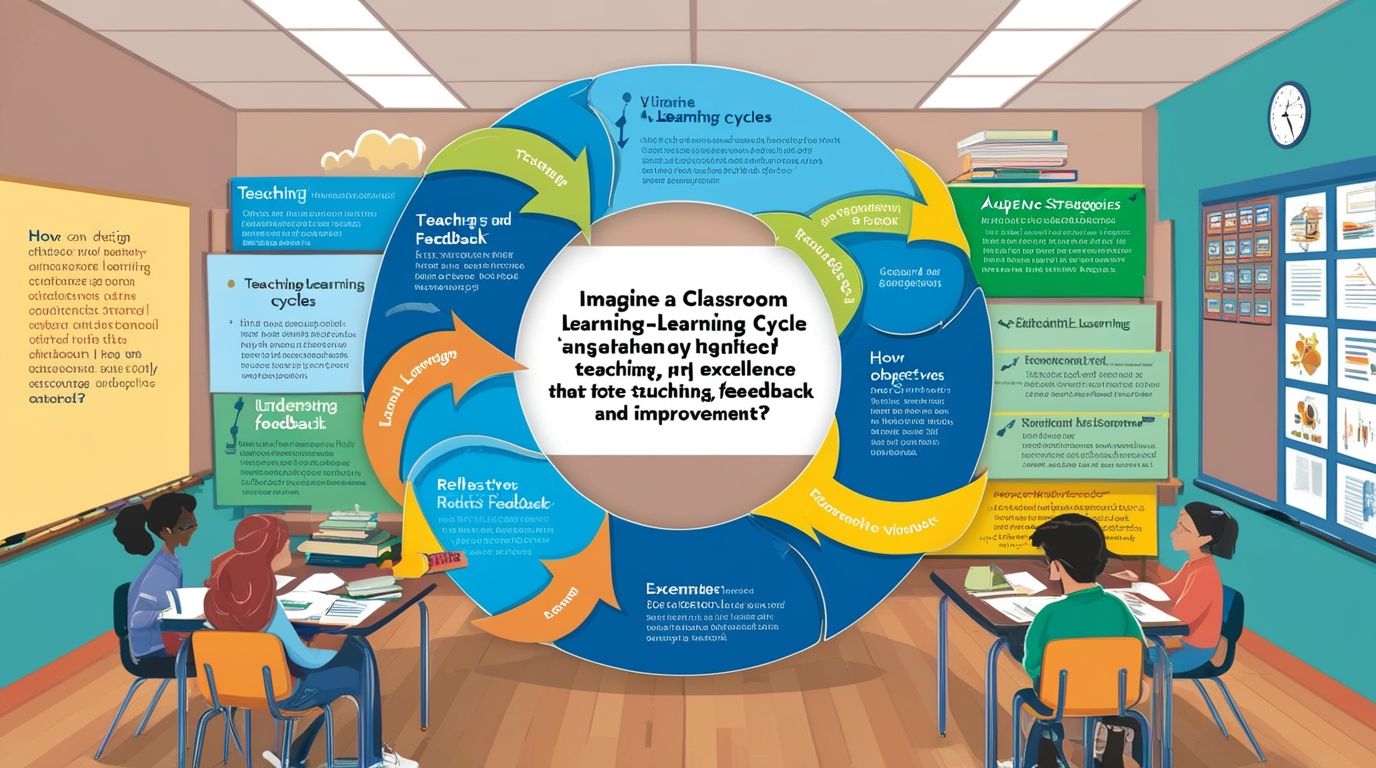
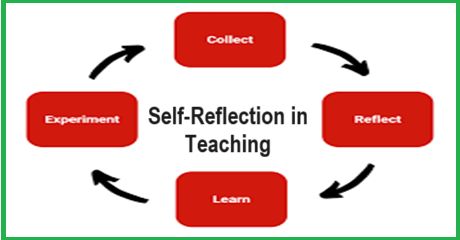
Critical thinking also improves teacher effectiveness. Reflective teachers evaluate their instructional methods, identify strengths and weaknesses, and make informed adjustments to improve student learning. They continuously analyze classroom experiences and seek professional growth.
Importance of Critical Thinking in Education
Critical thinking is considered one of the most important educational outcomes because it prepares students for academic success, professional competence, and responsible citizenship.
1. Enhancing Problem-Solving Abilities
Critical thinking enables students to approach problems systematically and logically. They learn to identify issues, gather information, analyze alternatives, and select appropriate solutions. These abilities are essential in academic, professional, and personal contexts.
2. Promoting Independent Learning
Students who think critically become self-directed learners. They develop the confidence to explore ideas independently, conduct research, and evaluate information without excessive reliance on teachers or textbooks.
3. Improving Decision-Making
Critical thinkers make informed and rational decisions. They consider evidence carefully, evaluate consequences, and avoid impulsive judgments. This skill is valuable in everyday life as well as professional environments.
4. Encouraging Creativity and Innovation
Critical thinking and creativity are closely linked. When students analyze situations from multiple perspectives, they generate original ideas and innovative solutions. Modern societies require creative thinkers capable of adapting to change.
5. Strengthening Democratic Values
Critical thinking supports democratic participation by encouraging open-mindedness, tolerance, and respectful dialogue. Students learn to evaluate social issues critically, respect diverse opinions, and contribute responsibly to society.
6. Combating Misinformation
In the digital age, individuals are exposed to vast amounts of information through media and the internet. Critical thinking helps students distinguish between reliable and unreliable sources, identify bias, and avoid misinformation.
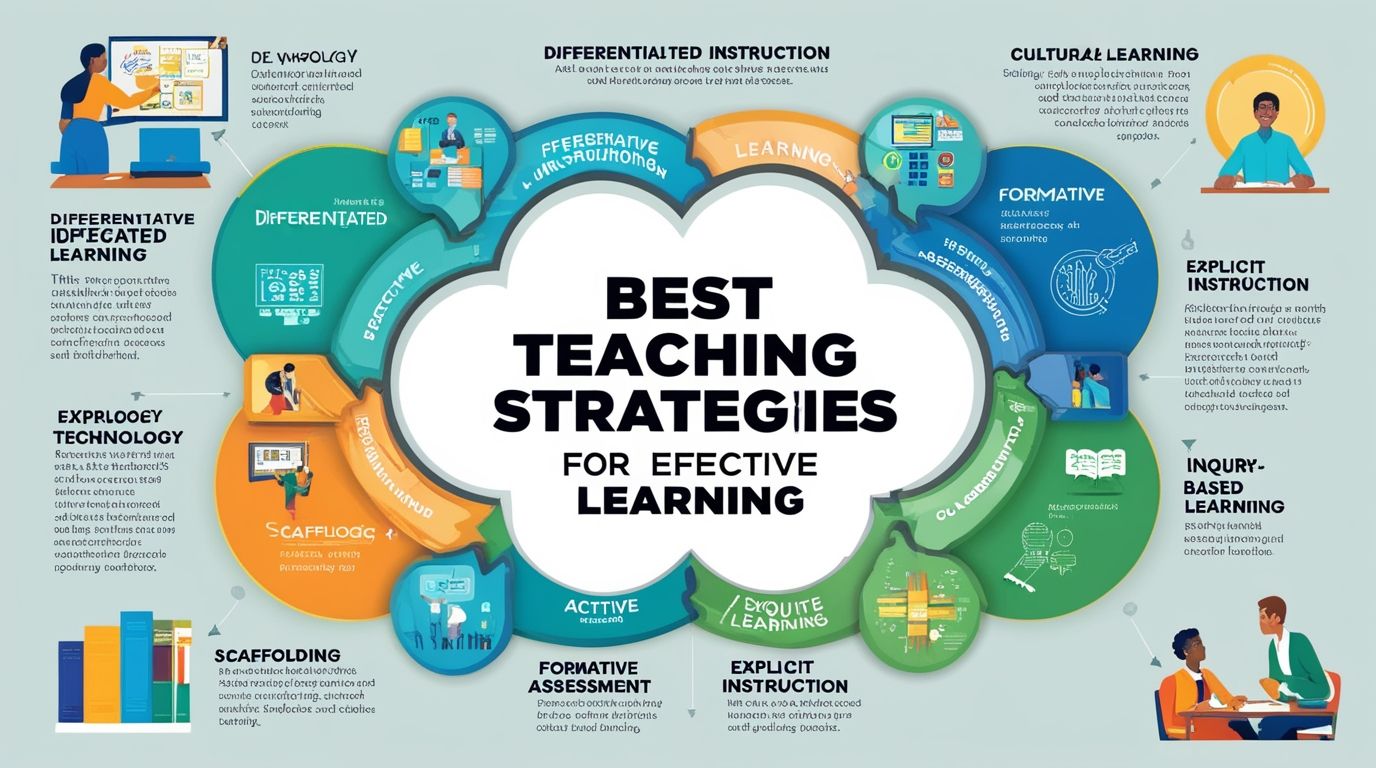
Teaching Strategies for Developing Critical Thinking
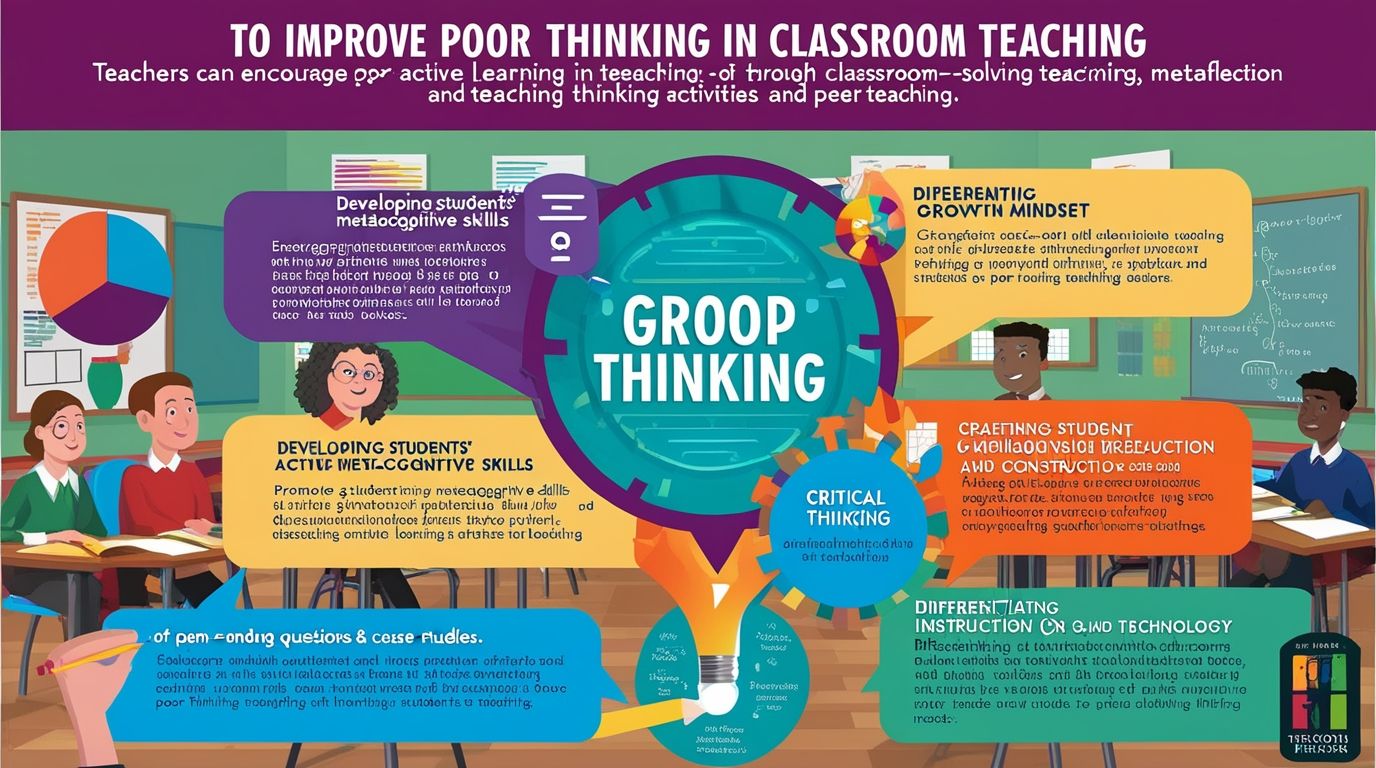
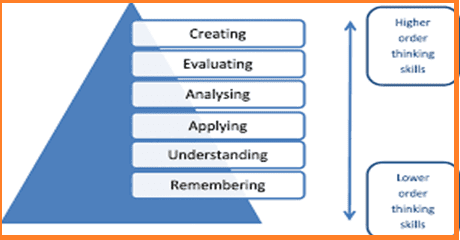
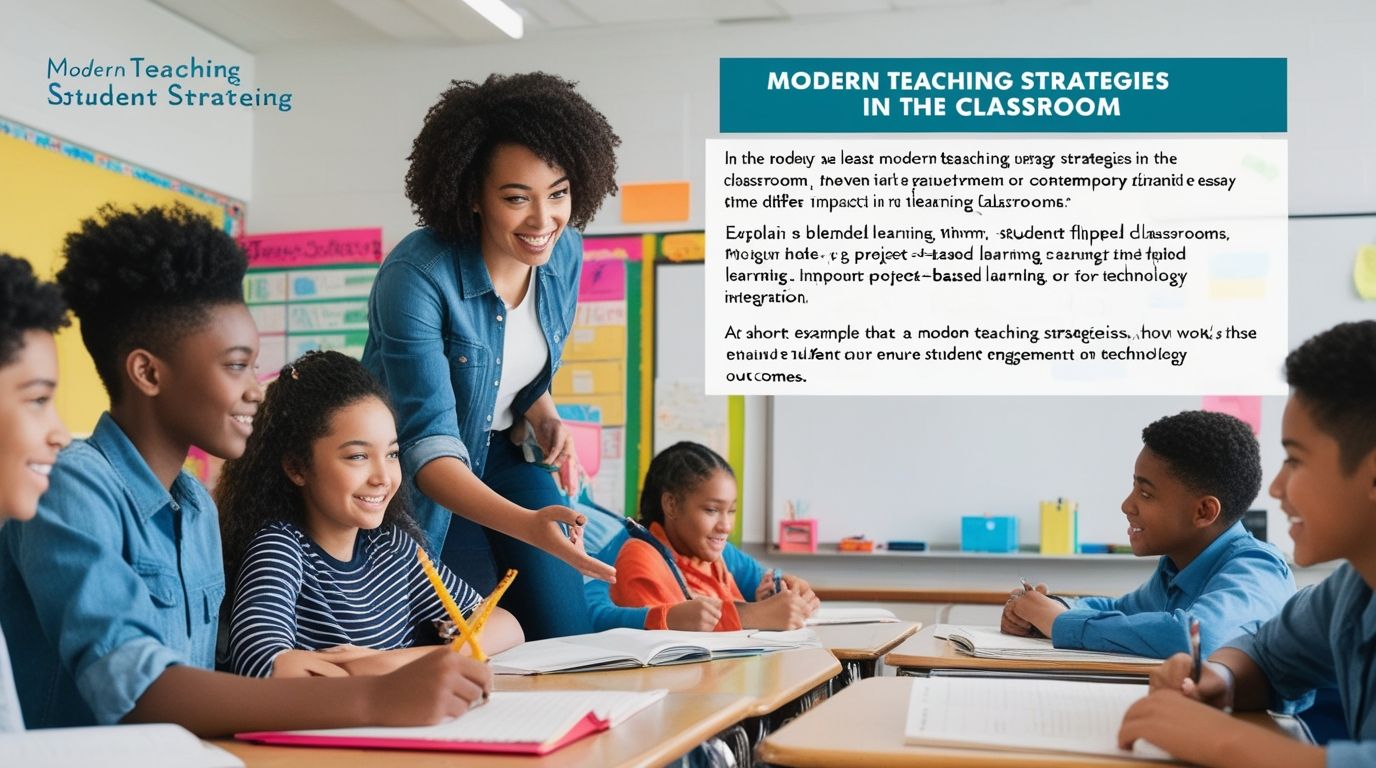
Teachers play a vital role in cultivating critical thinking skills. Several instructional strategies can effectively promote higher-order thinking in classrooms.
Inquiry-Based Learning
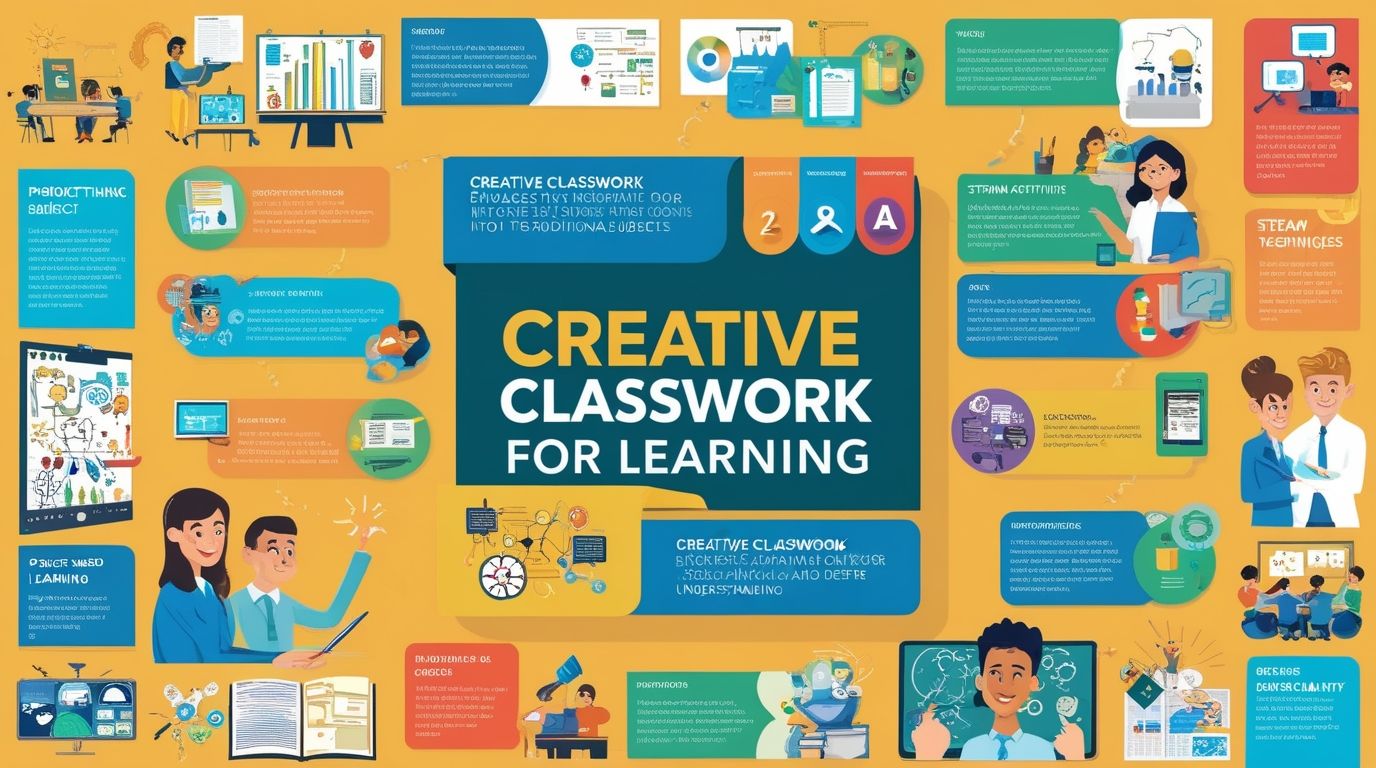
Inquiry-based learning encourages students to investigate questions, problems, or scenarios actively. Teachers guide learners through exploration, research, and discovery rather than direct instruction alone. This method develops curiosity, analytical thinking, and independent reasoning.
Problem-Based Learning
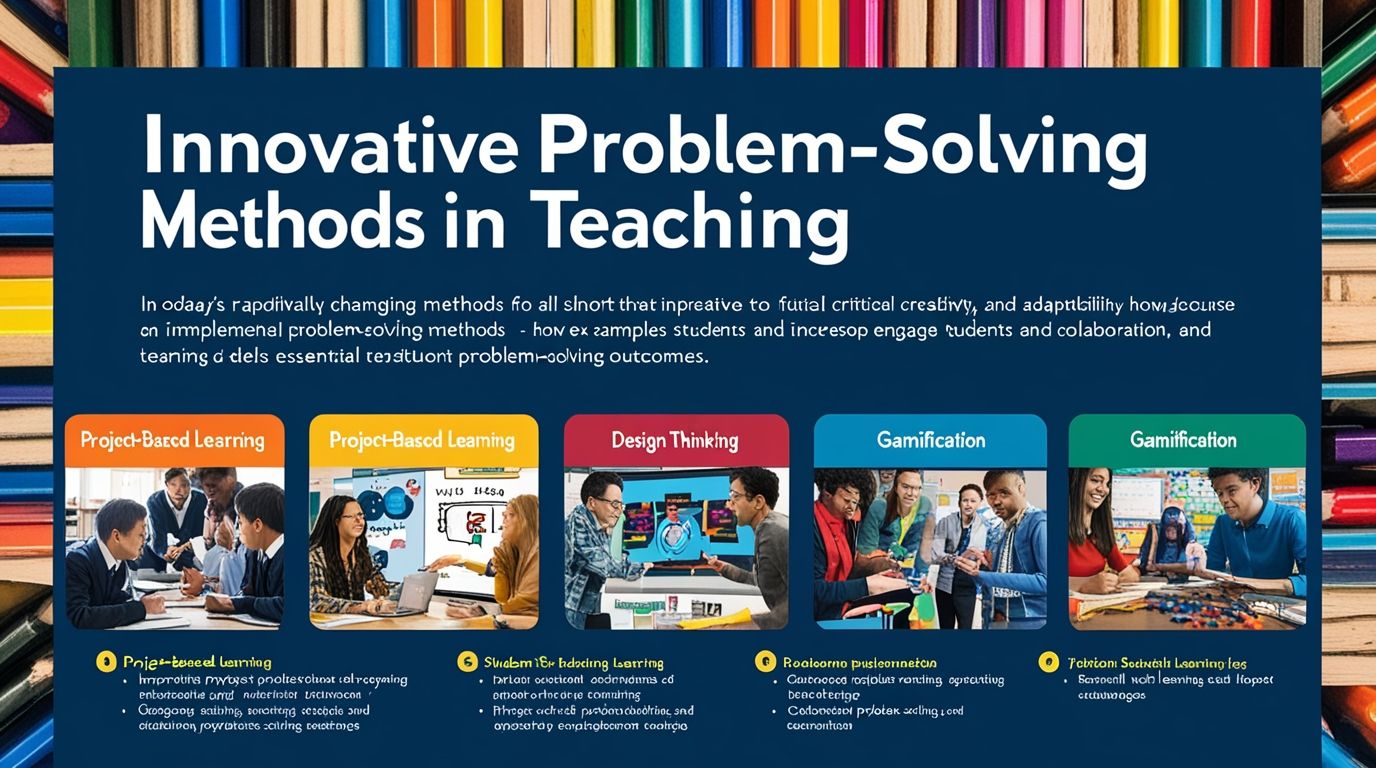
Problem-based learning involves presenting real-world problems that require collaborative investigation and solution development. Students analyze issues, collect evidence, discuss alternatives, and propose solutions. This approach enhances critical thinking and teamwork.
Socratic Questioning
Socratic questioning involves asking open-ended questions that stimulate reflection and analysis. Teachers may ask:
- Why do you think this happened?
- What evidence supports your argument?
- Are there alternative viewpoints?
- What assumptions are being made?
Such questions encourage deeper thinking and intellectual engagement.
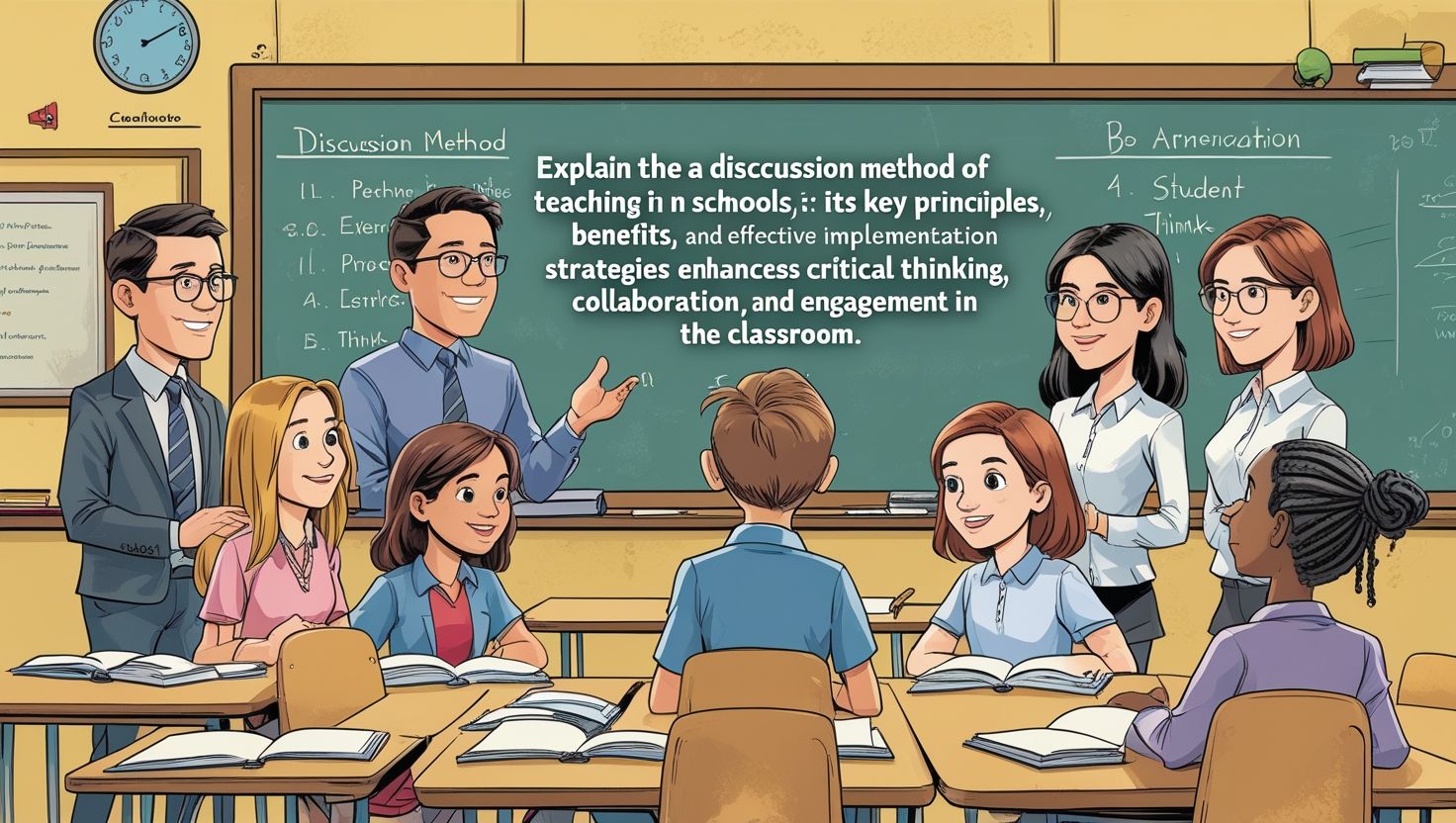
Discussion and Debate
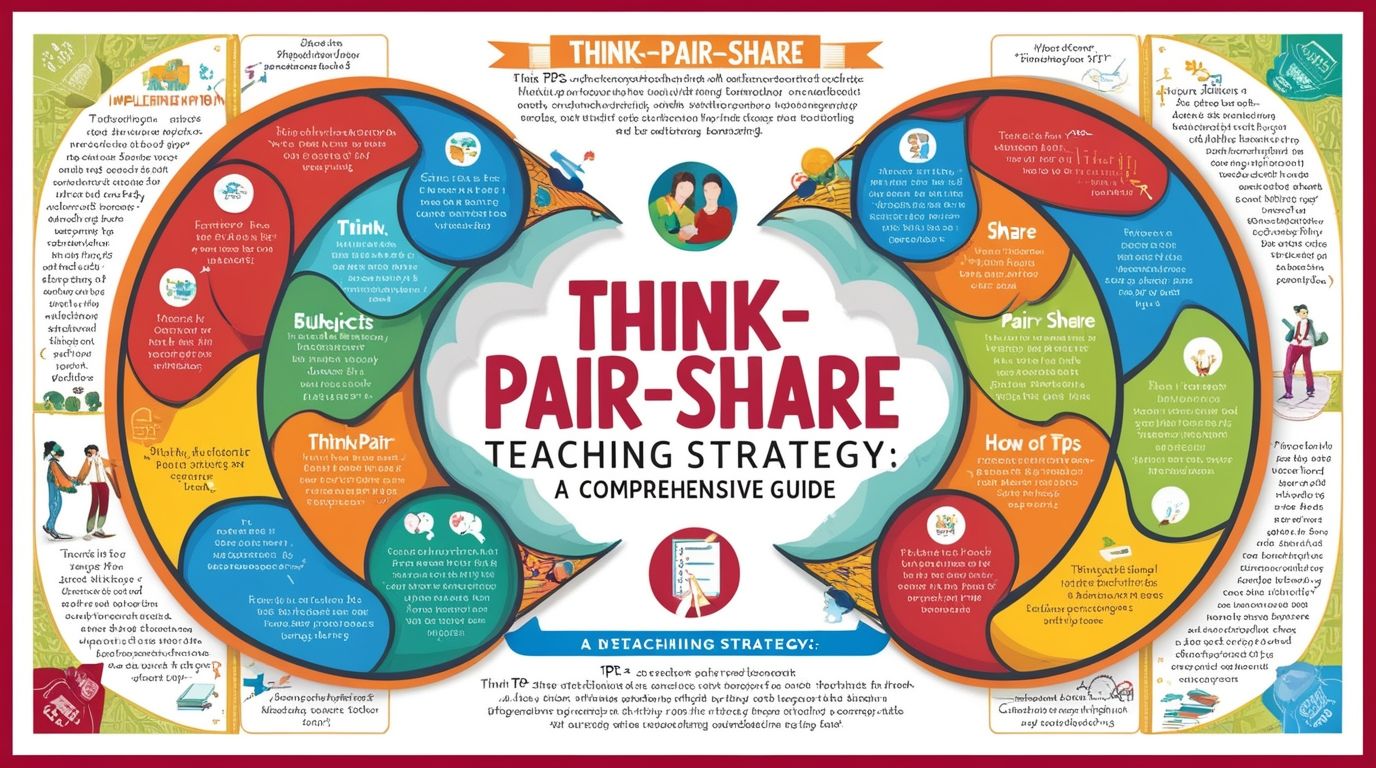
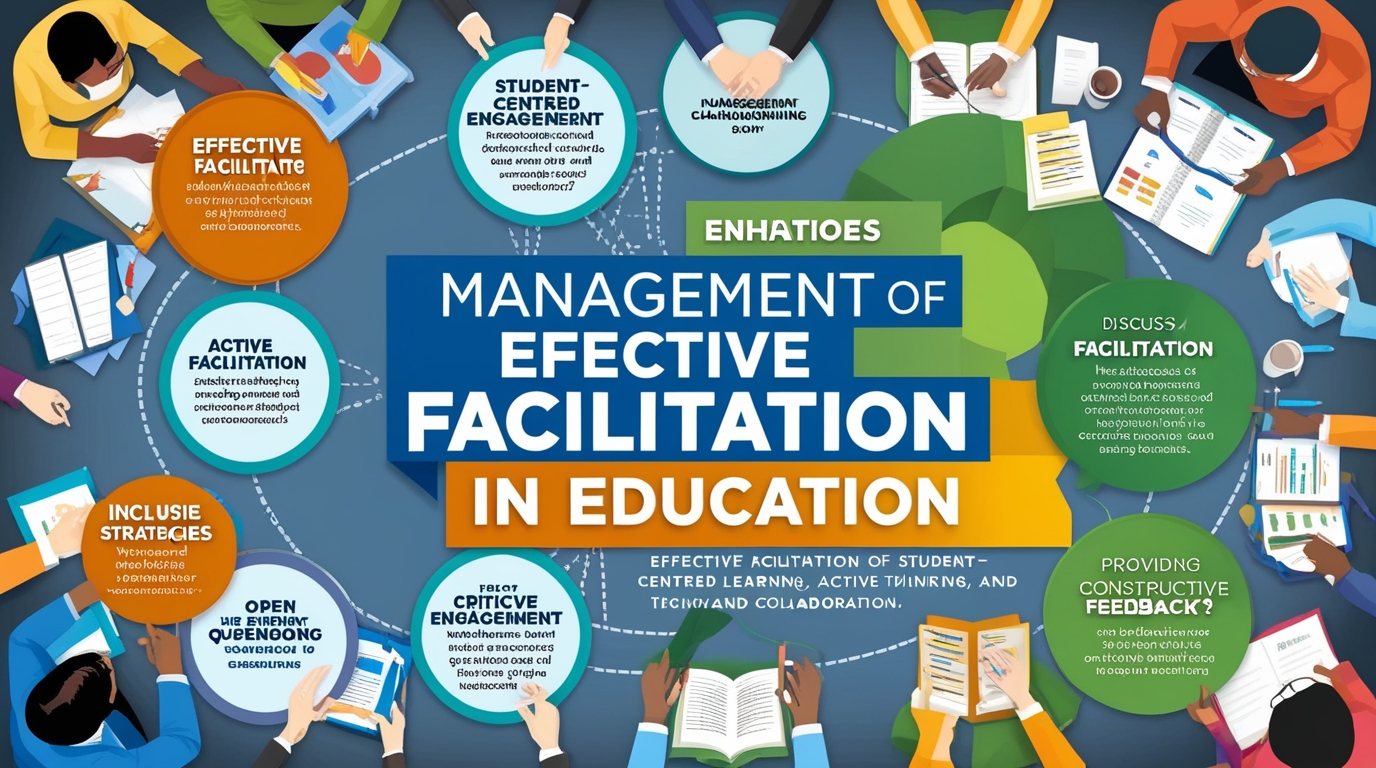
Classroom discussions and debates allow students to express opinions, defend arguments, and evaluate opposing perspectives. Through respectful dialogue, learners improve reasoning, communication, and analytical skills.
Collaborative Learning
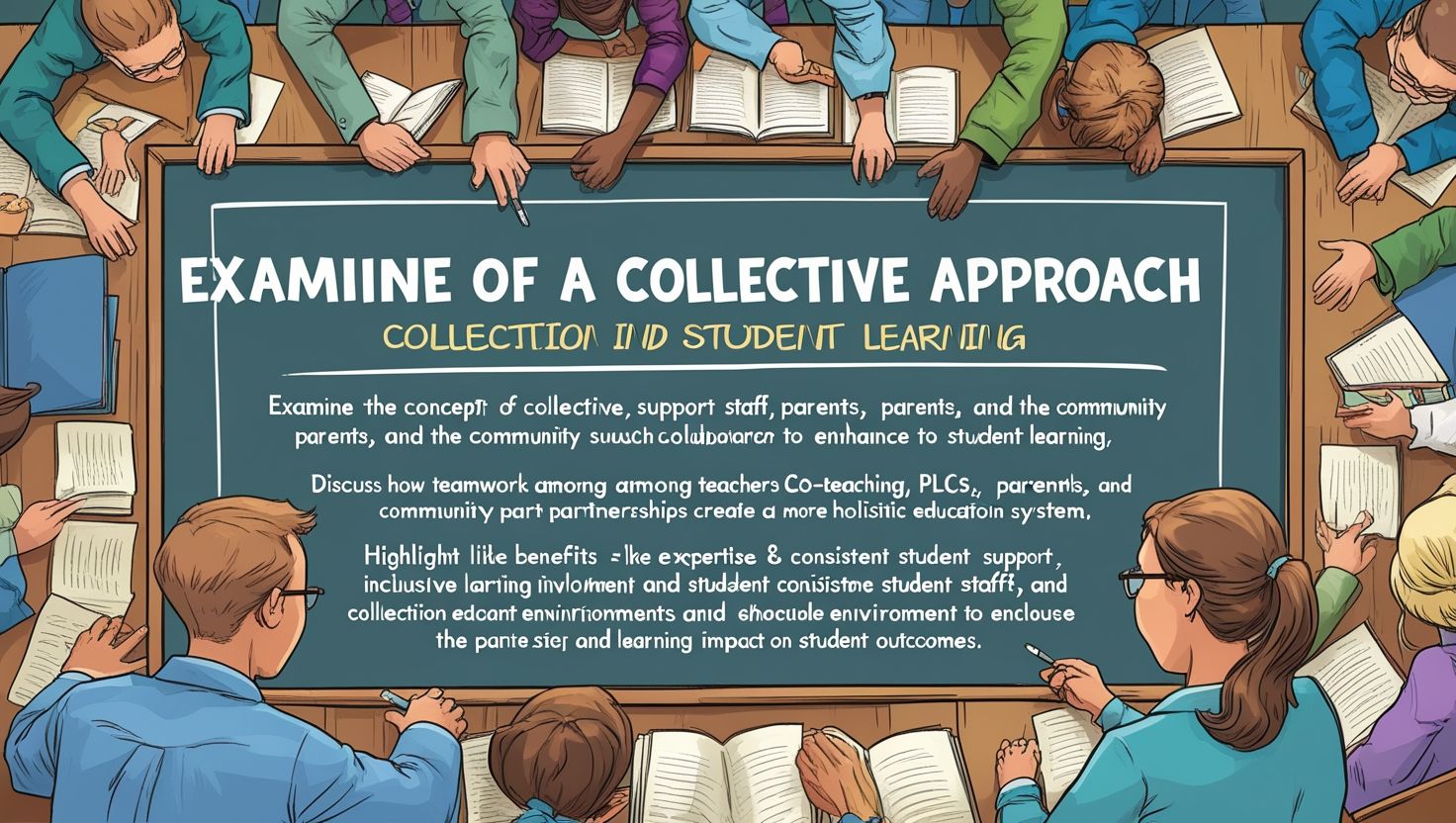
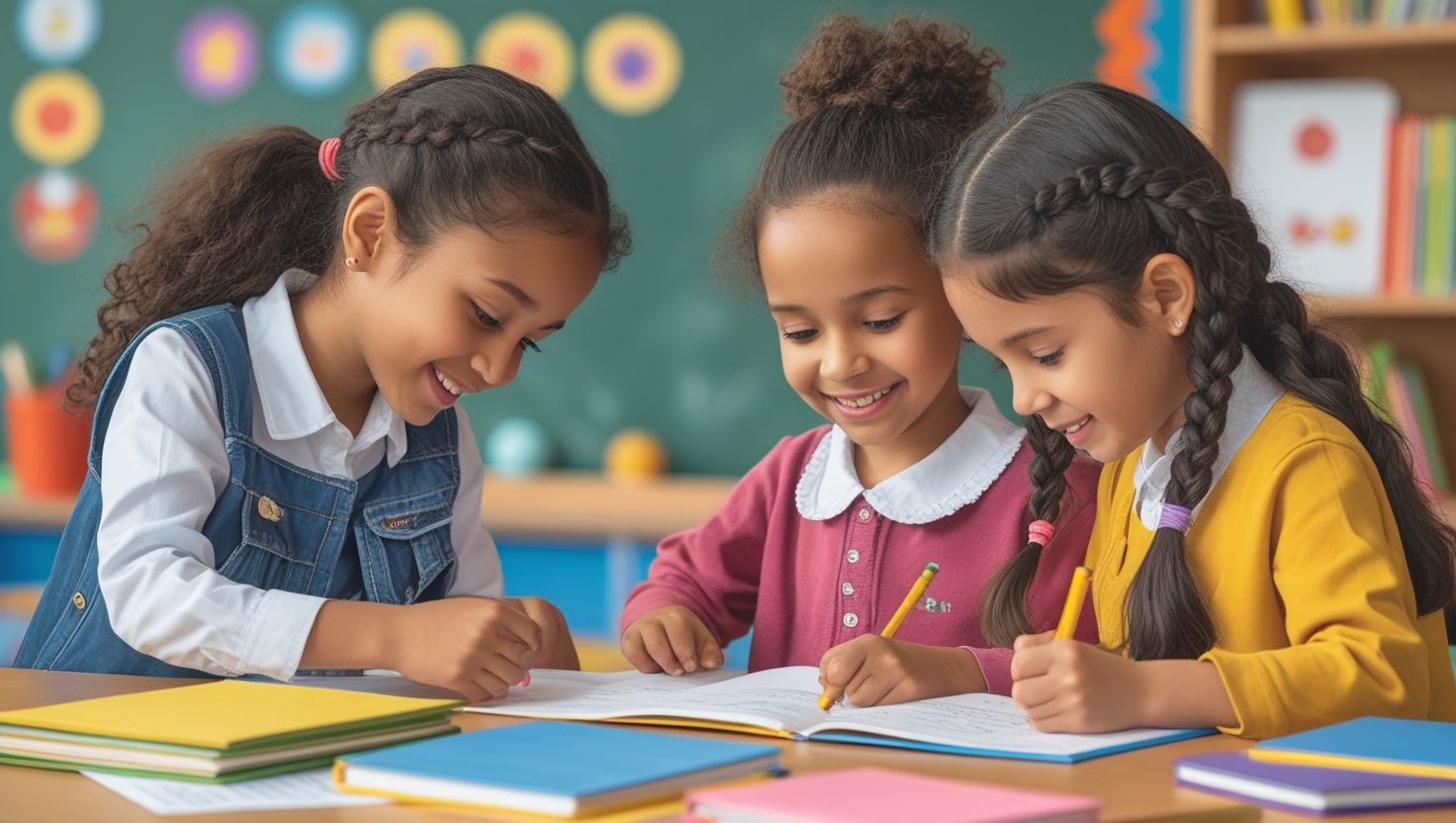
Group activities and cooperative learning encourage students to share ideas, solve problems collectively, and learn from one another. Collaboration exposes students to diverse viewpoints and strengthens critical reflection.
Reflective Learning
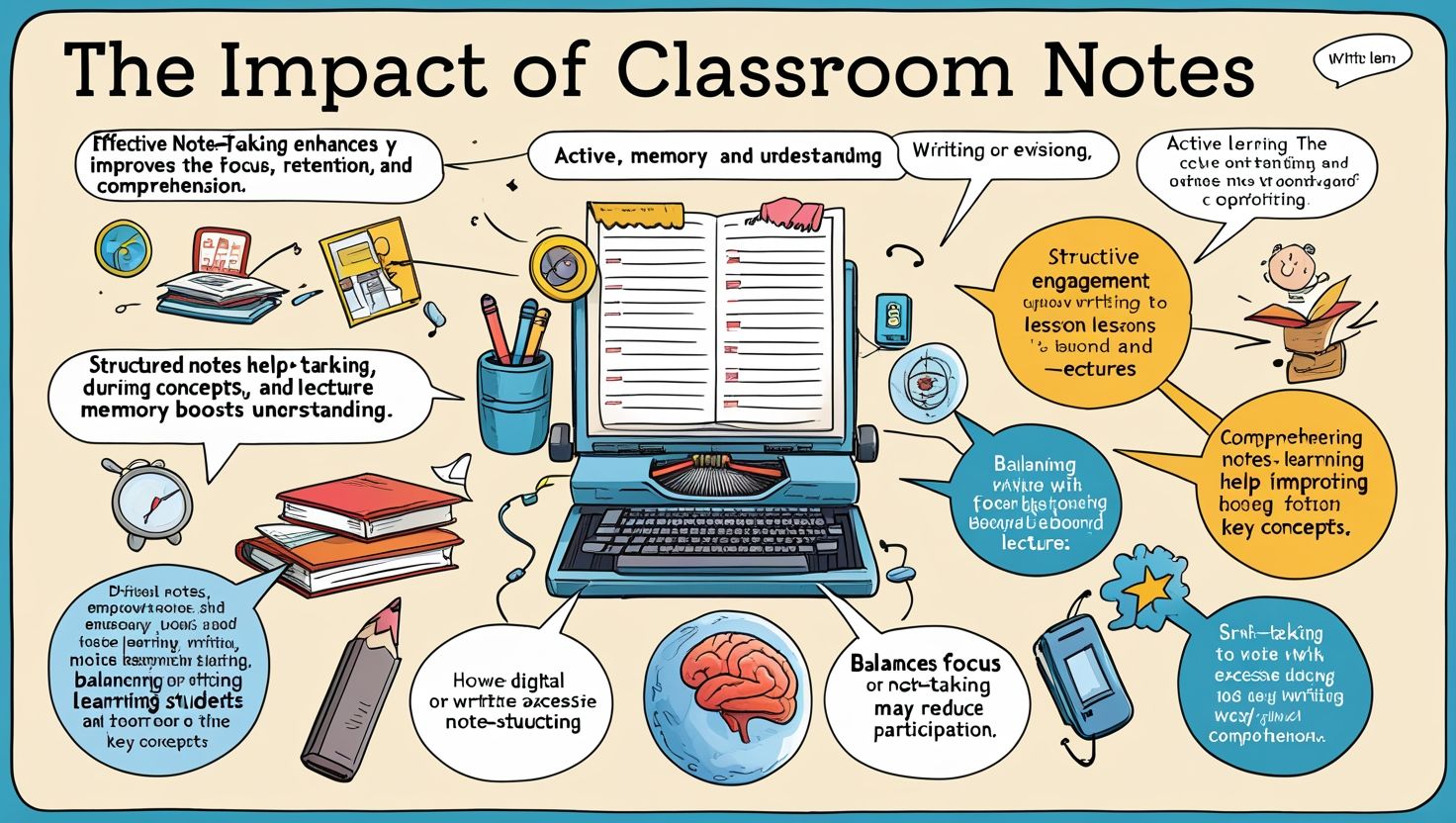
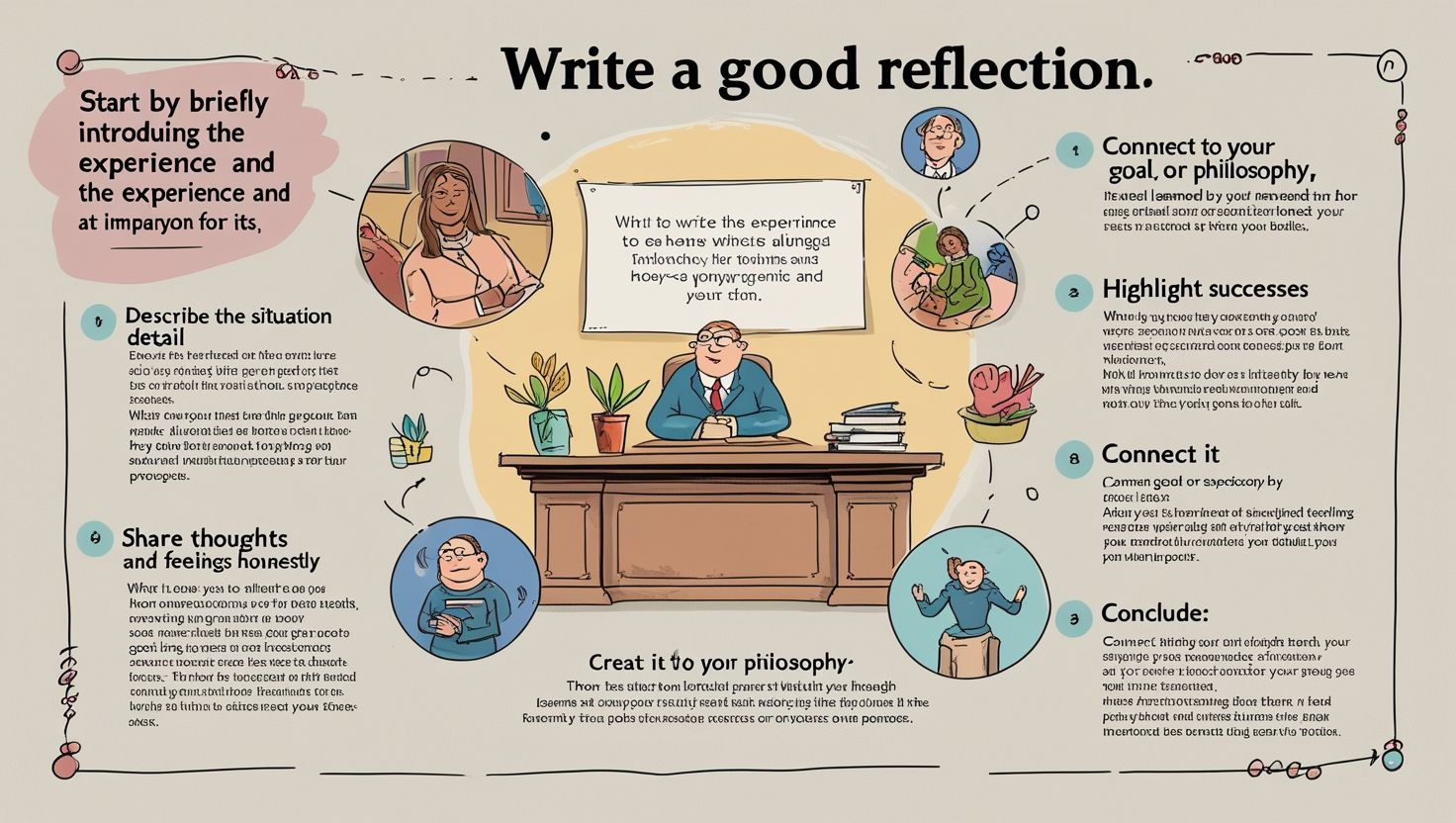
Reflection helps students evaluate their learning experiences and thought processes. Journals, self-assessments, and reflective essays encourage learners to analyze their strengths, weaknesses, and intellectual growth.
Use of Technology
Educational technology can support critical thinking through simulations, online research, interactive platforms, and digital collaboration tools. Technology enables students to access information, analyze data, and engage in creative problem-solving activities.
Role of Teachers in Promoting Critical Thinking
Teachers are central to the development of critical thinking in educational settings. Their attitudes, instructional practices, and classroom environments significantly influence student thinking.
Creating a Supportive Environment
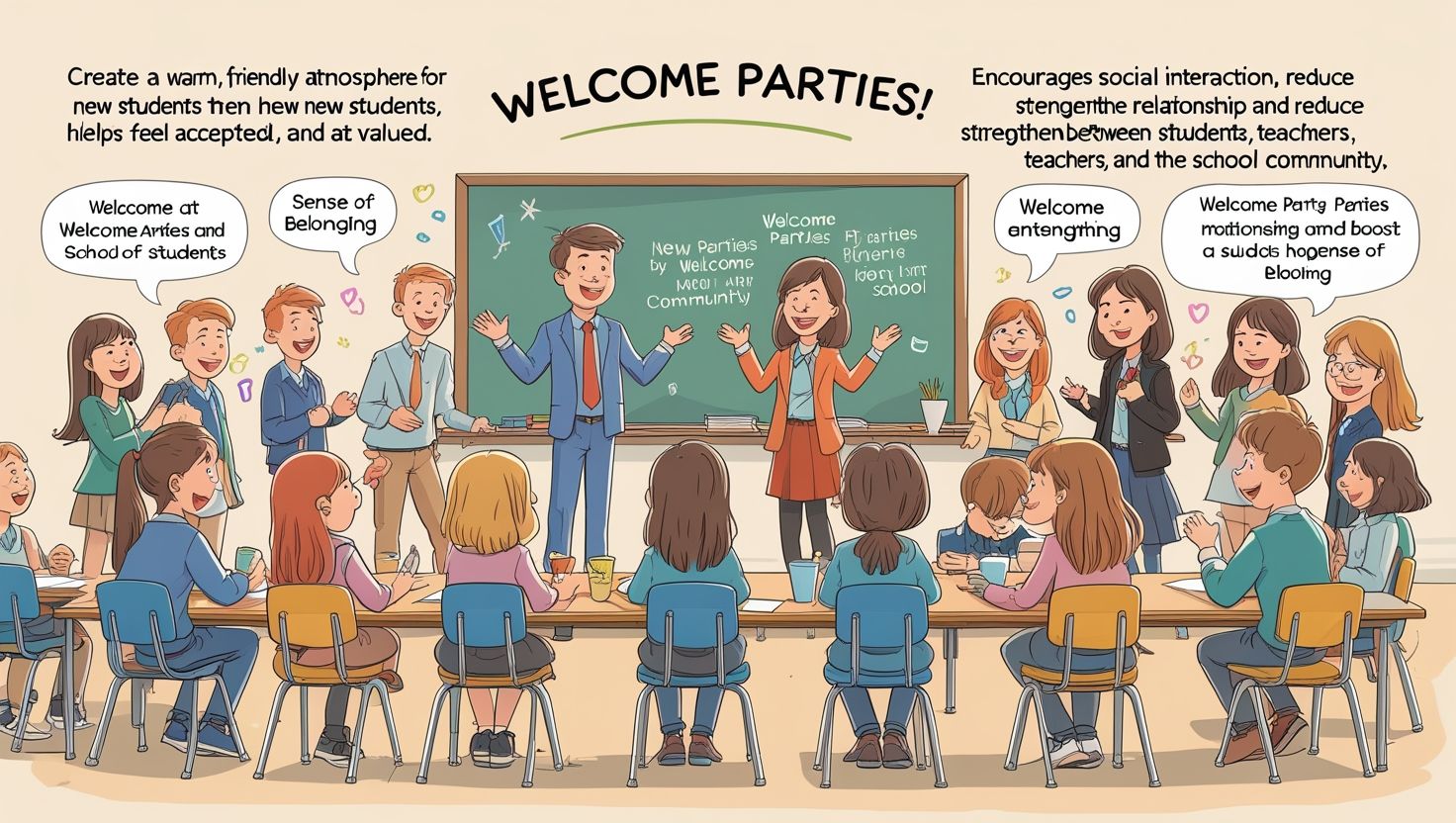
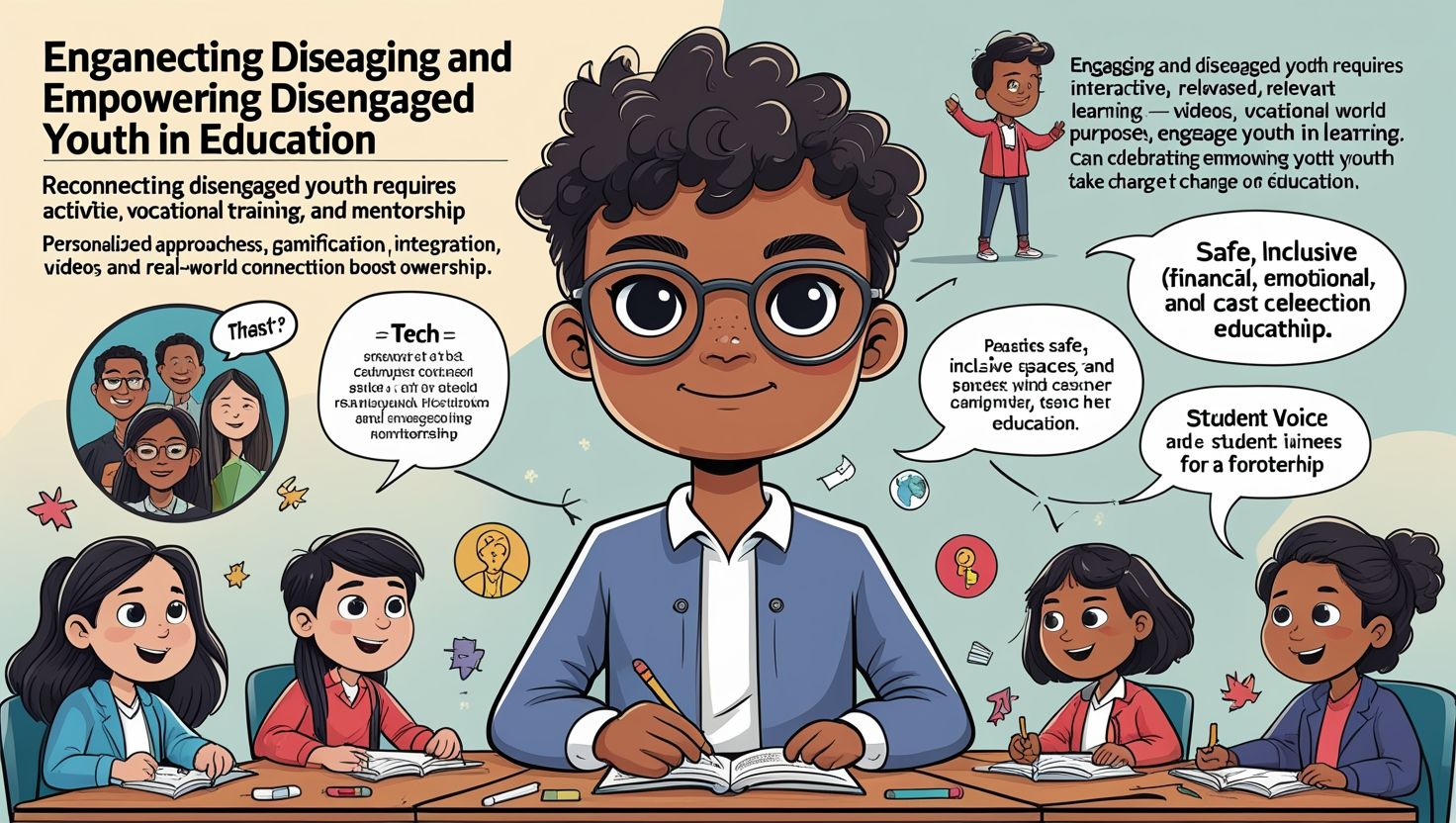
Students are more likely to think critically when they feel safe expressing ideas and asking questions. Teachers should create inclusive classrooms where mistakes are viewed as opportunities for learning rather than failure.
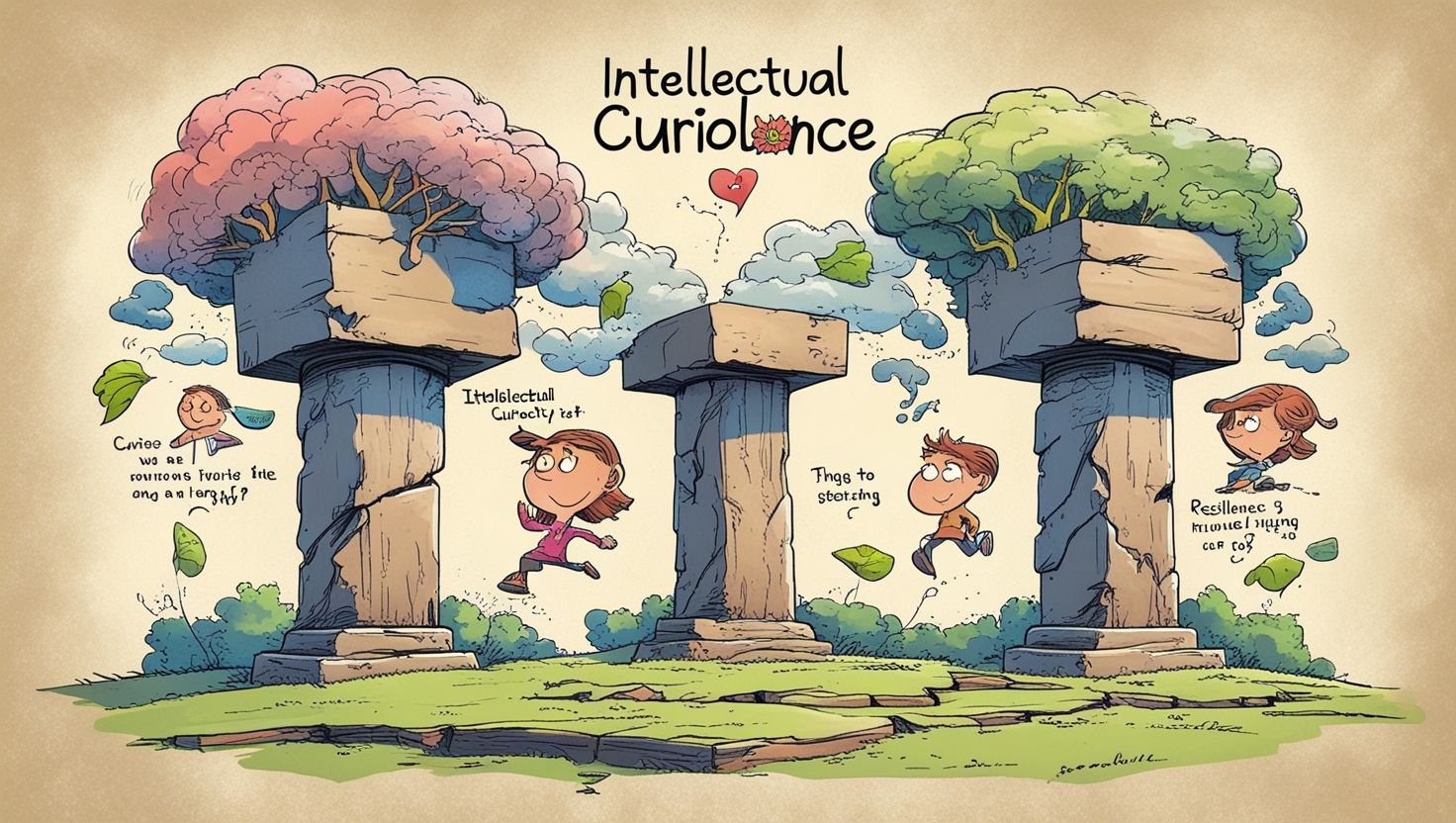
Encouraging Curiosity
Teachers should inspire curiosity by connecting lessons to real-life experiences and current issues. Interesting and relevant content motivates students to investigate and think deeply.
Modeling Critical Thinking
Teachers themselves must demonstrate critical thinking through reflective practice, logical reasoning, and evidence-based decision-making. Students often learn thinking habits by observing their teachers.
Providing Constructive Feedback
Feedback should guide students toward improvement rather than simply identifying errors. Constructive feedback encourages learners to reflect on their reasoning and refine their understanding.
Differentiating Instruction
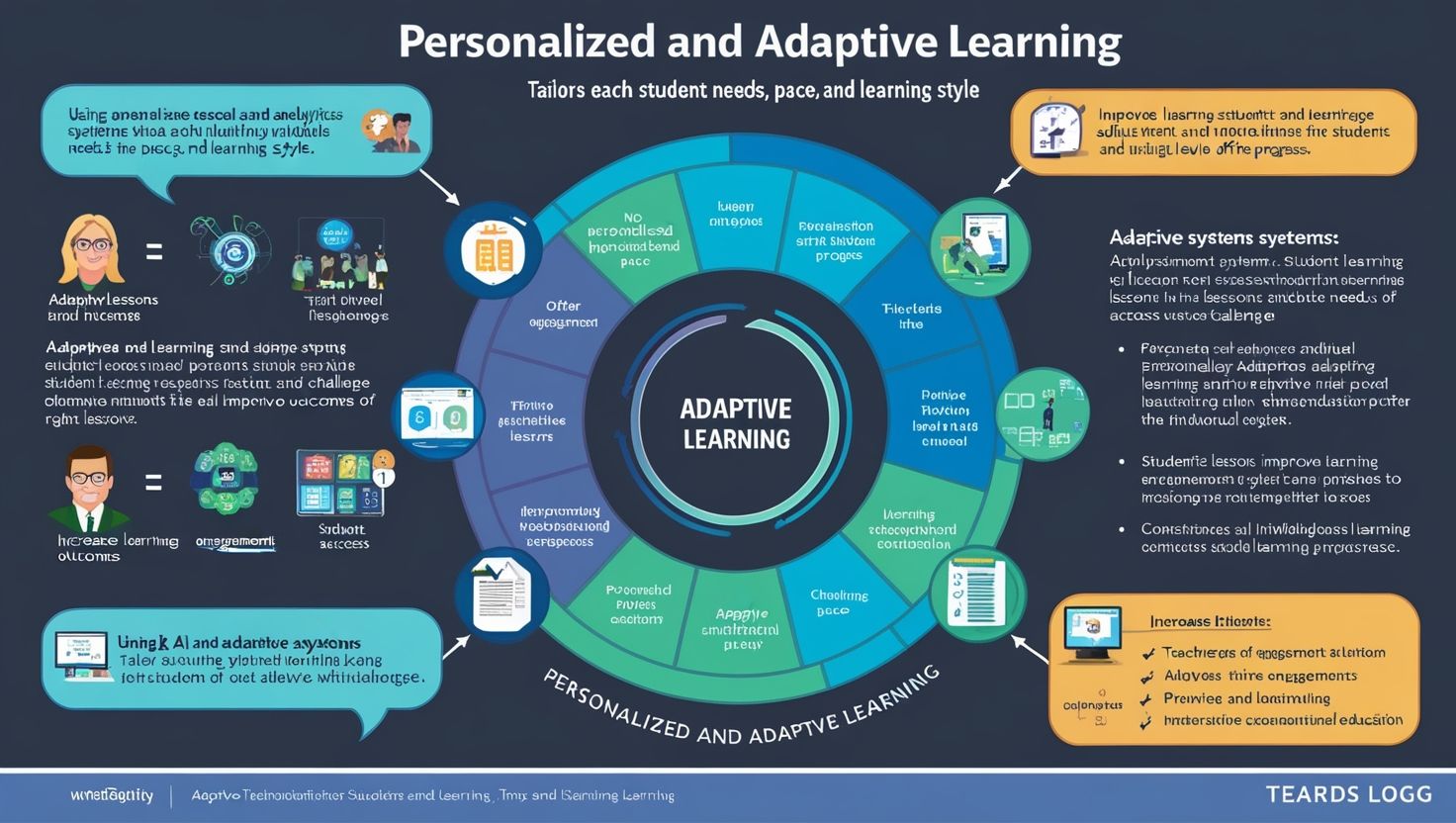
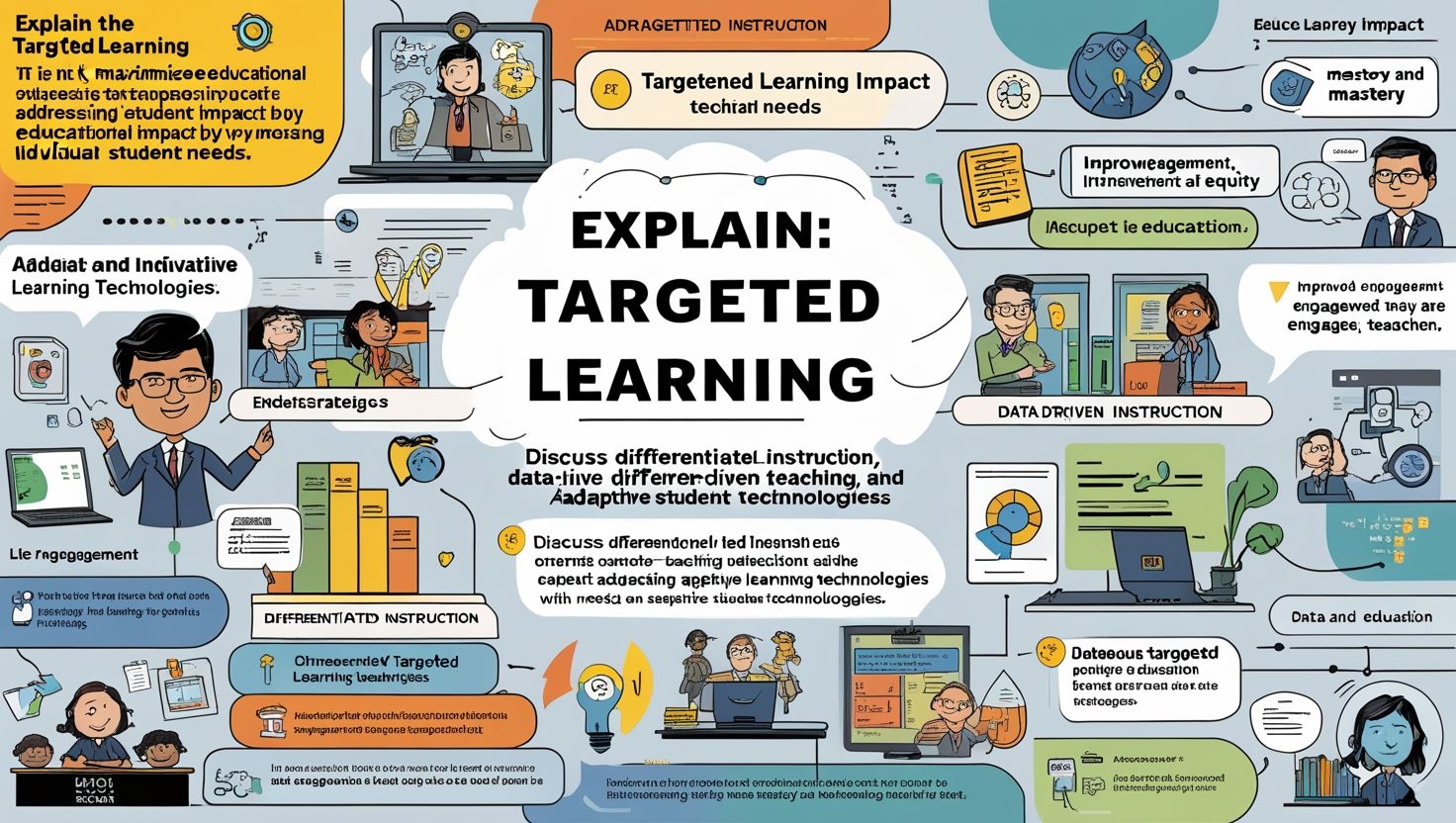
Students have diverse learning styles and intellectual abilities. Effective teachers adapt instructional methods to meet individual needs and promote meaningful engagement for all learners.
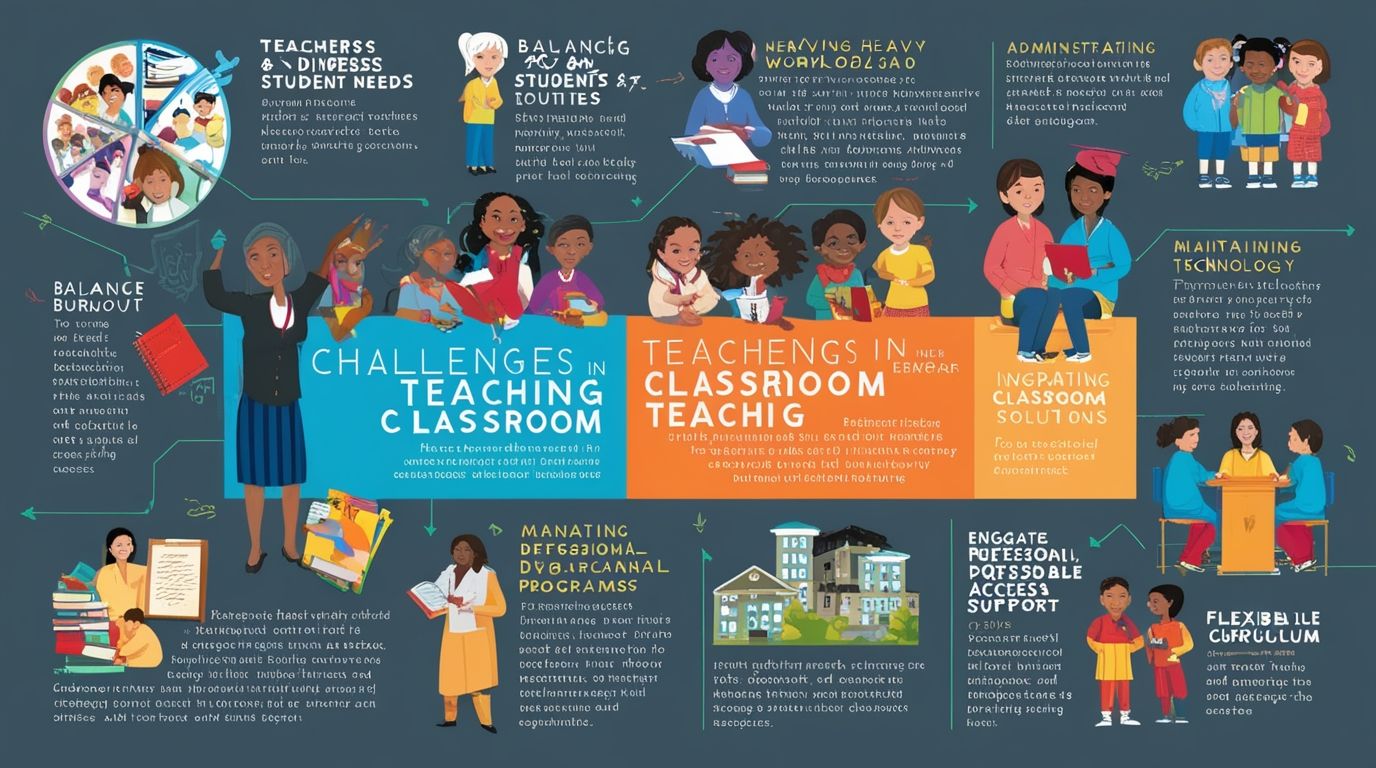
Challenges in Developing Critical Thinking
Despite its importance, promoting critical thinking in education faces several challenges.
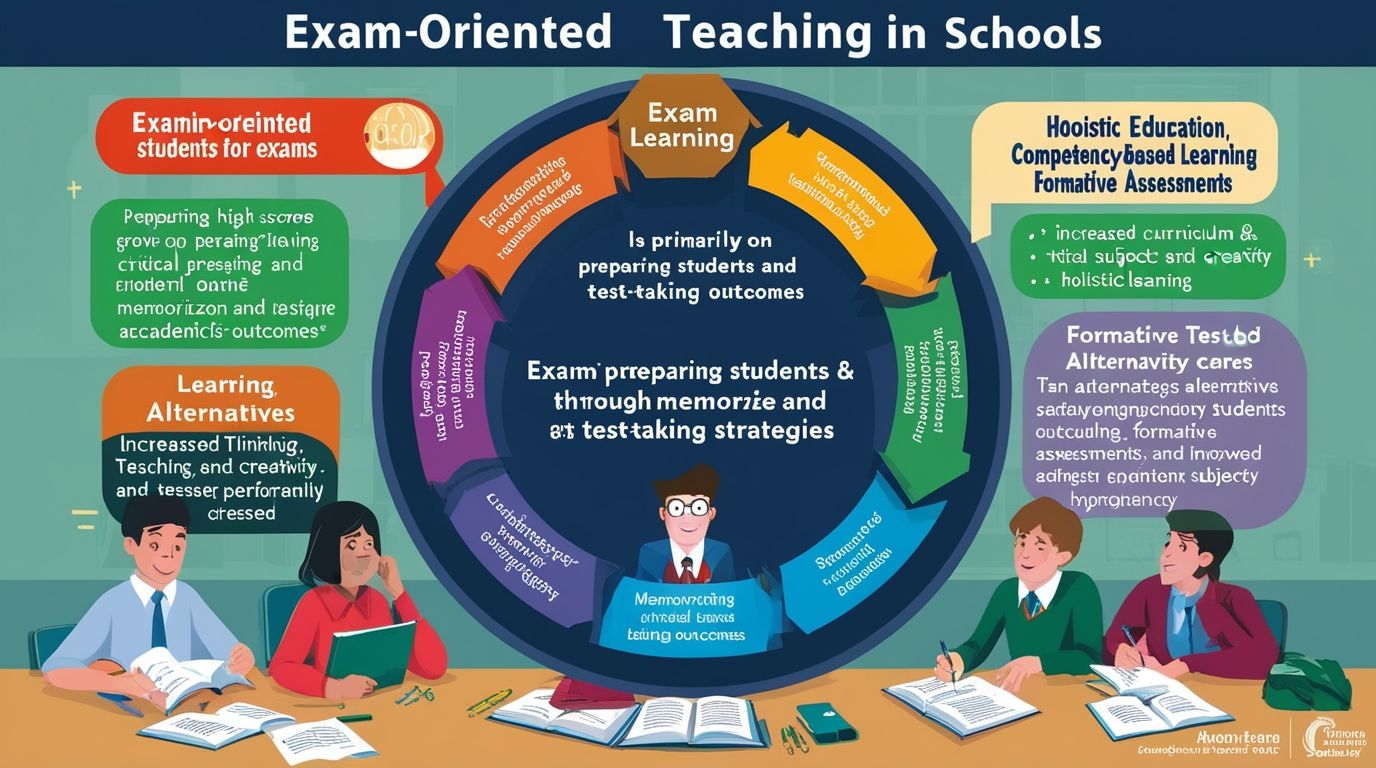
Examination-Oriented Systems
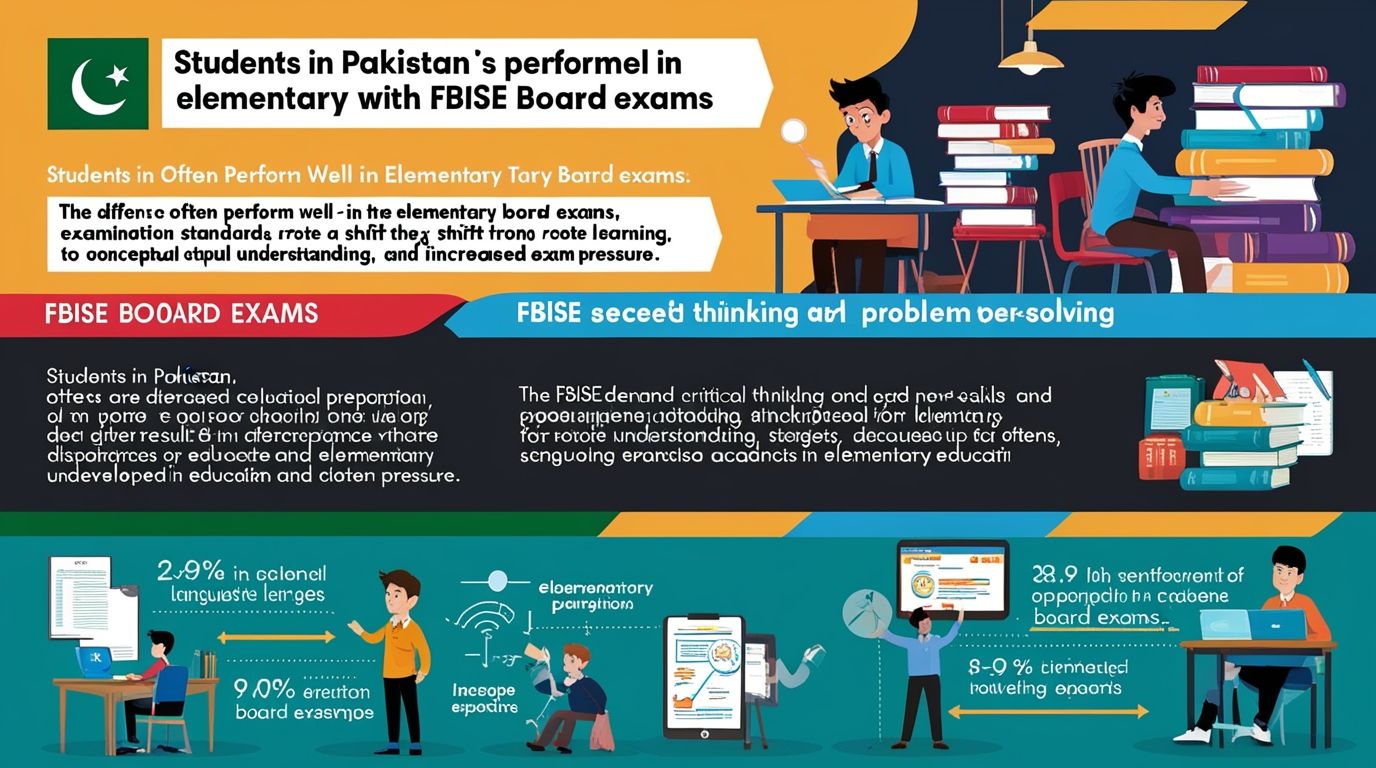
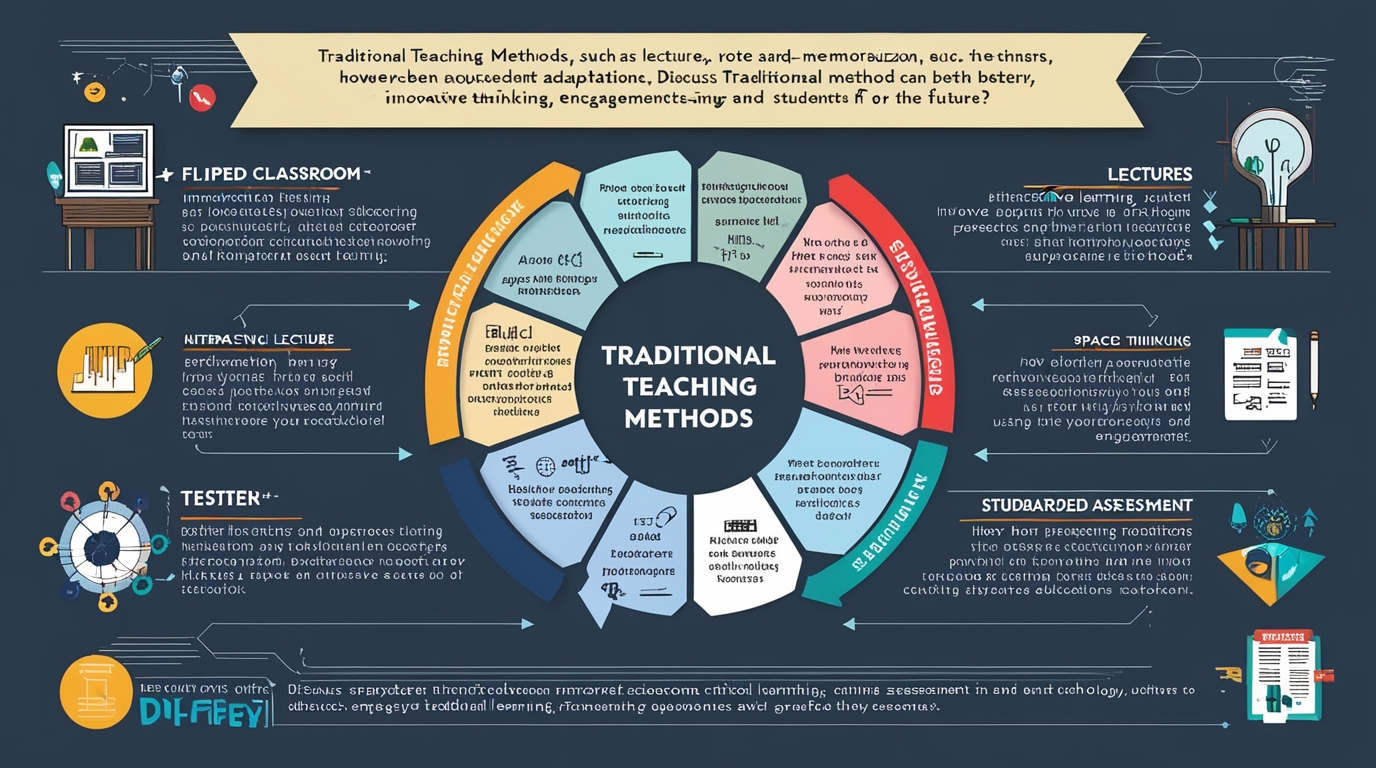
In many educational systems, emphasis on rote memorization and standardized testing limits opportunities for analytical and creative thinking. Students may focus on recalling information rather than understanding concepts deeply.
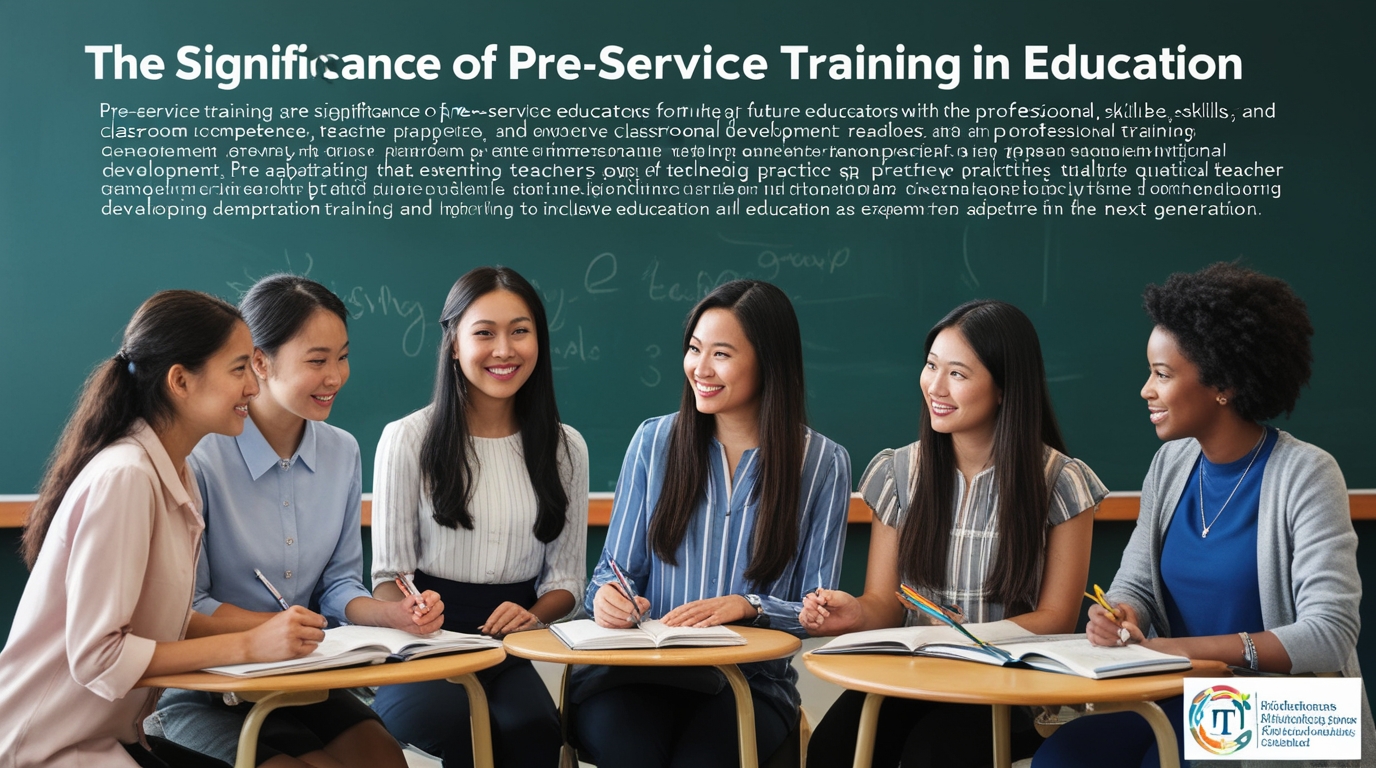
Lack of Teacher Training
Some teachers may not receive adequate professional development in critical thinking pedagogy. Without proper training, educators may struggle to implement effective instructional strategies.
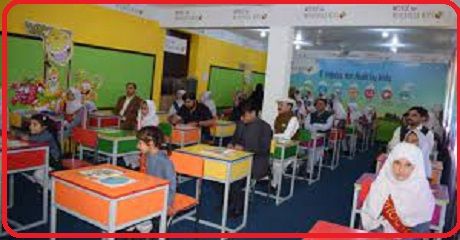
Large Classroom Sizes
Overcrowded classrooms can restrict interactive learning activities such as discussions, debates, and individualized feedback, making it difficult to foster critical thinking effectively.
Cultural and Social Barriers
In certain contexts, students may hesitate to question authority or express independent opinions. Teachers must encourage respectful inquiry while being sensitive to cultural norms.
Limited Resources
Schools with insufficient educational resources, technology, or learning materials may face difficulties implementing innovative teaching methods that support critical thinking.
Solutions and Recommendations
To strengthen teaching skills and critical thinking in education, several measures should be considered.
Teacher Professional Development
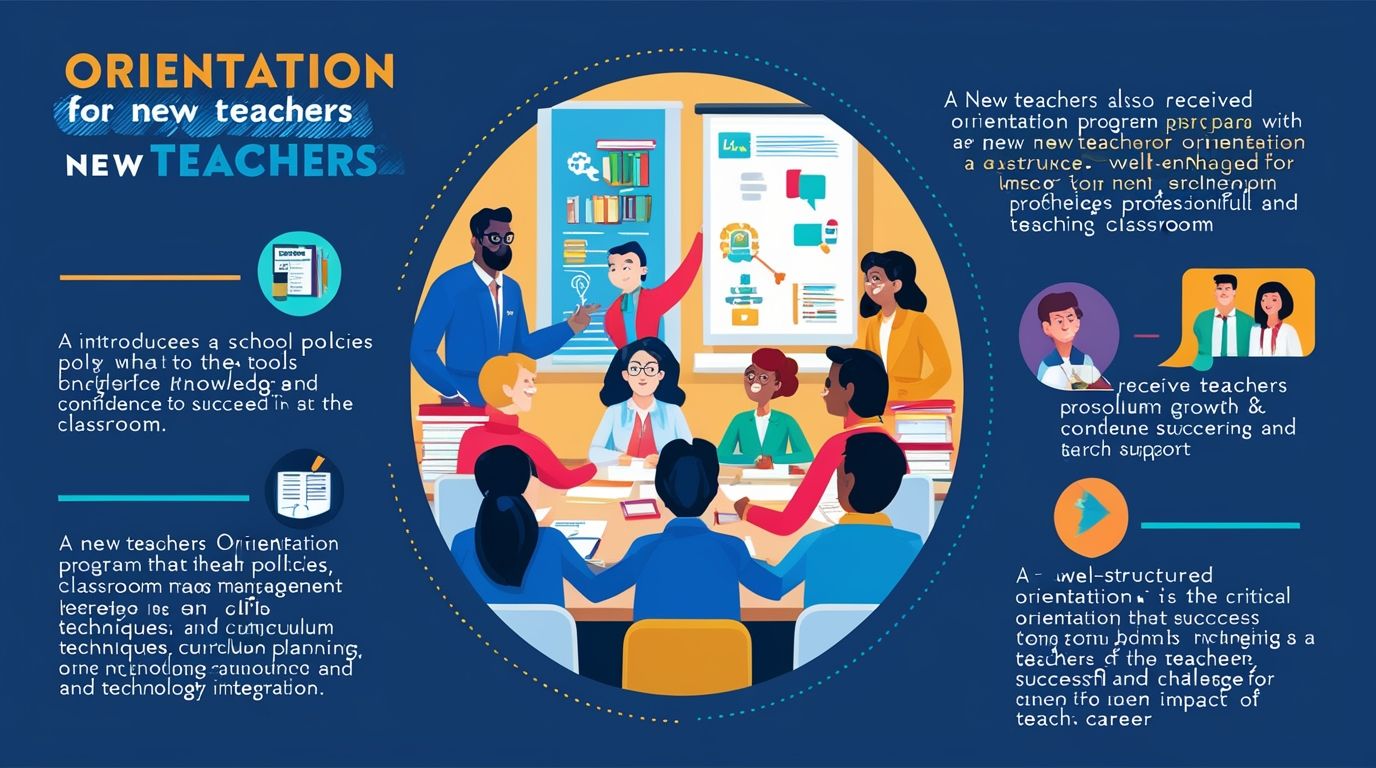
Educational institutions should provide continuous training programs focused on modern pedagogical methods, critical thinking strategies, classroom management, and technology integration.
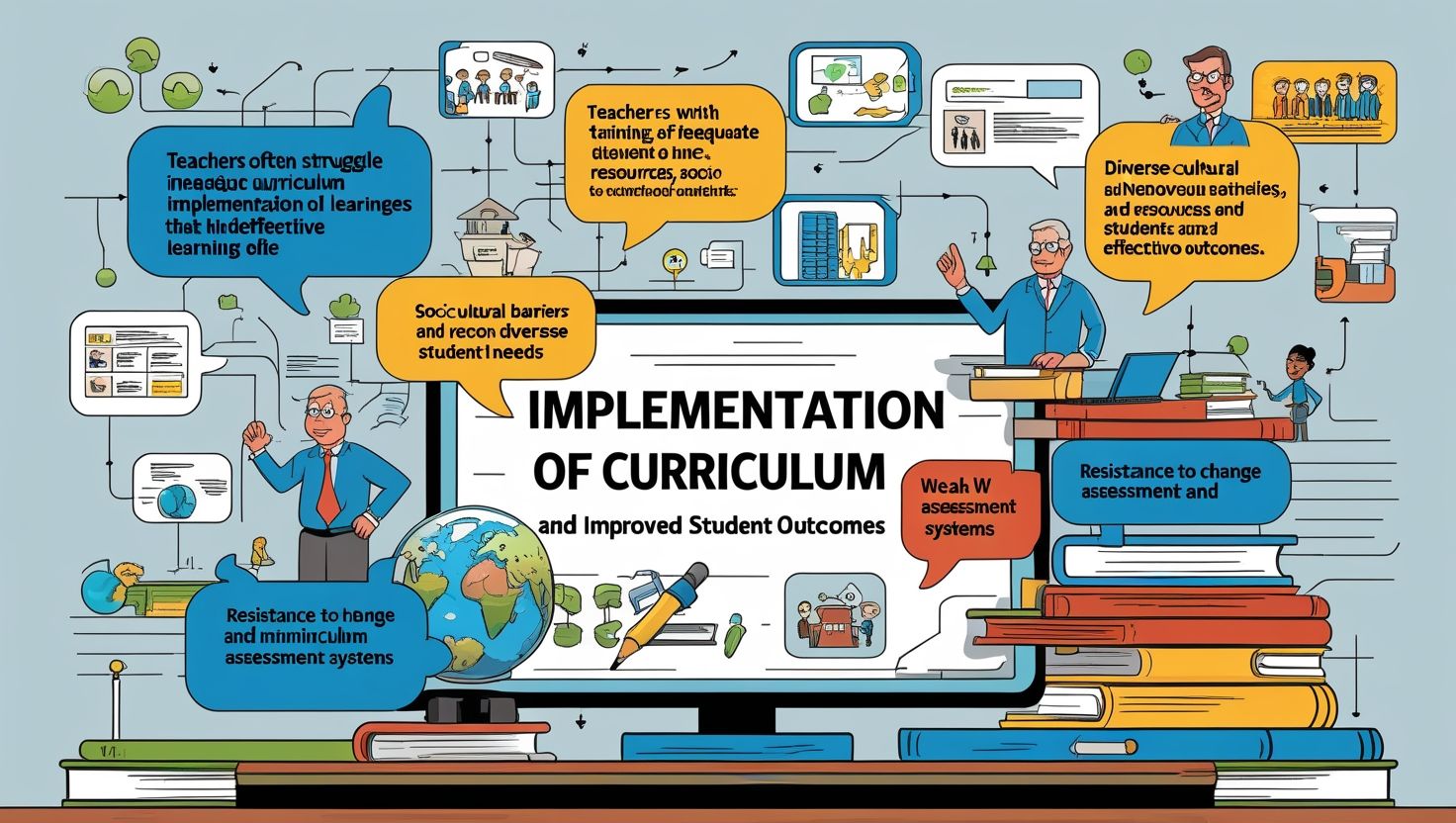
Curriculum Reform
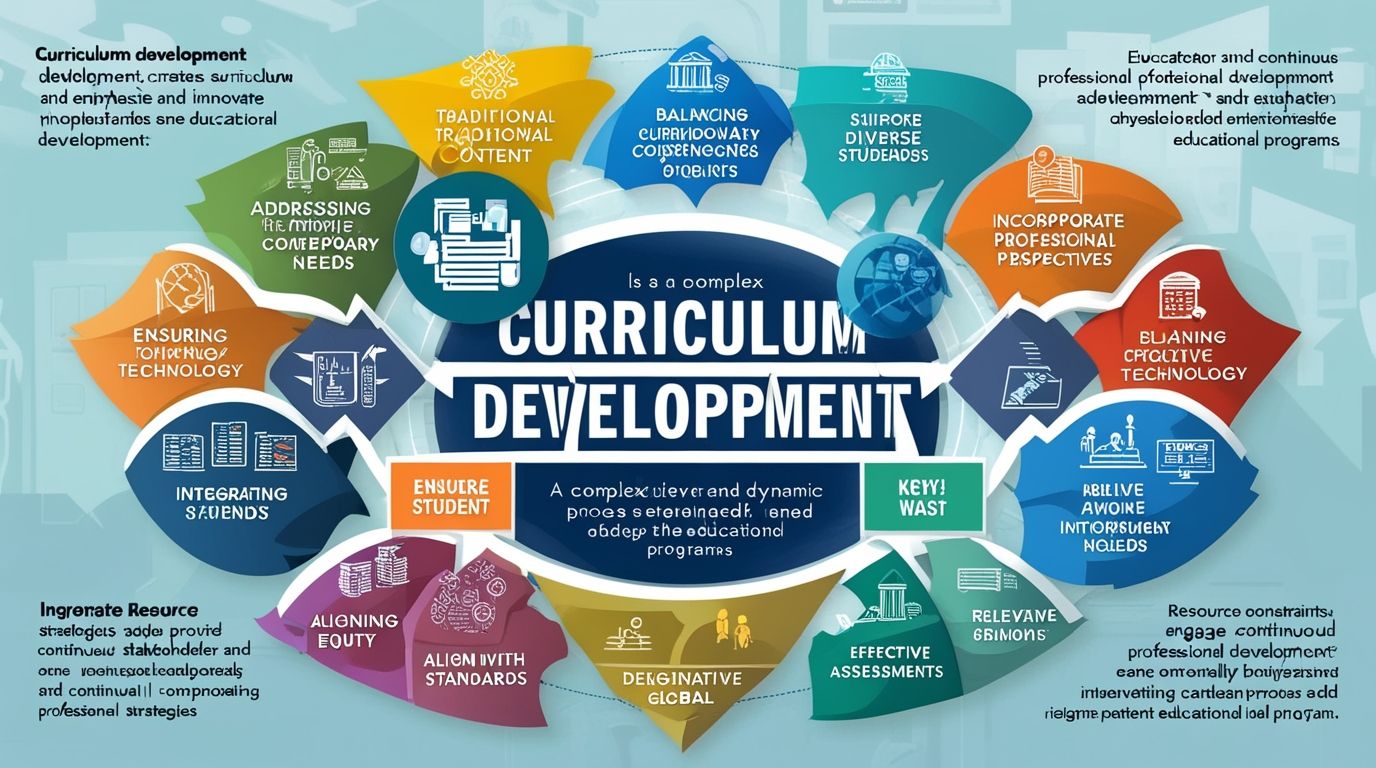
Curricula should emphasize conceptual understanding, inquiry, creativity, and problem-solving rather than rote memorization. Learning objectives should include higher-order thinking skills.
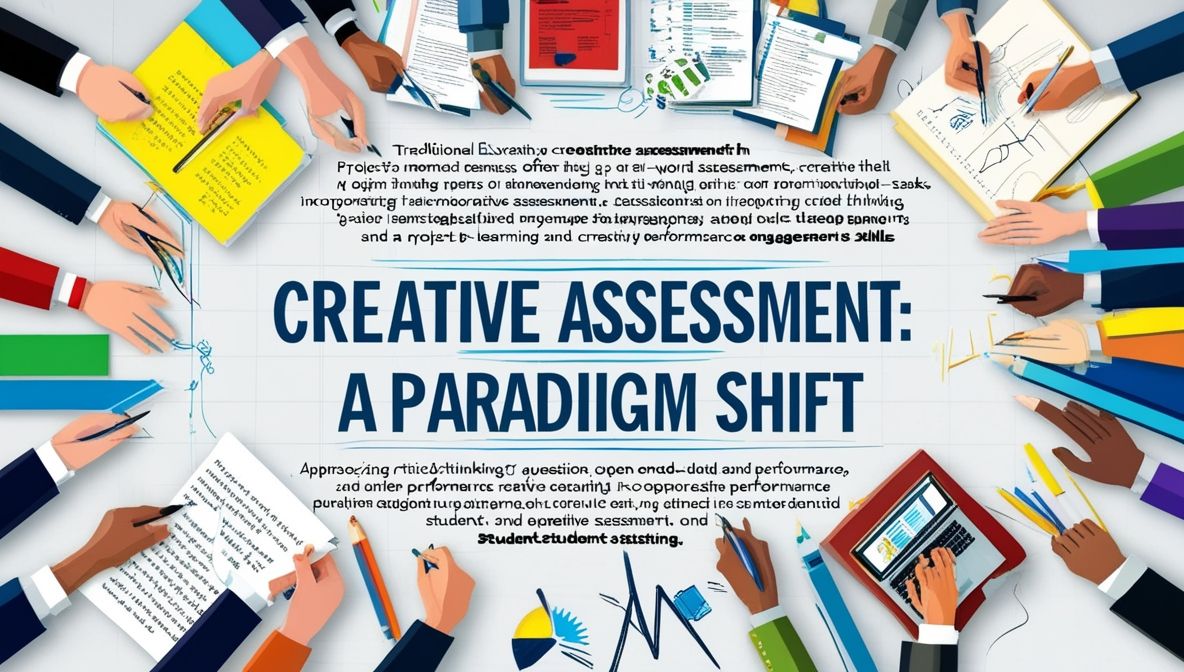
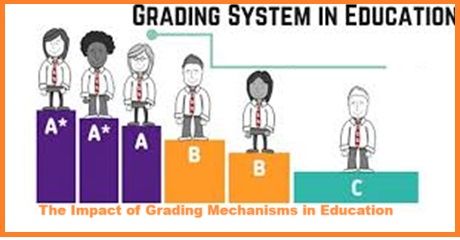
Assessment Reform
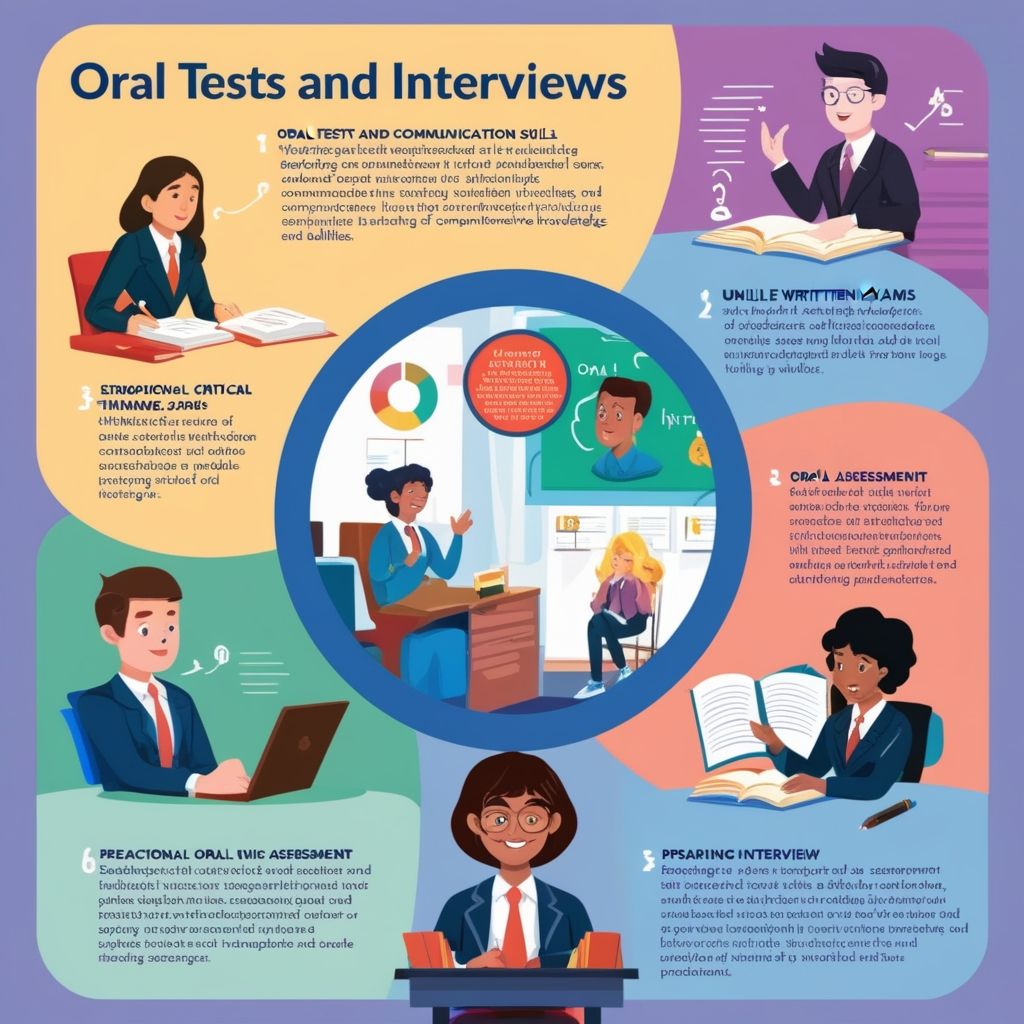
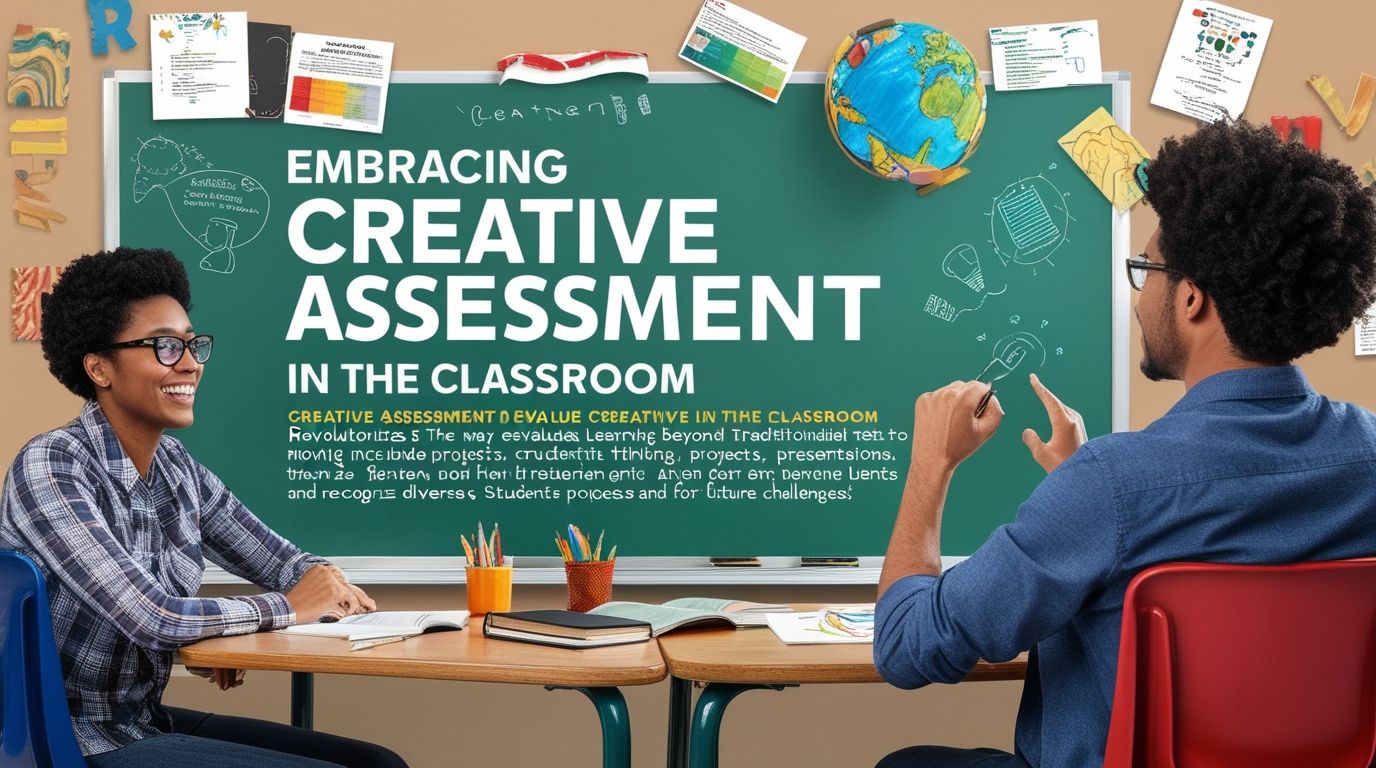
Assessment methods should evaluate analysis, interpretation, reasoning, and application of knowledge instead of factual recall alone. Project-based assessments, presentations, and reflective writing can support this goal.
Integration of Technology
Schools should invest in digital infrastructure and train teachers to use educational technologies effectively for collaborative and inquiry-based learning.
Encouraging Research Culture
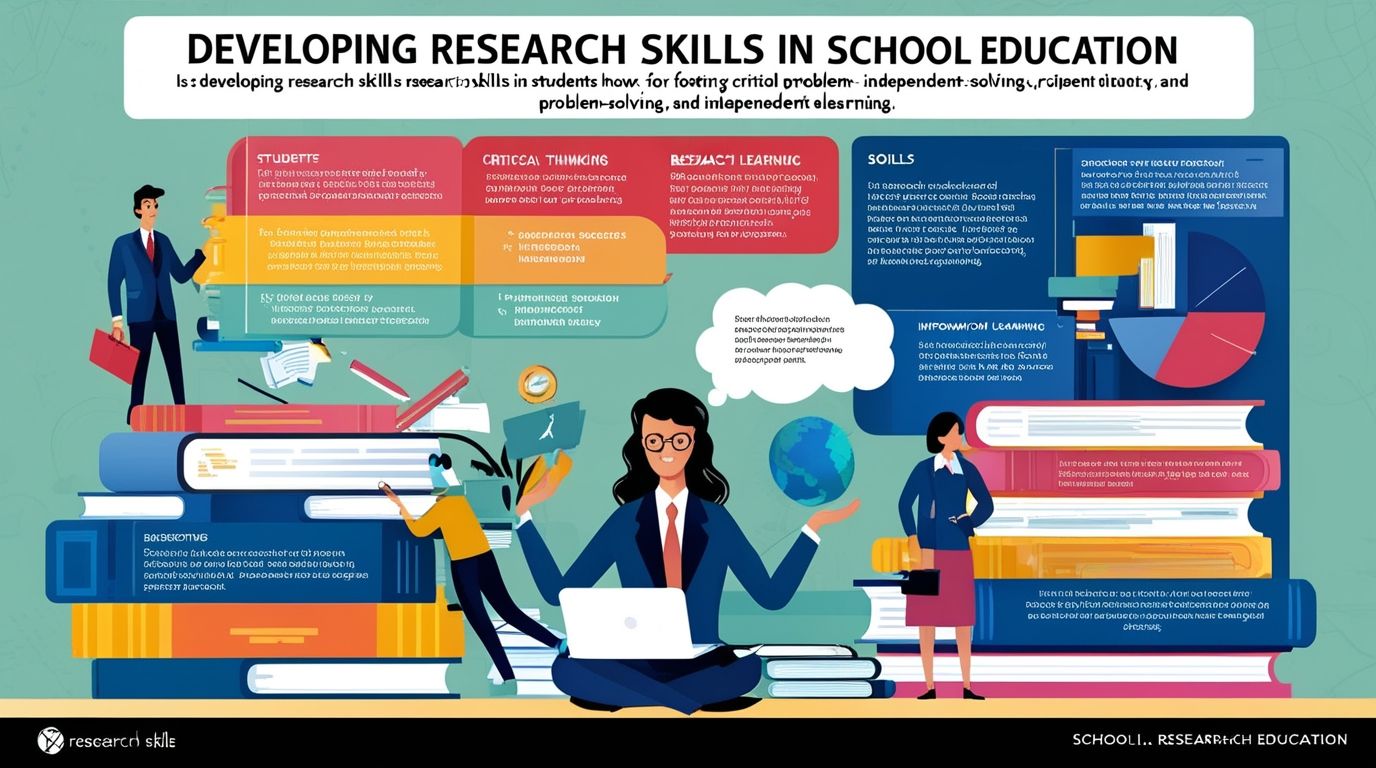
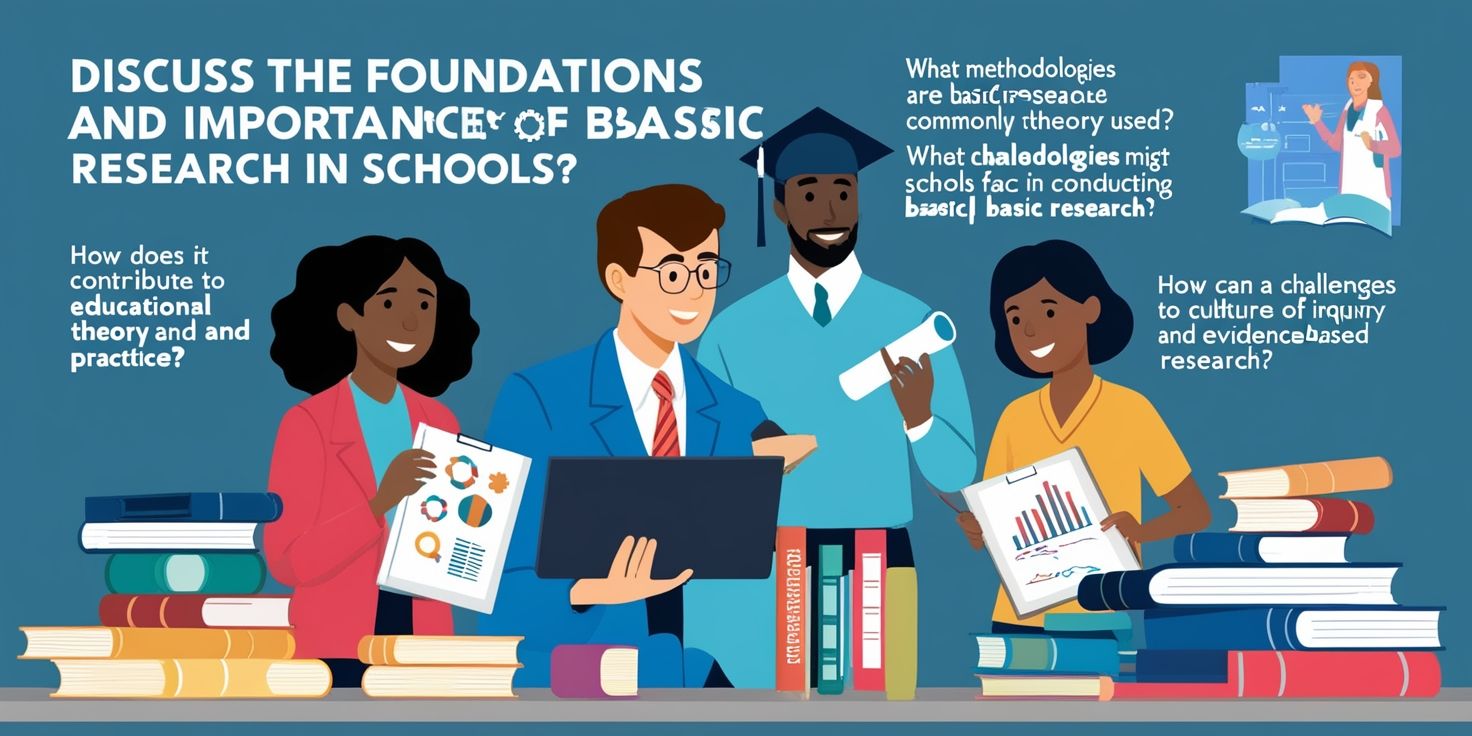
Students should be encouraged to conduct research, explore questions independently, and engage in investigative learning from an early age.
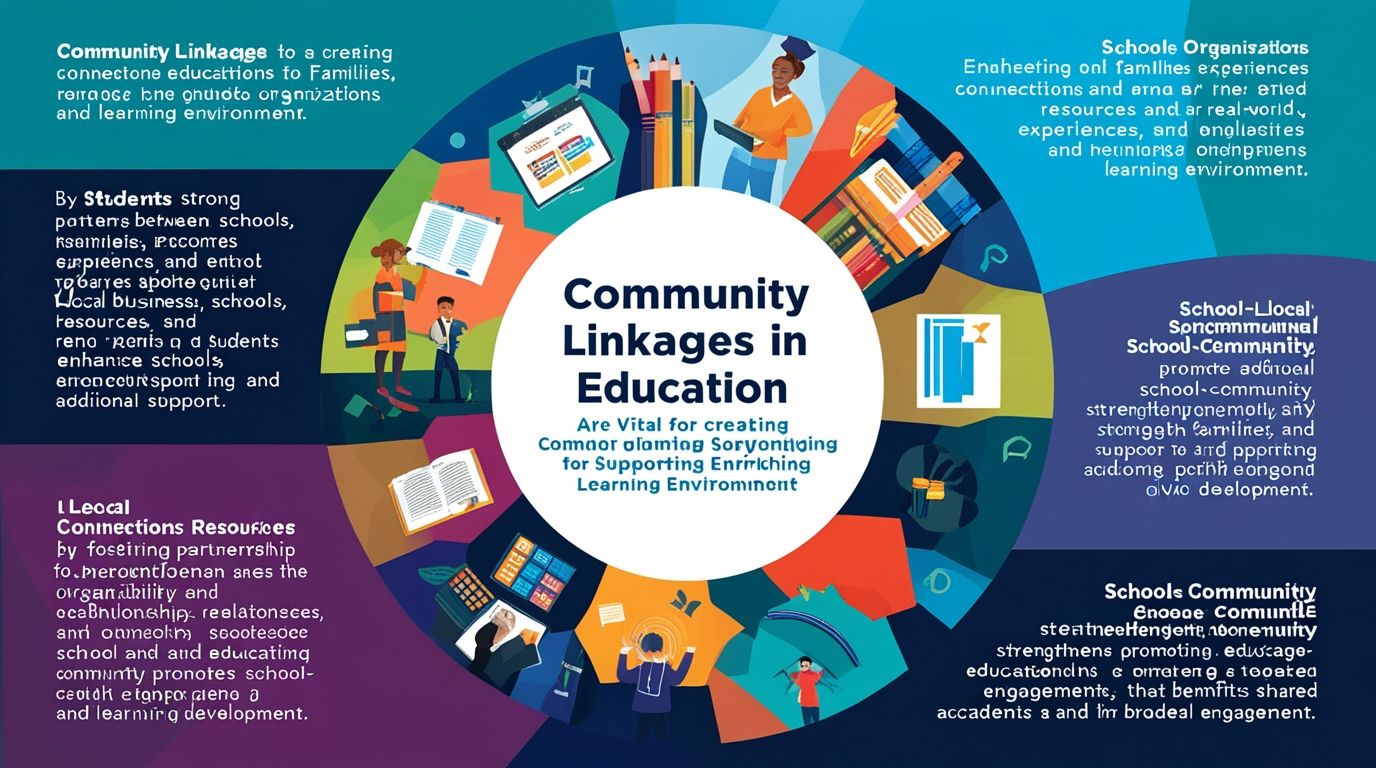
Parent and Community Involvement
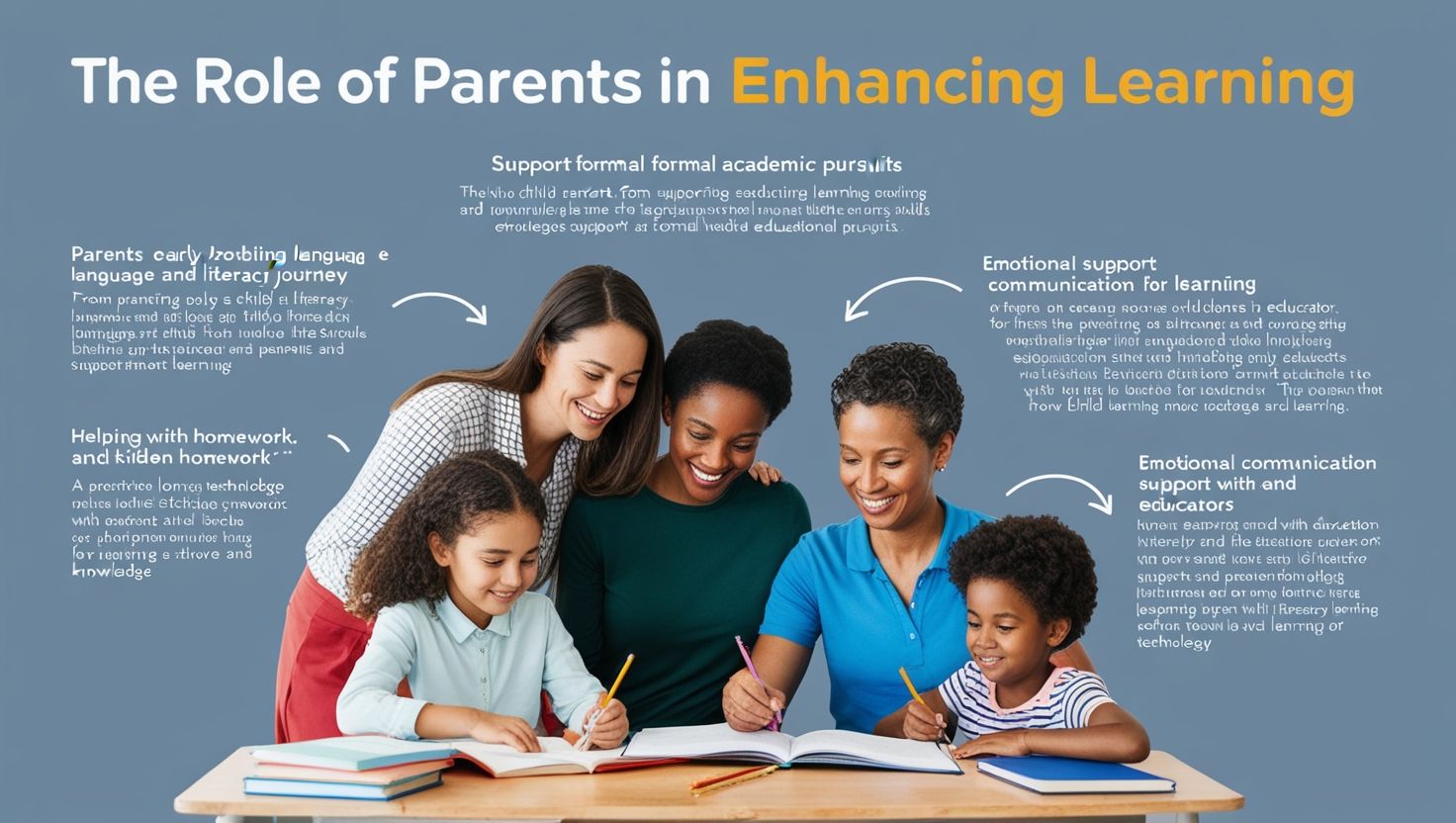
Parents and communities can support critical thinking by encouraging open discussions, reading habits, creativity, and independent decision-making at home.
Conclusion
Teaching skills and critical thinking are essential components of modern education. In a rapidly changing world characterized by technological advancement, global interconnectedness, and complex challenges, students need more than factual knowledge. They require the ability to think critically, solve problems creatively, communicate effectively, and make informed decisions.
Effective teaching skills create learning environments that nurture intellectual curiosity, active participation, and independent thought. Teachers who employ inquiry-based methods, collaborative learning, reflective practices, and meaningful assessment help students develop deeper understanding and analytical abilities. At the same time, critical thinking enhances educational quality by promoting reasoning, creativity, and responsible citizenship.
Although challenges such as examination-oriented systems, inadequate teacher training, and limited resources may hinder the development of critical thinking, these obstacles can be addressed through curriculum reform, professional development, and innovative instructional practices.
Ultimately, education should aim not only to produce knowledgeable individuals but also thoughtful, ethical, and responsible human beings capable of contributing positively to society. By strengthening teaching skills and fostering critical thinking, educators can empower learners to become lifelong learners, effective leaders, and active participants in building a more informed and progressive world.