Introduction
Concept of Wider Communities Relationship, Human beings are social by nature. From the earliest civilizations to the modern globalized world, people have depended on one another for survival, growth, security, and development. Communities are formed when individuals live together, share common interests, values, traditions, or goals, and cooperate for mutual benefit. However, no community exists in isolation. Every local community is connected to broader social groups, institutions, cultures, and nations. These connections form what is known as the relationship with wider communities.
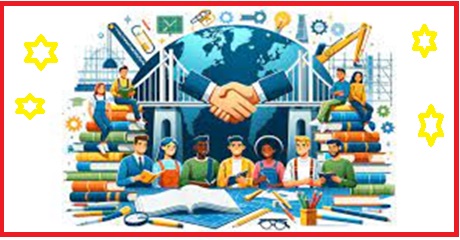
The concept of wider communities relationship refers to the interaction, cooperation, understanding, and interdependence between individuals, local communities, national societies, and global communities. It emphasizes the importance of building positive relationships beyond one’s immediate environment. Such relationships help promote peace, harmony, cultural understanding, social progress, and sustainable development.
In the modern world, communication technology, globalization, education, trade, and migration have brought people from different regions and cultures closer together. As a result, relationships with wider communities have become more significant than ever before. Educational institutions, families, governments, and organizations all play important roles in developing these relationships.
This article discusses the meaning, importance, characteristics, forms, benefits, challenges, and methods of promoting wider community relationships in society.
Meaning of Wider Communities Relationship
A wider community refers to groups of people beyond the immediate family, neighborhood, or local society. It may include regional, national, and international communities. The relationship with wider communities involves interaction, communication, collaboration, and mutual respect among different groups of people.
These relationships may occur through:
- Education
- Trade and business
- Cultural exchange
- Social services
- Media and technology
- International cooperation
- Environmental initiatives
- Religious and humanitarian activities
The concept encourages individuals and communities to think beyond personal or local interests and contribute positively to society as a whole.
Importance of Wider Communities Relationship
1. Promotes Social Harmony
Positive relationships among communities help reduce misunderstandings, discrimination, and conflicts. When people interact respectfully with others from different backgrounds, they develop tolerance and acceptance. This creates peaceful and harmonious societies.
2. Encourages Cultural Understanding
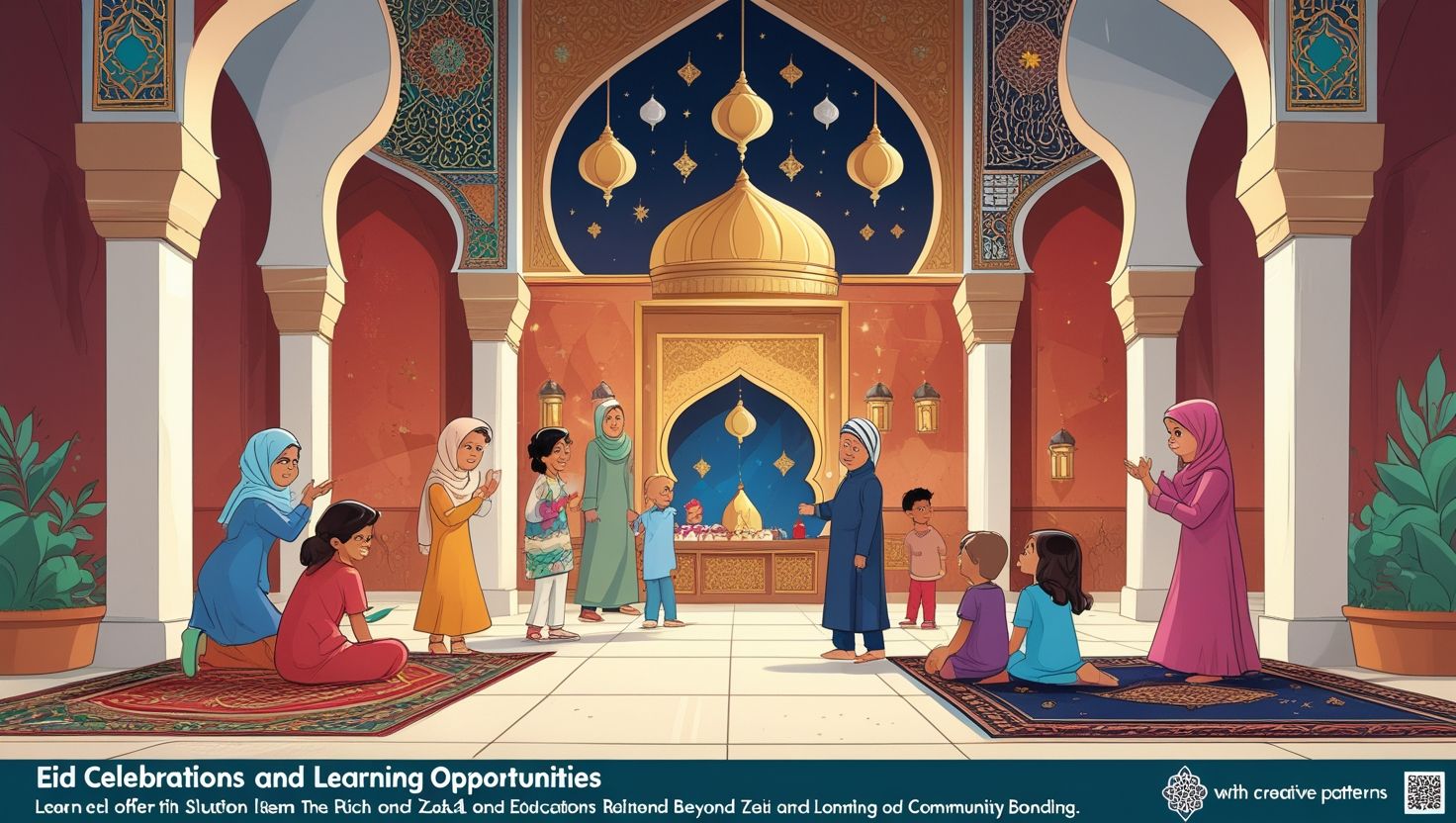
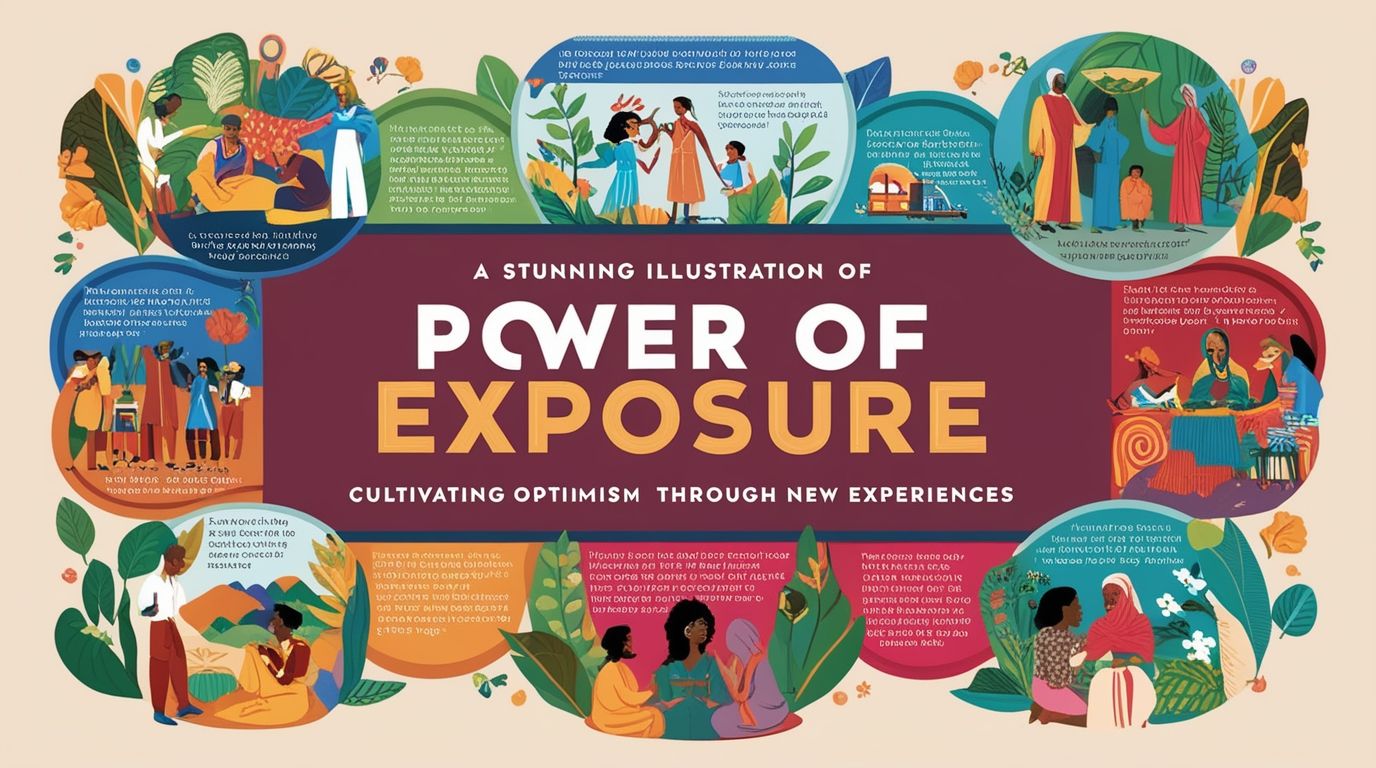
Every community has unique traditions, languages, customs, and beliefs. Wider community relationships allow people to learn about other cultures and appreciate diversity. Cultural exchange promotes unity in diversity and strengthens human relationships.
3. Supports Economic Development
Communities connected through trade, business partnerships, and cooperation contribute to economic growth. Local businesses benefit from wider markets, while international cooperation creates employment opportunities and investment.
4. Strengthens National Unity
A nation consists of various ethnic, linguistic, and cultural groups. Healthy relationships among these groups strengthen national integration and patriotism. Citizens learn to work together for common national goals.
5. Enhances Educational Opportunities
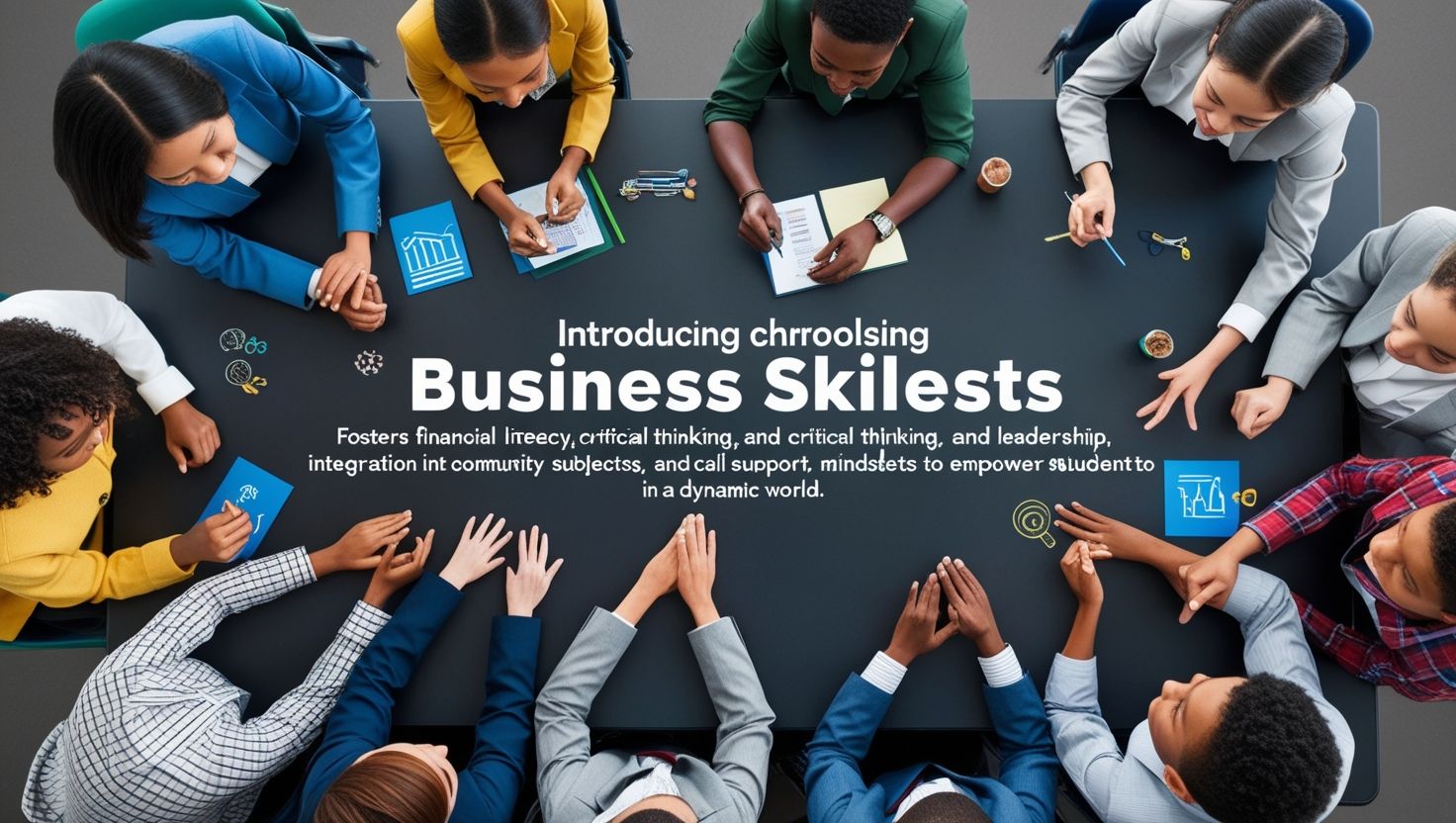
Educational relationships between communities improve learning experiences. Schools and universities exchange ideas, research, and knowledge. Students become more aware of global issues and develop critical thinking skills.
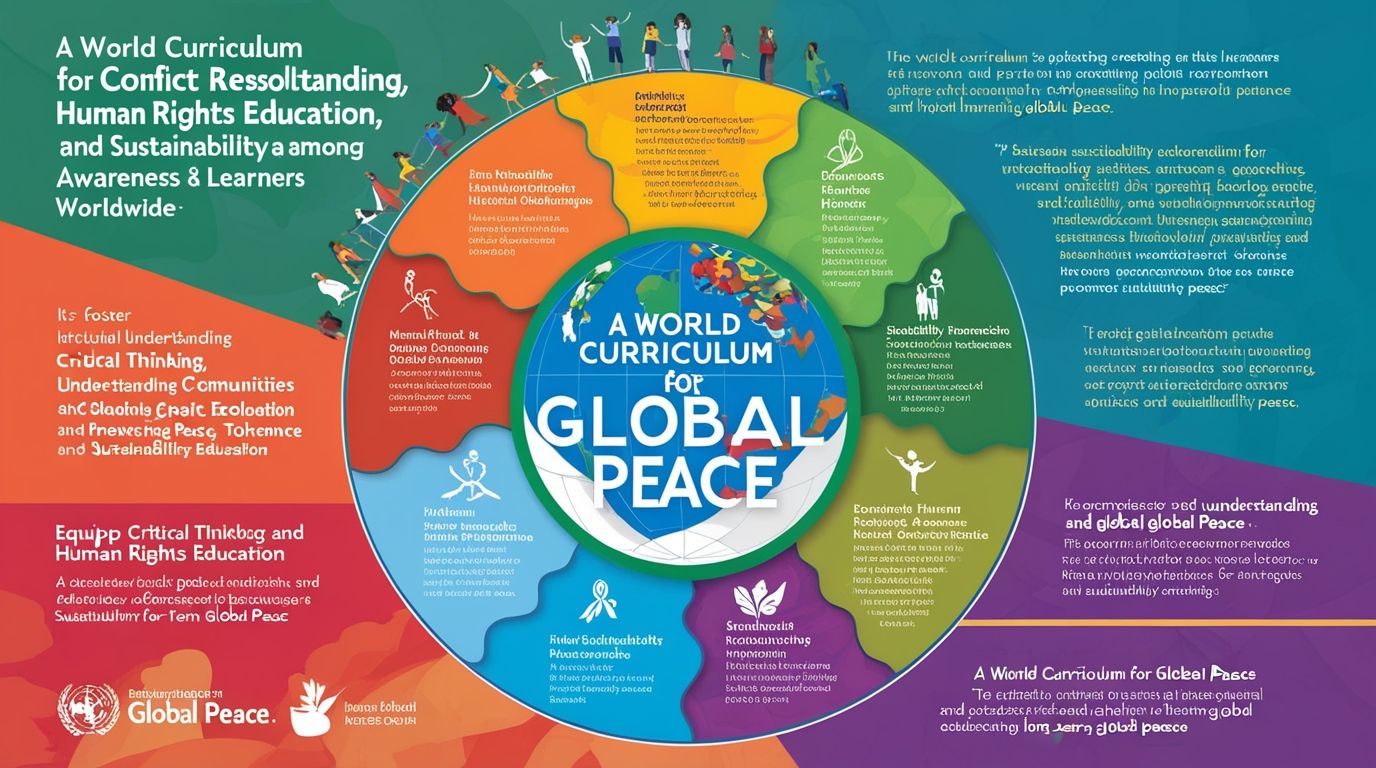
6. Promotes Global Peace
International cooperation and understanding reduce the chances of war and hostility. Nations that maintain strong relationships can solve problems through dialogue and diplomacy rather than conflict.
7. Encourages Social Responsibility
People connected with wider communities become more aware of social issues such as poverty, climate change, health crises, and human rights. They develop a sense of responsibility to contribute toward solving these challenges.
Characteristics of Wider Communities Relationship
1. Mutual Respect
Healthy community relationships are based on respect for others’ beliefs, traditions, and values. Respect builds trust and cooperation.
2. Cooperation
Communities work together to achieve common objectives such as development, education, environmental protection, and peace.
3. Communication
Effective communication is essential for understanding and maintaining relationships. Modern technology has made communication easier across the world.
4. Interdependence
Communities depend on one another economically, socially, and culturally. No society can progress entirely alone.
5. Diversity
Wider communities consist of people from different backgrounds, languages, religions, and cultures. Diversity enriches human experience.
6. Shared Responsibility
Members of wider communities share responsibilities for solving common problems affecting humanity.
Types of Wider Communities Relationship
1. Social Relationships
These involve interaction among individuals and groups through social activities, celebrations, community programs, and voluntary services.
2. Educational Relationships
Schools, colleges, and universities establish relationships through academic exchange, conferences, research collaboration, and educational programs.
3. Economic Relationships
Communities engage in trade, commerce, investment, and business partnerships that contribute to economic prosperity.
4. Cultural Relationships
Communities share cultural values, arts, music, literature, and traditions through festivals, exhibitions, and exchange programs.
5. Political Relationships
Governments and political institutions cooperate through diplomacy, treaties, and international organizations to maintain peace and development.
6. Environmental Relationships
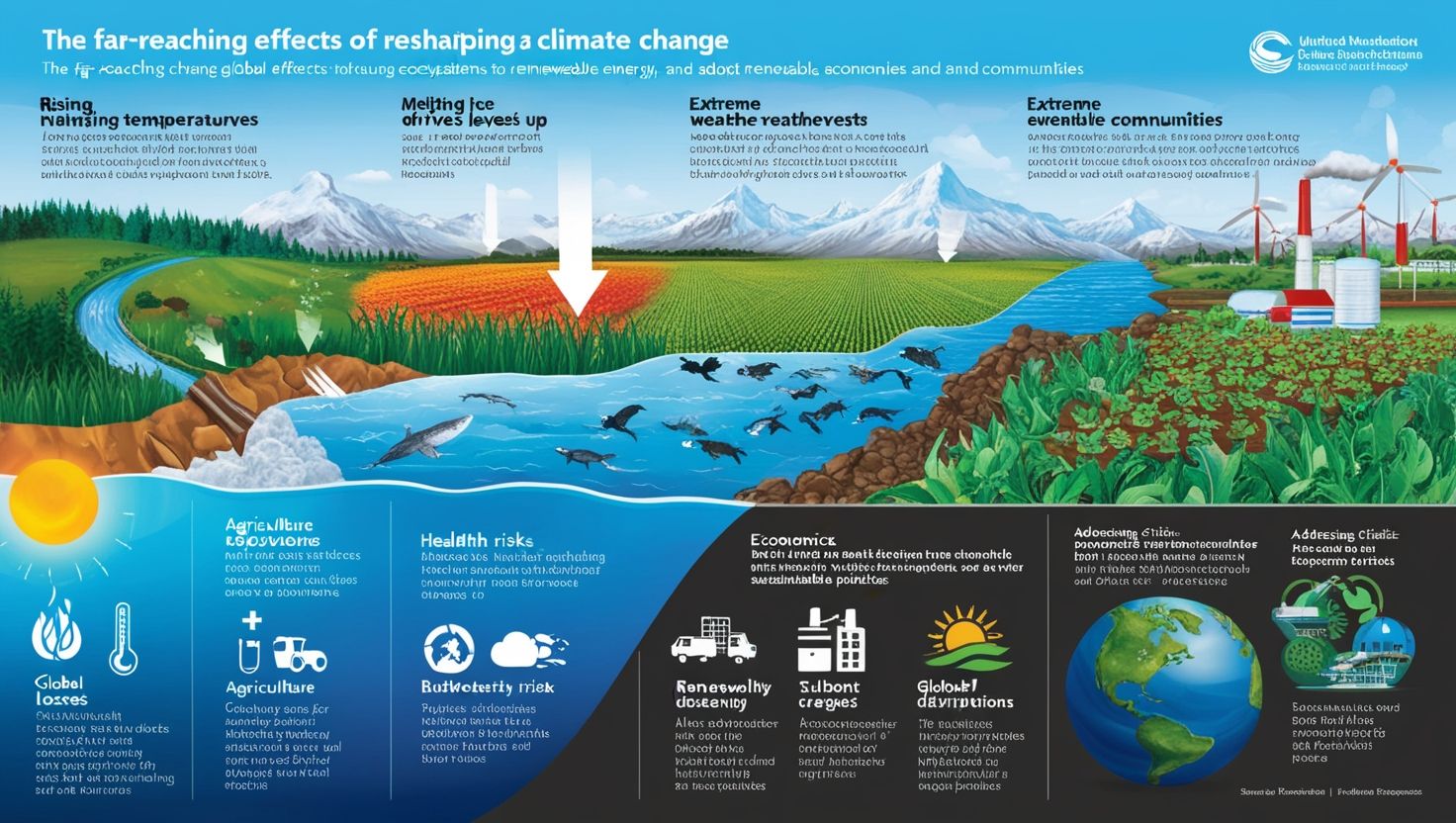
Communities work together to address environmental challenges such as pollution, climate change, deforestation, and conservation.
7. Religious and Humanitarian Relationships
Religious groups and humanitarian organizations promote charity, compassion, social welfare, and support for vulnerable populations.
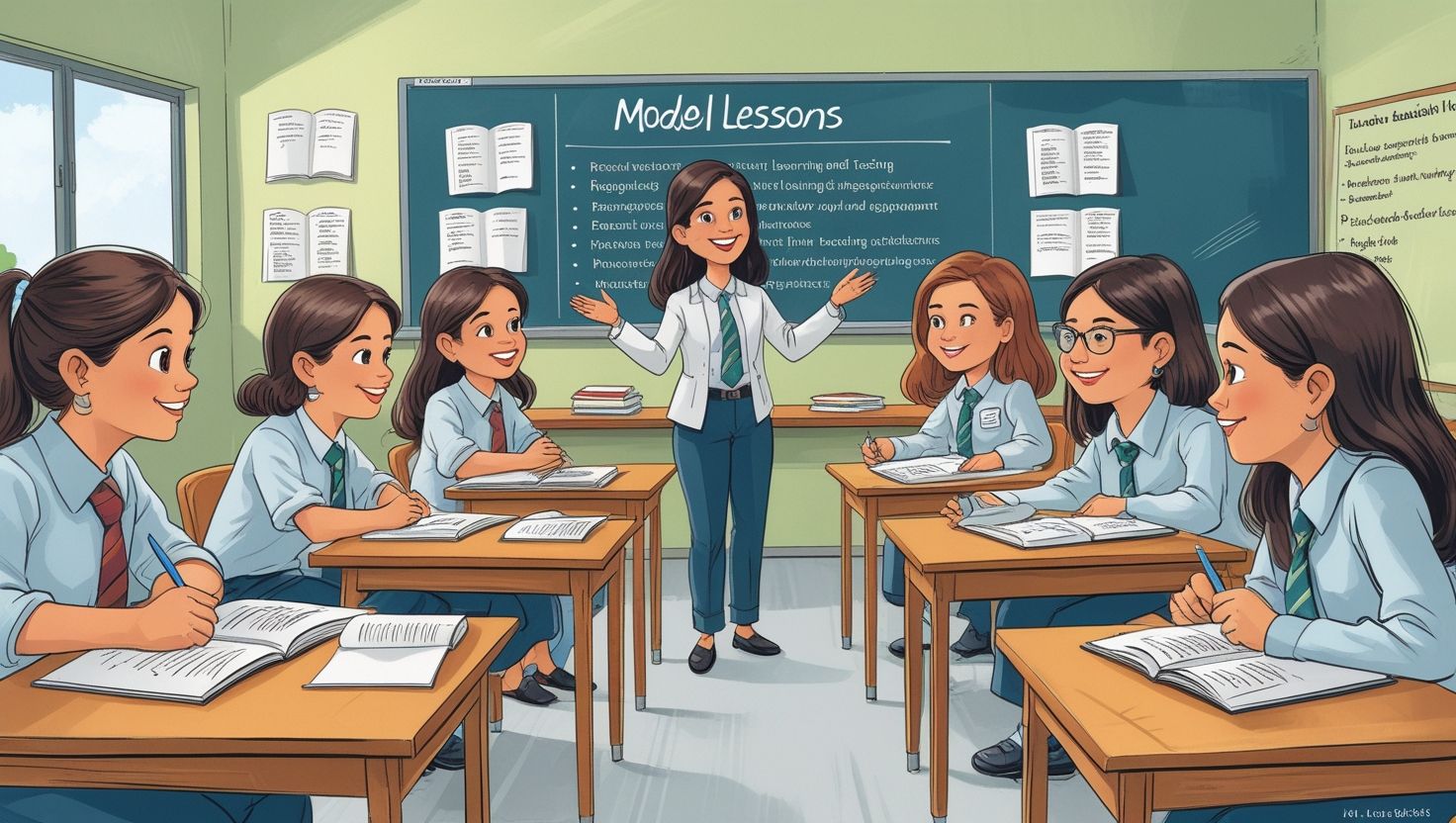
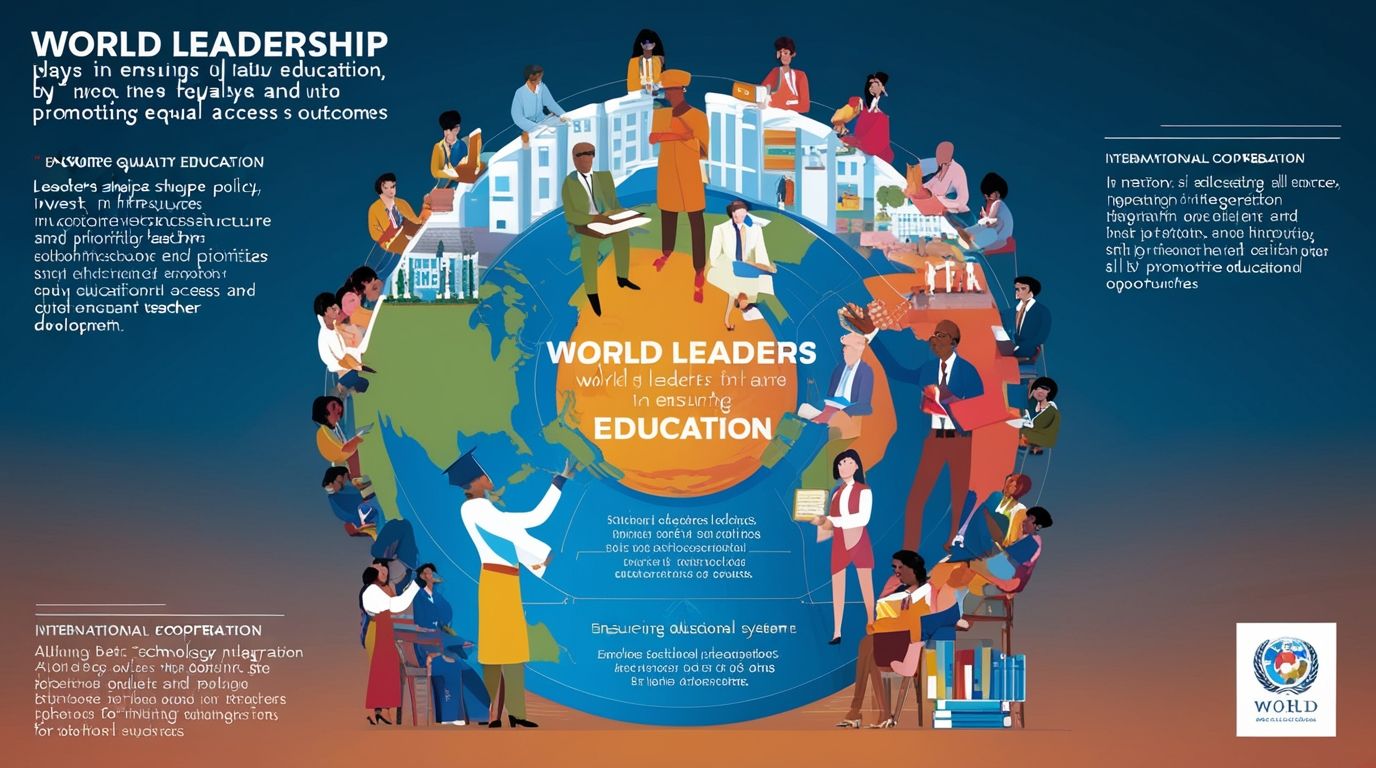
Role of Education in Wider Community Relationships
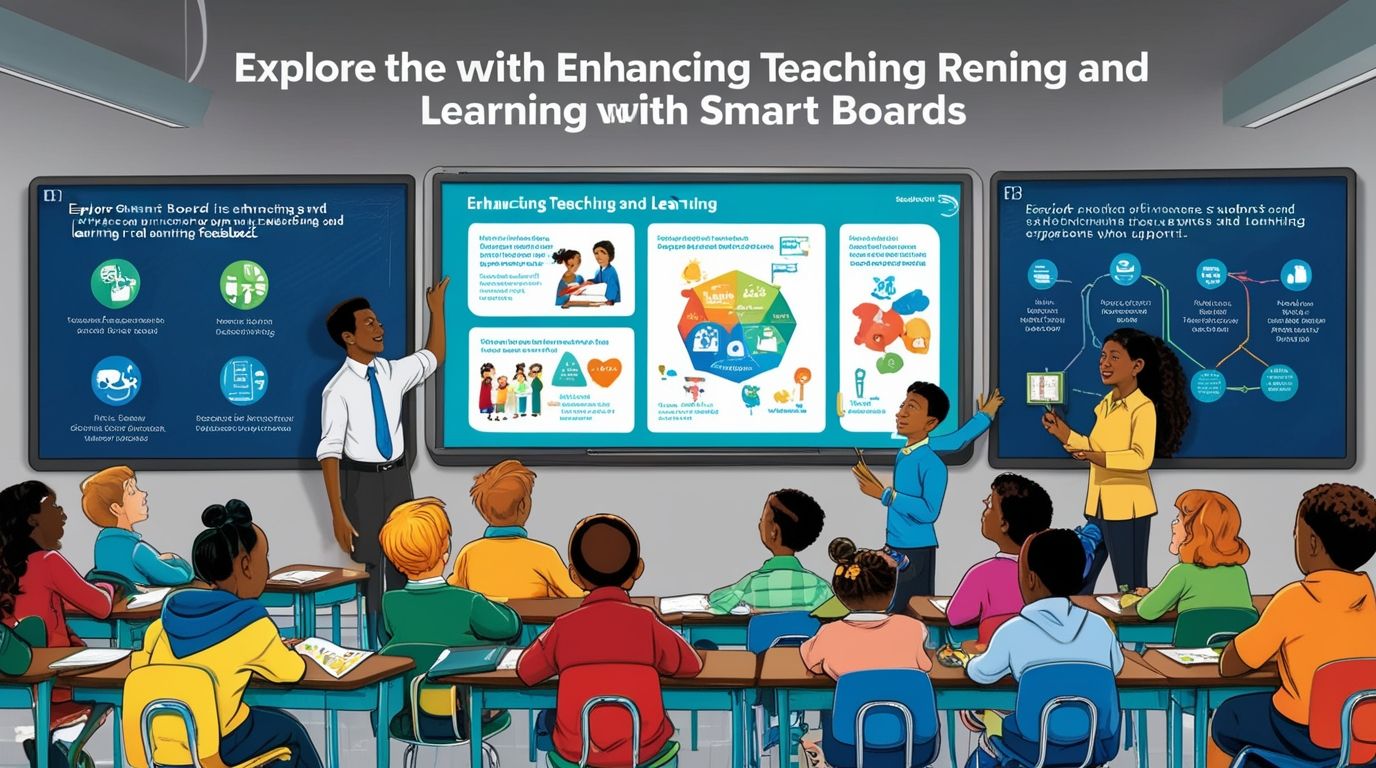
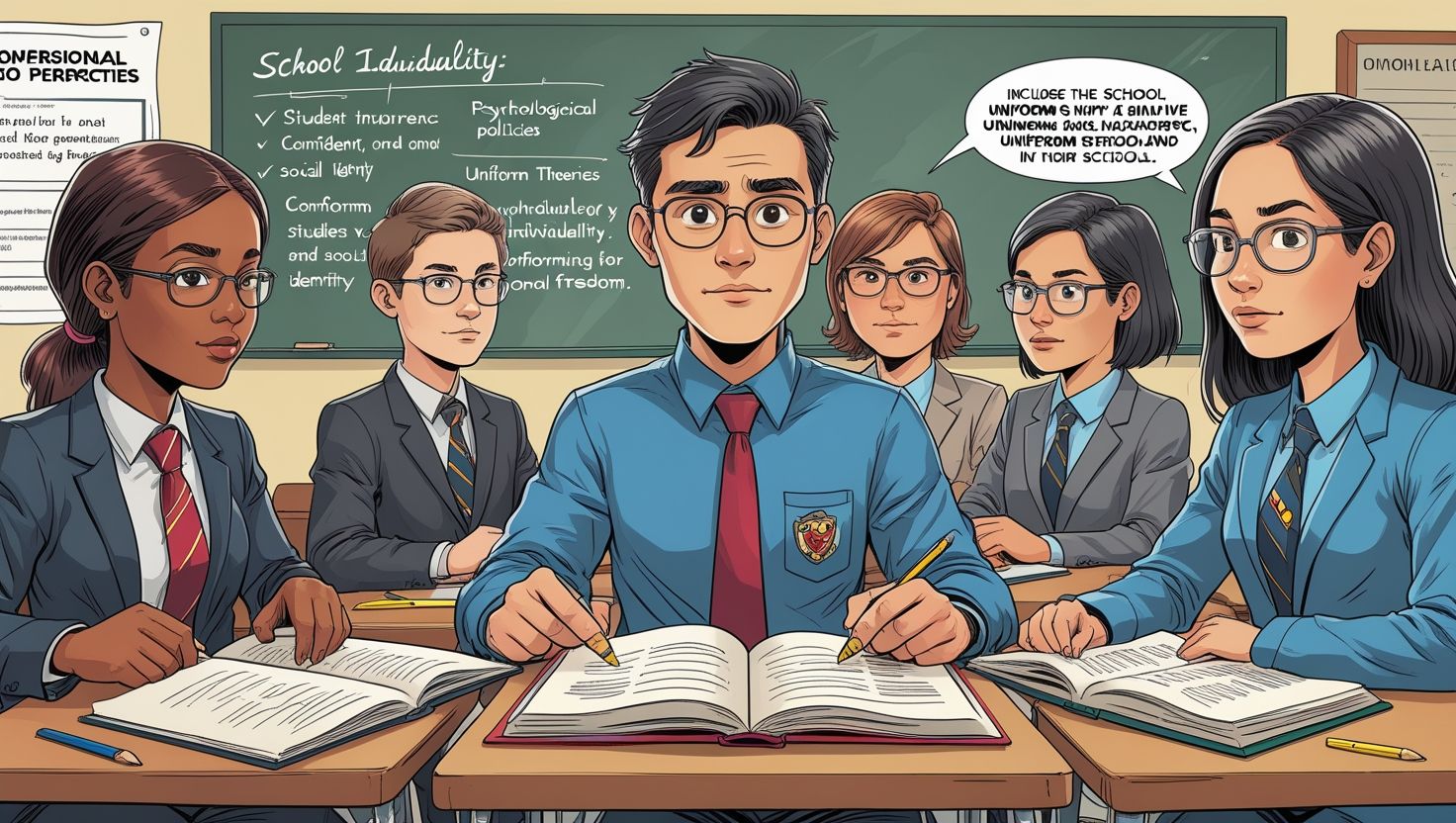
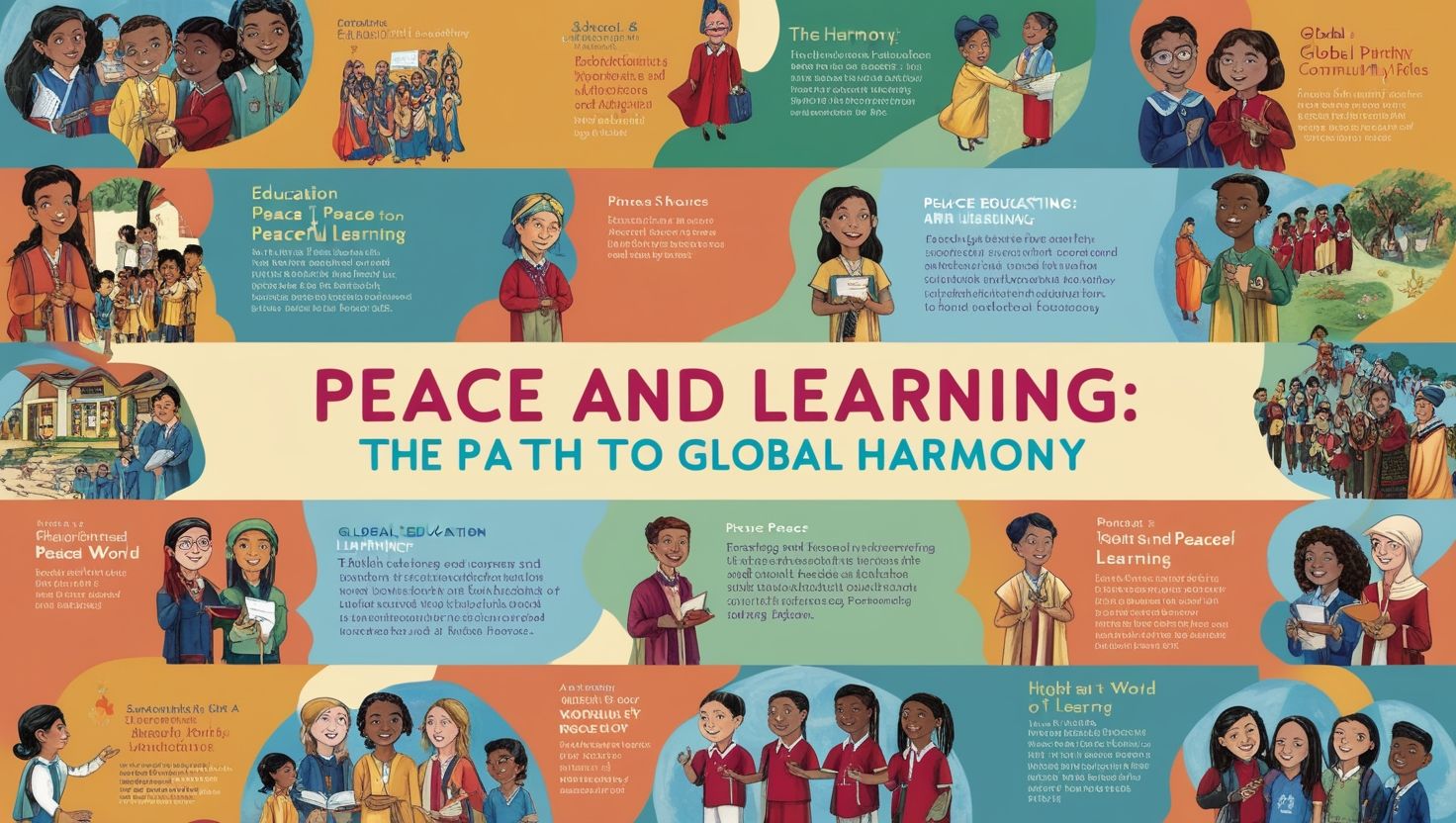
Education plays a central role in developing positive relationships with wider communities. Schools are not only centers of learning but also institutions that shape social attitudes and values.
1. Promoting Tolerance and Respect
Educational institutions teach students to respect diversity and appreciate different cultures and opinions.
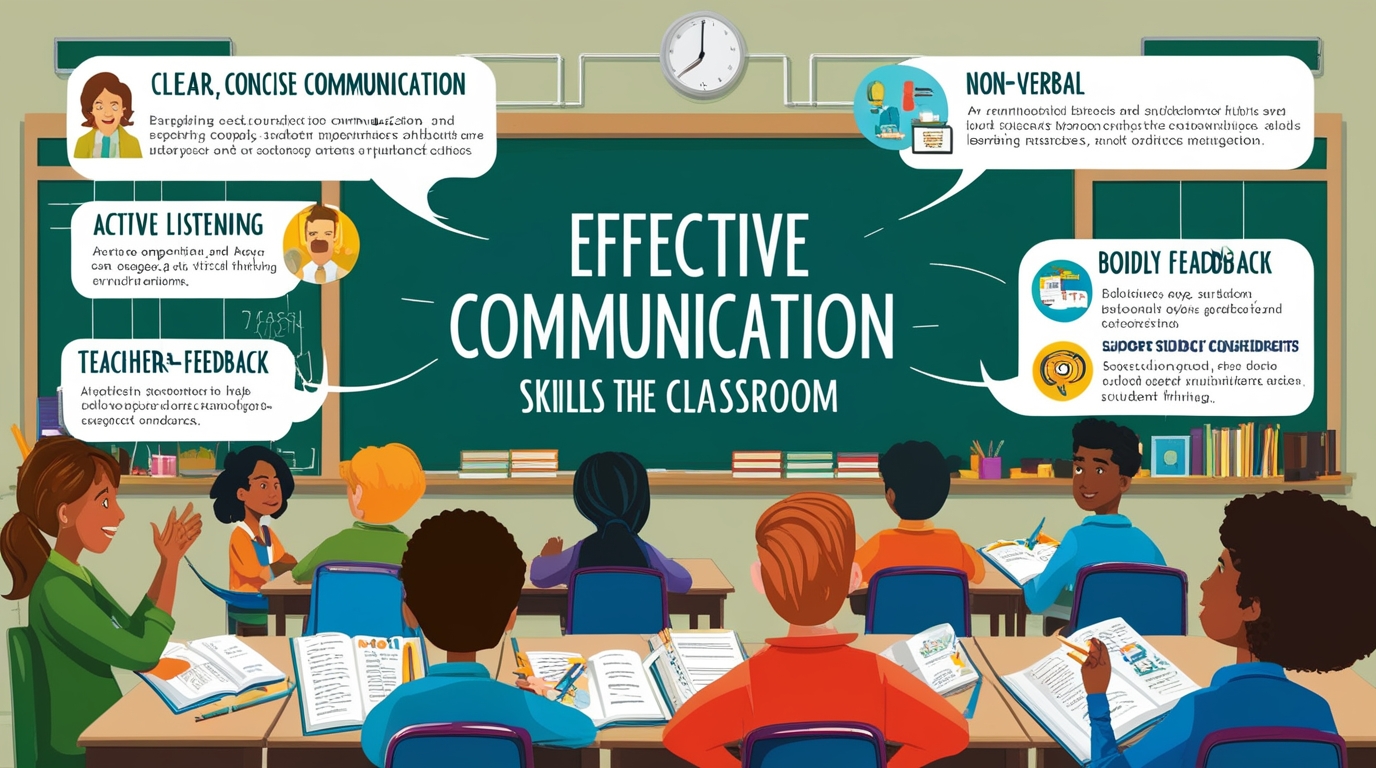
2. Developing Communication Skills
Students learn effective communication, teamwork, and collaboration skills necessary for interacting with people from various backgrounds.
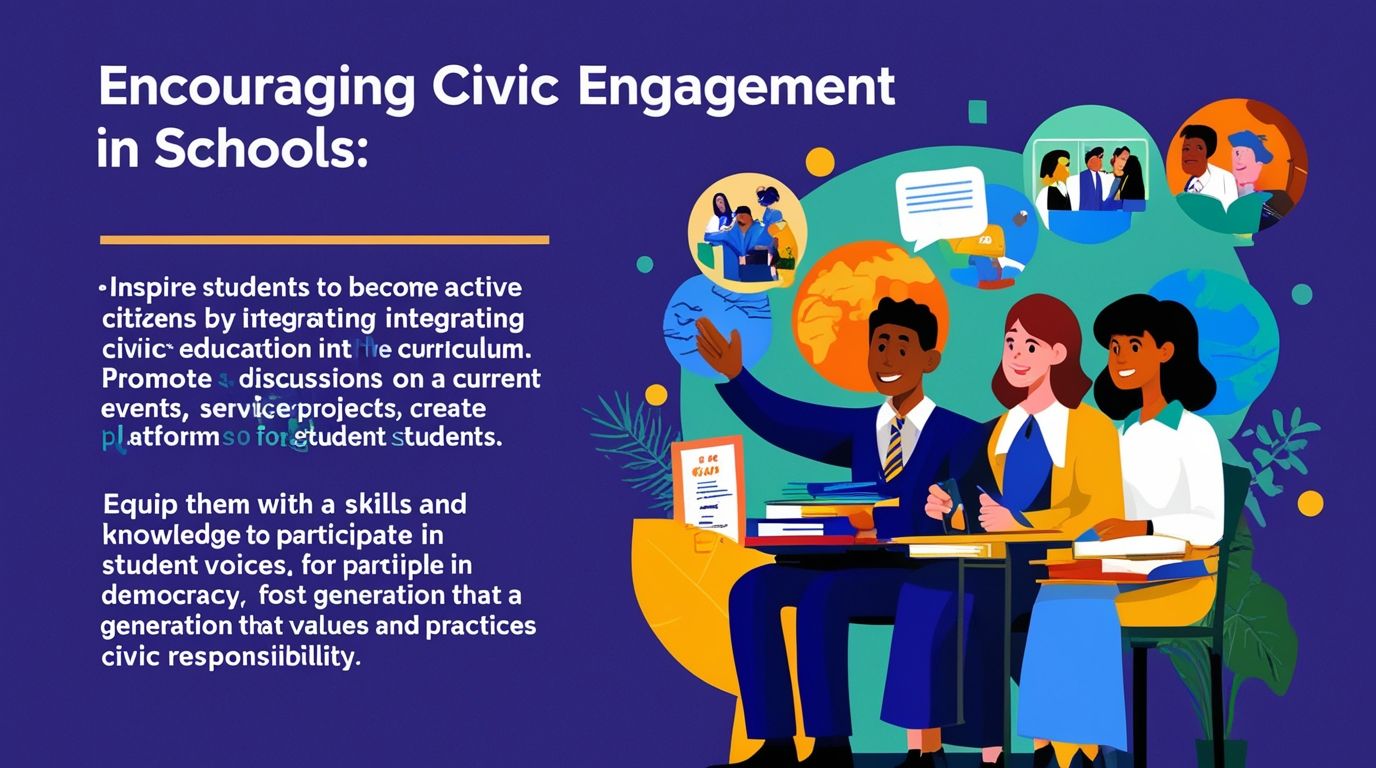
3. Encouraging Civic Responsibility
Education encourages students to participate actively in community service and social development activities.
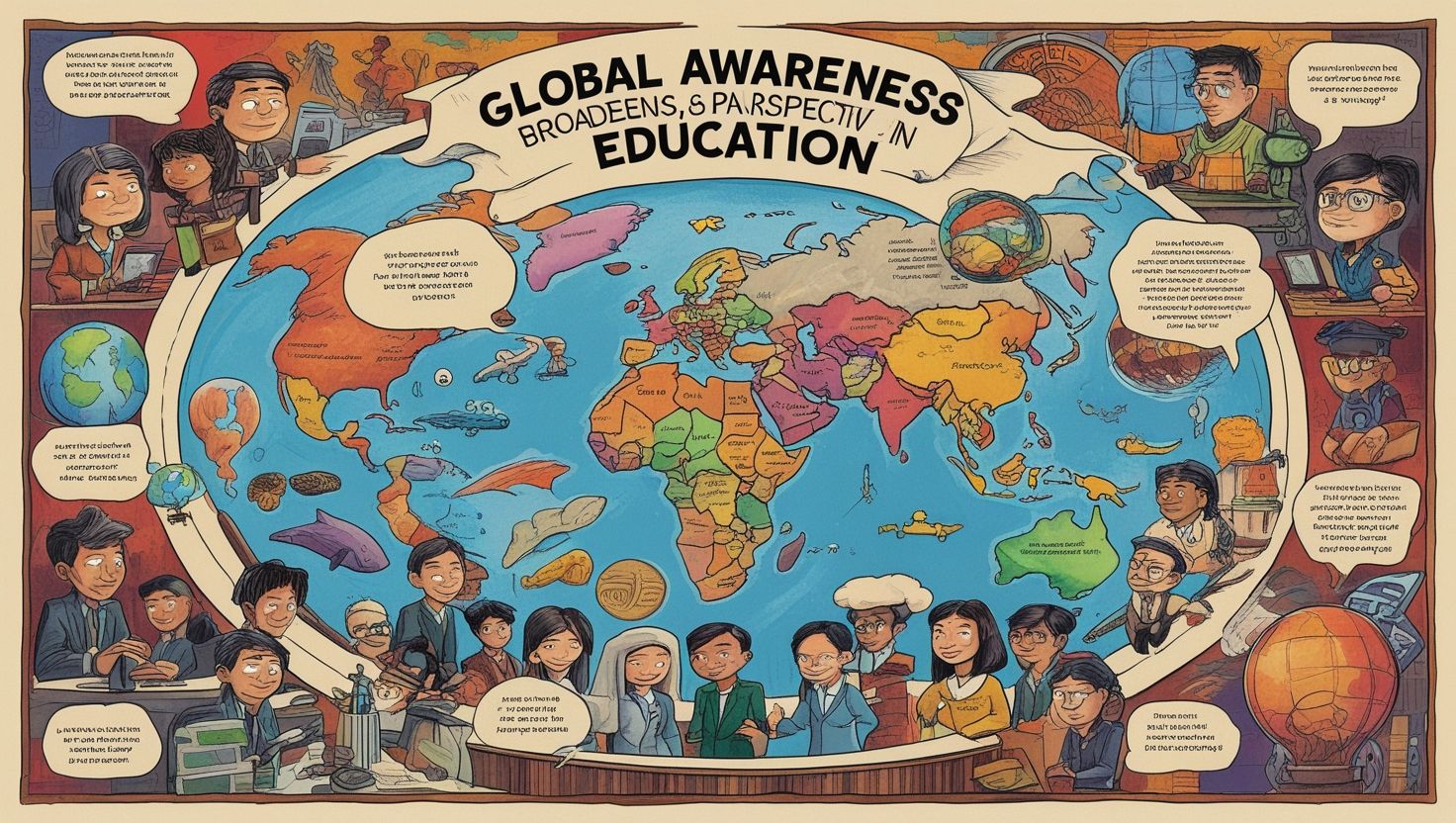
4. Global Awareness
Modern education introduces learners to global issues such as climate change, poverty, peace, and human rights.
5. Technology and Connectivity
Digital learning platforms connect students and teachers worldwide, promoting international understanding and cooperation.
Role of Family in Wider Community Relationships
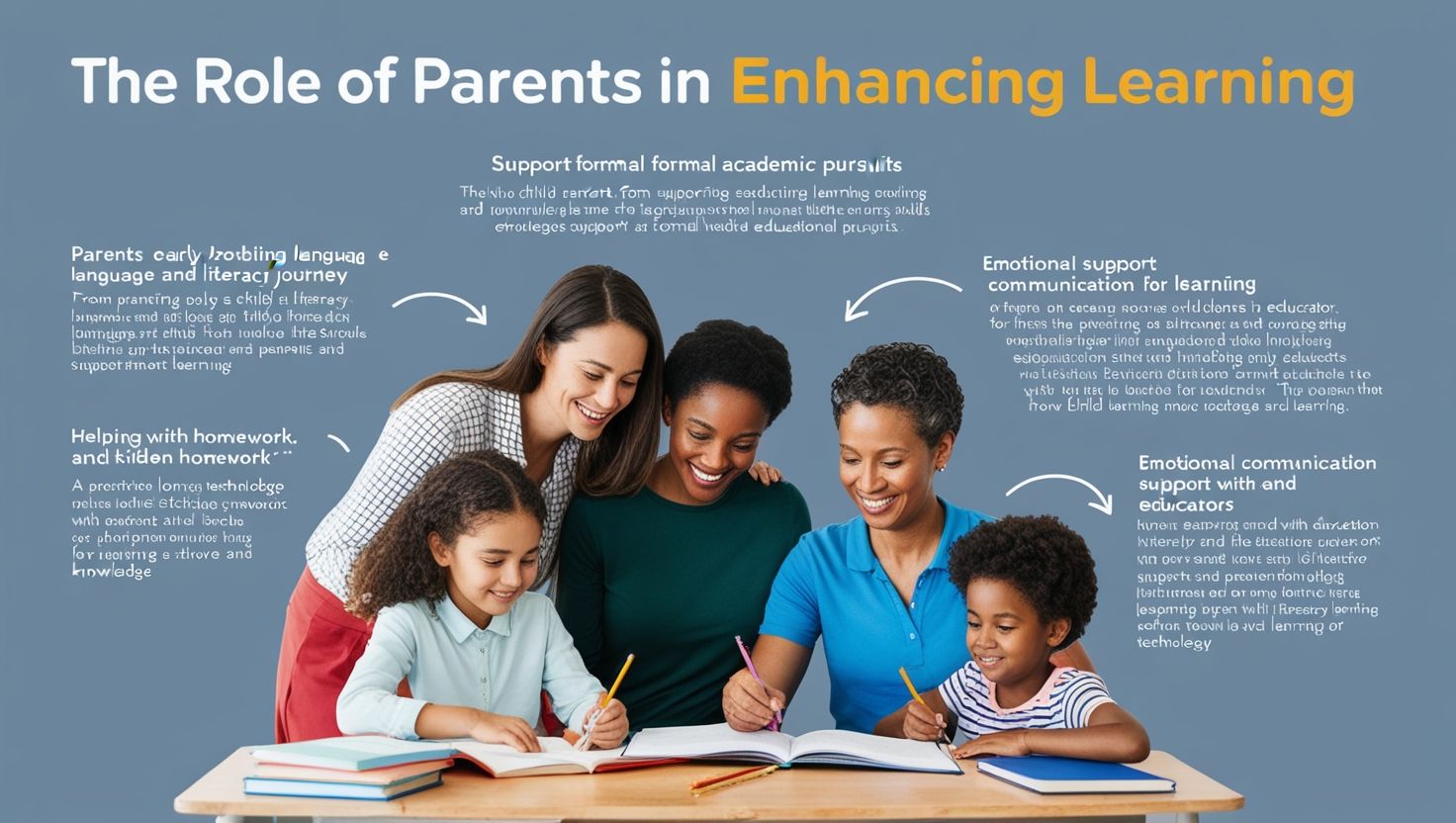
Family is the first institution where individuals learn social values and behavior. Parents influence children’s attitudes toward others and society.
Families promote wider community relationships by:
- Teaching respect for others
- Encouraging participation in social activities
- Promoting kindness and cooperation
- Supporting cultural understanding
- Encouraging volunteerism and charity
Strong family values help individuals become responsible members of wider communities.
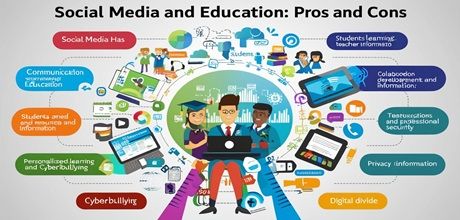
Role of Media and Technology
Modern media and technology have transformed community relationships globally.
Positive Contributions
- Instant communication across countries
- Access to information and education
- Cultural exchange through digital platforms
- Awareness of global issues
- Online collaboration and learning
Negative Effects
- Spread of misinformation
- Cultural conflicts
- Cyberbullying and online hatred
- Loss of local cultural identity
Therefore, media and technology should be used responsibly to strengthen positive relationships among communities.
Benefits of Wider Communities Relationship
1. Exchange of Knowledge and Ideas
Communities learn from one another’s experiences, innovations, and achievements.
2. Increased Opportunities
People gain educational, professional, and economic opportunities through wider networks.
3. Peaceful Coexistence
Respectful relationships reduce prejudice, racism, and violence.
4. Collective Problem Solving
Communities can work together to address common challenges such as disease outbreaks and natural disasters.
5. Personal Growth
Interaction with diverse people broadens perspectives and develops confidence, empathy, and leadership skills.
6. Cultural Enrichment
Exposure to different traditions and lifestyles enriches cultural understanding and creativity.
Challenges in Wider Communities Relationship
Despite many benefits, maintaining positive wider community relationships faces several challenges.
1. Cultural Differences
Differences in beliefs, traditions, and lifestyles sometimes create misunderstandings and conflicts.
2. Language Barriers
Communication difficulties may prevent effective interaction among communities.
3. Prejudice and Discrimination
Racism, intolerance, and stereotypes damage relationships and create social divisions.
4. Economic Inequality
Unequal distribution of wealth and resources can lead to resentment and social tension.
5. Political Conflicts
Political disagreements and international disputes may weaken cooperation.
6. Misuse of Technology
Social media can spread hatred, false information, and division among communities.
7. Lack of Education
Ignorance and lack of awareness often contribute to intolerance and misunderstanding.
Ways to Strengthen Wider Communities Relationship
1. Promote Quality Education
Education should focus on moral values, tolerance, citizenship, and global awareness.
2. Encourage Community Participation
People should participate in social welfare, volunteer programs, and community development activities.
3. Organize Cultural Exchange Programs
Cultural festivals, exchange visits, and educational tours help communities understand one another better.
4. Develop Communication Skills
Effective communication reduces misunderstandings and promotes cooperation.
5. Use Media Responsibly
Media organizations should promote truth, peace, and positive social values.
6. Encourage Dialogue and Cooperation
Communities and nations should solve disputes through dialogue rather than violence.
7. Promote Equality and Justice
Equal rights and opportunities strengthen trust and unity among people.
8. Support International Organizations
Organizations such as the United Nations promote peace, development, and cooperation worldwide.
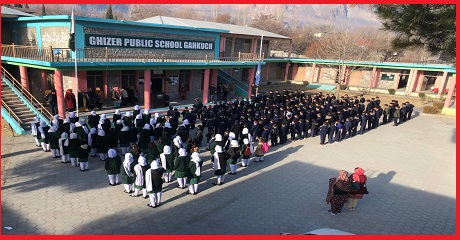
Wider Community Relationship in Educational Institutions
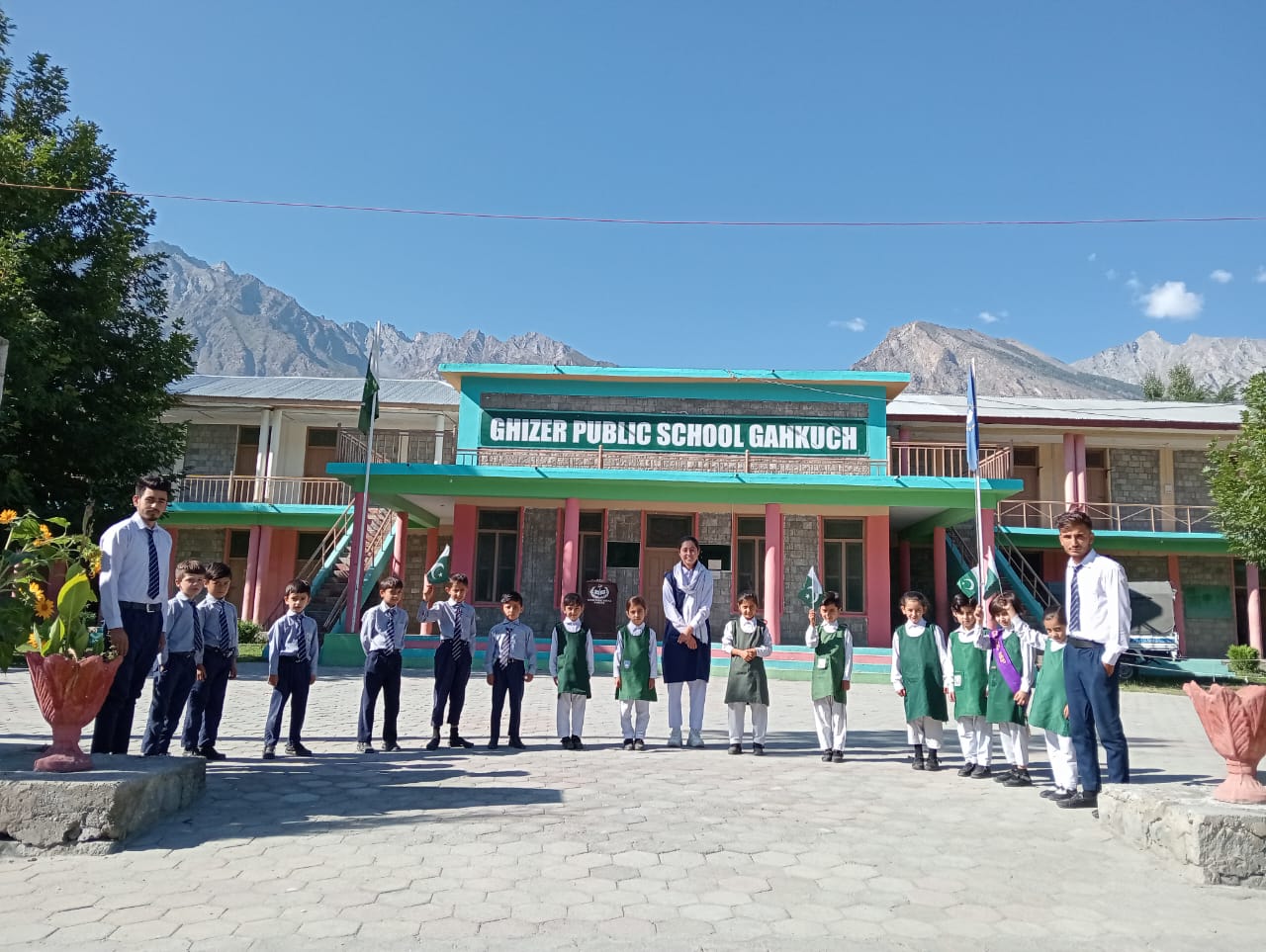
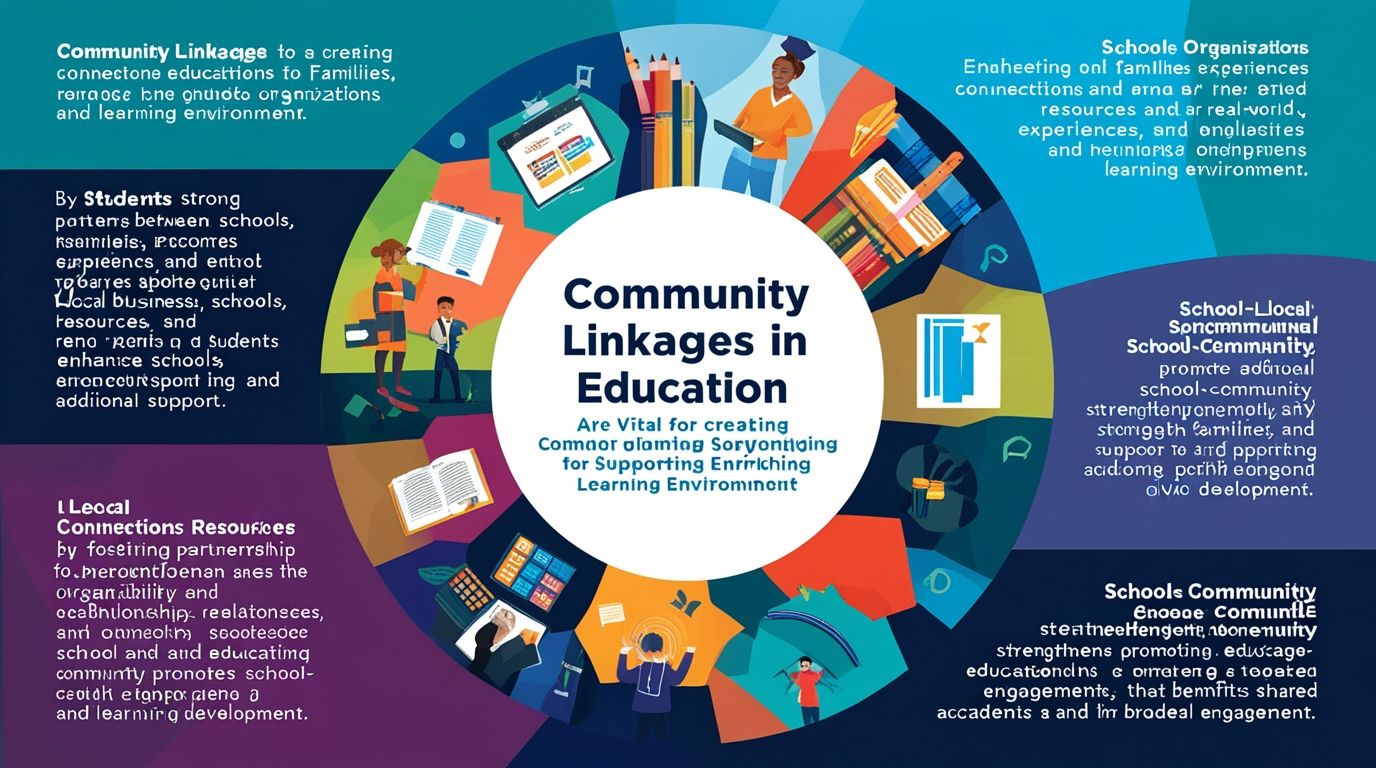
Schools and colleges play an important role in connecting students with wider communities. Educational institutions organize activities such as:
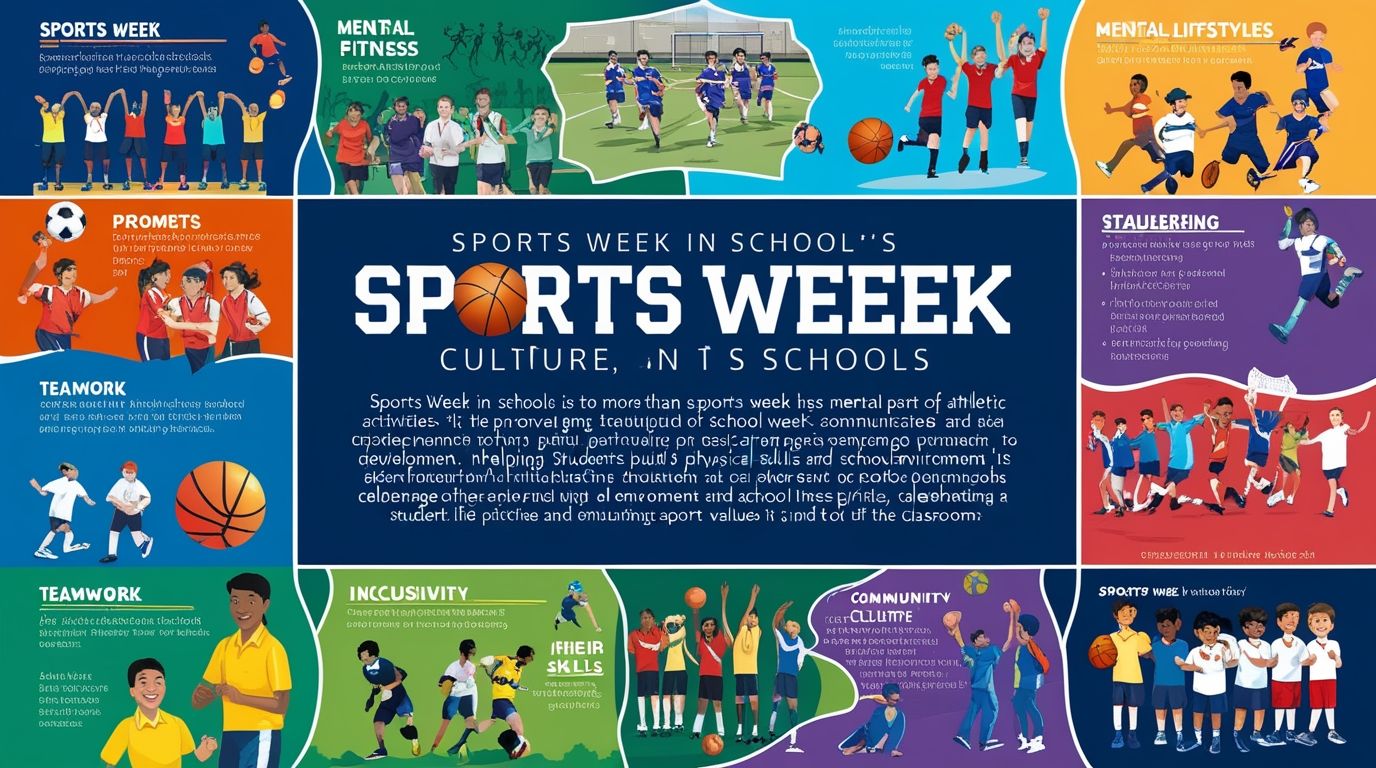
- Community service programs
- Environmental campaigns
- Inter-school competitions
- Educational conferences
- Charity activities
- Cultural events
- Awareness seminars
Such activities develop leadership, teamwork, empathy, and social responsibility among students.
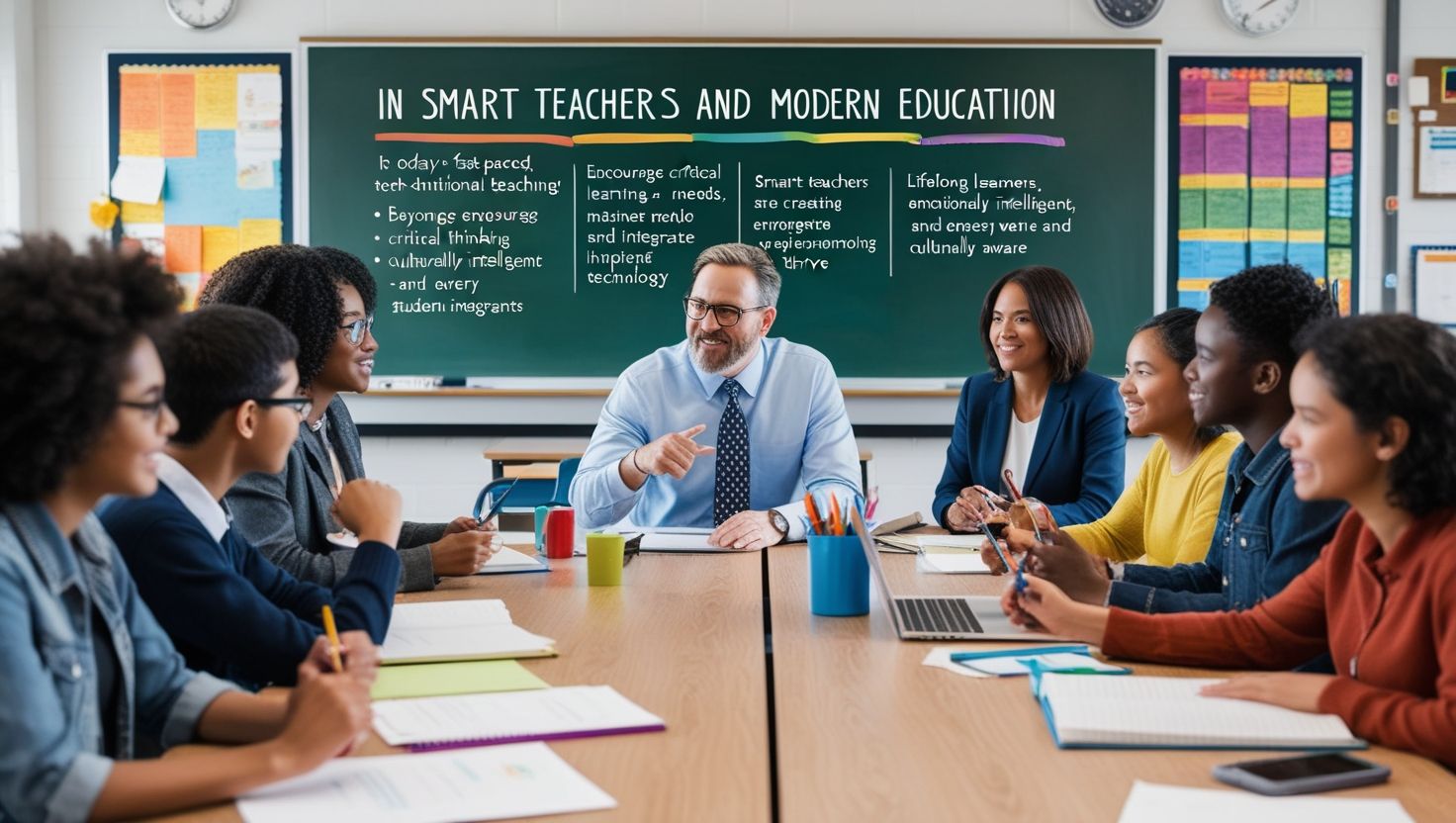
Teachers also serve as role models by encouraging positive attitudes toward society and humanity.
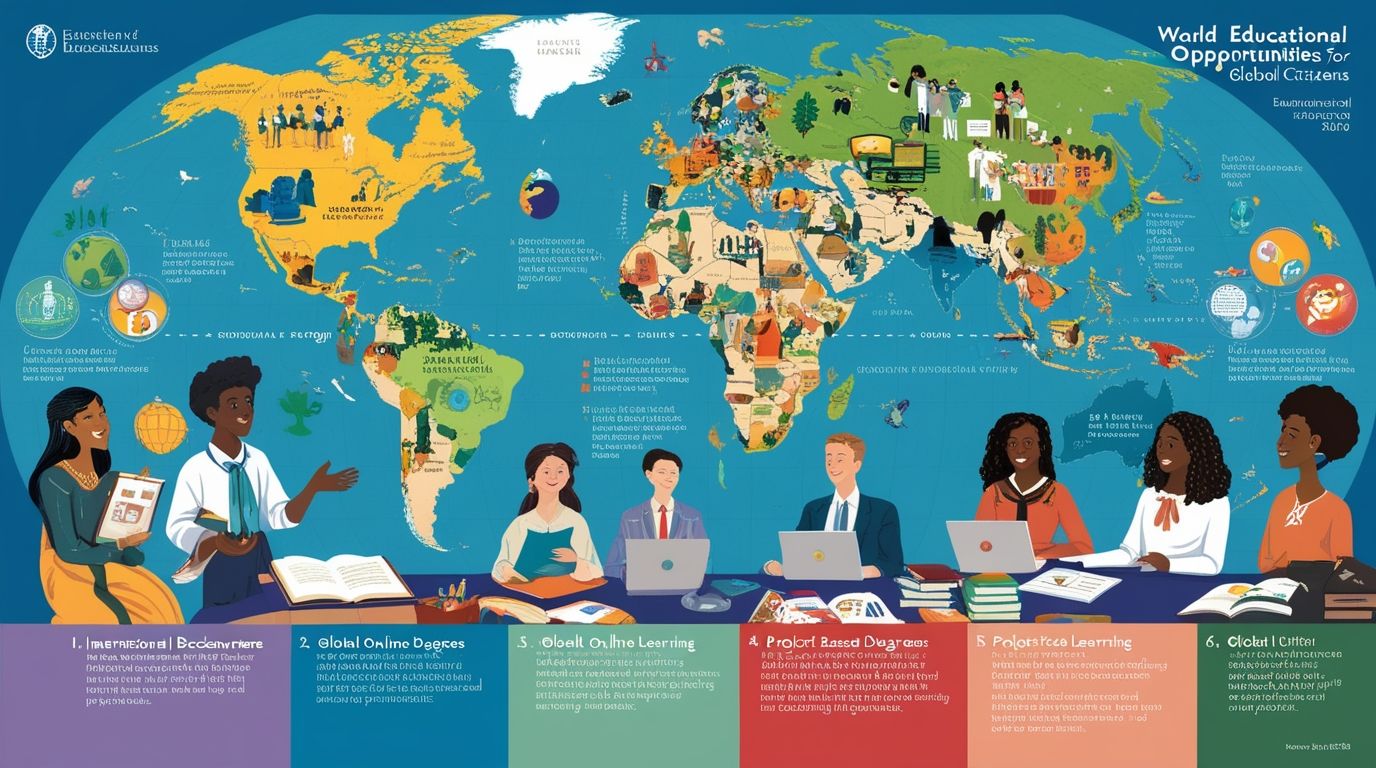
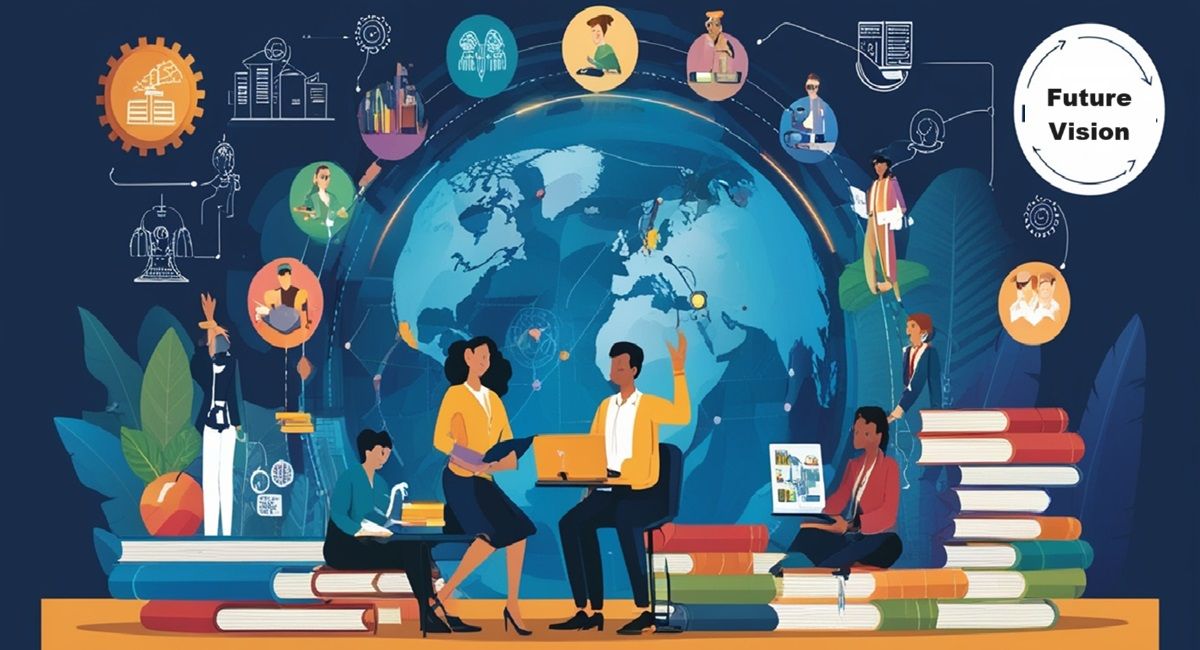
Relationship Between Local and Global Communities
In the modern era, local communities are deeply connected with global communities. Issues such as climate change, pandemics, terrorism, and economic crises affect all nations. Therefore, local actions have global consequences.
For example:
- Environmental pollution in one country affects the global climate.
- Disease outbreaks can spread worldwide.
- Technological innovations benefit humanity globally.
- International trade influences local economies.
This interconnectedness highlights the importance of cooperation between local and global communities.
Moral and Ethical Values in Wider Community Relationships
Strong moral values are essential for healthy community relationships. These values include:
- Honesty
- Respect
- Kindness
- Tolerance
- Justice
- Compassion
- Responsibility
Ethical behavior strengthens trust and cooperation among people. Societies that promote moral education are more likely to maintain peaceful and productive relationships.
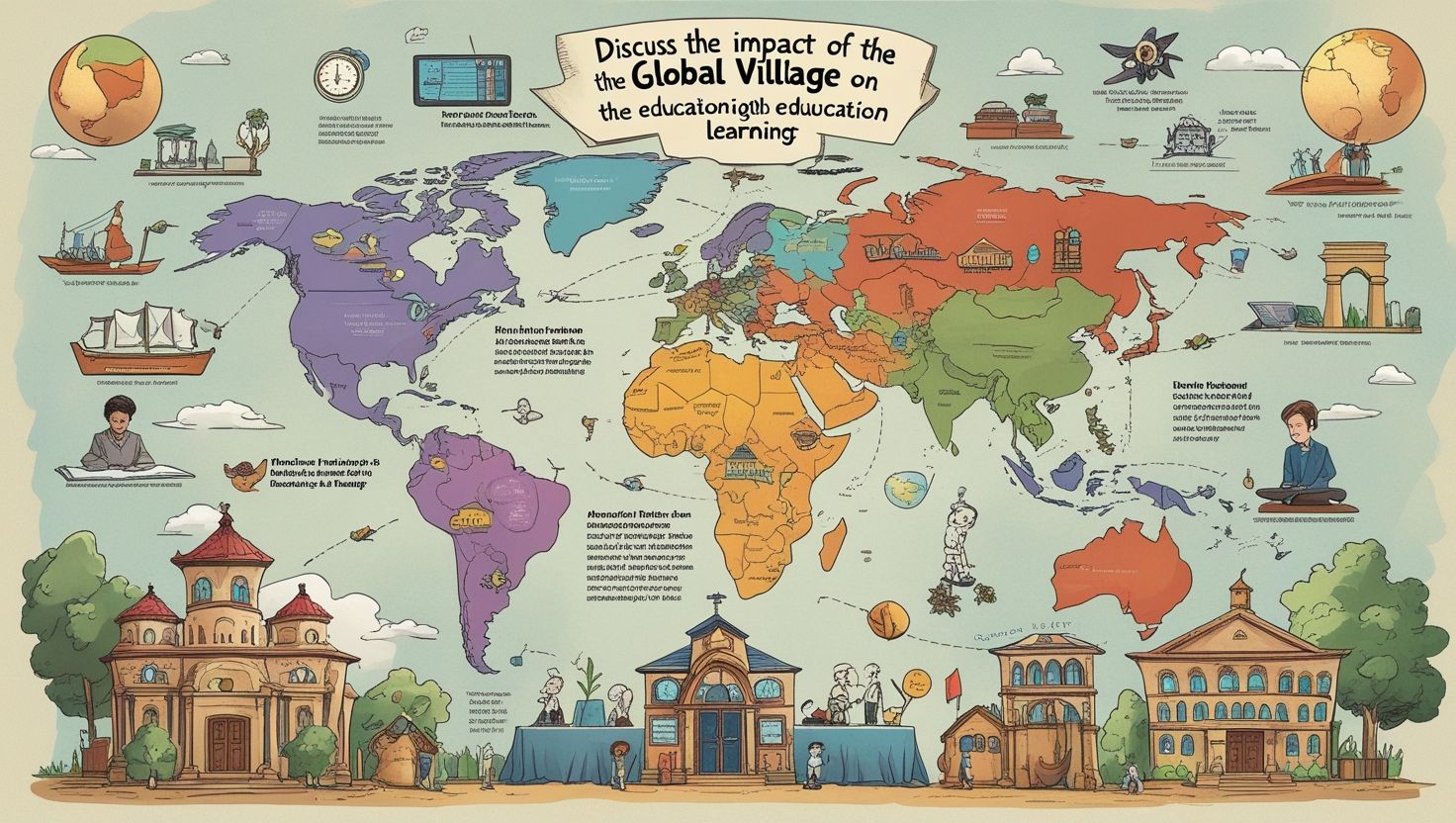
Impact of Globalization on Community Relationships
Globalization has increased interaction among communities worldwide. It has both positive and negative effects.
Positive Effects
- Faster communication
- Greater economic cooperation
- Access to global education
- Cultural exchange
- Technological advancement
Negative Effects
- Cultural homogenization
- Loss of traditional values
- Economic exploitation
- Increased competition
Therefore, communities must balance modernization with preservation of cultural identity and values.
Conclusion
The concept of wider communities relationship is essential for building peaceful, progressive, and harmonious societies. In an increasingly interconnected world, individuals and communities cannot live in isolation. Cooperation, communication, respect, and understanding among communities are necessary for social development and global stability.
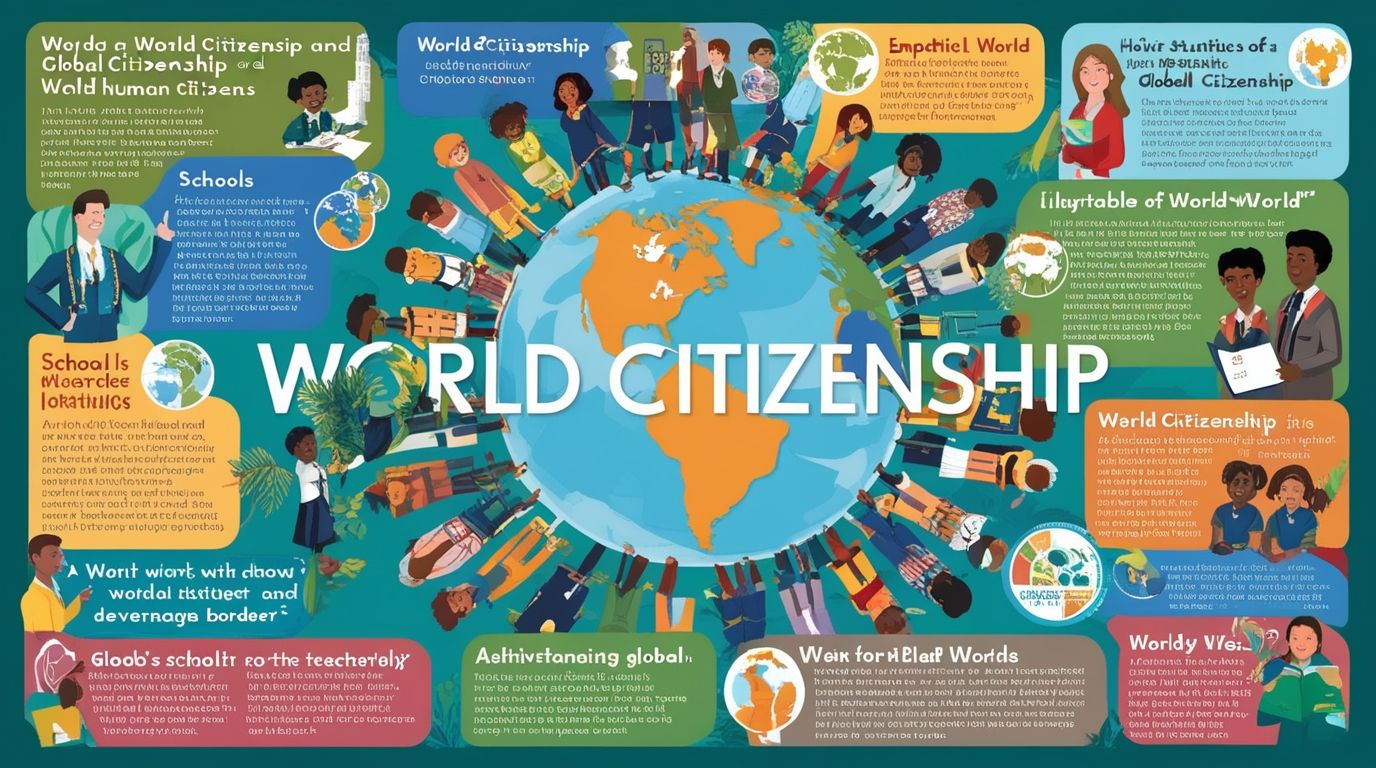
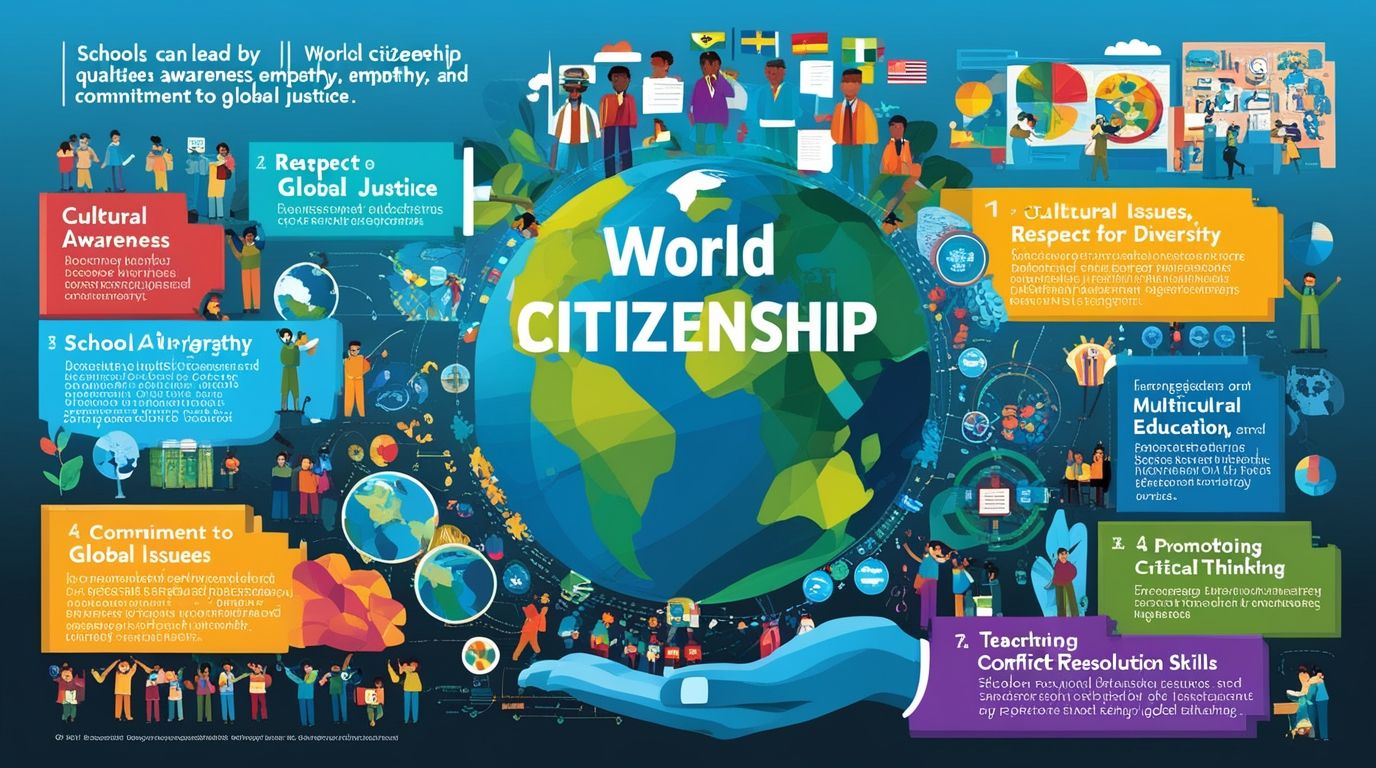
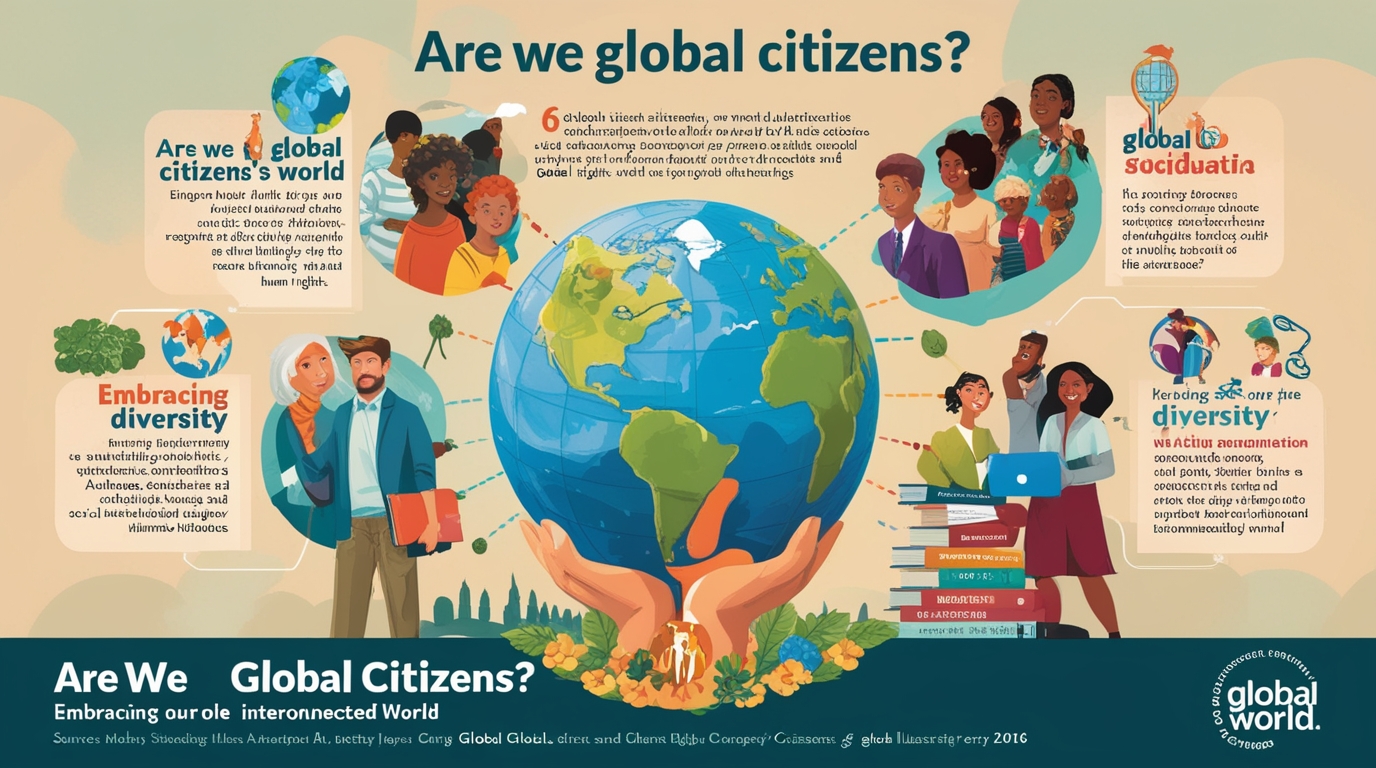
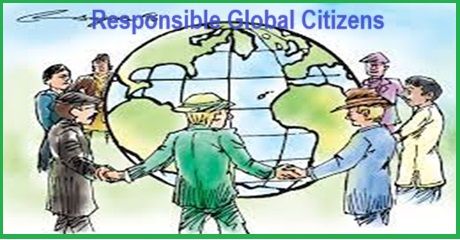
Positive relationships with wider communities promote cultural understanding, economic growth, educational advancement, and collective problem-solving. They help individuals become responsible global citizens who contribute positively to humanity.
Education, family, media, governments, and international organizations all play important roles in strengthening these relationships. At the same time, challenges such as prejudice, inequality, political conflict, and misuse of technology must be addressed wisely.
A strong wider community relationship creates a world where people respect diversity, work together for common goals, and support one another in times of need. By promoting tolerance, cooperation, and shared responsibility, humanity can build a more peaceful, just, and sustainable future for generations to come.