Introduction
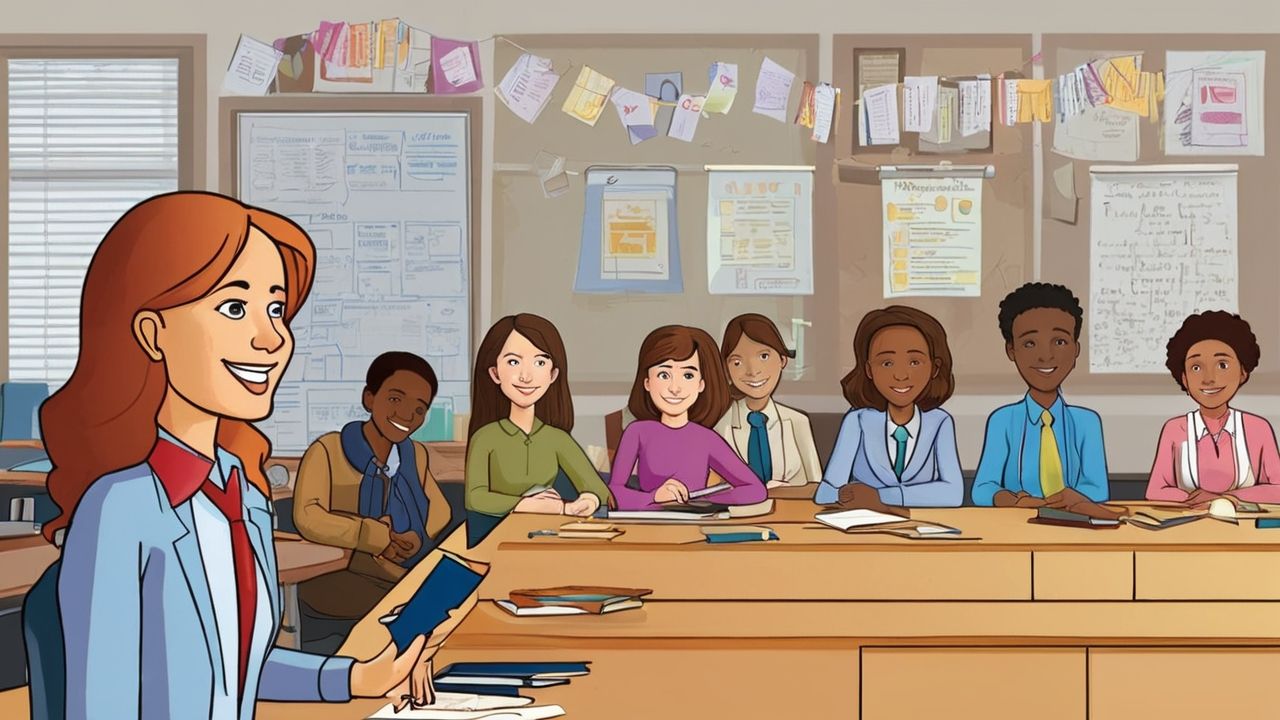
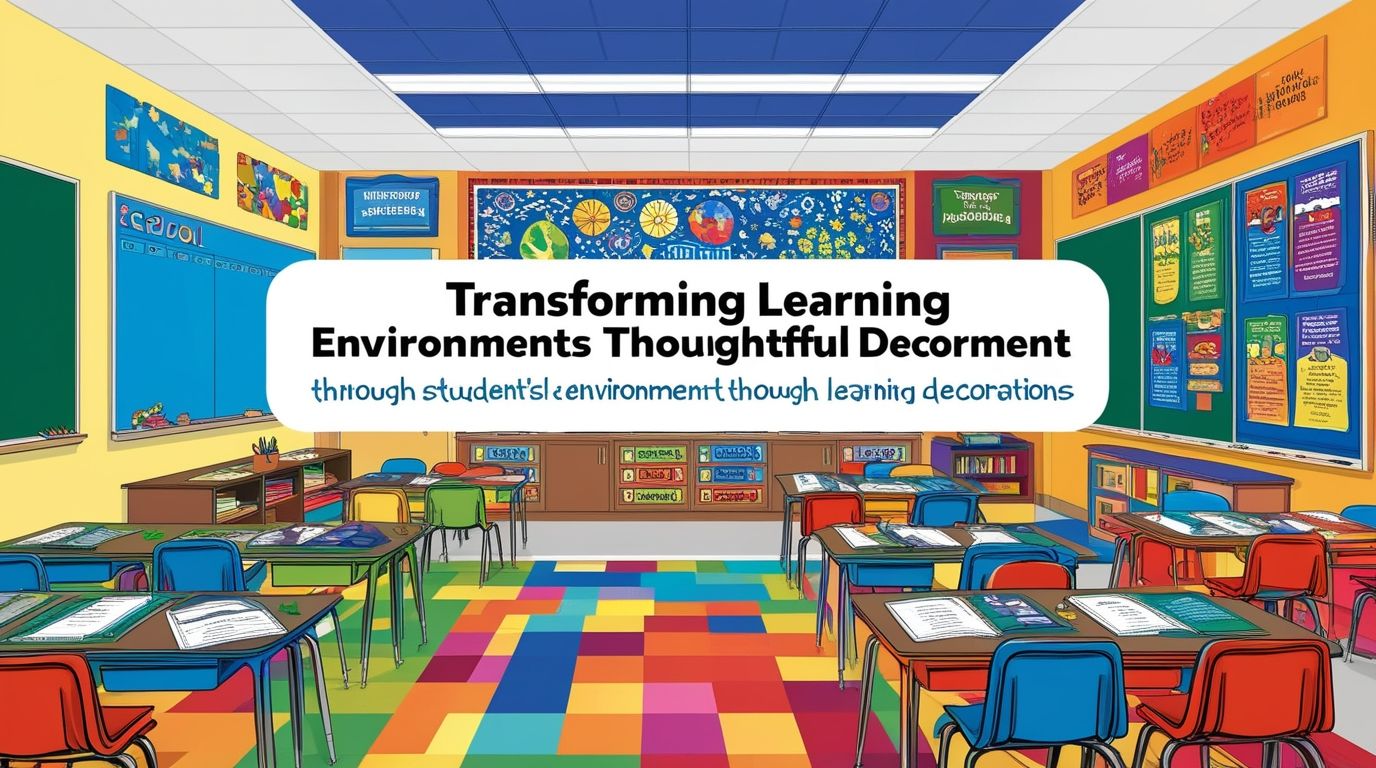
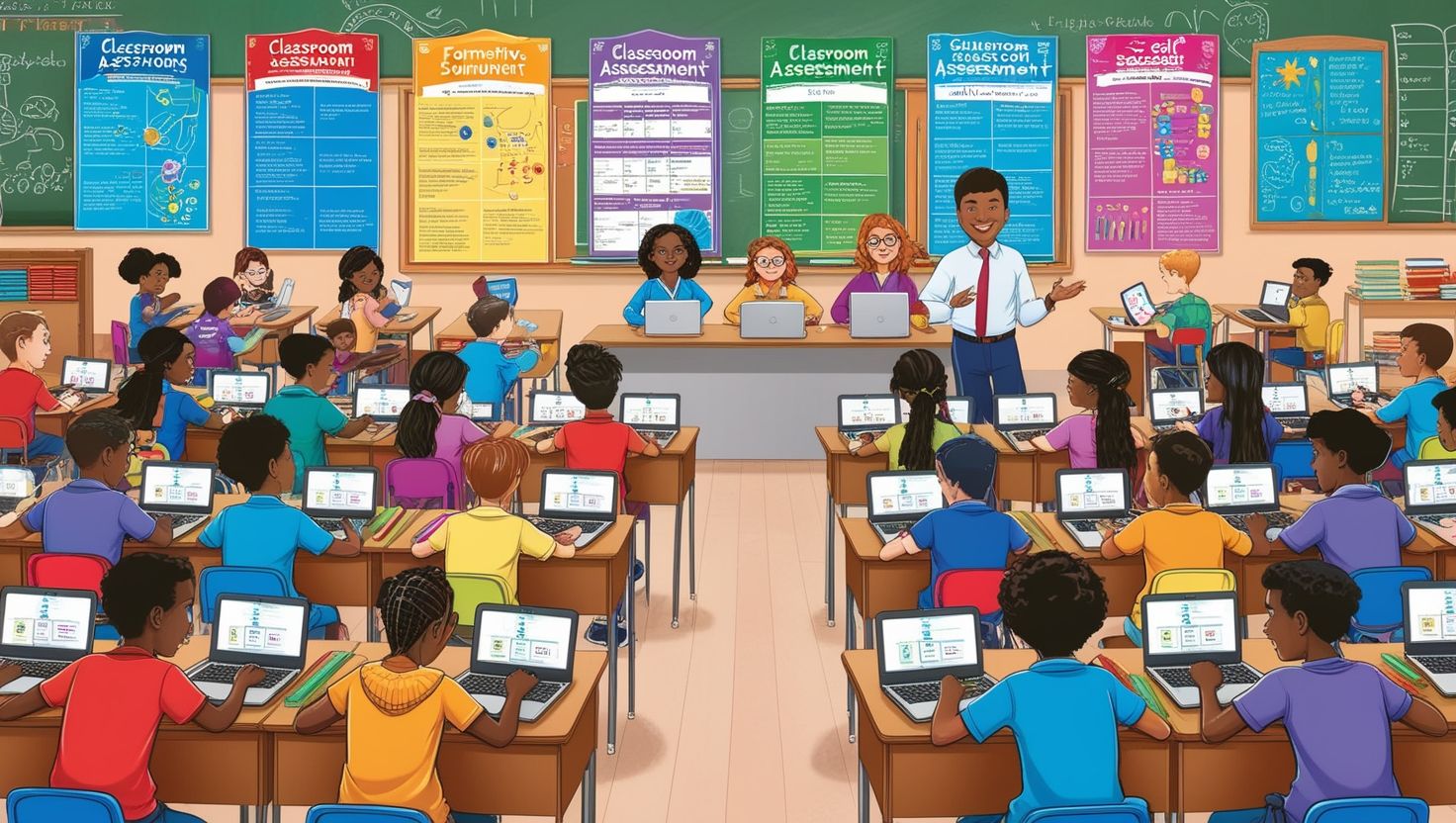
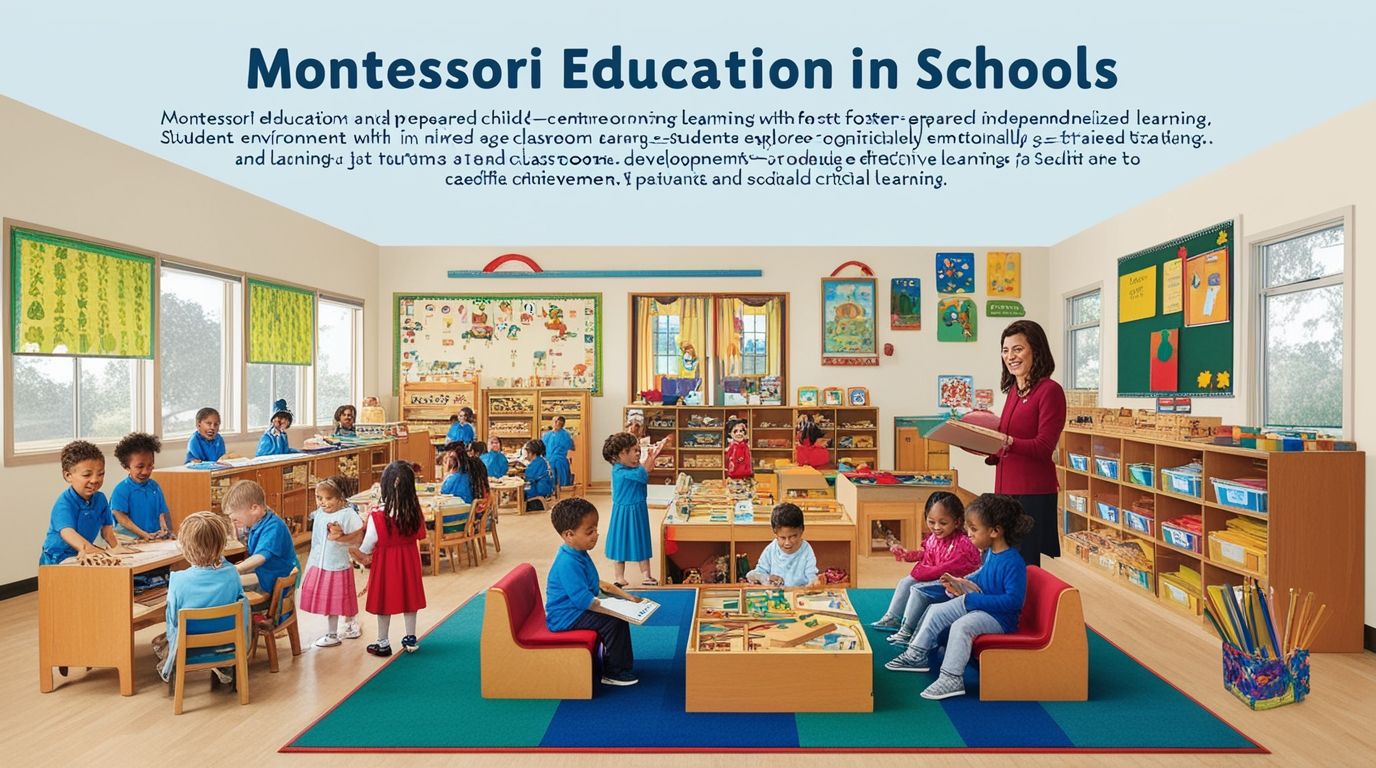
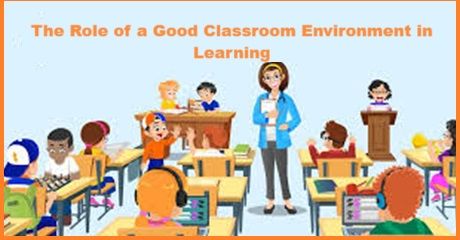
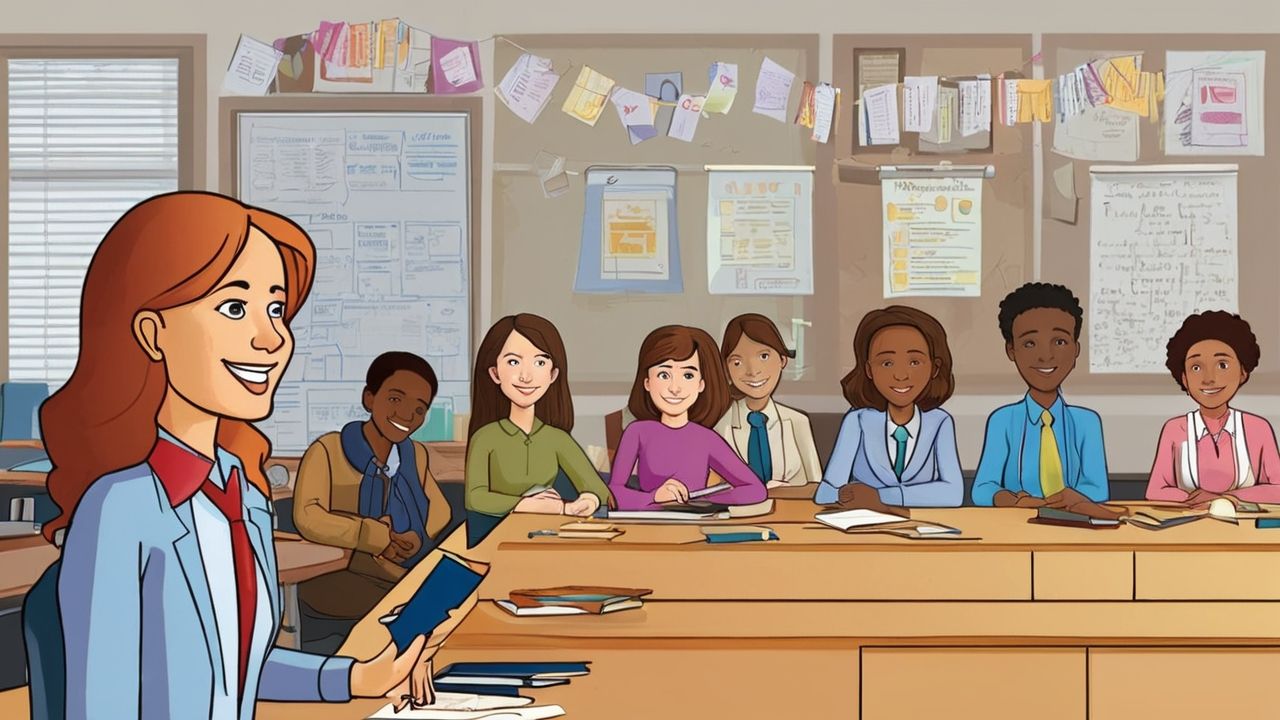
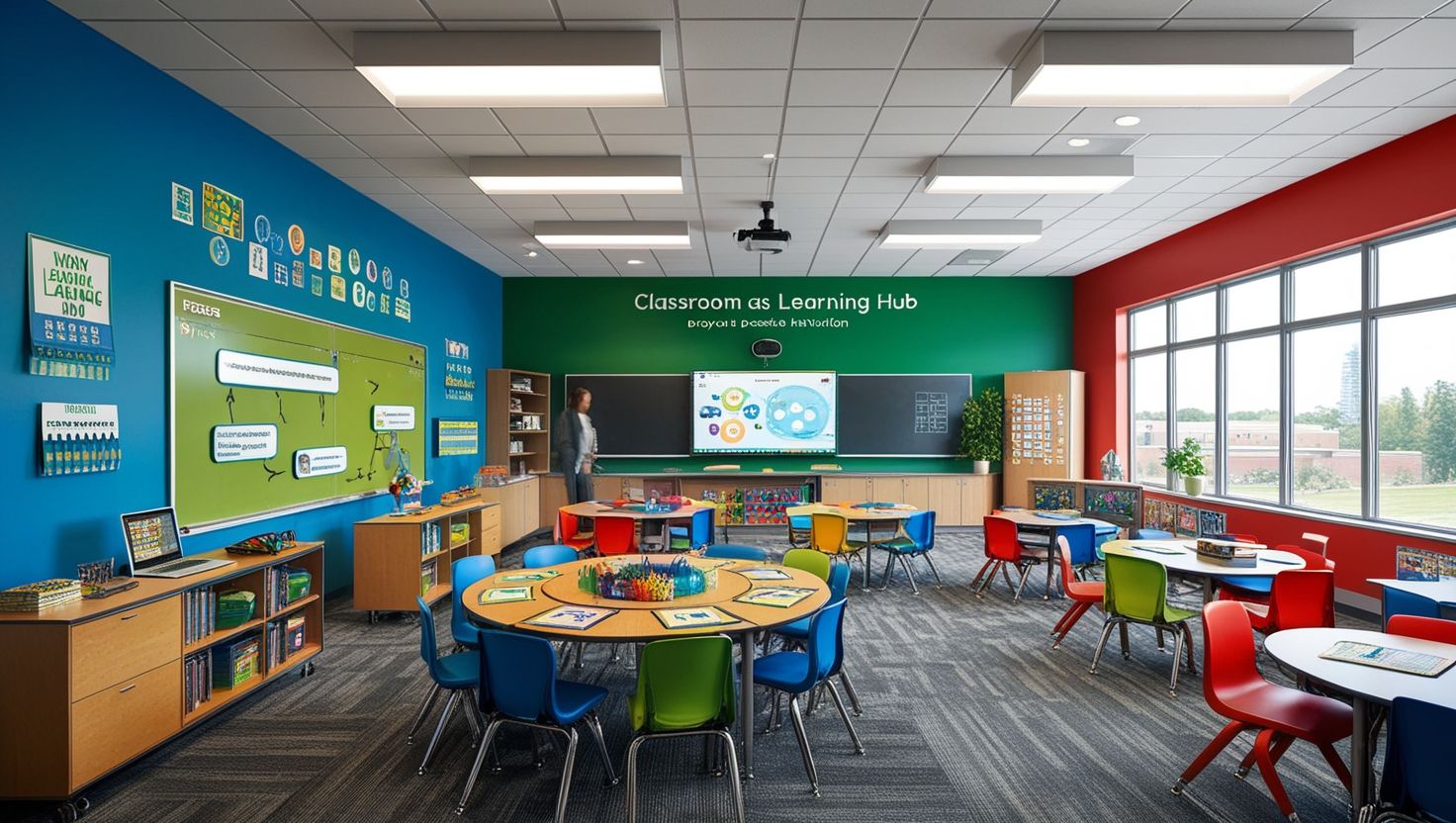
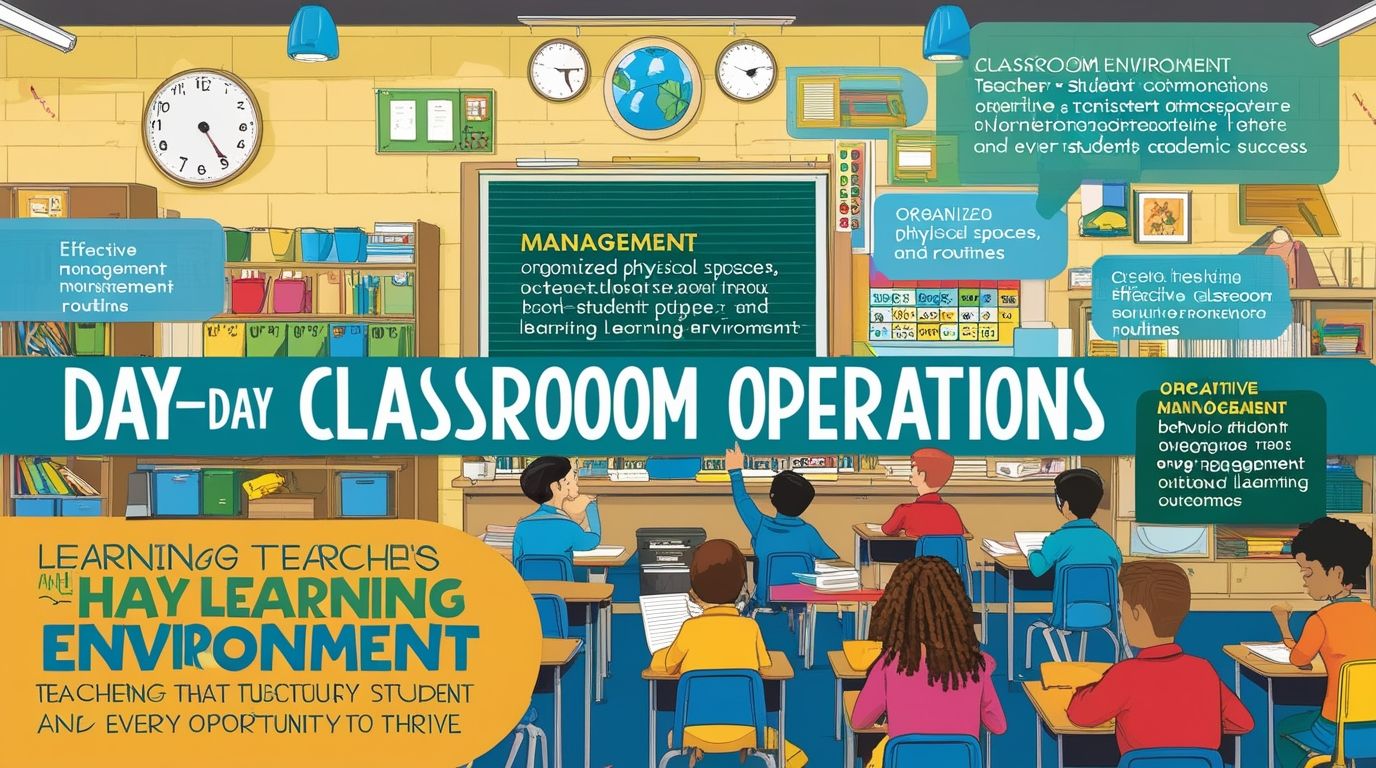
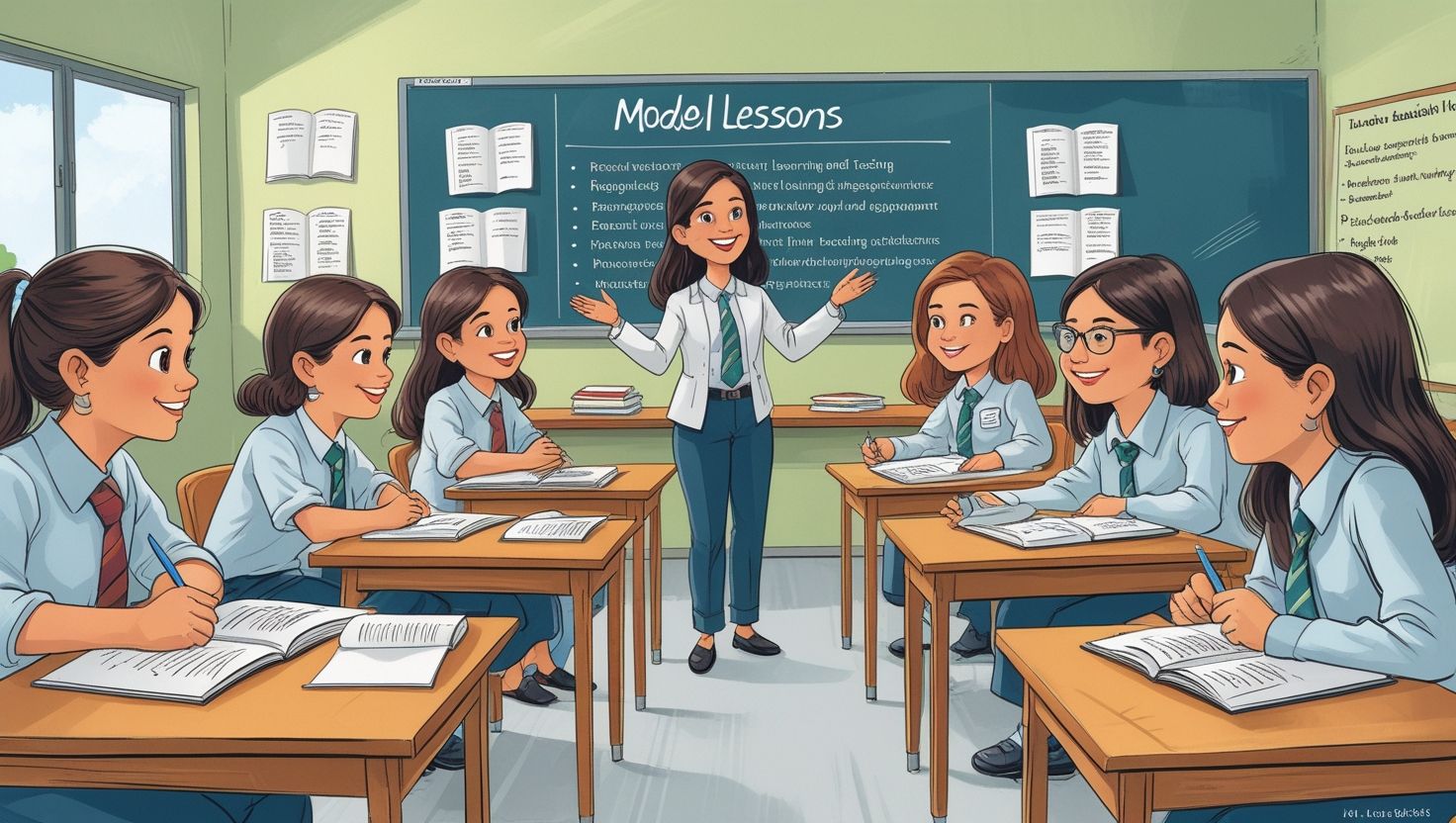
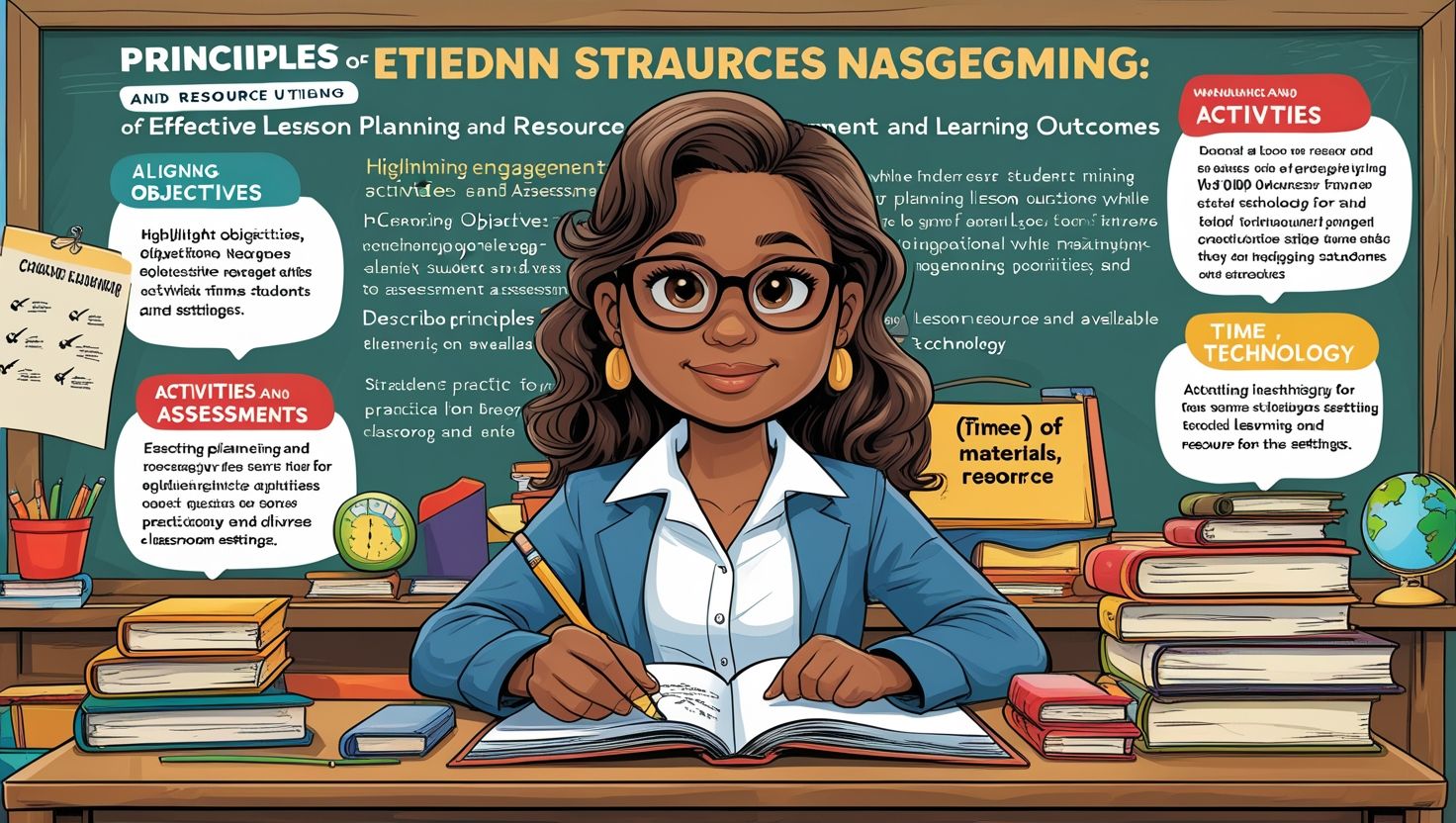
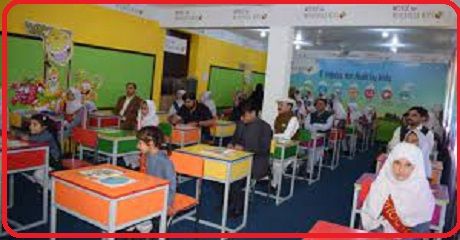
Classroom Resources Corner Settings, A classroom is more than four walls filled with desks and chairs; it is a dynamic learning environment where students interact with knowledge, skills, values, and experiences. One of the most effective strategies for improving classroom engagement and independent learning is the establishment of a well-organized Classroom Resources Corner. A resources corner is a designated area within the classroom where educational materials, learning aids, reference tools, and activity resources are systematically arranged for student use. It promotes self-directed learning, collaboration, creativity, and academic confidence.
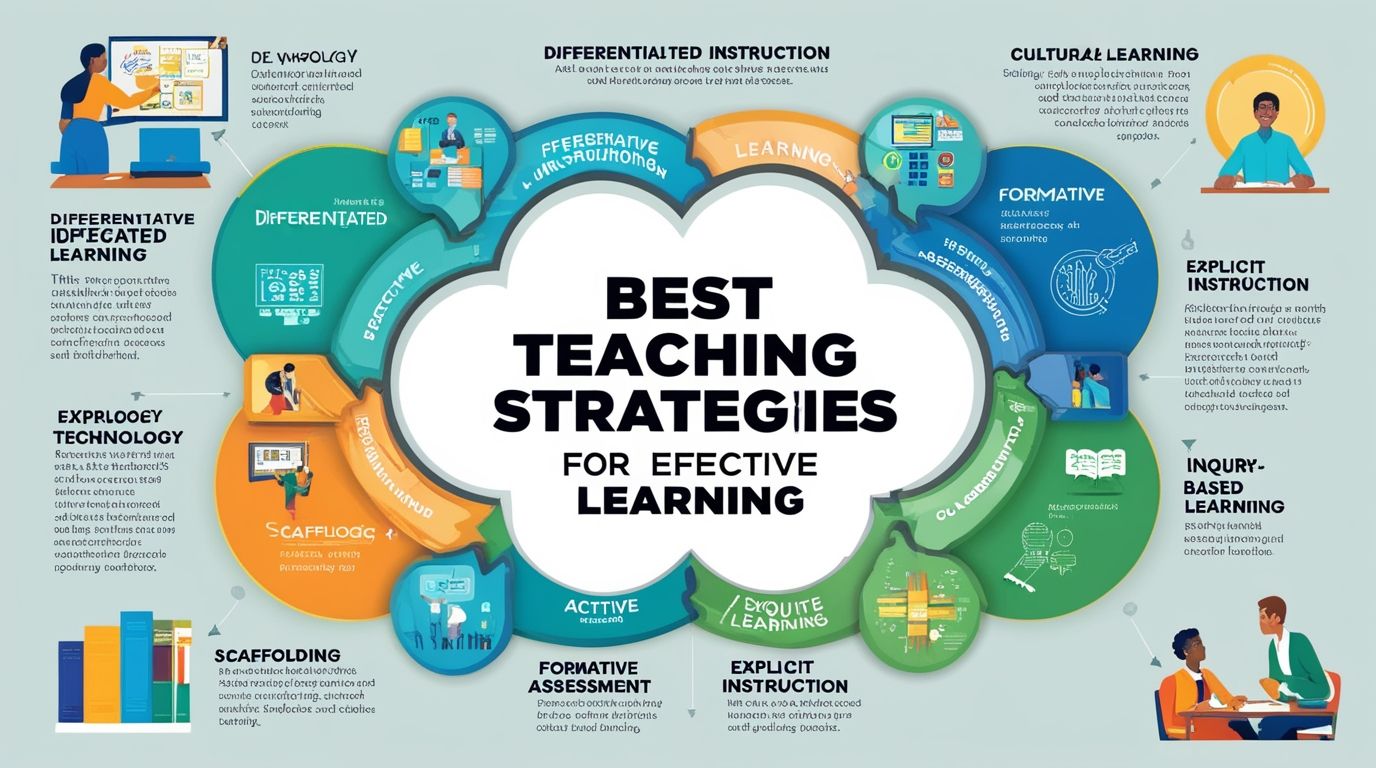
In modern education, the classroom resources corner has become an essential component of learner-centered teaching methodologies. It supports differentiated instruction, inclusive education, and experiential learning. Whether in primary, secondary, or higher educational settings, a properly designed resources corner helps students access learning materials independently and encourages active participation in classroom activities.
This article explores the concept, objectives, importance, components, organization, management strategies, and educational benefits of classroom resources corner settings.
Meaning of Classroom Resources Corner
A Classroom Resources Corner is a specific area in the classroom equipped with teaching-learning materials and educational resources that students and teachers can use during instructional activities. It may contain books, charts, maps, models, flashcards, manipulatives, stationery items, science tools, digital devices, and creative materials.
The resources corner acts as a mini-learning center where students can explore concepts, revise lessons, complete projects, solve problems, conduct research, and participate in enrichment activities.
Objectives of a Classroom Resources Corner
The major objectives of establishing a classroom resources corner include:
- To provide easy access to educational materials.
- To encourage independent and self-paced learning.
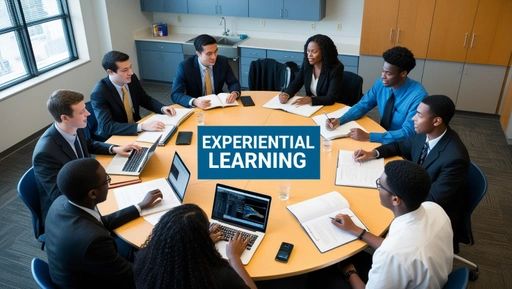
- To support activity-based and experiential learning.
- To enhance student creativity and critical thinking.
- To improve classroom organization and learning efficiency.
- To motivate students toward reading and exploration.
- To facilitate collaborative learning and peer interaction.
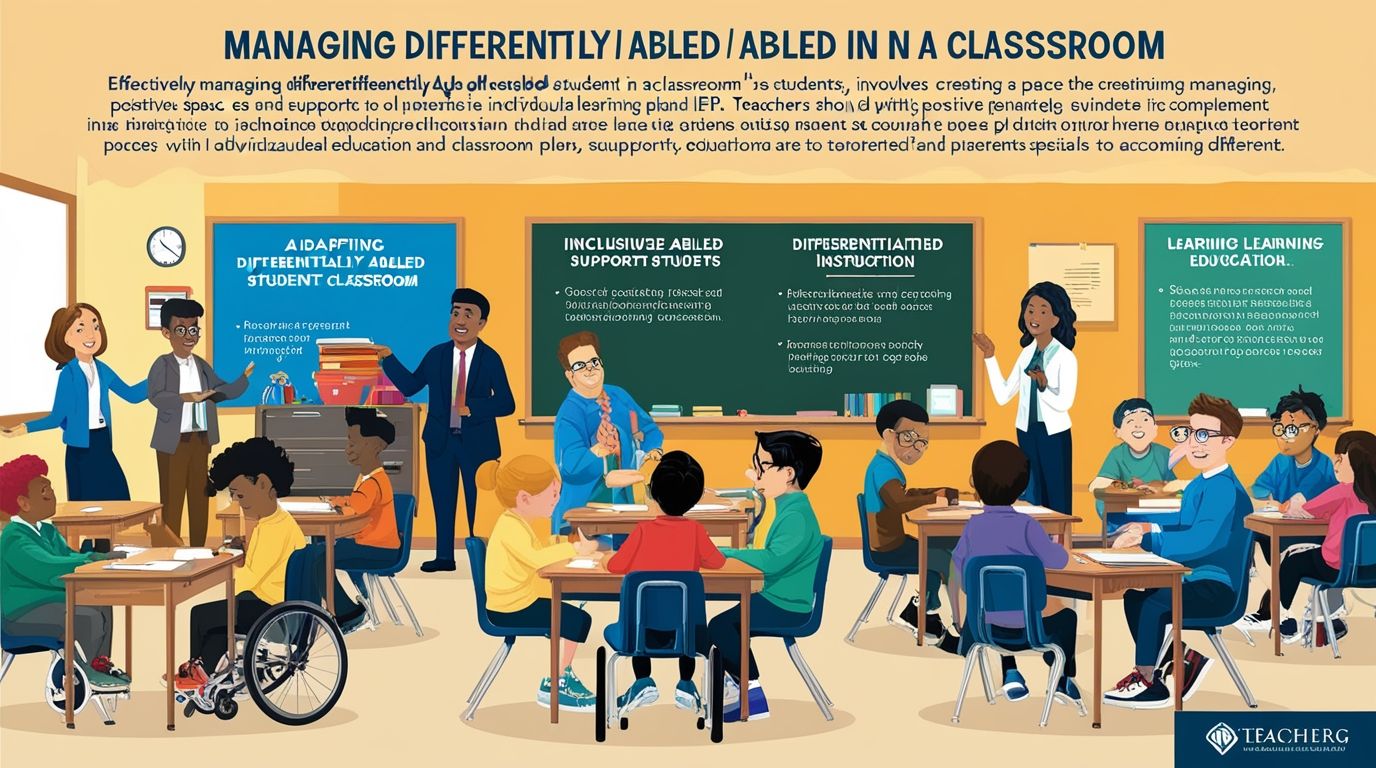
- To support inclusive education for diverse learners.
- To strengthen practical understanding of classroom concepts.
- To create an engaging and learner-friendly classroom environment.
Importance of Classroom Resources Corner Settings
1. Promotes Independent Learning
A resources corner allows students to search for information and learning materials independently. Students learn how to explore, analyze, and apply knowledge without depending entirely on the teacher.
2. Encourages Active Participation
Students become more involved in classroom activities when resources are readily available. They participate in discussions, projects, group work, and hands-on tasks with greater enthusiasm.
3. Enhances Creativity
Creative materials such as drawing sheets, craft tools, storybooks, and project supplies encourage innovation and imagination among learners.
4. Supports Different Learning Styles
Students learn differently. Some prefer visual aids, others benefit from reading materials or hands-on activities. A resources corner provides varied learning materials suitable for auditory, visual, kinesthetic, and reading-oriented learners.
5. Develops Reading Habits
When books, magazines, dictionaries, and newspapers are accessible, students naturally develop reading interests and improve literacy skills.
6. Improves Classroom Management
A well-organized classroom resources area minimizes confusion and saves instructional time because materials are systematically arranged and easily accessible.
7. Strengthens Conceptual Understanding
Models, charts, maps, and practical materials help students understand difficult concepts more effectively than verbal explanations alone.
8. Encourages Collaborative Learning
Students often work together while using classroom resources, promoting teamwork, communication, and social interaction.
Essential Components of a Classroom Resources Corner
An effective classroom resources corner should include the following components:
1. Reading Materials
Reading materials are fundamental elements of a classroom resources corner. These may include:
- Storybooks
- Textbooks
- Reference books
- Dictionaries
- Encyclopedias
- Newspapers
- Magazines
- Subject-related articles
These resources improve vocabulary, comprehension, and general knowledge.
2. Visual Aids
Visual aids support understanding and memory retention. Common examples include:
- Charts
- Posters
- Maps
- Diagrams
- Timelines
- Graphs
- Flashcards
- Photographs
Visual learning materials make lessons more interesting and understandable.
3. Manipulatives and Learning Tools
Manipulatives are especially important in mathematics and science education. Examples include:
- Counting blocks
- Geometry kits
- Abacus
- Measurement tools
- Science models
- Puzzles
- Educational games
These materials support practical and experiential learning.
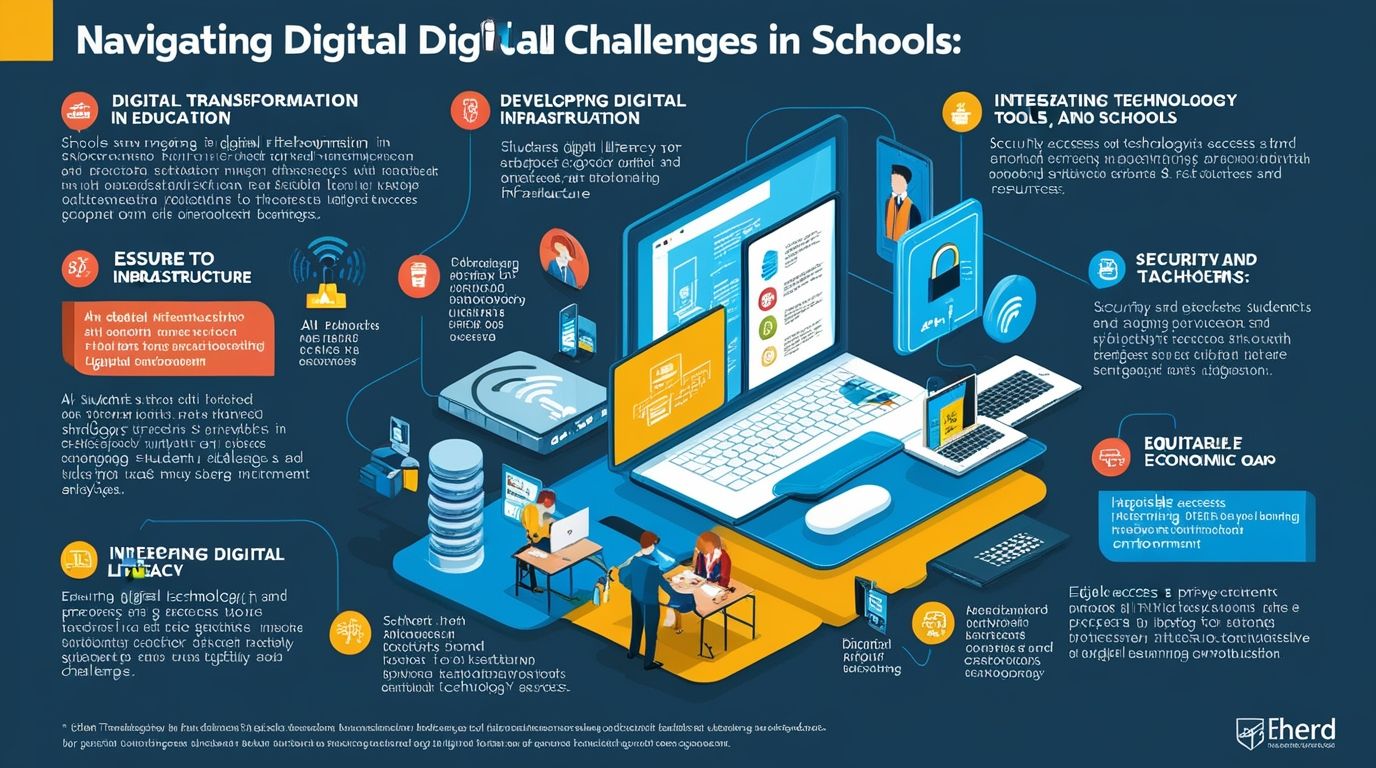
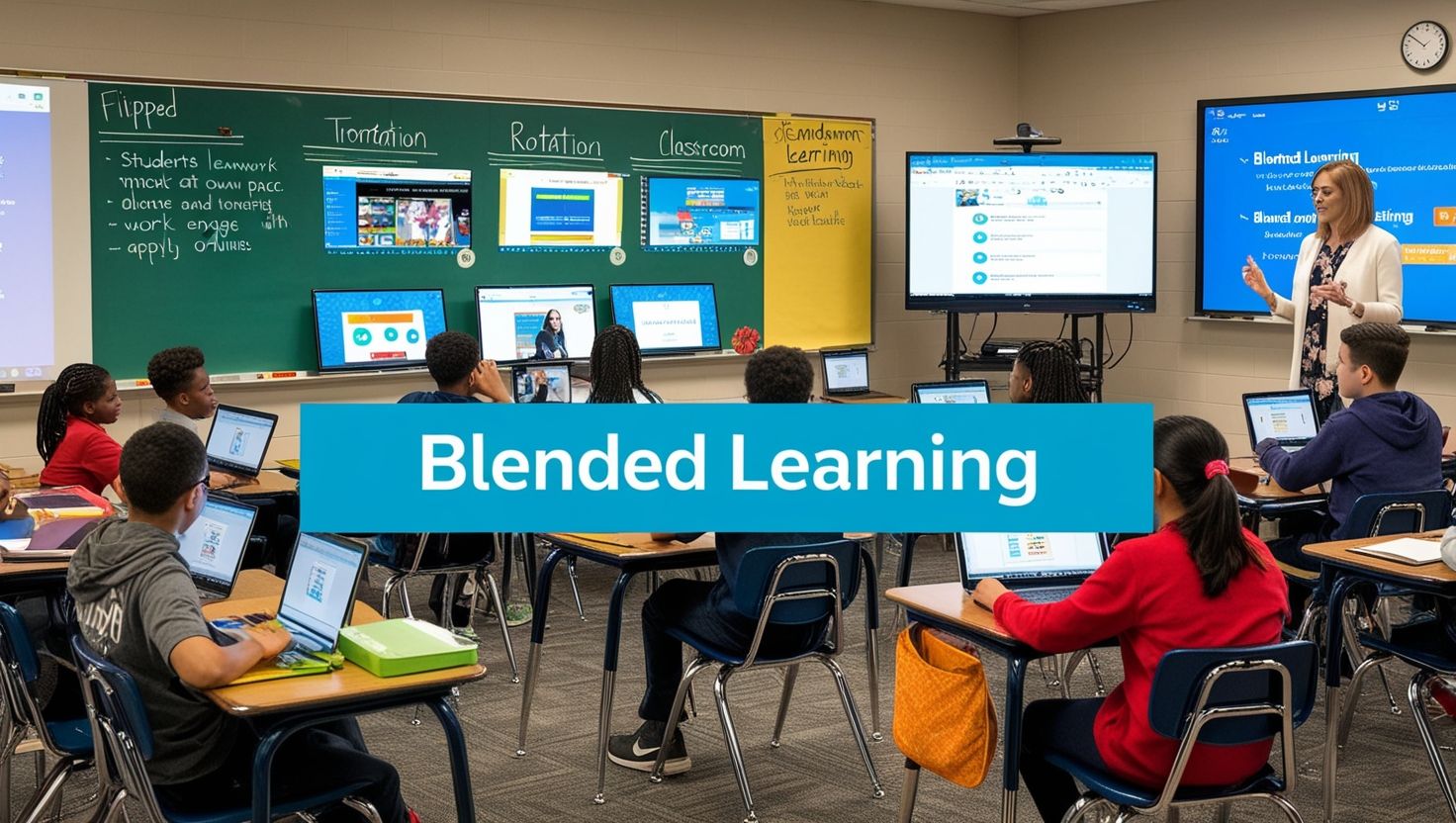
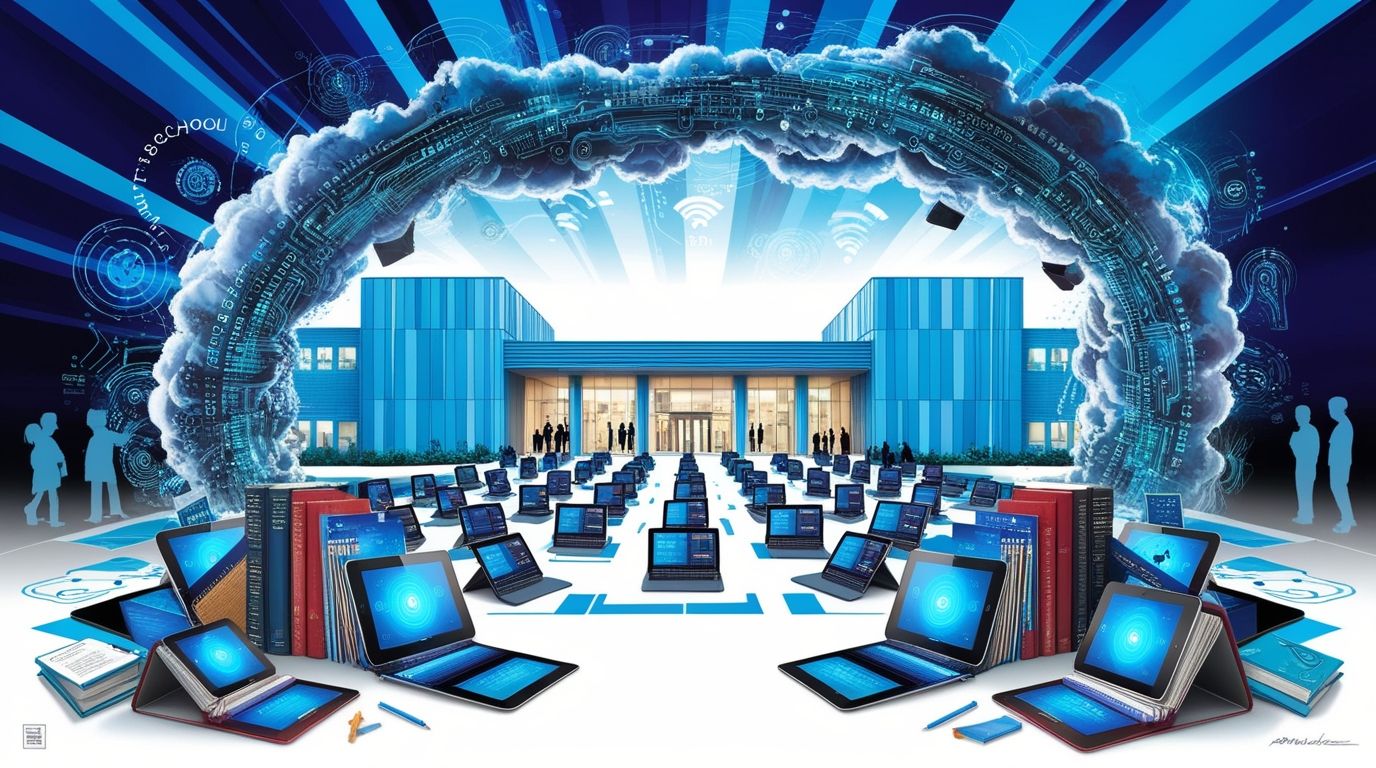
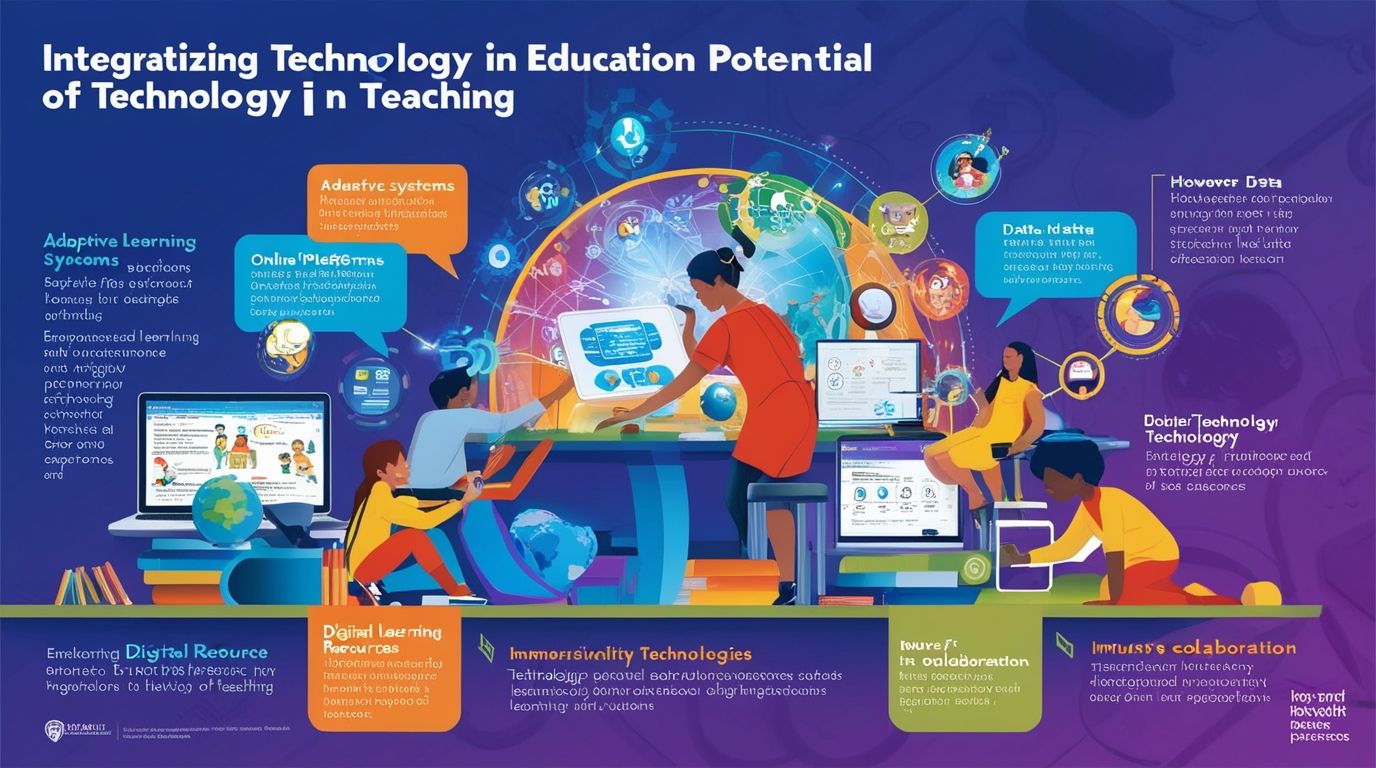
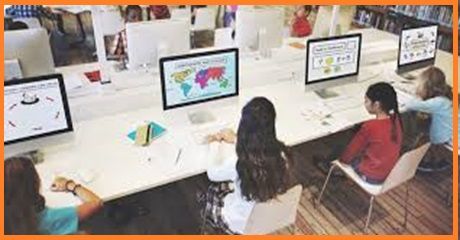
4. Digital Resources
Modern classrooms increasingly include digital learning resources such as:
- Tablets
- Computers
- Educational software
- Audio recordings
- Interactive learning applications
- Videos and multimedia content
Digital resources enhance technological literacy and modern learning practices.
5. Creative and Art Materials
Creative materials encourage artistic expression and innovation. These may include:
- Color pencils
- Paints
- Markers
- Glue
- Craft papers
- Clay
- Scissors
- Drawing sheets
Such materials support project-based learning and creativity.
6. Subject-Specific Materials
Different subjects require different instructional resources.
Science Corner
- Laboratory equipment
- Specimens
- Magnifying glasses
- Charts and models
Mathematics Corner
- Number cards
- Fraction kits
- Measuring tools
- Mathematical games
Language Corner
- Vocabulary cards
- Grammar charts
- Reading books
- Writing prompts
Social Studies Corner
- Maps
- Historical timelines
- Globe
- Cultural artifacts
Principles for Setting Up a Classroom Resources Corner
1. Accessibility
Resources should be easily reachable and usable by students. Shelves and storage units should be arranged according to student age and height.
2. Organization
Materials should be categorized and labeled properly. Proper organization prevents disorder and saves time.
3. Safety
Sharp objects, chemicals, or fragile items should be stored safely. The area should be free from hazards.
4. Attractiveness
An attractive learning environment motivates students. Colorful displays, labels, and creative arrangements improve classroom appeal.
5. Flexibility
The resources corner should be adaptable according to classroom needs, topics, and student interests.
6. Inclusiveness
Resources should support students with diverse abilities and backgrounds. Materials should accommodate different learning levels and needs.
Steps for Establishing a Classroom Resources Corner
Step 1: Identify Objectives
Teachers should determine the purpose of the resources corner. Objectives may vary depending on subject area, grade level, and learning goals.
Step 2: Select a Suitable Location
Choose a quiet, visible, and accessible area within the classroom. Ensure sufficient space for student movement and interaction.
Step 3: Gather Resources
Collect educational materials from:
- School supplies
- Teachers
- Libraries
- Parents
- Community contributions
- Online educational platforms
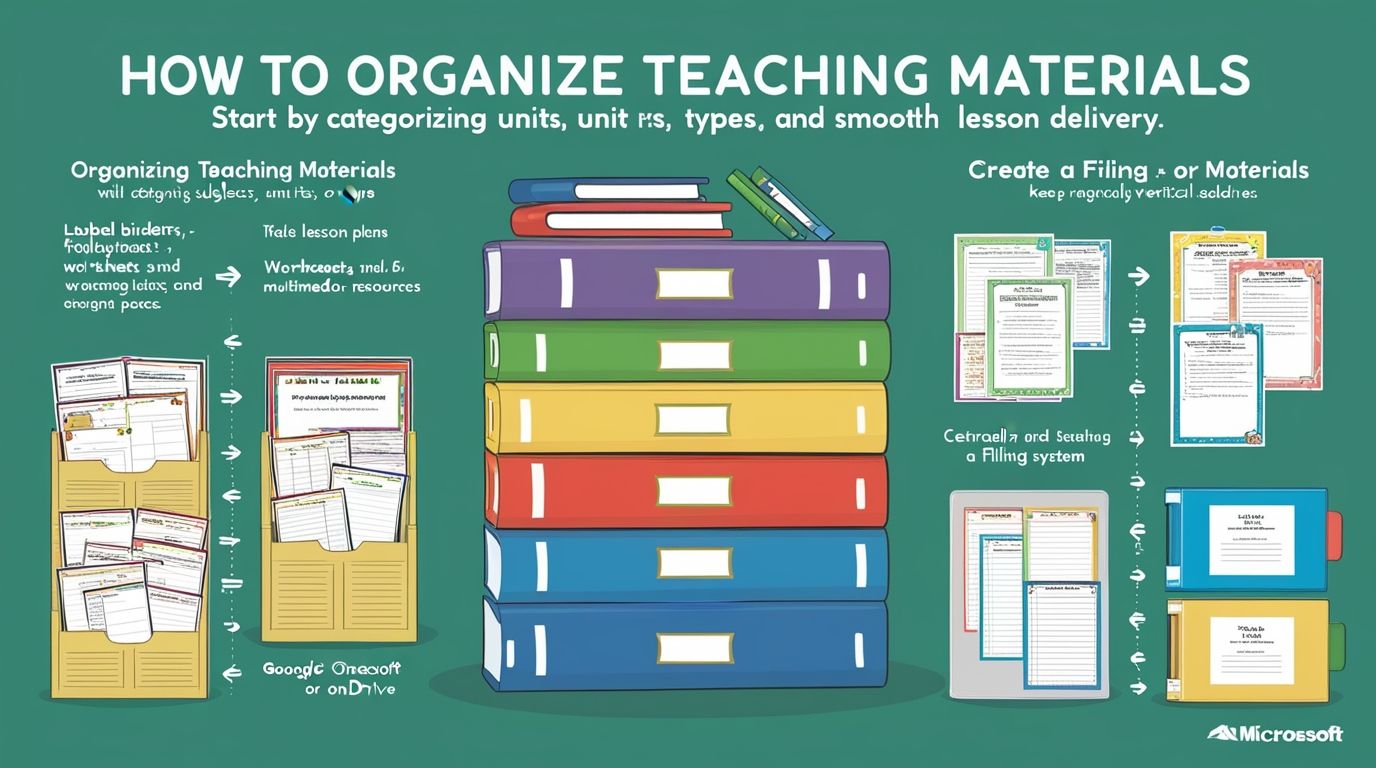
Step 4: Organize Materials
Arrange materials into categories using:
- Shelves
- Boxes
- Cabinets
- Folders
- Baskets
Use labels and color coding for easy identification.
Step 5: Develop Rules and Procedures
Students should understand:
- How to use materials
- Borrowing procedures
- Returning responsibilities
- Safety rules
- Cleanliness expectations
Step 6: Introduce Students to the Corner
Teachers should explain the purpose and demonstrate proper use of the resources corner.
Step 7: Monitor and Maintain
Regular maintenance ensures effectiveness. Teachers should:
- Replace damaged materials
- Update resources
- Maintain cleanliness
- Evaluate usefulness
Types of Classroom Resources Corners
1. Reading Corner
A reading corner focuses on literacy development and reading habits. It includes books, magazines, storytelling materials, and reading cushions.
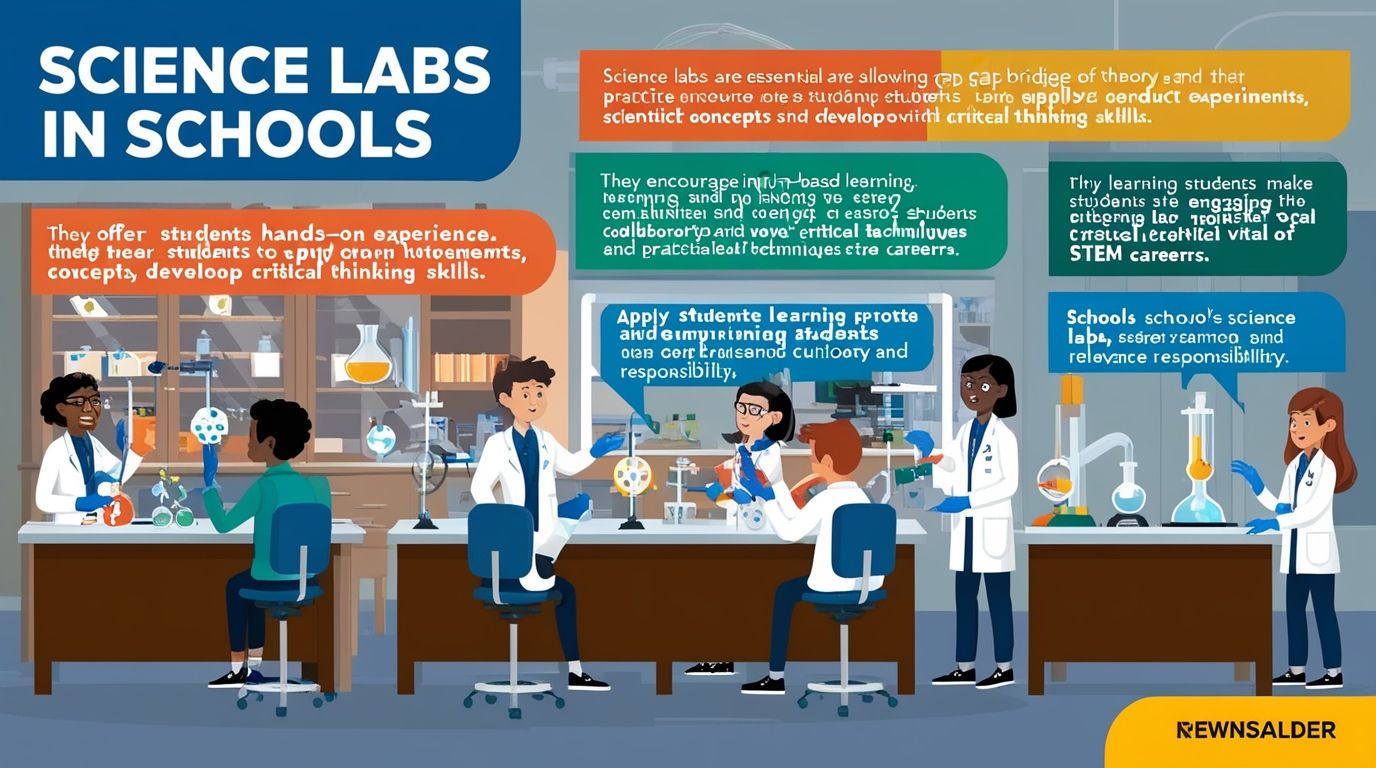
2. Science Corner
A science corner encourages observation, experimentation, and inquiry-based learning through models and scientific tools.
3. Mathematics Corner
This area supports numerical understanding through practical materials, games, and manipulatives.
4. Creative Arts Corner
Students engage in drawing, painting, crafting, and design activities in this section.
5. Technology Corner
This corner provides digital tools and multimedia learning opportunities.
6. Display Corner
Student work, projects, and achievements are displayed to build motivation and confidence.
Role of Teachers in Managing the Resources Corner
Teachers play a critical role in the successful operation of classroom resources corners.
1. Facilitator
Teachers guide students in selecting and using appropriate materials.
2. Organizer
They arrange resources systematically and ensure regular maintenance.
3. Motivator
Teachers encourage students to utilize resources creatively and responsibly.
4. Innovator
Teachers continuously update materials according to curriculum requirements and emerging educational trends.
5. Evaluator
Teachers assess the effectiveness of resources in improving learning outcomes.
Student Responsibilities in the Resources Corner
Students should also contribute responsibly to maintaining the learning environment.
Their responsibilities include:
- Handling materials carefully
- Returning items after use
- Keeping the area clean
- Reporting damaged materials
- Respecting classroom rules
- Sharing resources cooperatively
This develops responsibility, discipline, and ownership among learners.
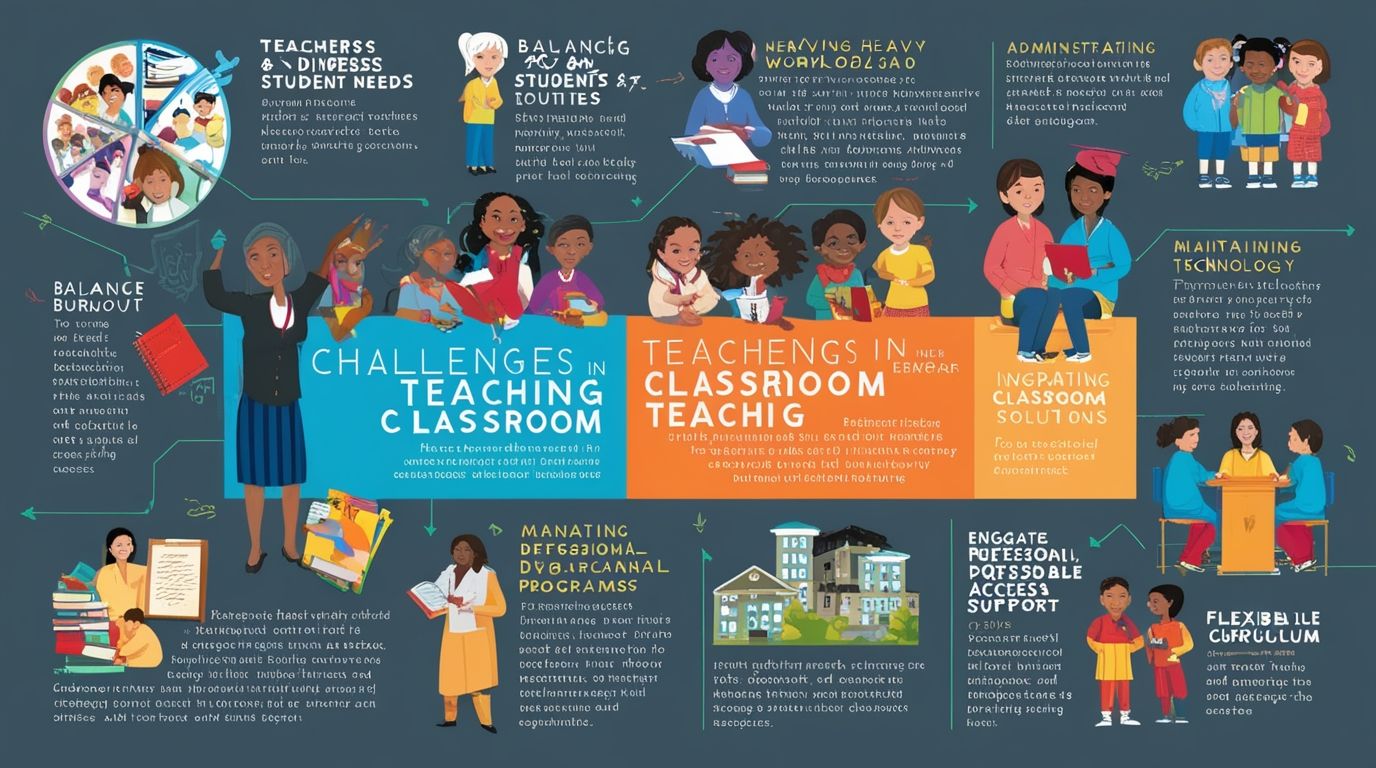
Challenges in Managing Classroom Resources Corners
Despite many benefits, schools may face several challenges.
1. Limited Budget
Many schools lack sufficient financial resources to purchase educational materials.
2. Lack of Space
Overcrowded classrooms may have limited space for establishing dedicated learning corners.
3. Poor Maintenance
Without proper monitoring, materials may become damaged or lost.
4. Insufficient Teacher Training
Some teachers may not know how to organize and effectively use resources corners.
5. Limited Resource Availability
Rural and underdeveloped schools may struggle to access quality learning materials.
Strategies to Overcome Challenges
1. Community Participation
Parents and community members can donate books, stationery, and educational materials.
2. Low-Cost Teaching Aids
Teachers can develop locally made teaching aids using recyclable and inexpensive materials.
3. Student Involvement
Students can help organize, label, and maintain the resources corner.
4. Regular Monitoring
Periodic inspections ensure proper management and accountability.
5. Professional Development
Teacher training programs should include classroom resource management techniques.
Classroom Resources Corner in Modern Education
Modern educational systems emphasize learner autonomy, inquiry-based learning, and technology integration. Classroom resources corners align strongly with these goals.
Today’s resource corners often include:
- Digital learning devices
- QR code learning materials
- Interactive games
- Online reading platforms
- Multimedia resources
- STEM activity kits
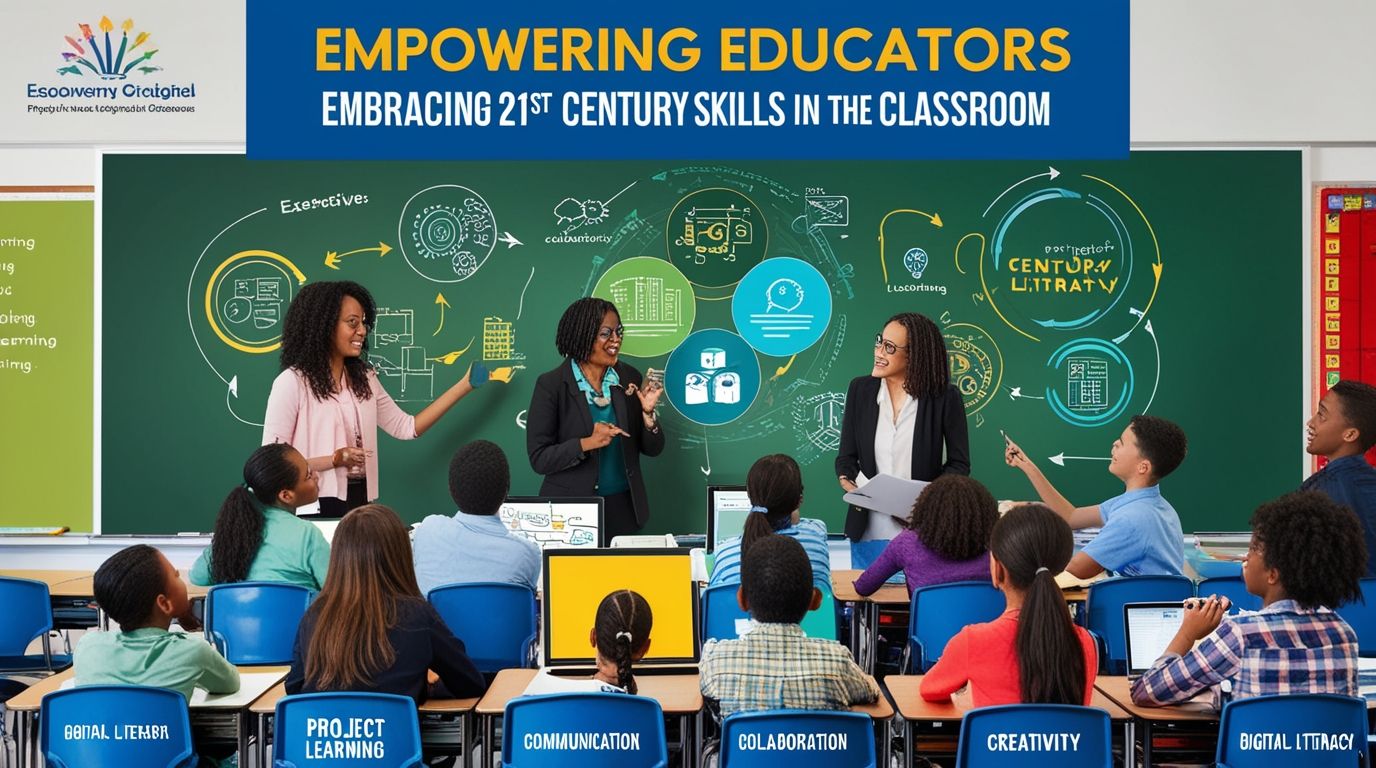
These innovations help students develop 21st-century skills such as:
- Critical thinking
- Communication
- Collaboration
- Creativity
- Digital literacy
Impact on Student Learning
Research and classroom experiences show that effective classroom resources corners positively influence student learning outcomes.
Students using well-managed resource corners often demonstrate:
- Higher motivation
- Better academic performance
- Increased participation
- Improved reading habits
- Enhanced problem-solving abilities
- Greater creativity and confidence
The availability of varied learning materials creates a stimulating educational atmosphere that supports holistic student development.
Conclusion
A Classroom Resources Corner is an essential feature of an effective and learner-centered classroom. It transforms the classroom into an interactive learning environment where students actively participate in their educational journey. By providing access to diverse learning materials, the resources corner supports independent learning, creativity, collaboration, and academic achievement.
Successful classroom resources corner settings require careful planning, organization, maintenance, and active participation from teachers and students. Even in resource-limited settings, innovative and low-cost strategies can help establish meaningful learning spaces.
As education continues to evolve in the modern world, classroom resources corners will remain valuable tools for promoting inclusive, engaging, and quality education. Schools and teachers should therefore prioritize the development and effective management of these learning spaces to nurture informed, skilled, creative, and responsible future generations.