Introduction
Teachers across California play a vital role in shaping the future of millions of students. Every day, educators create engaging lessons, foster critical thinking, and provide the support students need to succeed academically and socially. However, one persistent challenge faced by many teachers is obtaining adequate classroom supplies. From notebooks and pencils to science kits, art materials, technology tools, and educational resources, classroom necessities often exceed school budgets. As a result, many teachers spend their own money to ensure students have access to quality learning experiences.
To address this challenge, classroom supply grants have become an important source of funding for California educators. These grants provide financial assistance to teachers, schools, and educational programs, helping them purchase essential supplies and innovative learning materials. By reducing the financial burden on educators and enhancing classroom resources, supply grants contribute significantly to student achievement and educational equity. This article explores classroom supply grants in California, including their purpose, funding sources, eligibility requirements, application processes, benefits, challenges, and future prospects.
Understanding Classroom Supply Grants
Classroom supply grants are financial awards designed to help teachers obtain materials and resources needed for effective instruction. Unlike loans, grants do not require repayment, making them an attractive funding option for educators and schools. These grants may support the purchase of:
- Basic classroom supplies such as paper, pencils, markers, and notebooks
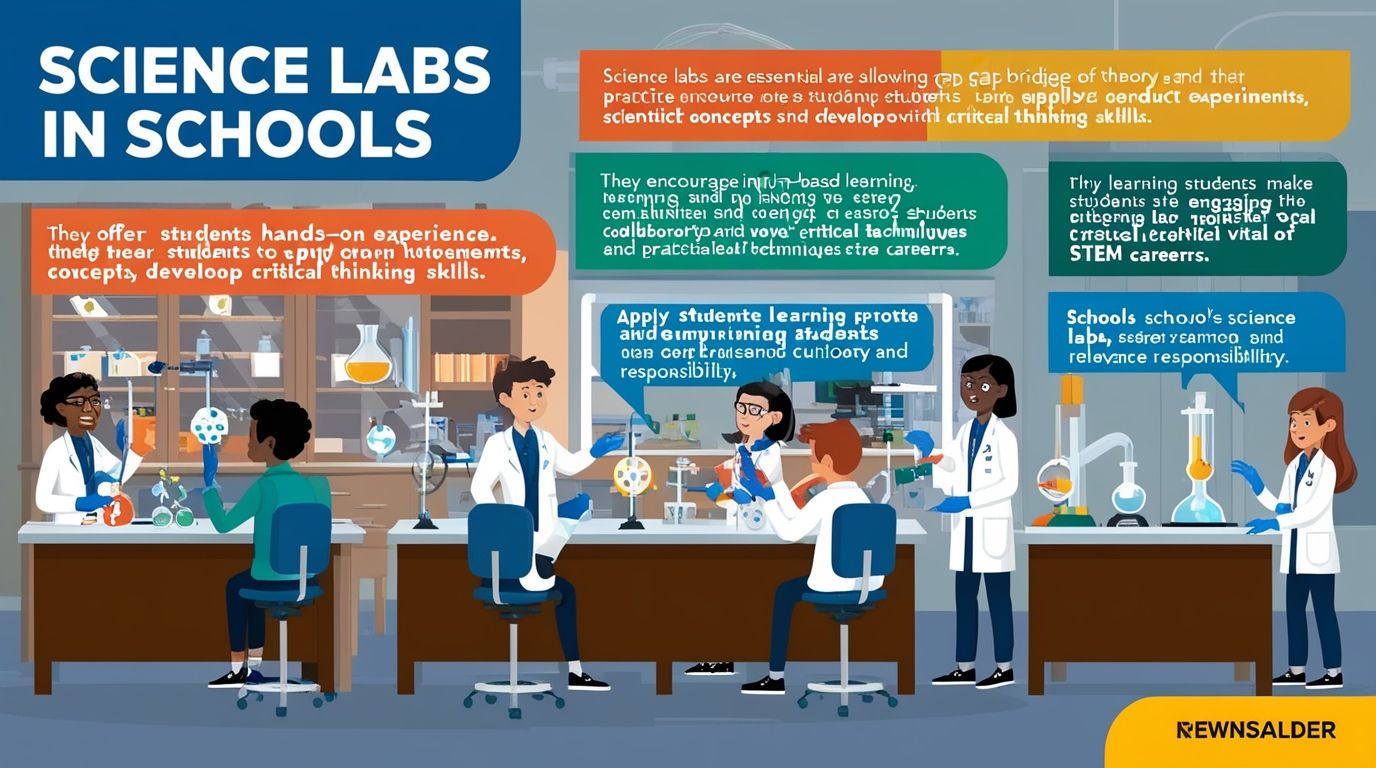
- Science laboratory equipment
- Mathematics manipulatives and learning tools
- Arts and music materials
- Educational technology and software
- Books and literacy resources
- Special education materials
- STEM (Science, Technology, Engineering, and Mathematics) resources
- Project-based learning materials
Classroom supply grants can be offered by government agencies, nonprofit organizations, educational foundations, corporations, and community groups.
Why Classroom Supply Grants Are Needed in California
California is home to one of the largest public education systems in the United States, serving more than six million students. Despite substantial investments in education, funding disparities continue to affect schools across different regions. Several factors contribute to the need for classroom supply grants:
Growing Educational Demands
Modern classrooms require more than traditional textbooks and worksheets. Teachers increasingly integrate technology, hands-on learning, collaborative projects, and personalized instruction. These approaches often require additional resources that may not be covered by standard school budgets.
Teacher Out-of-Pocket Spending
Many California teachers purchase classroom supplies with personal funds. Surveys conducted across the United States consistently show that educators spend hundreds of dollars annually on classroom materials. This financial burden can be particularly challenging for early-career teachers.
Equity Concerns
Schools in economically disadvantaged communities often face greater challenges in securing educational resources. Classroom supply grants help bridge gaps by providing targeted support to schools serving low-income students.
Innovation and Creativity
Many grants encourage innovative teaching methods by funding creative projects and specialized learning experiences. These opportunities allow teachers to implement new instructional strategies that enhance student engagement.
Major Sources of Classroom Supply Grants in California
State-Funded Programs
California periodically allocates funding for educational improvement initiatives that may include classroom resources and instructional materials. School districts can access certain state funds to support classroom needs, particularly in areas such as literacy, technology integration, and STEM education. State-supported educational programs often prioritize:
- Underserved communities
- Low-income schools
- English language learners
- Special education programs
- Technology modernization
School District Mini-Grants
Many California school districts operate mini-grant programs for teachers. These grants typically range from a few hundred to several thousand dollars and support classroom projects, instructional innovations, and supply purchases. District-level grants often focus on:
- Improving student achievement
- Supporting curriculum goals
- Encouraging teacher innovation
- Promoting equity and inclusion
Educational Foundations
Educational foundations are among the most significant sources of classroom grants in California. Many school districts have local education foundations that raise funds from businesses, community members, and philanthropic donors. Examples include:
- Local education foundations
- Community foundations
- Regional philanthropic organizations
- Education-focused charitable trusts
These organizations frequently provide competitive grants for classroom supplies and educational projects.
Corporate Grant Programs
Many corporations support education through grant programs and charitable giving initiatives. Companies often invest in schools as part of their corporate social responsibility efforts. Corporate grants commonly support:
- STEM education
- Technology access
- Environmental education
- Financial literacy programs
- Career readiness initiatives
Technology companies, banks, retail corporations, and manufacturing firms frequently sponsor classroom grant opportunities.
Nonprofit Organizations
Numerous nonprofit organizations provide classroom supply grants to California educators. These organizations aim to improve educational outcomes by supporting teachers and students directly. Popular nonprofit grant providers often focus on:
- Literacy development
- Educational equity
- STEM learning
- Arts education
- Early childhood education
Some nonprofits also operate crowdfunding platforms that allow teachers to request specific classroom materials.
Types of Classroom Supply Grants
General Classroom Supply Grants
These grants cover everyday classroom necessities, including writing materials, organizational tools, books, and learning resources.
STEM Grants
STEM-focused grants support science experiments, robotics programs, coding activities, engineering projects, and mathematics enrichment. Examples of funded materials may include:
- Laboratory equipment
- Robotics kits
- Coding software
- 3D printers
- Engineering design materials
Literacy Grants
Literacy grants help teachers build classroom libraries, purchase reading materials, and implement literacy interventions. Funding may support:
- Children’s literature
- Digital reading programs
- Literacy assessment tools
- Reading intervention materials
Arts Education Grants
Arts grants provide funding for visual arts, music, theater, and creative expression programs. Supported resources often include:
- Art supplies
- Musical instruments
- Performance materials
- Creative software applications
Technology Grants
Technology grants help classrooms integrate digital learning tools and modern educational technologies. Possible purchases include:
- Tablets
- Laptops
- Interactive displays
- Educational software
- Digital curriculum resources
Eligibility Requirements
Eligibility criteria vary among grant providers, but common requirements include:
Teacher Status
Applicants are often required to be:
- Full-time classroom teachers
- Credentialed educators
- Public school employees
- Charter school teachers
- Early childhood educators
School Affiliation
Many grants require applicants to work in accredited schools located within California.
Project Alignment
Applications typically must demonstrate how requested supplies support:
- Academic standards
- Student learning outcomes
- School improvement goals
- Equity initiatives
Budget Documentation
Applicants are generally expected to provide:
- Detailed budgets
- Cost estimates
- Vendor information
- Justification for requested items
The Grant Application Process
Securing a classroom supply grant requires careful planning and preparation.
Step 1: Identify Funding Opportunities
Teachers should regularly monitor:
- School district websites
- Educational foundation announcements
- Professional associations
- Nonprofit grant directories
- Corporate giving programs
Maintaining a calendar of deadlines can improve success rates.
Step 2: Assess Classroom Needs
Applicants should conduct a thorough assessment of classroom needs by considering:
- Student learning gaps
- Curriculum requirements
- Resource shortages
- Instructional goals
A clear understanding of needs strengthens grant proposals.
Step 3: Develop a Project Plan
Successful applications typically include:
- Project objectives
- Expected outcomes
- Implementation timeline
- Assessment strategies
Grant reviewers want to understand how requested supplies will improve student learning.
Step 4: Prepare a Budget
Budgets should be realistic, transparent, and aligned with project goals. Effective budgets include:
- Item descriptions
- Quantity estimates
- Unit costs
- Total project costs
Step 5: Submit the Application
Applicants should carefully follow all instructions and ensure that required documents are included. Common application components include:
- Application form
- Project narrative
- Budget worksheet
- Principal approval
- Supporting documentation
Step 6: Report Results
Many grant programs require recipients to submit reports documenting:
- Fund usage
- Student outcomes
- Project accomplishments
- Lessons learned
These reports help funders evaluate program effectiveness.
Benefits of Classroom Supply Grants
Enhanced Student Learning
Access to quality instructional materials improves student engagement, participation, and achievement. Students benefit from:
- Hands-on learning experiences
- Updated educational resources
- Greater access to technology
- Enriched curriculum opportunities
Reduced Financial Burden on Teachers
Grants help educators avoid spending personal funds on classroom necessities.
This financial support contributes to:
- Increased job satisfaction
- Reduced stress
- Greater professional morale
Encouragement of Innovation
Grant funding enables teachers to experiment with new instructional approaches and creative projects.
Innovative practices may include:
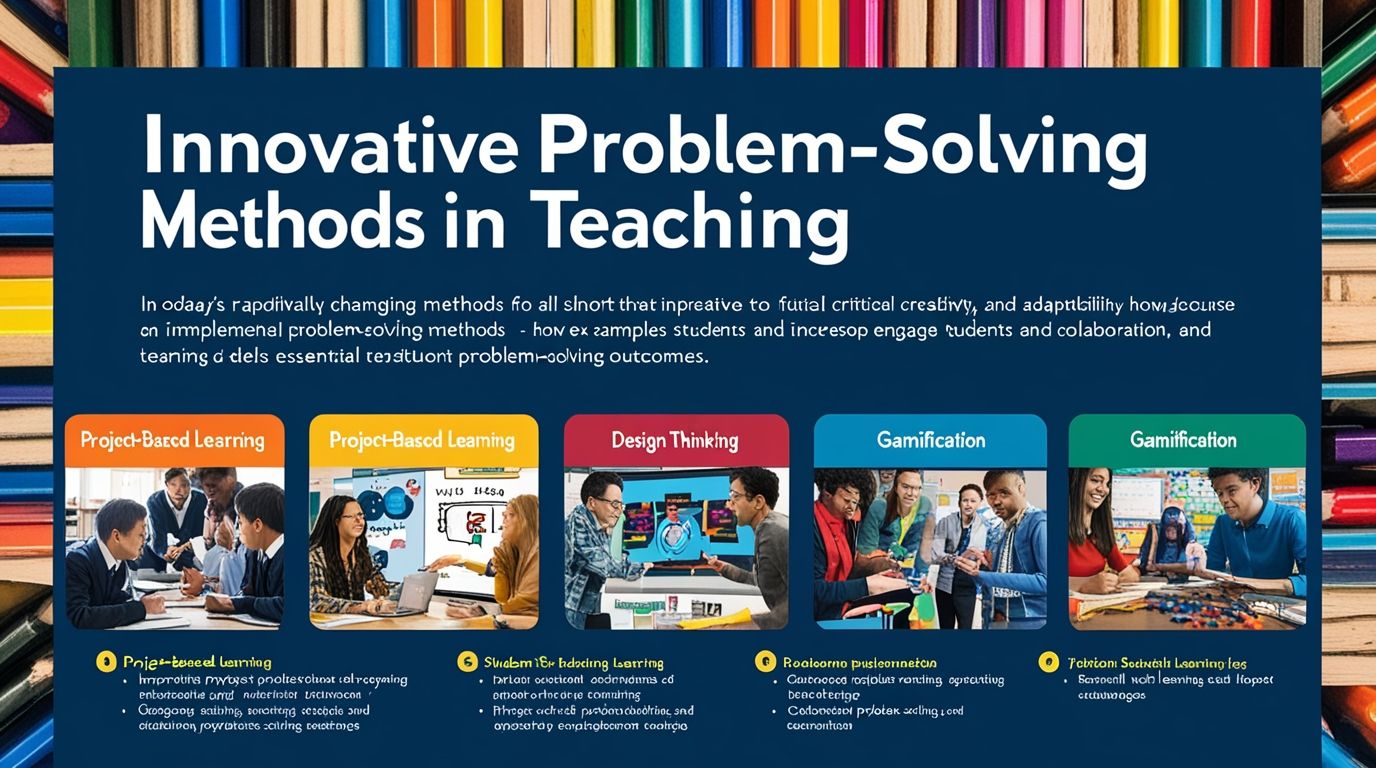
- Project-based learning
- Inquiry-based science activities
- Technology integration
- Cross-curricular programs
Increased Equity
Supply grants help ensure that students in under-resourced schools have access to educational opportunities similar to those available in wealthier communities.
Community Engagement
Many grant programs encourage collaboration among teachers, families, businesses, and community organizations. Such partnerships strengthen local support for education.
Challenges Associated with Classroom Supply Grants
Limited Funding
Demand for classroom grants often exceeds available funding. As a result, many worthy projects remain unfunded.
Competitive Selection Processes
Grant competitions can be highly competitive, particularly for large awards. Successful applications often require:
- Strong writing skills
- Detailed planning
- Clear evidence of impact
Time Requirements
Researching opportunities, writing proposals, and preparing reports require significant time and effort. Teachers already managing demanding workloads may find grant applications challenging.
Sustainability Concerns
Some grants provide one-time funding without long-term support. Schools must consider how projects will be maintained after grant funds are exhausted.
Unequal Access to Information
Not all educators have equal access to grant-writing training or information about available opportunities. Professional development and support can help address this challenge.
Strategies for Successful Grant Applications
Teachers seeking classroom supply grants can improve their chances of success by following several best practices.
Focus on Student Impact
Grant proposals should clearly explain how requested supplies will improve student learning and outcomes.
Use Data
Applications are stronger when supported by evidence such as:
- Assessment results
- Attendance data
- Student demographics
- Achievement trends
Be Specific
Detailed descriptions of supplies and project activities help reviewers understand the proposal.
Align with Funder Priorities
Applicants should carefully review funding guidelines and tailor proposals accordingly.
Demonstrate Sustainability
Funders appreciate projects that can continue producing benefits beyond the grant period.
Collaborate with Colleagues
Partnerships among teachers and departments can increase project scope and impact.
The Role of Technology in Grant Funding
Technology has transformed how teachers access classroom grants. Online platforms now allow educators to:
- Search for grant opportunities
- Submit digital applications
- Track funding deadlines
- Share project outcomes
Crowdfunding platforms have also become popular sources of classroom funding. Teachers can present classroom needs directly to donors, increasing public engagement in education. Digital tools make grant seeking more accessible and efficient than ever before.
Future Trends in California Classroom Supply Grants
Several emerging trends are likely to shape the future of classroom grant funding in California.
Greater Focus on Equity
Funding organizations increasingly prioritize schools serving disadvantaged student populations.
Expansion of STEM Funding
Demand for STEM-related skills continues to grow, leading to increased investment in science and technology education.
Growth of Environmental Education
Climate education and sustainability initiatives are becoming important funding priorities.
Increased Support for Mental Health Resources
Future grants may provide greater support for social-emotional learning and student wellness programs.
Technology Integration
As digital learning continues to evolve, technology-focused grants will remain a major funding category.
Community Partnerships
Collaboration among schools, businesses, universities, and nonprofit organizations is expected to expand grant opportunities and resource sharing.
Conclusion
Classroom supply grants play a critical role in supporting California educators and enhancing student learning opportunities. By providing financial assistance for instructional materials, technology, STEM resources, literacy programs, and innovative projects, these grants help bridge funding gaps and promote educational equity.
Although challenges such as limited funding and competitive application processes remain, classroom supply grants continue to empower teachers to create engaging, resource-rich learning environments. Through partnerships among government agencies, educational foundations, corporations, and nonprofit organizations, California schools gain access to valuable resources that improve educational outcomes.
As educational needs continue to evolve, classroom supply grants will remain an essential tool for supporting teachers, fostering innovation, and ensuring that all students have the resources they need to succeed. Investing in classroom supplies is ultimately an investment in student achievement, educational excellence, and the future prosperity of California.