Introduction
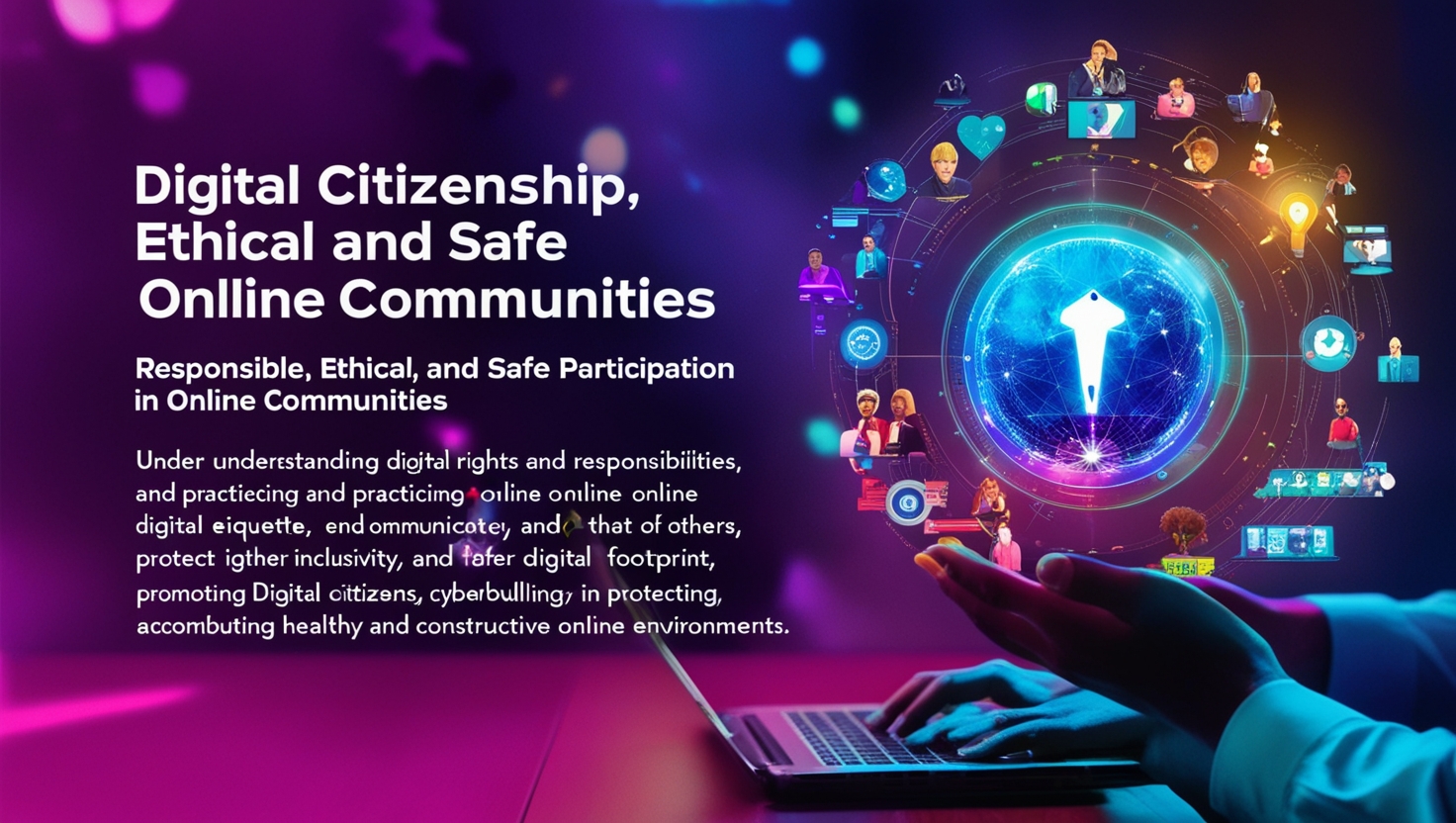
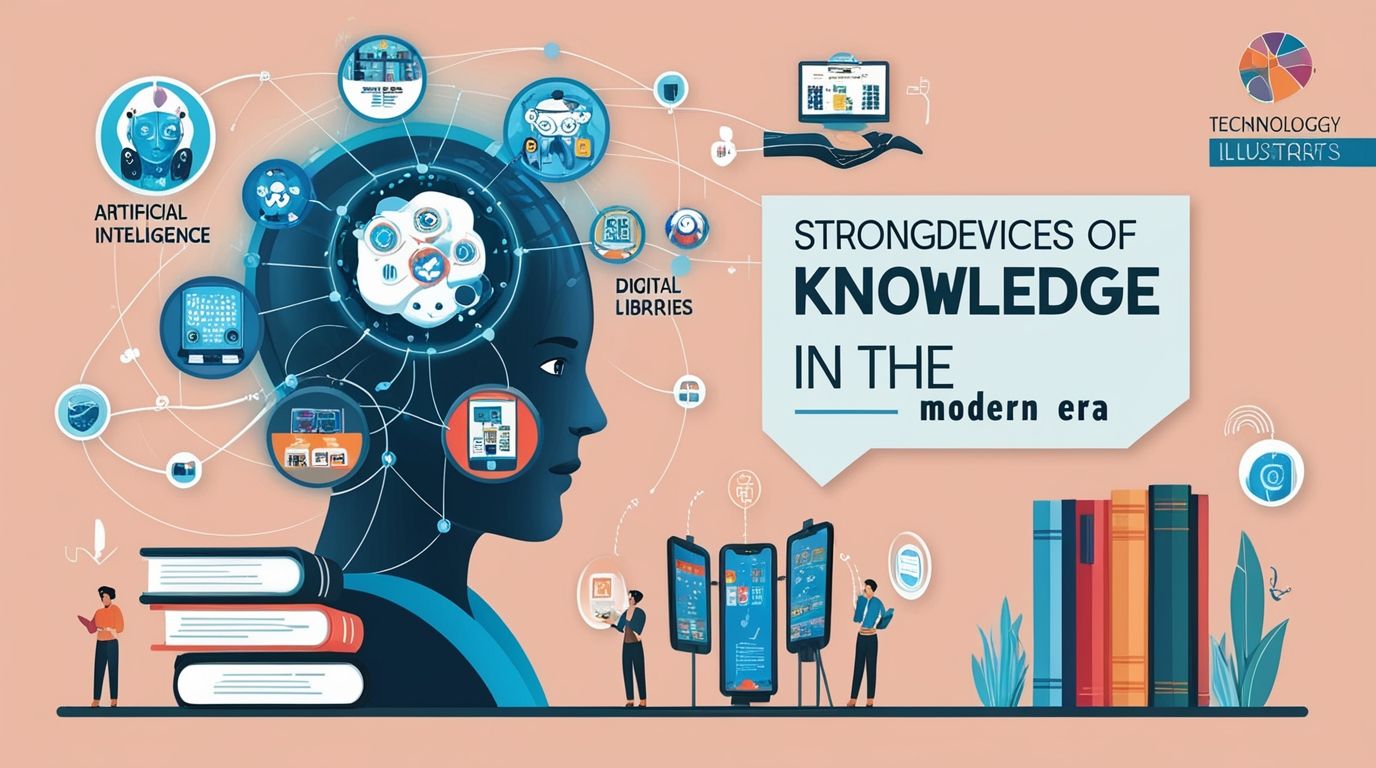
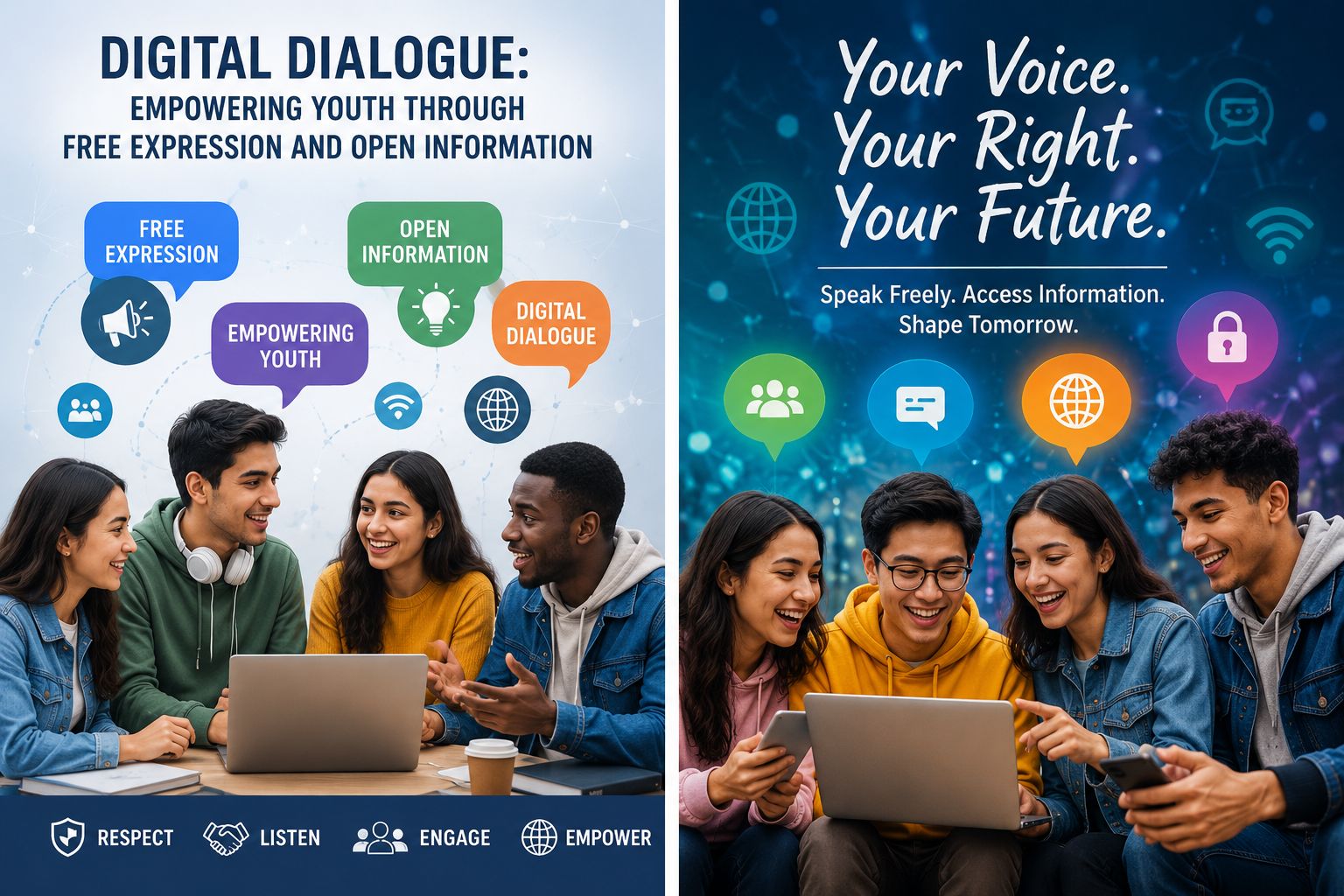
Digital Dialogue: Empowering Youth Through Free Expression and Open Information, In the span of a single generation, the way young people encounter ideas, form opinions, and speak to the world has been utterly transformed. Where earlier generations relied on newspapers, radio broadcasts, and word of mouth, today’s youth navigate a dense, interconnected web of digital platforms that allow them to publish a thought to millions of people within seconds. This shift has given rise to what many scholars and educators now call “digital dialogue” — the ongoing, participatory exchange of ideas, opinions, and information that takes place across social media, online forums, blogs, podcasts, and messaging platforms.
For young people in particular, digital dialogue has become one of the most powerful tools for self-expression, civic participation, and access to knowledge that has ever existed. Yet with this power comes complexity: questions of safety, misinformation, digital literacy, and equitable access all shape how effectively youth can harness these tools. This article explores how digital dialogue empowers young people through free expression and open access to information, the challenges that come with this empowerment, what and can be done to ensure the digital public square remains a genuine space for youth voice and growth.
The Rise of Digital Spaces as Youth Platforms
For much of modern history, young people were largely excluded from public discourse. Political systems, media institutions, and cultural gatekeepers controlled by adults, and the pathways for a teenager or young adult to influence public opinion were narrow at best. The internet, and especially the rise of social media over the past two decades, has fundamentally altered this dynamic. Platforms such as Instagram, TikTok, X, YouTube, and countless niche forums have become spaces where youth are not just consumers of content but active creators and commentators.
This shift matters because it has effectively lowered the barrier to entry for public speech. A student in a rural town can post a video critiquing a local policy and have it seen by people across the country. A young activist can organize a movement using nothing more than a hashtag and a smartphone. These are not hypothetical scenarios — they are patterns that have played out again and again, from climate strikes organized by teenagers to youth-led responses to social and political crises. Digital dialogue has, in effect, created a new public square, one where age is no longer an automatic disqualifier from participation.
Free Expression as a Developmental and Civic Tool
Psychologists and educators have long understood that adolescence and young adulthood are critical periods for identity formation. Being able to express oneself — to test ideas, receive feedback, and refine one’s worldview — is a core part of healthy development. Digital platforms provide an unprecedented outlet for this kind of exploration. A young person struggling with questions of identity, belief, or purpose can find communities of people navigating similar questions, often for the first time in their lives. This can be especially meaningful for youth who feel isolated in their immediate physical environment, whether due to geographic remoteness, marginalized identities, or simply not finding like-minded peers nearby.
Free expression online also functions as a civic training ground. When a young person writes a blog post about a local issue, debates a topic in a comment thread, or creates content addressing social justice, they are practicing the very skills that healthy democratic societies depend upon: articulating a position, defending it with evidence, listening to opposing views, and engaging in respectful disagreement. In this sense, digital dialogue is not merely a form of entertainment or self-indulgence — it is a form of civic education that happens organically, outside the walls of a classroom.
Moreover, the ability to speak freely online has allowed young people to hold institutions accountable in ways that were previously very difficult. Stories of misconduct, injustice, or neglect that might once have been buried can now surface quickly when shared and amplified by networks of young users. This accountability function, while imperfect, represents a genuine expansion of the tools available to a generation that might otherwise have limited access to traditional levers of power.
Open Information and the Democratization of Knowledge
Alongside free expression, open access to information is the second pillar of digital dialogue’s empowering potential. In the past, knowledge often gated behind institutions: universities, libraries, professional associations, and media organizations controlled much of what information reached the public, and at what pace. Today, a young person with an internet connection can access scientific research, historical archives, educational courses, and expert commentary on virtually any subject, often for free.
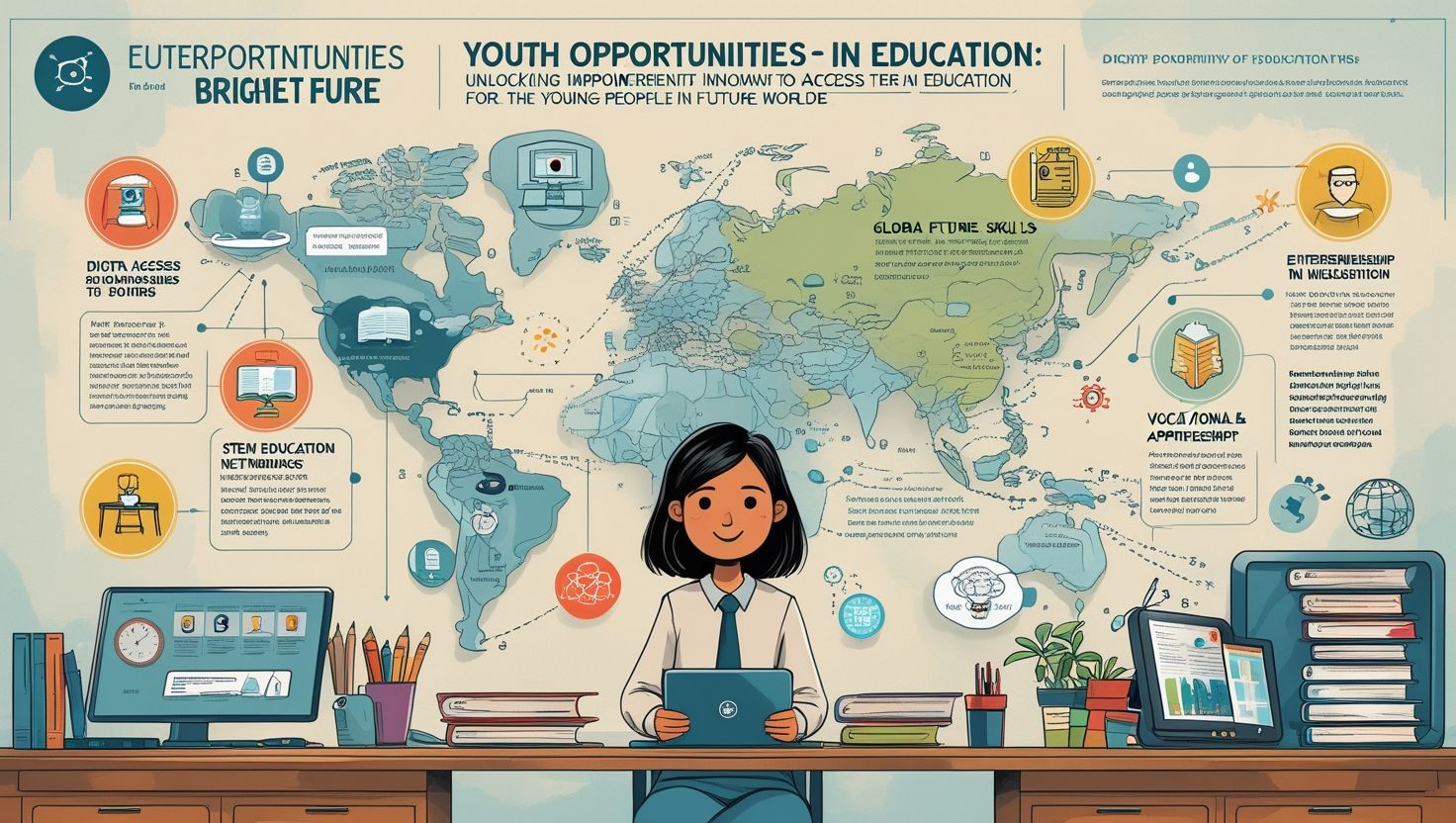
This democratization has had visible effects. Self-taught programmers have built successful careers using free online tutorials. Students in under-resourced schools have used open courseware to supplement inadequate formal education. Young entrepreneurs have learned business fundamentals through podcasts and video content rather than expensive degree programs. Health information, once mediated almost entirely through doctors and formal institutions, is now something young people can research independently, empowering them to ask better questions and make more informed choices about their own bodies and wellbeing.
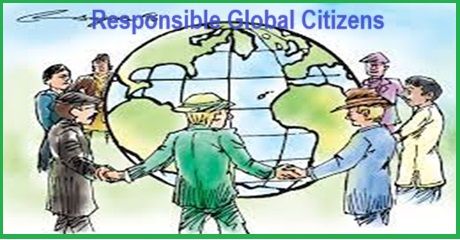
Open information also plays a critical role in enabling young people to understand the world beyond their immediate surroundings. A teenager in one country can follow real-time reporting on events happening on the other side of the globe, read primary source documents, and compare multiple perspectives on the same event. This exposure to diverse viewpoints, when engaged with critically, can cultivate a more nuanced and globally minded generation — one less reliant on a single authoritative narrative and more accustomed to synthesizing information from multiple sources.
The Challenges That Come With Empowerment
It would be incomplete, however, to present digital dialogue as an unambiguous good. The same openness that empowers youth also exposes them to significant risks, and any honest account of this topic must grapple with these tensions.
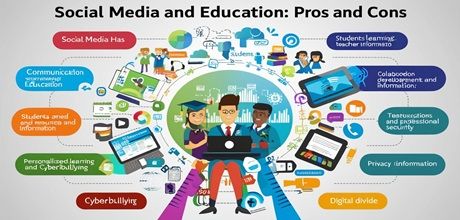
Misinformation and disinformation are perhaps the most widely discussed challenges. The same platforms that allow a young person to publish a well-researched opinion also allow the rapid spread of false or misleading content. Young people, still developing the critical thinking skills needed to evaluate sources, can be particularly vulnerable to persuasive but inaccurate information, especially when it delivered by an influencer or peer they trust.
Online harassment and safety concerns also complicate the picture. Free expression can cut both ways: the same platforms that allow youth to speak also allow others to target them with bullying, hate speech, or coordinated harassment campaigns. For some young people, especially those from marginalized backgrounds, entering digital spaces to express themselves can carry real emotional and even physical risk.
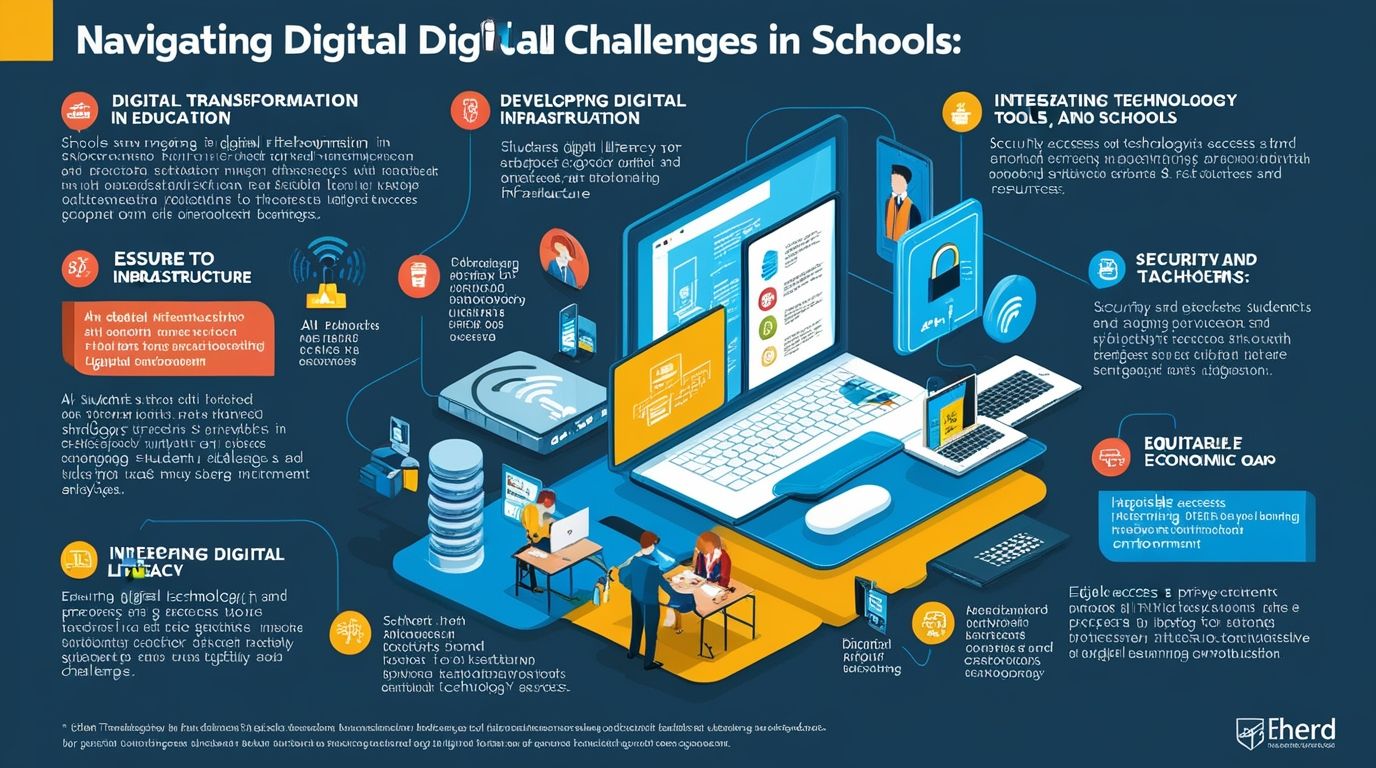
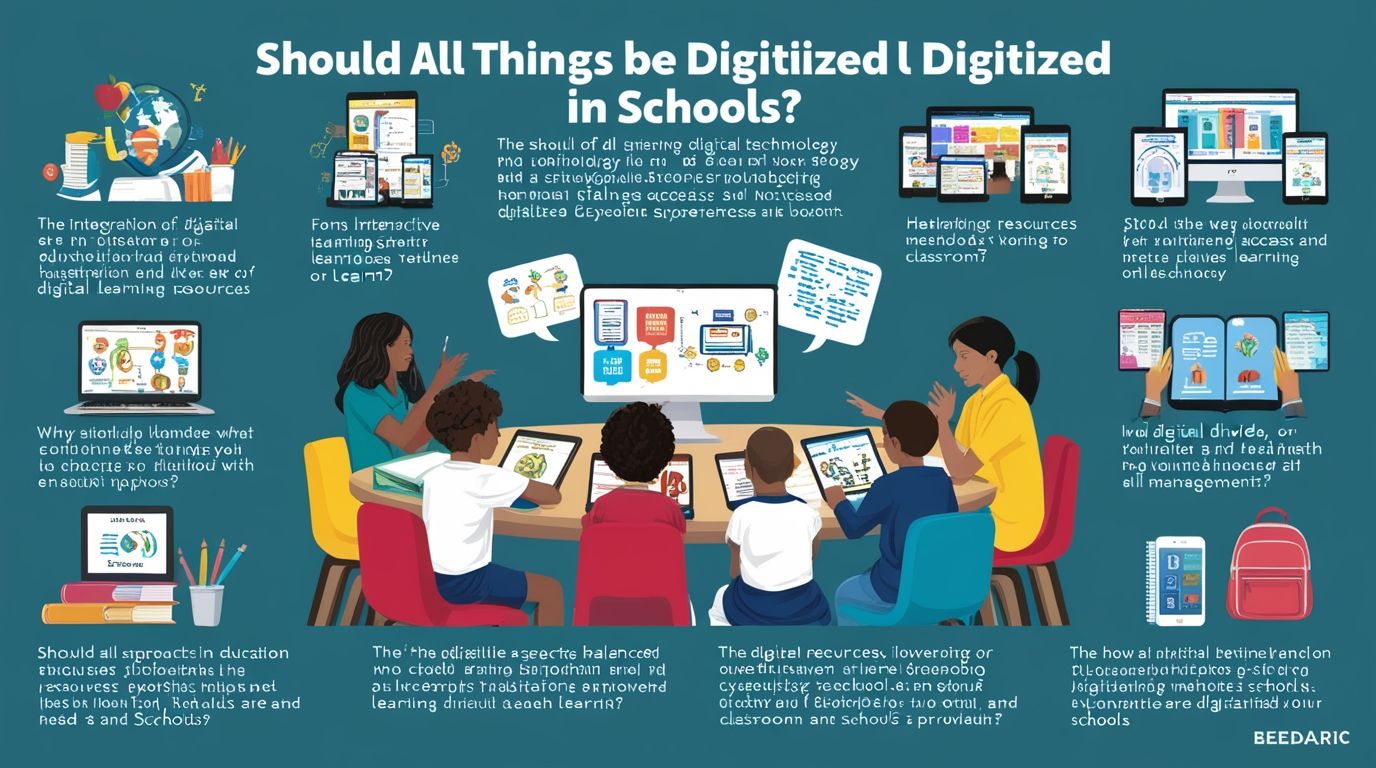
The digital divide remains a persistent barrier to equitable participation. While digital dialogue promises to democratize expression and information, that promise depends on reliable internet access, capable devices, and digital literacy — resources that not evenly distributed within or between countries. Youth in low-income households or under-resourced regions may find themselves nominally included in the digital public square but practically excluded from its full benefits.
Algorithmic curation is another subtler challenge. The platforms where digital dialogue takes place are not neutral spaces; they are shaped by algorithms designed to maximize engagement, which can inadvertently create echo chambers, amplify sensational content, or narrow the range of perspectives a young person encounters, even while giving the impression of open access to information.
Building Healthier Digital Dialogue for Youth
Given both the promise and the pitfalls, the question becomes how societies — educators, platform designers, policymakers, and families — can help young people harness digital dialogue’s empowering potential while mitigating its risks.
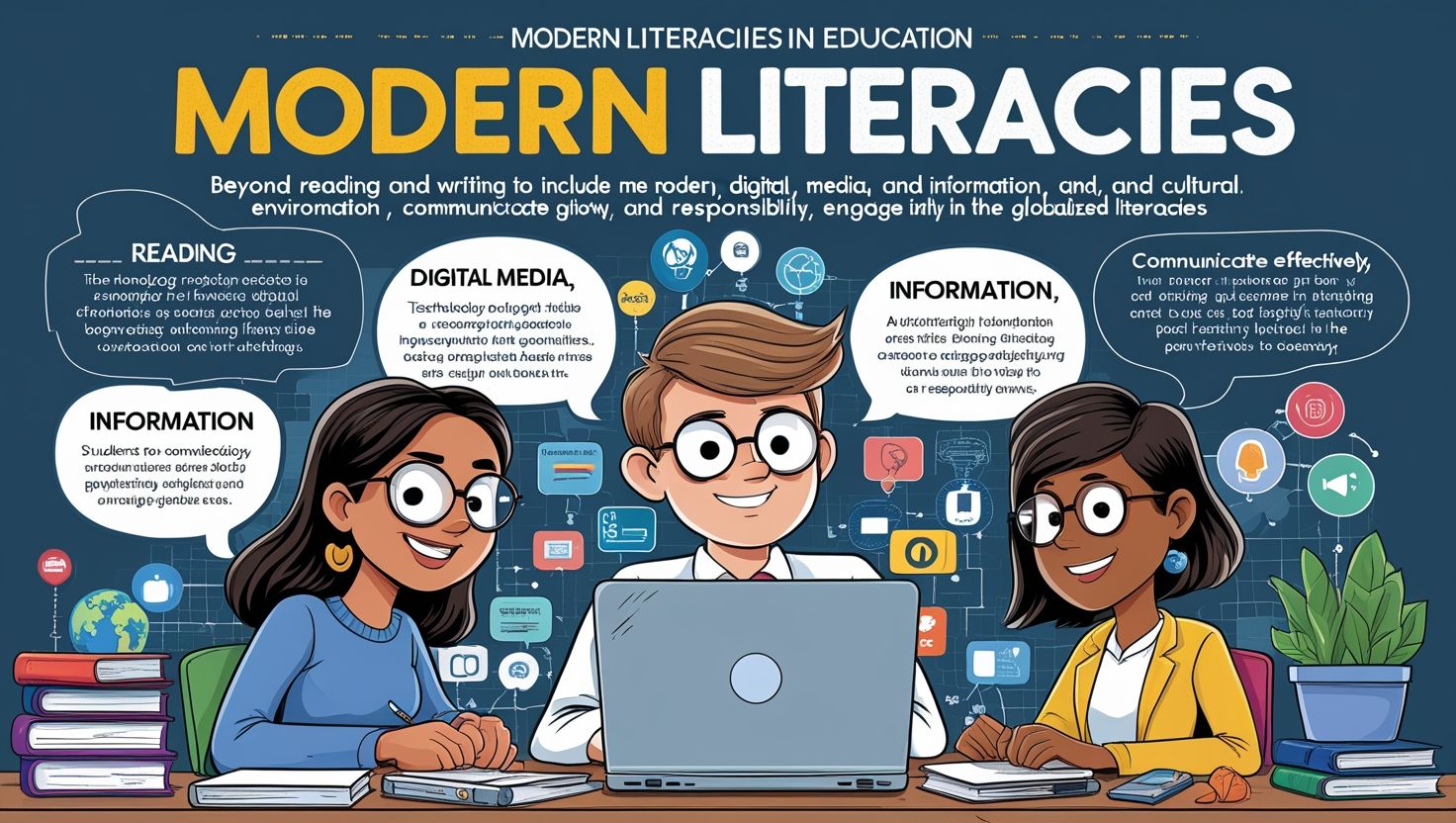
Media literacy education widely regarded as one of the most effective tools available. Teaching young people how to evaluate sources, recognize manipulation tactics, and understand how algorithms shape what they see can help transform them from passive consumers into critical, discerning participants in digital dialogue. Some education systems have begun integrating media literacy into standard curricula, treating it with the same seriousness as traditional literacy or numeracy.
Platform design also has a role to play. Features that promote thoughtful engagement over reflexive reaction, transparency about how content is curated, and stronger protections against harassment can help create digital spaces where free expression flourishes without exposing young users to undue harm. Some platforms have experimented with tools that encourage users to pause before sharing unverified information, or that provide context alongside contested claims — small design choices that can meaningfully shape the quality of dialogue.
Community and mentorship structures matter as well. Programs that connect young people with mentors — whether educators, journalists, or community leaders — who can help them navigate digital spaces thoughtfully tend to produce more resilient and discerning digital citizens. Rather than restricting access to digital dialogue, this approach seeks to build the judgment and skills young people need to participate in it well.
Finally, policy efforts aimed at closing the digital divide essential if the promise of digital dialogue to be realized equitably. Investment in infrastructure, affordable access programs, and device availability can help ensure that the empowering potential of digital dialogue not reserved for young people who already enjoy relative privilege.
Conclusion
Digital dialogue has fundamentally reshaped what it means to be young in the twenty-first century. Where previous generations often waited for adulthood to gain a meaningful voice in public life, today’s youth can express themselves, organize, learn, and engage with the world in real time, often from a smartphone in their pocket. This represents a genuine and historic expansion of free expression and open access to information — one with the power to nurture more informed, engaged, and self-assured young people.
But this power is not automatic or guaranteed. It depends on thoughtful support from educators, families, platform designers, and policymakers who understand both the opportunities and the risks embedded in digital spaces. When approached with intention — through media literacy, safer platform design, equitable access, and mentorship — digital dialogue can become one of the most powerful tools available for empowering the next generation. When left unaddressed, its challenges can just as easily undermine the very freedoms it promises. The task ahead is not to retreat from digital dialogue, but to shape it into a space worthy of the young people who increasingly call it home.