Introduction
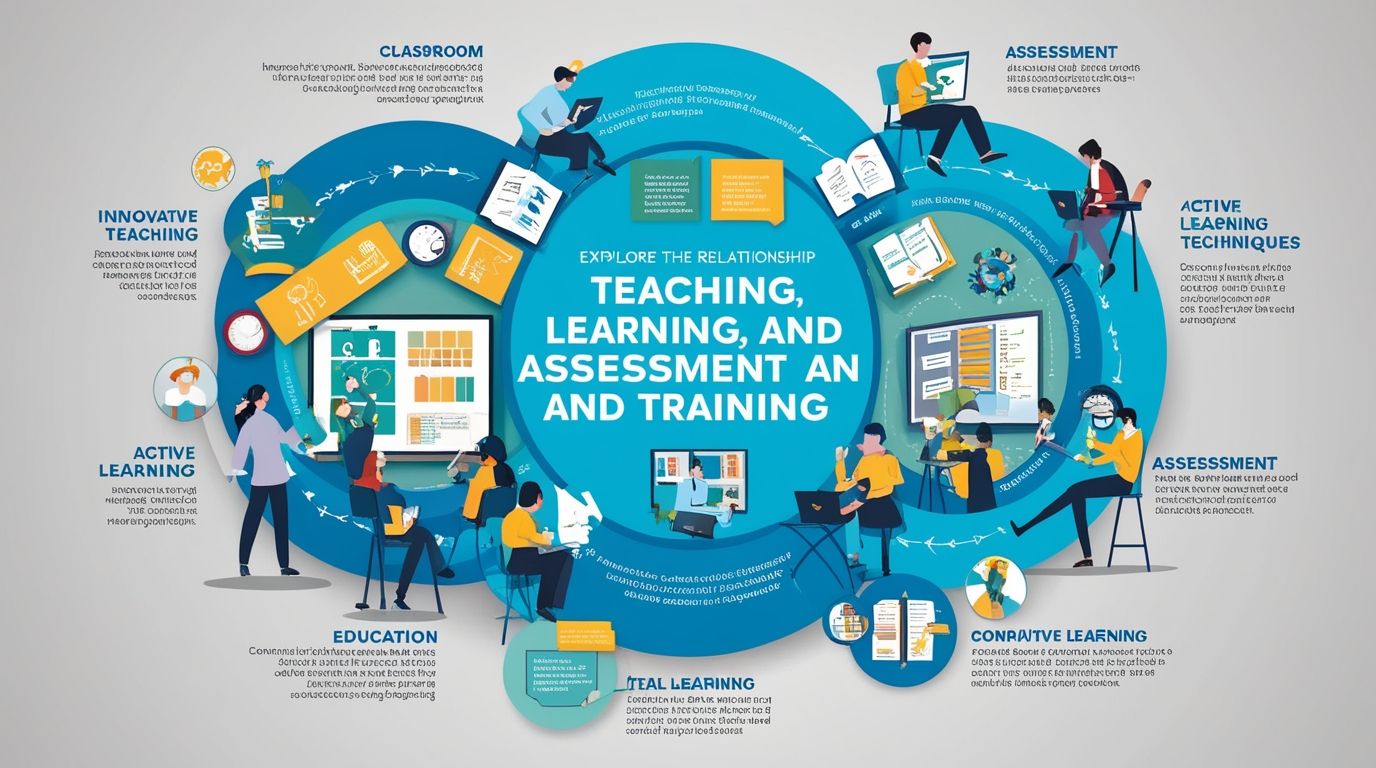
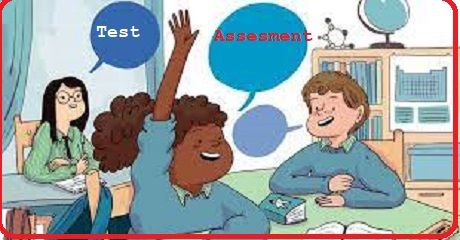
MCQs vs Open-Ended Questions: A Comparative Analysis, Assessment is a fundamental component of the teaching-learning process. It provides evidence of student learning, guides instructional decisions, and helps educators evaluate the effectiveness of educational programs. Among the various assessment formats used in schools, colleges, and competitive examinations, Multiple-Choice Questions (MCQs) and Open-Ended Questions remain the most widely employed. Each assessment type serves distinct purposes and measures different aspects of learning. The debate regarding which format is more effective has continued for decades among educators, researchers, policymakers, and examination boards.
As education shifts from memorization-based learning to competency-based and critical-thinking-oriented approaches, understanding the strengths and limitations of MCQs and open-ended questions becomes increasingly important. Rather than viewing them as competing methods, educators need to recognize how each contributes to a comprehensive assessment system. This article examines the characteristics, advantages, disadvantages, and educational implications of MCQs and open-ended questions, providing insights into their effective use in contemporary classrooms.
Understanding Multiple-Choice Questions (MCQs)
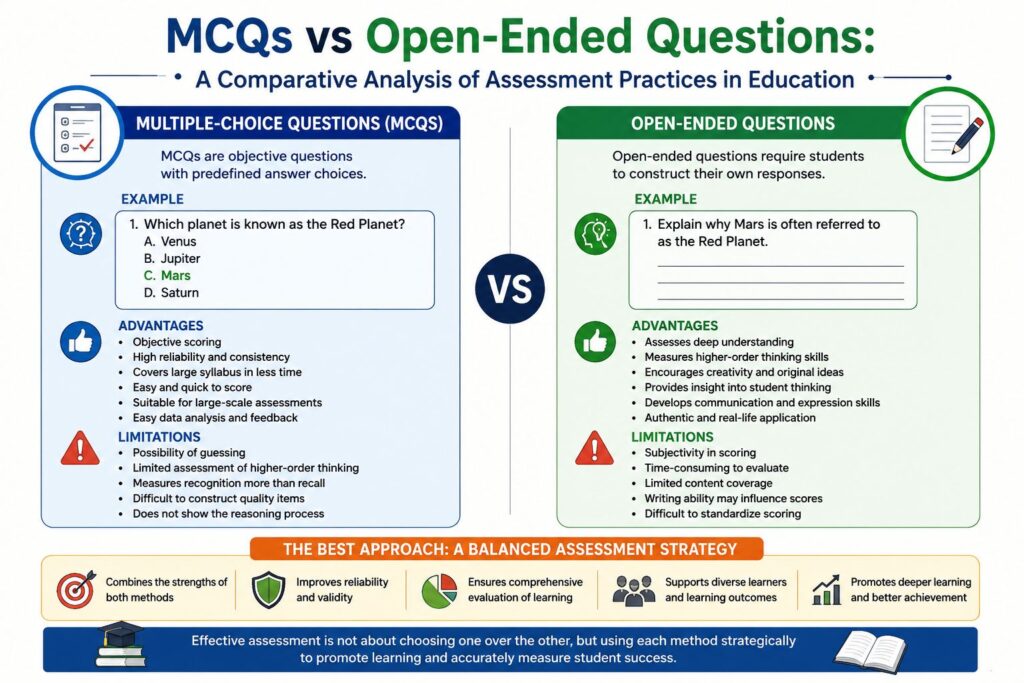
Multiple-Choice Questions are objective assessment items in which learners select the correct answer from a list of options. Typically, an MCQ consists of a stem (question or statement), one correct answer, and several distractors (incorrect alternatives). For example:
Which planet is known as the Red Planet?
A. Venus
B. Jupiter
C. Mars
D. Saturn
The correct answer is C. Mars. MCQs are commonly used in standardized tests, entrance examinations, certification assessments, and classroom quizzes because they allow efficient evaluation of large numbers of students.
Advantages of MCQs
1. Objective Scoring
One of the greatest strengths of MCQs is their objectivity. Since responses are predetermined as correct or incorrect, there is little room for examiner bias. Every student is evaluated according to the same standard.
2. Reliability and Consistency
MCQs provide highly reliable results because scoring remains consistent across different evaluators and testing occasions. Automated scoring systems further enhance reliability.
3. Broad Content Coverage
Teachers can include a large number of questions within a limited examination period. This allows assessment of a wider range of topics and learning outcomes.
4. Time Efficiency
Students generally require less time to answer MCQs than essay-type questions. Similarly, teachers save considerable time in grading and result compilation.
5. Suitability for Large-Scale Testing
National examinations, university entrance tests, and professional certification exams often rely on MCQs because thousands of candidates can be assessed efficiently.
6. Data Analysis and Feedback
MCQ results can easily be analyzed statistically to identify learning gaps, item difficulty levels, and overall student performance trends.
Limitations of MCQs
1. Encouragement of Guessing
Students may answer correctly through random guessing rather than actual understanding. This can affect the accuracy of assessment results.
2. Limited Assessment of Higher-Order Thinking
Although well-designed MCQs can assess analysis and application, they often struggle to capture complex reasoning, creativity, and original thought.
3. Recognition Rather than Recall
MCQs frequently measure recognition of information instead of the ability to generate knowledge independently.
4. Difficulty in Constructing Quality Items
Developing valid and reliable MCQs requires expertise. Poorly designed distractors can reduce the effectiveness of the assessment.
5. Inability to Examine Student Thought Processes
MCQs reveal whether an answer is correct but often fail to show how students arrived at that answer.
Understanding Open-Ended Questions
Open-ended questions require students to generate their own responses rather than selecting from predetermined options. These questions may range from short-answer responses to essays, projects, case analyses, and reflective writing tasks. For example:
Explain why Mars is often referred to as the Red Planet.
Students must construct a response using their knowledge and understanding. Open-ended questions are widely used in classroom assessments, academic examinations, research studies, and performance-based evaluations.
Advantages of Open-Ended Questions
1. Assessment of Deep Understanding
Open-ended questions allow educators to evaluate how well students comprehend concepts and can explain ideas in their own words.
2. Measurement of Higher-Order Thinking Skills
These questions effectively assess analysis, synthesis, evaluation, problem-solving, and critical thinking abilities.
3. Encouragement of Creativity
Students can present unique perspectives, original arguments, and innovative solutions, demonstrating intellectual independence.
4. Insight into Student Thinking
Teachers can examine students’ reasoning processes, misconceptions, and conceptual understanding through written explanations.
5. Development of Communication Skills
Open-ended responses enhance writing, organization, argumentation, and expression skills, which are essential for academic and professional success.
6. Authentic Assessment
Such questions often resemble real-life situations where individuals must formulate responses rather than choose from predetermined alternatives.
Limitations of Open-Ended Questions
1. Subjectivity in Scoring
Different evaluators may interpret responses differently, leading to variations in scores unless detailed rubrics are used.
2. Time-Consuming Evaluation
Marking essays and extended responses requires significant time and effort, especially with large student populations.
3. Limited Content Coverage
Because students spend more time on each response, fewer questions can be included in an examination.
4. Potential for Writing Bias
Students with strong writing skills may perform better even when their conceptual understanding is similar to others.
5. Challenges in Standardization
Maintaining consistency across different graders and institutions can be difficult.
Comparing MCQs and Open-Ended Questions
Knowledge Assessment
MCQs effectively assess factual knowledge, terminology, and conceptual recognition. Open-ended questions, however, evaluate students’ ability to explain, interpret, and apply knowledge. For example, an MCQ can test whether a student knows the formula for photosynthesis, while an open-ended question can assess whether the student can explain the process and its significance.
Cognitive Complexity
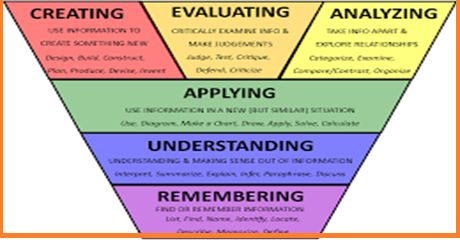
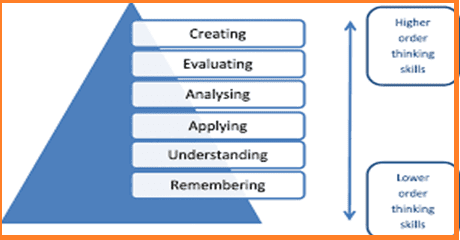
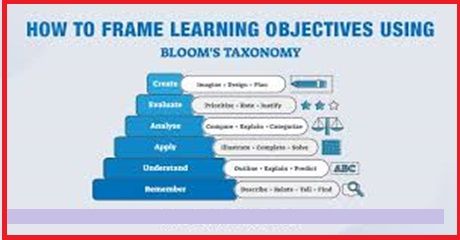
According to Bloom’s Taxonomy, educational objectives range from remembering and understanding to analyzing, evaluating, and creating. MCQs are particularly effective for assessing lower and middle cognitive levels, although advanced item-writing techniques can target higher-order thinking. Open-ended questions naturally lend themselves to evaluating complex cognitive processes.
Reliability
MCQs generally offer higher reliability because scoring is objective and standardized. Open-ended questions may experience lower reliability due to scorer variability.
Validity
Open-ended questions often demonstrate greater validity when assessing skills such as reasoning, argumentation, creativity, and communication. MCQs may have greater validity for assessing broad content knowledge.
Practicality
MCQs are more practical in large-scale assessments due to ease of administration and scoring. Open-ended questions are more resource-intensive but provide richer information.
Student Engagement
Open-ended questions encourage active thinking and personal expression. MCQs may sometimes promote surface learning if students focus solely on selecting correct answers.
Research Perspectives on MCQs and Open-Ended Questions
Educational research suggests that no single assessment format can capture all dimensions of learning. Studies indicate that MCQs can effectively measure conceptual understanding when carefully designed. Scenario-based and application-oriented MCQs often require significant cognitive processing.
At the same time, research consistently demonstrates that open-ended assessments provide deeper insights into students’ reasoning and problem-solving abilities. They allow learners to demonstrate understanding in ways that objective formats cannot. Researchers increasingly advocate a balanced assessment approach that combines objective and subjective methods. Such integration enhances both reliability and validity while addressing diverse learning outcomes.
The Role of MCQs in Modern Education
The digital transformation of education has increased the popularity of MCQs. Learning management systems, online courses, and computer-based testing platforms frequently rely on objective assessment formats. Artificial intelligence and adaptive testing technologies also utilize MCQs to generate personalized assessments and instant feedback.
In competency-based education, MCQs remain valuable for assessing foundational knowledge and prerequisite understanding. However, educators are encouraged to move beyond simple recall questions and design items that require application, interpretation, and analysis. For example, instead of asking students to memorize historical dates, a well-designed MCQ may require them to analyze causes and consequences of historical events.
The Role of Open-Ended Questions in Modern Education
Modern educational frameworks emphasize critical thinking, collaboration, creativity, and communication. Open-ended questions align closely with these objectives. Project-based learning, inquiry-based instruction, and authentic assessment approaches rely heavily on open-ended tasks. These methods encourage students to investigate problems, construct arguments, and propose solutions.
In professional fields such as medicine, law, engineering, and education, practitioners rarely encounter situations with predefined answer choices. Therefore, open-ended assessments better reflect real-world decision-making processes. Furthermore, open-ended questions support reflective learning by encouraging students to connect academic concepts with personal experiences and broader societal issues.
When Should Teachers Use MCQs?
MCQs are particularly useful when:
- Assessing large groups of students.
- Measuring factual knowledge and basic understanding.
- Conducting formative assessments and quizzes.
- Providing immediate feedback.
- Monitoring learning progress frequently.
- Preparing students for standardized examinations.
- Evaluating broad curriculum coverage.
Teachers should ensure that MCQs assess meaningful understanding rather than mere memorization.
When Should Teachers Use Open-Ended Questions?
Open-ended questions are most appropriate when:
- Assessing critical thinking and reasoning.
- Evaluating problem-solving abilities.
- Measuring communication skills.
- Encouraging creativity and innovation.
- Exploring student perspectives.
- Conducting authentic assessments.
- Investigating conceptual misunderstandings.
Detailed scoring rubrics can improve reliability and fairness in evaluating responses.
Toward a Balanced Assessment Approach
The most effective assessment systems combine the strengths of both MCQs and open-ended questions. Such a balanced approach offers several benefits:
- Comprehensive evaluation of learning outcomes.
- Greater reliability through objective scoring.
- Enhanced validity through assessment of reasoning.
- Broader content coverage alongside deeper exploration.
- Improved feedback for students and teachers.
For example, a science examination may include MCQs to assess conceptual knowledge and open-ended questions to evaluate experimental design, data interpretation, and scientific reasoning. Similarly, language assessments can use MCQs for grammar and vocabulary while employing essays to assess writing and communication skills. This integrated model aligns with contemporary educational goals and provides a more accurate representation of student achievement.
Conclusion
The debate between MCQs and open-ended questions should not focus on determining a single superior assessment method. Both formats possess unique strengths and limitations and serve different educational purposes.
MCQs provide efficiency, objectivity, reliability, and broad curriculum coverage. They are particularly effective for assessing knowledge acquisition and large-scale testing. Open-ended questions offer deeper insights into student understanding, critical thinking, creativity, and communication skills. They enable educators to evaluate complex learning outcomes that objective tests may not adequately capture.
In modern education, where the goal is not only to measure what students know but also how they think, reason, and apply knowledge, a balanced assessment strategy is essential. By thoughtfully integrating MCQs and open-ended questions, educators can create more comprehensive, fair, and meaningful assessment systems that support both learning and achievement. Ultimately, effective assessment is not about choosing between MCQs and open-ended questions; it is about using each method strategically to promote deeper learning and accurately measure student success.