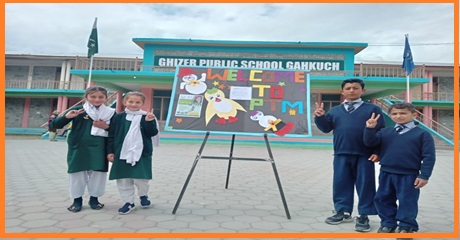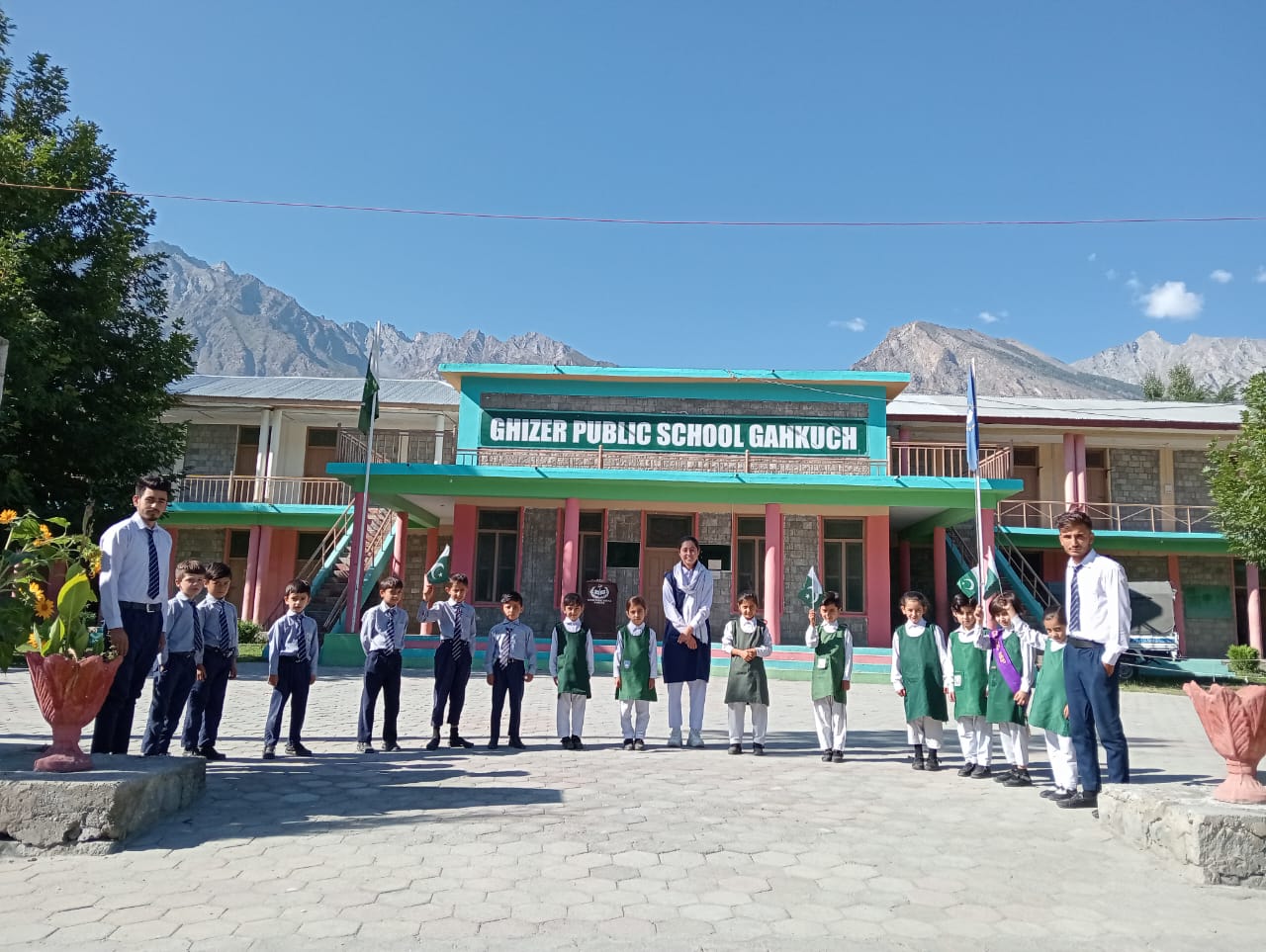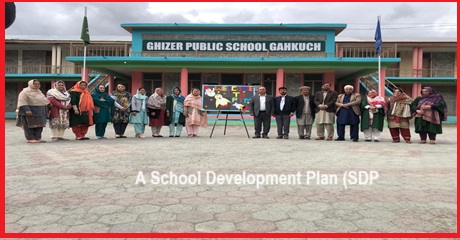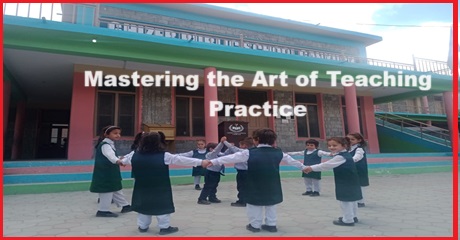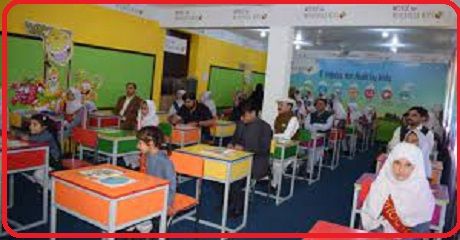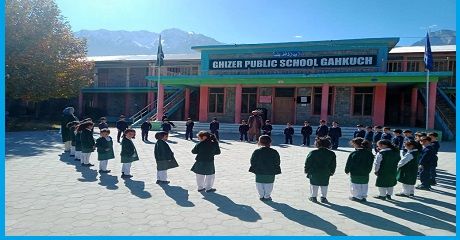
Teacher Observation Report – Part I: Classroom Observation, For my teacher observation assignment, I decided to visit a primary classroom at Bright Future Public School in Gilgit-Baltistan. The school is a well-established institution with approximately 450 students and more than 25 teachers, maintaining a balanced student-teacher ratio. Since my academic focus is elementary education, I selected a Grade 3 classroom for observation.
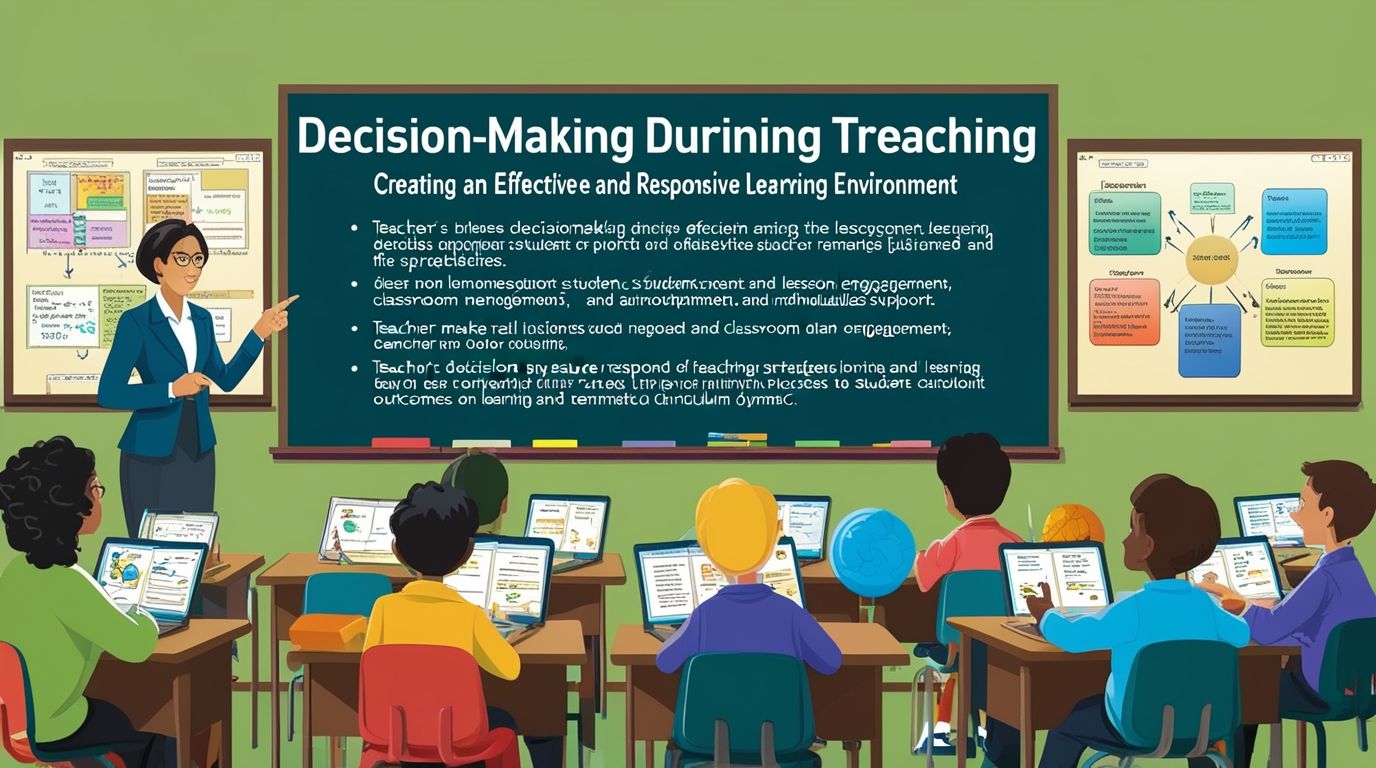
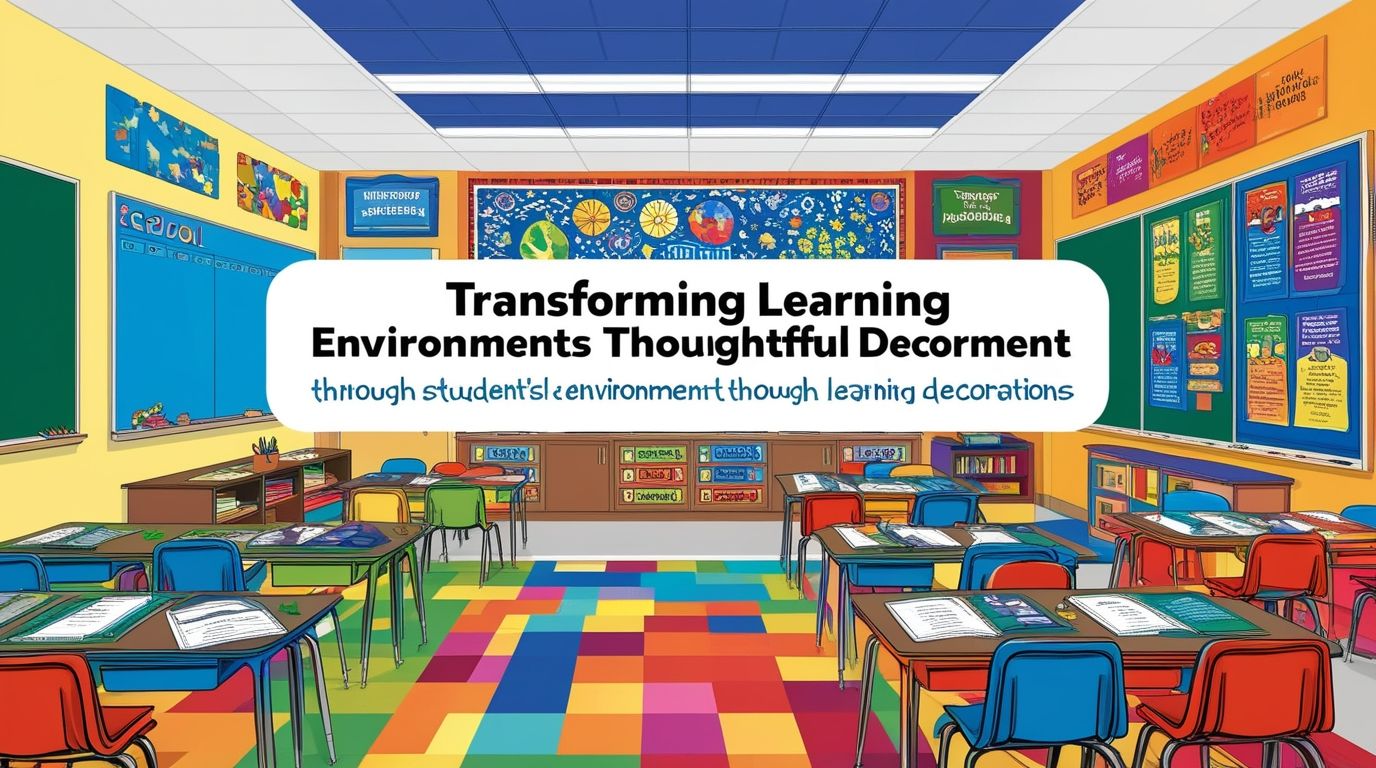
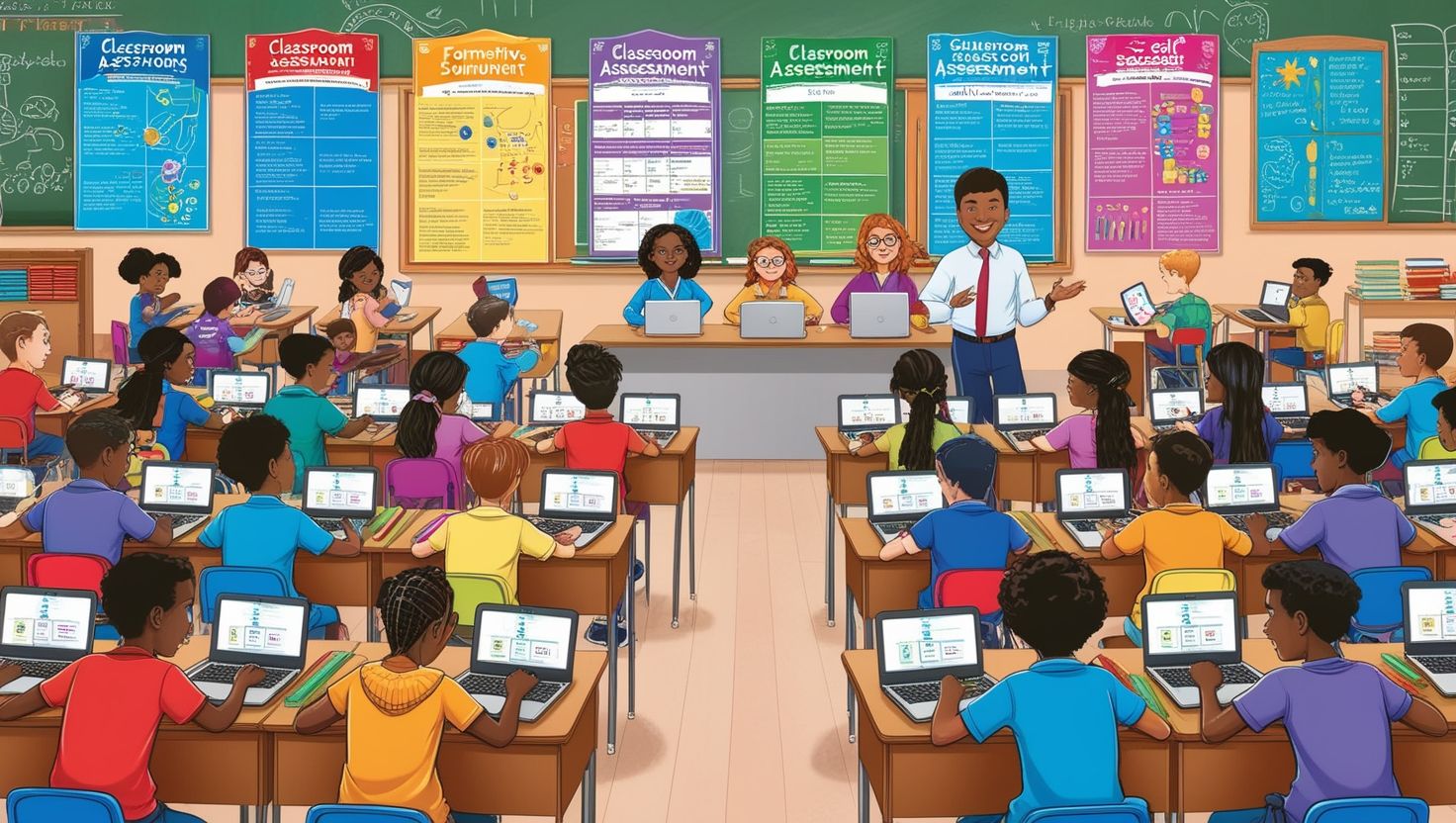
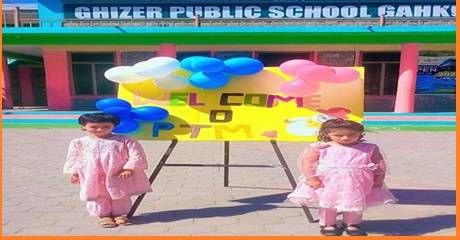
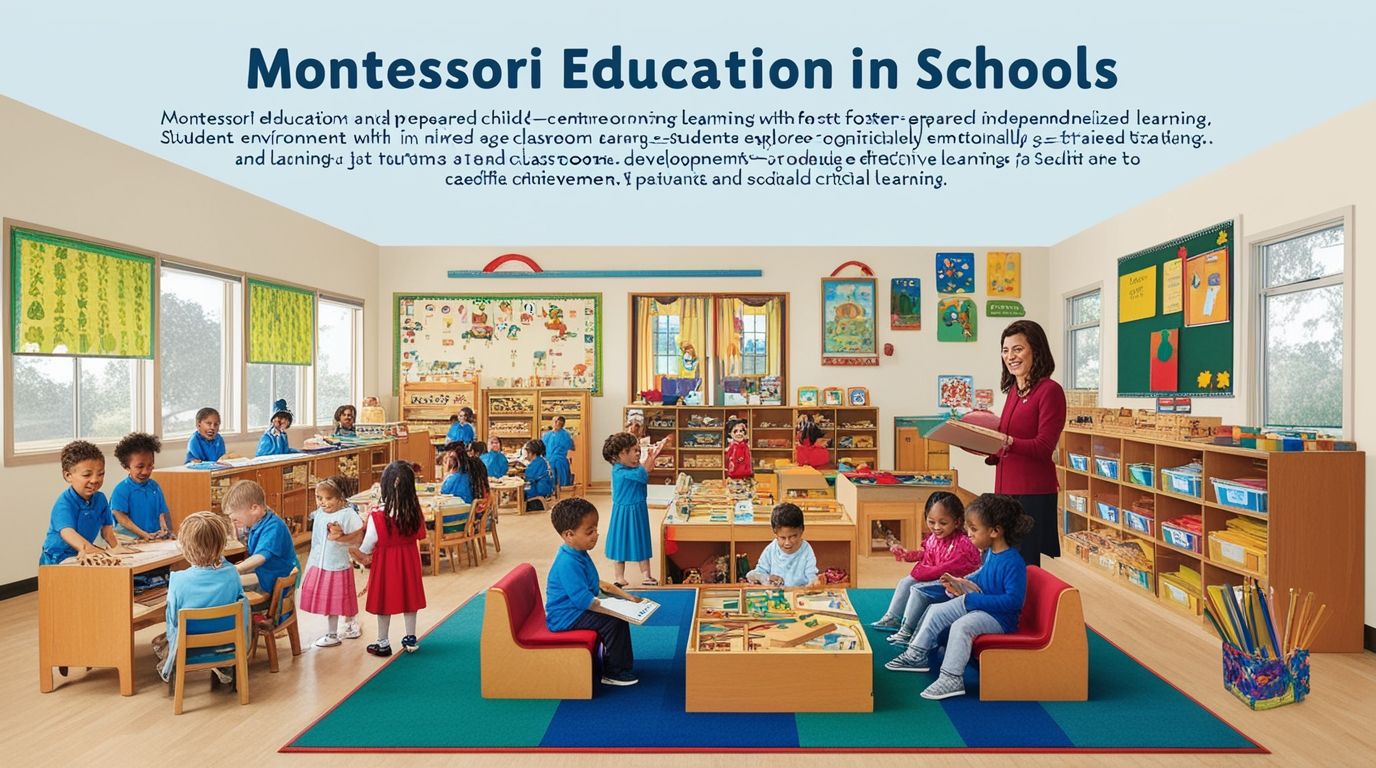
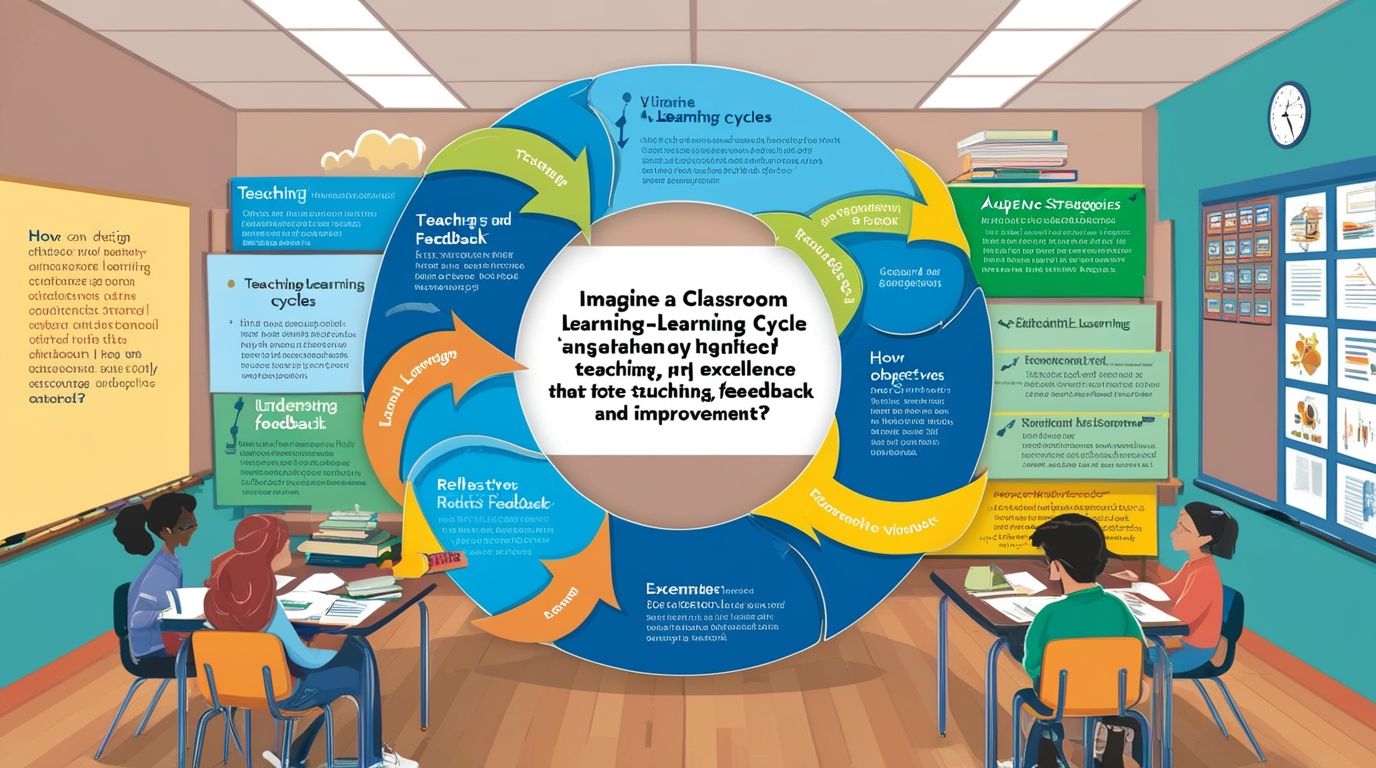
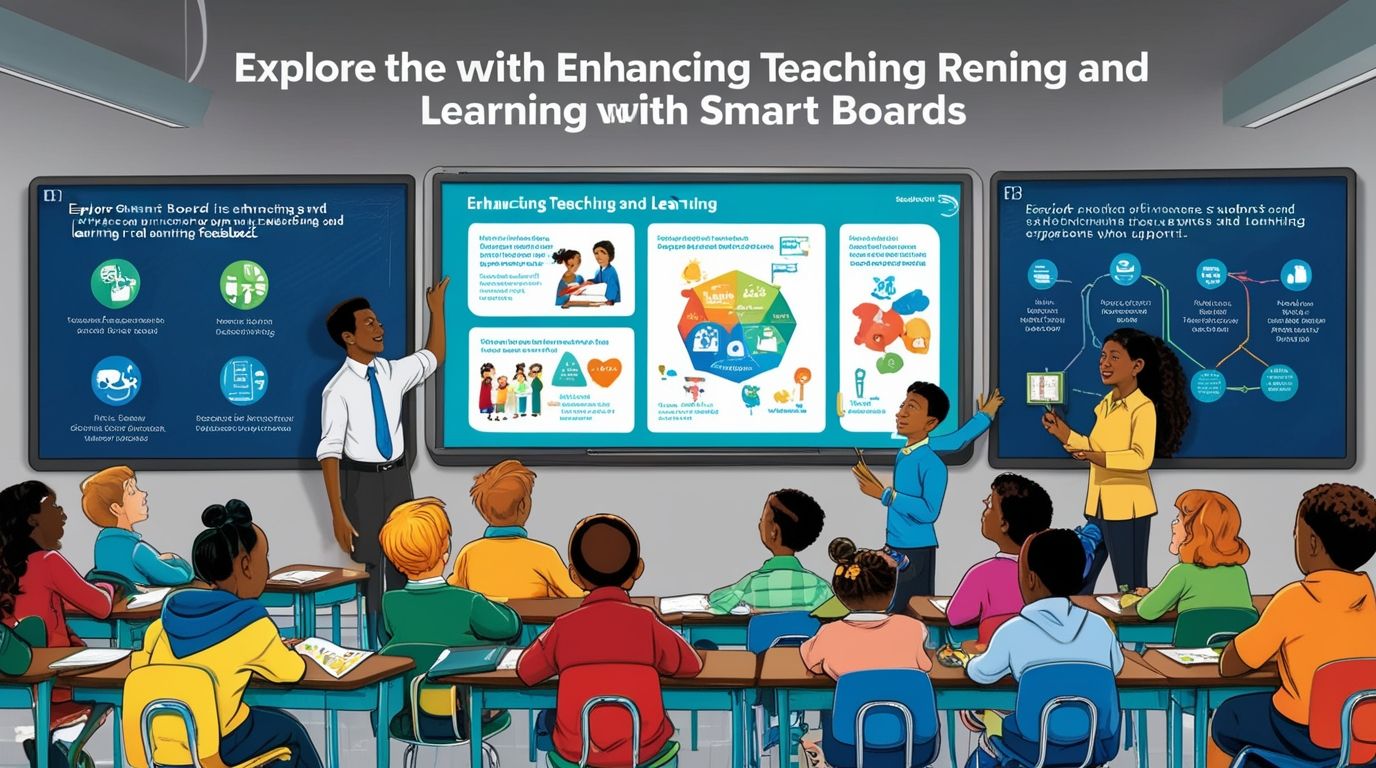
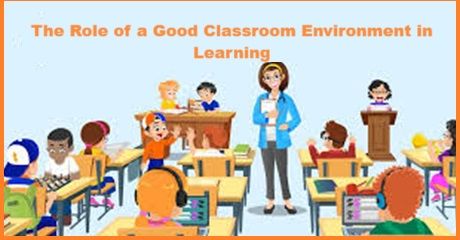
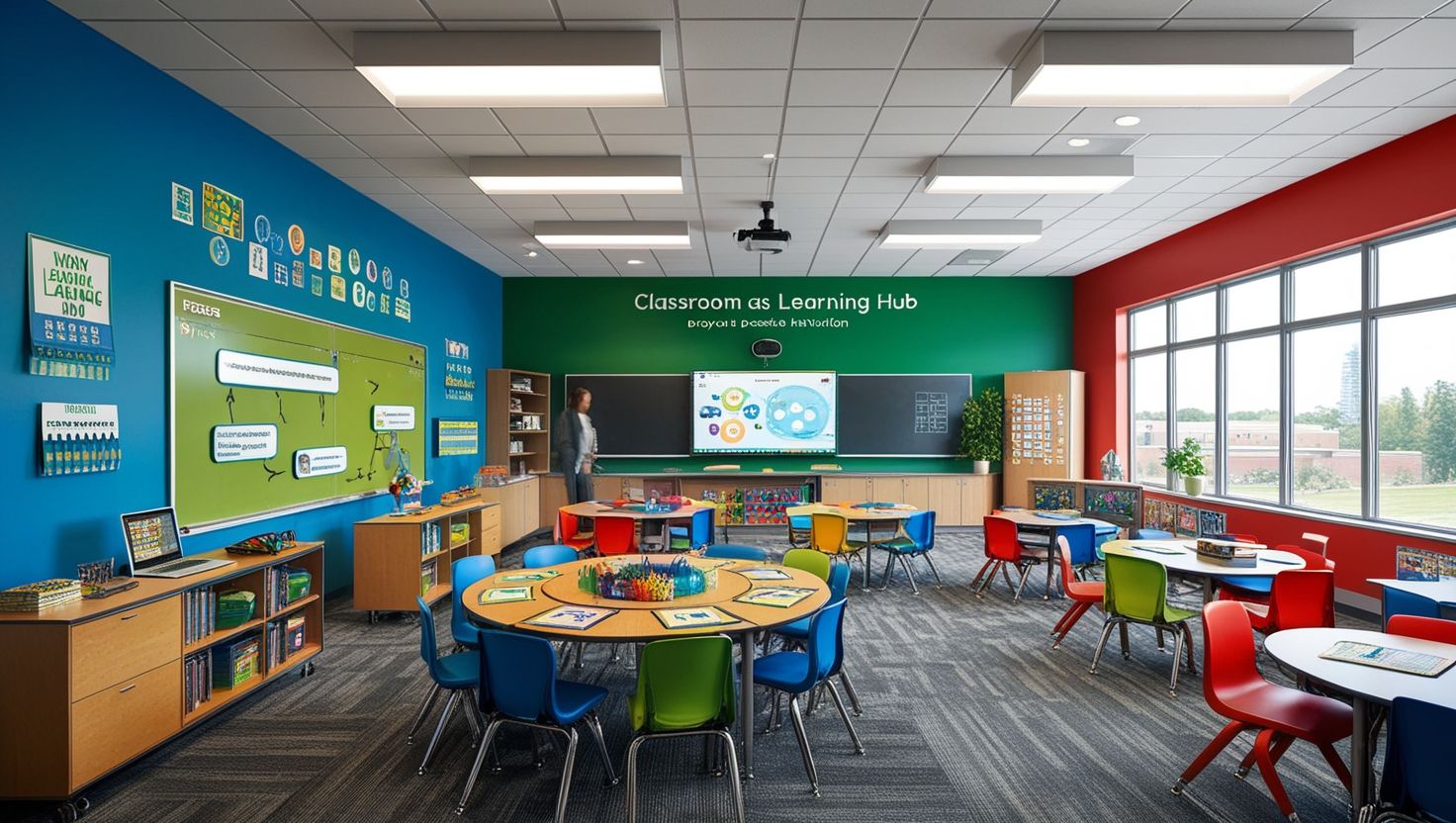
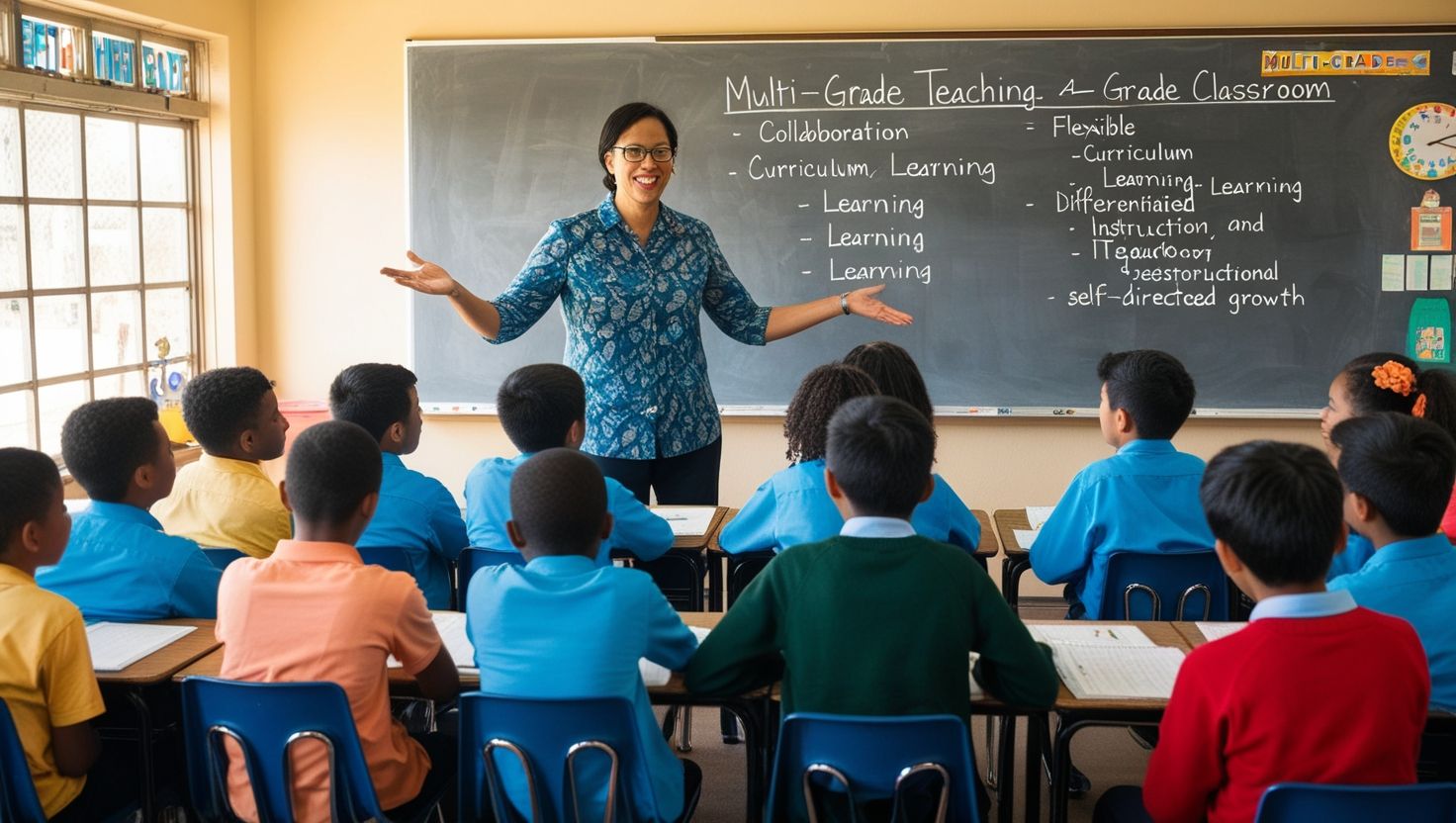
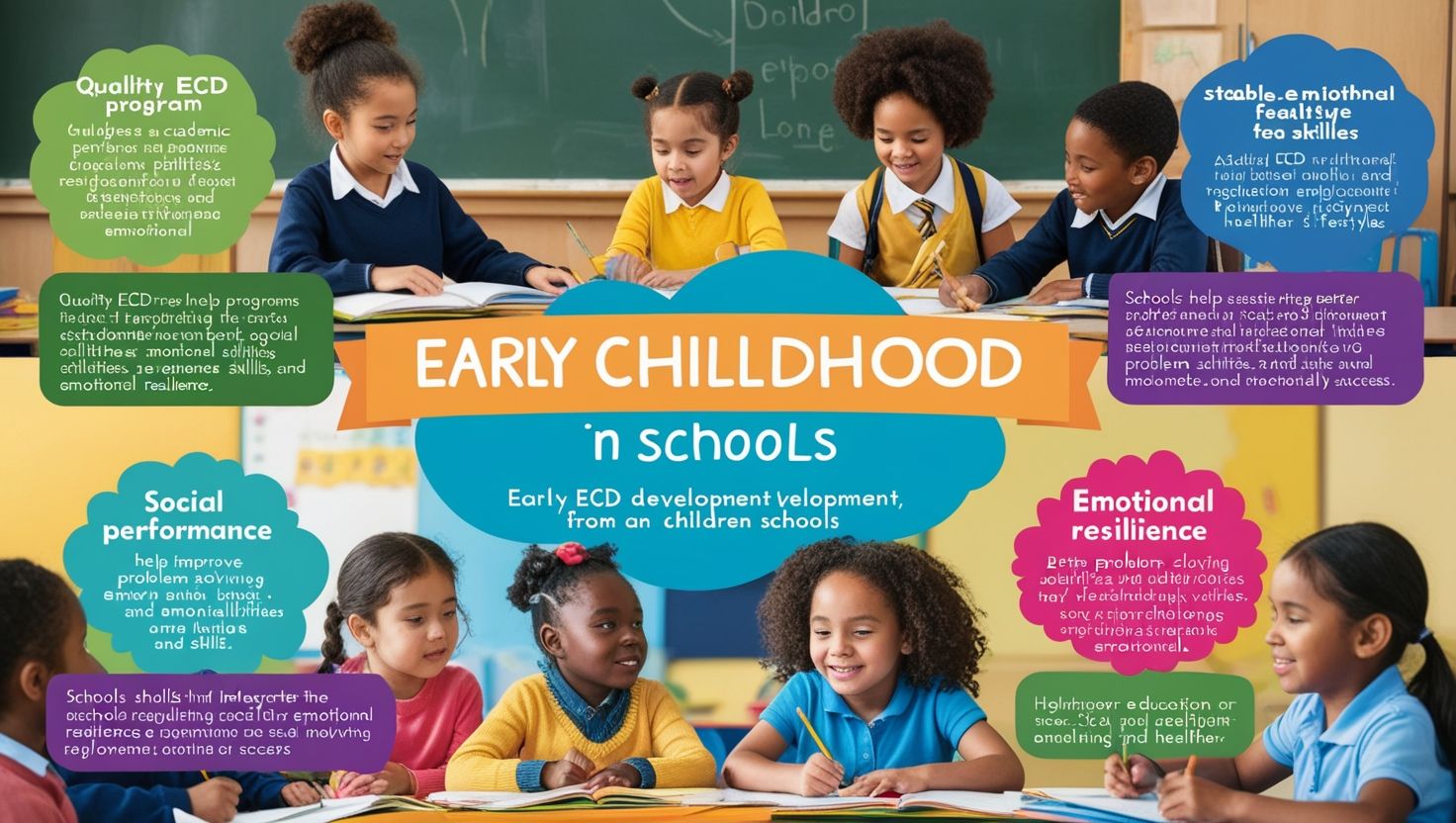
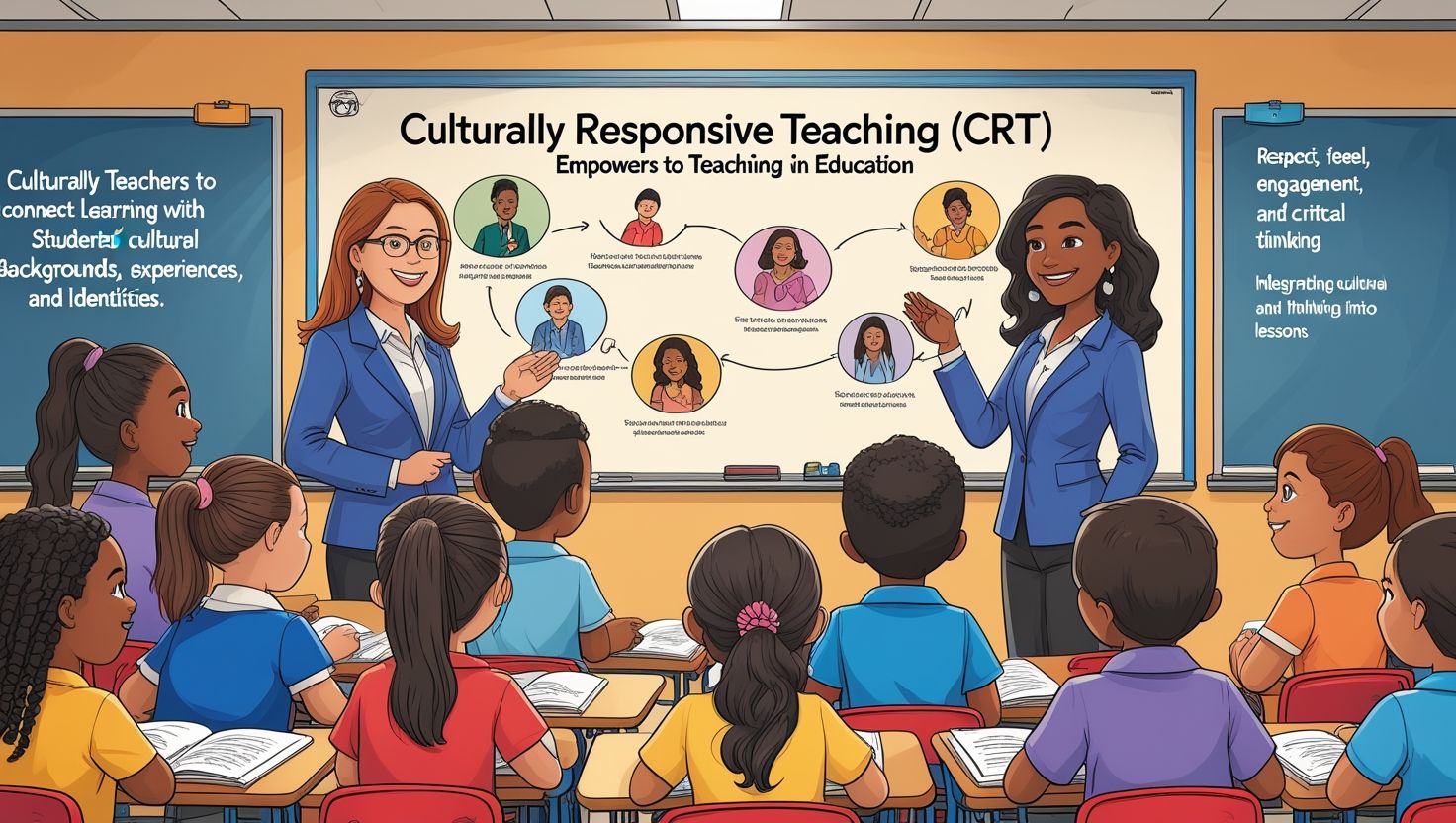
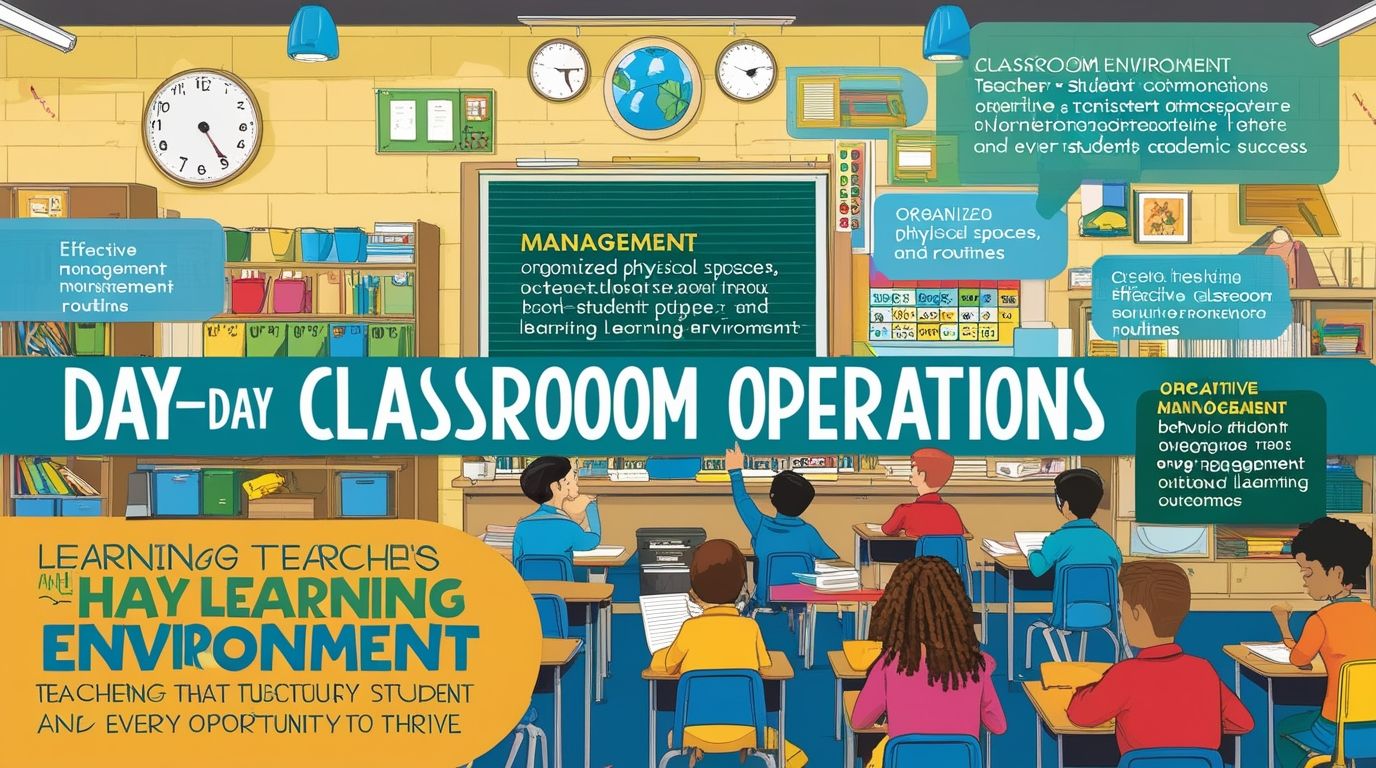
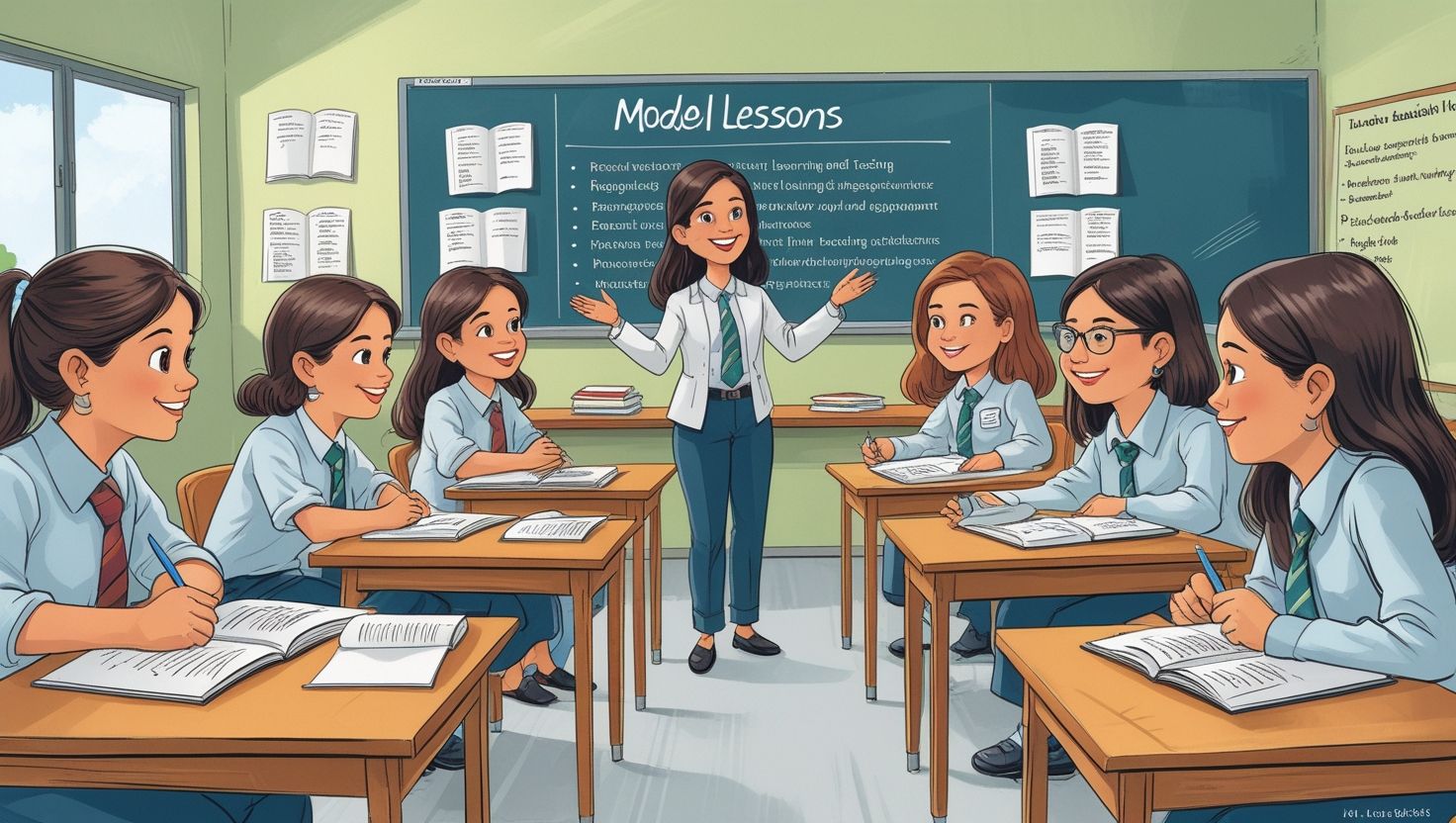
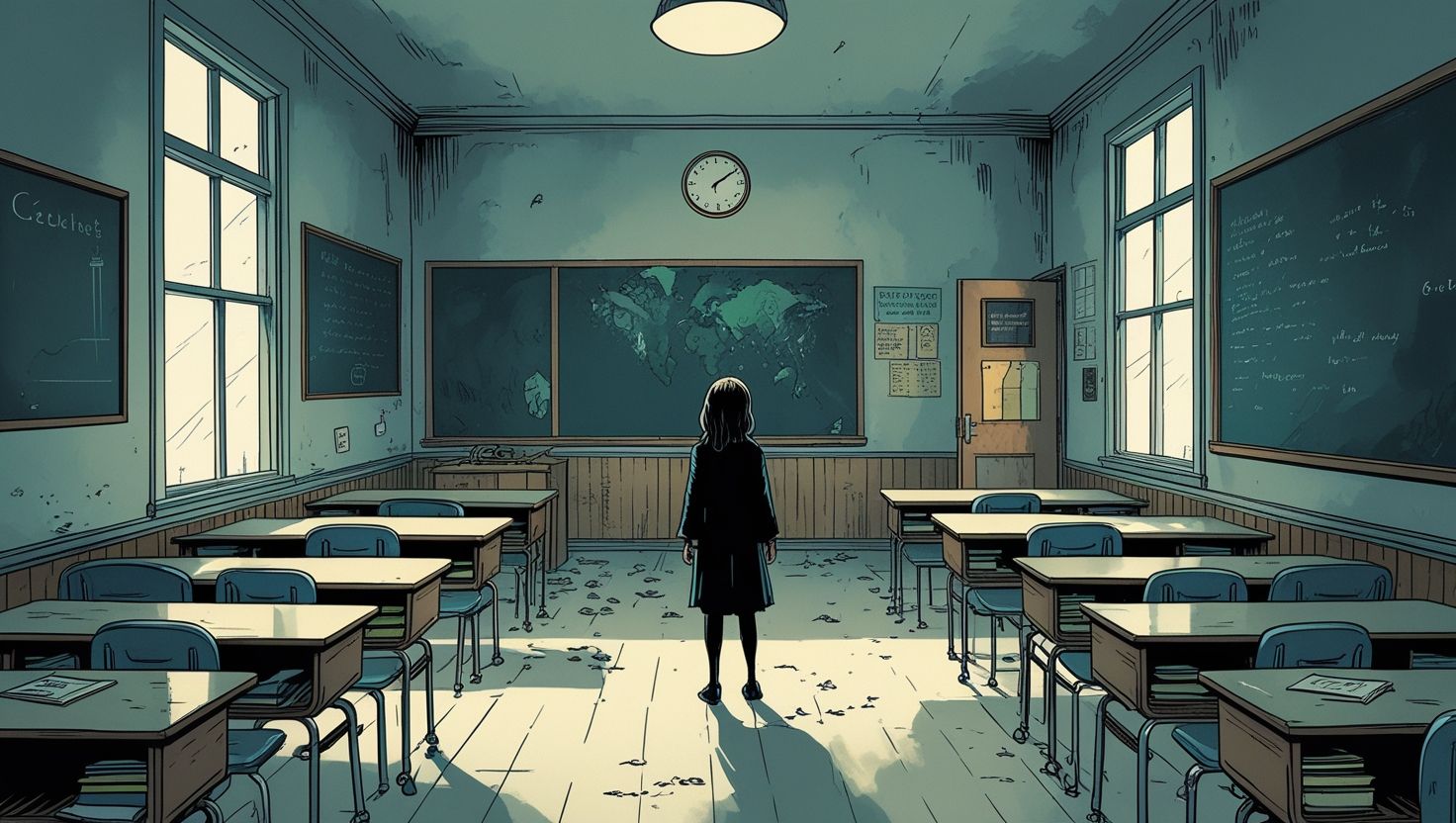
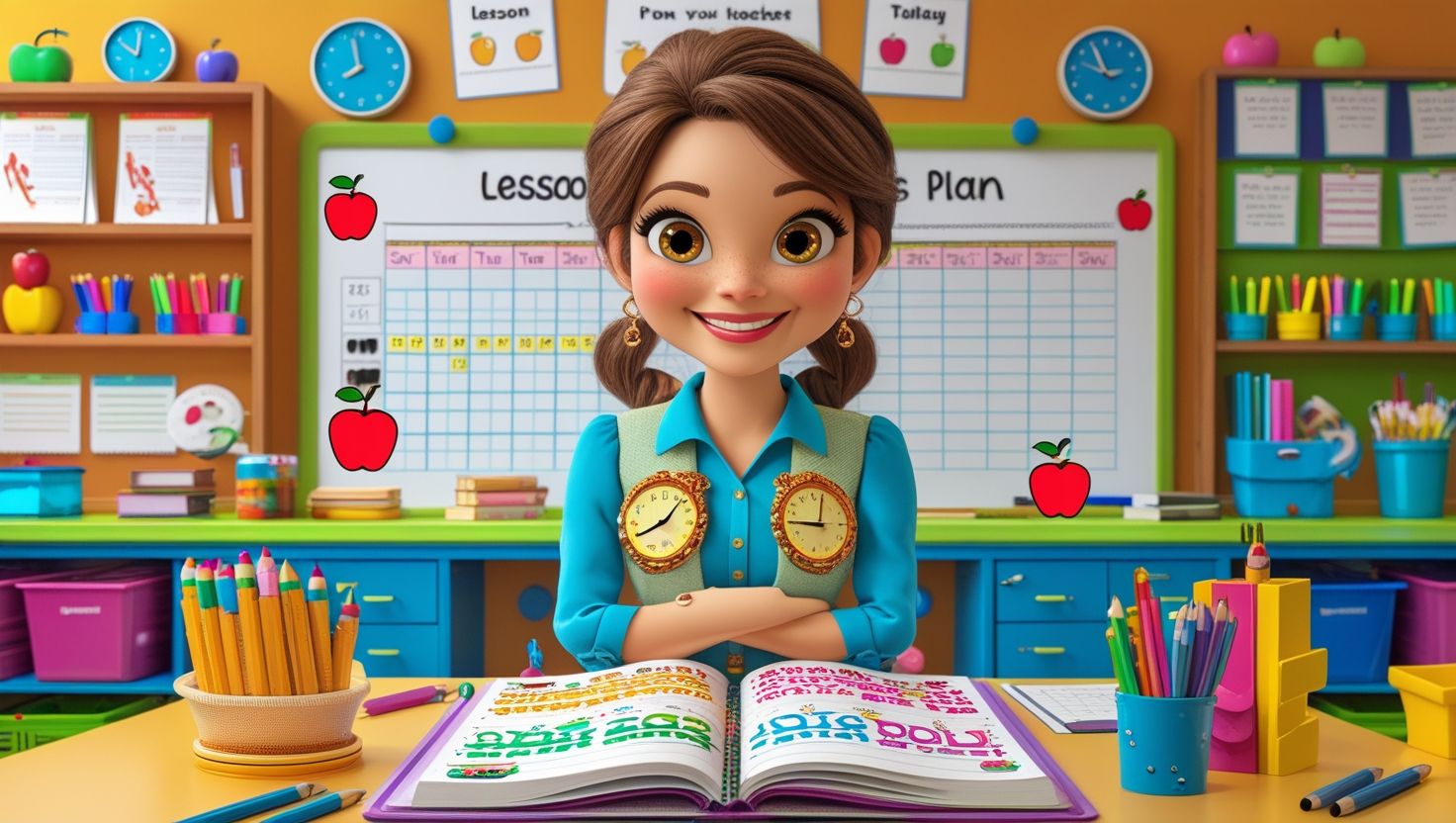
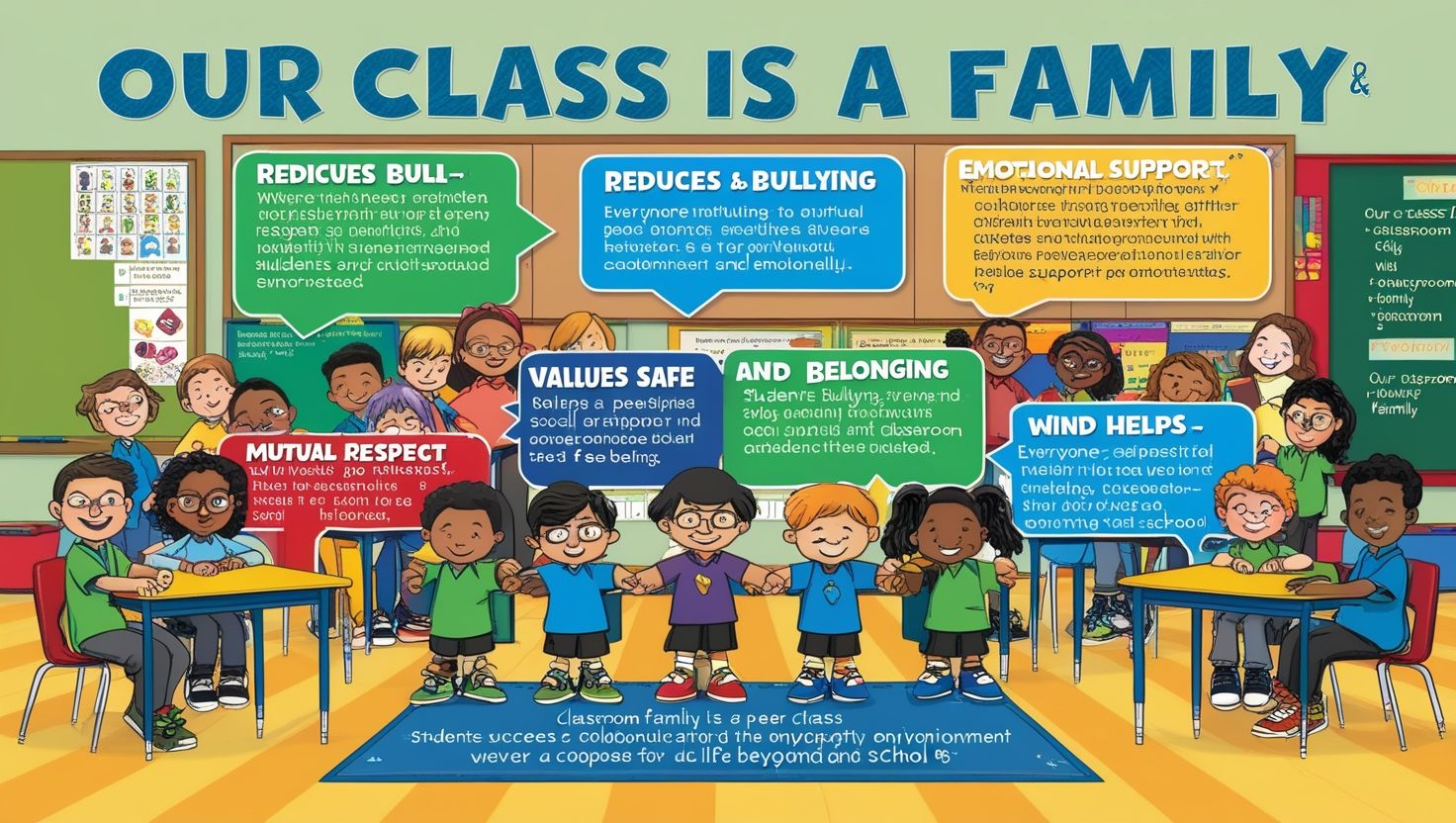
All of my observation hours were spent in the classroom of Ms. Nadia Khan. Upon entering the room, I immediately noticed the warm and inviting atmosphere. A colorful welcome mat was placed near the entrance, creating a friendly environment for students and visitors alike. The classroom walls were decorated with educational displays, including charts of letters, numbers, colors, shapes, animals, and vocabulary words. There were also creative illustrations showing animals engaged in reading, writing, and classroom activities, making learning more enjoyable and relatable for young learners.
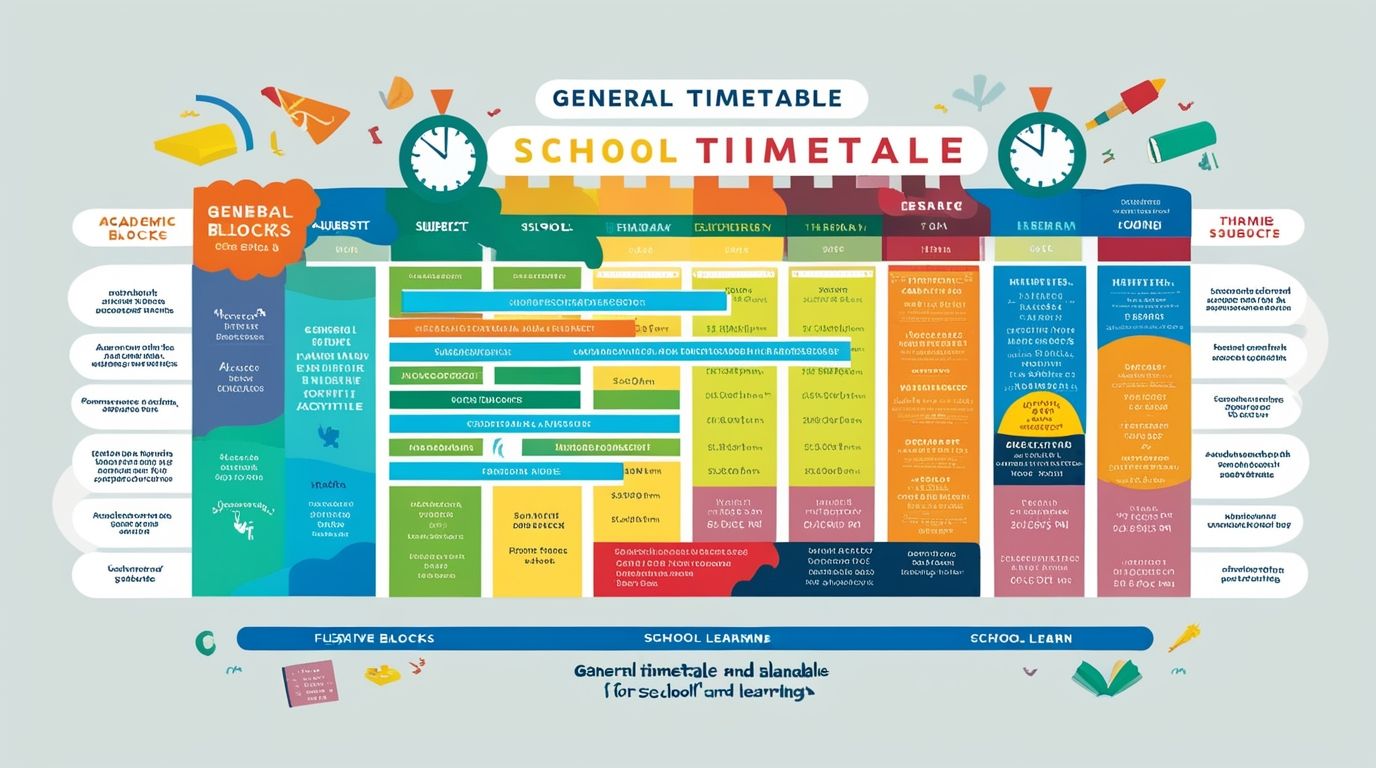
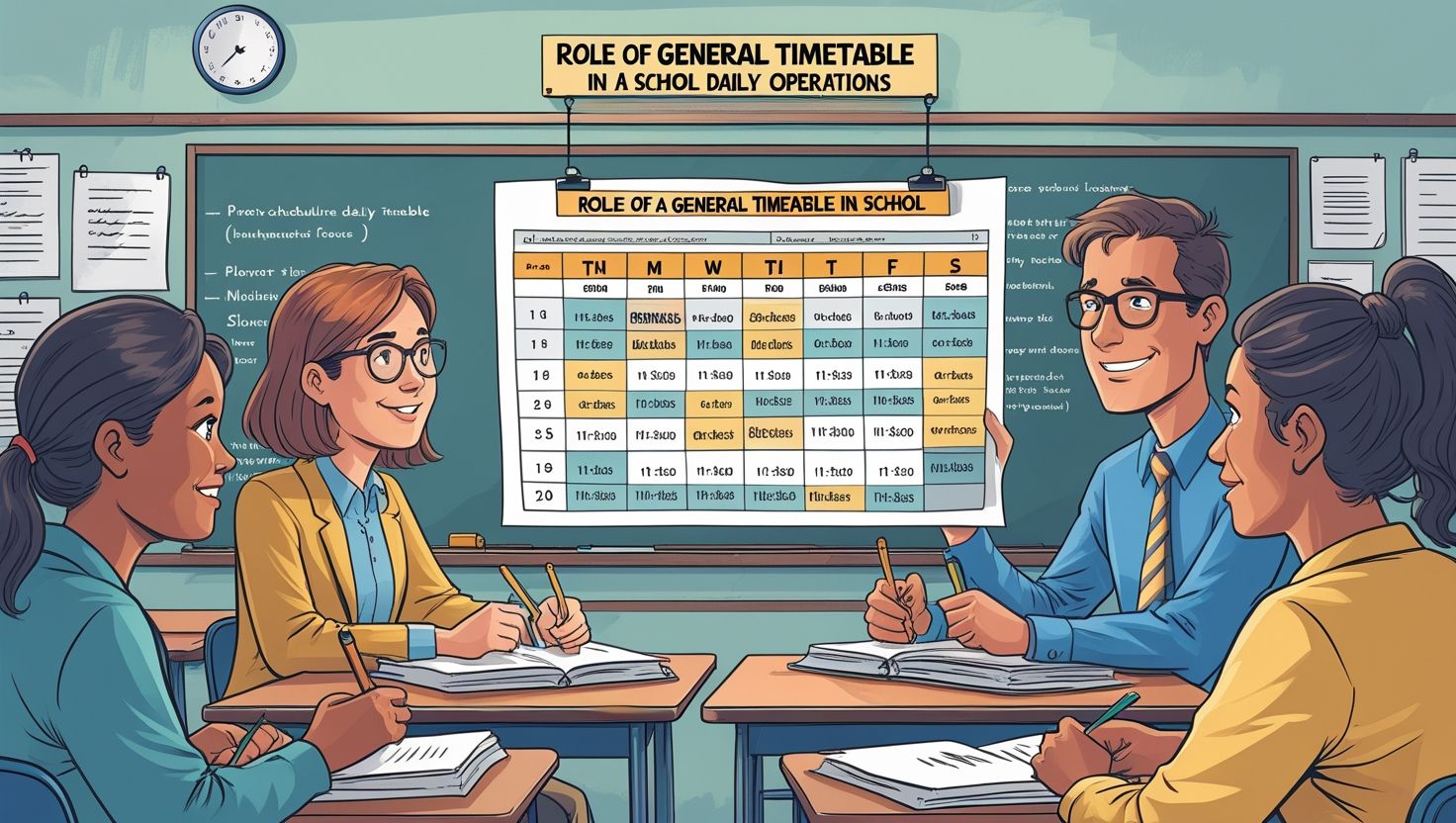
A daily timetable was displayed prominently on the board, outlining the schedule for each subject. Next to it was a classroom calendar showing the current date and previous days. Another noticeable feature was a behavior management chart that Ms. Nadia referred to as the “Good Choices Board.” It consisted of three colored sections—green, yellow, and red—which were used to monitor student behavior throughout the day. The classroom itself was organized into distinct areas, including the teacher’s workspace, student seating area, and a reading corner filled with books. Overall, the environment felt comfortable, organized, and student-centered.
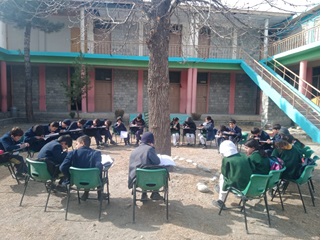
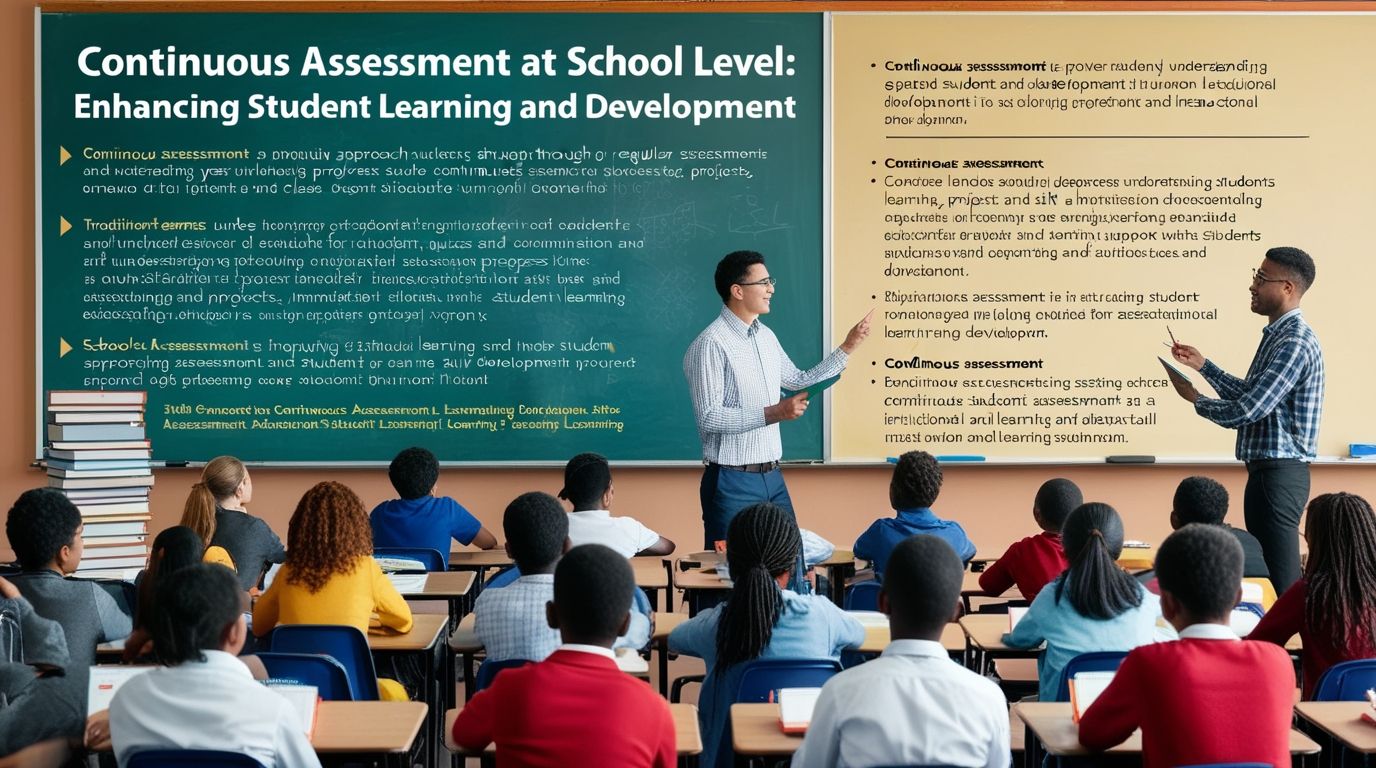
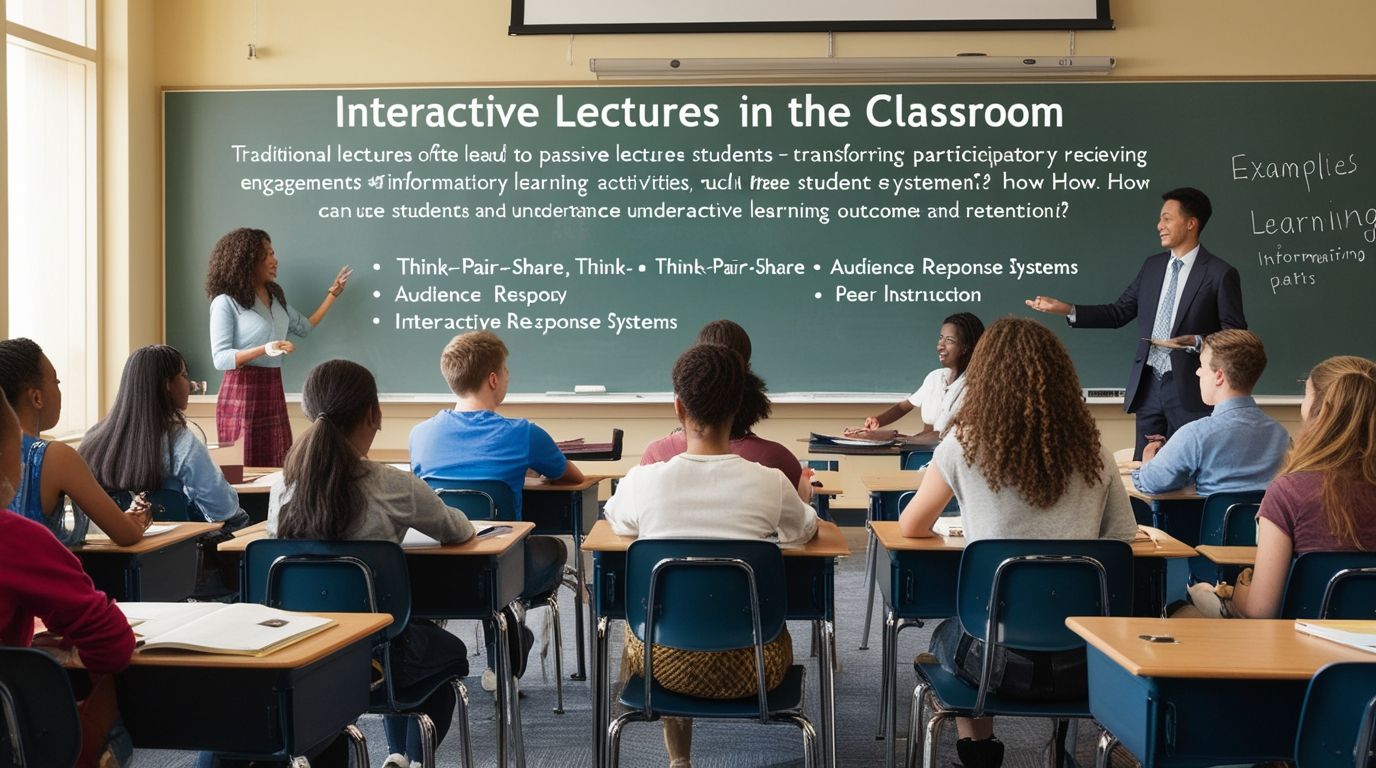
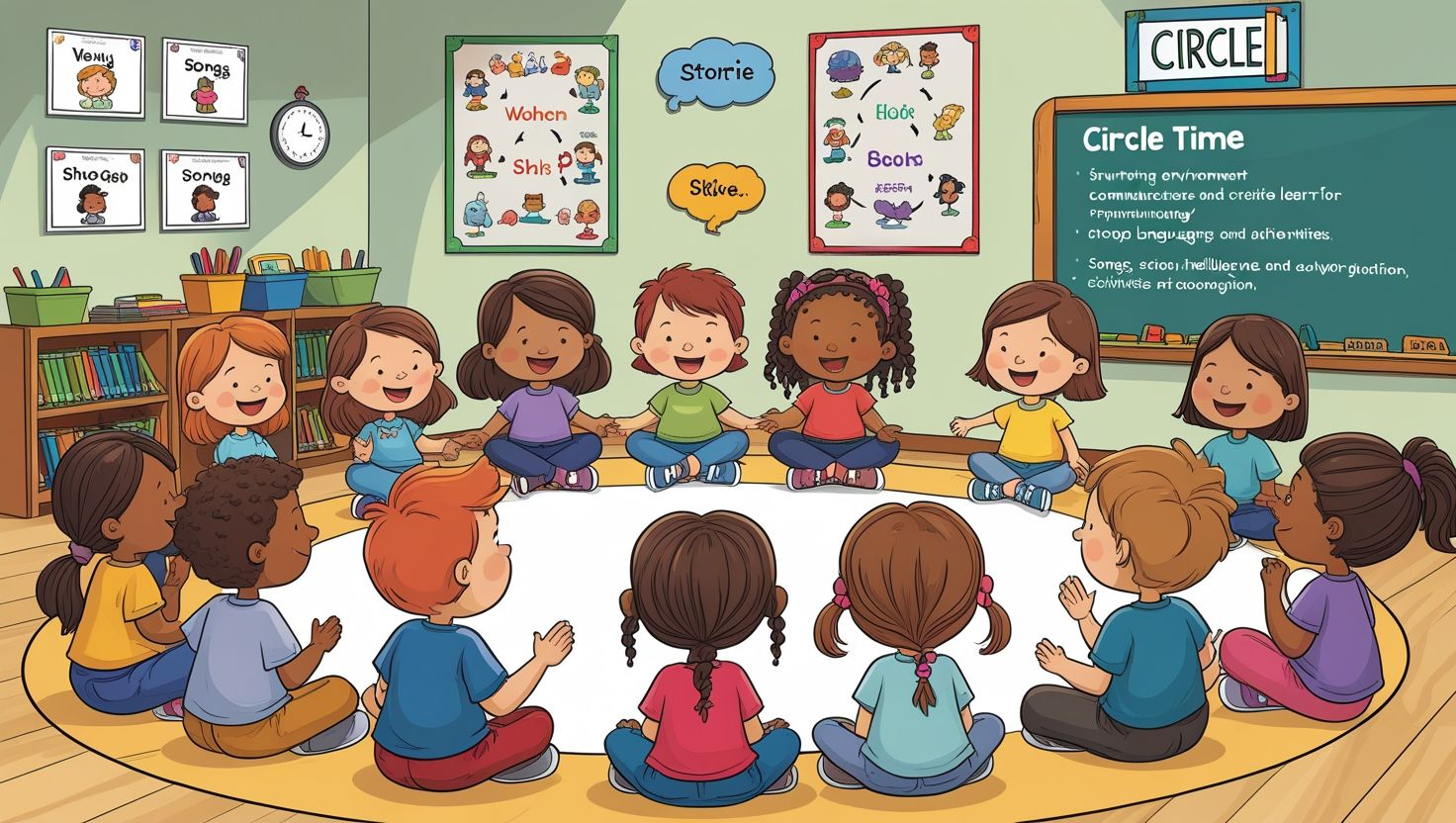
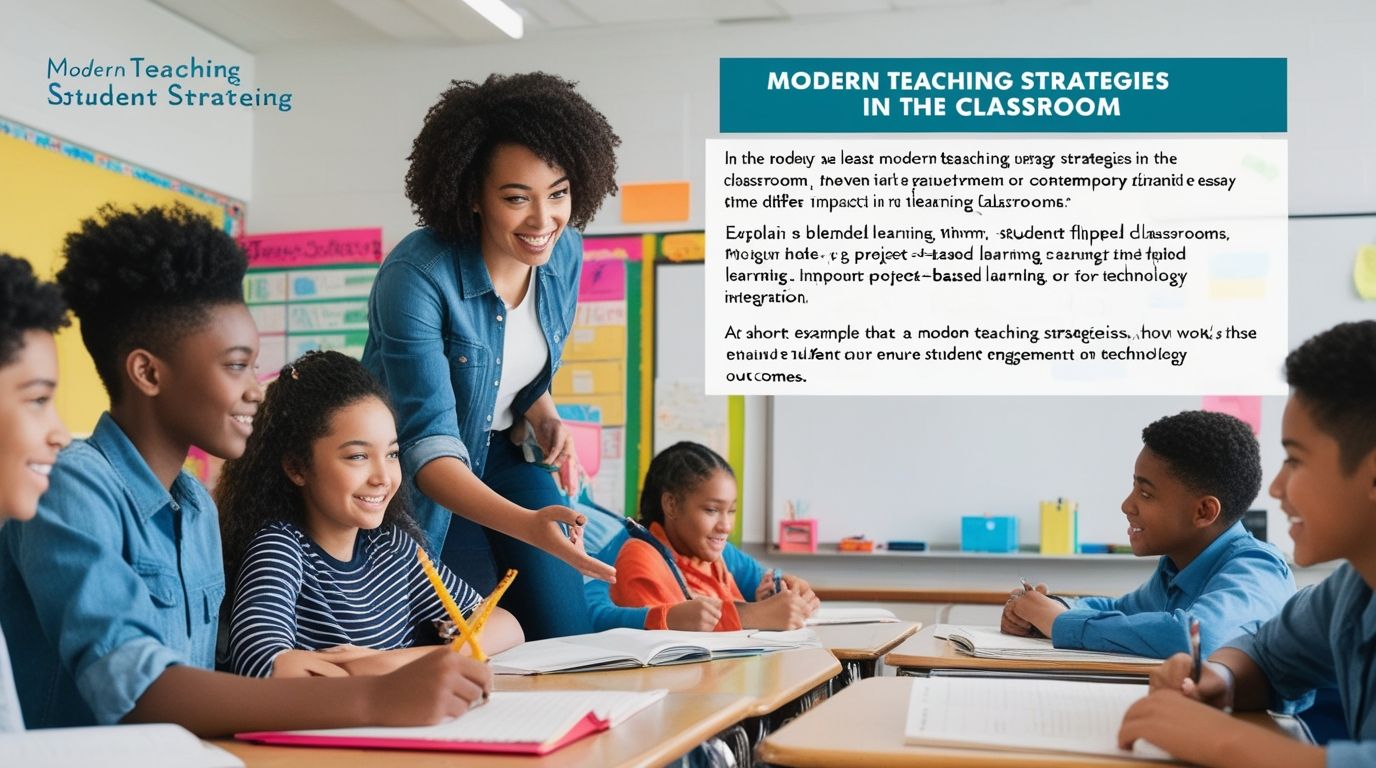
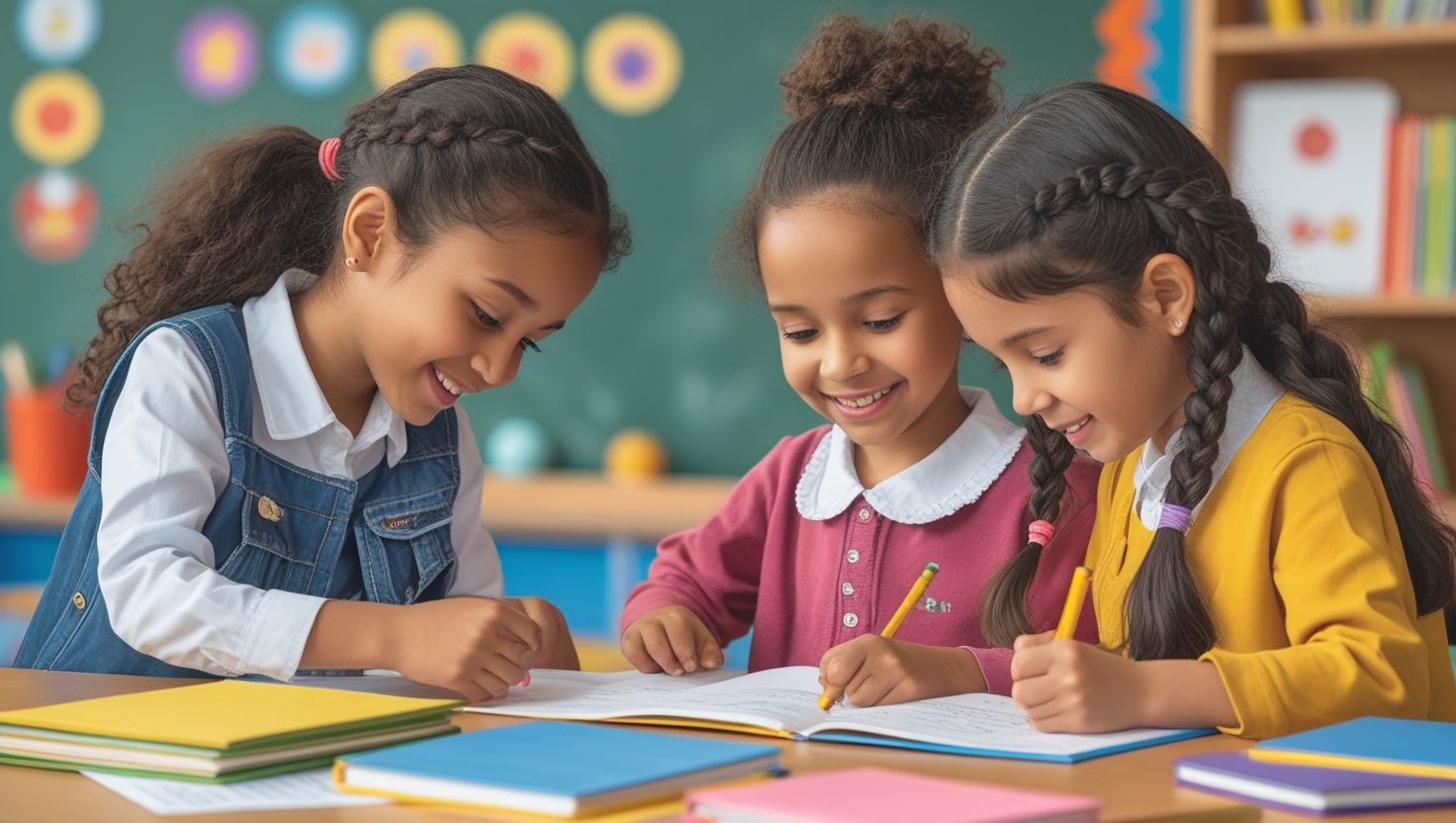
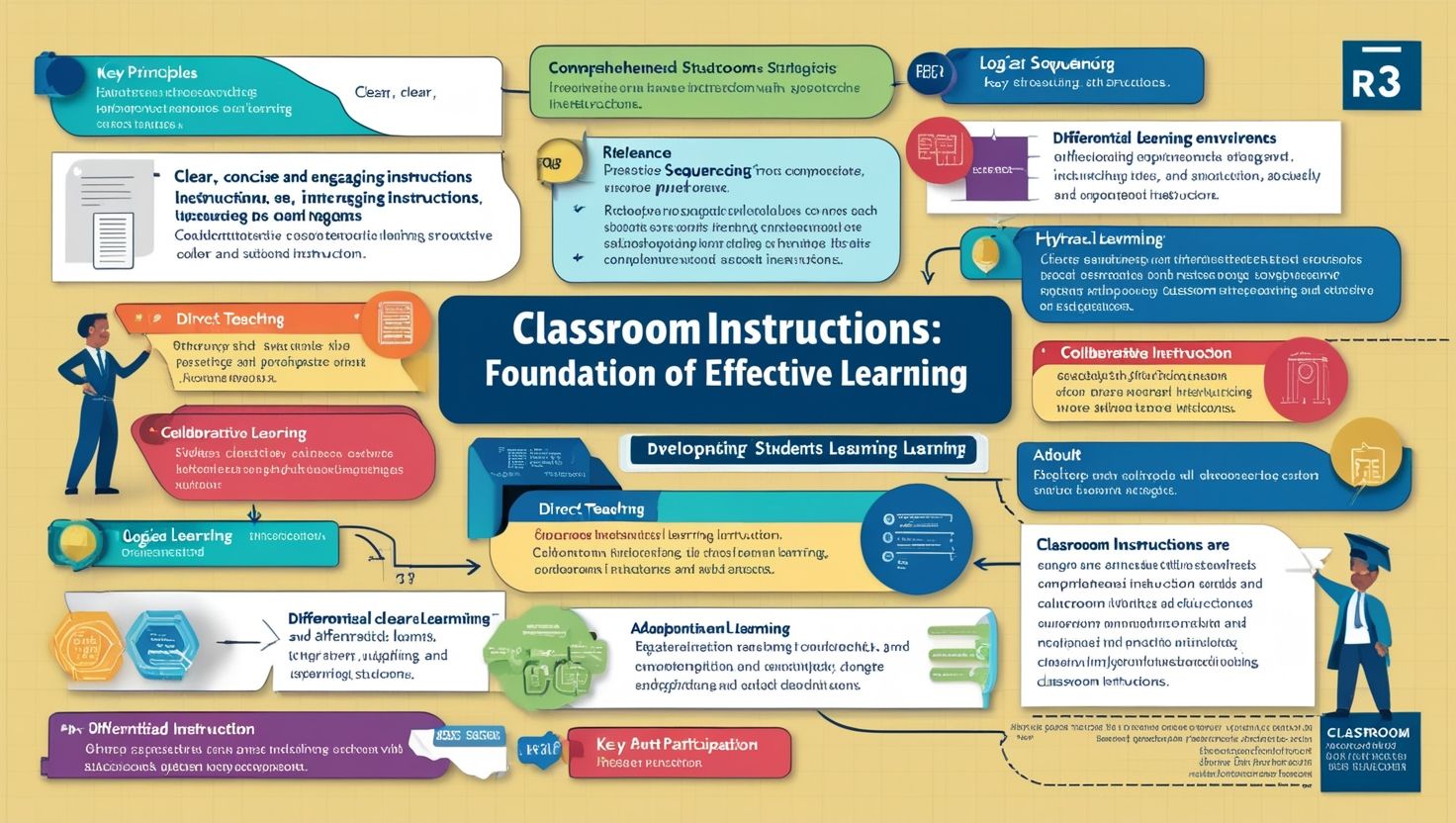
During my observation, I focused on two consecutive lessons that together lasted approximately two hours. Each morning, Ms. Nadia began the day with a reading session. She gathered the students around her chair and asked them to sit quietly in a circle. Once everyone was seated attentively with their hands in their laps, she introduced the story for the day and discussed its theme before beginning to read aloud.
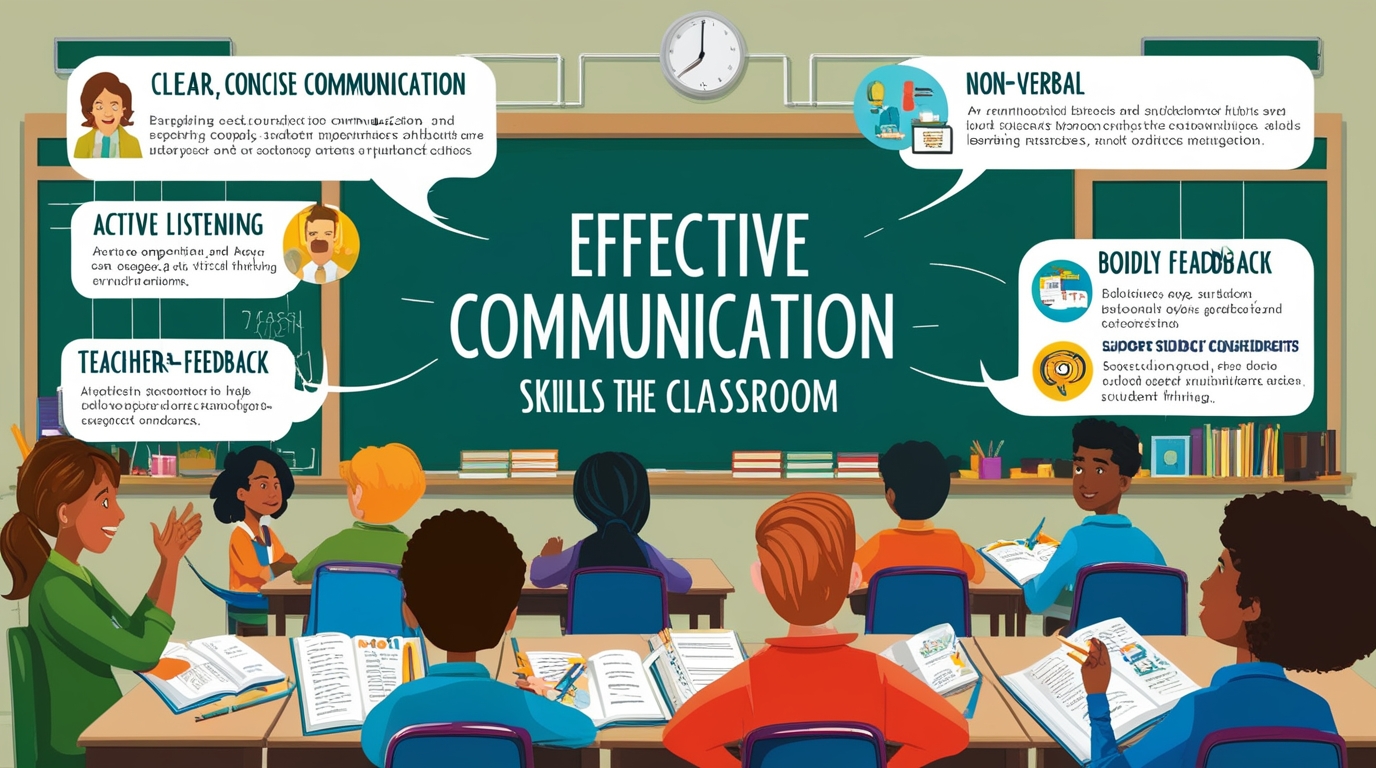
Throughout the reading activity, Ms. Nadia actively engaged students by asking questions related to the story. She frequently used techniques that encouraged participation and maintained attention. For example, she would ask questions such as, “Can anyone identify two rhyming words?” or “Which word describes the character’s feelings?” These questions kept students involved because they knew they might be called upon to respond at any moment.
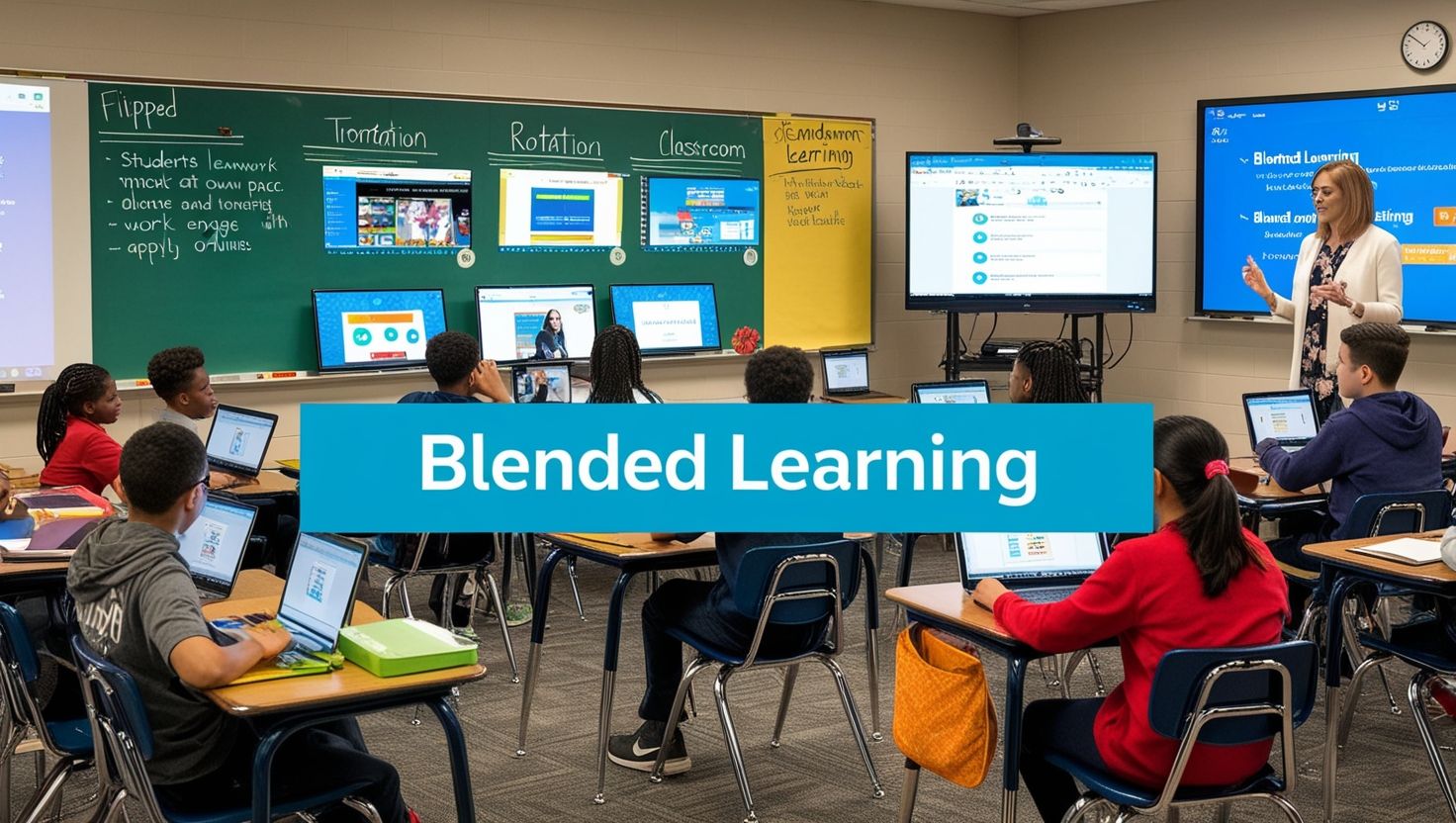
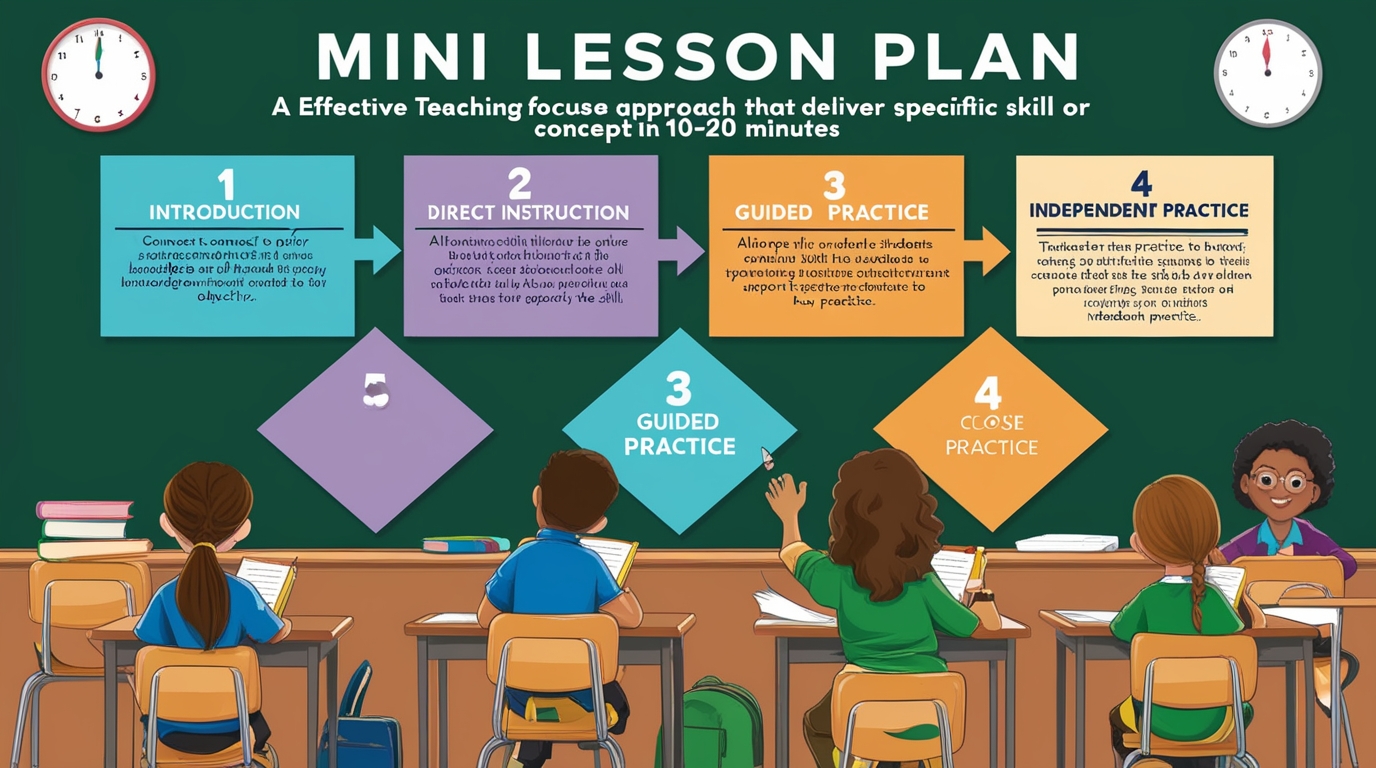
After completing the reading lesson, students were directed to different learning stations around the classroom. Ms. Nadia later explained that students had been grouped according to assessment results from the beginning of the school year. This allowed her to provide differentiated instruction based on each group’s learning needs. Some students worked independently at the computer station, others received support from the classroom assistant, while another group worked directly with Ms. Nadia. Activities at the stations focused on reading comprehension, phonics, spelling, and word recognition. Students requiring additional support spent more time working closely with the teacher on targeted worksheets and learning exercises.
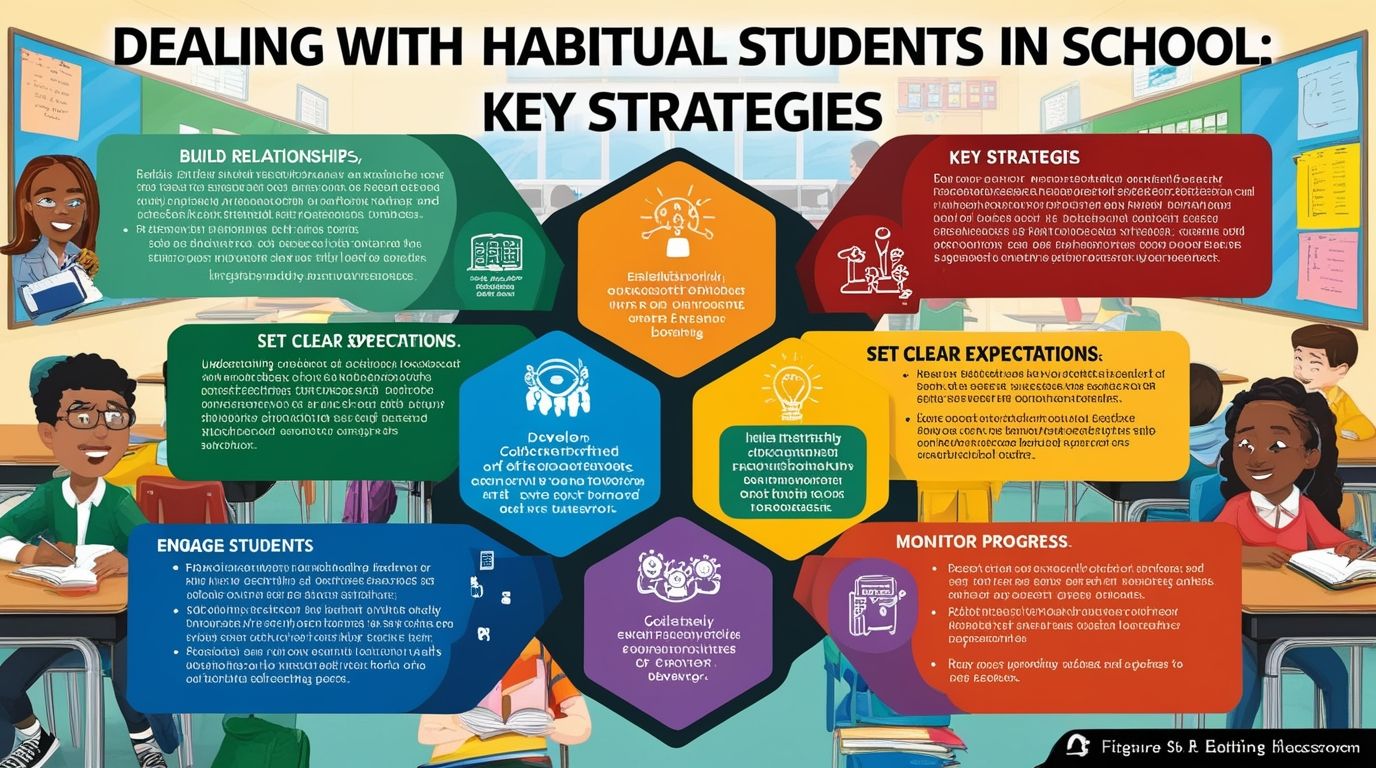
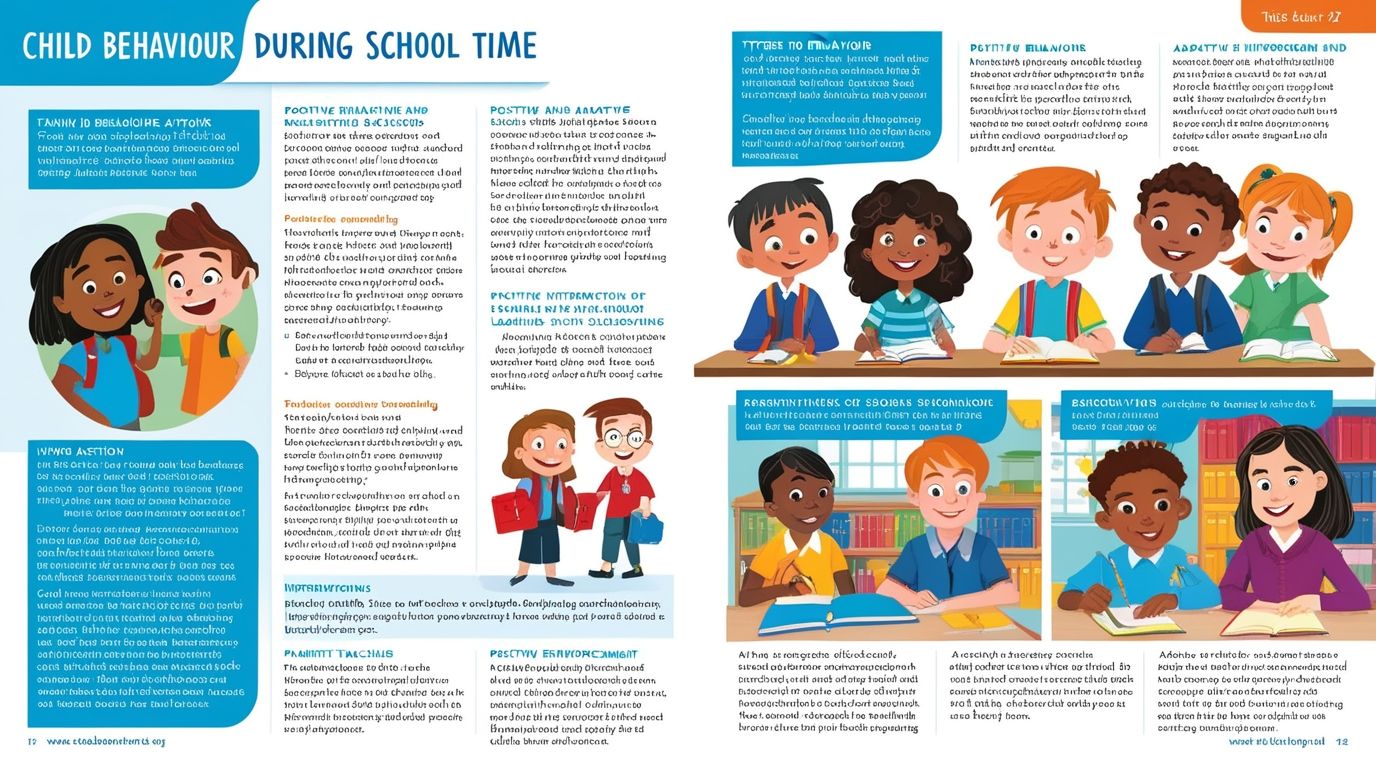
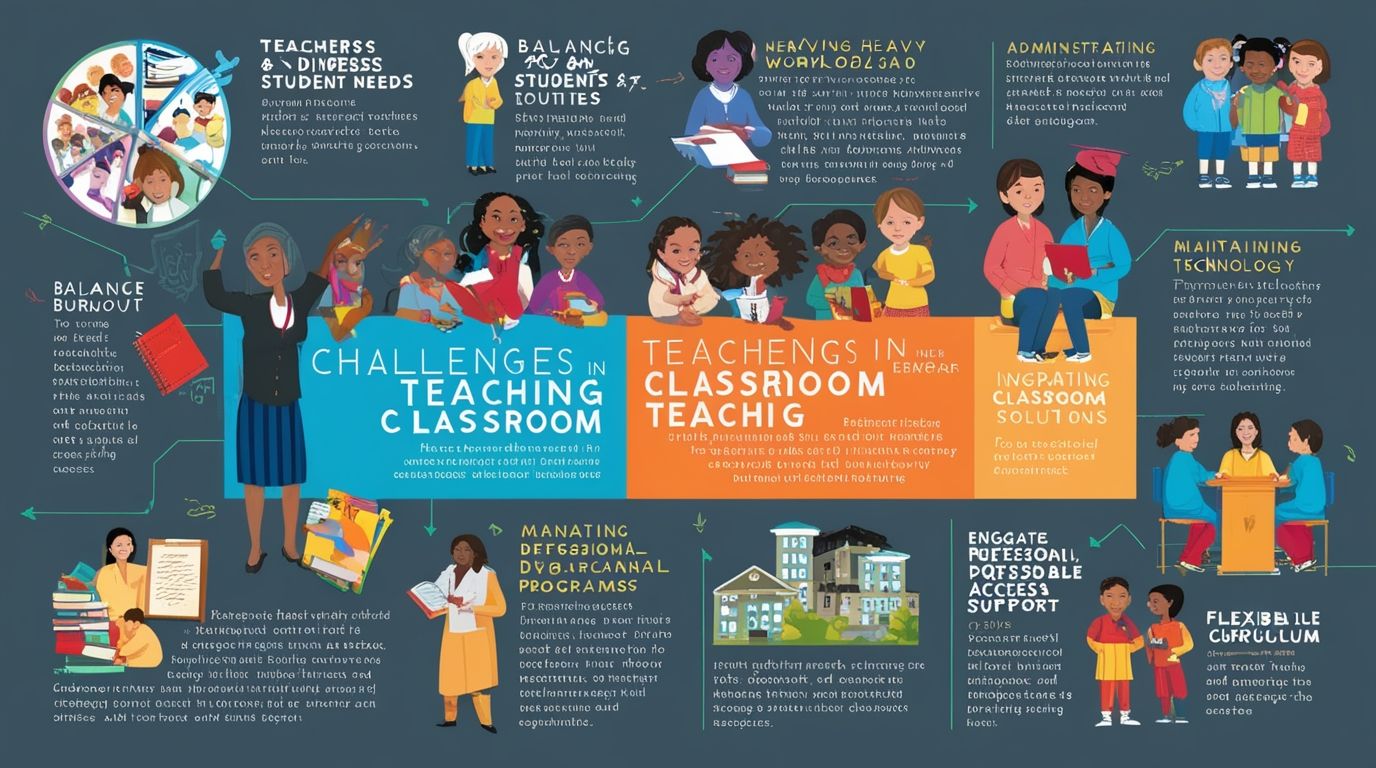
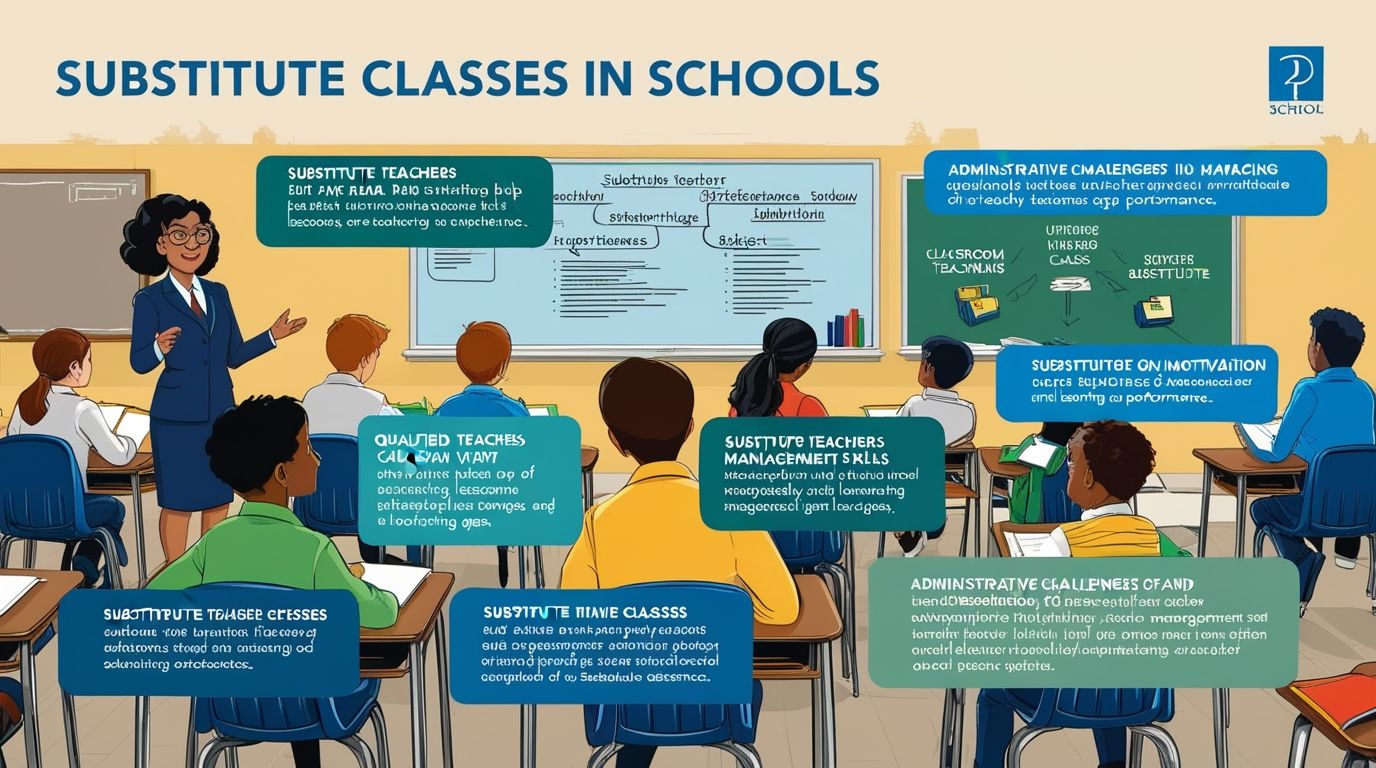
While observing these small-group sessions, I noticed that Ms. Nadia frequently had to pause instruction to address student behavior. She often reminded students to stay focused, remain seated, and complete their assigned tasks. It became clear how much instructional time can be interrupted by classroom management responsibilities. I felt sympathy for students who were eager to learn but occasionally had to wait while disruptions were addressed.
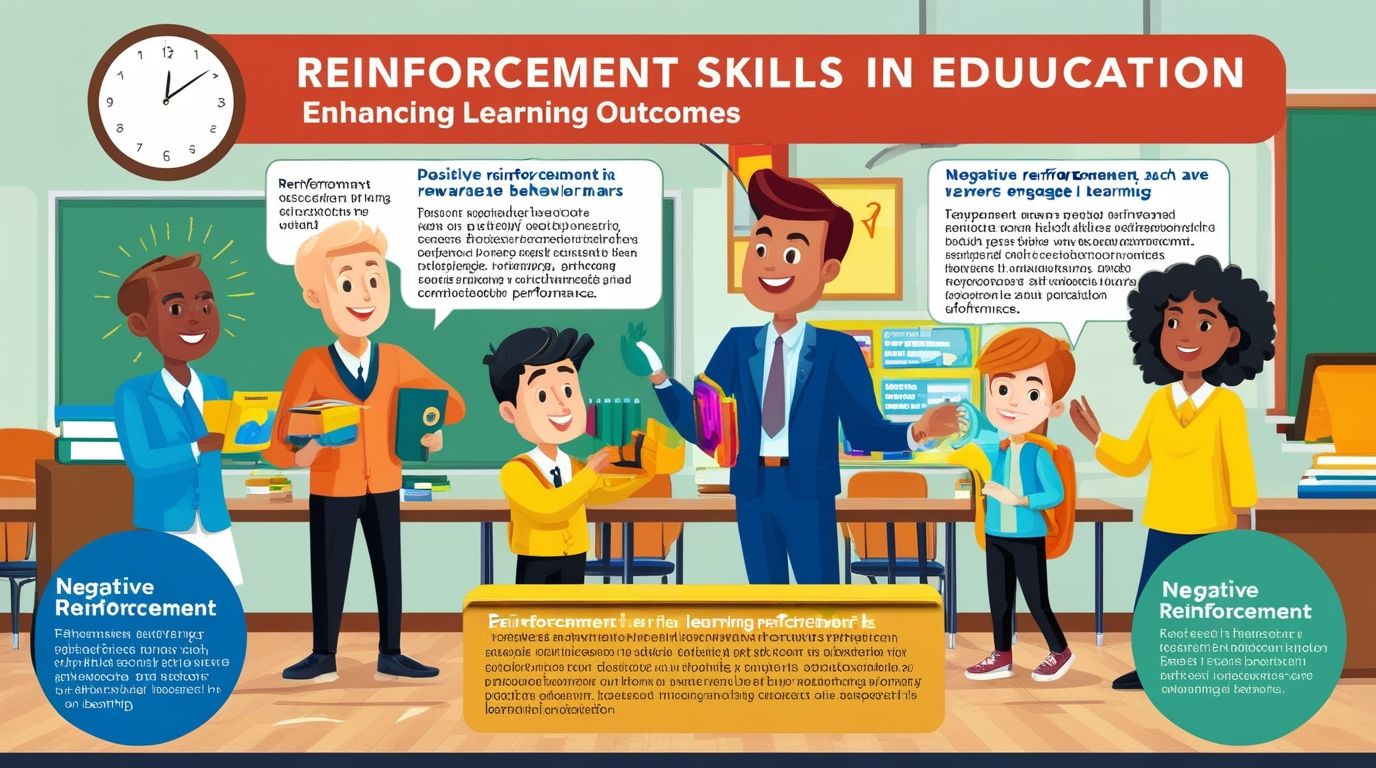
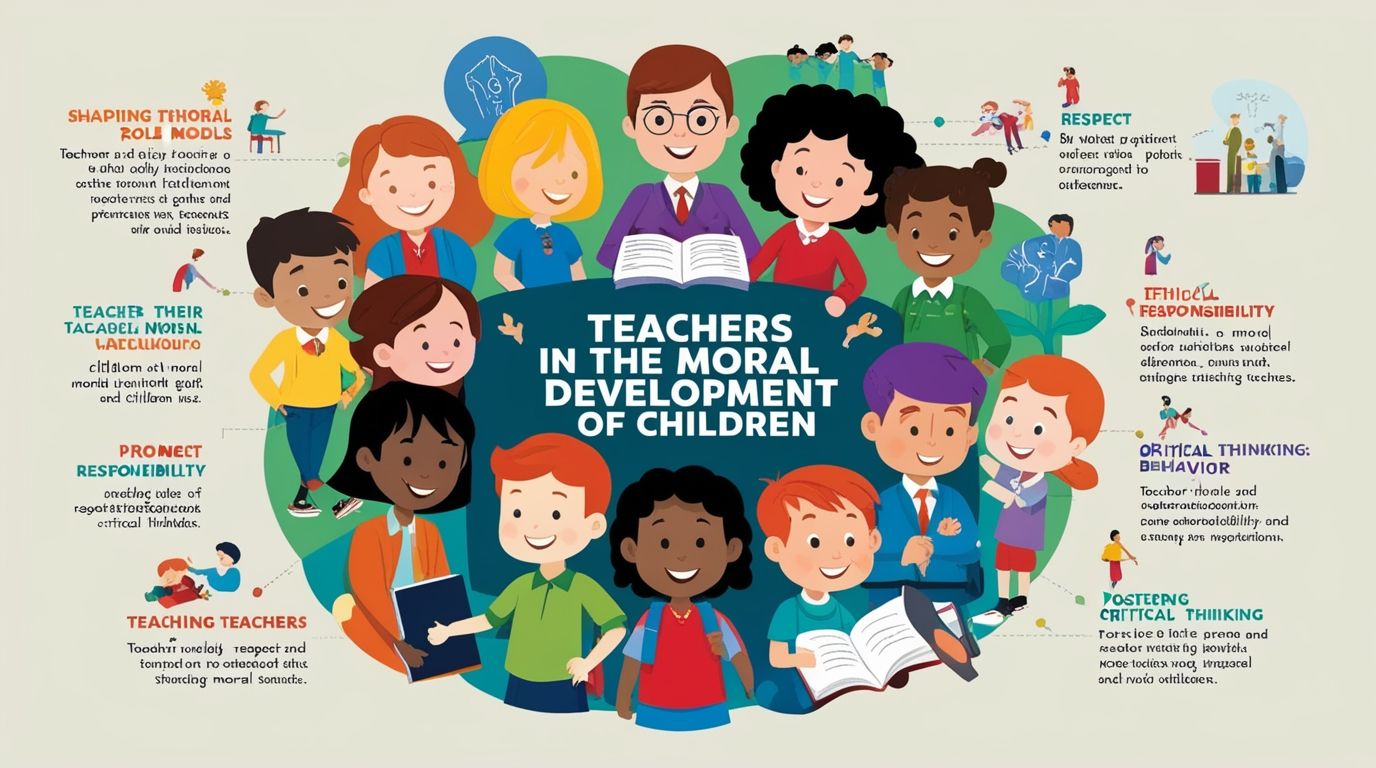
When reminders were not sufficient, Ms. Nadia used the classroom behavior chart. A student’s name marker would be moved from the green section to the yellow section, indicating that they had not met classroom expectations. Students who remained on green throughout the day received a reward sticker. Although a sticker may seem insignificant to adults, it held great value for the children and served as a strong motivator for positive behavior. I found this reward-based approach highly effective and appreciated how it encouraged students to make responsible choices.
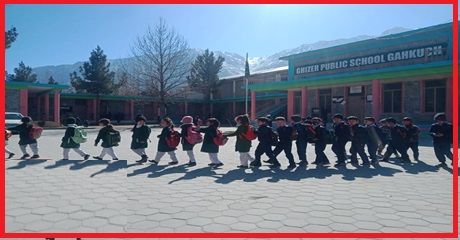
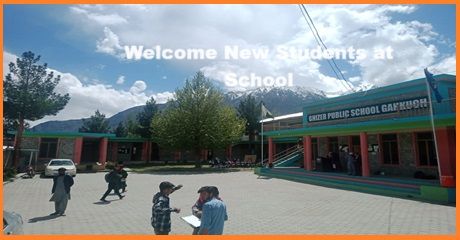
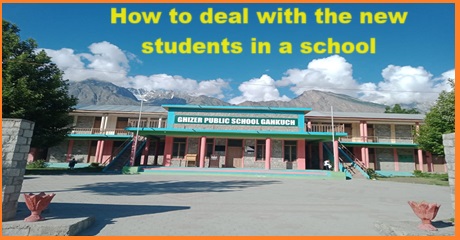
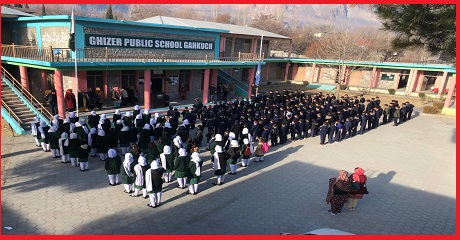
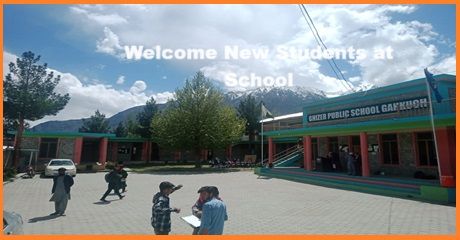
The overall school environment was exceptionally clean and well maintained. The building appeared modern and carefully cared for, with no visible signs of damage, litter, or neglect. Hallways and classrooms were tidy, and the school’s washrooms were hygienic and pleasant. Visitors would likely feel comfortable using the facilities without concern.
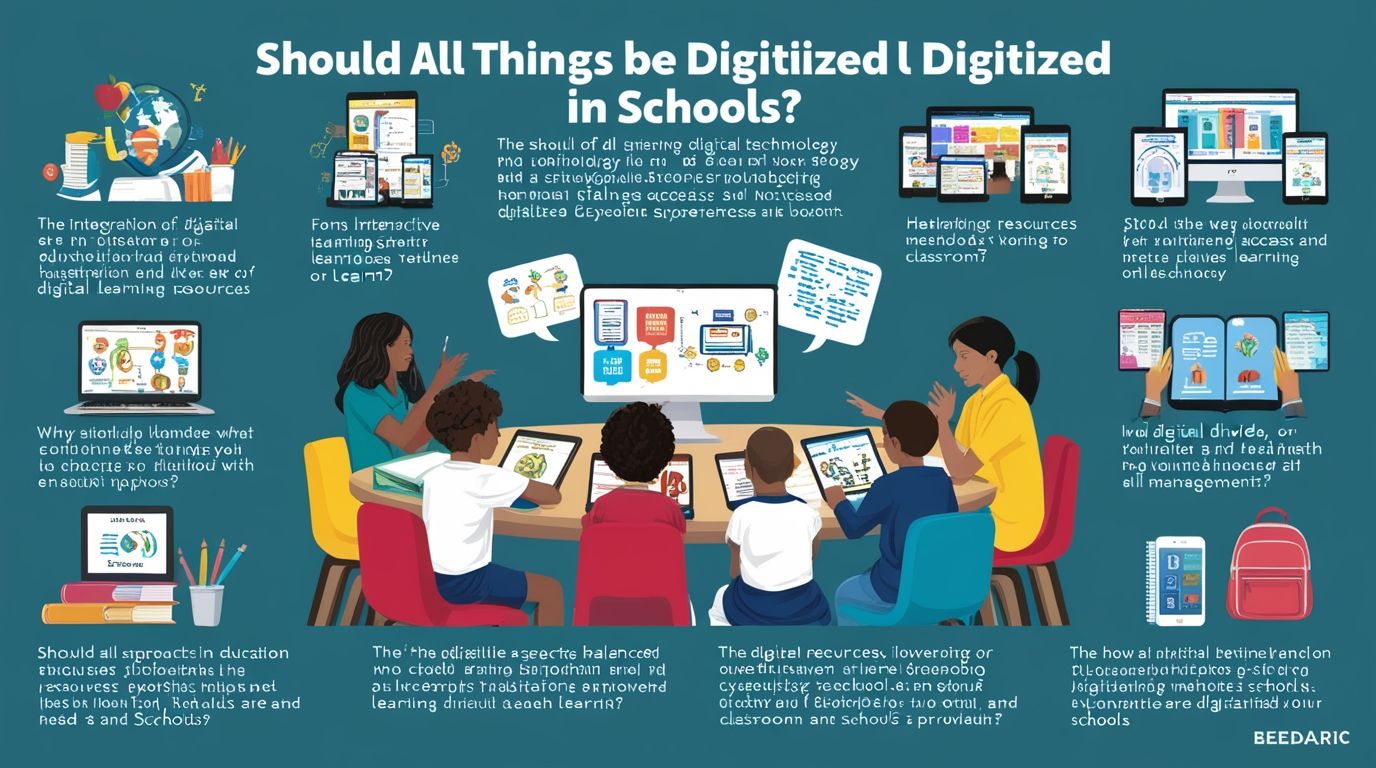
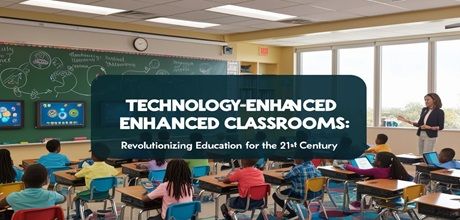
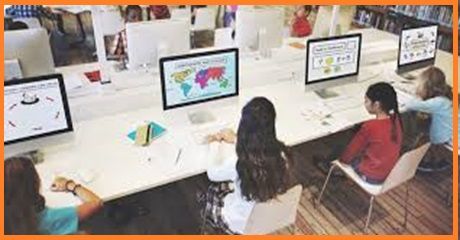
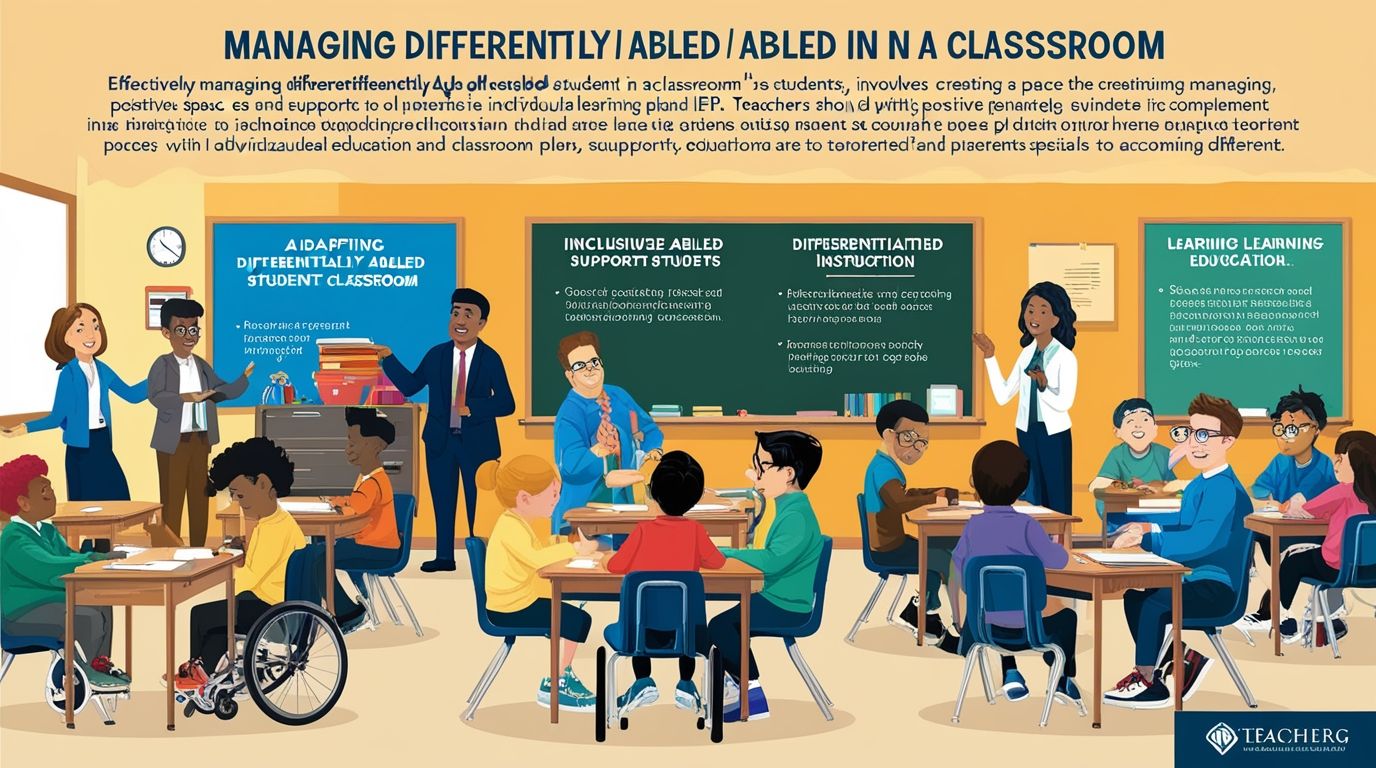
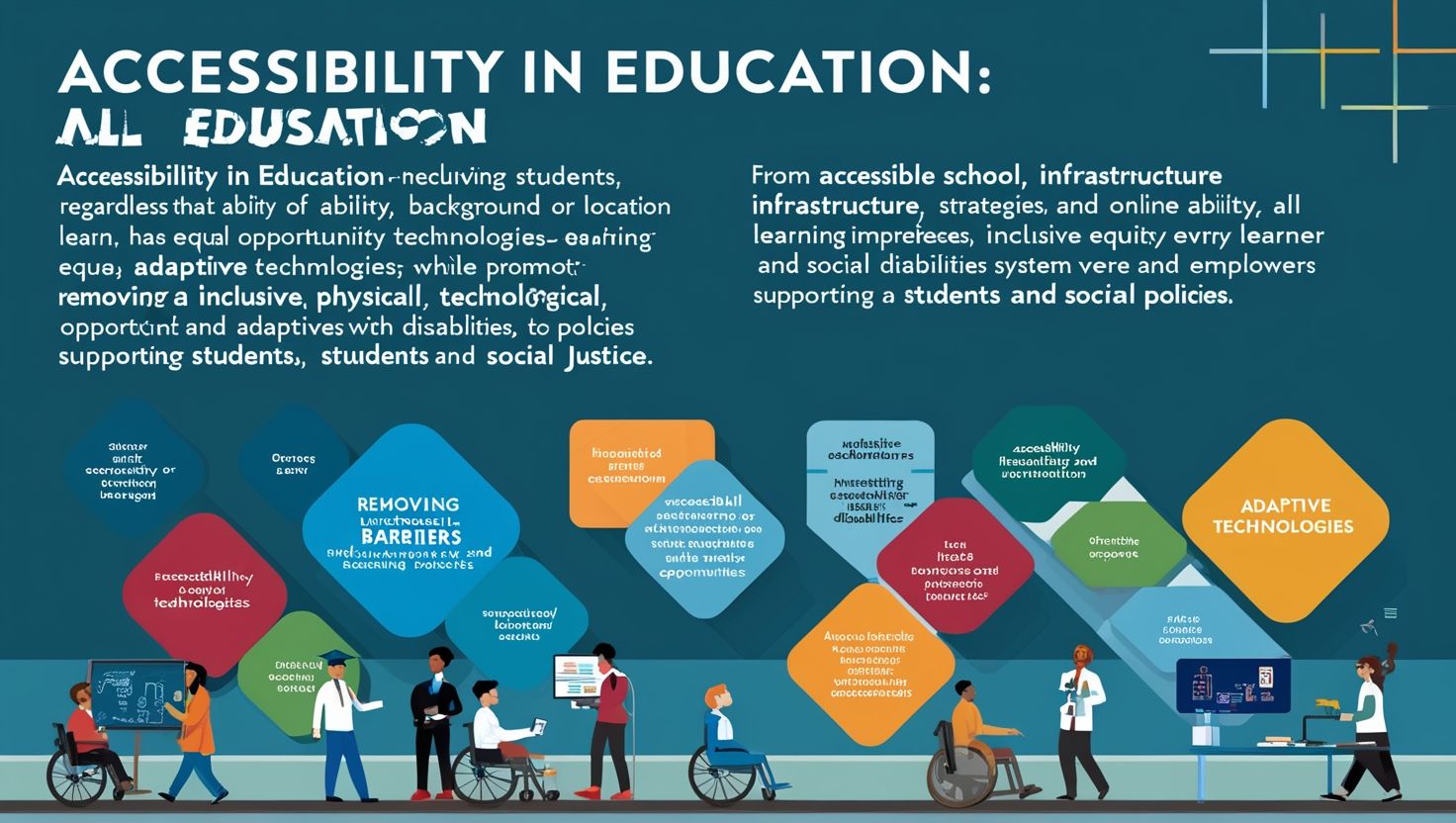
The school was also designed to be accessible to all students. Ramps and wide pathways allowed easy movement throughout the campus. Technology was integrated effectively into learning, as nearly every classroom contained at least one computer. In addition, the school had a dedicated computer laboratory equipped with numerous workstations, along with several computers available in the library. The administration clearly valued technology as an important educational tool.
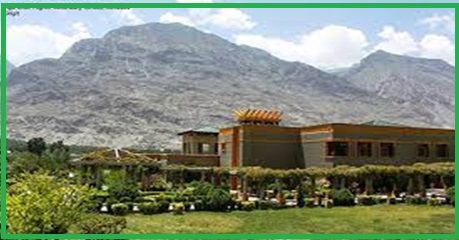
The school continues to grow and develop to meet the needs of its expanding student population. Recently, an additional academic block was constructed to provide more classroom space. Both staff and students appeared enthusiastic about being part of the school community. The positive atmosphere, supportive learning environment, and strong sense of belonging make it an excellent place for students to learn and succeed.