Abstract
Impact of Velo Usage in Educational Institutions, The rapid advancement of technology has transformed educational institutions worldwide. Among the emerging innovations, Velo technology has gained attention for its ability to enhance communication, collaboration, mobility, and digital learning experiences. Educational institutions are increasingly adopting Velo-based systems and platforms to support teaching, learning, administration, and student engagement. This article explores the impact of Velo usage in educational institutions, examining its benefits, challenges, and implications for future educational development. The study highlights how Velo contributes to improved learning outcomes, institutional efficiency, digital transformation, and educational accessibility while also addressing concerns related to infrastructure, training, and ethical considerations.
Keywords: Velo technology, educational institutions, digital learning, educational innovation, teaching and learning, educational technology.
Introduction
Education has undergone significant transformation during the twenty-first century. Traditional classroom practices are gradually being supplemented or replaced by digital tools that enhance learning experiences and institutional effectiveness. Educational institutions are continuously searching for innovative technologies that can improve communication, accessibility, collaboration, and administrative efficiency.
Velo technology has emerged as one such innovation that offers multiple advantages for schools, colleges, and universities. Although the implementation of Velo varies across institutions, its primary purpose is to facilitate seamless interaction, digital connectivity, data management, and enhanced educational experiences.
The integration of Velo into educational environments aligns with the broader goals of Education 4.0, which emphasizes technology-driven learning, personalized instruction, and digital competencies. As educational institutions adapt to changing societal and technological demands, understanding the impact of Velo becomes increasingly important.
This article examines the influence of Velo usage on teaching and learning processes, student engagement, institutional management, accessibility, and educational outcomes.
Understanding Velo Technology
Velo refers to a modern digital framework or technological platform designed to enhance connectivity, workflow automation, collaboration, and user interaction. In educational settings, Velo can support various functions, including:
- Learning management systems
- Digital communication platforms
- Administrative operations
- Student information systems
- Online learning environments
- Resource sharing and collaboration
- Data analytics and decision-making
By integrating these capabilities into a unified ecosystem, educational institutions can streamline operations while improving the quality of teaching and learning.
Impact on Teaching and Learning
Enhanced Instructional Delivery
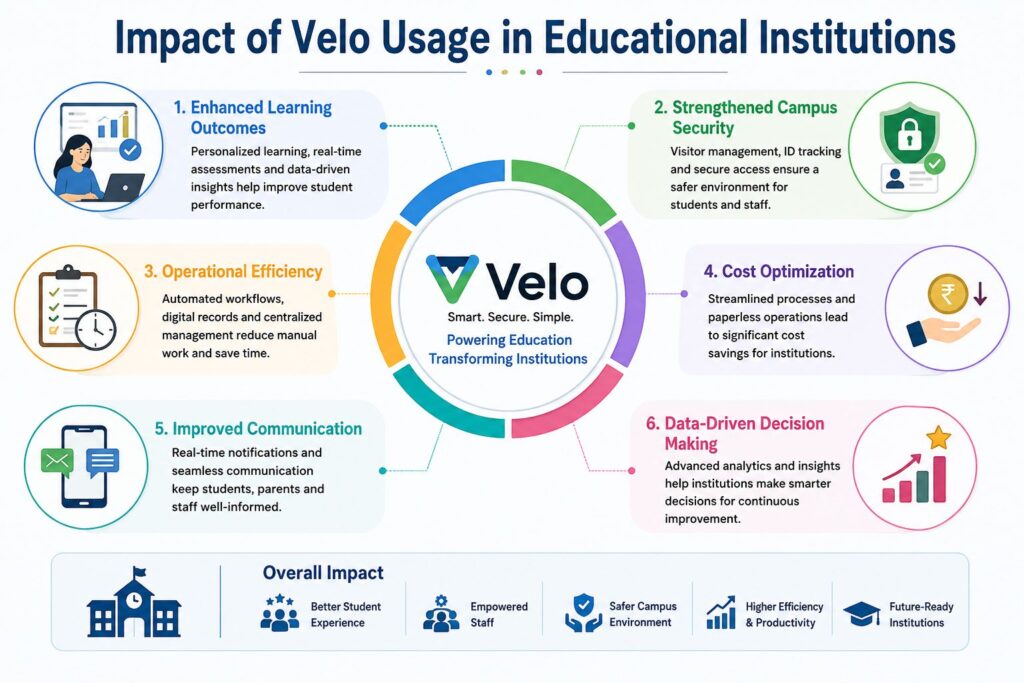
One of the most significant impacts of Velo usage is the improvement of instructional delivery. Teachers can access digital tools that facilitate lesson planning, content sharing, assessment, and student feedback.
Interactive learning resources, multimedia presentations, virtual simulations, and collaborative projects become easier to implement through Velo-supported platforms. These features help educators create engaging and learner-centered environments.
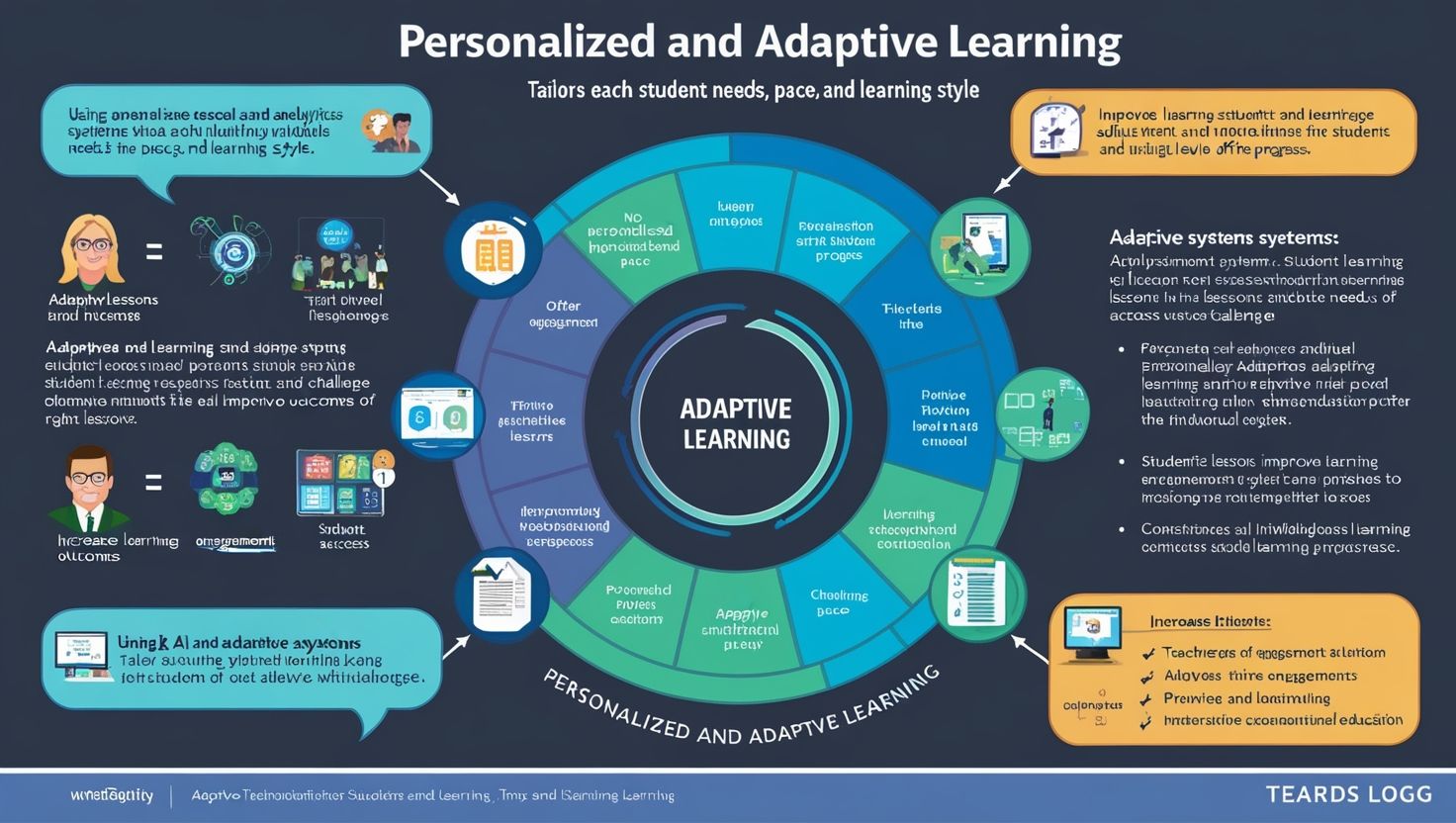
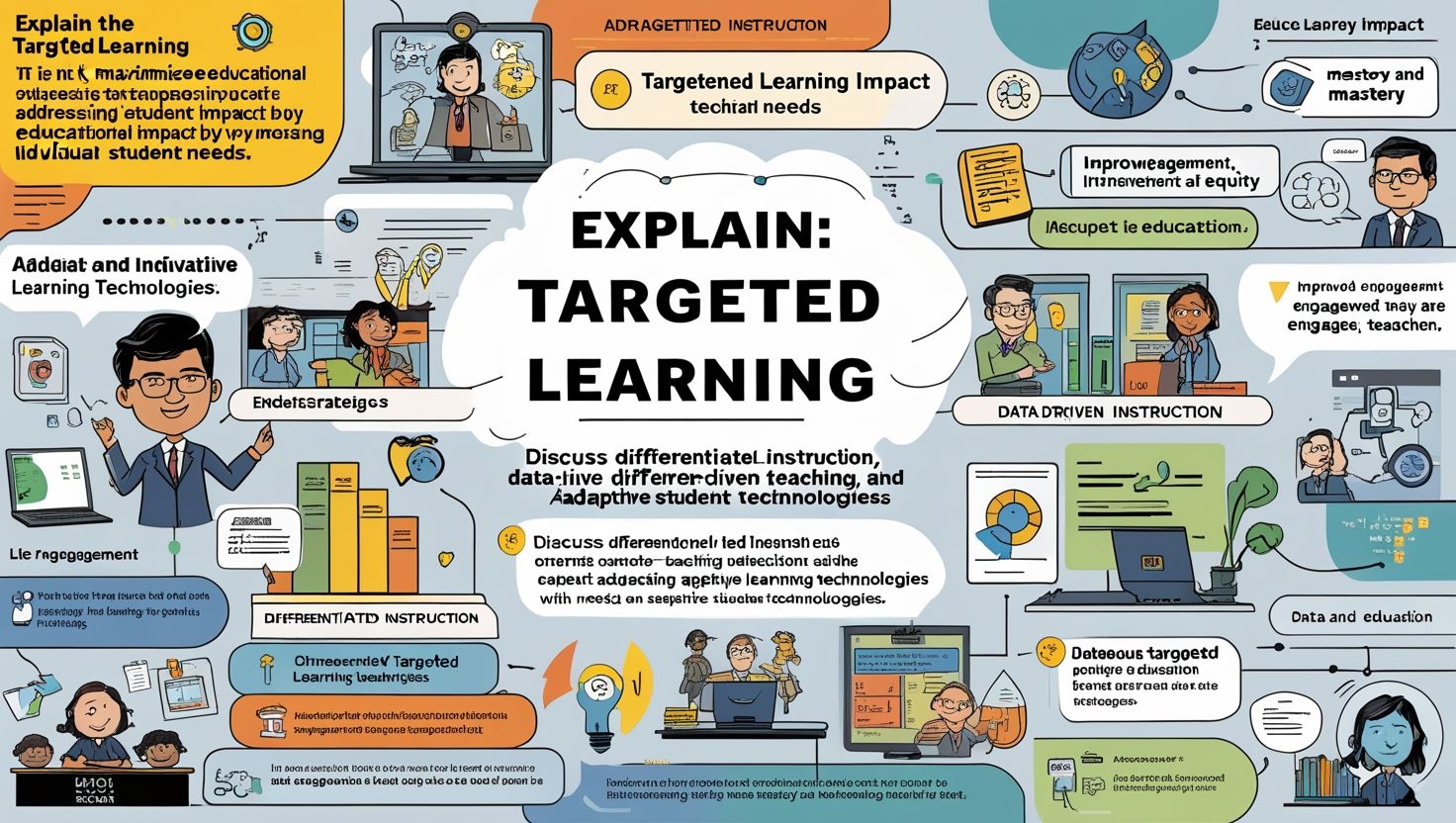
Teachers can also personalize instruction according to students’ individual learning needs. By analyzing student performance data, educators can identify strengths and weaknesses and adjust teaching strategies accordingly.
Improved Student Engagement
Student engagement is a critical factor in academic success. Velo technologies promote active participation through interactive activities, discussion forums, online collaboration, and real-time communication.
Students become more involved in the learning process when they have access to digital resources that encourage exploration and creativity. Gamified learning activities, multimedia content, and instant feedback mechanisms increase motivation and interest.
The availability of learning materials beyond classroom hours further enables students to continue learning independently, fostering a culture of lifelong learning.
Personalized Learning Opportunities
Every student learns differently. Traditional teaching methods often struggle to accommodate diverse learning styles and abilities.
Velo supports personalized learning by enabling:
- Adaptive learning pathways
- Customized assessments
- Individual learning plans
- Progress tracking
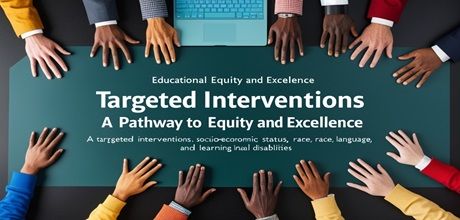
- Targeted interventions
Through data-driven insights, educators can provide personalized support that addresses each learner’s unique needs. This individualized approach contributes to better academic performance and increased student confidence.
Collaborative Learning Enhancement
Modern education emphasizes collaboration as an essential skill for future careers. Velo platforms facilitate collaborative learning through shared workspaces, discussion boards, group projects, and virtual teamwork.
Students can communicate and collaborate regardless of geographical location. This flexibility promotes teamwork, communication skills, problem-solving abilities, and intercultural understanding.
Collaborative learning environments also encourage peer support and knowledge sharing, resulting in deeper learning experiences.
Impact on Educational Administration
Increased Operational Efficiency
Educational institutions manage vast amounts of information related to students, staff, finance, curriculum, and resources. Traditional administrative processes are often time-consuming and prone to errors.
Velo technology automates many routine administrative tasks, including:
- Student registration
- Attendance management
- Examination scheduling
- Fee collection
- Academic record maintenance
- Communication management
Automation reduces workload, minimizes human error, and improves overall institutional efficiency.
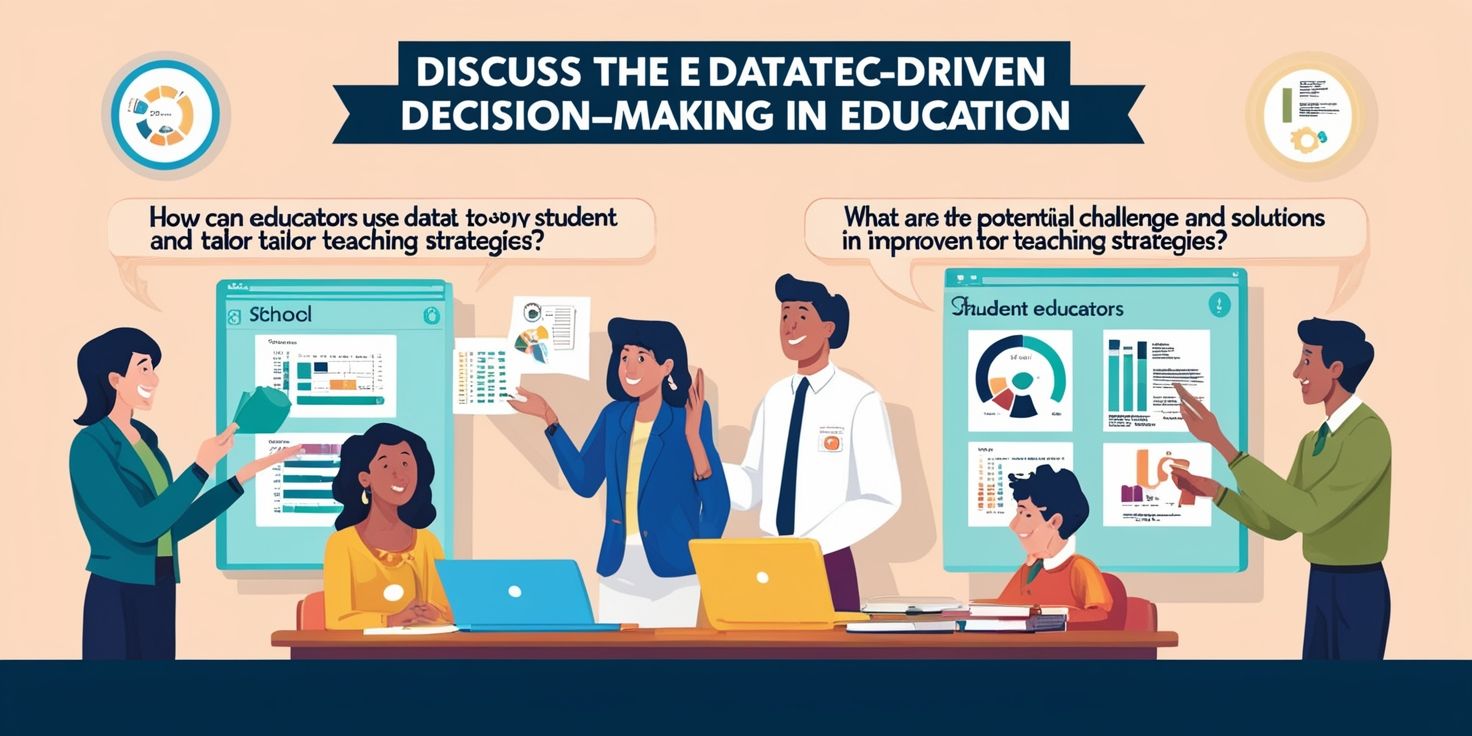
Better Decision-Making Through Data Analytics
Data-driven decision-making has become a cornerstone of modern educational management. Velo systems generate valuable data that can help administrators make informed decisions.
Educational leaders can analyze:
- Student performance trends
- Attendance patterns
- Resource utilization
- Faculty productivity
- Institutional effectiveness
These insights support strategic planning and continuous improvement initiatives.
Enhanced Communication
Effective communication is essential for educational success. Velo platforms facilitate communication among students, teachers, administrators, and parents.
Instant notifications, messaging systems, email integration, and digital announcements ensure that important information reaches stakeholders quickly and efficiently.
Improved communication strengthens relationships within educational communities and promotes transparency.
Impact on Student Learning Outcomes
Improved Academic Achievement
Research consistently demonstrates that effective technology integration can positively influence academic achievement. Velo enhances learning experiences through interactive content, personalized support, and continuous feedback.
Students can access educational materials anytime and anywhere, allowing them to review concepts at their own pace. This flexibility often results in improved comprehension and retention.
Additionally, data-driven interventions help educators identify struggling students early and provide appropriate support before learning gaps widen.
Development of Digital Literacy Skills
Digital literacy has become an essential competency in today’s knowledge-based economy. Velo usage exposes students to various digital tools and technologies that prepare them for future academic and professional environments.
Students develop skills such as:
- Information literacy
- Digital communication
- Online collaboration
- Data interpretation
- Problem-solving using technology
- Responsible digital citizenship
These competencies are increasingly valued in higher education and the workforce.
Promotion of Independent Learning
Velo platforms encourage students to take ownership of their learning journeys. Access to digital resources, self-paced modules, and online assessments promotes independent study habits.
Students become more responsible for managing their time, setting learning goals, and monitoring their progress. Such self-regulated learning skills contribute to long-term academic success.
Impact on Teachers and Professional Development
Enhanced Teaching Effectiveness
Teachers benefit significantly from Velo-supported educational environments. Digital tools simplify instructional planning, content delivery, assessment, and feedback processes.
Educators can access extensive teaching resources, collaborate with colleagues, and implement innovative pedagogical strategies. These opportunities contribute to improved teaching effectiveness and professional satisfaction.
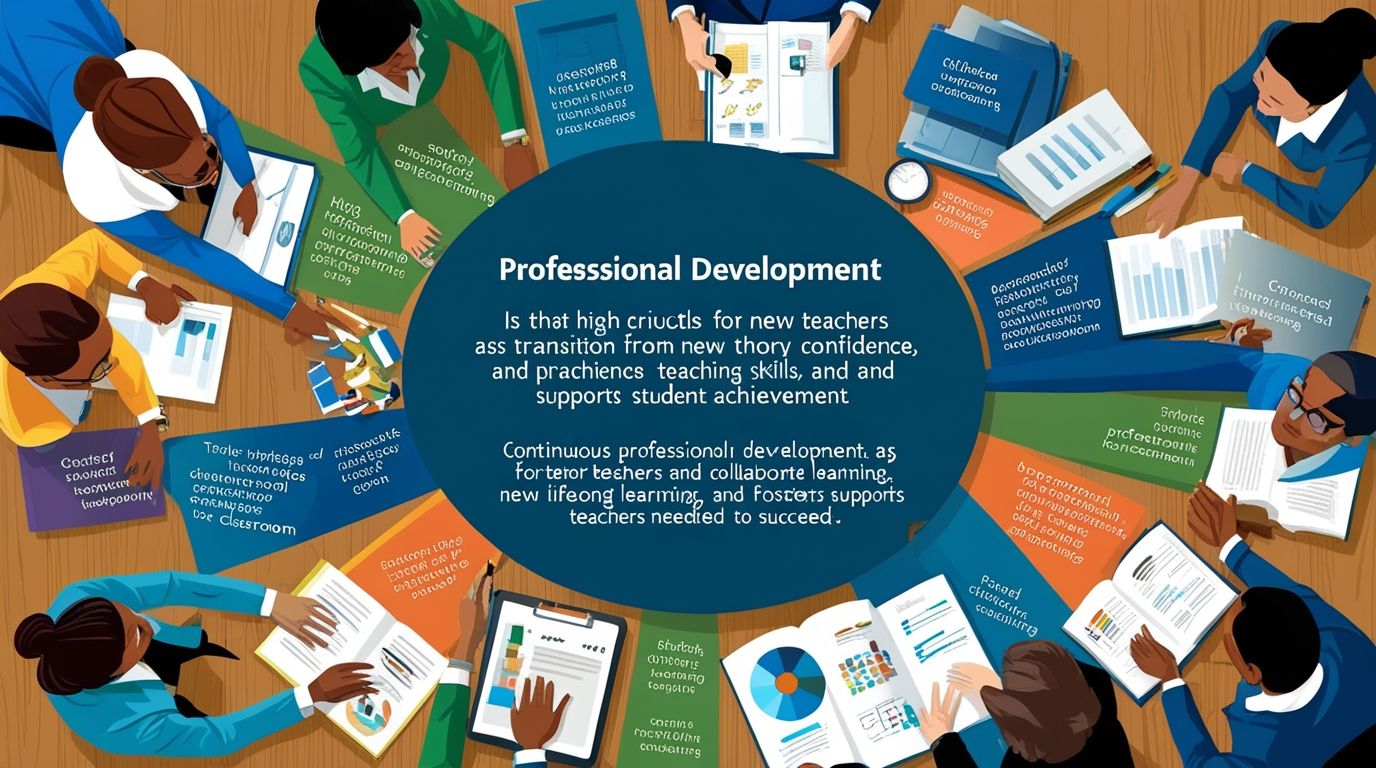
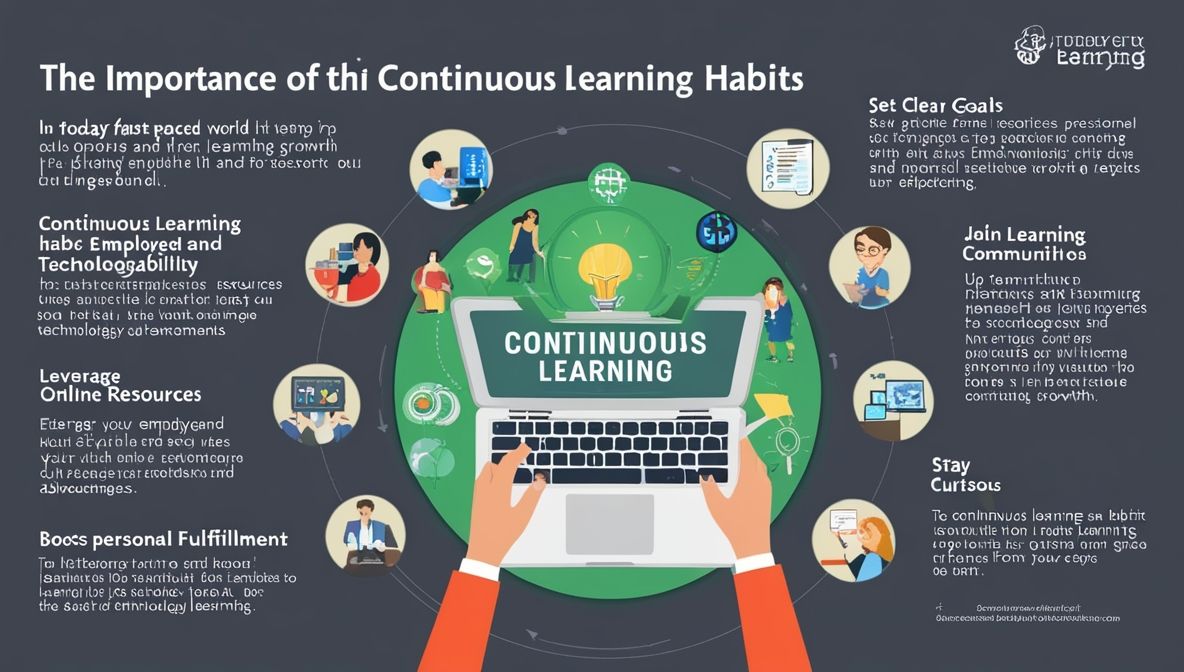
Continuous Professional Learning
Professional development is essential for maintaining high teaching standards. Velo platforms provide access to online training courses, webinars, professional learning communities, and educational resources.
Teachers can continuously update their knowledge and skills without geographical limitations. This accessibility supports lifelong professional growth.
Reduced Administrative Burden
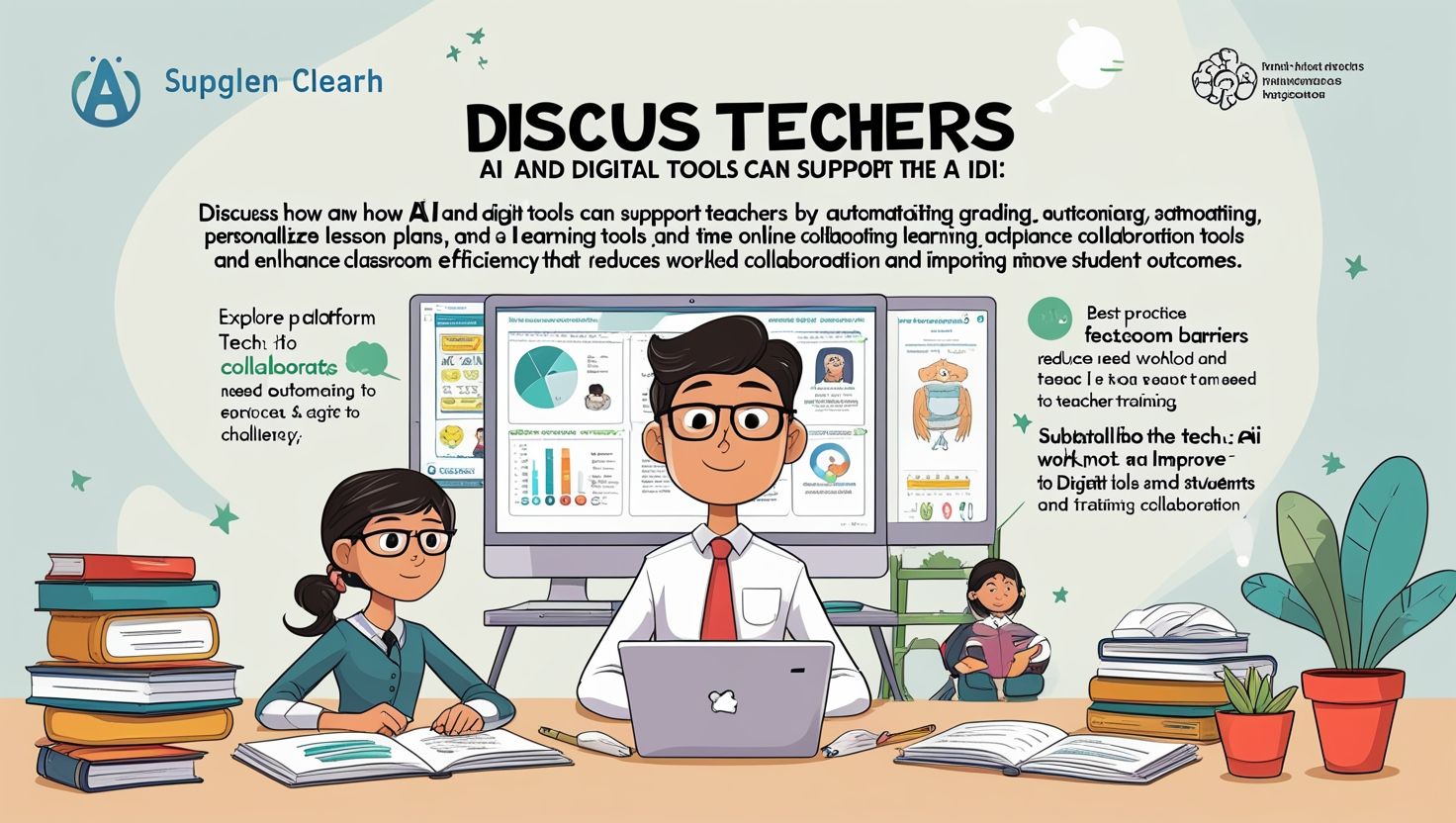
Many administrative responsibilities consume valuable teaching time. Velo automates routine tasks such as grading, attendance tracking, and record management.
As a result, teachers can dedicate more time to instruction, student support, and curriculum development.
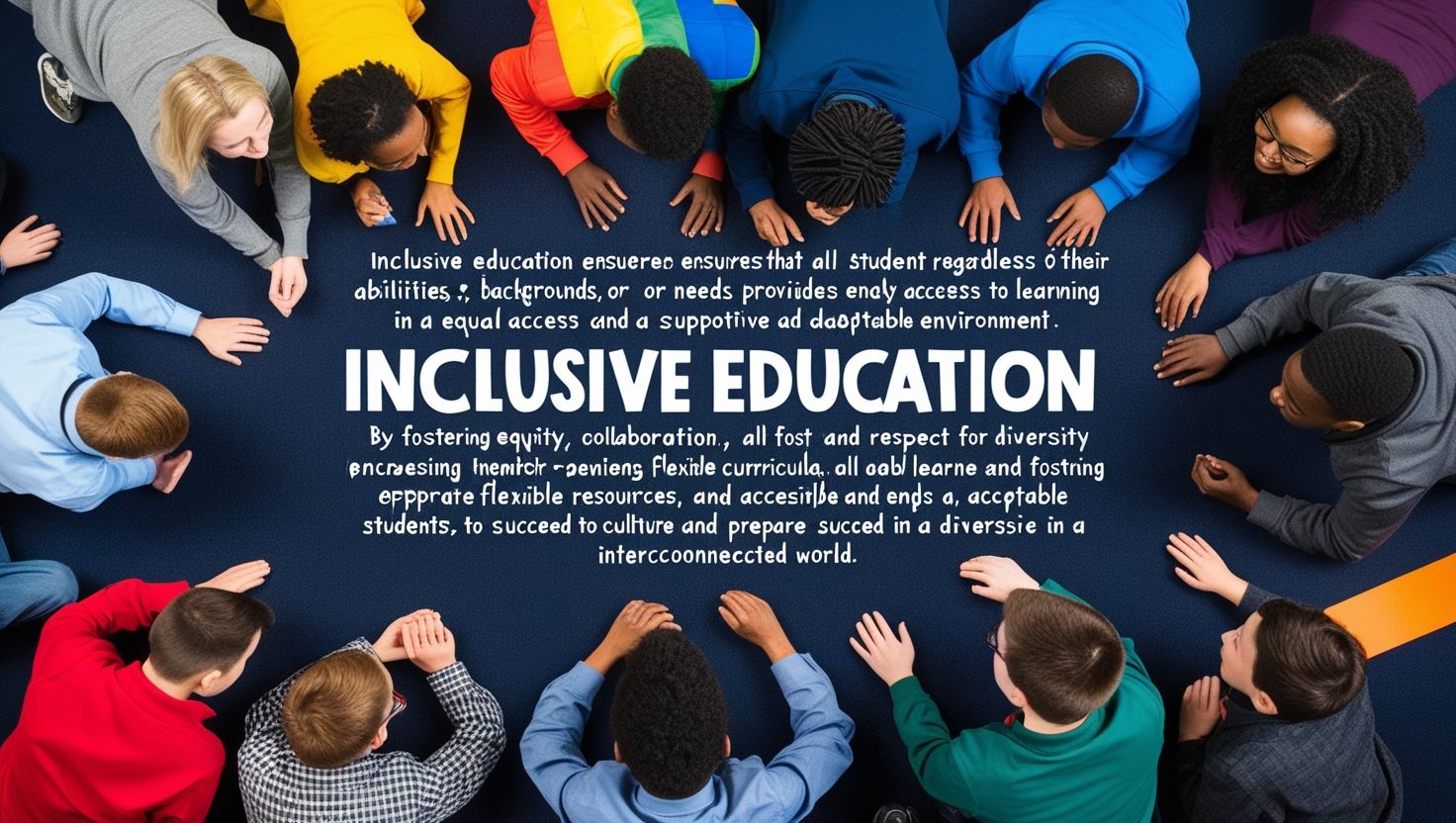
Impact on Accessibility and Inclusion
Expanding Educational Access
One of the most transformative impacts of Velo technology is its ability to expand access to education. Students who face geographical, physical, or socio-economic barriers can participate in learning through digital platforms.
Distance learning opportunities supported by Velo allow institutions to reach broader student populations, including learners in remote and underserved communities.
Supporting Diverse Learners
Inclusive education requires accommodating learners with varying needs and abilities. Velo technologies offer features that support accessibility, including:
- Screen readers
- Captioned videos
- Adjustable text sizes
- Translation tools
- Alternative assessment formats
These features help create equitable learning opportunities for all students.
Bridging Educational Gaps
Educational inequalities remain a challenge in many regions. When implemented effectively, Velo can help bridge learning gaps by providing equal access to quality educational resources.
Students who may not have access to traditional learning materials can benefit from digital content, online tutoring, and virtual learning opportunities.
Challenges of Velo Implementation
Infrastructure Requirements
Successful implementation of Velo depends on adequate technological infrastructure. Institutions require reliable internet connectivity, modern devices, software systems, and technical support.
Many schools, particularly in developing regions, face challenges related to limited resources and insufficient infrastructure.
Training and Capacity Building
Technology alone does not guarantee educational improvement. Teachers, administrators, and students must possess the necessary skills to use Velo effectively.
Comprehensive training programs are essential to ensure successful adoption and sustainable utilization.
Financial Constraints
The acquisition, implementation, and maintenance of Velo systems often involve substantial financial investment.
Educational institutions must consider costs related to:
- Hardware procurement
- Software licensing
- Infrastructure development
- Staff training
- Technical support
Budget limitations may hinder widespread implementation.
Privacy and Security Concerns
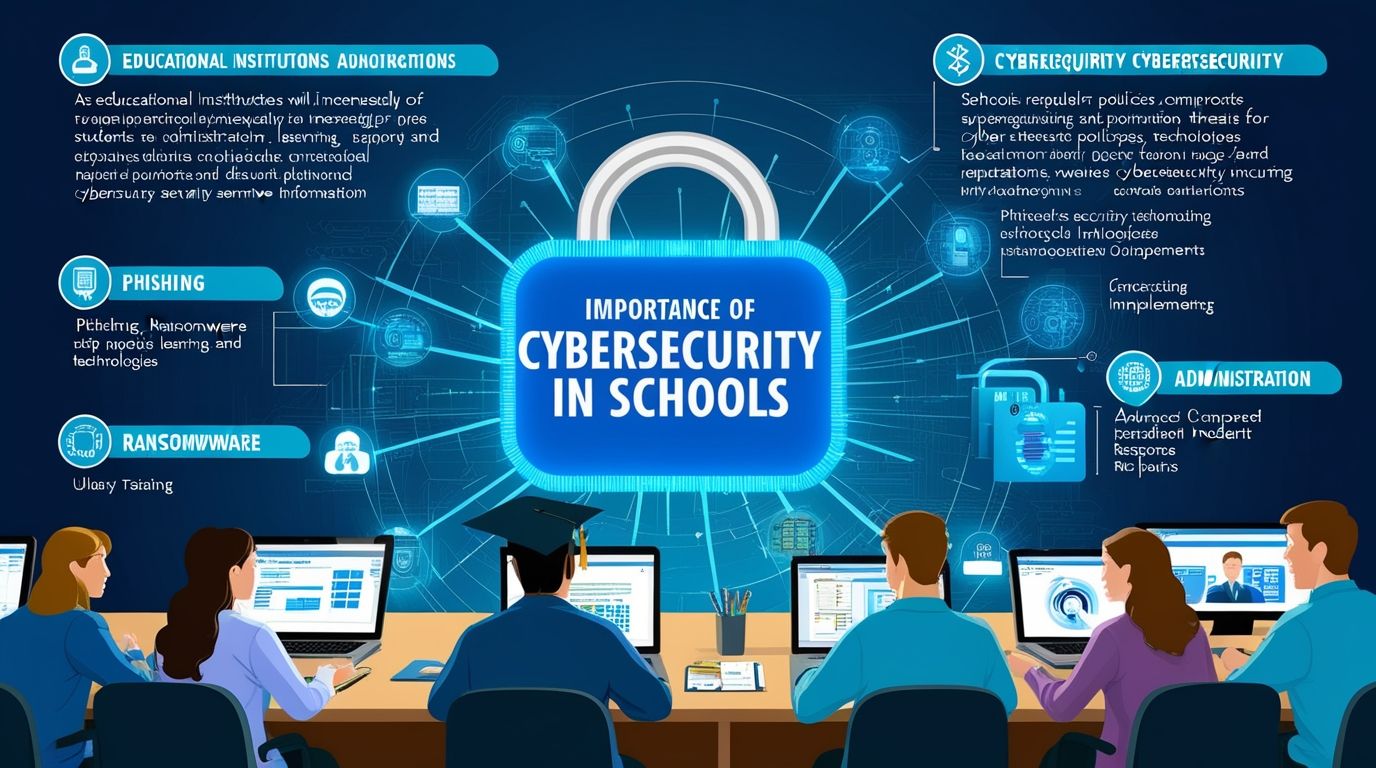
The increased use of digital technologies raises concerns regarding data privacy and cybersecurity.
Educational institutions must protect sensitive information related to students and staff. Effective policies, secure systems, and ethical data management practices are necessary to maintain trust and compliance with regulations.
Digital Divide
Although Velo can expand educational access, disparities in technology availability may create new inequalities.
Students without reliable internet access or appropriate devices may struggle to participate fully in digital learning environments. Addressing the digital divide remains a critical priority for educational policymakers.
Future Prospects of Velo in Education
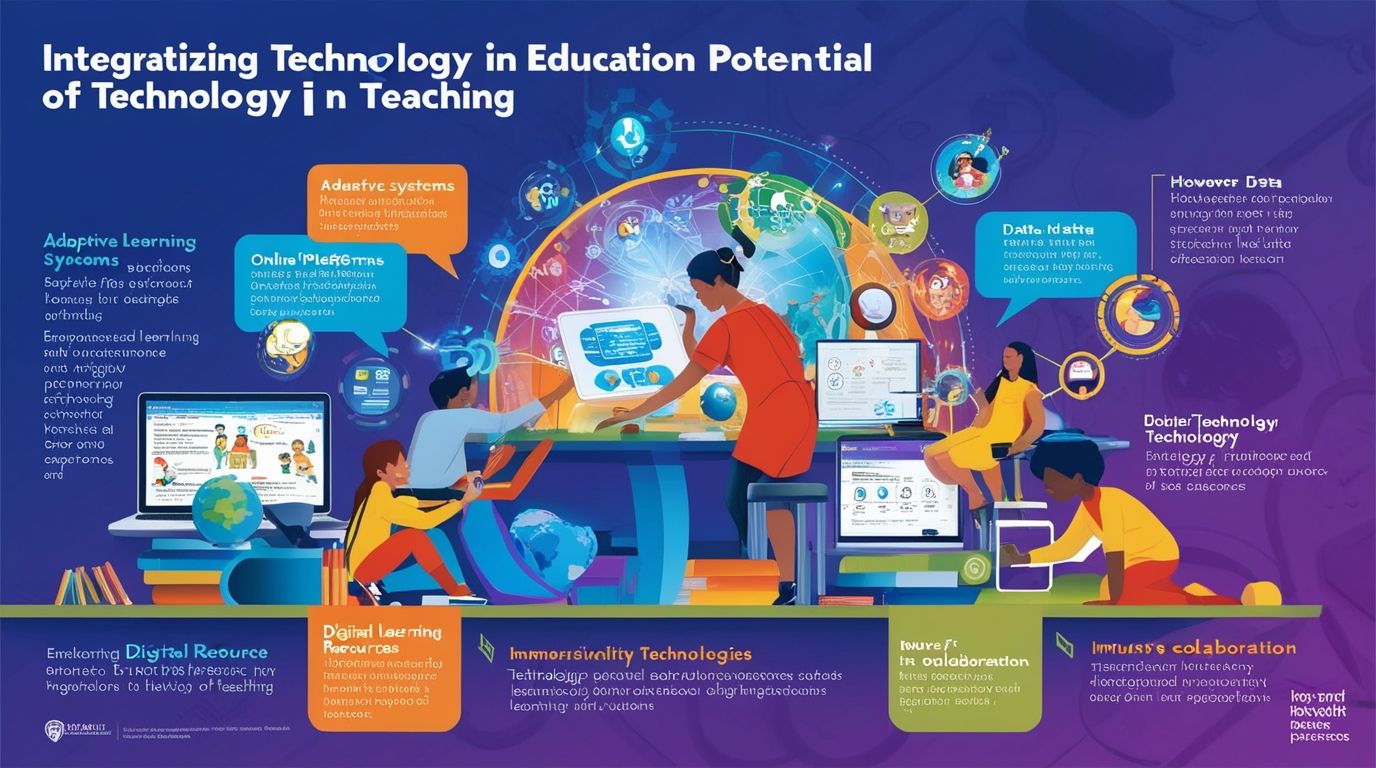
The future of Velo usage in educational institutions appears promising. Emerging technologies such as artificial intelligence, machine learning, augmented reality, virtual reality, and predictive analytics are expected to further enhance Velo capabilities.
Future developments may include:
- Intelligent tutoring systems
- Adaptive learning environments
- Real-time learning analytics
- Immersive educational experiences
- Automated administrative processes
- Personalized educational pathways
As educational institutions continue their digital transformation journeys, Velo will likely play an increasingly important role in shaping the future of education.
The successful integration of these innovations will require strategic planning, stakeholder collaboration, adequate funding, and continuous professional development.
Recommendations
To maximize the benefits of Velo usage in educational institutions, the following recommendations are proposed:
- Invest in reliable technological infrastructure.
- Provide continuous professional development for educators.
- Develop comprehensive digital literacy programs for students.
- Establish robust cybersecurity and data privacy policies.
- Promote equitable access to technology and internet connectivity.
- Encourage stakeholder involvement in implementation planning.
- Continuously evaluate and improve technology integration strategies.
- Support research on the long-term impact of Velo in education.
Conclusion
The integration of Velo technology into educational institutions has significantly transformed teaching, learning, administration, and student engagement. Its ability to enhance instructional delivery, personalize learning experiences, improve communication, streamline administrative processes, and expand educational access makes it a valuable tool in modern education.
Despite challenges related to infrastructure, training, financial investment, and digital equity, the benefits of Velo often outweigh the limitations when implementation is carefully planned and managed. Educational institutions that effectively leverage Velo technologies are better positioned to meet the evolving needs of learners in a rapidly changing digital world.
As technology continues to advance, Velo will remain a critical component of educational innovation and institutional development. Its contribution to improved learning outcomes, operational efficiency, and inclusive education underscores its importance in shaping the future of global education.