Introduction
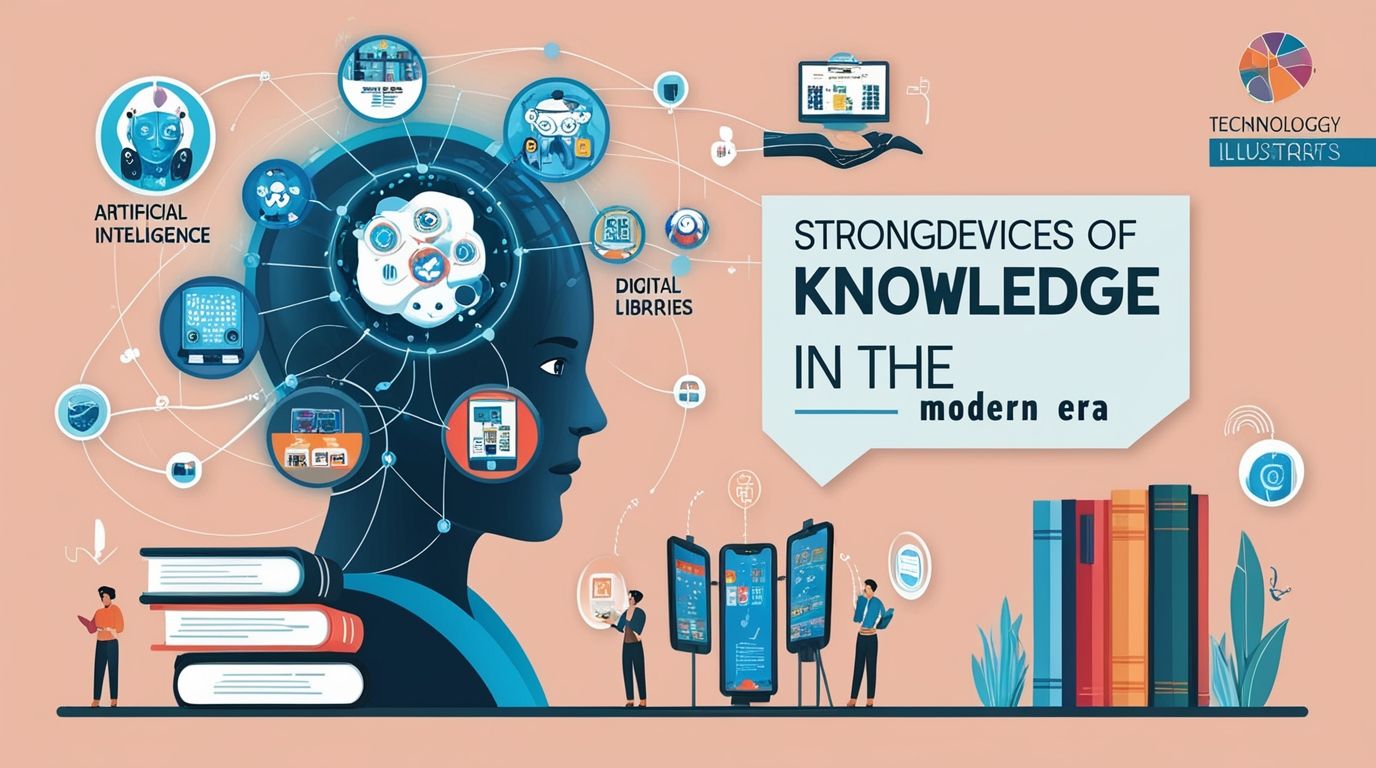
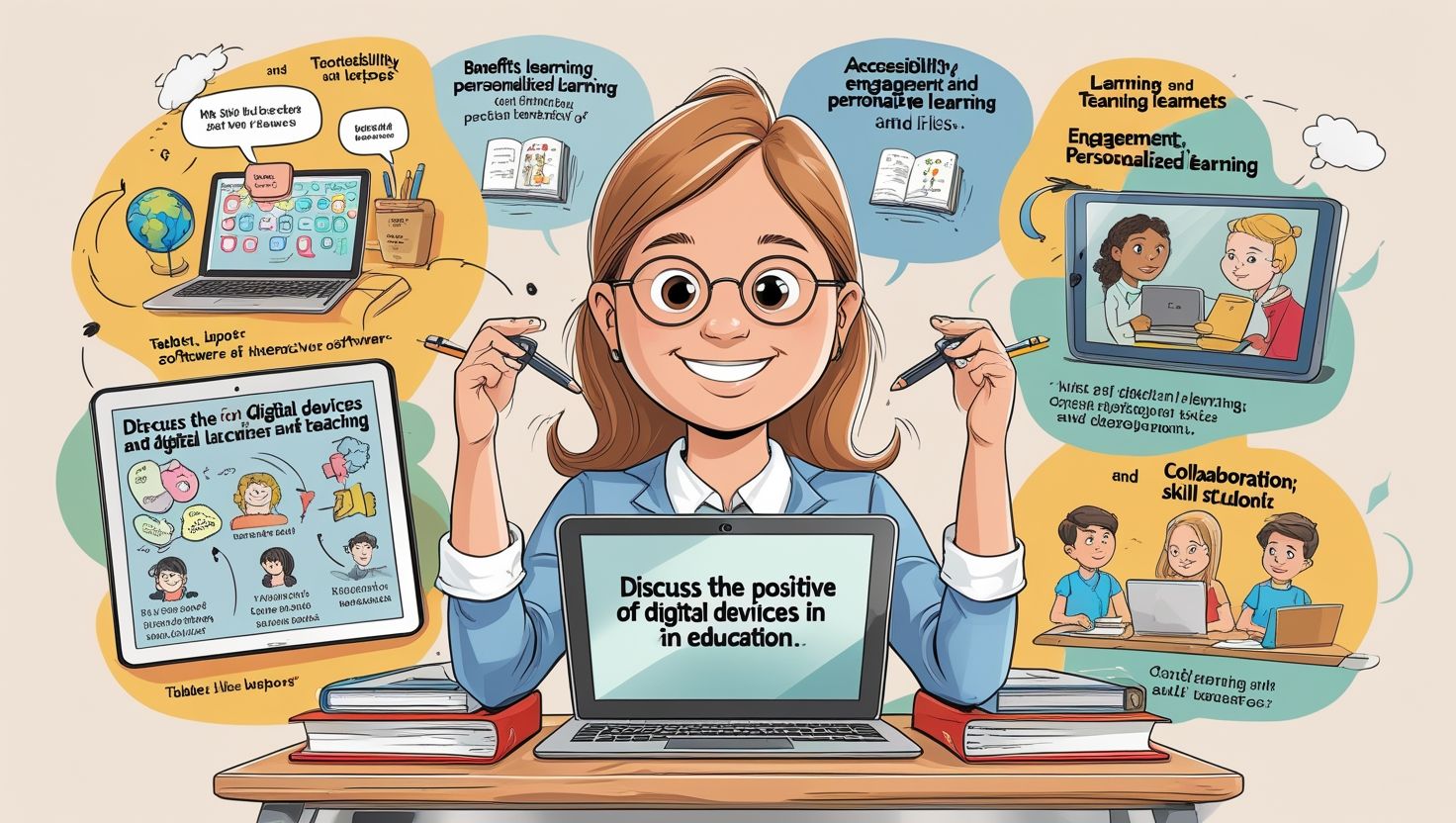
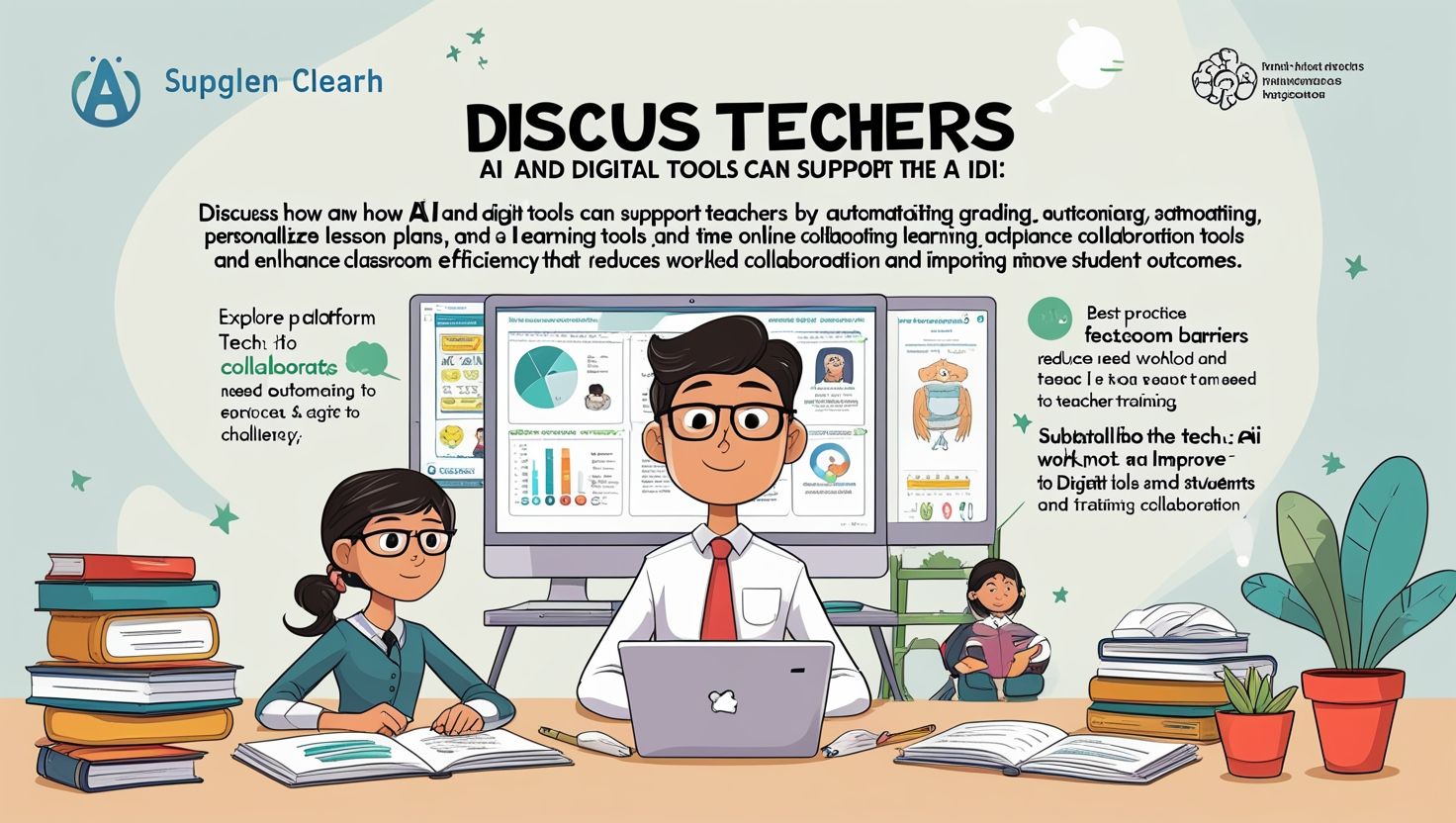
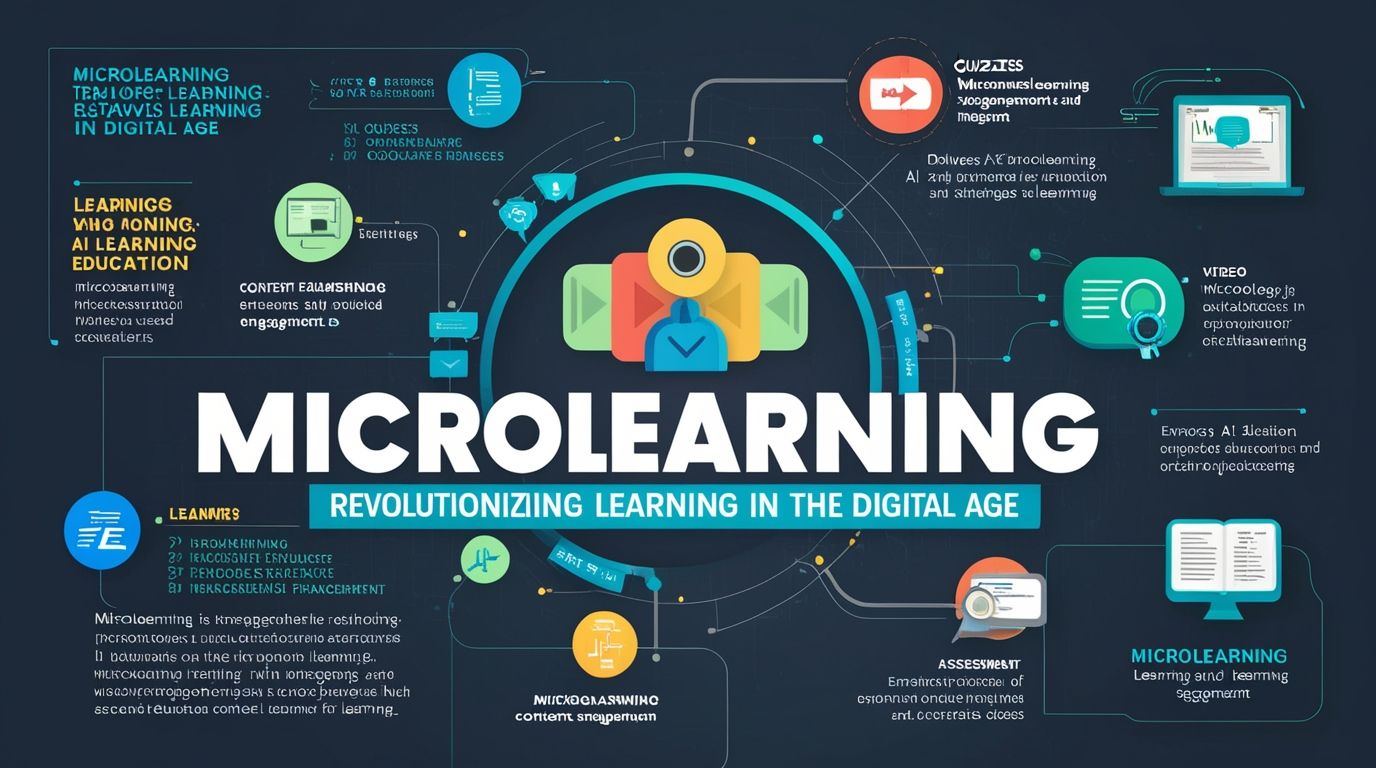
Academic Tools for AI Learning, The rapid advancement of Artificial Intelligence (AI) has transformed the educational landscape, creating new opportunities for teaching, learning, and research. Academic tools for AI learning enable students, educators, and researchers to access knowledge more efficiently, analyze complex information, and develop critical digital skills. These tools include AI-powered research platforms, writing assistants, data analysis software, virtual tutors, and learning management systems that support personalized and interactive learning experiences. By automating routine tasks and providing intelligent feedback, AI tools enhance productivity, improve academic performance, and encourage innovation. They also help learners develop competencies in problem-solving, critical thinking, and data literacy, which are essential in the twenty-first century. As educational institutions increasingly adopt AI technologies, understanding and effectively utilizing these academic tools has become crucial for achieving academic excellence, fostering lifelong learning, and preparing students for future professional challenges.
1. The Digital Compass: Navigating the Future of Intelligent Learning
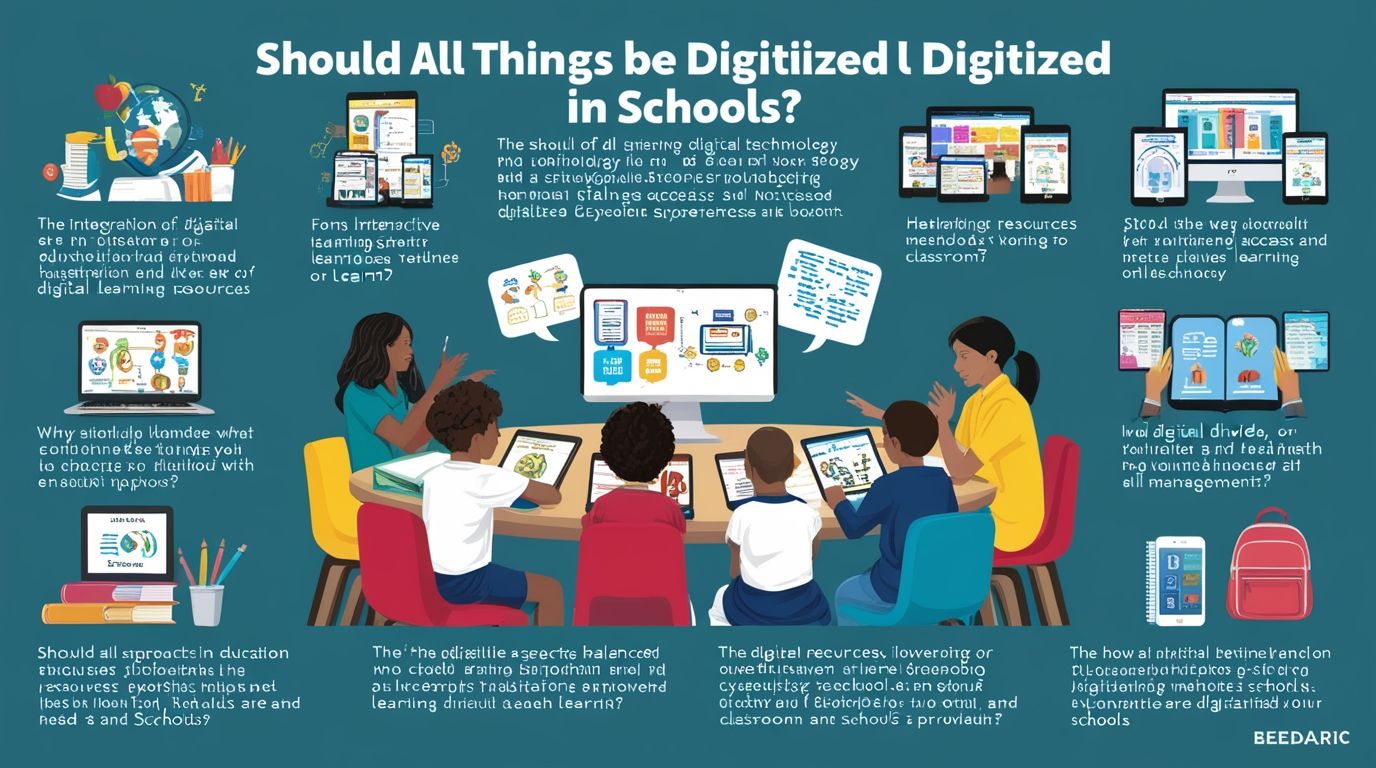
The rapid expansion of Artificial Intelligence, digital education, and academic technology has transformed how learners access knowledge and develop skills. Modern educational environments increasingly rely on AI tools that support personalized learning, adaptive assessment, and intelligent feedback. Students no longer depend solely on textbooks because advanced platforms provide real-time explanations, recommendations, and learning pathways. Academic tools designed for AI learning help learners understand complex concepts through simulations, visualizations, and interactive exercises. These technologies improve engagement while strengthening critical thinking and analytical abilities. Institutions worldwide are integrating machine learning, data analytics, and educational software into their curricula to prepare learners for future careers. As AI becomes a fundamental component of education, selecting effective academic tools becomes essential for maximizing learning outcomes, promoting innovation, and building competencies that support lifelong learning in a rapidly evolving knowledge society.
2. Smart Research Engines: Opening Doors to Infinite Knowledge
Research is a foundational element of education, and AI-powered research tools have revolutionized information discovery. Platforms such as intelligent academic databases, semantic search systems, and automated literature review applications help students locate relevant information efficiently. These tools analyze keywords, research trends, and citation networks to identify high-quality sources. Instead of spending hours searching manually, learners can use AI-assisted systems to gather evidence, compare perspectives, and organize references. Advanced algorithms improve search accuracy by understanding context rather than relying solely on exact keywords. Such capabilities strengthen academic inquiry and reduce barriers to knowledge access. Researchers benefit from enhanced productivity while maintaining scholarly rigor. Through the integration of natural language processing, knowledge management, and research analytics, AI research tools support evidence-based learning and empower students to explore complex topics with greater confidence, depth, and intellectual curiosity.
3. Intelligent Writing Studios: Crafting Ideas with Precision
Academic writing remains one of the most important skills in higher education. Modern AI writing tools support students by improving grammar, structure, coherence, and clarity. These platforms provide suggestions that help learners refine arguments and strengthen communication. Rather than replacing human creativity, AI functions as a supportive partner that enhances productivity and academic quality. Students can identify weaknesses in organization, improve sentence construction, and develop stronger scholarly language. Many tools also assist with citation management and plagiarism prevention, encouraging ethical writing practices. Through continuous feedback, learners gain a deeper understanding of effective academic communication. The combination of writing analytics, language models, and academic editing systems helps students produce well-structured assignments while developing independent writing skills. As educational expectations increase, intelligent writing tools contribute significantly to academic success and professional preparedness.
4. Data Laboratories: Transforming Numbers into Meaning
The modern academic landscape increasingly values data literacy and evidence-based decision making. AI-supported data analysis tools enable students to explore large datasets, identify patterns, and generate meaningful insights. These platforms simplify statistical procedures while promoting deeper understanding of quantitative research methods. Learners can visualize information through charts, graphs, and interactive dashboards that make complex data easier to interpret. Such tools are particularly useful in education, business, health sciences, and social research. By integrating machine learning algorithms, students can predict trends and evaluate outcomes with greater accuracy. Academic institutions encourage the use of data laboratories because they foster analytical thinking and problem-solving abilities. Through practical engagement with datasets, learners develop competencies essential for research and professional practice. AI-powered data tools transform abstract numbers into valuable knowledge that supports informed conclusions and innovation.
5. Virtual Tutors: Personalized Guidance Beyond the Classroom
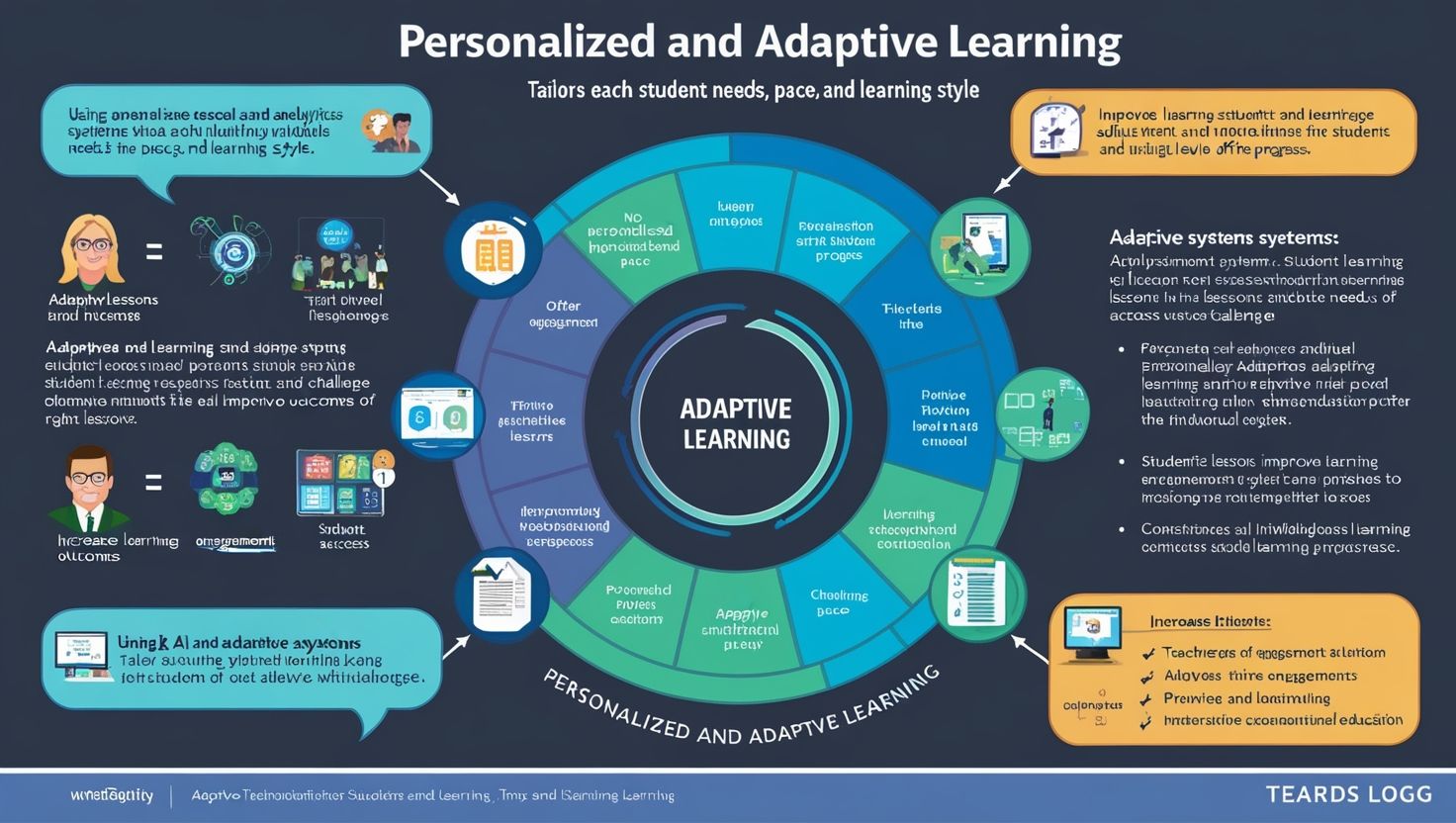
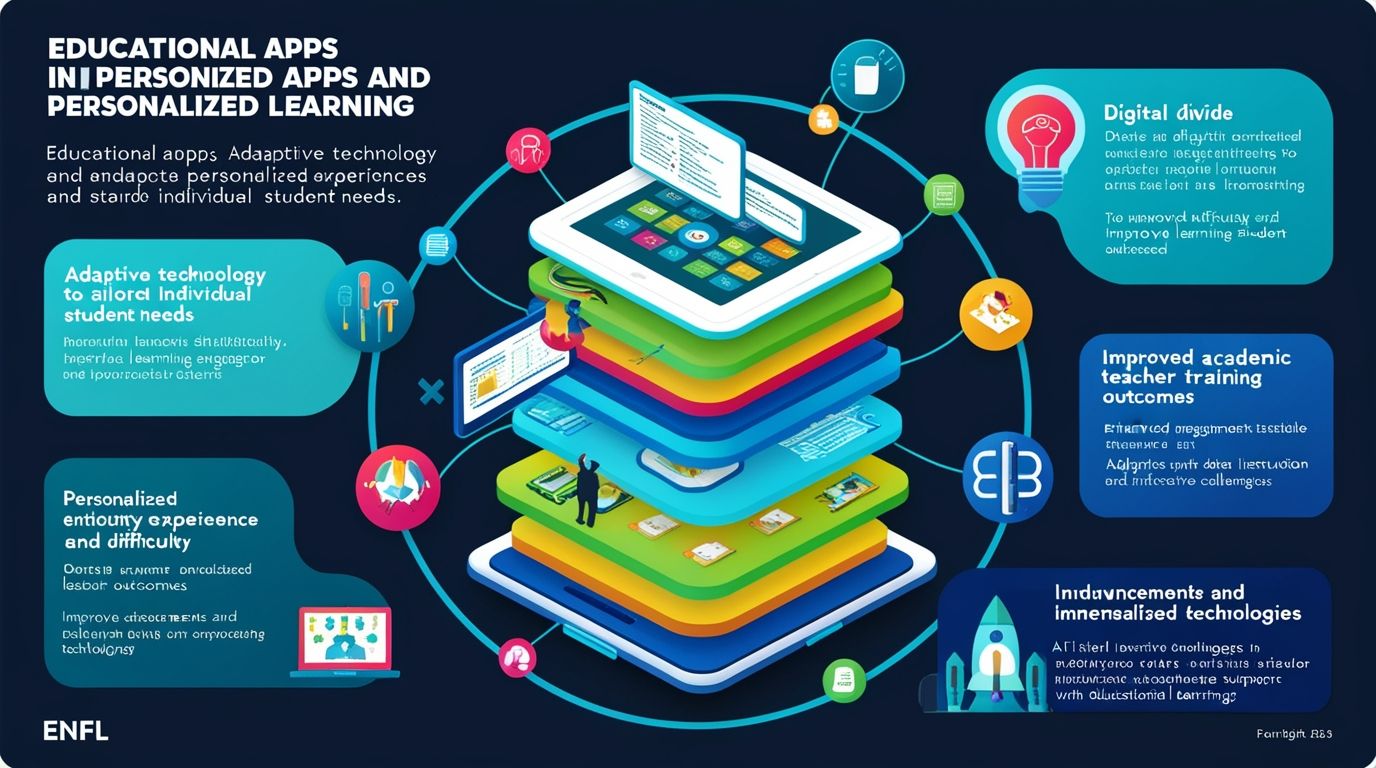
One of the most remarkable contributions of AI to education is the development of intelligent tutoring systems. These virtual tutors provide individualized support by analyzing learner performance and adapting instruction accordingly. Students receive explanations, hints, and practice activities tailored to their unique needs and learning pace. Unlike traditional one-size-fits-all approaches, AI tutoring systems create customized learning experiences that increase engagement and retention. Immediate feedback allows learners to correct mistakes before misconceptions become deeply rooted. Such tools are especially beneficial in mathematics, science, and language learning environments. Through adaptive learning, personalized instruction, and learning analytics, virtual tutors enhance educational accessibility and effectiveness. They extend learning opportunities beyond classroom walls and support independent study. As educational systems strive to meet diverse learner needs, AI tutors continue to play a critical role in promoting academic achievement.
6. Knowledge Maps: Visualizing Complex Learning Pathways
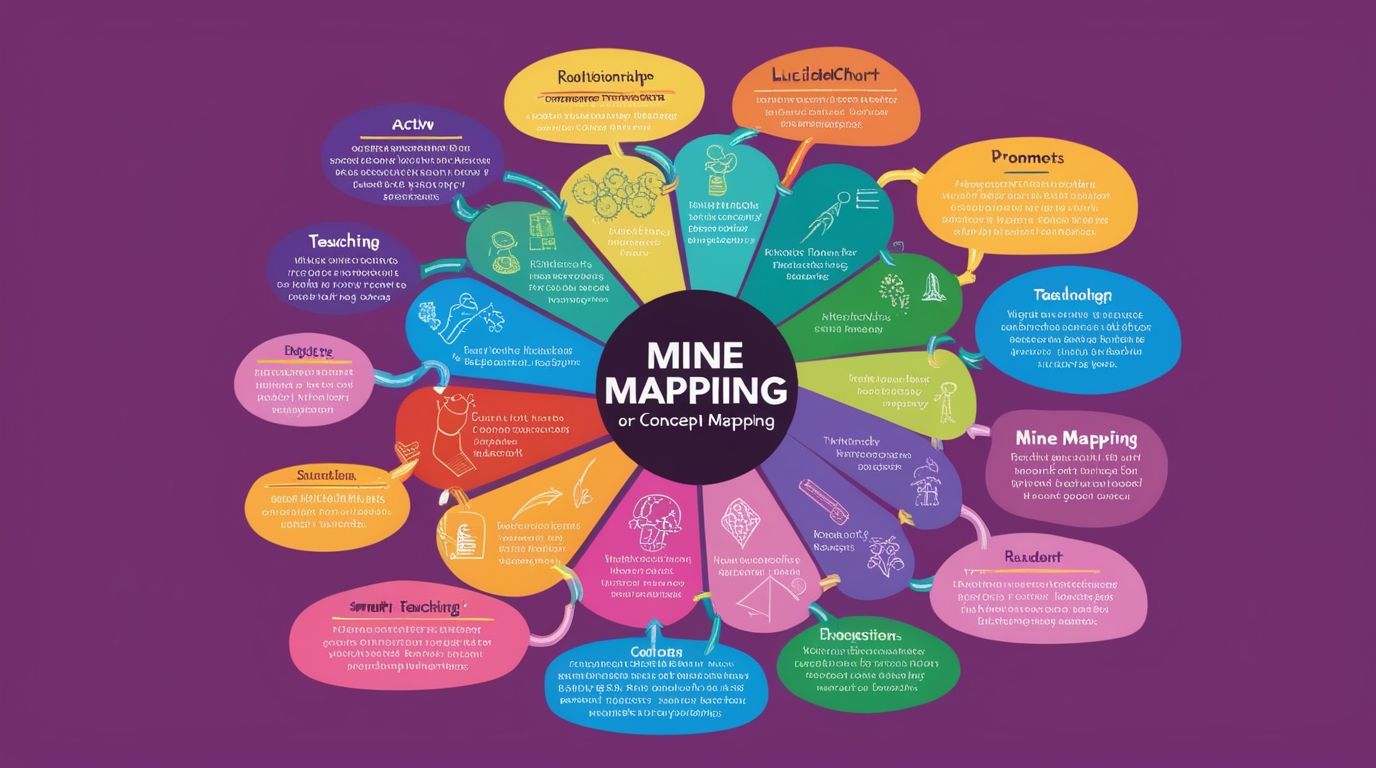
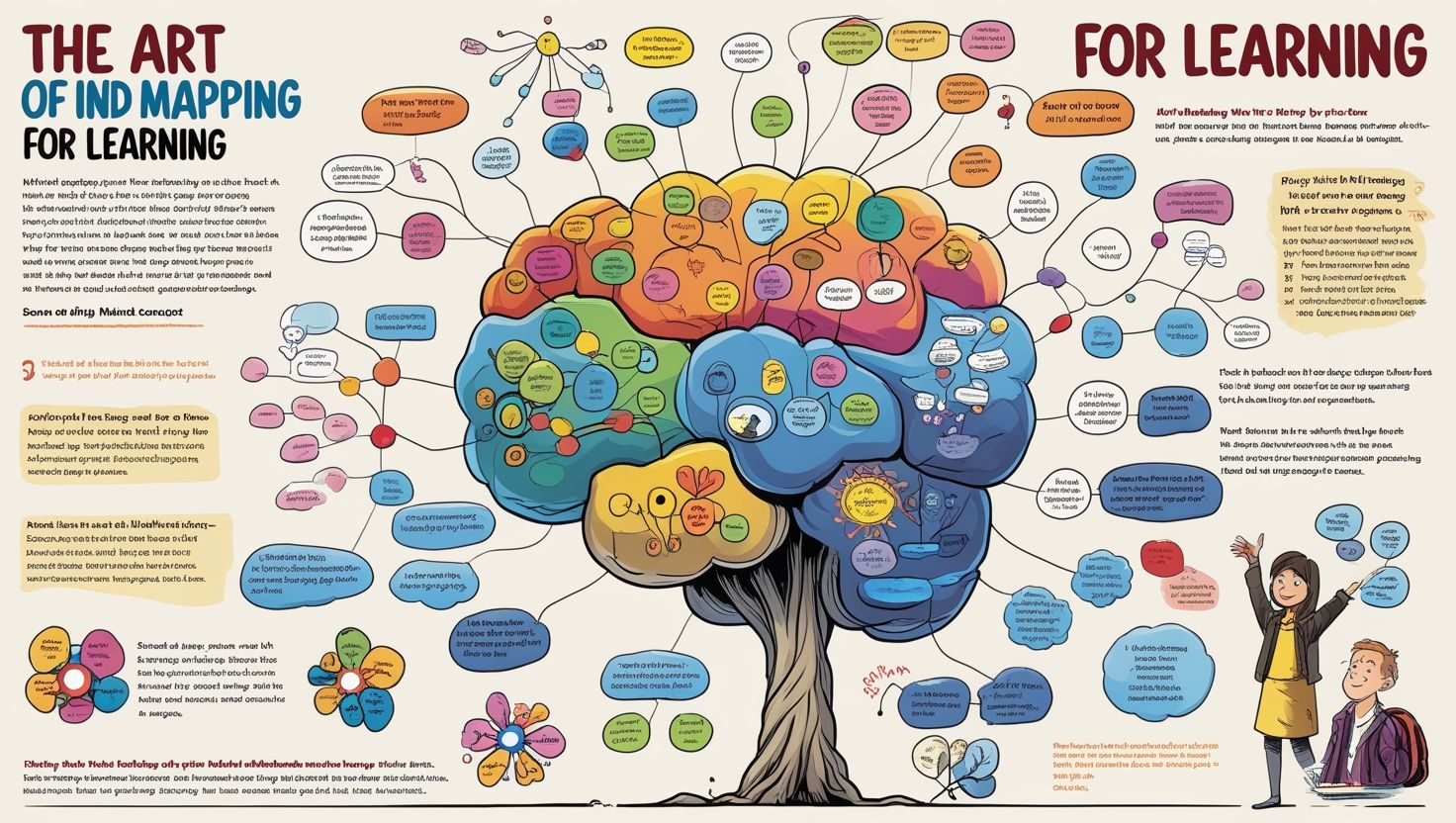
Understanding relationships between concepts is essential for deep learning. AI-driven knowledge mapping tools help students visualize information through interactive diagrams, concept maps, and learning networks. These systems identify connections among ideas and present them in a structured format that improves comprehension. Complex topics become easier to understand when learners can see how theories, principles, and facts relate to one another. Knowledge maps support memory retention by encouraging meaningful organization of information. They also facilitate interdisciplinary learning by revealing links across academic subjects. Through visual learning, cognitive organization, and conceptual modeling, students gain a clearer understanding of difficult material. Educators increasingly use these tools to design engaging lessons and promote higher-order thinking. By transforming fragmented information into organized knowledge structures, AI mapping technologies strengthen academic understanding and long-term learning outcomes.
7. Collaborative Clouds: Building Communities of Intelligent Learning
Learning thrives when collaboration is encouraged. AI-enhanced collaboration platforms allow students, educators, and researchers to work together effectively regardless of geographical location. These systems support communication, project management, document sharing, and collective problem solving. Intelligent features help organize discussions, summarize content, and recommend relevant resources. Such capabilities improve teamwork while reducing administrative complexity. Collaborative environments encourage knowledge exchange and foster diverse perspectives that enrich academic experiences. Through cloud learning, digital collaboration, and collective intelligence, learners develop interpersonal and professional skills essential for modern workplaces. AI tools can also monitor participation patterns and provide insights that support group effectiveness. As education becomes increasingly global and interconnected, collaborative platforms help create inclusive learning communities where innovation, creativity, and academic excellence flourish through meaningful interaction and shared intellectual effort.
8. Assessment Reimagined: Measuring Growth Through Intelligence
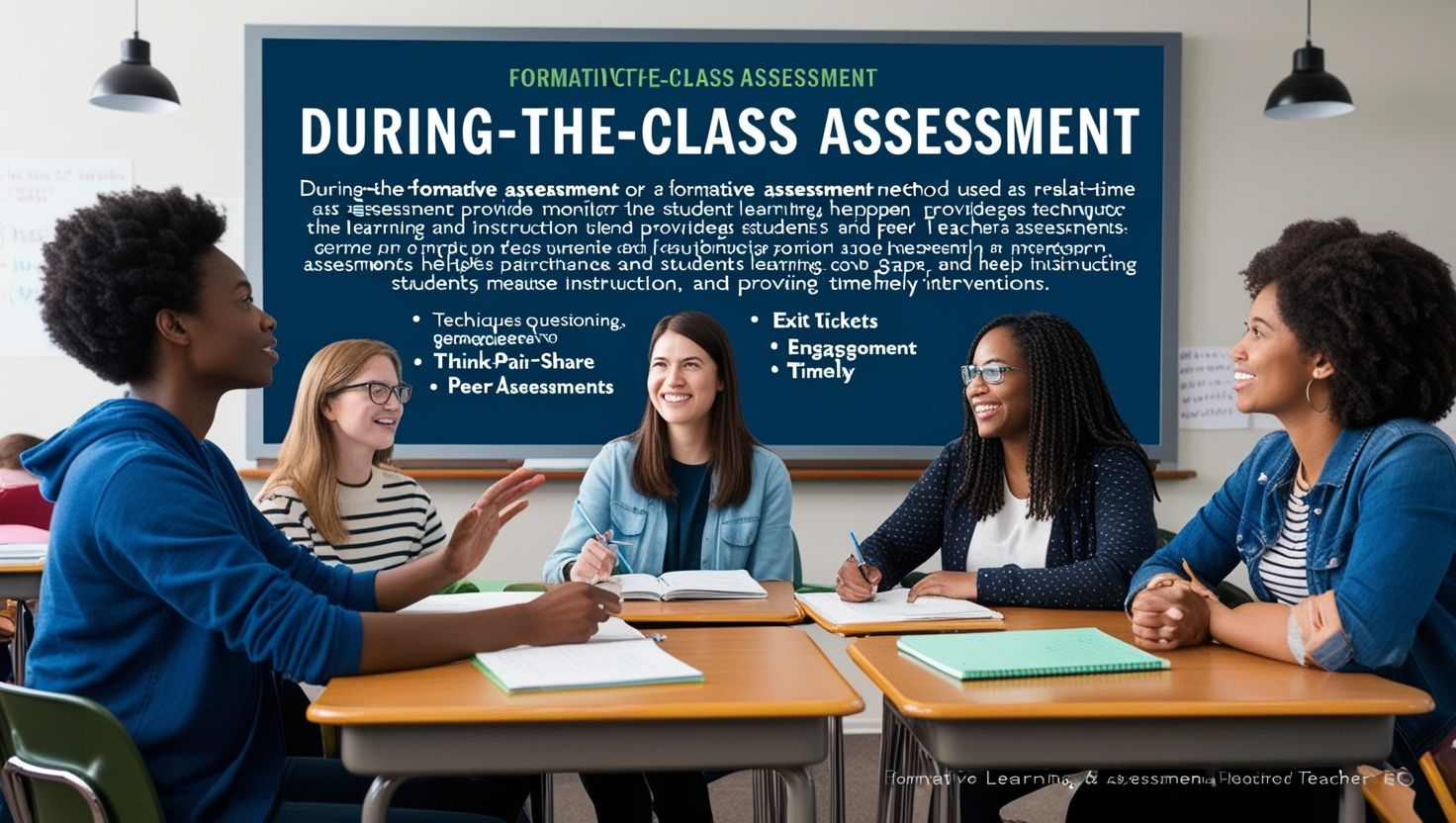
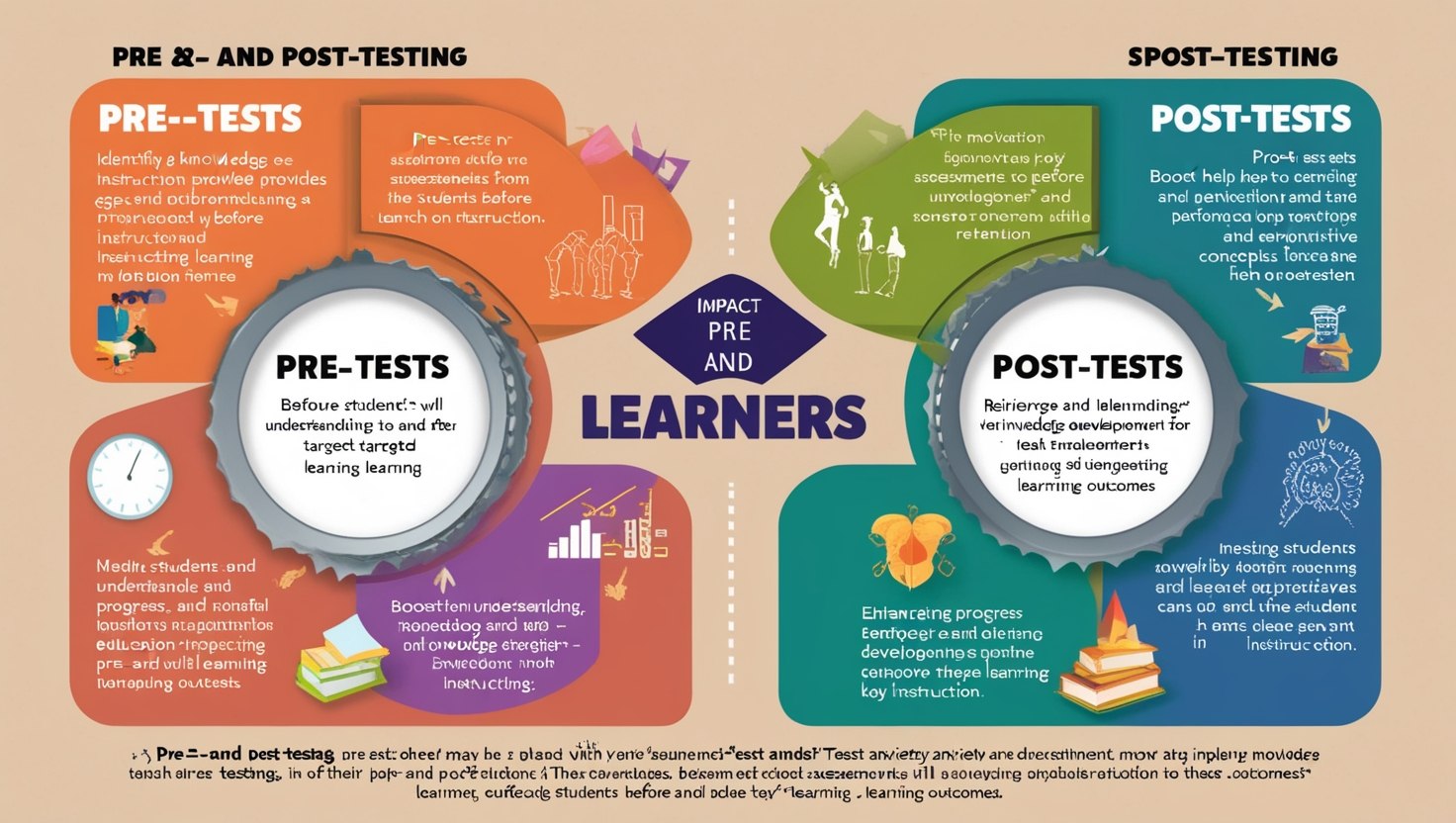
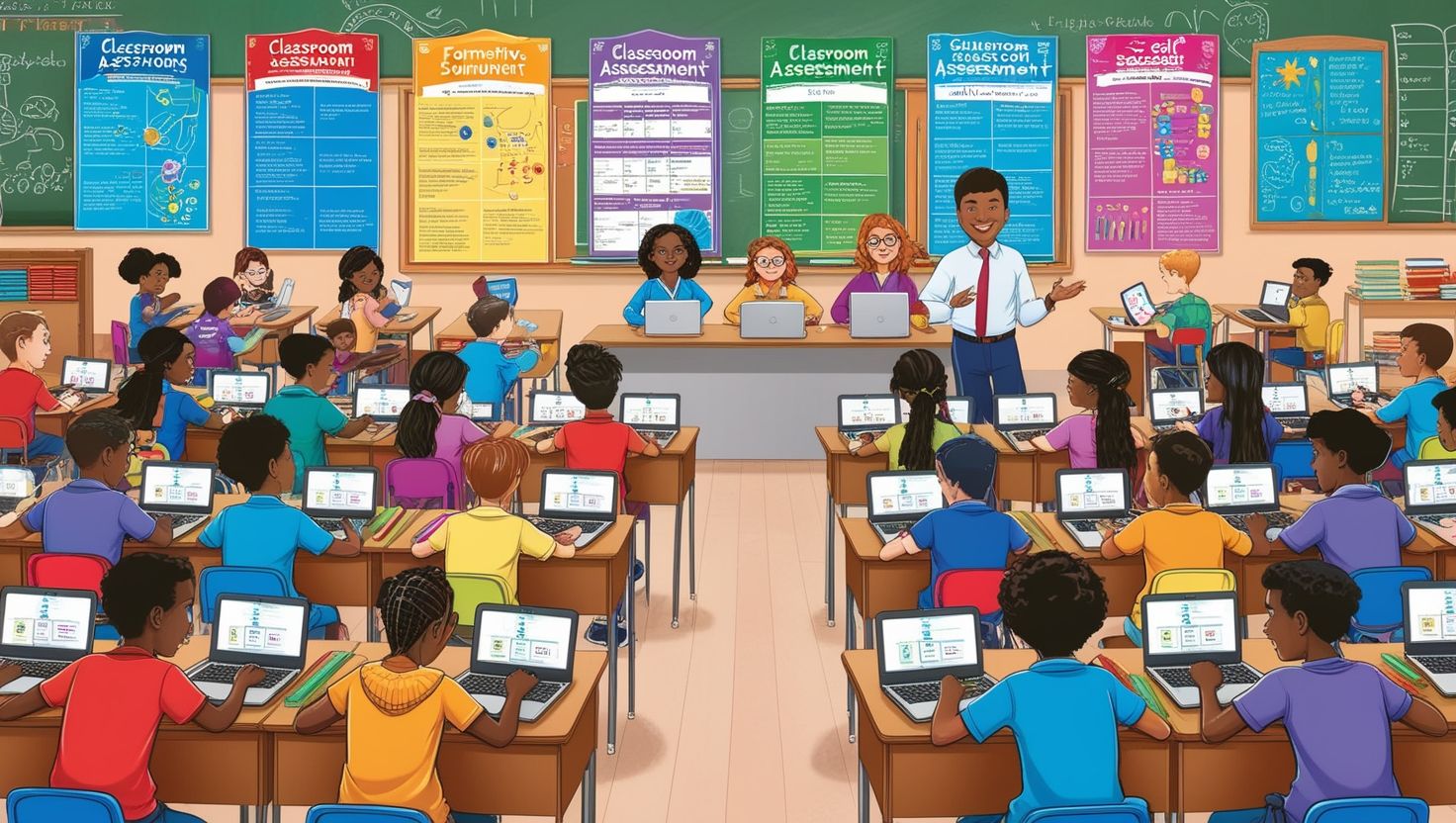
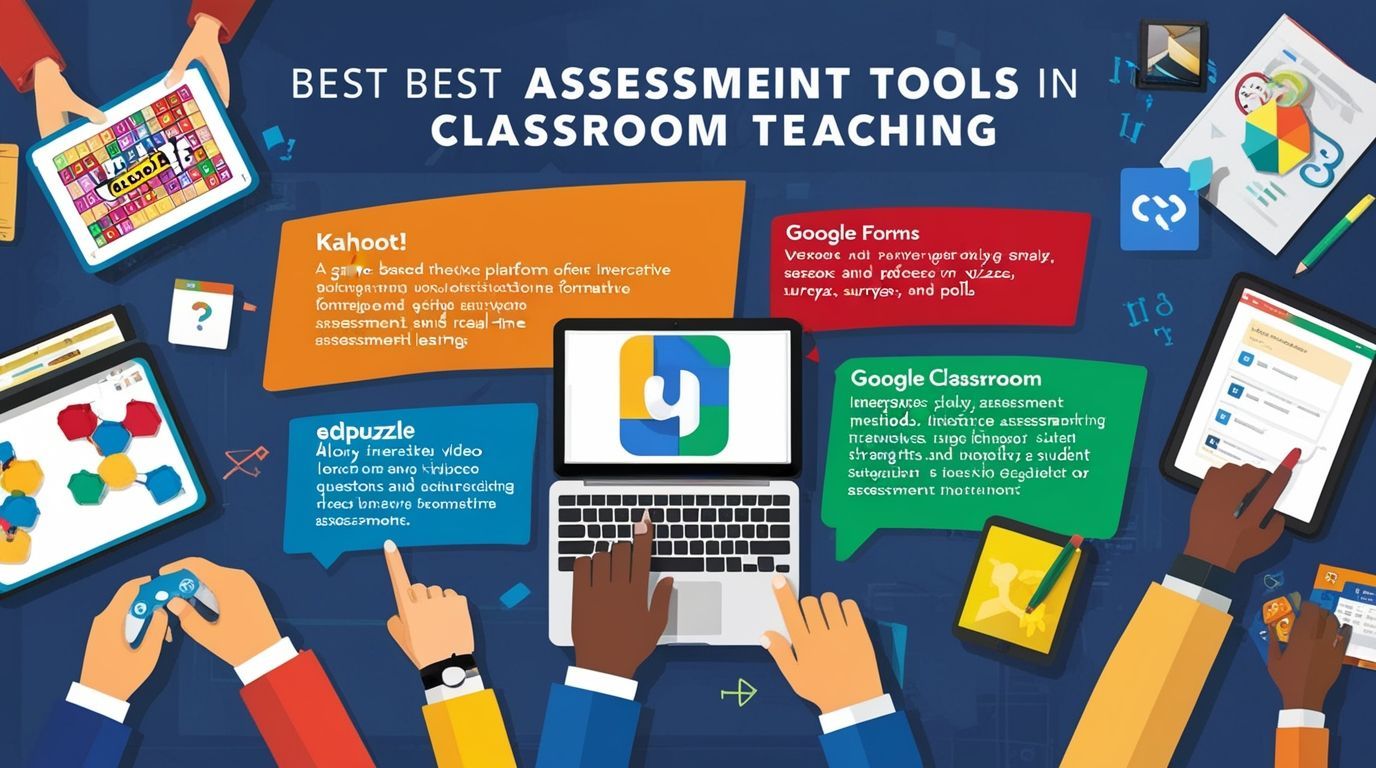
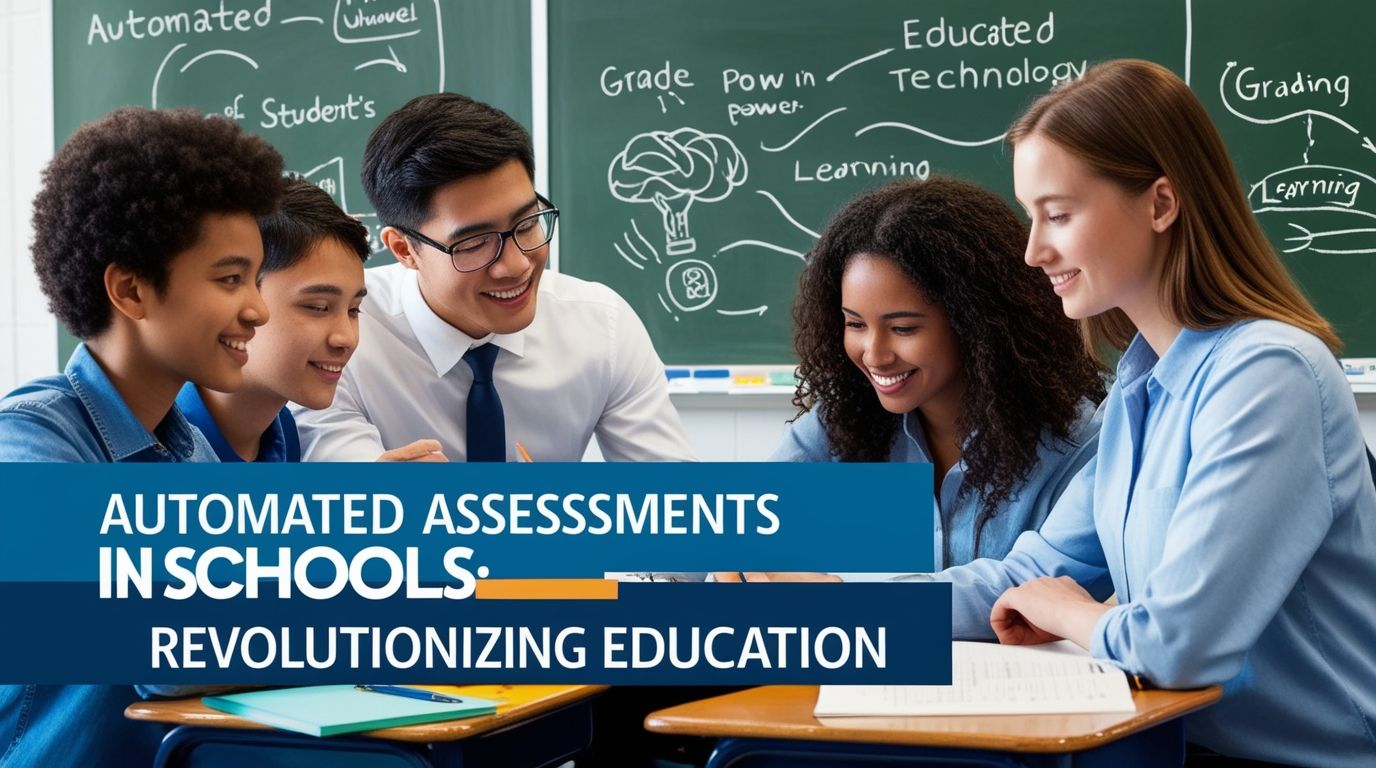
Assessment is evolving rapidly through the integration of AI technologies. Intelligent assessment systems evaluate learner performance more efficiently while providing detailed feedback. These tools move beyond simple grading by identifying strengths, weaknesses, and opportunities for improvement. Adaptive assessments adjust difficulty levels according to learner responses, creating more accurate measurements of understanding. Educators benefit from data-driven insights that support instructional planning and intervention strategies. Students receive personalized recommendations that guide future learning efforts. Through educational assessment, learning measurement, and performance analytics, AI enhances fairness and effectiveness in evaluation processes. Automated systems reduce administrative workloads while allowing educators to focus on mentoring and instructional quality. As institutions seek more meaningful ways to assess learning, AI-powered assessment tools provide valuable solutions that emphasize growth, mastery, and continuous academic development.
9. Language Bridges: Expanding Global Educational Access
Language barriers often limit access to educational opportunities, but AI is helping create more inclusive learning environments. Advanced language learning tools use speech recognition, translation technologies, and conversational systems to support multilingual education. Learners can practice pronunciation, improve vocabulary, and receive immediate feedback on language performance. Translation capabilities enable students to access academic resources from different regions and cultures. These innovations encourage international collaboration and broaden educational participation. Through natural language processing, multilingual learning, and cross-cultural communication, AI tools help students develop linguistic competence while engaging with global knowledge networks. Educational institutions benefit from greater accessibility and diversity. As globalization continues to influence education, language-focused AI technologies play a vital role in connecting learners across borders and creating opportunities for meaningful academic exchange.
10. Simulation Worlds: Learning Through Intelligent Experience
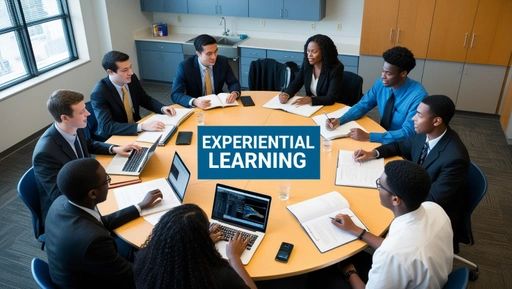
Experiential learning becomes more powerful when supported by AI-driven simulations. These tools create realistic environments where students can practice skills, test ideas, and solve problems without real-world risks. Simulations are widely used in medicine, engineering, business, and scientific research because they provide hands-on learning experiences. Learners can experiment with different strategies and observe outcomes in controlled settings. AI enhances simulations by adapting scenarios according to performance and learning objectives. Through virtual reality, simulation learning, and experiential education, students gain practical understanding that complements theoretical knowledge. Such environments promote critical thinking, creativity, and decision-making abilities. By bridging the gap between classroom concepts and real-world application, intelligent simulations help prepare learners for professional challenges while encouraging innovation and continuous improvement.
11. Ethical Frameworks: Guiding Responsible AI Learning
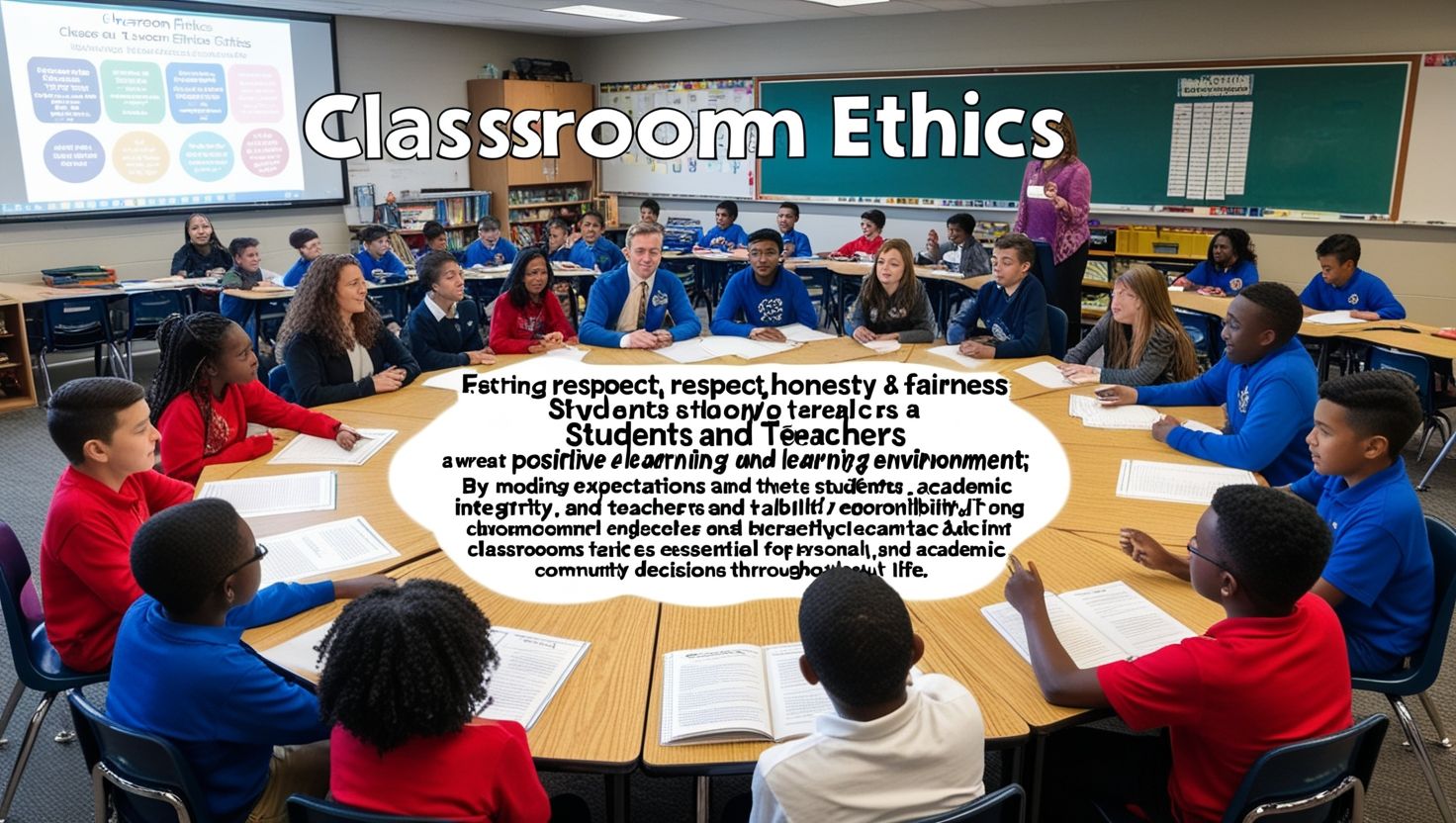
The growing influence of AI in education requires careful attention to ethics and responsibility. Academic tools should promote transparency, fairness, and respect for privacy. Students must understand how AI systems operate, how data are collected, and how algorithms influence decisions. Ethical education encourages critical evaluation of technological impacts on individuals and society. Through digital ethics, responsible AI, and data governance, learners develop awareness of challenges related to bias, accountability, and security. Educational institutions play an important role in fostering ethical technology use and informed citizenship. By integrating ethical considerations into AI learning environments, educators ensure that technological advancement aligns with human values. Responsible practices help build trust and support sustainable innovation. As AI continues to shape education, ethical frameworks remain essential for guiding meaningful and socially beneficial learning experiences.
12. Academic Productivity Hubs: Managing Learning Efficiently
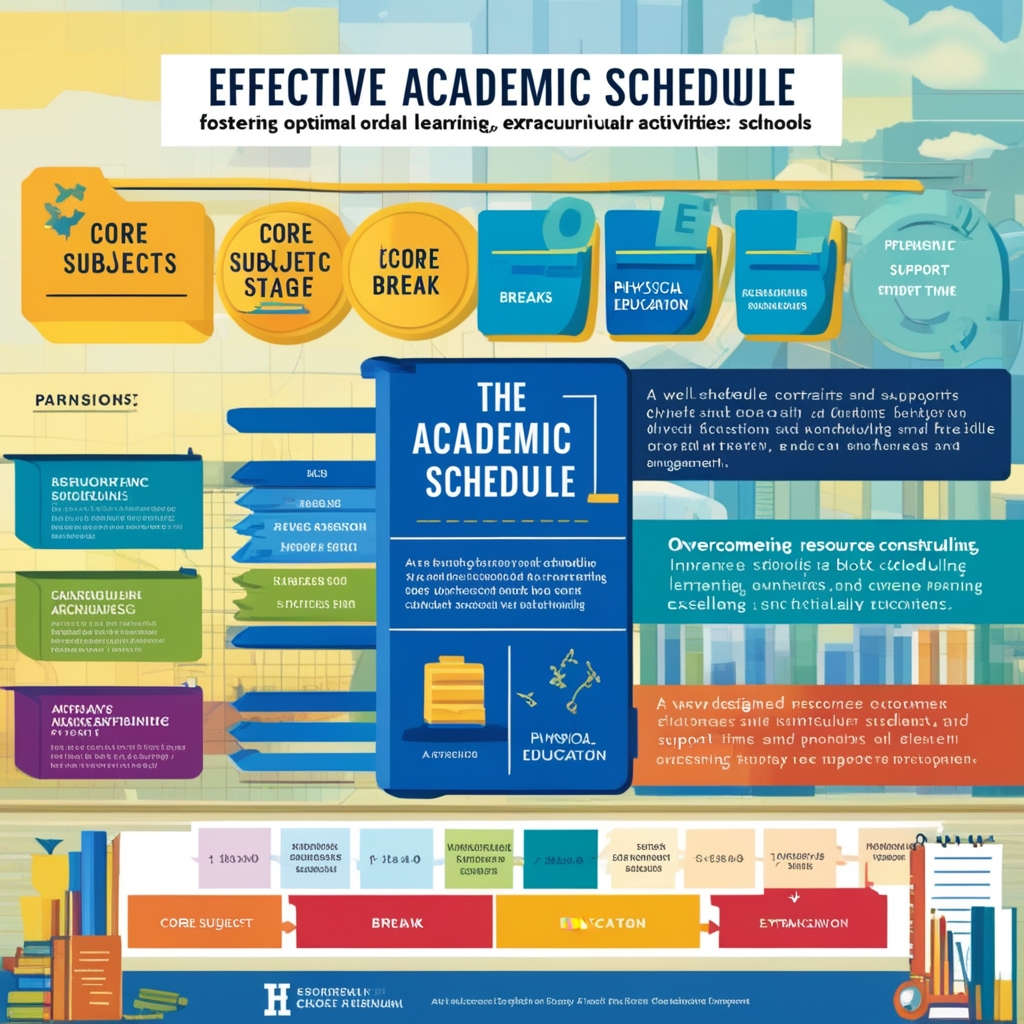
Effective learning requires organization, planning, and time management. AI-powered productivity tools help students manage schedules, assignments, research tasks, and academic goals. Intelligent systems can prioritize activities, send reminders, and recommend study strategies based on performance patterns. Such support reduces cognitive overload and helps learners maintain focus on important objectives. Productivity platforms also facilitate note-taking, resource organization, and workflow management. Through academic productivity, learning management, and digital organization, students improve efficiency and academic performance. Educators benefit from streamlined administrative processes that support instructional effectiveness. By automating routine tasks, AI enables learners to devote more attention to critical thinking, creativity, and knowledge construction. Productivity tools represent an important component of modern education because they enhance both individual achievement and institutional effectiveness.
13. Future Innovation Centers: Preparing Learners for Tomorrow
Educational institutions increasingly establish innovation centers that integrate AI technologies into teaching, research, and professional development. These environments encourage experimentation, interdisciplinary collaboration, and creative problem solving. Students engage with emerging technologies while developing competencies relevant to future careers. Innovation centers often provide access to advanced software, research platforms, and project-based learning opportunities. Through innovation ecosystems, technology integration, and future skills development, learners gain practical experience that strengthens employability and adaptability. Such initiatives help bridge the gap between academic knowledge and workforce expectations. AI tools empower students to explore complex challenges, design solutions, and contribute to societal progress. As technological change accelerates, innovation-focused educational environments become increasingly important for cultivating leadership, resilience, and lifelong learning capabilities.
14. The Intelligent Horizon: Shaping the Future of Academic Excellence
The future of education will be deeply influenced by the continued evolution of AI-powered academic tools. From research support and intelligent tutoring to assessment systems and collaborative platforms, these technologies are redefining learning experiences worldwide. Their greatest value lies not merely in automation but in their ability to enhance human potential. Students gain access to personalized pathways, educators receive actionable insights, and institutions improve educational quality. Through Artificial Intelligence, educational innovation, digital transformation, and academic excellence, learning becomes more accessible, engaging, and effective. However, successful implementation requires ethical awareness, thoughtful planning, and a commitment to human-centered education. By combining technological advancement with creativity, critical thinking, and responsible practice, academic communities can harness AI as a powerful catalyst for knowledge creation, lifelong learning, and sustainable educational development.
Conclusion
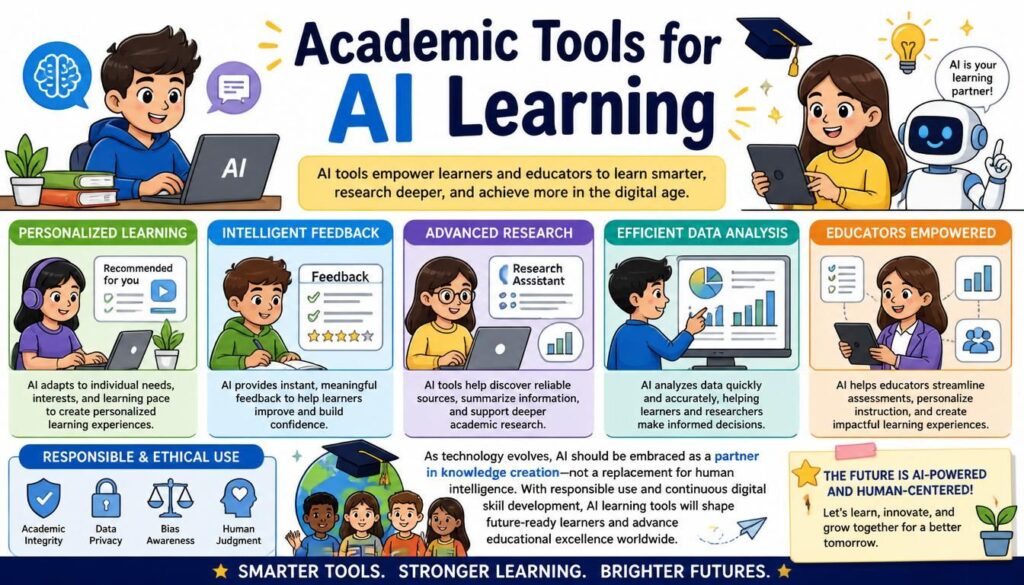
In conclusion, Academic Tools for AI Learning have become essential resources for enhancing education, research, and professional development in the digital age. These tools support learners through personalized learning, intelligent feedback, advanced research capabilities, and efficient data analysis, making education more accessible and effective. By integrating Artificial Intelligence, machine learning, and educational technology into academic environments, institutions can foster innovation, creativity, and critical thinking among students. Furthermore, AI-powered tools help educators improve instructional practices, streamline assessments, and provide meaningful learning experiences. However, their successful implementation requires responsible use, ethical awareness, and continuous digital skill development. As technology continues to evolve, academic communities must embrace AI as a partner in knowledge creation rather than a replacement for human intelligence. Ultimately, AI learning tools will play a vital role in shaping future-ready learners and advancing educational excellence worldwide.