Introduction:
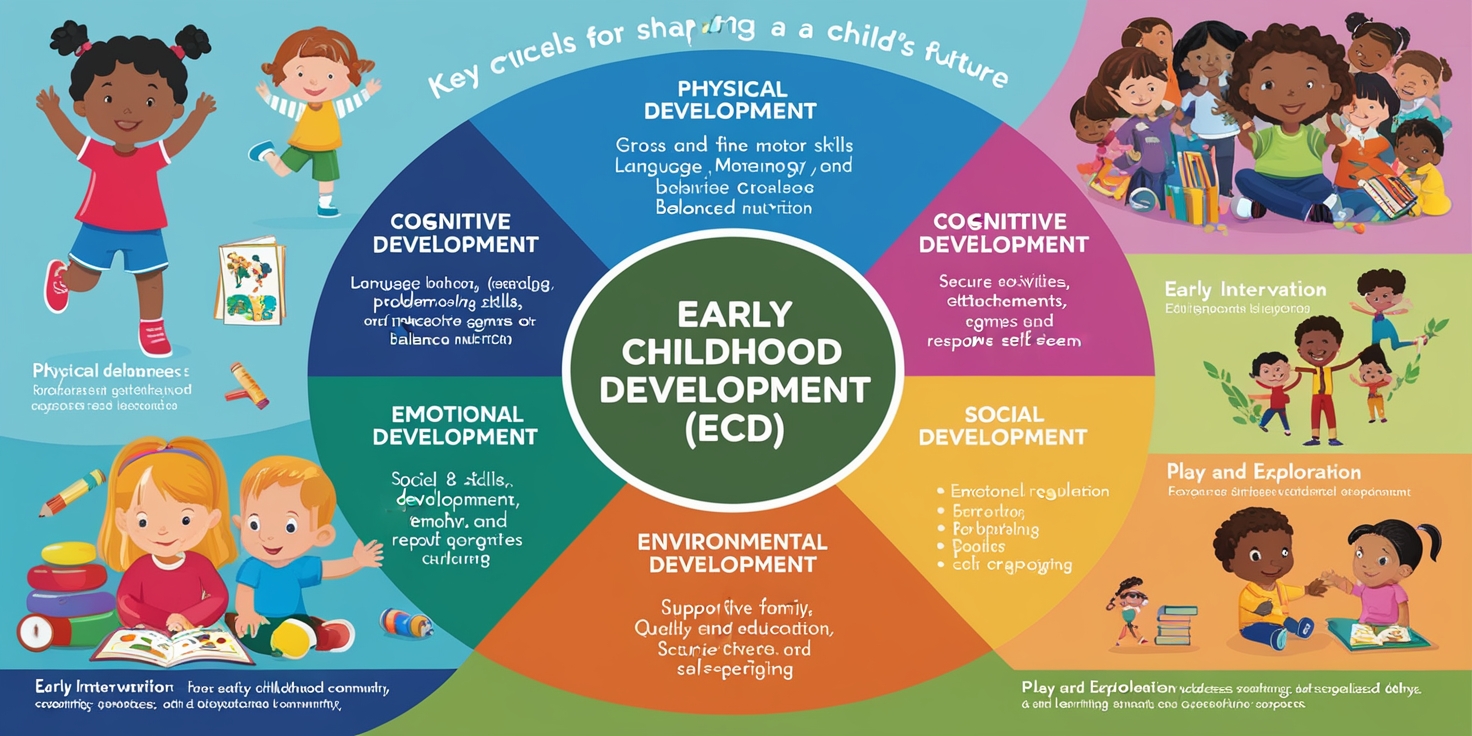
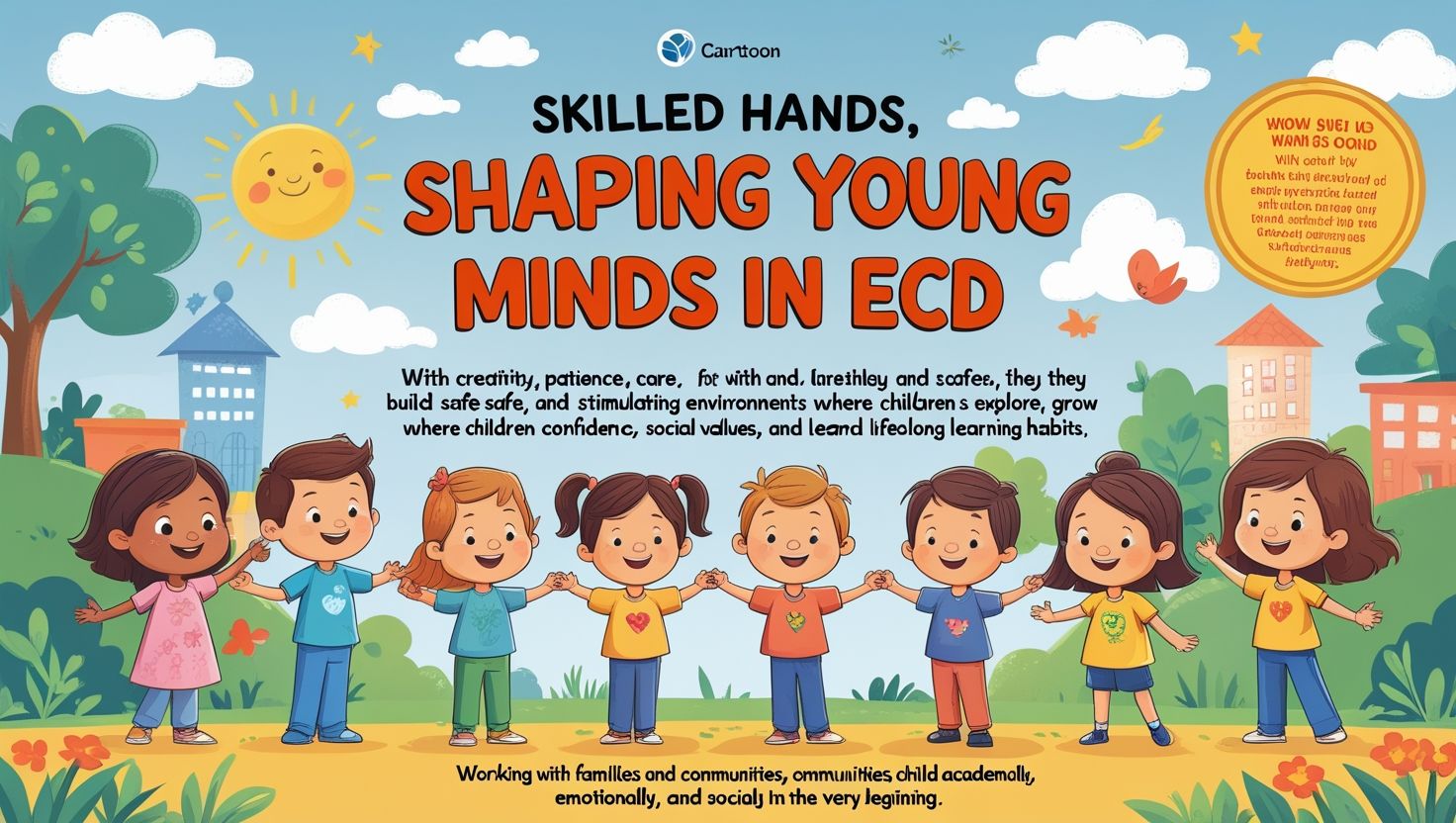
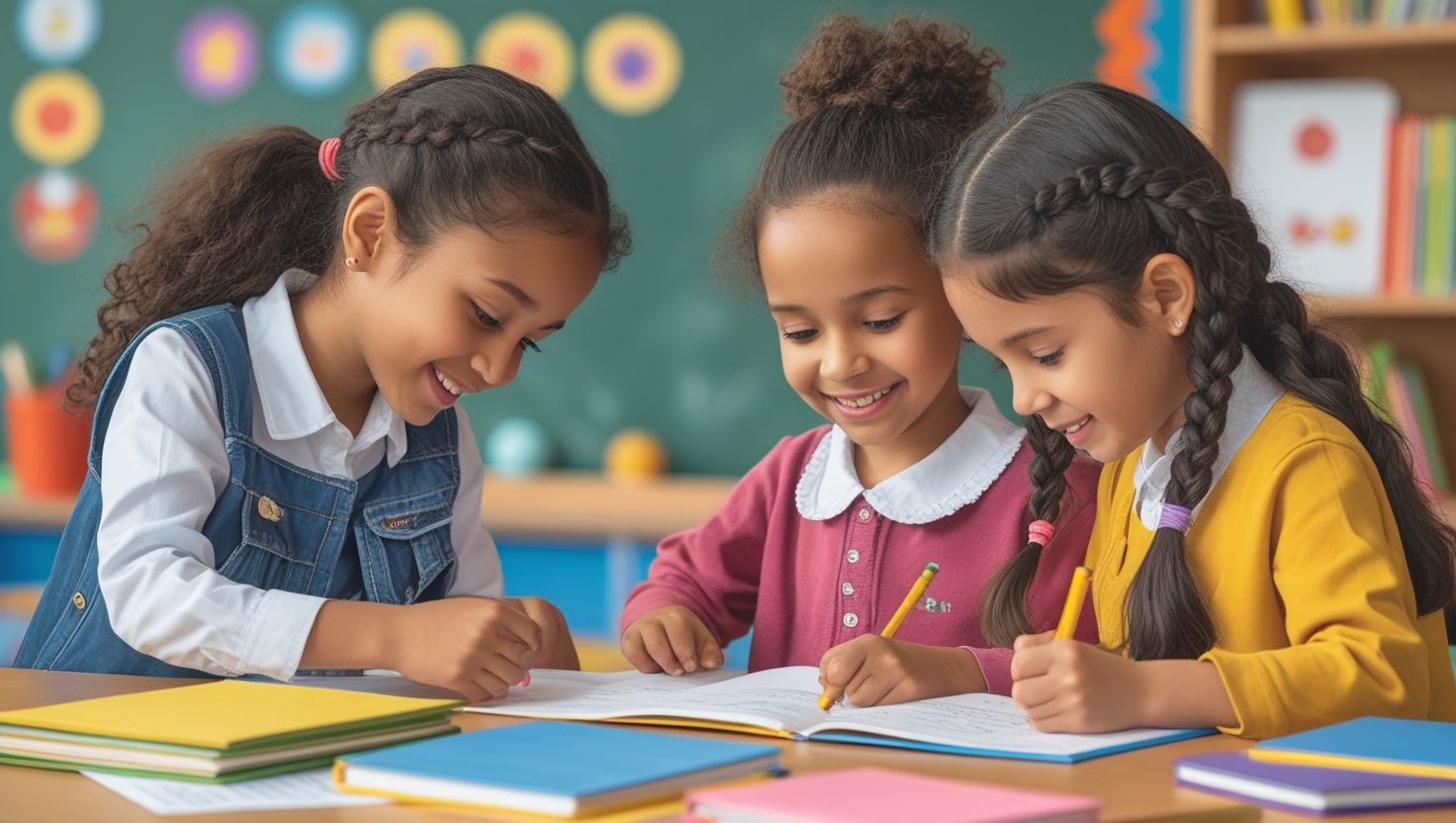
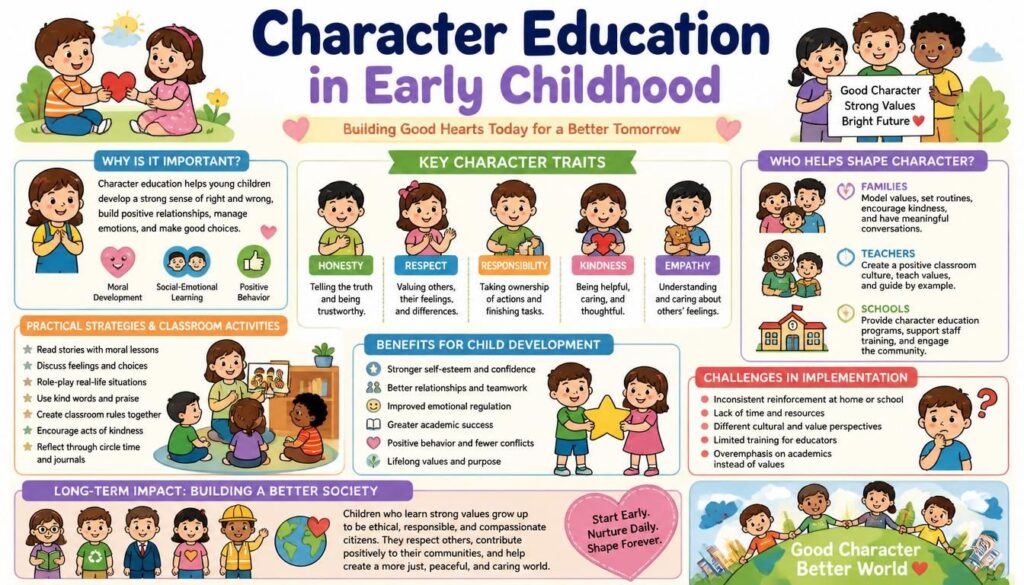
Character Education in Early Childhood, Character Education in Early Childhood plays a vital role in shaping the moral, social, and emotional development of young children. The early years of life are a critical period when children begin to form attitudes, values, and behaviors that influence their future actions and relationships. During this stage, children learn essential character traits such as honesty, respect, responsibility, kindness, and empathy through interactions with parents, teachers, peers, and their environment. Effective character education helps children distinguish right from wrong, develop self-discipline, and build positive relationships with others. It also contributes to social-emotional learning, fostering confidence, cooperation, and ethical decision-making. As societies face increasing social and moral challenges, the importance of nurturing strong character from an early age has become more evident. Therefore, integrating character education into early childhood programs is essential for developing responsible, compassionate, and morally grounded future citizens.
1. The First Seeds of Virtue
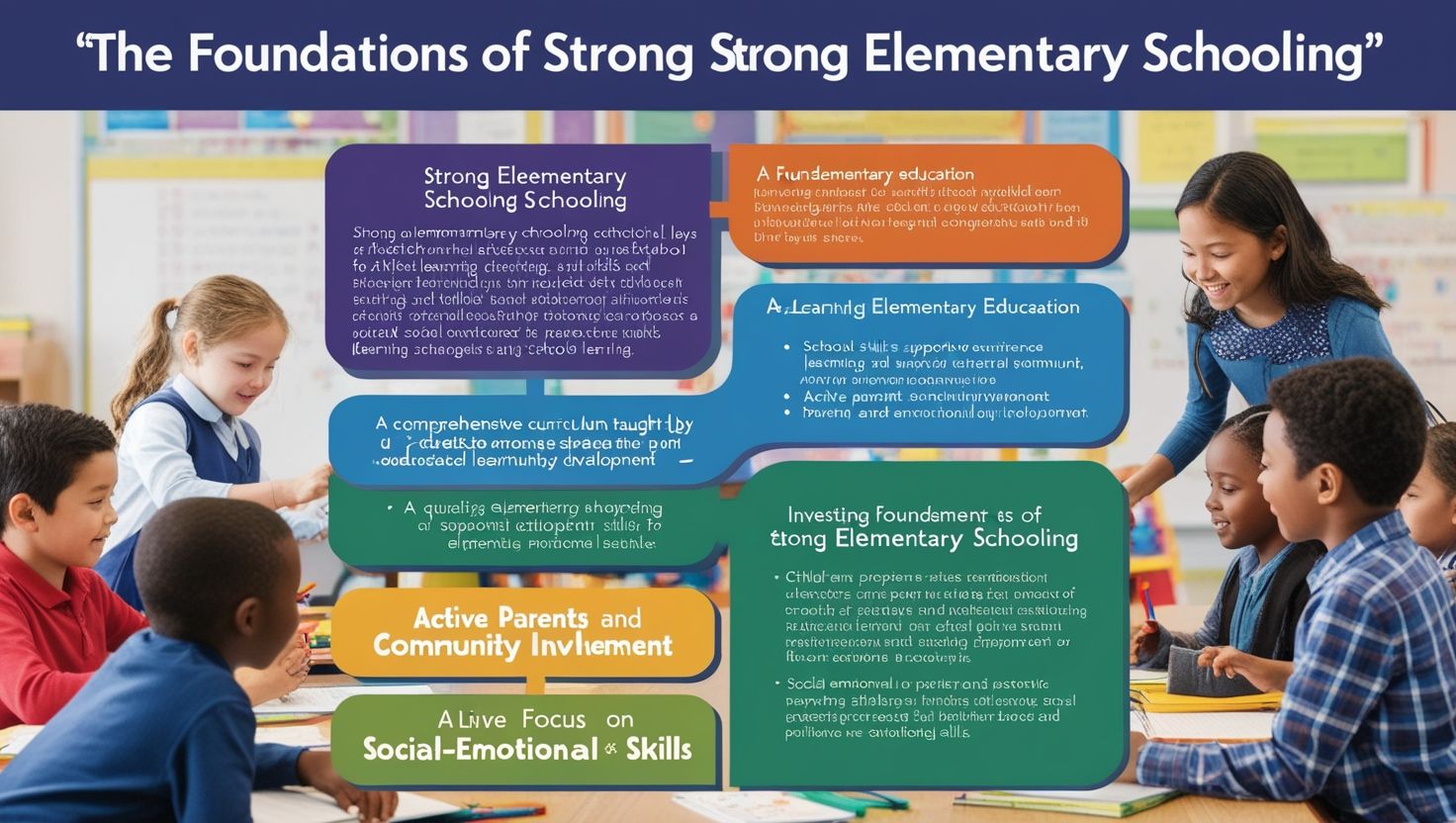
Early childhood is the most influential stage for developing character, values, and lifelong habits. During these formative years, children absorb attitudes, behaviors, and social expectations from their surroundings. Character education helps young learners understand concepts such as honesty, kindness, responsibility, and respect through meaningful experiences. Rather than being taught as a separate subject, it becomes part of daily interactions, classroom routines, and family relationships. Young children learn by observing adults, imitating peers, and responding to guidance from caregivers. When positive values are consistently modeled, children gradually internalize them and begin to demonstrate ethical behavior independently. Strong character foundations contribute to healthy social relationships, emotional stability, and academic success. Therefore, investing in early childhood education that prioritizes moral development is essential for creating responsible citizens who contribute positively to society throughout their lives.
2. Building the Moral Compass
A child’s moral compass begins to form long before formal schooling starts. Through daily interactions, children learn what is acceptable, fair, and caring. Character education provides intentional opportunities to discuss choices, consequences, and ethical behavior in age-appropriate ways. Stories, conversations, and play activities help children distinguish right from wrong while developing empathy for others. As young learners encounter conflicts and challenges, educators can guide them toward constructive solutions that reinforce positive values. The development of moral reasoning allows children to understand how their actions affect others and encourages thoughtful decision-making. Consistent reinforcement of honesty, fairness, and compassion strengthens children’s confidence in making ethical choices. By nurturing a strong moral compass during the early years, families and schools equip children with the tools necessary to navigate increasingly complex social situations with integrity and responsibility.
3. Kindness as a Daily Practice
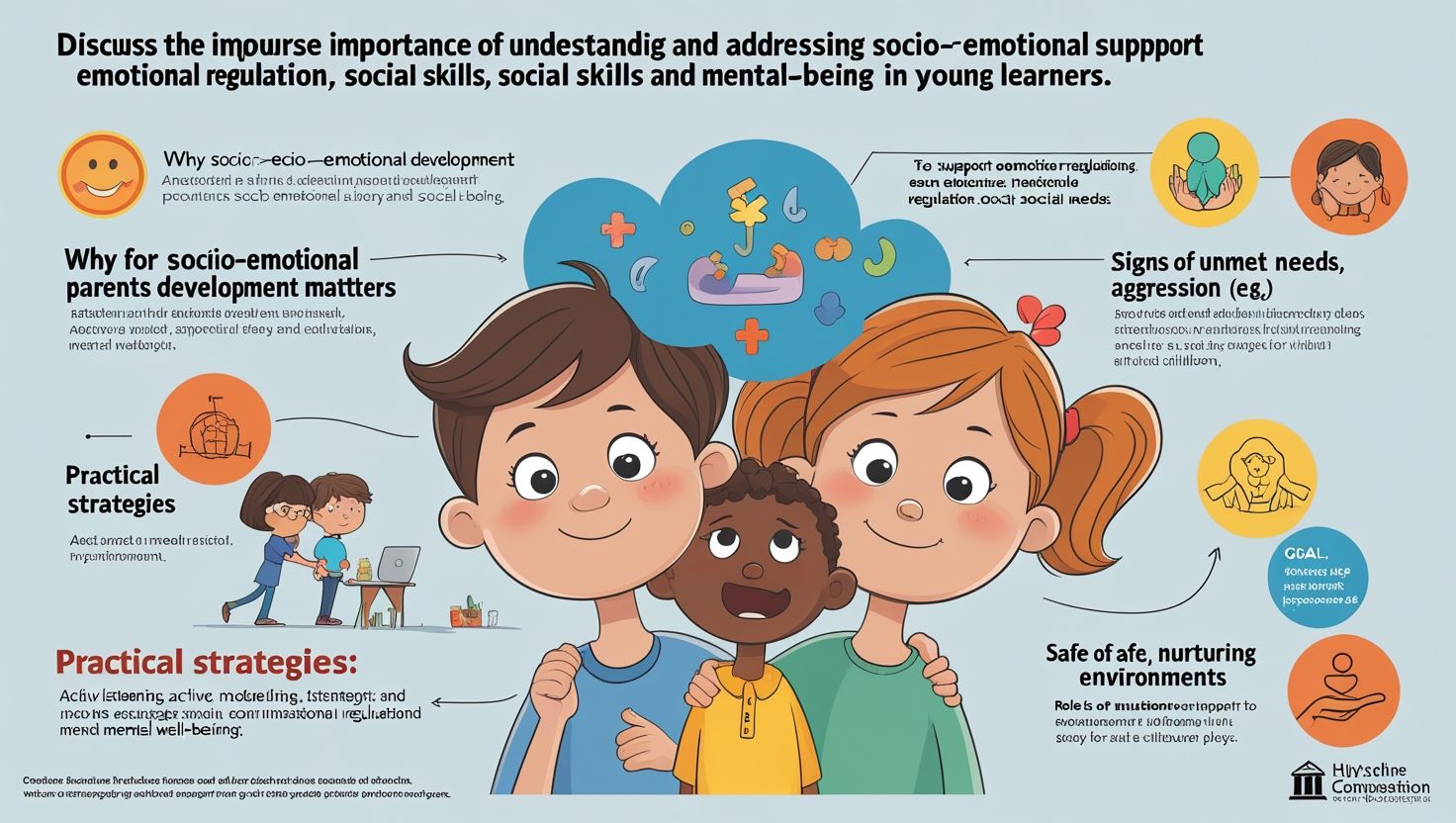
Among all character traits, kindness holds a special place in early childhood development. Children who practice kindness learn to recognize the feelings and needs of others, creating stronger social bonds and more inclusive learning environments. Simple actions such as sharing toys, helping classmates, and offering encouragement can have lasting effects on emotional growth. Teachers and parents can cultivate kindness by modeling caring behavior and acknowledging positive actions when they occur. Classroom activities that promote cooperation rather than competition encourage children to value relationships over personal gain. Through repeated experiences, kindness becomes a habit rather than an occasional action. As children discover the positive impact of their behavior on others, they develop greater empathy and social awareness. These qualities contribute significantly to social-emotional learning and prepare children to become compassionate members of their communities throughout life.
4. The Power of Respectful Relationships
Respect is a cornerstone of effective character education and healthy child development. Young children learn respect through interactions with adults who treat them with dignity, patience, and understanding. When educators listen carefully to children’s ideas and feelings, they demonstrate the value of mutual respect. In turn, children begin to respect peers, classroom rules, cultural differences, and shared responsibilities. Respectful relationships create a safe environment where children feel valued and confident to express themselves. Such environments reduce conflicts and promote cooperation among learners from diverse backgrounds. Activities that encourage listening, turn-taking, and appreciation of others’ perspectives help strengthen respectful behavior. Over time, children understand that respect is not merely following rules but recognizing the worth of every individual. This understanding supports positive citizenship and contributes to harmonious communities grounded in fairness and mutual understanding.
5. Honesty: The Foundation of Trust
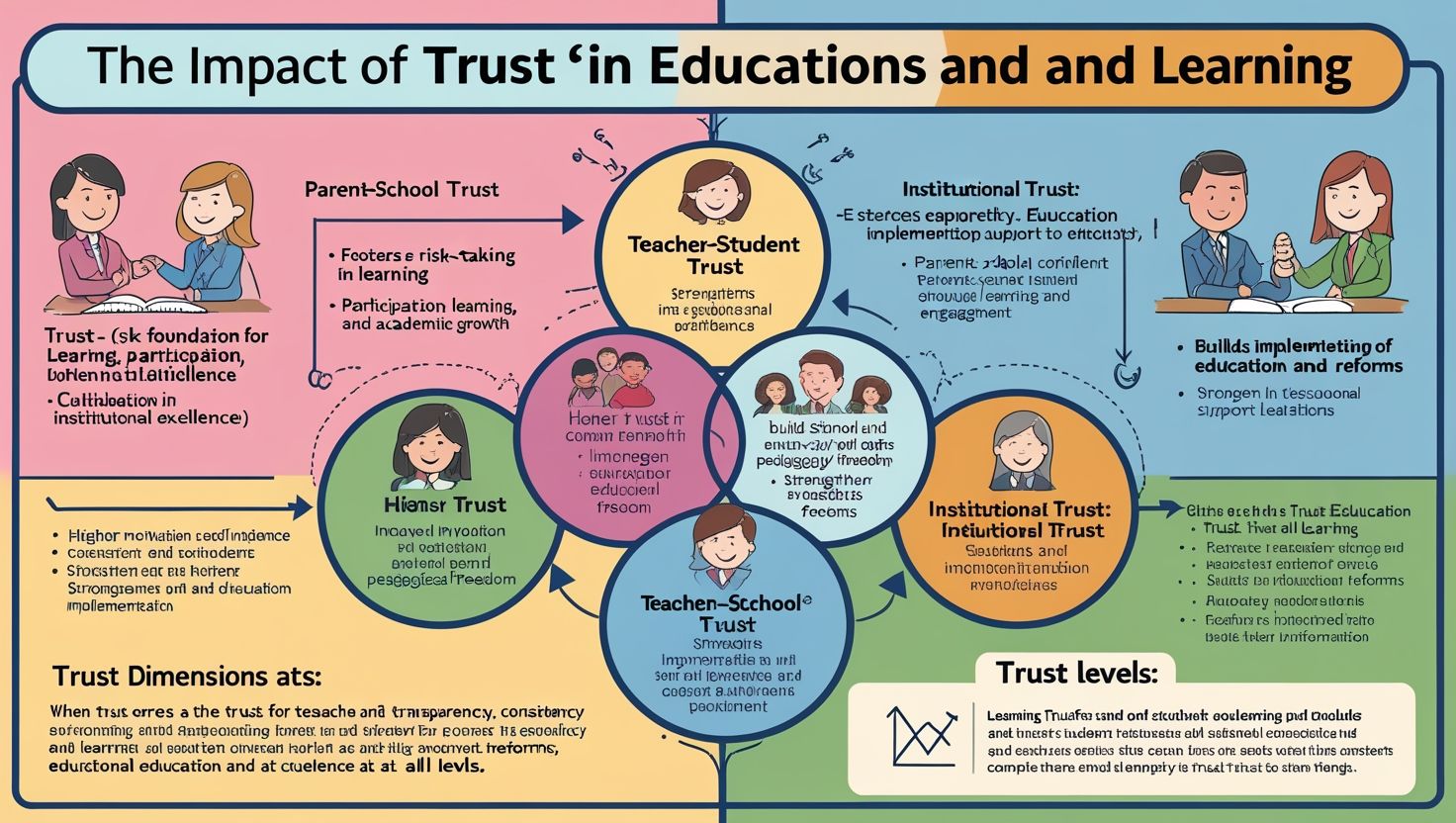
Trust develops when children learn the importance of honesty in everyday situations. During early childhood, mistakes and misunderstandings provide valuable opportunities for teaching truthfulness. Rather than focusing solely on punishment, adults should create supportive environments where children feel safe admitting errors and discussing their actions. When honesty is encouraged through understanding and guidance, children learn that telling the truth strengthens relationships. Storytelling, role-playing, and reflective discussions can help young learners explore the consequences of honesty and dishonesty. As trust grows between children and adults, communication becomes more open and meaningful. Honest behavior also supports self-respect because children learn to value authenticity and accountability. Over time, honesty becomes an internal principle rather than a response to external supervision. This essential character trait helps children build trustworthy relationships and make ethical decisions throughout their educational journey and future lives.
6. Responsibility Through Small Actions
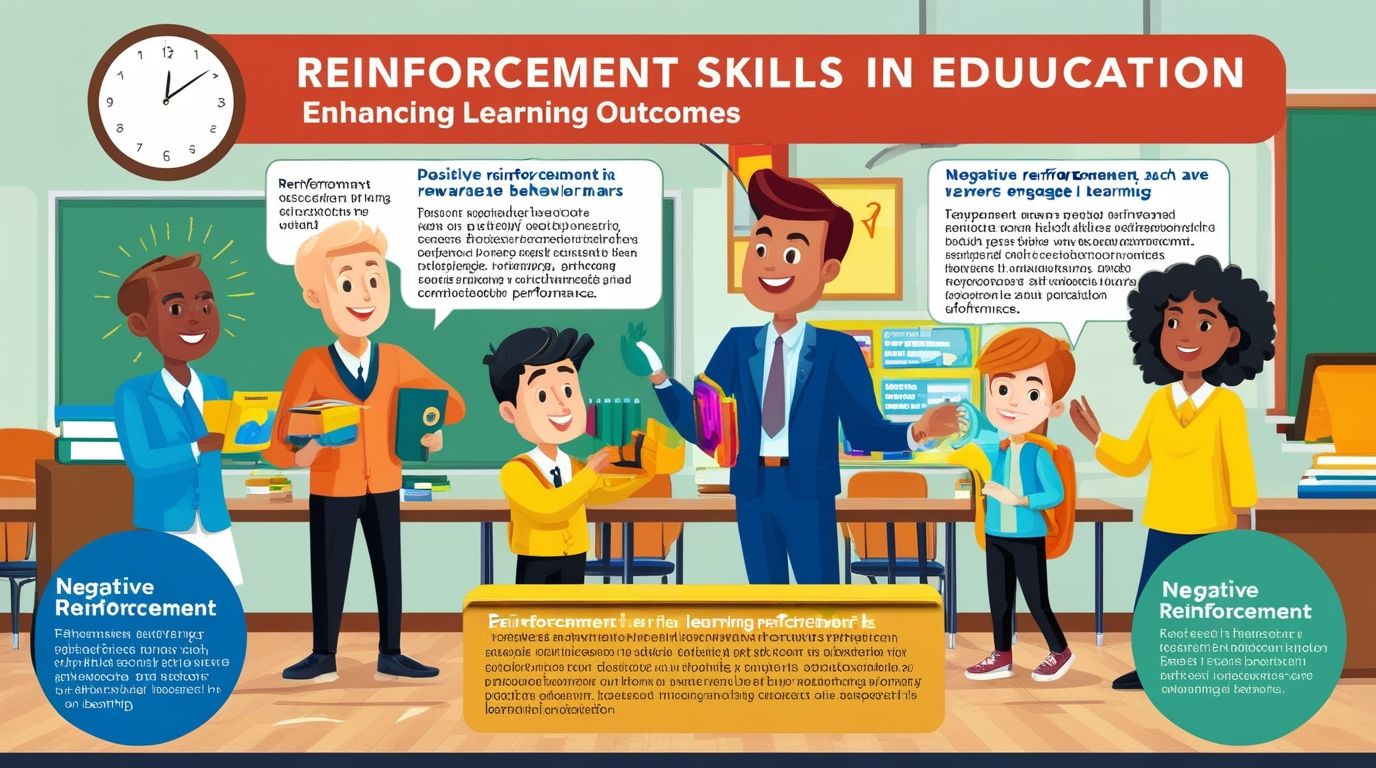
The development of responsibility begins with simple daily tasks that allow children to contribute meaningfully to their environment. Cleaning up after activities, caring for classroom materials, and completing age-appropriate duties help children understand accountability. Through these experiences, they learn that actions have consequences and that everyone plays a role in maintaining a positive community. Teachers and parents can encourage responsibility by providing consistent expectations and opportunities for independent decision-making. Positive reinforcement helps children recognize the value of fulfilling commitments and taking ownership of their behavior. As responsibility grows, children become more self-reliant and confident in their abilities. They also develop important executive functioning skills such as planning, organization, and self-control. These qualities support academic achievement and social success. Cultivating responsibility during early childhood prepares young learners for future challenges and lifelong personal growth.
7. Empathy: Seeing Through Another’s Eyes
Empathy is the ability to understand and share the feelings of others, making it one of the most valuable outcomes of character education. Young children naturally focus on their own needs, but guided experiences help them gradually appreciate different perspectives. Through stories, cooperative play, and discussions about emotions, children learn to recognize how others may feel in various situations. Educators can encourage empathy by asking reflective questions and modeling compassionate responses. When children understand another person’s feelings, they are more likely to demonstrate kindness, patience, and cooperation. Empathy also reduces aggressive behavior and promotes peaceful conflict resolution. In diverse classrooms, empathetic understanding helps children appreciate differences and build inclusive friendships. As this capacity develops, children become more emotionally intelligent and socially competent. Empathy therefore serves as a powerful foundation for ethical behavior and positive relationships throughout life.
8. Learning Character Through Play
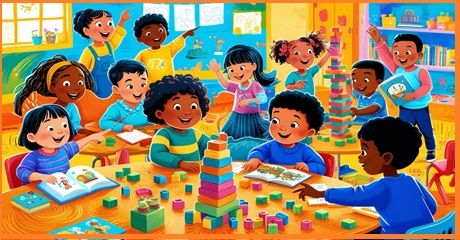
Play is one of the most effective methods for teaching character in early childhood settings. During play, children negotiate rules, solve problems, share resources, and practice communication skills. These interactions provide authentic opportunities to develop patience, fairness, cooperation, and self-control. Unlike direct instruction alone, play allows children to experience values in meaningful and memorable ways. Teachers can intentionally design activities that encourage teamwork, creativity, and positive social interaction. Guided play experiences help children reflect on their actions and consider alternative behaviors when conflicts arise. Dramatic play, in particular, allows children to explore different roles and perspectives, strengthening empathy and understanding. Because play is naturally engaging, children are more receptive to learning important character lessons. Integrating play-based learning with character development creates rich educational experiences that support both cognitive growth and moral understanding.
9. Families as Character Architects
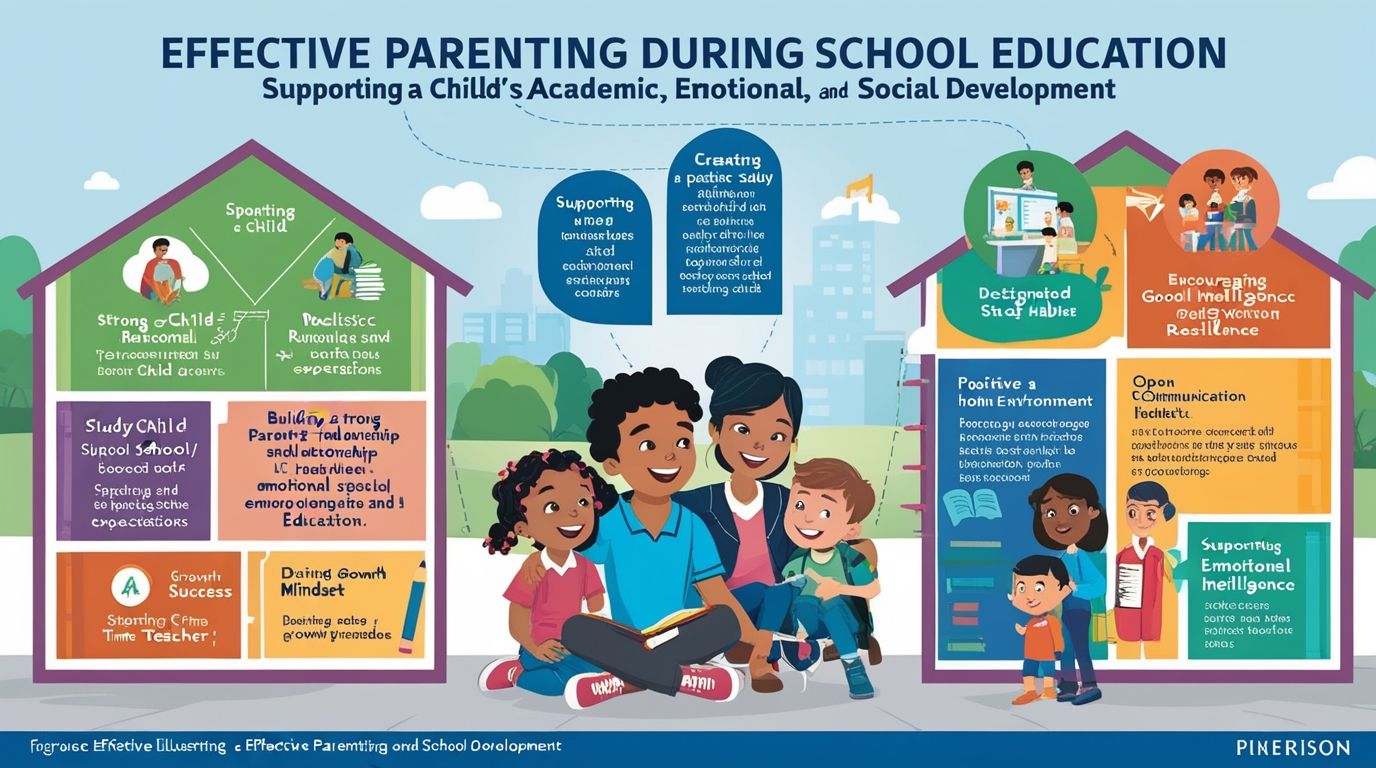
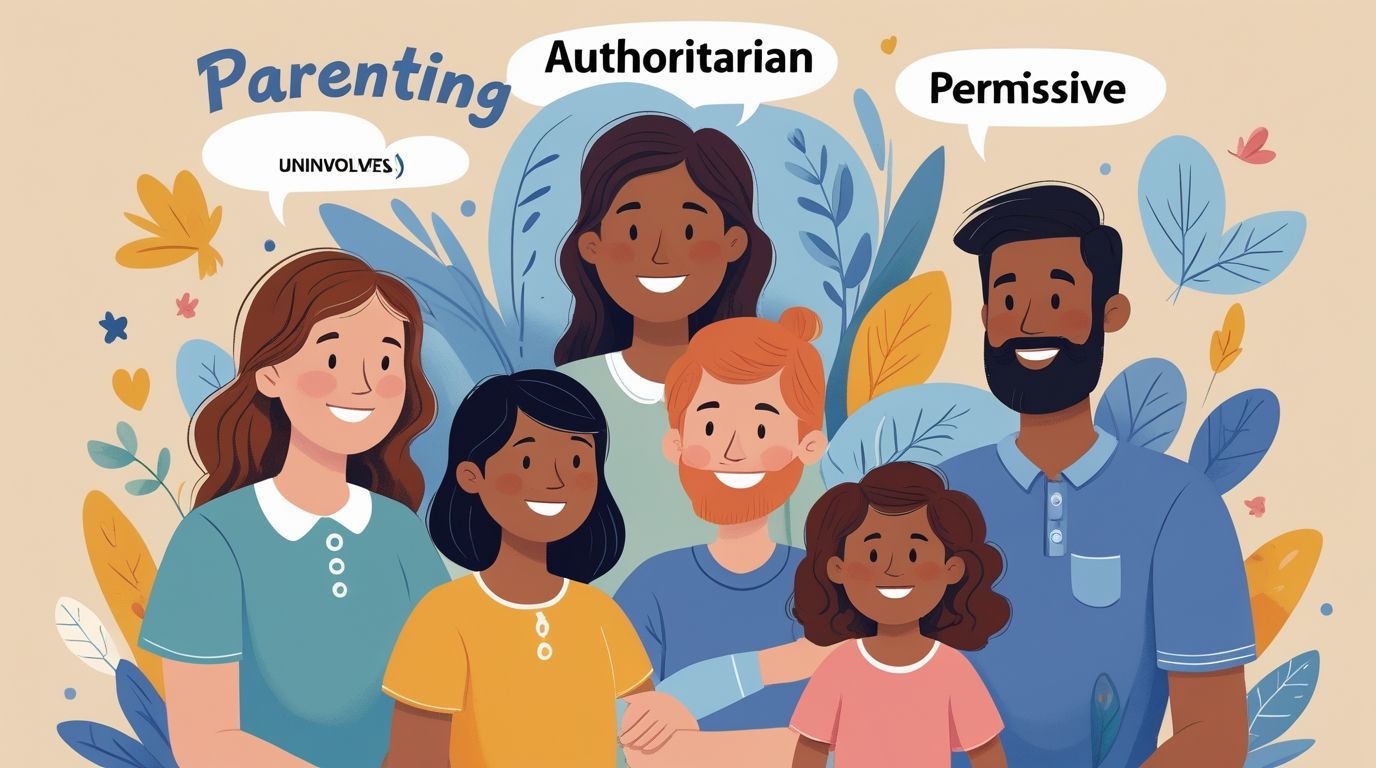
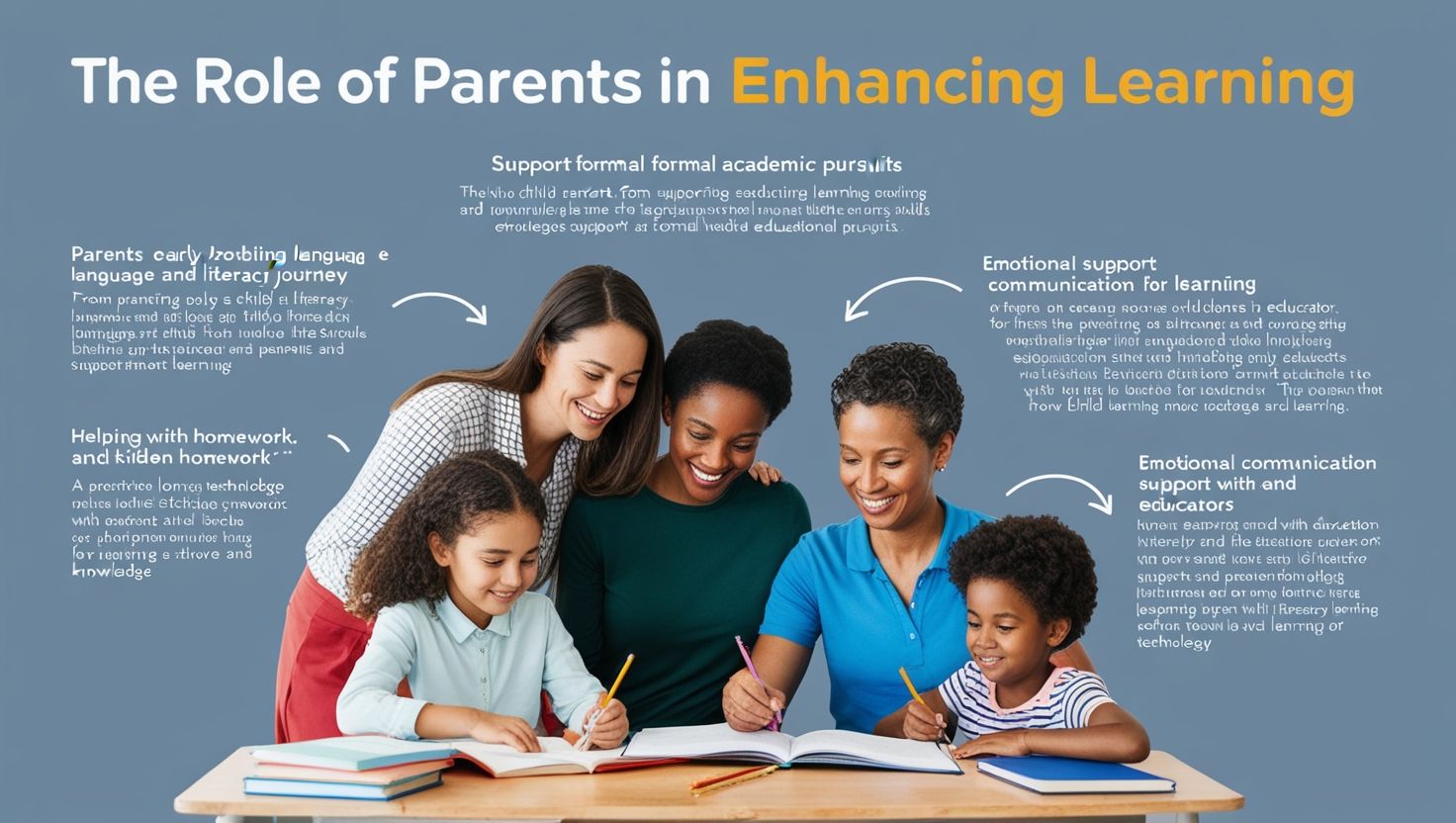
Families play an irreplaceable role in shaping children’s character and moral development. The home environment provides the first lessons in respect, responsibility, honesty, and compassion. Children carefully observe how family members communicate, solve problems, and treat others. These observations significantly influence their developing values and behaviors. Effective character education occurs when families intentionally model positive conduct and discuss ethical choices in everyday situations. Consistent expectations between home and school strengthen children’s understanding of desired behaviors and reinforce important values. Family traditions, routines, and shared responsibilities provide opportunities for practicing character traits in meaningful contexts. Open communication about feelings, decisions, and consequences further supports moral growth. When families actively participate in character-building efforts, children receive a powerful and consistent message about the importance of integrity, empathy, and responsible citizenship in daily life.
10. Teachers as Living Examples
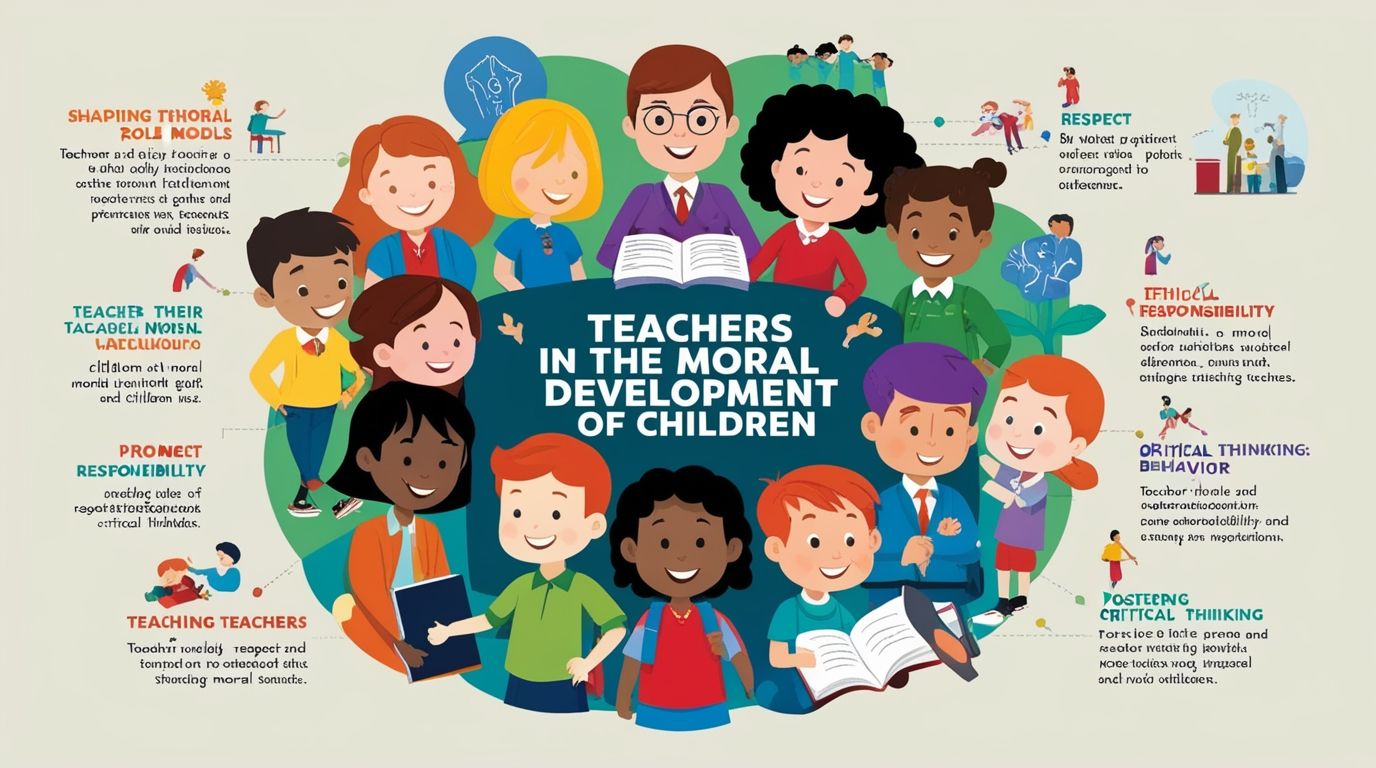
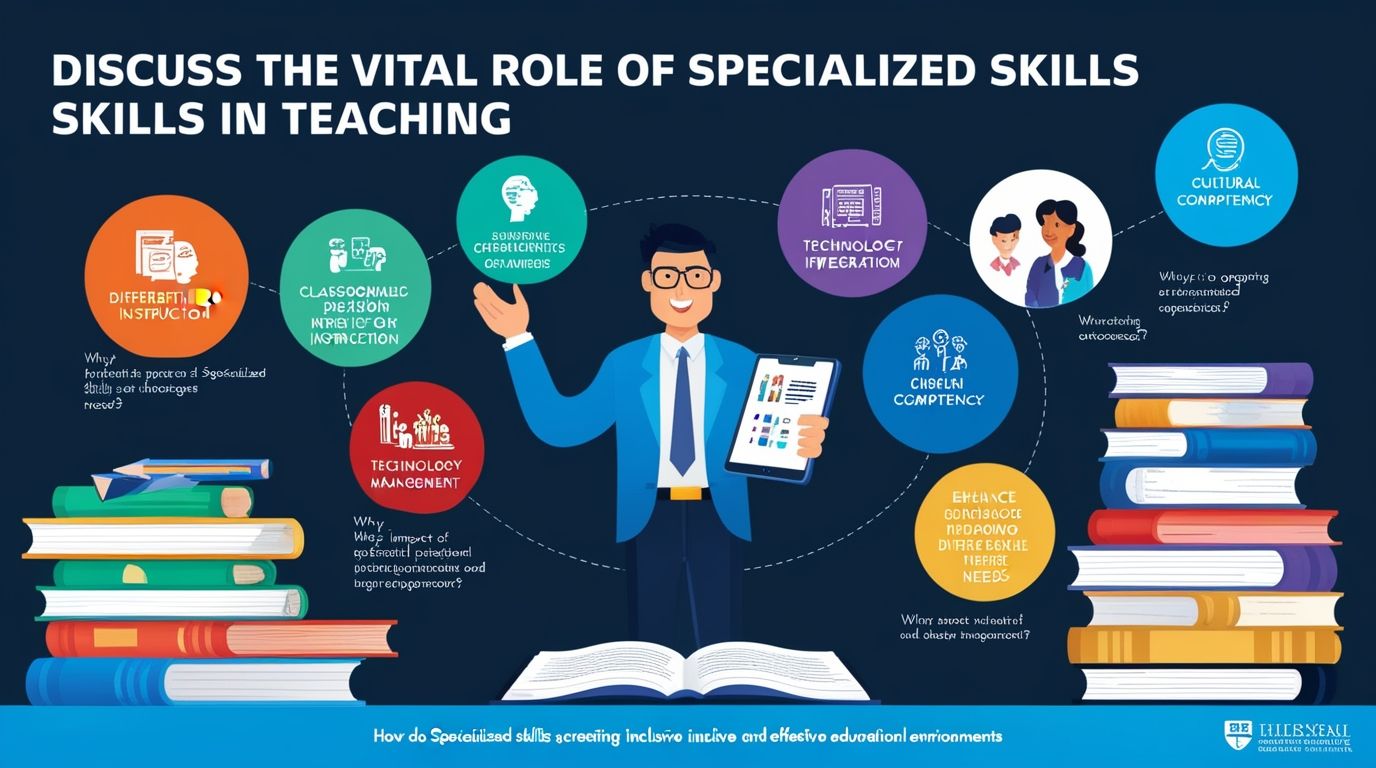
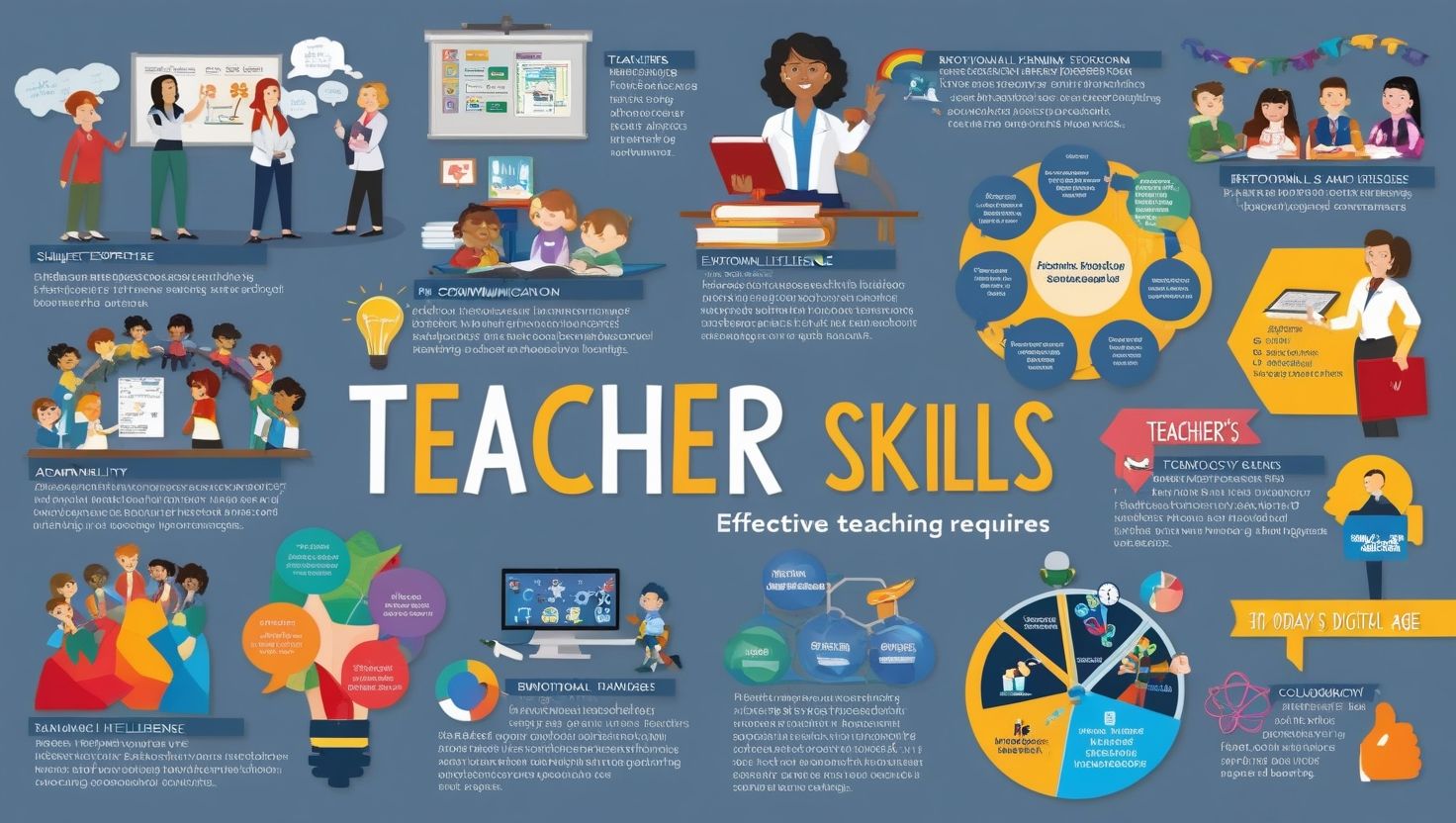
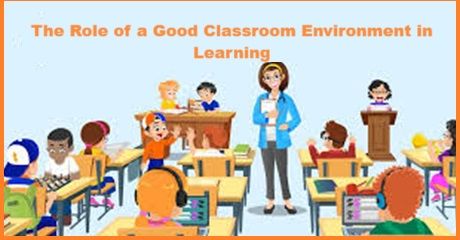
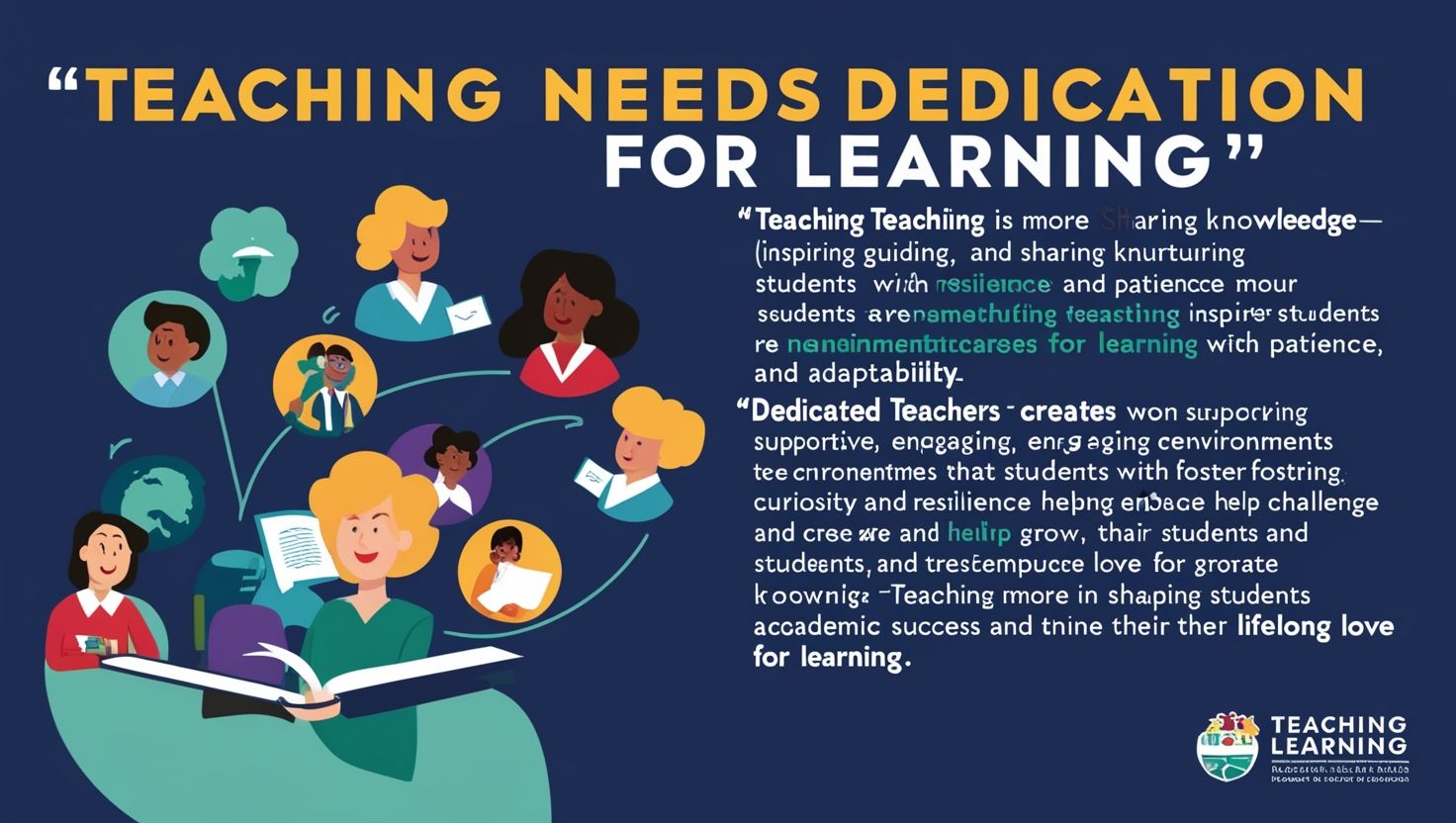
Teachers are among the most influential role models in a child’s life. Young learners pay close attention not only to what educators say but also to how they behave. Therefore, successful character education depends heavily on teachers demonstrating the values they wish to cultivate. Patience, fairness, respect, and integrity become visible lessons when consistently modeled in classroom interactions. Educators who treat all children with dignity create environments where positive behavior flourishes naturally. Through encouragement, guidance, and reflective conversations, teachers help children understand the reasons behind ethical actions. Classroom management strategies grounded in respect and empathy further reinforce character development. When children witness adults resolving conflicts peacefully and making responsible decisions, they gain practical examples to follow. By serving as living examples of strong character, teachers profoundly influence the attitudes, behaviors, and values children carry into adulthood.
11. Creating a Culture of Character
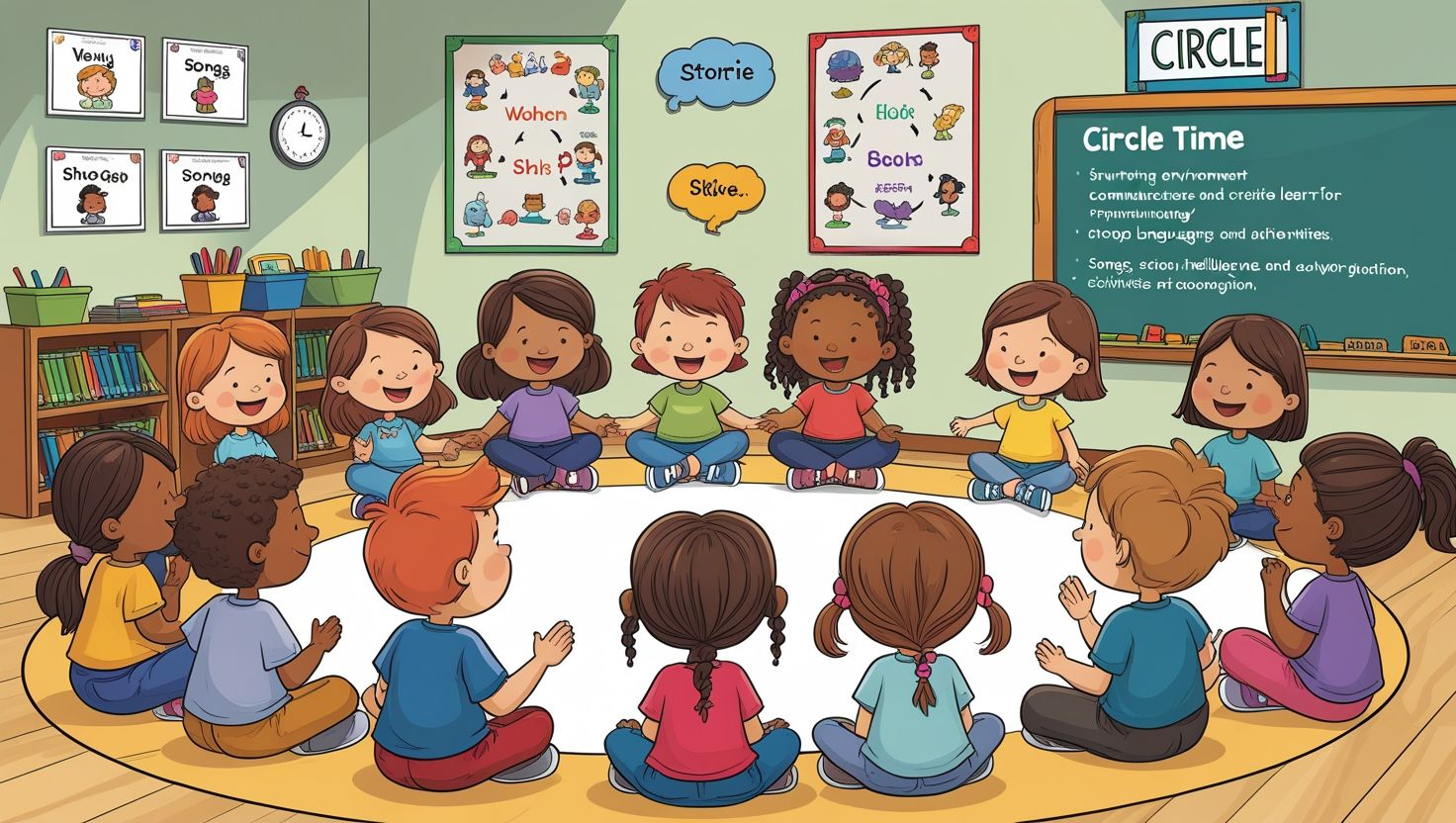
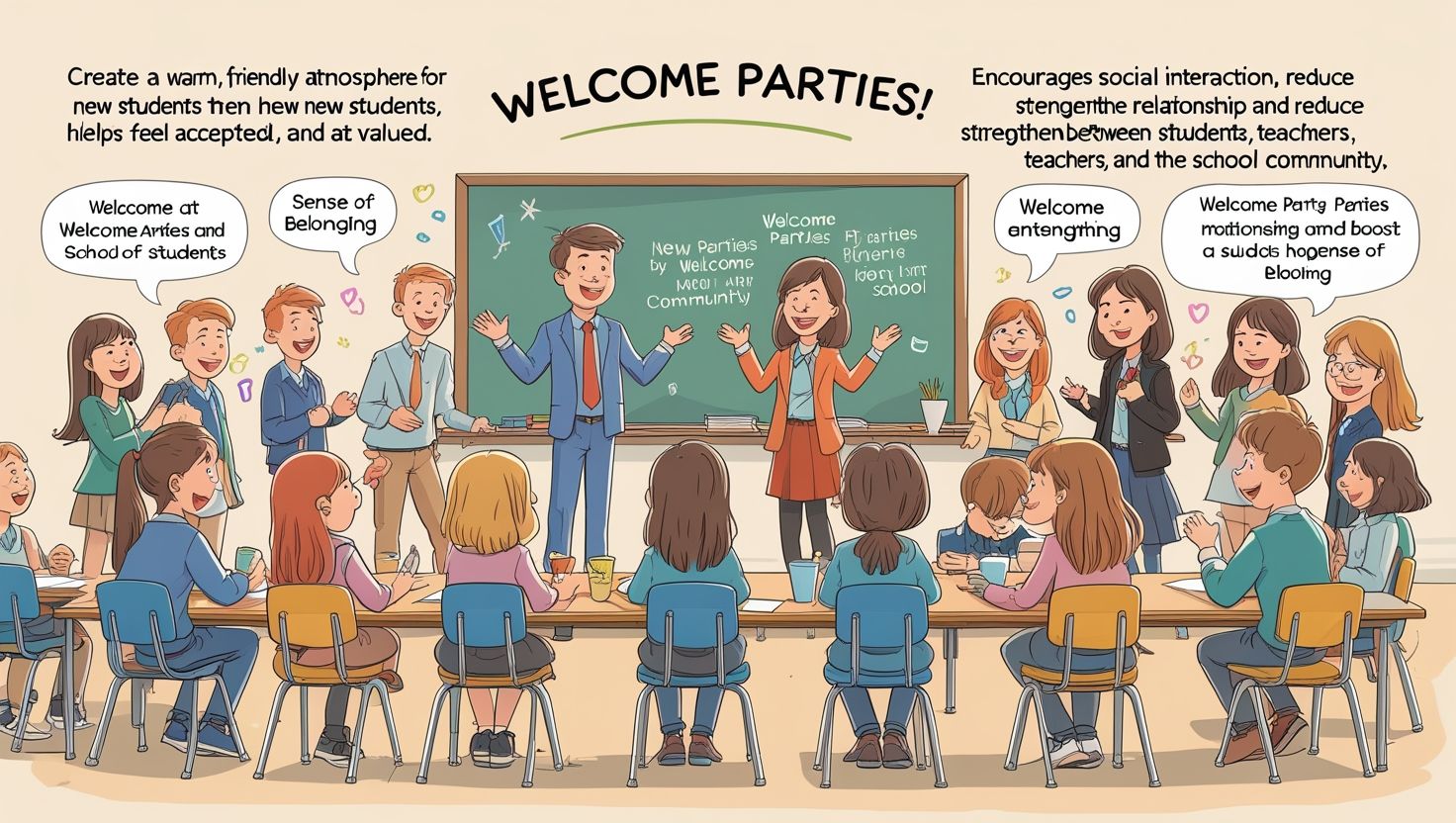
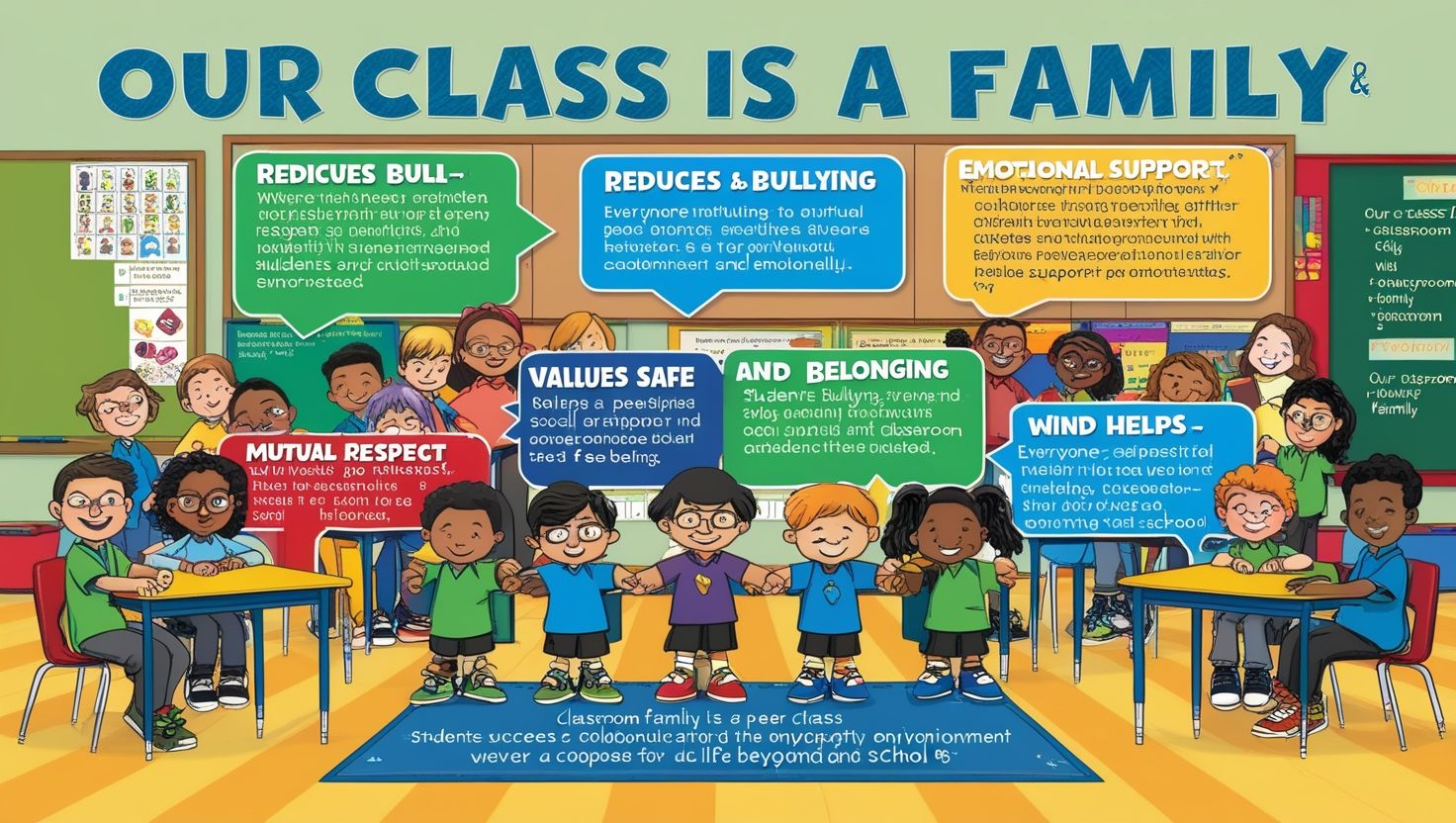
A strong culture of character education extends beyond individual lessons and becomes embedded within the entire learning environment. Schools that prioritize character development intentionally integrate values into policies, routines, relationships, and educational experiences. Visual reminders, collaborative projects, and community-building activities reinforce positive expectations throughout the day. Children thrive when they experience consistency between what is taught and what is practiced. A culture of character encourages mutual respect, emotional safety, and shared responsibility among all members of the school community. Recognition programs that celebrate positive behaviors can motivate children while reinforcing important values. However, authentic character growth occurs when children understand the meaning behind their actions rather than seeking rewards alone. By fostering a supportive culture grounded in ethical principles, schools help children develop habits and attitudes that support lifelong success and responsible citizenship.
12. Character Education and Future Success
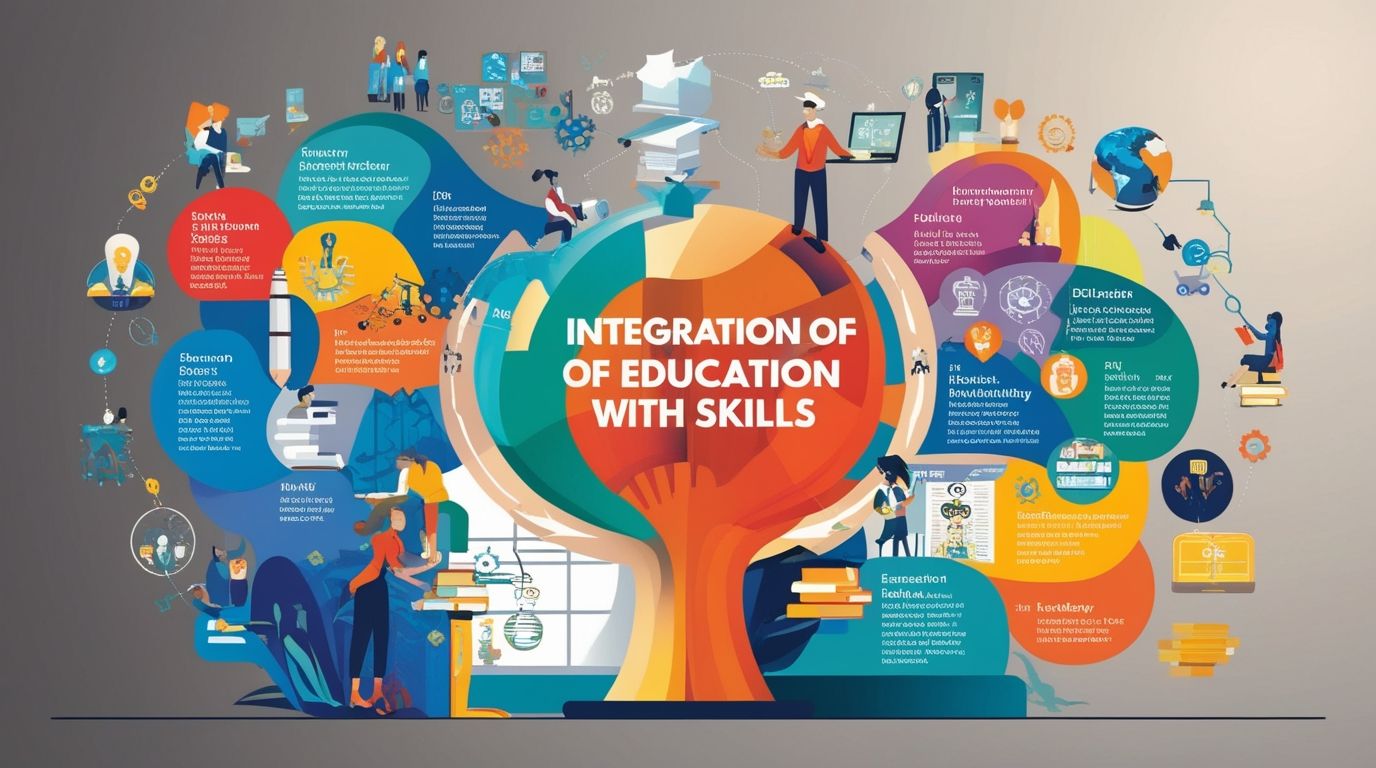
Research consistently highlights the connection between strong character traits and long-term success. Skills such as perseverance, self-discipline, responsibility, and cooperation contribute not only to academic achievement but also to personal and professional fulfillment. Children who develop these qualities during their early years are better equipped to overcome challenges, manage emotions, and maintain healthy relationships. Character education supports resilience by teaching children how to respond constructively to setbacks and difficulties. It also promotes leadership by encouraging ethical decision-making and concern for others. Employers, communities, and educational institutions increasingly recognize the value of individuals who demonstrate integrity and strong interpersonal skills. Therefore, character development should be viewed as an essential component of holistic education rather than an optional addition. Investing in character education today creates capable, ethical, and resilient citizens for tomorrow.
13. Nurturing Global Citizens
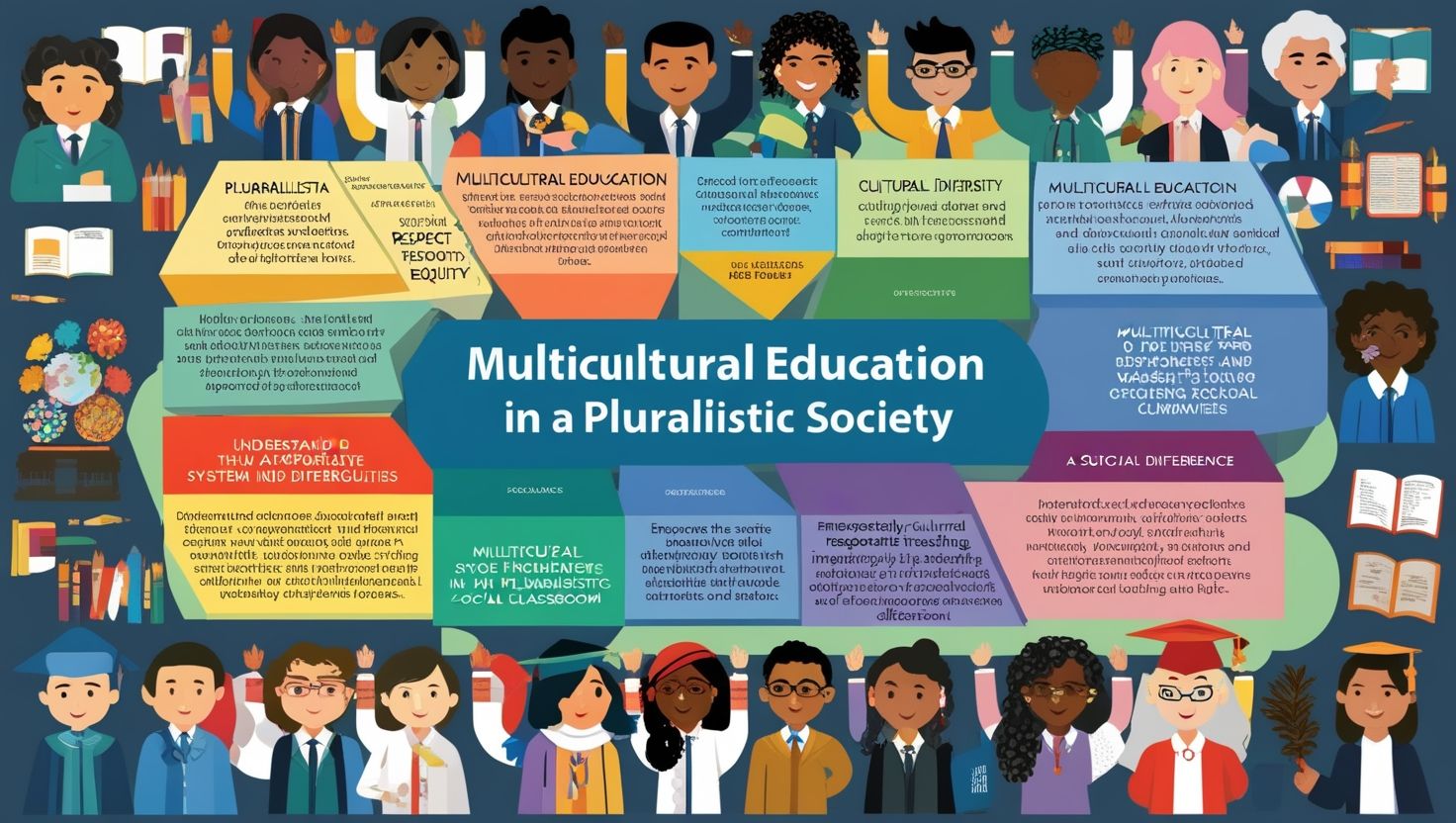
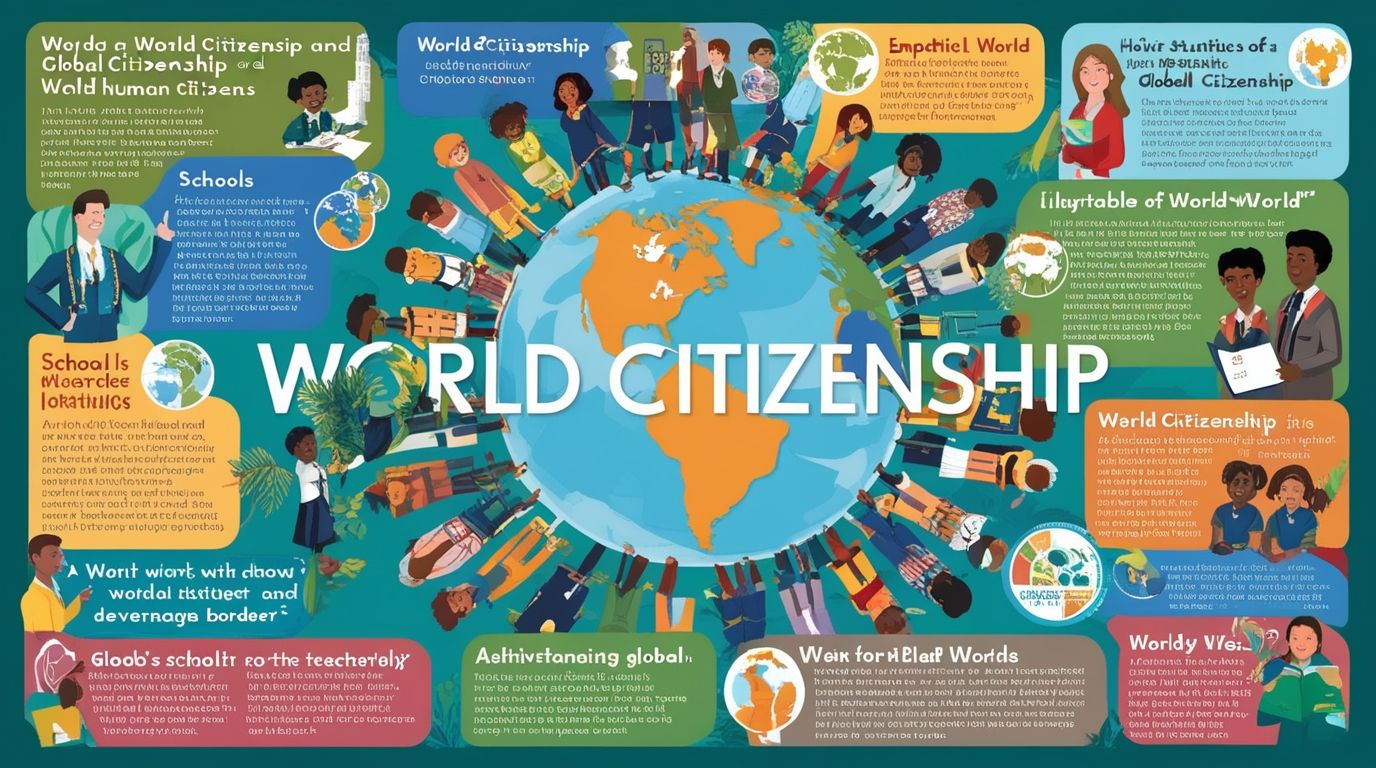
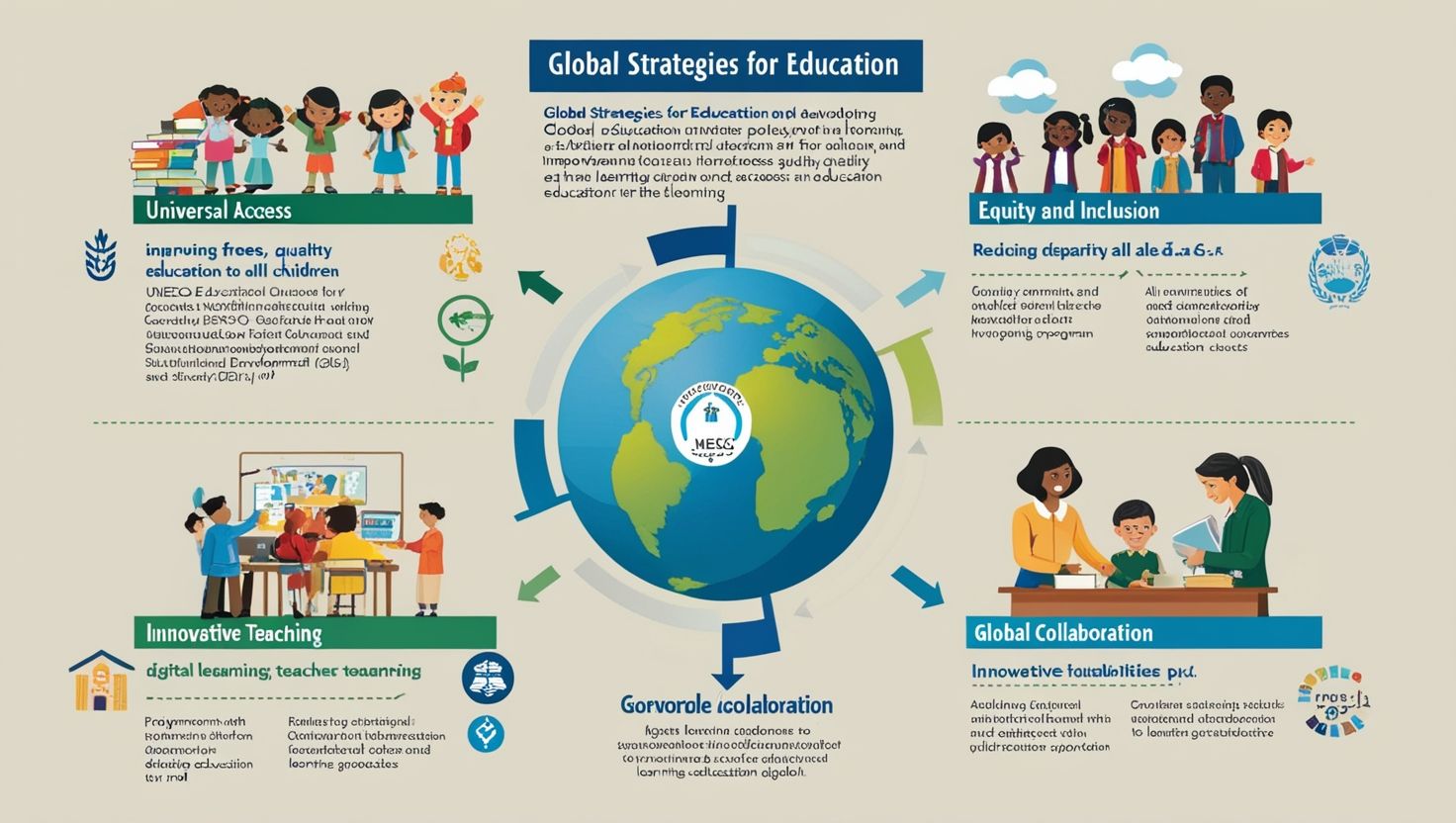
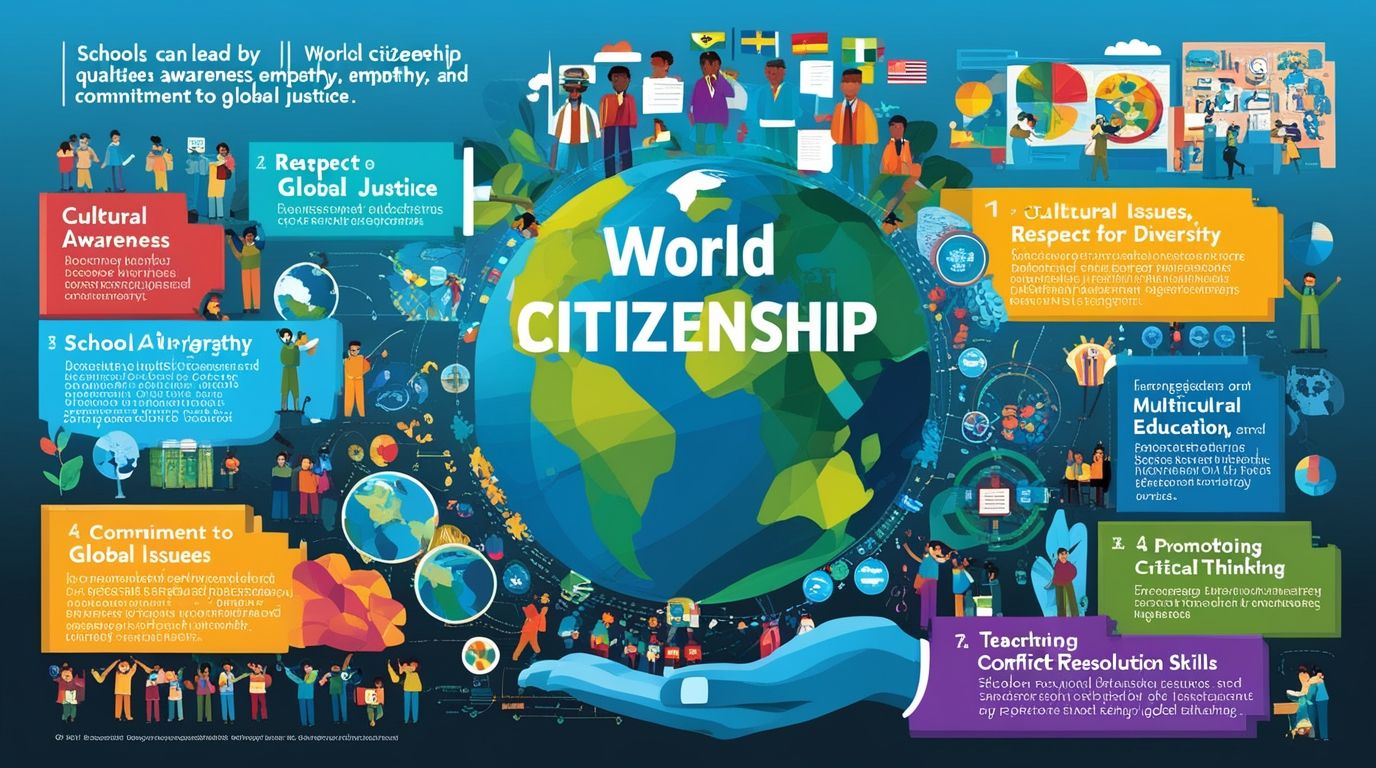
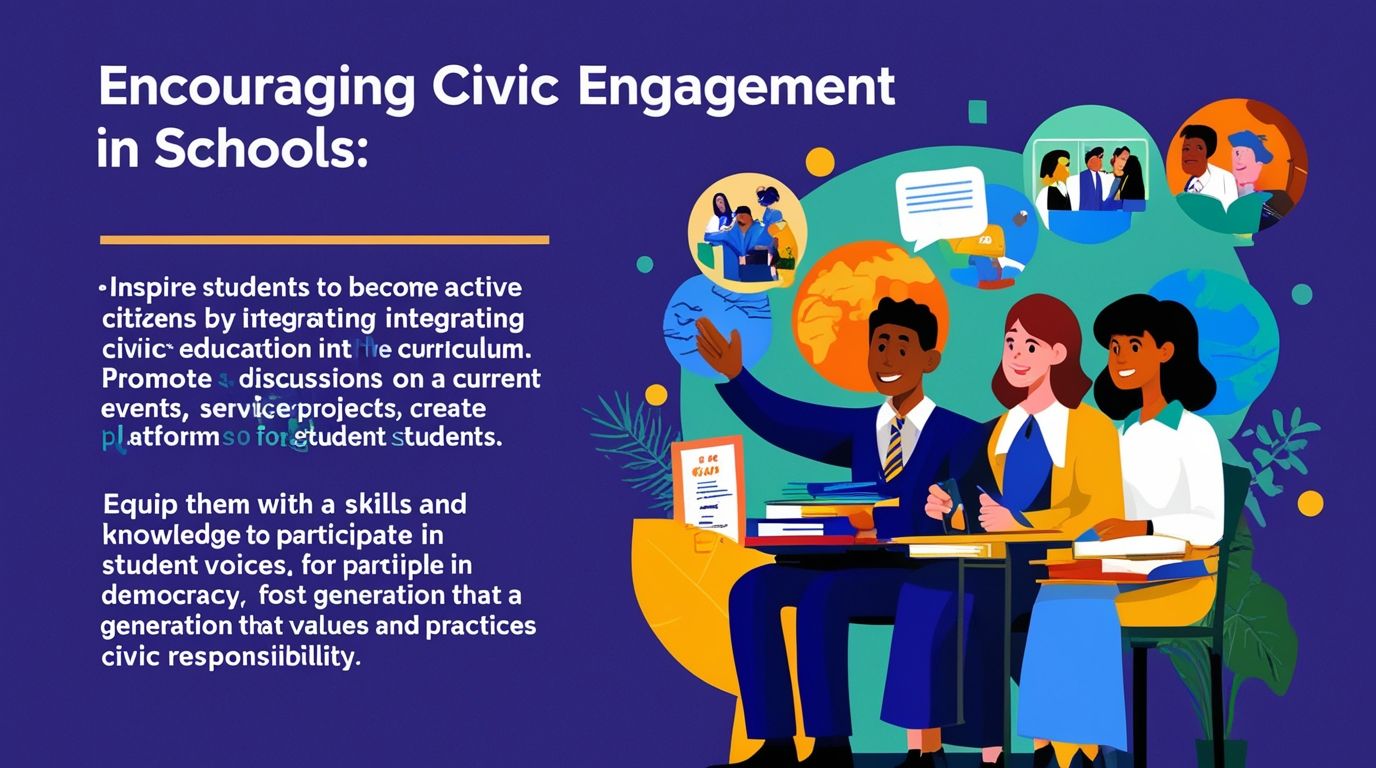
In an increasingly interconnected world, character education helps children develop the qualities necessary for global citizenship. Respect for diversity, empathy across cultures, and a commitment to fairness enable children to interact positively with people from different backgrounds. Early exposure to inclusive practices encourages appreciation for differences and challenges stereotypes before they become deeply rooted. Through stories, cultural experiences, and collaborative activities, children learn that all individuals deserve dignity and respect. These experiences broaden perspectives and strengthen social responsibility. Global citizenship begins with local actions, including kindness, cooperation, and concern for community well-being. As children understand their connection to others, they become more willing to contribute positively to society. By nurturing ethical values alongside cultural awareness, educators and families prepare young learners to participate thoughtfully and responsibly in an increasingly diverse and interconnected world.
14. Growing Hearts, Shaping Futures
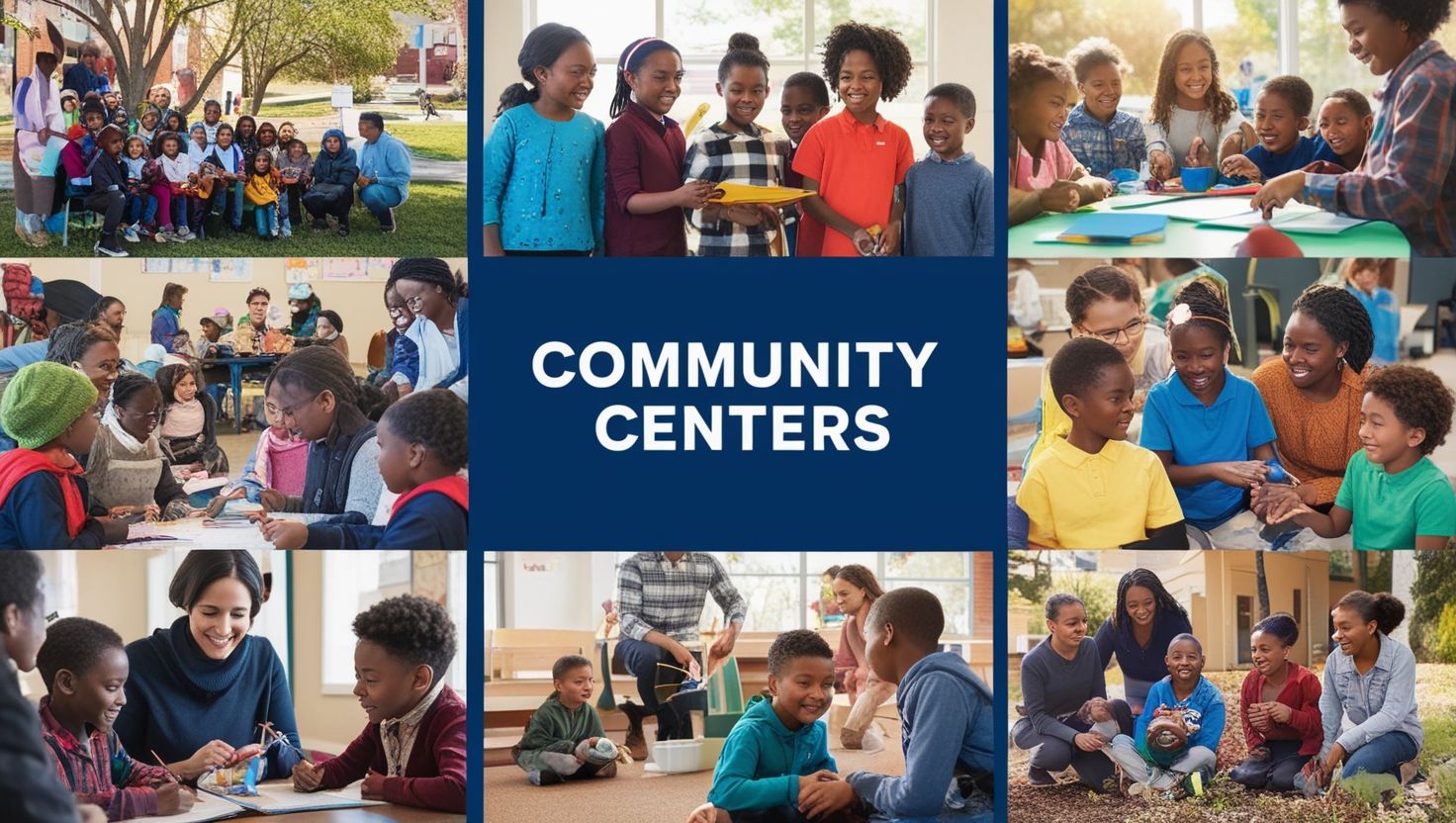
The ultimate goal of character education in early childhood is to nurture individuals who combine knowledge with wisdom, achievement with integrity, and success with compassion. Academic learning is important, but it becomes truly meaningful when guided by strong moral values. The early years offer a unique opportunity to establish habits, attitudes, and ethical principles that influence future behavior. Through intentional guidance from families, teachers, and communities, children learn to practice kindness, respect, honesty, responsibility, and empathy in everyday life. These qualities strengthen relationships, support emotional well-being, and contribute to positive social change. As children grow, the character foundations established in early childhood continue to shape decisions, actions, and aspirations. By investing in character development today, society helps create future generations capable of leading with integrity, serving others, and building a more compassionate world.
Conclusion:
In conclusion, Character Education in Early Childhood is a fundamental component of holistic child development that lays the groundwork for lifelong success and responsible citizenship. The early years provide a unique opportunity to nurture essential character traits such as honesty, respect, responsibility, kindness, and empathy, which guide children’s behavior and decision-making throughout their lives. Through the combined efforts of families, educators, and communities, young children can develop strong moral values, positive social skills, and emotional resilience. Effective character education not only enhances social-emotional learning but also promotes academic achievement, healthy relationships, and ethical conduct. As children grow into adolescents and adults, the values learned during early childhood continue to influence their interactions and contributions to society. Therefore, prioritizing character education in early childhood settings is an investment in creating compassionate, ethical, confident, and responsible future generations for sustainable social progress.