Introduction
Curriculum, Textbooks, Teachers, Students and Learning, Education is the foundation of social progress, economic development, scientific advancement, and moral growth. Every nation that aims to build an informed, productive, and responsible society invests in educational systems that nurture human potential. At the center of this process are five interconnected pillars: curriculum, textbooks, teachers, students, and learning. These components operate together to shape the educational experiences of learners and determine the quality of outcomes achieved in schools and institutions.
A curriculum provides the direction and purpose of education. Textbooks translate curriculum goals into accessible learning materials. Teachers guide, motivate, and facilitate learning experiences. Students actively engage with knowledge, skills, and values. Learning represents the ultimate outcome of the interaction among all educational elements. If one component becomes weak or disconnected, the entire educational process suffers.
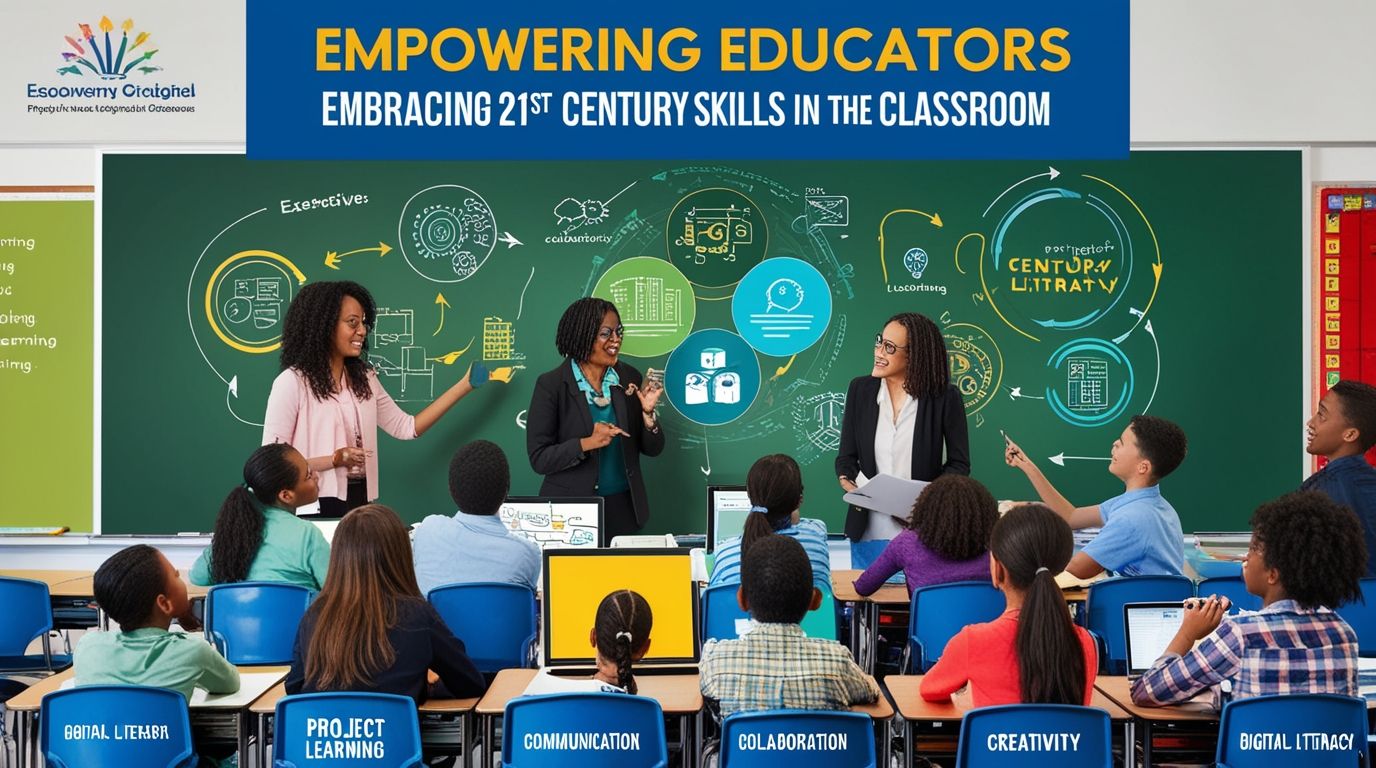
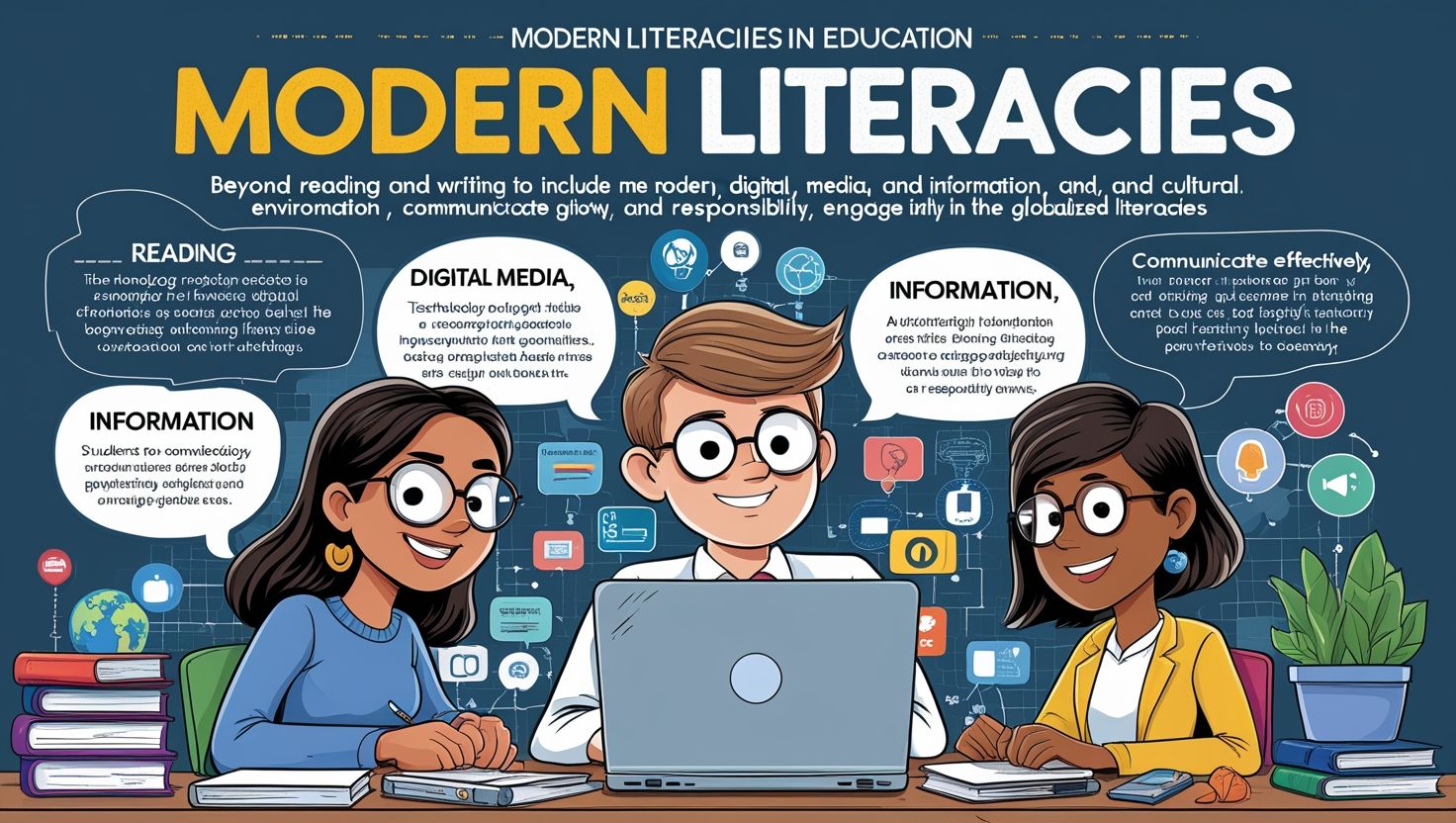
In the modern world, educational systems are expected to prepare students not only for examinations but also for critical thinking, creativity, communication, collaboration, digital literacy, and responsible citizenship. Therefore, curriculum design, textbook development, teacher preparation, student engagement, and learning assessment must be continuously improved according to contemporary educational needs.
This article explores the relationship among curriculum, textbooks, teachers, students, and learning while highlighting their significance, challenges, and strategies for improvement in modern education.
Curriculum: The Foundation of Education
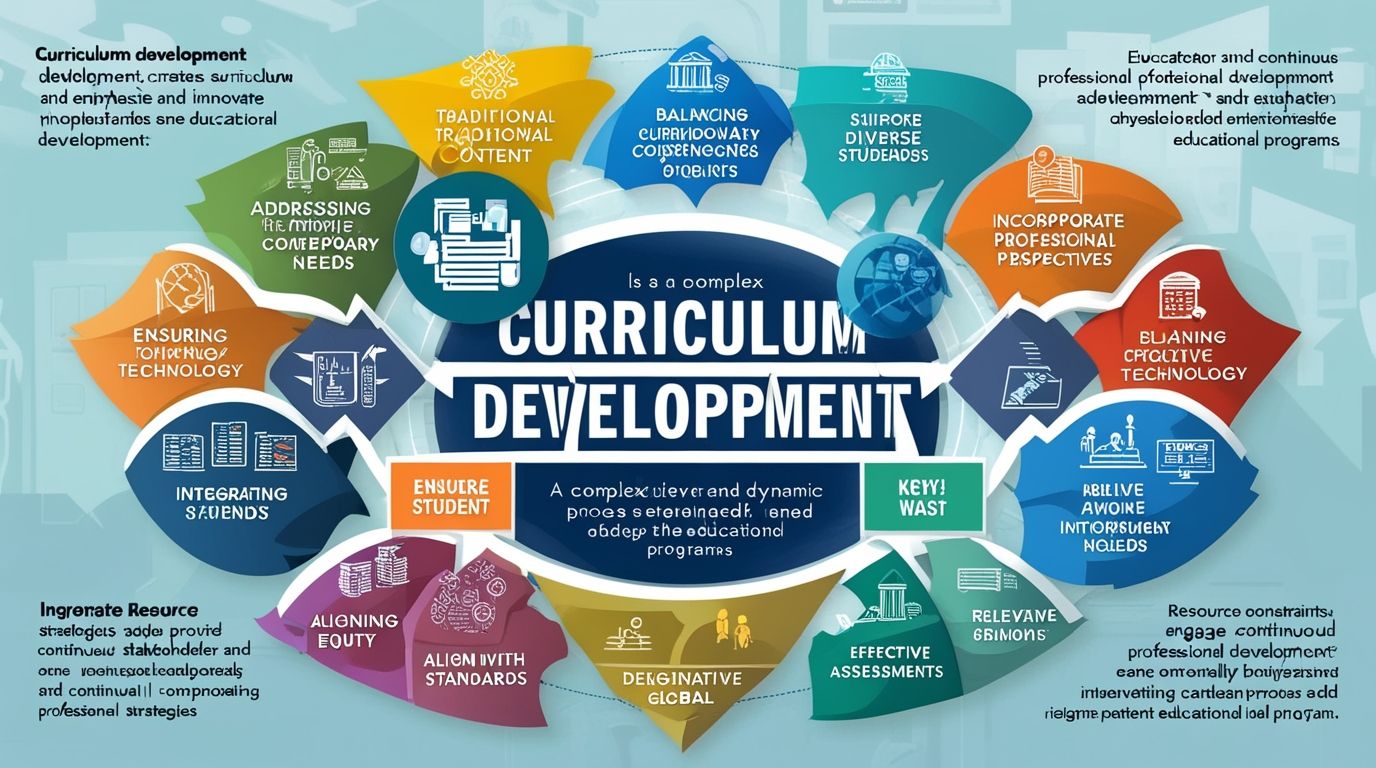
The curriculum is the heart of every educational system. It refers to the planned educational experiences, objectives, content, teaching methods, activities, and assessments designed to achieve specific learning outcomes. A curriculum answers essential educational questions: What should students learn? Why should they learn it? How should it be taught? How should learning be assessed?
A well-designed curriculum promotes intellectual, emotional, social, moral, and physical development. It ensures that education remains relevant to societal needs, technological advancement, and national goals. Curriculum development is not limited to subject content; it also includes values, skills, attitudes, competencies, and practical experiences.
Types of Curriculum
Educational experts classify curriculum into several forms:
- Formal Curriculum: The officially approved subjects, content, and learning objectives taught in schools.
- Informal Curriculum: Learning experiences gained through interactions, school culture, and extracurricular activities.
- Hidden Curriculum: Unwritten lessons, values, behaviors, and attitudes students learn from the school environment.
- Integrated Curriculum: An interdisciplinary approach connecting subjects for meaningful understanding.
- Competency-Based Curriculum: A curriculum focused on measurable skills and practical abilities.
Characteristics of an Effective Curriculum
An effective curriculum should:
- Be learner-centered.
- Address national and global educational needs.
- Encourage critical and creative thinking.
- Promote inquiry, research, and innovation.
- Integrate technology and digital literacy.
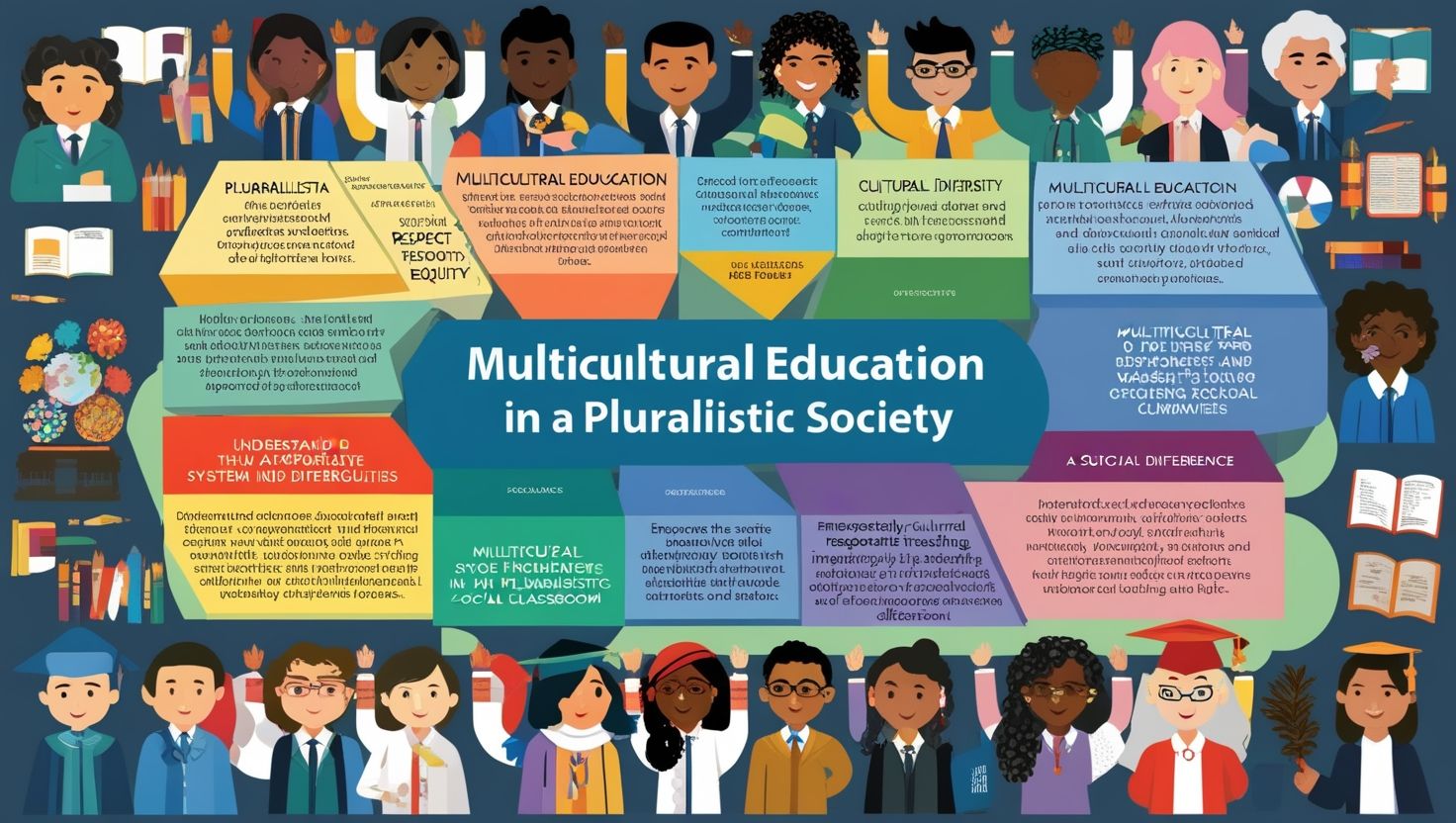
- Support inclusivity and diversity.
- Align assessment with learning objectives.
- Encourage lifelong learning.
Challenges in Curriculum Development
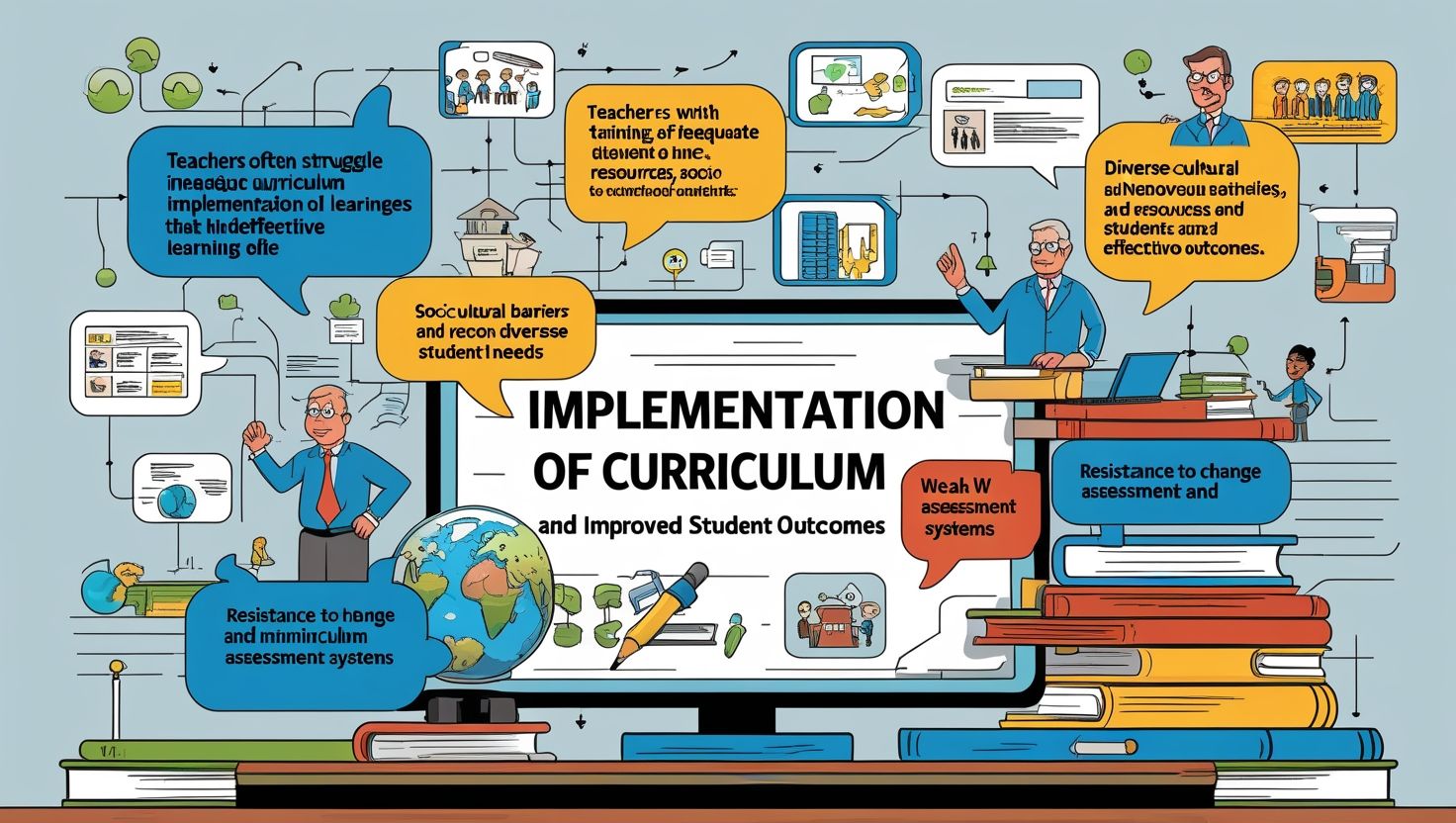
Many educational systems face curriculum-related challenges such as outdated content, overloaded syllabi, lack of practical relevance, weak integration of technology, and insufficient focus on critical thinking. In some cases, curricula emphasize memorization instead of conceptual understanding and problem-solving.
Rapid scientific and technological changes require continuous curriculum revision. Educational policymakers must collaborate with teachers, researchers, industry experts, and communities to design curricula that prepare students for future challenges.
Textbooks: Translating Curriculum into Practice
Textbooks are among the most influential instructional resources in education. They convert curriculum objectives into organized content that students and teachers can use during teaching and learning processes. A textbook acts as a bridge between curriculum goals and classroom implementation.
A quality textbook provides explanations, examples, activities, exercises, illustrations, and assessments that help students understand concepts effectively. Textbooks also support teachers by offering structured guidance for lesson planning and classroom instruction.
Importance of Textbooks
Textbooks perform several important functions:
- Organize subject content systematically.
- Provide standardized learning materials.
- Support independent learning.
- Reinforce classroom teaching.
- Encourage practice and revision.
- Develop comprehension and analytical skills.
- Promote consistency across schools.
In many developing countries, textbooks remain the primary source of learning because access to digital resources is limited. Therefore, textbook quality directly affects student achievement.
Features of Effective Textbooks
An effective textbook should:
- Match curriculum objectives.
- Use clear and age-appropriate language.
- Include accurate and updated information.
- Encourage critical thinking and inquiry.
- Integrate practical examples and activities.
- Reflect cultural diversity and inclusivity.
- Use attractive visuals and illustrations.
- Promote ethical and social values.
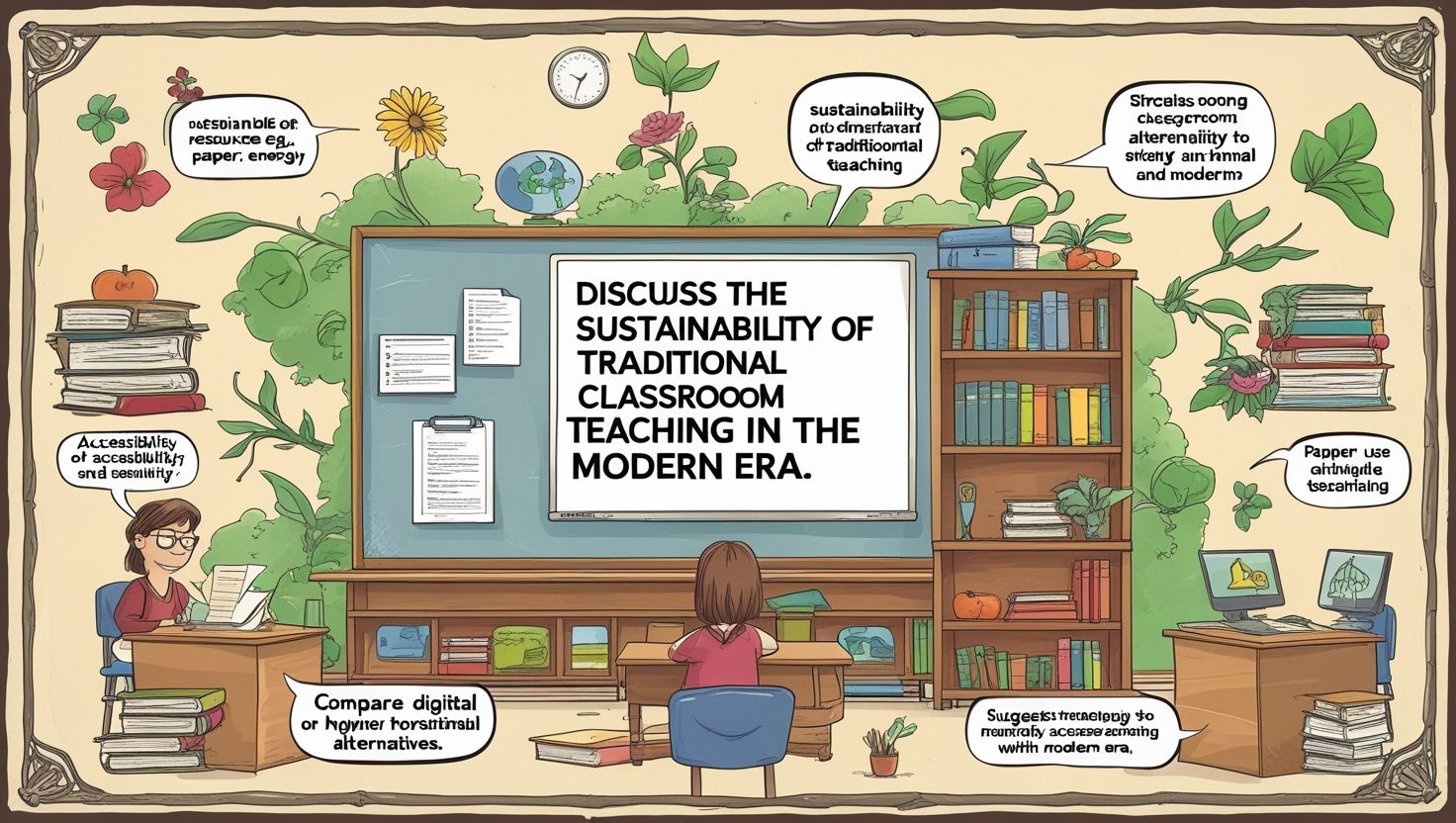
Modern textbooks should also integrate digital components such as QR codes, online activities, multimedia resources, and interactive learning opportunities.
Limitations of Traditional Textbooks
Despite their importance, textbooks have limitations. Some textbooks encourage rote memorization rather than conceptual understanding. Others contain outdated information, biased perspectives, or insufficient practical activities. Overdependence on textbooks may reduce creativity in teaching and learning.
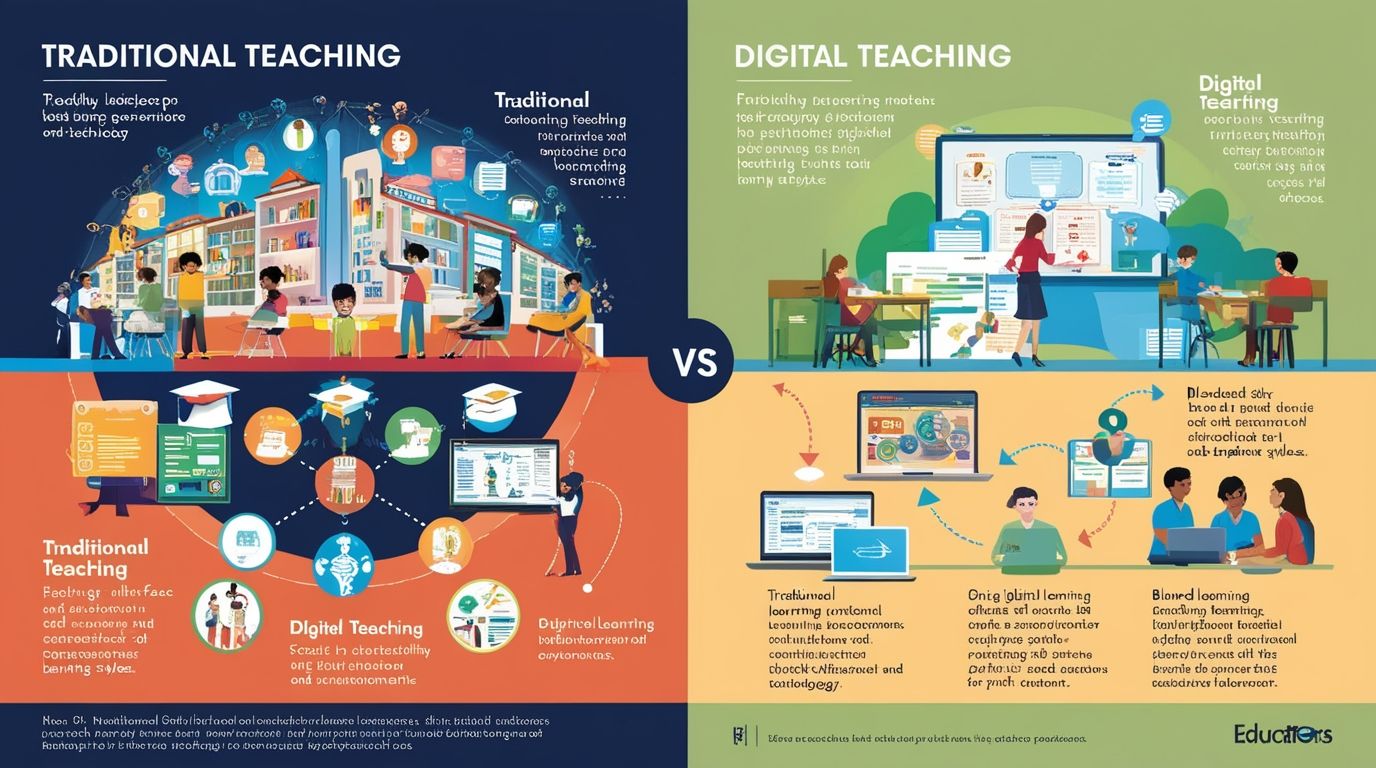
In the digital age, textbooks must evolve from static printed materials into dynamic learning resources connected with technology, multimedia, and research-based learning.
Teachers: The Architects of Learning
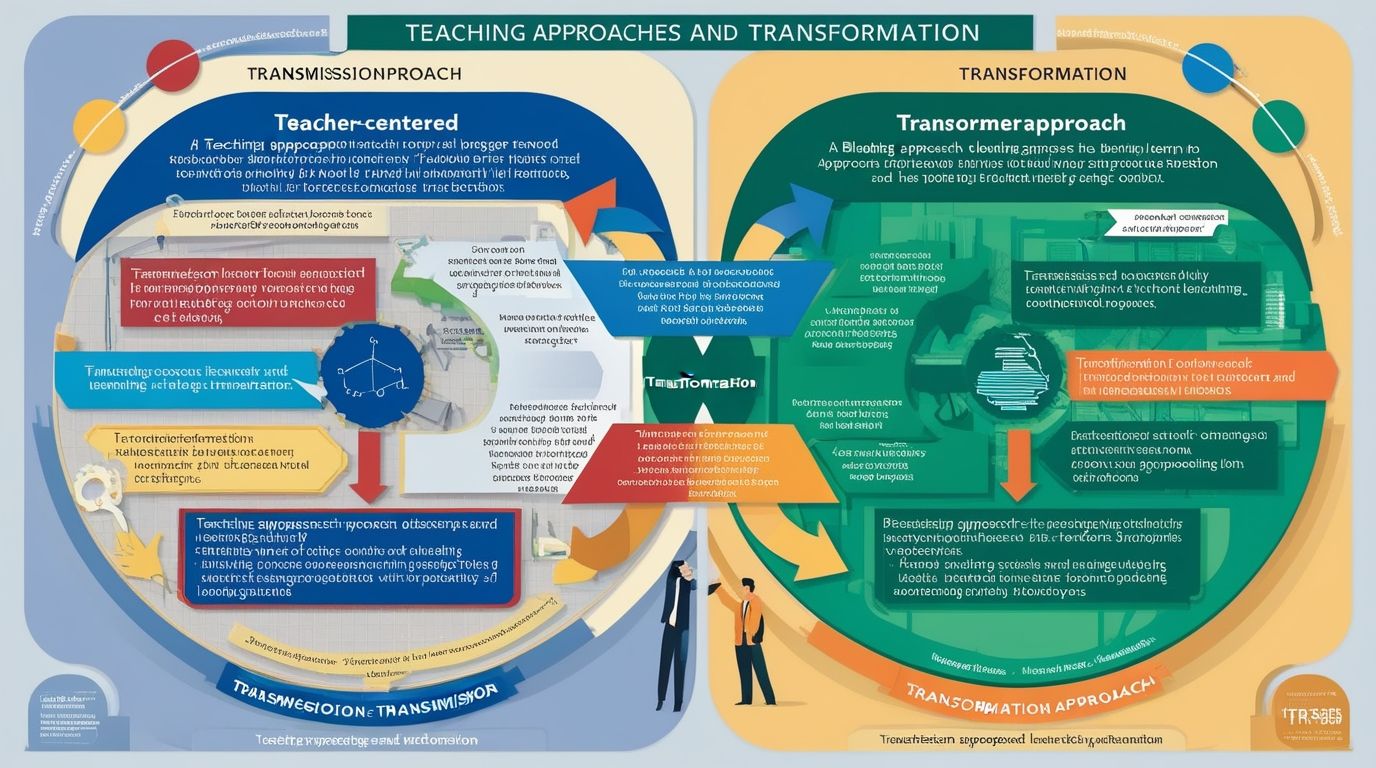
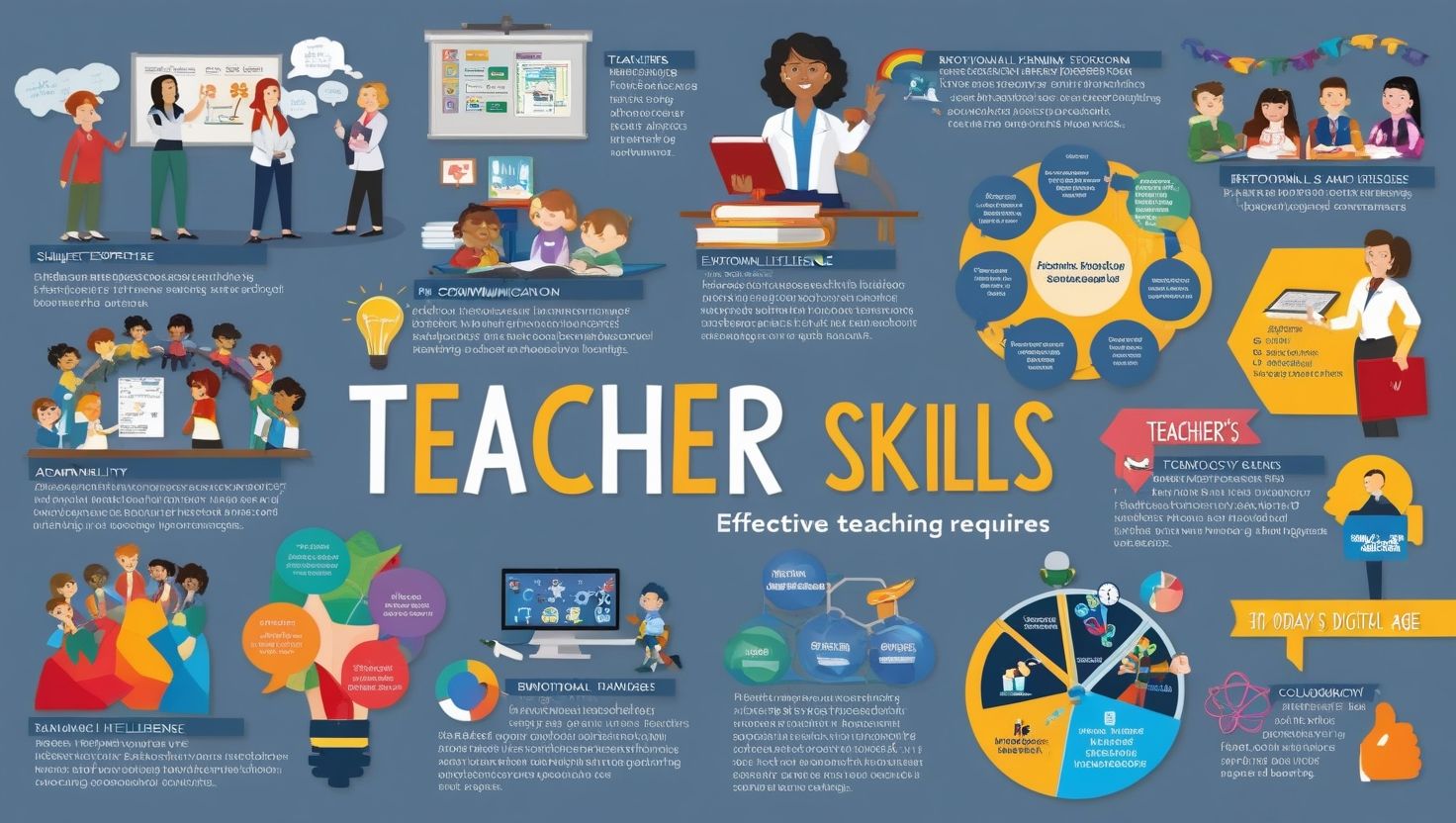
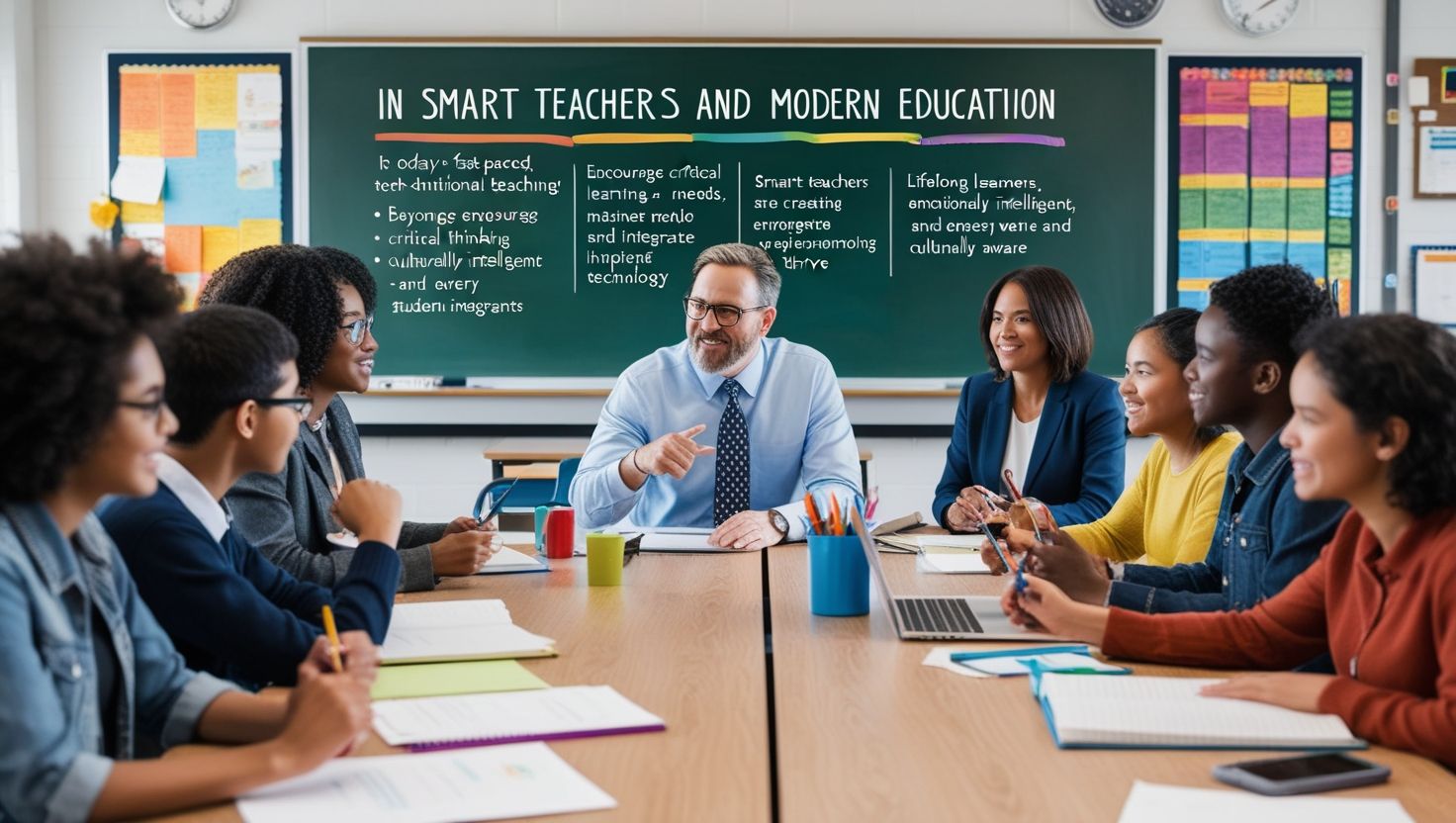
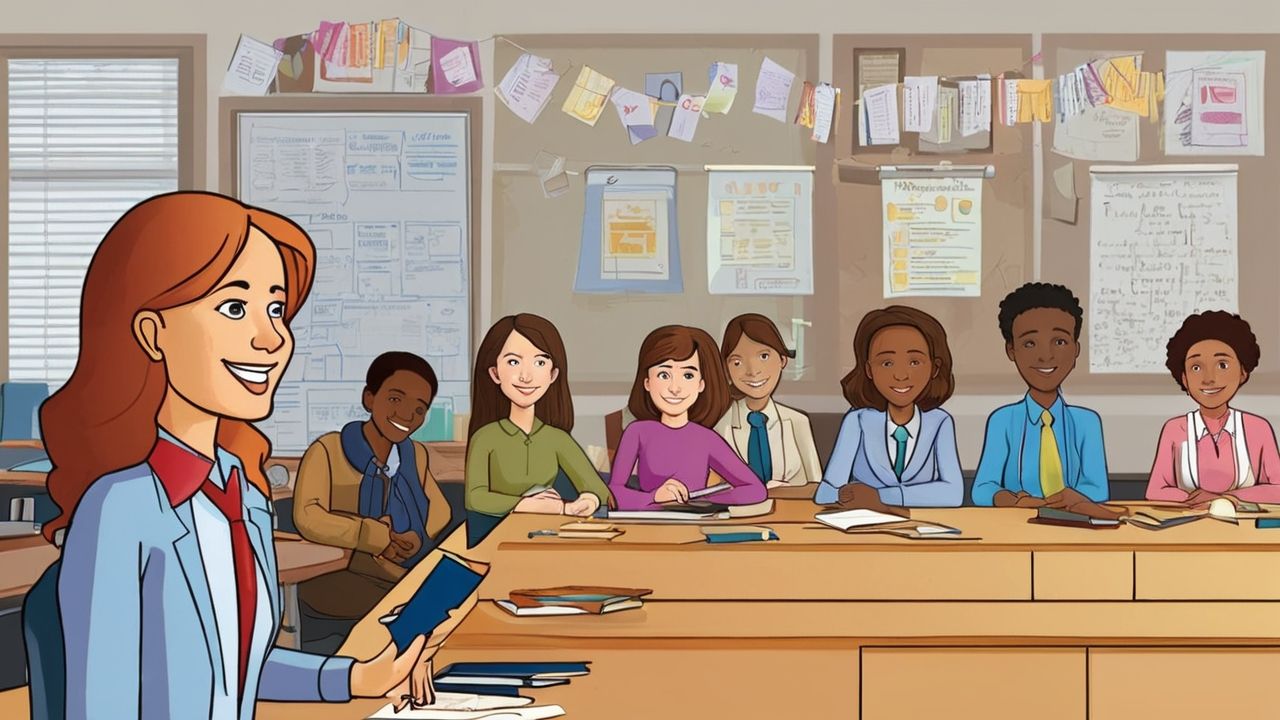
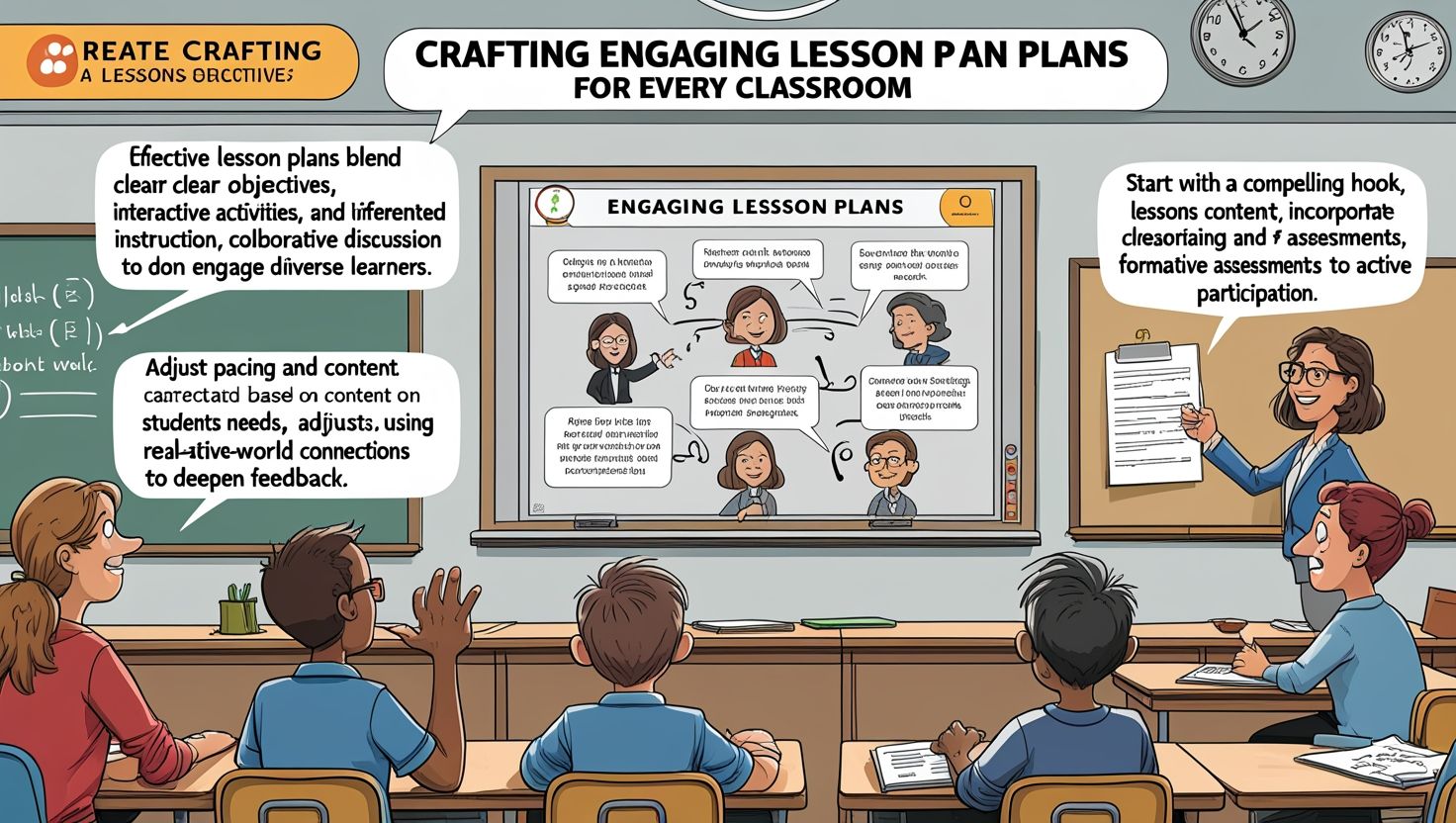
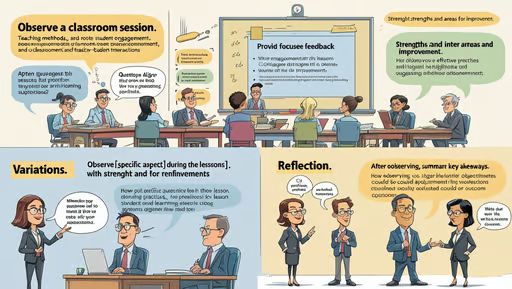
Teachers are the most influential human factor in education. They transform curriculum goals into meaningful classroom experiences and guide students toward intellectual and personal development. A teacher is not merely a transmitter of information but a mentor, facilitator, motivator, researcher, counselor, and role model.
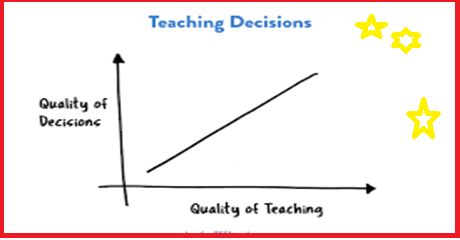
The quality of teachers significantly determines the success of educational systems. Even the best curriculum and textbooks cannot produce effective learning without skilled and committed teachers.
Roles of Teachers in Modern Education
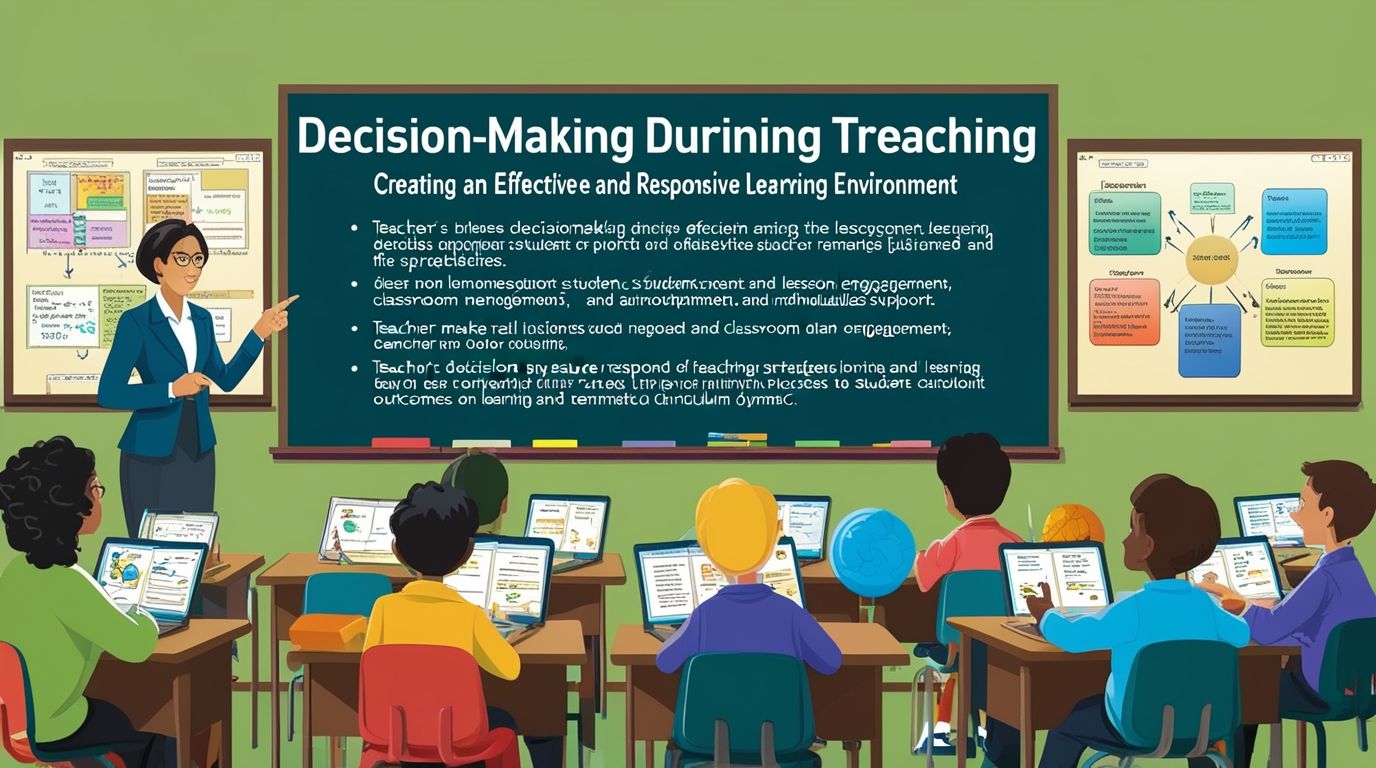
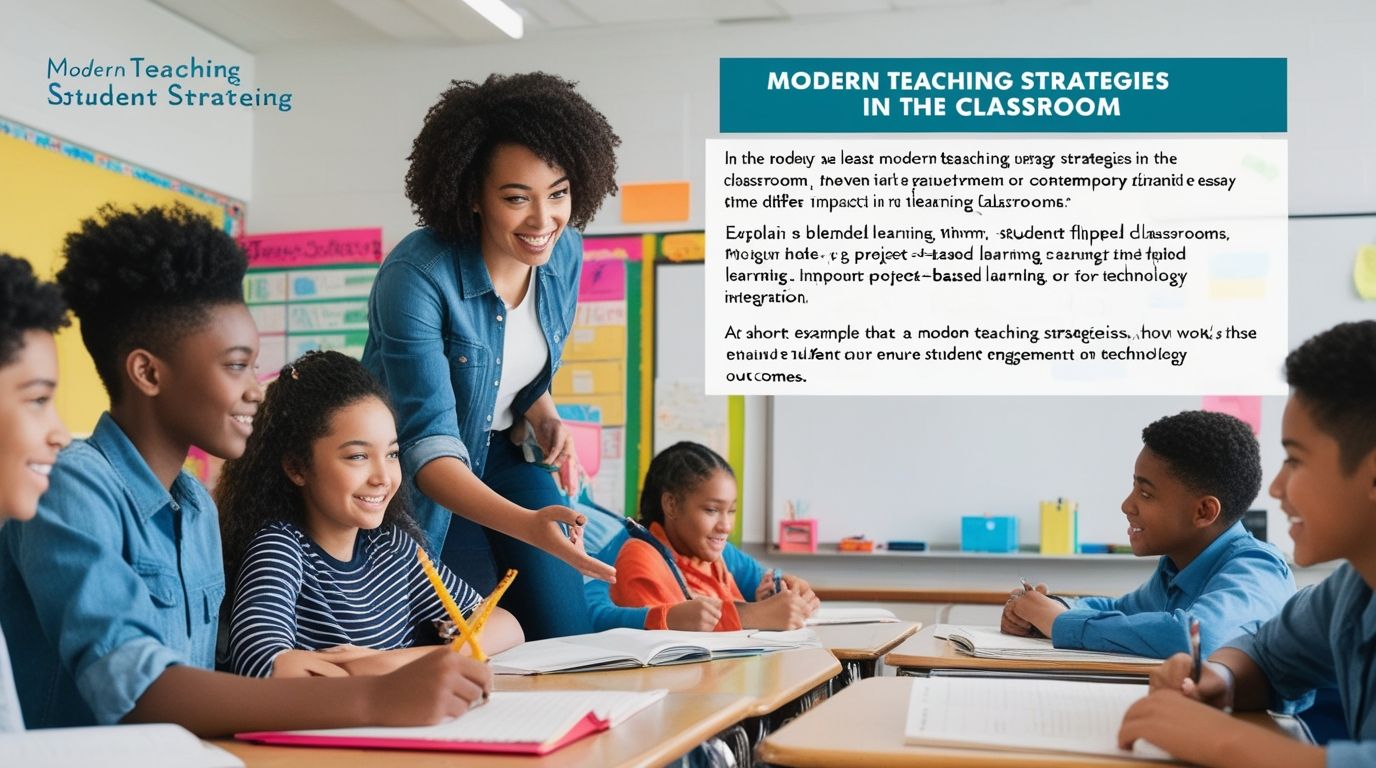
Modern teaching extends beyond lecturing. Teachers perform multiple roles:
- Facilitator of Learning: Guiding students to discover knowledge through inquiry and participation.
- Curriculum Implementer: Translating curriculum into classroom practice.
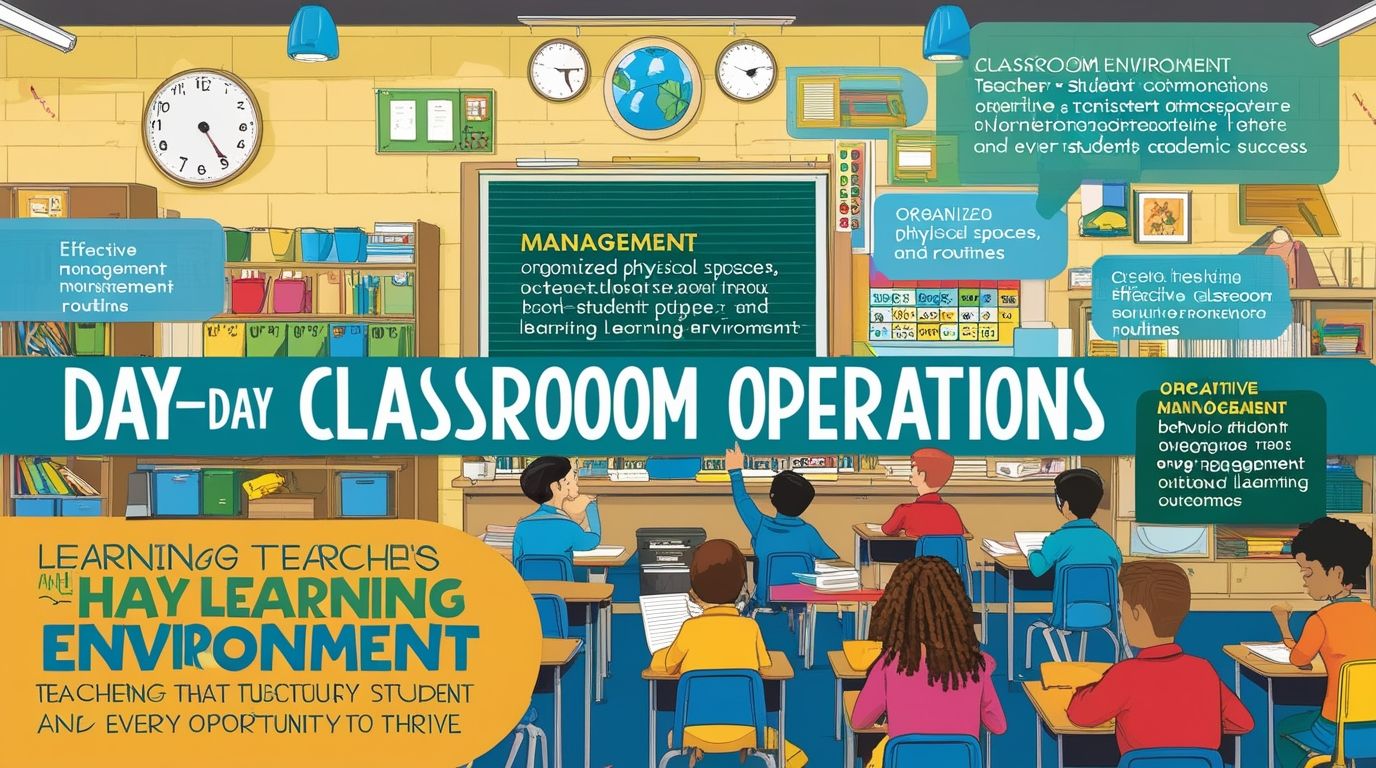
- Classroom Manager: Creating a positive and disciplined learning environment.
- Assessor: Evaluating student progress through formative and summative assessments.
- Mentor and Counselor: Supporting students emotionally, socially, and academically.
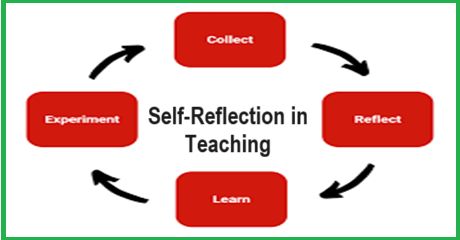
- Researcher: Reflecting on teaching practices and improving instructional strategies.
- Technology Integrator: Using digital tools to enhance learning.
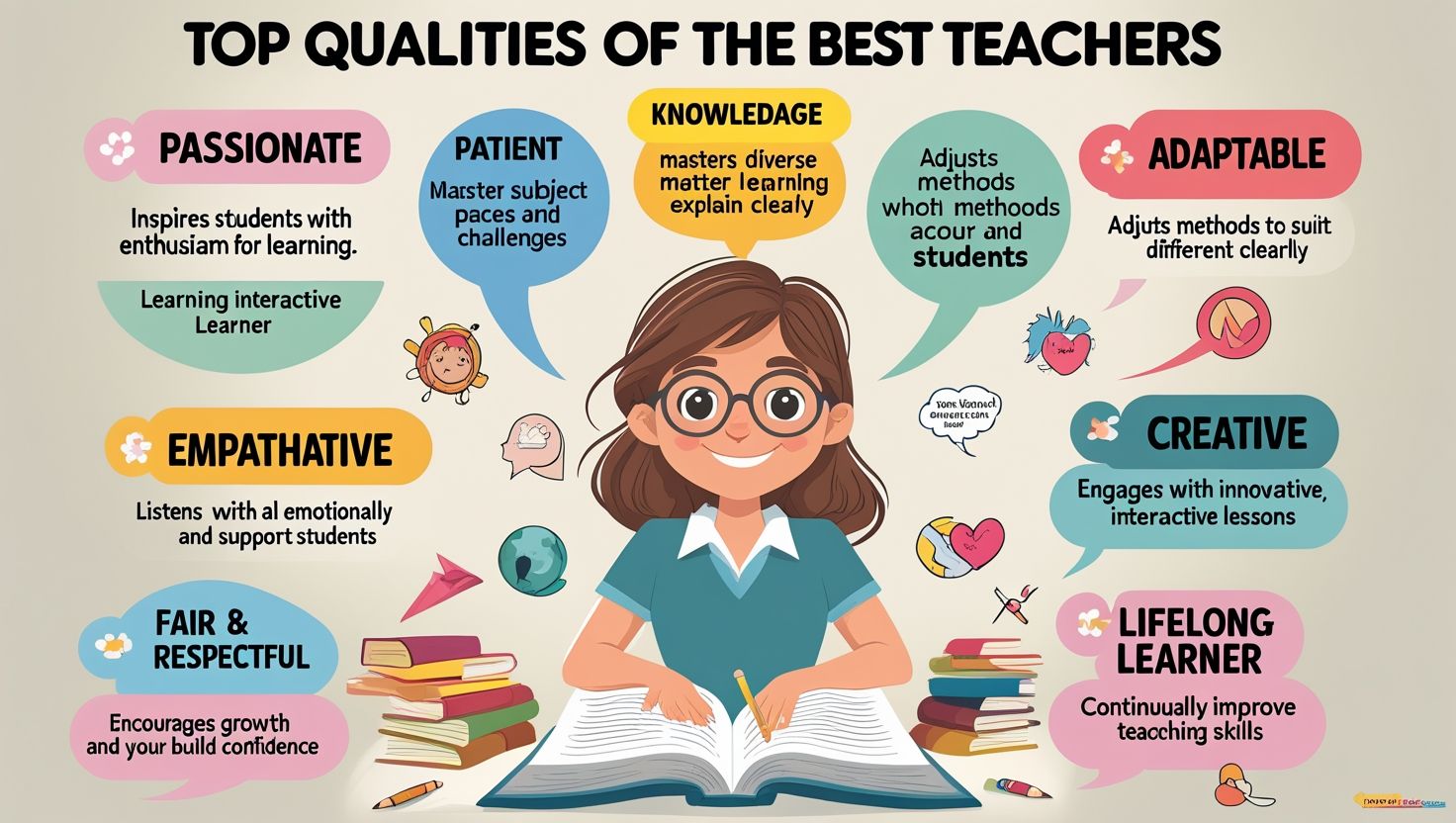
Characteristics of Effective Teachers
Effective teachers demonstrate:
- Strong subject knowledge.
- Pedagogical competence.
- Communication skills.
- Empathy and patience.
- Creativity and innovation.
- Classroom management abilities.
- Commitment to professional development.
- Ethical and moral leadership.
Teachers who inspire curiosity and independent thinking contribute significantly to lifelong learning.
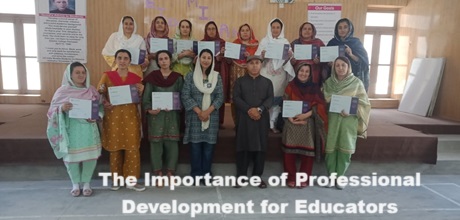
Teacher Professional Development
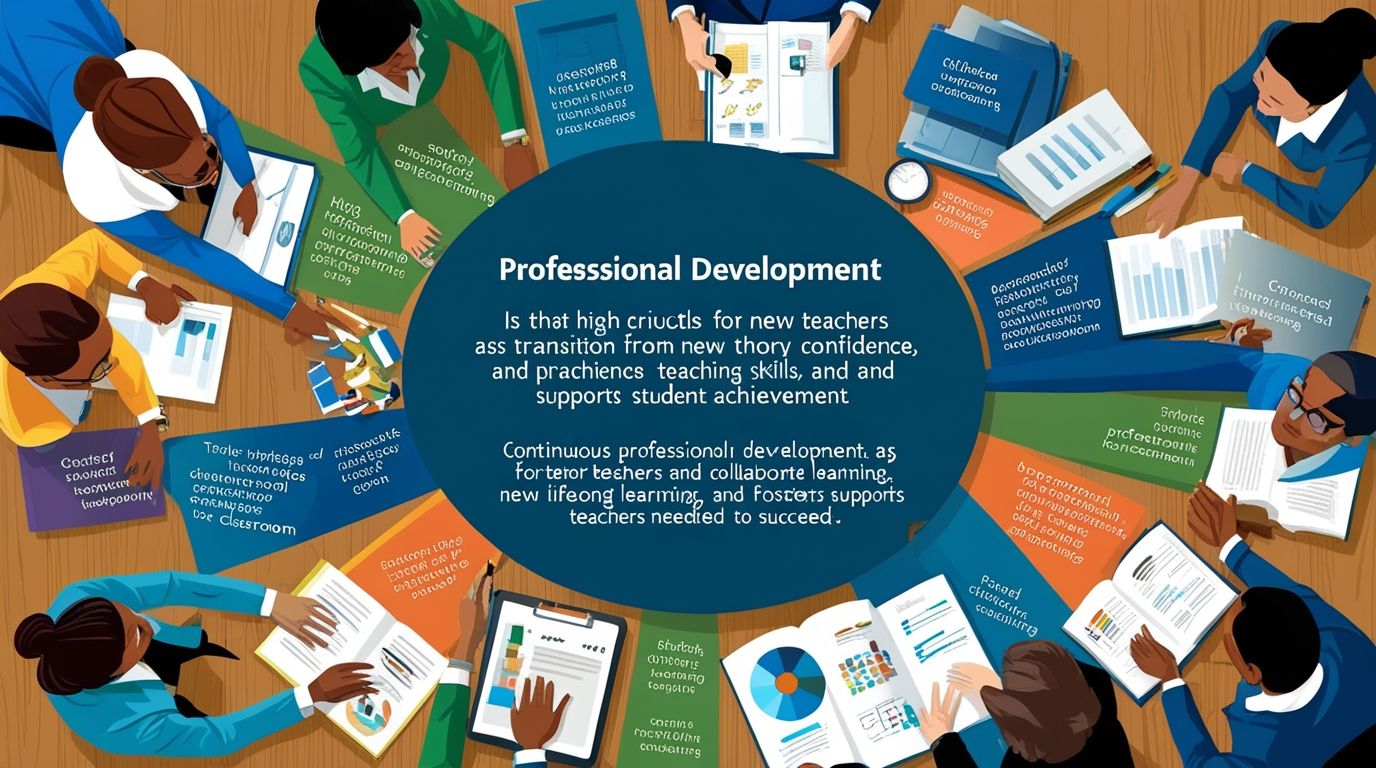
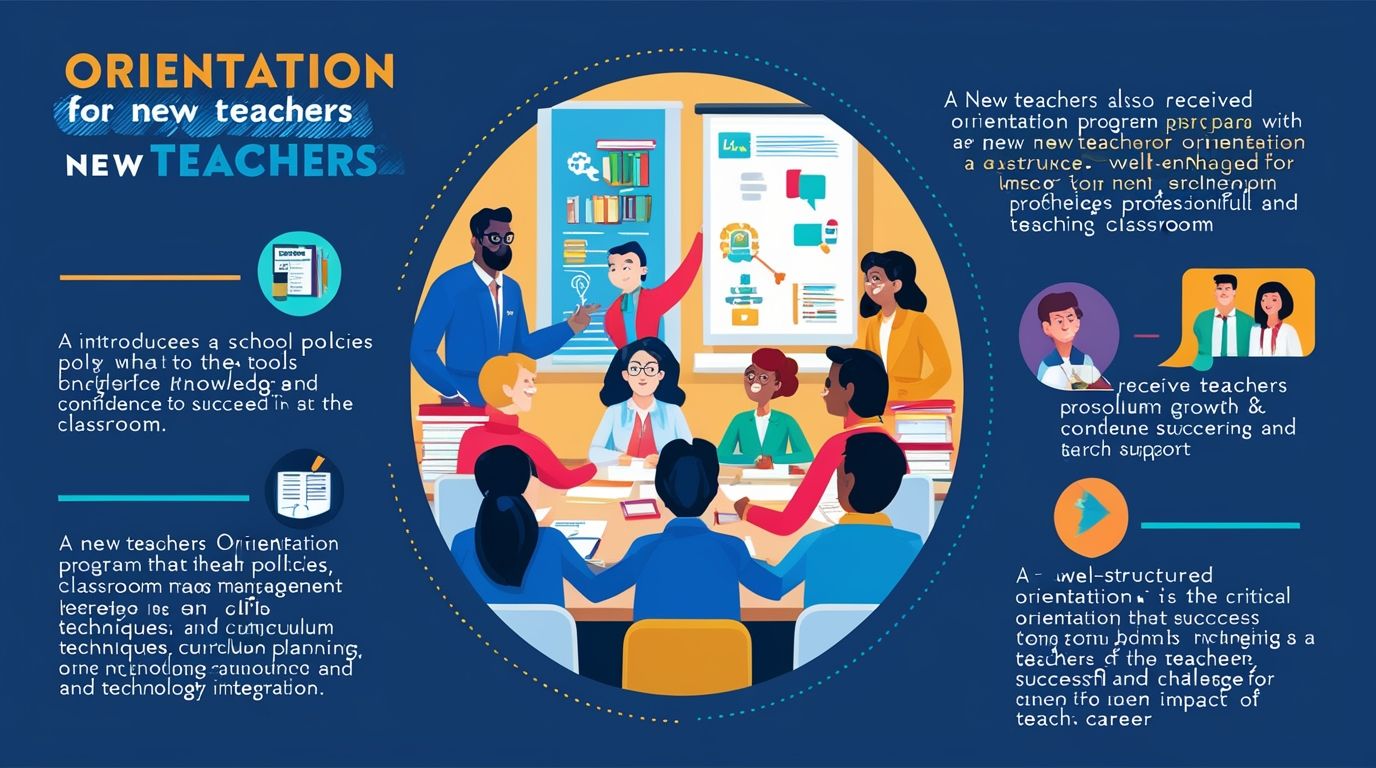
Continuous professional development is essential because educational methods, technologies, and learner needs constantly change. Teachers require regular training in:
- Student-centered pedagogy.
- Assessment techniques.
- Inclusive education.
- Educational technology.
- Research methods.
- Classroom management.
- Curriculum implementation.
Professional learning communities, workshops, mentoring, action research, and online courses can strengthen teacher capacity.
Challenges Faced by Teachers
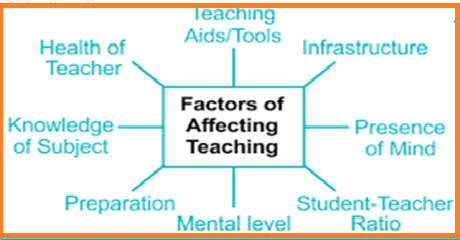
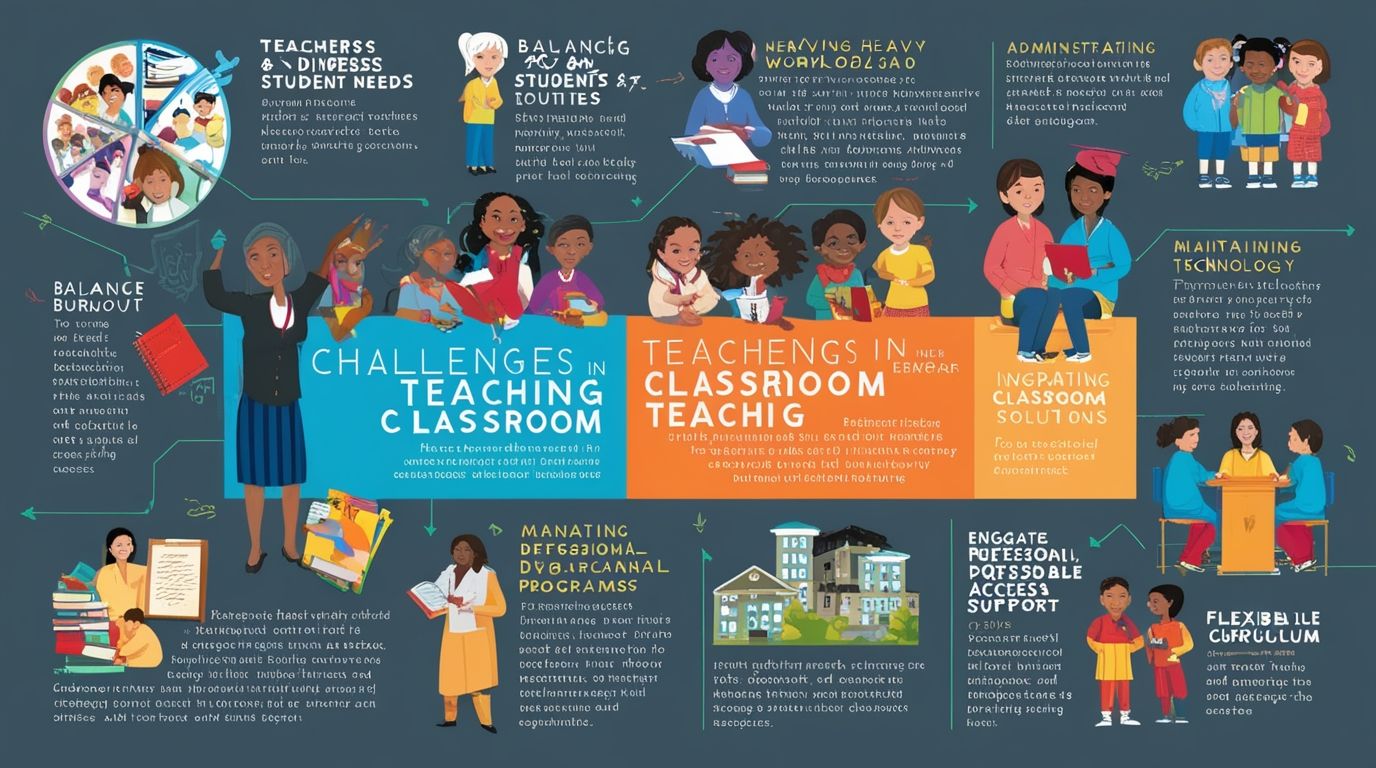
Teachers around the world face several challenges including overcrowded classrooms, insufficient resources, administrative burdens, limited professional support, low salaries, and pressure to achieve examination results.
In many educational systems, teachers also struggle to balance curriculum requirements with individual student needs. Addressing these challenges requires strong educational leadership, supportive policies, and investment in teacher welfare and training.
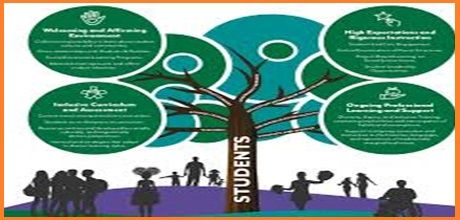
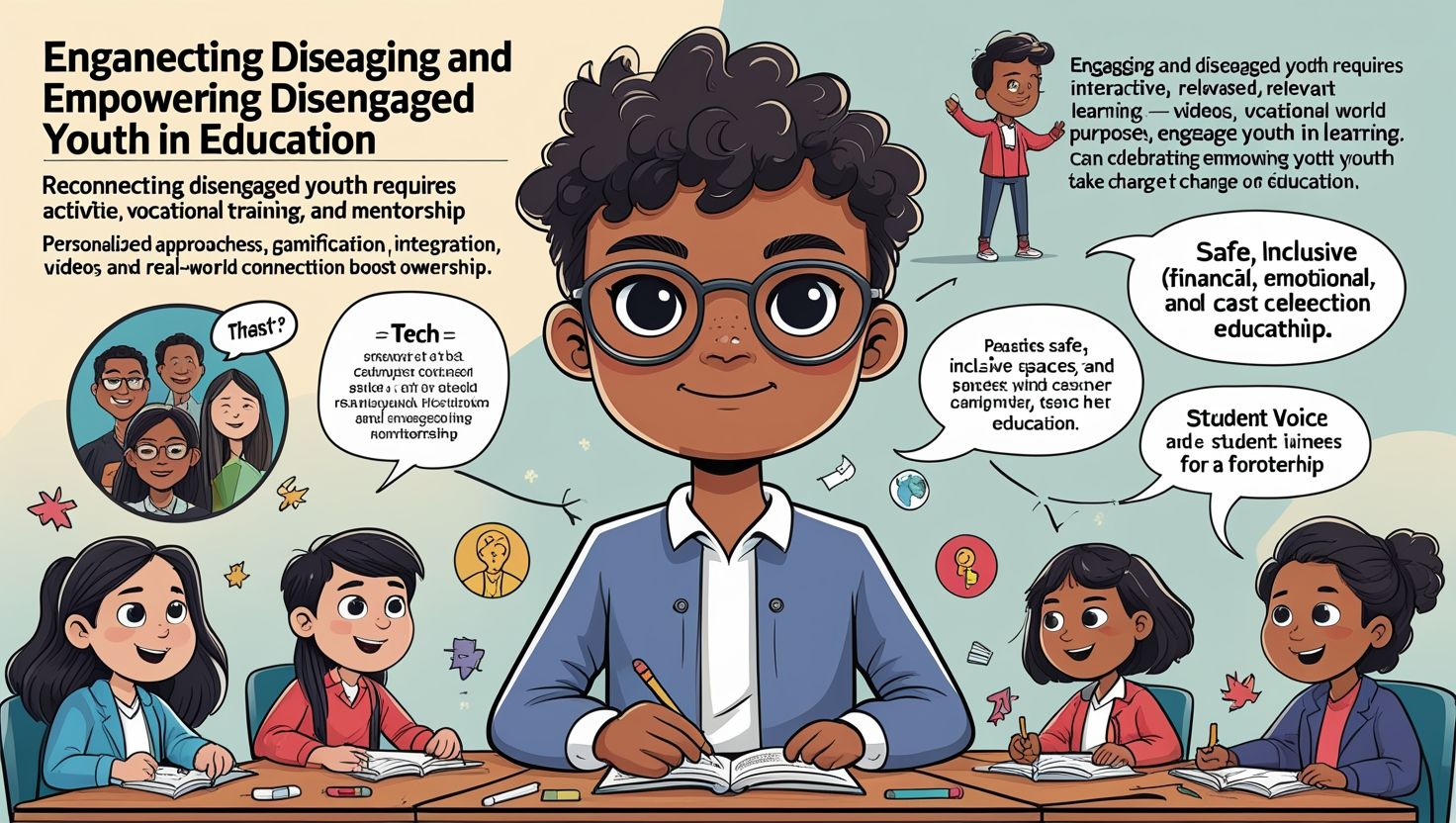
Students: The Center of the Educational Process
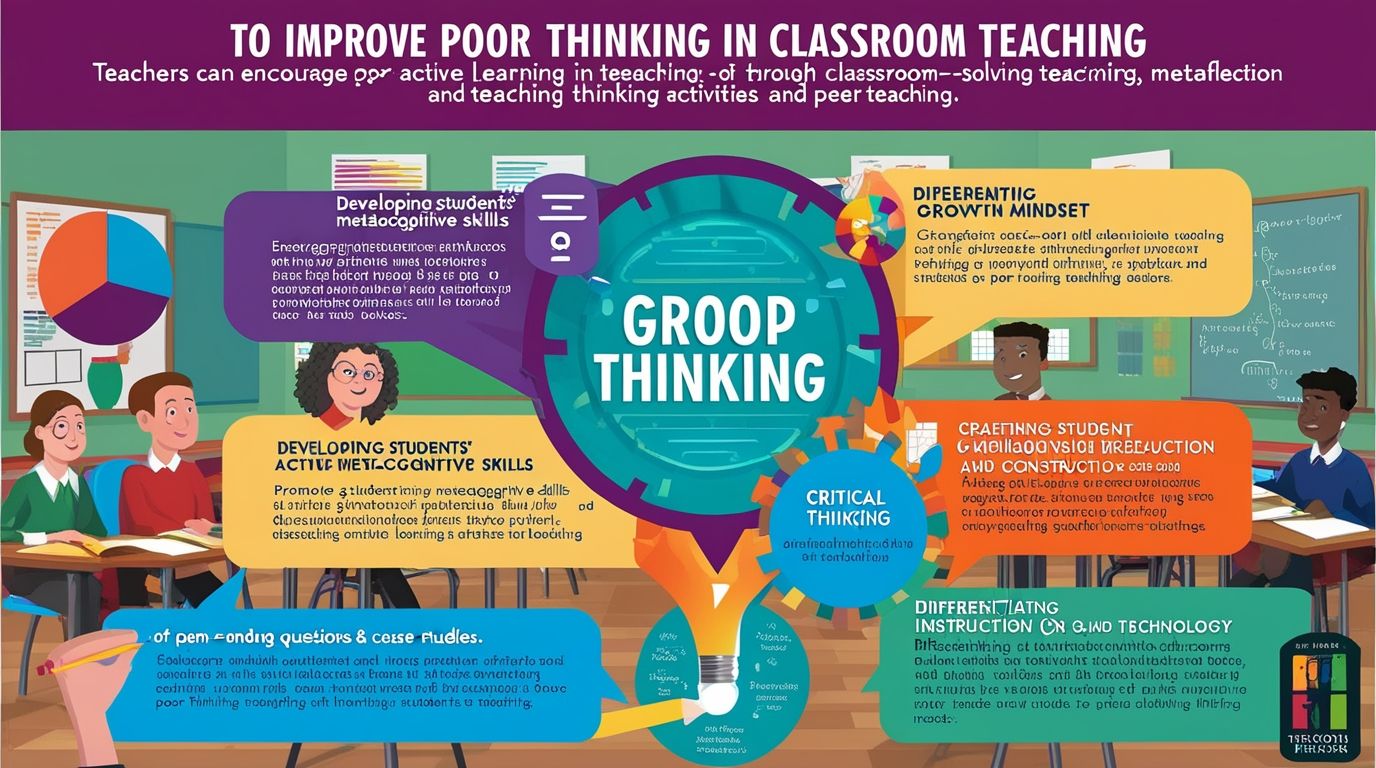
Students are the primary participants and beneficiaries of education. Modern educational philosophy emphasizes learner-centered education where students actively construct knowledge rather than passively receive information.
Every student possesses unique abilities, interests, learning styles, cultural backgrounds, and aspirations. Effective education recognizes individual differences and provides opportunities for all learners to succeed.
The Role of Students in Learning
Students are not passive listeners. They are active learners who:
- Explore and investigate ideas.
- Participate in discussions and activities.
- Collaborate with peers.
- Reflect on experiences.
- Solve problems creatively.
- Apply knowledge in real-life situations.
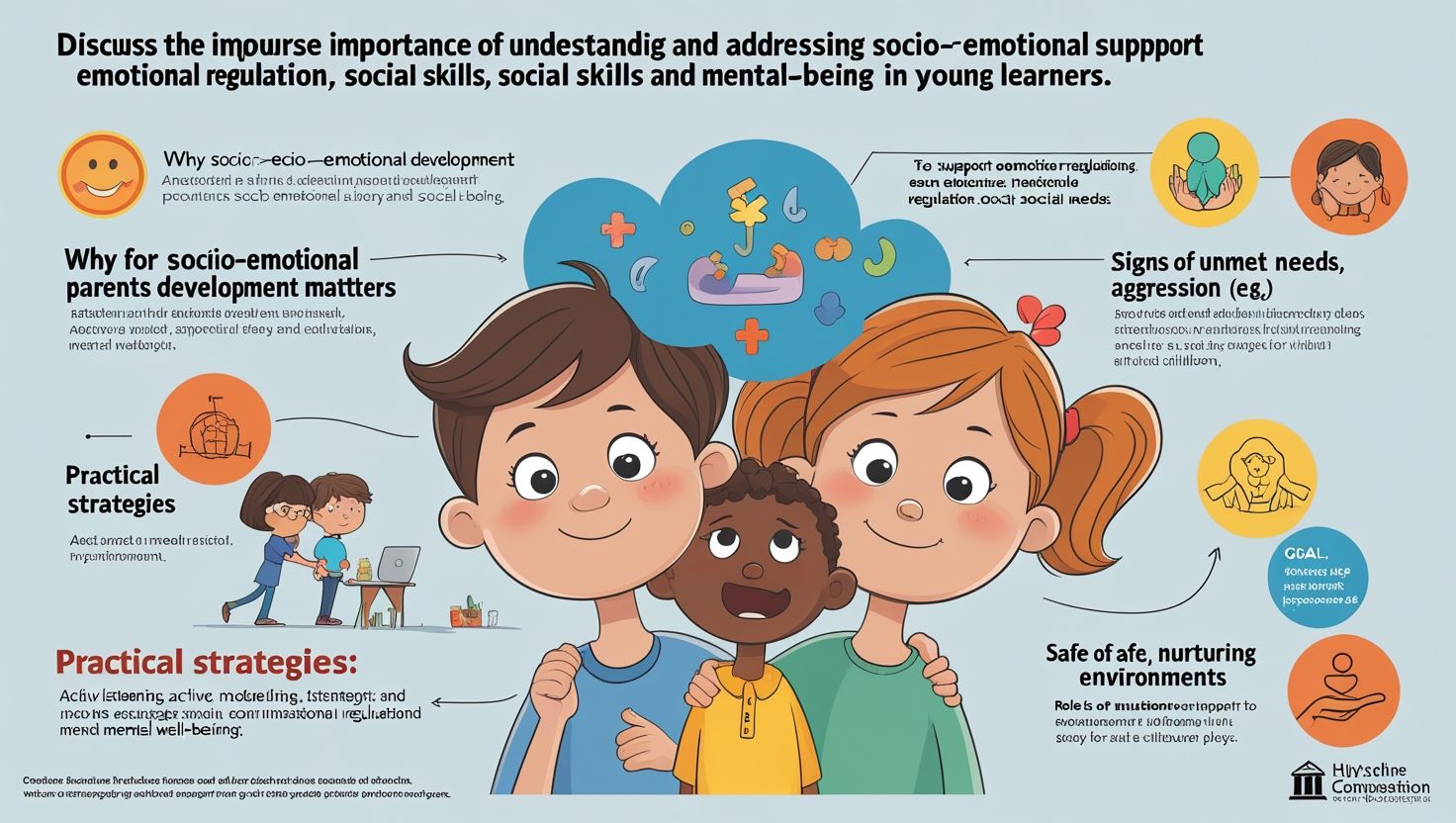
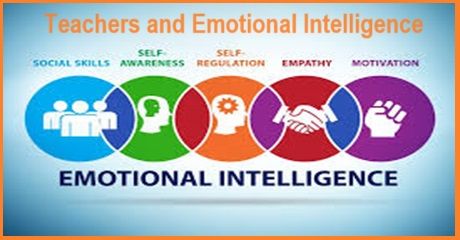
- Develop social and emotional skills.
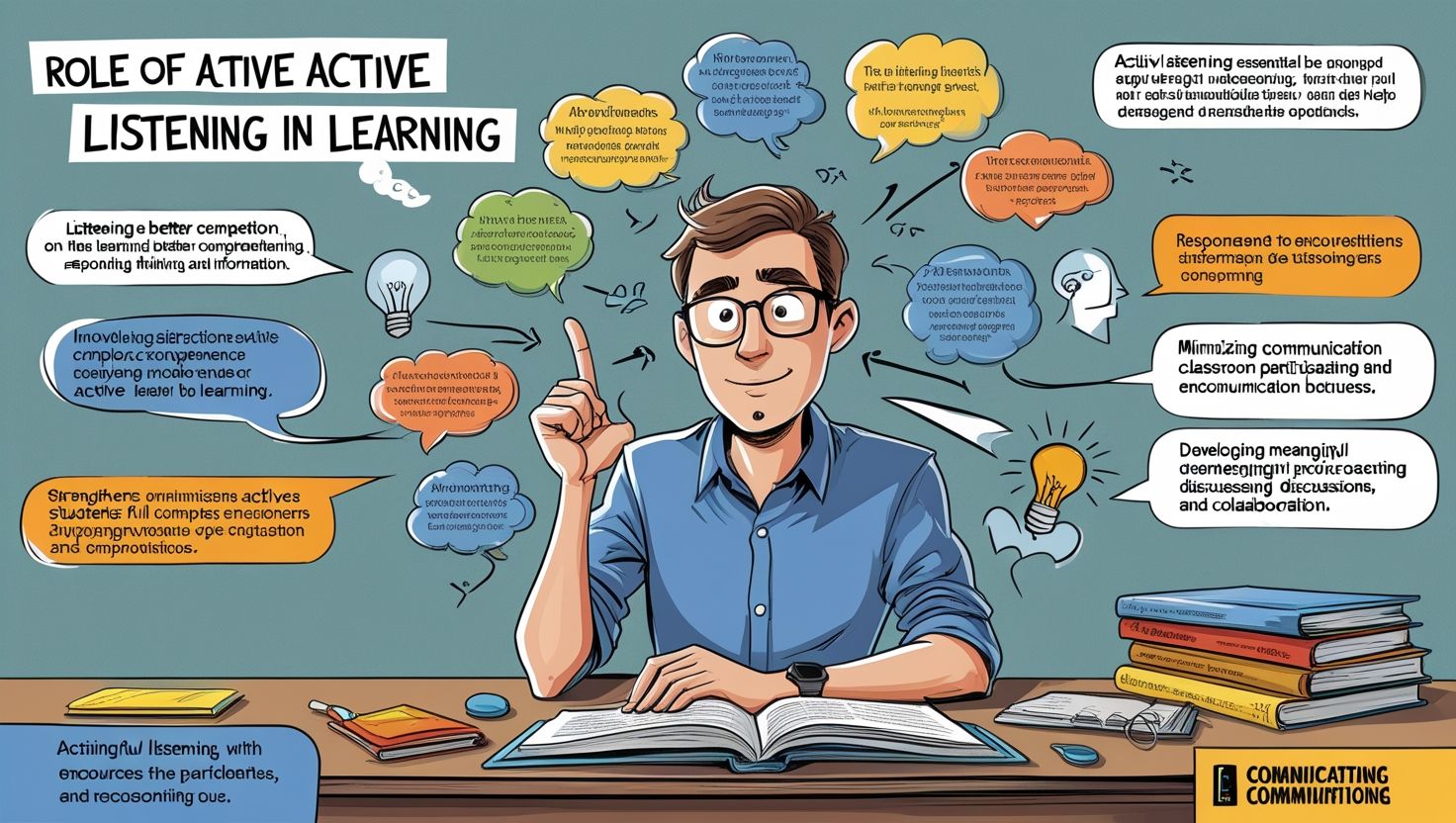
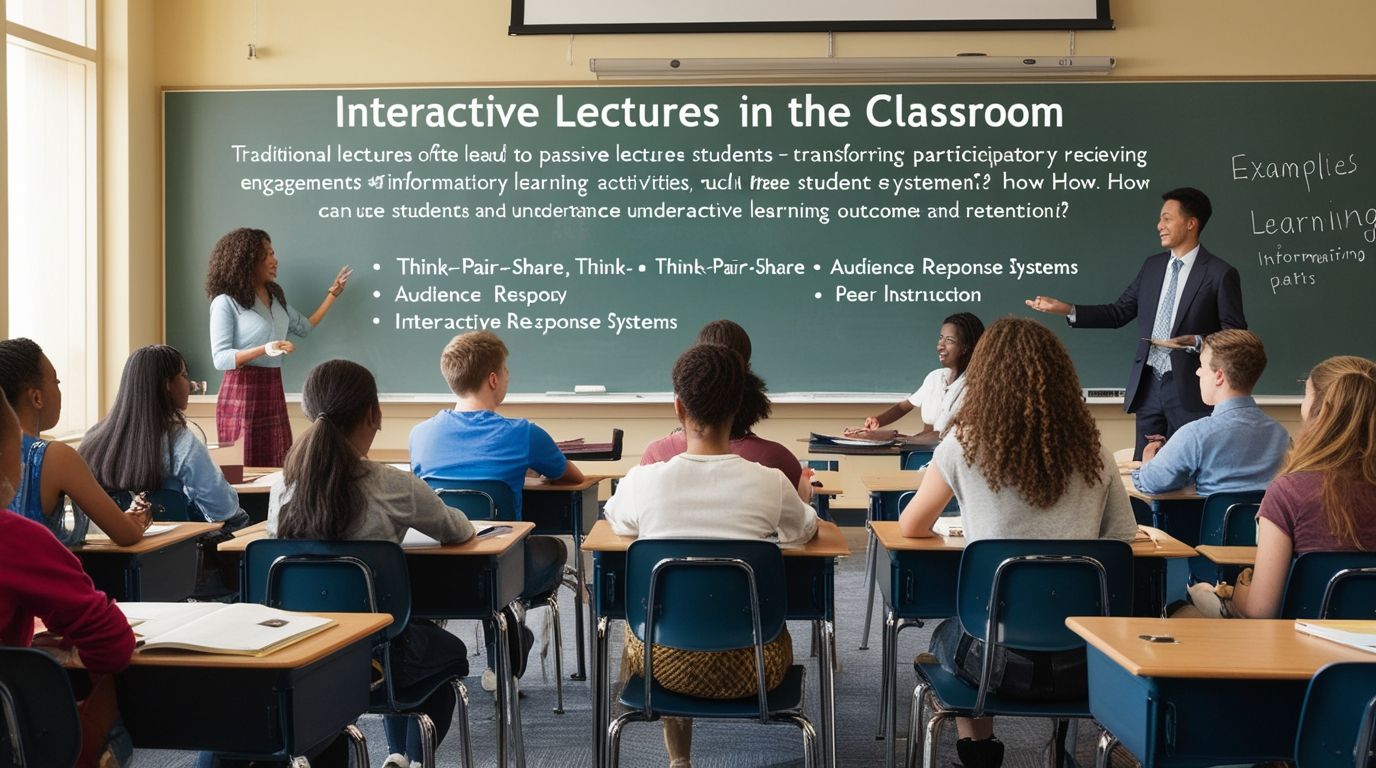
Student engagement is essential for meaningful learning. When students are motivated and involved, learning becomes deeper and more effective.
Factors Influencing Student Learning
Several factors affect student achievement and development:
- Motivation: Interested and motivated students learn more effectively.
- Learning Environment: Safe and supportive classrooms enhance learning.
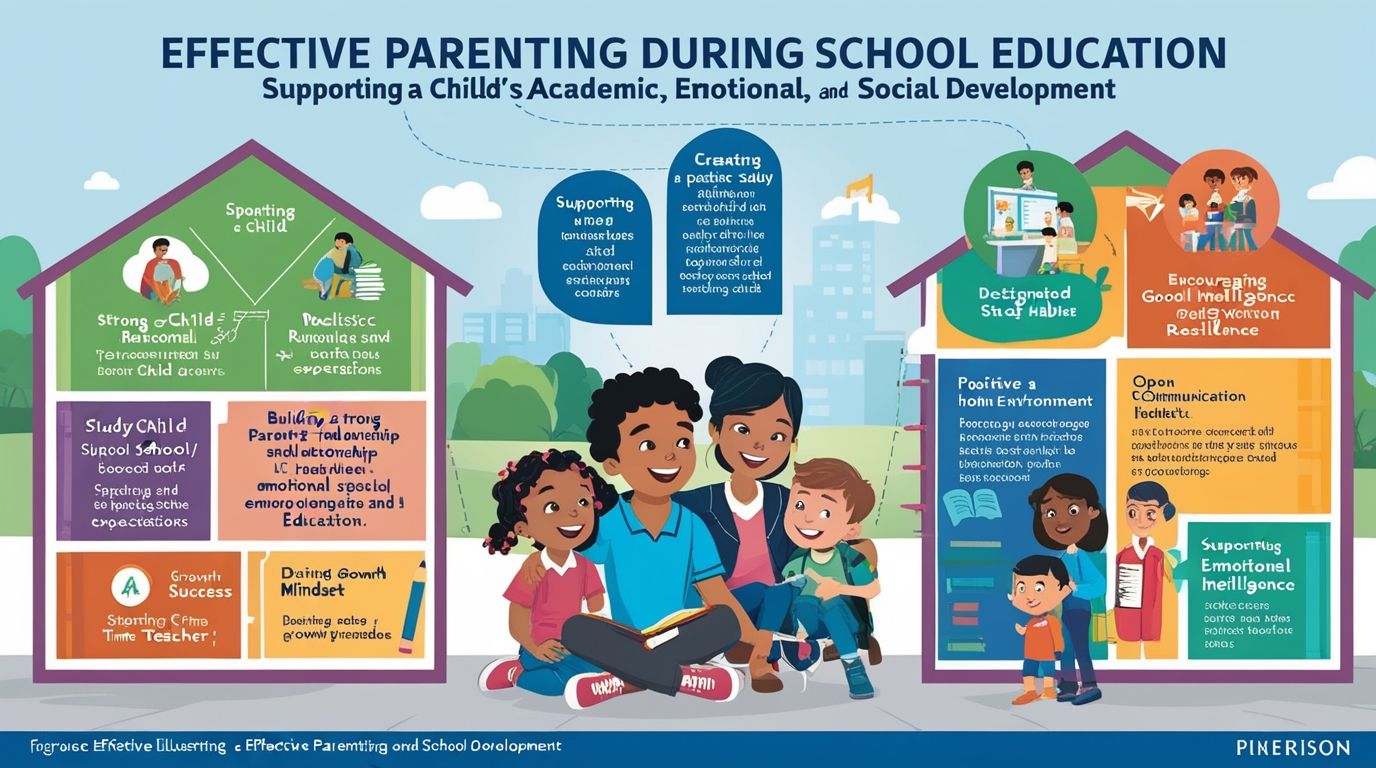
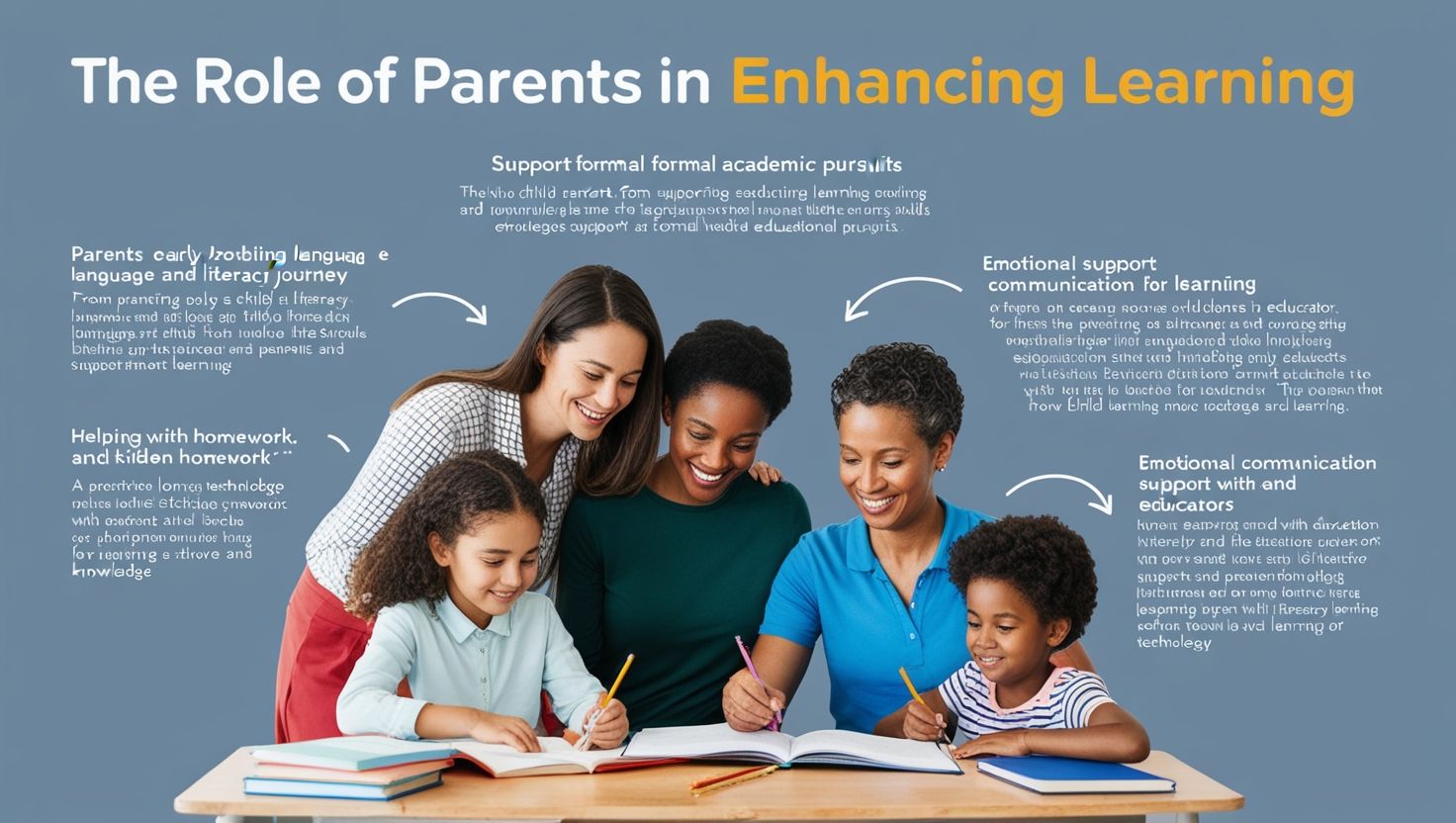
- Family Support: Parents and guardians influence educational success.
- Teacher Quality: Skilled teachers positively impact achievement.
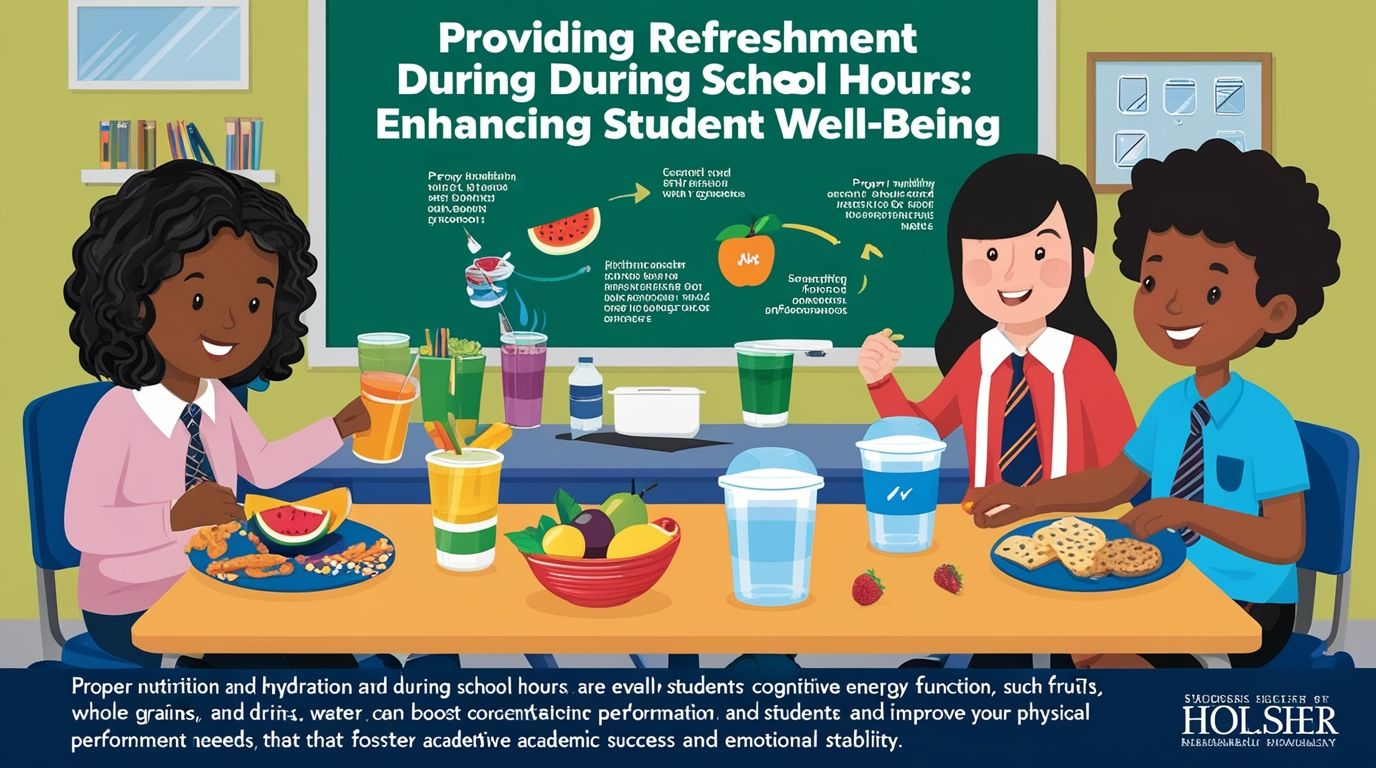
- Health and Nutrition: Physical and mental well-being affect concentration and performance.
- Socioeconomic Conditions: Poverty and inequality can limit educational opportunities.
- Technology Access: Digital resources support modern learning.
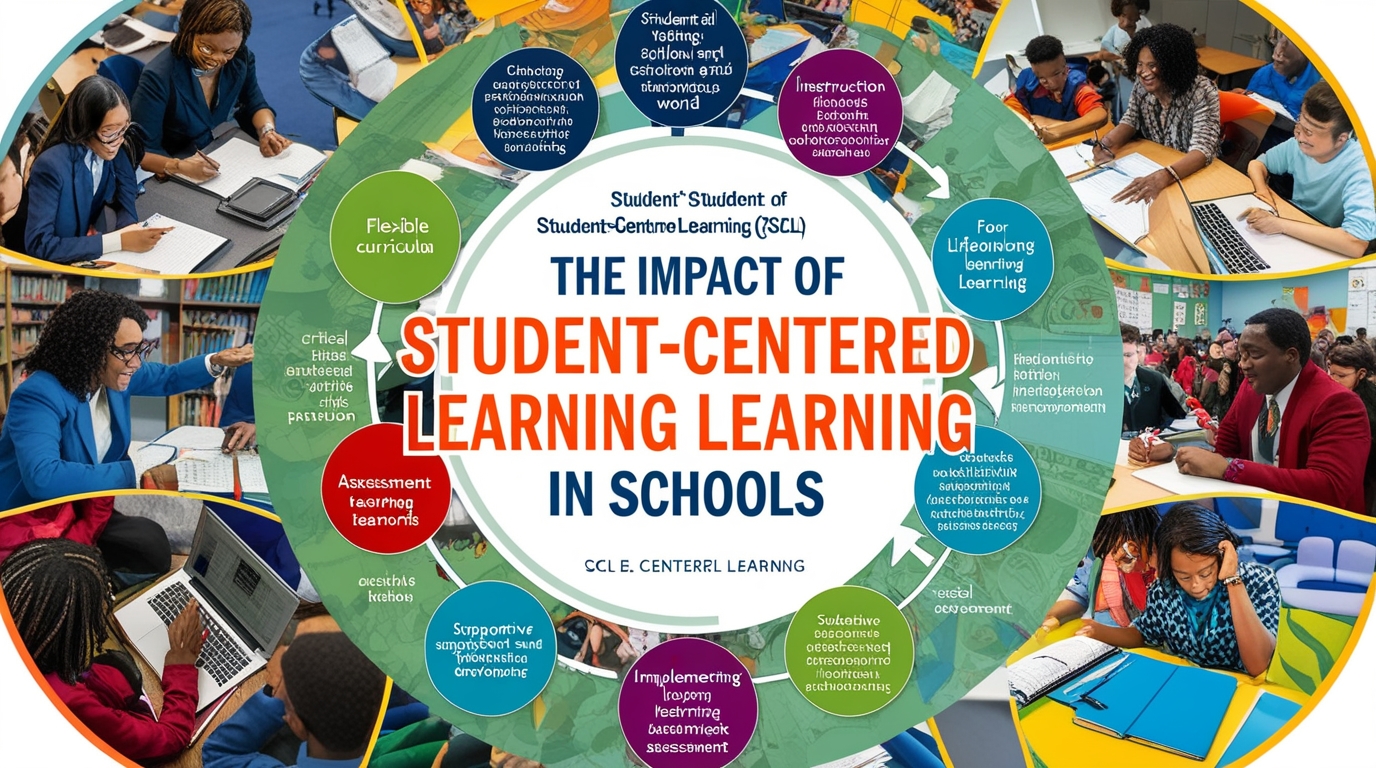
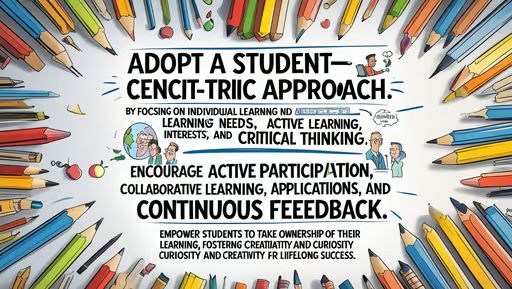
Student-Centered Learning
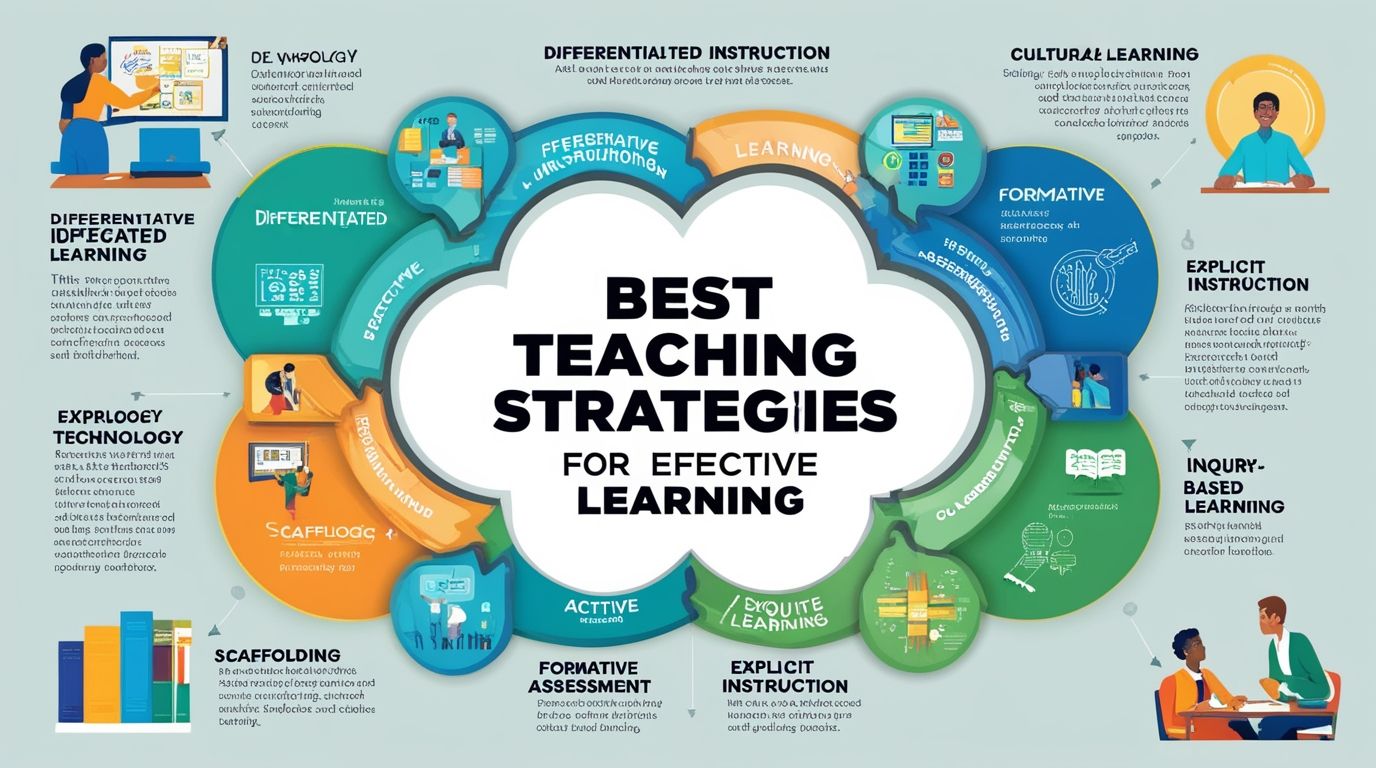
Student-centered learning focuses on the needs, interests, and abilities of learners. It encourages participation, collaboration, inquiry, and independent thinking. Common student-centered approaches include:
- Project-based learning.
- Inquiry-based learning.
- Cooperative learning.
- Experiential learning.
- Problem-solving activities.
- Technology-enhanced learning.
These methods help students develop critical thinking, communication, creativity, and collaboration skills required in the 21st century.
Challenges Faced by Students
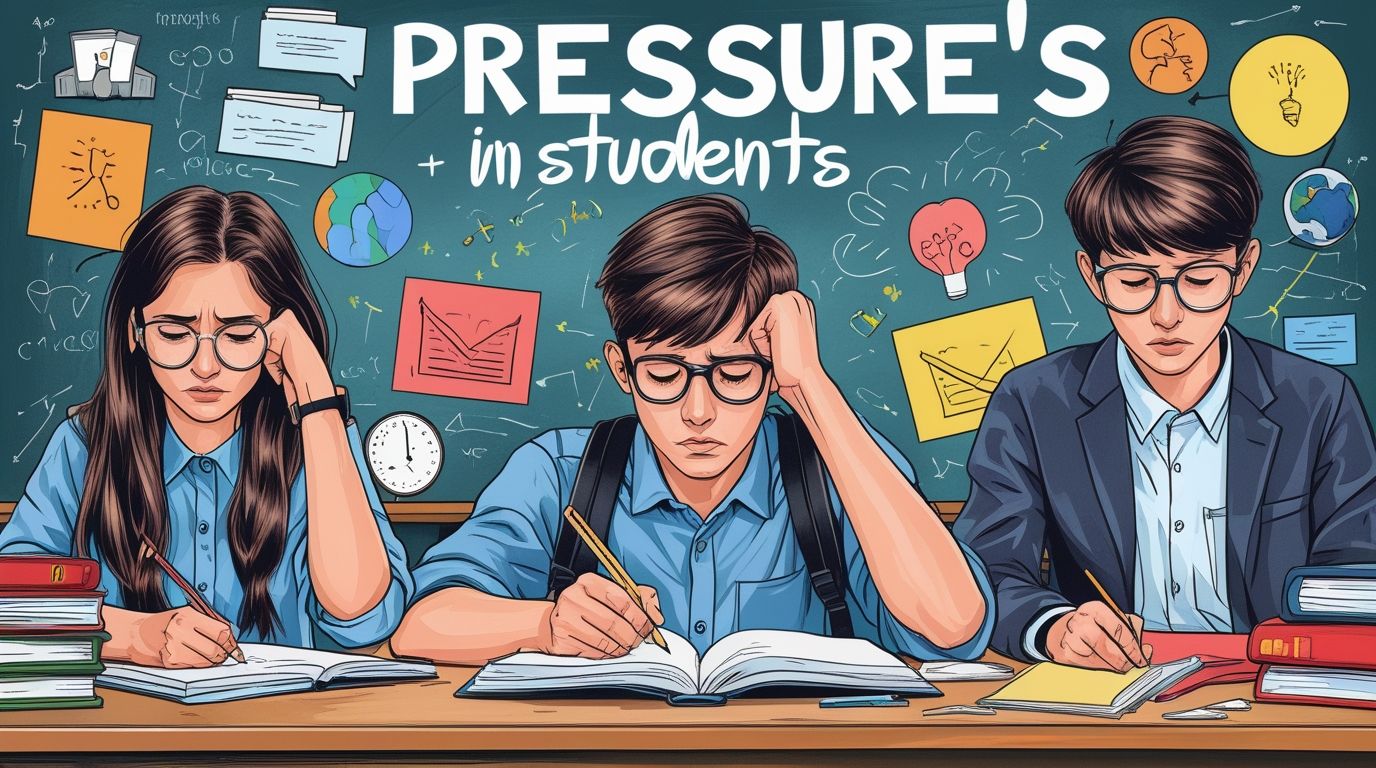
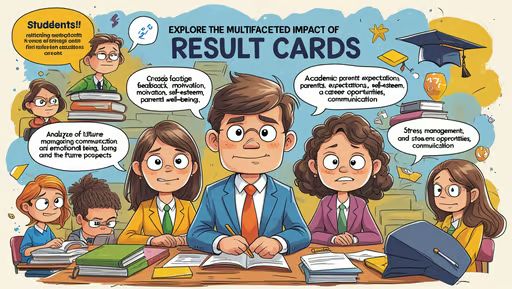
Students today face academic pressure, examination stress, social challenges, digital distractions, mental health concerns, and uncertainty about future careers. Educational institutions must support students emotionally and psychologically in addition to academic instruction.
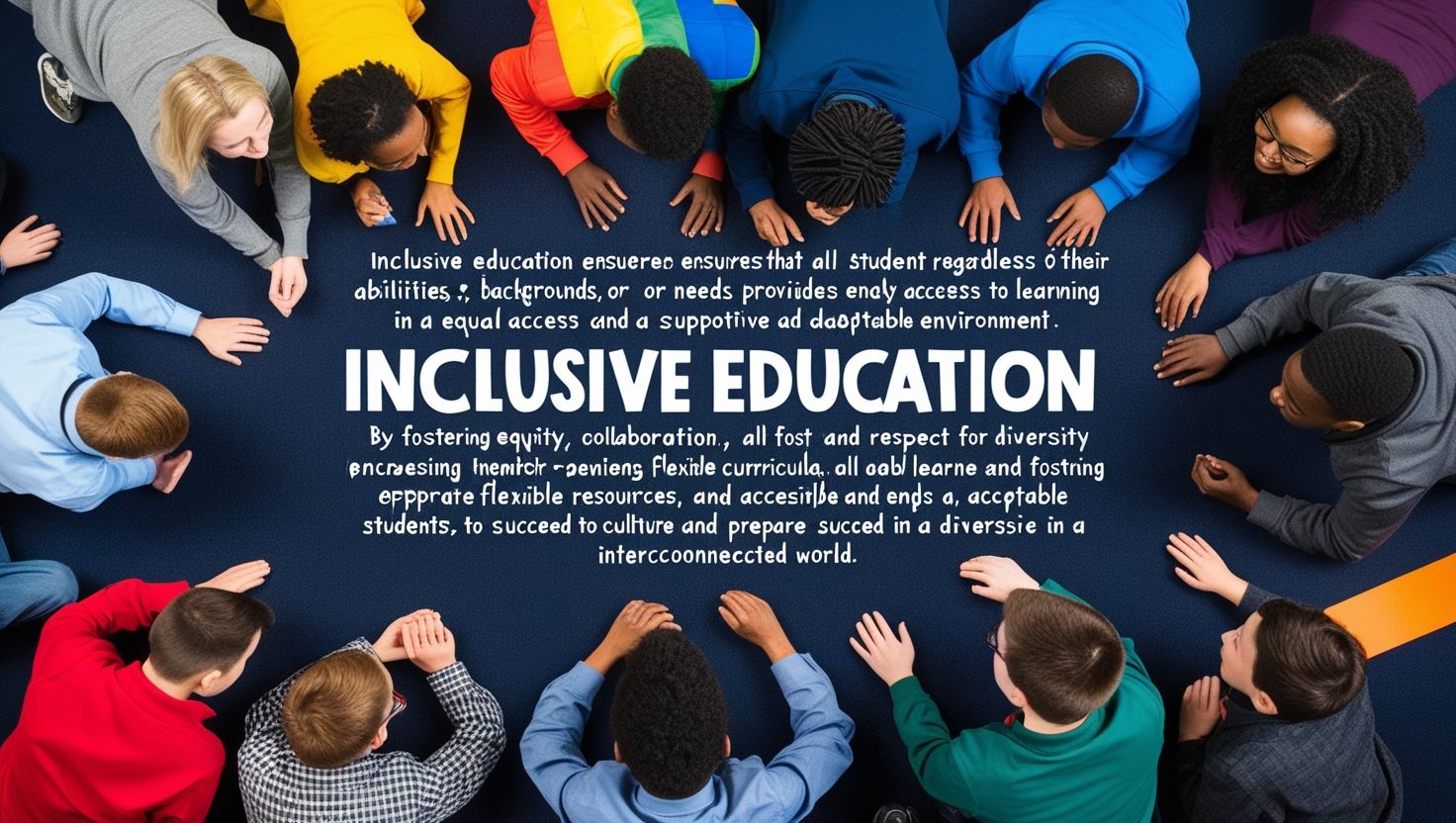
Schools should promote inclusive education, guidance counseling, emotional intelligence, and character development to help students become balanced and responsible individuals.
Learning: The Ultimate Goal of Education
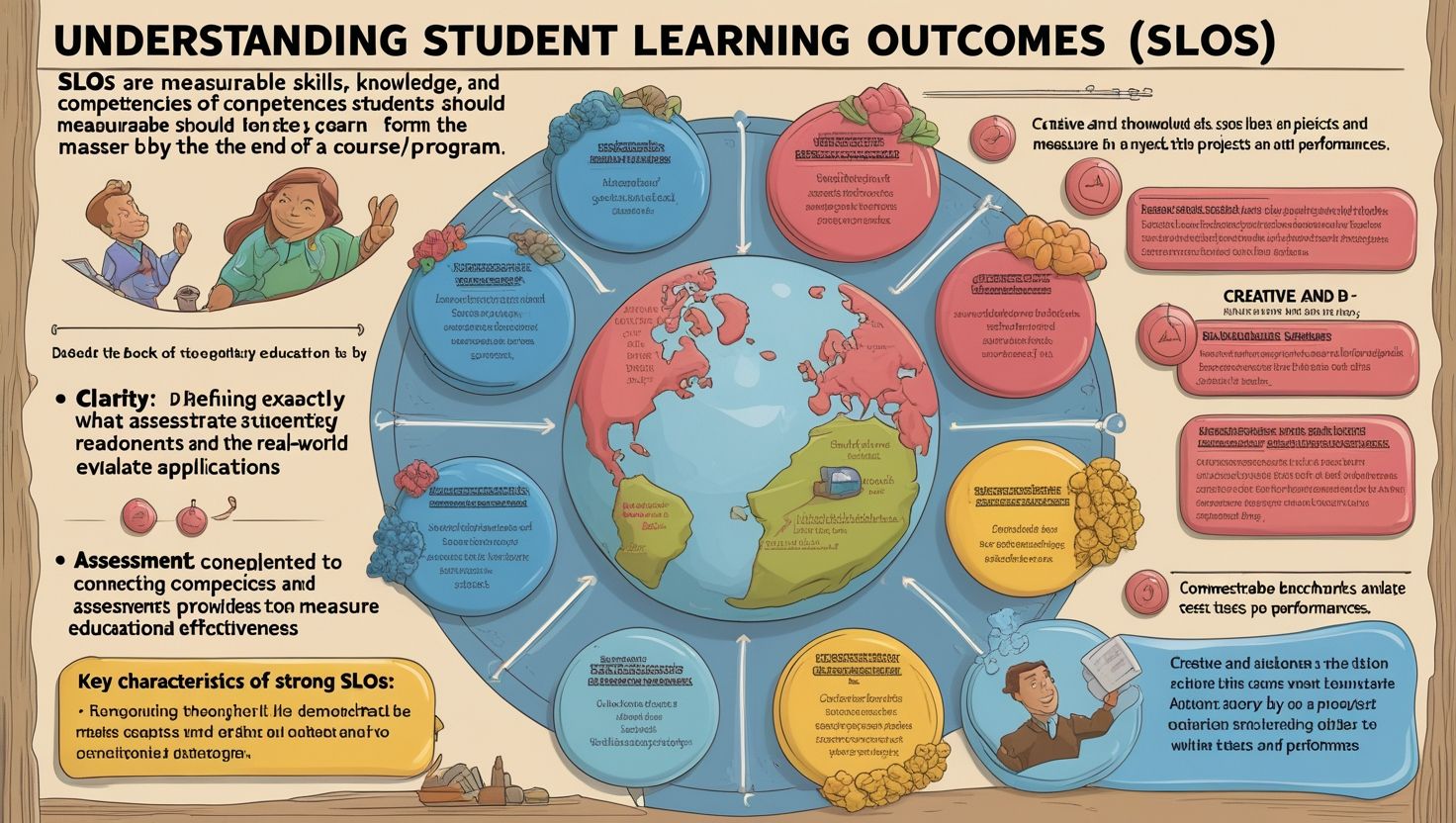
Learning is the process through which individuals acquire knowledge, skills, attitudes, values, and experiences that lead to personal growth and behavioral change. It is the ultimate objective of curriculum, textbooks, teaching, and educational institutions.
Learning is most effective when students actively participate, connect new knowledge with prior experiences, and apply learning to real-life situations.
Types of Learning
Educational psychologists identify several forms of learning:
- Cognitive Learning: Development of knowledge and intellectual abilities.
- Affective Learning: Development of attitudes, values, and emotions.
- Psychomotor Learning: Development of physical and practical skills.
- Experiential Learning: Learning through direct experience.
- Collaborative Learning: Learning through interaction with others.
- Self-Directed Learning: Independent learning guided by personal goals.
Principles of Effective Learning
Effective learning occurs when:
- Learners are motivated.
- Objectives are clear.
- Teaching methods are interactive.
- Feedback is timely and constructive.
- Learning connects with real-life experiences.
- Assessment supports improvement.
- Learners feel safe and respected.
Assessment and Learning
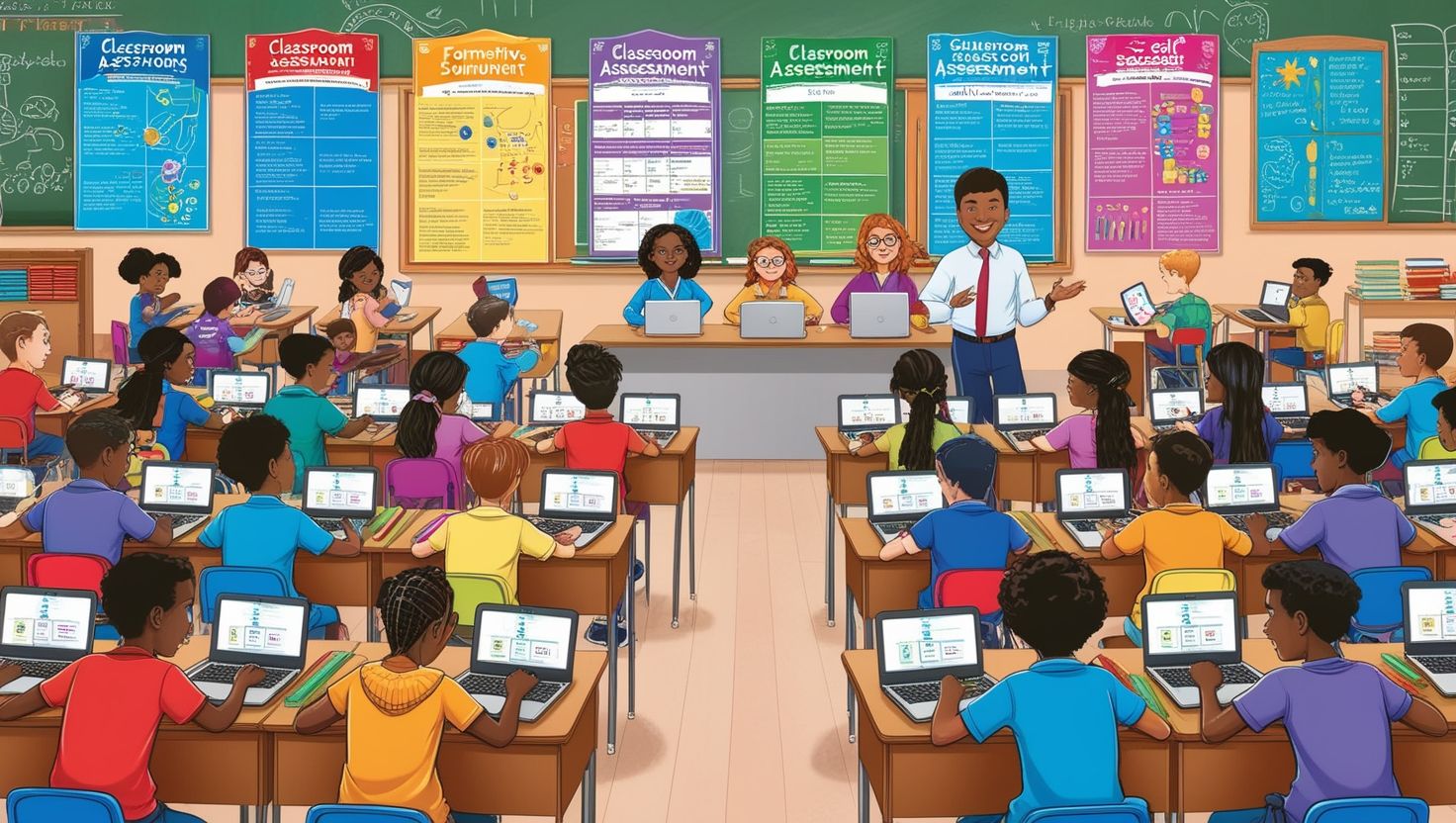
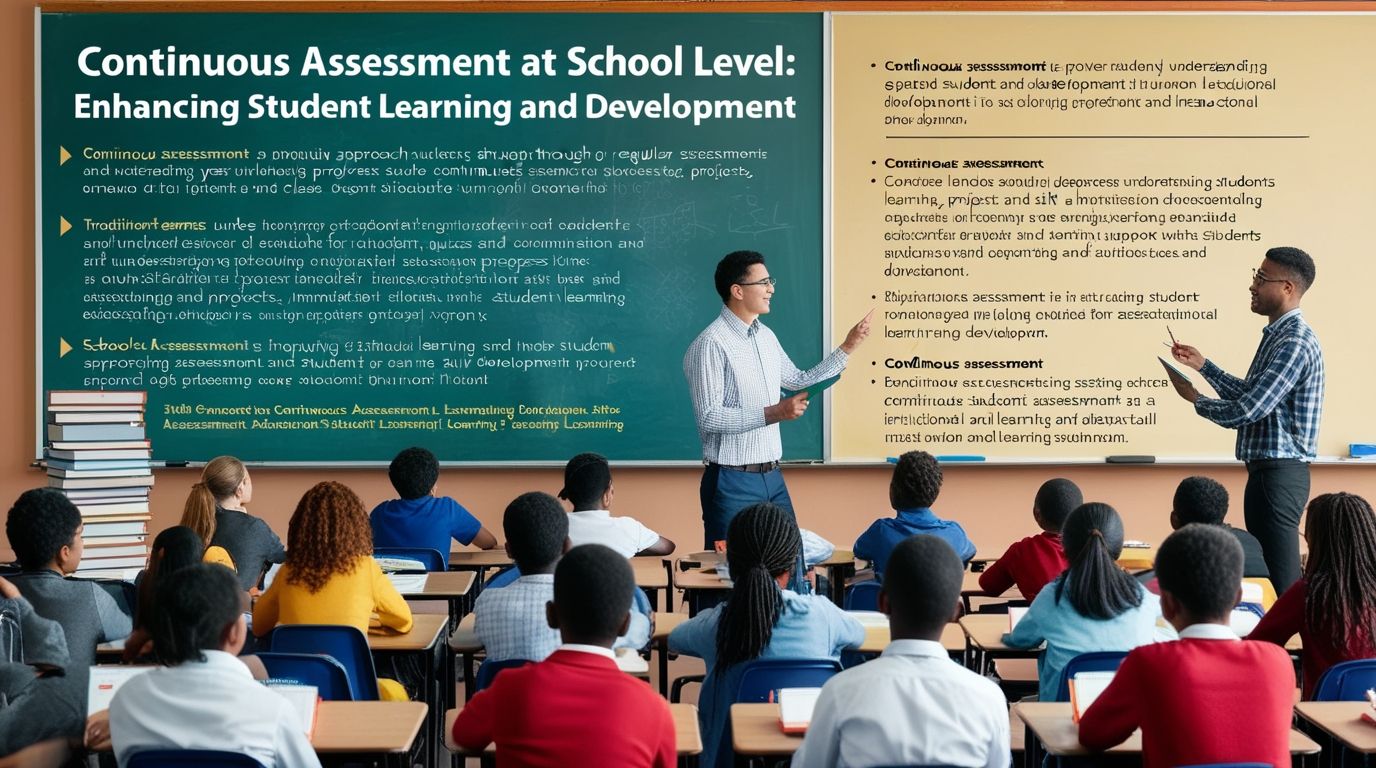
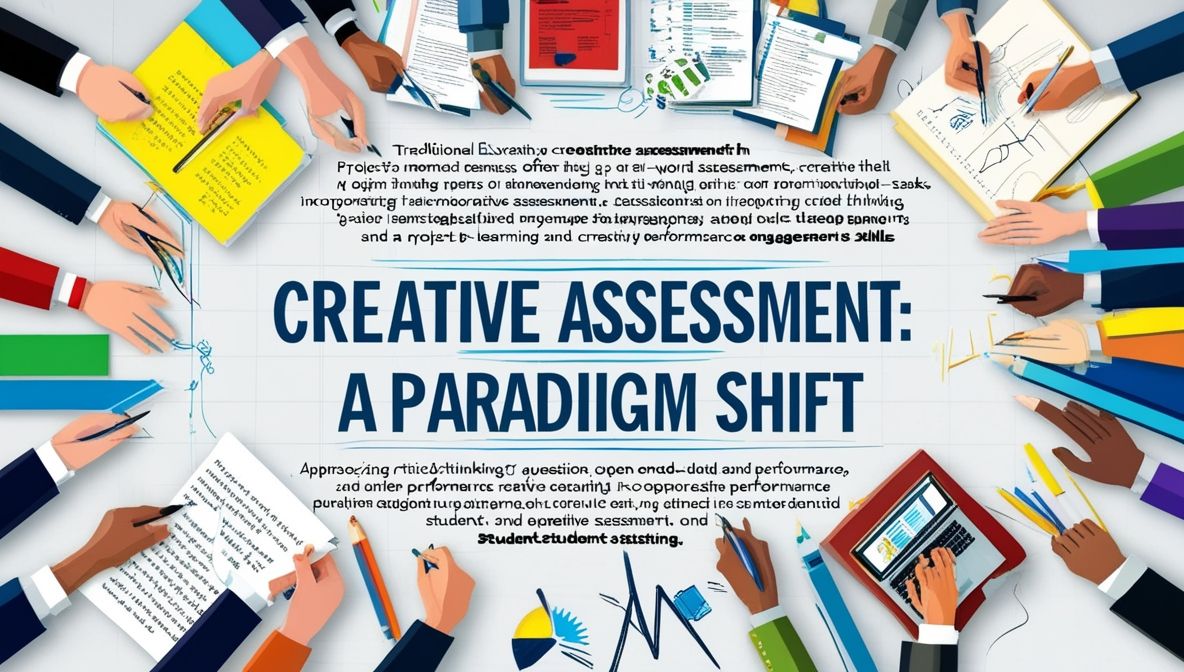
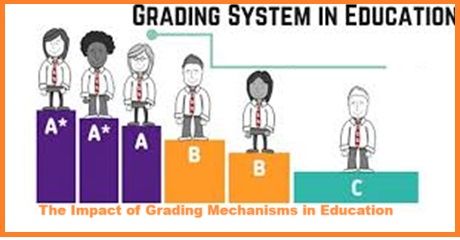
Assessment is closely connected with learning. Effective assessment measures not only memorization but also understanding, application, creativity, and critical thinking. There are two major forms of assessment:
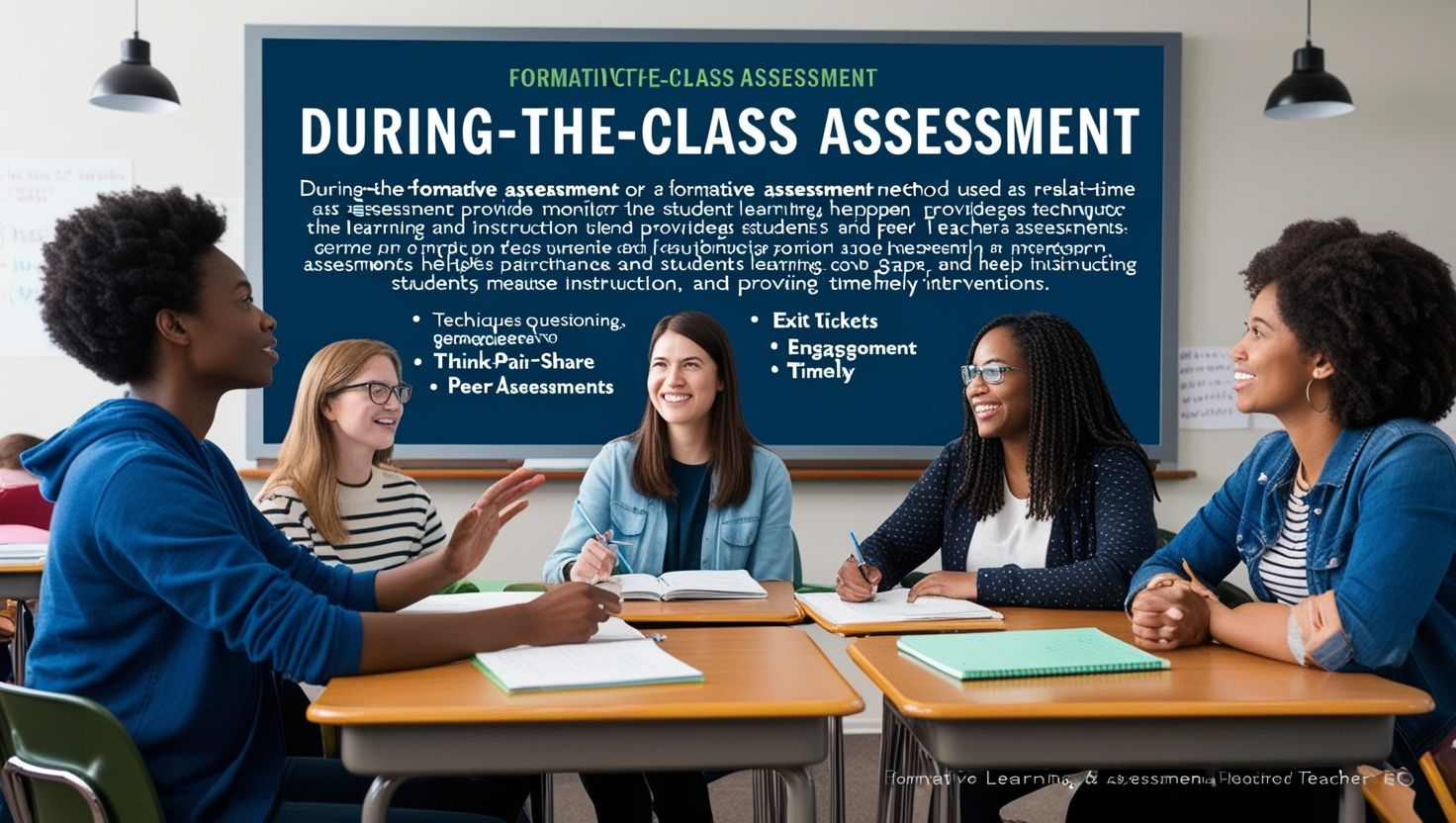
- Formative Assessment: Conducted during learning to provide feedback and improve instruction.
- Summative Assessment: Conducted at the end of instruction to evaluate achievement.
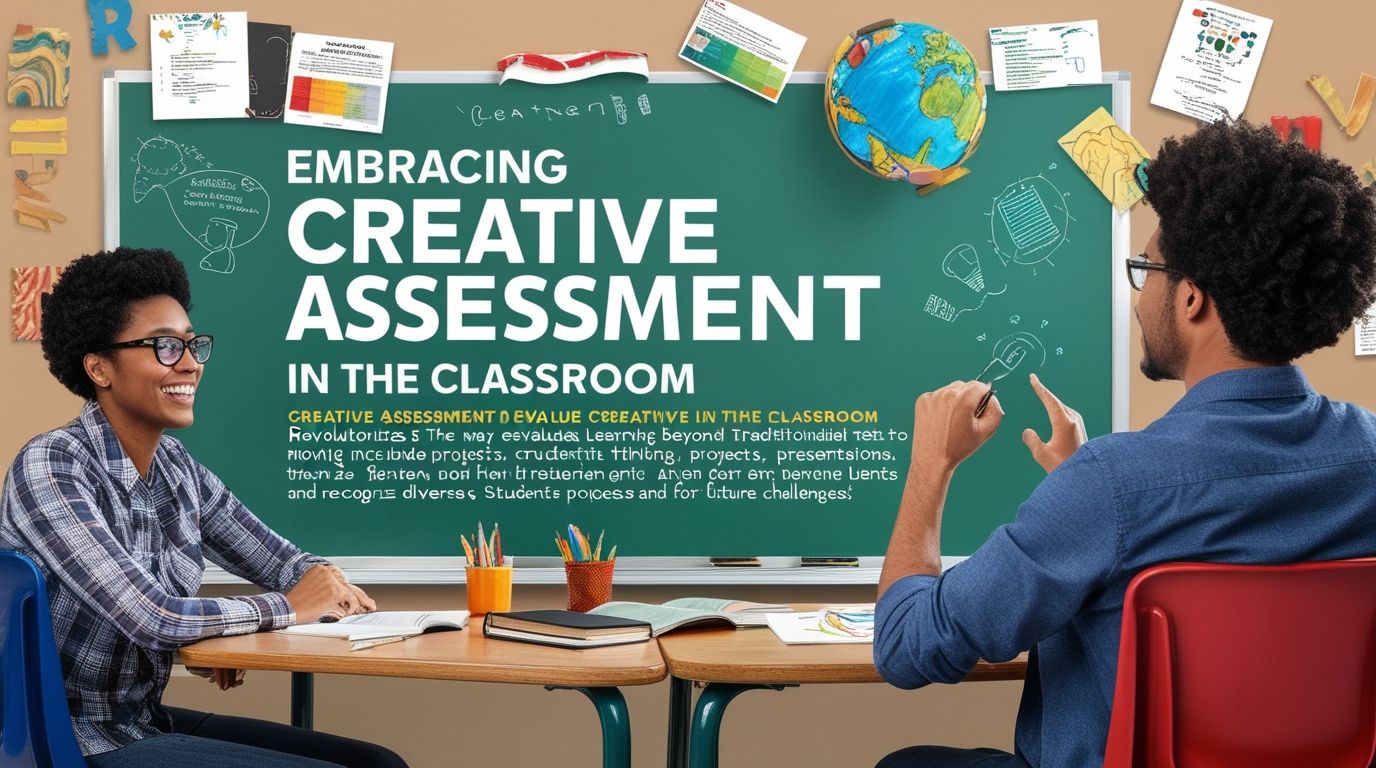
Modern assessment practices include portfolios, presentations, projects, peer assessment, performance tasks, and digital assessments.
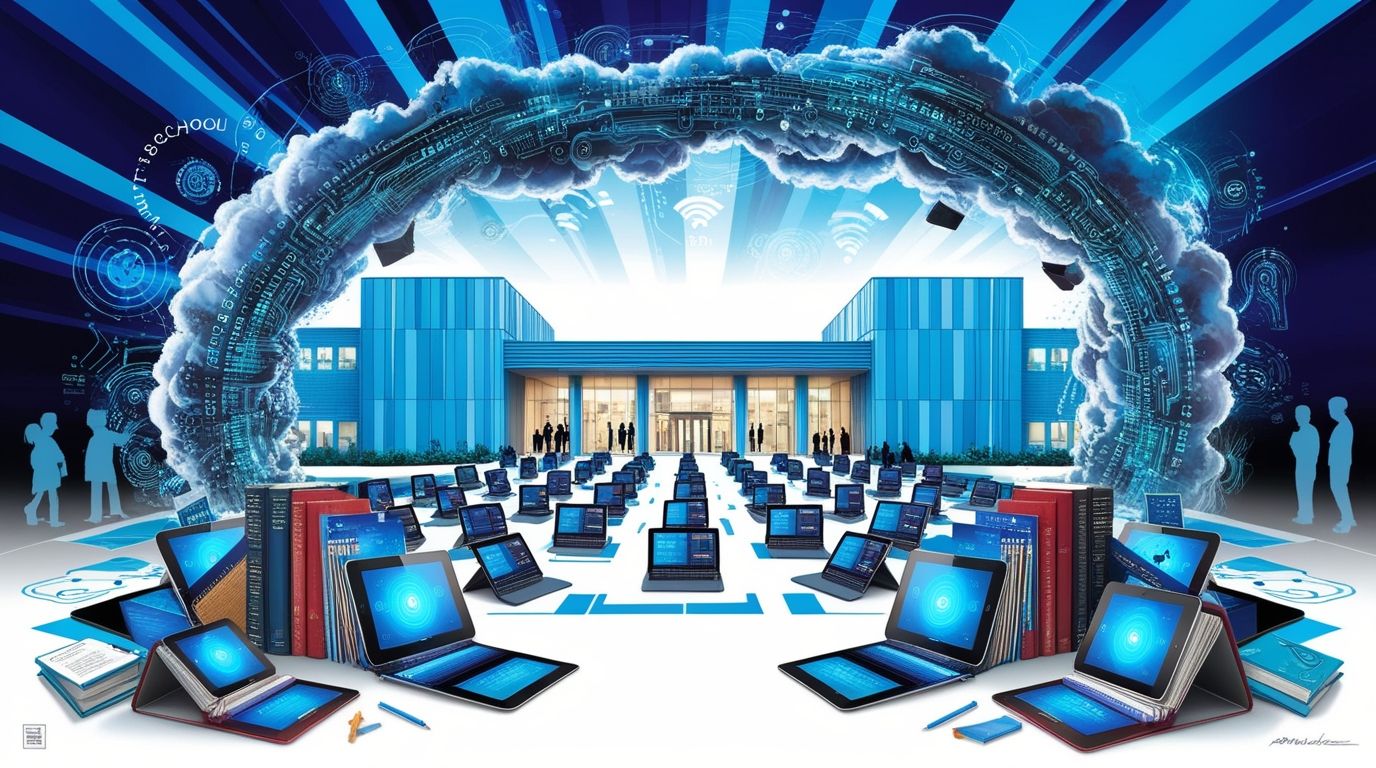
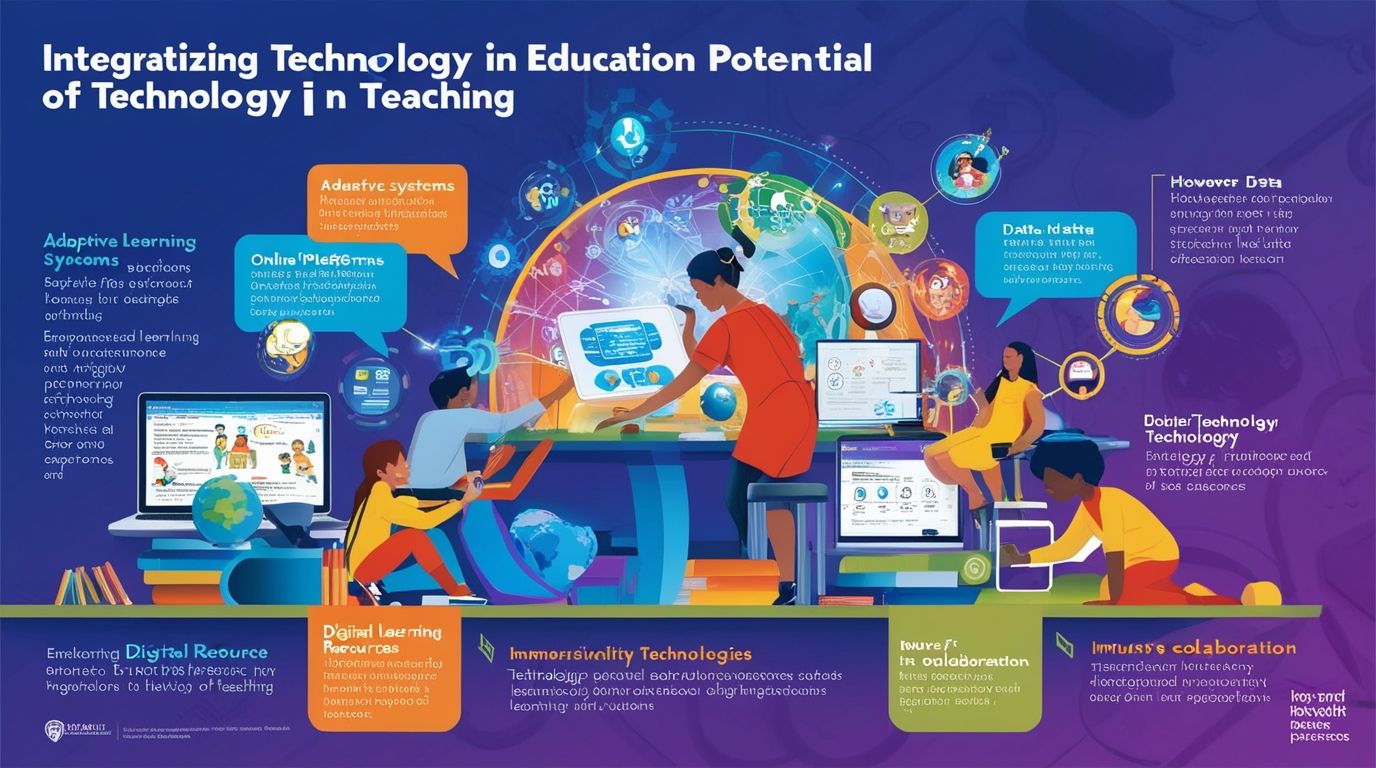
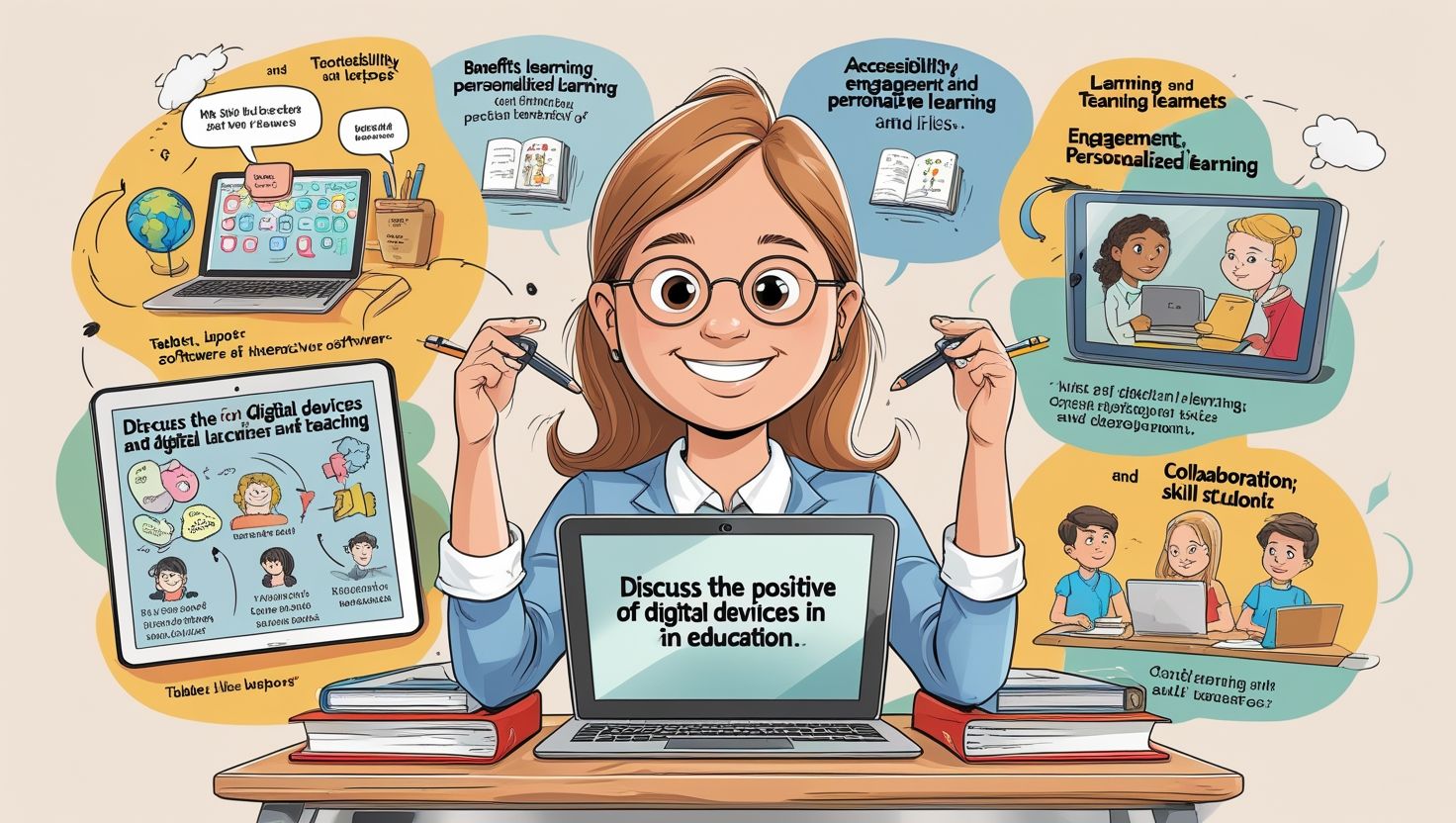
Technology and Learning
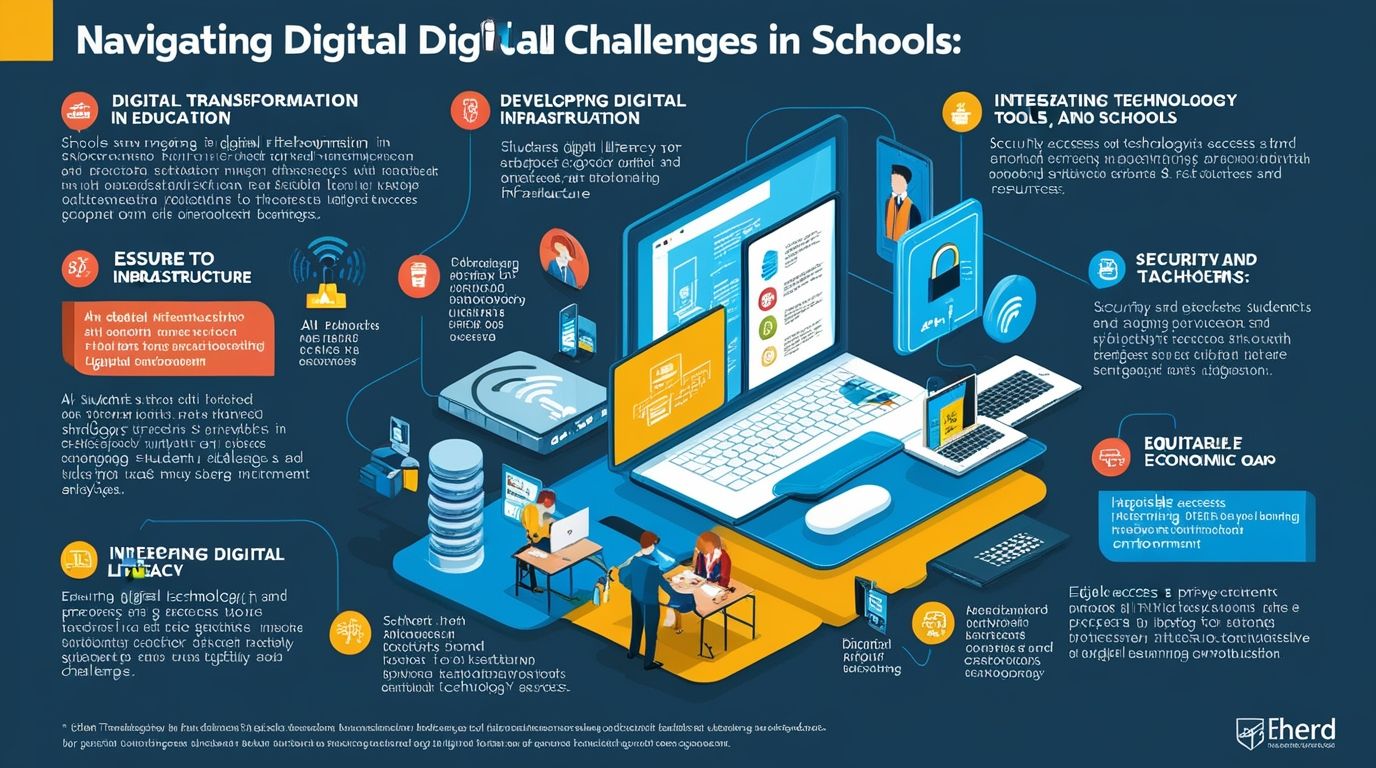
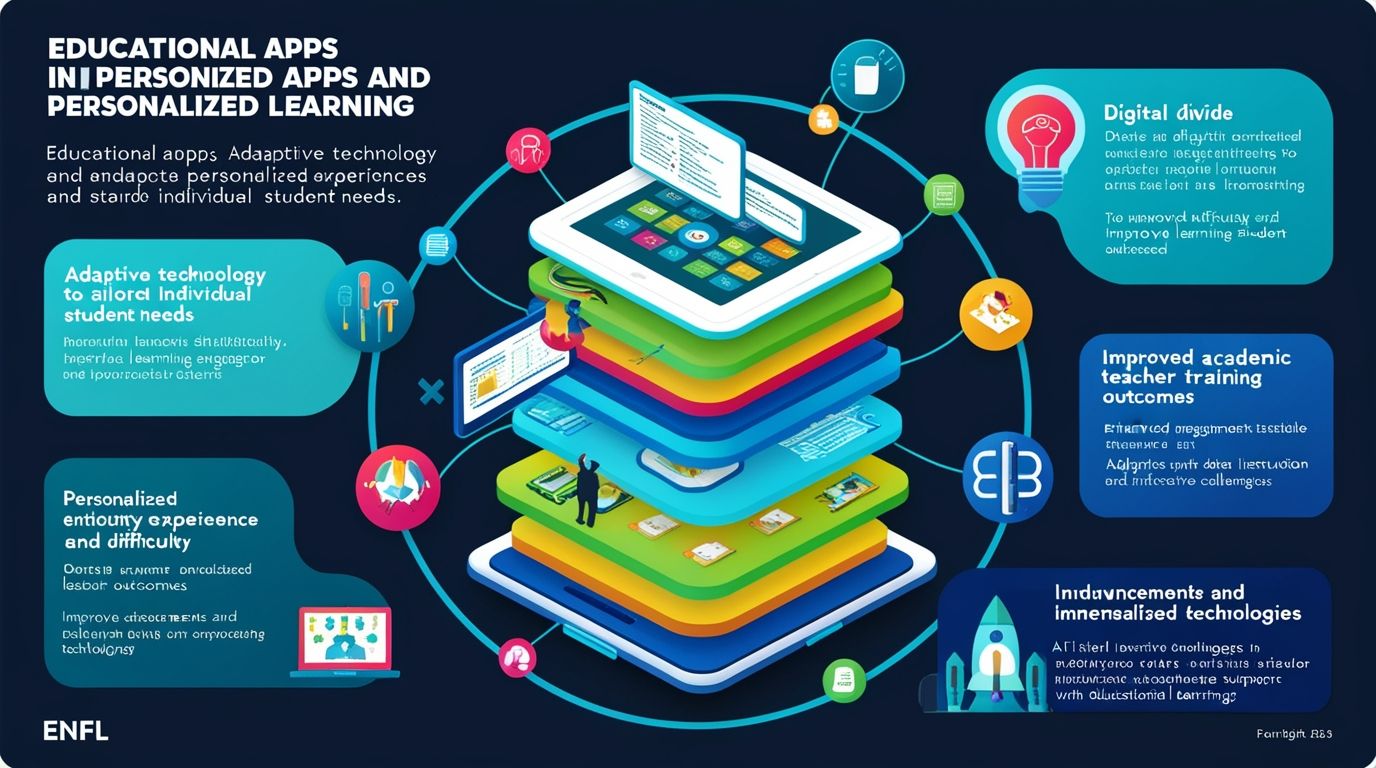
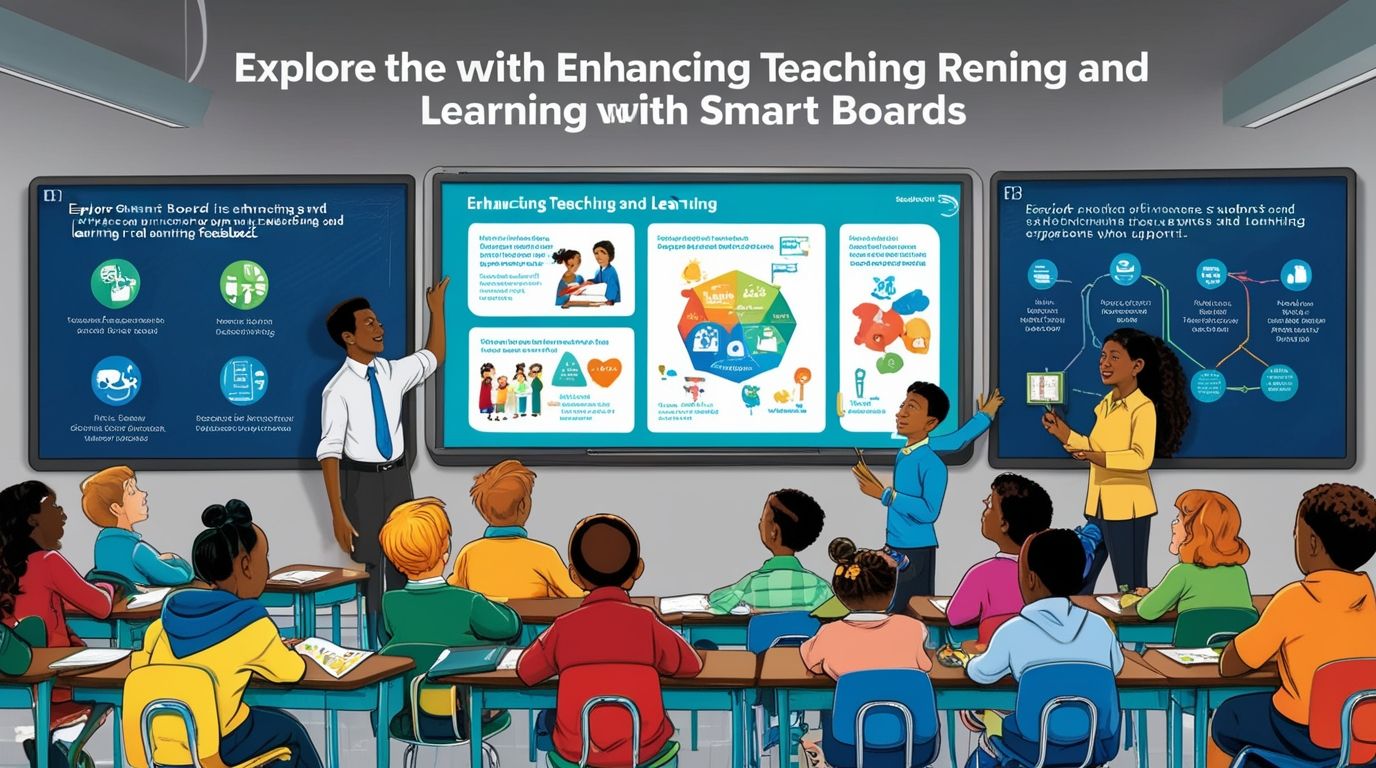
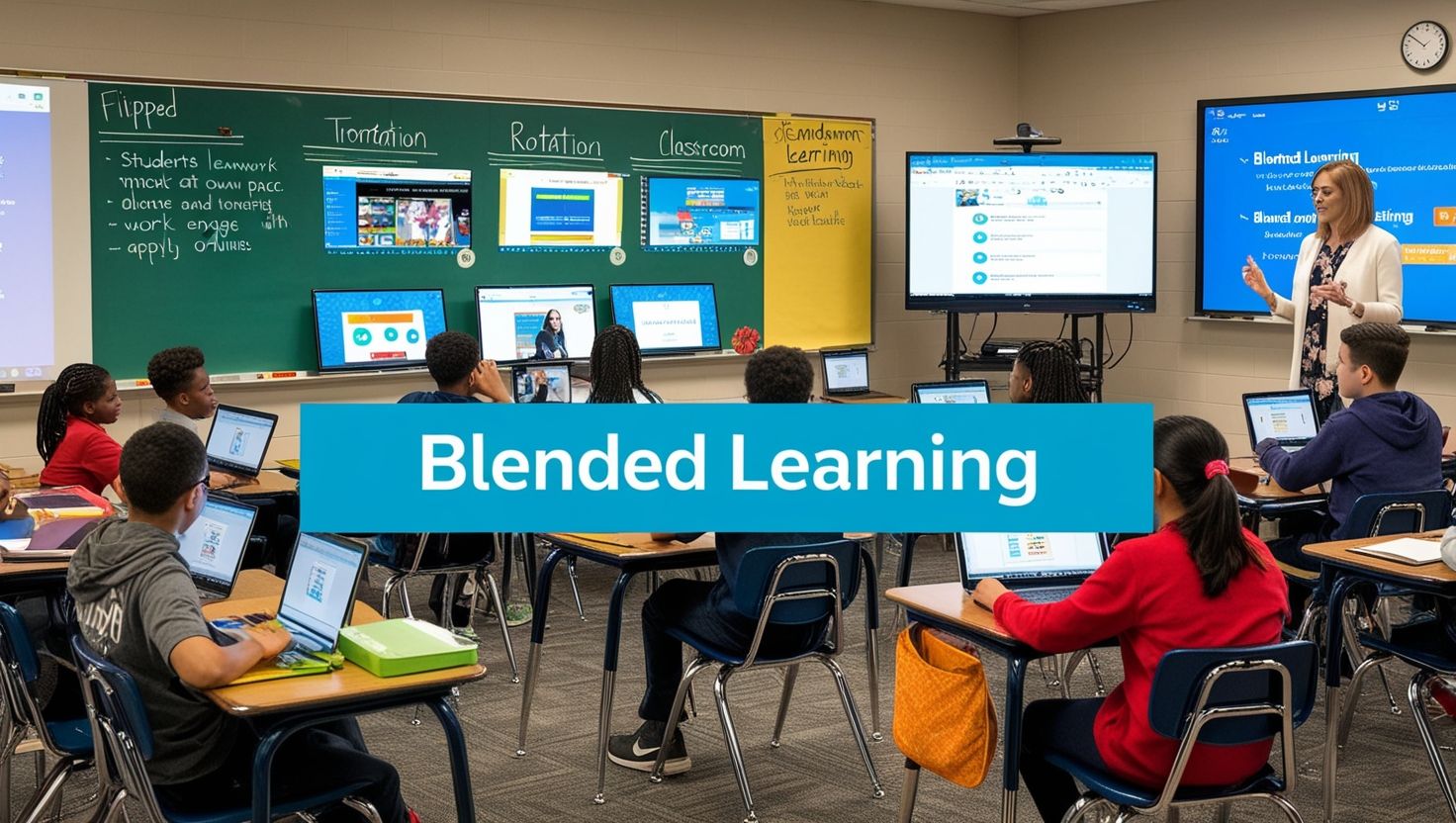
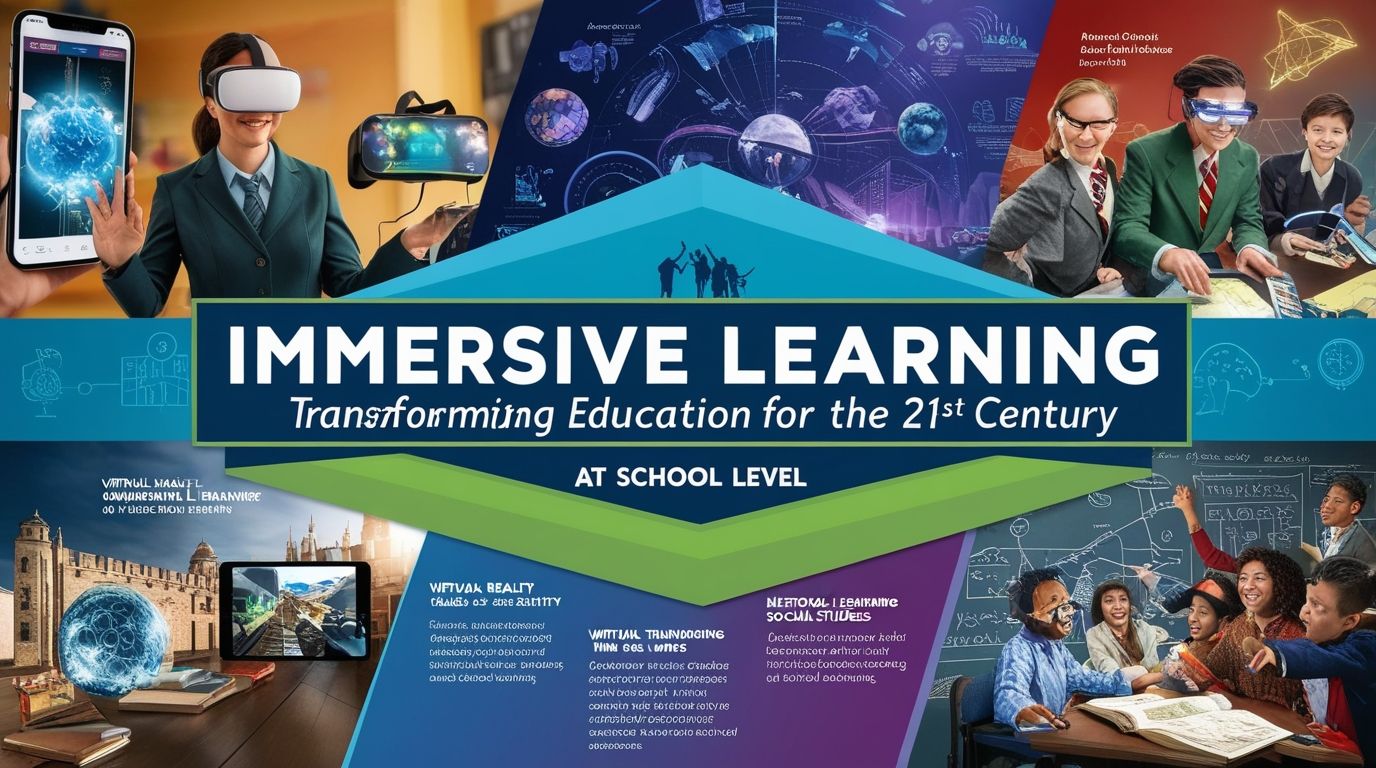
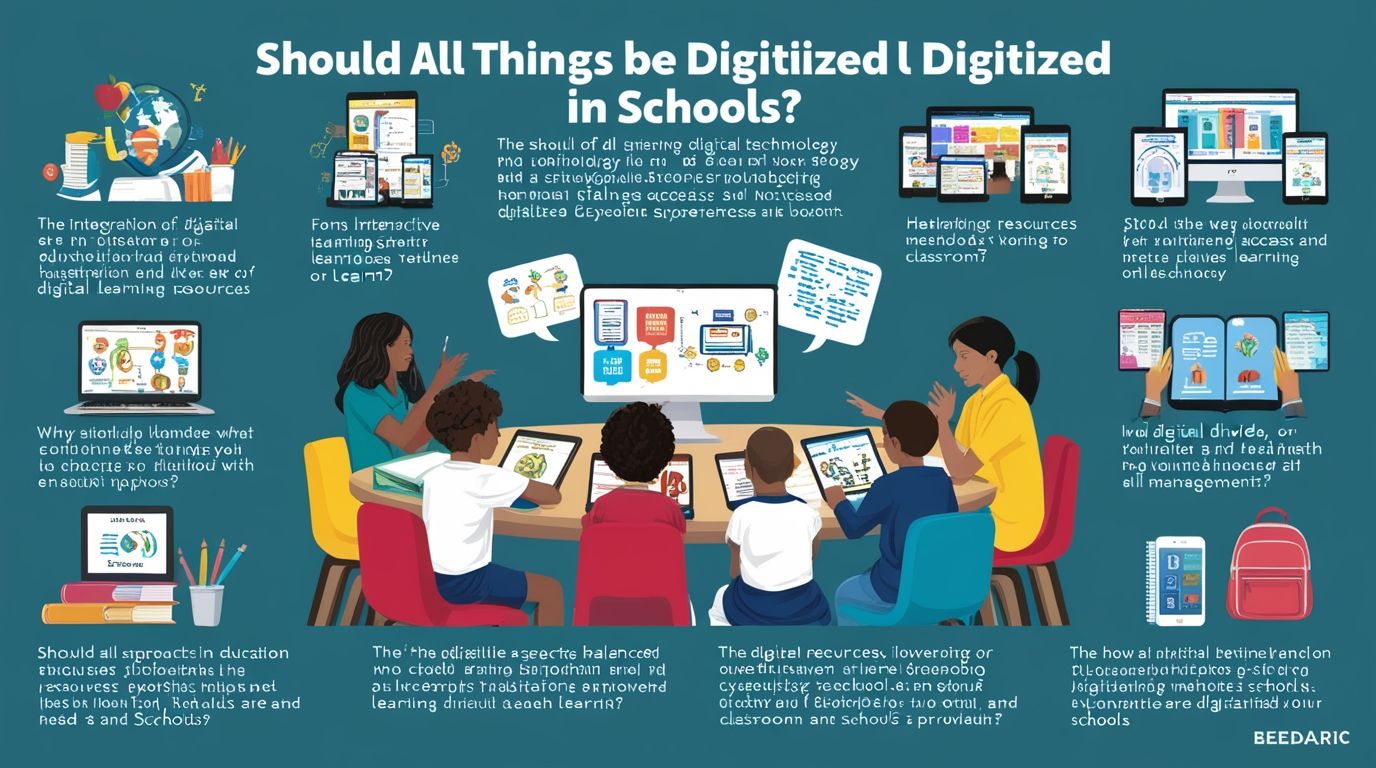
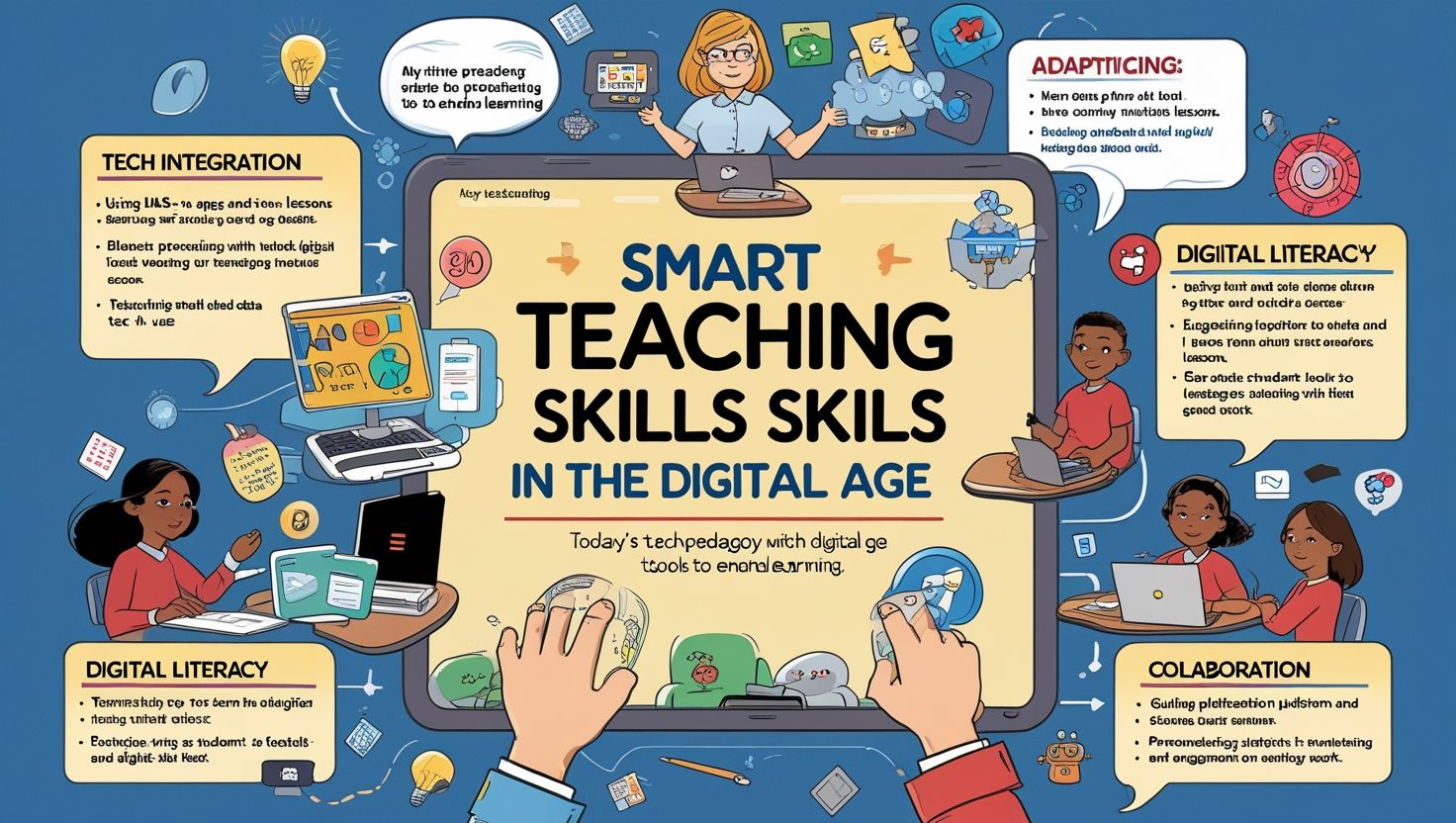
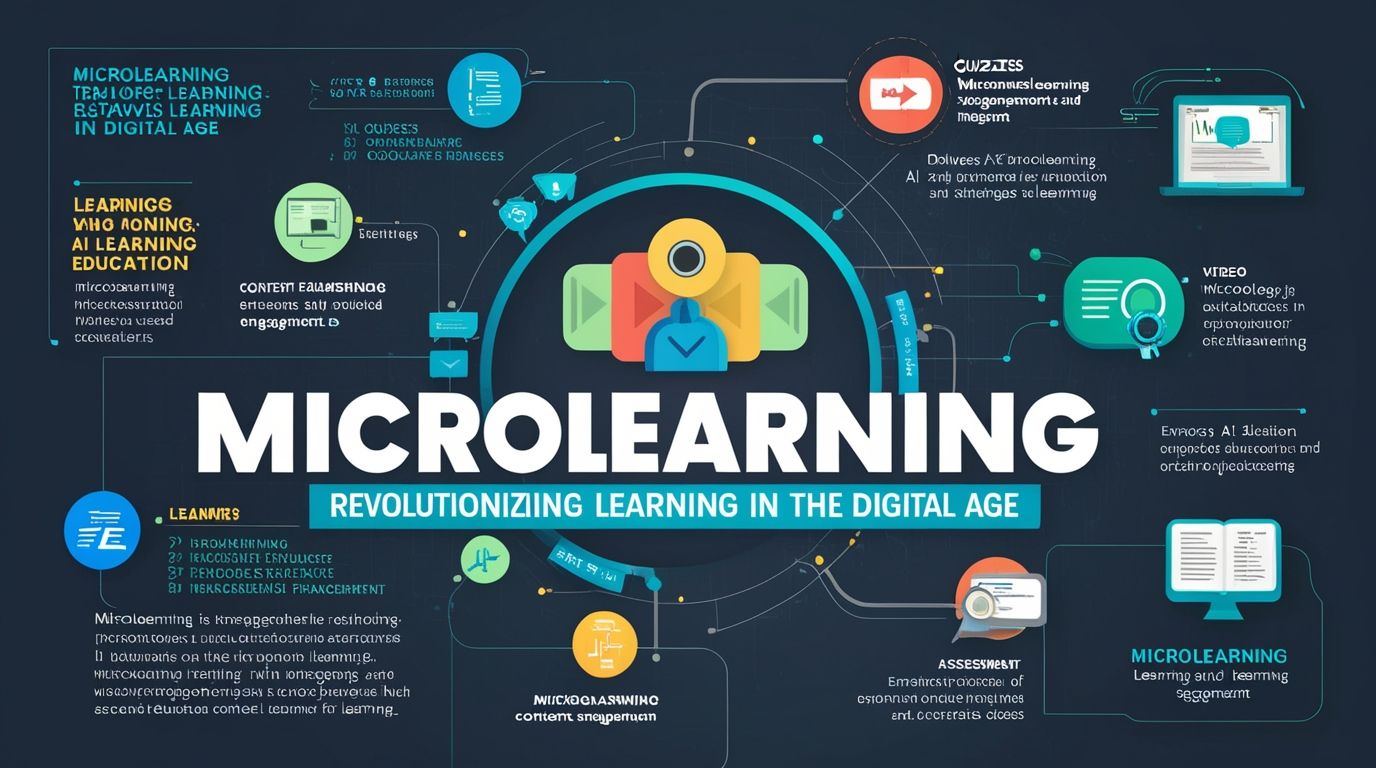
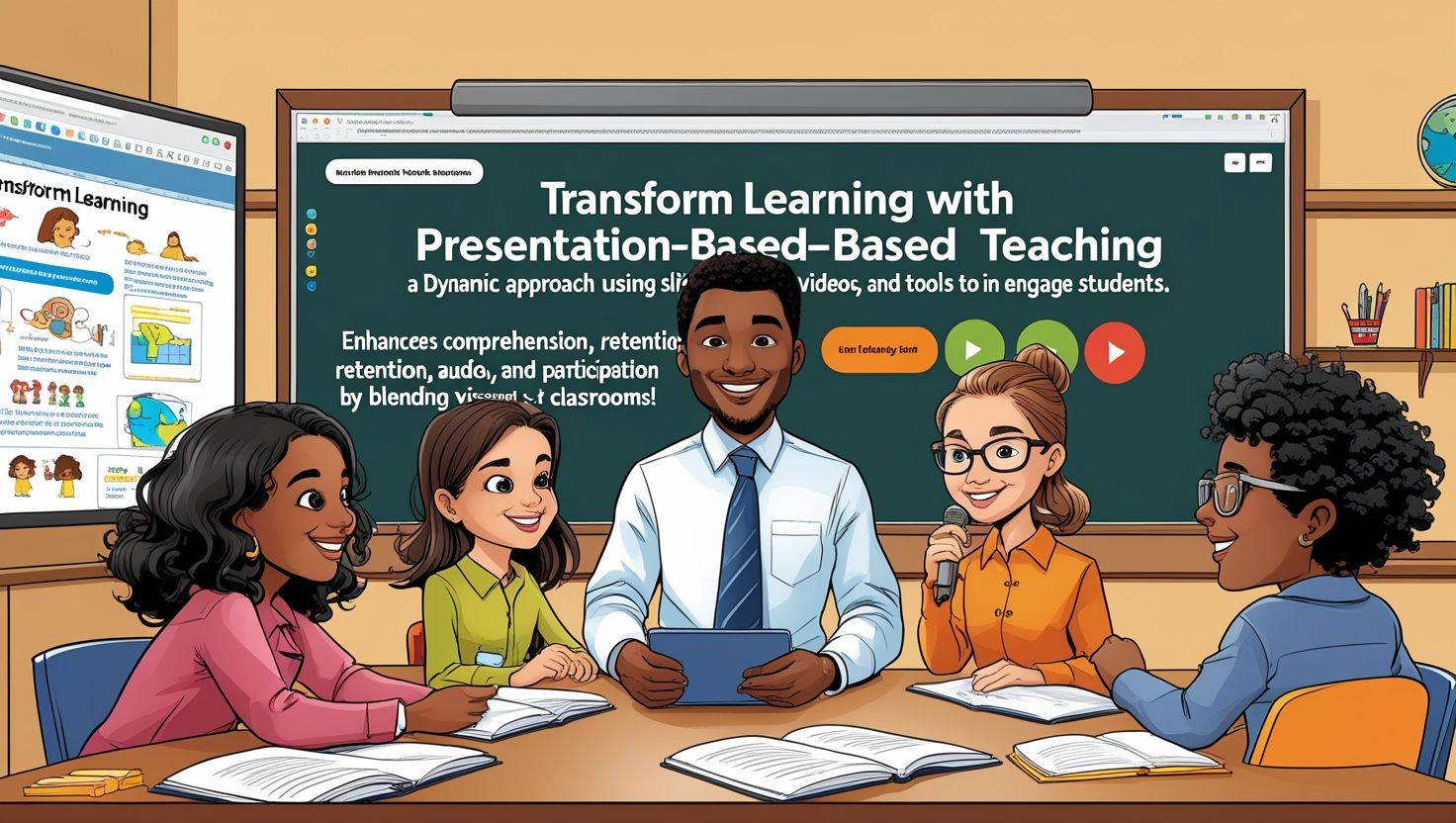
Technology has transformed learning opportunities. Digital tools enable access to online resources, virtual classrooms, educational videos, simulations, and collaborative platforms.
Technology-enhanced learning supports:
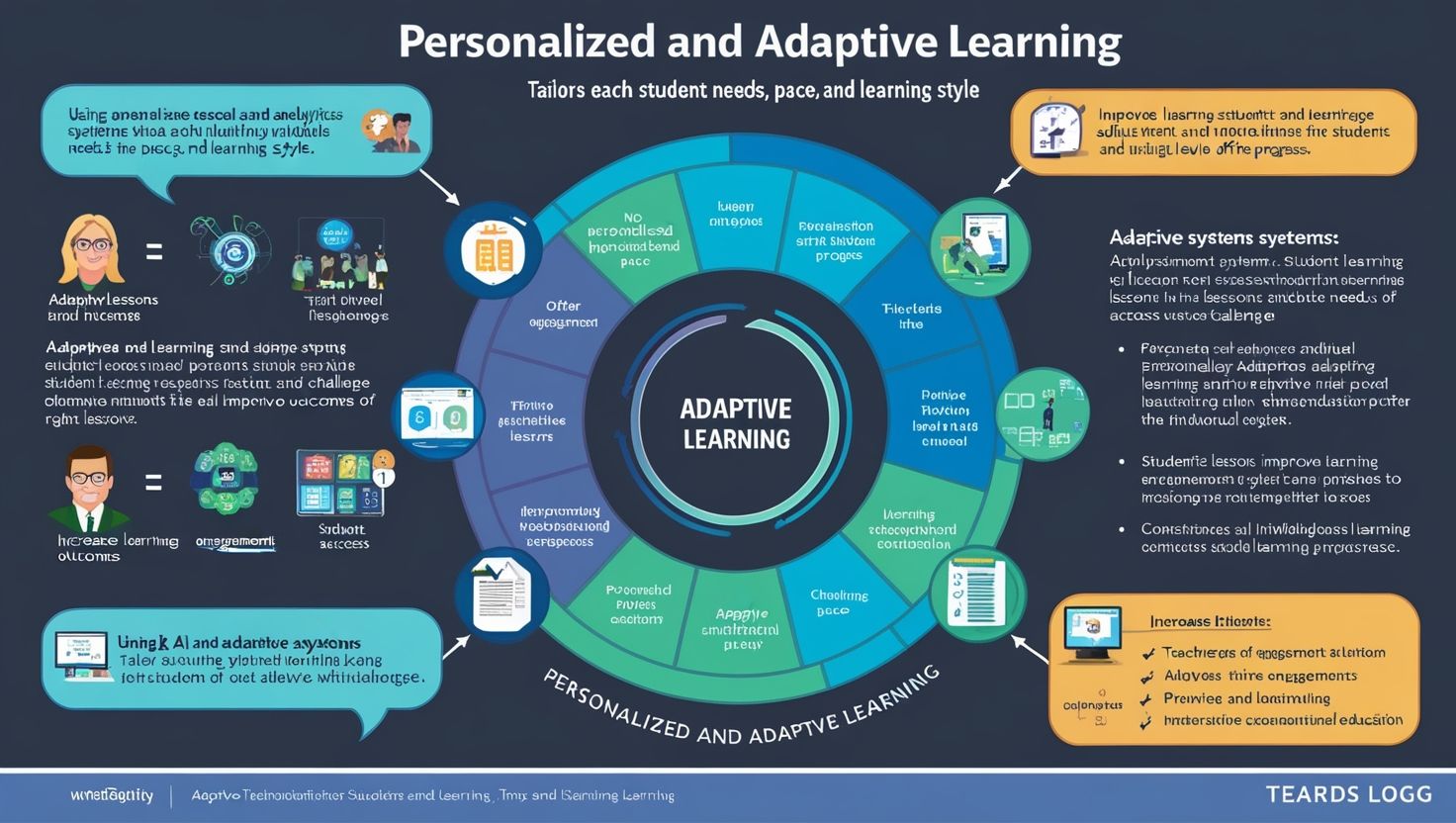
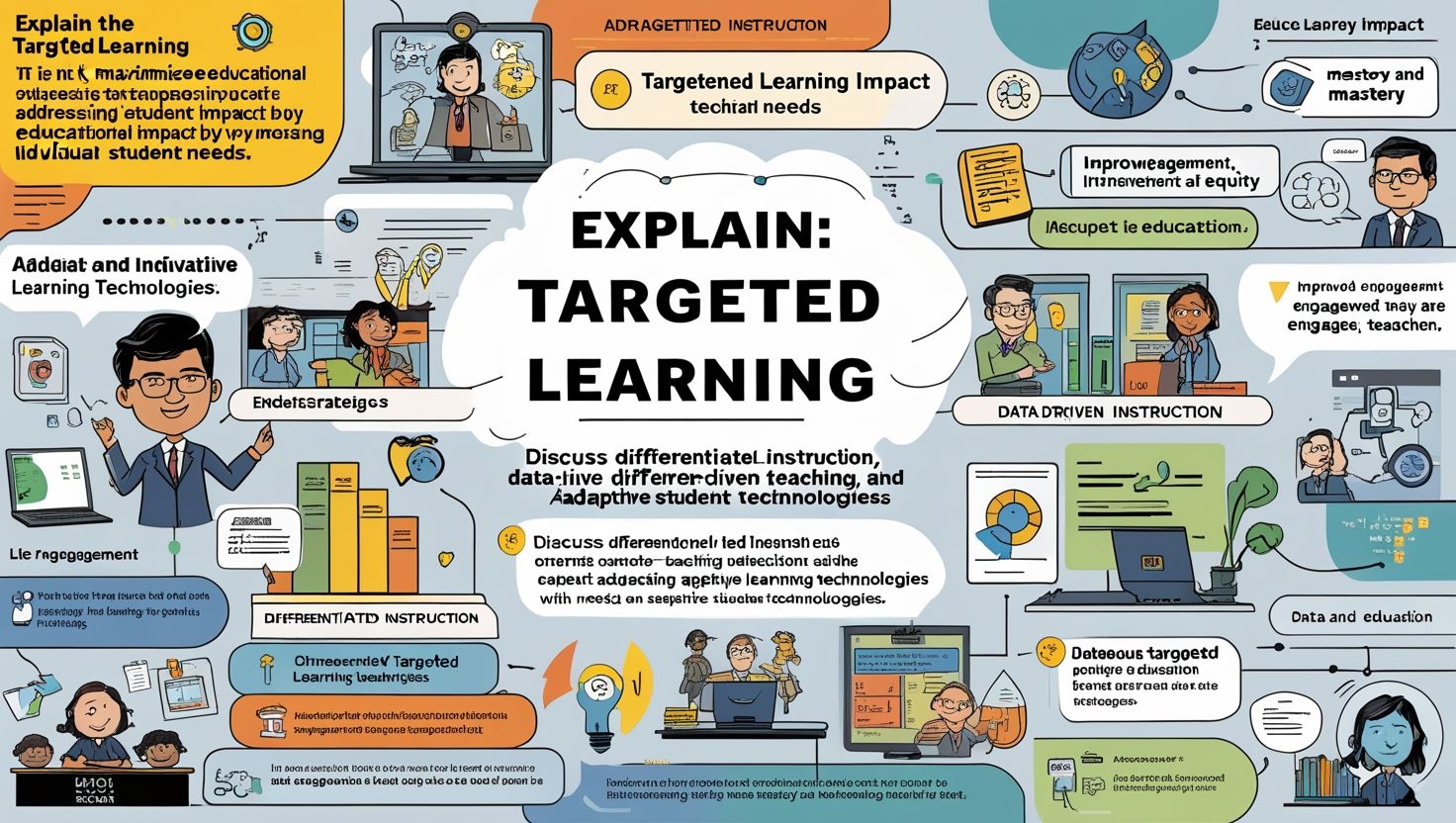
- Personalized learning.
- Distance education.
- Interactive instruction.
- Research and inquiry.
- Communication and collaboration.
- Flexible learning environments.
However, technology should support pedagogy rather than replace meaningful teacher-student interaction.
Interrelationship Among Curriculum, Textbooks, Teachers, Students, and Learning
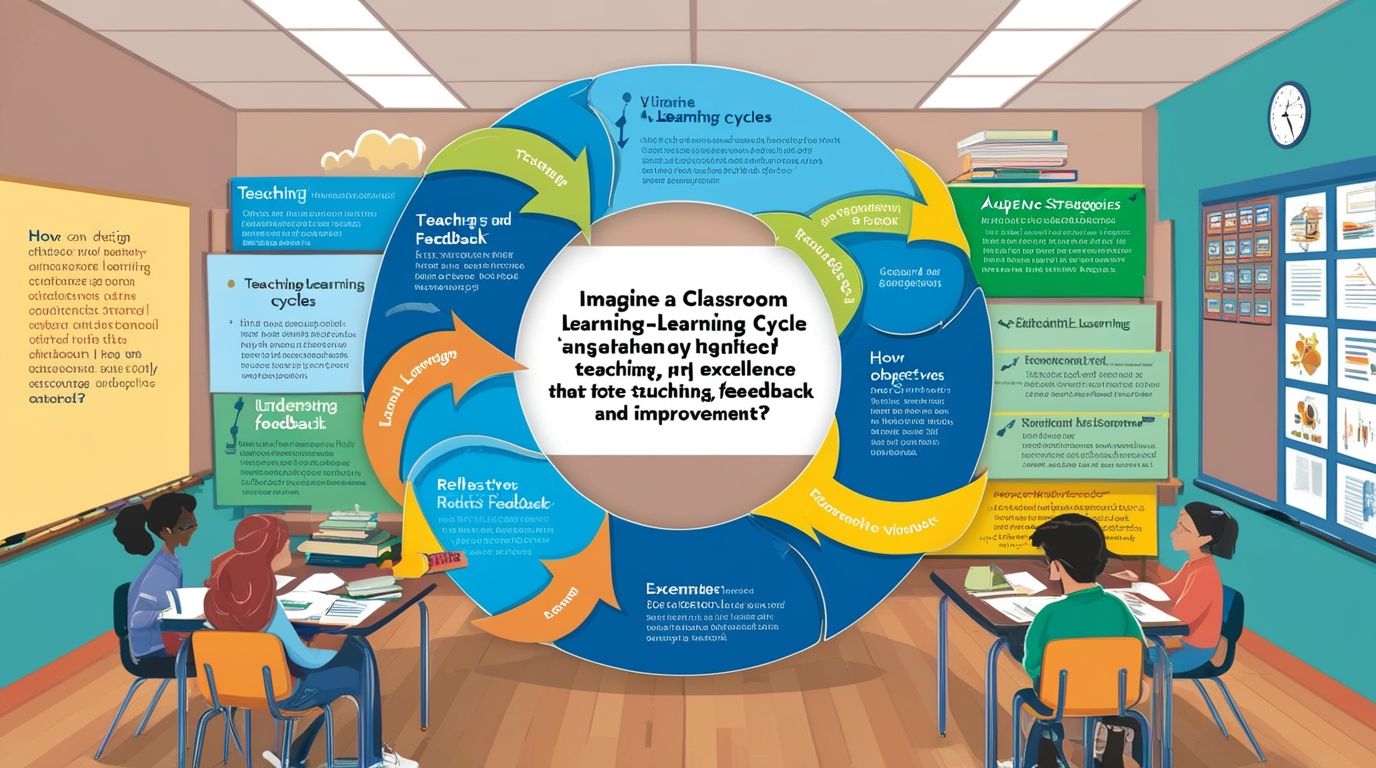
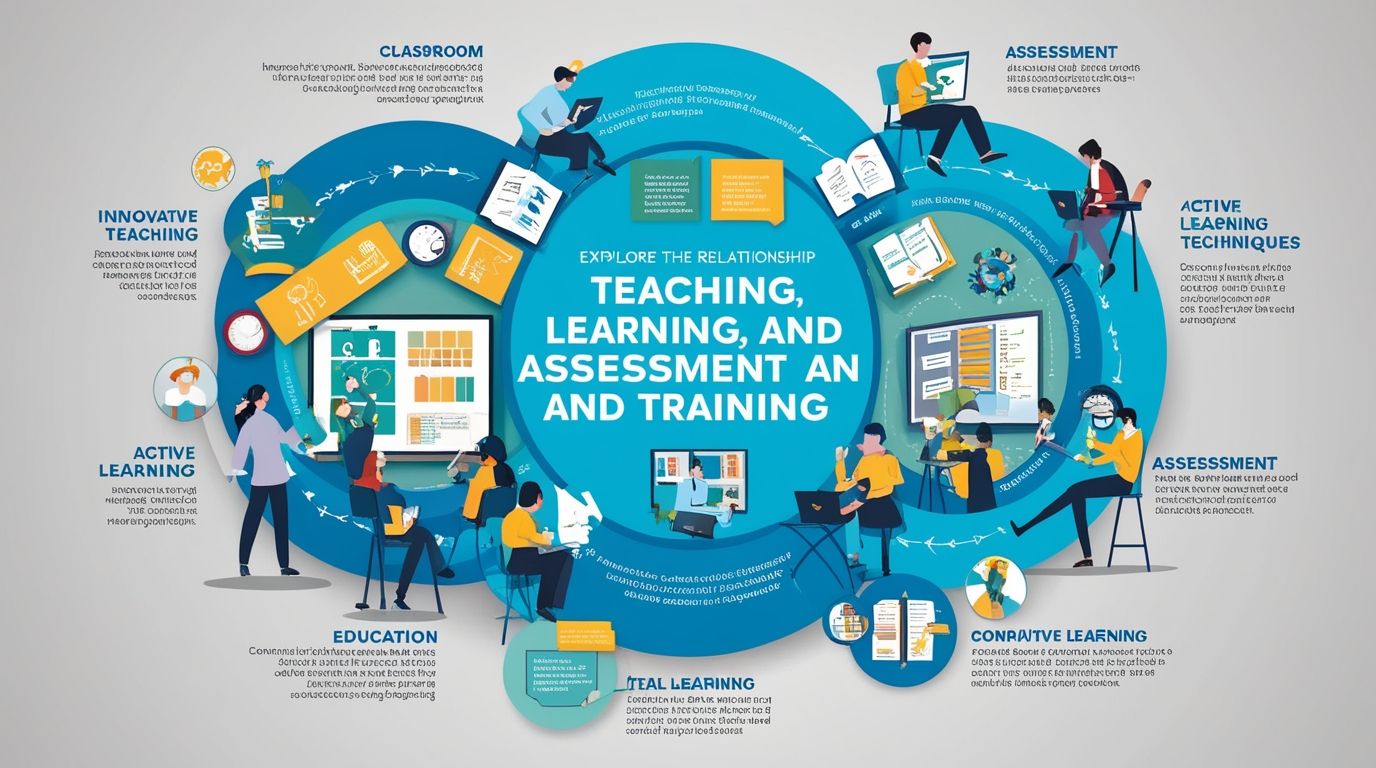
The educational process depends on the effective interaction among curriculum, textbooks, teachers, students, and learning.
- The curriculum defines educational goals and outcomes.
- Textbooks provide organized instructional content.
- Teachers implement curriculum and facilitate learning.
- Students actively engage with knowledge and experiences.
- Learning represents the final educational outcome.
These components are interconnected. If the curriculum lacks relevance, textbooks become ineffective. Textbooks are poorly designed, teachers face instructional difficulties. If teachers are untrained, student engagement decreases. If students are unmotivated, meaningful learning does not occur.
Educational improvement therefore requires a holistic approach where all components are aligned and continuously strengthened.
Educational Reforms for the Future
Modern educational systems must adapt to changing global realities. Future educational reforms should focus on:
1. Curriculum Innovation
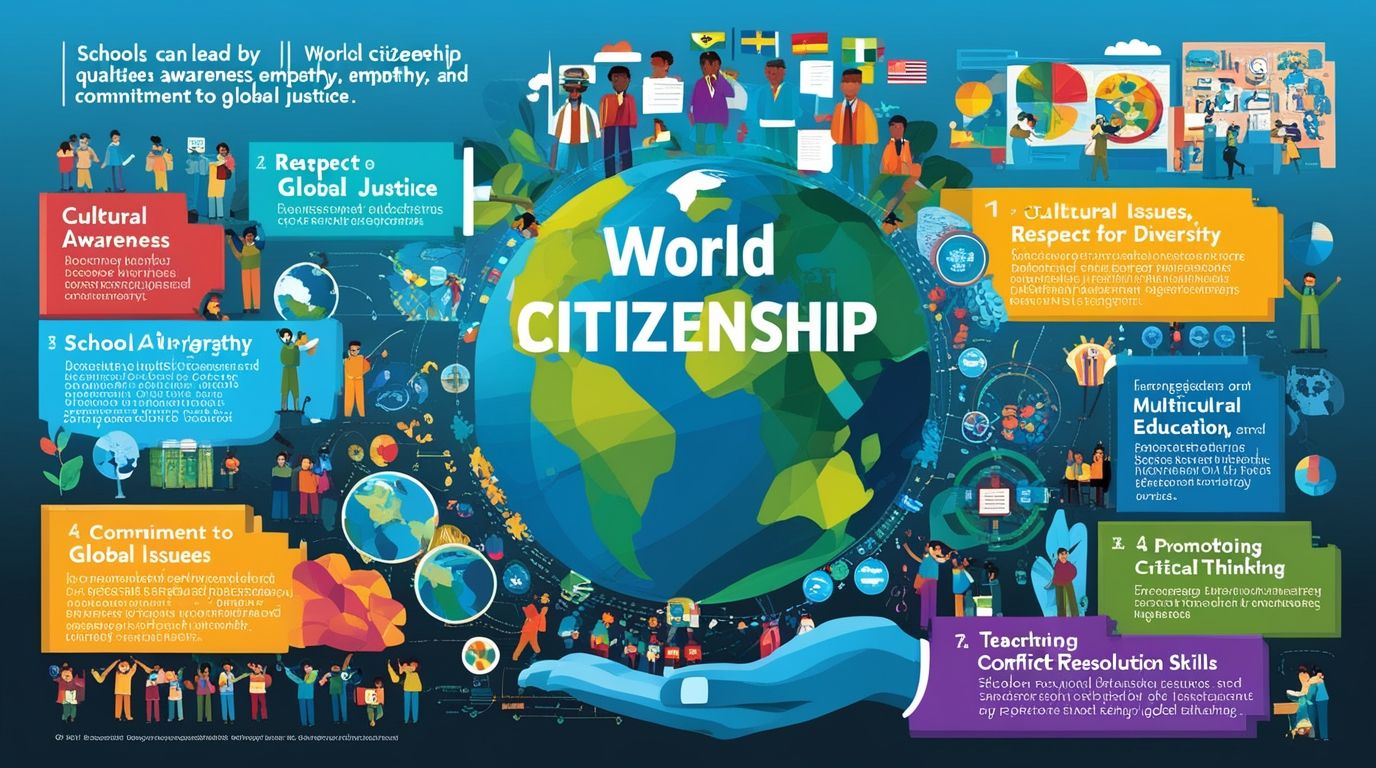
Curricula should emphasize critical thinking, creativity, digital literacy, environmental awareness, entrepreneurship, and global citizenship.
2. Quality Textbook Development
Textbooks should become interactive, research-based, culturally inclusive, and technologically integrated.
3. Teacher Empowerment
Governments and institutions should invest in teacher training, professional development, and educational leadership.
4. Student Well-Being
Educational institutions should support mental health, emotional intelligence, inclusivity, and student participation.
5. Transformative Learning
Learning should prepare students for lifelong adaptation, innovation, and responsible citizenship rather than examination success alone.
6. Integration of Technology
Technology should be integrated thoughtfully to enhance accessibility, collaboration, creativity, and personalized learning.
Conclusion
Curriculum, textbooks, teachers, students, and learning are the essential pillars of education. Their relationship determines the quality, relevance, and effectiveness of educational systems. A strong curriculum provides direction, quality textbooks support instruction, competent teachers facilitate meaningful experiences, motivated students actively participate, and effective learning produces knowledgeable and responsible citizens.
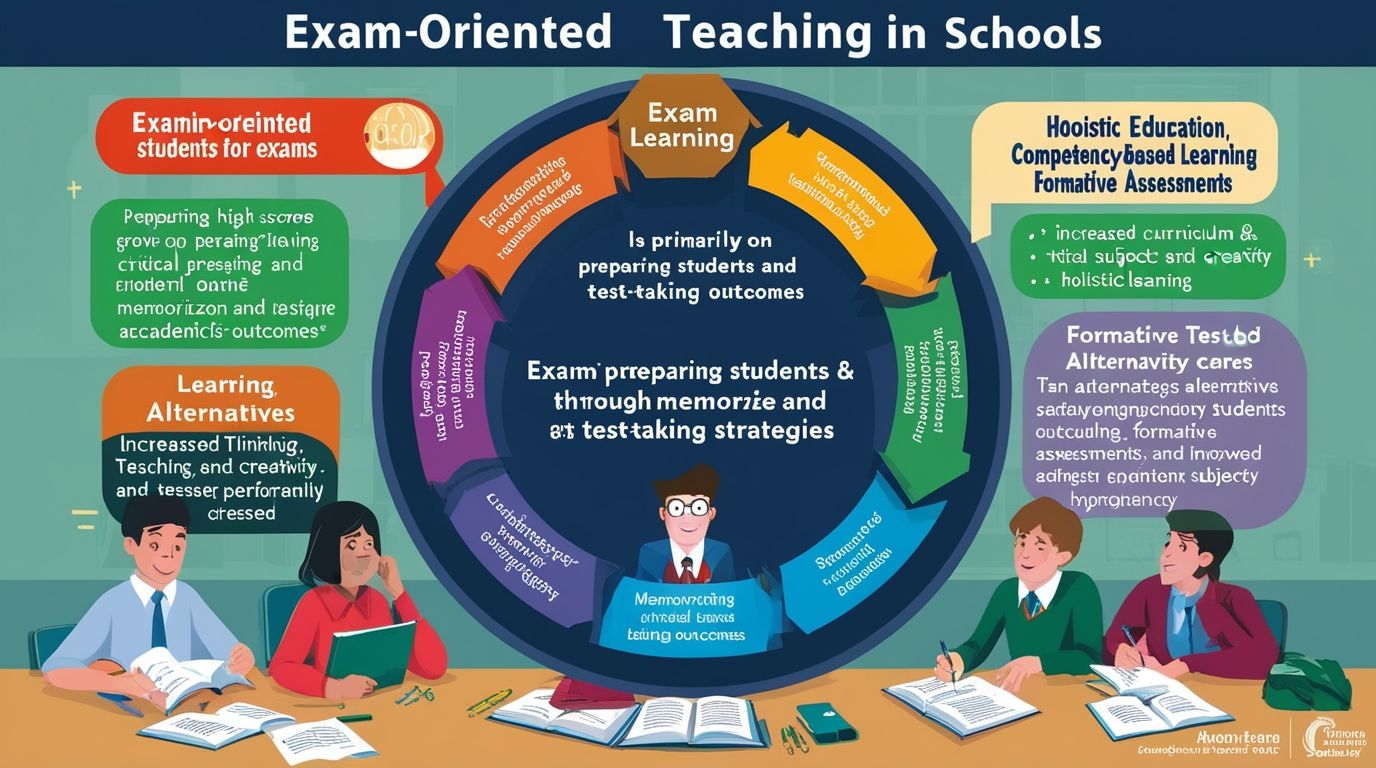
In the 21st century, education must move beyond rote memorization and examination-oriented practices toward inquiry, creativity, collaboration, critical thinking, and lifelong learning. Educational stakeholders including policymakers, curriculum developers, textbook authors, teachers, parents, and communities must work together to strengthen these interconnected components.
The future of humanity depends on educational systems that empower learners with knowledge, values, skills, and wisdom. By improving curriculum design, textbook quality, teacher professionalism, student engagement, and learning practices, societies can create educational environments that promote peace, progress, innovation, and sustainable development.