Introduction
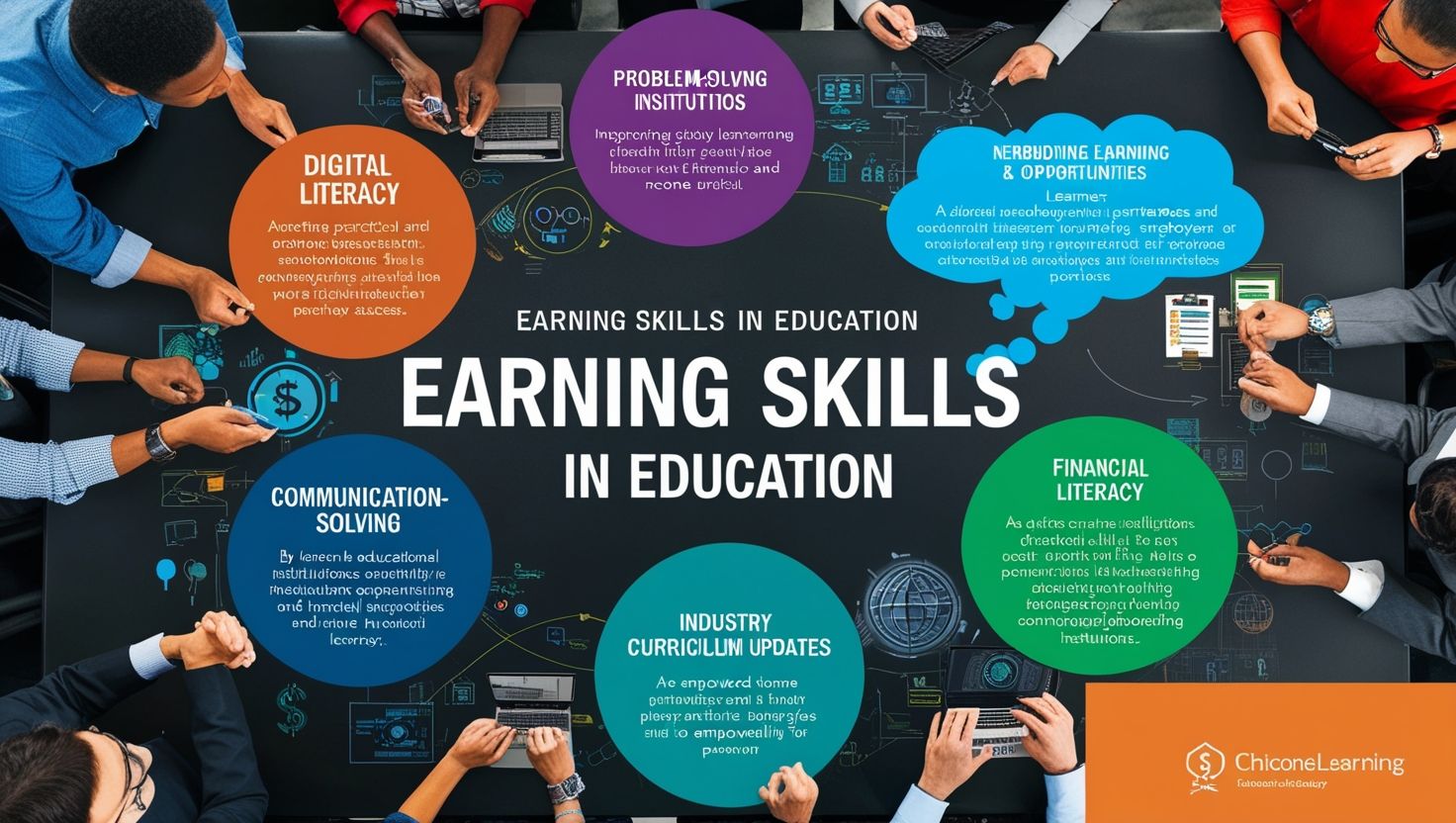
Education, Training and Skills vs Knowledge, Skills and Attitude (KSA), The modern world is characterized by rapid technological advancements, globalization, and evolving workplace demands. In such an environment, individuals require more than academic qualifications to succeed. Educational institutions, employers, and policymakers increasingly focus on developing competencies that prepare individuals for lifelong learning and professional excellence. Two important frameworks that guide human development are Education, Training and Skills (ETS) and Knowledge, Skills and Attitude (KSA). Although these concepts are often discussed separately, they are closely interconnected and collectively contribute to individual and organizational success.
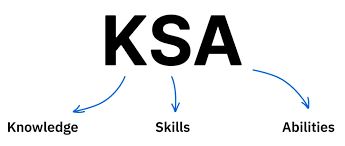
Education provides theoretical understanding, training develops practical competencies, and skills enable individuals to perform tasks effectively. Similarly, the KSA framework emphasizes the importance of possessing relevant knowledge, practical abilities, and positive attitudes. While ETS focuses primarily on learning processes and competency development, KSA highlights the behavioral and psychological dimensions of performance. Understanding the similarities and differences between these frameworks is essential for creating effective educational systems and workforce development programs.
Understanding Education
Education is a systematic process of acquiring knowledge, values, beliefs, and intellectual abilities through formal, informal, and non-formal learning experiences. It aims to develop critical thinking, creativity, communication skills, and problem-solving abilities. Education extends beyond classroom instruction and contributes to the overall development of an individual.
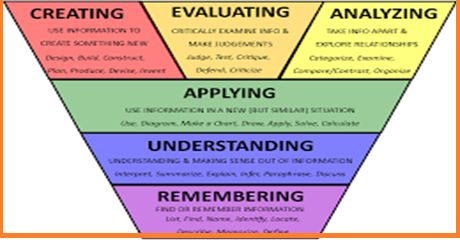
The primary objective of education is not merely to transfer information but to help learners understand concepts, evaluate evidence, and apply knowledge in real-life situations. Educational systems play a vital role in preparing responsible citizens who can contribute positively to society. Through education, individuals gain awareness of social, cultural, economic, and scientific issues that shape the world around them.
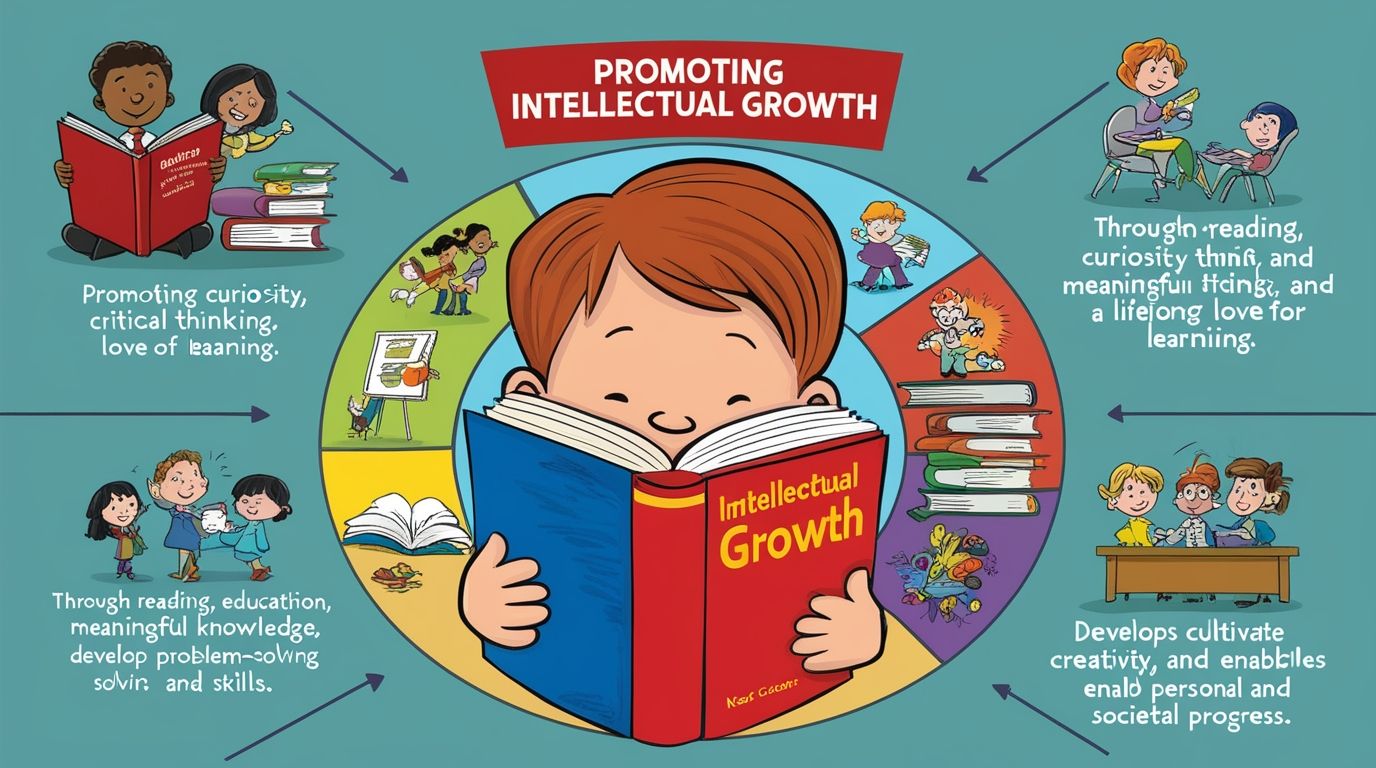
Education also promotes lifelong learning by encouraging curiosity and continuous intellectual growth. In the knowledge economy, education serves as the foundation for innovation, productivity, and sustainable development.
Understanding Training
Training refers to a structured process designed to improve specific competencies and performance in a particular area. Unlike education, which is broad and conceptual, training is practical and task-oriented. It focuses on developing the abilities required to perform specific duties effectively.
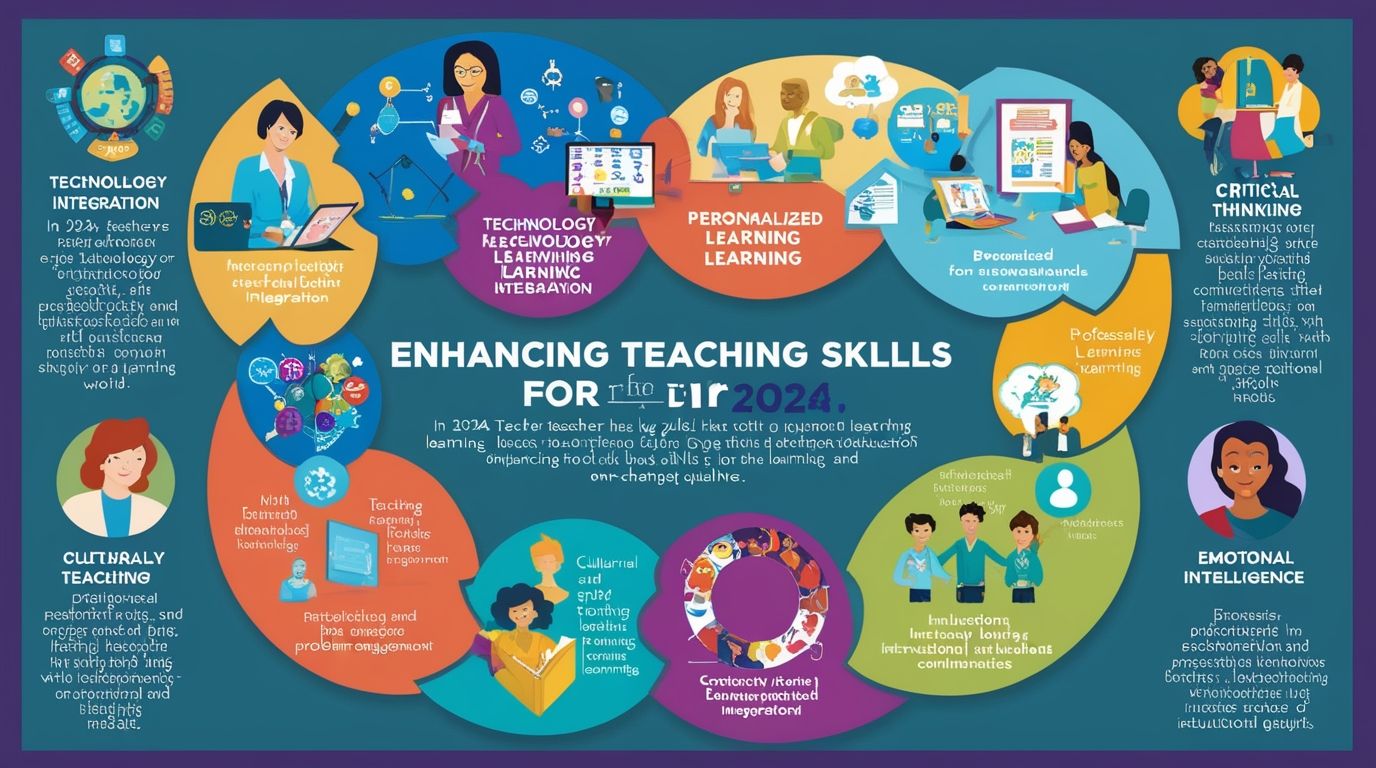
Organizations invest heavily in training programs to enhance employee performance, productivity, and adaptability. Training can take various forms, including workshops, seminars, simulations, mentoring programs, and on-the-job learning experiences. Effective training enables individuals to acquire new techniques, improve existing capabilities, and adapt to changing professional requirements.
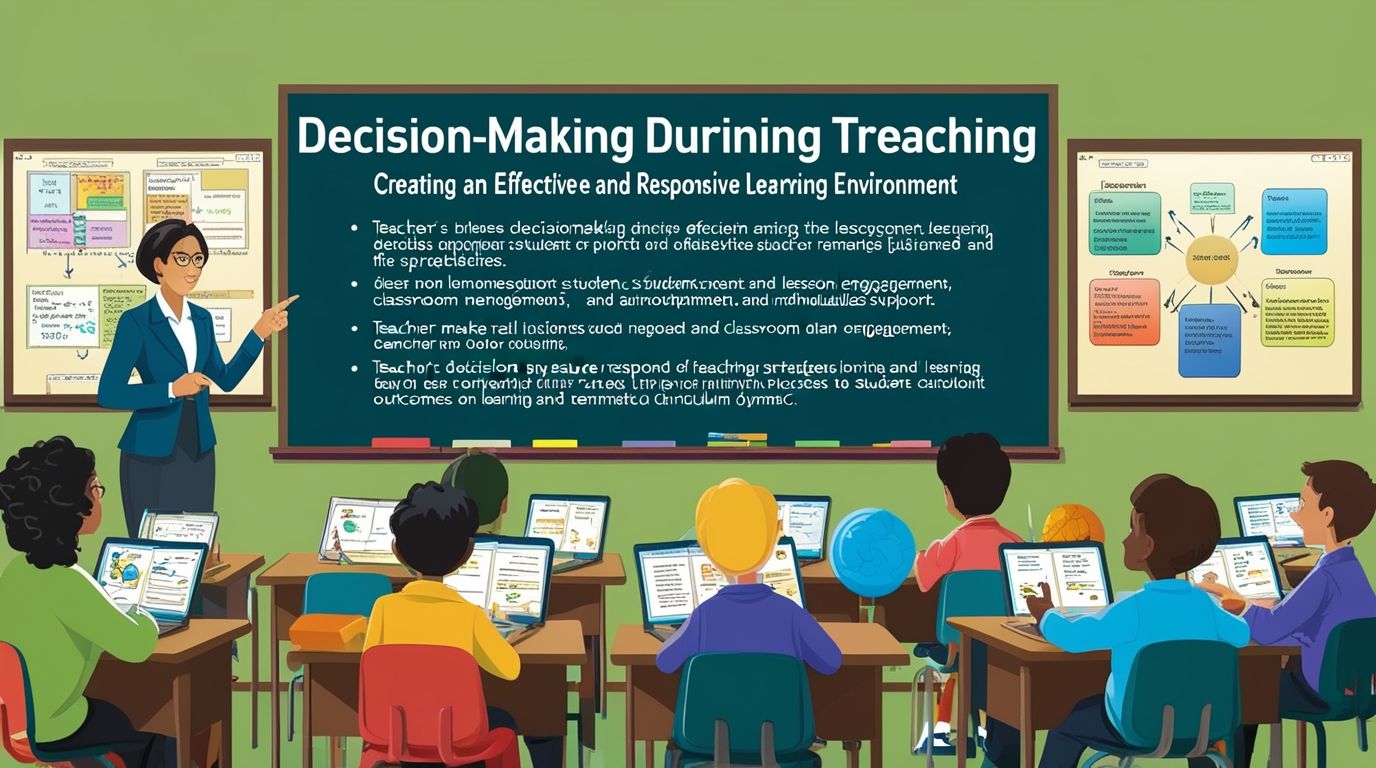
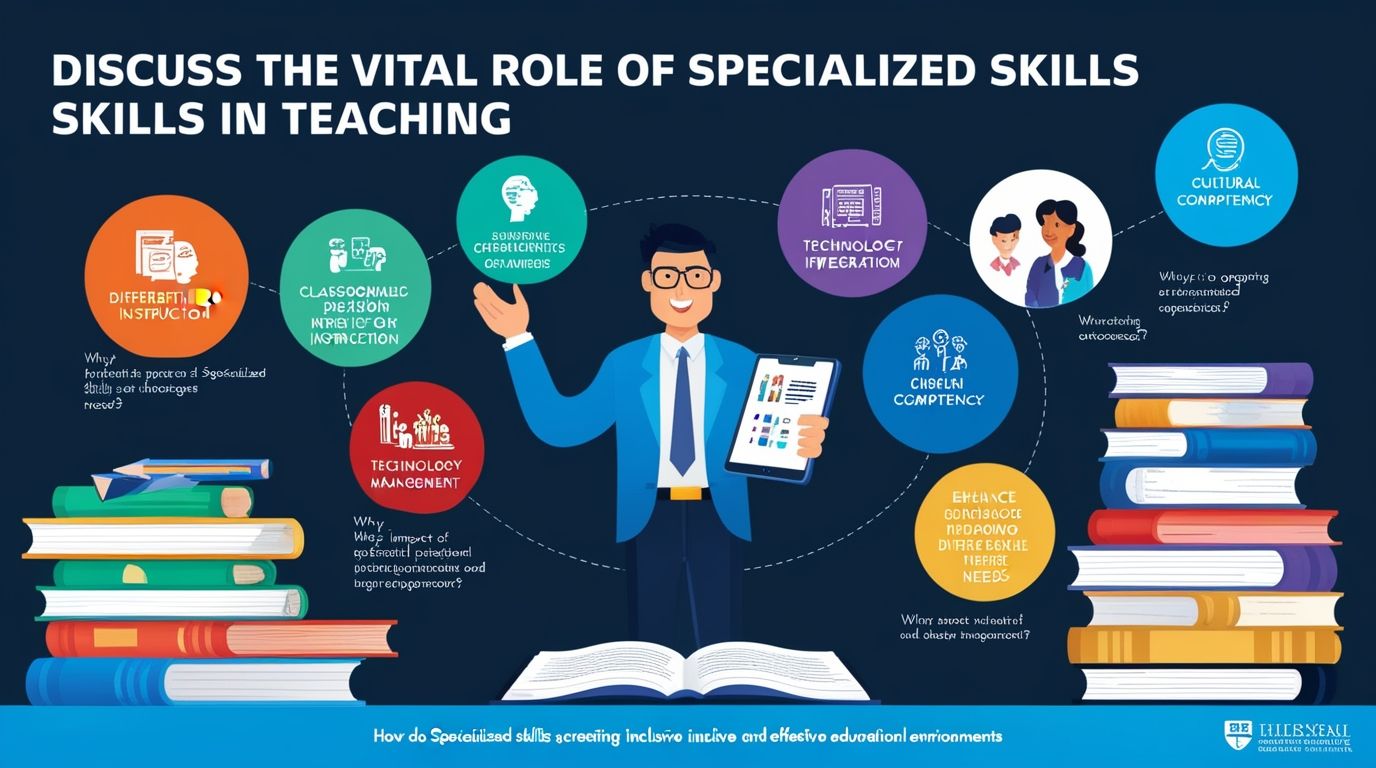
For example, a teacher may receive training on classroom management strategies, digital learning technologies, or assessment methods. Similarly, healthcare professionals undergo training to learn new medical procedures and technologies. Training bridges the gap between theoretical knowledge and practical application.
Understanding Skills
Skills are learned abilities that enable individuals to perform tasks effectively and efficiently. They can be categorized into technical skills, soft skills, and transferable skills.
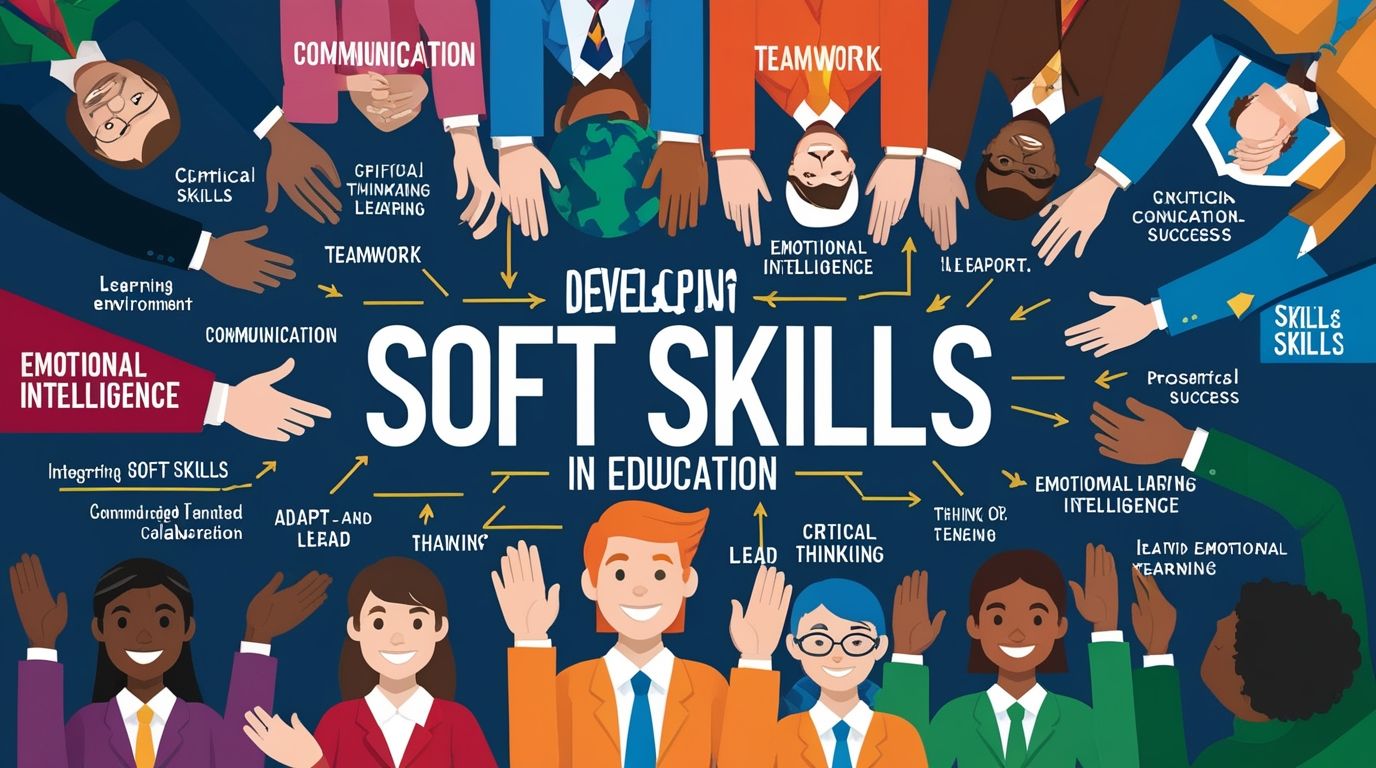
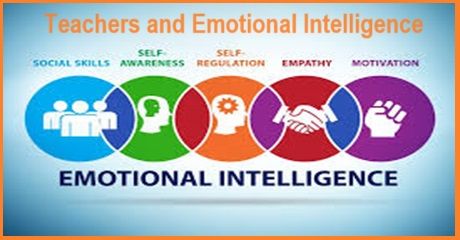
Technical skills refer to specialized competencies related to a particular profession, such as programming, accounting, or engineering. Soft skills include communication, teamwork, leadership, emotional intelligence, and adaptability. Transferable skills are abilities that can be applied across various contexts and occupations.
In today’s competitive world, employers increasingly value both technical and soft skills. Possessing knowledge alone is insufficient if individuals cannot apply it effectively. Skills transform knowledge into action and enable individuals to solve problems, make decisions, and achieve goals.
Educational institutions and training organizations therefore emphasize skill development as a critical component of learner success and employability.
Understanding Knowledge in the KSA Framework
Within the Knowledge, Skills and Attitude (KSA) framework, knowledge refers to the information, facts, principles, and theories that individuals acquire through learning and experience. Knowledge forms the intellectual foundation upon which competencies are built.
Knowledge can be classified into several categories, including factual knowledge, conceptual knowledge, procedural knowledge, and metacognitive knowledge. Each type contributes to effective performance in different ways. For instance, factual knowledge provides basic information, while procedural knowledge explains how tasks should be performed.
In professional environments, knowledge enables individuals to understand processes, analyze situations, and make informed decisions. However, knowledge alone does not guarantee effective performance. It must be complemented by practical skills and appropriate attitudes.
Understanding Skills in the KSA Framework
The skills component of KSA refers to the ability to perform tasks effectively using acquired knowledge. Skills are developed through practice, training, observation, and experience.
Examples include communication skills, analytical skills, technological skills, leadership skills, and problem-solving skills. These abilities enable individuals to translate theoretical understanding into practical action.
Organizations frequently assess skills when recruiting employees because they indicate a person’s capacity to perform specific duties. Educational institutions also emphasize skill acquisition to ensure graduates can meet workplace expectations.
Skills serve as the bridge between knowing and doing. Without skills, knowledge remains theoretical and may not lead to meaningful outcomes. Therefore, continuous skill development is essential for personal growth and professional success.
Understanding Attitude in the KSA Framework
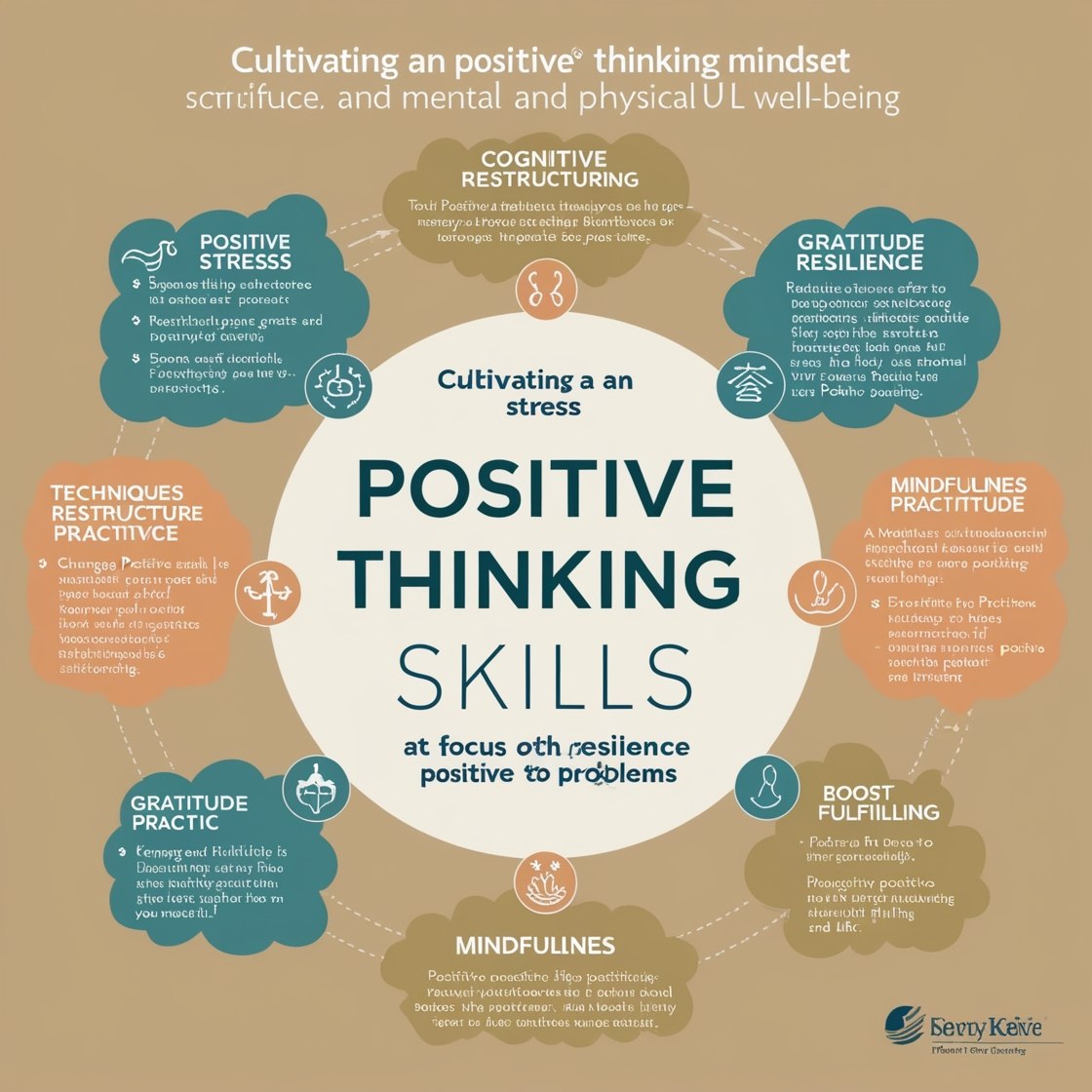
Attitude is one of the most important yet often overlooked elements of the KSA framework. It refers to an individual’s mindset, beliefs, values, motivations, and behavioral tendencies. Attitude influences how people approach challenges, interact with others, and respond to opportunities.
A positive attitude promotes resilience, commitment, teamwork, and ethical behavior. Conversely, a negative attitude can undermine performance even when knowledge and skills are present.
For example, two employees may possess similar qualifications and competencies, but the individual with a positive attitude is more likely to collaborate effectively, adapt to change, and contribute positively to organizational culture.
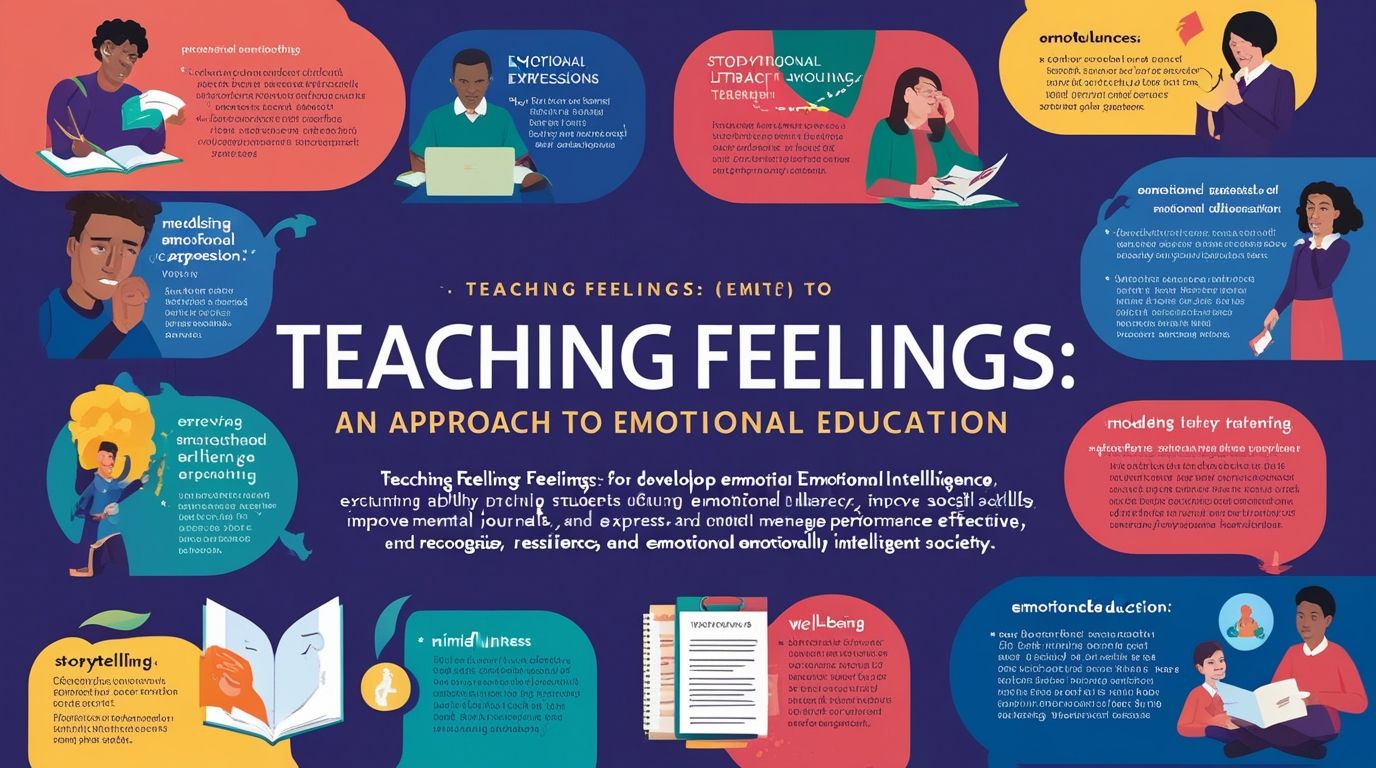
Educational institutions increasingly recognize the importance of nurturing attitudes such as responsibility, integrity, empathy, and lifelong learning. These qualities contribute significantly to personal and professional effectiveness.
Similarities Between ETS and KSA
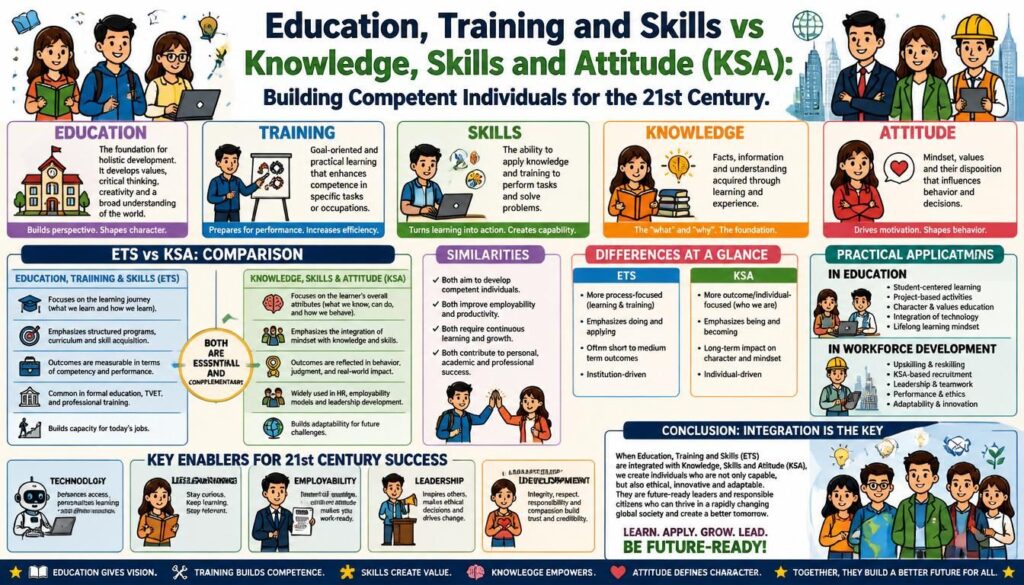
Despite their different perspectives, ETS and KSA share several important similarities. Both frameworks emphasize the development of competent individuals capable of contributing effectively to society and the workplace.
First, both approaches recognize the importance of skills development. Whether viewed from the perspective of education and training or knowledge and attitude, skills remain central to successful performance.
Second, both frameworks support continuous learning and personal growth. They encourage individuals to acquire new competencies and adapt to changing circumstances.
Third, ETS and KSA contribute to employability, leadership development, and organizational success. Both frameworks are used to design educational curricula, training programs, and professional development initiatives.
Finally, both emphasize the practical application of learning. Knowledge and education become valuable only when translated into meaningful actions and outcomes.
Differences Between ETS and KSA
Although ETS and KSA are complementary, they differ in several important ways.
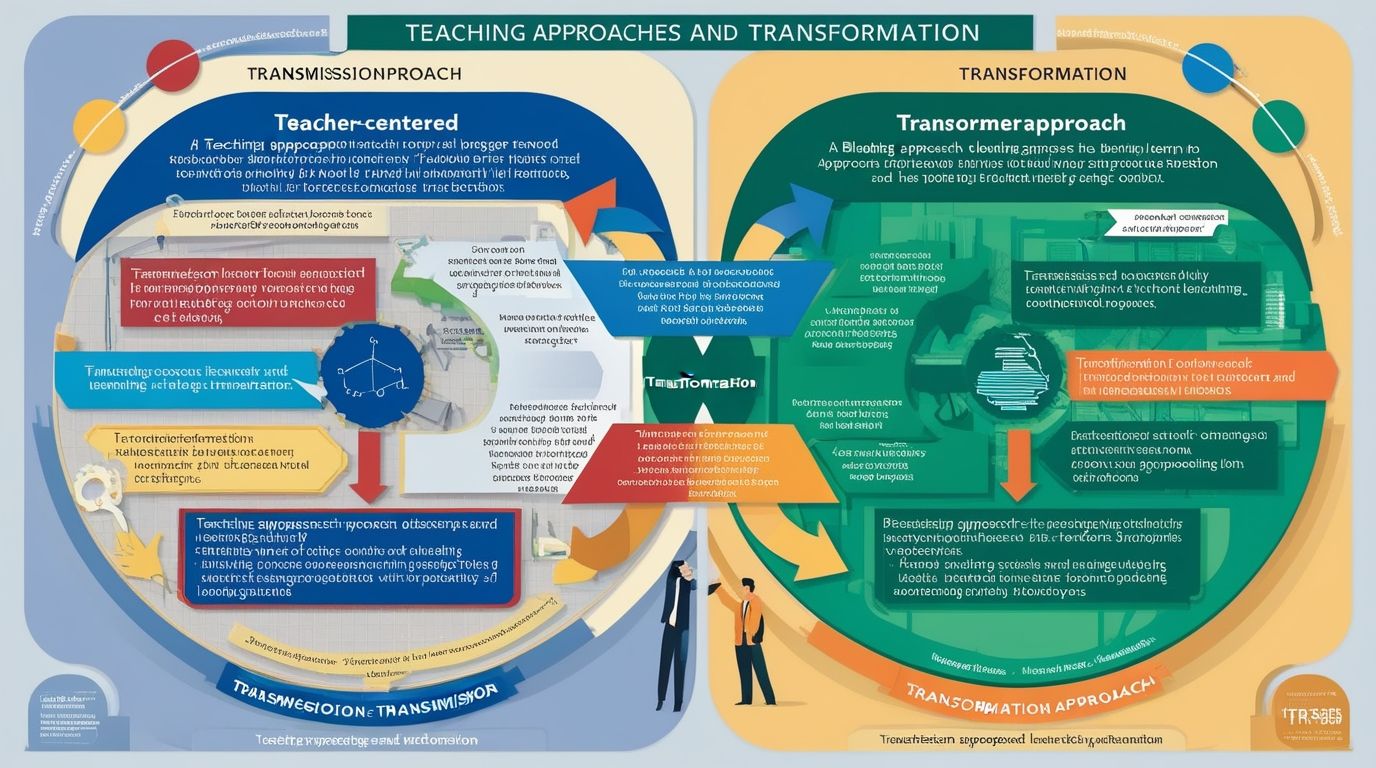
Education, Training and Skills (ETS) primarily focuses on learning processes and competency development. It describes how individuals acquire knowledge and abilities through formal education and practical training.
Knowledge, Skills and Attitude (KSA) focuses on the qualities and attributes required for effective performance. It evaluates not only what individuals know and can do but also how they think and behave.
ETS is often used in educational planning and workforce development, whereas KSA is commonly applied in recruitment, performance management, and competency assessment.
Another key difference is the inclusion of attitude within the KSA framework. ETS emphasizes learning and skill acquisition, while KSA recognizes that attitudes and values significantly influence performance outcomes.
Importance in Education
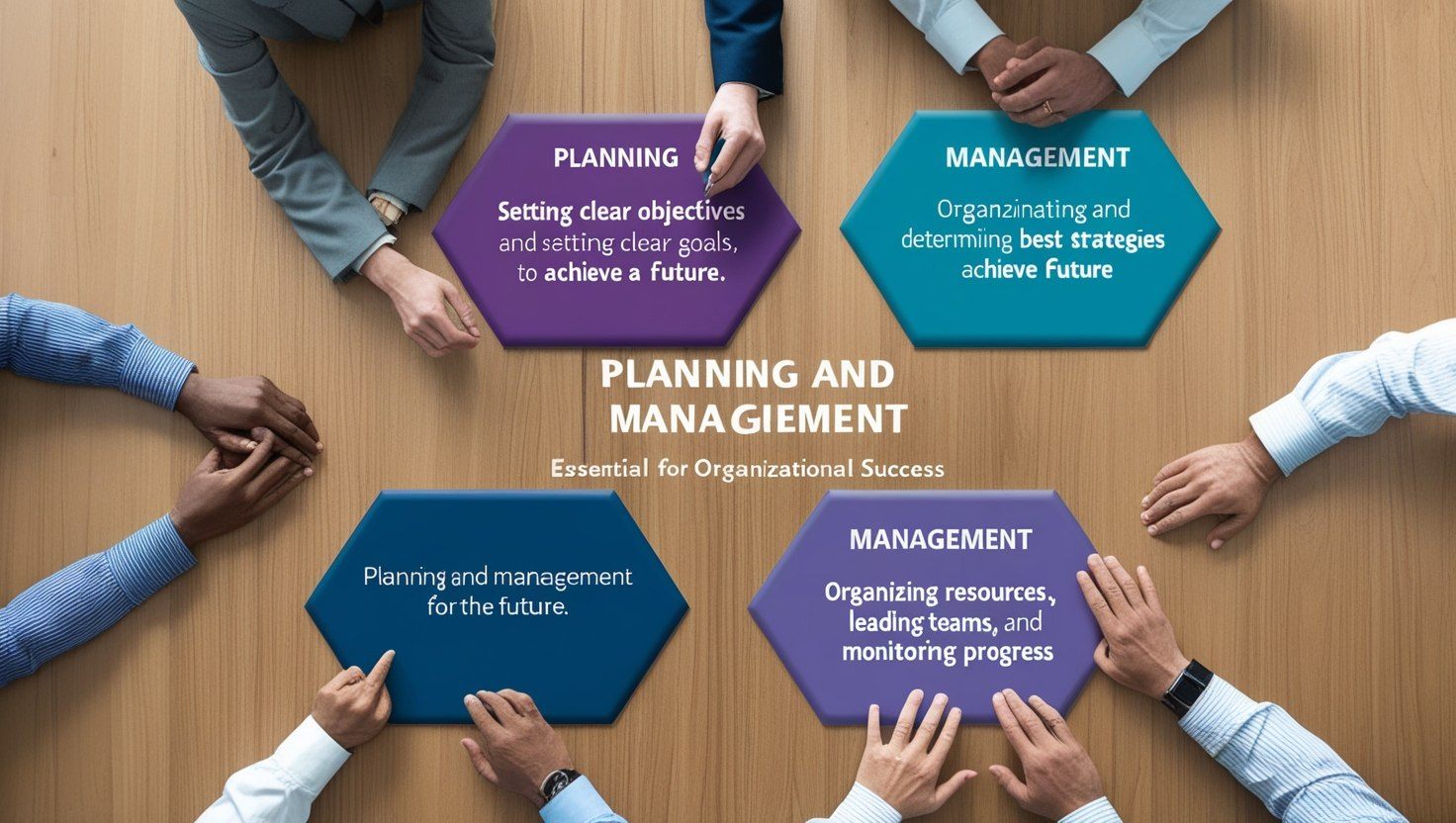
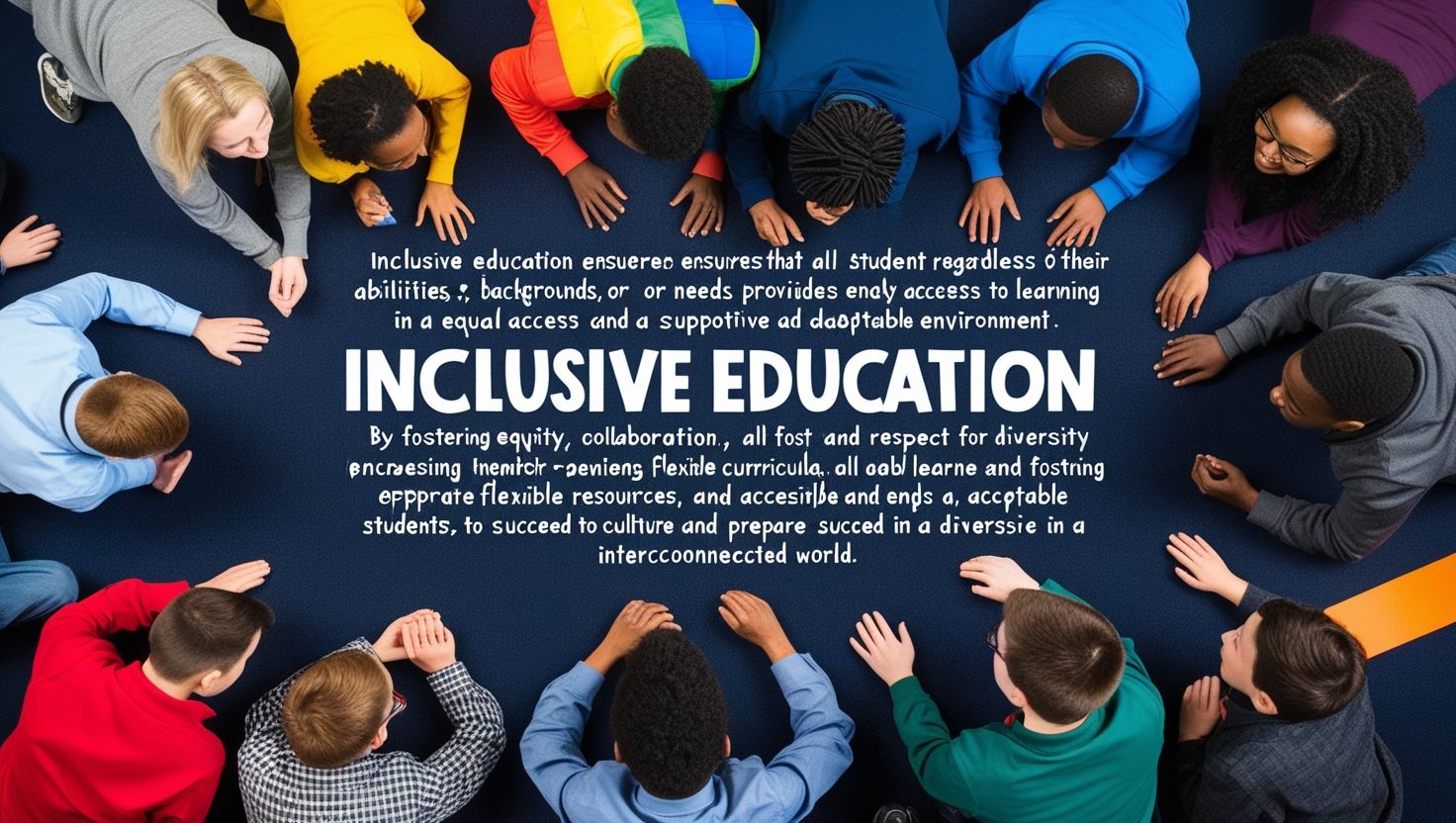
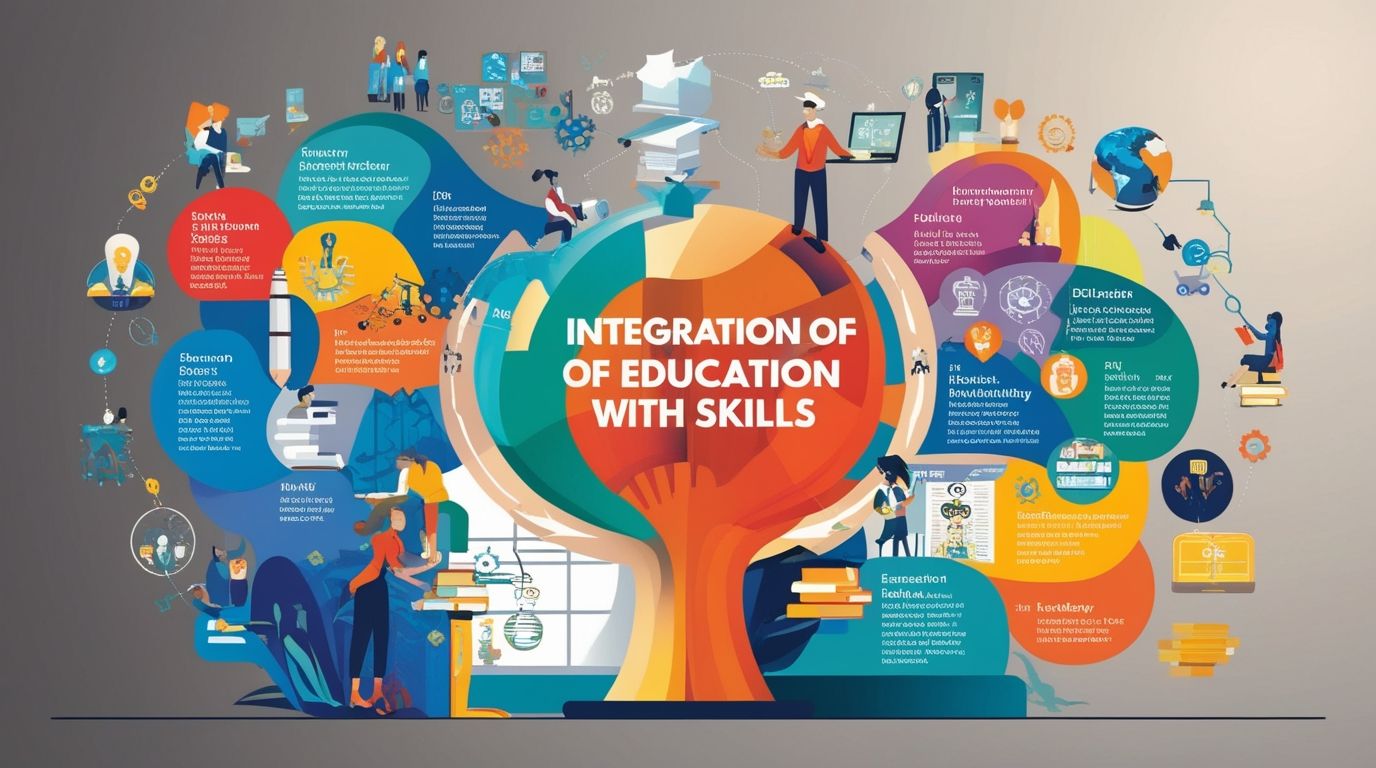
The integration of ETS and KSA principles has become increasingly important in modern education. Educational institutions seek to produce graduates who are knowledgeable, skilled, and capable of adapting to changing environments.
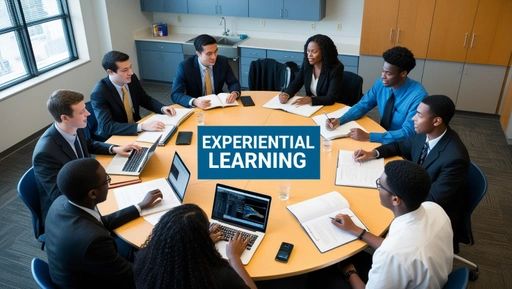
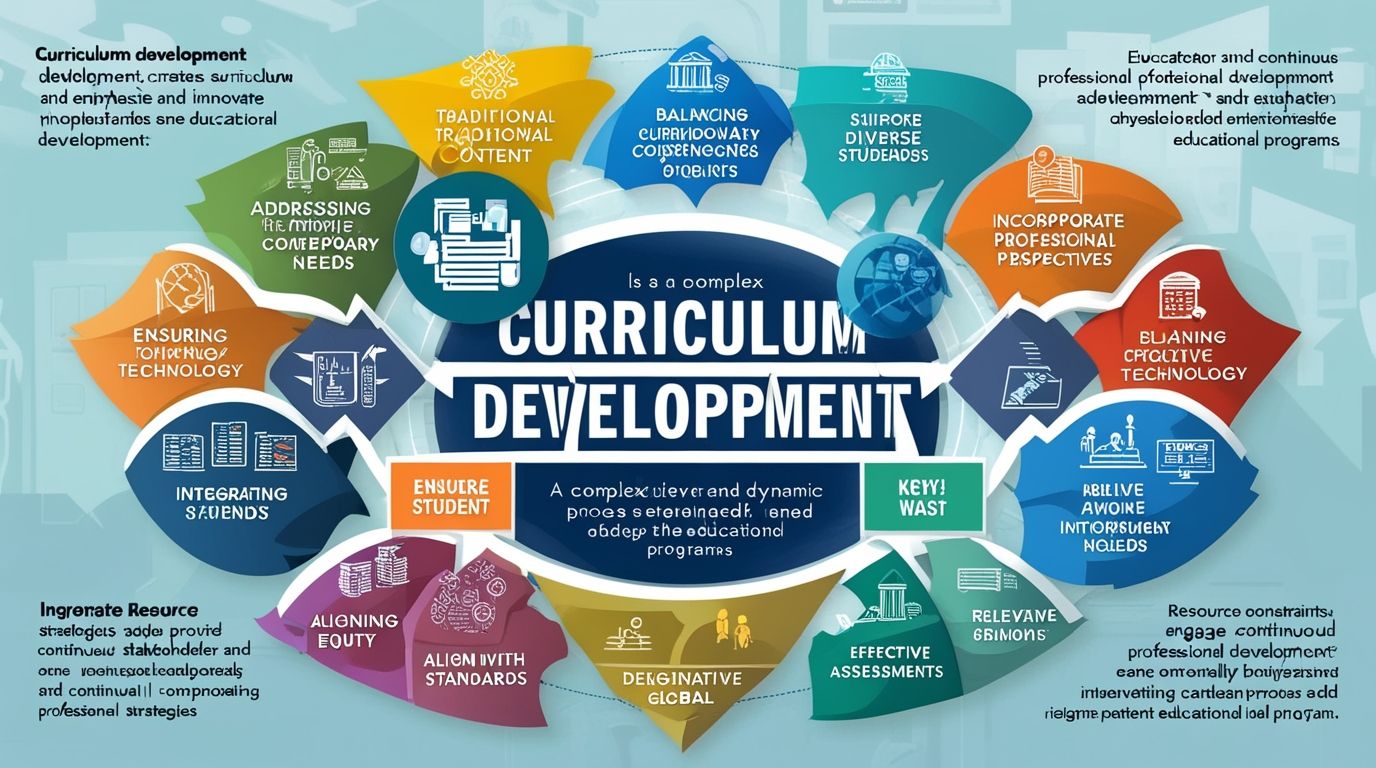
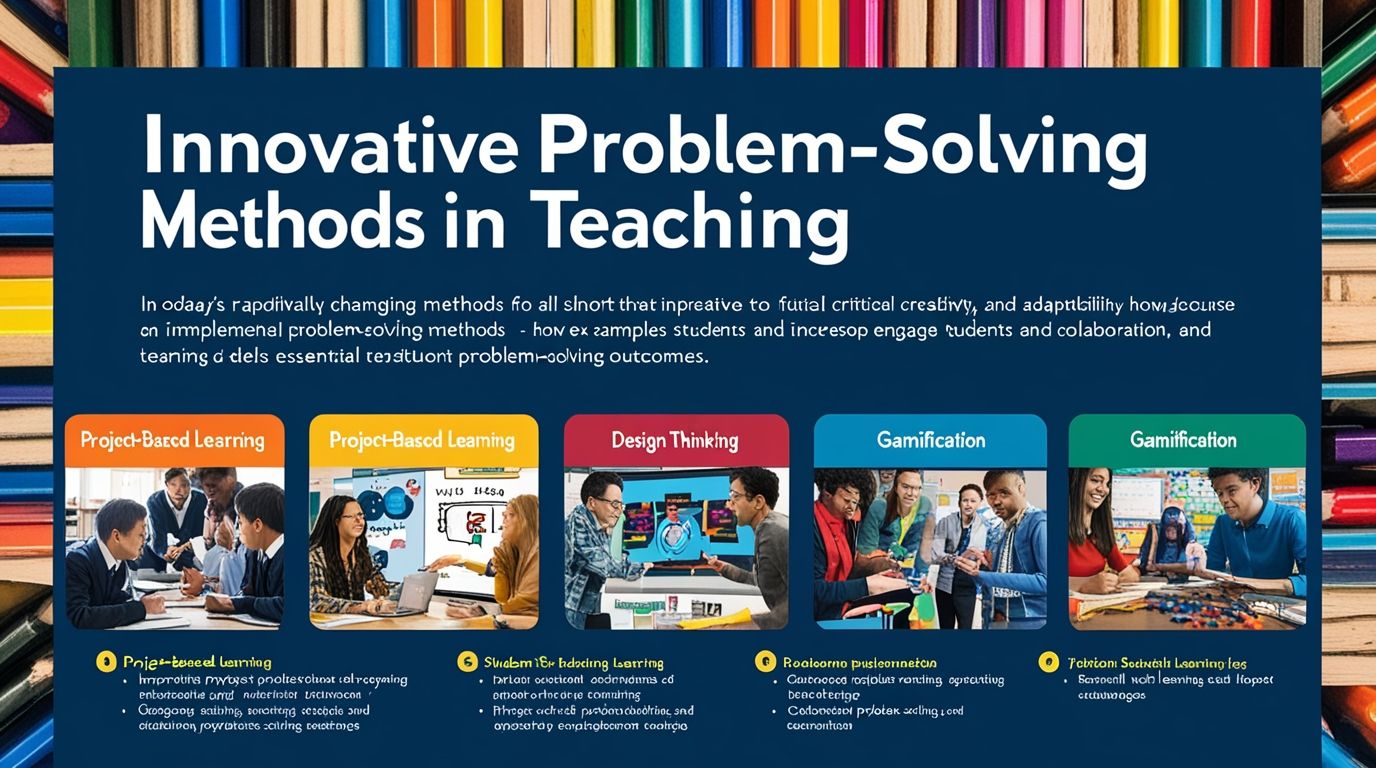
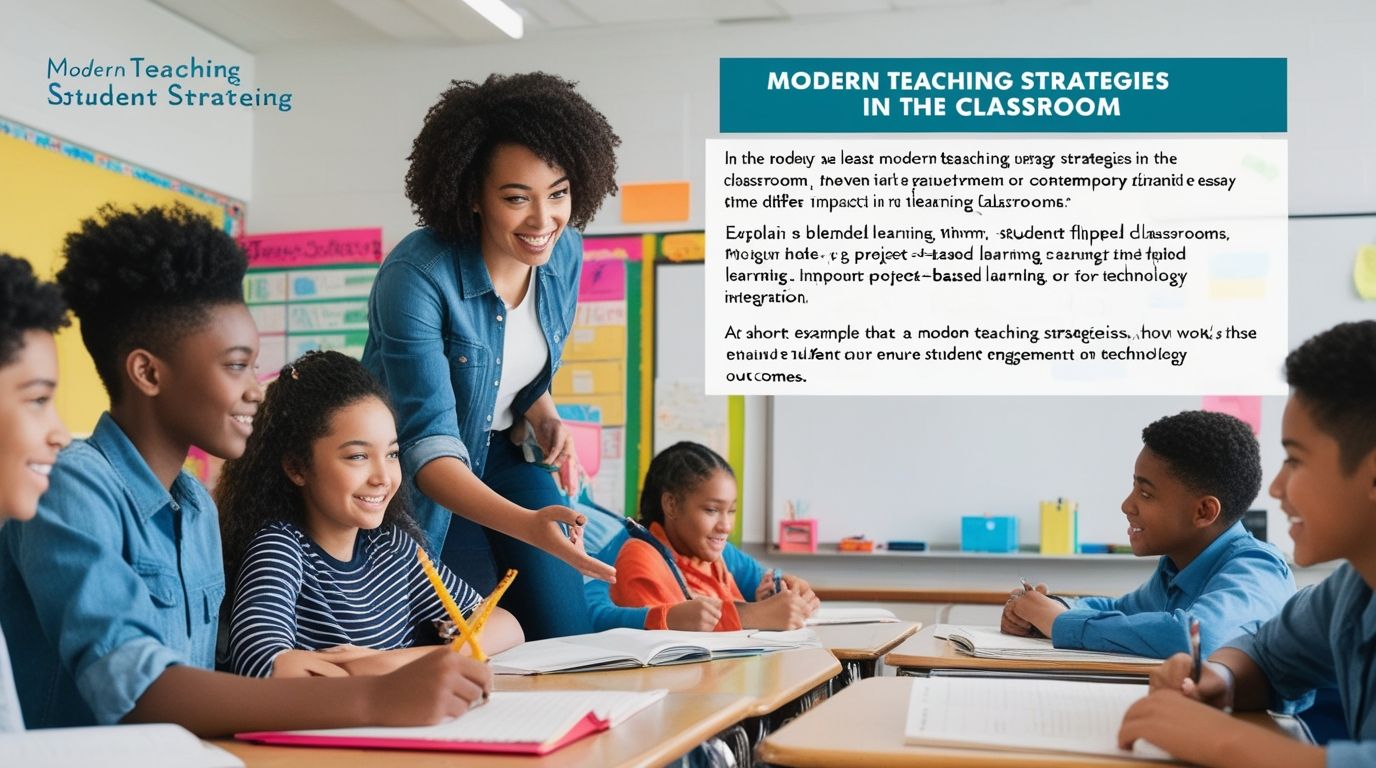
Curriculum designers incorporate theoretical learning, practical experiences, and character development to ensure comprehensive student growth. Project-based learning, experiential learning, and competency-based education reflect the influence of both frameworks.
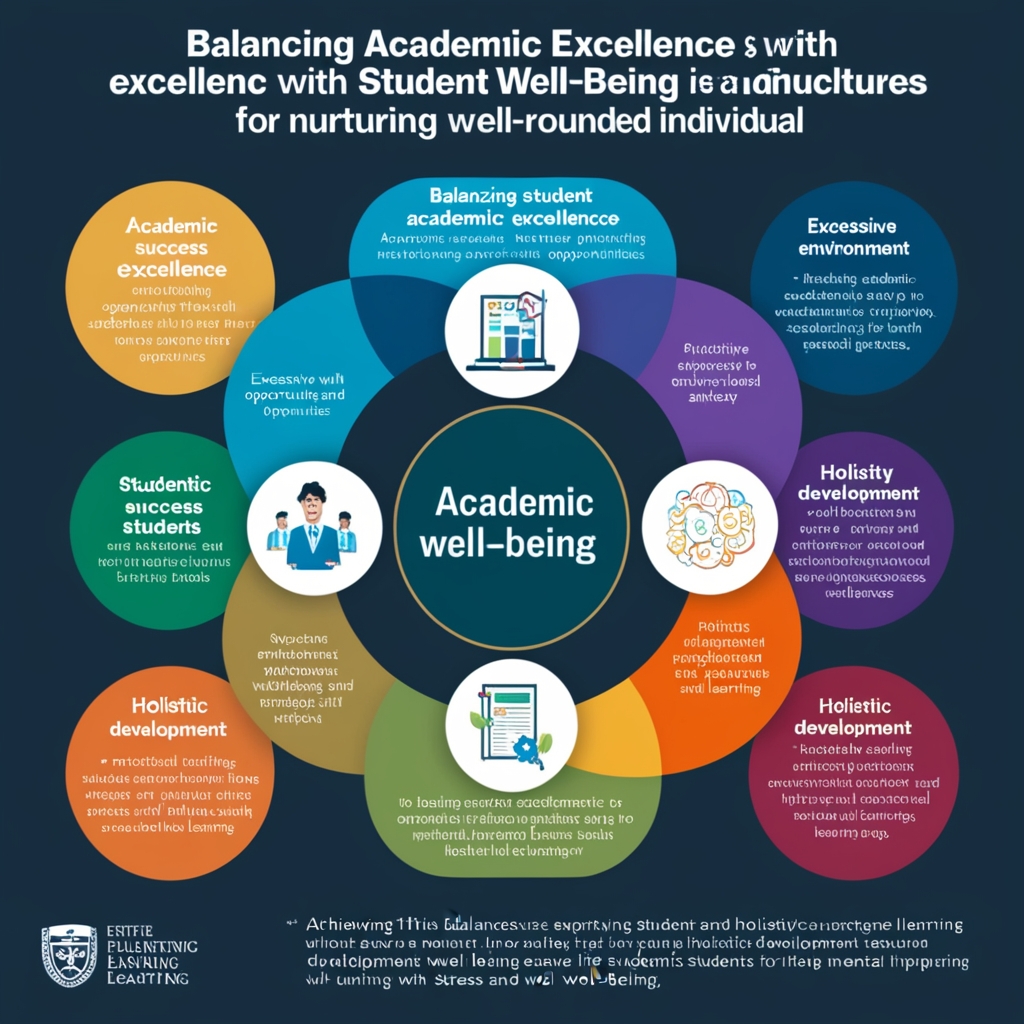
Students benefit from acquiring subject knowledge while simultaneously developing communication skills, critical thinking abilities, and positive attitudes toward learning. Such holistic development prepares them for academic success and future careers.
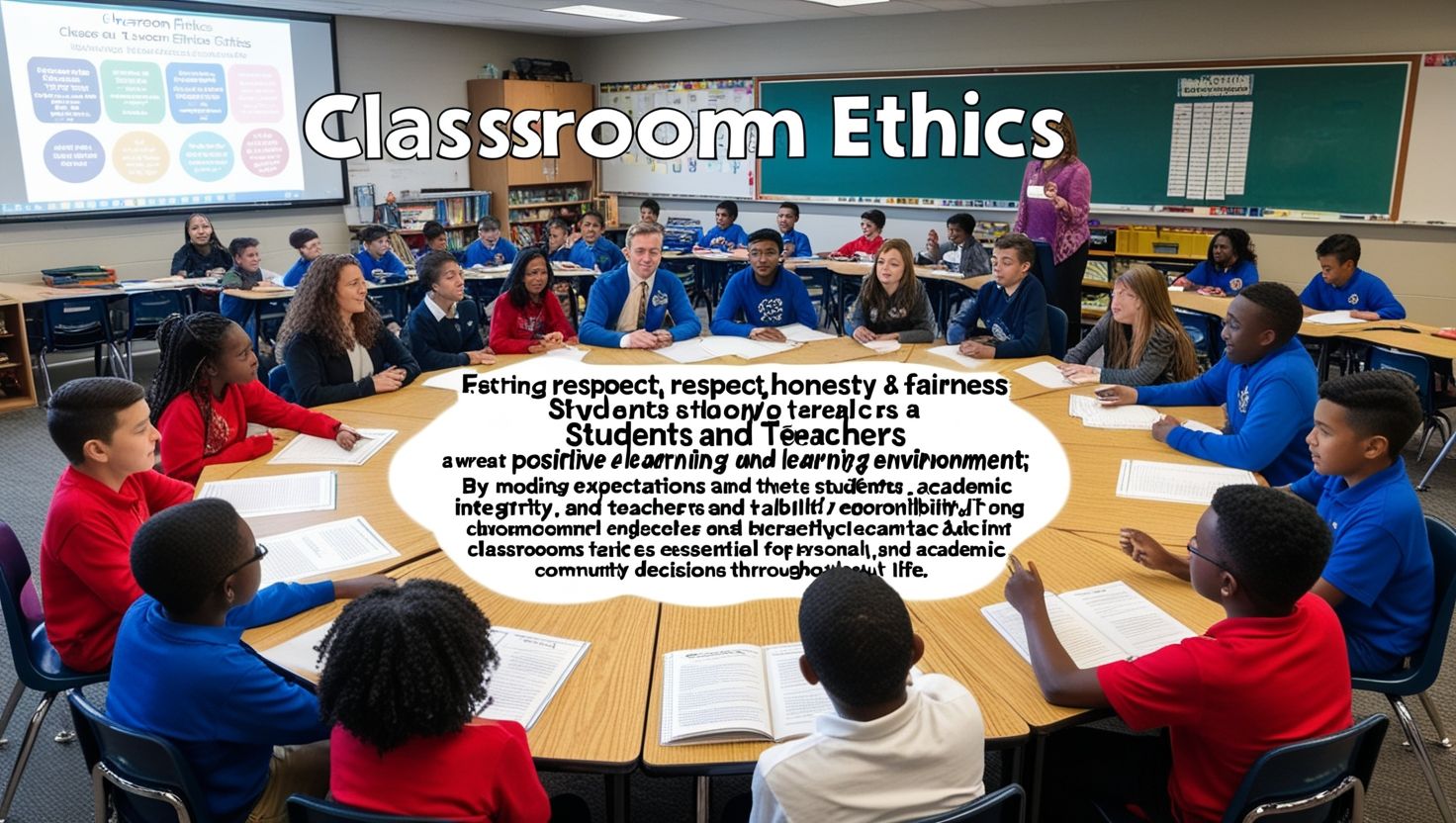
Educational leaders also recognize that cultivating ethical values and social responsibility is as important as academic achievement.
Importance in Workforce Development
In today’s dynamic labor market, employers seek individuals who possess a combination of knowledge, skills, and positive attitudes. Technical expertise alone is insufficient for long-term success.
Organizations use ETS and KSA frameworks to identify training needs, evaluate employee competencies, and design professional development programs. Employees who continuously learn, improve their skills, and maintain positive attitudes contribute significantly to organizational performance.
Leadership development programs frequently integrate both frameworks by focusing on technical competence, strategic thinking, communication skills, emotional intelligence, and ethical leadership.
As automation and artificial intelligence transform industries, adaptability and lifelong learning become increasingly important. Both ETS and KSA provide valuable guidance for preparing individuals to succeed in evolving professional environments.
The Role of Technology
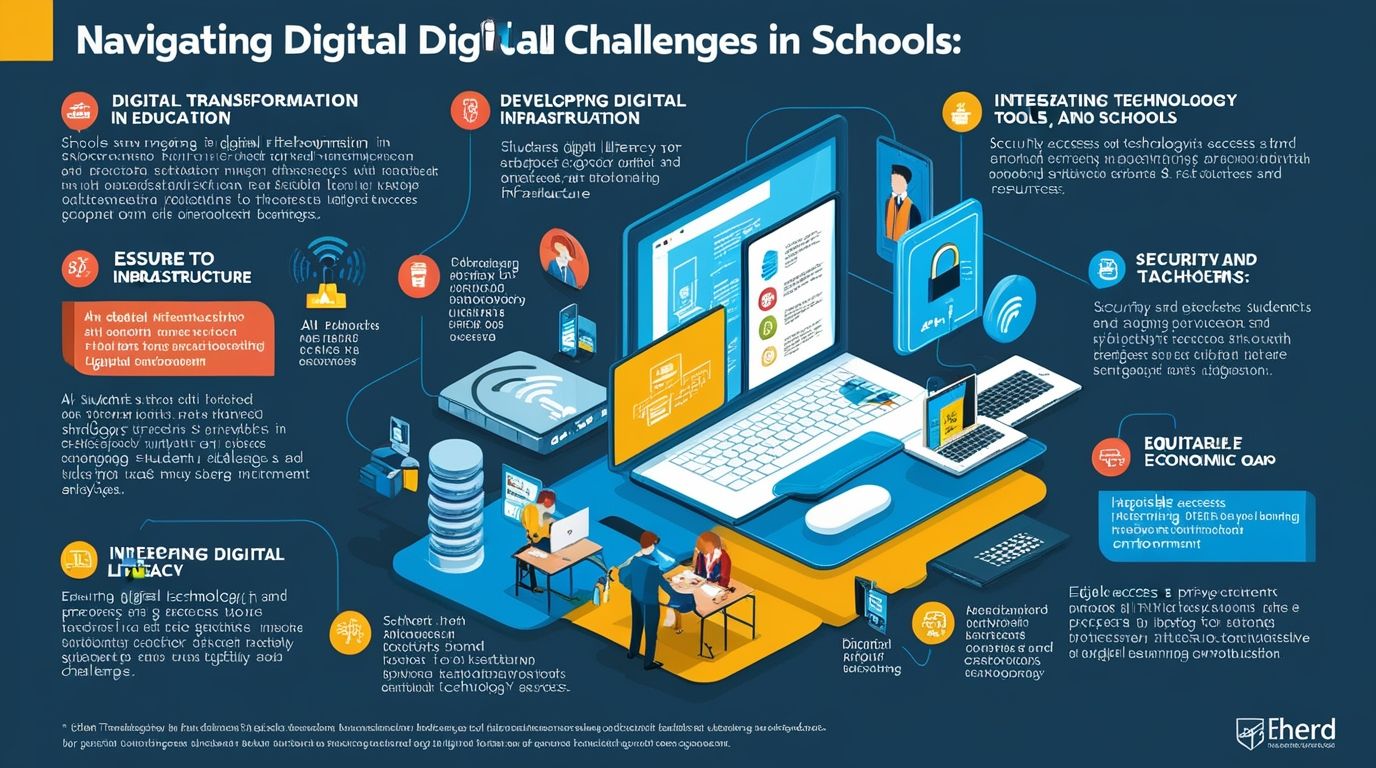
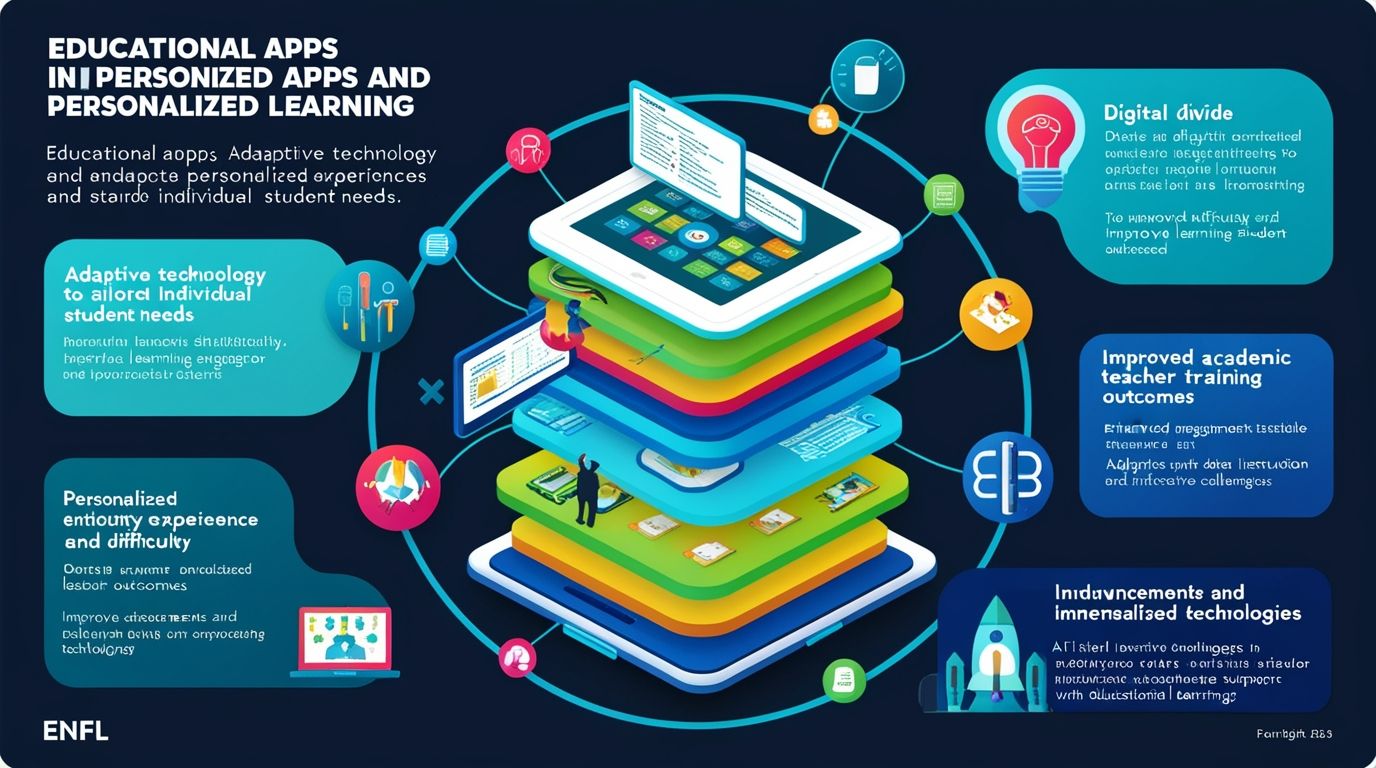
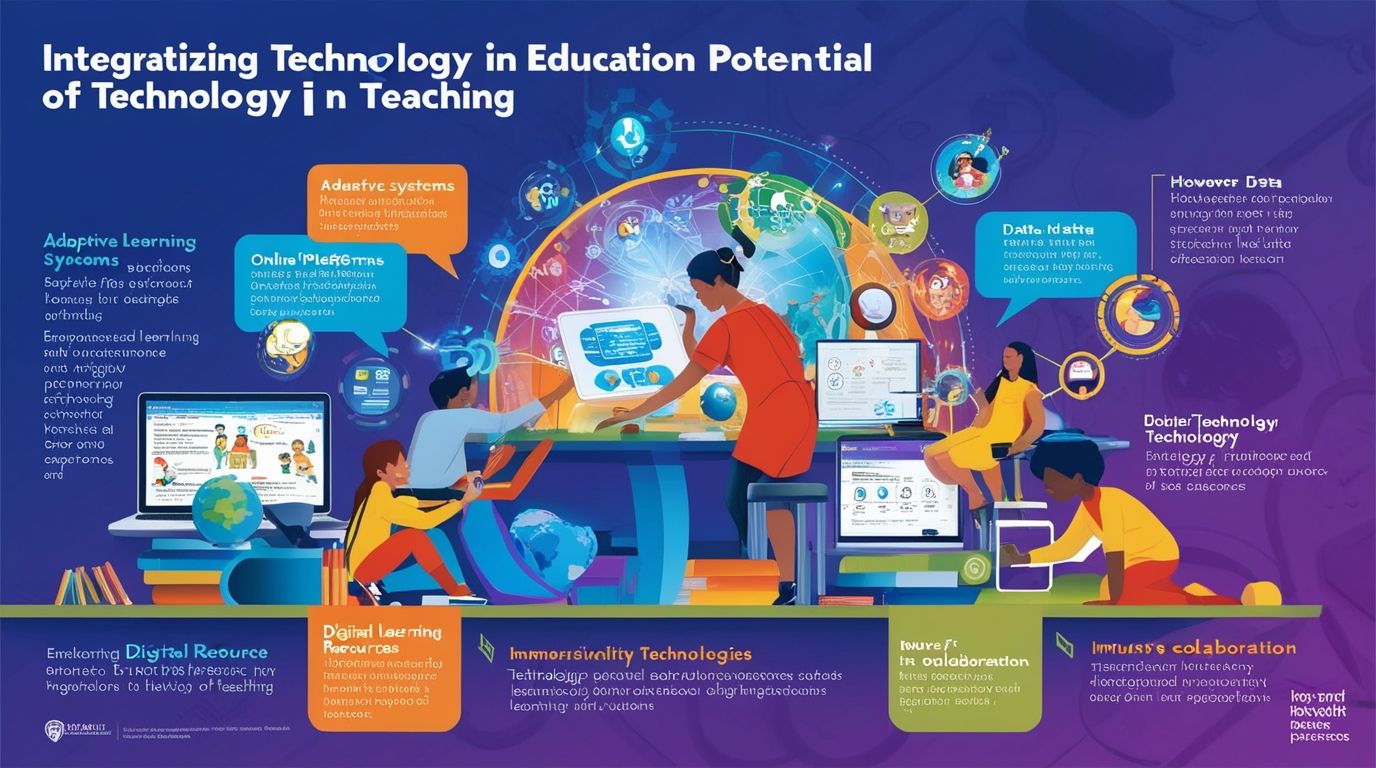
Technology has transformed education, training, and skill development. Digital learning platforms, online courses, virtual simulations, and artificial intelligence tools provide new opportunities for acquiring knowledge and competencies.
Educational technologies support personalized learning experiences and enable individuals to learn at their own pace. Similarly, organizations use digital training platforms to deliver professional development programs efficiently.
Technology also supports the development of KSA competencies by facilitating collaboration, communication, and reflective learning. However, technological advancement requires individuals to continuously update their knowledge and skills while maintaining a positive attitude toward change and innovation.
Challenges in Implementing ETS and KSA
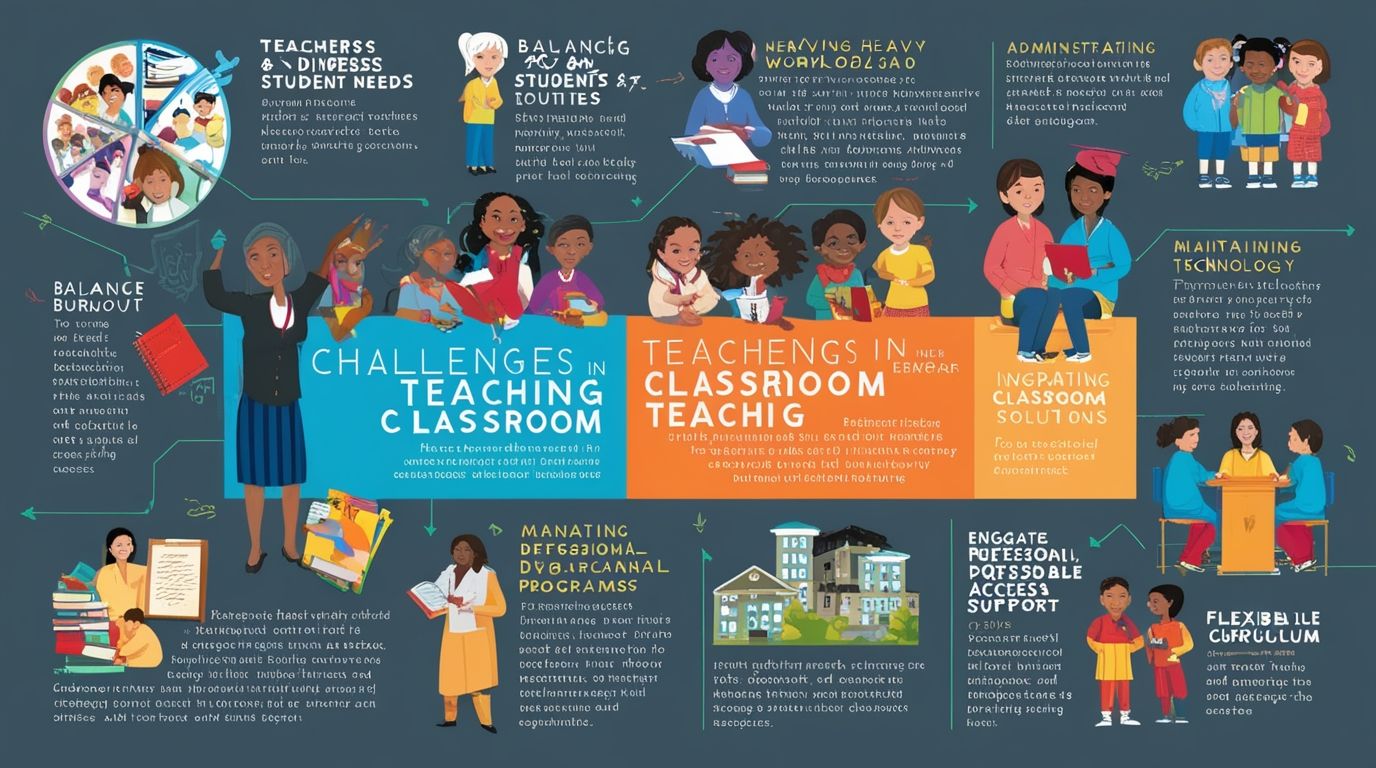
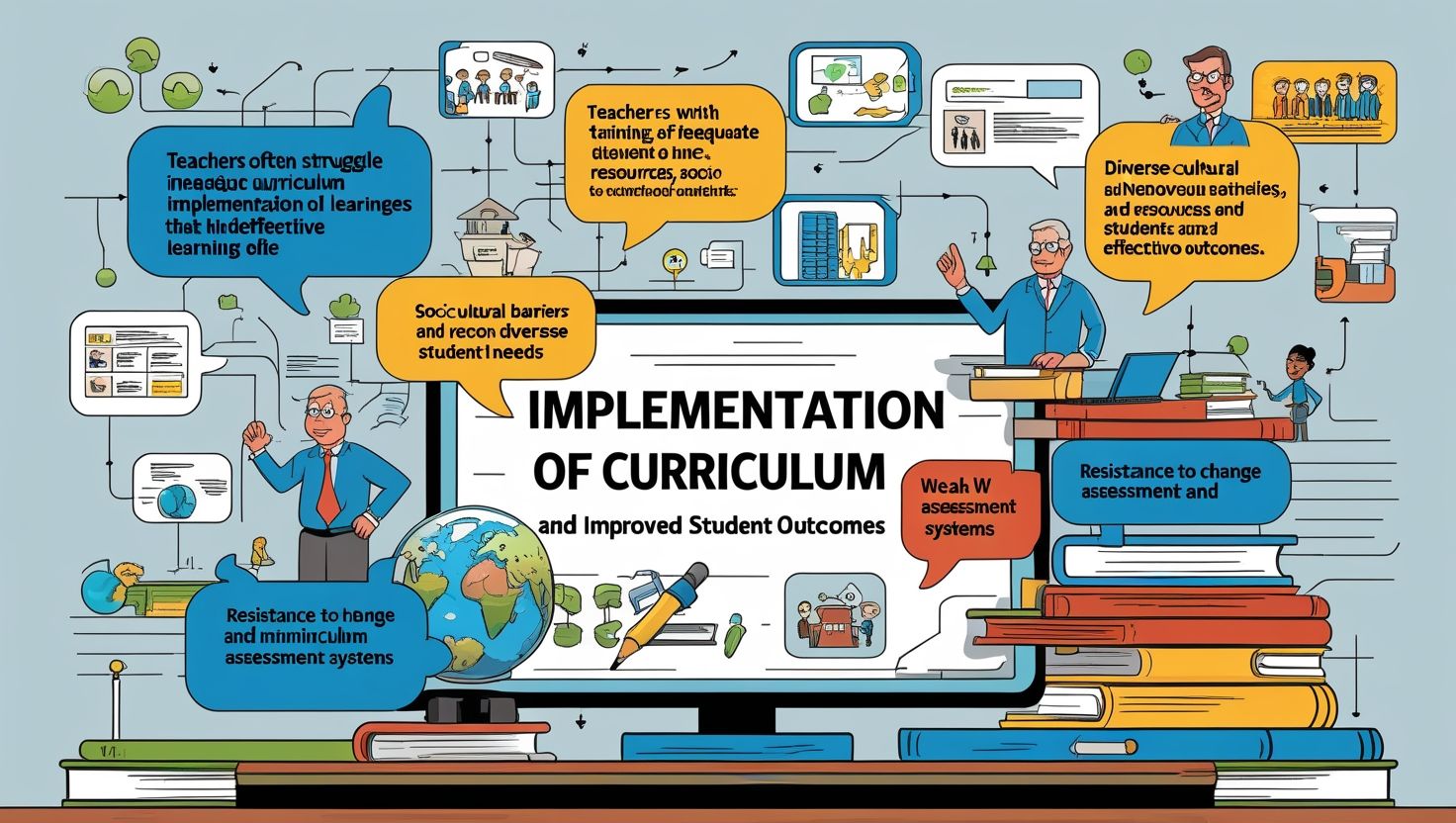
Despite their benefits, implementing ETS and KSA frameworks presents several challenges. Educational institutions often struggle to balance theoretical knowledge with practical skill development. Resource limitations, outdated curricula, and insufficient training opportunities may hinder effective implementation.
Assessing attitudes can also be difficult because attitudes are less observable than knowledge and skills. Organizations must develop reliable methods for evaluating behavioral competencies and values.
Furthermore, rapid technological changes require continuous curriculum updates and professional development initiatives. Failure to adapt can create skill gaps and reduce workforce competitiveness.
Addressing these challenges requires collaboration among educators, policymakers, employers, and learners.
Future Perspectives
The future of education and workforce development will increasingly emphasize integrated approaches that combine ETS and KSA principles. Employers and educational institutions are recognizing the importance of developing well-rounded individuals who possess technical expertise, practical skills, emotional intelligence, and ethical values.
Emerging trends such as competency-based education, micro-credentials, lifelong learning, and digital transformation highlight the growing relevance of these frameworks. Future learning environments will likely focus on adaptability, creativity, collaboration, and innovation.
As societies become more interconnected and technology-driven, the ability to continuously acquire knowledge, develop skills, and maintain positive attitudes will become even more critical for success.
Conclusion
Education, Training and Skills (ETS) and Knowledge, Skills and Attitude (KSA) are powerful frameworks that contribute to human development, employability, and organizational success. While ETS focuses on learning processes and competency acquisition, KSA emphasizes the qualities required for effective performance and professional excellence. Together, they provide a comprehensive approach to preparing individuals for the challenges of the modern world.
Education builds understanding, training enhances competence, and skills enable action. Knowledge provides the foundation for decision-making, skills facilitate performance, and attitude shapes behavior and motivation. The integration of these elements creates capable, adaptable, and responsible individuals who can contribute meaningfully to society.
In the twenty-first century, success depends not only on what people know but also on what they can do and how they choose to apply their abilities. Therefore, combining ETS and KSA remains essential for achieving educational excellence, workforce readiness, and sustainable personal and professional growth.