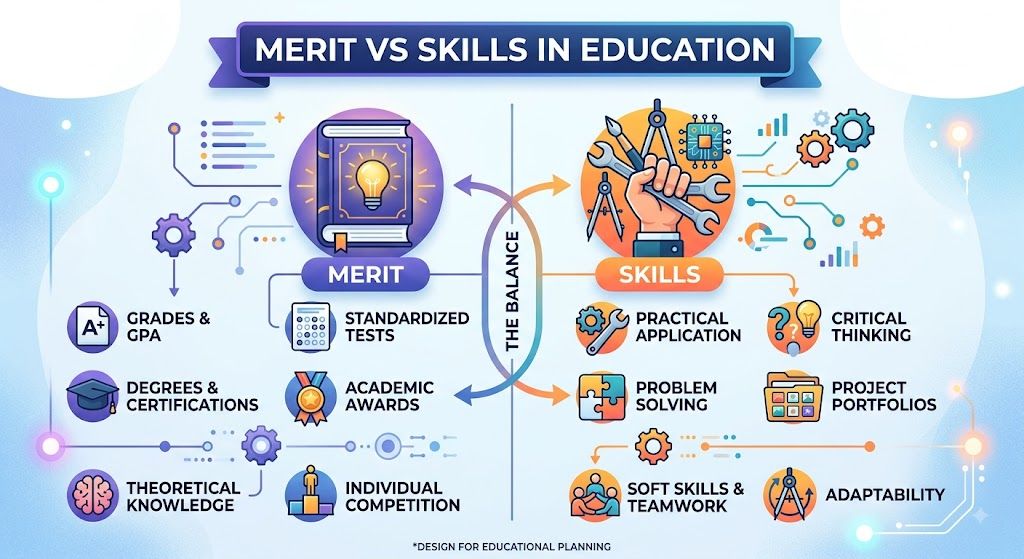
Merit vs Skills in Education, Modern classrooms face a quiet tug-of-war. On one side stands merit, the traditional measure of academic achievement built on grades, test scores, and rankings. On the other side stands skills, the practical abilities students need to solve real problems, communicate clearly, and adapt to change. Parents, teachers, and policymakers increasingly ask which one deserves more weight. This article breaks down the merit vs skills debate, explains why both matter, and offers a practical path forward for schools that want to prepare students for life, not just for exams.
Understanding Merit in Education
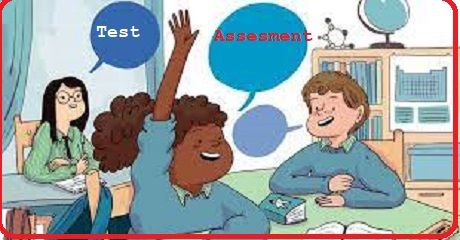
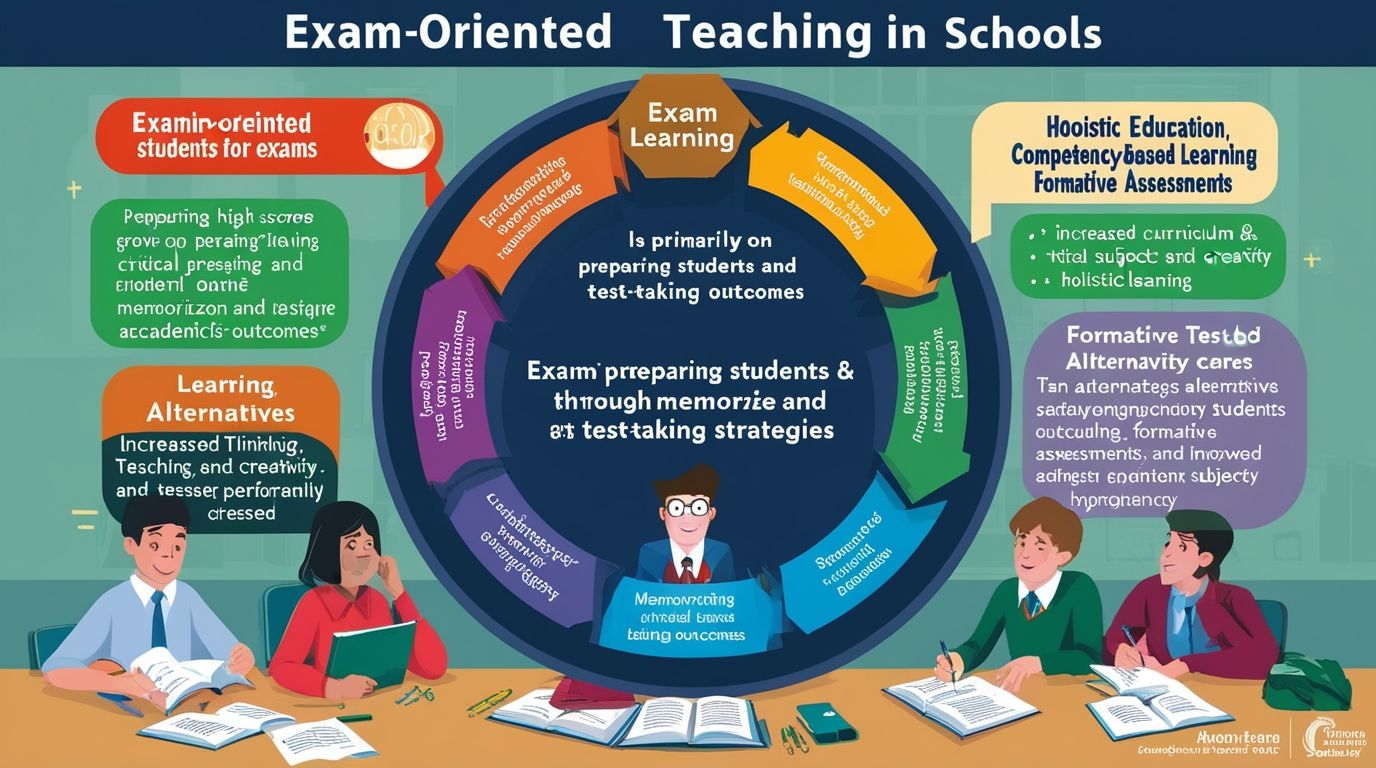
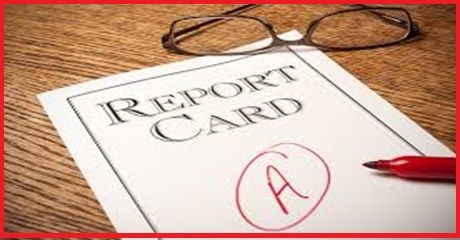
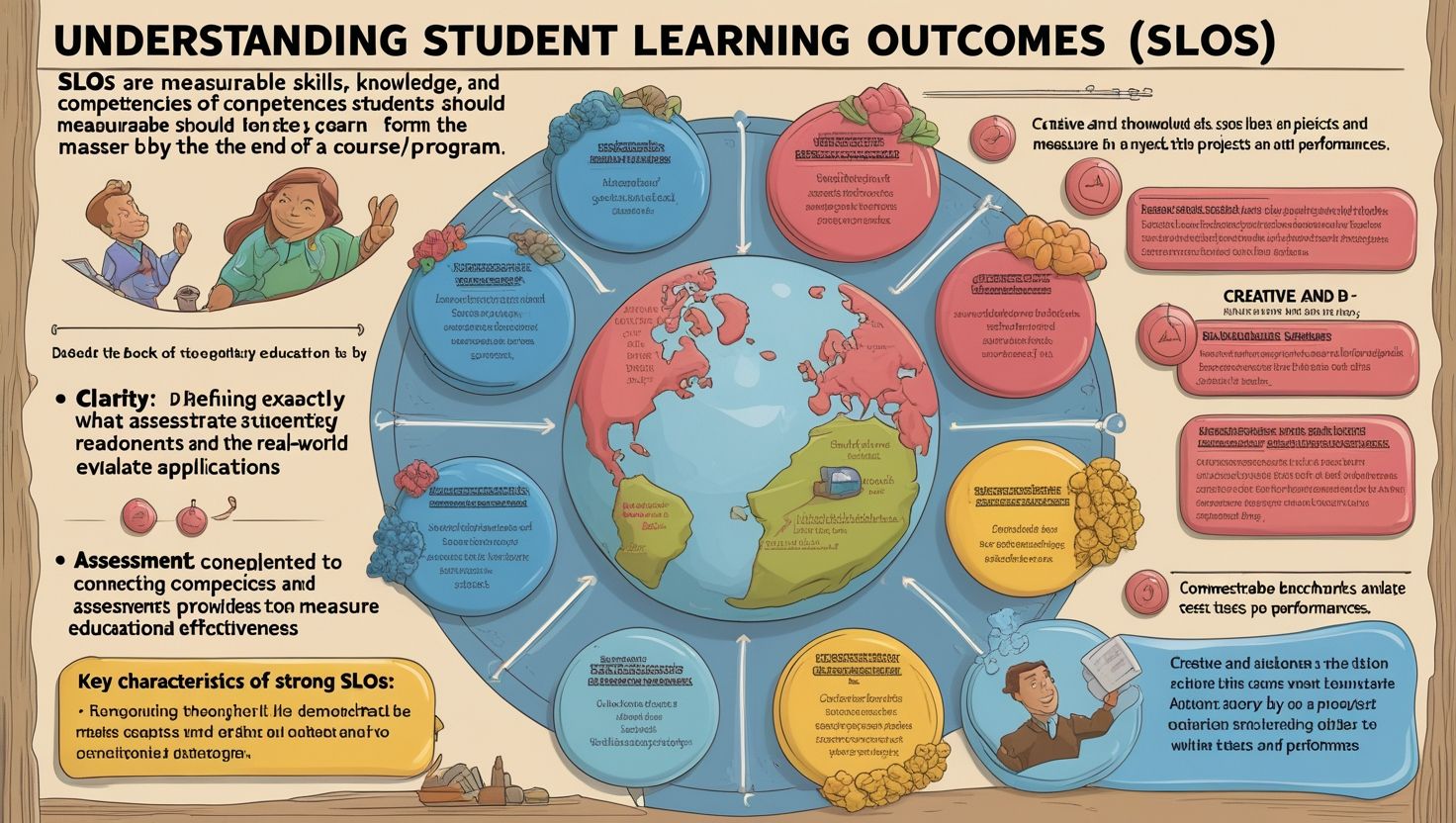
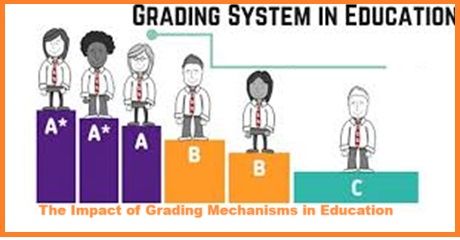
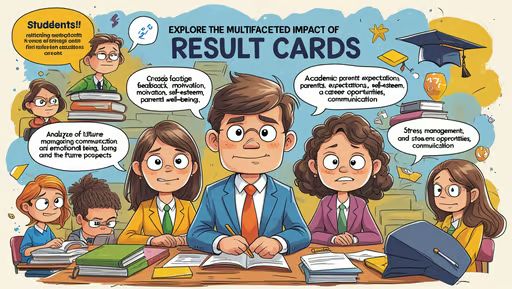
Merit in education usually refers to a student’s demonstrated academic performance. Report cards, standardized test results, class rank, and honor rolls all reflect this idea. A merit-based education system rewards consistency, discipline, and mastery of a defined curriculum. Students who memorize formulas, write structured essays, and score well on exams earn recognition under this model.
This system has clear advantages. It creates a measurable, comparable standard. Universities and employers can quickly evaluate candidates using GPA or test scores. Merit-based scholarships also give talented students from any background a chance to access better opportunities, at least in theory.
However, academic merit has limits. Grades often measure how well a student performs under specific conditions rather than how capable that student truly is. A brilliant problem-solver who struggles with timed exams may receive a lower merit score than a student who excels only at memorization. Critics argue that an education system built purely on merit favors students who already have access to tutors, resources, and stable home environments, which quietly widens the gap between privileged and underprivileged learners.
Understanding Skills in Education
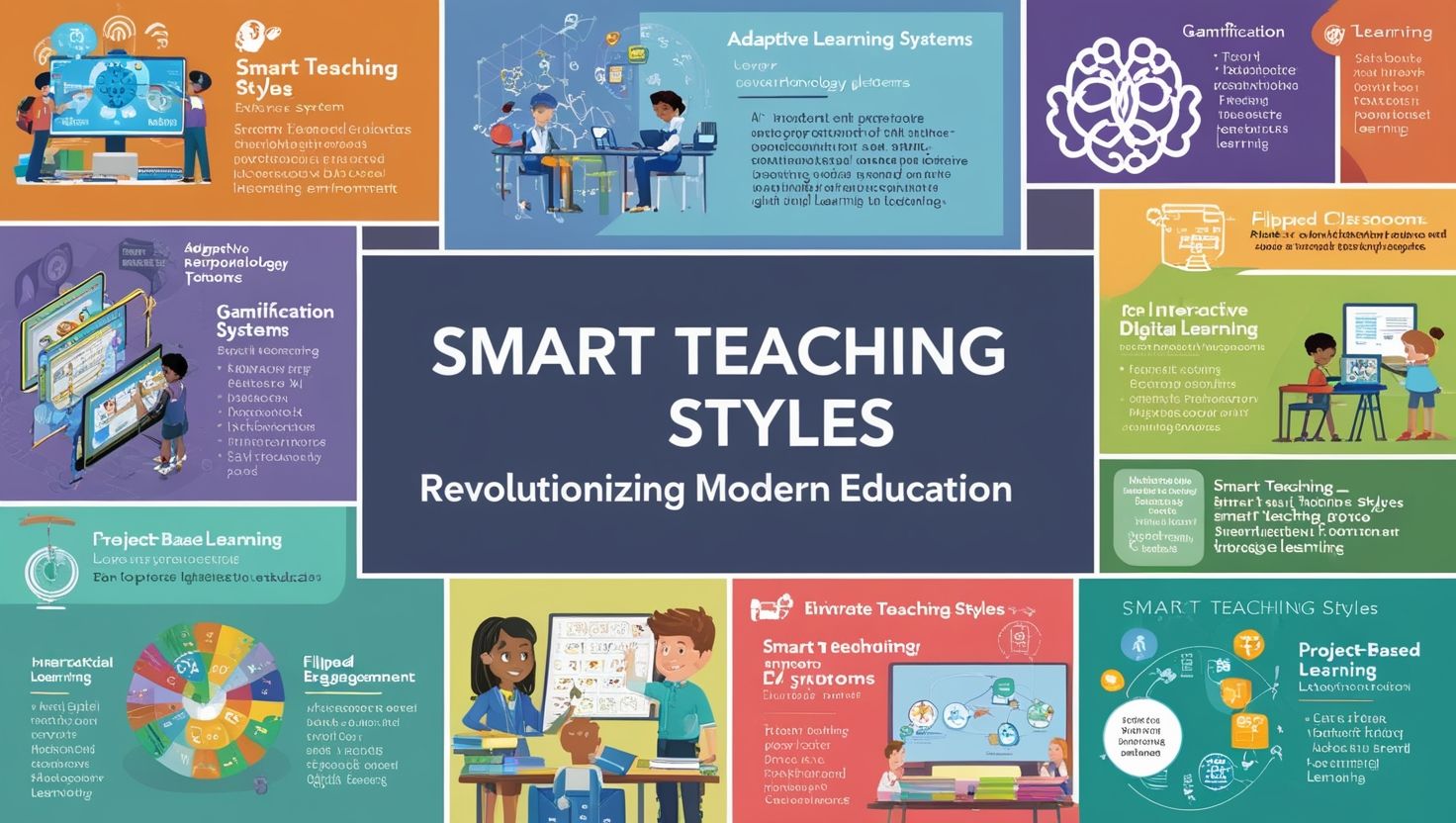
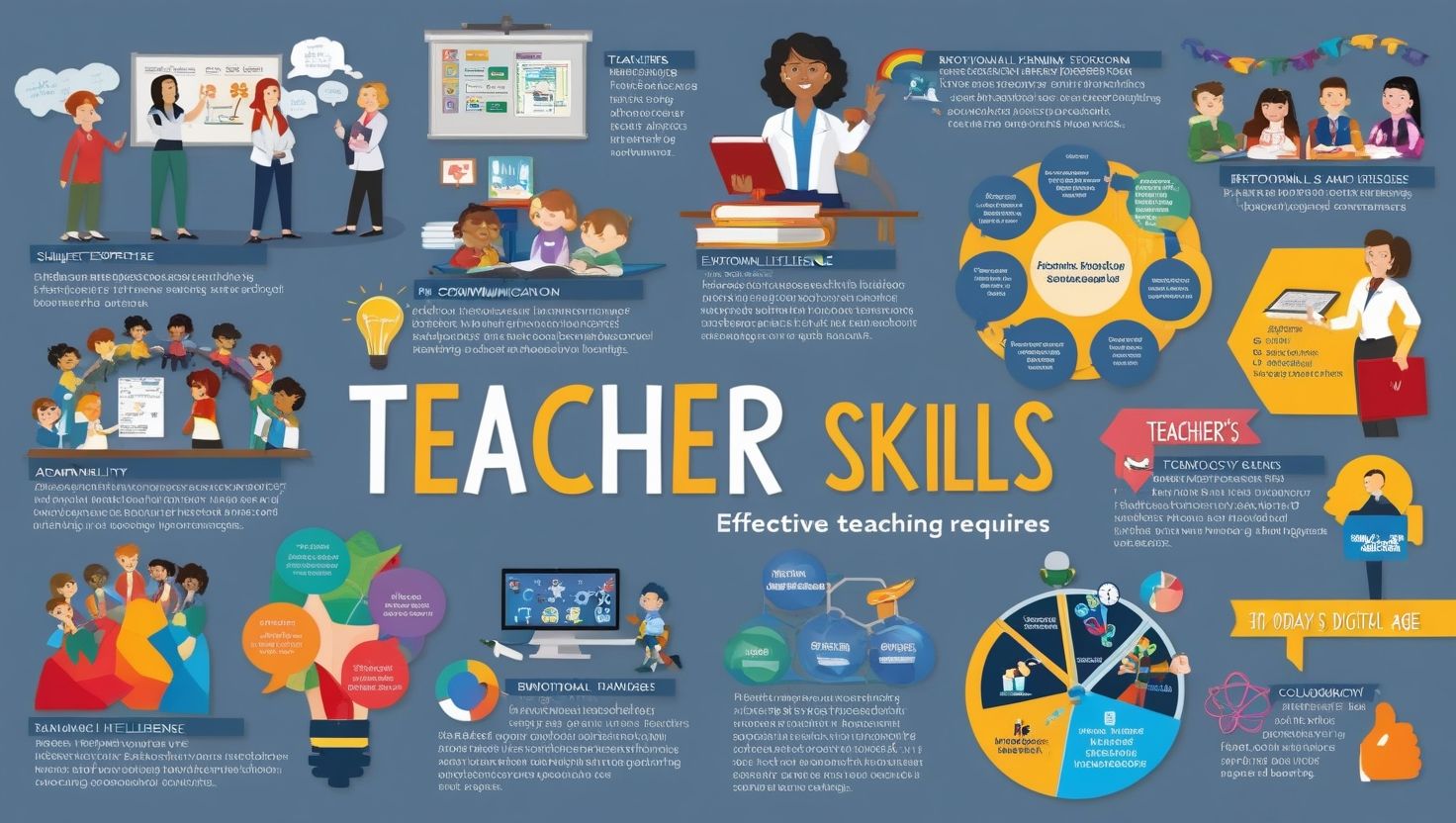
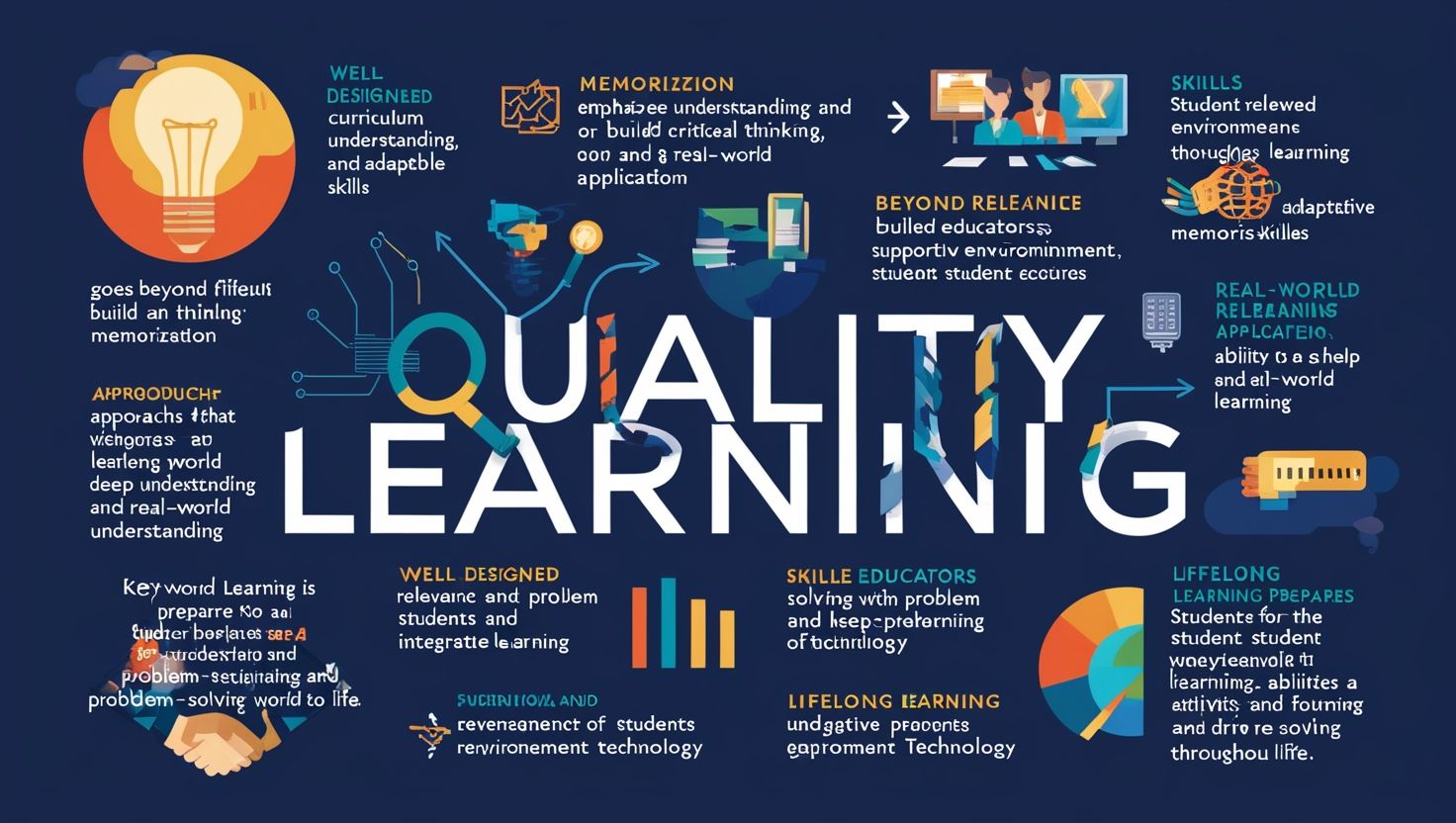
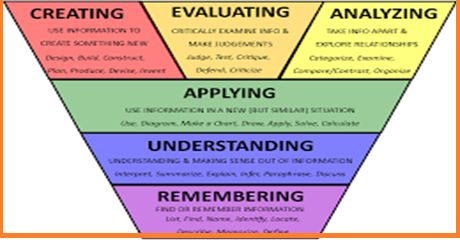
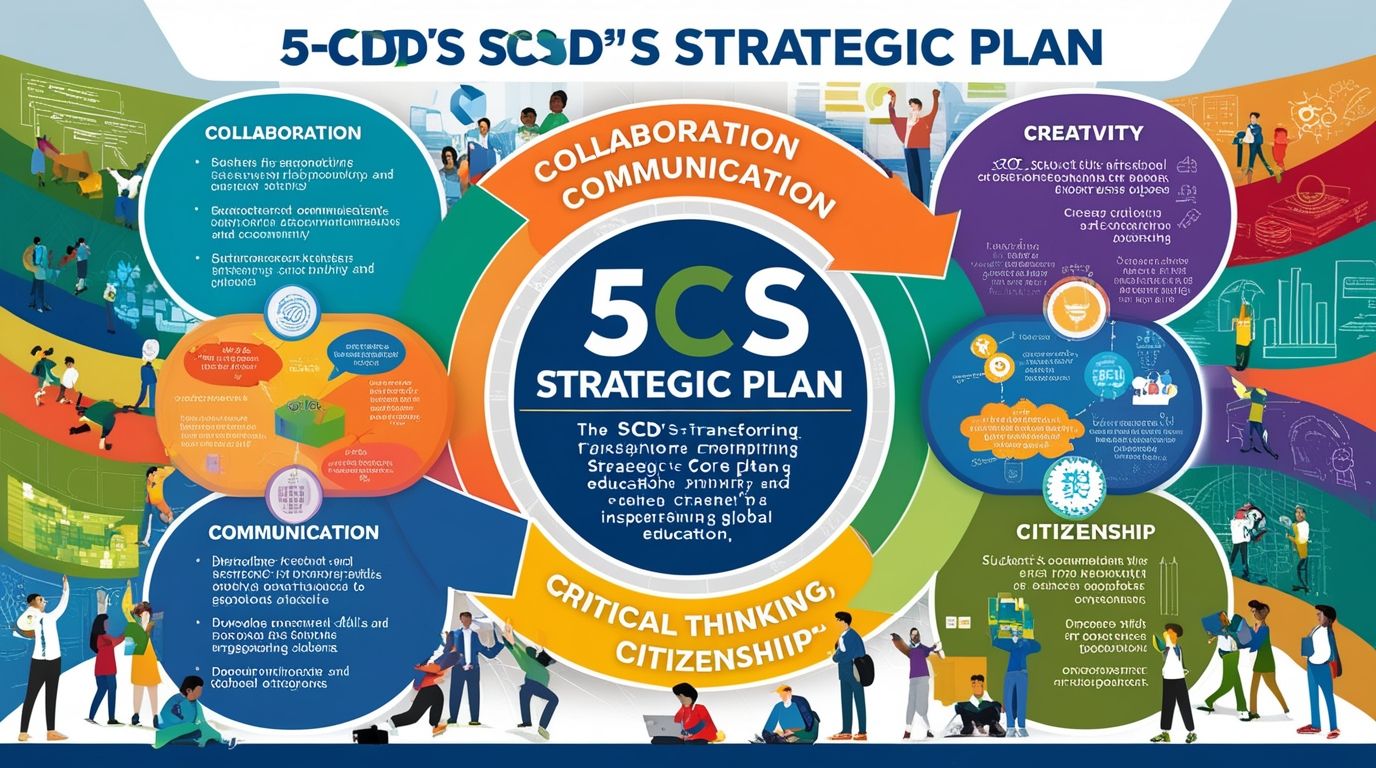
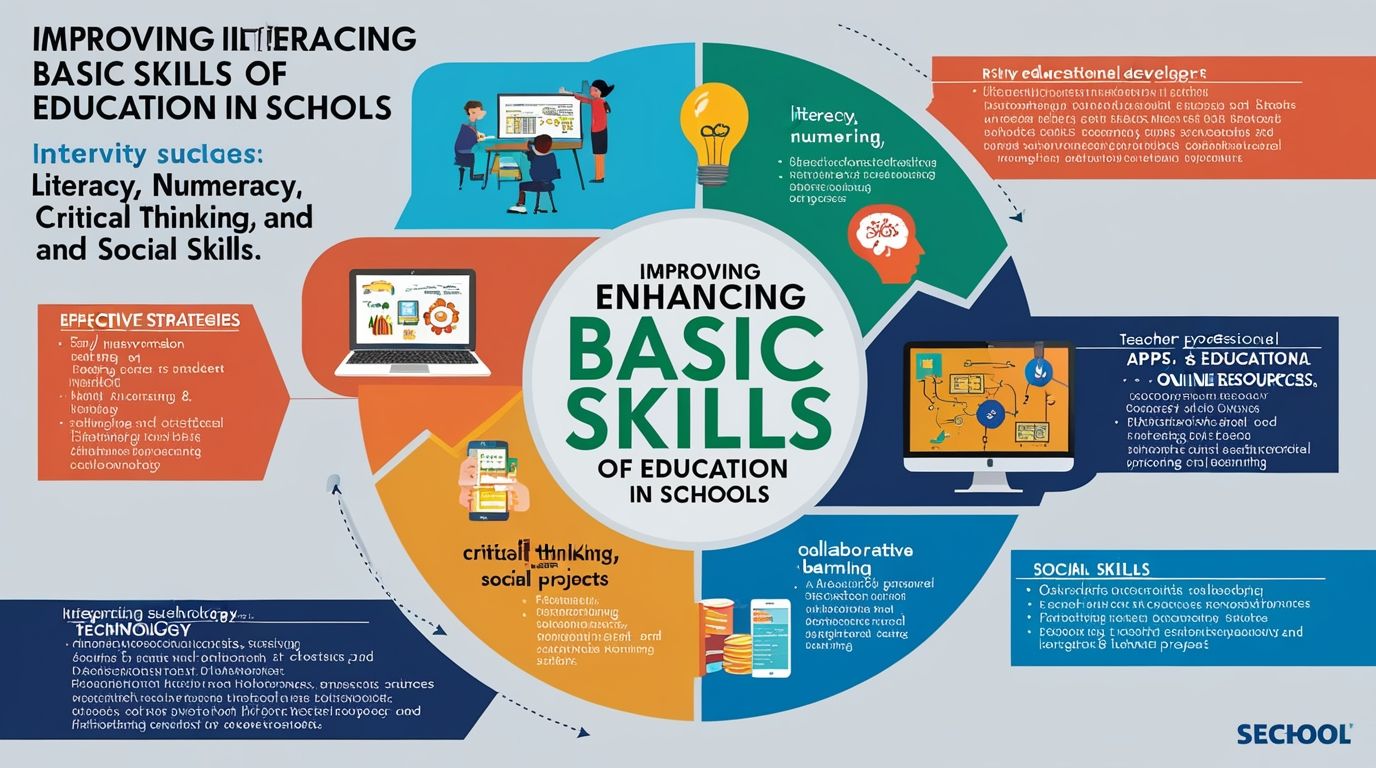
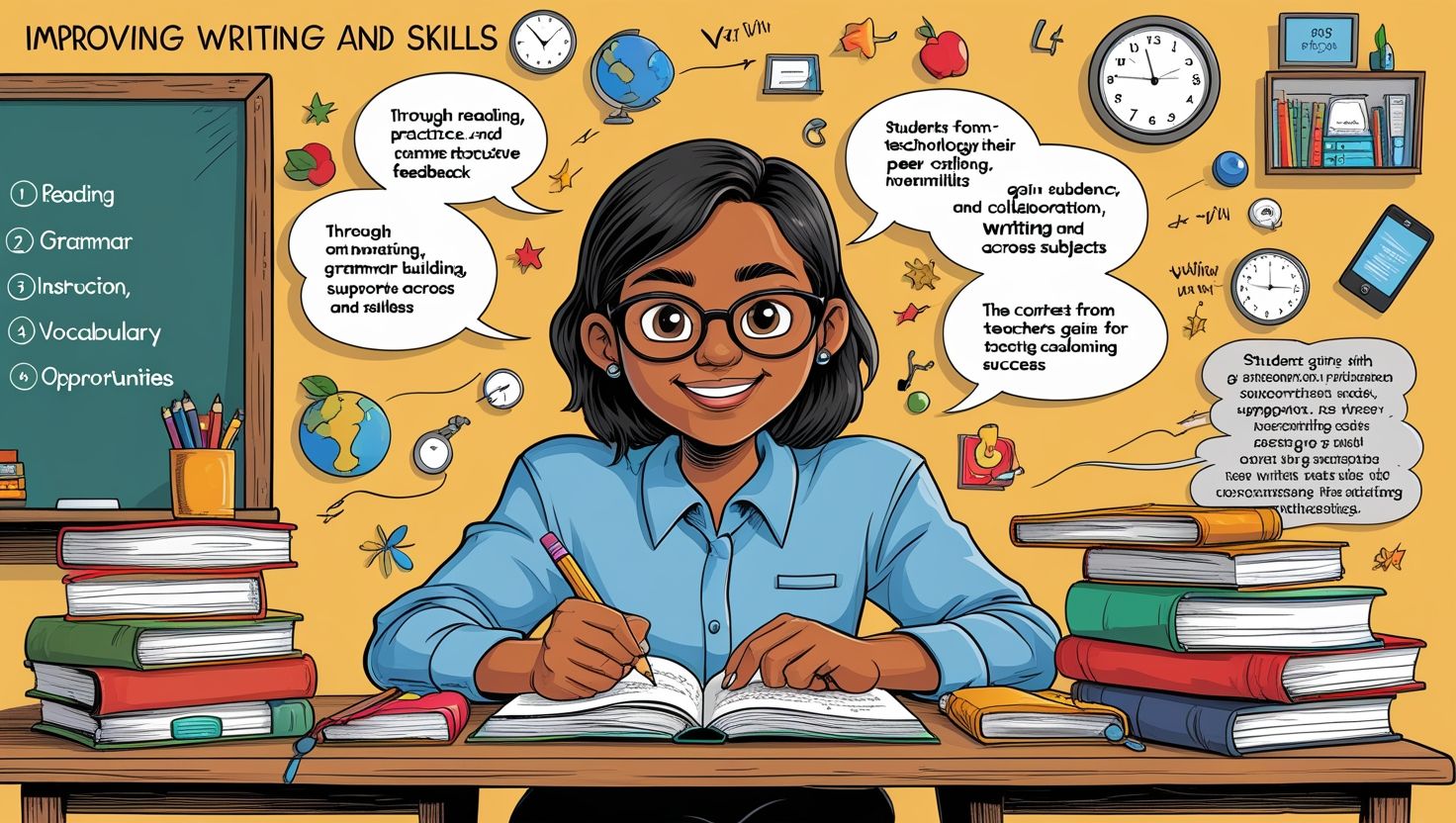
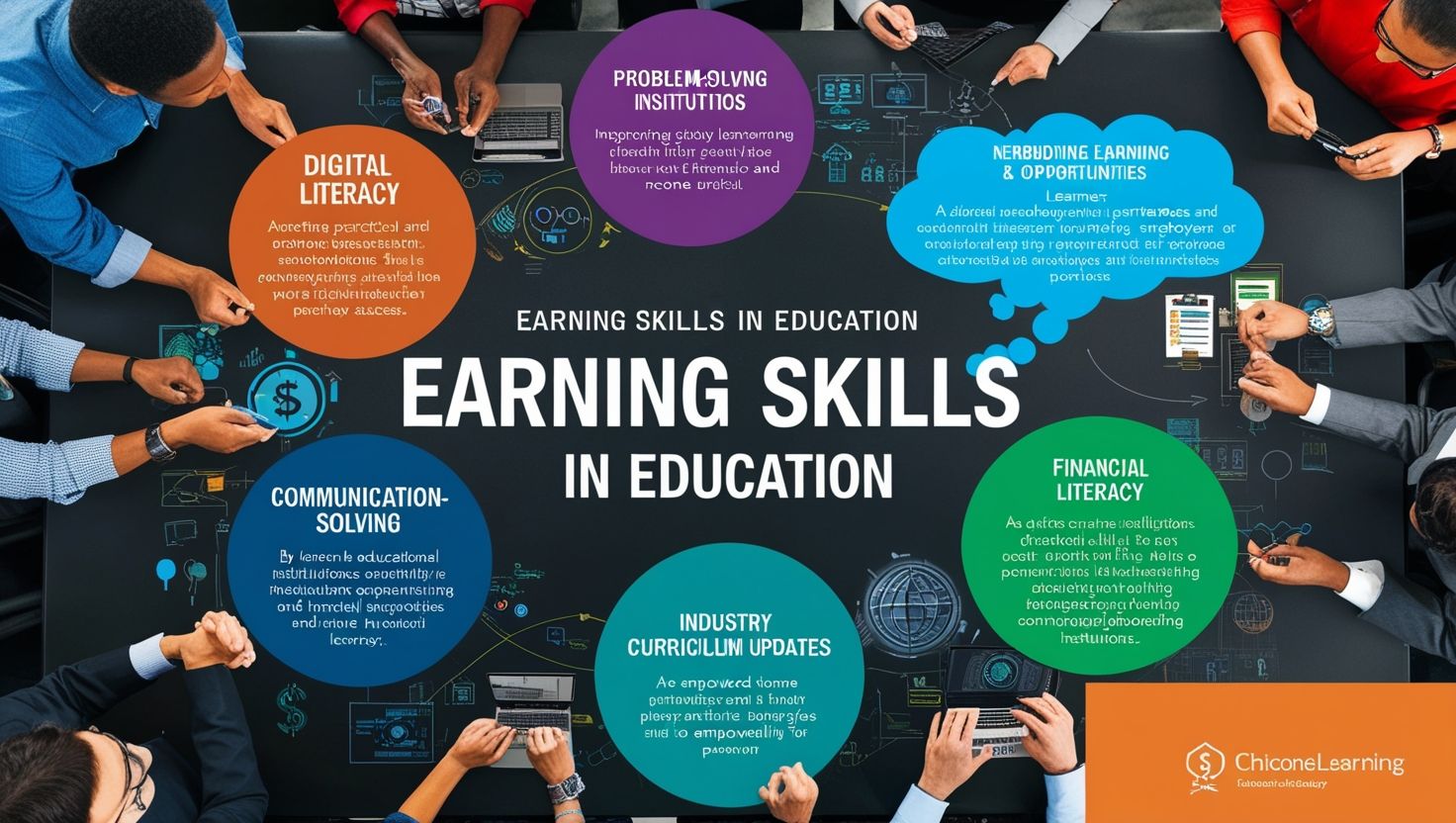
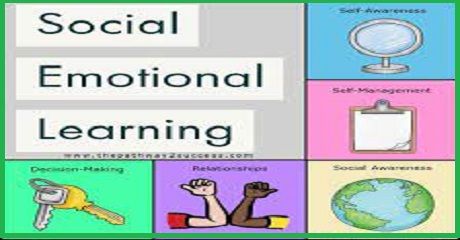
Skills, unlike merit, focus on what a student can actually do. Skill-based education emphasizes competencies such as critical thinking, communication, collaboration, creativity, and technical know-how. Instead of asking “What score did you get?”, a skills-based approach asks “What can you build, solve, or create?”
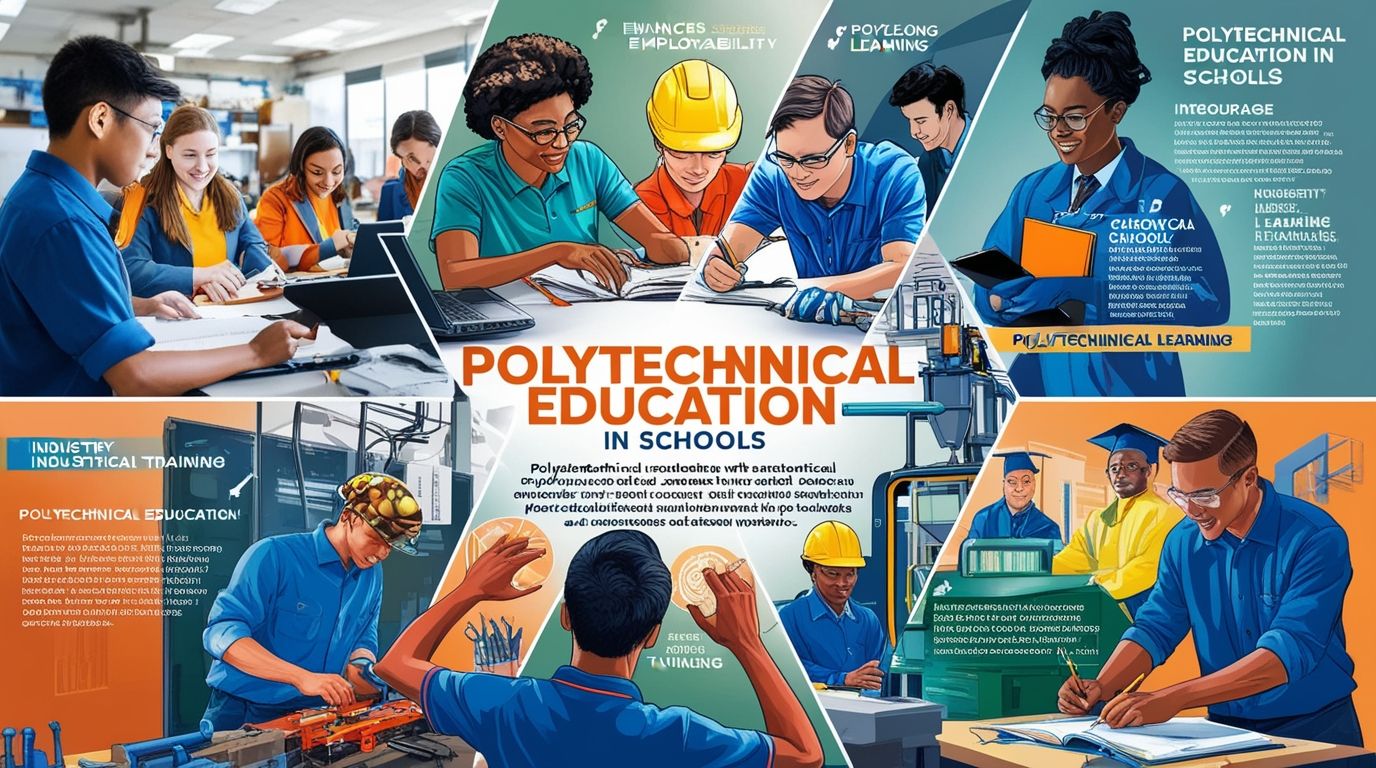
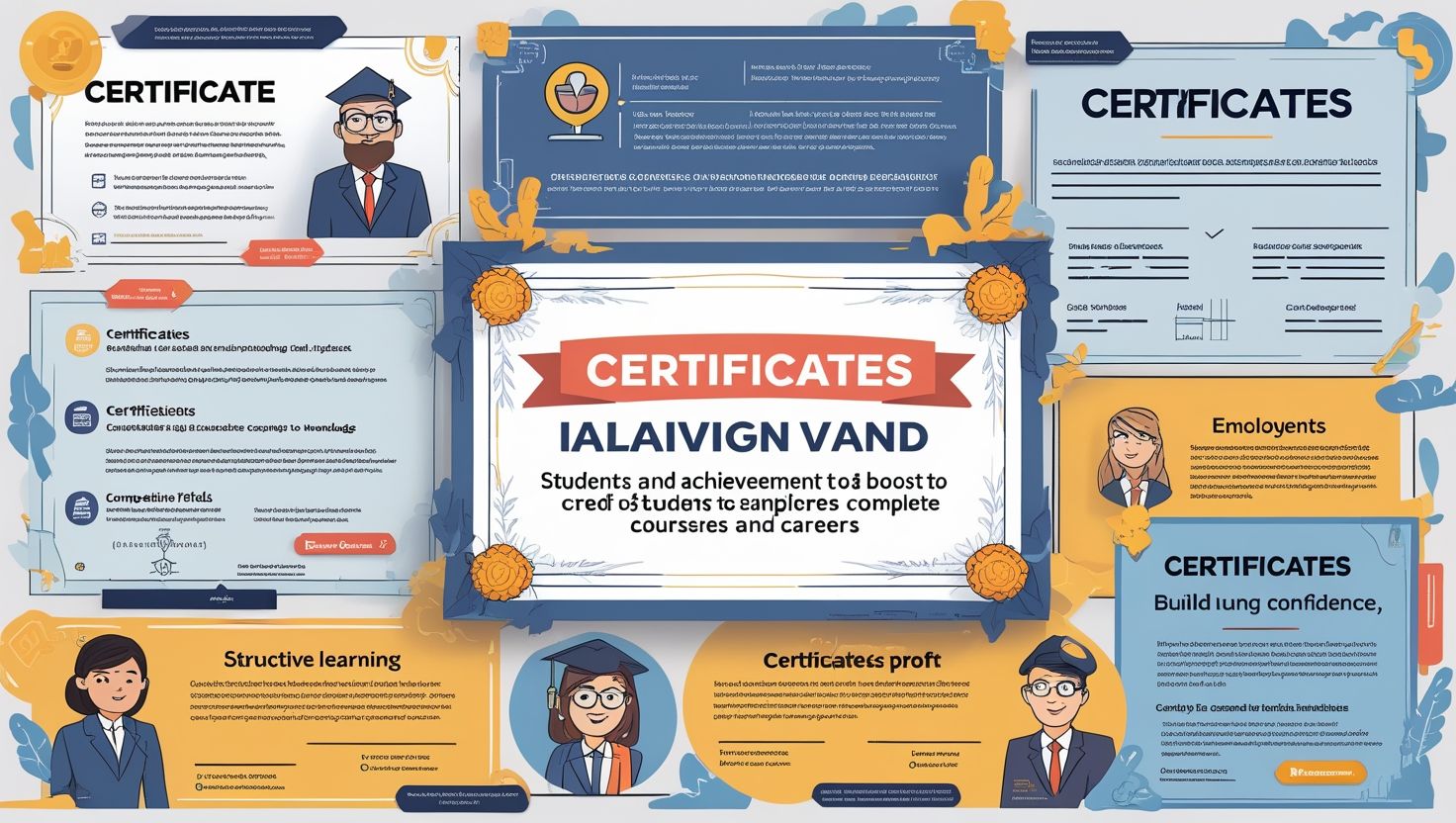
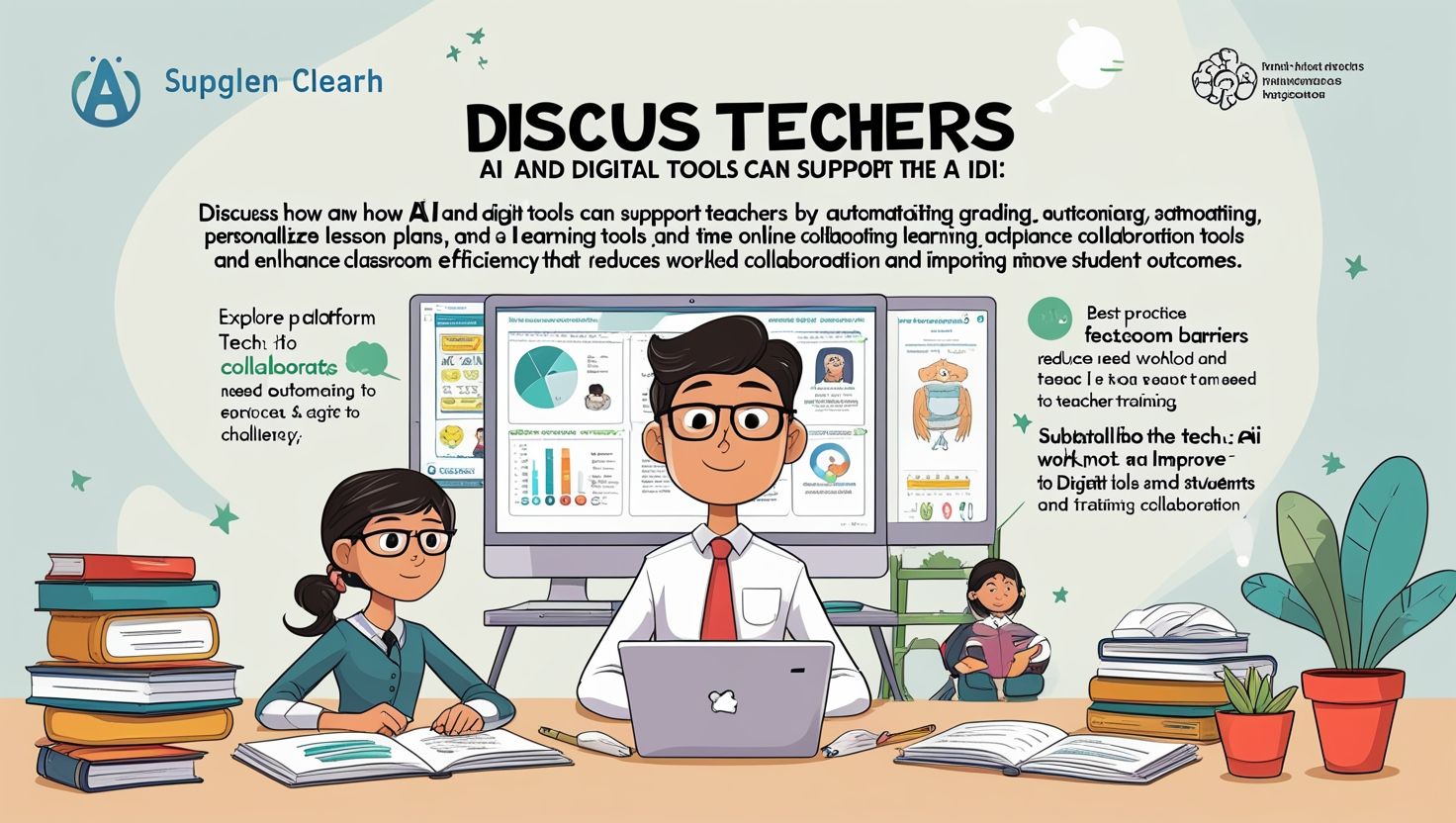
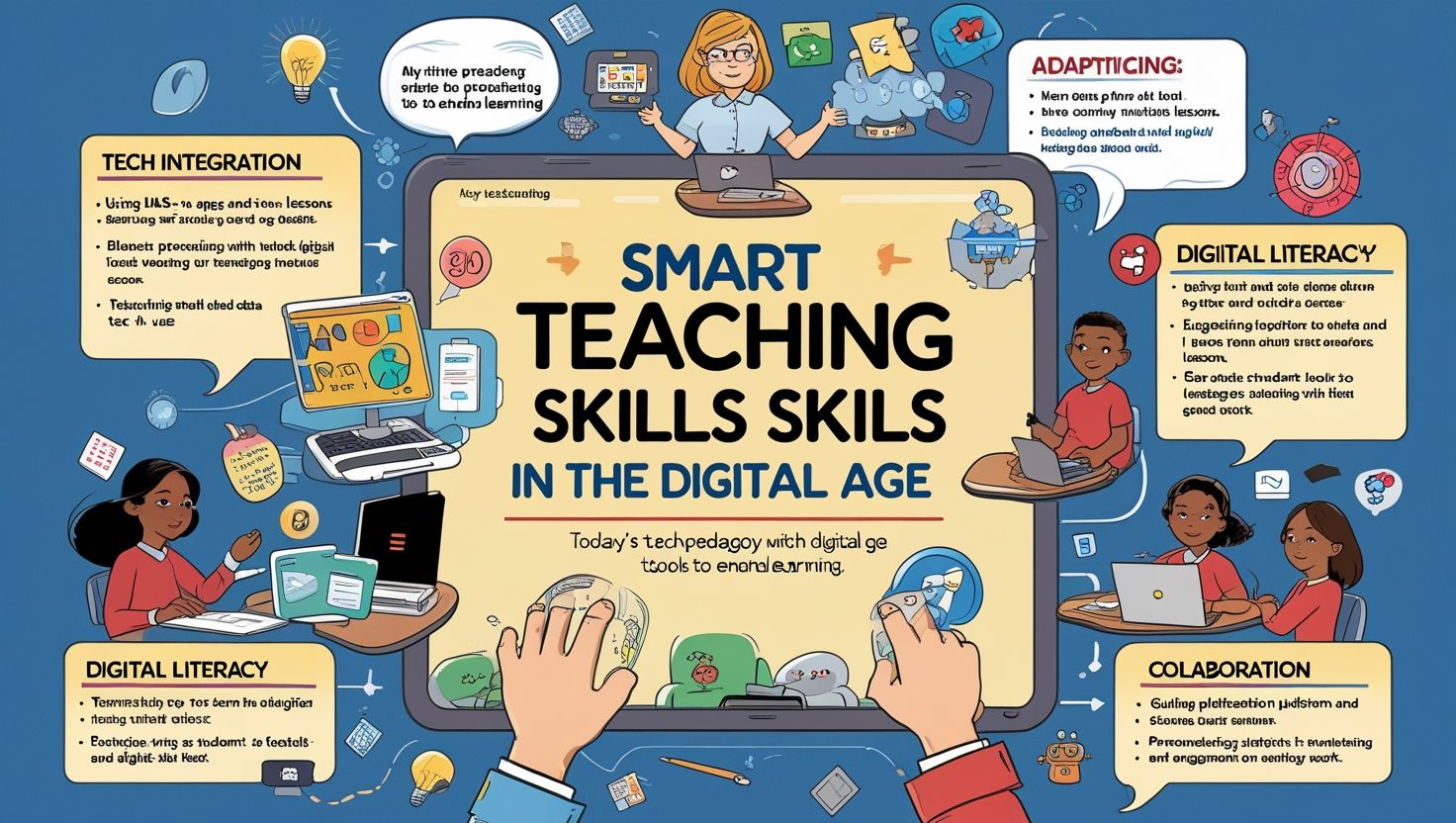
This model has grown rapidly popular because the modern job market rewards practical ability over paper qualifications. Coding bootcamps, vocational training programs, and project-based learning environments all fall under this umbrella. A student who can design a working app, manage a small budget, or lead a team project demonstrates value that a transcript alone cannot capture.
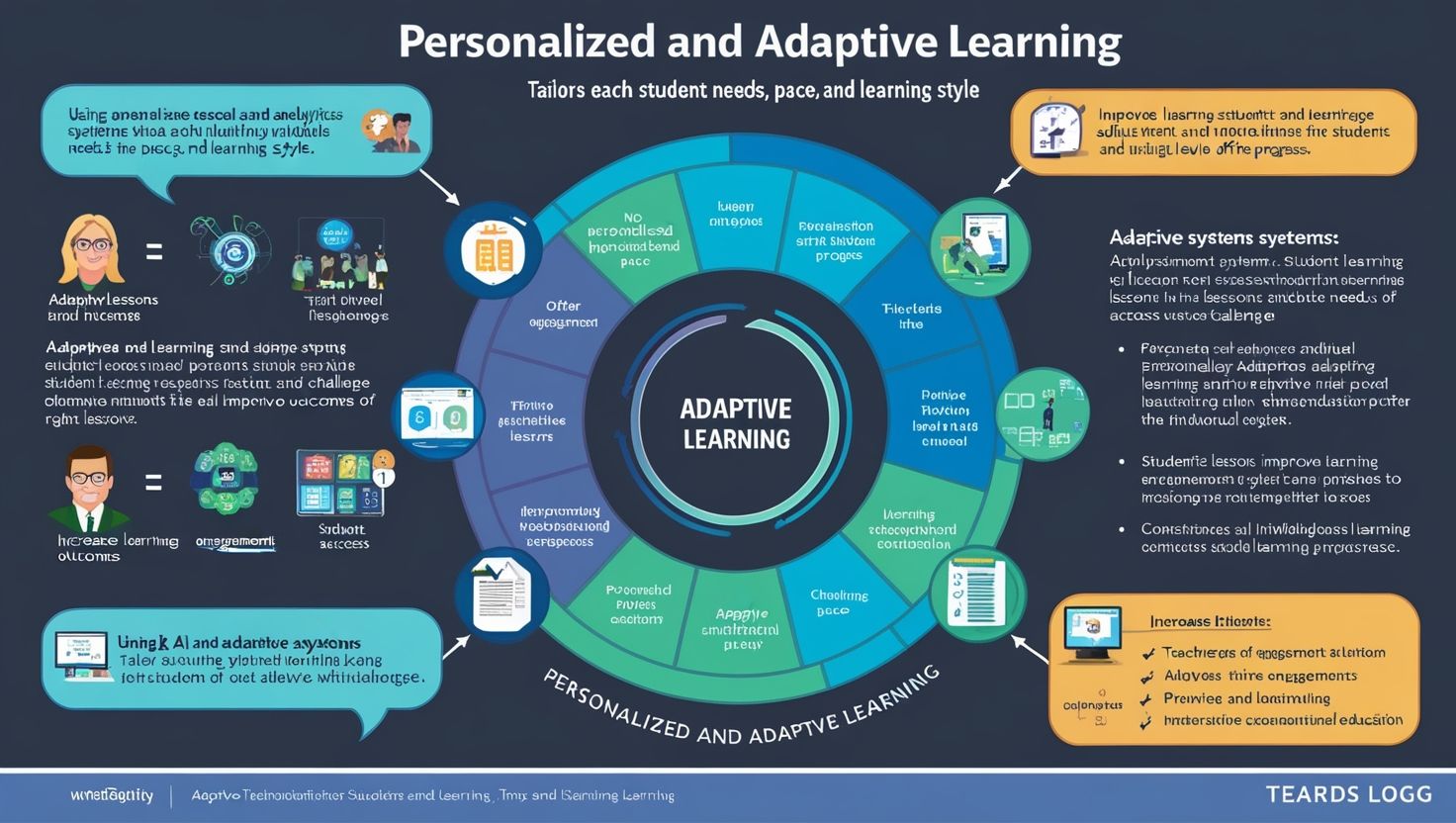
Skill development also nurtures adaptability. Industries evolve quickly, and many jobs that exist today did not exist a decade ago. Employers increasingly prioritize soft skills and technical skills because these traits predict how well someone will perform in unpredictable, real-world situations. A skills-first mindset prepares students not just for a single career path but for a lifetime of learning and reinvention.
Still, a purely skills-based education carries risks. Without some standardized measure, comparing students becomes difficult. Skills can also be subjective; one teacher’s definition of “strong communication” may differ wildly from another’s. Without structure, a skills-only system may lack the rigor needed to build strong foundational knowledge.
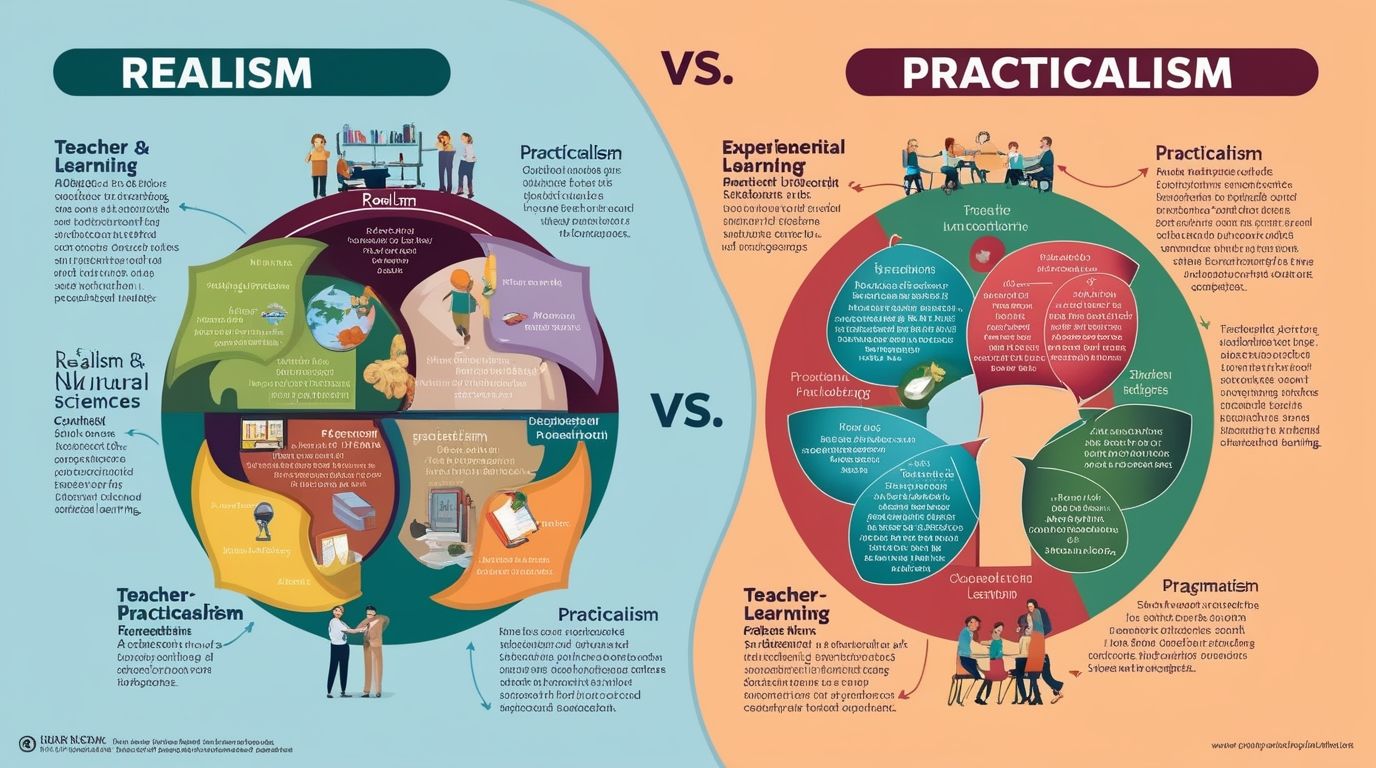
Merit vs Skills: The Core Differences
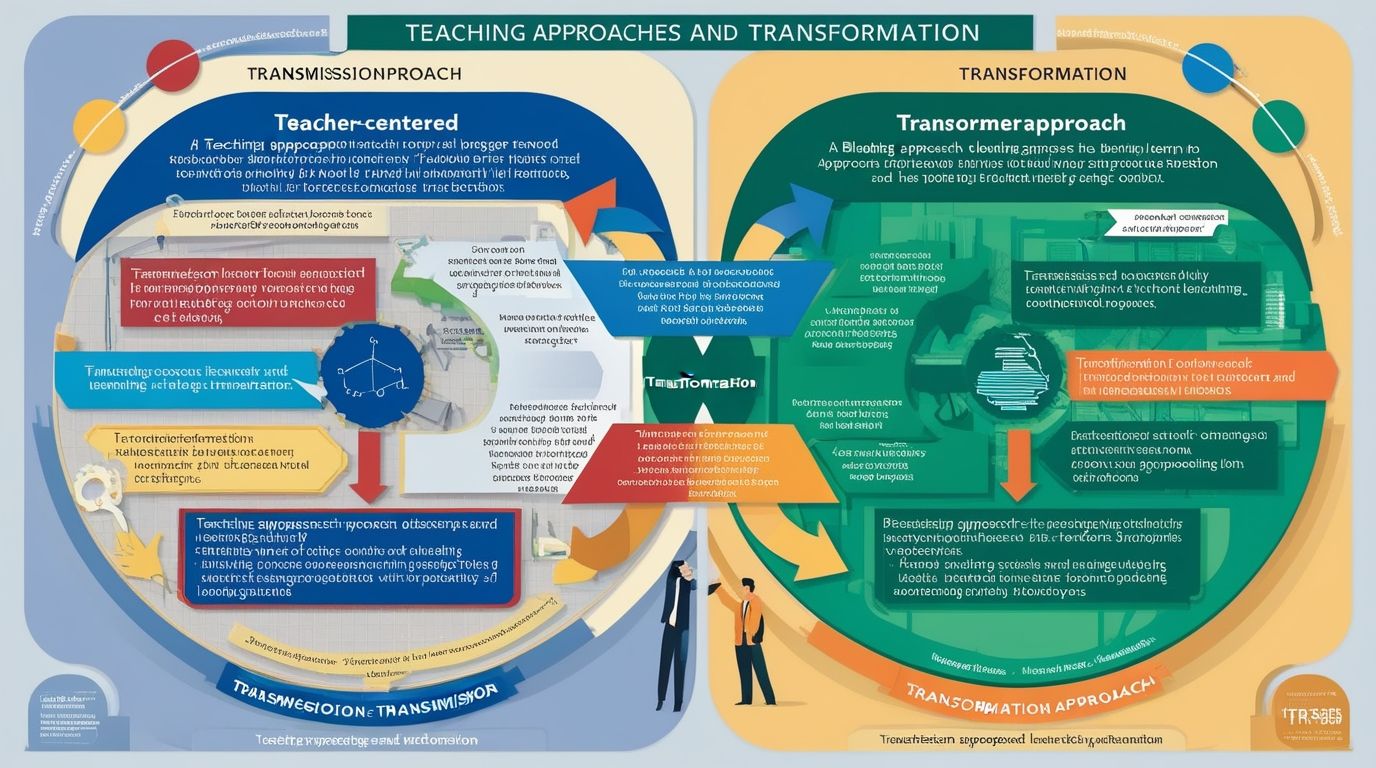
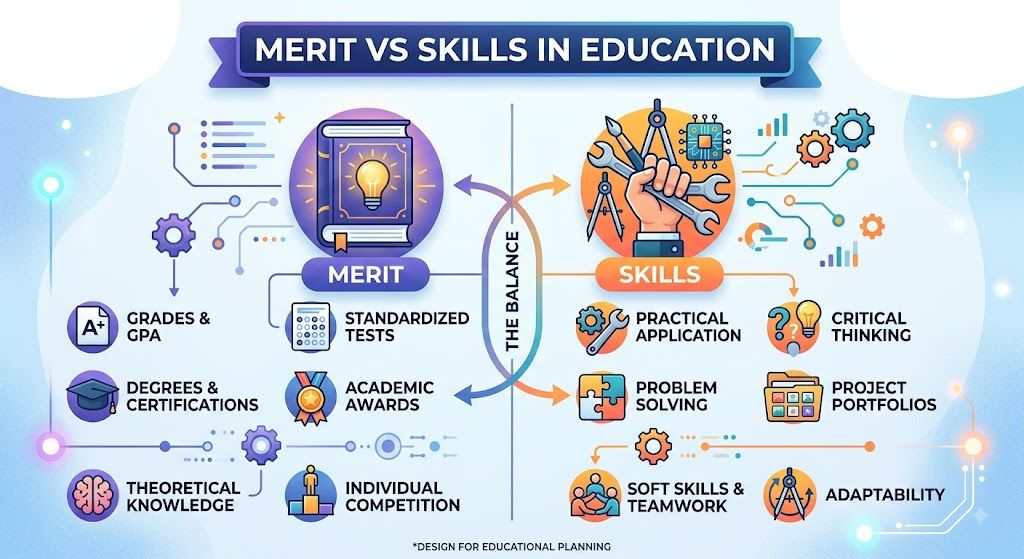
The merit vs skills debate ultimately centers on two different philosophies of learning.
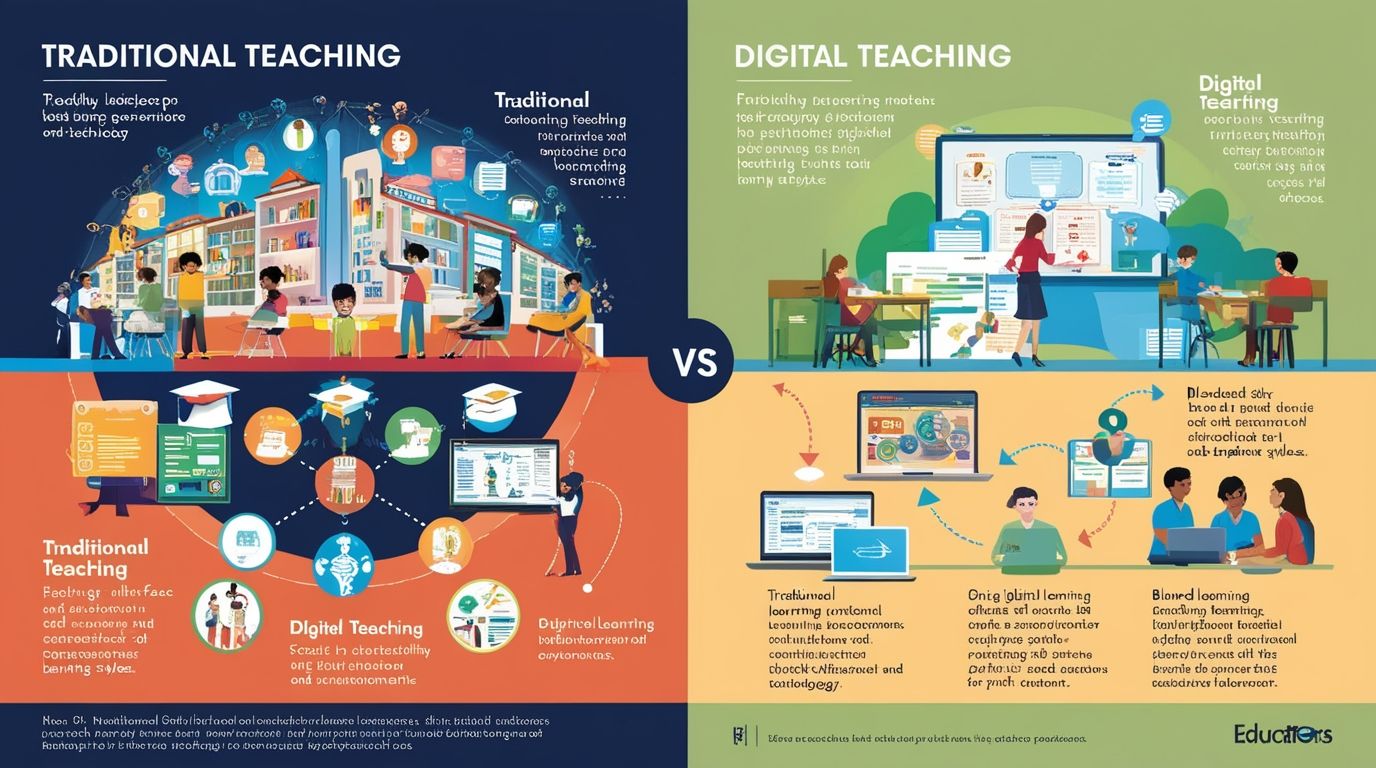
- Merit measures outcomes through standardized, comparable metrics like grades and test scores.
- Skills measure capability through demonstrated, practical competence.
- Merit rewards consistency within a fixed system.
- Skills reward adaptability across changing environments.
- Merit-based systems tend to favor students with strong test-taking ability.
- Skill-based systems tend to favor students with strong applied ability.
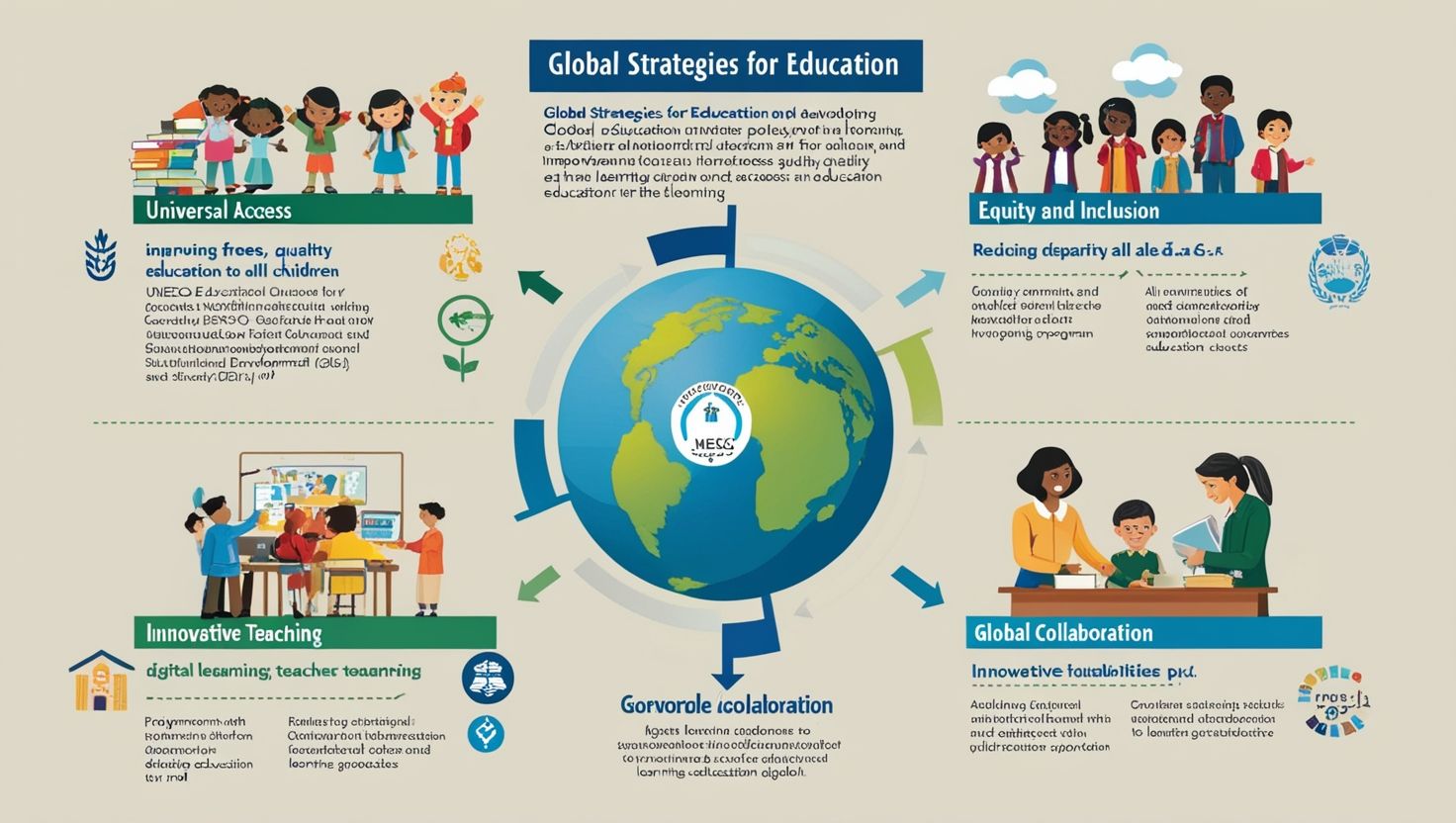
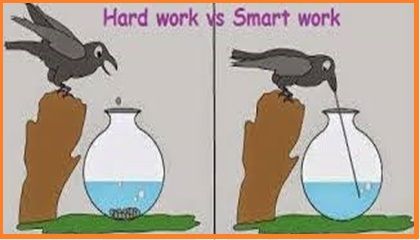
Neither approach is inherently superior. Academic merit provides structure, accountability, and a shared benchmark that institutions rely on for admissions and hiring decisions. Practical skills provide relevance, flexibility, and real-world readiness. The strongest education systems recognize that these two ideas complement each other rather than compete.
Why This Debate Matters Now
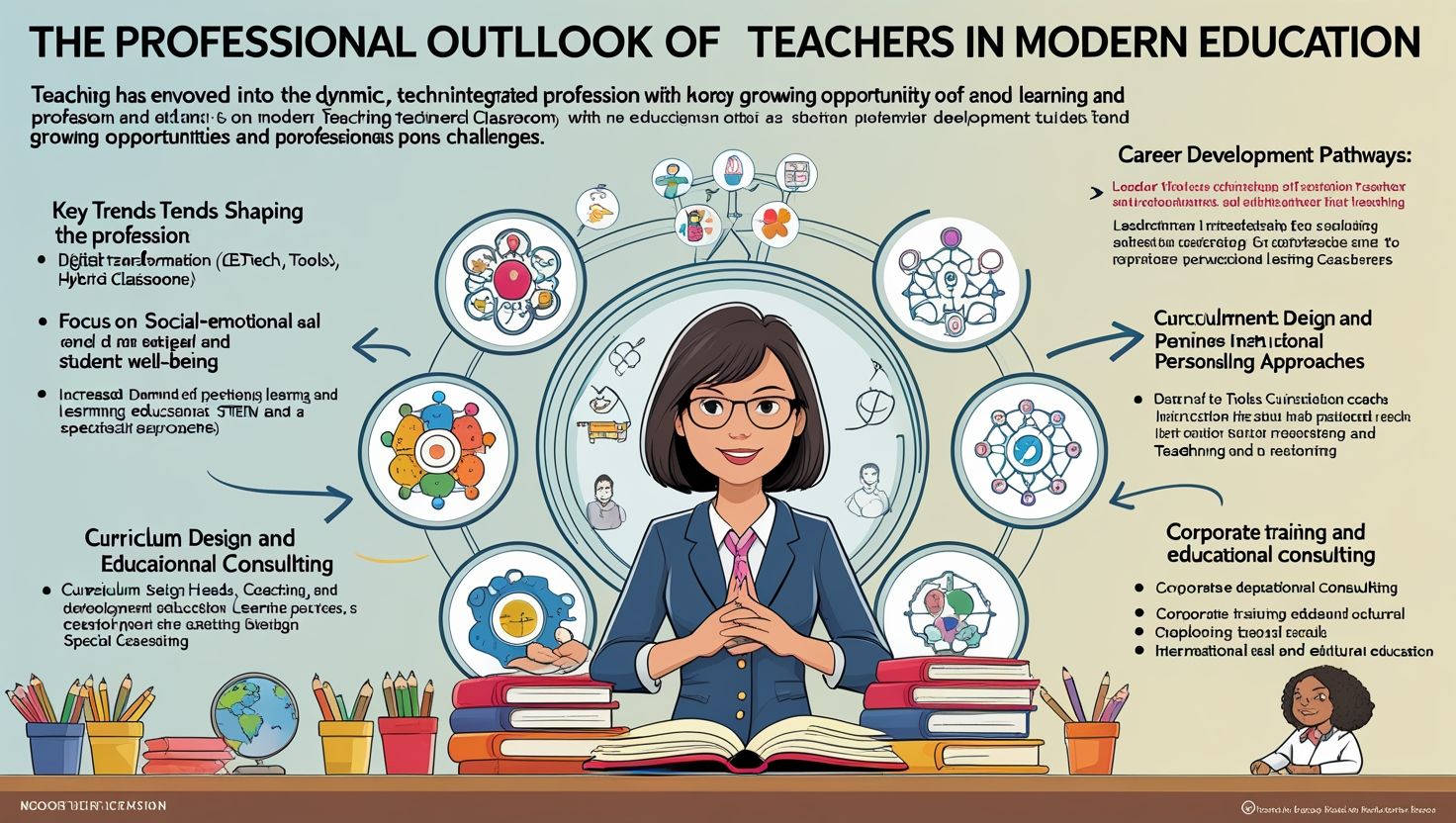
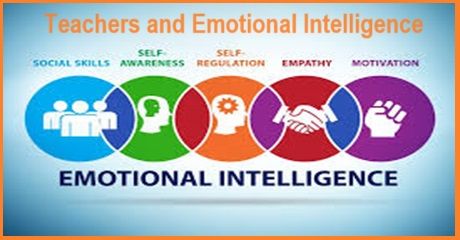
Global workforce trends explain why the merit vs skills conversation has intensified. Automation and artificial intelligence continue to reshape entire industries. Many routine, memorization-based tasks are now automated, which raises the value of uniquely human skills like creativity, emotional intelligence, and complex problem-solving.
Several major companies have removed degree requirements from job listings and now emphasize skills-based hiring instead. This shift signals a broader change: employers care less about where or how a candidate learned something and more about whether that person can perform the job. Education systems that cling exclusively to merit-based grading risk producing graduates who look impressive on paper but struggle to apply their knowledge.
At the same time, completely abandoning merit creates its own problems. Universities still need reliable ways to compare applicants. Employers still need some baseline assurance of a candidate’s foundational knowledge. Standardized testing, despite its flaws, offers a consistent, scalable method for that comparison. The challenge lies in balancing both systems rather than eliminating either one.
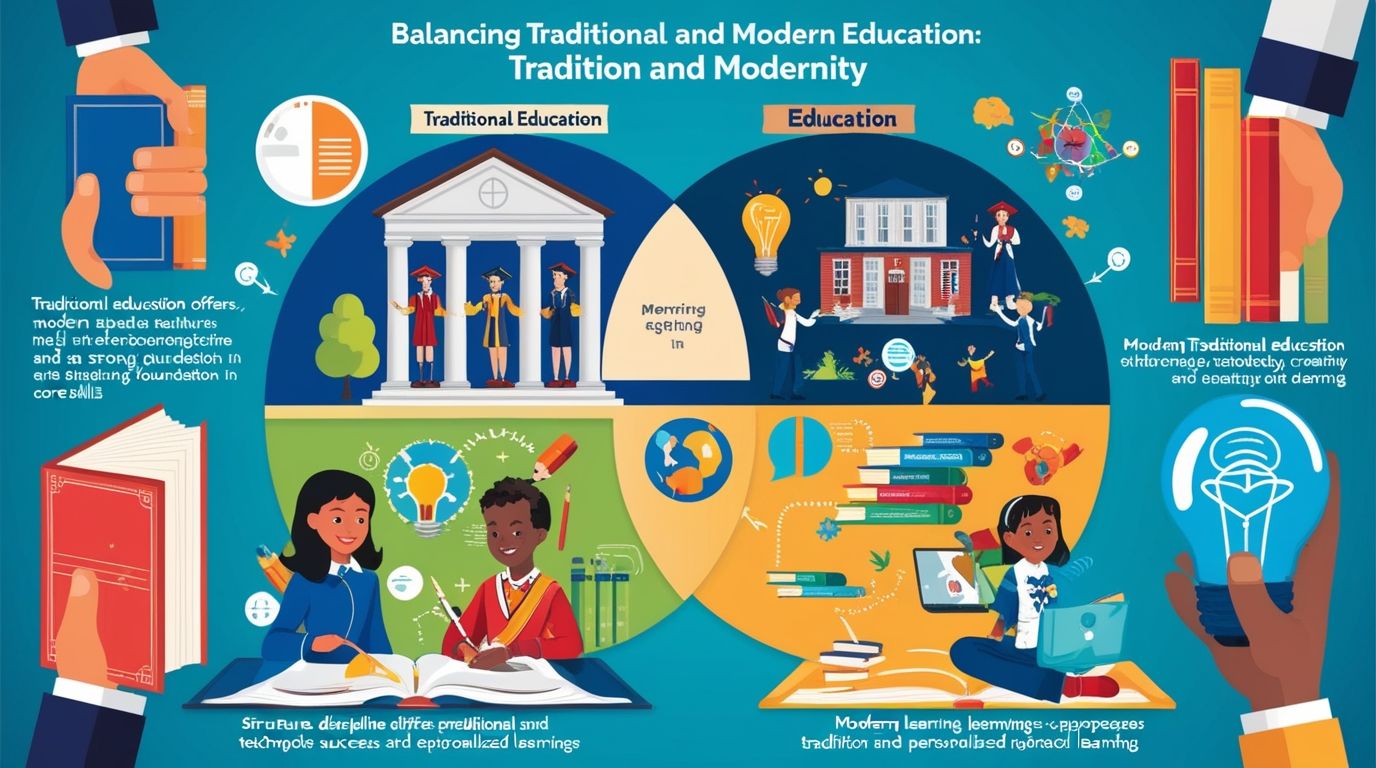
The Case for a Balanced Approach
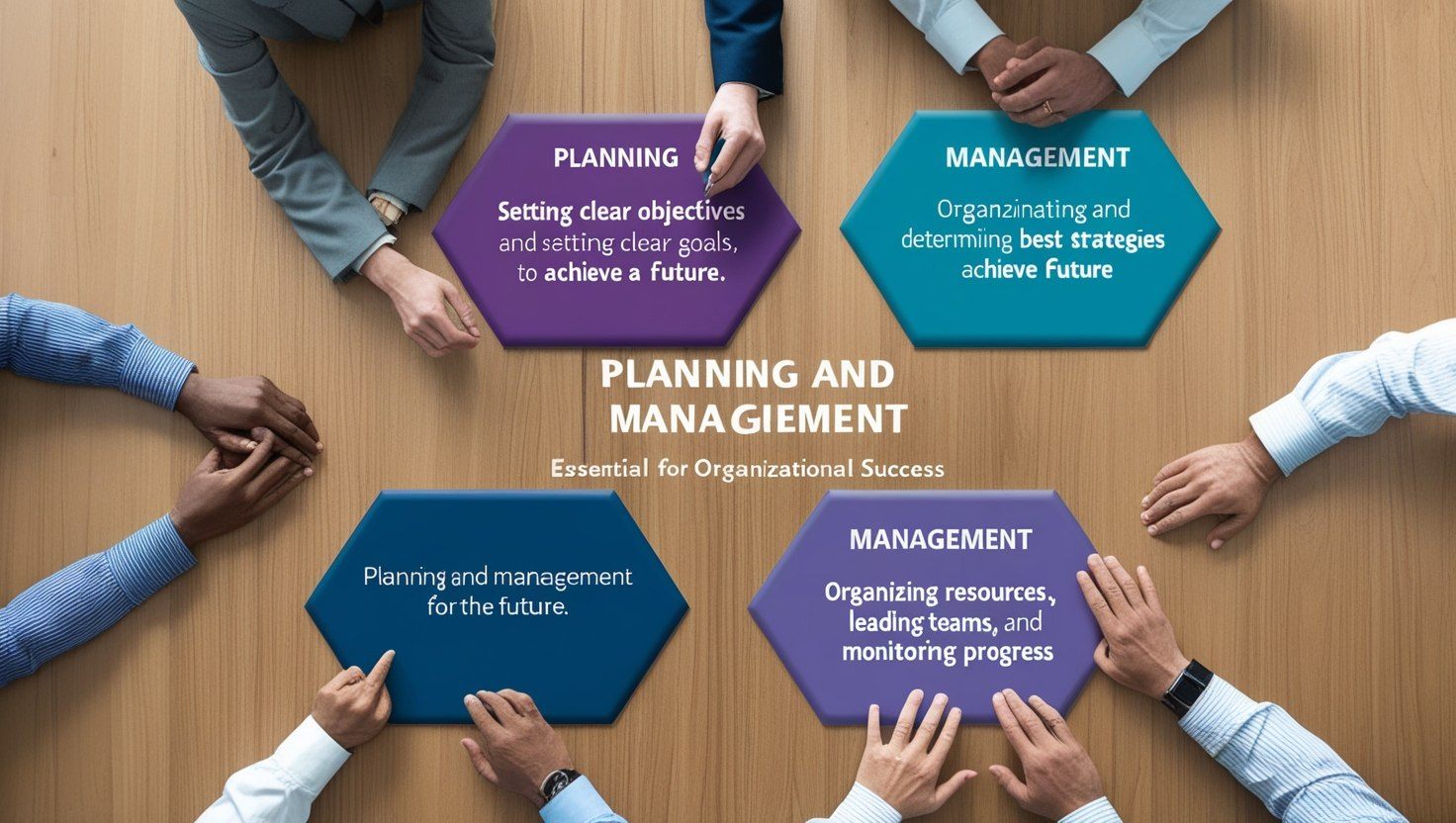
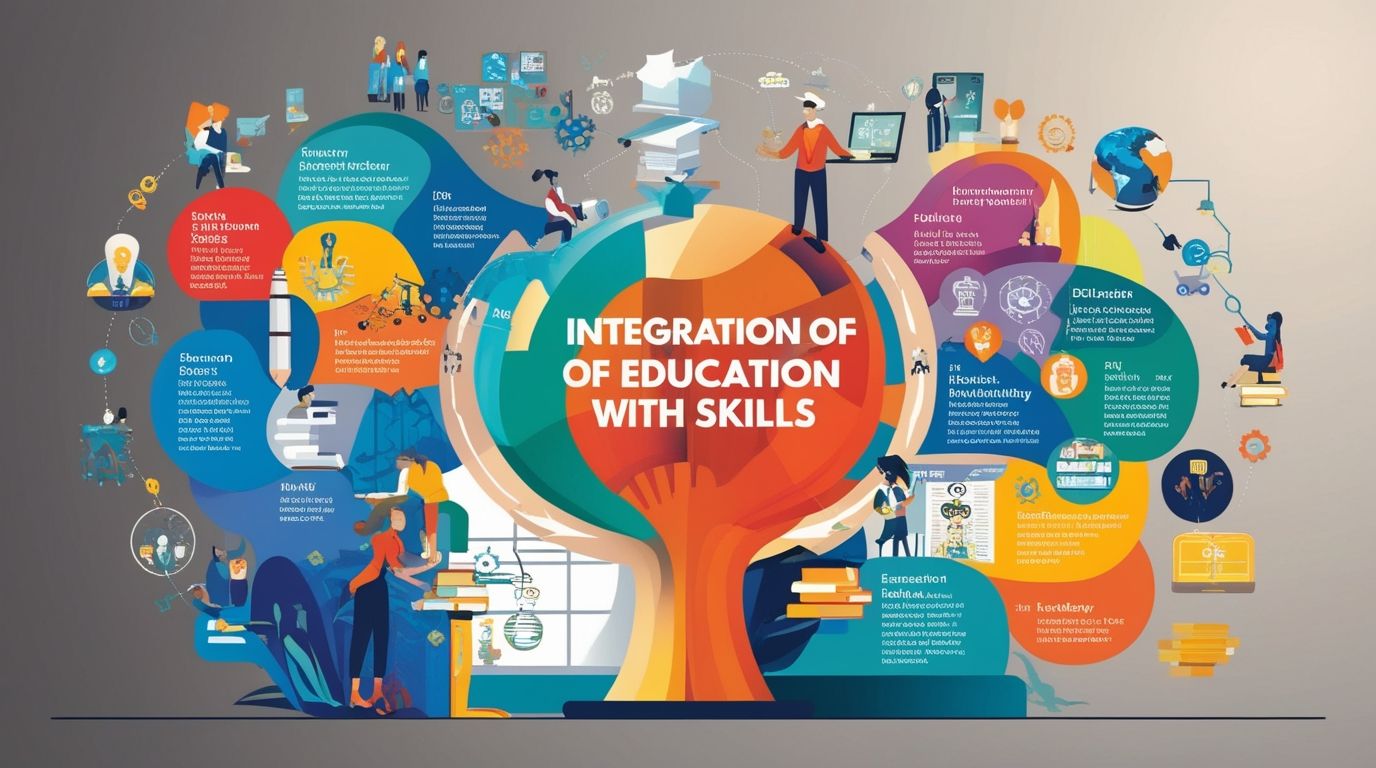
A hybrid education model blends merit-based assessment with skill-based learning. Several forward-thinking schools already use this approach successfully.
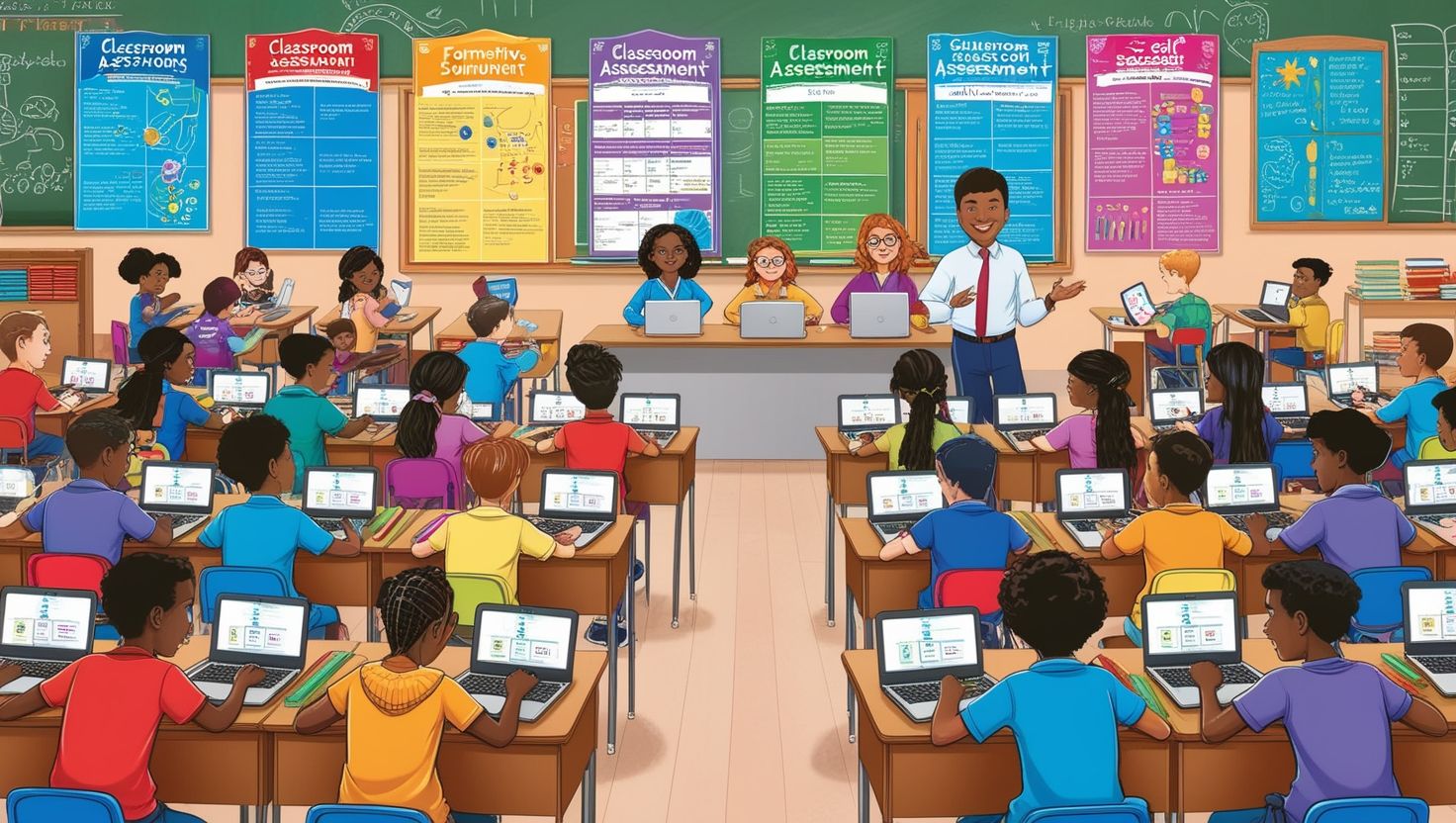
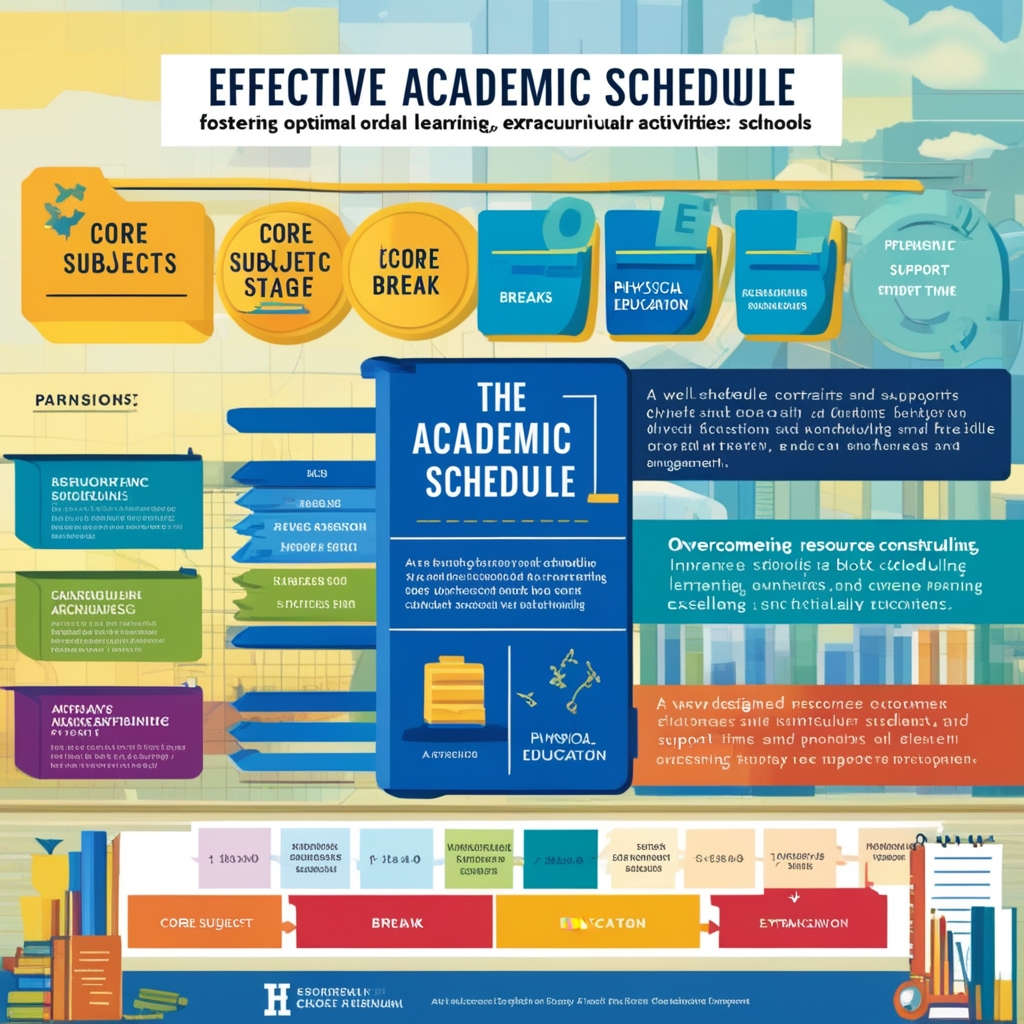
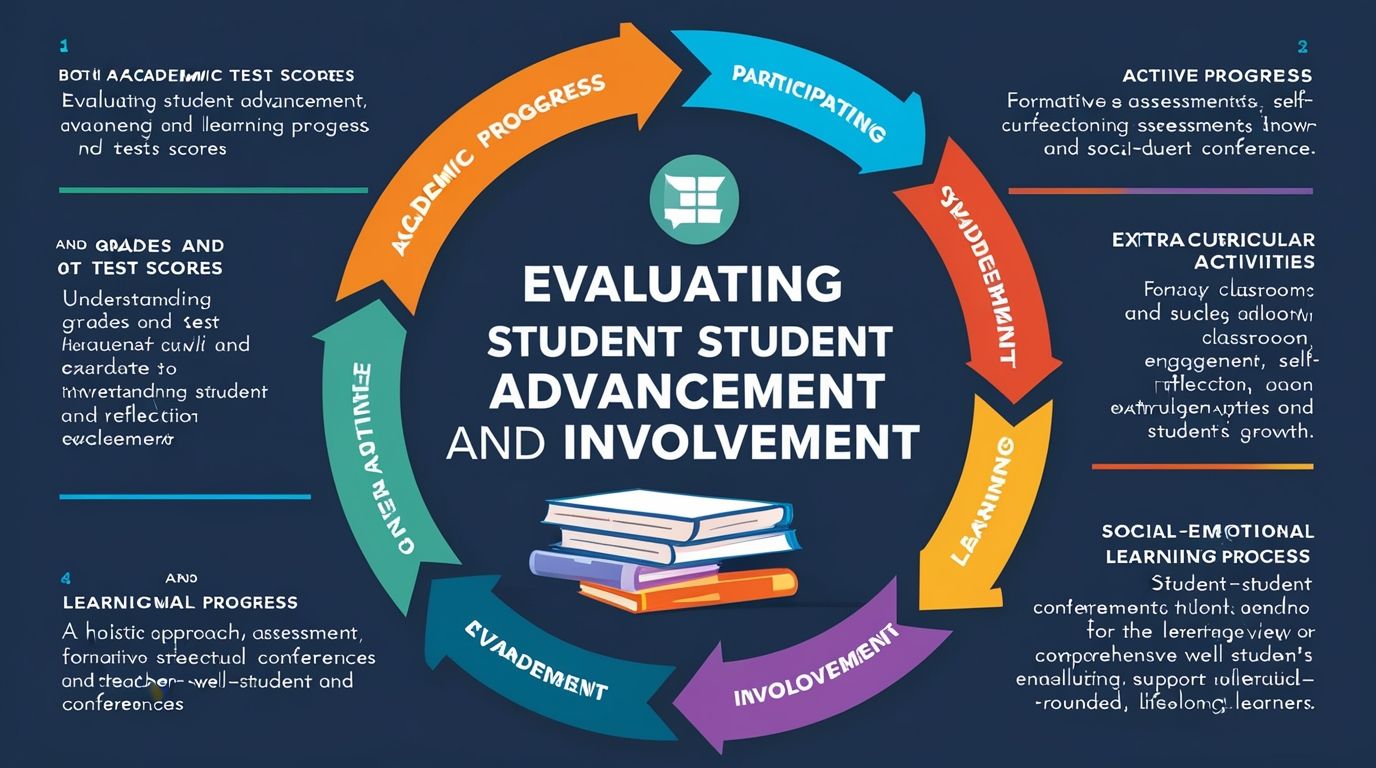
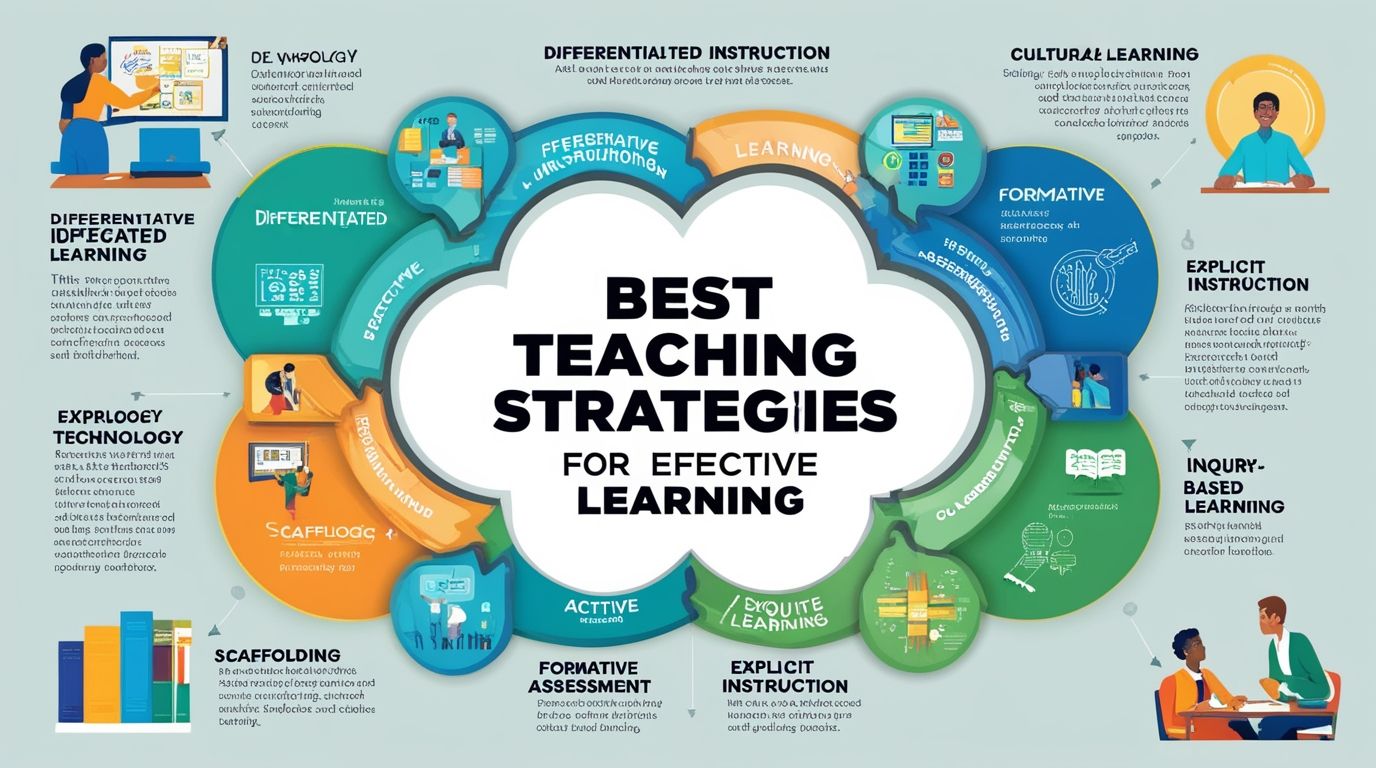
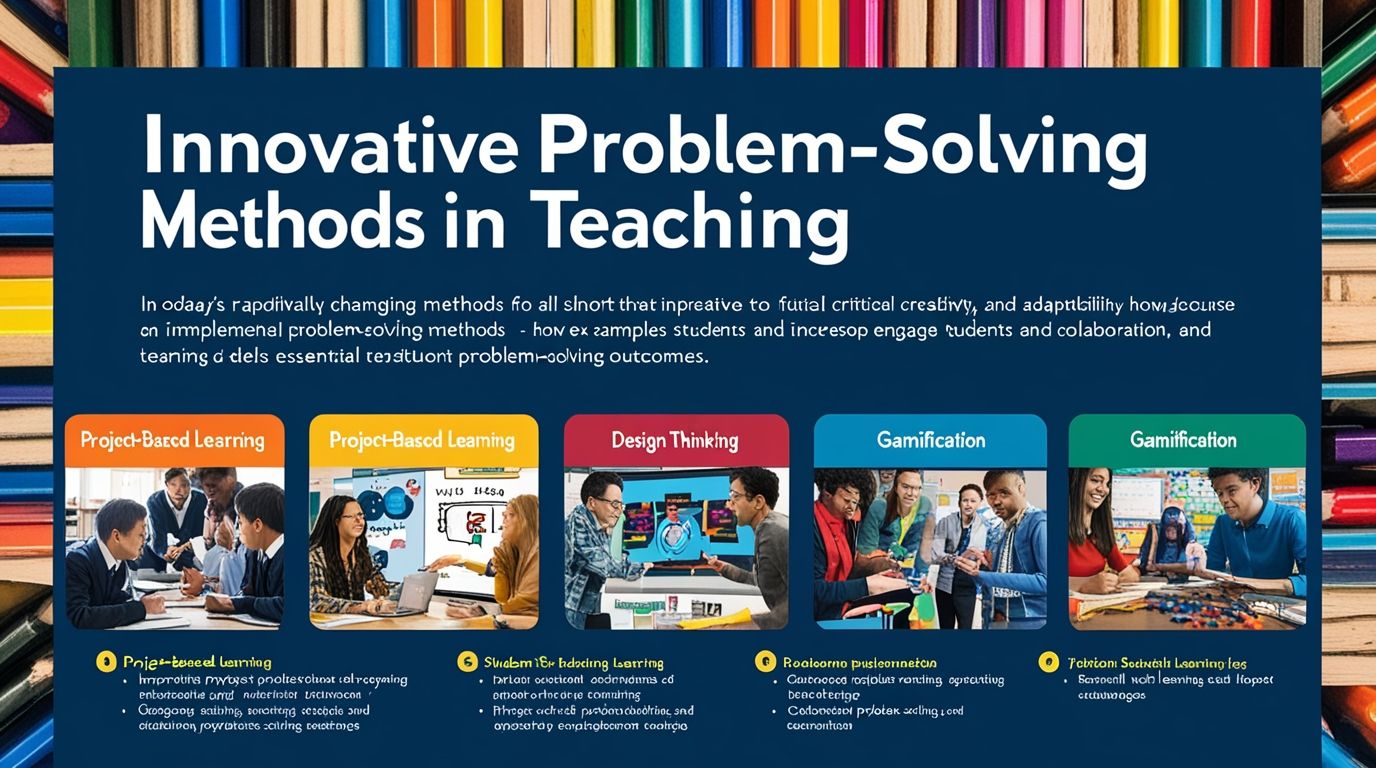
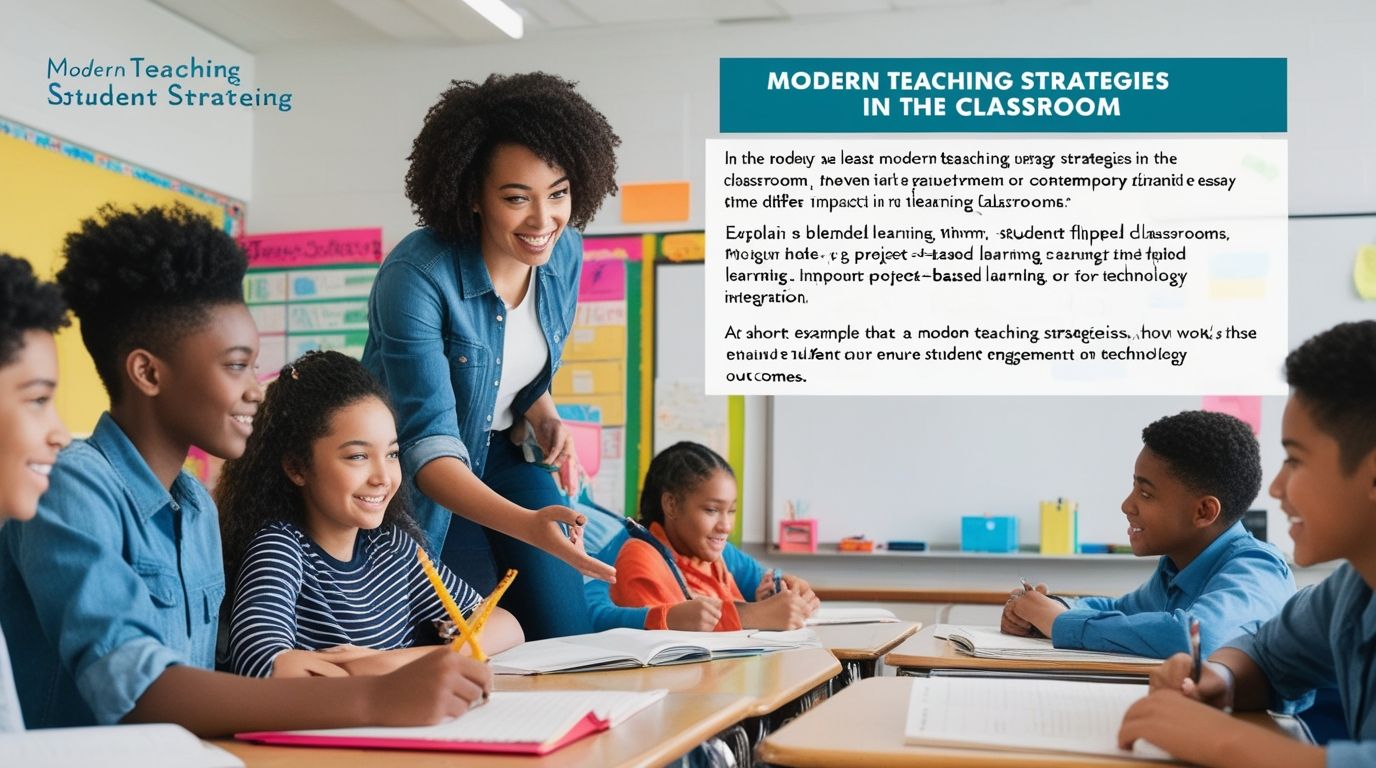
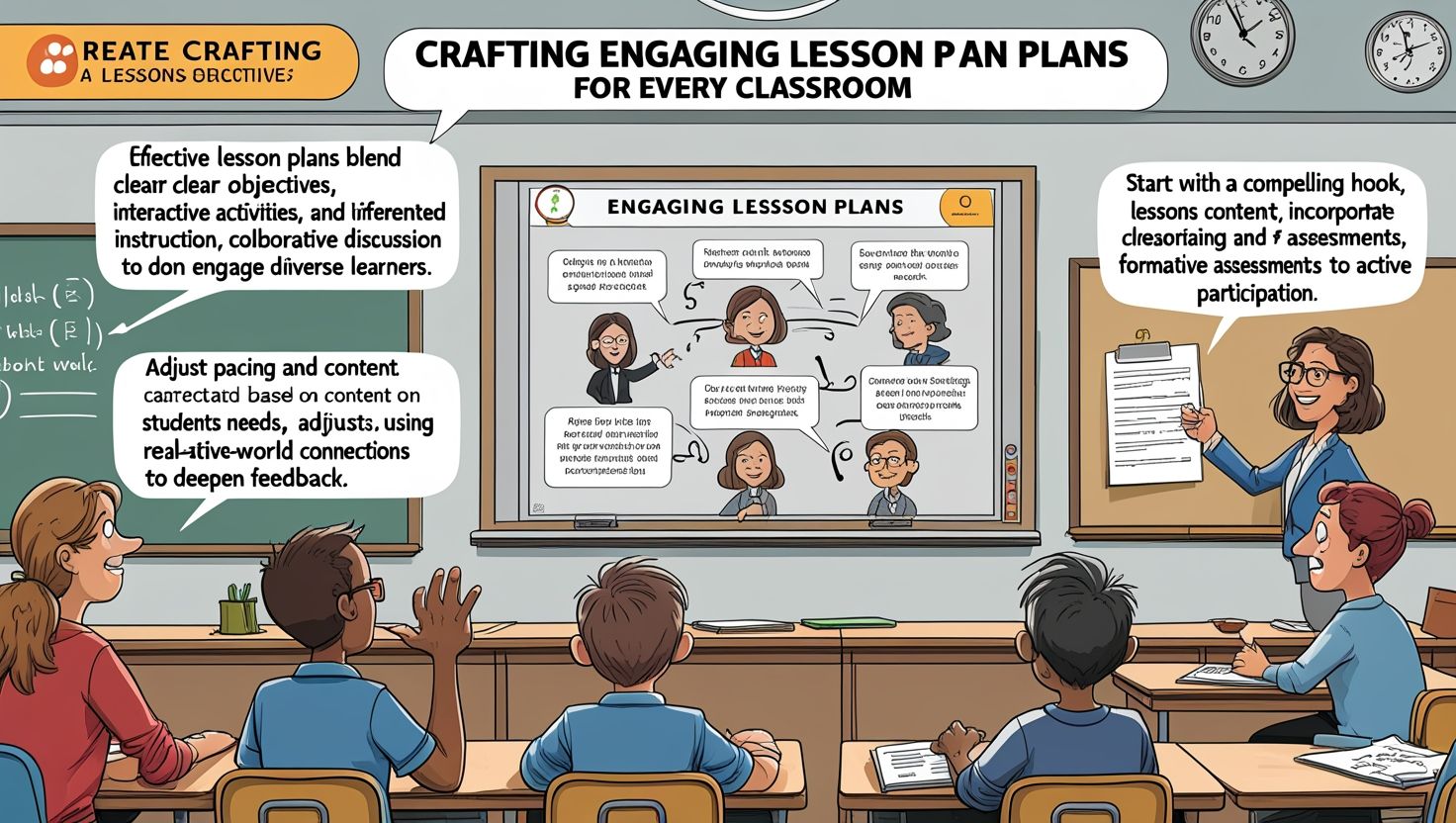
Project-based assessments allow students to demonstrate skills while still receiving a graded evaluation. Competency-based education frameworks let students advance once they prove mastery of a skill, rather than simply completing a set number of class hours. Portfolio assessments showcase a student’s actual work alongside traditional grades, giving a fuller picture of their abilities.
This balanced model benefits everyone. Students build strong foundational knowledge through structured curricula while also developing real-world skills through hands-on projects. Universities and employers gain both a standardized metric and evidence of practical capability. Most importantly, students graduate with confidence that they can apply what they learned, not just recall it for a test.
Practical Steps Schools Can Take
Schools that want to shift toward this balanced model can start with a few concrete strategies.
- Incorporate project-based learning alongside traditional exams so students practice applying concepts, not just memorizing them.
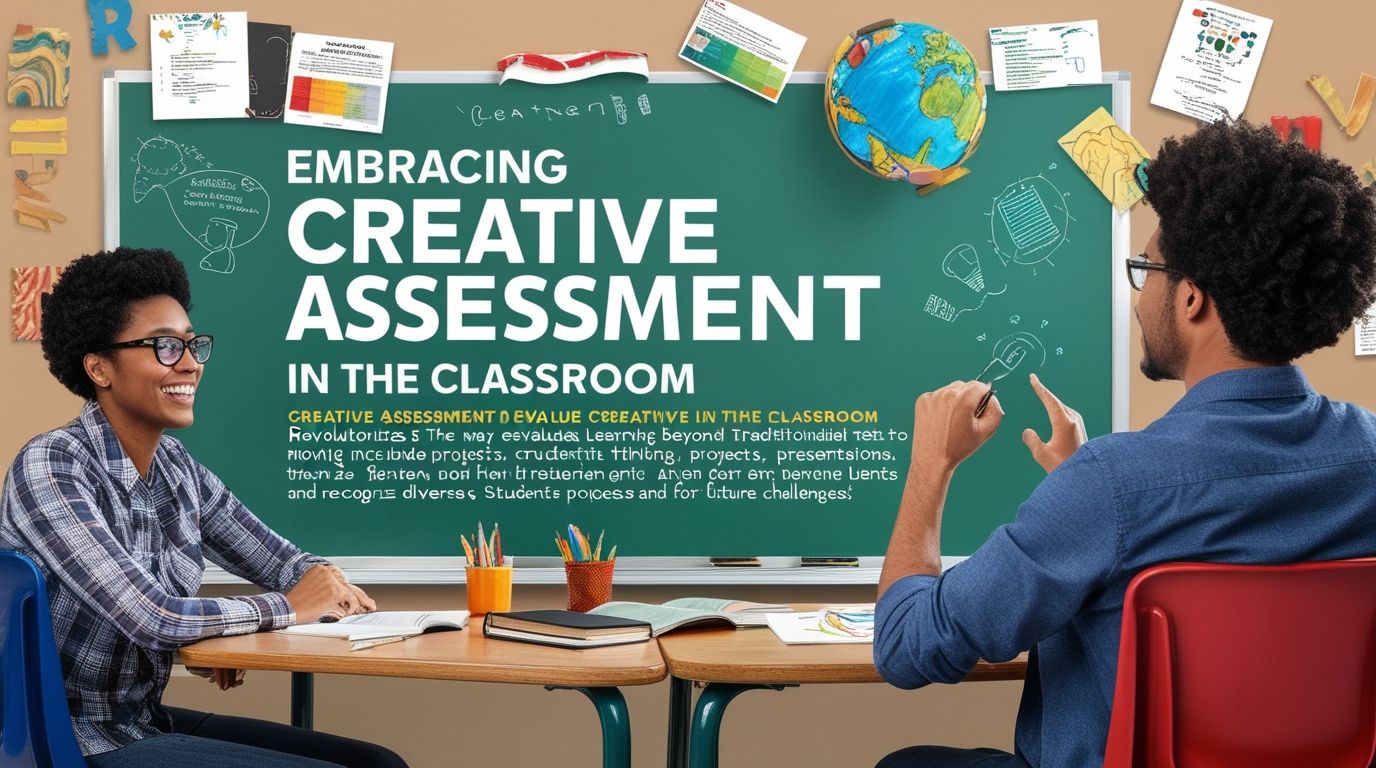
- Use portfolios and presentations as supplementary evaluation tools that highlight creativity and communication skills.
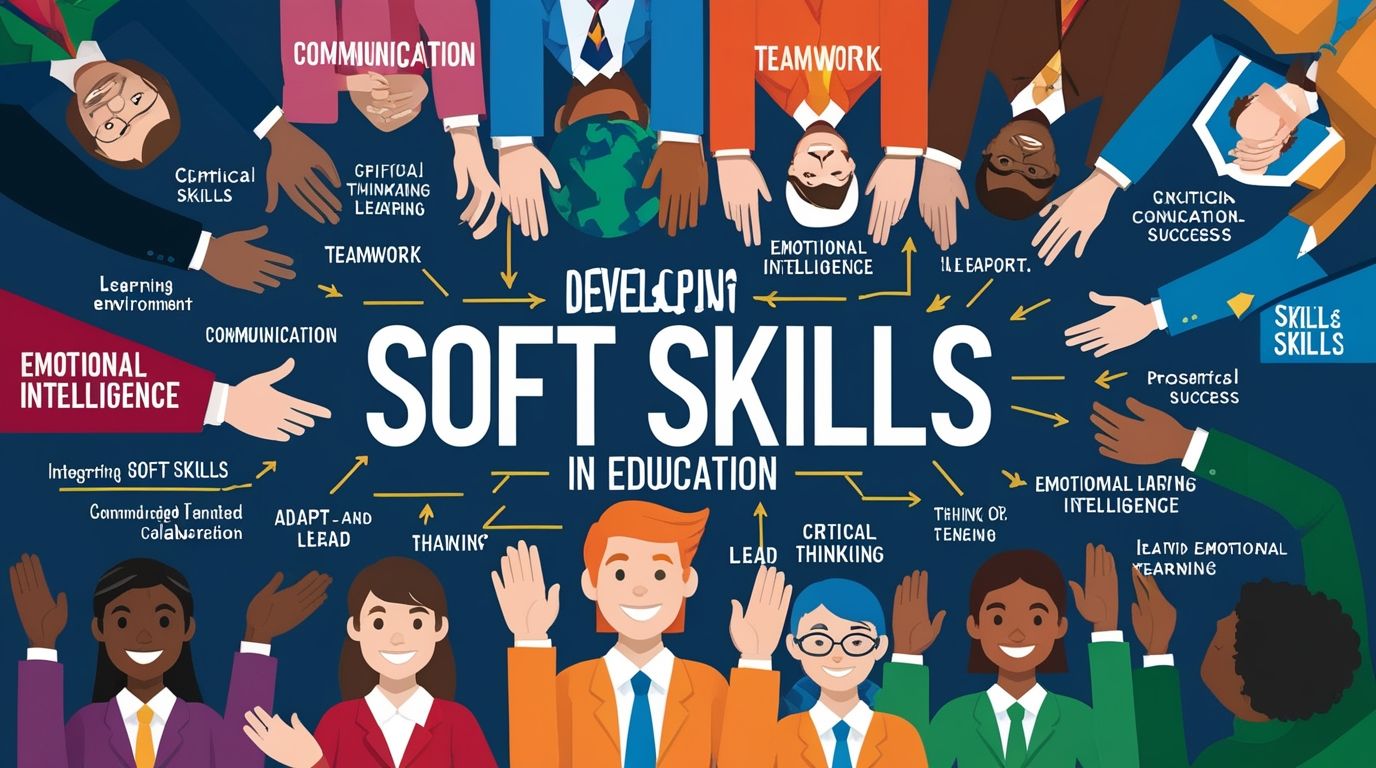
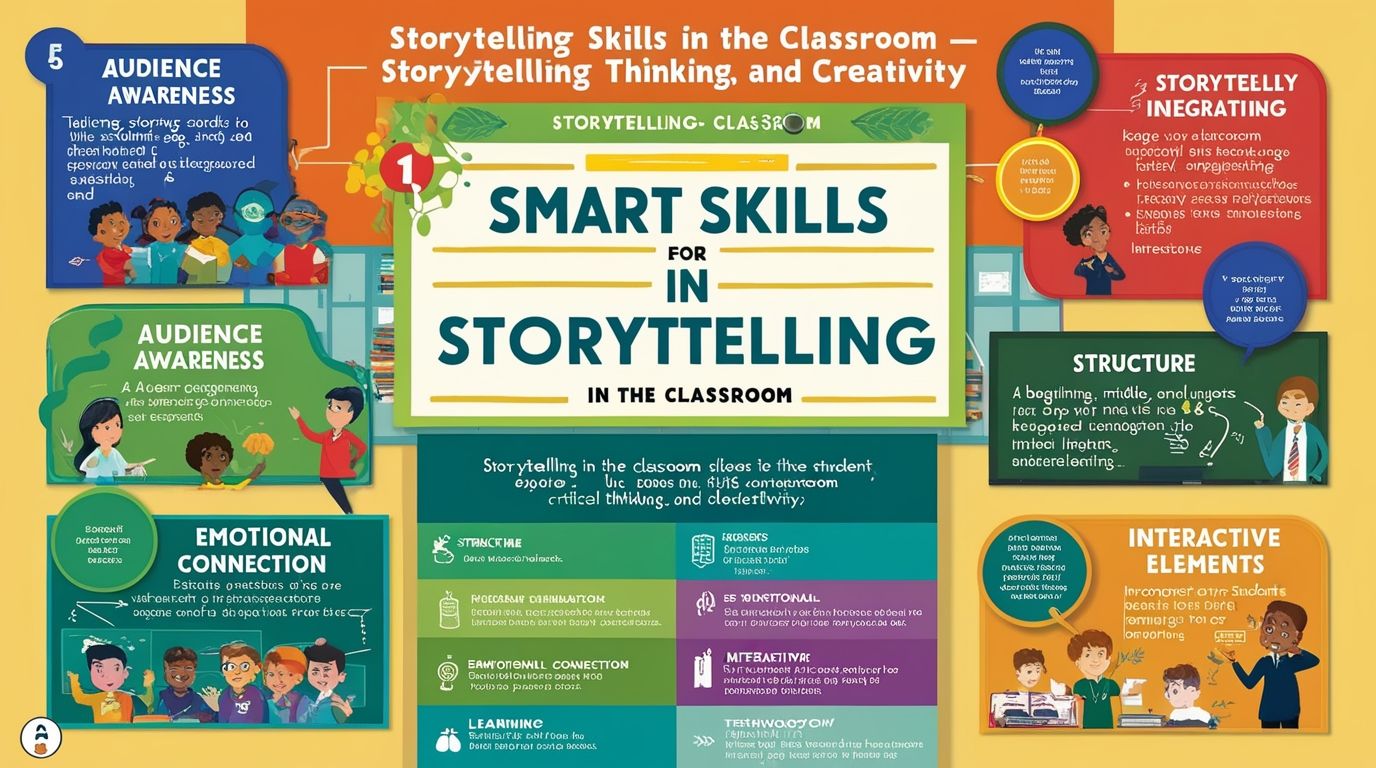
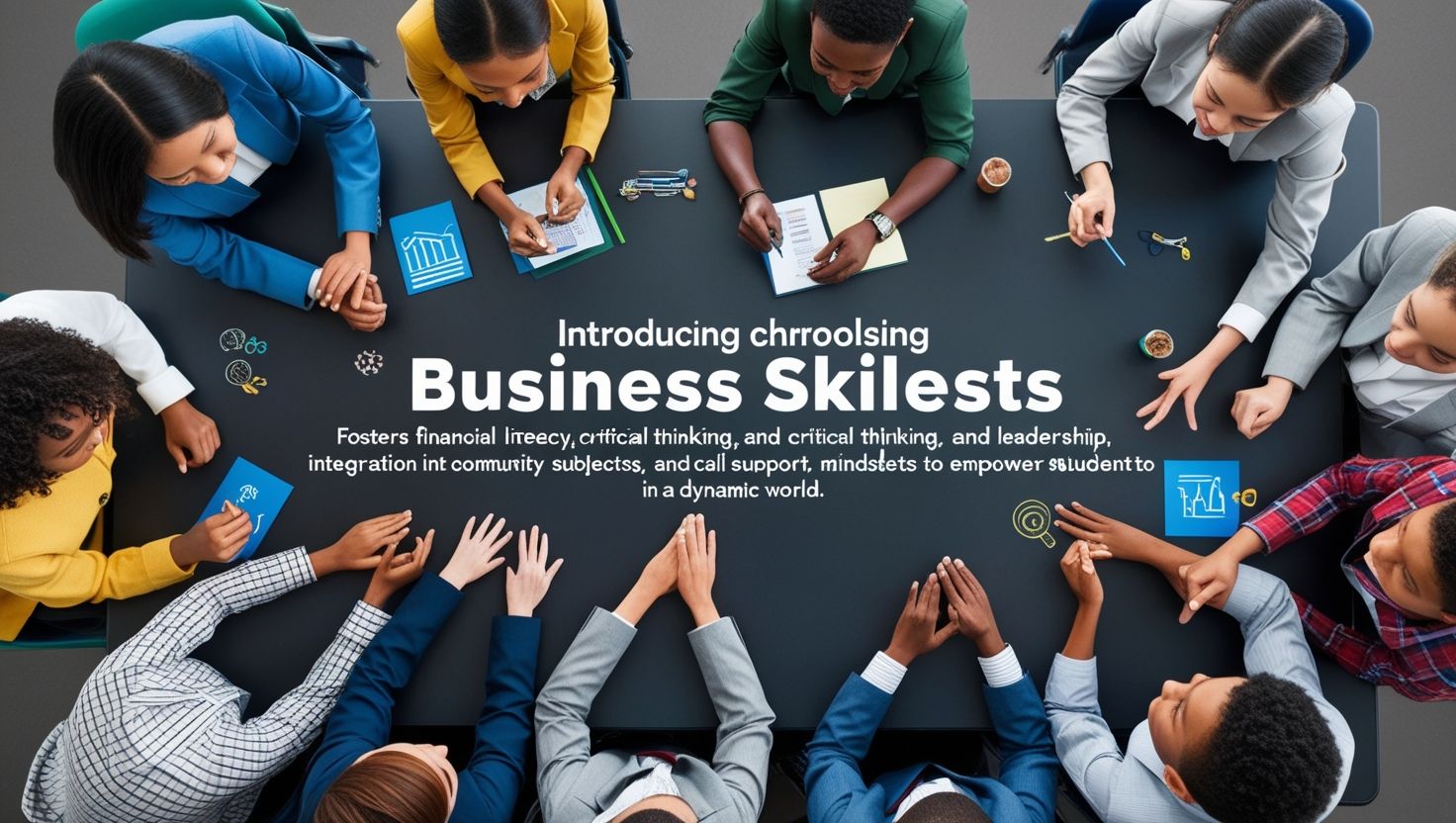
- Teach soft skills explicitly, including teamwork, time management, and public speaking, rather than assuming students will absorb them passively.
- Partner with local businesses for internships and apprenticeships that give students exposure to real workplace expectations.
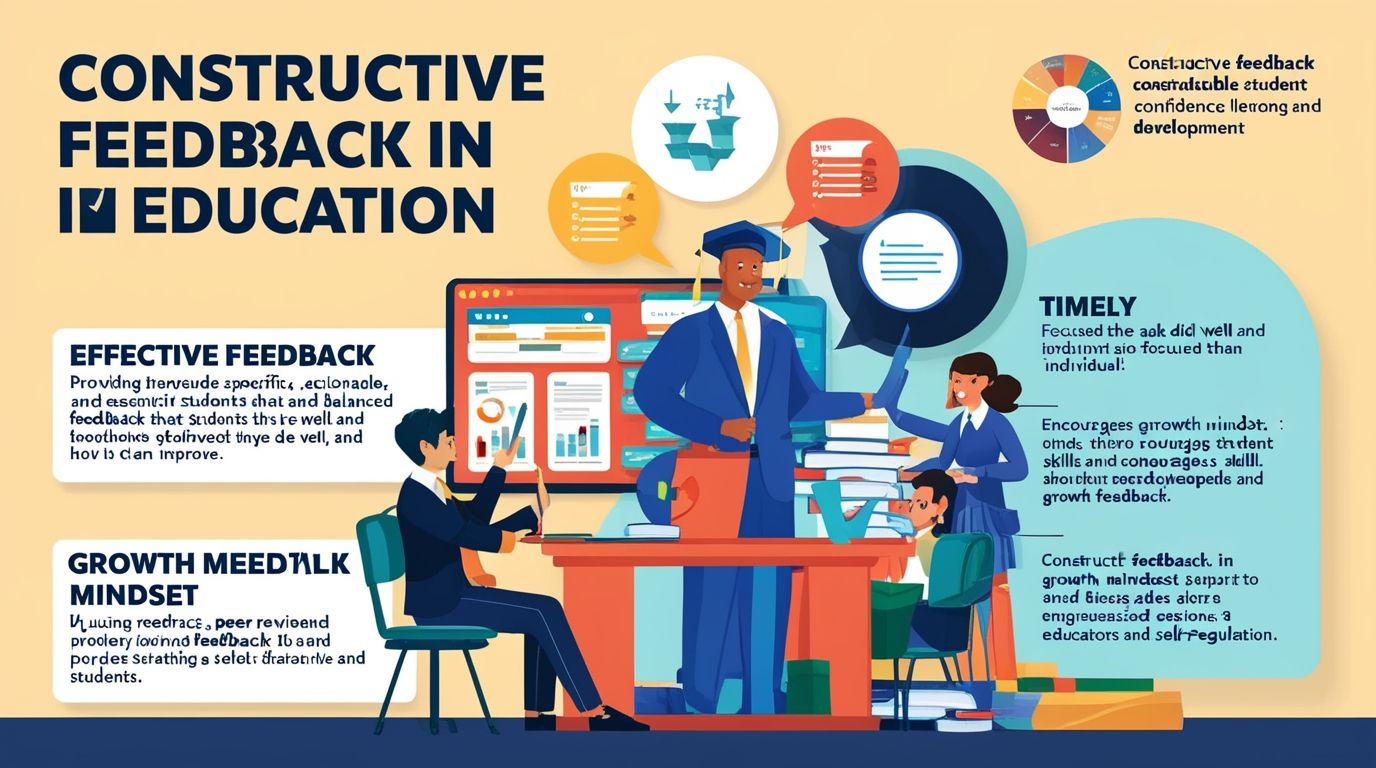
- Redesign grading rubrics to reward critical thinking and problem-solving, not just correct final answers.
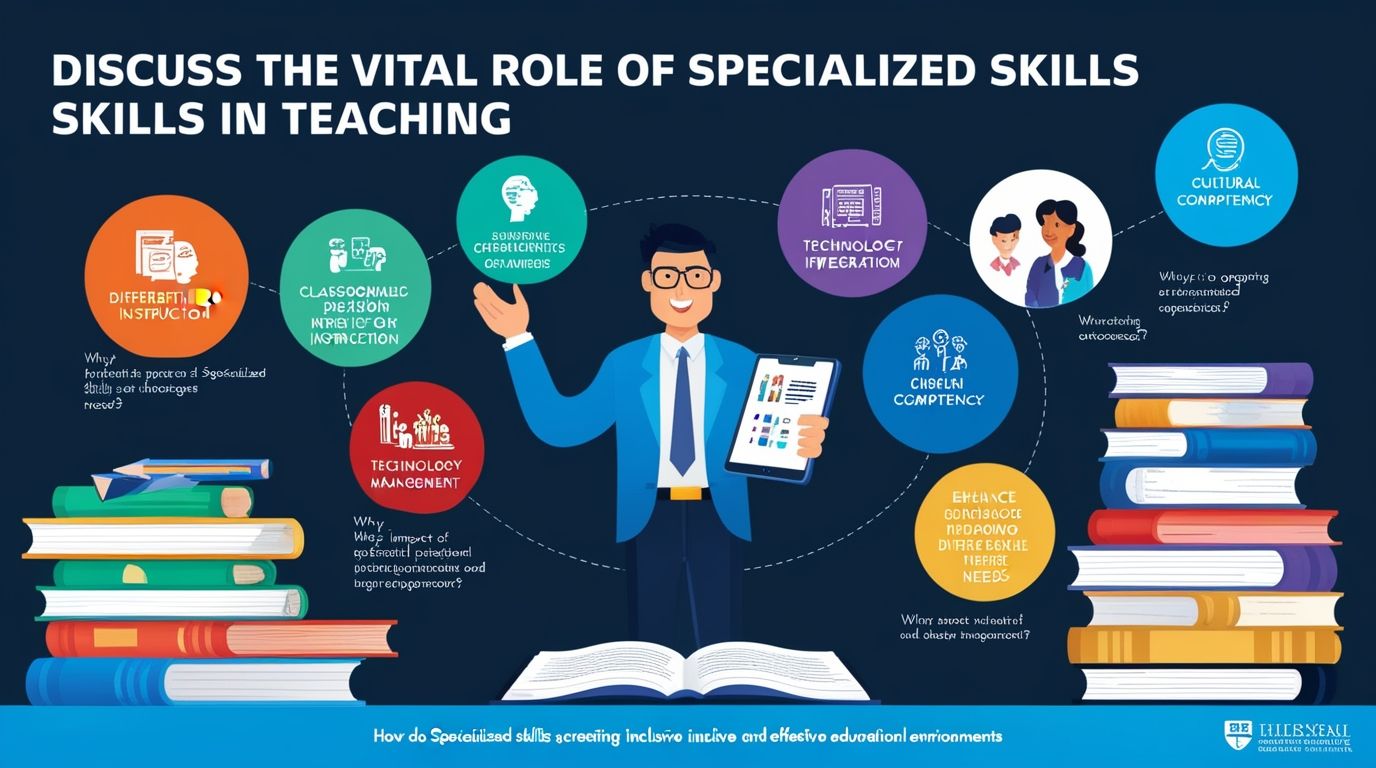
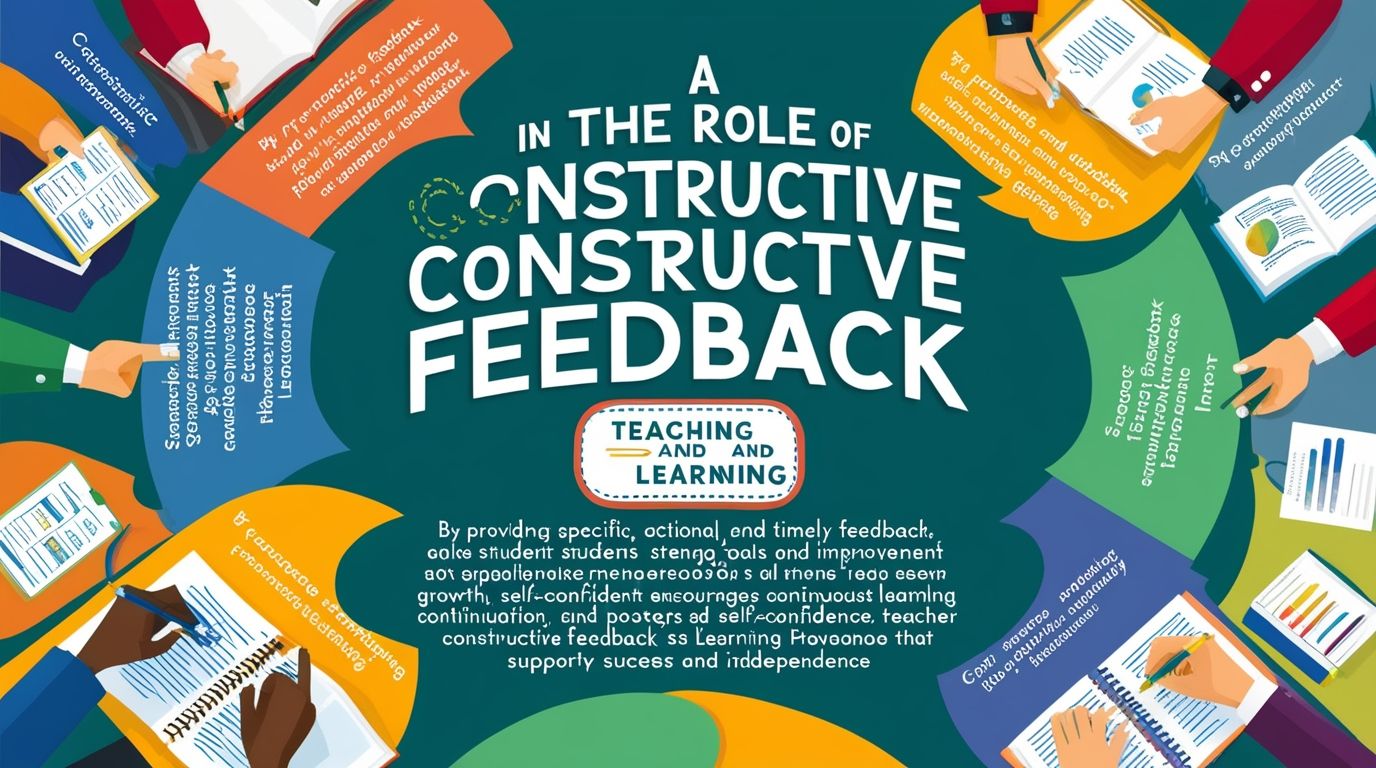
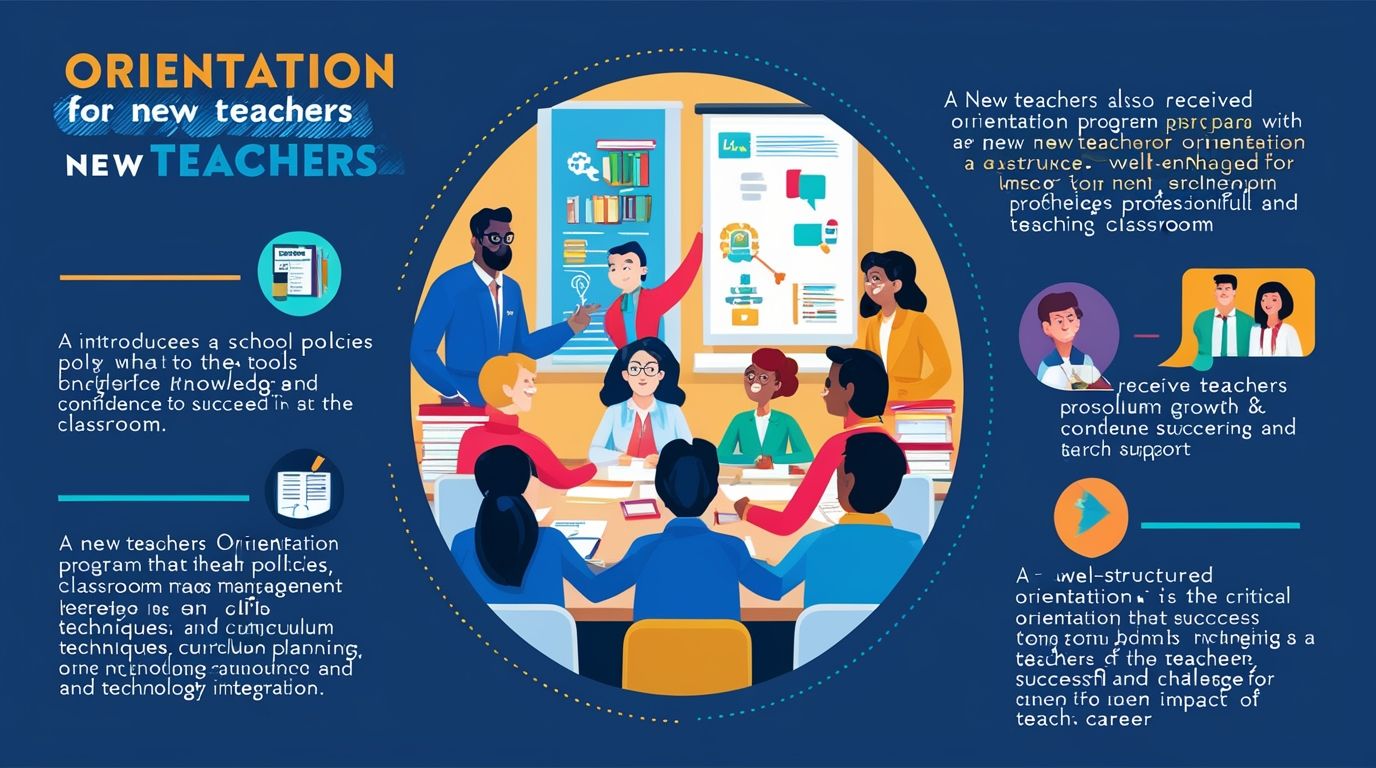
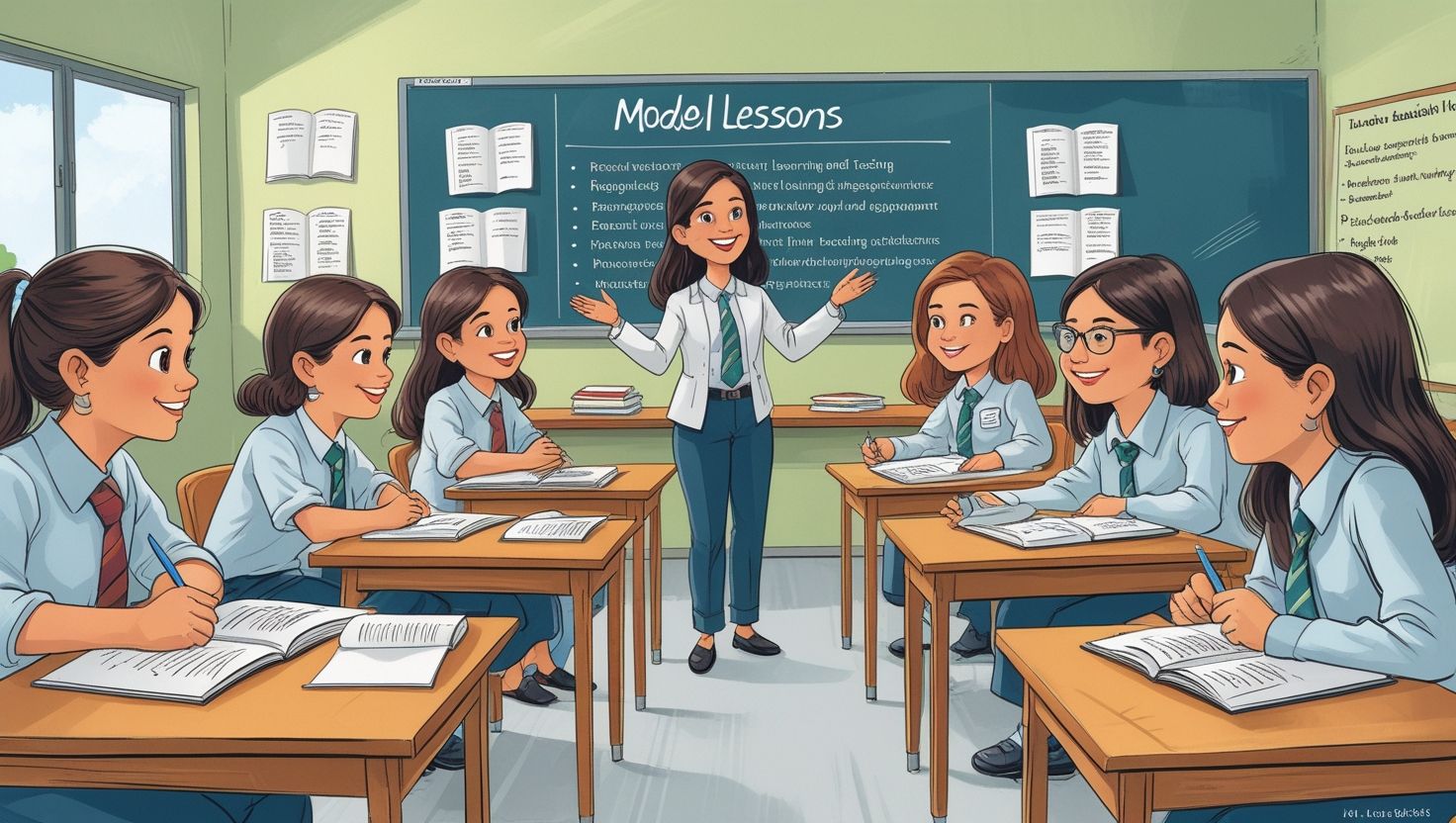
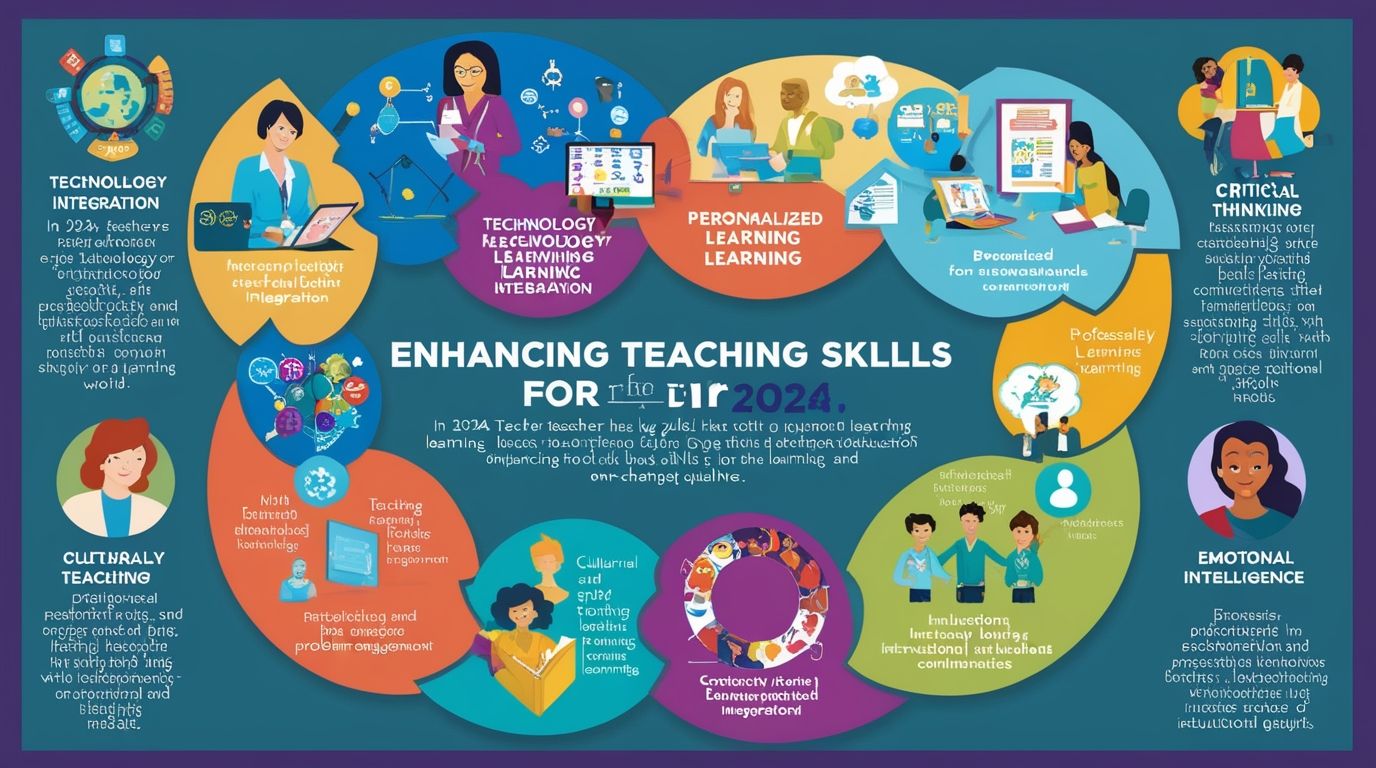
Teachers play a central role in this transition. Training programs that help educators design assessments measuring both knowledge and skill will accelerate this shift far more effectively than policy changes alone.
What Students and Parents Should Know
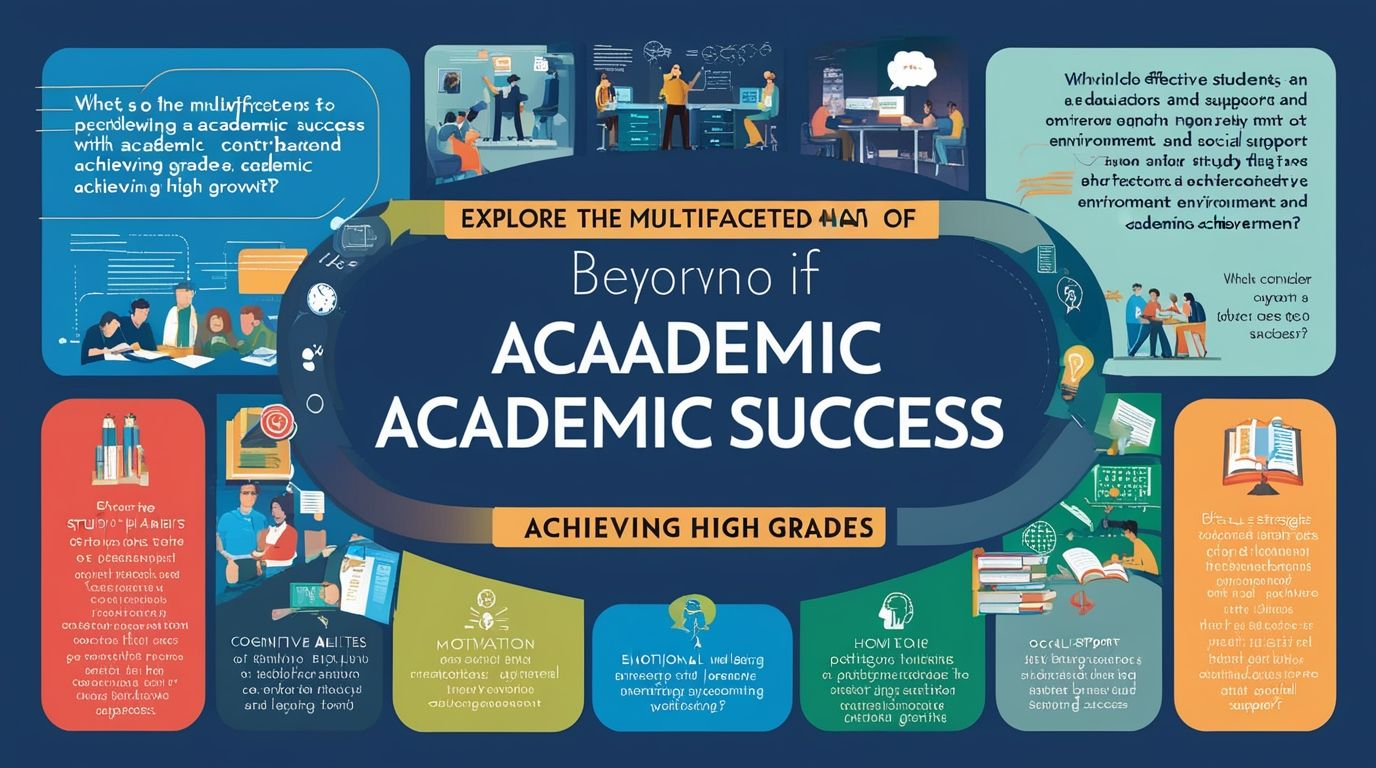
Students navigating this debate should not view merit vs skills as an either-or choice. Strong grades still open doors to scholarships, competitive universities, and certain career paths. At the same time, practical skills determine how well a student performs once those doors open.
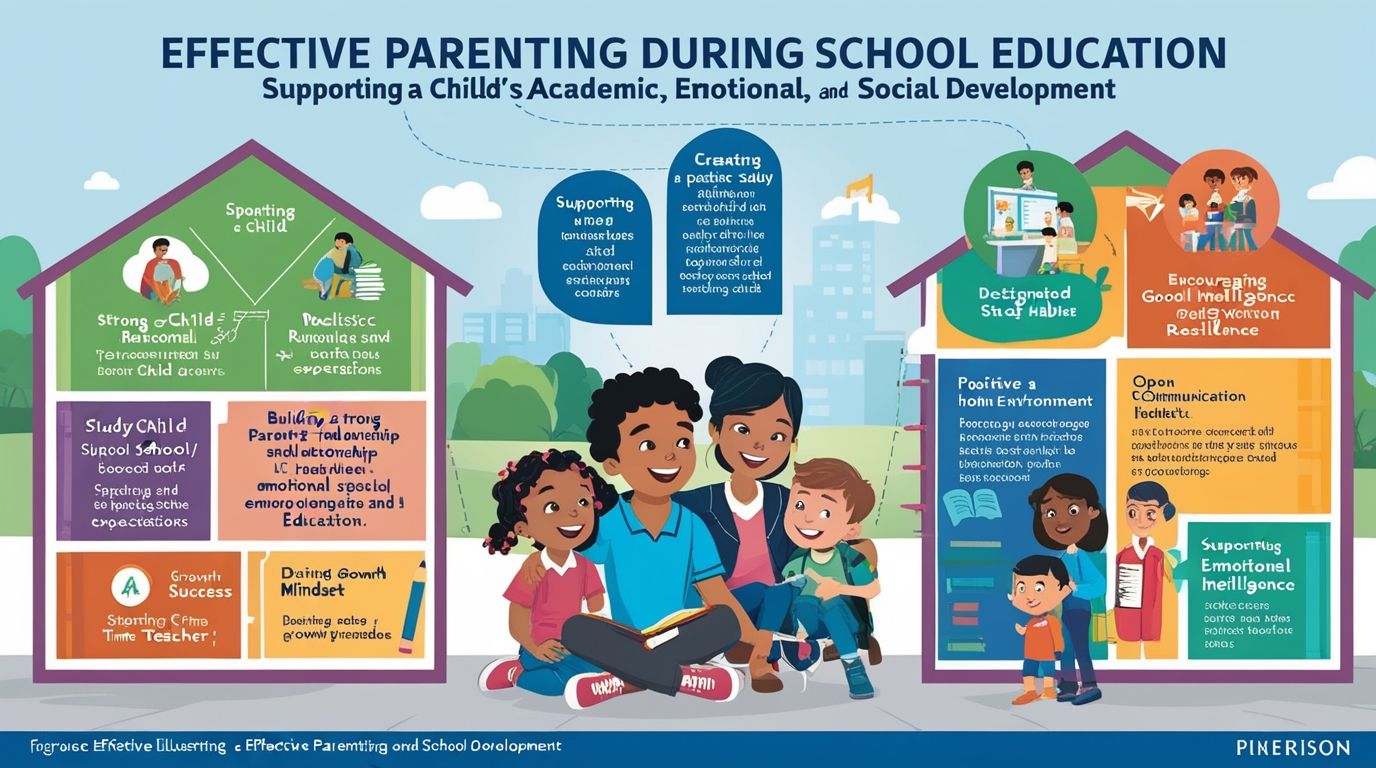
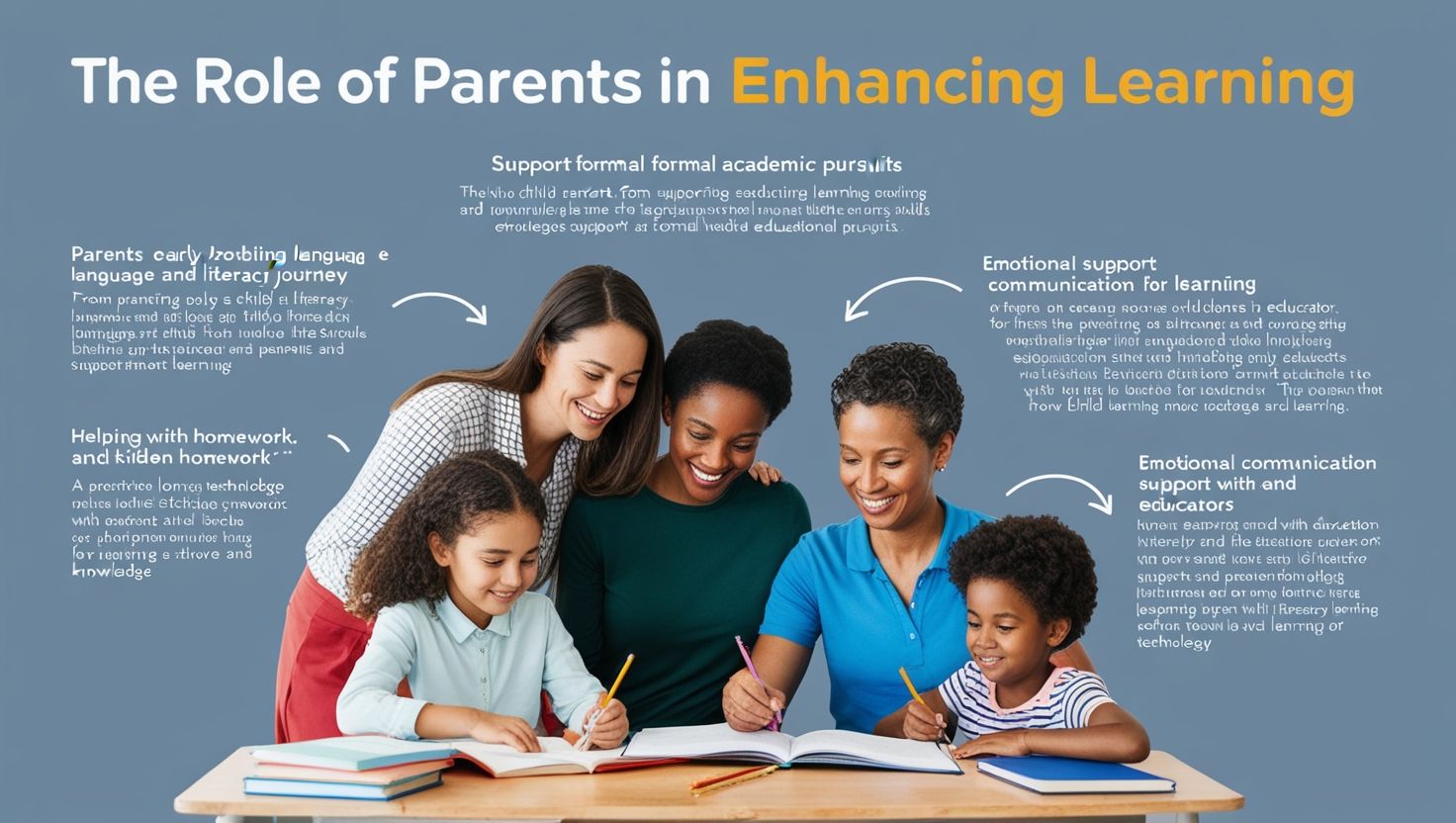
Parents can support this balance by encouraging children to pursue extracurricular activities, part-time work, or personal projects that build tangible skills alongside their academic coursework. A student who earns excellent grades while also learning to code, write persuasively, or manage a small business project enters adulthood with a distinct advantage over peers who only excelled in one dimension.
Conclusion
The merit vs skills debate does not have a single winner because education does not serve a single purpose. Merit provides structure, accountability, and a shared standard for evaluating academic progress. Skills provide relevance, adaptability, and real-world readiness. The future of education likely belongs to institutions that blend both approaches rather than choosing one over the other.
Schools, universities, and employers who recognize this balance will produce graduates who are not only knowledgeable but also genuinely capable. As the workforce continues to evolve, this combination of academic merit and practical skills will define what true educational success looks like for the next generation.