Abstract
Fixed Mindset and Growth Mindset in Education and Learning, Mindset plays a crucial role in shaping students’ learning behaviors, academic achievement, motivation, and resilience. The concepts of fixed mindset and growth mindset, developed by psychologist Carol Dweck, have significantly influenced educational theory and practice worldwide. A fixed mindset refers to the belief that intelligence, talents, and abilities are static traits that cannot be substantially changed, whereas a growth mindset is the belief that abilities can be developed through effort, learning, persistence, and effective strategies. These contrasting beliefs affect how students respond to challenges, setbacks, criticism, and success.
This article examines the theoretical foundations of fixed and growth mindsets, explores their impact on education and learning, discusses the role of teachers and parents in mindset development, and highlights practical strategies for fostering a growth mindset in educational settings. The article concludes that cultivating a growth mindset can enhance academic performance, motivation, resilience, and lifelong learning.
Introduction
Education is not only concerned with acquiring knowledge and skills but also with developing attitudes and beliefs that influence learning. Among the psychological factors affecting educational success, mindset has emerged as one of the most influential concepts in recent decades. Mindset refers to the beliefs individuals hold about their intelligence, talents, and ability to learn.
The concept gained prominence through the work of Carol Dweck, whose research demonstrated that students’ beliefs about their abilities significantly affect their academic achievement and motivation. According to Dweck (2006), individuals generally exhibit either a fixed mindset or a growth mindset. These beliefs influence how learners approach challenges, respond to failure, and persist in the face of difficulties.
In educational contexts, understanding mindset is particularly important because it affects student engagement, self-confidence, achievement, and long-term success. Teachers who understand mindset theory can create learning environments that encourage perseverance, resilience, and continuous improvement. This article explores the concepts of fixed and growth mindsets, their implications for education and learning, and strategies for promoting positive learning beliefs among students.
Understanding Mindset Theory
Mindset theory is grounded in the belief that individuals hold implicit assumptions about intelligence and ability. These assumptions influence behavior, motivation, and achievement.
Fixed Mindset
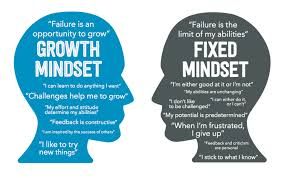
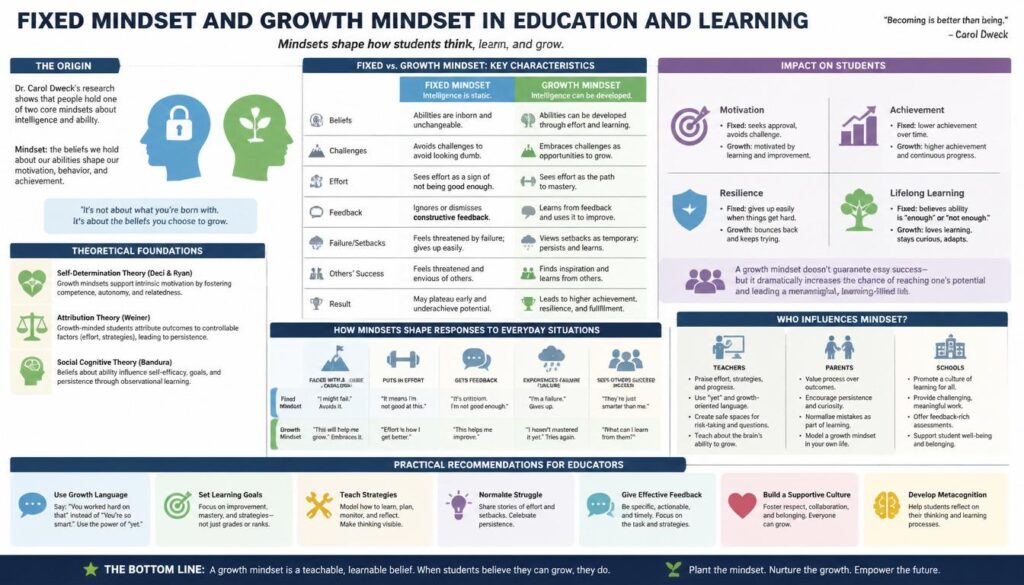
A fixed mindset is the belief that intelligence, talent, and abilities are innate characteristics that cannot be significantly changed. Individuals with a fixed mindset often believe that people are either naturally smart or not. Students with a fixed mindset tend to:
- Avoid challenging tasks.
- Fear failure.
- Give up easily when facing difficulties.
- View effort as a sign of low ability.
- Feel threatened by the success of others.
- Focus on proving their intelligence rather than improving it.
For example, a student who believes they are “bad at mathematics” may avoid difficult mathematical tasks because they fear failure will confirm their perceived lack of ability.
Growth Mindset
A growth mindset is the belief that intelligence and abilities can be developed through effort, practice, effective strategies, and support from others. Students with a growth mindset typically:
- Embrace challenges.
- Persist through difficulties.
- View mistakes as opportunities to learn.
- Value effort and practice.
- Learn from feedback.
- Find inspiration in the success of others.
For instance, a student who struggles with mathematics but believes improvement is possible is more likely to seek help, practice regularly, and continue working despite setbacks.
Theoretical Foundations of Mindset
Social Cognitive Theory
Mindset theory aligns closely with Bandura’s Social Cognitive Theory, which emphasizes self-efficacy—the belief in one’s ability to succeed in specific tasks. Students who believe they can improve their abilities are more likely to engage in learning activities and persevere through challenges.
Attribution Theory
Attribution theory explains how individuals interpret success and failure. Students with a fixed mindset often attribute failure to a lack of intelligence, while those with a growth mindset attribute it to factors such as effort, strategy, or insufficient preparation.
These differing interpretations influence future motivation and performance.
Constructivist Learning Theory
Constructivist theories emphasize active learning and knowledge construction. Growth mindset complements constructivism because both perspectives view learning as a developmental process rather than a fixed outcome.
Characteristics of a Fixed Mindset
Students with a fixed mindset often exhibit specific attitudes and behaviors that can hinder learning.
Fear of Failure
Failure is viewed as evidence of low intelligence or inability. Consequently, students may avoid tasks that involve risk or uncertainty.
Avoidance of Challenges
Because challenges threaten their self-image, fixed mindset learners often select easy tasks that guarantee success.
Reduced Persistence
When confronted with obstacles, students may quickly become discouraged and abandon efforts.
Negative Response to Feedback
Constructive criticism may be interpreted as a personal attack rather than an opportunity for growth.
Performance-Oriented Goals
Students focus on appearing intelligent rather than developing competence.
These characteristics can create barriers to academic achievement and personal development.
Characteristics of a Growth Mindset
Growth mindset learners demonstrate behaviors that support continuous improvement.
Acceptance of Challenges
Challenges are viewed as opportunities to develop skills and expand knowledge.
Persistence and Resilience
Students remain committed to goals despite setbacks and difficulties.
Positive Use of Feedback
Constructive feedback is welcomed because it provides guidance for improvement.
Learning Orientation
The primary goal is learning and mastery rather than simply achieving high grades.
Appreciation of Effort
Effort is viewed as a pathway to success rather than evidence of inadequacy.
These attitudes promote deeper learning and higher levels of achievement.
Impact of Mindset on Academic Achievement
Research has consistently shown that mindset influences academic outcomes.
Motivation and Engagement
Students with growth mindsets are generally more motivated to learn because they believe effort leads to improvement. They are more likely to participate actively in classroom activities and engage in challenging tasks.
Achievement and Performance
Growth mindset students often demonstrate higher academic achievement because they persist longer and employ effective learning strategies.
Research conducted by Dweck and colleagues found that students who adopted growth-oriented beliefs showed improvements in academic performance compared to those who maintained fixed beliefs.
Resilience in Learning
Learning inevitably involves mistakes and setbacks. Growth mindset students recover more effectively from failures because they interpret them as temporary and manageable.
Long-Term Educational Success
Growth mindset promotes lifelong learning habits that contribute to continued personal and professional development.
Fixed Mindset and Learning Challenges
A fixed mindset can negatively affect educational experiences in several ways.
Mathematics Anxiety
Students who believe mathematical ability is fixed may develop anxiety when facing challenging mathematical problems.
Reading Difficulties
Learners may avoid reading tasks if they perceive themselves as poor readers.
Fear of Public Mistakes
Students may avoid answering questions or participating in discussions due to fear of appearing unintelligent.
Reduced Creativity
Fear of failure often discourages experimentation and creative thinking.
These challenges highlight the importance of promoting growth-oriented beliefs.
The Role of Teachers in Developing Mindsets
Teachers significantly influence students’ beliefs about learning and intelligence.
Using Growth-Oriented Language
The language teachers use can shape student perceptions.
Examples include:
- “You are improving through practice.”
- “Mistakes help us learn.”
- “Let’s try a different strategy.”
- “Your effort is making a difference.”
Such statements emphasize learning and development.
Praising Effort Rather Than Ability
Research suggests that praising intelligence may unintentionally reinforce a fixed mindset. Instead, teachers should recognize:
- Effort
- Persistence
- Strategy use
- Improvement
For example, saying “You worked hard on this project” encourages growth-oriented thinking more effectively than “You are very smart.”
Encouraging Productive Struggle
Learning often requires effort and persistence. Teachers should normalize difficulty as part of the learning process.
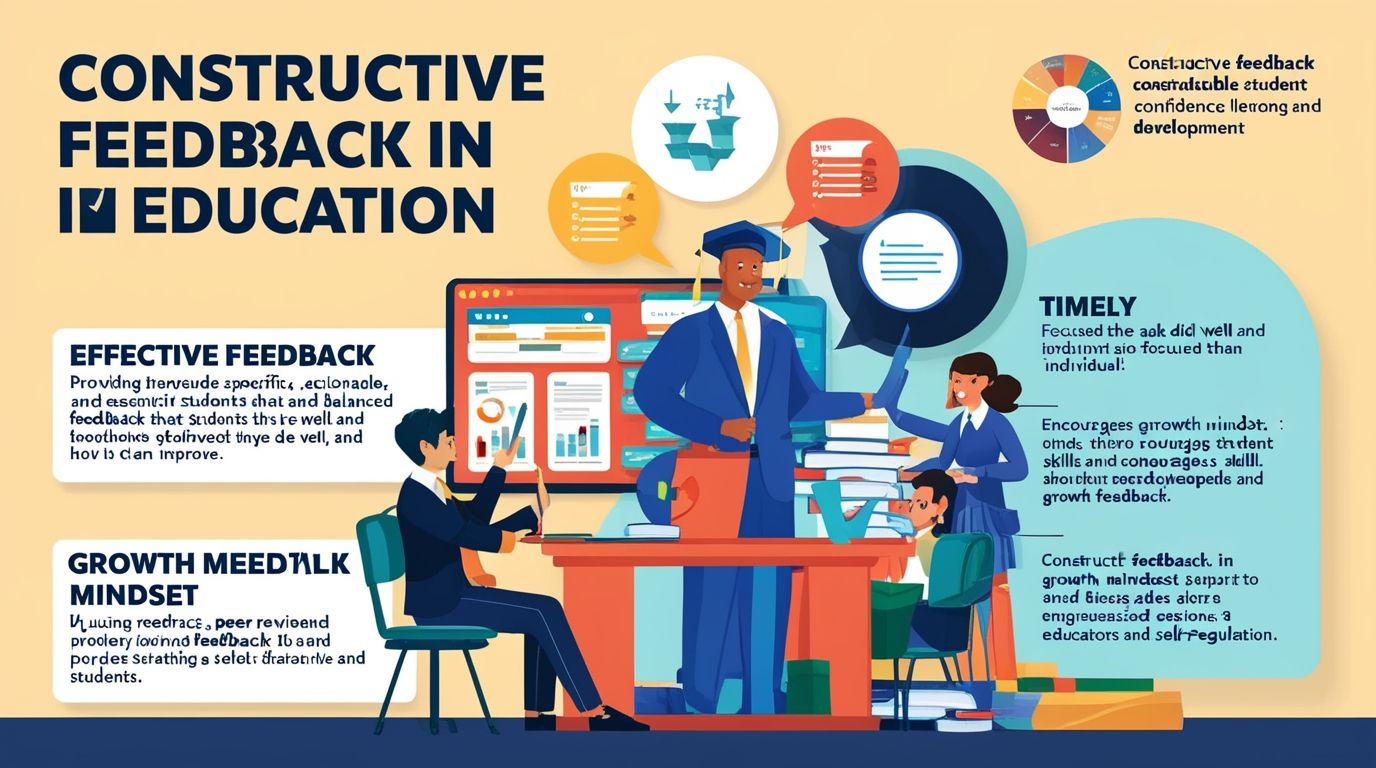
Providing Constructive Feedback
Effective feedback focuses on specific actions students can take to improve rather than making judgments about ability.
Creating a Safe Learning Environment
Students should feel comfortable making mistakes without fear of embarrassment or criticism.
The Role of Parents and Families
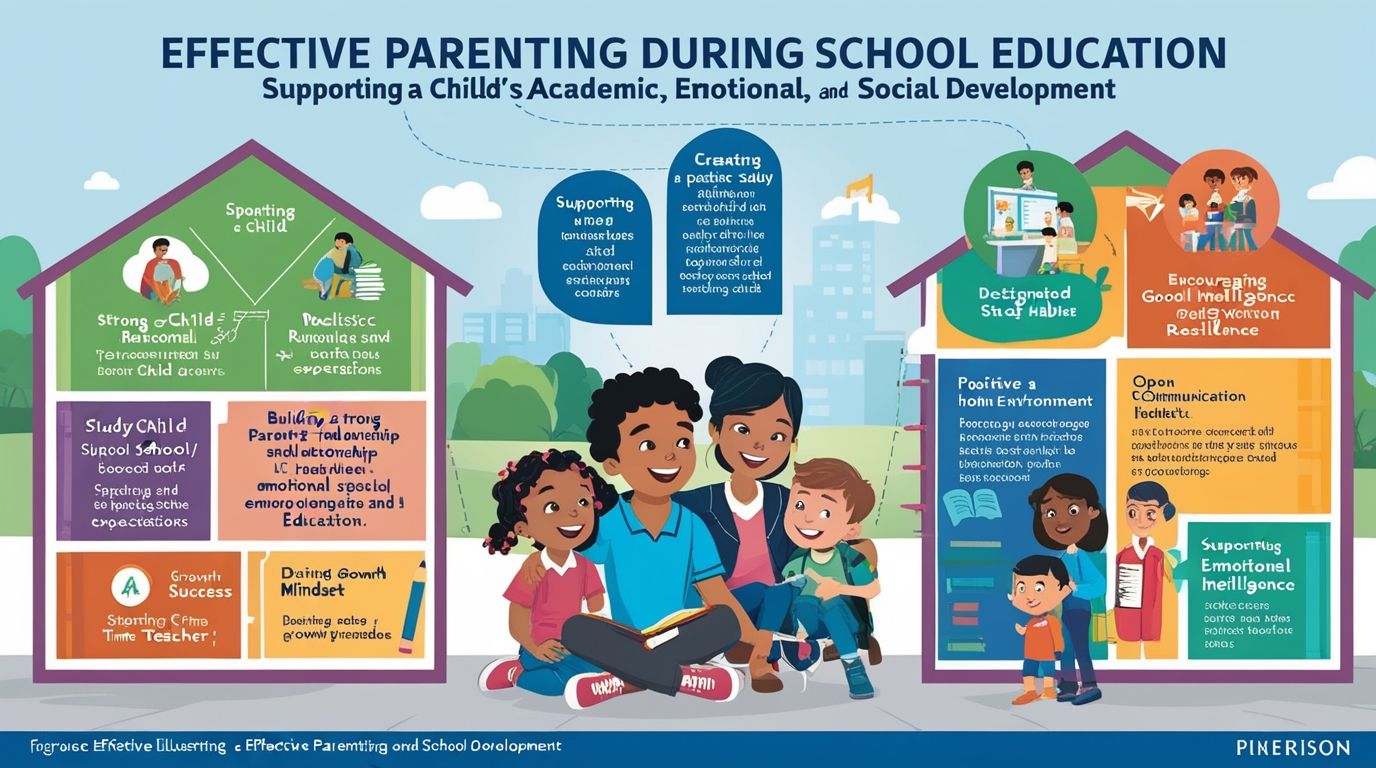
Parents are powerful influences on children’s beliefs about intelligence and learning.
Modeling Lifelong Learning
Children observe how adults respond to challenges and mistakes. Parents who demonstrate persistence and curiosity promote growth-oriented attitudes.
Encouraging Effort and Persistence
Recognizing hard work rather than innate talent helps children understand that improvement results from effort.
Supporting Problem-Solving
Rather than providing immediate solutions, parents can guide children to explore strategies independently.
Reframing Failure
Parents can help children view setbacks as learning experiences rather than indicators of inability.
Growth Mindset in Classroom Practice
Goal Setting
Students benefit from setting achievable learning goals that emphasize progress and improvement.
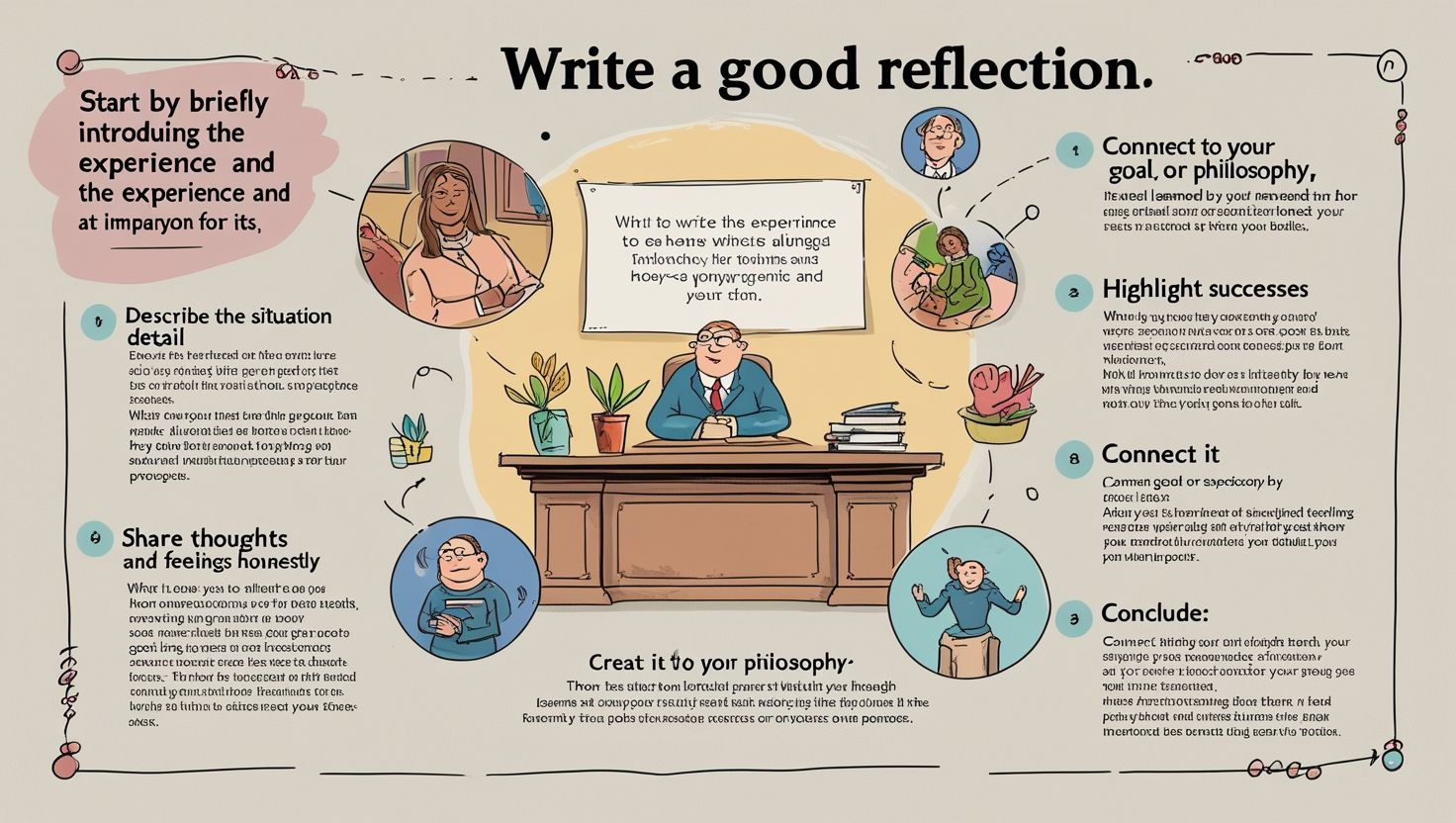
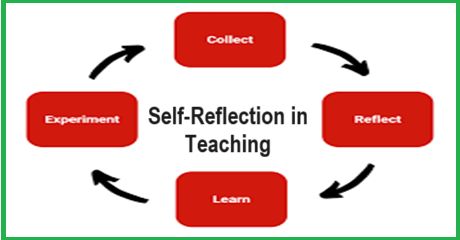
Reflective Learning
Reflection encourages students to evaluate their learning strategies and identify areas for growth.
Questions may include:
- What did I learn today?
- What challenges did I face?
- How did I overcome difficulties?
- What can I improve next time?
Collaborative Learning
Group activities promote peer support and shared problem-solving experiences.
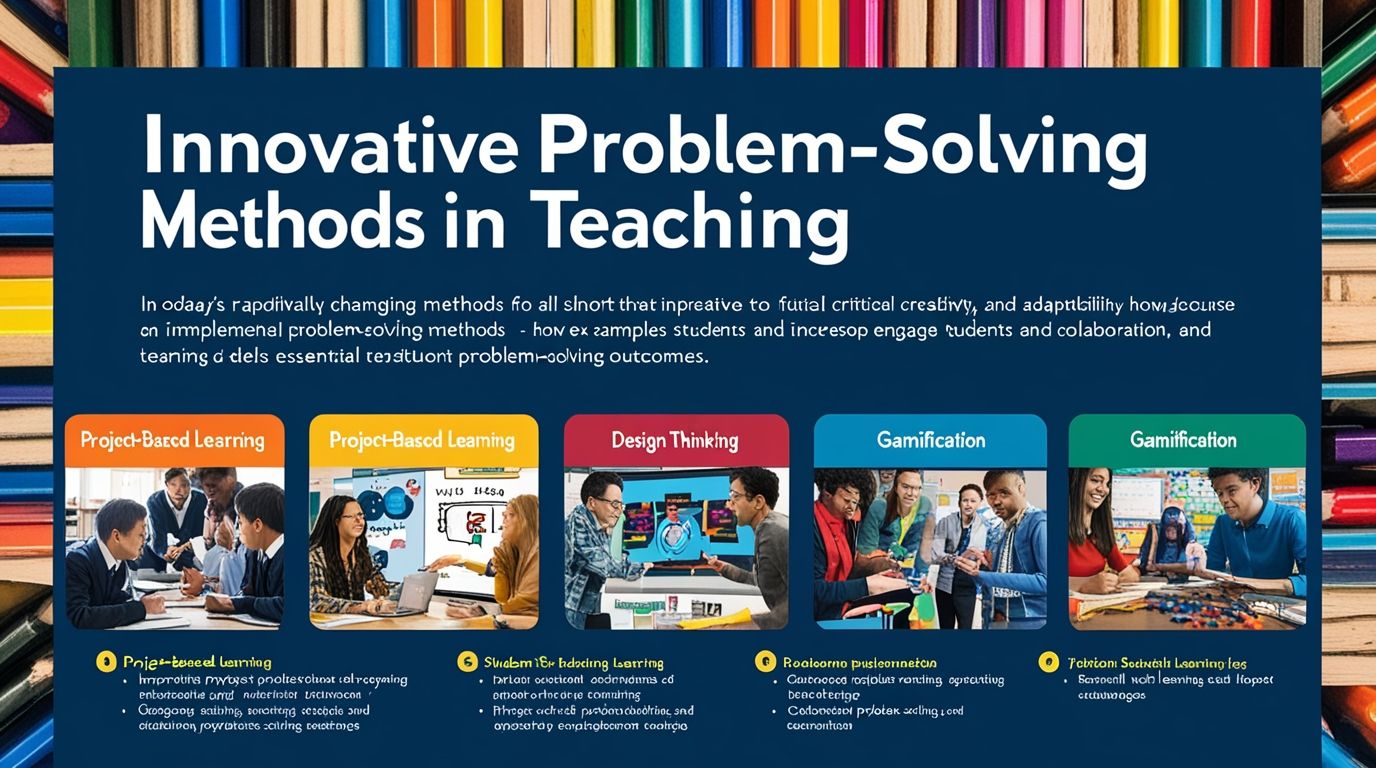
Project-Based Learning
Projects often require persistence, revision, and critical thinking, reinforcing growth mindset principles.
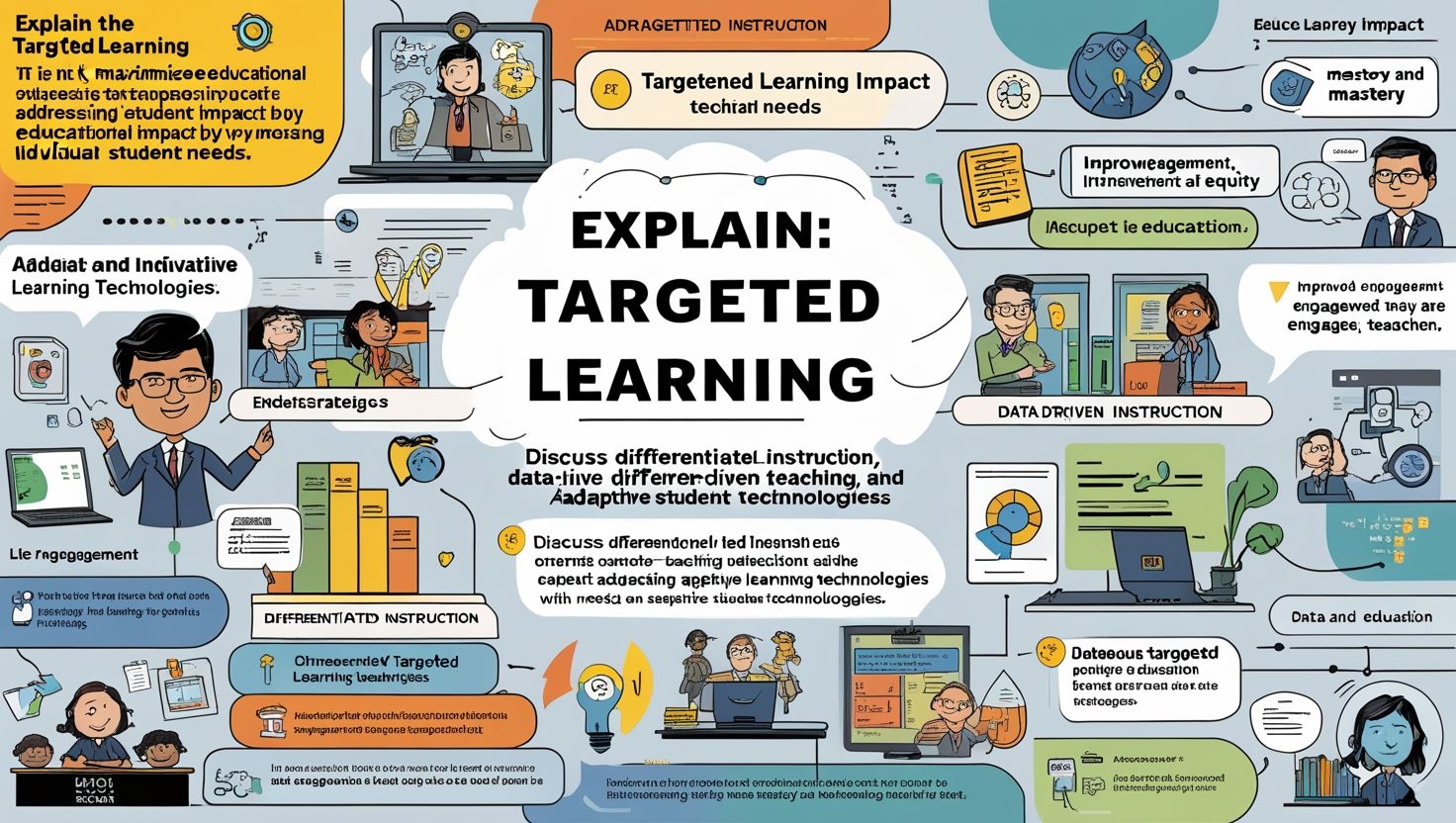
Differentiated Instruction
Recognizing individual learning needs allows all students to experience success and growth.
Benefits of a Growth Mindset in Education
Improved Academic Achievement
Students become more willing to invest effort and engage in learning.
Greater Resilience
Growth mindset learners recover more effectively from setbacks.
Increased Motivation
Belief in improvement encourages continuous engagement.
Enhanced Self-Confidence
Students develop confidence through mastery and progress rather than external validation.
Better Problem-Solving Skills
Growth-oriented learners approach challenges creatively and persistently.
Lifelong Learning
A growth mindset supports adaptability in rapidly changing educational and professional environments.
Criticisms and Limitations of Mindset Theory
Although mindset theory has received widespread support, researchers have identified several limitations.
Oversimplification
Human behavior is influenced by multiple factors, including socioeconomic conditions, school resources, teaching quality, and emotional well-being.
Implementation Challenges
Some educational programs focus on growth mindset slogans without changing instructional practices.
Need for Systemic Support
Mindset interventions are most effective when combined with supportive teaching methods, equitable opportunities, and positive learning environments. Despite these limitations, mindset remains a valuable framework for understanding student motivation and learning.
Practical Strategies for Schools
Schools can promote growth mindset through:
- Professional development for teachers.
- Growth-oriented classroom language.
- Student reflection activities.
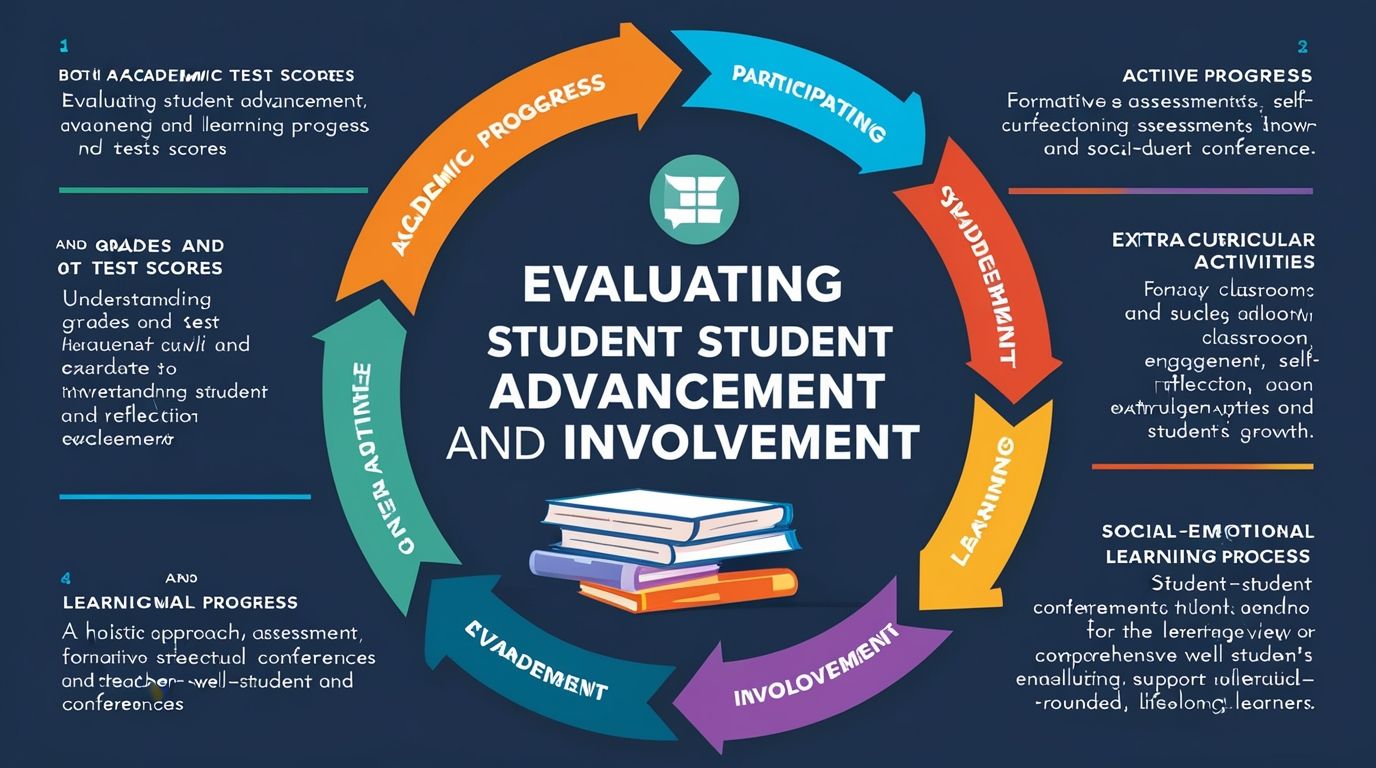
- Process-focused assessment practices.
- Celebrating effort and improvement.
- Encouraging risk-taking and innovation.
- Teaching resilience and perseverance.
- Creating supportive learning cultures.
These practices help embed growth mindset principles throughout the educational system.
Conclusion
The concepts of fixed mindset and growth mindset have transformed contemporary understanding of learning and achievement. A fixed mindset limits students’ willingness to embrace challenges, learn from mistakes, and persist through difficulties. In contrast, a growth mindset encourages resilience, effort, adaptability, and continuous improvement. Research demonstrates that students who believe their abilities can develop through practice and persistence are more likely to achieve academic success and maintain motivation over time.
Teachers, parents, and educational institutions play critical roles in shaping students’ beliefs about learning. By emphasizing effort, providing constructive feedback, supporting productive struggle, and fostering positive learning environments, educators can help learners develop growth-oriented attitudes. Although mindset alone cannot address all educational challenges, it remains a powerful framework for promoting achievement, confidence, and lifelong learning. As education continues to evolve in the twenty-first century, cultivating a growth mindset will remain essential for preparing learners to thrive in complex and changing environments.
References
Bandura, A. (1997). Self-Efficacy: The Exercise of Control. W.H. Freeman.
Blackwell, L. S., Trzesniewski, K. H., & Dweck, C. S. (2007). Implicit theories of intelligence predict achievement across an adolescent transition. Child Development, 78(1), 246–263.
Dweck, C. S. (2006). Mindset: The New Psychology of Success. Random House.
Dweck, C. S. (2017). Mindset: Changing the Way You Think to Fulfil Your Potential. Robinson.
Hattie, J. (2012). Visible Learning for Teachers. Routledge.
Mueller, C. M., & Dweck, C. S. (1998). Praise for intelligence can undermine children’s motivation and performance. Journal of Personality and Social Psychology, 75(1), 33–52.
Ryan, R. M., & Deci, E. L. (2020). Intrinsic and Extrinsic Motivation from a Self-Determination Theory Perspective. Contemporary Educational Psychology.
Vygotsky, L. S. (1978). Mind in Society: The Development of Higher Psychological Processes. Harvard University Press.
Yeager, D. S., & Walton, G. M. (2011). Social-psychological interventions in education. Review of Educational Research, 81(2), 267–301.