1. The Open Door of Knowledge
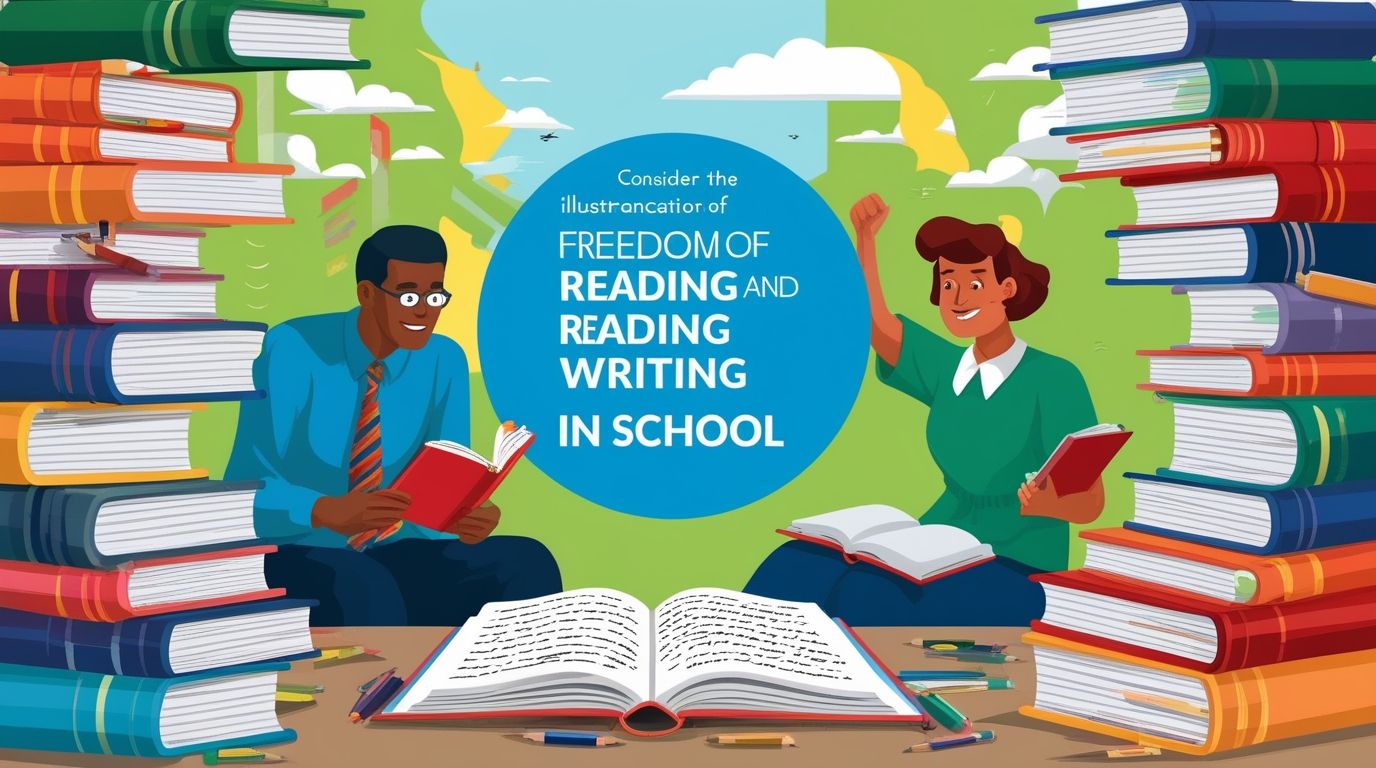
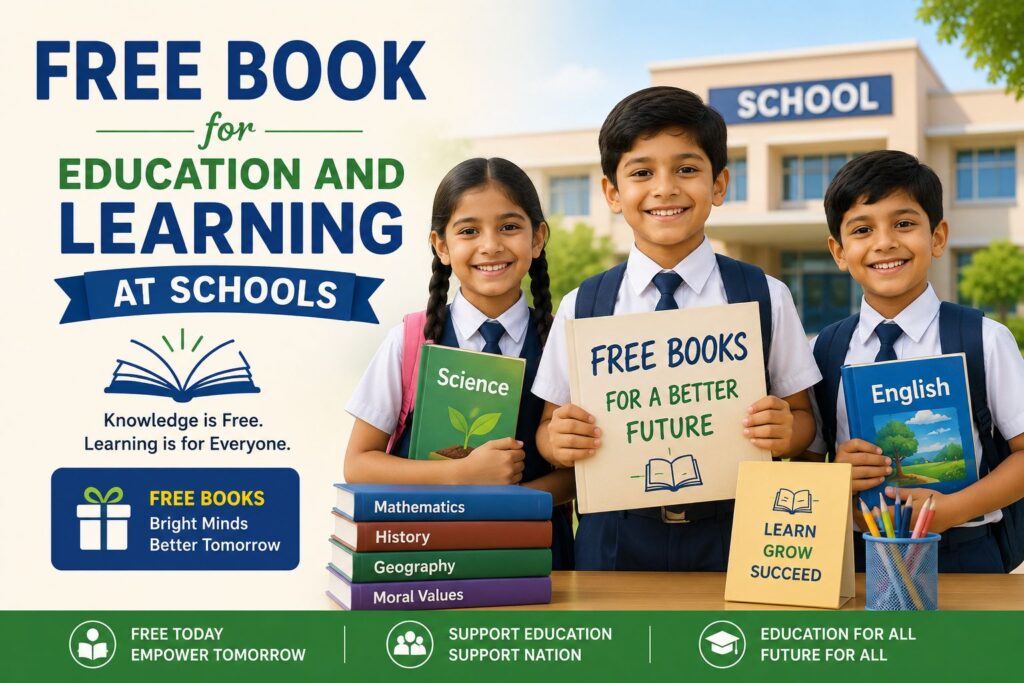
Free Book for Education and Learning at Schools is transforming modern education by making quality learning resources available to every student regardless of background. In many communities, the cost of textbooks creates barriers that limit academic growth and participation. However, free educational books remove these obstacles and provide equal opportunities for learners. Moreover, schools benefit from wider access to updated content that supports curriculum goals and classroom instruction. As a result, students can explore subjects with confidence and develop stronger reading habits. Furthermore, teachers can introduce diverse materials without increasing educational expenses. Consequently, learning becomes more inclusive, flexible, and engaging. Free books also encourage independent study because students can revisit lessons at their own pace. Therefore, educational institutions that embrace free learning resources often experience improved academic outcomes. Ultimately, access to free books represents a powerful step toward educational equity, lifelong learning, and academic success.
2. Building Bridges Through Equal Access
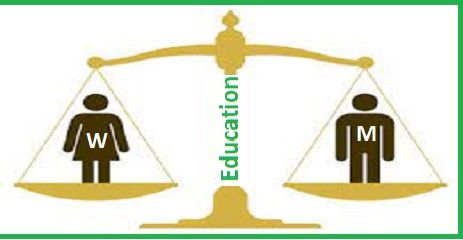
Access to Free Books, educational materials, and learning resources helps bridge social and economic gaps within school systems. Traditionally, students from disadvantaged backgrounds often faced difficulties obtaining necessary textbooks. Nevertheless, free educational books ensure that every learner starts with similar opportunities. In addition, equal access to resources strengthens classroom participation because students can follow lessons more effectively. Furthermore, schools can distribute digital and printed books widely without placing financial pressure on families. As a result, educational achievement becomes less dependent on household income. Meanwhile, teachers can focus more on instruction rather than resource shortages. Consequently, students develop confidence, motivation, and a stronger sense of belonging. Free books also support inclusive education by accommodating diverse learning needs and abilities. Therefore, educational equality becomes more achievable. Ultimately, when schools provide free learning materials, they create a fair environment where all students can pursue excellence and reach their academic potential.
3. Igniting Curiosity Beyond the Classroom
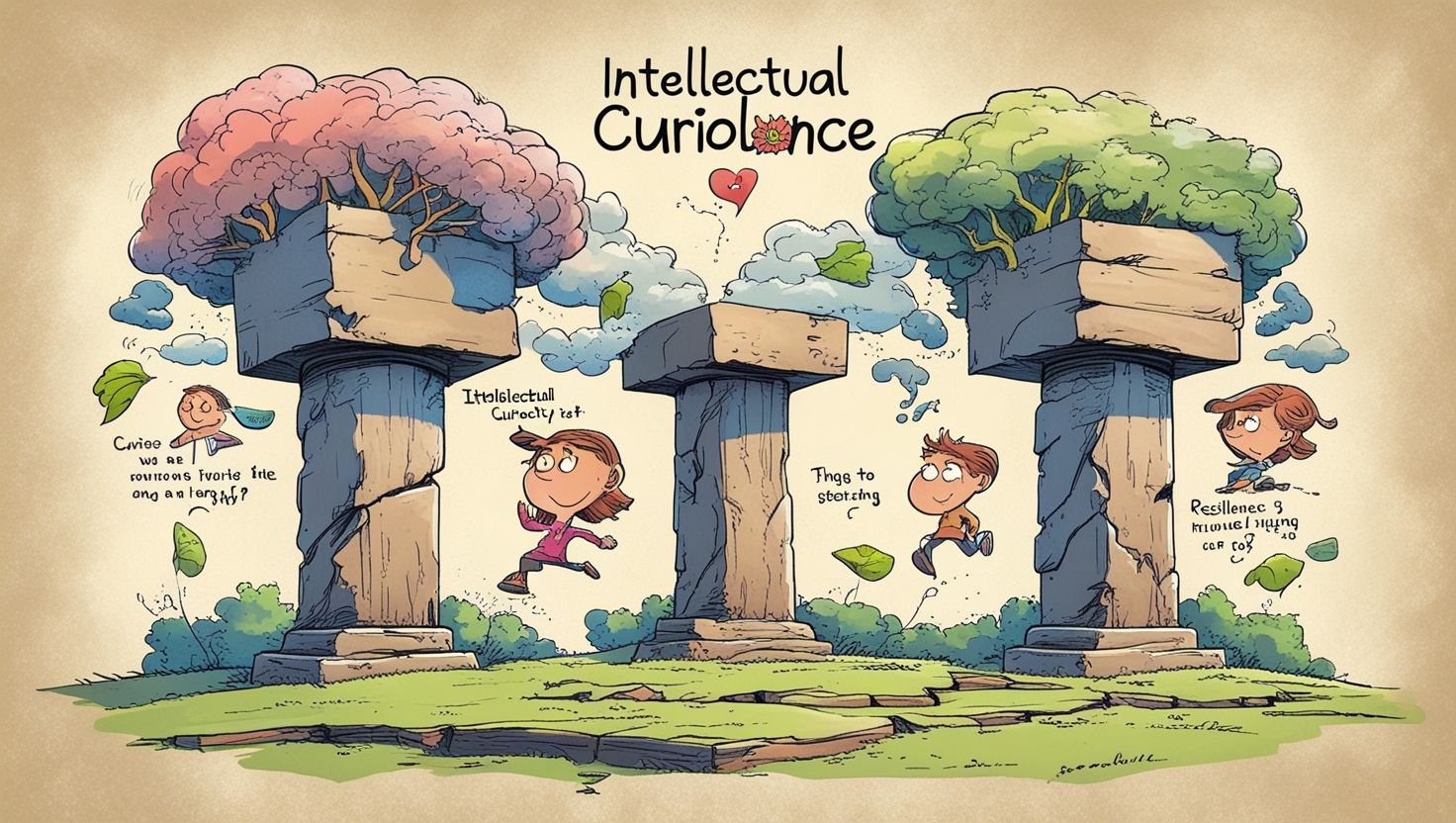
One remarkable advantage of Free Book for Education and Learning at Schools initiatives is their ability to inspire curiosity beyond classroom walls. Students who have unrestricted access to books often explore new ideas independently. Moreover, free educational resources encourage learners to investigate topics that extend beyond the standard curriculum. As a result, intellectual growth becomes a continuous process rather than a classroom requirement. Furthermore, students develop research skills, critical thinking abilities, and creative problem-solving techniques. Meanwhile, teachers can recommend supplementary materials without worrying about affordability. Consequently, learning becomes more personalized and engaging. In addition, students gain confidence when they discover information on their own. Therefore, educational exploration flourishes in environments where books are freely available. Free resources also foster a culture of inquiry that motivates lifelong learning. Ultimately, curiosity-driven education strengthens academic achievement while preparing students to adapt successfully to future challenges.
4. Empowering Teachers with Rich Resources
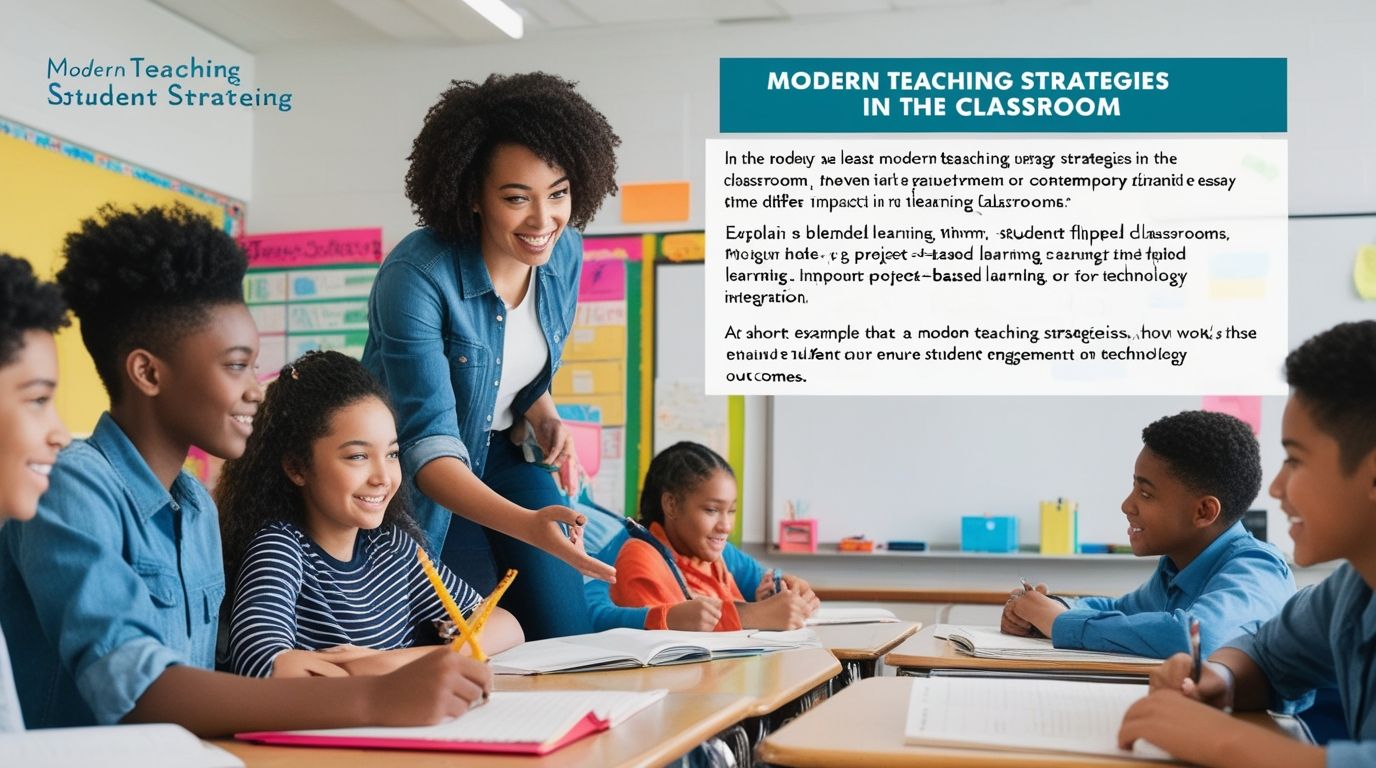
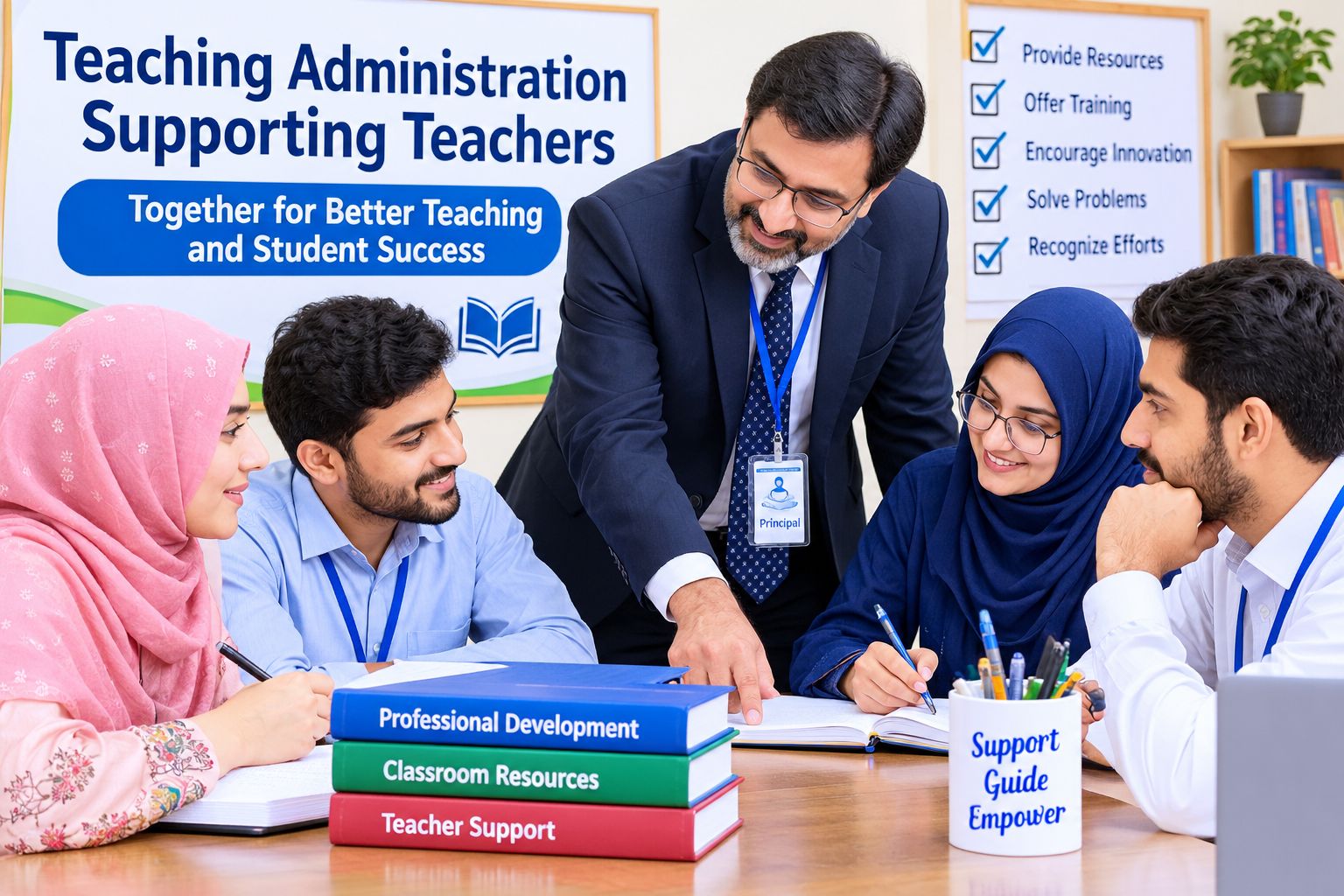
Teachers play a central role in education, and Free Educational Books significantly enhance their ability to deliver effective instruction. When schools provide accessible learning materials, educators can design more engaging lessons and diverse classroom activities. Furthermore, free resources allow teachers to incorporate additional examples, case studies, and reading materials into their teaching practices. As a result, students benefit from richer learning experiences. Moreover, educators can adapt content to suit different learning styles and academic levels. Meanwhile, schools can allocate funds to other important educational priorities. Consequently, teaching becomes more innovative and responsive. In addition, free books support professional development by giving teachers access to updated knowledge and educational strategies. Therefore, classroom instruction becomes more dynamic and meaningful. Ultimately, empowering teachers through free educational resources contributes to stronger academic performance, greater student engagement, and a more effective educational environment for everyone involved.
5. Digital Libraries Shaping Modern Learning
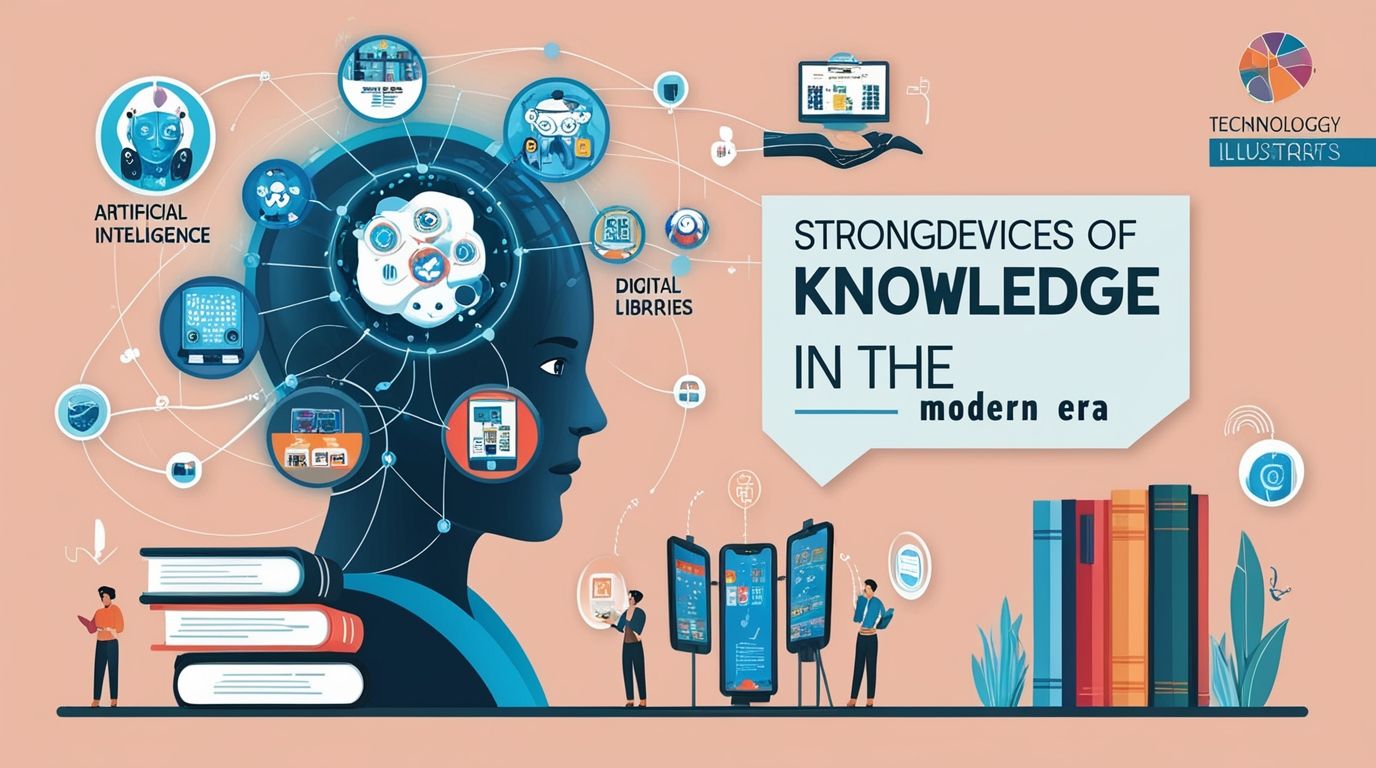
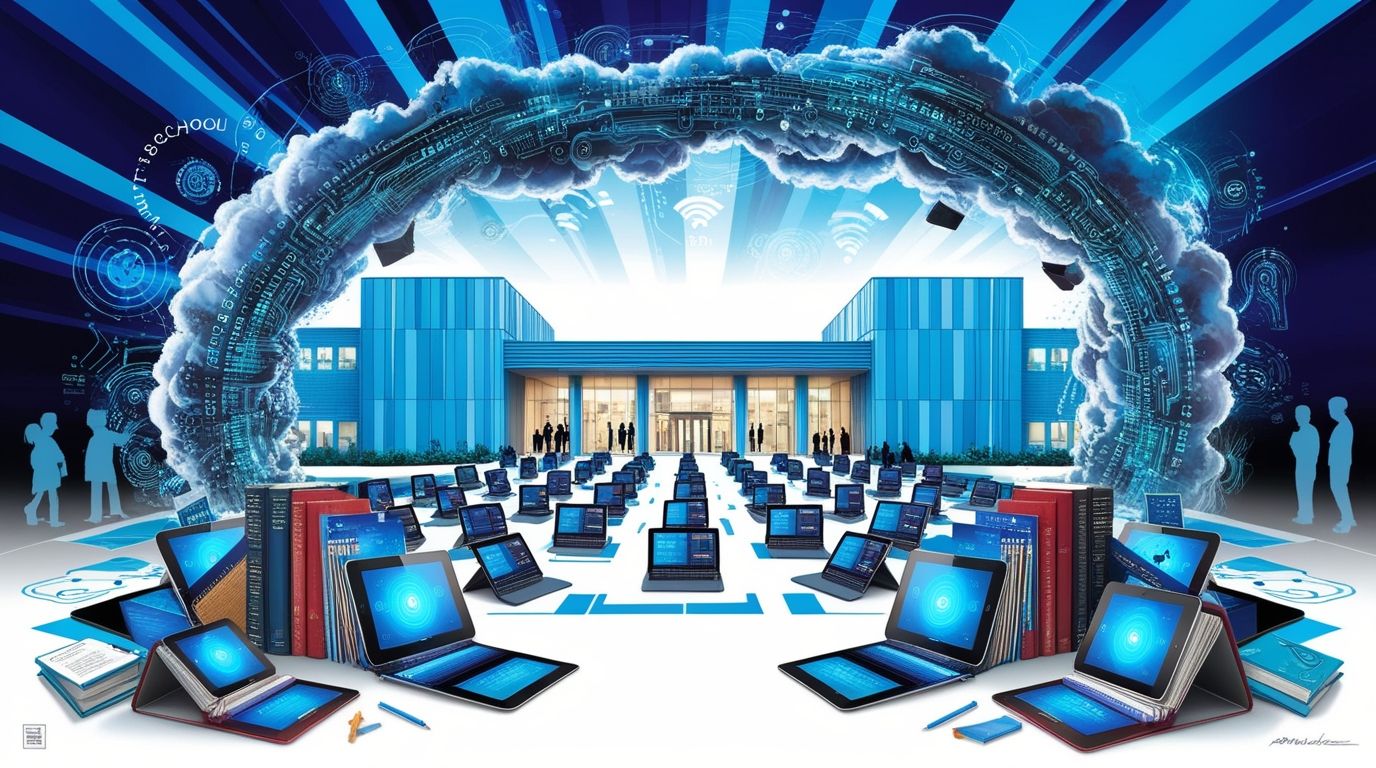
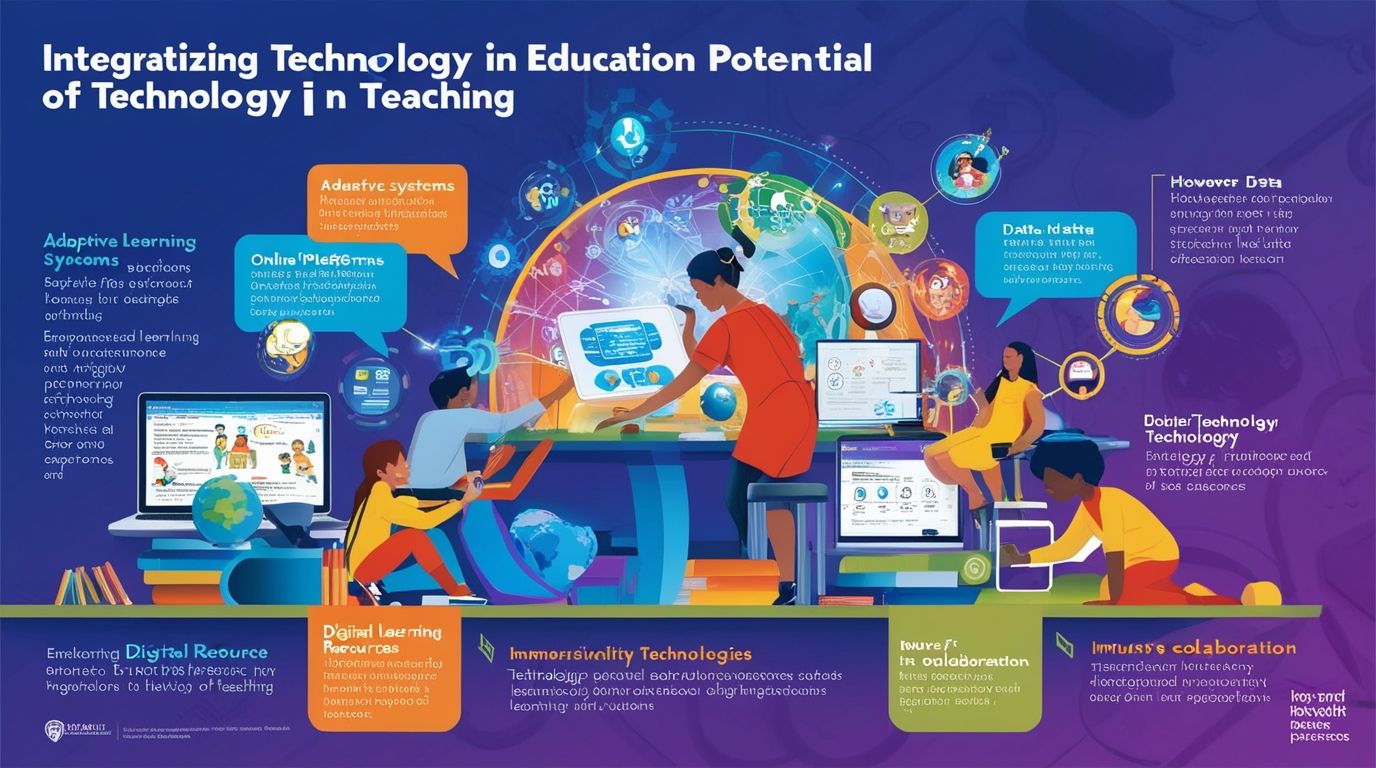
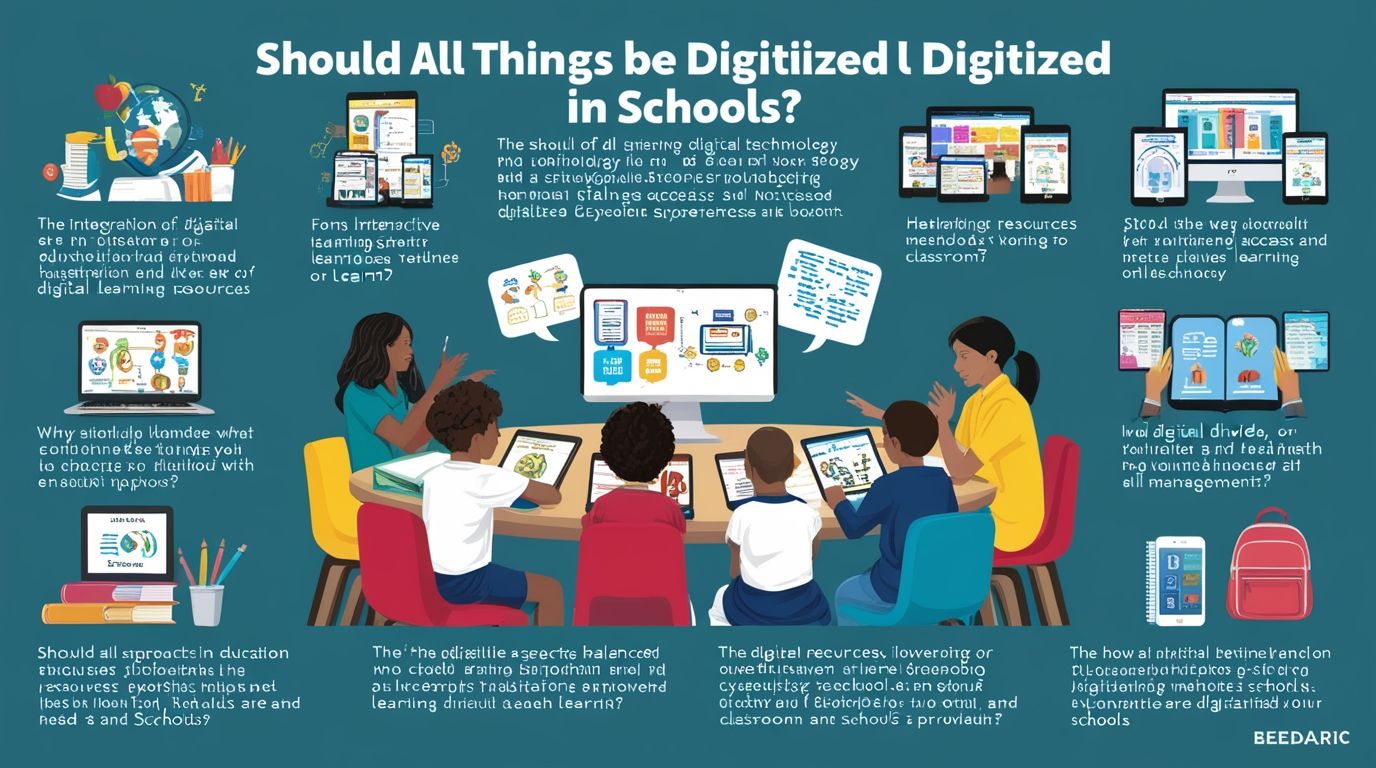
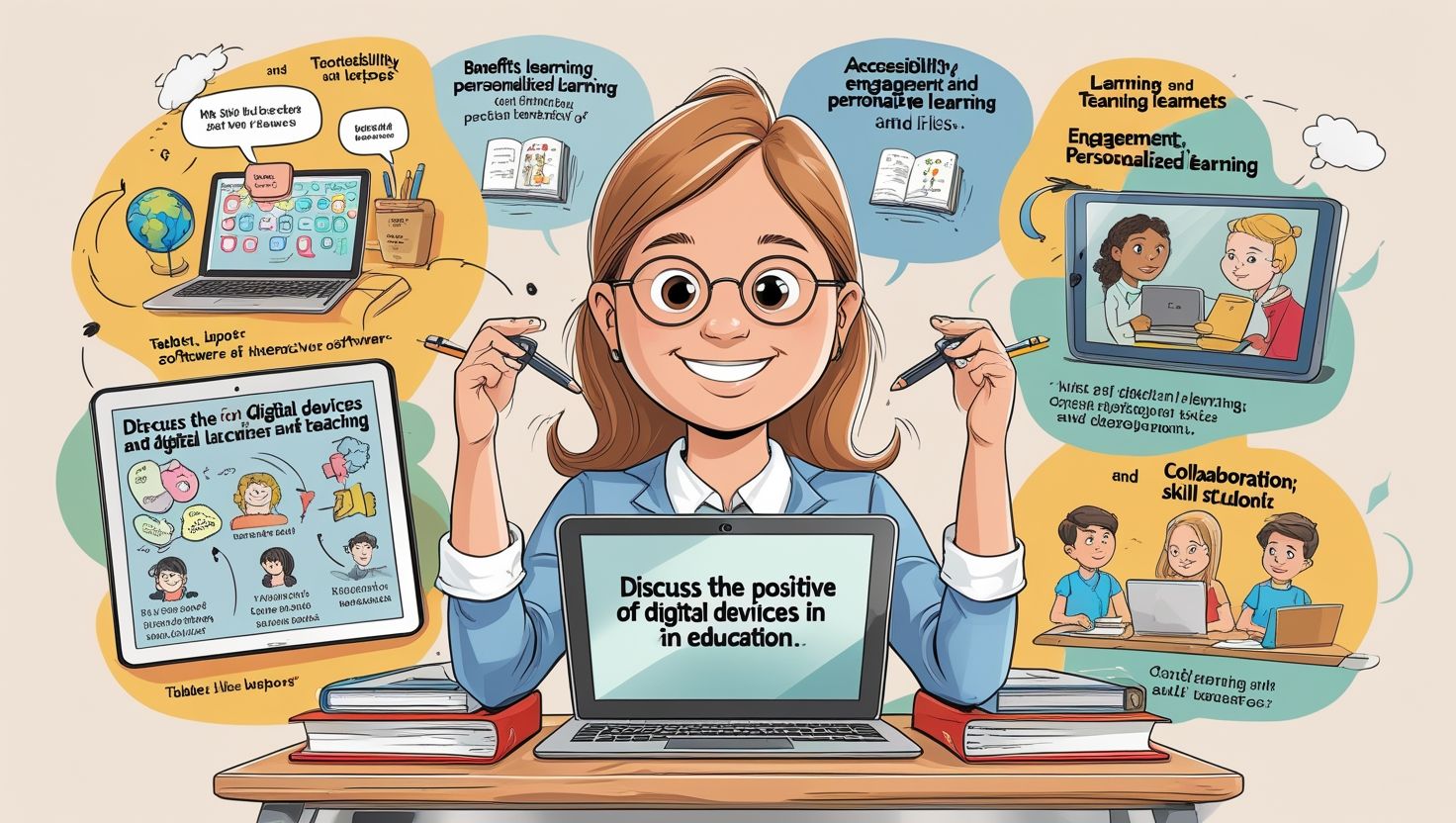
The rise of digital technology has expanded the impact of Free Books for Learning in schools worldwide. Free Book for Education and Learning at Schools, today, students can access digital libraries, online textbooks, and educational platforms from various devices. Consequently, learning materials become available anytime and anywhere. Furthermore, digital resources often include interactive features that enhance understanding and retention. As a result, students engage more actively with educational content. Moreover, schools can update materials quickly without the expense of printing new editions. Meanwhile, teachers gain access to a broader collection of resources for lesson planning. Therefore, educational flexibility increases significantly. Digital free books also support environmentally responsible practices by reducing paper consumption. In addition, learners can search, highlight, and organize information efficiently. Ultimately, digital libraries represent a powerful extension of educational access, helping schools provide high-quality learning opportunities while meeting the evolving needs of modern students and educators.
6. Encouraging Reading Habits for Life
Developing strong reading habits is essential for academic success, and Free Books play a crucial role in this process. When students have easy access to reading materials, they are more likely to read regularly and explore different subjects. Furthermore, consistent reading improves vocabulary, comprehension, communication skills, and critical thinking. As a result, students become more confident learners. Moreover, free educational books encourage recreational reading, which strengthens literacy development beyond academic requirements. Meanwhile, teachers and parents can recommend books without financial concerns. Consequently, reading becomes a natural and enjoyable part of daily life. In addition, exposure to diverse topics broadens perspectives and deepens understanding of the world. Therefore, schools that provide free books help cultivate lifelong readers. Ultimately, encouraging reading habits through accessible educational resources supports intellectual growth, academic achievement, and personal development while fostering a lasting appreciation for knowledge and learning.
7. Supporting Inclusive and Diverse Education
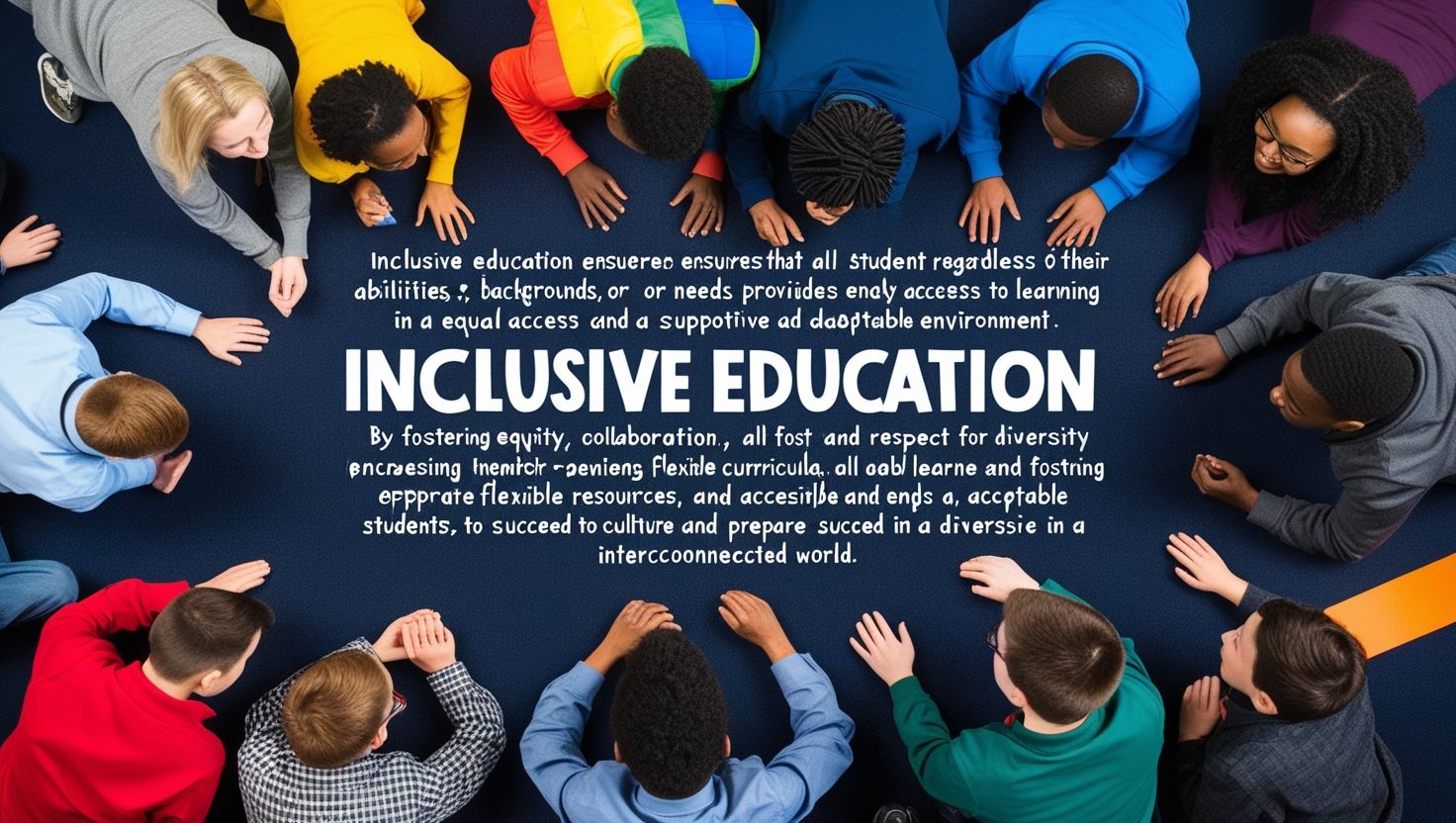
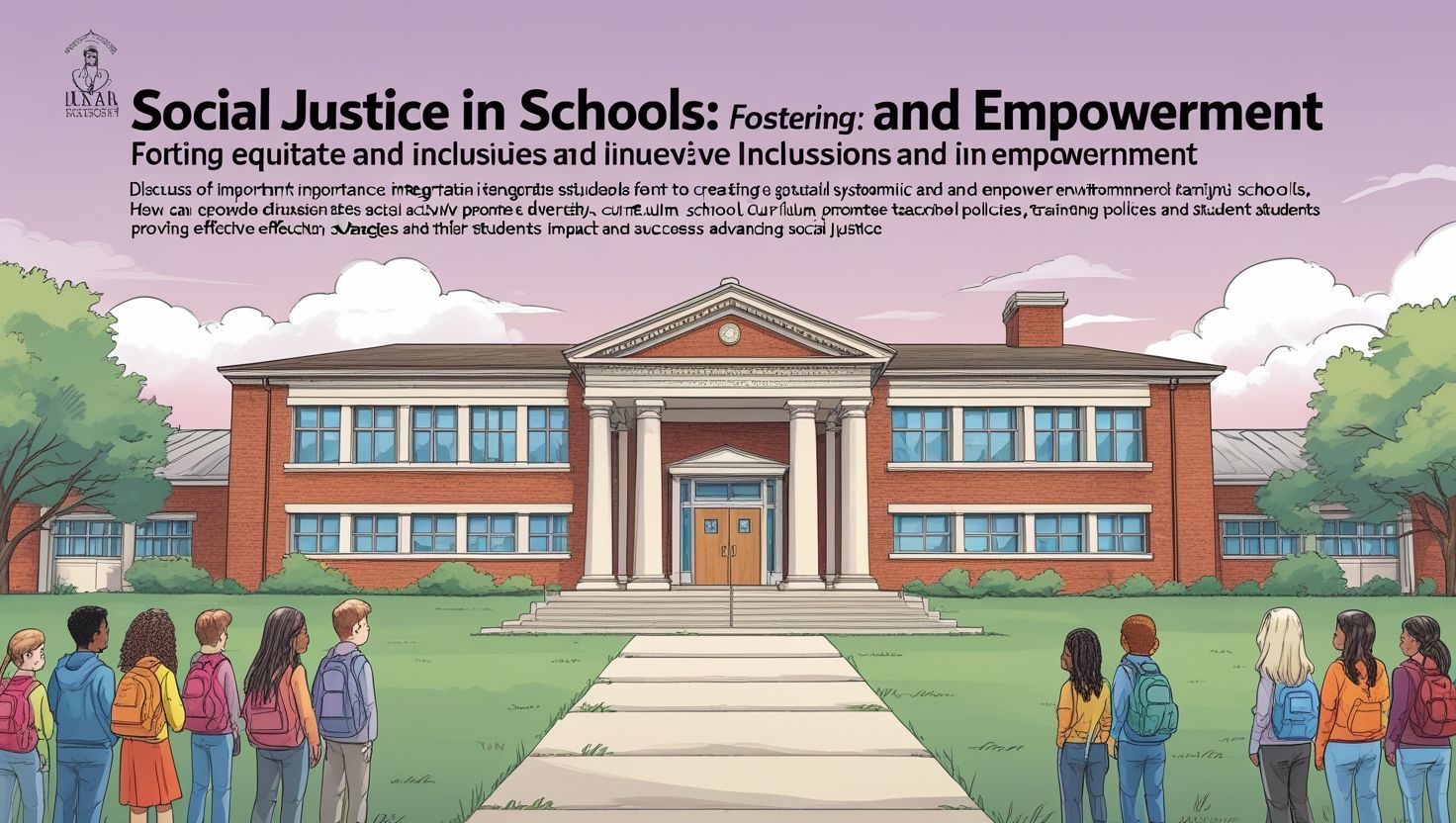
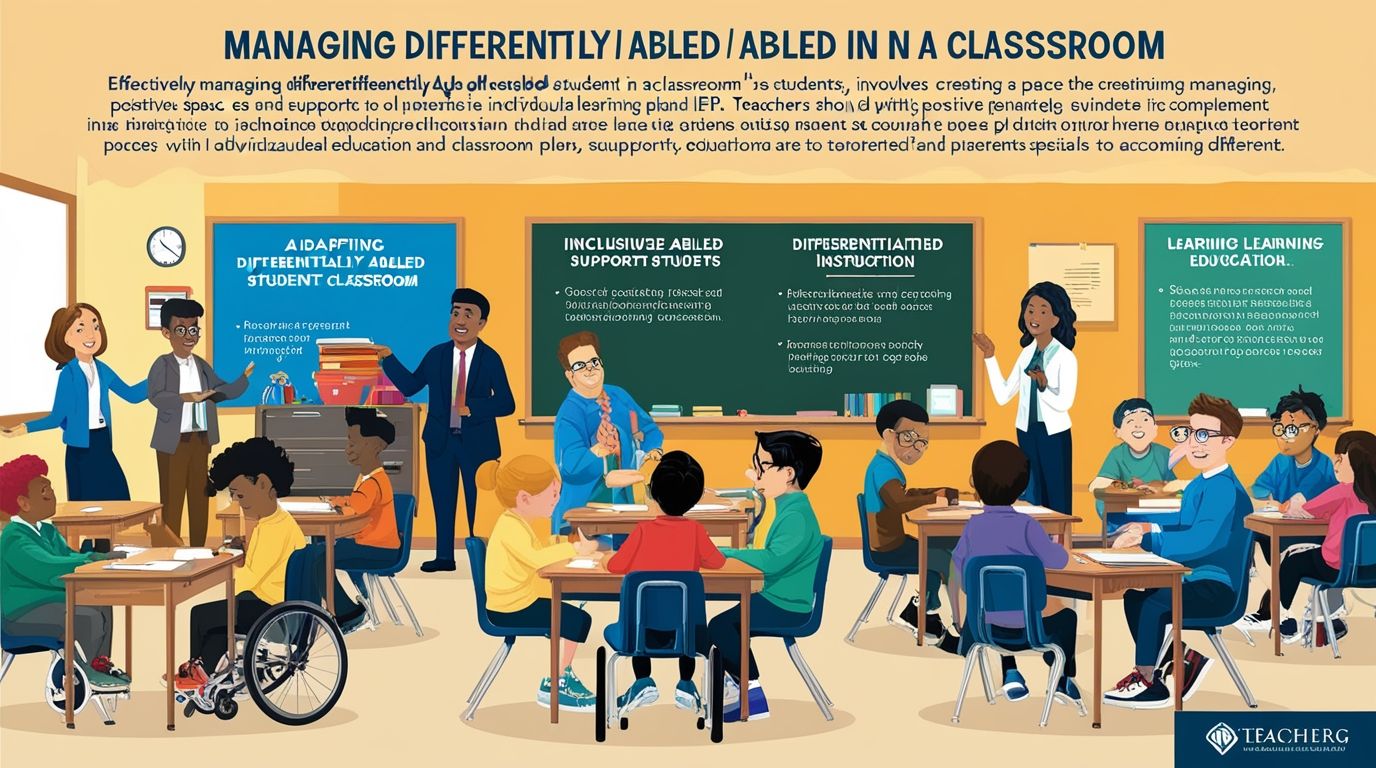
Inclusive education thrives when Free Learning Resources are available to all students. Different learners possess unique abilities, interests, and educational needs. Therefore, access to varied educational materials helps teachers address diverse classroom requirements effectively. Moreover, free books can include content that reflects multiple cultures, languages, and perspectives. As a result, students feel represented and valued within the learning environment. Furthermore, inclusive resources support learners with different reading levels and learning preferences. Meanwhile, schools can expand their collections without significant financial limitations. Consequently, educational participation increases across student populations. In addition, free books promote understanding, empathy, and respect among learners from different backgrounds. Therefore, classrooms become more welcoming and collaborative. Ultimately, inclusive access to educational resources strengthens equality while helping every student achieve meaningful learning outcomes. Such efforts contribute to a school culture that celebrates diversity and supports academic success for all.
8. Strengthening Research and Critical Thinking
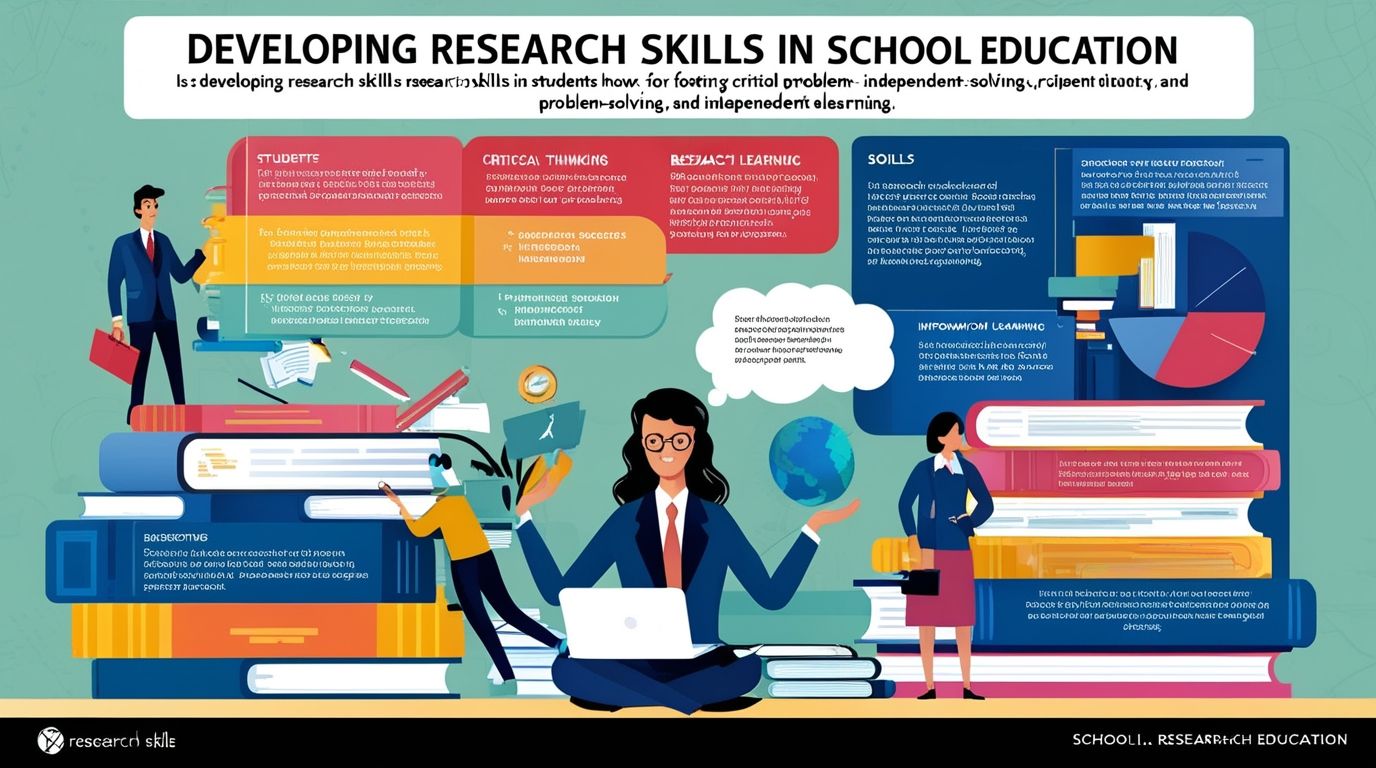
Research and critical thinking are essential competencies in modern education, and Free Educational Books contribute significantly to their development. When students have access to diverse information sources, they can compare viewpoints, evaluate evidence, and draw informed conclusions. Free Book for Education and Learning at Schools, furthermore, free learning materials encourage independent investigation and analytical reasoning. As a result, learners become more capable of addressing complex academic challenges. Moreover, teachers can assign research projects without concerns about resource availability. Meanwhile, students gain experience locating and interpreting reliable information. Consequently, classroom discussions become more thoughtful and evidence-based. In addition, exposure to various subjects broadens intellectual horizons and stimulates deeper inquiry. Therefore, free books help create an environment where knowledge is explored critically rather than accepted passively. Ultimately, strengthening research skills through accessible educational resources prepares students for higher education, professional success, and responsible participation in an increasingly information-driven society.
9. Reducing Financial Pressure on Families
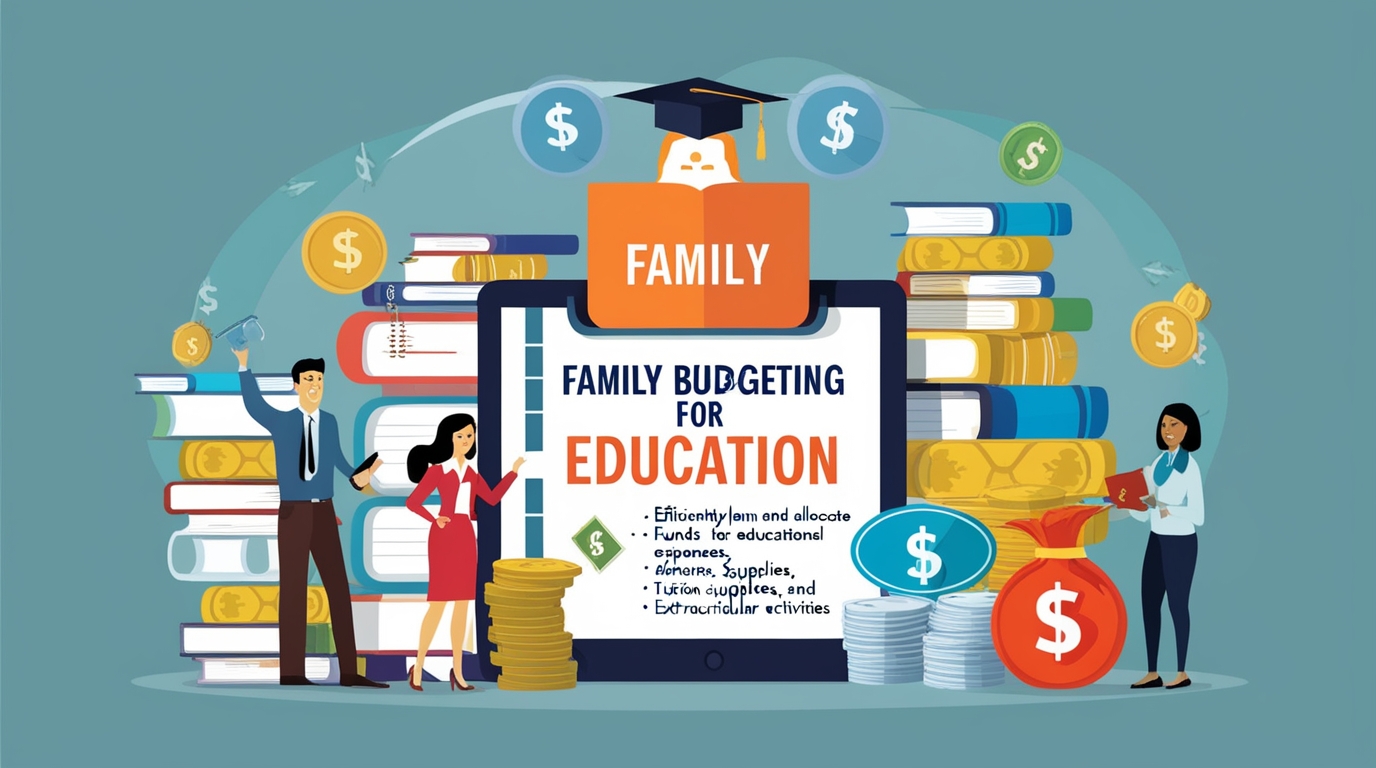
One of the most practical benefits of Free Books for Education is the reduction of financial burdens on families. Educational expenses often include textbooks, workbooks, and supplementary learning materials. However, free educational resources help families allocate their budgets to other essential needs. Furthermore, equal access to books prevents situations where students fall behind because resources are unavailable. As a result, educational participation becomes more consistent and equitable. Moreover, parents can support learning at home without worrying about additional costs. Meanwhile, schools strengthen relationships with communities by addressing economic challenges. Consequently, educational opportunities expand for a greater number of learners. In addition, free books contribute to social mobility by supporting academic achievement regardless of income level. Therefore, accessible educational materials represent a valuable investment in community development. Ultimately, reducing financial pressure enhances educational inclusion while supporting student success and family well-being.
10. Fostering Creativity and Innovation
Creativity and innovation flourish when students have access to Free Learning Books and educational resources. Exposure to diverse ideas encourages learners to think beyond traditional boundaries and explore new possibilities. Furthermore, reading across multiple disciplines inspires creative connections between subjects. As a result, students develop imaginative approaches to problem solving. Moreover, free books provide opportunities to discover inspiring stories, scientific breakthroughs, and artistic achievements. Meanwhile, teachers can integrate creative projects supported by accessible learning materials. Consequently, classrooms become environments where curiosity and innovation are encouraged. In addition, students gain confidence in expressing original thoughts and perspectives. Therefore, educational experiences become more engaging and meaningful. Free educational resources also support collaborative learning by providing shared access to knowledge. Ultimately, fostering creativity through accessible books helps students develop essential skills for future success while nurturing innovation, adaptability, and intellectual growth.
11. Community Partnerships for Educational Growth
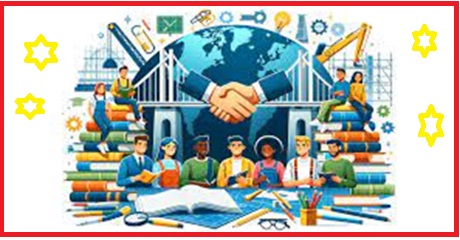
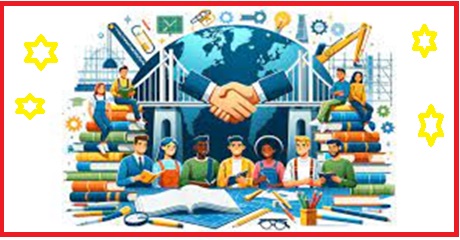
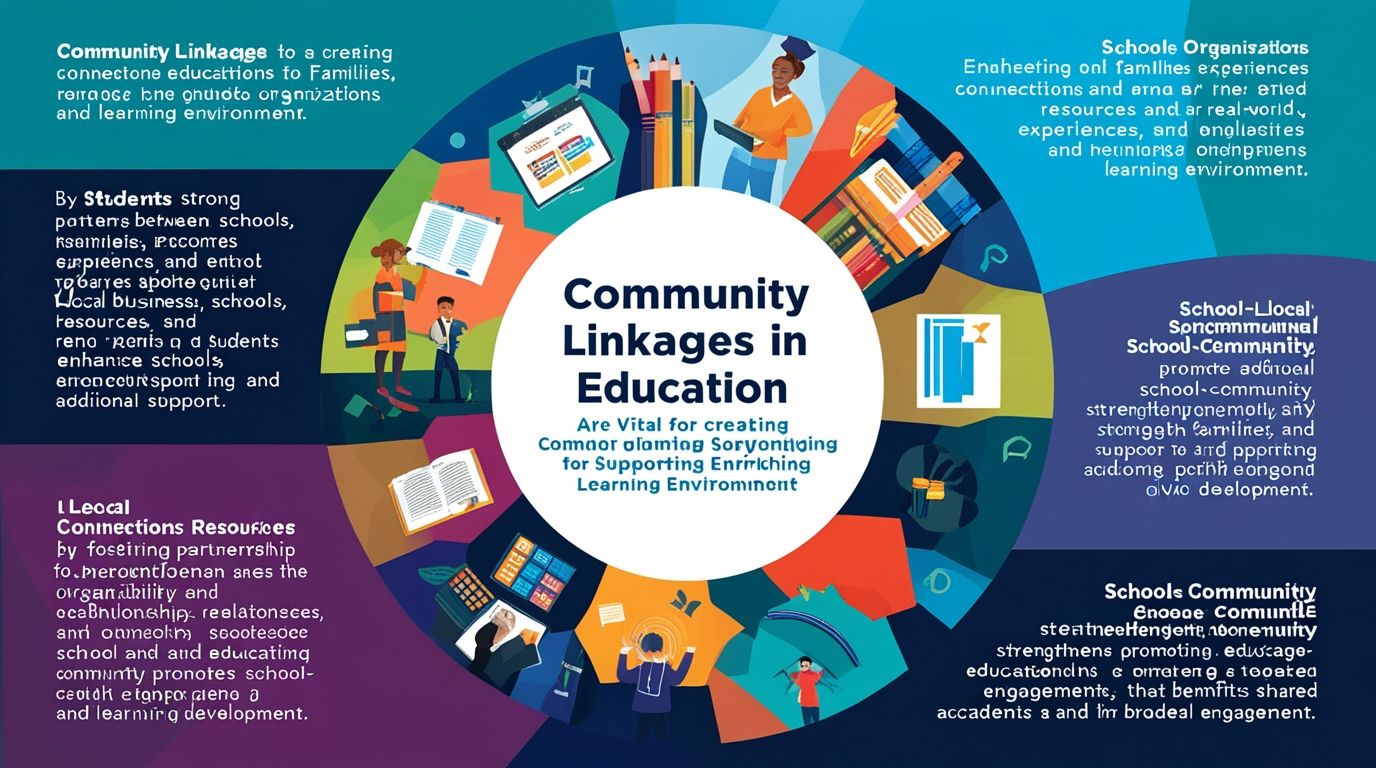
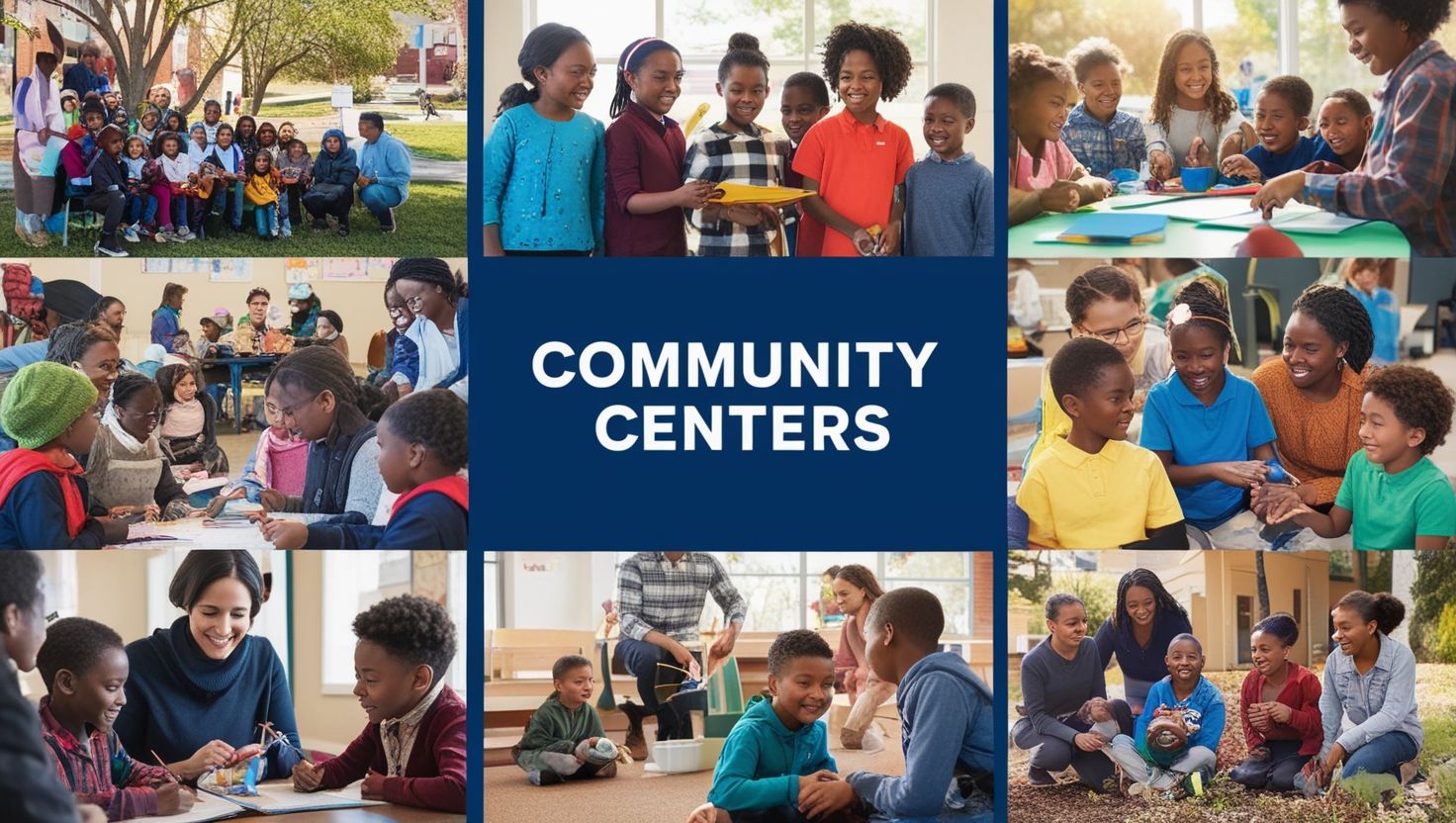
Successful Free Book programs often depend on collaboration among schools, communities, organizations, and educational leaders. When stakeholders work together, they can expand access to quality learning materials and support student achievement. Furthermore, partnerships help schools acquire resources that might otherwise be unavailable. As a result, educational opportunities increase for learners across different regions. Moreover, community involvement strengthens awareness of the importance of literacy and lifelong learning. Meanwhile, local organizations can contribute expertise, funding, or resource distribution support. Consequently, educational initiatives become more sustainable and impactful. In addition, collaborative efforts encourage shared responsibility for student success. Therefore, communities become active participants in educational development. Free book programs also create stronger connections between schools and families. Ultimately, partnerships enhance the effectiveness of educational initiatives while promoting equal access to knowledge, academic excellence, and continuous learning opportunities for present and future generations.
12. Preparing Learners for a Changing Future
The future demands adaptable individuals, and Free Educational Resources help prepare students for evolving academic and professional environments. Access to updated learning materials ensures that learners remain informed about current knowledge and emerging trends. Furthermore, free books support continuous skill development across multiple disciplines. As a result, students become better equipped to navigate technological, social, and economic changes. Moreover, educational accessibility encourages self-directed learning and personal responsibility. Meanwhile, teachers can introduce contemporary topics that reflect real-world developments. Consequently, students develop relevant competencies and future-ready mindsets. In addition, free learning materials promote flexibility by allowing learners to explore interests beyond traditional subjects. Therefore, educational systems become more responsive to changing demands. Ultimately, preparing students through accessible books strengthens resilience, adaptability, and lifelong learning habits, ensuring that future generations are capable of contributing effectively to an increasingly dynamic global society.
13. Advancing Educational Sustainability
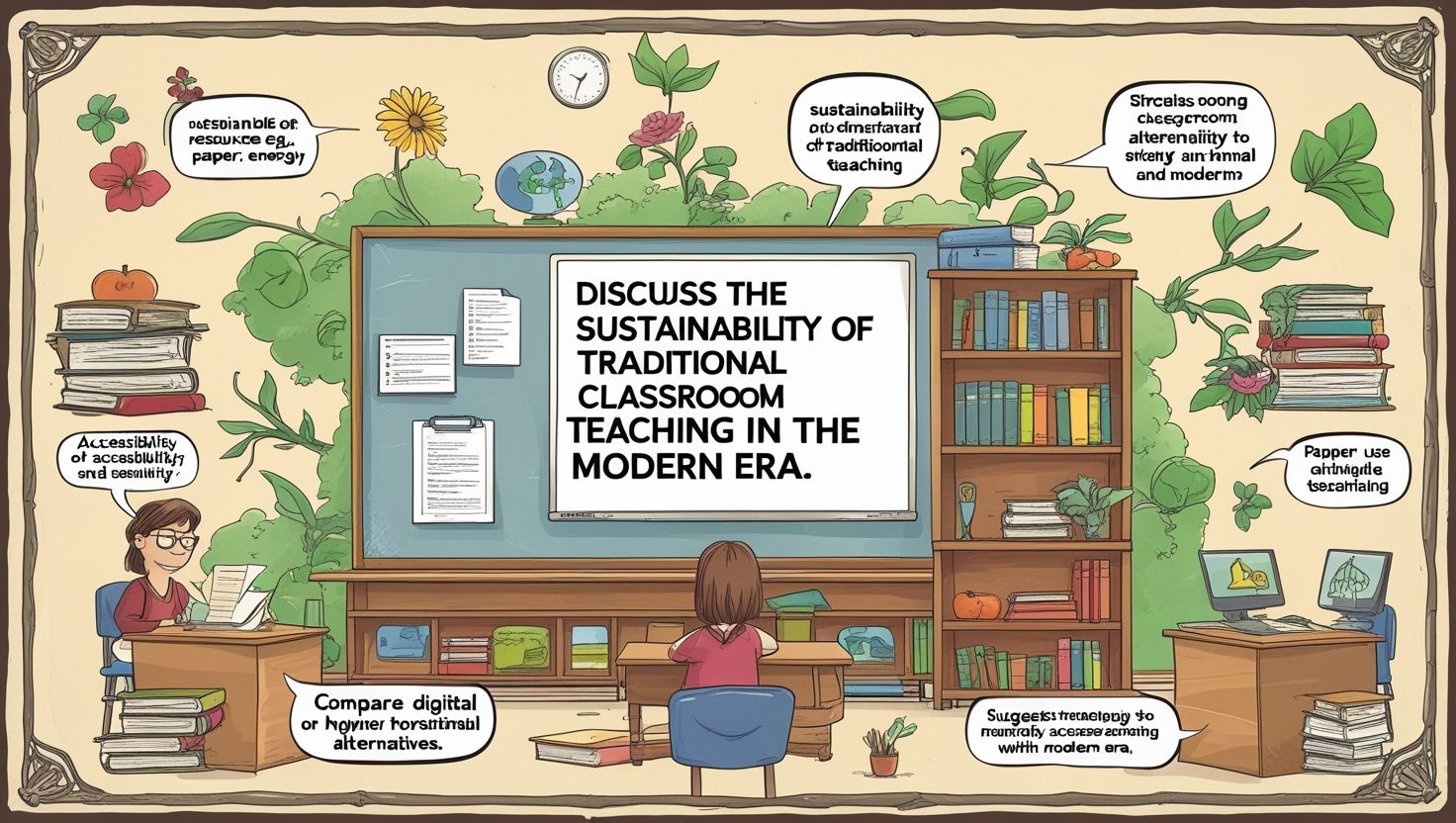
Sustainable education depends on long-term access to Free Books for Schools and reliable learning resources. Educational institutions often face budget constraints that affect resource availability. However, free books help reduce costs while maintaining academic quality. Furthermore, digital and open-access materials support environmentally responsible educational practices. As a result, schools can provide learning opportunities without excessive resource consumption. Moreover, sustainable access to books ensures continuity in teaching and learning. Meanwhile, students benefit from consistent educational support throughout their academic journeys. Consequently, schools become more resilient and efficient. In addition, free educational resources encourage knowledge sharing across communities and institutions. Therefore, educational sustainability extends beyond individual classrooms. Ultimately, investing in accessible learning materials creates lasting benefits for students, teachers, and society. Such efforts strengthen educational systems while promoting responsible resource management, equitable access, and long-term academic success for future generations of learners.
14. A Vision of Knowledge Without Barriers
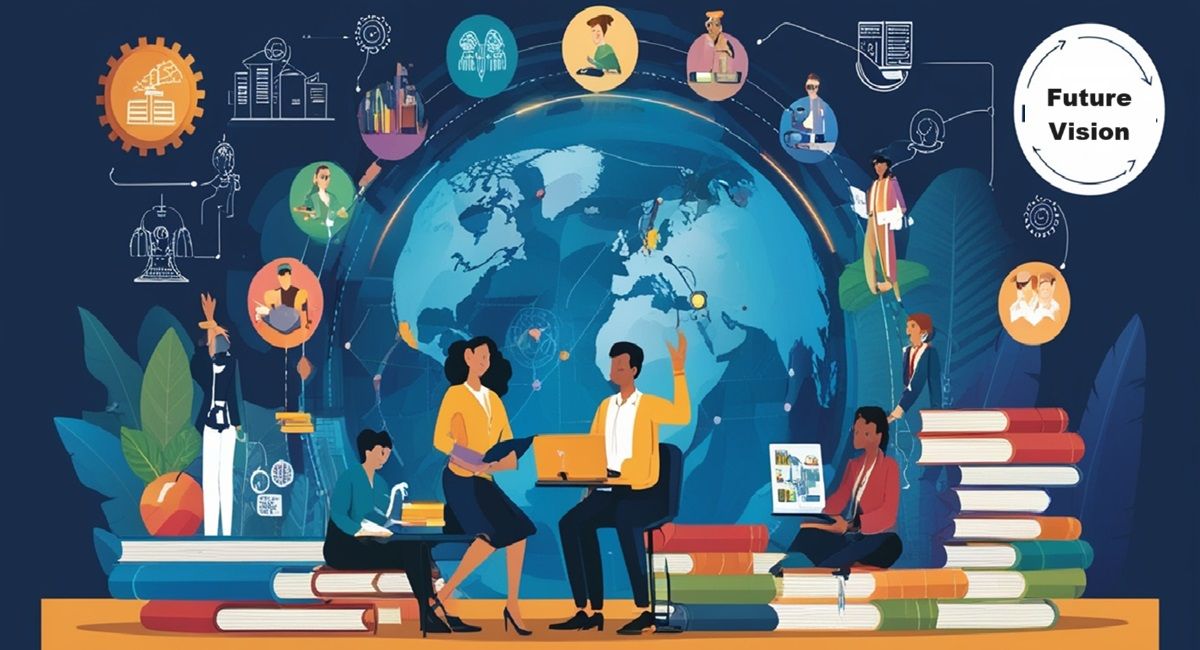
The vision behind Free Book for Education and Learning at Schools is a world where knowledge is accessible to every learner. Education should empower individuals, strengthen communities, and create opportunities for progress. Therefore, removing barriers to educational resources remains an essential goal. Furthermore, free books support literacy, equality, creativity, and lifelong learning. As a result, students gain the tools needed to achieve their full potential. Free Book for Education at Schools, moreover, teachers receive valuable support that enhances classroom effectiveness and student engagement. Meanwhile, families benefit from reduced educational expenses and improved learning opportunities. Consequently, schools become centers of inclusive and meaningful education. In addition, communities grow stronger when knowledge is shared freely and responsibly. Therefore, free educational books represent more than learning materials; they symbolize opportunity and empowerment. Ultimately, universal access to educational resources helps build a brighter future where every student can learn, grow, and succeed.