Introduction
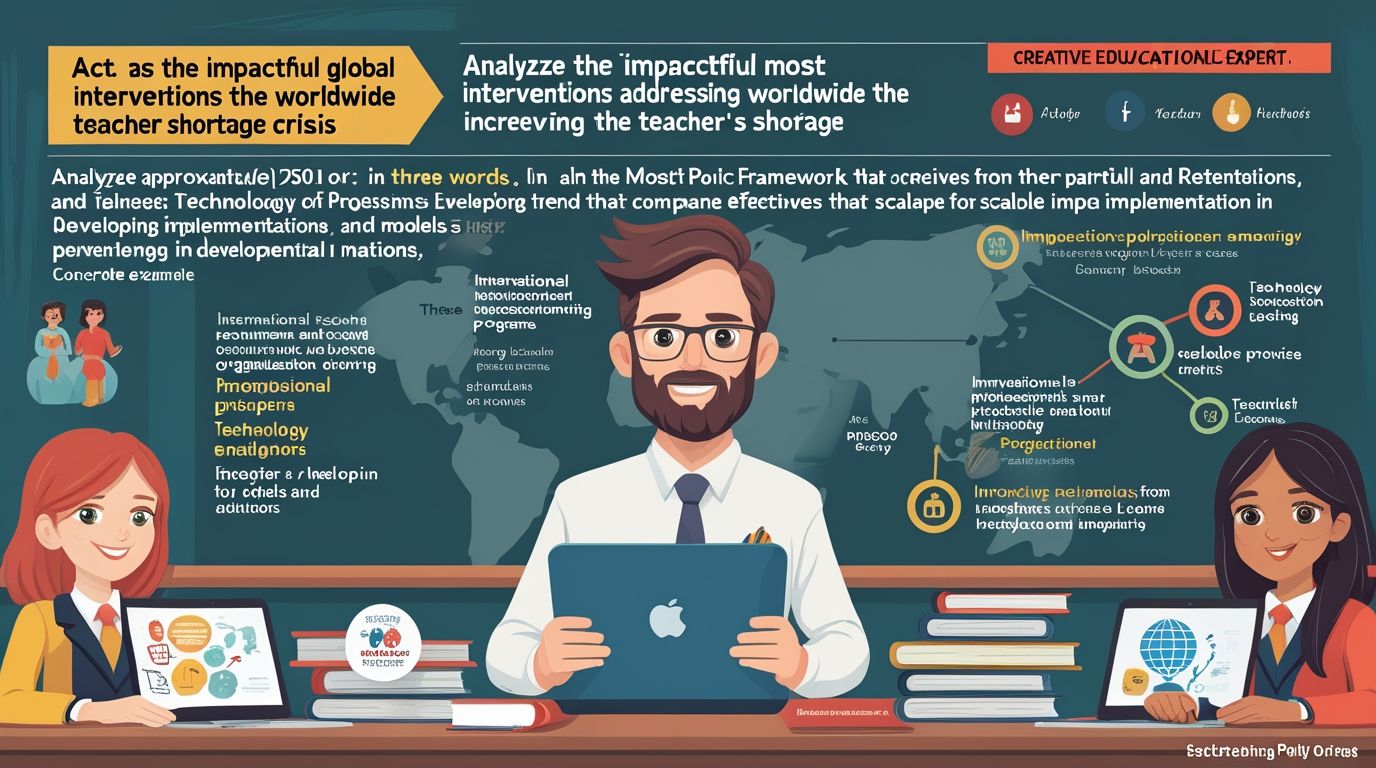
Global Interventions in Teacher Education, The global education landscape faces a critical challenge: a massive shortage of qualified teachers. According to a UNESCO collaboration, the world needs an additional 44 million teachers by 2030 to achieve universal primary and secondary education . This shortage is not just a number; it represents a profound crisis leading to overcrowded classrooms, overburdened educators, and diminished educational quality for millions of students worldwide .
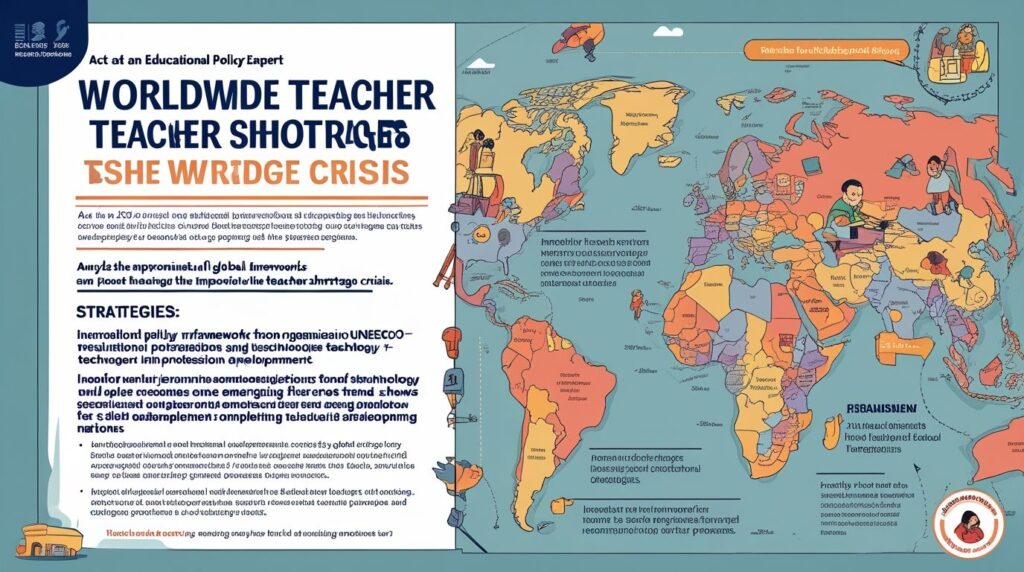
The crisis is global, affecting high-income regions in Europe and North America as severely as developing nations, with sub-Saharan Africa and Southern Asia being particularly acute, needing 15 million and 7.8 million new teachers respectively . In response, international organizations, governments, and educational bodies are mobilizing to implement a diverse array of interventions aimed at not only recruiting new teachers but also transforming the profession through support, collaboration, and innovative training.
The following table summarizes the key areas of global intervention aimed at addressing the teacher crisis.

Detailed Analysis of Intervention Strategies
High-Level Policy and Advocacy Initiatives
Global interventions at the policy level are foundational, setting the agenda and creating a unified international framework for action. The Global Report on Teachers, a collaboration between UNESCO and the International Task Force on Teachers, is a prime example of an evidence-based tool designed to mobilize international and country-level efforts . This report doesn’t just diagnose the problem—highlighting the urgent need for 44 million teachers and the alarming attrition rates where teachers leave the profession within their first five years—it also proposes practical solutions . These solutions advocate for a holistic approach that moves beyond mere recruitment to focus on teacher motivation, well-being, professional development, and working conditions .
Building on such research, high-level summits are crucial for turning recommendations into action. The World Summit on Teachers in Santiago, Chile, convened by UNESCO, led to the adoption of the Santiago Consensus . This multilateral agreement outlines shared commitments to transform the teaching profession, emphasizing the need for fair pay, good working conditions, and meaningful teacher involvement in educational decision-making .
A central theme of these advocacy efforts is the call for increased investment. As noted by Education International, achieving Sustainable Development Goal 4 requires most countries to allocate 6% of their GDP and 20% of their national budgets to education, a benchmark many are currently missing . This financial commitment is essential to fund new teaching positions, estimated to cost US$120 billion annually, and to improve the status and working conditions of teachers globally .
Fostering Collaboration and Continuous Professional Development
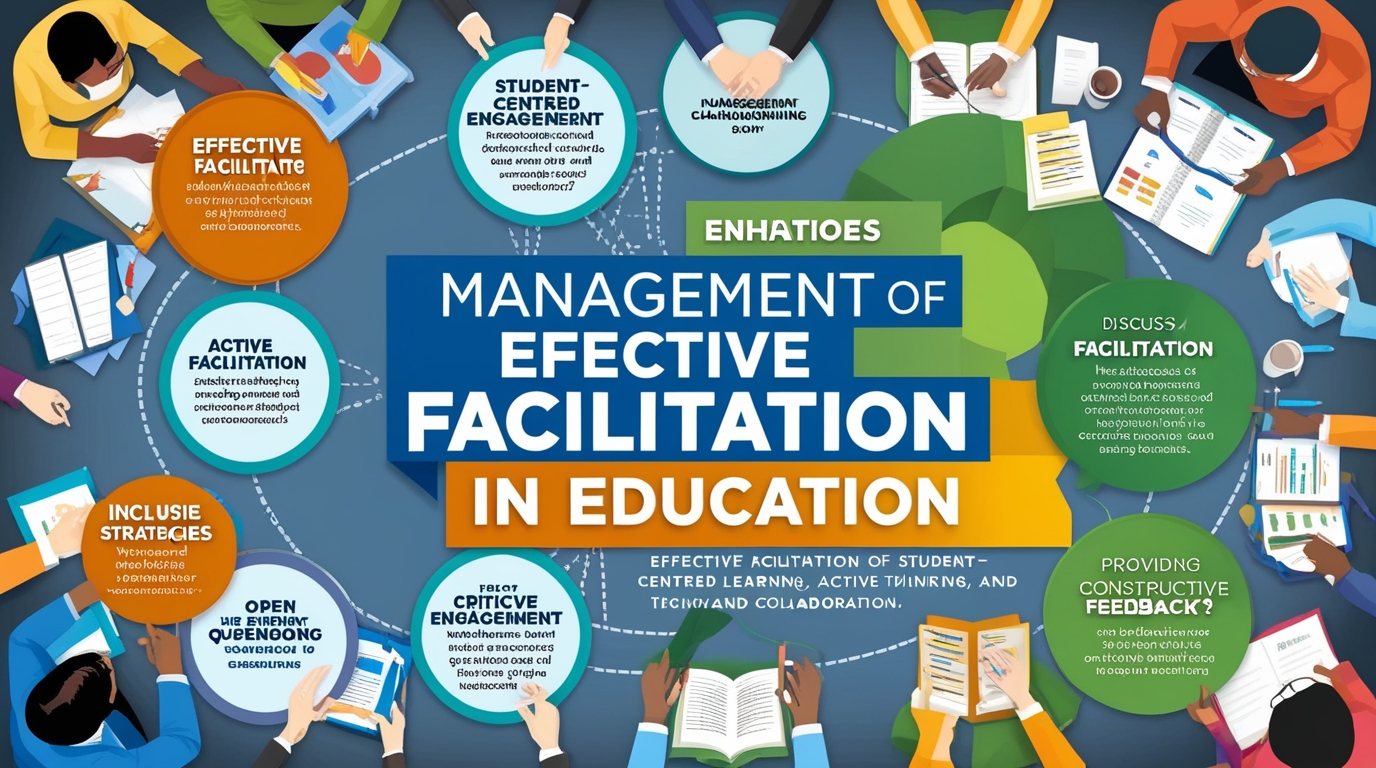
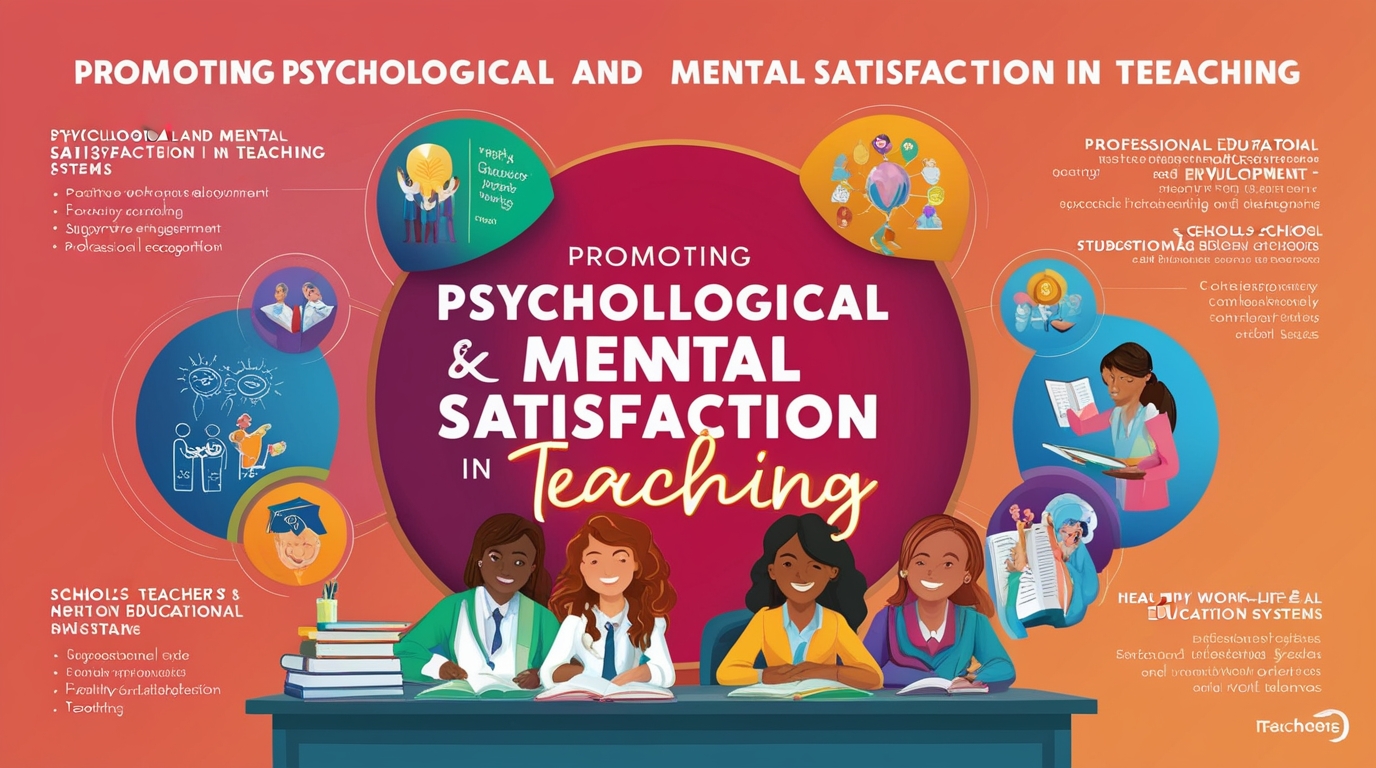
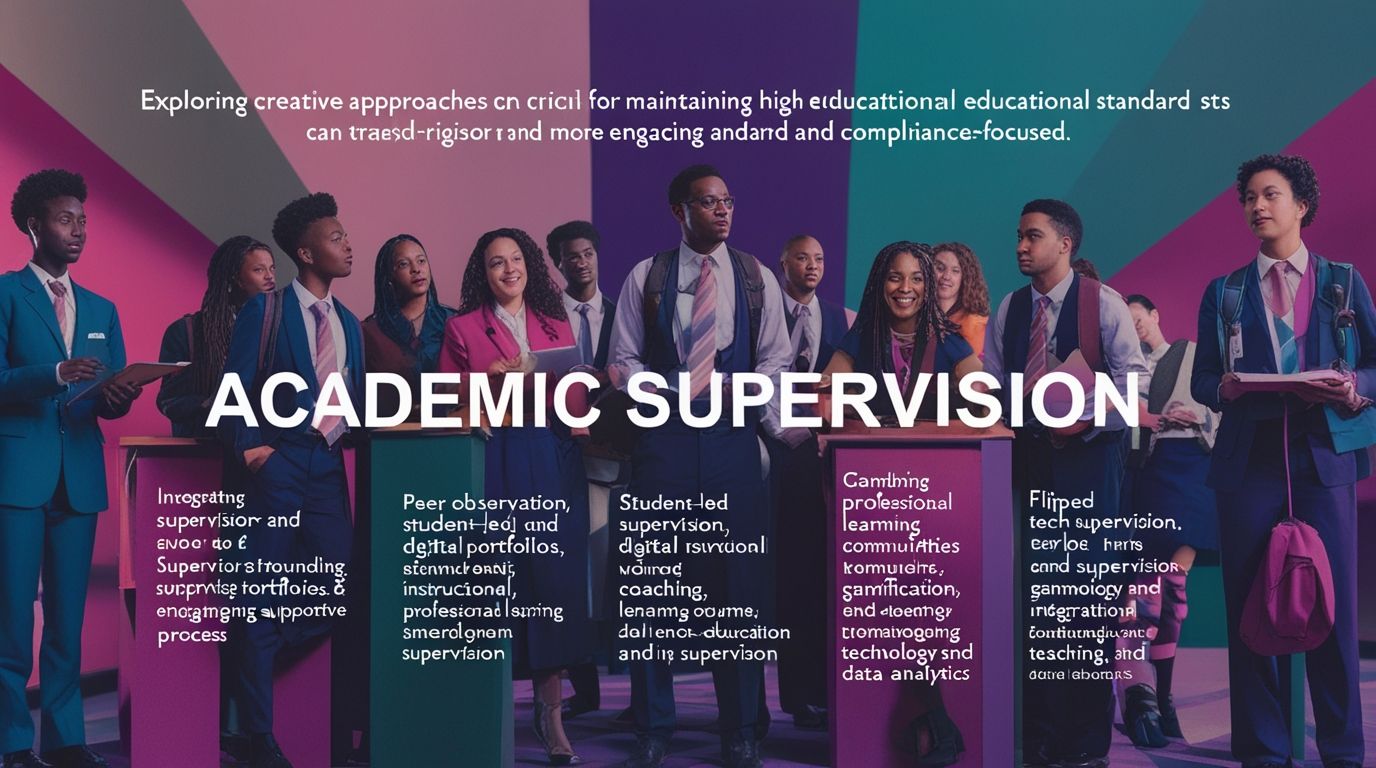
A powerful shift in teacher education is the move towards recasting teaching as a collaborative profession. The theme for World Teachers’ Day 2025, “Collaboration is key to making teachers thrive,” underscores this paradigm shift . The goal is to replace the traditional model of the isolated teacher with one embedded in a supportive network of colleagues. This is achieved through strategies like co-teaching, joint reflection, and integrated partnerships for novice teachers, and through communities of practice and study circles for experienced educators . However, significant barriers remain. A UNESCO fact sheet reveals that only 14% of low-income countries have policies mandating continuing professional development for primary teachers, and the share of trained teachers in sub-Saharan Africa has declined significantly since 2000 . This lack of support is a key driver of teacher attrition.
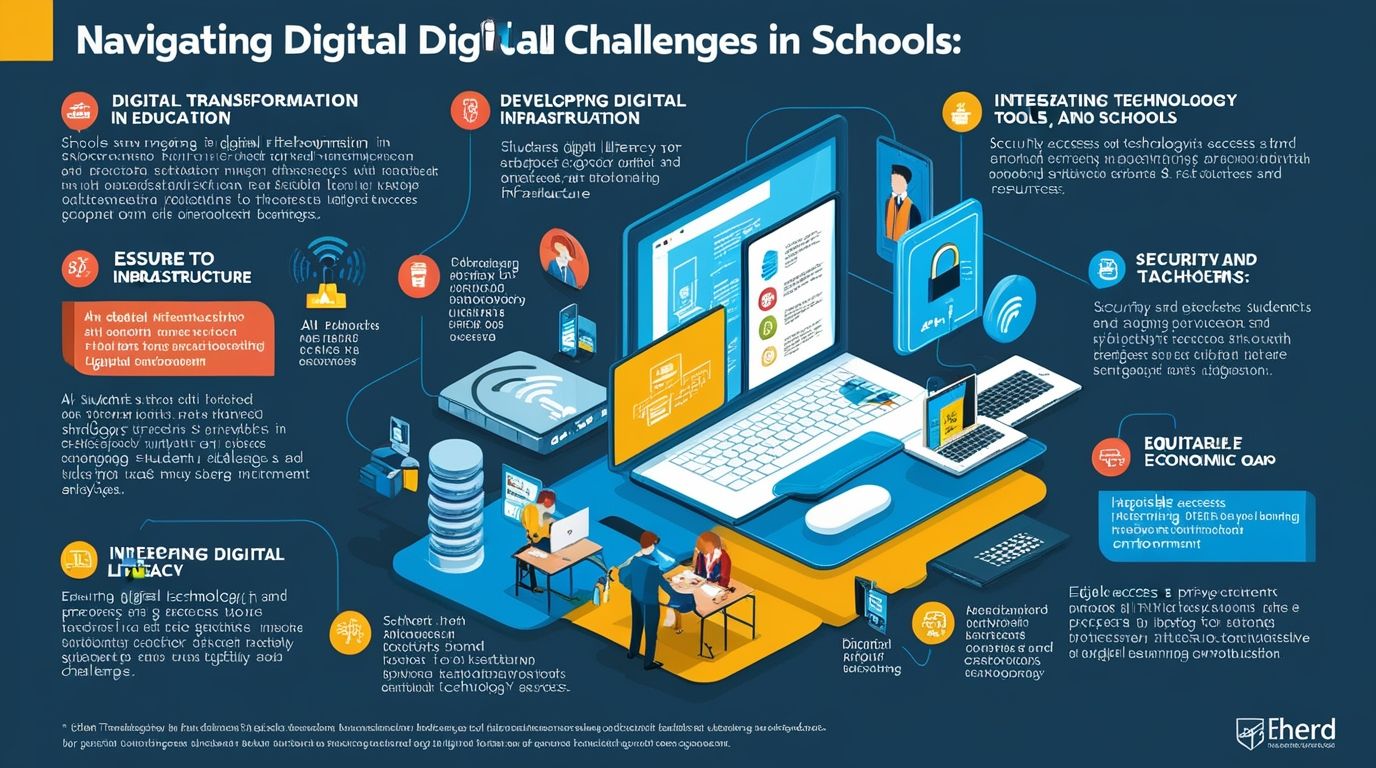
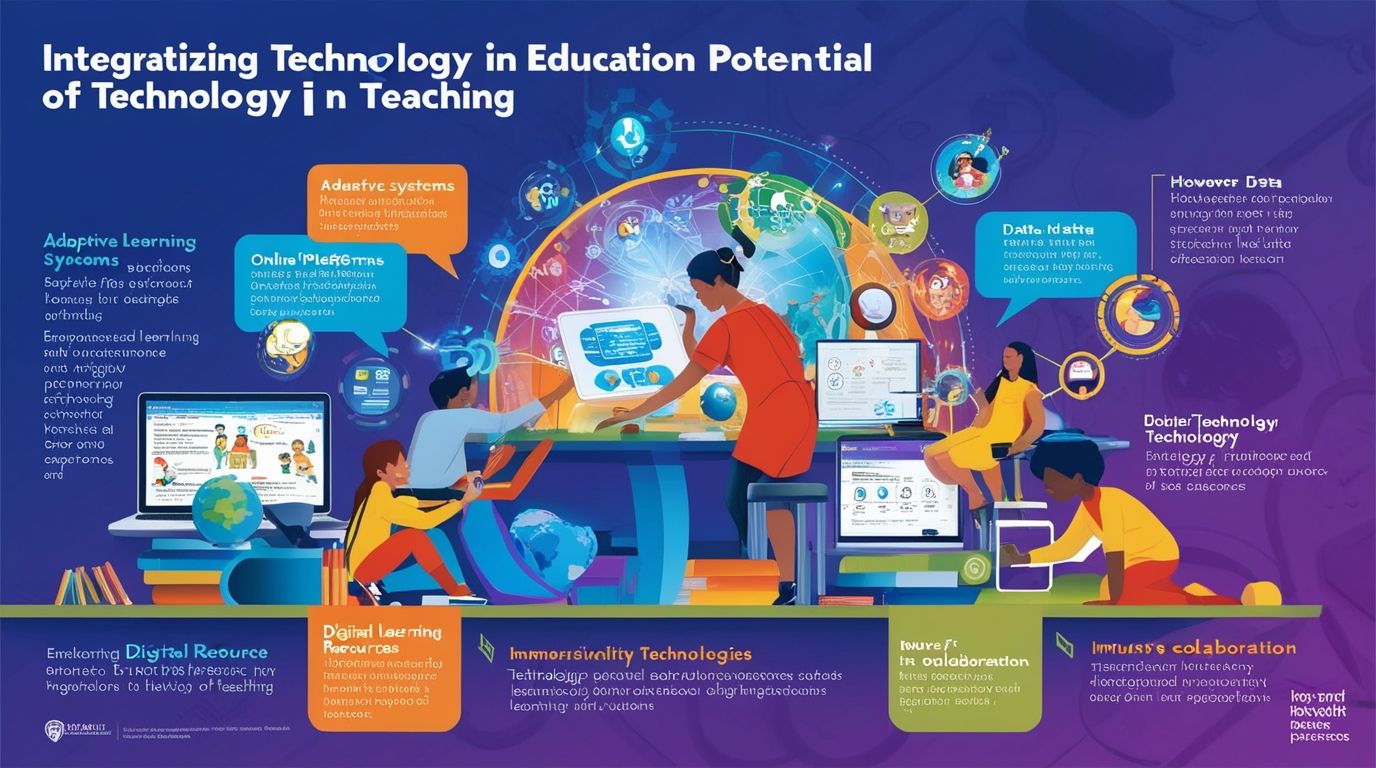
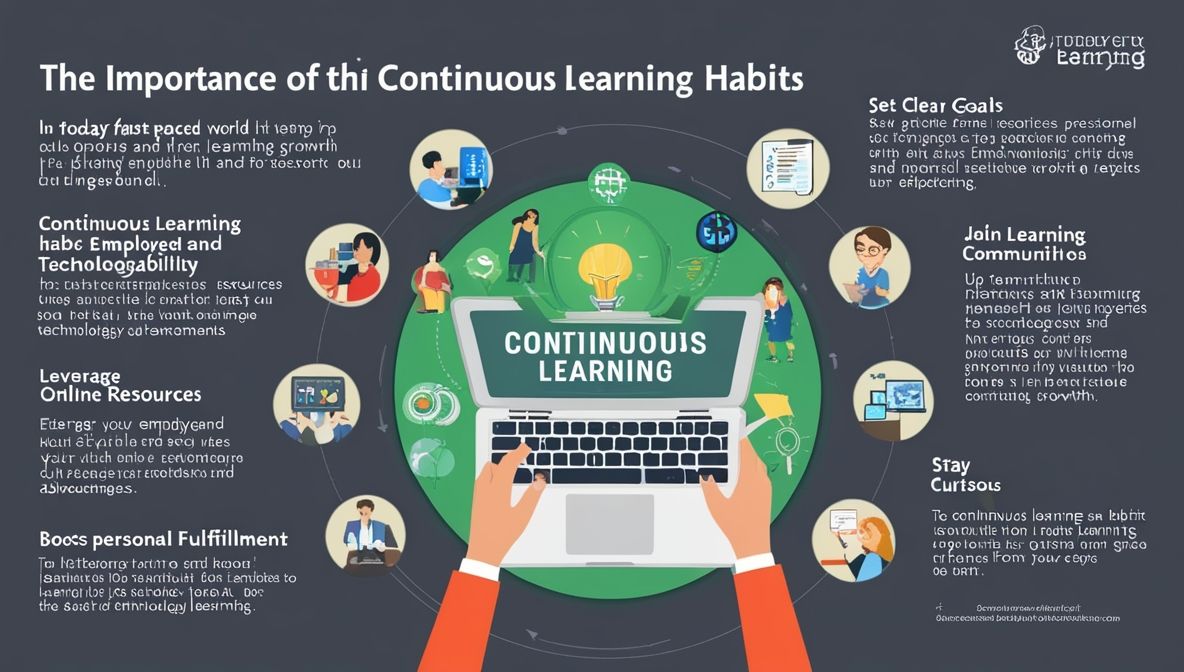
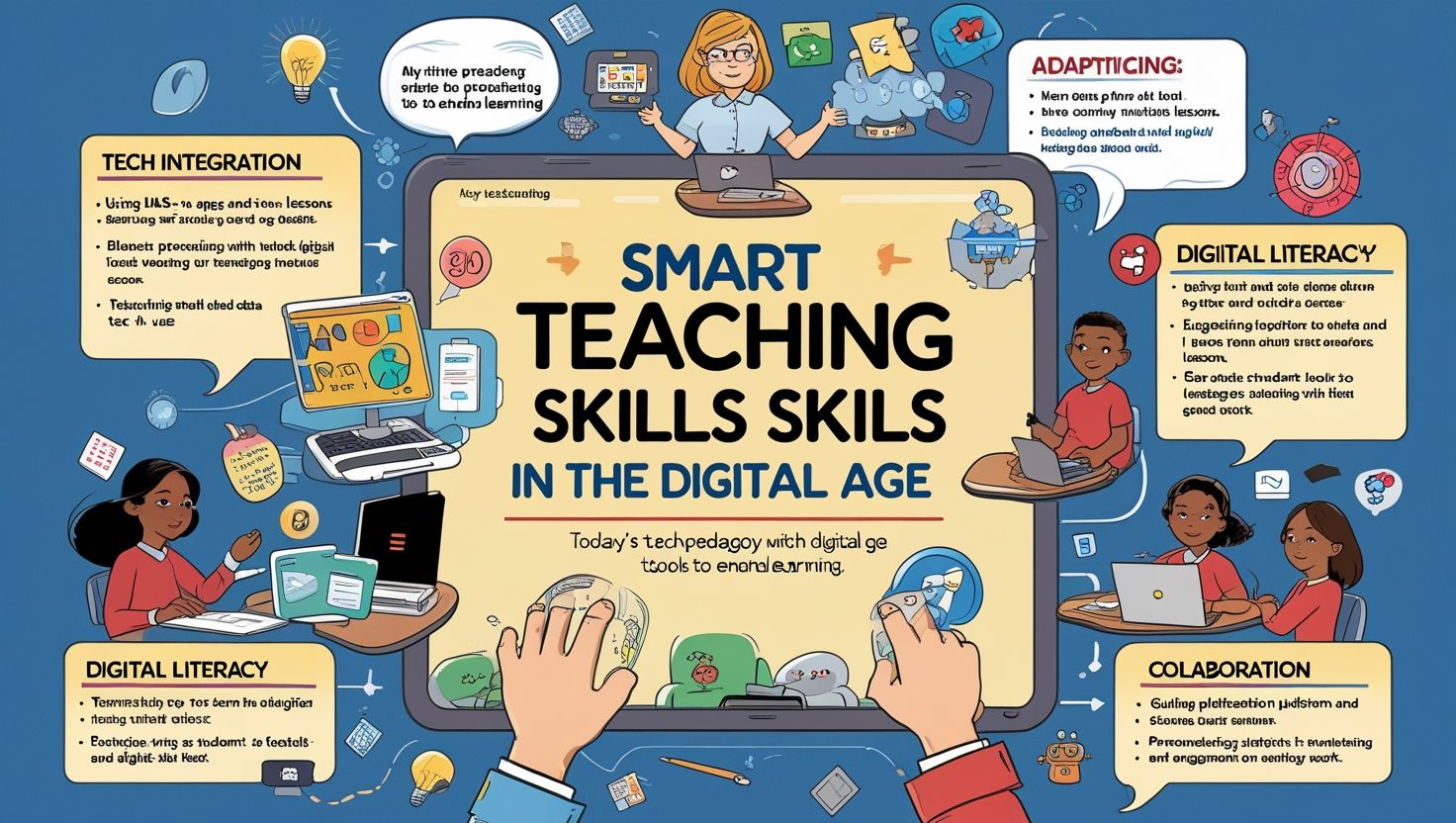
In the digital age, professional development increasingly focuses on building technological capacity. European projects like D-PAIDEIA, funded by Erasmus+, offer free international online training for teachers to strengthen their digital pedagogical competencies . Their modules cover essential topics such as digital well-being, adopting digital technologies safely, and managing educational relationships with ICT . These programs are vital for ensuring that teachers are equipped to navigate the digital transformation of education and can use technology to create diverse and flexible learning strategies for their students .
Cross-Border Exchange and Specialized Training Programs
International exchange programs provide invaluable opportunities for professional growth and cross-cultural understanding. The Teaching Excellence and Achievement (TEA) Program, sponsored by the U.S. Department of State, is a prime example . It brings secondary school teachers of English, Math, Science, and Social Studies from around the world to the U.S. for a six-week professional development program at a host university . Participants engage in graduate-level seminars, observe and co-teach in U.S. secondary schools, and share best practices with American colleagues and other international educators . Upon returning home, these teachers become leaders in their local communities, disseminating the knowledge and innovative methodologies they acquired .
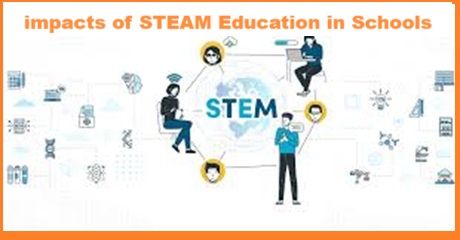
Furthermore, subject-specific training initiatives are critical for inspiring students in key disciplines. The European Space Agency’s (ESA) “Teach with Space” program and its network of European Space Education Resource Offices (ESERO) offer specialized STEM training for teachers . These programs use the compelling context of space to teach science, technology, engineering, and mathematics, providing tailored resources and training that align with national curricula . By empowering teachers with exciting, hands-on resources, these interventions aim to spark student interest in STEM fields and prepare the next generation of explorers and innovators.
The Road Ahead: Challenges and Future Directions
Despite these robust global interventions, significant challenges persist. The sheer scale of the teacher shortage, which Education International estimates at 50 million when including early childhood education, is daunting . The systemic underfunding of education and the high attrition rates driven by stress, poor working conditions, and lack of support continue to undermine progress . Moreover, there is a persistent gap between policy recommendations and their implementation at the national level. As the President of Education International, Mugwena Maluleke, stated, “It is now time to move beyond recommendations to action. We need governments to commit resources and implement the recommendations” .
Looking forward, the focus must remain on retention as much as recruitment. This requires a unwavering commitment to:
- Improving working conditions and salaries to make teaching an attractive and sustainable career.
- Ensuring genuine teacher voice in policy and school-level decisions through social dialogue.
- Expanding access to high-quality, collaborative professional development for all teachers, regardless of their location or economic context.
- Leveraging technology not just for student learning, but for building connected, global communities of educators who can support and learn from one another.
The global intervention in teacher education is a testament to the universal recognition that teachers are the cornerstone of an inclusive, equitable, and quality education. The success of these coordinated efforts will ultimately determine whether the world can fulfill its promise of quality education for all by 2030 and beyond.
Conclusion: A Unified Front for a Sustainable Future
The global teacher crisis is a formidable challenge, but the diverse interventions underway provide a clear roadmap for hope. From high-level policy advocacy like UNESCO’s Global Report to grassroots professional collaborations and innovative international exchanges, a unified front is emerging. These efforts collectively underscore that there is no single solution; success hinges on a multi-faceted approach that integrates recruitment, support, and retention.
The central lesson is clear: we cannot simply recruit new teachers into systems that are failing to retain them. The future of education depends on transforming the teaching profession itself—elevating its status, ensuring competitive working conditions, and empowering teachers through continuous professional development and a meaningful voice in decision-making. The path forward requires sustained political will, robust investment, and a unwavering commitment to collaboration. By learning from global successes and steadfastly implementing these strategies, we can move beyond crisis management and build a sustainable, high-quality education system for every child, everywhere. The future of education depends on the teachers of today, and it is our collective responsibility to ensure they are supported, valued, and equipped to succeed.