Introduction
Global Teachers Training Institutes for Effective Teaching, Education shapes the future of every nation. Global Teachers Training Institutes stand at the center of this mission. They prepare educators with modern skills. They build confidence. They connect classrooms across borders.
Furthermore, these institutes respond to a growing demand. Schools everywhere need qualified teachers. Consequently, governments and private organizations invest heavily in teacher education. As a result, training institutes have expanded rapidly over the last decade.
This article explores the role, structure, and impact of global teacher training institutes. It also examines effective teaching strategies, professional development, and future trends. In addition, it highlights why teacher quality remains the single strongest predictor of student success.
The Purpose of Teacher Training Institutes
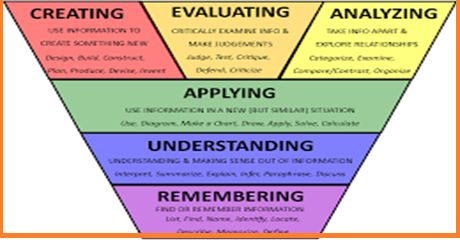
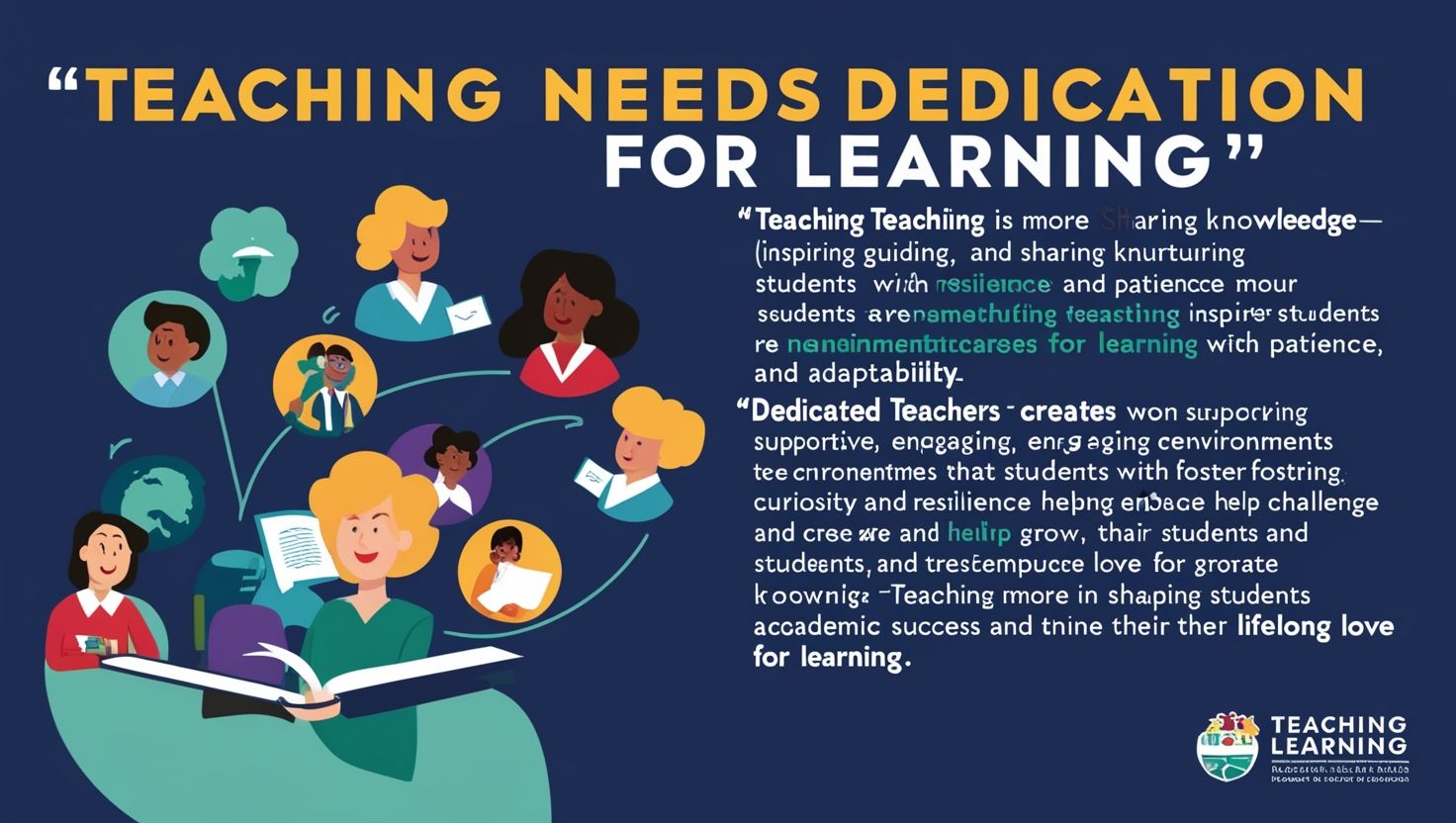
Teacher training institutes exist for one core reason. They transform subject knowledge into effective classroom practice. Indeed, knowing content is not enough. Teachers must also know how to deliver it.
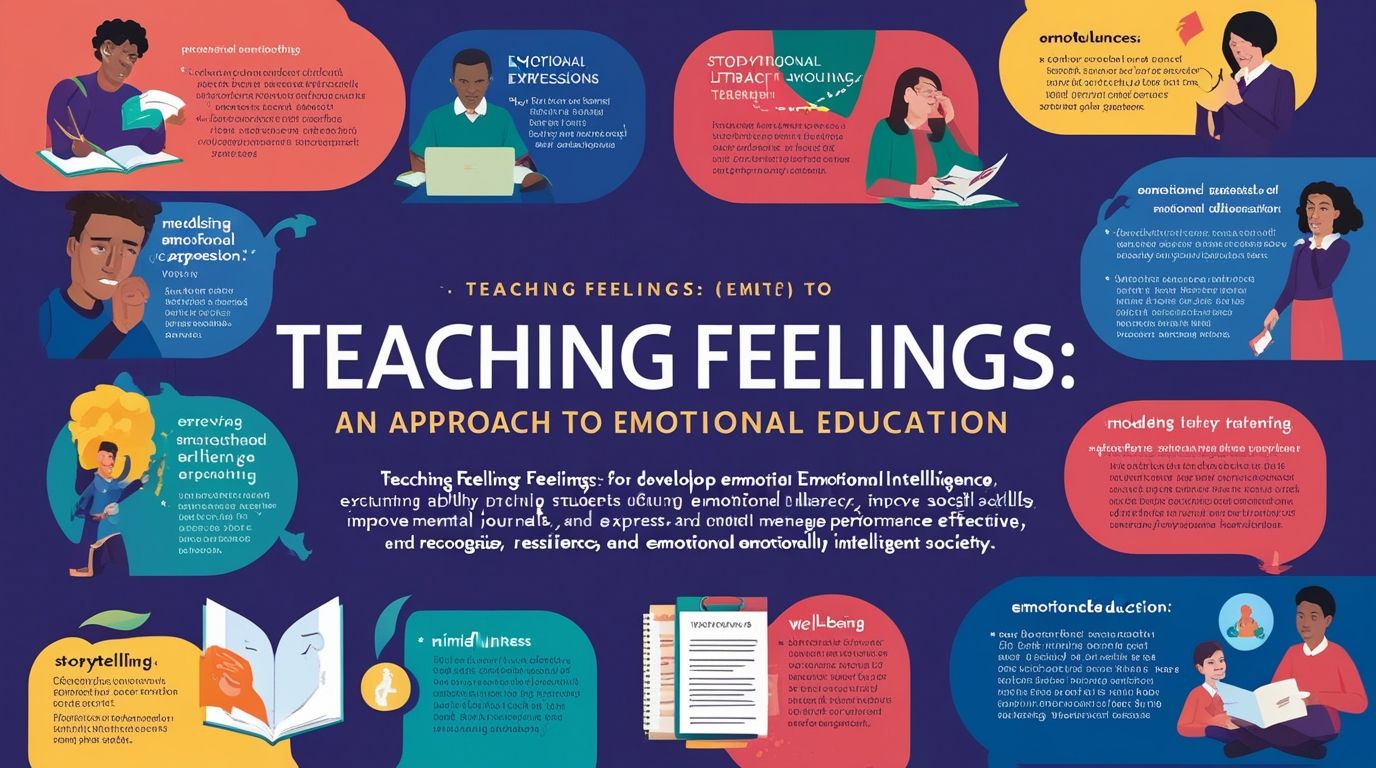
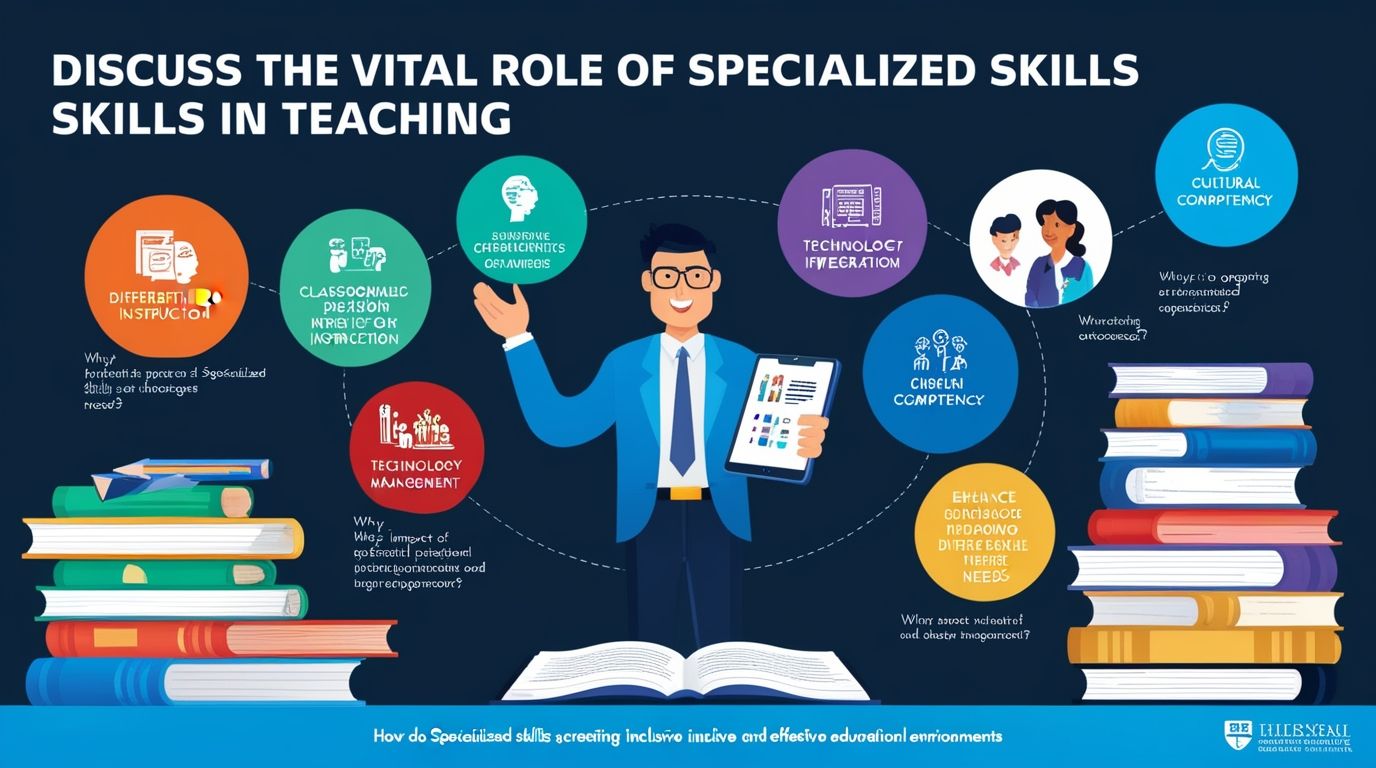
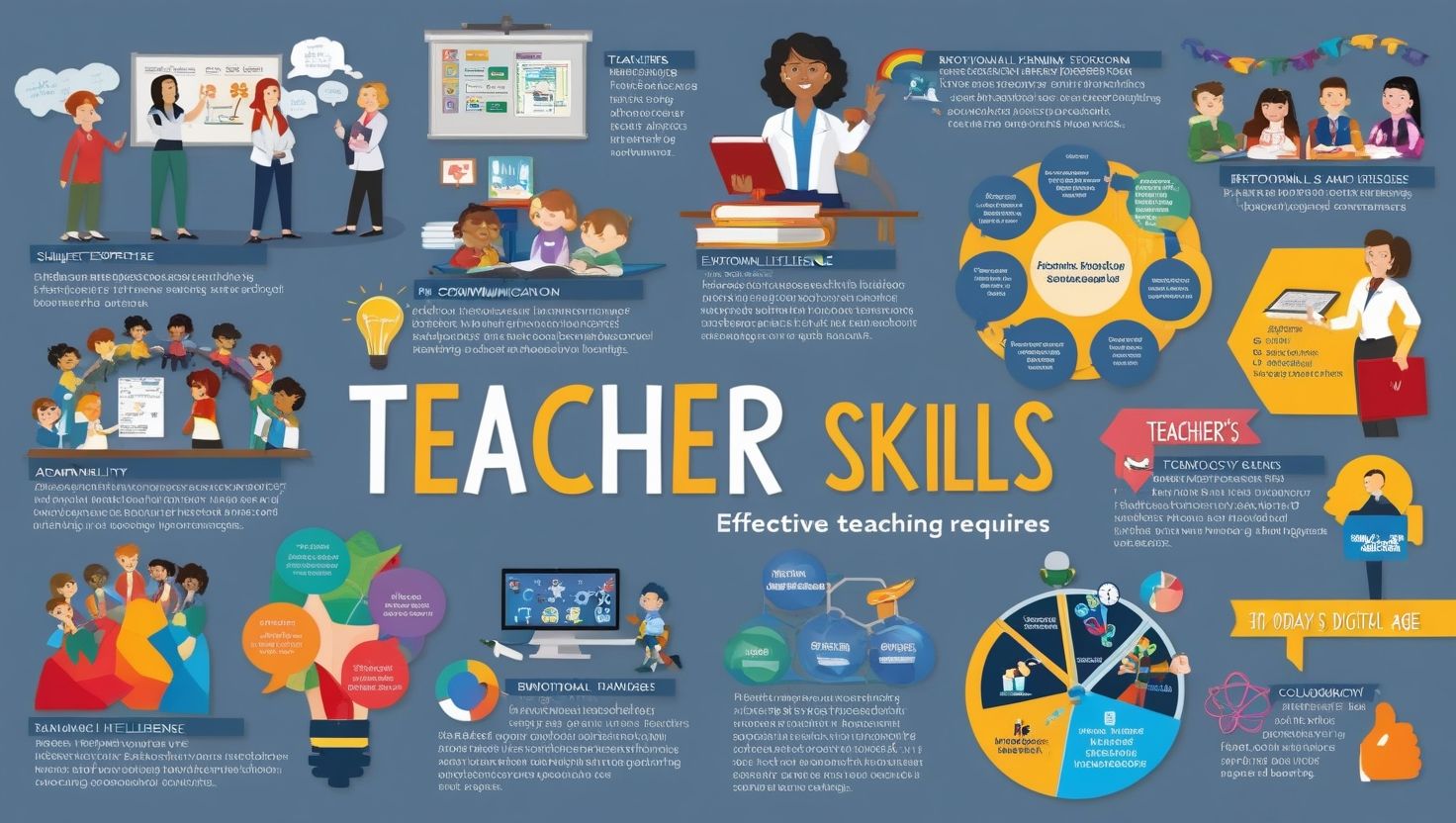
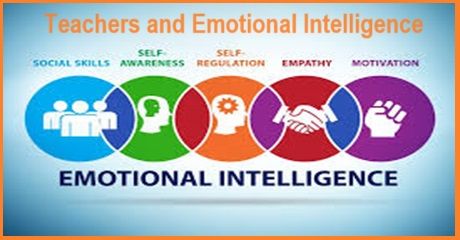
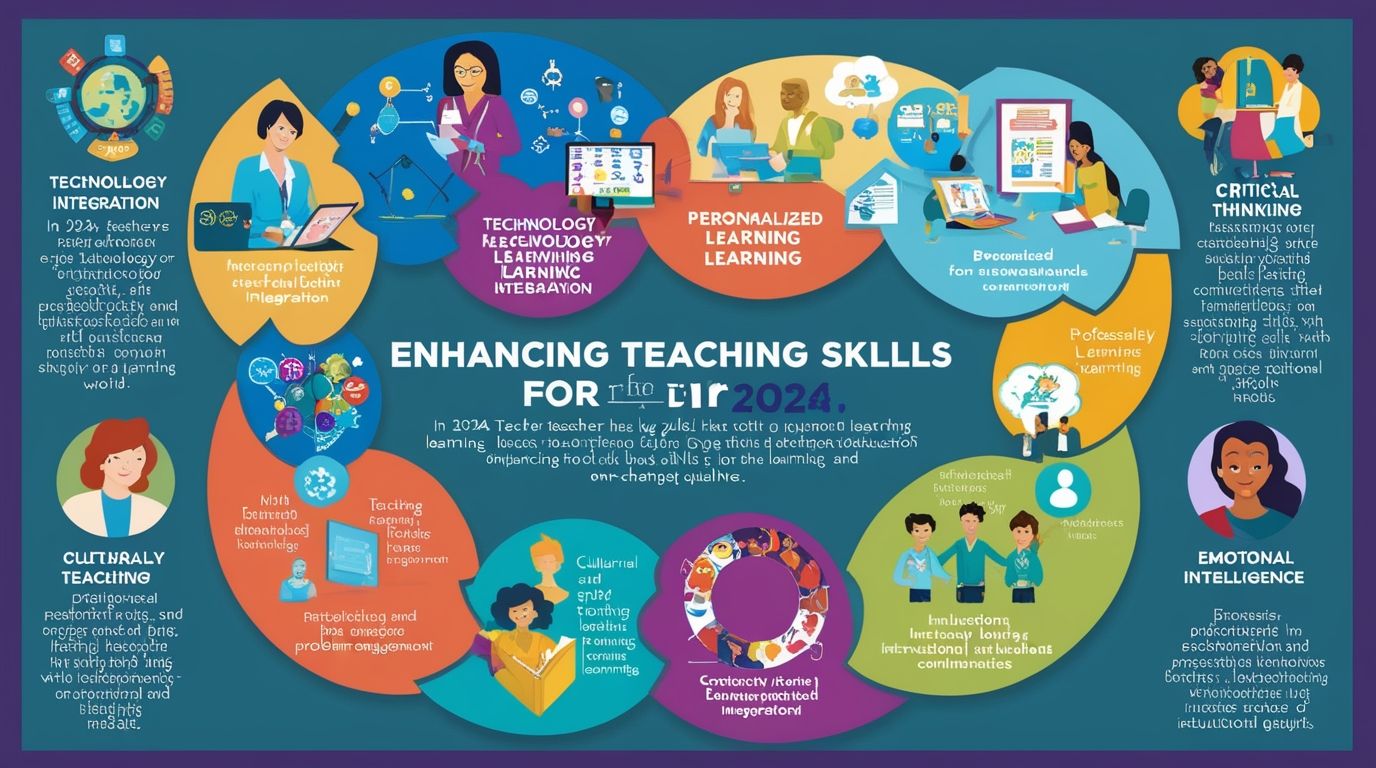
Therefore, these institutes focus on several key areas. First, they teach pedagogical skills. Second, they build classroom management abilities. Third, they introduce educational technology. Finally, they nurture emotional intelligence in teachers.
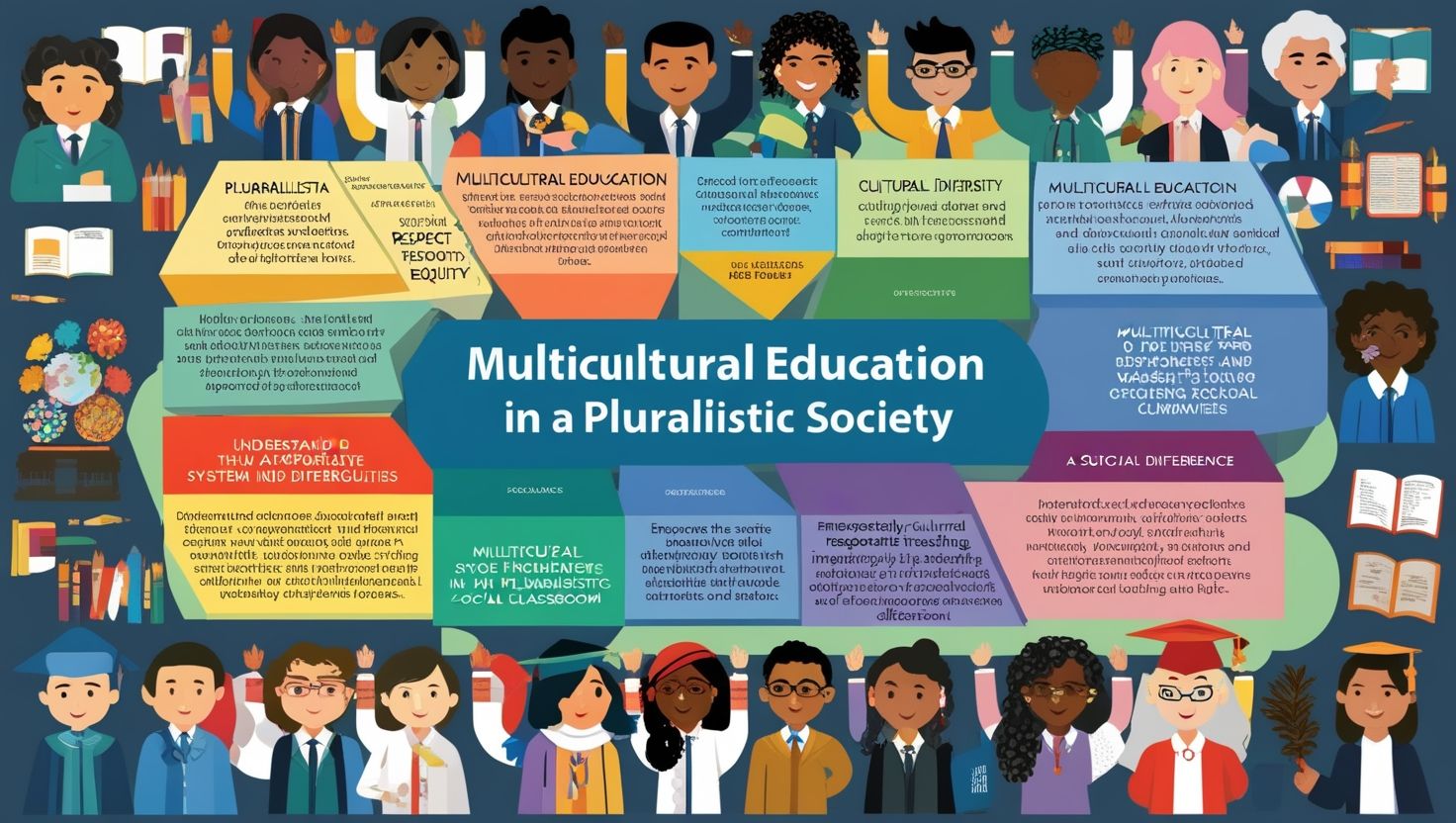
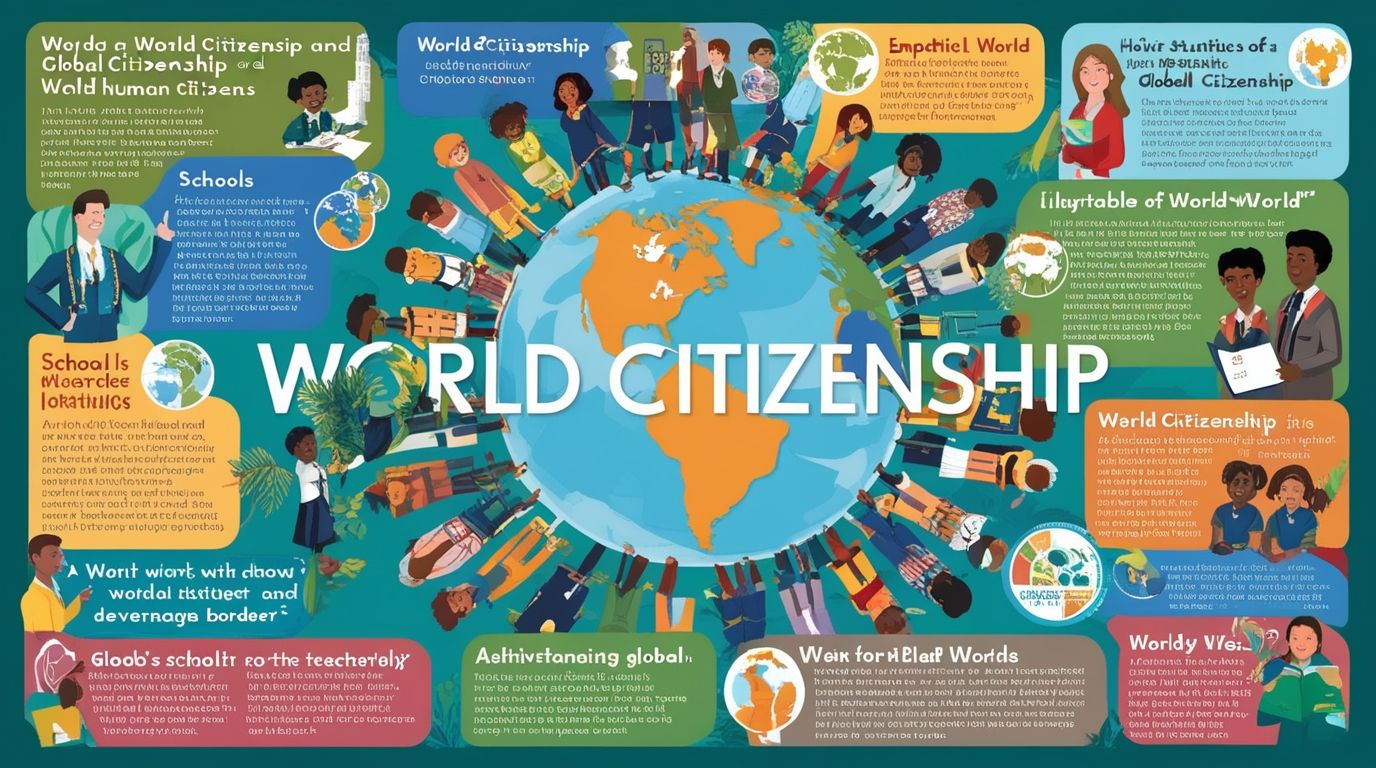
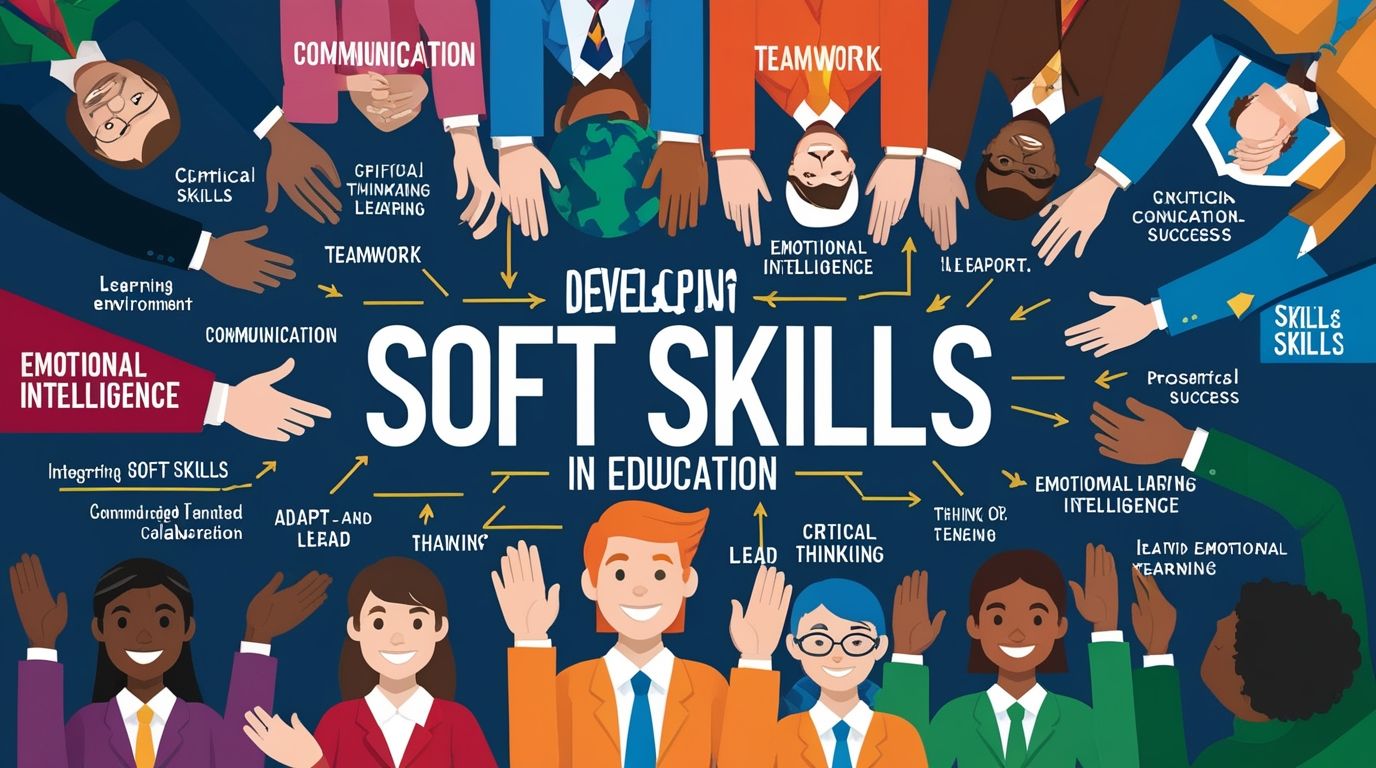
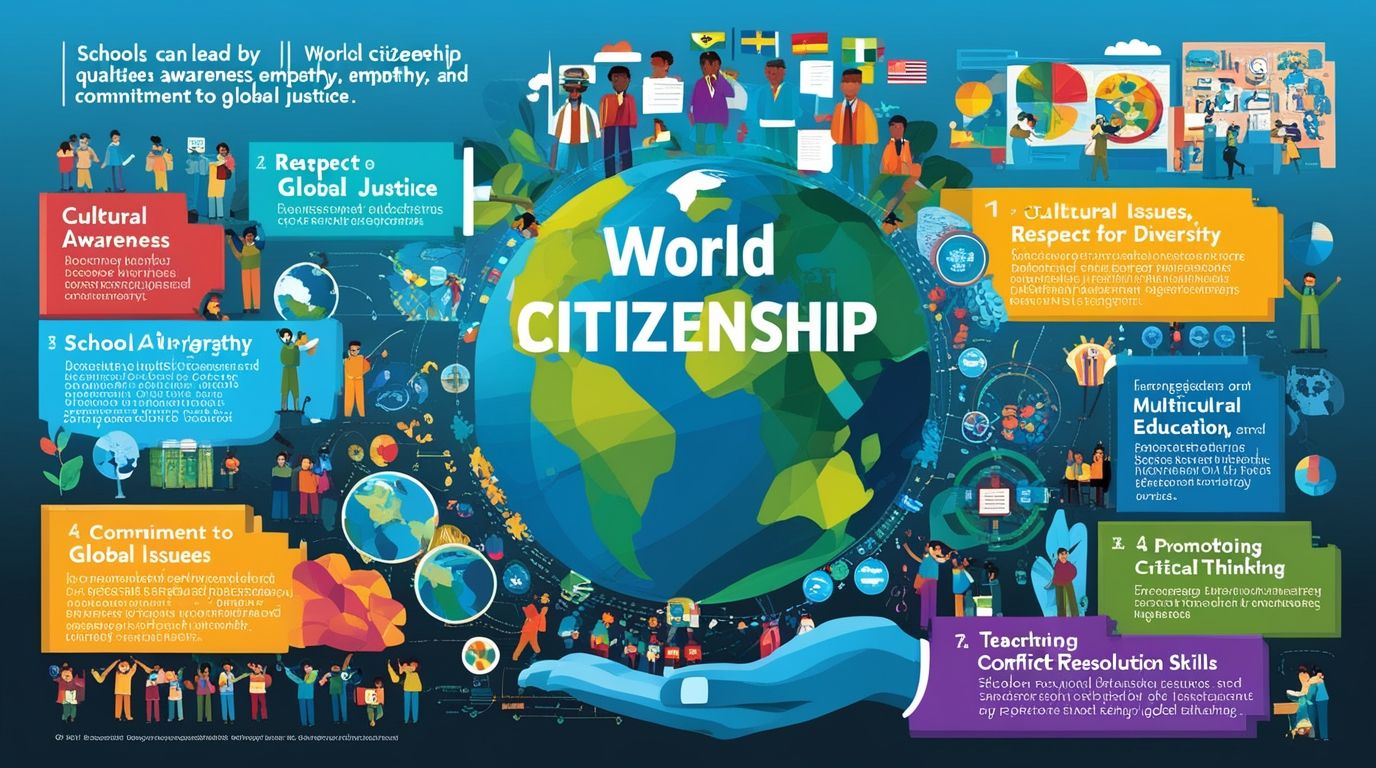
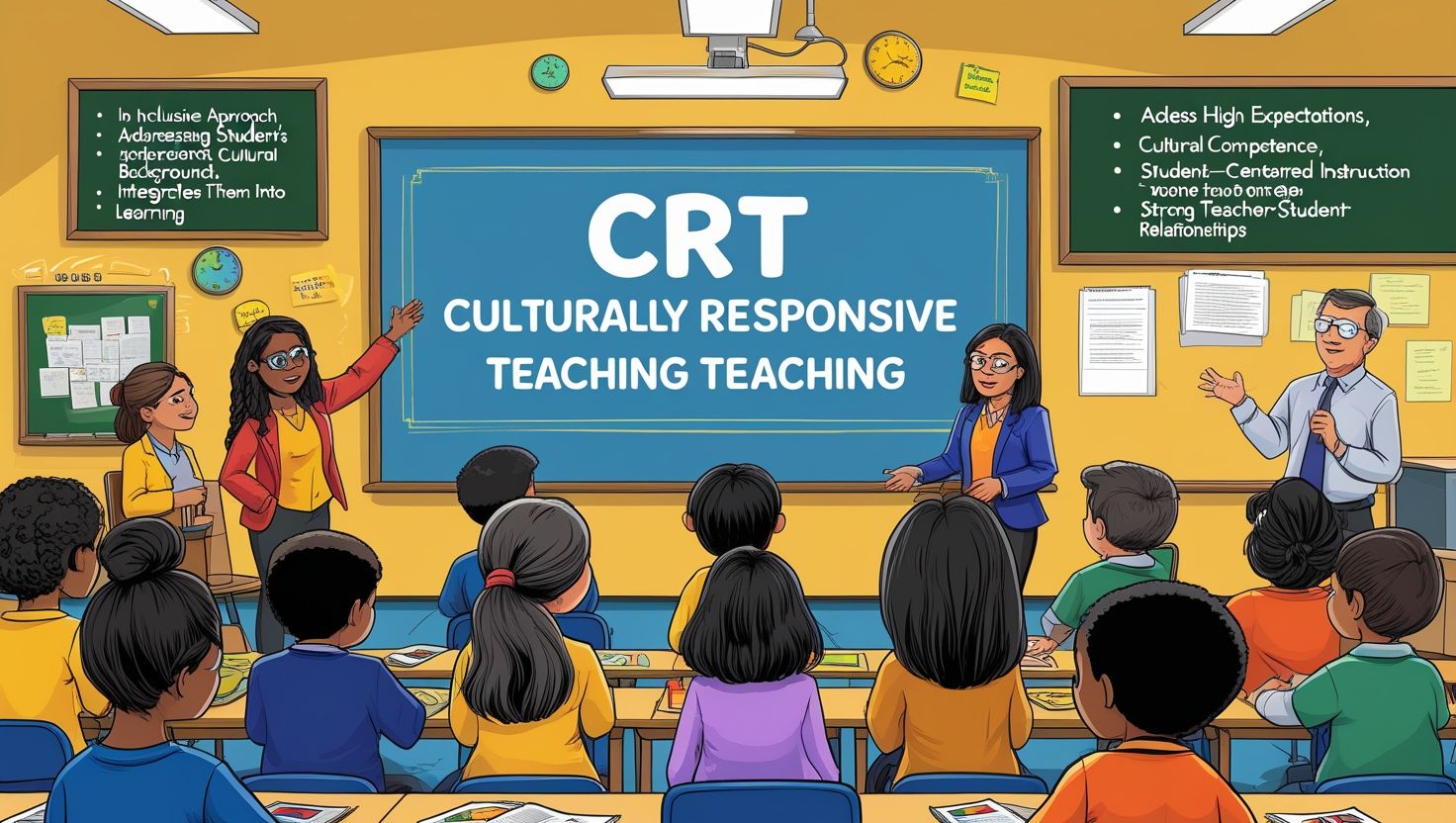
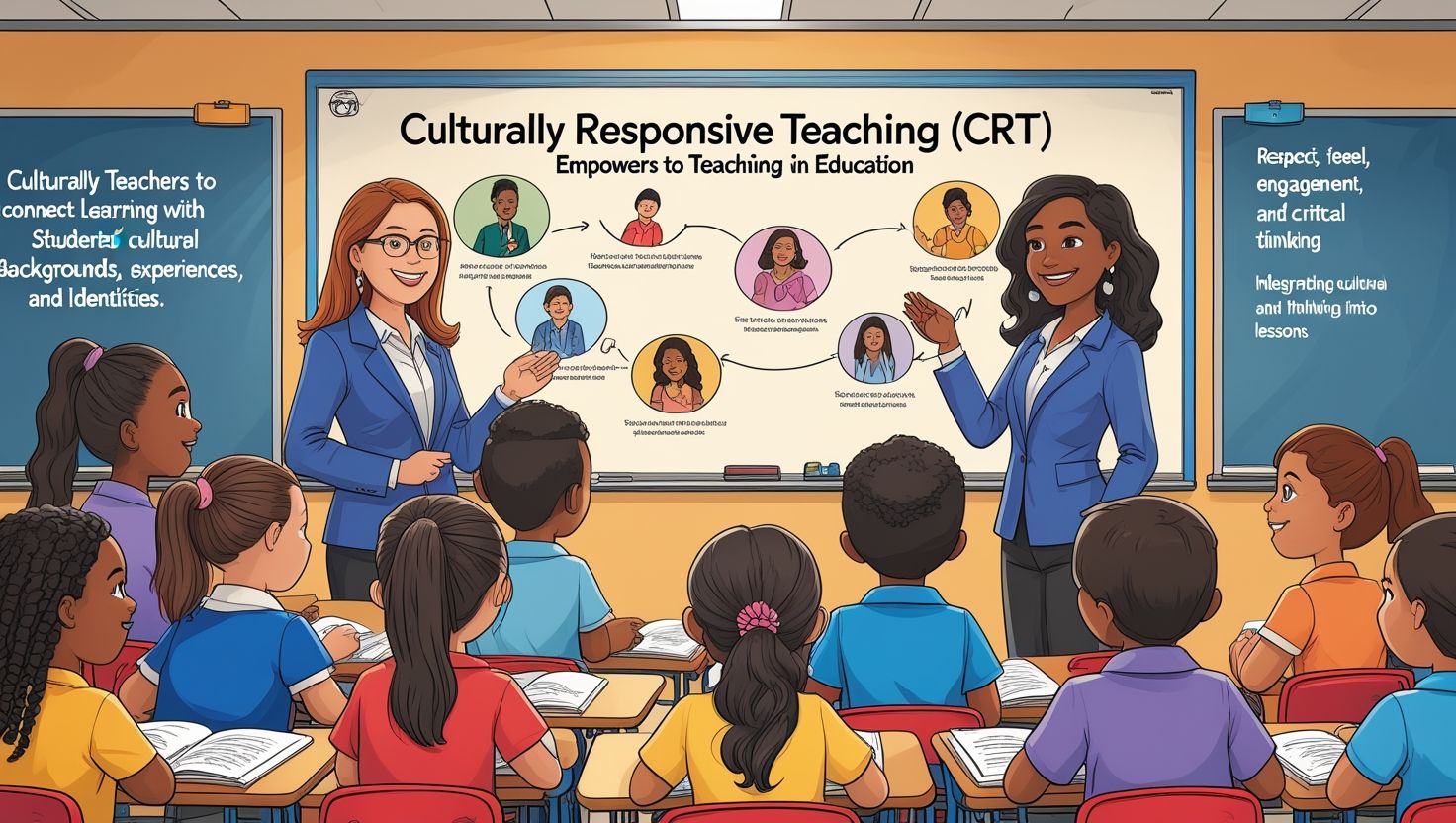
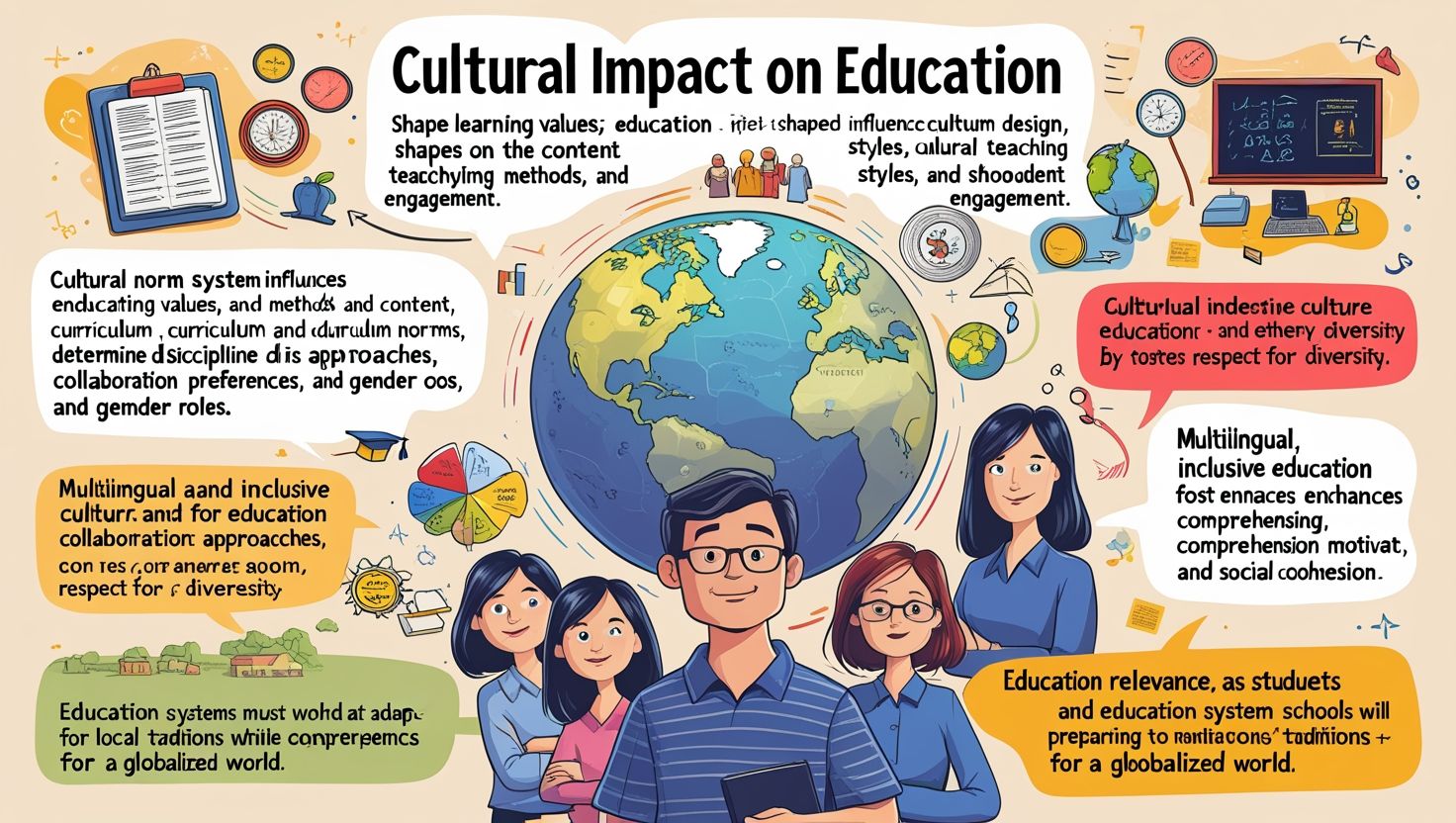
Moreover, global institutes emphasize cultural awareness. Classrooms today are diverse. Consequently, teachers must understand different backgrounds. They must adapt lessons accordingly. In this way, training becomes both technical and human-centered.
Why “Global” Matters in Teacher Training
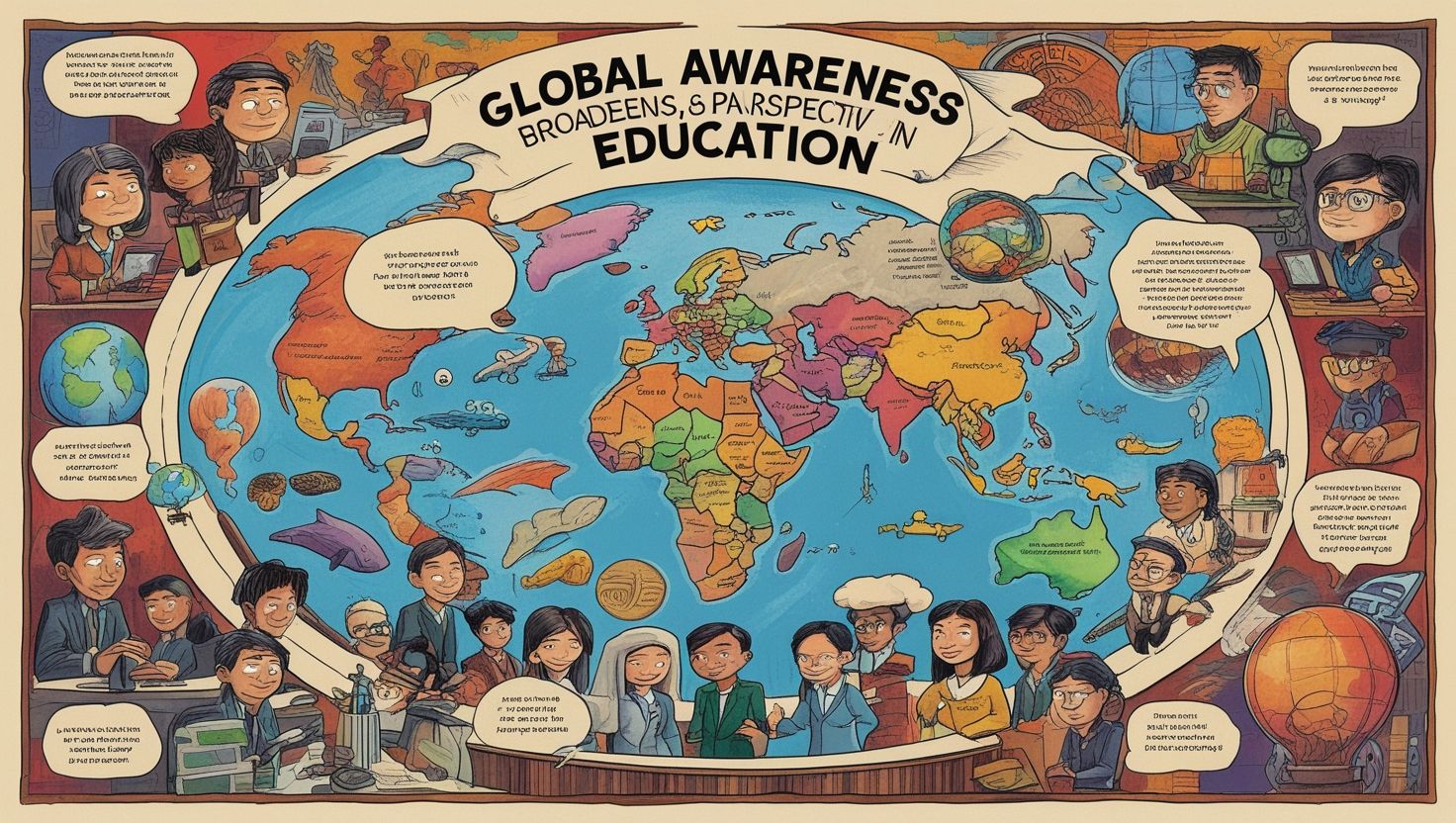
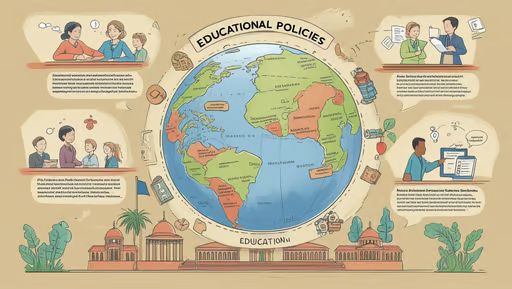
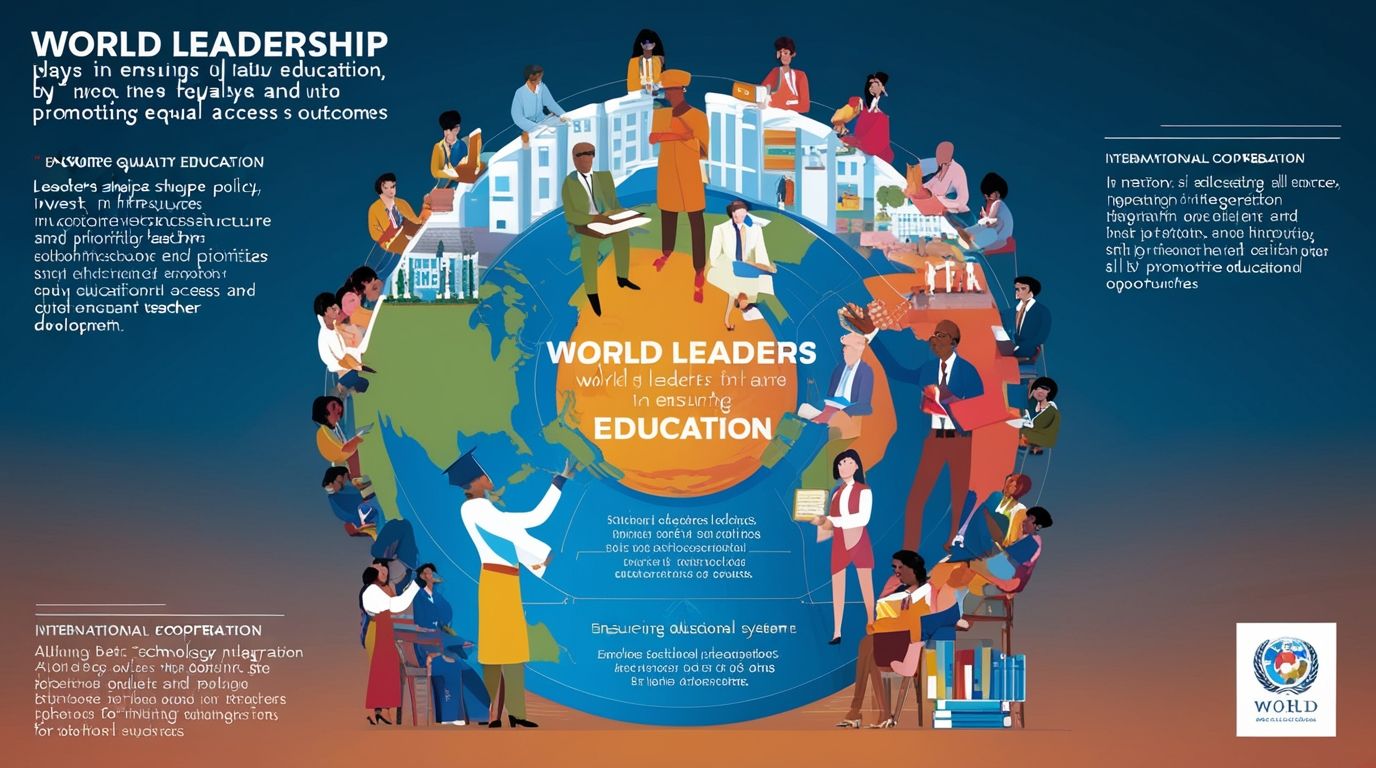
The word global is not just a label. It reflects a real shift in education. Teachers now share ideas across continents. Online platforms make this possible. Additionally, international exchange programs let teachers learn from peers abroad.
For instance, a teacher in Pakistan can study methods used in Finland. Similarly, a trainer in Kenya can adopt strategies from Singapore. As a result, global teacher training creates a shared pool of best practices. This exchange strengthens educational outcomes worldwide.
Furthermore, global institutes standardize quality. They set benchmarks. They align local training with international education standards. Consequently, students everywhere benefit from a similar level of instructional quality, regardless of location.
Show Image
Core Components of Effective Teacher Training Programs
Effective teacher training programs share common elements. Understanding these components helps institutions design better courses.
1. Pedagogical Foundations
Trainees first learn theories of learning. They study how students absorb information. Then, they apply these theories in mock lessons. This step builds a strong foundation for effective teaching.
2. Practical Classroom Experience
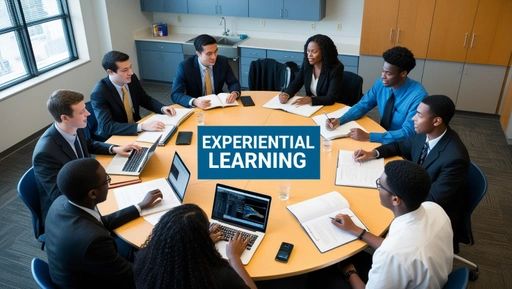
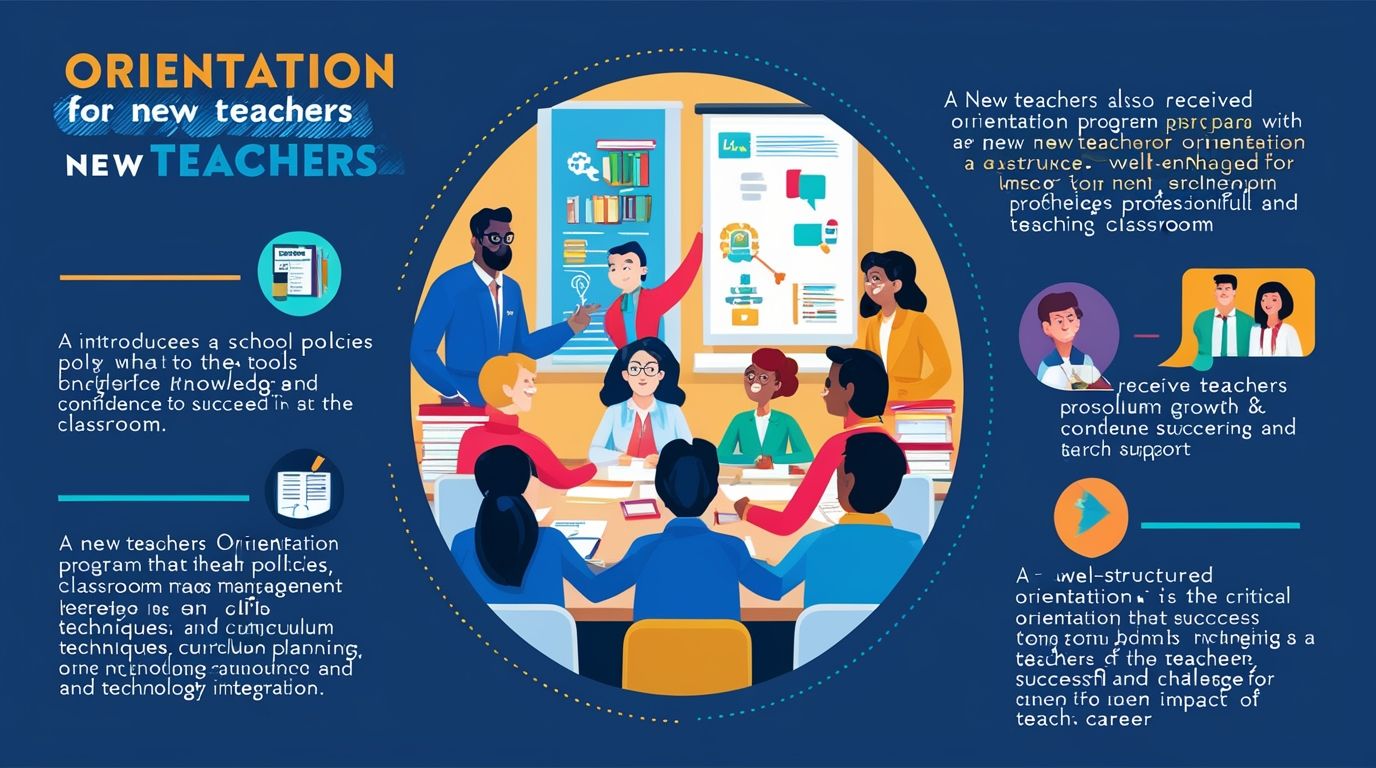
Theory alone is insufficient. Therefore, institutes pair trainees with mentor teachers. Trainees observe real classrooms. Afterward, they practice teaching under supervision. This hands-on approach boosts teaching confidence significantly.

3. Technology Integration
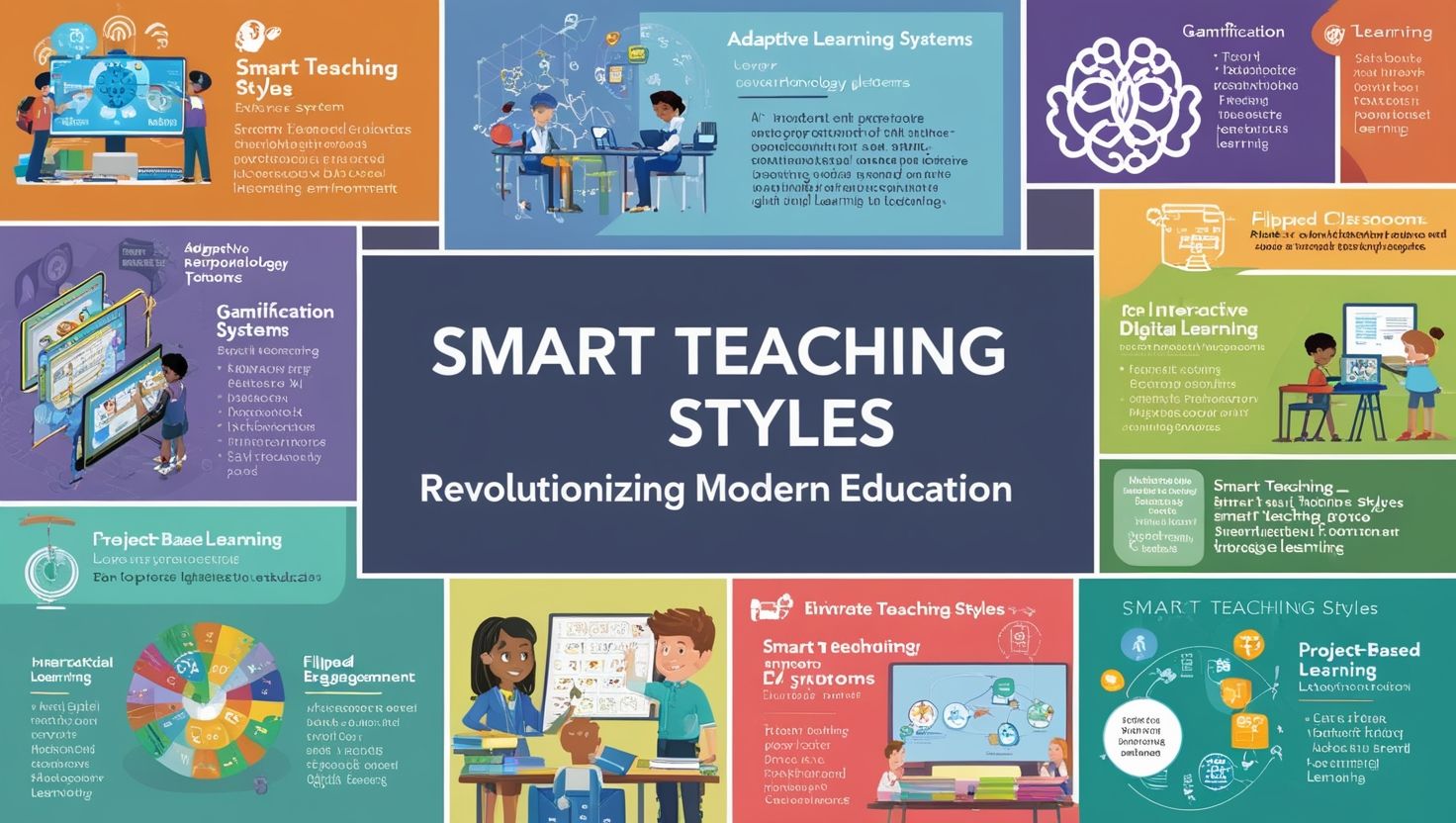
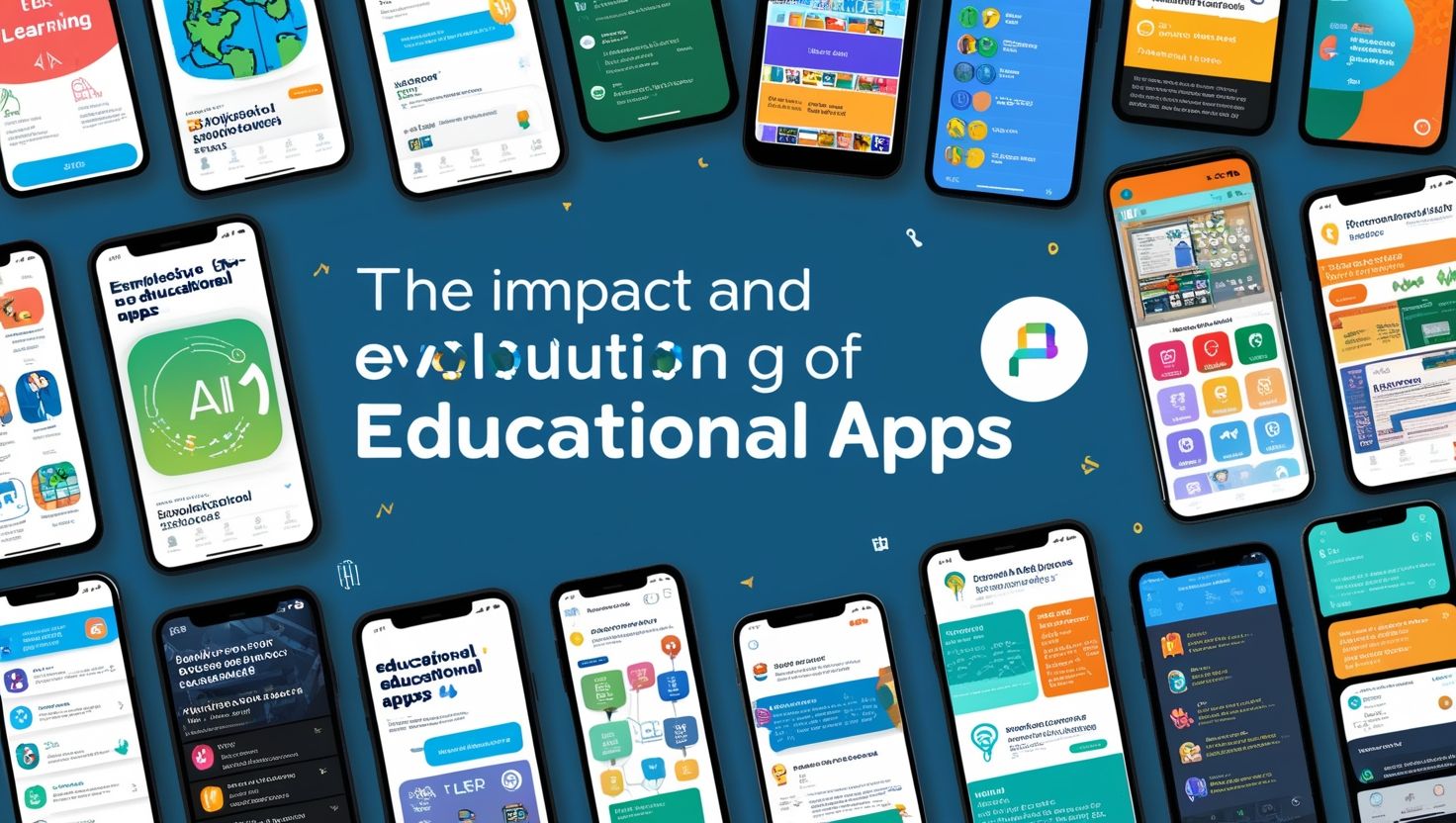
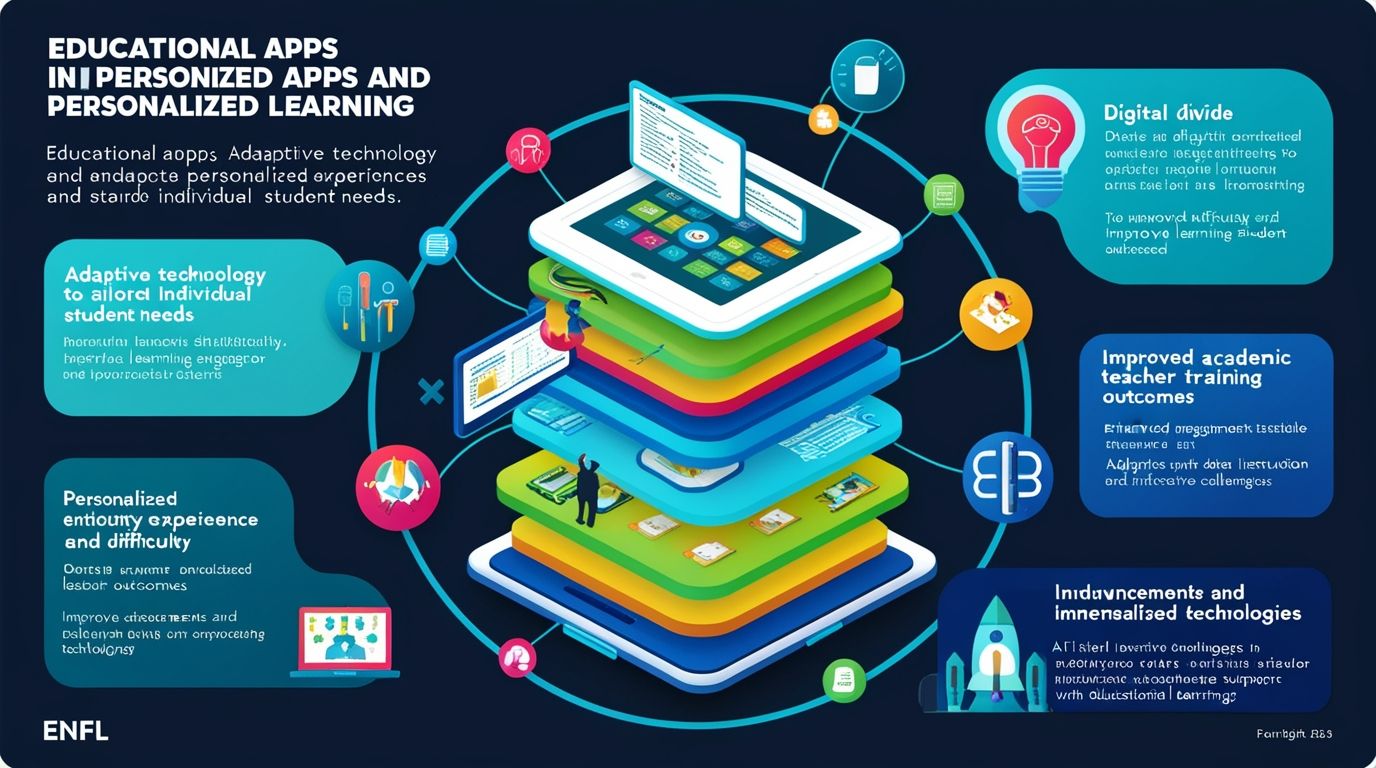
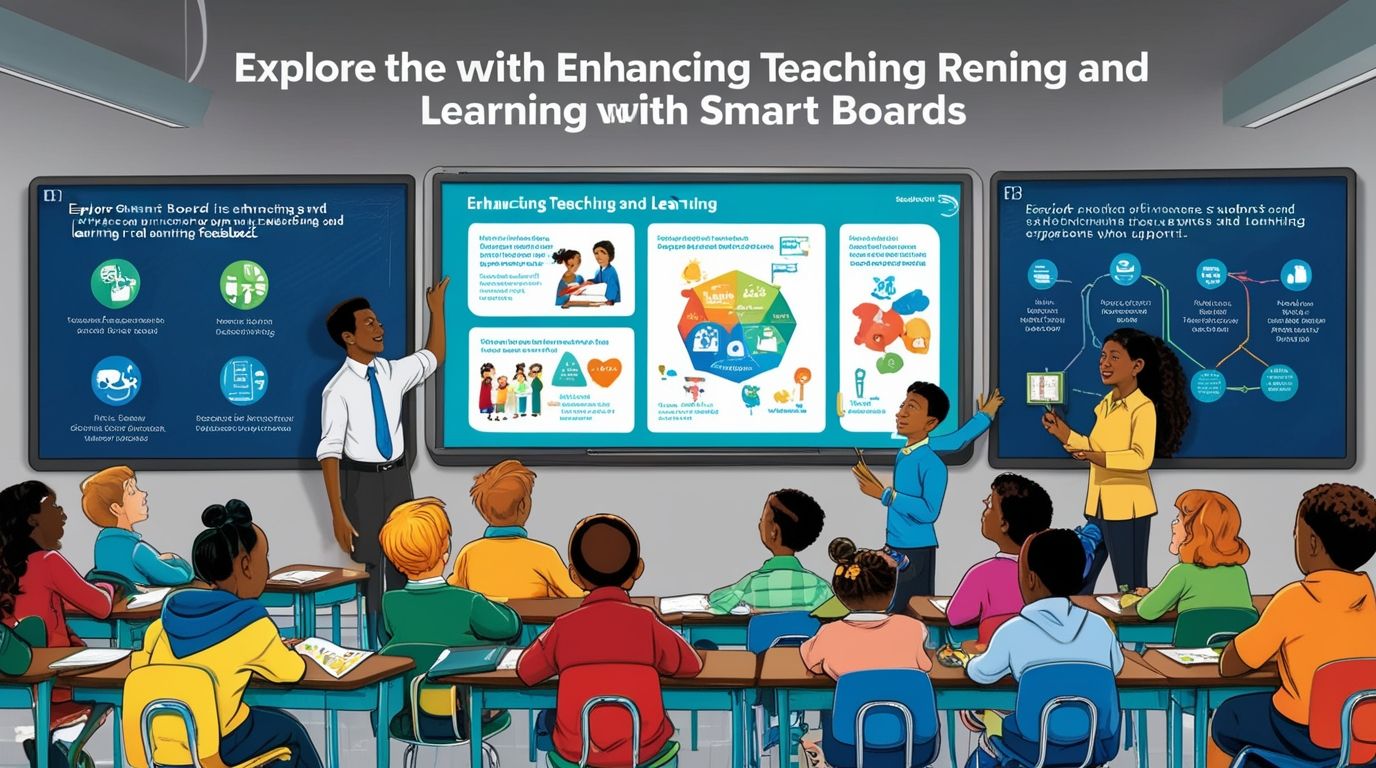
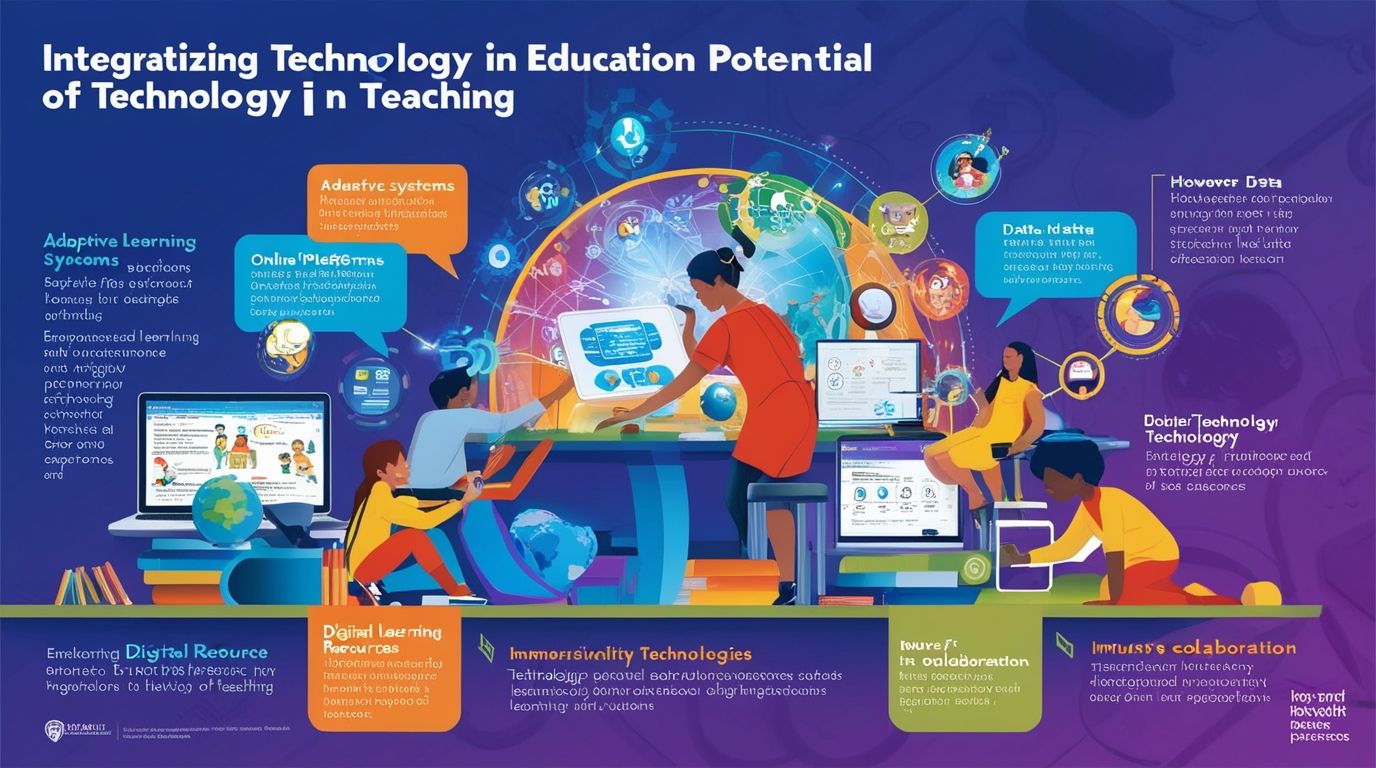
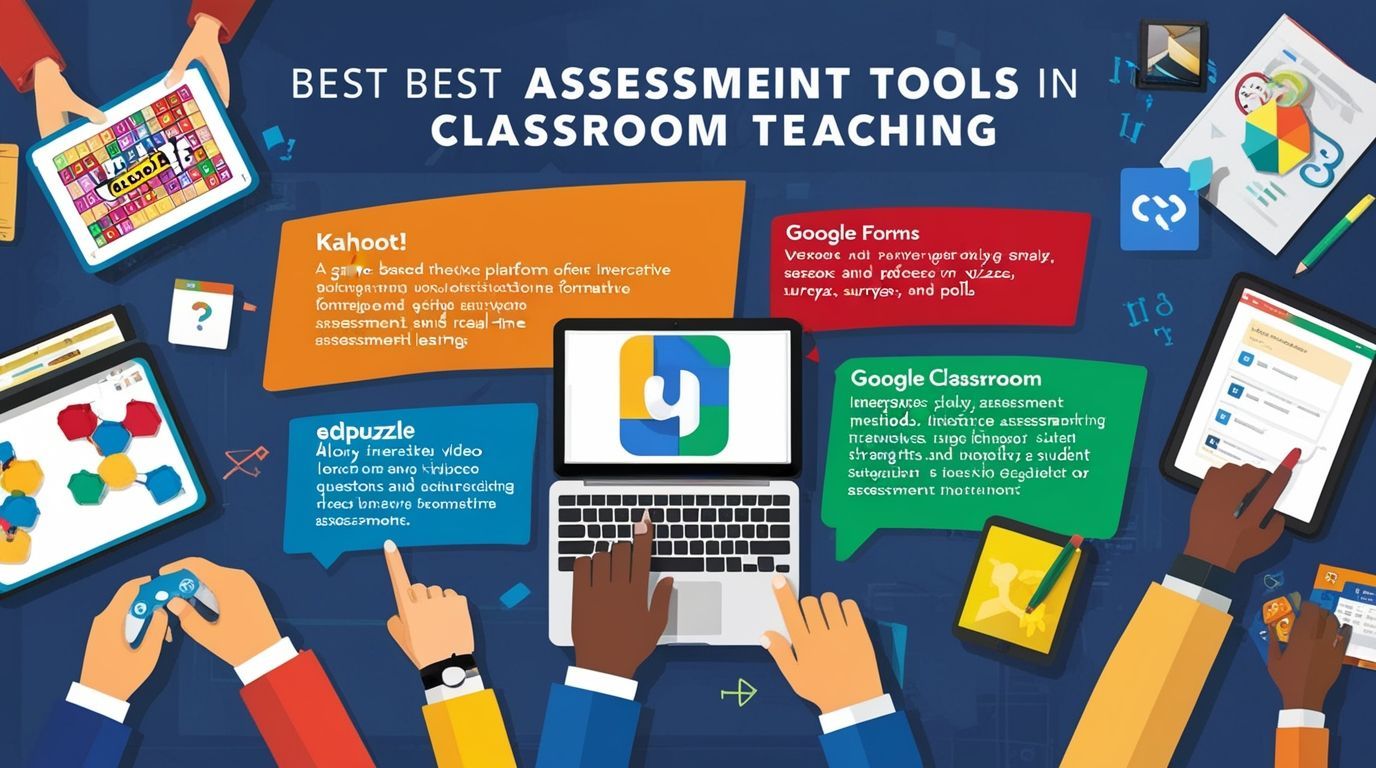
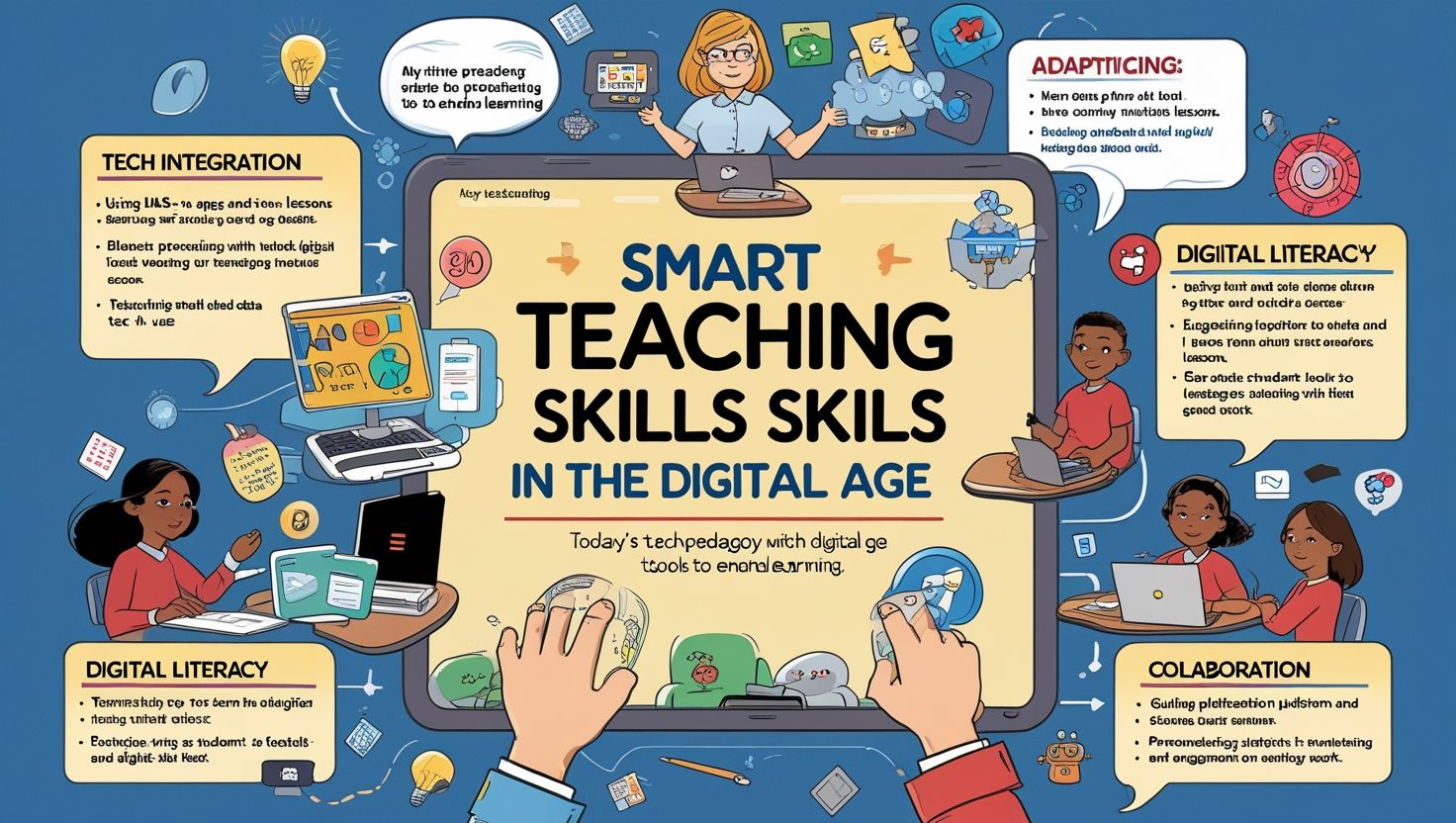
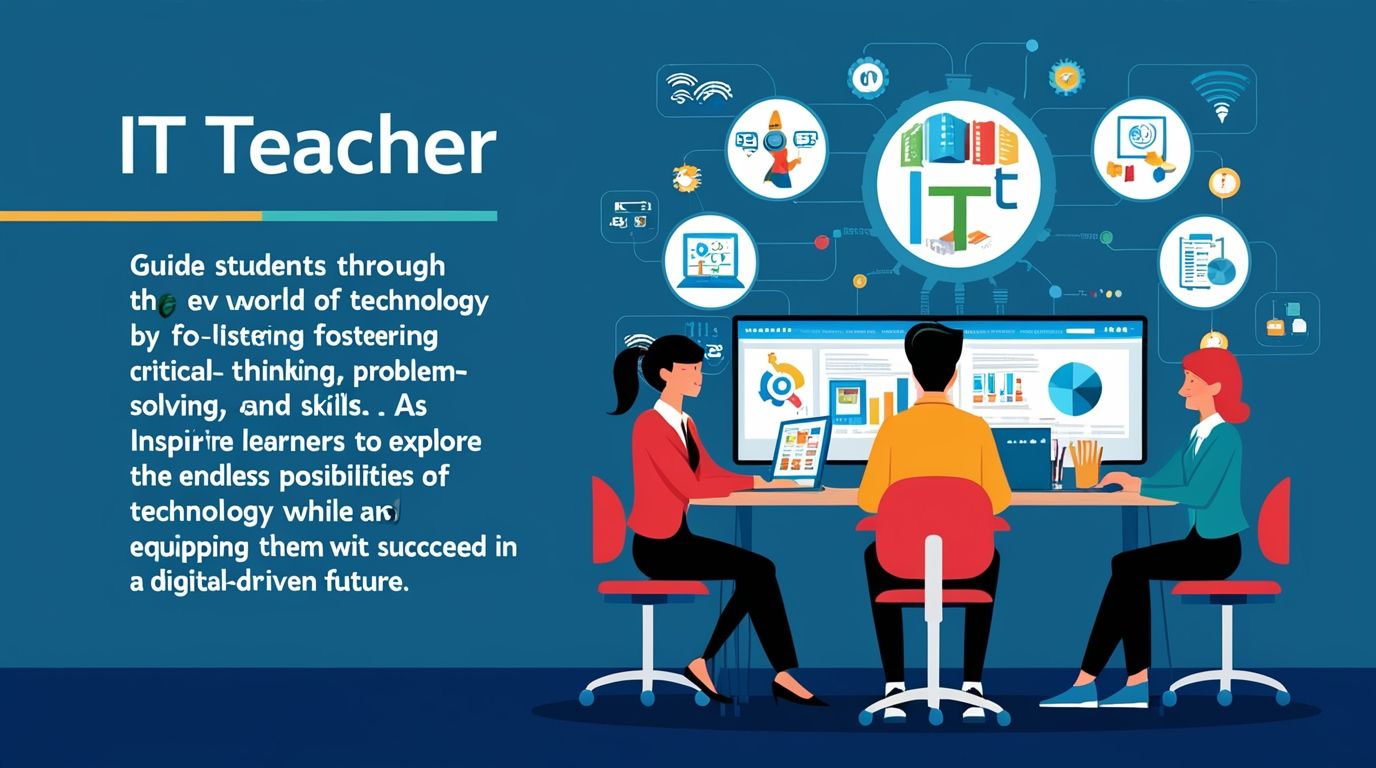
Modern classrooms use digital tools. Hence, training institutes teach educational technology skills. Teachers learn to use smart boards, learning apps, and online assessment tools. Consequently, they stay relevant in a digital era.
4. Assessment and Feedback
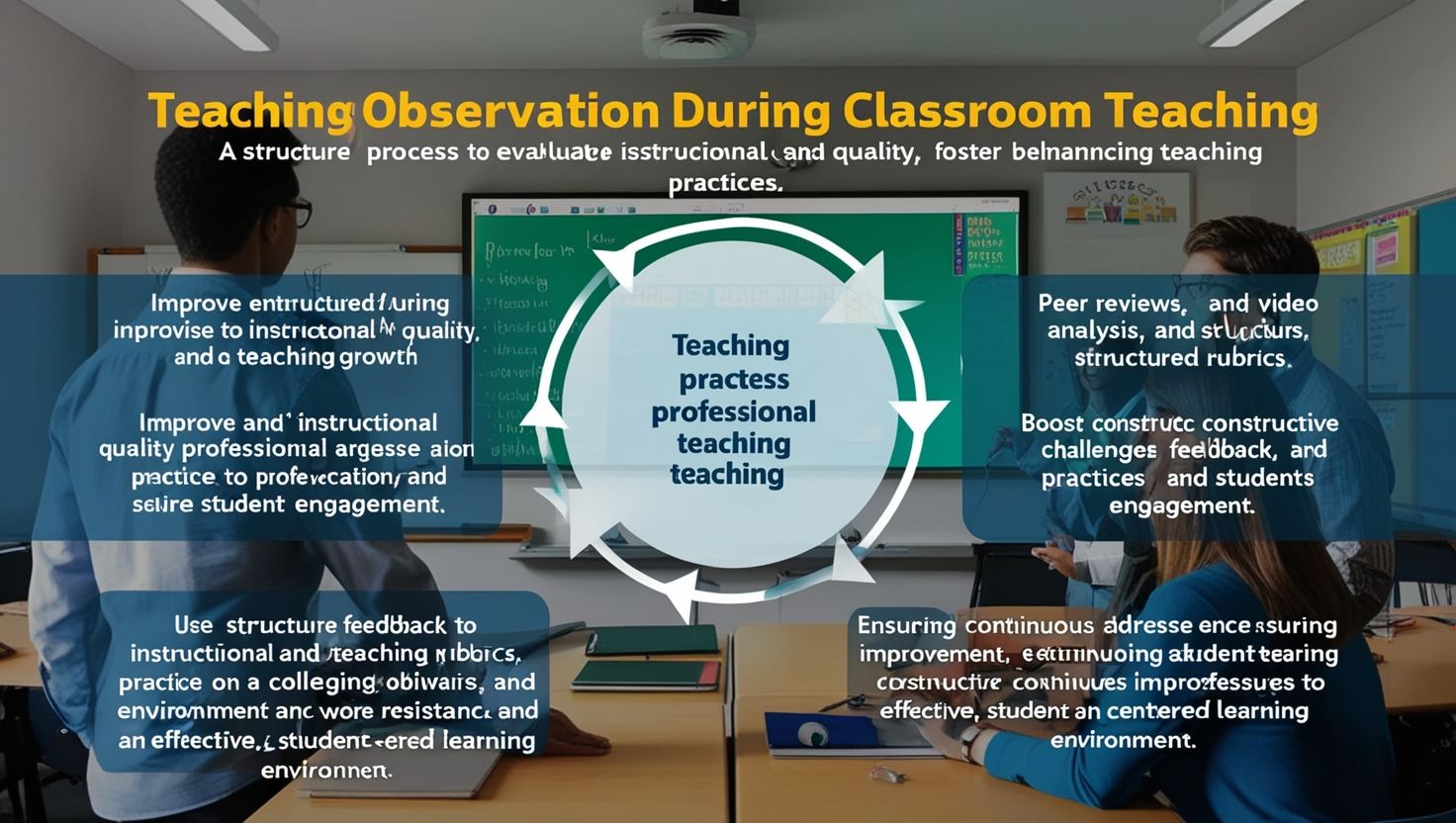
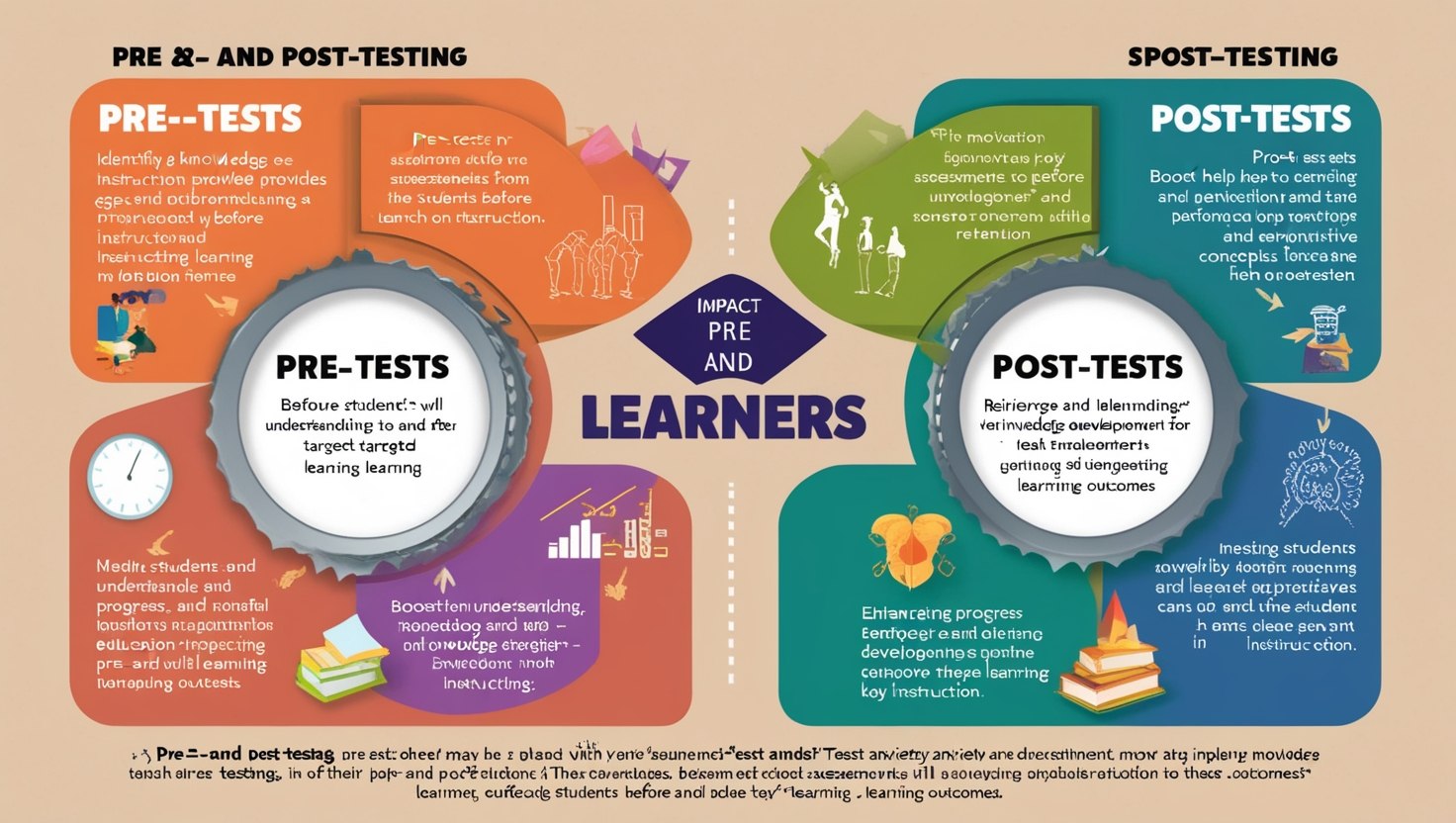
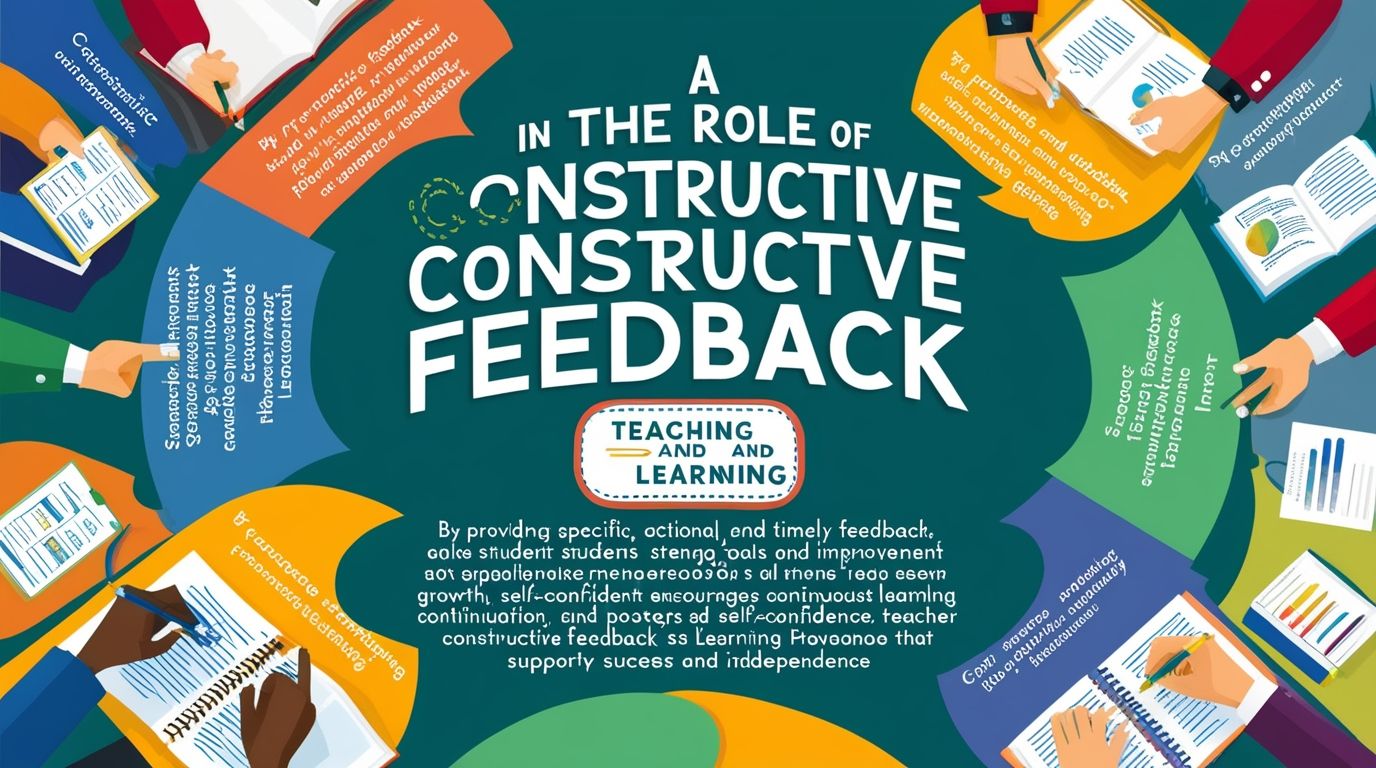
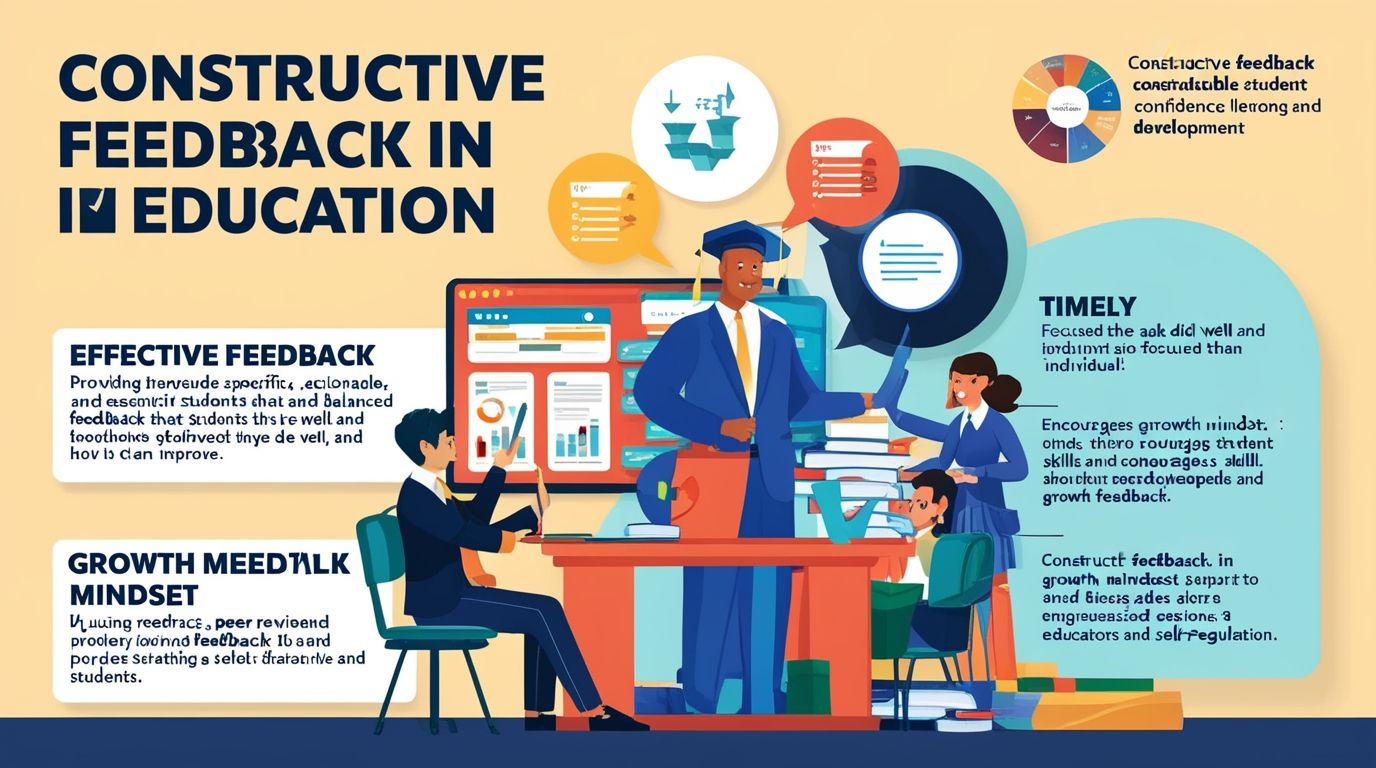
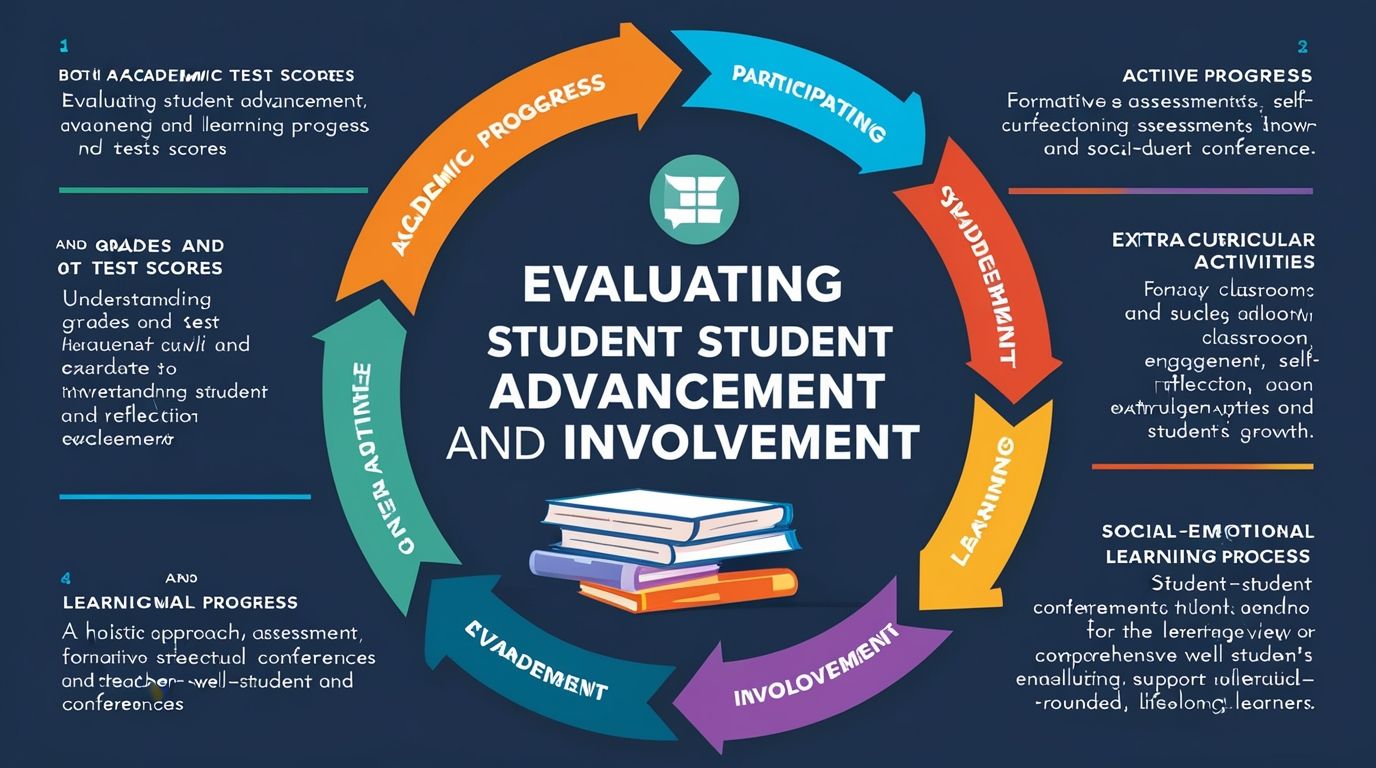
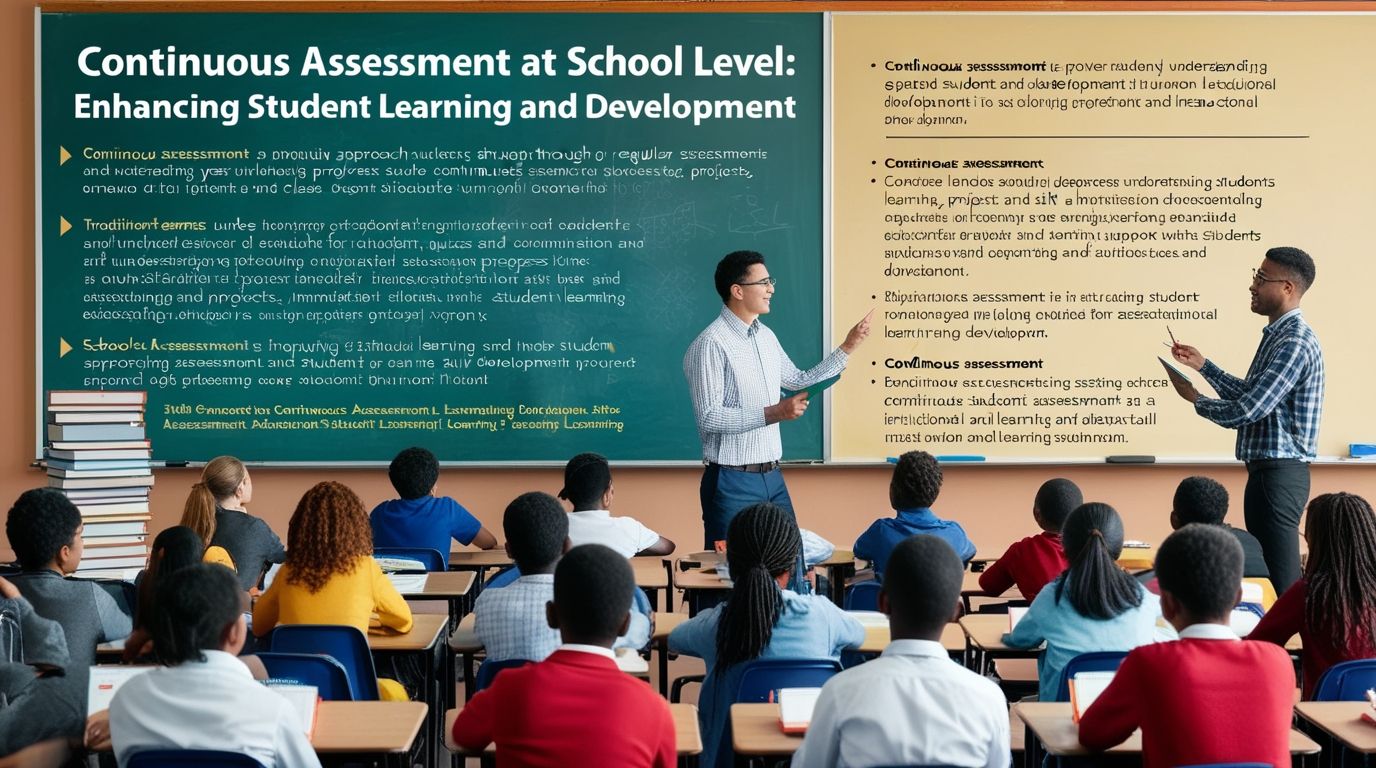
Good teachers evaluate student progress accurately. So, institutes train educators in assessment strategies. They also teach constructive feedback methods. This skill improves student engagement and learning outcomes.
5. Continuous Professional Development
Teaching is not a one-time skill. Instead, it requires lifelong learning. Therefore, global institutes offer refresher courses. They also provide access to research journals and workshops. In turn, teachers stay updated with new methods.
The Role of Global Institutes in Bridging Educational Gaps
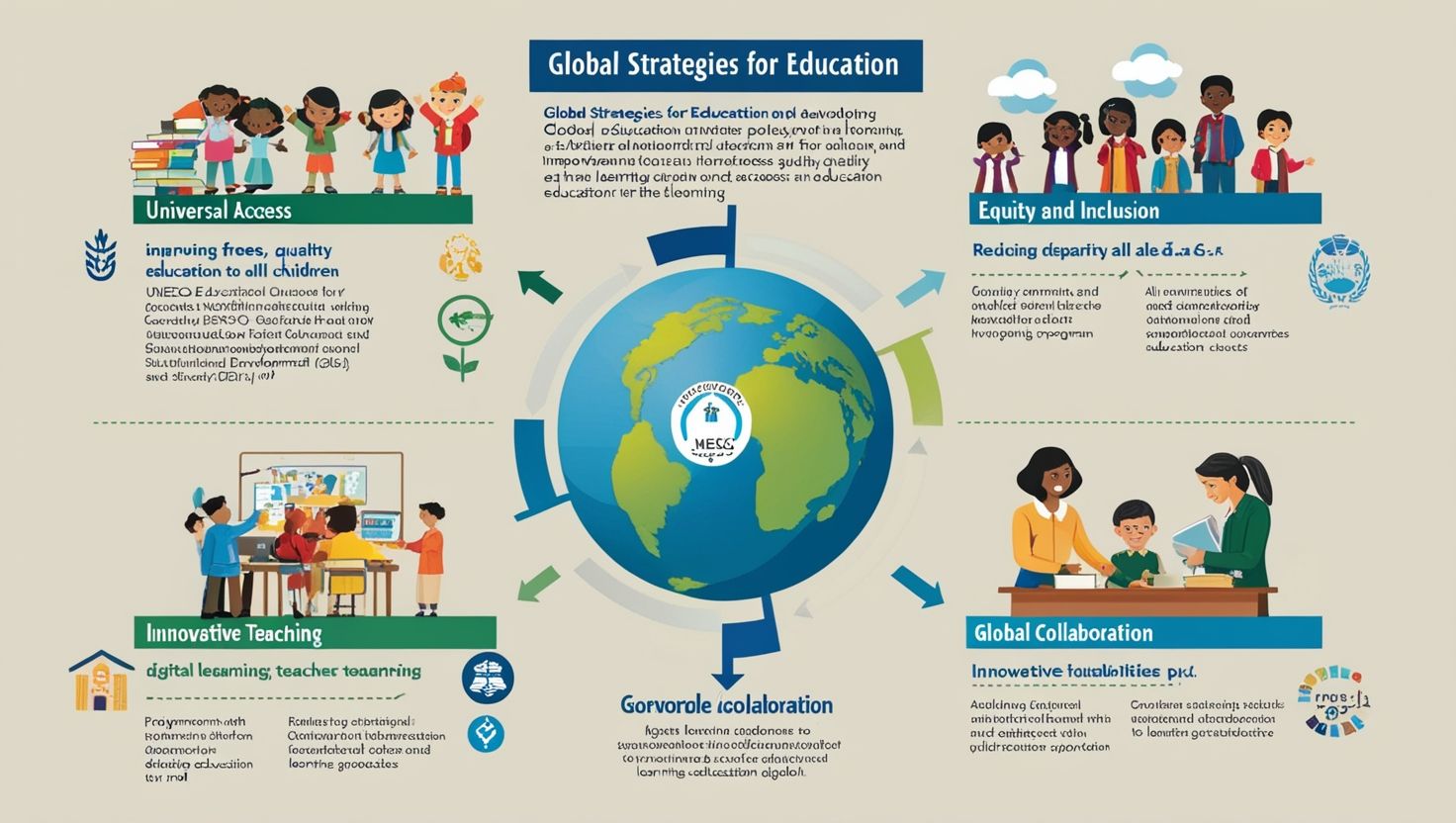
Many regions face teacher shortages. Others struggle with outdated methods. Global teacher training institutes address both problems directly.
For example, they send trained facilitators to underserved areas. They also offer online certification programs. As a result, remote regions gain access to quality training. This access reduces educational inequality across countries.
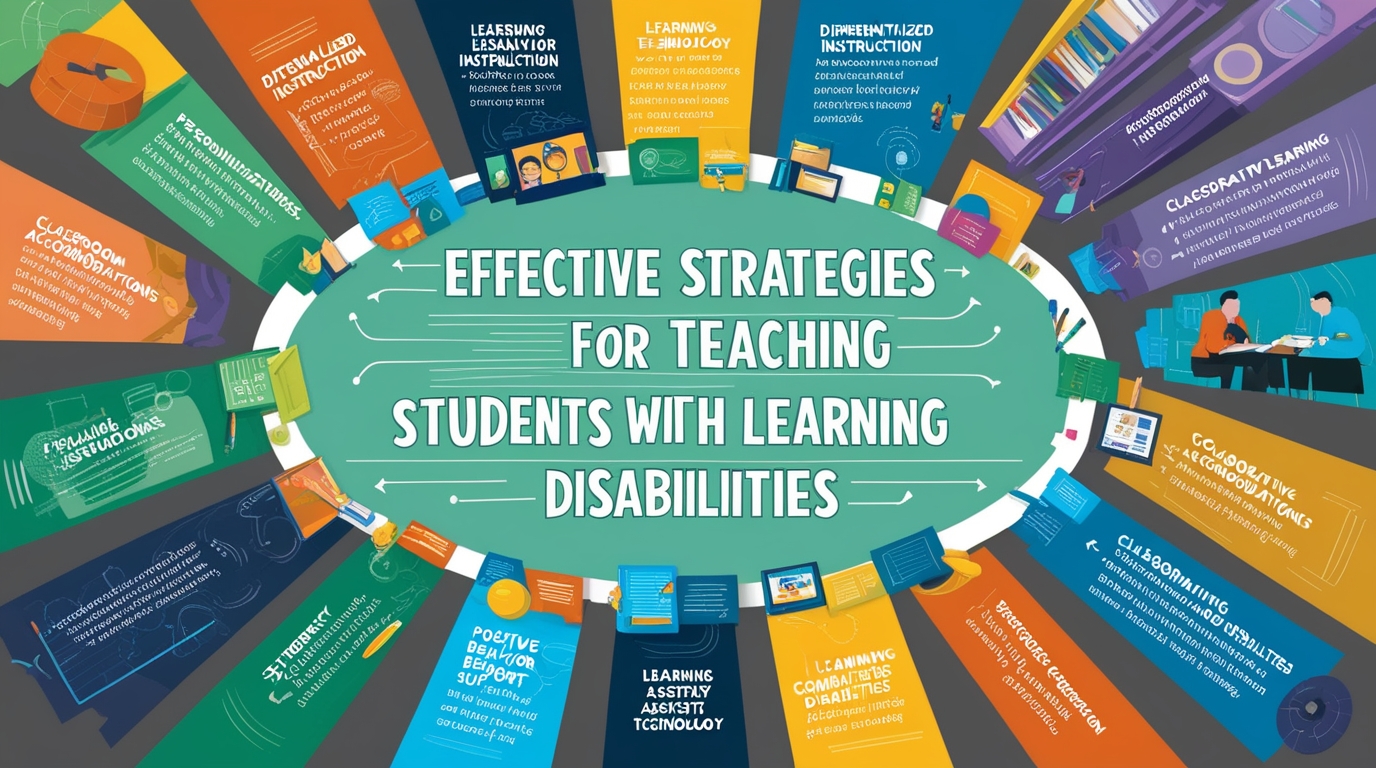
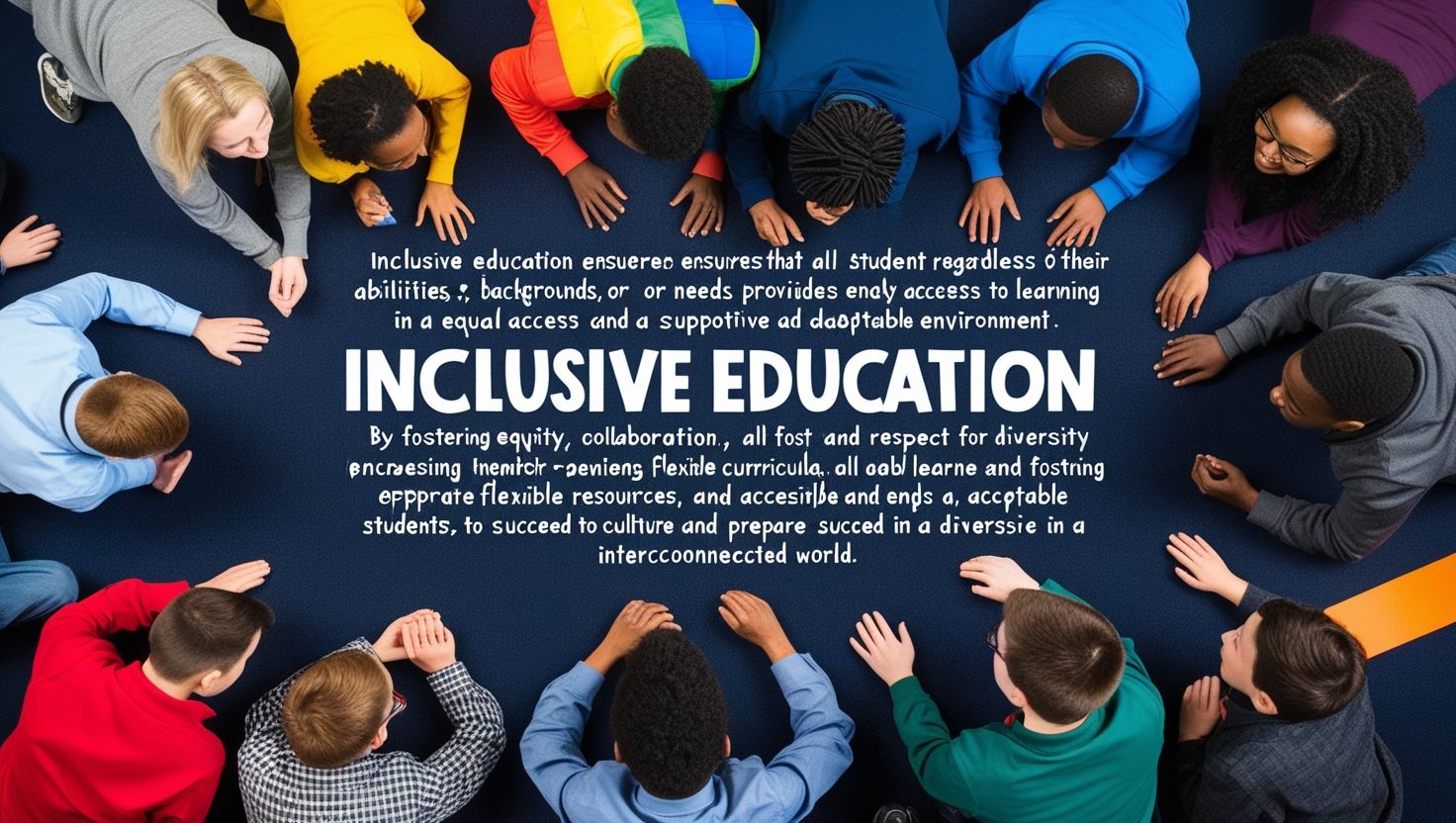
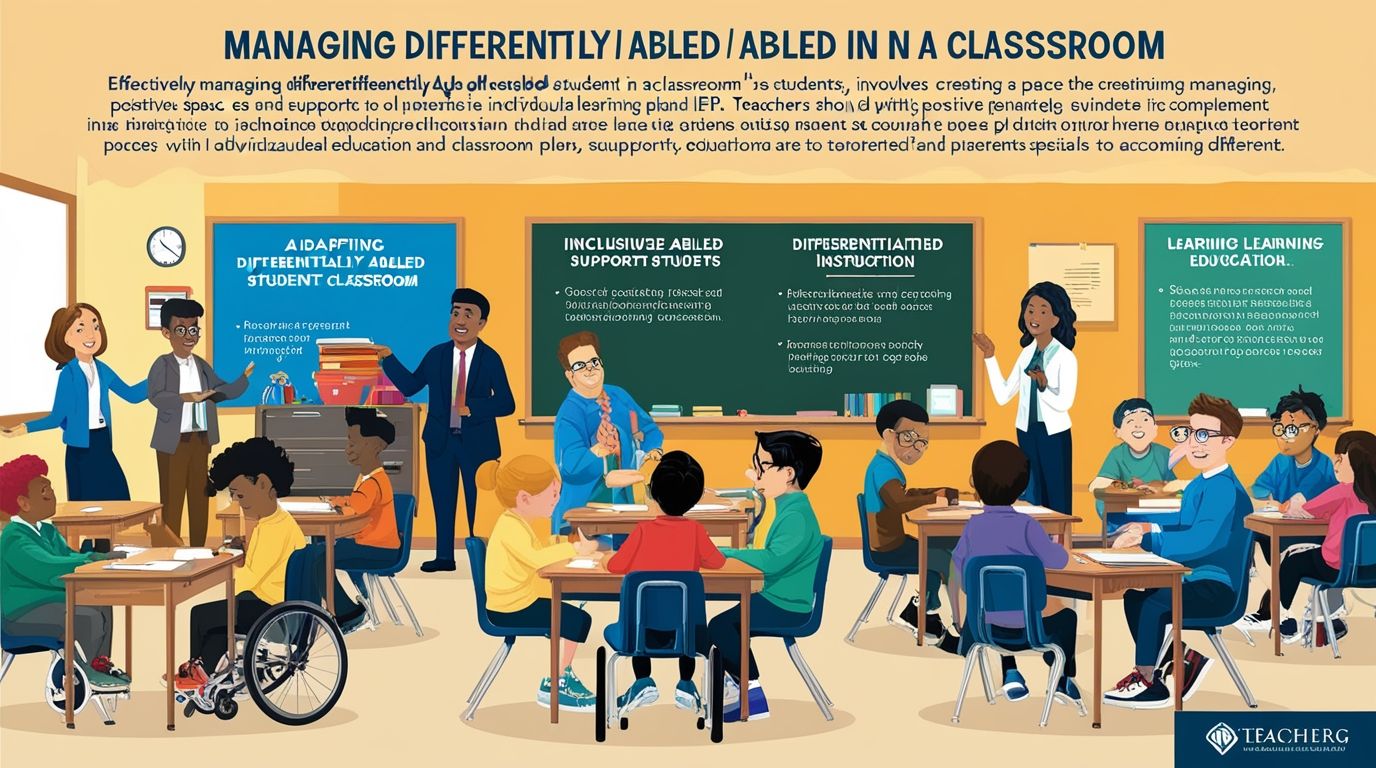
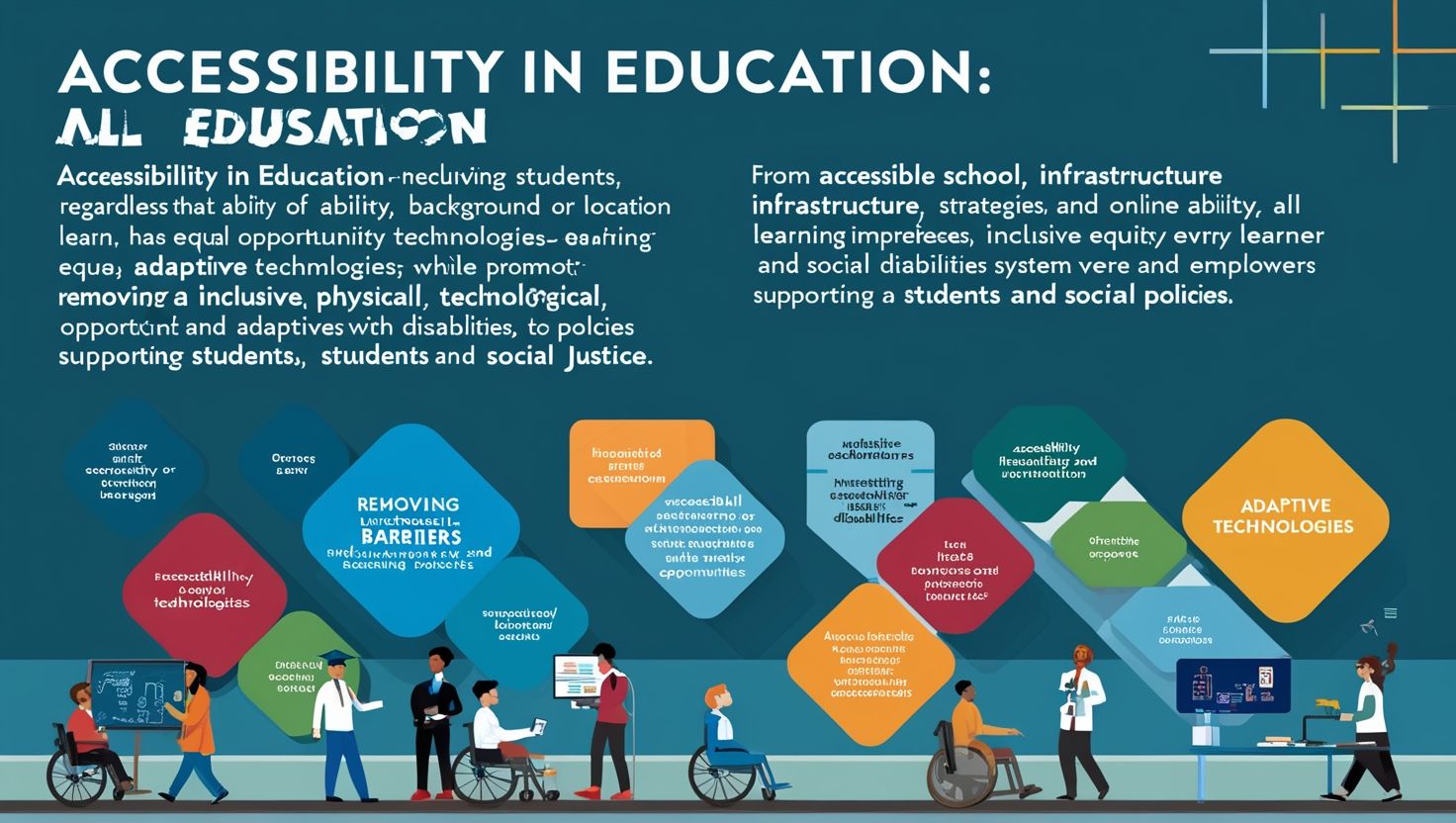
Additionally, these institutes support inclusive education. They train teachers to handle special needs students. They also promote gender-sensitive teaching practices. Consequently, classrooms become more welcoming for every learner.

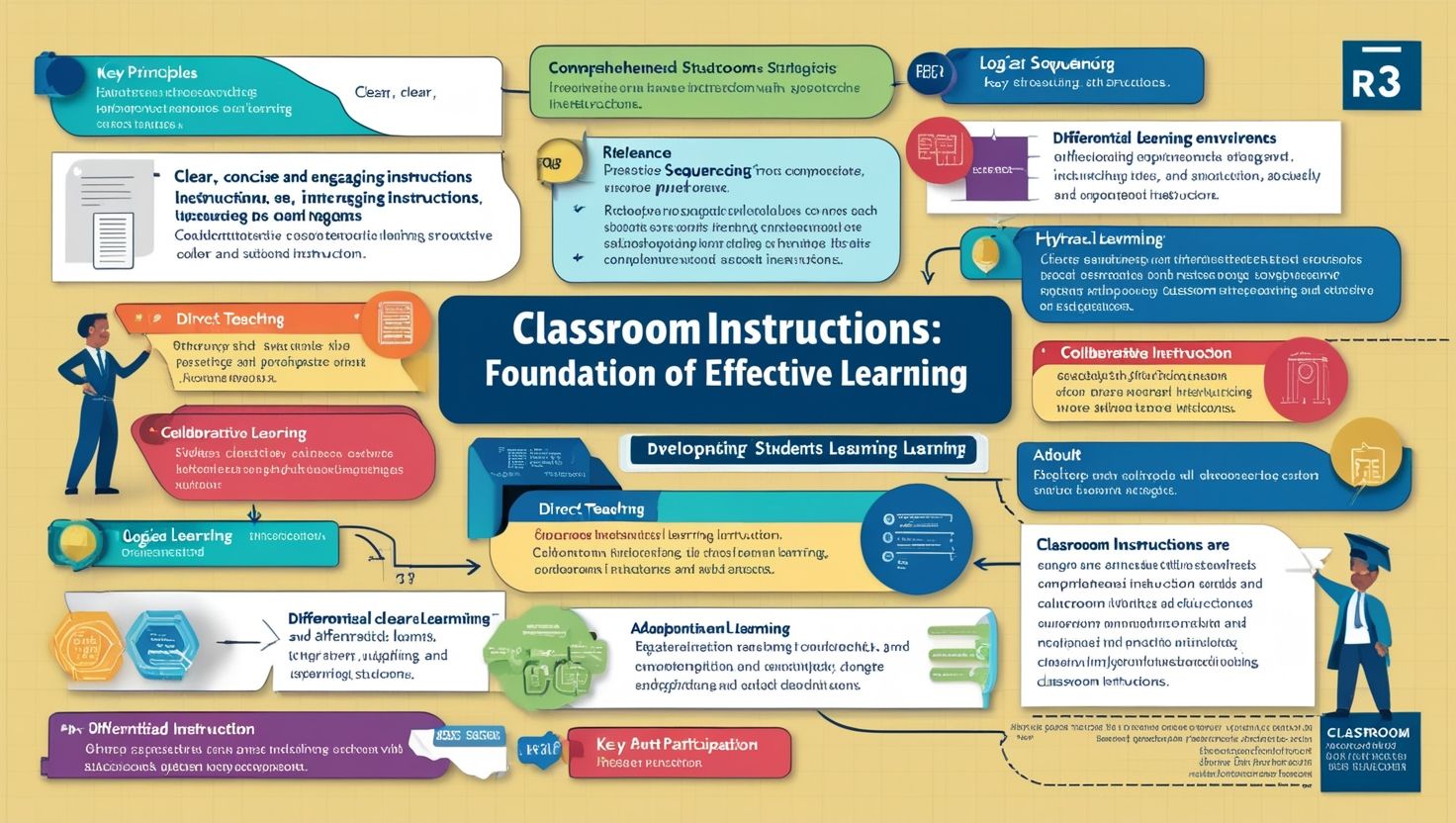
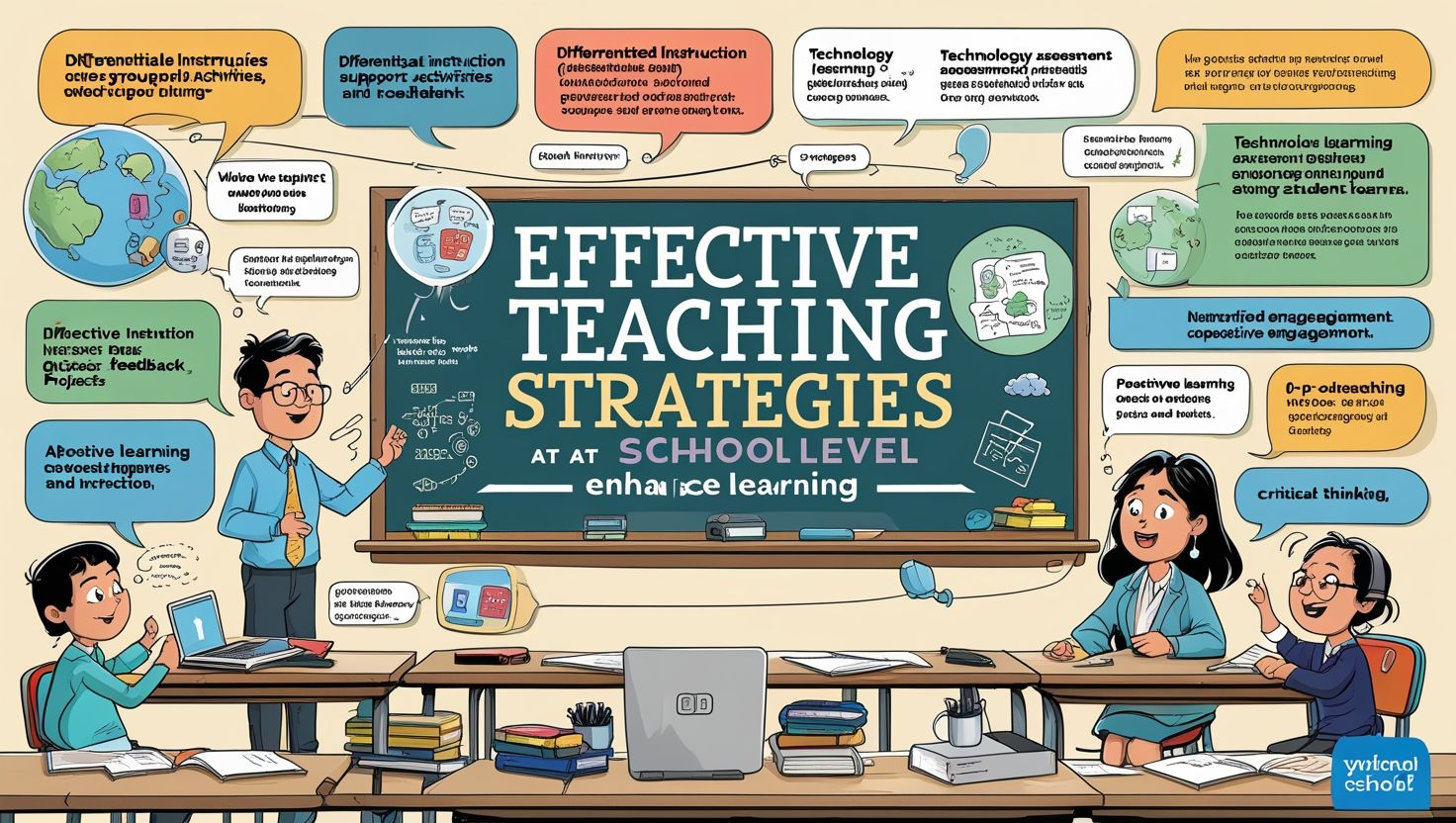
Effective Teaching Strategies Taught at Global Institutes
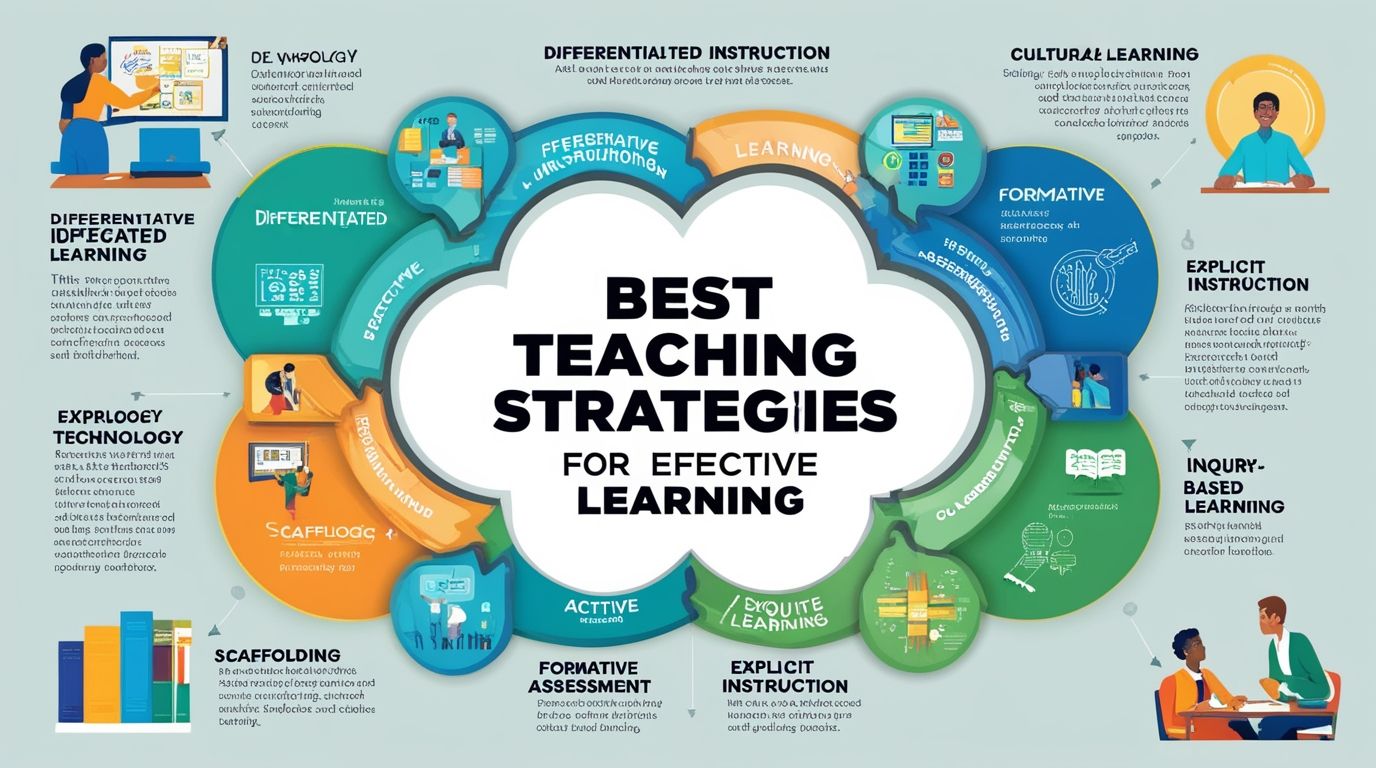
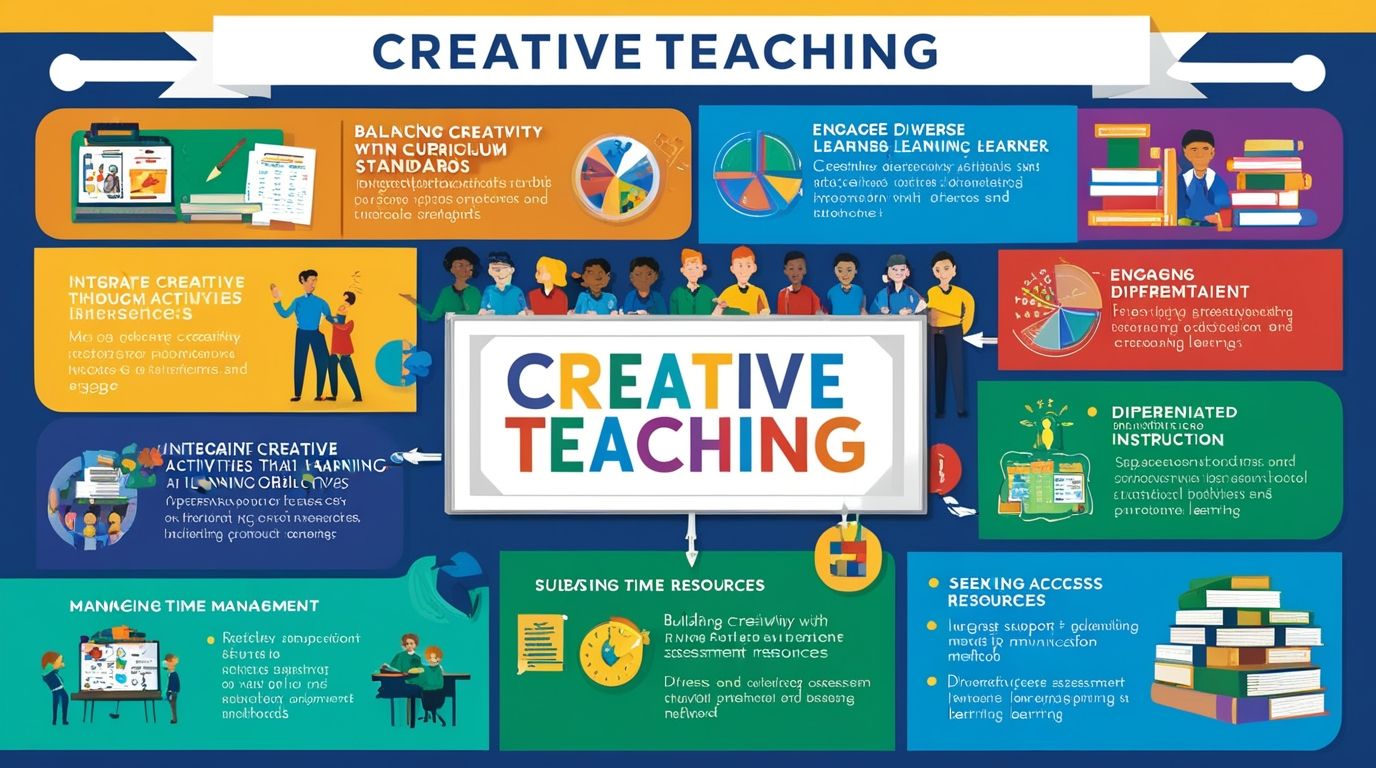
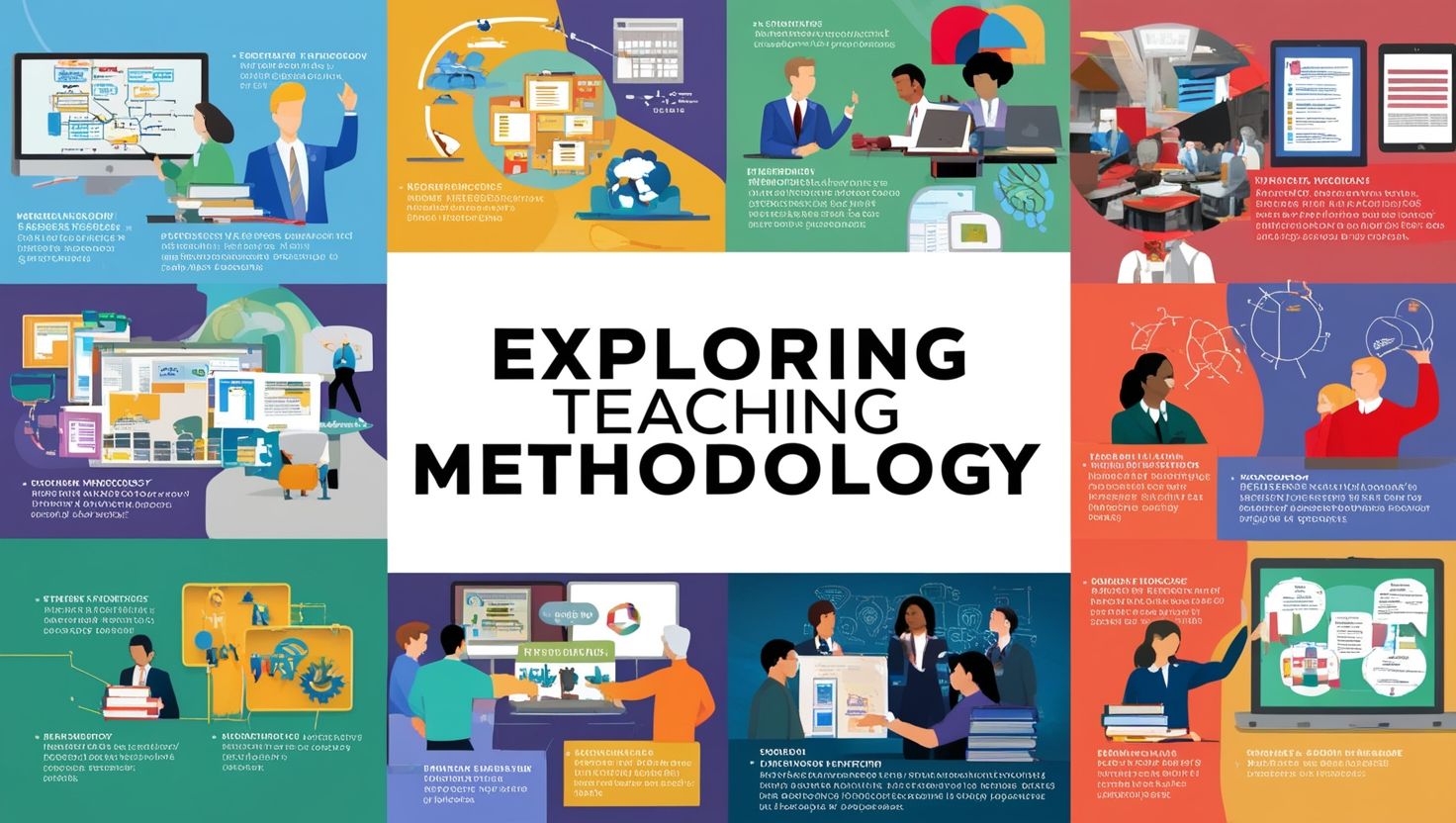
Several strategies consistently appear across top training programs. These methods form the backbone of effective teaching.
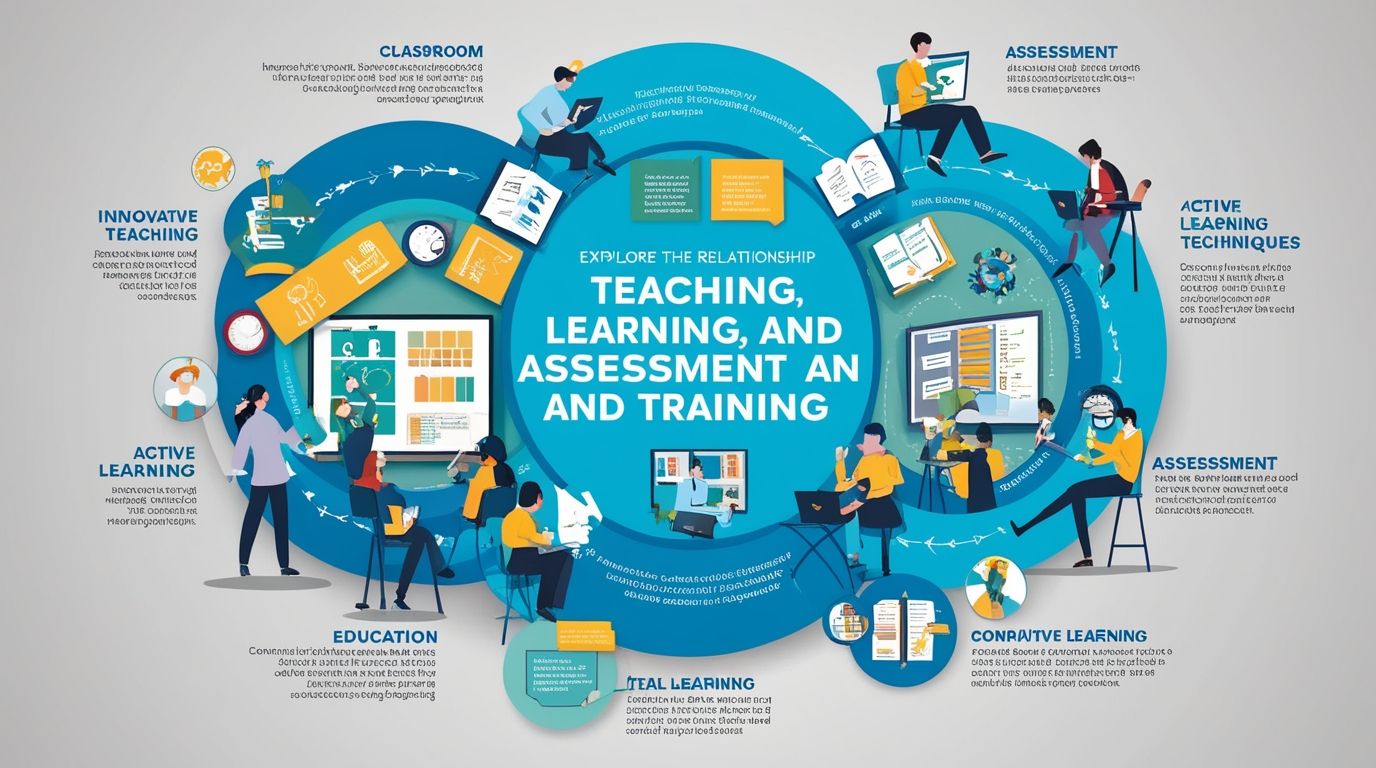
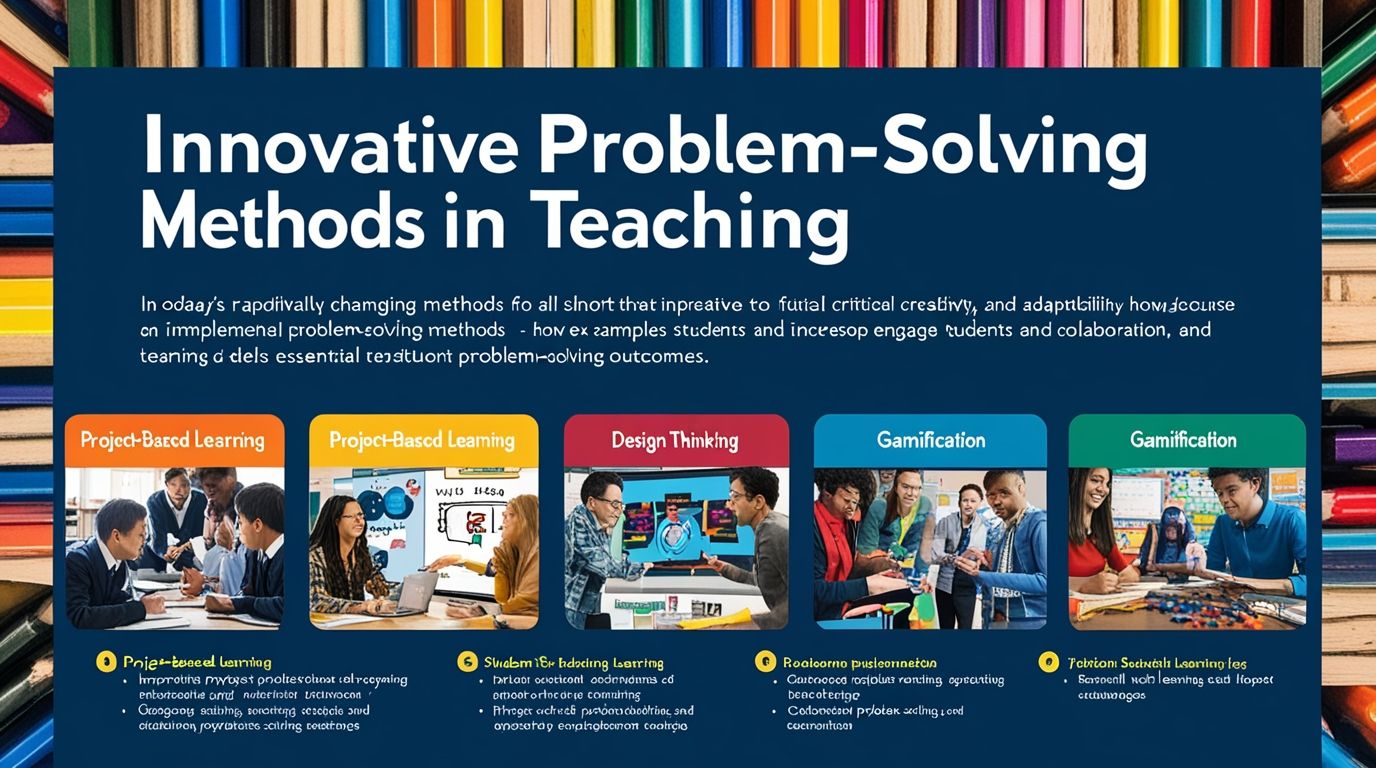
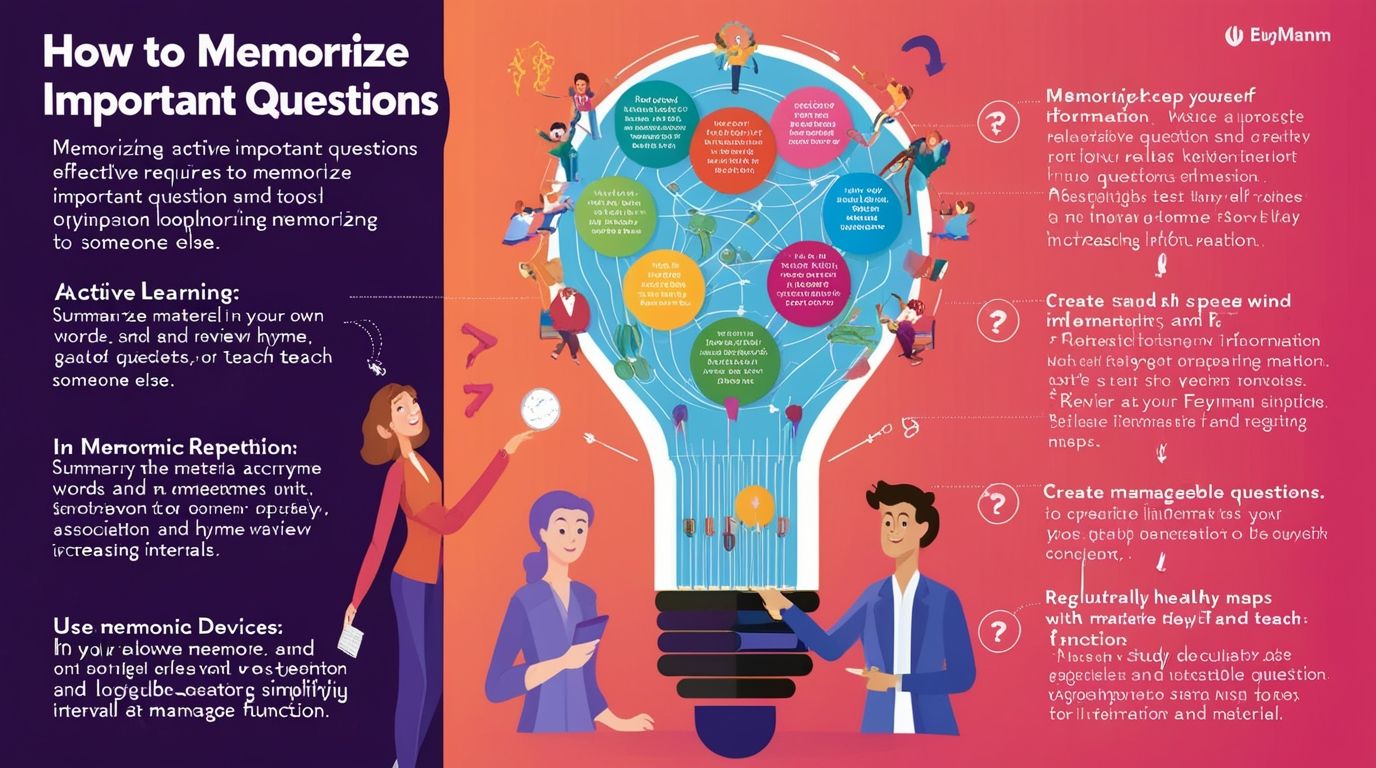
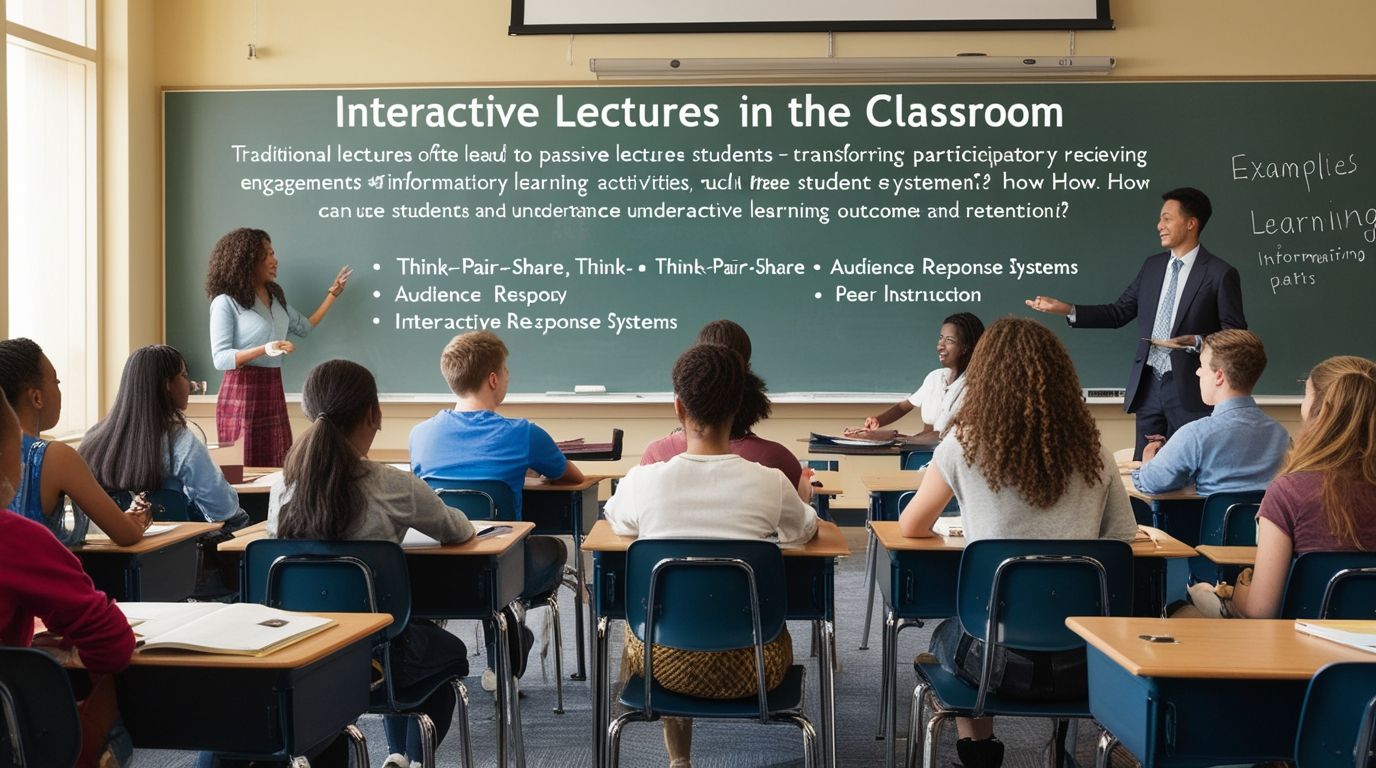
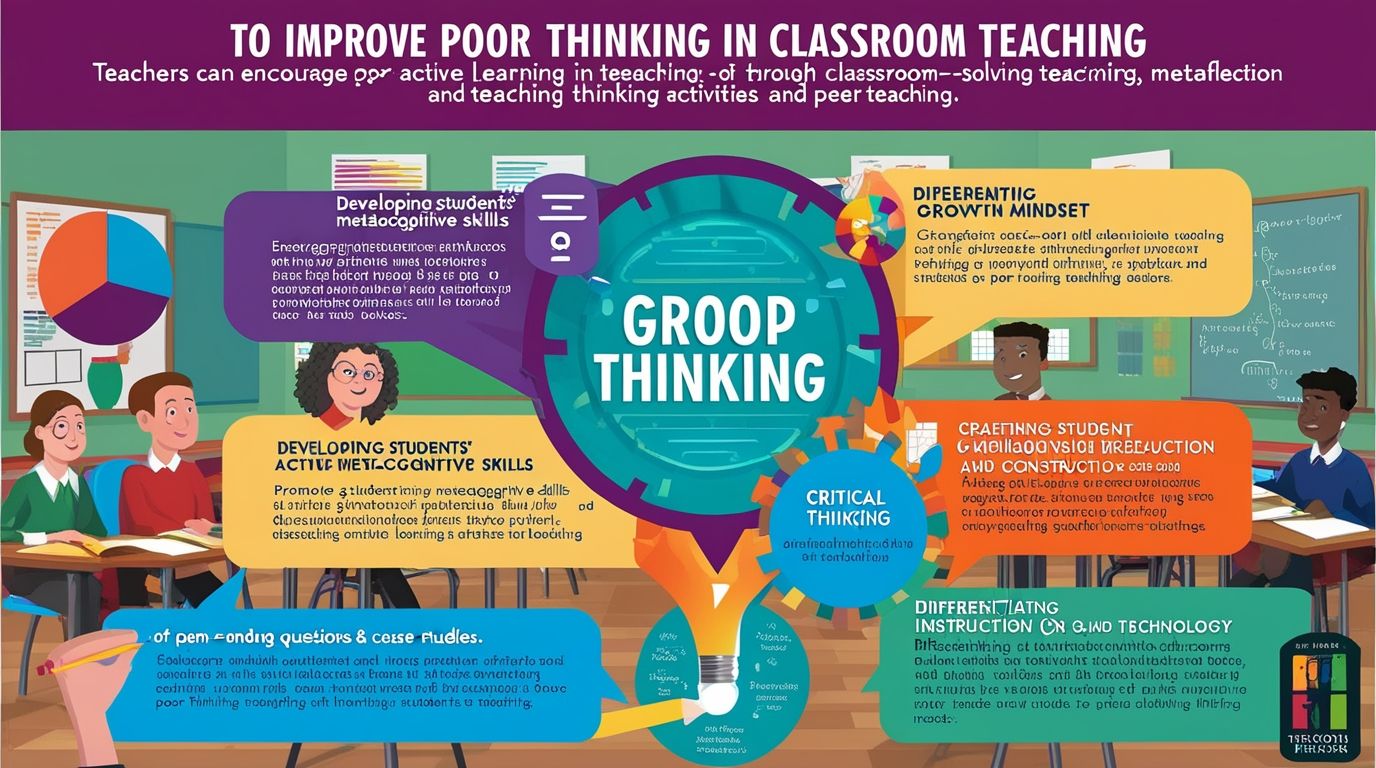
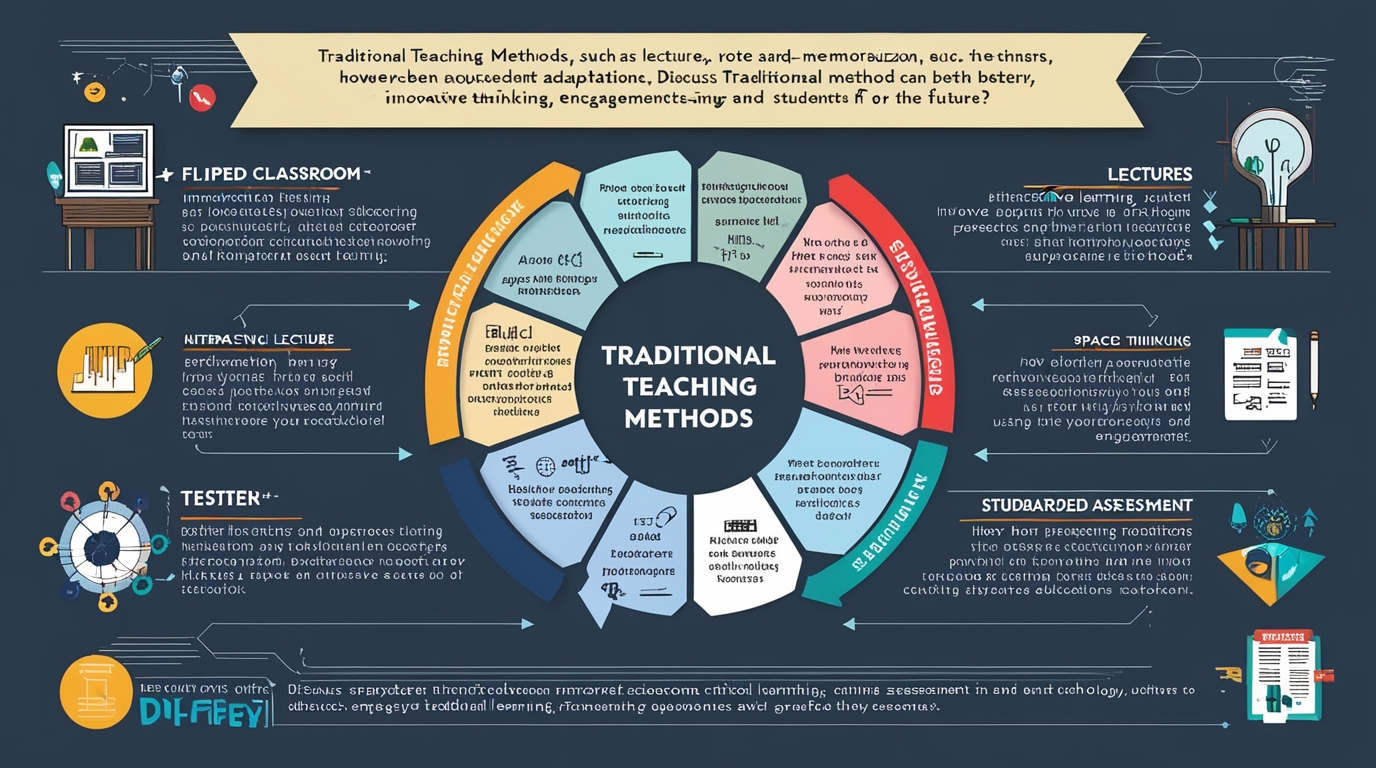
Active learning encourages students to participate rather than listen passively. Teachers use group discussions, debates, and hands-on projects. Consequently, retention rates improve.
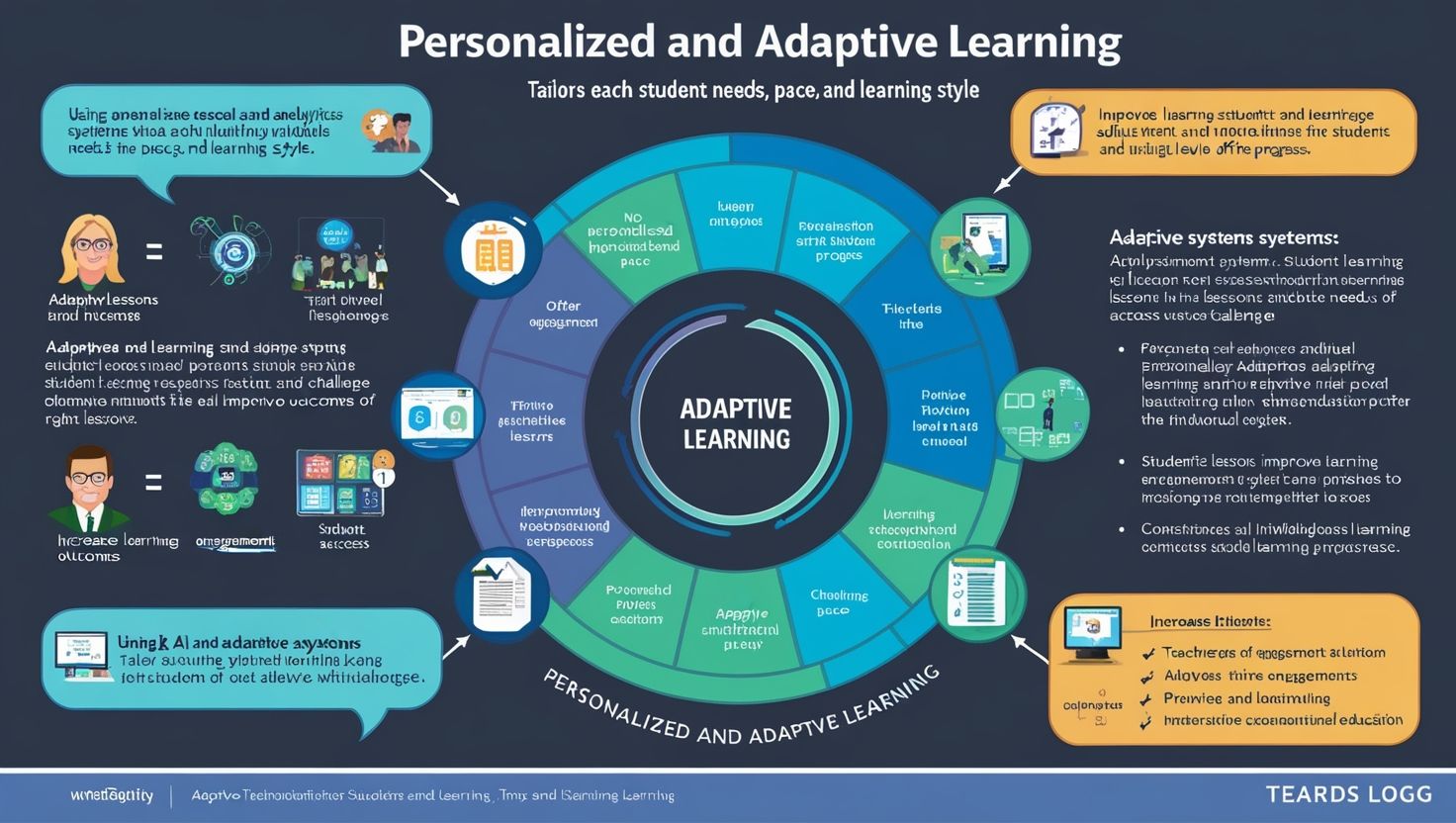
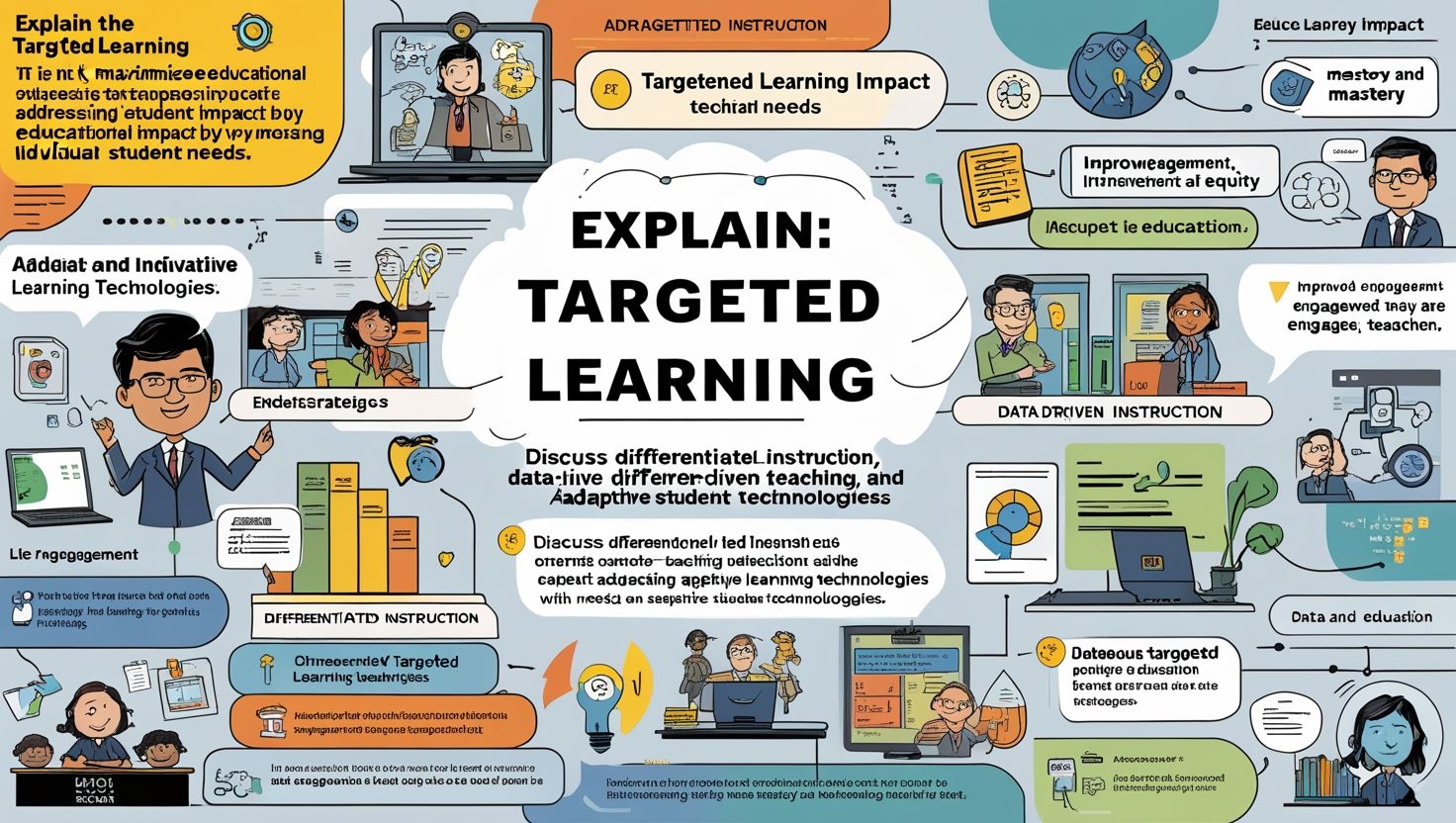
Differentiated instruction adapts lessons to individual student needs. Some students grasp concepts quickly. Others need more time. Therefore, teachers design flexible lesson plans.
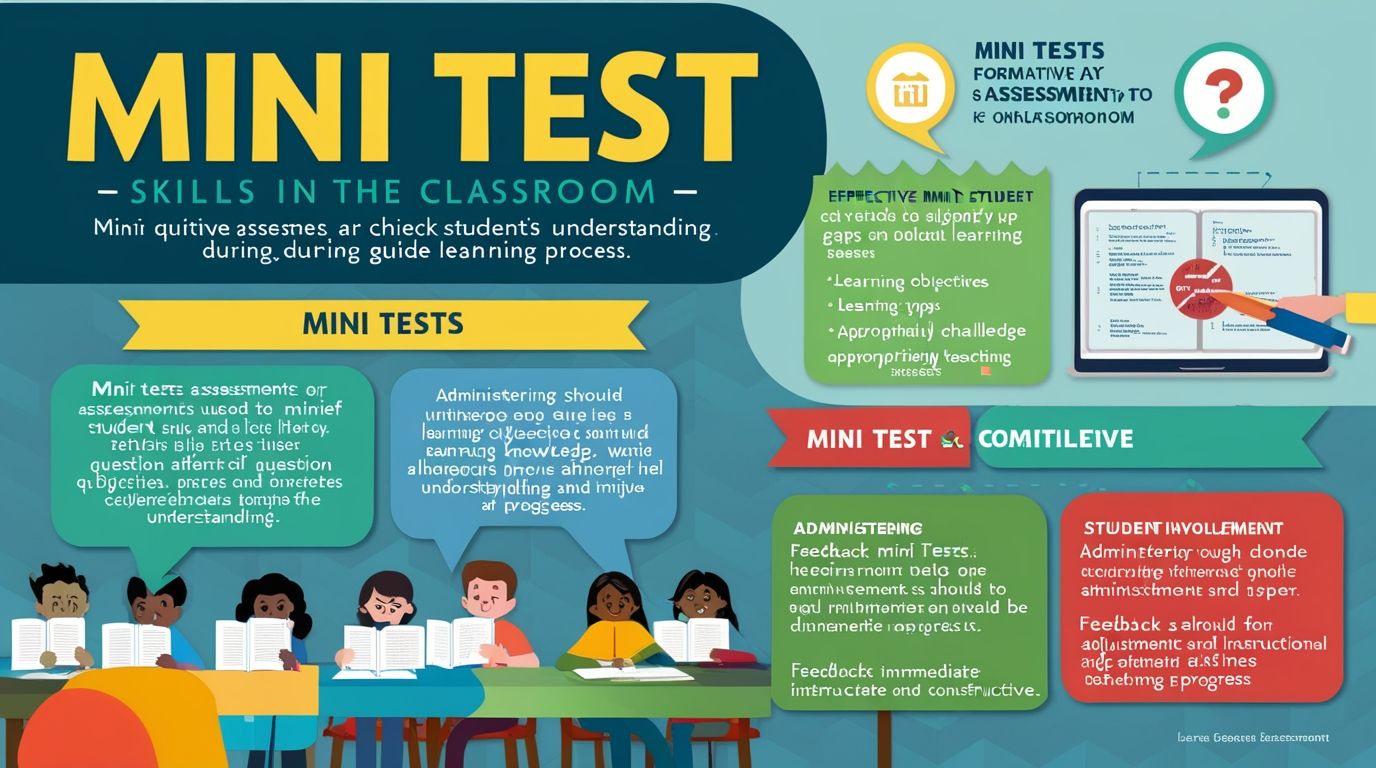
Formative assessment checks understanding throughout a lesson, not just at the end. This ongoing feedback loop helps teachers adjust their approach in real time.
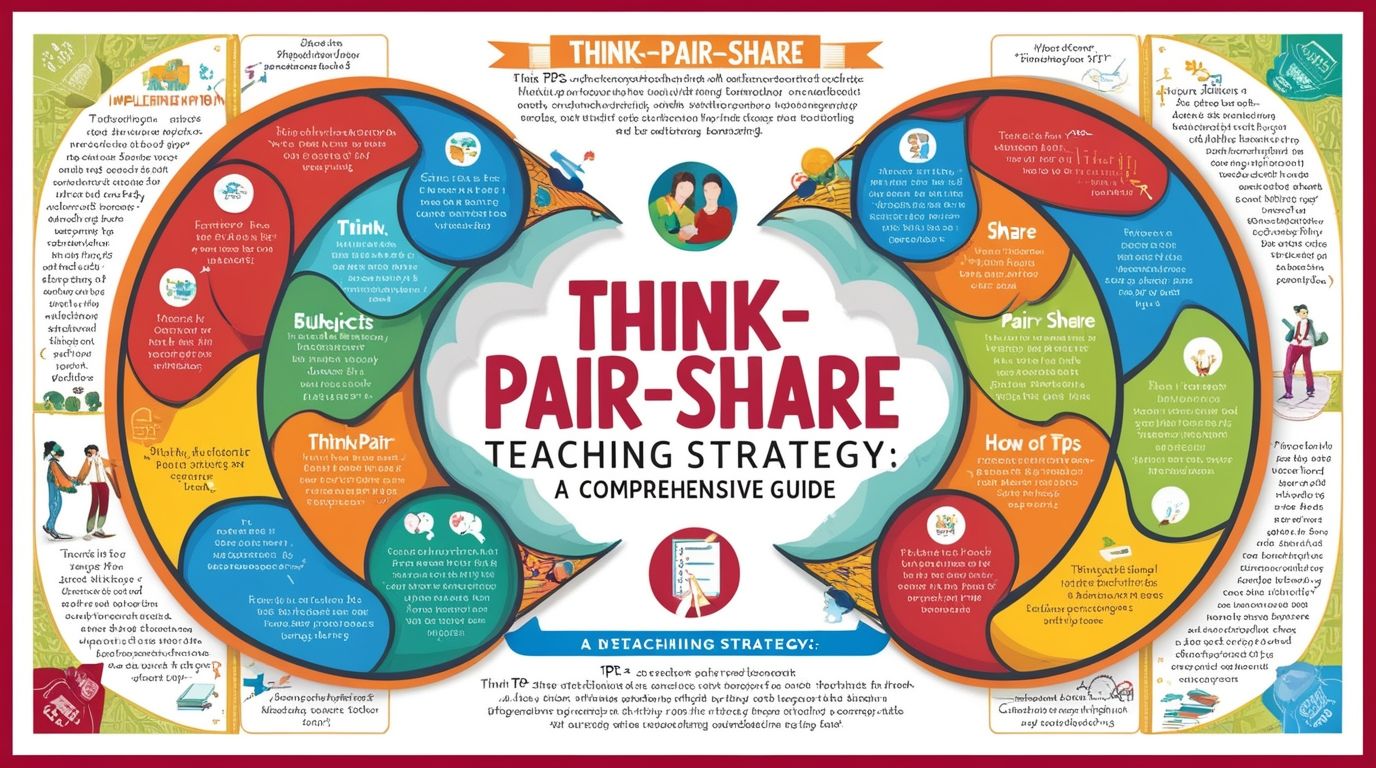
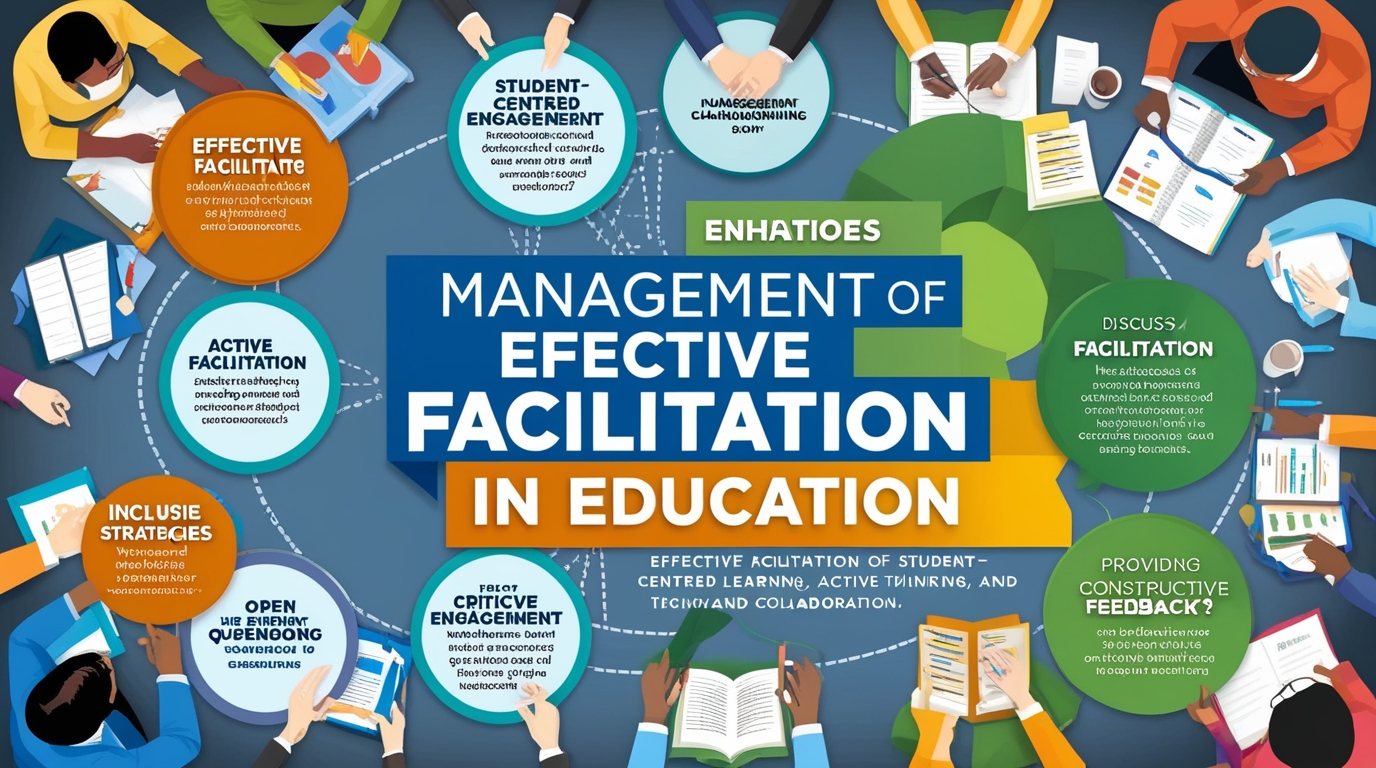
Collaborative learning builds teamwork skills. Students work in pairs or small groups. Meanwhile, teachers facilitate rather than dictate. This shift encourages independent thinking.
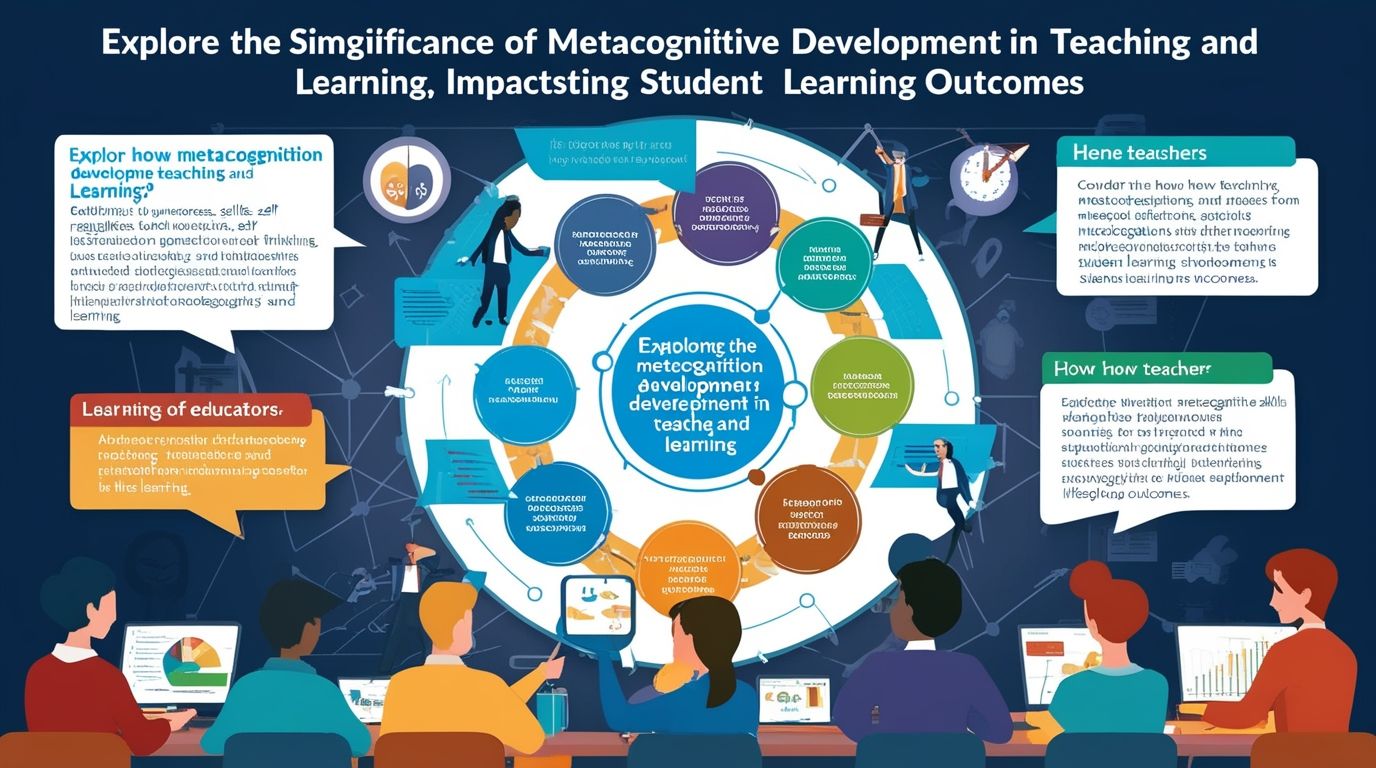
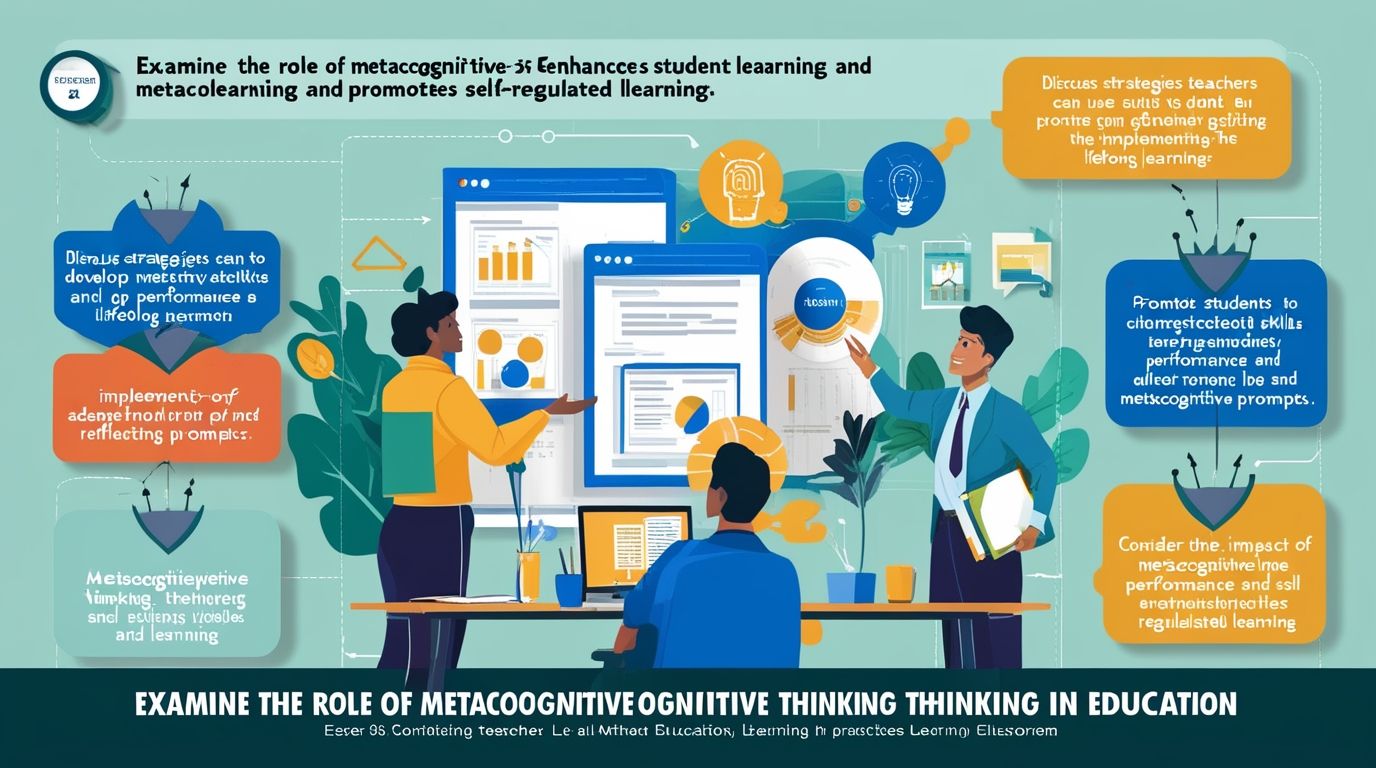
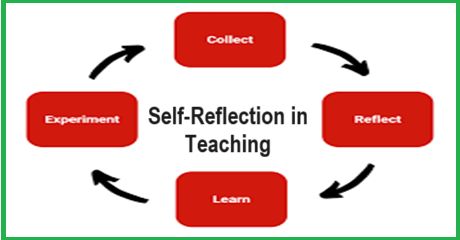
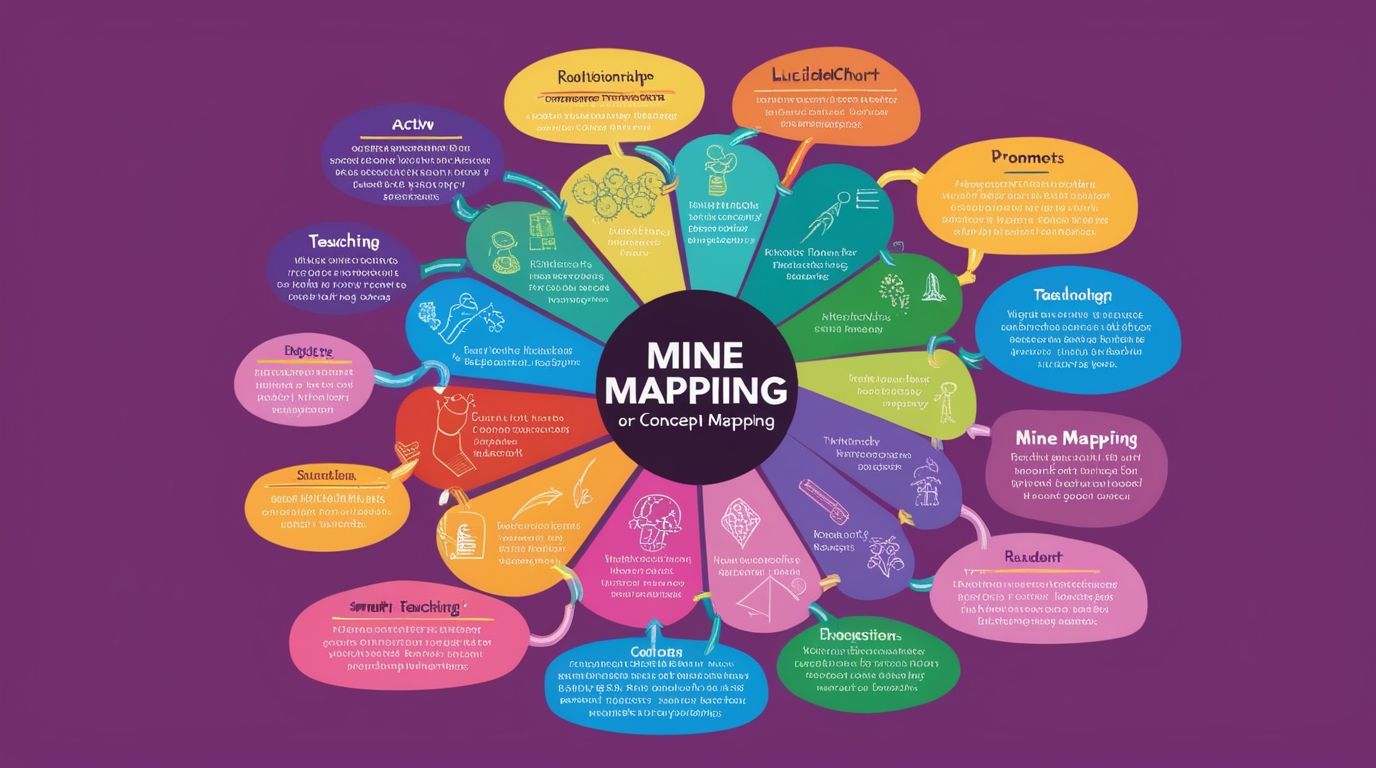
Reflective practice asks teachers to evaluate their own lessons. They ask what worked and what did not. Subsequently, they refine future lessons based on this reflection.
Together, these strategies create dynamic classrooms. They also align with research on how students learn best.
Challenges Facing Teacher Training Institutes
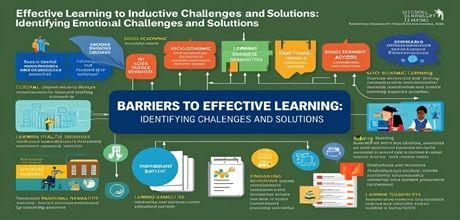
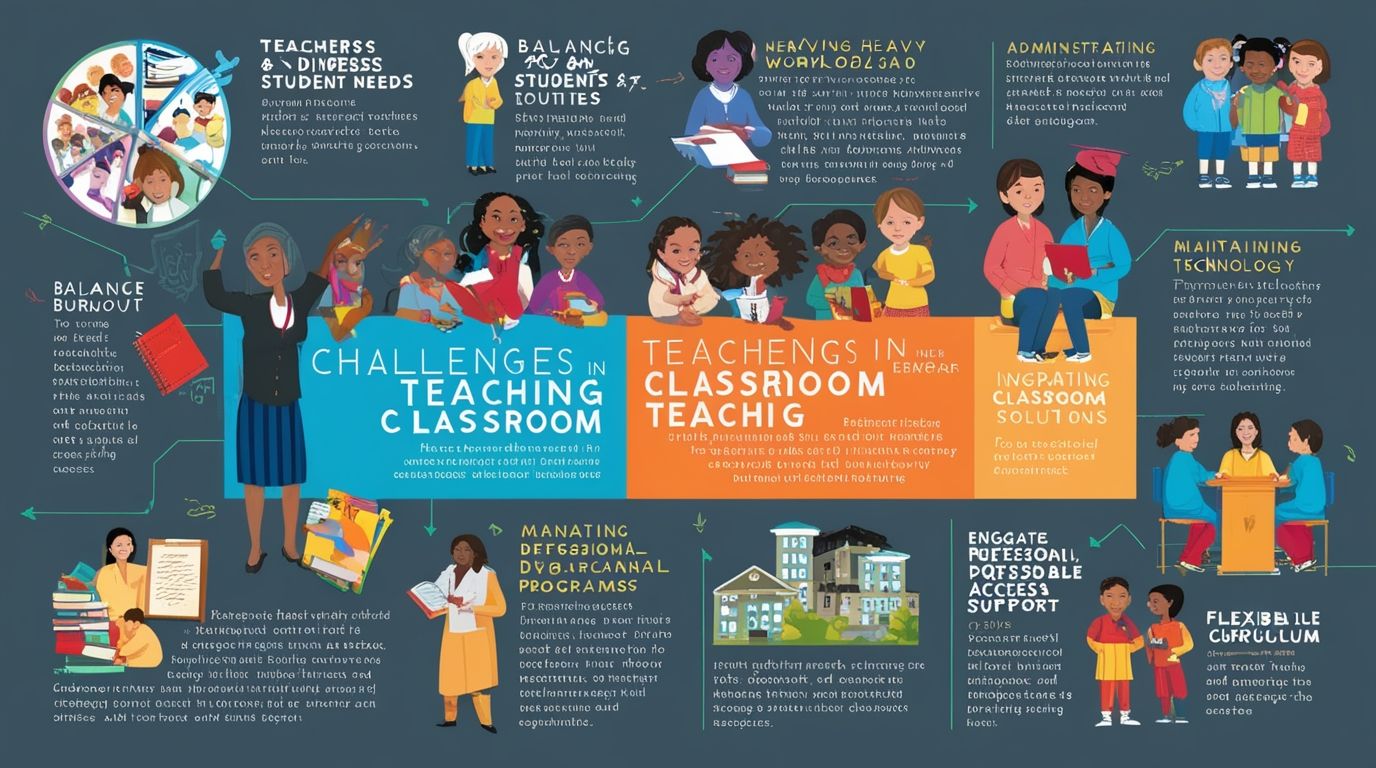
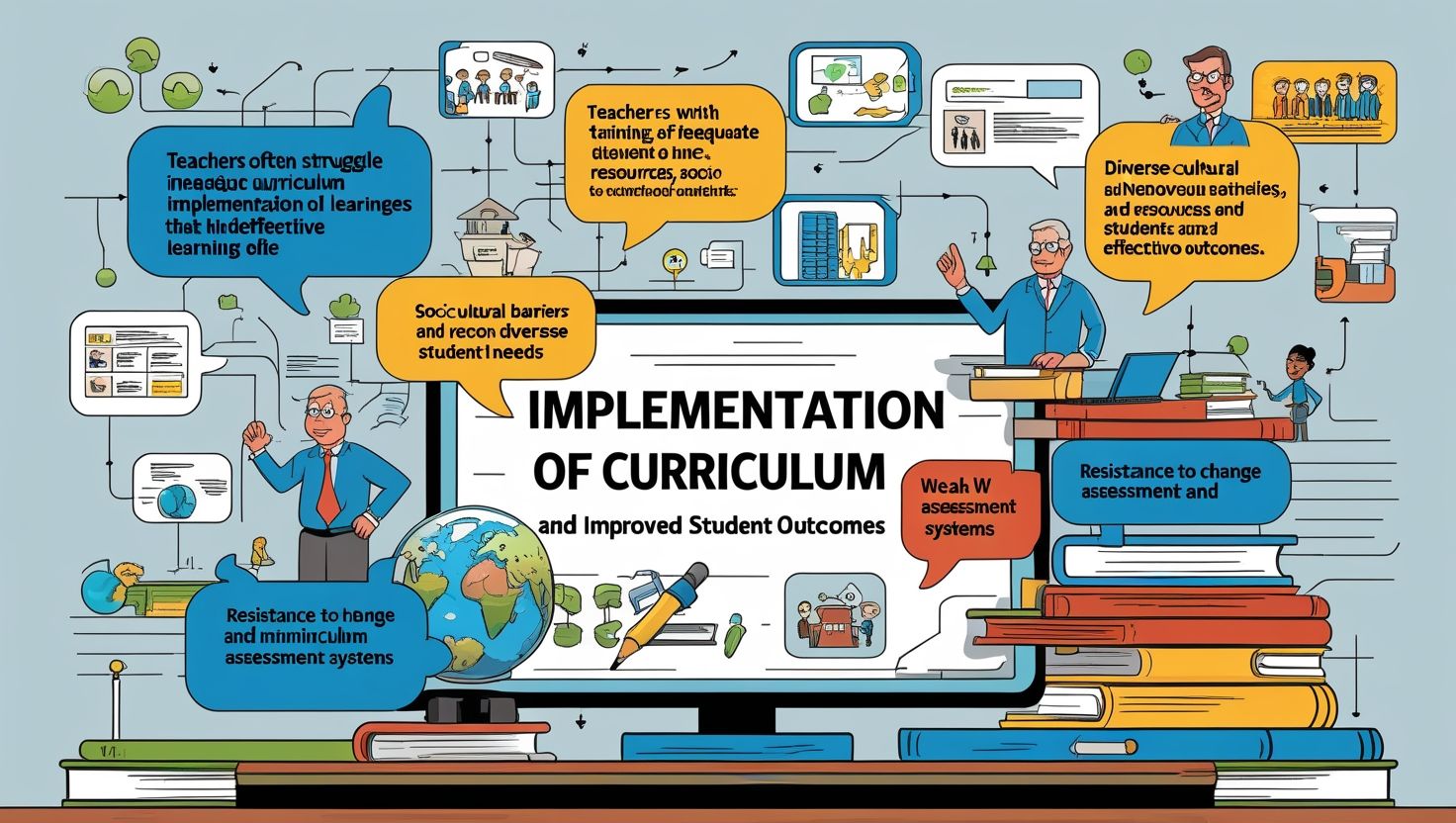
Despite progress, challenges remain. First, funding is often limited, especially in developing regions. Consequently, institutes struggle to hire qualified trainers.
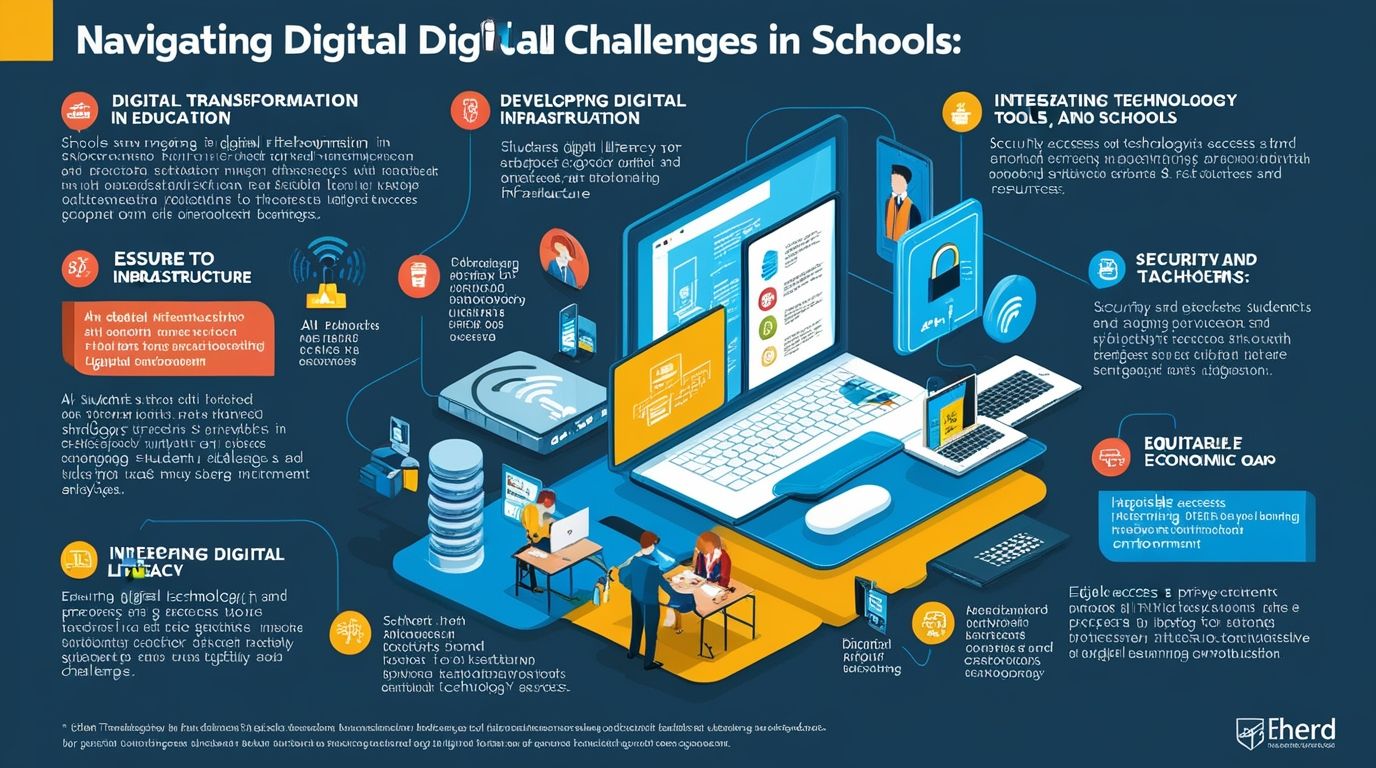
Second, access to technology varies widely. While some regions enjoy fast internet, others lack basic infrastructure. Therefore, online training programs cannot reach everyone equally.
Third, cultural resistance sometimes slows adoption. Traditional teaching methods are deeply rooted in some communities. As a result, new approaches face pushback.
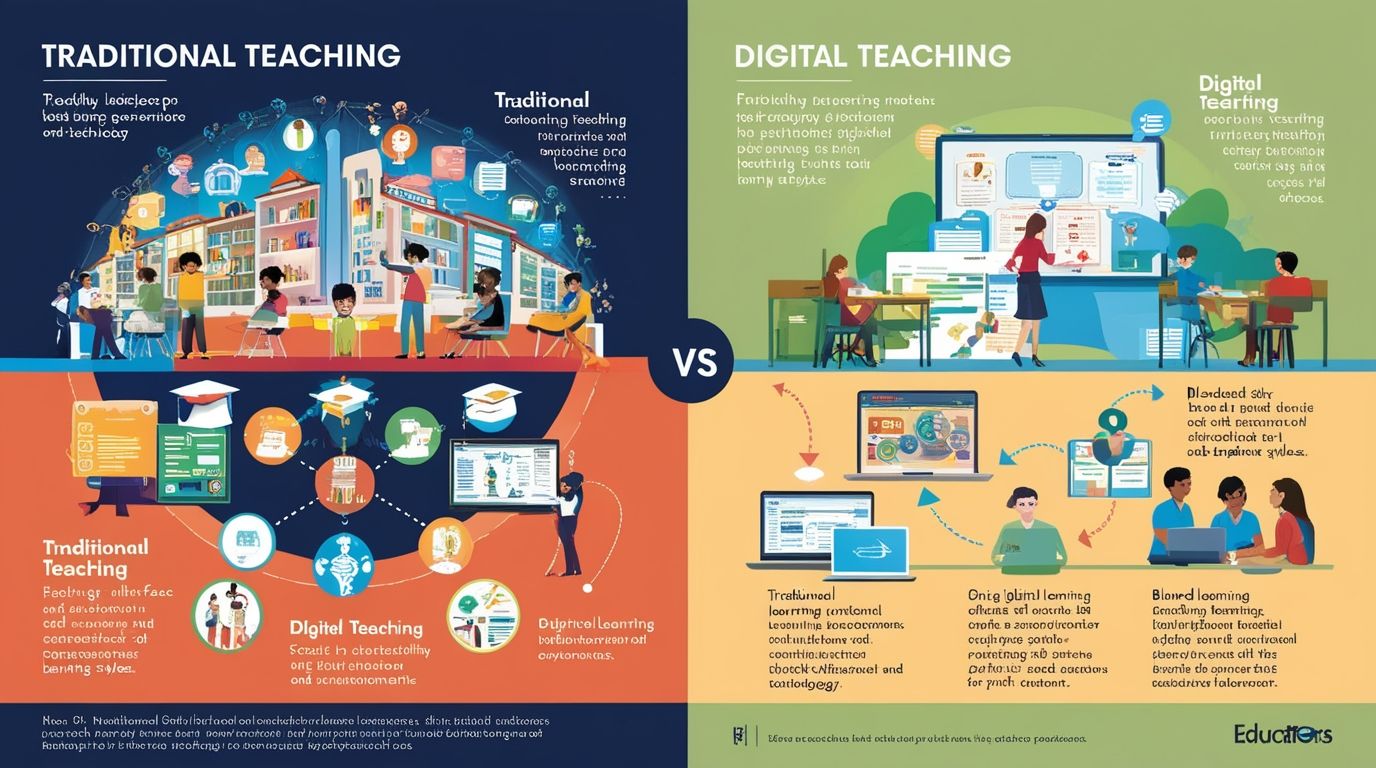
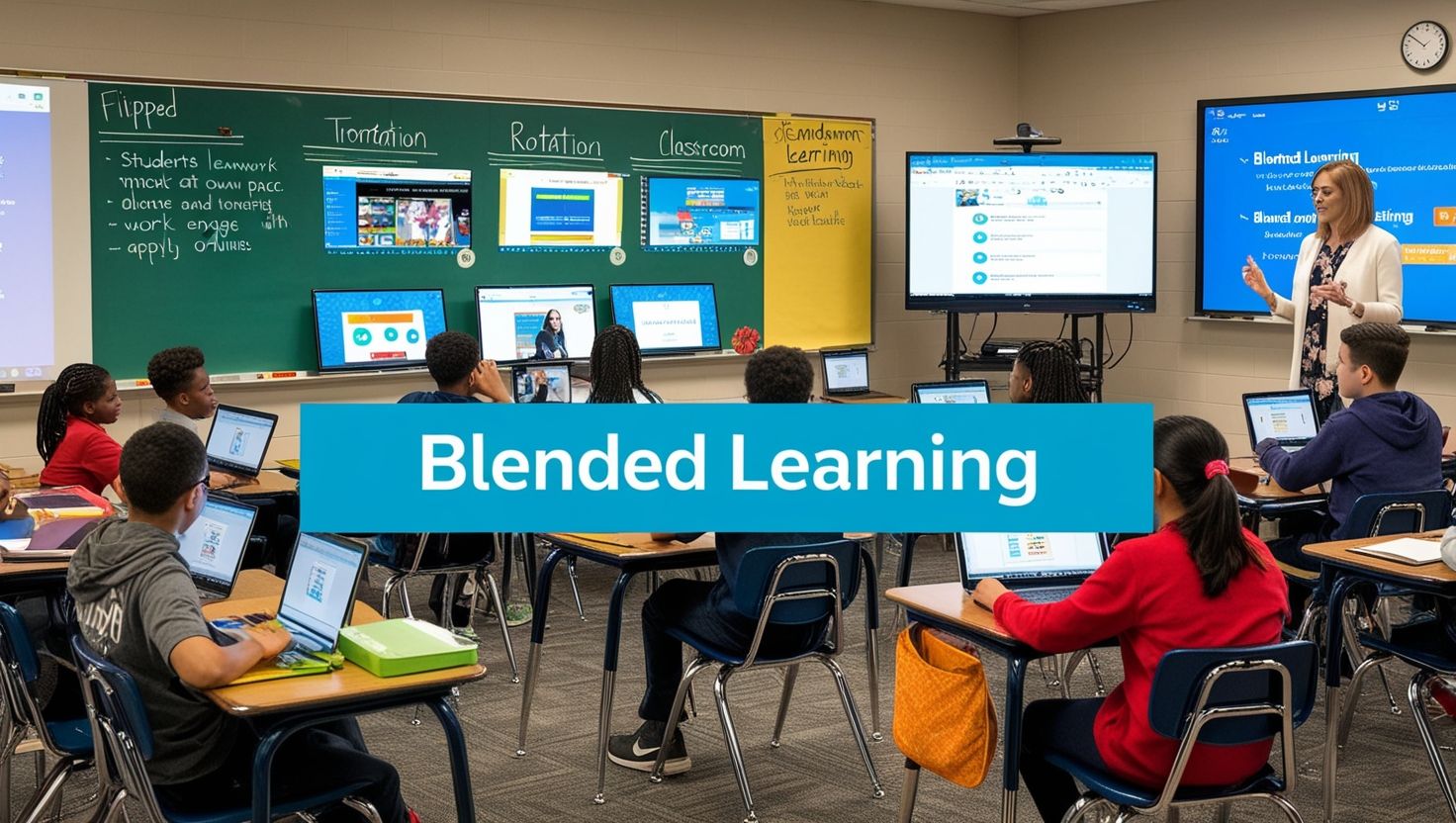
Nevertheless, institutes continue adapting. They use blended learning models. They combine online modules with in-person workshops. This hybrid approach helps overcome many logistical barriers.
The Impact of Well-Trained Teachers on Student Outcomes
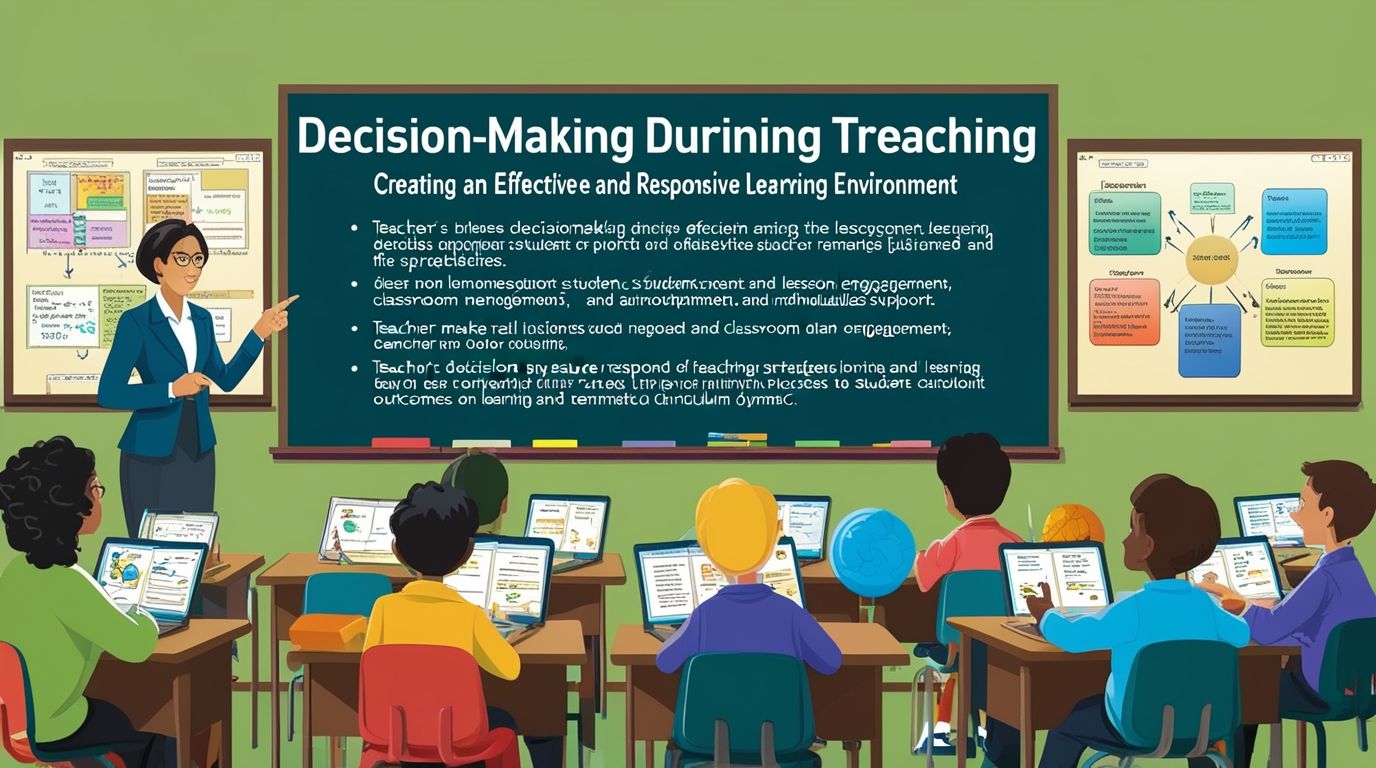
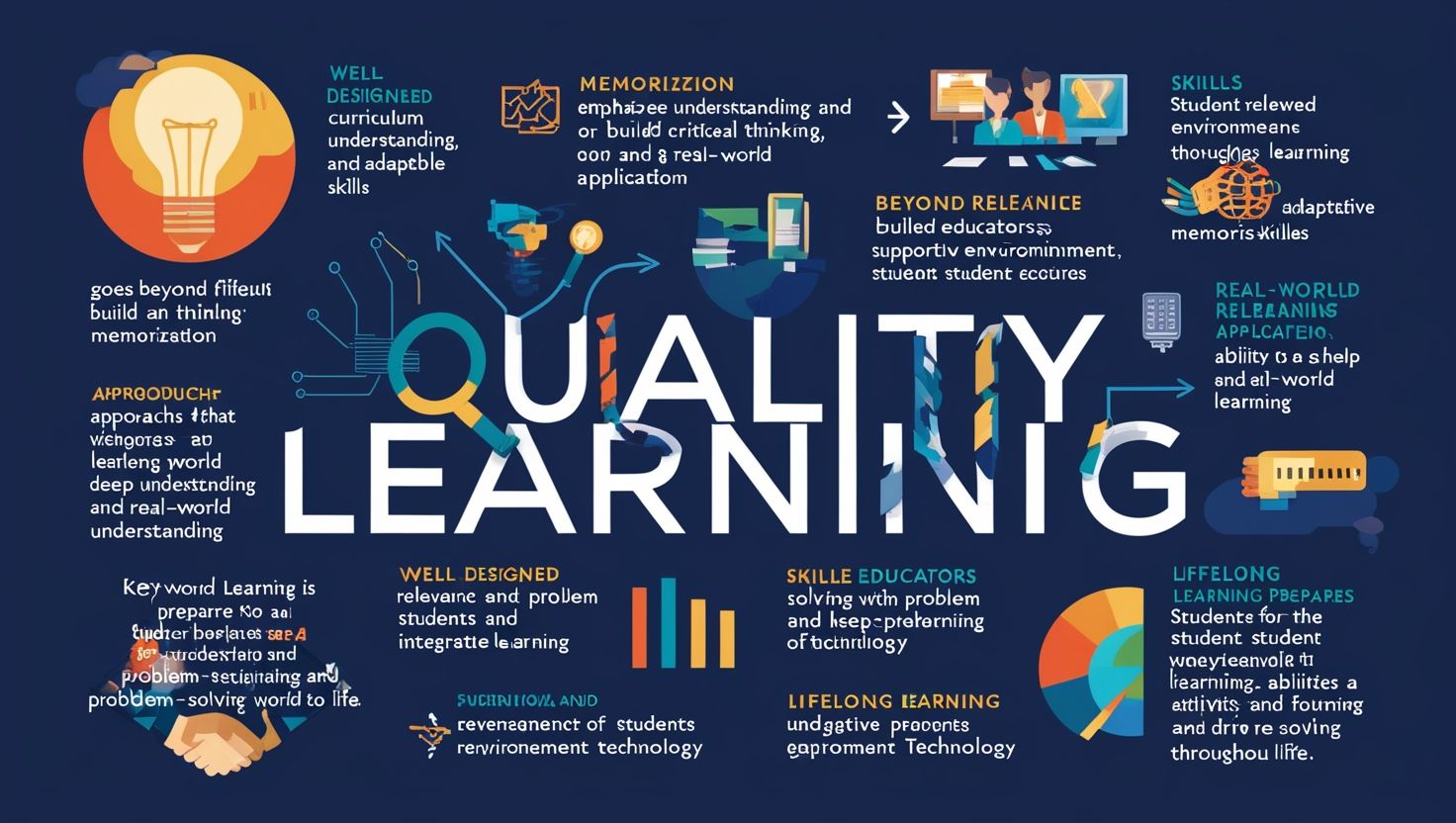
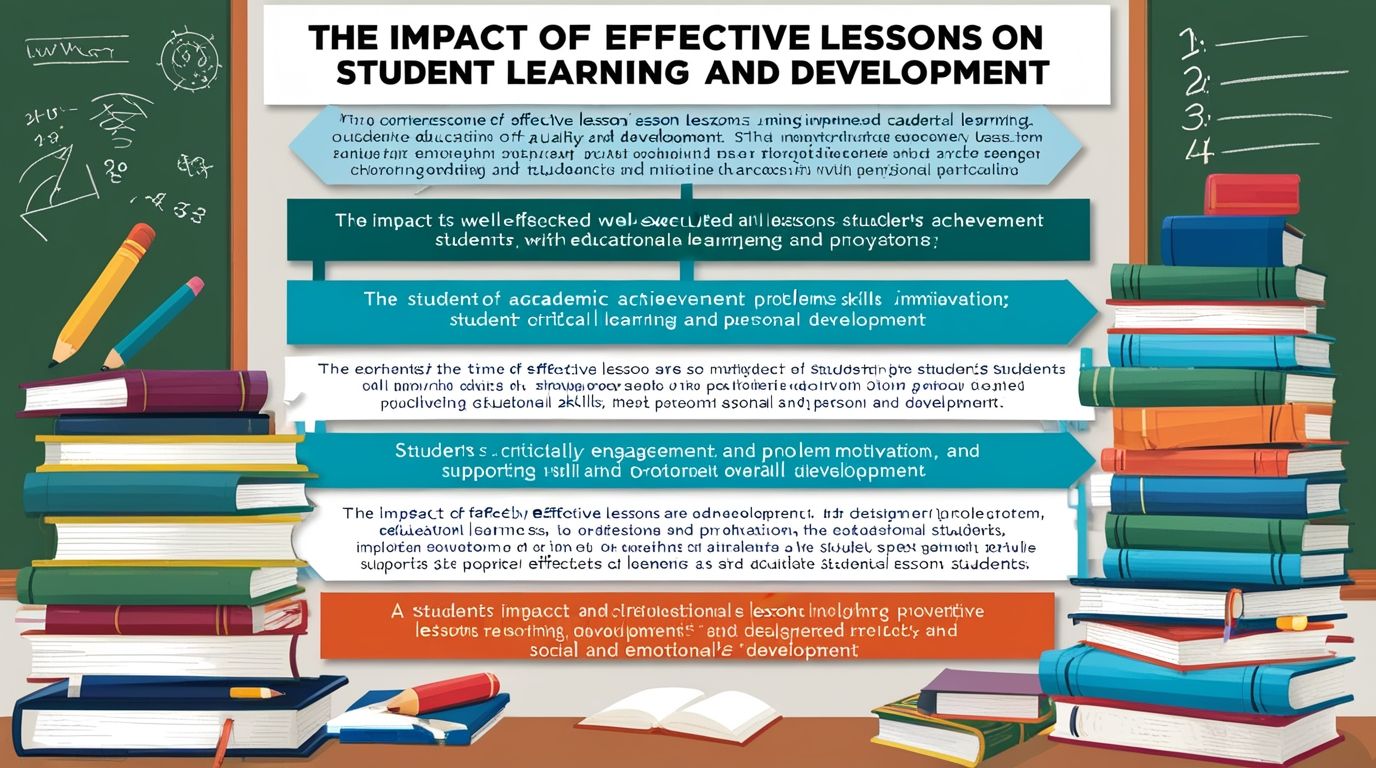
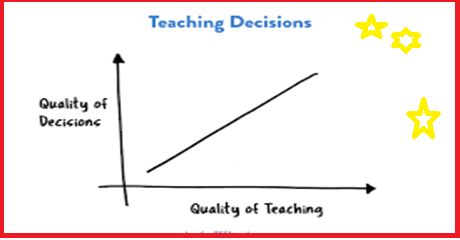
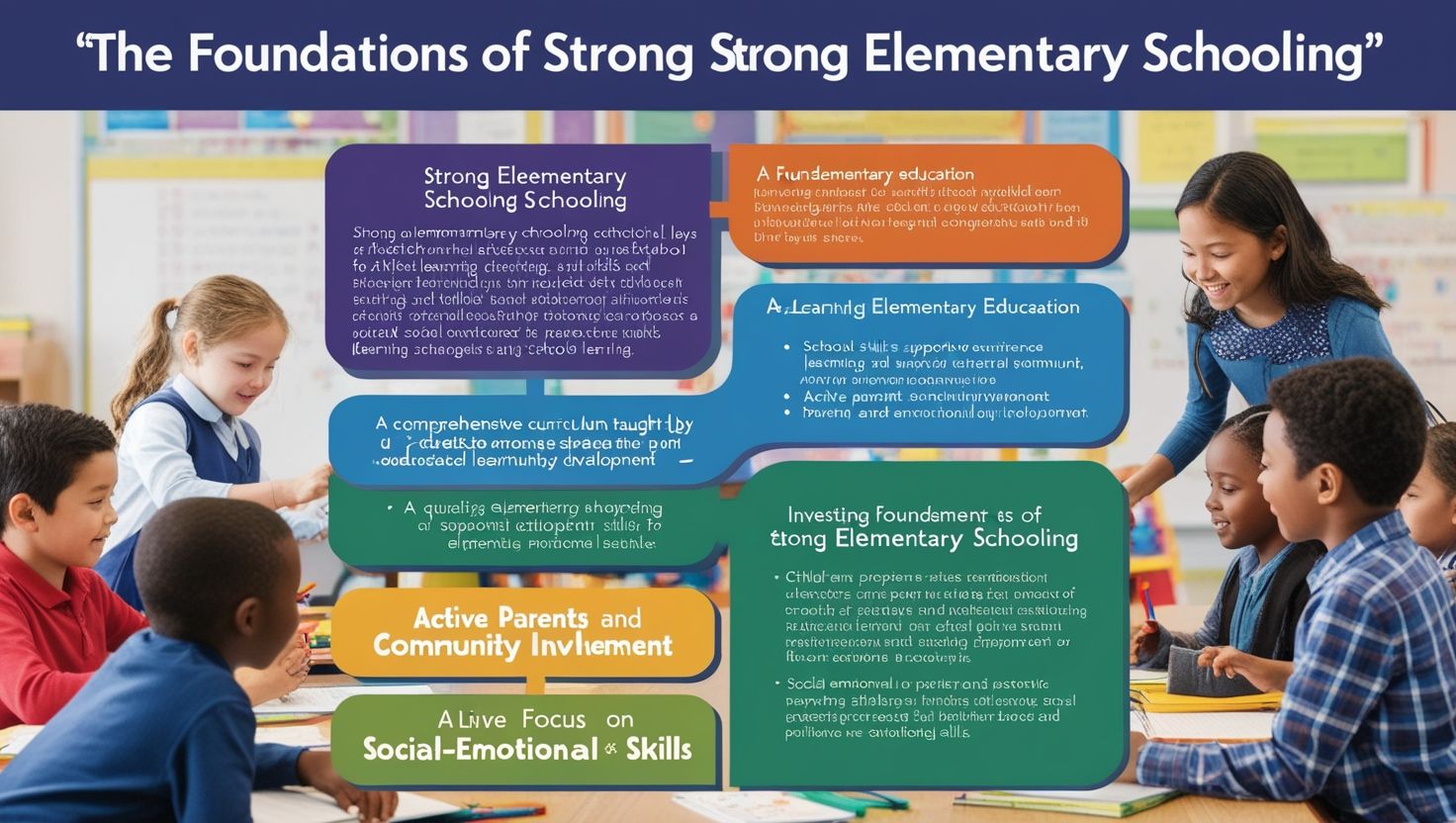
Research consistently shows a strong link between teacher quality and student achievement. Well-trained teachers create engaging lessons. They also manage classrooms more effectively.
Moreover, trained teachers build stronger relationships with students. This connection increases motivation. In turn, students attend school more regularly and perform better academically.
Additionally, well-prepared teachers reduce dropout rates. They identify struggling students early. Then, they provide targeted support. Consequently, more students complete their education successfully.
In short, investing in teacher training produces measurable, long-term benefits for entire communities.
Show Image
Technology and the Future of Teacher Training
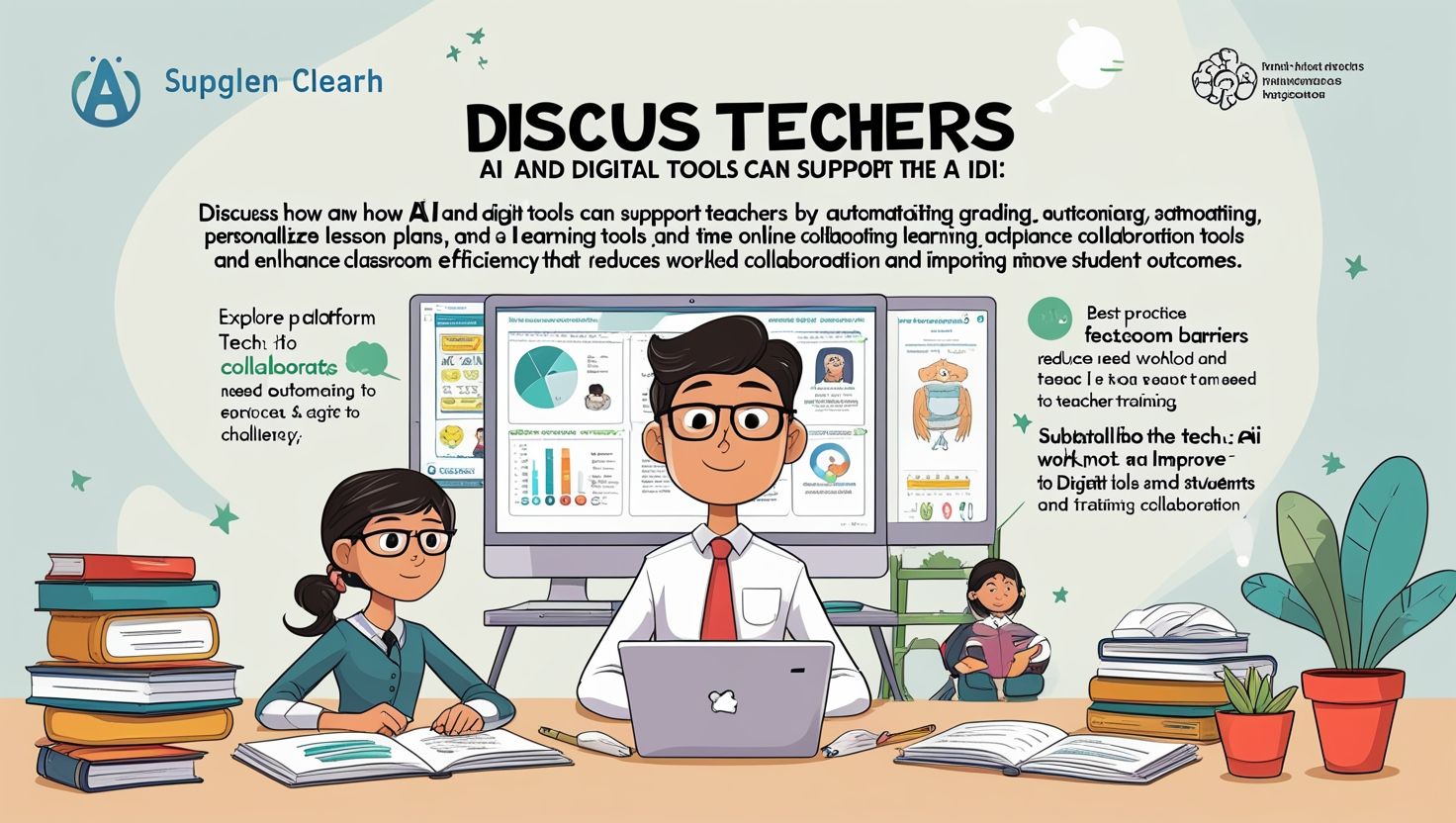
Technology continues reshaping how institutes operate. Online courses now reach thousands of teachers simultaneously. Meanwhile, artificial intelligence tools personalize training content for individual needs.
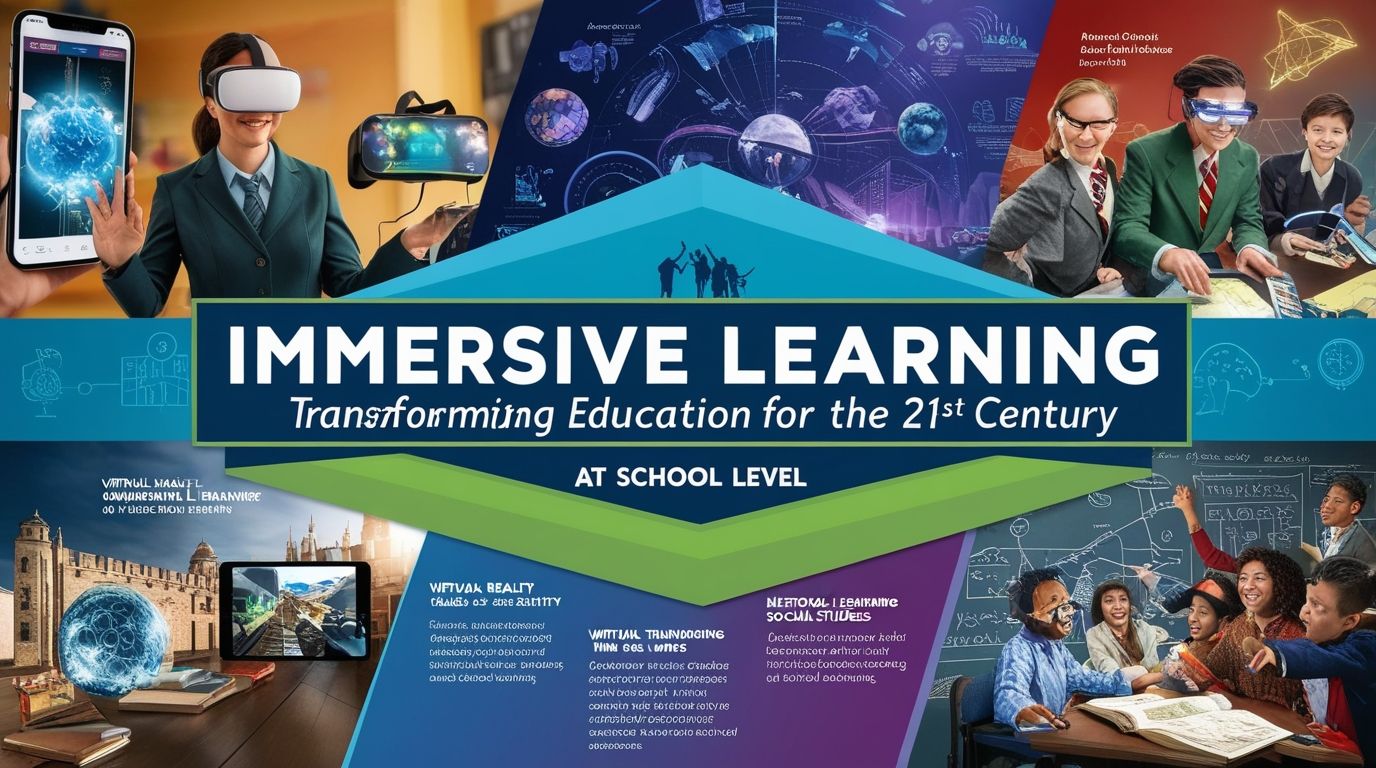
Furthermore, virtual reality simulations let trainees practice classroom scenarios safely. They can rehearse difficult situations without real-world consequences. As a result, confidence grows before entering actual classrooms.
Additionally, data analytics help institutes track trainee progress. Trainers identify weak areas quickly. Consequently, they offer targeted support where it matters most.
Looking ahead, hybrid models will likely dominate. They combine the flexibility of online learning with the value of hands-on practice. This balance suits diverse learners across different regions and resource levels.
Best Practices for Choosing a Global Teacher Training Institute
Selecting the right institute matters greatly. Several factors deserve consideration.
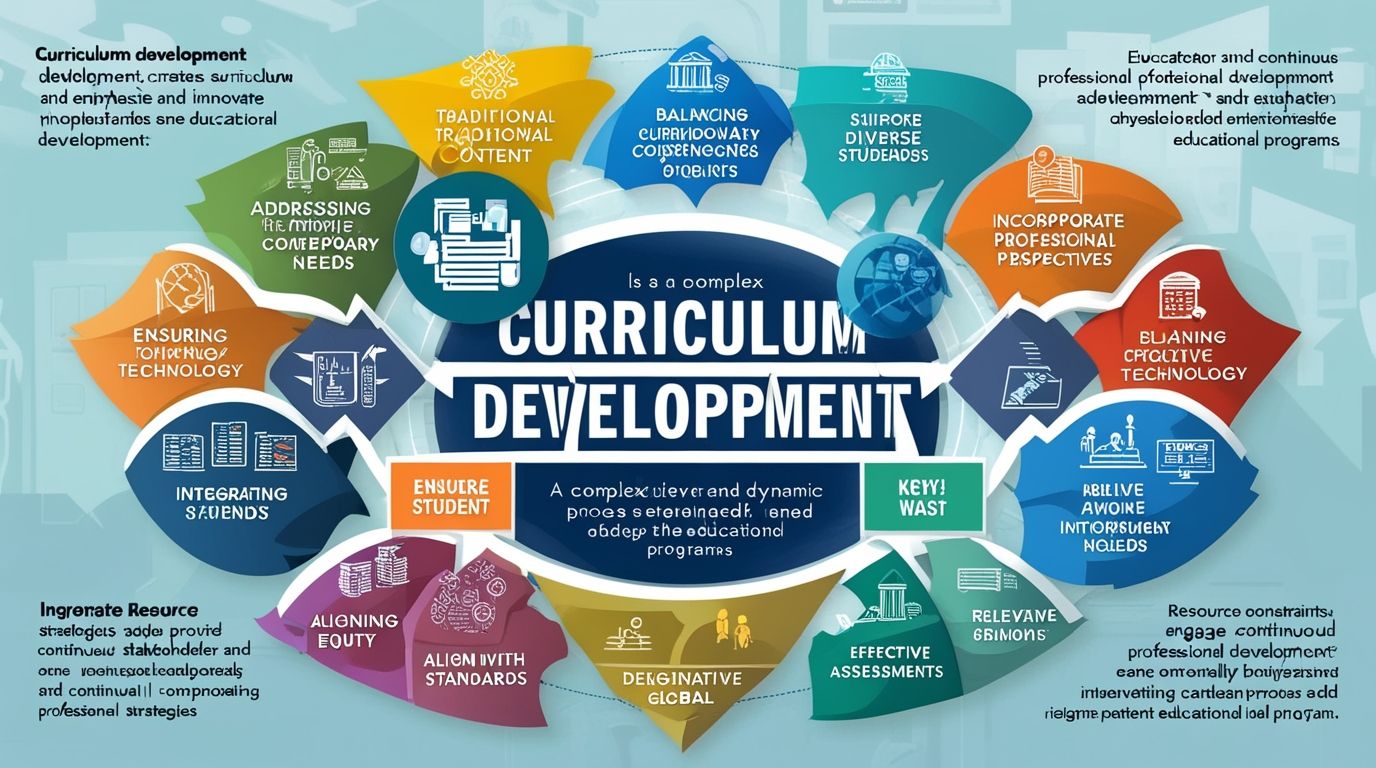
First, check accreditation status. Accredited institutes meet recognized quality standards. Second, review the curriculum structure. A strong program balances theory with practice.
Third, examine faculty experience. Experienced trainers offer richer insights. Fourth, consider technology access. Modern institutes integrate digital tools throughout their programs.
Finally, look at alumni outcomes. Successful graduates indicate program effectiveness. Therefore, researching these factors helps educators make informed decisions.
Conclusion
Global Teachers Training Institutes play a vital role in shaping education worldwide. They equip teachers with effective teaching skills, technological fluency, and cultural awareness. Moreover, they bridge gaps between regions, ensuring more equitable access to quality instruction.
As education evolves, these institutes must continue adapting. They should embrace new technology. They should also maintain a strong focus on practical, classroom-based training. Ultimately, well-trained teachers create better learning environments. This improvement benefits students, communities, and nations alike.
In conclusion, investing in teacher training remains one of the most powerful strategies for improving global education outcomes. The future of learning depends on it.