Introduction
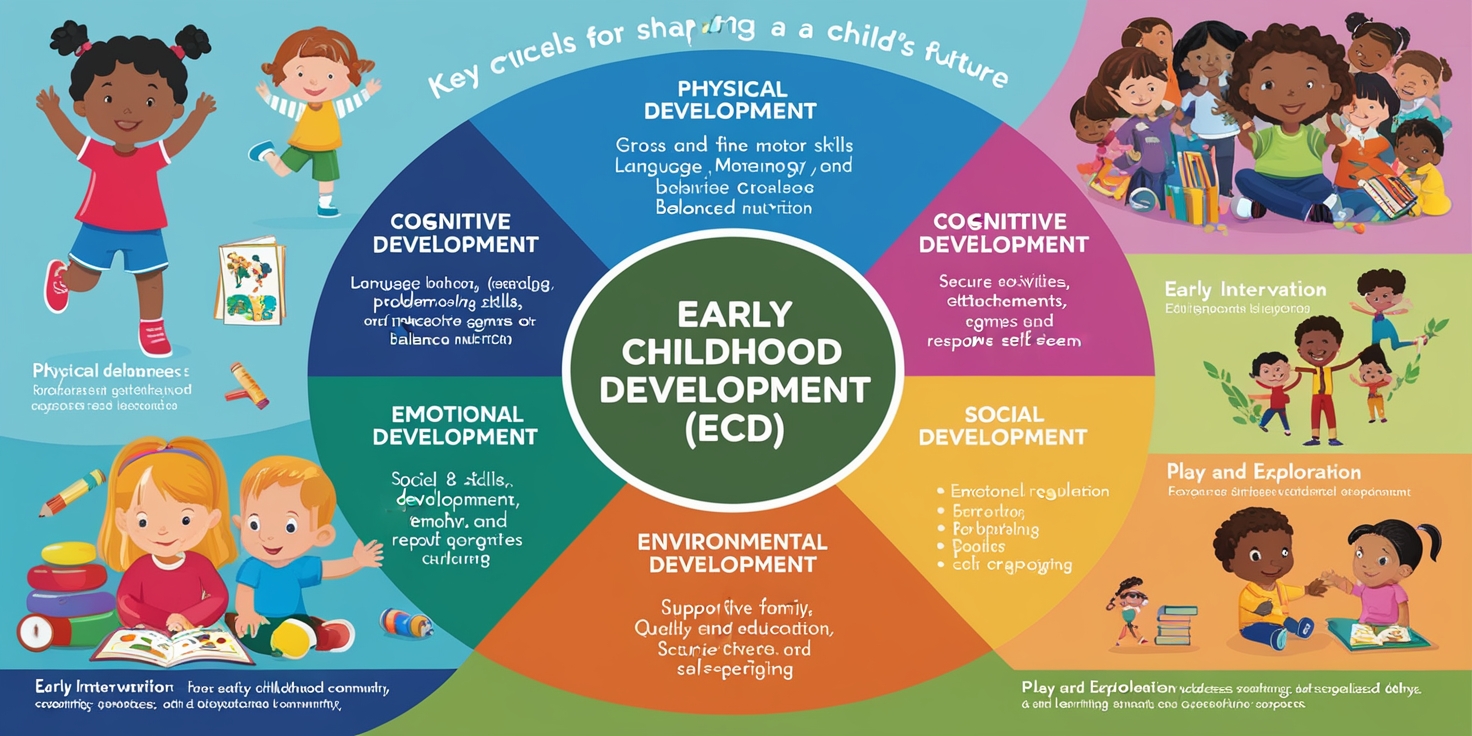
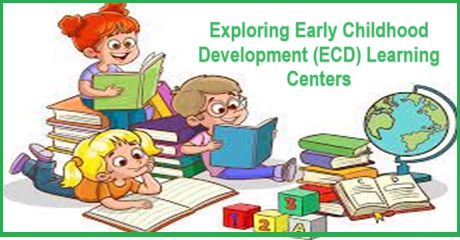
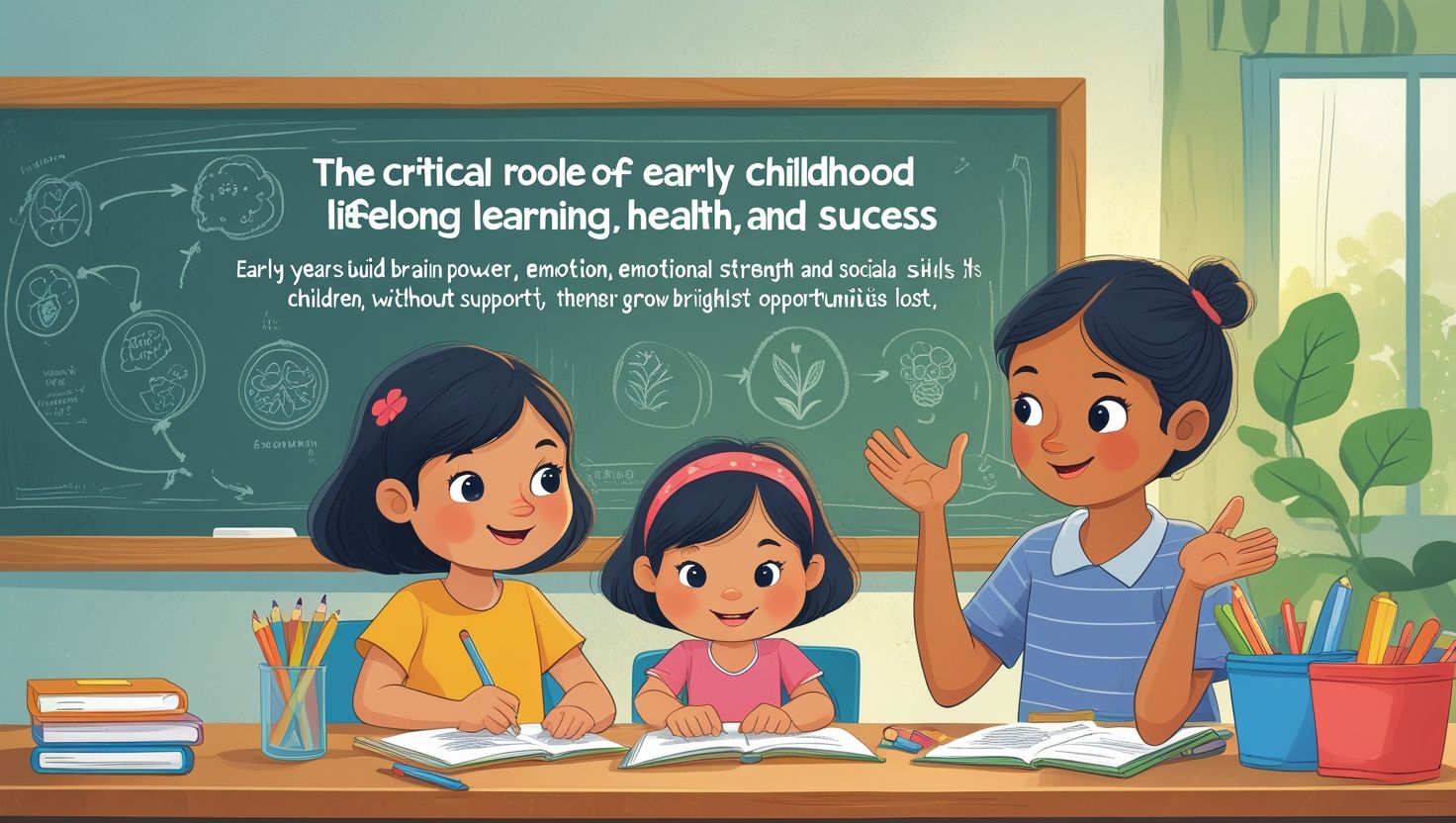
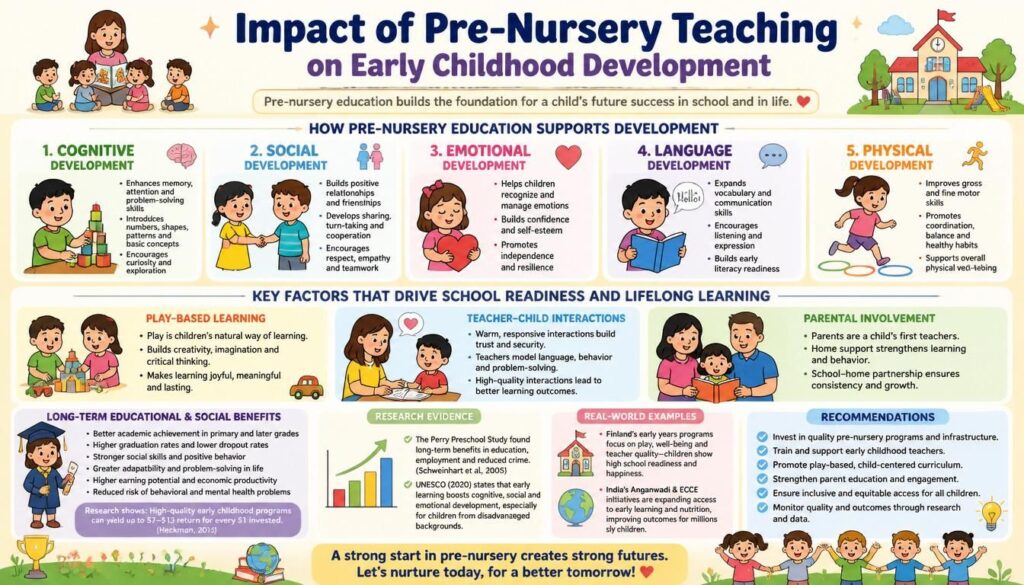
Impact of Pre-Nursery Teaching on Early Childhood Development, Early childhood is widely recognized as the most crucial stage of human development. During the first five years of life, a child’s brain develops more rapidly than at any other period, laying the foundation for future learning, behavior, health, and overall well-being. Among the various stages of early childhood education, pre-nursery teaching has emerged as a significant educational intervention that prepares young children for formal schooling and lifelong learning.
Pre-nursery education refers to the structured learning experiences provided to children typically between the ages of two and four years. It focuses on nurturing cognitive, social, emotional, physical, and language development through age-appropriate activities, play-based learning, and positive interactions. In today’s rapidly changing world, pre-nursery teaching is increasingly viewed as an essential component of quality education systems.
This article explores the impact of pre-nursery teaching on children’s overall development, academic readiness, social skills, emotional growth, and future educational success.
Understanding Pre-Nursery Education
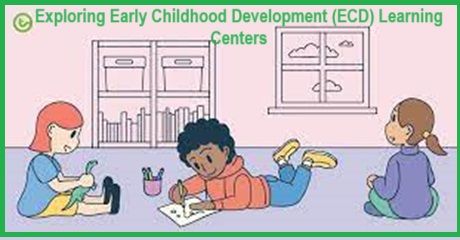
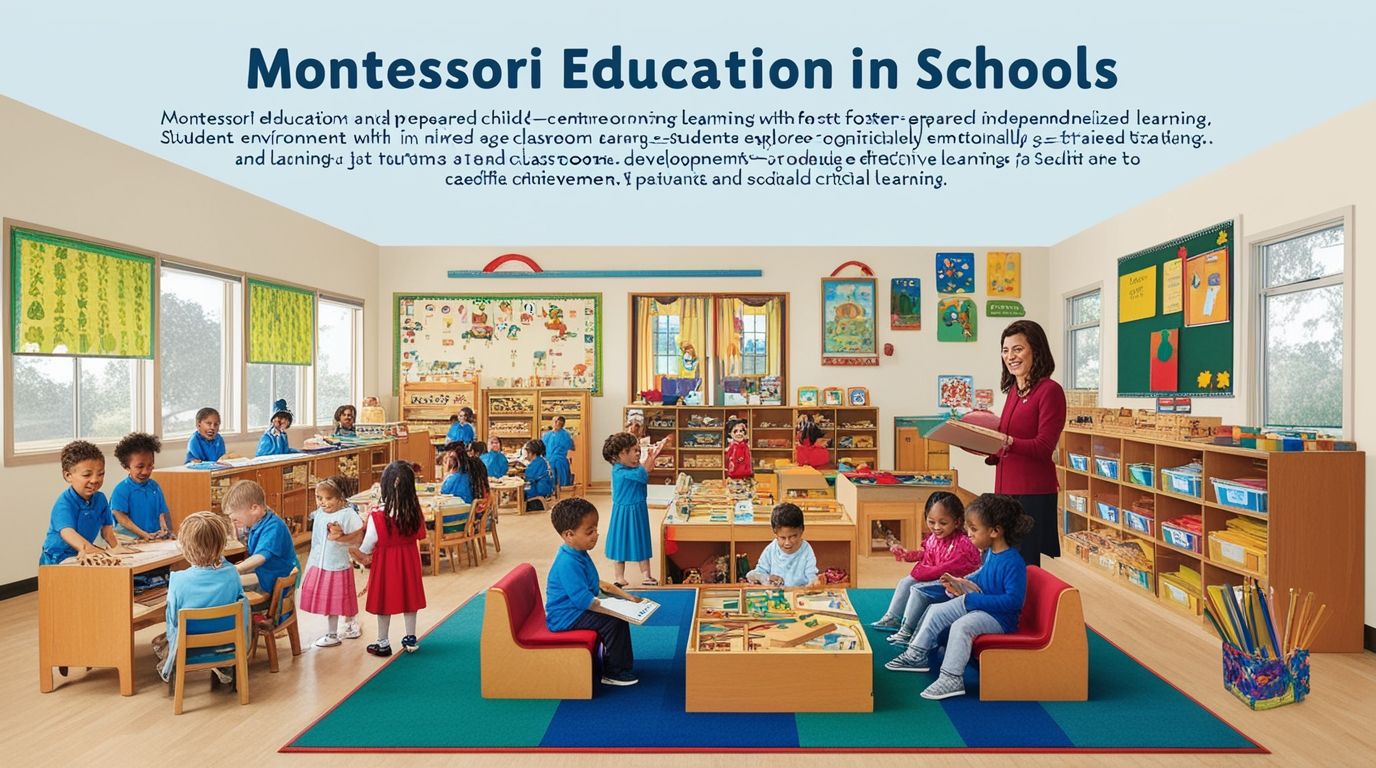
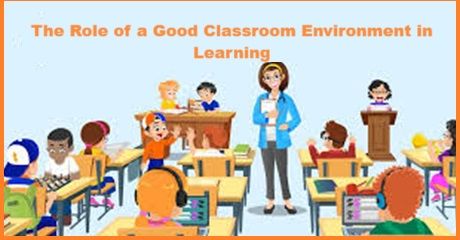
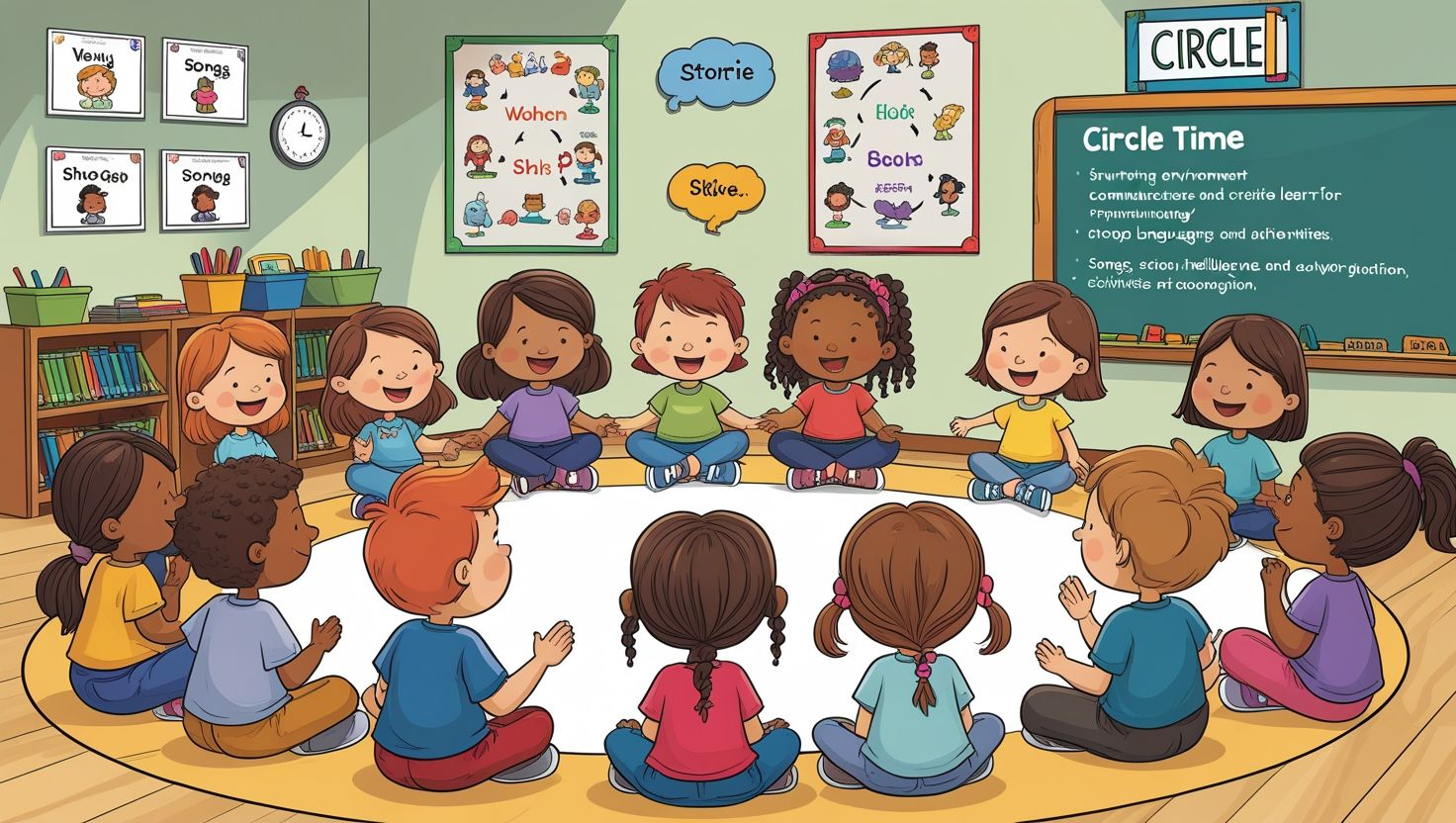
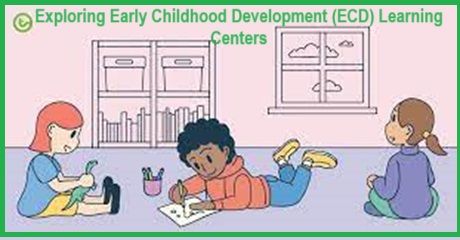
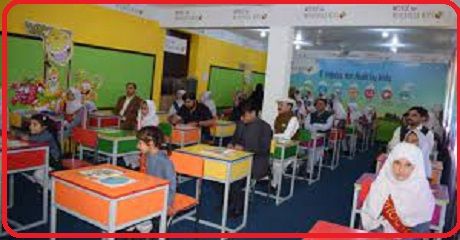
Pre-nursery education serves as the first formal learning environment for many children. Unlike traditional classroom settings that emphasize academic instruction, pre-nursery programs prioritize holistic development through exploration, creativity, play, and interaction.
The primary objectives of pre-nursery teaching include:
- Developing communication and language skills.
- Encouraging social interaction and cooperation.
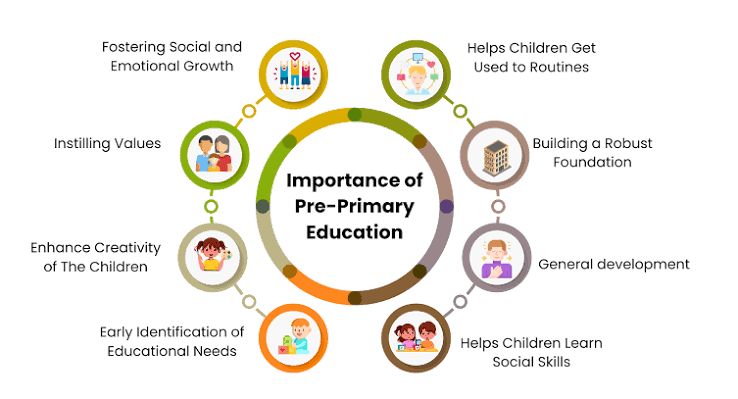
- Building self-confidence and independence.
- Enhancing motor skills and physical coordination.
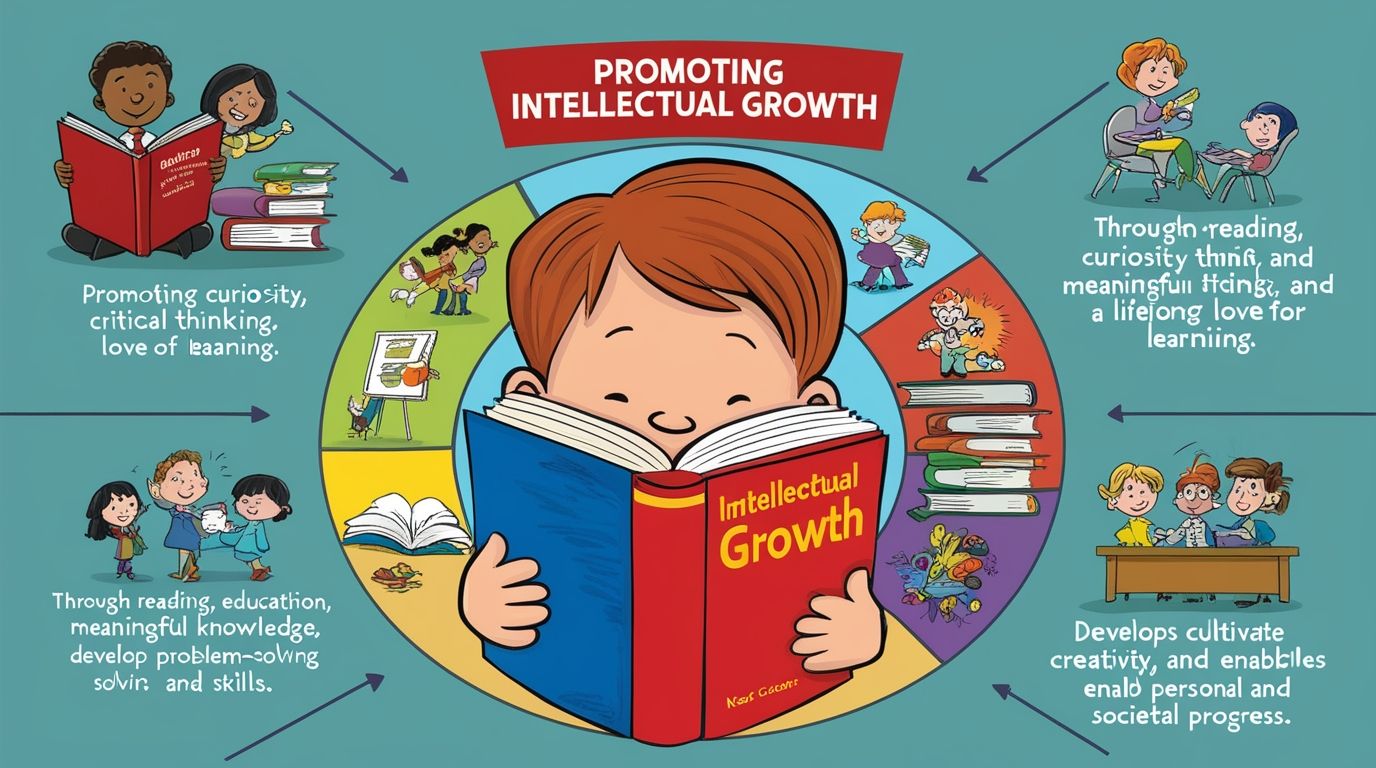
- Promoting curiosity and creativity.
- Establishing positive learning habits.
Through carefully designed activities, children learn foundational concepts while enjoying a nurturing and supportive environment.
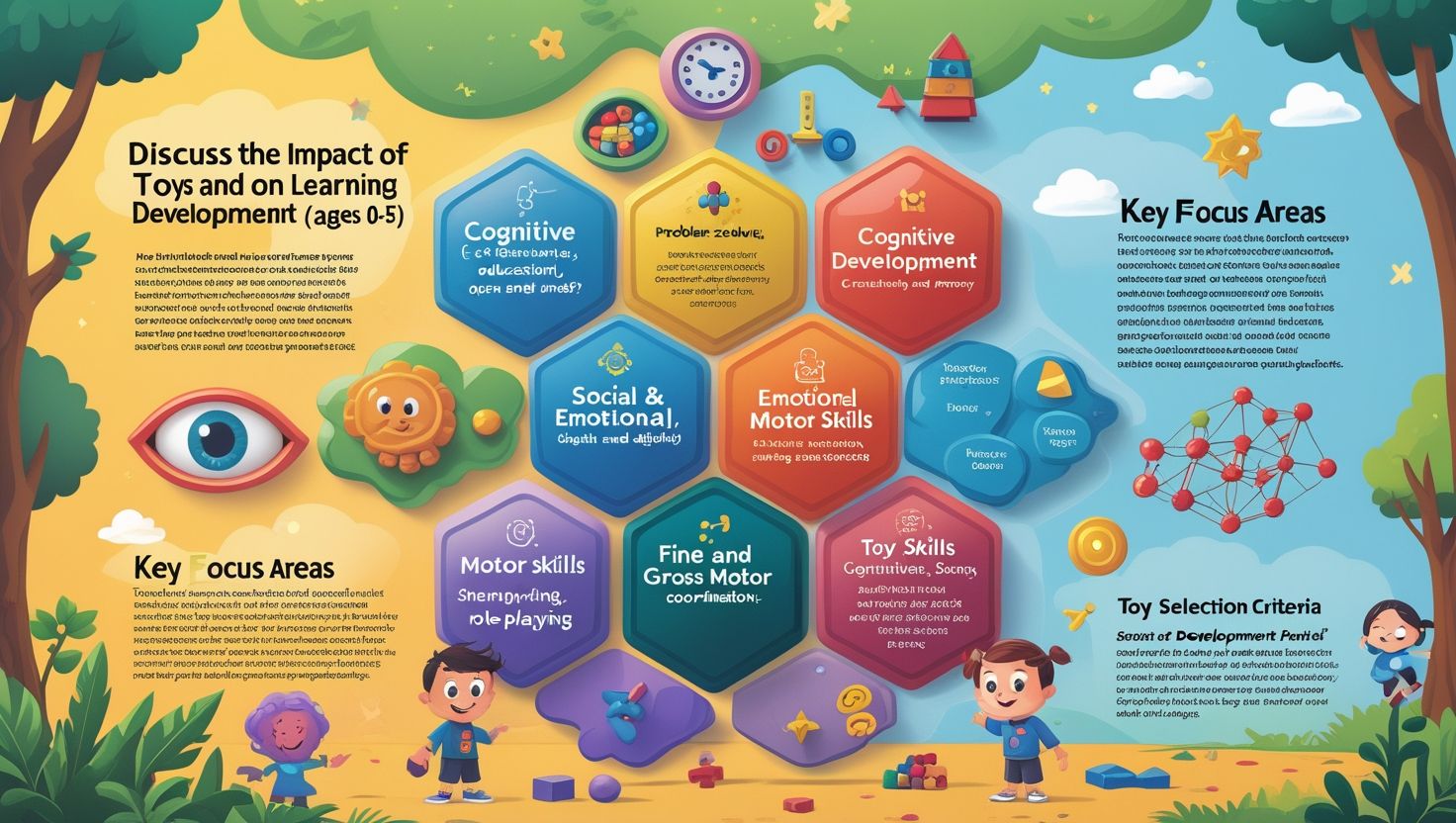
Cognitive Development and Learning Readiness
One of the most significant impacts of pre-nursery teaching is its contribution to cognitive development. During early childhood, neural connections in the brain are formed at an extraordinary rate. Quality educational experiences stimulate these connections and strengthen children’s intellectual capabilities.
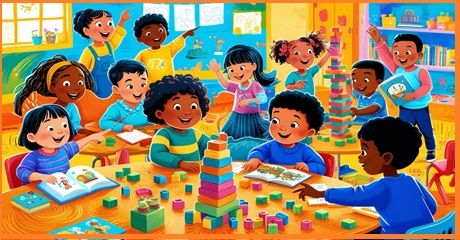
Pre-nursery classrooms expose children to:
- Colors, shapes, and patterns.
- Numbers and counting activities.
- Problem-solving exercises.
- Memory games.
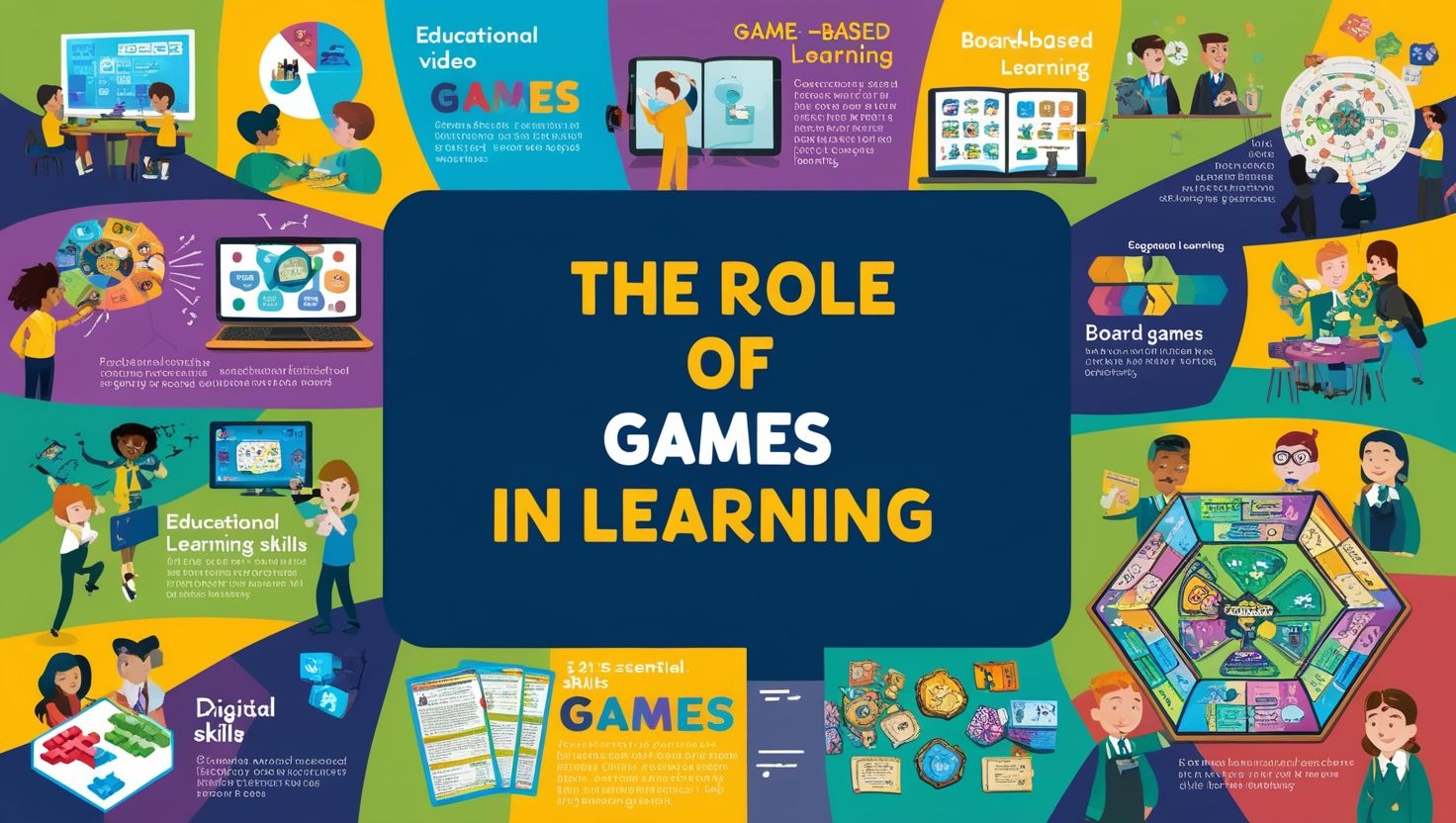
- Storytelling and imaginative play.
These activities enhance children’s ability to think, reason, observe, and make connections. Research consistently demonstrates that children who attend quality early childhood programs perform better academically in later years compared to those without such experiences.
Furthermore, pre-nursery education develops learning readiness by helping children understand routines, follow instructions, and engage in structured activities. Such readiness makes the transition to kindergarten and primary school smoother and more successful.
Language and Communication Development
Language development is one of the most critical outcomes of pre-nursery teaching. Young children acquire language rapidly through interaction with teachers, peers, stories, songs, and classroom activities.
Effective pre-nursery programs provide rich language environments where children are encouraged to:
- Express their thoughts and feelings.
- Ask questions.
- Listen attentively.
- Participate in conversations.
- Learn new vocabulary.
Storytelling sessions, rhymes, songs, picture books, and role-playing activities significantly enhance communication skills. Children develop both receptive language (understanding) and expressive language (speaking), which are essential for future academic success.
Strong language skills also improve literacy development. Children who enter primary school with a broad vocabulary and effective communication abilities are more likely to become successful readers and writers.
Social Development and Interpersonal Skills
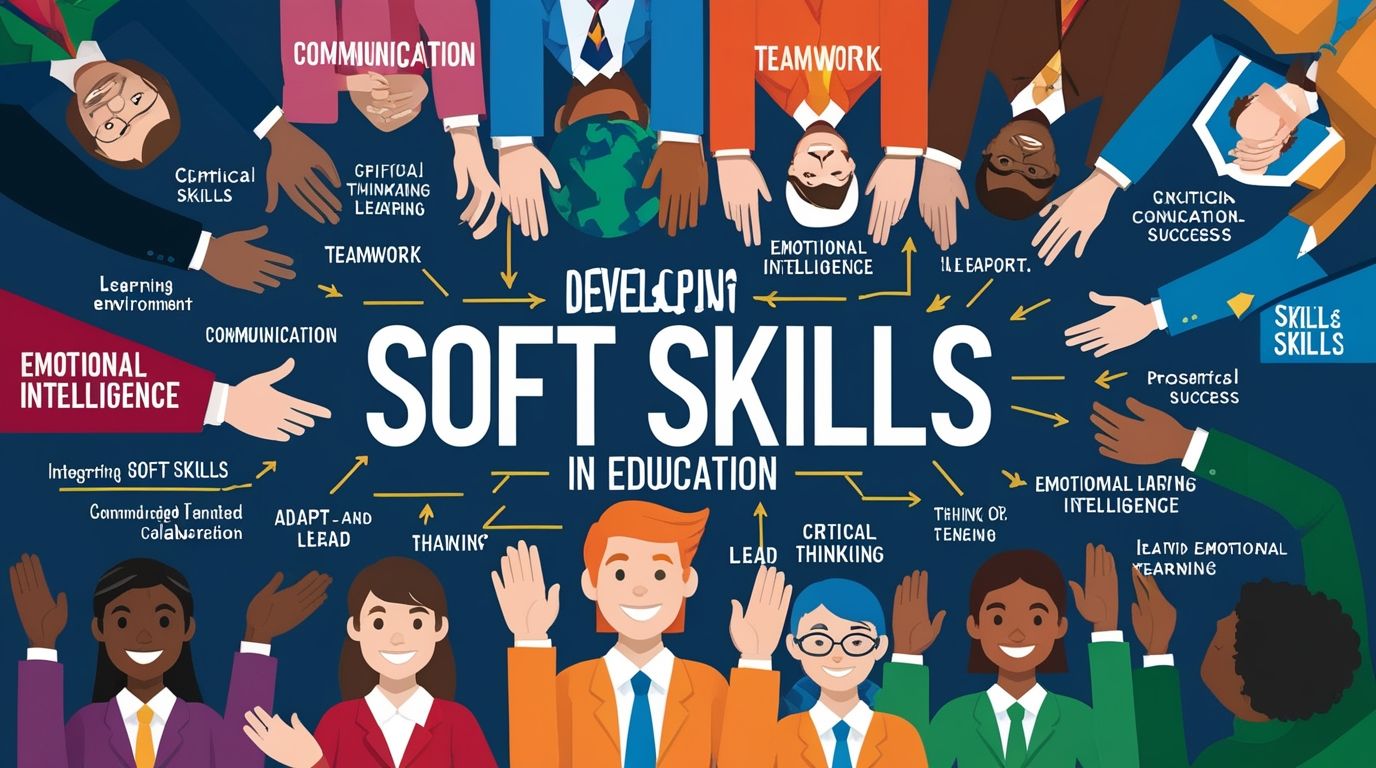
Pre-nursery teaching provides children with their first opportunity to interact regularly with peers outside their family environment. This exposure plays a vital role in social development.
In pre-nursery settings, children learn:
- Sharing and cooperation.
- Respect for others.
- Teamwork.
- Conflict resolution.
- Empathy and kindness.
- Turn-taking and patience.
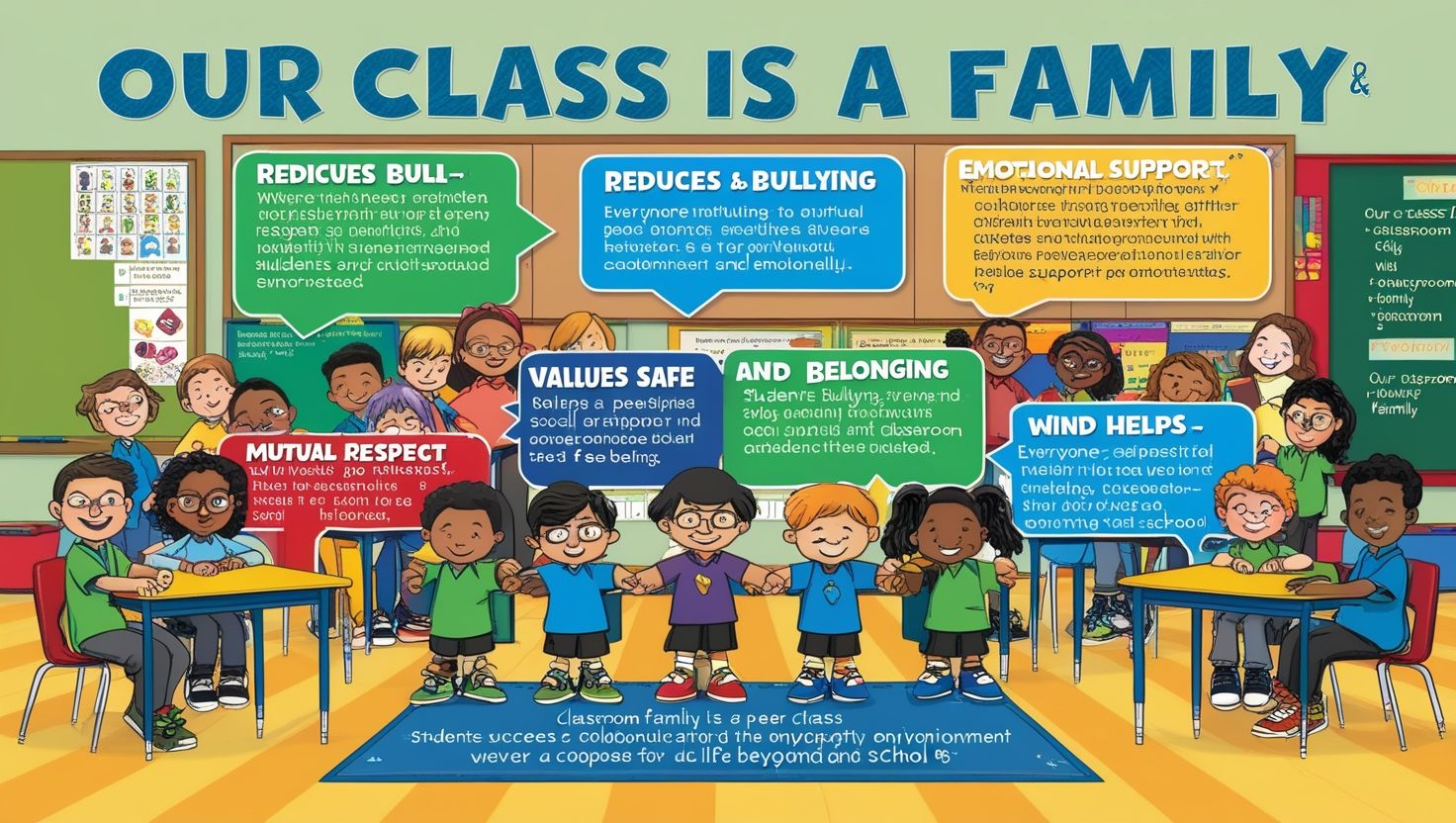
Group activities, collaborative games, and classroom routines help children understand social norms and expectations. They learn to work together, appreciate diversity, and develop meaningful relationships.
These social competencies are essential not only for academic success but also for personal and professional success later in life. Individuals with strong interpersonal skills often demonstrate better leadership abilities, emotional intelligence, and workplace effectiveness.
Emotional Development and Self-Confidence
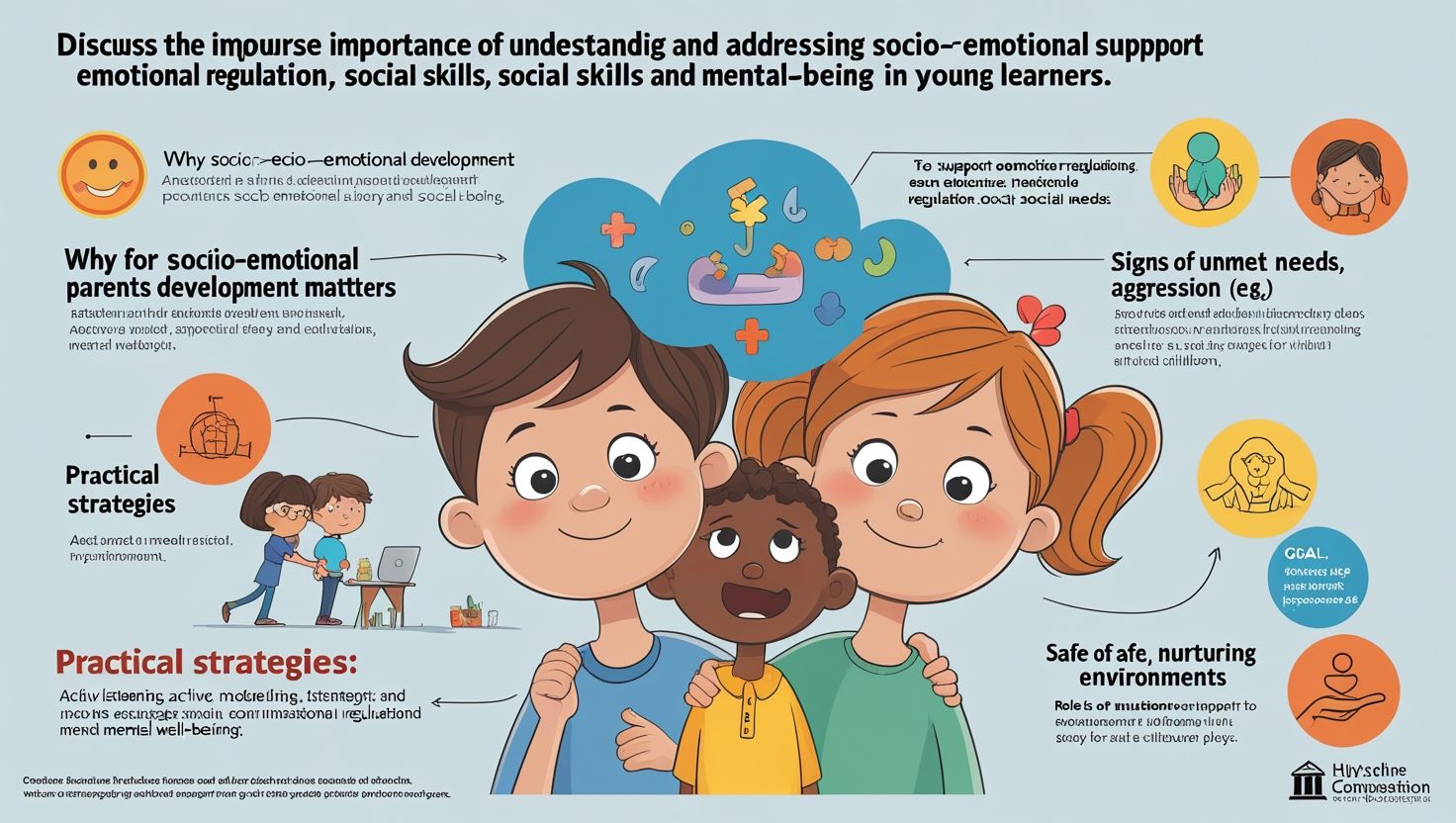
Pre-nursery education significantly influences children’s emotional growth. A supportive and caring classroom environment helps children develop a positive sense of self and emotional security.
Teachers play a crucial role in helping children:
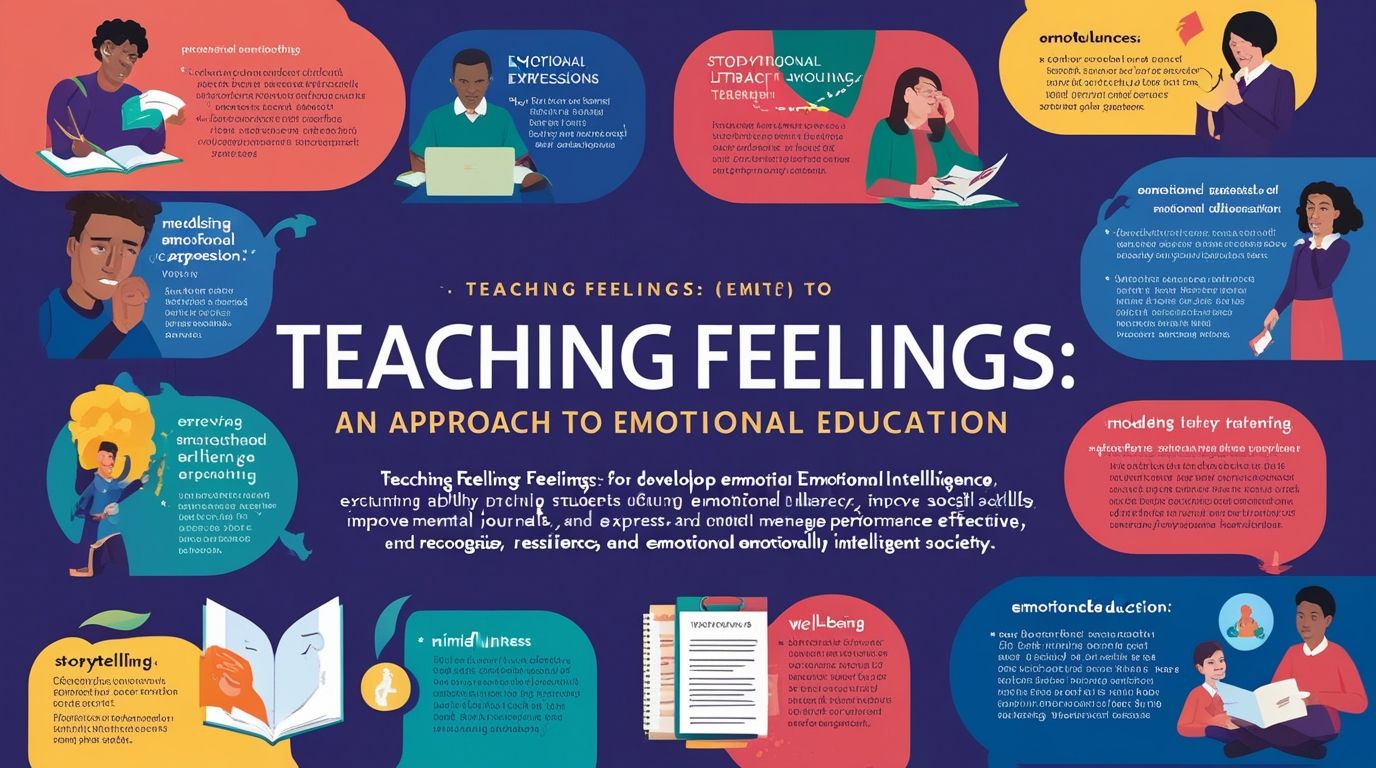
- Recognize emotions.
- Express feelings appropriately.
- Manage frustration and anxiety.
- Develop resilience.
- Build self-esteem.
When children successfully complete tasks, receive encouragement, and experience positive interactions, they develop confidence in their abilities. This confidence motivates them to explore, learn, and take on new challenges. Emotionally secure children tend to demonstrate greater independence, better concentration, and stronger motivation to learn. They are also more capable of coping with future academic and social challenges.
Physical Development and Motor Skills
Physical development is another important area influenced by pre-nursery teaching. Young children require opportunities to strengthen both gross motor and fine motor skills. Gross motor activities include:
- Running.
- Jumping.
- Climbing.
- Dancing.
- Balancing.
Fine motor activities involve:
- Drawing.
- Coloring.
- Cutting.
- Building blocks.
- Manipulating small objects.
These activities improve coordination, balance, strength, and dexterity. Fine motor skills are particularly important because they prepare children for writing and other classroom tasks. Regular physical activity also contributes to healthy growth, reduces stress, and promotes overall well-being.
Development of Creativity and Imagination
Creativity is a fundamental aspect of early childhood learning. Pre-nursery classrooms encourage imaginative thinking through activities such as:
- Art and crafts.
- Music and movement.
- Pretend play.
- Story creation.
- Building and construction games.
Creative experiences allow children to express themselves freely and develop original ideas. Such opportunities foster innovation, flexibility, and problem-solving abilities. In the modern world, creativity is increasingly recognized as a critical skill. Future workplaces require individuals who can think creatively, adapt to change, and generate innovative solutions. Pre-nursery education helps lay the foundation for these essential competencies.
Building Positive Learning Habits
Pre-nursery teaching introduces children to habits and behaviors that support lifelong learning. Through daily routines and guided activities, children learn:
- Responsibility.
- Independence.
- Organization.
- Concentration.
- Persistence.
- Time management.
Children begin to understand the importance of listening, following directions, completing tasks, and respecting classroom rules. These early habits significantly influence future academic achievement. Students who develop positive learning behaviors during early childhood often demonstrate greater success throughout their educational journey.
Impact on Academic Achievement
Numerous studies have shown a strong relationship between quality early childhood education and later academic performance. Children who attend pre-nursery programs often enter primary school with stronger foundational skills.
Benefits include:
- Improved literacy development.
- Better numeracy skills.
- Enhanced vocabulary.
- Stronger problem-solving abilities.
- Greater classroom participation.
Research indicates that early educational interventions can reduce achievement gaps and increase the likelihood of long-term educational success. Children who receive quality pre-nursery education are also more likely to complete secondary education and pursue higher education opportunities.
Role of Teachers in Pre-Nursery Education
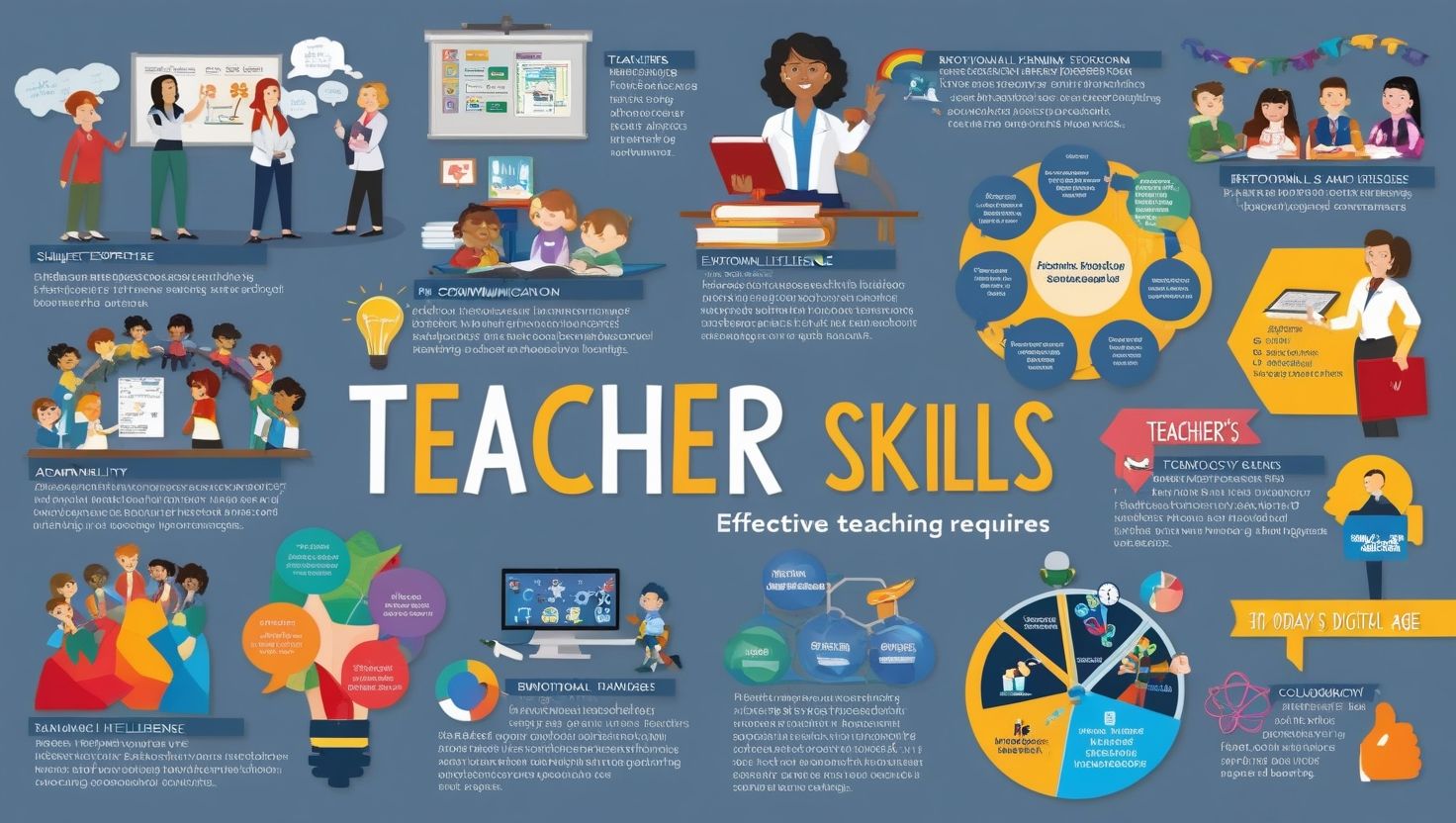
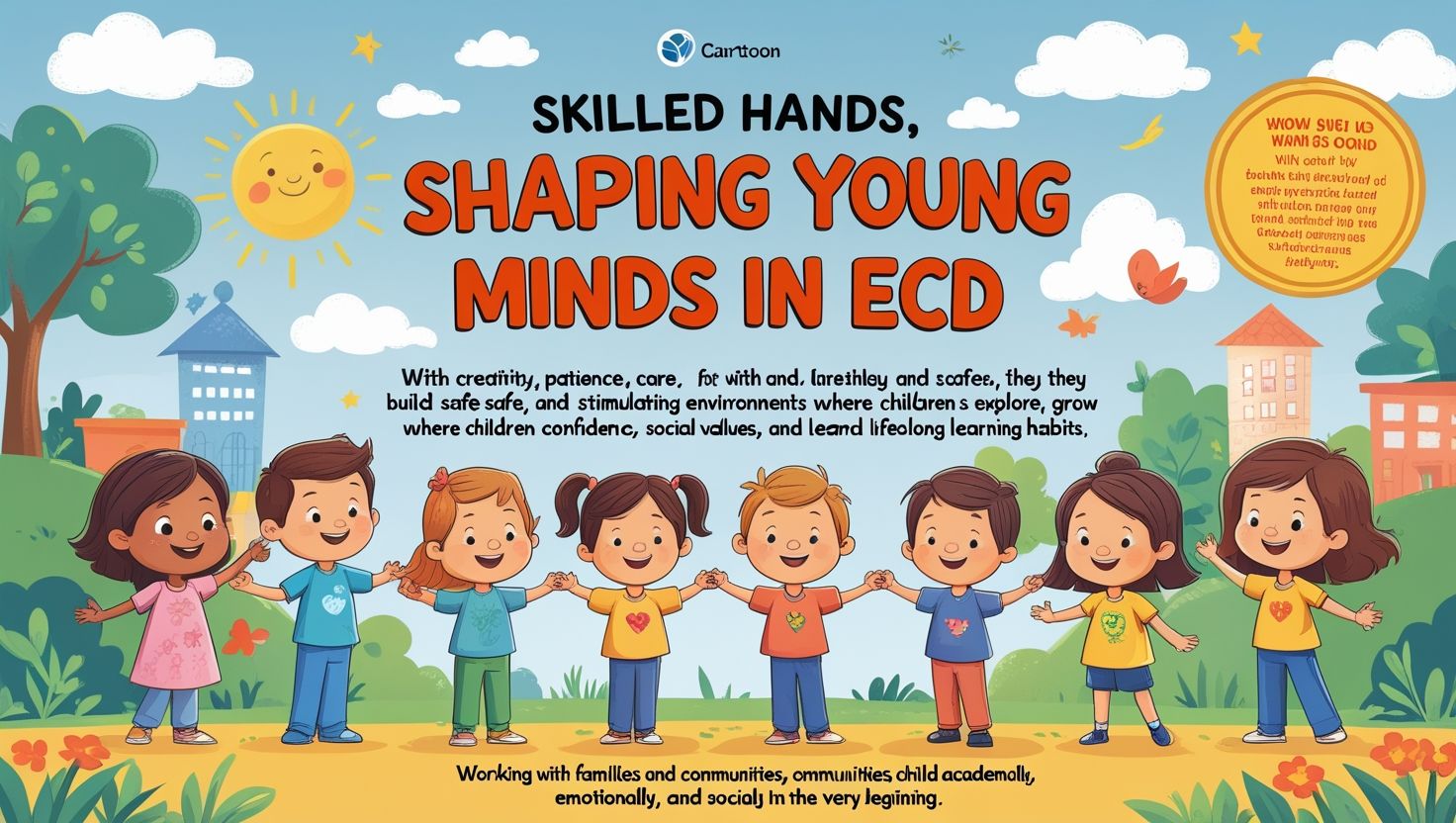
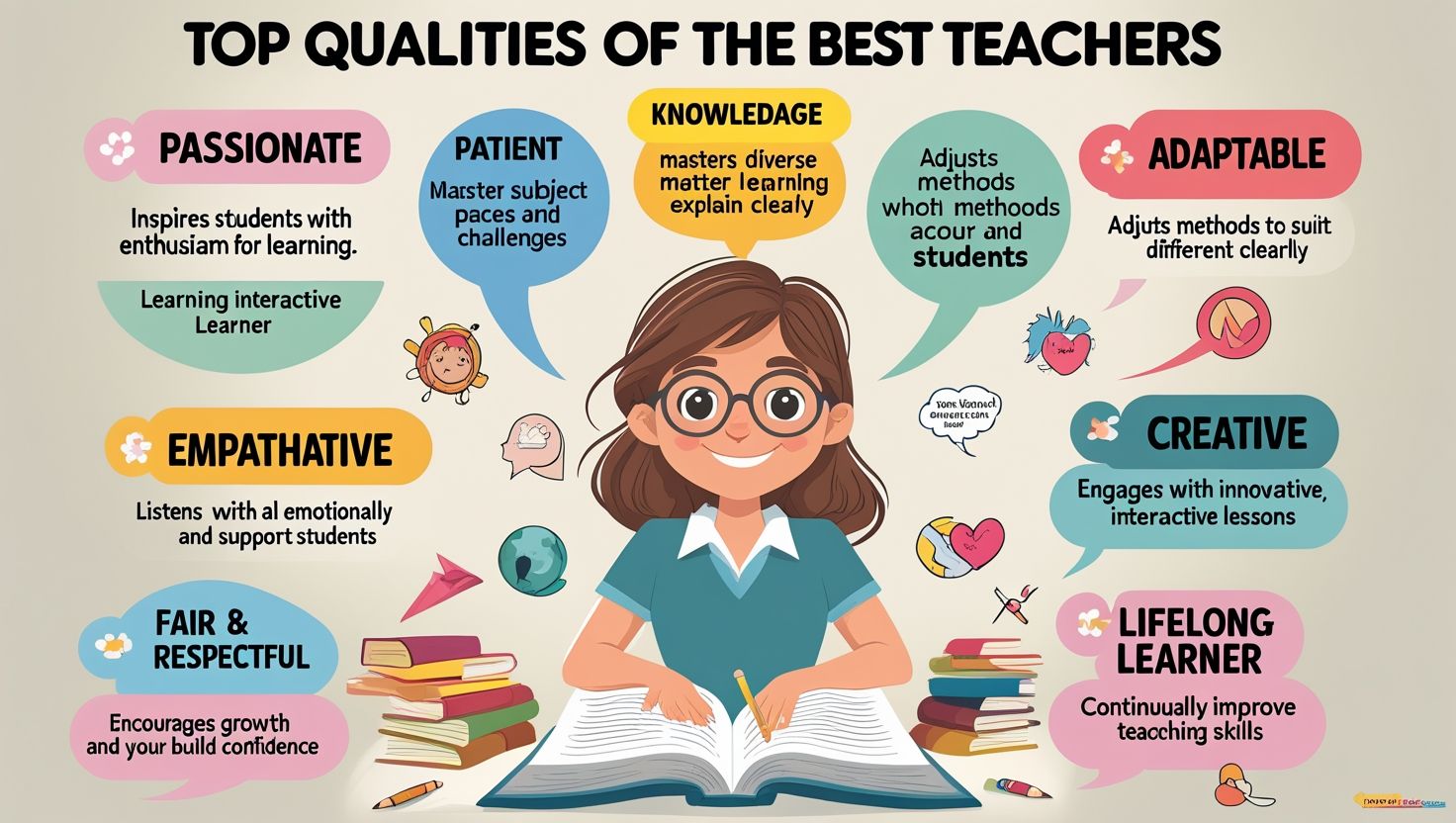
The effectiveness of pre-nursery teaching largely depends on the competence and dedication of teachers. Early childhood educators serve as facilitators, mentors, caregivers, and role models.
Effective pre-nursery teachers:
- Create safe and stimulating environments.
- Encourage exploration and curiosity.
- Observe developmental progress.
- Adapt learning activities to children’s needs.
- Foster positive relationships.
- Collaborate with families.
Professional training in child development and early childhood pedagogy enables teachers to provide developmentally appropriate learning experiences that maximize children’s potential. The quality of teacher-child interactions is one of the strongest predictors of positive developmental outcomes in early childhood education.
Role of Parents and Family Involvement
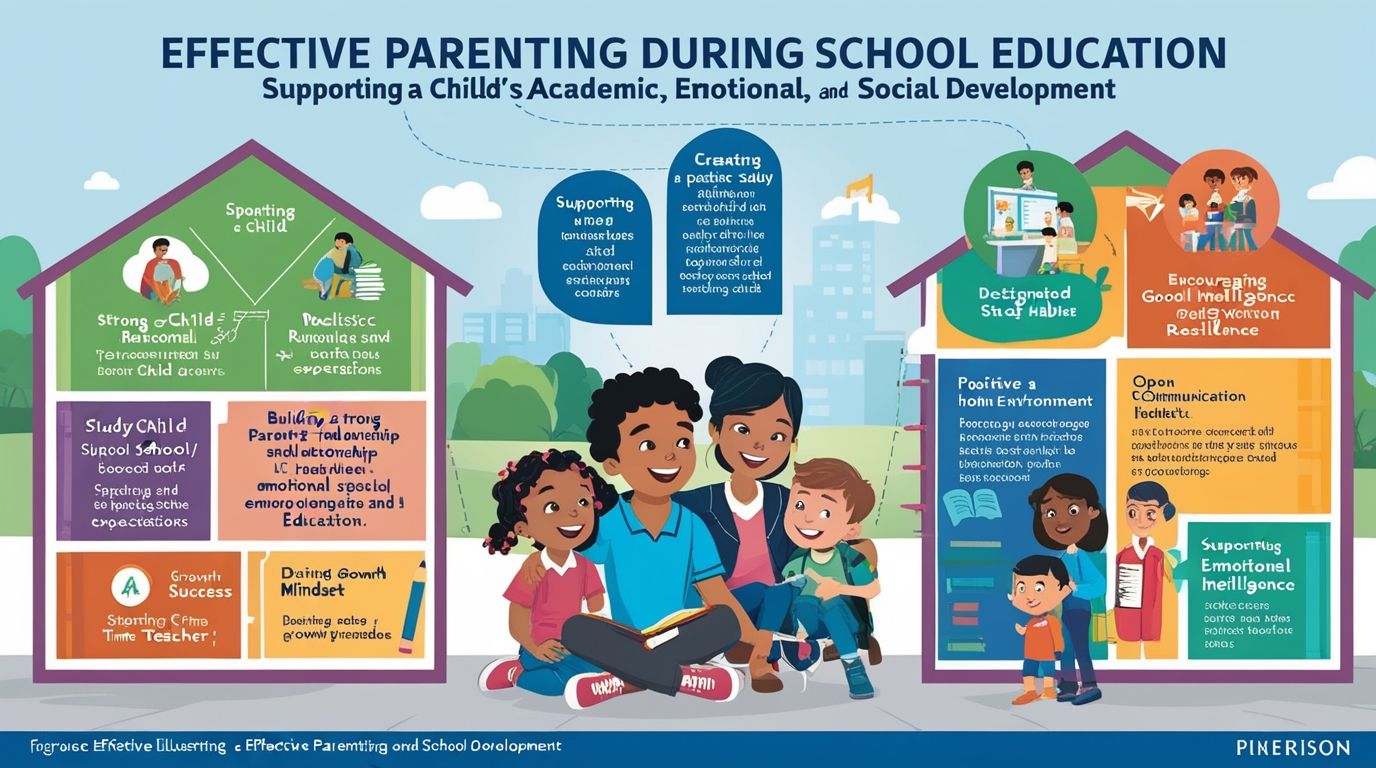
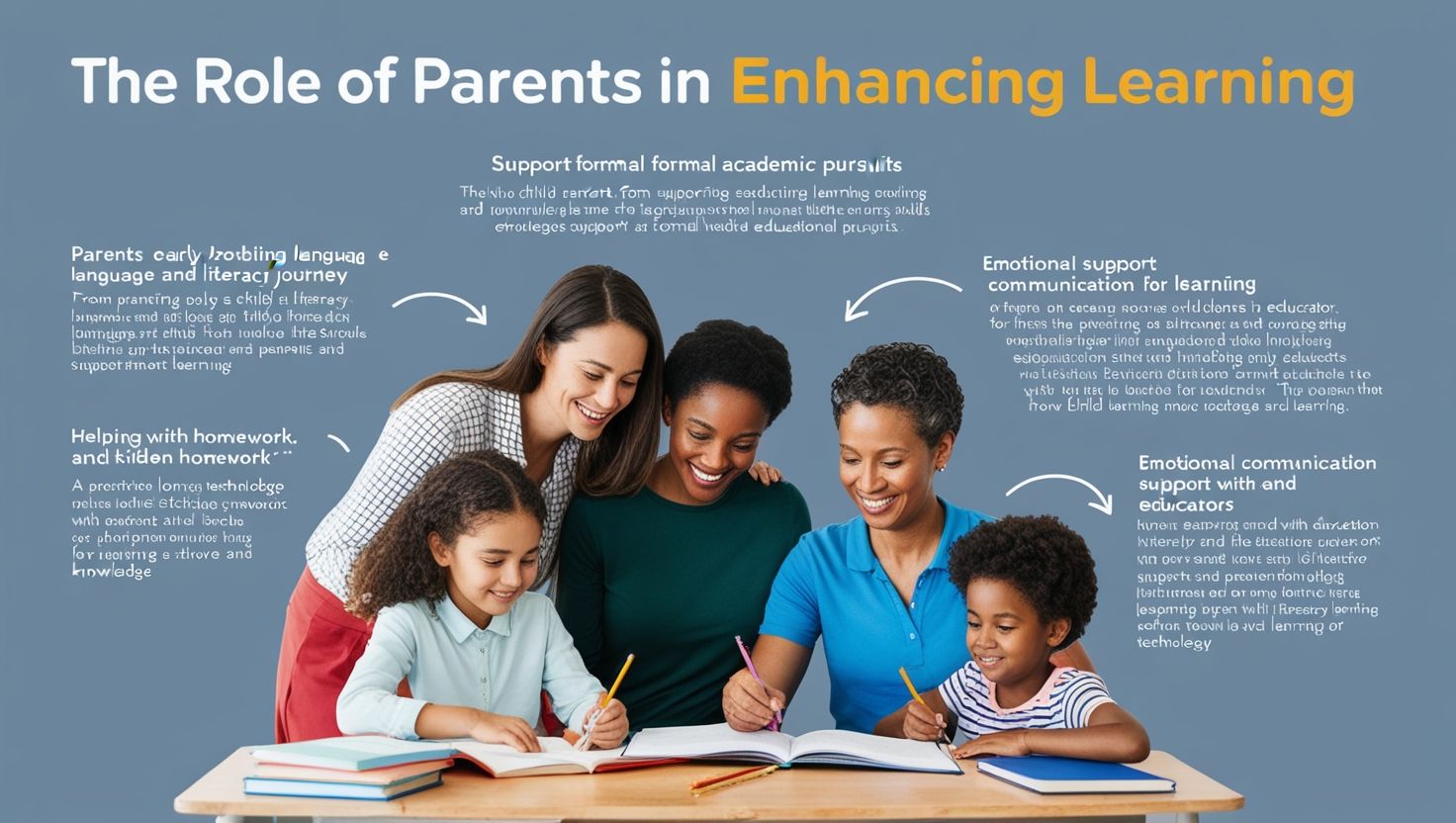
Parental involvement enhances the effectiveness of pre-nursery teaching. When parents actively participate in their children’s learning experiences, developmental outcomes improve significantly.
Families can support learning by:
- Reading stories at home.
- Engaging in conversations.
- Encouraging play-based learning.
- Maintaining consistent routines.
- Collaborating with teachers.
Strong partnerships between schools and families create continuity between home and educational environments. Such collaboration supports children’s emotional security and learning progress. Research consistently highlights family engagement as a critical factor in early childhood success.
Long-Term Benefits of Pre-Nursery Education
The impact of pre-nursery teaching extends far beyond the early years. Longitudinal studies have identified numerous long-term benefits, including:
Educational Benefits
- Higher academic achievement.
- Improved school attendance.
- Reduced grade repetition.
- Increased graduation rates.
Social Benefits
- Better interpersonal relationships.
- Improved communication skills.
- Enhanced social responsibility.
Economic Benefits
- Increased employability.
- Higher earning potential.
- Greater workforce productivity.
Personal Benefits
- Stronger self-confidence.
- Better decision-making abilities.
- Improved emotional well-being.
These long-term outcomes demonstrate that investments in early childhood education generate substantial returns for individuals, families, and societies.
Challenges in Pre-Nursery Education
Despite its importance, pre-nursery education faces several challenges:
Limited Access
Many children, particularly in rural and underserved communities, lack access to quality pre-nursery programs.
Teacher Shortages
A shortage of qualified early childhood educators can affect program quality.
Inadequate Resources
Some institutions face limitations in learning materials, facilities, and educational resources.
Socioeconomic Inequalities
Children from disadvantaged backgrounds may encounter barriers to participation and learning opportunities.
Lack of Awareness
Some parents underestimate the significance of early childhood education and delay enrollment. Addressing these challenges requires coordinated efforts from governments, educational institutions, communities, and families.
Recommendations for Improving Pre-Nursery Education
To maximize the impact of pre-nursery teaching, several strategies should be implemented:
- Increase investment in early childhood education.
- Provide professional development opportunities for teachers.
- Ensure child-centered and play-based learning approaches.
- Strengthen family engagement programs.
- Improve access for marginalized and disadvantaged populations.
- Establish quality standards and monitoring systems.
- Integrate health, nutrition, and education services.
- Promote awareness of the importance of early childhood education.
These measures can help ensure that all children receive high-quality learning experiences during their formative years.
Conclusion
Pre-nursery teaching plays a transformative role in shaping children’s cognitive, social, emotional, physical, and academic development. As the foundation of lifelong learning, it provides young children with the skills, confidence, and experiences necessary for future success. Quality pre-nursery education promotes school readiness, strengthens communication abilities, nurtures creativity, develops social competence, and establishes positive learning habits. Its benefits extend beyond individual achievement, contributing to stronger communities and more prosperous societies.
As educational systems worldwide strive to prepare children for an increasingly complex future, investment in pre-nursery teaching remains one of the most effective and impactful strategies. By ensuring access to high-quality early childhood education, societies can unlock the full potential of every child and build a stronger foundation for future generations.