Introduction
Teachers’ Motivation for Learning and Teaching: An Academic Perspective, Teacher motivation stands as one of the most decisive factors shaping the quality of education systems worldwide. Indeed, when educators are genuinely motivated, the ripple effects extend far beyond the classroom walls, influencing student achievement, institutional culture, and the broader trajectory of national development. Consequently, understanding what drives teachers’ motivation for learning and teaching has become an urgent priority for researchers, policymakers, and school administrators alike. Furthermore, as global education systems grapple with teacher shortages, burnout, and attrition, the question of motivation is no longer a peripheral concern but rather a central pillar of educational reform.
This article explores the multifaceted nature of teacher motivation, examining its theoretical underpinnings, the internal and external factors that shape it, and the practical strategies that can sustain it over time. It aims to provide educators, administrators, and researchers with a comprehensive understanding of why motivation matters and how it can be nurtured.
Understanding Teacher Motivation
To begin with, teacher motivation can be defined as the psychological process that energizes, directs, and sustains a teacher’s professional behavior toward achieving educational goals. Unlike a fixed trait, motivation is dynamic; it fluctuates in response to classroom experiences, institutional support, and personal circumstances. Therefore, motivation should not viewed as a static quality that a teacher either possesses or lacks. But rather as an evolving state influenced by continuous interactions between the individual and their environment.
Moreover, motivation in teaching operates on two interconnected levels. First, there is the motivation to teach, which concerns the drive to enter and remain in the profession, to plan lessons effectively, and to engage students meaningfully. Second, there is the motivation to learn, which pertains to a teacher’s ongoing commitment to professional growth, skill development, and lifelong learning. Both dimensions are essential, since a teacher who motivated to teach but unmotivated to learn may become stagnant, while one who loves learning but lacks the drive to teach may struggle to translate knowledge into effective classroom practice.
Theoretical Frameworks Explaining Motivation
Several theoretical frameworks help explain the mechanisms behind teacher motivation. Notably, Abraham Maslow’s hierarchy of needs suggests that teachers, like all individuals, must have their basic needs—such as job security and fair compensation—met before they can pursue higher-order goals like self-actualization through meaningful teaching. Similarly, Herzberg’s two-factor theory distinguishes between hygiene factors (salary, working conditions) that prevent dissatisfaction, and motivators (recognition, achievement, responsibility) that actively drive engagement and enthusiasm.
In addition, Self-Determination Theory (SDT), developed by Deci and Ryan, has become particularly influential in educational research. According to this framework, motivation flourishes when three fundamental psychological needs are satisfied: autonomy, competence, and relatedness. Specifically, teachers who feel they have control over their teaching methods (autonomy), who believe they are effective in their roles (competence), and who experience supportive relationships with colleagues and students (relatedness) tend to exhibit significantly higher levels of intrinsic motivation. As a result, SDT has become a cornerstone for designing interventions aimed at improving teacher engagement and retention.
Additionally, Expectancy-Value Theory offers another lens, proposing that motivation depends on a teacher’s expectation of success and the perceived value of the teaching task. In other words, when teachers believe their efforts will lead to positive outcomes and that those outcomes genuinely matter, their motivation increases accordingly.

Intrinsic Versus Extrinsic Motivation
A critical distinction in understanding teacher motivation lies between intrinsic and extrinsic sources. On one hand, intrinsic motivation arises from internal satisfaction—the joy of seeing a student grasp a difficult concept, the fulfillment of shaping young minds, or the personal passion for a subject matter. This form of motivation tends to be more durable and resilient, since it is not contingent upon external rewards or recognition.
On the other hand, extrinsic motivation stems from external factors such as salary increases, promotions, professional recognition, or fear of negative evaluation. While extrinsic incentives can certainly boost short-term performance, research consistently shows that they are less sustainable over time, particularly when unaccompanied by intrinsic satisfaction. Nevertheless, it would be a mistake to dismiss extrinsic motivators entirely; rather, the most effective educational systems tend to strike a balance, using extrinsic rewards to complement—rather than replace—intrinsic drivers.
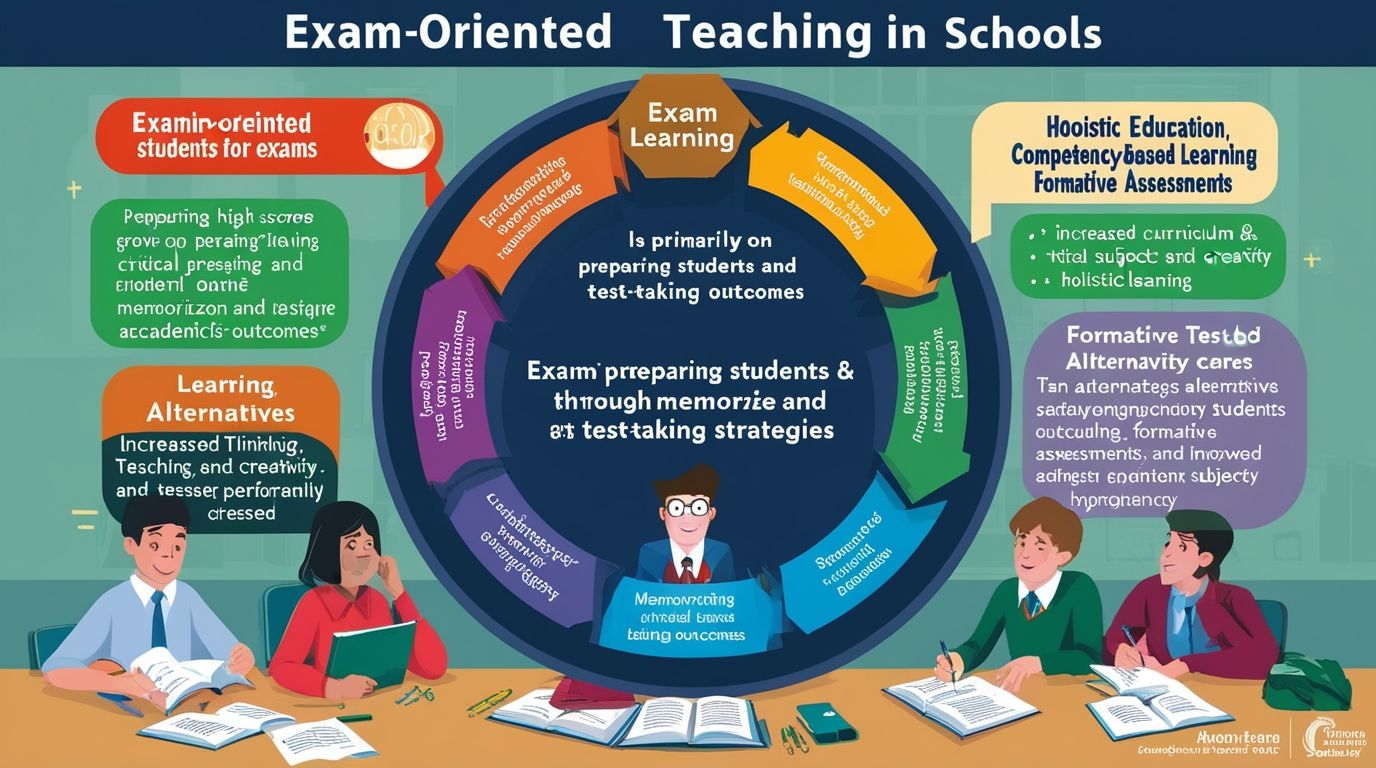
Interestingly, when extrinsic pressures dominate, such as rigid standardized testing requirements or excessive administrative surveillance, teachers may experience what psychologists call motivational crowding-out, wherein external control undermines internal enthusiasm. Thus, policymakers must be cautious when designing accountability systems, ensuring they do not inadvertently erode the intrinsic passion that drew educators to the profession in the first place.
Factors Influencing Teacher Motivation
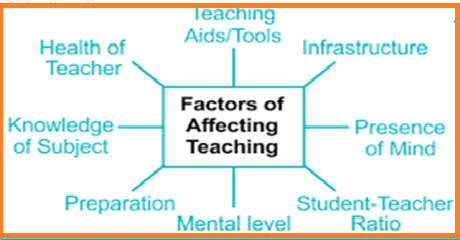
Numerous factors converge to shape teacher motivation, and these can broadly be categorized into personal, institutional, and societal dimensions.
Personal factors include a teacher’s self-efficacy, or belief in their own capability to achieve desired outcomes. Indeed, teachers with high self-efficacy tend to set more ambitious goals, persist longer through challenges, and recover more quickly from setbacks. Additionally, personal values, career aspirations, and emotional resilience all play a role in determining how motivated a teacher remains over the course of their career.
Institutional factors, meanwhile, encompass school leadership quality, availability of resources, class sizes, administrative support, and opportunities for professional development. For instance, a supportive principal who provides constructive feedback and recognizes achievements can significantly enhance a teacher’s motivation. Conversely, excessive bureaucracy, lack of resources, or unsupportive leadership can quickly erode enthusiasm, regardless of how passionate a teacher initially was.
Societal factors also cannot be overlooked. In many contexts, the social status and prestige associated with teaching influence how motivated individuals are to enter and remain in the profession. Furthermore, cultural attitudes toward education, government policies regarding teacher salaries, and public perception of teachers as valued professionals all contribute to the broader motivational climate.
The Role of Professional Development
Continuous professional development (PD) serves as a crucial bridge between motivation to teach and motivation to learn. Specifically, when teachers are given meaningful opportunities to acquire new pedagogical skills, explore innovative technologies, and collaborate with peers, they often report renewed enthusiasm for their work. Moreover, effective PD programs that are relevant, practical, and aligned with teachers’ actual classroom needs tend to yield the greatest motivational benefits, as opposed to generic, one-size-fits-all training sessions.
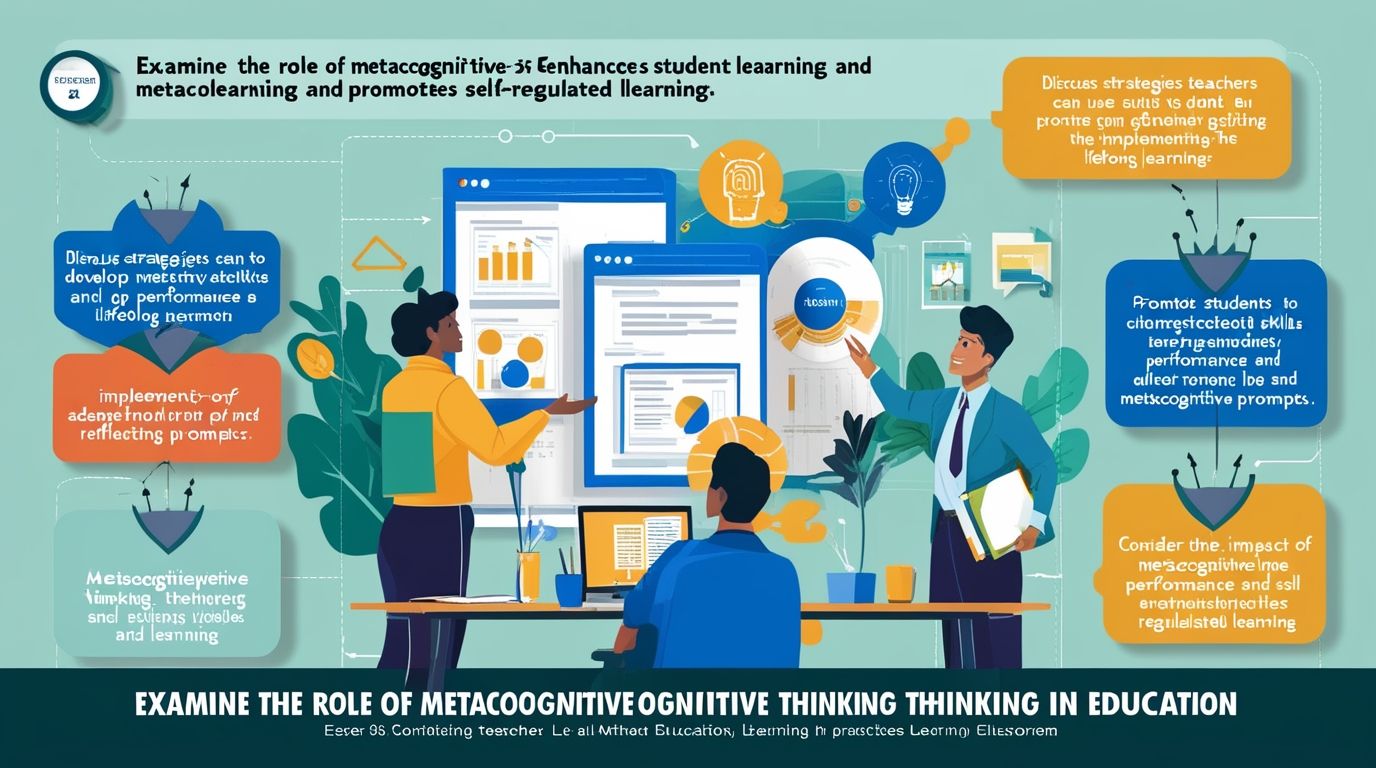
Furthermore, mentorship programs and collaborative learning communities have proven particularly effective in sustaining motivation. When teachers feel part of a supportive professional network, they are more likely to share challenges, celebrate successes, and remain committed to continuous growth. In this way, professional development is not merely a technical exercise but also a deeply motivational one, reinforcing the sense of competence and relatedness described in Self-Determination Theory.
Impact of Motivation on Teaching Quality and Student Outcomes
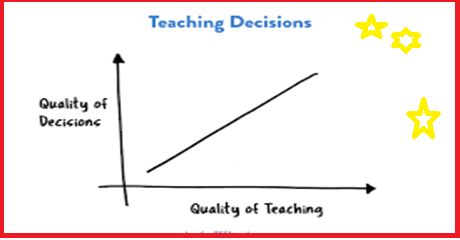
Undoubtedly, teacher motivation has a profound impact on teaching quality and, by extension, student learning outcomes. Motivated teachers tend to invest more effort in lesson planning, employ diverse and engaging instructional strategies, and demonstrate greater patience and enthusiasm in the classroom. Consequently, students taught by highly motivated teachers often exhibit higher levels of engagement, improved academic performance, and stronger socio-emotional development.
Conversely, when motivation wanes, the effects can be equally significant, albeit in a negative direction. Demotivated teachers may resort to rote instructional methods, exhibit reduced patience, and show diminished enthusiasm for student progress. Over time, this can contribute to a cycle of disengagement that affects not only individual classrooms but entire school cultures. Therefore, investing in teacher motivation is not simply a matter of workplace satisfaction; it is fundamentally an investment in the quality of education itself.
Challenges to Sustaining Teacher Motivation
Despite its clear importance, sustaining teacher motivation remains a persistent challenge. Chief among these challenges is teacher burnout, a state of emotional, physical, and mental exhaustion caused by prolonged stress. Heavy workloads, large class sizes, insufficient resources, and high-stakes accountability pressures all contribute to burnout, which in turn severely undermines motivation.
Additionally, inadequate compensation remains a significant barrier in many countries, where teaching salaries fail to reflect the complexity and importance of the profession. As a result, many talented educators either leave the profession altogether or experience diminished motivation while remaining in their roles. Furthermore, limited career advancement opportunities can leave teachers feeling stagnant, further compounding motivational challenges.
Another notable challenge involves the increasing administrative burden placed on teachers, including extensive documentation, standardized testing preparation, and compliance requirements. While accountability is important, excessive administrative demands can detract from the core teaching mission, leaving educators feeling more like bureaucrats than facilitators of learning.
Strategies to Enhance Teacher Motivation
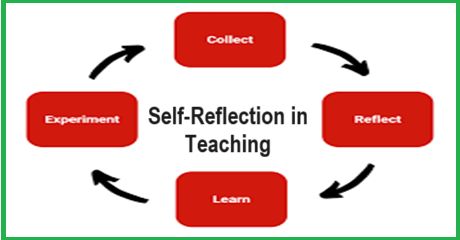
Fortunately, numerous evidence-based strategies exist to enhance and sustain teacher motivation for learning and teaching. First and foremost, fostering a culture of recognition and appreciation within schools can significantly boost morale. Simple gestures such as acknowledging achievements, celebrating milestones, and providing constructive feedback can go a long way in reinforcing motivation.
Second, granting teachers greater autonomy in curriculum design and instructional decision-making tends to enhance intrinsic motivation, as it aligns with the fundamental psychological need for self-determination. Third, investing in relevant and practical professional development ensures that teachers continue to grow and feel competent in their roles.
Fourth, strengthening collegial relationships through mentorship programs, collaborative planning time, and professional learning communities helps satisfy the need for relatedness, thereby reinforcing sustained engagement. Fifth, addressing structural issues such as fair compensation, manageable workloads, and adequate resources remains essential, since these hygiene factors form the foundation upon which higher-order motivation can be built.
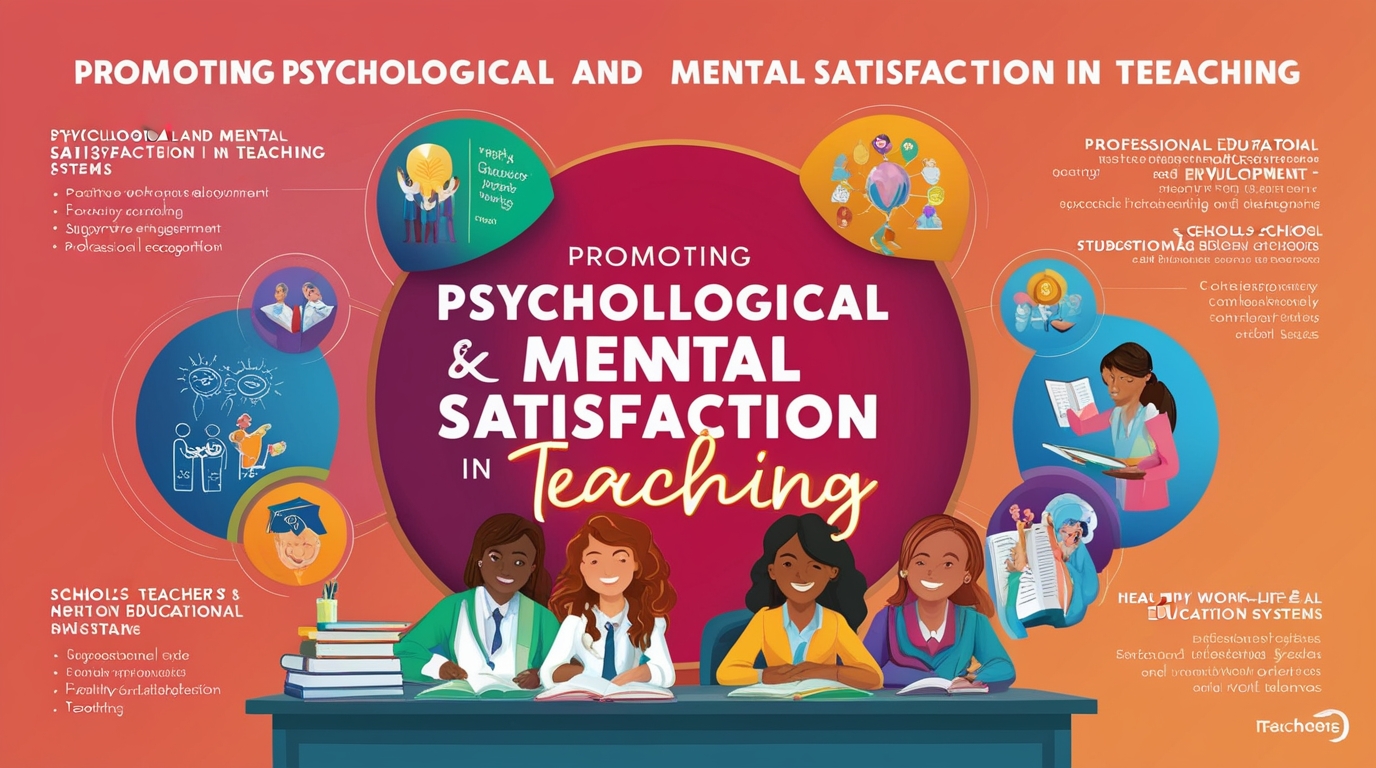
Finally, promoting teacher wellbeing through access to mental health resources, reasonable work-life balance policies, and supportive leadership practices can help prevent burnout and sustain long-term motivation. In sum, a holistic approach that addresses personal, institutional, and societal factors simultaneously is most likely to yield lasting motivational benefits.
Conclusion
In conclusion, teachers’ motivation for learning and teaching is a complex, multidimensional phenomenon shaped by intrinsic passions, extrinsic incentives, institutional support, and broader societal attitudes toward the profession. As this article has demonstrated, motivation is not a fixed trait but rather a dynamic state that requires ongoing nurturing through supportive leadership, meaningful professional development, fair compensation, and a culture of recognition. Ultimately, investing in teacher motivation is not merely a matter of improving job satisfaction; it is a fundamental investment in the future of education itself. Therefore, education stakeholders at every level—from policymakers to school leaders to teachers themselves—must prioritize strategies that sustain and enhance motivation, ensuring that educators remain inspired, engaged, and equipped to shape the next generation of learners.
Suggested visuals for this article: (1) a teacher engaging motivated students in an active classroom setting, (2) teachers participating in a professional development or training workshop, (3) a smiling teacher working closely with diverse, engaged learners — all shown alongside this article in the conversation.