Introduction
Inflation and Its Impact on Middle-Class Households, Inflation refers to a sustained increase in the general price level of goods and services over time. It diminishes purchasing power and reshapes household economic behavior. Middle-class households are particularly vulnerable to these changes because their incomes are relatively fixed and structured. Therefore, even moderate price increases produce measurable effects on daily life. Consequently, inflation becomes a central concern in understanding household financial stability and socioeconomic well-being.
Conceptual and Theoretical Context
From a macroeconomic standpoint, inflation emerges from both demand-pull and cost-push dynamics. Demand-pull inflation arises when aggregate demand exceeds available supply. Conversely, cost-push inflation occurs when production inputs such as labor and energy become more expensive. Moreover, global disruptions, including supply chain interruptions, further intensify price pressures. Therefore, inflation reflects a complex interaction between domestic conditions and global economic forces.
Income Dynamics and Purchasing Power
Middle-class income growth often fails to keep pace with inflation. Therefore, real income declines despite nominal stability. Consequently, households experience a reduction in purchasing power. Moreover, this imbalance forces adjustments in consumption patterns. Thus, the divergence between income and prices becomes a defining feature of middle-class financial stress.
Food Expenditure and Nutritional Implications
Food constitutes a fundamental component of household expenditure. However, inflation disproportionately increases food prices. Therefore, households allocate a greater share of income to basic consumption. Consequently, expenditure on non-essential goods declines. Moreover, dietary quality may deteriorate as families substitute lower-cost alternatives. Thus, food inflation generates both economic and health-related consequences.
Housing Market Pressures
Housing costs are highly sensitive to inflation. Rent levels and property prices rise steadily in inflationary periods. Therefore, middle-class households devote a larger portion of their income to housing expenses. Consequently, their capacity to save diminishes. Moreover, home ownership becomes increasingly unattainable. Thus, inflation contributes to long-term financial insecurity.
Transportation and Energy Costs
Energy prices serve as a critical driver of inflation. Rising fuel costs increase transportation expenses and logistics charges. Therefore, commuting becomes more costly for households. Consequently, access to employment opportunities may be constrained. Moreover, higher transportation costs contribute to broader price increases across sectors. Thus, transportation functions as a key transmission channel of inflation.
Education and Human Capital Development
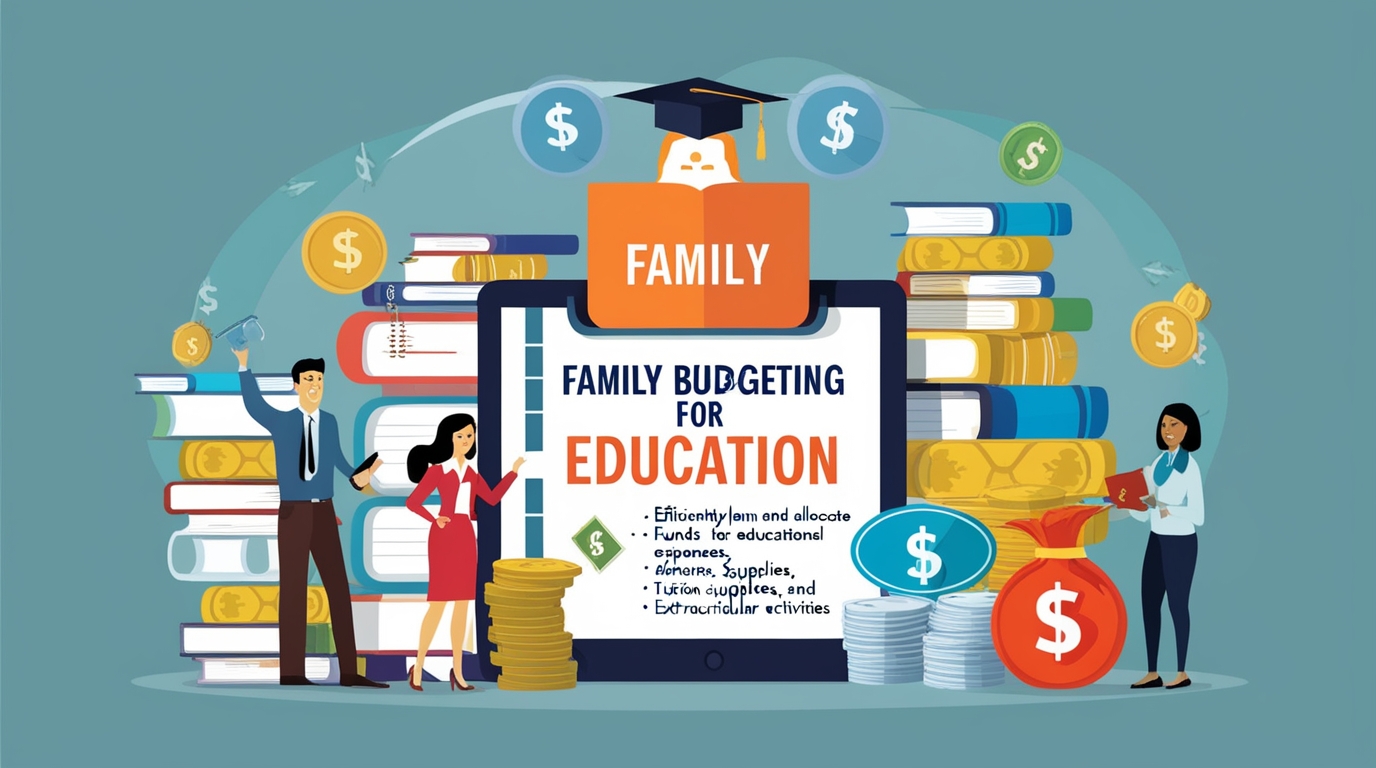
Education represents a significant investment for middle-class households. However, inflation raises tuition fees and associated costs such as books and supplies. Therefore, financial barriers to education increase. Consequently, access to quality education may be limited. Moreover, households may rely on credit to sustain educational investment. Thus, inflation indirectly affects human capital formation.
Healthcare Affordability
Healthcare expenditure increases during periods of inflation. The cost of medicines, consultations, and medical procedures rises. Therefore, households may delay or forgo necessary treatments. Consequently, health outcomes may worsen. Moreover, insurance premiums tend to increase concurrently. Thus, inflation undermines healthcare accessibility and financial protection.
Savings and Wealth Erosion
Savings lose real value in an inflationary environment. Therefore, the purchasing power of accumulated wealth declines. Consequently, long-term financial goals become difficult to achieve. Moreover, households are compelled to seek higher-yield investments. Thus, inflation necessitates more strategic financial planning and risk management.
Debt and Interest Rate Dynamics
The relationship between debt and inflation is multifaceted. Fixed-rate debt may become easier to repay in real terms. However, interest rates often increase as policymakers respond to inflation. Therefore, the cost of new borrowing rises. Consequently, households must carefully evaluate credit decisions. Thus, debt management becomes increasingly complex.
Consumption Adjustments
Households modify consumption patterns in response to inflation. Expenditure on non-essential goods is reduced. Therefore, spending is redirected toward basic necessities. Consequently, overall living standards may decline. Moreover, substitution toward lower-cost alternatives becomes common. Thus, inflation significantly alters consumption behavior.
Psychological and Behavioral Effects
Inflation exerts notable psychological pressure on households. Financial uncertainty contributes to stress and anxiety. Therefore, decision-making becomes more cautious. Consequently, risk aversion increases. Moreover, long-term planning becomes more difficult. Thus, the behavioral implications of inflation are substantial.
Intergenerational Consequences
The effects of inflation extend across generations. Reduced investment in education and health affects children’s development. Therefore, future earning potential may decline. Consequently, social mobility is constrained. Moreover, inequality may persist over time. Thus, inflation has lasting societal implications.
Gender Dimensions
Women often assume responsibility for household financial management. Therefore, inflation increases their economic and emotional burden. Consequently, decision-making pressures intensify. Moreover, labor force participation patterns may shift. Thus, gender roles are significantly influenced by inflationary conditions.
Spatial Disparities
The impact of inflation varies across geographic contexts. Urban households face higher living costs. Rural households encounter income volatility. Therefore, the effects differ significantly between regions. Consequently, policy responses must be tailored to local conditions.
Policy Responses and Limitations
Governments employ monetary and fiscal policies to control inflation. Central banks adjust interest rates to influence demand. Therefore, economic activity can be moderated. However, policy measures often have delayed effects. Consequently, households continue to experience short-term pressures. Thus, policy effectiveness depends on timing and coordination.
Labor Market Implications
Labor markets respond gradually to inflation. Wage increases often lag behind rising prices. Therefore, real income declines. Consequently, households seek additional income sources. Moreover, employment patterns shift toward multiple income streams. Thus, inflation reshapes labor market behavior.
Investment and Financial Resilience
Investment strategies play a critical role in mitigating inflation. Assets such as real estate and equities may provide protection. Therefore, diversification is essential. Consequently, financial literacy becomes increasingly important. Thus, informed investment decisions enhance household resilience.
Technological Adaptation
Digital technologies support financial management during inflation. Budgeting tools improve expenditure tracking. Therefore, households gain better control over finances. Consequently, inefficiencies are reduced. Moreover, online platforms provide access to competitive pricing. Thus, technology mitigates some effects of inflation.
Inequality and Distributional Effects
Inflation has uneven impacts across income groups. Higher-income households adapt more easily. Therefore, economic inequality widens. Consequently, middle-class households experience disproportionate strain. Thus, inflation exacerbates social disparities.
Macroeconomic Implications
Sustained inflation influences broader economic stability. Consumption patterns change significantly. Therefore, market dynamics adjust. Consequently, investment decisions become uncertain. Thus, long-term economic growth may be affected.
Household Coping Strategies
Households adopt various strategies to manage inflation. Budget constraints are tightened. Therefore, spending becomes more disciplined. Consequently, financial resilience improves. Moreover, savings are prioritized despite challenges. Thus, adaptive behavior becomes essential.
Role of Financial Literacy
Financial literacy enhances the capacity to respond to inflation. Knowledge of budgeting, saving, and investment is critical. Therefore, educational initiatives are valuable. Consequently, households make more informed financial decisions. Thus, awareness strengthens economic stability.
Policy Recommendations
Effective policy responses should prioritize middle-class stability. Targeted tax relief and subsidies may reduce financial pressure. Therefore, household resilience improves. Moreover, consistent policy frameworks anchor expectations. Thus, well-designed interventions can mitigate the adverse effects of inflation.
Conclusion
Inflation remains an inherent feature of modern economies. However, its impact on middle-class households is profound and multifaceted. Therefore, both policy interventions and household strategies are necessary. Consequently, sustainable economic stability depends on effective management of inflation and informed decision-making at all levels.