Introduction:
ISO Standards for Education, Standards help us build trust. In education, consistency is essential. Without structure, outcomes vary wildly. Thus, educational institutions look for frameworks. Among them, the ISO standards for education provide a benchmark. They guide processes, quality, accountability, and continuous improvement. Moreover, schools, colleges, and training providers benefit by aligning with global norms. Consequently, students, teachers, and stakeholders gain confidence. In addition, institutions that adopt ISO standards often improve performance. They show they care about quality, effectiveness, and relevance. Yet, many do not yet understand which ISO standard fits education. This article will explain the key ISO standards, their parts, benefits, challenges, and implementation steps. Also, you may explore more resources at Teachers Guide for related guidance, templates, or case studies.
The Landscape of ISO and Education
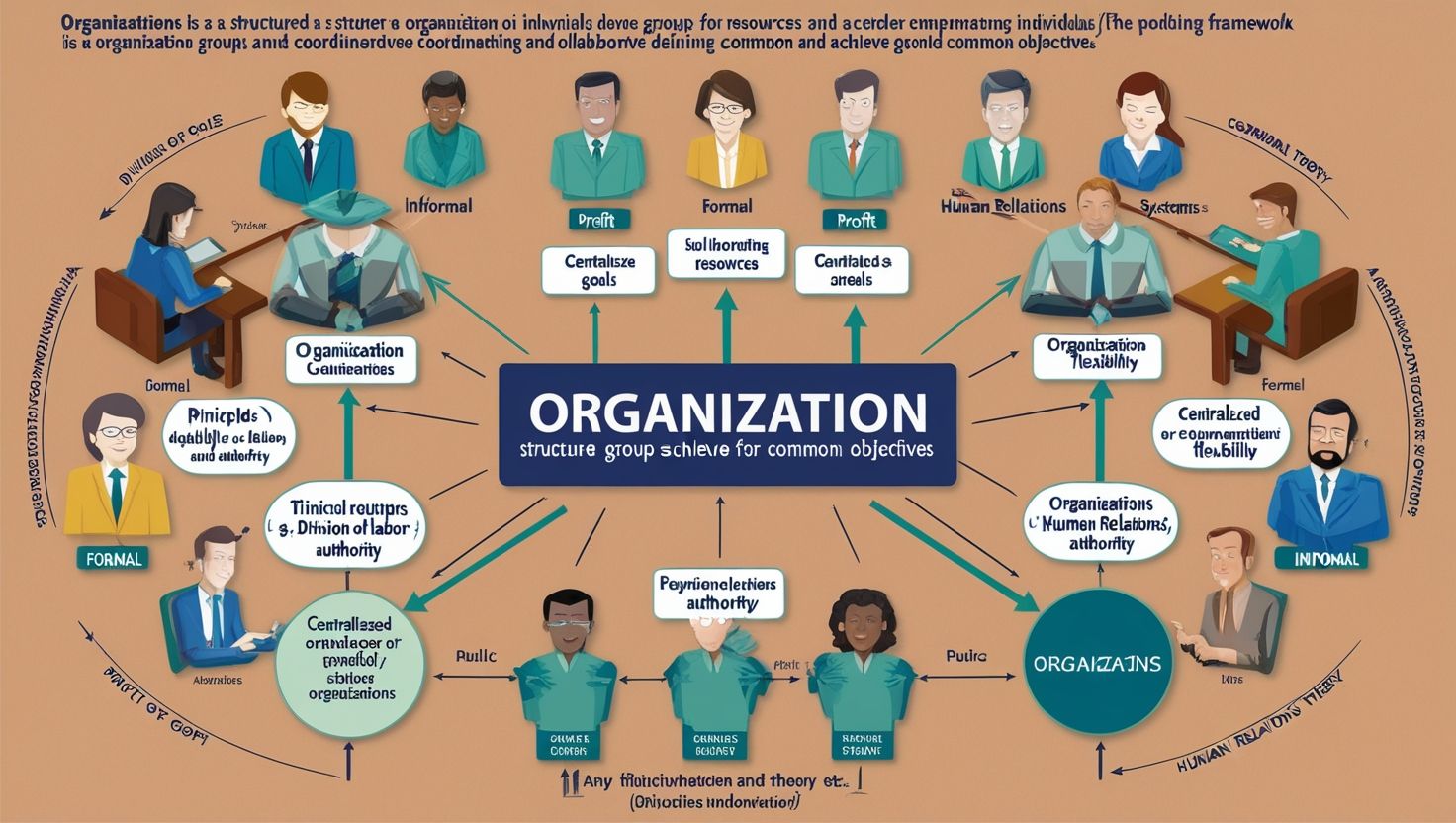
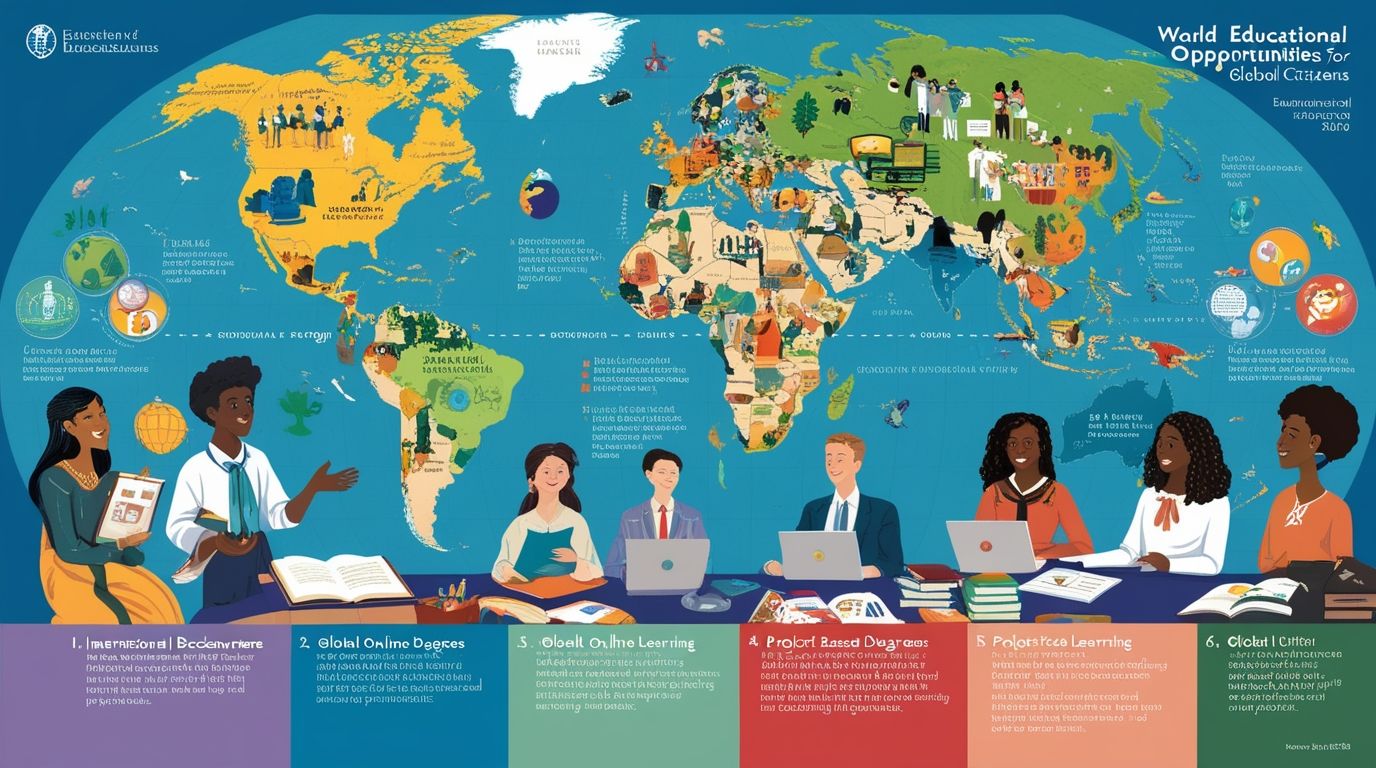
The International Organization for Standardization (ISO) is a body that develops international standards. It spans many sectors. In education, ISO sets norms for management, technology, and service delivery. ISO helps education providers meet stakeholder expectations. It ensures quality, efficiency, and effectiveness. ISO Some ISO standards are directly education-oriented. Others support auxiliary services (like information technology, safety, or environmental management). For example, ISO/IEC JTC1/SC 36 publishes standards on learning, education, and training technology. Wikipedia Also, ISO standards in education include ISO 29993 and ISO 21001. Quality Austria+1 Together, these shape modern educational systems. Through these standards, institutions can compare performance internationally. In summary, ISO gives education a shared language of quality.
ISO 21001: The Core Standard for Educational Organizations
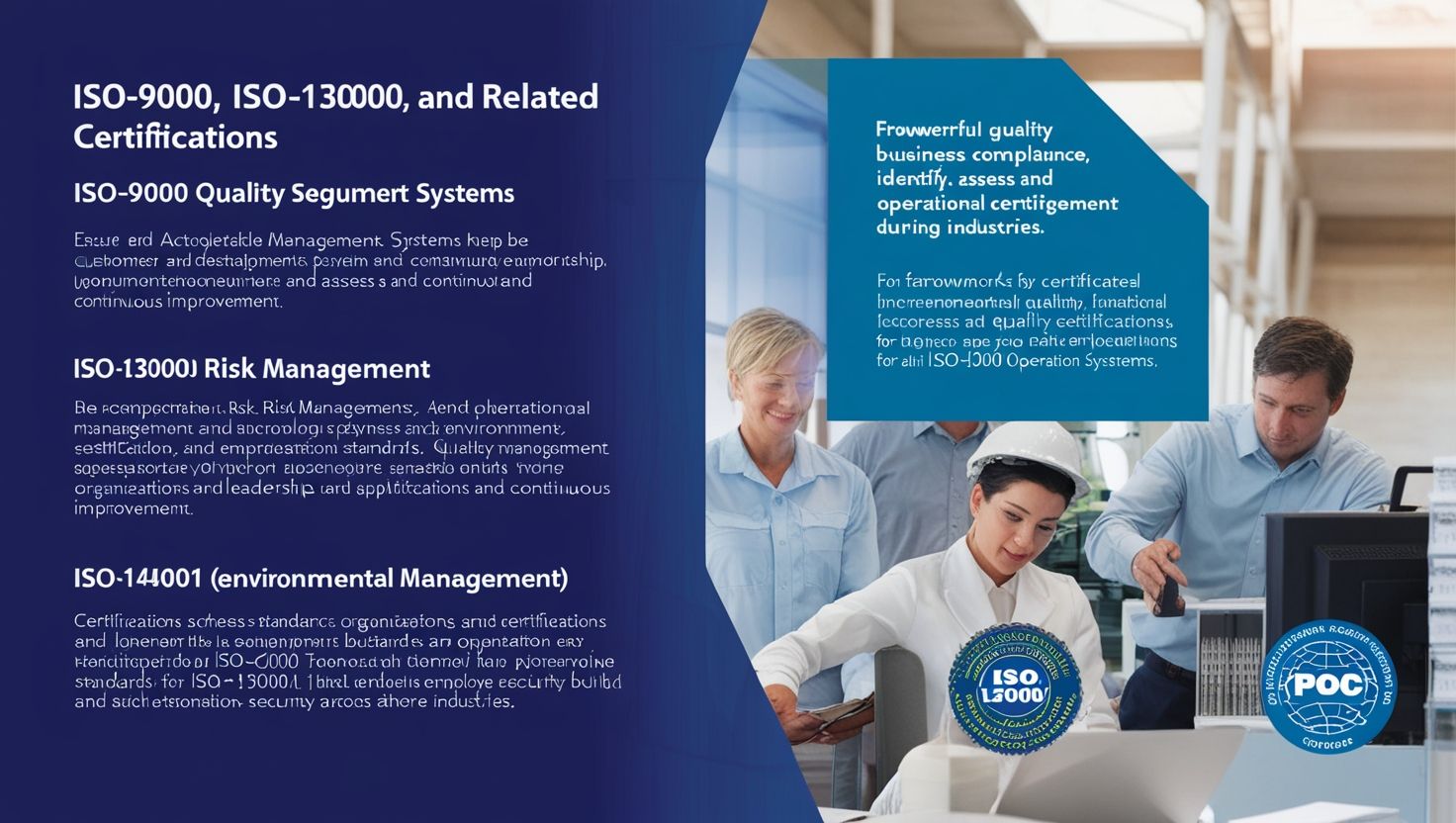
One of the most important standards is ISO 21001. It is titled “Educational organizations — Management systems for educational organizations — Requirements with guidance for use.” ISO+1 This standard sets out a management system for educational providers (EOMS). It is based on ISO 9001 structure but tailored to education. Wikipedia+1 It addresses the interaction between an educational organization, learners, and other stakeholders. Moreover, it helps the organization to support competence development through teaching, learning, or research. ISO+1 It also aims to boost satisfaction of learners, staff, and beneficiaries. Finally, it encourages continual improvement and conformity with learners’ needs. While the 2018 version was widely used, ISO is updating it (e.g. ISO 21001:2025). Wikipedia+1
ISO 29993 and Other Standards for Education Services
Beyond ISO 21001, there is ISO 29993, which is more geared toward education service providers (especially non-formal education and lifelong learning) rather than full organizations. Quality Austria It defines a generic framework for learning service provision. It covers service delivery, design, learner support, and planning. It is useful for course providers, training institutes, e-learning firms, and similar organizations. Alongside, there are also standards such as ISO/IEC 19788, which handles metadata for learning resources and supports interoperability. Wikipedia Also, various ISO/IEC standards govern educational technology, content packaging, and privacy in education and training (e.g. ISO/IEC 12785, ISO/IEC 29187). ISO+1 These standards help educational institutions manage not only organizational processes but also technology, content, and service delivery in a coherent way.

Objectives and Key Principles
The main objective of ISO standards in education is to ensure quality, consistency, and continual improvement. Institutions adopting ISO aim to align with international benchmarks. They also commit to meeting stakeholders’ expectations. Further, they build credibility at regional and global levels. Key principles include learner-centric design, stakeholder engagement, evidence-based decision making, and process approach. By following these, institutions drive transparency, accountability, and performance. Moreover, many ISO standards adhere to the High Level Structure (HLS), which brings consistency across management systems (e.g. ISO 9001, ISO 21001). This makes integration easier. Through these principles, educational organizations foster trust, manage risk, and advance sustainability.
Benefits of Adopting ISO Standards in Education
Adoption of ISO standards yields multiple benefits. First, quality assurance improves because processes are standardized and monitored. Second, stakeholder confidence (students, parents, employers) increases as the institution follows internationally accepted norms. Third, operational efficiency improves by reducing duplication, clarifying roles, and streamlining workflows. Fourth, continuous improvement culture is fostered, so the institution evolves over time. Fifth, international recognition can open doors to collaborations, funding, and student mobility. Sixth, risk management becomes more systematic. In addition, adopting ISO standards may help with accreditation, regulatory compliance, and competitive positioning. Given these advantages, more educational institutions are moving toward ISO frameworks.
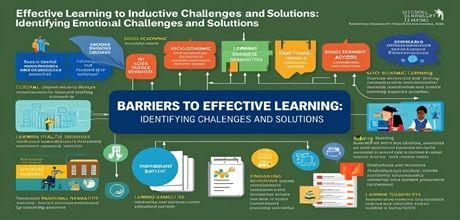
Challenges and Common Barriers
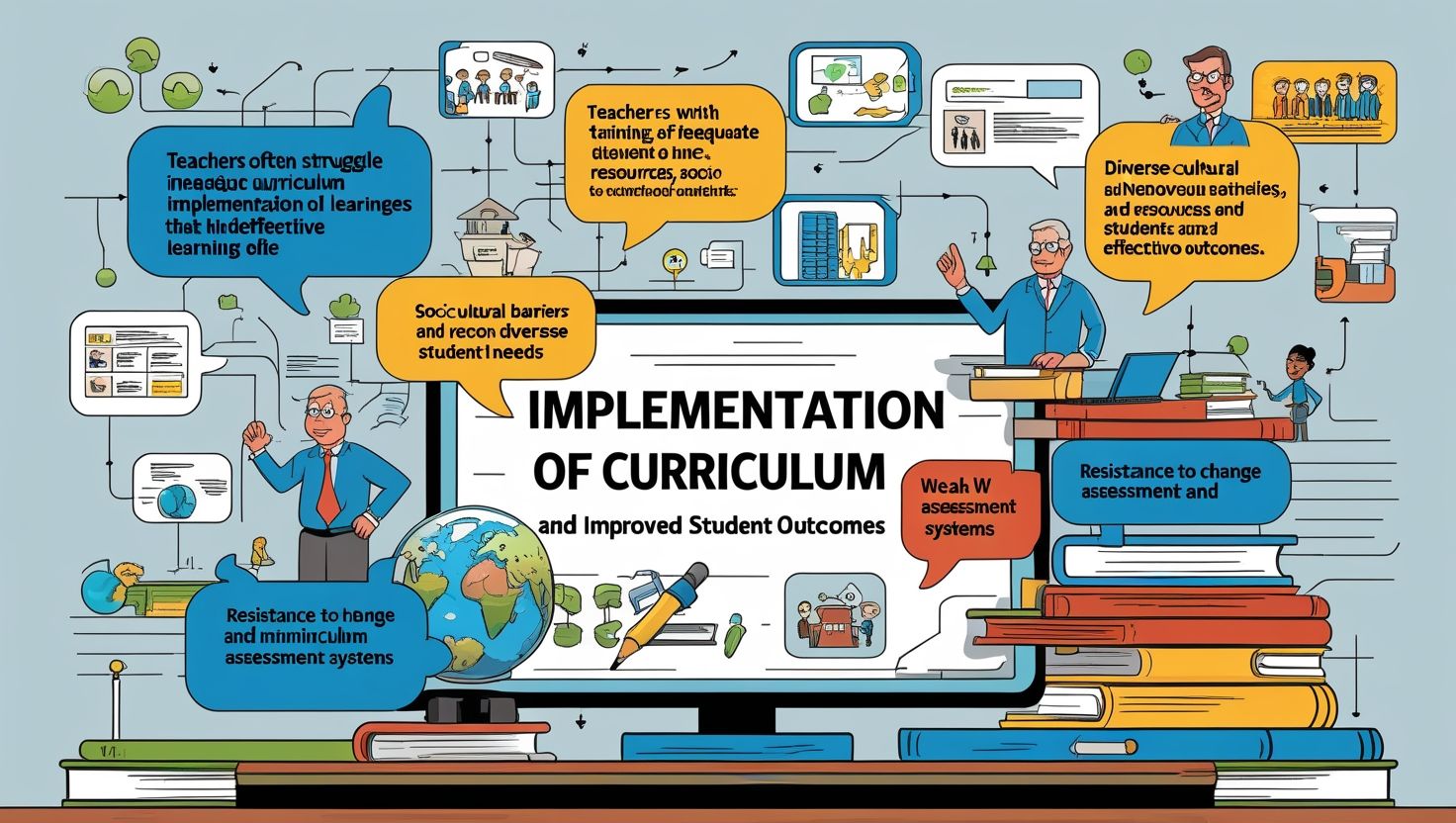
However, implementation is not without challenges. One barrier is resistance to change from staff who prefer familiar ways. Also, cost is a challenge: training, audits, documentation, and system changes require resources. Another issue is lack of awareness about relevant ISO standards in education. Some institutions may apply generic ISO 9001 without tailoring to education, which can lead to gaps. Further, data collection and measurement can be difficult—defining metrics for learning outcomes is complex. Moreover, small institutions may lack capacity to manage the burden of certification. Lastly, continuity is essential; if leadership changes, commitment may wane. Overcoming these challenges requires leadership buy-in, training, stakeholder involvement, and phased implementation.
Steps to Implement ISO in an Educational Institution
Implementing ISO in education involves several phases. First, gap analysis: compare current practices with ISO requirements. Then, planning, where leaders set goals, policies, and allocate resources. Next is development of documentation: procedures, process maps, roles, forms, and records. After that, training and awareness: staff must understand new processes, responsibilities, and key principles. Then pilot testing or rollout of systems, with monitoring and feedback. Next, internal audits and management review to assess conformity, effectiveness, and detect nonconformities. Finally, if desired, external certification audit by an accredited body. After certification, surveillance audits ensure continued compliance. Throughout, continuous improvement must be embedded through feedback loops. This sequence ensures systematic adoption rather than ad hoc changes.
ISO 21001 Structure: Key Clauses
The structure of ISO 21001 aligns with the High Level Structure used by other ISO management systems. The key clauses include:
- Context of the organization: defining internal and external issues, stakeholders, scope, and relevant requirements.
- Leadership: top management’s commitment, roles, responsibilities, and setting quality policy.
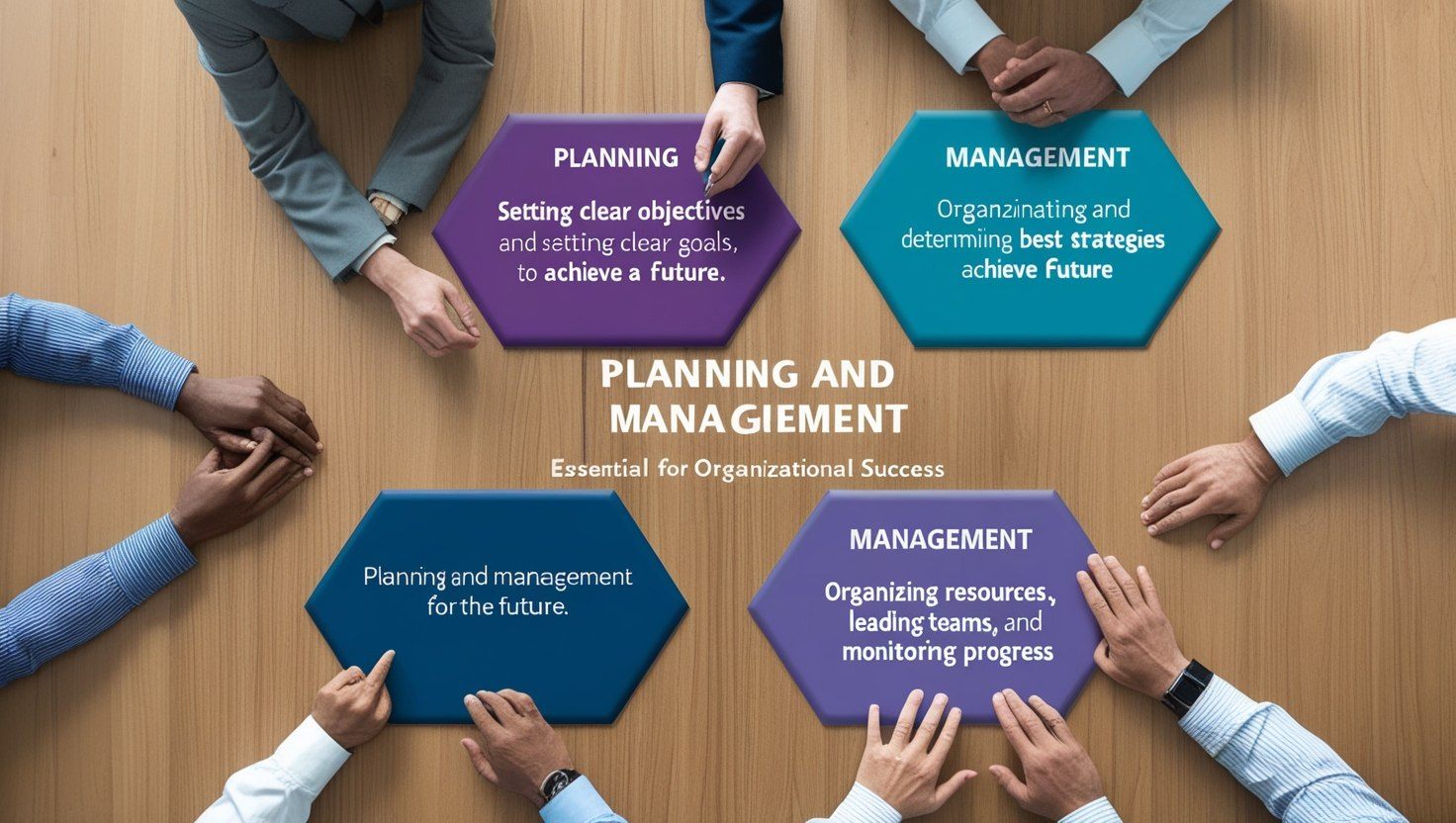
- Planning: addressing risks and opportunities, setting objectives, planning change.
- Support: resources, competence, awareness, communication, and documented information.
- Operation: planning, controlling educational processes, managing learner support, and service delivery.
- Performance evaluation: monitoring, measuring, analysis, evaluation, internal audit, and management review.
- Improvement: nonconformity, corrective actions, and ongoing improvement efforts. Each clause works together to create a holistic educational management system.

How ISO Aligns with National Accreditation and Quality Assurance
Many countries have national accreditation agencies or quality assurance frameworks for education. ISO standards can complement or align with those national systems. Because ISO is internationally recognized, institutions can satisfy both domestic accreditation and global credibility. Also, ISO’s emphasis on evidence, documentation, stakeholder input, and continuous improvement often meshes well with accreditation requirements. In some cases, ISO audits and accreditation audits can be coordinated to avoid duplication. Moreover, education institutions may use content from Teachers Guide (https://teachersguide.net/) as documentation support or as practical implementation examples when aligning with ISO criteria. By using both, institutions strengthen their internal capacity and external legitimacy.
Case Examples and Best Practices
Several educational institutions worldwide have adopted ISO standards. For example, universities seek ISO 9001 and ISO 21001 to show quality in teaching and administration. Pacific Certifications+1 Training providers often use ISO 29990 or ISO 29993 to standardize their service delivery. qahe.org+1 Best practices include starting small (pilot program), engaging all stakeholders, investing in capacity building, and linking ISO processes with existing systems. Also, institutions should use data for decision making and feedback loops. Furthermore, periodic reviews must be institutionalized to keep momentum. Finally, sharing lessons via networks helps spread awareness. For example, some institutions use open resources from sites like Teachers Guide to adapt templates, checklists, or policies to their contexts.
Integrating ISO with Educational Technology
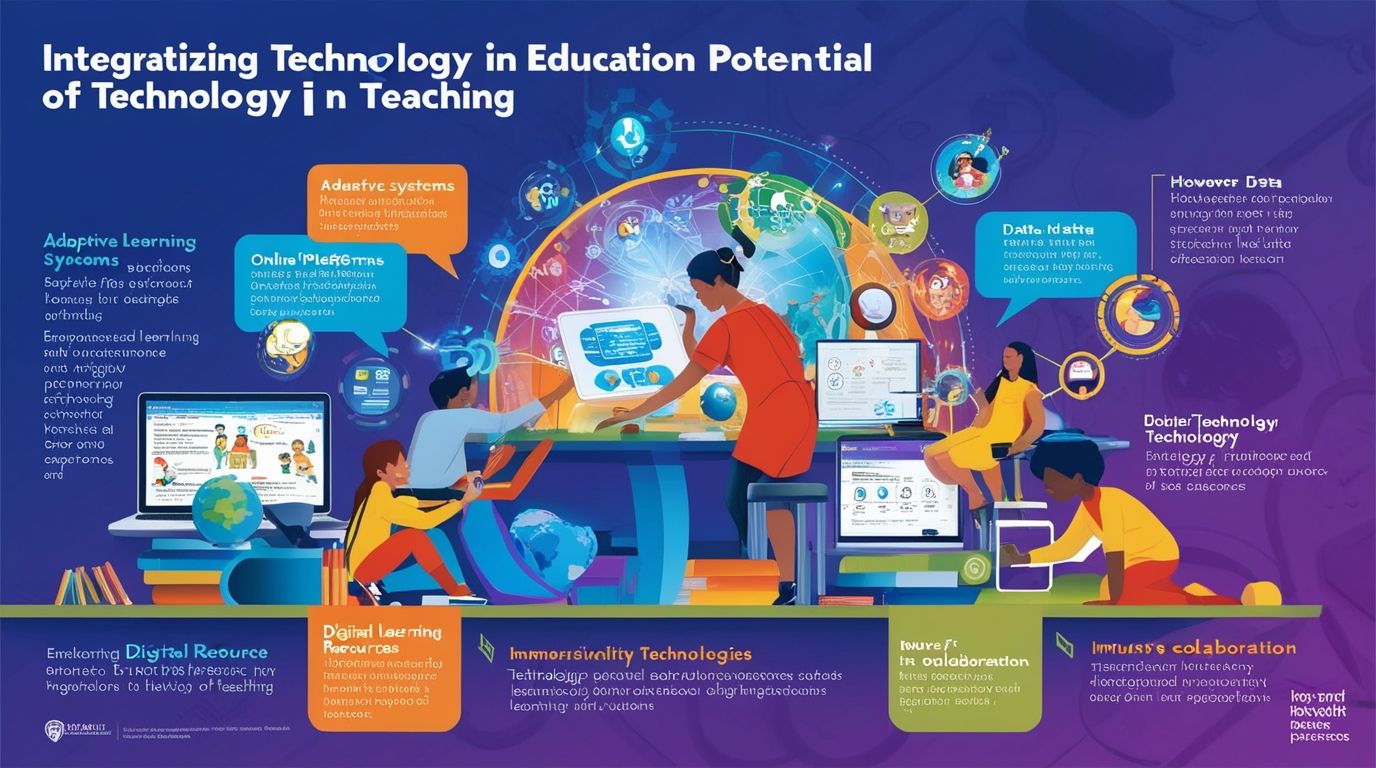
Education today relies heavily on technology. ISO standards assist integration. For instance, ISO/IEC 19788 gives a standard for metadata of learning resources, enabling interoperability among systems. Wikipedia Also, standards like ISO/IEC 12785 address content packaging and exchange. Wikipedia+1 Moreover, privacy and security standards such as ISO/IEC 29187 assist with protecting learner data in education. ISO By adopting ISO for educational technology, institutions ensure compatibility, reusability, and scalability across platforms. They manage digital resources systematically. That leads to better resource sharing, reduced duplication, and smoother learner experience. Importantly, such integration aligns organizational systems with digital services, reinforcing consistency across all fronts.
Quality Assurance in Education via ISO
Quality assurance in education means more than grading. It encompasses processes, teaching methods, resource allocation, assessment design, and stakeholder feedback. ISO helps formalize this assurance. With ISO 21001, institutions define measurable objectives, monitor performance, collect feedback from learners, and take corrective action. Over time, trends emerge, enabling data-driven decisions. Also, ISO requires internal audits and management reviews, which sharpen oversight. As a result, weak areas are identified before major issues arise. Moreover, documentation enables consistency across departments and ensures replication of good practices. Thus, ISO gives educational institutions a robust quality assurance mechanism that spans planning, execution, evaluation, and improvement.
Finance, Resources, and Sustainability
Implementing ISO standards requires resource investment. Institutions must allocate funds for training, documentation, audits, and possibly software tools. Therefore, project planning must consider budget, timelines, and resource loading. However, this is not a one-time cost only. To sustain certification, institutions must maintain processes, retrain staff, and update systems. That demands ongoing resources. Yet, many institutions find that gains — in efficiency, reduced waste, better stakeholder satisfaction — offset these costs. Moreover, ISO standards often emphasize sustainable practices and long-term perspective. So, while initial investment is higher, the return in institutional stability and reputation often justifies it. Trustworthy financial planning and resource management are fundamental for sustainable ISO adoption.
Monitoring, Evaluation, and Continuous Improvement
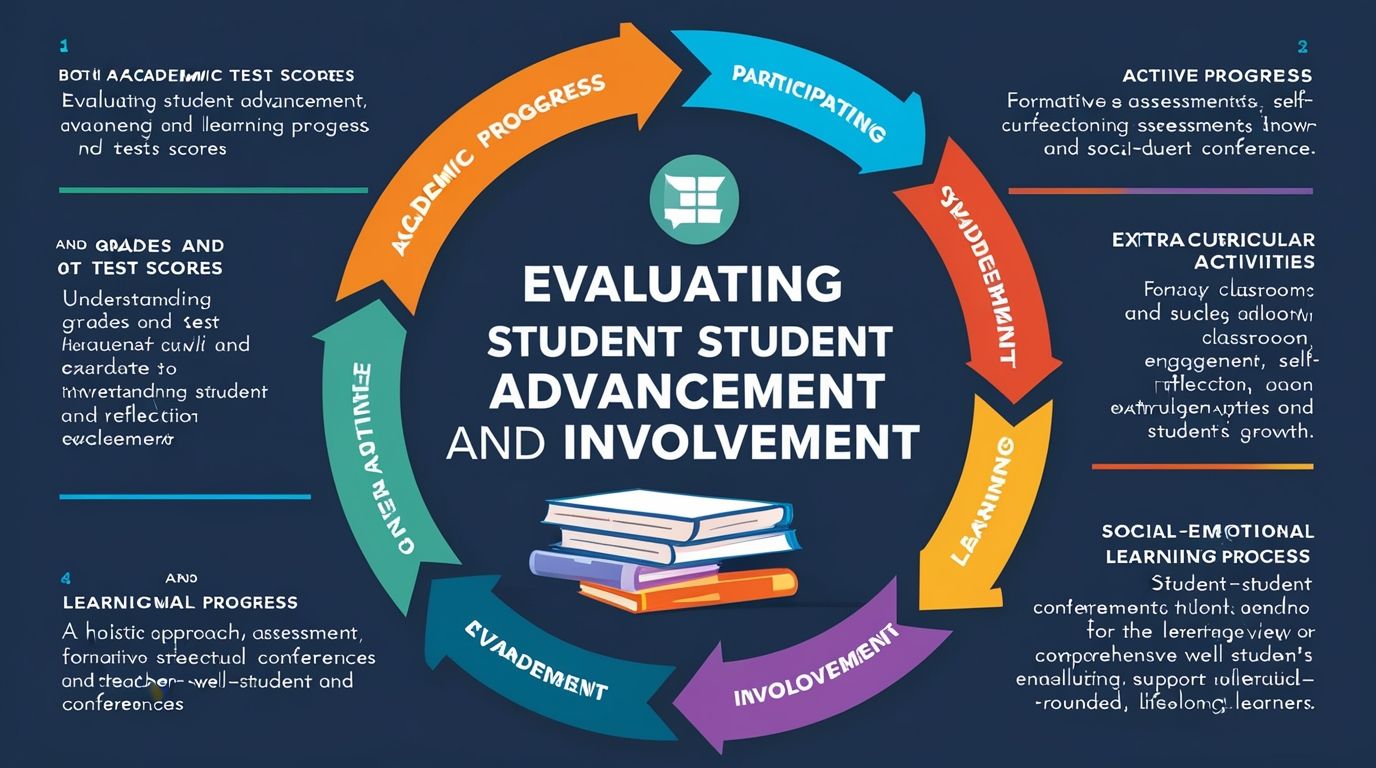
ISO standards push institutions to monitor and evaluate systematically. You set performance indicators, collect data, analyze trends, and compare against targets. Then you conduct internal audits to check compliance and effectiveness. Next, management review ensures top leadership is involved and decisions follow data. When issues appear, corrective and preventive actions are triggered. Over time, this loop fosters continuous improvement: you refine processes, adjust targets, and evolve systems. Because change is incremental, institutions can adapt rather than overhaul. Also, by embedding these cycles, ISO becomes part of the organizational culture. Thus, monitoring and evaluation become natural, not extra tasks. Education institution that master this become resilient and responsive.
Role of Leadership and Culture
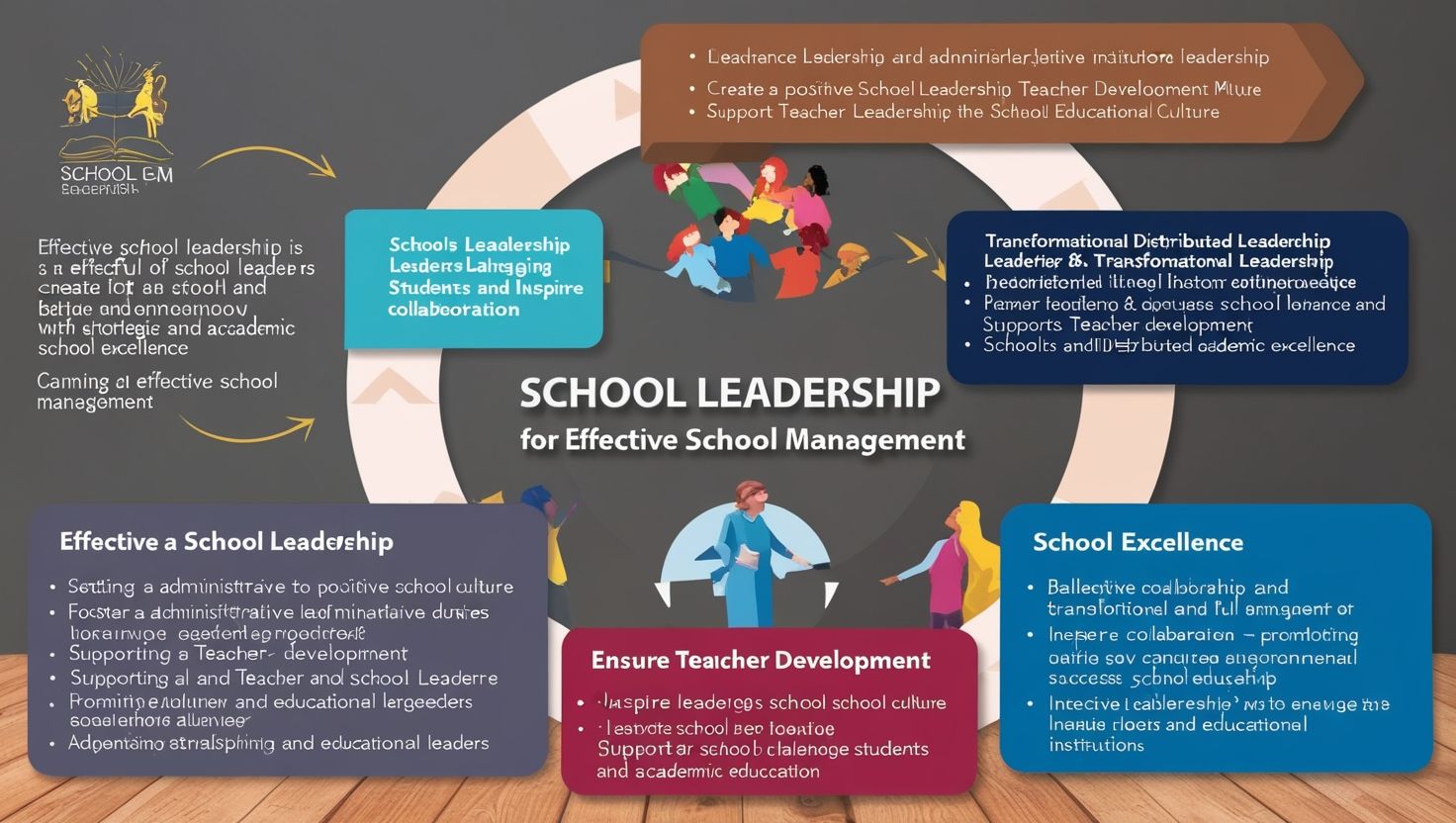
Leadership is pivotal in ISO implementation. Top management must commit, allocate resources, communicate vision, and lead by example. Without leadership, ISO becomes bureaucratic paperwork. Leaders also shape culture: they must promote openness, continuous learning, and feedback. In addition, staff involvement matters. Teachers, support staff, and students must see value in the system. Leaders must support training, encourage suggestions, and reward improvements. Moreover, change must be managed: culture shifts slowly. Leaders must address resistance, emphasize benefits, and reinforce new routines. Over time, ISO becomes less “extra burden” and more “how we work.” In short, leadership and cultural change are as important as technical compliance in ISO success.
Stakeholder Engagement and Communication
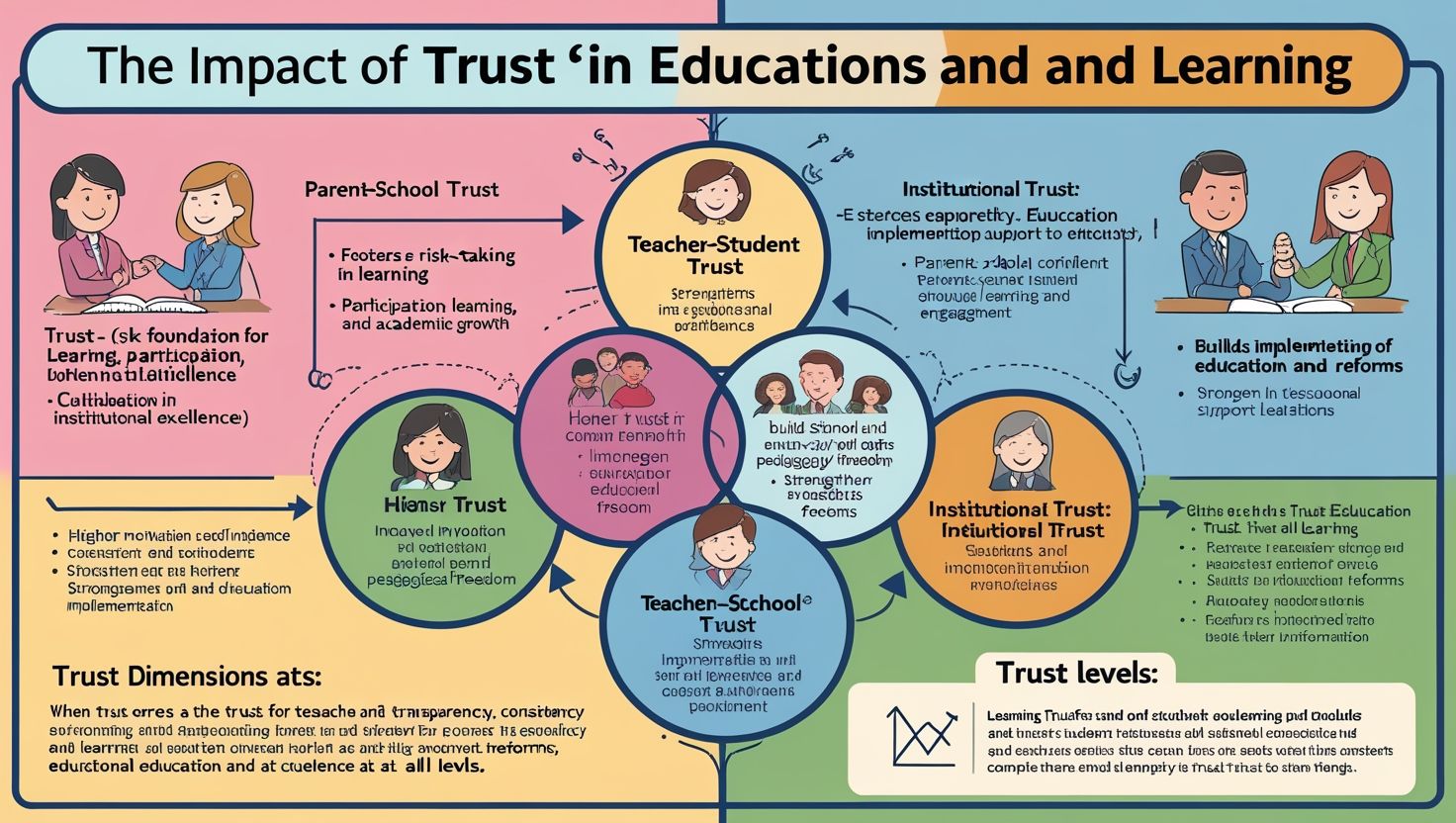
ISO standards emphasize engaging stakeholders (learners, parents, staff, employers, community). Institutions should identify stakeholder needs, expectations, and satisfaction. Next, they must communicate policy, objectives, and changes. Transparent communication breeds trust. Surveys, feedback forms, meetings, and consultations are useful tools. Also, involving stakeholders in planning or reviewing processes helps gain buy-in. Because educational quality depends on multiple parties, their input is valuable. Moreover, communication should be clear, frequent, and feedback-oriented. Through stakeholder engagement, institutions uncover issues, ideas, and priorities they might miss. Ultimately, this leads to better alignment of services, higher satisfaction, and more sustainable improvements.
Measuring Learning Outcomes and Impact
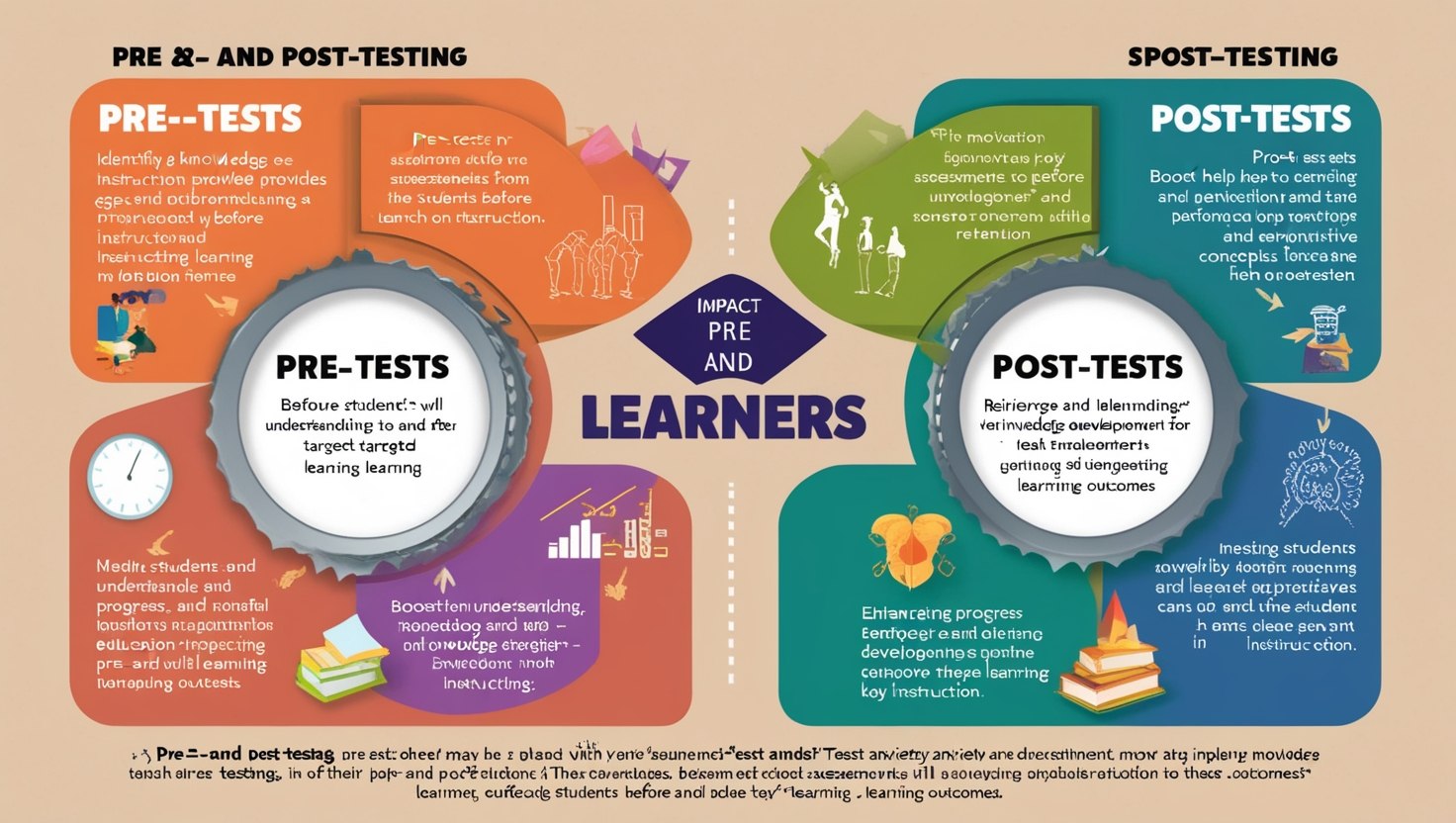
One unique challenge in education is measuring learning outcomes reliably. ISO helps by demanding measurable objectives and performance data. Institutions define metrics (e.g. pass rates, competencies, satisfaction, employment rates). Then they monitor, analyze, and act. But capturing impact beyond tests is hard. You must consider long-term outcomes, real skills, learner development, and soft skills. Thus, combining quantitative and qualitative methods is necessary. Also, triangulating data (surveys, interviews, observations) strengthens validity. Over time, trend analysis shows improvement or deterioration. With ISO, institutions commit to rigorous evaluation and use outcomes to improve services. In this way, they move from output focus (e.g. number of graduates) to impact orientation.
Certification, Auditing, and Accreditation
Once an institution prepares its system, it may seek third-party certification. A certification body audits whether the system conforms to ISO requirements. If successful, the institution earns a certificate valid for a time (often 3 years), with periodic surveillance audits to maintain status. SIS Certifications+2TÜV SÜD+2 Some certification bodies specialize in ISO 21001 / EOMS. TÜV SÜD Note that certification is voluntary; some institutions adopt ISO internally without external audit. Also, some certification bodies may align their audits with national accreditation cycles. ISO has also published a technical specification, ISO/TS 21030, to guide certification bodies for educational management systems. Wikipedia+1 Institutions must keep nonconformities, corrective actions, and improvement plans documented to succeed in audits.
Risks of Poor Implementation
Poor or superficial implementation can backfire. If ISO is only a documentation exercise, staff will ignore it. That leads to wasted resources and cynicism. Also, if performance indicators are poorly chosen, measurement becomes meaningless. Inconsistent audits or lack of follow-up creates gaps. Overcomplex systems can overwhelm staff. Another risk is losing momentum after certification if improvement is not sustained. Moreover, failing to align ISO with educational goals or context makes it irrelevant. Stakeholders may see it as external bureaucracy. Therefore, careful planning, realistic goals, phased growth, and consistent leadership are essential to avoid these pitfalls.
Tips for Successful Adoption
Here are some best-practice tips:
- Start with leadership buy-in. Without that, efforts stall.
- Conduct a pilot or phased approach rather than wholesale change.
- Use existing strengths and systems; avoid reinventing entirely.
- Train staff gradually and intensively.
- Choose simple, meaningful metrics initially.
- Engage stakeholders early and often.
- Use internal audits regularly to catch issues.
- Reward improvements and innovations.
- Document changes, outcomes, lessons learned.
- Embed ISO processes into daily routines so they become “how we work.”
- Monitor continuously and adapt; don’t treat ISO as static.
The Future: ISO 21001:2025 and Emerging Trends
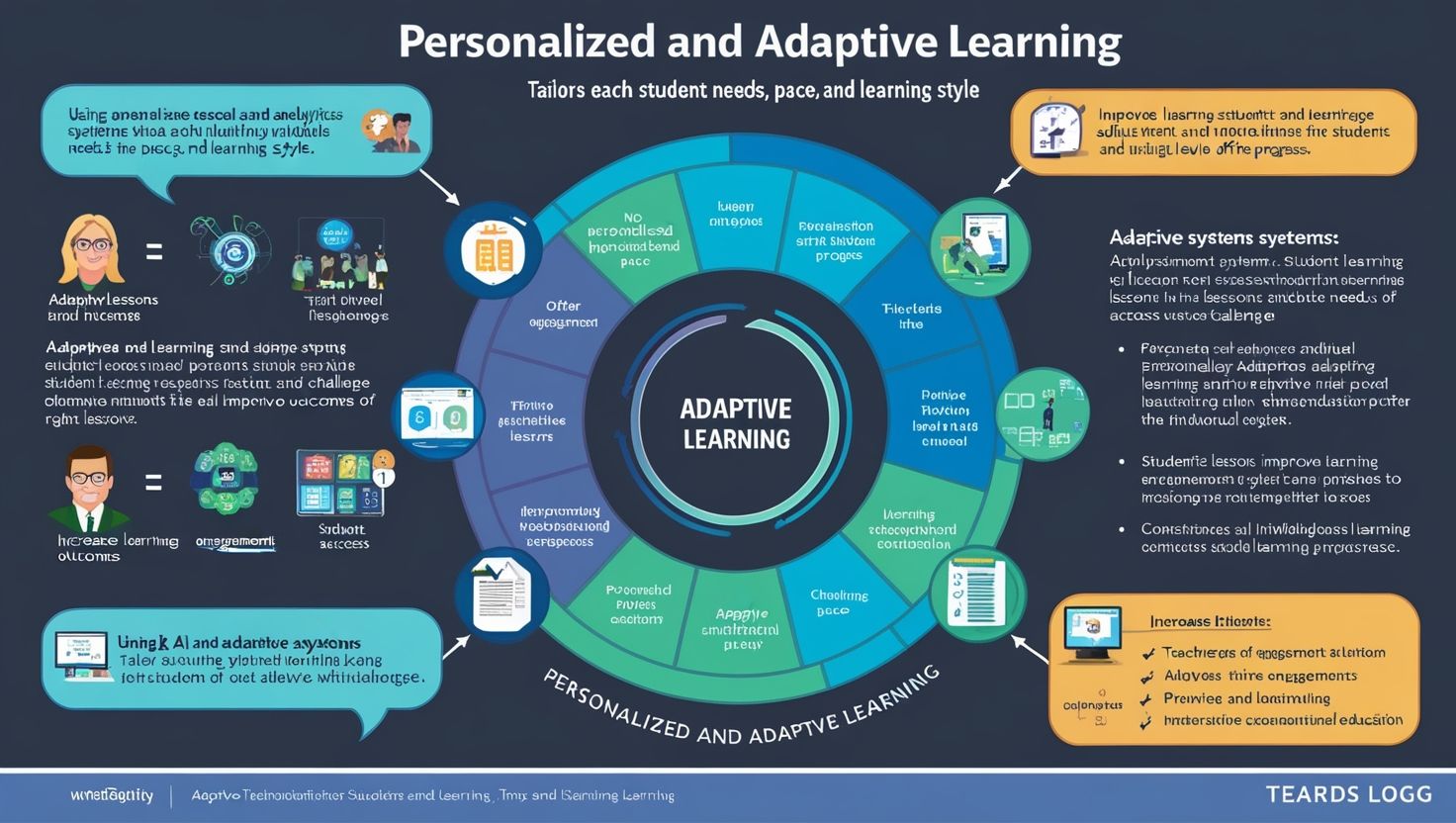
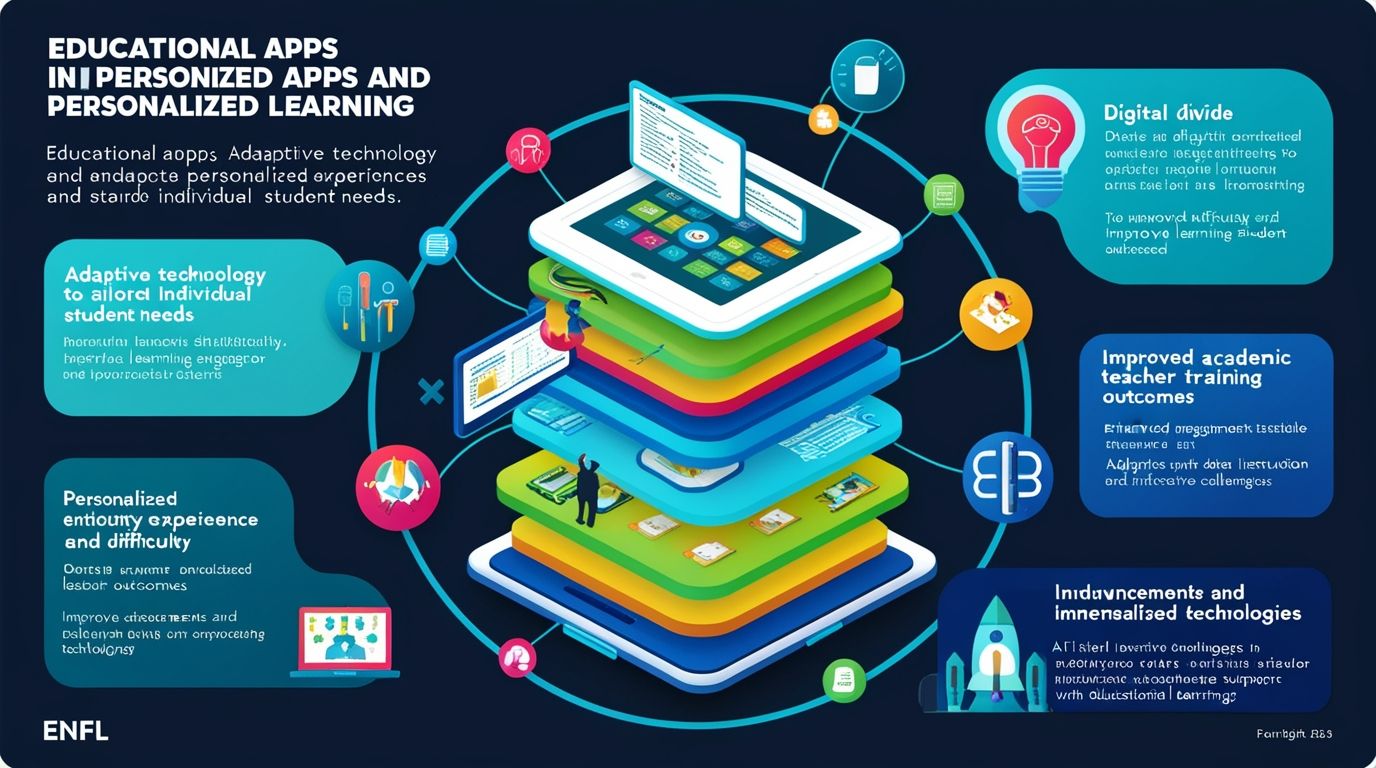
The ISO community is updating standards. The newer ISO 21001:2025 is expected to refine criteria, strengthen alignment with educational impact, and emphasize inclusion, equity, and technology more strongly. (The 2018 edition is being withdrawn.) ISO+2Wikipedia+2 Also, as digital education expands, integration with e-learning standards, data privacy, AI, and adaptive learning will matter more. Interoperability across platforms, increased focus on learner data, predictive analytics, and personalized education will call for robust standards. Also, in global education contexts, ISO will help institutions compare across borders. Consequently, institutions should plan for upgrades and remain agile. Those adopting now will gain early experience for future versions.
How Teachers Guide (teachersguide.net) Can Support ISO Implementation
Your site https://teachersguide.net/ can play an important supporting role. For example, it may host sample documentation templates, audit checklists, policy guides, case studies, or training modules. Institutions can adapt material from Teachers Guide to speed up ISO documentation preparation. Teachers and administrators can use lesson plan guides, assessment rubrics, or feedback forms from Teachers Guide as evidence of standardized practices. Also, linking your site to ISO-related content (e.g. via blog or resource pages) can help users across institutions share best practices. In short, Teachers Guide can be a practical hub to bridge the gap between theory and implementation, offering ready-to-use resources and internal examples that align with ISO principles.
Conclusion
ISO standards offer a structured, credible path to quality and consistency in education. They help institutions systematize processes, focus on learners, engage stakeholders, and continuously improve. The core standard for full organizations is ISO 21001, complemented by service-oriented ones like ISO 29993, and technology standards like ISO/IEC 19788. Benefits include improved efficiency, enhanced reputation, stakeholder confidence, and readiness for international comparisons. But challenges such as cost, resistance, measurement complexity, and sustainability must be managed. Proper leadership, phased implementation, stakeholder involvement, and continuous review are keys to success. As ISO evolves (e.g. the 2025 edition), early adopters stand to benefit most. And resources such as Teachers Guide can help institutions adapt ISO to local contexts by offering templates, examples, and guidance.