
Introduction:
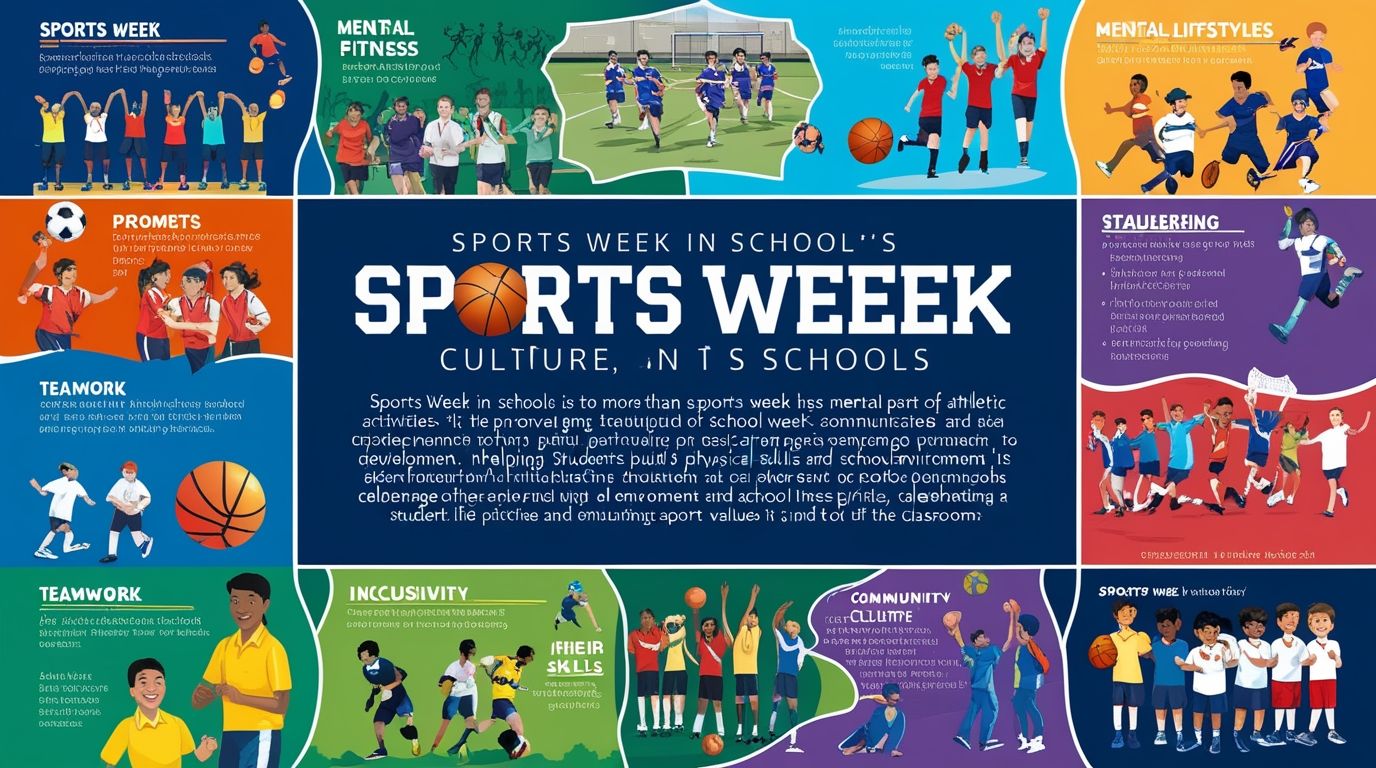
Latest Sports and Educational Impact, In recent years, the relationship between sports and education has undergone significant transformation, reflecting broader societal, technological, and pedagogical changes. Sports are no longer viewed merely as extracurricular activities but as integral components of holistic education systems. The latest developments in sports science, digital technology, and educational theory have redefined how sports contribute to learning outcomes. Educational institutions increasingly recognize that sports foster not only physical health but also cognitive development, emotional intelligence, and social skills. This evolving perspective has led to the integration of structured sports programs within curricula, promoting balanced development among learners. Furthermore, global trends such as professional sports academies, e-sports, and data-driven training methods are influencing educational practices. Understanding the latest impact of sports on education requires examining these dynamic shifts and their implications for students, teachers, and policymakers in the modern learning environment.
Technological Advancements in Sports Education
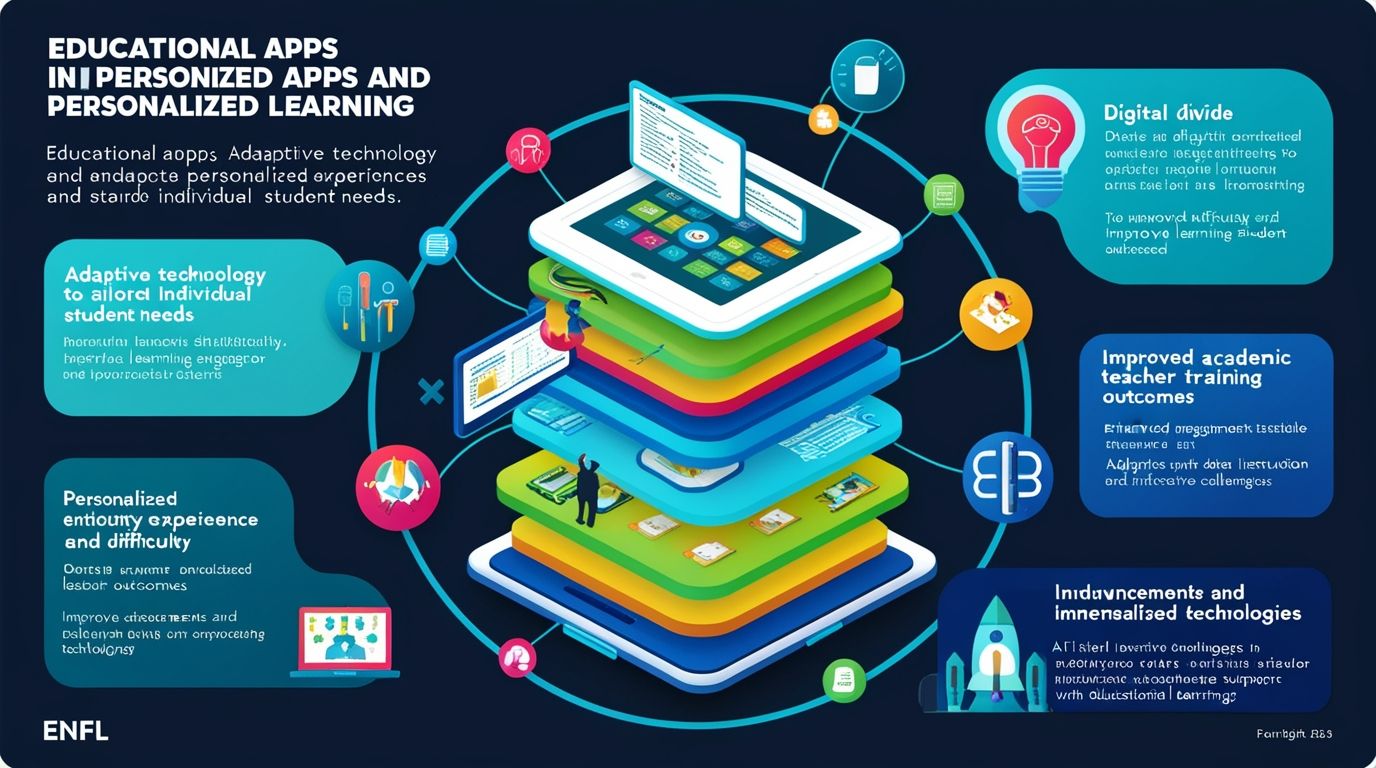
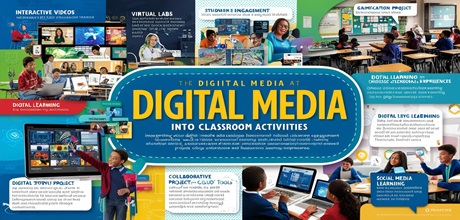
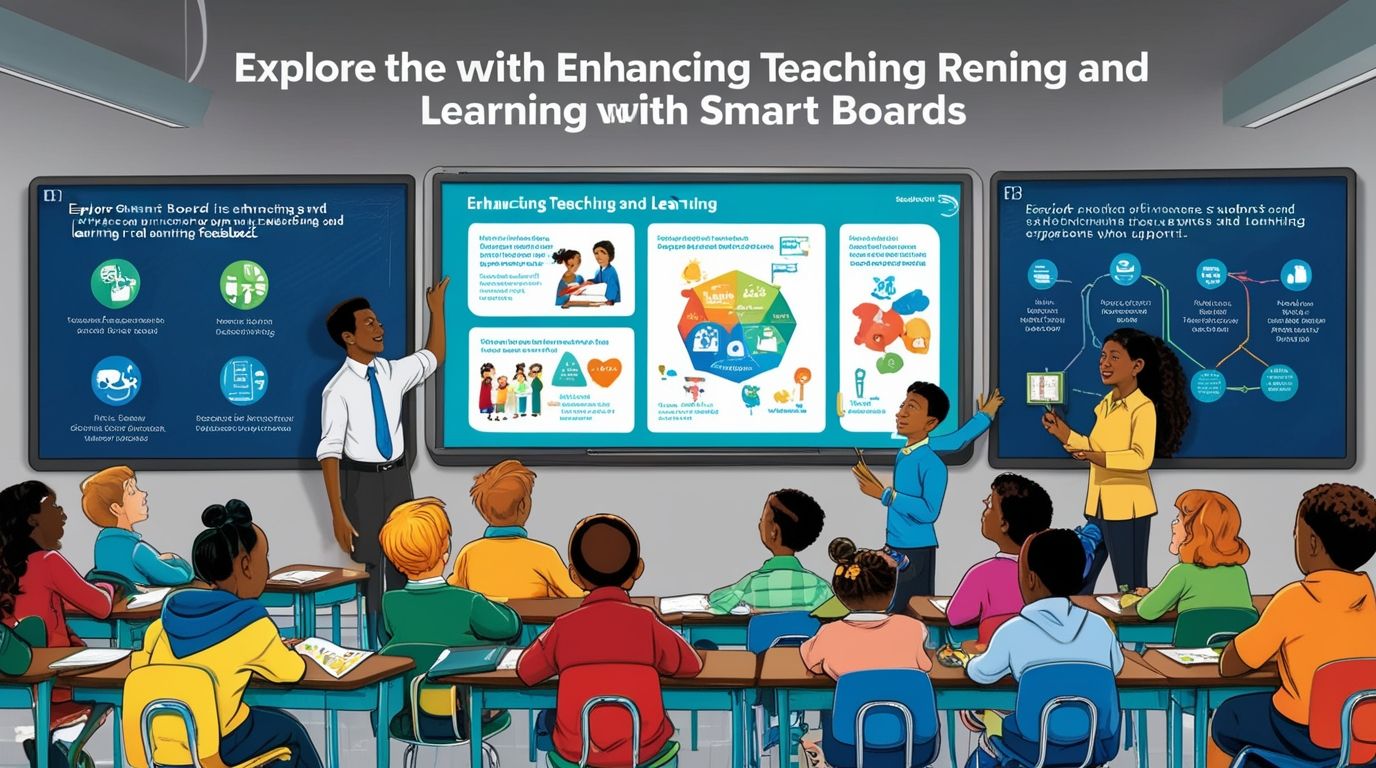
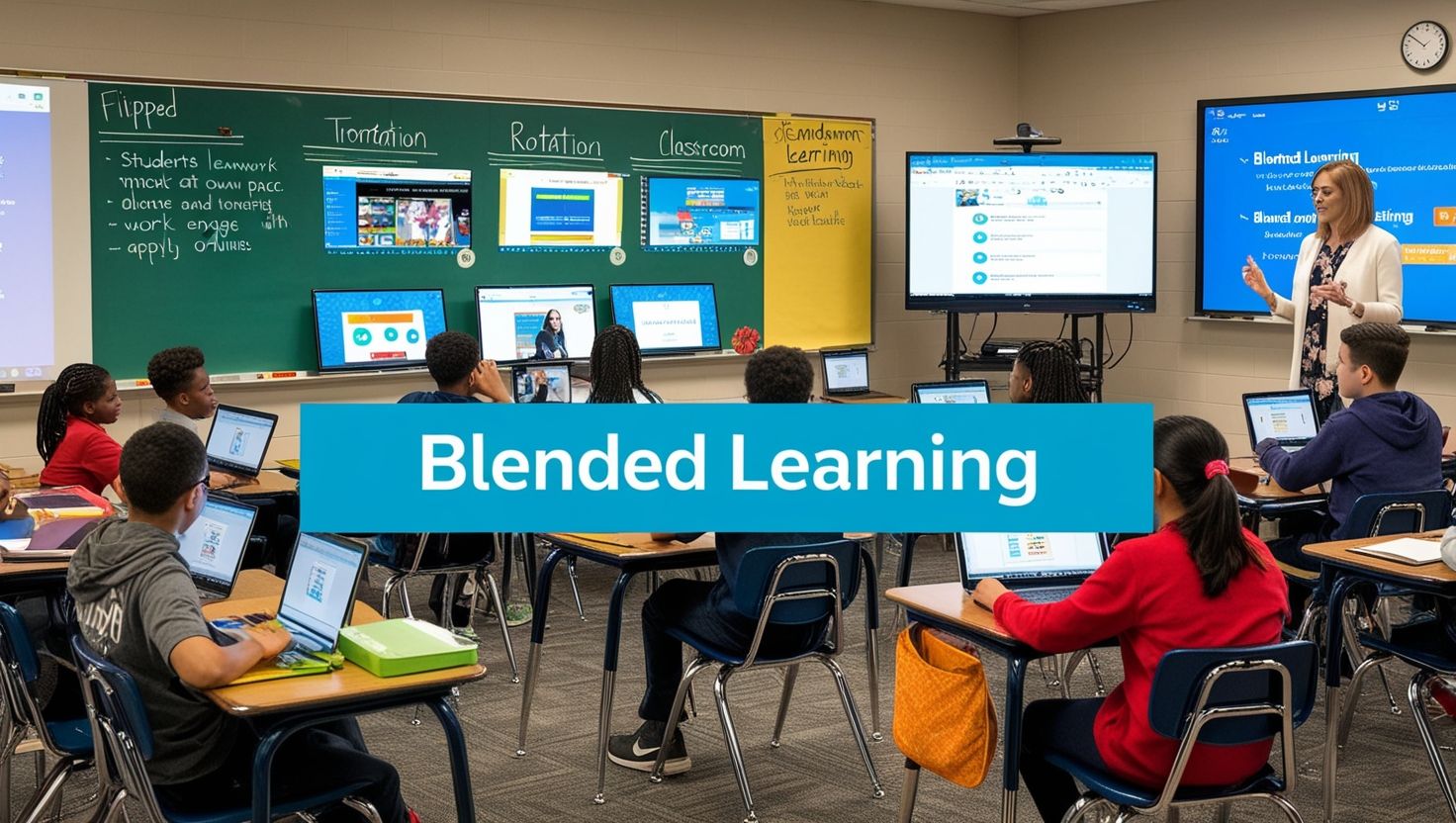
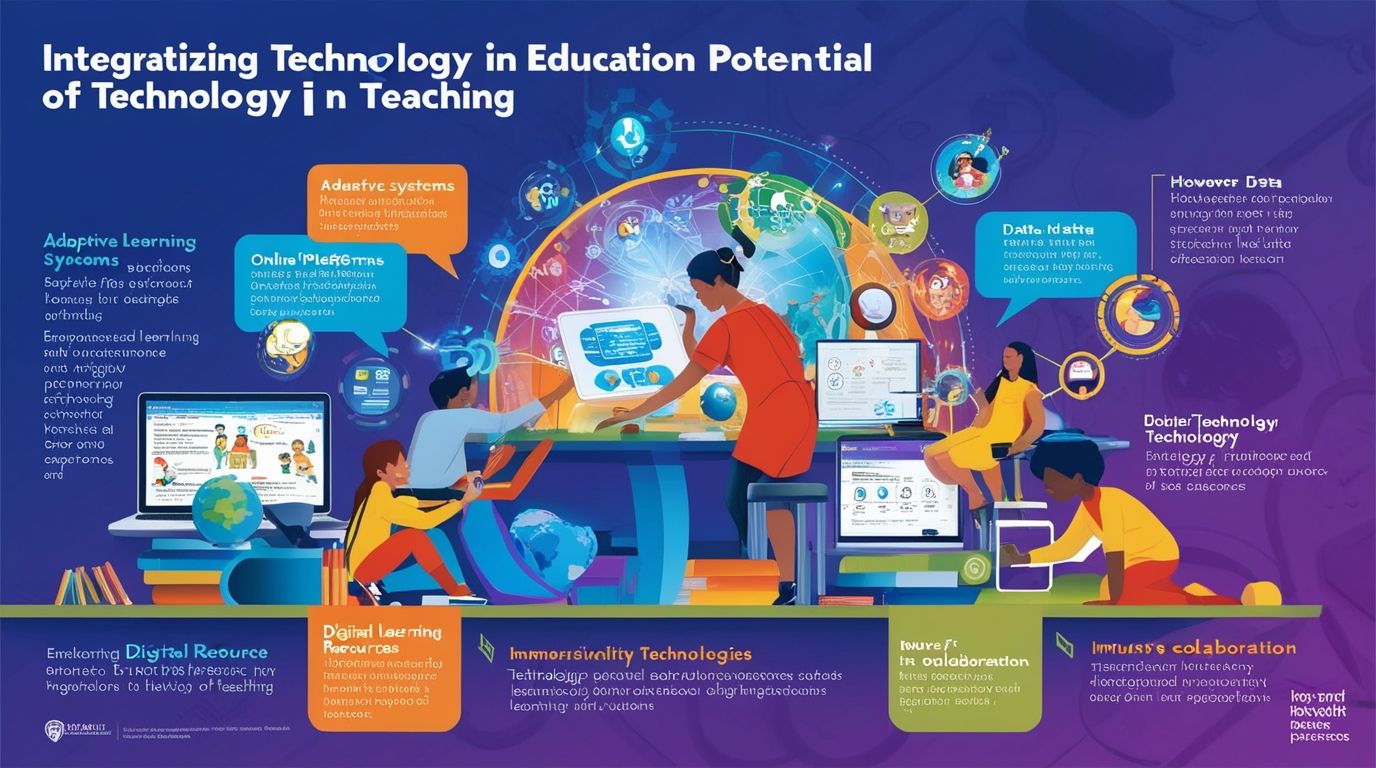
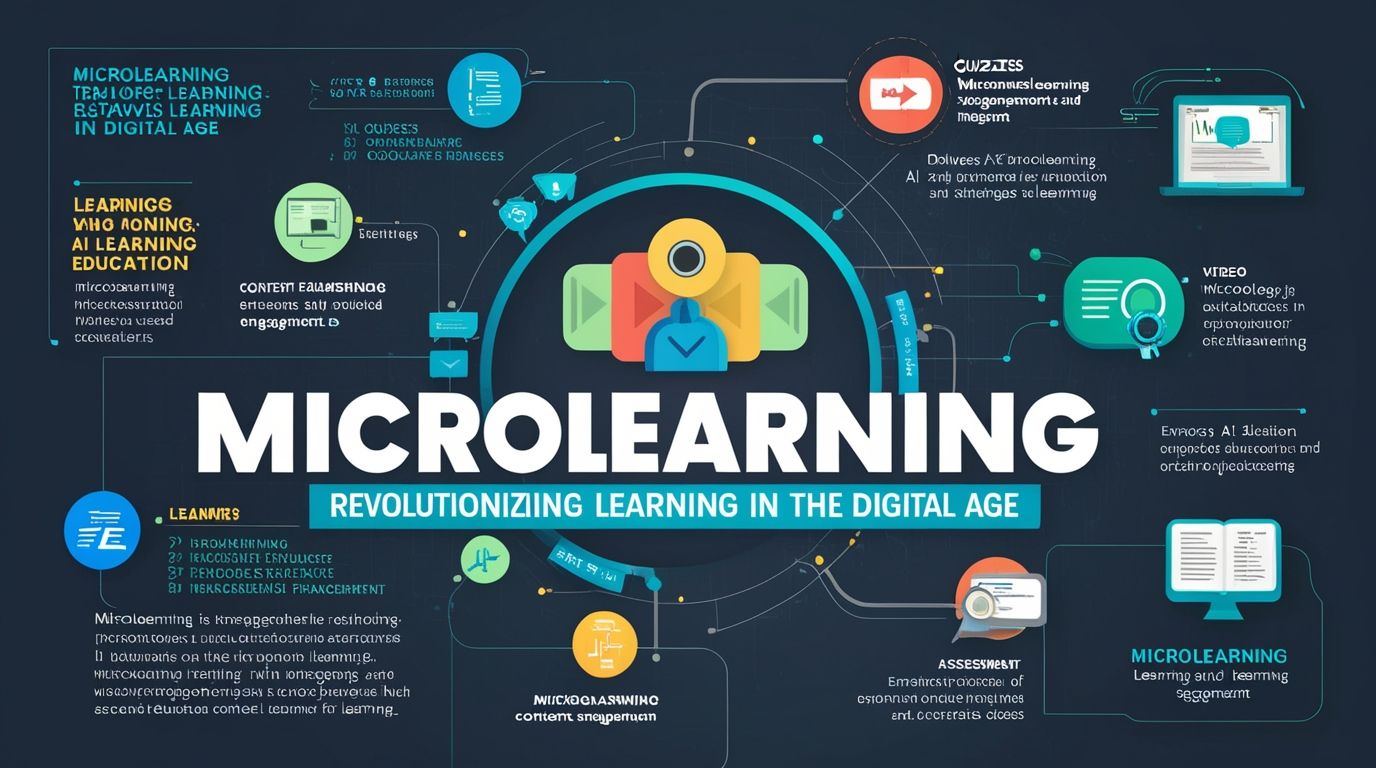
Technology has revolutionized the way sports are taught and experienced in educational settings. Advanced tools such as wearable fitness trackers, motion analysis software, and virtual coaching platforms have enhanced the precision and effectiveness of sports training. In schools and universities, these technologies enable educators to monitor student performance, track progress, and provide personalized feedback. Digital platforms also facilitate remote coaching and online physical education classes, making sports education more accessible. Video analysis allows students to study techniques and improve skills through visual learning. Additionally, artificial intelligence and data analytics are being used to optimize training programs and prevent injuries. These innovations not only improve athletic performance but also enhance students’ understanding of biomechanics and health sciences. As a result, technology is bridging the gap between theoretical knowledge and practical application in sports education.
Cognitive Benefits of Sports Participation
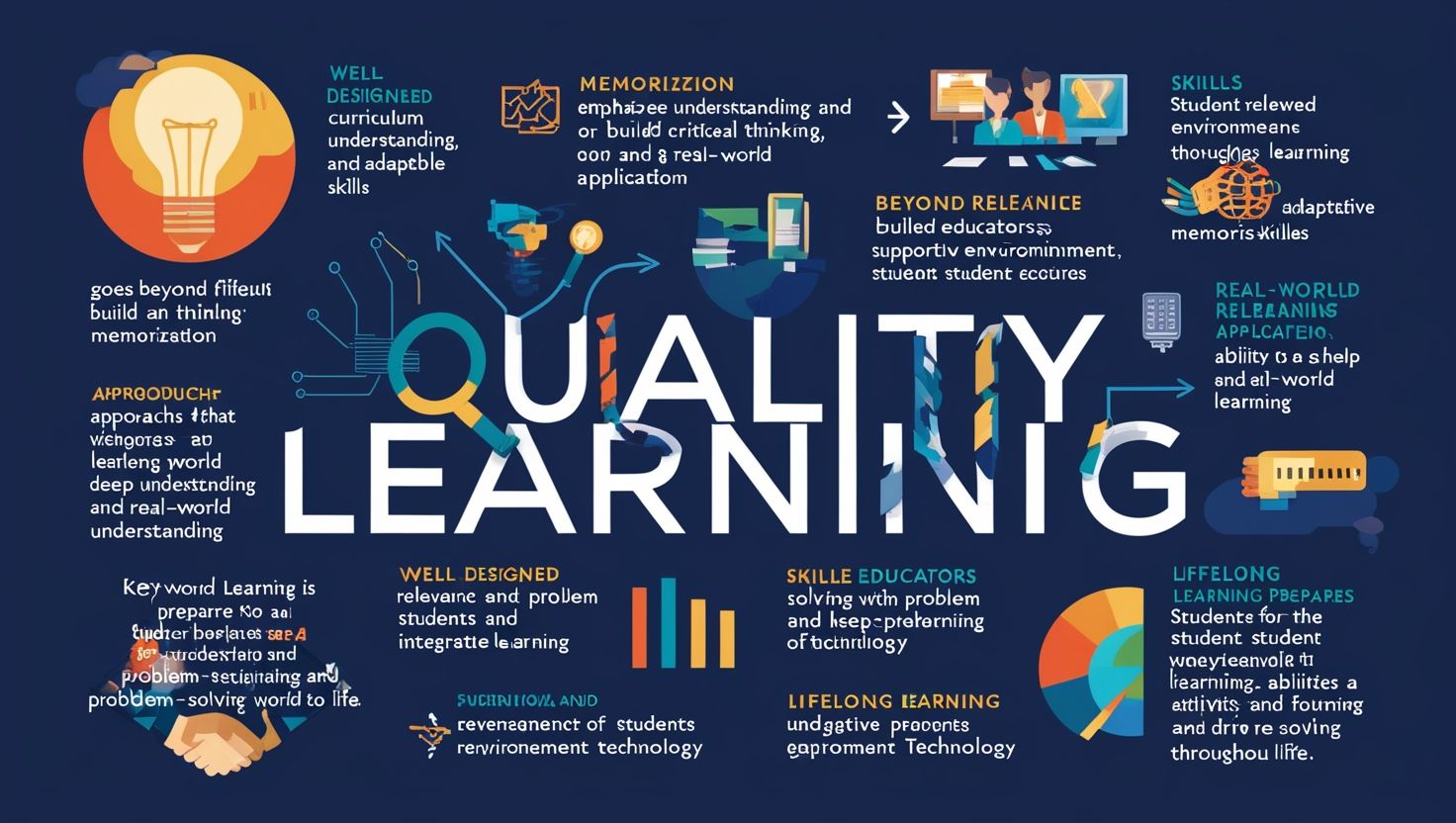
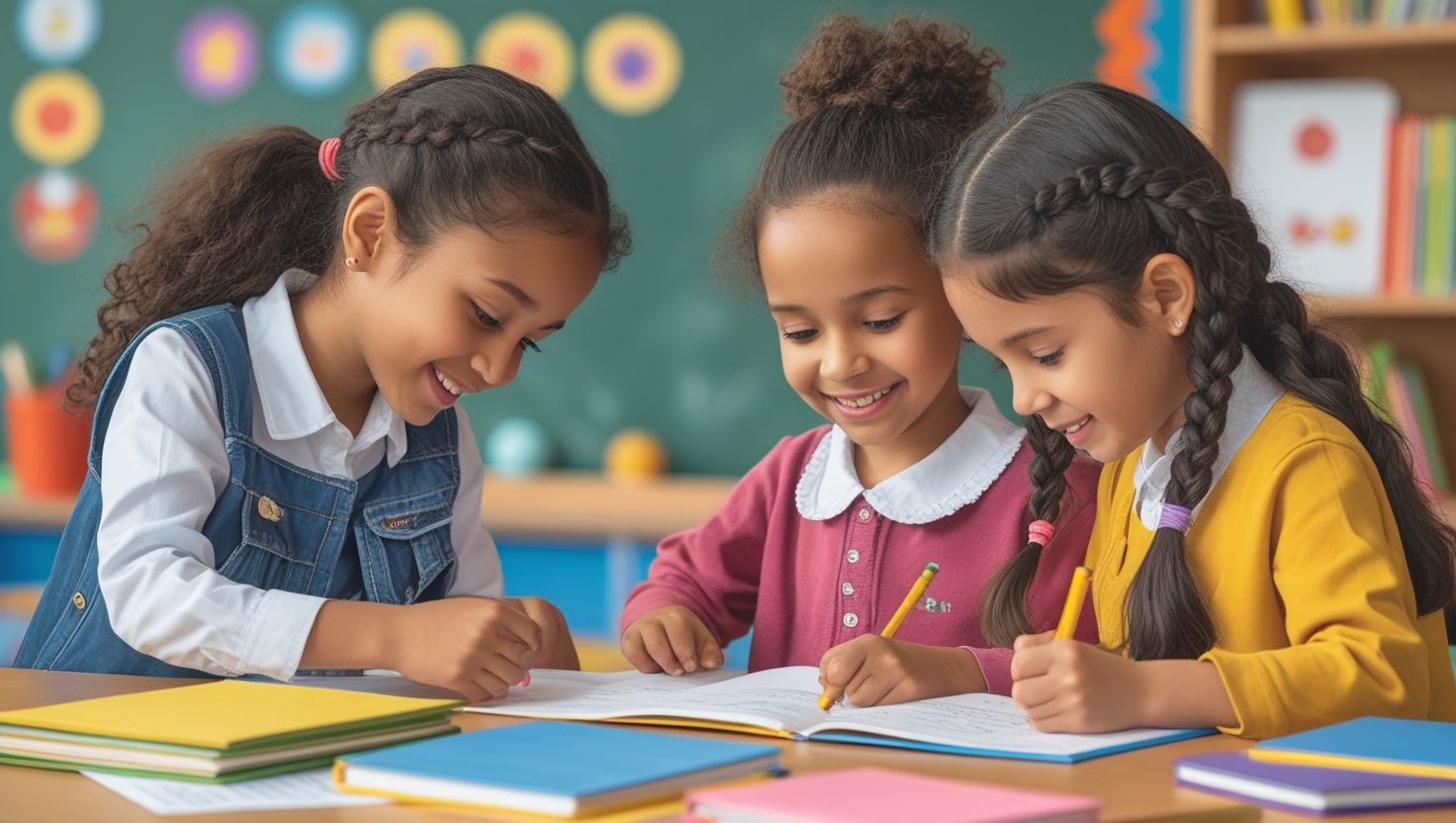
Participation in sports has been increasingly linked to improved cognitive functions among students. Research indicates that regular physical activity enhances brain function, including memory, attention, and problem-solving abilities. Sports stimulate neural connections and promote the release of neurotransmitters that support learning. Students engaged in sports often demonstrate better academic performance due to improved concentration and discipline. Moreover, strategic sports such as basketball, football, and chess-based physical games encourage critical thinking and decision-making under pressure. These cognitive benefits highlight the importance of integrating sports into educational systems as a means of enhancing intellectual development. Schools that prioritize sports programs often observe higher levels of student engagement and motivation, leading to improved overall learning outcomes.
Social and Emotional Learning Through Sports
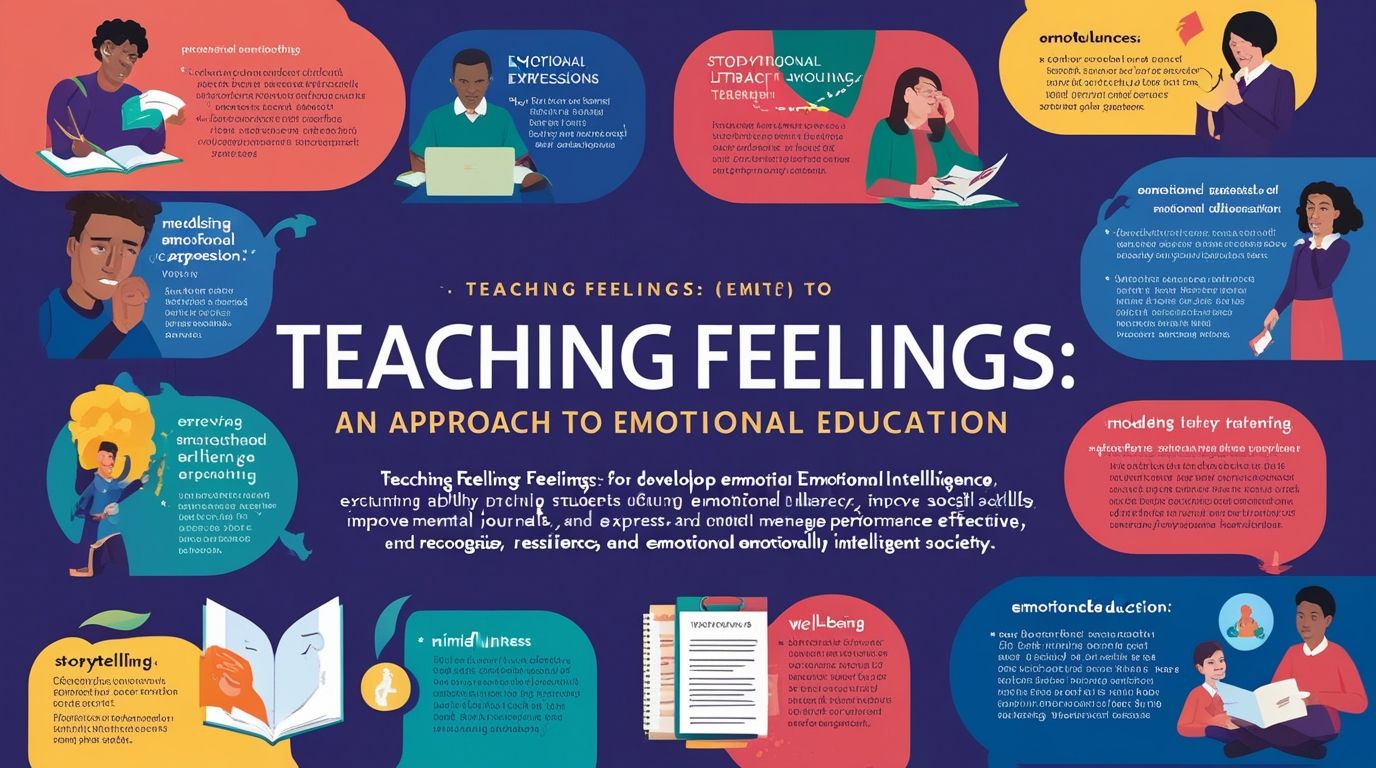
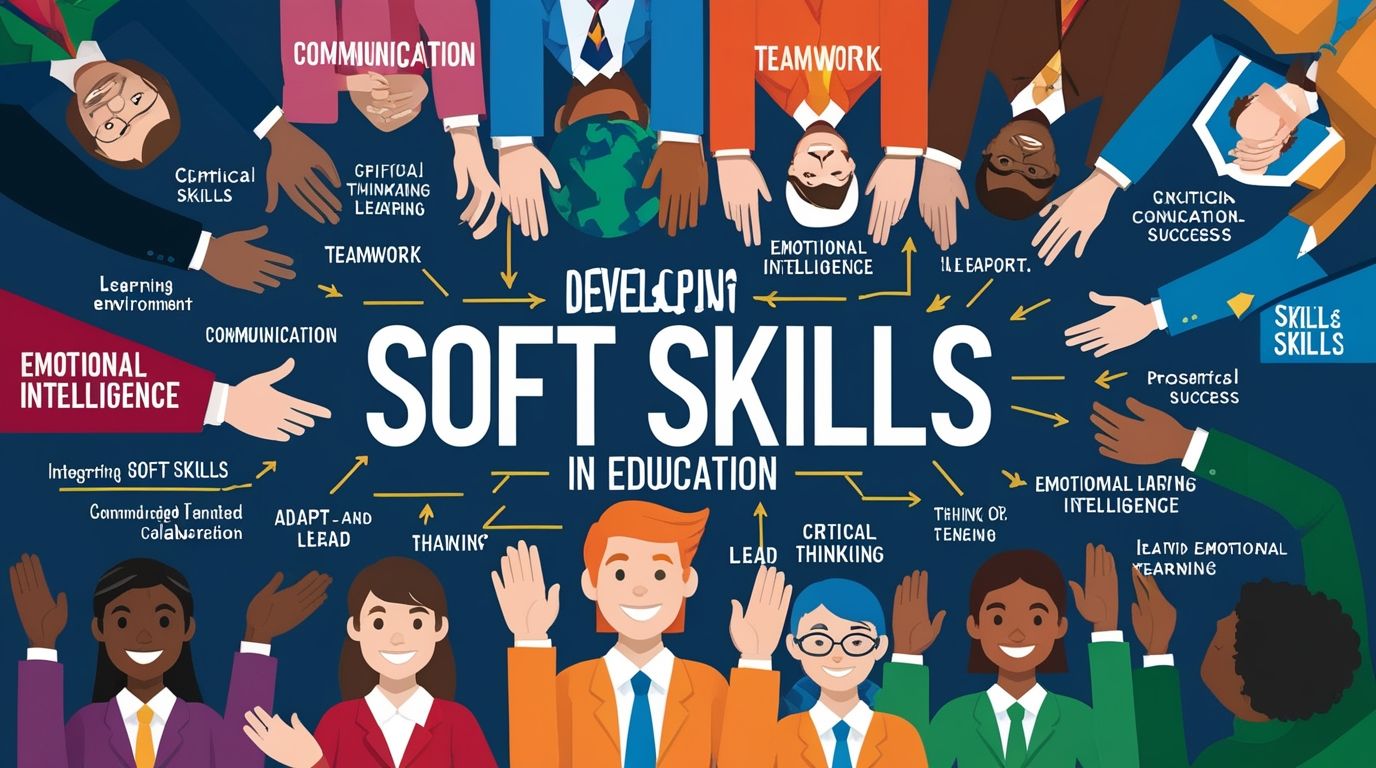
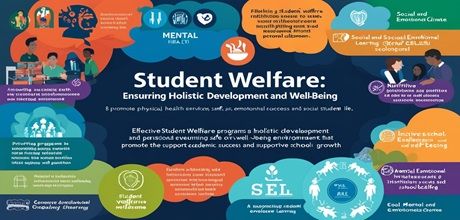
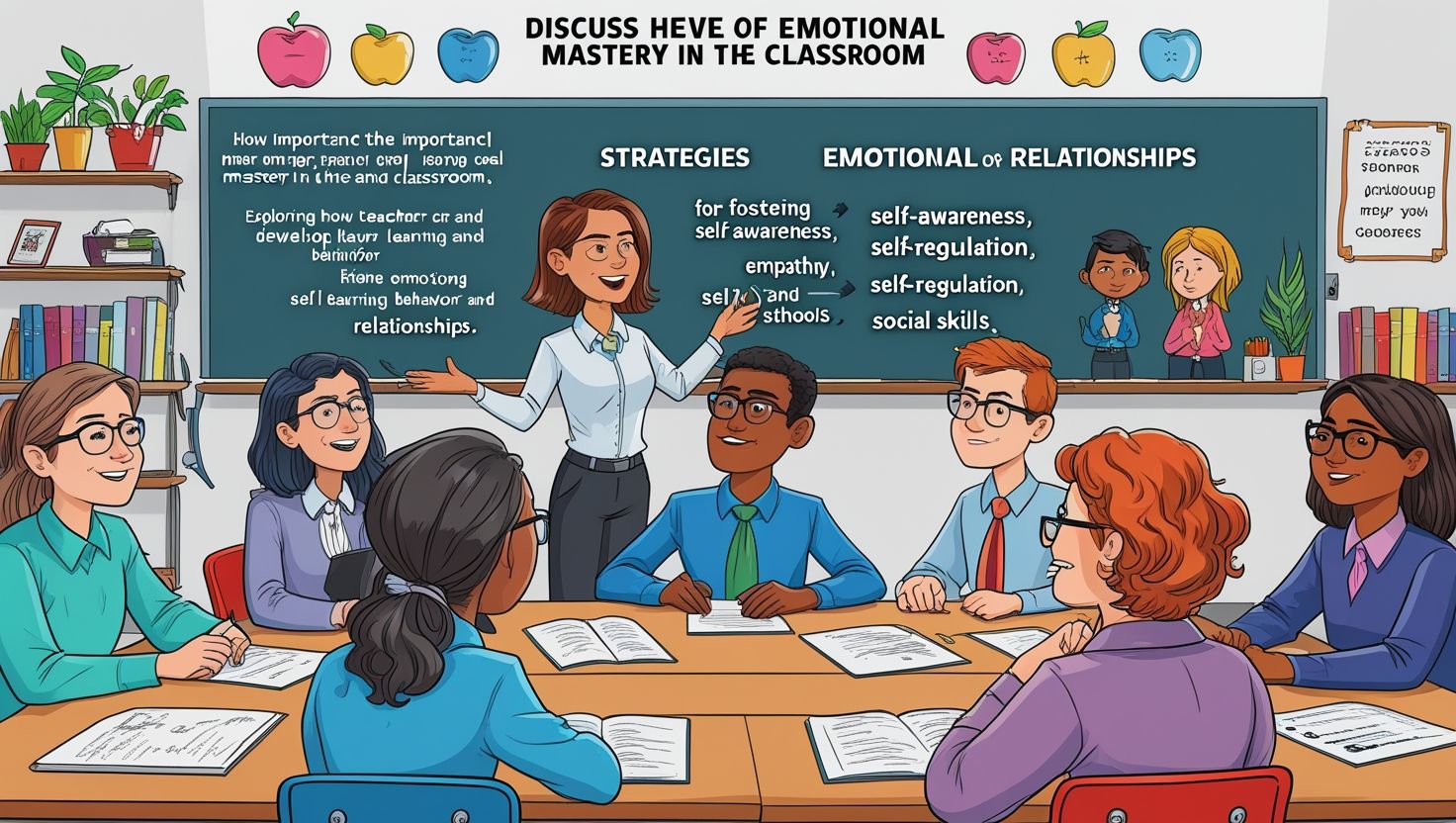
Sports play a crucial role in developing social and emotional competencies among students. Through team-based activities, learners acquire skills such as communication, cooperation, leadership, and conflict resolution. These experiences contribute to emotional intelligence, helping students manage stress, build resilience, and develop empathy. Participation in sports also fosters a sense of belonging and community within educational institutions. Students learn to handle success and failure gracefully, which is essential for personal growth. In the latest educational frameworks, social and emotional learning (SEL) is considered a core component, and sports provide a natural platform for its development. By engaging in sports, students build confidence and self-esteem, which positively influences their academic and personal lives.
Physical Health and Academic Performance
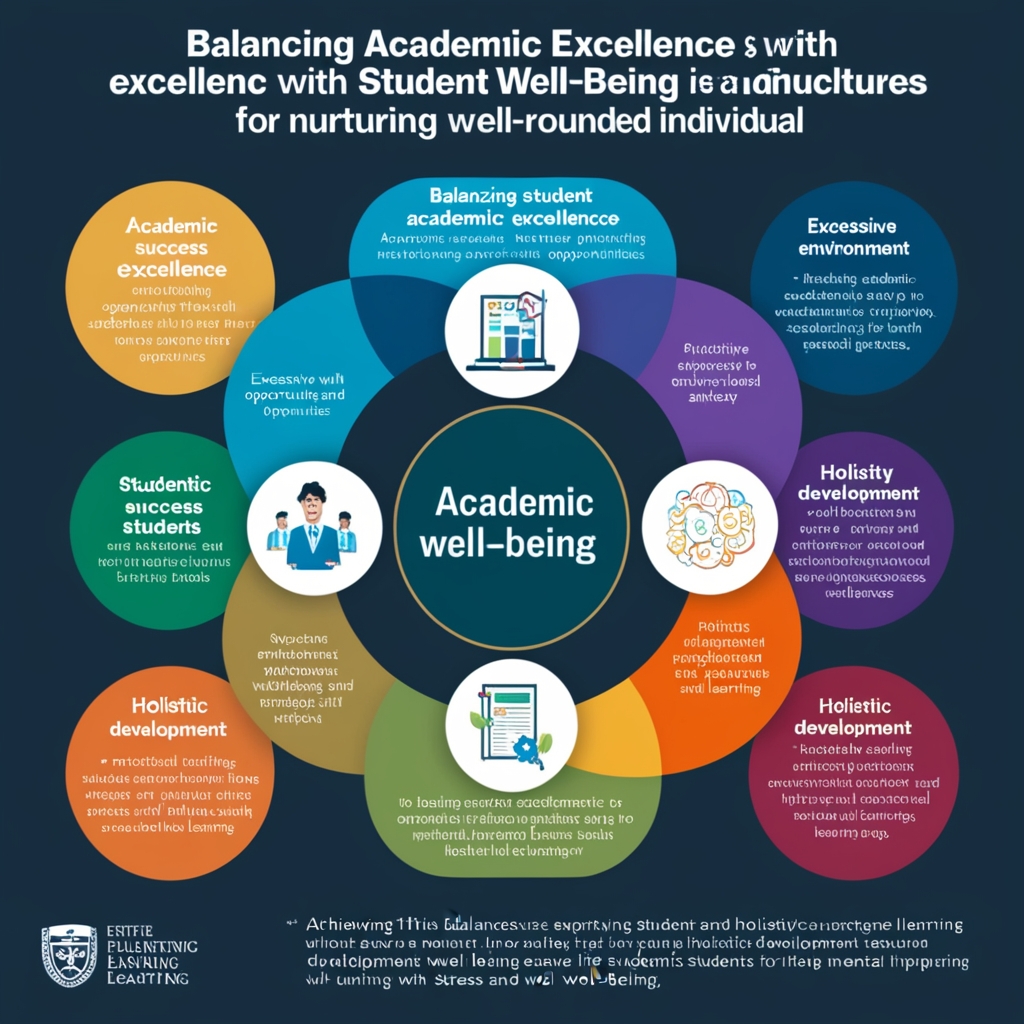
The connection between physical health and academic success is well-established, and sports play a vital role in maintaining student well-being. Regular participation in sports helps prevent obesity, improves cardiovascular health, and enhances overall fitness. Healthy students are more likely to attend school regularly and perform better academically. Physical activity also reduces stress and anxiety, creating a conducive environment for learning. Schools that integrate sports into daily routines often report improved student behavior and reduced disciplinary issues. The latest health guidelines emphasize the importance of physical education as a fundamental aspect of schooling. By promoting active lifestyles, educational institutions contribute to the long-term health and productivity of students.
The Rise of E-Sports in Education
One of the most notable recent developments is the emergence of e-sports as a recognized component of education. E-sports involve competitive video gaming and have gained popularity among students worldwide. Educational institutions are now establishing e-sports programs, offering scholarships, and incorporating gaming into curricula. While traditional sports focus on physical activity, e-sports emphasize cognitive skills such as strategic thinking, coordination, and teamwork. Critics raise concerns about screen time and physical inactivity, but proponents argue that e-sports can complement traditional sports by engaging students who may not participate in physical activities. The integration of e-sports reflects the evolving nature of sports and its expanding role in education.
Sports as a Tool for Inclusive Education
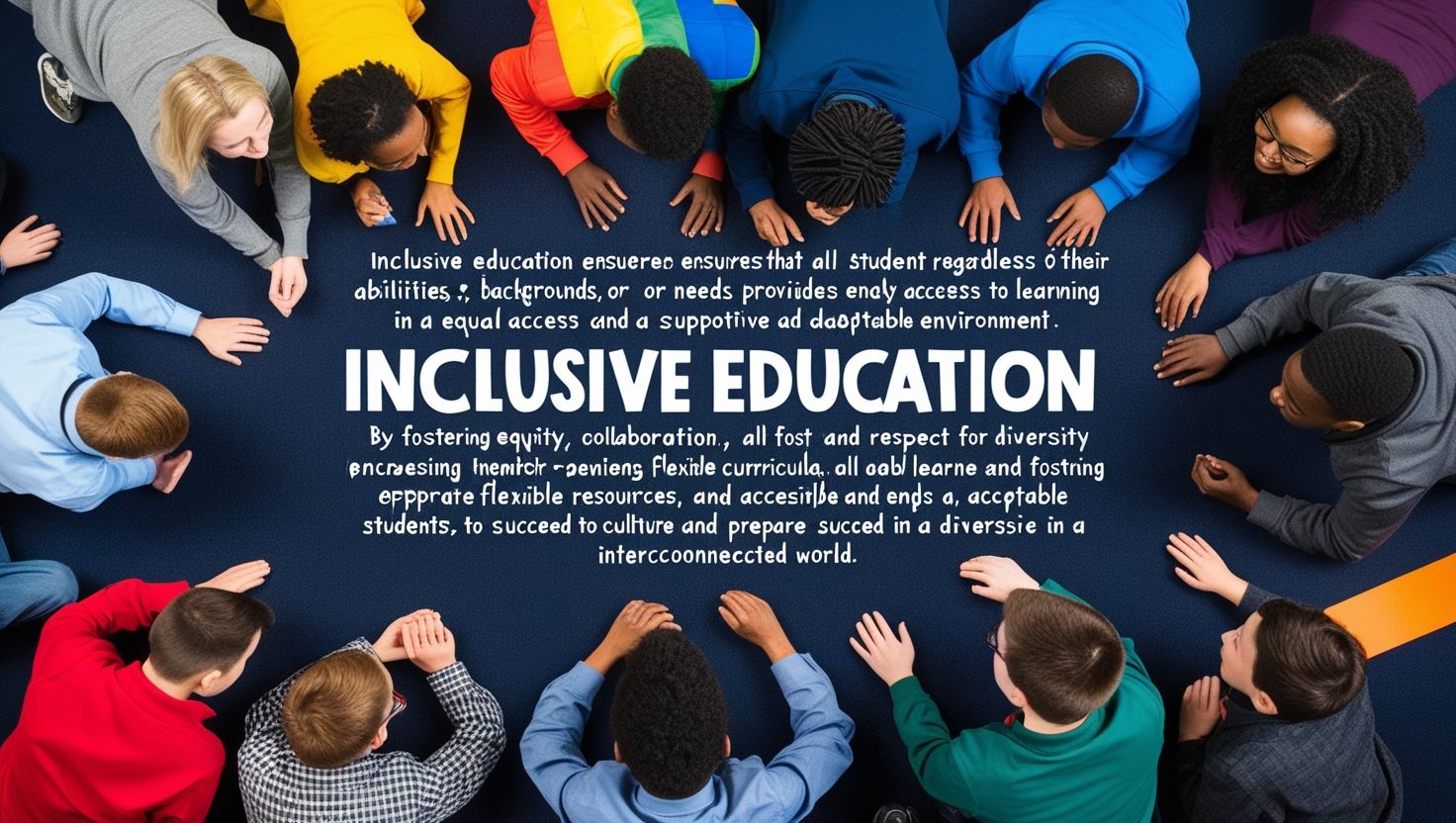
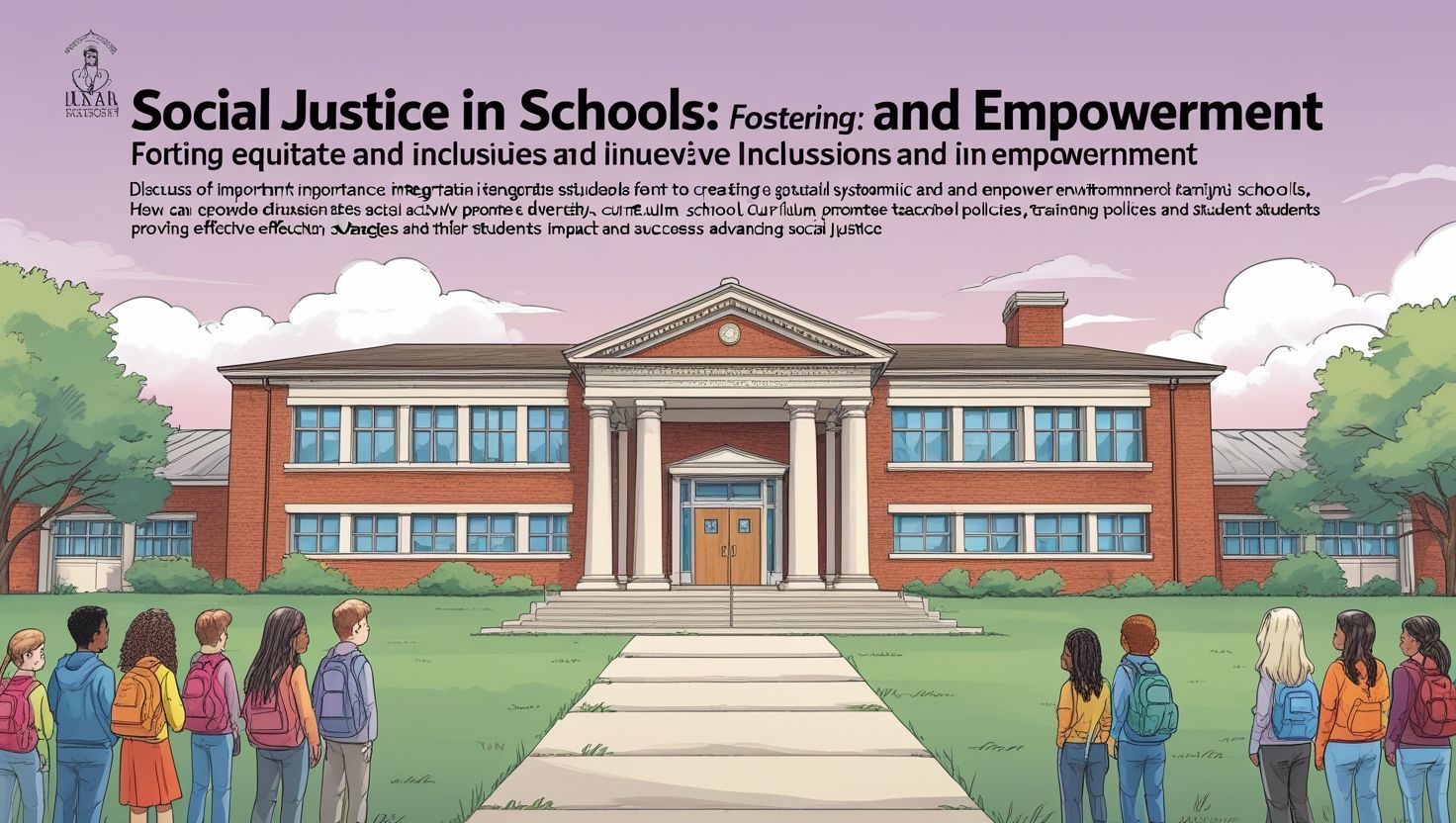
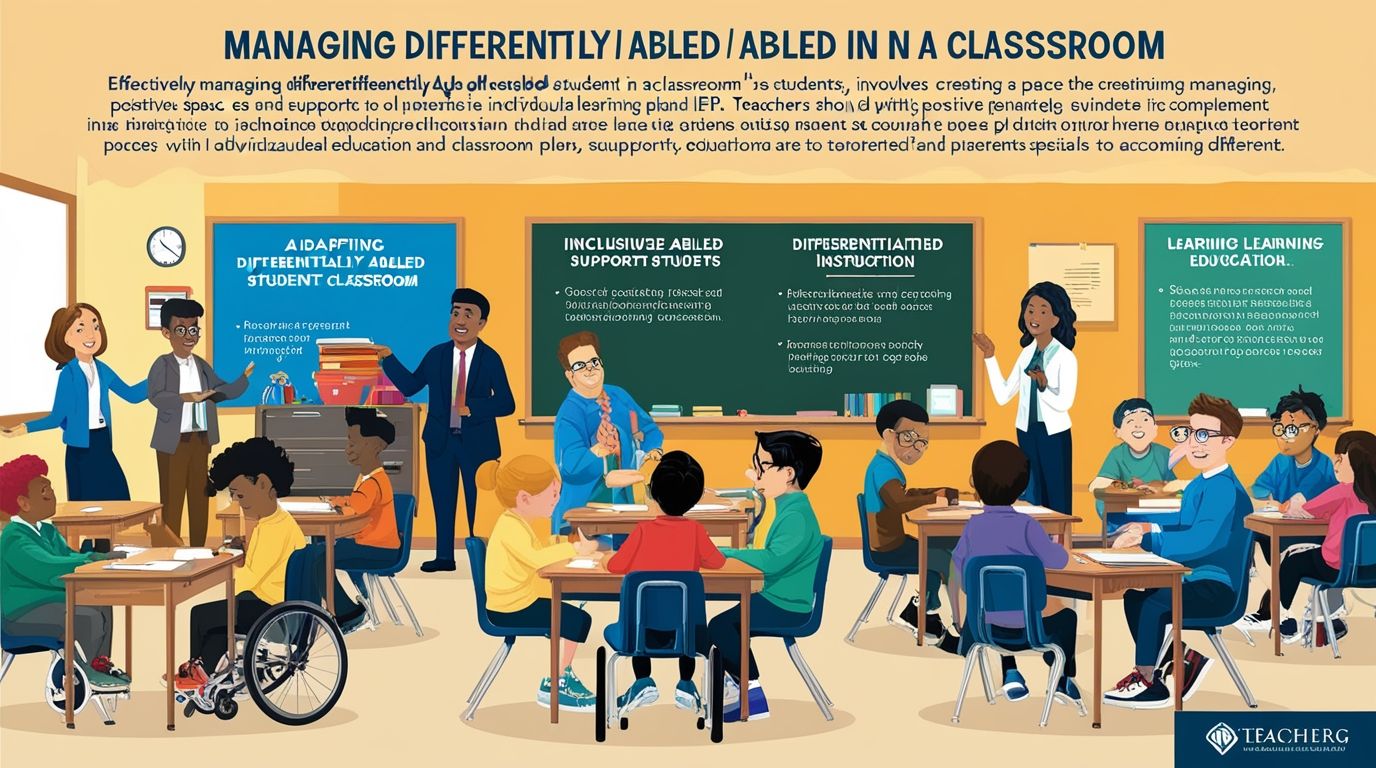
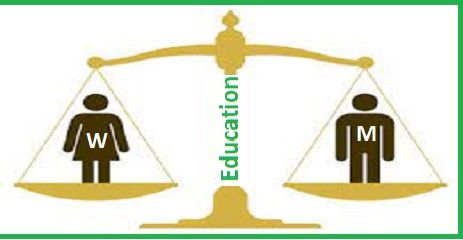
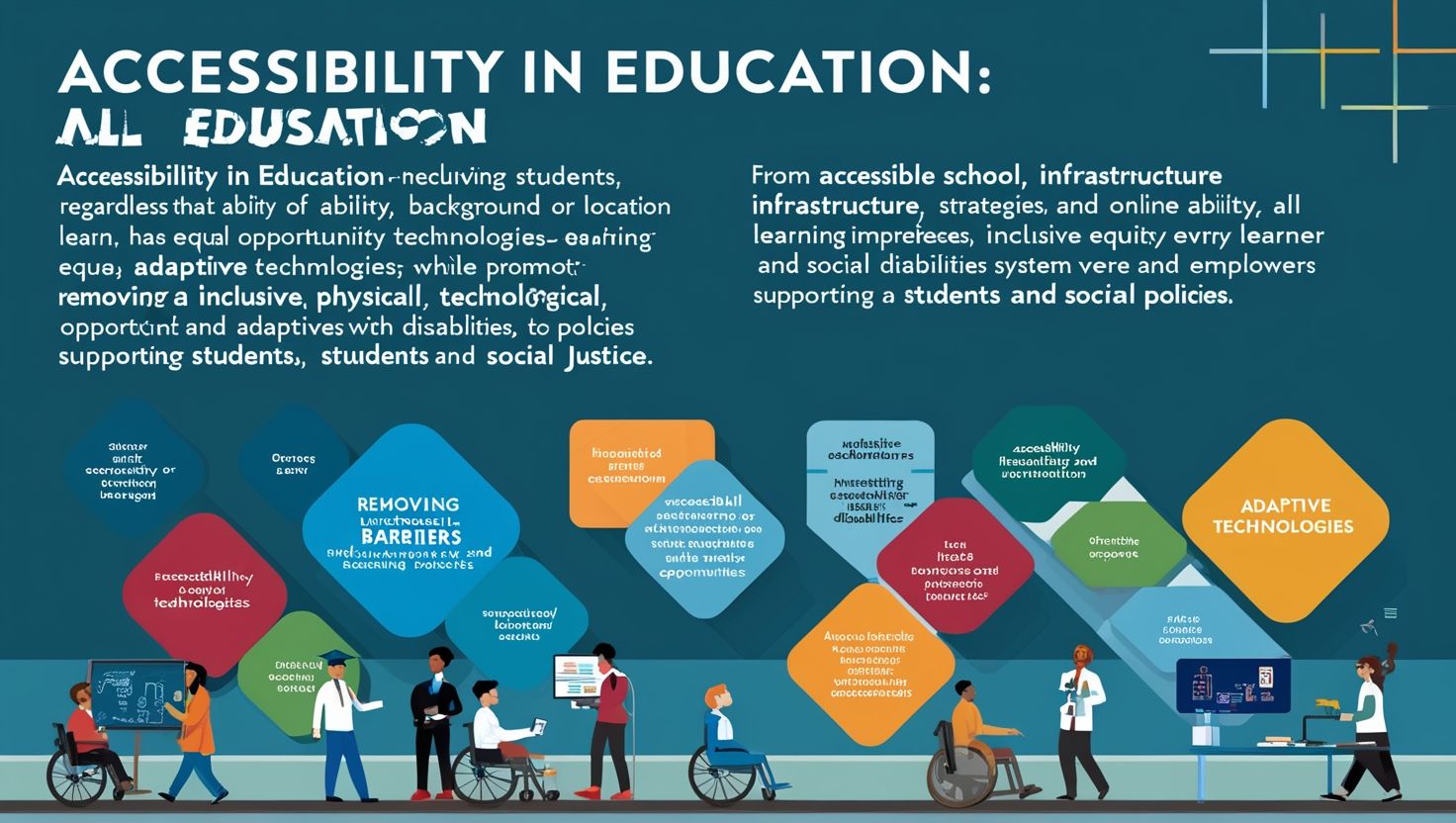
Sports have the potential to promote inclusivity and equity within educational systems. Adaptive sports programs enable students with disabilities to participate in physical activities, fostering a sense of belonging and empowerment. Inclusive sports initiatives break down barriers related to gender, socioeconomic status, and cultural differences. Educational institutions are increasingly adopting policies that ensure equal access to sports facilities and opportunities. These efforts contribute to a more equitable learning environment where all students can benefit from the advantages of sports participation. By promoting inclusivity, sports help create a supportive and diverse educational community.
Professional Pathways and Career Opportunities
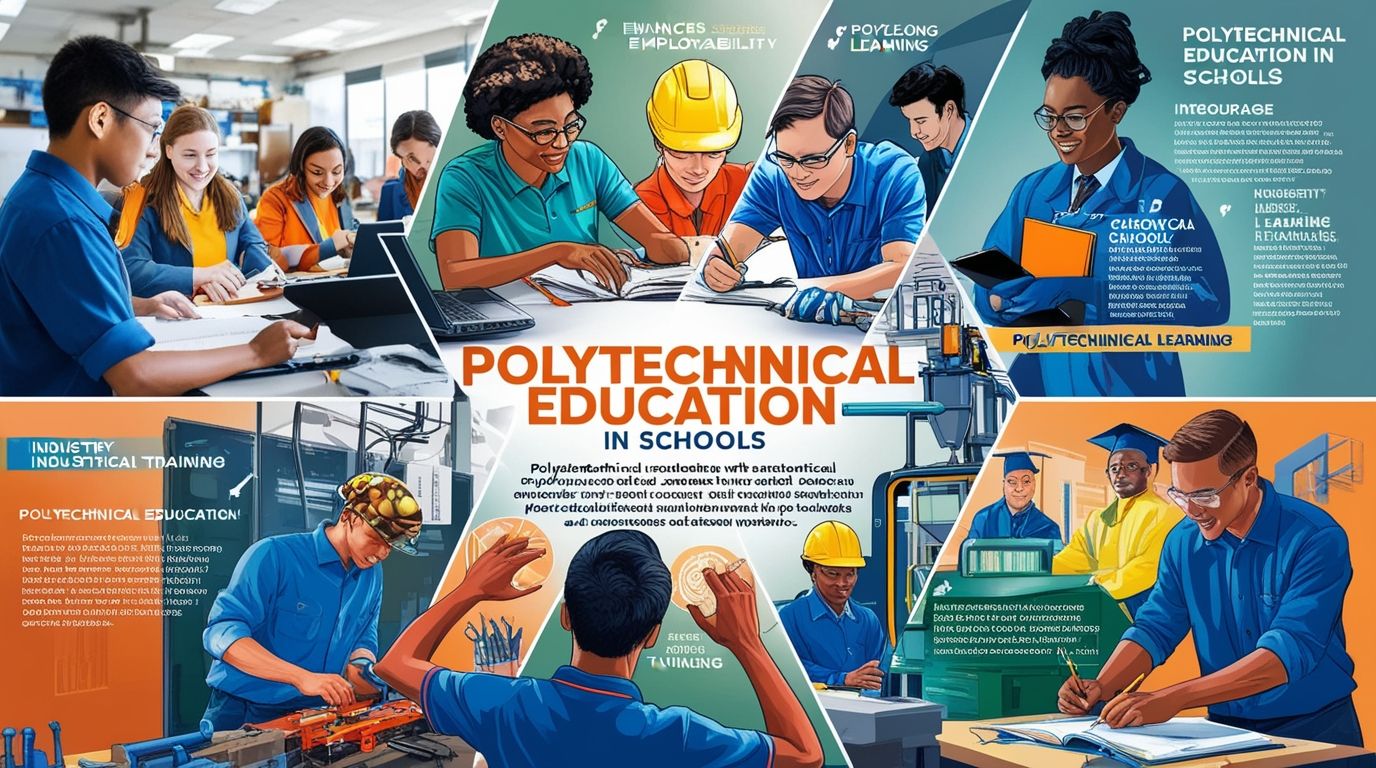
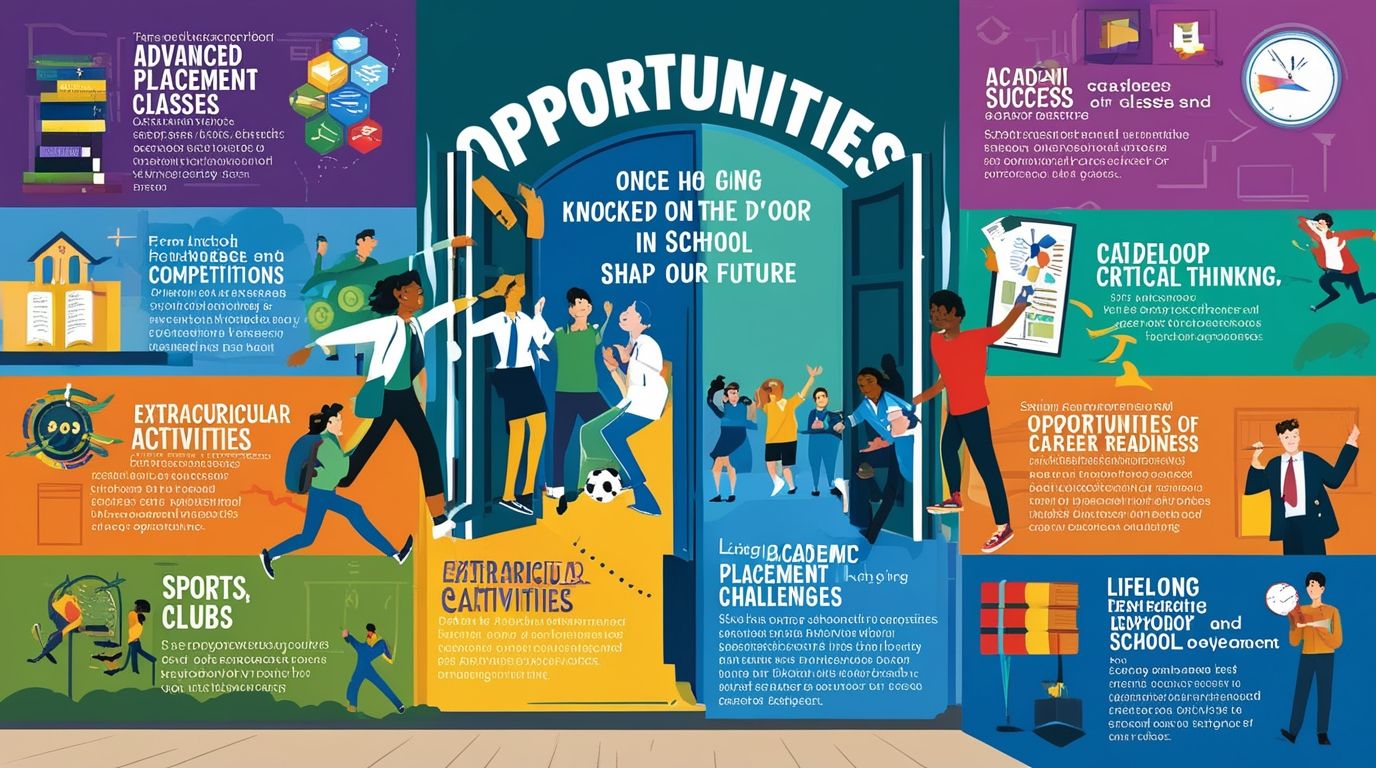
The latest trends in sports have expanded career opportunities for students, making sports education more relevant and attractive. Fields such as sports management, sports science, physiotherapy, coaching, and sports journalism offer diverse career paths. Educational institutions are developing specialized programs and courses to prepare students for these professions. Partnerships with professional sports organizations provide practical exposure and training opportunities. This alignment between education and industry enhances employability and equips students with skills required in the modern workforce. Sports education is no longer limited to athletes but encompasses a wide range of interdisciplinary careers.
Policy and Institutional Support
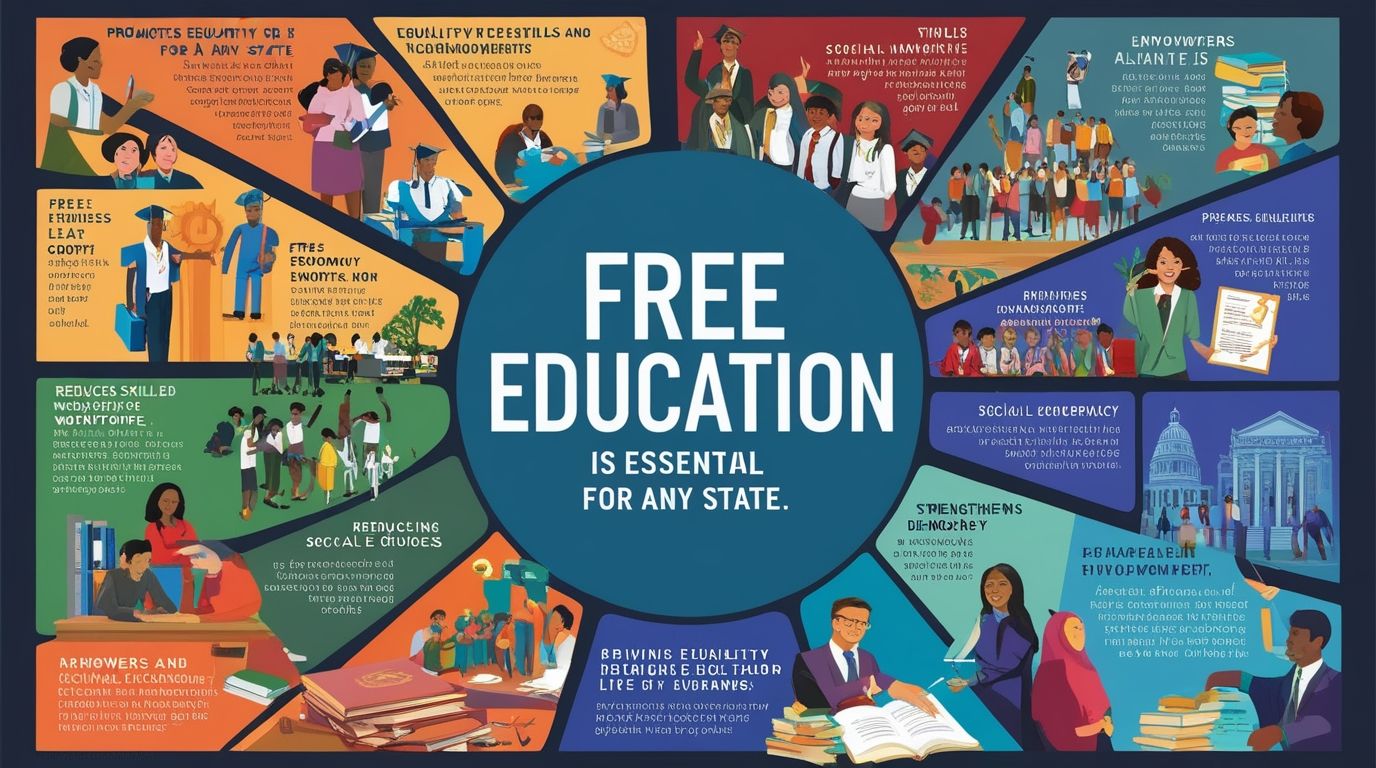
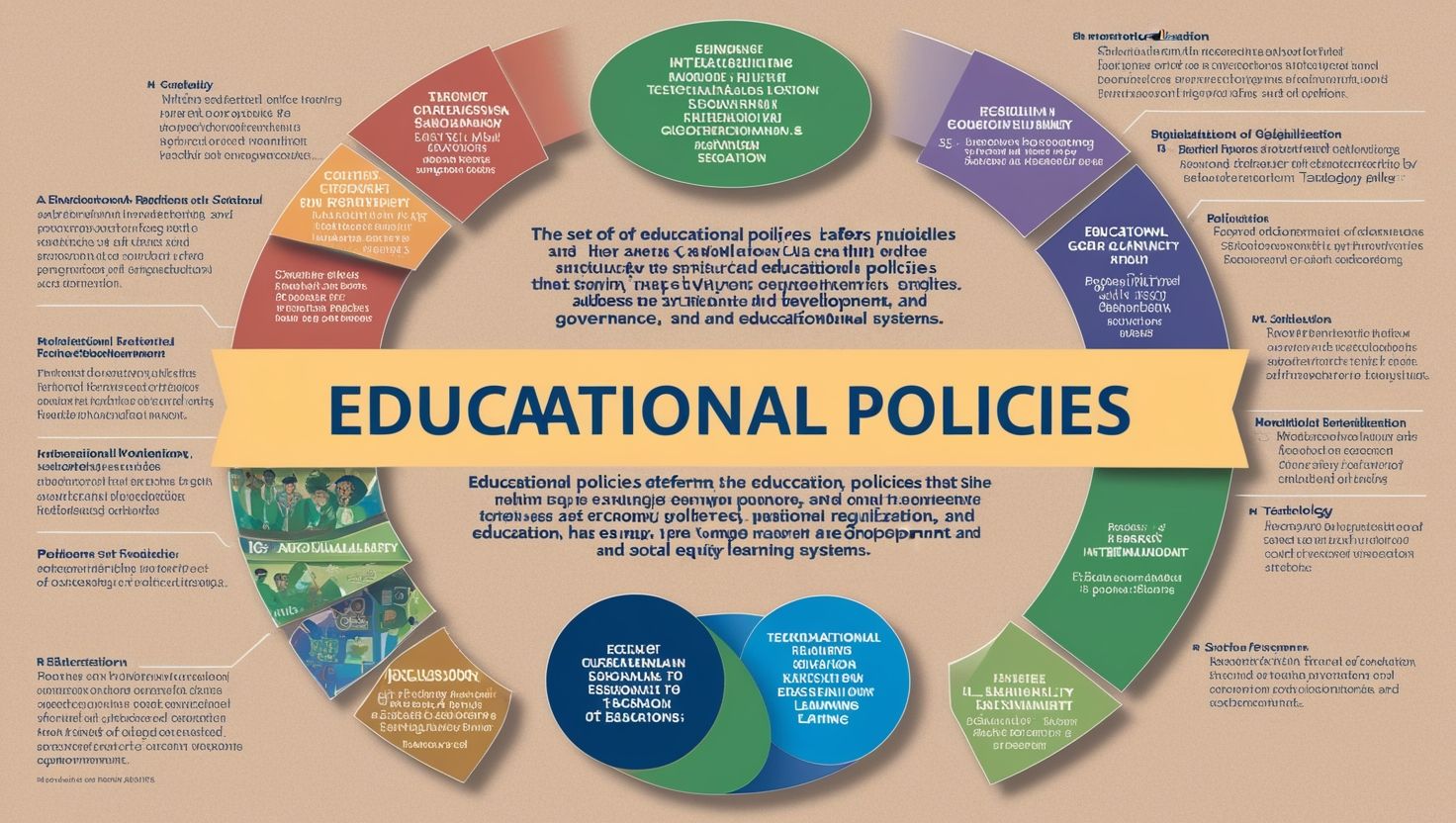
Government policies and institutional frameworks play a critical role in shaping the impact of sports on education. Many countries are implementing policies that mandate physical education and promote sports infrastructure development in schools. Funding for sports programs, teacher training, and facility improvement is essential for effective implementation. Educational institutions are also collaborating with sports organizations to enhance program quality. The latest policy trends emphasize the integration of sports into national education systems as a means of promoting holistic development. Strong policy support ensures sustainability and scalability of sports initiatives in education.
Challenges in Integrating Sports and Education
Despite the numerous benefits, integrating sports into education presents several challenges. Limited resources, inadequate infrastructure, and lack of trained personnel can hinder the effectiveness of sports programs. Academic pressures often lead to the marginalization of sports in favor of traditional subjects. Additionally, concerns about injuries and safety may discourage participation. Addressing these challenges requires strategic planning, investment, and awareness among stakeholders. Balancing academic and sports commitments is crucial for maximizing the benefits of both domains. Overcoming these barriers is essential for realizing the full potential of sports in education.
Future Directions: Toward Holistic Education
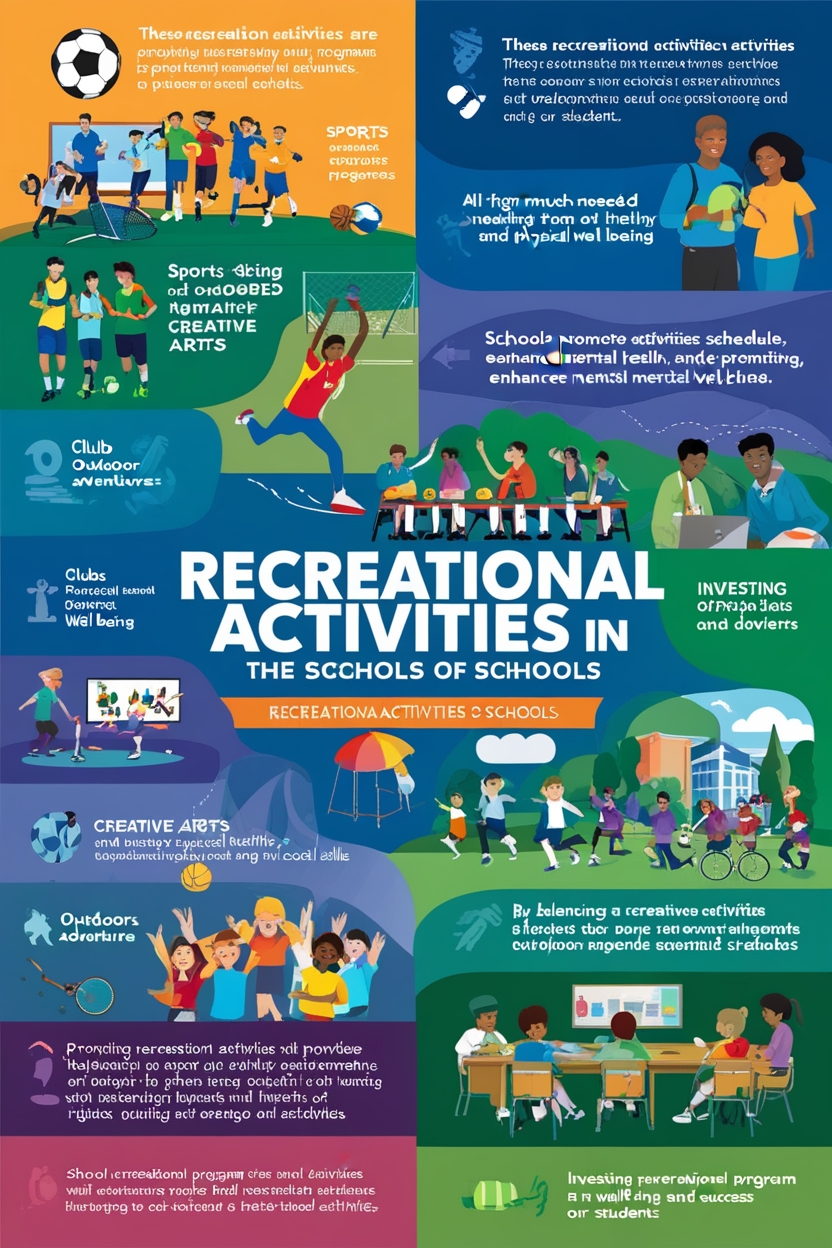
The future of education lies in the integration of sports as a core component of holistic development. Emerging trends such as interdisciplinary learning, digital integration, and personalized education will further enhance the role of sports. Schools are likely to adopt innovative approaches that combine physical activity with academic learning. For example, sports-based learning models can be used to teach mathematics, science, and social studies. The emphasis on well-being and mental health will also drive the expansion of sports programs. By embracing these trends, educational systems can create environments that nurture both the body and mind.
Conclusion: Transformative Impact of Sports on Education
In conclusion, the latest developments in sports have significantly influenced educational systems, transforming the way students learn and grow. From technological advancements to the rise of e-sports, sports are playing an increasingly important role in shaping holistic education. The cognitive, social, emotional, and physical benefits of sports highlight their value as essential components of learning. While challenges remain, continued investment and innovation can enhance the integration of sports into education. By recognizing the transformative impact of sports, educators and policymakers can create dynamic learning environments that prepare students for success in all aspects of life.




















































































































































































































































































































10uuch
References:
Hashlucky Promo Code ohne Einzahlung GTA 5 Casino Vorbereitung