1. Introduction to Modern Presentation Skills
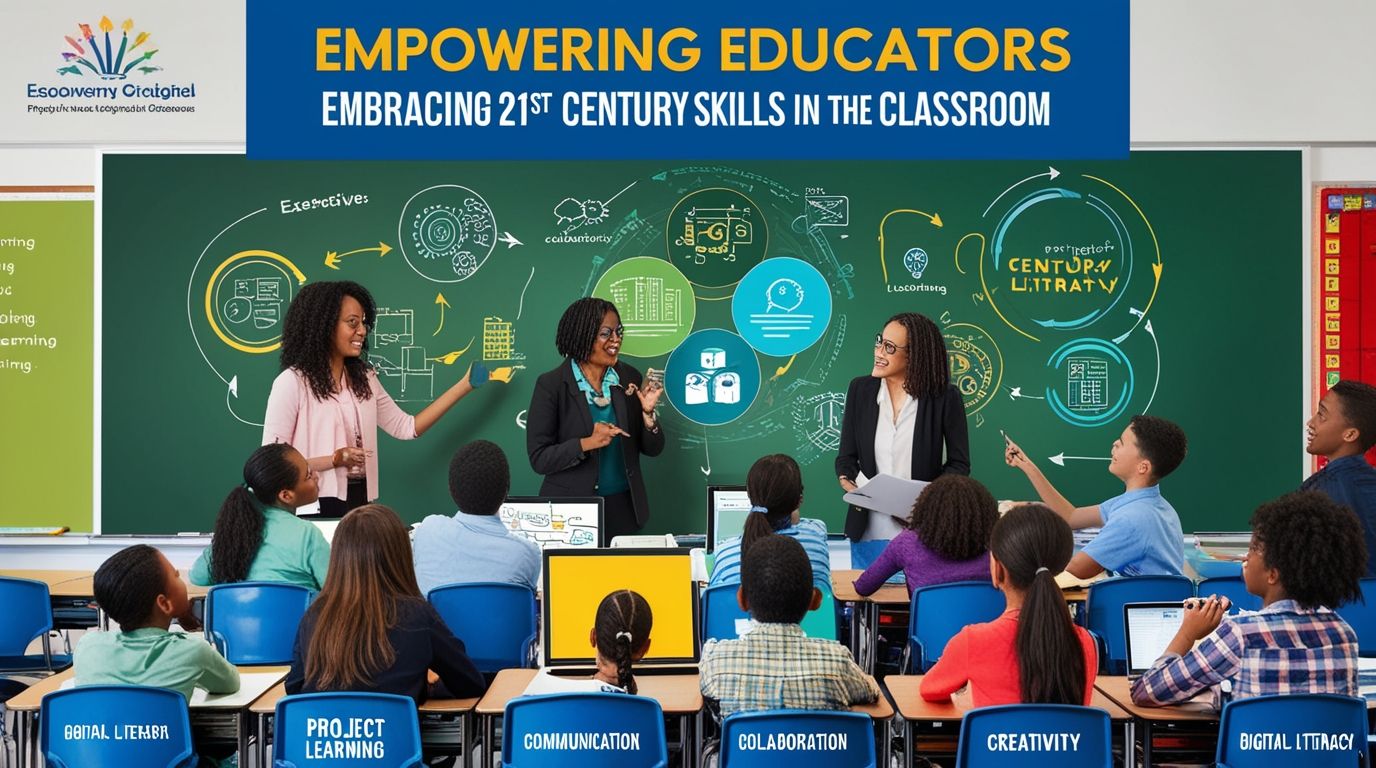
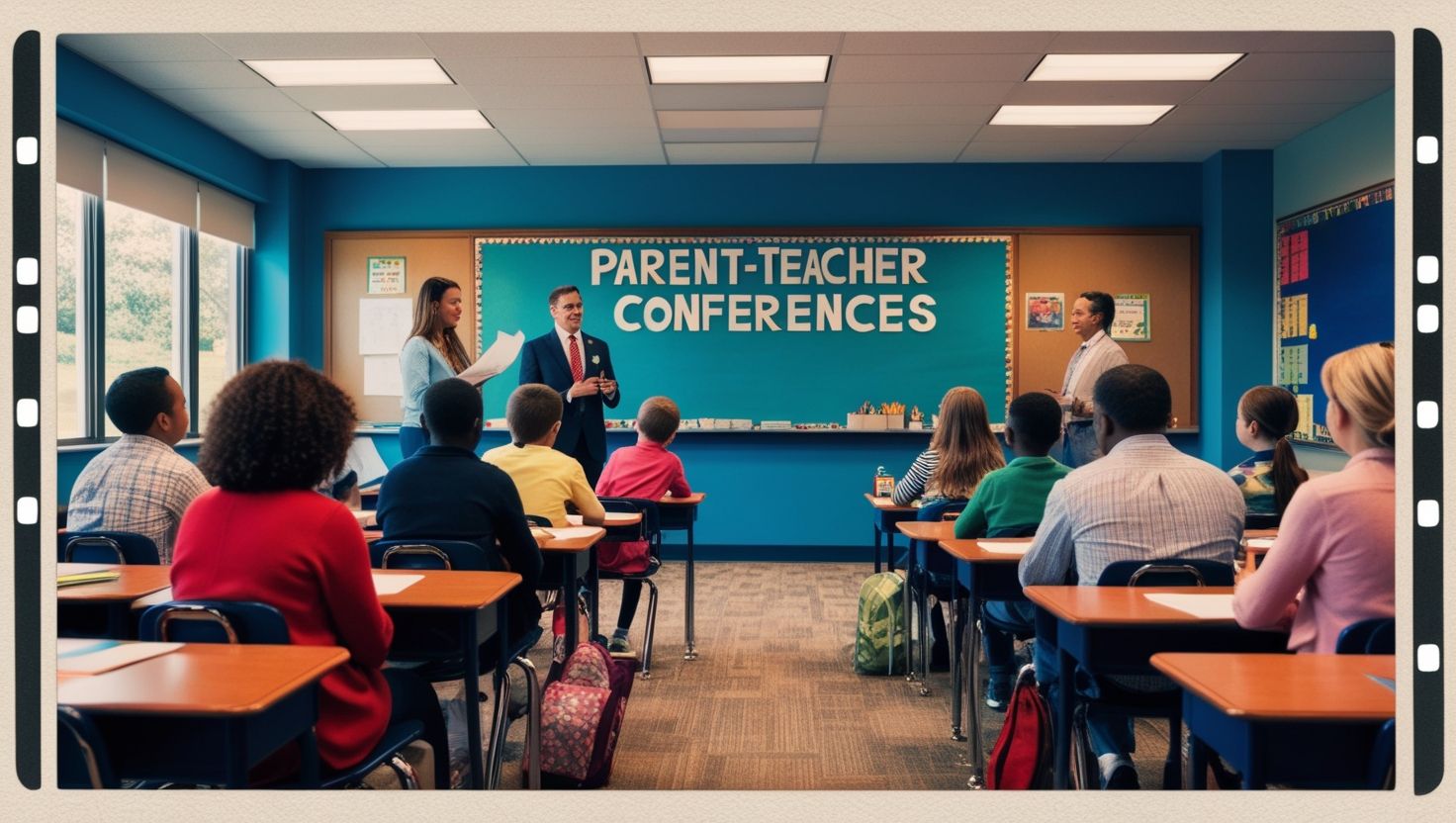
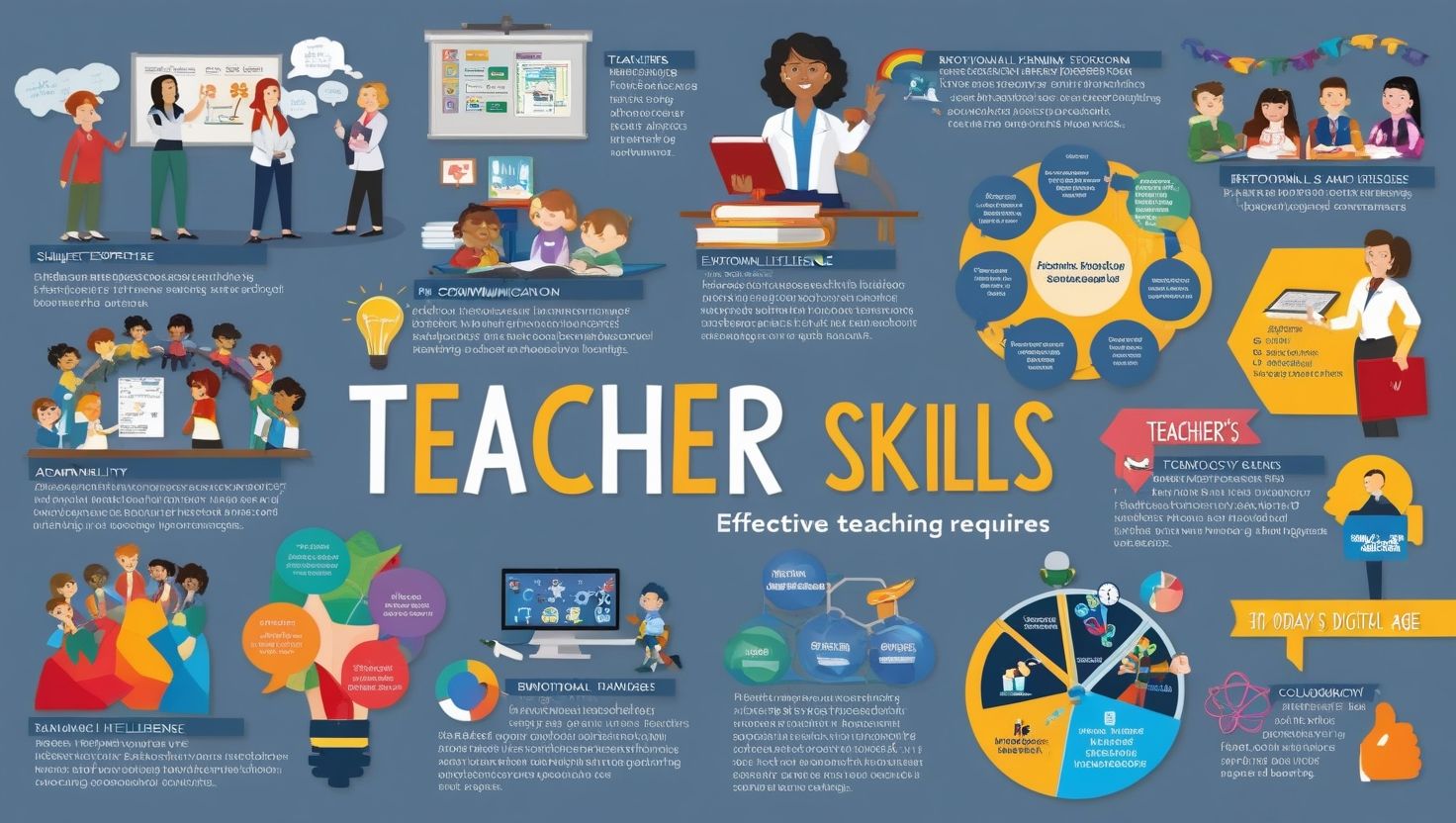
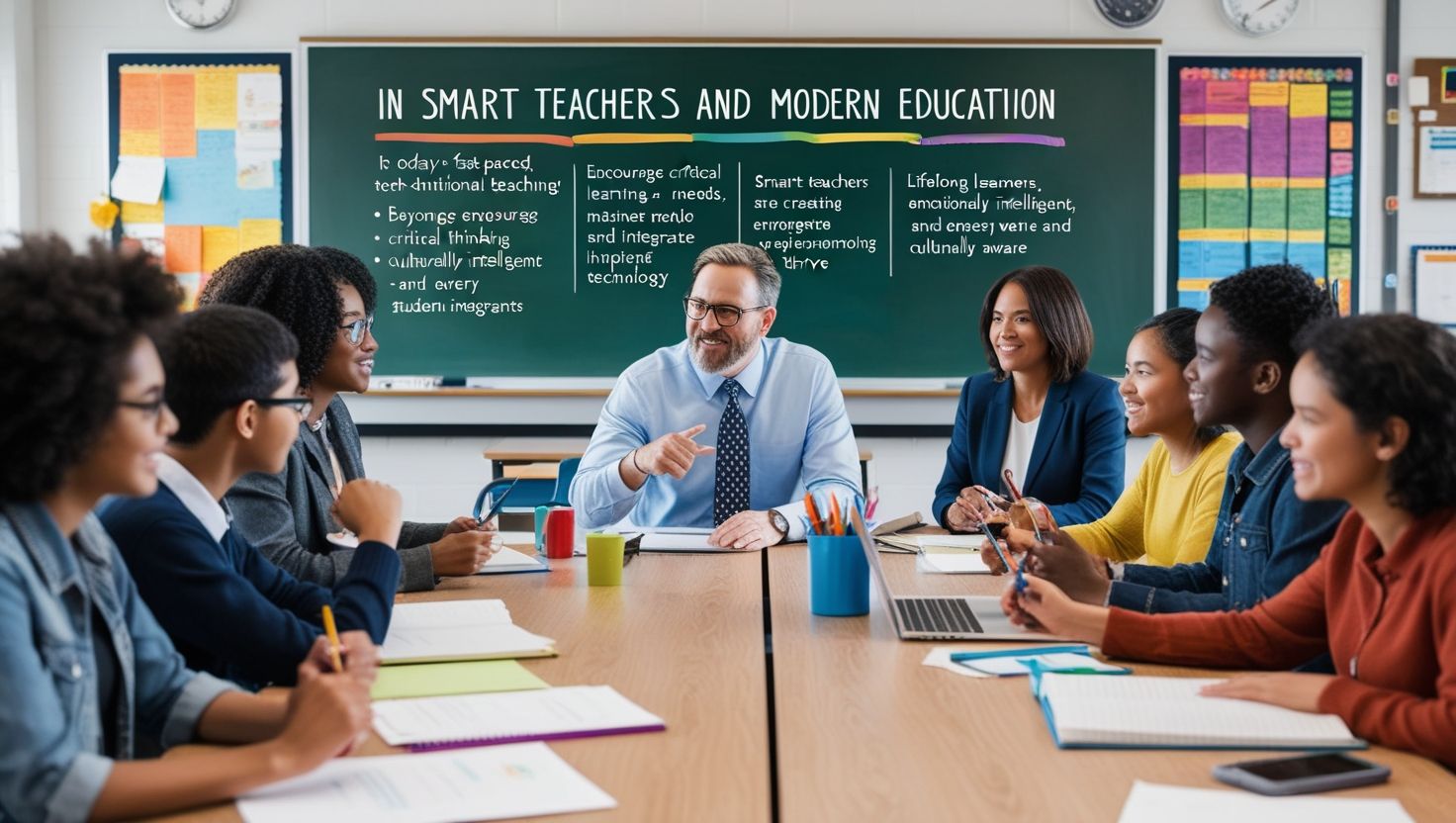
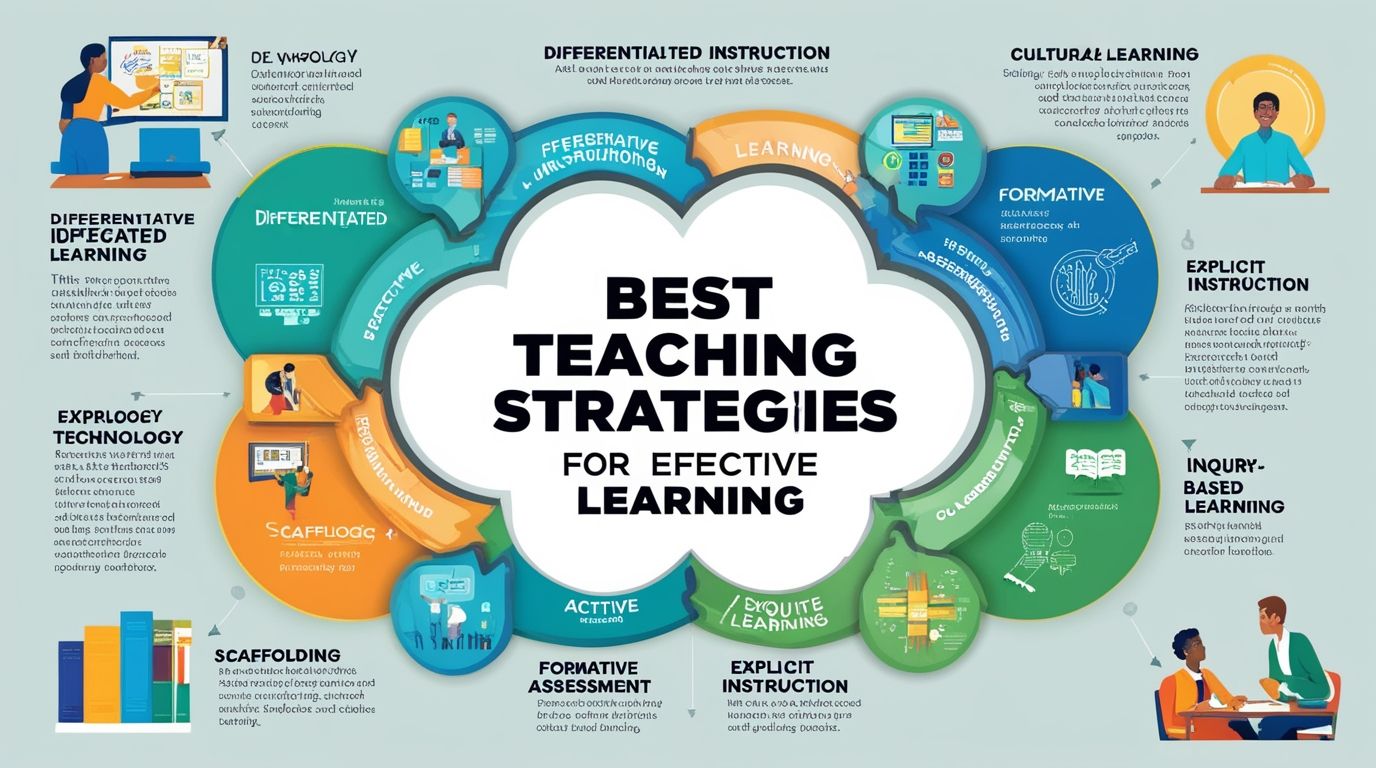
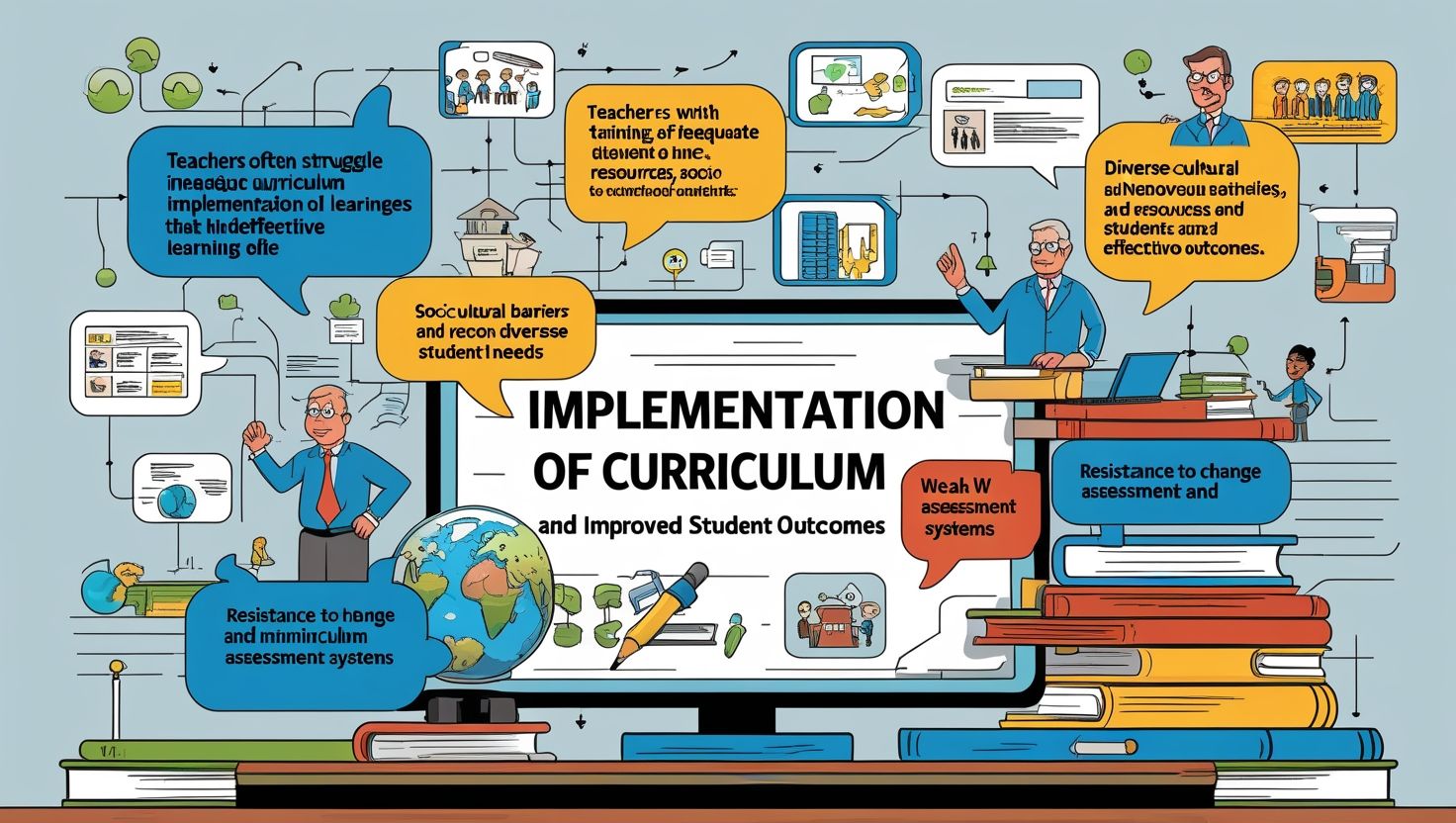
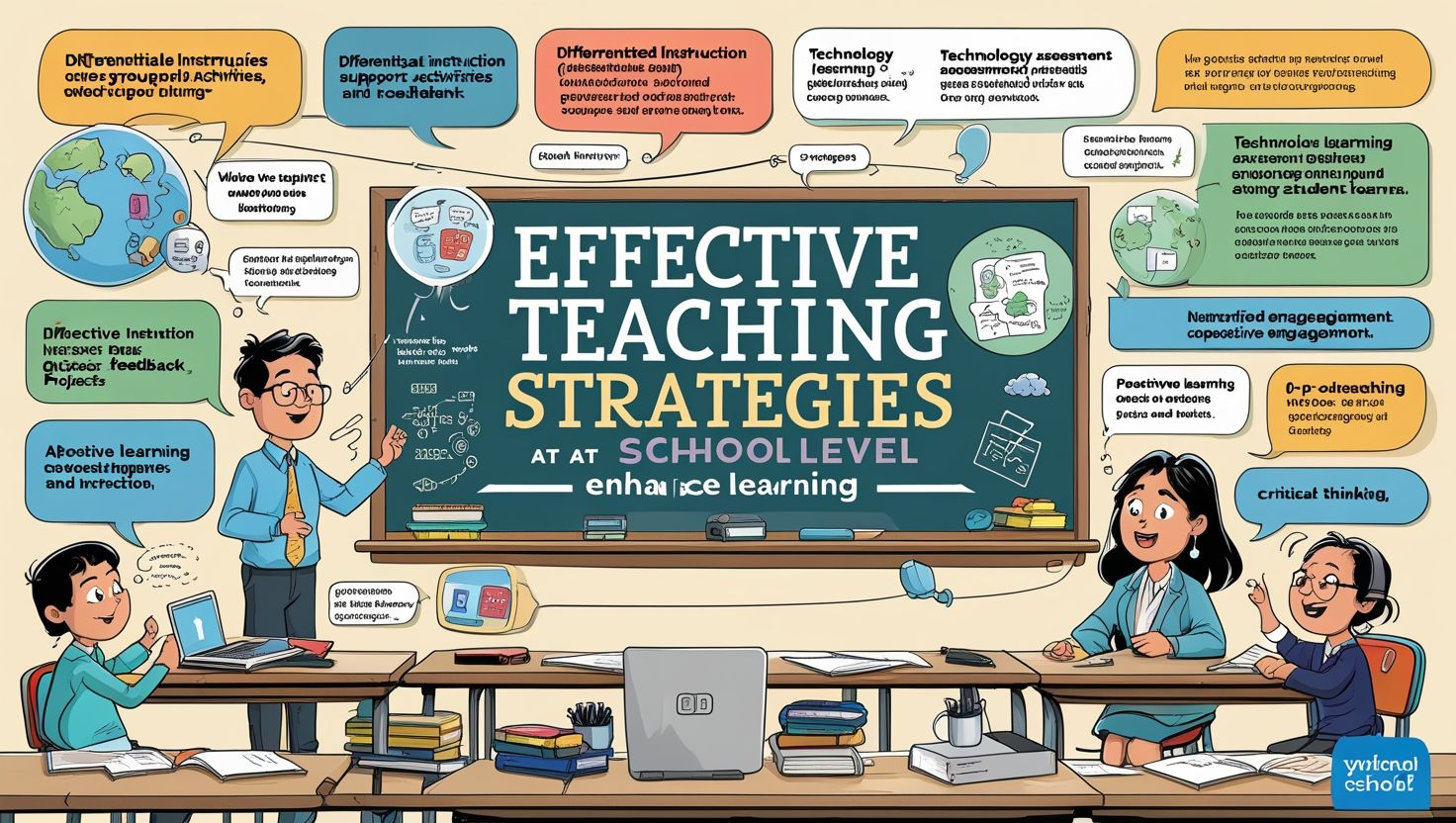
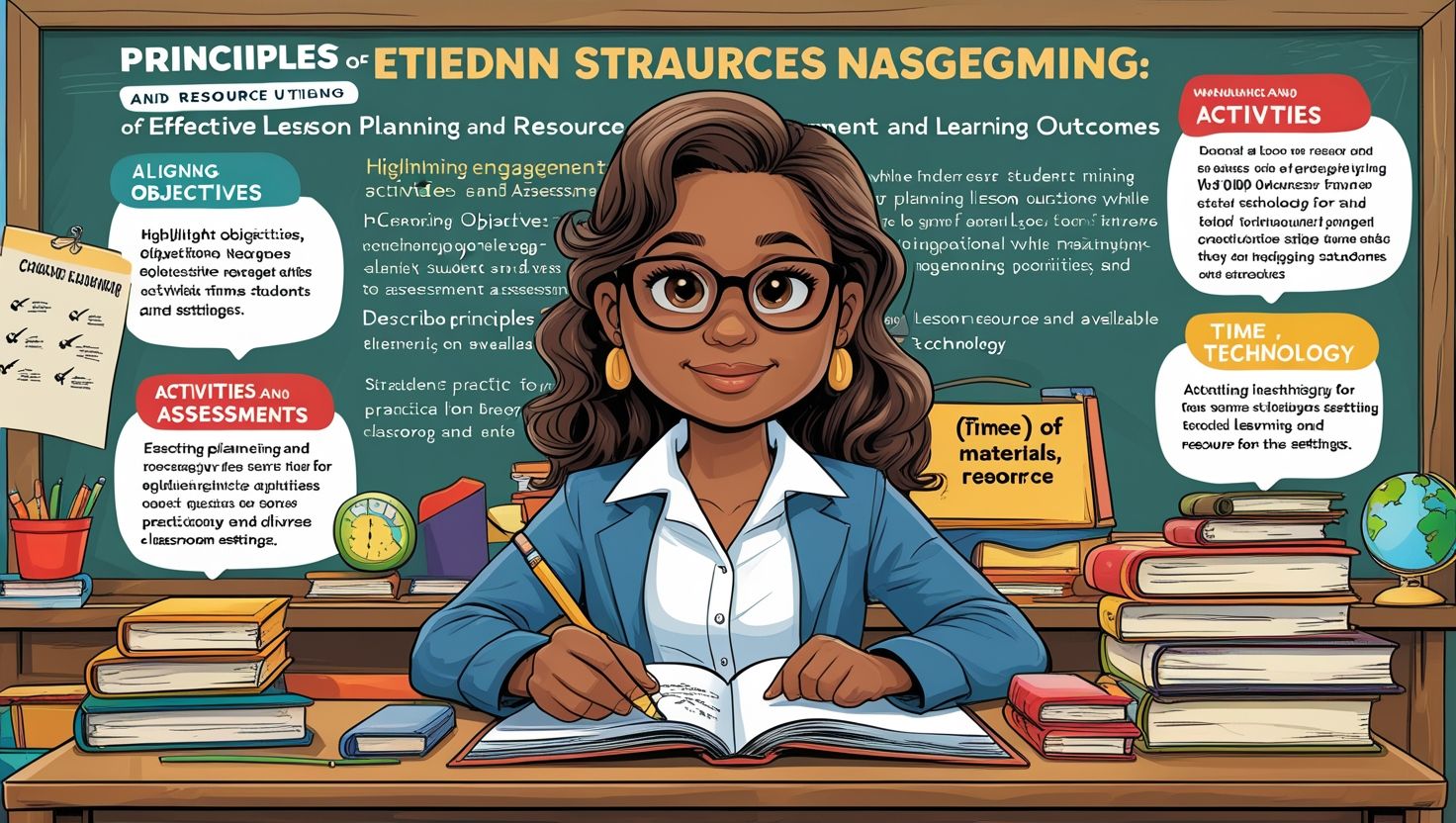
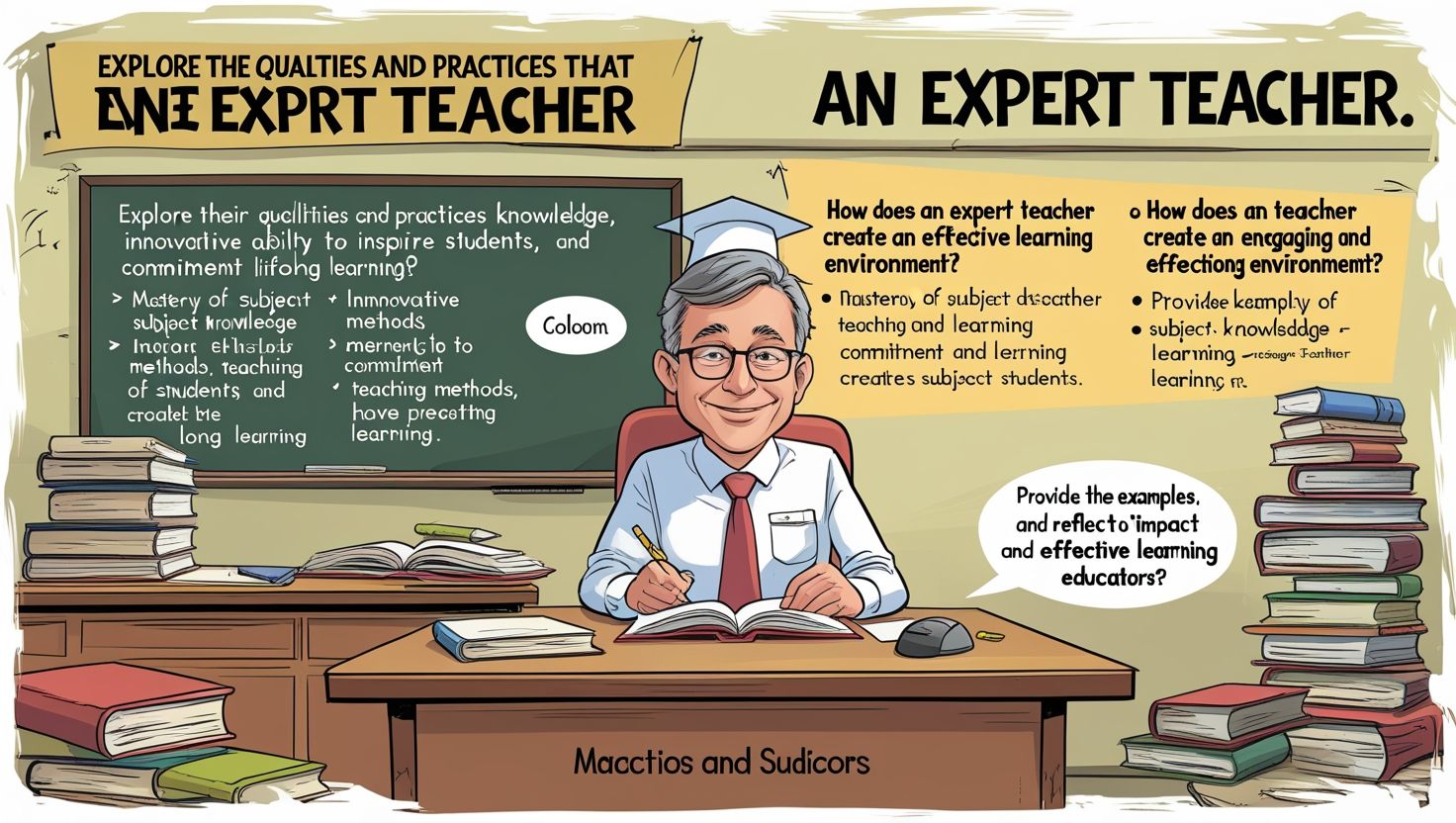
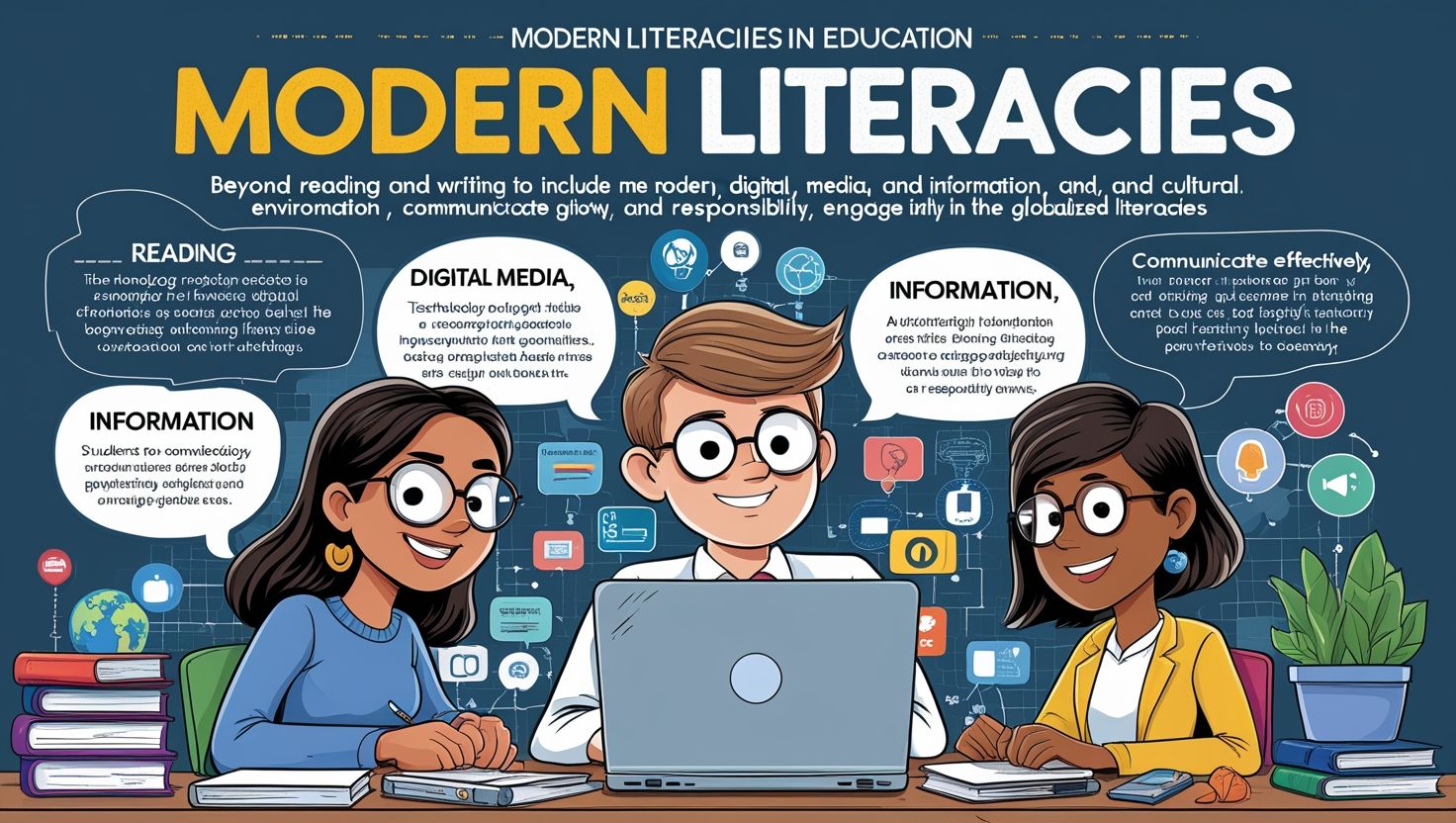
Latest Teachers’ Presentation Skills in the Classroom, Modern education is rapidly evolving, and teachers must continuously refine their presentation skills to remain effective in the classroom. The traditional lecture-based approach is no longer sufficient to engage today’s learners, who are exposed to dynamic digital content outside school. Effective teaching now requires a blend of communication, creativity, and technology integration. Teachers are expected to present ideas clearly while also fostering interaction and critical thinking. Strong presentation techniques help simplify complex concepts, maintain student attention, and encourage active participation. As classrooms become more diverse and student-centered, mastering updated presentation approaches is essential. Teachers who develop advanced presentation abilities not only improve academic outcomes but also create a more engaging and motivating learning environment for students.
2. Importance of Clarity in Teaching
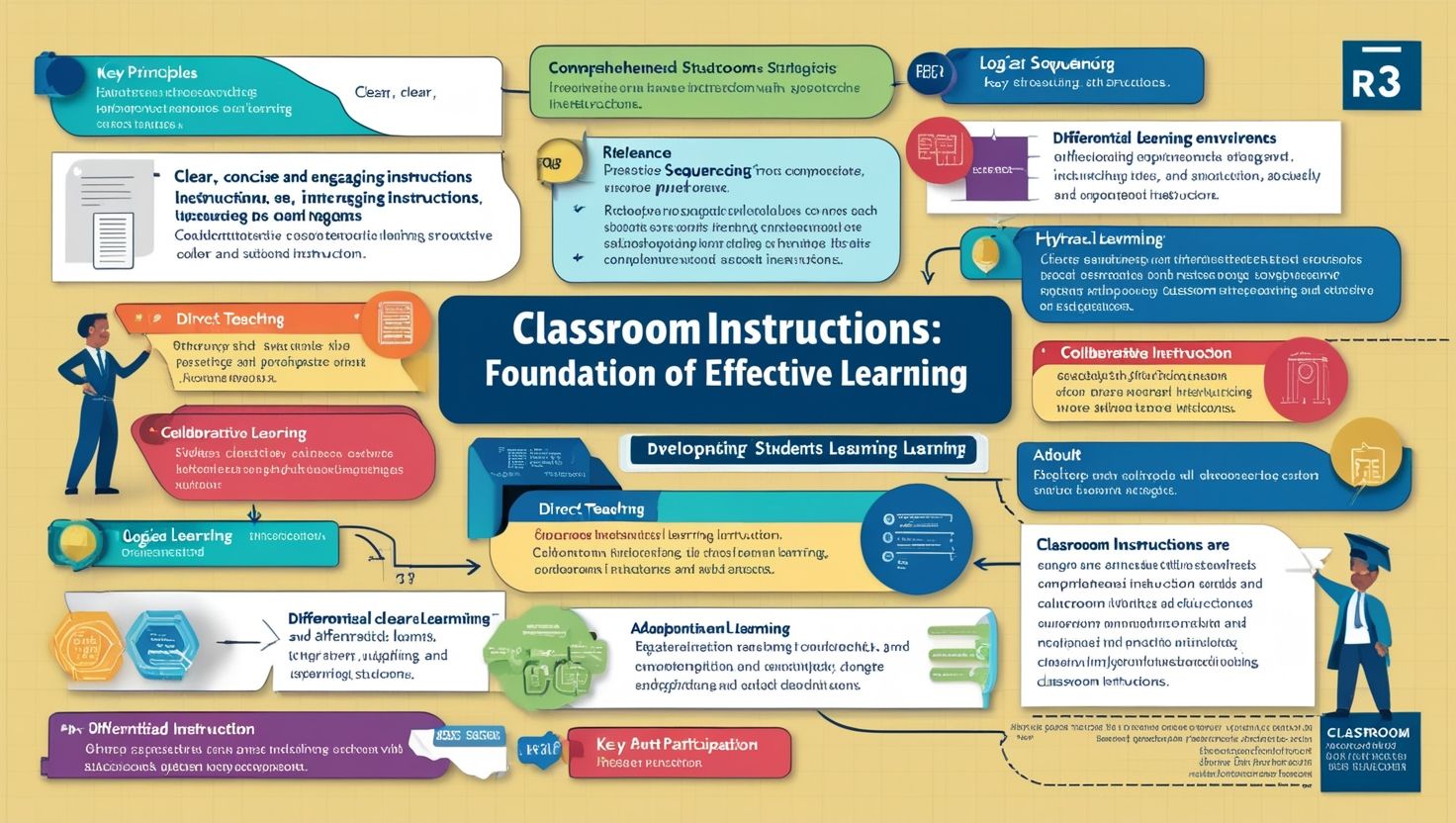
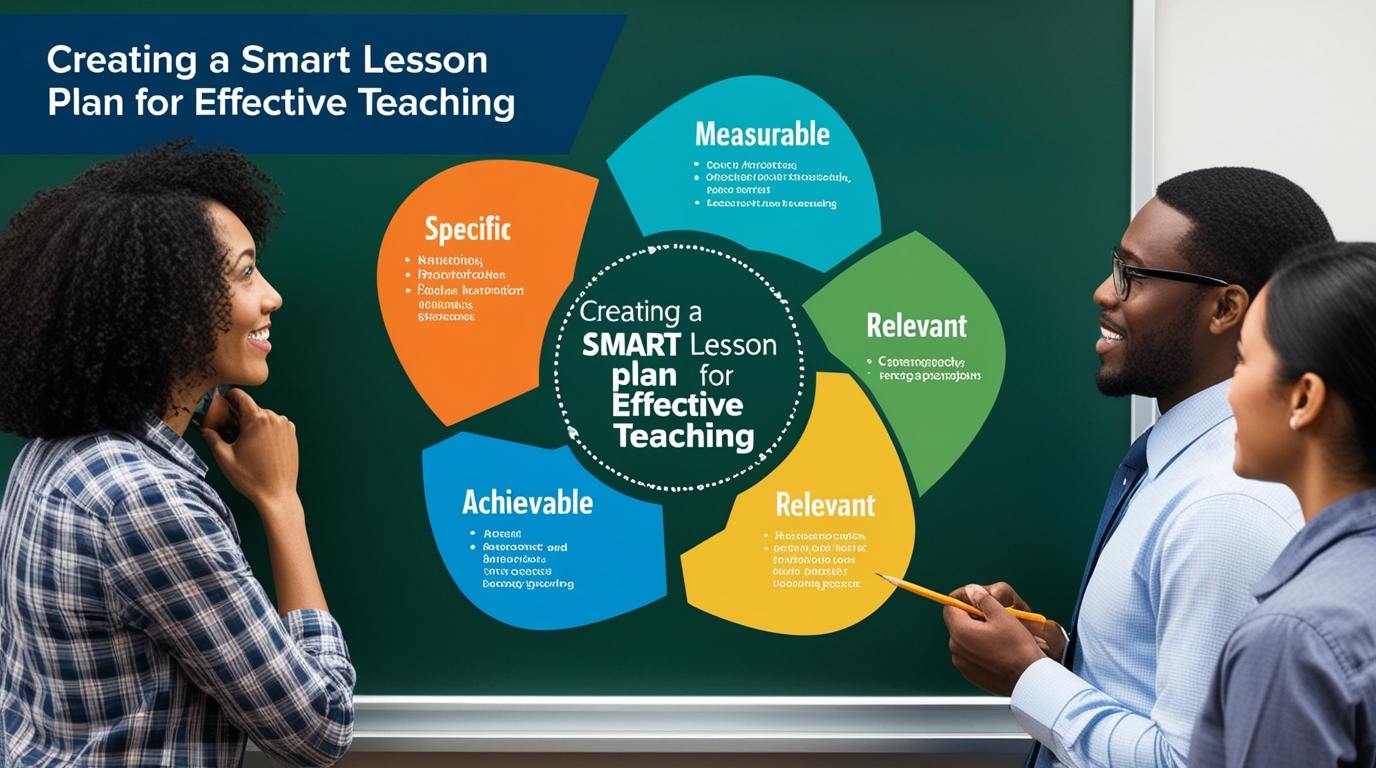
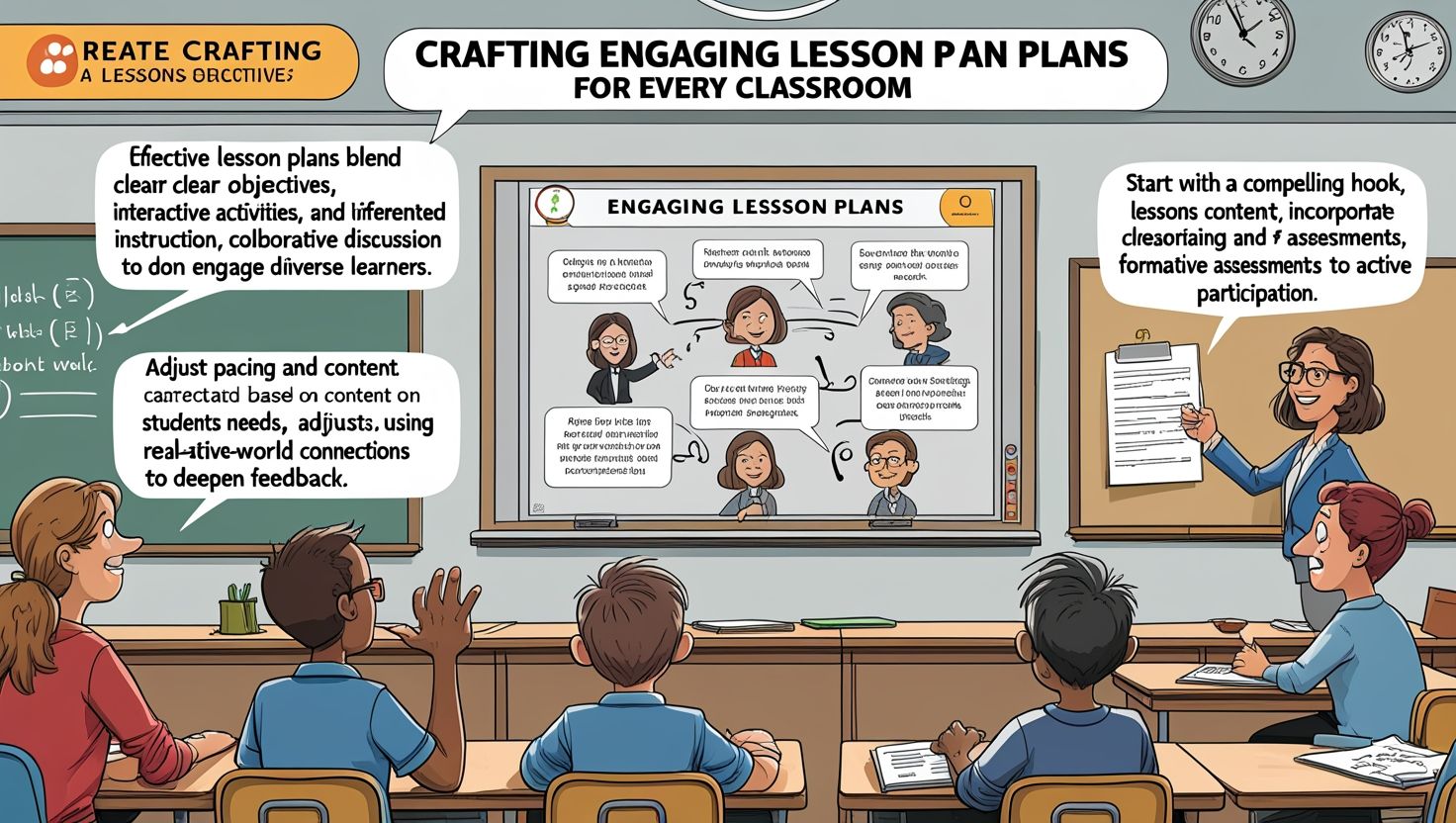
One of the most important aspects of modern presentation skills is clarity of instruction. Teachers must structure lessons logically so students can easily follow and retain information. This involves starting with clear objectives, organizing content into manageable sections, and summarizing key points effectively. A well-structured lesson reduces confusion and enhances comprehension. Clarity also includes the use of simple language, appropriate examples, and step-by-step explanations. When teachers present information in an organized manner, students are more likely to stay focused and understand the material deeply. This skill is particularly important in subjects that require analytical thinking, where poorly structured explanations can lead to misunderstanding and disengagement among learners.
3. Enhancing Student Engagement
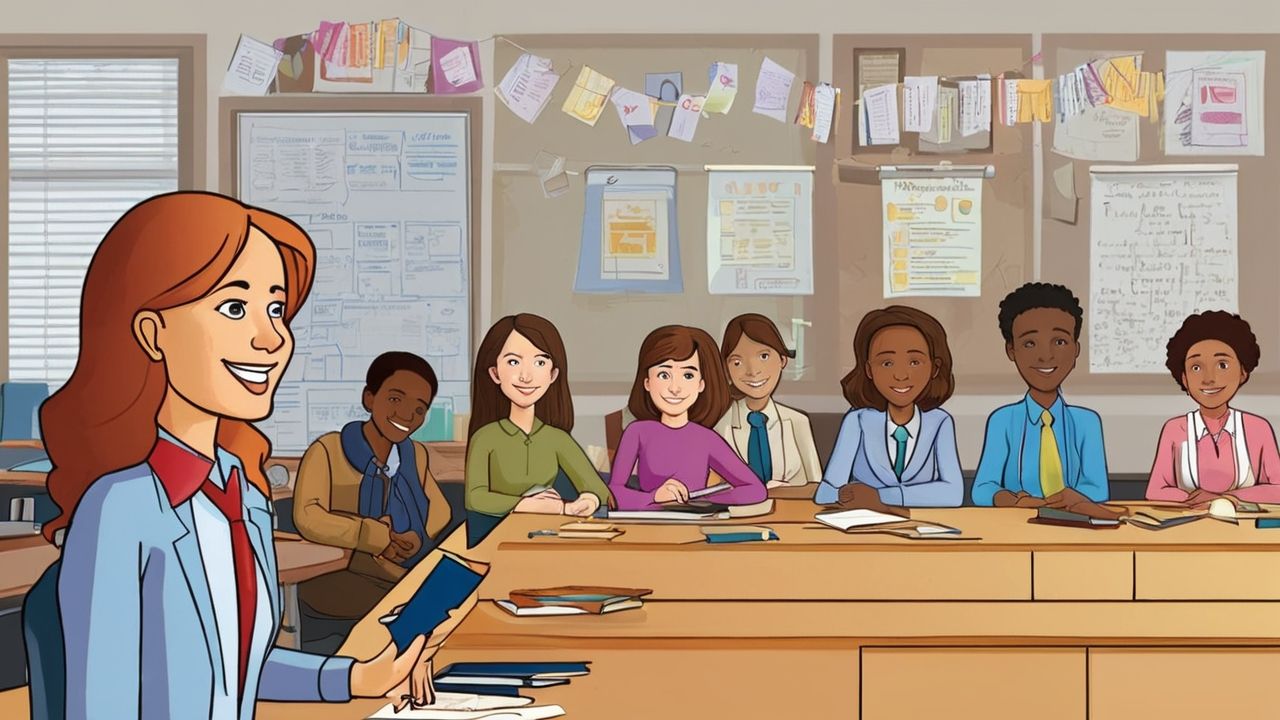
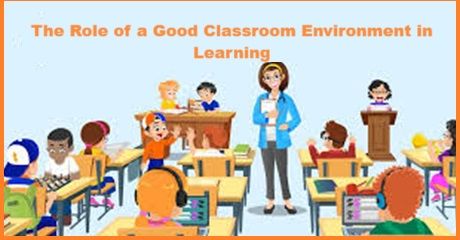
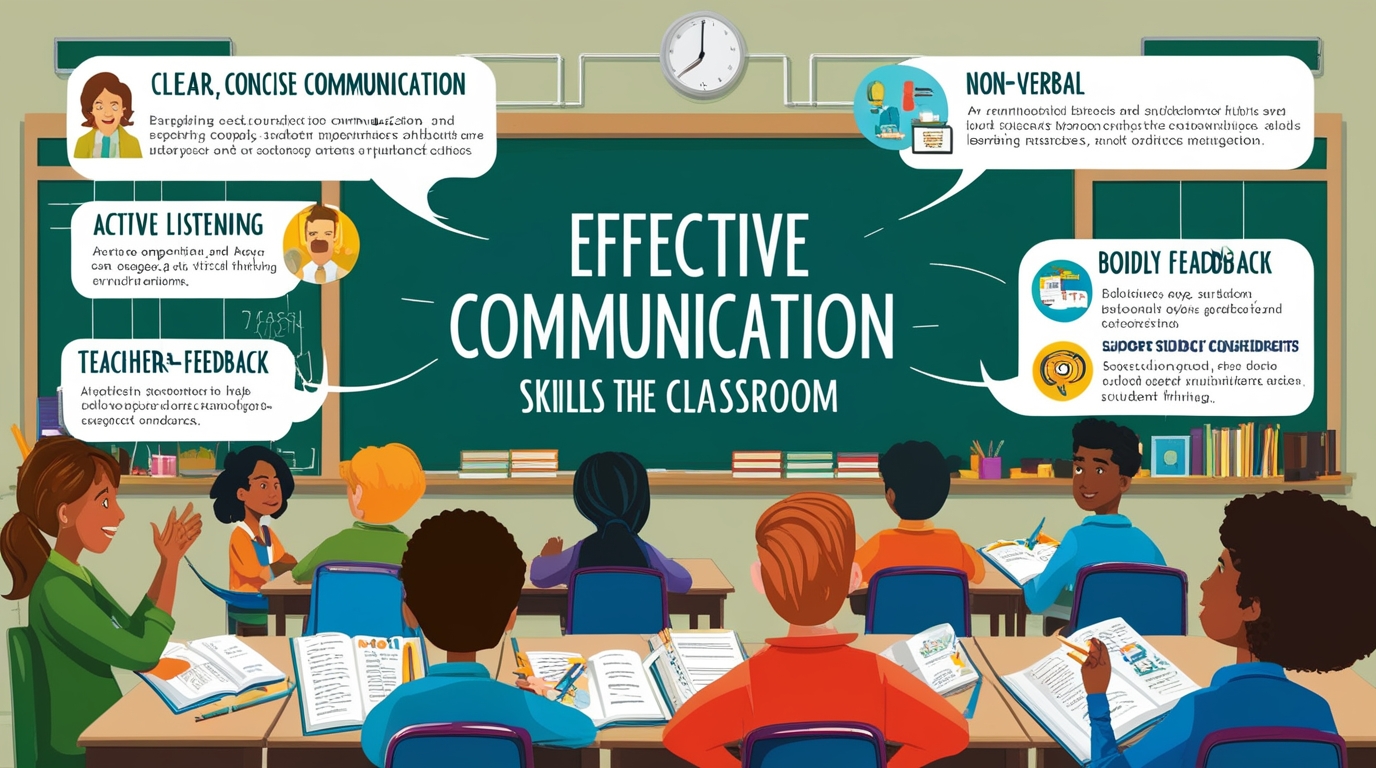
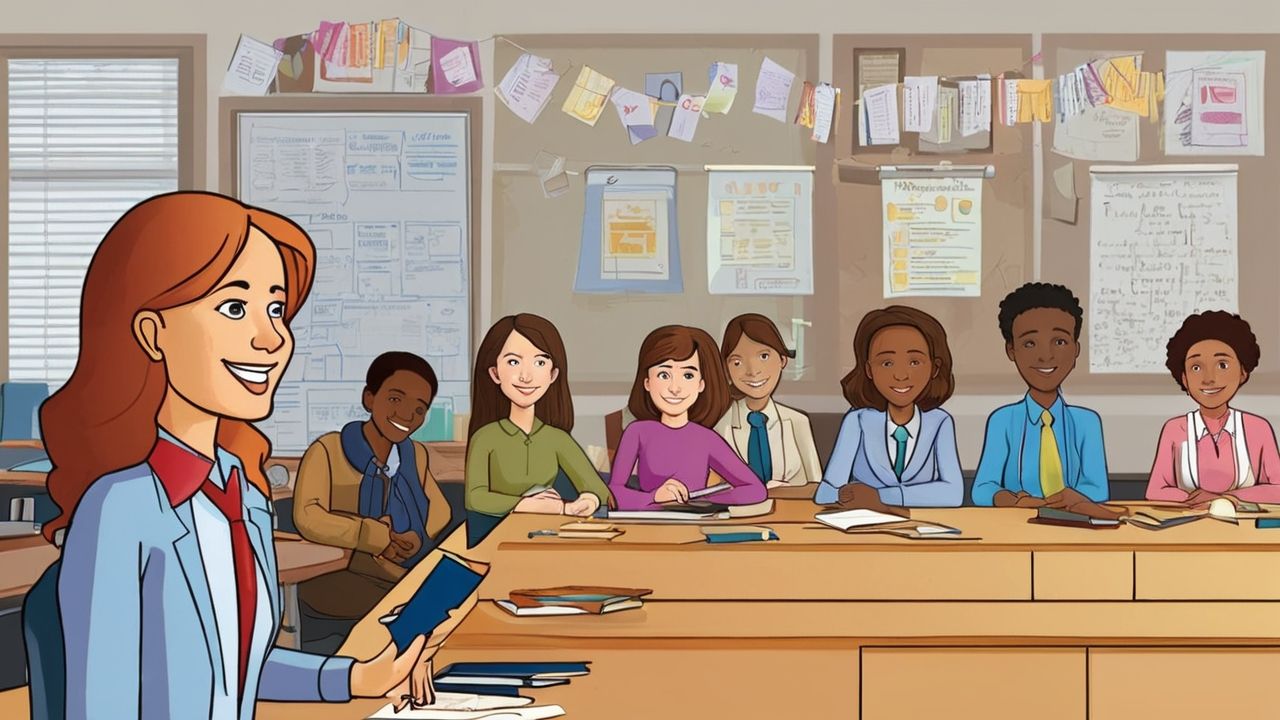
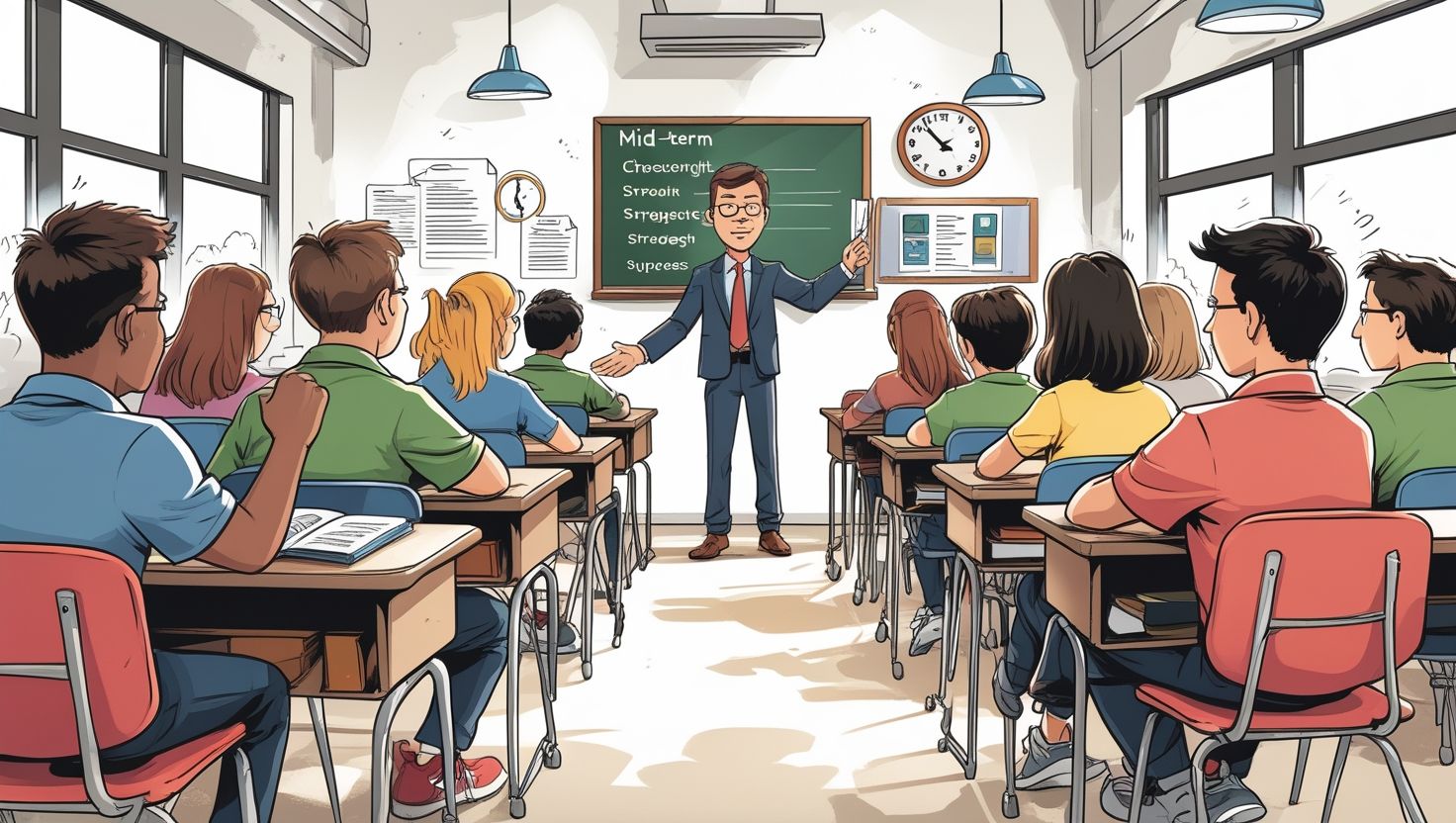
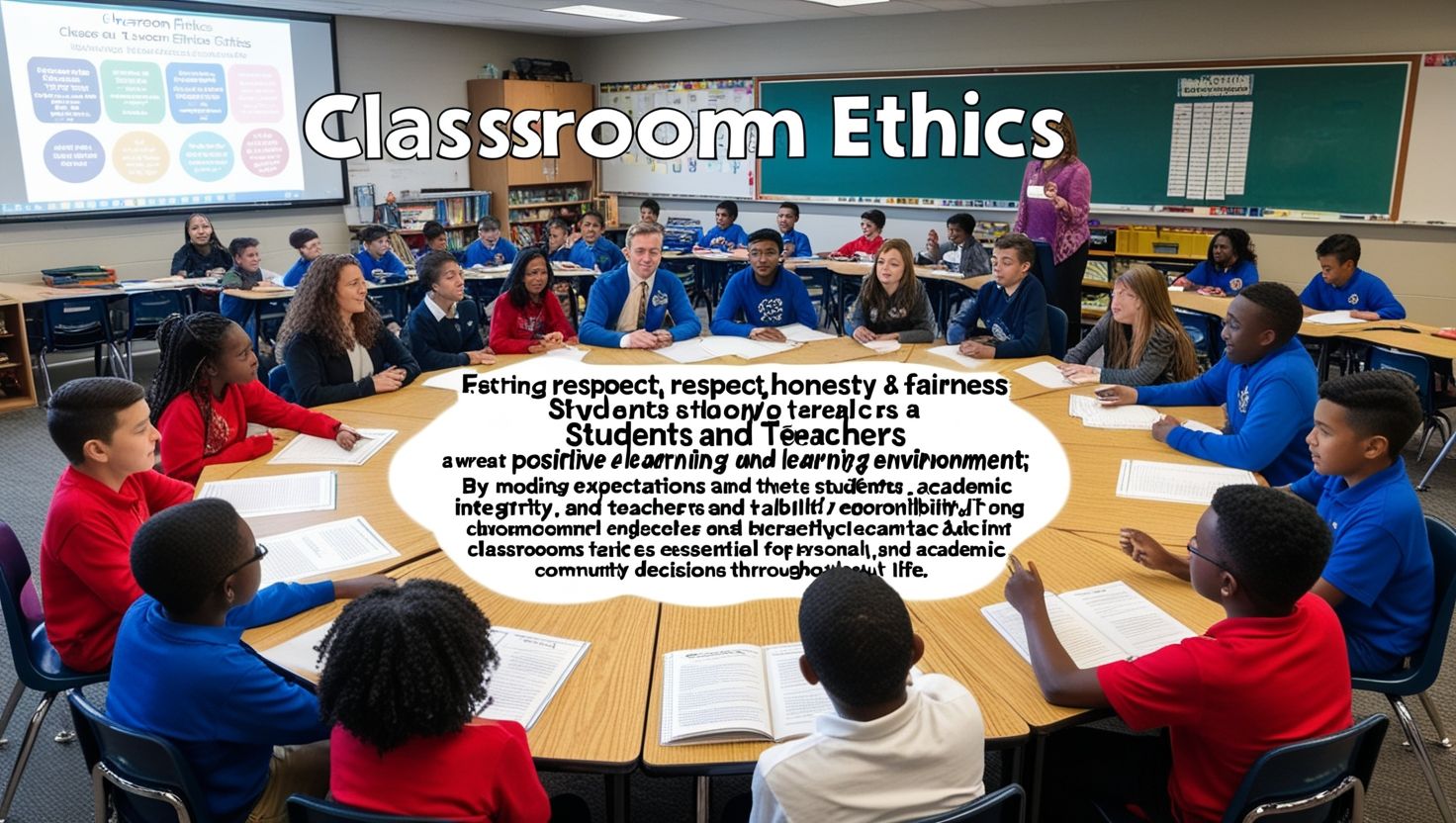
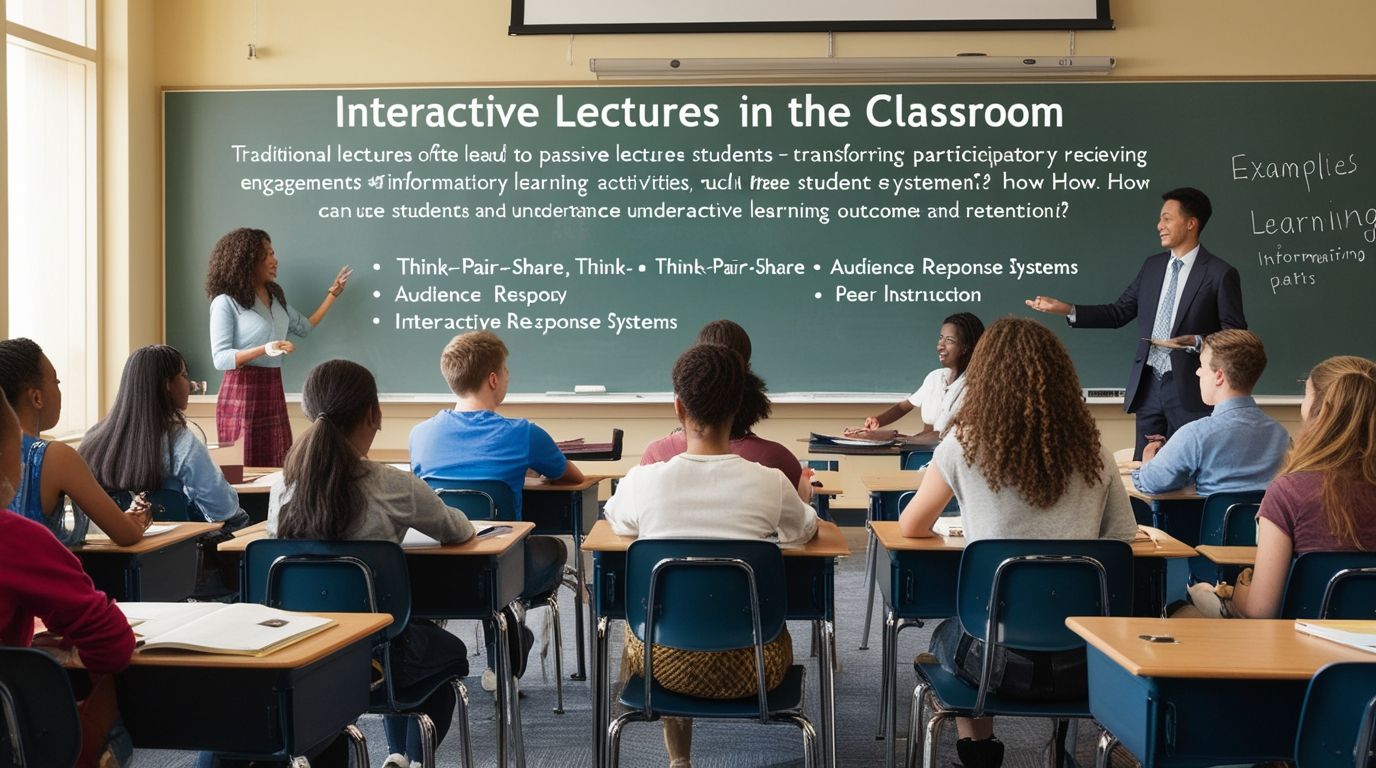
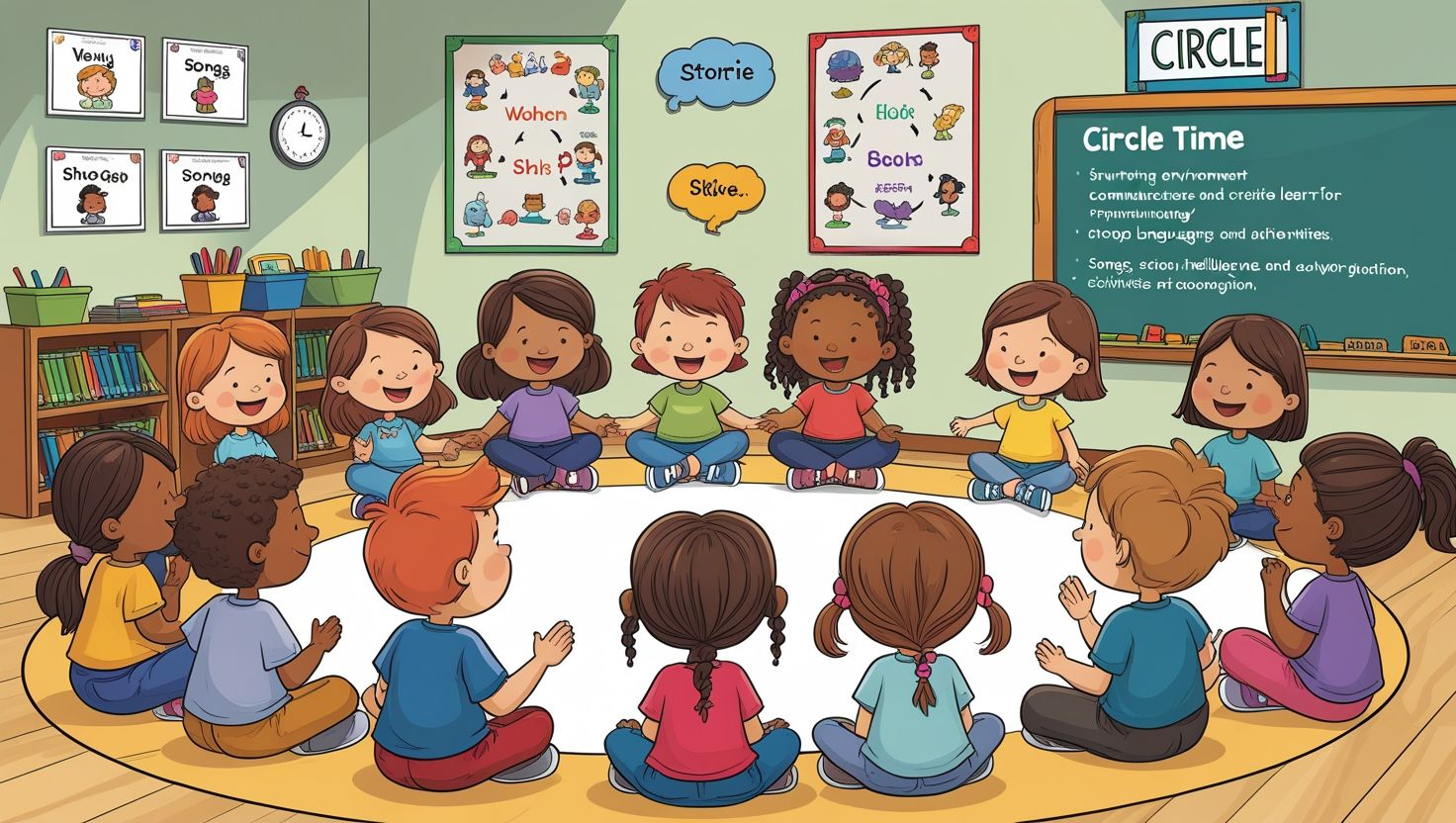
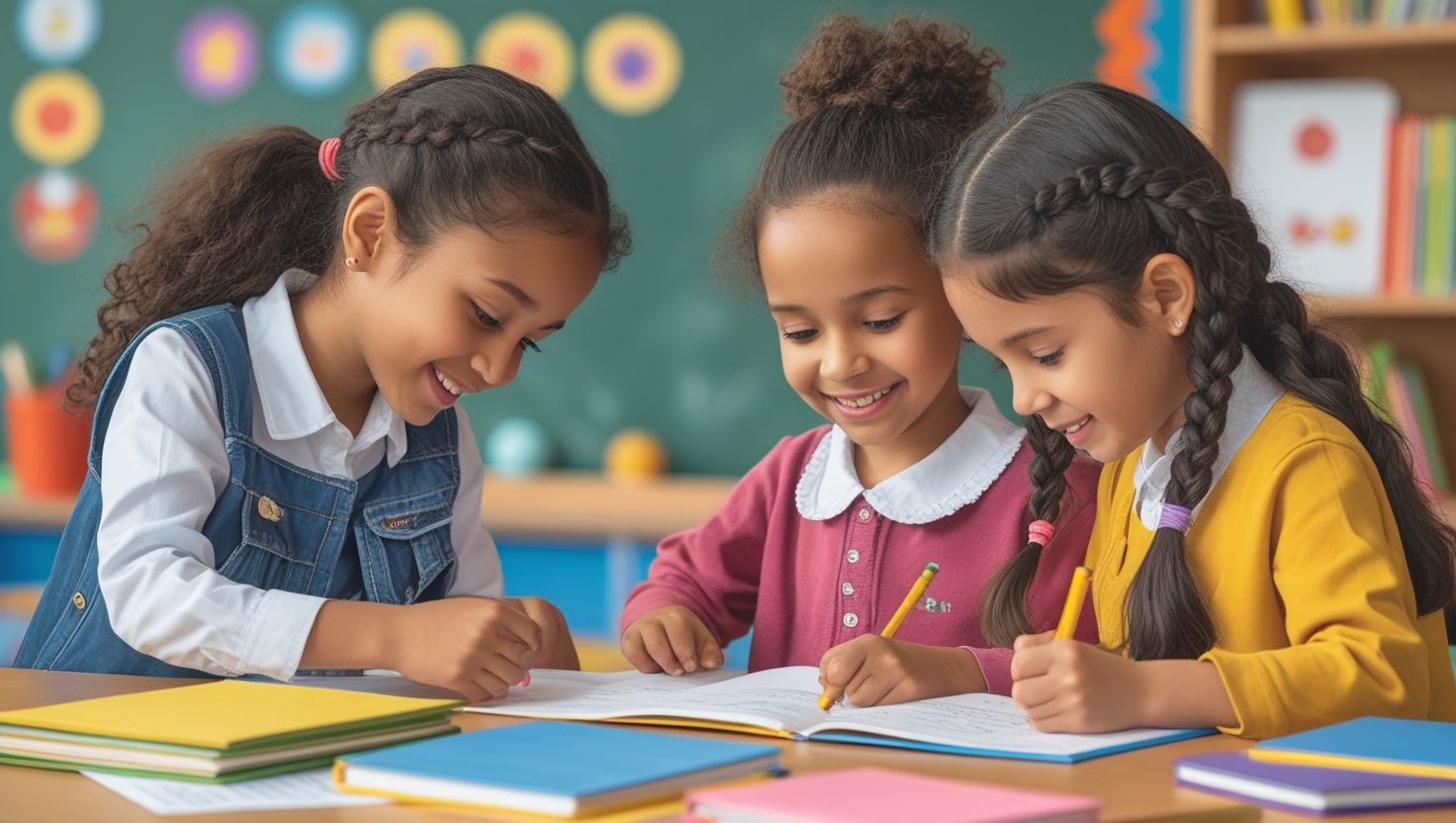
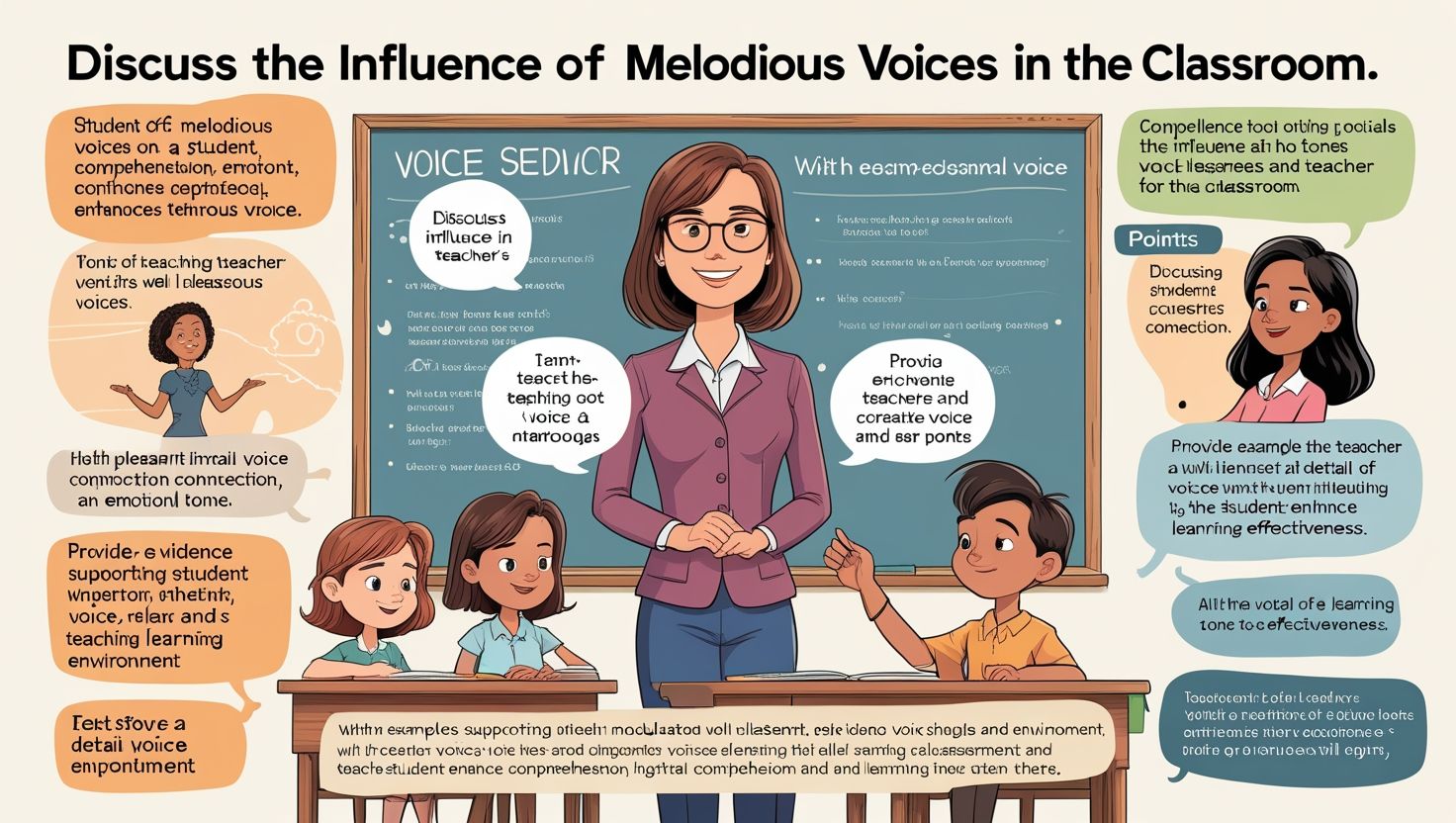
Engagement is another critical dimension of modern presentation skills. Teachers must capture and sustain student attention throughout the lesson. This can be achieved through voice modulation, eye contact, and purposeful movement in the classroom. Asking questions, encouraging discussions, and inviting student responses create a more interactive environment. Engagement is not only about entertainment but also about involvement. When students feel included in the learning process, they become more motivated and attentive. Teachers who actively engage their students can transform passive listeners into active participants. This shift leads to better understanding, improved retention, and a more positive classroom atmosphere where students feel valued and encouraged to contribute.
4. Role of Visual Communication
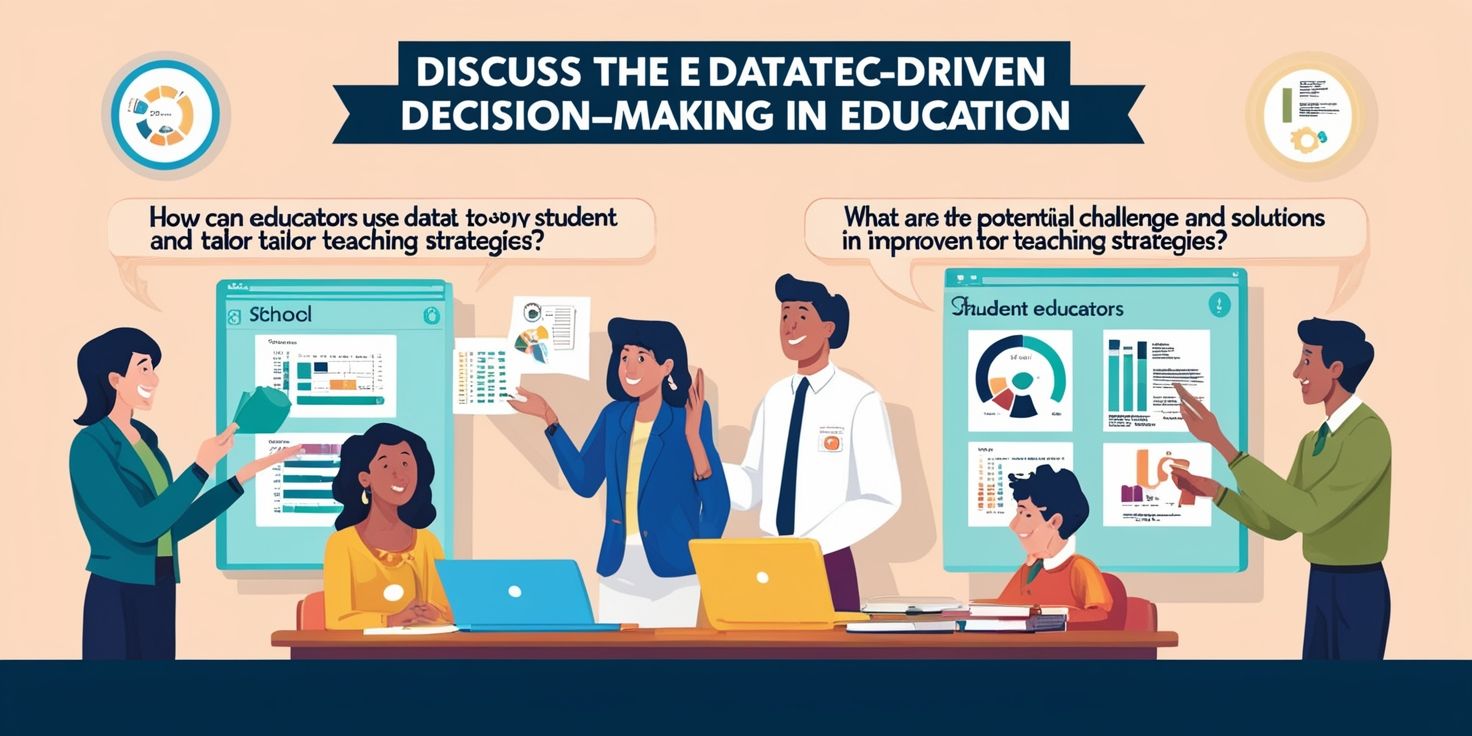
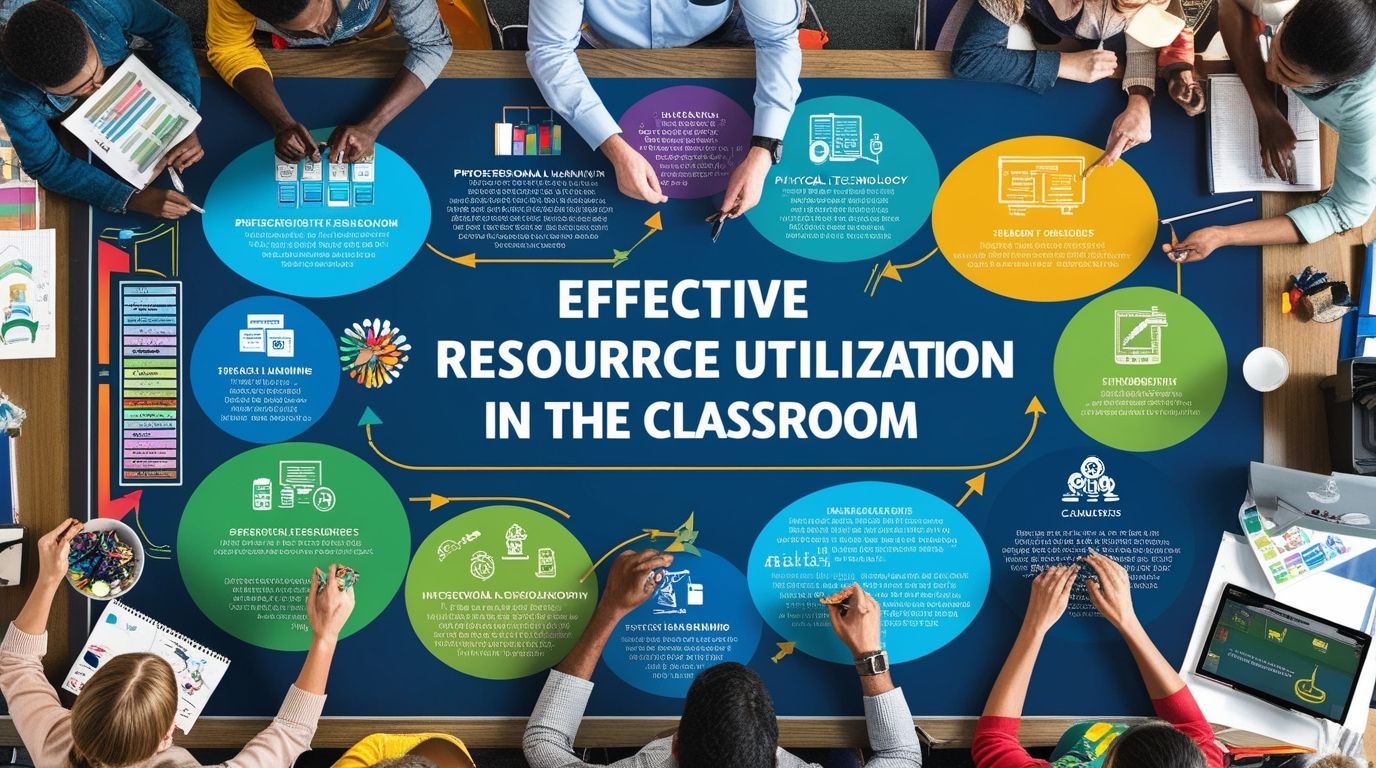
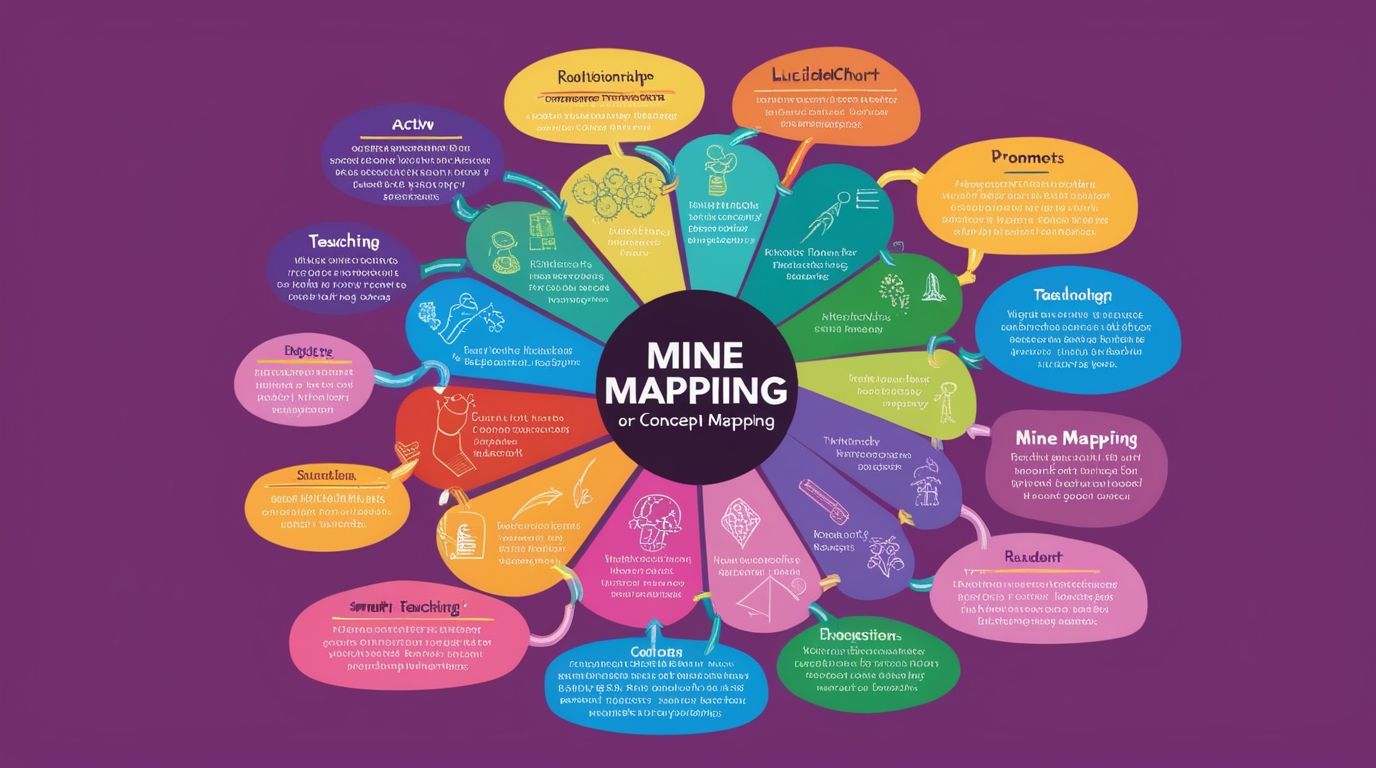
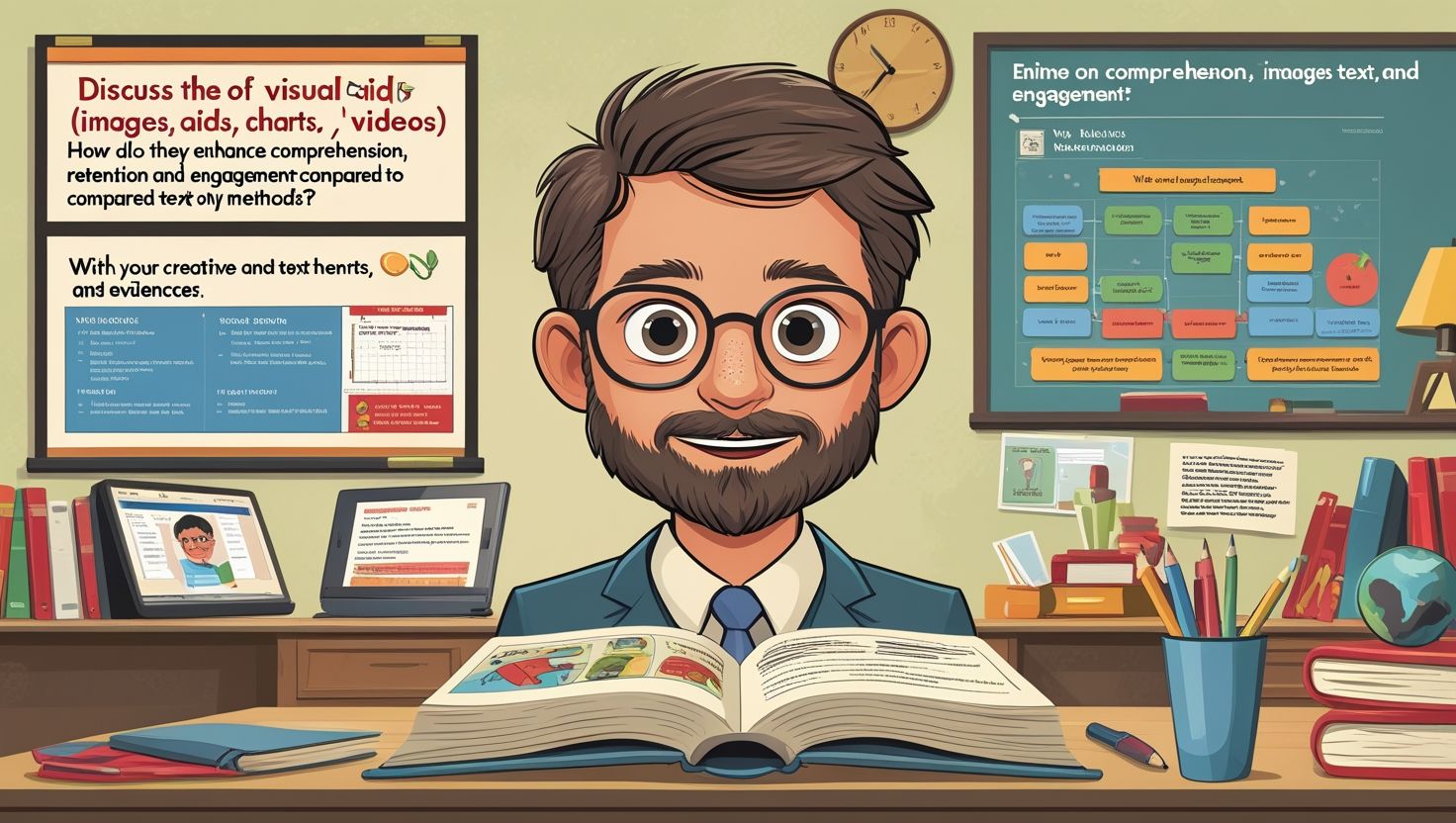
Visual communication plays a vital role in enhancing presentation skills. The use of charts, diagrams, images, and slides can significantly improve student understanding. However, visuals must be used carefully to support learning rather than distract from it. Effective teachers avoid overcrowded slides and focus on key ideas presented visually. Visual aids should simplify complex information and make abstract concepts more concrete. In addition, combining visual elements with verbal explanations helps cater to different learning styles. Students who struggle with text-based learning often benefit from visual representation. Therefore, mastering visual presentation techniques is essential for delivering effective and inclusive lessons in modern classrooms.
5. Integration of Technology in Teaching
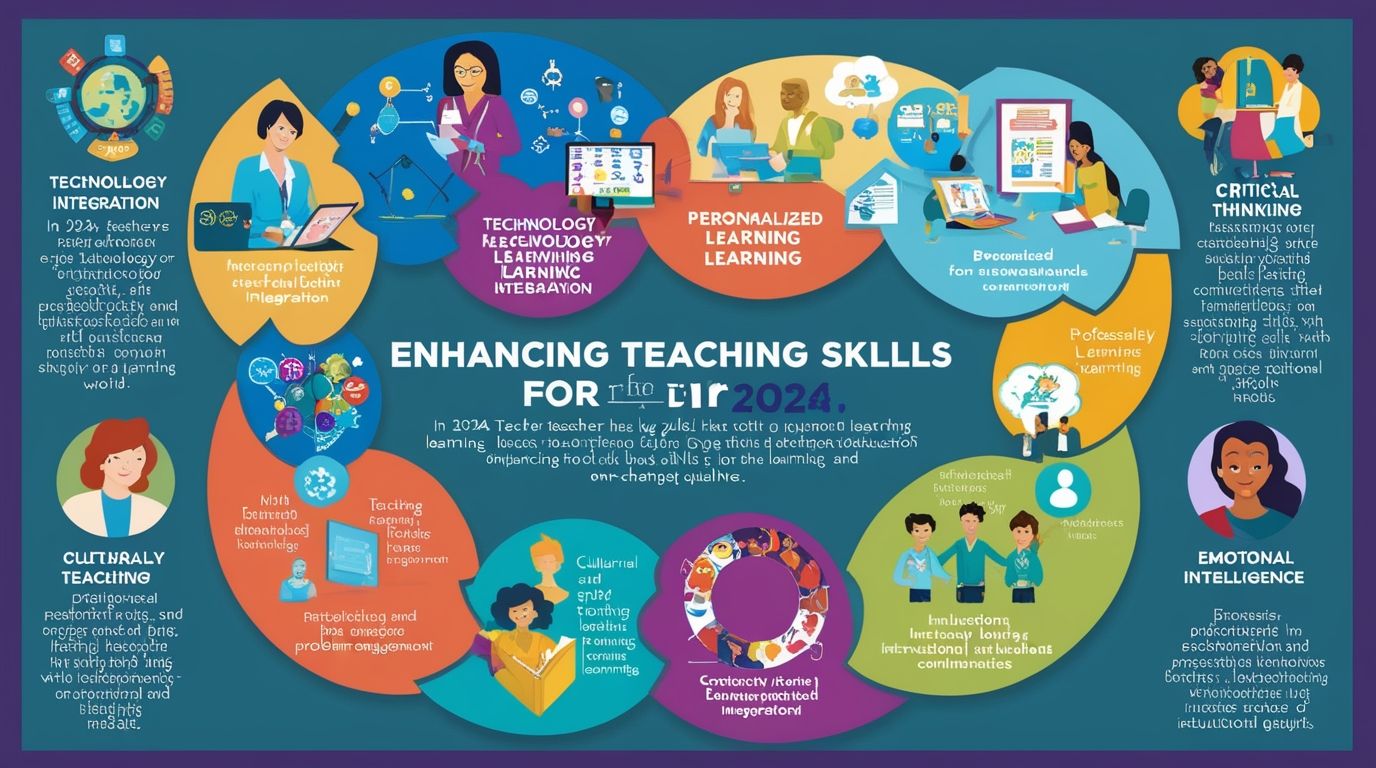
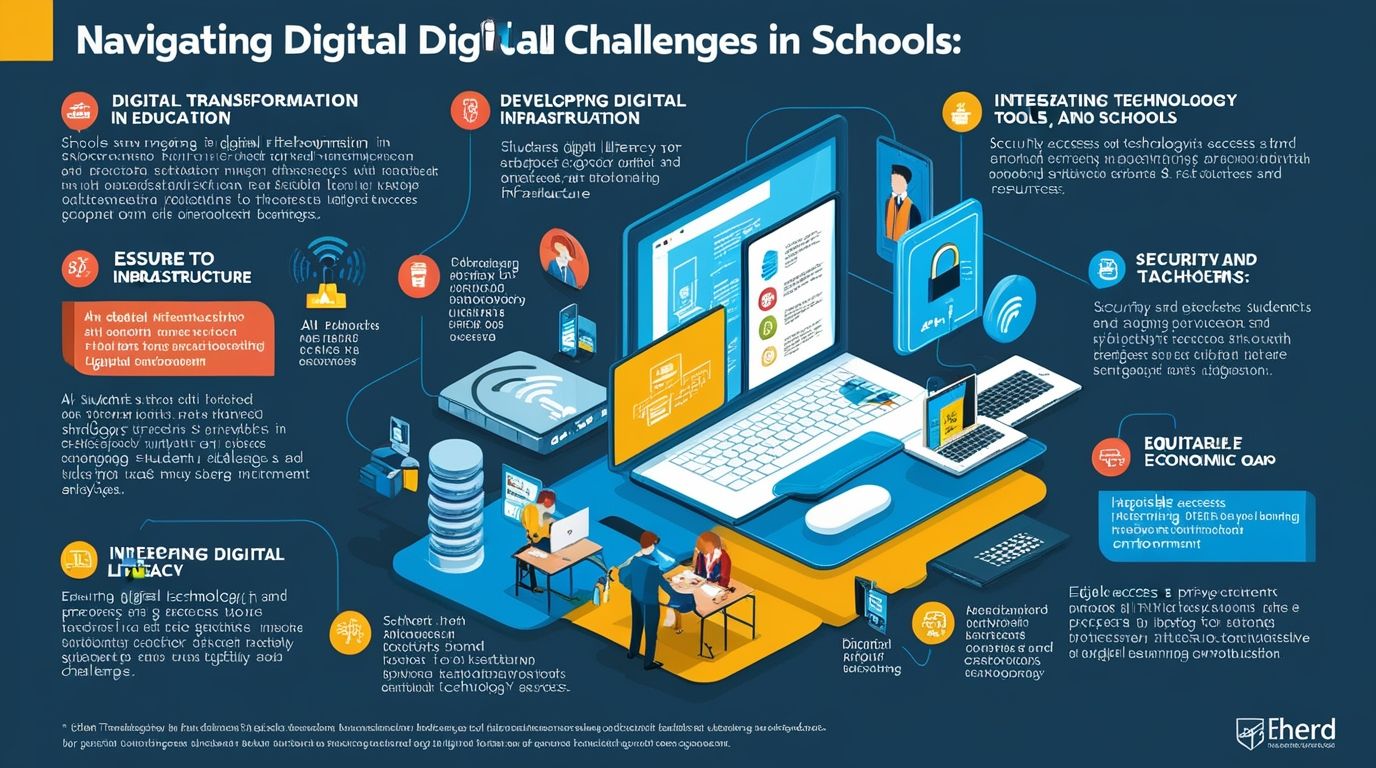
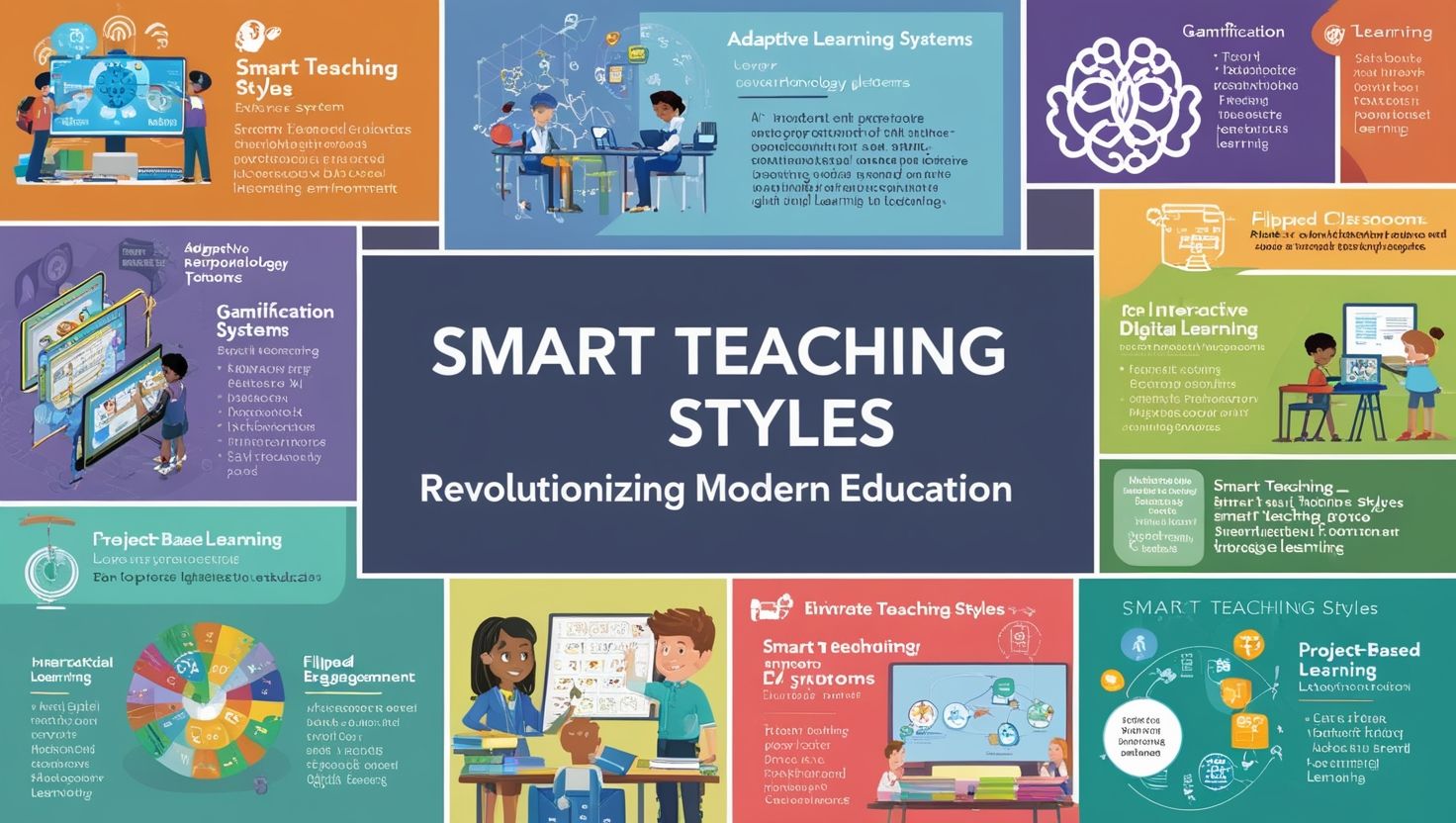
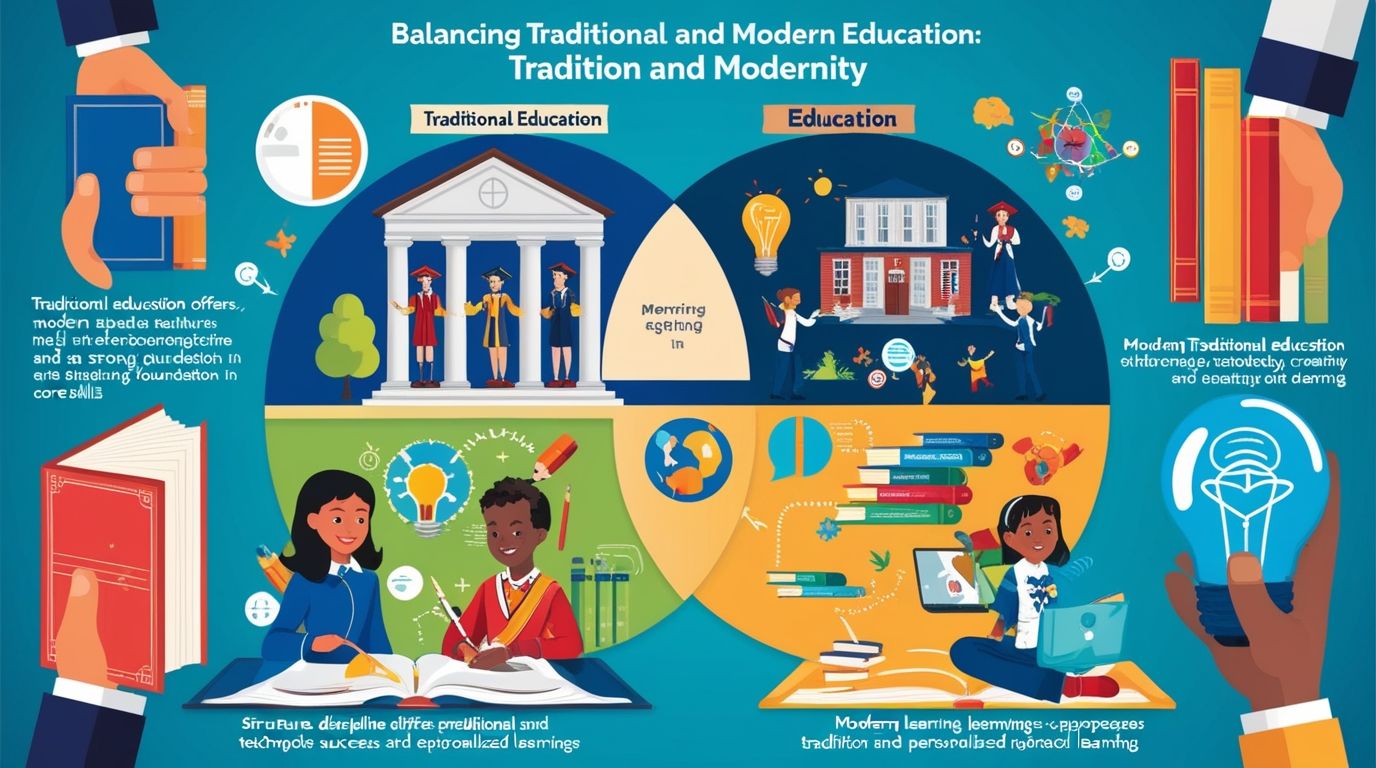
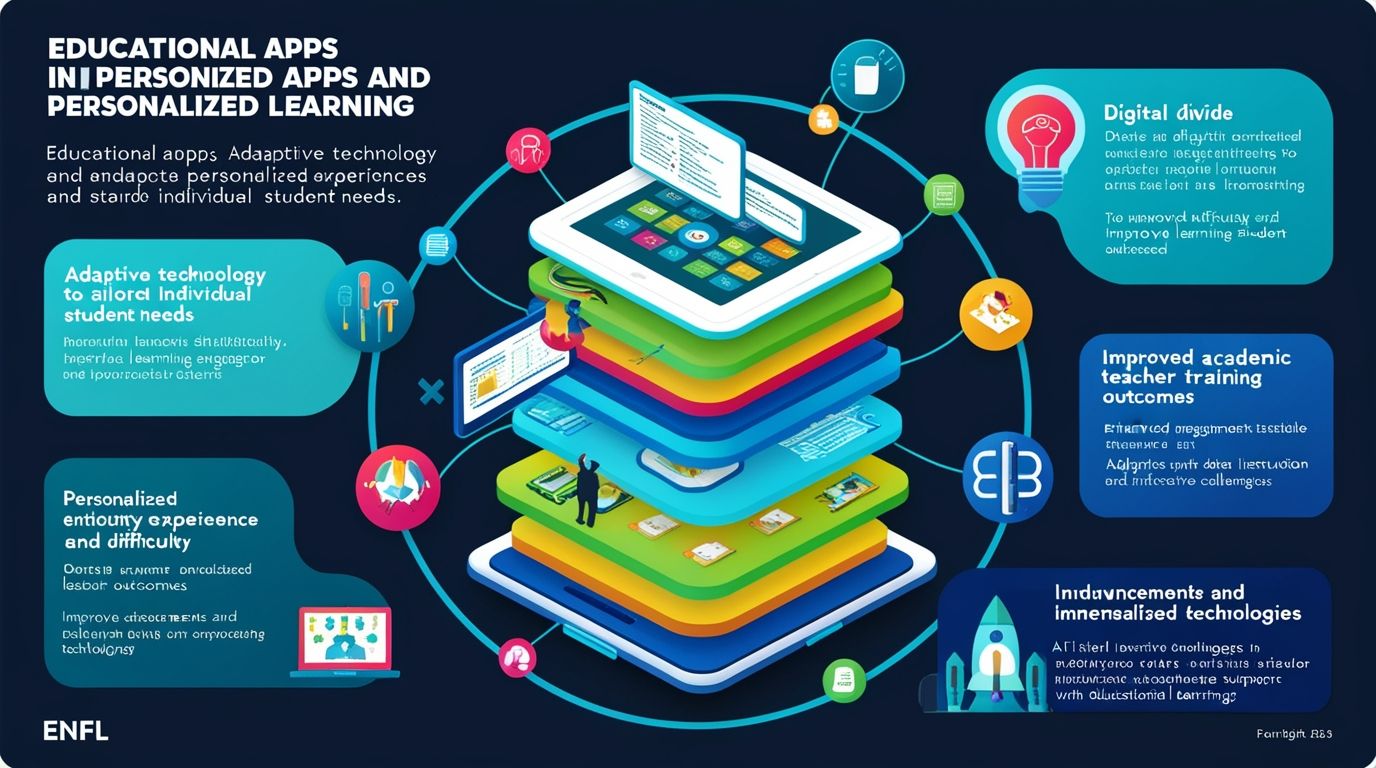
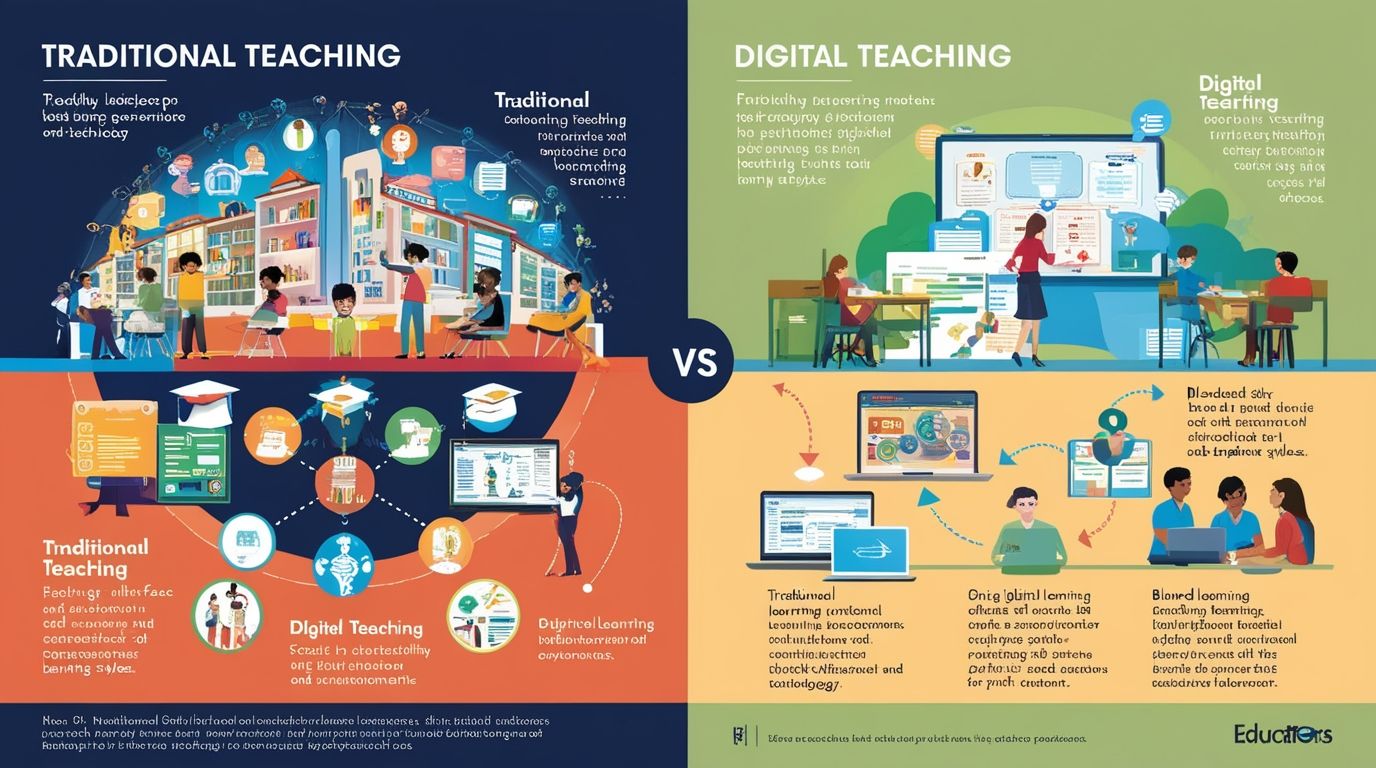
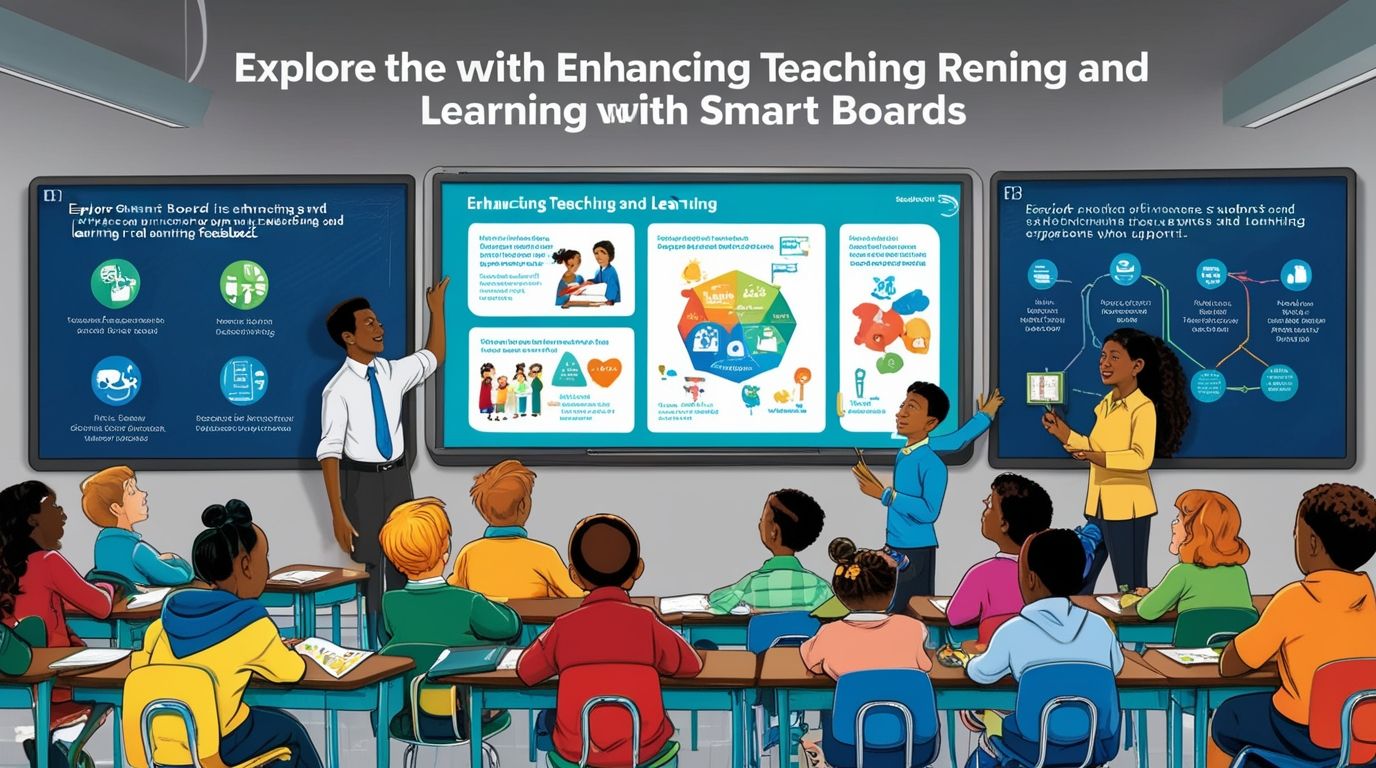
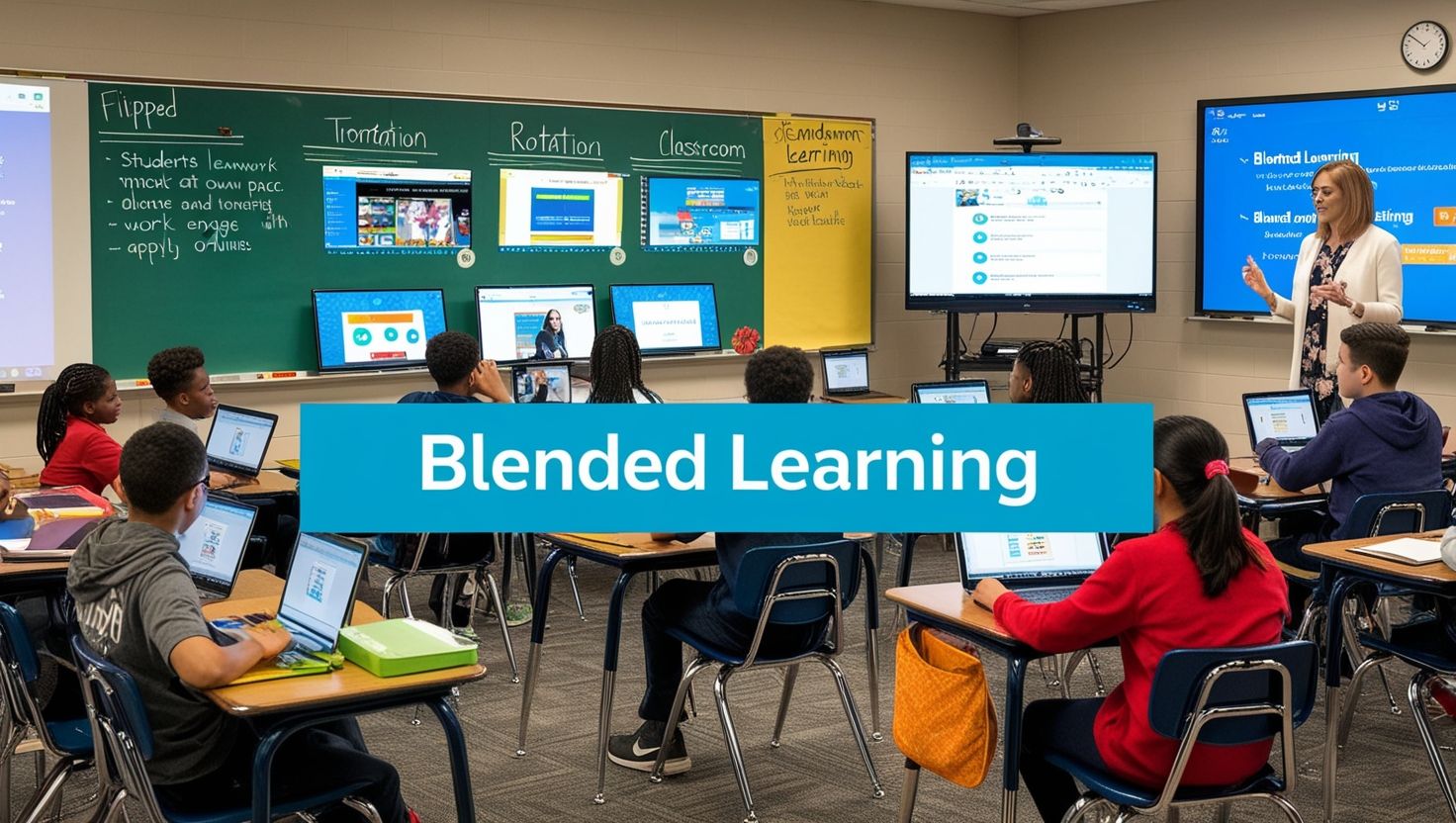
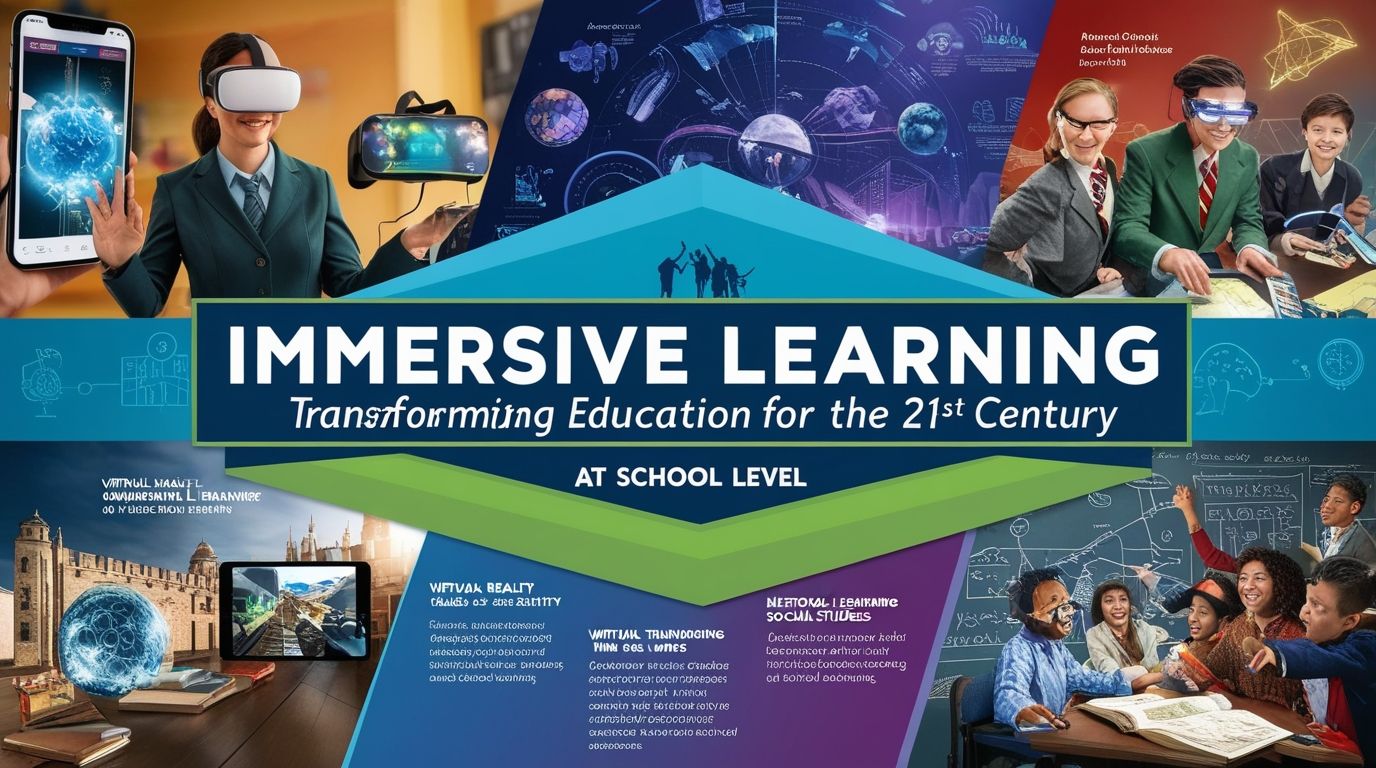
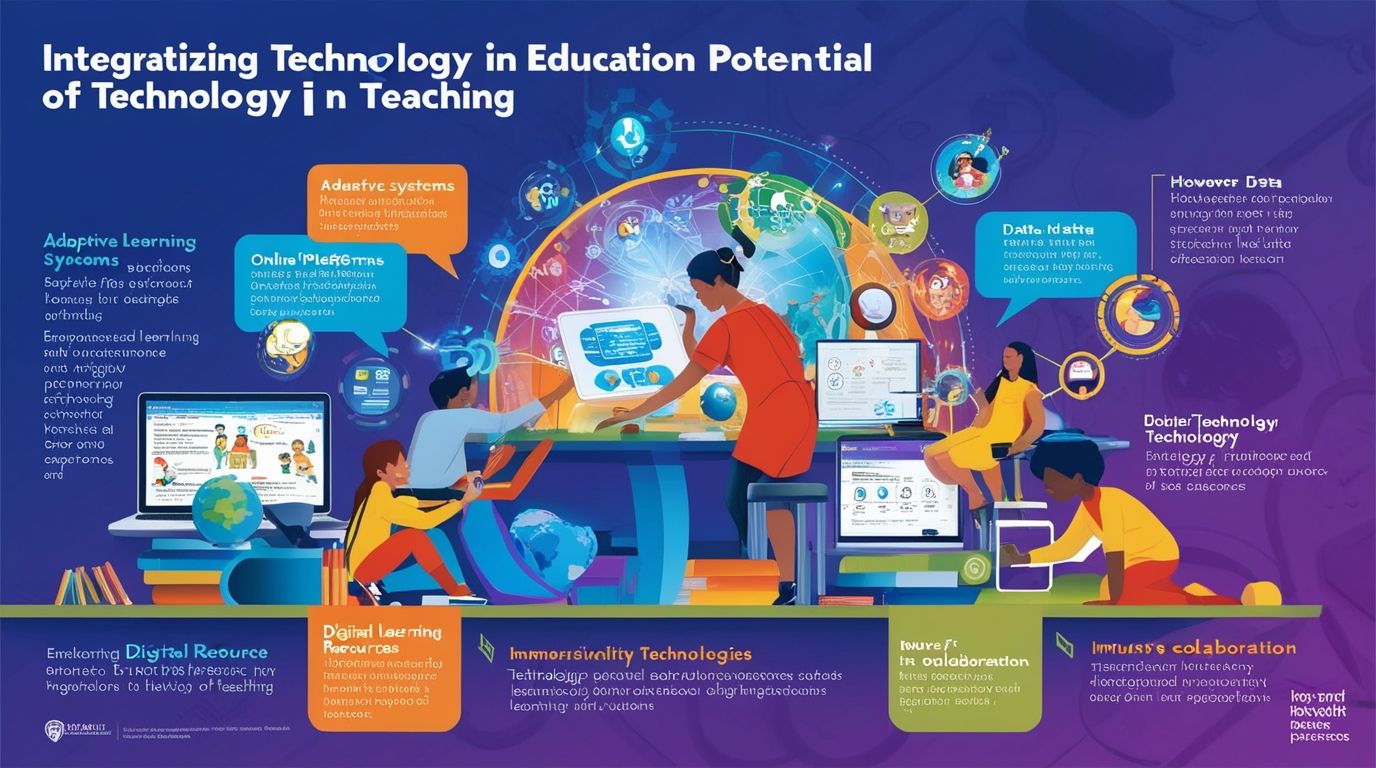
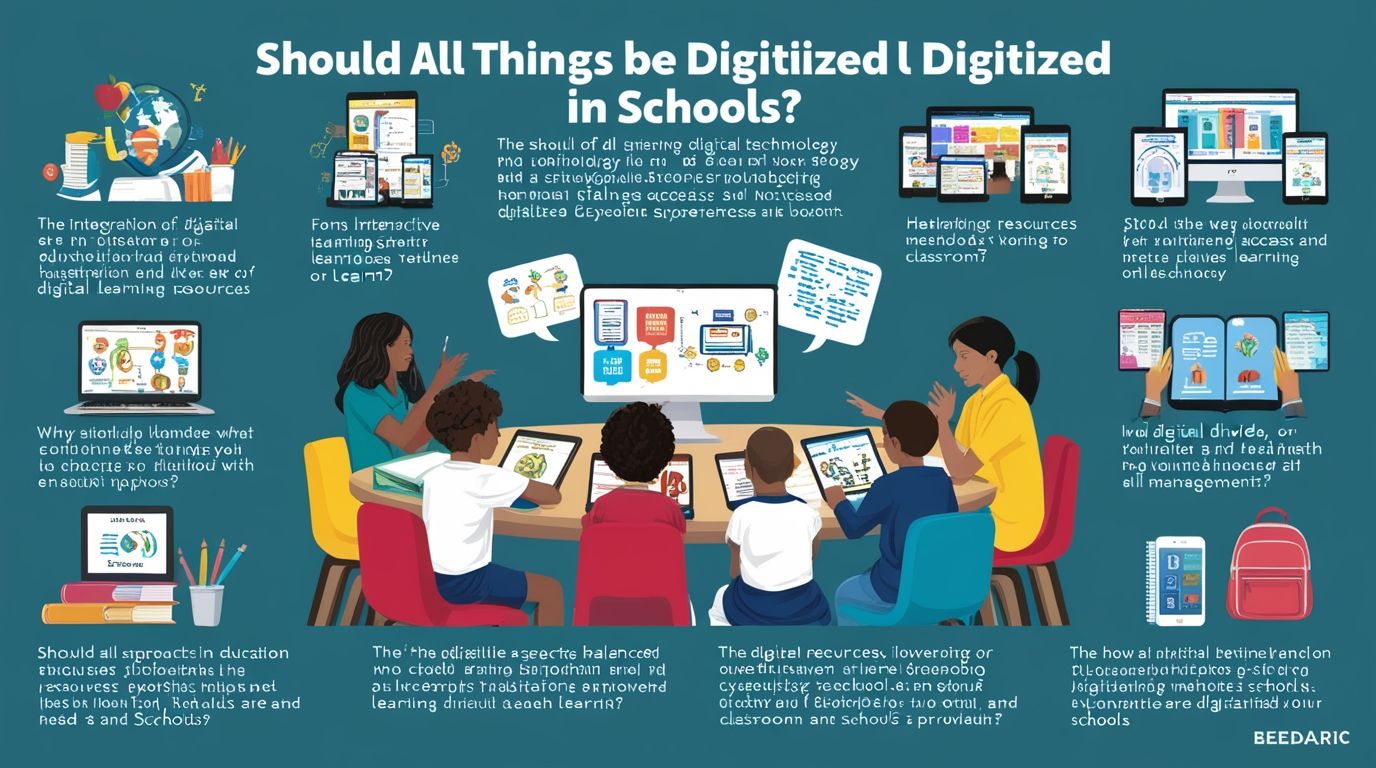
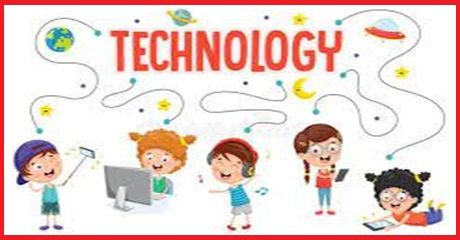
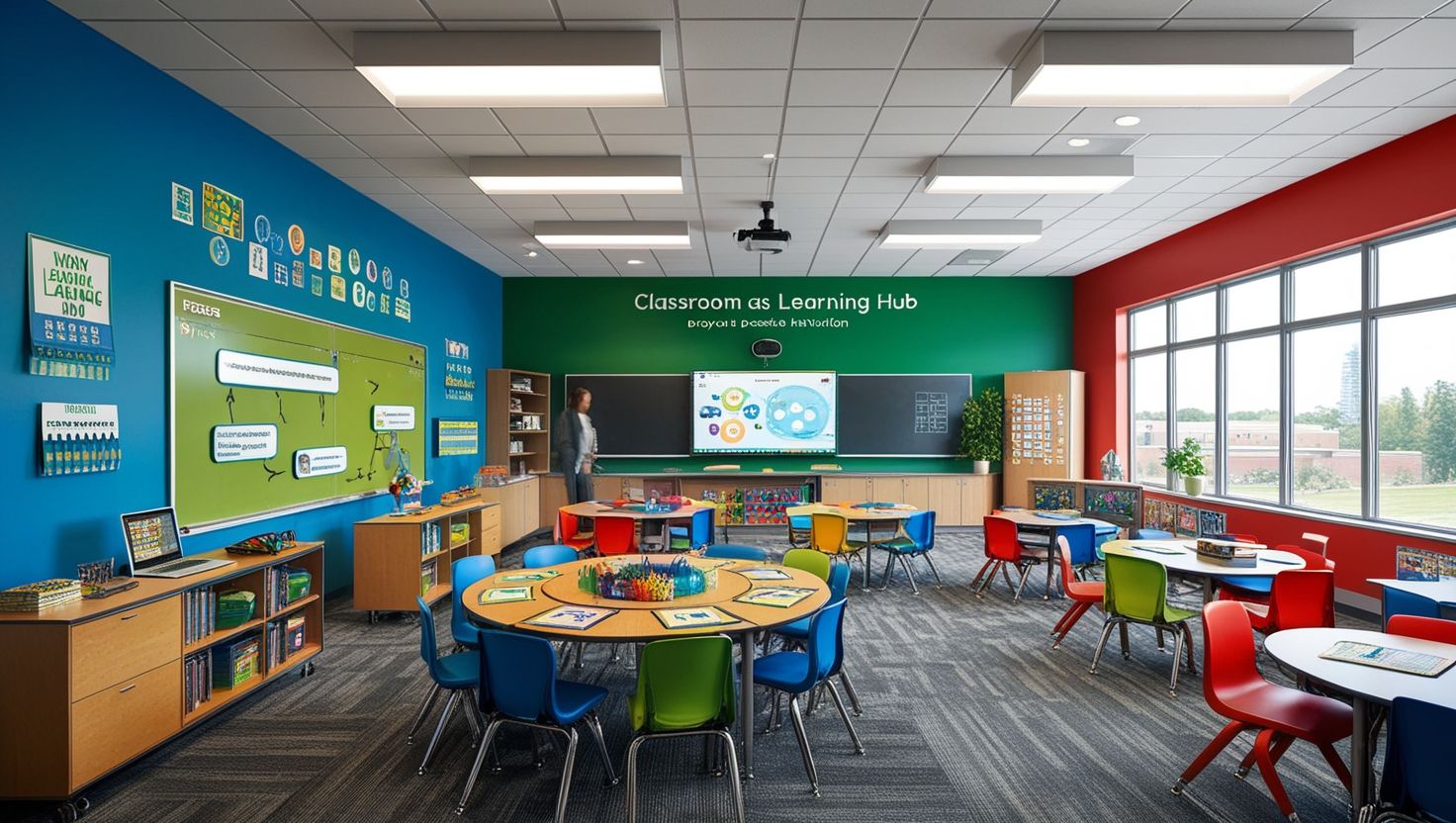
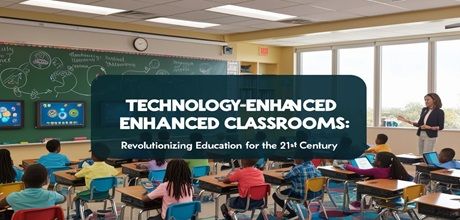
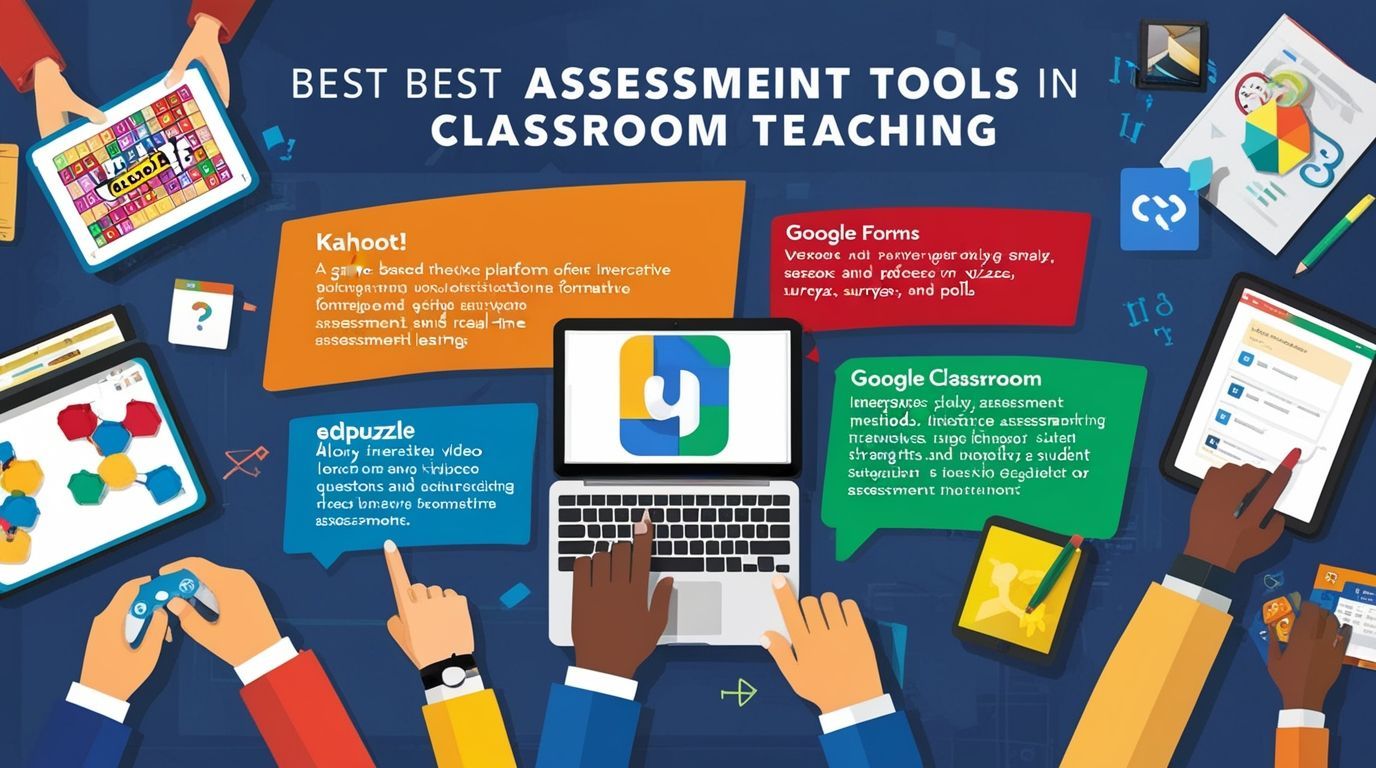
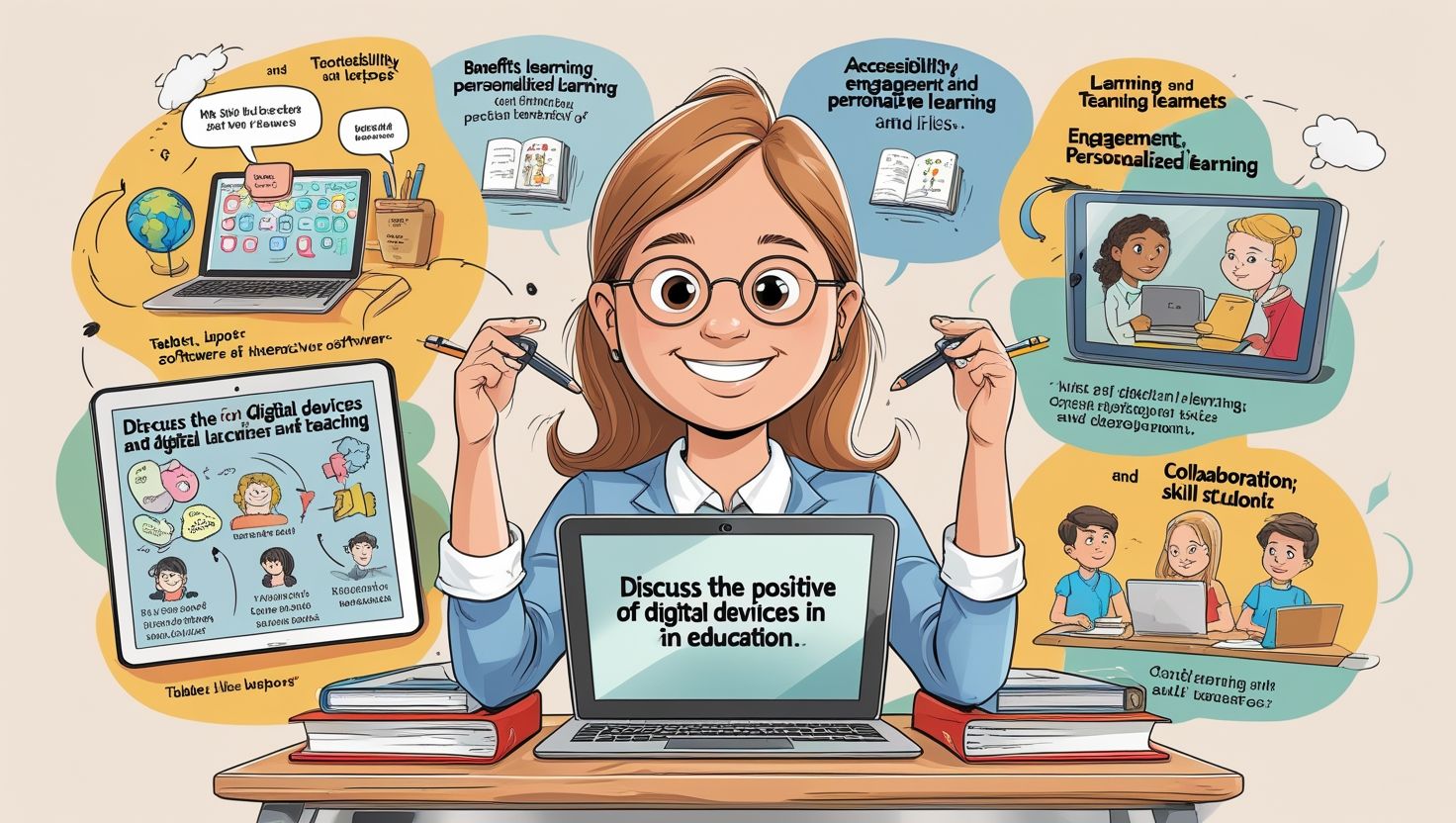
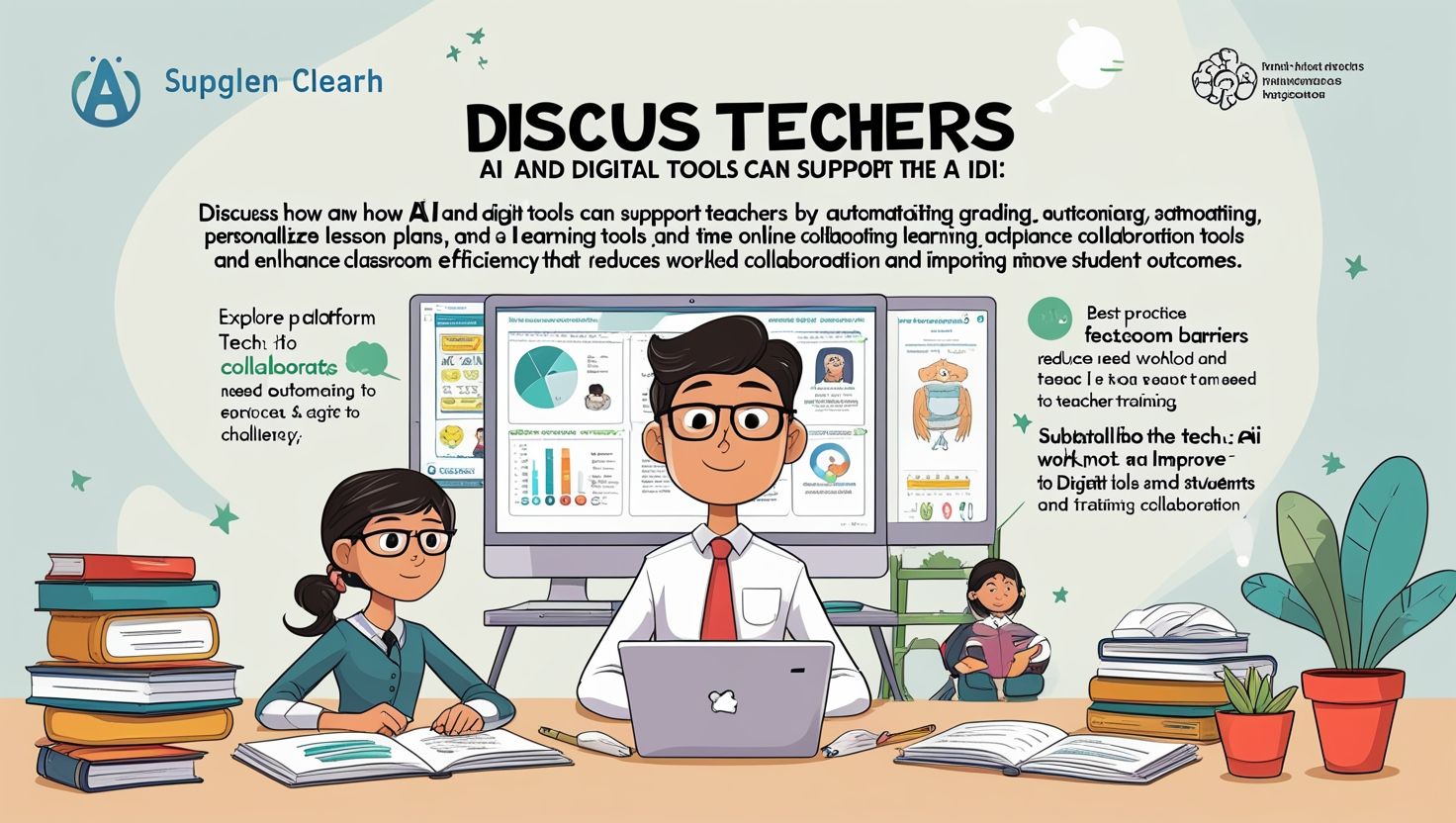
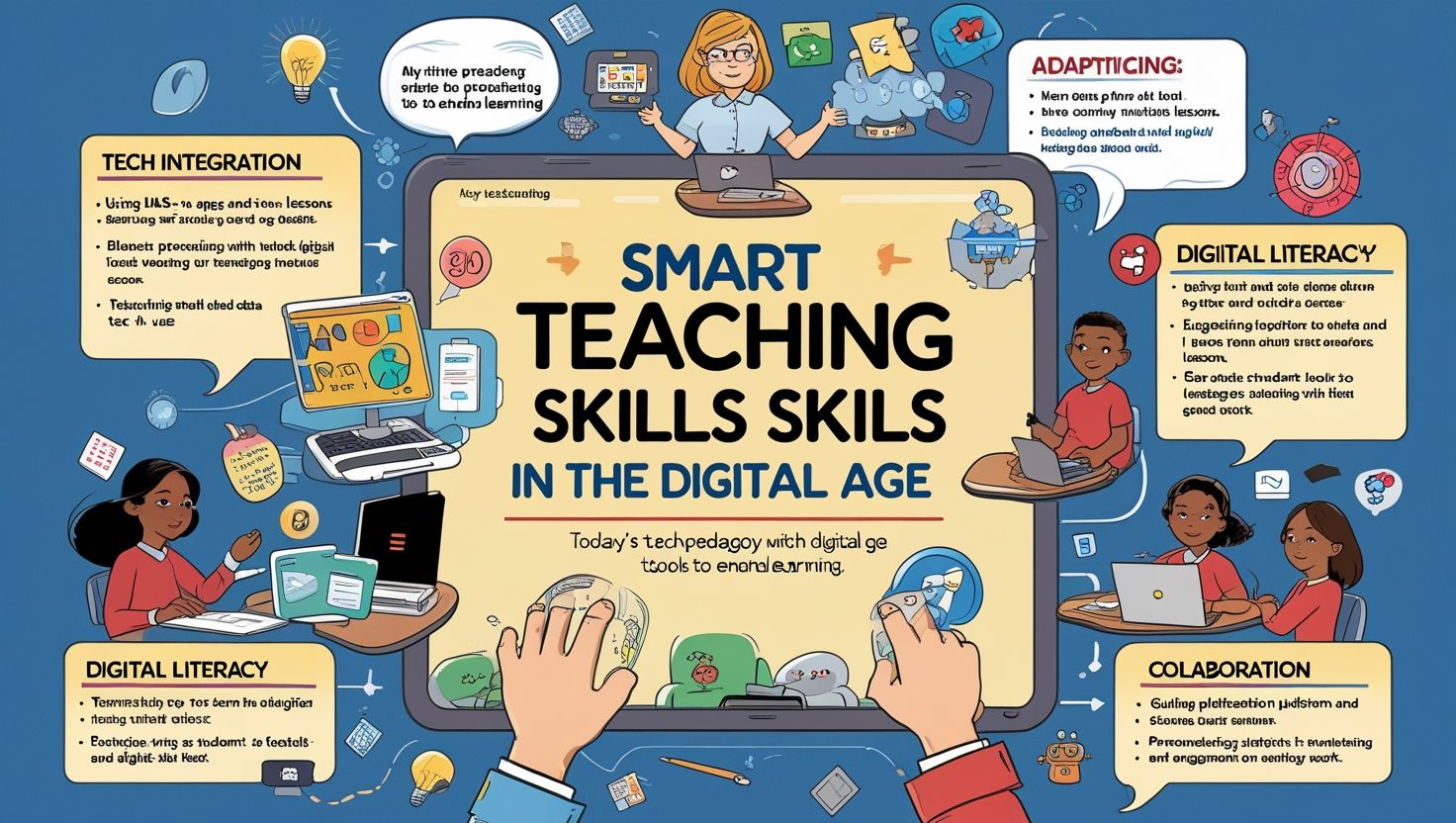
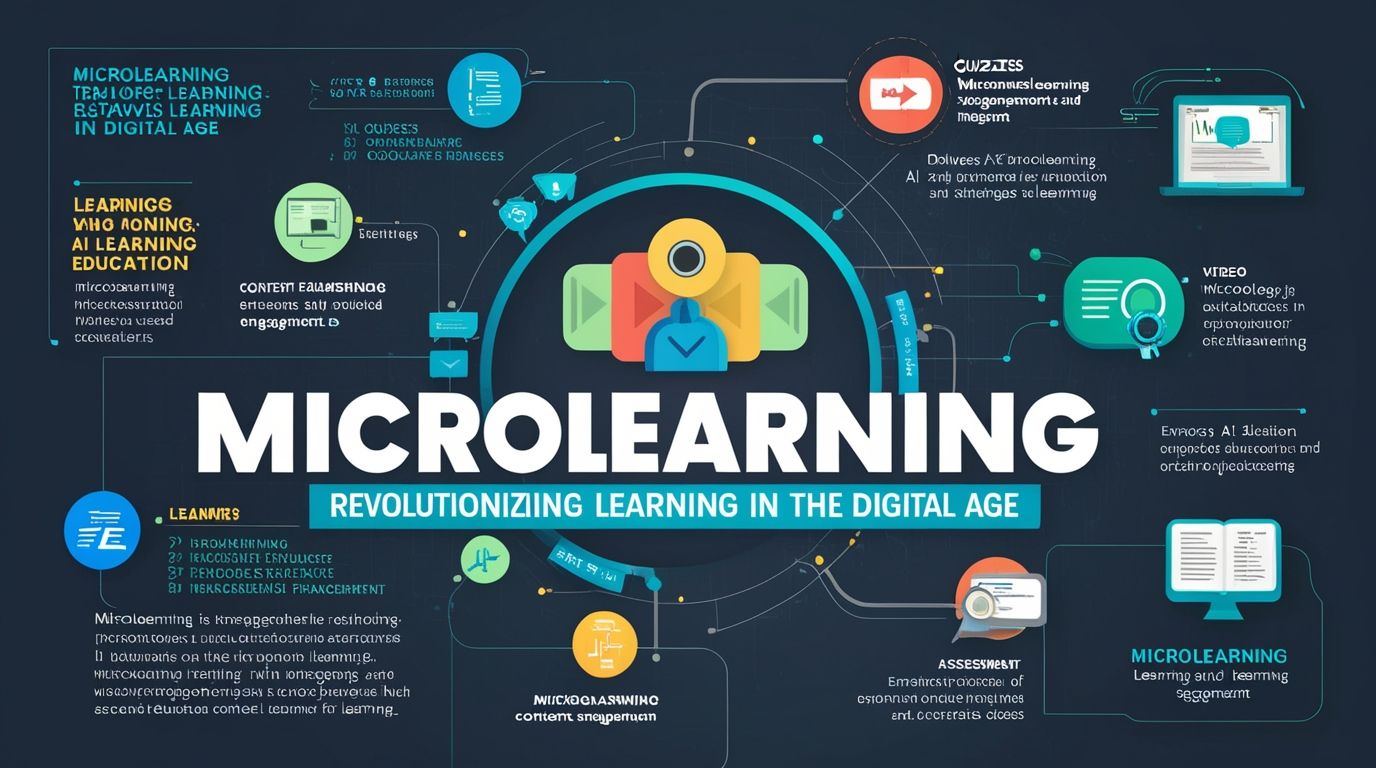
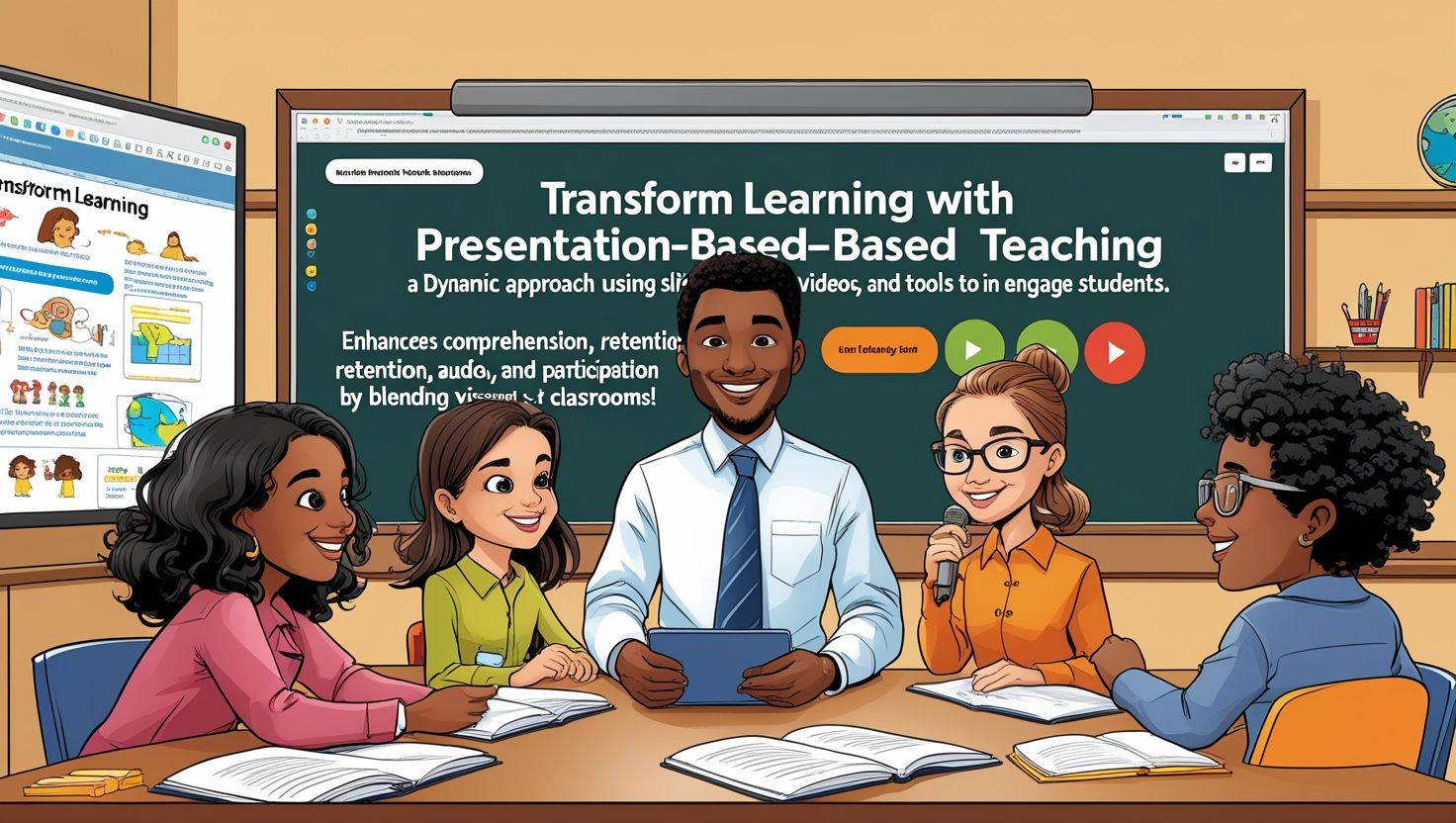
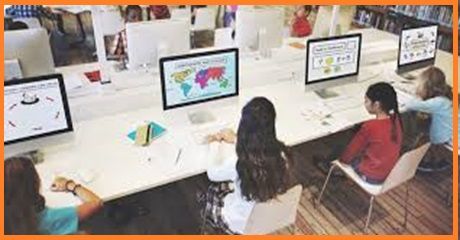
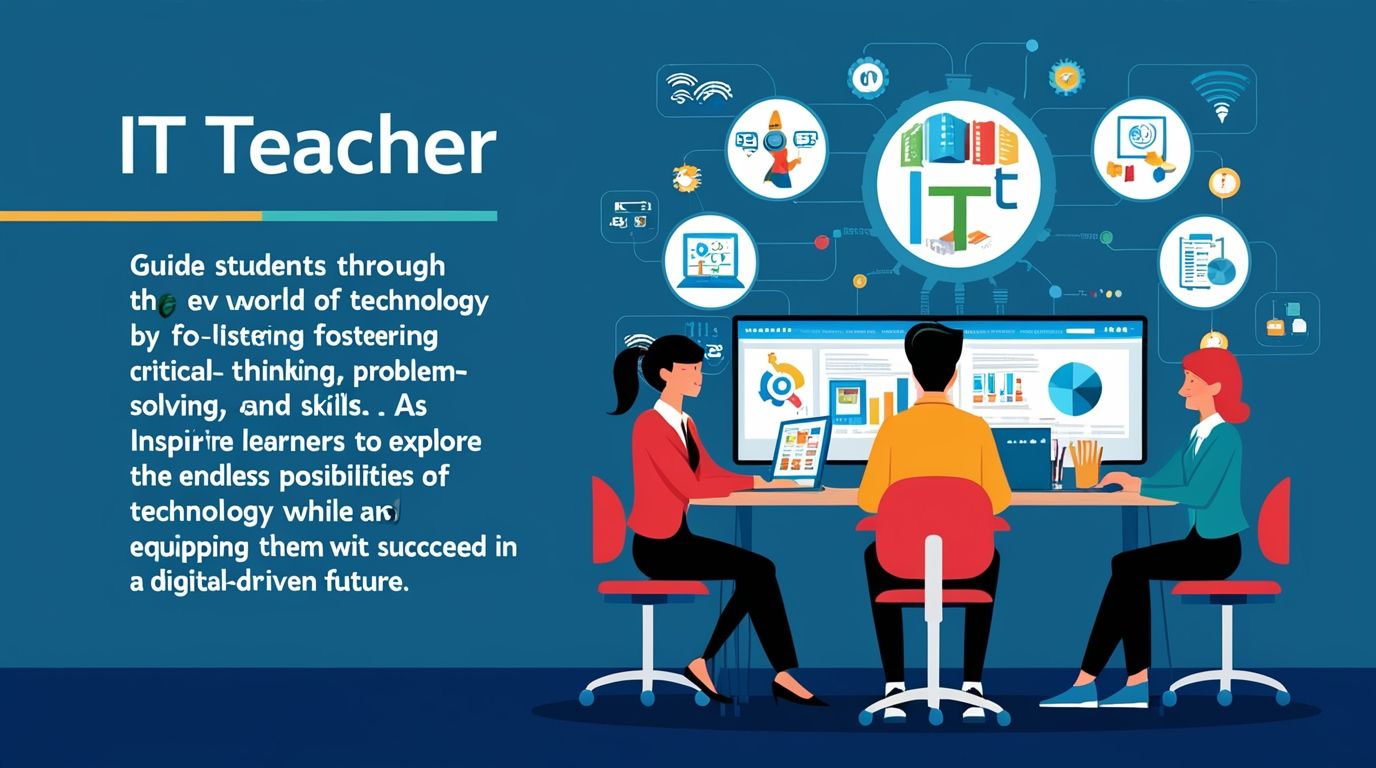
Technology integration has become a cornerstone of contemporary presentation skills. Teachers now have access to a wide range of digital tools that can enhance lesson delivery. Interactive whiteboards, presentation software, and online platforms allow for more dynamic teaching. Multimedia elements such as videos, animations, and simulations can make lessons more engaging and easier to understand. However, the key lies in using technology purposefully. Overuse or misuse of digital tools can overwhelm students and reduce effectiveness. Teachers must strike a balance between traditional methods and technological enhancements. When used appropriately, technology can transform classroom presentations into immersive learning experiences that capture student interest and improve outcomes.
6. Student-Centered Teaching Approaches
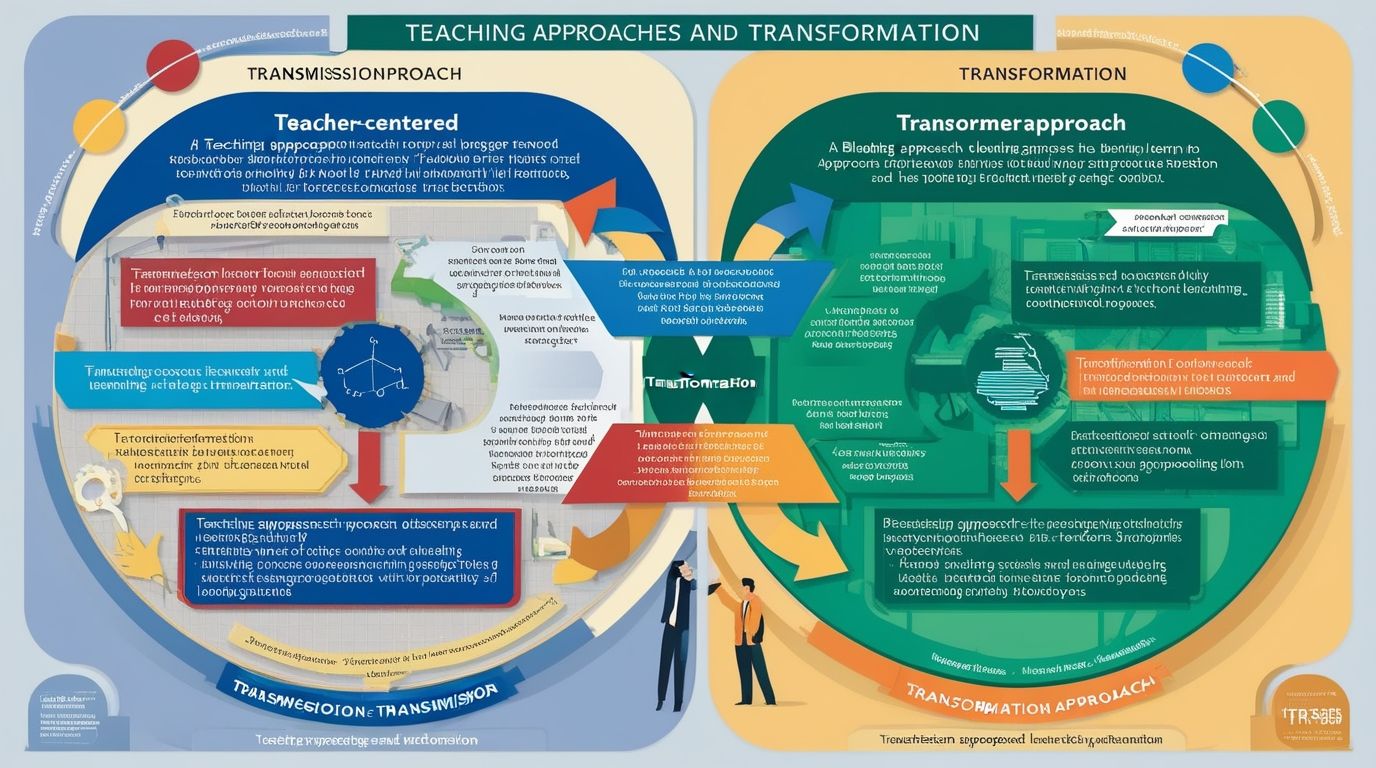
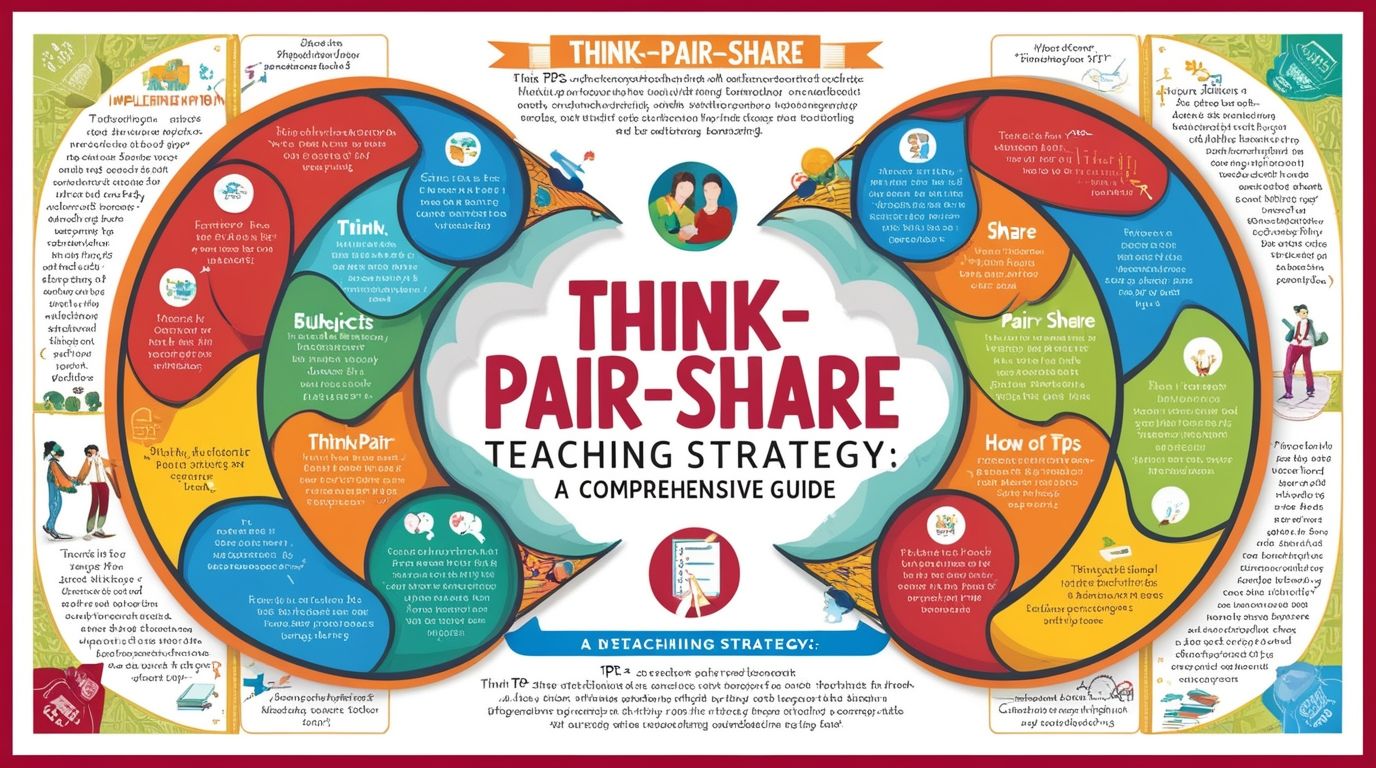
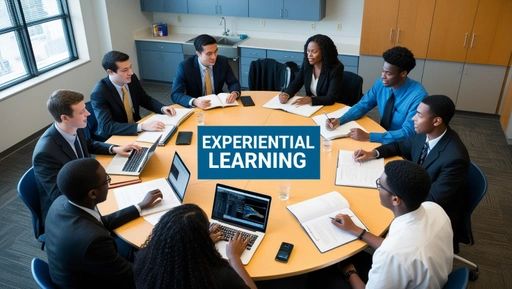
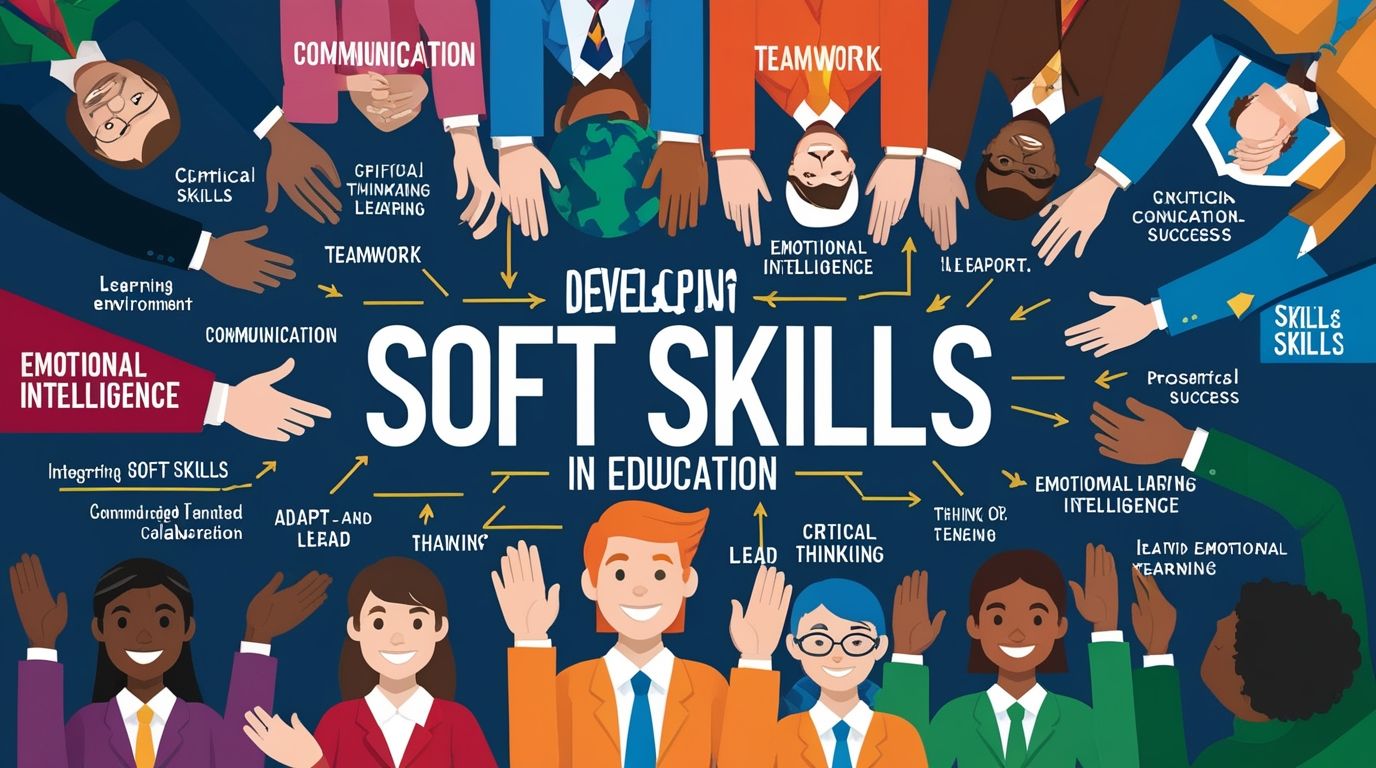
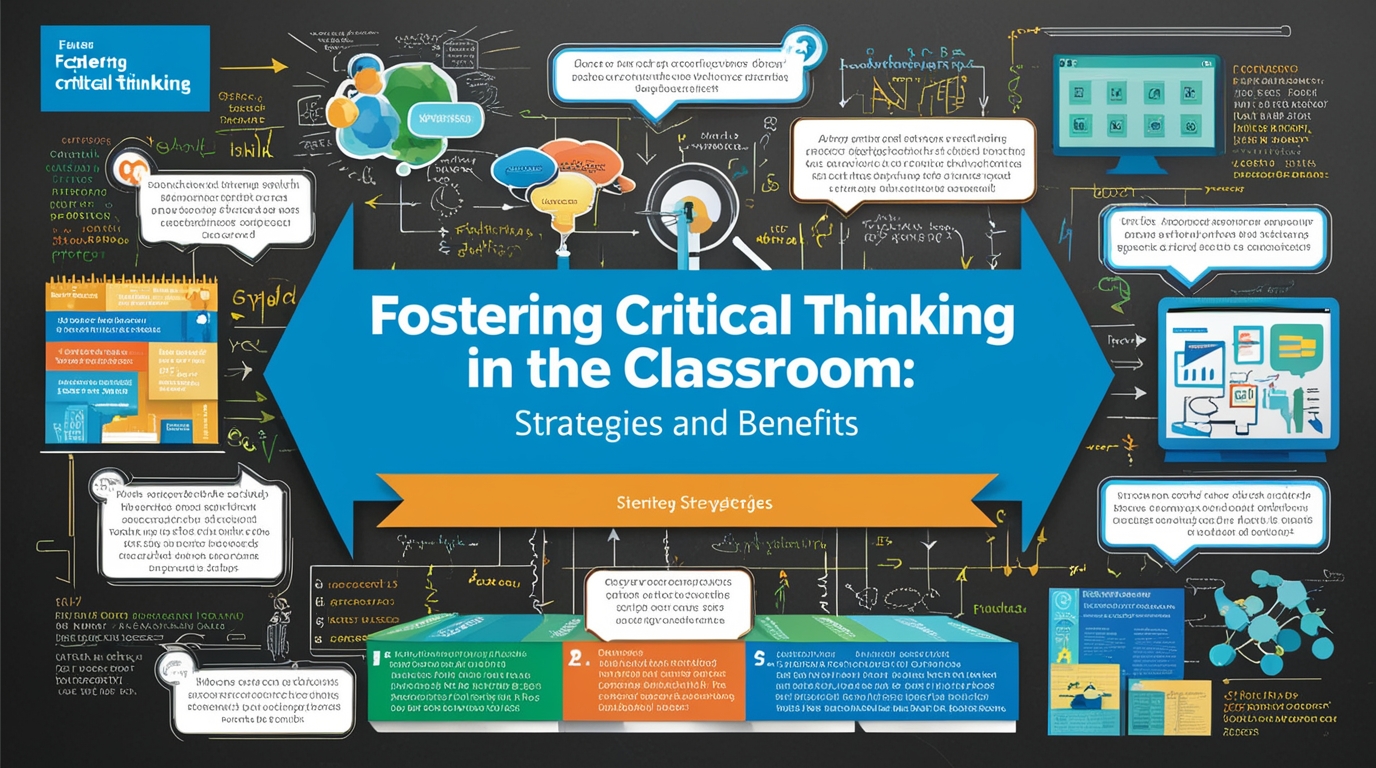
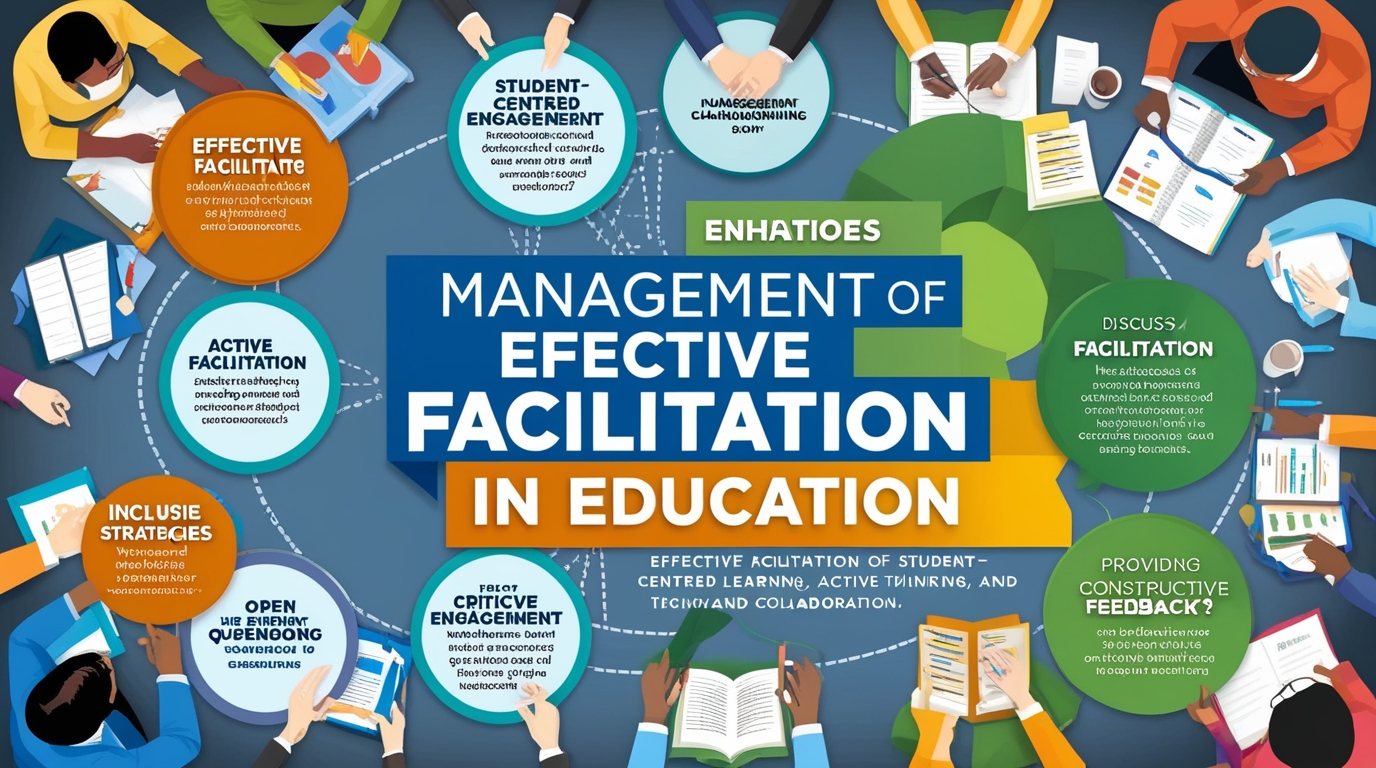
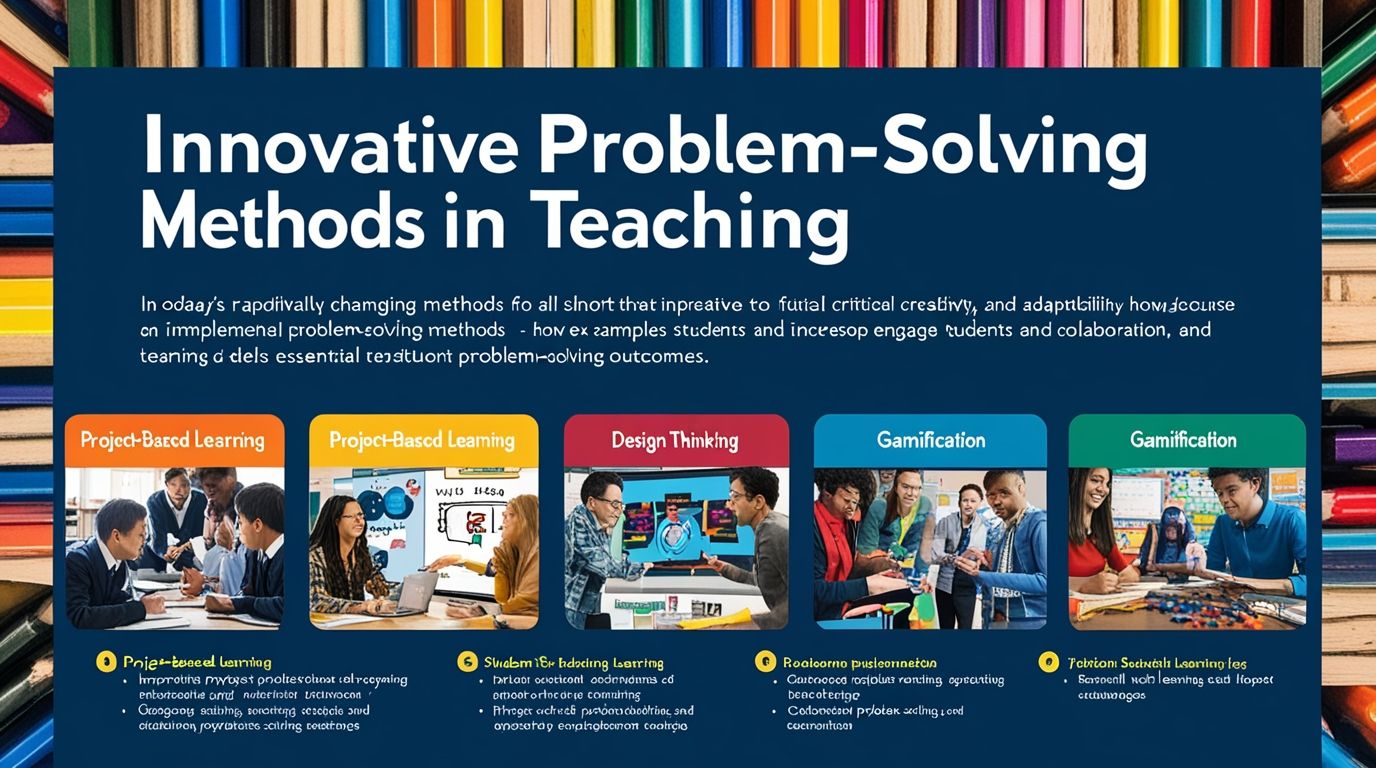
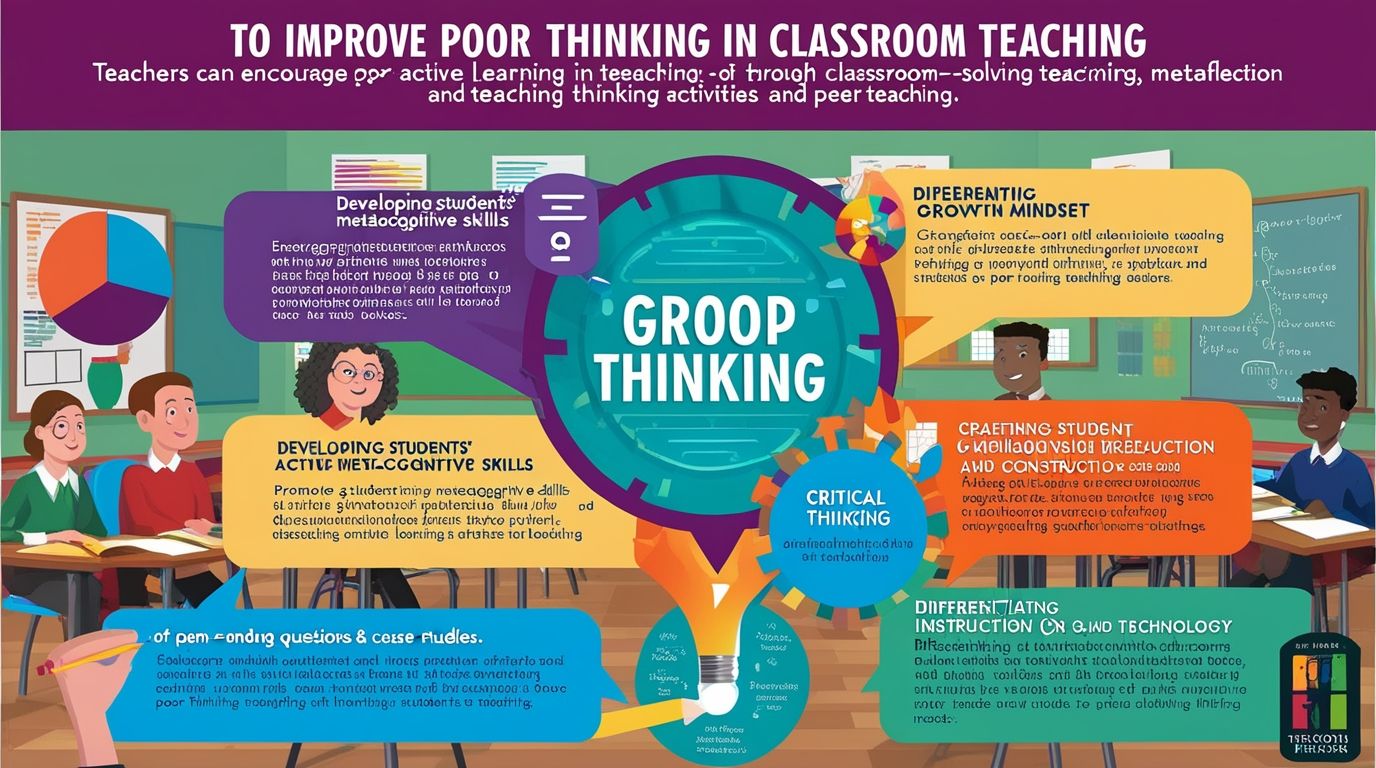
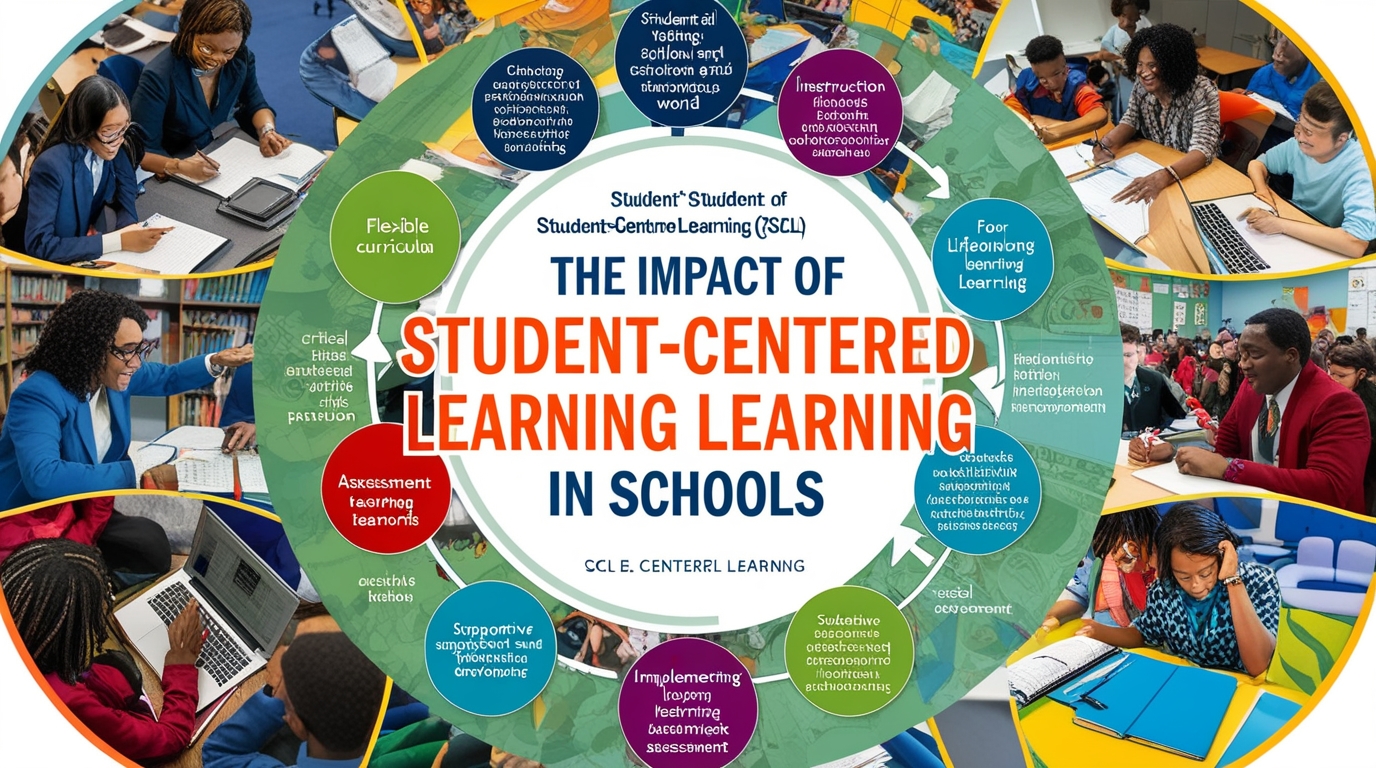
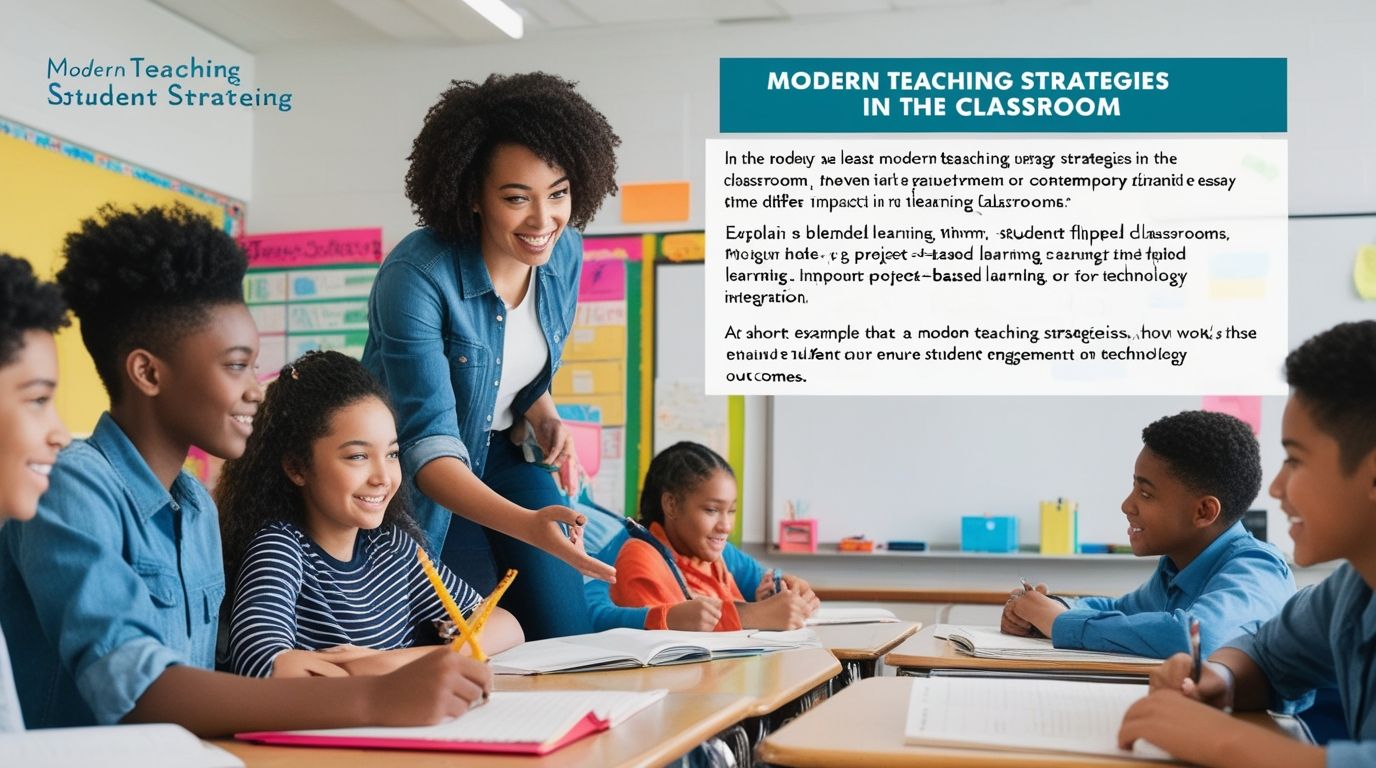
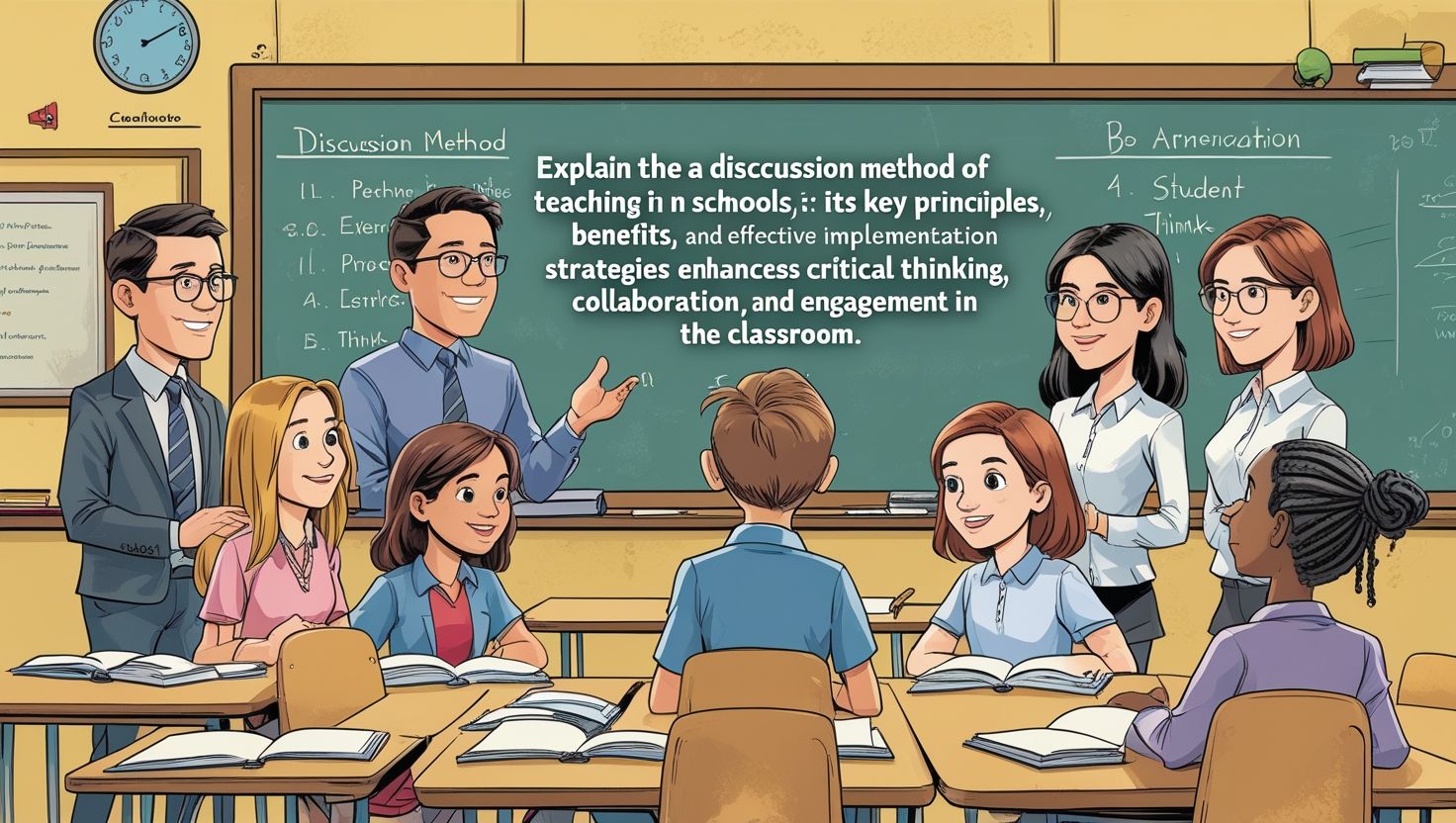
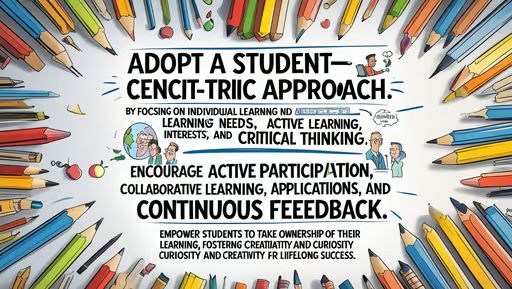
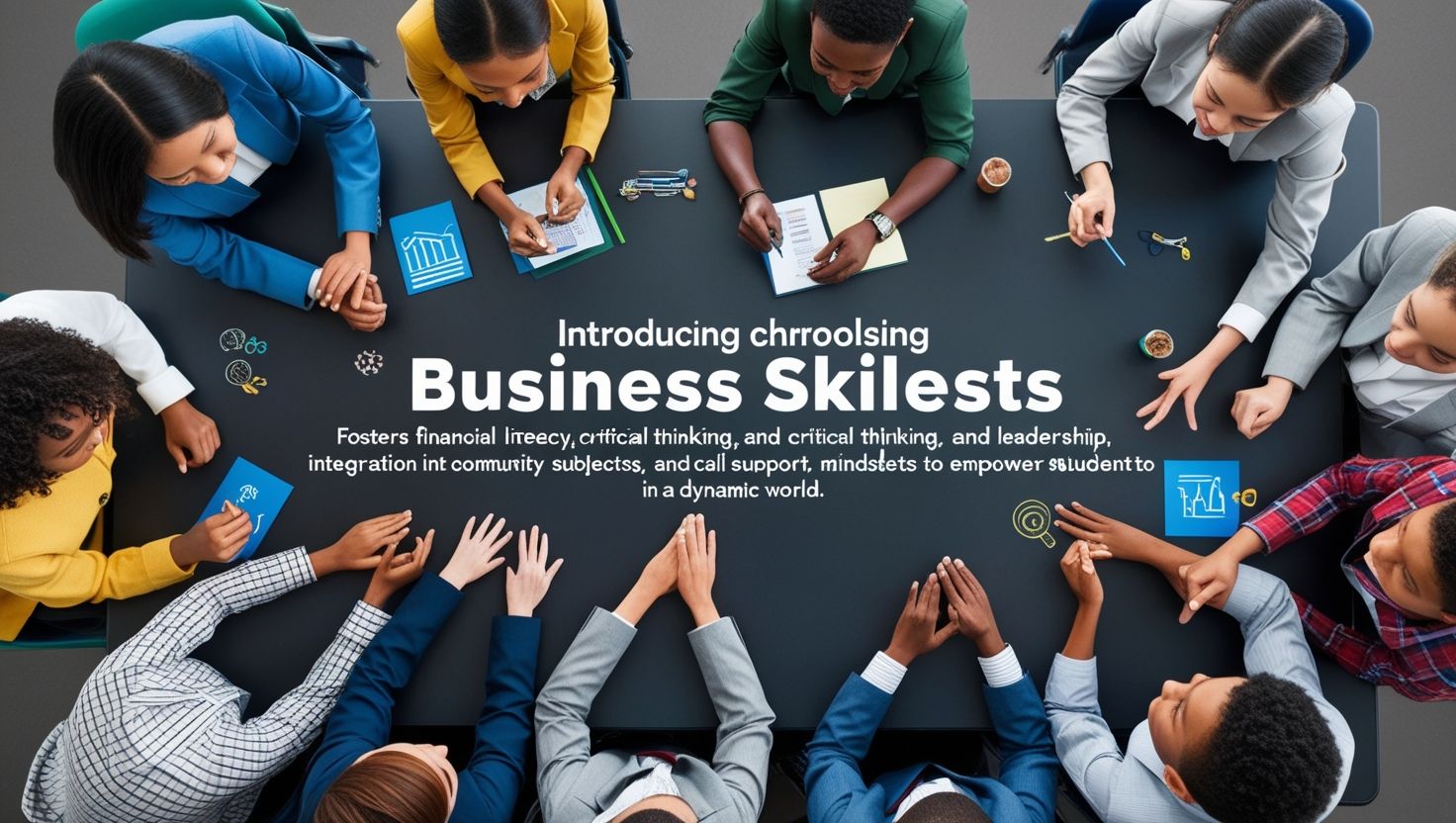
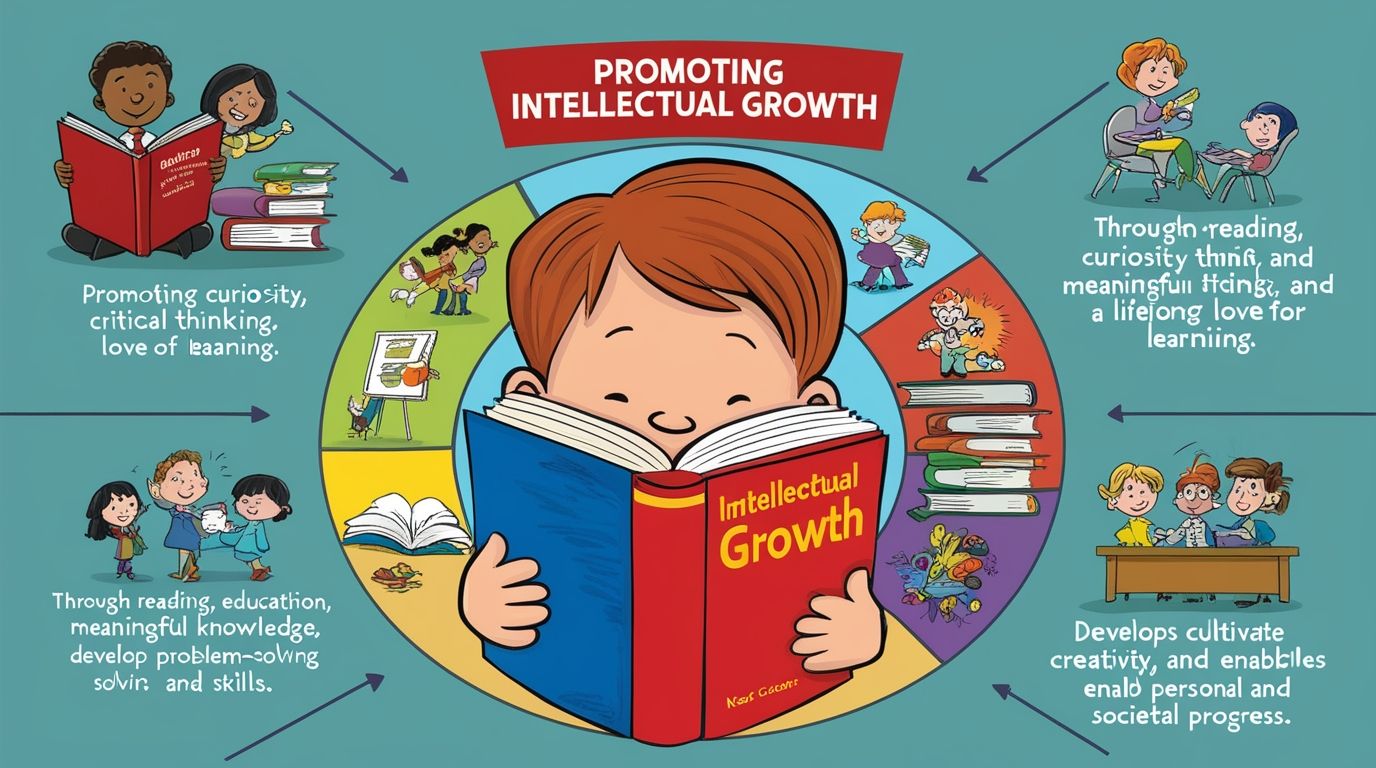
Student-centered teaching is a defining feature of modern presentation skills. Instead of focusing solely on delivering content, teachers now prioritize student involvement. This approach encourages learners to actively participate in discussions, group work, and problem-solving activities. Teachers act as facilitators rather than sole knowledge providers. By incorporating interactive methods such as think-pair-share and collaborative tasks, teachers create opportunities for deeper learning. Student-centered presentation also allows learners to express their ideas and develop confidence. This approach not only improves academic performance but also fosters essential life skills such as communication, teamwork, and critical thinking, making education more meaningful and relevant.
7. Storytelling as a Teaching Tool
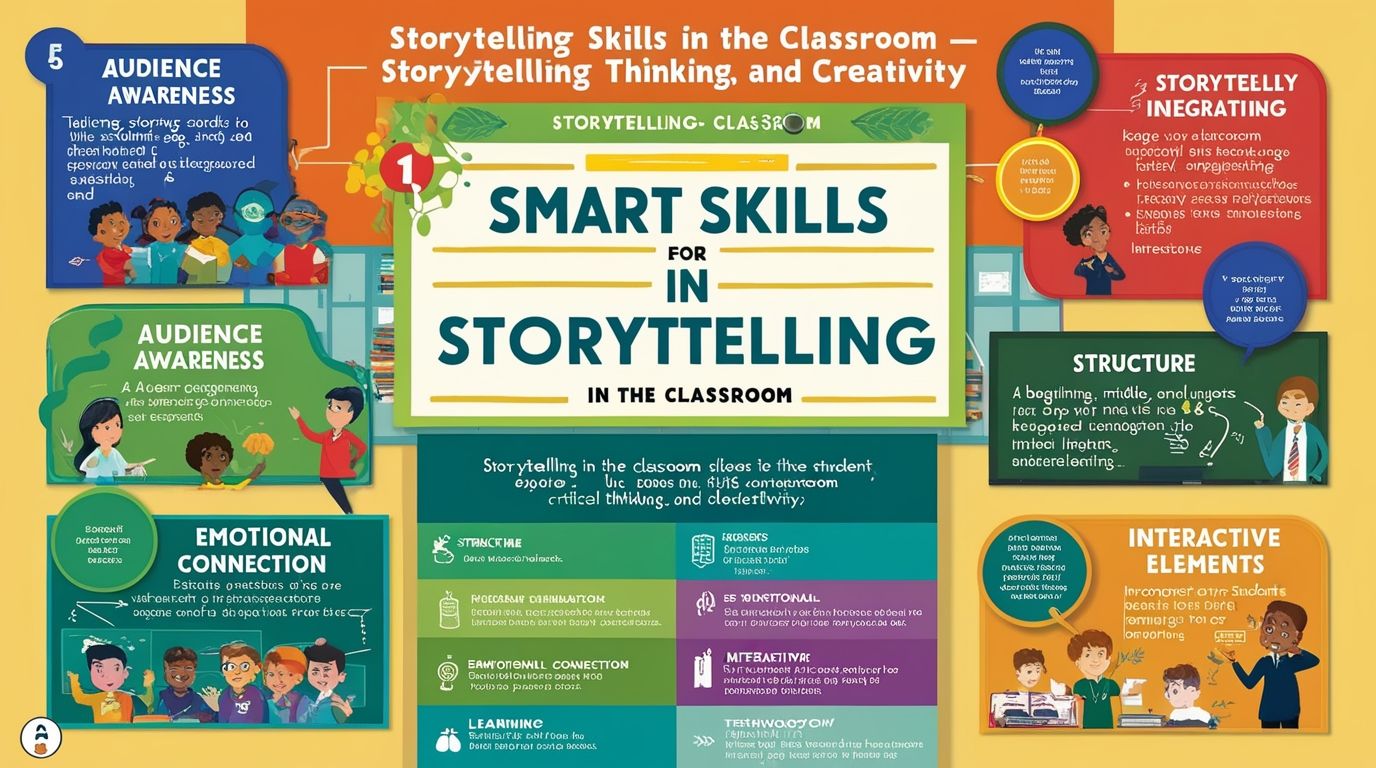
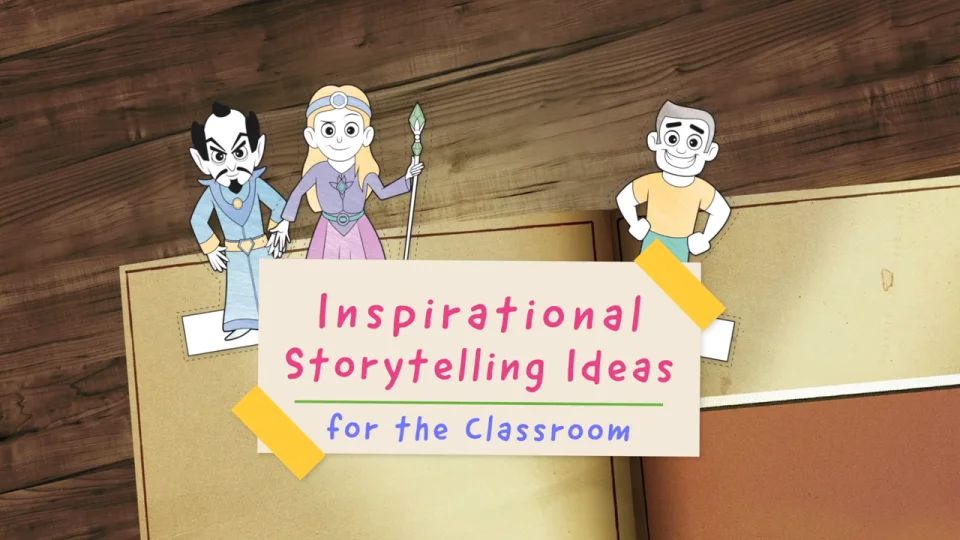
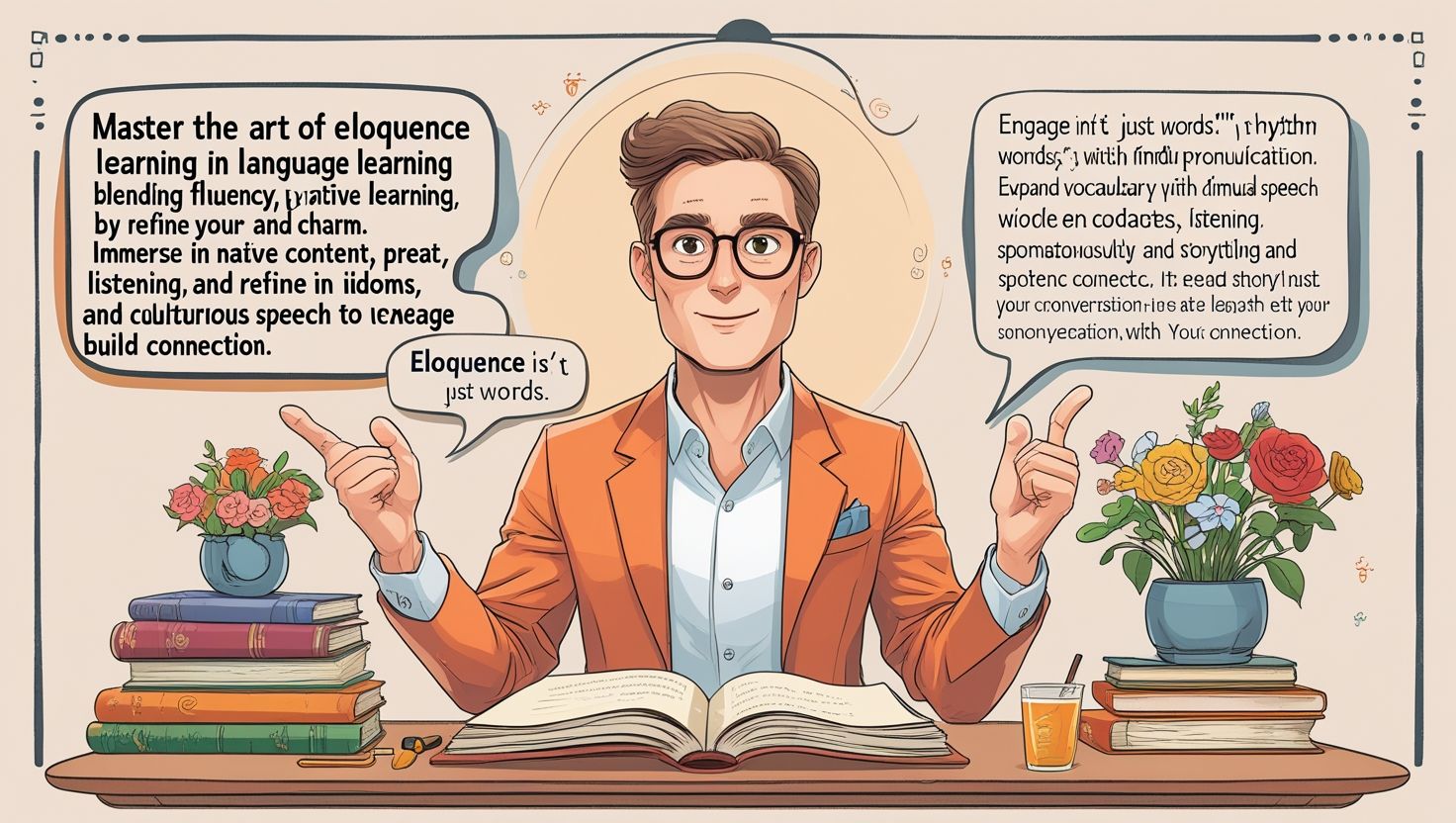
Storytelling has emerged as a powerful tool in enhancing presentation skills. Teachers who incorporate stories into their lessons can make content more relatable and memorable. Stories help connect abstract ideas to real-life situations, making it easier for students to understand and retain information. A well-told story captures attention and creates emotional engagement, which strengthens learning. Teachers can use historical narratives, case studies, or personal experiences to illustrate key concepts. Storytelling also encourages imagination and creativity among students. By integrating storytelling into their teaching, educators can transform ordinary lessons into compelling experiences that leave a lasting impact on learners.
8. Continuous Assessment in Presentation
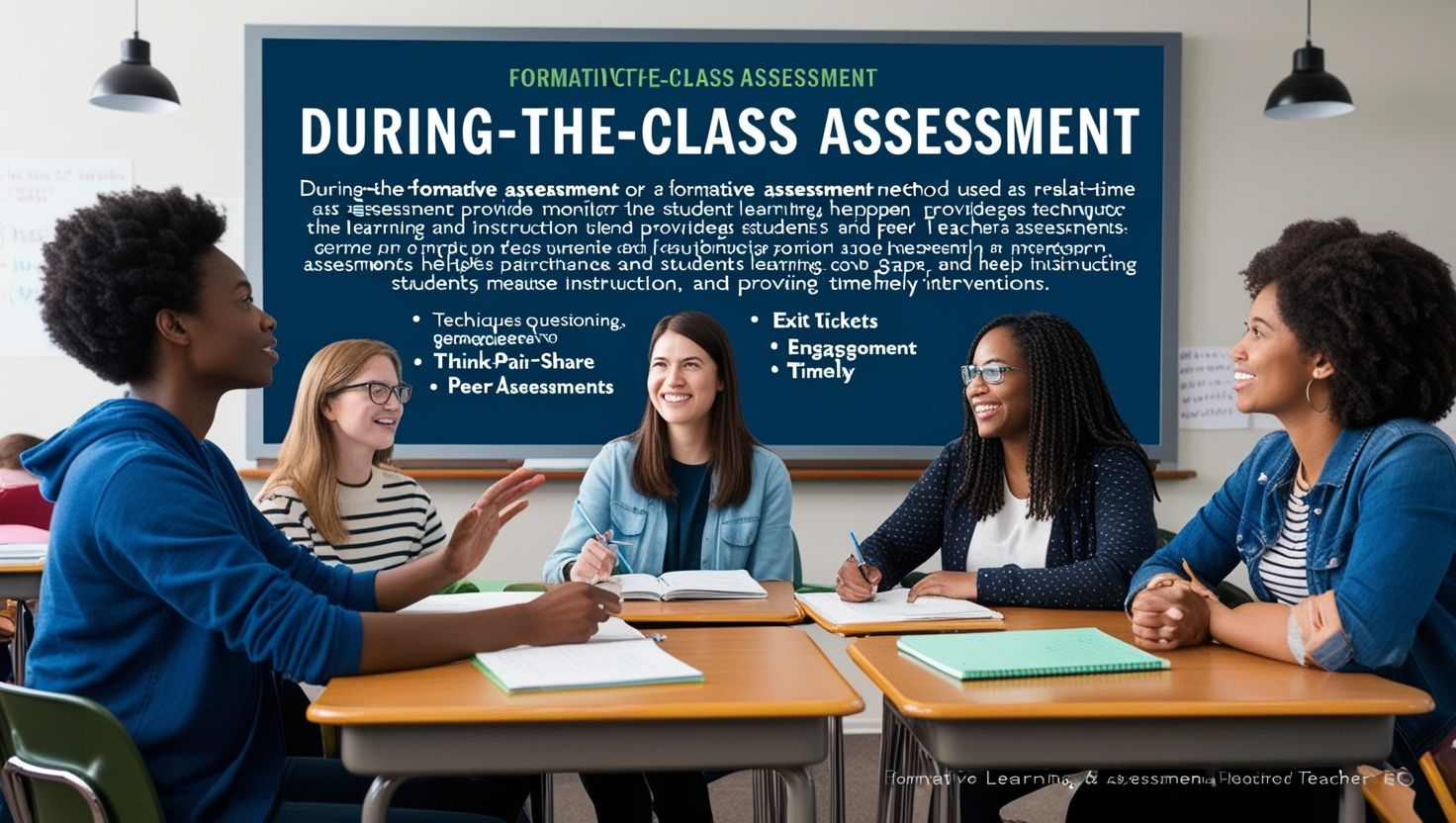
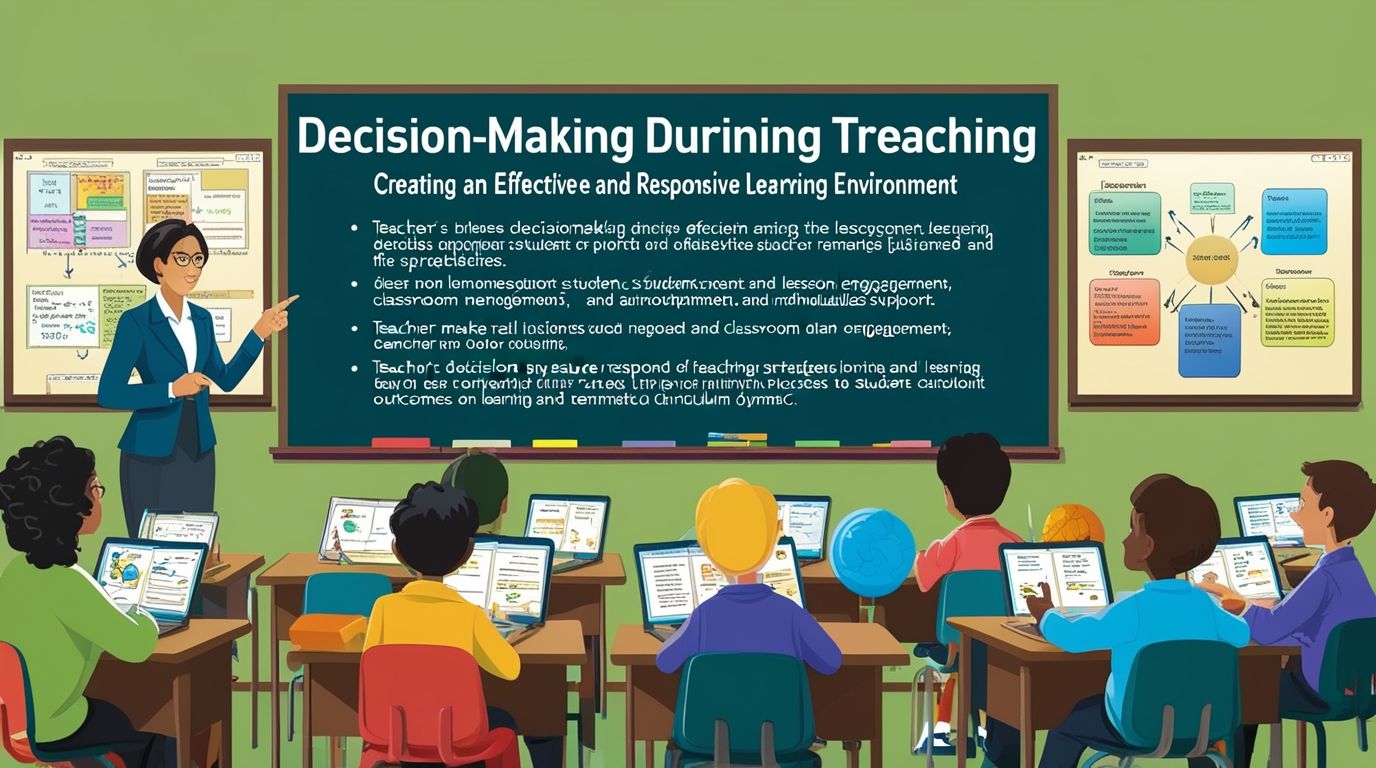
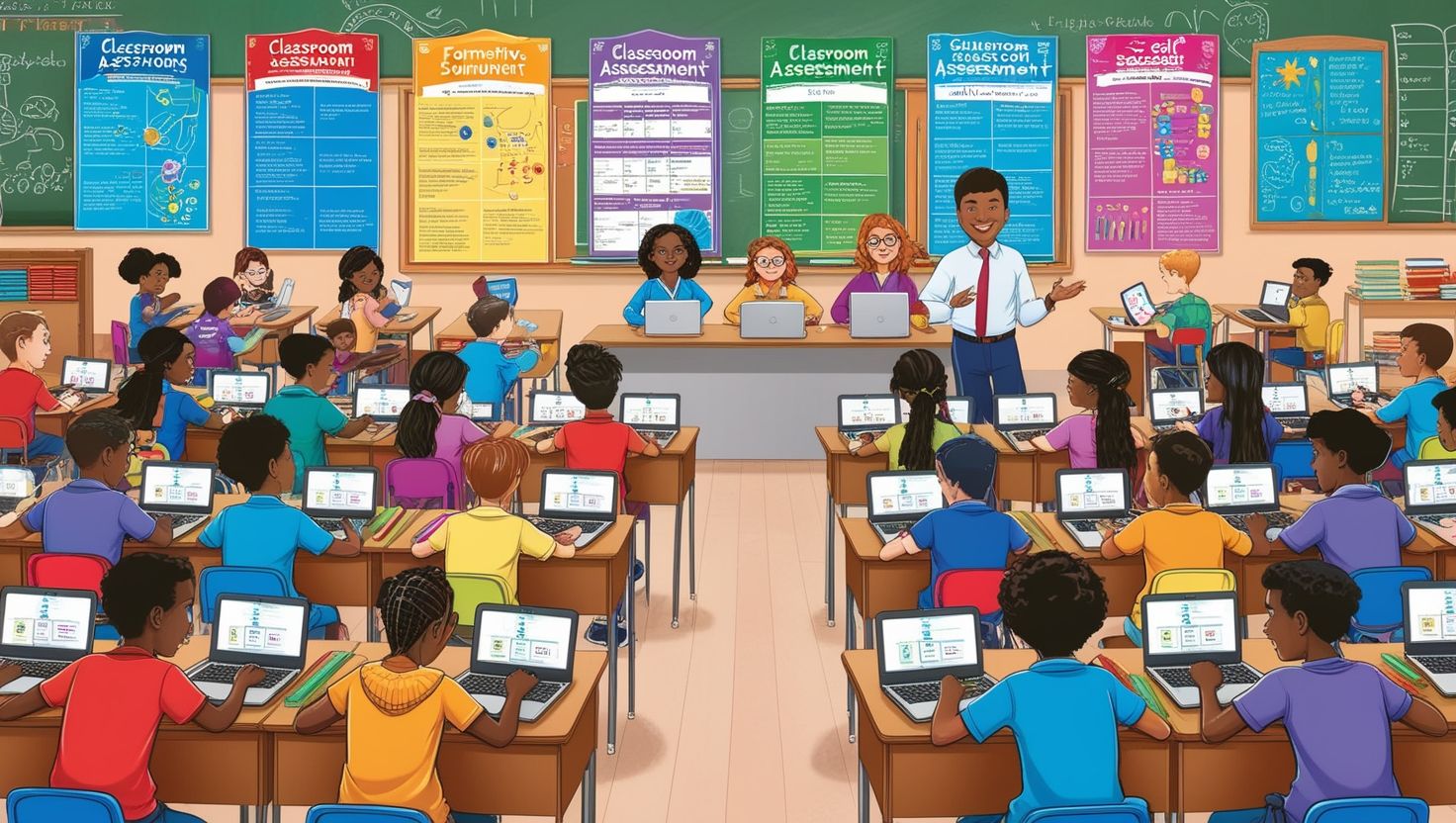
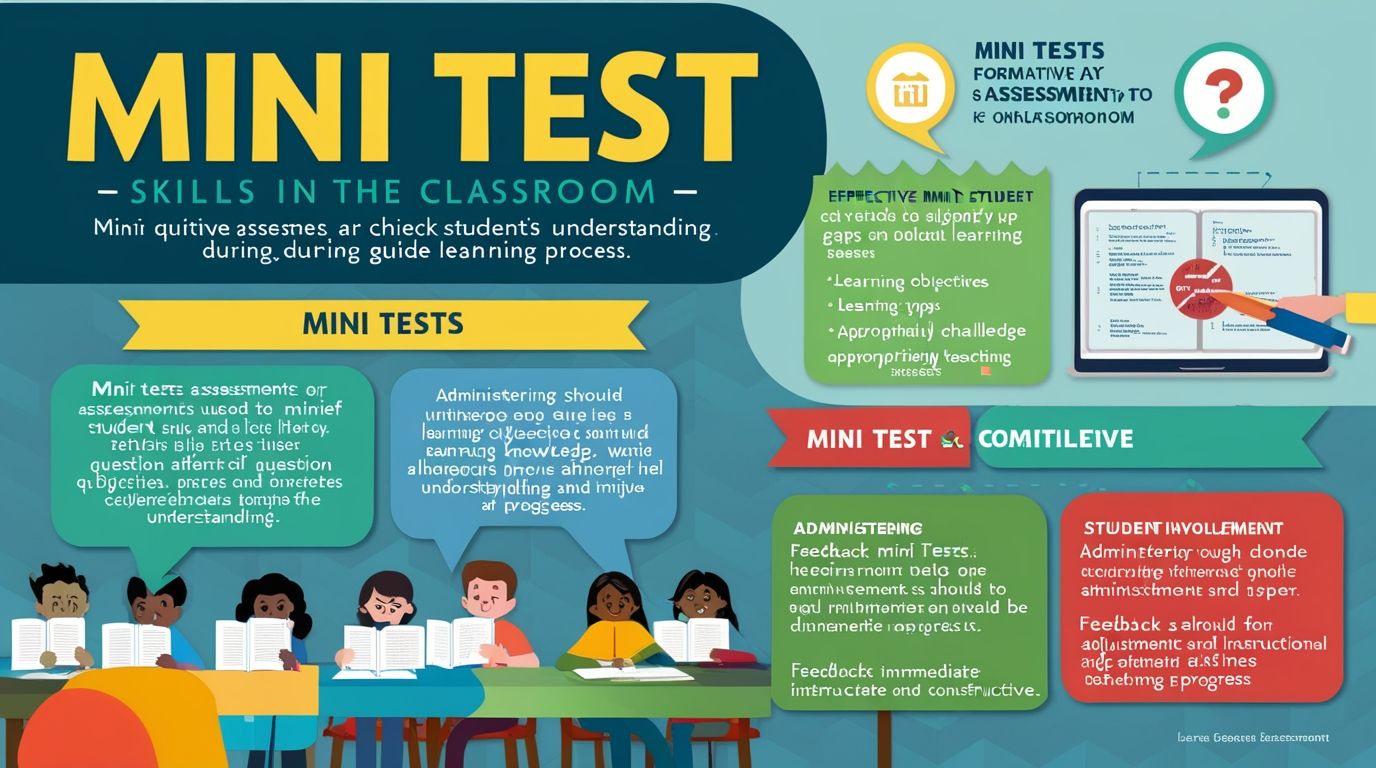
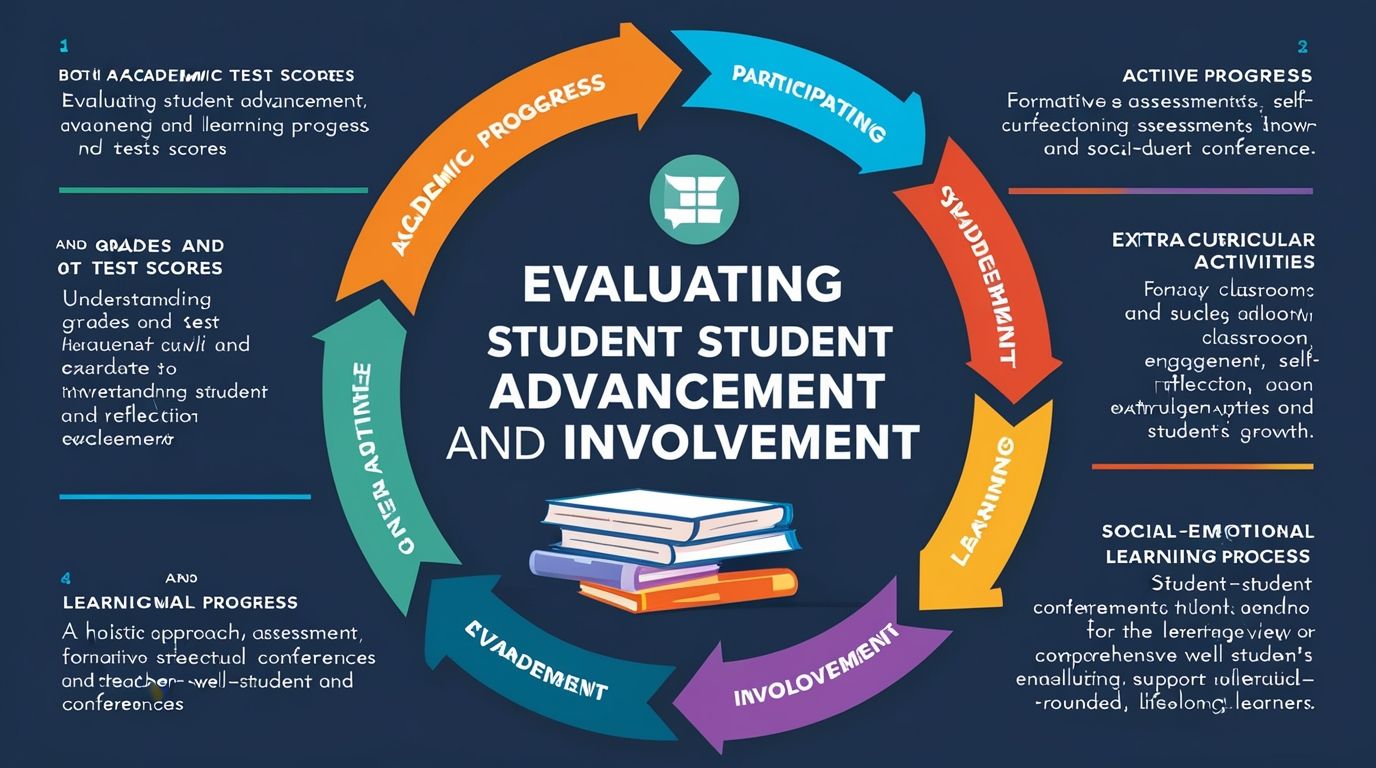
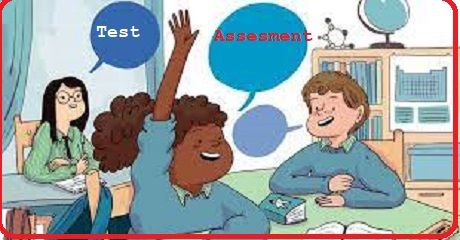
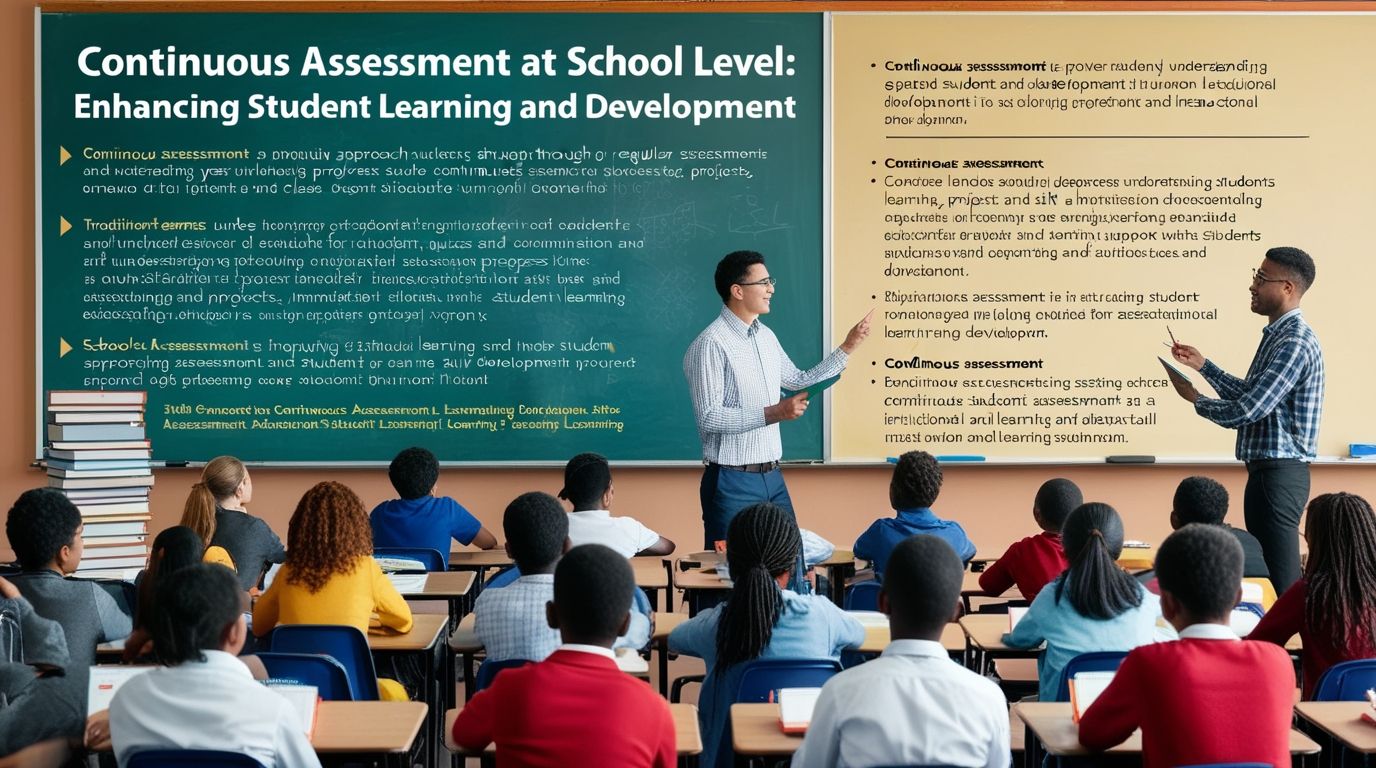
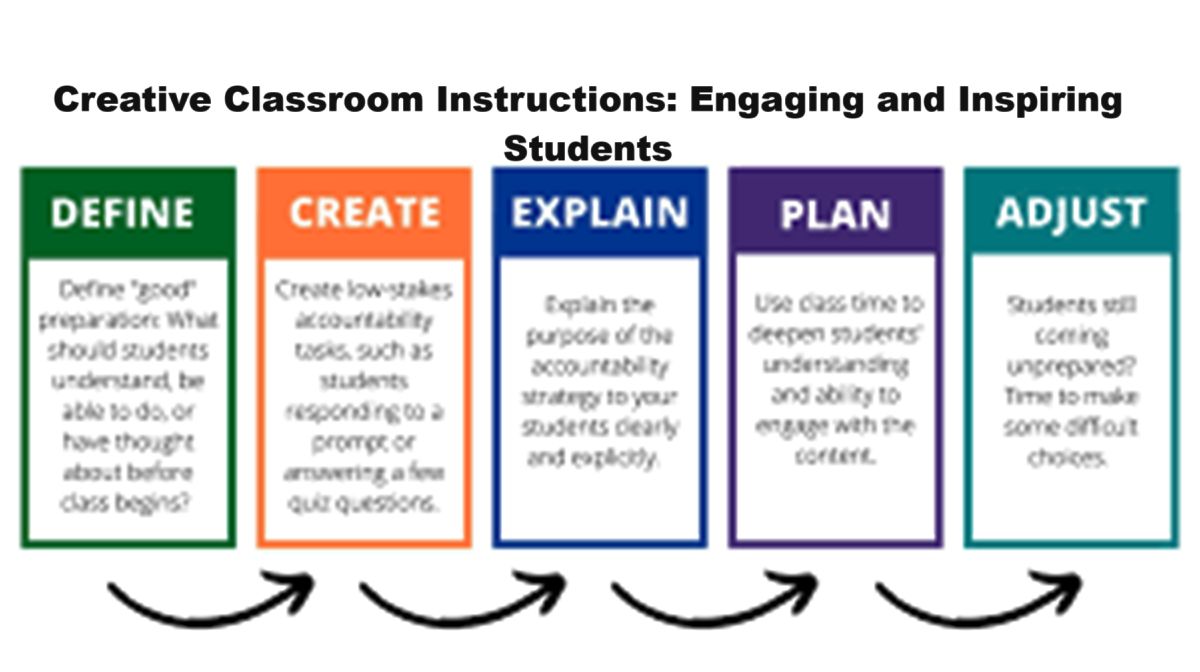
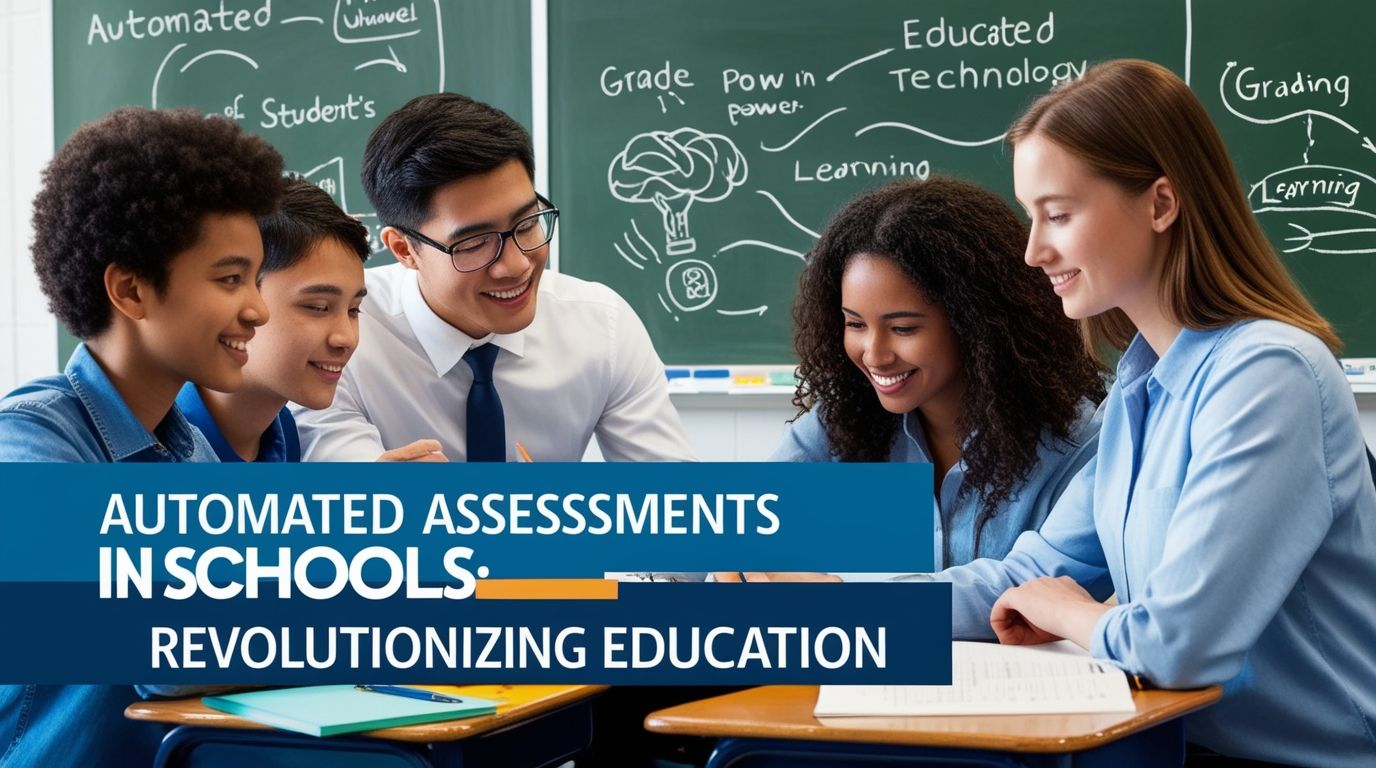
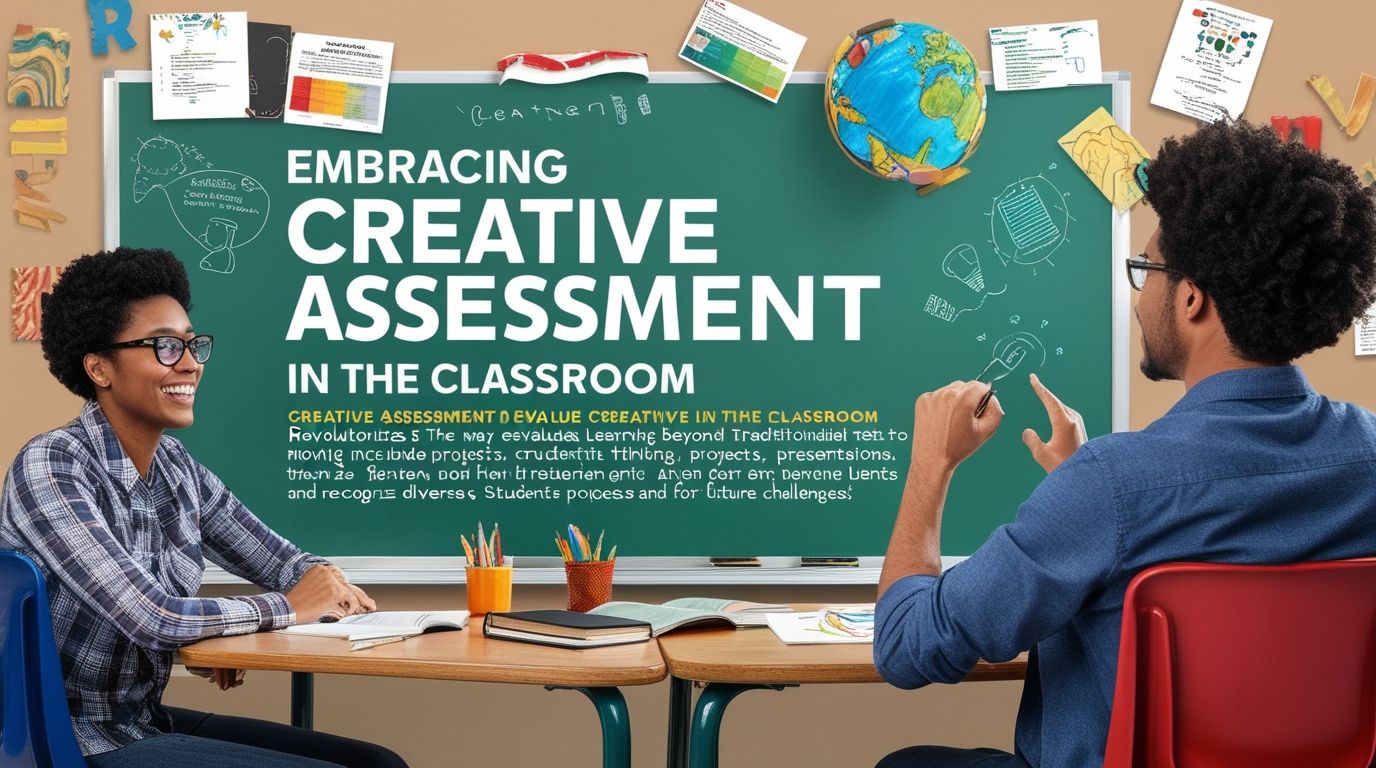
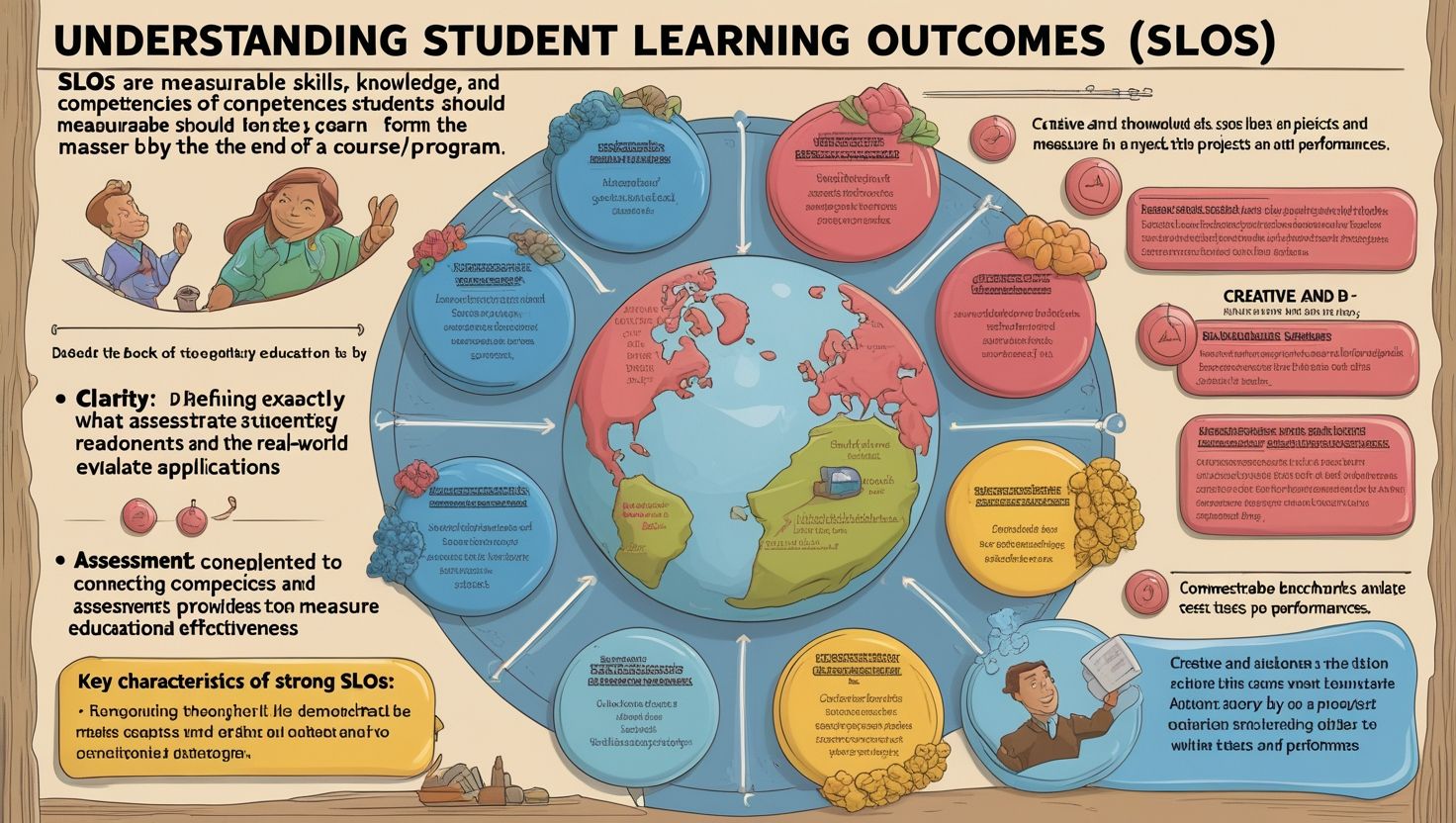
Assessment integrated into teaching is another important aspect of effective presentation skills. Modern educators use formative assessment techniques during lessons to monitor student understanding. This includes asking questions, conducting quick quizzes, and observing student responses. These strategies allow teachers to identify gaps in understanding and adjust their presentation accordingly. Continuous assessment ensures that learning is taking place in real time rather than only at the end of a unit. It also provides students with immediate feedback, helping them improve. By embedding assessment into presentation, teachers create a more responsive and adaptive learning environment that supports student success.
9. Classroom Management through Presentation
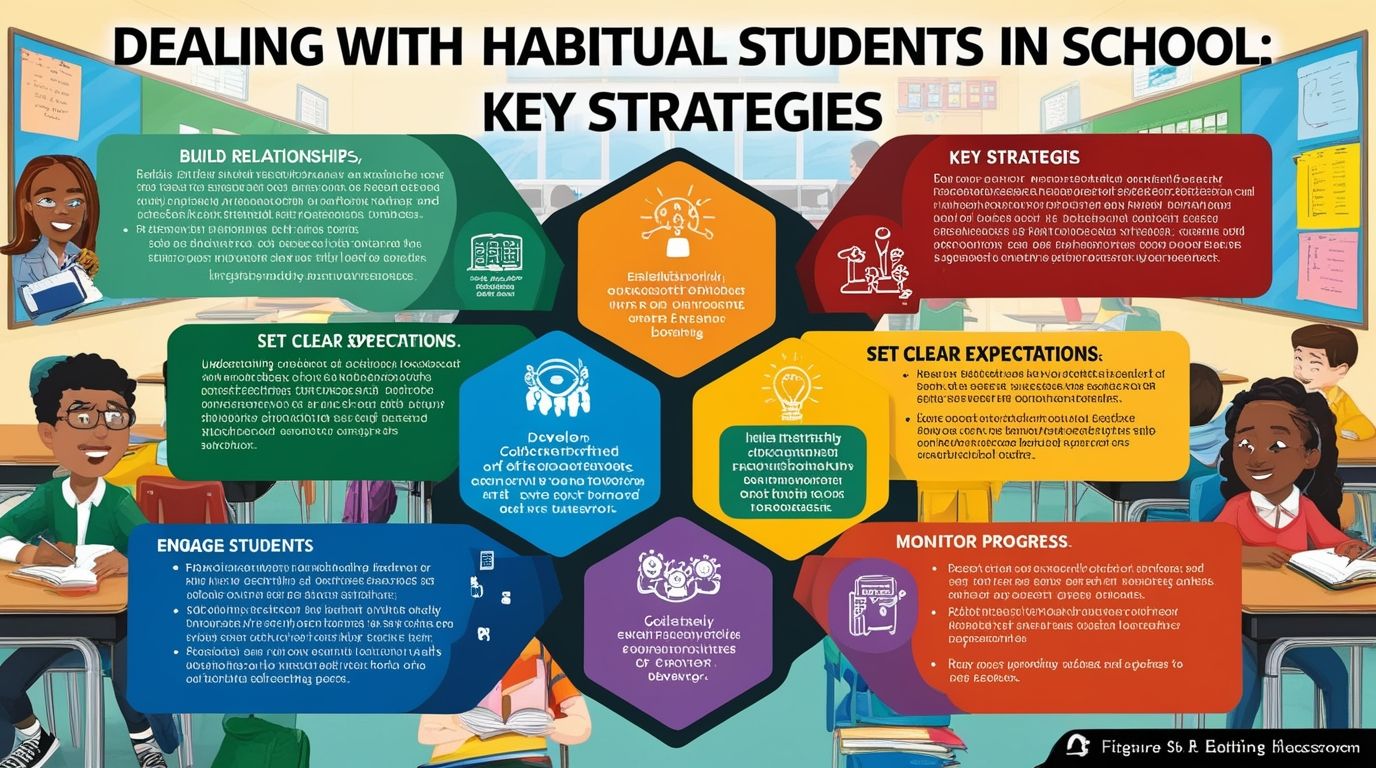
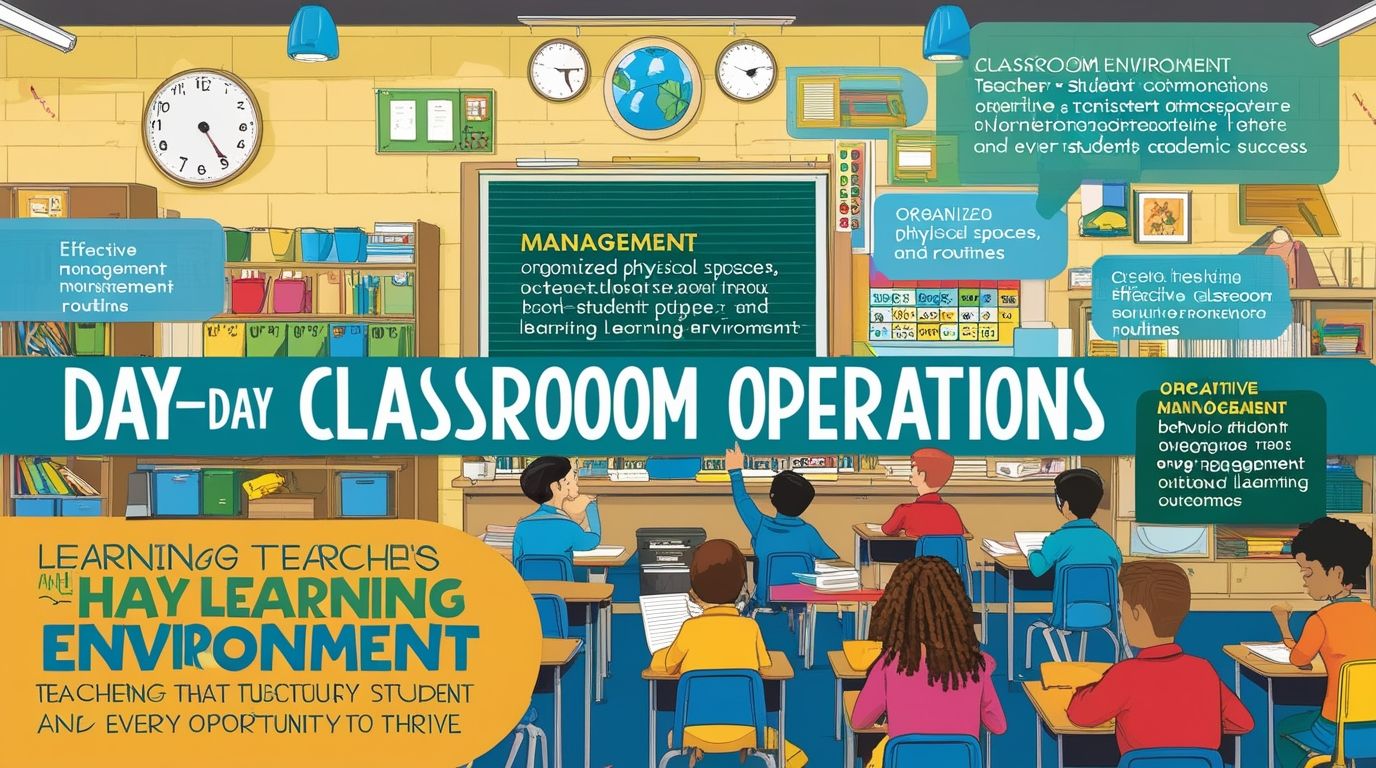
Classroom management is closely linked to strong presentation skills. A well-presented lesson naturally keeps students engaged and reduces behavioral issues. Teachers who maintain a steady pace, clear instructions, and smooth transitions can manage classrooms more effectively. Presentation techniques such as attention signals, clear expectations, and structured activities help maintain order. When students are actively involved and interested, they are less likely to become disruptive. Effective classroom management supports a positive learning environment where students feel safe and focused. Therefore, improving presentation abilities can significantly enhance a teacher’s ability to manage the classroom efficiently.
10. Cultural Awareness in Teaching
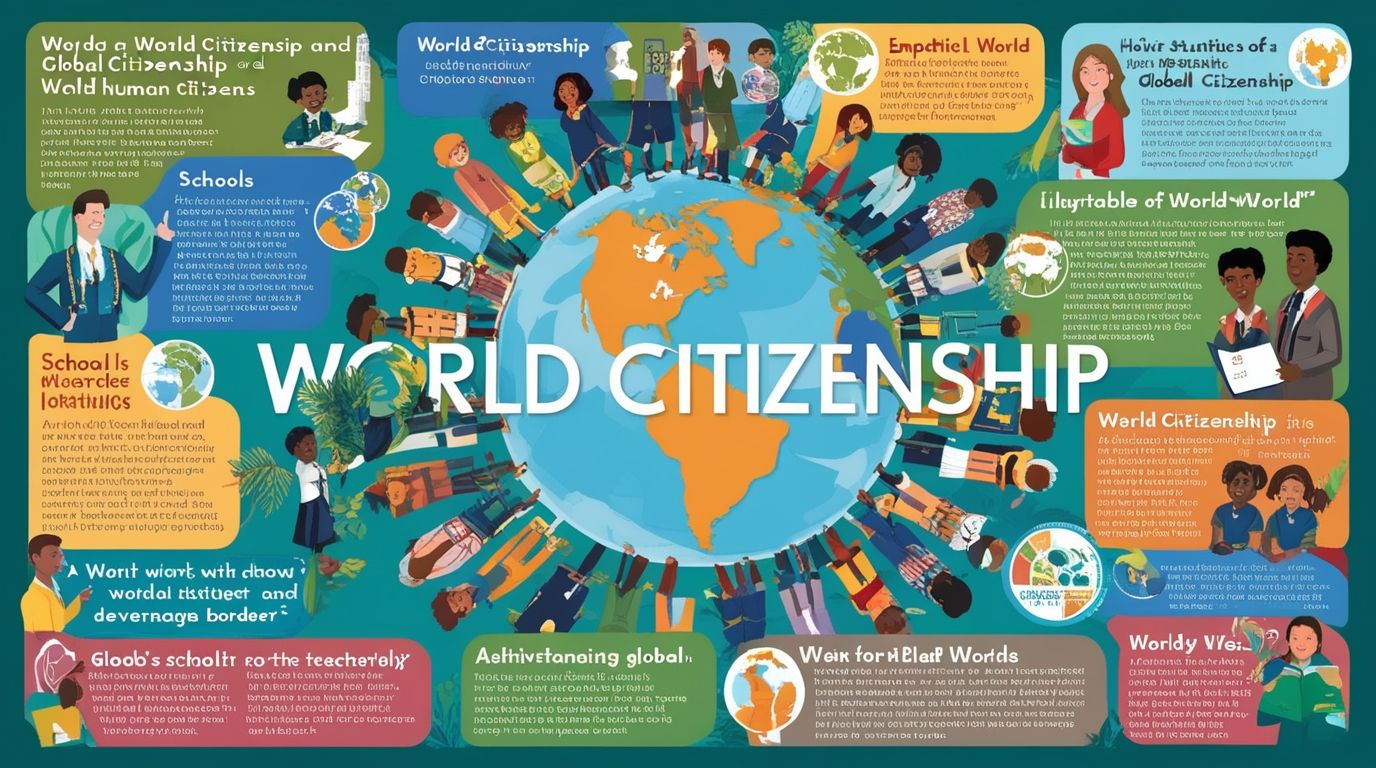
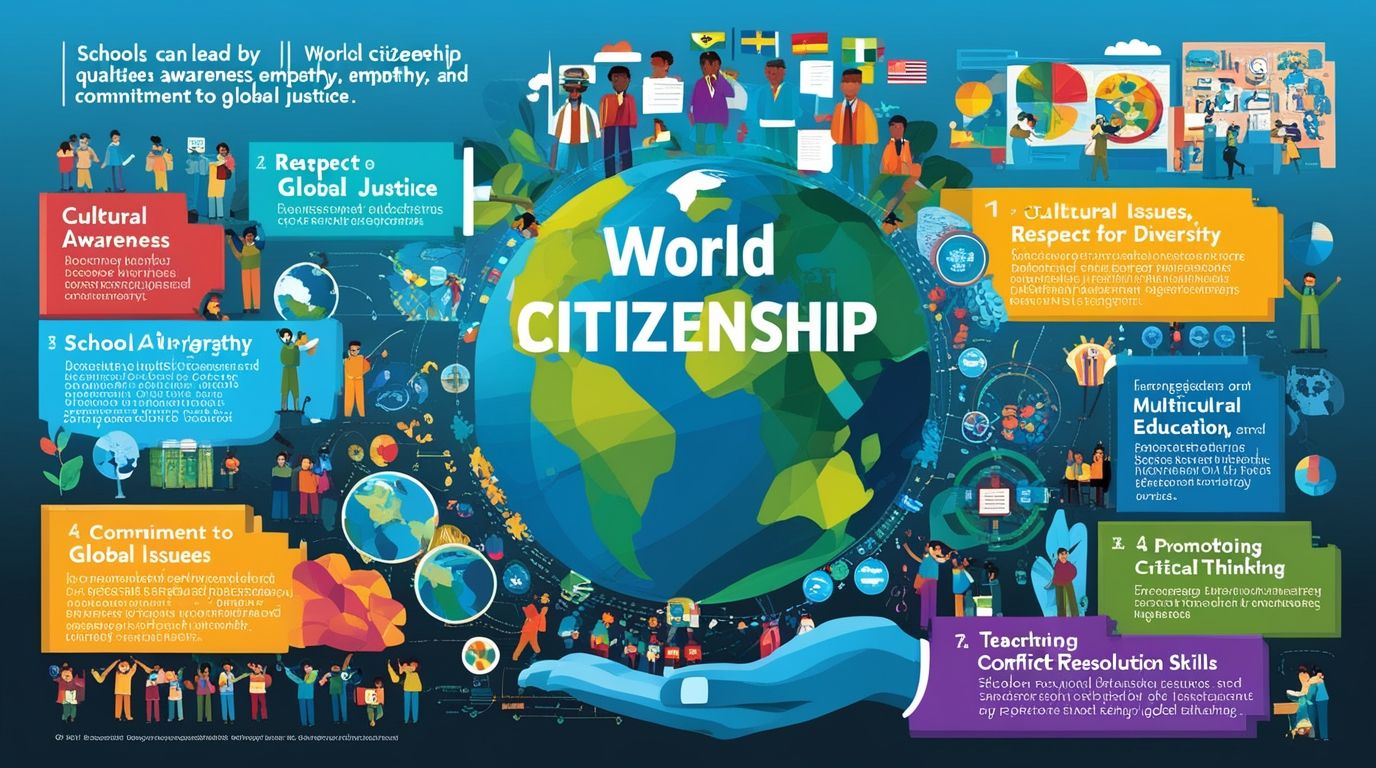
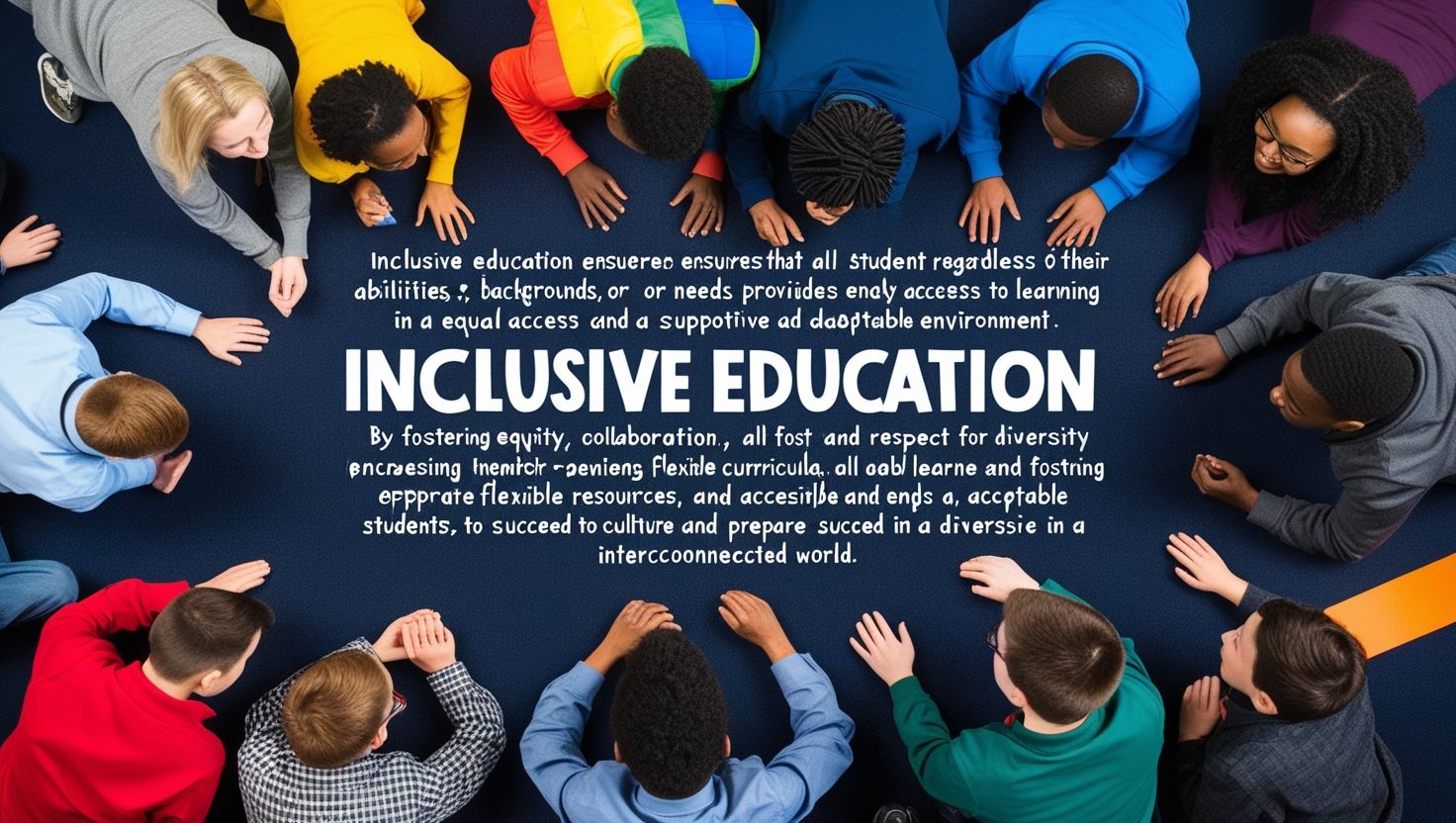
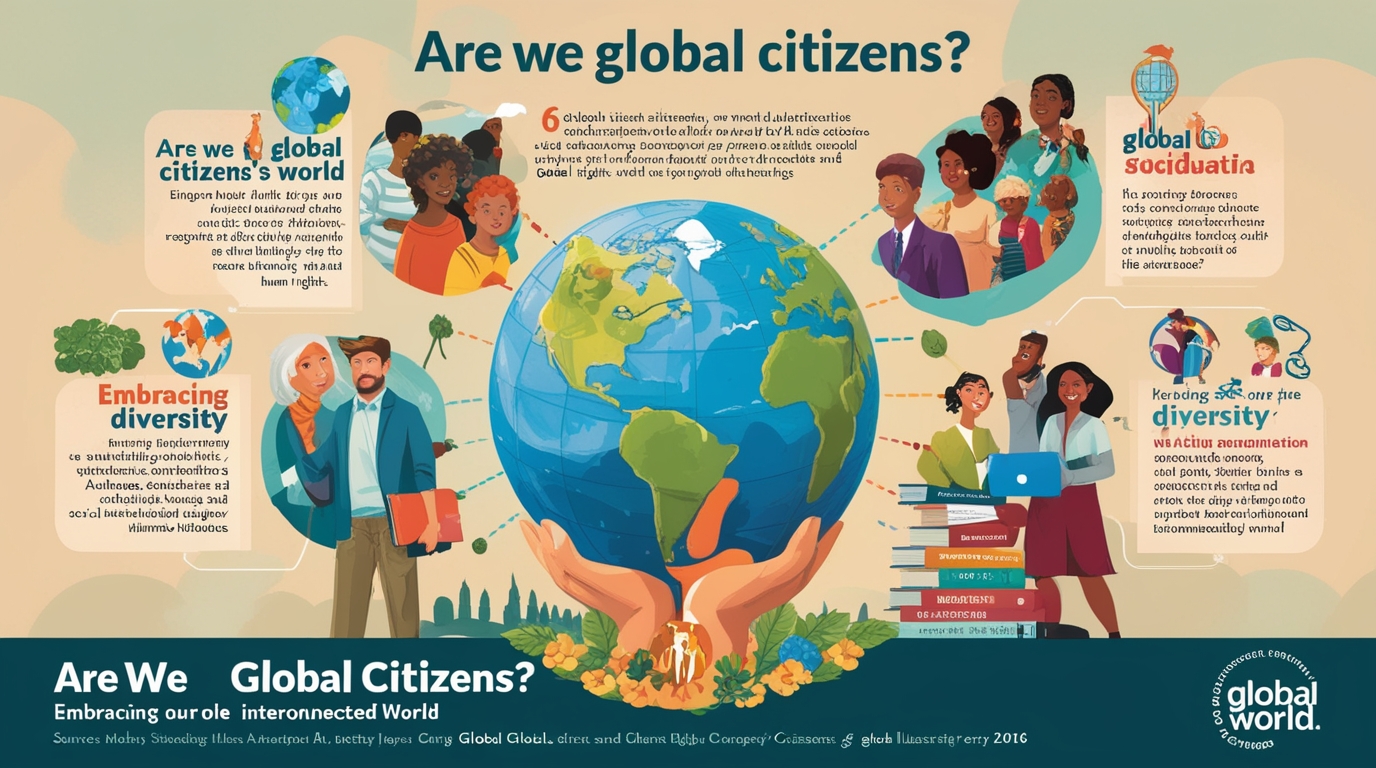
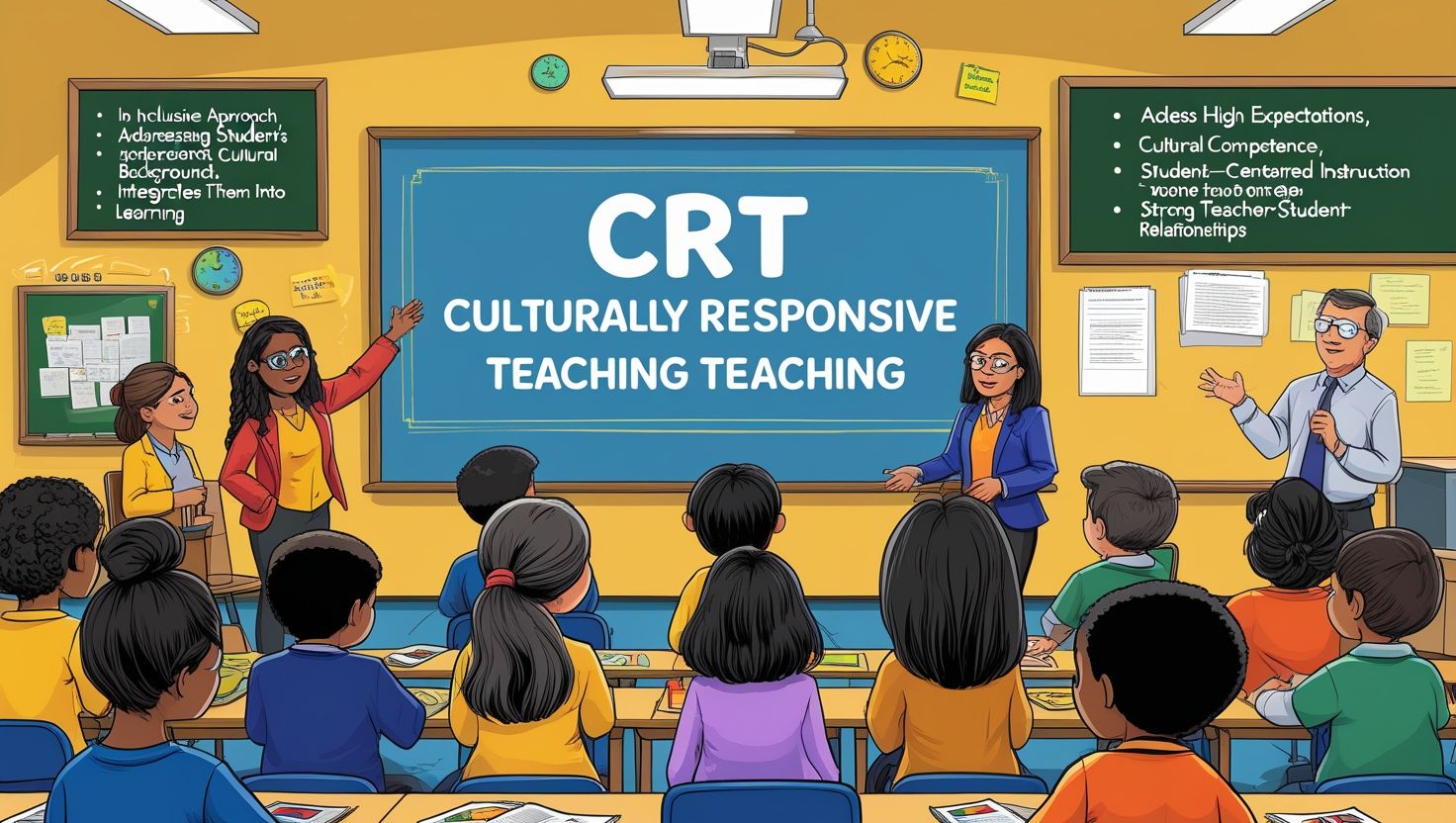
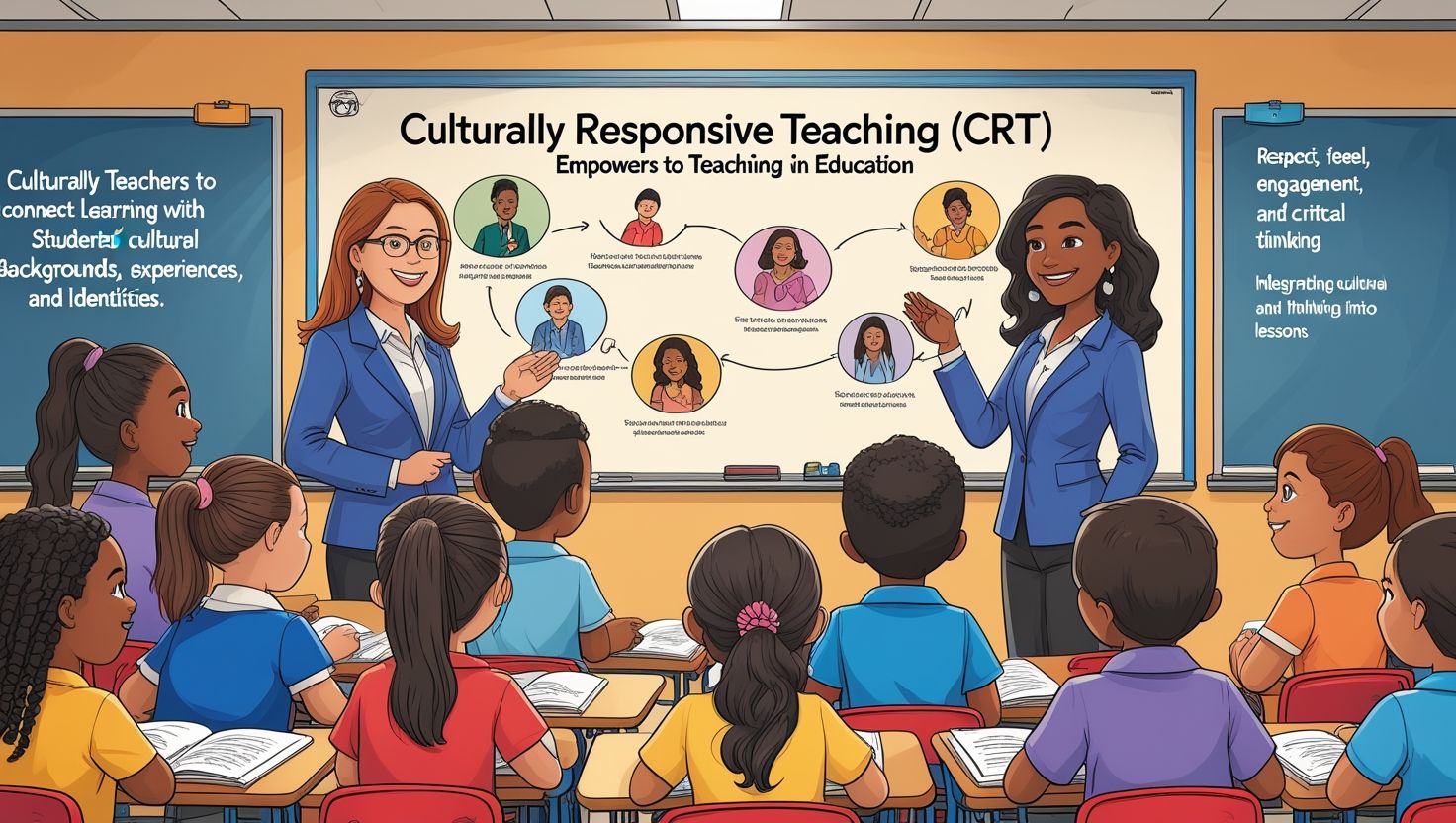
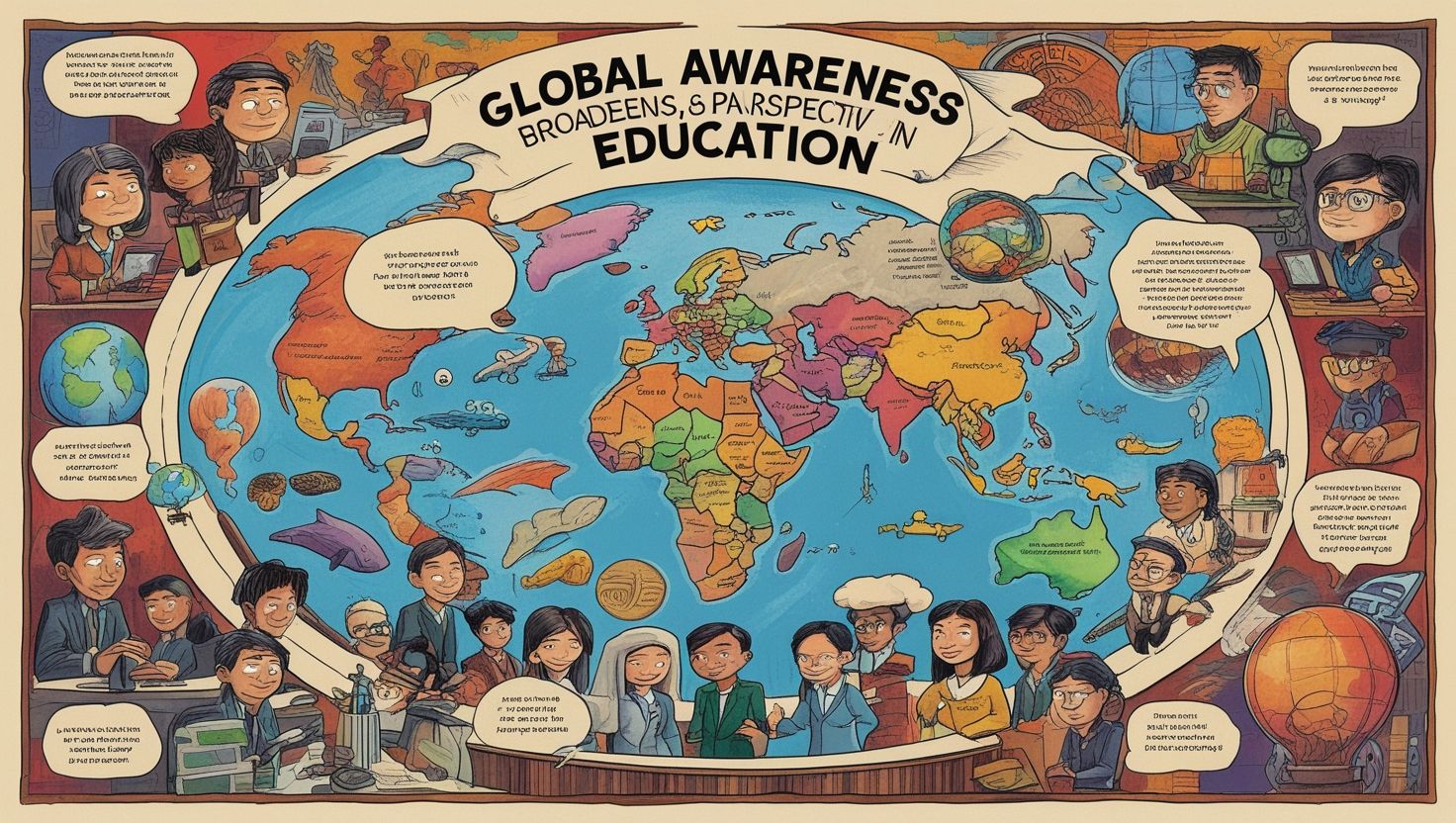
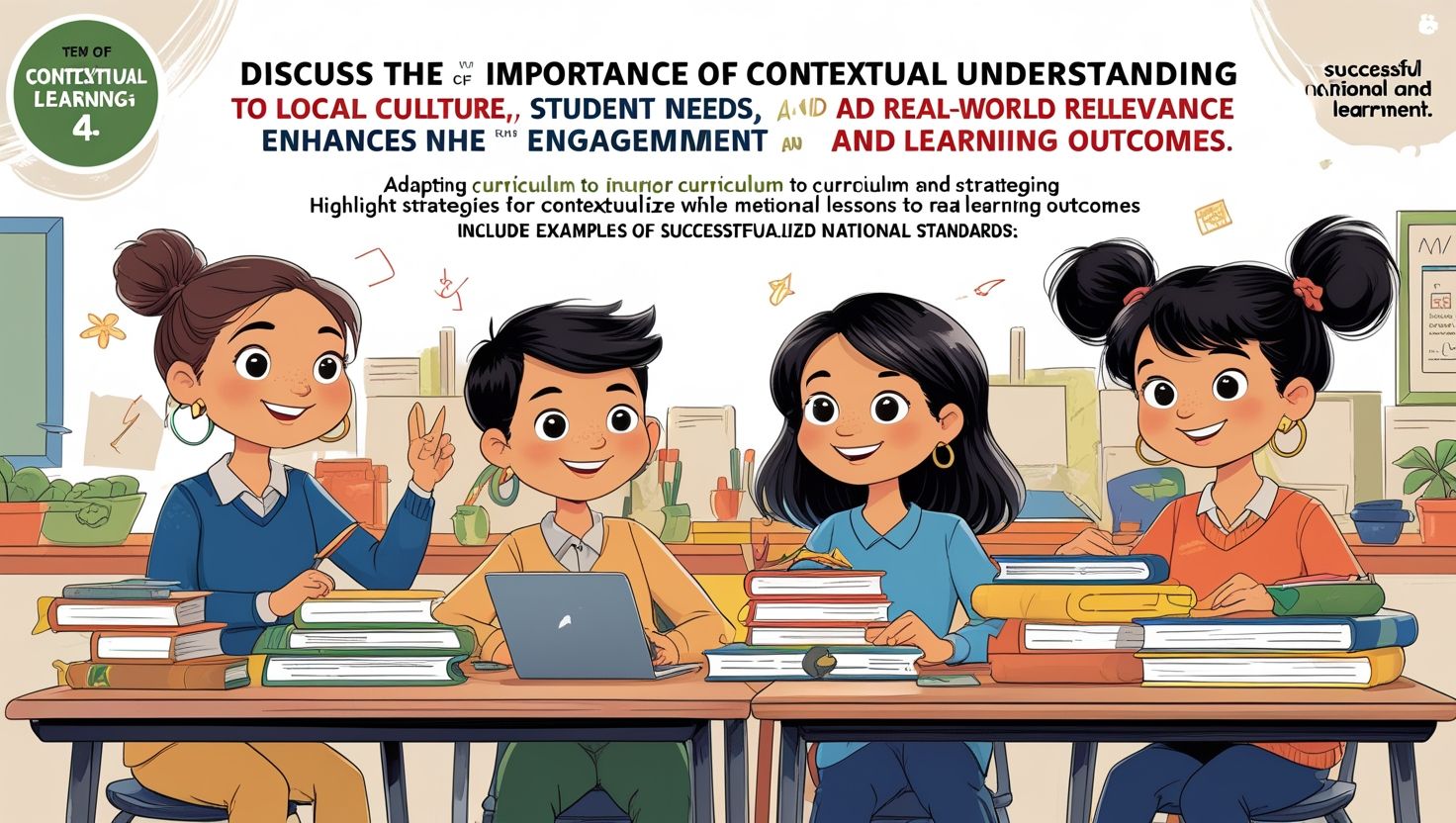
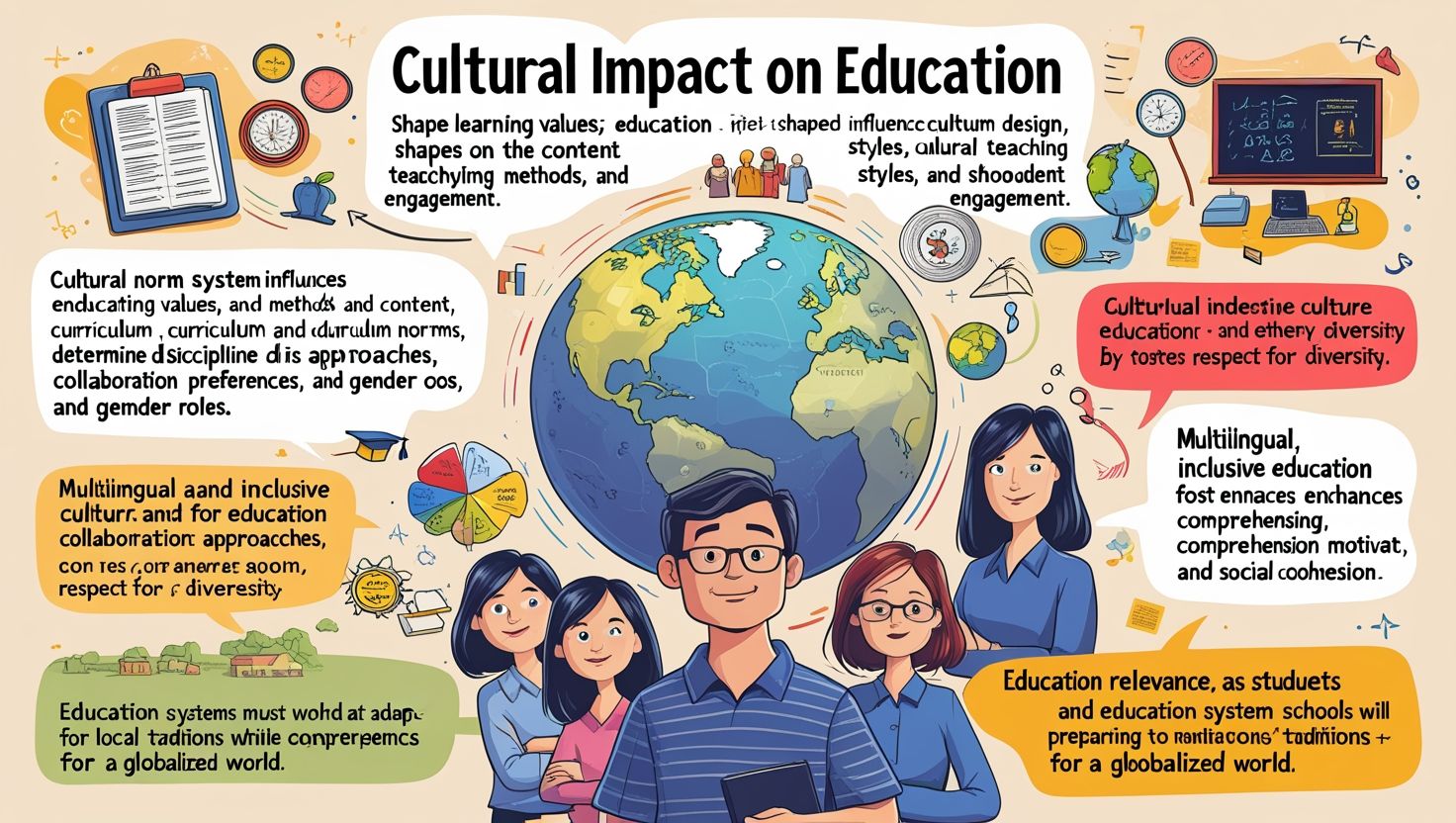
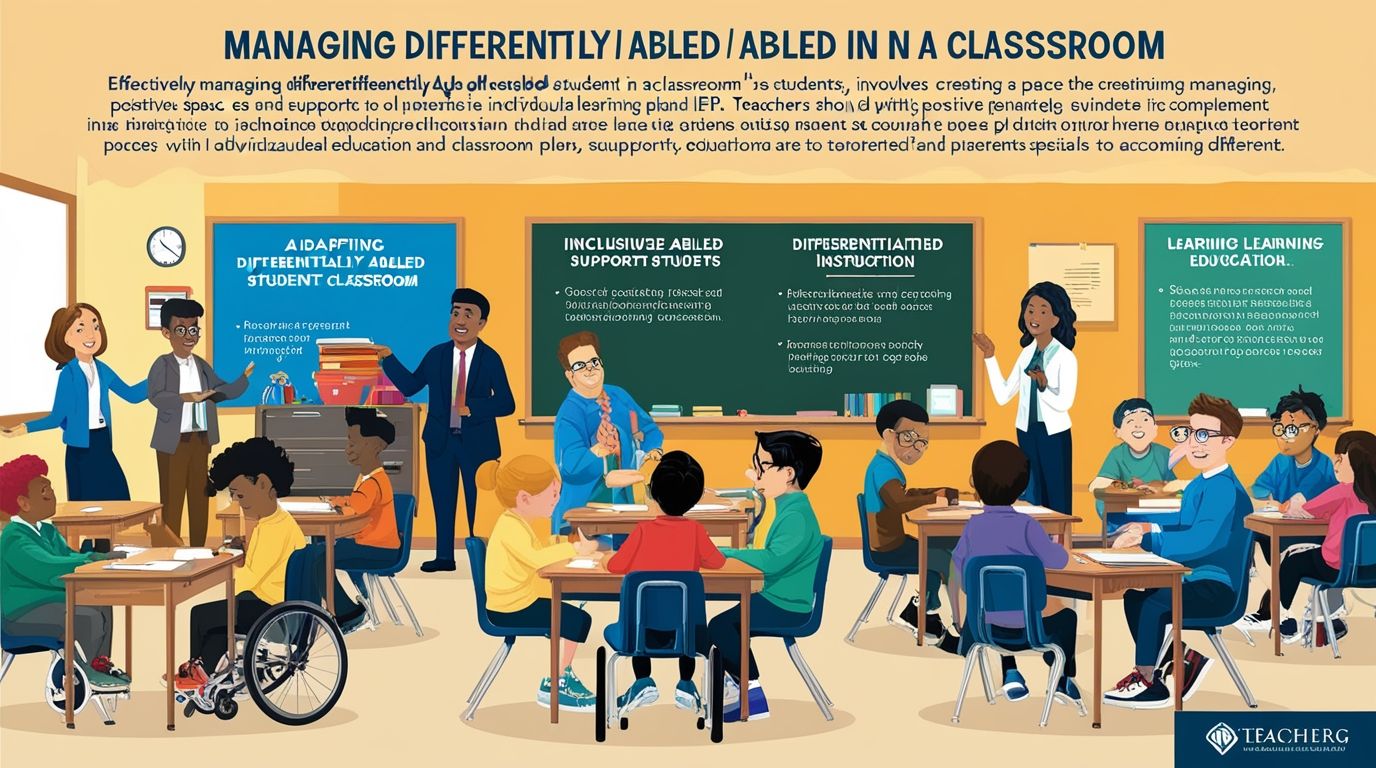
Cultural awareness is an essential component of modern presentation skills. Classrooms today are diverse, with students from various cultural and social backgrounds. Teachers must present content in a way that is inclusive and respectful of this diversity. Using culturally relevant examples and avoiding bias helps create a supportive learning environment. Inclusive presentation ensures that all students feel represented and valued. It also promotes mutual respect and understanding among learners. Teachers who are culturally responsive can connect more effectively with their students, making learning more meaningful. This approach strengthens relationships and enhances the overall educational experience.
11. Emotional Intelligence in Presentation
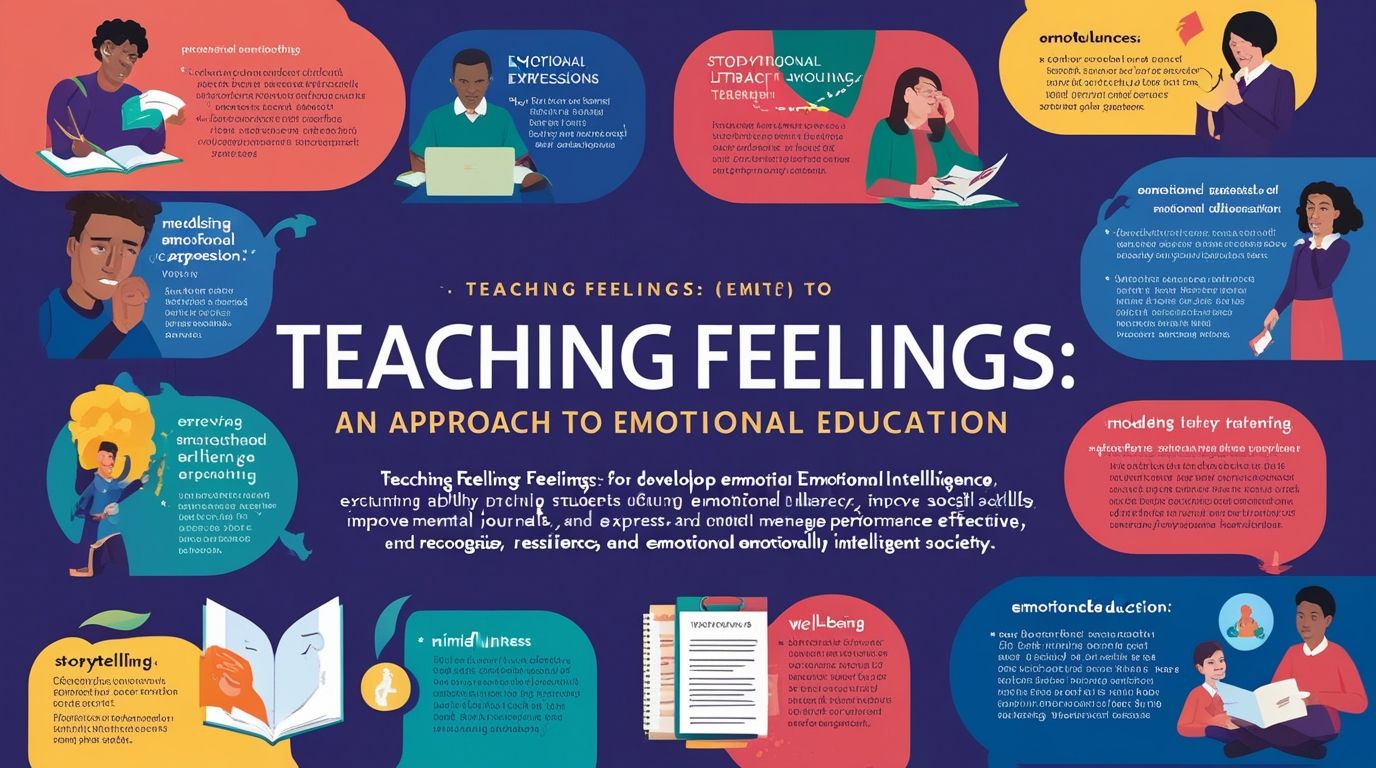
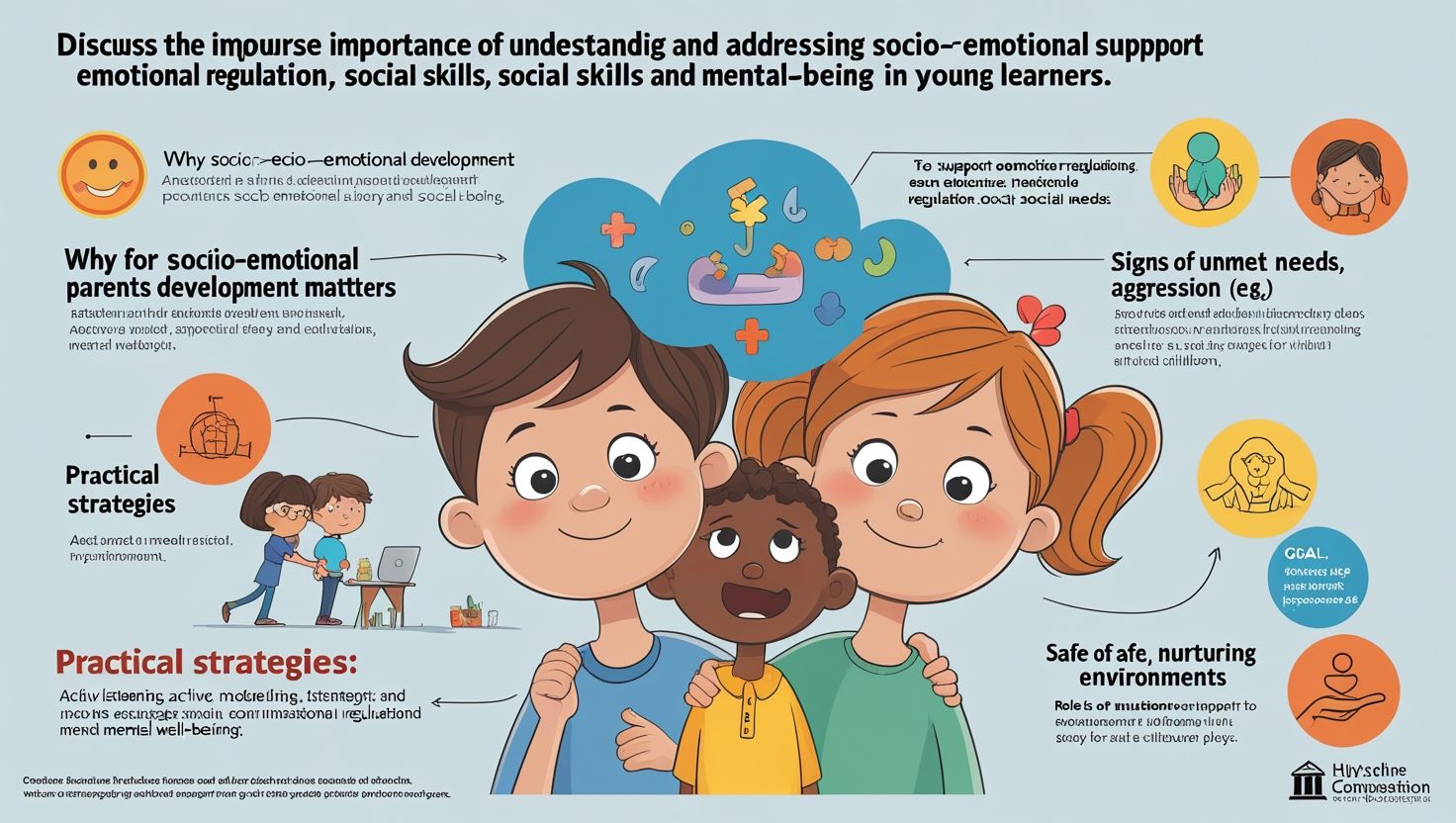
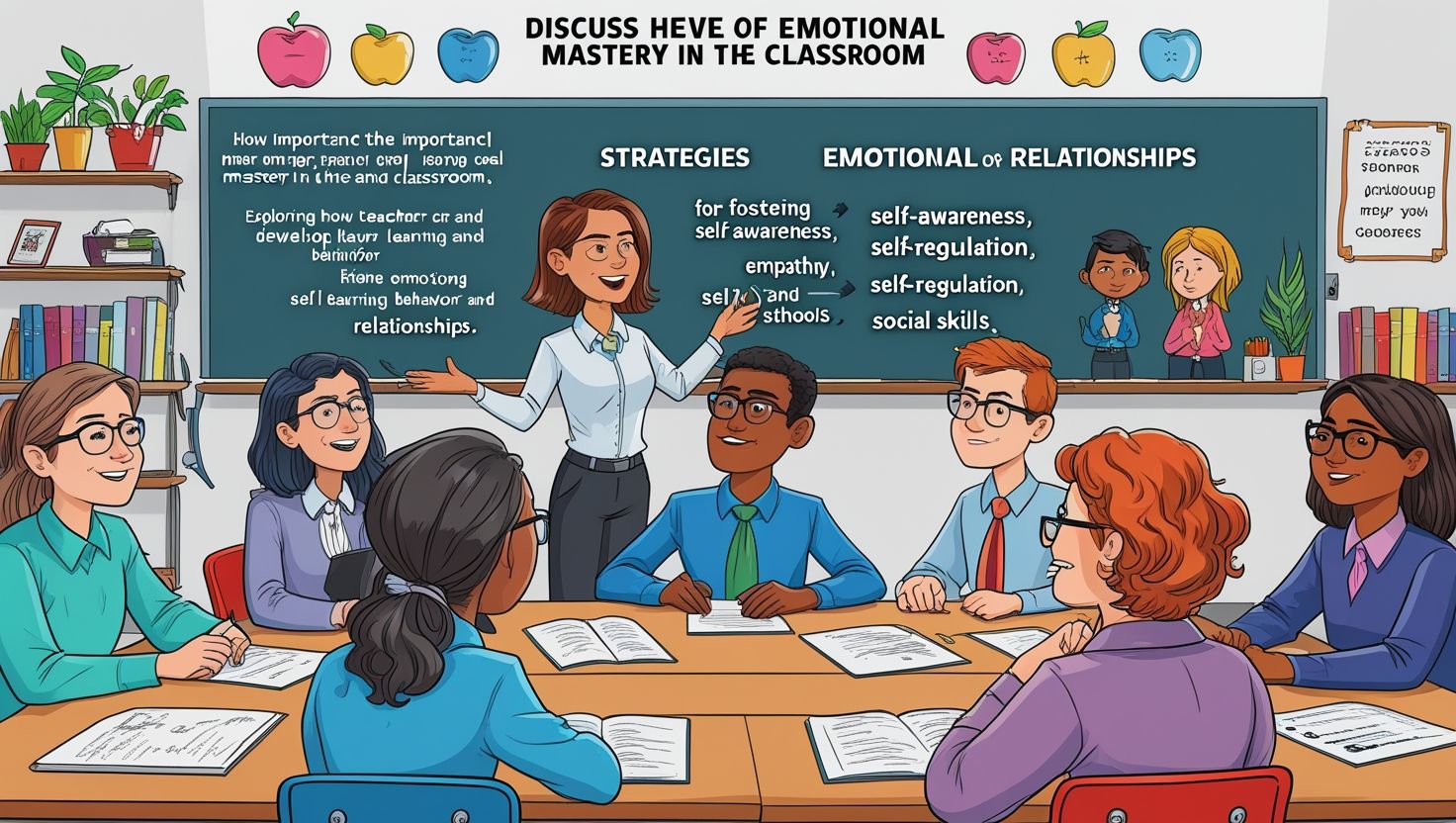
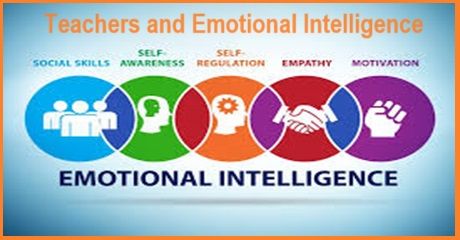
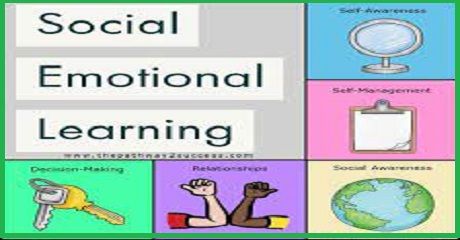
Emotional intelligence is increasingly recognized as a key element of effective presentation skills. Teachers must be aware of students’ emotions and respond appropriately. Creating a positive and supportive classroom atmosphere encourages students to participate and take risks in learning. Teachers who show empathy and understanding can build strong relationships with their students. Emotional engagement enhances motivation and helps students feel more connected to the lesson. By incorporating emotional awareness into their presentation, teachers can create a more human-centered approach to education. This not only improves learning outcomes but also supports students’ personal and social development.
12. Time Management in Lessons
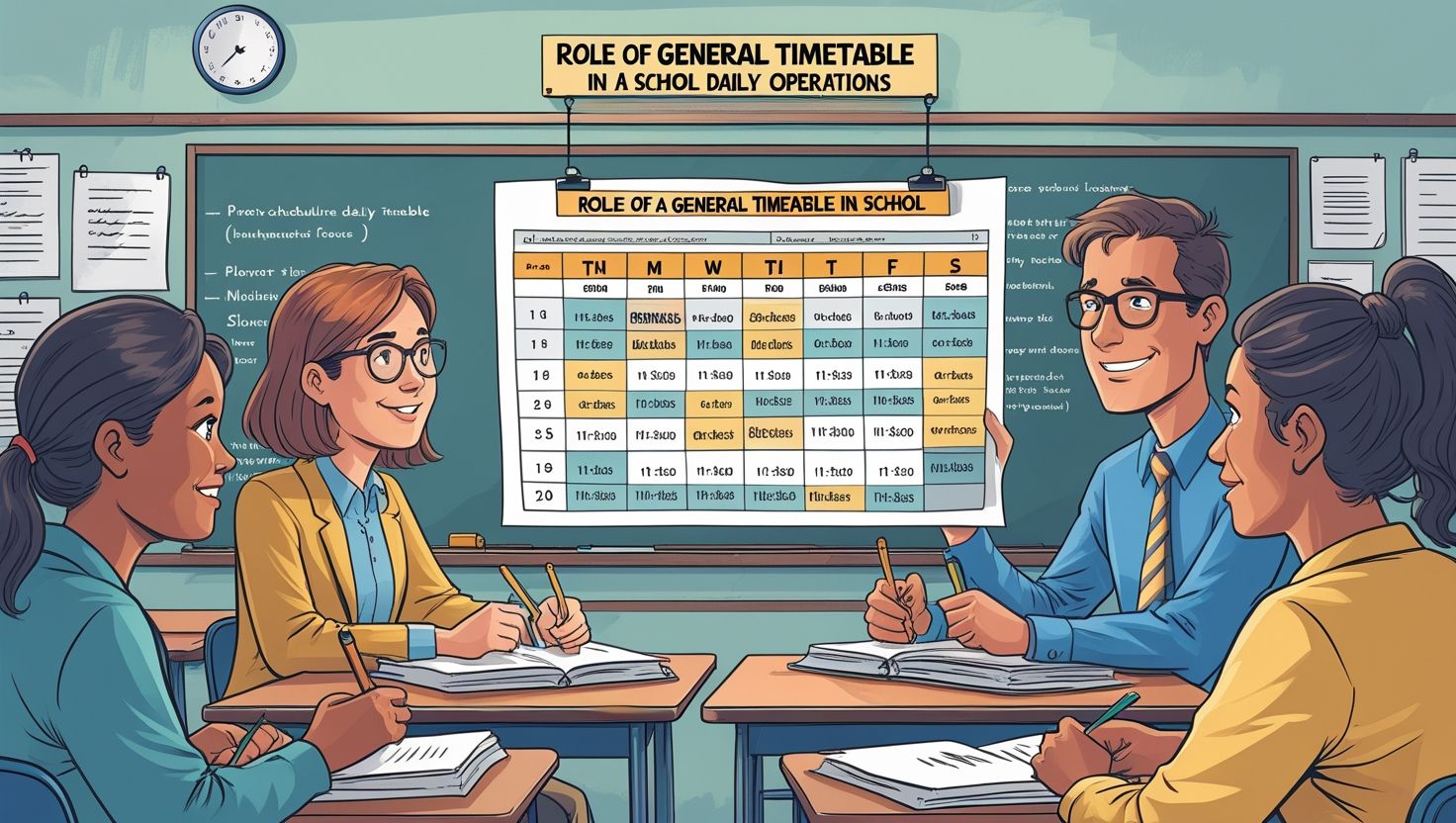
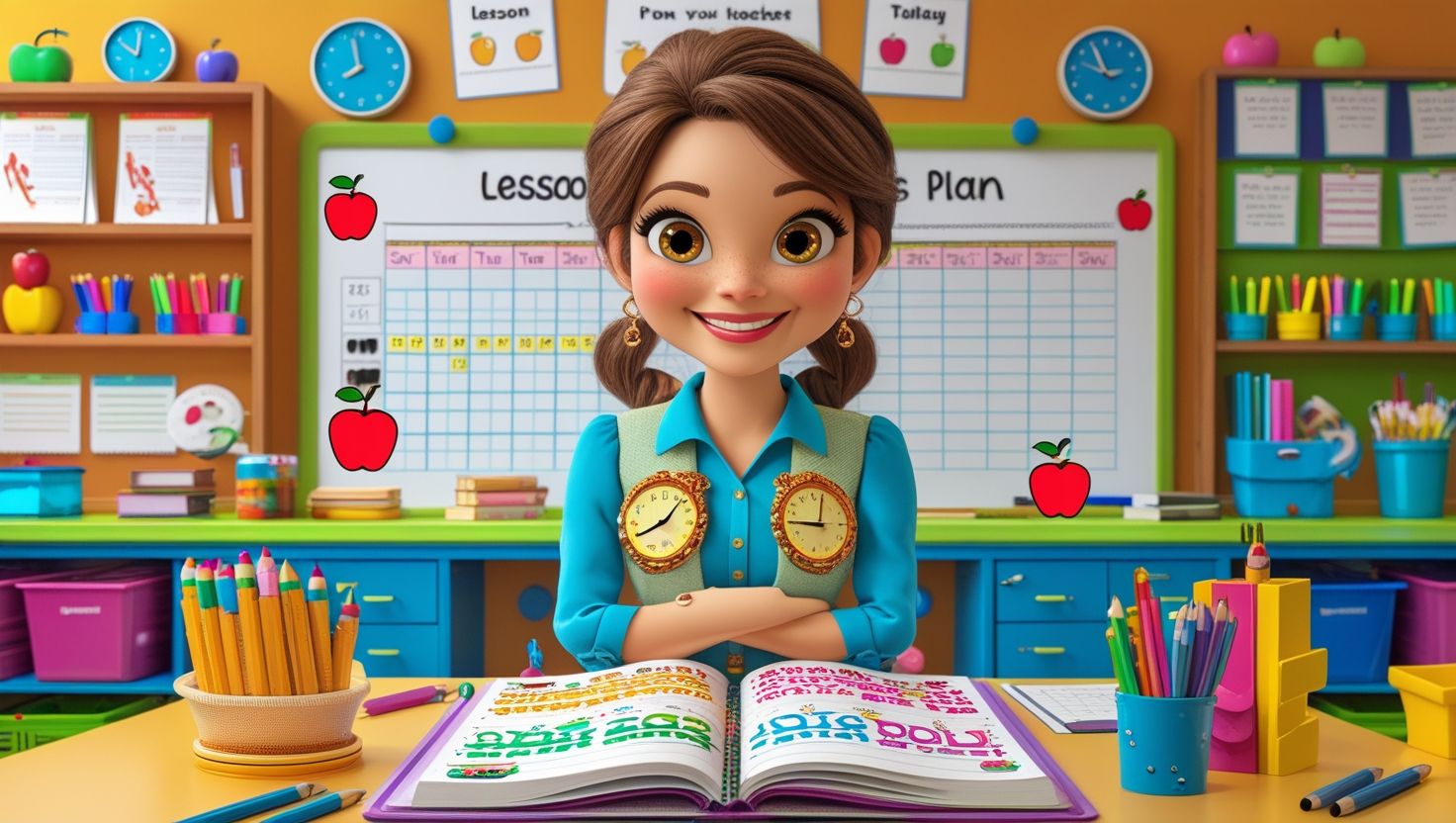
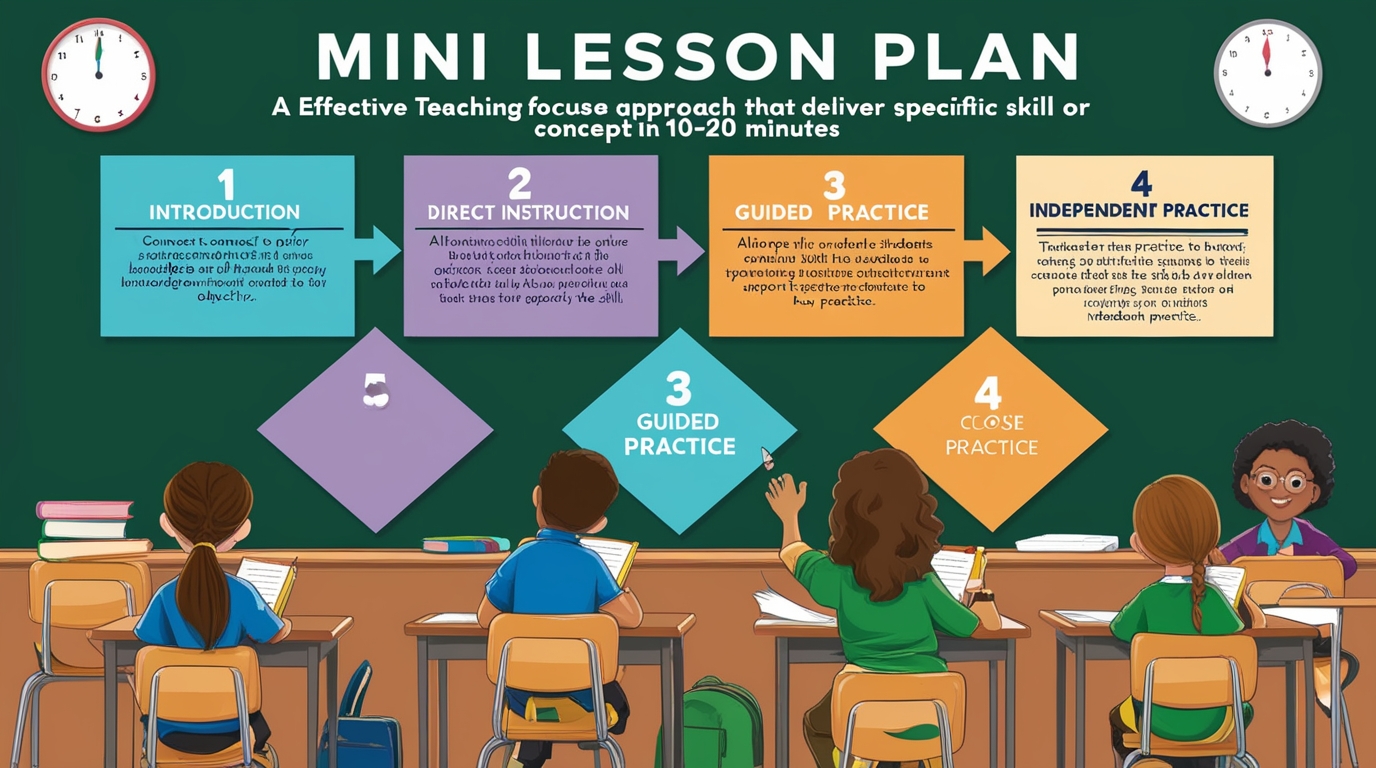
Time management is a critical factor in successful presentation skills. Teachers must balance content delivery with interaction and practice. Effective time management ensures that all planned activities are completed without rushing or overloading students. Breaking lessons into segments and allocating specific time for each activity helps maintain focus and structure. Teachers must also be flexible, adjusting their pace based on student understanding. Proper time management allows for meaningful discussions and reflection, which are essential for deep learning. By managing time effectively, teachers can create well-balanced lessons that maximize both teaching and learning opportunities.
13. Professional Development for Teachers
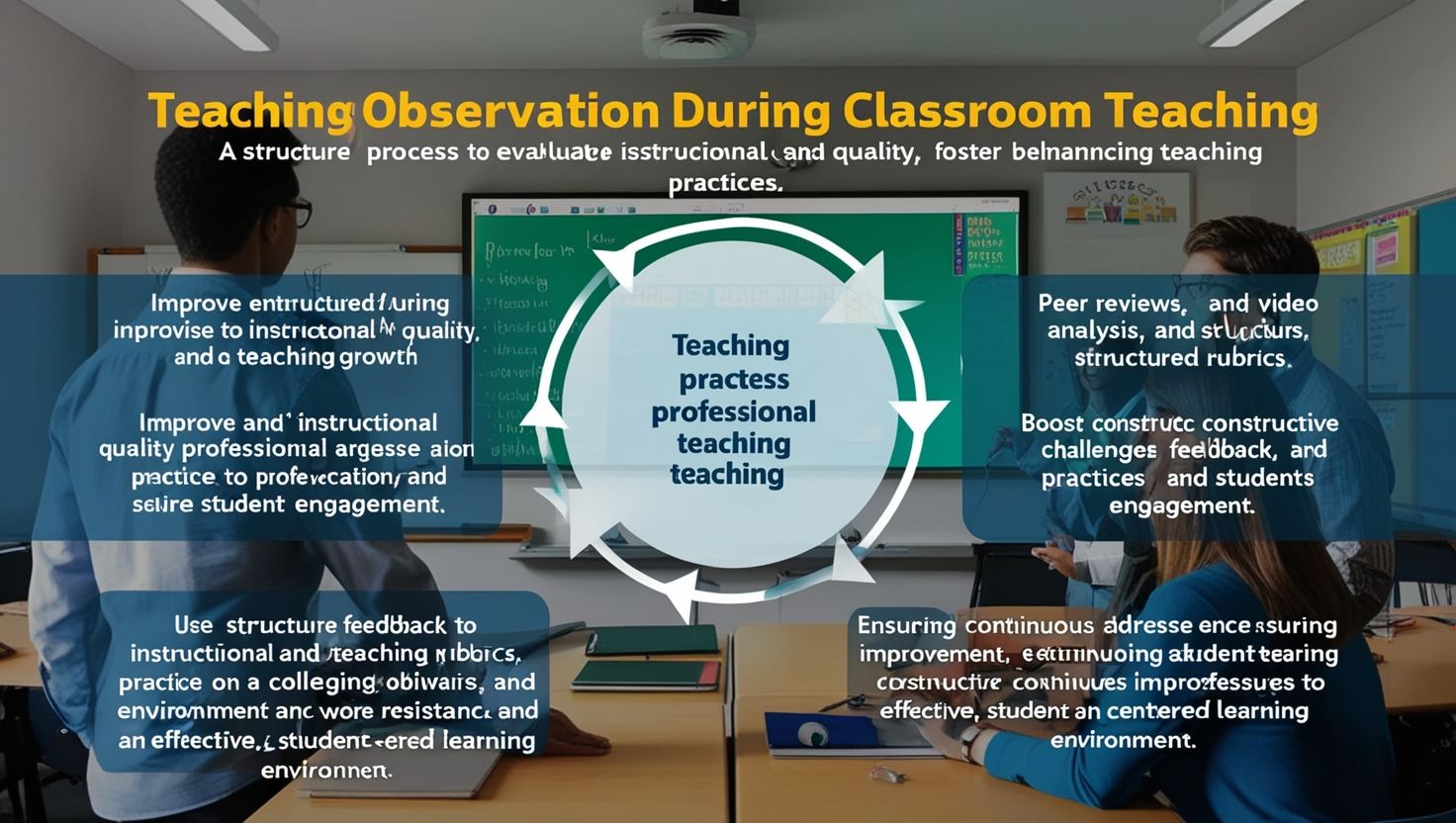
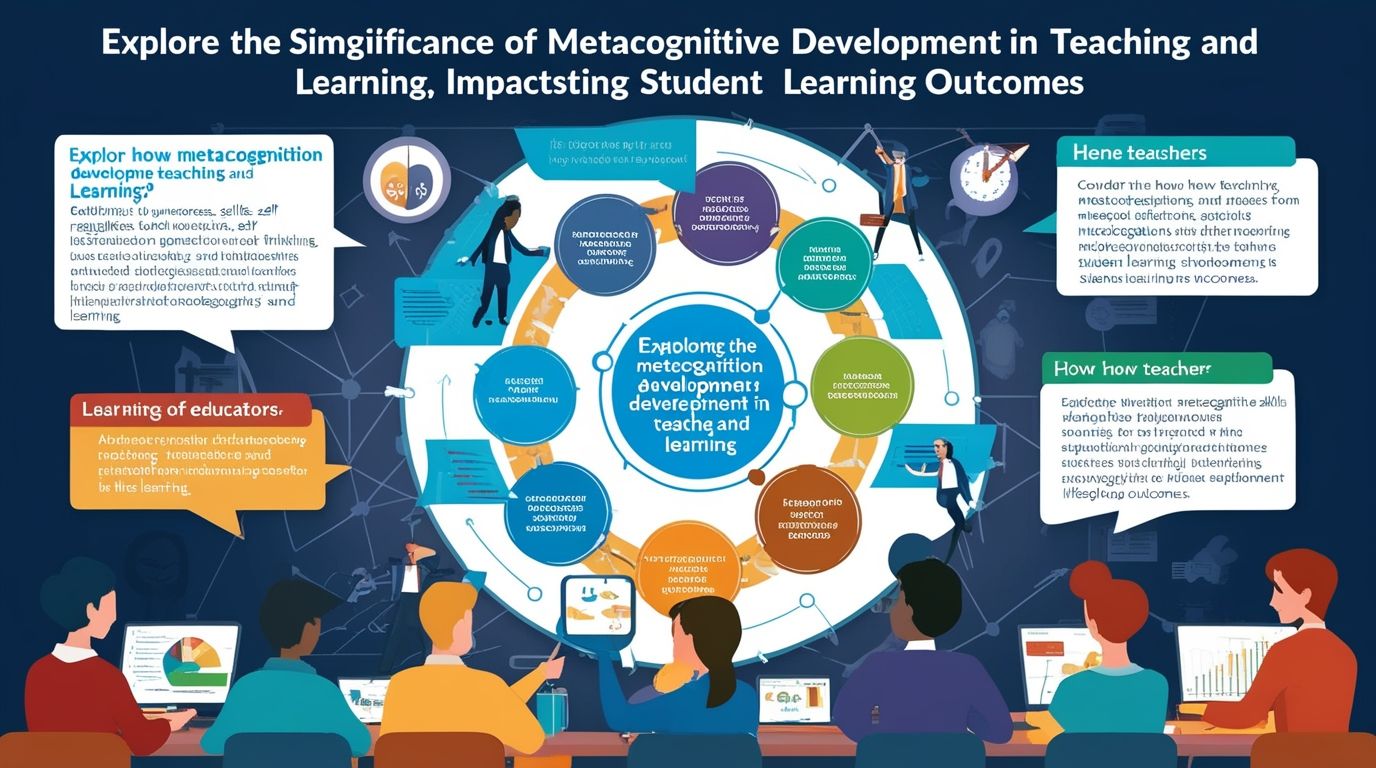
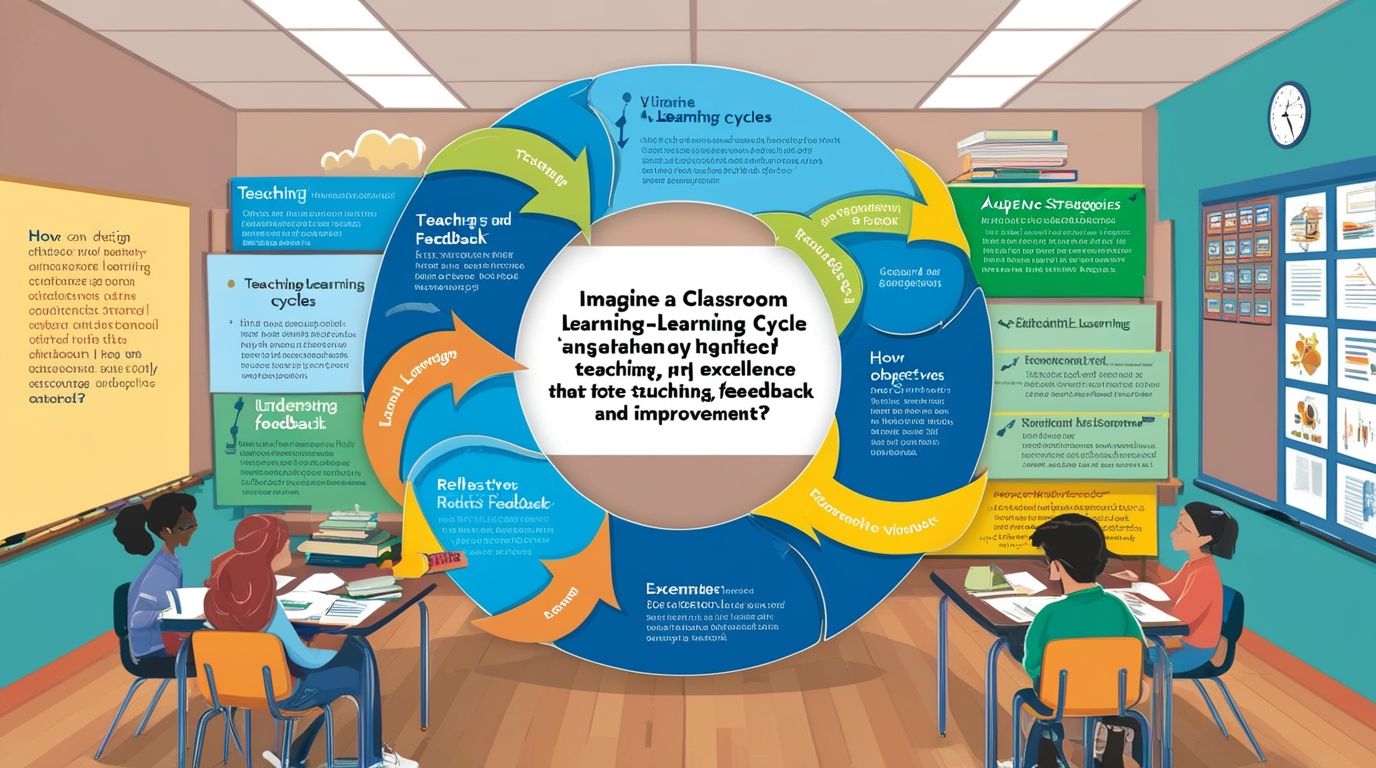
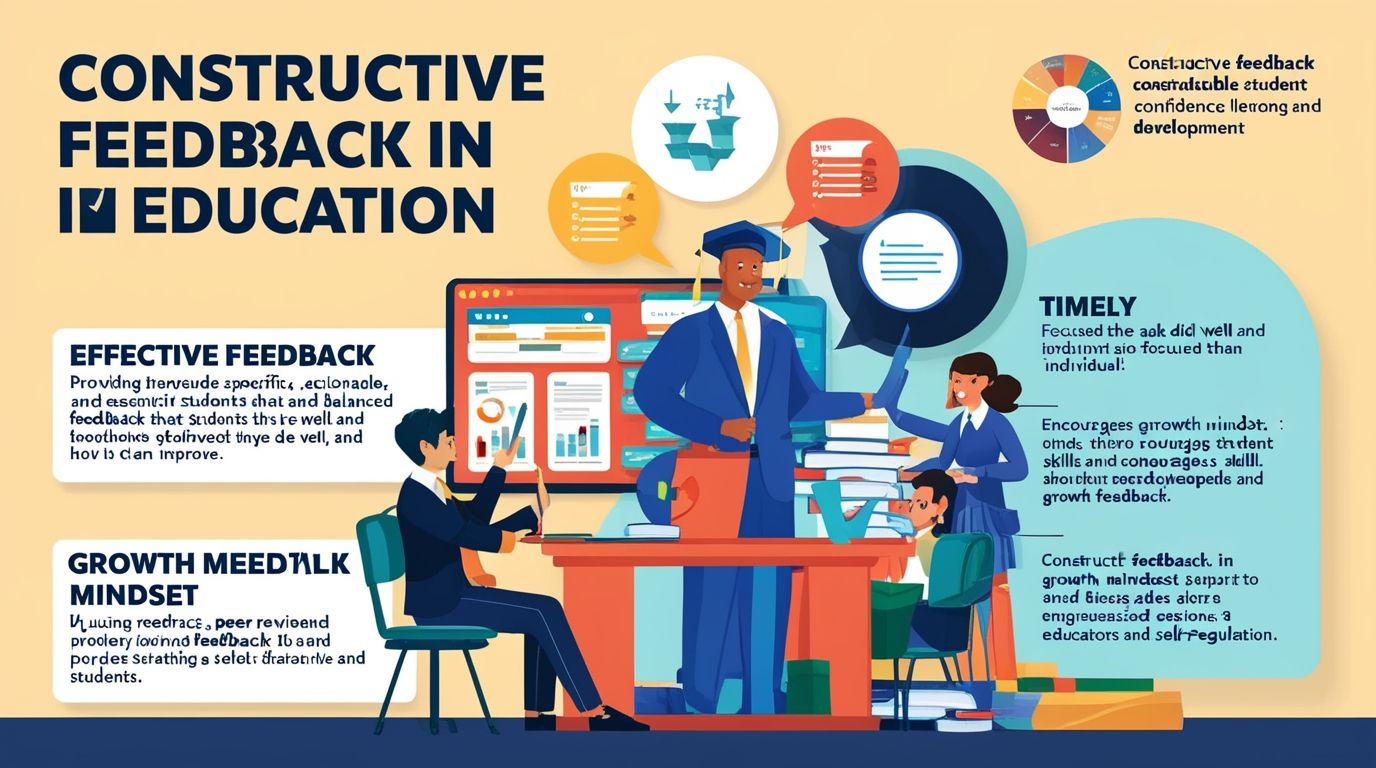
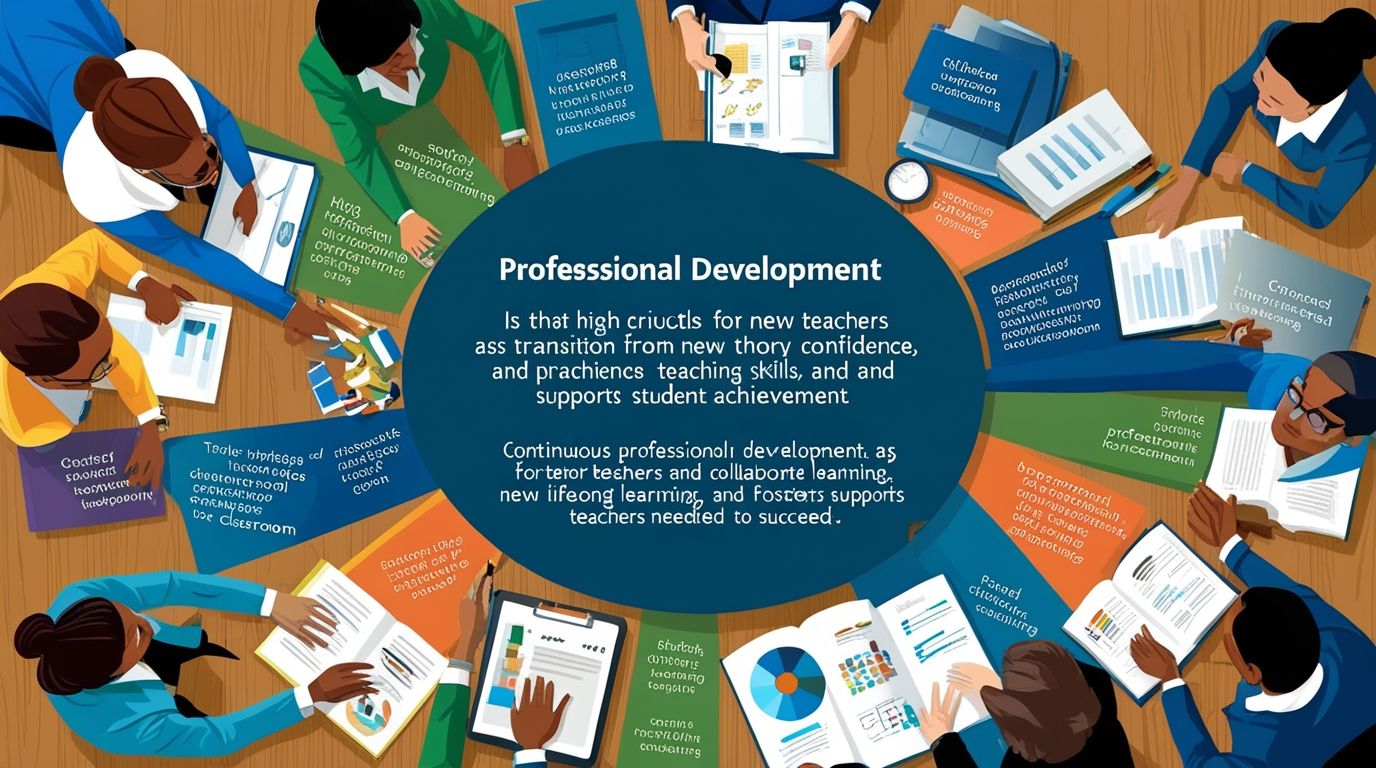
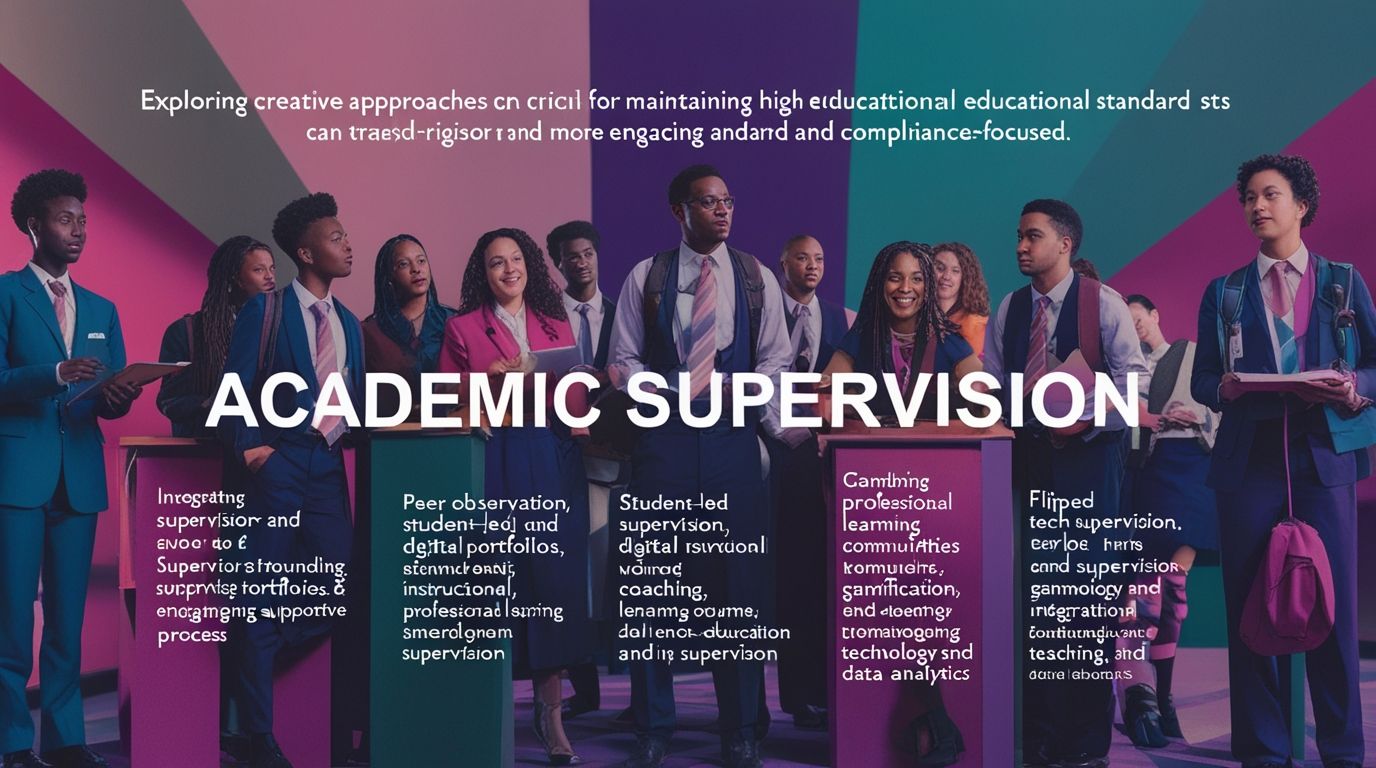
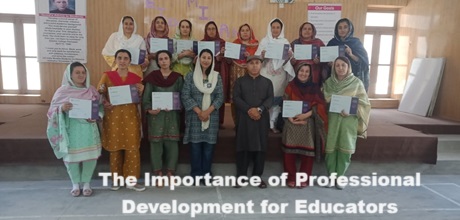
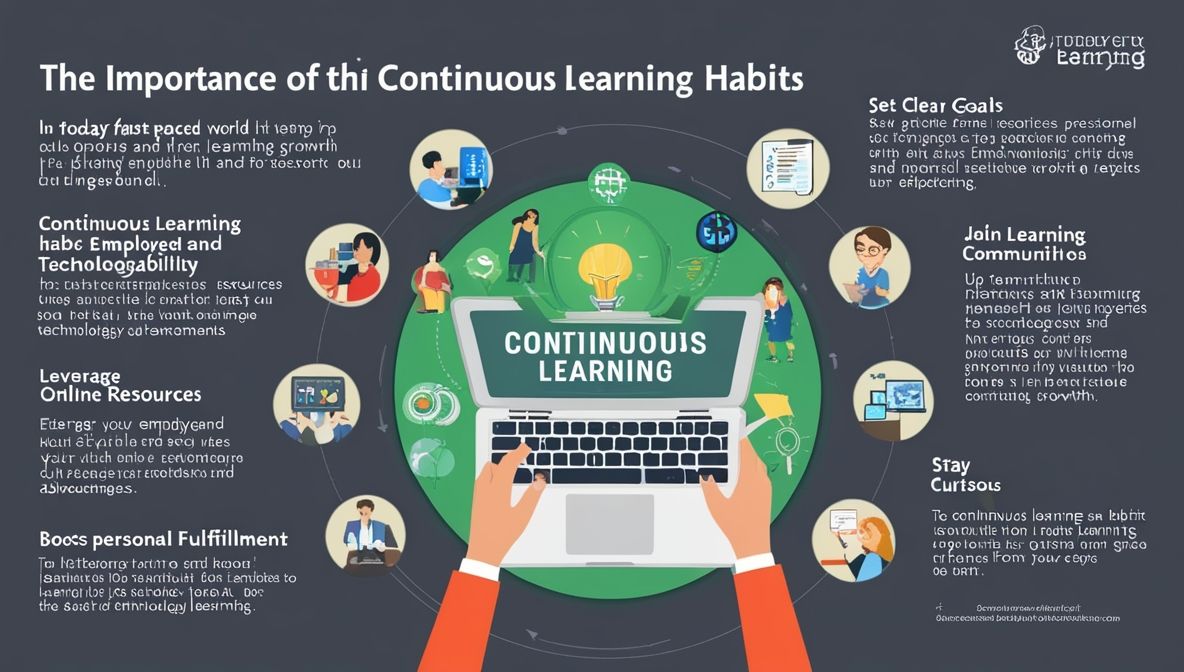
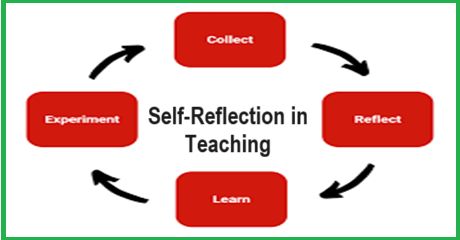
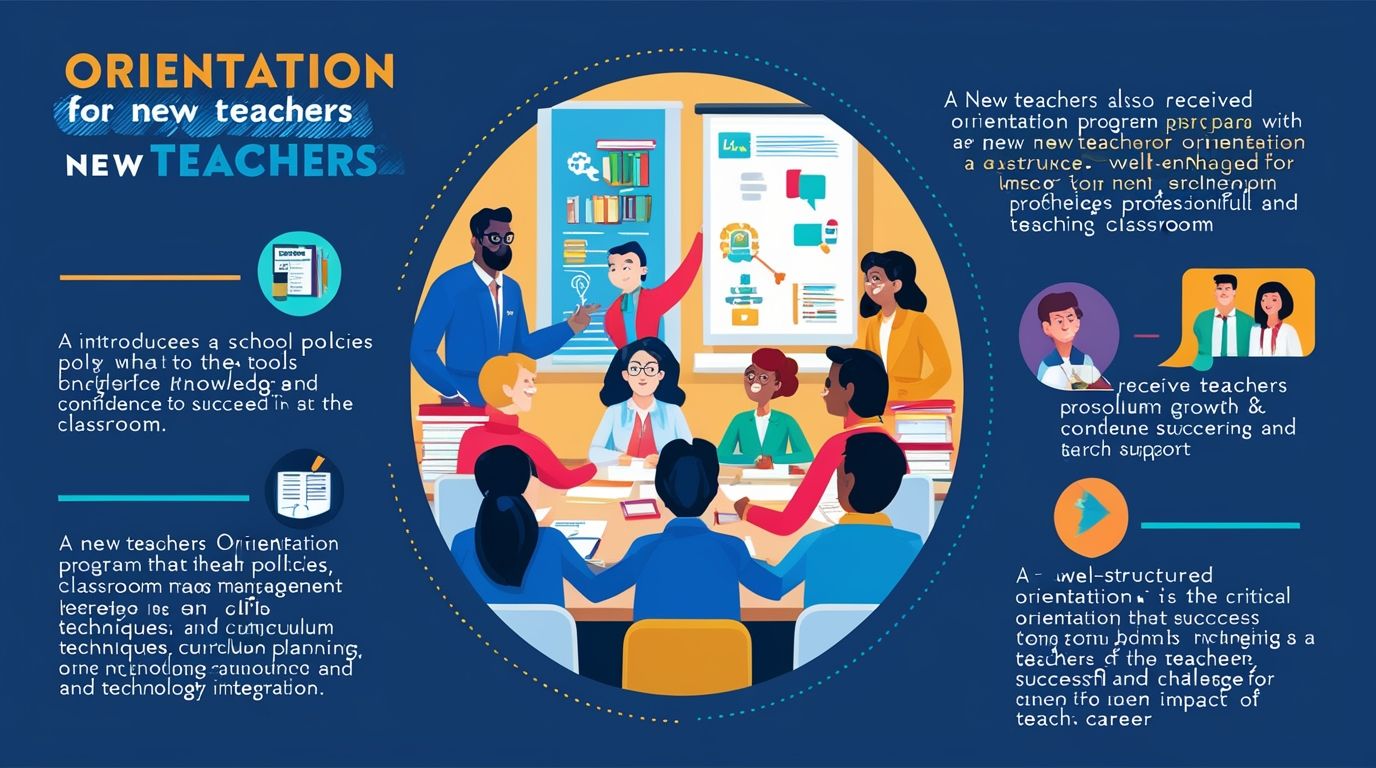
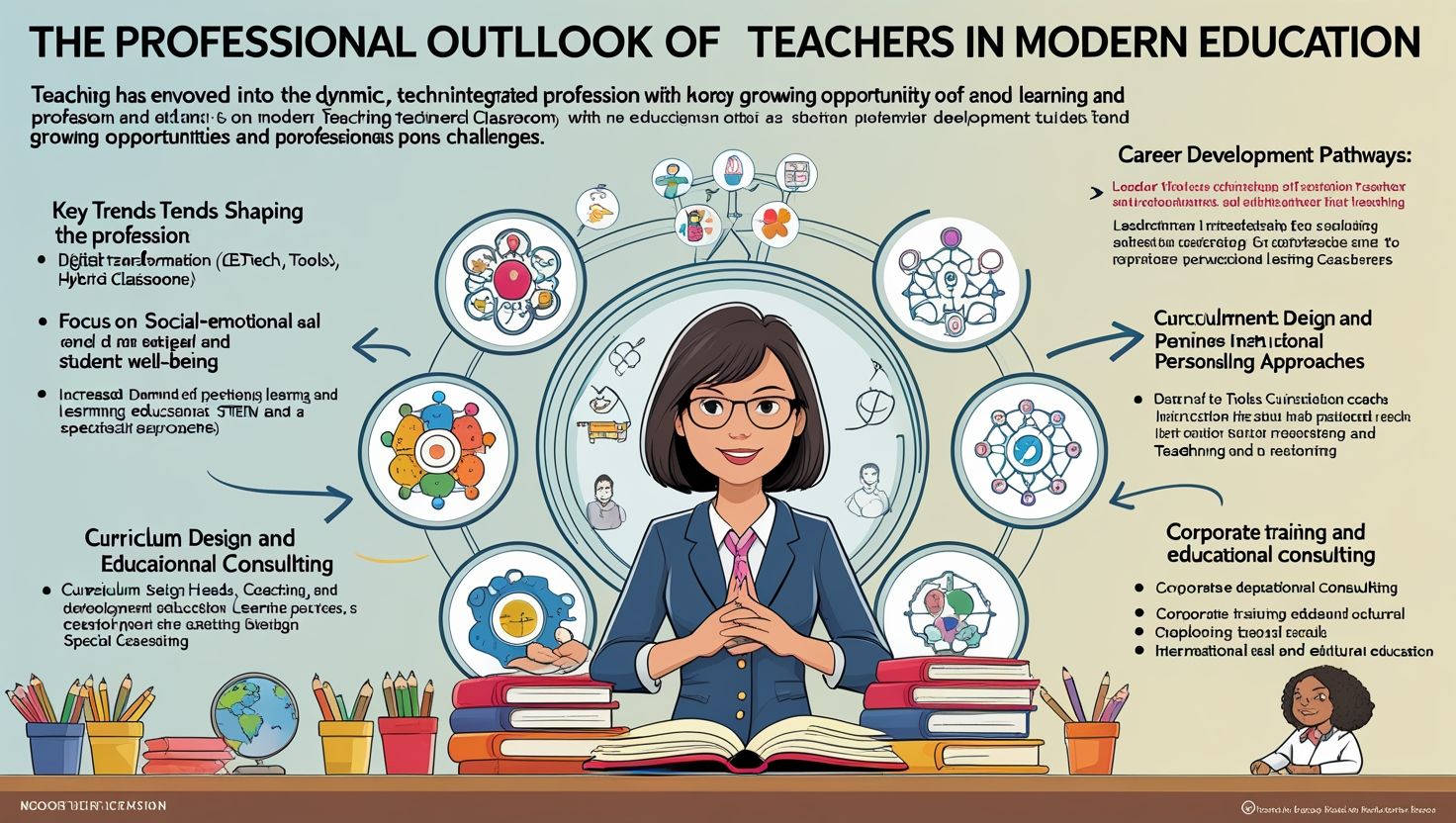
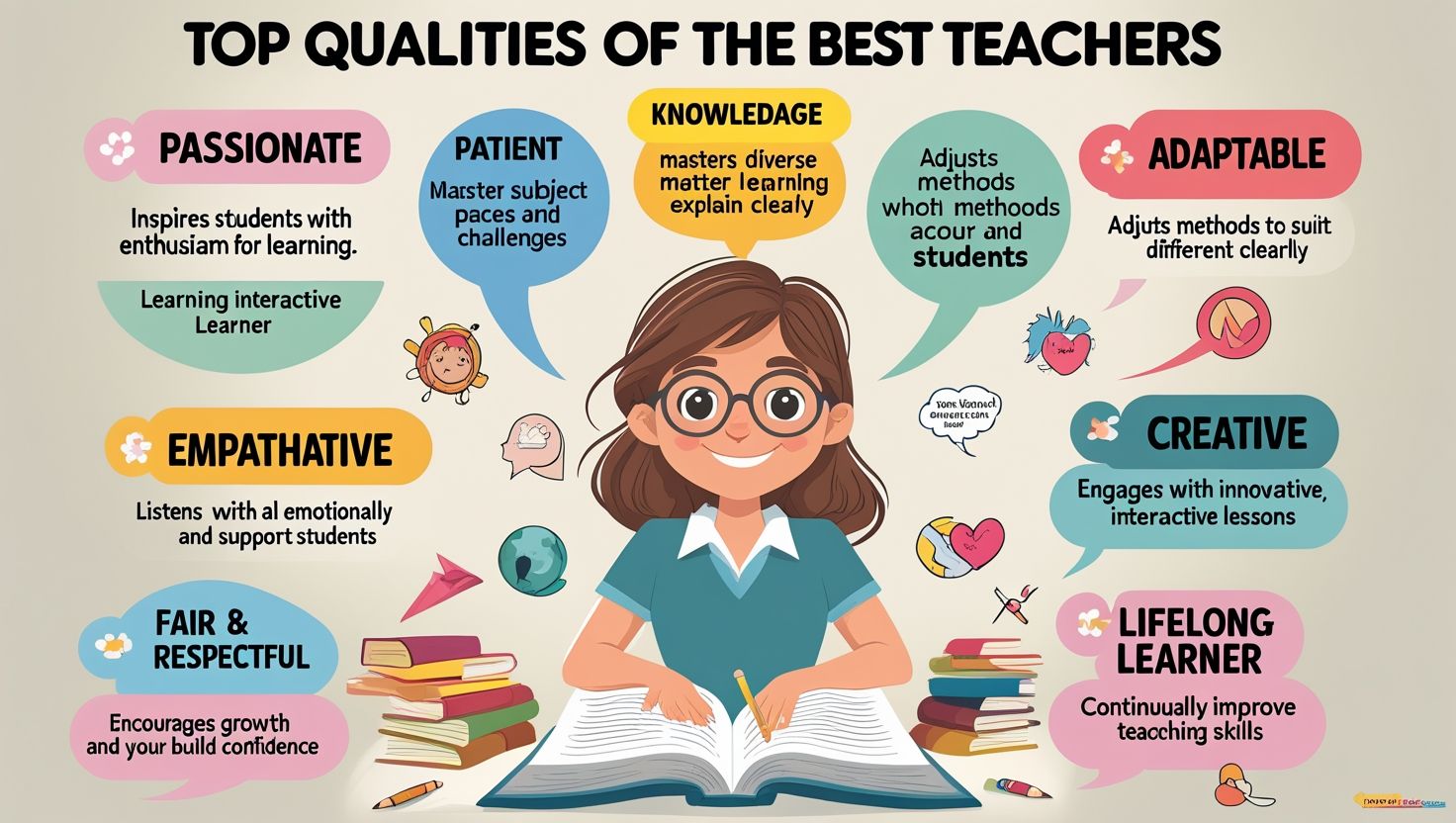
Continuous professional development is vital for improving presentation skills. Teachers must regularly update their methods to keep pace with educational advancements. This includes attending workshops, observing peers, and reflecting on their own teaching practices. Feedback from students can also provide valuable insights for improvement. Professional growth enables teachers to adopt new strategies and refine existing ones. As education evolves, so must teaching practices. Teachers who invest in their development are better equipped to meet the needs of modern learners. Continuous improvement ensures that presentation techniques remain effective, relevant, and impactful in the classroom.
14. Conclusion and Future Direction
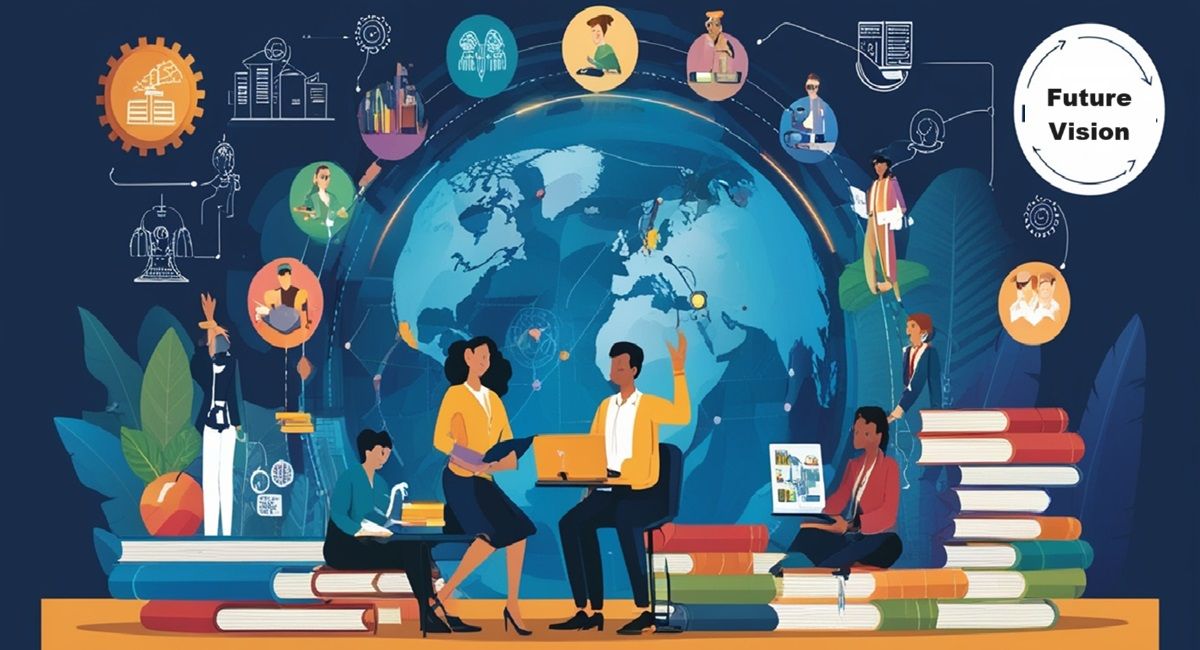
In conclusion, modern presentation skills are essential for effective teaching in today’s classrooms. They encompass clarity, engagement, technology integration, and emotional intelligence. Teachers must adapt to changing educational demands by adopting innovative and student-centered approaches. Strong presentation abilities not only enhance learning but also inspire students to think critically and participate actively. As education continues to evolve, the role of the teacher as a presenter becomes increasingly significant. By mastering these skills, teachers can create meaningful and transformative learning experiences. Ultimately, effective presentation is not just about delivering information but about shaping the minds and futures of students in a dynamic world.