Introduction:
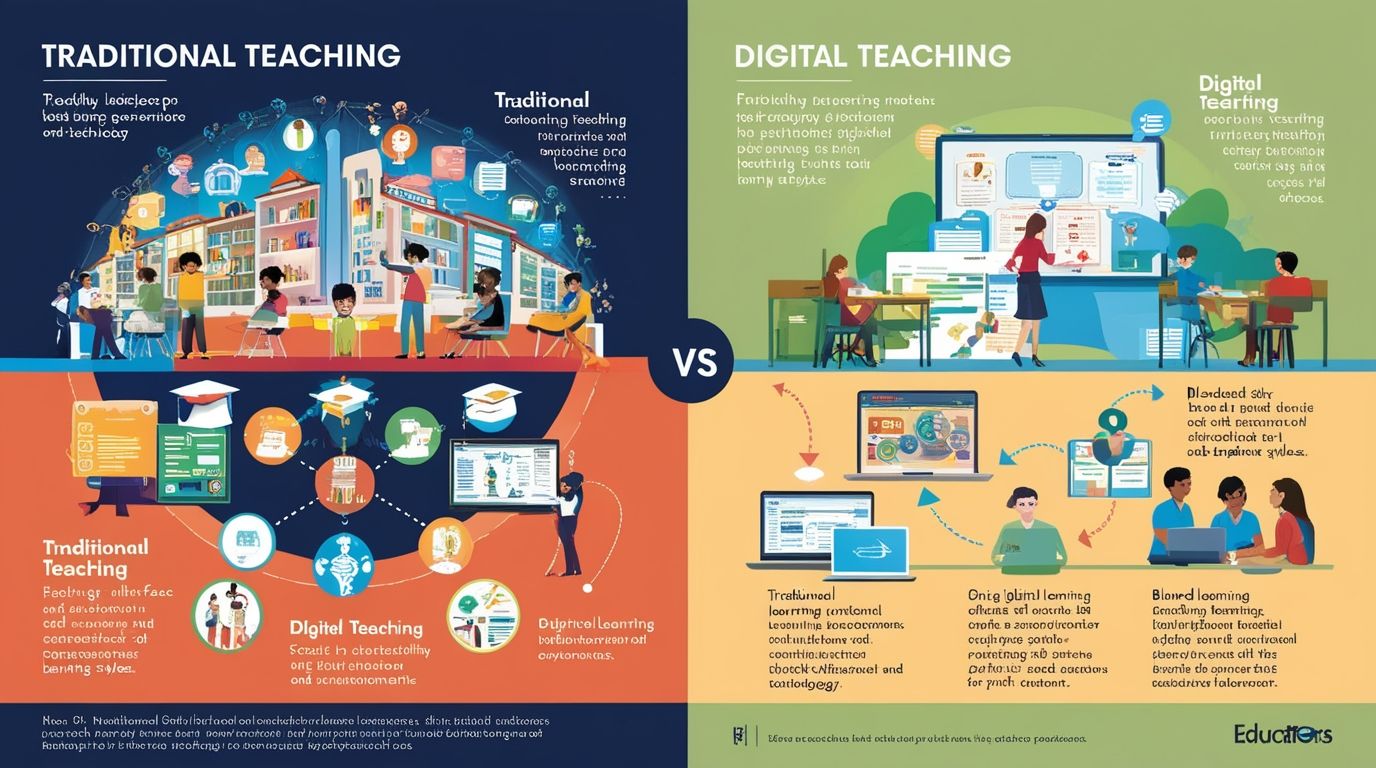
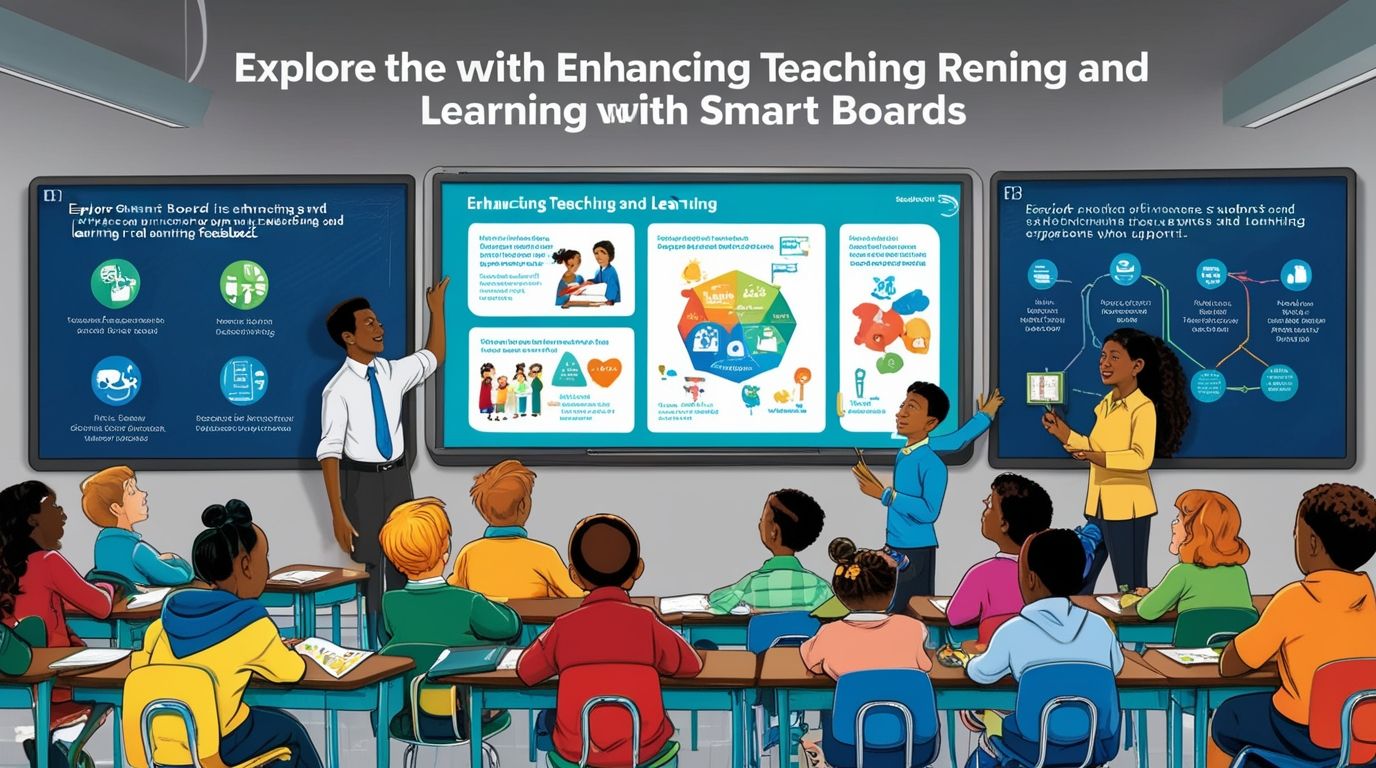
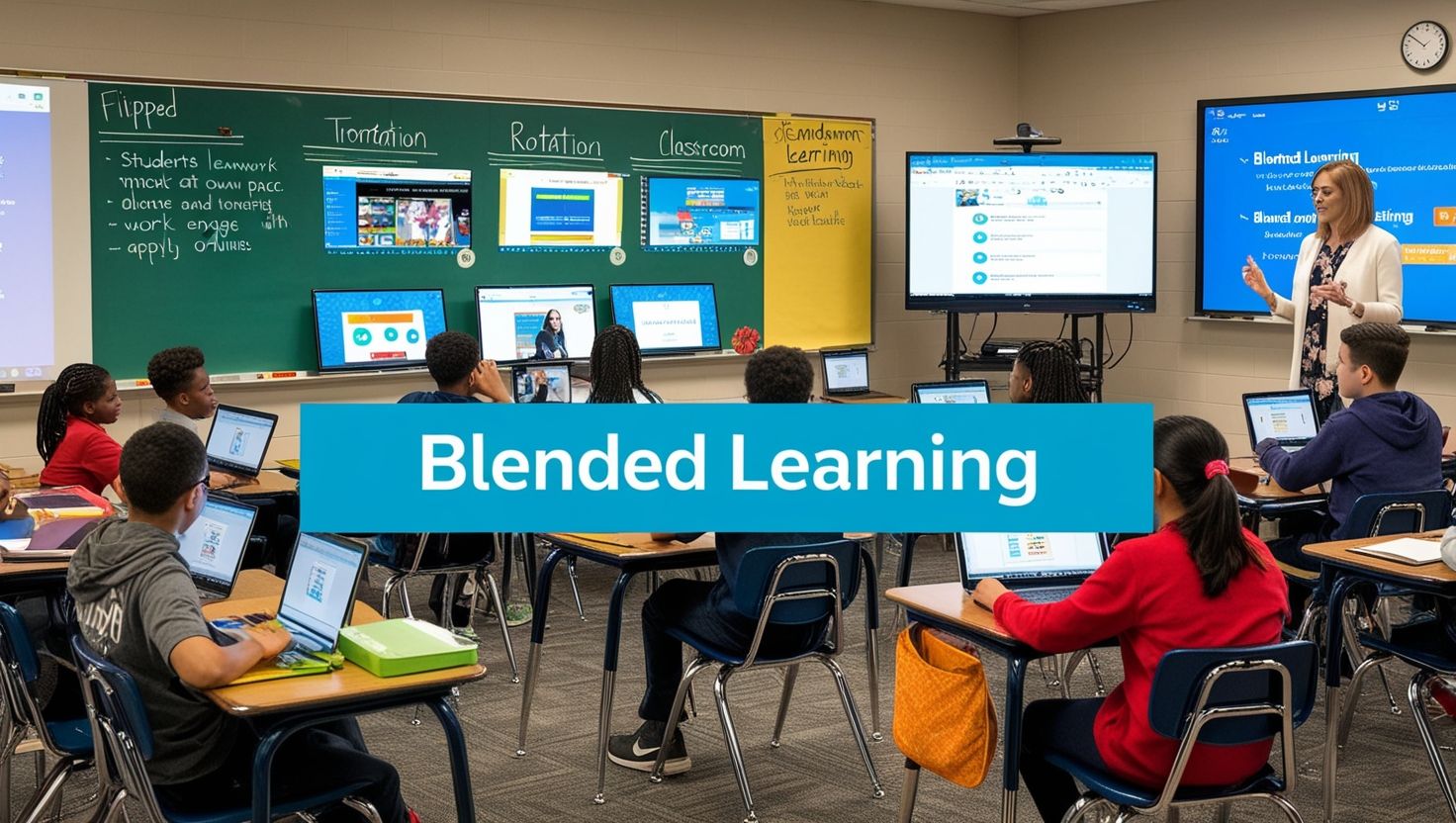
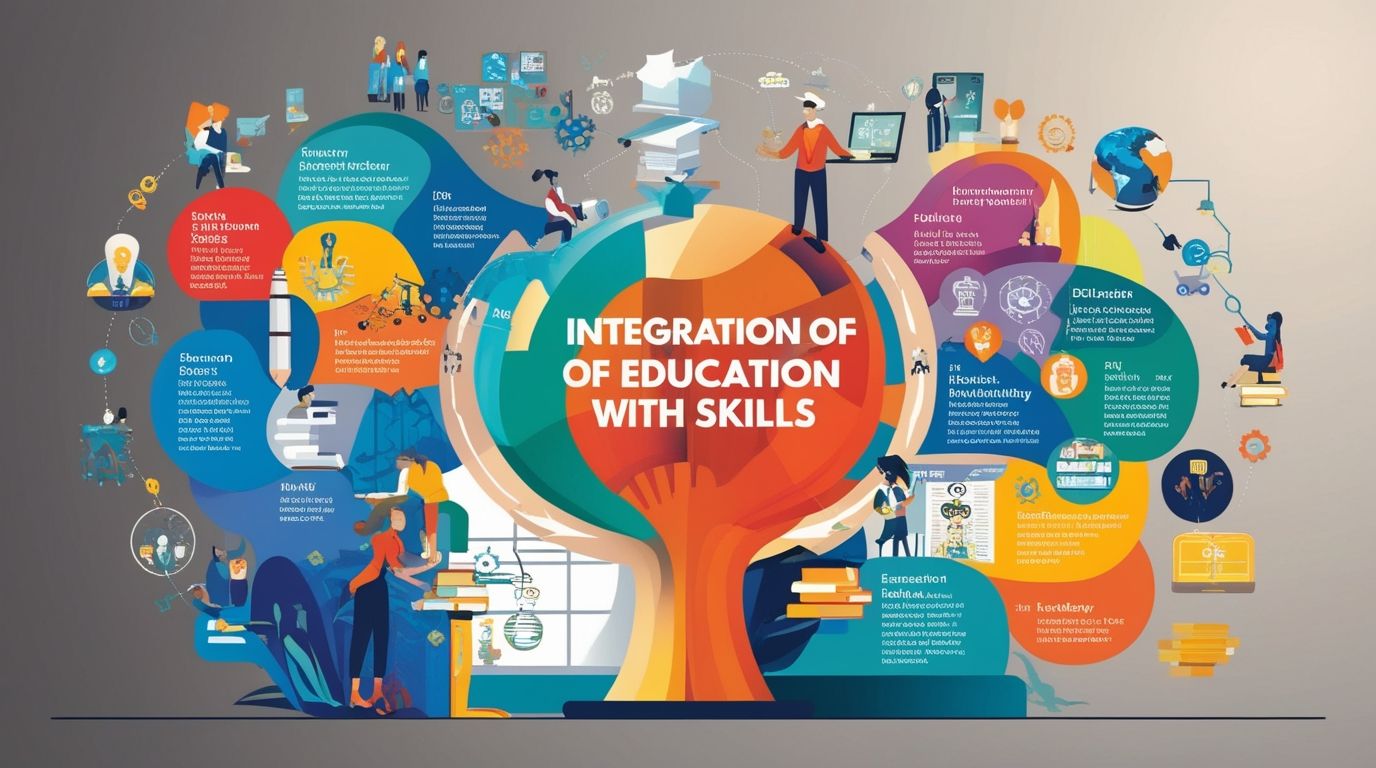
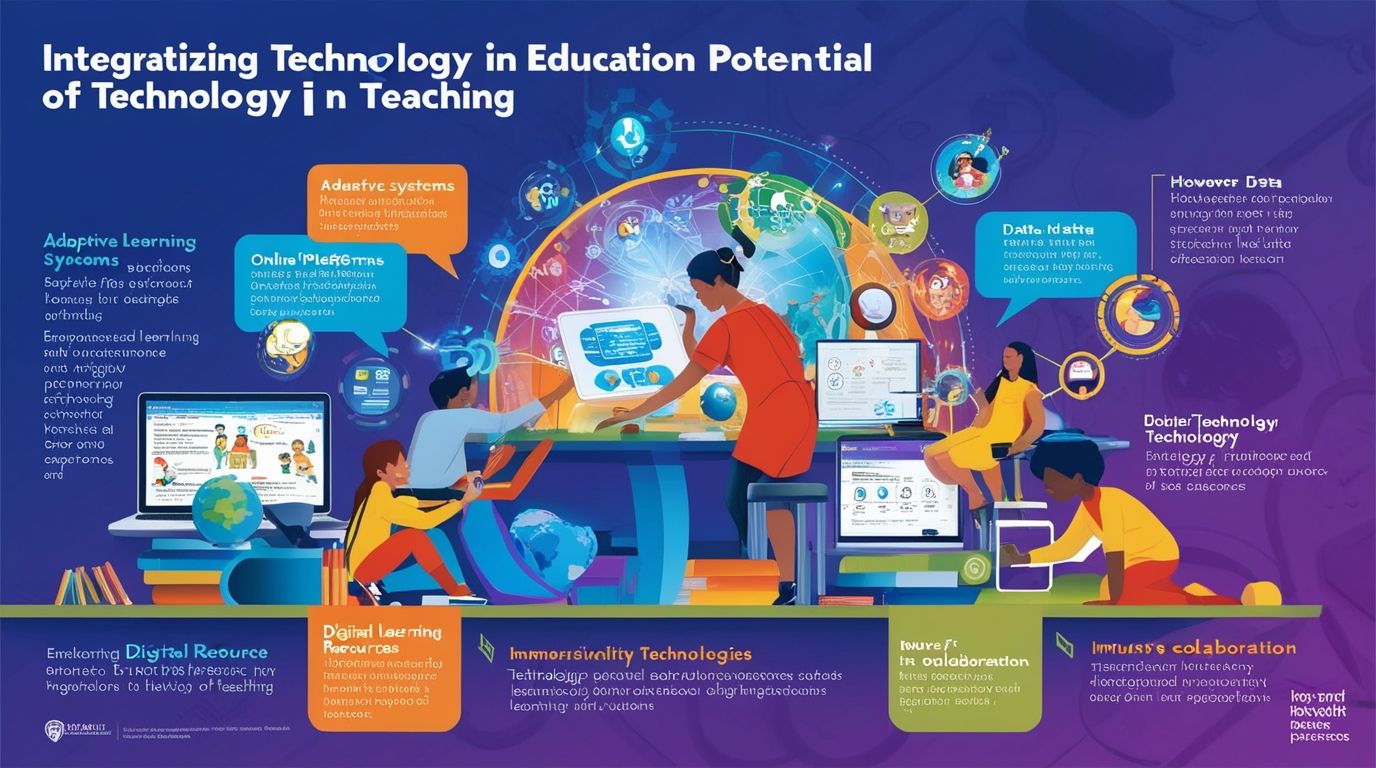
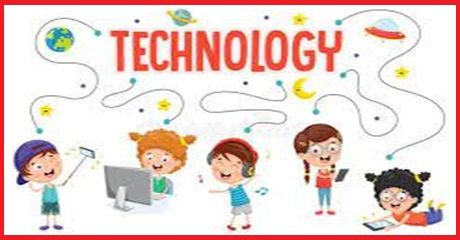
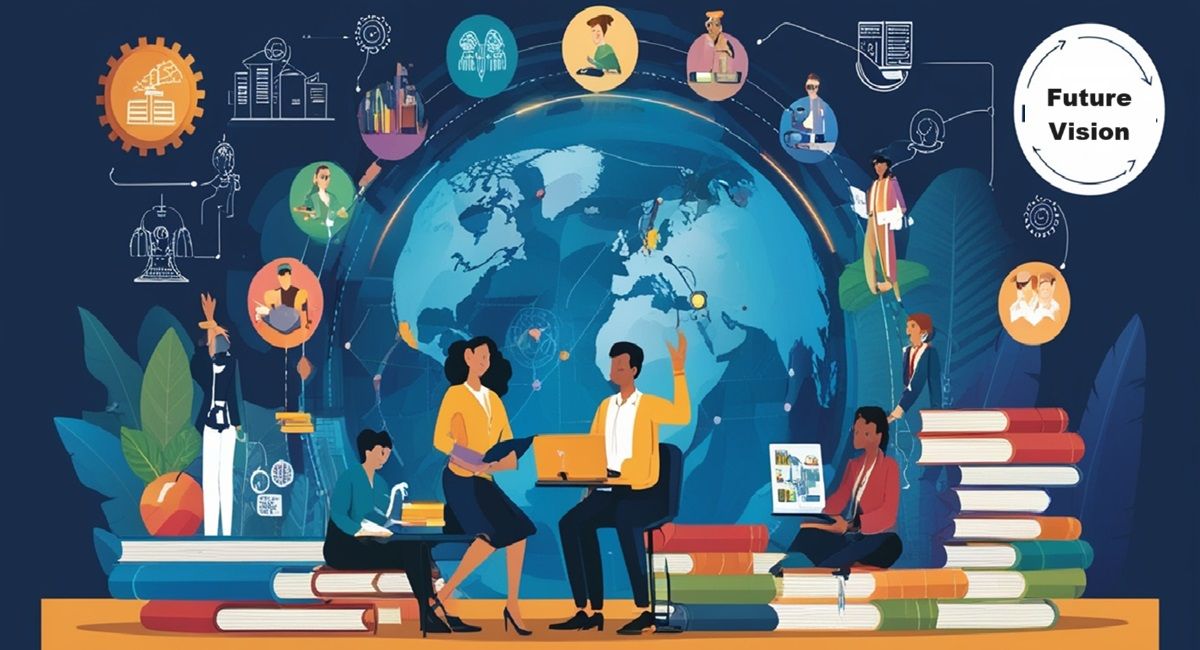
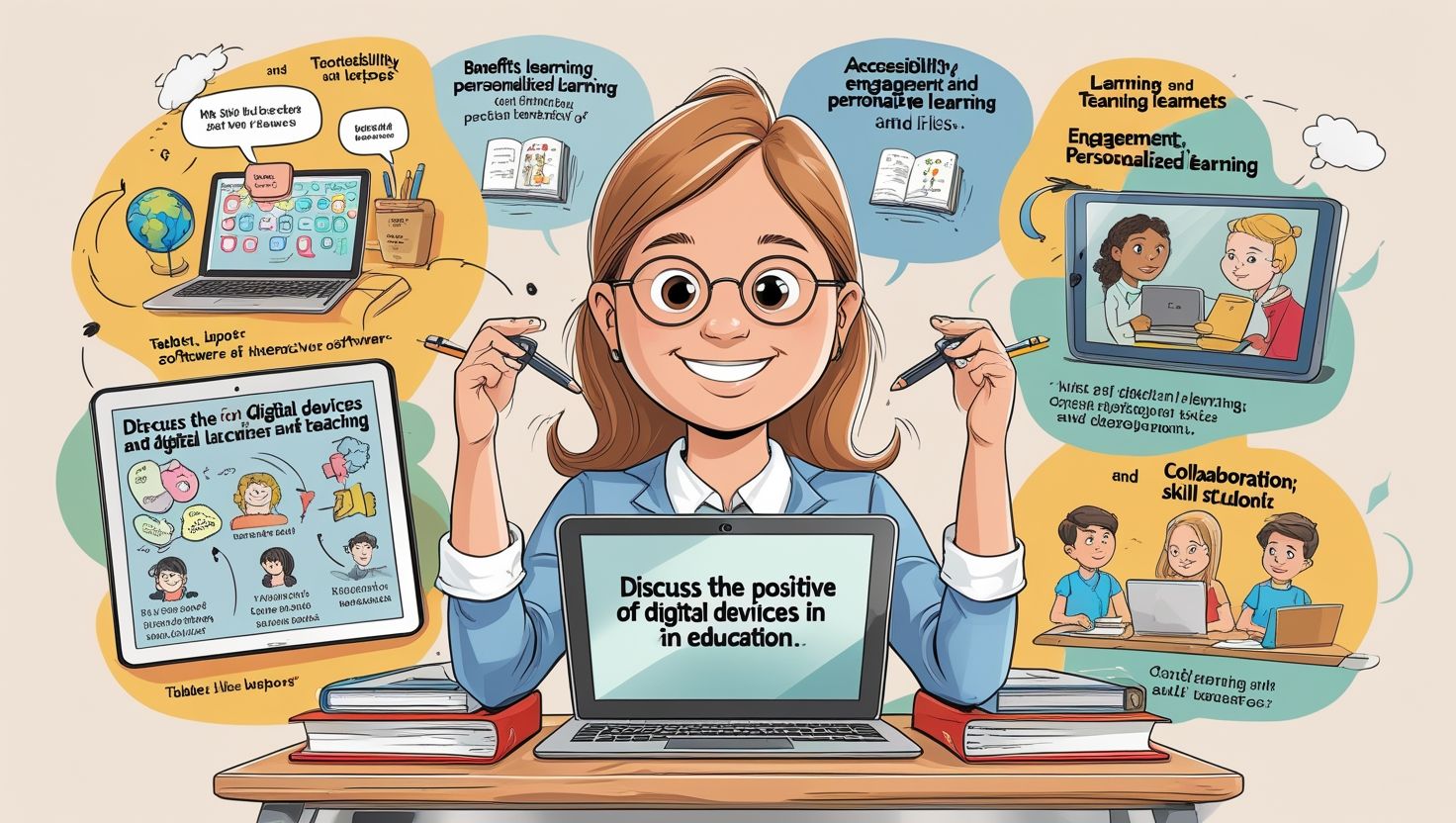
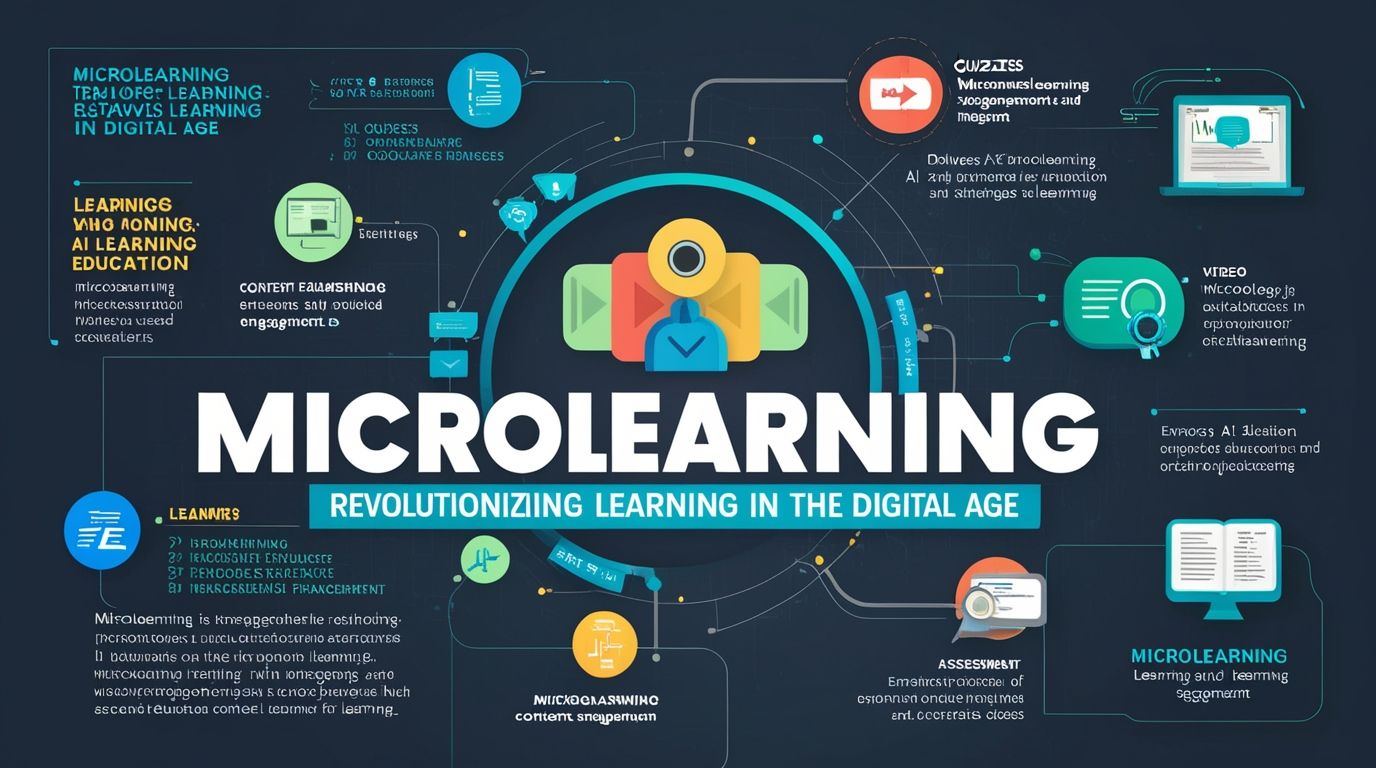
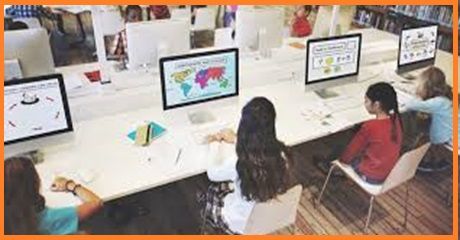
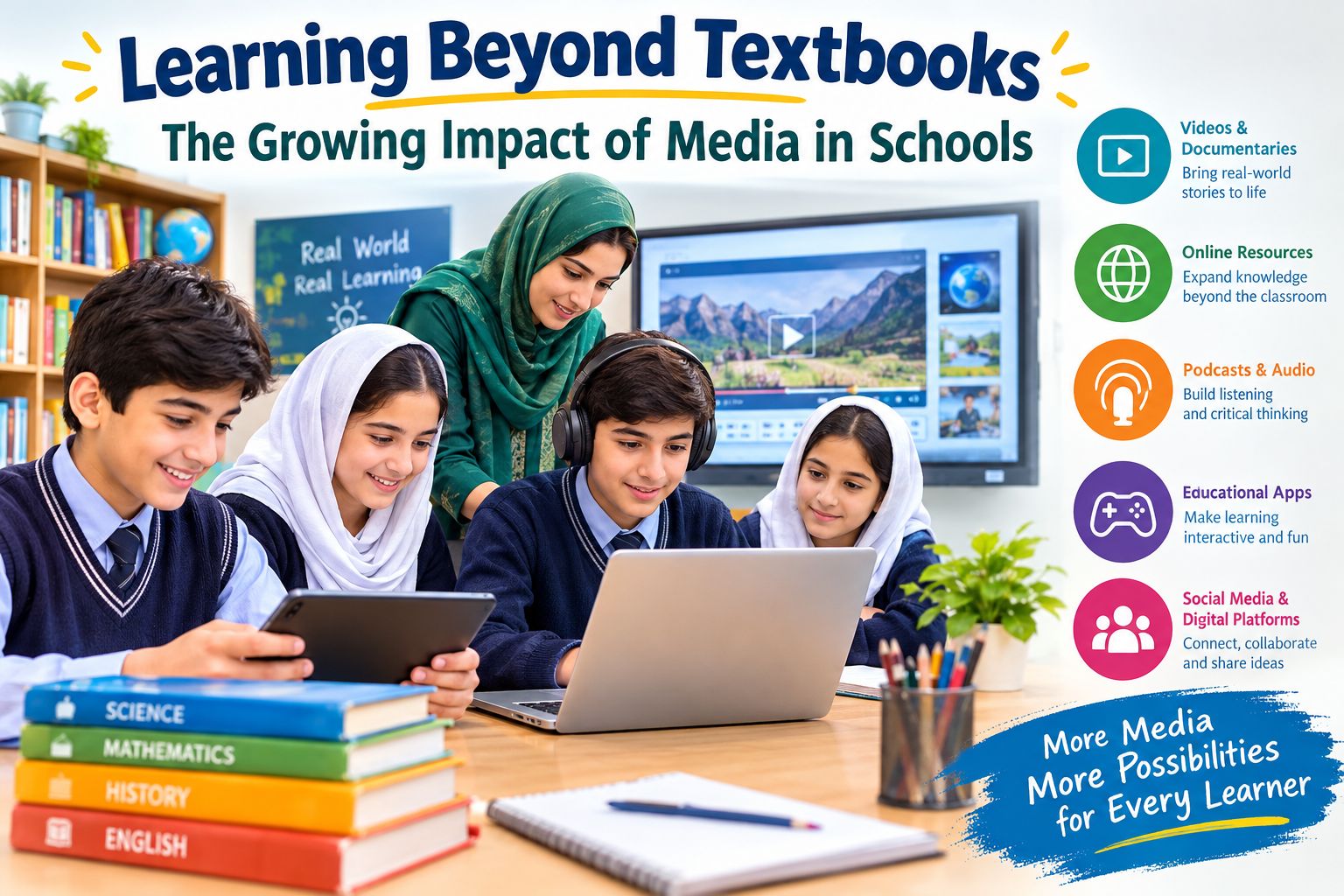
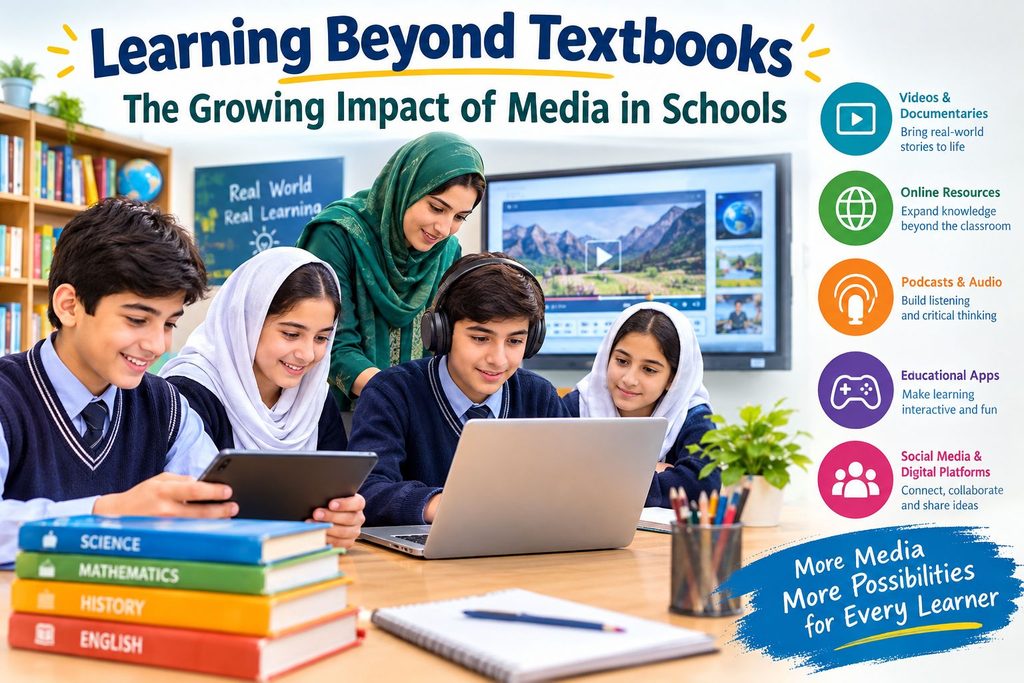
Learning Beyond Textbooks the Growing Impact of Media in Schools, Education has changed dramatically with the growth of digital media. In the past, students mainly depended on textbooks, classroom lectures, blackboards, and printed worksheets. Today, however, learners can explore lessons through videos, podcasts, educational websites, interactive presentations, mobile applications, online libraries, and social learning platforms. Consequently, media learning has become an important part of modern school education. It does not simply provide entertainment; rather, it creates new opportunities for students to understand difficult concepts, discover information, and develop practical skills. Moreover, teachers can use digital media to make lessons more attractive, flexible, and relevant to students’ daily experiences. Therefore, schools increasingly recognize the value of media-based education. When educators use technology carefully, students can participate more actively in learning. In addition, digital resources can support different learning styles and encourage independent study. As a result, media learning can significantly influence academic performance, classroom engagement, creativity, communication, and lifelong learning.
1. What Is Media Learning in Education?
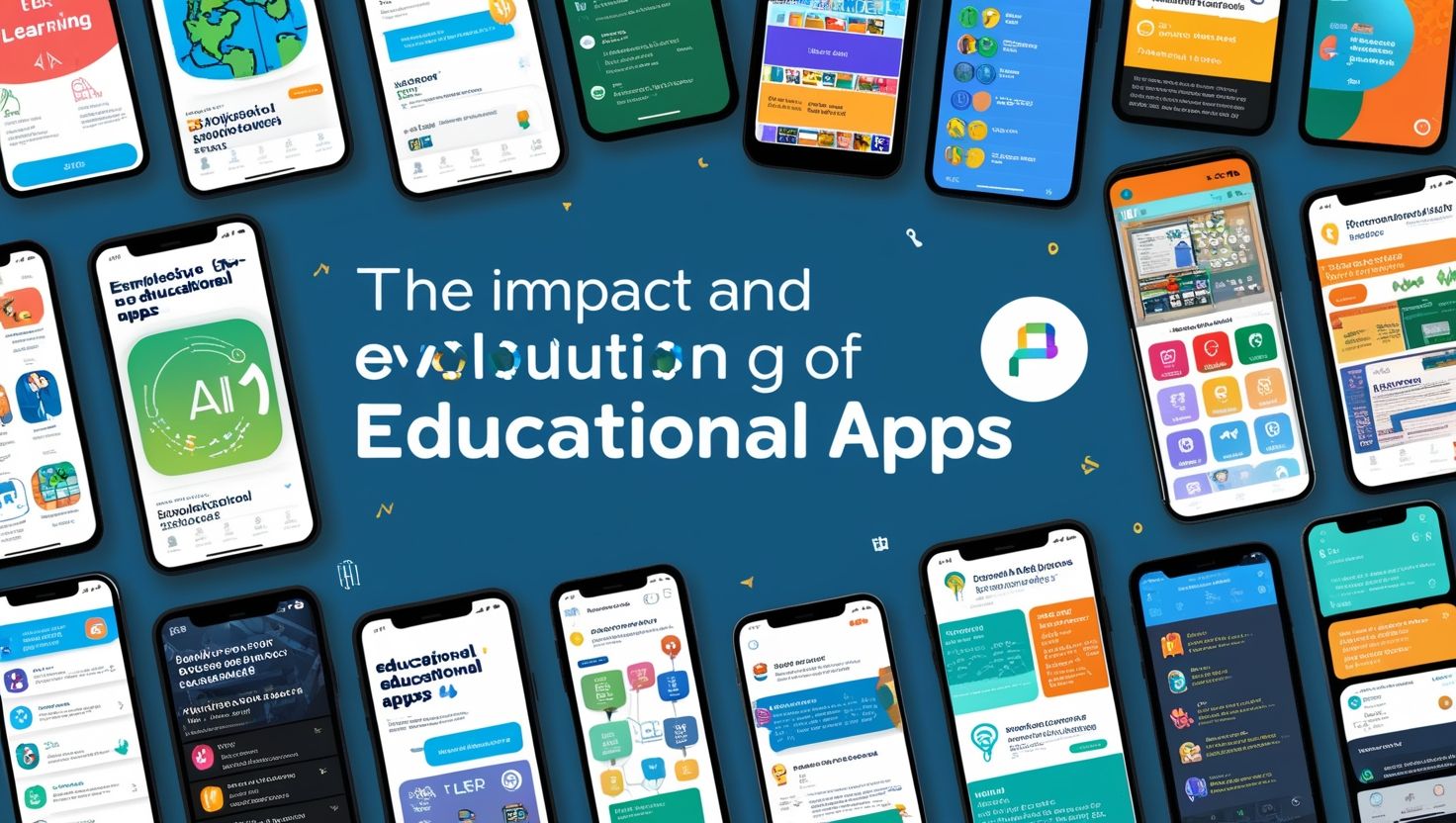
Media learning refers to the use of different communication and digital technologies to support teaching and learning. These resources include educational videos, animations, podcasts, television programs, digital textbooks, online courses, educational games, websites, presentations, and social learning platforms. More importantly, media learning allows students to receive information through several channels instead of depending entirely on printed material. For example, a science teacher can explain the solar system through an animation, while a history teacher can introduce a historical event through a documentary. Similarly, language learners can improve pronunciation by listening to audio recordings and watching conversations. Therefore, media learning can make abstract information easier to understand. In addition, students can often access digital resources beyond classroom hours, allowing them to review lessons at their own pace. Consequently, media learning supports both classroom instruction and independent learning. However, teachers need to select reliable, age-appropriate, and curriculum-related resources so that technology strengthens education rather than distracts students.
2. Media Makes Lessons More Engaging
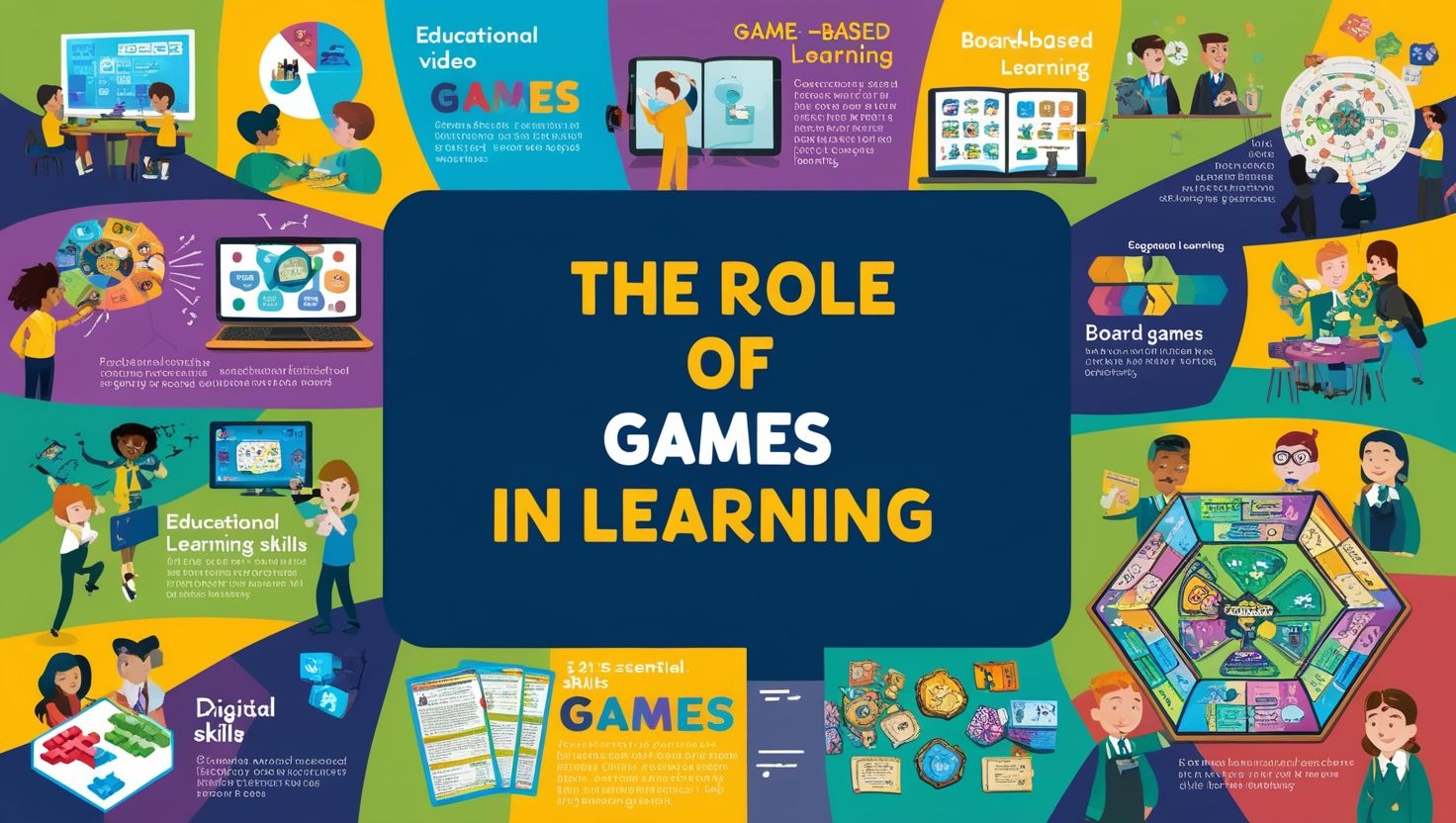
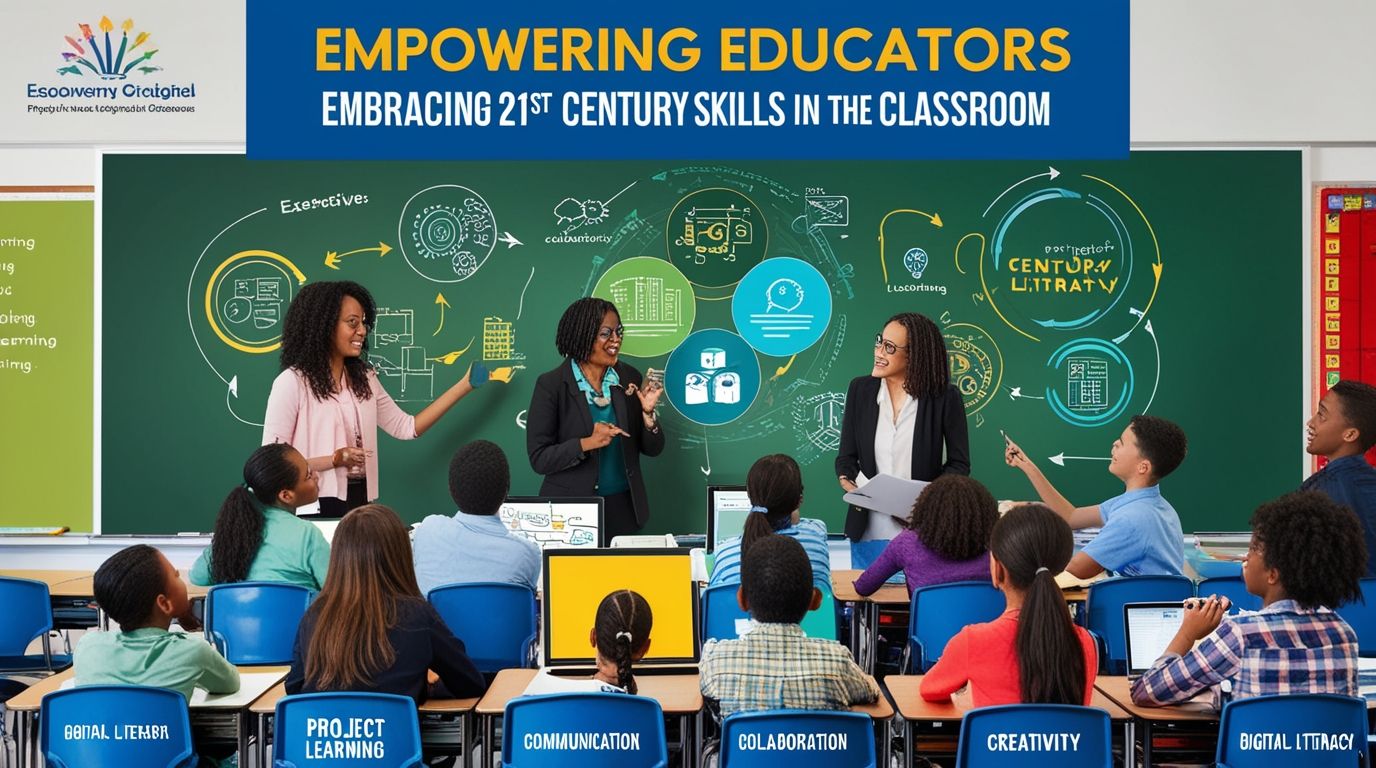
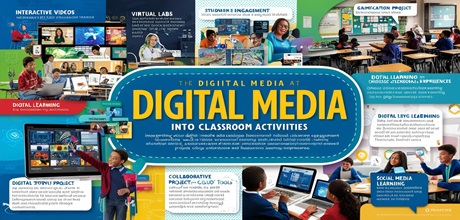
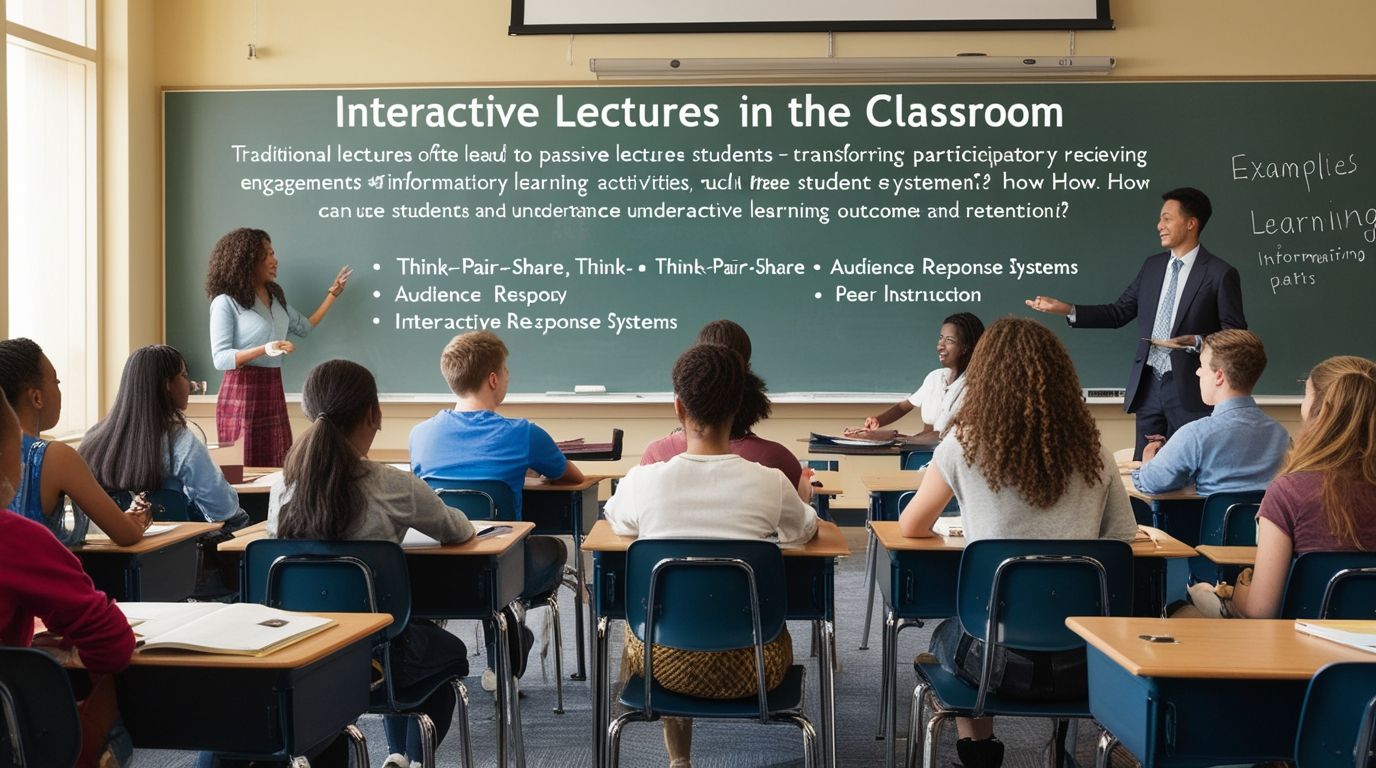
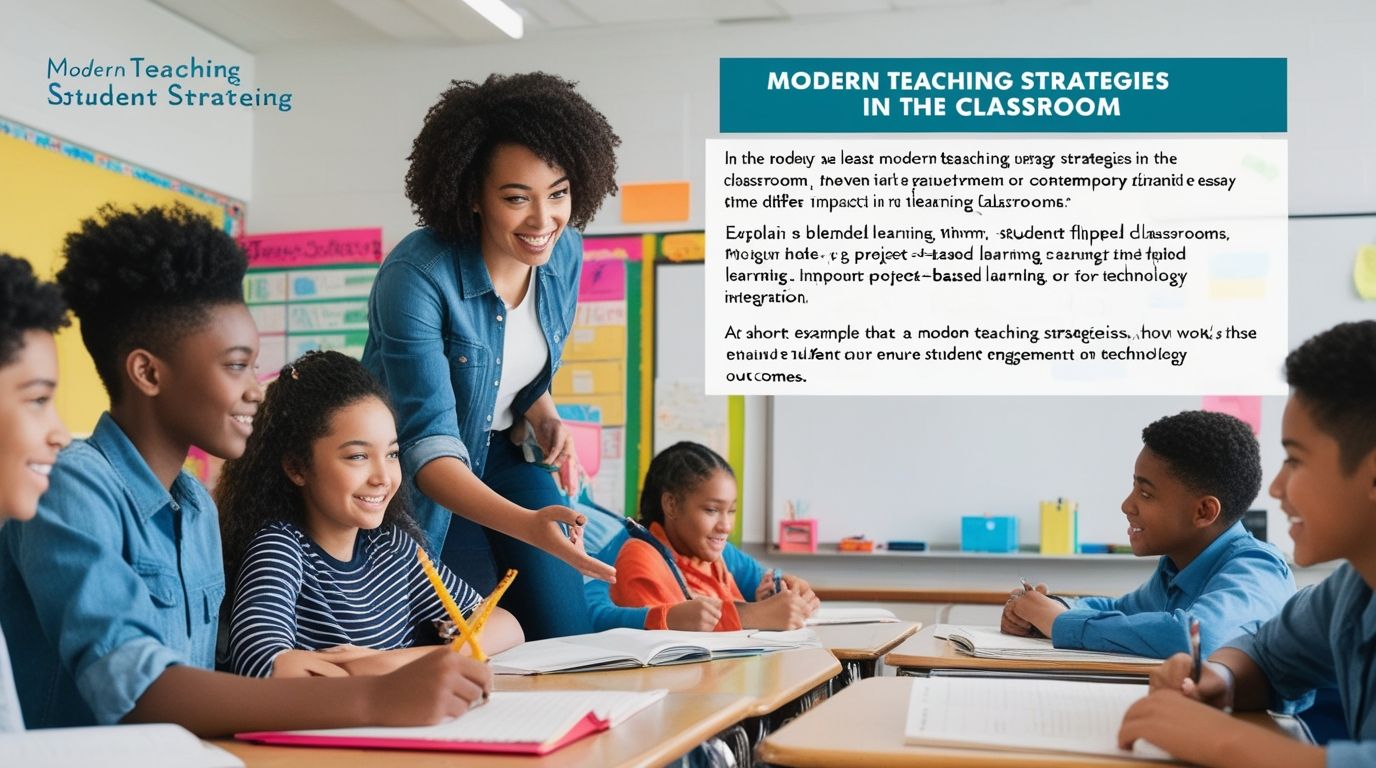
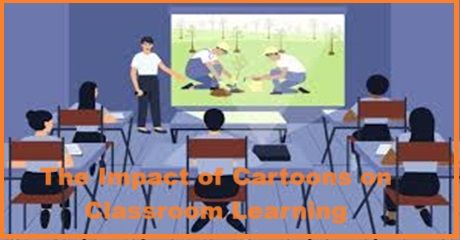
One of the most visible impacts of media learning is increased student engagement. Traditional lectures can sometimes become difficult for students, especially when teachers explain complicated ideas without visual support. In contrast, videos, animations, diagrams, simulations, and interactive activities can capture students’ attention and encourage participation. For instance, a geography lesson about volcanoes becomes more meaningful when students watch an eruption simulation instead of simply reading several paragraphs about it. Likewise, mathematics students can use interactive tools to observe how changes in numbers affect graphs. As a result, students become more curious and willing to explore topics. Furthermore, media gives teachers opportunities to vary their instructional methods. They can combine discussion, video, quizzes, presentations, and practical activities within the same lesson. Therefore, students receive information in different forms, which can reduce boredom and improve classroom participation. When teachers use media with a clear learning purpose, technology becomes more than a screen; it becomes a powerful tool for active learning.
3. Visual Media Improves Understanding
Students often understand information more easily when teachers present it visually. Therefore, educational videos, charts, illustrations, animations, and diagrams can play an important role in school learning. A written explanation may describe how the human heart works, for example, but an animation can show blood moving through the heart and explain each stage step by step. Similarly, students can understand mathematical formulas more clearly when digital graphs demonstrate how those formulas operate. Moreover, visual media can connect theoretical knowledge with real-world examples. This connection helps students remember information for longer periods. In addition, visual resources can support students who struggle with lengthy written explanations. However, teachers should avoid filling lessons with unnecessary graphics or entertaining videos. Instead, they should select media that directly supports the learning objective. Consequently, effective visual learning combines explanation with meaningful imagery. When students see, hear, analyze, and discuss information together, they can develop a deeper understanding of complex subjects and apply classroom knowledge to practical situations.
4. Educational Videos Support Better Learning
Educational videos have become one of the most useful resources in modern classrooms. They allow teachers to introduce information through demonstrations, interviews, experiments, documentaries, animations, and real-world examples. For example, a biology teacher can show a laboratory process through a carefully selected educational video before students conduct a related classroom activity. Consequently, students can enter the activity with greater background knowledge. Furthermore, students can pause, replay, and review digital lessons when the platform allows these features. This flexibility supports learners who need additional explanation or revision. In addition, teachers can assign appropriate videos as homework and use classroom time for discussion, problem-solving, and practical work. However, watching a video should not replace active learning. Teachers should ask questions, provide tasks, and encourage students to explain what they learned. Therefore, the strongest educational videos work as part of a broader teaching strategy. When teachers connect video content with classroom discussion and assessment, students can turn passive viewing into meaningful learning.
5. Media Encourages Independent Learning
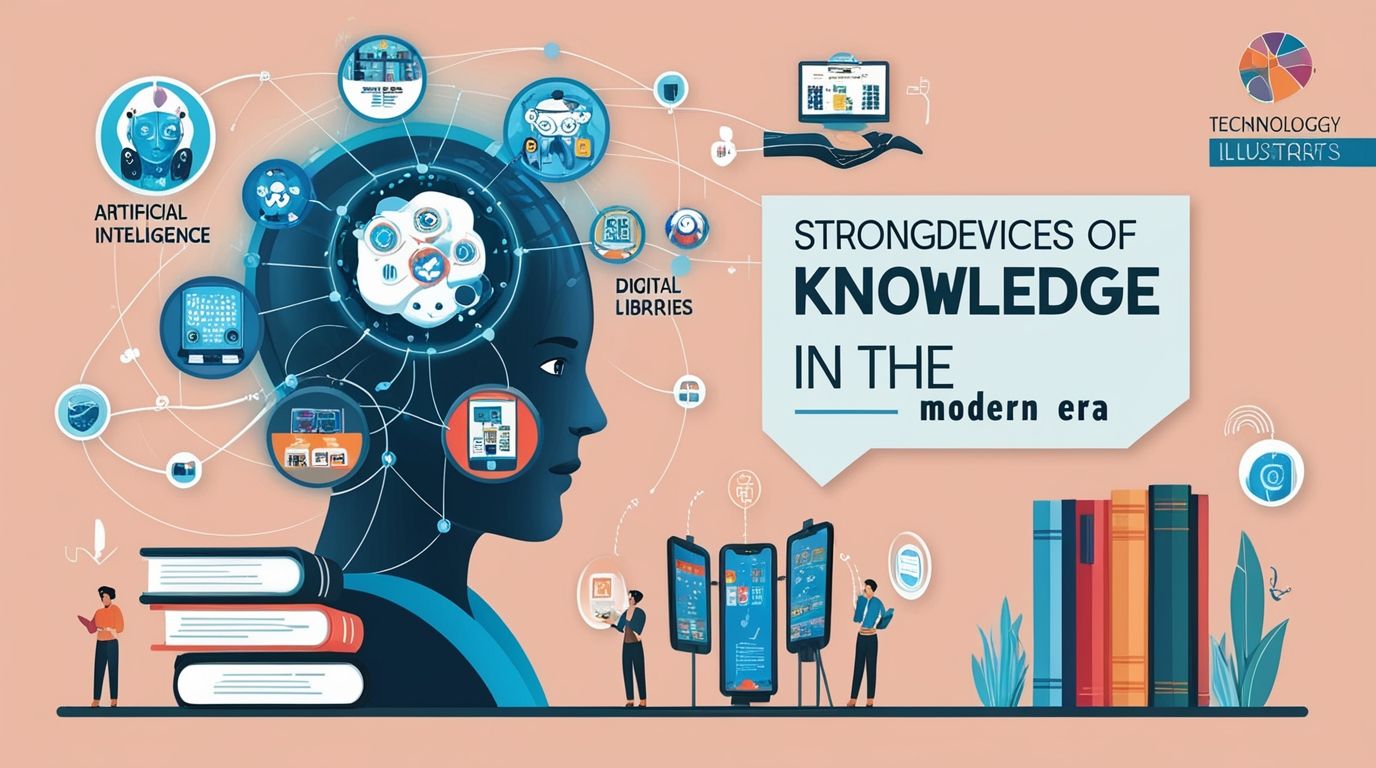
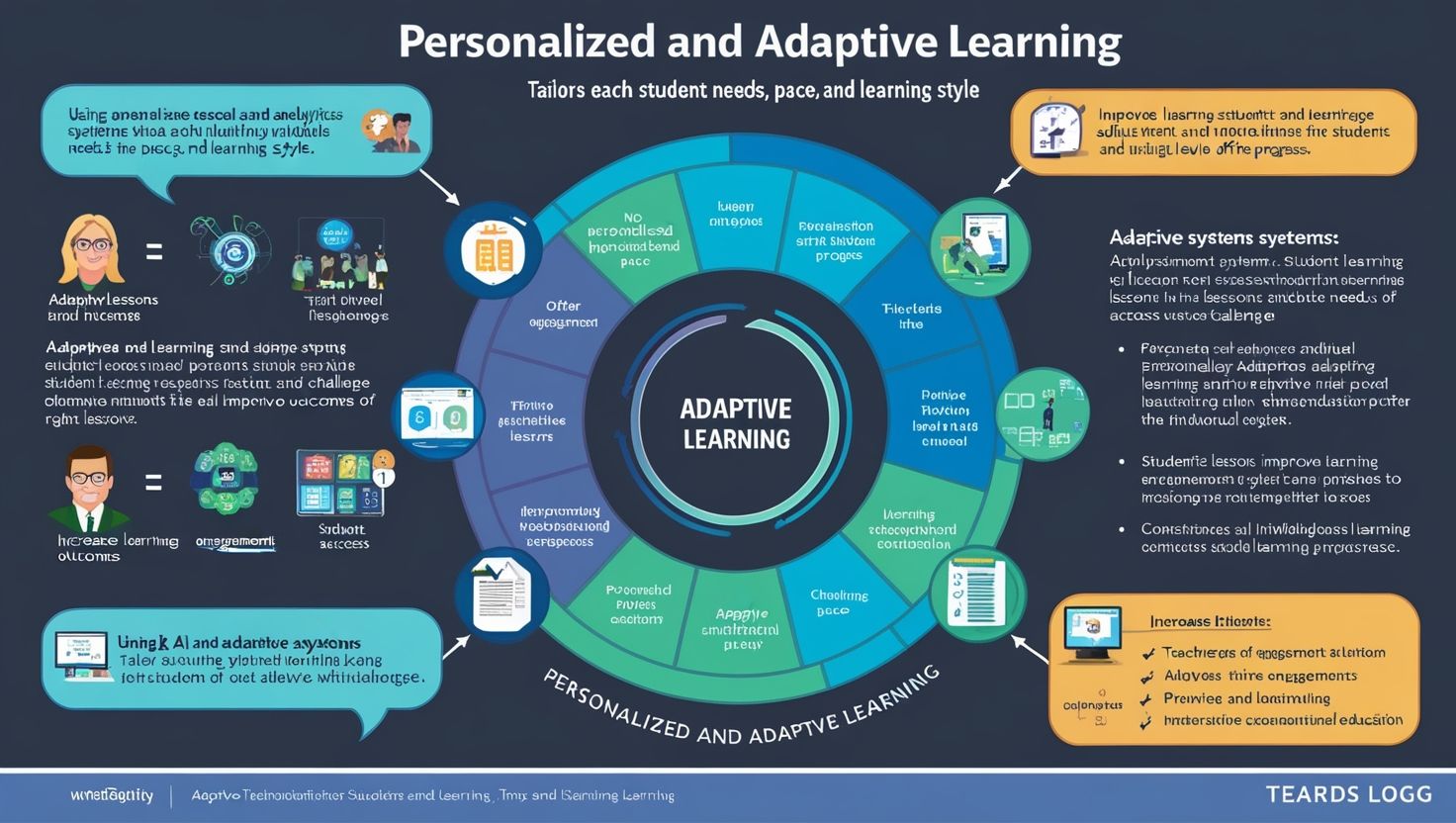
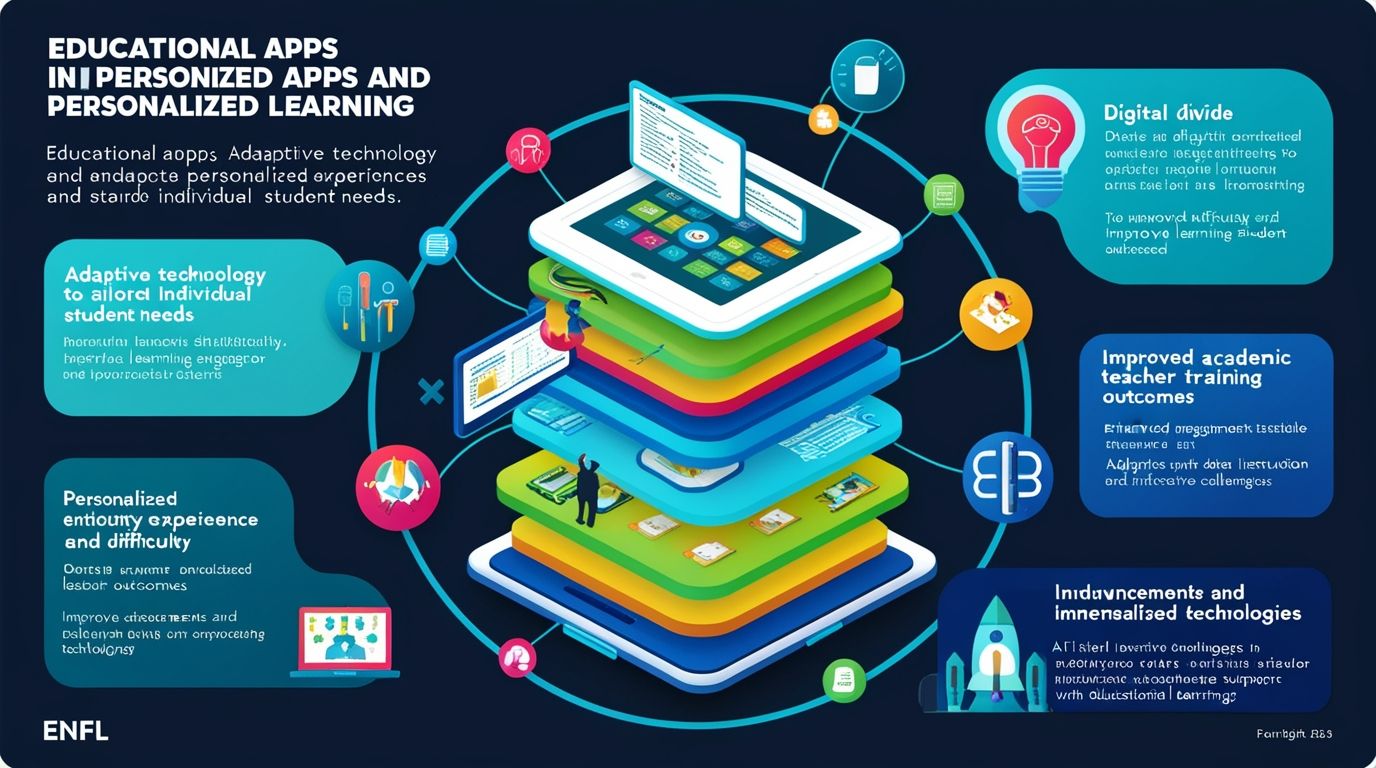
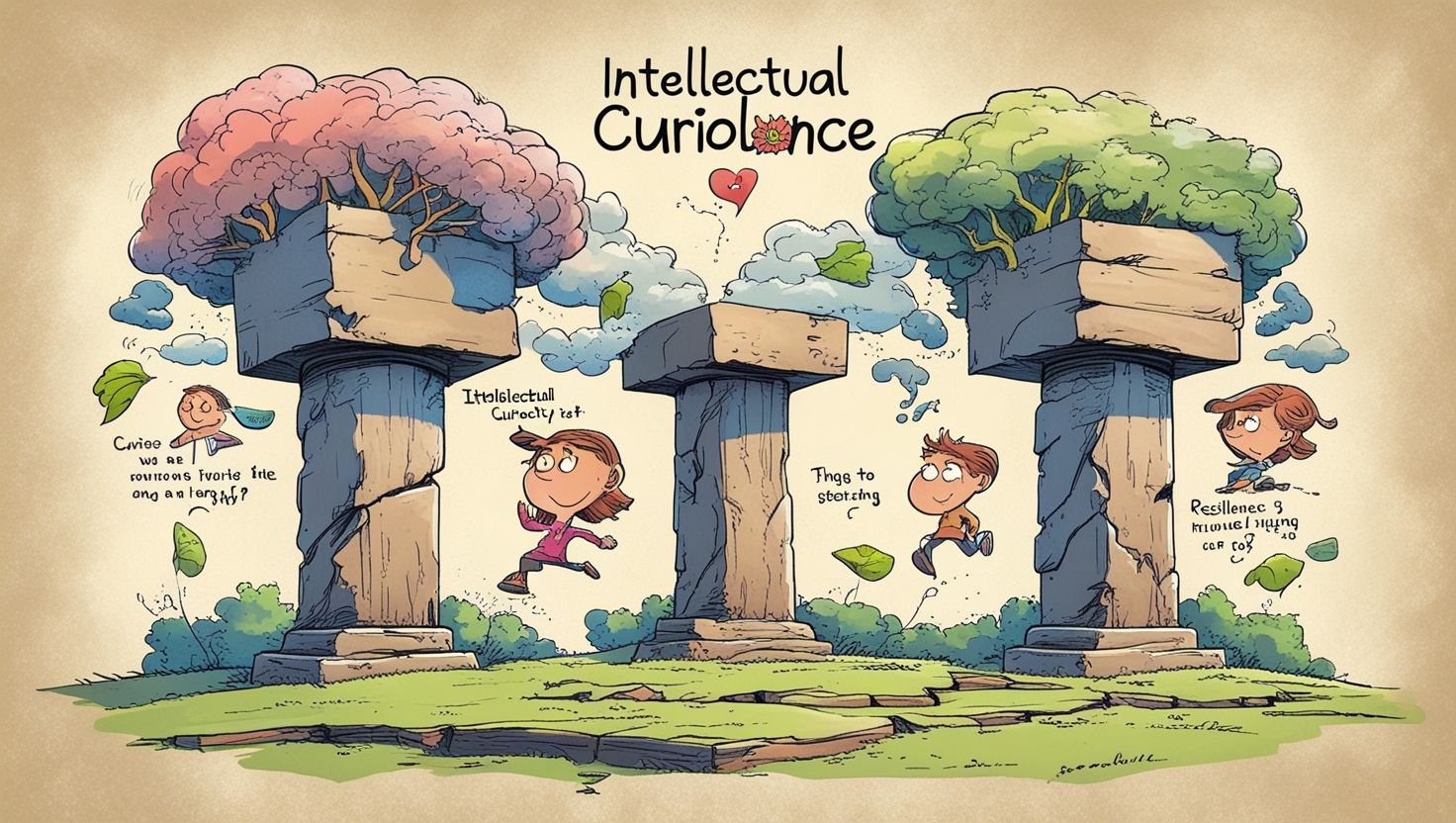
Modern media also encourages students to become independent learners. Previously, students often depended heavily on teachers and textbooks for academic information. Today, however, learners can explore educational websites, digital libraries, online tutorials, and learning applications from home or school. Consequently, students can investigate questions beyond the boundaries of their classroom lessons. For example, a student studying climate change can watch expert lectures, examine scientific graphics, read digital articles, and compare information from different educational sources. This process can develop curiosity and research skills. Moreover, digital learning allows students to review difficult topics according to their individual needs. A learner who finds fractions difficult can practice additional exercises, while another student can move to more advanced problems. Therefore, media learning can support personalized education. Nevertheless, students need guidance when searching online because not every website provides accurate information. Teachers should teach students how to identify credible sources, compare evidence, protect personal information, and avoid misinformation. In this way, media can strengthen independent learning while developing responsible digital citizenship.
6. Media Supports Different Learning Styles
Every classroom contains students with different abilities, interests, experiences, and learning preferences. Therefore, one teaching method cannot always meet every learner’s needs. Media learning provides teachers with more ways to present the same concept. A teacher can explain a topic verbally, display an image, show a video, provide an interactive activity, and then ask students to complete a practical task. Consequently, students receive multiple opportunities to understand the lesson. Furthermore, digital resources can support students who require additional practice. Recorded explanations, subtitles, audio materials, and interactive exercises can provide useful alternatives to conventional instruction. In addition, teachers can adapt media resources for different levels of difficulty. However, educators should remember that students do not necessarily learn through fixed “learning styles.” Instead, varied teaching methods can provide broader opportunities for engagement and understanding. Therefore, the goal should not simply involve matching every student with one preferred medium. Rather, effective media learning combines different approaches to explain concepts clearly, encourage participation, and provide meaningful opportunities for students to practice and demonstrate their knowledge.
7. Media Develops Digital Literacy Skills
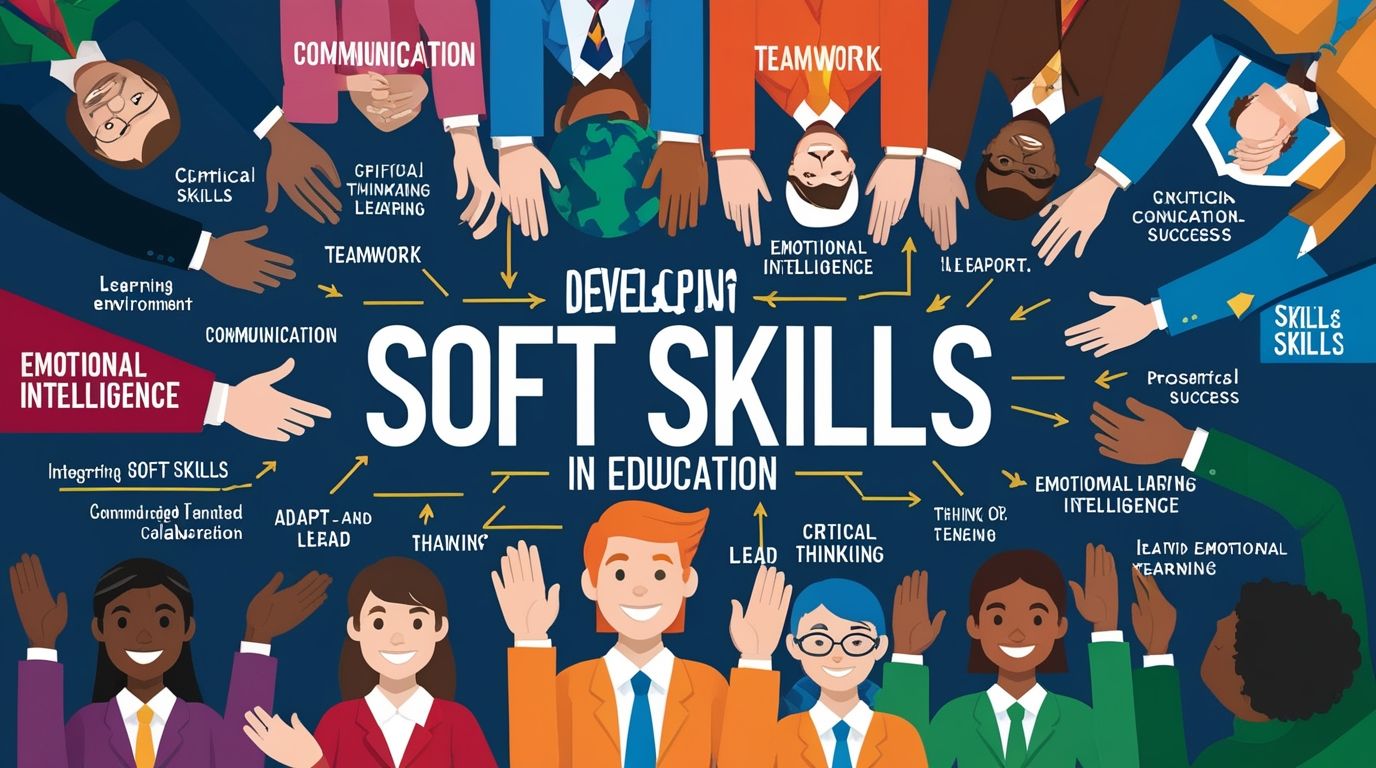
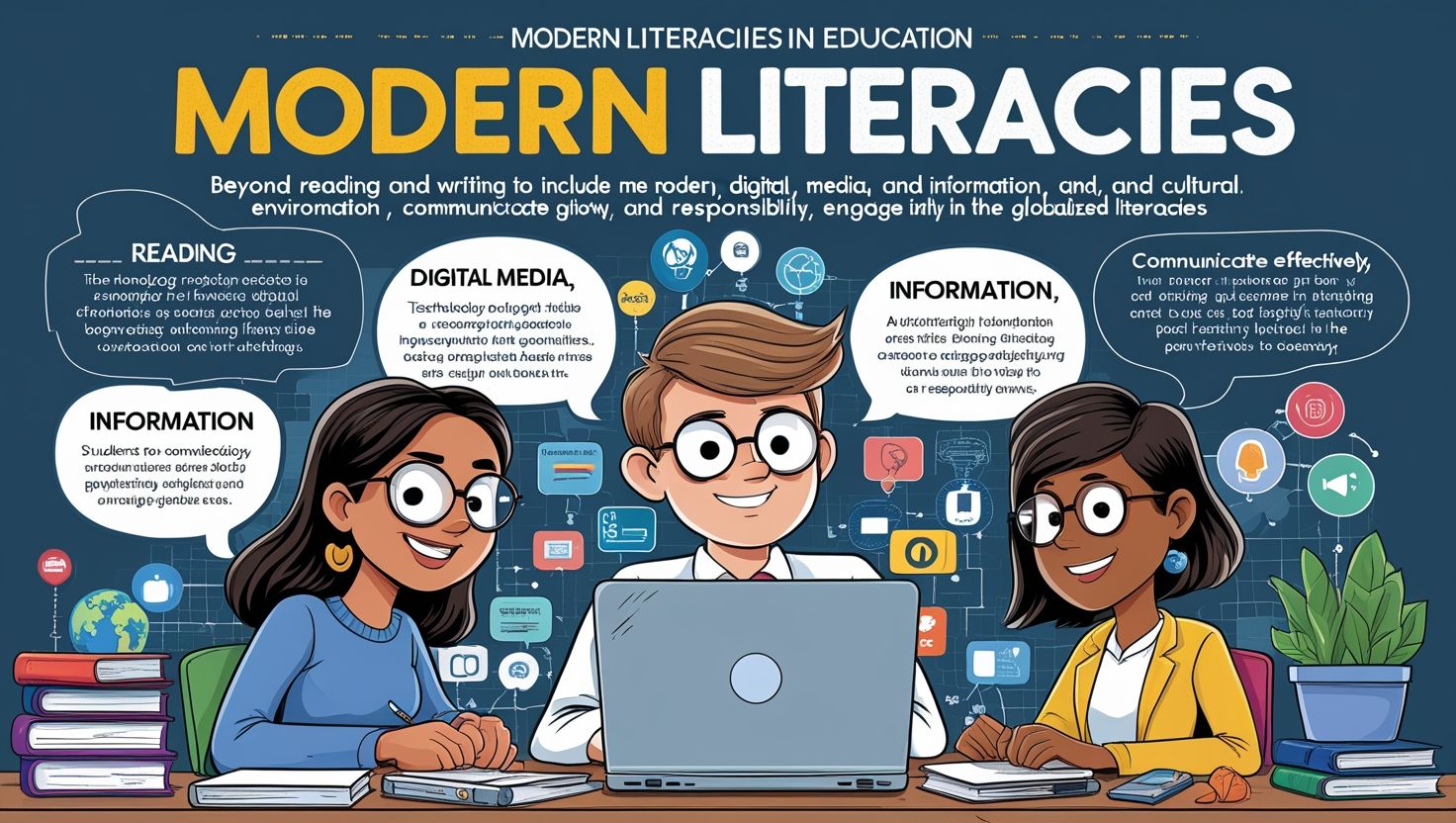
School education now has a responsibility to prepare students for a technology-driven society. Therefore, digital literacy has become an essential educational outcome. Through media learning, students can learn how to search for information, evaluate online sources, create digital presentations, communicate responsibly, and use educational applications. Furthermore, students can learn that online information requires careful evaluation. They need to distinguish evidence-based information from advertisements, opinions, misinformation, and unreliable content. Consequently, media-based education can develop critical thinking as well as technical skills. For example, teachers can ask students to compare two online articles and identify differences in evidence, language, and reliability. Similarly, students can create short educational videos or presentations to demonstrate what they have learned. These activities encourage creativity and communication while improving technological confidence. However, schools should also teach responsible technology use. Students need to understand privacy, copyright, cyber safety, respectful communication, and healthy screen habits. Thus, media learning should not focus only on using devices; it should prepare students to become informed, responsible, creative, and critical users of digital information.
8. Media Strengthens Teacher–Student Interaction
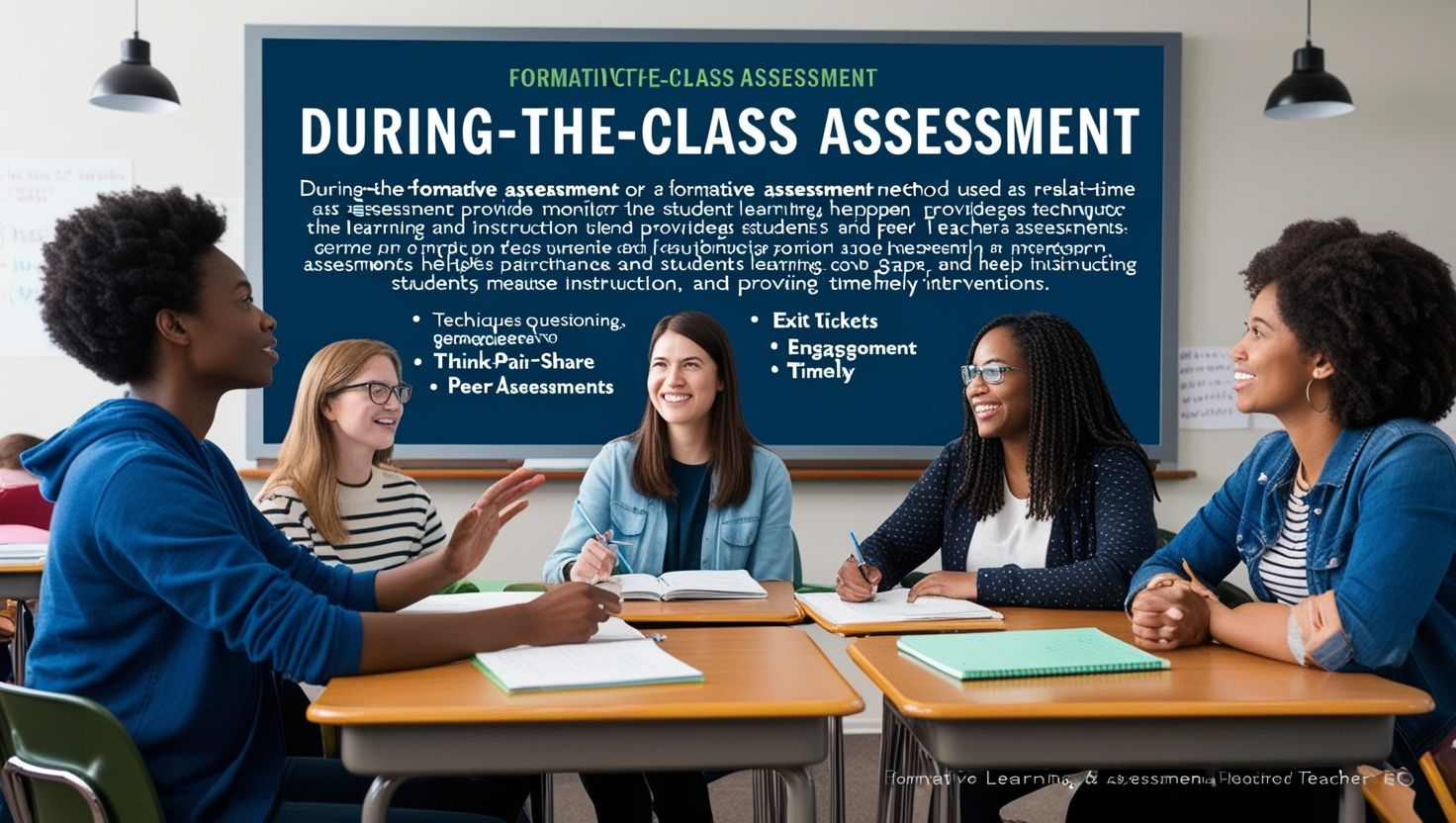
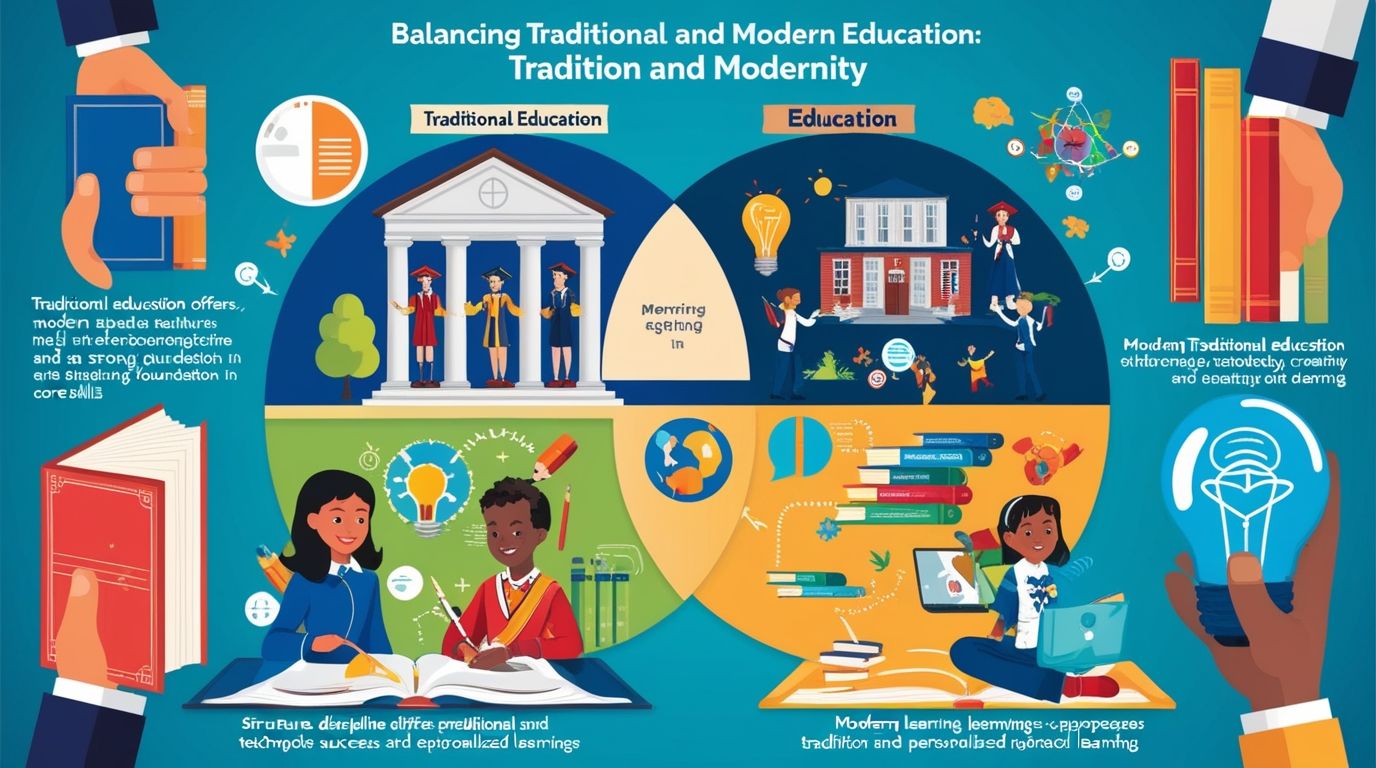
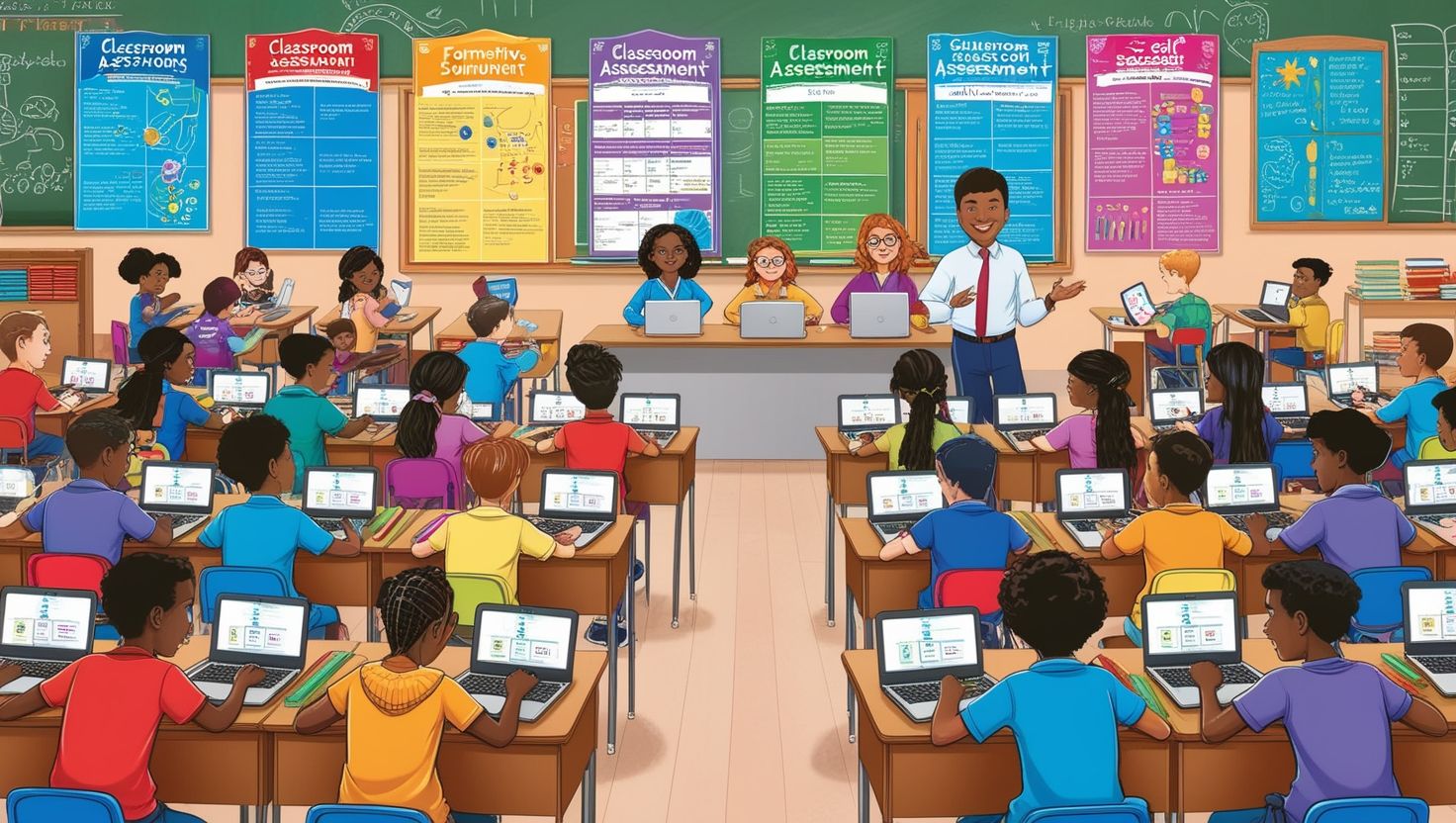
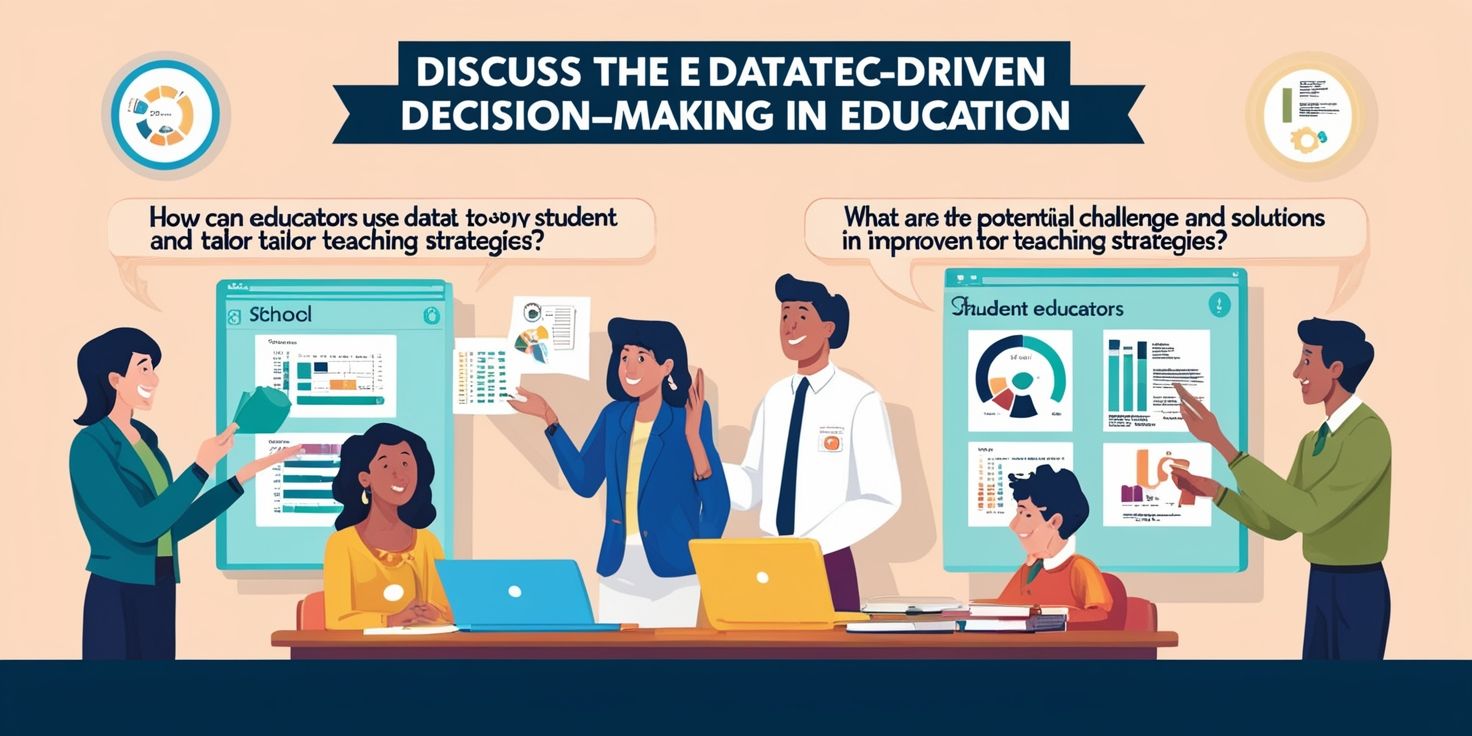
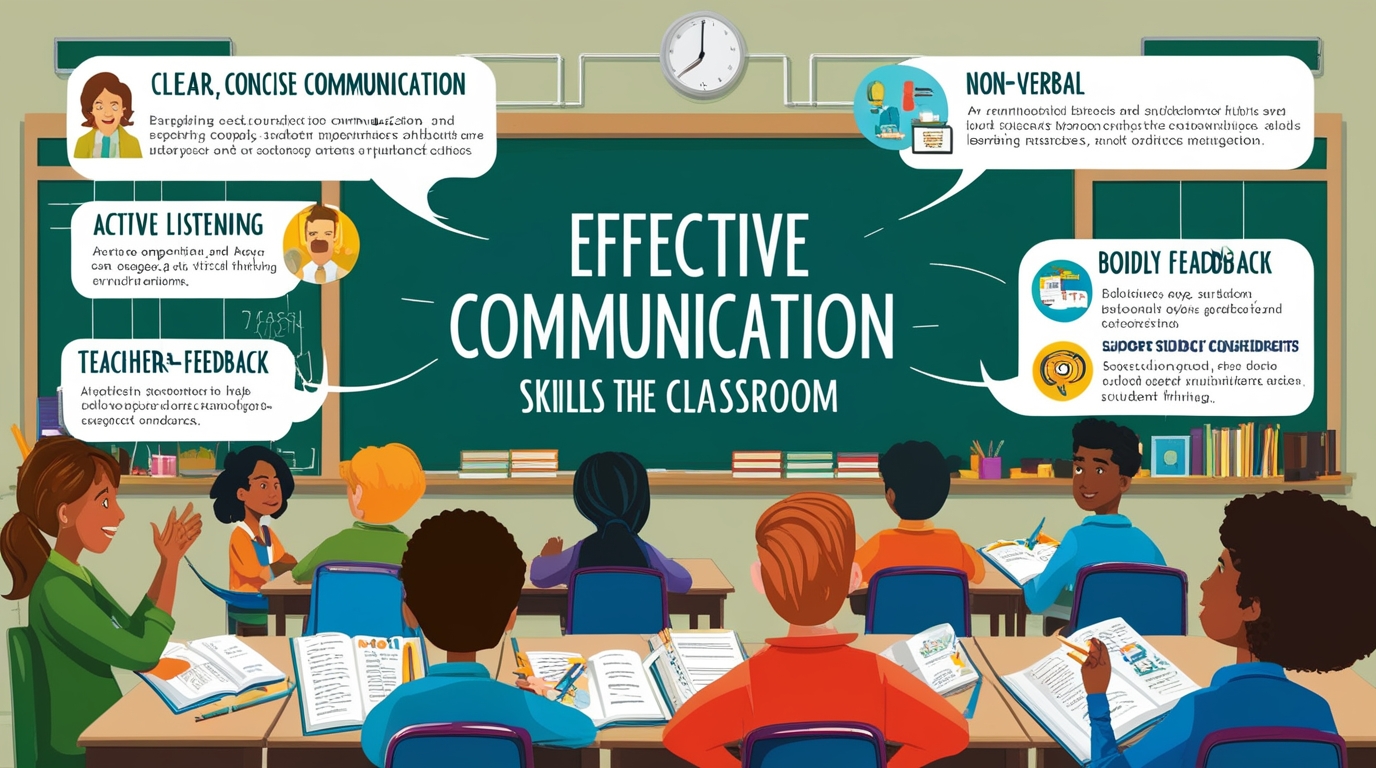
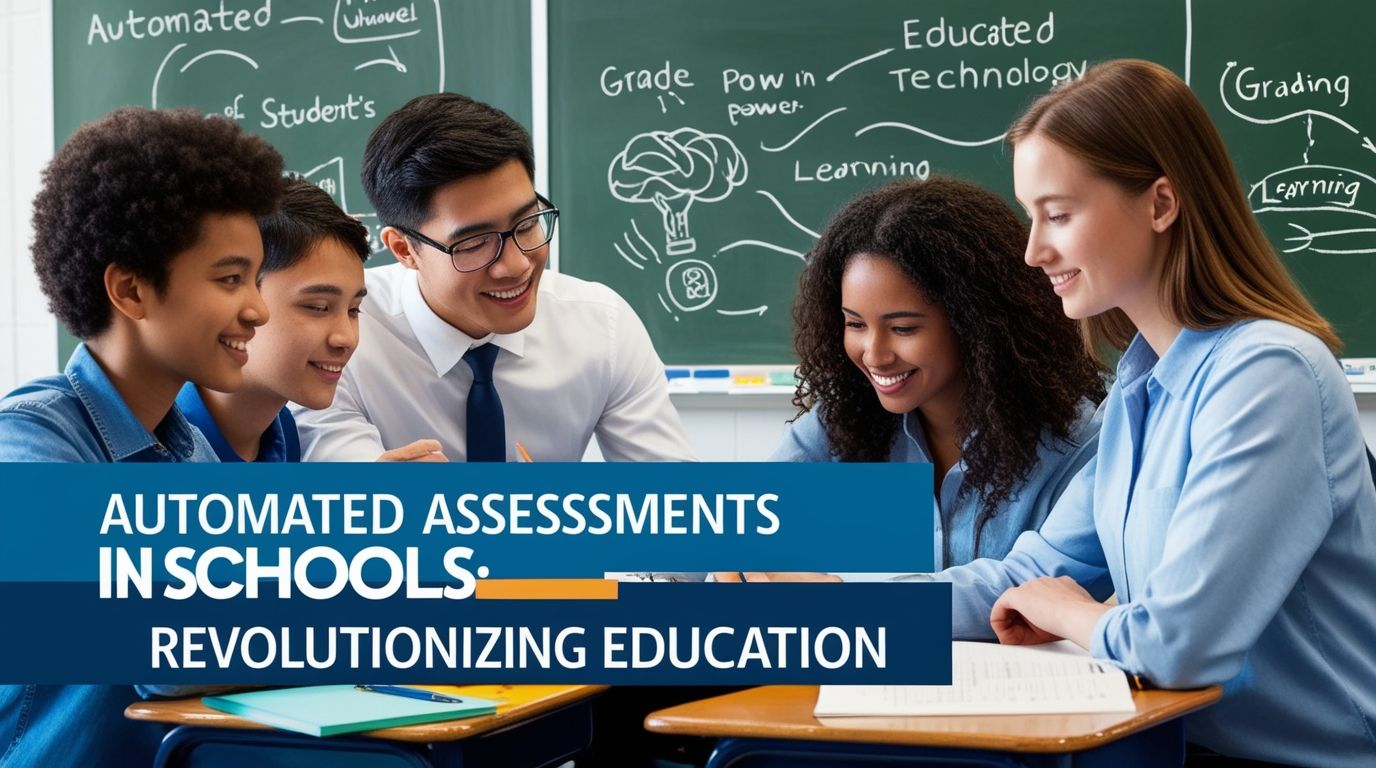
Technology can also improve communication between teachers and students. Digital classrooms, learning management systems, educational applications, and online discussion platforms allow teachers to share resources and communicate beyond normal classroom hours. Consequently, students can receive instructions, assignments, feedback, and additional learning materials more efficiently. Furthermore, digital quizzes can help teachers identify areas where students need additional support. For example, if many students answer the same question incorrectly, the teacher can revisit that concept and provide another explanation. In addition, students can sometimes communicate questions through digital platforms when they hesitate to speak in a traditional classroom. This can create additional opportunities for participation. However, technology should complement personal interaction rather than replace it. Students still need face-to-face discussions, teamwork, emotional support, and direct guidance from teachers. Therefore, schools should maintain a healthy balance between digital and traditional communication. When teachers use media thoughtfully, they can create a more connected learning environment in which students receive timely guidance while continuing to develop strong interpersonal and communication skills.
9. Media Makes Learning More Creative
Creativity represents another important benefit of media learning. Instead of simply memorizing information, students can use technology to create presentations, digital stories, podcasts, posters, animations, videos, and online projects. Consequently, students become producers of knowledge rather than only consumers of information. For instance, a language teacher can ask students to produce a short digital story using photographs, narration, and background music. Similarly, science students can create a presentation explaining an environmental problem and proposing practical solutions. These activities require planning, research, communication, problem-solving, and creative thinking. Moreover, collaborative digital projects allow students to work together even when they have different responsibilities. One student can research information, another can design visuals, while another can present the final project. Therefore, media learning can connect academic knowledge with practical skills. Nevertheless, creativity should remain connected to educational objectives. Technology alone does not automatically create creative learning. Teachers must design meaningful tasks that encourage students to question ideas, develop original solutions, communicate clearly, and reflect on their learning.
10. Media Learning Can Improve Accessibility
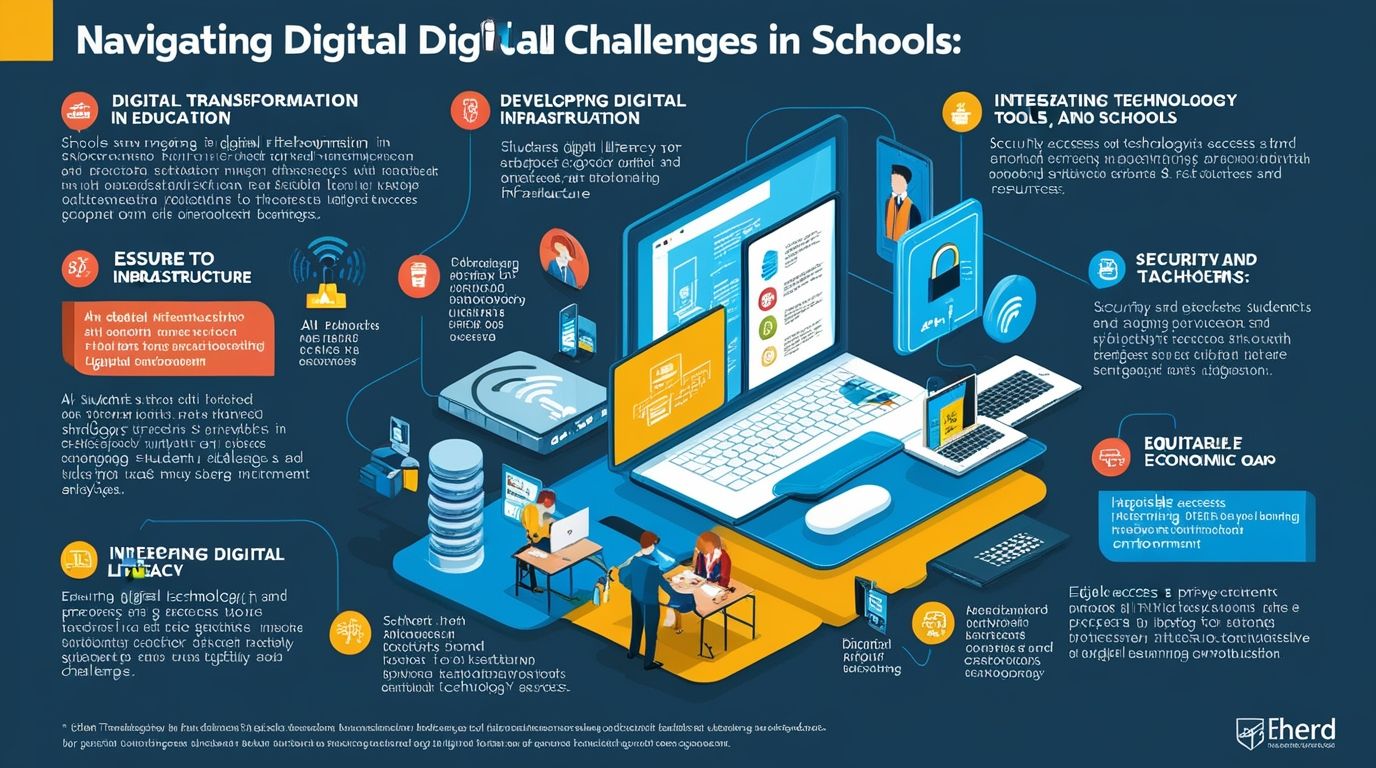
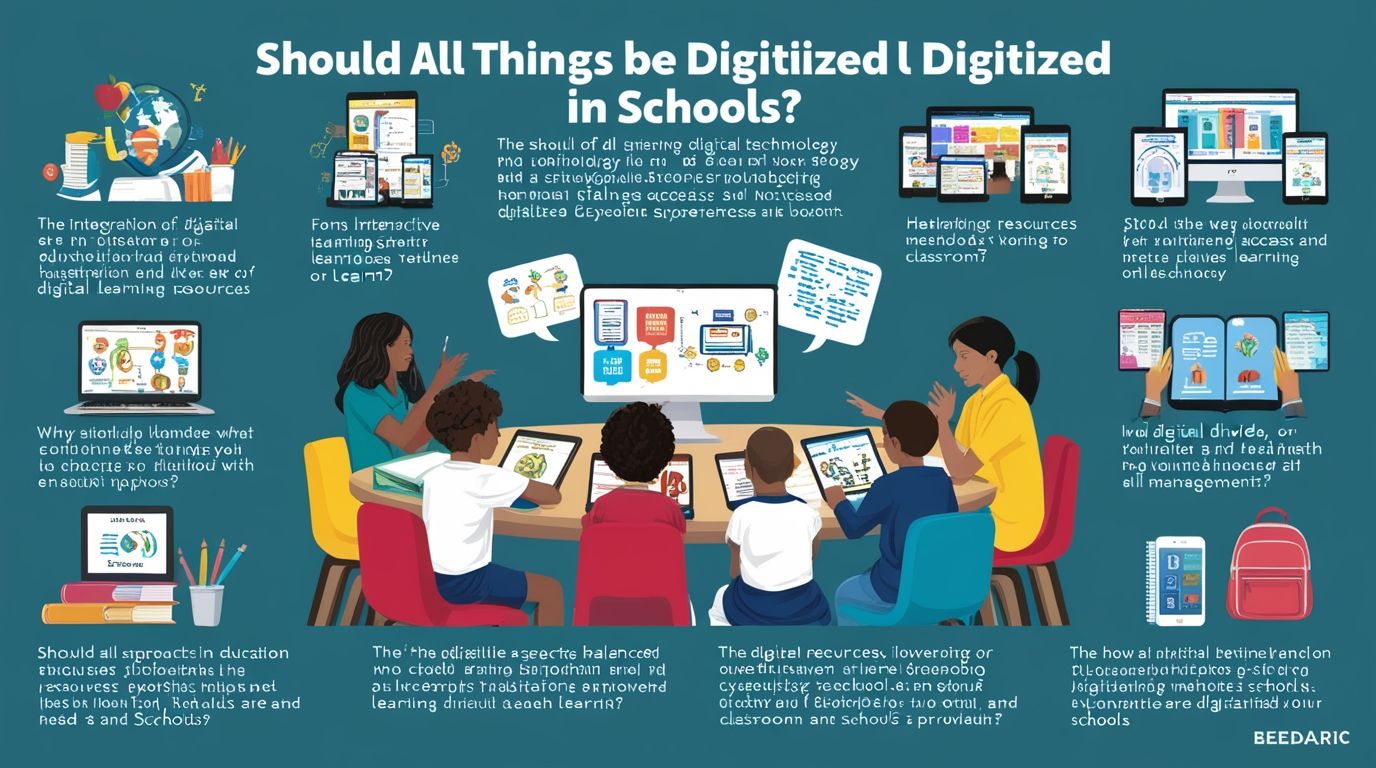
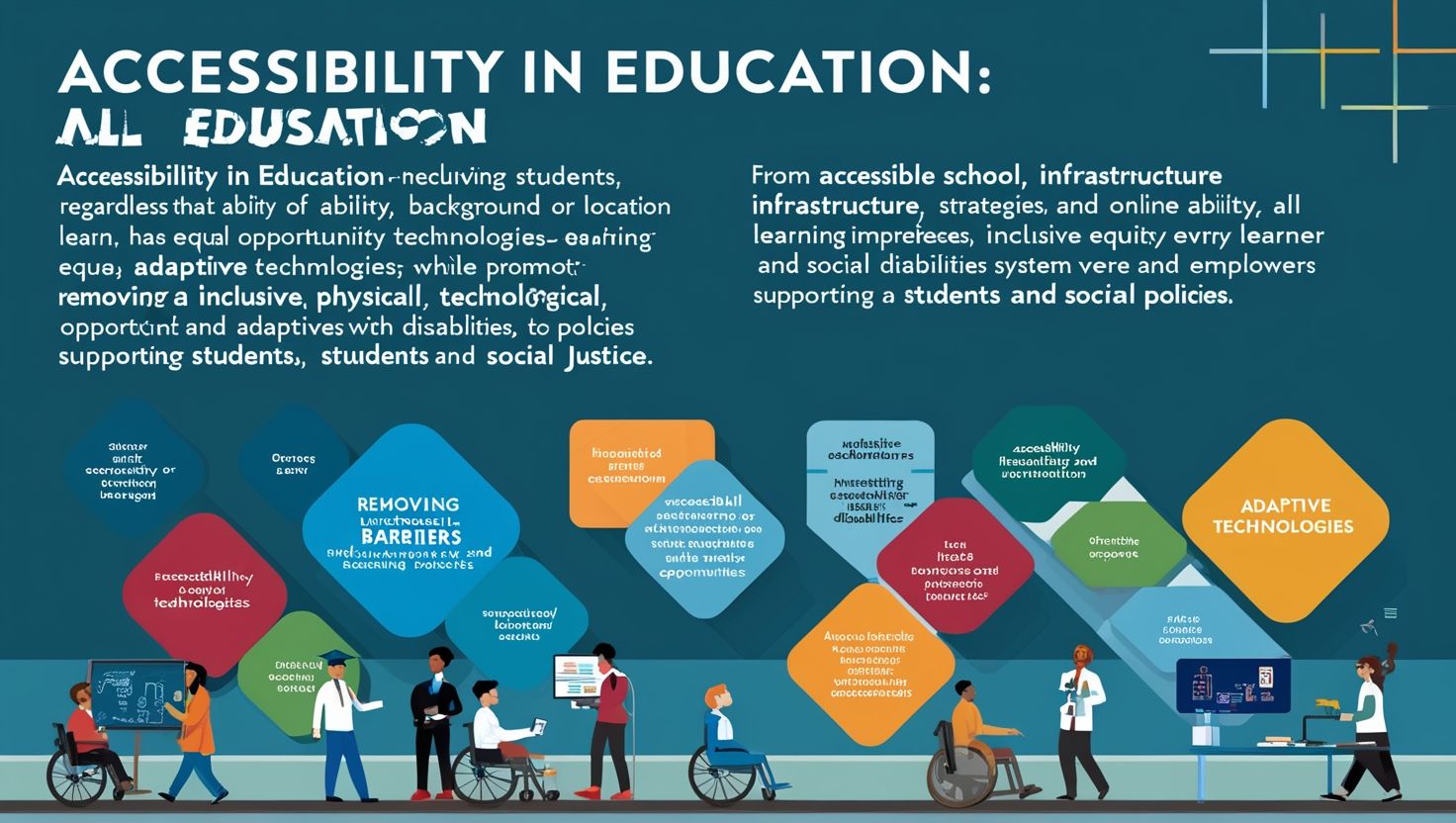
Another significant advantage of educational media involves accessibility. Digital resources can provide additional learning opportunities for students who face geographical, physical, or educational barriers. For example, students in remote areas can access online lectures, digital books, recorded lessons, and educational websites when suitable internet services are available. Similarly, subtitles, audio materials, adjustable text sizes, and other digital features can support learners with different needs. Consequently, media can help schools broaden access to educational resources. However, access remains an important challenge. Not every student has a reliable internet connection, suitable device, electricity supply, or quiet place for study. Therefore, schools and education authorities need to consider the digital divide when introducing technology-based learning. Providing devices alone will not solve the problem. Students also need affordable connectivity, teacher training, technical support, and appropriate digital content. Thus, successful media learning requires an inclusive strategy. When schools address these barriers, technology can contribute to more equitable educational opportunities and reduce some differences between students who have abundant learning resources and those who have limited access.
11. Challenges of Media Learning in Schools
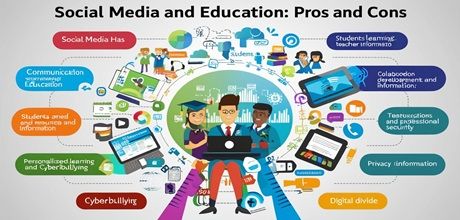
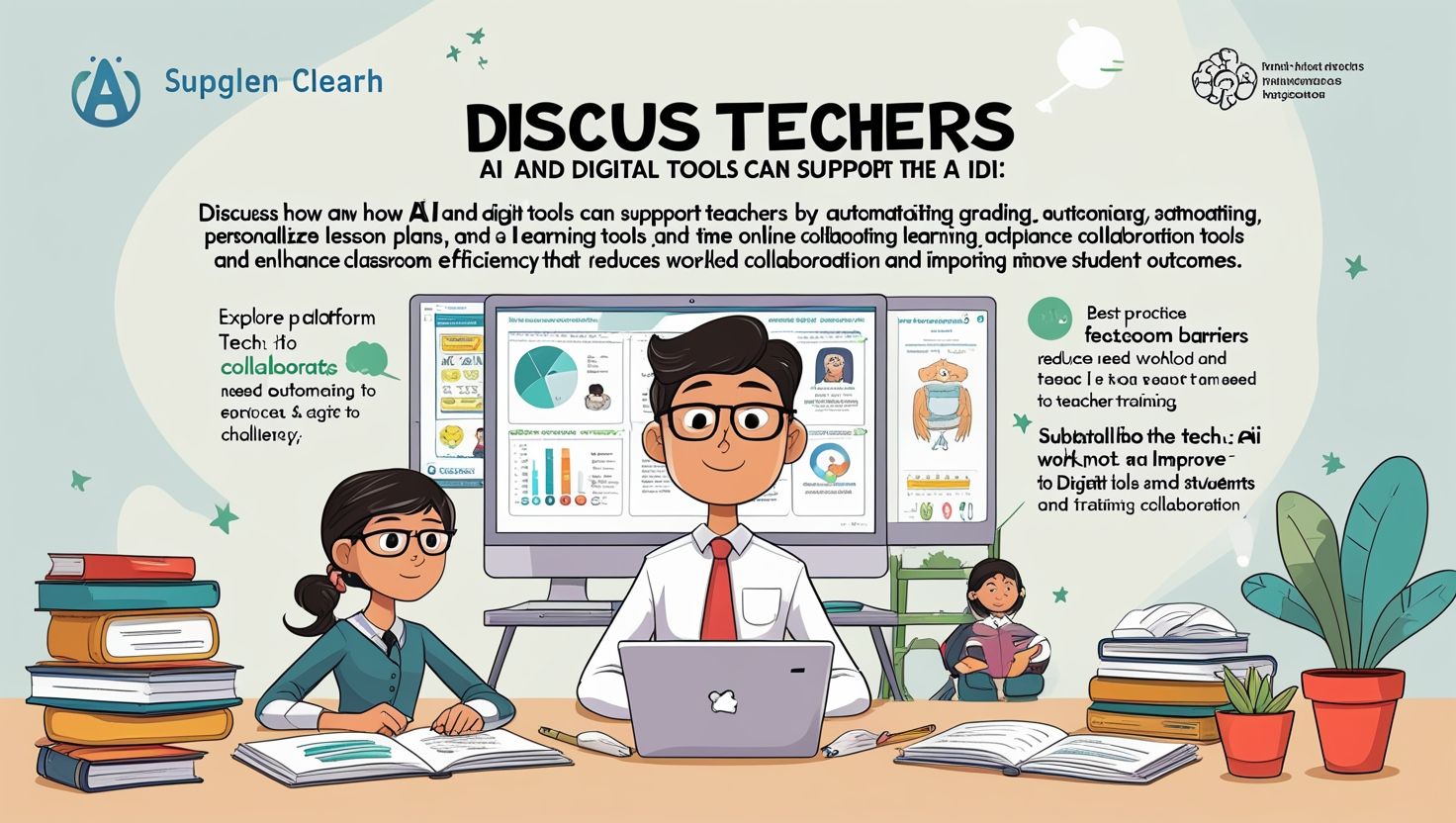
Although media learning provides many benefits, schools must also recognize its challenges. Excessive screen time can distract students, while poorly selected online content can reduce concentration and create confusion. Furthermore, unreliable websites may expose students to inaccurate information. Social media can also compete with educational activities when students use devices without clear rules. Consequently, teachers need to establish appropriate digital learning guidelines. Another challenge involves teacher training. A school may possess computers, projectors, or smart boards, but these tools will have limited educational value if teachers do not know how to use them effectively. In addition, technical problems, limited internet access, expensive devices, and unequal digital skills can affect learning outcomes. Therefore, schools should introduce technology gradually and strategically. Teachers need professional development, while students need digital citizenship education. Moreover, schools should evaluate whether a particular technology actually improves learning before investing heavily in it. In this way, educational institutions can manage the disadvantages of media learning while maximizing its academic and practical benefits.
12. The Role of Teachers in Media-Based Learning
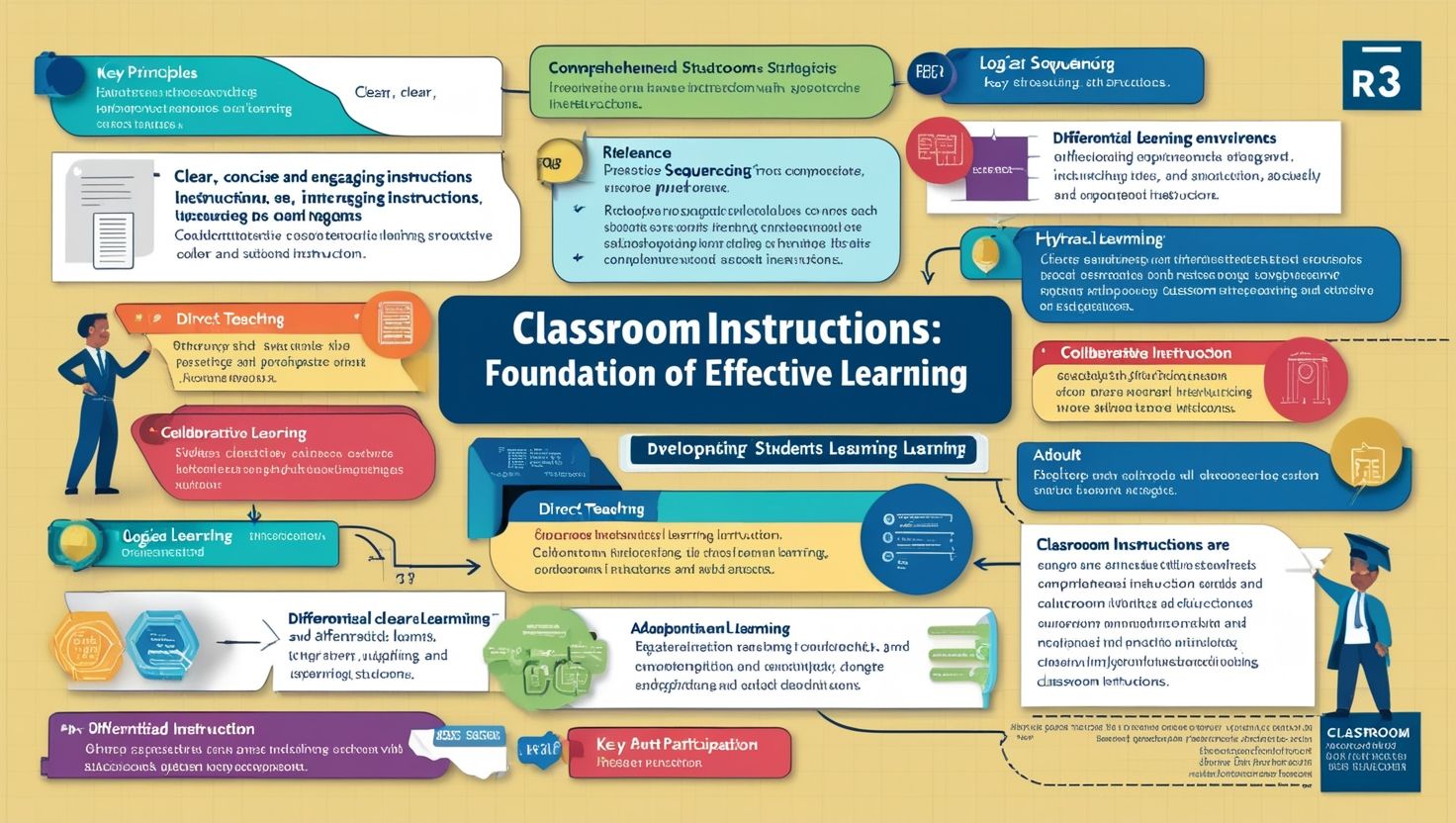
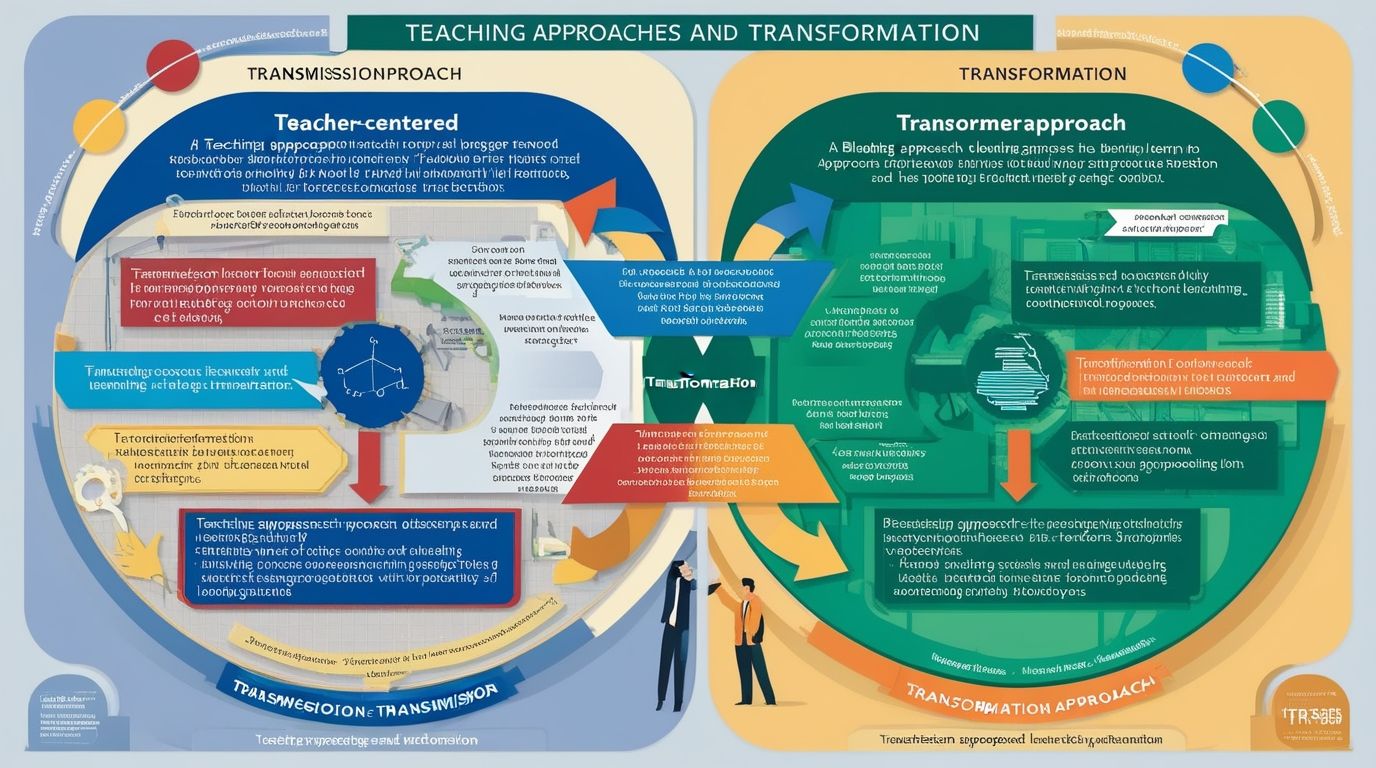
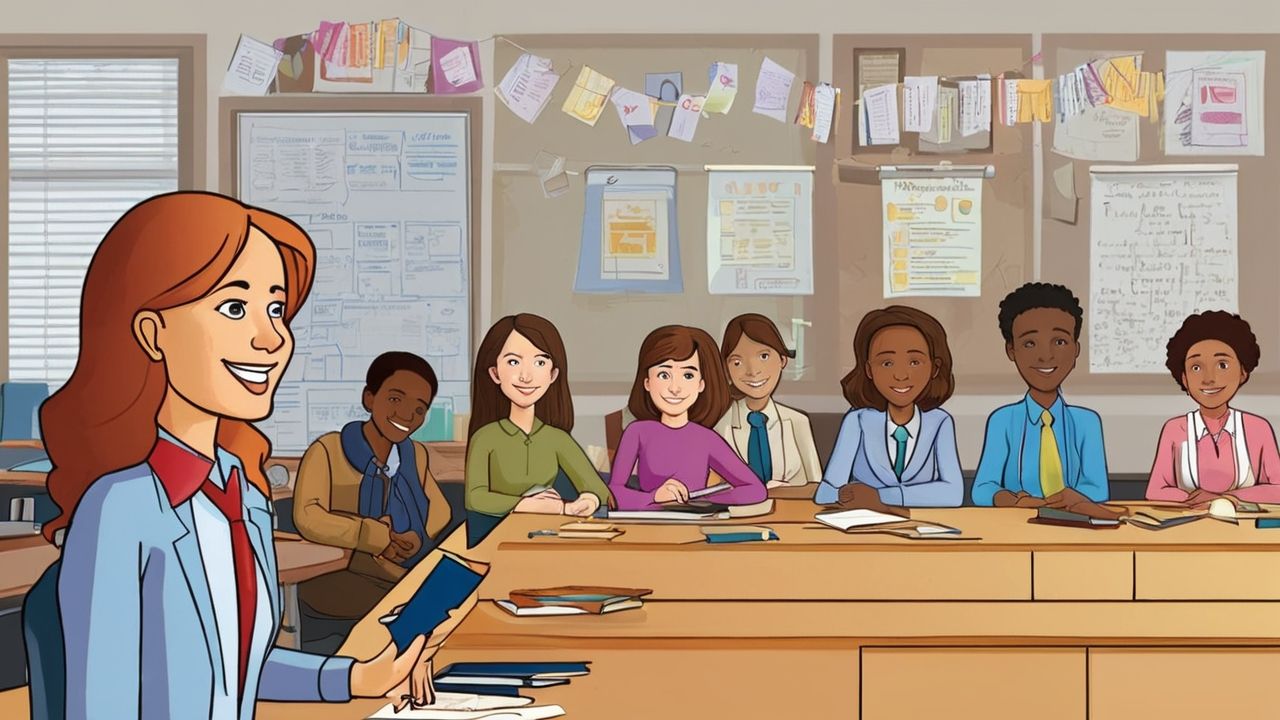
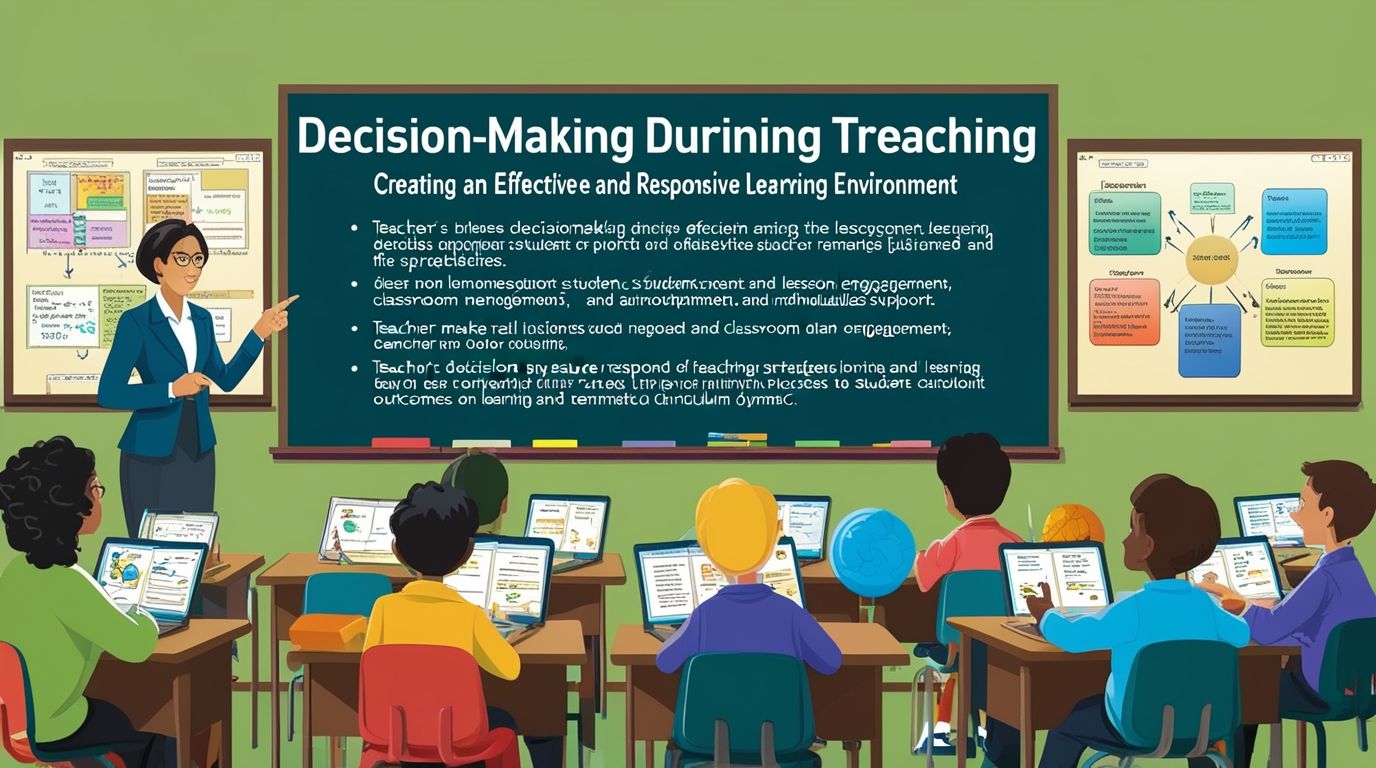
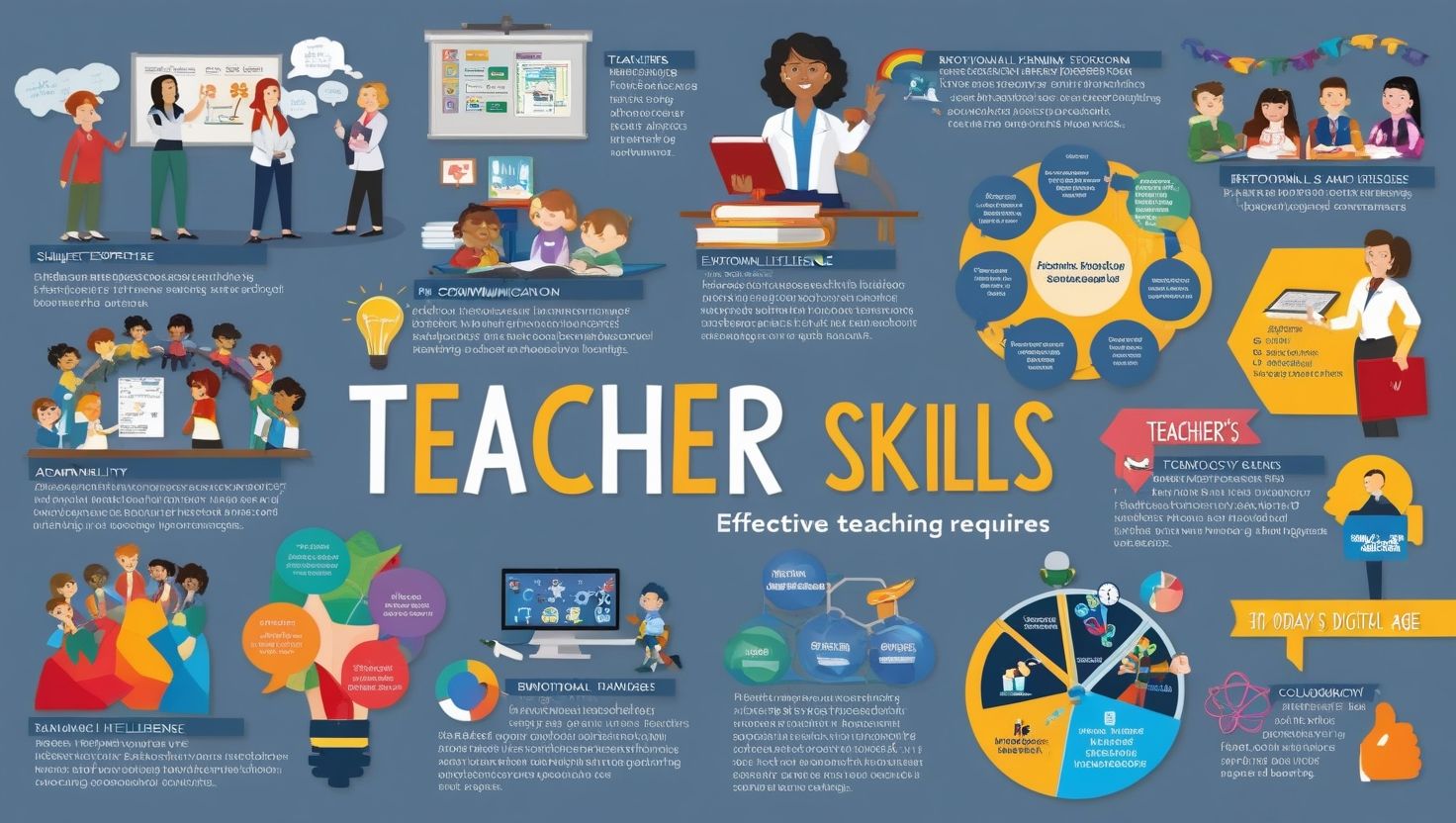
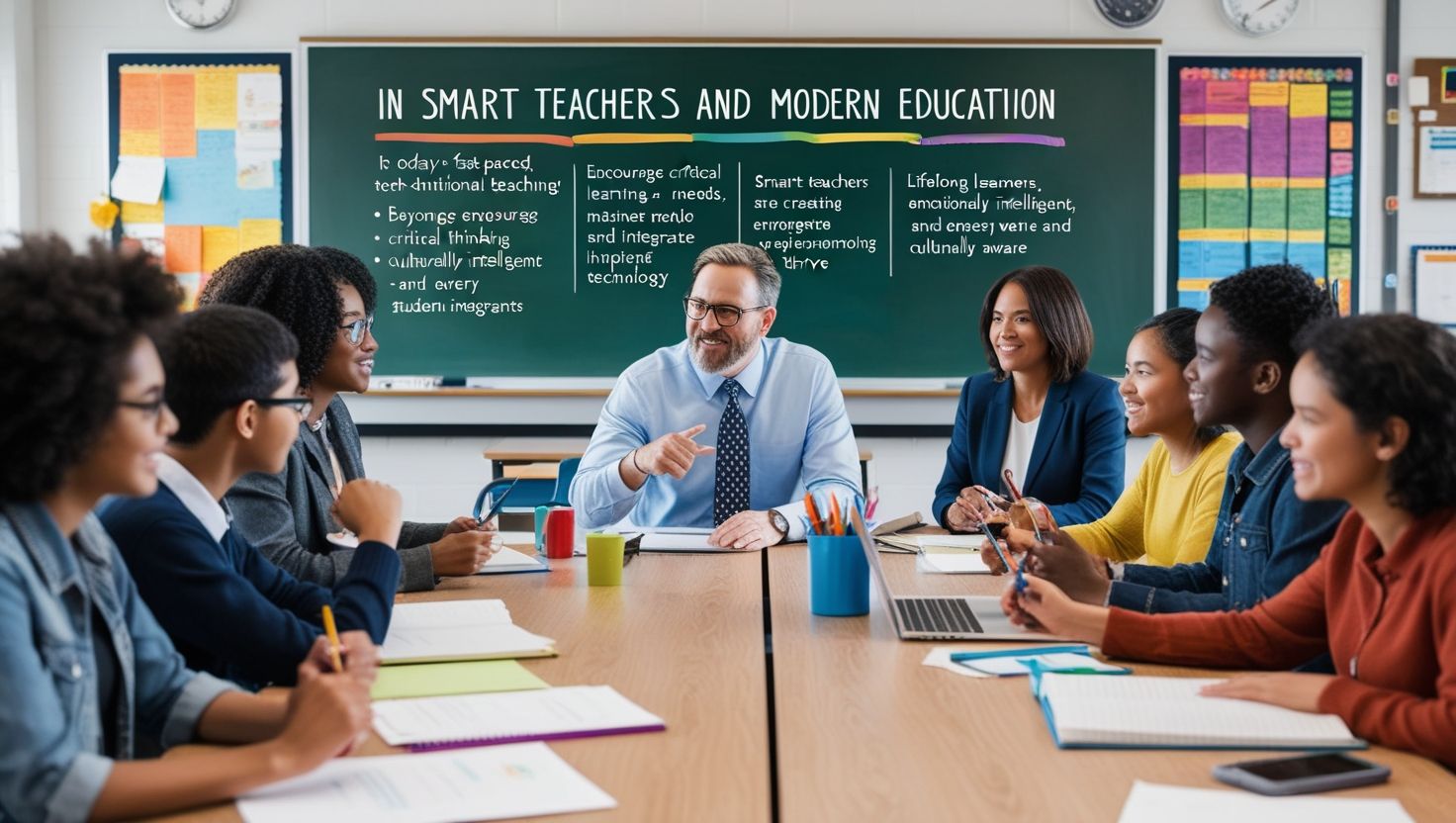
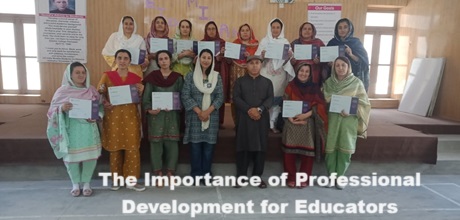
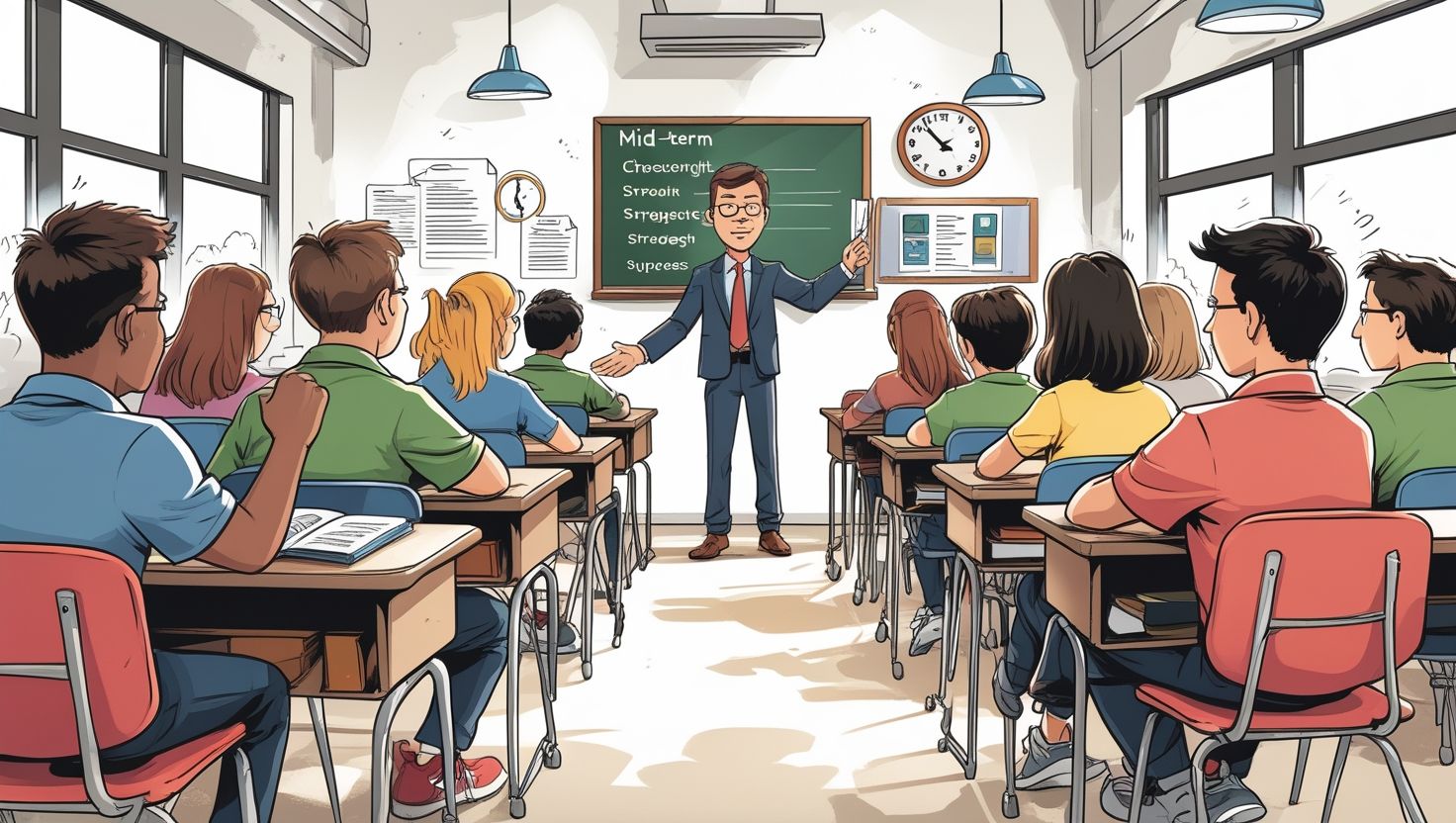
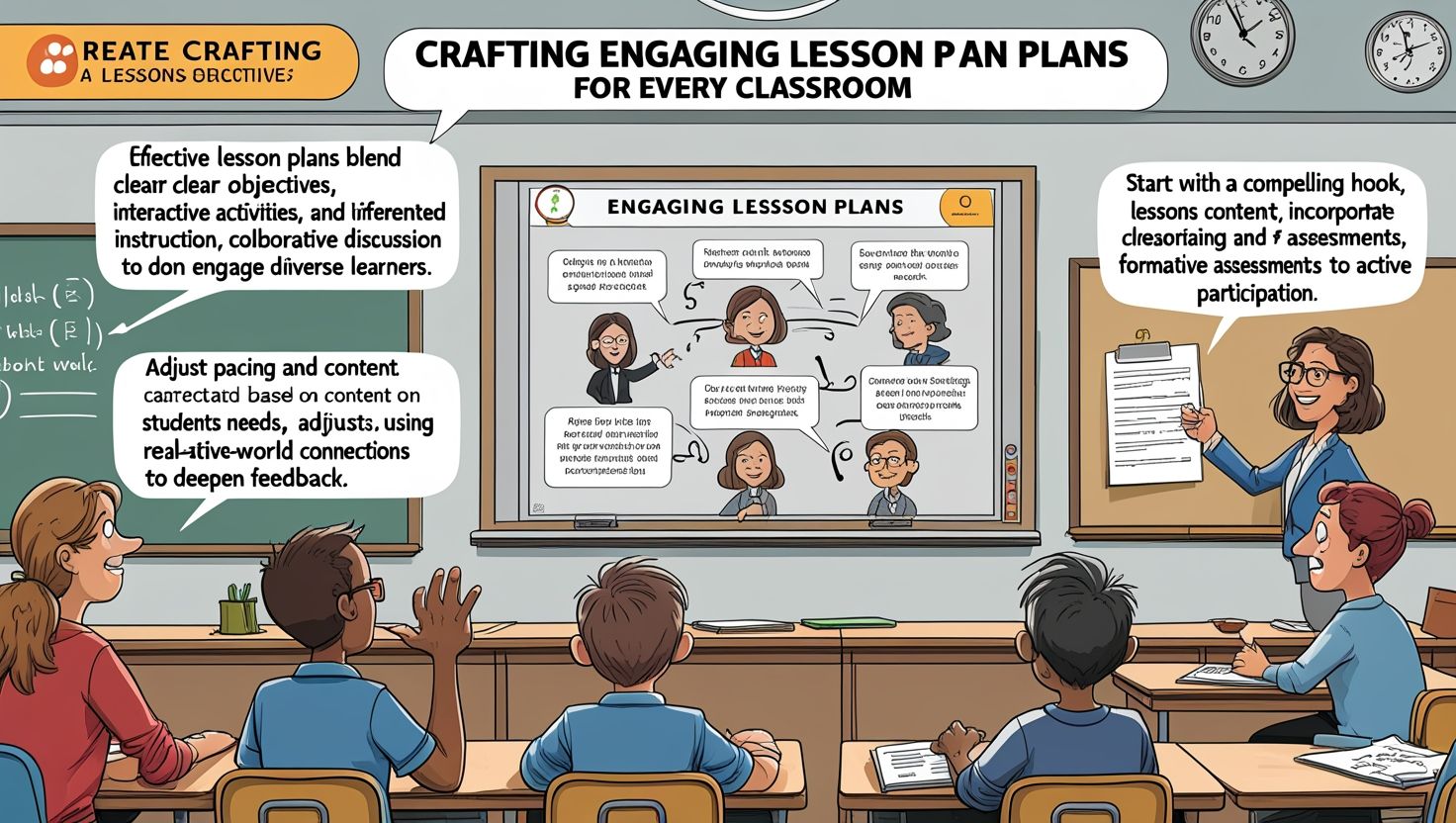
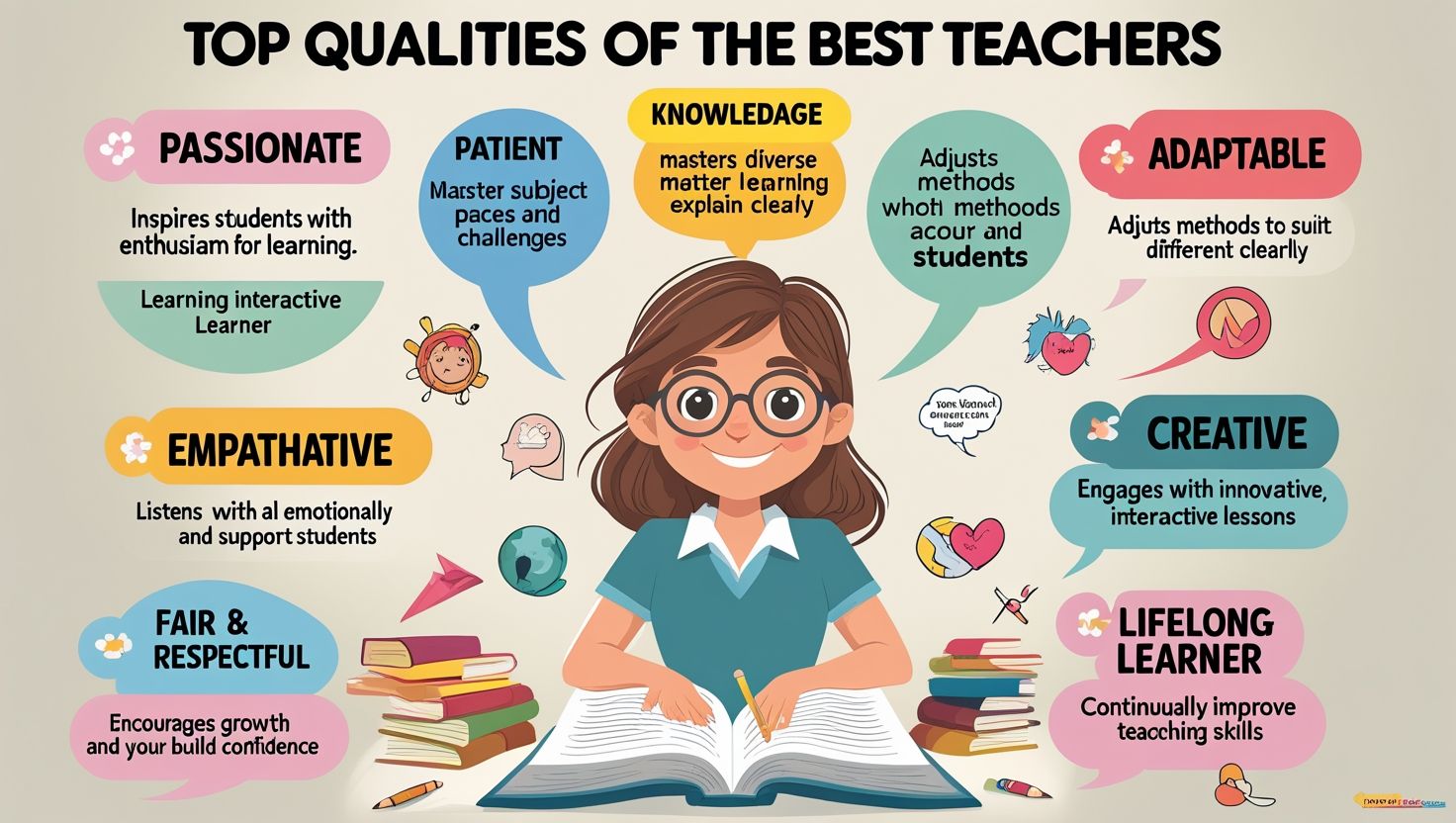
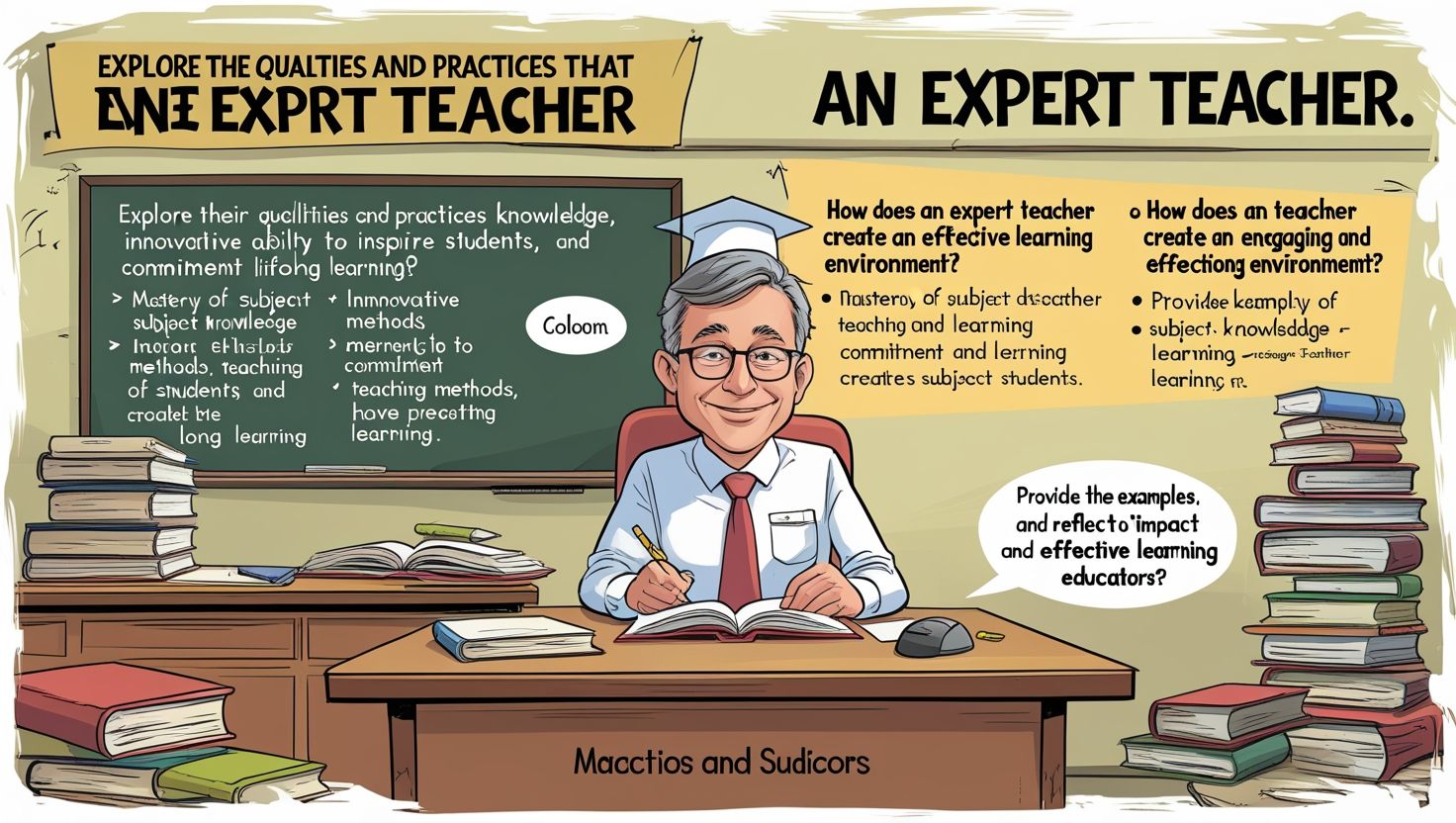
Teachers remain central to successful media learning. Technology can provide information, but teachers provide direction, context, feedback, encouragement, and human connection. Therefore, educators should carefully select digital resources according to curriculum objectives and students’ developmental needs. Before showing a video, for example, a teacher can provide questions that students must answer during or after viewing. Similarly, after an online activity, the teacher can organize a discussion that helps students connect the activity with the lesson. Consequently, students become active participants instead of passive technology users. Furthermore, teachers should monitor students’ online activities and teach responsible digital behavior. Professional development can help educators learn how to create digital presentations, use interactive platforms, evaluate online resources, and design technology-supported assessments. However, teachers do not need to replace every traditional method with technology. Rather, they should combine digital tools with discussion, reading, writing, experiments, teamwork, and direct instruction. Thus, the teacher’s role evolves from simply delivering information to designing meaningful learning experiences that use media effectively.
13. The Future of Media Learning in Schools
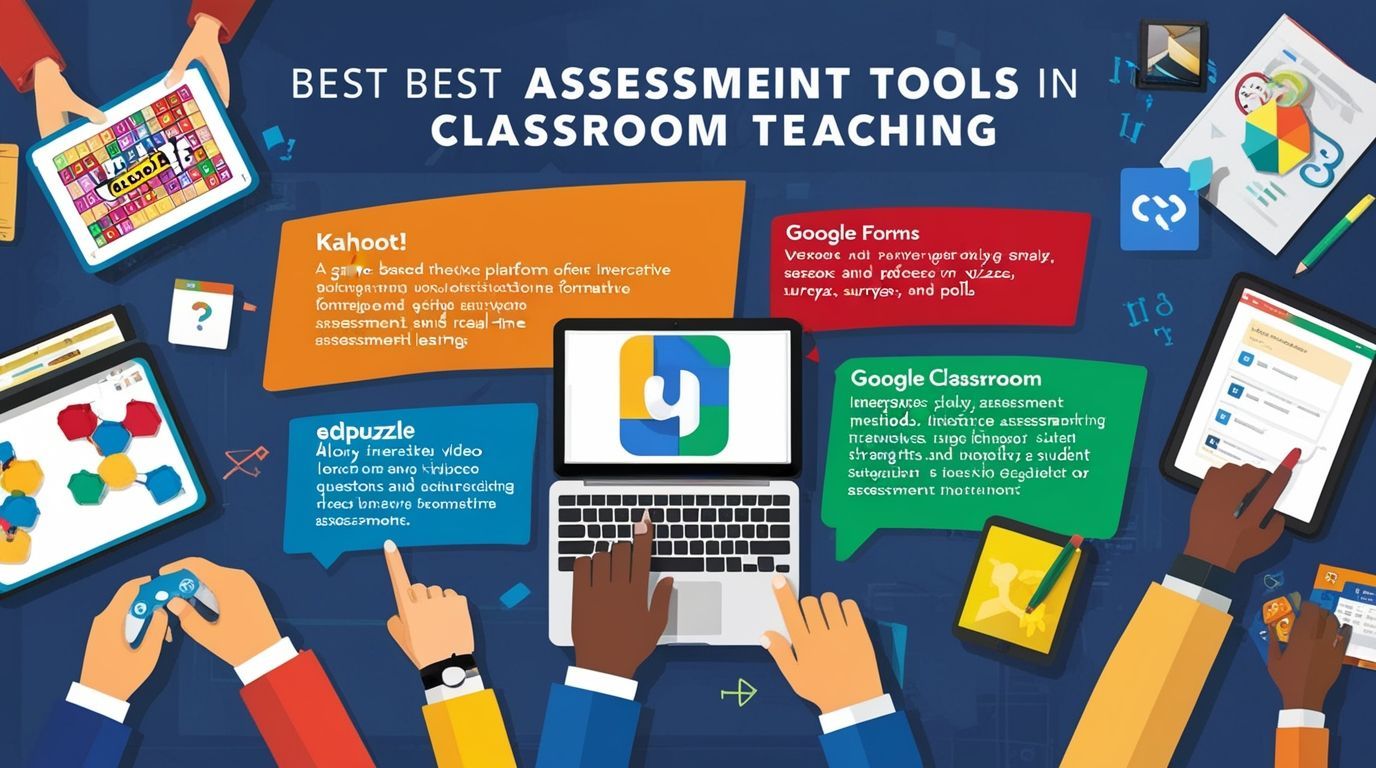
The future of school education will likely involve an increasingly sophisticated combination of classroom teaching and digital learning. Artificial intelligence, interactive simulations, virtual laboratories, educational applications, digital assessment tools, and personalized learning platforms may provide new opportunities for students and teachers. Consequently, schools will need to develop flexible approaches that combine technology with strong educational principles. However, future media learning should focus on learning outcomes rather than technology itself. A new device or application does not automatically improve education. Instead, its value depends on whether it helps students understand concepts, practice skills, solve problems, communicate ideas, and develop knowledge. Furthermore, schools will need policies that address privacy, digital safety, academic integrity, accessibility, and responsible technology use. Teachers will also require continuous professional development as digital tools evolve. Therefore, the future of media learning should combine innovation with careful planning. Technology can expand educational possibilities, but human judgment, effective teaching, meaningful relationships, and strong curriculum design will remain essential.
Conclusion:
Media learning has become an important component of modern school education. It can make lessons more engaging, explain complex concepts visually, support independent study, encourage creativity, develop digital literacy, and provide additional learning opportunities. Moreover, digital media allows teachers to diversify their instructional strategies and provide students with access to information beyond traditional textbooks. Nevertheless, schools should use technology carefully. Excessive screen time, misinformation, unequal access, technical difficulties, and inadequate teacher training can reduce its effectiveness. Therefore, successful media learning requires balance, planning, teacher support, and responsible digital practices. The goal should never be to replace teachers or traditional educational methods. Instead, schools should use media to strengthen teaching and give students richer opportunities to explore, create, communicate, and solve problems. Ultimately, effective media learning connects technology with sound pedagogy. When teachers select appropriate resources and students use them responsibly, media can transform school learning into a more interactive, flexible, creative, and meaningful educational experience.