Abstract
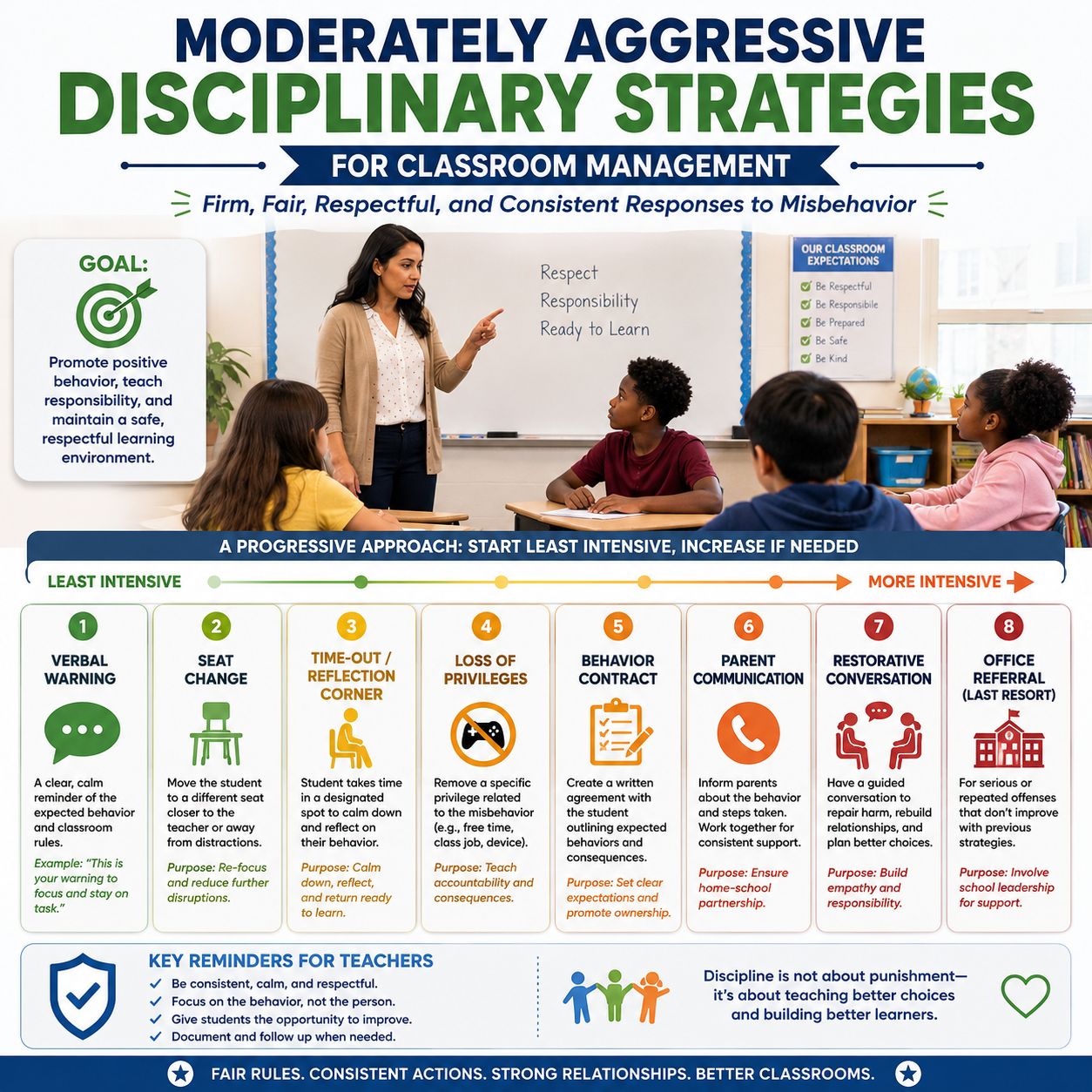
Moderately Aggressive Disciplinary Strategies for Classroom Management, This article examines moderately aggressive disciplinary strategies as a practical and research-informed approach to classroom management. Unlike purely permissive or overly punitive models, moderately assertive discipline blends firm boundary-setting with emotional warmth, producing measurable gains in student engagement, on-task behavior, and classroom safety. Drawing on behavior management theory, assertive discipline models, and contemporary classroom research, this paper outlines the theoretical foundations, benefits, risks, and evidence-based implementation techniques that teachers can use to maintain order without resorting to fear-based control. Consequently, educators seeking sustainable classroom discipline strategies will find actionable guidance for balancing authority with respect.
Introduction
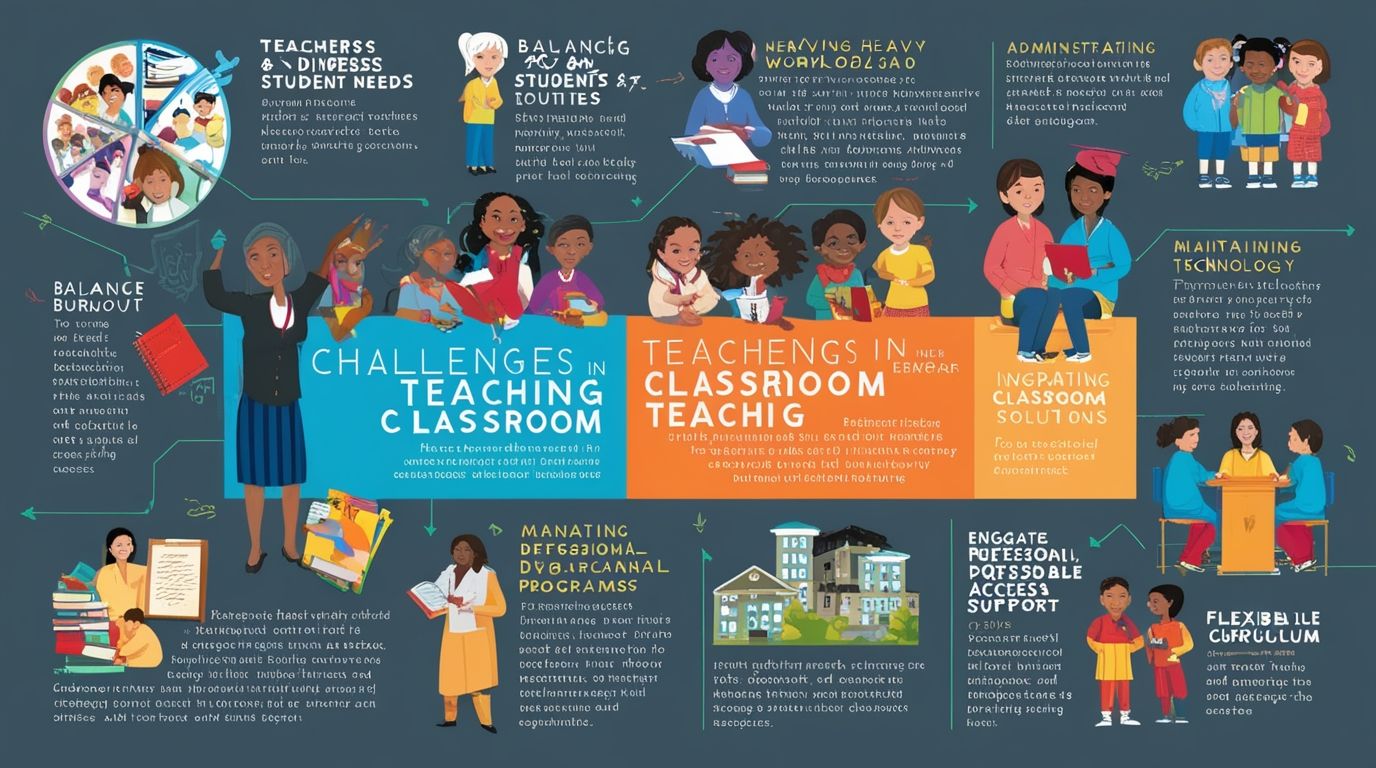
Effective classroom management remains one of the most persistent challenges facing new and veteran teachers alike. In fact, research consistently identifies student misbehavior and lack of structure as leading causes of teacher burnout and lost instructional time. Therefore, schools continue to search for disciplinary models that are neither too lenient, which invites chaos, nor too harsh, which damages trust and motivation. This is where moderately aggressive disciplinary strategies enter the conversation. Rather than relying on shouting, humiliation, or exclusionary punishment, these strategies use assertive communication, clear consequences, and consistent enforcement to establish authority while preserving the teacher-student relationship. Furthermore, this middle-ground approach recognizes that adolescents and children alike respond best to structure that is predictable, firm, and delivered with respect.
Defining Moderately Aggressive Disciplinary Strategies
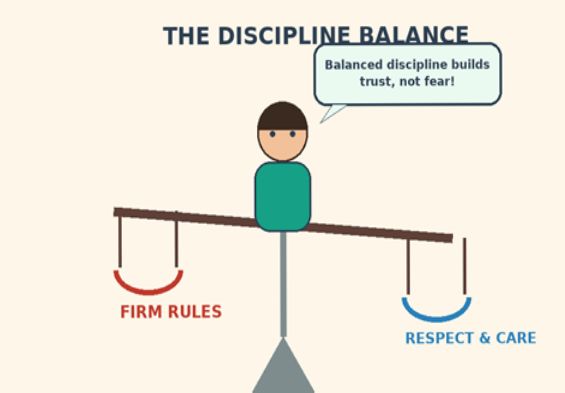
The term moderately aggressive discipline refers to a management style positioned between permissive discipline and authoritarian discipline. Specifically, it involves the confident, direct communication of expectations, paired with immediate and proportionate consequences for rule violations. Unlike aggressive discipline, which can include yelling, sarcasm, or public shaming, the moderate variant relies on tone control, non-verbal authority such as proximity and eye contact, and logical consequences tied directly to the misbehavior. As a result, students experience discipline as fair rather than punitive, which in turn reduces resentment and power struggles. Additionally, this approach aligns closely with the assertive discipline model developed by Lee and Marlene Canter, which emphasizes teacher rights, student rights, and a structured behavior plan communicated in advance.
2.1 Key Characteristics
Several defining features distinguish moderately aggressive strategies from other disciplinary models. First, clarity of expectations ensures students know exactly what behavior is required before any correction occurs. Second, consistency guarantees that every student faces the same consequence for the same infraction, which builds perceived fairness. Third, calm assertiveness allows teachers to correct behavior without escalating emotional intensity. Finally, relationship repair follows every disciplinary action, reinforcing that the correction targets behavior, not the student’s character.
Theoretical Foundations
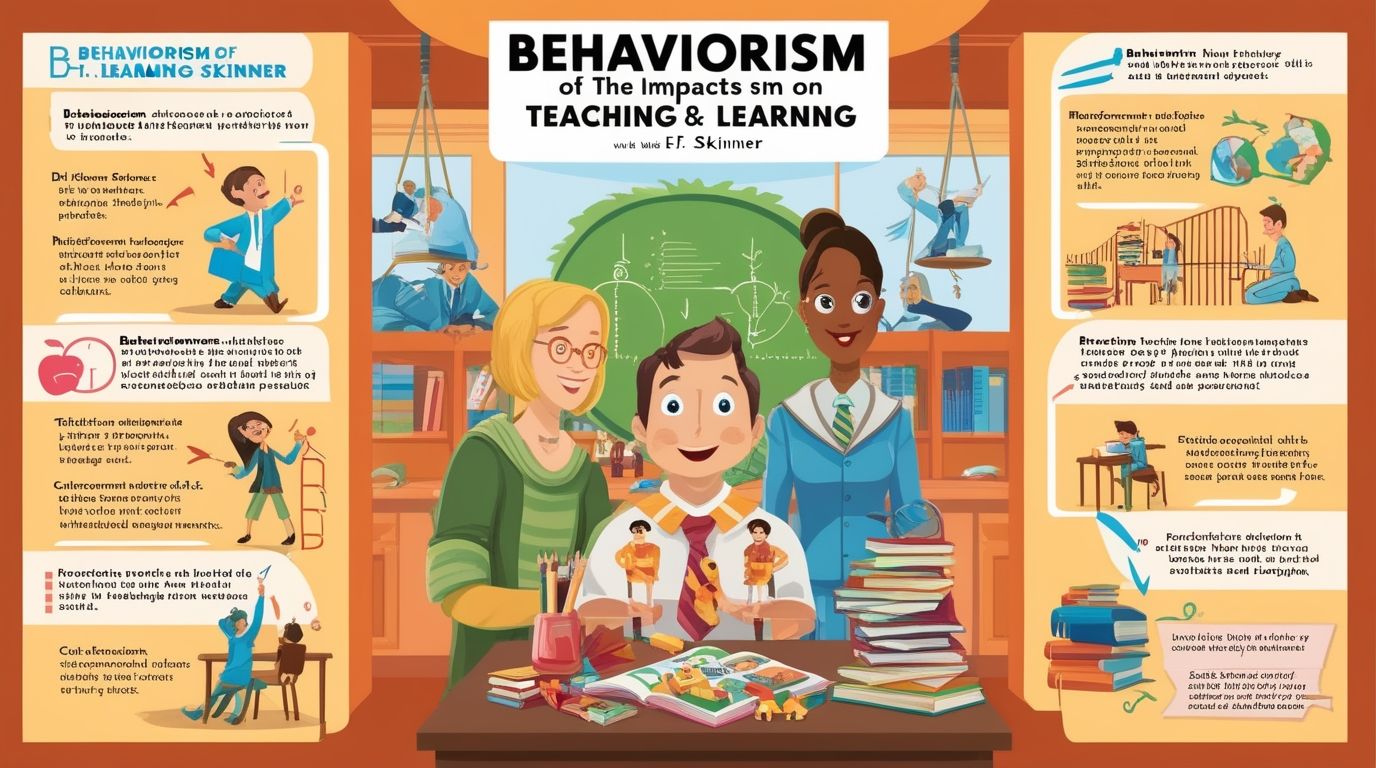
Moderately aggressive disciplinary strategies draw on several established frameworks within educational psychology. Behaviorist theory, rooted in the work of B.F. Skinner, supports the use of consistent consequences to shape behavior through reinforcement. Meanwhile, assertive discipline theory emphasizes that teachers have the right to teach without disruption and that students have the right to a safe, orderly environment. In addition, authoritative parenting research, originally developed by Diana Baumrind, translates well into the classroom: teachers who combine high expectations with high responsiveness tend to produce the most self-regulated, cooperative students. Notably, this authoritative middle ground is precisely what moderately aggressive discipline attempts to operationalize in daily classroom routines. Consequently, teachers who understand these theoretical roots can apply disciplinary techniques with intention rather than instinct alone.
Benefits of Moderately Aggressive Strategies
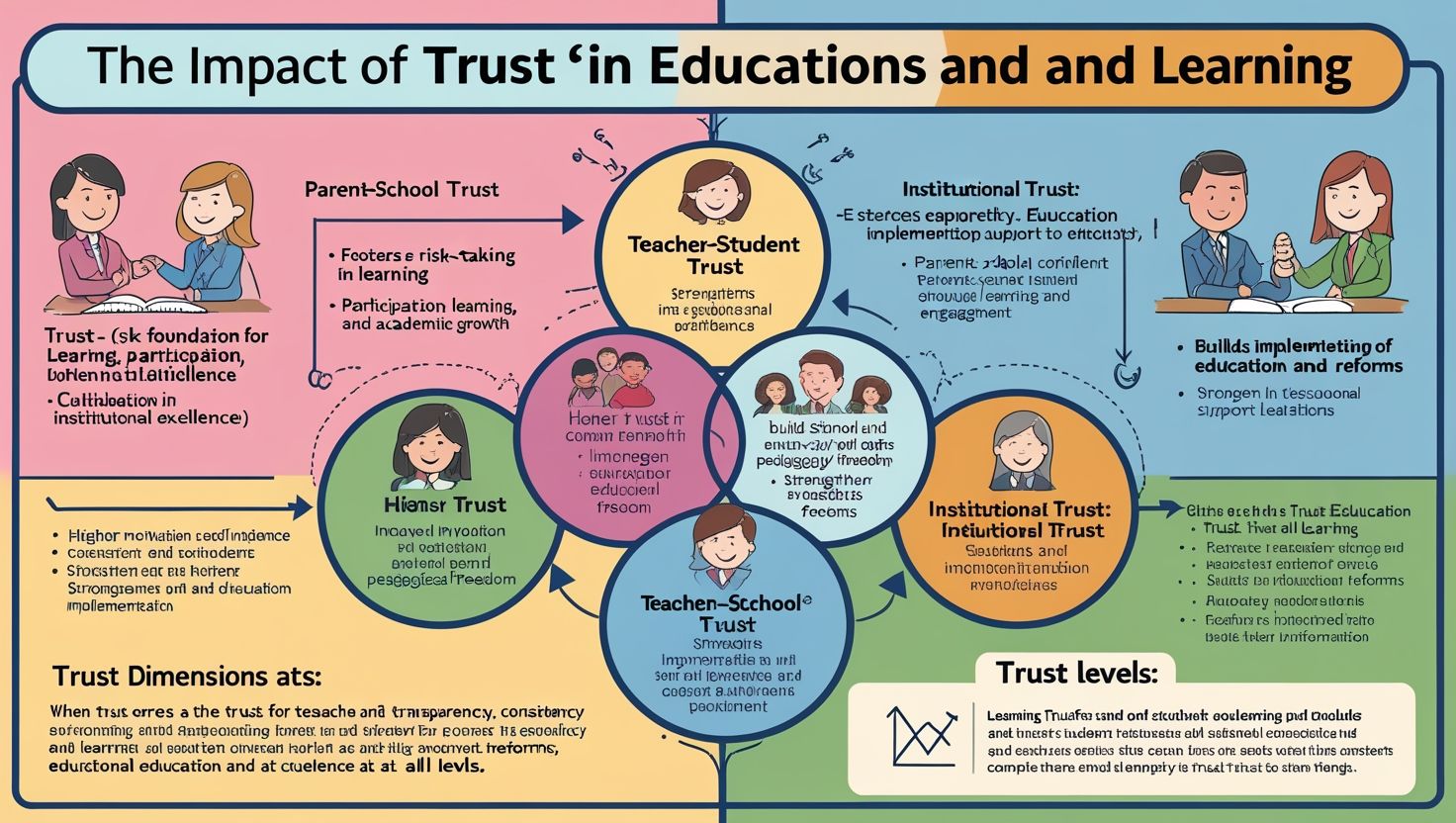
When implemented correctly, moderately aggressive disciplinary strategies offer measurable advantages for both teachers and students. To begin with, classroom order improves quickly because expectations are unambiguous and consequences are predictable. Moreover, student accountability increases, since learners understand that actions carry direct and fair outcomes. Equally important, teacher confidence grows, reducing the anxiety and burnout associated with chaotic classrooms. Beyond these immediate effects, students in well-managed, moderately assertive classrooms report higher perceived safety and stronger trust in their teacher, because correction is applied evenly rather than emotionally. Ultimately, this balance between firmness and fairness supports not only better behavior but also improved academic achievement, since less time is lost to disruption and negotiation.
Risks, Limitations, and Ethical Considerations
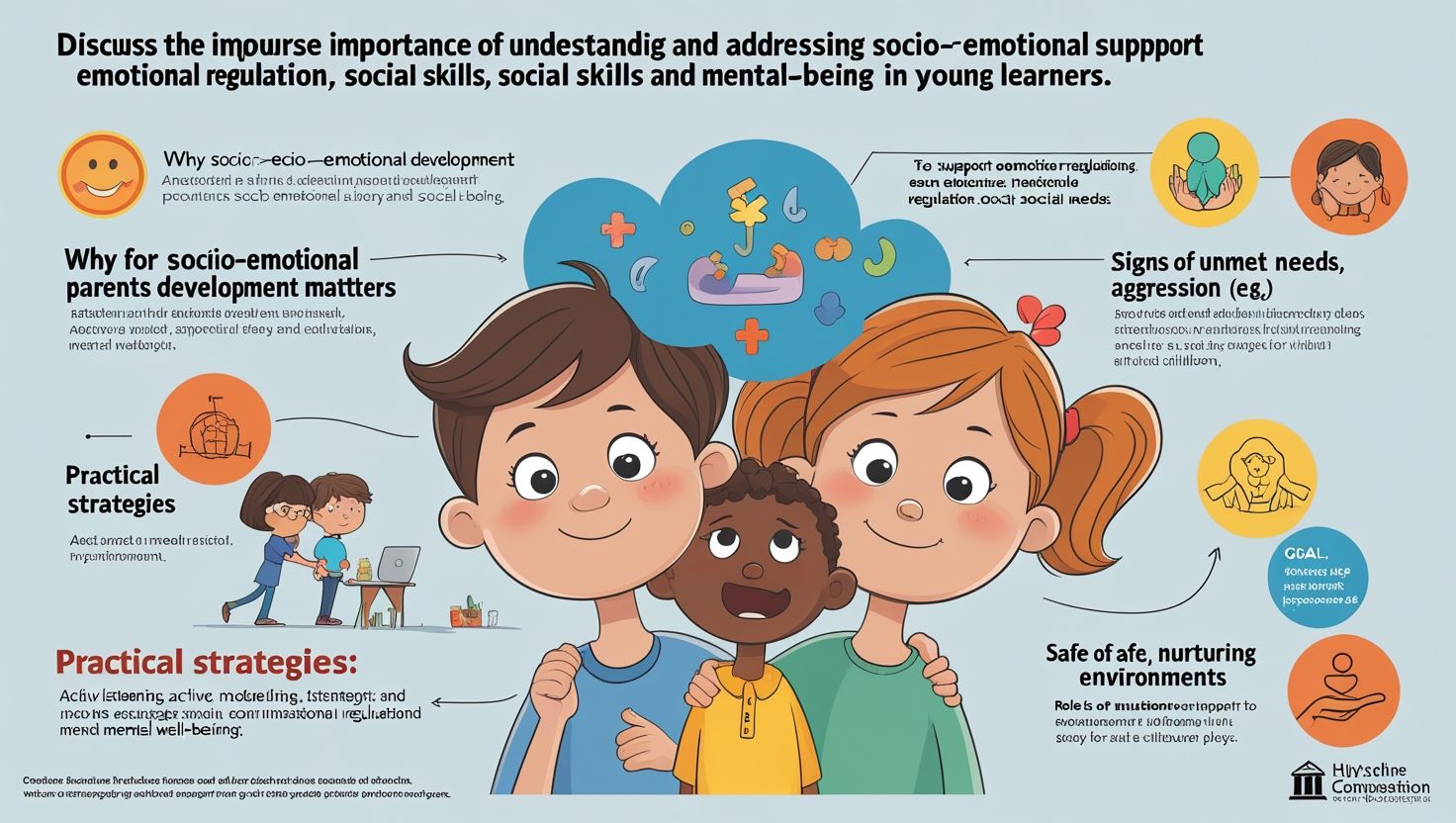
Despite its benefits, moderately aggressive discipline is not without risk, and educators must apply it with careful judgment. If poorly calibrated, assertiveness can drift toward genuine aggression, particularly under stress or fatigue. Therefore, ongoing teacher self-monitoring is essential to prevent tone or consequence severity from escalating beyond what is proportionate. Additionally, cultural and individual differences mean that some students respond to firm correction with anxiety rather than compliance, which highlights the importance of pairing discipline with trauma-informed practice and individualized support plans. Furthermore, critics argue that any disciplinary model emphasizing control, even moderately, risks reinforcing power imbalances rather than teaching intrinsic self-regulation. For this reason, many researchers recommend combining moderately assertive techniques with restorative practices, ensuring that consequences are followed by dialogue, reflection, and relationship repair rather than isolation alone.
Practical Implementation Strategies
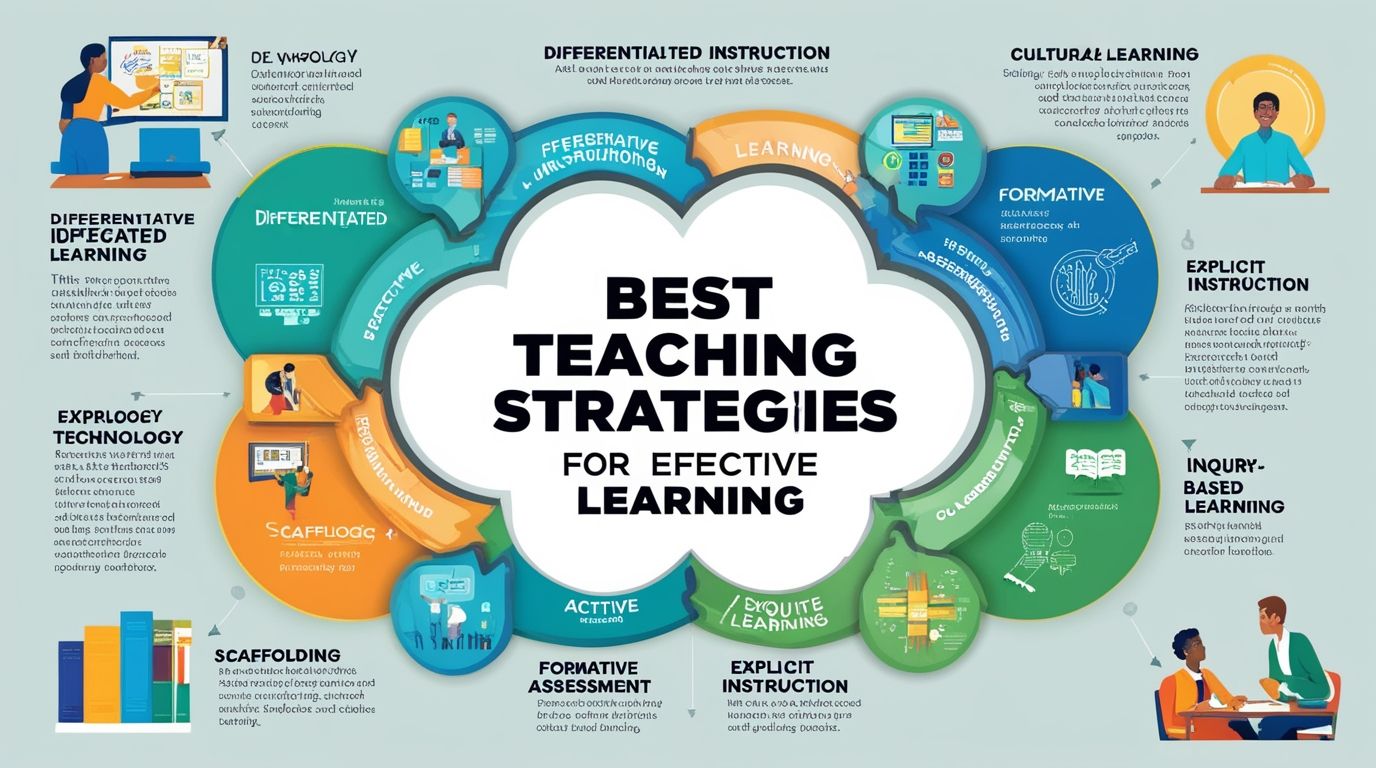
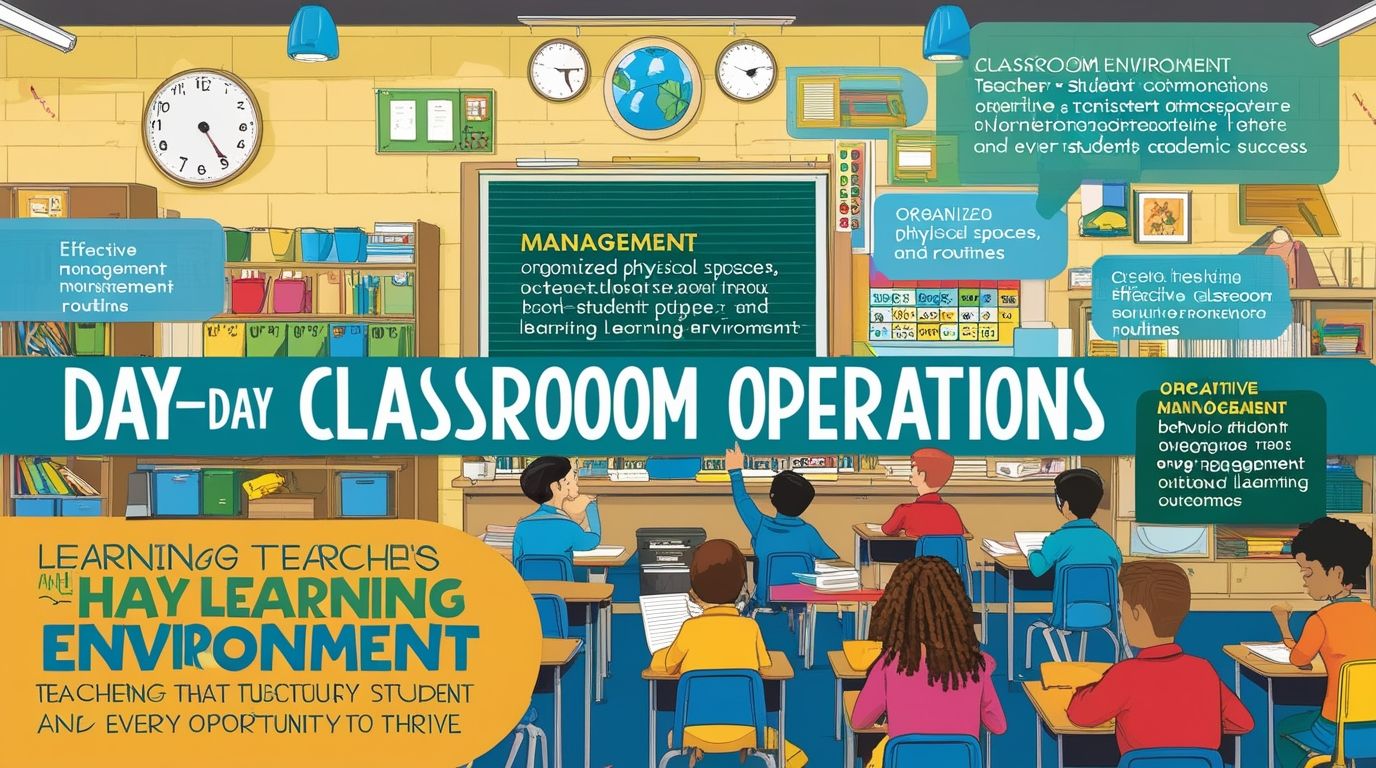
Translating theory into daily practice requires specific, actionable techniques. The following strategies represent evidence-informed methods for applying moderately aggressive discipline effectively in real classrooms.
6.1 Establish Clear, Co-Created Rules
At the start of the term, teachers should establish a short list of clear behavioral expectations, ideally developed collaboratively with students. As a result, learners feel ownership over the rules, which increases voluntary compliance and reduces the need for frequent correction later in the year.
6.2 Use Proximity and Non-Verbal Cues First
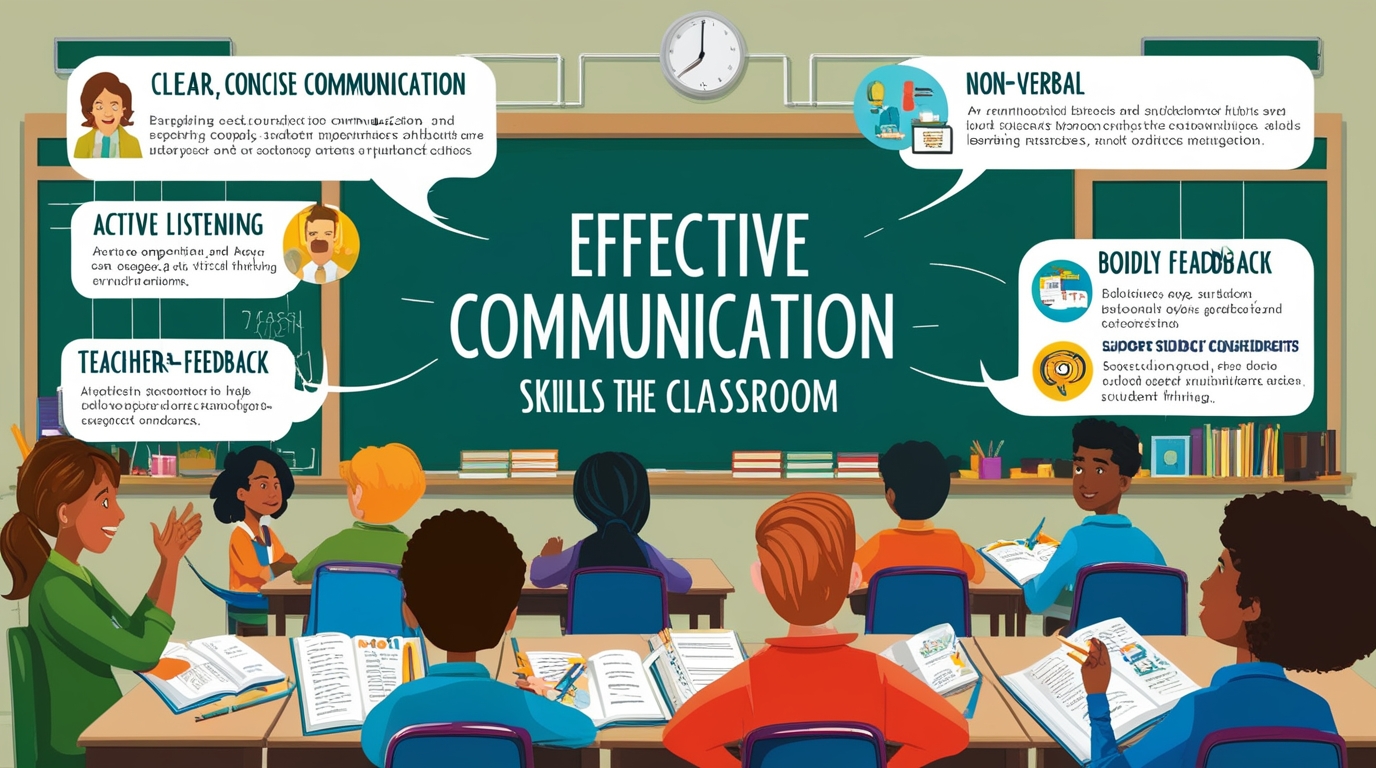
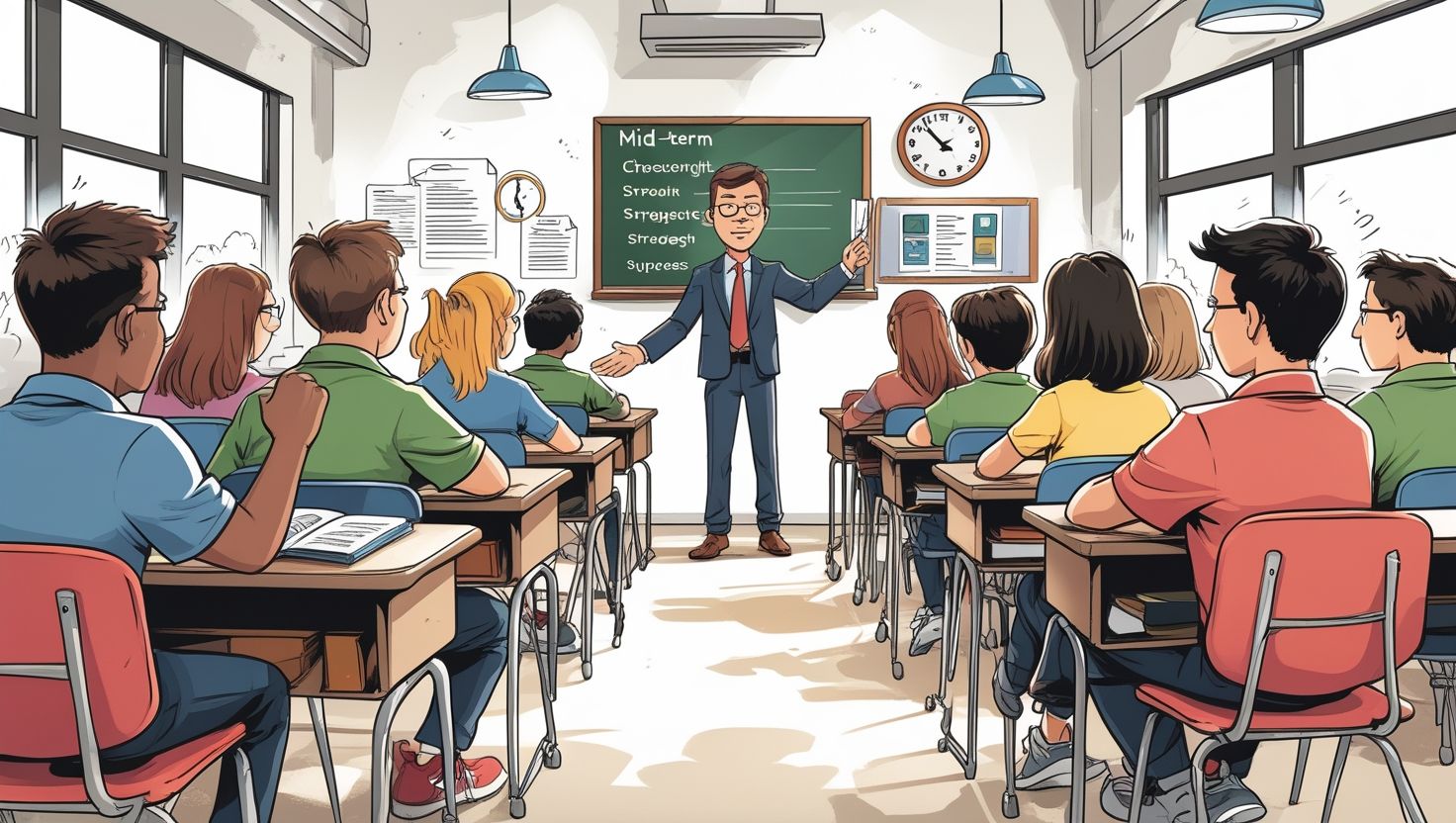
Before verbal correction, effective teachers rely on proximity control, eye contact, and gesture. These low-intensity, non-verbal signals often redirect behavior without interrupting instruction, thereby preserving classroom momentum.
6.3 Deliver Consequences Calmly and Consistently
When correction becomes necessary, it should be delivered in a calm, matter-of-fact tone, free from sarcasm or public humiliation. Equally, the same consequence should apply to every student committing the same infraction, which is central to maintaining perceived fairness across the classroom.
6.4 Follow Every Consequence with Relationship Repair
After any disciplinary action, a brief private conversation should follow, reaffirming that the teacher values the student. Consequently, this step prevents resentment from building and reinforces that discipline targets behavior rather than identity.
6.5 Reinforce Positive Behavior Publicly
Finally, moderately aggressive discipline works best when paired with frequent, specific praise for desired behavior. In other words, correction and reinforcement must operate together; discipline alone, without recognition of improvement, rarely sustains long-term change.
Building a Respectful Classroom Culture
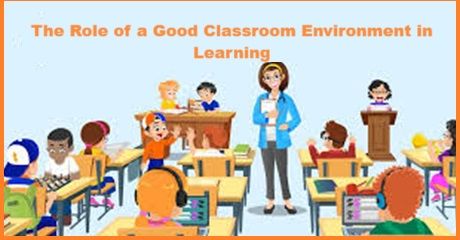
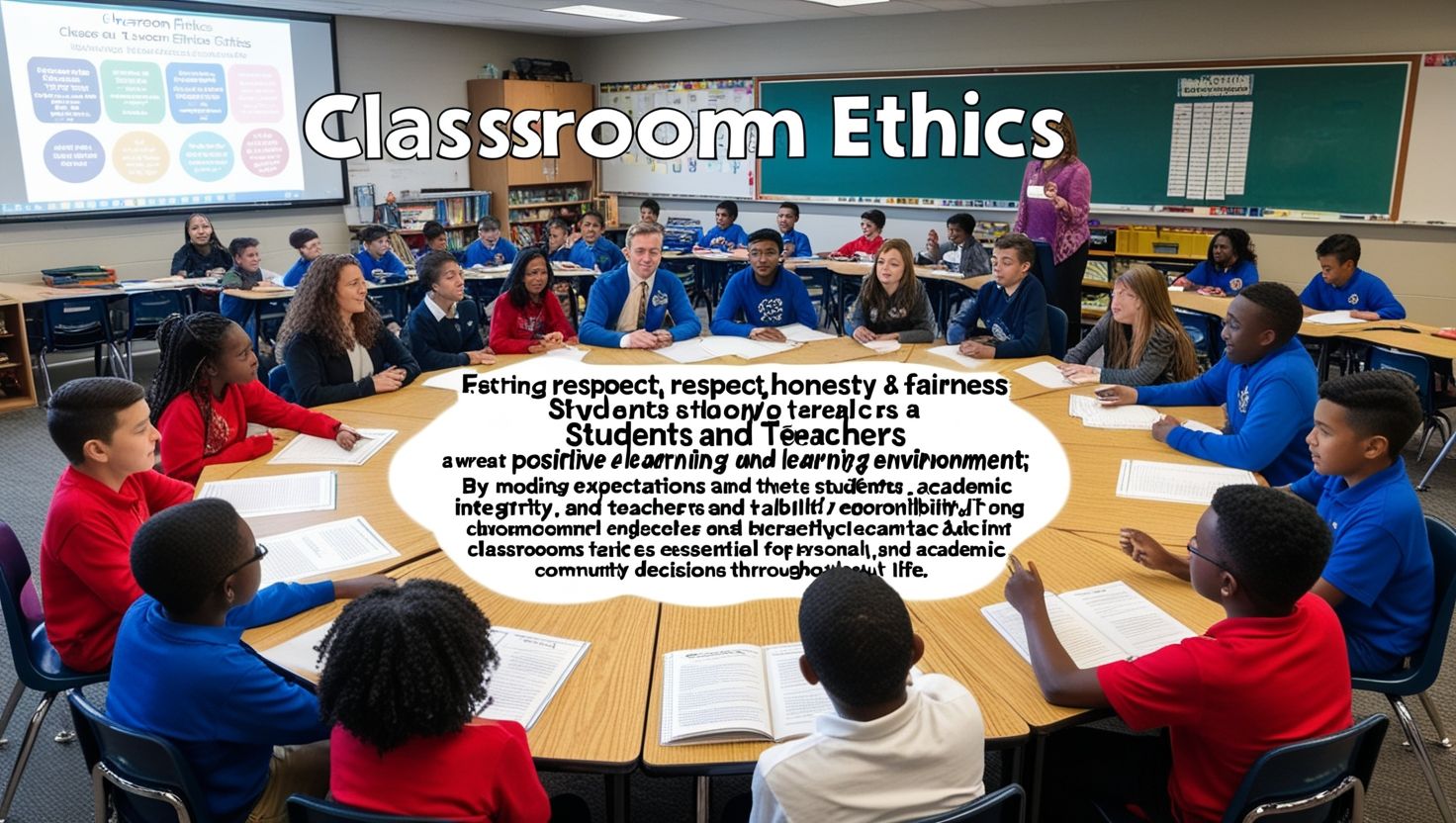
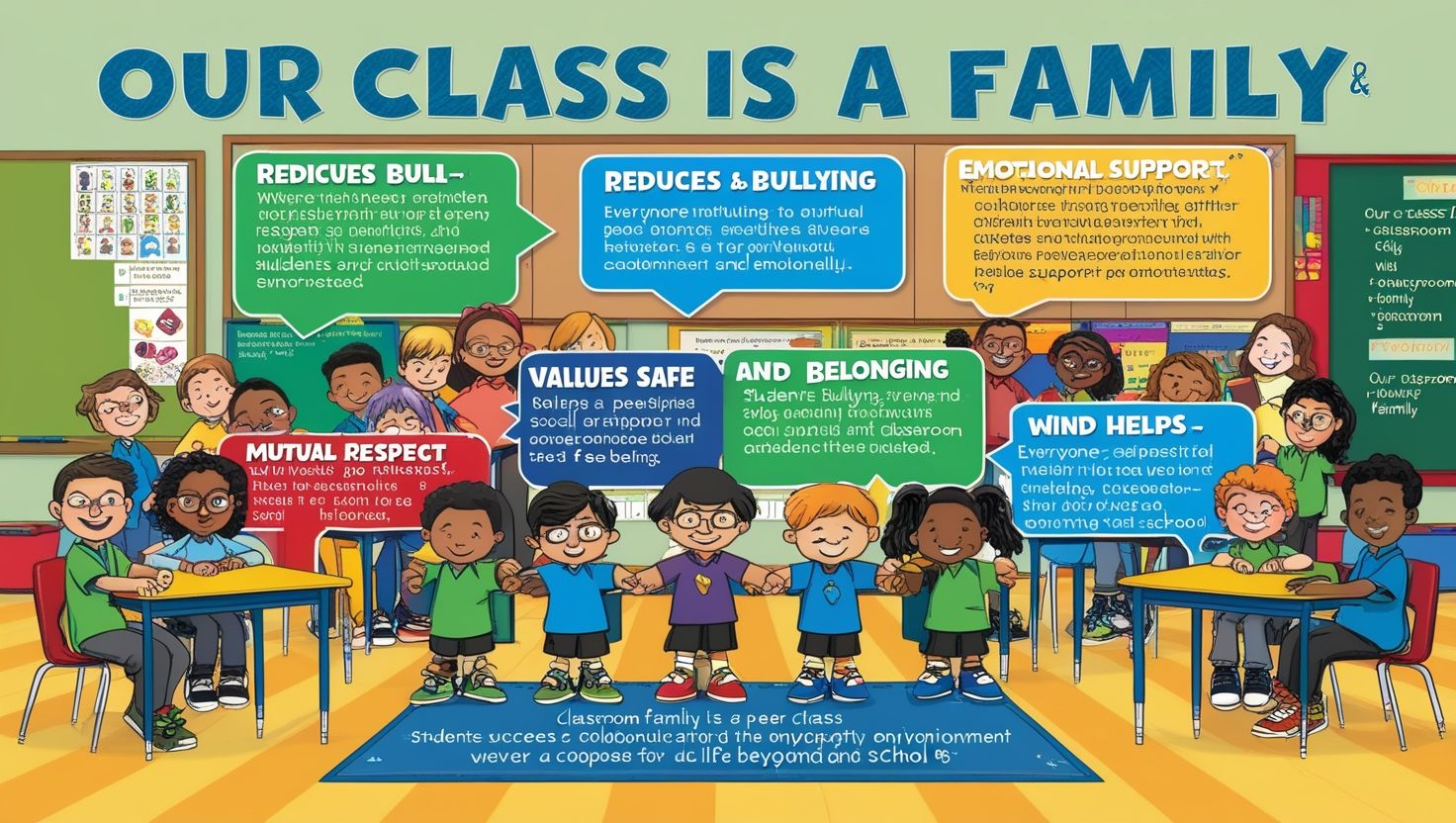
Ultimately, the success of any disciplinary model depends on the broader classroom culture in which it operates. When students perceive that authority and respect flow in both directions, they are far more likely to accept correction without conflict. Likewise, teachers who model emotional regulation during discipline teach students, implicitly, how to manage their own frustration and conflict. Over time, this reciprocal respect transforms moderately aggressive discipline from a set of isolated techniques into a coherent, sustainable classroom management philosophy.
Conclusion
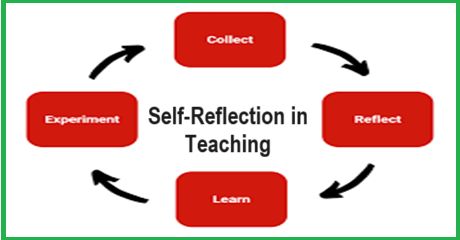
In conclusion, moderately aggressive disciplinary strategies offer a practical, ethically grounded middle path between permissiveness and harsh punishment. By combining firm expectations, consistent consequences, and genuine warmth, teachers can create classrooms that are orderly, safe, and emotionally supportive. Nevertheless, successful implementation demands ongoing reflection, cultural sensitivity, and a willingness to pair correction with relationship repair. As classrooms continue to evolve, educators who master this balanced approach to behavior management will be best positioned to support both academic achievement and student wellbeing for years to come.
References
Canter, L., & Canter, M. (1992). Assertive Discipline: Positive Behavior Management for Today’s Classroom. Lee Canter & Associates.
Baumrind, D. (1991). The Influence of Parenting Style on Adolescent Competence and Substance Use. Journal of Early Adolescence.
Skinner, B. F. (1953). Science and Human Behavior. Macmillan.
Marzano, R. J., Marzano, J. S., & Pickering, D. J. (2003). Classroom Management That Works. ASCD.